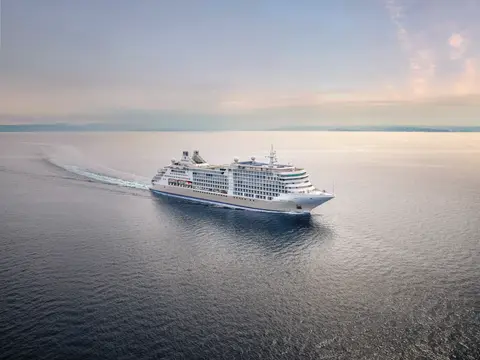
سيلفرسيMO260813007
من فانكوفر إلى سيوارد
Date
2026-08-13
Duration
7 nights
Departure Port
فانكوفر
كندا
Arrival Port
سيوارد
الولايات المتحدة
Rating
Ultra Luxury
Theme
—
Date
2026-08-13
Duration
7 nights
Departure Port
فانكوفر
كندا
Arrival Port
سيوارد
الولايات المتحدة
Rating
Ultra Luxury
Theme
—

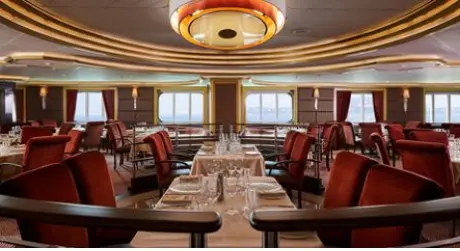


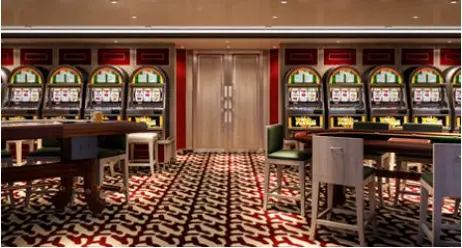

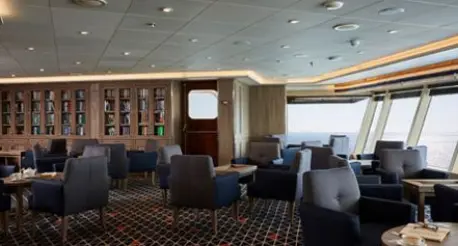
سيلفرسي
2020
—
40,700 GT
691
288
408
699 m
26 m
20 knots
No
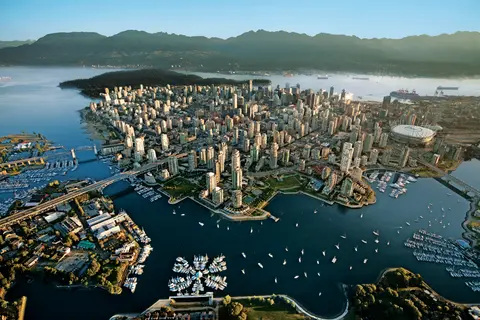
مضغوط بين المحيط الهادئ وجبال الساحل، فانكوفر هي البوابة الطبيعية إلى ممر ألاسكا الداخلي — مدينة حيث يلتقي الغابات المطيرة المعتدلة مع الأبراج الزجاجية وحيث يحدد سرطان البحر دنجينس وسالمون السوكاي البري مطبخ المحيط الهادئ الذي ينافس أي مطبخ في أمريكا الشمالية. امشِ على جدار البحر في حديقة ستانلي بطول 22 كيلومترًا، واغمر نفسك في سوق جزيرة غرانويل، ثم استقل العبارة إلى روعة إدواردية في فيكتوريا. موسم الرحلات البحرية إلى ألاسكا يصل ذروته من مايو إلى سبتمبر، مما يجعل فانكوفر نقطة انطلاق مثالية لأحد أعظم الرحلات البحرية في العالم.
Navigate through the intricate outlays of some of Alaska’s most staggering winter scenery, threading a needle between craggy, snow-dusted islands, and slipping glacial giants. To cruise this 500-mile stretch of Alaskan beauty is to sail through a living work of natural art - with perfectly sculpted mountains soaring from the shoreline, and clutches of islands scattered across the dark waters with delicate attention to detail. A common sailing route due to its calm sheltered waters, gorgeous natural set pieces constantly play out here - whether it’s killer whales accompanying you through the breathtaking icy passages, harbour seals catching a break on floating hunks of ice, or wisps of cloud clinging to distant mountain peaks. Witness Mother Nature at her most dramatic and elaborate along this Alaskan coastline, where glaciers groan and creak melodramatically, before finally releasing colossal shelves of ice, allowing them to free fall into the waters below, and explode with angry booms and thunderous splashes. While fundamental displays of nature’s power always awe and amaze, it’s the tranquil beauty of this passage - amid still waters, splitting only to reveal the smooth backs of breaching humpback whales – that is relentlessly moving. A journey of glaciers, remote hidden villages, and carved fjords - the Inside Passage is a breathtaking voyage through the intricate mesh of Alaska’s fractured, raw and spectacular coastal landscapes.
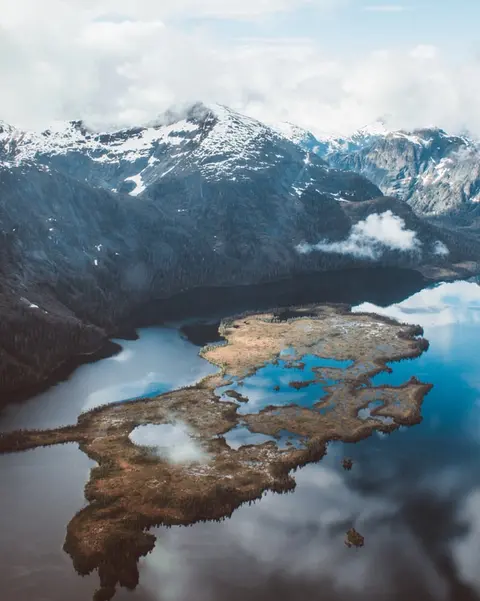
كيشكان تتشبث بالشاطئ المشجر لجزيرة ريفيلاجيغيدو في الطرف الجنوبي الشرقي من ألاسكا - مدينة ضيقة لدرجة أن السكان المحليين يمزحون بأنها تمتد لثلاثة أميال وطولها ثلاثة شوارع. تعتبرها قبيلة التلينغيت مكانًا مقدسًا لصيد السلمون منذ آلاف السنين، وهي اليوم مشهورة كعاصمة الأعمدة الطوطمية في العالم: المجموعات في قرية ساكسمن الأصلية وحديقة توتم بايت التاريخية تحافظ على أكبر تركيز لهذه الأعمال الفنية الضخمة في أي مكان. يجب عدم تفويت شارع كريك، وهو ممشى من منازل تاريخية ملونة مبنية فوق كريك كيشكان. يجلب الصيف (مايو - سبتمبر) أفضل الطقس، مع تدفق السلمون في الأنهار أدناه.
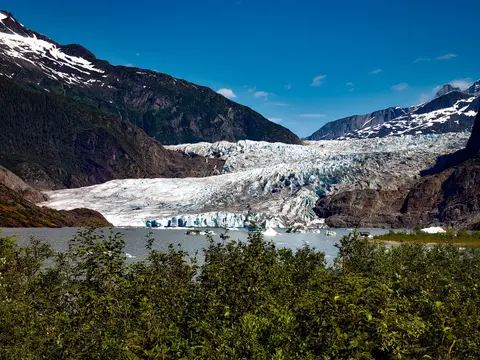
جونيو، عاصمة ولاية أمريكا الوحيدة التي لا يمكن الوصول إليها عبر الطرق، تكافئ الرحلة بعظمة برية لا يمكن لمثلها من المدن على وجه الأرض أن تنافسها. يقع نهر ميدنهال الجليدي — نهر حي من الجليد القديم — على بعد خمس عشرة دقيقة فقط من وسط المدينة، حيث تطير الطائرات العائمة فوق واجهة مائية محاطة بجبال مغطاة بالصنوبر تتدفق مباشرة إلى البحر. التجربة الأساسية هي الهبوط بالمروحية على قمة حقل الجليد أو رحلة لمشاهدة الحيتان في ممر ستيفنز، حيث تقفز الحيتان الحدباء بالقرب بشكل مذهل. يكون الجو في يونيو أكثر دفئًا حتى أغسطس، على الرغم من أن أيام الصيف قد تجلب الأمطار الشهيرة في جنوب شرق ألاسكا التي تحافظ على الغابات المطيرة مضيئة بشكل دائم.
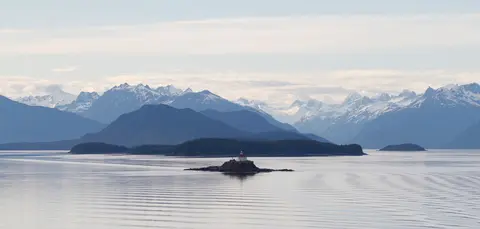
سكاواي، المتواجدة في الطرف الشمالي لقناة لين في ألاسكا، هي مدينة ازدهار حمى الذهب التي حافظ عليها الزمن تقريبًا بشكل مثالي — شارع رئيسي حدودي مع صالونات ذات واجهات مزيفة ومتاجر فيكتورية محمية الآن كحديقة تاريخية وطنية. لا يزال سكة حديد وايت باس ويكون روت، المكتملة في عام 1900 لتزويد حقول الذهب في كلوندايك، تتسلق الممر المائل في عربات قديمة، مقدمة بعض من أكثر المناظر الجبلية دراماتيكية في أمريكا الشمالية. تنتظر المغامرين رحلات المشي على الأنهار الجليدية وجولات الهليكوبتر فوق حقل جونو الجليدي. يجلب مايو إلى سبتمبر أيامًا قطبية طويلة وأفضل وصول موثوق.
Sitka began as a major Tlingit Indian village and was called “Shee Atika,” which translates roughly as “settlement on the outside of Shee.” “Shee” is the Tlingit name of Baranof Island. In 1799, Alexander Baranof, the general manager of the Russian American Company, decided to move his base of operations from Kodiak and set up camp at what is now called Old Sitka, 7.5 miles north of the present-day town. He called the settlement St. Archangel Michael. The Tlingit Indians of the area resisted the occupation and, in 1802, with Baranof away, burned the fort and massacred the Russian settlers. Two years later, Baranof returned and besieged the Indian fort. The Tlingits withdrew and the area was once again in Russian hands. This time, the Russians built the new city on a different site and called it New Archangel. For over six decades, New Archangel was the capital of the Russian empire in Alaska. By 1867, the Alaska colony had become too much of a financial burden to Russia. William Seward, U.S. Secretary of State, negotiated with the Russian Czar to purchase the Territory of Alaska for $7.2 million. The American press scoffed at Seward and the U.S. government for purchasing what they called “Seward's Folly,” “Seward's Icebox,” and “Walrussia.” On October 18, 1867, the Russian flag was lowered at New Archangel and the Stars and Stripes were raised over newly renamed Sitka. The name comes from the Tlingit word “Sheetkah,” which means “in this place.” All Russian citizens living in the former colony were given the opportunity to become American citizens. Many went home, although a few stayed or migrated to California. Sitka remained the capital of the Territory of Alaska from 1867 to 1906, when it was moved to Juneau. The move was a direct result of the gold rush. In plain terms, Sitka did not have any and Juneau did. After the Japanese attack on Pearl Harbor, Sitka became a full-scale naval base. At one time during the war, Sitka had a total population of 37,000. With the end of World War II, however, the city settled into a quieter existence. The biggest boom in modern days for Sitka came in 1959 when the Alaska Lumber and Pulp Company built a pulp mill at Silver Bay, near the city. Today, picturesque Sitka is known for its fishing and of course its many historic attractions.
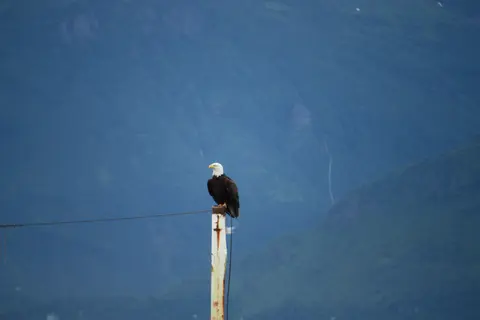
فالديز تقع عند رأس فيورد في خليج الأمير ويليام، محاطة بجبال تشوجاش والأنهار الجليدية التي تجعلها واحدة من أكثر الموانئ دراماتيكية في ألاسكا. تشمل التجارب التي يجب القيام بها الإبحار إلى نهر كولومبيا، والمشي إلى نهر وورثينغتون، وتذوق الهلبوت الطازج في المطاعم المطلة على الميناء. من مايو إلى سبتمبر هو الموسم، مع جلب يوليو وأغسطس لرحلات السلمون وأدفأ الطقس.
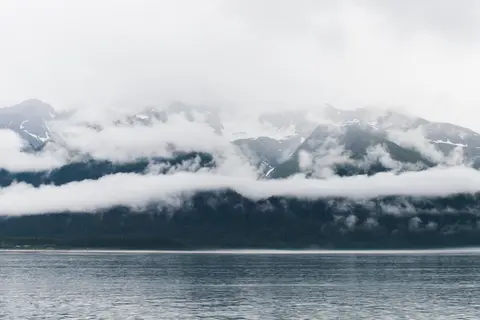
سيوارد، ألاسكا، هو ميناء ساحر معروف بمناظره الطبيعية الخلابة وتاريخه الغني كمدينة إمدادات خلال حمى الذهب. تشمل التجارب التي يجب القيام بها زيارة حديقة كيناي فيوردز الوطنية وتذوق الأطباق المحلية مثل تاكو الهاليبوت وأكوتاك. أفضل وقت للزيارة هو خلال أشهر الصيف عندما تكون الجمال الطبيعي في ذروته وتكثر الأنشطة الخارجية.
Day 1
مضغوط بين المحيط الهادئ وجبال الساحل، فانكوفر هي البوابة الطبيعية إلى ممر ألاسكا الداخلي — مدينة حيث يلتقي الغابات المطيرة المعتدلة مع الأبراج الزجاجية وحيث يحدد سرطان البحر دنجينس وسالمون السوكاي البري مطبخ المحيط الهادئ الذي ينافس أي مطبخ في أمريكا الشمالية. امشِ على جدار البحر في حديقة ستانلي بطول 22 كيلومترًا، واغمر نفسك في سوق جزيرة غرانويل، ثم استقل العبارة إلى روعة إدواردية في فيكتوريا. موسم الرحلات البحرية إلى ألاسكا يصل ذروته من مايو إلى سبتمبر، مما يجعل فانكوفر نقطة انطلاق مثالية لأحد أعظم الرحلات البحرية في العالم.
Day 2
Navigate through the intricate outlays of some of Alaska’s most staggering winter scenery, threading a needle between craggy, snow-dusted islands, and slipping glacial giants. To cruise this 500-mile stretch of Alaskan beauty is to sail through a living work of natural art - with perfectly sculpted mountains soaring from the shoreline, and clutches of islands scattered across the dark waters with delicate attention to detail. A common sailing route due to its calm sheltered waters, gorgeous natural set pieces constantly play out here - whether it’s killer whales accompanying you through the breathtaking icy passages, harbour seals catching a break on floating hunks of ice, or wisps of cloud clinging to distant mountain peaks. Witness Mother Nature at her most dramatic and elaborate along this Alaskan coastline, where glaciers groan and creak melodramatically, before finally releasing colossal shelves of ice, allowing them to free fall into the waters below, and explode with angry booms and thunderous splashes. While fundamental displays of nature’s power always awe and amaze, it’s the tranquil beauty of this passage - amid still waters, splitting only to reveal the smooth backs of breaching humpback whales – that is relentlessly moving. A journey of glaciers, remote hidden villages, and carved fjords - the Inside Passage is a breathtaking voyage through the intricate mesh of Alaska’s fractured, raw and spectacular coastal landscapes.
Day 3
كيشكان تتشبث بالشاطئ المشجر لجزيرة ريفيلاجيغيدو في الطرف الجنوبي الشرقي من ألاسكا - مدينة ضيقة لدرجة أن السكان المحليين يمزحون بأنها تمتد لثلاثة أميال وطولها ثلاثة شوارع. تعتبرها قبيلة التلينغيت مكانًا مقدسًا لصيد السلمون منذ آلاف السنين، وهي اليوم مشهورة كعاصمة الأعمدة الطوطمية في العالم: المجموعات في قرية ساكسمن الأصلية وحديقة توتم بايت التاريخية تحافظ على أكبر تركيز لهذه الأعمال الفنية الضخمة في أي مكان. يجب عدم تفويت شارع كريك، وهو ممشى من منازل تاريخية ملونة مبنية فوق كريك كيشكان. يجلب الصيف (مايو - سبتمبر) أفضل الطقس، مع تدفق السلمون في الأنهار أدناه.
Day 4
جونيو، عاصمة ولاية أمريكا الوحيدة التي لا يمكن الوصول إليها عبر الطرق، تكافئ الرحلة بعظمة برية لا يمكن لمثلها من المدن على وجه الأرض أن تنافسها. يقع نهر ميدنهال الجليدي — نهر حي من الجليد القديم — على بعد خمس عشرة دقيقة فقط من وسط المدينة، حيث تطير الطائرات العائمة فوق واجهة مائية محاطة بجبال مغطاة بالصنوبر تتدفق مباشرة إلى البحر. التجربة الأساسية هي الهبوط بالمروحية على قمة حقل الجليد أو رحلة لمشاهدة الحيتان في ممر ستيفنز، حيث تقفز الحيتان الحدباء بالقرب بشكل مذهل. يكون الجو في يونيو أكثر دفئًا حتى أغسطس، على الرغم من أن أيام الصيف قد تجلب الأمطار الشهيرة في جنوب شرق ألاسكا التي تحافظ على الغابات المطيرة مضيئة بشكل دائم.
Day 5
سكاواي، المتواجدة في الطرف الشمالي لقناة لين في ألاسكا، هي مدينة ازدهار حمى الذهب التي حافظ عليها الزمن تقريبًا بشكل مثالي — شارع رئيسي حدودي مع صالونات ذات واجهات مزيفة ومتاجر فيكتورية محمية الآن كحديقة تاريخية وطنية. لا يزال سكة حديد وايت باس ويكون روت، المكتملة في عام 1900 لتزويد حقول الذهب في كلوندايك، تتسلق الممر المائل في عربات قديمة، مقدمة بعض من أكثر المناظر الجبلية دراماتيكية في أمريكا الشمالية. تنتظر المغامرين رحلات المشي على الأنهار الجليدية وجولات الهليكوبتر فوق حقل جونو الجليدي. يجلب مايو إلى سبتمبر أيامًا قطبية طويلة وأفضل وصول موثوق.
Day 6
Sitka began as a major Tlingit Indian village and was called “Shee Atika,” which translates roughly as “settlement on the outside of Shee.” “Shee” is the Tlingit name of Baranof Island. In 1799, Alexander Baranof, the general manager of the Russian American Company, decided to move his base of operations from Kodiak and set up camp at what is now called Old Sitka, 7.5 miles north of the present-day town. He called the settlement St. Archangel Michael. The Tlingit Indians of the area resisted the occupation and, in 1802, with Baranof away, burned the fort and massacred the Russian settlers. Two years later, Baranof returned and besieged the Indian fort. The Tlingits withdrew and the area was once again in Russian hands. This time, the Russians built the new city on a different site and called it New Archangel. For over six decades, New Archangel was the capital of the Russian empire in Alaska. By 1867, the Alaska colony had become too much of a financial burden to Russia. William Seward, U.S. Secretary of State, negotiated with the Russian Czar to purchase the Territory of Alaska for $7.2 million. The American press scoffed at Seward and the U.S. government for purchasing what they called “Seward's Folly,” “Seward's Icebox,” and “Walrussia.” On October 18, 1867, the Russian flag was lowered at New Archangel and the Stars and Stripes were raised over newly renamed Sitka. The name comes from the Tlingit word “Sheetkah,” which means “in this place.” All Russian citizens living in the former colony were given the opportunity to become American citizens. Many went home, although a few stayed or migrated to California. Sitka remained the capital of the Territory of Alaska from 1867 to 1906, when it was moved to Juneau. The move was a direct result of the gold rush. In plain terms, Sitka did not have any and Juneau did. After the Japanese attack on Pearl Harbor, Sitka became a full-scale naval base. At one time during the war, Sitka had a total population of 37,000. With the end of World War II, however, the city settled into a quieter existence. The biggest boom in modern days for Sitka came in 1959 when the Alaska Lumber and Pulp Company built a pulp mill at Silver Bay, near the city. Today, picturesque Sitka is known for its fishing and of course its many historic attractions.
Day 7
فالديز تقع عند رأس فيورد في خليج الأمير ويليام، محاطة بجبال تشوجاش والأنهار الجليدية التي تجعلها واحدة من أكثر الموانئ دراماتيكية في ألاسكا. تشمل التجارب التي يجب القيام بها الإبحار إلى نهر كولومبيا، والمشي إلى نهر وورثينغتون، وتذوق الهلبوت الطازج في المطاعم المطلة على الميناء. من مايو إلى سبتمبر هو الموسم، مع جلب يوليو وأغسطس لرحلات السلمون وأدفأ الطقس.
Day 8
سيوارد، ألاسكا، هو ميناء ساحر معروف بمناظره الطبيعية الخلابة وتاريخه الغني كمدينة إمدادات خلال حمى الذهب. تشمل التجارب التي يجب القيام بها زيارة حديقة كيناي فيوردز الوطنية وتذوق الأطباق المحلية مثل تاكو الهاليبوت وأكوتاك. أفضل وقت للزيارة هو خلال أشهر الصيف عندما تكون الجمال الطبيعي في ذروته وتكثر الأنشطة الخارجية.
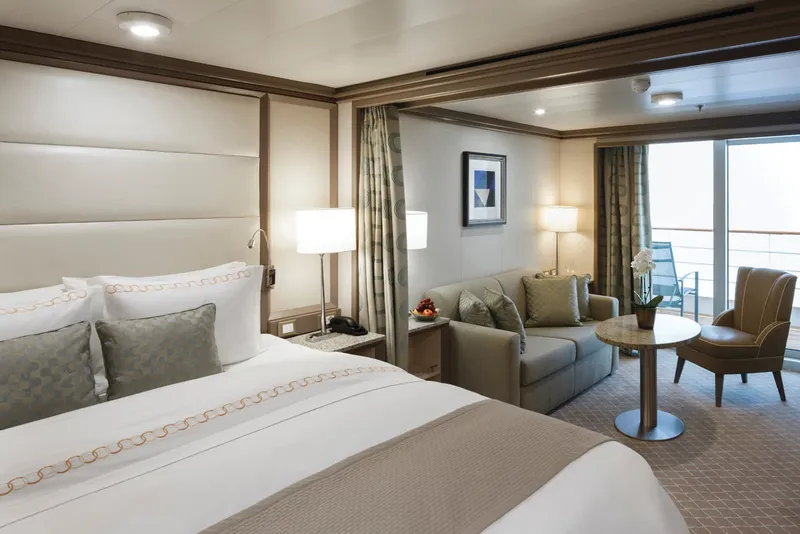
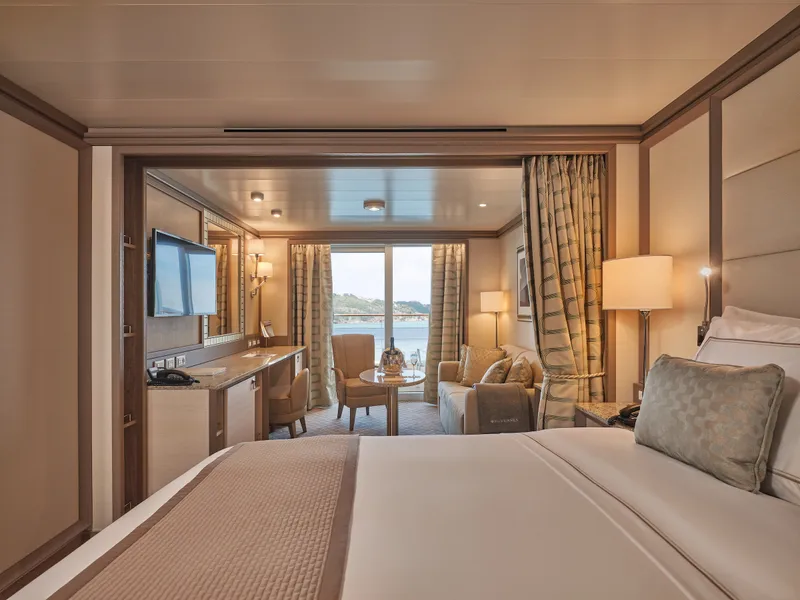
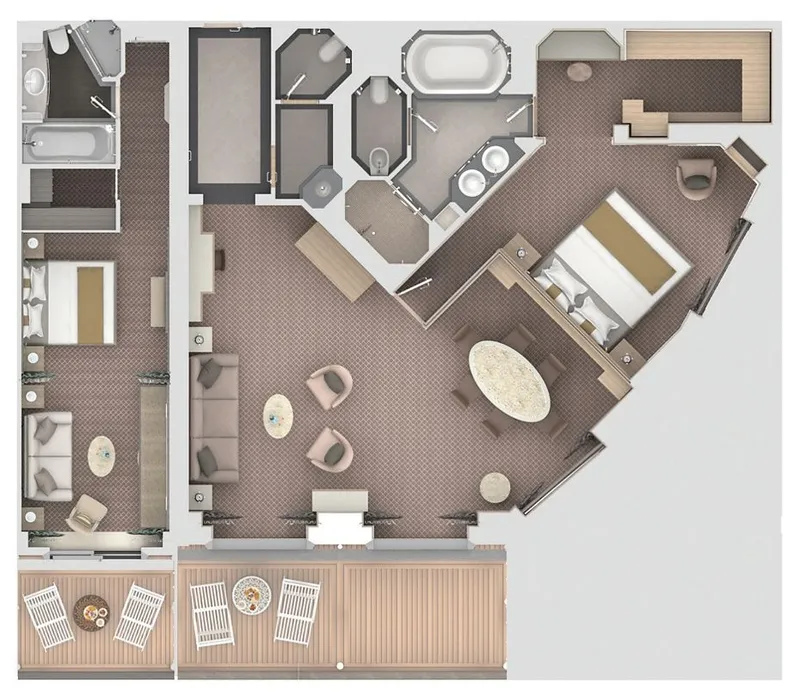
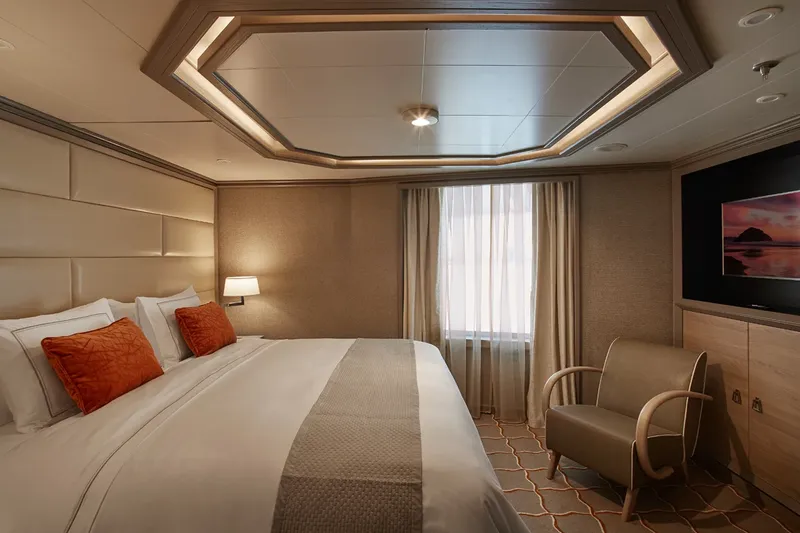
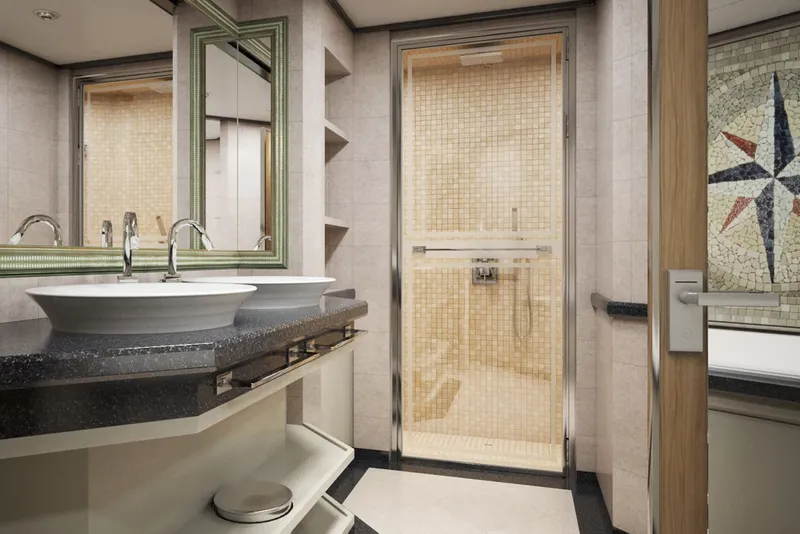
Our cruise specialists can help you find the perfect cabin and the best available pricing.
(+886) 02-2721-7300Contact Advisor