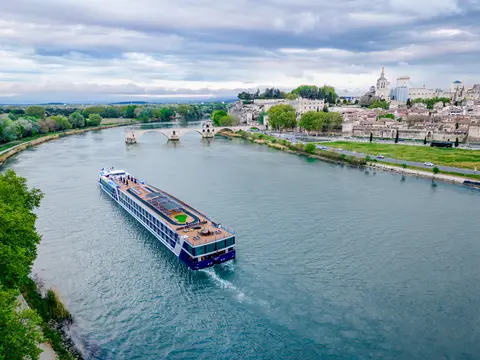
AmaWaterwaysFC260604FE
Essence of Burgundy & Provence from Arles
Date
2026-06-04
Duration
7 nights
Departure Port
Arles
United Kingdom
Arrival Port
Dijon
France
Rating
Luxury
Theme
—
Date
2026-06-04
Duration
7 nights
Departure Port
Arles
United Kingdom
Arrival Port
Dijon
France
Rating
Luxury
Theme
—




AmaWaterways
2008
—
3,350 GT
144
73
45
360 m
11.58 m
—
No
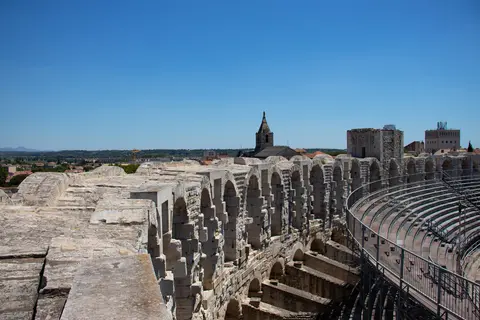
Arles, the most important city in Roman Gaul after Lyon, wears its history with casual magnificence: a first-century amphitheatre still hosts bullfights beneath open skies, and the haunting Alyscamps necropolis — once among the most prestigious burial grounds in the Western world — lines a poplar-shaded avenue with ancient sarcophagi. Yet Arles is equally celebrated as the city that intoxicated Vincent van Gogh, who produced over three hundred works here in fifteen fevered months; the Fondation Vincent van Gogh now honors his legacy in beautifully renovated rooms. Spring and autumn are ideal, with the Camargue's flamingo-filled wetlands just minutes south. Lyon is two hours north by TGV.
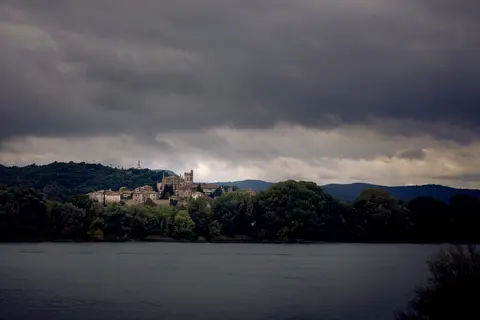
Viviers is one of France's most beautifully preserved medieval secrets — a cathedral town of barely four thousand souls perched on a limestone spur above the Rhône, serving as an episcopal seat since the fifth century when its bishops chose this formidable rock over the declining Roman city below. The Romanesque bell tower, vaulted passageways, and Renaissance townhouses of the haute ville form an ensemble of extraordinary architectural coherence, virtually unaltered since the seventeenth century. River cruise guests arriving from Lyon or Avignon typically spend languid afternoons exploring these narrow, time-suspended streets, best visited in spring or early autumn when Rhône Valley light is at its most golden.
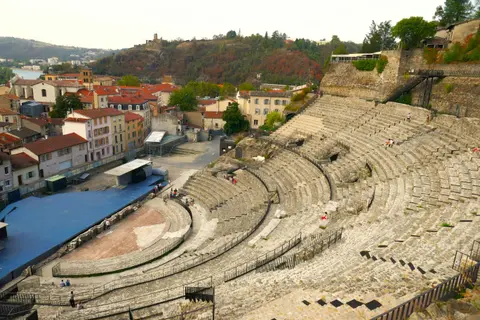
Vienne is a historic French city on the Rhône, 35 kilometres south of Lyon, where an exceptionally preserved Roman temple and a thirteen-thousand-seat ancient theatre anchor a rich cultural landscape spanning two millennia. Visitors should not miss the Temple of Augustus and Livia and a gastronomic pilgrimage to La Pyramide, the restaurant that redefined modern French cuisine. The ideal season is late June through July, when the Jazz à Vienne festival transforms the Roman theatre into one of Europe's most atmospheric open-air concert venues, and the Rhône Valley vineyards reach their luminous peak.
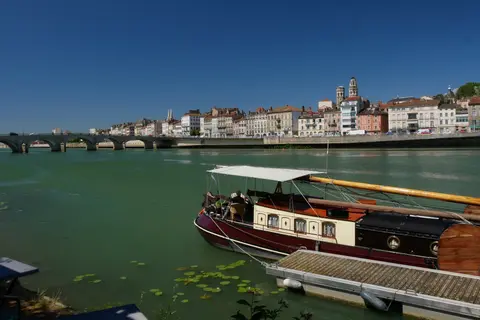
Mâcon, a historic city in Burgundy, is a captivating port known for its rich heritage, charming architecture, and vibrant culinary scene. Must-do experiences include savoring local specialties such as "poulet de Bresse" and exploring the bustling Mâcon market. The best season to visit is spring, when the surrounding vineyards are lush and the local festivals bring the city's culture to life.
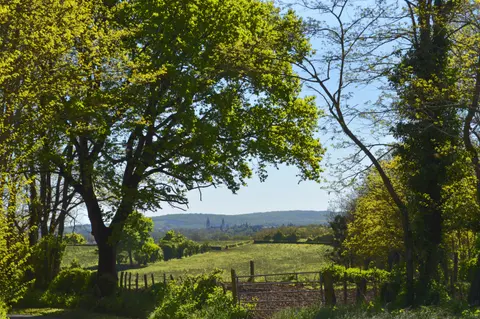
Tournus is a captivating commune in eastern France, renowned for its rich history, stunning architecture, and exceptional culinary experiences. Must-do activities include exploring the Abbey of Saint-Philibert and indulging in local dishes like coq au vin. The best season to visit is spring or early autumn when the weather is mild and the local markets are brimming with fresh produce.
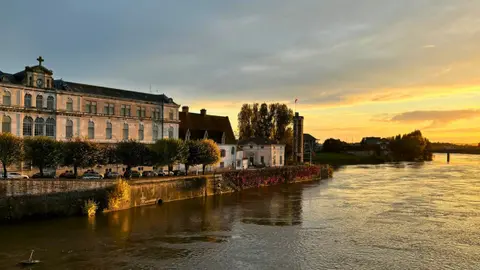
Birthplace of photography and gateway to Burgundy's finest vineyards, Chalon-sur-Saône is a Saône River gem that rewards those who linger beyond its famous streets. The Musée Nicéphore Niépce, housed in a riverside mansion, chronicles the invention of the medium that changed human perception forever, while the surrounding Côte Chalonnaise wine villages — Mercurey, Givry, Rully — offer some of Burgundy's most approachable yet complex Pinot Noirs. Visit in late summer or early autumn for harvest season, when the vineyards blush gold and local restaurants celebrate the new vintage.
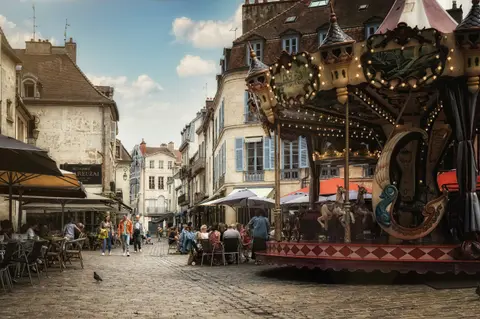
Dijon, the capital of Burgundy, is a port city rich in history, known for its stunning architecture and vibrant culinary scene. Must-do experiences include sampling the world-famous moutarde de Dijon at local markets and indulging in regional dishes like coq au vin. The best time to visit is during the autumn gastronomic fair, when the city truly comes alive with local flavors and traditions.
Day 1
Arles, the most important city in Roman Gaul after Lyon, wears its history with casual magnificence: a first-century amphitheatre still hosts bullfights beneath open skies, and the haunting Alyscamps necropolis — once among the most prestigious burial grounds in the Western world — lines a poplar-shaded avenue with ancient sarcophagi. Yet Arles is equally celebrated as the city that intoxicated Vincent van Gogh, who produced over three hundred works here in fifteen fevered months; the Fondation Vincent van Gogh now honors his legacy in beautifully renovated rooms. Spring and autumn are ideal, with the Camargue's flamingo-filled wetlands just minutes south. Lyon is two hours north by TGV.
Day 3
Viviers is one of France's most beautifully preserved medieval secrets — a cathedral town of barely four thousand souls perched on a limestone spur above the Rhône, serving as an episcopal seat since the fifth century when its bishops chose this formidable rock over the declining Roman city below. The Romanesque bell tower, vaulted passageways, and Renaissance townhouses of the haute ville form an ensemble of extraordinary architectural coherence, virtually unaltered since the seventeenth century. River cruise guests arriving from Lyon or Avignon typically spend languid afternoons exploring these narrow, time-suspended streets, best visited in spring or early autumn when Rhône Valley light is at its most golden.
Day 4
Vienne is a historic French city on the Rhône, 35 kilometres south of Lyon, where an exceptionally preserved Roman temple and a thirteen-thousand-seat ancient theatre anchor a rich cultural landscape spanning two millennia. Visitors should not miss the Temple of Augustus and Livia and a gastronomic pilgrimage to La Pyramide, the restaurant that redefined modern French cuisine. The ideal season is late June through July, when the Jazz à Vienne festival transforms the Roman theatre into one of Europe's most atmospheric open-air concert venues, and the Rhône Valley vineyards reach their luminous peak.
Day 5
Mâcon, a historic city in Burgundy, is a captivating port known for its rich heritage, charming architecture, and vibrant culinary scene. Must-do experiences include savoring local specialties such as "poulet de Bresse" and exploring the bustling Mâcon market. The best season to visit is spring, when the surrounding vineyards are lush and the local festivals bring the city's culture to life.
Day 6
Tournus is a captivating commune in eastern France, renowned for its rich history, stunning architecture, and exceptional culinary experiences. Must-do activities include exploring the Abbey of Saint-Philibert and indulging in local dishes like coq au vin. The best season to visit is spring or early autumn when the weather is mild and the local markets are brimming with fresh produce.
Day 7
Birthplace of photography and gateway to Burgundy's finest vineyards, Chalon-sur-Saône is a Saône River gem that rewards those who linger beyond its famous streets. The Musée Nicéphore Niépce, housed in a riverside mansion, chronicles the invention of the medium that changed human perception forever, while the surrounding Côte Chalonnaise wine villages — Mercurey, Givry, Rully — offer some of Burgundy's most approachable yet complex Pinot Noirs. Visit in late summer or early autumn for harvest season, when the vineyards blush gold and local restaurants celebrate the new vintage.
Day 8
Dijon, the capital of Burgundy, is a port city rich in history, known for its stunning architecture and vibrant culinary scene. Must-do experiences include sampling the world-famous moutarde de Dijon at local markets and indulging in regional dishes like coq au vin. The best time to visit is during the autumn gastronomic fair, when the city truly comes alive with local flavors and traditions.
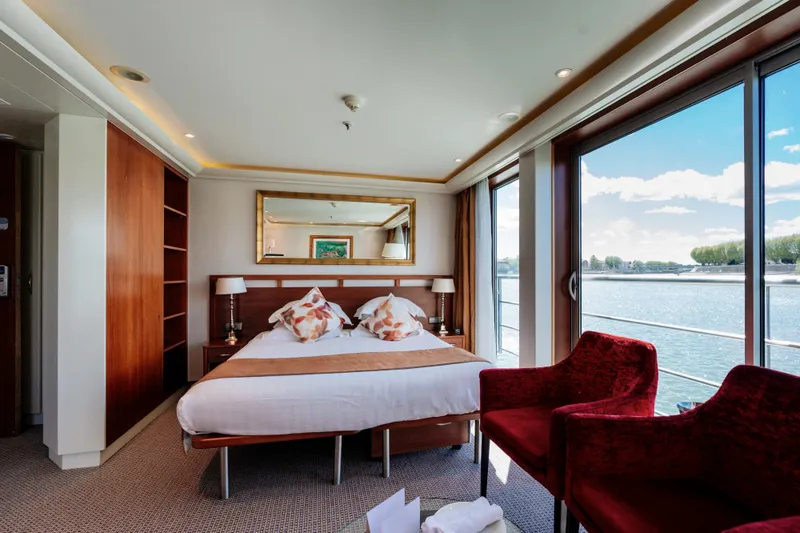
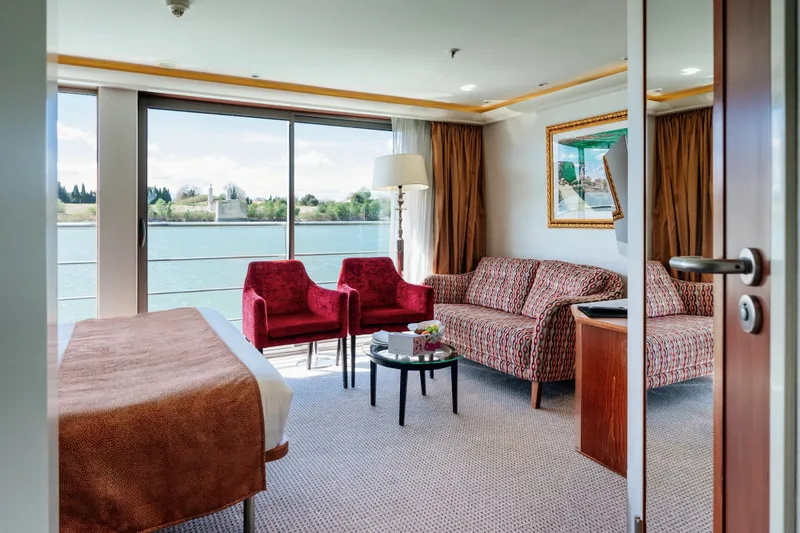
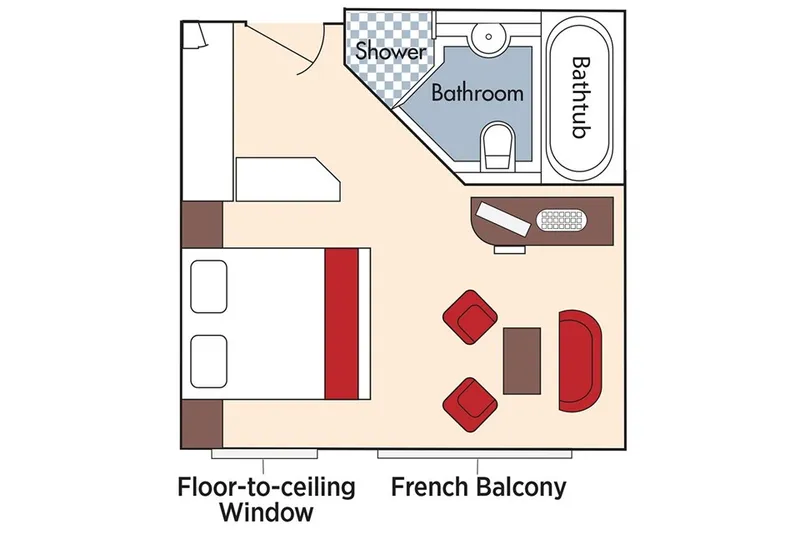
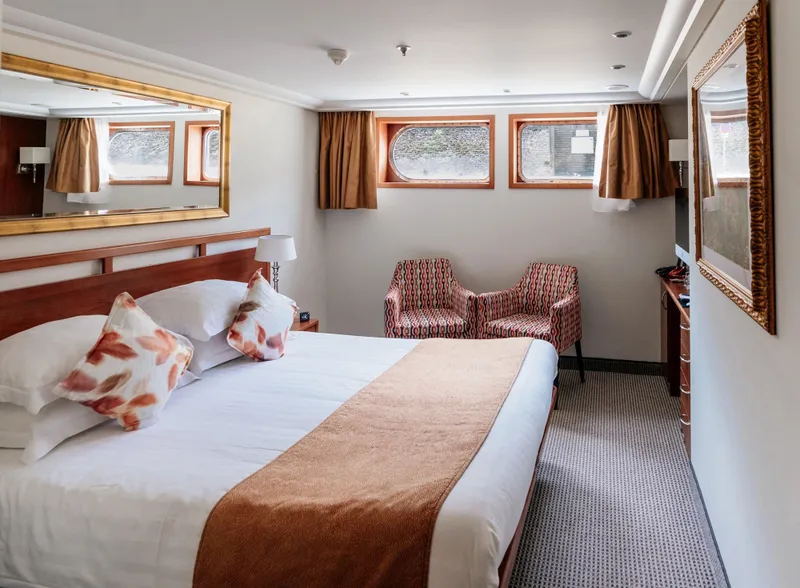
In-room temperature control
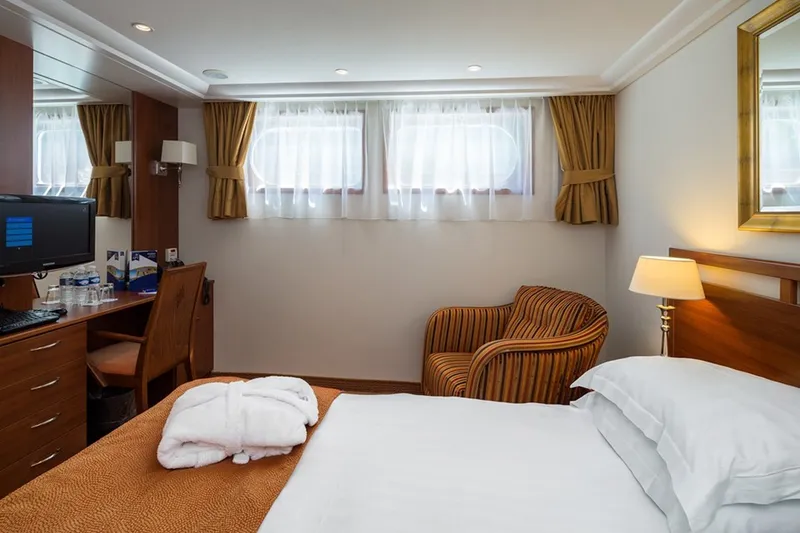
Deluxe hotel-style bedding with Egyptian linen, down pillows and duvet
Spacious bathrooms with multi-jet showerheads
Large wardrobe, full-length mirror, hair dryer, safe and direct-dial telephone
Flat-screen TV that also works as a computer
Entertainment on Demand system providing complimentary TV, movies and music library
Complimentary internet and Wi-Fi
Complimentary bottled water replenished daily
Desk and chair
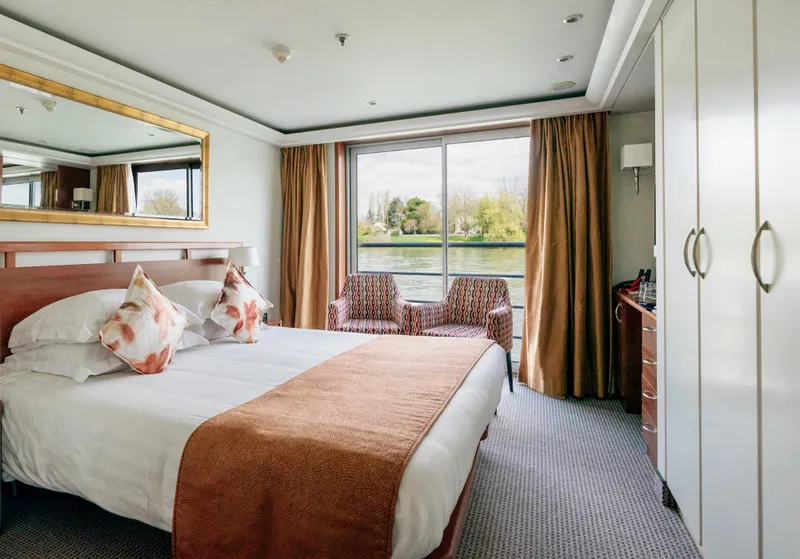
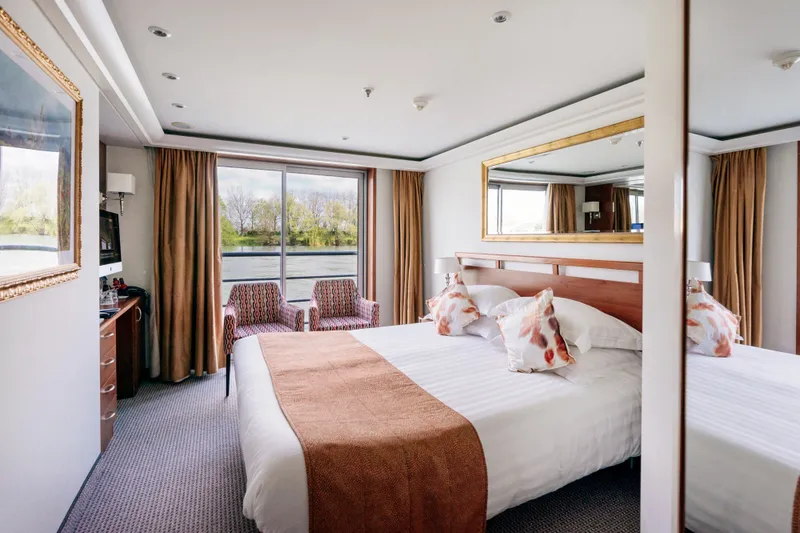
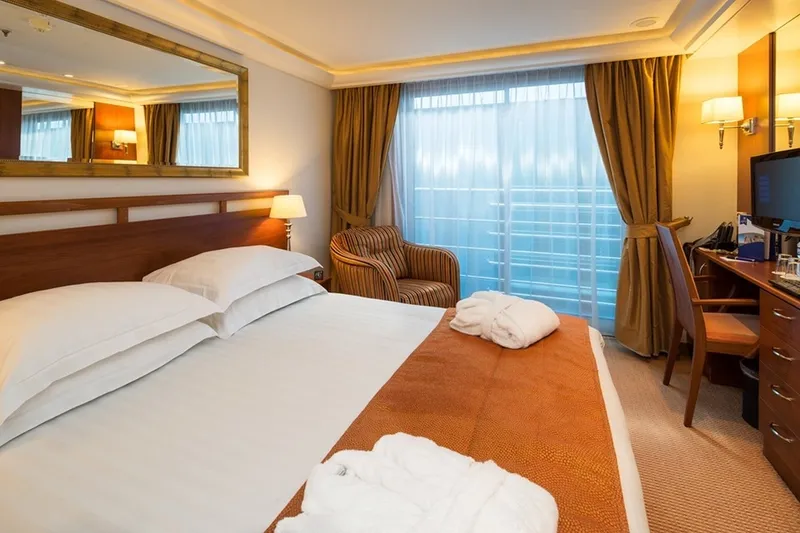
In-room temperature control
Deluxe hotel-style bedding with Egyptian linen, down pillows and duvet
Spacious bathrooms with multi-jet showerheads
Large wardrobe, full-length mirror, hair dryer, safe and direct-dial telephone
Flat-screen TV that also works as a computer
Entertainment on Demand system providing complimentary TV, movies and music library
Complimentary internet and Wi-Fi
Complimentary bottled water replenished daily
Desk and chair
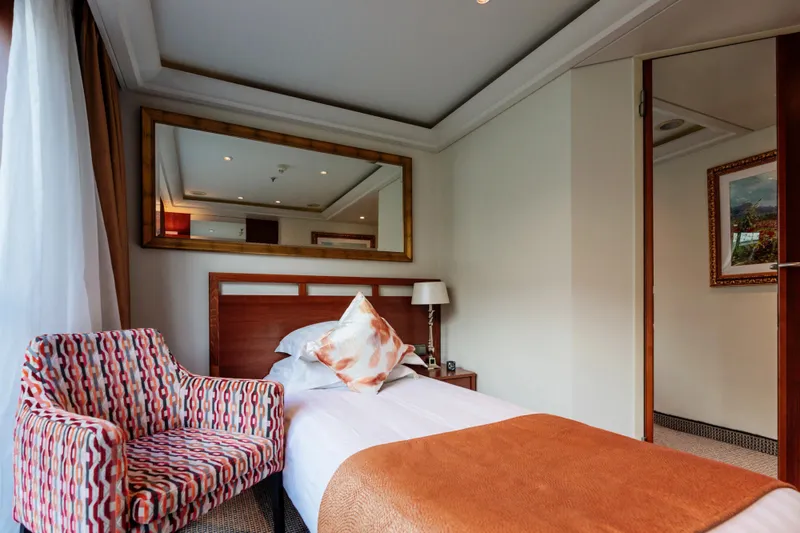
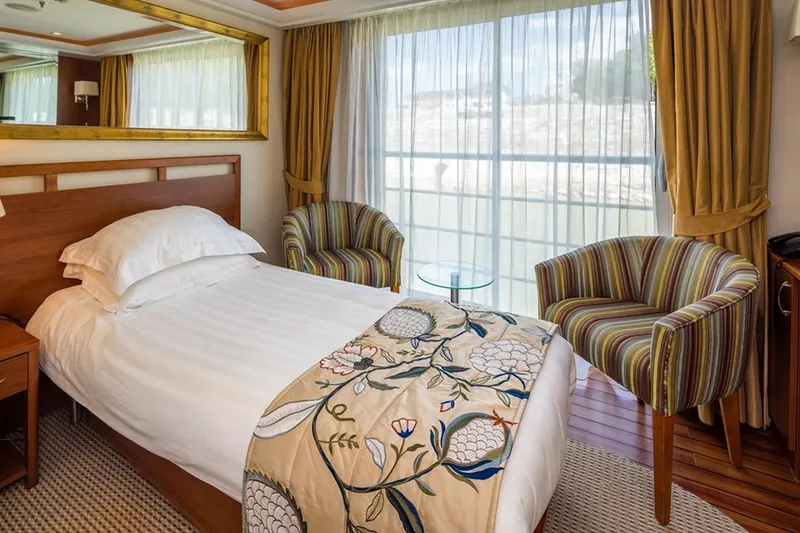
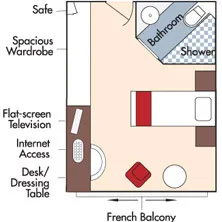
In-room temperature control
Deluxe hotel-style bedding with Egyptian linen, down pillows and duvet
Spacious bathrooms with multi-jet showerheads
Large wardrobe, full-length mirror, hair dryer, safe and direct-dial telephone
Flat-screen TV that also works as a computer
Entertainment on Demand system providing complimentary TV, movies and music library
Complimentary internet and Wi-Fi
Complimentary bottled water replenished daily
Desk and chair
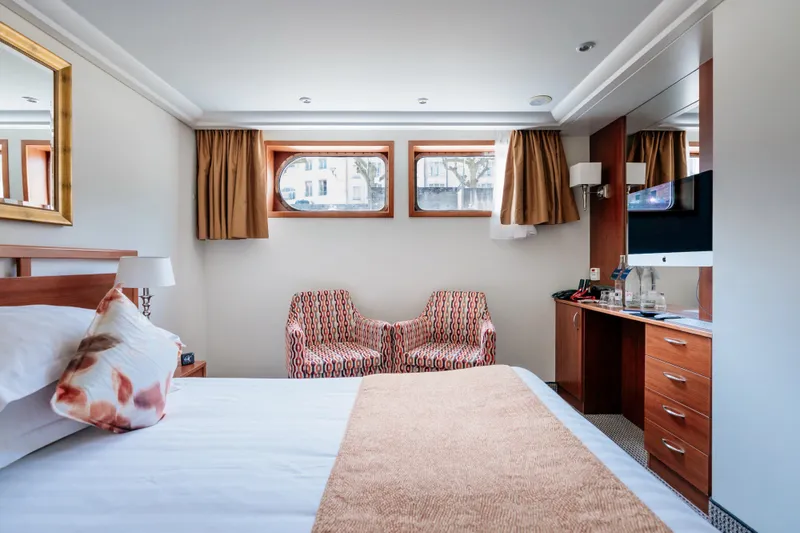
In-room temperature control
Deluxe hotel-style bedding with Egyptian linen, down pillows and duvet
Spacious bathrooms with multi-jet showerheads
Large wardrobe, full-length mirror, hair dryer, safe and direct-dial telephone
Flat-screen TV that also works as a computer
Entertainment on Demand system providing complimentary TV, movies and music library
Complimentary internet and Wi-Fi
Complimentary bottled water replenished daily
Desk and chair
Our cruise specialists can help you find the perfect cabin and the best available pricing.
(+886) 02-2721-7300Contact Advisor