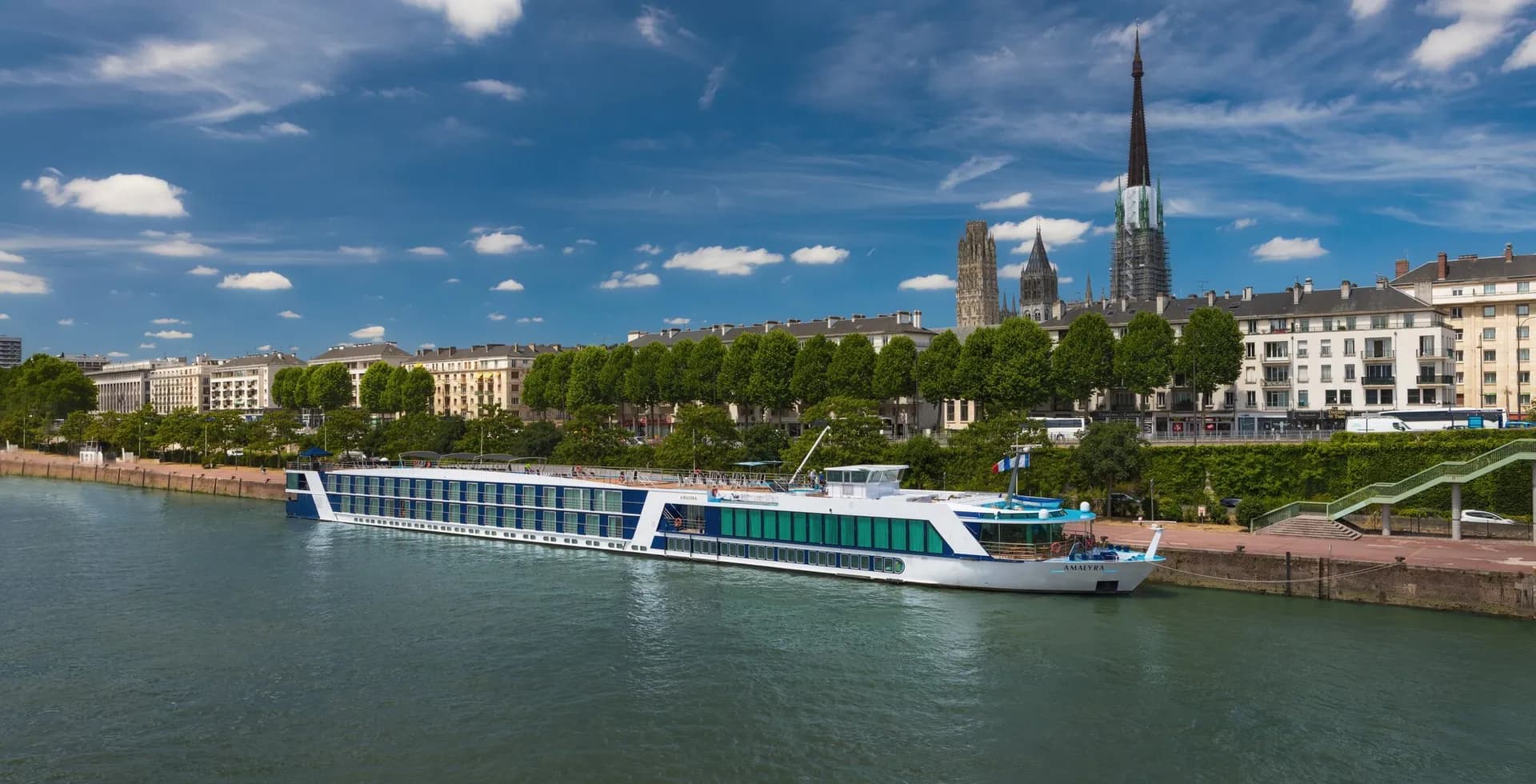
AmaWaterwaysFE260319PPW
Paris & Normandy - Roundtrip Paris
Date
March 19, 2026
Duration
7 nights
Departure Port
Paris
France
Arrival Port
Paris
France
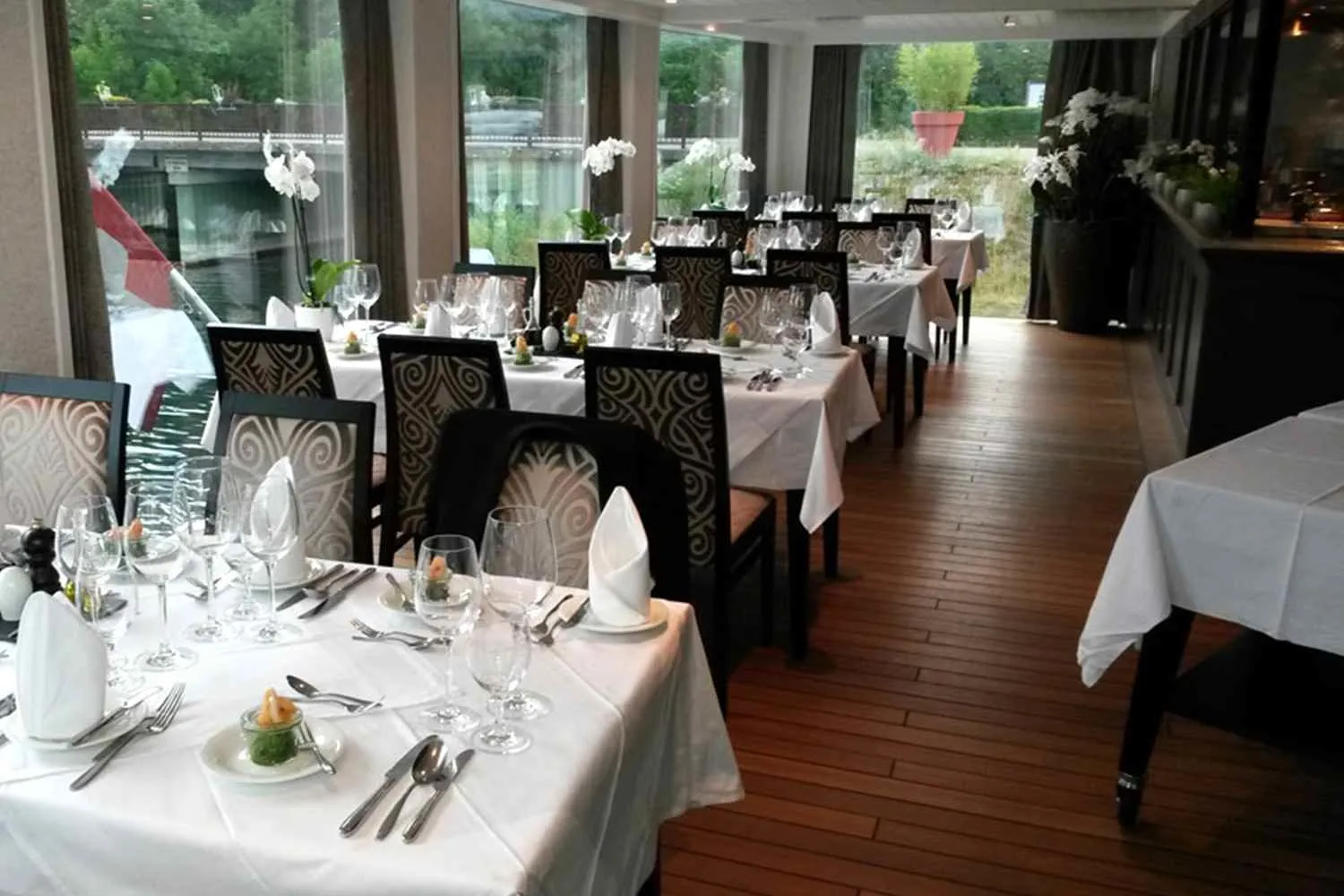
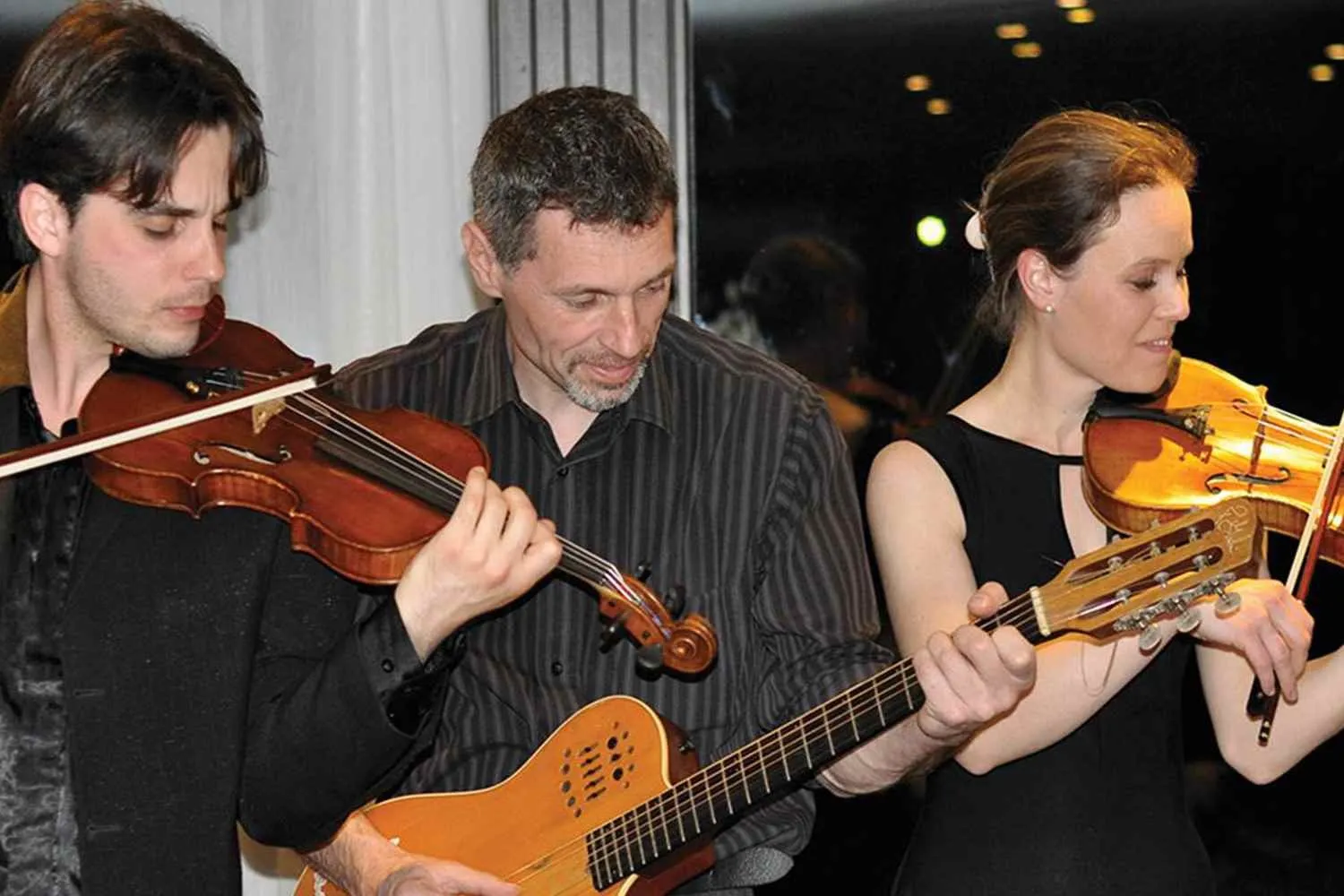
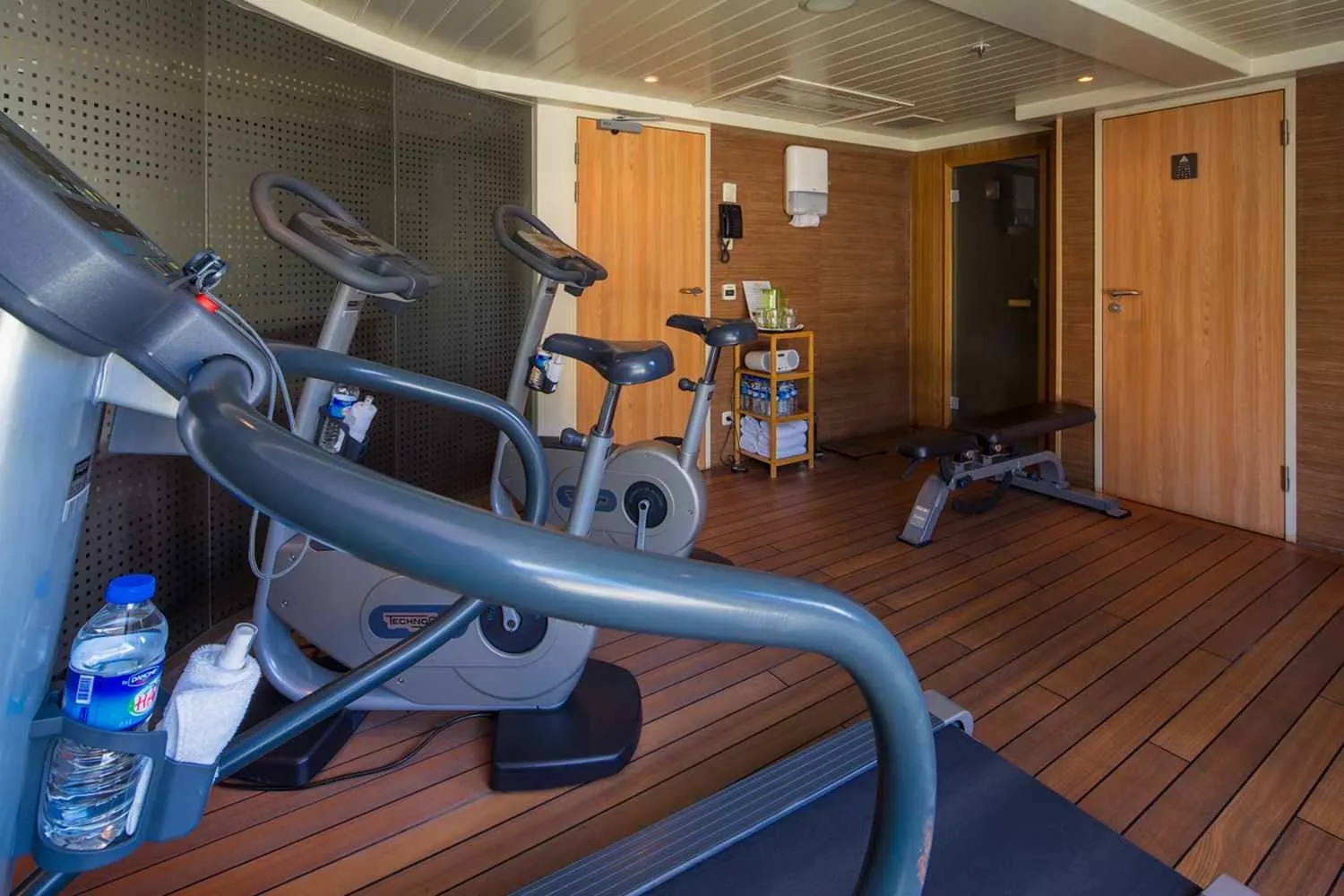
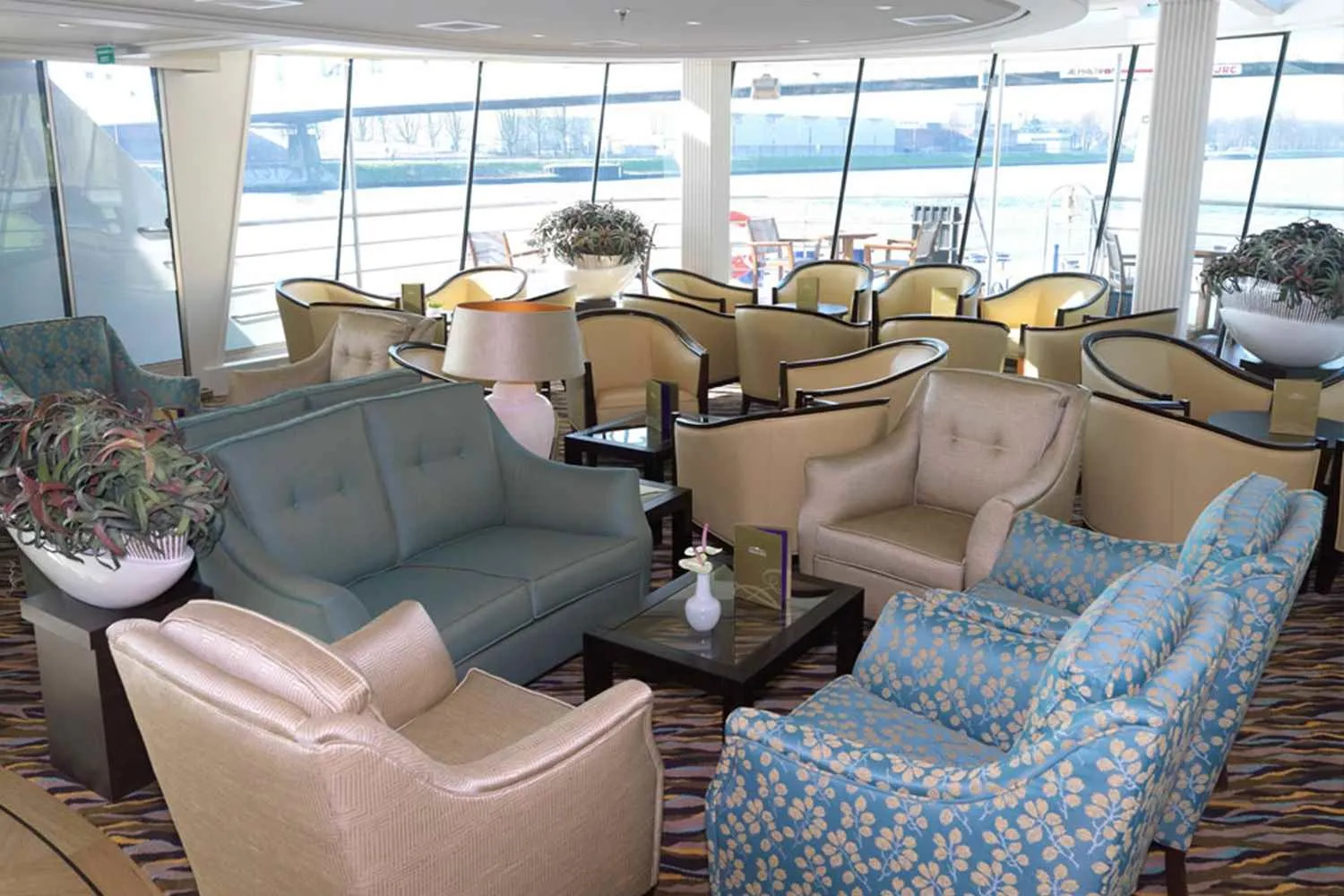
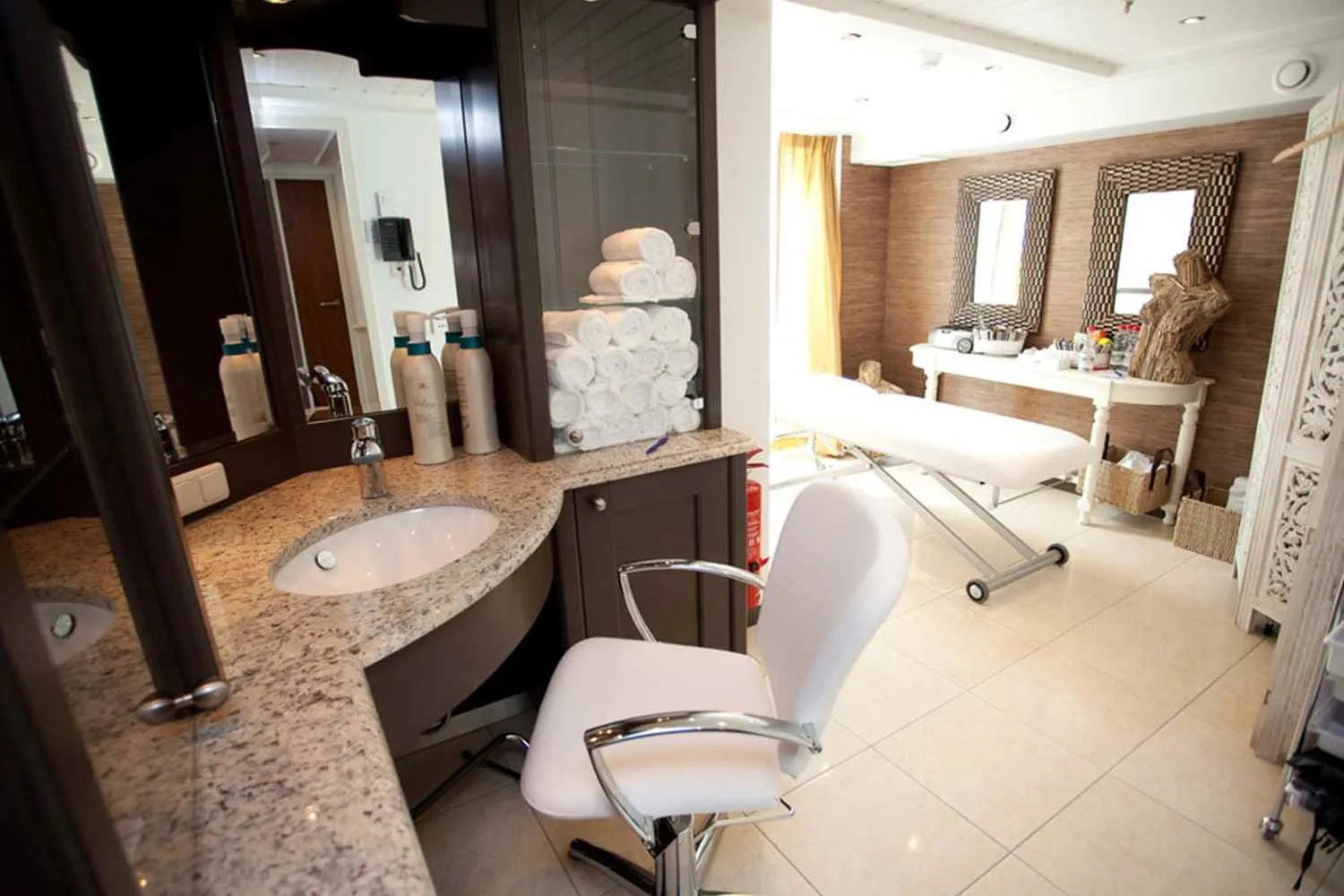
AmaWaterways
AmaLyra
Launched
2009-01-01
Tonnage
3,350 GT
Length
360 m
Cabins
73 / 144 guests
Crew
45
Itinerary
Day 1
Day 1
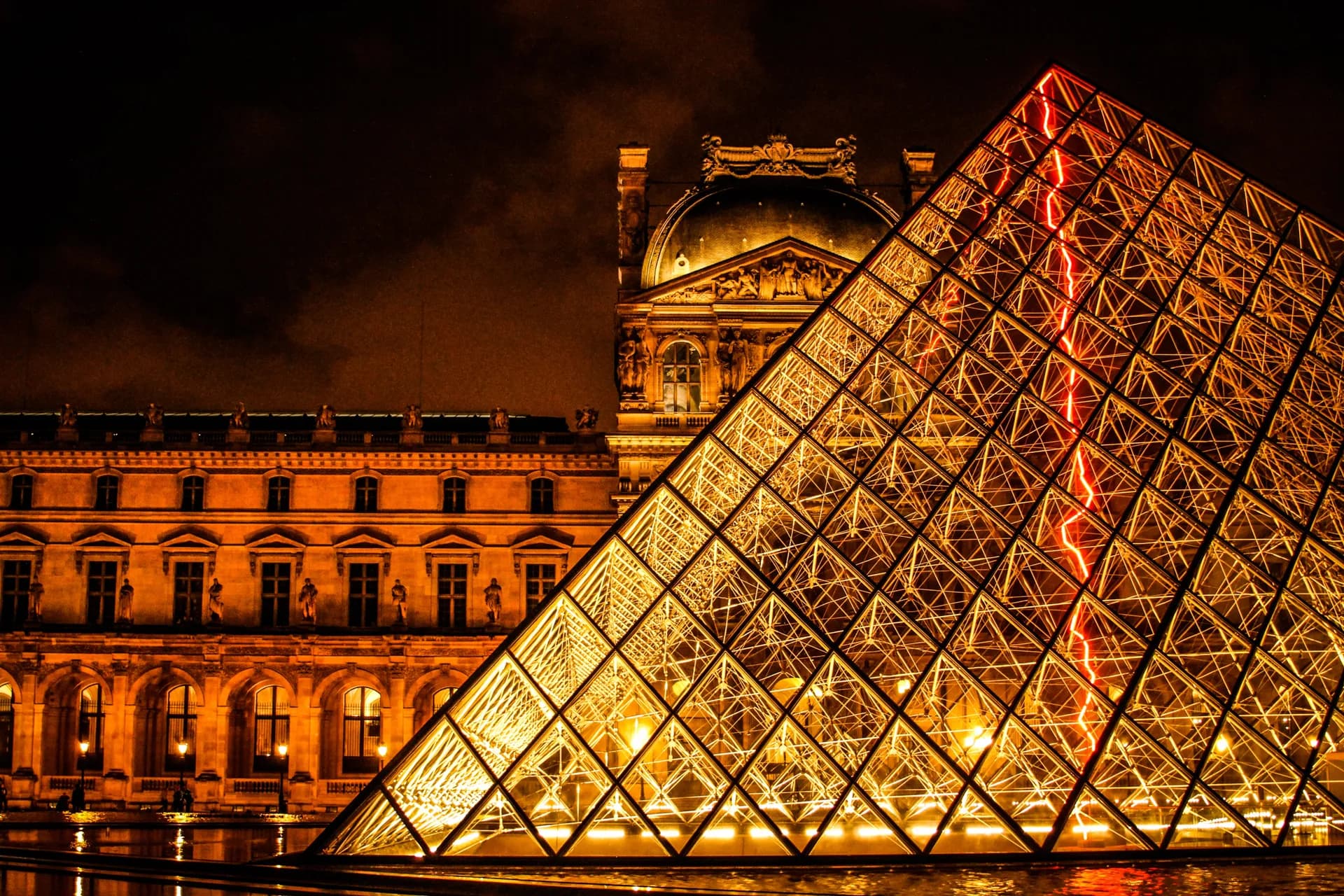
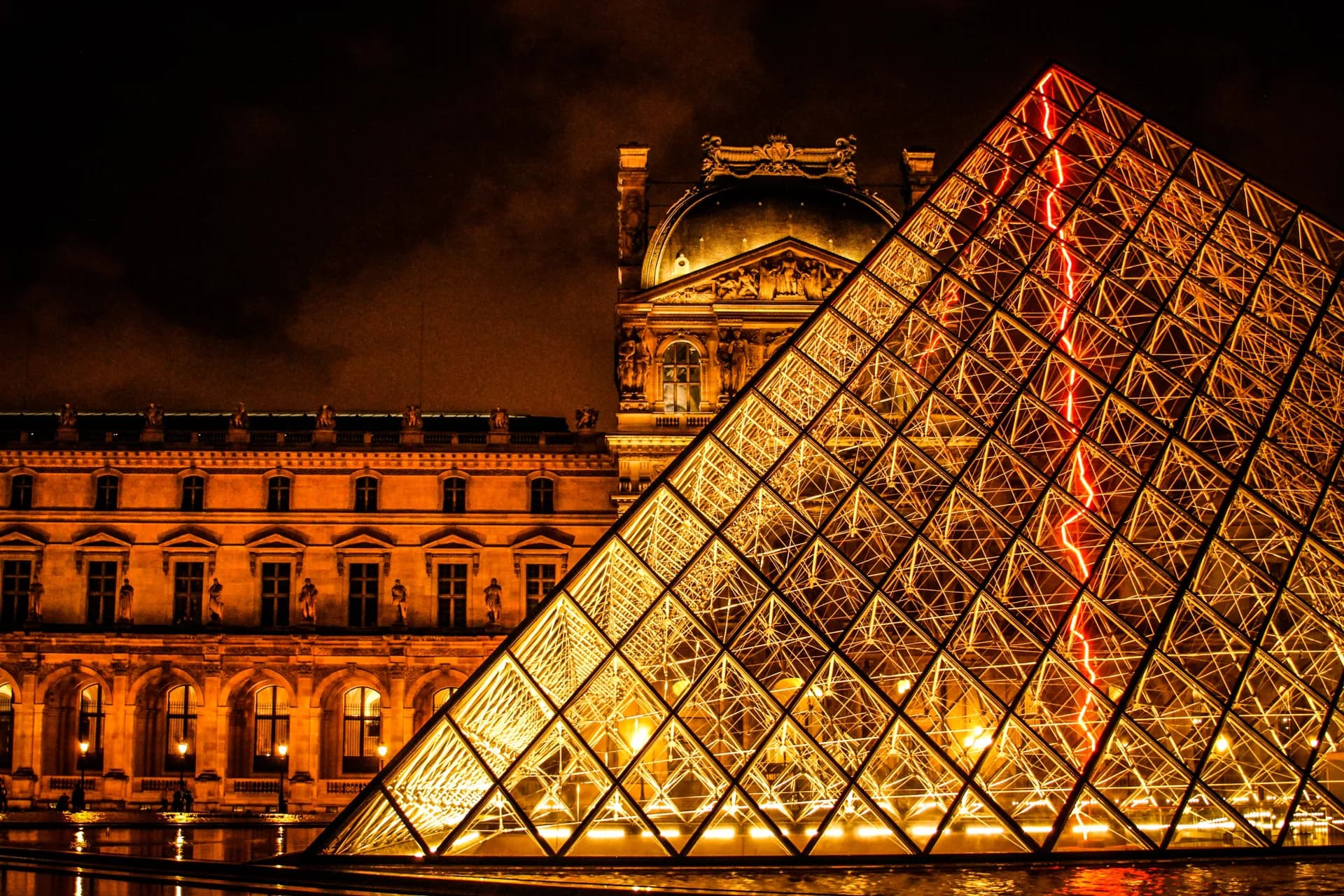
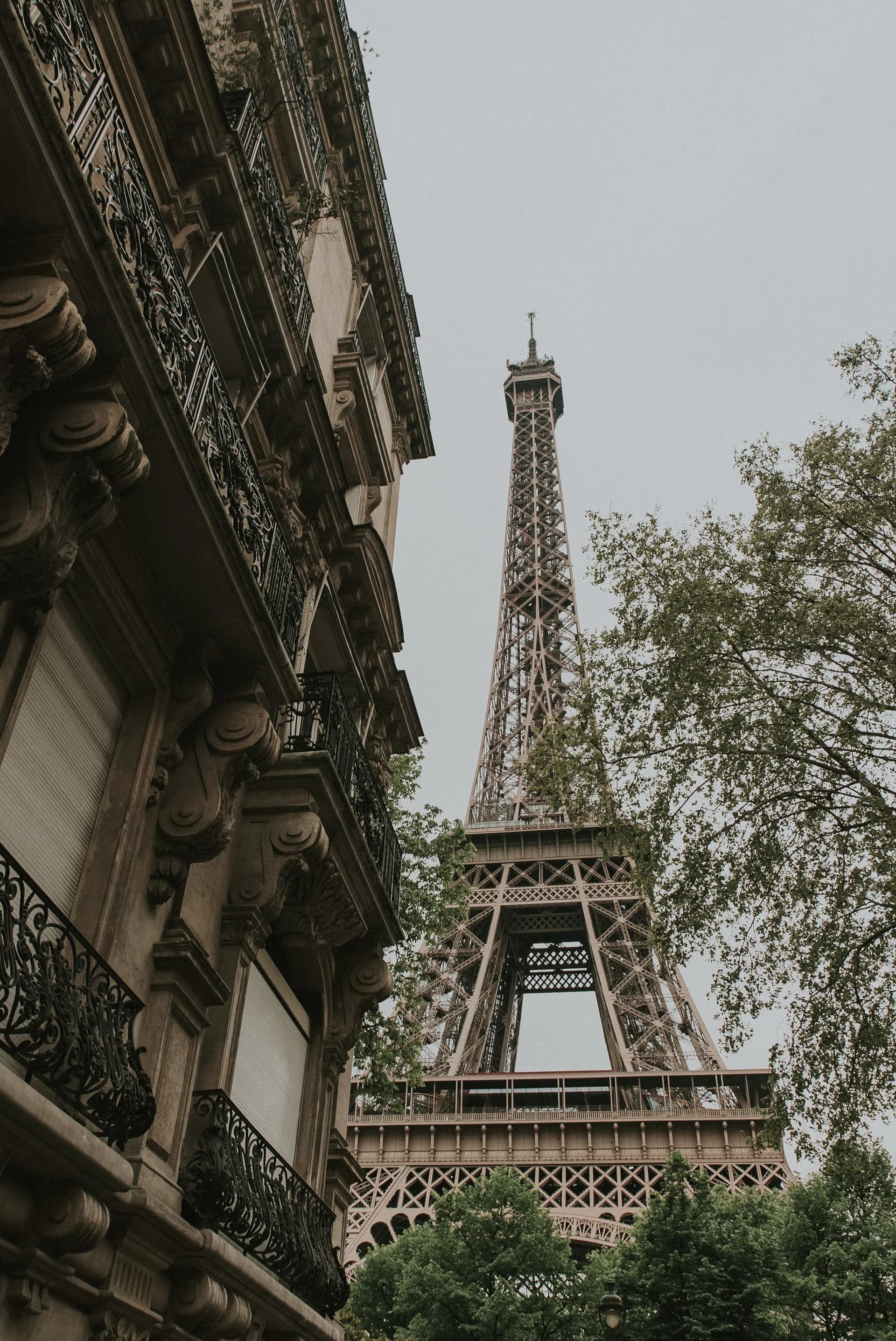
Paris
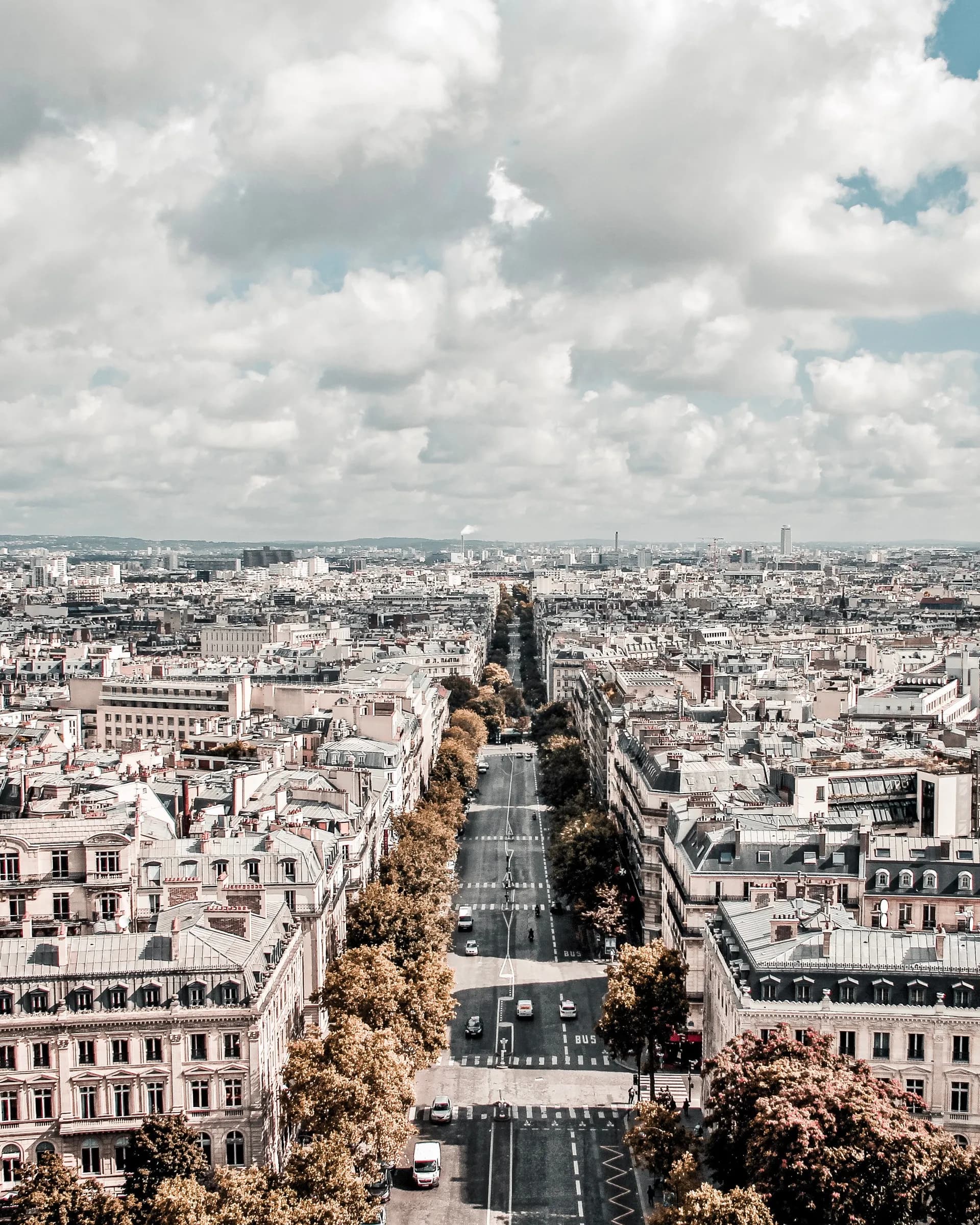
FranceEven if you’ve never been to Paris before, you’ll feel like you recognise every corner of the city. Countless films, books, paintings, poems and songs have been set in the city of love. Yet there’s always more to discover. The fashion capital of the world, a mecca of art and culture, an oasis for gourmets and a metropolis for media, education and political and economic power – Paris is all of this and more. Paris is a city whose beauty never fades. The Arc de Triomphe, Eiffel Tower, Notre Dame, Madeleine, Opéra, Louvre, Sacré-Coeur de Montmartre, Dôme des Invalides and Centre Pompidou are just some of the sights that exemplify this city’s fame and grandeur.
Day 1
Day 1
Paris
Even if you’ve never been to Paris before, you’ll feel like you recognise every corner of the city. Countless films, books, paintings, poems and songs have been set in the city of love. Yet there’s always more to discover. The fashion capital of the world, a mecca of art and culture, an oasis for gourmets and a metropolis for media, education and political and economic power – Paris is all of this and more. Paris is a city whose beauty never fades. The Arc de Triomphe, Eiffel Tower, Notre Dame, Madeleine, Opéra, Louvre, Sacré-Coeur de Montmartre, Dôme des Invalides and Centre Pompidou are just some of the sights that exemplify this city’s fame and grandeur.
Day 2
Day 2
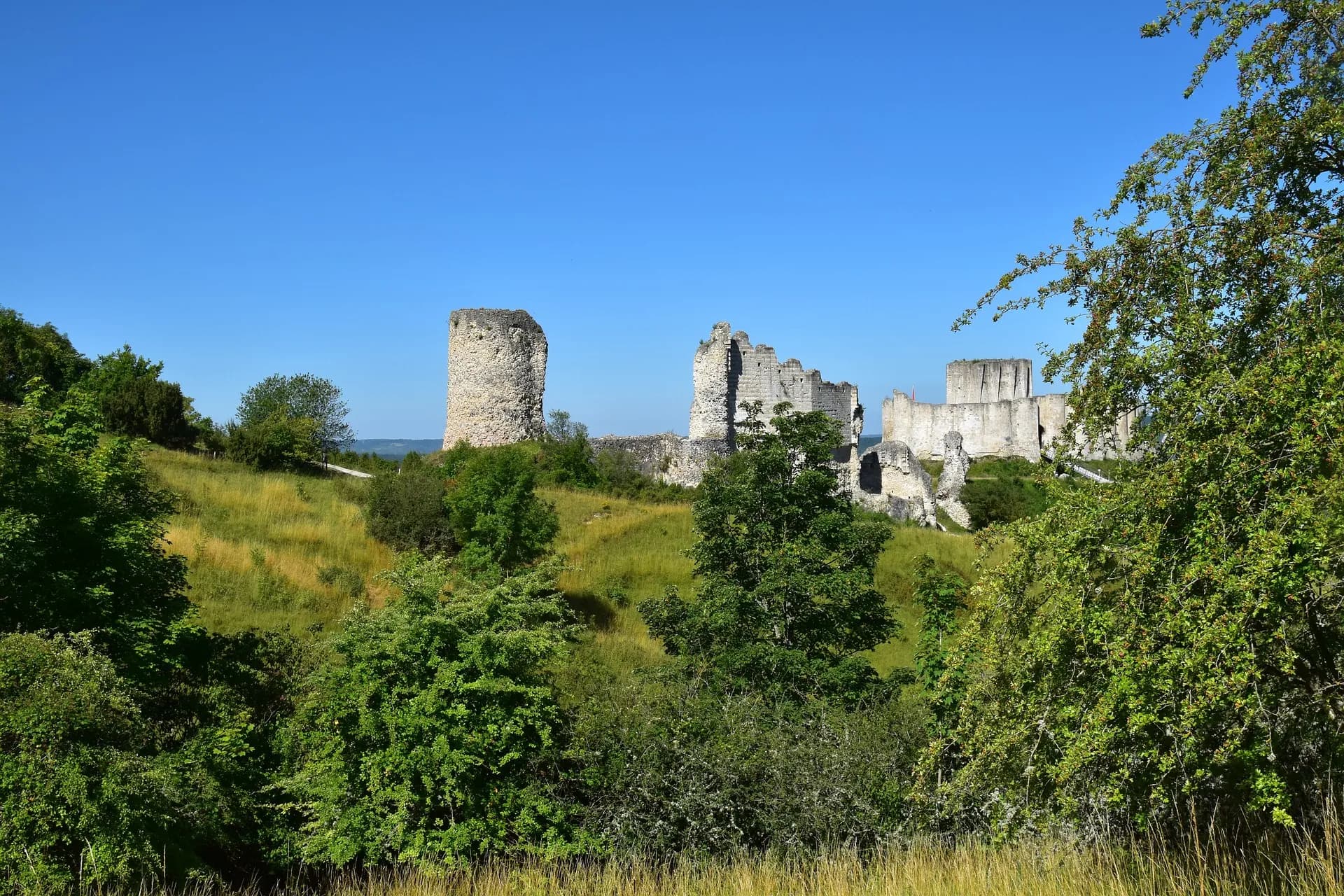
Les Andelys
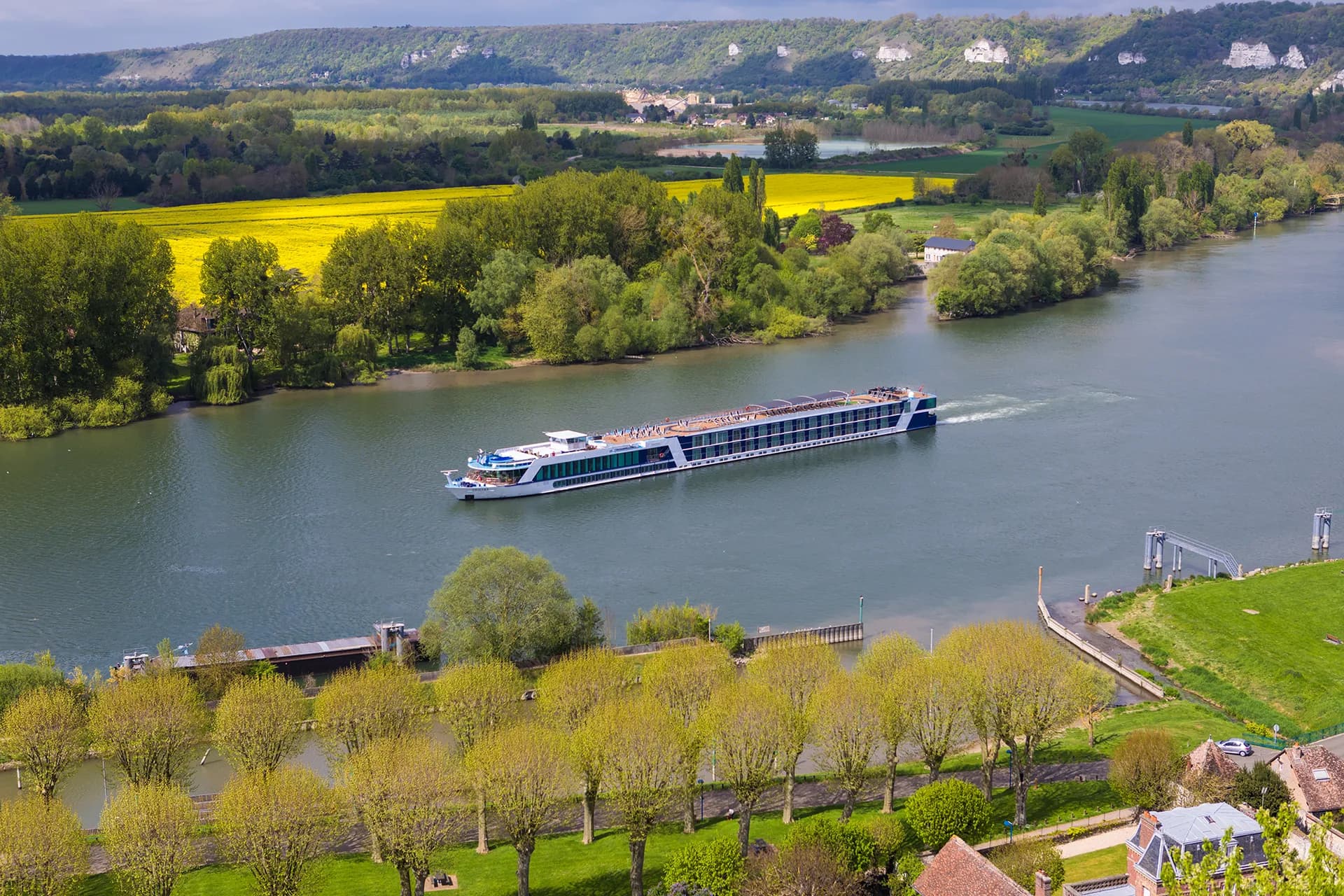
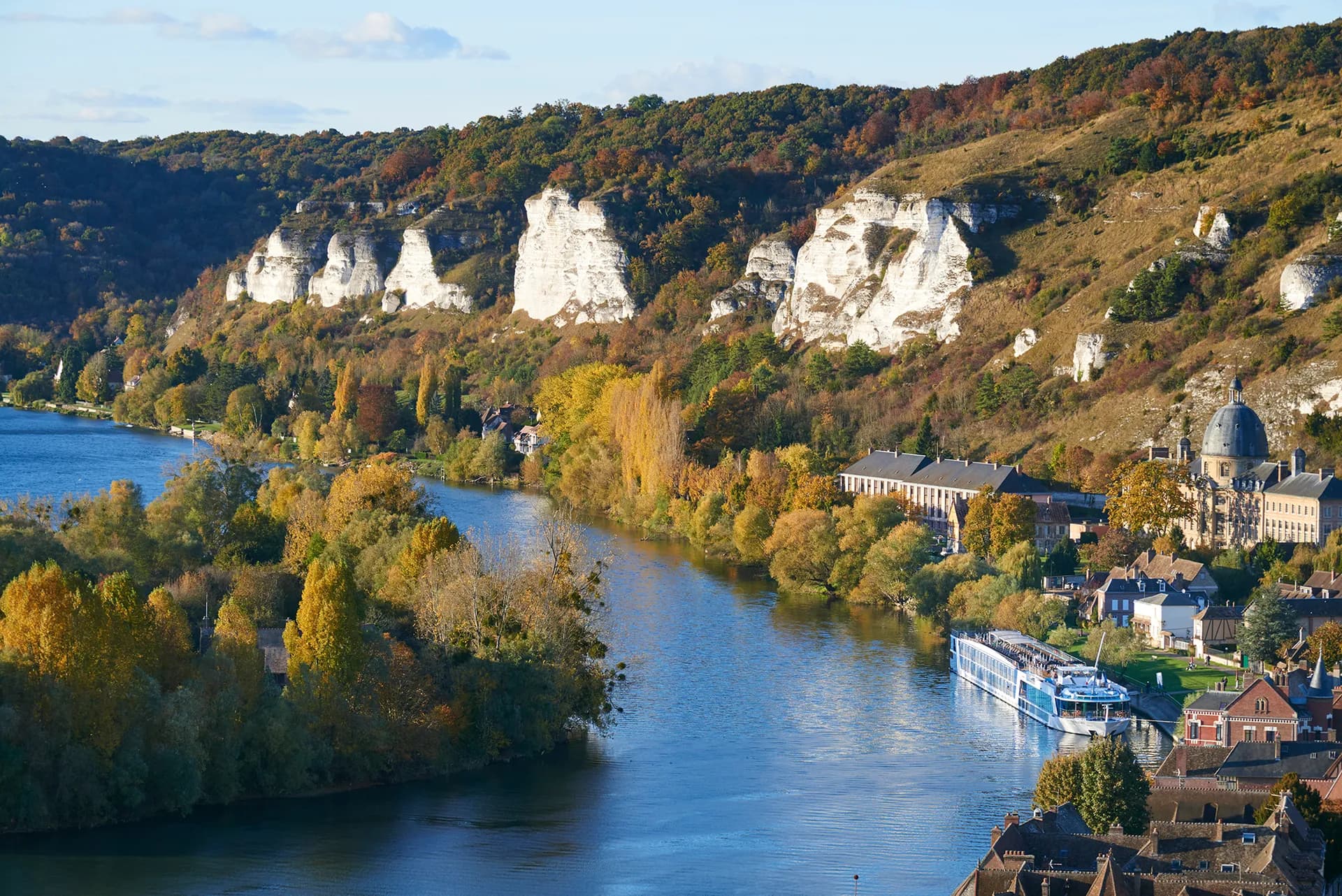
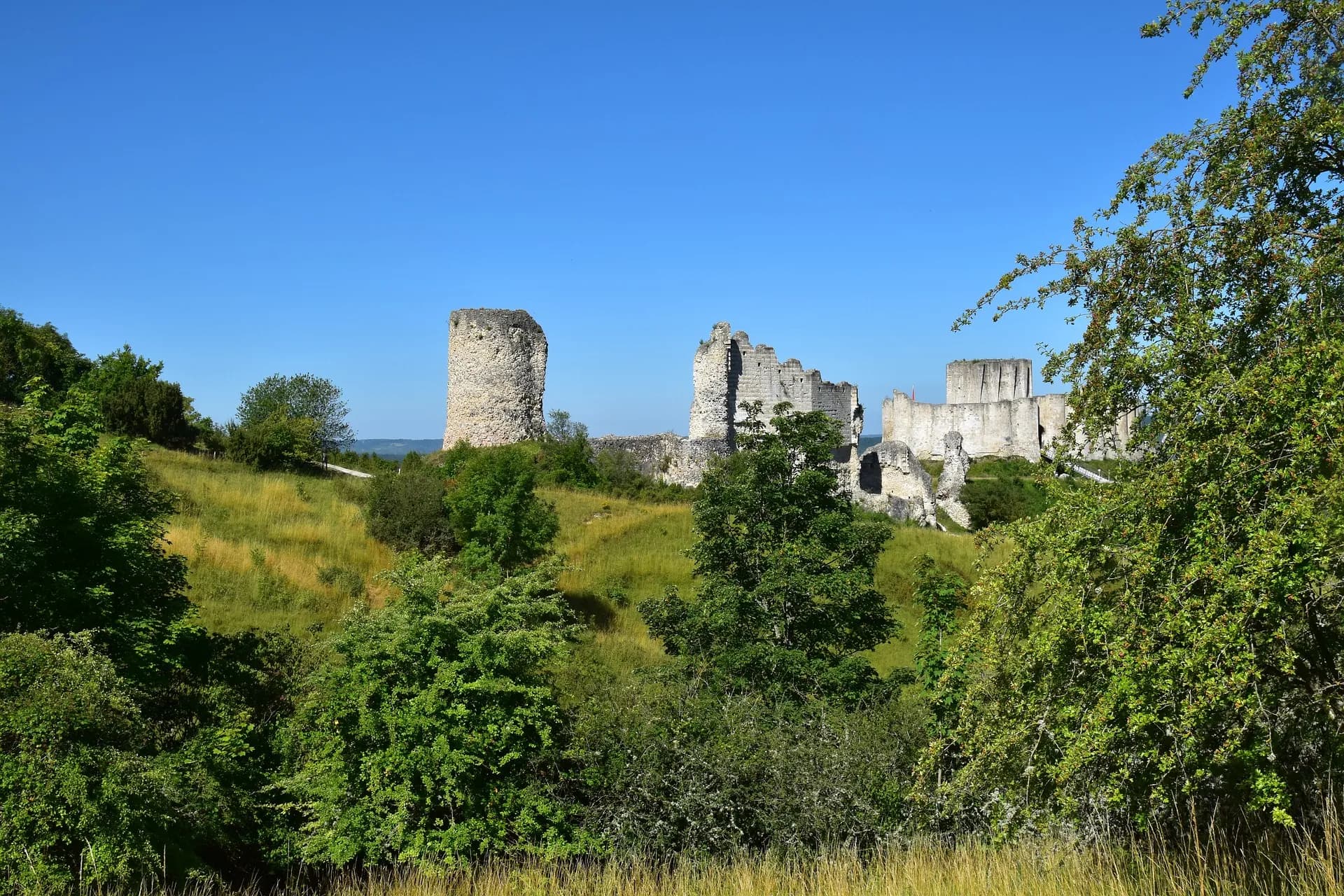
FranceThe Château Gaillard is now just a mighty ruin. Nevertheless, it’s easy to imagine Richard the Lionheart keeping watch here for the advance of the enemy – the French – through the Seine valley. The fortress, which almost blocks the river, was built in just two years between 1196 and 1198. It was the centre of the defence system, which included a network of trenches and a fortified island in the river with chains stretched across it. Wooden posts were erected in the water to prevent ships from crossing. Today, Les Andelys is a peaceful, picturesque location amid rugged limestone rocks, green fields, the river island, the Hôpital Saint-Jacques and the Saint-Sauveur church tower. From the ship, you can go for wonderful walks through the small town’s blossoming lanes towards the Gothic abbey church and, of course, the castle complex.
Day 2
Day 2
Les Andelys
The Château Gaillard is now just a mighty ruin. Nevertheless, it’s easy to imagine Richard the Lionheart keeping watch here for the advance of the enemy – the French – through the Seine valley. The fortress, which almost blocks the river, was built in just two years between 1196 and 1198. It was the centre of the defence system, which included a network of trenches and a fortified island in the river with chains stretched across it. Wooden posts were erected in the water to prevent ships from crossing. Today, Les Andelys is a peaceful, picturesque location amid rugged limestone rocks, green fields, the river island, the Hôpital Saint-Jacques and the Saint-Sauveur church tower. From the ship, you can go for wonderful walks through the small town’s blossoming lanes towards the Gothic abbey church and, of course, the castle complex.
Day 3
Day 3
Le Havre
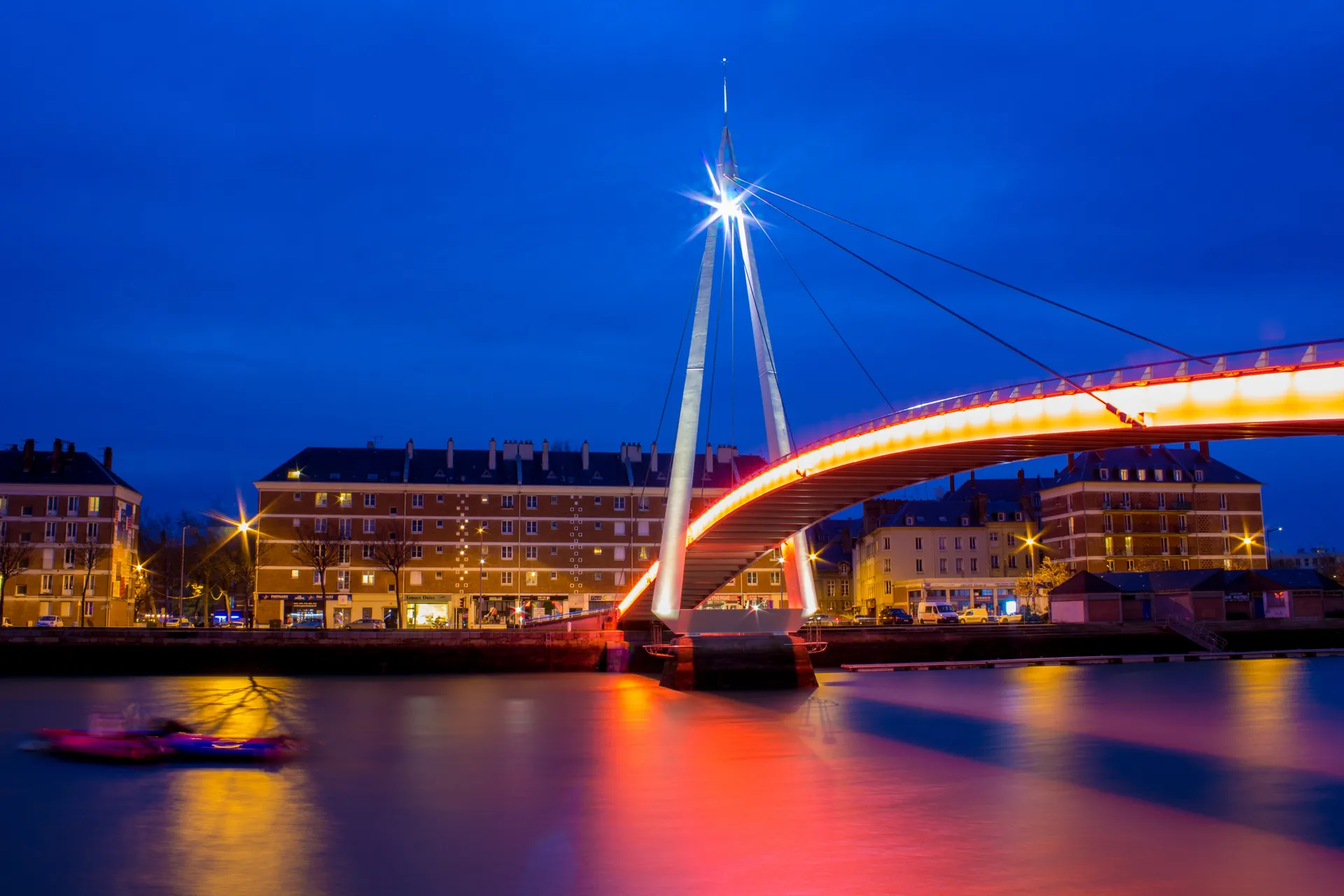
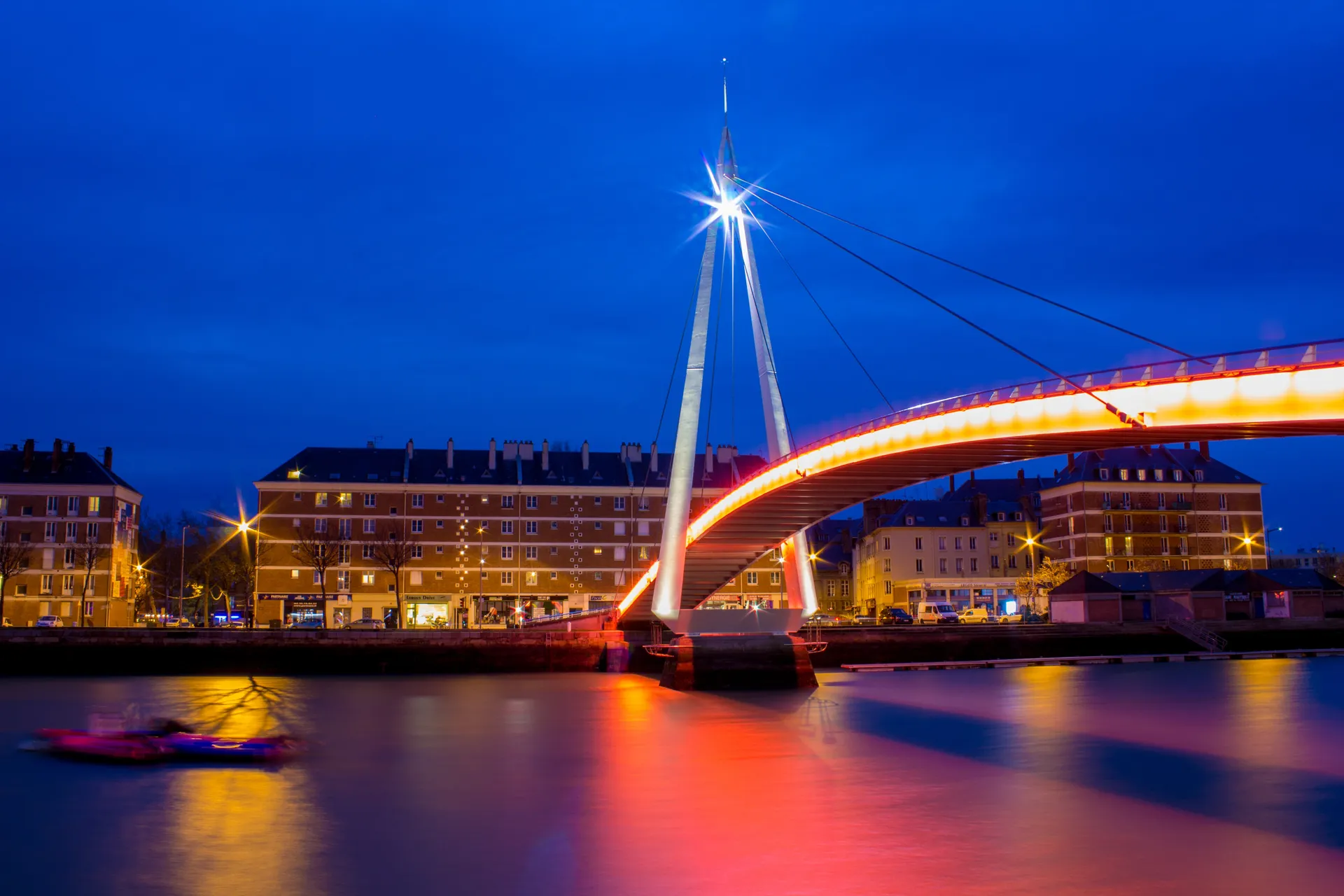
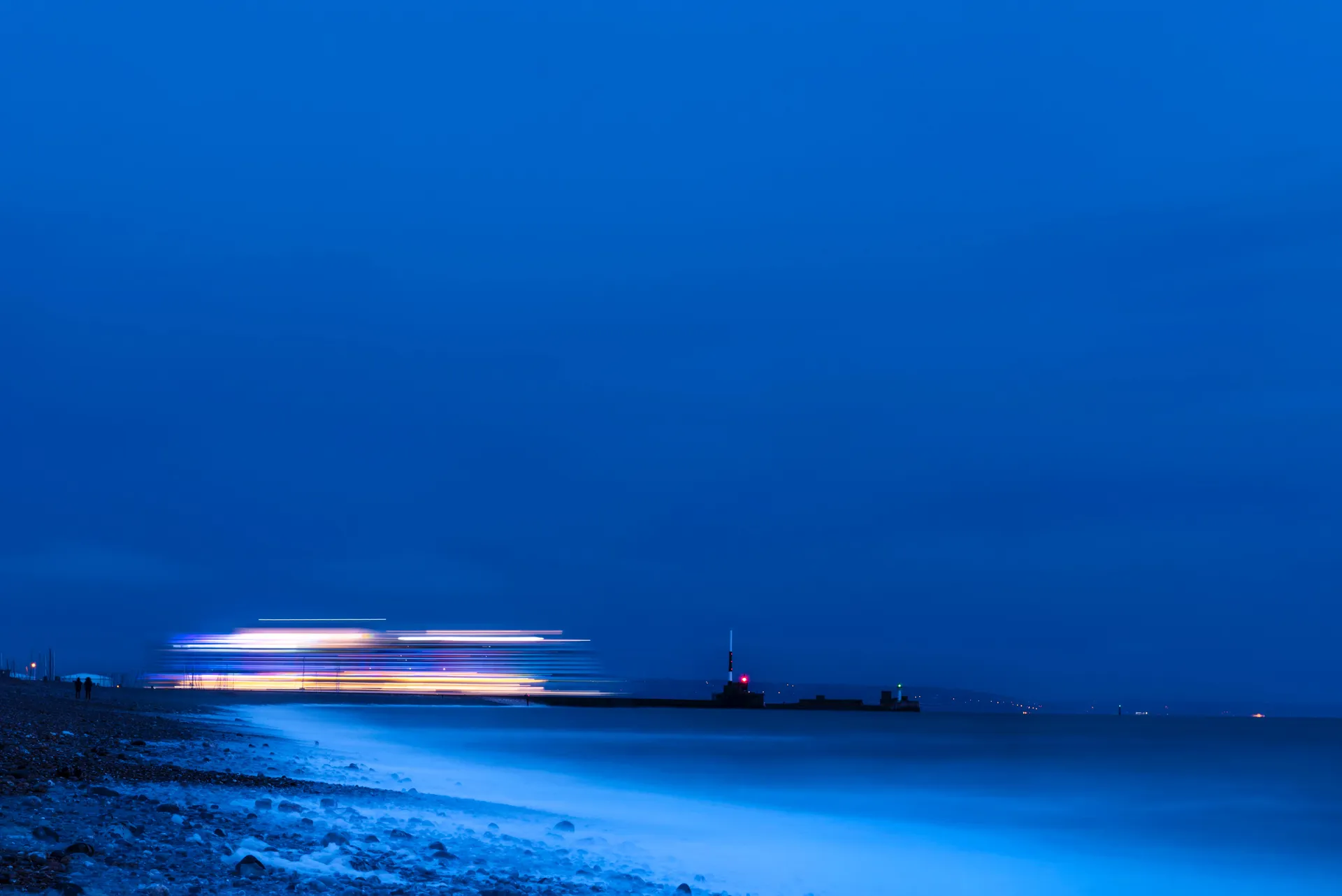
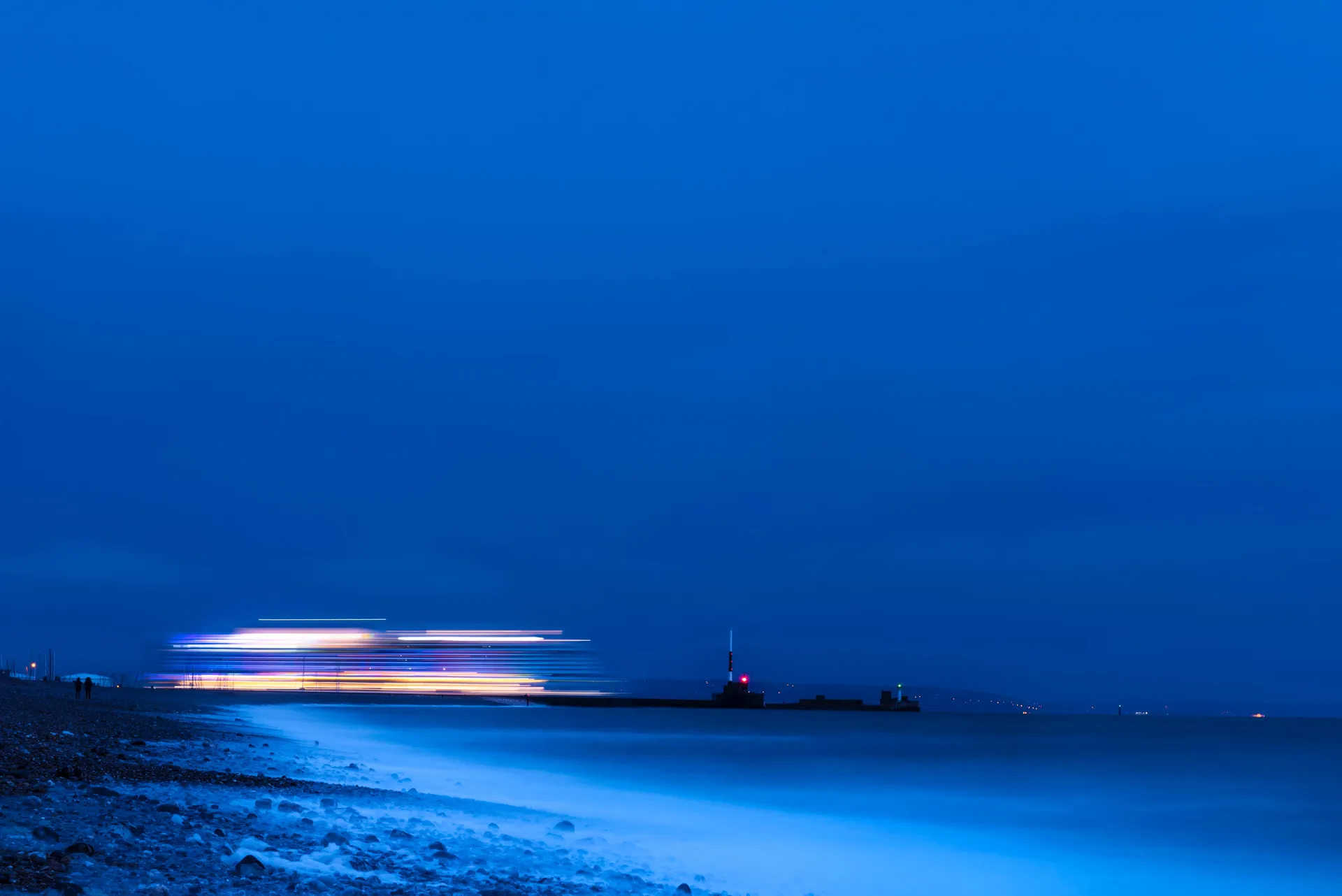
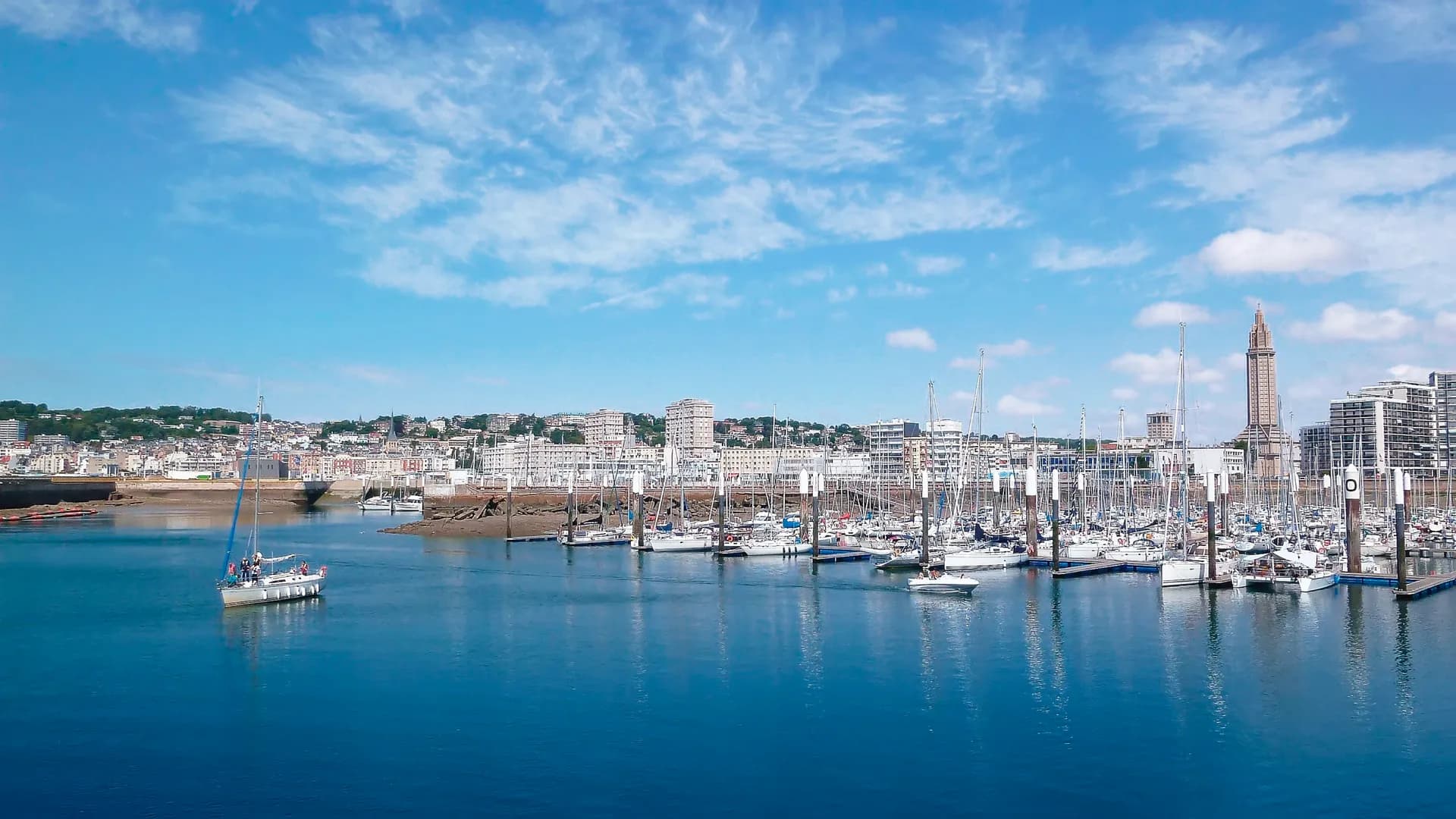
FranceAs you sail on your MSC cruise to France, you’ll come to Le Havre, the country’s second-largest port, which takes up half the Seine estuary. However, the town itself, home to almost 200,000 people, is a place of pilgrimage for fans of contemporary architecture. Le Havre – “The Harbour” – is the principal trading post of northern France and a port of call of our MSC Northern Europe cruises. Following its near-destruction during World War II, Le Havre was rebuilt by a single architect, Auguste Perret, between 1946 and 1964. The sheer sense of space can be exhilarating: the showpiece monuments have a winning self-confidence, and the few surviving relics of the old city have been sensitively integrated into the whole. While the endless mundane residential blocks can be dispiriting, even those visitors who fail to agree with Perret’s famous dictum that “concrete is beautiful” may enjoy a stroll around his city. A shore excursion on your MSC Northern Europe cruise can also be the opportunity to discover Rouen, the capital of Upper Normandy, one of France’s most ancient cities. Standing on the site of Rotomagus, built by the Romans at the lowest point where they could bridge the Seine, it was laid out by Rollo, the first duke of Normandy, in 911. Captured by the English in 1419, it became the stage in 1431 for the trial and execution of Joan of Arc, before returning to French control in 1449. Rouen today can be very seductive, its lively and bustling centre well equipped with impressive churches and museums. North of the Seine at any rate, it’s a real pleasure to explore. As well as some great sights – Cathédrale de Notre-Dame, all the delightful twisting streets of timbered houses – there’s history aplenty too, most notably the links with Joan of Arc.
Day 3
Day 3
Le Havre
As you sail on your MSC cruise to France, you’ll come to Le Havre, the country’s second-largest port, which takes up half the Seine estuary. However, the town itself, home to almost 200,000 people, is a place of pilgrimage for fans of contemporary architecture. Le Havre – “The Harbour” – is the principal trading post of northern France and a port of call of our MSC Northern Europe cruises. Following its near-destruction during World War II, Le Havre was rebuilt by a single architect, Auguste Perret, between 1946 and 1964. The sheer sense of space can be exhilarating: the showpiece monuments have a winning self-confidence, and the few surviving relics of the old city have been sensitively integrated into the whole. While the endless mundane residential blocks can be dispiriting, even those visitors who fail to agree with Perret’s famous dictum that “concrete is beautiful” may enjoy a stroll around his city. A shore excursion on your MSC Northern Europe cruise can also be the opportunity to discover Rouen, the capital of Upper Normandy, one of France’s most ancient cities. Standing on the site of Rotomagus, built by the Romans at the lowest point where they could bridge the Seine, it was laid out by Rollo, the first duke of Normandy, in 911. Captured by the English in 1419, it became the stage in 1431 for the trial and execution of Joan of Arc, before returning to French control in 1449. Rouen today can be very seductive, its lively and bustling centre well equipped with impressive churches and museums. North of the Seine at any rate, it’s a real pleasure to explore. As well as some great sights – Cathédrale de Notre-Dame, all the delightful twisting streets of timbered houses – there’s history aplenty too, most notably the links with Joan of Arc.
Day 4
Day 4
Le Havre
FranceAs you sail on your MSC cruise to France, you’ll come to Le Havre, the country’s second-largest port, which takes up half the Seine estuary. However, the town itself, home to almost 200,000 people, is a place of pilgrimage for fans of contemporary architecture. Le Havre – “The Harbour” – is the principal trading post of northern France and a port of call of our MSC Northern Europe cruises. Following its near-destruction during World War II, Le Havre was rebuilt by a single architect, Auguste Perret, between 1946 and 1964. The sheer sense of space can be exhilarating: the showpiece monuments have a winning self-confidence, and the few surviving relics of the old city have been sensitively integrated into the whole. While the endless mundane residential blocks can be dispiriting, even those visitors who fail to agree with Perret’s famous dictum that “concrete is beautiful” may enjoy a stroll around his city. A shore excursion on your MSC Northern Europe cruise can also be the opportunity to discover Rouen, the capital of Upper Normandy, one of France’s most ancient cities. Standing on the site of Rotomagus, built by the Romans at the lowest point where they could bridge the Seine, it was laid out by Rollo, the first duke of Normandy, in 911. Captured by the English in 1419, it became the stage in 1431 for the trial and execution of Joan of Arc, before returning to French control in 1449. Rouen today can be very seductive, its lively and bustling centre well equipped with impressive churches and museums. North of the Seine at any rate, it’s a real pleasure to explore. As well as some great sights – Cathédrale de Notre-Dame, all the delightful twisting streets of timbered houses – there’s history aplenty too, most notably the links with Joan of Arc.
Day 4
Day 4
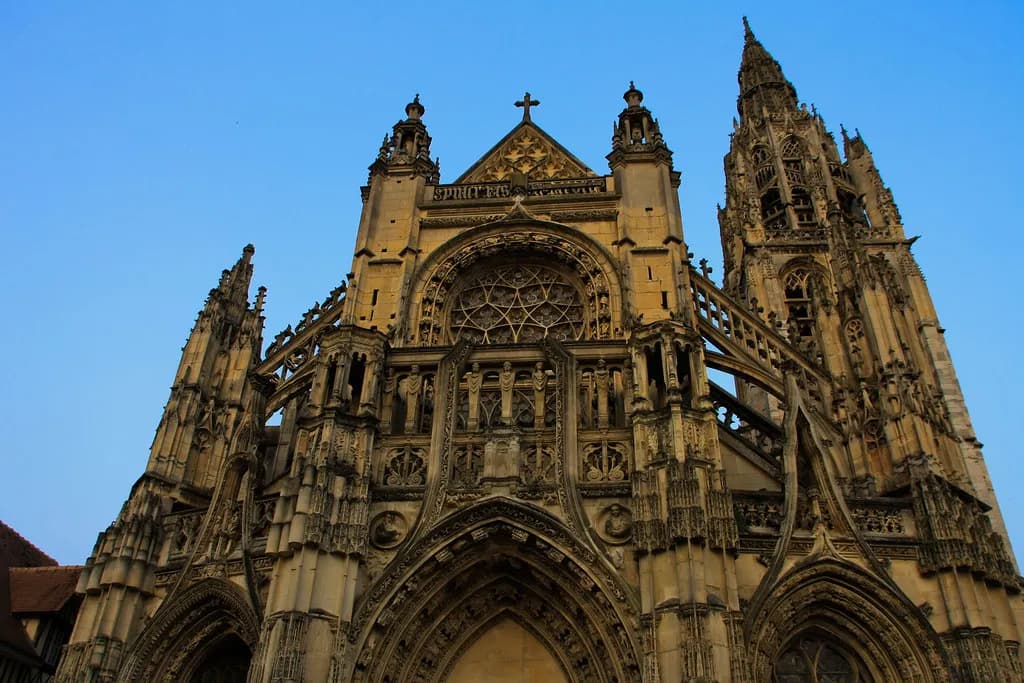
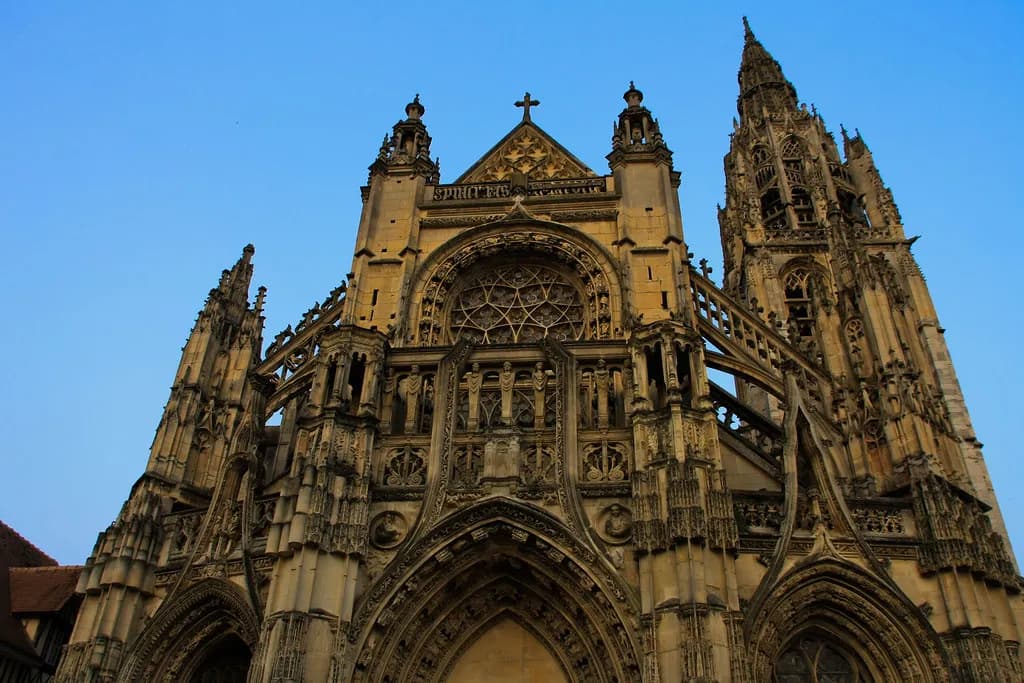
Caudebec-en-Caux
FranceThere was once a time when the Seine’s tidal bore, or mascaret, could get up to seven metres high. However, when the river was dredged and made navigable for ships, this natural spectacle ceased. Today, visitors to this small town are enchanted by the restaurants and cafes on the river’s promenade, from where you can watch the comings and goings on the Seine. There are plenty of interesting excursion options here. Honfleur, an idyllic fishing town, has gorgeous little lanes and a picturesque old port quarter that has hardly changed since the 17th century. Another tour option takes you to the region’s venerable monasteries. Some of these are still inhabited, while others – such as Jumièges Abbey – survive as spectacular ruins.
Day 4
Day 4
Le Havre
As you sail on your MSC cruise to France, you’ll come to Le Havre, the country’s second-largest port, which takes up half the Seine estuary. However, the town itself, home to almost 200,000 people, is a place of pilgrimage for fans of contemporary architecture. Le Havre – “The Harbour” – is the principal trading post of northern France and a port of call of our MSC Northern Europe cruises. Following its near-destruction during World War II, Le Havre was rebuilt by a single architect, Auguste Perret, between 1946 and 1964. The sheer sense of space can be exhilarating: the showpiece monuments have a winning self-confidence, and the few surviving relics of the old city have been sensitively integrated into the whole. While the endless mundane residential blocks can be dispiriting, even those visitors who fail to agree with Perret’s famous dictum that “concrete is beautiful” may enjoy a stroll around his city. A shore excursion on your MSC Northern Europe cruise can also be the opportunity to discover Rouen, the capital of Upper Normandy, one of France’s most ancient cities. Standing on the site of Rotomagus, built by the Romans at the lowest point where they could bridge the Seine, it was laid out by Rollo, the first duke of Normandy, in 911. Captured by the English in 1419, it became the stage in 1431 for the trial and execution of Joan of Arc, before returning to French control in 1449. Rouen today can be very seductive, its lively and bustling centre well equipped with impressive churches and museums. North of the Seine at any rate, it’s a real pleasure to explore. As well as some great sights – Cathédrale de Notre-Dame, all the delightful twisting streets of timbered houses – there’s history aplenty too, most notably the links with Joan of Arc.
Day 4
Day 4
Caudebec-en-caux
There was once a time when the Seine’s tidal bore, or mascaret, could get up to seven metres high. However, when the river was dredged and made navigable for ships, this natural spectacle ceased. Today, visitors to this small town are enchanted by the restaurants and cafes on the river’s promenade, from where you can watch the comings and goings on the Seine. There are plenty of interesting excursion options here. Honfleur, an idyllic fishing town, has gorgeous little lanes and a picturesque old port quarter that has hardly changed since the 17th century. Another tour option takes you to the region’s venerable monasteries. Some of these are still inhabited, while others – such as Jumièges Abbey – survive as spectacular ruins.
Day 5
Day 5
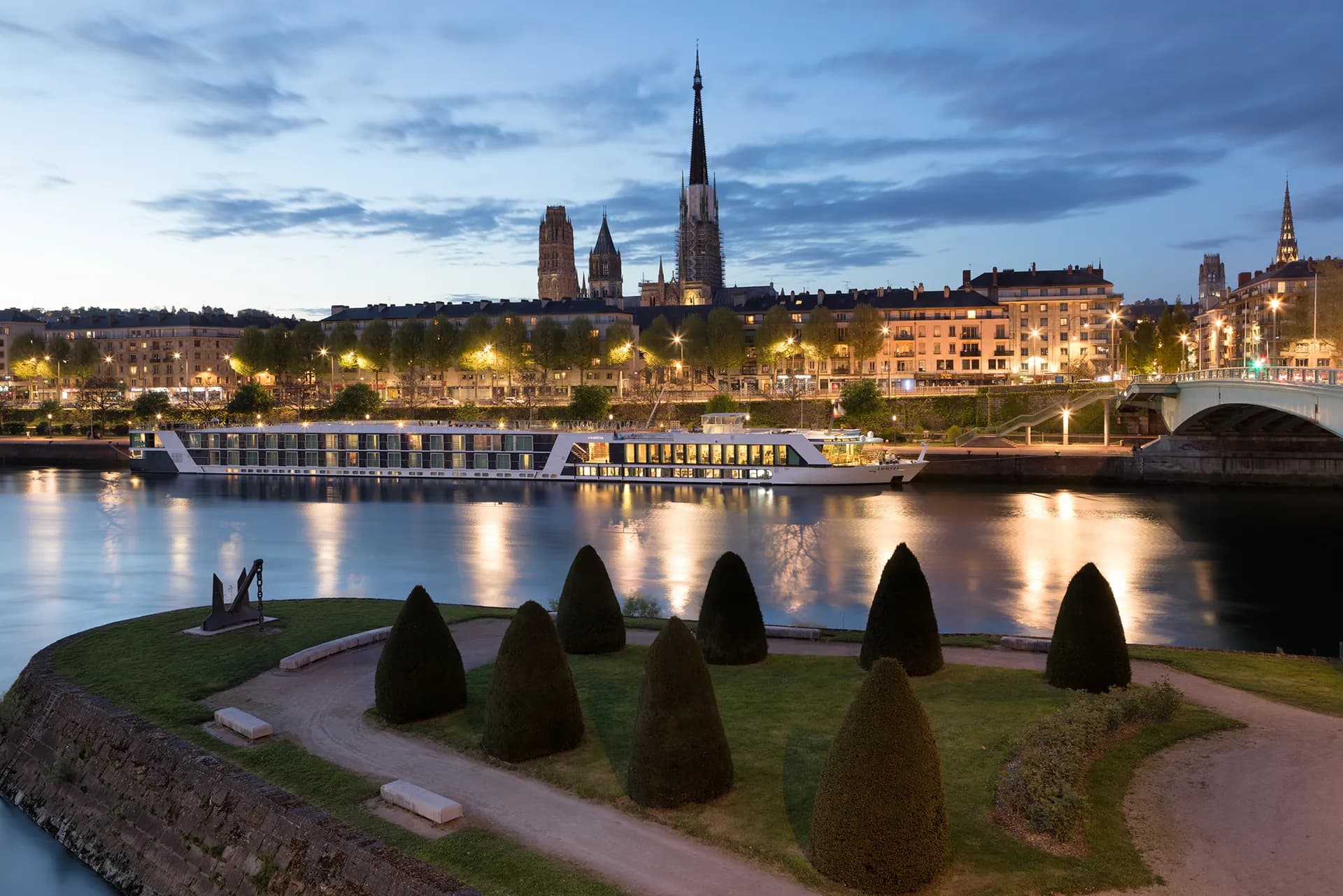
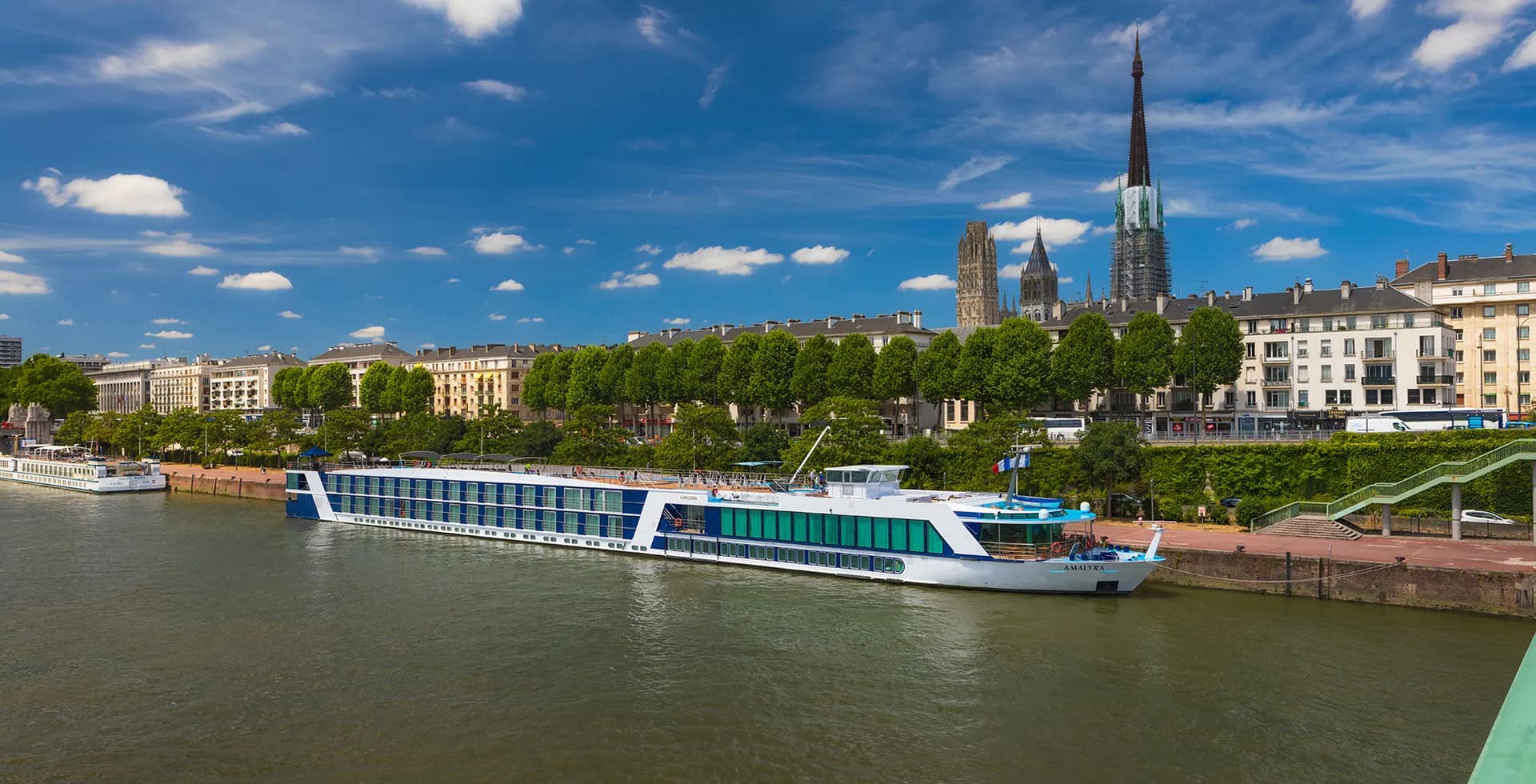
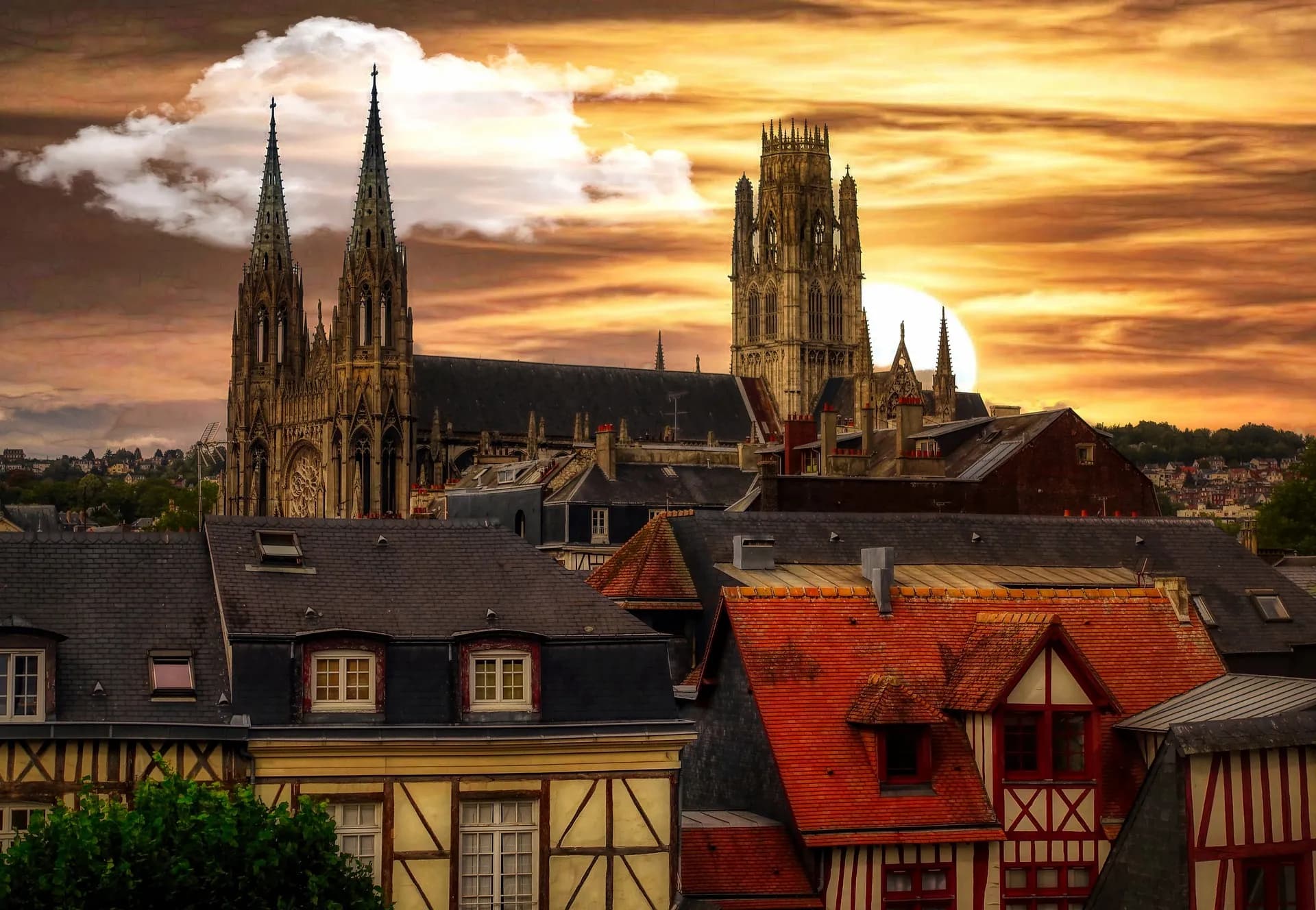
Rouen
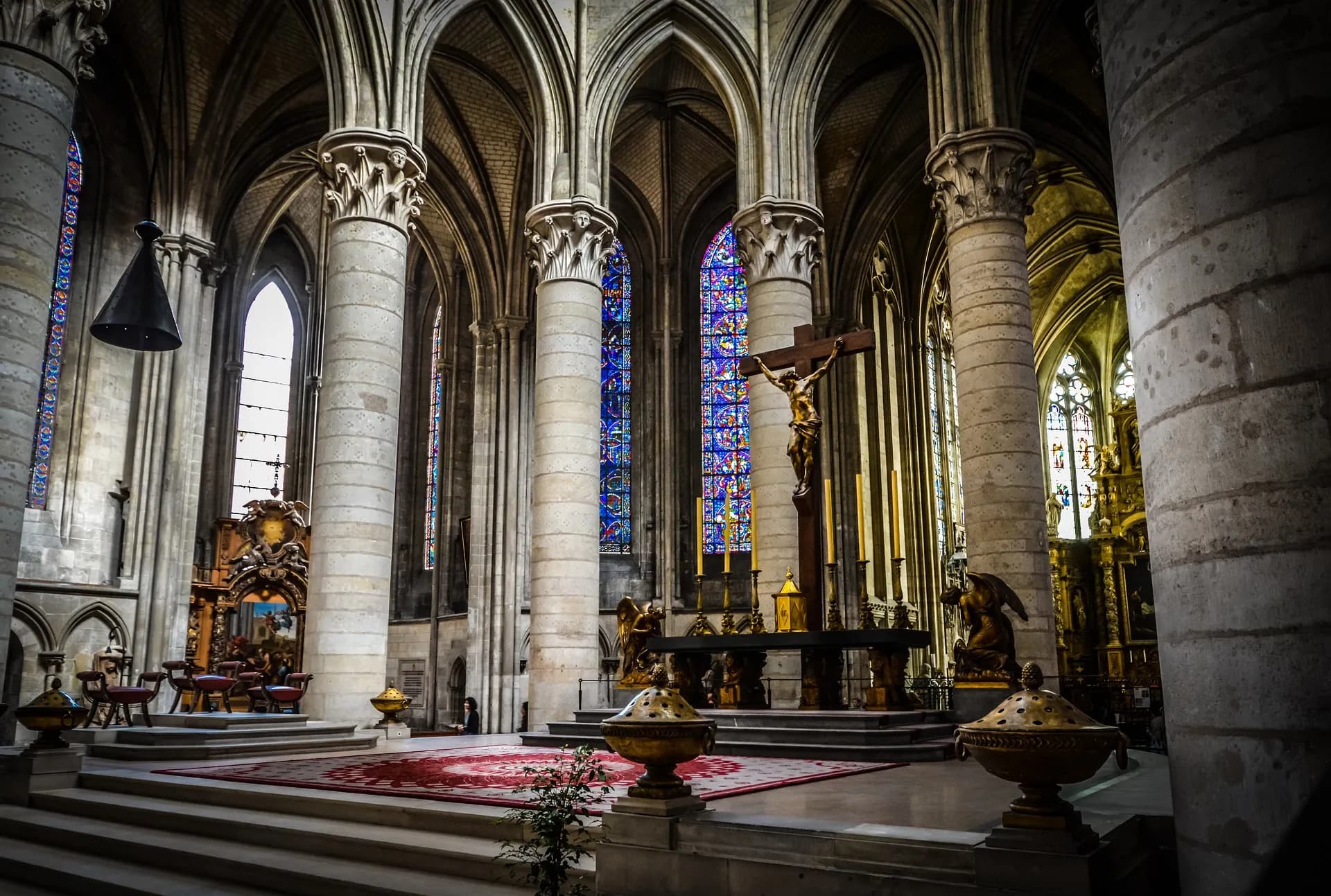
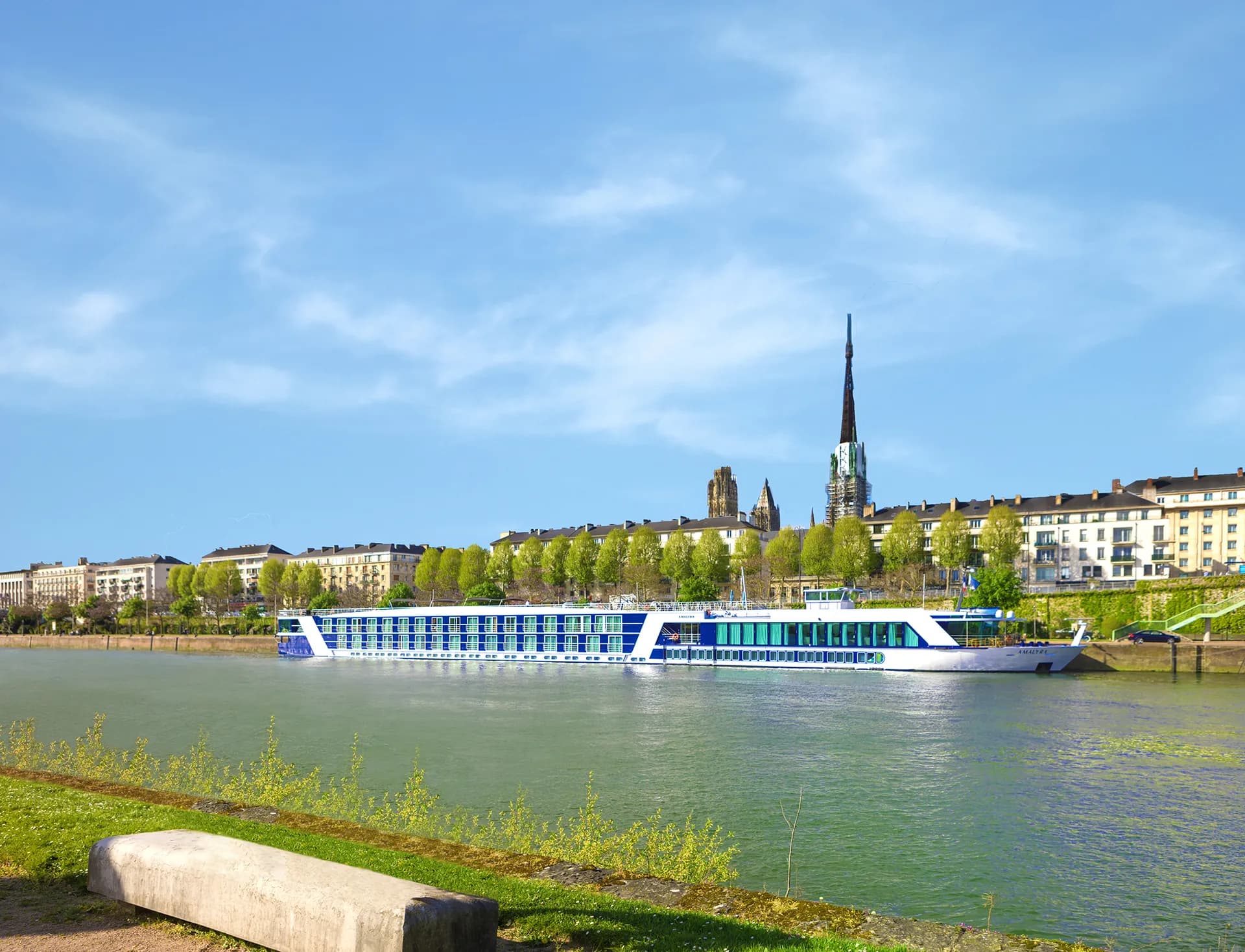
FranceSituated in a natural amphitheater on the Seine River, Rouen's status as a commercial and cultural center reaches as far back as the Middle Ages. As a result of its importance, the city was the target of many sieges. During the English occupation in the Hundred Years' War, Rouen was the site where Joan of Arc was burned at the stake in 1431. Other tragedies include the destruction of a major part of the commercial and industrial center during bombing raids in World War II. Today the city presents an interesting mix of medieval and modern architecture. Rouen expanded outward during the 20th century with the development of industries; its increasingly busy port is now the fourth largest in France. The city's greatest attraction is its historic center. Known as the “City of a Hundred Spires,” many of its important edifices are churches. Dominating the large central square is the magnificent Notre-Dame Cathedral, a masterpiece of French Gothic architecture. You may recognize the west façade of the cathedral from a series of studies by Claude Monet, which are now displayed in the Musée d'Orsay in Paris. Surrounding the square are picturesque half-timbered houses with steeply pointed roofs. The wealth of architectural treasures and the ambiance of Rouen's historic center never fail to impress visitors. Rouen also serves as a gateway to Paris. Driving distance is 2 hours by car or 1.5 hours by train. (Trains arrive in Paris at St. Lazare Station.)
Day 5
Day 5
Rouen
Situated in a natural amphitheater on the Seine River, Rouen's status as a commercial and cultural center reaches as far back as the Middle Ages. As a result of its importance, the city was the target of many sieges. During the English occupation in the Hundred Years' War, Rouen was the site where Joan of Arc was burned at the stake in 1431. Other tragedies include the destruction of a major part of the commercial and industrial center during bombing raids in World War II. Today the city presents an interesting mix of medieval and modern architecture. Rouen expanded outward during the 20th century with the development of industries; its increasingly busy port is now the fourth largest in France. The city's greatest attraction is its historic center. Known as the “City of a Hundred Spires,” many of its important edifices are churches. Dominating the large central square is the magnificent Notre-Dame Cathedral, a masterpiece of French Gothic architecture. You may recognize the west façade of the cathedral from a series of studies by Claude Monet, which are now displayed in the Musée d'Orsay in Paris. Surrounding the square are picturesque half-timbered houses with steeply pointed roofs. The wealth of architectural treasures and the ambiance of Rouen's historic center never fail to impress visitors. Rouen also serves as a gateway to Paris. Driving distance is 2 hours by car or 1.5 hours by train. (Trains arrive in Paris at St. Lazare Station.)
Day 6
Day 6
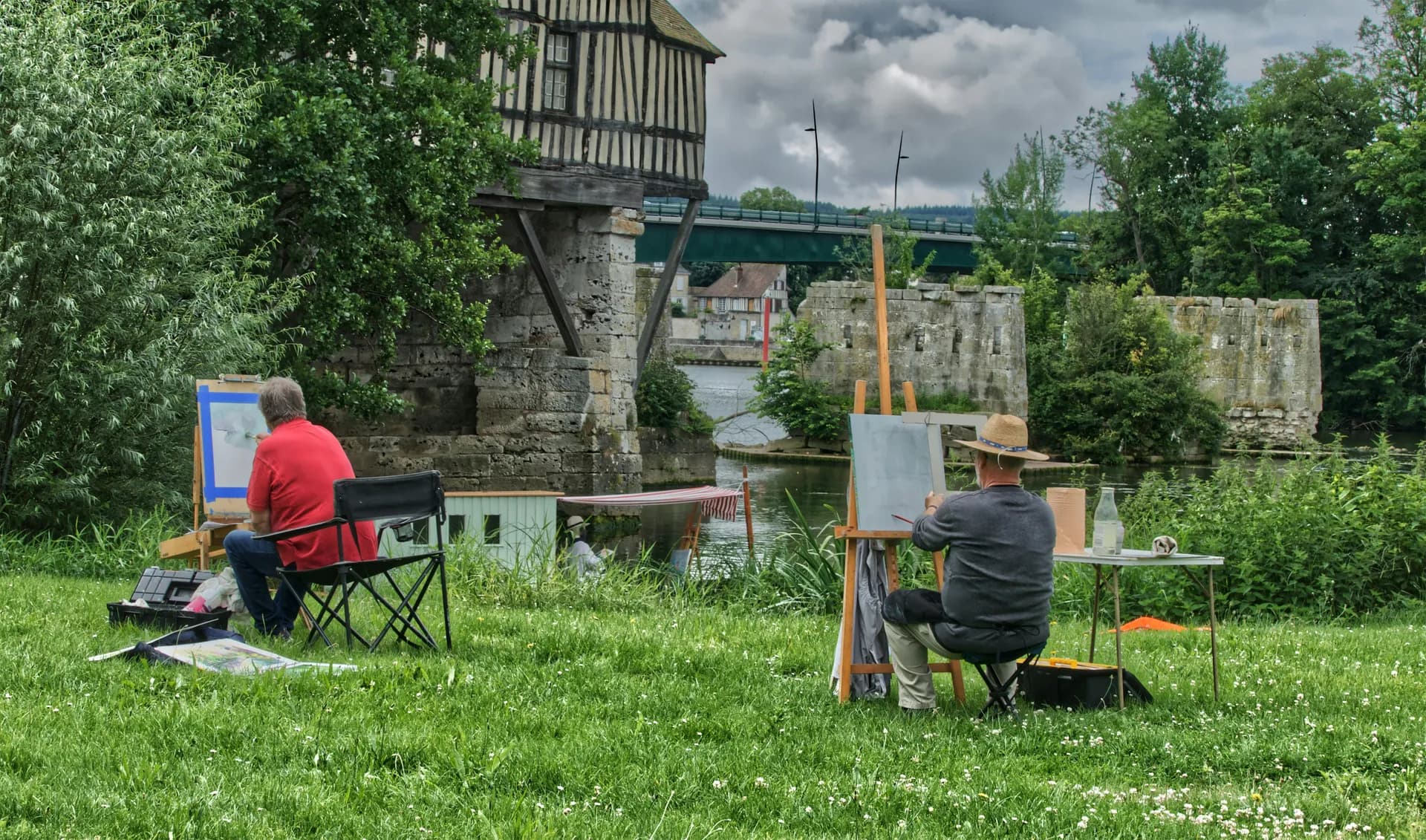
Vernon
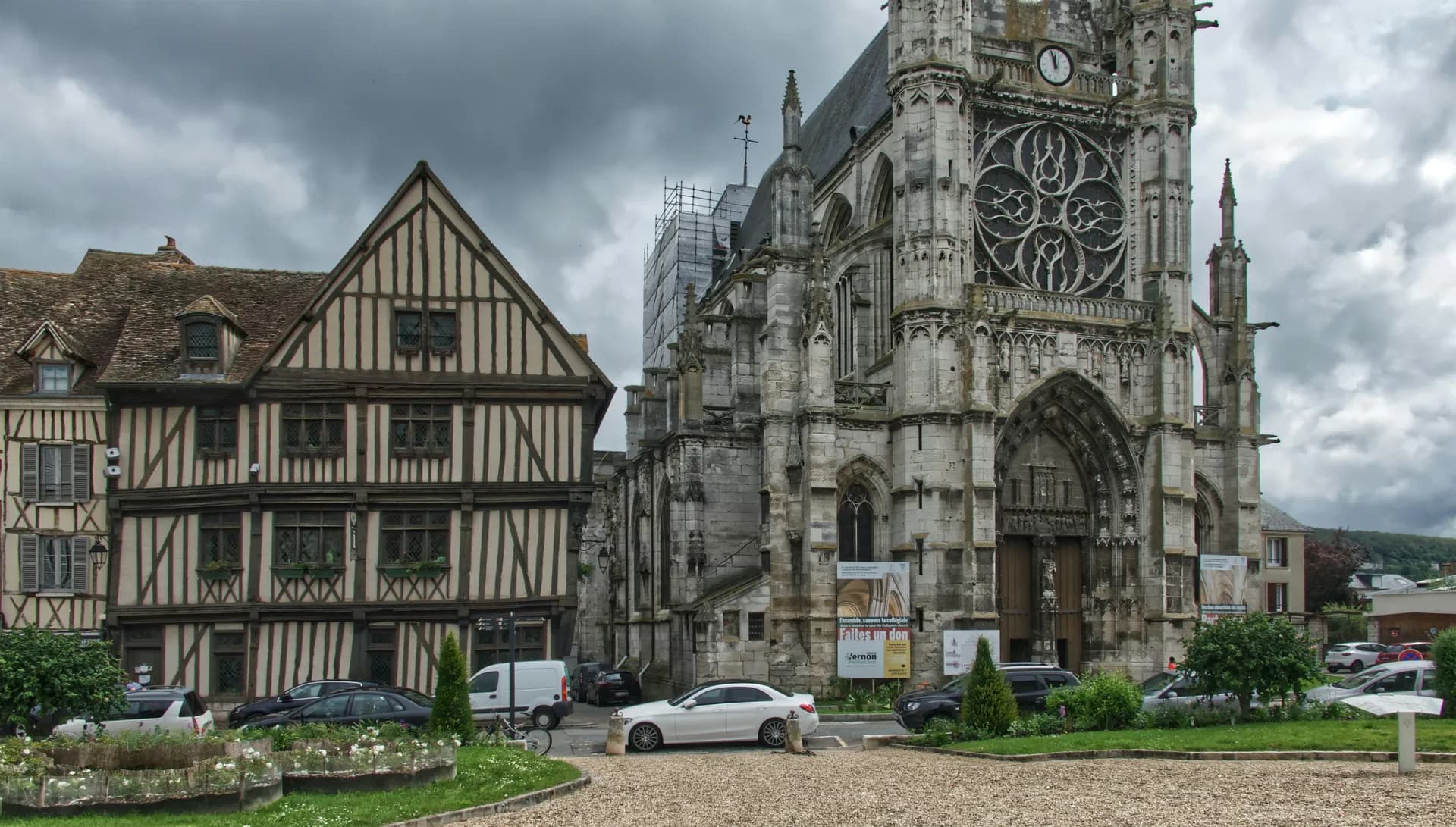
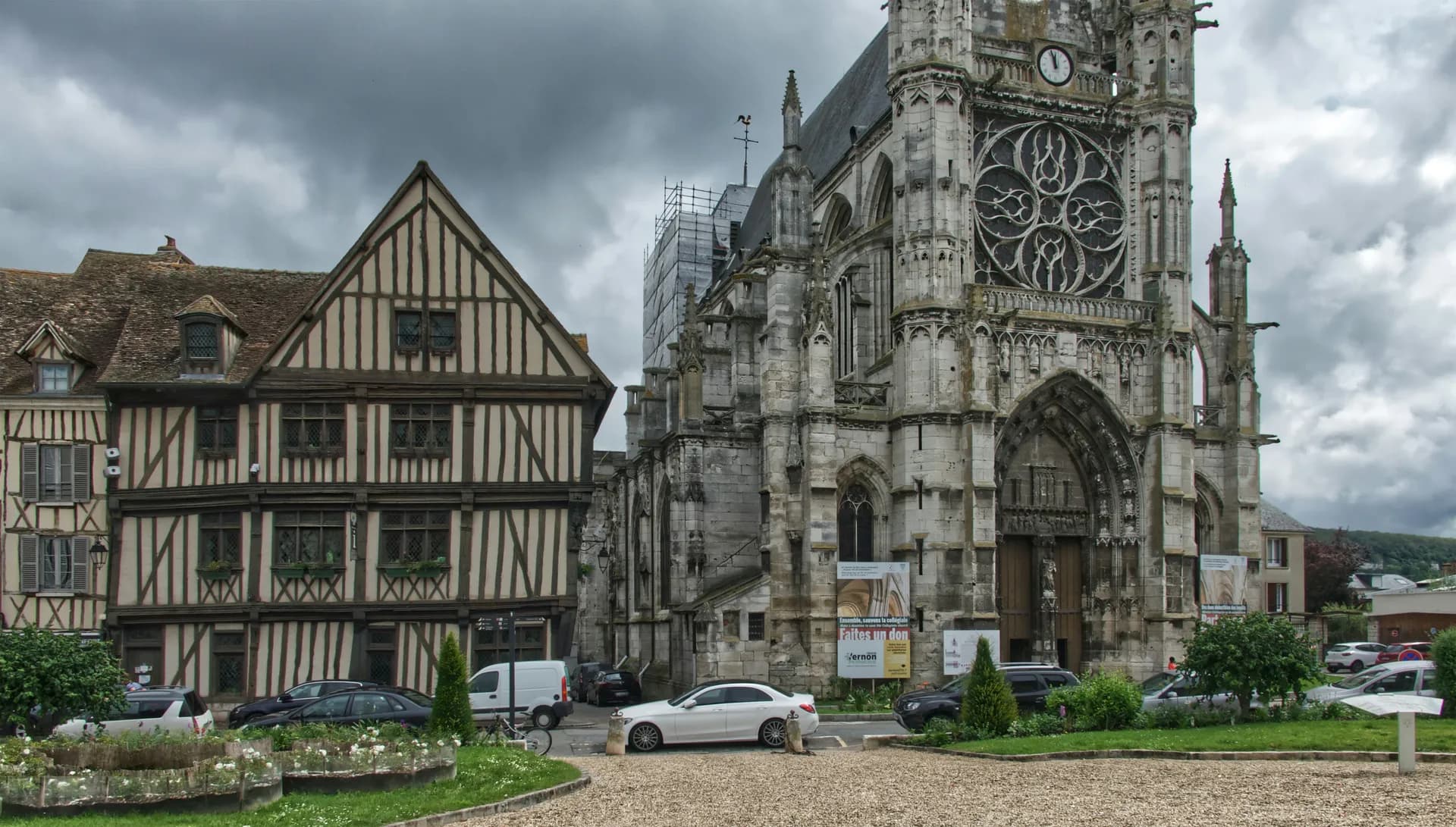
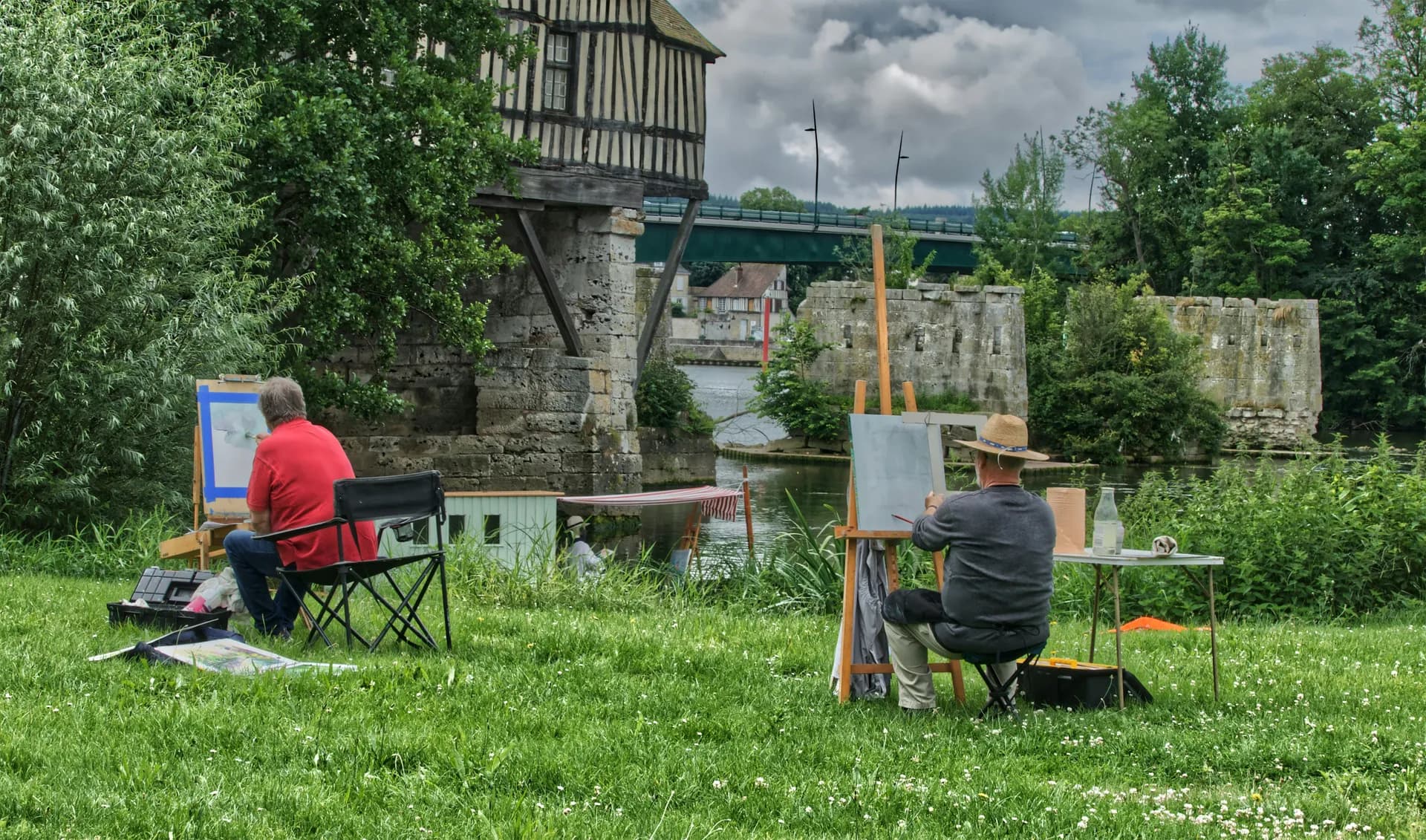
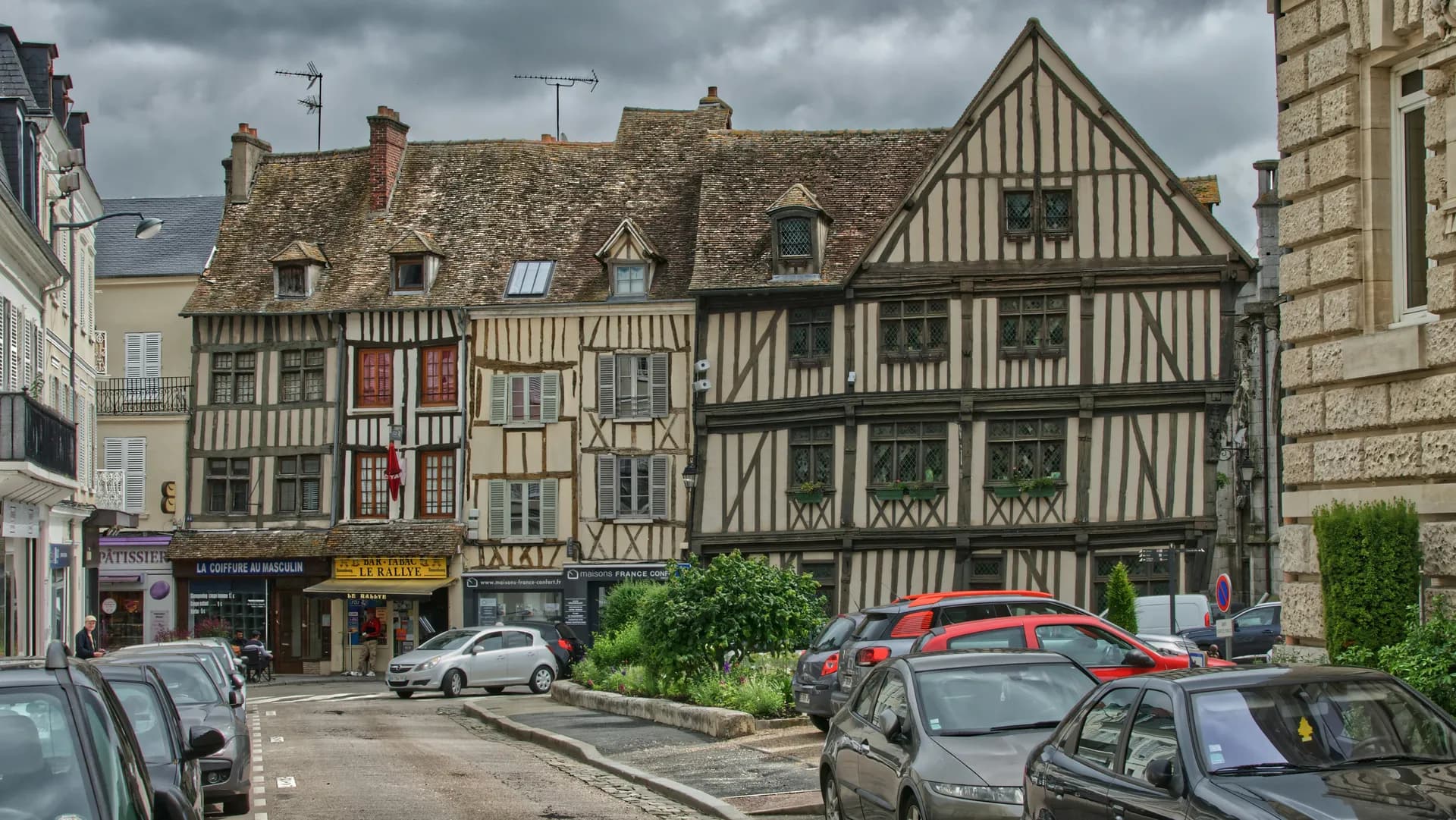
FranceIt’s said that you can hear the beams creaking like old bones when you see the Vieux Moulin de Vernon. The mill is perched on two pillars, seemingly suspended in mid-air over the Seine, while its roof sags like an old worn-out horse. Claude Monet painted the mill; reassuringly, the sag is visible in these paintings, which date back to 1883. Vernon has a few sights, such as a Gothic abbey church with stunningly colourful stained-glass windows. Nevertheless, it’s almost impossible to resist the lure of excursions to nearby destinations. In Château de Bizy (also known as ‘Little Versailles’), you can revel in luxurious Renaissance décor and go for a delightful stroll around the elegant park. Claude Monet’s house in Giverny is another magnet for culture enthusiasts and romantics – and rightly so. Unsurprisingly, the lush garden looks like a wild field of flowers from an impressionist painting. The crowning glory is the enchanting pond of water lilies – the subject of one of the most valuable paintings in the world.
Day 6
Day 6
Vernon
It’s said that you can hear the beams creaking like old bones when you see the Vieux Moulin de Vernon. The mill is perched on two pillars, seemingly suspended in mid-air over the Seine, while its roof sags like an old worn-out horse. Claude Monet painted the mill; reassuringly, the sag is visible in these paintings, which date back to 1883. Vernon has a few sights, such as a Gothic abbey church with stunningly colourful stained-glass windows. Nevertheless, it’s almost impossible to resist the lure of excursions to nearby destinations. In Château de Bizy (also known as ‘Little Versailles’), you can revel in luxurious Renaissance décor and go for a delightful stroll around the elegant park. Claude Monet’s house in Giverny is another magnet for culture enthusiasts and romantics – and rightly so. Unsurprisingly, the lush garden looks like a wild field of flowers from an impressionist painting. The crowning glory is the enchanting pond of water lilies – the subject of one of the most valuable paintings in the world.
Day 6
Day 6
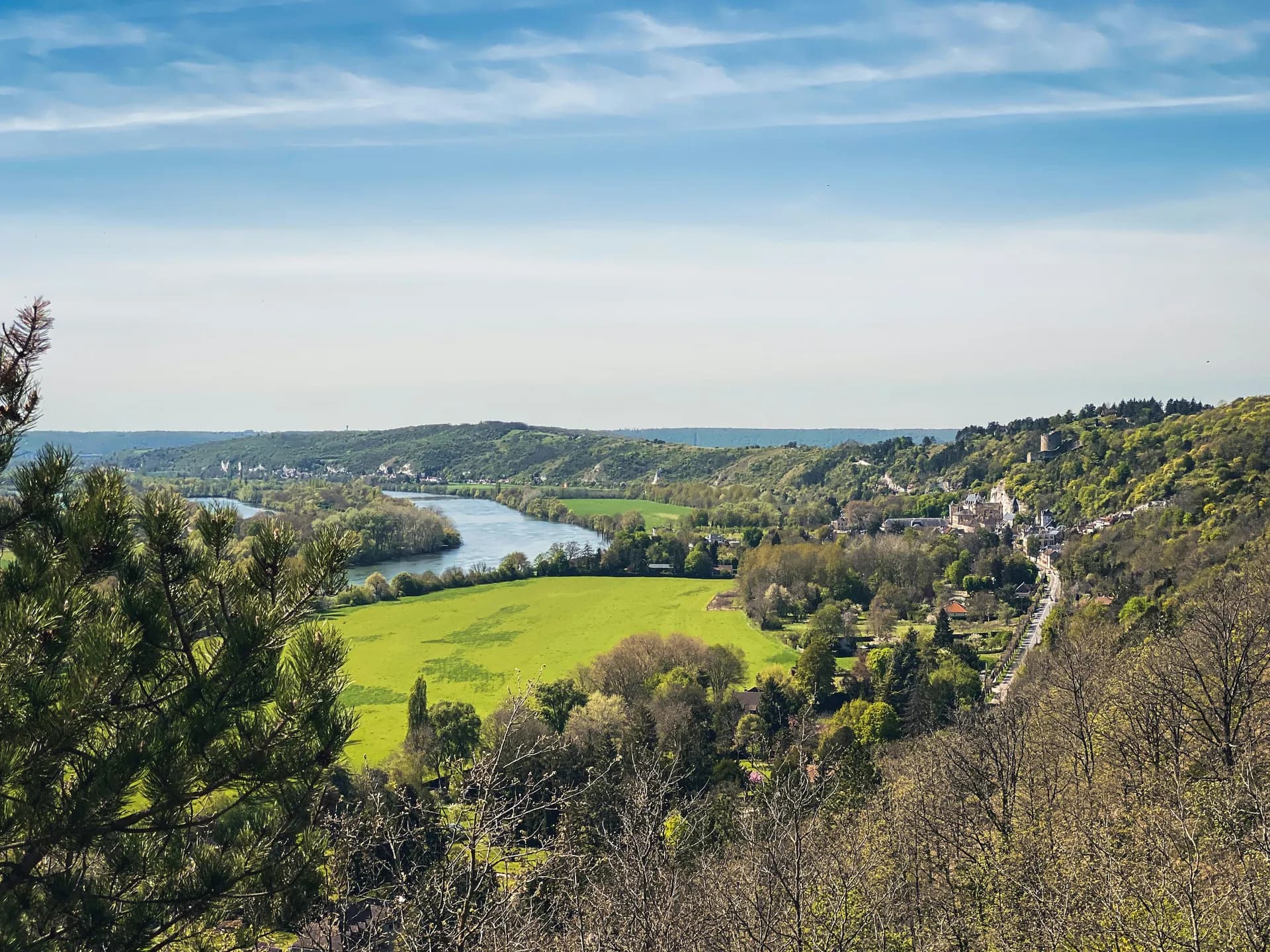
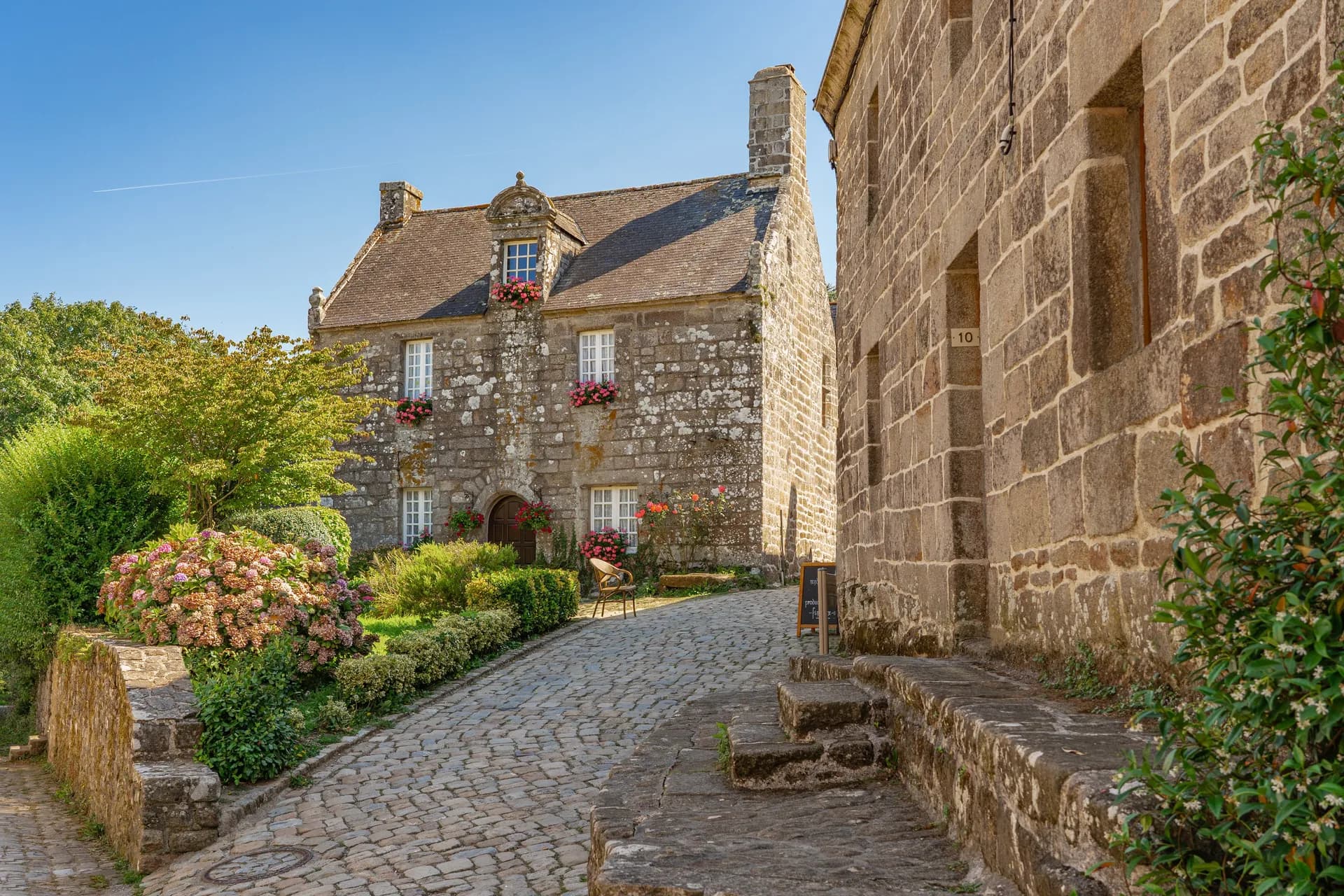
La Roche Guyon
La Roche-Guyon is a commune in the Val-d'Oise department in Île-de-France in northern France. It is located in the Vexin regional nature park. The commune grew around the Château de La Roche-Guyon, upon which historically it depended for its existence. The commune's population in 2015 was 464.
Day 7
Day 7
Paris
FranceEven if you’ve never been to Paris before, you’ll feel like you recognise every corner of the city. Countless films, books, paintings, poems and songs have been set in the city of love. Yet there’s always more to discover. The fashion capital of the world, a mecca of art and culture, an oasis for gourmets and a metropolis for media, education and political and economic power – Paris is all of this and more. Paris is a city whose beauty never fades. The Arc de Triomphe, Eiffel Tower, Notre Dame, Madeleine, Opéra, Louvre, Sacré-Coeur de Montmartre, Dôme des Invalides and Centre Pompidou are just some of the sights that exemplify this city’s fame and grandeur.
Day 7
Day 7
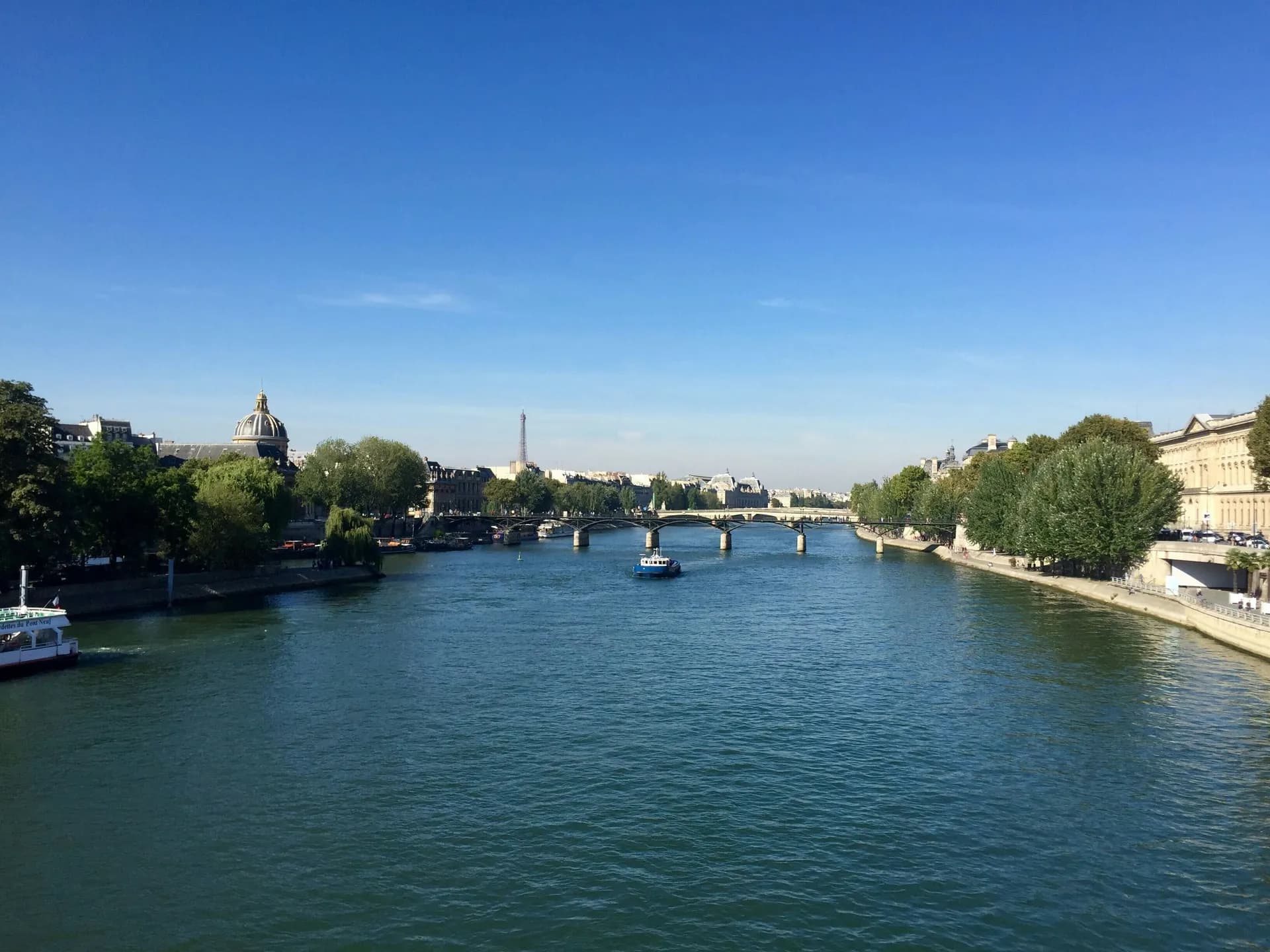
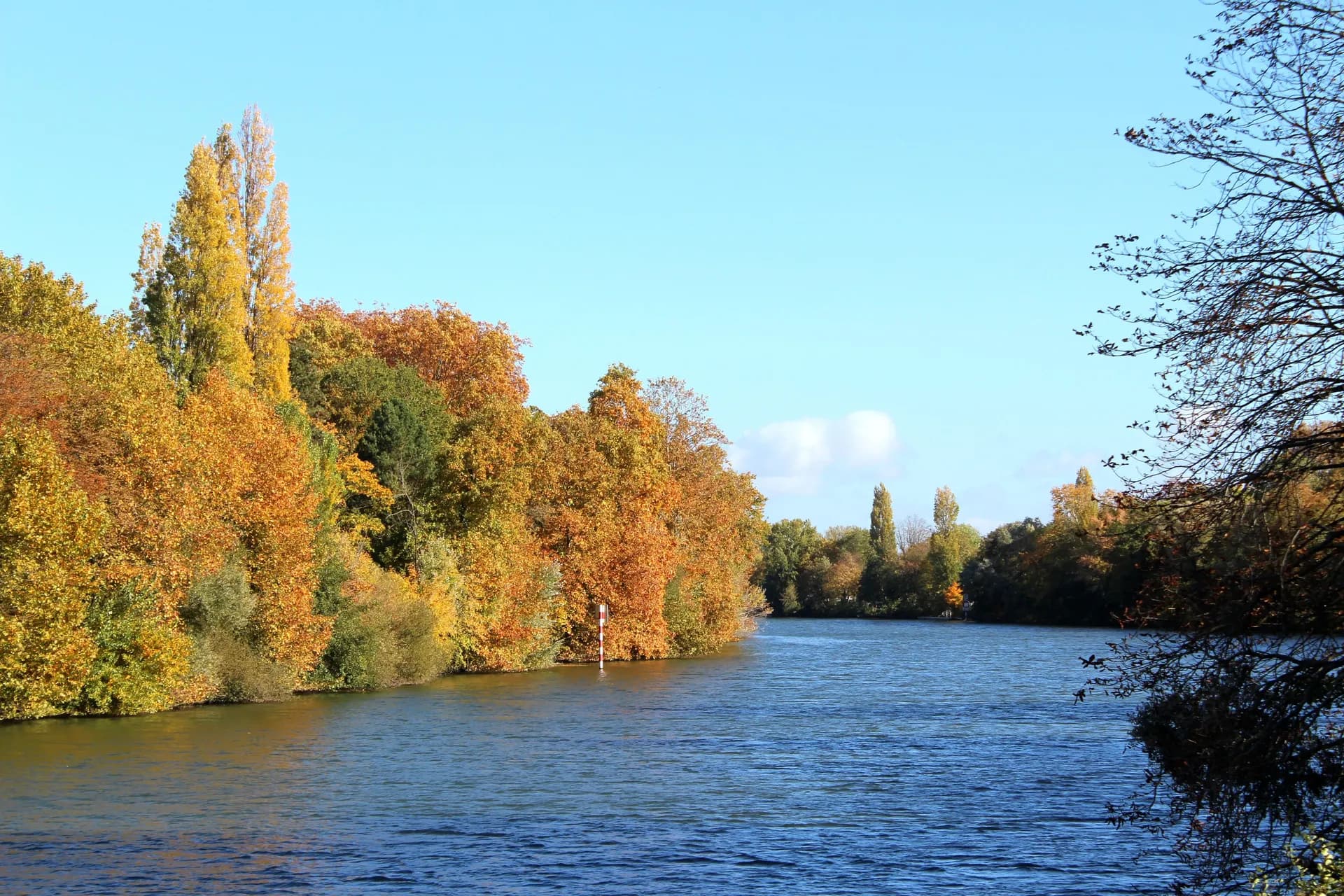
Conflans
Conflans-Sainte-Honorine is a commune in the Yvelines department in the Île-de-France region in north-central France. It is located in the northwestern suburbs of Paris, 24.2 km from the center of Paris. The commune was originally named for its geographic position at the confluence of the Seine and Oise rivers.
Day 8
Day 8
Paris
FranceEven if you’ve never been to Paris before, you’ll feel like you recognise every corner of the city. Countless films, books, paintings, poems and songs have been set in the city of love. Yet there’s always more to discover. The fashion capital of the world, a mecca of art and culture, an oasis for gourmets and a metropolis for media, education and political and economic power – Paris is all of this and more. Paris is a city whose beauty never fades. The Arc de Triomphe, Eiffel Tower, Notre Dame, Madeleine, Opéra, Louvre, Sacré-Coeur de Montmartre, Dôme des Invalides and Centre Pompidou are just some of the sights that exemplify this city’s fame and grandeur.
Day 8
Day 8
Paris
Even if you’ve never been to Paris before, you’ll feel like you recognise every corner of the city. Countless films, books, paintings, poems and songs have been set in the city of love. Yet there’s always more to discover. The fashion capital of the world, a mecca of art and culture, an oasis for gourmets and a metropolis for media, education and political and economic power – Paris is all of this and more. Paris is a city whose beauty never fades. The Arc de Triomphe, Eiffel Tower, Notre Dame, Madeleine, Opéra, Louvre, Sacré-Coeur de Montmartre, Dôme des Invalides and Centre Pompidou are just some of the sights that exemplify this city’s fame and grandeur.
Cabin Categories
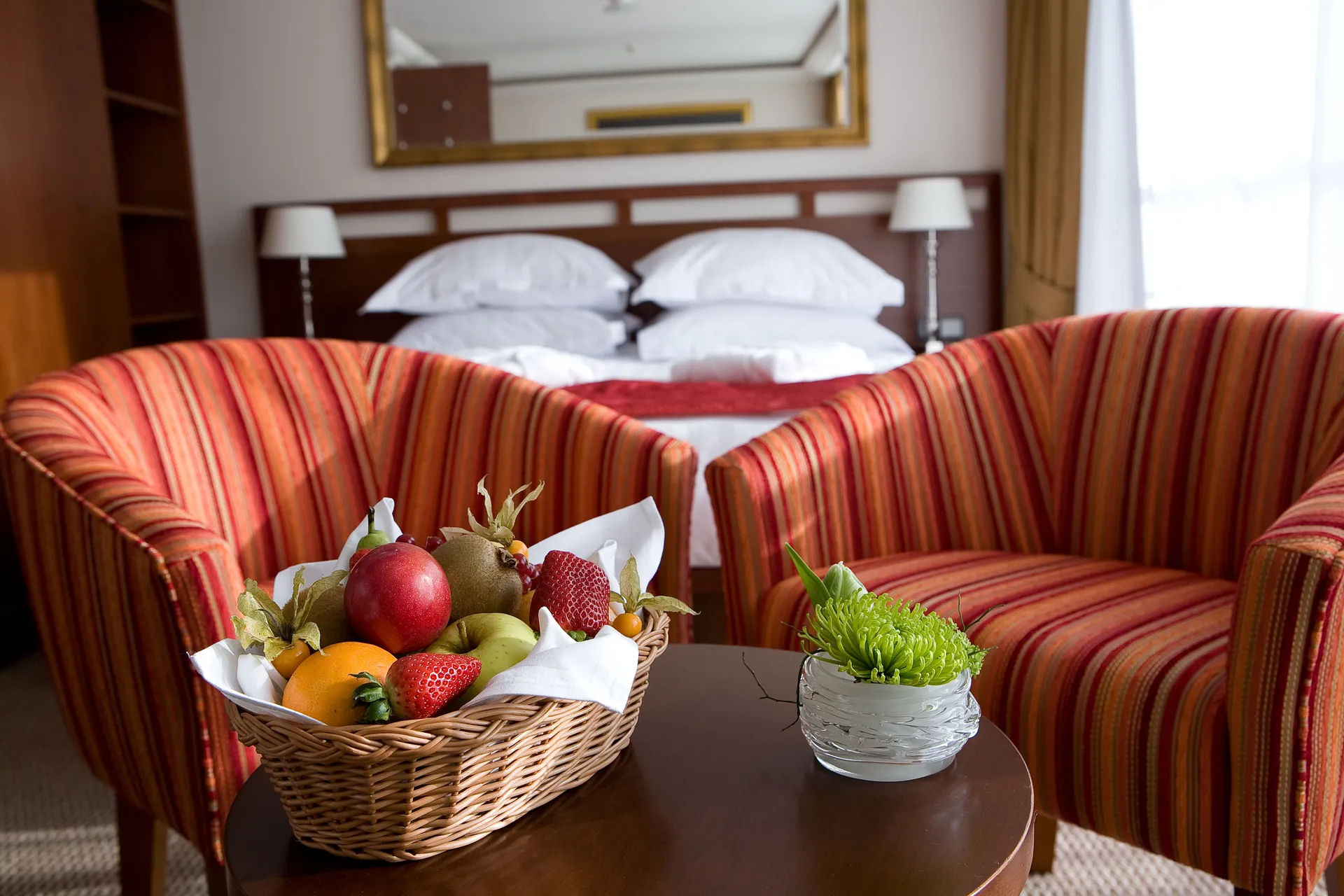
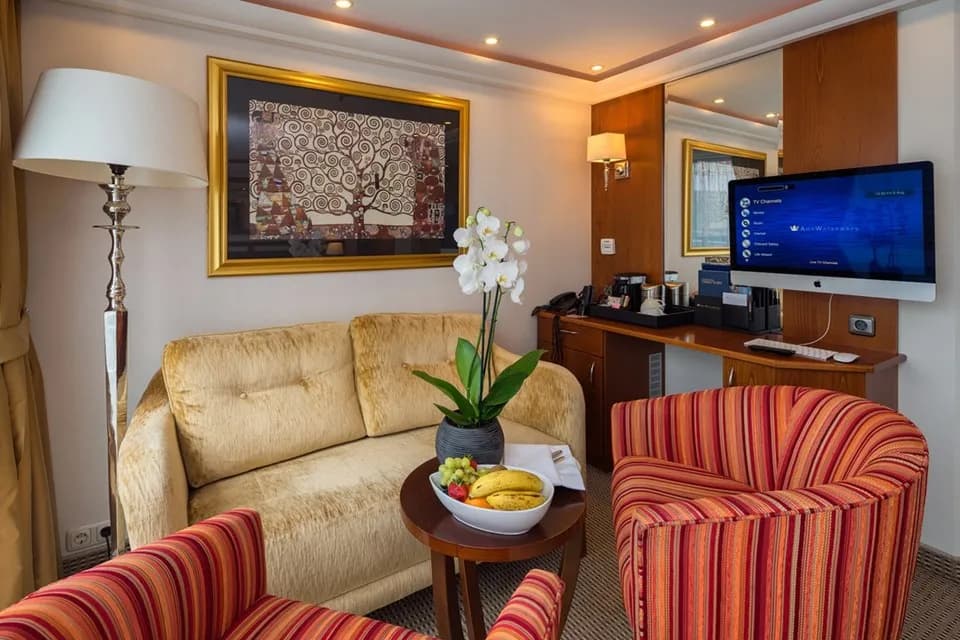
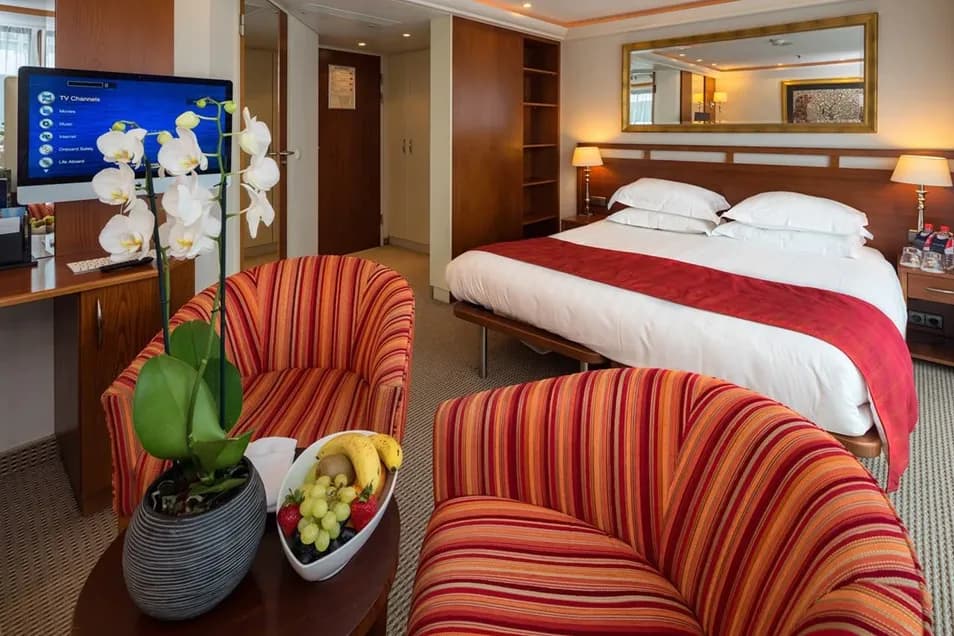
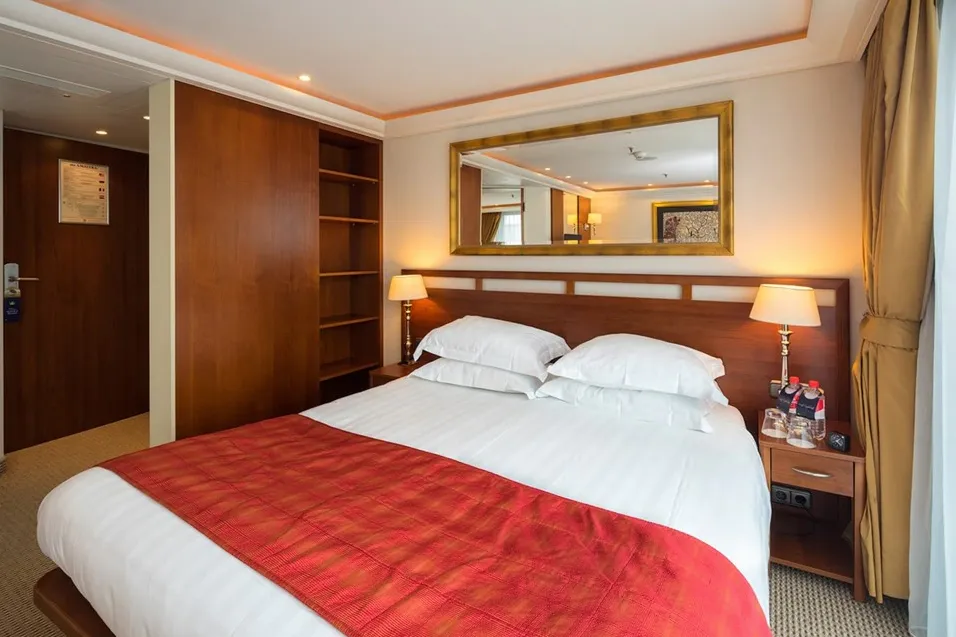
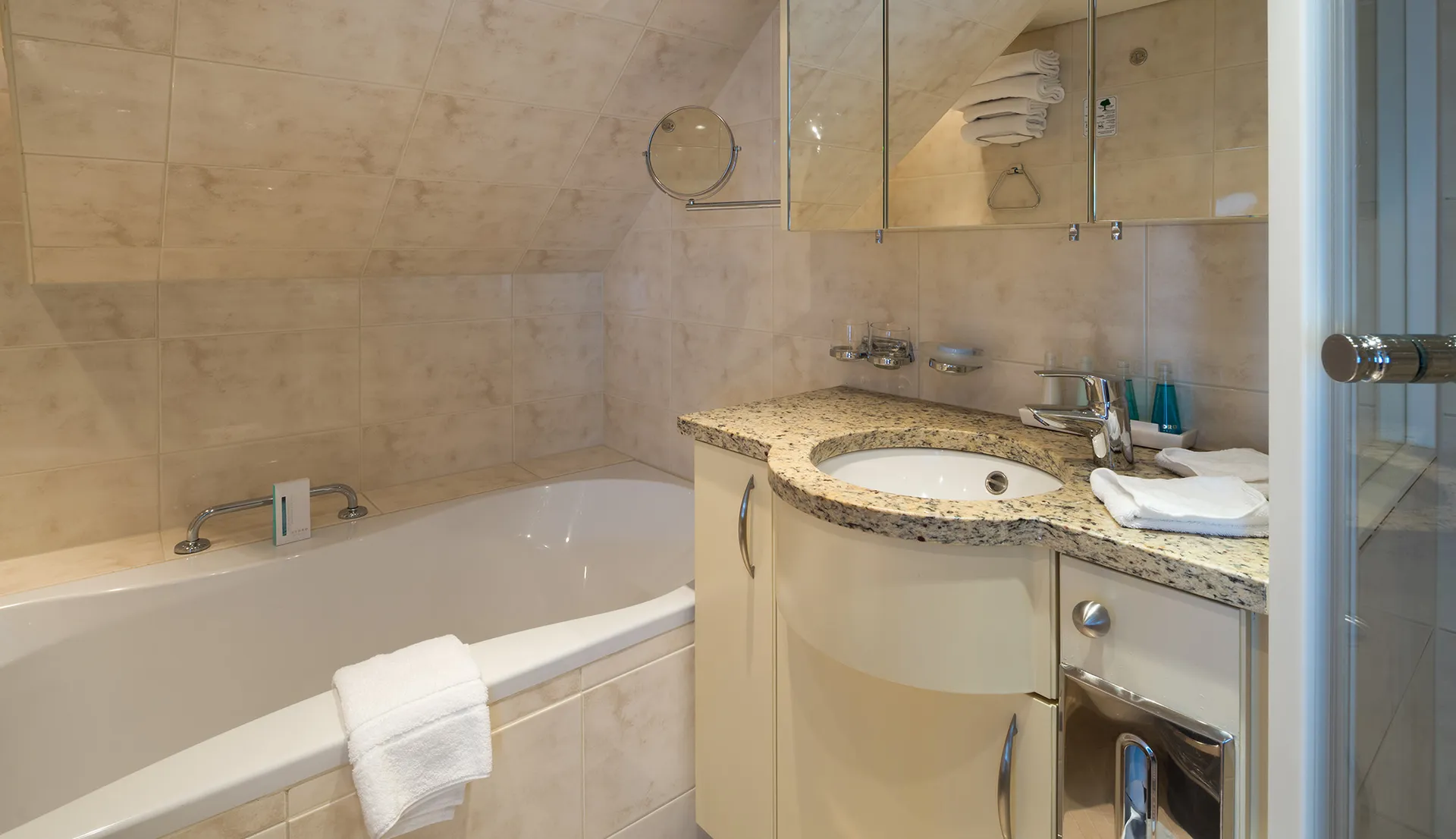
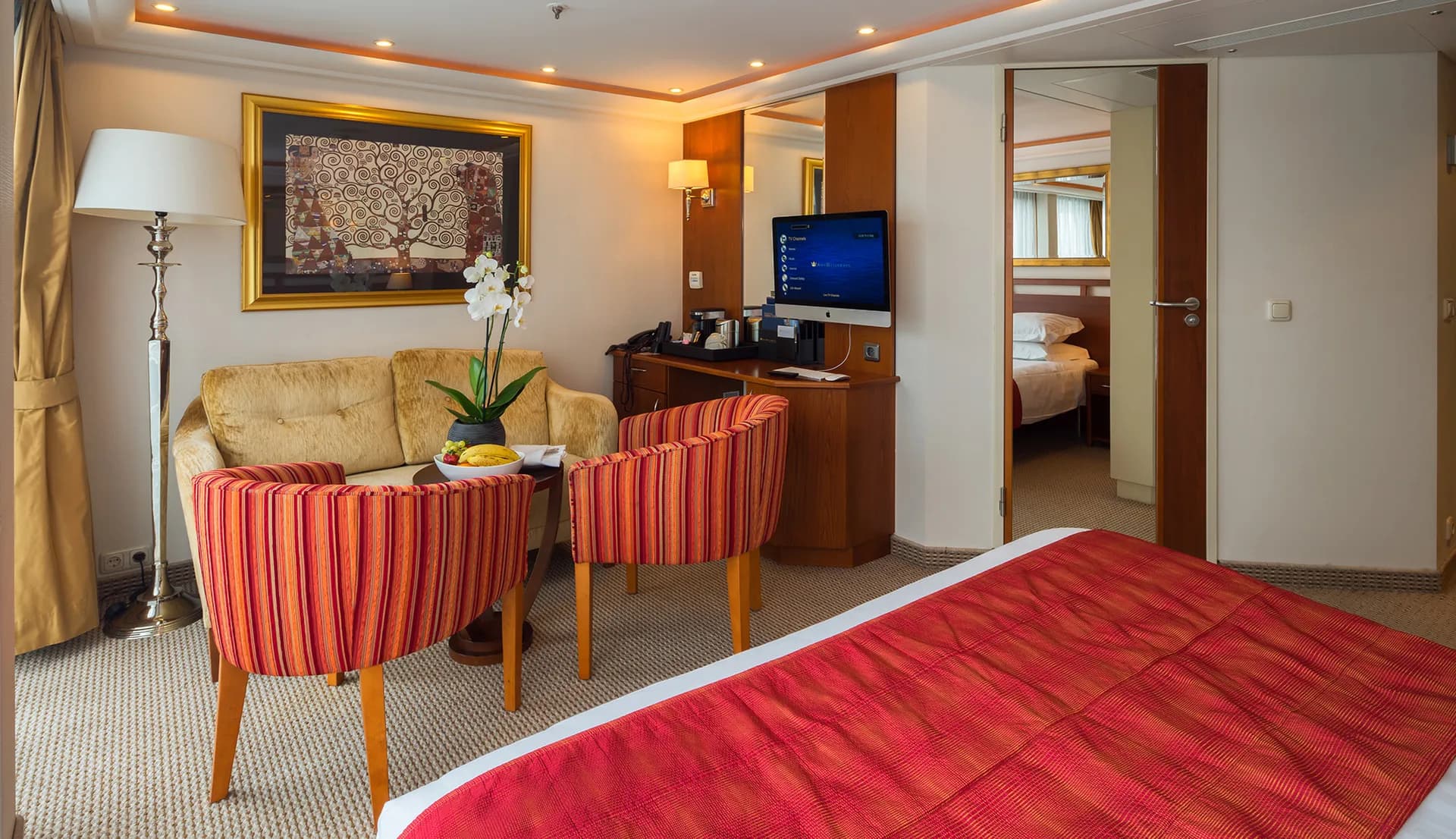
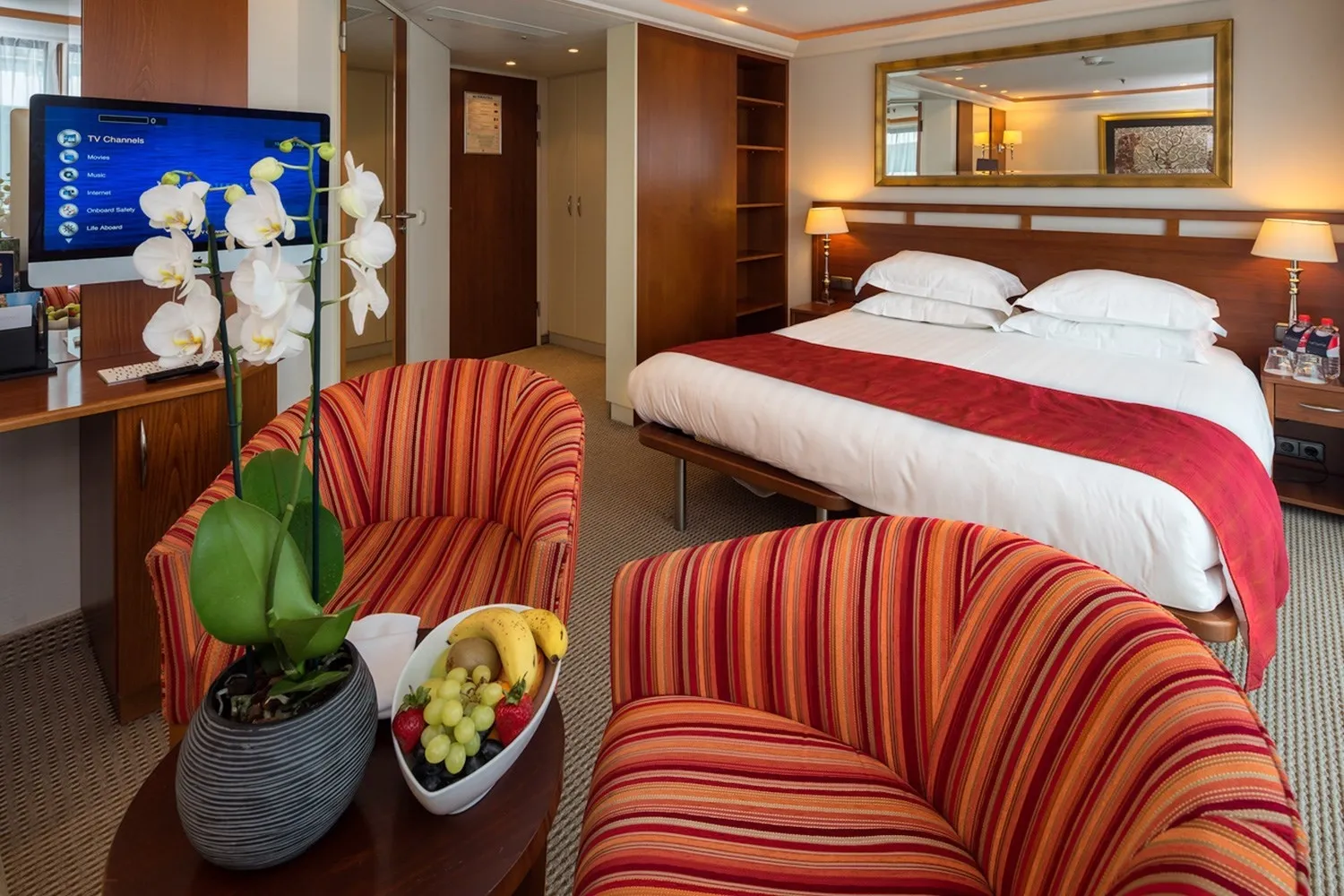
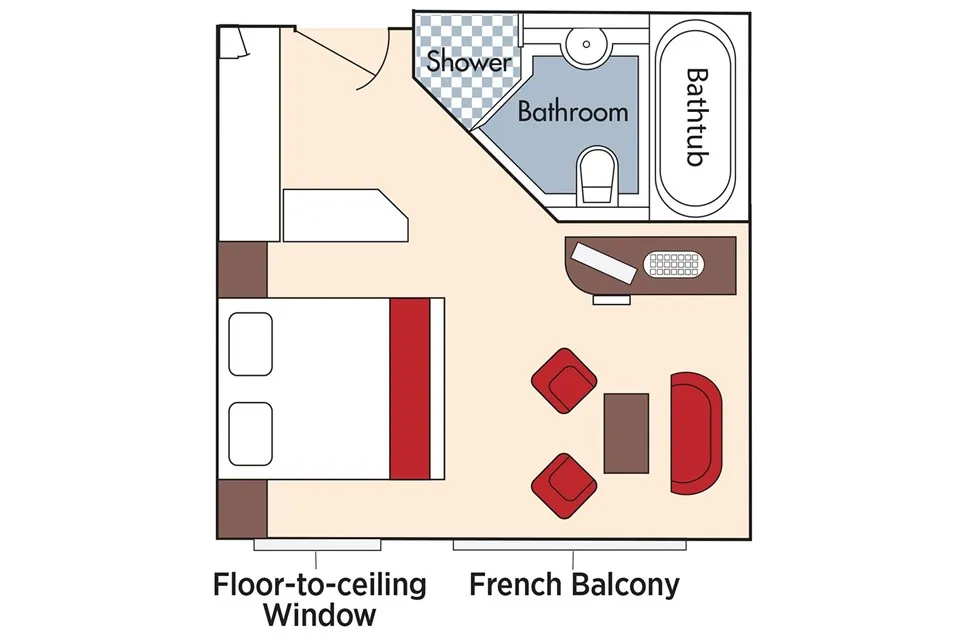
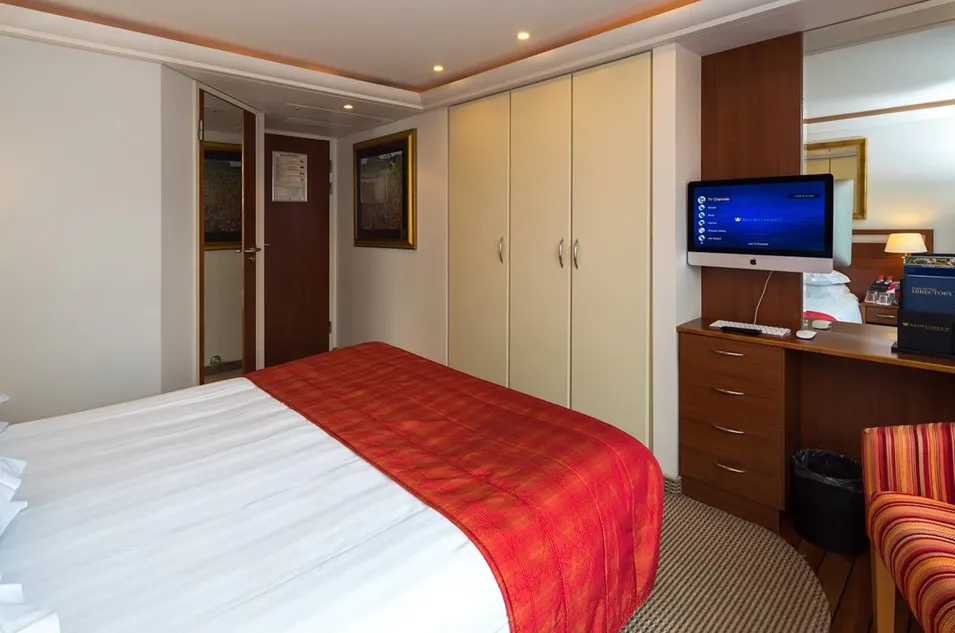
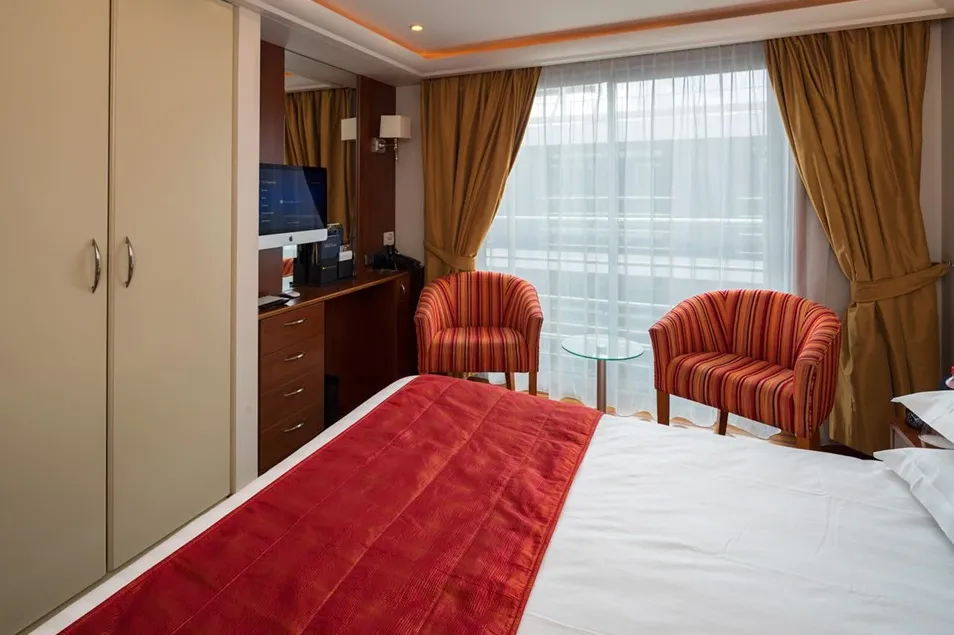
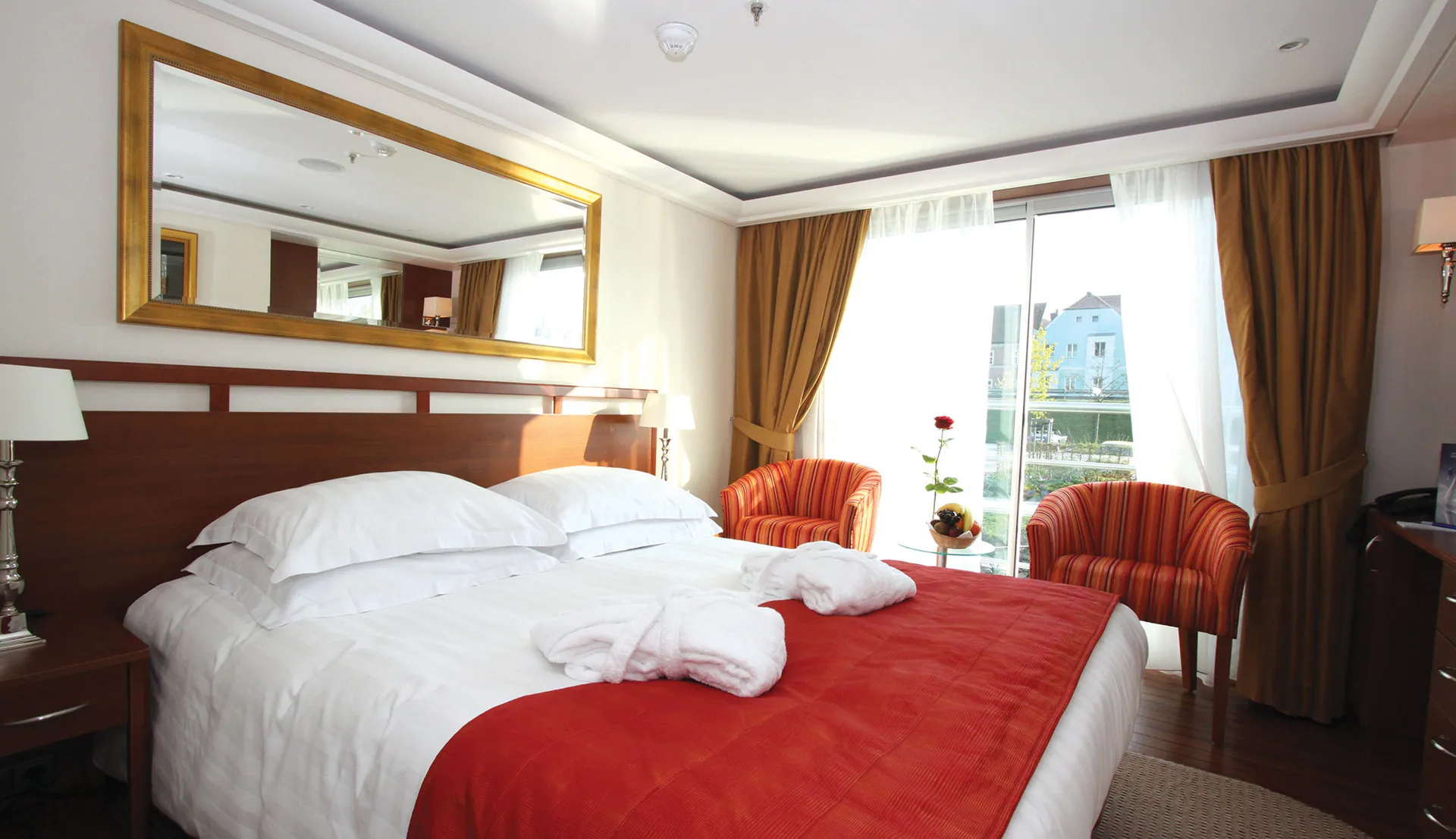
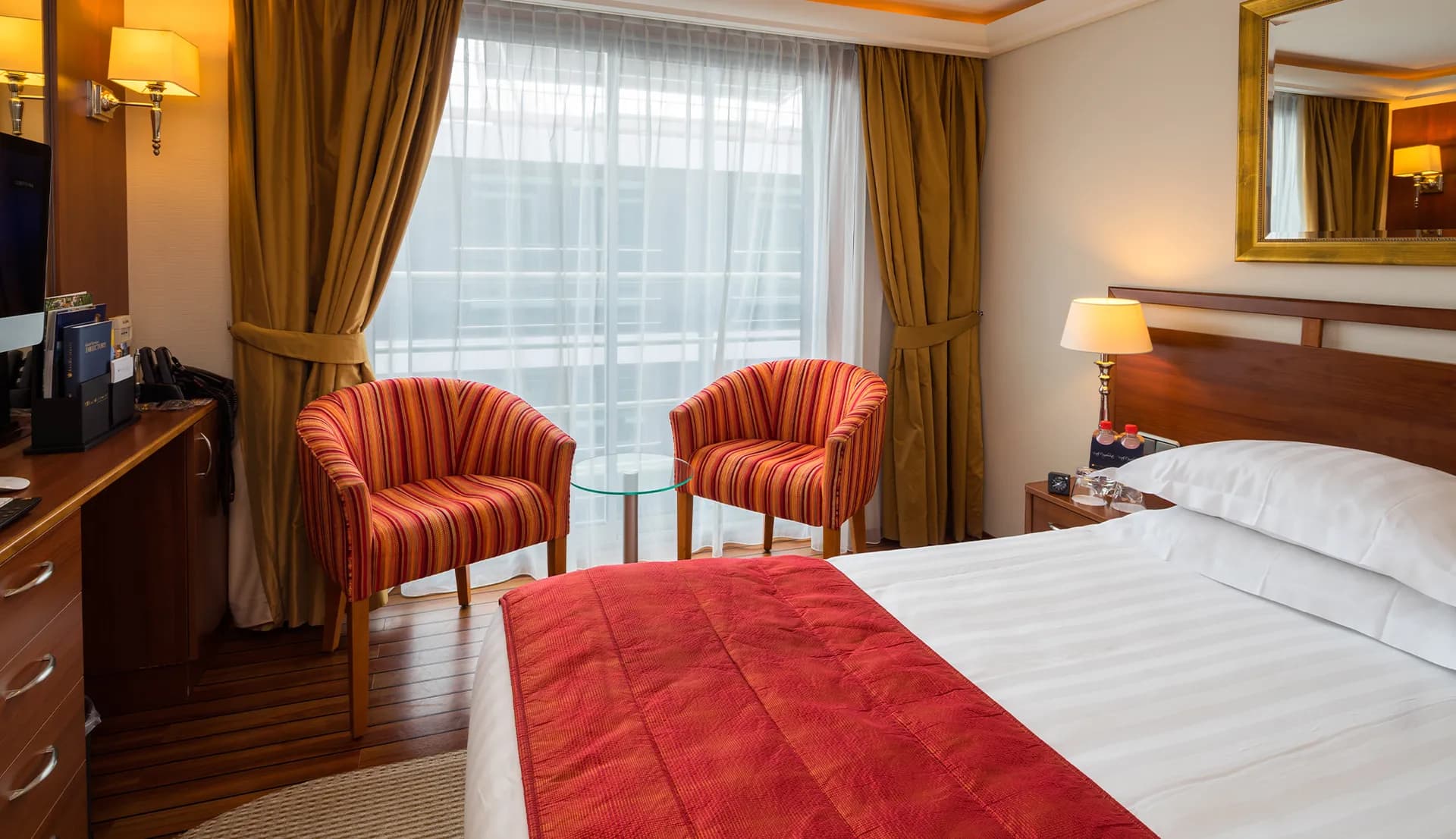
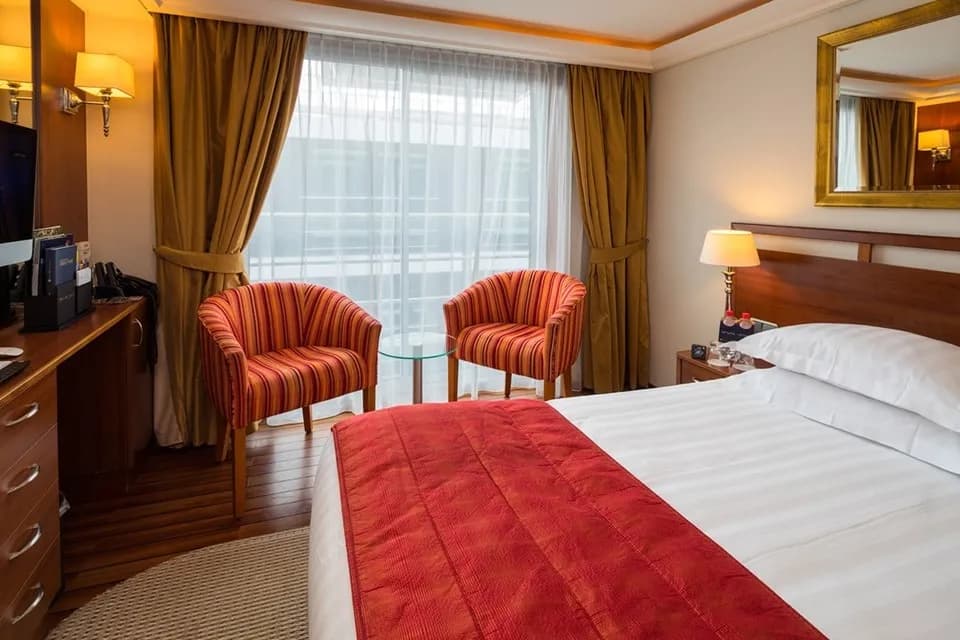
Suite (French Balcony)
Suite
255 m²Max 2
S
In-room temperature control
Deluxe hotel-style bedding with Egyptian linen, down pillows and duvet
Spacious bathrooms with multi-jet showerheads
Large wardrobe, full-length mirror, hair dryer, safe and direct-dial telephone
Flat-screen TV that also works as a computer
Entertainment on Demand system providing complimentary TV, movies and music library
Complimentary internet and Wi-Fi
Complimentary bottled water replenished daily
Desk and chair
Queen or Twin ConfigurationLounge AreaShowerToiletries ProvidedRoom Service AvailableTV+7
US$7,448 /person+ US$250 taxes & fees
French Balcony
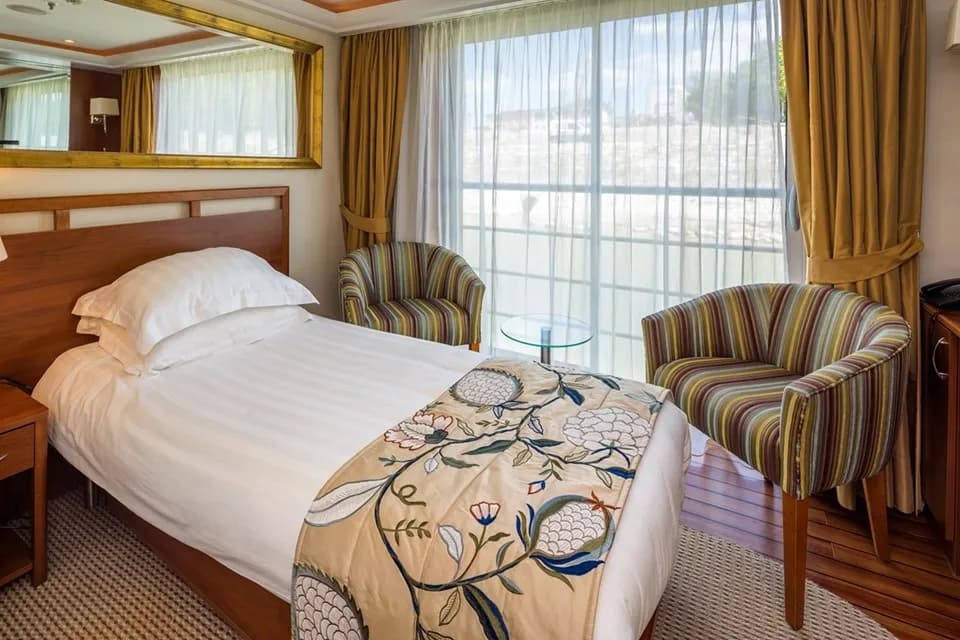
Balcony
170–225 m²Max 2
AA+BC
In-room temperature control
Deluxe hotel-style bedding with Egyptian linen, down pillows and duvet
Spacious bathrooms with multi-jet showerheads
Large wardrobe, full-length mirror, hair dryer, safe and direct-dial telephone
Flat-screen TV that also works as a computer
Entertainment on Demand system providing complimentary TV, movies and music library
Complimentary internet and Wi-Fi
Complimentary bottled water replenished daily
Desk and chair
Hair DryerQueen or Twin ConfigurationLounge AreaShowerToiletries ProvidedRoom Service Available+7
US$5,748 /person+ US$250 taxes & fees
Single (French Balcony)
Balcony
140 m²Max 1
Single
In-room temperature control
Deluxe hotel-style bedding with Egyptian linen, down pillows and duvet
Spacious bathrooms with multi-jet showerheads
Large wardrobe, full-length mirror, hair dryer, safe and direct-dial telephone
Flat-screen TV that also works as a computer
Entertainment on Demand system providing complimentary TV, movies and music library
Complimentary internet and Wi-Fi
Complimentary bottled water replenished daily
Desk and chair
Queen or Twin ConfigurationShowerToiletries ProvidedRoom Service AvailableTVFree Wi-Fi+6
Sold Out
View Details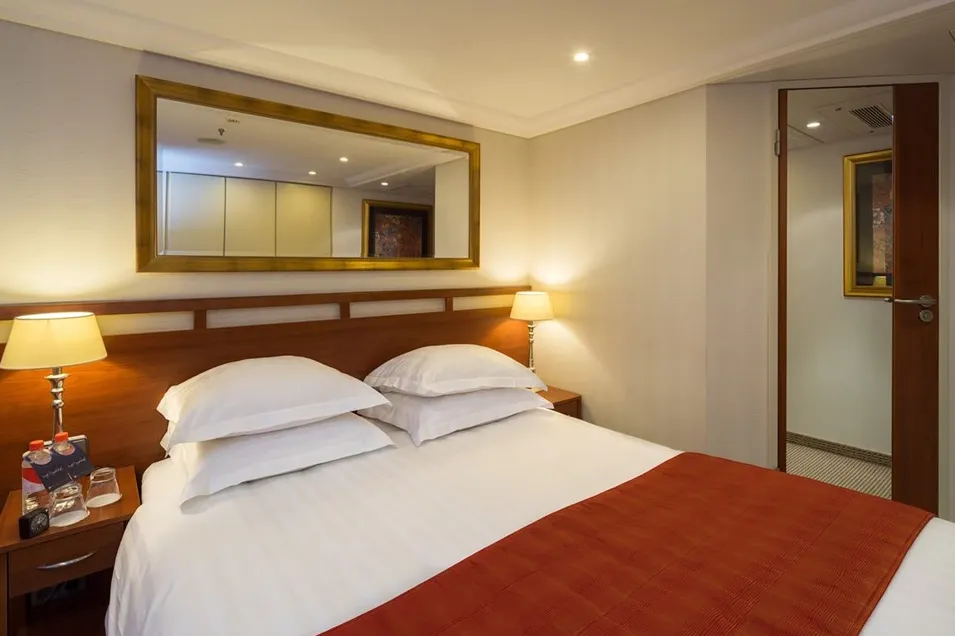
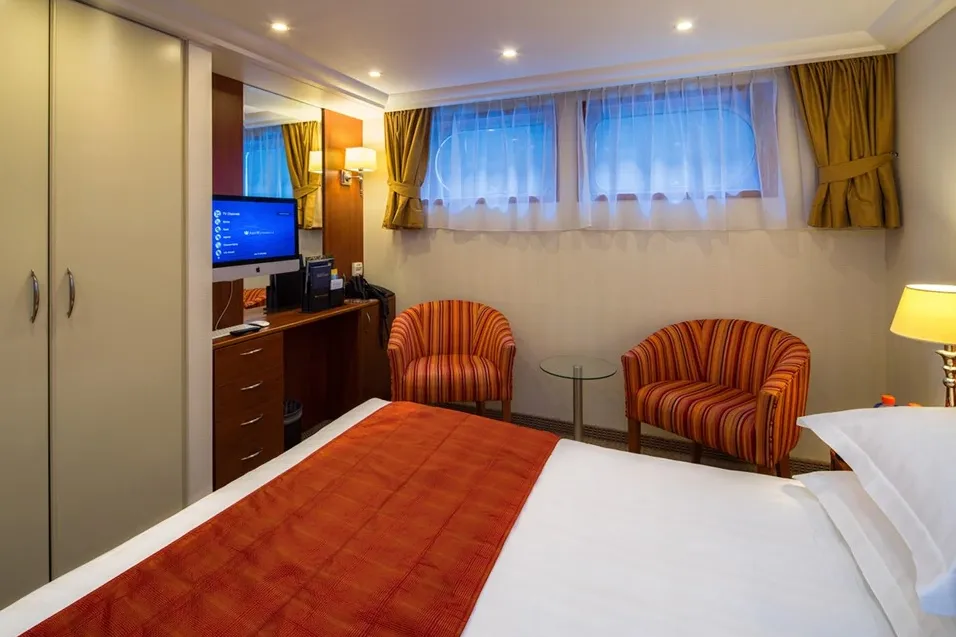
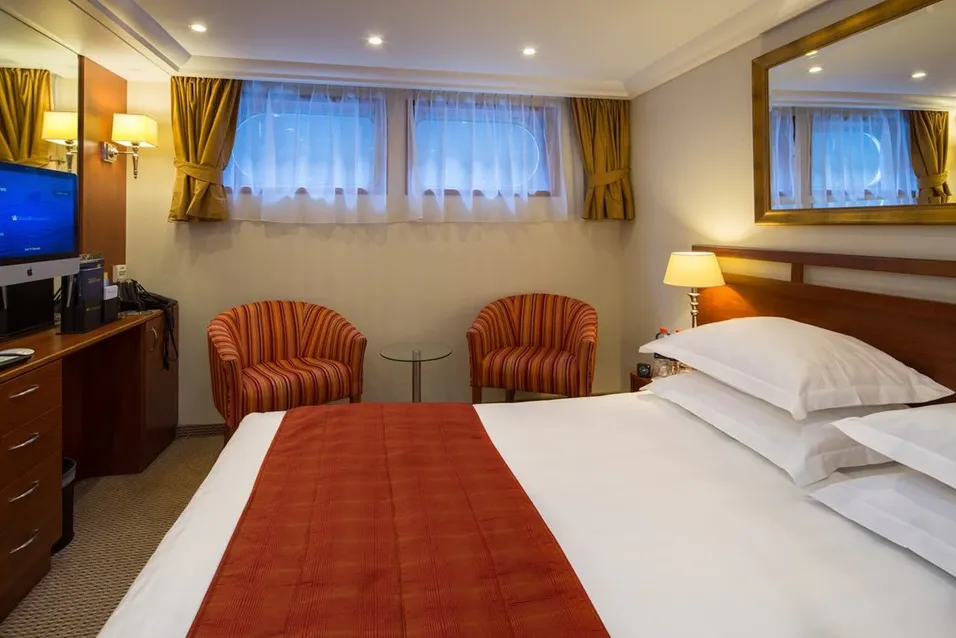
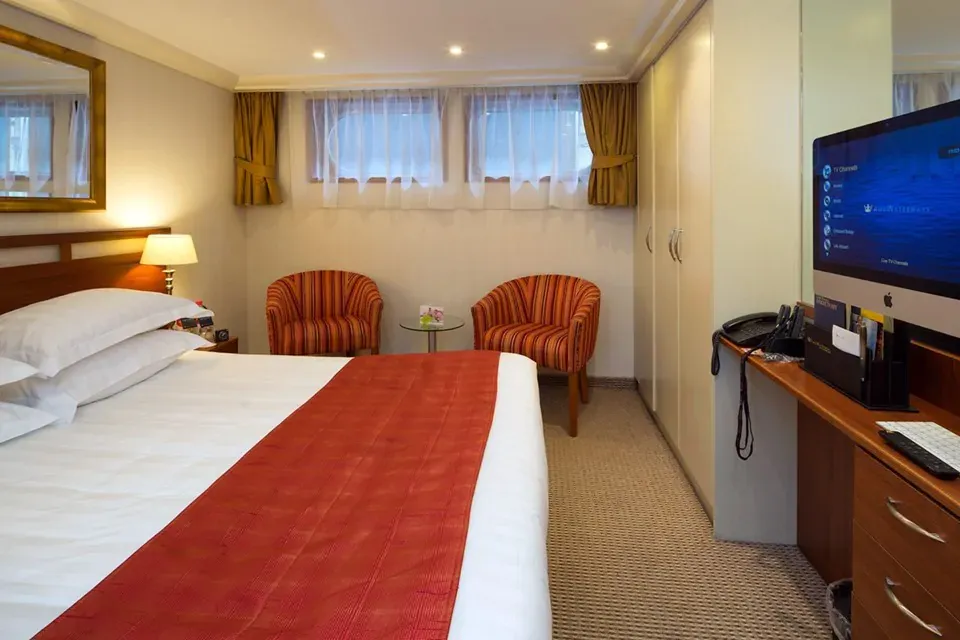
Fixed Window
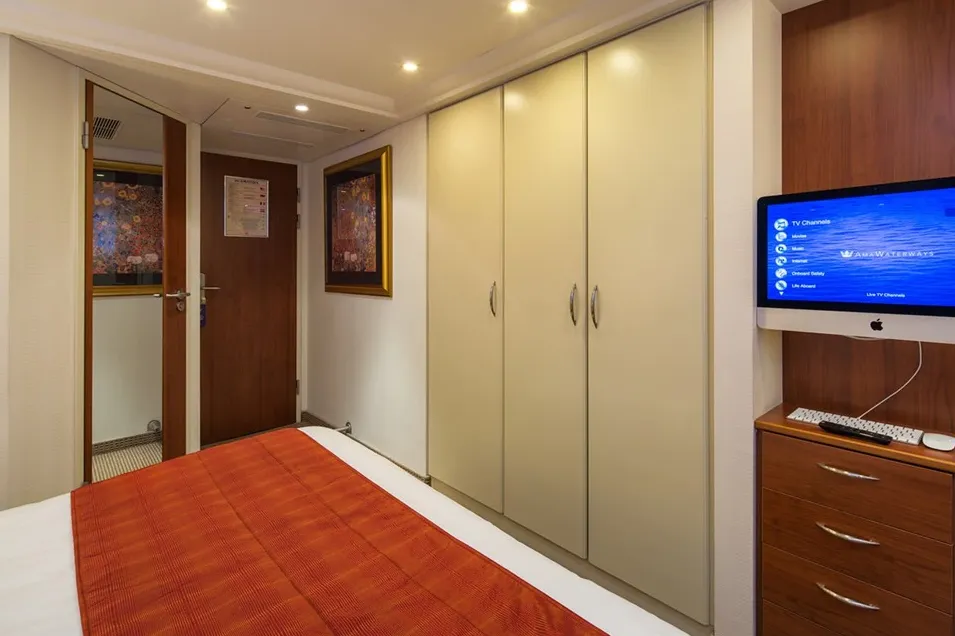
Outside
170 m²Max 2
DE
In-room temperature control
Deluxe hotel-style bedding with Egyptian linen, down pillows and duvet
Spacious bathrooms with multi-jet showerheads
Large wardrobe, full-length mirror, hair dryer, safe and direct-dial telephone
Flat-screen TV that also works as a computer
Entertainment on Demand system providing complimentary TV, movies and music library
Complimentary internet and Wi-Fi
Complimentary bottled water replenished daily
Desk and chair
Queen or Twin ConfigurationShowerToiletries ProvidedRoom Service AvailableTVFree Wi-Fi+6
US$4,249 /person+ US$250 taxes & fees
Interested in This Voyage?
Our cruise specialists can help you find the perfect cabin and the best available pricing.
US$4,249 /person
Contact Advisor