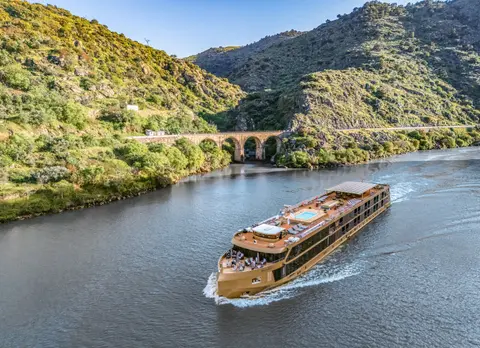
AmaWaterwaysPC271217DOX
Enticing Douro - Roundtrip Porto
Date
December 17, 2027
Duration
7 nights
Departure Port
Porto · Portugal
Arrival Port
Porto · Portugal
Rating
Luxury
Theme
Festive
Date
December 17, 2027
Duration
7 nights
Departure Port
Porto · Portugal
Arrival Port
Porto · Portugal
Rating
Luxury
Theme
Festive
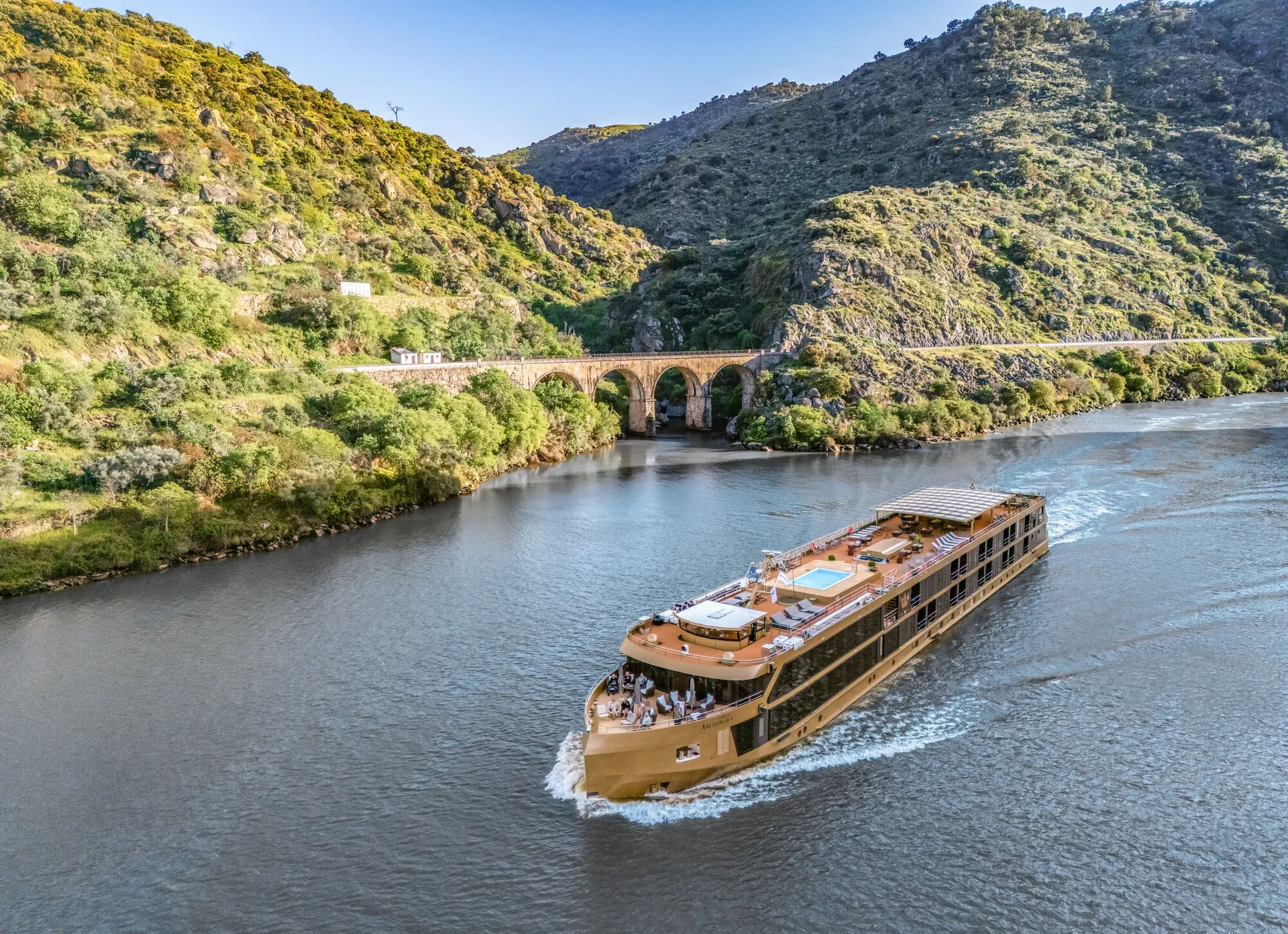
AmaWaterways
2023
—
—
—
—
—
—
11 m
12 knots
No
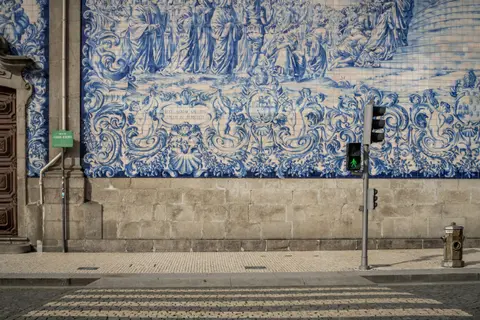
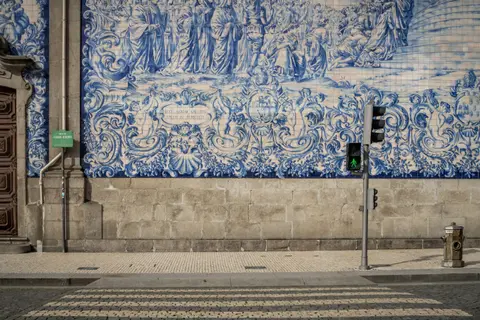
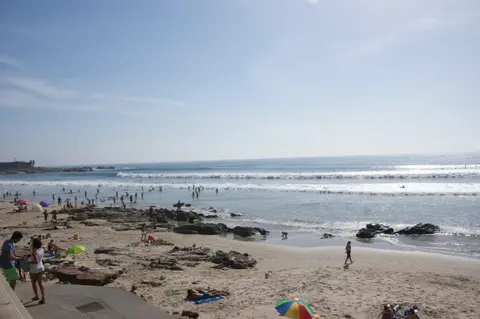
Lively, commercial Oporto is the second largest city in Portugal after Lisbon. Also called Porto for short, the word easily brings to mind the city's most famous product - port wine. Oporto's strategic location on the north bank of the Douro River has accounted for the town's importance since ancient times. The Romans built a fort here where their trading route crossed the Douro, and the Moors brought their own culture to the area. Oporto profited from provisioning crusaders en route to the Holy Land and enjoyed the riches from Portuguese maritime discoveries during the 15th and 16th centuries. Later, port wine trade with Britain compensated for the loss of the spice trade and the end of gold and gem shipments from Brazil. In the 19th century, the city went through a period of new prosperity with the rise of industries. In its wake followed the building of workers' quarters and opulent residences. Since the declaration of Oporto as a World Heritage Site by UNESCO, the city aims to build up a cultural reference that will provide it with a new image, based on deep historical roots. Among the attractions that make Oporto such an interesting place are its graceful bridges spanning the Douro River, a picturesque riverfront quarter and, most notable, its world-famous port wine lodges. Although Oporto is a bustling centre and home to many different businesses, the source of its greatest fame is the rich, sweet fortified red wine we know as port.
A mesmerising city carved in granite: in Porto (population: 238,000, or 1.7 million in the greater area) you’ll find new, exciting perspectives at every turn – whether you’re beside the steadily flowing Douro, with its six different bridges, or in the lively city quarters of this northern Portuguese metropolis. As well as the imposing buildings of light-coloured granite, the symbols of Portugal’s second-largest city include gleaming azulejo tiles adorning church walls and townhouses, which look particularly handsome when it isn’t raining. You’ll need to be in good shape here – Porto is very hilly! But it’s worth the effort, because Porto – whose old town is a UNESCO World Heritage Site – is pure poetry.
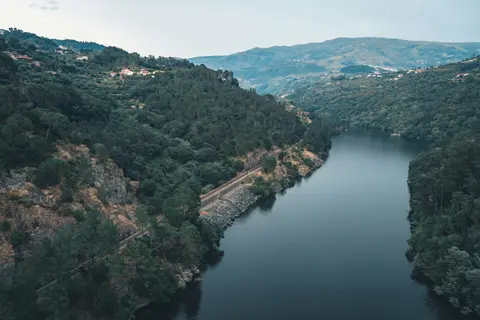
At about 21:00 on the night of 4 March 2001, the Hintze Ribeiro disaster occurred when the steel and concrete Hintze Ribeiro Bridge collapsed in Entre-os-Rios, Castelo de Paiva, northern Portugal, killing 59 people, including those in a bus from the Asadouro company and three cars that were crossing the Douro river.
Régua is the largest city on the banks of the Douro in this wine-growing valley. The scenery in this region is simply magical, thanks to the pristine river, which meanders past steep slate slopes and terraces clad with vines. It is such a beautiful place that the Alto Douro has been a UNESCO World Heritage Site since 2001. The town played a fundamental role in the production and marketing of port wine – which was transported away by sailing boat – as early as the 18th century. If you would like to learn more, visit the Douro Museum, which provides a wealth of information about the world’s first protected wine-growing area. Then, take a walk to the popular viewing platforms São Leonardo da Galafura and São Salvador do Mundo and enjoy the panoramic views of the river landscape and the elegant bridges that lead into town. It is also worth visiting the old centre, uphill from the river. You’ll find several listed churches and townhouses there.
Régua is the largest city on the banks of the Douro in this wine-growing valley. The scenery in this region is simply magical, thanks to the pristine river, which meanders past steep slate slopes and terraces clad with vines. It is such a beautiful place that the Alto Douro has been a UNESCO World Heritage Site since 2001. The town played a fundamental role in the production and marketing of port wine – which was transported away by sailing boat – as early as the 18th century. If you would like to learn more, visit the Douro Museum, which provides a wealth of information about the world’s first protected wine-growing area. Then, take a walk to the popular viewing platforms São Leonardo da Galafura and São Salvador do Mundo and enjoy the panoramic views of the river landscape and the elegant bridges that lead into town. It is also worth visiting the old centre, uphill from the river. You’ll find several listed churches and townhouses there.
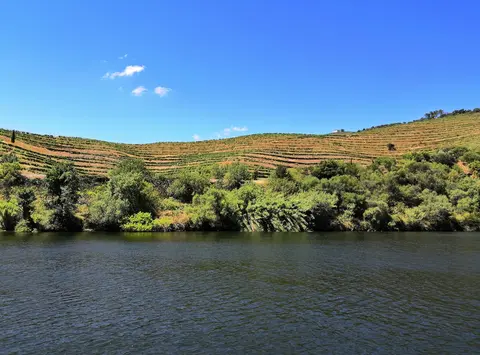
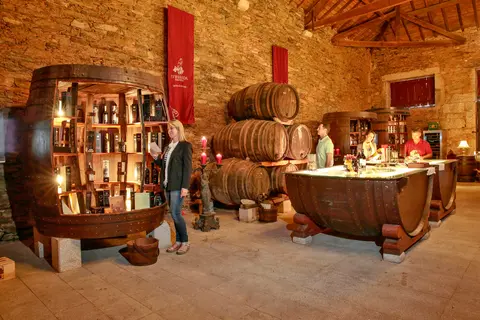
The little town of Pinhão is located in the famous port wine region, in the area where the Douro and its surrounding landscape are at their most picturesque. It is surrounded by enchanting vineyards and the quintas that produce the wine. You can visit them from Pinhão and enjoy tours and wine tasting. To get there, you can either follow walking trails with glorious views or take a boat that also ferries visitors to interesting stretches of the river. One of the best-known walking trails takes you from the Douro bridge up seven kilometres of the hilly Rua Praça de Oliveira as far as the Casal de Loivos viewing point. The town itself is very unspoilt and has a lovely atmosphere, which makes it a splendid place for a stroll. Be sure to take a look at the Linha do Douro train station, which is decorated with richly coloured azulejo tiles. There are numerous restaurants in town, many of them right on the riverside.
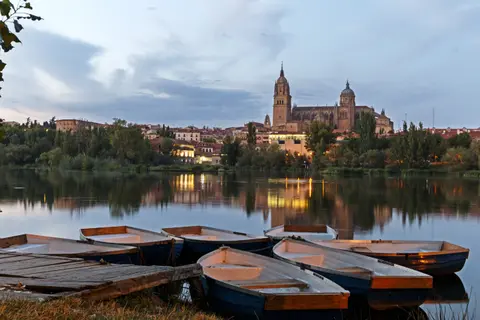
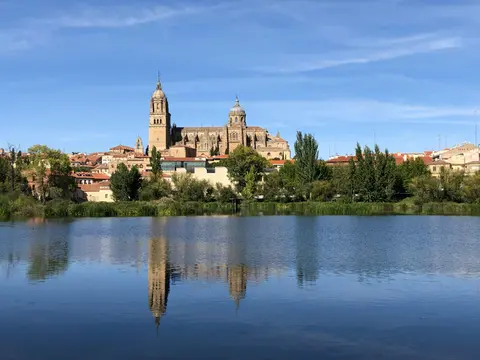
Vega de Terron is a Douro River cruise port in Spain and the gateway to Salamanca (Spain). Town's most distinctive feature is the fountain Chafariz dos Pretos (located close to market.
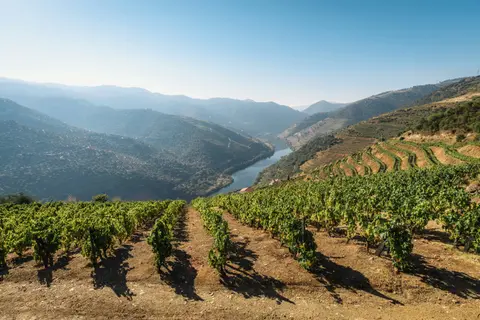
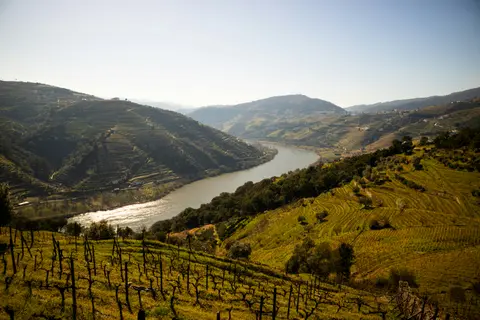
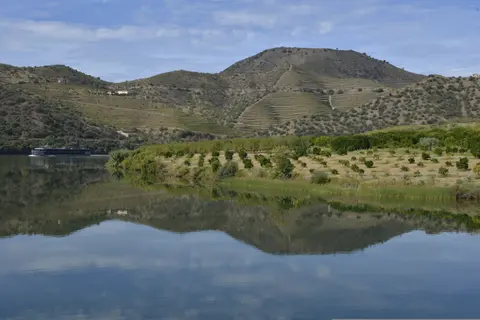
Vega de Terron is a Douro River cruise port in Spain and the gateway to Salamanca (Spain). Town's most distinctive feature is the fountain Chafariz dos Pretos (located close to market.
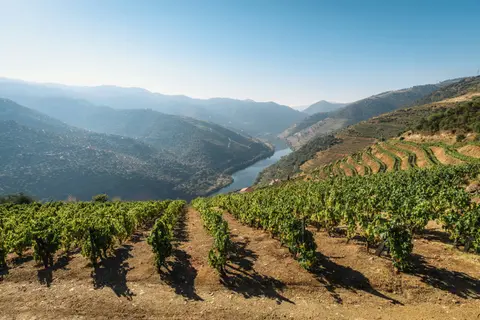
The Barca d'Alva–La Fuente de San Esteban railway is a closed Iberian gauge line which connected Barca d'Alva [pt] on the Linha do Douro,
The little town of Pinhão is located in the famous port wine region, in the area where the Douro and its surrounding landscape are at their most picturesque. It is surrounded by enchanting vineyards and the quintas that produce the wine. You can visit them from Pinhão and enjoy tours and wine tasting. To get there, you can either follow walking trails with glorious views or take a boat that also ferries visitors to interesting stretches of the river. One of the best-known walking trails takes you from the Douro bridge up seven kilometres of the hilly Rua Praça de Oliveira as far as the Casal de Loivos viewing point. The town itself is very unspoilt and has a lovely atmosphere, which makes it a splendid place for a stroll. Be sure to take a look at the Linha do Douro train station, which is decorated with richly coloured azulejo tiles. There are numerous restaurants in town, many of them right on the riverside.
The little town of Pinhão is located in the famous port wine region, in the area where the Douro and its surrounding landscape are at their most picturesque. It is surrounded by enchanting vineyards and the quintas that produce the wine. You can visit them from Pinhão and enjoy tours and wine tasting. To get there, you can either follow walking trails with glorious views or take a boat that also ferries visitors to interesting stretches of the river. One of the best-known walking trails takes you from the Douro bridge up seven kilometres of the hilly Rua Praça de Oliveira as far as the Casal de Loivos viewing point. The town itself is very unspoilt and has a lovely atmosphere, which makes it a splendid place for a stroll. Be sure to take a look at the Linha do Douro train station, which is decorated with richly coloured azulejo tiles. There are numerous restaurants in town, many of them right on the riverside.
Régua is the largest city on the banks of the Douro in this wine-growing valley. The scenery in this region is simply magical, thanks to the pristine river, which meanders past steep slate slopes and terraces clad with vines. It is such a beautiful place that the Alto Douro has been a UNESCO World Heritage Site since 2001. The town played a fundamental role in the production and marketing of port wine – which was transported away by sailing boat – as early as the 18th century. If you would like to learn more, visit the Douro Museum, which provides a wealth of information about the world’s first protected wine-growing area. Then, take a walk to the popular viewing platforms São Leonardo da Galafura and São Salvador do Mundo and enjoy the panoramic views of the river landscape and the elegant bridges that lead into town. It is also worth visiting the old centre, uphill from the river. You’ll find several listed churches and townhouses there.
Régua is the largest city on the banks of the Douro in this wine-growing valley. The scenery in this region is simply magical, thanks to the pristine river, which meanders past steep slate slopes and terraces clad with vines. It is such a beautiful place that the Alto Douro has been a UNESCO World Heritage Site since 2001. The town played a fundamental role in the production and marketing of port wine – which was transported away by sailing boat – as early as the 18th century. If you would like to learn more, visit the Douro Museum, which provides a wealth of information about the world’s first protected wine-growing area. Then, take a walk to the popular viewing platforms São Leonardo da Galafura and São Salvador do Mundo and enjoy the panoramic views of the river landscape and the elegant bridges that lead into town. It is also worth visiting the old centre, uphill from the river. You’ll find several listed churches and townhouses there.
Lively, commercial Oporto is the second largest city in Portugal after Lisbon. Also called Porto for short, the word easily brings to mind the city's most famous product - port wine. Oporto's strategic location on the north bank of the Douro River has accounted for the town's importance since ancient times. The Romans built a fort here where their trading route crossed the Douro, and the Moors brought their own culture to the area. Oporto profited from provisioning crusaders en route to the Holy Land and enjoyed the riches from Portuguese maritime discoveries during the 15th and 16th centuries. Later, port wine trade with Britain compensated for the loss of the spice trade and the end of gold and gem shipments from Brazil. In the 19th century, the city went through a period of new prosperity with the rise of industries. In its wake followed the building of workers' quarters and opulent residences. Since the declaration of Oporto as a World Heritage Site by UNESCO, the city aims to build up a cultural reference that will provide it with a new image, based on deep historical roots. Among the attractions that make Oporto such an interesting place are its graceful bridges spanning the Douro River, a picturesque riverfront quarter and, most notable, its world-famous port wine lodges. Although Oporto is a bustling centre and home to many different businesses, the source of its greatest fame is the rich, sweet fortified red wine we know as port.
A mesmerising city carved in granite: in Porto (population: 238,000, or 1.7 million in the greater area) you’ll find new, exciting perspectives at every turn – whether you’re beside the steadily flowing Douro, with its six different bridges, or in the lively city quarters of this northern Portuguese metropolis. As well as the imposing buildings of light-coloured granite, the symbols of Portugal’s second-largest city include gleaming azulejo tiles adorning church walls and townhouses, which look particularly handsome when it isn’t raining. You’ll need to be in good shape here – Porto is very hilly! But it’s worth the effort, because Porto – whose old town is a UNESCO World Heritage Site – is pure poetry.
Lively, commercial Oporto is the second largest city in Portugal after Lisbon. Also called Porto for short, the word easily brings to mind the city's most famous product - port wine. Oporto's strategic location on the north bank of the Douro River has accounted for the town's importance since ancient times. The Romans built a fort here where their trading route crossed the Douro, and the Moors brought their own culture to the area. Oporto profited from provisioning crusaders en route to the Holy Land and enjoyed the riches from Portuguese maritime discoveries during the 15th and 16th centuries. Later, port wine trade with Britain compensated for the loss of the spice trade and the end of gold and gem shipments from Brazil. In the 19th century, the city went through a period of new prosperity with the rise of industries. In its wake followed the building of workers' quarters and opulent residences. Since the declaration of Oporto as a World Heritage Site by UNESCO, the city aims to build up a cultural reference that will provide it with a new image, based on deep historical roots. Among the attractions that make Oporto such an interesting place are its graceful bridges spanning the Douro River, a picturesque riverfront quarter and, most notable, its world-famous port wine lodges. Although Oporto is a bustling centre and home to many different businesses, the source of its greatest fame is the rich, sweet fortified red wine we know as port.
A mesmerising city carved in granite: in Porto (population: 238,000, or 1.7 million in the greater area) you’ll find new, exciting perspectives at every turn – whether you’re beside the steadily flowing Douro, with its six different bridges, or in the lively city quarters of this northern Portuguese metropolis. As well as the imposing buildings of light-coloured granite, the symbols of Portugal’s second-largest city include gleaming azulejo tiles adorning church walls and townhouses, which look particularly handsome when it isn’t raining. You’ll need to be in good shape here – Porto is very hilly! But it’s worth the effort, because Porto – whose old town is a UNESCO World Heritage Site – is pure poetry.
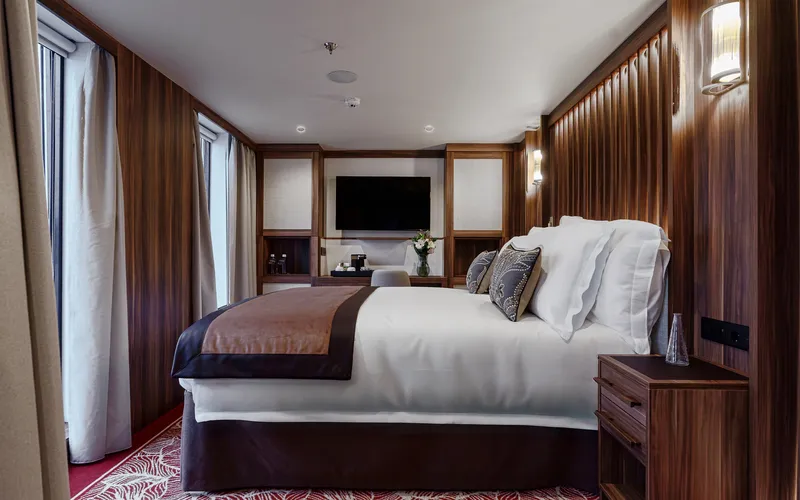
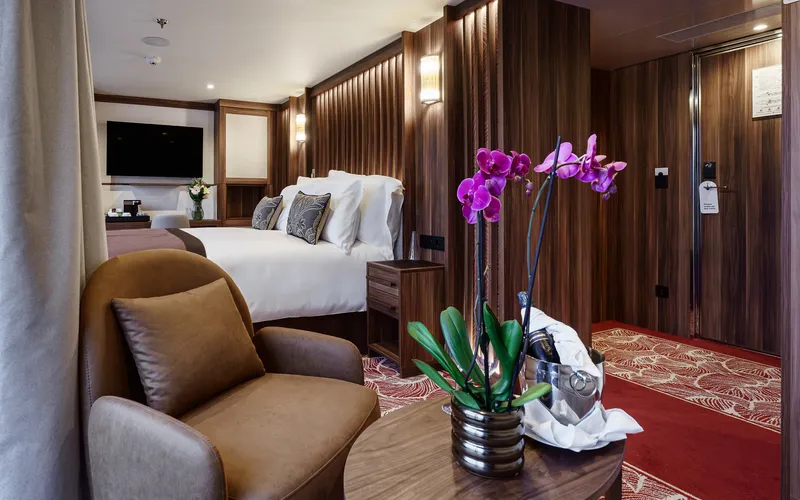
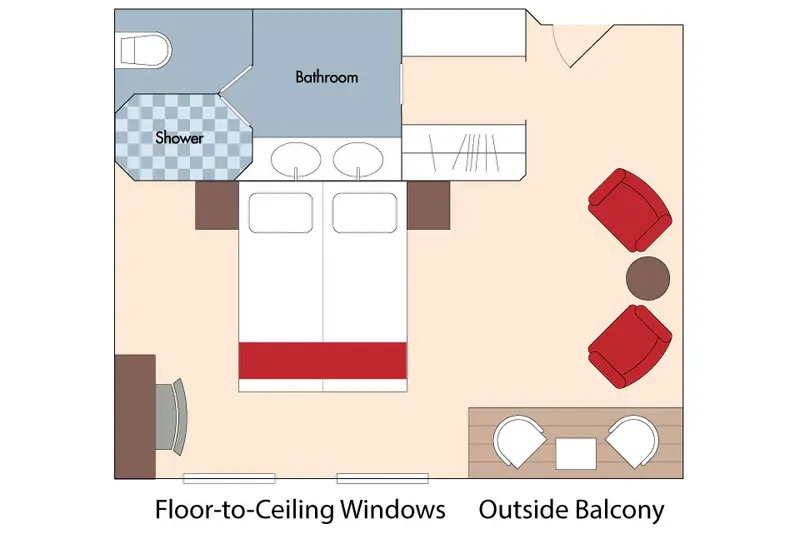
Suite
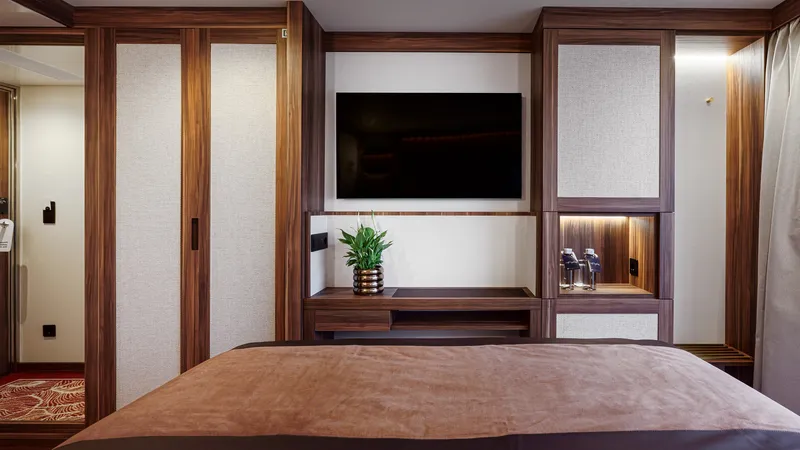
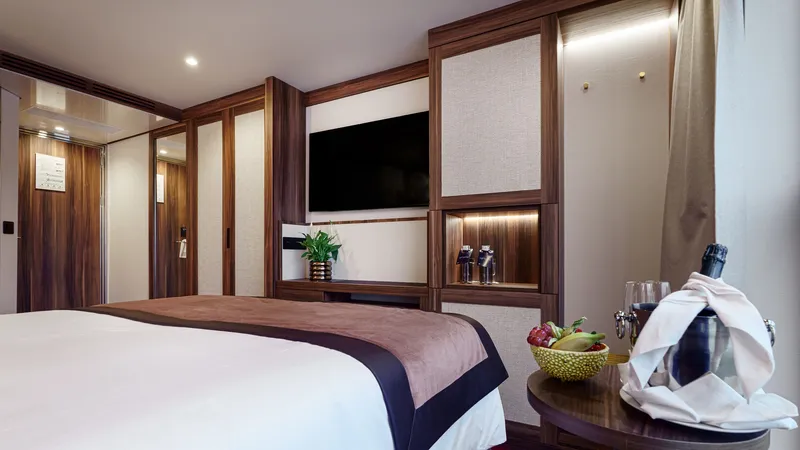
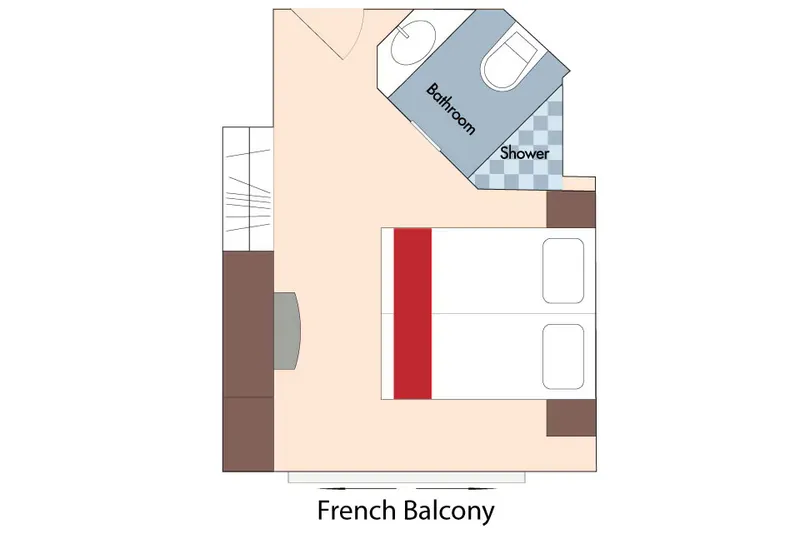
French Balcony
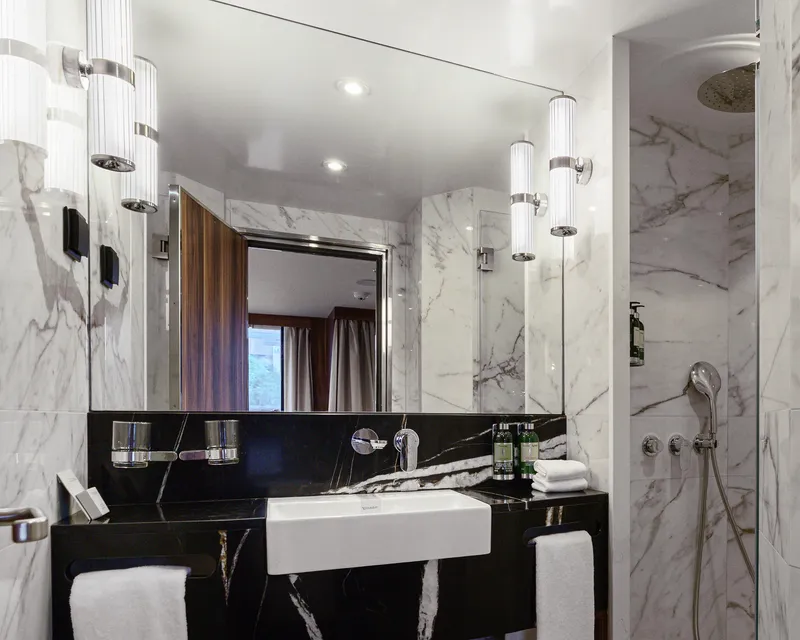
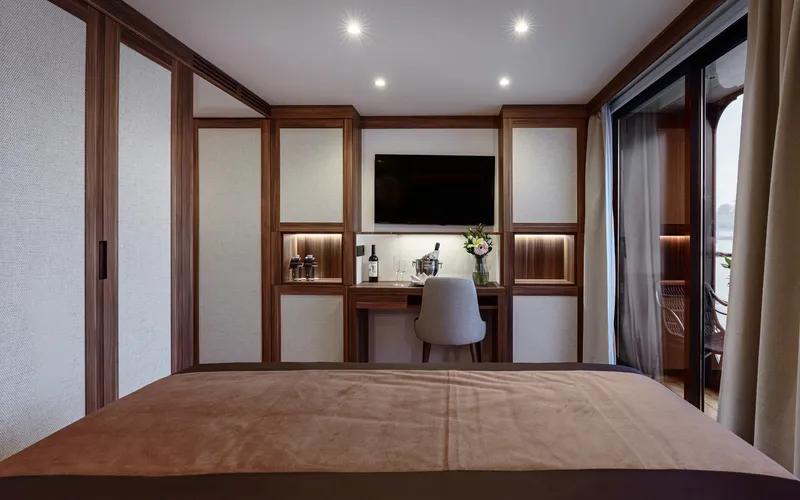
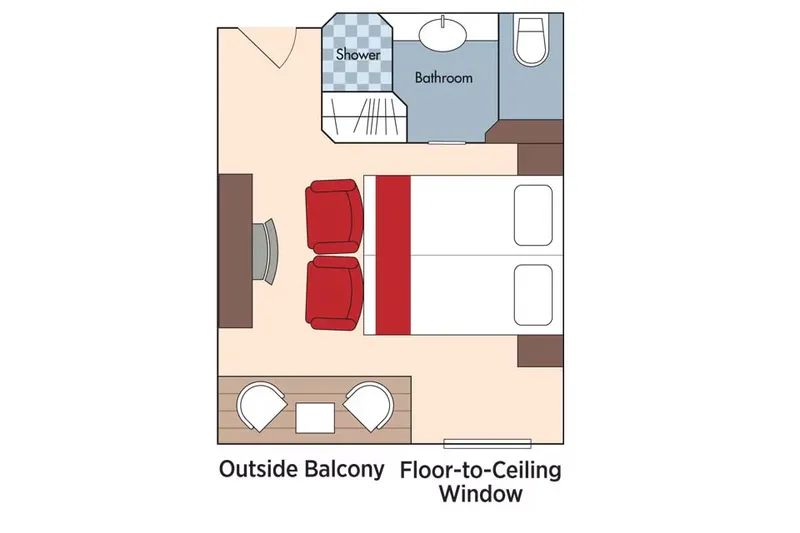
Outside Balcony
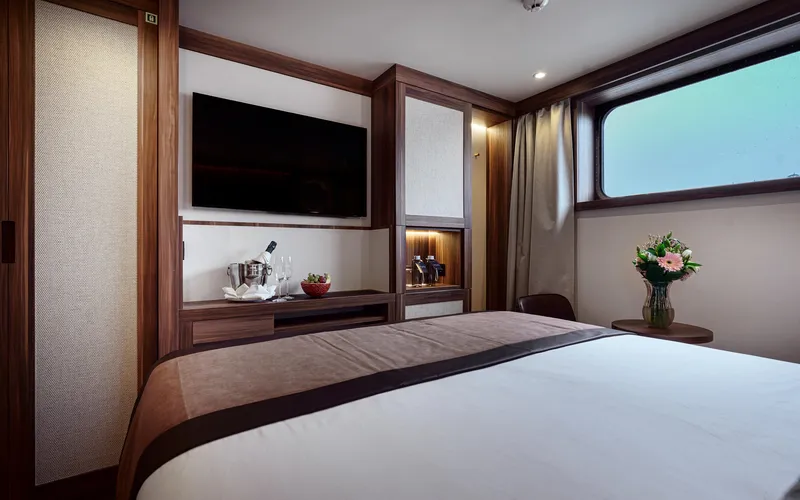
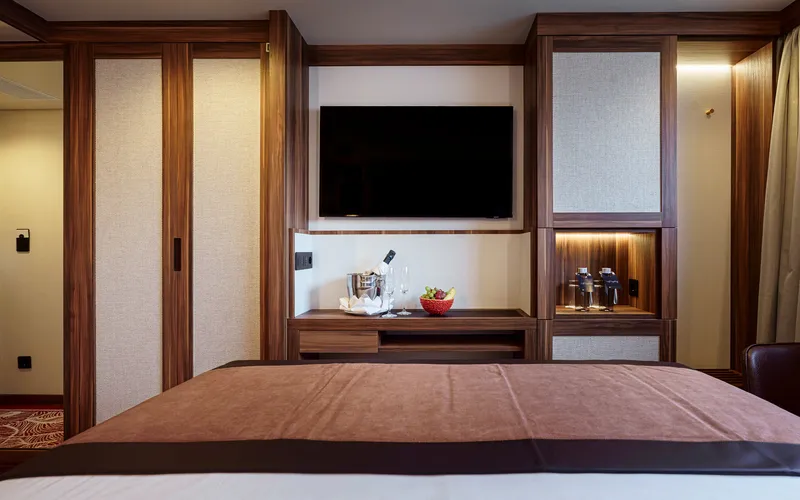
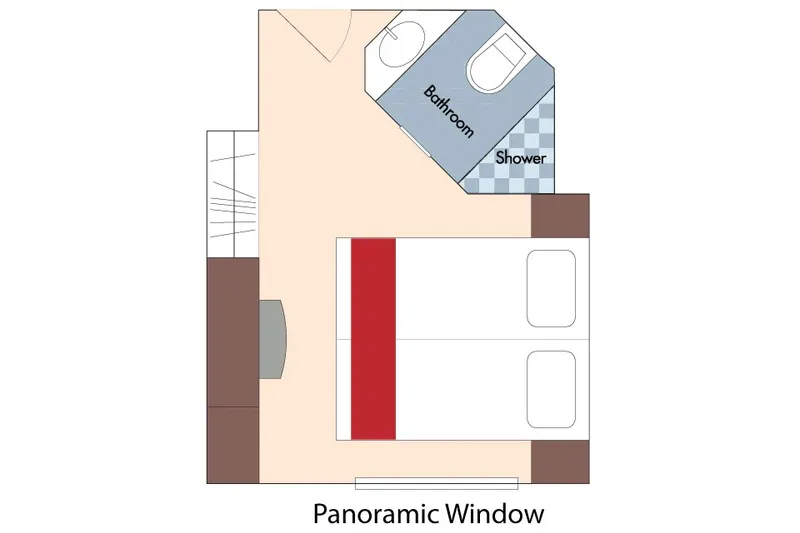
Panoramic Window
Our cruise specialists can help you find the perfect cabin and the best available pricing.
(+886) 02-2721-7300Contact Advisor