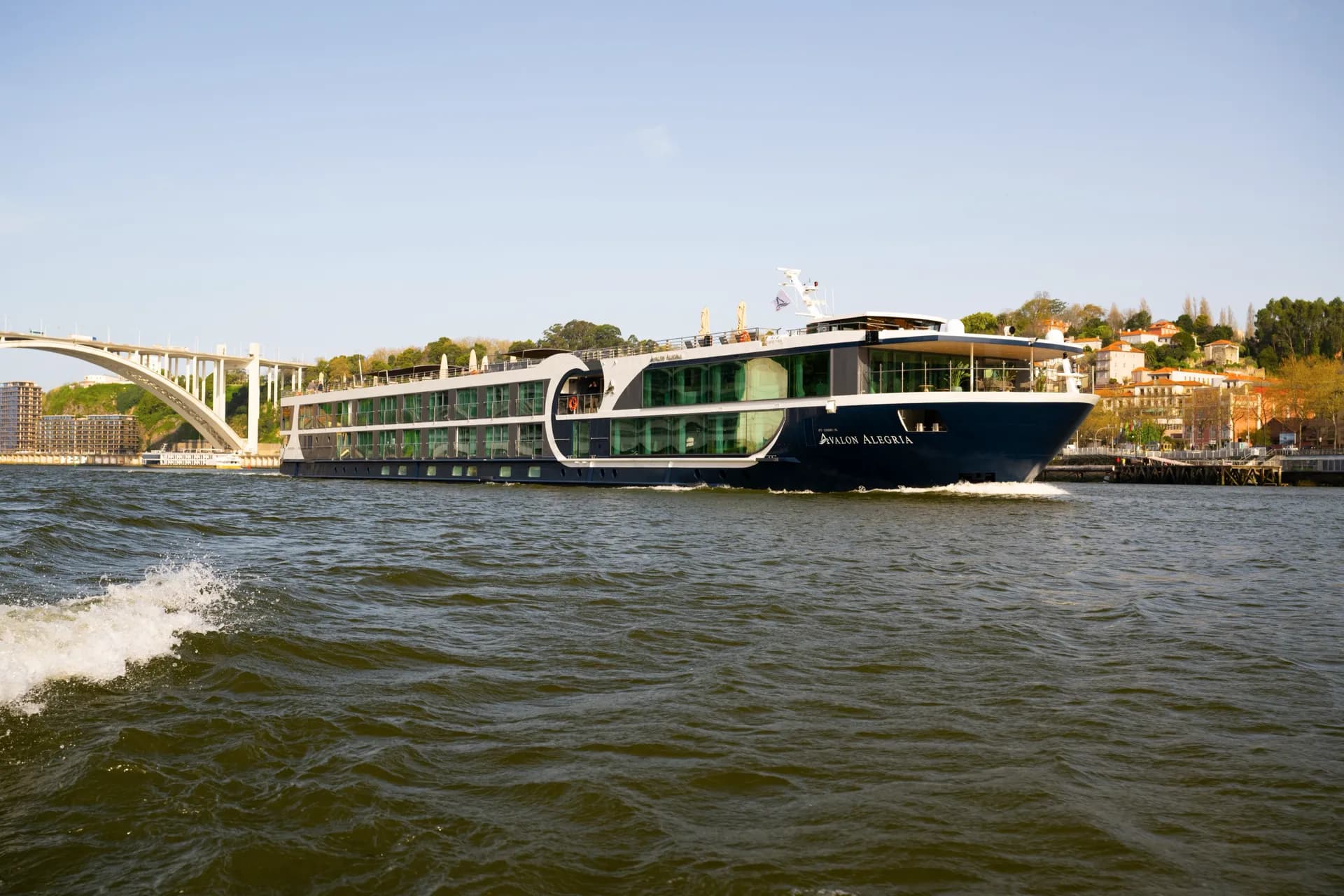
Vida Portugal: Vineyards & Villages Along Douro
Date
April 8, 2026
Duration
7 nights
Departure Port
Porto
Portugal
Arrival Port
Porto
Portugal
Itinerary
Day 1
Day 1
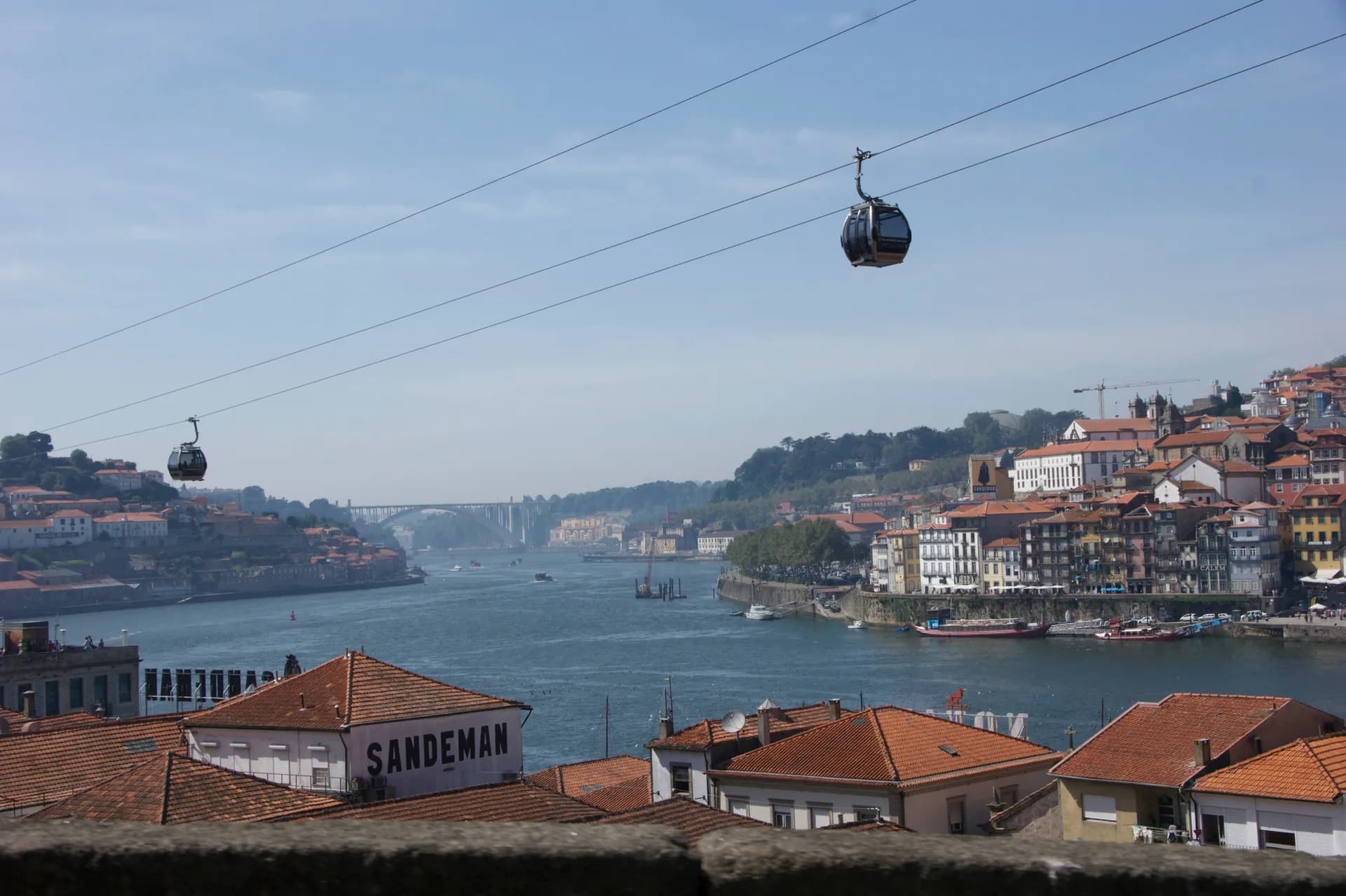
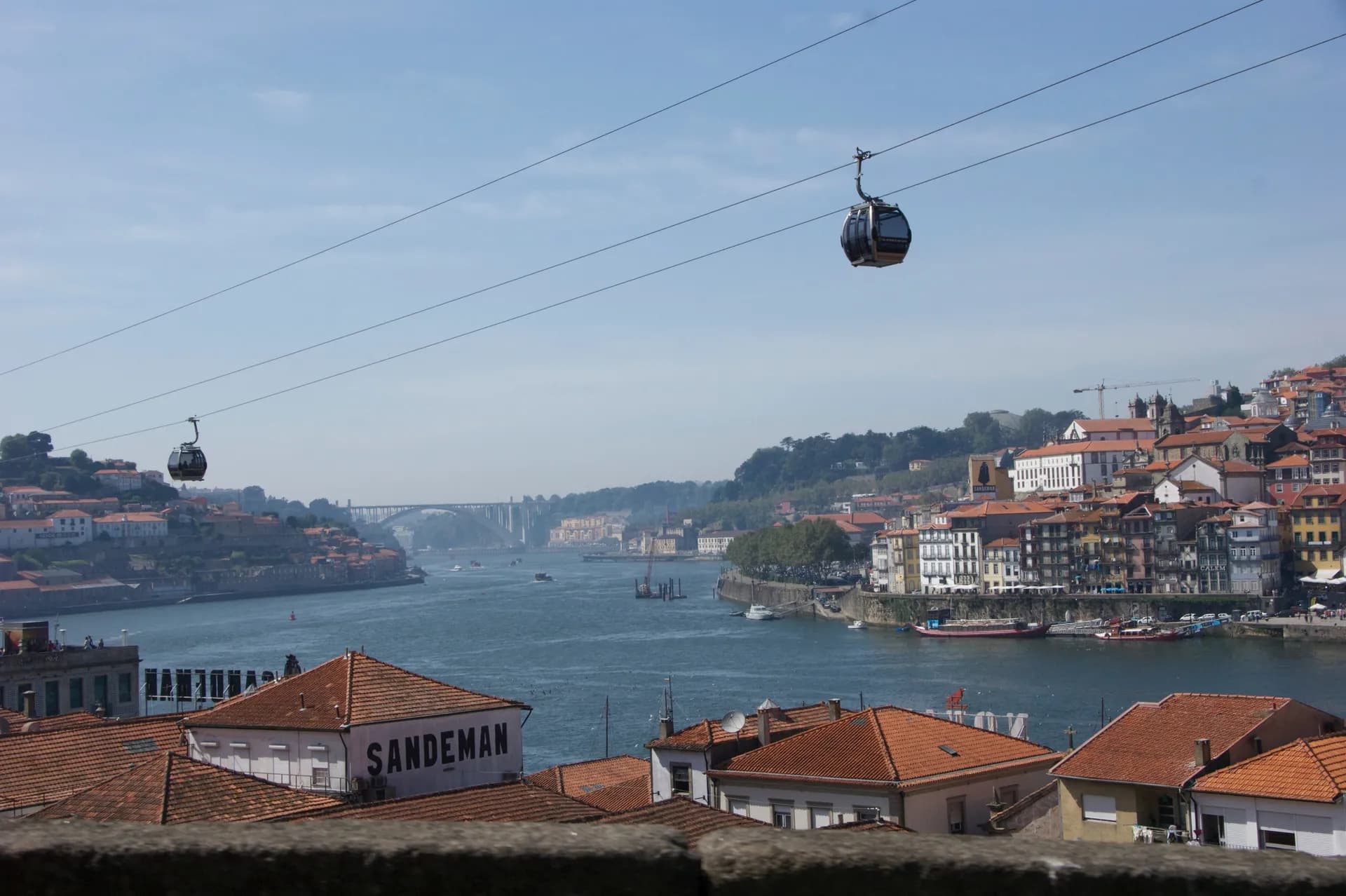
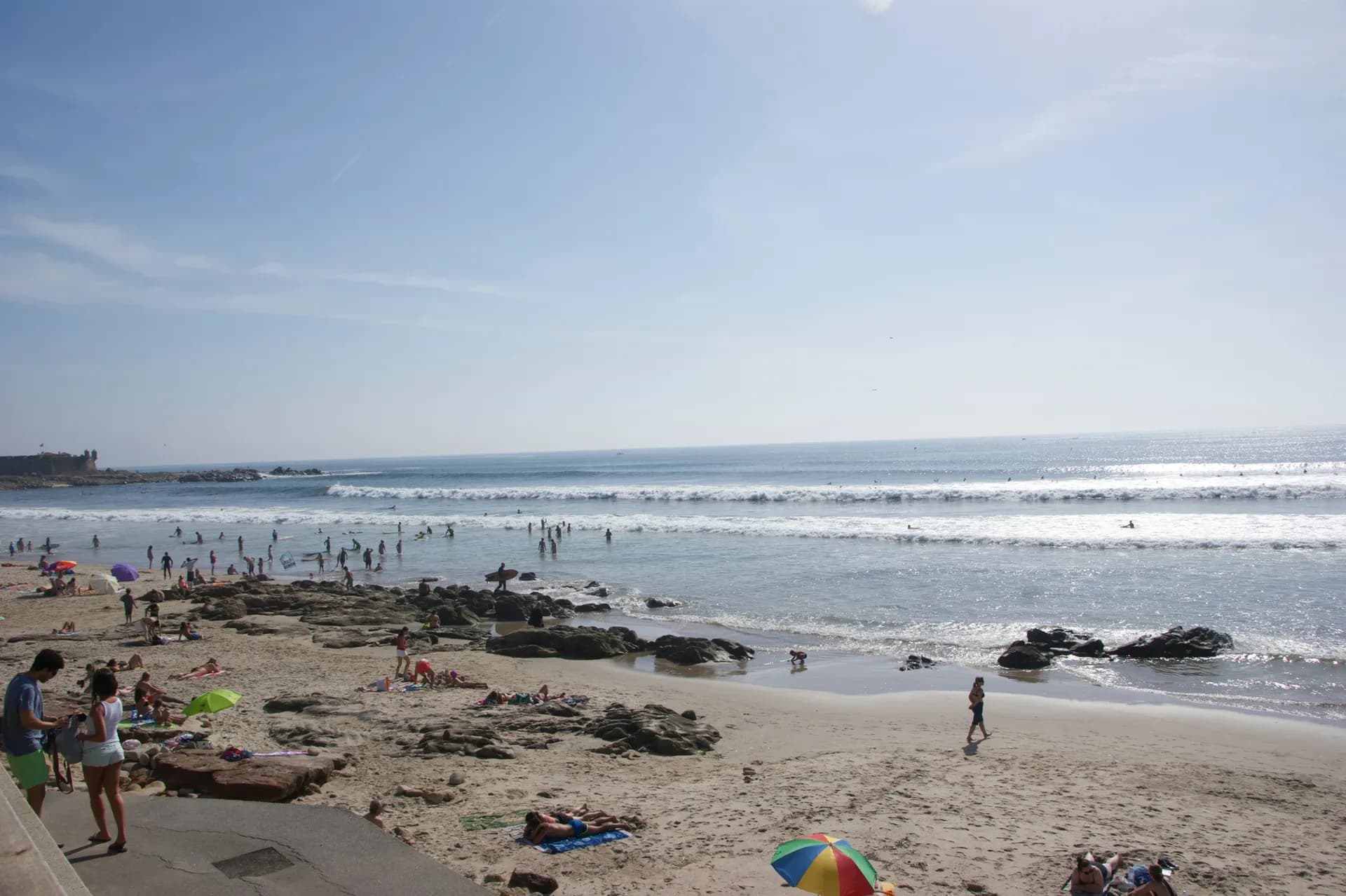
Porto
PortugalLively, commercial Oporto is the second largest city in Portugal after Lisbon. Also called Porto for short, the word easily brings to mind the city's most famous product - port wine. Oporto's strategic location on the north bank of the Douro River has accounted for the town's importance since ancient times. The Romans built a fort here where their trading route crossed the Douro, and the Moors brought their own culture to the area. Oporto profited from provisioning crusaders en route to the Holy Land and enjoyed the riches from Portuguese maritime discoveries during the 15th and 16th centuries. Later, port wine trade with Britain compensated for the loss of the spice trade and the end of gold and gem shipments from Brazil. In the 19th century, the city went through a period of new prosperity with the rise of industries. In its wake followed the building of workers' quarters and opulent residences. Since the declaration of Oporto as a World Heritage Site by UNESCO, the city aims to build up a cultural reference that will provide it with a new image, based on deep historical roots. Among the attractions that make Oporto such an interesting place are its graceful bridges spanning the Douro River, a picturesque riverfront quarter and, most notable, its world-famous port wine lodges. Although Oporto is a bustling centre and home to many different businesses, the source of its greatest fame is the rich, sweet fortified red wine we know as port.
Day 1
Day 1
Porto
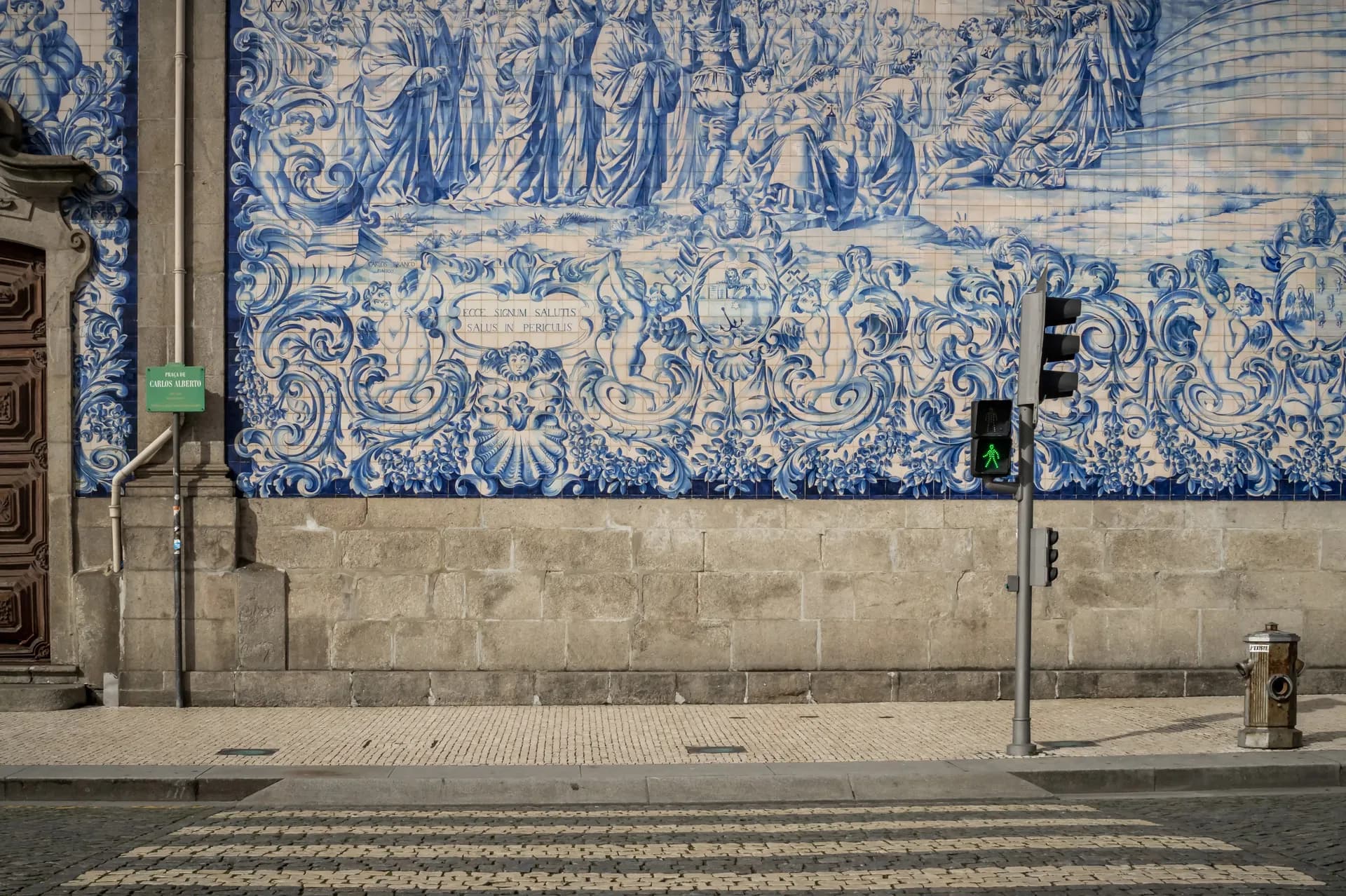
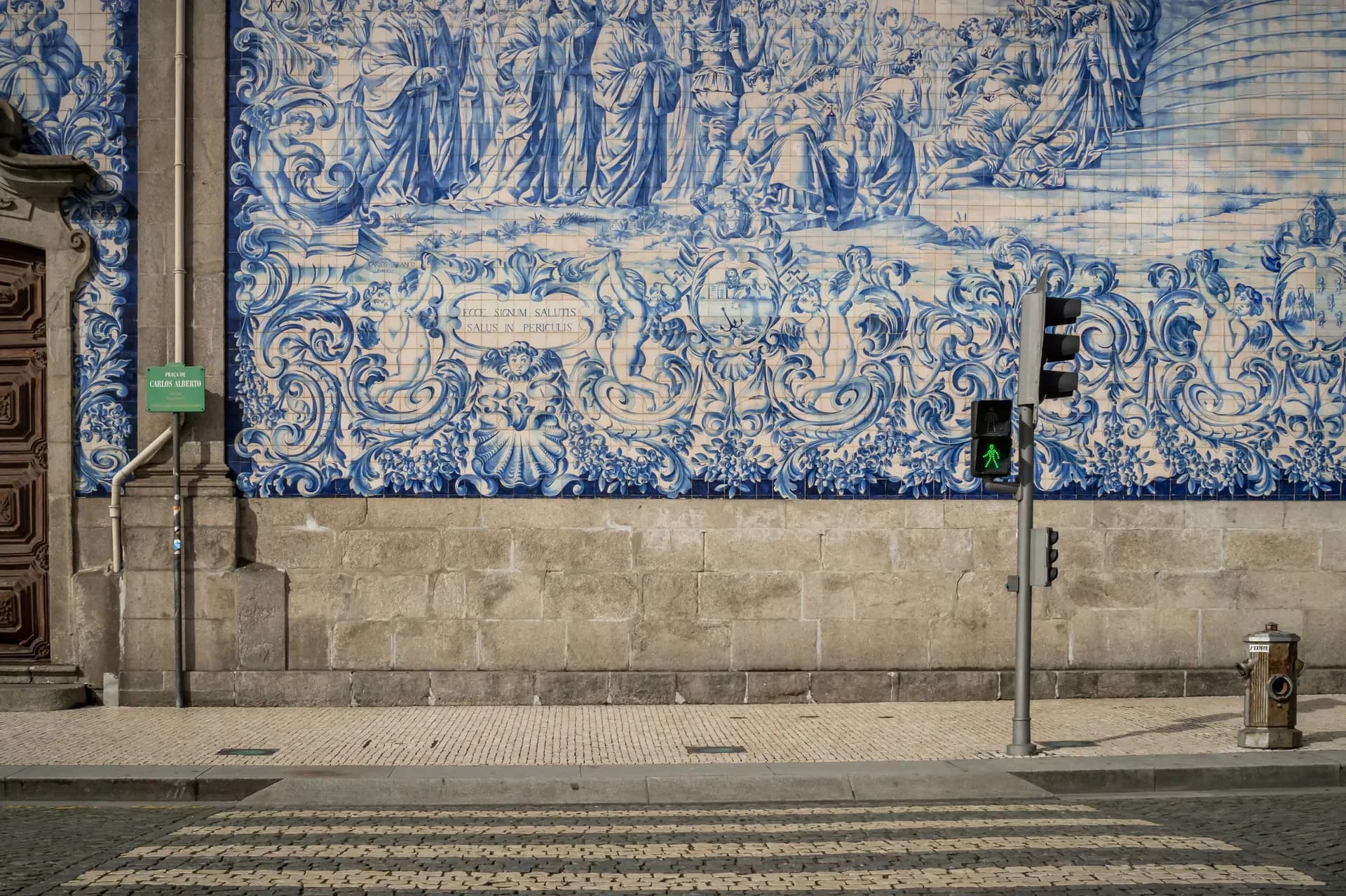
A mesmerising city carved in granite: in Porto (population: 238,000, or 1.7 million in the greater area) you’ll find new, exciting perspectives at every turn – whether you’re beside the steadily flowing Douro, with its six different bridges, or in the lively city quarters of this northern Portuguese metropolis. As well as the imposing buildings of light-coloured granite, the symbols of Portugal’s second-largest city include gleaming azulejo tiles adorning church walls and townhouses, which look particularly handsome when it isn’t raining. You’ll need to be in good shape here – Porto is very hilly! But it’s worth the effort, because Porto – whose old town is a UNESCO World Heritage Site – is pure poetry.
Day 2
Day 2
Porto
PortugalLively, commercial Oporto is the second largest city in Portugal after Lisbon. Also called Porto for short, the word easily brings to mind the city's most famous product - port wine. Oporto's strategic location on the north bank of the Douro River has accounted for the town's importance since ancient times. The Romans built a fort here where their trading route crossed the Douro, and the Moors brought their own culture to the area. Oporto profited from provisioning crusaders en route to the Holy Land and enjoyed the riches from Portuguese maritime discoveries during the 15th and 16th centuries. Later, port wine trade with Britain compensated for the loss of the spice trade and the end of gold and gem shipments from Brazil. In the 19th century, the city went through a period of new prosperity with the rise of industries. In its wake followed the building of workers' quarters and opulent residences. Since the declaration of Oporto as a World Heritage Site by UNESCO, the city aims to build up a cultural reference that will provide it with a new image, based on deep historical roots. Among the attractions that make Oporto such an interesting place are its graceful bridges spanning the Douro River, a picturesque riverfront quarter and, most notable, its world-famous port wine lodges. Although Oporto is a bustling centre and home to many different businesses, the source of its greatest fame is the rich, sweet fortified red wine we know as port.
Day 2
Day 2
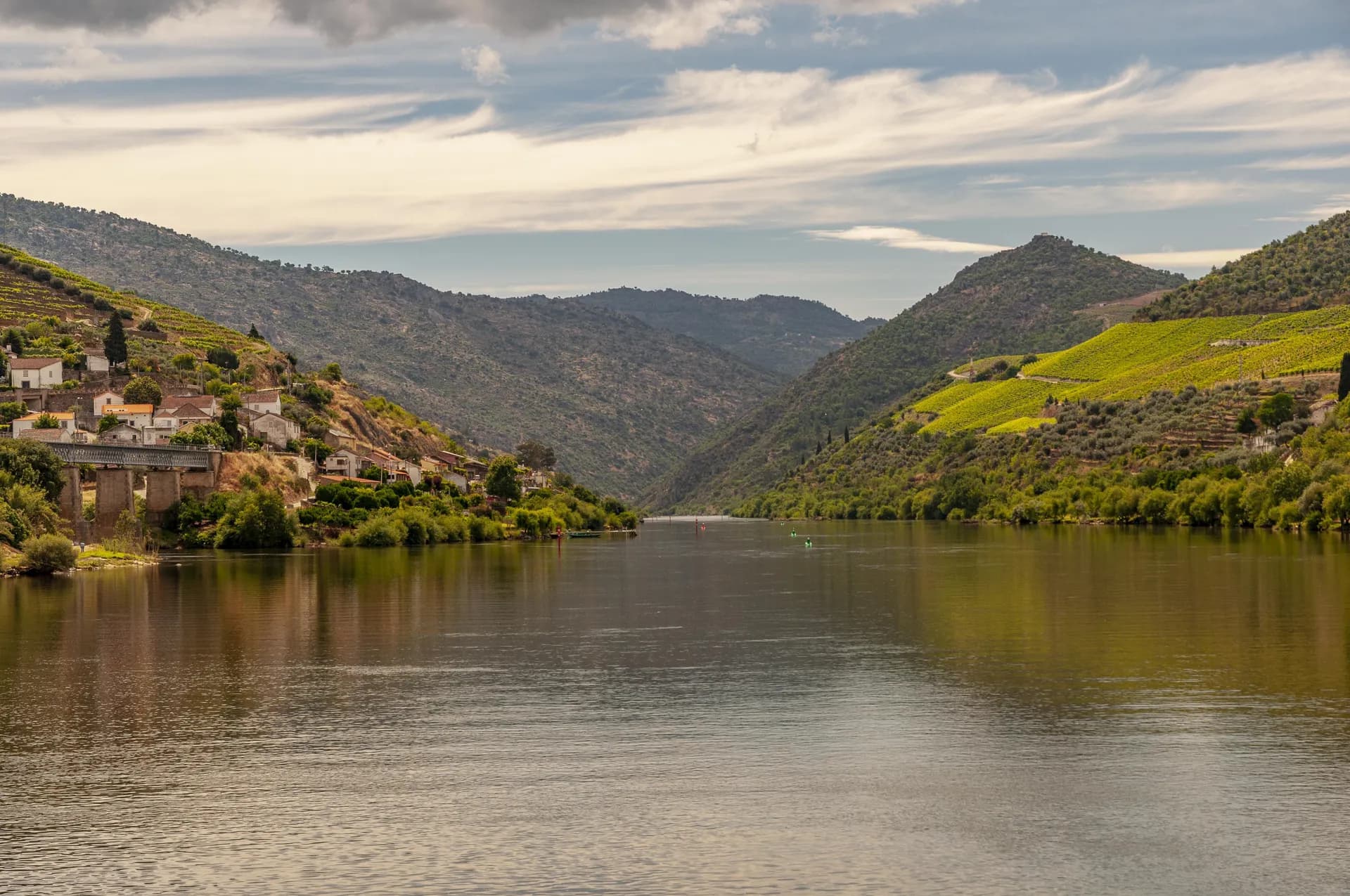
Porto Antigo
PortugalPorto Antigo
Day 2
Day 2
Porto
A mesmerising city carved in granite: in Porto (population: 238,000, or 1.7 million in the greater area) you’ll find new, exciting perspectives at every turn – whether you’re beside the steadily flowing Douro, with its six different bridges, or in the lively city quarters of this northern Portuguese metropolis. As well as the imposing buildings of light-coloured granite, the symbols of Portugal’s second-largest city include gleaming azulejo tiles adorning church walls and townhouses, which look particularly handsome when it isn’t raining. You’ll need to be in good shape here – Porto is very hilly! But it’s worth the effort, because Porto – whose old town is a UNESCO World Heritage Site – is pure poetry.
Day 2
Day 2
Porto Antigo
Porto Antigo
Day 3
Day 3
Regua
PortugalRégua is the largest city on the banks of the Douro in this wine-growing valley. The scenery in this region is simply magical, thanks to the pristine river, which meanders past steep slate slopes and terraces clad with vines. It is such a beautiful place that the Alto Douro has been a UNESCO World Heritage Site since 2001. The town played a fundamental role in the production and marketing of port wine – which was transported away by sailing boat – as early as the 18th century. If you would like to learn more, visit the Douro Museum, which provides a wealth of information about the world’s first protected wine-growing area. Then, take a walk to the popular viewing platforms São Leonardo da Galafura and São Salvador do Mundo and enjoy the panoramic views of the river landscape and the elegant bridges that lead into town. It is also worth visiting the old centre, uphill from the river. You’ll find several listed churches and townhouses there.
Day 3
Day 3
Peso Da Regua
Régua is the largest city on the banks of the Douro in this wine-growing valley. The scenery in this region is simply magical, thanks to the pristine river, which meanders past steep slate slopes and terraces clad with vines. It is such a beautiful place that the Alto Douro has been a UNESCO World Heritage Site since 2001. The town played a fundamental role in the production and marketing of port wine – which was transported away by sailing boat – as early as the 18th century. If you would like to learn more, visit the Douro Museum, which provides a wealth of information about the world’s first protected wine-growing area. Then, take a walk to the popular viewing platforms São Leonardo da Galafura and São Salvador do Mundo and enjoy the panoramic views of the river landscape and the elegant bridges that lead into town. It is also worth visiting the old centre, uphill from the river. You’ll find several listed churches and townhouses there.
Day 4
Day 4
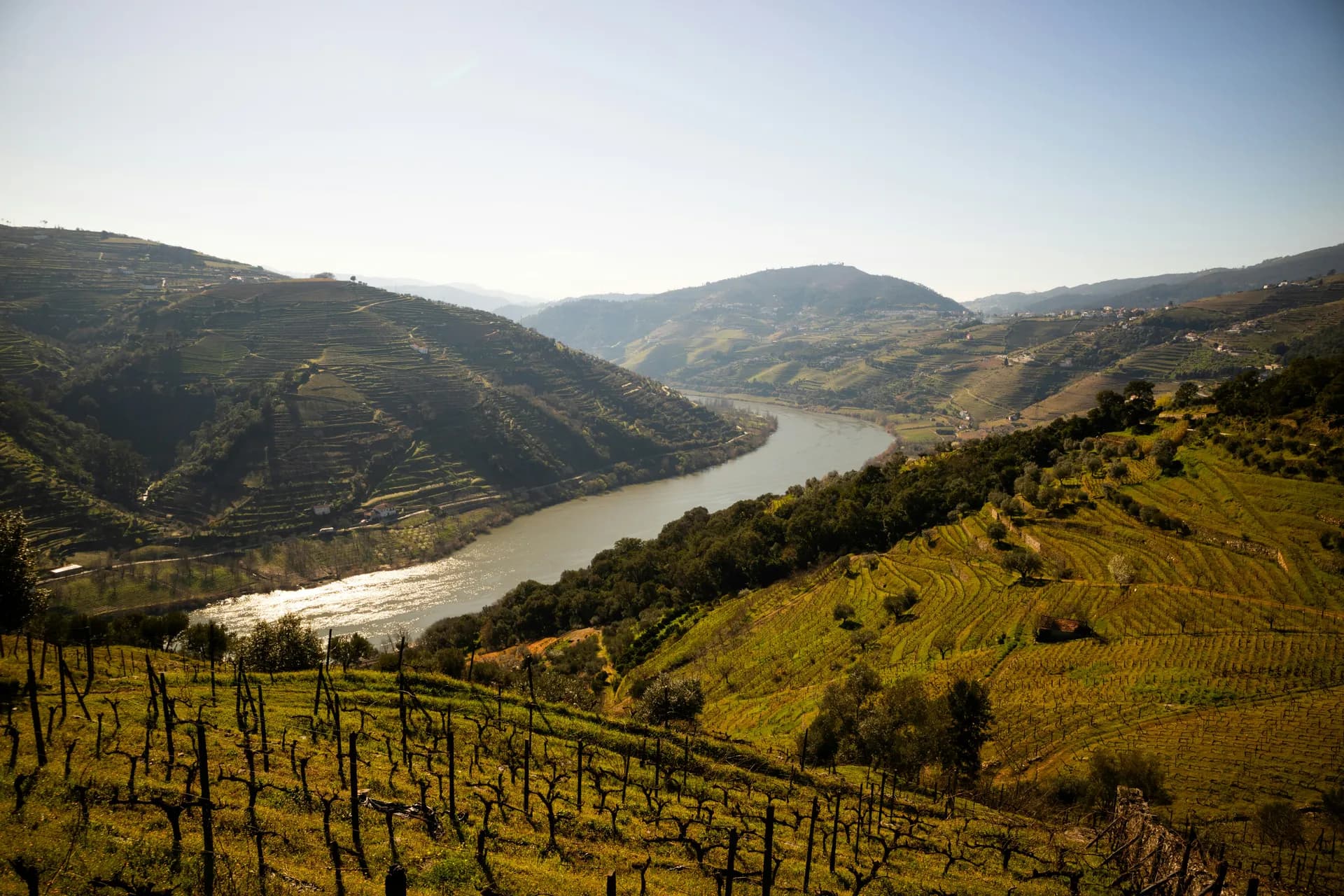
Pocinho
PortugalPocinho is a village in northern Portugal, located in the Vila Nova de Foz Côa Municipality. The Pocinho Dam and the River Douro are nearby. Pocinho railway station is the eastern terminus of the Douro railway line; the community developed with the arrival of the railway in 1887.
Day 4
Day 4
Pocinho
Pocinho is a village in northern Portugal, located in the Vila Nova de Foz Côa Municipality. The Pocinho Dam and the River Douro are nearby. Pocinho railway station is the eastern terminus of the Douro railway line; the community developed with the arrival of the railway in 1887.
Day 5
Day 5
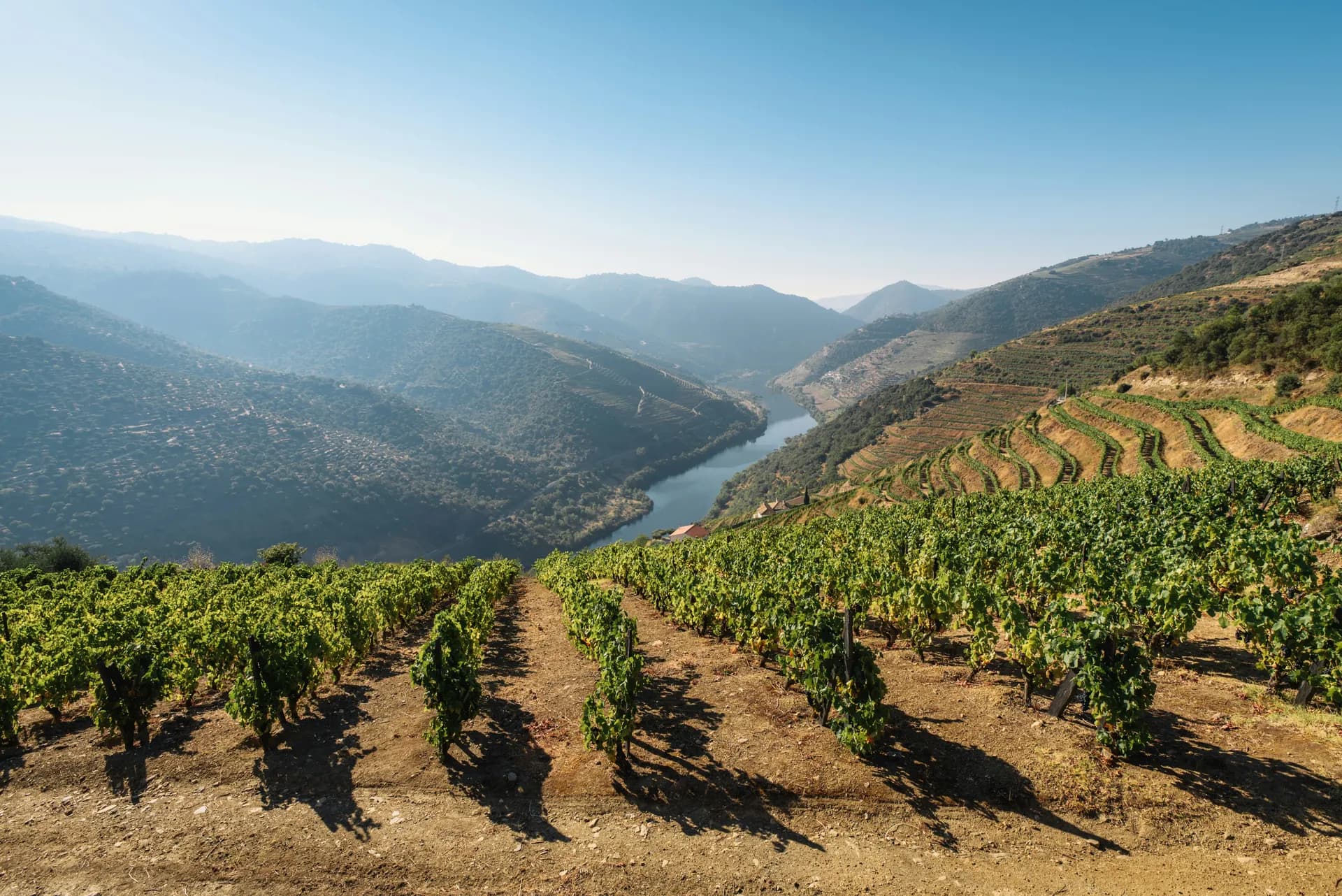
Barca d’Alva
PortugalThe Barca d'Alva–La Fuente de San Esteban railway is a closed Iberian gauge line which connected Barca d'Alva [pt] on the Linha do Douro,
Day 5
Day 5
Barca D' Alva
The Barca d'Alva–La Fuente de San Esteban railway is a closed Iberian gauge line which connected Barca d'Alva [pt] on the Linha do Douro,
Day 6
Day 6
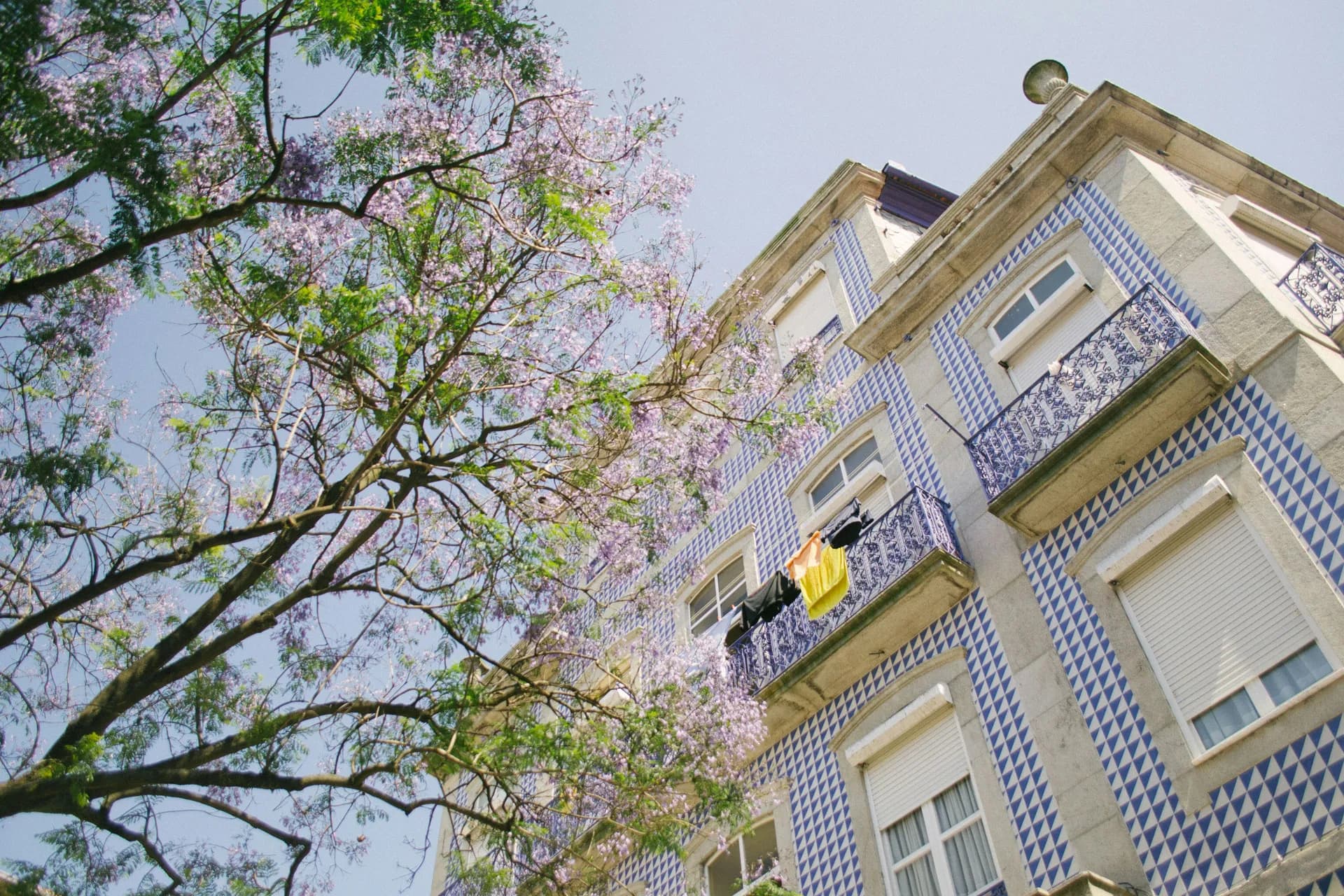
Ferradossa
PortugalFerradossa
Day 6
Day 6
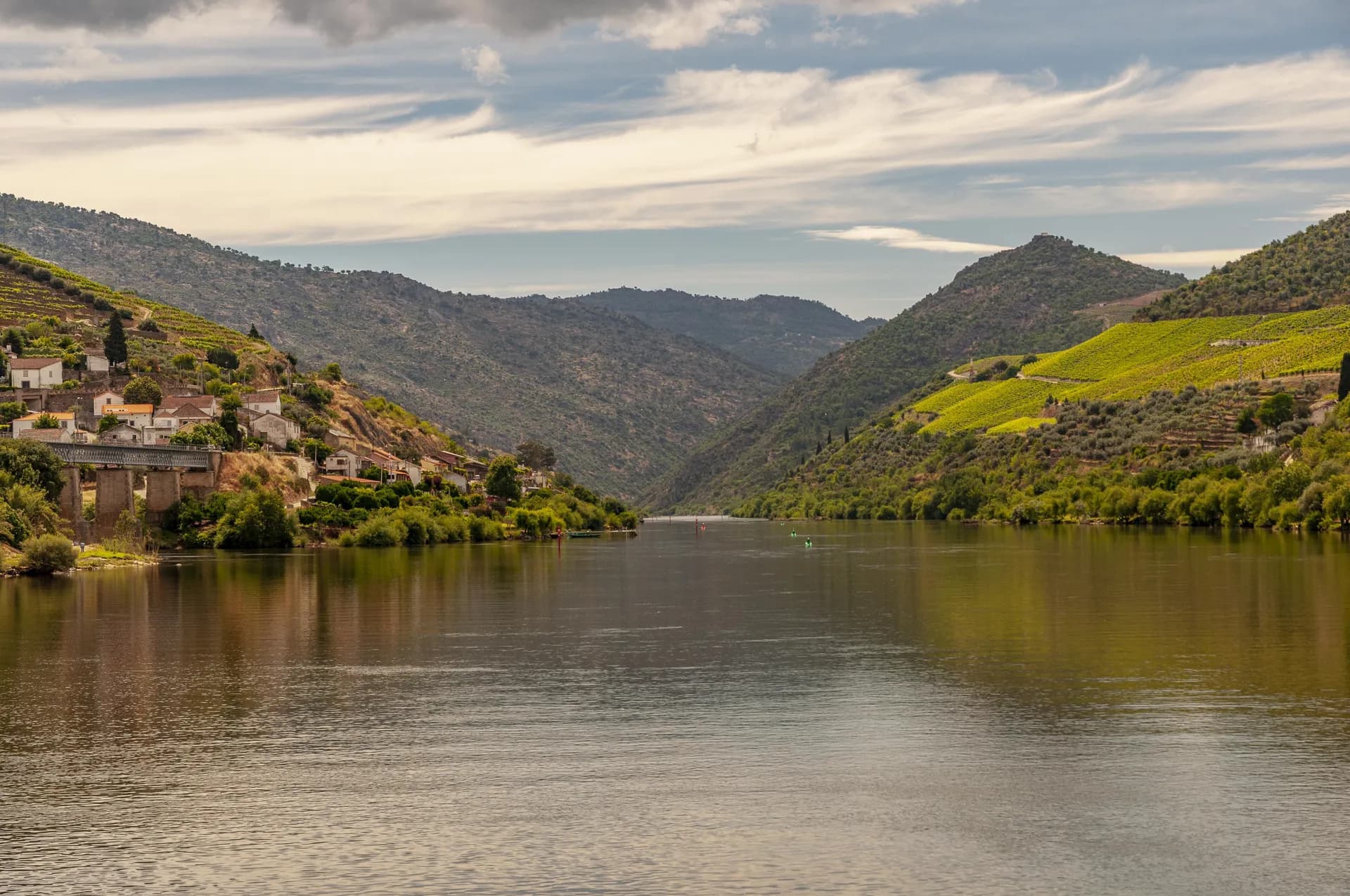
Leverinho
PortugalLeverinho
Day 6
Day 6
Ferradosa
Ferradossa
Day 7
Day 7
Porto
PortugalLively, commercial Oporto is the second largest city in Portugal after Lisbon. Also called Porto for short, the word easily brings to mind the city's most famous product - port wine. Oporto's strategic location on the north bank of the Douro River has accounted for the town's importance since ancient times. The Romans built a fort here where their trading route crossed the Douro, and the Moors brought their own culture to the area. Oporto profited from provisioning crusaders en route to the Holy Land and enjoyed the riches from Portuguese maritime discoveries during the 15th and 16th centuries. Later, port wine trade with Britain compensated for the loss of the spice trade and the end of gold and gem shipments from Brazil. In the 19th century, the city went through a period of new prosperity with the rise of industries. In its wake followed the building of workers' quarters and opulent residences. Since the declaration of Oporto as a World Heritage Site by UNESCO, the city aims to build up a cultural reference that will provide it with a new image, based on deep historical roots. Among the attractions that make Oporto such an interesting place are its graceful bridges spanning the Douro River, a picturesque riverfront quarter and, most notable, its world-famous port wine lodges. Although Oporto is a bustling centre and home to many different businesses, the source of its greatest fame is the rich, sweet fortified red wine we know as port.
Day 7
Day 7
Porto
A mesmerising city carved in granite: in Porto (population: 238,000, or 1.7 million in the greater area) you’ll find new, exciting perspectives at every turn – whether you’re beside the steadily flowing Douro, with its six different bridges, or in the lively city quarters of this northern Portuguese metropolis. As well as the imposing buildings of light-coloured granite, the symbols of Portugal’s second-largest city include gleaming azulejo tiles adorning church walls and townhouses, which look particularly handsome when it isn’t raining. You’ll need to be in good shape here – Porto is very hilly! But it’s worth the effort, because Porto – whose old town is a UNESCO World Heritage Site – is pure poetry.
Day 8
Day 8
Porto
PortugalLively, commercial Oporto is the second largest city in Portugal after Lisbon. Also called Porto for short, the word easily brings to mind the city's most famous product - port wine. Oporto's strategic location on the north bank of the Douro River has accounted for the town's importance since ancient times. The Romans built a fort here where their trading route crossed the Douro, and the Moors brought their own culture to the area. Oporto profited from provisioning crusaders en route to the Holy Land and enjoyed the riches from Portuguese maritime discoveries during the 15th and 16th centuries. Later, port wine trade with Britain compensated for the loss of the spice trade and the end of gold and gem shipments from Brazil. In the 19th century, the city went through a period of new prosperity with the rise of industries. In its wake followed the building of workers' quarters and opulent residences. Since the declaration of Oporto as a World Heritage Site by UNESCO, the city aims to build up a cultural reference that will provide it with a new image, based on deep historical roots. Among the attractions that make Oporto such an interesting place are its graceful bridges spanning the Douro River, a picturesque riverfront quarter and, most notable, its world-famous port wine lodges. Although Oporto is a bustling centre and home to many different businesses, the source of its greatest fame is the rich, sweet fortified red wine we know as port.
Day 8
Day 8
Porto
A mesmerising city carved in granite: in Porto (population: 238,000, or 1.7 million in the greater area) you’ll find new, exciting perspectives at every turn – whether you’re beside the steadily flowing Douro, with its six different bridges, or in the lively city quarters of this northern Portuguese metropolis. As well as the imposing buildings of light-coloured granite, the symbols of Portugal’s second-largest city include gleaming azulejo tiles adorning church walls and townhouses, which look particularly handsome when it isn’t raining. You’ll need to be in good shape here – Porto is very hilly! But it’s worth the effort, because Porto – whose old town is a UNESCO World Heritage Site – is pure poetry.
Cabin Categories
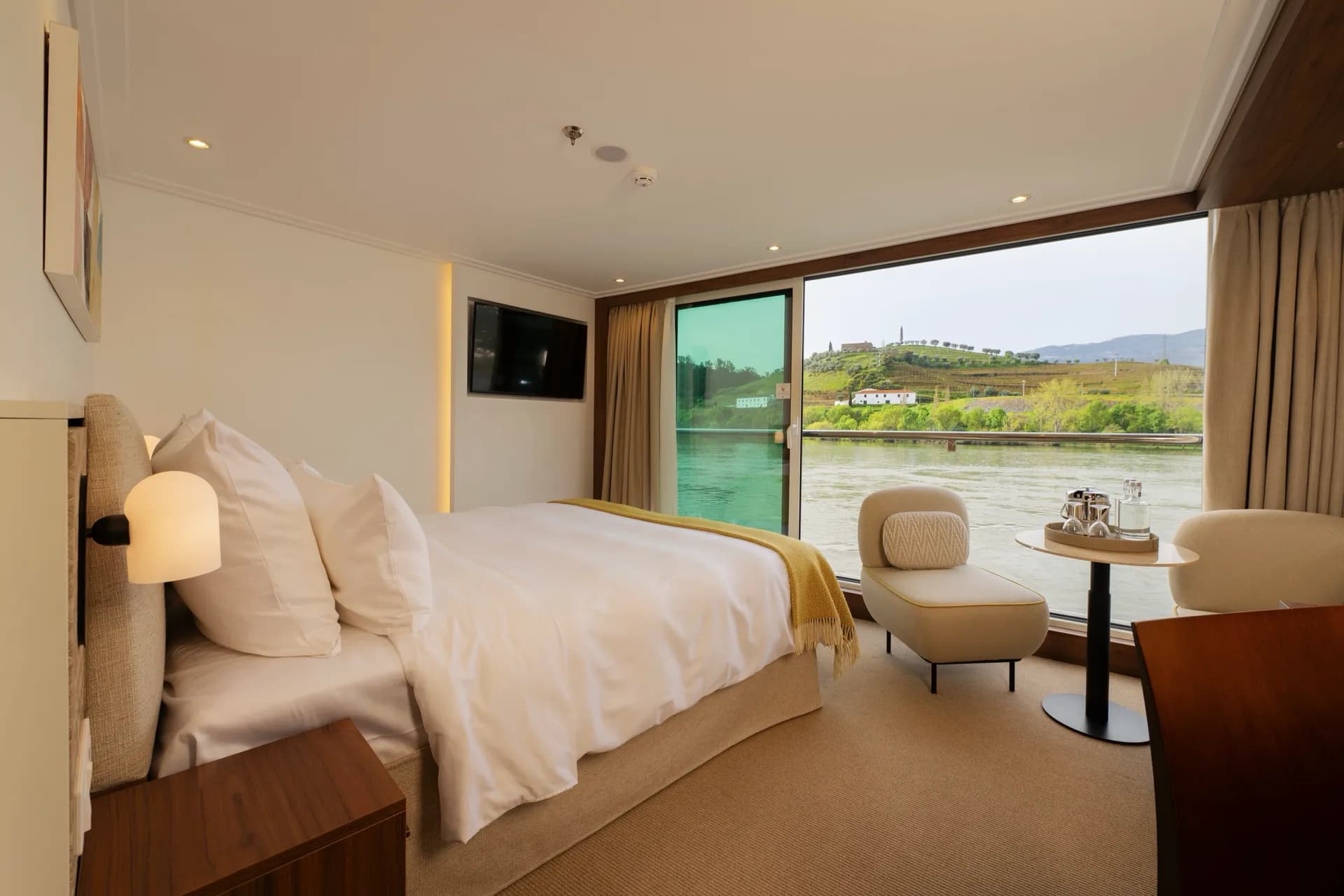
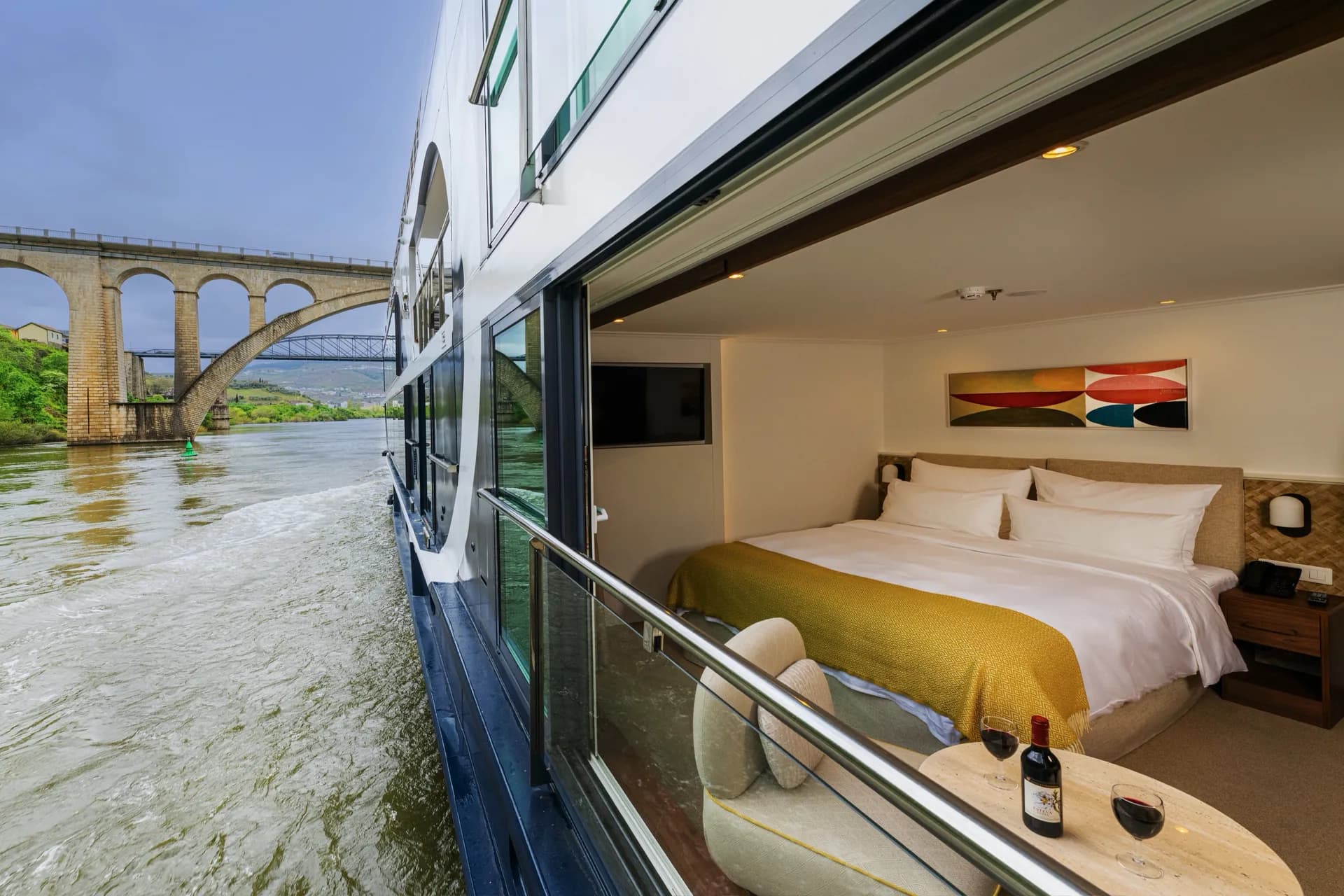
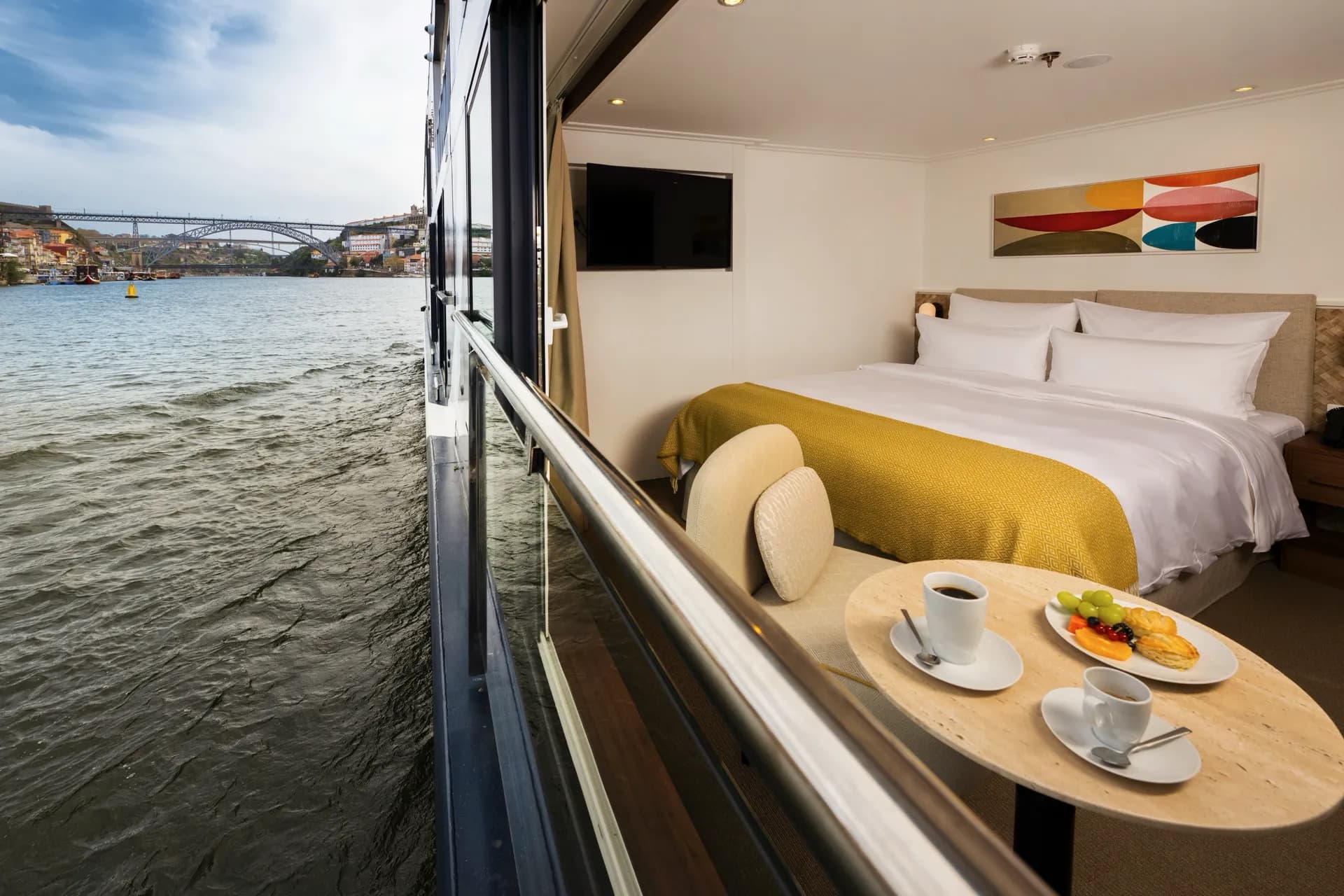
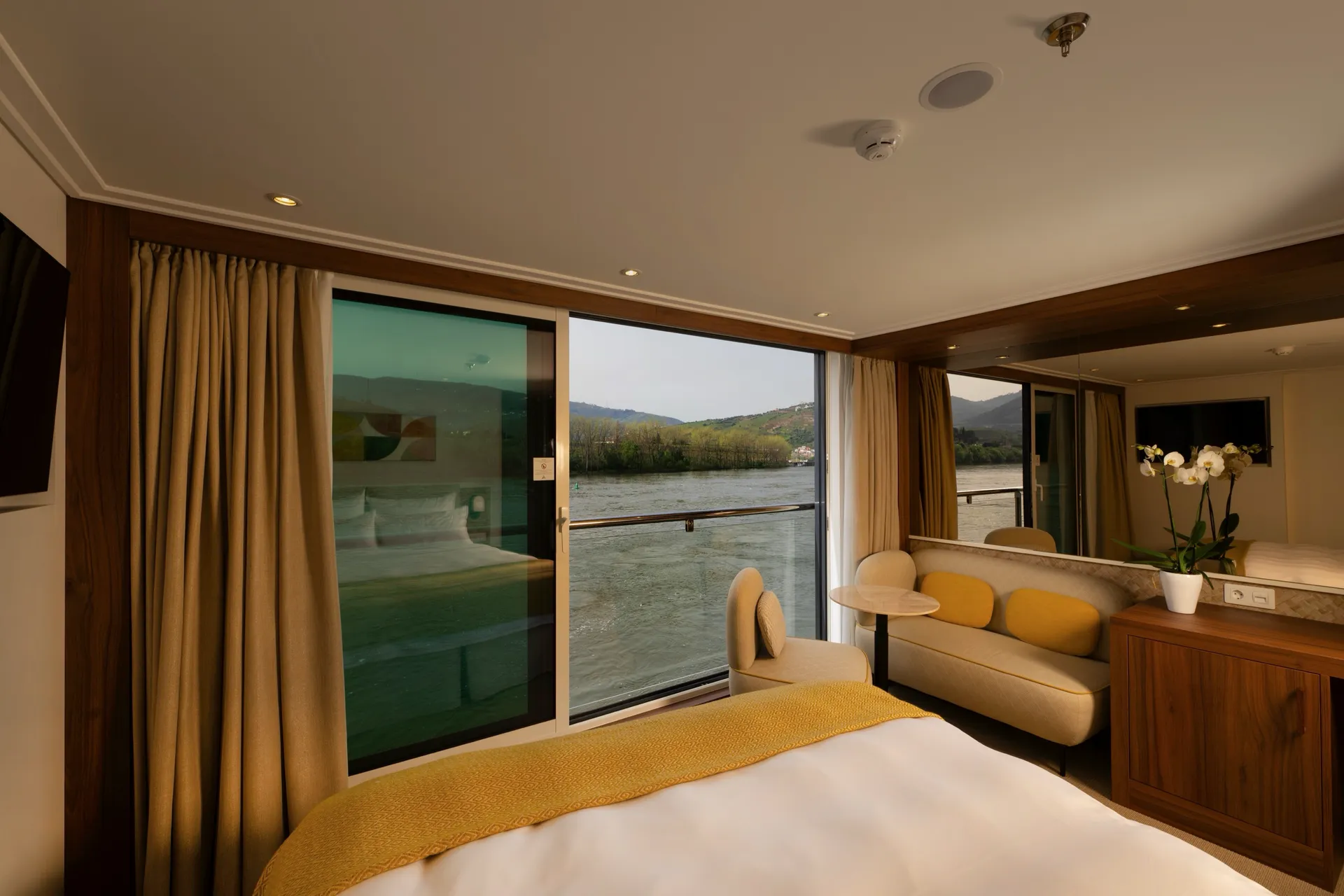
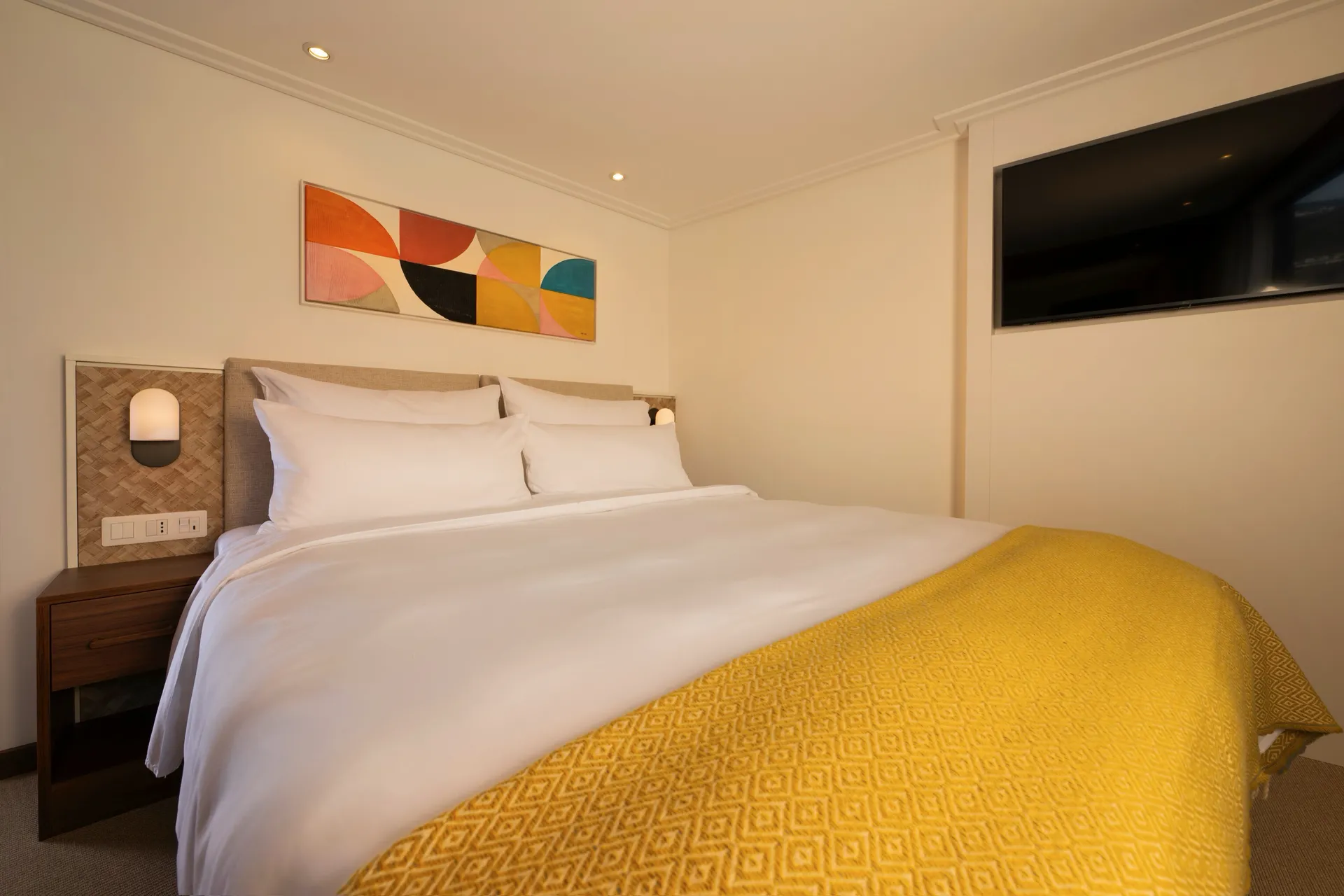
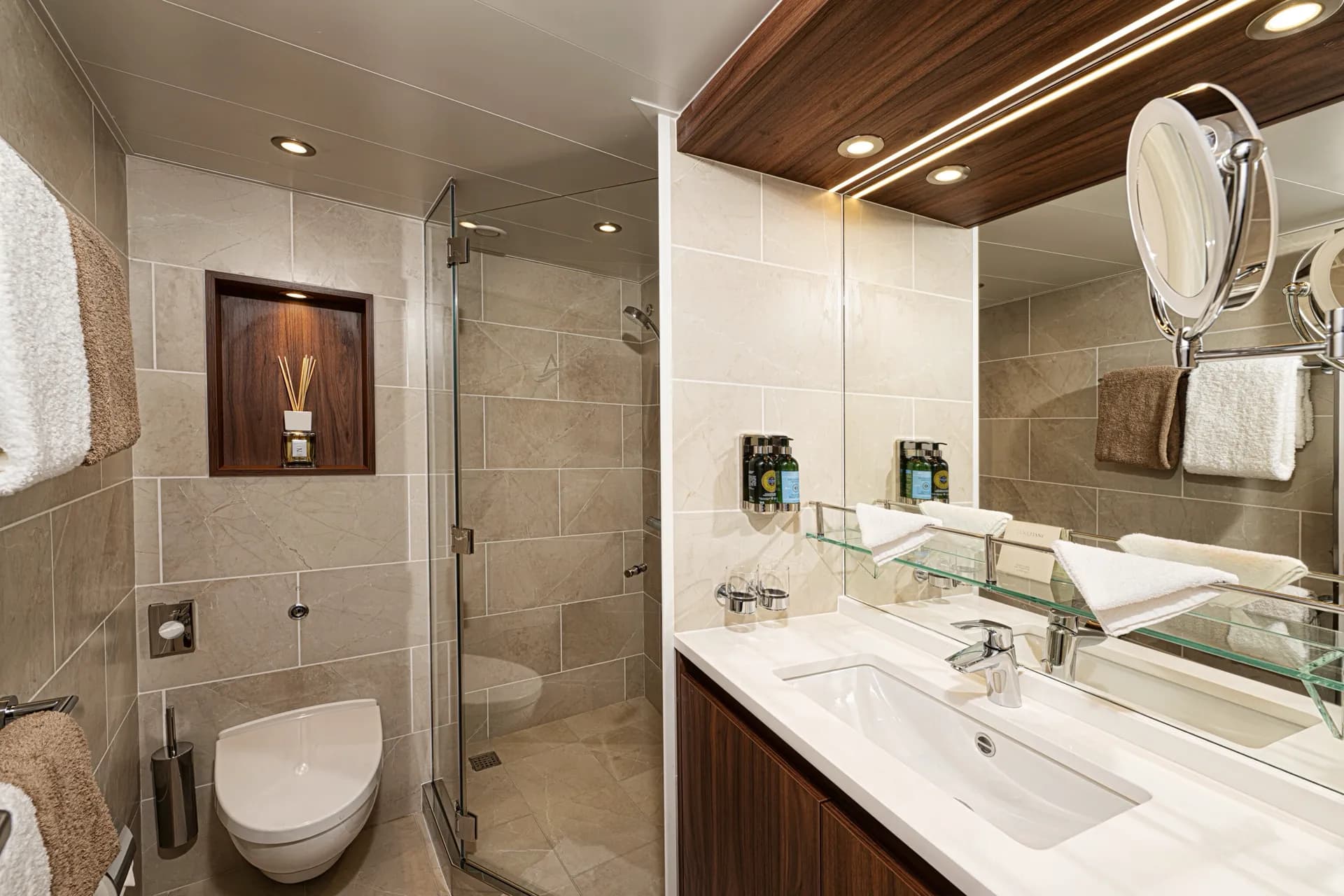
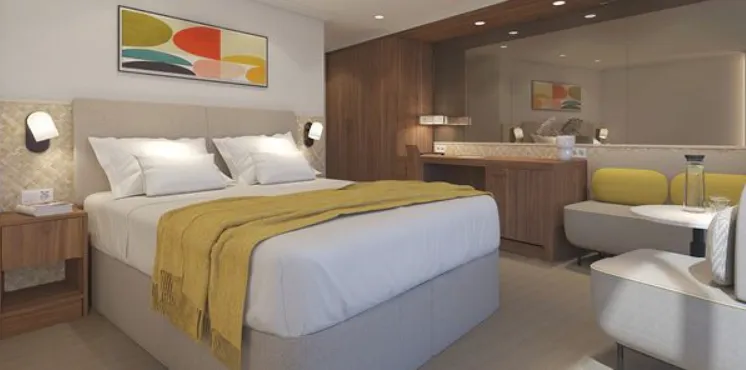
Panorama Suite
Suite
200 m²Max 2
ABP
Stateroom Features:
Elegant, contemporary design
Wall-to-Wall Panoramic Window with Open-Air Balcony
Comfort Collection Beds
Luxurious mattress toppers
Egyptian super-combed cotton linens
European-style duvets
Soft & firm pillows
Extra blankets
Choice of bed configuration
One Queen-Sized Bed or Two Twins
Nightly turn-down service
Bedside tables with reading lamps
Spacious 3-door closets with shelves for ample storage
Full-length mirror
Easy under-bed luggage storage
Flatscreen satellite TV with English-speaking channels & over 100 free movie options
Direct-dial telephone
Well-stocked minibar
Complimentary filtered water
In-room safe
Individual climate control
Bathrobes & slippers
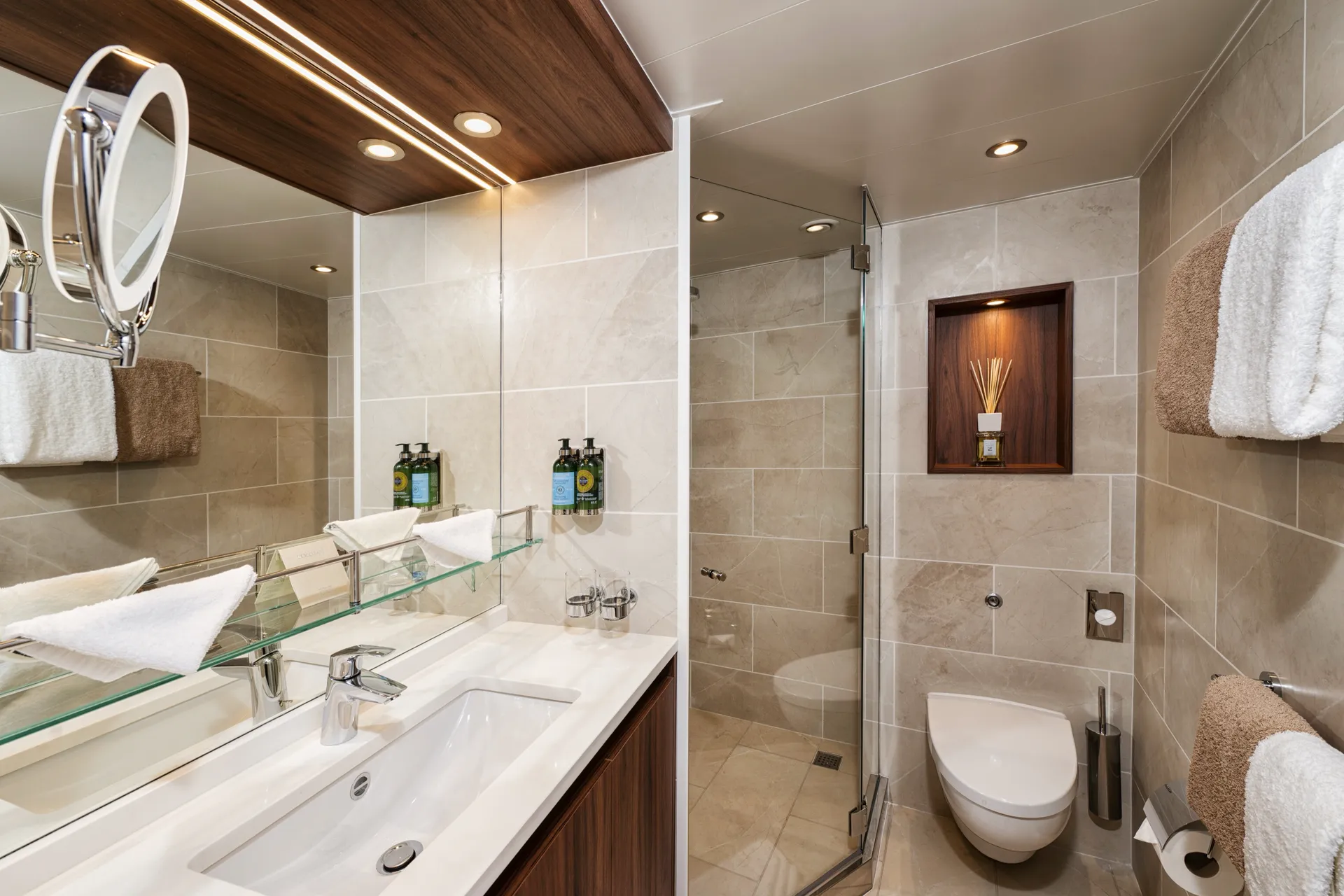
Full shower with glass door
Lighted makeup mirror
Marble countertops in bathroom
Premium Hairdryer
L'Occitane bath products
6-person sitting area
Writing desk and chair
Sofa
Coffee table
Complimentary Wi-Fi
USB Ports
Queen or Twin ConfigurationLounge AreaVanity AreaShowerToiletries ProvidedRoom Service Available+10
Sold Out
View Details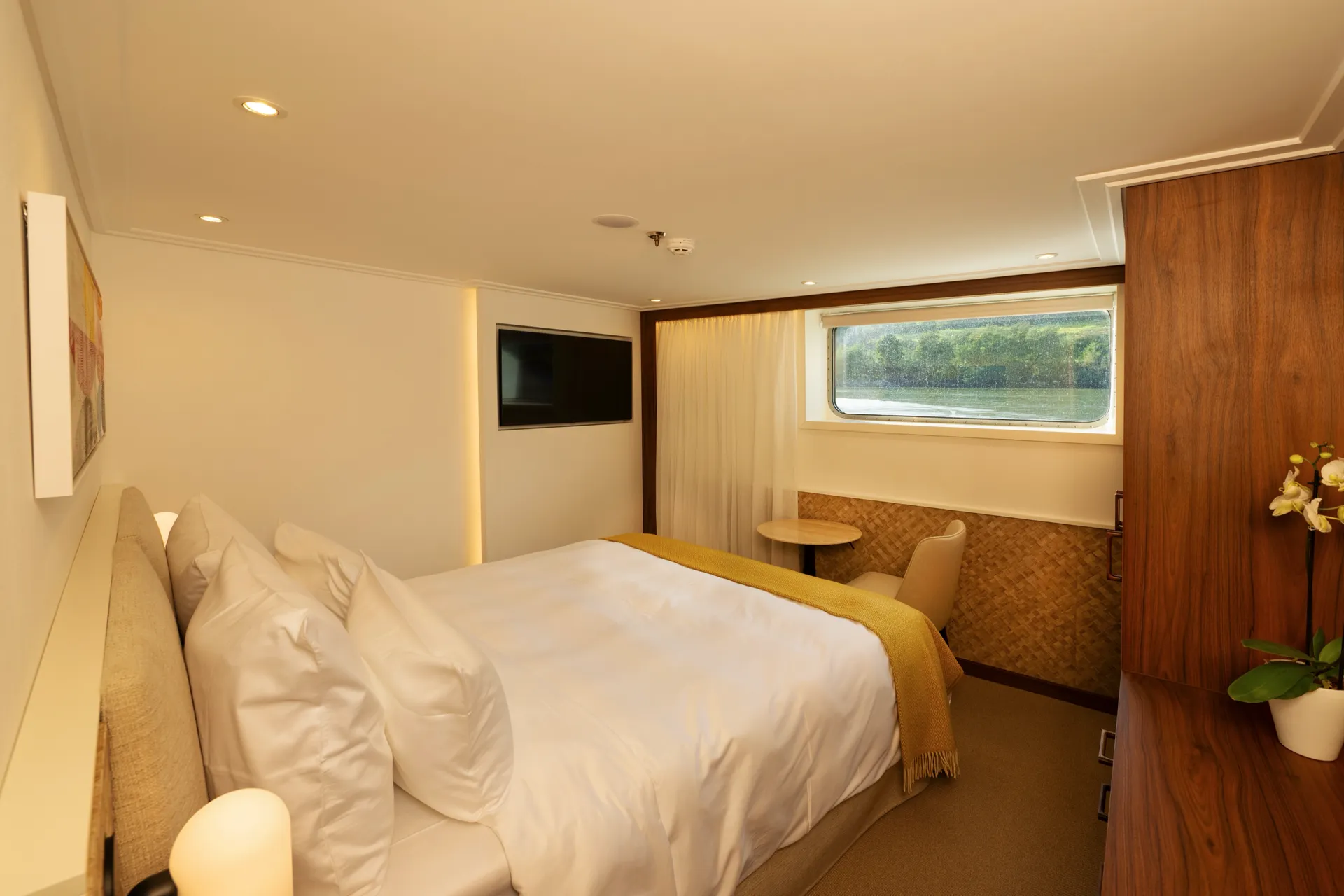
Deluxe Stateroom
Outside
172–180 m²Max 2
DE
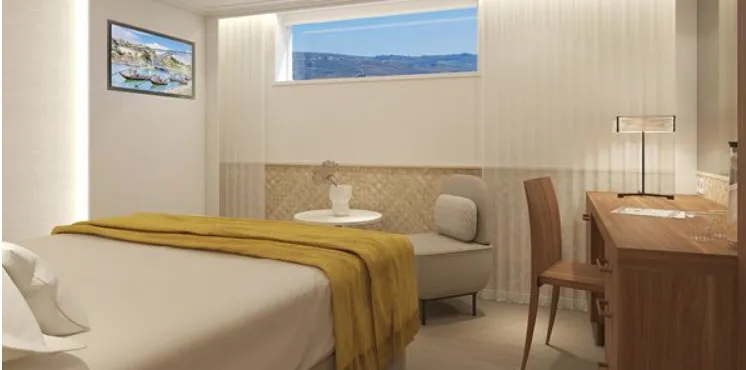
Stateroom Features:
Elegant, contemporary design
Fixed window
Comfort Collection Beds
Luxurious mattress toppers
Egyptian super-combed cotton linens
European-style duvets
Soft & firm pillows
Extra blankets
Choice of bed configuration
One Queen-Sized Bed or Two Twins
Nightly turn-down service
Bedside tables with reading lamps
Spacious 3-door closets with shelves for ample storage
Full-length mirror
Easy under-bed luggage storage
Flatscreen satellite TV with English-speaking channels & over 100 free movie options
Direct-dial telephone
Well-stocked minibar
Complimentary filtered water
In-room safe
Individual climate control
Bathrobes & slippers
Full shower with glass door
Large mirror in bathroom
Lighted makeup mirror
Premium Hairdryer
Writing desk and chair
Complimentary Wi-Fi
USB Ports
Queen or Twin ConfigurationLounge AreaVanity AreaShowerToiletries ProvidedRoom Service Available+8
Sold Out
View DetailsInterested in This Voyage?
Our cruise specialists can help you find the perfect cabin and the best available pricing.
Contact Advisor