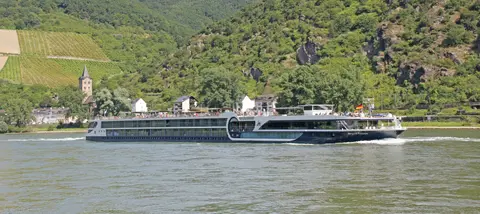
Avalon Waterways60727
The Danube from Romania to Budapest with 1 Night in Bucharest and 2 Nights in Transylvania
Date
2026-07-27
Duration
8 nights
Departure Port
Bucharest
Romania
Arrival Port
Budapest
Hungary
Rating
Luxury
Theme
History & Culture
Date
2026-07-27
Duration
8 nights
Departure Port
Bucharest
Romania
Arrival Port
Budapest
Hungary
Rating
Luxury
Theme
History & Culture




Avalon Waterways
Suite Ship
2016
—
2,775 GT
166
83
47
443 m
12 m
12 knots
No
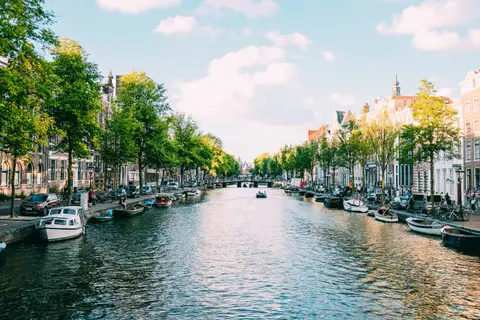
Amsterdam's UNESCO-listed canal ring — a concentric web of seventeenth-century merchant houses and arching stone bridges — remains one of the Western world's most perfectly preserved Golden Age cityscapes, best explored by bicycle or canal boat at a pace that lets the city's genius reveal itself slowly. The Rijksmuseum's collection of Rembrandt and Vermeer masterpieces is essential, while the Anne Frank House offers one of Europe's most profoundly moving historical encounters. Spring brings the iconic tulip season; summer fills the terraces of the Jordaan district. Schiphol Airport makes Amsterdam a seamless gateway to the entire European continent.
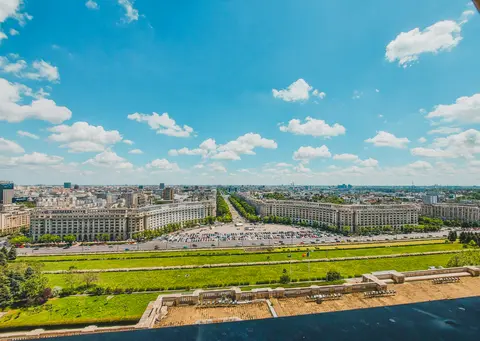
Bucharest, Romania's sprawling and magnificently contradictory capital, layers Belle Époque mansions, communist-era boulevards, and a furiously creative twenty-first-century scene into a city that rewards the curious traveler who looks beyond the obvious. Ceaușescu's colossal Palace of the Parliament — the world's heaviest building and a monument to totalitarian hubris — is unmissable; equally essential is the neighborhood of Floreasca, where design studios, natural wine bars, and acclaimed restaurants have made Bucharest one of Europe's most exciting emerging food capitals. Visit April through June for the most pleasant weather. Transylvania, with Bran Castle and the medieval city of Brașov, lies two hours north through dramatic Carpathian scenery.

Sinaia is Romania's royal mountain retreat in the Carpathians, home to the spectacular Peleș Castle and its 160 lavishly decorated rooms. Must-dos include touring both Peleș and Pelișor palaces, visiting the seventeenth-century monastery, and riding the cable car into the Bucegi Mountains. Late spring through early autumn offers ideal conditions for combining palace visits with mountain hiking.
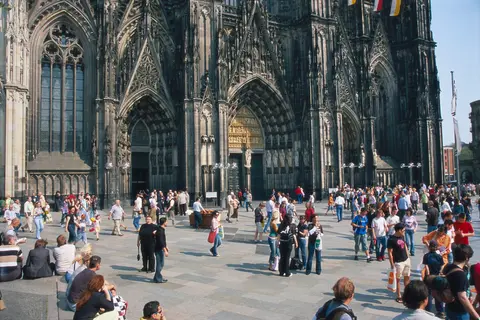
Cologne's twin-spired Gothic cathedral, six hundred years in the building and still the city's defining monument, is the inevitable starting point — but this ancient Rhine city rewards exploration well beyond its iconic silhouette. The Romano-Germanic Museum reveals the city's Roman foundations, while the Chocolate Museum on the riverbank offers a distinctly sweeter history lesson. Cologne's famed Kölsch beer culture thrives in the old town's traditional brew-houses, where one round follows another in centuries-old wooden halls. The city is welcoming year-round, though the legendary Christmas markets (November–December) attract visitors from across Europe.
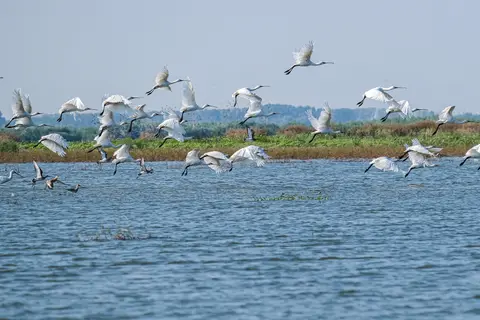
Oltenița is a historic Danubian port city in southern Romania where the River Argeș meets the Danube, offering visitors Chalcolithic archaeological treasures at the Gumelnița site and exceptional riverside dining featuring traditional Wallachian river fish cuisine. A must-do experience is savoring *saramură de crap* — Danube carp grilled over open flame — at a waterfront table, followed by a day excursion to the medieval citadels of Transylvania. The best season to visit is late spring through early autumn, when the Danube promenade comes alive and river cruise itineraries from Avalon Waterways, CroisiEurope, and Seabourn call at this understated gem of Muntenia.
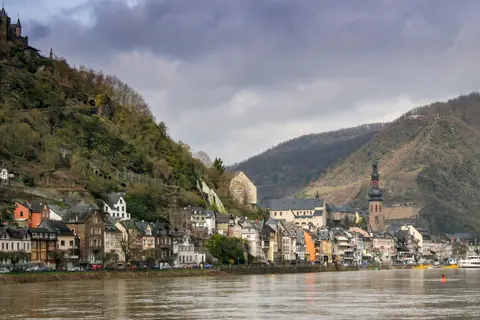
The Reichsburg Cochem — a turreted fairy-tale castle presiding over a loop of the Moselle River — is among Germany's most photogenic medieval fortresses, its silhouette rising above terraced vineyards of ancient Riesling vines. The town below offers a charming ensemble of half-timbered houses, wine-cellar tastings, and cycle paths threading through valley landscapes that have barely changed in centuries. Arrive in September for the harvest festival, when the whole town smells of fermenting Riesling, or choose May for blossom-framed panoramas and long golden evenings on the riverside terraces.
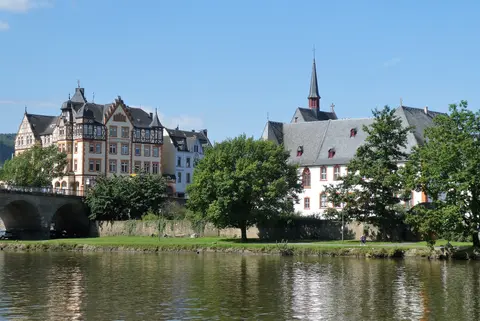
Bernkastel-Kues, the twin town straddling the Moselle, has been synonymous with Riesling for six centuries — home to the legendary Bernkasteler Doctor vineyard, whose precipitous south-facing slope has produced wines of such renown that a single hectare once sold for a record price. The Marktplatz, virtually unchanged since the seventeenth century, is Germany's most photogenic half-timbered market square: a stage-set of crooked facades and flower-hung balconies best appreciated over a glass of Spätlese in the late afternoon light. September brings the annual Moselle Wine Festival to the riverbanks. Trier, Germany's oldest city with its spectacular Roman amphitheatre, lies forty minutes upstream.
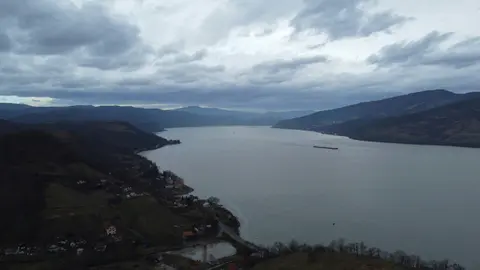
Donji Milanovac is a tranquil Serbian town on the banks of Lake Đerdap, nestled within the dramatic Iron Gates gorge of the Danube and surrounded by pristine national parkland. Visitors should not miss the Lepenski Vir archaeological site, home to seven-thousand-year-old Mesolithic sculptures, and the restored medieval fortress at nearby Golubac. The ideal time to cruise through the Iron Gates is from late May through September, when long daylight hours illuminate the gorge walls and riverside terraces invite lingering over fresh riblja čorba and local šljivovica.
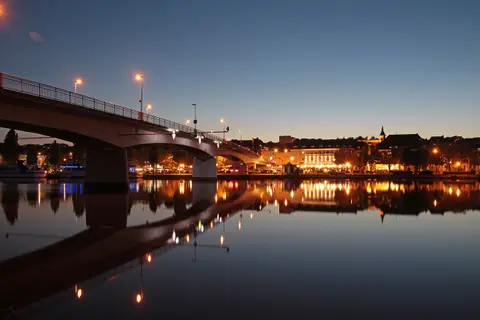
Remich, the "Pearl of the Moselle," is a refined riverside wine town in southeastern Luxembourg where Roman-era vineyards, sparkling Crémant cellars carved into sandstone cliffs, and an elegant waterfront promenade create one of Europe's most intimate port experiences. Visitors should not miss a tasting at the Caves Saint-Martin and a leisurely stroll along the vine-laced Route du Vin. Late spring through early autumn offers the finest conditions, with September's grape harvest season bringing the valley to its most atmospheric peak.
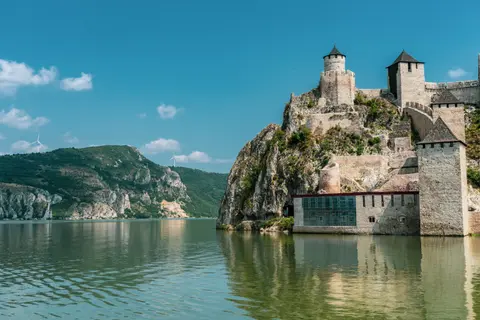
Golubac is a medieval fortress village on Serbia's Danube, where a magnificently restored fourteenth-century stronghold guards the entrance to the Iron Gates gorge — Europe's deepest river canyon. Visitors should explore the nine-towered fortress and sample *riblja čorba*, the local paprika-laced fish soup, at a riverside *kafana*. Late spring through early autumn offers the most rewarding conditions, with warm days ideal for both fortress ramparts and the lush trails of Đerdap National Park.
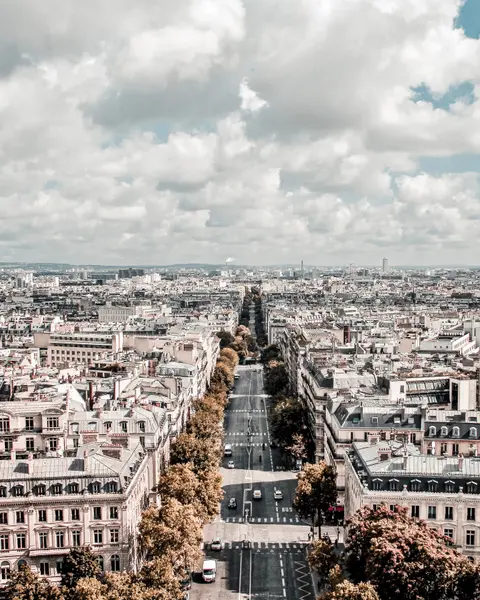
Paris rewards every arrival as though it were the first — the sweep of the Seine, the Gothic tracery of Notre-Dame rising again from its 2019 ashes, the Eiffel Tower somehow managing to astonish at each encounter, the Louvre's glass pyramid reflecting clouds in the courtyard of a palace that served French kings for four centuries. Beyond the monuments, Paris is a city of neighbourhoods: the Belle Époque brasseries of Montparnasse, the covered passages of the 2nd arrondissement, the rooftop terraces of Le Marais. The Luxembourg Gardens in April, or a late-September evening on the Canal Saint-Martin, are among the most civilised experiences in the world.
Day 1
Amsterdam's UNESCO-listed canal ring — a concentric web of seventeenth-century merchant houses and arching stone bridges — remains one of the Western world's most perfectly preserved Golden Age cityscapes, best explored by bicycle or canal boat at a pace that lets the city's genius reveal itself slowly. The Rijksmuseum's collection of Rembrandt and Vermeer masterpieces is essential, while the Anne Frank House offers one of Europe's most profoundly moving historical encounters. Spring brings the iconic tulip season; summer fills the terraces of the Jordaan district. Schiphol Airport makes Amsterdam a seamless gateway to the entire European continent.
Day 2
Bucharest, Romania's sprawling and magnificently contradictory capital, layers Belle Époque mansions, communist-era boulevards, and a furiously creative twenty-first-century scene into a city that rewards the curious traveler who looks beyond the obvious. Ceaușescu's colossal Palace of the Parliament — the world's heaviest building and a monument to totalitarian hubris — is unmissable; equally essential is the neighborhood of Floreasca, where design studios, natural wine bars, and acclaimed restaurants have made Bucharest one of Europe's most exciting emerging food capitals. Visit April through June for the most pleasant weather. Transylvania, with Bran Castle and the medieval city of Brașov, lies two hours north through dramatic Carpathian scenery.
Sinaia is Romania's royal mountain retreat in the Carpathians, home to the spectacular Peleș Castle and its 160 lavishly decorated rooms. Must-dos include touring both Peleș and Pelișor palaces, visiting the seventeenth-century monastery, and riding the cable car into the Bucegi Mountains. Late spring through early autumn offers ideal conditions for combining palace visits with mountain hiking.
Day 3
Cologne's twin-spired Gothic cathedral, six hundred years in the building and still the city's defining monument, is the inevitable starting point — but this ancient Rhine city rewards exploration well beyond its iconic silhouette. The Romano-Germanic Museum reveals the city's Roman foundations, while the Chocolate Museum on the riverbank offers a distinctly sweeter history lesson. Cologne's famed Kölsch beer culture thrives in the old town's traditional brew-houses, where one round follows another in centuries-old wooden halls. The city is welcoming year-round, though the legendary Christmas markets (November–December) attract visitors from across Europe.
Day 4
Oltenița is a historic Danubian port city in southern Romania where the River Argeș meets the Danube, offering visitors Chalcolithic archaeological treasures at the Gumelnița site and exceptional riverside dining featuring traditional Wallachian river fish cuisine. A must-do experience is savoring *saramură de crap* — Danube carp grilled over open flame — at a waterfront table, followed by a day excursion to the medieval citadels of Transylvania. The best season to visit is late spring through early autumn, when the Danube promenade comes alive and river cruise itineraries from Avalon Waterways, CroisiEurope, and Seabourn call at this understated gem of Muntenia.
Day 5
The Reichsburg Cochem — a turreted fairy-tale castle presiding over a loop of the Moselle River — is among Germany's most photogenic medieval fortresses, its silhouette rising above terraced vineyards of ancient Riesling vines. The town below offers a charming ensemble of half-timbered houses, wine-cellar tastings, and cycle paths threading through valley landscapes that have barely changed in centuries. Arrive in September for the harvest festival, when the whole town smells of fermenting Riesling, or choose May for blossom-framed panoramas and long golden evenings on the riverside terraces.
Day 6
Bernkastel-Kues, the twin town straddling the Moselle, has been synonymous with Riesling for six centuries — home to the legendary Bernkasteler Doctor vineyard, whose precipitous south-facing slope has produced wines of such renown that a single hectare once sold for a record price. The Marktplatz, virtually unchanged since the seventeenth century, is Germany's most photogenic half-timbered market square: a stage-set of crooked facades and flower-hung balconies best appreciated over a glass of Spätlese in the late afternoon light. September brings the annual Moselle Wine Festival to the riverbanks. Trier, Germany's oldest city with its spectacular Roman amphitheatre, lies forty minutes upstream.
Day 7
Donji Milanovac is a tranquil Serbian town on the banks of Lake Đerdap, nestled within the dramatic Iron Gates gorge of the Danube and surrounded by pristine national parkland. Visitors should not miss the Lepenski Vir archaeological site, home to seven-thousand-year-old Mesolithic sculptures, and the restored medieval fortress at nearby Golubac. The ideal time to cruise through the Iron Gates is from late May through September, when long daylight hours illuminate the gorge walls and riverside terraces invite lingering over fresh riblja čorba and local šljivovica.
Remich, the "Pearl of the Moselle," is a refined riverside wine town in southeastern Luxembourg where Roman-era vineyards, sparkling Crémant cellars carved into sandstone cliffs, and an elegant waterfront promenade create one of Europe's most intimate port experiences. Visitors should not miss a tasting at the Caves Saint-Martin and a leisurely stroll along the vine-laced Route du Vin. Late spring through early autumn offers the finest conditions, with September's grape harvest season bringing the valley to its most atmospheric peak.
Golubac is a medieval fortress village on Serbia's Danube, where a magnificently restored fourteenth-century stronghold guards the entrance to the Iron Gates gorge — Europe's deepest river canyon. Visitors should explore the nine-towered fortress and sample *riblja čorba*, the local paprika-laced fish soup, at a riverside *kafana*. Late spring through early autumn offers the most rewarding conditions, with warm days ideal for both fortress ramparts and the lush trails of Đerdap National Park.
Day 9
Paris rewards every arrival as though it were the first — the sweep of the Seine, the Gothic tracery of Notre-Dame rising again from its 2019 ashes, the Eiffel Tower somehow managing to astonish at each encounter, the Louvre's glass pyramid reflecting clouds in the courtyard of a palace that served French kings for four centuries. Beyond the monuments, Paris is a city of neighbourhoods: the Belle Époque brasseries of Montparnasse, the covered passages of the 2nd arrondissement, the rooftop terraces of Le Marais. The Luxembourg Gardens in April, or a late-September evening on the Canal Saint-Martin, are among the most civilised experiences in the world.
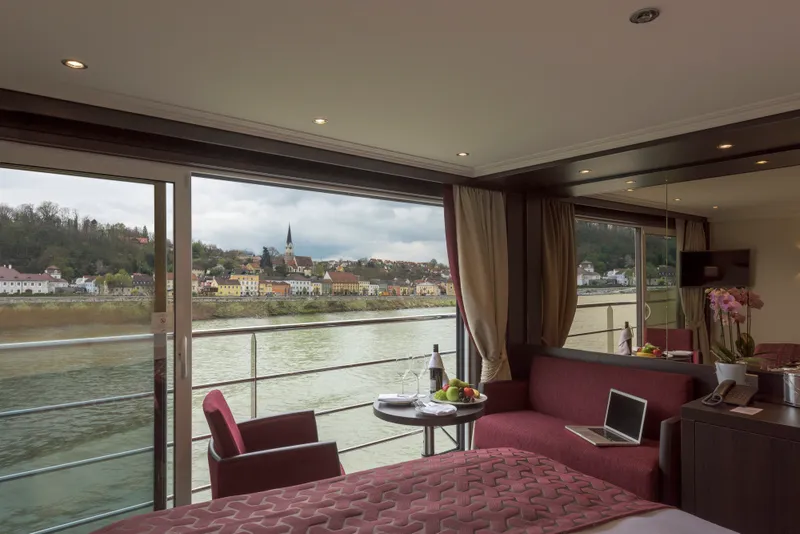
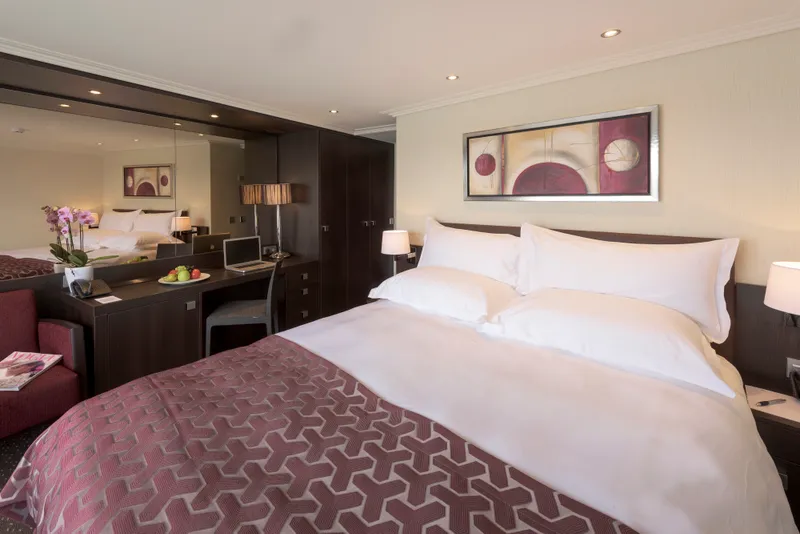
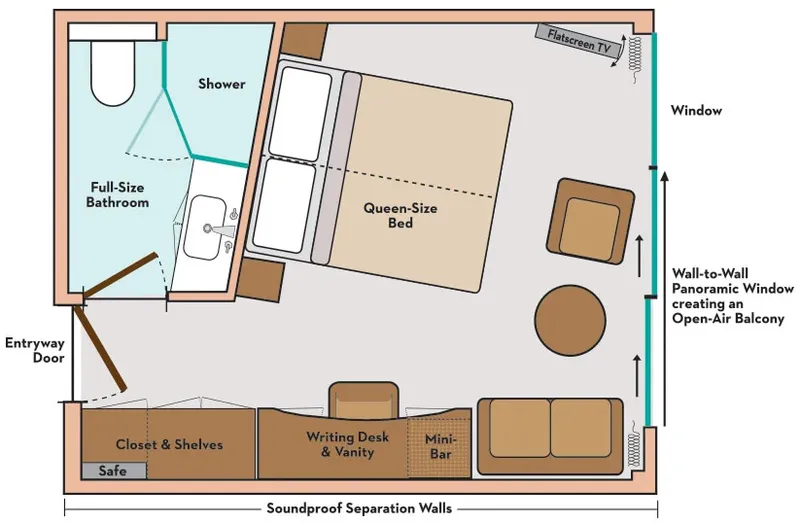
Comfort Collection Beds
European-style duvets
Soft & firm pillows
Extra blankets
Choice of bed configuration
Hairdryer
L'Occitane bath products
Spacious 3-door closets with shelves for ample storage
Alarm clock
Direct-dial telephone
Individual climate control
Elegant, contemporary design
Large mirror in bathroom
Marble countertops in bathroom
Wall-to-Wall Panoramic Window with Open-Air Balcony
6-person sitting area
Full shower with glass door
Vanity and lighted makeup mirror
Sofa
USB Ports
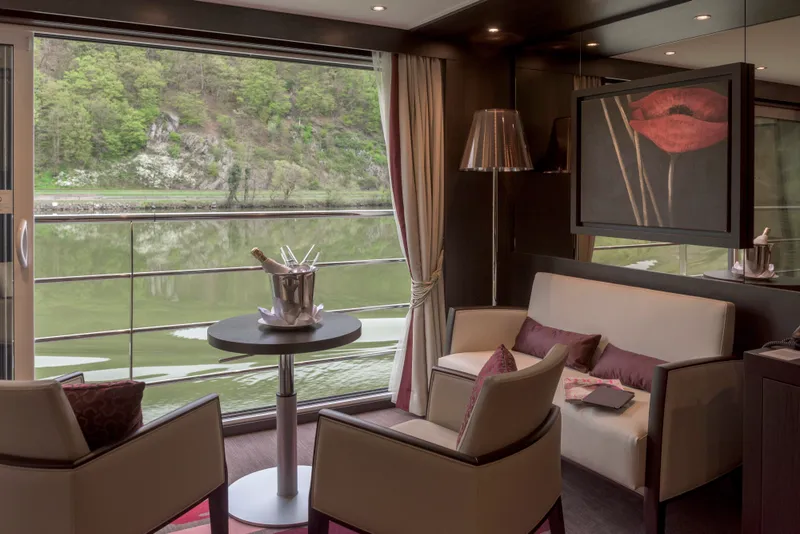
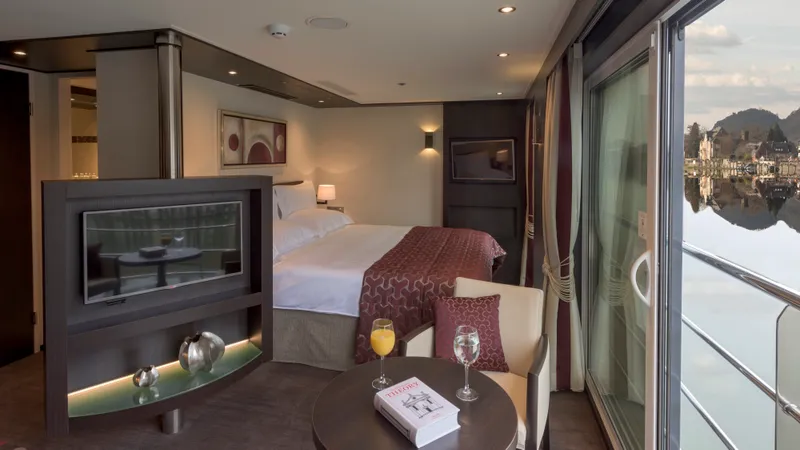
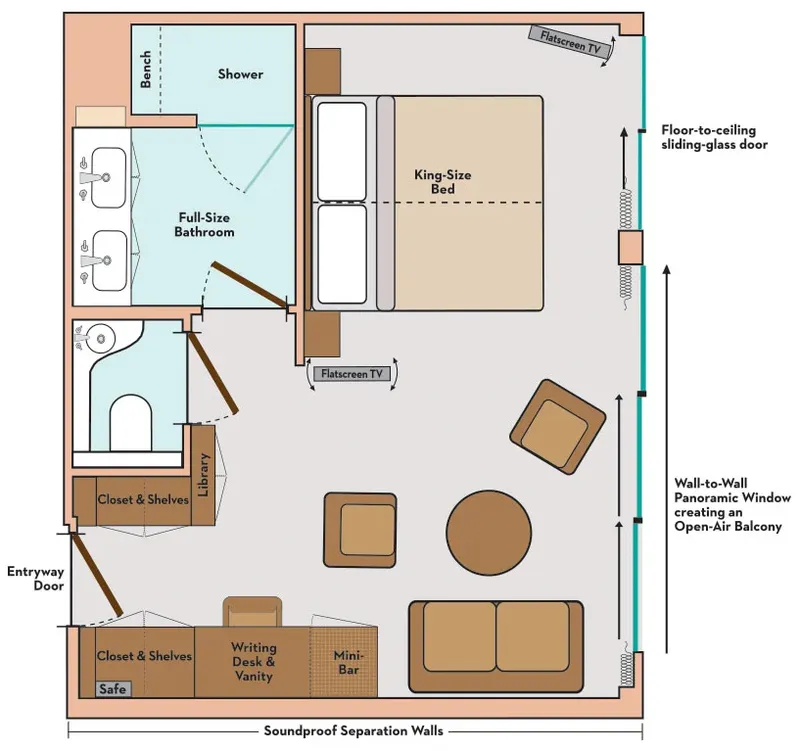
Stateroom Features:
Comfort Collection Beds
Luxurious mattress toppers
Egyptian super-combed cotton linens
European-style duvets
Soft & firm pillows
Extra blankets
Choice of bed configuration
Nightly turn-down service
Bedside tables with reading lamps
Premium Hairdryer
L'Occitane bath products
Spacious 3-door closets with shelves for ample storage
Easy under-bed luggage storage
Flatscreen satellite TV with English-speaking channels & over 100 free movie options
Alarm clock
Make-up mirror
Direct-dial telephone
Bathrobes & slippers
Well-stocked minibar
Complimentary filtered water
In-room safe
Individual climate control
Elegant, contemporary design
Large mirror in bathroom
Marble countertops in bathroom
Wall-to-Wall Panoramic Window with Open-Air Balcony
6-person sitting area
Full shower with glass door
Writing desk and chair
Lighted makeup mirror
Sofa
Coffee table
Double sinks
Complimentary Wi-Fi
USB Ports
One King-Sized Bed or Two Twins
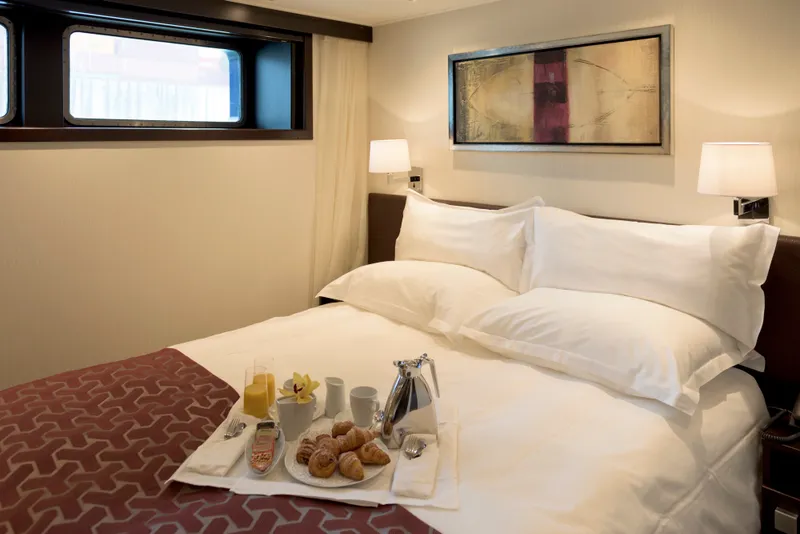
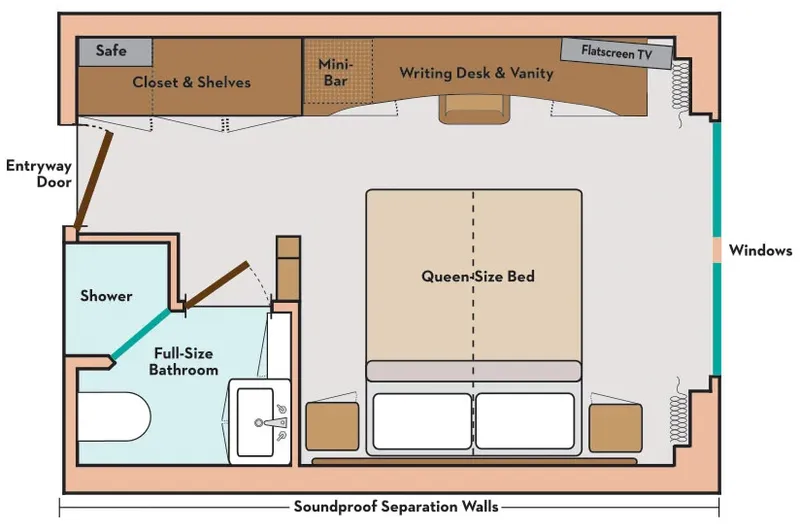
Stateroom Features:
Comfort Collection Beds
Luxurious mattress toppers
Egyptian super-combed cotton linens
European-style duvets
Soft & firm pillows
Extra blankets
Choice of bed configuration
Nightly turn-down service
Bedside tables with reading lamps
Premium Hairdryer
L'Occitane bath products
Spacious 3-door closets with shelves for ample storage
Easy under-bed luggage storage
Flatscreen satellite TV with English-speaking channels & over 100 free movie options
Alarm clock
Direct-dial telephone
Bathrobes & slippers
Well-stocked minibar
Complimentary filtered water
In-room safe
Individual climate control
Elegant, contemporary design
Large mirror in bathroom
Two windows
Full shower with glass door
Writing desk and chair
Lighted makeup mirror
Complimentary Wi-Fi
One Queen-Sized Bed or Two Twins
USB Ports
Our cruise specialists can help you find the perfect cabin and the best available pricing.
(+886) 02-2721-7300Contact Advisor