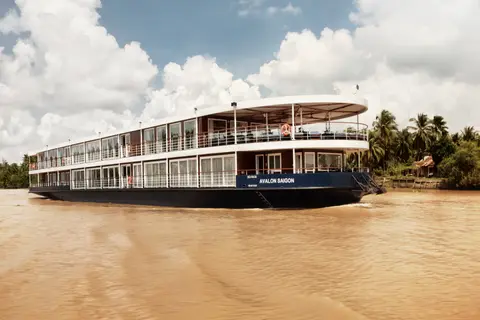
Avalon Waterways60814
Fascinating Vietnam, Cambodia & the Mekong River with Hanoi, Ha Long Bay & Bangkok (Northbound)
Date
2026-08-14
Duration
7 nights
Departure Port
Hanoi
Vietnam
Arrival Port
Bangkok
Thailand
Rating
Luxury
Theme
History & Culture
Date
2026-08-14
Duration
7 nights
Departure Port
Hanoi
Vietnam
Arrival Port
Bangkok
Thailand
Rating
Luxury
Theme
History & Culture


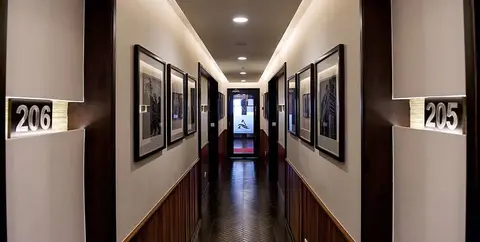
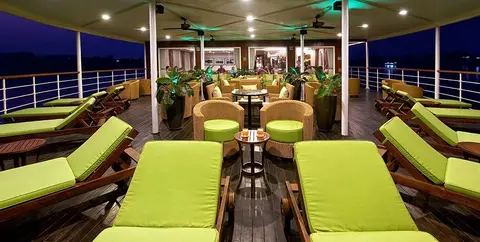
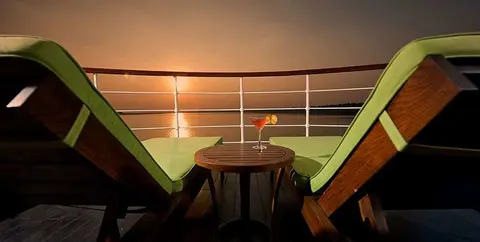
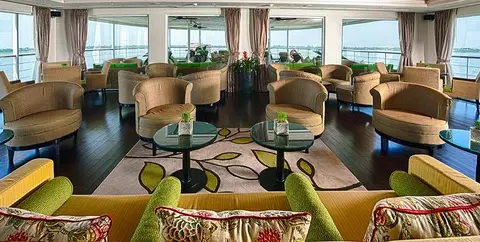

Avalon Waterways
2018
—
950 GT
36
18
24
195 m
—
9 knots
No
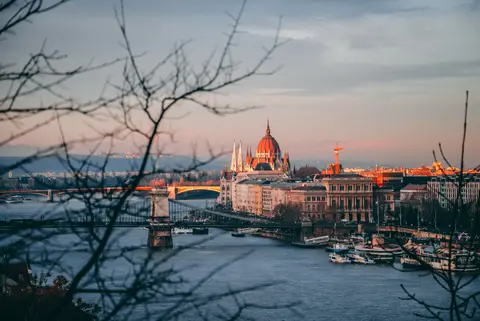
Budapest, divided by the Danube into the hilly Buda of thermal baths and medieval castle lanes on one bank and the grand Pest of coffee-house culture and Art Nouveau splendor on the other, delivers the most theatrical first impression of any European capital — whether approached by river as the neo-Gothic Parliament materializes from the water or by night from the Citadella's sweep of illuminated panorama below. The city's celebrated thermal bath culture, rooted in Ottoman-era hammams and perfected in palatial Secession-era pools like the Széchenyi, is an experience entirely unlike anything else in Europe. Visit spring and autumn for comfortable temperatures; Vienna is two and a half hours west by train.
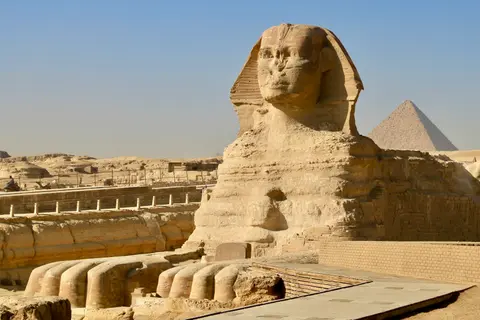
Cairo, where five thousand years of civilization press upon the present with relentless intensity, is anchored by the Great Pyramid of Giza — the sole survivor of the Seven Wonders of the Ancient World, already ancient when Cleopatra walked in its shadow. The Egyptian Museum's overwhelming treasure trove of pharaonic antiquities, including the golden mask of Tutankhamun, and the medieval labyrinth of Islamic Cairo, a UNESCO-listed district of a thousand mosques and medieval caravanserais, offer a lifetime of discovery in a city of twenty million souls. October through April brings the most tolerable temperatures. Luxor, with its Valley of the Kings, is a short domestic flight or overnight train journey south.
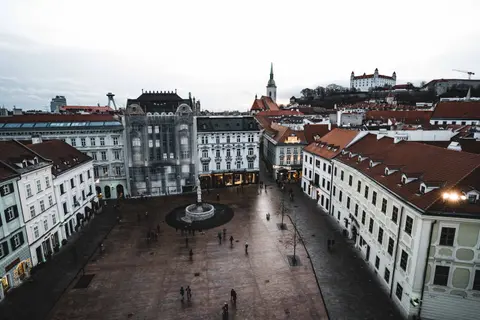
Bratislava, the only national capital bordering two sovereign states, sits sixty kilometres downstream from Vienna on the Danube — close enough for a day trip to the Austrian capital, yet possessed of its own entirely distinct character: a pastel-hued medieval old town of hidden courtyards, playful bronze statues, and hilltop castle views, where wine bars pour outstanding Slovak Riesling at prices that make the Viennese feel extravagant. The city's dramatic reinvention since 1989 has produced a dynamic, youthful culture that fills the old quarter's restaurants and concert halls with genuine warmth. Pair with Vienna or Budapest for the classic Danube river trilogy; all three cities are within two hours of each other.
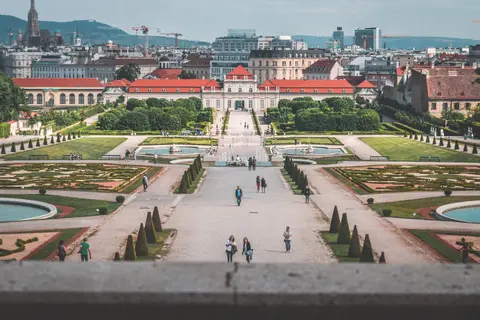
The port of Vienna is a cultural gem along the Danube River, famous for its stunning architecture, rich history, and vibrant culinary scene. Must-do experiences include sampling authentic Wiener Schnitzel and visiting the picturesque village of Dürnstein. The best season to visit is spring or early fall, when the city's gardens bloom and outdoor activities abound.
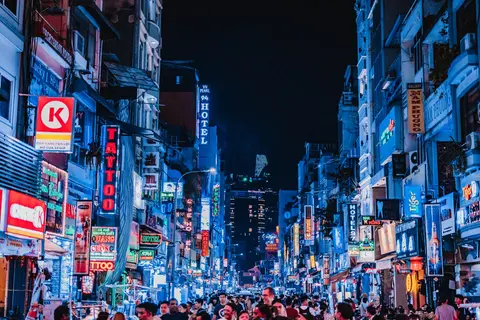
Still whispered as Saigon by its ten million residents, Ho Chi Minh City pulses with an energy that outlasted every empire and every war. The French colonial grandeur of Notre-Dame Cathedral and Gustave Eiffel's Central Post Office stands in vivid counterpoint to the city's kinetic street life — an endless river of motorbikes, fragrant with pho broth and charcoal-grilled meats. Do not miss the Reunification Palace, a time capsule of Cold War modernism, or a dawn bowl of bánh mì from a sidewalk vendor. The dry season, November through April, offers the most comfortable conditions for exploration.
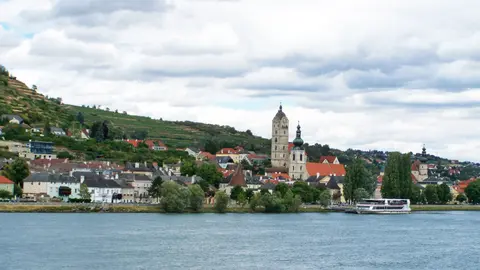
Krems an der Donau has stood at the eastern gateway of the Wachau Valley — Austria's most beautiful stretch of the Danube — since Emperor Otto III granted it market rights in 995 AD, making it one of the country's oldest documented towns. The UNESCO-listed Wachau landscape surrounding the city is a masterpiece of vineyard terraces, Baroque abbeys, and medieval castles reflected in the river; the Grüner Veltliner and Riesling wines produced here are among Austria's finest. Must-dos include visiting the monumental Melk Abbey and cycling the Danube Cycle Path through the valley. Krems is most enchanting April through October, with the harvest season in September offering wine cellar tastings of exceptional depth.
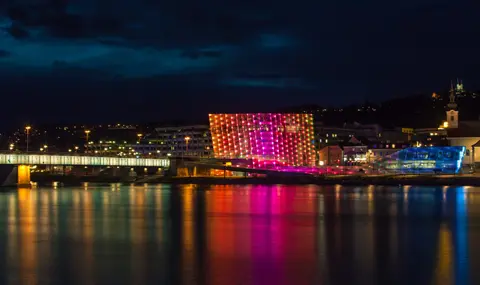
Austria's third city has accomplished one of Europe's most convincing urban transformations — reinventing itself from industrial centre to cultural powerhouse, a journey recognised in 2009 when it was named European Capital of Culture. The Ars Electronica Center, a museum of digital art and technology that glows with LED light across the Danube each evening, epitomises Linz's forward-looking identity. Yet the city's Roman roots, its baroque Hauptplatz (one of Austria's finest main squares), and its proximity to the Wachau Valley anchor it firmly in history. The Upper Austrian cuisine — particularly Linzer Torte, the world's oldest-documented cake recipe — is exceptional. Linz is most agreeable May through September.
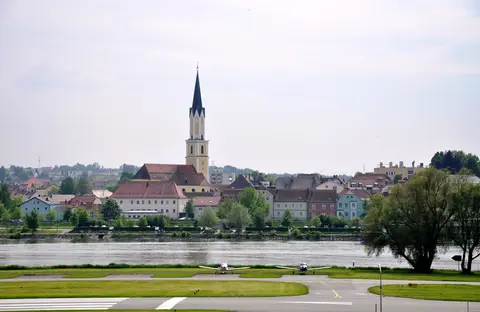
Vilshofen an der Donau is a handsome Bavarian river town where three streams converge with the Danube, its medieval market charter and Gothic Stadtturm bearing witness to eight centuries of river trade prosperity — though its most joyful claim to fame is the boisterous Vilshofen Volksfest, Bavaria's second-largest folk festival after Oktoberfest, held each June. The pastel-painted baroque townhouses and arcaded courtyards of the compact old town make for an idyllic Danube-side stroll, while the surrounding farmland and rolling hills of Lower Bavaria offer cycling routes of pastoral serenity. Summer brings the festival season; spring and autumn lend the Danube Valley its most golden and peaceful character.
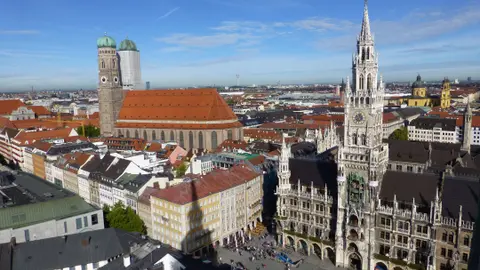
Munich is a captivating port city known for its rich history, stunning architecture, and vibrant culinary scene. Must-do experiences include sampling traditional Weißwurst and exploring the Viktualienmarkt. The best season to visit is during the summer months when the city buzzes with outdoor festivities and cultural events.
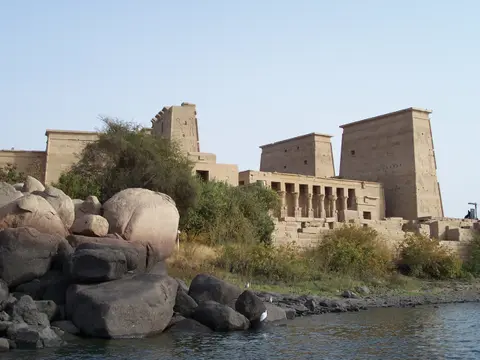
Aswan, Egypt's sunniest city and its ancient southern frontier, offers the Nile at its most scenic — wide, blue, and studded with felucca-dotted islands where temples emerge from the water's edge like visions from another age. The Temple of Philae, rescued from the rising waters of Lake Nasser and reassembled on a new island, is a jewel of Egyptian antiquity; Elephantine Island harbors ruins spanning predynastic times to the Roman era. For the full pharaonic experience, a sunset felucca ride to the Aga Khan Mausoleum rivals any luxury on the Nile. October through April offers the most comfortable temperatures; Abu Simbel is a short flight south.
Day 1
Budapest, divided by the Danube into the hilly Buda of thermal baths and medieval castle lanes on one bank and the grand Pest of coffee-house culture and Art Nouveau splendor on the other, delivers the most theatrical first impression of any European capital — whether approached by river as the neo-Gothic Parliament materializes from the water or by night from the Citadella's sweep of illuminated panorama below. The city's celebrated thermal bath culture, rooted in Ottoman-era hammams and perfected in palatial Secession-era pools like the Széchenyi, is an experience entirely unlike anything else in Europe. Visit spring and autumn for comfortable temperatures; Vienna is two and a half hours west by train.
Day 3
Cairo, where five thousand years of civilization press upon the present with relentless intensity, is anchored by the Great Pyramid of Giza — the sole survivor of the Seven Wonders of the Ancient World, already ancient when Cleopatra walked in its shadow. The Egyptian Museum's overwhelming treasure trove of pharaonic antiquities, including the golden mask of Tutankhamun, and the medieval labyrinth of Islamic Cairo, a UNESCO-listed district of a thousand mosques and medieval caravanserais, offer a lifetime of discovery in a city of twenty million souls. October through April brings the most tolerable temperatures. Luxor, with its Valley of the Kings, is a short domestic flight or overnight train journey south.
Bratislava, the only national capital bordering two sovereign states, sits sixty kilometres downstream from Vienna on the Danube — close enough for a day trip to the Austrian capital, yet possessed of its own entirely distinct character: a pastel-hued medieval old town of hidden courtyards, playful bronze statues, and hilltop castle views, where wine bars pour outstanding Slovak Riesling at prices that make the Viennese feel extravagant. The city's dramatic reinvention since 1989 has produced a dynamic, youthful culture that fills the old quarter's restaurants and concert halls with genuine warmth. Pair with Vienna or Budapest for the classic Danube river trilogy; all three cities are within two hours of each other.
Day 4
The port of Vienna is a cultural gem along the Danube River, famous for its stunning architecture, rich history, and vibrant culinary scene. Must-do experiences include sampling authentic Wiener Schnitzel and visiting the picturesque village of Dürnstein. The best season to visit is spring or early fall, when the city's gardens bloom and outdoor activities abound.
Still whispered as Saigon by its ten million residents, Ho Chi Minh City pulses with an energy that outlasted every empire and every war. The French colonial grandeur of Notre-Dame Cathedral and Gustave Eiffel's Central Post Office stands in vivid counterpoint to the city's kinetic street life — an endless river of motorbikes, fragrant with pho broth and charcoal-grilled meats. Do not miss the Reunification Palace, a time capsule of Cold War modernism, or a dawn bowl of bánh mì from a sidewalk vendor. The dry season, November through April, offers the most comfortable conditions for exploration.
Day 5
Krems an der Donau has stood at the eastern gateway of the Wachau Valley — Austria's most beautiful stretch of the Danube — since Emperor Otto III granted it market rights in 995 AD, making it one of the country's oldest documented towns. The UNESCO-listed Wachau landscape surrounding the city is a masterpiece of vineyard terraces, Baroque abbeys, and medieval castles reflected in the river; the Grüner Veltliner and Riesling wines produced here are among Austria's finest. Must-dos include visiting the monumental Melk Abbey and cycling the Danube Cycle Path through the valley. Krems is most enchanting April through October, with the harvest season in September offering wine cellar tastings of exceptional depth.
Day 6
Austria's third city has accomplished one of Europe's most convincing urban transformations — reinventing itself from industrial centre to cultural powerhouse, a journey recognised in 2009 when it was named European Capital of Culture. The Ars Electronica Center, a museum of digital art and technology that glows with LED light across the Danube each evening, epitomises Linz's forward-looking identity. Yet the city's Roman roots, its baroque Hauptplatz (one of Austria's finest main squares), and its proximity to the Wachau Valley anchor it firmly in history. The Upper Austrian cuisine — particularly Linzer Torte, the world's oldest-documented cake recipe — is exceptional. Linz is most agreeable May through September.
Day 7
Vilshofen an der Donau is a handsome Bavarian river town where three streams converge with the Danube, its medieval market charter and Gothic Stadtturm bearing witness to eight centuries of river trade prosperity — though its most joyful claim to fame is the boisterous Vilshofen Volksfest, Bavaria's second-largest folk festival after Oktoberfest, held each June. The pastel-painted baroque townhouses and arcaded courtyards of the compact old town make for an idyllic Danube-side stroll, while the surrounding farmland and rolling hills of Lower Bavaria offer cycling routes of pastoral serenity. Summer brings the festival season; spring and autumn lend the Danube Valley its most golden and peaceful character.
Day 8
Munich is a captivating port city known for its rich history, stunning architecture, and vibrant culinary scene. Must-do experiences include sampling traditional Weißwurst and exploring the Viktualienmarkt. The best season to visit is during the summer months when the city buzzes with outdoor festivities and cultural events.
Aswan, Egypt's sunniest city and its ancient southern frontier, offers the Nile at its most scenic — wide, blue, and studded with felucca-dotted islands where temples emerge from the water's edge like visions from another age. The Temple of Philae, rescued from the rising waters of Lake Nasser and reassembled on a new island, is a jewel of Egyptian antiquity; Elephantine Island harbors ruins spanning predynastic times to the Roman era. For the full pharaonic experience, a sunset felucca ride to the Aga Khan Mausoleum rivals any luxury on the Nile. October through April offers the most comfortable temperatures; Abu Simbel is a short flight south.
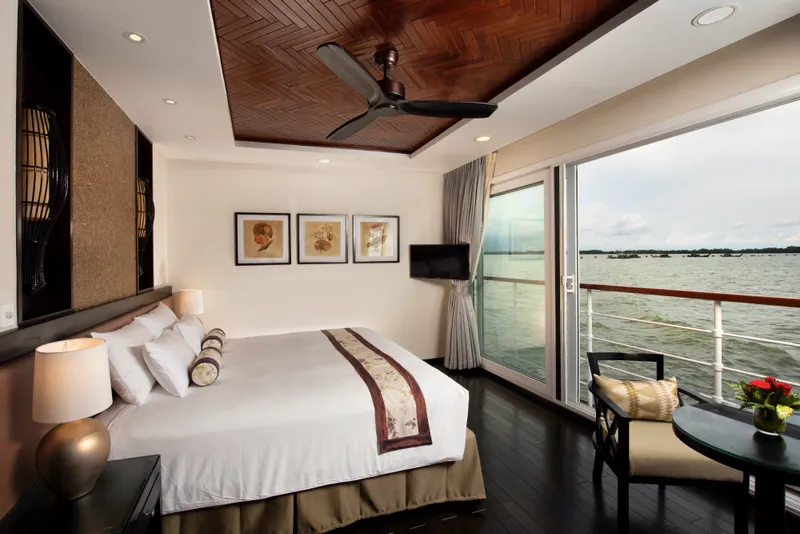
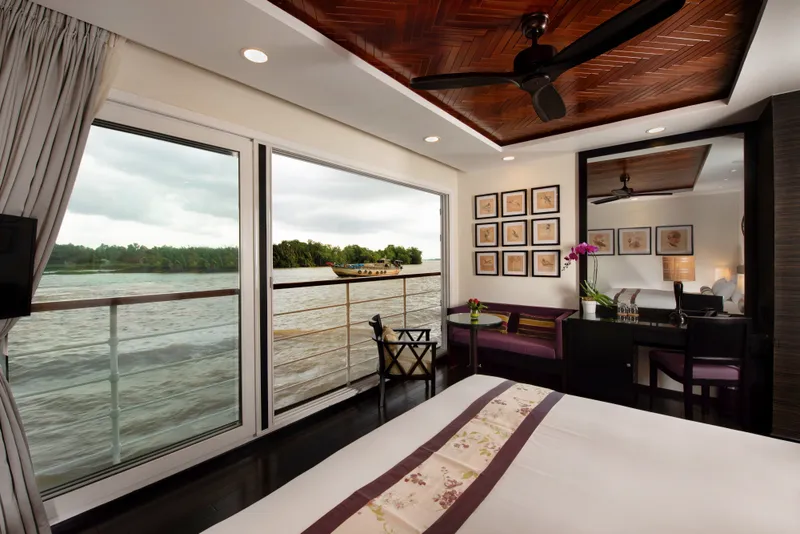
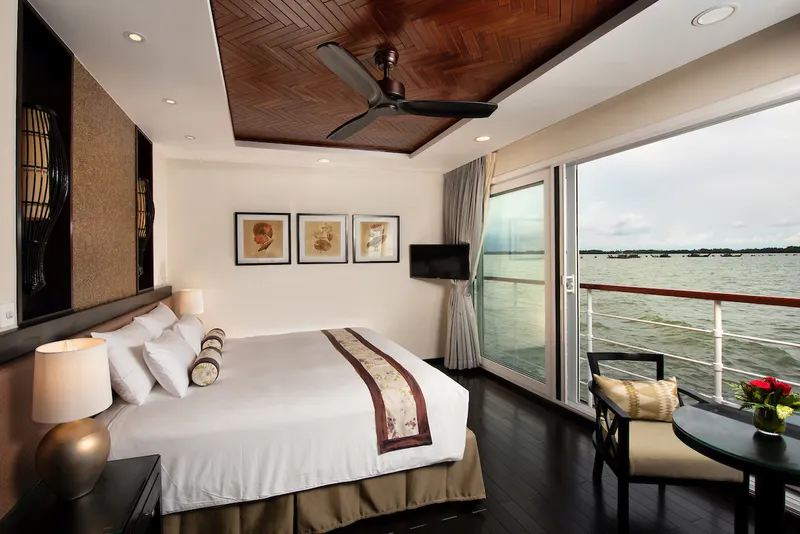
Stateroom Features:
Comfort Collection Beds
Egyptian super-combed cotton linens
Soft & firm pillows
Choice of bed configuration
Nightly turn-down service
Bedside tables with reading lamps
14' Wall-to-Wall Panoramic window measuring that opens to create a large Open-Air Balcony
Large private bathroom featuring full shower with glass door, hairdryer, and premium L'Occitane bath amenities
Spacious closets with shelves for ample storage
Easy under-bed luggage storage
Alarm clock
Writing desk/vanity with mirror & comfortable chair
In-house telephone
Bathrobes & slippers
Complimentary filtered water
In-room safe
Individual climate control
One King-Sized Bed or Two Twins
USB Ports
Our cruise specialists can help you find the perfect cabin and the best available pricing.
(+886) 02-2721-7300Contact Advisor