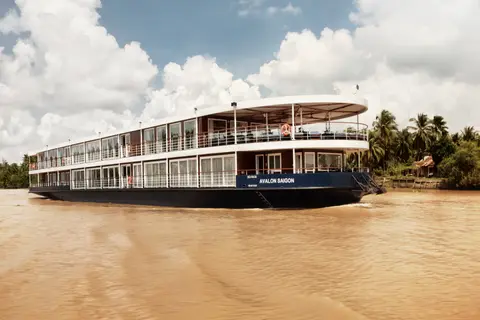
Avalon Waterways60907
Fascinating Vietnam, Cambodia & the Mekong River (Southbound)
Date
2026-09-07
Duration
7 nights
Departure Port
Siem Reap
Cambodia
Arrival Port
Ho Chi Minh City
Vietnam
Rating
Luxury
Theme
History & Culture
Date
2026-09-07
Duration
7 nights
Departure Port
Siem Reap
Cambodia
Arrival Port
Ho Chi Minh City
Vietnam
Rating
Luxury
Theme
History & Culture


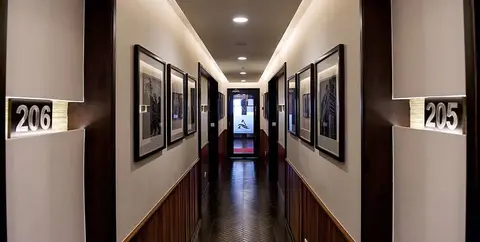
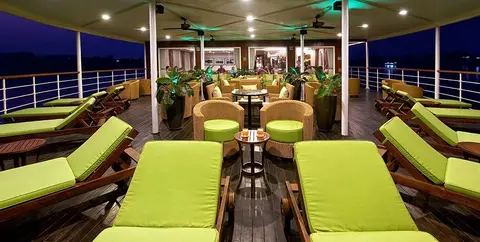
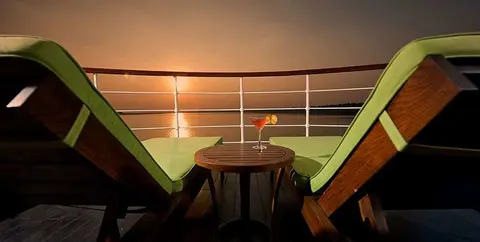
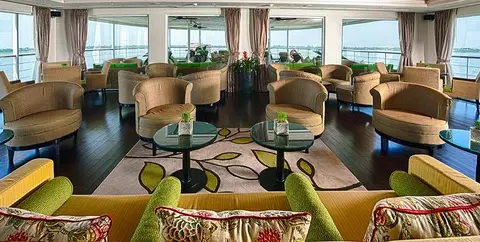

Avalon Waterways
2018
—
950 GT
36
18
24
195 m
—
9 knots
No
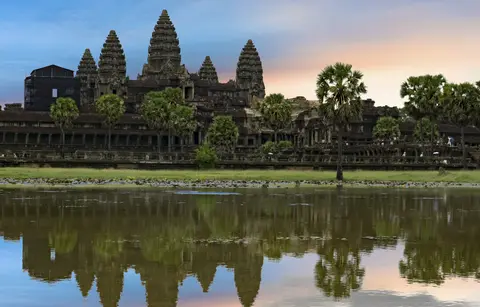
Siem Reap, the gateway city to the ancient Khmer empire's greatest achievement, is the essential staging post for exploring Angkor — the twelfth-century temple complex whose scale and ambition remain without parallel in human history. Angkor Wat at sunrise, its towers mirrored in the lily-covered moat, is one of the world's most transcendent spectacles; Angkor Thom's enigmatic Bayon, with its serene stone faces emerging from the jungle canopy, is another. The city's Old Market quarter offers silk workshops, street food vendors, and celebrated restaurants serving amok — fish steamed in coconut and lemongrass. November through April brings the driest, most comfortable conditions.
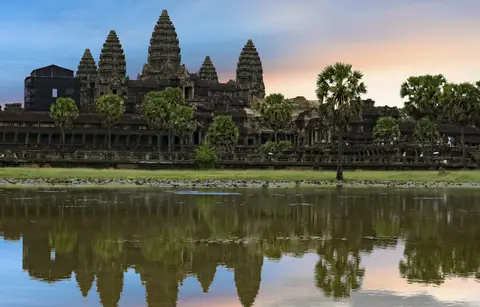
Siem Reap, the gateway city to the ancient Khmer empire's greatest achievement, is the essential staging post for exploring Angkor — the twelfth-century temple complex whose scale and ambition remain without parallel in human history. Angkor Wat at sunrise, its towers mirrored in the lily-covered moat, is one of the world's most transcendent spectacles; Angkor Thom's enigmatic Bayon, with its serene stone faces emerging from the jungle canopy, is another. The city's Old Market quarter offers silk workshops, street food vendors, and celebrated restaurants serving amok — fish steamed in coconut and lemongrass. November through April brings the driest, most comfortable conditions.
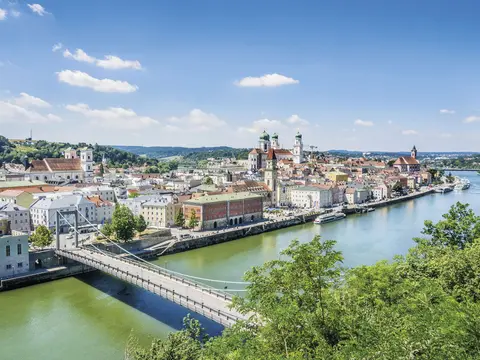
Passau occupies one of Central Europe's most dramatic natural stages — a narrow peninsula at the confluence of three rivers, the Danube, Inn, and Ilz, where the old town's baroque spires and shuttered merchants' houses crowd the very tip of the land between the waters. St. Stephen's Cathedral houses the world's largest church organ, a 17,974-pipe instrument whose daily concerts fill the nave with a sound that seems architectural in its density. The Veste Oberhaus fortress above the city commands panoramic views across three countries on clear days. Passau is a classic Danube river cruise departure point; spring and early autumn, when the river runs high and the light turns golden, are the finest seasons.
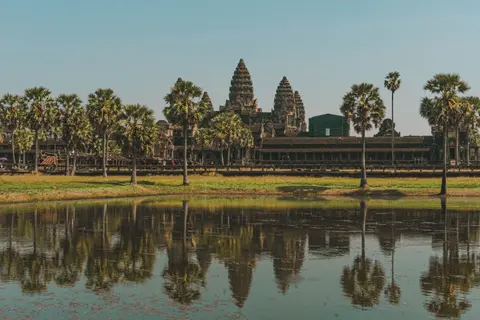
Angkor Ban is a riverside Mekong village in Cambodia's Kampong Cham Province where unvarnished authenticity awaits the discerning river cruise traveler — a world away from tourist infrastructure, offering a rare glimpse into rural Khmer life unchanged by modernity. Ancient laterite temple ruins hide among the trees, while local craftspeople practice traditional silk weaving and pottery in family compounds that welcome visitors with quiet warmth. The dry season from November through April offers the most comfortable conditions for exploring the village lanes and surrounding countryside on foot or by bicycle. Phnom Penh is a half-day's river journey downstream.
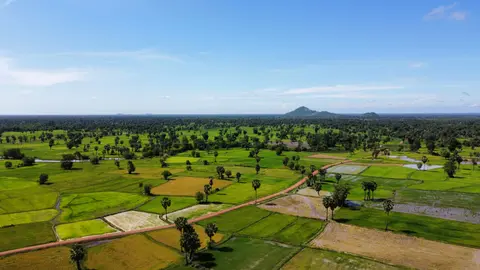
Kampong Tralach, Cambodia is a distinctive port city where deep cultural heritage meets authentic local atmosphere, featured on itineraries by AmaWaterways. Must-do experiences include exploring the vibrant local markets for regional specialties and fresh seafood, and discovering the waterfront quarter where maritime heritage meets contemporary energy. The optimal time to visit is November through April, when dry season brings clear skies and calm seas.
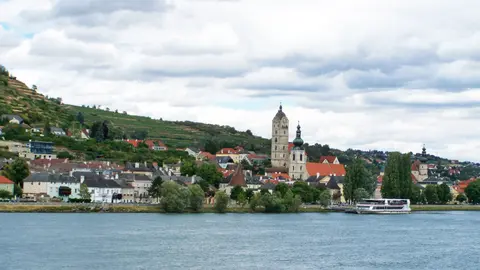
Krems an der Donau has stood at the eastern gateway of the Wachau Valley — Austria's most beautiful stretch of the Danube — since Emperor Otto III granted it market rights in 995 AD, making it one of the country's oldest documented towns. The UNESCO-listed Wachau landscape surrounding the city is a masterpiece of vineyard terraces, Baroque abbeys, and medieval castles reflected in the river; the Grüner Veltliner and Riesling wines produced here are among Austria's finest. Must-dos include visiting the monumental Melk Abbey and cycling the Danube Cycle Path through the valley. Krems is most enchanting April through October, with the harvest season in September offering wine cellar tastings of exceptional depth.
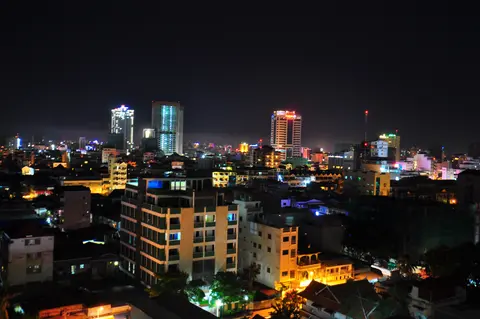
Phnom Penh rises from the confluence of the Mekong, Tonlé Sap, and Bassac rivers with a resilience that makes it one of Southeast Asia's most affecting capitals — a city that endured the Khmer Rouge's "Year Zero" and has re-emerged as a place of broad riverfront boulevards, excellent Khmer cuisine, and a cultural energy that feels earned rather than manufactured. The Royal Palace and its Silver Pagoda, housing a life-size gold Buddha studded with 9,584 diamonds, is the city's architectural centrepiece; the Tuol Sleng Genocide Museum, a former high school converted to a prison by the Khmer Rouge, is sobering but essential history. November through February offers the most comfortable climate for extended exploration.
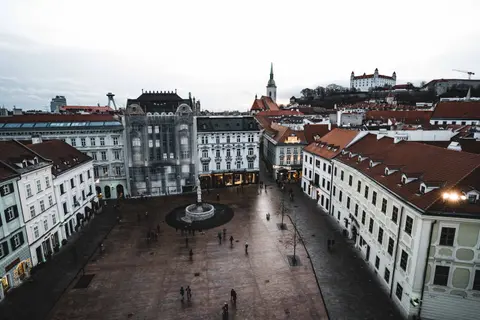
Bratislava, the only national capital bordering two sovereign states, sits sixty kilometres downstream from Vienna on the Danube — close enough for a day trip to the Austrian capital, yet possessed of its own entirely distinct character: a pastel-hued medieval old town of hidden courtyards, playful bronze statues, and hilltop castle views, where wine bars pour outstanding Slovak Riesling at prices that make the Viennese feel extravagant. The city's dramatic reinvention since 1989 has produced a dynamic, youthful culture that fills the old quarter's restaurants and concert halls with genuine warmth. Pair with Vienna or Budapest for the classic Danube river trilogy; all three cities are within two hours of each other.
Day 1
Siem Reap, the gateway city to the ancient Khmer empire's greatest achievement, is the essential staging post for exploring Angkor — the twelfth-century temple complex whose scale and ambition remain without parallel in human history. Angkor Wat at sunrise, its towers mirrored in the lily-covered moat, is one of the world's most transcendent spectacles; Angkor Thom's enigmatic Bayon, with its serene stone faces emerging from the jungle canopy, is another. The city's Old Market quarter offers silk workshops, street food vendors, and celebrated restaurants serving amok — fish steamed in coconut and lemongrass. November through April brings the driest, most comfortable conditions.
Day 3
Siem Reap, the gateway city to the ancient Khmer empire's greatest achievement, is the essential staging post for exploring Angkor — the twelfth-century temple complex whose scale and ambition remain without parallel in human history. Angkor Wat at sunrise, its towers mirrored in the lily-covered moat, is one of the world's most transcendent spectacles; Angkor Thom's enigmatic Bayon, with its serene stone faces emerging from the jungle canopy, is another. The city's Old Market quarter offers silk workshops, street food vendors, and celebrated restaurants serving amok — fish steamed in coconut and lemongrass. November through April brings the driest, most comfortable conditions.
Day 4
Passau occupies one of Central Europe's most dramatic natural stages — a narrow peninsula at the confluence of three rivers, the Danube, Inn, and Ilz, where the old town's baroque spires and shuttered merchants' houses crowd the very tip of the land between the waters. St. Stephen's Cathedral houses the world's largest church organ, a 17,974-pipe instrument whose daily concerts fill the nave with a sound that seems architectural in its density. The Veste Oberhaus fortress above the city commands panoramic views across three countries on clear days. Passau is a classic Danube river cruise departure point; spring and early autumn, when the river runs high and the light turns golden, are the finest seasons.
Day 5
Angkor Ban is a riverside Mekong village in Cambodia's Kampong Cham Province where unvarnished authenticity awaits the discerning river cruise traveler — a world away from tourist infrastructure, offering a rare glimpse into rural Khmer life unchanged by modernity. Ancient laterite temple ruins hide among the trees, while local craftspeople practice traditional silk weaving and pottery in family compounds that welcome visitors with quiet warmth. The dry season from November through April offers the most comfortable conditions for exploring the village lanes and surrounding countryside on foot or by bicycle. Phnom Penh is a half-day's river journey downstream.
Day 6
Kampong Tralach, Cambodia is a distinctive port city where deep cultural heritage meets authentic local atmosphere, featured on itineraries by AmaWaterways. Must-do experiences include exploring the vibrant local markets for regional specialties and fresh seafood, and discovering the waterfront quarter where maritime heritage meets contemporary energy. The optimal time to visit is November through April, when dry season brings clear skies and calm seas.
Krems an der Donau has stood at the eastern gateway of the Wachau Valley — Austria's most beautiful stretch of the Danube — since Emperor Otto III granted it market rights in 995 AD, making it one of the country's oldest documented towns. The UNESCO-listed Wachau landscape surrounding the city is a masterpiece of vineyard terraces, Baroque abbeys, and medieval castles reflected in the river; the Grüner Veltliner and Riesling wines produced here are among Austria's finest. Must-dos include visiting the monumental Melk Abbey and cycling the Danube Cycle Path through the valley. Krems is most enchanting April through October, with the harvest season in September offering wine cellar tastings of exceptional depth.
Phnom Penh rises from the confluence of the Mekong, Tonlé Sap, and Bassac rivers with a resilience that makes it one of Southeast Asia's most affecting capitals — a city that endured the Khmer Rouge's "Year Zero" and has re-emerged as a place of broad riverfront boulevards, excellent Khmer cuisine, and a cultural energy that feels earned rather than manufactured. The Royal Palace and its Silver Pagoda, housing a life-size gold Buddha studded with 9,584 diamonds, is the city's architectural centrepiece; the Tuol Sleng Genocide Museum, a former high school converted to a prison by the Khmer Rouge, is sobering but essential history. November through February offers the most comfortable climate for extended exploration.
Day 8
Bratislava, the only national capital bordering two sovereign states, sits sixty kilometres downstream from Vienna on the Danube — close enough for a day trip to the Austrian capital, yet possessed of its own entirely distinct character: a pastel-hued medieval old town of hidden courtyards, playful bronze statues, and hilltop castle views, where wine bars pour outstanding Slovak Riesling at prices that make the Viennese feel extravagant. The city's dramatic reinvention since 1989 has produced a dynamic, youthful culture that fills the old quarter's restaurants and concert halls with genuine warmth. Pair with Vienna or Budapest for the classic Danube river trilogy; all three cities are within two hours of each other.
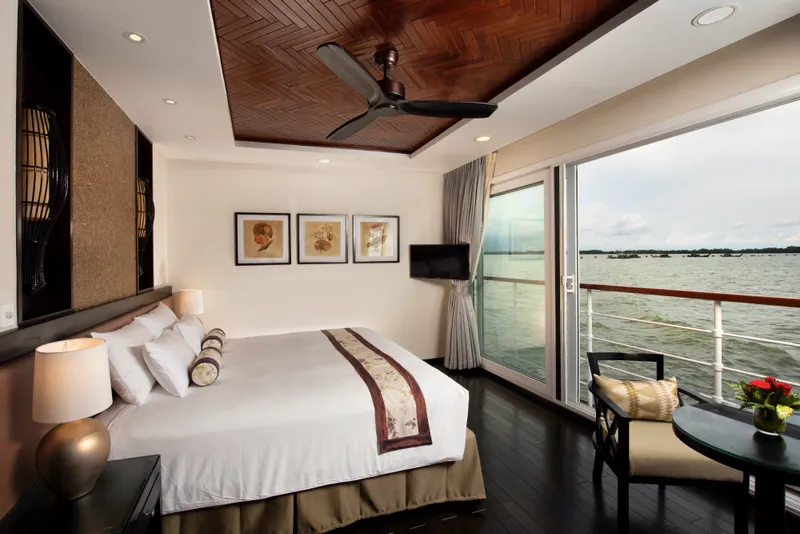
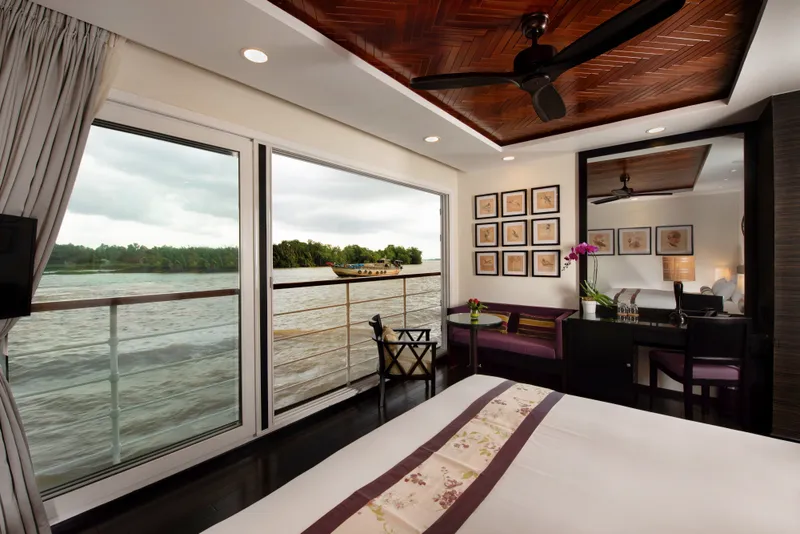
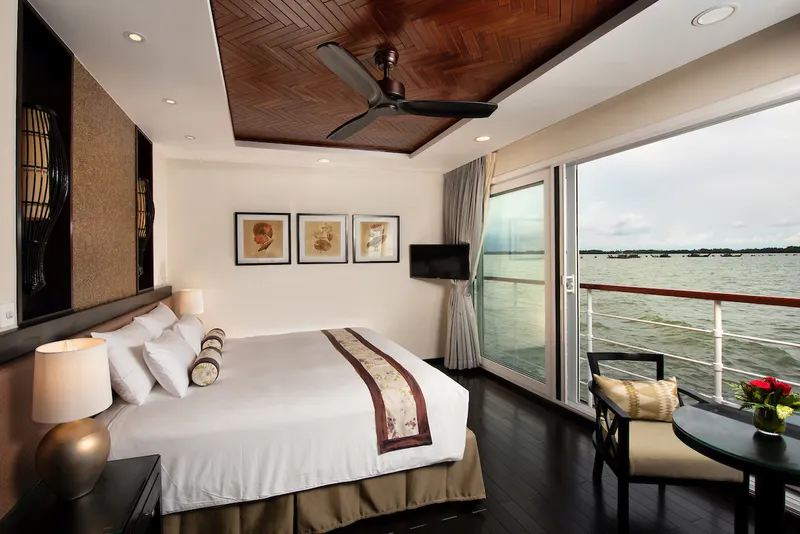
Stateroom Features:
Comfort Collection Beds
Egyptian super-combed cotton linens
Soft & firm pillows
Choice of bed configuration
Nightly turn-down service
Bedside tables with reading lamps
14' Wall-to-Wall Panoramic window measuring that opens to create a large Open-Air Balcony
Large private bathroom featuring full shower with glass door, hairdryer, and premium L'Occitane bath amenities
Spacious closets with shelves for ample storage
Easy under-bed luggage storage
Alarm clock
Writing desk/vanity with mirror & comfortable chair
In-house telephone
Bathrobes & slippers
Complimentary filtered water
In-room safe
Individual climate control
One King-Sized Bed or Two Twins
USB Ports
Our cruise specialists can help you find the perfect cabin and the best available pricing.
(+886) 02-2721-7300Contact Advisor