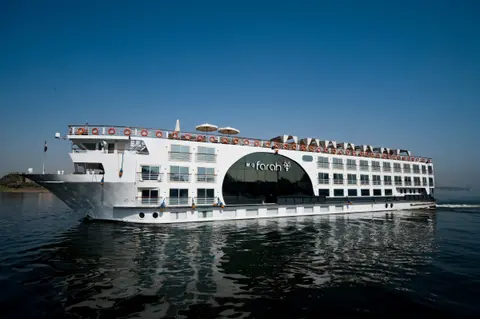
Avalon Waterways60501
Taste of Egypt
Date
2026-05-01
Duration
4 nights
Departure Port
Cairo
Egypt
Arrival Port
Cairo
Egypt
Rating
Luxury
Theme
History & Culture
Date
2026-05-01
Duration
4 nights
Departure Port
Cairo
Egypt
Arrival Port
Cairo
Egypt
Rating
Luxury
Theme
History & Culture
Avalon Waterways
2011
—
—
124
62
85
71 m
—
—
No
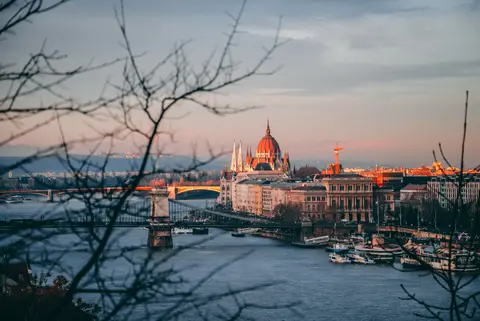
Budapest, divided by the Danube into the hilly Buda of thermal baths and medieval castle lanes on one bank and the grand Pest of coffee-house culture and Art Nouveau splendor on the other, delivers the most theatrical first impression of any European capital — whether approached by river as the neo-Gothic Parliament materializes from the water or by night from the Citadella's sweep of illuminated panorama below. The city's celebrated thermal bath culture, rooted in Ottoman-era hammams and perfected in palatial Secession-era pools like the Széchenyi, is an experience entirely unlike anything else in Europe. Visit spring and autumn for comfortable temperatures; Vienna is two and a half hours west by train.
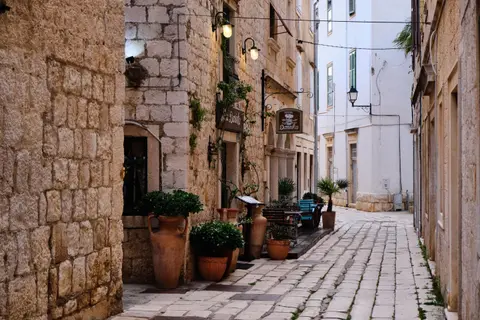
Vukovar, Croatia's largest river port, sits at the confluence of the Vuka and Danube rivers, offering a rich historical narrative and vibrant local culture. Must-do experiences include savoring traditional dishes like fiš paprikaš and exploring nearby attractions such as Trogir and Solin. The best time to visit is in late spring and early autumn when the weather is pleasant and the local events are in full swing.
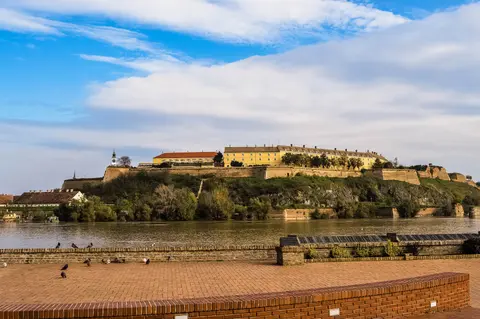
Novi Sad — the "Serbian Athens" — unfolds along the left bank of the Danube beneath the commanding walls of the Petrovaradin Fortress, a Habsburg military masterpiece whose underground tunnel labyrinth and hilltop clock tower (with hands reversed, to confuse enemy gunners) make for one of Europe's most unusual fortress visits. The city's elegant pedestrian street, the Zmaj Jovina, is lined with 19th-century Habsburg architecture that rewards a leisurely afternoon, while the Serbian cultural renaissance of the same era left behind museums, galleries, and coffee house traditions that endure today. In July, the EXIT music festival transforms the fortress into one of Europe's most storied outdoor stages. Visit May through September for the finest weather.
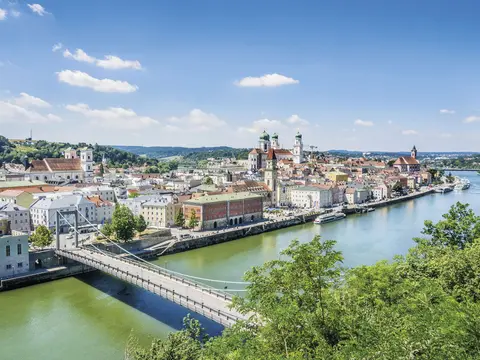
Passau occupies one of Central Europe's most dramatic natural stages — a narrow peninsula at the confluence of three rivers, the Danube, Inn, and Ilz, where the old town's baroque spires and shuttered merchants' houses crowd the very tip of the land between the waters. St. Stephen's Cathedral houses the world's largest church organ, a 17,974-pipe instrument whose daily concerts fill the nave with a sound that seems architectural in its density. The Veste Oberhaus fortress above the city commands panoramic views across three countries on clear days. Passau is a classic Danube river cruise departure point; spring and early autumn, when the river runs high and the light turns golden, are the finest seasons.
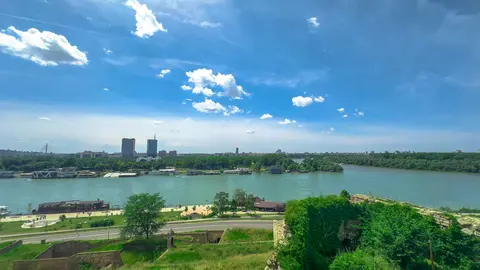
Belgrade, the 'White City' rebuilt at least forty times at the confluence of the Danube and Sava rivers, surprises every visitor with its raw, uncurated vitality — a capital that wears its turbulent history lightly while embracing the present with irresistible energy. The Kalemegdan Fortress, fortified for over two thousand years, offers the most dramatic river panorama on the entire Danube; below it, the Skadarlija cobblestone quarter fills nightly with kafana musicians and the aromas of Serbian rakija and roasted meats. Belgrade's nightlife — centered on the floating river clubs called splavovi — is genuinely legendary in Europe. Spring and early autumn offer the most comfortable conditions; the Iron Gate gorge is two hours downstream by river.
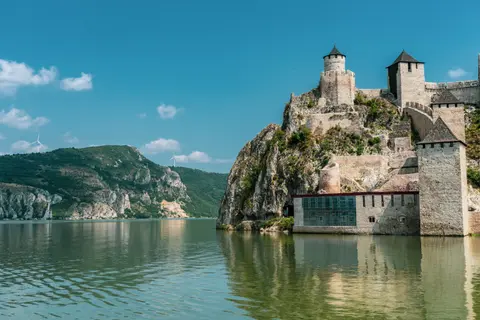
Golubac is a medieval fortress village on Serbia's Danube, where a magnificently restored fourteenth-century stronghold guards the entrance to the Iron Gates gorge — Europe's deepest river canyon. Visitors should explore the nine-towered fortress and sample *riblja čorba*, the local paprika-laced fish soup, at a riverside *kafana*. Late spring through early autumn offers the most rewarding conditions, with warm days ideal for both fortress ramparts and the lush trails of Đerdap National Park.
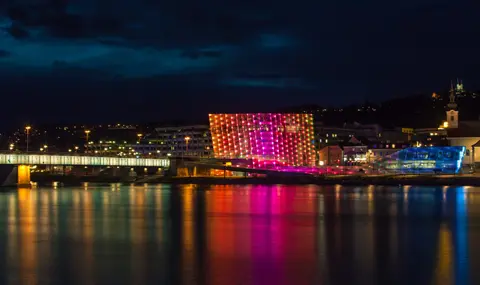
Austria's third city has accomplished one of Europe's most convincing urban transformations — reinventing itself from industrial centre to cultural powerhouse, a journey recognised in 2009 when it was named European Capital of Culture. The Ars Electronica Center, a museum of digital art and technology that glows with LED light across the Danube each evening, epitomises Linz's forward-looking identity. Yet the city's Roman roots, its baroque Hauptplatz (one of Austria's finest main squares), and its proximity to the Wachau Valley anchor it firmly in history. The Upper Austrian cuisine — particularly Linzer Torte, the world's oldest-documented cake recipe — is exceptional. Linz is most agreeable May through September.
Day 1
Budapest, divided by the Danube into the hilly Buda of thermal baths and medieval castle lanes on one bank and the grand Pest of coffee-house culture and Art Nouveau splendor on the other, delivers the most theatrical first impression of any European capital — whether approached by river as the neo-Gothic Parliament materializes from the water or by night from the Citadella's sweep of illuminated panorama below. The city's celebrated thermal bath culture, rooted in Ottoman-era hammams and perfected in palatial Secession-era pools like the Széchenyi, is an experience entirely unlike anything else in Europe. Visit spring and autumn for comfortable temperatures; Vienna is two and a half hours west by train.
Day 2
Vukovar, Croatia's largest river port, sits at the confluence of the Vuka and Danube rivers, offering a rich historical narrative and vibrant local culture. Must-do experiences include savoring traditional dishes like fiš paprikaš and exploring nearby attractions such as Trogir and Solin. The best time to visit is in late spring and early autumn when the weather is pleasant and the local events are in full swing.
Day 3
Novi Sad — the "Serbian Athens" — unfolds along the left bank of the Danube beneath the commanding walls of the Petrovaradin Fortress, a Habsburg military masterpiece whose underground tunnel labyrinth and hilltop clock tower (with hands reversed, to confuse enemy gunners) make for one of Europe's most unusual fortress visits. The city's elegant pedestrian street, the Zmaj Jovina, is lined with 19th-century Habsburg architecture that rewards a leisurely afternoon, while the Serbian cultural renaissance of the same era left behind museums, galleries, and coffee house traditions that endure today. In July, the EXIT music festival transforms the fortress into one of Europe's most storied outdoor stages. Visit May through September for the finest weather.
Day 4
Passau occupies one of Central Europe's most dramatic natural stages — a narrow peninsula at the confluence of three rivers, the Danube, Inn, and Ilz, where the old town's baroque spires and shuttered merchants' houses crowd the very tip of the land between the waters. St. Stephen's Cathedral houses the world's largest church organ, a 17,974-pipe instrument whose daily concerts fill the nave with a sound that seems architectural in its density. The Veste Oberhaus fortress above the city commands panoramic views across three countries on clear days. Passau is a classic Danube river cruise departure point; spring and early autumn, when the river runs high and the light turns golden, are the finest seasons.
Belgrade, the 'White City' rebuilt at least forty times at the confluence of the Danube and Sava rivers, surprises every visitor with its raw, uncurated vitality — a capital that wears its turbulent history lightly while embracing the present with irresistible energy. The Kalemegdan Fortress, fortified for over two thousand years, offers the most dramatic river panorama on the entire Danube; below it, the Skadarlija cobblestone quarter fills nightly with kafana musicians and the aromas of Serbian rakija and roasted meats. Belgrade's nightlife — centered on the floating river clubs called splavovi — is genuinely legendary in Europe. Spring and early autumn offer the most comfortable conditions; the Iron Gate gorge is two hours downstream by river.
Day 5
Golubac is a medieval fortress village on Serbia's Danube, where a magnificently restored fourteenth-century stronghold guards the entrance to the Iron Gates gorge — Europe's deepest river canyon. Visitors should explore the nine-towered fortress and sample *riblja čorba*, the local paprika-laced fish soup, at a riverside *kafana*. Late spring through early autumn offers the most rewarding conditions, with warm days ideal for both fortress ramparts and the lush trails of Đerdap National Park.
Austria's third city has accomplished one of Europe's most convincing urban transformations — reinventing itself from industrial centre to cultural powerhouse, a journey recognised in 2009 when it was named European Capital of Culture. The Ars Electronica Center, a museum of digital art and technology that glows with LED light across the Danube each evening, epitomises Linz's forward-looking identity. Yet the city's Roman roots, its baroque Hauptplatz (one of Austria's finest main squares), and its proximity to the Wachau Valley anchor it firmly in history. The Upper Austrian cuisine — particularly Linzer Torte, the world's oldest-documented cake recipe — is exceptional. Linz is most agreeable May through September.
Room features:
Room Features
Our cruise specialists can help you find the perfect cabin and the best available pricing.
(+886) 02-2721-7300Contact Advisor