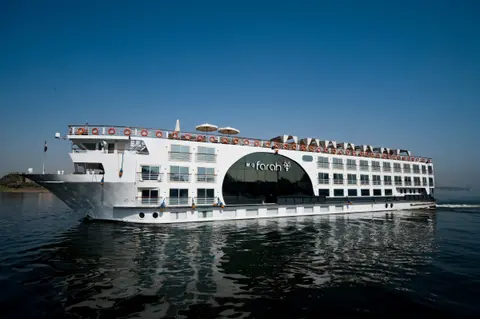
Avalon Waterways60626
Taste of Egypt with Jordan
Date
2026-06-26
Duration
4 nights
Departure Port
Cairo
Egypt
Arrival Port
Amman
Jordan
Rating
Luxury
Theme
History & Culture
Date
2026-06-26
Duration
4 nights
Departure Port
Cairo
Egypt
Arrival Port
Amman
Jordan
Rating
Luxury
Theme
History & Culture
Avalon Waterways
2011
—
—
124
62
85
71 m
—
—
No
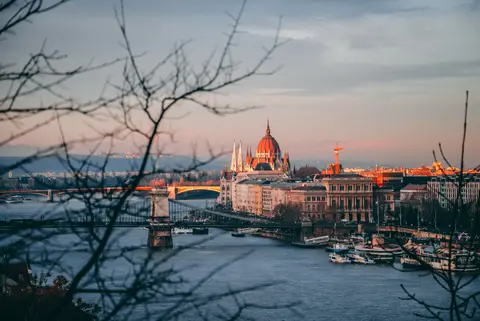
Budapest, divided by the Danube into the hilly Buda of thermal baths and medieval castle lanes on one bank and the grand Pest of coffee-house culture and Art Nouveau splendor on the other, delivers the most theatrical first impression of any European capital — whether approached by river as the neo-Gothic Parliament materializes from the water or by night from the Citadella's sweep of illuminated panorama below. The city's celebrated thermal bath culture, rooted in Ottoman-era hammams and perfected in palatial Secession-era pools like the Széchenyi, is an experience entirely unlike anything else in Europe. Visit spring and autumn for comfortable temperatures; Vienna is two and a half hours west by train.

Visegrád commands the Danube’s most dramatic bend from a hilltop citadel that once housed the Hungarian Crown Jewels and a Renaissance royal palace rivaling Italian courts. Must-dos include climbing to the Upper Castle for panoramic Danube Bend views, exploring King Matthias’s restored palace and Hercules Fountain, and tasting Hungarian gulyás with Etyek wines. Visit April through October, with autumn foliage adding golden drama to the sweeping river views.
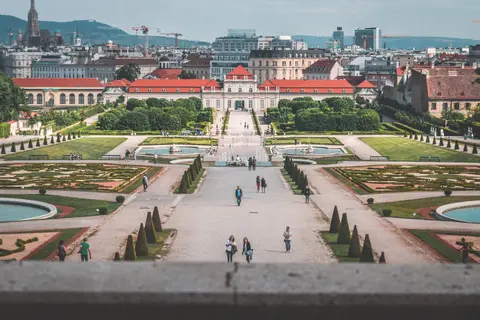
The port of Vienna is a cultural gem along the Danube River, famous for its stunning architecture, rich history, and vibrant culinary scene. Must-do experiences include sampling authentic Wiener Schnitzel and visiting the picturesque village of Dürnstein. The best season to visit is spring or early fall, when the city's gardens bloom and outdoor activities abound.
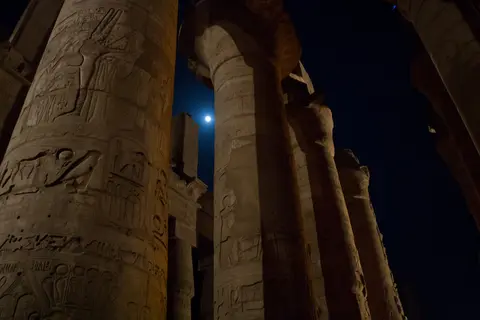
Luxor is the greatest open-air museum on earth — the modern city occupying the site of ancient Thebes, capital of Egypt during the New Kingdom's golden age when pharaohs such as Hatshepsut, Tutankhamun, and Ramesses II built temples of a scale and beauty that still stagger the imagination. The East Bank holds the incomparable complexes of Karnak and Luxor Temple; across the Nile, the West Bank conceals the Valley of the Kings, where sixty-three royal tombs were cut into the limestone beneath the pyramid-shaped peak of Al-Qurn. A felucca sunset sail on the Nile, with the cliffs of Thebes glowing amber, is among travel's most transcendent moments. October through April offers the ideal climate.
Day 1
Budapest, divided by the Danube into the hilly Buda of thermal baths and medieval castle lanes on one bank and the grand Pest of coffee-house culture and Art Nouveau splendor on the other, delivers the most theatrical first impression of any European capital — whether approached by river as the neo-Gothic Parliament materializes from the water or by night from the Citadella's sweep of illuminated panorama below. The city's celebrated thermal bath culture, rooted in Ottoman-era hammams and perfected in palatial Secession-era pools like the Széchenyi, is an experience entirely unlike anything else in Europe. Visit spring and autumn for comfortable temperatures; Vienna is two and a half hours west by train.
Day 3
Visegrád commands the Danube’s most dramatic bend from a hilltop citadel that once housed the Hungarian Crown Jewels and a Renaissance royal palace rivaling Italian courts. Must-dos include climbing to the Upper Castle for panoramic Danube Bend views, exploring King Matthias’s restored palace and Hercules Fountain, and tasting Hungarian gulyás with Etyek wines. Visit April through October, with autumn foliage adding golden drama to the sweeping river views.
Day 4
The port of Vienna is a cultural gem along the Danube River, famous for its stunning architecture, rich history, and vibrant culinary scene. Must-do experiences include sampling authentic Wiener Schnitzel and visiting the picturesque village of Dürnstein. The best season to visit is spring or early fall, when the city's gardens bloom and outdoor activities abound.
Luxor is the greatest open-air museum on earth — the modern city occupying the site of ancient Thebes, capital of Egypt during the New Kingdom's golden age when pharaohs such as Hatshepsut, Tutankhamun, and Ramesses II built temples of a scale and beauty that still stagger the imagination. The East Bank holds the incomparable complexes of Karnak and Luxor Temple; across the Nile, the West Bank conceals the Valley of the Kings, where sixty-three royal tombs were cut into the limestone beneath the pyramid-shaped peak of Al-Qurn. A felucca sunset sail on the Nile, with the cliffs of Thebes glowing amber, is among travel's most transcendent moments. October through April offers the ideal climate.
Room features:
Room Features
Our cruise specialists can help you find the perfect cabin and the best available pricing.
(+886) 02-2721-7300Contact Advisor