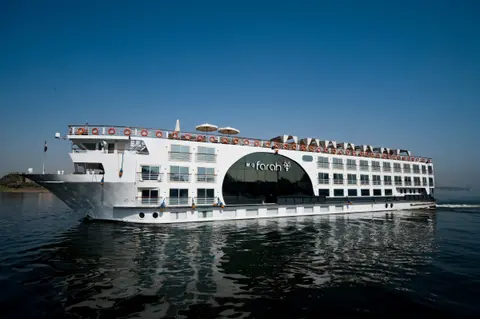
Avalon Waterways60814
Taste of Egypt
Date
2026-08-14
Duration
4 nights
Departure Port
Cairo
Egypt
Arrival Port
Cairo
Egypt
Rating
Luxury
Theme
History & Culture
Date
2026-08-14
Duration
4 nights
Departure Port
Cairo
Egypt
Arrival Port
Cairo
Egypt
Rating
Luxury
Theme
History & Culture
Avalon Waterways
2011
—
—
124
62
85
71 m
—
—
No
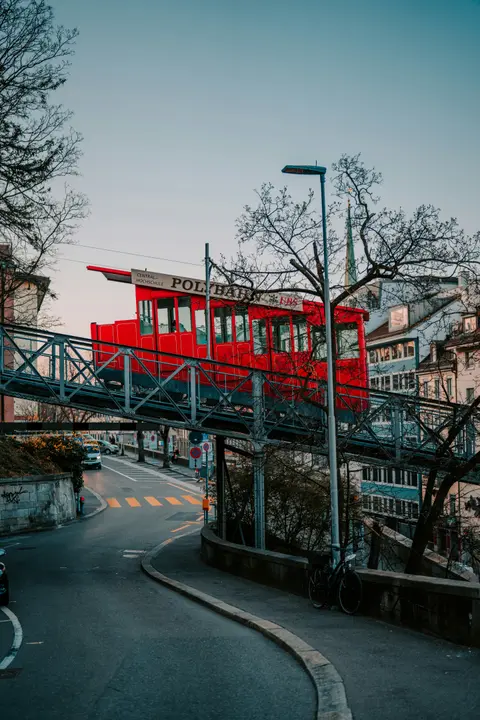
Zurich's port is a dynamic entry point to Switzerland’s rich history and stunning landscapes, making it a special destination for luxury travelers. Don't miss indulging in the local specialty, Zürcher Geschnetzeltes, and exploring the charming Old Town. The best time to visit is during the summer months when the city comes alive with festivals and events along the lakefront.
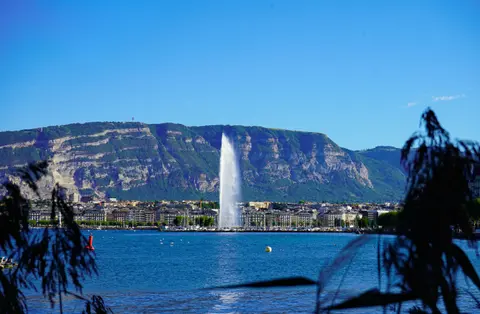
Geneva is Switzerland's cosmopolitan lakeside capital, where diplomatic prestige meets Alpine beauty at the western tip of Lac Léman. Visitors should not miss a fondue evening at the Bains des Pâquis and a day trip to the medieval hilltop town of Gruyères for its celebrated cheese and castle. The city is magnificent year-round, though late spring through early autumn offers the warmest weather for lakeside strolls and the fullest river cruise schedules along the Rhône.
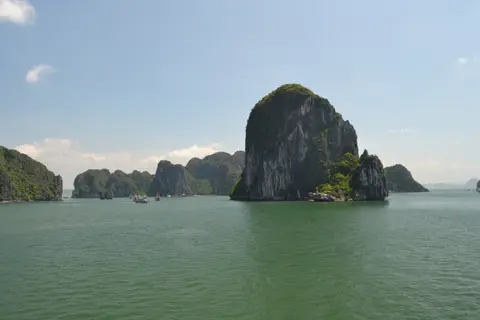
Ha Long Bay is a UNESCO World Heritage landscape of nearly two thousand limestone karst islands rising from emerald waters in Vietnam's Gulf of Tonkin. Must-dos include an overnight junk cruise through the karst formations, kayaking into hidden lagoons, and exploring the cathedral-scale Sung Sot Cave. October through April offers the best weather, with spring mist adding an ethereal quality to the already otherworldly scenery.
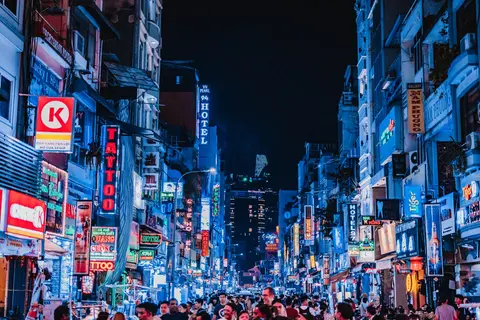
Still whispered as Saigon by its ten million residents, Ho Chi Minh City pulses with an energy that outlasted every empire and every war. The French colonial grandeur of Notre-Dame Cathedral and Gustave Eiffel's Central Post Office stands in vivid counterpoint to the city's kinetic street life — an endless river of motorbikes, fragrant with pho broth and charcoal-grilled meats. Do not miss the Reunification Palace, a time capsule of Cold War modernism, or a dawn bowl of bánh mì from a sidewalk vendor. The dry season, November through April, offers the most comfortable conditions for exploration.
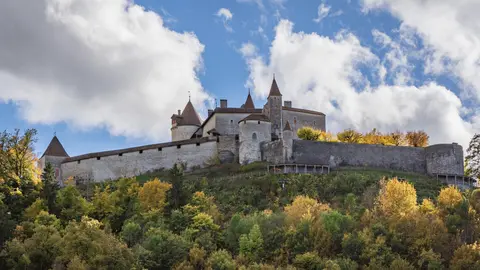
Gruyères is a perfectly preserved medieval hilltop village in Switzerland's Fribourg canton, renowned as the birthplace of one of the world's great cheeses and home to a twelfth-century château with sweeping Alpine panoramas. Visitors should not miss a fondue moitié-moitié paired with the legendary double cream and meringues, nor the fascinating contrast of the HR Giger Museum housed within the village's ancient walls. Late spring through early autumn offers the finest conditions, when alpine meadows bloom and the terrace restaurants along the cobblestoned main street invite long, unhurried afternoons beneath the peaks.
Day 1
Zurich's port is a dynamic entry point to Switzerland’s rich history and stunning landscapes, making it a special destination for luxury travelers. Don't miss indulging in the local specialty, Zürcher Geschnetzeltes, and exploring the charming Old Town. The best time to visit is during the summer months when the city comes alive with festivals and events along the lakefront.
Day 3
Geneva is Switzerland's cosmopolitan lakeside capital, where diplomatic prestige meets Alpine beauty at the western tip of Lac Léman. Visitors should not miss a fondue evening at the Bains des Pâquis and a day trip to the medieval hilltop town of Gruyères for its celebrated cheese and castle. The city is magnificent year-round, though late spring through early autumn offers the warmest weather for lakeside strolls and the fullest river cruise schedules along the Rhône.
Day 4
Ha Long Bay is a UNESCO World Heritage landscape of nearly two thousand limestone karst islands rising from emerald waters in Vietnam's Gulf of Tonkin. Must-dos include an overnight junk cruise through the karst formations, kayaking into hidden lagoons, and exploring the cathedral-scale Sung Sot Cave. October through April offers the best weather, with spring mist adding an ethereal quality to the already otherworldly scenery.
Day 5
Still whispered as Saigon by its ten million residents, Ho Chi Minh City pulses with an energy that outlasted every empire and every war. The French colonial grandeur of Notre-Dame Cathedral and Gustave Eiffel's Central Post Office stands in vivid counterpoint to the city's kinetic street life — an endless river of motorbikes, fragrant with pho broth and charcoal-grilled meats. Do not miss the Reunification Palace, a time capsule of Cold War modernism, or a dawn bowl of bánh mì from a sidewalk vendor. The dry season, November through April, offers the most comfortable conditions for exploration.
Gruyères is a perfectly preserved medieval hilltop village in Switzerland's Fribourg canton, renowned as the birthplace of one of the world's great cheeses and home to a twelfth-century château with sweeping Alpine panoramas. Visitors should not miss a fondue moitié-moitié paired with the legendary double cream and meringues, nor the fascinating contrast of the HR Giger Museum housed within the village's ancient walls. Late spring through early autumn offers the finest conditions, when alpine meadows bloom and the terrace restaurants along the cobblestoned main street invite long, unhurried afternoons beneath the peaks.
Room features:
Room Features
Our cruise specialists can help you find the perfect cabin and the best available pricing.
(+886) 02-2721-7300Contact Advisor