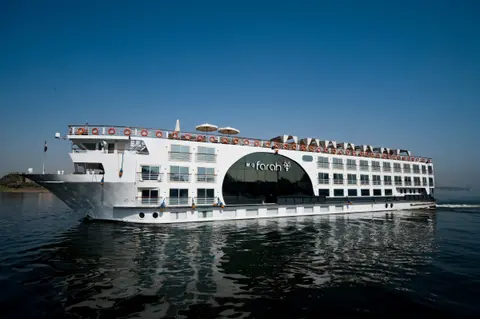
Avalon Waterways60821
Taste of Egypt
Date
2026-08-21
Duration
4 nights
Departure Port
Cairo
Egypt
Arrival Port
Cairo
Egypt
Rating
Luxury
Theme
History & Culture
Date
2026-08-21
Duration
4 nights
Departure Port
Cairo
Egypt
Arrival Port
Cairo
Egypt
Rating
Luxury
Theme
History & Culture
Avalon Waterways
2011
—
—
124
62
85
71 m
—
—
No

Founded on a dragon's auspice in 1010 AD, Hanoi is Southeast Asia's most historically layered capital — a city where French colonial boulevards wrap around ancient temple islands and where the morning ritual of phở bò at a pavement stall carries the weight of a thousand years of tradition. Venture to Halong Bay's limestone karst seascape or explore the lantern-lit lanes of Hội An via nearby Chan May. October through April brings dry, pleasant weather ideal for exploring Vietnam's storied north.

Founded on a dragon's auspice in 1010 AD, Hanoi is Southeast Asia's most historically layered capital — a city where French colonial boulevards wrap around ancient temple islands and where the morning ritual of phở bò at a pavement stall carries the weight of a thousand years of tradition. Venture to Halong Bay's limestone karst seascape or explore the lantern-lit lanes of Hội An via nearby Chan May. October through April brings dry, pleasant weather ideal for exploring Vietnam's storied north.
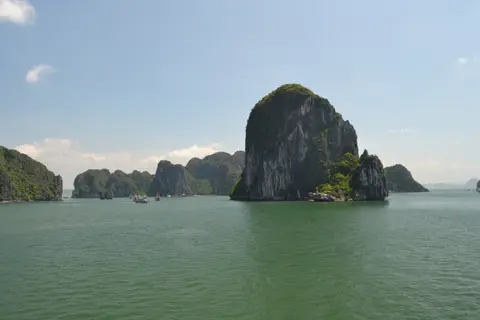
Ha Long Bay is a UNESCO World Heritage landscape of nearly two thousand limestone karst islands rising from emerald waters in Vietnam's Gulf of Tonkin. Must-dos include an overnight junk cruise through the karst formations, kayaking into hidden lagoons, and exploring the cathedral-scale Sung Sot Cave. October through April offers the best weather, with spring mist adding an ethereal quality to the already otherworldly scenery.
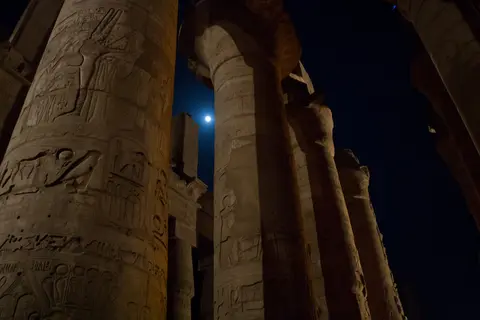
Luxor is the greatest open-air museum on earth — the modern city occupying the site of ancient Thebes, capital of Egypt during the New Kingdom's golden age when pharaohs such as Hatshepsut, Tutankhamun, and Ramesses II built temples of a scale and beauty that still stagger the imagination. The East Bank holds the incomparable complexes of Karnak and Luxor Temple; across the Nile, the West Bank conceals the Valley of the Kings, where sixty-three royal tombs were cut into the limestone beneath the pyramid-shaped peak of Al-Qurn. A felucca sunset sail on the Nile, with the cliffs of Thebes glowing amber, is among travel's most transcendent moments. October through April offers the ideal climate.
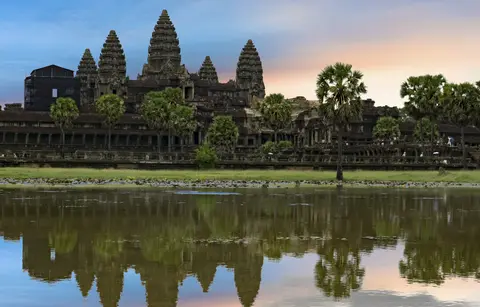
Siem Reap, the gateway city to the ancient Khmer empire's greatest achievement, is the essential staging post for exploring Angkor — the twelfth-century temple complex whose scale and ambition remain without parallel in human history. Angkor Wat at sunrise, its towers mirrored in the lily-covered moat, is one of the world's most transcendent spectacles; Angkor Thom's enigmatic Bayon, with its serene stone faces emerging from the jungle canopy, is another. The city's Old Market quarter offers silk workshops, street food vendors, and celebrated restaurants serving amok — fish steamed in coconut and lemongrass. November through April brings the driest, most comfortable conditions.
Day 1
Founded on a dragon's auspice in 1010 AD, Hanoi is Southeast Asia's most historically layered capital — a city where French colonial boulevards wrap around ancient temple islands and where the morning ritual of phở bò at a pavement stall carries the weight of a thousand years of tradition. Venture to Halong Bay's limestone karst seascape or explore the lantern-lit lanes of Hội An via nearby Chan May. October through April brings dry, pleasant weather ideal for exploring Vietnam's storied north.
Day 3
Founded on a dragon's auspice in 1010 AD, Hanoi is Southeast Asia's most historically layered capital — a city where French colonial boulevards wrap around ancient temple islands and where the morning ritual of phở bò at a pavement stall carries the weight of a thousand years of tradition. Venture to Halong Bay's limestone karst seascape or explore the lantern-lit lanes of Hội An via nearby Chan May. October through April brings dry, pleasant weather ideal for exploring Vietnam's storied north.
Day 4
Ha Long Bay is a UNESCO World Heritage landscape of nearly two thousand limestone karst islands rising from emerald waters in Vietnam's Gulf of Tonkin. Must-dos include an overnight junk cruise through the karst formations, kayaking into hidden lagoons, and exploring the cathedral-scale Sung Sot Cave. October through April offers the best weather, with spring mist adding an ethereal quality to the already otherworldly scenery.
Luxor is the greatest open-air museum on earth — the modern city occupying the site of ancient Thebes, capital of Egypt during the New Kingdom's golden age when pharaohs such as Hatshepsut, Tutankhamun, and Ramesses II built temples of a scale and beauty that still stagger the imagination. The East Bank holds the incomparable complexes of Karnak and Luxor Temple; across the Nile, the West Bank conceals the Valley of the Kings, where sixty-three royal tombs were cut into the limestone beneath the pyramid-shaped peak of Al-Qurn. A felucca sunset sail on the Nile, with the cliffs of Thebes glowing amber, is among travel's most transcendent moments. October through April offers the ideal climate.
Day 5
Siem Reap, the gateway city to the ancient Khmer empire's greatest achievement, is the essential staging post for exploring Angkor — the twelfth-century temple complex whose scale and ambition remain without parallel in human history. Angkor Wat at sunrise, its towers mirrored in the lily-covered moat, is one of the world's most transcendent spectacles; Angkor Thom's enigmatic Bayon, with its serene stone faces emerging from the jungle canopy, is another. The city's Old Market quarter offers silk workshops, street food vendors, and celebrated restaurants serving amok — fish steamed in coconut and lemongrass. November through April brings the driest, most comfortable conditions.
Room features:
Room Features
Our cruise specialists can help you find the perfect cabin and the best available pricing.
(+886) 02-2721-7300Contact Advisor