Hapag-Lloyd CruisesINS2814
Kangerlussuaq - Toronto
Date
2028-08-15
Duration
16 nights
Departure Port
Kangerlussuaq Havn
Greenland
Arrival Port
Toronto
Canada
Rating
Expedition
Theme
—
Date
2028-08-15
Duration
16 nights
Departure Port
Kangerlussuaq Havn
Greenland
Arrival Port
Toronto
Canada
Rating
Expedition
Theme
—
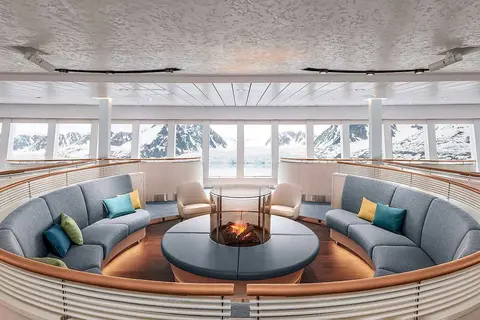
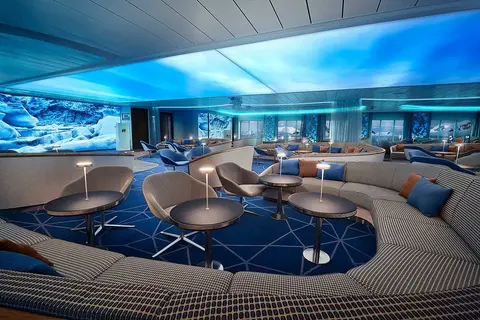
Hapag-Lloyd Cruises
Ice
2019
—
15,650 GT
—
120
175
452 m
22 m
16 knots
No
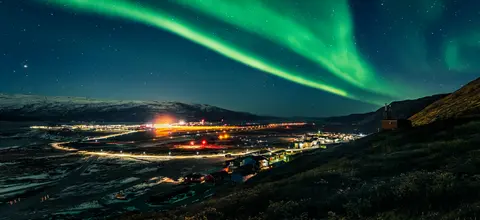
Kangerlussuaq Havn is the eastern Greenlandic gateway to the Scoresby Sund — the world's longest fjord system — where sheer basalt cliffs, colossal icebergs, and one of Earth's most isolated Inuit communities await expedition vessels from Ponant and Hapag-Lloyd. Visit July through September for muskox encounters, midnight-sun ice photography, and the Arctic in its most concentrated and demanding form.
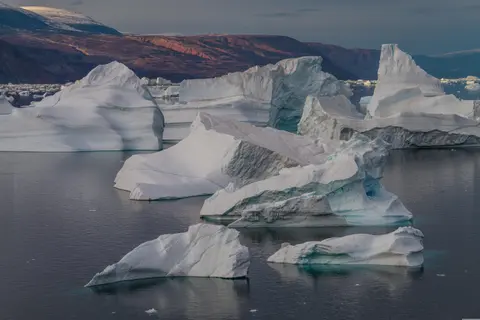
Evighedsfjorden is Greenland's 'Fjord of Eternity' — a seventy-five-kilometer passage flanked by ice-capped peaks and tidewater glaciers that provides one of expedition cruising's most profound Arctic landscape encounters. Navigate July through August via Ponant or Seabourn for midnight-sun glacial photography, humpback whale encounters echoing off cliff faces, and a passage so vast it transforms the concept of eternity from abstraction to sensory reality.
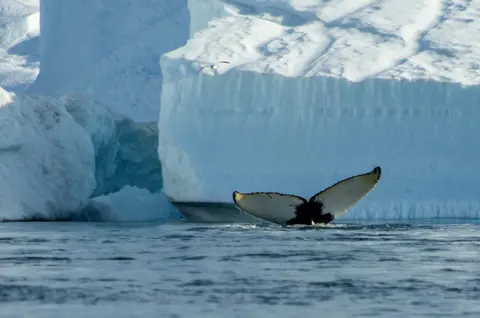
Disko Bay is Greenland's monumental iceberg gallery, where the world's most prolific glacier discharges bergs of hundred-meter scale into a UNESCO-adjacent bay that functions as a constantly refreshed Arctic sculpture garden. Navigate July through August via Hapag-Lloyd or Ponant for zodiac cruises between towering icebergs, humpback whale bubble-net feeding, and the Inuit cultural encounters that provide human context for life at 69°N latitude.
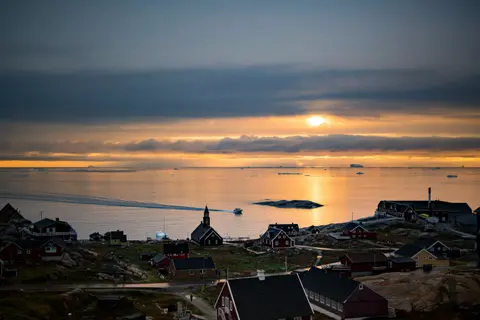
Ilulissat sits beside the Northern Hemisphere's most prolific glacier — the UNESCO-listed Sermeq Kujalleq, which calves forty-six cubic kilometers of icebergs annually into a fjord of almost incomprehensible frozen spectacle. Visit June through August via Silversea or Hapag-Lloyd for midnight-sun zodiac cruises among hundred-meter icebergs, Knud Rasmussen's childhood museum, and the light show that transforms Greenland's ice into one of Earth's most transformative visual experiences.
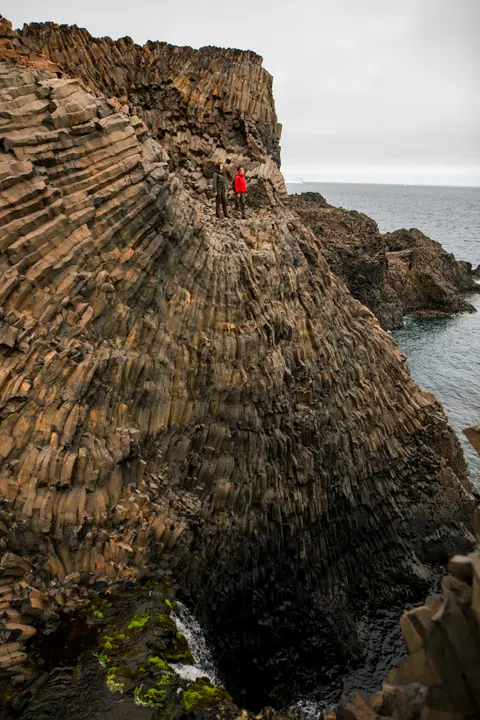
Qeqertarsuaq (Godhavn) is the principal settlement on Greenland's Disko Island, a remote Arctic community of eight hundred people set against volcanic basalt mountains and the iceberg-filled waters of Disko Bay. Essential experiences include hiking to the Lyngmark Glacier, whale-watching for humpbacks amid tabular icebergs, and exploring the historic Arctic Station research facility. Visit July through August for midnight sun, peak whale activity, and Arctic wildflowers.
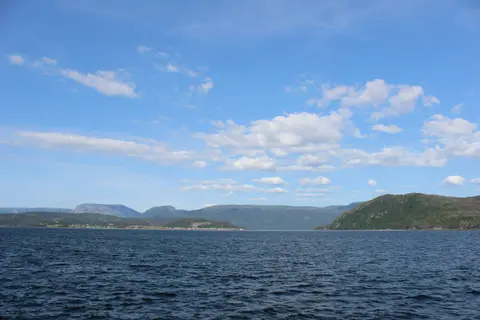
Woody Point is the gateway to Gros Morne National Park in Newfoundland, a UNESCO site where the extraordinary Tablelands expose Earth's mantle rock at the surface, helping prove plate tectonics theory. Must-dos include hiking the otherworldly Tablelands Trail and cruising the landlocked fjord of Western Brook Pond. July and August provide the warmest weather for hiking and boat excursions.
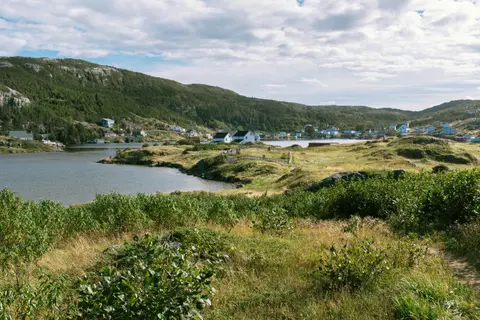
L'Anse aux Meadows is the UNESCO-listed site at Newfoundland's northern tip proving Vikings reached North America around 1000 AD — five centuries before Columbus. Visit June through September via Seabourn or Viking for reconstructed Norse buildings, Parks Canada interpretive programs, and the haunting experience of standing where medieval Greenlanders made landfall on a windswept coast still visited by icebergs from their homeland.
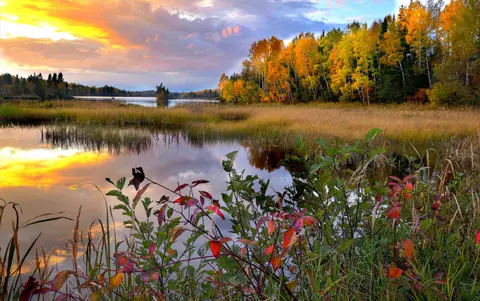
Havre-Saint-Pierre, Quebec, Canada is a distinctive port city where deep cultural heritage meets authentic local atmosphere, featured on itineraries by Silversea. Must-do experiences include walking the historic center to experience the layered architectural heritage, and seeking out the regional culinary traditions at a locally favored establishment away from the port area. The optimal time to visit is June through August, when summer months bring the warmest temperatures and longest days.
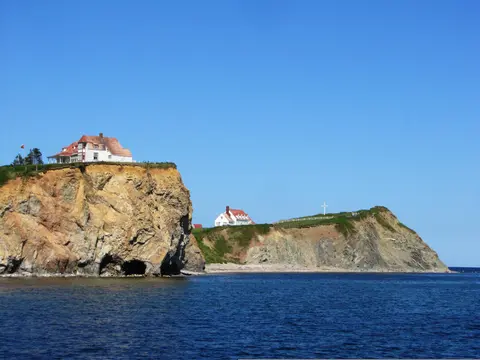
Gaspe, Canada, offers an authentic North American experience where stunning natural landscapes meet communities of genuine character. Visitors should explore the surrounding wilderness and sample the honest, locally sourced cuisine that defines the region. The ideal visiting period is May through October, when the climate is at its most welcoming for outdoor exploration. Cruise lines including Seabourn feature this port on their most compelling itineraries. Whether you have a few hours or a full day, the port rewards exploration at every pace and in every direction.
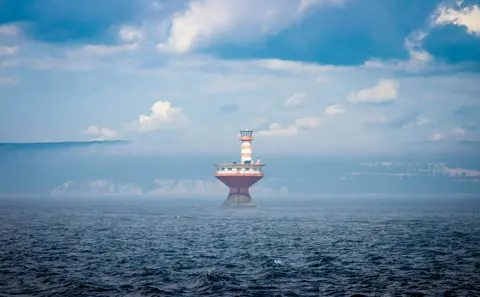
Tadoussac is a historic village at the mouth of Canada's Saguenay Fjord, where cold river waters meeting the St. Lawrence create one of the world's premier whale-watching destinations with up to 13 species including belugas, fin whales, and occasional blue whales. Must-dos include a Zodiac whale-watching excursion, kayaking the dramatic Saguenay Fjord, and visiting North America's oldest wooden church. Visit August or September for peak whale diversity and autumn foliage.
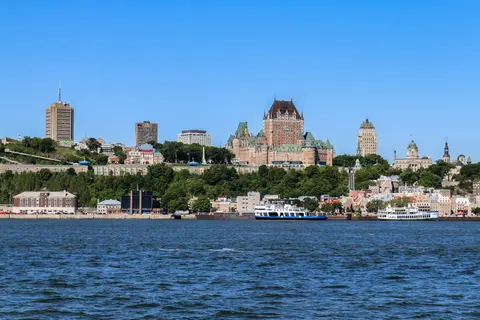
Quebec City is North America's only walled city, a UNESCO treasure where 400 years of French colonial architecture crown a St. Lawrence promontory beneath the iconic Château Frontenac. Visit September through October via Cunard or Seabourn for autumn foliage transforming stone ramparts, elevated Québécois terroir cuisine, and the singular experience of genuine Old World atmosphere on a continent that rarely provides it.
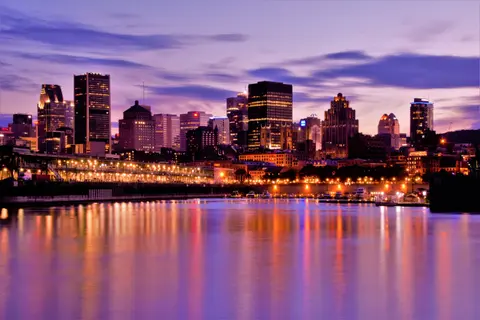
Montreal is the world's second-largest francophone city, set on an island in the St. Lawrence River where French colonial heritage meets North American energy and one of the continent's most exciting food scenes. Must-dos include visiting the stunning Basilique Notre-Dame, eating smoked meat at Schwartz's and bagels at St-Viateur, and exploring the Plateau's bohemian streets. June through September offers peak festival season, including the world's largest jazz festival.
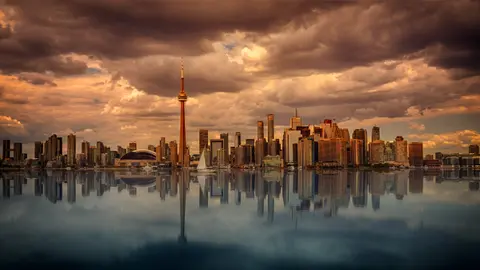
Toronto is Canada's most multicultural metropolis, where over 200 languages, the ROM's Libeskind crystal, Frank Gehry's AGO redesign, and neighborhoods spanning every cuisine on Earth create one of North America's most rewarding and underestimated cities. Visit September via Viking for the Toronto International Film Festival, waterfront island escapes, and the revelation that Canada's financial capital harbors cultural diversity rivaling any city on the continent.
Day 1
Kangerlussuaq Havn is the eastern Greenlandic gateway to the Scoresby Sund — the world's longest fjord system — where sheer basalt cliffs, colossal icebergs, and one of Earth's most isolated Inuit communities await expedition vessels from Ponant and Hapag-Lloyd. Visit July through September for muskox encounters, midnight-sun ice photography, and the Arctic in its most concentrated and demanding form.
Day 2
Evighedsfjorden is Greenland's 'Fjord of Eternity' — a seventy-five-kilometer passage flanked by ice-capped peaks and tidewater glaciers that provides one of expedition cruising's most profound Arctic landscape encounters. Navigate July through August via Ponant or Seabourn for midnight-sun glacial photography, humpback whale encounters echoing off cliff faces, and a passage so vast it transforms the concept of eternity from abstraction to sensory reality.
Day 3
Disko Bay is Greenland's monumental iceberg gallery, where the world's most prolific glacier discharges bergs of hundred-meter scale into a UNESCO-adjacent bay that functions as a constantly refreshed Arctic sculpture garden. Navigate July through August via Hapag-Lloyd or Ponant for zodiac cruises between towering icebergs, humpback whale bubble-net feeding, and the Inuit cultural encounters that provide human context for life at 69°N latitude.
Day 4
Ilulissat sits beside the Northern Hemisphere's most prolific glacier — the UNESCO-listed Sermeq Kujalleq, which calves forty-six cubic kilometers of icebergs annually into a fjord of almost incomprehensible frozen spectacle. Visit June through August via Silversea or Hapag-Lloyd for midnight-sun zodiac cruises among hundred-meter icebergs, Knud Rasmussen's childhood museum, and the light show that transforms Greenland's ice into one of Earth's most transformative visual experiences.
Day 5
Qeqertarsuaq (Godhavn) is the principal settlement on Greenland's Disko Island, a remote Arctic community of eight hundred people set against volcanic basalt mountains and the iceberg-filled waters of Disko Bay. Essential experiences include hiking to the Lyngmark Glacier, whale-watching for humpbacks amid tabular icebergs, and exploring the historic Arctic Station research facility. Visit July through August for midnight sun, peak whale activity, and Arctic wildflowers.
Day 6
Day 7
Day 8
Woody Point is the gateway to Gros Morne National Park in Newfoundland, a UNESCO site where the extraordinary Tablelands expose Earth's mantle rock at the surface, helping prove plate tectonics theory. Must-dos include hiking the otherworldly Tablelands Trail and cruising the landlocked fjord of Western Brook Pond. July and August provide the warmest weather for hiking and boat excursions.
Day 9
L'Anse aux Meadows is the UNESCO-listed site at Newfoundland's northern tip proving Vikings reached North America around 1000 AD — five centuries before Columbus. Visit June through September via Seabourn or Viking for reconstructed Norse buildings, Parks Canada interpretive programs, and the haunting experience of standing where medieval Greenlanders made landfall on a windswept coast still visited by icebergs from their homeland.
Day 11
Havre-Saint-Pierre, Quebec, Canada is a distinctive port city where deep cultural heritage meets authentic local atmosphere, featured on itineraries by Silversea. Must-do experiences include walking the historic center to experience the layered architectural heritage, and seeking out the regional culinary traditions at a locally favored establishment away from the port area. The optimal time to visit is June through August, when summer months bring the warmest temperatures and longest days.
Day 12
Gaspe, Canada, offers an authentic North American experience where stunning natural landscapes meet communities of genuine character. Visitors should explore the surrounding wilderness and sample the honest, locally sourced cuisine that defines the region. The ideal visiting period is May through October, when the climate is at its most welcoming for outdoor exploration. Cruise lines including Seabourn feature this port on their most compelling itineraries. Whether you have a few hours or a full day, the port rewards exploration at every pace and in every direction.
Day 13
Tadoussac is a historic village at the mouth of Canada's Saguenay Fjord, where cold river waters meeting the St. Lawrence create one of the world's premier whale-watching destinations with up to 13 species including belugas, fin whales, and occasional blue whales. Must-dos include a Zodiac whale-watching excursion, kayaking the dramatic Saguenay Fjord, and visiting North America's oldest wooden church. Visit August or September for peak whale diversity and autumn foliage.
Day 14
Quebec City is North America's only walled city, a UNESCO treasure where 400 years of French colonial architecture crown a St. Lawrence promontory beneath the iconic Château Frontenac. Visit September through October via Cunard or Seabourn for autumn foliage transforming stone ramparts, elevated Québécois terroir cuisine, and the singular experience of genuine Old World atmosphere on a continent that rarely provides it.
Day 15
Montreal is the world's second-largest francophone city, set on an island in the St. Lawrence River where French colonial heritage meets North American energy and one of the continent's most exciting food scenes. Must-dos include visiting the stunning Basilique Notre-Dame, eating smoked meat at Schwartz's and bagels at St-Viateur, and exploring the Plateau's bohemian streets. June through September offers peak festival season, including the world's largest jazz festival.
Day 16
Day 17
Toronto is Canada's most multicultural metropolis, where over 200 languages, the ROM's Libeskind crystal, Frank Gehry's AGO redesign, and neighborhoods spanning every cuisine on Earth create one of North America's most rewarding and underestimated cities. Visit September via Viking for the Toronto International Film Festival, waterfront island escapes, and the revelation that Canada's financial capital harbors cultural diversity rivaling any city on the continent.
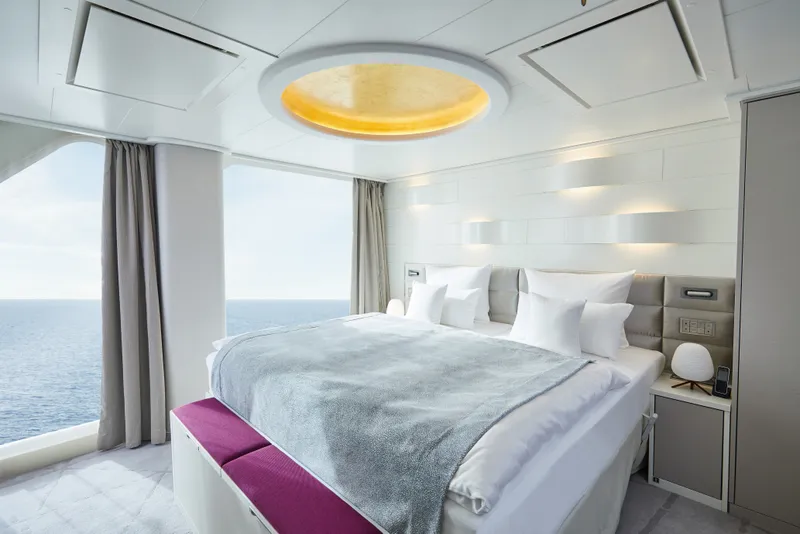
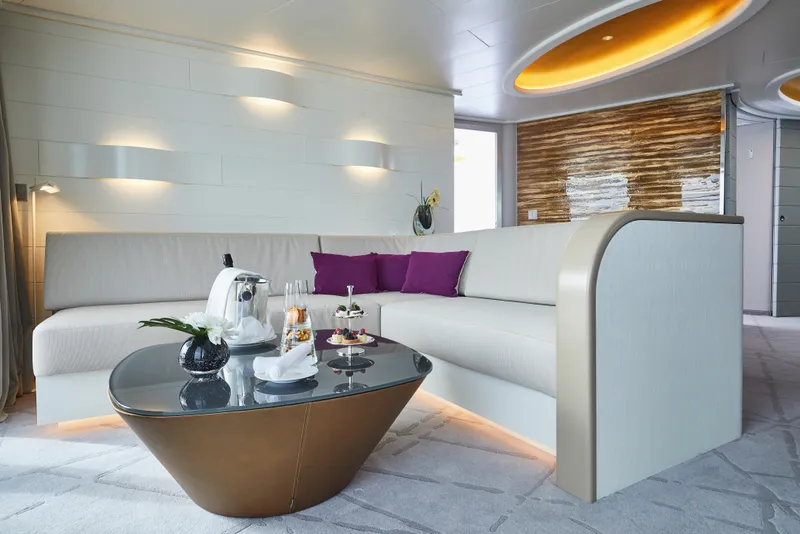
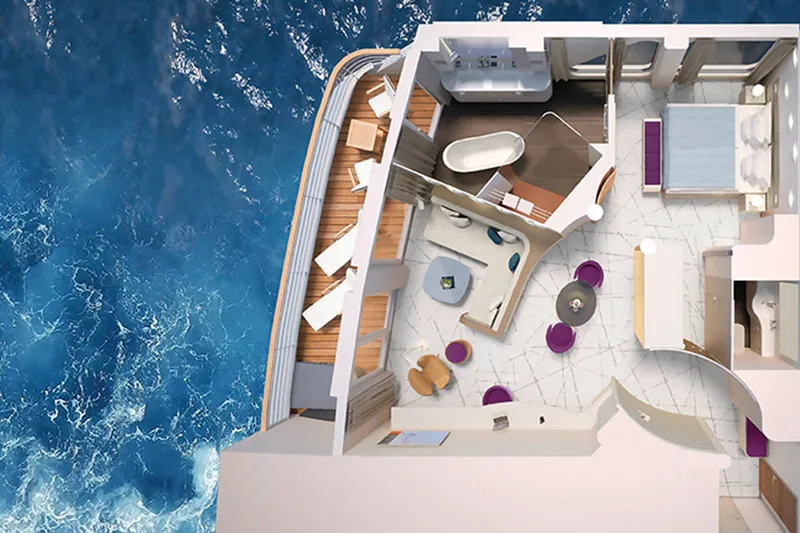
Approx. 71 m²/764 ft² Suites on Deck 6 and 7
Private veranda (approx. 16 m²/172 ft²) with space heaters
Separate living and sleeping areas
Separate dining area
Sleeping area with panoramic view
Separable beds
TV in living and sleeping areas
Daylight bathroom with two sinks, free-standing bath, rain shower and veranda access
Steam sauna in shower area
Heated wall in bathroom
Separate toilet
Free mini bar with a selection of spirits
Coffee machine
24-hour cabin service
Butler service
Fixed table reservation in the main restaurant, if desired
Free choice of Zodiac group
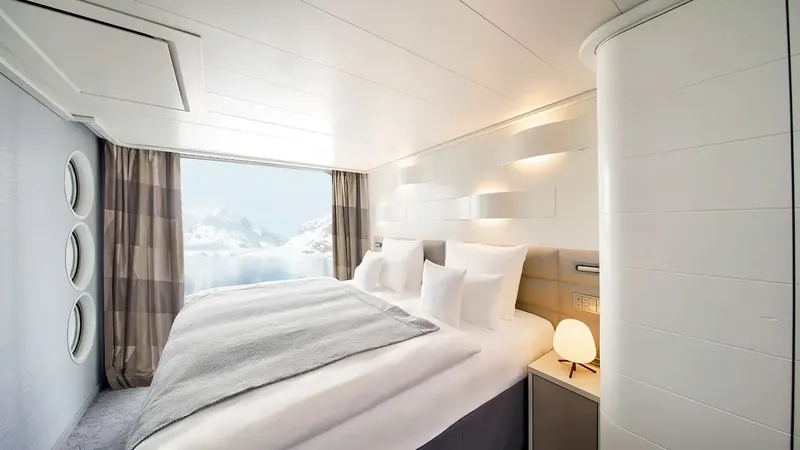
Guarantee Suite
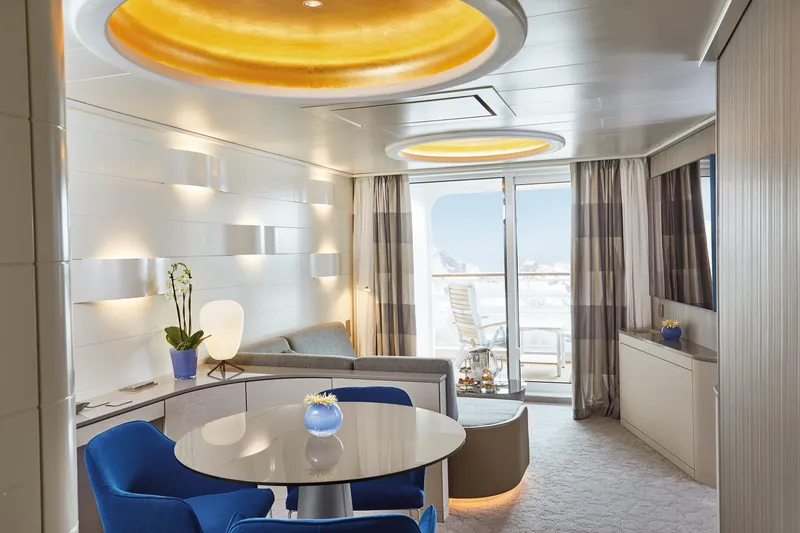
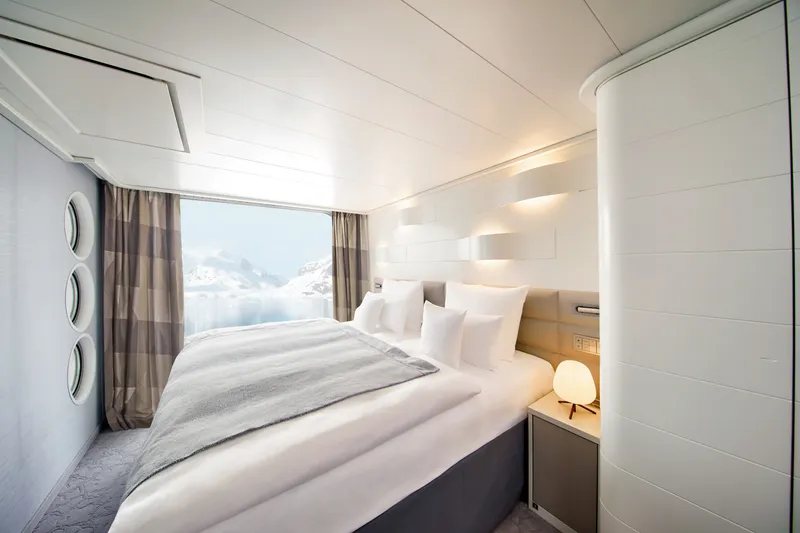
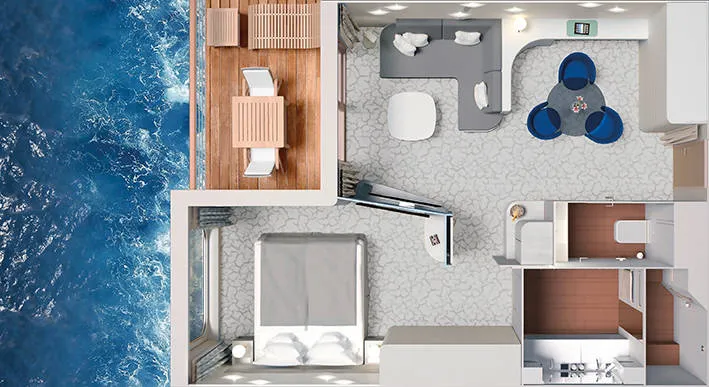
Approx. 42 m²/452 ft² Suites on Deck 6 and 7
Private balcony (approx. 6 m²/65 ft²)
Separate living and sleeping areas
Separate dining area
Sleeping area with panoramic view
Separable beds
TV in living and sleeping areas
Bathroom with two sinks and rain shower
Steam sauna in shower area
Heated wall in bathroom
Free mini bar with a selection of spirits
Coffee machine
24-hour cabin service
Butler service
Fixed table reservation in the main restaurant, if desired
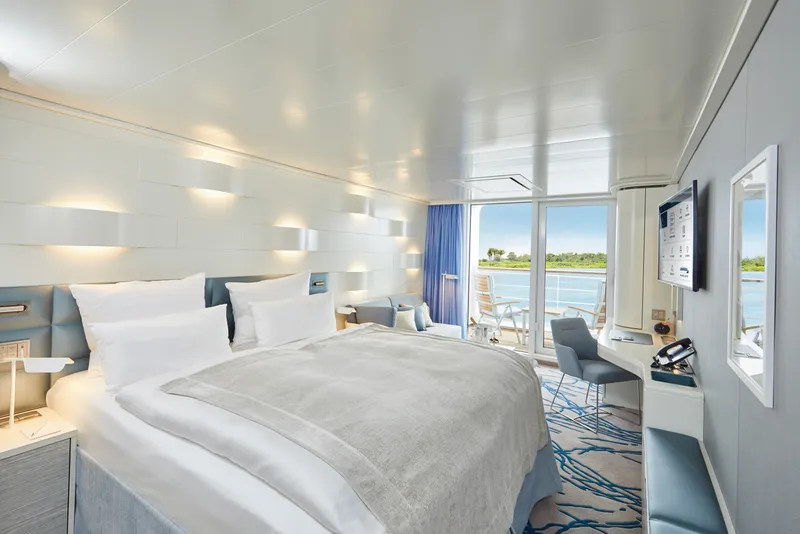
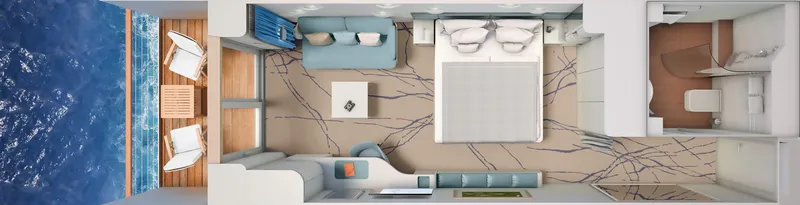
Approx. 27 m²/291 ft² Cabins incl. balcony (approx. 5 m²/54 ft²) on Deck 5, 6 and 7
Heated wall in the bathroom
Rain shower
Free mini bar (soft drinks)
Coffee machine
Separable beds
24-hour cabin service
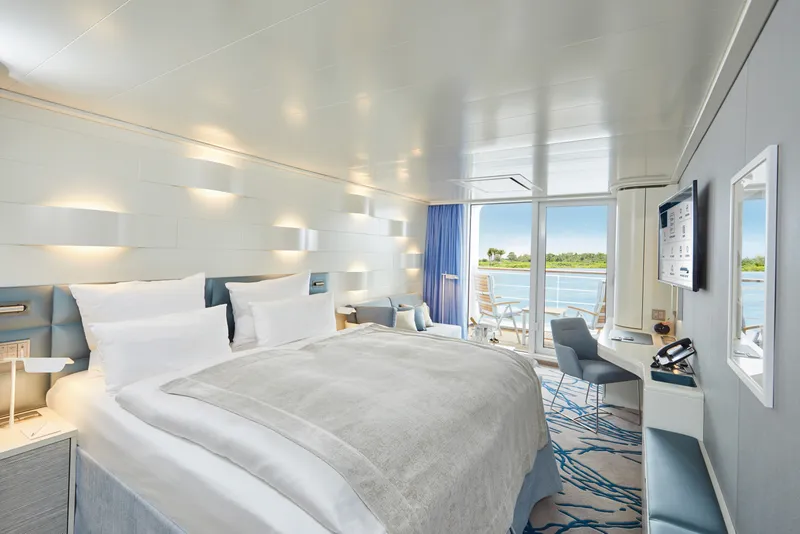
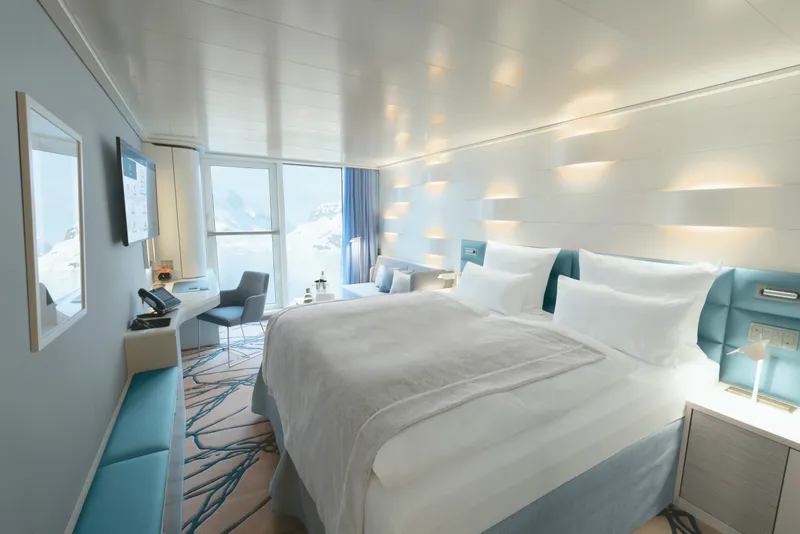
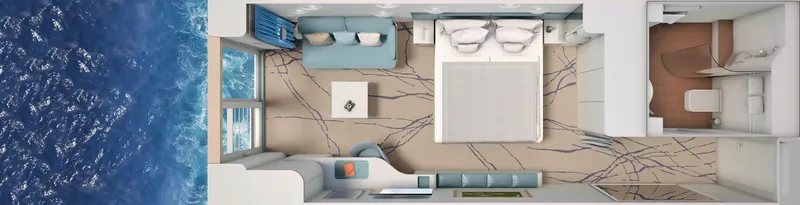
Approx. 21/23 m² (226 ft²/248 ft²) Cabins on Deck 6 and 7
Heated wall in the bathroom
Rain shower
Free mini bar (soft drinks)
Coffee machine
Separable beds
24-hour cabin service
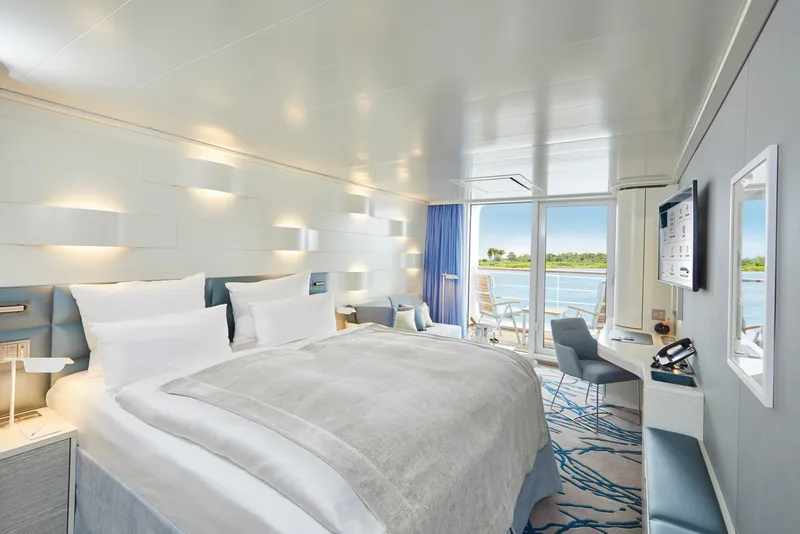
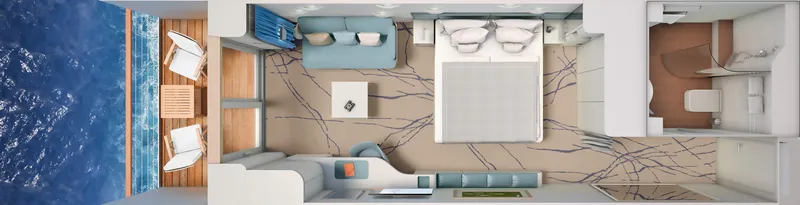
Guarantee Balcony Cabin
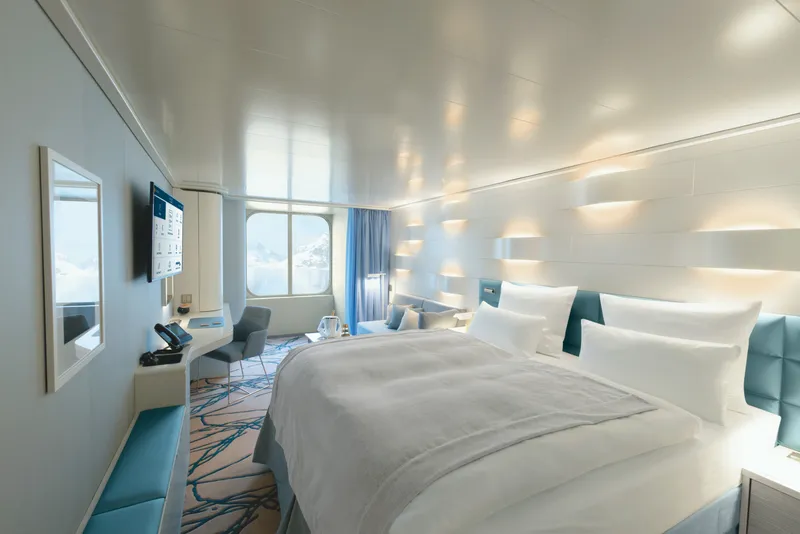
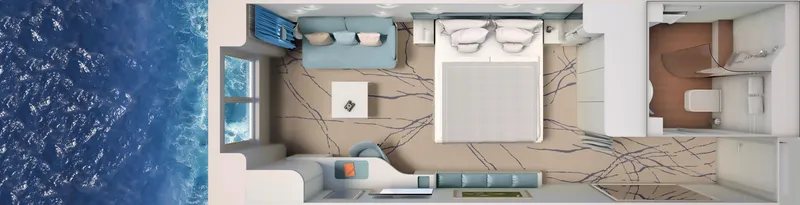
Guarantee Outside Cabin
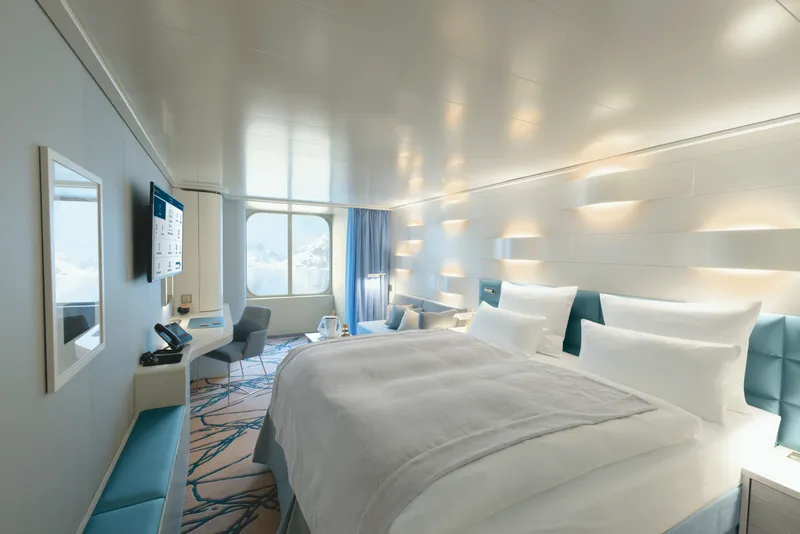
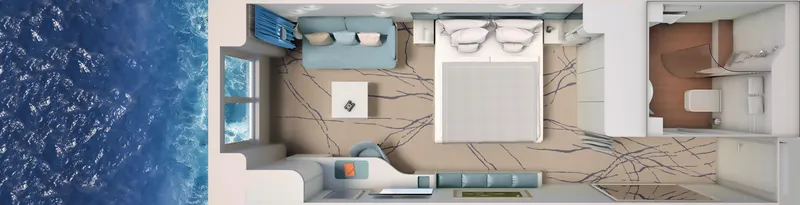
Approx. 22 m²/237 ft² cabins on Deck 4, 5 and 6
Heated wall in the bathroom
Rain shower
Free mini bar (soft drinks)
Coffee machine
Separable beds
24-hour cabin service
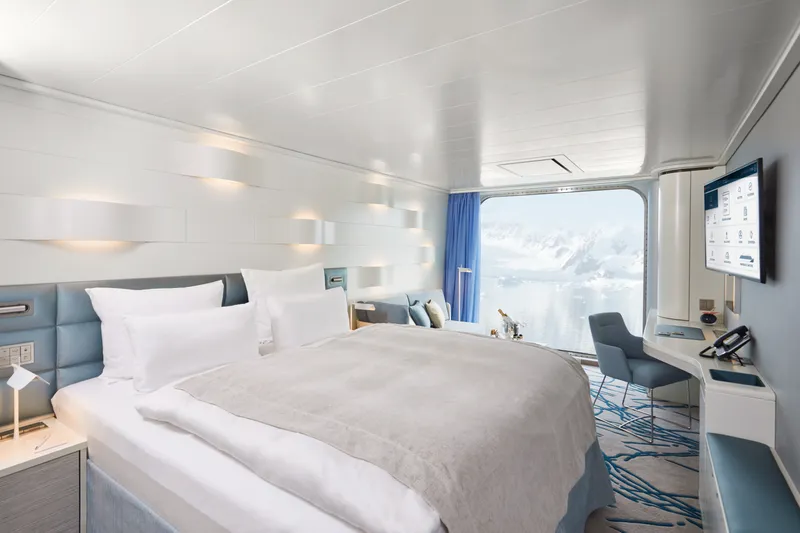
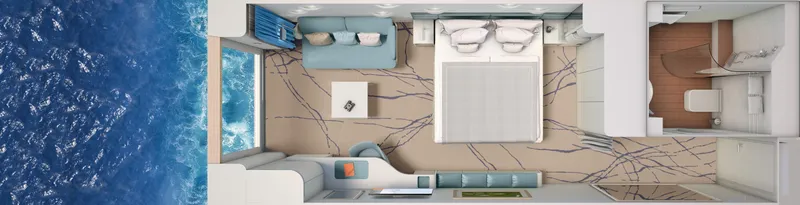
Approx. 21 m²/226 ft² Cabins on Deck 5
Heated wall in bathroom
Rain shower
Free mini bar (soft drinks)
Coffee machine
Separable beds
24-hour cabin service
There is one cabin with fully accessible layout and equipment (cabin 404)
Our cruise specialists can help you find the perfect cabin and the best available pricing.
(+886) 02-2721-7300Contact Advisor