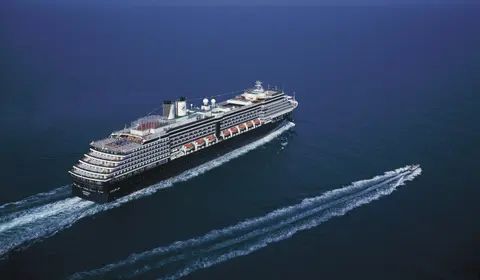
Holland America LineO649B
Solar Eclipse Collectors' Voyage: Spain & Italy
Date
2026-08-09
Duration
27 nights
Departure Port
Lisbon
Portugal
Arrival Port
Barcelona
Spain
Rating
Premium
Theme
—
Date
2026-08-09
Duration
27 nights
Departure Port
Lisbon
Portugal
Arrival Port
Barcelona
Spain
Rating
Premium
Theme
—






Holland America Line
2003
2018
82,305 GT
1,916
1,012
817
936 m
32 m
24 knots
No
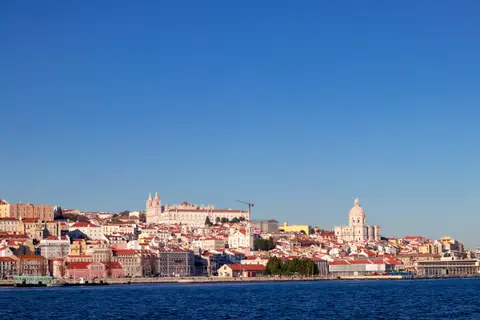
Lisbon, Portugal's enchanting capital, stands out for its rich history, stunning architecture, and vibrant culture. Must-try experiences include savoring local dishes like bacalhau à brás and pastéis de nata at Mercado da Ribeira. The best time to visit is during the spring or fall, when the weather is mild and the city is alive with festivals and events.
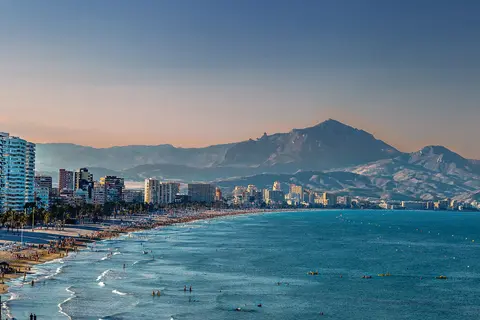
Alicante, a historic port city on Spain's Costa Blanca, captivates visitors with its rich history, stunning architecture, and vibrant culinary scene. Must-do experiences include savoring traditional paella by the seaside and exploring the bustling Mercado Central. The best time to visit is during the spring or early fall when the weather is pleasantly warm and the city is alive with festivities.
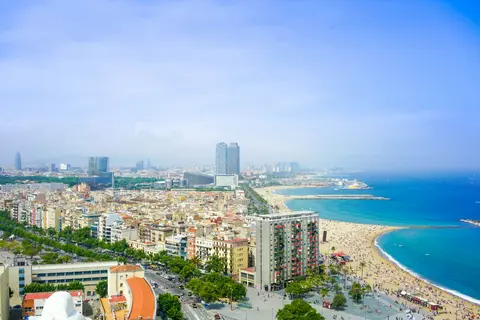
Barcelona is the city where Roman history, Gothic grandeur, and Gaudí's delirious Modernisme collide in a Mediterranean coastal capital of astonishing energy and beauty. The Sagrada Família — still under construction after 140 years — continues its audacious ascent toward completion, while the Gothic Quarter's Roman-era foundations and the Passeig de Gràcia's extraordinary concentration of Modernisme masterpieces reward days of exploration. For a complete sensory experience, lose an afternoon in the covered labyrinth of La Boqueria market before descending to the waterfront for Catalan seafood at its finest. May through June and September through October offer the most pleasant weather; the city connects directly to Paris by overnight train.
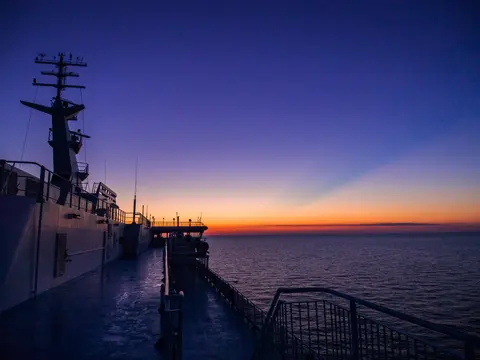
Ajaccio, the vibrant capital of Corsica, enchants visitors with its rich history as Napoleon's birthplace and its stunning coastal views. Don't miss trying local delicacies like figatellu and brocciu, and explore the nearby picturesque villages. The best season to visit is during the mild spring or fall months, when the weather is pleasant and the crowds are fewer.
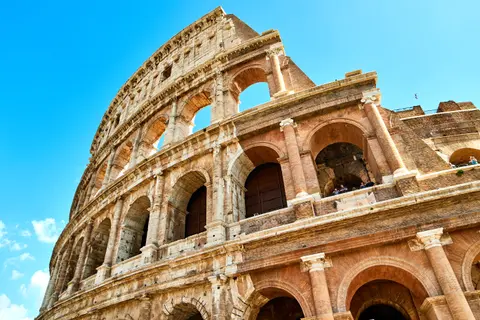
Rome's ancient maritime gateway since the Emperor Trajan commissioned its harbour in 106 AD, Civitavecchia is the natural prologue to the Eternal City — just seventy minutes southeast by express rail. The port's Renaissance fortress, designed in part by Michelangelo, anchors a working waterfront that has welcomed travellers for millennia. Beyond Rome's unmissable monuments, consider an afternoon in the Civitavecchia thermal baths, drawing on mineral waters prized since antiquity. Spring and autumn offer the ideal balance of mild weather and manageable crowds for exploring the capital's layered history.
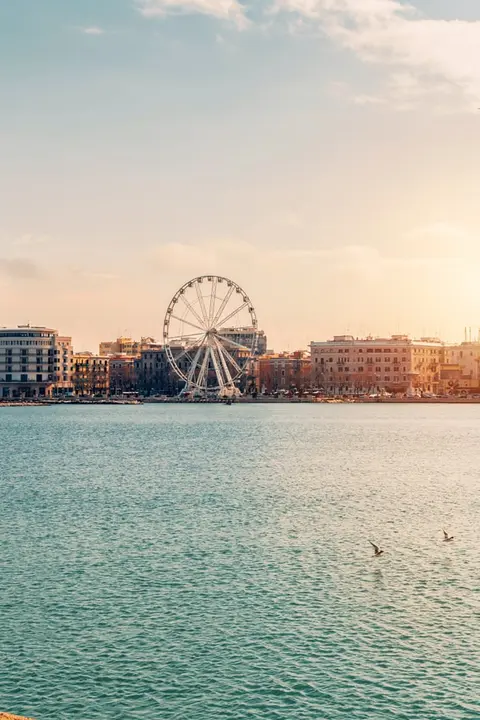
Bari, Puglia's ancient capital on the Adriatic, has served as a bridge between Western Europe and the Eastern Mediterranean for over two millennia — a heritage visible in the magnificent Basilica di San Nicola, one of medieval Christendom's most important pilgrimage churches, and in the labyrinthine Bari Vecchia where elderly women still hand-roll orecchiette in the street. The surrounding region of Puglia is among Italy's most compelling culinary destinations: burrata born in Andria, focaccia barese, and the puglian cuisine that has recently attracted international attention as Rome's and Florence's quieter, more authentic cousin. Visit April through June and September through October; the Trulli of Alberobello are forty minutes south.
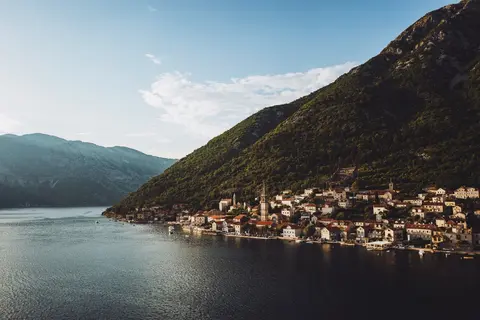
The port of Kotor, a UNESCO World Heritage site, is renowned for its stunning natural beauty and rich historical tapestry. A must-do experience includes wandering the cobblestone streets of the Old Town, where culinary delights like "kacamak" and fresh seafood await. The best time to visit is during the spring or early fall, when the weather is pleasant and the crowds are fewer.
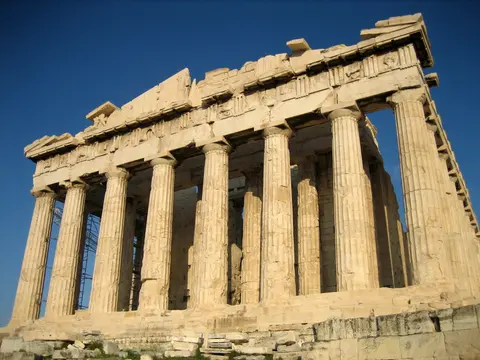
The port that launched Athenian democracy's naval supremacy at the Battle of Salamis, Piraeus remains Greece's maritime heartbeat — and the most convenient gateway to both the Acropolis and the Aegean island chains. Dine on grilled sea bream at a Mikrolimano harbourside taverna, visit the extraordinary bronze Piraeus Apollo, and set sail for Hydra or Santorini by afternoon. Late April through June and September offer the Aegean at its most golden and uncrowded.
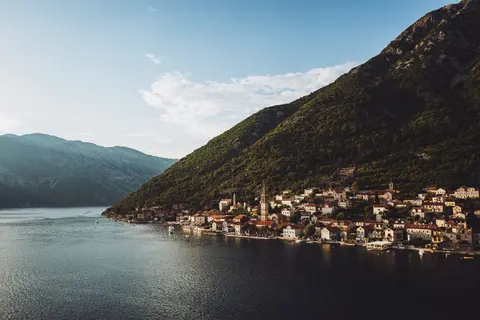
The port of Kotor, a UNESCO World Heritage site, is renowned for its stunning natural beauty and rich historical tapestry. A must-do experience includes wandering the cobblestone streets of the Old Town, where culinary delights like "kacamak" and fresh seafood await. The best time to visit is during the spring or early fall, when the weather is pleasant and the crowds are fewer.
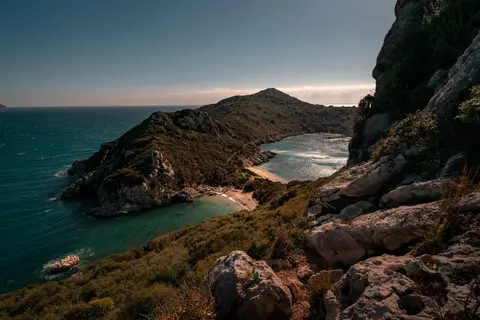
Where Homer placed the island of the Phaeacians and four centuries of Venetian rule left their most enduring Mediterranean legacy, Corfu is a singular island of extraordinary historical depth and natural beauty. The UNESCO-listed Old Town — its narrow Kantounia alleyways, the elegant Liston arcade, and twin Venetian fortresses — is the finest preserved Venetian streetscape in Greece. Beyond the town, secret coves, olive groves of immense antiquity, and mountain villages offer weeks of unhurried discovery. May through June and September offer perfect conditions: warm sea temperatures, clear skies, and the island before or after its summer crescendo.

Stromboli is an active volcanic island in the Aeolian archipelago that has erupted continuously for over two thousand years, earning its nickname as the Lighthouse of the Mediterranean. Must-dos include witnessing nighttime eruptions from the sea, hiking to the Sciara del Fuoco viewpoint, and tasting salt-cured capers and Malvasia wine on a terrace beneath the glowing summit. May through October offers calm seas and clear skies for the best eruption viewing.
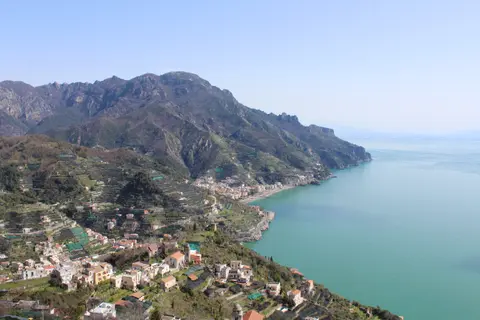
Salerno is a historic Campanian port city nestled between the Amalfi Coast and Cilento National Park, home to Europe's first medieval medical school and a magnificent Romanesque cathedral with Byzantine bronze doors. Visitors should not miss the Lungomare Trieste promenade at sunset and a plate of hand-rolled scialatielli ai frutti di mare in the atmospheric old town. The mild Mediterranean climate makes Salerno enchanting year-round, though late spring through early autumn offers the most luminous light and the fullest expression of its coastal character.
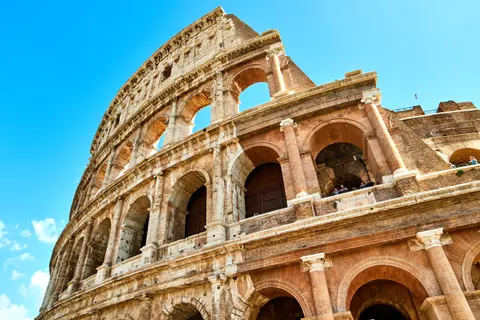
Rome's ancient maritime gateway since the Emperor Trajan commissioned its harbour in 106 AD, Civitavecchia is the natural prologue to the Eternal City — just seventy minutes southeast by express rail. The port's Renaissance fortress, designed in part by Michelangelo, anchors a working waterfront that has welcomed travellers for millennia. Beyond Rome's unmissable monuments, consider an afternoon in the Civitavecchia thermal baths, drawing on mineral waters prized since antiquity. Spring and autumn offer the ideal balance of mild weather and manageable crowds for exploring the capital's layered history.
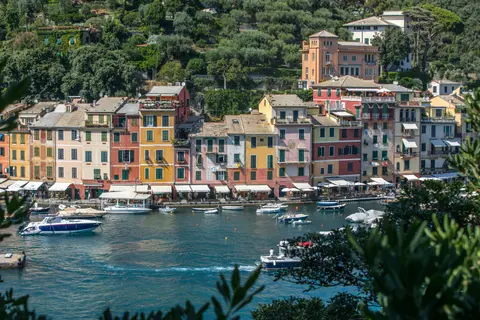
Portofino is a jewel-box fishing village on Italy's Ligurian coast, renowned for its pastel harbour, Castello Brown fortress views, and exquisite pesto-dressed trofie pasta at waterside trattorias. Visitors should walk the coastal trail to the Cristo degli Abissi underwater statue at San Fruttuoso and savour focaccia di Recco with a glass of local Vermentino. The ideal season stretches from late April through October, with September offering the perfect balance of warm Mediterranean light and the intimate calm that returns after summer's peak.
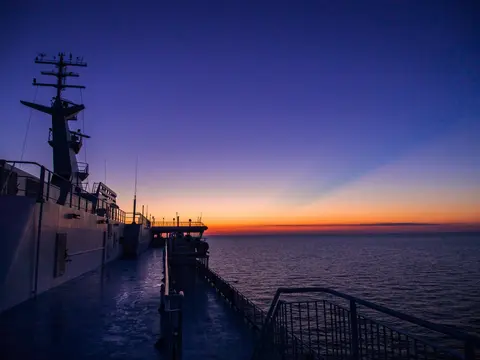
Ajaccio, the vibrant capital of Corsica, enchants visitors with its rich history as Napoleon's birthplace and its stunning coastal views. Don't miss trying local delicacies like figatellu and brocciu, and explore the nearby picturesque villages. The best season to visit is during the mild spring or fall months, when the weather is pleasant and the crowds are fewer.

Founded by Greek sailors in 600 BC, Marseille is France's oldest and most viscerally alive city — a Mediterranean port where the catch is still sold from fishing boat decks at the Vieux-Port each morning beneath the golden Madonna of Notre-Dame de la Garde, gleaming on her basilica above the city. The bouillabaisse served at harbourside institutions such as Chez Fonfon is not merely a dish but a rite, its saffron-stained broth tying Marseille to its Hellenic roots. Explore the dramatic Calanques national park, a coastal labyrinth of turquoise coves just south of the city. Spring and autumn are the finest seasons.
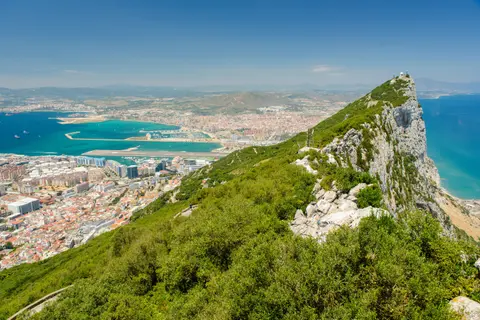
Gibraltar is a British Overseas Territory perched at the southern tip of the Iberian Peninsula, where the Mediterranean meets the Atlantic beneath an iconic limestone monolith steeped in over a millennium of contested history. No visit is complete without ascending the Rock to encounter the Barbary macaques and the panoramic views stretching to North Africa, followed by a plate of calentita — the territory's beloved Genoese-heritage chickpea bake — at a Main Street bakery. The mild Mediterranean climate makes Gibraltar a rewarding port call year-round, though spring and early autumn offer the clearest skies for spotting whales and dolphins in the Strait.
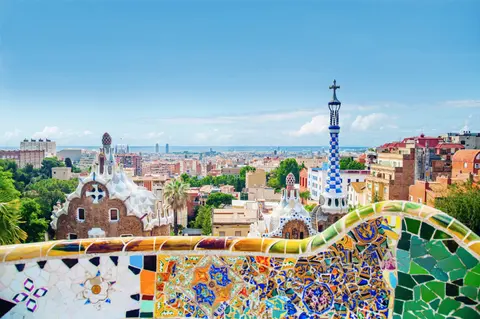
Barcelona is the city where Roman history, Gothic grandeur, and Gaudí's delirious Modernisme collide in a Mediterranean coastal capital of astonishing energy and beauty. The Sagrada Família — still under construction after 140 years — continues its audacious ascent toward completion, while the Gothic Quarter's Roman-era foundations and the Passeig de Gràcia's extraordinary concentration of Modernisme masterpieces reward days of exploration. For a complete sensory experience, lose an afternoon in the covered labyrinth of La Boqueria market before descending to the waterfront for Catalan seafood at its finest. May through June and September through October offer the most pleasant weather; the city connects directly to Paris by overnight train.
Day 1
Lisbon, Portugal's enchanting capital, stands out for its rich history, stunning architecture, and vibrant culture. Must-try experiences include savoring local dishes like bacalhau à brás and pastéis de nata at Mercado da Ribeira. The best time to visit is during the spring or fall, when the weather is mild and the city is alive with festivals and events.
Day 2
Day 3
Alicante, a historic port city on Spain's Costa Blanca, captivates visitors with its rich history, stunning architecture, and vibrant culinary scene. Must-do experiences include savoring traditional paella by the seaside and exploring the bustling Mercado Central. The best time to visit is during the spring or early fall when the weather is pleasantly warm and the city is alive with festivities.
Day 4
Day 5
Barcelona is the city where Roman history, Gothic grandeur, and Gaudí's delirious Modernisme collide in a Mediterranean coastal capital of astonishing energy and beauty. The Sagrada Família — still under construction after 140 years — continues its audacious ascent toward completion, while the Gothic Quarter's Roman-era foundations and the Passeig de Gràcia's extraordinary concentration of Modernisme masterpieces reward days of exploration. For a complete sensory experience, lose an afternoon in the covered labyrinth of La Boqueria market before descending to the waterfront for Catalan seafood at its finest. May through June and September through October offer the most pleasant weather; the city connects directly to Paris by overnight train.
Day 7
Day 8
Ajaccio, the vibrant capital of Corsica, enchants visitors with its rich history as Napoleon's birthplace and its stunning coastal views. Don't miss trying local delicacies like figatellu and brocciu, and explore the nearby picturesque villages. The best season to visit is during the mild spring or fall months, when the weather is pleasant and the crowds are fewer.
Day 9
Rome's ancient maritime gateway since the Emperor Trajan commissioned its harbour in 106 AD, Civitavecchia is the natural prologue to the Eternal City — just seventy minutes southeast by express rail. The port's Renaissance fortress, designed in part by Michelangelo, anchors a working waterfront that has welcomed travellers for millennia. Beyond Rome's unmissable monuments, consider an afternoon in the Civitavecchia thermal baths, drawing on mineral waters prized since antiquity. Spring and autumn offer the ideal balance of mild weather and manageable crowds for exploring the capital's layered history.
Day 10
Day 11
Bari, Puglia's ancient capital on the Adriatic, has served as a bridge between Western Europe and the Eastern Mediterranean for over two millennia — a heritage visible in the magnificent Basilica di San Nicola, one of medieval Christendom's most important pilgrimage churches, and in the labyrinthine Bari Vecchia where elderly women still hand-roll orecchiette in the street. The surrounding region of Puglia is among Italy's most compelling culinary destinations: burrata born in Andria, focaccia barese, and the puglian cuisine that has recently attracted international attention as Rome's and Florence's quieter, more authentic cousin. Visit April through June and September through October; the Trulli of Alberobello are forty minutes south.
Day 12
The port of Kotor, a UNESCO World Heritage site, is renowned for its stunning natural beauty and rich historical tapestry. A must-do experience includes wandering the cobblestone streets of the Old Town, where culinary delights like "kacamak" and fresh seafood await. The best time to visit is during the spring or early fall, when the weather is pleasant and the crowds are fewer.
Day 13
Day 14
The port that launched Athenian democracy's naval supremacy at the Battle of Salamis, Piraeus remains Greece's maritime heartbeat — and the most convenient gateway to both the Acropolis and the Aegean island chains. Dine on grilled sea bream at a Mikrolimano harbourside taverna, visit the extraordinary bronze Piraeus Apollo, and set sail for Hydra or Santorini by afternoon. Late April through June and September offer the Aegean at its most golden and uncrowded.
Day 15
Day 16
The port of Kotor, a UNESCO World Heritage site, is renowned for its stunning natural beauty and rich historical tapestry. A must-do experience includes wandering the cobblestone streets of the Old Town, where culinary delights like "kacamak" and fresh seafood await. The best time to visit is during the spring or early fall, when the weather is pleasant and the crowds are fewer.
Day 17
Where Homer placed the island of the Phaeacians and four centuries of Venetian rule left their most enduring Mediterranean legacy, Corfu is a singular island of extraordinary historical depth and natural beauty. The UNESCO-listed Old Town — its narrow Kantounia alleyways, the elegant Liston arcade, and twin Venetian fortresses — is the finest preserved Venetian streetscape in Greece. Beyond the town, secret coves, olive groves of immense antiquity, and mountain villages offer weeks of unhurried discovery. May through June and September offer perfect conditions: warm sea temperatures, clear skies, and the island before or after its summer crescendo.
Day 18
Stromboli is an active volcanic island in the Aeolian archipelago that has erupted continuously for over two thousand years, earning its nickname as the Lighthouse of the Mediterranean. Must-dos include witnessing nighttime eruptions from the sea, hiking to the Sciara del Fuoco viewpoint, and tasting salt-cured capers and Malvasia wine on a terrace beneath the glowing summit. May through October offers calm seas and clear skies for the best eruption viewing.
Day 19
Salerno is a historic Campanian port city nestled between the Amalfi Coast and Cilento National Park, home to Europe's first medieval medical school and a magnificent Romanesque cathedral with Byzantine bronze doors. Visitors should not miss the Lungomare Trieste promenade at sunset and a plate of hand-rolled scialatielli ai frutti di mare in the atmospheric old town. The mild Mediterranean climate makes Salerno enchanting year-round, though late spring through early autumn offers the most luminous light and the fullest expression of its coastal character.
Day 21
Rome's ancient maritime gateway since the Emperor Trajan commissioned its harbour in 106 AD, Civitavecchia is the natural prologue to the Eternal City — just seventy minutes southeast by express rail. The port's Renaissance fortress, designed in part by Michelangelo, anchors a working waterfront that has welcomed travellers for millennia. Beyond Rome's unmissable monuments, consider an afternoon in the Civitavecchia thermal baths, drawing on mineral waters prized since antiquity. Spring and autumn offer the ideal balance of mild weather and manageable crowds for exploring the capital's layered history.
Day 22
Portofino is a jewel-box fishing village on Italy's Ligurian coast, renowned for its pastel harbour, Castello Brown fortress views, and exquisite pesto-dressed trofie pasta at waterside trattorias. Visitors should walk the coastal trail to the Cristo degli Abissi underwater statue at San Fruttuoso and savour focaccia di Recco with a glass of local Vermentino. The ideal season stretches from late April through October, with September offering the perfect balance of warm Mediterranean light and the intimate calm that returns after summer's peak.
Day 23
Ajaccio, the vibrant capital of Corsica, enchants visitors with its rich history as Napoleon's birthplace and its stunning coastal views. Don't miss trying local delicacies like figatellu and brocciu, and explore the nearby picturesque villages. The best season to visit is during the mild spring or fall months, when the weather is pleasant and the crowds are fewer.
Day 24
Founded by Greek sailors in 600 BC, Marseille is France's oldest and most viscerally alive city — a Mediterranean port where the catch is still sold from fishing boat decks at the Vieux-Port each morning beneath the golden Madonna of Notre-Dame de la Garde, gleaming on her basilica above the city. The bouillabaisse served at harbourside institutions such as Chez Fonfon is not merely a dish but a rite, its saffron-stained broth tying Marseille to its Hellenic roots. Explore the dramatic Calanques national park, a coastal labyrinth of turquoise coves just south of the city. Spring and autumn are the finest seasons.
Day 25
Day 26
Gibraltar is a British Overseas Territory perched at the southern tip of the Iberian Peninsula, where the Mediterranean meets the Atlantic beneath an iconic limestone monolith steeped in over a millennium of contested history. No visit is complete without ascending the Rock to encounter the Barbary macaques and the panoramic views stretching to North Africa, followed by a plate of calentita — the territory's beloved Genoese-heritage chickpea bake — at a Main Street bakery. The mild Mediterranean climate makes Gibraltar a rewarding port call year-round, though spring and early autumn offer the clearest skies for spotting whales and dolphins in the Strait.
Day 27
Day 28
Barcelona is the city where Roman history, Gothic grandeur, and Gaudí's delirious Modernisme collide in a Mediterranean coastal capital of astonishing energy and beauty. The Sagrada Família — still under construction after 140 years — continues its audacious ascent toward completion, while the Gothic Quarter's Roman-era foundations and the Passeig de Gràcia's extraordinary concentration of Modernisme masterpieces reward days of exploration. For a complete sensory experience, lose an afternoon in the covered labyrinth of La Boqueria market before descending to the waterfront for Catalan seafood at its finest. May through June and September through October offer the most pleasant weather; the city connects directly to Paris by overnight train.
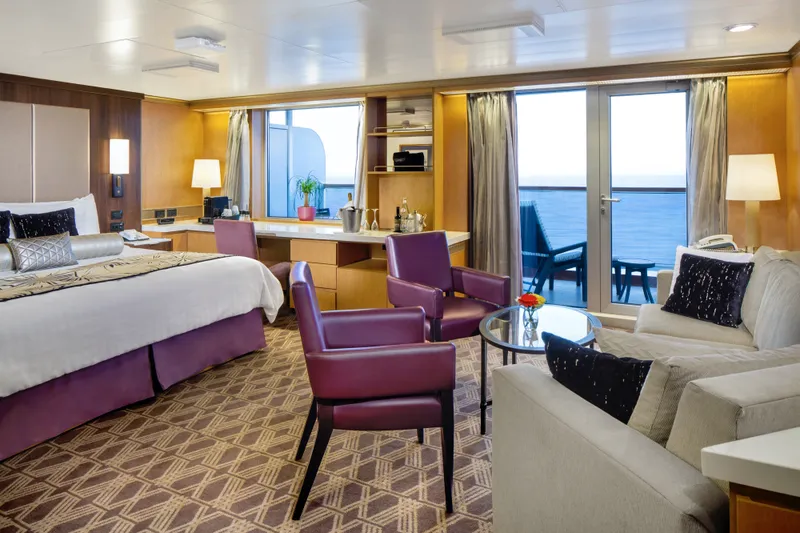
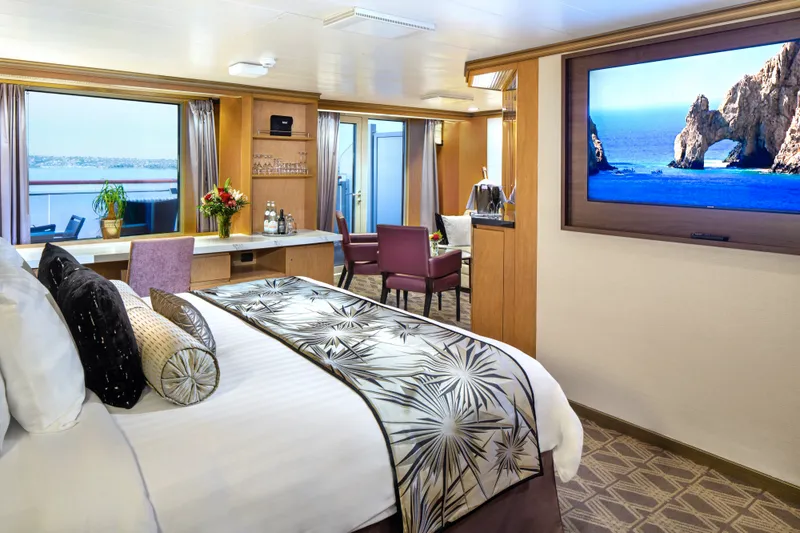
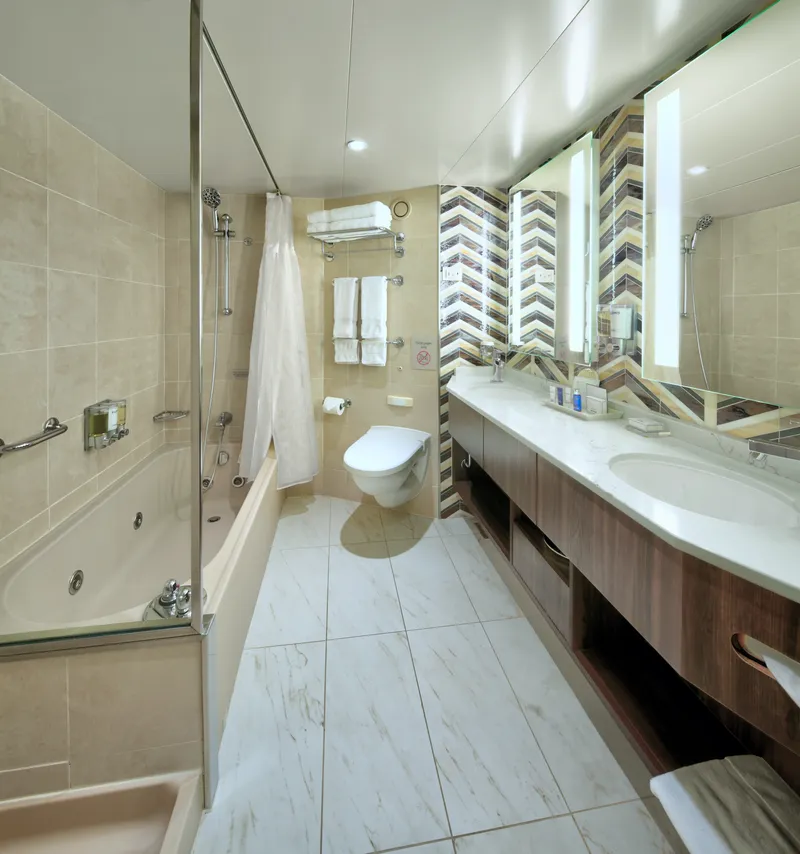
Approximately 500-712 sq. ft. including verandah
With floor-to-ceiling windows overlooking a private verandah, these spacious suites are flooded with light. They feature a large sitting area and two lower beds convertible to one king-size bed—our signature Mariner's Dream bed with plush Euro-Top mattresses plus a separate dressing room. There's also a sofa bed, suitable for two people. The bathroom comes with a dual-sink vanity, full-size whirlpool bath and shower, plus additional shower stall. Amenities include use of the exclusive Neptune Lounge, a private concierge and an array of complimentary services. The configuration of staterooms may vary from the images shown.
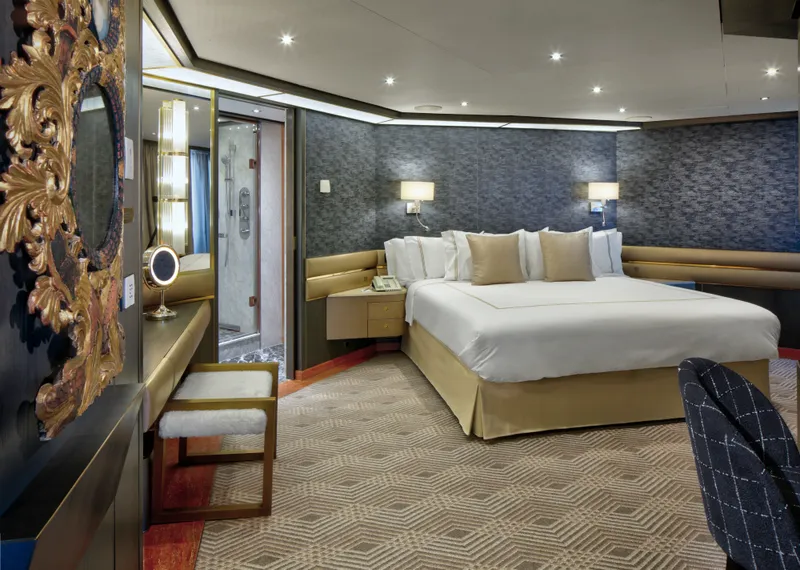
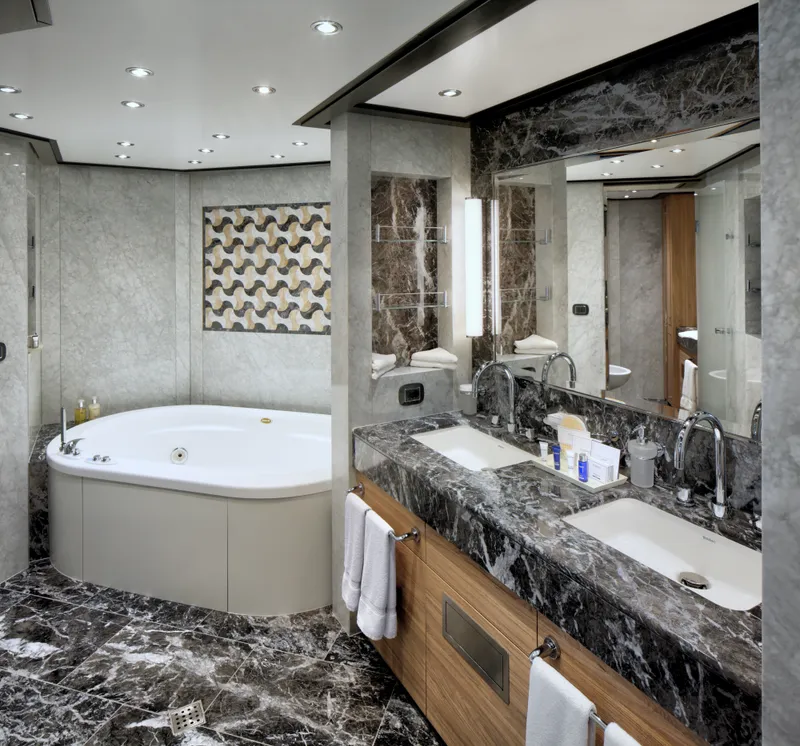
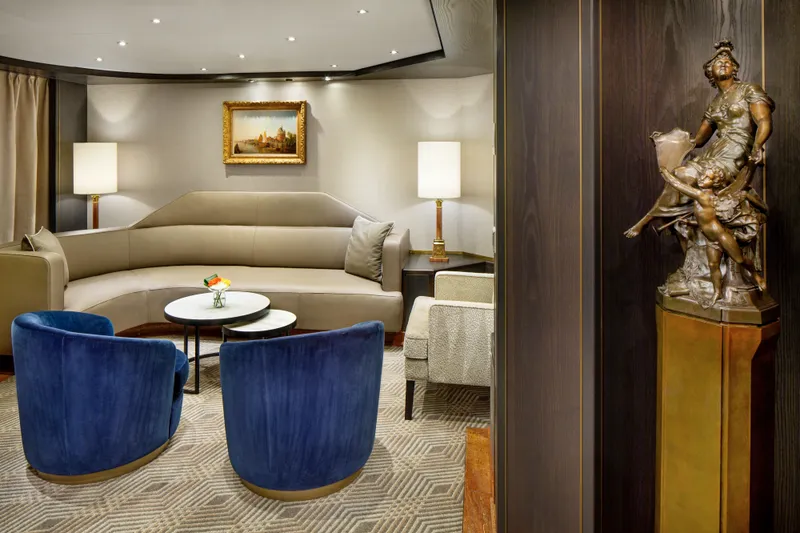
Approximately 1,150 sq. ft. including verahdah
Generously proportioned and filled with light, these elegant suites include a living room, dining room, pantry with microwave and refrigerator, and floor-to-ceiling windows overlooking a private verandah with whirlpool. The bedroom features a king-size bed—our Signature Mariner's Dream bed with plush Euro-Top mattresses, plus a separate dressing room and the bath includes an oversize whirlpool bath and shower as well as an additional shower stall. There's also a sofa bed, suitable for two people, and a guest toilet. Amenities include a private stereo system, use of the exclusive Neptune Lounge, private concierge and an array of complimentary services. The configuration of staterooms may vary from the images shown.
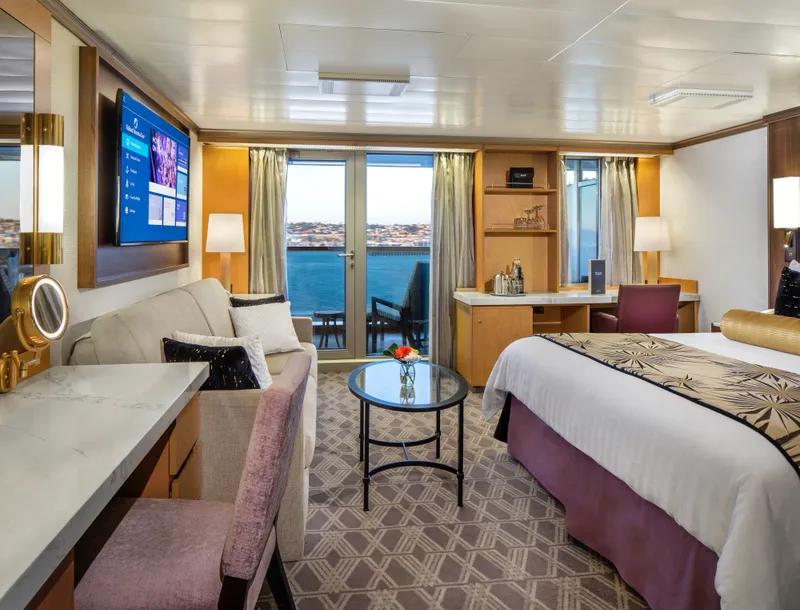
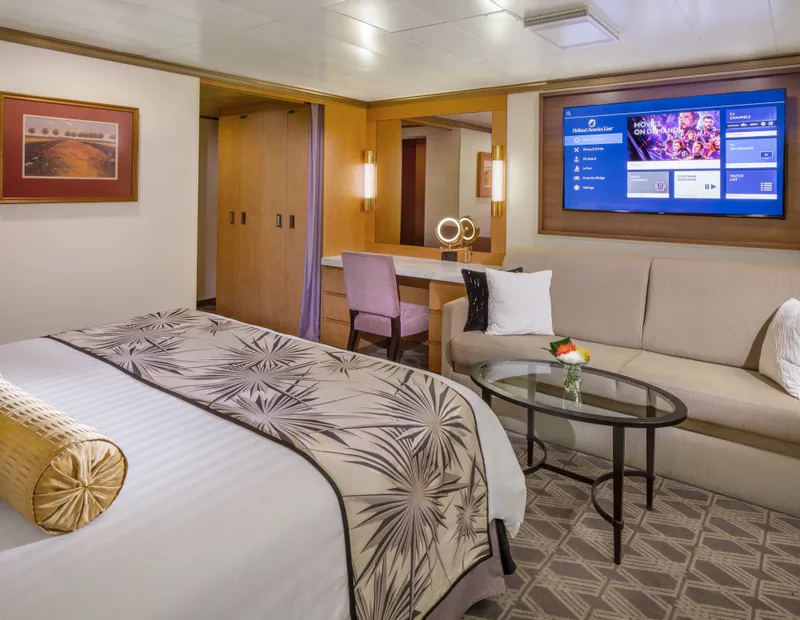
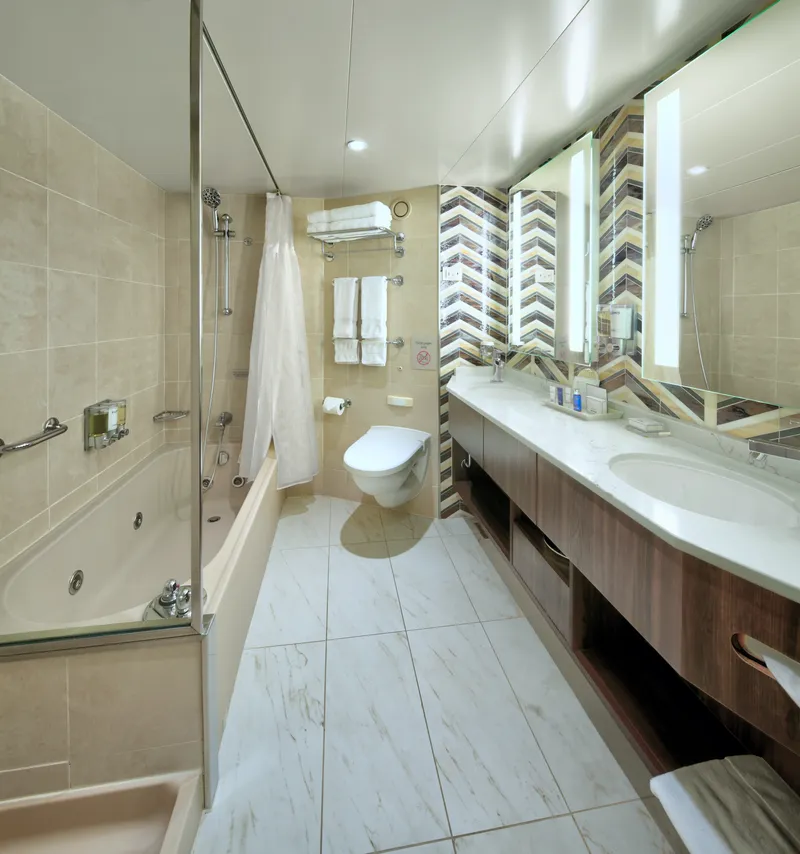
Approximately 372-384 sq. ft. including verandah
These large, comfortable suites feature a spacious sitting area with floor-to-ceiling windows overlooking a private verandah, two lower beds convertible to one queen-size bed—our signature Mariner's Dream bed with plush Euro-Top mattresses, and one sofa bed for one person. The bathroom includes a dual-sink vanity, full-size whirlpool bath and shower, and an additional shower stall. The configuration of staterooms may vary from the images shown.
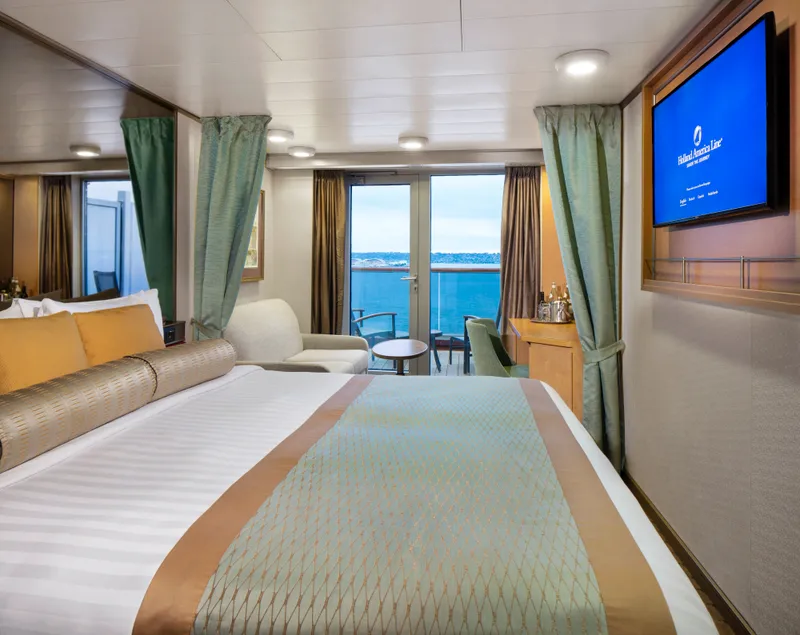
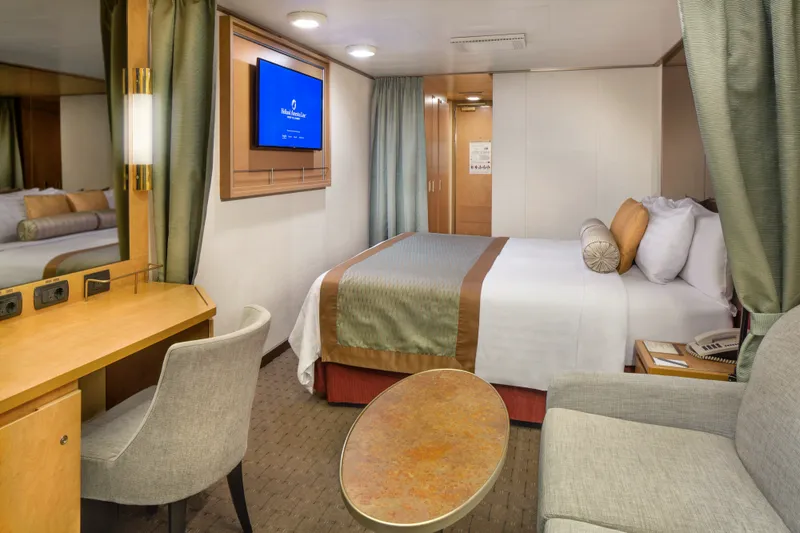
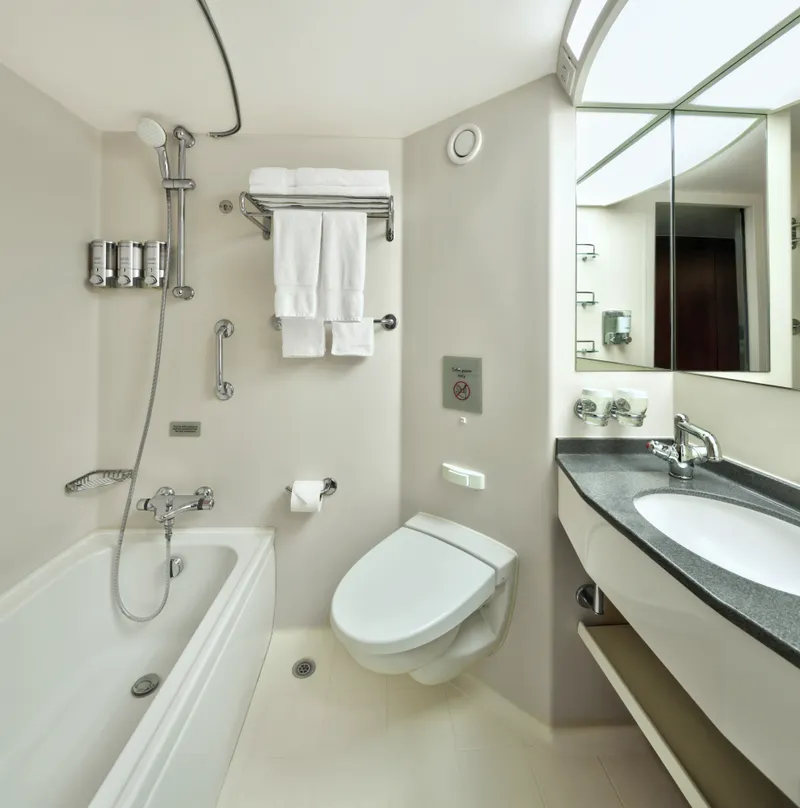
Approximately 212-359 sq. ft. including verandah
Filled with light from floor-to-ceiling windows overlooking a private verandah, these staterooms include a sitting area, two lower beds convertible to one queen-size bed—our signature Mariner's Dream bed with plush Euro-Top mattresses, and bath tub with premium massage showerheads. The configuration of staterooms may vary from the images shown.
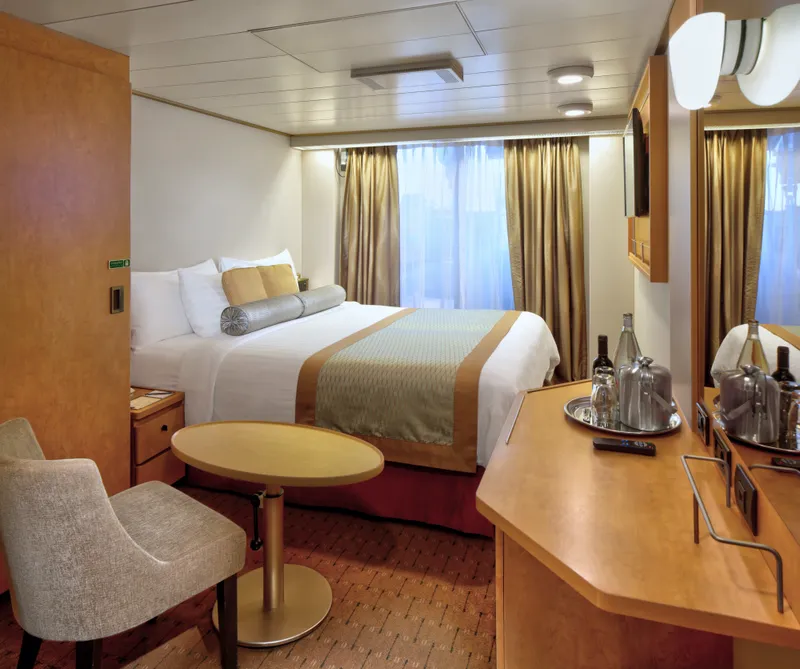
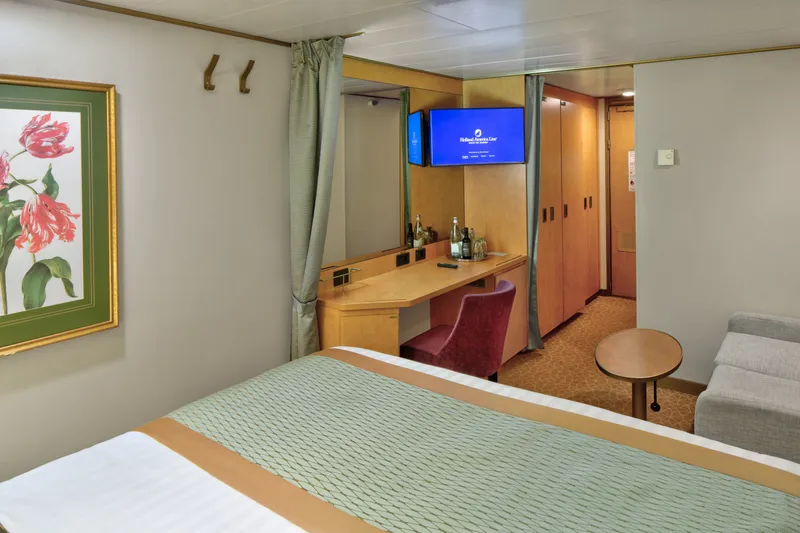
Approximately 174-180 sq. ft.
These expansive staterooms include include two lower beds convertible to one queen-size bed—our Signature Mariner's Dream bed with plush Euro-Top mattresses, premium massage shower heads, a host of amenities and an ocean view. The configuration of staterooms may vary from the images
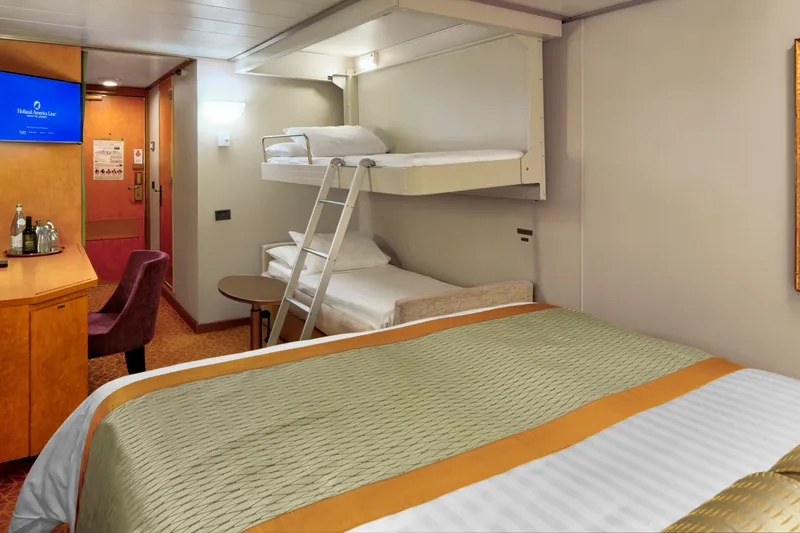
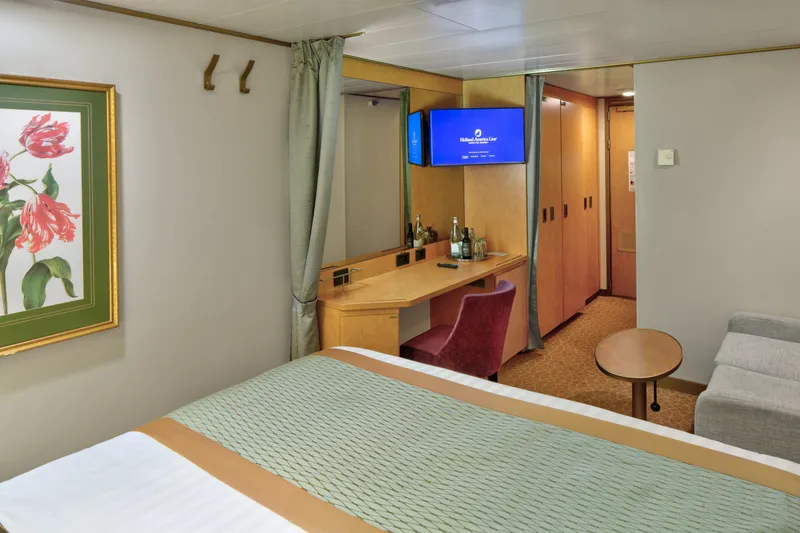
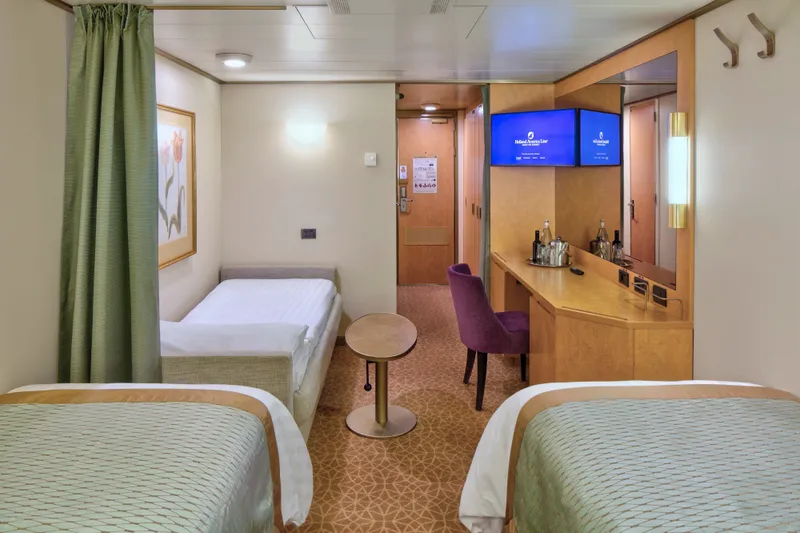
Approximately 174-180 sq. ft.
These large staterooms include two lower beds convertible to one queen-size bed—our Signature Mariner's Dream bed with plush Euro-Top mattresses, premium massage shower heads and a host of amenities. The view is fully obstructed. The configuration of staterooms may vary from the images shown.
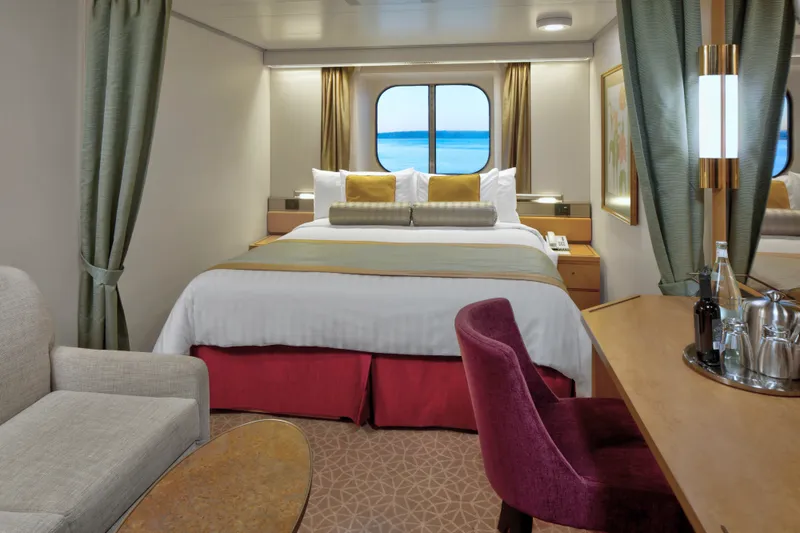
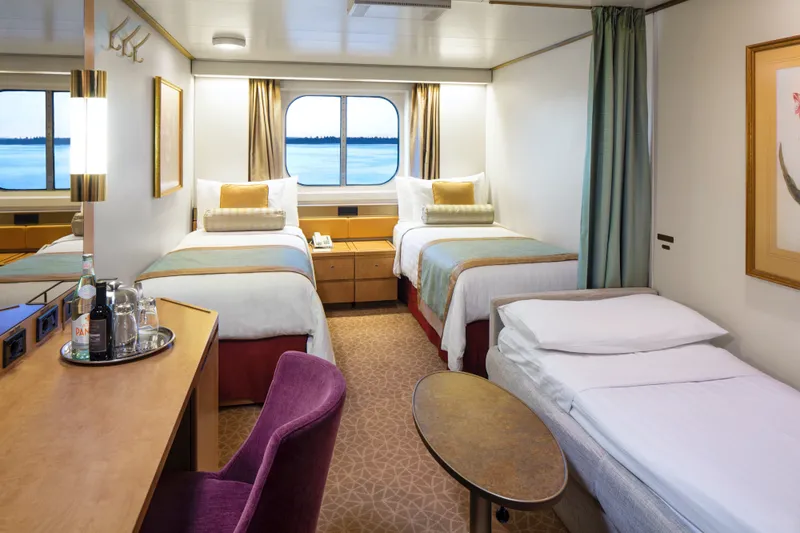
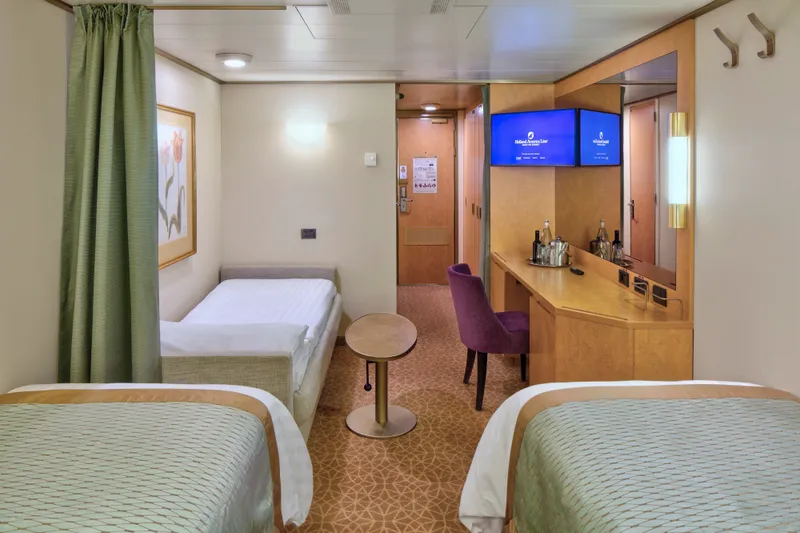
Approximately 174-180 sq. ft.
These staterooms feature a partial sea view and include two lower beds convertible to one queen-size bed—our signature Mariner's Dream bed with plush Euro-Top mattresses, plus premium massage shower heads and a variety of amenities. The configuration of staterooms may vary from the image.
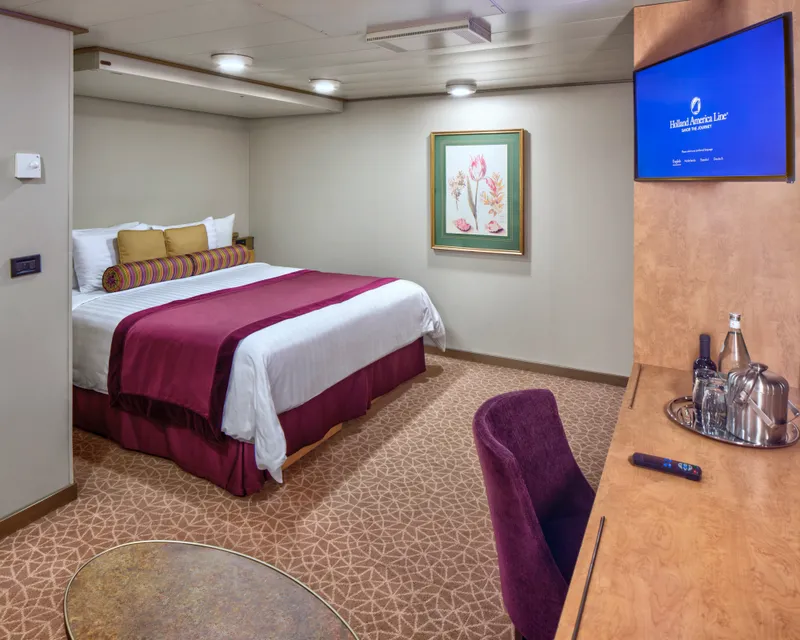
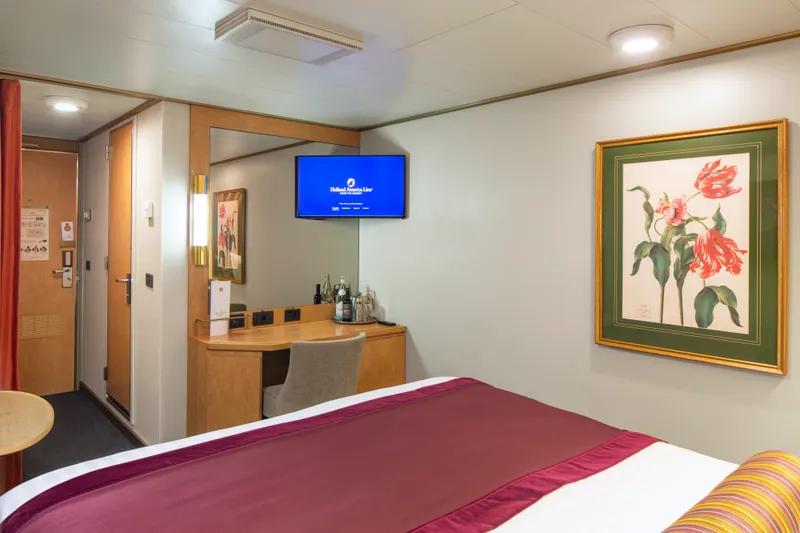
Approximately 151-233 sq. ft.
These spacious staterooms include two lower beds convertible to one queen-size bed—our Signature Mariner's Dream bed with plush Euro-Top mattresses, premium massage shower heads and a host of amenities. The configuration of staterooms may vary from the images shown.
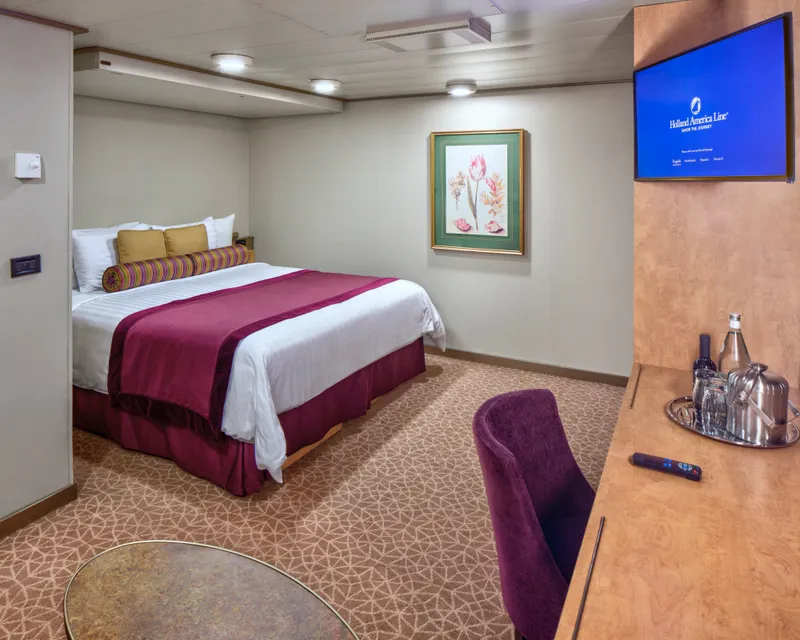
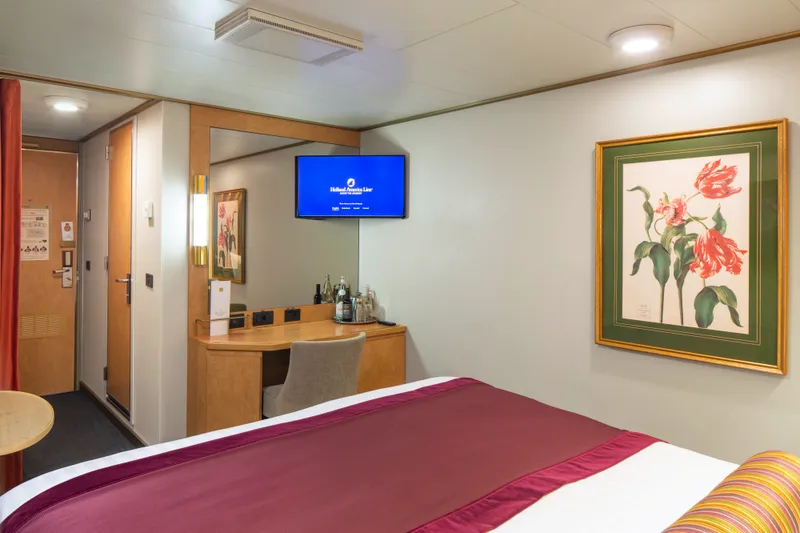
Approximately 151-233 sq. ft.
These spacious staterooms include two lower beds convertible to one queen-size bed—our Signature Mariner's Dream bed with plush Euro-Top mattresses, premium massage shower heads and a host of amenities. The configuration of staterooms may vary from the images shown.
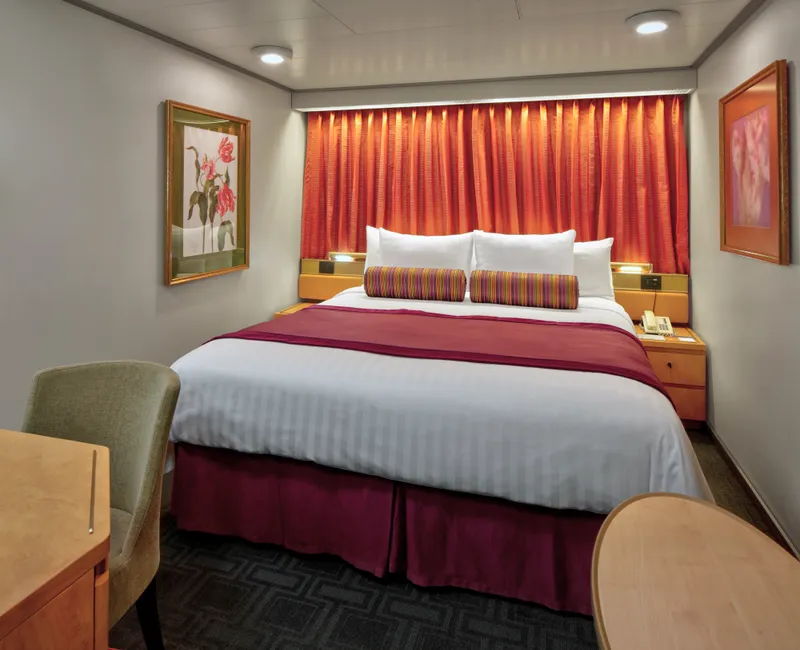
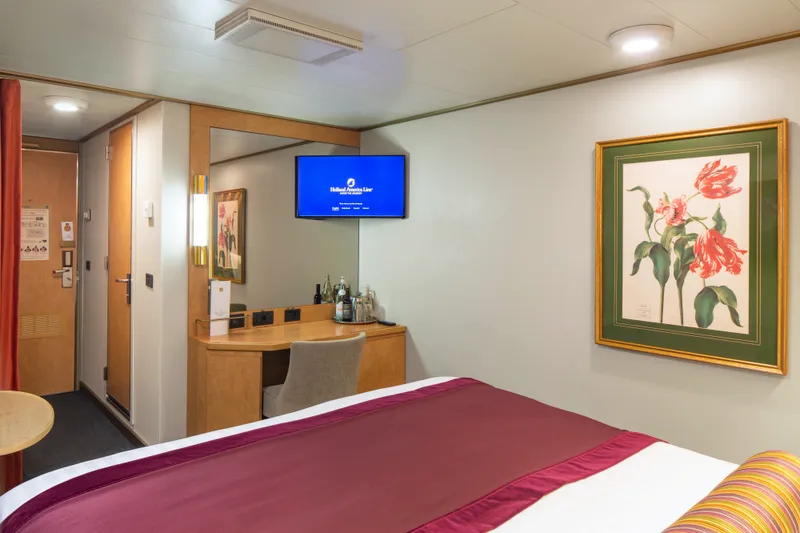

Approximately 151-233 sq. ft.
Two lower beds convertible to one queen-size bed—our signature Mariner's Dream bed with plush Euro-Top mattresses, premium massage shower heads and a host of amenities are featured in these comfortable staterooms. The configuration of staterooms may vary from the images shown.
Our cruise specialists can help you find the perfect cabin and the best available pricing.
(+886) 02-2721-7300Contact Advisor