Date
2027-01-05
Duration
129 nights
Departure Port
Fort Lauderdale
United States
Arrival Port
Fort Lauderdale
United States
Rating
Premium
Theme
—


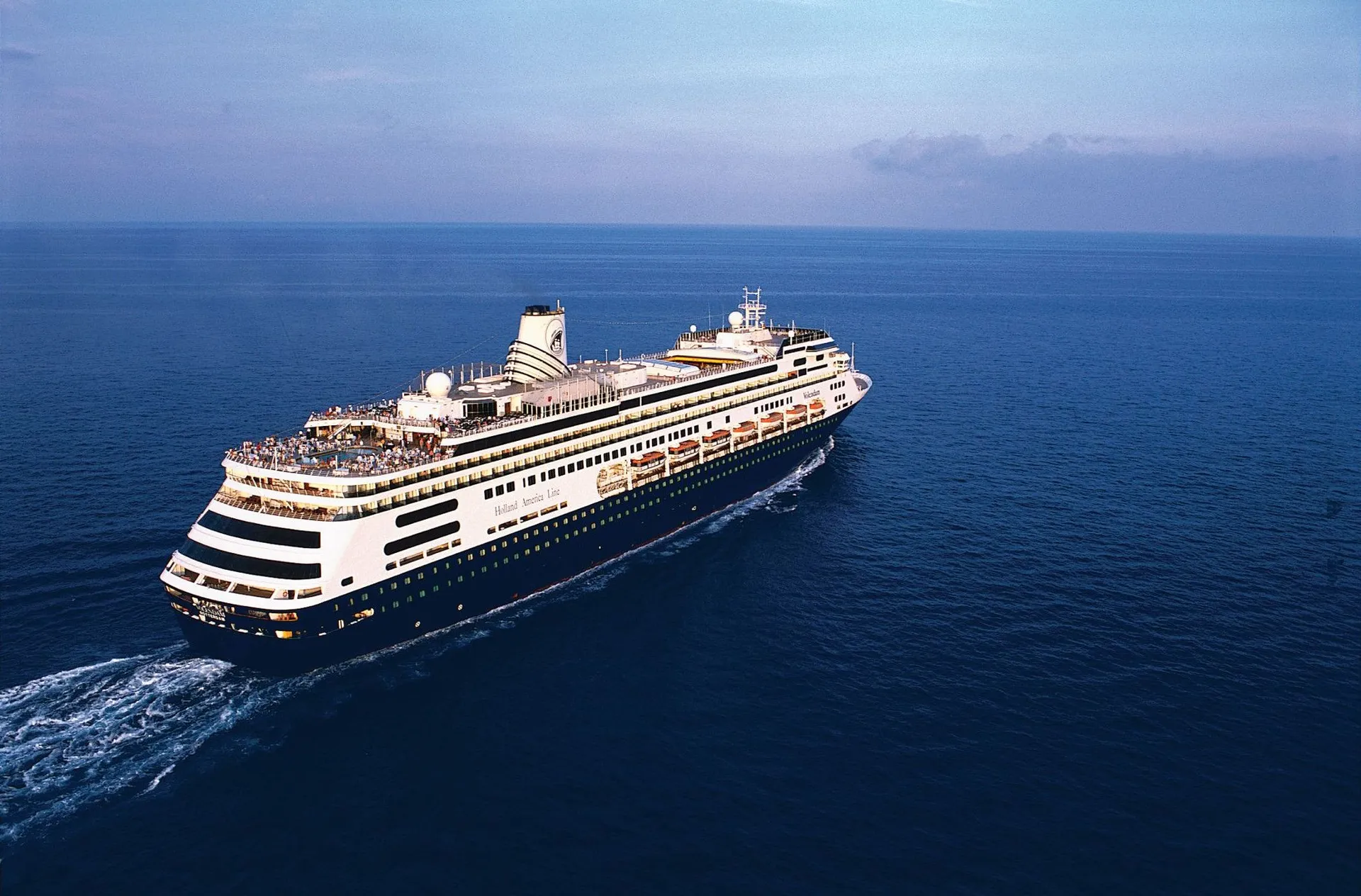
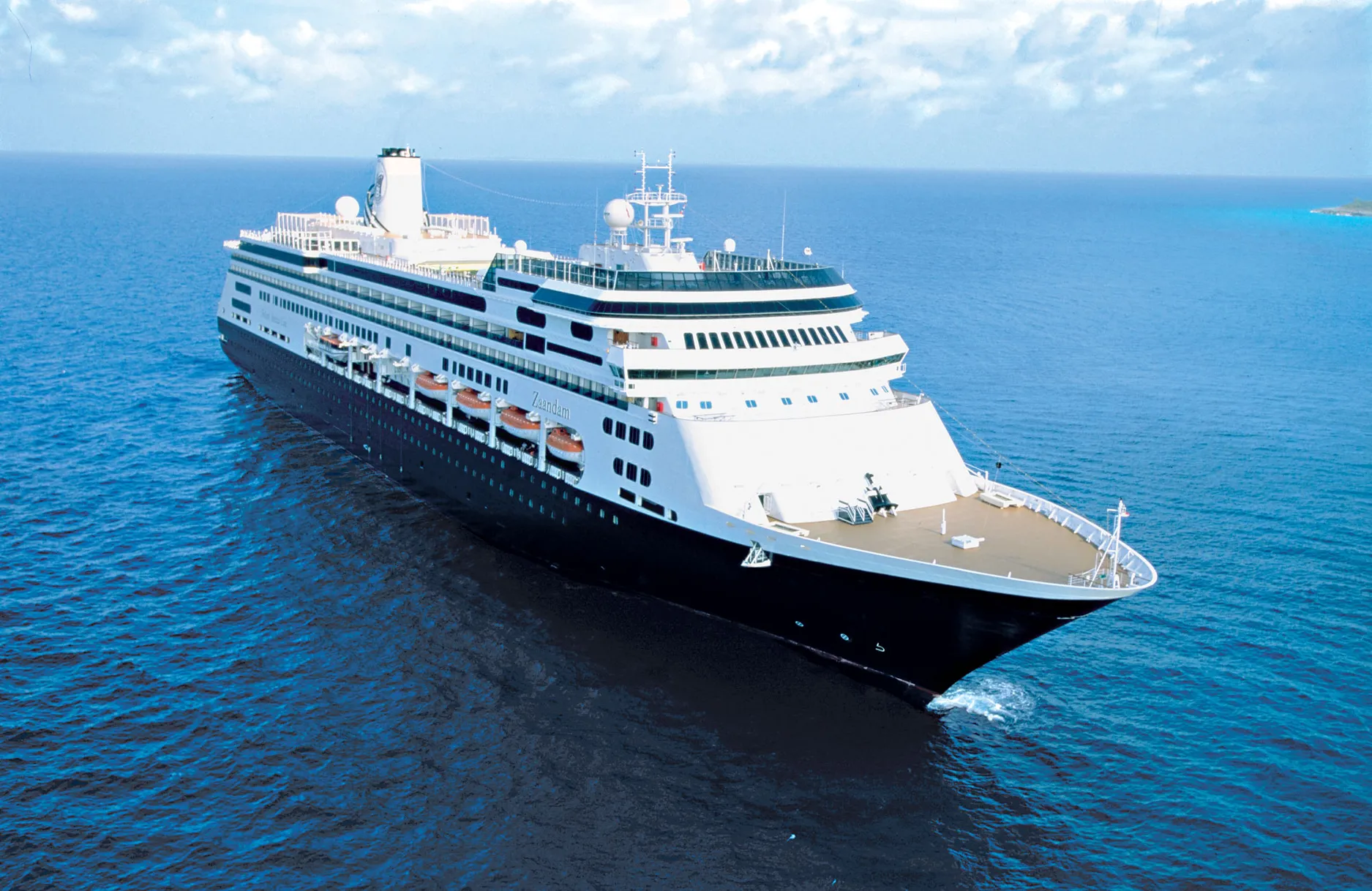
Holland America Line
1999
2019
61,214 GT
1,432
716
615
781 m
32 m
23 knots
No

Fort Lauderdale is South Florida's reinvented waterfront city, where three hundred miles of inland waterways, the NSU Art Museum's contemporary collection, and the tree-lined Las Olas Boulevard create a cruise departure point of genuine sophistication at Port Everglades. Arrive a day early between November and April to explore the 'Venice of America' by water taxi and discover the dining scene that has replaced Spring Break with year-round culinary ambition.

Fukuoka is widely regarded as Japan's greatest food city, where legendary tonkotsu ramen, evening yatai street stalls, and mentaiko spicy cod roe define a culinary culture without rival. Must-dos include slurping ramen at a Nakasu yatai, visiting Dazaifu Tenmangu shrine, and exploring the Hakata old quarter. Spring and autumn offer the best weather, with the spectacular Yamakasa festival heating up early July.
The Panama Canal is one of humanity's greatest engineering achievements—a 50-mile waterway that lifts ships 26 meters through locks to cross between the Atlantic and Pacific oceans. Must-dos include watching the locks operation from open deck, visiting the Miraflores Visitor Center, and exploring Panama City's restored Casco Viejo. The dry season (December–April) offers the clearest views for transit day.

Manta, Ecuador is a distinctive port city where deep cultural heritage meets authentic local atmosphere, featured on itineraries by Norwegian Cruise Line. Must-do experiences include exploring the vibrant local markets for regional specialties and fresh seafood, and discovering the waterfront quarter where maritime heritage meets contemporary energy. The optimal time to visit is November through April, when dry season brings clear skies and calm seas.

Callao, Peru, delivers South America's irresistible combination of dramatic landscapes, vibrant culture, and extraordinary biodiversity. Essential experiences include exploring local markets, tasting the distinctive regional cuisine, and venturing into the surrounding natural environments. Best visited May through September, when drier conditions prevail and temperatures remain pleasant. Cruise lines including Cunard feature this port on their most compelling itineraries. Whether you have a few hours or a full day, the port rewards exploration at every pace and in every direction.

Easter Island — Rapa Nui to its Polynesian people — stands as one of the most remote and compelling destinations on Earth, a volcanic outpost 3,700 kilometres from the nearest continental shore, its hillsides and coastline populated by nearly 900 monumental stone moai whose purpose and method of construction remain the subject of ongoing fascination. The UNESCO-listed Rapa Nui National Park encompasses the island's most significant archaeological sites, including the quarry of Rano Raraku and the ceremonial platform of Ahu Tongariki. November through April brings the warmest, driest conditions for exploring this extraordinary living testament to Polynesian civilisation.
This largely uninhabited island's rugged cliffs plunge into the blue waters of the South Pacific Ocean. Pitcairn Island is accessible only by boat and has 45 permanent residents. Once there, you can view ancient Polynesian rock carvings, or explore the Court House and church in Pitcairn's main square, where Fletcher Christian's Bounty bible is displayed.

Papeete is the spirited, slightly ragged capital of French Polynesia — not the languorous paradise of travel-poster imagination, but a working harbour city of fresh produce markets, baguette bakeries, and Tahitian outrigger canoe clubs that provides an authentic counterpoint to the pearl-still lagoons of Bora Bora and Moorea nearby. The daily Marché de Papeete is the city's essential experience, its stalls piling high with vanilla pods, monoi-scented oils, black pearls, and the most exuberant floral arrangements in the Pacific. Moorea, visible across the Sea of the Moon and just 30 minutes by fast ferry, offers a dramatically quieter alternative. The dry season, May through October, brings the finest weather.

Bora Bora rises from the South Pacific like the platonic ideal of a tropical island — a volcanic peak ringed by a lagoon of impossible turquoise clarity whose beauty has made it the benchmark against which all other island destinations are measured. The overwater bungalow was effectively invented here, and the island's luxury resorts remain the definitive expression of that sublime form of hospitality. Snorkel or dive the outer reef's extraordinary coral gardens, or simply watch the shifting light transform Mount Otemanu's basalt silhouette through the long Pacific afternoon. Visit April through October for the calmest, driest conditions. Tahiti's Faa'a International Airport is a forty-five-minute flight away.

Apia is the capital of Samoa and the cultural heart of one of Polynesia's most traditional nations, where the three-thousand-year-old fa'a Samoa way of life governs daily rhythms around the umu earth oven and Sunday feast. Must-do experiences include the To Sua Ocean Trench, tasting oka raw fish in coconut cream, and visiting Robert Louis Stevenson's hilltop grave. May through October's dry season offers the most comfortable tropical weather.

Savusavu is Fiji's "hidden paradise" on Vanua Levu, a volcanic harbor town with hot springs, world-class diving at the Namena Marine Reserve, and the laid-back warmth of authentic Fijian culture. Must-dos include tasting kokoda (Fijian ceviche), diving the Namena Reserve's spectacular soft coral gardens, and participating in a traditional kava ceremony. The dry season (May–October) offers the best diving visibility and most comfortable weather.

Suva is the South Pacific's largest and most cosmopolitan capital, where the restored Edwardian Grand Pacific Hotel, a world-class Pacific artifacts museum, and a riotous municipal market reveal a Fiji far deeper than its resort-island image suggests. Visit May through October via Cunard or Oceania Cruises for Indo-Fijian fusion cuisine, traditional kava ceremonies, and a multicultural city experience unique in the Pacific.
Easo on Lifou, the largest of New Caledonia's Loyalty Islands, offers an authentic encounter with Kanak culture — traditional welcome dances, communal bougna earth-oven feasts, and vanilla plantations hand-tended by island families. Must-dos include snorkelling in impossibly clear waters, walking the dramatic Jokin Cliffs, and visiting the cliff-cave chapel of Notre Dame de Lourdes. April through November provides dry weather, with July to September adding humpback whale sightings.

Nouméa, capital of New Caledonia, is a uniquely French-Melanesian city set within a UNESCO World Heritage lagoon — the largest enclosed reef system on Earth. Visitors should explore the Renzo Piano-designed Tjibaou Cultural Centre, snorkel pristine coral gardens at Amédée Lighthouse, and savour the fusion of French cuisine with Pacific ingredients at the Moselle Market. April through November offers the most pleasant tropical climate.

On Mexico's Southern Caribbean coast, Costa Maya blends ancient Maya heritage with turquoise Caribbean beauty in one of the region's most unspoiled cruising destinations. The nearby archaeological site of Chacchoben — its jungle-shrouded temples dating to 200 AD — rewards those who venture inland with an atmosphere of genuine discovery, far from the well-trodden ruins of the north. The protected Mesoamerican Barrier Reef, the world's second largest, offers exceptional snorkelling and diving directly offshore. November through April guarantees dry, sunny days with crystalline visibility in the water — the ideal season for exploring both reef and rainforest.

Set on what Captain Arthur Phillip called "the finest harbour in the world," Sydney stakes its claim on the global imagination with Jørn Utzon's sail-roofed Opera House, a bridge you can climb for panoramic views, and a food scene anchored by Sydney rock oysters and the largest fish market in the Southern Hemisphere. The Blue Mountains and Hunter Valley wine country extend the adventure beyond the city. October through April brings summer warmth and the harbour at its most luminously blue.

Set on what Captain Arthur Phillip called "the finest harbour in the world," Sydney stakes its claim on the global imagination with Jørn Utzon's sail-roofed Opera House, a bridge you can climb for panoramic views, and a food scene anchored by Sydney rock oysters and the largest fish market in the Southern Hemisphere. The Blue Mountains and Hunter Valley wine country extend the adventure beyond the city. October through April brings summer warmth and the harbour at its most luminously blue.

Airlie Beach is the tropical gateway to the Whitsunday Islands and the Great Barrier Reef, where seventy-four islands float in turquoise Coral Sea waters above one of earth's greatest marine ecosystems. Must-do experiences include Whitehaven Beach's pure silica sands, snorkelling the outer reef with reef sharks and giant clams, and the Hill Inlet aerial view. April through November's dry season offers the best visibility and calmest seas.

Townsville is North Queensland's gateway to the central Great Barrier Reef, where Magnetic Island's wild koalas and granite beaches lie twenty minutes by ferry and the legendary SS Yongala shipwreck offers one of the world's top ten dives. Visit June through October via Cunard or Holland America Line for pristine reef sections, the world's largest living coral reef aquarium, and the quieter alternative to Cairns that delivers equal natural wonder with fewer crowds.

Darwin is Australia's tropical Top End capital, where sixty-five thousand years of Indigenous heritage meets extraordinary multiculturalism, saltwater crocodiles, and gateway access to Kakadu's ancient rock art. Must-do experiences include the Mindil Beach Sunset Market, swimming beneath Litchfield's waterfalls, and viewing twenty-thousand-year-old Aboriginal paintings at Ubirr. May through October's Dry season offers clear skies and outdoor market culture.

Bali, Indonesia's Island of the Gods, is a cultural and natural wonderland where ancient Hindu temples, emerald rice terraces, and vibrant artistic traditions converge around the cruise port of Benoa. Must-dos include Ubud's Tegallalang terraces, the cliff-top Uluwatu sunset kecak dance, and feasting on babi guling suckling pig. The dry season from April through October offers the most comfortable conditions.

Surabaya, Indonesia, immerses visitors in Southeast Asia's intoxicating blend of ancient culture, extraordinary cuisine, and tropical beauty. Don't miss the vibrant local markets and street food scene, where regional flavors achieve remarkable complexity. The most comfortable visiting conditions occur year-round, though the drier months from May to October tend to offer the most comfortable conditions. Cruise lines including Oceania Cruises feature this port on their most compelling itineraries. Whether you have a few hours or a full day, the port rewards exploration at every pace and in every direction.

Semarang is Central Java's port capital, gateway to the world's largest Buddhist monument at Borobudur and the soaring Hindu temples of Prambanan, with its own reward of a Dutch colonial Old Town and Indonesia's most distinctive street food. Must-dos include sunrise at Borobudur, the Prambanan temple compound, and tasting Semarang's famous lumpia spring rolls. Visit June through August for clear skies and comfortable temple-visiting weather.

From Raffles's 1819 trading post to the world's second-busiest port, Singapore has always been where the world's trade routes converge — and its Supertree Groves, UNESCO-listed hawker culture, and the bowl of Hainanese chicken rice at Maxwell Food Centre confirm that its ambition has never dimmed. As Southeast Asia's definitive cruise hub, it serves as the ideal starting point for voyages across the Indian Ocean, the Indonesian archipelago, and beyond. February through April offers the most settled weather for exploring this extraordinary island city-state.

Port Klang is Malaysia's premier cruise gateway to Kuala Lumpur, a bustling port city on the Straits of Malacca where Chinese shophouses, Malay mosques, and Indian temples share narrow streets and the seafood restaurants serve some of Malaysia's freshest and most affordable coastal cuisine. Must-dos include feasting on chilli crab at the waterfront, visiting the Petronas Twin Towers in KL, and experiencing the firefly boats at Kuala Selangor. Visit June through August for the driest weather.


Phuket, Thailand's largest island, is a dazzling Andaman Sea destination where Sino-Portuguese heritage, Peranakan cuisine, and world-class beaches converge. Don't miss Old Phuket Town's restored shophouses, Phang Nga Bay's limestone karsts, and the island's unique Hokkien noodles. The dry season from November to April offers calm seas and ideal conditions for cruising and diving.

Punta Vicente Roca on Isabela Island is a stunning marine destination rich in history and natural beauty. Must-do experiences include snorkeling in the vibrant underwater ecosystems and savoring local dishes like ceviche de mero. The best season to visit is during the dry season from June to December, when wildlife is most active and the weather is pleasantly mild.

Hambantota, Sri Lanka, delivers the full magnificence of the Indian subcontinent—ancient temples, extraordinarily complex cuisine, and a sensory richness that recalibrates every expectation. Essential experiences include sampling regional specialties and exploring sacred sites of profound historical significance. Best visited year-round, though the drier months from May to October tend to offer the most comfortable conditions. Cruise lines including Azamara feature this port on their most compelling itineraries. Whether you have a few hours or a full day, the port rewards exploration at every pace and in every direction.

Colombo is Sri Lanka's vibrant commercial capital, where colonial-era Fort district architecture, chaotic Pettah markets, and Buddhist temples create a tropical urban mosaic at the crossroads of Indian Ocean trade routes. Must-dos include a proper rice-and-curry meal, hopper breakfast, and day trips to the Dutch fort at Galle or Sigiriya rock fortress. December through March offers the driest, calmest conditions.

Malé, the compact island capital of the Maldives, is the gateway to one of Earth's most extraordinary coral archipelagos, spanning twenty-six atolls of luminous lagoons and pristine reefs. Must-dos include snorkeling with manta rays in Ari Atoll, exploring the coral-stone Friday Mosque, and savoring garudhiya tuna broth and mas huni. December through April offers the driest weather and clearest underwater visibility for reef exploration.

Mauritius is a multicultural Indian Ocean island where pristine lagoons, volcanic highlands, and a fusion of Indian, Creole, Chinese, and French influences create one of the world's most diverse tropical destinations. Must-dos include snorkeling the turquoise lagoons, tasting dholl puri and local rum, and exploring the Black River Gorges for endangered endemic birds. Visit May to October for drier, cooler weather ideal for exploration.

La Possession is the cruise port gateway to Reunion, a volcanic French island in the Indian Ocean where two dramatic massifs, three roadless calderas, and a vibrant Creole culture create one of the world's most extraordinary island experiences. Must-dos include hiking the Mafate cirque, driving the Route des Laves across fresh lava fields, and tasting cari curry with rhum arrange. Visit May through November for warm, dry weather.
Andenes is a fishing village at the tip of Norway's Vesterålen archipelago, renowned for virtually guaranteed sperm whale sightings where the continental shelf plunges over a thousand meters just minutes from the harbor. Must-do experiences include whale safari boat trips with hydrophone listening, walking the spectacular Bleik Beach, and visiting the puffin colony on Bleiksøya island. Summer (June-August) offers midnight sun whale watching, while winter (November-January) combines orca encounters with spectacular northern lights displays above the Arctic Ocean.

Gqeberha (Port Elizabeth) is the gateway to South Africa's Eastern Cape, where the Addo Elephant National Park—home to over 600 elephants and the rare "Big Seven"—lies just seventy-five minutes from the city's Indian Ocean beaches. Must-dos include a game drive at Addo, sampling local calamari and Eastern Cape braai, and whale watching in Algoa Bay during winter. September through April offers the best weather, while June–November brings southern right whales to the bay.
East London, South Africa, South Africa is a distinctive port city where deep cultural heritage meets authentic local atmosphere, featured on itineraries by Viking. Must-do experiences include walking the historic center to experience the layered architectural heritage, and seeking out the regional culinary traditions at a locally favored establishment away from the port area. The optimal time to visit is October through April, when warm weather and extended daylight create ideal conditions.

Cape Town's port is a vibrant blend of history, culture, and natural beauty, making it a premier destination for travelers. Must-do experiences include savoring local dishes like bobotie and exploring the bustling V&A Waterfront. The best season to visit is during the Southern Hemisphere summer, from December to February, when the weather is warm and perfect for outdoor adventures.

Cape Town's port is a vibrant blend of history, culture, and natural beauty, making it a premier destination for travelers. Must-do experiences include savoring local dishes like bobotie and exploring the bustling V&A Waterfront. The best season to visit is during the Southern Hemisphere summer, from December to February, when the weather is warm and perfect for outdoor adventures.

Luderitz is a surreal German colonial town on Namibia's desert coast, where Art Nouveau architecture, Lutheran churches, and half-timbered houses face the cold Atlantic amid some of Earth's most desolate terrain. Must-dos include visiting the sand-swallowed ghost town of Kolmanskop, feasting on West Coast crayfish, and admiring the Jugendstil Goerke Haus. September through April offers the warmest weather for this extraordinary desert-meets-ocean destination.

Walvis Bay is Namibia's principal deep-water port, set between the ancient dunes of the Namib Desert and the wildlife-rich Atlantic lagoon famed for its vast flamingo colonies. Visitors should not miss a catamaran cruise through the lagoon for close encounters with dolphins and Cape fur seals, nor the otherworldly dune landscapes of Sossusvlei in the Namib-Naukluft National Park. The optimal season for cruising is October through April, when southern-hemisphere spring and summer bring warm, clear days and peak flamingo populations to the bay.

Saint Helena is a breathtakingly remote volcanic island in the South Atlantic, famed as Napoleon's place of exile and home to endemic cloud forests and Georgian-era Jamestown. Visitors should climb Jacob's Ladder, tour Longwood House, and swim with whale sharks (December-March). The mild climate is pleasant year-round, with the Southern Hemisphere summer offering the warmest conditions and best marine wildlife encounters.
A cruise to the Cayman Islands has everything you would want from a Caribbean destination—warm breezes, clear seas and a laid-back attitude—but the archipelago also has something you might not expect: an exciting culinary scene. Between the celebrity chefs who’ve set up shop on Grand Cayman and the 135 or so resident nationalities that have helped season the island’s giant melting pot, this is, hands down, one of the best places to eat in the Caribbean. In and around George Town, the Cayman Islands' capital, you’ll find such an amazing array of culinary offerings, you’ll fear for the future of any buttons, snaps or hooks on your waistband. And that’s where the island’s other chief pleasures come in: There’s enough walking (whether along the fabled Seven Mile Beach, around historic sites or through lush gardens) as well as stunning swimming, snorkeling and diving to be done to counter the effects of . . . So. Much. Good. Food. Or at least you can begin to. Oh, and one warning: Should you wind up at Rum Point—Grand Cayman’s castaway beach imago—there’s a good chance your ship is, by your own design, sailing without you. Regardless of what you do, our Cayman Islands cruises are sure to have something relaxing and enjoyable for you to experience and remember.

Banjul, the sun-drenched capital of The Gambia, is a West African port city where colonial heritage, vibrant market culture, and the mighty Gambia River converge to create an experience of rare authenticity. Visitors should not miss the sensory theatre of Albert Market and a river excursion upstream toward Tendaba Camp's legendary birdwatching grounds. The dry season from November through May offers the most rewarding conditions, with cooler temperatures, abundant migratory birdlife, and calm waters ideal for estuary exploration.

Dakar, at Africa's westernmost point, is Senegal's pulsating capital where West African creativity, powerful history, and vibrant Wolof culture collide. Must-dos include the deeply moving Gorée Island slave house, the African Renaissance Monument, and feasting on thiéboudienne and yassa at local restaurants. November through May offers the most comfortable dry-season conditions.

Cartagena, Spain, is a storied Mediterranean port city founded by the Carthaginians in 227 BC, where a spectacularly preserved Roman Theatre and Modernista architecture reveal layers of civilisation along a sheltered natural harbour. Visitors should not miss the caldero rice at a harbourside restaurant and a morning exploring the archaeological quarter from the Roman Forum to the Punic Wall. The mild Murcian climate makes autumn through late spring ideal, when temperatures invite leisurely wandering without the intensity of high summer.

Praia is Cape Verde's Creole capital, where UNESCO-listed Cidade Velha witnessed the first European tropical colonization and transatlantic slave trade, and Cesária Évora's melancholic morna music tradition permeates the volcanic Atlantic archipelago's unique cultural identity. Visit November through June via Ponant or Azamara for cachupa feasts, colonial Plateau walks, and the extraordinary emotional depth of a culture that is neither Portuguese nor African but something entirely its own.

Mindelo, on the island of São Vicente, is Cape Verde's cultural capital — a harbour city of pastel colonial facades, vibrant street art, and the soulful musical heritage of Cesária Évora. Visitors should savour *cachupa rica* at a waterfront restaurant and take the ferry to Santo Antão for world-class hiking through terraced volcanic valleys. The best time to call is between November and June, when the trade winds temper the tropical heat and transatlantic cruise itineraries converge on Porto Grande's magnificent natural bay.

Tenerife, the crown of the Canary Islands, rises from the Atlantic around the mighty UNESCO-listed Mount Teide — Spain's highest peak and one of earth's great stratovolcanoes — its lunar caldera and forested flanks offering scenery of extraordinary drama just minutes from the coast. The island's northern towns of La Orotava and La Laguna preserve magnificent Canarian colonial architecture, while the dramatic cliffs of Los Gigantes and black-sand beaches of the south add to an almost implausible diversity of landscapes. The Canaries' celebrated year-round sunshine makes Tenerife a superb destination in any season, though spring brings blooming tajinaste wildflowers to the Teide slopes.

Las Palmas de Gran Canaria, a historic port city founded in 1478, offers a rich tapestry of culture, architecture, and culinary delights. Must-do experiences include sampling **papas arrugadas** at the Mercado de Vegueta and exploring the charming streets of Vegueta. The best time to visit is during the mild spring months when the weather is ideal for outdoor exploration.

Arrecife, the unpretentious capital of Lanzarote in Spain's Canary Islands, serves as the gateway to one of the volcanic world's most surreal and spellbinding landscapes — shaped by César Manrique, the visionary artist who ensured there are no high-rises, no billboards, and no compromise between tourism and the island's extraordinary terrain. The Timanfaya National Park's lava fields, the underground lake of the Jameos del Agua, and Manrique's own clifftop home-turned-museum are among the most singular attractions in all of Spain. The Canary Islands enjoy a year-round temperate climate, making any month suitable for a visit. Gran Canaria lies forty minutes by ferry.

Casablanca is Morocco's largest city, a striking fusion of Berber heritage, French colonial art deco architecture, and contemporary ambition anchored by the towering Hassan II Mosque on the Atlantic shore. Visitors should not miss the Central Market's freshly grilled seafood and a half-day excursion to the imperial capital Rabat or the UNESCO-listed fortress of Aït Ben Haddou. The optimal season for cruising into Casablanca is April through June or September through November, when temperatures hover between twenty and twenty-seven degrees and the Atlantic light renders the white city at its most luminous.

Santa Cruz de Tenerife, the cosmopolitan capital of the Canary Islands, balances volcanic grandeur with refined urban pleasures — from the Santiago Calatrava–designed Auditorio rising beside the Atlantic to the ancient dragon tree at Icod de los Vinos and the World Heritage Teide volcano looming above the island. The city's Carnival, second in scale only to Rio de Janeiro's, erupts each February in spectacular costumes and street revelry. Local wines from the volcanic slopes, wrinkled potatoes with mojo verde, and fresh Atlantic fish define the island's culinary character. November through April offers reliably warm, sun-drenched conditions.

Lisbon, Portugal's enchanting capital, stands out for its rich history, stunning architecture, and vibrant culture. Must-try experiences include savoring local dishes like bacalhau à brás and pastéis de nata at Mercado da Ribeira. The best time to visit is during the spring or fall, when the weather is mild and the city is alive with festivals and events.

Porto, set dramatically on the granite bluffs above the Douro River, is among Europe's most romantically dishevelled cities — a place where baroque church towers rise above terracotta rooftops and century-old azulejo tilework lines every alley. Cross the iron Dom Luís I Bridge for sweeping views and descend into Vila Nova de Gaia's atmospheric wine lodges for a tasting of aged tawny port direct from the barrel. Seafood is magnificent: salt cod prepared a hundred ways, barnacles glistening with lemon, and custard tarts still warm from the oven. Spring and early autumn offer the finest conditions.

Leixões is the cruise port for Porto — UNESCO's dramatic river city where 20,000 azulejo tiles line a railway station, port wine lodges offer centuries of vintage tastings, and the Ribeira district cascades to the Douro in granite-and-tile splendor. Visit June via Celebrity or Ambassador Cruise Line for the São João festival and authentic Porto character.

Bilbao is the Basque Country's cultural capital, where Frank Gehry's iconic Guggenheim Museum anchors a city transformed from industrial port to world-class destination. Visitors should not miss the pintxo bars of the Casco Viejo and the extraordinary Michelin-starred dining scene, alongside the museum's titanium splendor. The ideal months to visit are May through October, when mild Atlantic weather bathes the city in soft light perfect for exploring its riverside promenades and nearby Rioja wine country.

Bordeaux, France's premier port city, is renowned for its historical significance, stunning architecture, and world-class wine. Must-do experiences include savoring local delicacies at Marché des Quais and exploring the breathtaking art installations at Place de la Bourse. The best season to visit is during the late spring and early autumn, when the weather is pleasant and the vineyards are in full bloom.

Bordeaux, France's premier port city, is renowned for its historical significance, stunning architecture, and world-class wine. Must-do experiences include savoring local delicacies at Marché des Quais and exploring the breathtaking art installations at Place de la Bourse. The best season to visit is during the late spring and early autumn, when the weather is pleasant and the vineyards are in full bloom.

Cherbourg, a historic port city in Normandy, is renowned for its vibrant maritime heritage and rich culinary offerings. Must-do experiences include exploring the Place de Gaulle Market and savoring local dishes such as "moules marinières" and "calvados." The best season to visit is during the spring or early fall when the weather is mild and the local festivities are in full swing.

Rotterdam, Europe's largest port, is a city that rebuilt itself from wartime ruin into one of the continent's most exhilarating architectural laboratories — a skyline of Cube Houses, the pencil-thin Westerkade skyscrapers, and the breathtaking Markthal arching over an indoor food market of extraordinary abundance. The Boijmans Van Beuningen collection ranks among Europe's finest, while the art district of Witte de With pulses with galleries and design studios. Day-trip to Kinderdijk's nineteen iconic windmills, a UNESCO World Heritage site rising from the polders just south of the city. Spring and early summer offer the finest conditions.

The port of Oslo is a scenic gateway to Norway's rich history and vibrant culture, marked by stunning architecture and lush landscapes. Must-do experiences include savoring traditional dishes like **rakfisk** and exploring the nearby fjords and charming villages. The best time to visit is during the summer months, when the city comes alive with festivals and outdoor activities.

Rising from the harbour that Viking chieftain Absalon fortified in 1167, Copenhagen has evolved into one of Europe's most sophisticated capitals — a city where medieval spires and cutting-edge architecture coexist with effortless style. Savour smørrebrød at a century-old lunch counter, cycle across the harbour bridge to the revitalised Meatpacking District, and venture north to Kronborg Castle — Shakespeare's Elsinore. As one of Northern Europe's premier cruise homeports, it serves as the ideal gateway to Baltic and Scandinavian itineraries, best experienced from May to September.

Aarhus, Denmark's spirited second city, blends Viking heritage with cutting-edge Nordic design along the shores of Aarhus Bay. No visit is complete without ascending the rainbow panorama at ARoS Art Museum and savoring *stegt flæsk* or freshly prepared *smørrebrød* in the Latin Quarter. The ideal season to arrive is late May through September, when long Scandinavian daylight hours illuminate the waterfront promenades and outdoor dining flourishes along the canals.

St. John's, Antigua's storied capital, anchors a natural harbor that has drawn seafarers since the seventeenth century, its Georgian cathedral and pastel-painted market hall bearing quiet witness to a complex colonial past. The crown jewel lies an hour's drive away at Nelson's Dockyard in English Harbour — the world's only still-functioning Georgian naval dockyard, set against the turquoise waters of one of the Caribbean's finest anchorages. Antigua's warm, dry climate makes it a year-round destination, though the exhilarating Sailing Week regatta in late April draws the most glamorous international crowd.

San Juan, Puerto Rico's radiant colonial capital, is one of the Americas' most compellingly layered cities — a place where the sixteenth-century fortresses of El Morro and San Cristóbal stand sentinel over streets of painted townhouses and flowering balconies. The cobblestoned lanes of Old San Juan pulse with world-class rum bars, ceviche stands, and rooftop restaurants serving the island's vibrant cocina criolla. La Fortaleza, the oldest executive mansion in the Western Hemisphere still in use, anchors the historic district. Florecer, the district's famed bioluminescent bay, glows emerald after dark. January through April offers the most idyllic conditions.

Okinawa, Japan's subtropical Ryukyu archipelago, offers a fascinating counterpoint to mainland Japanese culture with its own cuisine, language, and traditions. Must-dos include exploring Shuri Castle ruins, snorkeling the Kerama Blue waters, and sampling longevity-boosting Okinawan cuisine. March through May is ideal, with cherry blossoms, warm weather, and calm seas before typhoon season.

Fort Lauderdale is South Florida's reinvented waterfront city, where three hundred miles of inland waterways, the NSU Art Museum's contemporary collection, and the tree-lined Las Olas Boulevard create a cruise departure point of genuine sophistication at Port Everglades. Arrive a day early between November and April to explore the 'Venice of America' by water taxi and discover the dining scene that has replaced Spring Break with year-round culinary ambition.
Day 1

Fort Lauderdale is South Florida's reinvented waterfront city, where three hundred miles of inland waterways, the NSU Art Museum's contemporary collection, and the tree-lined Las Olas Boulevard create a cruise departure point of genuine sophistication at Port Everglades. Arrive a day early between November and April to explore the 'Venice of America' by water taxi and discover the dining scene that has replaced Spring Break with year-round culinary ambition.
Day 2
Day 3
Day 4
Day 5

Fukuoka is widely regarded as Japan's greatest food city, where legendary tonkotsu ramen, evening yatai street stalls, and mentaiko spicy cod roe define a culinary culture without rival. Must-dos include slurping ramen at a Nakasu yatai, visiting Dazaifu Tenmangu shrine, and exploring the Hakata old quarter. Spring and autumn offer the best weather, with the spectacular Yamakasa festival heating up early July.
The Panama Canal is one of humanity's greatest engineering achievements—a 50-mile waterway that lifts ships 26 meters through locks to cross between the Atlantic and Pacific oceans. Must-dos include watching the locks operation from open deck, visiting the Miraflores Visitor Center, and exploring Panama City's restored Casco Viejo. The dry season (December–April) offers the clearest views for transit day.
Day 6
Day 7

Manta, Ecuador is a distinctive port city where deep cultural heritage meets authentic local atmosphere, featured on itineraries by Norwegian Cruise Line. Must-do experiences include exploring the vibrant local markets for regional specialties and fresh seafood, and discovering the waterfront quarter where maritime heritage meets contemporary energy. The optimal time to visit is November through April, when dry season brings clear skies and calm seas.
Day 8
Day 9

Callao, Peru, delivers South America's irresistible combination of dramatic landscapes, vibrant culture, and extraordinary biodiversity. Essential experiences include exploring local markets, tasting the distinctive regional cuisine, and venturing into the surrounding natural environments. Best visited May through September, when drier conditions prevail and temperatures remain pleasant. Cruise lines including Cunard feature this port on their most compelling itineraries. Whether you have a few hours or a full day, the port rewards exploration at every pace and in every direction.
Day 11
Day 12
Day 13
Day 14
Day 15
Day 16

Easter Island — Rapa Nui to its Polynesian people — stands as one of the most remote and compelling destinations on Earth, a volcanic outpost 3,700 kilometres from the nearest continental shore, its hillsides and coastline populated by nearly 900 monumental stone moai whose purpose and method of construction remain the subject of ongoing fascination. The UNESCO-listed Rapa Nui National Park encompasses the island's most significant archaeological sites, including the quarry of Rano Raraku and the ceremonial platform of Ahu Tongariki. November through April brings the warmest, driest conditions for exploring this extraordinary living testament to Polynesian civilisation.
Day 17
Day 18
Day 19
This largely uninhabited island's rugged cliffs plunge into the blue waters of the South Pacific Ocean. Pitcairn Island is accessible only by boat and has 45 permanent residents. Once there, you can view ancient Polynesian rock carvings, or explore the Court House and church in Pitcairn's main square, where Fletcher Christian's Bounty bible is displayed.
Day 20
Day 21
Day 22

Papeete is the spirited, slightly ragged capital of French Polynesia — not the languorous paradise of travel-poster imagination, but a working harbour city of fresh produce markets, baguette bakeries, and Tahitian outrigger canoe clubs that provides an authentic counterpoint to the pearl-still lagoons of Bora Bora and Moorea nearby. The daily Marché de Papeete is the city's essential experience, its stalls piling high with vanilla pods, monoi-scented oils, black pearls, and the most exuberant floral arrangements in the Pacific. Moorea, visible across the Sea of the Moon and just 30 minutes by fast ferry, offers a dramatically quieter alternative. The dry season, May through October, brings the finest weather.
Day 24

Bora Bora rises from the South Pacific like the platonic ideal of a tropical island — a volcanic peak ringed by a lagoon of impossible turquoise clarity whose beauty has made it the benchmark against which all other island destinations are measured. The overwater bungalow was effectively invented here, and the island's luxury resorts remain the definitive expression of that sublime form of hospitality. Snorkel or dive the outer reef's extraordinary coral gardens, or simply watch the shifting light transform Mount Otemanu's basalt silhouette through the long Pacific afternoon. Visit April through October for the calmest, driest conditions. Tahiti's Faa'a International Airport is a forty-five-minute flight away.
Day 25
Day 26
Day 27

Apia is the capital of Samoa and the cultural heart of one of Polynesia's most traditional nations, where the three-thousand-year-old fa'a Samoa way of life governs daily rhythms around the umu earth oven and Sunday feast. Must-do experiences include the To Sua Ocean Trench, tasting oka raw fish in coconut cream, and visiting Robert Louis Stevenson's hilltop grave. May through October's dry season offers the most comfortable tropical weather.
Day 29

Savusavu is Fiji's "hidden paradise" on Vanua Levu, a volcanic harbor town with hot springs, world-class diving at the Namena Marine Reserve, and the laid-back warmth of authentic Fijian culture. Must-dos include tasting kokoda (Fijian ceviche), diving the Namena Reserve's spectacular soft coral gardens, and participating in a traditional kava ceremony. The dry season (May–October) offers the best diving visibility and most comfortable weather.
Day 30

Suva is the South Pacific's largest and most cosmopolitan capital, where the restored Edwardian Grand Pacific Hotel, a world-class Pacific artifacts museum, and a riotous municipal market reveal a Fiji far deeper than its resort-island image suggests. Visit May through October via Cunard or Oceania Cruises for Indo-Fijian fusion cuisine, traditional kava ceremonies, and a multicultural city experience unique in the Pacific.
Day 32
Easo on Lifou, the largest of New Caledonia's Loyalty Islands, offers an authentic encounter with Kanak culture — traditional welcome dances, communal bougna earth-oven feasts, and vanilla plantations hand-tended by island families. Must-dos include snorkelling in impossibly clear waters, walking the dramatic Jokin Cliffs, and visiting the cliff-cave chapel of Notre Dame de Lourdes. April through November provides dry weather, with July to September adding humpback whale sightings.
Day 33

Nouméa, capital of New Caledonia, is a uniquely French-Melanesian city set within a UNESCO World Heritage lagoon — the largest enclosed reef system on Earth. Visitors should explore the Renzo Piano-designed Tjibaou Cultural Centre, snorkel pristine coral gardens at Amédée Lighthouse, and savour the fusion of French cuisine with Pacific ingredients at the Moselle Market. April through November offers the most pleasant tropical climate.
Day 34

On Mexico's Southern Caribbean coast, Costa Maya blends ancient Maya heritage with turquoise Caribbean beauty in one of the region's most unspoiled cruising destinations. The nearby archaeological site of Chacchoben — its jungle-shrouded temples dating to 200 AD — rewards those who venture inland with an atmosphere of genuine discovery, far from the well-trodden ruins of the north. The protected Mesoamerican Barrier Reef, the world's second largest, offers exceptional snorkelling and diving directly offshore. November through April guarantees dry, sunny days with crystalline visibility in the water — the ideal season for exploring both reef and rainforest.
Day 35
Day 36

Set on what Captain Arthur Phillip called "the finest harbour in the world," Sydney stakes its claim on the global imagination with Jørn Utzon's sail-roofed Opera House, a bridge you can climb for panoramic views, and a food scene anchored by Sydney rock oysters and the largest fish market in the Southern Hemisphere. The Blue Mountains and Hunter Valley wine country extend the adventure beyond the city. October through April brings summer warmth and the harbour at its most luminously blue.
Day 38

Set on what Captain Arthur Phillip called "the finest harbour in the world," Sydney stakes its claim on the global imagination with Jørn Utzon's sail-roofed Opera House, a bridge you can climb for panoramic views, and a food scene anchored by Sydney rock oysters and the largest fish market in the Southern Hemisphere. The Blue Mountains and Hunter Valley wine country extend the adventure beyond the city. October through April brings summer warmth and the harbour at its most luminously blue.
Day 39
Day 40

Airlie Beach is the tropical gateway to the Whitsunday Islands and the Great Barrier Reef, where seventy-four islands float in turquoise Coral Sea waters above one of earth's greatest marine ecosystems. Must-do experiences include Whitehaven Beach's pure silica sands, snorkelling the outer reef with reef sharks and giant clams, and the Hill Inlet aerial view. April through November's dry season offers the best visibility and calmest seas.
Day 41

Townsville is North Queensland's gateway to the central Great Barrier Reef, where Magnetic Island's wild koalas and granite beaches lie twenty minutes by ferry and the legendary SS Yongala shipwreck offers one of the world's top ten dives. Visit June through October via Cunard or Holland America Line for pristine reef sections, the world's largest living coral reef aquarium, and the quieter alternative to Cairns that delivers equal natural wonder with fewer crowds.
Day 43
Day 44
Day 45

Darwin is Australia's tropical Top End capital, where sixty-five thousand years of Indigenous heritage meets extraordinary multiculturalism, saltwater crocodiles, and gateway access to Kakadu's ancient rock art. Must-do experiences include the Mindil Beach Sunset Market, swimming beneath Litchfield's waterfalls, and viewing twenty-thousand-year-old Aboriginal paintings at Ubirr. May through October's Dry season offers clear skies and outdoor market culture.
Day 47
Day 48

Bali, Indonesia's Island of the Gods, is a cultural and natural wonderland where ancient Hindu temples, emerald rice terraces, and vibrant artistic traditions converge around the cruise port of Benoa. Must-dos include Ubud's Tegallalang terraces, the cliff-top Uluwatu sunset kecak dance, and feasting on babi guling suckling pig. The dry season from April through October offers the most comfortable conditions.
Day 50

Surabaya, Indonesia, immerses visitors in Southeast Asia's intoxicating blend of ancient culture, extraordinary cuisine, and tropical beauty. Don't miss the vibrant local markets and street food scene, where regional flavors achieve remarkable complexity. The most comfortable visiting conditions occur year-round, though the drier months from May to October tend to offer the most comfortable conditions. Cruise lines including Oceania Cruises feature this port on their most compelling itineraries. Whether you have a few hours or a full day, the port rewards exploration at every pace and in every direction.
Day 51

Semarang is Central Java's port capital, gateway to the world's largest Buddhist monument at Borobudur and the soaring Hindu temples of Prambanan, with its own reward of a Dutch colonial Old Town and Indonesia's most distinctive street food. Must-dos include sunrise at Borobudur, the Prambanan temple compound, and tasting Semarang's famous lumpia spring rolls. Visit June through August for clear skies and comfortable temple-visiting weather.
Day 53
Day 54

From Raffles's 1819 trading post to the world's second-busiest port, Singapore has always been where the world's trade routes converge — and its Supertree Groves, UNESCO-listed hawker culture, and the bowl of Hainanese chicken rice at Maxwell Food Centre confirm that its ambition has never dimmed. As Southeast Asia's definitive cruise hub, it serves as the ideal starting point for voyages across the Indian Ocean, the Indonesian archipelago, and beyond. February through April offers the most settled weather for exploring this extraordinary island city-state.
Day 55

Port Klang is Malaysia's premier cruise gateway to Kuala Lumpur, a bustling port city on the Straits of Malacca where Chinese shophouses, Malay mosques, and Indian temples share narrow streets and the seafood restaurants serve some of Malaysia's freshest and most affordable coastal cuisine. Must-dos include feasting on chilli crab at the waterfront, visiting the Petronas Twin Towers in KL, and experiencing the firefly boats at Kuala Selangor. Visit June through August for the driest weather.
Day 56

Day 57

Phuket, Thailand's largest island, is a dazzling Andaman Sea destination where Sino-Portuguese heritage, Peranakan cuisine, and world-class beaches converge. Don't miss Old Phuket Town's restored shophouses, Phang Nga Bay's limestone karsts, and the island's unique Hokkien noodles. The dry season from November to April offers calm seas and ideal conditions for cruising and diving.
Day 58

Punta Vicente Roca on Isabela Island is a stunning marine destination rich in history and natural beauty. Must-do experiences include snorkeling in the vibrant underwater ecosystems and savoring local dishes like ceviche de mero. The best season to visit is during the dry season from June to December, when wildlife is most active and the weather is pleasantly mild.
Day 59
Day 60

Hambantota, Sri Lanka, delivers the full magnificence of the Indian subcontinent—ancient temples, extraordinarily complex cuisine, and a sensory richness that recalibrates every expectation. Essential experiences include sampling regional specialties and exploring sacred sites of profound historical significance. Best visited year-round, though the drier months from May to October tend to offer the most comfortable conditions. Cruise lines including Azamara feature this port on their most compelling itineraries. Whether you have a few hours or a full day, the port rewards exploration at every pace and in every direction.
Day 61

Colombo is Sri Lanka's vibrant commercial capital, where colonial-era Fort district architecture, chaotic Pettah markets, and Buddhist temples create a tropical urban mosaic at the crossroads of Indian Ocean trade routes. Must-dos include a proper rice-and-curry meal, hopper breakfast, and day trips to the Dutch fort at Galle or Sigiriya rock fortress. December through March offers the driest, calmest conditions.
Day 63

Malé, the compact island capital of the Maldives, is the gateway to one of Earth's most extraordinary coral archipelagos, spanning twenty-six atolls of luminous lagoons and pristine reefs. Must-dos include snorkeling with manta rays in Ari Atoll, exploring the coral-stone Friday Mosque, and savoring garudhiya tuna broth and mas huni. December through April offers the driest weather and clearest underwater visibility for reef exploration.
Day 65
Day 66
Day 67
Day 68

Mauritius is a multicultural Indian Ocean island where pristine lagoons, volcanic highlands, and a fusion of Indian, Creole, Chinese, and French influences create one of the world's most diverse tropical destinations. Must-dos include snorkeling the turquoise lagoons, tasting dholl puri and local rum, and exploring the Black River Gorges for endangered endemic birds. Visit May to October for drier, cooler weather ideal for exploration.
Day 69

La Possession is the cruise port gateway to Reunion, a volcanic French island in the Indian Ocean where two dramatic massifs, three roadless calderas, and a vibrant Creole culture create one of the world's most extraordinary island experiences. Must-dos include hiking the Mafate cirque, driving the Route des Laves across fresh lava fields, and tasting cari curry with rhum arrange. Visit May through November for warm, dry weather.
Day 70
Andenes is a fishing village at the tip of Norway's Vesterålen archipelago, renowned for virtually guaranteed sperm whale sightings where the continental shelf plunges over a thousand meters just minutes from the harbor. Must-do experiences include whale safari boat trips with hydrophone listening, walking the spectacular Bleik Beach, and visiting the puffin colony on Bleiksøya island. Summer (June-August) offers midnight sun whale watching, while winter (November-January) combines orca encounters with spectacular northern lights displays above the Arctic Ocean.
Day 71
Day 72
Day 73

Gqeberha (Port Elizabeth) is the gateway to South Africa's Eastern Cape, where the Addo Elephant National Park—home to over 600 elephants and the rare "Big Seven"—lies just seventy-five minutes from the city's Indian Ocean beaches. Must-dos include a game drive at Addo, sampling local calamari and Eastern Cape braai, and whale watching in Algoa Bay during winter. September through April offers the best weather, while June–November brings southern right whales to the bay.
Day 74
East London, South Africa, South Africa is a distinctive port city where deep cultural heritage meets authentic local atmosphere, featured on itineraries by Viking. Must-do experiences include walking the historic center to experience the layered architectural heritage, and seeking out the regional culinary traditions at a locally favored establishment away from the port area. The optimal time to visit is October through April, when warm weather and extended daylight create ideal conditions.
Day 75

Cape Town's port is a vibrant blend of history, culture, and natural beauty, making it a premier destination for travelers. Must-do experiences include savoring local dishes like bobotie and exploring the bustling V&A Waterfront. The best season to visit is during the Southern Hemisphere summer, from December to February, when the weather is warm and perfect for outdoor adventures.
Day 77

Cape Town's port is a vibrant blend of history, culture, and natural beauty, making it a premier destination for travelers. Must-do experiences include savoring local dishes like bobotie and exploring the bustling V&A Waterfront. The best season to visit is during the Southern Hemisphere summer, from December to February, when the weather is warm and perfect for outdoor adventures.
Day 79

Luderitz is a surreal German colonial town on Namibia's desert coast, where Art Nouveau architecture, Lutheran churches, and half-timbered houses face the cold Atlantic amid some of Earth's most desolate terrain. Must-dos include visiting the sand-swallowed ghost town of Kolmanskop, feasting on West Coast crayfish, and admiring the Jugendstil Goerke Haus. September through April offers the warmest weather for this extraordinary desert-meets-ocean destination.
Day 80

Walvis Bay is Namibia's principal deep-water port, set between the ancient dunes of the Namib Desert and the wildlife-rich Atlantic lagoon famed for its vast flamingo colonies. Visitors should not miss a catamaran cruise through the lagoon for close encounters with dolphins and Cape fur seals, nor the otherworldly dune landscapes of Sossusvlei in the Namib-Naukluft National Park. The optimal season for cruising is October through April, when southern-hemisphere spring and summer bring warm, clear days and peak flamingo populations to the bay.
Day 82
Day 83
Day 84

Saint Helena is a breathtakingly remote volcanic island in the South Atlantic, famed as Napoleon's place of exile and home to endemic cloud forests and Georgian-era Jamestown. Visitors should climb Jacob's Ladder, tour Longwood House, and swim with whale sharks (December-March). The mild climate is pleasant year-round, with the Southern Hemisphere summer offering the warmest conditions and best marine wildlife encounters.
Day 86
Day 87
A cruise to the Cayman Islands has everything you would want from a Caribbean destination—warm breezes, clear seas and a laid-back attitude—but the archipelago also has something you might not expect: an exciting culinary scene. Between the celebrity chefs who’ve set up shop on Grand Cayman and the 135 or so resident nationalities that have helped season the island’s giant melting pot, this is, hands down, one of the best places to eat in the Caribbean. In and around George Town, the Cayman Islands' capital, you’ll find such an amazing array of culinary offerings, you’ll fear for the future of any buttons, snaps or hooks on your waistband. And that’s where the island’s other chief pleasures come in: There’s enough walking (whether along the fabled Seven Mile Beach, around historic sites or through lush gardens) as well as stunning swimming, snorkeling and diving to be done to counter the effects of . . . So. Much. Good. Food. Or at least you can begin to. Oh, and one warning: Should you wind up at Rum Point—Grand Cayman’s castaway beach imago—there’s a good chance your ship is, by your own design, sailing without you. Regardless of what you do, our Cayman Islands cruises are sure to have something relaxing and enjoyable for you to experience and remember.
Day 88
Day 89
Day 90

Banjul, the sun-drenched capital of The Gambia, is a West African port city where colonial heritage, vibrant market culture, and the mighty Gambia River converge to create an experience of rare authenticity. Visitors should not miss the sensory theatre of Albert Market and a river excursion upstream toward Tendaba Camp's legendary birdwatching grounds. The dry season from November through May offers the most rewarding conditions, with cooler temperatures, abundant migratory birdlife, and calm waters ideal for estuary exploration.
Day 91

Dakar, at Africa's westernmost point, is Senegal's pulsating capital where West African creativity, powerful history, and vibrant Wolof culture collide. Must-dos include the deeply moving Gorée Island slave house, the African Renaissance Monument, and feasting on thiéboudienne and yassa at local restaurants. November through May offers the most comfortable dry-season conditions.
Day 92

Cartagena, Spain, is a storied Mediterranean port city founded by the Carthaginians in 227 BC, where a spectacularly preserved Roman Theatre and Modernista architecture reveal layers of civilisation along a sheltered natural harbour. Visitors should not miss the caldero rice at a harbourside restaurant and a morning exploring the archaeological quarter from the Roman Forum to the Punic Wall. The mild Murcian climate makes autumn through late spring ideal, when temperatures invite leisurely wandering without the intensity of high summer.
Day 93

Praia is Cape Verde's Creole capital, where UNESCO-listed Cidade Velha witnessed the first European tropical colonization and transatlantic slave trade, and Cesária Évora's melancholic morna music tradition permeates the volcanic Atlantic archipelago's unique cultural identity. Visit November through June via Ponant or Azamara for cachupa feasts, colonial Plateau walks, and the extraordinary emotional depth of a culture that is neither Portuguese nor African but something entirely its own.
Day 94

Mindelo, on the island of São Vicente, is Cape Verde's cultural capital — a harbour city of pastel colonial facades, vibrant street art, and the soulful musical heritage of Cesária Évora. Visitors should savour *cachupa rica* at a waterfront restaurant and take the ferry to Santo Antão for world-class hiking through terraced volcanic valleys. The best time to call is between November and June, when the trade winds temper the tropical heat and transatlantic cruise itineraries converge on Porto Grande's magnificent natural bay.
Day 96
Day 97

Tenerife, the crown of the Canary Islands, rises from the Atlantic around the mighty UNESCO-listed Mount Teide — Spain's highest peak and one of earth's great stratovolcanoes — its lunar caldera and forested flanks offering scenery of extraordinary drama just minutes from the coast. The island's northern towns of La Orotava and La Laguna preserve magnificent Canarian colonial architecture, while the dramatic cliffs of Los Gigantes and black-sand beaches of the south add to an almost implausible diversity of landscapes. The Canaries' celebrated year-round sunshine makes Tenerife a superb destination in any season, though spring brings blooming tajinaste wildflowers to the Teide slopes.
Day 98

Las Palmas de Gran Canaria, a historic port city founded in 1478, offers a rich tapestry of culture, architecture, and culinary delights. Must-do experiences include sampling **papas arrugadas** at the Mercado de Vegueta and exploring the charming streets of Vegueta. The best time to visit is during the mild spring months when the weather is ideal for outdoor exploration.
Day 99

Arrecife, the unpretentious capital of Lanzarote in Spain's Canary Islands, serves as the gateway to one of the volcanic world's most surreal and spellbinding landscapes — shaped by César Manrique, the visionary artist who ensured there are no high-rises, no billboards, and no compromise between tourism and the island's extraordinary terrain. The Timanfaya National Park's lava fields, the underground lake of the Jameos del Agua, and Manrique's own clifftop home-turned-museum are among the most singular attractions in all of Spain. The Canary Islands enjoy a year-round temperate climate, making any month suitable for a visit. Gran Canaria lies forty minutes by ferry.
Day 101

Casablanca is Morocco's largest city, a striking fusion of Berber heritage, French colonial art deco architecture, and contemporary ambition anchored by the towering Hassan II Mosque on the Atlantic shore. Visitors should not miss the Central Market's freshly grilled seafood and a half-day excursion to the imperial capital Rabat or the UNESCO-listed fortress of Aït Ben Haddou. The optimal season for cruising into Casablanca is April through June or September through November, when temperatures hover between twenty and twenty-seven degrees and the Atlantic light renders the white city at its most luminous.
Day 102

Santa Cruz de Tenerife, the cosmopolitan capital of the Canary Islands, balances volcanic grandeur with refined urban pleasures — from the Santiago Calatrava–designed Auditorio rising beside the Atlantic to the ancient dragon tree at Icod de los Vinos and the World Heritage Teide volcano looming above the island. The city's Carnival, second in scale only to Rio de Janeiro's, erupts each February in spectacular costumes and street revelry. Local wines from the volcanic slopes, wrinkled potatoes with mojo verde, and fresh Atlantic fish define the island's culinary character. November through April offers reliably warm, sun-drenched conditions.
Day 103

Lisbon, Portugal's enchanting capital, stands out for its rich history, stunning architecture, and vibrant culture. Must-try experiences include savoring local dishes like bacalhau à brás and pastéis de nata at Mercado da Ribeira. The best time to visit is during the spring or fall, when the weather is mild and the city is alive with festivals and events.
Day 104

Porto, set dramatically on the granite bluffs above the Douro River, is among Europe's most romantically dishevelled cities — a place where baroque church towers rise above terracotta rooftops and century-old azulejo tilework lines every alley. Cross the iron Dom Luís I Bridge for sweeping views and descend into Vila Nova de Gaia's atmospheric wine lodges for a tasting of aged tawny port direct from the barrel. Seafood is magnificent: salt cod prepared a hundred ways, barnacles glistening with lemon, and custard tarts still warm from the oven. Spring and early autumn offer the finest conditions.
Day 105

Leixões is the cruise port for Porto — UNESCO's dramatic river city where 20,000 azulejo tiles line a railway station, port wine lodges offer centuries of vintage tastings, and the Ribeira district cascades to the Douro in granite-and-tile splendor. Visit June via Celebrity or Ambassador Cruise Line for the São João festival and authentic Porto character.
Day 106

Bilbao is the Basque Country's cultural capital, where Frank Gehry's iconic Guggenheim Museum anchors a city transformed from industrial port to world-class destination. Visitors should not miss the pintxo bars of the Casco Viejo and the extraordinary Michelin-starred dining scene, alongside the museum's titanium splendor. The ideal months to visit are May through October, when mild Atlantic weather bathes the city in soft light perfect for exploring its riverside promenades and nearby Rioja wine country.
Day 107

Bordeaux, France's premier port city, is renowned for its historical significance, stunning architecture, and world-class wine. Must-do experiences include savoring local delicacies at Marché des Quais and exploring the breathtaking art installations at Place de la Bourse. The best season to visit is during the late spring and early autumn, when the weather is pleasant and the vineyards are in full bloom.
Day 109

Bordeaux, France's premier port city, is renowned for its historical significance, stunning architecture, and world-class wine. Must-do experiences include savoring local delicacies at Marché des Quais and exploring the breathtaking art installations at Place de la Bourse. The best season to visit is during the late spring and early autumn, when the weather is pleasant and the vineyards are in full bloom.
Day 110

Cherbourg, a historic port city in Normandy, is renowned for its vibrant maritime heritage and rich culinary offerings. Must-do experiences include exploring the Place de Gaulle Market and savoring local dishes such as "moules marinières" and "calvados." The best season to visit is during the spring or early fall when the weather is mild and the local festivities are in full swing.
Day 111

Rotterdam, Europe's largest port, is a city that rebuilt itself from wartime ruin into one of the continent's most exhilarating architectural laboratories — a skyline of Cube Houses, the pencil-thin Westerkade skyscrapers, and the breathtaking Markthal arching over an indoor food market of extraordinary abundance. The Boijmans Van Beuningen collection ranks among Europe's finest, while the art district of Witte de With pulses with galleries and design studios. Day-trip to Kinderdijk's nineteen iconic windmills, a UNESCO World Heritage site rising from the polders just south of the city. Spring and early summer offer the finest conditions.
Day 113

The port of Oslo is a scenic gateway to Norway's rich history and vibrant culture, marked by stunning architecture and lush landscapes. Must-do experiences include savoring traditional dishes like **rakfisk** and exploring the nearby fjords and charming villages. The best time to visit is during the summer months, when the city comes alive with festivals and outdoor activities.
Day 114

Rising from the harbour that Viking chieftain Absalon fortified in 1167, Copenhagen has evolved into one of Europe's most sophisticated capitals — a city where medieval spires and cutting-edge architecture coexist with effortless style. Savour smørrebrød at a century-old lunch counter, cycle across the harbour bridge to the revitalised Meatpacking District, and venture north to Kronborg Castle — Shakespeare's Elsinore. As one of Northern Europe's premier cruise homeports, it serves as the ideal gateway to Baltic and Scandinavian itineraries, best experienced from May to September.
Day 116

Aarhus, Denmark's spirited second city, blends Viking heritage with cutting-edge Nordic design along the shores of Aarhus Bay. No visit is complete without ascending the rainbow panorama at ARoS Art Museum and savoring *stegt flæsk* or freshly prepared *smørrebrød* in the Latin Quarter. The ideal season to arrive is late May through September, when long Scandinavian daylight hours illuminate the waterfront promenades and outdoor dining flourishes along the canals.
Day 118
Day 119

St. John's, Antigua's storied capital, anchors a natural harbor that has drawn seafarers since the seventeenth century, its Georgian cathedral and pastel-painted market hall bearing quiet witness to a complex colonial past. The crown jewel lies an hour's drive away at Nelson's Dockyard in English Harbour — the world's only still-functioning Georgian naval dockyard, set against the turquoise waters of one of the Caribbean's finest anchorages. Antigua's warm, dry climate makes it a year-round destination, though the exhilarating Sailing Week regatta in late April draws the most glamorous international crowd.
Day 120
Day 121
Day 122
Day 123
Day 124
Day 125
Day 126
Day 127

San Juan, Puerto Rico's radiant colonial capital, is one of the Americas' most compellingly layered cities — a place where the sixteenth-century fortresses of El Morro and San Cristóbal stand sentinel over streets of painted townhouses and flowering balconies. The cobblestoned lanes of Old San Juan pulse with world-class rum bars, ceviche stands, and rooftop restaurants serving the island's vibrant cocina criolla. La Fortaleza, the oldest executive mansion in the Western Hemisphere still in use, anchors the historic district. Florecer, the district's famed bioluminescent bay, glows emerald after dark. January through April offers the most idyllic conditions.
Day 128

Okinawa, Japan's subtropical Ryukyu archipelago, offers a fascinating counterpoint to mainland Japanese culture with its own cuisine, language, and traditions. Must-dos include exploring Shuri Castle ruins, snorkeling the Kerama Blue waters, and sampling longevity-boosting Okinawan cuisine. March through May is ideal, with cherry blossoms, warm weather, and calm seas before typhoon season.
Day 129
Day 130

Fort Lauderdale is South Florida's reinvented waterfront city, where three hundred miles of inland waterways, the NSU Art Museum's contemporary collection, and the tree-lined Las Olas Boulevard create a cruise departure point of genuine sophistication at Port Everglades. Arrive a day early between November and April to explore the 'Venice of America' by water taxi and discover the dining scene that has replaced Spring Break with year-round culinary ambition.


Approximately 558-566 sq. ft. including verandah
With floor-to-ceiling windows overlooking a private verandah, these spacious suites are flooded with light. They feature a large sitting area with a mini-bar and refrigerator, and two lower beds convertible to one king-size bed—our signature Mariner's Dream bed with plush Euro-Top mattresses plus a separate dressing room. There's also a sofa bed, suitable for two people. The bathroom comes with a full-size whirlpool bath and shower. Amenities include use of the exclusive Neptune Lounge, a private concierge and an array of complimentary services. The configuration of staterooms may vary from the images.


Approximately 1,296 sq. ft. including verandah
Generously proportioned and filled with light, these elegant suites include a living room, dining room, pantry with microwave and refrigerator, and floor-to-ceiling windows overlooking a private verandah. The bedroom features a king-size bed—our Signature Mariner's Dream bed with plush Euro-Top mattresses, plus a separate dressing room and the bath includes an oversize whirlpool bath and shower as well as an additional shower stall. There's also a sofa bed, suitable for two people, and a guest toilet. Amenities include a private stereo system, use of the exclusive Neptune Lounge, private concierge and an array of complimentary services. The configuration of staterooms may vary from the images shown.


Approximately 297-379 sq. ft. including verandah
With a teak-lined verandah, floor-to-ceiling windows and comfortable sitting area, these comfortable suites are filled with light. They include two lower beds convertible to one queen-size bed—our signature Mariner's Dream bed with plush Euro-Top mattresses, plus a whirlpool bath and shower, mini-bar and refrigerator. The configuration of staterooms may vary from the images shown.


Lanai Stateroom
Approximately 196-240 sq. ft.
Sliding glass doors (mirrored for privacy) open onto our Promenade deck from this comfortable stateroom, which includes two lower beds convertible to one queen-size bed—our Signature Mariner's Dream bed with plush Euro-Top mattresses, premium massage shower heads and other amenities. The configuration of staterooms may vary from the images shown.


Approximately 140-319 sq. ft.
These expansive staterooms include include two lower beds convertible to one queen-size bed—our Signature Mariner's Dream bed with plush Euro-Top mattresses, premium massage shower heads, a host of amenities and an ocean view. The configuration of staterooms may vary from the images shown.


Approximately 140-319 sq. ft.
These large staterooms include two lower beds convertible to one queen-size bed—our Signature Mariner's Dream bed with plush Euro-Top mattresses, premium massage shower heads and a host of amenities. The view is fully obstructed. The configuration of staterooms may vary from the images shown.


Approximately 140-319 sq. ft.
These staterooms feature a partial sea view and include two lower beds convertible to one queen-size bed—our signature Mariner's Dream bed with plush Euro-Top mattresses, plus premium massage shower heads and a variety of amenities. The configuration of staterooms may vary from the images shown.


Approximately 140-319 sq. ft.
These spacious staterooms include two lower beds convertible to one queen-size bed—our Signature Mariner's Dream bed with plush Euro-Top mattresses, premium massage shower heads, an array of modern amenities and a porthole. The configuration of staterooms may vary from the images shown.


Approximately 151–233 sq. ft.
Two lower beds convertible to one queen-size bed—our signature Mariner's Dream bed with plush Euro-Top mattresses, premium massage shower heads and a host of amenities are featured in these comfortable staterooms. The configuration of staterooms may vary from the images shown.
Our cruise specialists can help you find the perfect cabin and the best available pricing.
(+886) 02-2721-7300Contact Advisor