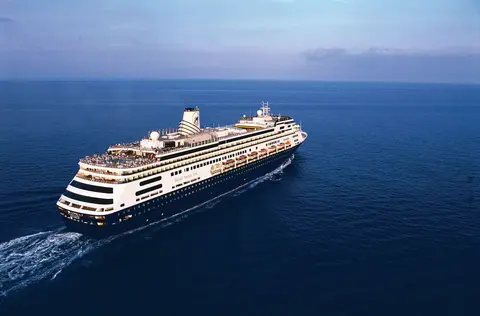
35-Day Legendary Voyage of the Vikings
Date
2027-07-17
Duration
35 nights
Departure Port
Boston
United States
Arrival Port
Boston
United States
Rating
Premium
Theme
—
Date
2027-07-17
Duration
35 nights
Departure Port
Boston
United States
Arrival Port
Boston
United States
Rating
Premium
Theme
—







Holland America Line
1999
2019
61,214 GT
1,432
716
615
781 m
32 m
23 knots
No

Boston is America's revolutionary birthplace and intellectual capital, a supremely walkable city where the Freedom Trail connects sixteen historic sites past Italian North End bakeries and Beacon Hill's gaslit streets. Must-do experiences include walking the Freedom Trail, eating a lobster roll at the Union Oyster House, and exploring the Isabella Stewart Gardner Museum. September and October bring peak fall foliage; spring brings the Marathon and blooming gardens.
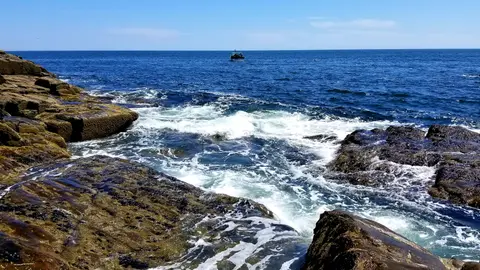
Portland, Maine, is America’s most exciting small food city, perched on a Casco Bay peninsula where the Old Port’s brick-and-granite streets house more restaurants per capita than nearly any U.S. city, fueled by legendary Maine lobster and Gulf oysters. Must-dos include a lobster roll on the working waterfront, browsing the Portland Museum of Art’s Winslow Homer collection, and a ferry ride to Casco Bay’s car-free islands. Visit September and October for New England’s spectacular fall foliage and the finest weather.
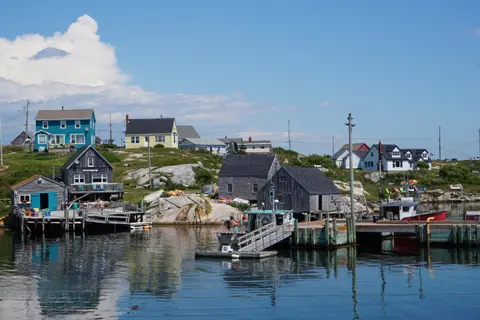
Sydney, on Cape Breton Island in Nova Scotia, is a charming harbour city where Scottish-Acadian heritage meets raw Atlantic beauty, serving as the gateway to the legendary Cabot Trail — one of the world's most spectacular coastal drives. Visitors should savour the island's renowned seafood chowder and traditional oatcakes while exploring the colourful waterfront boardwalk. The peak season stretches from late June through October, when autumn's fiery foliage transforms the highlands into a tapestry of crimson and gold.
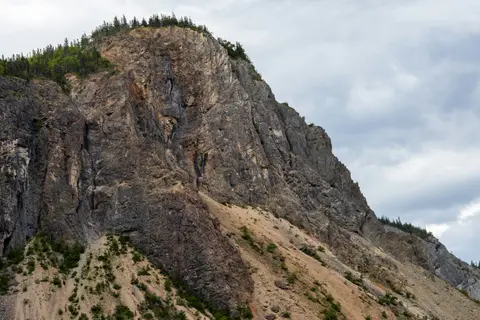
Corner Brook sits on Newfoundland's west coast at the head of the Bay of Islands, framed by the Long Range Mountains and steeped in maritime history dating to Captain Cook's 1767 survey. Must-dos include visiting nearby Gros Morne National Park, tasting pan-fried cod tongues, and taking in the bay panorama from Cook's monument. July through September offers the best weather, with autumn foliage adding dramatic color.
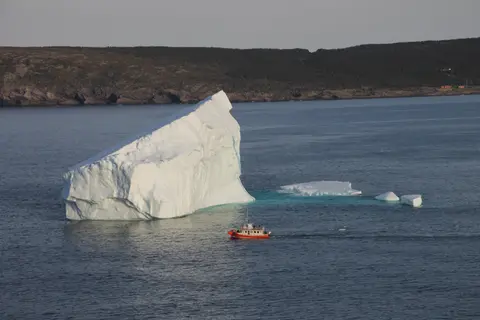
Red Bay is a UNESCO World Heritage Site on Labrador's coast where sixteenth-century Basque whalers operated the world's largest whaling industry, leaving remarkably preserved shipwrecks and onshore tryworks. Must-dos include visiting the National Historic Site museum, taking a boat to Saddle Island's tryworks ruins, and watching for whales and icebergs in the Strait of Belle Isle. Visit July to August for the warmest weather and best wildlife sightings.
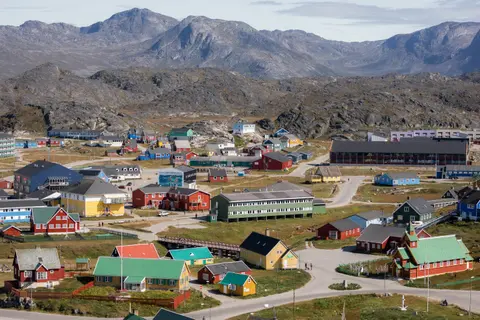
Paamiut is a small Greenlandic town on the Davis Strait coast, set against a dramatic backdrop of ice-capped mountains and drifting icebergs in one of Earth's most sparsely inhabited regions. Must-dos include kayaking among icebergs, whale watching from the harbor, and tasting fresh Arctic char and halibut. Visit June to September for midnight sun and the warmest conditions.
Greenland's southernmost town, Nanortalik is surrounded by the steep mountain peaks of Tasermiut Fjord - whose rugged landscape and lush vegetation attracts serious climbers all year long. Inside the fjord are the ruins of an Augustinian monastery and the towering trees of the Qingua Valley. In this region, the northern lights dance across the sky in the evenings and polar bears have been known to drift by on ice floes. Visit the old town around the colonial harbor where the museum includes exhibits of rare Norse clothing. This harbor is thought to be the last point of departure of the Norse voyagers when they sailed to or from Greenland. The importance of the site is evidenced in the ruins of boathouses. Take a chilly trip to the ice cap by boat, or warm up in the natural hot springs at Uunartoq.
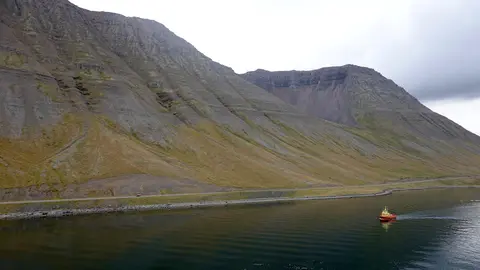
Ísafjörður is the cultural and historical capital of Iceland's remote Westfjords, a dramatic fjord-side settlement where centuries of fishing heritage meet stark Arctic grandeur. Visitors should not miss the communal seafood feast at Tjöruhúsið restaurant and a journey to the surreal red sands of Rauðasandur beach near Patreksfjörður. The optimal visiting window is June through August, when nearly perpetual daylight illuminates the encircling mountains and the town's vibrant cultural calendar reaches its peak.
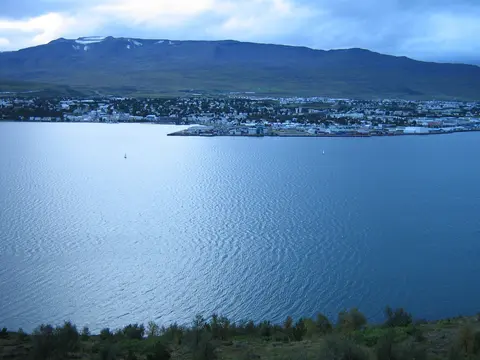
Akureyri, the cultural capital of northern Iceland, sits at the head of the majestic Eyjafjörður and serves as a gateway to some of the island's most dramatic landscapes, including the thundering Goðafoss waterfall, the volcanic wonderland of Lake Mývatn, and Europe's most powerful cascade at Dettifoss. Visitors should not miss the excursion to Mývatn's geothermal pools and the tasting of traditional *hangikjöt* smoked lamb at a harbourside restaurant. The ideal season to visit is June through August, when the midnight sun bathes the fjord in endless golden light and the botanical gardens reach their luminous peak.
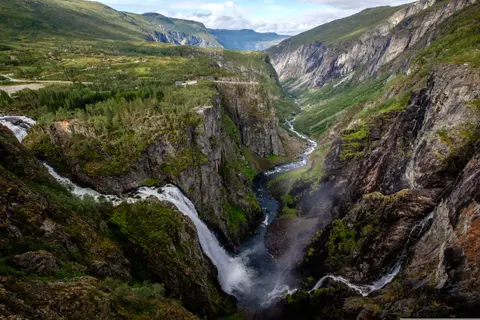
Eidfjord is a fjord village of fewer than a thousand residents at the innermost tip of Norway's Hardangerfjord, framed by towering peaks and the vast Hardangervidda plateau. Visitors should not miss the 182-metre Vøringsfossen waterfall and the ancient rock carvings at Hæreid, both within easy reach of the waterfront. The prime season stretches from late May through early September, when endless Nordic daylight illuminates the glacial waters and the surrounding Hardanger orchards are in full bloom.
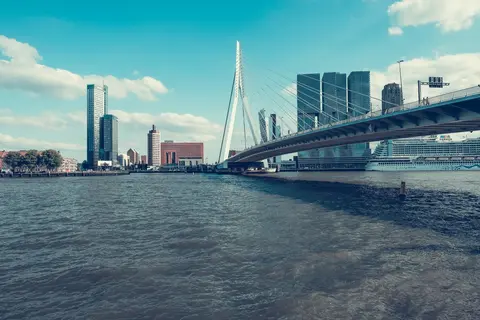
Rotterdam, Europe's largest port, is a city that rebuilt itself from wartime ruin into one of the continent's most exhilarating architectural laboratories — a skyline of Cube Houses, the pencil-thin Westerkade skyscrapers, and the breathtaking Markthal arching over an indoor food market of extraordinary abundance. The Boijmans Van Beuningen collection ranks among Europe's finest, while the art district of Witte de With pulses with galleries and design studios. Day-trip to Kinderdijk's nineteen iconic windmills, a UNESCO World Heritage site rising from the polders just south of the city. Spring and early summer offer the finest conditions.

Cork (via Cobh cruise port) offers Ireland's largest natural harbor, the last port of call for the Titanic, and access to Ireland's culinary capital with its legendary English Market and artisan food culture. Must-dos include visiting the Cobh Heritage Centre, shopping the English Market for artisan cheeses, and day-tripping to gourmet Kinsale. Visit May to September for the warmest weather and longest days.
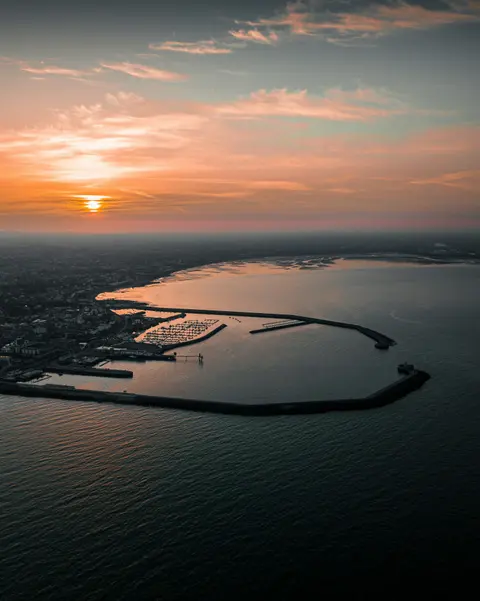
Dún Laoghaire is an elegant Victorian harbour town on Dublin Bay, renowned for its sweeping nineteenth-century granite piers, literary heritage tied to James Joyce, and vibrant artisan food culture featuring Dublin Bay prawns, boxty, and farmhouse cheeses. Visitors should walk the historic East Pier for panoramic bay views and explore the Sunday market at People's Park. The ideal season is late May through September, when long Irish summer evenings bathe the waterfront in golden light and outdoor dining comes alive along the seafront.
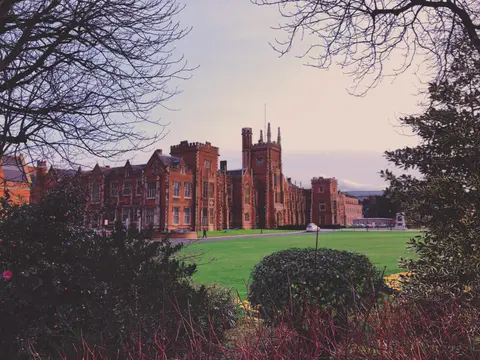
Belfast, Northern Ireland’s capital, is a vibrant port city renowned for its rich shipbuilding heritage, highlighted by the Titanic Belfast museum. Must-do experiences include exploring the historic Cathedral Quarter and tasting traditional dishes like Irish stew and soda bread at St. George's Market. The best season to visit is during the spring and summer when the city comes alive with festivals and outdoor events.
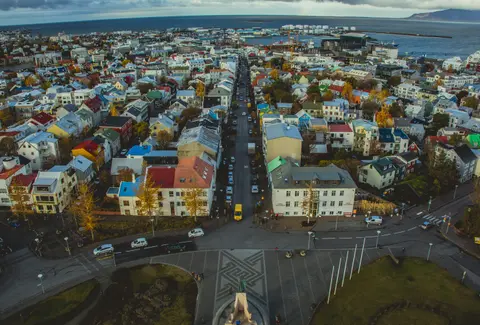
Reykjavik, the world's northernmost capital, distils the entire improbable beauty of Iceland into one compact, creatively charged city. The soaring basalt columns of Hallgrímskirkja dominate a skyline of primary-coloured rooftops, while the Harpa Concert Hall shimmers beside the harbour like a captured aurora. Day trips from the city unlock the Golden Circle's geysers and Geysir hot spring, the black sand beaches of Vík, and the ethereal glacier lagoon at Jökulsárlón. Geothermal pools — from the legendary Blue Lagoon to intimate neighbourhood hot pots — offer warmth year-round. June and July bring the bewitching midnight sun.
Grundarfjörður is a town in the north of the Snæfellsnes peninsula in the west of Iceland. It is situated between a mountain range and the sea. The nearby mountain Kirkjufell forms a small peninsula.
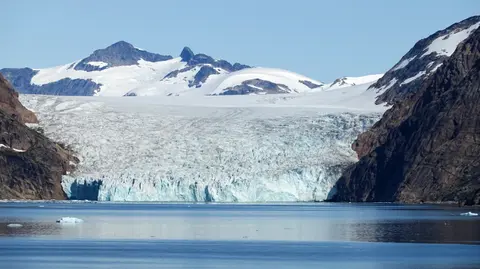
Prince Christian Sound is Greenland's most dramatic navigable passage — a forty-kilometer corridor between thousand-meter cliffs and hanging glaciers that expedition ships from Seabourn to Silversea transit when ice conditions permit. Navigate July through September for humpback whale encounters, iceberg-studded waters, and the visceral Arctic experience that empties every cabin and fills every open deck regardless of weather.
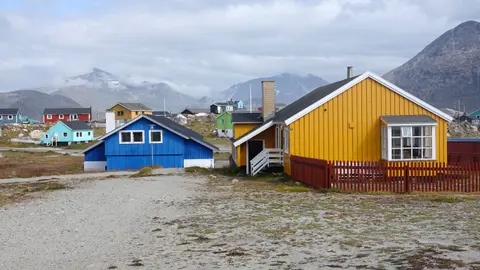
Qaqortoq is southern Greenland's largest town, where brightly painted houses climb above a fjord harbour amid open-air stone sculptures and Norse ruins. Must-do experiences include visiting the Hvalsey Norse church ruins, soaking in the Uunartoq hot springs surrounded by icebergs, and tasting Arctic char and musk ox. June through September offers the accessible season, with July and August warmest for fjord exploration.
St. Anthony sits at Newfoundland's northern tip, serving as the gateway to Iceberg Alley, whale-watching waters, and the UNESCO-listed Viking settlement at L'Anse aux Meadows. Must-dos include watching thousand-year-old icebergs drift past and exploring North America's only authenticated Norse site. June and July offer peak iceberg and whale season.
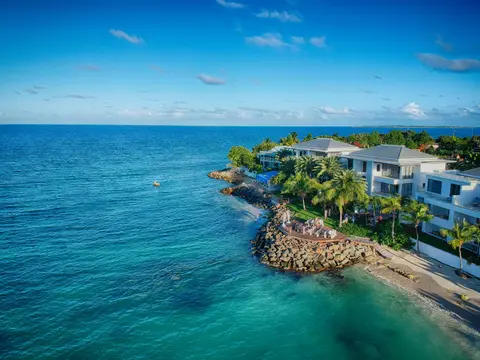
St. John's, Antigua's storied capital, anchors a natural harbor that has drawn seafarers since the seventeenth century, its Georgian cathedral and pastel-painted market hall bearing quiet witness to a complex colonial past. The crown jewel lies an hour's drive away at Nelson's Dockyard in English Harbour — the world's only still-functioning Georgian naval dockyard, set against the turquoise waters of one of the Caribbean's finest anchorages. Antigua's warm, dry climate makes it a year-round destination, though the exhilarating Sailing Week regatta in late April draws the most glamorous international crowd.
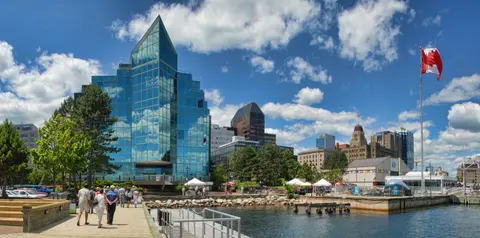
Halifax, the historic capital of Nova Scotia, is a refined Atlantic port where centuries of maritime heritage meet a flourishing culinary scene anchored by Digby scallops, donairs, and one of North America's oldest farmers' markets. Visitors should not miss the star-shaped Citadel Hill and the harbourfront boardwalk's constellation of galleries and tasting rooms. The ideal season stretches from late June through October, when autumn's blazing foliage transforms the entire province into a masterwork of colour and the cruise terminal welcomes the world's finest vessels.

Boston is America's revolutionary birthplace and intellectual capital, a supremely walkable city where the Freedom Trail connects sixteen historic sites past Italian North End bakeries and Beacon Hill's gaslit streets. Must-do experiences include walking the Freedom Trail, eating a lobster roll at the Union Oyster House, and exploring the Isabella Stewart Gardner Museum. September and October bring peak fall foliage; spring brings the Marathon and blooming gardens.
Day 1
Boston is America's revolutionary birthplace and intellectual capital, a supremely walkable city where the Freedom Trail connects sixteen historic sites past Italian North End bakeries and Beacon Hill's gaslit streets. Must-do experiences include walking the Freedom Trail, eating a lobster roll at the Union Oyster House, and exploring the Isabella Stewart Gardner Museum. September and October bring peak fall foliage; spring brings the Marathon and blooming gardens.
Day 2
Portland, Maine, is America’s most exciting small food city, perched on a Casco Bay peninsula where the Old Port’s brick-and-granite streets house more restaurants per capita than nearly any U.S. city, fueled by legendary Maine lobster and Gulf oysters. Must-dos include a lobster roll on the working waterfront, browsing the Portland Museum of Art’s Winslow Homer collection, and a ferry ride to Casco Bay’s car-free islands. Visit September and October for New England’s spectacular fall foliage and the finest weather.
Day 3
Day 4
Sydney, on Cape Breton Island in Nova Scotia, is a charming harbour city where Scottish-Acadian heritage meets raw Atlantic beauty, serving as the gateway to the legendary Cabot Trail — one of the world's most spectacular coastal drives. Visitors should savour the island's renowned seafood chowder and traditional oatcakes while exploring the colourful waterfront boardwalk. The peak season stretches from late June through October, when autumn's fiery foliage transforms the highlands into a tapestry of crimson and gold.
Day 5
Corner Brook sits on Newfoundland's west coast at the head of the Bay of Islands, framed by the Long Range Mountains and steeped in maritime history dating to Captain Cook's 1767 survey. Must-dos include visiting nearby Gros Morne National Park, tasting pan-fried cod tongues, and taking in the bay panorama from Cook's monument. July through September offers the best weather, with autumn foliage adding dramatic color.
Day 6
Red Bay is a UNESCO World Heritage Site on Labrador's coast where sixteenth-century Basque whalers operated the world's largest whaling industry, leaving remarkably preserved shipwrecks and onshore tryworks. Must-dos include visiting the National Historic Site museum, taking a boat to Saddle Island's tryworks ruins, and watching for whales and icebergs in the Strait of Belle Isle. Visit July to August for the warmest weather and best wildlife sightings.
Day 7
Day 8
Paamiut is a small Greenlandic town on the Davis Strait coast, set against a dramatic backdrop of ice-capped mountains and drifting icebergs in one of Earth's most sparsely inhabited regions. Must-dos include kayaking among icebergs, whale watching from the harbor, and tasting fresh Arctic char and halibut. Visit June to September for midnight sun and the warmest conditions.
Day 9
Greenland's southernmost town, Nanortalik is surrounded by the steep mountain peaks of Tasermiut Fjord - whose rugged landscape and lush vegetation attracts serious climbers all year long. Inside the fjord are the ruins of an Augustinian monastery and the towering trees of the Qingua Valley. In this region, the northern lights dance across the sky in the evenings and polar bears have been known to drift by on ice floes. Visit the old town around the colonial harbor where the museum includes exhibits of rare Norse clothing. This harbor is thought to be the last point of departure of the Norse voyagers when they sailed to or from Greenland. The importance of the site is evidenced in the ruins of boathouses. Take a chilly trip to the ice cap by boat, or warm up in the natural hot springs at Uunartoq.
Day 10
Day 11
Day 12
Ísafjörður is the cultural and historical capital of Iceland's remote Westfjords, a dramatic fjord-side settlement where centuries of fishing heritage meet stark Arctic grandeur. Visitors should not miss the communal seafood feast at Tjöruhúsið restaurant and a journey to the surreal red sands of Rauðasandur beach near Patreksfjörður. The optimal visiting window is June through August, when nearly perpetual daylight illuminates the encircling mountains and the town's vibrant cultural calendar reaches its peak.
Day 13
Akureyri, the cultural capital of northern Iceland, sits at the head of the majestic Eyjafjörður and serves as a gateway to some of the island's most dramatic landscapes, including the thundering Goðafoss waterfall, the volcanic wonderland of Lake Mývatn, and Europe's most powerful cascade at Dettifoss. Visitors should not miss the excursion to Mývatn's geothermal pools and the tasting of traditional *hangikjöt* smoked lamb at a harbourside restaurant. The ideal season to visit is June through August, when the midnight sun bathes the fjord in endless golden light and the botanical gardens reach their luminous peak.
Day 14
Day 15
Day 16
Eidfjord is a fjord village of fewer than a thousand residents at the innermost tip of Norway's Hardangerfjord, framed by towering peaks and the vast Hardangervidda plateau. Visitors should not miss the 182-metre Vøringsfossen waterfall and the ancient rock carvings at Hæreid, both within easy reach of the waterfront. The prime season stretches from late May through early September, when endless Nordic daylight illuminates the glacial waters and the surrounding Hardanger orchards are in full bloom.
Day 17
Day 18
Rotterdam, Europe's largest port, is a city that rebuilt itself from wartime ruin into one of the continent's most exhilarating architectural laboratories — a skyline of Cube Houses, the pencil-thin Westerkade skyscrapers, and the breathtaking Markthal arching over an indoor food market of extraordinary abundance. The Boijmans Van Beuningen collection ranks among Europe's finest, while the art district of Witte de With pulses with galleries and design studios. Day-trip to Kinderdijk's nineteen iconic windmills, a UNESCO World Heritage site rising from the polders just south of the city. Spring and early summer offer the finest conditions.
Day 19
Day 20
Cork (via Cobh cruise port) offers Ireland's largest natural harbor, the last port of call for the Titanic, and access to Ireland's culinary capital with its legendary English Market and artisan food culture. Must-dos include visiting the Cobh Heritage Centre, shopping the English Market for artisan cheeses, and day-tripping to gourmet Kinsale. Visit May to September for the warmest weather and longest days.
Day 21
Dún Laoghaire is an elegant Victorian harbour town on Dublin Bay, renowned for its sweeping nineteenth-century granite piers, literary heritage tied to James Joyce, and vibrant artisan food culture featuring Dublin Bay prawns, boxty, and farmhouse cheeses. Visitors should walk the historic East Pier for panoramic bay views and explore the Sunday market at People's Park. The ideal season is late May through September, when long Irish summer evenings bathe the waterfront in golden light and outdoor dining comes alive along the seafront.
Day 22
Belfast, Northern Ireland’s capital, is a vibrant port city renowned for its rich shipbuilding heritage, highlighted by the Titanic Belfast museum. Must-do experiences include exploring the historic Cathedral Quarter and tasting traditional dishes like Irish stew and soda bread at St. George's Market. The best season to visit is during the spring and summer when the city comes alive with festivals and outdoor events.
Day 23
Day 24
Reykjavik, the world's northernmost capital, distils the entire improbable beauty of Iceland into one compact, creatively charged city. The soaring basalt columns of Hallgrímskirkja dominate a skyline of primary-coloured rooftops, while the Harpa Concert Hall shimmers beside the harbour like a captured aurora. Day trips from the city unlock the Golden Circle's geysers and Geysir hot spring, the black sand beaches of Vík, and the ethereal glacier lagoon at Jökulsárlón. Geothermal pools — from the legendary Blue Lagoon to intimate neighbourhood hot pots — offer warmth year-round. June and July bring the bewitching midnight sun.
Day 26
Grundarfjörður is a town in the north of the Snæfellsnes peninsula in the west of Iceland. It is situated between a mountain range and the sea. The nearby mountain Kirkjufell forms a small peninsula.
Day 27
Day 28
Prince Christian Sound is Greenland's most dramatic navigable passage — a forty-kilometer corridor between thousand-meter cliffs and hanging glaciers that expedition ships from Seabourn to Silversea transit when ice conditions permit. Navigate July through September for humpback whale encounters, iceberg-studded waters, and the visceral Arctic experience that empties every cabin and fills every open deck regardless of weather.
Day 29
Qaqortoq is southern Greenland's largest town, where brightly painted houses climb above a fjord harbour amid open-air stone sculptures and Norse ruins. Must-do experiences include visiting the Hvalsey Norse church ruins, soaking in the Uunartoq hot springs surrounded by icebergs, and tasting Arctic char and musk ox. June through September offers the accessible season, with July and August warmest for fjord exploration.
Day 30
Day 31
St. Anthony sits at Newfoundland's northern tip, serving as the gateway to Iceberg Alley, whale-watching waters, and the UNESCO-listed Viking settlement at L'Anse aux Meadows. Must-dos include watching thousand-year-old icebergs drift past and exploring North America's only authenticated Norse site. June and July offer peak iceberg and whale season.
Day 32
St. John's, Antigua's storied capital, anchors a natural harbor that has drawn seafarers since the seventeenth century, its Georgian cathedral and pastel-painted market hall bearing quiet witness to a complex colonial past. The crown jewel lies an hour's drive away at Nelson's Dockyard in English Harbour — the world's only still-functioning Georgian naval dockyard, set against the turquoise waters of one of the Caribbean's finest anchorages. Antigua's warm, dry climate makes it a year-round destination, though the exhilarating Sailing Week regatta in late April draws the most glamorous international crowd.
Day 33
Day 34
Halifax, the historic capital of Nova Scotia, is a refined Atlantic port where centuries of maritime heritage meet a flourishing culinary scene anchored by Digby scallops, donairs, and one of North America's oldest farmers' markets. Visitors should not miss the star-shaped Citadel Hill and the harbourfront boardwalk's constellation of galleries and tasting rooms. The ideal season stretches from late June through October, when autumn's blazing foliage transforms the entire province into a masterwork of colour and the cruise terminal welcomes the world's finest vessels.
Day 35
Day 36
Boston is America's revolutionary birthplace and intellectual capital, a supremely walkable city where the Freedom Trail connects sixteen historic sites past Italian North End bakeries and Beacon Hill's gaslit streets. Must-do experiences include walking the Freedom Trail, eating a lobster roll at the Union Oyster House, and exploring the Isabella Stewart Gardner Museum. September and October bring peak fall foliage; spring brings the Marathon and blooming gardens.


Approximately 558-566 sq. ft. including verandah
With floor-to-ceiling windows overlooking a private verandah, these spacious suites are flooded with light. They feature a large sitting area with a mini-bar and refrigerator, and two lower beds convertible to one king-size bed—our signature Mariner's Dream bed with plush Euro-Top mattresses plus a separate dressing room. There's also a sofa bed, suitable for two people. The bathroom comes with a full-size whirlpool bath and shower. Amenities include use of the exclusive Neptune Lounge, a private concierge and an array of complimentary services. The configuration of staterooms may vary from the images.
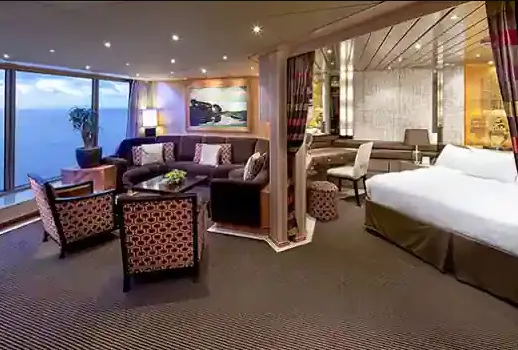

Approximately 1,296 sq. ft. including verandah
Generously proportioned and filled with light, these elegant suites include a living room, dining room, pantry with microwave and refrigerator, and floor-to-ceiling windows overlooking a private verandah. The bedroom features a king-size bed—our Signature Mariner's Dream bed with plush Euro-Top mattresses, plus a separate dressing room and the bath includes an oversize whirlpool bath and shower as well as an additional shower stall. There's also a sofa bed, suitable for two people, and a guest toilet. Amenities include a private stereo system, use of the exclusive Neptune Lounge, private concierge and an array of complimentary services. The configuration of staterooms may vary from the images shown.


Approximately 297-379 sq. ft. including verandah
With a teak-lined verandah, floor-to-ceiling windows and comfortable sitting area, these comfortable suites are filled with light. They include two lower beds convertible to one queen-size bed—our signature Mariner's Dream bed with plush Euro-Top mattresses, plus a whirlpool bath and shower, mini-bar and refrigerator. The configuration of staterooms may vary from the images shown.
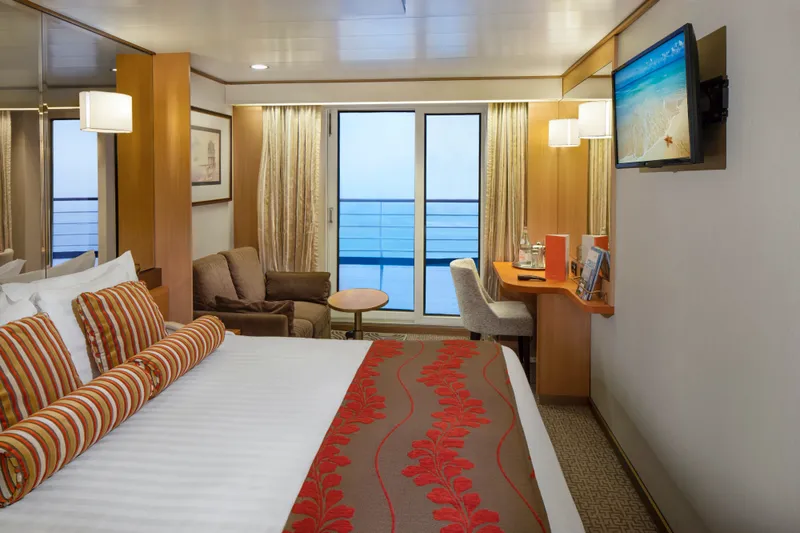
Approximately 196-240 sq. ft.
Sliding glass doors (mirrored for privacy) open onto our Promenade deck from this comfortable stateroom, which includes two lower beds convertible to one queen-size bed—our Signature Mariner's Dream bed with plush Euro-Top mattresses, premium massage shower heads and other amenities. The configuration of staterooms may vary from the images shown.
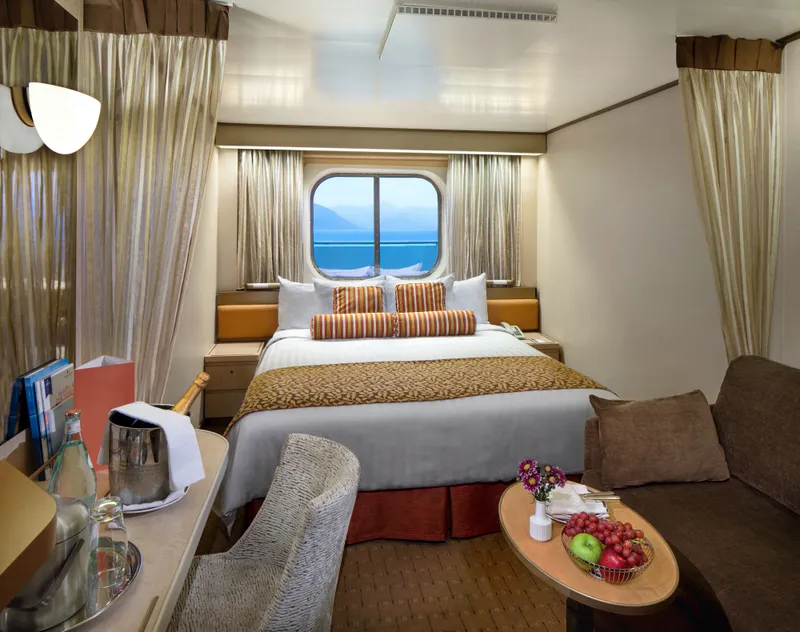
Approximately 140-319 sq. ft.
These expansive staterooms include include two lower beds convertible to one queen-size bed—our Signature Mariner's Dream bed with plush Euro-Top mattresses, premium massage shower heads, a host of amenities and an ocean view. The configuration of staterooms may vary from the images shown.


Approximately 140-319 sq. ft.
These large staterooms include two lower beds convertible to one queen-size bed—our Signature Mariner's Dream bed with plush Euro-Top mattresses, premium massage shower heads and a host of amenities. The view is fully obstructed. The configuration of staterooms may vary from the images shown.
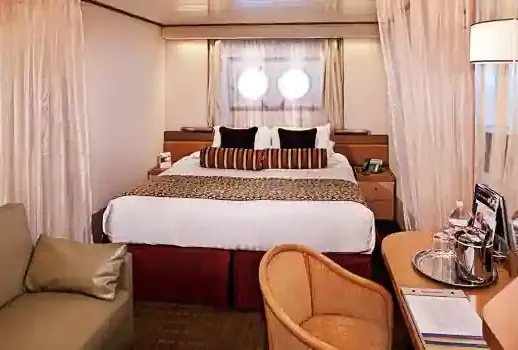

Approximately 140-319 sq. ft.
These staterooms feature a partial sea view and include two lower beds convertible to one queen-size bed—our signature Mariner's Dream bed with plush Euro-Top mattresses, plus premium massage shower heads and a variety of amenities. The configuration of staterooms may vary from the images shown.
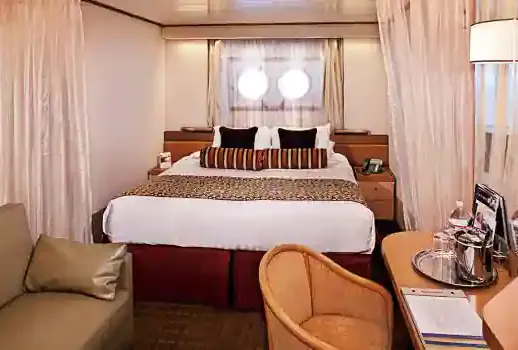

Approximately 140-319 sq. ft.
These spacious staterooms include two lower beds convertible to one queen-size bed—our Signature Mariner's Dream bed with plush Euro-Top mattresses, premium massage shower heads, an array of modern amenities and a porthole. The configuration of staterooms may vary from the images shown.


Approximately 151–233 sq. ft.
Two lower beds convertible to one queen-size bed—our signature Mariner's Dream bed with plush Euro-Top mattresses, premium massage shower heads and a host of amenities are featured in these comfortable staterooms. The configuration of staterooms may vary from the images shown.
Our cruise specialists can help you find the perfect cabin and the best available pricing.
(+886) 02-2721-7300Contact Advisor