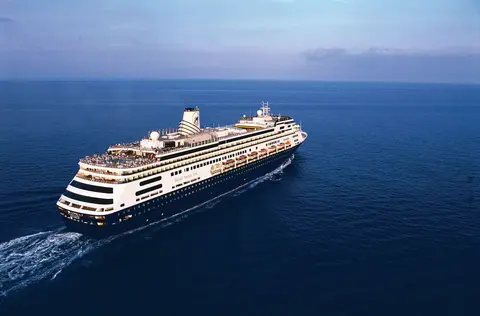
129-Day Grand World Voyage
Date
2028-01-04
Duration
129 nights
Departure Port
Fort Lauderdale
United States
Arrival Port
Fort Lauderdale
United States
Rating
—
Theme
—
Date
2028-01-04
Duration
129 nights
Departure Port
Fort Lauderdale
United States
Arrival Port
Fort Lauderdale
United States
Rating
—
Theme
—






Holland America Line
1999
2019
61,214 GT
1,432
716
615
781 m
32 m
23 knots
No
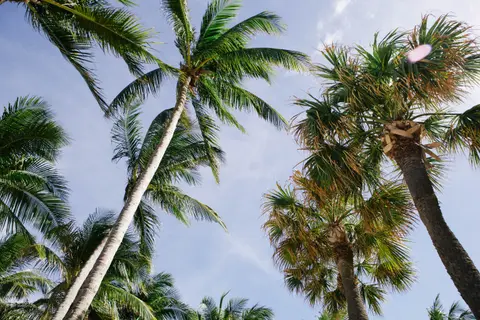
Fort Lauderdale is South Florida's reinvented waterfront city, where three hundred miles of inland waterways, the NSU Art Museum's contemporary collection, and the tree-lined Las Olas Boulevard create a cruise departure point of genuine sophistication at Port Everglades. Arrive a day early between November and April to explore the 'Venice of America' by water taxi and discover the dining scene that has replaced Spring Break with year-round culinary ambition.
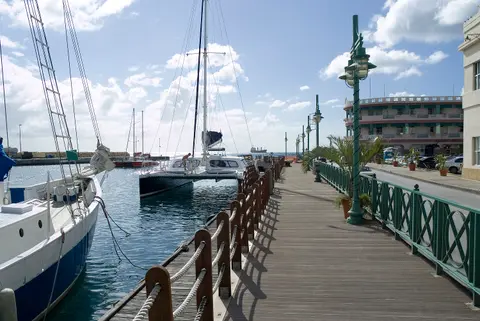
Bridgetown, Barbados's compact and convivial capital, carries three centuries of uninterrupted British colonial heritage — a UNESCO World Heritage Site of Georgian townhouses, coral-stone churches, and the Garrison Savannah, whose racecourse is the oldest in the Western Hemisphere — all infused with the irresistible rhythms of a proud Caribbean nation. The island's culinary scene has matured into one of the Caribbean's most sophisticated, with flying fish cutter sandwiches from roadside stalls competing for devotion with the elegant seafood preparations of the Platinum Coast's celebrated restaurants. Visit December through May for the driest season; the island's sheltered west coast offers superlative year-round sailing conditions.
Devil's Island, part of a three-island chain called Îles du Salut, in French Guiana, was home to one of the most infamous—and impregnable—prisons of the 19th and 20th centuries. Opened in 1852, it received worldwide renown in the mid-1890s when French military captain Alfred Dreyfus was sentenced to life imprisonment after being wrongly convicted of selling military secrets to Germany. Although Dreyfus's sentence was commuted after five years, more than 80,000 political prisoners and hardened criminals endured years of mistreatment and abuse among disease-ridden conditions. Few were able to escape, though Henri Charrière, author of the book Papillon, allegedly succeeded by filling sacks with coconuts in order to float to the mainland. The prison was officially closed in 1953. In 1965, the French government transferred responsibility of the island to the Guiana Space Centre, and in recent years, tourism facilities have been added. Devil's Island and its two smaller neighboring islands receive more than 50,000 visitors each year.
Icoaraci, a riverside district of Belém at the Amazon’s mouth, is celebrated for its pre-Columbian Marajoara pottery workshops where artisans continue thousand-year-old ceramic traditions. Must-dos include visiting the ceramic studios, exploring Belém’s legendary Ver-o-Peso market, and tasting Amazonian specialties like duck in tucupi sauce. Visit June through November for drier weather in this equatorial gateway to the Amazon.
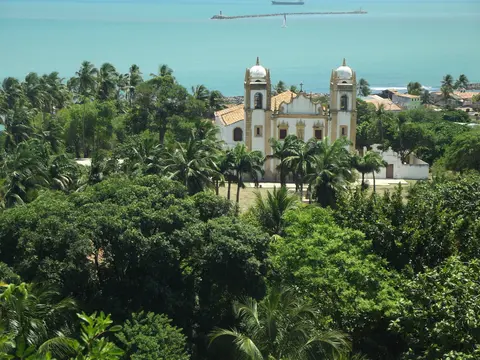
Recife is Brazil's "Venice," a river-laced northeastern capital built across islands and bridges, where Dutch colonial history, Afro-Brazilian culture, and extraordinary street food converge. Must-dos include the Marco Zero square and Brennand sculptures, exploring UNESCO-listed Olinda's colonial churches, and tasting tapioca crepes and bolo de rolo cake. Visit September through March for dry, sunny weather.
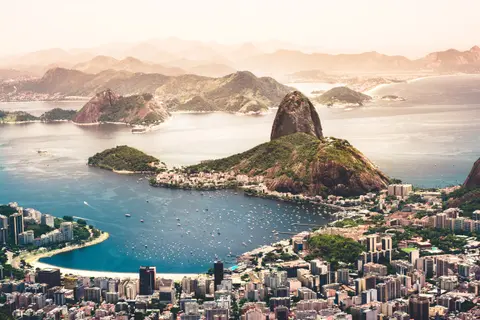
Rio de Janeiro is Brazil's spectacular coastal metropolis, where granite peaks plunge into Atlantic beaches and imperial history meets vibrant Afro-Brazilian culture. Visitors should not miss the panoramic ascent of Sugarloaf Mountain by cable car and a traditional Saturday feijoada feast at a local boteco. The best season for cruise visits is October through March, when southern hemisphere summer brings warm temperatures and the city pulses with pre-Carnival energy, though the shoulder months of September and April offer pleasant weather with thinner crowds.
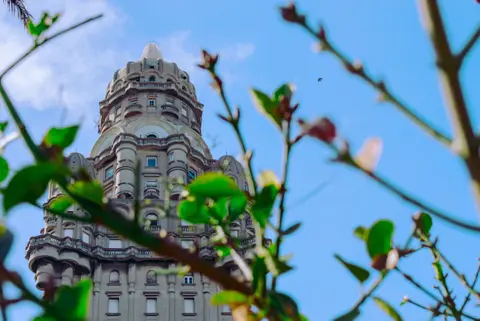
Montevideo, Uruguay's gracious capital on the Río de la Plata, enchants with its Art Deco–lined Ciudad Vieja, the legendary Mercado del Puerto where asado and Tannat wine elevate lunch to ceremony, and a twenty-kilometer Rambla promenade perfect for unhurried afternoon strolls. Day trips to glamorous Punta del Este or UNESCO-listed Colonia del Sacramento round out the experience. The Southern Hemisphere summer — November through March — brings warm days and vibrant outdoor culture, making it the ideal season for a cruise port call.
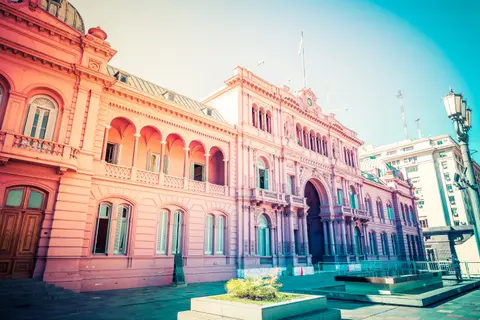
Twice-founded and once the wealthiest city in Latin America, Buenos Aires seduces with the world-class acoustics of the Teatro Colón, the ritual theatre of a wood-fire asado at a San Telmo parrilla, and the cobblestoned milongas where tango was born and where it burns still. Cross the estuary to UNESCO-listed Colonia del Sacramento or head south toward the glaciers of Patagonia. As South America's premier cruise hub for Antarctic expeditions and round-the-continent voyages, the city is most inviting from November through March.
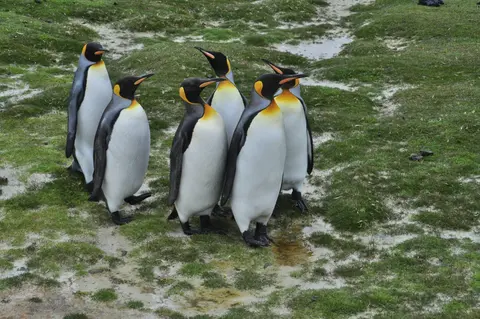
Port Stanley, capital of the Falkland Islands, is a remote South Atlantic settlement where painted-roof cottages, a whalebone-arched cathedral, and nineteenth-century shipwrecks frame one of the world's finest wildlife frontiers. Visitors should not miss the king penguin colony at Volunteer Point and the extraordinary albatross rookeries of Steeple Jason Island. The austral summer months of November through March offer the mildest weather and peak wildlife activity, coinciding with the expedition cruise season that brings luxury lines through these waters.
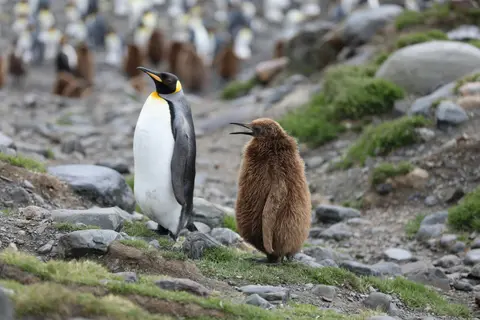
Antarctica is earth's last pristine continent, a fourteen-million-square-kilometre ice wilderness supporting extraordinary wildlife — vast penguin colonies, humpback whales, leopard seals — in landscapes of otherworldly beauty. Essential experiences include Zodiac landings among penguin colonies, whale watching, and witnessing icebergs of electric blue. November through March is the visiting season, with December-January warmest and February best for whales.
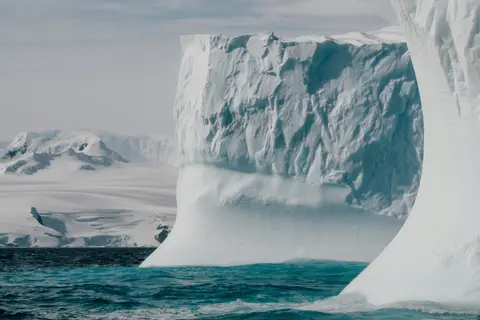
Antarctica is earth's last pristine continent, a fourteen-million-square-kilometre ice wilderness supporting extraordinary wildlife — vast penguin colonies, humpback whales, leopard seals — in landscapes of otherworldly beauty. Essential experiences include Zodiac landings among penguin colonies, whale watching, and witnessing icebergs of electric blue. November through March is the visiting season, with December-January warmest and February best for whales.
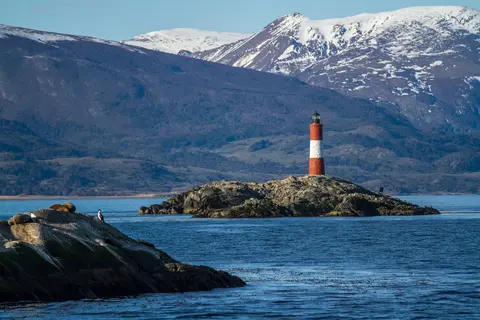
Ushuaia, the southernmost city in the world, is a captivating blend of history, vibrant culture, and natural beauty, making it a unique port of call in Argentina. Must-do experiences include savoring local delicacies like centolla and exploring the breathtaking landscapes of nearby Los Glaciares National Park. The best time to visit is during the summer months of December to March, when the weather is mild, and the scenery is at its most stunning.
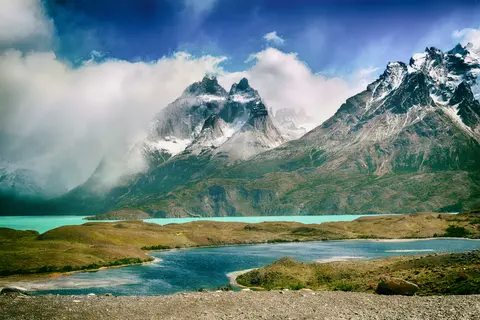
Punta Arenas is Chile's southernmost continental city and the historic gateway to the Strait of Magellan, Antarctica, and Tierra del Fuego. Visitors should not miss savouring fresh centolla king crab at a waterfront restaurant and taking a boat excursion to the Magellanic penguin colonies at Tucker Islets. The best time to visit is during the austral summer from November through March, when temperatures are mild, daylight stretches past ten in the evening, and expedition cruise schedules are at their peak.
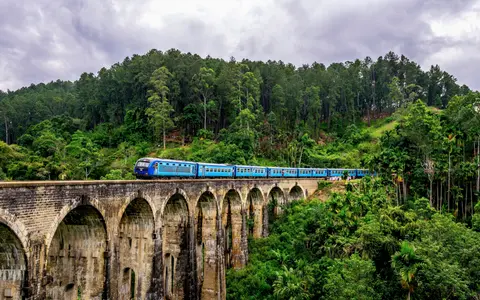
Ella is a serene hill-country village in Sri Lanka's tea-covered central highlands, famous for the spectacular Colombo-to-Badulla railway, the iconic Nine Arch Bridge, and panoramic hiking trails. Must-dos include riding the highland train, touring a tea factory, and hiking Little Adam's Peak for 360-degree mountain views. January through March and July through September offer the clearest weather between monsoon seasons.
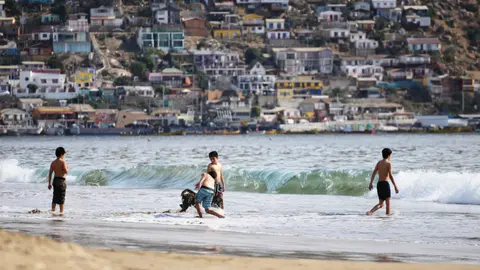
Puerto Montt is the gateway to Chilean Patagonia, where the Pan-American Highway ends and a landscape of volcanoes, fjords, and the UNESCO-listed wooden churches of Chiloé island begins. Visit October through March via Seabourn or Viking for Osorno Volcano reflections, king crab at the Angelmó market, and the Lake District's Germanic towns that serve classical concerts with volcano-and-lake views.
This large, modern port serves Chile’s capital, Santiago, a city with Spanish colonial charm and a vivacious spirit. Encircled by the Andes and the Coastal Range, Santiago is centered around the Plaza de Armas, with several of the city’s landmarks: the 18th-century Metropolitan Cathedral the Palacio de la Real Audencia from 1808, the City Hall and the National Museum of History. North of San Antonio lie the picturesque old port and university town of Valparaíso and the colorful seaside resort of Viña del Mar. In between the coast and the capital are valleys filled with some of Chile’s most famous wineries, all inviting you to come and taste.
The imposing stone statues - known as moai - on Easter Island have long fascinated anthropologists (and travelers). Who were the people that carved, moved and erected such giants? What was the statues' significance? Why did the culture disappear? The statues won t say. Ponder the mysteries yourself on an island tour.
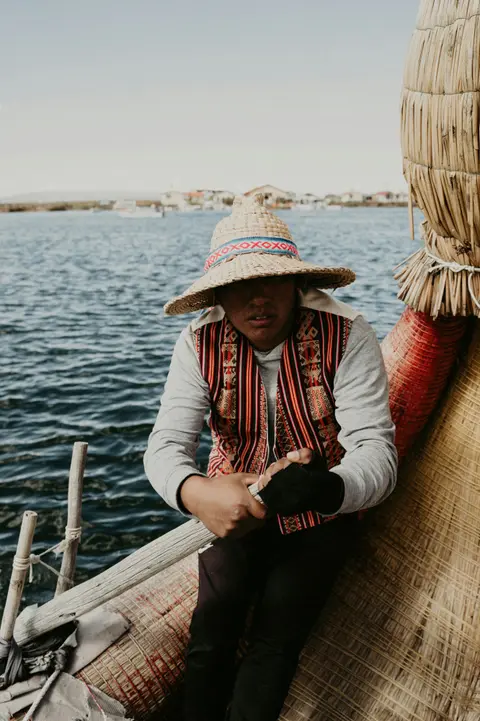
Shaped like a heart and crowned with emerald-green spires, Moorea is easy to love. The Magical Island, as it's nicknamed, is celebrated for its untamed landscape and symmetrical side-by-side bays (called Opunohu and Cook's); it was said to be the inspiration for the mythical isle of Bali Hai in James Michener’s Tales of the South Pacific. Its languid lagoon seems without end, wrapping this 132-square-kilometer (50-square-mile) isle in shades of liquid blue, from pale aqua to intense turquoise. Dolphins and stingrays glide through the waves alongside snorkelers and divers exploring the stunning undersea scene. Venture inland to the valleys and another aspect of island life becomes clear: agricultural abundance, with crops that include pineapples, bananas, taro, sugarcane, coffee and cotton. Moorea has shopping, too, mainly for lustrous Tahitian black pearls and brightly patterned pareus (wraparound skirts). Wherever you head, you'll find the South Pacific you have dreamed of, moving to the leisurely pace of island time. It can be hard to believe Moorea is just 20 kilometers (12 miles) from Tahiti’s bustling capital, Papeete.
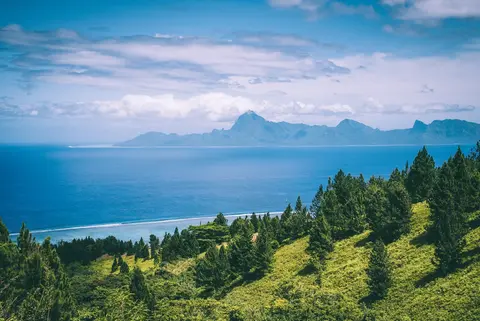
Papeete is the spirited, slightly ragged capital of French Polynesia — not the languorous paradise of travel-poster imagination, but a working harbour city of fresh produce markets, baguette bakeries, and Tahitian outrigger canoe clubs that provides an authentic counterpoint to the pearl-still lagoons of Bora Bora and Moorea nearby. The daily Marché de Papeete is the city's essential experience, its stalls piling high with vanilla pods, monoi-scented oils, black pearls, and the most exuberant floral arrangements in the Pacific. Moorea, visible across the Sea of the Moon and just 30 minutes by fast ferry, offers a dramatically quieter alternative. The dry season, May through October, brings the finest weather.
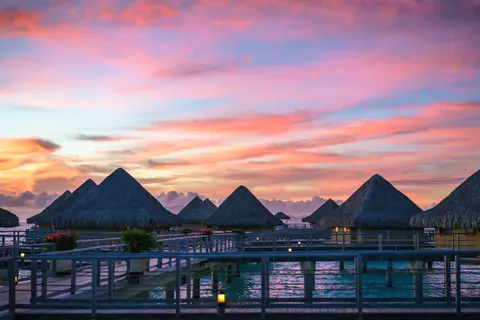
Bora Bora rises from the South Pacific like the platonic ideal of a tropical island — a volcanic peak ringed by a lagoon of impossible turquoise clarity whose beauty has made it the benchmark against which all other island destinations are measured. The overwater bungalow was effectively invented here, and the island's luxury resorts remain the definitive expression of that sublime form of hospitality. Snorkel or dive the outer reef's extraordinary coral gardens, or simply watch the shifting light transform Mount Otemanu's basalt silhouette through the long Pacific afternoon. Visit April through October for the calmest, driest conditions. Tahiti's Faa'a International Airport is a forty-five-minute flight away.
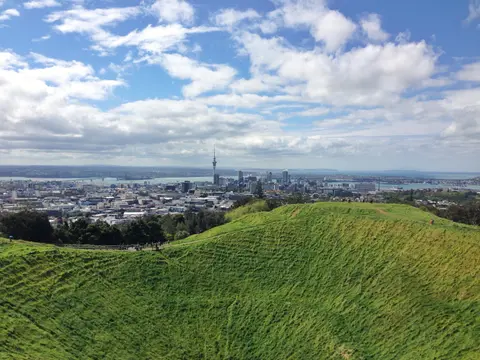
Auckland, New Zealand's largest city, straddles a volcanic isthmus between two harbours, offering a rare blend of Pacific Rim sophistication, Māori heritage, and dramatic natural beauty. Must-do experiences include a wine-and-oyster afternoon on Waiheke Island and the panoramic ascent of Maungawhau (Mount Eden) overlooking the harbour and Rangitoto Island. The ideal cruising season runs from November through March, when long summer days, calm seas, and pohutukawa trees in scarlet bloom make the Waitematā Harbour approach truly unforgettable.
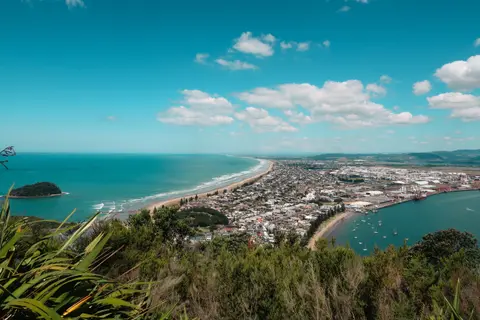
Tauranga is the gateway to New Zealand's Bay of Plenty, where the perfect beach at Mount Maunganui, Rotorua's erupting geysers, and Māori cultural experiences at Te Puia create one of the North Island's most diverse destination areas. Visit November through March via Celebrity or Princess Cruises for summit walks, geothermal wonderlands, and the authentic Māori encounters that give this sun-drenched coast cultural depth to match its natural beauty.
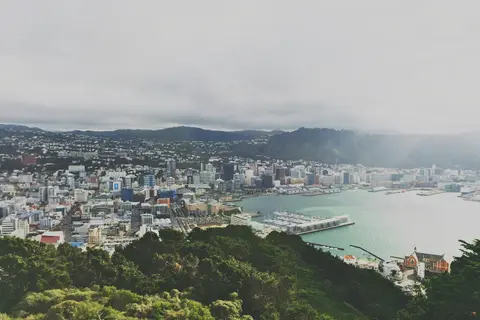
Wellington is New Zealand's compact, creative capital, home to the world-class Te Papa museum, the Peter Jackson filmmaking empire, and a café-and-craft-beer culture rivalling cities many times its size. Must-do experiences include Te Papa's Gallipoli exhibition, Cuba Street's bohemian dining scene, and the cable car ride to the Botanic Garden. November through March is warmest, though Wellington's four-seasons-in-a-day climate adds character year-round.
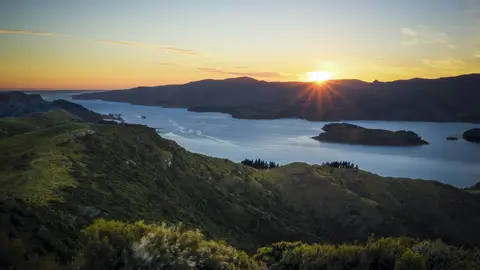
Lyttelton is Christchurch's historic harbor town, rebuilt with creative energy after the 2010-2011 earthquakes into one of New Zealand's coolest small towns with excellent restaurants and a beloved farmers' market. Must-dos include the Saturday farmers' market, swimming with Hector's dolphins in the harbor, and driving the Summit Road for panoramic views. October through March offers the warmest weather and longest days.
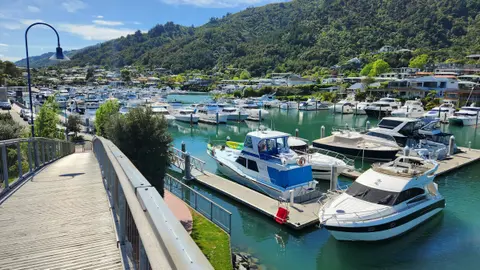
Picton is the gateway to the Marlborough Sounds' 1,500 kilometers of scenic coastline and New Zealand's premier Sauvignon Blanc wine region. Must-dos include walking sections of the Queen Charlotte Track, wine tasting in the Wairau Valley, and dolphin watching in the sheltered sounds. November through March offers the warmest weather and longest days for both sound exploration and cellar-door visits.
New Plymouth is a culturally vibrant coastal city on New Zealand's North Island, dramatically set between the Tasman Sea and the near-perfect volcanic cone of Mount Taranaki. Must-dos include visiting the Len Lye Centre for kinetic sculpture, walking the Coastal Walkway, and hiking in Egmont National Park. Visit December to March for the warmest weather and best conditions for mountain hiking and surfing.
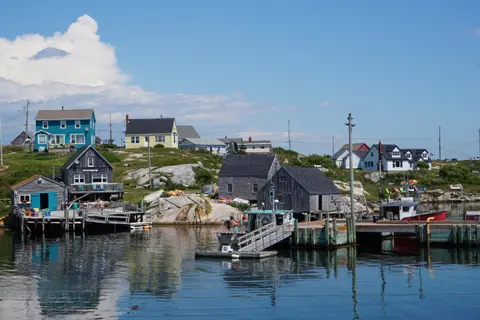
Sydney, on Cape Breton Island in Nova Scotia, is a charming harbour city where Scottish-Acadian heritage meets raw Atlantic beauty, serving as the gateway to the legendary Cabot Trail — one of the world's most spectacular coastal drives. Visitors should savour the island's renowned seafood chowder and traditional oatcakes while exploring the colourful waterfront boardwalk. The peak season stretches from late June through October, when autumn's fiery foliage transforms the highlands into a tapestry of crimson and gold.
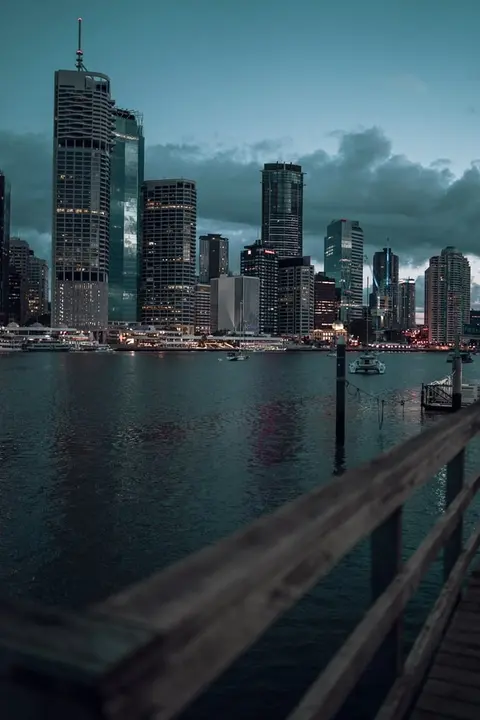
Brisbane, Australia's sun-drenched Queensland capital, is a sophisticated river city where subtropical warmth meets world-class dining, striking modern architecture, and lush parklands — all framed by proximity to the Great Barrier Reef and ancient rainforests. Visitors should not miss the Moreton Bay bug at a waterfront restaurant and the panoramic twilight views from Kangaroo Point cliffs. With over 280 days of sunshine annually, Brisbane shines brightest from April through October, when mild winters and cobalt skies create ideal conditions for exploring both the city and its remarkable coastal surroundings.
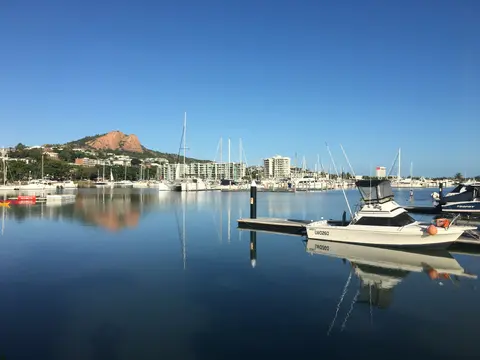
Townsville is North Queensland's gateway to the central Great Barrier Reef, where Magnetic Island's wild koalas and granite beaches lie twenty minutes by ferry and the legendary SS Yongala shipwreck offers one of the world's top ten dives. Visit June through October via Cunard or Holland America Line for pristine reef sections, the world's largest living coral reef aquarium, and the quieter alternative to Cairns that delivers equal natural wonder with fewer crowds.
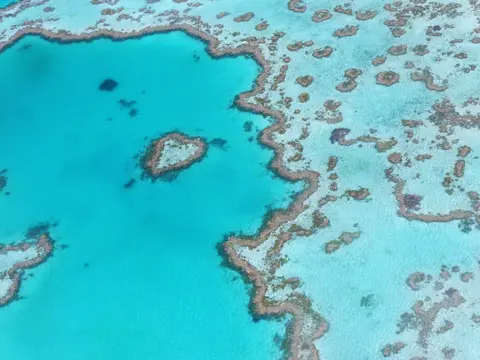
Cairns is the only city on Earth positioned between two UNESCO World Heritage Sites — the Great Barrier Reef and the ancient Daintree Rainforest. Visit June through October via Celebrity Cruises or Viking for outer reef snorkeling, Daintree River crocodile cruises, cassowary encounters, and the unique privilege of experiencing 180 million years of rainforest evolution alongside the planet's largest living structure.
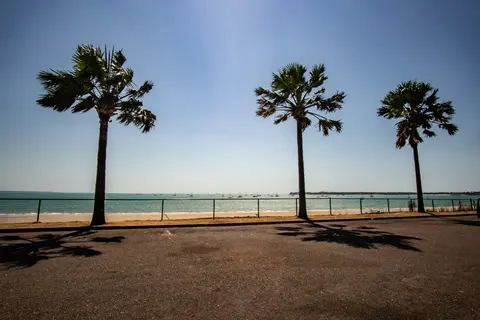
Darwin is Australia's tropical Top End capital, where sixty-five thousand years of Indigenous heritage meets extraordinary multiculturalism, saltwater crocodiles, and gateway access to Kakadu's ancient rock art. Must-do experiences include the Mindil Beach Sunset Market, swimming beneath Litchfield's waterfalls, and viewing twenty-thousand-year-old Aboriginal paintings at Ubirr. May through October's Dry season offers clear skies and outdoor market culture.
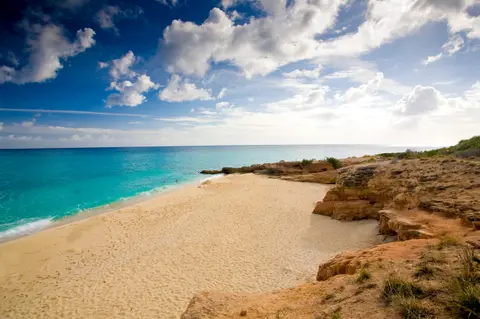
Philipsburg, capital of the Dutch side of Sint Maarten, packs extraordinary energy onto a narrow sand spit between Great Bay and the Great Salt Pond — two parallel streets of duty-free boutiques, creole restaurants, and rum bars backed by a beach where cruise ships anchor so close that their hulls seem to dominate the shoreline. The island's most celebrated spectacle is entirely involuntary: Princess Juliana International Airport, where landing aircraft pass at rooftop height over Maho Beach, drawing crowds of thrill-seekers every day. The 1648 Mount Concordia Treaty, dividing this sliver of land between France and the Netherlands, created the world's smallest territory shared by two nations. The dry season from December to April is optimal.
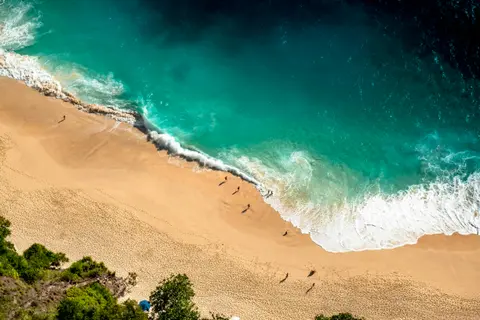
Bali, Indonesia's Island of the Gods, is a cultural and natural wonderland where ancient Hindu temples, emerald rice terraces, and vibrant artistic traditions converge around the cruise port of Benoa. Must-dos include Ubud's Tegallalang terraces, the cliff-top Uluwatu sunset kecak dance, and feasting on babi guling suckling pig. The dry season from April through October offers the most comfortable conditions.
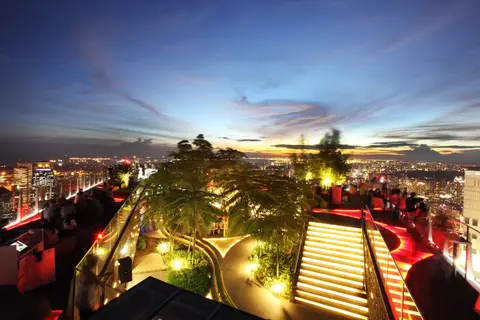
From Raffles's 1819 trading post to the world's second-busiest port, Singapore has always been where the world's trade routes converge — and its Supertree Groves, UNESCO-listed hawker culture, and the bowl of Hainanese chicken rice at Maxwell Food Centre confirm that its ambition has never dimmed. As Southeast Asia's definitive cruise hub, it serves as the ideal starting point for voyages across the Indian Ocean, the Indonesian archipelago, and beyond. February through April offers the most settled weather for exploring this extraordinary island city-state.
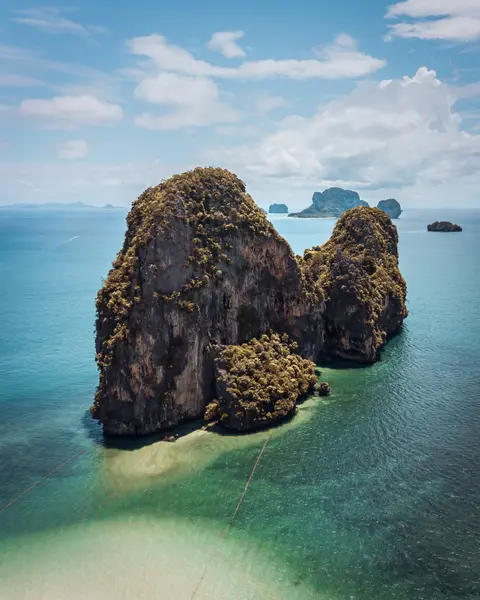
Phuket, Thailand's largest island, is a dazzling Andaman Sea destination where Sino-Portuguese heritage, Peranakan cuisine, and world-class beaches converge. Don't miss Old Phuket Town's restored shophouses, Phang Nga Bay's limestone karsts, and the island's unique Hokkien noodles. The dry season from November to April offers calm seas and ideal conditions for cruising and diving.
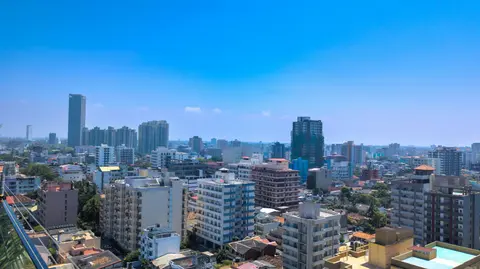
Colombo is Sri Lanka's vibrant commercial capital, where colonial-era Fort district architecture, chaotic Pettah markets, and Buddhist temples create a tropical urban mosaic at the crossroads of Indian Ocean trade routes. Must-dos include a proper rice-and-curry meal, hopper breakfast, and day trips to the Dutch fort at Galle or Sigiriya rock fortress. December through March offers the driest, calmest conditions.
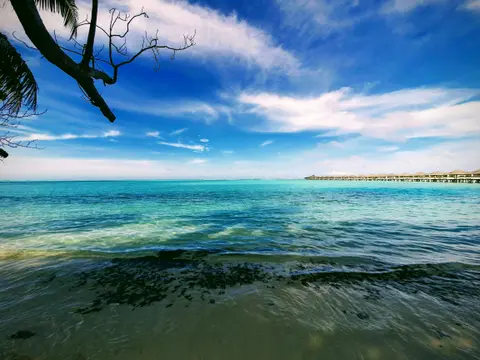
Malé, the compact island capital of the Maldives, is the gateway to one of Earth's most extraordinary coral archipelagos, spanning twenty-six atolls of luminous lagoons and pristine reefs. Must-dos include snorkeling with manta rays in Ari Atoll, exploring the coral-stone Friday Mosque, and savoring garudhiya tuna broth and mas huni. December through April offers the driest weather and clearest underwater visibility for reef exploration.
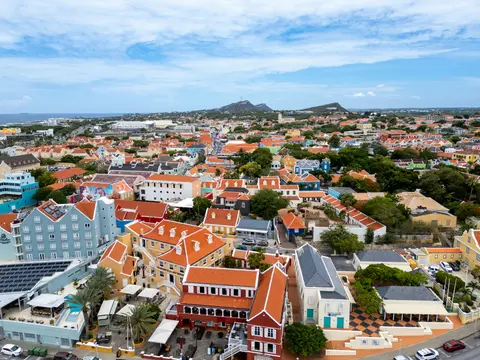
Willemstad, the capital of Curaçao, is a vibrant port city celebrated for its colorful architecture and rich history. Must-do experiences include trying local delicacies like "keshi yena" and exploring the stunning beaches of Playa Kenepa. The best season to visit is during the dry months from December to April, when the weather is ideal for exploring both the city and its beautiful surroundings.
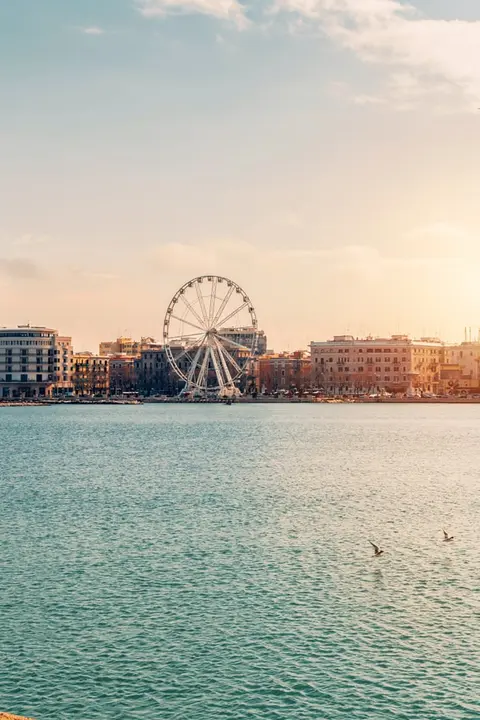
Bari, Puglia's ancient capital on the Adriatic, has served as a bridge between Western Europe and the Eastern Mediterranean for over two millennia — a heritage visible in the magnificent Basilica di San Nicola, one of medieval Christendom's most important pilgrimage churches, and in the labyrinthine Bari Vecchia where elderly women still hand-roll orecchiette in the street. The surrounding region of Puglia is among Italy's most compelling culinary destinations: burrata born in Andria, focaccia barese, and the puglian cuisine that has recently attracted international attention as Rome's and Florence's quieter, more authentic cousin. Visit April through June and September through October; the Trulli of Alberobello are forty minutes south.
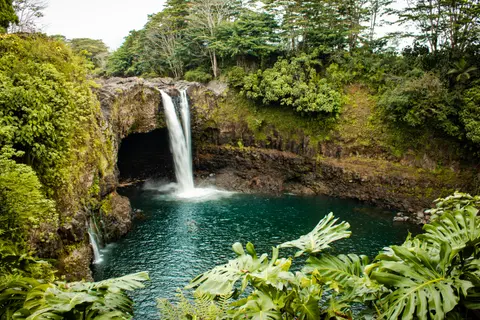
Hilo is the lush, rain-blessed gateway to Hawaii Volcanoes National Park on the Big Island's windward coast, where active lava flows, cascading waterfalls, and an authentic plantation-era town create Hawaii's most dramatically natural destination. Must-dos include Kilauea crater, Rainbow Falls, and the legendary Hilo Farmers Market. September and October tend to be driest, though Hilo rewards visitors year-round.
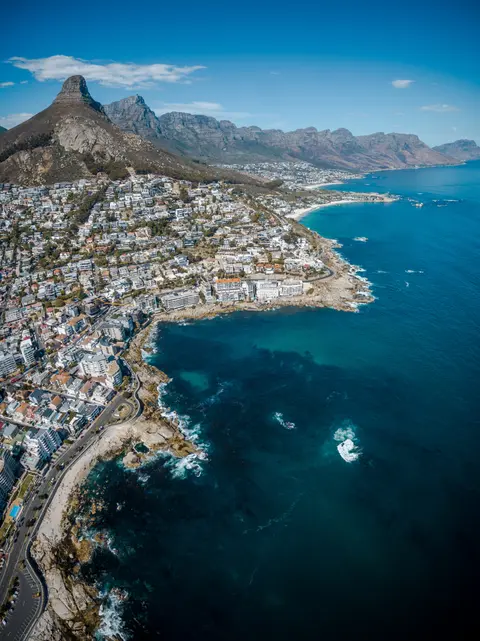
Cape Town's port is a vibrant blend of history, culture, and natural beauty, making it a premier destination for travelers. Must-do experiences include savoring local dishes like bobotie and exploring the bustling V&A Waterfront. The best season to visit is during the Southern Hemisphere summer, from December to February, when the weather is warm and perfect for outdoor adventures.
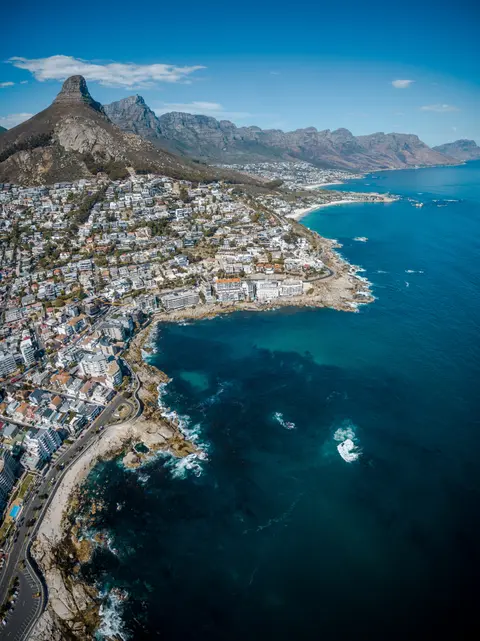
Cape Town's port is a vibrant blend of history, culture, and natural beauty, making it a premier destination for travelers. Must-do experiences include savoring local dishes like bobotie and exploring the bustling V&A Waterfront. The best season to visit is during the Southern Hemisphere summer, from December to February, when the weather is warm and perfect for outdoor adventures.
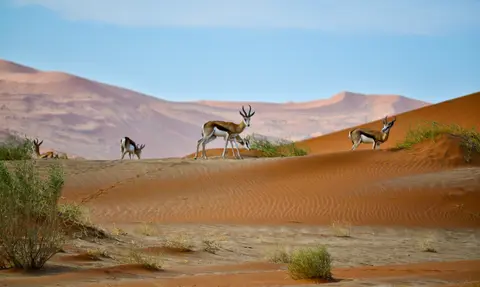
Luderitz is a surreal German colonial town on Namibia's desert coast, where Art Nouveau architecture, Lutheran churches, and half-timbered houses face the cold Atlantic amid some of Earth's most desolate terrain. Must-dos include visiting the sand-swallowed ghost town of Kolmanskop, feasting on West Coast crayfish, and admiring the Jugendstil Goerke Haus. September through April offers the warmest weather for this extraordinary desert-meets-ocean destination.
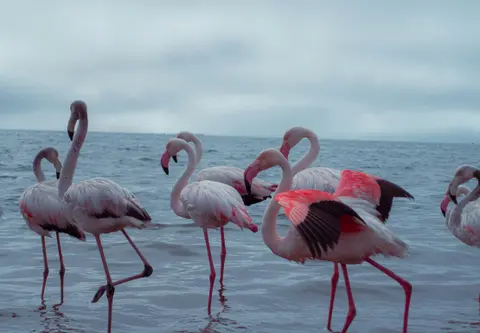
Walvis Bay is Namibia's principal deep-water port, set between the ancient dunes of the Namib Desert and the wildlife-rich Atlantic lagoon famed for its vast flamingo colonies. Visitors should not miss a catamaran cruise through the lagoon for close encounters with dolphins and Cape fur seals, nor the otherworldly dune landscapes of Sossusvlei in the Namib-Naukluft National Park. The optimal season for cruising is October through April, when southern-hemisphere spring and summer bring warm, clear days and peak flamingo populations to the bay.
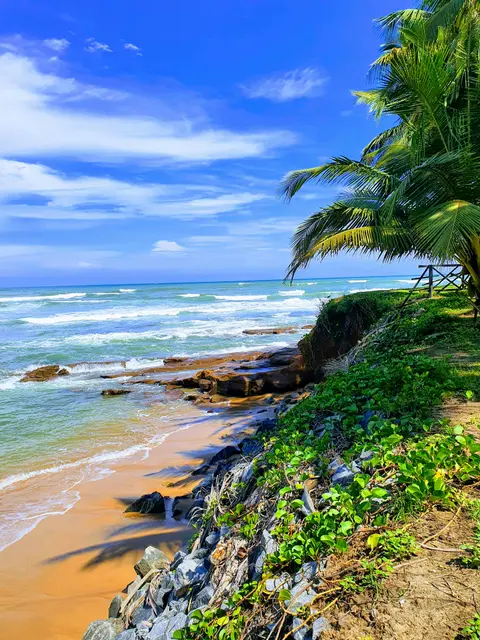
Takoradi is Ghana's western port city on the Gulf of Guinea, blending colonial-era forts and vibrant markets with a booming oil-era cosmopolitanism and some of West Africa's finest beaches. Must-dos include visiting Fort Orange at Sekondi, tasting banku with grilled tilapia at the market, and swimming at Busua Beach. Visit November to March for the driest weather.

Abidjan, Côte d'Ivoire is a distinctive port city where deep cultural heritage meets authentic local atmosphere, featured on itineraries by Regent Seven Seas Cruises. Must-do experiences include exploring the vibrant local markets for regional specialties and fresh seafood, and discovering the waterfront quarter where maritime heritage meets contemporary energy. The optimal time to visit is November through April, when dry season brings clear skies and calm seas.
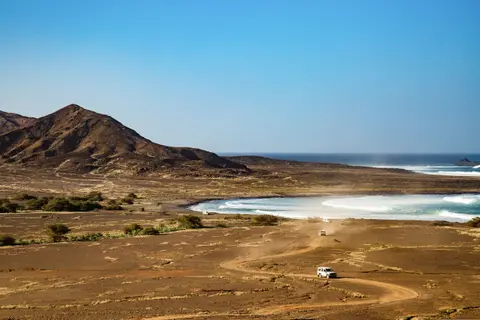
Praia is Cape Verde's Creole capital, where UNESCO-listed Cidade Velha witnessed the first European tropical colonization and transatlantic slave trade, and Cesária Évora's melancholic morna music tradition permeates the volcanic Atlantic archipelago's unique cultural identity. Visit November through June via Ponant or Azamara for cachupa feasts, colonial Plateau walks, and the extraordinary emotional depth of a culture that is neither Portuguese nor African but something entirely its own.
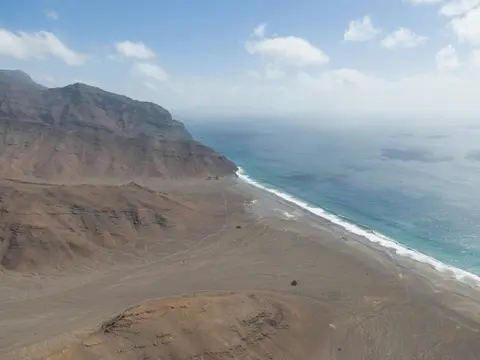
Mindelo, on the island of São Vicente, is Cape Verde's cultural capital — a harbour city of pastel colonial facades, vibrant street art, and the soulful musical heritage of Cesária Évora. Visitors should savour *cachupa rica* at a waterfront restaurant and take the ferry to Santo Antão for world-class hiking through terraced volcanic valleys. The best time to call is between November and June, when the trade winds temper the tropical heat and transatlantic cruise itineraries converge on Porto Grande's magnificent natural bay.

San Juan near Peru's Paracas Peninsula sits where the arid Atacama coast meets the Humboldt Current's rich marine ecosystem, offering the wildlife-packed Ballestas Islands, the mysterious Candelabra geoglyph, and world-class ceviche from the freshest seafood. Visitors should boat to the Ballestas to see Humboldt penguins and sea lions, taste Pisco Sour at its source, and explore pre-Columbian Paracas textile heritage. The dry climate is pleasant year-round, with June through September ideal for boat excursions.
Fort Lauderdale is South Florida's reinvented waterfront city, where three hundred miles of inland waterways, the NSU Art Museum's contemporary collection, and the tree-lined Las Olas Boulevard create a cruise departure point of genuine sophistication at Port Everglades. Arrive a day early between November and April to explore the 'Venice of America' by water taxi and discover the dining scene that has replaced Spring Break with year-round culinary ambition.
Day 1
Fort Lauderdale is South Florida's reinvented waterfront city, where three hundred miles of inland waterways, the NSU Art Museum's contemporary collection, and the tree-lined Las Olas Boulevard create a cruise departure point of genuine sophistication at Port Everglades. Arrive a day early between November and April to explore the 'Venice of America' by water taxi and discover the dining scene that has replaced Spring Break with year-round culinary ambition.
Day 2
Day 3
Day 4
Day 5
Bridgetown, Barbados's compact and convivial capital, carries three centuries of uninterrupted British colonial heritage — a UNESCO World Heritage Site of Georgian townhouses, coral-stone churches, and the Garrison Savannah, whose racecourse is the oldest in the Western Hemisphere — all infused with the irresistible rhythms of a proud Caribbean nation. The island's culinary scene has matured into one of the Caribbean's most sophisticated, with flying fish cutter sandwiches from roadside stalls competing for devotion with the elegant seafood preparations of the Platinum Coast's celebrated restaurants. Visit December through May for the driest season; the island's sheltered west coast offers superlative year-round sailing conditions.
Day 6
Day 7
Devil's Island, part of a three-island chain called Îles du Salut, in French Guiana, was home to one of the most infamous—and impregnable—prisons of the 19th and 20th centuries. Opened in 1852, it received worldwide renown in the mid-1890s when French military captain Alfred Dreyfus was sentenced to life imprisonment after being wrongly convicted of selling military secrets to Germany. Although Dreyfus's sentence was commuted after five years, more than 80,000 political prisoners and hardened criminals endured years of mistreatment and abuse among disease-ridden conditions. Few were able to escape, though Henri Charrière, author of the book Papillon, allegedly succeeded by filling sacks with coconuts in order to float to the mainland. The prison was officially closed in 1953. In 1965, the French government transferred responsibility of the island to the Guiana Space Centre, and in recent years, tourism facilities have been added. Devil's Island and its two smaller neighboring islands receive more than 50,000 visitors each year.
Day 8
Day 9
Icoaraci, a riverside district of Belém at the Amazon’s mouth, is celebrated for its pre-Columbian Marajoara pottery workshops where artisans continue thousand-year-old ceramic traditions. Must-dos include visiting the ceramic studios, exploring Belém’s legendary Ver-o-Peso market, and tasting Amazonian specialties like duck in tucupi sauce. Visit June through November for drier weather in this equatorial gateway to the Amazon.
Day 10
Day 11
Day 12
Recife is Brazil's "Venice," a river-laced northeastern capital built across islands and bridges, where Dutch colonial history, Afro-Brazilian culture, and extraordinary street food converge. Must-dos include the Marco Zero square and Brennand sculptures, exploring UNESCO-listed Olinda's colonial churches, and tasting tapioca crepes and bolo de rolo cake. Visit September through March for dry, sunny weather.
Day 13
Day 14
Day 15
Rio de Janeiro is Brazil's spectacular coastal metropolis, where granite peaks plunge into Atlantic beaches and imperial history meets vibrant Afro-Brazilian culture. Visitors should not miss the panoramic ascent of Sugarloaf Mountain by cable car and a traditional Saturday feijoada feast at a local boteco. The best season for cruise visits is October through March, when southern hemisphere summer brings warm temperatures and the city pulses with pre-Carnival energy, though the shoulder months of September and April offer pleasant weather with thinner crowds.
Day 17
Day 18
Day 19
Montevideo, Uruguay's gracious capital on the Río de la Plata, enchants with its Art Deco–lined Ciudad Vieja, the legendary Mercado del Puerto where asado and Tannat wine elevate lunch to ceremony, and a twenty-kilometer Rambla promenade perfect for unhurried afternoon strolls. Day trips to glamorous Punta del Este or UNESCO-listed Colonia del Sacramento round out the experience. The Southern Hemisphere summer — November through March — brings warm days and vibrant outdoor culture, making it the ideal season for a cruise port call.
Day 20
Twice-founded and once the wealthiest city in Latin America, Buenos Aires seduces with the world-class acoustics of the Teatro Colón, the ritual theatre of a wood-fire asado at a San Telmo parrilla, and the cobblestoned milongas where tango was born and where it burns still. Cross the estuary to UNESCO-listed Colonia del Sacramento or head south toward the glaciers of Patagonia. As South America's premier cruise hub for Antarctic expeditions and round-the-continent voyages, the city is most inviting from November through March.
Day 21
Day 22
Day 23
Day 24
Port Stanley, capital of the Falkland Islands, is a remote South Atlantic settlement where painted-roof cottages, a whalebone-arched cathedral, and nineteenth-century shipwrecks frame one of the world's finest wildlife frontiers. Visitors should not miss the king penguin colony at Volunteer Point and the extraordinary albatross rookeries of Steeple Jason Island. The austral summer months of November through March offer the mildest weather and peak wildlife activity, coinciding with the expedition cruise season that brings luxury lines through these waters.
Day 25
Day 26
Antarctica is earth's last pristine continent, a fourteen-million-square-kilometre ice wilderness supporting extraordinary wildlife — vast penguin colonies, humpback whales, leopard seals — in landscapes of otherworldly beauty. Essential experiences include Zodiac landings among penguin colonies, whale watching, and witnessing icebergs of electric blue. November through March is the visiting season, with December-January warmest and February best for whales.
Day 28
Antarctica is earth's last pristine continent, a fourteen-million-square-kilometre ice wilderness supporting extraordinary wildlife — vast penguin colonies, humpback whales, leopard seals — in landscapes of otherworldly beauty. Essential experiences include Zodiac landings among penguin colonies, whale watching, and witnessing icebergs of electric blue. November through March is the visiting season, with December-January warmest and February best for whales.
Day 30
Day 31
Day 32
Ushuaia, the southernmost city in the world, is a captivating blend of history, vibrant culture, and natural beauty, making it a unique port of call in Argentina. Must-do experiences include savoring local delicacies like centolla and exploring the breathtaking landscapes of nearby Los Glaciares National Park. The best time to visit is during the summer months of December to March, when the weather is mild, and the scenery is at its most stunning.
Day 33
Punta Arenas is Chile's southernmost continental city and the historic gateway to the Strait of Magellan, Antarctica, and Tierra del Fuego. Visitors should not miss savouring fresh centolla king crab at a waterfront restaurant and taking a boat excursion to the Magellanic penguin colonies at Tucker Islets. The best time to visit is during the austral summer from November through March, when temperatures are mild, daylight stretches past ten in the evening, and expedition cruise schedules are at their peak.
Ella is a serene hill-country village in Sri Lanka's tea-covered central highlands, famous for the spectacular Colombo-to-Badulla railway, the iconic Nine Arch Bridge, and panoramic hiking trails. Must-dos include riding the highland train, touring a tea factory, and hiking Little Adam's Peak for 360-degree mountain views. January through March and July through September offer the clearest weather between monsoon seasons.
Day 34
Day 35
Day 36
Puerto Montt is the gateway to Chilean Patagonia, where the Pan-American Highway ends and a landscape of volcanoes, fjords, and the UNESCO-listed wooden churches of Chiloé island begins. Visit October through March via Seabourn or Viking for Osorno Volcano reflections, king crab at the Angelmó market, and the Lake District's Germanic towns that serve classical concerts with volcano-and-lake views.
Day 37
Day 38
This large, modern port serves Chile’s capital, Santiago, a city with Spanish colonial charm and a vivacious spirit. Encircled by the Andes and the Coastal Range, Santiago is centered around the Plaza de Armas, with several of the city’s landmarks: the 18th-century Metropolitan Cathedral the Palacio de la Real Audencia from 1808, the City Hall and the National Museum of History. North of San Antonio lie the picturesque old port and university town of Valparaíso and the colorful seaside resort of Viña del Mar. In between the coast and the capital are valleys filled with some of Chile’s most famous wineries, all inviting you to come and taste.
Day 39
Day 40
Day 41
Day 42
Day 43
The imposing stone statues - known as moai - on Easter Island have long fascinated anthropologists (and travelers). Who were the people that carved, moved and erected such giants? What was the statues' significance? Why did the culture disappear? The statues won t say. Ponder the mysteries yourself on an island tour.
Day 44
Day 45
Day 46
Day 47
Day 48
Day 49
Shaped like a heart and crowned with emerald-green spires, Moorea is easy to love. The Magical Island, as it's nicknamed, is celebrated for its untamed landscape and symmetrical side-by-side bays (called Opunohu and Cook's); it was said to be the inspiration for the mythical isle of Bali Hai in James Michener’s Tales of the South Pacific. Its languid lagoon seems without end, wrapping this 132-square-kilometer (50-square-mile) isle in shades of liquid blue, from pale aqua to intense turquoise. Dolphins and stingrays glide through the waves alongside snorkelers and divers exploring the stunning undersea scene. Venture inland to the valleys and another aspect of island life becomes clear: agricultural abundance, with crops that include pineapples, bananas, taro, sugarcane, coffee and cotton. Moorea has shopping, too, mainly for lustrous Tahitian black pearls and brightly patterned pareus (wraparound skirts). Wherever you head, you'll find the South Pacific you have dreamed of, moving to the leisurely pace of island time. It can be hard to believe Moorea is just 20 kilometers (12 miles) from Tahiti’s bustling capital, Papeete.
Papeete is the spirited, slightly ragged capital of French Polynesia — not the languorous paradise of travel-poster imagination, but a working harbour city of fresh produce markets, baguette bakeries, and Tahitian outrigger canoe clubs that provides an authentic counterpoint to the pearl-still lagoons of Bora Bora and Moorea nearby. The daily Marché de Papeete is the city's essential experience, its stalls piling high with vanilla pods, monoi-scented oils, black pearls, and the most exuberant floral arrangements in the Pacific. Moorea, visible across the Sea of the Moon and just 30 minutes by fast ferry, offers a dramatically quieter alternative. The dry season, May through October, brings the finest weather.
Day 51
Bora Bora rises from the South Pacific like the platonic ideal of a tropical island — a volcanic peak ringed by a lagoon of impossible turquoise clarity whose beauty has made it the benchmark against which all other island destinations are measured. The overwater bungalow was effectively invented here, and the island's luxury resorts remain the definitive expression of that sublime form of hospitality. Snorkel or dive the outer reef's extraordinary coral gardens, or simply watch the shifting light transform Mount Otemanu's basalt silhouette through the long Pacific afternoon. Visit April through October for the calmest, driest conditions. Tahiti's Faa'a International Airport is a forty-five-minute flight away.
Day 52
Day 53
Day 54
Day 55
Day 56
Day 57
Auckland, New Zealand's largest city, straddles a volcanic isthmus between two harbours, offering a rare blend of Pacific Rim sophistication, Māori heritage, and dramatic natural beauty. Must-do experiences include a wine-and-oyster afternoon on Waiheke Island and the panoramic ascent of Maungawhau (Mount Eden) overlooking the harbour and Rangitoto Island. The ideal cruising season runs from November through March, when long summer days, calm seas, and pohutukawa trees in scarlet bloom make the Waitematā Harbour approach truly unforgettable.
Day 59
Tauranga is the gateway to New Zealand's Bay of Plenty, where the perfect beach at Mount Maunganui, Rotorua's erupting geysers, and Māori cultural experiences at Te Puia create one of the North Island's most diverse destination areas. Visit November through March via Celebrity or Princess Cruises for summit walks, geothermal wonderlands, and the authentic Māori encounters that give this sun-drenched coast cultural depth to match its natural beauty.
Day 60
Day 61
Wellington is New Zealand's compact, creative capital, home to the world-class Te Papa museum, the Peter Jackson filmmaking empire, and a café-and-craft-beer culture rivalling cities many times its size. Must-do experiences include Te Papa's Gallipoli exhibition, Cuba Street's bohemian dining scene, and the cable car ride to the Botanic Garden. November through March is warmest, though Wellington's four-seasons-in-a-day climate adds character year-round.
Day 62
Lyttelton is Christchurch's historic harbor town, rebuilt with creative energy after the 2010-2011 earthquakes into one of New Zealand's coolest small towns with excellent restaurants and a beloved farmers' market. Must-dos include the Saturday farmers' market, swimming with Hector's dolphins in the harbor, and driving the Summit Road for panoramic views. October through March offers the warmest weather and longest days.
Day 63
Picton is the gateway to the Marlborough Sounds' 1,500 kilometers of scenic coastline and New Zealand's premier Sauvignon Blanc wine region. Must-dos include walking sections of the Queen Charlotte Track, wine tasting in the Wairau Valley, and dolphin watching in the sheltered sounds. November through March offers the warmest weather and longest days for both sound exploration and cellar-door visits.
Day 64
New Plymouth is a culturally vibrant coastal city on New Zealand's North Island, dramatically set between the Tasman Sea and the near-perfect volcanic cone of Mount Taranaki. Must-dos include visiting the Len Lye Centre for kinetic sculpture, walking the Coastal Walkway, and hiking in Egmont National Park. Visit December to March for the warmest weather and best conditions for mountain hiking and surfing.
Day 65
Day 66
Day 67
Sydney, on Cape Breton Island in Nova Scotia, is a charming harbour city where Scottish-Acadian heritage meets raw Atlantic beauty, serving as the gateway to the legendary Cabot Trail — one of the world's most spectacular coastal drives. Visitors should savour the island's renowned seafood chowder and traditional oatcakes while exploring the colourful waterfront boardwalk. The peak season stretches from late June through October, when autumn's fiery foliage transforms the highlands into a tapestry of crimson and gold.
Day 69
Day 70
Brisbane, Australia's sun-drenched Queensland capital, is a sophisticated river city where subtropical warmth meets world-class dining, striking modern architecture, and lush parklands — all framed by proximity to the Great Barrier Reef and ancient rainforests. Visitors should not miss the Moreton Bay bug at a waterfront restaurant and the panoramic twilight views from Kangaroo Point cliffs. With over 280 days of sunshine annually, Brisbane shines brightest from April through October, when mild winters and cobalt skies create ideal conditions for exploring both the city and its remarkable coastal surroundings.
Day 71
Day 72
Townsville is North Queensland's gateway to the central Great Barrier Reef, where Magnetic Island's wild koalas and granite beaches lie twenty minutes by ferry and the legendary SS Yongala shipwreck offers one of the world's top ten dives. Visit June through October via Cunard or Holland America Line for pristine reef sections, the world's largest living coral reef aquarium, and the quieter alternative to Cairns that delivers equal natural wonder with fewer crowds.
Day 73
Cairns is the only city on Earth positioned between two UNESCO World Heritage Sites — the Great Barrier Reef and the ancient Daintree Rainforest. Visit June through October via Celebrity Cruises or Viking for outer reef snorkeling, Daintree River crocodile cruises, cassowary encounters, and the unique privilege of experiencing 180 million years of rainforest evolution alongside the planet's largest living structure.
Day 74
Day 75
Day 76
Day 77
Darwin is Australia's tropical Top End capital, where sixty-five thousand years of Indigenous heritage meets extraordinary multiculturalism, saltwater crocodiles, and gateway access to Kakadu's ancient rock art. Must-do experiences include the Mindil Beach Sunset Market, swimming beneath Litchfield's waterfalls, and viewing twenty-thousand-year-old Aboriginal paintings at Ubirr. May through October's Dry season offers clear skies and outdoor market culture.
Day 78
Day 79
Day 80
Philipsburg, capital of the Dutch side of Sint Maarten, packs extraordinary energy onto a narrow sand spit between Great Bay and the Great Salt Pond — two parallel streets of duty-free boutiques, creole restaurants, and rum bars backed by a beach where cruise ships anchor so close that their hulls seem to dominate the shoreline. The island's most celebrated spectacle is entirely involuntary: Princess Juliana International Airport, where landing aircraft pass at rooftop height over Maho Beach, drawing crowds of thrill-seekers every day. The 1648 Mount Concordia Treaty, dividing this sliver of land between France and the Netherlands, created the world's smallest territory shared by two nations. The dry season from December to April is optimal.
Day 81
Bali, Indonesia's Island of the Gods, is a cultural and natural wonderland where ancient Hindu temples, emerald rice terraces, and vibrant artistic traditions converge around the cruise port of Benoa. Must-dos include Ubud's Tegallalang terraces, the cliff-top Uluwatu sunset kecak dance, and feasting on babi guling suckling pig. The dry season from April through October offers the most comfortable conditions.
Day 82
Day 83
Day 84
From Raffles's 1819 trading post to the world's second-busiest port, Singapore has always been where the world's trade routes converge — and its Supertree Groves, UNESCO-listed hawker culture, and the bowl of Hainanese chicken rice at Maxwell Food Centre confirm that its ambition has never dimmed. As Southeast Asia's definitive cruise hub, it serves as the ideal starting point for voyages across the Indian Ocean, the Indonesian archipelago, and beyond. February through April offers the most settled weather for exploring this extraordinary island city-state.
Day 86
Day 87
Phuket, Thailand's largest island, is a dazzling Andaman Sea destination where Sino-Portuguese heritage, Peranakan cuisine, and world-class beaches converge. Don't miss Old Phuket Town's restored shophouses, Phang Nga Bay's limestone karsts, and the island's unique Hokkien noodles. The dry season from November to April offers calm seas and ideal conditions for cruising and diving.
Day 88
Day 89
Day 90
Colombo is Sri Lanka's vibrant commercial capital, where colonial-era Fort district architecture, chaotic Pettah markets, and Buddhist temples create a tropical urban mosaic at the crossroads of Indian Ocean trade routes. Must-dos include a proper rice-and-curry meal, hopper breakfast, and day trips to the Dutch fort at Galle or Sigiriya rock fortress. December through March offers the driest, calmest conditions.
Day 91
Day 92
Malé, the compact island capital of the Maldives, is the gateway to one of Earth's most extraordinary coral archipelagos, spanning twenty-six atolls of luminous lagoons and pristine reefs. Must-dos include snorkeling with manta rays in Ari Atoll, exploring the coral-stone Friday Mosque, and savoring garudhiya tuna broth and mas huni. December through April offers the driest weather and clearest underwater visibility for reef exploration.
Day 93
Day 94
Day 95
Day 96
Day 97
Willemstad, the capital of Curaçao, is a vibrant port city celebrated for its colorful architecture and rich history. Must-do experiences include trying local delicacies like "keshi yena" and exploring the stunning beaches of Playa Kenepa. The best season to visit is during the dry months from December to April, when the weather is ideal for exploring both the city and its beautiful surroundings.
Day 98
Bari, Puglia's ancient capital on the Adriatic, has served as a bridge between Western Europe and the Eastern Mediterranean for over two millennia — a heritage visible in the magnificent Basilica di San Nicola, one of medieval Christendom's most important pilgrimage churches, and in the labyrinthine Bari Vecchia where elderly women still hand-roll orecchiette in the street. The surrounding region of Puglia is among Italy's most compelling culinary destinations: burrata born in Andria, focaccia barese, and the puglian cuisine that has recently attracted international attention as Rome's and Florence's quieter, more authentic cousin. Visit April through June and September through October; the Trulli of Alberobello are forty minutes south.
Day 99
Day 100
Day 101
Day 102
Day 103
Hilo is the lush, rain-blessed gateway to Hawaii Volcanoes National Park on the Big Island's windward coast, where active lava flows, cascading waterfalls, and an authentic plantation-era town create Hawaii's most dramatically natural destination. Must-dos include Kilauea crater, Rainbow Falls, and the legendary Hilo Farmers Market. September and October tend to be driest, though Hilo rewards visitors year-round.
Day 104
Day 105
Cape Town's port is a vibrant blend of history, culture, and natural beauty, making it a premier destination for travelers. Must-do experiences include savoring local dishes like bobotie and exploring the bustling V&A Waterfront. The best season to visit is during the Southern Hemisphere summer, from December to February, when the weather is warm and perfect for outdoor adventures.
Day 107
Cape Town's port is a vibrant blend of history, culture, and natural beauty, making it a premier destination for travelers. Must-do experiences include savoring local dishes like bobotie and exploring the bustling V&A Waterfront. The best season to visit is during the Southern Hemisphere summer, from December to February, when the weather is warm and perfect for outdoor adventures.
Day 108
Day 109
Luderitz is a surreal German colonial town on Namibia's desert coast, where Art Nouveau architecture, Lutheran churches, and half-timbered houses face the cold Atlantic amid some of Earth's most desolate terrain. Must-dos include visiting the sand-swallowed ghost town of Kolmanskop, feasting on West Coast crayfish, and admiring the Jugendstil Goerke Haus. September through April offers the warmest weather for this extraordinary desert-meets-ocean destination.
Day 110
Walvis Bay is Namibia's principal deep-water port, set between the ancient dunes of the Namib Desert and the wildlife-rich Atlantic lagoon famed for its vast flamingo colonies. Visitors should not miss a catamaran cruise through the lagoon for close encounters with dolphins and Cape fur seals, nor the otherworldly dune landscapes of Sossusvlei in the Namib-Naukluft National Park. The optimal season for cruising is October through April, when southern-hemisphere spring and summer bring warm, clear days and peak flamingo populations to the bay.
Day 111
Day 112
Day 113
Day 114
Day 115
Takoradi is Ghana's western port city on the Gulf of Guinea, blending colonial-era forts and vibrant markets with a booming oil-era cosmopolitanism and some of West Africa's finest beaches. Must-dos include visiting Fort Orange at Sekondi, tasting banku with grilled tilapia at the market, and swimming at Busua Beach. Visit November to March for the driest weather.
Day 116
Abidjan, Côte d'Ivoire is a distinctive port city where deep cultural heritage meets authentic local atmosphere, featured on itineraries by Regent Seven Seas Cruises. Must-do experiences include exploring the vibrant local markets for regional specialties and fresh seafood, and discovering the waterfront quarter where maritime heritage meets contemporary energy. The optimal time to visit is November through April, when dry season brings clear skies and calm seas.
Day 117
Day 118
Day 119
Day 120
Praia is Cape Verde's Creole capital, where UNESCO-listed Cidade Velha witnessed the first European tropical colonization and transatlantic slave trade, and Cesária Évora's melancholic morna music tradition permeates the volcanic Atlantic archipelago's unique cultural identity. Visit November through June via Ponant or Azamara for cachupa feasts, colonial Plateau walks, and the extraordinary emotional depth of a culture that is neither Portuguese nor African but something entirely its own.
Day 121
Mindelo, on the island of São Vicente, is Cape Verde's cultural capital — a harbour city of pastel colonial facades, vibrant street art, and the soulful musical heritage of Cesária Évora. Visitors should savour *cachupa rica* at a waterfront restaurant and take the ferry to Santo Antão for world-class hiking through terraced volcanic valleys. The best time to call is between November and June, when the trade winds temper the tropical heat and transatlantic cruise itineraries converge on Porto Grande's magnificent natural bay.
Day 122
Day 123
Day 124
Day 125
Day 126
Day 127
San Juan near Peru's Paracas Peninsula sits where the arid Atacama coast meets the Humboldt Current's rich marine ecosystem, offering the wildlife-packed Ballestas Islands, the mysterious Candelabra geoglyph, and world-class ceviche from the freshest seafood. Visitors should boat to the Ballestas to see Humboldt penguins and sea lions, taste Pisco Sour at its source, and explore pre-Columbian Paracas textile heritage. The dry climate is pleasant year-round, with June through September ideal for boat excursions.
Day 128
Day 129
Day 130
Fort Lauderdale is South Florida's reinvented waterfront city, where three hundred miles of inland waterways, the NSU Art Museum's contemporary collection, and the tree-lined Las Olas Boulevard create a cruise departure point of genuine sophistication at Port Everglades. Arrive a day early between November and April to explore the 'Venice of America' by water taxi and discover the dining scene that has replaced Spring Break with year-round culinary ambition.


Approximately 558-566 sq. ft. including verandah
With floor-to-ceiling windows overlooking a private verandah, these spacious suites are flooded with light. They feature a large sitting area with a mini-bar and refrigerator, and two lower beds convertible to one king-size bed—our signature Mariner's Dream bed with plush Euro-Top mattresses plus a separate dressing room. There's also a sofa bed, suitable for two people. The bathroom comes with a full-size whirlpool bath and shower. Amenities include use of the exclusive Neptune Lounge, a private concierge and an array of complimentary services. The configuration of staterooms may vary from the images.
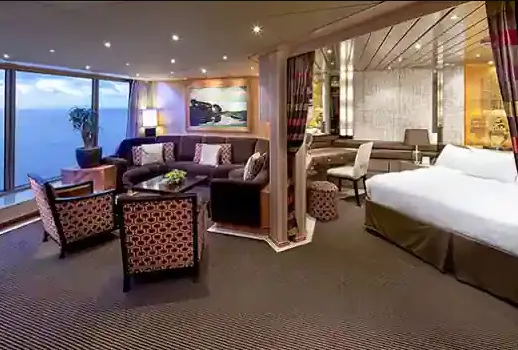

Approximately 1,296 sq. ft. including verandah
Generously proportioned and filled with light, these elegant suites include a living room, dining room, pantry with microwave and refrigerator, and floor-to-ceiling windows overlooking a private verandah. The bedroom features a king-size bed—our Signature Mariner's Dream bed with plush Euro-Top mattresses, plus a separate dressing room and the bath includes an oversize whirlpool bath and shower as well as an additional shower stall. There's also a sofa bed, suitable for two people, and a guest toilet. Amenities include a private stereo system, use of the exclusive Neptune Lounge, private concierge and an array of complimentary services. The configuration of staterooms may vary from the images shown.


Approximately 297-379 sq. ft. including verandah
With a teak-lined verandah, floor-to-ceiling windows and comfortable sitting area, these comfortable suites are filled with light. They include two lower beds convertible to one queen-size bed—our signature Mariner's Dream bed with plush Euro-Top mattresses, plus a whirlpool bath and shower, mini-bar and refrigerator. The configuration of staterooms may vary from the images shown.
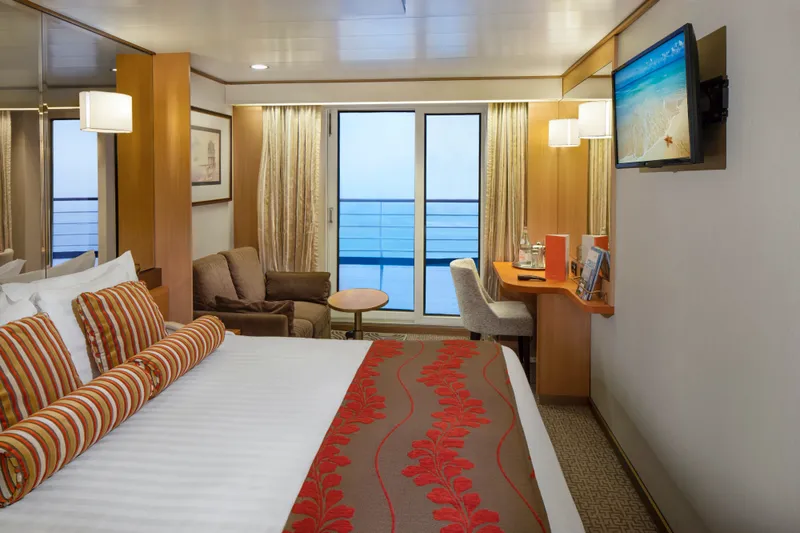
Approximately 196-240 sq. ft.
Sliding glass doors (mirrored for privacy) open onto our Promenade deck from this comfortable stateroom, which includes two lower beds convertible to one queen-size bed—our Signature Mariner's Dream bed with plush Euro-Top mattresses, premium massage shower heads and other amenities. The configuration of staterooms may vary from the images shown.
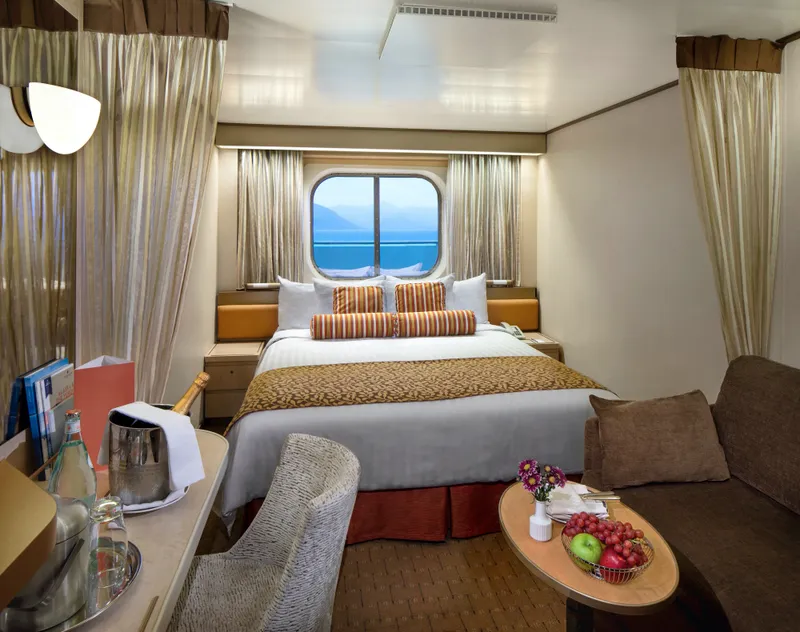
Approximately 140-319 sq. ft.
These expansive staterooms include include two lower beds convertible to one queen-size bed—our Signature Mariner's Dream bed with plush Euro-Top mattresses, premium massage shower heads, a host of amenities and an ocean view. The configuration of staterooms may vary from the images shown.


Approximately 140-319 sq. ft.
These large staterooms include two lower beds convertible to one queen-size bed—our Signature Mariner's Dream bed with plush Euro-Top mattresses, premium massage shower heads and a host of amenities. The view is fully obstructed. The configuration of staterooms may vary from the images shown.
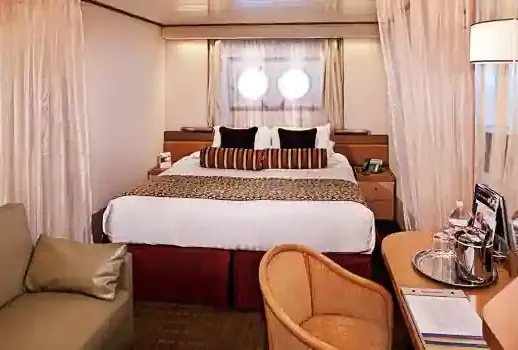

Approximately 140-319 sq. ft.
These staterooms feature a partial sea view and include two lower beds convertible to one queen-size bed—our signature Mariner's Dream bed with plush Euro-Top mattresses, plus premium massage shower heads and a variety of amenities. The configuration of staterooms may vary from the images shown.
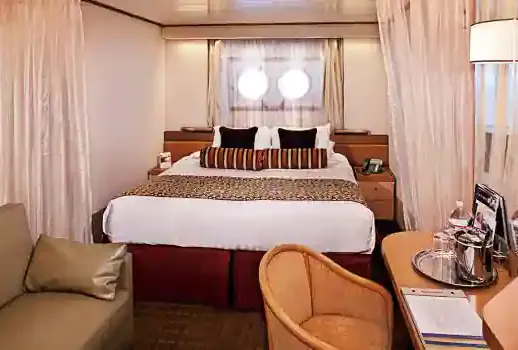

Approximately 140-319 sq. ft.
These spacious staterooms include two lower beds convertible to one queen-size bed—our Signature Mariner's Dream bed with plush Euro-Top mattresses, premium massage shower heads, an array of modern amenities and a porthole. The configuration of staterooms may vary from the images shown.


Approximately 151–233 sq. ft.
Two lower beds convertible to one queen-size bed—our signature Mariner's Dream bed with plush Euro-Top mattresses, premium massage shower heads and a host of amenities are featured in these comfortable staterooms. The configuration of staterooms may vary from the images shown.
Our cruise specialists can help you find the perfect cabin and the best available pricing.
(+886) 02-2721-7300Contact Advisor