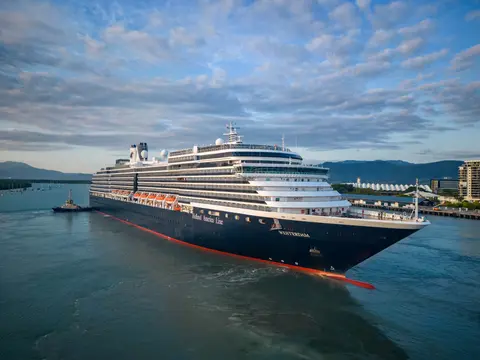
Holland America LineW667A
27-Day North Pacific Crossing & Circle Japan Collector
Date
2026-09-13
Duration
27 nights
Departure Port
Vancouver
Canada
Arrival Port
Tokyo
Japan
Rating
Premium
Theme
—
Date
2026-09-13
Duration
27 nights
Departure Port
Vancouver
Canada
Arrival Port
Tokyo
Japan
Rating
Premium
Theme
—






Holland America Line
2004
2025
82,348 GT
1,916
984
817
936 m
32 m
22 knots
No
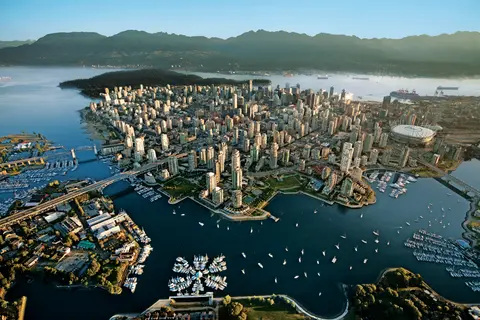
Pressed between the Pacific and the Coast Mountains, Vancouver is the natural gateway to Alaska's Inside Passage — a city where temperate rainforest meets glass towers and where Dungeness crab and wild sockeye salmon define a Pacific Rim cuisine that rivals any in North America. Walk the 22-kilometre Stanley Park seawall, lose yourself in the Granville Island market, then ferry across to Victoria's Edwardian splendour. Alaska cruise season peaks from May through September, making Vancouver an ideal starting point for one of the world's great ocean journeys.
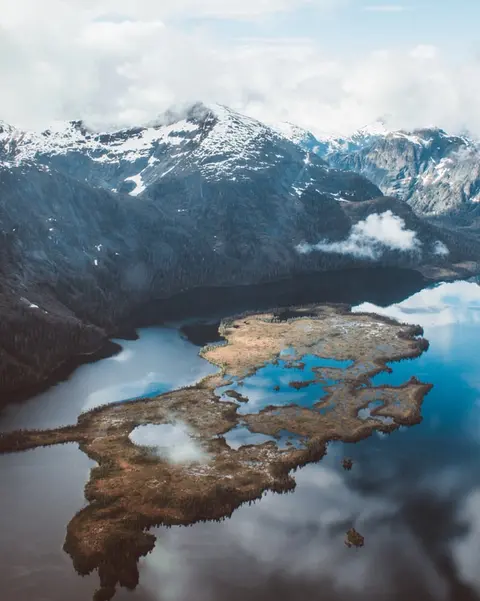
Ketchikan clings to the forested shore of Revillagigedo Island in Alaska's southeastern panhandle — a town so narrow that locals joke it is three miles long and three blocks wide. Revered by the Tlingit people for millennia as a place of abundant salmon, it is today celebrated as the Totem Pole Capital of the World: the collections at Saxman Native Village and Totem Bight State Historical Park preserve the most significant concentration of these monumental artworks anywhere. Creek Street, a boardwalk of colorful historic houses built over Ketchikan Creek, should not be missed. Summer (May–September) brings the best weather, with salmon running in the creeks below.
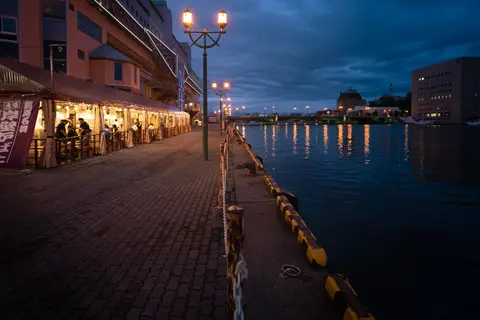
Kushiro, on Hokkaido's wild eastern coast, is Japan's gateway to pristine marshlands, volcanic lakes, and the sacred red-crowned crane. The city's legendary Washo Market offers build-your-own sashimi bowls, while nearby Kushiro Shitsugen National Park protects the country's largest wetland. Silversea brings expedition travelers to this unhurried port where Ainu heritage and untamed nature converge.
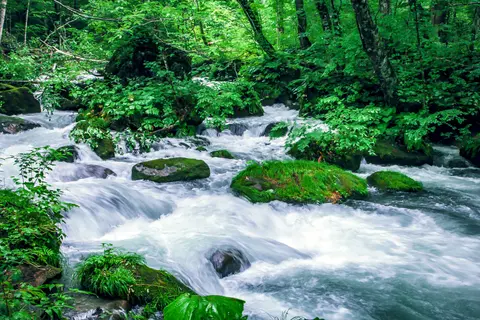
Aomori, at Honshu’s northern tip, produces 60% of Japan’s apples and stages the Nebuta Matsuri—one of the country’s most spectacular festivals, with giant illuminated warrior floats parading through August nights. Must-dos include the Nebuta Museum Wa Rasse, building a custom rice bowl at Furukawa Market, and autumn walks through Oirase Gorge. Visit August for the electrifying Nebuta festival, or October for Tohoku’s legendary autumn foliage at Lake Towada.
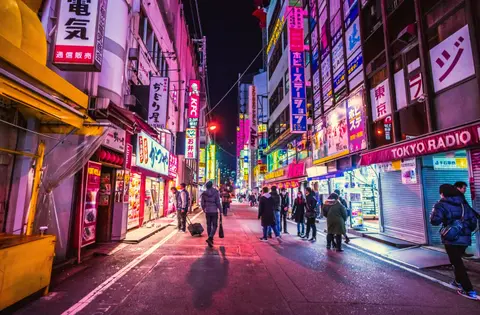
Tokyo's port is a vibrant gateway to both cultural and culinary experiences, uniquely blending traditional Japanese heritage with modern innovation. Must-do experiences include savoring fresh sushi at Tsukiji Outer Market and exploring the natural beauty of Fuji Hakone Izu National Park. The best season to visit is spring, when cherry blossoms bloom, transforming the city into a picturesque landscape.
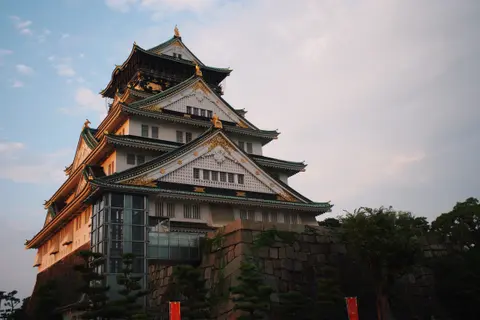
Osaka is Japan's exuberant culinary capital, a neon-drenched metropolis where Edo-period merchant culture lives on in vibrant street food markets and Michelin-starred kaiseki restaurants alike. No visit is complete without savouring *takoyaki* and *kushikatsu* along the Dōtonbori Canal, or venturing north to witness Hirosaki's legendary cherry blossoms. The ideal window is late March through May for spring blooms and mild weather, or October through November when autumn foliage transforms the surrounding Kansai region into a tapestry of amber and gold.
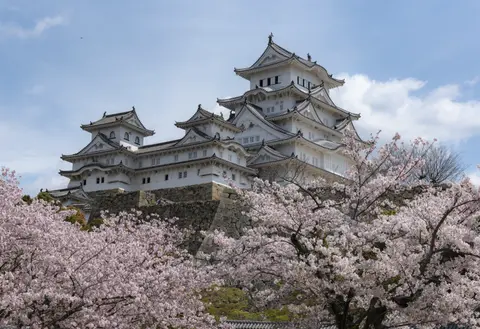
Kochi, on Japan's island of Shikoku, is a Pacific coast port city renowned for its remarkably preserved 17th-century castle, vibrant Hirome Market food hall, and the iconic katsuo no tataki — straw-seared skipjack tuna that defines the region's bold culinary identity. Visitors should not miss exploring the castle grounds and savouring sawachi communal platters paired with crisp Tosa sake. The best time to visit is spring for mild weather and cherry blossoms, or autumn when typhoon season has passed and the yuzu harvest perfumes the countryside.
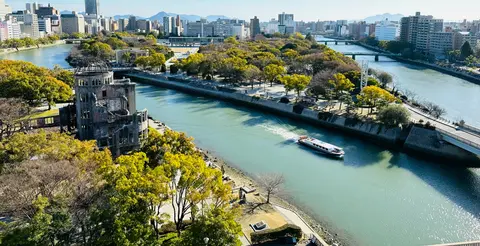
Hiroshima is a deeply moving yet vibrantly reborn Japanese city, home to the UNESCO-listed Peace Memorial Park and the iconic A-Bomb Dome. Must-dos include savouring the city's famous layered okonomiyaki, tasting fresh Inland Sea oysters, and taking the ferry to Miyajima to see the floating vermilion torii gate. Spring cherry-blossom season and autumn foliage (March–May and October–November) offer the most spectacular visits.
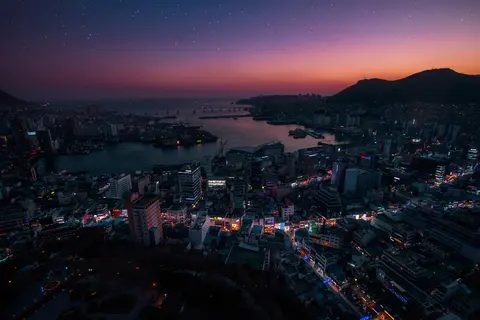
Busan, a bustling port city in South Korea, is known for its stunning coastal scenery, rich history, and vibrant culinary scene. Must-do experiences include visiting the iconic Jagalchi Fish Market for fresh seafood and exploring the ancient sites of Gyeongju. The best time to visit is during the mild spring or autumn months when the weather is pleasant and local festivals abound.
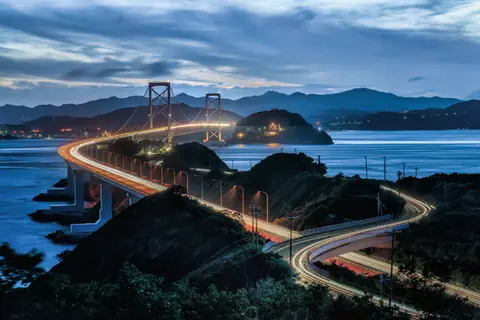
Sakaiminato is a charming Sea of Japan fishing town famous for its yokai manga heritage along the Mizuki Shigeru Road and some of Japan's finest fresh crab and seafood. Visit for the bronze-statue-lined streets, excursions to sacred Mount Daisen, and the award-winning Adachi Museum of Art gardens.
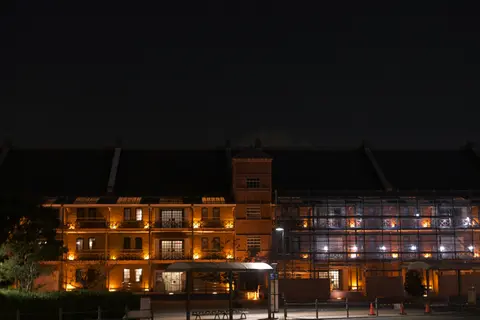
Tsuruga, Japan, offers an immersion in a culture where aesthetic refinement and daily life are inseparable. Essential experiences include exploring local food markets, tasting regional specialties at intimate eateries, and visiting the surrounding temples and gardens. The port is most rewarding October through April, when cooler temperatures and lower humidity create ideal conditions. Cruise lines including Princess Cruises feature this port on their most compelling itineraries. Whether you have a few hours or a full day, the port rewards exploration at every pace and in every direction.
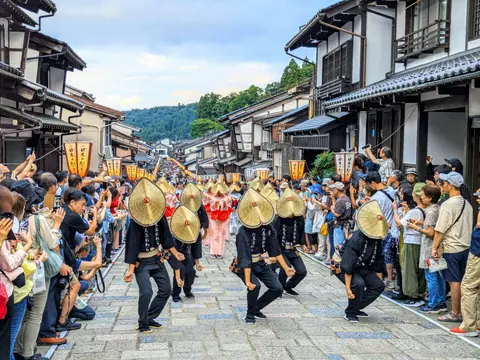
Toyama, Japan, offers an immersion in a culture where aesthetic refinement and daily life are inseparable. Essential experiences include exploring local food markets, tasting regional specialties at intimate eateries, and visiting the surrounding temples and gardens. The port is most rewarding October through April, when cooler temperatures and lower humidity create ideal conditions. Cruise lines including Princess Cruises feature this port on their most compelling itineraries. Whether you have a few hours or a full day, the port rewards exploration at every pace and in every direction.
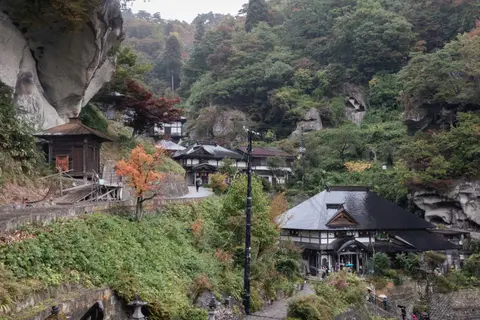
Sakata is a historic merchant port on Japan's Sea of Japan coast, enriched by centuries of rice and safflower trade, with iconic black Sankyo Warehouses lined by zelkova trees and a thriving seafood culture. Must-dos include the Sankyo Warehouse district, tasting fresh nodoguro fish at the waterfront market, and views of sacred Mount Chokai. Visit April through May for cherry blossoms or October for autumn foliage.
Aomori, at Honshu’s northern tip, produces 60% of Japan’s apples and stages the Nebuta Matsuri—one of the country’s most spectacular festivals, with giant illuminated warrior floats parading through August nights. Must-dos include the Nebuta Museum Wa Rasse, building a custom rice bowl at Furukawa Market, and autumn walks through Oirase Gorge. Visit August for the electrifying Nebuta festival, or October for Tohoku’s legendary autumn foliage at Lake Towada.
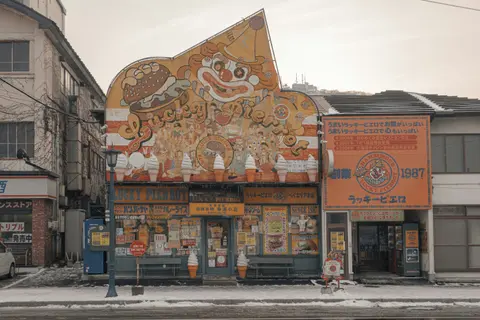
Hakodate, Japan, offers an immersion in a culture where aesthetic refinement and daily life are inseparable. Essential experiences include exploring local food markets, tasting regional specialties at intimate eateries, and visiting the surrounding temples and gardens. The port is most rewarding May through October, when the climate is at its most welcoming for outdoor exploration. Cruise lines including Hapag-Lloyd Cruises feature this port on their most compelling itineraries. Whether you have a few hours or a full day, the port rewards exploration at every pace and in every direction.
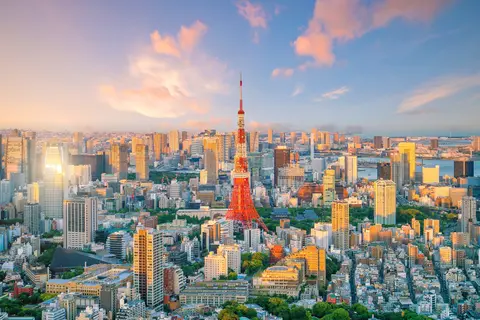
Tokyo's port is a vibrant gateway to both cultural and culinary experiences, uniquely blending traditional Japanese heritage with modern innovation. Must-do experiences include savoring fresh sushi at Tsukiji Outer Market and exploring the natural beauty of Fuji Hakone Izu National Park. The best season to visit is spring, when cherry blossoms bloom, transforming the city into a picturesque landscape.
Day 1
Pressed between the Pacific and the Coast Mountains, Vancouver is the natural gateway to Alaska's Inside Passage — a city where temperate rainforest meets glass towers and where Dungeness crab and wild sockeye salmon define a Pacific Rim cuisine that rivals any in North America. Walk the 22-kilometre Stanley Park seawall, lose yourself in the Granville Island market, then ferry across to Victoria's Edwardian splendour. Alaska cruise season peaks from May through September, making Vancouver an ideal starting point for one of the world's great ocean journeys.
Day 2
Day 3
Ketchikan clings to the forested shore of Revillagigedo Island in Alaska's southeastern panhandle — a town so narrow that locals joke it is three miles long and three blocks wide. Revered by the Tlingit people for millennia as a place of abundant salmon, it is today celebrated as the Totem Pole Capital of the World: the collections at Saxman Native Village and Totem Bight State Historical Park preserve the most significant concentration of these monumental artworks anywhere. Creek Street, a boardwalk of colorful historic houses built over Ketchikan Creek, should not be missed. Summer (May–September) brings the best weather, with salmon running in the creeks below.
Day 4
Day 5
Day 6
Day 7
Day 8
Day 9
Day 10
Day 11
Kushiro, on Hokkaido's wild eastern coast, is Japan's gateway to pristine marshlands, volcanic lakes, and the sacred red-crowned crane. The city's legendary Washo Market offers build-your-own sashimi bowls, while nearby Kushiro Shitsugen National Park protects the country's largest wetland. Silversea brings expedition travelers to this unhurried port where Ainu heritage and untamed nature converge.
Day 12
Aomori, at Honshu’s northern tip, produces 60% of Japan’s apples and stages the Nebuta Matsuri—one of the country’s most spectacular festivals, with giant illuminated warrior floats parading through August nights. Must-dos include the Nebuta Museum Wa Rasse, building a custom rice bowl at Furukawa Market, and autumn walks through Oirase Gorge. Visit August for the electrifying Nebuta festival, or October for Tohoku’s legendary autumn foliage at Lake Towada.
Day 13
Day 14
Tokyo's port is a vibrant gateway to both cultural and culinary experiences, uniquely blending traditional Japanese heritage with modern innovation. Must-do experiences include savoring fresh sushi at Tsukiji Outer Market and exploring the natural beauty of Fuji Hakone Izu National Park. The best season to visit is spring, when cherry blossoms bloom, transforming the city into a picturesque landscape.
Day 15
Day 16
Osaka is Japan's exuberant culinary capital, a neon-drenched metropolis where Edo-period merchant culture lives on in vibrant street food markets and Michelin-starred kaiseki restaurants alike. No visit is complete without savouring *takoyaki* and *kushikatsu* along the Dōtonbori Canal, or venturing north to witness Hirosaki's legendary cherry blossoms. The ideal window is late March through May for spring blooms and mild weather, or October through November when autumn foliage transforms the surrounding Kansai region into a tapestry of amber and gold.
Day 17
Kochi, on Japan's island of Shikoku, is a Pacific coast port city renowned for its remarkably preserved 17th-century castle, vibrant Hirome Market food hall, and the iconic katsuo no tataki — straw-seared skipjack tuna that defines the region's bold culinary identity. Visitors should not miss exploring the castle grounds and savouring sawachi communal platters paired with crisp Tosa sake. The best time to visit is spring for mild weather and cherry blossoms, or autumn when typhoon season has passed and the yuzu harvest perfumes the countryside.
Day 18
Hiroshima is a deeply moving yet vibrantly reborn Japanese city, home to the UNESCO-listed Peace Memorial Park and the iconic A-Bomb Dome. Must-dos include savouring the city's famous layered okonomiyaki, tasting fresh Inland Sea oysters, and taking the ferry to Miyajima to see the floating vermilion torii gate. Spring cherry-blossom season and autumn foliage (March–May and October–November) offer the most spectacular visits.
Day 19
Day 20
Busan, a bustling port city in South Korea, is known for its stunning coastal scenery, rich history, and vibrant culinary scene. Must-do experiences include visiting the iconic Jagalchi Fish Market for fresh seafood and exploring the ancient sites of Gyeongju. The best time to visit is during the mild spring or autumn months when the weather is pleasant and local festivals abound.
Day 21
Sakaiminato is a charming Sea of Japan fishing town famous for its yokai manga heritage along the Mizuki Shigeru Road and some of Japan's finest fresh crab and seafood. Visit for the bronze-statue-lined streets, excursions to sacred Mount Daisen, and the award-winning Adachi Museum of Art gardens.
Day 22
Tsuruga, Japan, offers an immersion in a culture where aesthetic refinement and daily life are inseparable. Essential experiences include exploring local food markets, tasting regional specialties at intimate eateries, and visiting the surrounding temples and gardens. The port is most rewarding October through April, when cooler temperatures and lower humidity create ideal conditions. Cruise lines including Princess Cruises feature this port on their most compelling itineraries. Whether you have a few hours or a full day, the port rewards exploration at every pace and in every direction.
Day 23
Toyama, Japan, offers an immersion in a culture where aesthetic refinement and daily life are inseparable. Essential experiences include exploring local food markets, tasting regional specialties at intimate eateries, and visiting the surrounding temples and gardens. The port is most rewarding October through April, when cooler temperatures and lower humidity create ideal conditions. Cruise lines including Princess Cruises feature this port on their most compelling itineraries. Whether you have a few hours or a full day, the port rewards exploration at every pace and in every direction.
Day 24
Sakata is a historic merchant port on Japan's Sea of Japan coast, enriched by centuries of rice and safflower trade, with iconic black Sankyo Warehouses lined by zelkova trees and a thriving seafood culture. Must-dos include the Sankyo Warehouse district, tasting fresh nodoguro fish at the waterfront market, and views of sacred Mount Chokai. Visit April through May for cherry blossoms or October for autumn foliage.
Day 25
Aomori, at Honshu’s northern tip, produces 60% of Japan’s apples and stages the Nebuta Matsuri—one of the country’s most spectacular festivals, with giant illuminated warrior floats parading through August nights. Must-dos include the Nebuta Museum Wa Rasse, building a custom rice bowl at Furukawa Market, and autumn walks through Oirase Gorge. Visit August for the electrifying Nebuta festival, or October for Tohoku’s legendary autumn foliage at Lake Towada.
Day 26
Hakodate, Japan, offers an immersion in a culture where aesthetic refinement and daily life are inseparable. Essential experiences include exploring local food markets, tasting regional specialties at intimate eateries, and visiting the surrounding temples and gardens. The port is most rewarding May through October, when the climate is at its most welcoming for outdoor exploration. Cruise lines including Hapag-Lloyd Cruises feature this port on their most compelling itineraries. Whether you have a few hours or a full day, the port rewards exploration at every pace and in every direction.
Day 27
Day 28
Tokyo's port is a vibrant gateway to both cultural and culinary experiences, uniquely blending traditional Japanese heritage with modern innovation. Must-do experiences include savoring fresh sushi at Tsukiji Outer Market and exploring the natural beauty of Fuji Hakone Izu National Park. The best season to visit is spring, when cherry blossoms bloom, transforming the city into a picturesque landscape.
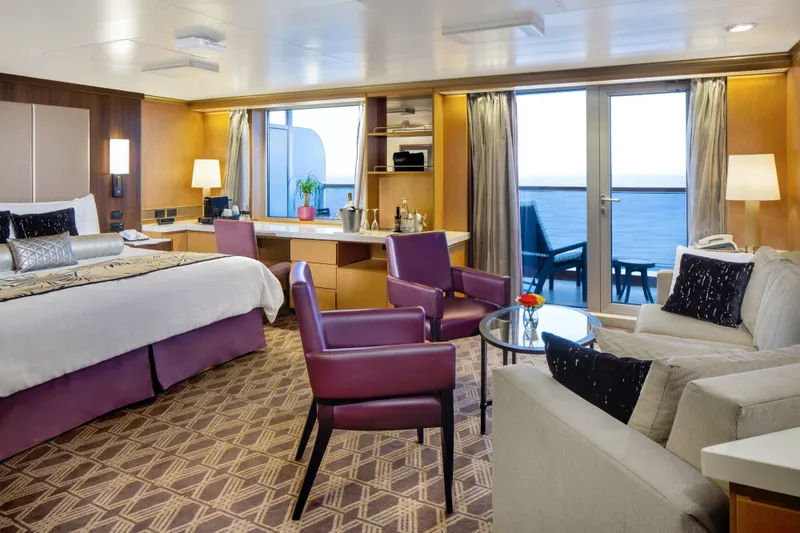
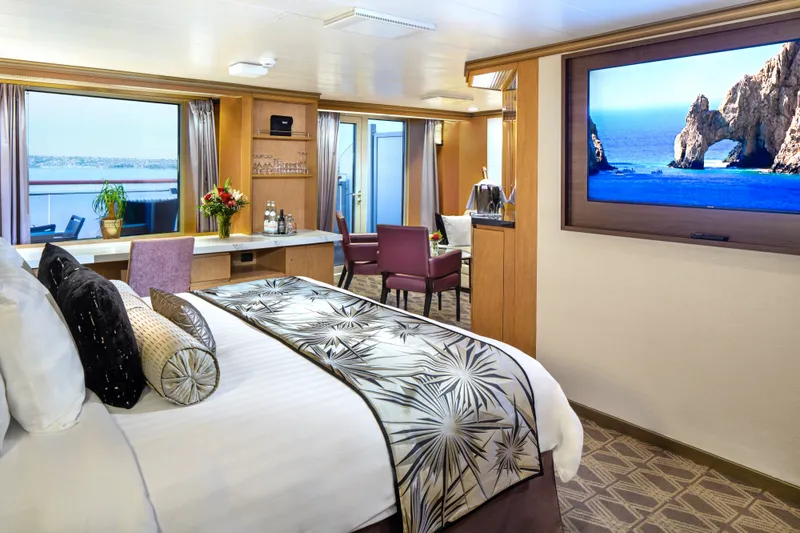
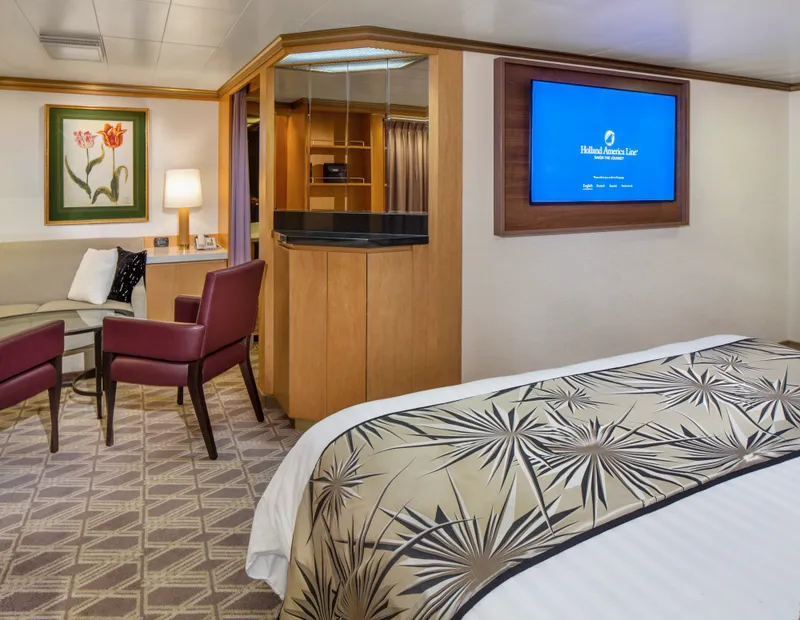
Approximately 500-712 sq. ft. including verandah
With floor-to-ceiling windows overlooking a private verandah, these spacious suites are flooded with light. They feature a large sitting area and two lower beds convertible to one king-size bed—our signature Mariner's Dream bed with plush Euro-Top mattresses plus a separate dressing room. There's also a sofa bed, suitable for two people. The bathroom comes with a dual-sink vanity, full-size whirlpool bath and shower, plus additional shower stall. Amenities include use of the exclusive Neptune Lounge, a private concierge and an array of complimentary services. The configuration of staterooms may vary from the images shown.
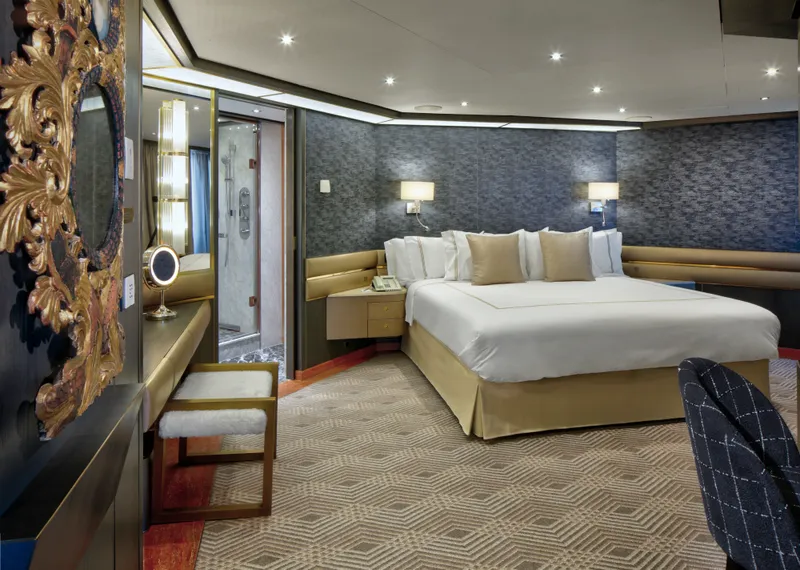
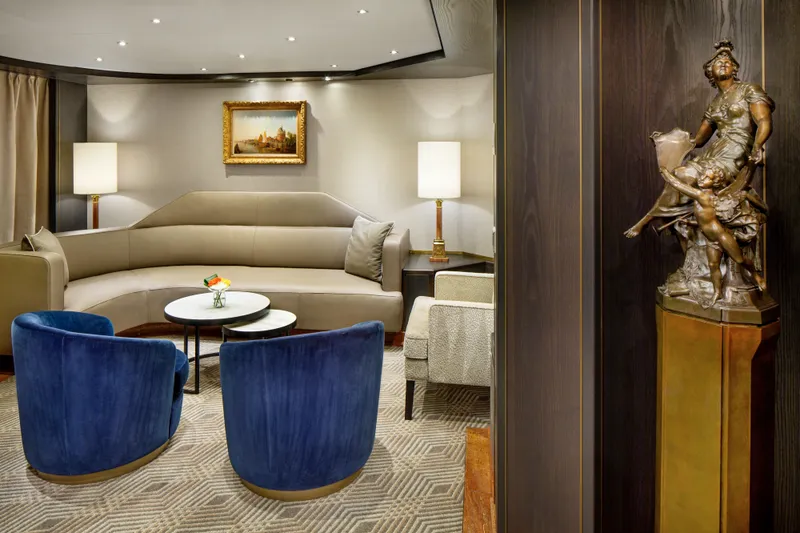
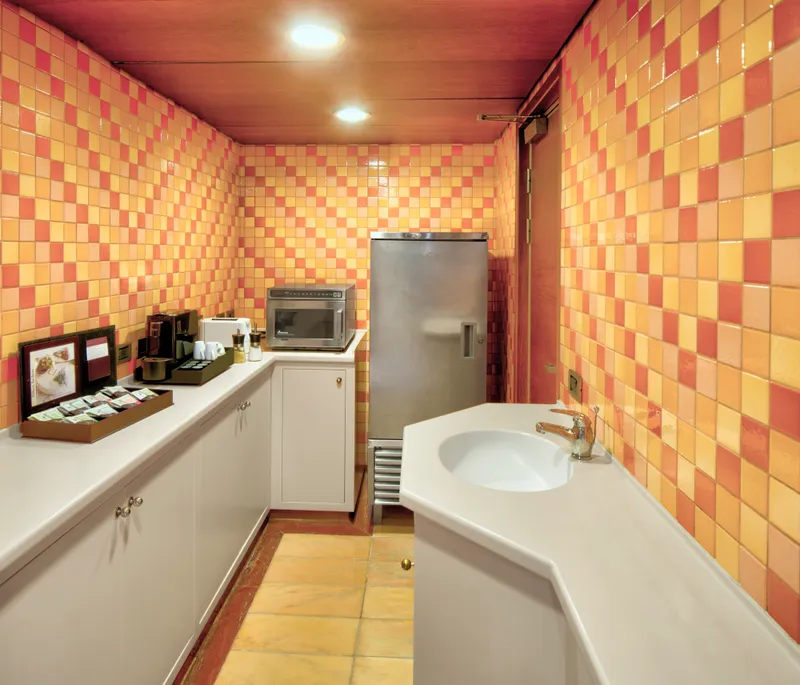
Approximately 1,150 sq. ft including verandah
Generously proportioned and filled with light, these elegant suites include a living room, dining room, pantry with microwave and refrigerator, and floor-to-ceiling windows overlooking a private verandah with whirlpool. The bedroom features a king-size bed—our Signature Mariner's Dream bed with plush Euro-Top mattresses, plus a separate dressing room and the bath includes an oversize whirlpool bath and shower as well as an additional shower stall. There's also a sofa bed, suitable for two people, and a guest toilet. Amenities include a private stereo system, use of the exclusive Neptune Lounge, private concierge and an array of complimentary services. The configuration of staterooms may vary from the images shown.
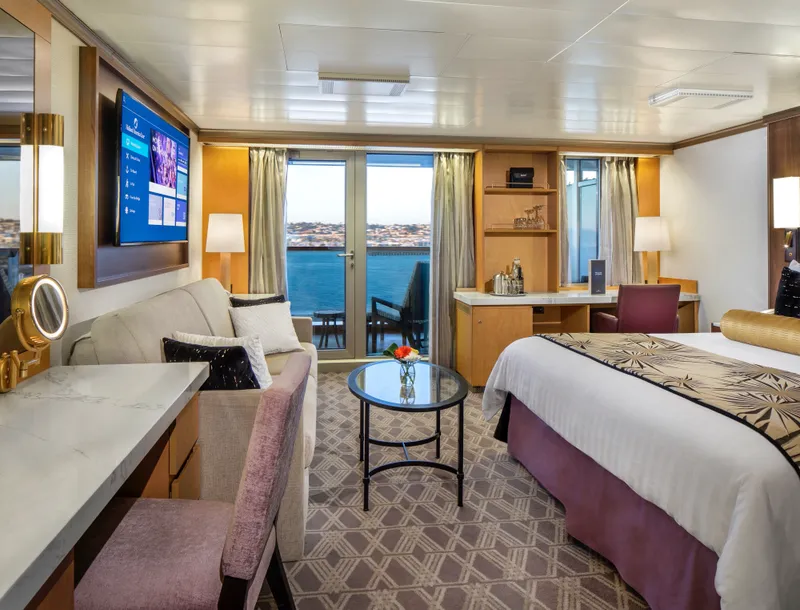
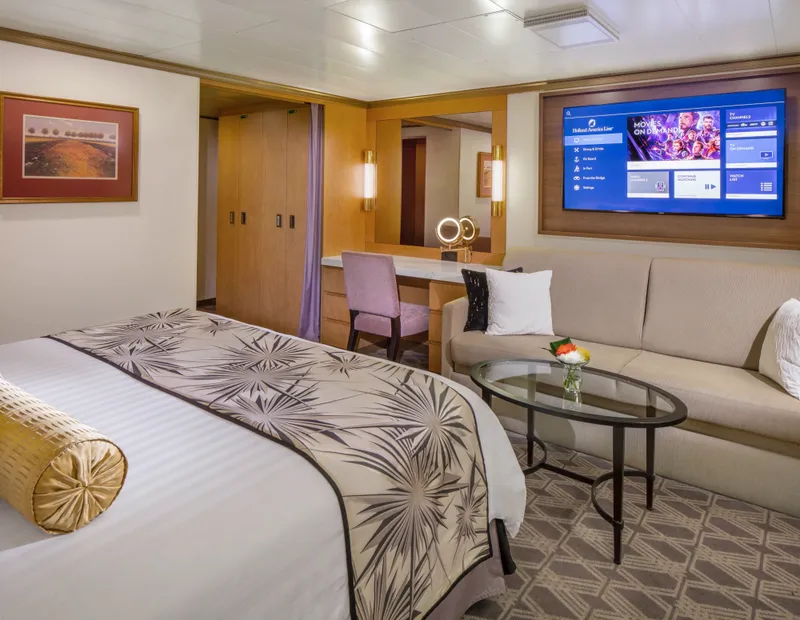
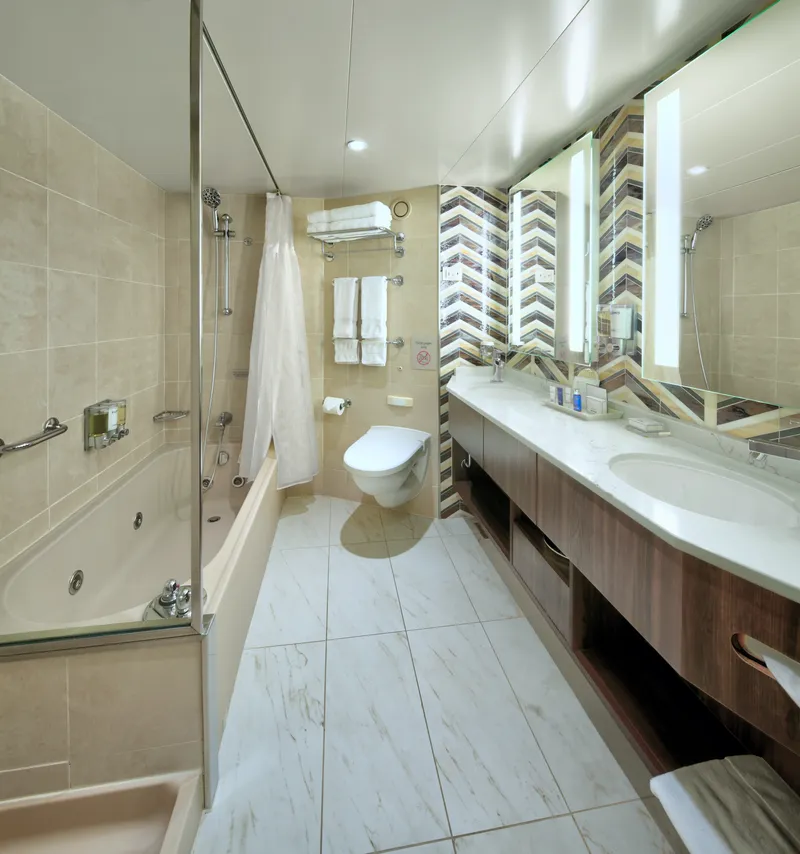
Approximately 372-384 sq. ft. including verandah
These large, comfortable suites feature a spacious sitting area with floor-to-ceiling windows overlooking a private verandah, two lower beds convertible to one queen-size bed—our signature Mariner's Dream bed with plush Euro-Top mattresses, and one sofa bed for one person. The bathroom includes a dual-sink vanity, full-size whirlpool bath and shower, and an additional shower stall. The configuration of staterooms may vary from the images shown.
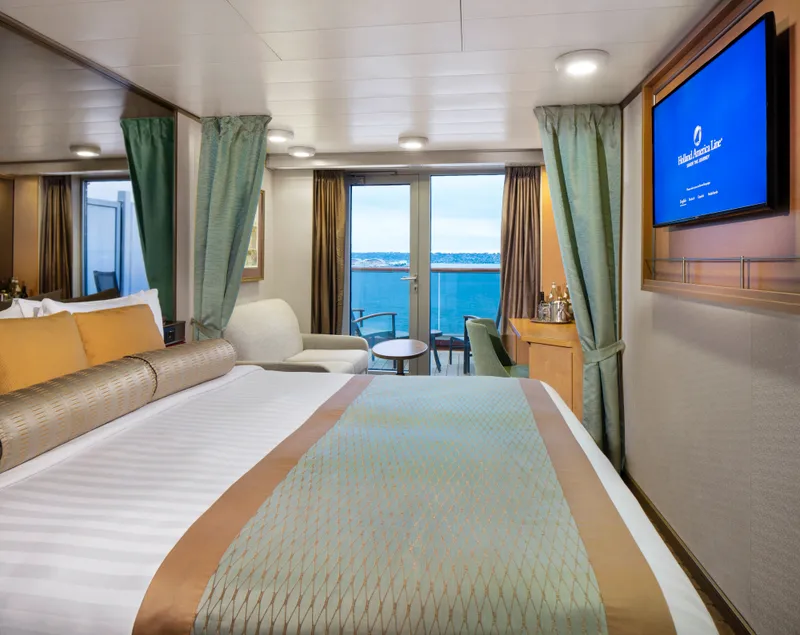
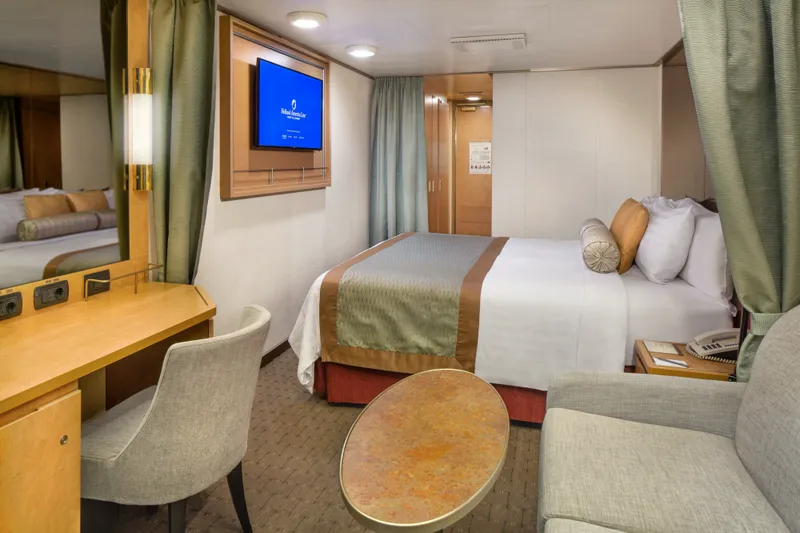
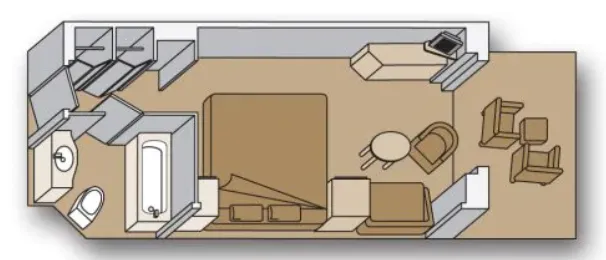
Approximately 212-359 sq. ft including verandah
Filled with light from floor-to-ceiling windows overlooking a private verandah, these staterooms include a sitting area, two lower beds convertible to one queen-size bed—our signature Mariner's Dream bed with plush Euro-Top mattresses, and bath tub with premium massage showerheads. The configuration of staterooms may vary from the images shown.
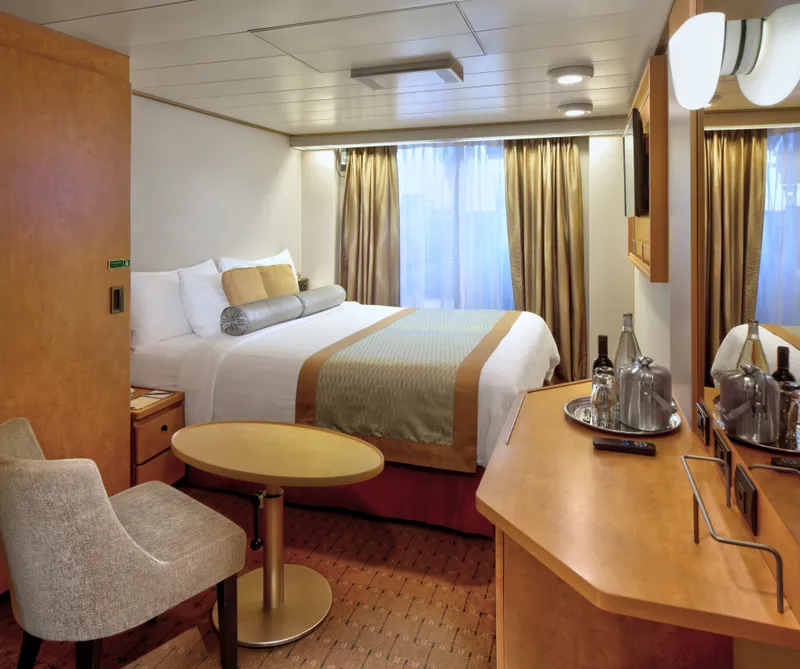
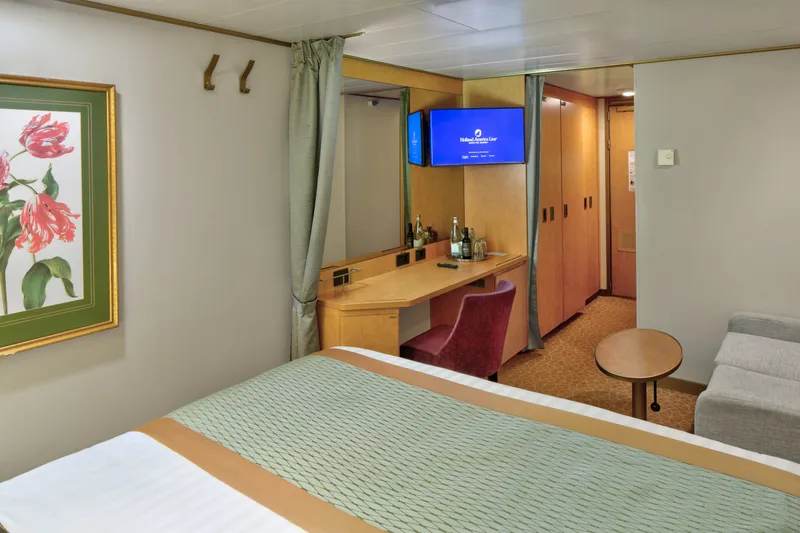
Approximately 174-180 sq. ft.
These expansive staterooms include include two lower beds convertible to one queen-size bed—our Signature Mariner's Dream bed with plush Euro-Top mattresses, premium massage shower heads, a host of amenities and an ocean view. The configuration of staterooms may vary from the images shown.
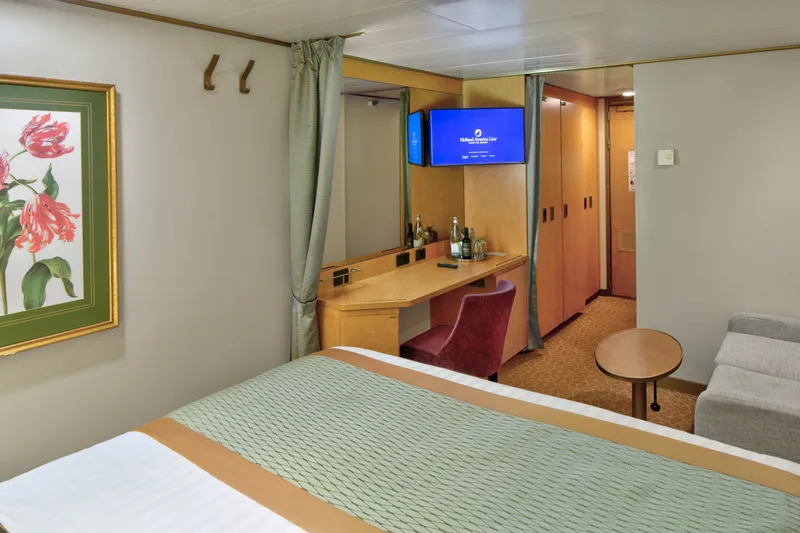
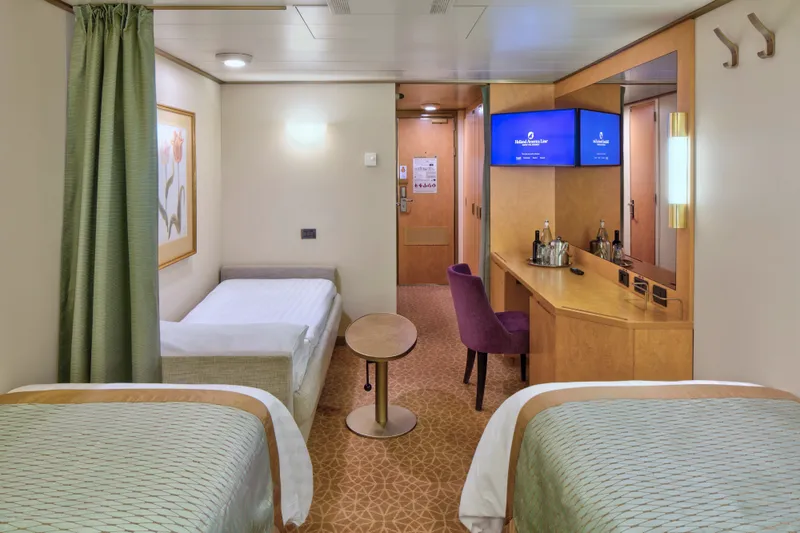
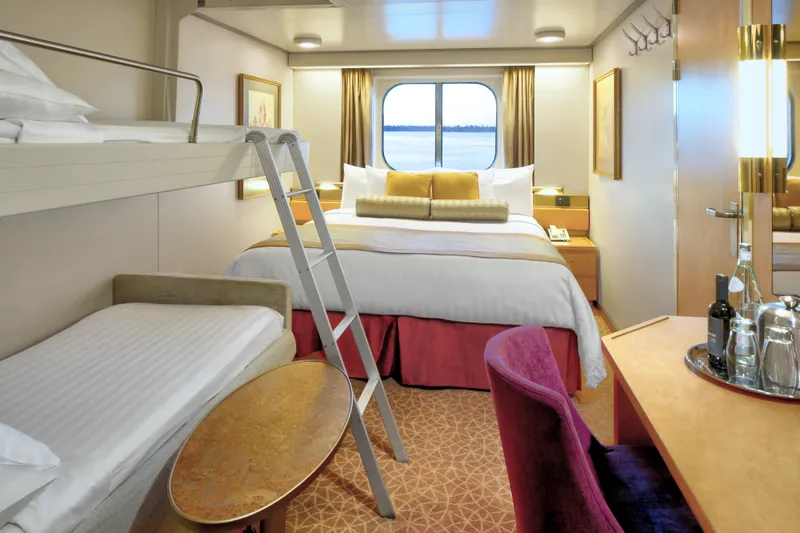
Approximately 174-180 sq. ft.
These large staterooms include two lower beds convertible to one queen-size bed—our Signature Mariner's Dream bed with plush Euro-Top mattresses, premium massage shower heads and a host of amenities. The view is fully obstructed. The configuration of staterooms may vary from the images shown.
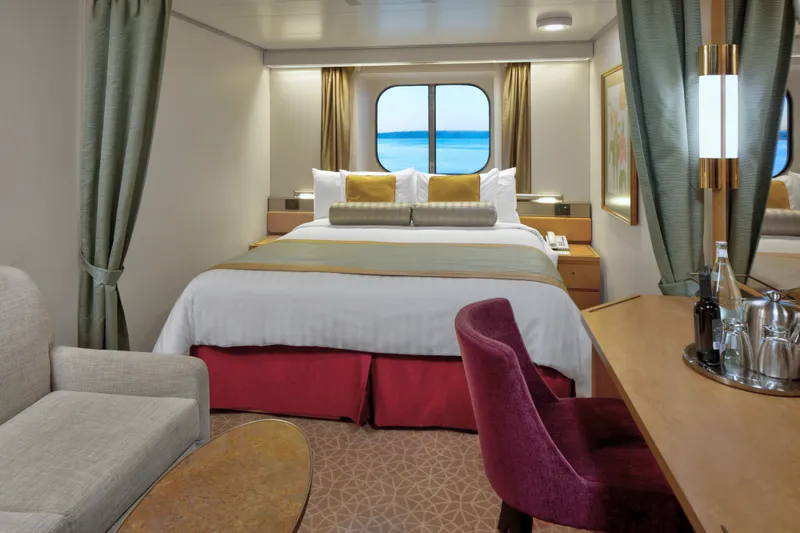
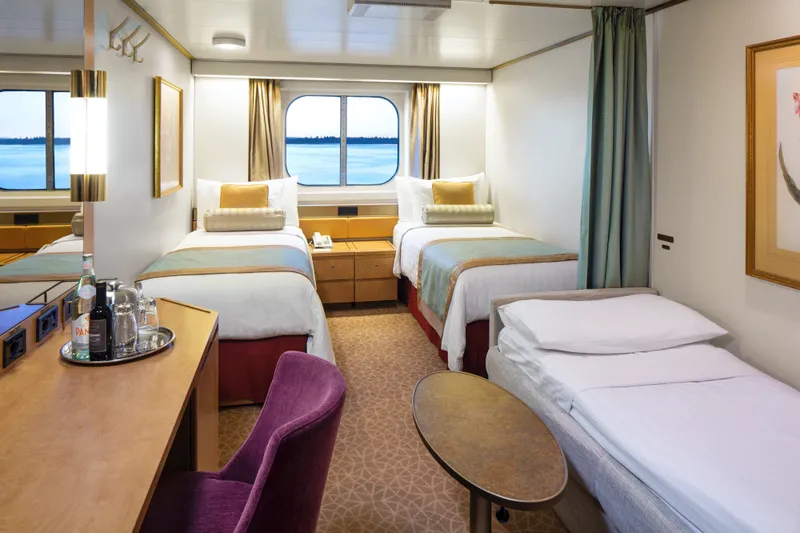
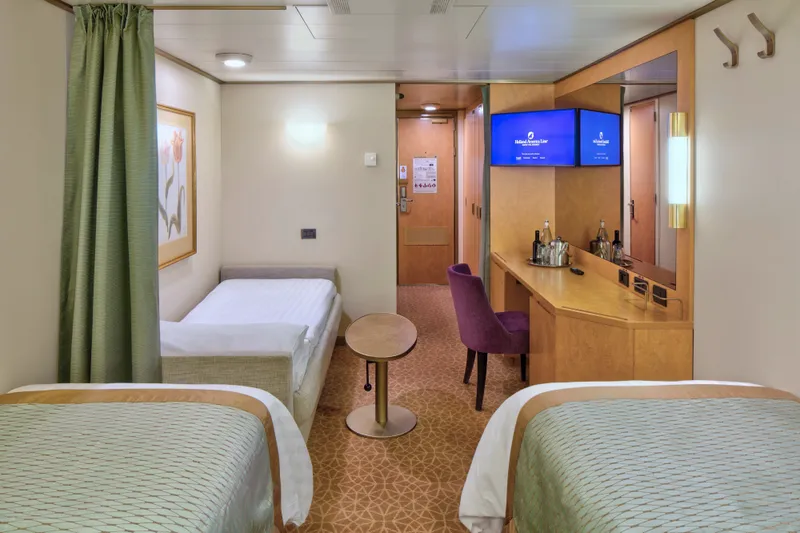
Approximately 174-180 sq. ft.
These staterooms feature a partial sea view and include two lower beds convertible to one queen-size bed—our signature Mariner's Dream bed with plush Euro-Top mattresses, plus premium massage shower heads and a variety of amenities. The configuration of staterooms may vary from the images shown.
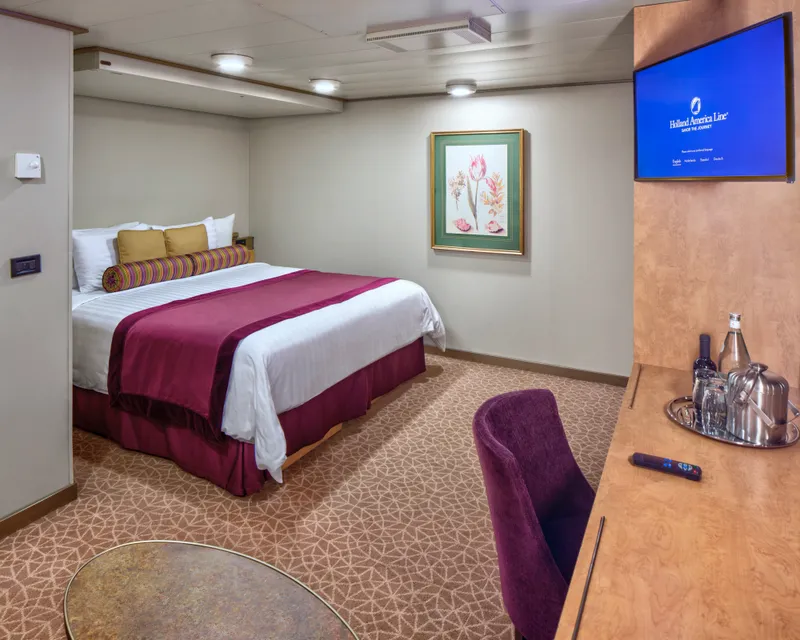
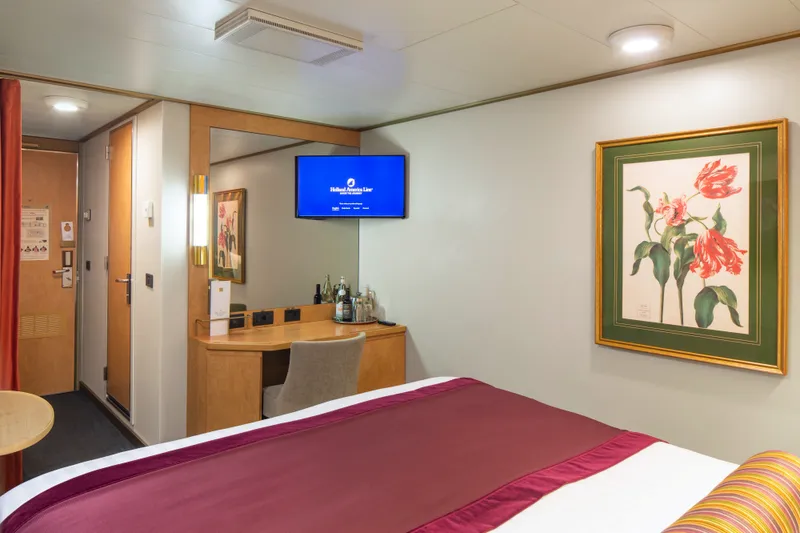
Approximately 151-233 sq. ft.
These spacious staterooms include two lower beds convertible to one queen-size bed—our Signature Mariner's Dream bed with plush Euro-Top mattresses, premium massage shower heads and a host of amenities. The configuration of staterooms may vary from the images shown.
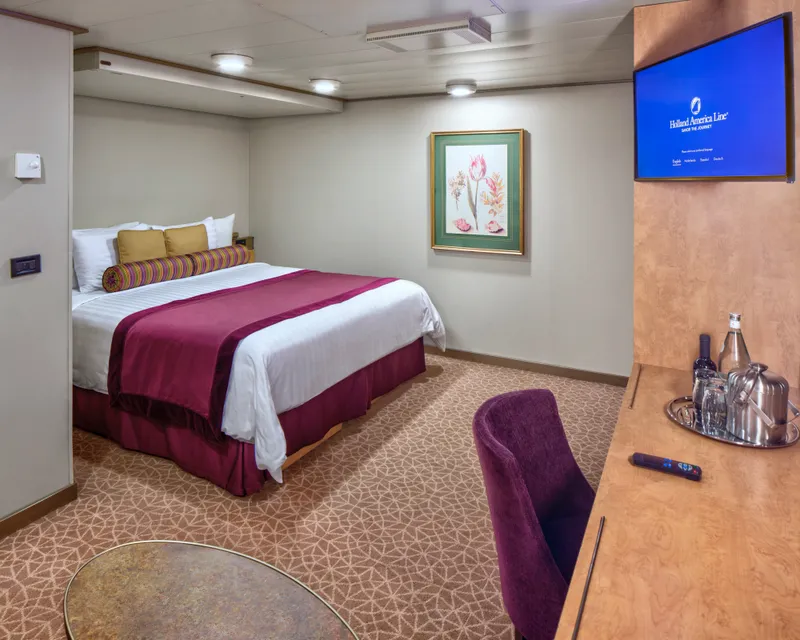
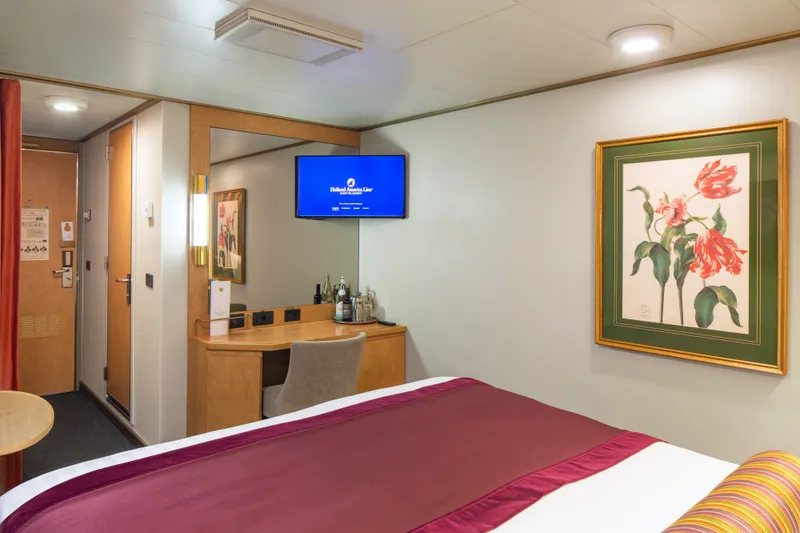
Approximately 151-233 sq. ft.
These spacious staterooms include two lower beds convertible to one queen-size bed—our Signature Mariner's Dream bed with plush Euro-Top mattresses, premium massage shower heads and a host of amenities. The configuration of staterooms may vary from the images shown.
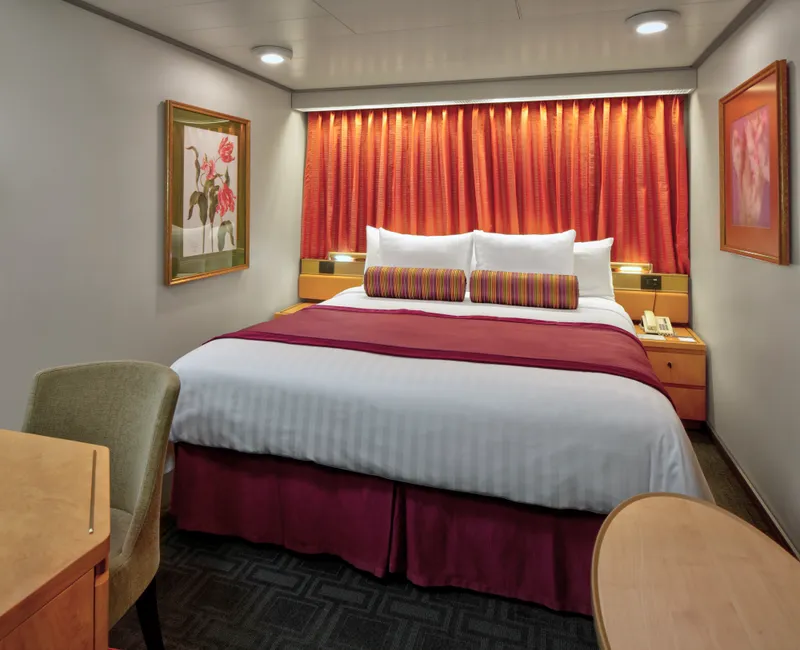
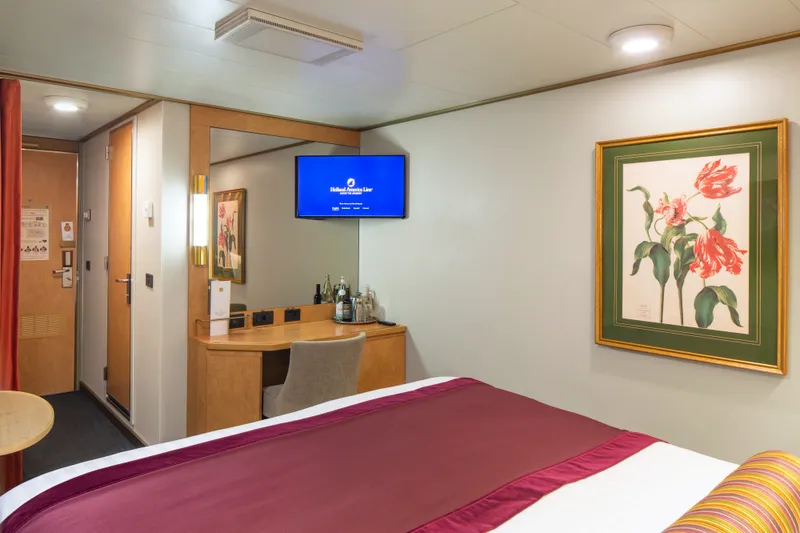
Approximately 151-233 sq. ft.
Two lower beds convertible to one queen-size bed—our signature Mariner's Dream bed with plush Euro-Top mattresses, premium massage shower heads and a host of amenities are featured in these comfortable staterooms. The configuration of staterooms may vary from the images shown.
Our cruise specialists can help you find the perfect cabin and the best available pricing.
(+886) 02-2721-7300Contact Advisor