Date
February 14, 2027
Duration
14 nights
Departure Port
Hong Kong · Hong Kong
Arrival Port
Tokyo · Japan
Rating
Premium
Theme
—


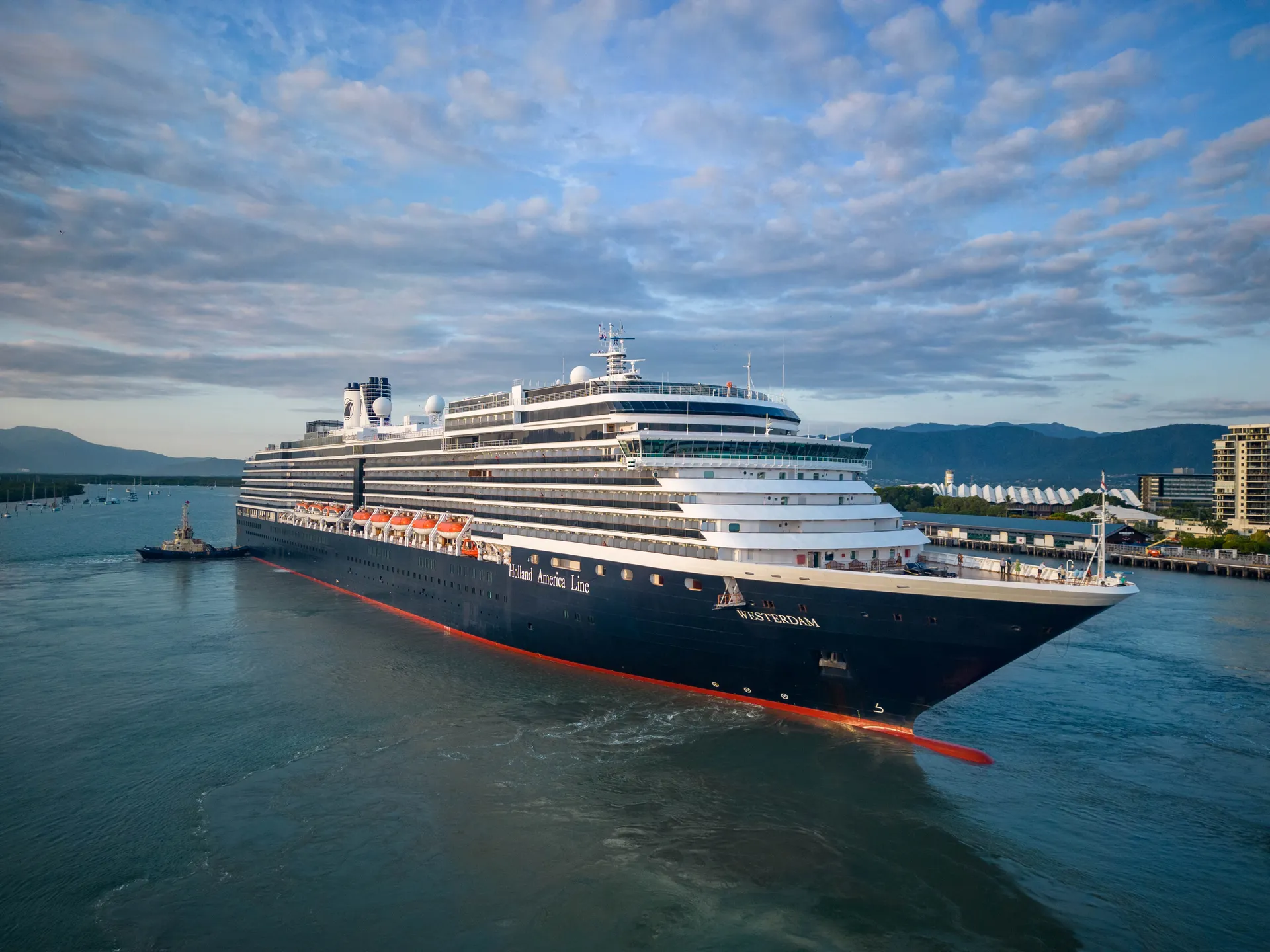
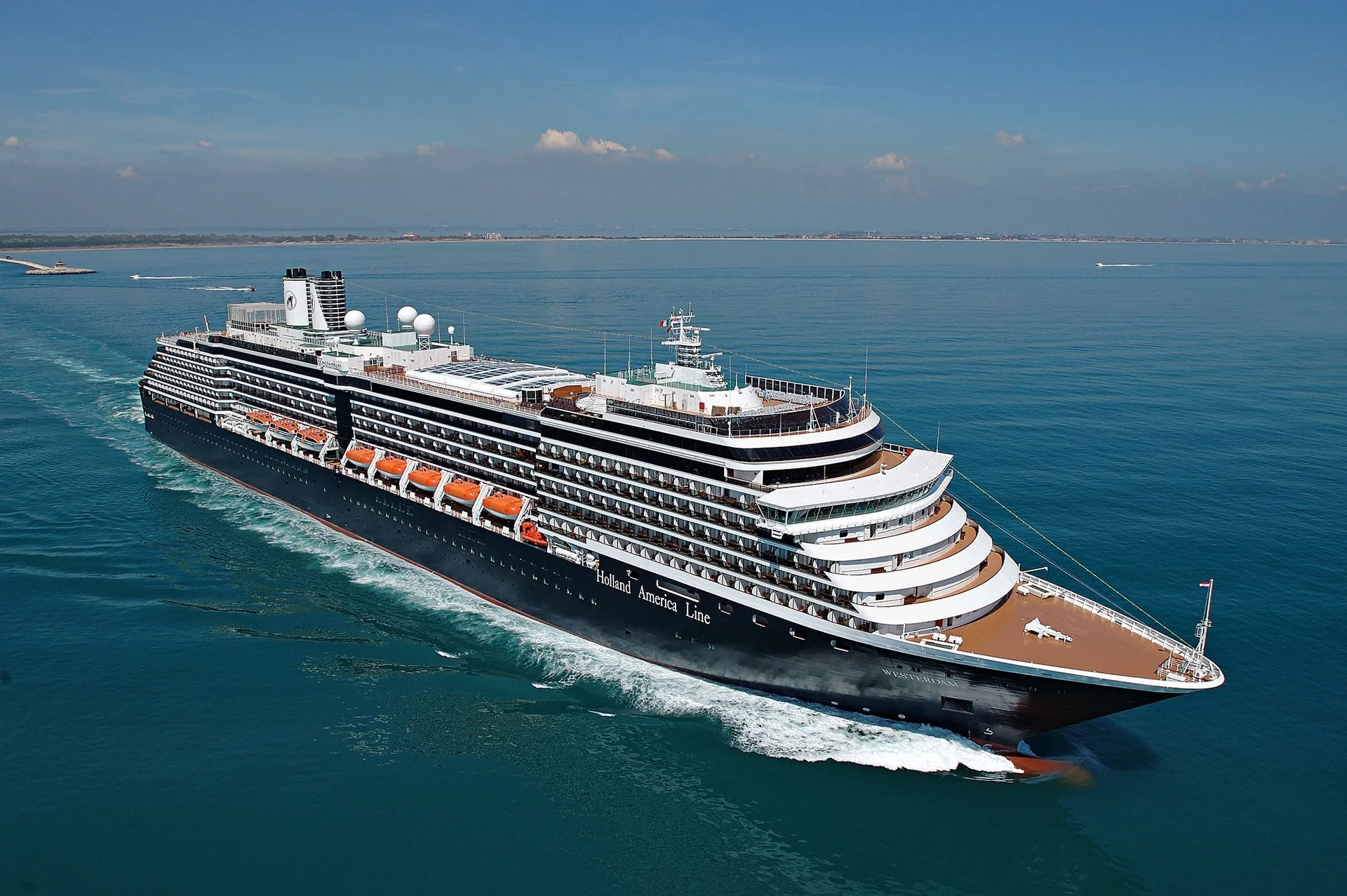
Holland America Line
Vista
2004
2025
82,348 GT
1,916
984
817
936 m
32 m
22 knots
No


A spectacular cityscape As you will discover during your MSC Grand Voyages cruise, Hong Kong Island is the heart of the whole territory, its administrative and business centre and site of some of the most expensive real estate in the world. Development is concentrated along the island’s north shore, a 6km-long strip of financial, commercial and entertainment districts overlooking Victoria Harbour. At its core, Central sprouts an astounding array of high-tech towers, edged to the west by Sheung Wan’s smaller-scale and traditional Chinese businesses. Behind this the land climbs steeply to The Peak, wherever you get them from, vistas are stupendous, down over the island’s intensely crowded north shore, across the busy harbour to a lower-rise, unspectacular Kowloon and the green peaks of the New Territories. Man Mo Temple is one of the oldest in Hong Kong, waiting to be value on an MSC Grand Voyages cruise excursion. It dates to the 1840s and was originally founded as a charitable institution; the central atrium beyond is hung with great spiral incense coils suspended from the ceiling, filling the interior with eye-watering, aromatic smoke. Back along the harbour and moving east through Wan Chai and Causeway Bay, the emphasis shifts from finance to wining, dining and shopping. The south side of Hong Kong Island straggles into the sea in a series of dangling peninsulas and islets. The attractions here are separate towns such as Aberdeen and Stanley, with a flavour of their own, and also beaches, the best of which fronts the little outpost of Shek O. East of the Aberdeen expressway, Causeway Bay forms a knot of lively, seething streets packed with restaurants, accommodation and shopping plazas, its eastern part is dominated by Victoria Park, an extensive, open space containing shady paths, swimming pools and other sport facilities.

Home to a New Wonder of the World - the amazing underground river that flows close by - Palawan’s capital promises a relentless assault of natural glory. Founded by the Spanish in 1872, Puerto Princesa is one of the Philippines’s largest centres - but the Green City is also one of the country's most spacious and lush. Whether it’s the innovative environmental credentials, or the dense vegetation clinging to scenic limestone cliffs nearby, Puerto Princesa welcomes you to a rich, green, and astonishingly beautiful corner of the world. View less The underground river of glowing emerald water slices into the limestone rock and runs through inky darkness for five miles, amid dark stalactites and elaborate natural rock sculptures. A subterranean wonder, sail into the cave in a canoe to witness this UNESCO World Heritage Site firsthand and explore a gaping interior, where bats flutter overhead. The scenery is just as impressive above the earth, with tropical beaches and rainforest-cloaked waterfalls nearby. Travel between attractive bays and islands, alive with diverse flora, as well as monkeys and monitor lizards wandering freely. Island hop the stunning sandy isles that pepper the turquoise water of Honda Bay, to investigate characterful idylls that beg to be snorkelled, surrounded by seawater stocked with starfish. Puerto Princesa itself is dotted with cultural and historical sites - including the harrowing World War II history of Plaza Cuartel. Where a massacre of American soldiers took place. Elsewhere, you can visit the thought-provoking Iwahig Prison and Penal Colony - which aims to reform prisoners through farming and agricultural practices. Head for the Baywalk to try some local foods, and to soak up the palm-lined waterfront atmosphere.

Little more than a dot off the northwestern tip of Panay, Boracay is the Philippines' trophy beach. It offers an intoxicating mix of sun, sand and fun with hotels, restaurants and shops dotted along the beach. If you wish, you can visit popular White Beach or drive to Bulabog Beach as it is wilder and windier and a favorite windsurfing spot. Yet another option: relax on the serene and quiet beach of Puka in the north.

Discover the capital of the Philippines, Pearl of the Orient Sea. Your MSC Cruise will take you to the world of Manila. Overlooking the South China Sea, the city is located on the island of Luzón, the largest of the archipelago. Twelve million people live in this colourful yet chaotic metropolis. Its origins can be traced back to the sixteenth century, when May Nilad, a Muslim colony, arose on the banks of the Pasig River. Following the arrival of the Americans in 1898, the town grew to become one of the most important cities in Asia. Today Manila is an economic and cultural hub, and ‒ like many big cities ‒ has to deal with overcrowding, crime and poverty. Here past and present coexist seamlessly. An excursion will take you to Fort Santiago, an ancient Spanish fortress in the citadel of Intramuros, built in 1571. In 1945, it was almost completely razed to the ground in the battle of Manila. Today it is an historical park and a place of prayer, in memory of the Filipino victims during the Japanese occupation in the Second World War. Tagaytay City is about 37 miles from Manila and can be visited with an excursion. It's not what you might imagine when you think of a Philippine town: forget the traffic of Manila and enjoy the wonderful greenery and peace of this town, dominated by the massive Taal Volcano – the second most active in the Philippines – with its green crater lake. Immerse yourself in the history of Corregidor: you can take an excursion to the last bastion of the allied Filipino and U.S. forces during the Second World War. Corregidor was conquered by the Japanese in 1942 and then liberated by the Americans in 1944.

Adorned with huge public artworks and thrumming night markets, Kaohsiung is the perfect introduction to energetic Taiwan. The busy harbour of the country's third-biggest city fuelled rapid growth here, and while it's vast in scale, Kaohsiung has wide and airy boulevards - interspersed with parks where fountains fire water high into the sky. Filled with cultural splendour – you can visit soaring temples lit by softly glowing lanterns, and taste exotic street foods as you fall for this city, which is dissected by the Love River. View less The vividly coloured Dragon and Tiger Pagodas soar into the sky above the blooming flowers of Lotus Lake, promising visitors good luck – on the proviso that they enter through the dragon's mouth and leave via the tiger. The good fortune kicks in instantly, as you emerge to see the zigzagging path that leads to the Pei Chi Pavilion. Rows of long fishing rods lean out over the walls of Cijin Island, while the fruits of the ocean are served up amid a sensory overload of neon lights, and swells of people, in Liuhe night market. Try sea snails and lobster, before cooling off from Taiwan's heat with some shaved ice - flavoured with a sweet banana kick. Central Park is a green and spacious escape in the heart of Kaohsiung, while primates scamper through the airy forested mountain trails of Shou-Shan Mountain behind the city. Elsewhere, you can take the short hop out of the city to Fo Guang Shan Monastery, where a troupe of eight pagodas will lead you on the walk up to the humungous buddha which glints on top of the striking temple.


With over 2,600,000 inhabitants, Taipei is the largest city on the island of Taiwan and its capital. It represents the fulcrum of the country: the headquarters of the government is located here and it is the cultural and commercial center of Taiwan. An MSC Cruise will take you inside this crossroads of Japanese and Chinese cultures, where the ancient and modern coexist with no distinction. One of the symbols of the city is the Taipei 101 Tower, named for the fact that there are 101 floors. First known as the Taipei World Financial Center, it is located in the Xinyi district. Reachable on an MSC excursion, this singular construction, built in 2004, is bamboo-shaped and its 509 meters in height made it the the tallest building in the world in 2004: today, it is in fifth place; first place is held by Burj Khalifa in Dubai. Chiang Kai-shek Memorial Hall is also one of the destinations that can be reached with an excursion: a white building with a blue octagonal roof, whose colors also reflect the national flag, it is a symbol of freedom, equality and brotherhood. Consisting of 89 steps, one for each year of the leader's life, it is surrounded by Chinese-style gardens and buildings housing examples of Taiwanese culture. Considered one of the most important monuments of the 20th century, the Memorial Hall tells the story of the head of the Chinese nationalist government which was in charge from 1950 to 1975; the hall opened in 1980. More than 700 thousand pieces representing 8,000 years of Chinese history and art from the Neolithic to the present day are exhibited in the National Palace Museum which can be visited on an MSC excursion. The museum was once located inside the walls of the Forbidden City of Beijing. In 1949, it was moved to the Shilin district in Taipei, into the current building, after the government of the Republic of China was also transferred.


Talk with the Japanese a while about the Japanese and you’re going to hear the word shimagunikonjo. The breakdown is simple: shima—island; guni—nation; konjo—consciousness. In one word, it's the firm belief that people who live on islands are different from people who live on continents, and anyone who’s done both is likely to agree. American culture may be the strongest influence in Japan now, but the Japanese will understand the motivations of the Brits a whole lot better. Islands require a different mind-set than continents. Islands require manners. But what if your island was never meant to be part of another bunch of islands? That’s what’s happened with today’s Okinawa Prefecture. The people who’ve always been there are Okinawan, one of the healthiest, longest-living people on earth. But now they’re part of Japan and seriously outnumbered by the Japanese. (And they’re not at all happy that the Japanese interlopers gave so much of their land over to U.S. military bases.) Signs of Okinawan culture can be subtle but are easier to pick out in more remote islands of the chain, like Ishigaki. Traditional buildings are a mixture of Chinese and Japanese influences. In the markets, you’ll find fu chanpuru (an Okinawan stir fry dish) and whole-wheat soba, which the Japanese won't touch. The ryuso robe holds on despite crowded kimono stores. The few people left who speak Uchinaguchi are praying for a movement like the Hawaiian renaissance to bring the culture back. The tipping point is close. A trip to Ishigaki now is to witness either the beginning or the end.


The sophistication, elegance and ages-old culture of Japan. On an MSC Grand Voyages Cruise, you can discover the ancient beauty of the Okinawa islands. Belonging to the archipelago of Ryūkyū, their capital is Naha. There are many attractions and monuments that can be visited. These include the Ryukyumura village and the UNESCO World Heritage site: Shikinaen Garden, where you can admire the characteristic wooden buildings with red tile roofs that overlook an artificial lake and vegetation that inspire meditation and peace. Peace Memorial Park has a great emotional impact: near the end of World War II, Okinawa was the scene of a bloody battle between Japan and the US, which killed about 200,000 people, more than half of which were civilians. The shopping and restaurant street in Naha isKokusai : two kilometers of bars, cafes, hotels and boutiques where you can linger and enjoy yourself sipping awamori , a typical liqueur from the island served with ice. The capital is also home to the museum of the former underground headquarters of the Japanese Navy and the Okinawa Prefectural Museum , where you can discover the history and culture of Okinawa. To understand how the inhabitants lived, you can also visit Ryukyumura Village , a small theme park that recreates a village where craftsmen shape pottery, weave clothing and blankets and where musicians play the sanshin guitar. Located in front of the East China Sea, the cliff of Cape Manzamou is a true natural sculpture shaped by the ocean: a part of it looks like the trunk of an elephant. It is impossible to leave without taking a photograph.


Japan’s third-biggest city has thrown off its shackles and stepped out of the shadows to light up the sky with glaring neon signs and a larger than life outlook. Giant octopuses cling to buildings and bustling restaurants pack in the crowds in this great and garish place, which is Japan at its most friendly, extroverted and flavourful. So dive in headfirst to experience an all-out sensory assault of delicious food, shopping cathedrals and glittering temples. View less Dotombori Bridge bathes in the multicoloured, jewel-like lights of signage-plastered buildings, and the neon lights dance on the canal's waters below. Osaka is known as the nation's kitchen, and the Kuromon Ichiba Market has served as the city's spot to tuck in for almost 200 years. Full of street food stalls - try pufferfish, savoury Okonomiyaki pancakes, or ginger and onion flavoured octopus, among the endless feast of exotic flavours. Osaka Castle is another of the city’s landmarks, built in the 16th century by Toyotomi Hideyoshi. A modern museum now waits inside, where you can learn about the country's history, and why this castle is a symbol of Japanese unity. Be sure to take the elevator up to the observation deck for a panoramic view of Osaka's spread. A colourful park encloses the castle and blooms with an ocean of pale pink cherry blossom during the season - the elegant black tiers rising from the pink haze below is one of Osaka's most alluring visions. Kyoto’s peaceful cultural treasures and temples are also just a short jaunt away on Japan’s sleek trains, should you wish to explore further afield.


Lights, sushi, manga! Sprawling, frenetic, and endlessly fascinating, Japan’s capital is a city of contrasts. Shrines and gardens are pockets of calm between famously crowded streets and soaring office buildings. Mom-and-pop noodle houses share street space with Western-style chain restaurants and exquisite fine dining. Shopping yields lovely folk arts as well as the newest electronics. And nightlife kicks off with karaoke or sake and continues with techno clubs and more. Whether you seek the traditional or the cutting edge, Tokyo will provide it.


Approximately 500-712 sq. ft. including verandah
With floor-to-ceiling windows overlooking a private verandah, these spacious suites are flooded with light. They feature a large sitting area and two lower beds convertible to one king-size bed—our signature Mariner's Dream bed with plush Euro-Top mattresses plus a separate dressing room. There's also a sofa bed, suitable for two people. The bathroom comes with a dual-sink vanity, full-size whirlpool bath and shower, plus additional shower stall. Amenities include use of the exclusive Neptune Lounge, a private concierge and an array of complimentary services. The configuration of staterooms may vary from the images shown.


Approximately 1,150 sq. ft including verandah
Generously proportioned and filled with light, these elegant suites include a living room, dining room, pantry with microwave and refrigerator, and floor-to-ceiling windows overlooking a private verandah with whirlpool. The bedroom features a king-size bed—our Signature Mariner's Dream bed with plush Euro-Top mattresses, plus a separate dressing room and the bath includes an oversize whirlpool bath and shower as well as an additional shower stall. There's also a sofa bed, suitable for two people, and a guest toilet. Amenities include a private stereo system, use of the exclusive Neptune Lounge, private concierge and an array of complimentary services. The configuration of staterooms may vary from the images shown.


Approximately 372-384 sq. ft. including verandah
These large, comfortable suites feature a spacious sitting area with floor-to-ceiling windows overlooking a private verandah, two lower beds convertible to one queen-size bed—our signature Mariner's Dream bed with plush Euro-Top mattresses, and one sofa bed for one person. The bathroom includes a dual-sink vanity, full-size whirlpool bath and shower, and an additional shower stall. The configuration of staterooms may vary from the images shown.


Approximately 212-359 sq. ft including verandah
Filled with light from floor-to-ceiling windows overlooking a private verandah, these staterooms include a sitting area, two lower beds convertible to one queen-size bed—our signature Mariner's Dream bed with plush Euro-Top mattresses, and bath tub with premium massage showerheads. The configuration of staterooms may vary from the images shown.


Approximately 174-180 sq. ft.
These expansive staterooms include include two lower beds convertible to one queen-size bed—our Signature Mariner's Dream bed with plush Euro-Top mattresses, premium massage shower heads, a host of amenities and an ocean view. The configuration of staterooms may vary from the images shown.


Approximately 174-180 sq. ft.
These large staterooms include two lower beds convertible to one queen-size bed—our Signature Mariner's Dream bed with plush Euro-Top mattresses, premium massage shower heads and a host of amenities. The view is fully obstructed. The configuration of staterooms may vary from the images shown.


Approximately 174-180 sq. ft.
These staterooms feature a partial sea view and include two lower beds convertible to one queen-size bed—our signature Mariner's Dream bed with plush Euro-Top mattresses, plus premium massage shower heads and a variety of amenities. The configuration of staterooms may vary from the images shown.


Approximately 151-233 sq. ft.
These spacious staterooms include two lower beds convertible to one queen-size bed—our Signature Mariner's Dream bed with plush Euro-Top mattresses, premium massage shower heads and a host of amenities. The configuration of staterooms may vary from the images shown.


Approximately 151-233 sq. ft.
These spacious staterooms include two lower beds convertible to one queen-size bed—our Signature Mariner's Dream bed with plush Euro-Top mattresses, premium massage shower heads and a host of amenities. The configuration of staterooms may vary from the images shown.


Approximately 151-233 sq. ft.
Two lower beds convertible to one queen-size bed—our signature Mariner's Dream bed with plush Euro-Top mattresses, premium massage shower heads and a host of amenities are featured in these comfortable staterooms. The configuration of staterooms may vary from the images shown.
Our cruise specialists can help you find the perfect cabin and the best available pricing.
(+886) 02-2721-7300Contact Advisor