Date
April 11, 2027
Duration
14 nights
Departure Port
Tokyo · Japan
Arrival Port
Tokyo · Japan
Rating
Premium
Theme
—



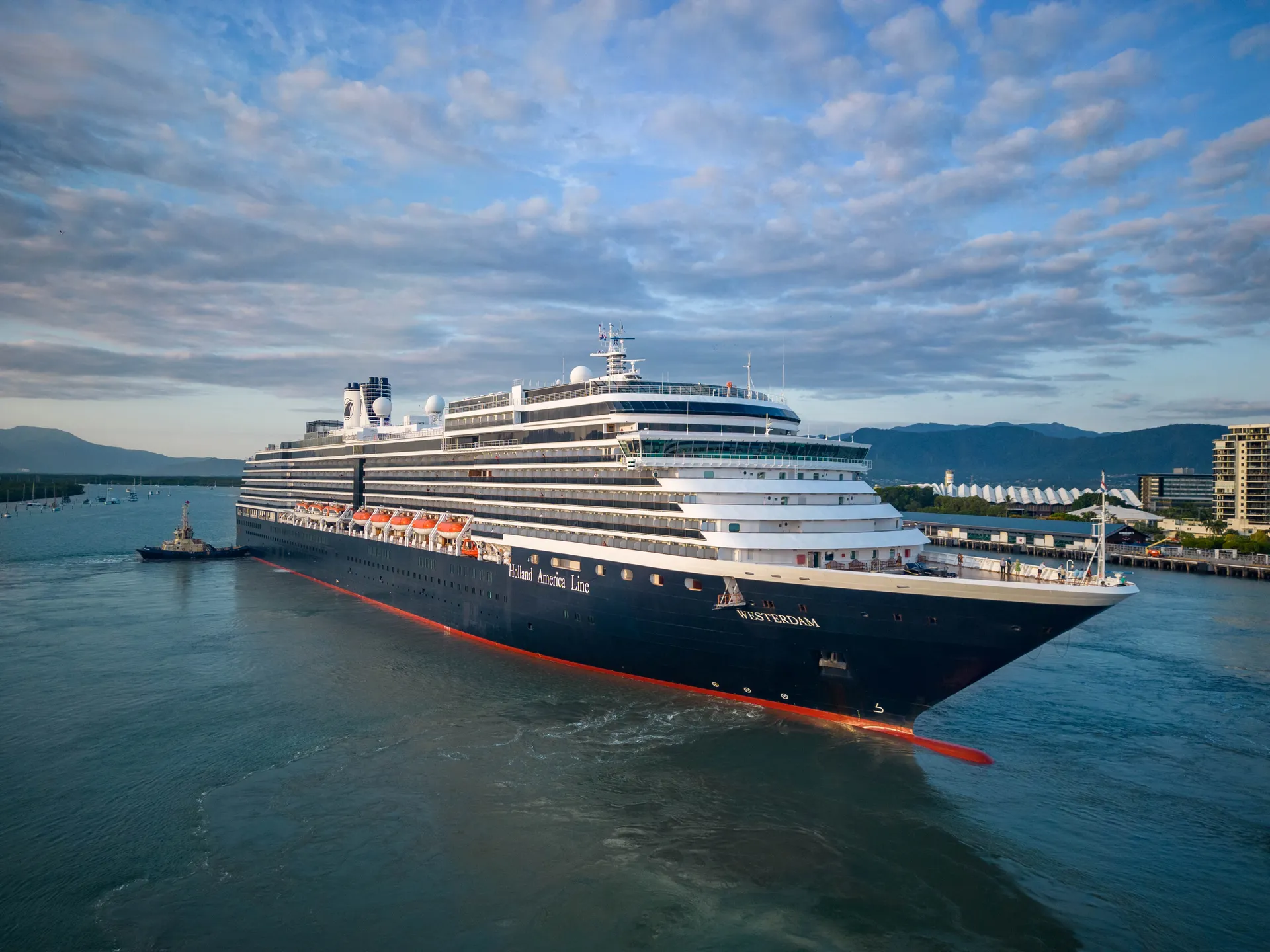
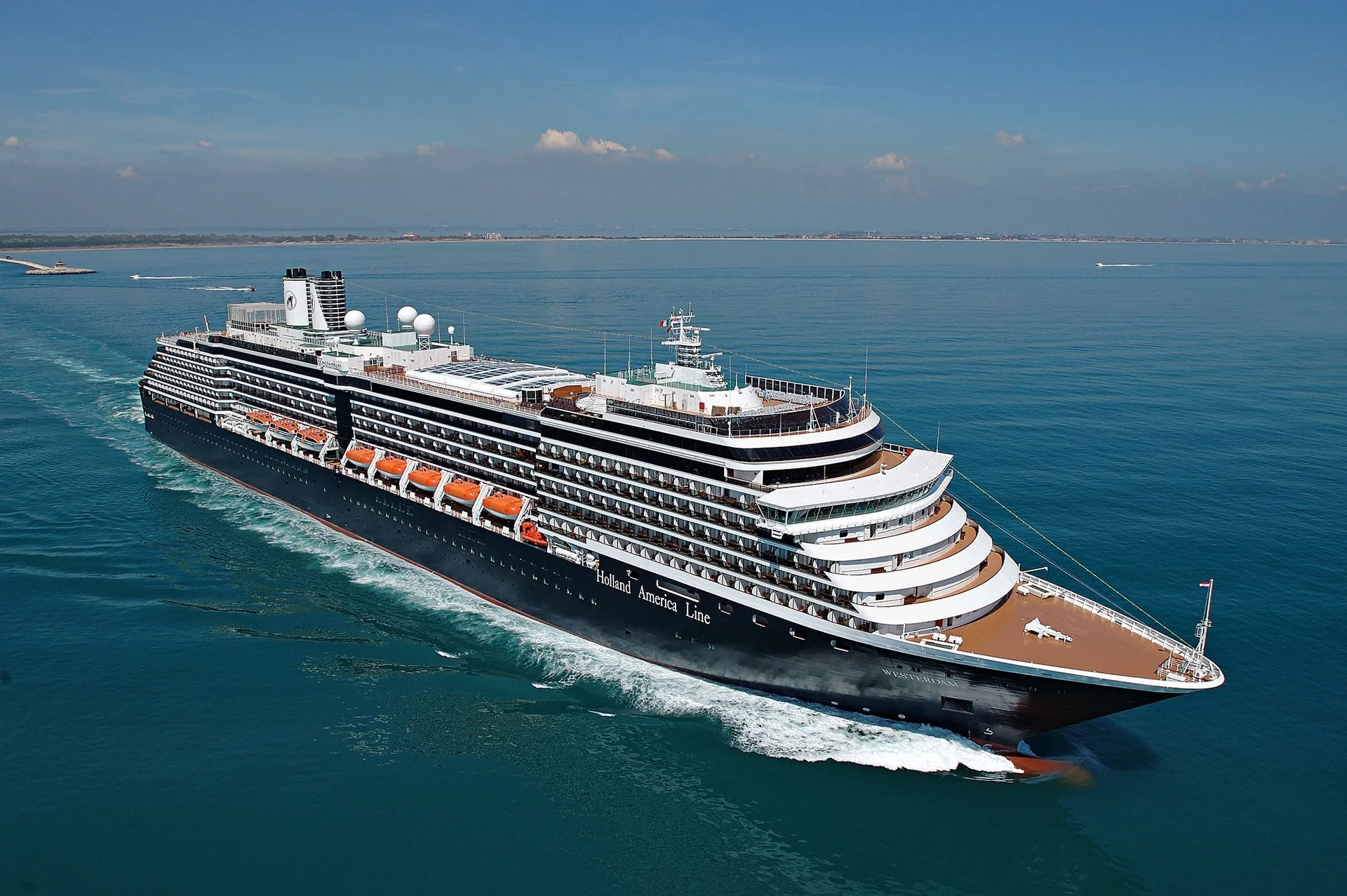
Holland America Line
Vista
2004
2025
82,348 GT
1,916
984
817
936 m
32 m
22 knots
No


Lights, sushi, manga! Sprawling, frenetic, and endlessly fascinating, Japan’s capital is a city of contrasts. Shrines and gardens are pockets of calm between famously crowded streets and soaring office buildings. Mom-and-pop noodle houses share street space with Western-style chain restaurants and exquisite fine dining. Shopping yields lovely folk arts as well as the newest electronics. And nightlife kicks off with karaoke or sake and continues with techno clubs and more. Whether you seek the traditional or the cutting edge, Tokyo will provide it.

Omaezaki is a city located in Shizuoka Prefecture, Japan. Omaezaki is located at the tip of Omaezaki Peninsula on Japan's Pacific coast. As of 31 July 2019, the city had an estimated population of 32,422 in 12,095 households and a population density of 490 persons per km.


Japan’s third-biggest city has thrown off its shackles and stepped out of the shadows to light up the sky with glaring neon signs and a larger than life outlook. Giant octopuses cling to buildings and bustling restaurants pack in the crowds in this great and garish place, which is Japan at its most friendly, extroverted and flavourful. So dive in headfirst to experience an all-out sensory assault of delicious food, shopping cathedrals and glittering temples. View less Dotombori Bridge bathes in the multicoloured, jewel-like lights of signage-plastered buildings, and the neon lights dance on the canal's waters below. Osaka is known as the nation's kitchen, and the Kuromon Ichiba Market has served as the city's spot to tuck in for almost 200 years. Full of street food stalls - try pufferfish, savoury Okonomiyaki pancakes, or ginger and onion flavoured octopus, among the endless feast of exotic flavours. Osaka Castle is another of the city’s landmarks, built in the 16th century by Toyotomi Hideyoshi. A modern museum now waits inside, where you can learn about the country's history, and why this castle is a symbol of Japanese unity. Be sure to take the elevator up to the observation deck for a panoramic view of Osaka's spread. A colourful park encloses the castle and blooms with an ocean of pale pink cherry blossom during the season - the elegant black tiers rising from the pink haze below is one of Osaka's most alluring visions. Kyoto’s peaceful cultural treasures and temples are also just a short jaunt away on Japan’s sleek trains, should you wish to explore further afield.

An MSC cruise will take you to Kochi, situated in the prefecture of the same name, on the island of Shikoku. You can visit Kochi castle on an excursion; it is one of the twelve Japanese castles to have survived fires, wars and other catastrophes of the post-feudal age. It was built between 1601 and 1611. What you can see of the building today however, dates back to 1748, the year in which the castle was rebuilt after a fire. Curiosity: its main tower was not used only for military purposes, but it was also the residence of noble families. Quite unusual, since the nobility would usually reside in other parts of the castle. The wooden interior is typical of the traditional style of the Edo period. Near Kochi harbour is the picturesque beach of Katsurahama. In the local restaurants you can eat Katsuo, a type of tuna which is typical to Japanese waters, cut into slices and lightly grilled on straw fuelled fire which gives it a slightly smoky flavour. Seventy kilometres from Kochi there is an unusual tourist attraction, the ancient Kazurabashi Bridge, 45 meters wide and 2 metres wide, it stretches 14 metres above the waters of the river Iya. Today, the bridge – which is made from Actinidia arguta wood, a kind of vine similar to a kiwi plant – is reinforced with steel wires. It should not be missed for the surrounding landscape and the brief but thrilling walk it offers. Closer to Kochi is the wonderful Oboke gorge: we cross the river Yoshino on a boat and marvel at how over hundreds of millions of years the river has eroded the rocks of the Shikoku mountains shaping the stone into bizarre shapes.

Kyushu’s largest city, Fukuoka is one of the most likeable places in Japan – indeed, despite the fact that it’s not exactly a household name abroad, it regularly pops up on global best-places-to-live lists. While it boasts few actual sights, there’s a certain Kyushu-style joie de vivre here, best exemplified at the umpteen rustic street-side yatai, where locals slurp happily away on their ramen while knocking back beer, sake or whatever takes their fancy. Until recently, the city was an industrial nonentity, notable only for its transport connections to Korea and the rest of the island, but its renaissance has been remarkable. When you are cruising the Pacific Ocean with MSC Cruises you’ll find that Fukuoka is a squeaky-clean metropolis; it deserves a day of any cruiser’s time. Highlights here include one or two excellent museums and ranks of eye-catching modern architecture – most notable in the latter category are Canal City, a self-contained cinema, hotel and shopping complex built around a semi-circular strip of water, and Hawks Town, which forms part of a major seafront redevelopment incorporating venues for shopping, eating and entertainment. If you feel like something more educational during your MSC Grand Voyages cruise, head for Fukuoka renowned festivals and folk crafts, which are presented at Hakata Machiya Folk Museum. As with any self-respecting Japanese city of this size, Fukuoka maintains a lively entertainment district, in this case crammed onto the tiny island of Nakasu, though it’s safer on the wallet to head for the less glitzy bars and restaurants of Tenjin, the city’s main downtown area. There are also a couple of excellent sights just south of Fukuoka: the ancient temple town of Dazaifu, once the seat of government for all of southern Japan, but now a pleasant backwater best known for its collection of temples and shrines; and the healing waters of nearby Futsukaichi Onsen.


Vibrant urban activity is juxtaposed with dramatic mountain ridges and beautiful beaches in Sokcho, South Korea. Many tourists come to this city of approximately 90,000 residents to visit Seoraksan National Park, home of the highest mountain in Gangwon-doProvince and the third highest mountain in South Korea. The city and mountain range attracts national and internationally visitors year-round, but particularly in autumn, when the foliage is at its height (and considered the most beautiful in Korea). Visitors to Sokcho can also visit hot springs, beaches, or view one of the several well-preserved Buddha statues located in temples throughout the city.

One of Japan’s best-preserved cities, Kanazawa escaped war damage and natural disasters to reward visitors with a wealth of architecture as an important clan castle town from the mid-17th century until the middle of the 19th. The mighty Kanazawa Castle did not survive intact, but its famous Ishikawa Gate, the Sunjikken Longhouse and lavish Kenrokuen Garden hint at the grandeur. Of special note are the surviving Higashi Geisha District and Samurai District streets. The Temple area holds the Myoryuji Temple with its hidden passages and secret doors giving it the nickname the Ninja Temple. The Oyamajinja Shrine is a later addition, its three-story gate with impressive stained glass windows reveal a Dutch influence. Museums worth exploring include the Kanazawa Yasue Gold Leaf Museum, with examples of the arts and crafts using the pure gold decoration for which the region is famous. Another museum celebrates the Buddhist philosopher D. T. Suzuki, credited with introducing Zen philosophy to the West, and a striking 21st Century Museum of Contemporary Art. Nearby Mt. Utatsu is renowned for its Three Shrines. VIEW CRUISES

Sakatais a medium-sized city in Yamagata Prefecture. Sakata is located in the fertile Shonai Plain that is known for its high-quality rice. The city grew as an important stop along the coastal shipping route that connected Hokkaido with Osaka via ports along the Sea of Japan and Seto Inland Sea during the Edo Period. A local merchant family, the Honma clan, came to dominate trade in the city and accrued a vast fortune that made them wealthier than some of the country's feudal lords. Due to their power and influence, the clan developed close ties with the local lords and had a number of lavish buildings built. Some of these buildings still stand today along with museums and other attractions.

From fiery festivals to spectacular mountain scenery, soaring temples to castles surrounded by cherry blossom blooms, Aomori is one of Japan’s most enchanting destinations. Framed by dark peaks clad with dense forestry, the city enjoys a picturesque location on Japan’s main island Honshu. While there are gorgeous pink tinted parks, tiered castles and towering Buddha statues to explore, the Aomori Prefecture’s capital is perhaps best known for the summer festival of fire that lights it up each year. Lavish illuminated floats fill the streets during Nebuta Matsuri festival, as dancing locals wave flickering lanterns through the night sky - and drummers pound out pulsating rhythms. Nebuta Matsuri has a euphoric and energetic atmosphere which makes it stand out as an unmissable experience compared with some of Japan’s more restrained festivals. At other times of the year, places like the stunning Hirosaki Castle bloom with rose-pink cherry blossom, as spring’s sunshine clears away winter’s plentiful snowfall. The castle’s moat, glowing with the pale hue of fallen blossom, is a truly mesmerising sight to behold. Don’t worry if you’re too late though, you might be able to catch the pink-flush of the apple blossom - which comes slightly later. Extraordinary prehistoric Jomon period history is waiting to be unearthed at the living archaeological site, Sannai-Maruyama Ruins. Or, the untouched wilderness of UNESCO World Heritage Site Shirakami Sanchi is within reach. This sprawling mass of beech trees covers a third of the Shirakami mountain range, and the dense forestry once blanketed the majority of northern Japan’s land. Visit to scratch the surface of this untamed landscape’s beauty and see sprawling waterfalls cascading down mountainsides, in a beautiful off-bounds landscape, where black bears roam freely.


In 1880, the first railroad line on the island of Hokkaido connected Sapporo, the prefectural capital, with the important port city of Otaru. Indeed, for most of the 19th and much of the 20th centuries, Otaru outshone Sapporo in importance. The city was home to a thriving herring fleet. Ships regularly plied the waters between the port and the then Japanese island of Sakhalin. Coal was mined in the hills, and Otaru even won a reputation for producing fine music boxes. It was the island's industrial heart. Closure of coal mine in Hokkaido and downturn in demand of coal initiated a long decline that lasted into the 1950s. But Otaru survived - and has thrived. Japanese travelers discovered the city, drawn to its winter sports, its fine sushi, and its historic architecture. Otaru seemed like a portrait frozen in time. Today, international travelers have flocked to experience Otaru's charms - including the scenic beauty of Hokkaido's rugged west coast and its nearby national parks. The vast wealth accumulated by Otaru's herring tycoons is displayed at their so-called "Herring Mansions." One, the Nishin Goten, built in 1897, amply illustrates the state of 19th century society: the sumptuous ground floor housed the family while as many as 120 workers lived in squalor upstairs.


Facing out on two bays, Hakodate is a 19th-century port town, with clapboard buildings on sloping streets, a dockside tourist zone, streetcars, and fresh fish on every menu. In the downtown historic quarter, a mountain rises 1,100 feet above the city on the southern point of the narrow peninsula. Russians, Americans, Chinese, and Europeans have all left their mark; this was one of the first three Japanese ports the Meiji government opened up to international trade in 1859. The main sights around the foot of Mt. Hakodate can be done in a day, but the city is best appreciated with an overnight stay for the illumination in the historic area, the night views from either the mountain or the fort tower, and the fish market at dawn. City transport is easy to navigate and English information is readily available. Evening departure trains from Tokyo arrive here at dawn—perfect for fish-market breakfasts.


Lights, sushi, manga! Sprawling, frenetic, and endlessly fascinating, Japan’s capital is a city of contrasts. Shrines and gardens are pockets of calm between famously crowded streets and soaring office buildings. Mom-and-pop noodle houses share street space with Western-style chain restaurants and exquisite fine dining. Shopping yields lovely folk arts as well as the newest electronics. And nightlife kicks off with karaoke or sake and continues with techno clubs and more. Whether you seek the traditional or the cutting edge, Tokyo will provide it.


Approximately 500-712 sq. ft. including verandah
With floor-to-ceiling windows overlooking a private verandah, these spacious suites are flooded with light. They feature a large sitting area and two lower beds convertible to one king-size bed—our signature Mariner's Dream bed with plush Euro-Top mattresses plus a separate dressing room. There's also a sofa bed, suitable for two people. The bathroom comes with a dual-sink vanity, full-size whirlpool bath and shower, plus additional shower stall. Amenities include use of the exclusive Neptune Lounge, a private concierge and an array of complimentary services. The configuration of staterooms may vary from the images shown.


Approximately 1,150 sq. ft including verandah
Generously proportioned and filled with light, these elegant suites include a living room, dining room, pantry with microwave and refrigerator, and floor-to-ceiling windows overlooking a private verandah with whirlpool. The bedroom features a king-size bed—our Signature Mariner's Dream bed with plush Euro-Top mattresses, plus a separate dressing room and the bath includes an oversize whirlpool bath and shower as well as an additional shower stall. There's also a sofa bed, suitable for two people, and a guest toilet. Amenities include a private stereo system, use of the exclusive Neptune Lounge, private concierge and an array of complimentary services. The configuration of staterooms may vary from the images shown.


Approximately 372-384 sq. ft. including verandah
These large, comfortable suites feature a spacious sitting area with floor-to-ceiling windows overlooking a private verandah, two lower beds convertible to one queen-size bed—our signature Mariner's Dream bed with plush Euro-Top mattresses, and one sofa bed for one person. The bathroom includes a dual-sink vanity, full-size whirlpool bath and shower, and an additional shower stall. The configuration of staterooms may vary from the images shown.


Approximately 212-359 sq. ft including verandah
Filled with light from floor-to-ceiling windows overlooking a private verandah, these staterooms include a sitting area, two lower beds convertible to one queen-size bed—our signature Mariner's Dream bed with plush Euro-Top mattresses, and bath tub with premium massage showerheads. The configuration of staterooms may vary from the images shown.


Approximately 174-180 sq. ft.
These expansive staterooms include include two lower beds convertible to one queen-size bed—our Signature Mariner's Dream bed with plush Euro-Top mattresses, premium massage shower heads, a host of amenities and an ocean view. The configuration of staterooms may vary from the images shown.


Approximately 174-180 sq. ft.
These large staterooms include two lower beds convertible to one queen-size bed—our Signature Mariner's Dream bed with plush Euro-Top mattresses, premium massage shower heads and a host of amenities. The view is fully obstructed. The configuration of staterooms may vary from the images shown.


Approximately 174-180 sq. ft.
These staterooms feature a partial sea view and include two lower beds convertible to one queen-size bed—our signature Mariner's Dream bed with plush Euro-Top mattresses, plus premium massage shower heads and a variety of amenities. The configuration of staterooms may vary from the images shown.


Approximately 151-233 sq. ft.
These spacious staterooms include two lower beds convertible to one queen-size bed—our Signature Mariner's Dream bed with plush Euro-Top mattresses, premium massage shower heads and a host of amenities. The configuration of staterooms may vary from the images shown.


Approximately 151-233 sq. ft.
These spacious staterooms include two lower beds convertible to one queen-size bed—our Signature Mariner's Dream bed with plush Euro-Top mattresses, premium massage shower heads and a host of amenities. The configuration of staterooms may vary from the images shown.


Approximately 151-233 sq. ft.
Two lower beds convertible to one queen-size bed—our signature Mariner's Dream bed with plush Euro-Top mattresses, premium massage shower heads and a host of amenities are featured in these comfortable staterooms. The configuration of staterooms may vary from the images shown.
Our cruise specialists can help you find the perfect cabin and the best available pricing.
(+886) 02-2721-7300Contact Advisor