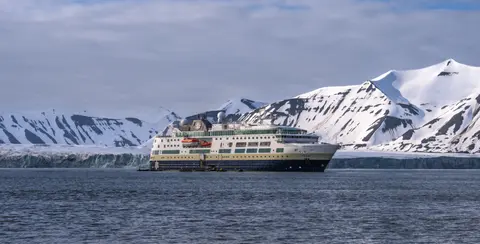
HX ExpeditionsLYR-LYR-0-FRSVA2603
Svalbard in Spring
Date
2026-06-06
Duration
8 nights
Departure Port
Longyearbyen
Svalbard and Jan Mayen
Arrival Port
Longyearbyen
Svalbard and Jan Mayen
Rating
Expedition
Theme
—
Date
2026-06-06
Duration
8 nights
Departure Port
Longyearbyen
Svalbard and Jan Mayen
Arrival Port
Longyearbyen
Svalbard and Jan Mayen
Rating
Expedition
Theme
—


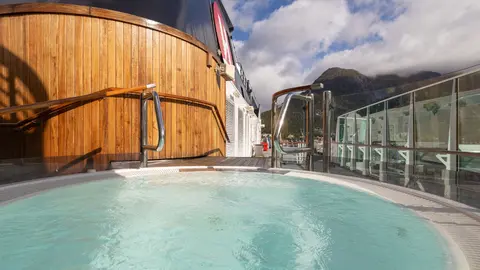


HX Expeditions
Explorer
2020
2025
11,647 GT
318
127
75
374 m
20 m
13 knots
No
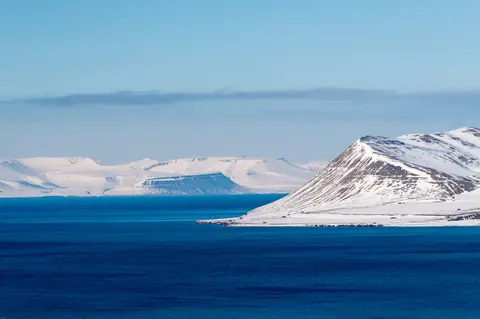
Longyearbyen, the northernmost permanent settlement in the world, is a unique port in the Svalbard archipelago, rich in history and breathtaking Arctic landscapes. Must-do experiences include savoring local delicacies like reindeer stew and exploring the stunning fjords of Raudfjord and Liefdefjorden. The best time to visit is during the summer months, when the midnight sun illuminates the stunning scenery.
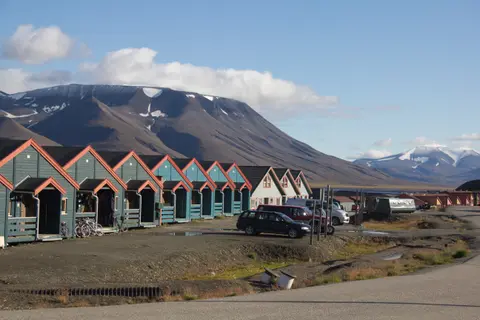
Hornsund is a glacier-carved fjord at the southern tip of Svalbard's Spitsbergen island, where fourteen tidewater glaciers, polar bears, and vast seabird colonies create one of the Arctic's most dramatic expedition destinations. Must-dos include zodiac cruises alongside calving glaciers, polar bear sightings along the shoreline, and visiting the Polish research station. July and August offer the warmest temperatures and best ice conditions, with midnight sun providing endless Arctic daylight.
Bellsund is a spectacular fjord system on Spitsbergen's western coast in Svalbard, where calving glaciers, Arctic wildlife, and centuries-old whaling history converge. Visitors encounter beluga whales, polar bears, and vast tundra carpeted in Arctic wildflowers during the midnight sun season from June through August.
Magdalenefjord is considered Svalbard's most beautiful fjord, combining tidewater glaciers, jagged Arctic peaks, and a poignant seventeenth-century whaling graveyard on the shores of Spitsbergen. Must-dos include Zodiac cruises along the Waggonwaybreen glacier face, walking among the historic whalers' graves, and scanning for polar bears along the shoreline. The expedition season peaks in July, with midnight sun and the best ice conditions.
Amsterdam Island in Svalbard's northwest is home to Smeerenburg, a seventeenth-century Dutch whaling station whose brick foundations and bleached whale bones remain as one of the Arctic's most evocative archaeological sites. Must-do experiences include walking among the whaling ruins, watching for walruses and polar bears, and contemplating the Arctic's industrial past. Expedition ships visit between June and August during the brief Arctic summer.
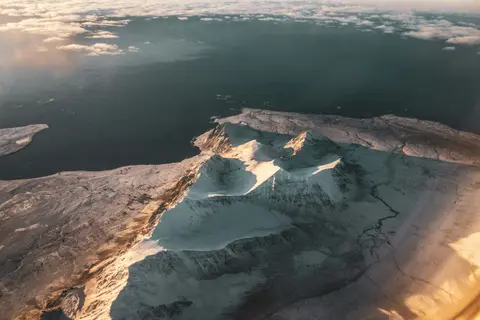
Ny-Ålesund, one of the world's northernmost settlements on Svalbard's Spitsbergen island, is a former coal-mining town turned elite international research station, renowned as the departure point for Amundsen's historic 1926 North Pole flight. Visitors should not miss a Zodiac excursion beneath the calving face of Kronebreen glacier and the extraordinary wildlife encounters — polar bears, Arctic foxes, and seabird colonies — found throughout Kongsfjorden and neighbouring Raudfjord. The optimal visiting window is July through August, when the midnight sun illuminates the tundra in perpetual golden light and sea ice conditions allow the fullest access to surrounding fjords.
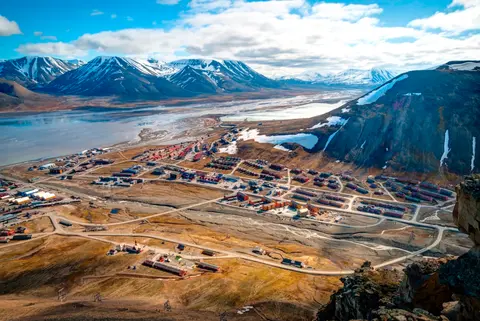
Longyearbyen, the northernmost permanent settlement in the world, is a unique port in the Svalbard archipelago, rich in history and breathtaking Arctic landscapes. Must-do experiences include savoring local delicacies like reindeer stew and exploring the stunning fjords of Raudfjord and Liefdefjorden. The best time to visit is during the summer months, when the midnight sun illuminates the stunning scenery.
Day 1
Longyearbyen, the northernmost permanent settlement in the world, is a unique port in the Svalbard archipelago, rich in history and breathtaking Arctic landscapes. Must-do experiences include savoring local delicacies like reindeer stew and exploring the stunning fjords of Raudfjord and Liefdefjorden. The best time to visit is during the summer months, when the midnight sun illuminates the stunning scenery.
Day 3
Hornsund is a glacier-carved fjord at the southern tip of Svalbard's Spitsbergen island, where fourteen tidewater glaciers, polar bears, and vast seabird colonies create one of the Arctic's most dramatic expedition destinations. Must-dos include zodiac cruises alongside calving glaciers, polar bear sightings along the shoreline, and visiting the Polish research station. July and August offer the warmest temperatures and best ice conditions, with midnight sun providing endless Arctic daylight.
Day 4
Bellsund is a spectacular fjord system on Spitsbergen's western coast in Svalbard, where calving glaciers, Arctic wildlife, and centuries-old whaling history converge. Visitors encounter beluga whales, polar bears, and vast tundra carpeted in Arctic wildflowers during the midnight sun season from June through August.
Day 5
Magdalenefjord is considered Svalbard's most beautiful fjord, combining tidewater glaciers, jagged Arctic peaks, and a poignant seventeenth-century whaling graveyard on the shores of Spitsbergen. Must-dos include Zodiac cruises along the Waggonwaybreen glacier face, walking among the historic whalers' graves, and scanning for polar bears along the shoreline. The expedition season peaks in July, with midnight sun and the best ice conditions.
Day 6
Amsterdam Island in Svalbard's northwest is home to Smeerenburg, a seventeenth-century Dutch whaling station whose brick foundations and bleached whale bones remain as one of the Arctic's most evocative archaeological sites. Must-do experiences include walking among the whaling ruins, watching for walruses and polar bears, and contemplating the Arctic's industrial past. Expedition ships visit between June and August during the brief Arctic summer.
Day 7
Day 8
Ny-Ålesund, one of the world's northernmost settlements on Svalbard's Spitsbergen island, is a former coal-mining town turned elite international research station, renowned as the departure point for Amundsen's historic 1926 North Pole flight. Visitors should not miss a Zodiac excursion beneath the calving face of Kronebreen glacier and the extraordinary wildlife encounters — polar bears, Arctic foxes, and seabird colonies — found throughout Kongsfjorden and neighbouring Raudfjord. The optimal visiting window is July through August, when the midnight sun illuminates the tundra in perpetual golden light and sea ice conditions allow the fullest access to surrounding fjords.
Day 9
Longyearbyen, the northernmost permanent settlement in the world, is a unique port in the Svalbard archipelago, rich in history and breathtaking Arctic landscapes. Must-do experiences include savoring local delicacies like reindeer stew and exploring the stunning fjords of Raudfjord and Liefdefjorden. The best time to visit is during the summer months, when the midnight sun illuminates the stunning scenery.
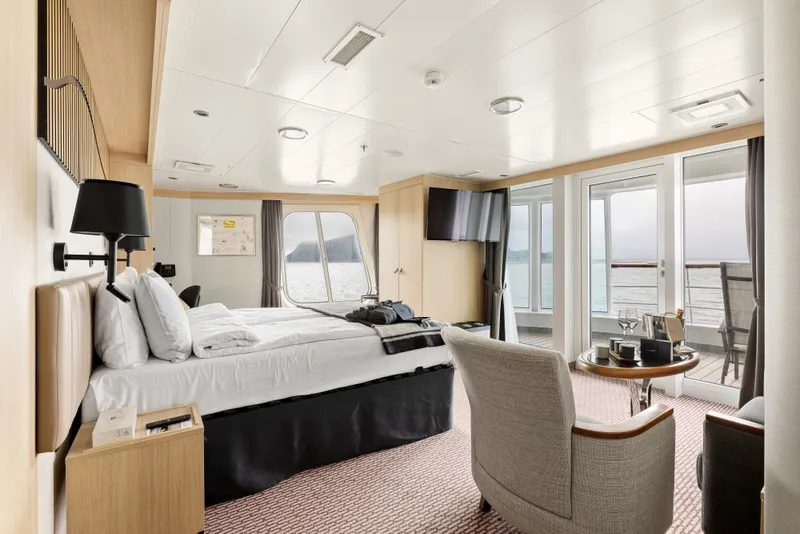
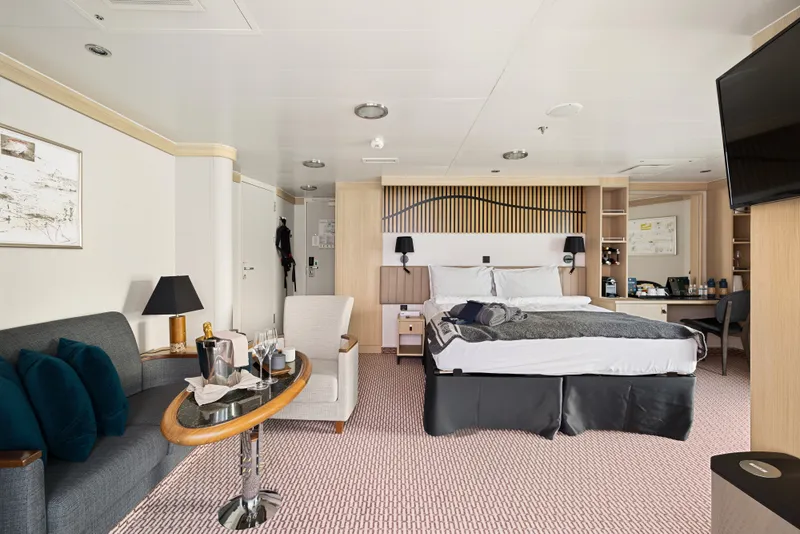
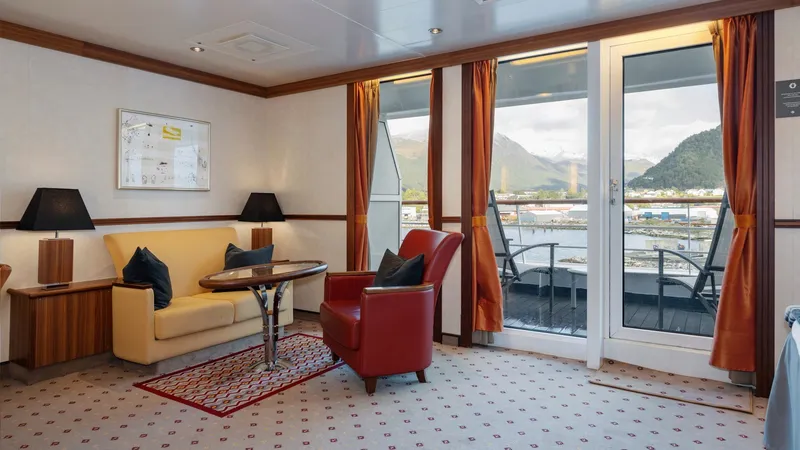
Enjoy these exclusive suites with one room, seating area, TV, kettle, tea/coffee, stereo and mini-bar. Some of them also have bathtub. Most of these suites have a private balcony or bay window.
35 - 37 m2
Window
Bathroom
TV
Double bed
Balcony
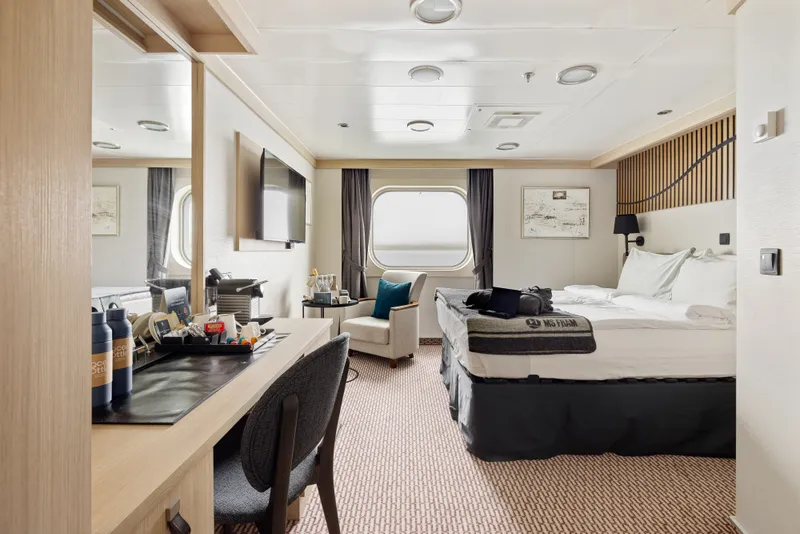
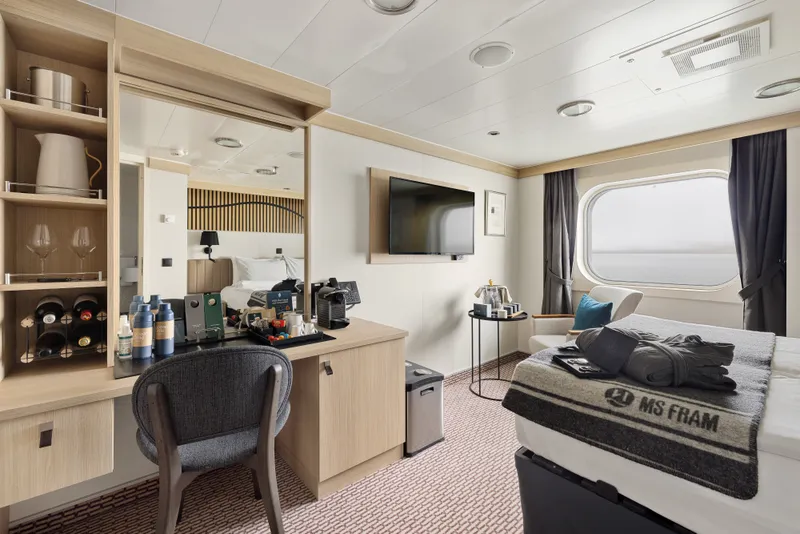
Expedition Mini suite
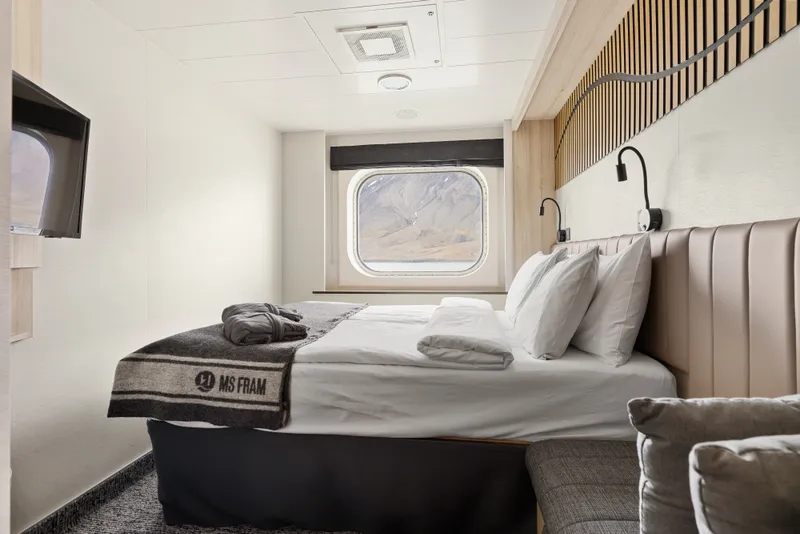

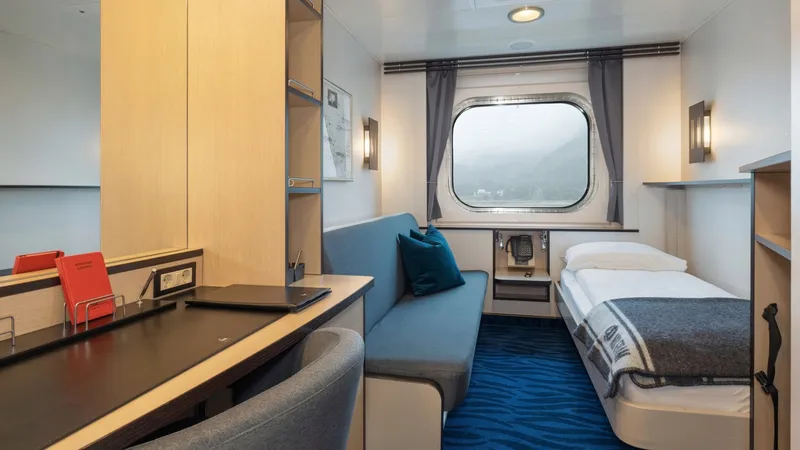
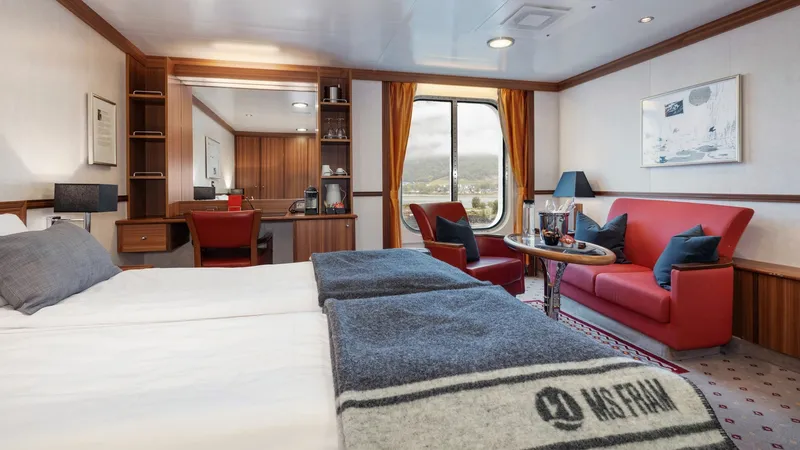
Enjoy these comfortable outside cabins, situated on top/upper decks. These cabins have separate beds where one doubles as a sofa.
8 - 13 m2
Window
Bathroom
TV
1 bed/1 couch
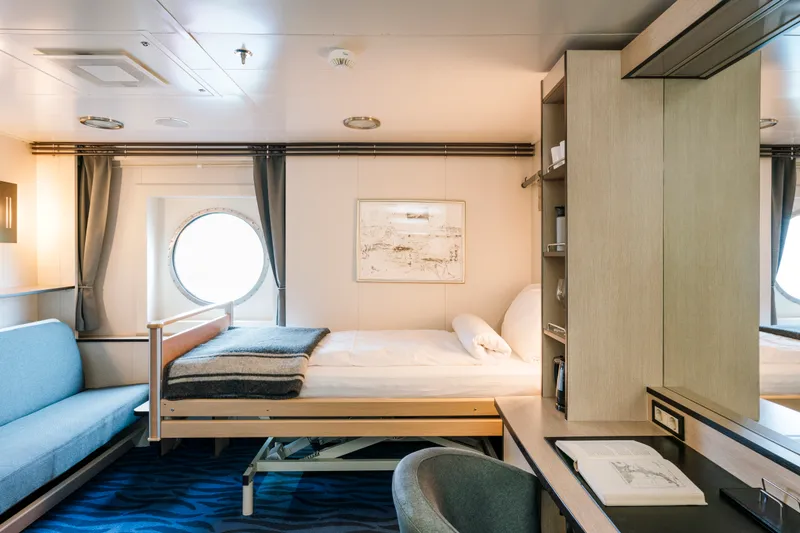

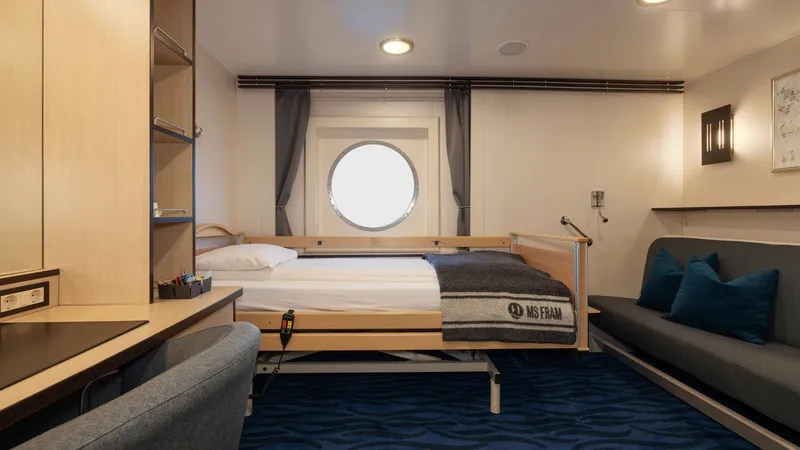
Polar Outside



Relax in these comfortable, standard inside cabins with separate beds where one can be turned into a sofa. This cabin can fit up to four people.
6 - 10 m2
No window
Bathroom
TV
1 bed/1 couch
Our cruise specialists can help you find the perfect cabin and the best available pricing.
(+886) 02-2721-7300Contact Advisor