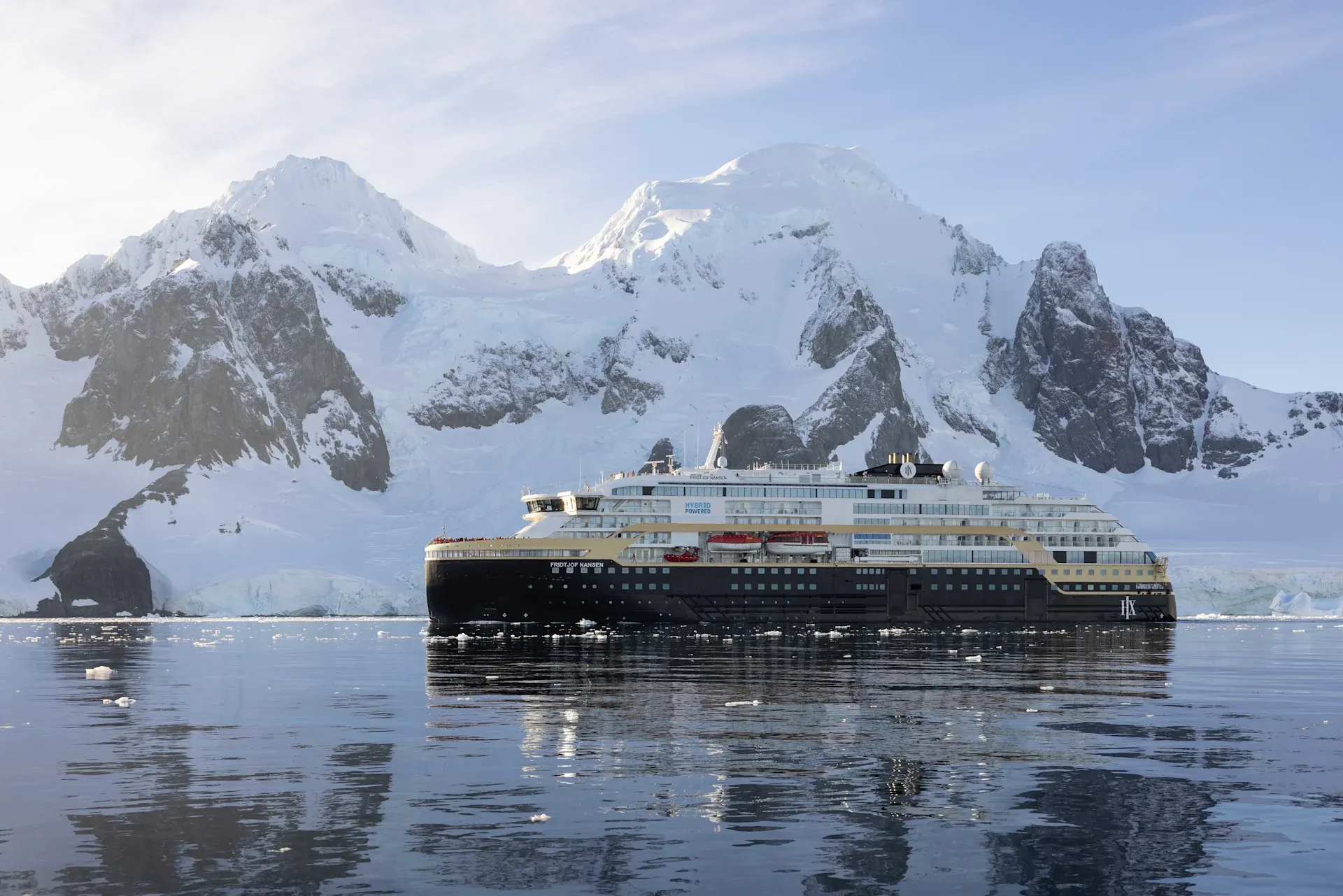
January 18, 2027
11 nights · 4 sea days
Buenos Aires
Argentina
Ushuaia
Argentina


HX Expeditions
2020-01-01
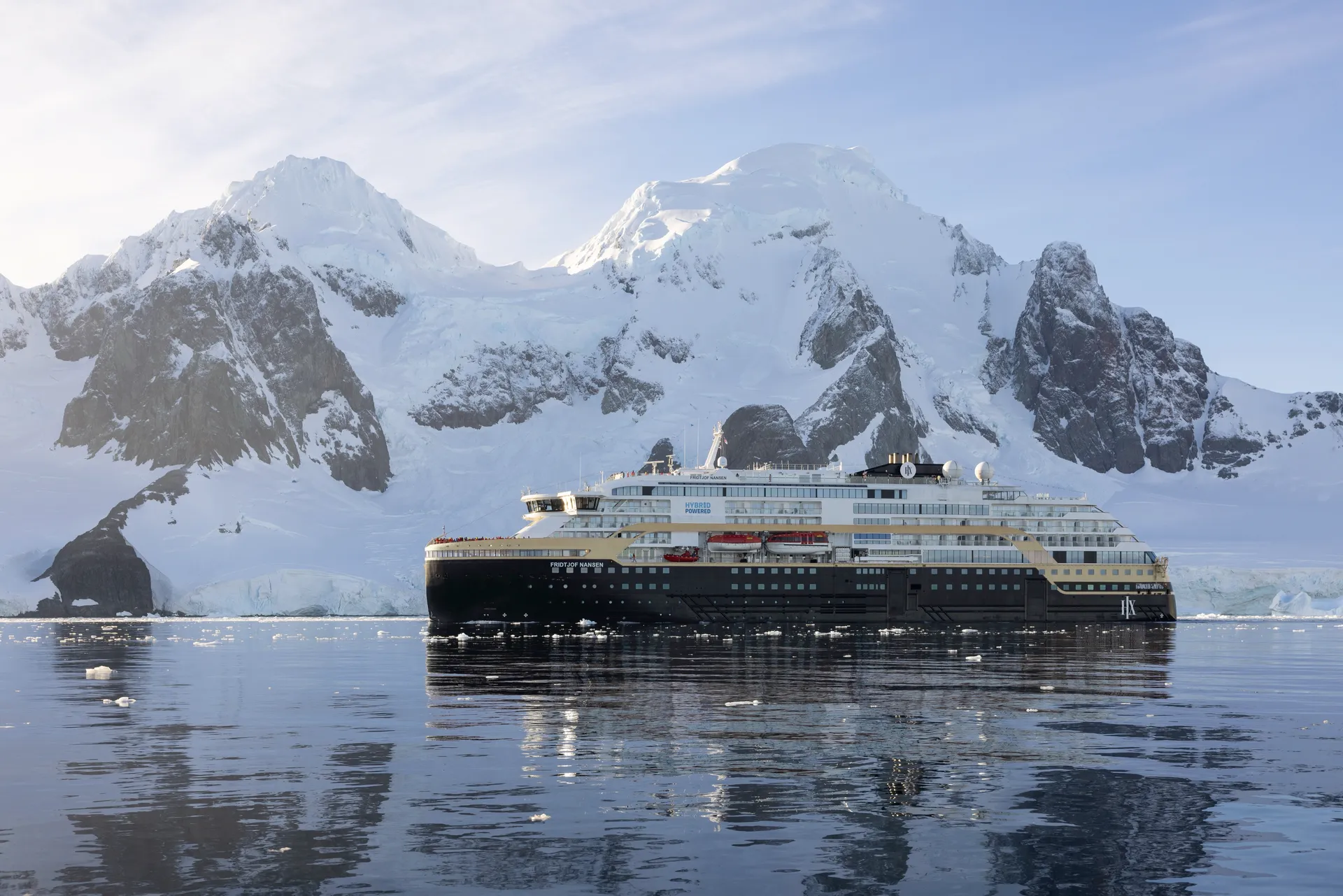
20,889 GT
459 m
15 knots
265 / 530 guests
150


Passionate, and alive with an infectious crackling energy, the Argentine capital is a breathlessly romantic city, which blends old-world colonial architecture with a down-to-earth Latin American clamour. Famed for steamy tango interplays, and expertly seared steak slabs, a visit to Buenos Aires is a fiery fiesta for the senses. Parque Tres de Febrero is a 400-hectare oasis where 18,000 rose bushes bloom, and skyscrapers give way to still lakes and pretty paths of rollerblading locals. Mighty palm trees - that look like exploding fireworks - stand tall in Plaza de Mayo, the heart of this sprawling cosmopolitan capital of 48 barrios. The square has served as the stage for many fundamental events in this country’s history, and the location where the seeds of independence were sewn continues to serve as the city’s gathering point - and is a place for solidarity, rebellion and revolution. The presidential Casa Rosada’s salmon-hued Palatial Palace borders the plaza, while nearby Museum Nacional de Bellas Artes houses the largest collection of public art in Latin America. Teatro Colón, the opulent 1908 opera house, is one of the world’s finest venues - musical performance here take on an ethereal quality, with the exceptional acoustics transferring every quiver of bow, and tremor of vocal cord, to the audience in spine-tingling clarity. The gargantuan, precipitous terraces of Bombonera Stadium form another of Buenos Aires’s incredible venues, and a wall of noise emanates from it when Boca Juniors take to the field. Juicy steak and punchy Malbec flow in the city’s parrillas – steakhouses - while glitzy bars and thumping nightclubs welcome revellers late into the night. It’s not just the meat that sizzles here either - tango dancers fill milongas - dance halls - to strut passionately until the early hours. Sip steaming mate, the country’s national drink, shop in covered markets, and explore Cementerio de la Recoleta - a city of grand graves and intricate memorials honouring presidents, politicians and notable Argentine heroes from history.


Ushuaia, capital of Tierra del Fuego and the province’s main tourist hub, is located at the southern end of Isla Grande. Boasting a spectacular location, sandwiched between the mountains – including Cerro Martial and Mount Olivia – and the sea, Ushuaia extends down the hill towards the arm of land that surrounds the Bay, where the ship will stop during your MSC WorldCruise. The city is protected from the icy Southwest winds and occasional storms that occur in the Beagle Channel. Interesting excursions include the small islands in the middle of the channel in front of the city, with their colonies of seabirds, and the nearby Parque Nacional Tierra del Fuego. Ushuaia is the most populous and popular city in Tierra del Fuego, and depends largely on the thriving tourism industry, which capitalises on the beauty of the area’s natural landscapes. Overlooking the sea is the Antigua Casa de Gobierno, a late-20th century building that was originally the Governor's mansion before being used by the local government and then as a police station. It has been restored so as to return it to its original use, so you can get an idea of how the rich lived in Ushuaia at the dawn of the city. The Fin del Mundo Museum houses exhibitions that focus on the region’s history and wildlife, as well as the polychrome figurehead of the Duchess of Albany, an English ship wrecked on the eastern end of the island in 1883. The Parque Nacional Tierra del Fuego, 12 km west of Ushuaia, is 630 sq. km of rugged mountains, sinuous lakes, southern beech forests, marshy bogs, sub-Antarctic tundra and lush coasts. It extends along the border with Chile, from the Beagle Channel to Sierra Inju-Goiyin, north of the huge Lake Fagnano, which you can also visit on an MSC Cruise day trip, combined with Lake Escondido. This is just one of the fantastic destinations of our cruise around the world: MSC World Cruise 2020!


Ushuaia, capital of Tierra del Fuego and the province’s main tourist hub, is located at the southern end of Isla Grande. Boasting a spectacular location, sandwiched between the mountains – including Cerro Martial and Mount Olivia – and the sea, Ushuaia extends down the hill towards the arm of land that surrounds the Bay, where the ship will stop during your MSC WorldCruise. The city is protected from the icy Southwest winds and occasional storms that occur in the Beagle Channel. Interesting excursions include the small islands in the middle of the channel in front of the city, with their colonies of seabirds, and the nearby Parque Nacional Tierra del Fuego. Ushuaia is the most populous and popular city in Tierra del Fuego, and depends largely on the thriving tourism industry, which capitalises on the beauty of the area’s natural landscapes. Overlooking the sea is the Antigua Casa de Gobierno, a late-20th century building that was originally the Governor's mansion before being used by the local government and then as a police station. It has been restored so as to return it to its original use, so you can get an idea of how the rich lived in Ushuaia at the dawn of the city. The Fin del Mundo Museum houses exhibitions that focus on the region’s history and wildlife, as well as the polychrome figurehead of the Duchess of Albany, an English ship wrecked on the eastern end of the island in 1883. The Parque Nacional Tierra del Fuego, 12 km west of Ushuaia, is 630 sq. km of rugged mountains, sinuous lakes, southern beech forests, marshy bogs, sub-Antarctic tundra and lush coasts. It extends along the border with Chile, from the Beagle Channel to Sierra Inju-Goiyin, north of the huge Lake Fagnano, which you can also visit on an MSC Cruise day trip, combined with Lake Escondido. This is just one of the fantastic destinations of our cruise around the world: MSC World Cruise 2020!


The ice-coated Antarctic Peninsula forms perhaps the most accessible region of mainland Antarctica, lying a mere 480-miles away from South America, across the fabled waters of Drakes Passage. Lying close to the northwestern tip of the Antarctic Peninsula, separated by the Bransfield Strait, the South Shetland Islands fall under the jurisdiction of the Antarctic Treaty, suspending claims on their sovereignty. View less Several countries maintain research bases here, and with plump elephant seals, and crowds of Gentoo, Chinstrap and Adelie Penguins also calling the islands home, it can even feel a little crowded at times. King George Island is the largest and most hospitable island, hosting the majority of the research stations - some of which are populated all-year-round by tiny, hardy crews. Don’t be fooled though, these islands offer extraordinary adventure in one of the most remote locations on earth. The triple peaks of Mount Foster tower above the archipelago, and you’ll feel your heart pumping a little quicker, as you sail into the core of Deception Island’s magnificent collapsed volcano caldera. Hike the luna landscapes within, and even dip into the improbably warm, geothermally-heated waters of Pendulum Cove. Elephant Island, meanwhile, is written deep into the annals of Antarctic expedition legend, as the site where Ernest Shackleton and the stricken crew of the Endurance miraculously survived a harsh Antarctic winter, in 1916. Discover even more reasons to visit this incredible icy kingdom and find out why many consider the South Shetland Islands to be the jewel in Antarctica’s Crown, by reading our blog.


The Antarctic Peninsula unravels upwards towards South America, reaching out a beckoning finger to the adventurous, who dare to explore this untamed realm. Stretching up from the heart of the world’s southernmost continent, the Antarctic Peninsula lies a mere 620 mile from Tierra del Fuego and, for many, offers a spectacular first taste of the snow-blanketed landscapes and colossal ice sculptures, which make up Earth’s least-explored continent. Unseen by humans until 1820 - a blink of an eye ago in relative terms - this is an adventure sure to make your hairs stand on end, as you experience the thrill of the truly unknown and extraordinary. The vast peninsula is sprinkled with research bases, which are at the frontline of human scientific endeavour, pushing to study and understand this unique landscape, its exceptional wildlife, and the impact that humans are having on this pristine continent. Witness cathedral-sized icebergs up close, and blue-hued glaciers, slowly slipping from imposing locations like Hope Bay. Blanched mountain peaks cover the peninsula, and you’ll find thousands of adorable Adelie penguin pairs thriving undisturbed in this peninsula’s unique setting.


The Antarctic Peninsula unravels upwards towards South America, reaching out a beckoning finger to the adventurous, who dare to explore this untamed realm. Stretching up from the heart of the world’s southernmost continent, the Antarctic Peninsula lies a mere 620 mile from Tierra del Fuego and, for many, offers a spectacular first taste of the snow-blanketed landscapes and colossal ice sculptures, which make up Earth’s least-explored continent. Unseen by humans until 1820 - a blink of an eye ago in relative terms - this is an adventure sure to make your hairs stand on end, as you experience the thrill of the truly unknown and extraordinary. The vast peninsula is sprinkled with research bases, which are at the frontline of human scientific endeavour, pushing to study and understand this unique landscape, its exceptional wildlife, and the impact that humans are having on this pristine continent. Witness cathedral-sized icebergs up close, and blue-hued glaciers, slowly slipping from imposing locations like Hope Bay. Blanched mountain peaks cover the peninsula, and you’ll find thousands of adorable Adelie penguin pairs thriving undisturbed in this peninsula’s unique setting.

It was the Belgium Antarctic Expedition that first explored this beautiful strait in 1898, and named it after their ship, Belgica. It was later renamed for the command of the mission, Lt. Adrian de Gerlache. This famous strait separates the Palmer Archipelago from the Antarctic Peninsula and provides visitors with calving icebergs, whales, seals, and plenty of penguins.


The Antarctic Peninsula unravels upwards towards South America, reaching out a beckoning finger to the adventurous, who dare to explore this untamed realm. Stretching up from the heart of the world’s southernmost continent, the Antarctic Peninsula lies a mere 620 mile from Tierra del Fuego and, for many, offers a spectacular first taste of the snow-blanketed landscapes and colossal ice sculptures, which make up Earth’s least-explored continent. Unseen by humans until 1820 - a blink of an eye ago in relative terms - this is an adventure sure to make your hairs stand on end, as you experience the thrill of the truly unknown and extraordinary. The vast peninsula is sprinkled with research bases, which are at the frontline of human scientific endeavour, pushing to study and understand this unique landscape, its exceptional wildlife, and the impact that humans are having on this pristine continent. Witness cathedral-sized icebergs up close, and blue-hued glaciers, slowly slipping from imposing locations like Hope Bay. Blanched mountain peaks cover the peninsula, and you’ll find thousands of adorable Adelie penguin pairs thriving undisturbed in this peninsula’s unique setting.

It was the Belgium Antarctic Expedition that first explored this beautiful strait in 1898, and named it after their ship, Belgica. It was later renamed for the command of the mission, Lt. Adrian de Gerlache. This famous strait separates the Palmer Archipelago from the Antarctic Peninsula and provides visitors with calving icebergs, whales, seals, and plenty of penguins.


The Antarctic Peninsula unravels upwards towards South America, reaching out a beckoning finger to the adventurous, who dare to explore this untamed realm. Stretching up from the heart of the world’s southernmost continent, the Antarctic Peninsula lies a mere 620 mile from Tierra del Fuego and, for many, offers a spectacular first taste of the snow-blanketed landscapes and colossal ice sculptures, which make up Earth’s least-explored continent. Unseen by humans until 1820 - a blink of an eye ago in relative terms - this is an adventure sure to make your hairs stand on end, as you experience the thrill of the truly unknown and extraordinary. The vast peninsula is sprinkled with research bases, which are at the frontline of human scientific endeavour, pushing to study and understand this unique landscape, its exceptional wildlife, and the impact that humans are having on this pristine continent. Witness cathedral-sized icebergs up close, and blue-hued glaciers, slowly slipping from imposing locations like Hope Bay. Blanched mountain peaks cover the peninsula, and you’ll find thousands of adorable Adelie penguin pairs thriving undisturbed in this peninsula’s unique setting.

It was the Belgium Antarctic Expedition that first explored this beautiful strait in 1898, and named it after their ship, Belgica. It was later renamed for the command of the mission, Lt. Adrian de Gerlache. This famous strait separates the Palmer Archipelago from the Antarctic Peninsula and provides visitors with calving icebergs, whales, seals, and plenty of penguins.


The Antarctic Peninsula unravels upwards towards South America, reaching out a beckoning finger to the adventurous, who dare to explore this untamed realm. Stretching up from the heart of the world’s southernmost continent, the Antarctic Peninsula lies a mere 620 mile from Tierra del Fuego and, for many, offers a spectacular first taste of the snow-blanketed landscapes and colossal ice sculptures, which make up Earth’s least-explored continent. Unseen by humans until 1820 - a blink of an eye ago in relative terms - this is an adventure sure to make your hairs stand on end, as you experience the thrill of the truly unknown and extraordinary. The vast peninsula is sprinkled with research bases, which are at the frontline of human scientific endeavour, pushing to study and understand this unique landscape, its exceptional wildlife, and the impact that humans are having on this pristine continent. Witness cathedral-sized icebergs up close, and blue-hued glaciers, slowly slipping from imposing locations like Hope Bay. Blanched mountain peaks cover the peninsula, and you’ll find thousands of adorable Adelie penguin pairs thriving undisturbed in this peninsula’s unique setting.


Ushuaia, capital of Tierra del Fuego and the province’s main tourist hub, is located at the southern end of Isla Grande. Boasting a spectacular location, sandwiched between the mountains – including Cerro Martial and Mount Olivia – and the sea, Ushuaia extends down the hill towards the arm of land that surrounds the Bay, where the ship will stop during your MSC WorldCruise. The city is protected from the icy Southwest winds and occasional storms that occur in the Beagle Channel. Interesting excursions include the small islands in the middle of the channel in front of the city, with their colonies of seabirds, and the nearby Parque Nacional Tierra del Fuego. Ushuaia is the most populous and popular city in Tierra del Fuego, and depends largely on the thriving tourism industry, which capitalises on the beauty of the area’s natural landscapes. Overlooking the sea is the Antigua Casa de Gobierno, a late-20th century building that was originally the Governor's mansion before being used by the local government and then as a police station. It has been restored so as to return it to its original use, so you can get an idea of how the rich lived in Ushuaia at the dawn of the city. The Fin del Mundo Museum houses exhibitions that focus on the region’s history and wildlife, as well as the polychrome figurehead of the Duchess of Albany, an English ship wrecked on the eastern end of the island in 1883. The Parque Nacional Tierra del Fuego, 12 km west of Ushuaia, is 630 sq. km of rugged mountains, sinuous lakes, southern beech forests, marshy bogs, sub-Antarctic tundra and lush coasts. It extends along the border with Chile, from the Beagle Channel to Sierra Inju-Goiyin, north of the huge Lake Fagnano, which you can also visit on an MSC Cruise day trip, combined with Lake Escondido. This is just one of the fantastic destinations of our cruise around the world: MSC World Cruise 2020!


Ushuaia, capital of Tierra del Fuego and the province’s main tourist hub, is located at the southern end of Isla Grande. Boasting a spectacular location, sandwiched between the mountains – including Cerro Martial and Mount Olivia – and the sea, Ushuaia extends down the hill towards the arm of land that surrounds the Bay, where the ship will stop during your MSC WorldCruise. The city is protected from the icy Southwest winds and occasional storms that occur in the Beagle Channel. Interesting excursions include the small islands in the middle of the channel in front of the city, with their colonies of seabirds, and the nearby Parque Nacional Tierra del Fuego. Ushuaia is the most populous and popular city in Tierra del Fuego, and depends largely on the thriving tourism industry, which capitalises on the beauty of the area’s natural landscapes. Overlooking the sea is the Antigua Casa de Gobierno, a late-20th century building that was originally the Governor's mansion before being used by the local government and then as a police station. It has been restored so as to return it to its original use, so you can get an idea of how the rich lived in Ushuaia at the dawn of the city. The Fin del Mundo Museum houses exhibitions that focus on the region’s history and wildlife, as well as the polychrome figurehead of the Duchess of Albany, an English ship wrecked on the eastern end of the island in 1883. The Parque Nacional Tierra del Fuego, 12 km west of Ushuaia, is 630 sq. km of rugged mountains, sinuous lakes, southern beech forests, marshy bogs, sub-Antarctic tundra and lush coasts. It extends along the border with Chile, from the Beagle Channel to Sierra Inju-Goiyin, north of the huge Lake Fagnano, which you can also visit on an MSC Cruise day trip, combined with Lake Escondido. This is just one of the fantastic destinations of our cruise around the world: MSC World Cruise 2020!


Corner cabin with large windows. Flexible sleeping arrangements, TV, minibar, bathrobe, kettle, tea and coffee, espresso maker. Without balcony.
22 m2
Window
Bathroom
TV
Double bed


Large Corner Suite with private balcony, flexible sleeping arrangements, sofabed, TV, minibar, bathrobe, kettle, espresso maker. Adapted for guests with wheelchair.
35 m2
Window
Bathroom
TV
Double bed
Balcony


Suites with private balcony, different sizes, top-high decks, flexible sleeping arrangements, some with sofabed, TV, minibar, bathrobe, kettle, tea and coffee, espresso maker.
20 - 28 m2
Window
Bathroom
TV
Double bed
Balcony


Extra Large Corner Suite with private balcony. Ship’s most spacious cabins with large windows, flexible sleeping arrangements, sofabed, TV, minibar, bathrobe, kettle, tea and coffee, espresso maker.
46 - 48 m2
Window
Bathroom
TV
Double bed
Balcony


Wheelchair-accessible cabin with balcony, double bed.


Large accessible cabins without balcony. Middle decks, flexible sleeping arrangements, TV, kettle, tea and coffee.
22 m2
Window
Bathroom
TV
Double bed


Larger cabins on middle decks. Most 20 square meters, flexible sleeping arrangements, some with sofabed, TV.
19 - 23 m2
Window
Bathroom
TV
Double bed
Our cruise specialists can help you find the perfect cabin and the best available pricing.
Contact Advisor