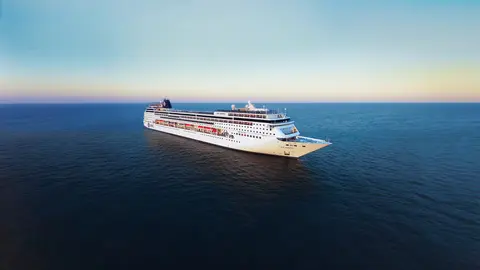
Mediterranean from Split
Date
May 1, 2027
Duration
7 nights
Departure Port
Split · Croatia
Arrival Port
Split · Croatia
Rating
Resort
Theme
—
Date
May 1, 2027
Duration
7 nights
Departure Port
Split · Croatia
Arrival Port
Split · Croatia
Rating
Resort
Theme
—
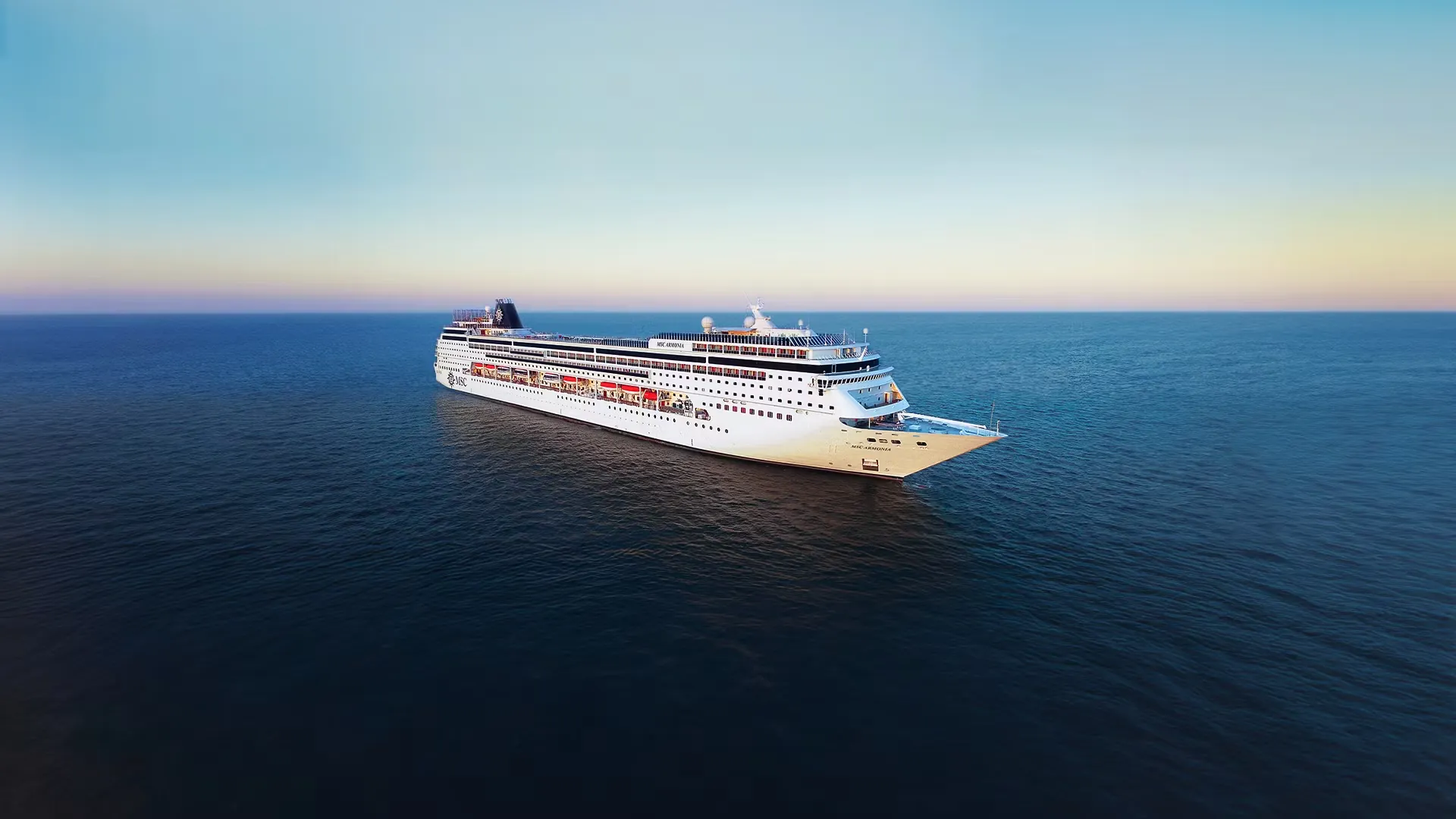
MSC Cruises
Lirica
2000
2014
65,542 GT
2,520
976
780
824 m
32 m
20 knots
No
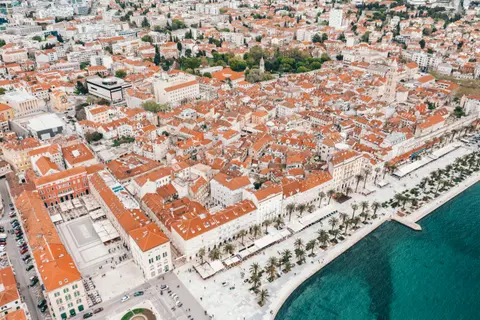
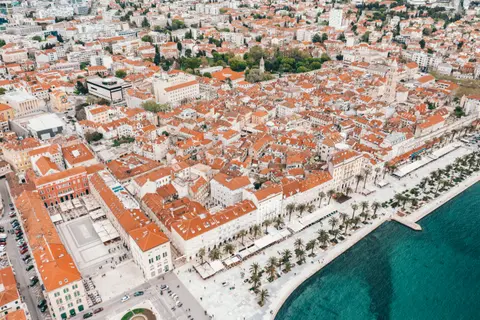
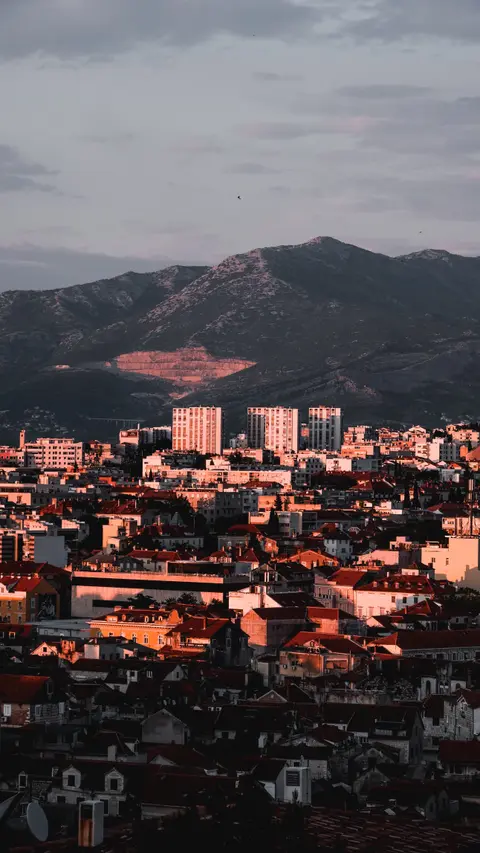
With its seafront cafés and ancient alleyways, shouting stallholders and travellers on the move, bustling, exuberant Split is one of Croatia’s and the Mediterranean’s most compelling cities, it’s easy to see this feeling when you step aground from your MSC cruise. It has a unique historical heritage too, having grown out of the palace built here by the Roman Emperor Diocletian in 295AD. The palace remains Split’s central ingredient, having been gradually transformed into a warren of houses, tenements, churches and chapels by the various peoples who came to live here after Diocletian’s successors had departed. Adapted long ago to serve as Split’s town centre, Diocletian’s Palace is certainly not an archaeological “site”. Although set-piece buildings such as Diocletian’s mausoleum (now the cathedral) and the Temple of Jupiter (now a baptistery) still remain, other aspects of the palace have been tinkered with so much by successive generations that it is no longer recognizable as an ancient Roman structure. Best place to start exploring with an MSC excursion the seaward side of the palace is Split’s broad and lively Riva. Running along the palace’s southern facade, into which shops, cafés and a warren of tiny flats have been built, the Riva is where a large part of the city’s population congregates day and night to meet friends, catch up on gossip or idle away an hour or two in a café. Nearly everything worth seeing in Split is concentrated in the compact Old Town behind the waterfront Riva, made up in part of the various remains and conversions of Diocletian’s Palace itself, and the medieval additions to the west of it. You can walk across this area in about ten minutes, although it would take a lifetime to explore all its nooks and crannies.
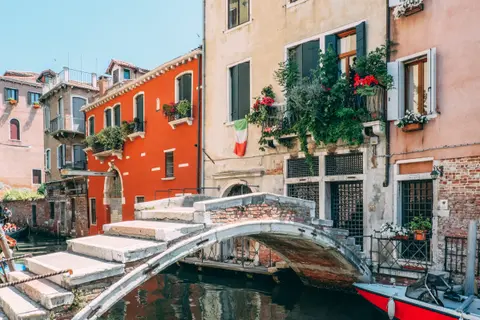
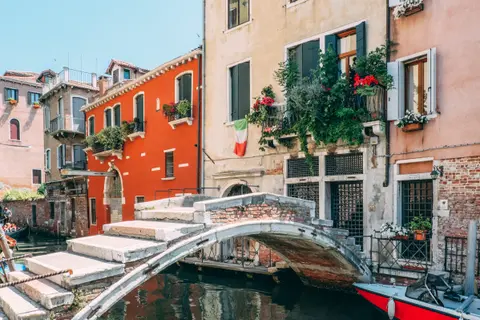
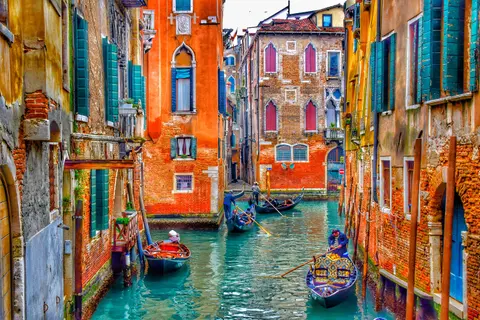
For centuries,Venice stood at the crossroads of culture between the Byzantine and Roman worlds. The city the great traders and philosophers created is an extraordinary place. From the elegant carved gondolas and vaporetti that ply the Grand Canal to the magnificent Piazza San Marco bustling with life – Venice is unique in all the world. Great works of art are housed here, in the Accademia with its Renaissance masters and the collection of Peggy Guggenheim in her canal-side palazzo. The Basilica di San Marco and the Doge’s Palace are must-sees. After that, follow where your feet take you, over romantic bridges, to shops selling precious glass, to small cafés for a cappuccino or Campari.
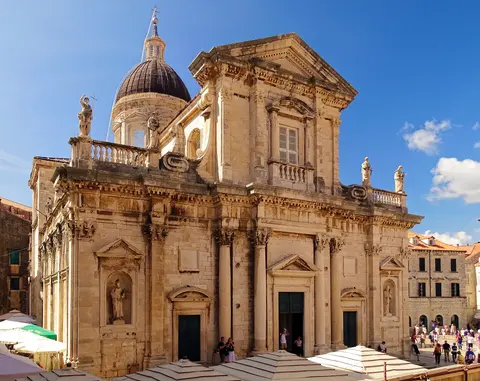
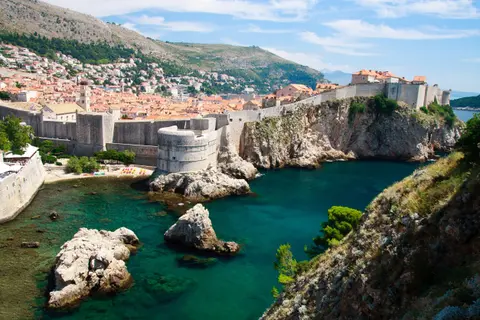
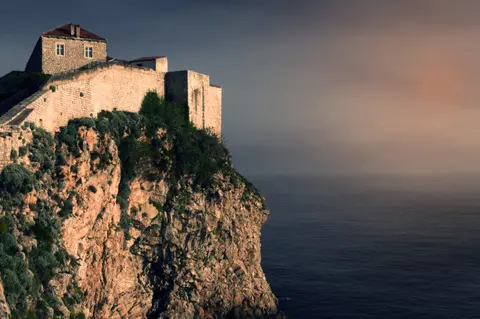
Croatia’s crowning glory rears up vertically from the tranquil waters of the Adriatic, and Dubrovnik’s daunting fortresses town is a truly imposing sight to behold. Encircled by chunky stone walls so thick and dramatic they could have been purpose-built as a film set, this city’s unmatched old town is the setting for countless films and shows - from Star Wars to Robin Hood, Game of Thrones and every production in-between seeking a truly authentic medieval flavour. This fantasy fortress’s walls - which are no less than 12-metres thick at places - are certainly not just for show, however. They kept Dubrovnik safe when it was a maritime republic and they were besieged as recently as 1991, when Serbian and Montenegrin forces attacked, as Yugoslavia broke apart. Fully restored now, the stone streets of the city take you through a beautiful mosaic of architectural splendour, baroque churches and splashing fountains. Tapering alleys rocket up from the central boulevard of Stradun, offering spectacular views down, but you’ll need to walk the city walls to appreciate the fortress city’s full scale. Banking up sharply to the rear, you can gaze across an ocean of terracotta roofs and church spires, clamouring together before the sparkling Adriatic. Visit the neighbouring fort of Lovrijenac, for another perspective, or swing up to Srd fortress’s glorious panorama on a cable car. Dubrovnik’s streets are crammed with eateries and candlelit tables, where couples splash wine into glasses and enjoy gnocchi mixed with creamy truffle sauces. Nearby beaches like Banje are also close by, and hidden bays reward the intrepid who venture out beyond the old town. Take sunset drinks to sit back and watch as flotillas of sea kayaks roll by, or sail on the pristine waters to explore island gems like Lokrum - where peacocks are the only permanent residents.
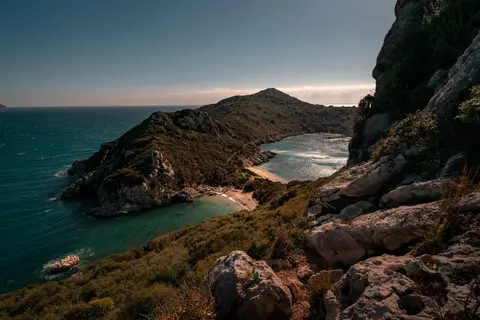

Corfu town today is a vivid tapestry of cultures—a sophisticated weave, where charm, history, and natural beauty blend. Located about midway along the island's east coast, this spectacularly lively capital is the cultural heart of Corfu and has a remarkable historic center that UNESCO designated as a World Heritage Site in 2007. All ships and planes dock or land near Corfu town, which occupies a small peninsula jutting into the Ionian Sea.Whether arriving by ferry from mainland Greece or Italy, from another island, or directly by plane, catch your breath by first relaxing with a coffee or a gelato in Corfu town's shaded Liston Arcade, then stroll the narrow lanes of its pedestrians-only quarter. For an overview of the immediate area, and a quick tour of Mon Repos palace, hop on the little tourist train that runs from May to September. Corfu town has a different feel at night, so book a table at one of its famed tavernas to savor the island's unique cuisine.The best way to get around Corfu town is on foot. The town is small enough so that you can easily walk to every sight. There are local buses, but they do not thread their way into the streets (many now car-free) of the historic center. If you are arriving by ferry or plane, it's best to take a taxi to your hotel. Expect to pay about €10 from the airport or ferry terminal to a hotel in Corfu town. If there are no taxis waiting, you can call for one.
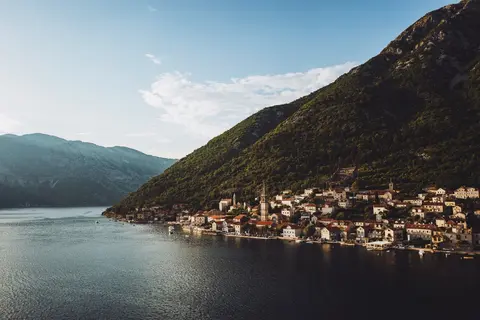
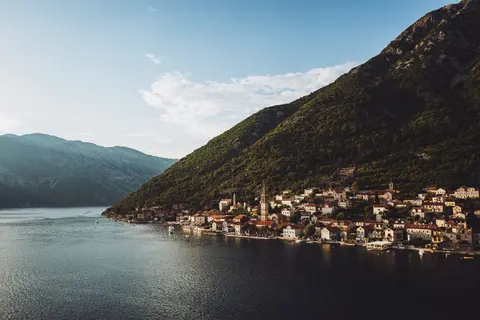
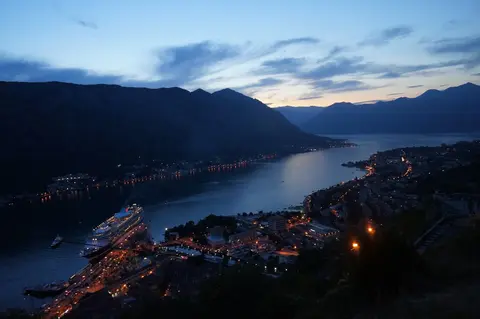
Among the fjords of Montenegro, we arrive at the Bay of Kotor, a port with a strategic location and fortified walls, named a World Heritage site by UNESCO. The port of Kotor lies at the base of a bay with the same name and is one of Europe’s most southerly Mediterranean fjords. This is a Venetian Harbour strategically located and fortified by strong walls. Here you can discover the fascinating landscape, the fortifications built from the early middle ages and now included among the UNESCO World Heritage sites, and the old town with Venetian influences and its religious architecture, where the Catholic Cathedral of Saint Tryphon coexists with the orthodox churches of the 12th and 13th centuries. Perast is worth a visit with its islands and Byzantine architecture.
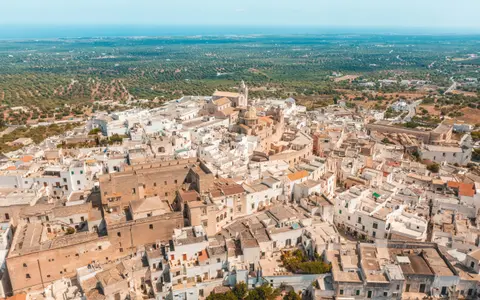
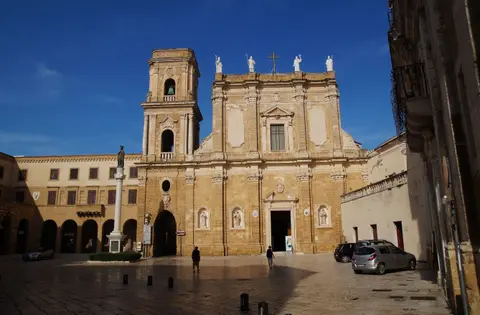
Life continues in Brindisi as if the 21st century hadn’t arrived. Visually, the landscape is as stunning as one would expect in southern Europe. Villages set on sunlit hilltops rise like islands above a rolling landscape of olive groves and vineyards. The coastline is a striking mixture of ruggedly beautiful cliffs and grottoes interspersed with a scattering of long, sandy beaches. Together with the wealth of historical artefacts and spectacular landscapes, Brindisi is one of Italy’s best kept secrets. Naturally, the cuisine is rich with its pickings from both land and sea and visitors can expect the best pasta, Caprese salad, local lemon loaf and spaghetti al vogole they have ever had!
With its seafront cafés and ancient alleyways, shouting stallholders and travellers on the move, bustling, exuberant Split is one of Croatia’s and the Mediterranean’s most compelling cities, it’s easy to see this feeling when you step aground from your MSC cruise. It has a unique historical heritage too, having grown out of the palace built here by the Roman Emperor Diocletian in 295AD. The palace remains Split’s central ingredient, having been gradually transformed into a warren of houses, tenements, churches and chapels by the various peoples who came to live here after Diocletian’s successors had departed. Adapted long ago to serve as Split’s town centre, Diocletian’s Palace is certainly not an archaeological “site”. Although set-piece buildings such as Diocletian’s mausoleum (now the cathedral) and the Temple of Jupiter (now a baptistery) still remain, other aspects of the palace have been tinkered with so much by successive generations that it is no longer recognizable as an ancient Roman structure. Best place to start exploring with an MSC excursion the seaward side of the palace is Split’s broad and lively Riva. Running along the palace’s southern facade, into which shops, cafés and a warren of tiny flats have been built, the Riva is where a large part of the city’s population congregates day and night to meet friends, catch up on gossip or idle away an hour or two in a café. Nearly everything worth seeing in Split is concentrated in the compact Old Town behind the waterfront Riva, made up in part of the various remains and conversions of Diocletian’s Palace itself, and the medieval additions to the west of it. You can walk across this area in about ten minutes, although it would take a lifetime to explore all its nooks and crannies.
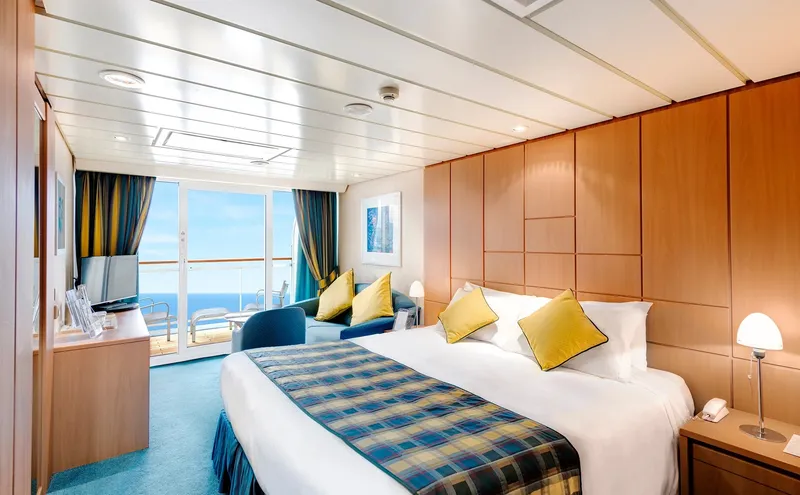
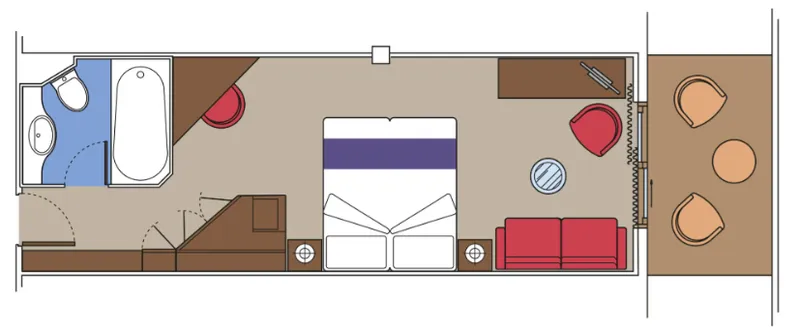
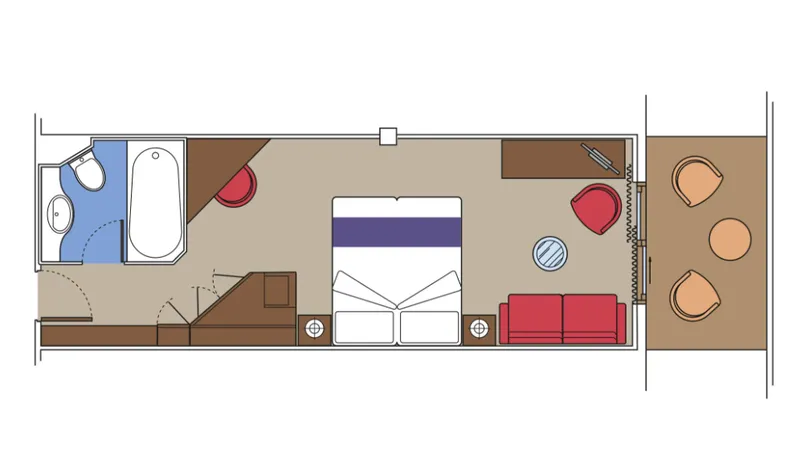
Comfortable king bed that can be converted into two single beds on request Balcony Sitting area with sofa Spacious closet Bathroom with bathtub, vanity area and hairdryer TV, telephone, safe and minibar Wi-Fi access available.Deluxe Suite Aurea ( Module 22 sqm - Balcony 5 sqm - Decks 12 )
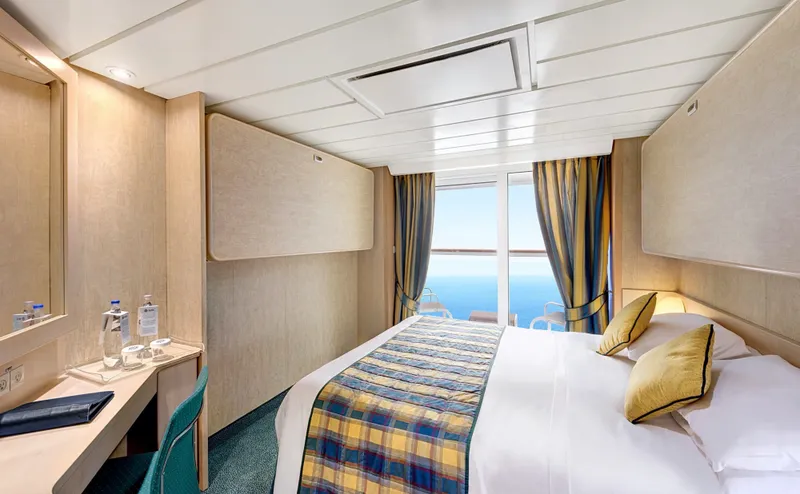
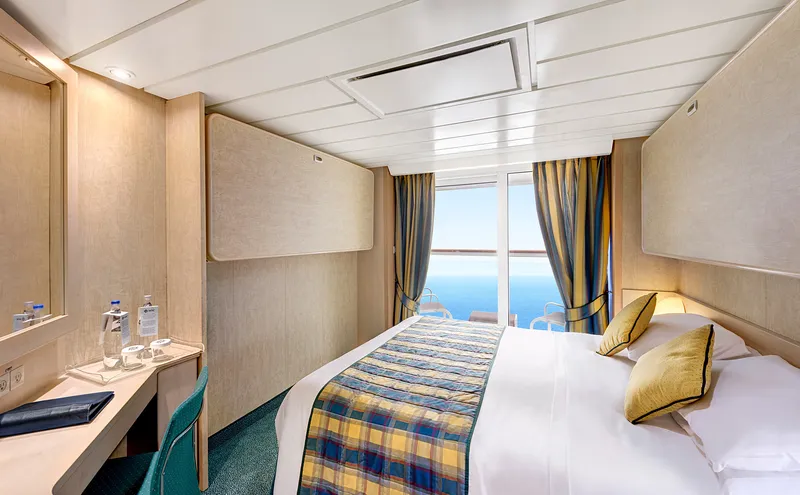
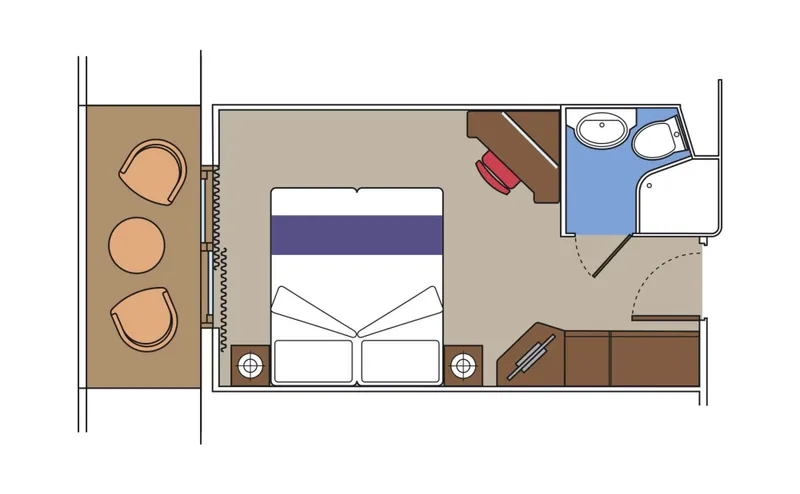
Comfortable king bed that can be converted into two single beds on request Sitting area with sofa Bathroom with shower, vanity area with hairdryer TV, telephone, safe and minibar Wi-Fi access available ($) Approx. 140 ft2 and a balcony that is approx. 32 – 43 ft2 Located on decks 9 - 10
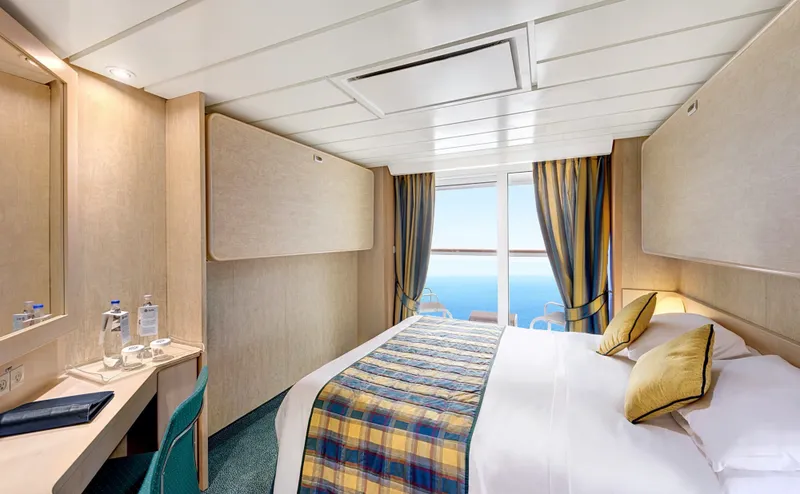
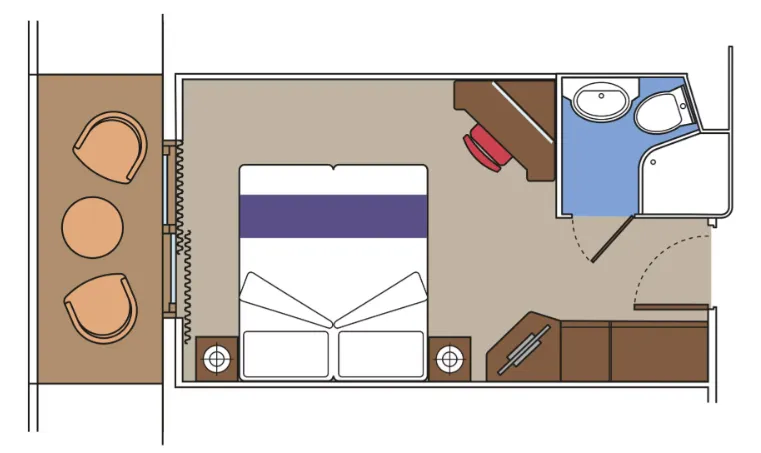
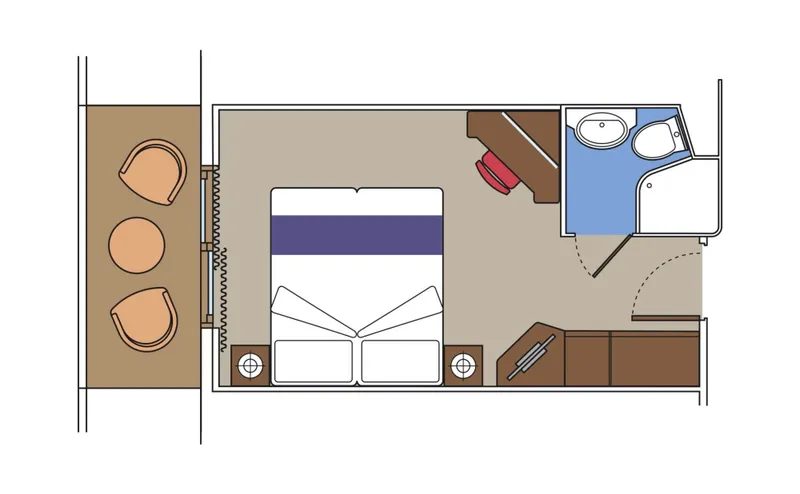
Comfortable king bed that can be converted into two single beds on request Sitting area with sofa Bathroom with shower, vanity area with hairdryer TV, telephone, safe and minibar Wi-Fi access available.Junior Balcony ( Module 13 sqm - Balcony 3 sqm - Decks 9-10 )
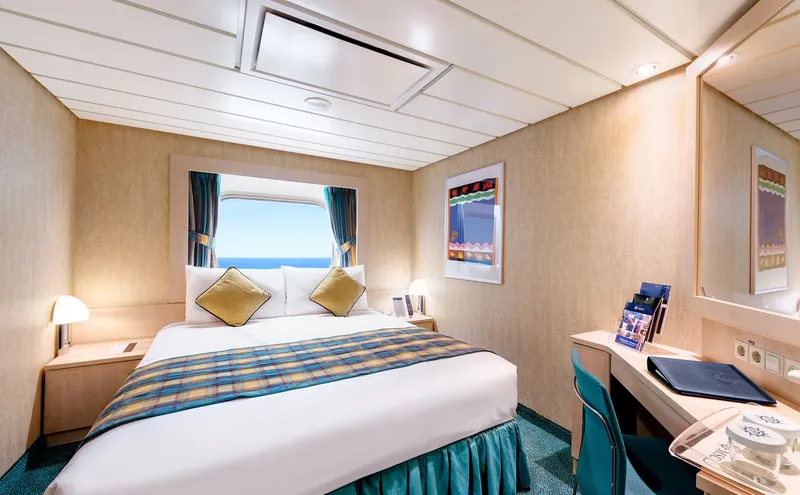
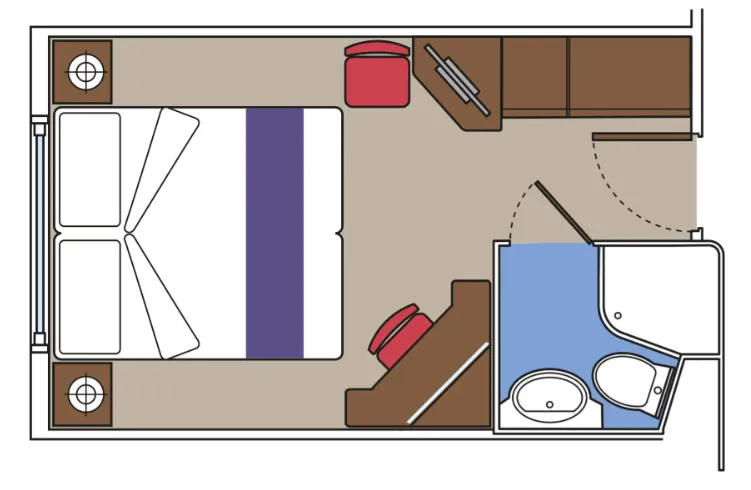
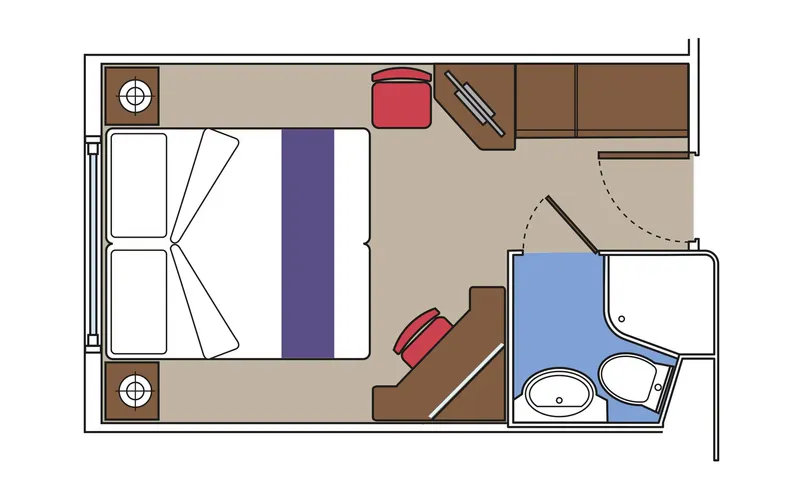
Comfortable king bed that can be converted into two single beds on request Window with sea view Relaxing armchair Bathroom with shower, vanity area with hairdryer TV, telephone, safe and minibar Wi-Fi access available ($) Approx. 140 ft2 Located on decks 7 - 8
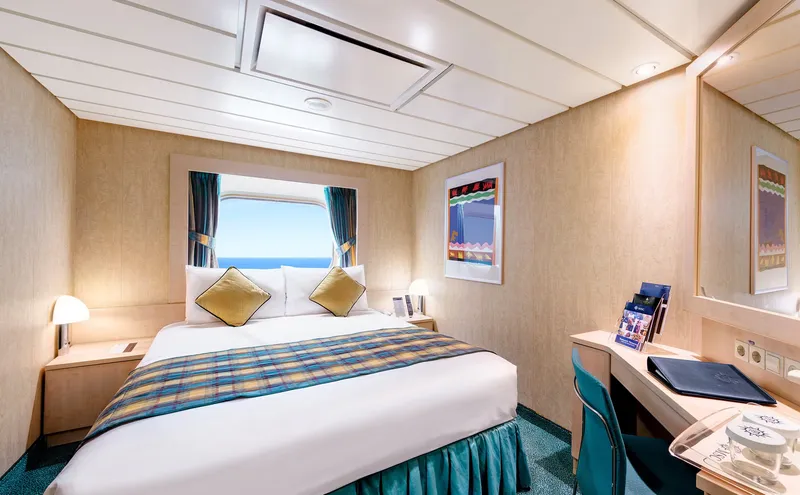
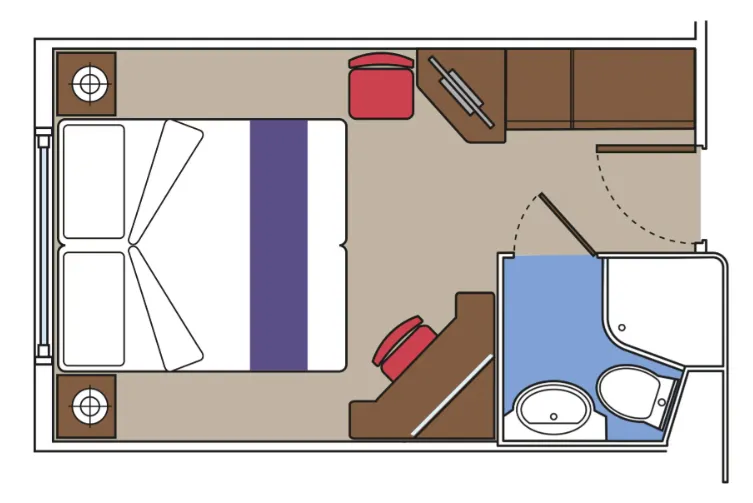
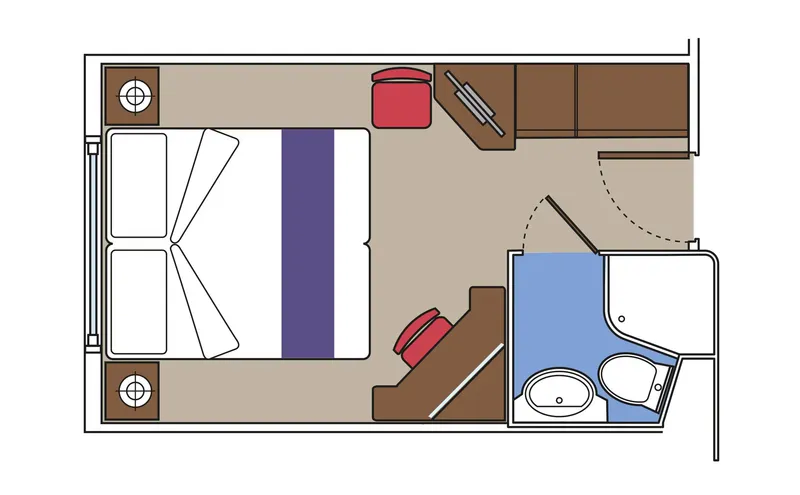
Comfortable king bed that can be converted into two single beds on request Window with sea view Relaxing armchair Bathroom with shower, vanity area with hairdryer TV, telephone, safe and minibar Wi-Fi access available.Junior Ocean View with obstructed view ( Obstructed view - Module 13 sqm - Decks 7 )
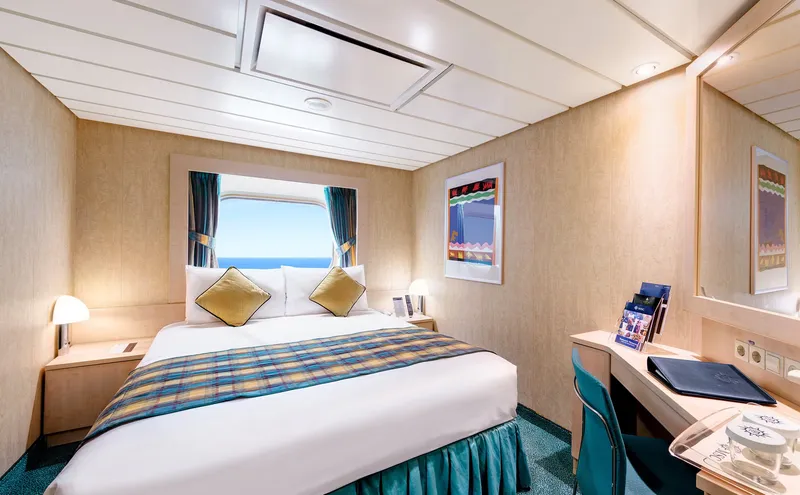
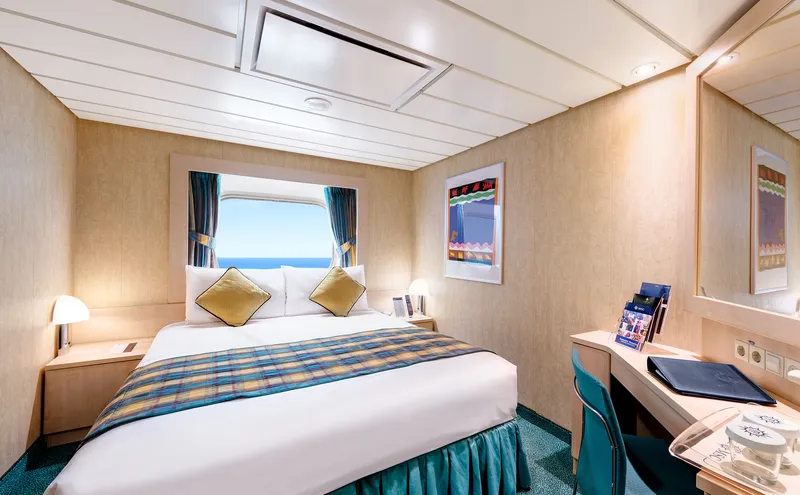
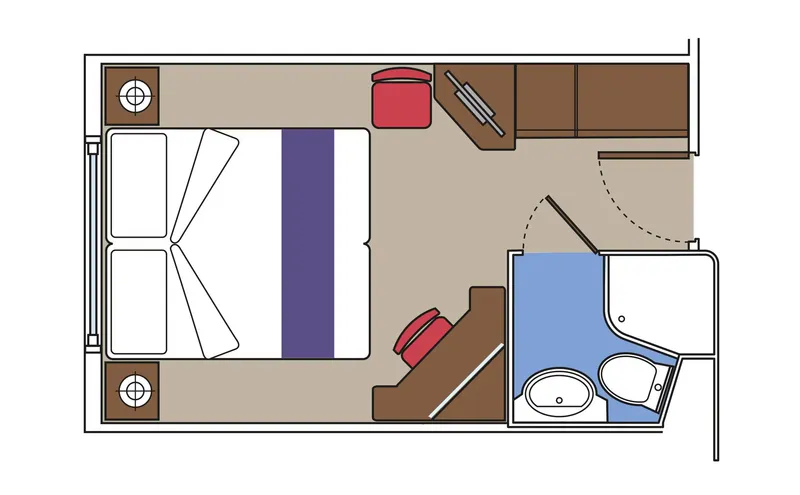
Comfortable king bed that can be converted into two single beds on request Window with sea view Relaxing armchair Bathroom with shower, vanity area with hairdryer TV, telephone, safe and minibar Wi-Fi access available ($) Approx. 140 - 237 ft2
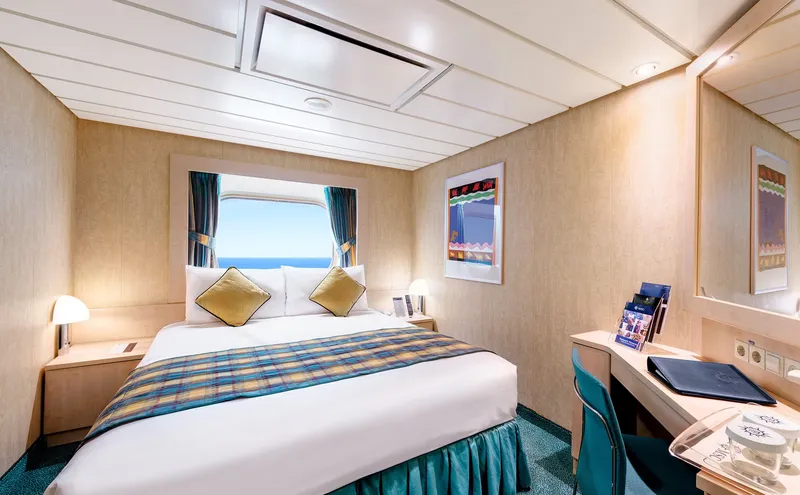
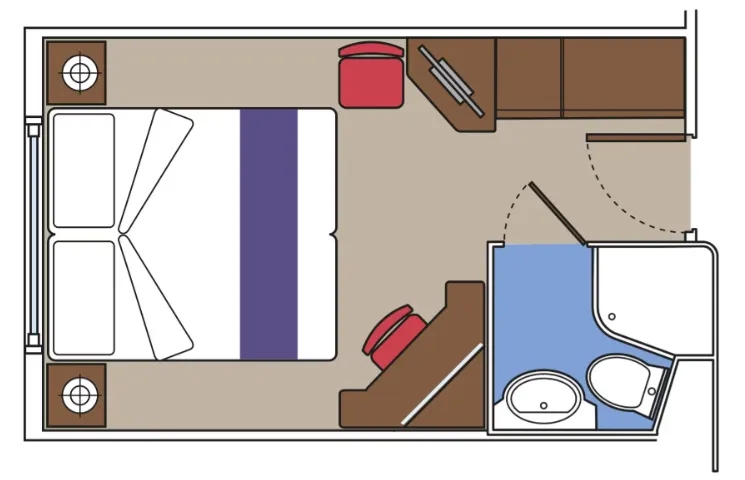
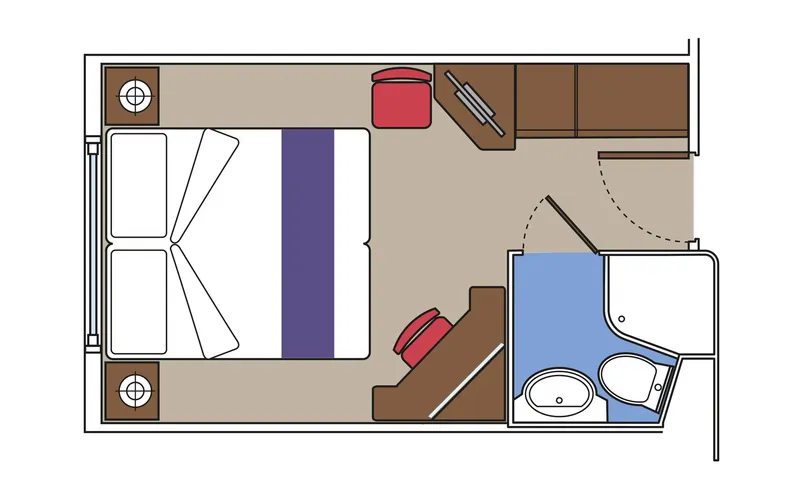
Comfortable king bed that can be converted into two single beds on request Window with sea view Relaxing armchair Bathroom with shower, vanity area with hairdryer TV, telephone, safe and minibar Wi-Fi access available ($) Approx. 140 - 237 ft2
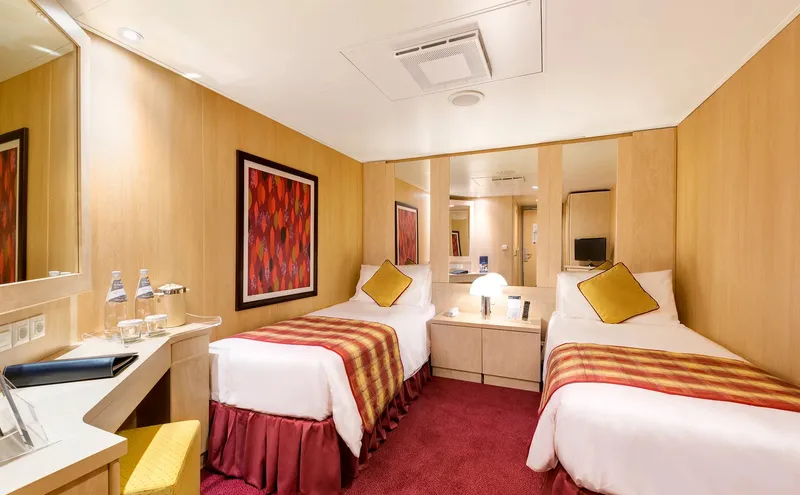
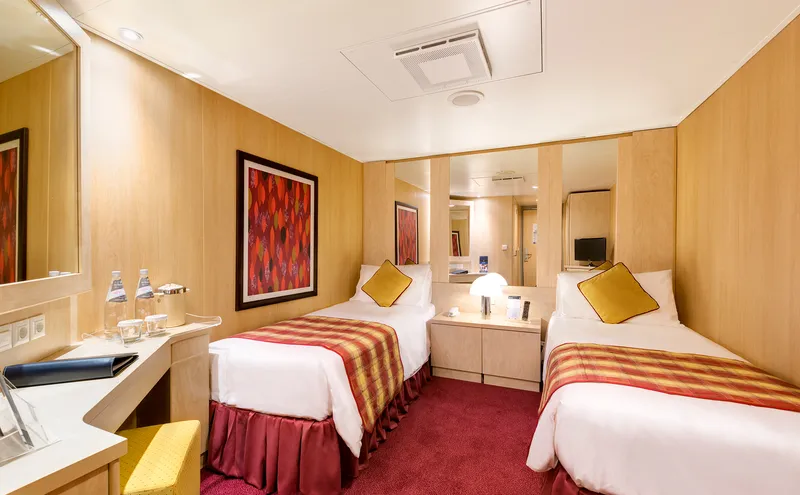
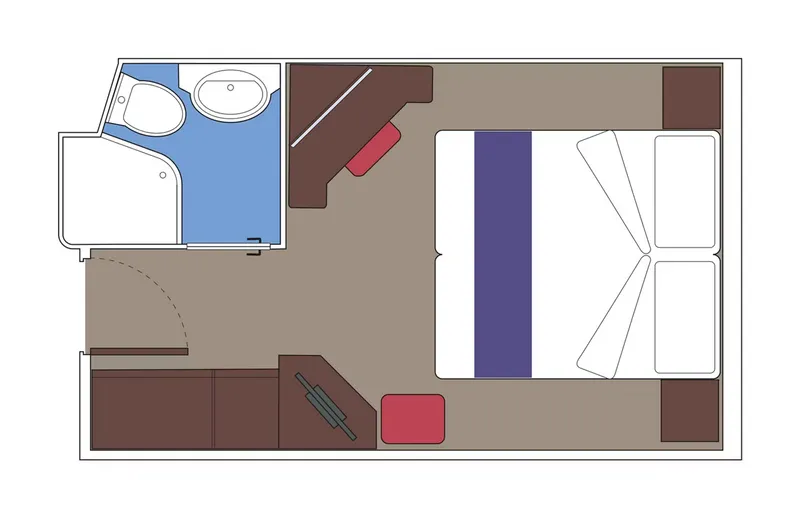
Comfortable king bed that can be converted into two single beds on request* Relaxing armchair Bathroom with shower, vanity area and hairdryer TV, telephone, safe and minibar Wi-Fi access available ($) Approx. 140 ft2 Located on decks 7 – 10 *Staterooms for guests with disabilities or reduced mobility cannot be converted into a king bed.
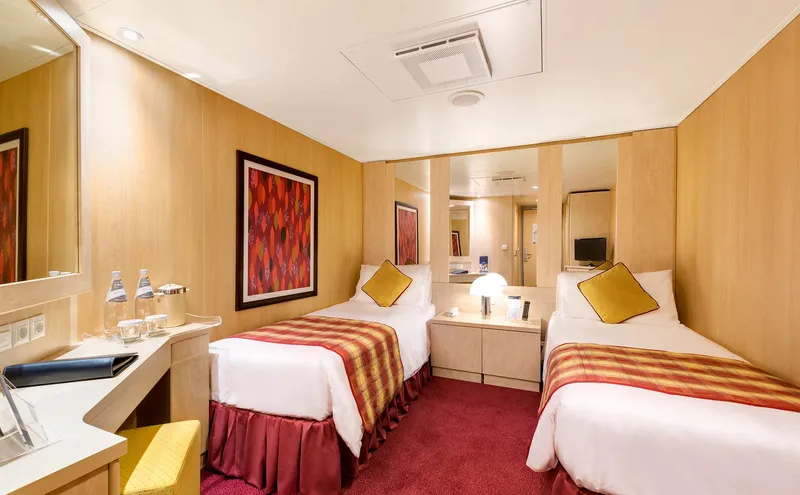
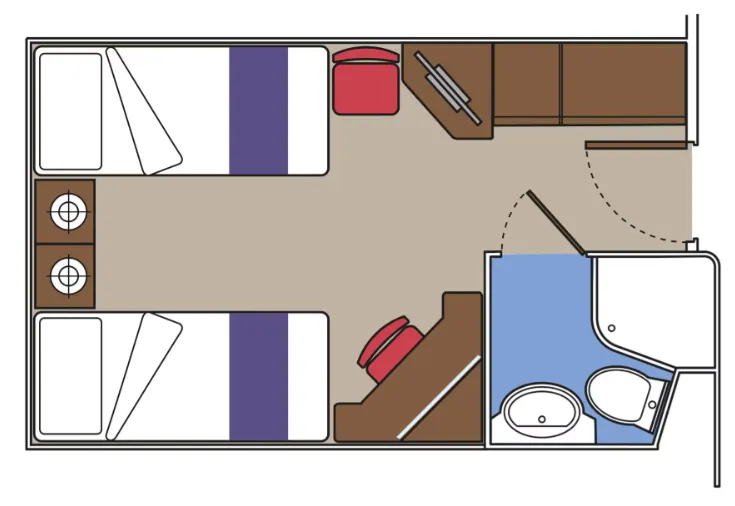
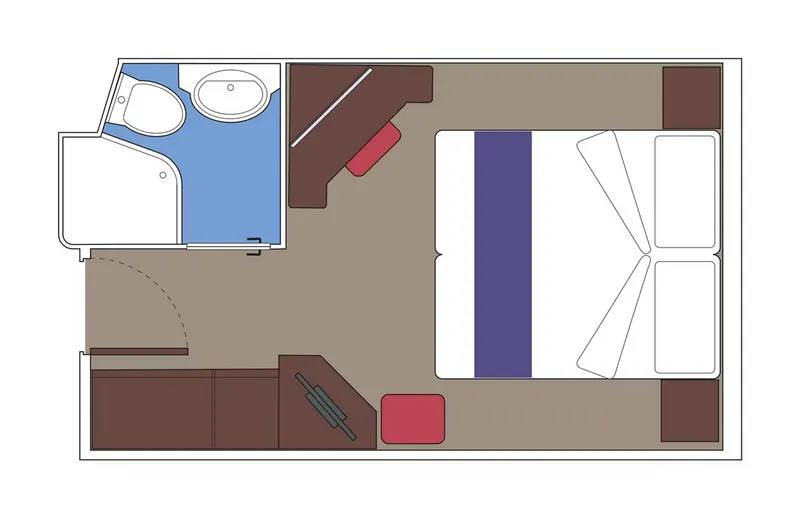
Comfortable king bed that can be converted into two single beds on request* Relaxing armchair Bathroom with shower, vanity area and hairdryer TV, telephone, safe and minibar Wi-Fi access available ($) Approx. 140 ft2 Located on decks 7 – 10 *Staterooms for guests with disabilities or reduced mobility cannot be converted into a king bed.
Our cruise specialists can help you find the perfect cabin and the best available pricing.
(+886) 02-2721-7300Contact Advisor