Date
December 25, 2026
Duration
7 nights
Departure Port
Las Palmas · Argentina
Arrival Port
Las Palmas · Argentina
Rating
Resort
Theme
—


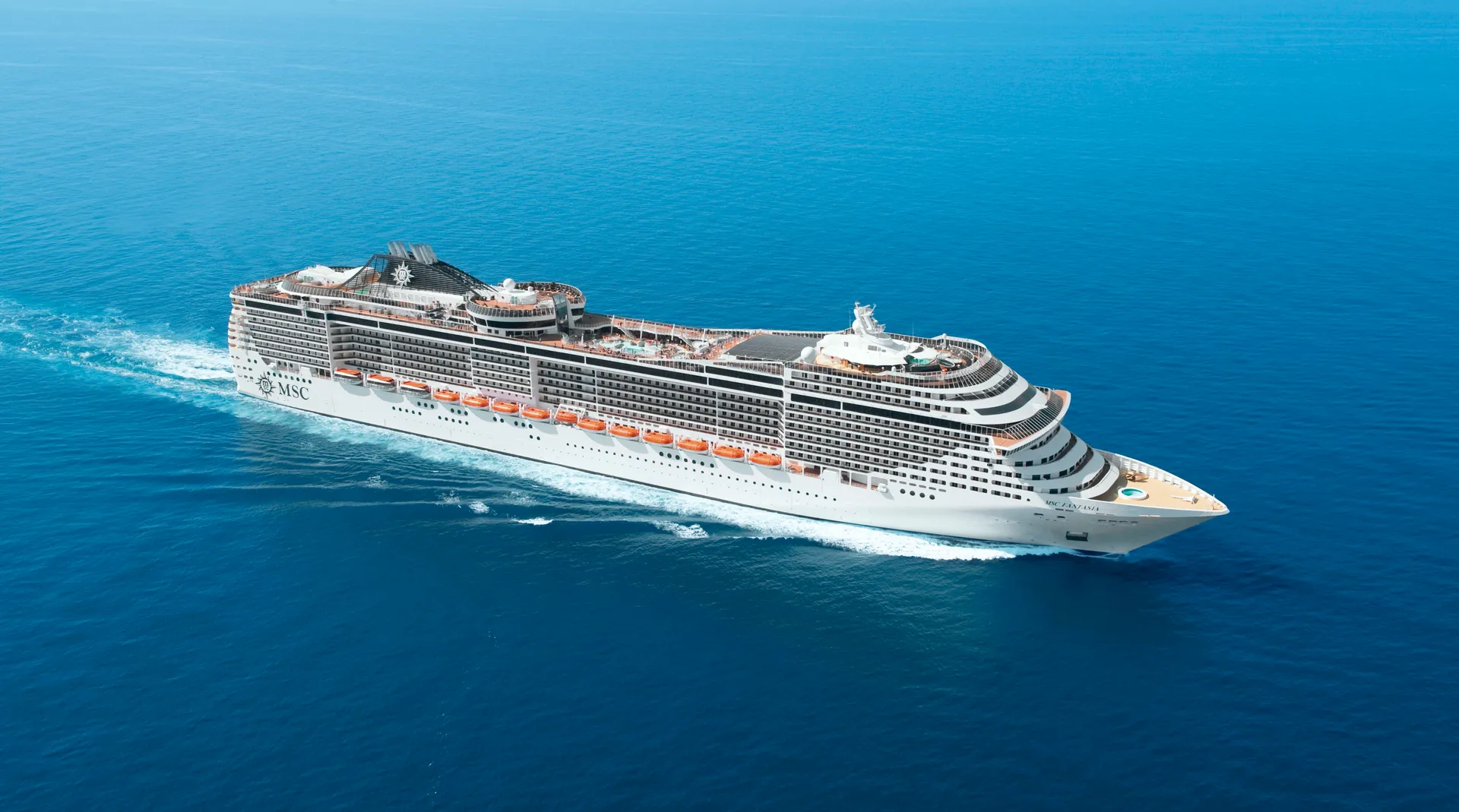
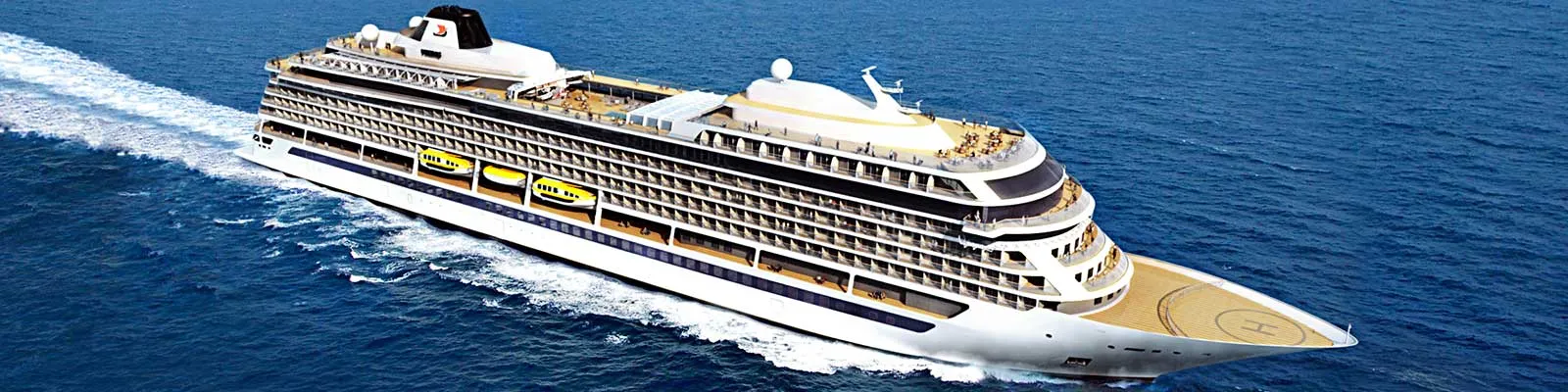
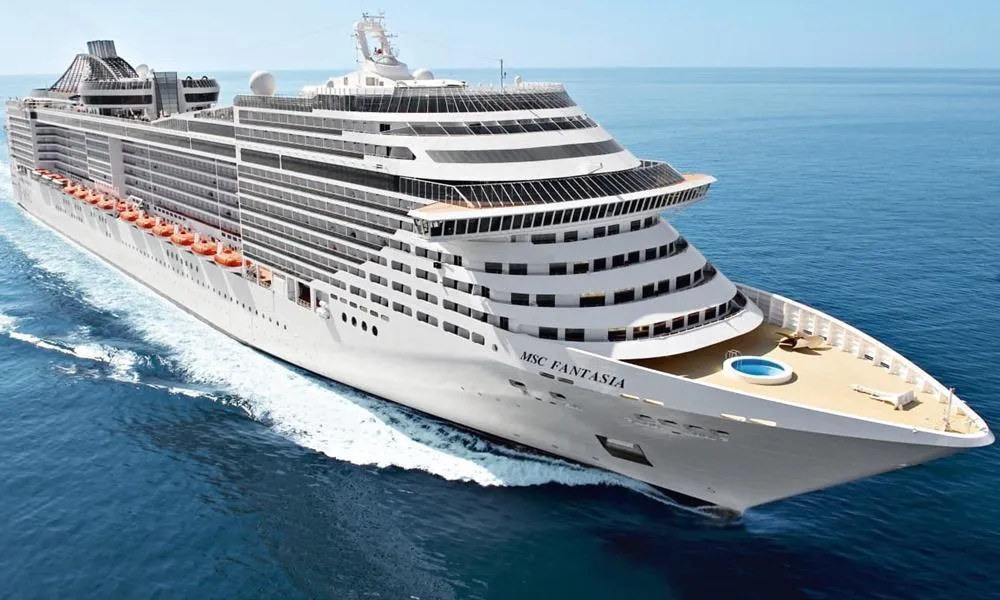
MSC Cruises
Fantasia
2008
—
137,936 GT
4,363
1,637
1,370
1092 m
38 m
22 knots
No


Perhaps the prettiest of the Canary Islands, Gran Canaria is an almost circular isle with the peak of Pozo de Las Nieves, its highest point, at the centre. With a wealth of natural beauty and all the exciting attractions of city life in the capital, the island offers the best of both worlds. You will no doubt wish to see the sights of the capital’s old quarter, which dates back to the 15th century and encompassses the Vegueta and Triana districts, and wherever you go you can enjoy the glorious subtropical climate, perfect for growing exotic palms and fruits.
With its feel of mainland-Spain, spiced up with an eclectic mix of Asian and African cultures, Las Palmas is one of the Canary Island's most popular destinations, attracting sun-seekers who come to relax on its golden-sand beaches and soak up the gorgeous, year-round climate of Gran Canaria. Founded over 500 years ago, Las Palmas is the largest city in the Canary Islands, and has three gorgeous beaches, including Playa de las Canteras, regarded as one of the world's best beaches, to enjoy. Vegueta, the oldest quarter, is both atmospheric and fashionable, with extensive historical architecture plus a fine selection of boutiques and smart bars. At its centre stand the twin towers of Santa Ana Cathedral; started in 1500 but still unfinished, the cathedral has a unique mix of Renaissance, Gothic and Neoclassical styles in its construction. In Plaza Santa Ana, bronze statues of dogs – the Romans named the islands after legendary canines – stand guard over the 17th-century Palacio Regental, the Town Hall and the Bishop's Palace. The sweet arc of Playa de las Canteras at the town’s other end offers the tantalising possibility of taking a dip between sightseeing and shopping. The bewildering maze of streets behind the beach hides many fine restaurants serving an array of wonderful Canarian cuisine.


Santa Cruz de Tenerife is the capital of the island of La Palma. Because of its spectacular vegetation and exuberant natural beauty, it is considered by many the most beautiful of the Canary Islands and referred to as the Pretty Isle – La Isla Bonita. In addition to its outstanding natural attributes, the island boasts a culture full of traditions, cuisine, crafts and folklore from the time of the original inhabitants, who left a variety of archaeological riches. View less Once an important transatlantic port during colonial days, today Santa Cruz has the look of a genuine open-air museum. With colonial houses and carved balconies lining the streets, the port city retains the old-world charm of its glory days. Acclaimed attractions in the interior include the Taburiente National Park with its giant crater that has been photographed from the Space Shuttle, and the Roque de los Muchachos Astrophysics Observatory, standing on the island's highest point (7,260 feet) and considered the most important of its kind in the northern hemisphere. The green of the countryside, the abundant water and the floral wealth stands in sharp contrast to the many volcanic cones and lava flows that testify to the island's origins. The oldest volcanic rocks are estimated to be about 3 to 4 million years of age. There were seven recorded eruptions, the most recent one in 1971. While favored by pleasant temperatures in all seasons, the climate varies enormously between the south and the north of the island. The northeast is known to experience moisture-laden trade winds; the southwest is much drier and sunnier. Along the coastal strip, up to an altitude of 600 feet, temperatures are usually in the 70s, while higher up they drop in the winter time, even to freezing point at elevations above 6,000 feet. Our call to La Palma allows you to discover this island's amazingly different faces over a relatively small area. Mountains and volcanoes, beaches and forests, tiny villages and breathtaking views make up the impressive profile of La Isla Bonita.


Santa Cruz de Tenerife is the capital of the island of La Palma. Because of its spectacular vegetation and exuberant natural beauty, it is considered by many the most beautiful of the Canary Islands and referred to as the Pretty Isle – La Isla Bonita. In addition to its outstanding natural attributes, the island boasts a culture full of traditions, cuisine, crafts and folklore from the time of the original inhabitants, who left a variety of archaeological riches. View less Once an important transatlantic port during colonial days, today Santa Cruz has the look of a genuine open-air museum. With colonial houses and carved balconies lining the streets, the port city retains the old-world charm of its glory days. Acclaimed attractions in the interior include the Taburiente National Park with its giant crater that has been photographed from the Space Shuttle, and the Roque de los Muchachos Astrophysics Observatory, standing on the island's highest point (7,260 feet) and considered the most important of its kind in the northern hemisphere. The green of the countryside, the abundant water and the floral wealth stands in sharp contrast to the many volcanic cones and lava flows that testify to the island's origins. The oldest volcanic rocks are estimated to be about 3 to 4 million years of age. There were seven recorded eruptions, the most recent one in 1971. While favored by pleasant temperatures in all seasons, the climate varies enormously between the south and the north of the island. The northeast is known to experience moisture-laden trade winds; the southwest is much drier and sunnier. Along the coastal strip, up to an altitude of 600 feet, temperatures are usually in the 70s, while higher up they drop in the winter time, even to freezing point at elevations above 6,000 feet. Our call to La Palma allows you to discover this island's amazingly different faces over a relatively small area. Mountains and volcanoes, beaches and forests, tiny villages and breathtaking views make up the impressive profile of La Isla Bonita.


Though part of Spain, the Canary Islands sit in the open Atlantic Ocean, about 100 kilometers (60 miles) west of Morocco. The mild climate mixed with a rich volcanic landscape and beautiful sandy beaches makes the main city of Santa Cruz, on the largest island of Tenerife, a welcome stop for many cruise voyages. The isolated island is dominated by the Teide volcano, the tallest mountain in Spain and site of one of the world’s most popular national parks. A cable car carries visitors to the top, offering unrivaled views of the island. Travelers interested in learning about the history of the island, its unique wildlife and the population of indigenous people that lived here before the arrival of European settlers should visit the Museum of Nature and Man in Santa Cruz, while architecture buffs can stroll the streets of La Laguna to see colonial-era mansions. And travelers keen on food and wine should venture into the countryside to sample local dishes or make the drive to Casa del Vino, where they can learn about, and taste, local wines while shopping for a bottle or two to bring home.


Though part of Spain, the Canary Islands sit in the open Atlantic Ocean, about 100 kilometers (60 miles) west of Morocco. The mild climate mixed with a rich volcanic landscape and beautiful sandy beaches makes the main city of Santa Cruz, on the largest island of Tenerife, a welcome stop for many cruise voyages. The isolated island is dominated by the Teide volcano, the tallest mountain in Spain and site of one of the world’s most popular national parks. A cable car carries visitors to the top, offering unrivaled views of the island. Travelers interested in learning about the history of the island, its unique wildlife and the population of indigenous people that lived here before the arrival of European settlers should visit the Museum of Nature and Man in Santa Cruz, while architecture buffs can stroll the streets of La Laguna to see colonial-era mansions. And travelers keen on food and wine should venture into the countryside to sample local dishes or make the drive to Casa del Vino, where they can learn about, and taste, local wines while shopping for a bottle or two to bring home.


As you arrive in Funchal on an MSC cruise, your ship will cast anchor in a bay protected by mountains rising straight up behind the port. The name, Funchal, derives from that of the fennel plant, the funcho still used today in the traditional sweets known as rebuçados de funcho, that one can find anywhere on the island of Madeira. An excursion will take you around the town centre, to visit historic churches, from the A Sé Cathedral, with its inlaid ceiling, to the majestic Church of the Incarnation, to the church of Carmo without a vault. Another MSC excursion will take you up to the village of Monte, from where one can admire a spectacular view of the Funchal bay. You can visit its 18th century church and the tomb of the last Austrian emperor, Charles I, and stroll around the magnificent botanic gardens. But if you like heights, there’s nothing more impressive than the Cabo Girão and its 589 metre tall cliffs, amongst the highest in the world, at the foot of which lie the cultivated lands known as Fajãs do Cabo Girão. If you’re looking for an equipped beach during your MSC cruise, another excursion will take you to Machico. Founded in the 15th century, it hosts the oldest religious building on the island, the Capela dos Milagres, and the fortresses of São João Baptista and Nossa Senhora do Amparo built in the beginning of the 16th century. The more lively tourist attraction is instead in Calheta, on the south-west coast. Splendid yachts cruising across the Atlantic are moored in the port and if you want to go for a swim there are two beautiful beaches of golden sand; in spite of the modern structures Calheta dates back to the mid-15th century. This is where they make the “Aguardente”, the best white rhum, and fundamental ingredient of Madeira’s typical drink, the “Poncha” .


With a picturesque port area, and plenty of shops, restaurants and open-air cafés, Puerto del Rosario is a fun place to visit. There’s no defined centre to the town – apart from around the port – but walking round the streets is a great way of finding interesting shops, or discovering family-owned bars serving tapas, local wines and Canarian cuisine, such as fish with spicy sauce. Home to over 150 beautiful beaches, Fuerteventura is also a popular holiday destination. The Canaries second largest island has a glorious climate, boasting almost year-round sunshine and warmth. A volcanic island, Fuerteventura has stunning natural landscapes that beg to be explored, as well as crystal clear waters that are a mecca for swimmers and water sports enthusiasts.


As you arrive in Funchal on an MSC cruise, your ship will cast anchor in a bay protected by mountains rising straight up behind the port. The name, Funchal, derives from that of the fennel plant, the funcho still used today in the traditional sweets known as rebuçados de funcho, that one can find anywhere on the island of Madeira. An excursion will take you around the town centre, to visit historic churches, from the A Sé Cathedral, with its inlaid ceiling, to the majestic Church of the Incarnation, to the church of Carmo without a vault. Another MSC excursion will take you up to the village of Monte, from where one can admire a spectacular view of the Funchal bay. You can visit its 18th century church and the tomb of the last Austrian emperor, Charles I, and stroll around the magnificent botanic gardens. But if you like heights, there’s nothing more impressive than the Cabo Girão and its 589 metre tall cliffs, amongst the highest in the world, at the foot of which lie the cultivated lands known as Fajãs do Cabo Girão. If you’re looking for an equipped beach during your MSC cruise, another excursion will take you to Machico. Founded in the 15th century, it hosts the oldest religious building on the island, the Capela dos Milagres, and the fortresses of São João Baptista and Nossa Senhora do Amparo built in the beginning of the 16th century. The more lively tourist attraction is instead in Calheta, on the south-west coast. Splendid yachts cruising across the Atlantic are moored in the port and if you want to go for a swim there are two beautiful beaches of golden sand; in spite of the modern structures Calheta dates back to the mid-15th century. This is where they make the “Aguardente”, the best white rhum, and fundamental ingredient of Madeira’s typical drink, the “Poncha” .


As you arrive in Funchal on an MSC cruise, your ship will cast anchor in a bay protected by mountains rising straight up behind the port. The name, Funchal, derives from that of the fennel plant, the funcho still used today in the traditional sweets known as rebuçados de funcho, that one can find anywhere on the island of Madeira. An excursion will take you around the town centre, to visit historic churches, from the A Sé Cathedral, with its inlaid ceiling, to the majestic Church of the Incarnation, to the church of Carmo without a vault. Another MSC excursion will take you up to the village of Monte, from where one can admire a spectacular view of the Funchal bay. You can visit its 18th century church and the tomb of the last Austrian emperor, Charles I, and stroll around the magnificent botanic gardens. But if you like heights, there’s nothing more impressive than the Cabo Girão and its 589 metre tall cliffs, amongst the highest in the world, at the foot of which lie the cultivated lands known as Fajãs do Cabo Girão. If you’re looking for an equipped beach during your MSC cruise, another excursion will take you to Machico. Founded in the 15th century, it hosts the oldest religious building on the island, the Capela dos Milagres, and the fortresses of São João Baptista and Nossa Senhora do Amparo built in the beginning of the 16th century. The more lively tourist attraction is instead in Calheta, on the south-west coast. Splendid yachts cruising across the Atlantic are moored in the port and if you want to go for a swim there are two beautiful beaches of golden sand; in spite of the modern structures Calheta dates back to the mid-15th century. This is where they make the “Aguardente”, the best white rhum, and fundamental ingredient of Madeira’s typical drink, the “Poncha” .


Nestled on the east coast of Lanzarote, Arrecife takes its name from the rocky reefs and outcrops that dominate its coastline. This pretty working city has a friendly, authentic feel, and has managed to remain true to its roots as a historic fishing village. There’s a lot to explore, and whether you want to lie back on long swathes of opulent golden sand, or strap on hiking boots to crunch across Lanzarote’s scorched volcanic scenery, this versatile capital has so much to offer. With castles, caves, sleepy beaches, and a glittering saltwater lagoon, Arrecife is the perfect place to get acquainted with the sun-kissed appeal of the Canary Islands. Lanzarote’s charcoal desert vistas radiate a remarkable luna-like quality, but dotted cacti, waving palms, and bursts of vibrant wildflowers add an accent of colour to the canvas. Arrecife itself boasts apricot-coloured beaches and labyrinthine lanes of white-wash buildings within its Old Quarter, where you can smell fresh fish grilling, and see locals dipping delicious local salty potatoes - papas arrugadas - into colourful sauces. An evening stroll along El Charco de san Gines is a must for watching fishing boats bobbing gently on the lagoon, and watching spectacular sunsets burning across the sky. Standing tall for more than four centuries, Castillo De San Gabriel is located on the tiny island of Islote de los Ingleses, and was once a target for pirates, who would appear menacingly on the Atlantic’s horison. The stalwart 16th-century fortress now serves as the History Museum of Arrecife, and exhibitions inside explore the evolution of the city, and the ancient culture of Lanzarote. The International Museum of Contemporary Art, meanwhile, displays modern and abstract works within the 18th-century San José Castle’s refined setting. See works from Cesar Manrique - the prominent artist and architect whose slick sixties style flair can be admired across the island.


Nestled on the east coast of Lanzarote, Arrecife takes its name from the rocky reefs and outcrops that dominate its coastline. This pretty working city has a friendly, authentic feel, and has managed to remain true to its roots as a historic fishing village. There’s a lot to explore, and whether you want to lie back on long swathes of opulent golden sand, or strap on hiking boots to crunch across Lanzarote’s scorched volcanic scenery, this versatile capital has so much to offer. With castles, caves, sleepy beaches, and a glittering saltwater lagoon, Arrecife is the perfect place to get acquainted with the sun-kissed appeal of the Canary Islands. Lanzarote’s charcoal desert vistas radiate a remarkable luna-like quality, but dotted cacti, waving palms, and bursts of vibrant wildflowers add an accent of colour to the canvas. Arrecife itself boasts apricot-coloured beaches and labyrinthine lanes of white-wash buildings within its Old Quarter, where you can smell fresh fish grilling, and see locals dipping delicious local salty potatoes - papas arrugadas - into colourful sauces. An evening stroll along El Charco de san Gines is a must for watching fishing boats bobbing gently on the lagoon, and watching spectacular sunsets burning across the sky. Standing tall for more than four centuries, Castillo De San Gabriel is located on the tiny island of Islote de los Ingleses, and was once a target for pirates, who would appear menacingly on the Atlantic’s horison. The stalwart 16th-century fortress now serves as the History Museum of Arrecife, and exhibitions inside explore the evolution of the city, and the ancient culture of Lanzarote. The International Museum of Contemporary Art, meanwhile, displays modern and abstract works within the 18th-century San José Castle’s refined setting. See works from Cesar Manrique - the prominent artist and architect whose slick sixties style flair can be admired across the island.


Perhaps the prettiest of the Canary Islands, Gran Canaria is an almost circular isle with the peak of Pozo de Las Nieves, its highest point, at the centre. With a wealth of natural beauty and all the exciting attractions of city life in the capital, the island offers the best of both worlds. You will no doubt wish to see the sights of the capital’s old quarter, which dates back to the 15th century and encompassses the Vegueta and Triana districts, and wherever you go you can enjoy the glorious subtropical climate, perfect for growing exotic palms and fruits.
With its feel of mainland-Spain, spiced up with an eclectic mix of Asian and African cultures, Las Palmas is one of the Canary Island's most popular destinations, attracting sun-seekers who come to relax on its golden-sand beaches and soak up the gorgeous, year-round climate of Gran Canaria. Founded over 500 years ago, Las Palmas is the largest city in the Canary Islands, and has three gorgeous beaches, including Playa de las Canteras, regarded as one of the world's best beaches, to enjoy. Vegueta, the oldest quarter, is both atmospheric and fashionable, with extensive historical architecture plus a fine selection of boutiques and smart bars. At its centre stand the twin towers of Santa Ana Cathedral; started in 1500 but still unfinished, the cathedral has a unique mix of Renaissance, Gothic and Neoclassical styles in its construction. In Plaza Santa Ana, bronze statues of dogs – the Romans named the islands after legendary canines – stand guard over the 17th-century Palacio Regental, the Town Hall and the Bishop's Palace. The sweet arc of Playa de las Canteras at the town’s other end offers the tantalising possibility of taking a dip between sightseeing and shopping. The bewildering maze of streets behind the beach hides many fine restaurants serving an array of wonderful Canarian cuisine.


Deluxe Suites approximately from 21 to 26 sq.m. with balcony
Double bed which can be converted into two single beds (on request).
Air conditioning, ample wardrobe, bathroom with bathtub, interactive TV, telephone, wireless internet access (for a fee), mini bar, safe.


Panoramic Sealed Window
Sitting area with sofa
Comfortable double or single beds (on request)
Spacious wardrobe
Bathroom with shower or bathtub, vanity area with hairdryer
Interactive TV, telephone, Wifi connection available (for a fee), safe and minibar
Surface approx. from 45 sq.m. to 53 sq.m
Discover a world of privileges with MSC Yacht Club


Sitting area with sofa
Spacious closet
Bathroom with bathtub, vanity area and hairdryer
Interactive TV, telephone, safe and minibar
Wi-Fi access available


Panoramic sealed window
Sitting area with sofa
Spacious closet
Bathroom with bathtub, vanity area and hairdryer
Interactive TV, telephone, safe and minibar
Wi-Fi access available


MSC YACHT CLUB YACHT CLUB EXECUTIVE AND FAMILY SUITE WITH BALCONY


Sitting area with sofa
Spacious closet
Bathroom with bathtub, vanity area and hairdryer
Interactive TV, telephone, safe and minibar
Wi-Fi access available


PREMIUM SUITE AUREA WITH SEALED WINDOW, DECKS 9 - 11
Comfortable king bed that can be converted into two single beds on request
Panoramic sealed window
Sitting area with sofa
Spacious closet
Bathroom with bathtub, vanity area and hairdryer
Interactive TV, telephone, safe and minibar
Wi-Fi access available ($)
Approx. 269 - 334 ft2
Located on decks 9 - 11


Balcony with dining table
Separate living area and dining room
Comfortable double or single beds (on request)
Walk-in wardrobes
Bathroom with tub and shower, vanity area with hairdryer
Interactive TV, telephone, Wifi connection available (for a fee), safe and minibar
Surface approx. 52 sq.m.
Discover a world of privileges with MSC Yacht Club


Comfortable double bed or single beds (on request)
Ample wardrobe
Bathroom with bathtub and vanity area with hairdryer
Wifi connection included
Interactive TV, telephone, safe and minibar
Surface approx. 26 sq.m, the balcony is approx. 6 sq.m.
Discover a world of privileges with MSC Yacht Club


Balcony
Sitting area with sofa
Bathroom with shower or bathtub, vanity area and hairdryer
Interactive TV, telephone, safe and minibar
Wi-Fi access available


Relaxing armchair
Bathroom with shower, vanity area and hairdryer
Interactive TV, telephone, safe and minibar
Wi-Fi access available


Surface approx 19 sqm, balcony approx 4 sqm.
Sitting area with sofa.
Bathroom with shower or bathtub, vanity area with hairdryer.
Comfortable double or single beds (on request).
Interactive TV, telephone, Wifi connection available (for a fee), safe and minibar.


Balcony
Sitting area with sofa
Bathroom with shower or bathtub, vanity area and hairdryer
Interactive TV, telephone, safe and minibar
Wi-Fi access available


Bathroom with shower, vanity area and hairdryer
TV, telephone, safe and minibar
Wi-Fi access available


Window with sea view
Relaxing armchair
Bathroom with shower, vanity area and hairdryer
Interactive TV, telephone, safe and minibar
Wi-Fi access available
Premium Ocean View ( Module 18 sqm - Decks 5 )


Relaxing armchair
Bathroom with shower, vanity area and hairdryer
Interactive TV, telephone, safe and minibar
Wi-Fi access available


Interior Bella
Our cruise specialists can help you find the perfect cabin and the best available pricing.
(+886) 02-2721-7300Contact Advisor