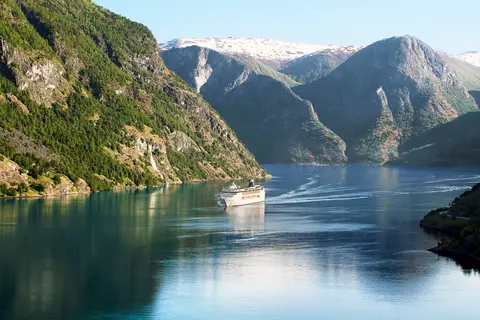
Barbados and Southern Caribbean from Fort De France
Date
May 28, 2027
Duration
7 nights
Departure Port
La Romana · Dominican Republic
Arrival Port
La Romana · Dominican Republic
Rating
Resort
Theme
—
Date
May 28, 2027
Duration
7 nights
Departure Port
La Romana · Dominican Republic
Arrival Port
La Romana · Dominican Republic
Rating
Resort
Theme
—
MSC Cruises
Lirica
2004
2015
65,591 GT
2,579
1,071
721
824 m
32 m
20 knots
No
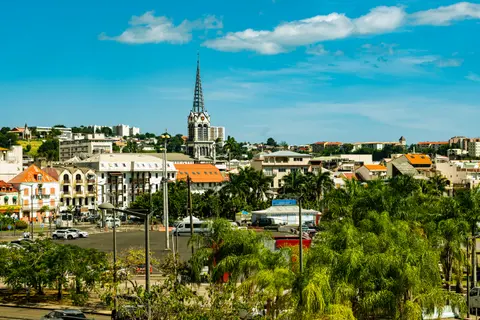
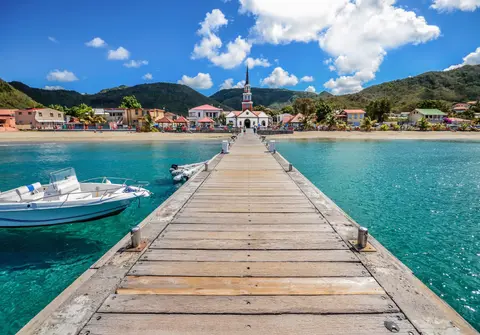
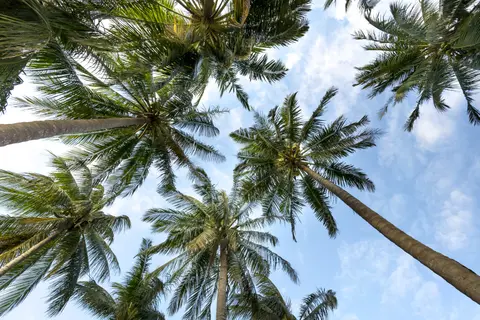
Thanks in large part to its French and West Indian influences, Martinique, a lush mountainous island in the Lesser Antilles with its dormant Mount Pelée volcano in the backdrop, exudes a cosmopolitan flair with a sophisticated culinary and cultural scene that draws travellers not only to its natural wonders, beautiful bays and beaches, but also to its heart at Fort-de-France, the capital. While French is the official language, most islanders also speak Antillean Creole. As part of the European Union, the island uses the euro as its currency. When you arrive on an MSC Caribbean and Antilles cruise in Fort-de-France, you immediately notice the island’s steep hills, colourful colonial architecture, ornate balconies and tropical flowers. Book an MSC excursion to the Balata Cathedral, a miniature replica of the Sacré-Coeur in Montmartre, Paris, which offers a spectacular view of Fort-de-France and the bay. Before Martinique came to be known by its current name, it was once called Madinina, the island of flowers. At Balata Botanical Gardens, discover 300 types of palm trees, take in views from the garden's suspension bridge and enjoy the tropical flowers in bloom across 16 acres of lush landscape. Or try the island's best rum distilleries. MSC excursions will take you to the Depaz Distillery, in business since 1651, or the St. James Rum Distillery & Museum, where you will learn about the process of making rum and taste the traditional Rhum Agricole, made by using freshly squeezed sugarcane juice rather than the conventional molasses. Afterwards, visit the ruins of the theatre in St. Pierre, the former cultural capital of Martinique that was tragically destroyed by the 1902 eruption of Mount Pelée. The modern-day town of St. Pierre is France's 101st “City of Art and History.”
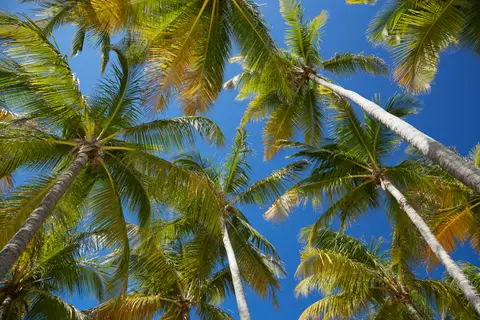
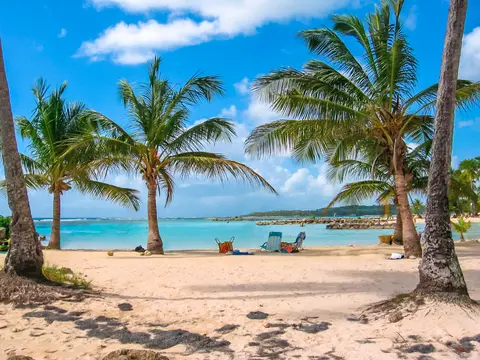
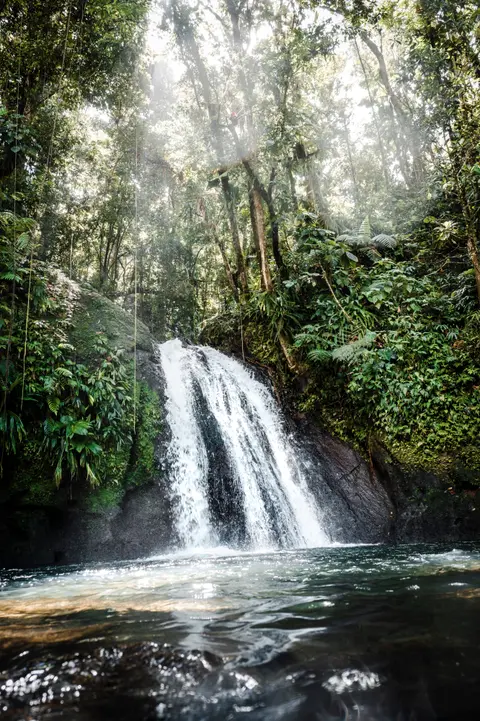
When you arrive on an MSC Caribbean and Antilles cruise in Pointe-à-Pitre, Guadeloupe, you will discover a French gem in the Southern Caribbean, or as native islanders called it, “Karukera,” the “island of beautiful waters.” Guadeloupe’s Creole culture and cuisine are a melange of many influences, including French, African, Indian and East Asian. Take a scenic MSC excursion to the Guadeloupe National Park, designated a World Biosphere Reserve by UNESCO. Located in the south of Basse-Terre, the park has one of the most beautiful forests in the Caribbean and the highest peak on the island, the Soufrière volcano. Make your way to the three gorgeous waterfalls of Carbet on the lower slopes of La Soufrière. The second waterfall, about 360 feet in height, can be admired from a suspended bridge. Beautiful as they are, the waterfalls are among the most visited sites on Guadeloupe. The Valombreuse botanical garden is a must-see for those who love gardens, and with 500 species in its collection, not many other gardens in the world can claim to be its equal. Tucked in between the mountains and the sea, it is a riot of tropical plants and flowers and home to many birds, including flower-loving hummingbirds and peacocks. Head along the southern coast of Grande Terre on a sightseeing MSC excursion to St. Anne, a lovely fishing village with seafront promenade, then continue to visit the much-photographed Pointe des Châteaux, an incredible rock formation sculpted by the wind, followed by a stop in Morne-à-L’Eau, a town noted for its artistic cemetery with black-and-white checkerboard tombs. You can also slip away on a catamaran on another excursion from Pointe-à-Pitre to the uninhabited islet of Gosier, a tiny gem calling out to you with its lush foliage, white sandy shores, a charming diminutive lighthouse and the intense blue of the sea.
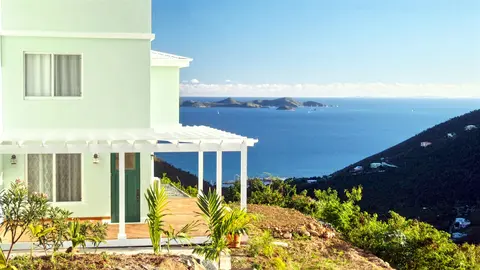
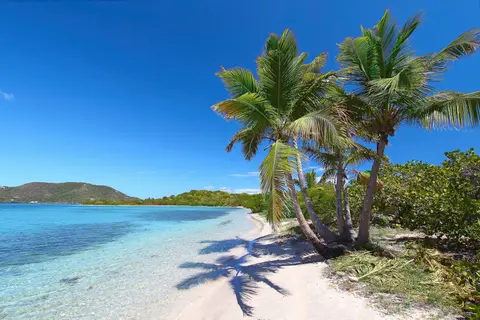
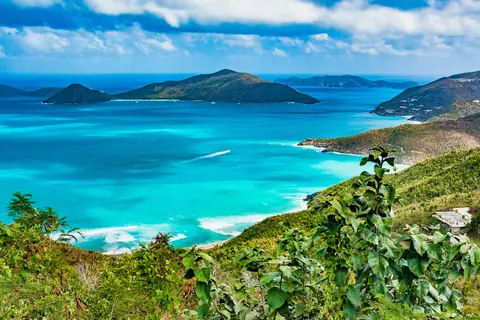
As you arrive on an MSC Caribbean and Antilles cruise in Tortola, the largest of the British Virgin Islands, it’s easy to see why pirates took refuge here among the hidden coves and sheltered bays, lush green mountains and powder-white sandy beaches. Today, its beauty continues to draw attention; Road Town, BVI’s capital, is a haven for yacht chartering, upscale tourism and offshore finance. You recognize Dutch and English colonial influences from a bygone era dominated by large sugarcane plantations built on the backs of enslaved African labour. Main Street, Road Town's main shopping district, features several historical landmarks including the Post Office, built in the mid-1800s, St. George's Anglican Church, Britannic Hall and the Virgin Islands' Folk Museum. Despite being a British protectorate, the U.S. dollar is used as Tortola’s main currency. The best way to discover Tortola is on an MSC excursion. Take a panoramic island bus tour through Road Town and the charming districts of Long Trench and Fahie Hill. Then drive along the dramatic north shoreline to beautiful Cane Garden Bay, where you can take a dip in the inviting, clear water and gaze at the anchored boats that prize this placid bay. Along the way, get your fill of Instagram-worthy vistas of the surrounding islands. Feeling more adventurous? Book a 4x4 island tour on a safari-style Land Rover to experience the island's verdant terrain and magnificent views that are well off the beaten track. Enjoy a snorkelling trip on the southern tip of the BVI archipelago at nearby Norman Island, said to have been the inspiration for Robert Louis Stevenson’s classic “Treasure Island” novel. Or let an MSC excursion take you on a pleasant boat ride to the nearby island of Virgin Gorda to visit the stunning beach area known as The Baths, one of the BVI’s most popular sights. Amid the natural beauty, swim, snorkel and see colourful fish, or simply explore the unusual geological formations comprising huge, sea-sculpted granite boulders that line the beach and form tidal pools, tunnels, caves, arches and scenic grottoes.
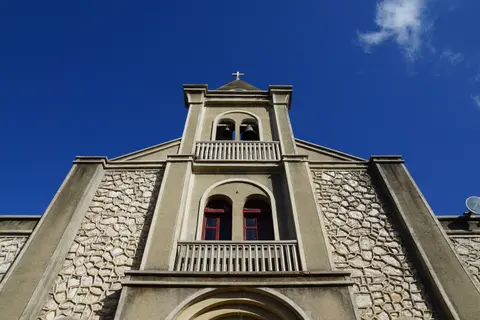
The Dominican Republic stands for the most beautiful beaches in the Caribbean, for a lively culture and for Caribbean joie de vivre. The port of La Romana is the starting point for all of this - and for a journey through time and Hispanic culture. When your AIDA cruise ship docks in the port of La Romana, you should be in the starting blocks. Get ready for the Caribbean adventure - or for a relaxing day on beautiful beaches. Before continuing to the most beautiful destinations in the Caribbean, to Montego Bay or to the tranquil Ochos Rios in Jamaica, to Belize City or Puerto Limon, your AIDA cruise takes you to the heart of the Dominican Republic.
Spy the beautiful casino on your approach to the pretty little town of Avalon, and you will begin to experience a place that takes you back in time. William Wrigley, Jr. of Wrigley chewing gum fame bought the island in 1919 as a place for his Chicago Cubs to train and developing a small resort for generations of day-trippers and honeymooners. Home to the Santa Catalina Island Conservancy, the rugged landscape is a haven for wildlife.
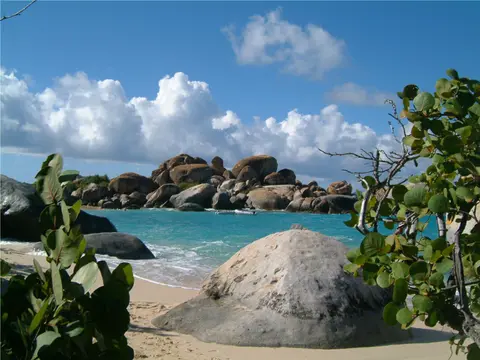
Local lore has it that the unusual shape of this little bit of paradise reminded Christopher Columbus of a reclining, voluptuous woman, so he named it Virgin Gorda, the "Fat Virgin." She is suitably adorned with dramatic heights that plunge down from Gorda Peak to the sparkling turquoise waters far below. This is a good place to explore in a jeep, swim with dolphins, or hike the rugged trails throughout the island. Virgin Gorda is most famous for The Baths, where giant granite boulders are strewn across the beach and in the water, creating pools, caves, and grottos – a sort of natural water park.
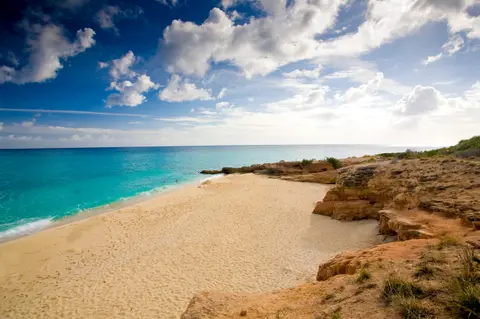
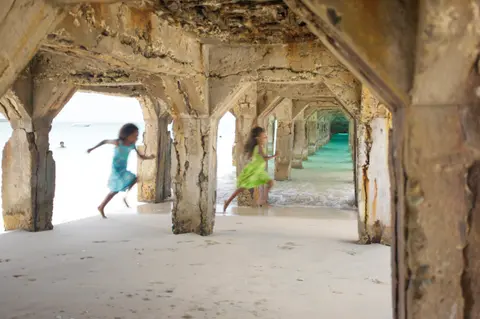
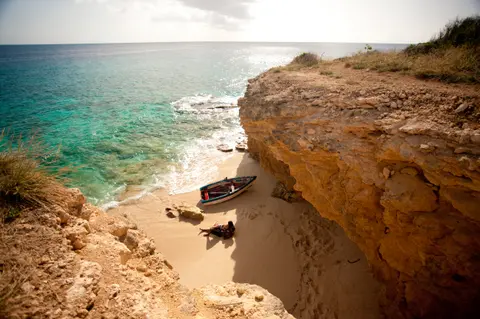
Offering some of the best vistas in all the Caribbean, St. Maarten is the smallest inhabited island in the world shared by two nations - France in the north and the Netherlands in the south. Dubbed the true melting pot of the Caribbean, the 37-square-mile island is home to people of 47 different nationalities and more than 400 restaurants, featuring a hugely diverse variety of cuisine. The island also has two capitals: Philipsburg on the Dutch side, and Marigot in the French part. Once you arrive on an MSC Caribbean and Antilles cruise in St. Maarten, explore how the two cultures have blended their very distinct characters on one of our MSC excursions. Your St. Maarten cruise will dock in Philipsburg, founded in 1763 by John Philips, a Scottish captain in the Dutch Navy. Philipsburg, with its pastel-coloured West Indian houses, is known for its duty-free shopping along Front Street, the Great Salt Pond, which once made the island literally “worth its salt,” and attracted the attention of the French, and Fort Willem, built in 1801, with mag-nificent views of the bay and the surrounding islands. From there, several MSC excursions take you on a hilly drive to the French side of the island to experience Marigot. Originally a fishing village on a swamp for which it was named, Marigot became the capital during the reign of Louis XVI. Fort Louis, which overlooks Marigot Bay and Anguilla, was built in the late 18th century to protect the town’s warehouses of salt, coffee, sugar cane and especially rum from the English. Today, Marigot showcases quaint colourful gingerbread-like houses, tasty sidewalk bistros and a waterfront market selling fruit and vegetables, spices, local meats and fresh fish from Creole huts worth exploring. For something special, spend the day on the Dutch side of the island at the restored sugar planta-tion at Rockland Estate. Take in a history lesson at the Emilio Wilson Museum or a nature hike and 360-degree views from Sentry Hill. Participate in a hands-on cooking demonstration of authentic local cuisines with lunch at Emilio’s restaurant, in an exclusive Martha Stewart excursion curated for MSC Cruises. Also at Rockland Estate, thrill seekers can book other MSC excursions on the Flying Dutchman, a fast and furious zip line ride that will have you whizzing down the line at speeds of up to 56 mph (90 km) per hour. Then take the Pirate Sky Ride cable car back up the top to the Crow’s Nest where several platforms encircling the mountain afford panoramic views of the neighbouring islands of Saba, Sint Eustatius, Saint Barthélemy and Anguilla. Then plunge down the mountain on a Schooner Ride inner tube along a specially designed track. To experience one of the island’s hottest spots and most popular attractions, visit the famous Maho Beach, also called Airplane Beach. Don’t get too comfortable, though. This is because you watch as planes pass only a short distance above your head as they land and take off from Princess Juli-ana Airport’s short runway next door.
Thanks in large part to its French and West Indian influences, Martinique, a lush mountainous island in the Lesser Antilles with its dormant Mount Pelée volcano in the backdrop, exudes a cosmopolitan flair with a sophisticated culinary and cultural scene that draws travellers not only to its natural wonders, beautiful bays and beaches, but also to its heart at Fort-de-France, the capital. While French is the official language, most islanders also speak Antillean Creole. As part of the European Union, the island uses the euro as its currency. When you arrive on an MSC Caribbean and Antilles cruise in Fort-de-France, you immediately notice the island’s steep hills, colourful colonial architecture, ornate balconies and tropical flowers. Book an MSC excursion to the Balata Cathedral, a miniature replica of the Sacré-Coeur in Montmartre, Paris, which offers a spectacular view of Fort-de-France and the bay. Before Martinique came to be known by its current name, it was once called Madinina, the island of flowers. At Balata Botanical Gardens, discover 300 types of palm trees, take in views from the garden's suspension bridge and enjoy the tropical flowers in bloom across 16 acres of lush landscape. Or try the island's best rum distilleries. MSC excursions will take you to the Depaz Distillery, in business since 1651, or the St. James Rum Distillery & Museum, where you will learn about the process of making rum and taste the traditional Rhum Agricole, made by using freshly squeezed sugarcane juice rather than the conventional molasses. Afterwards, visit the ruins of the theatre in St. Pierre, the former cultural capital of Martinique that was tragically destroyed by the 1902 eruption of Mount Pelée. The modern-day town of St. Pierre is France's 101st “City of Art and History.”
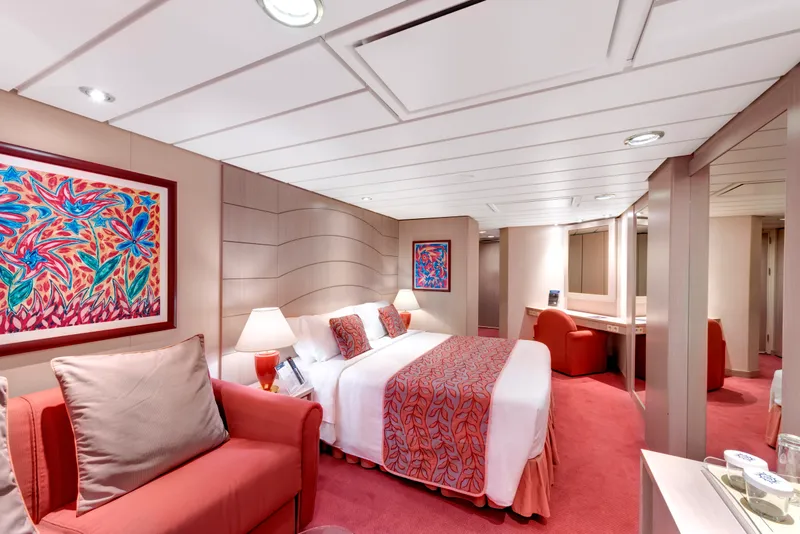
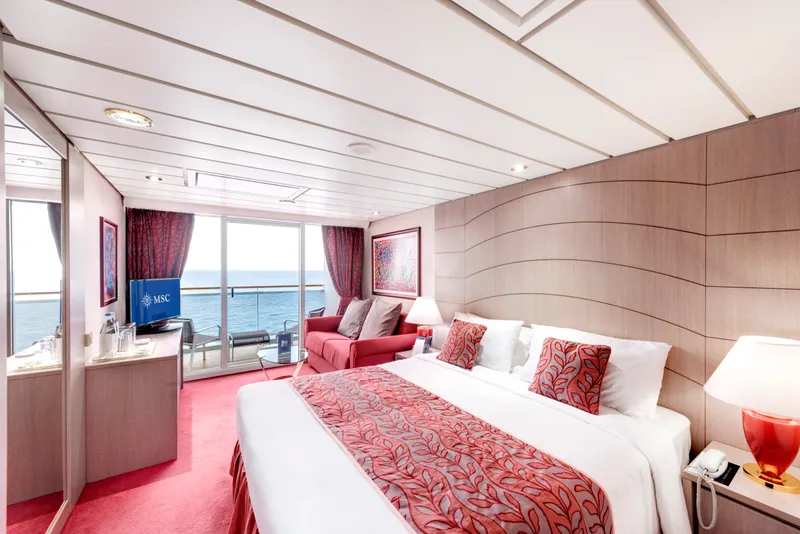
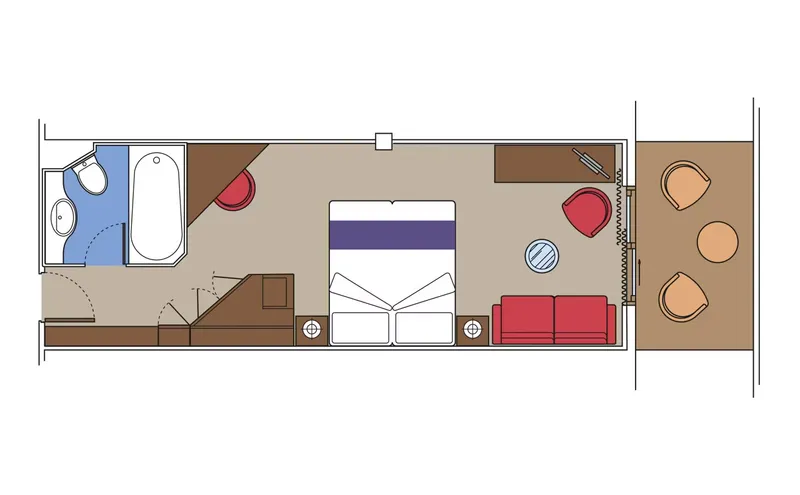
Balcony
Sitting area with sofa
Spacious closet
Bathroom with bathtub, vanity area and hairdryer
Interactive TV, telephone, save and minibar
Wi-Fi access available
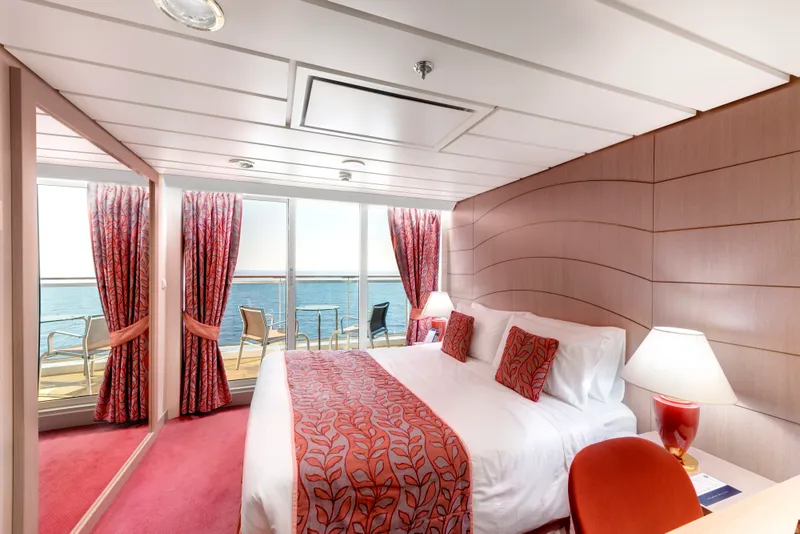
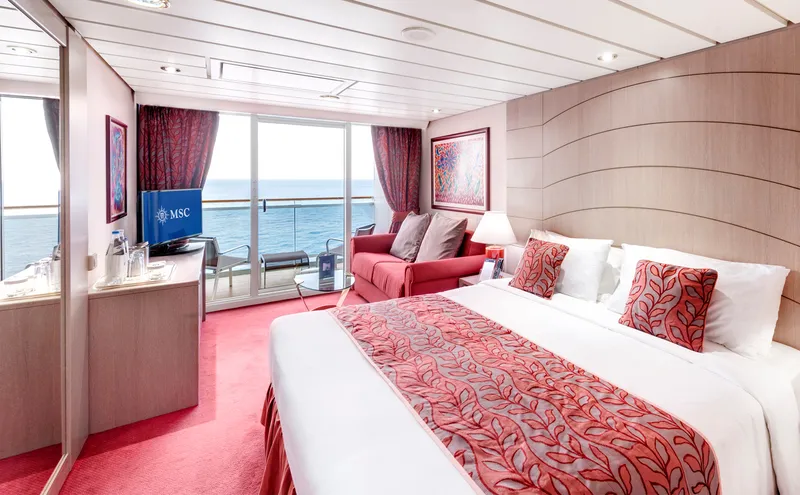
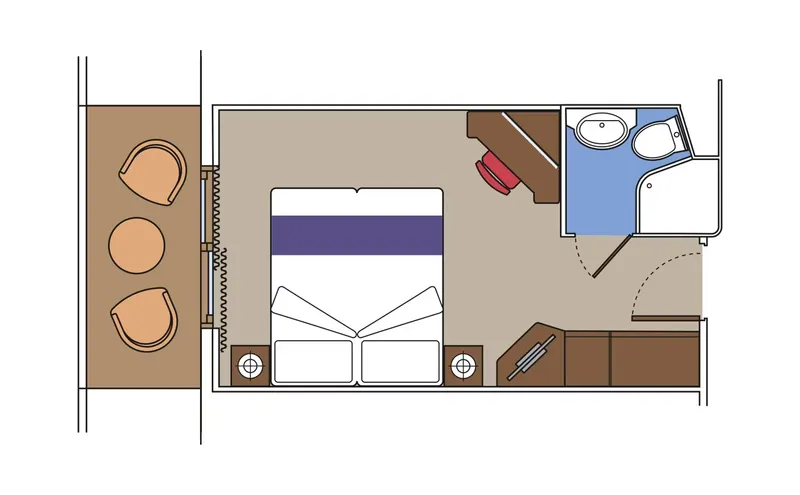
Bathroom with shower, vanity area with hairdryer
Comfortable double or single beds (on request)
TV, telephone, Wifi connection available (for a fee), safe and minibar
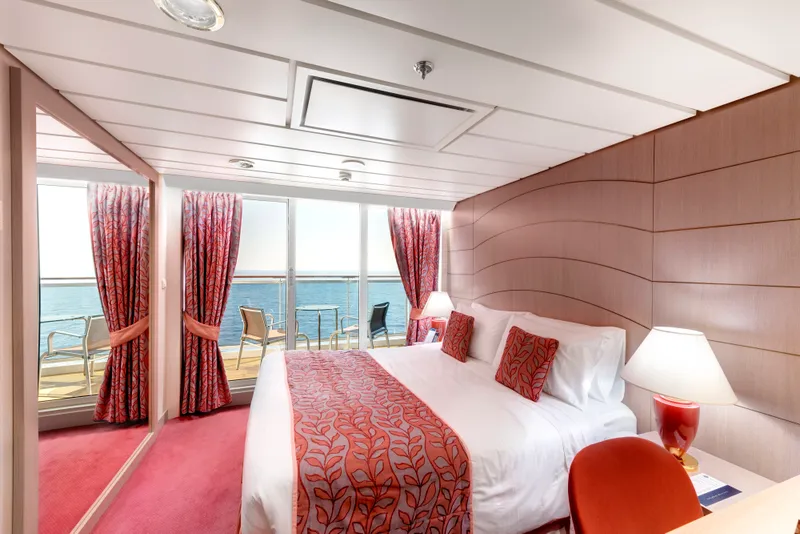
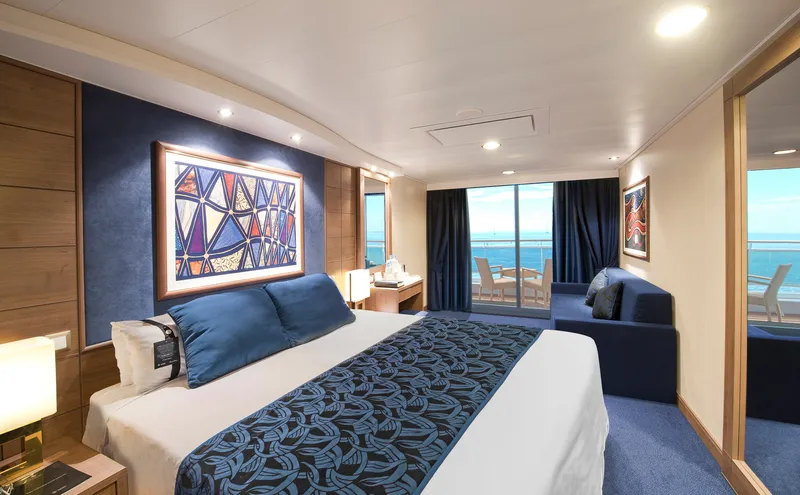
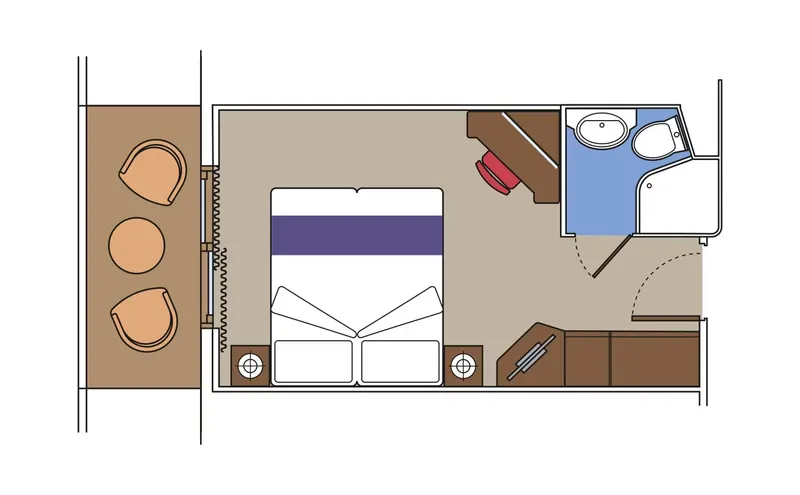
Bathroom with shower, vanity area with hairdryer
Comfortable double or single beds (on request)
TV, telephone, Wifi connection available (for a fee), safe and minibar
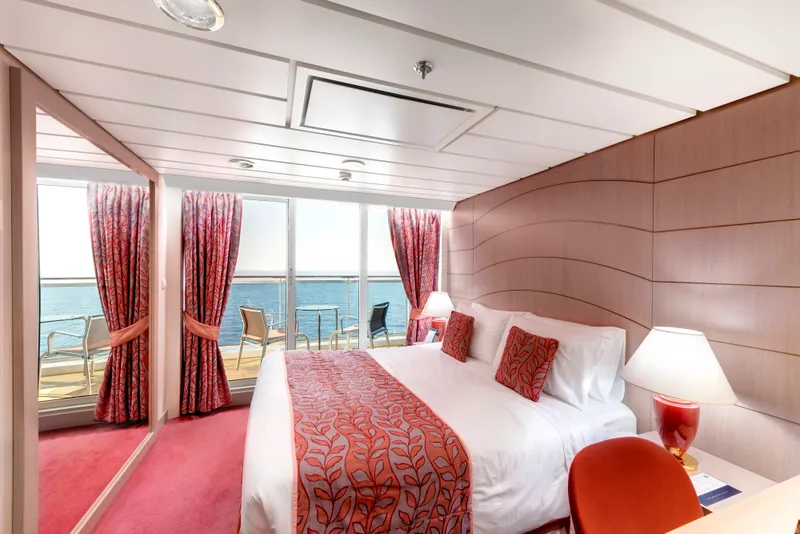
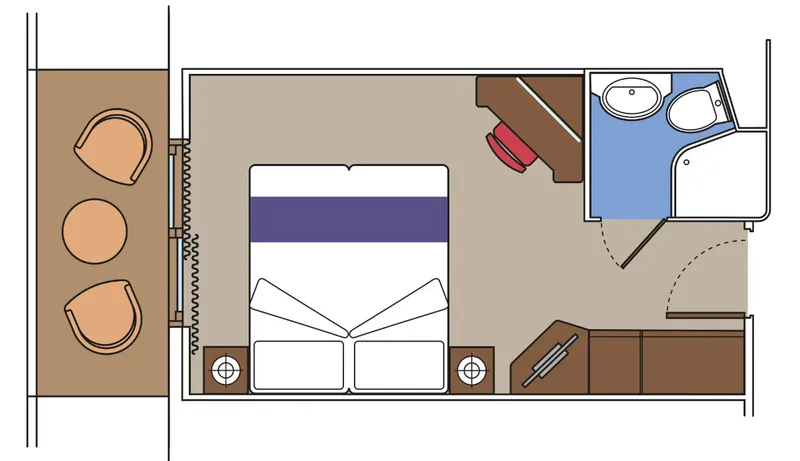
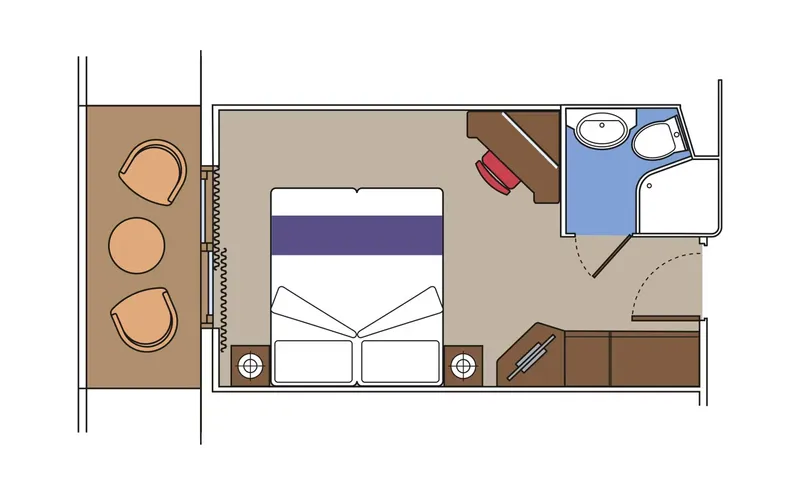
Bathroom with shower, vanity area with hairdryer
Comfortable double or single beds (on request)
TV, telephone, Wifi connection available (for a fee), safe and minibar
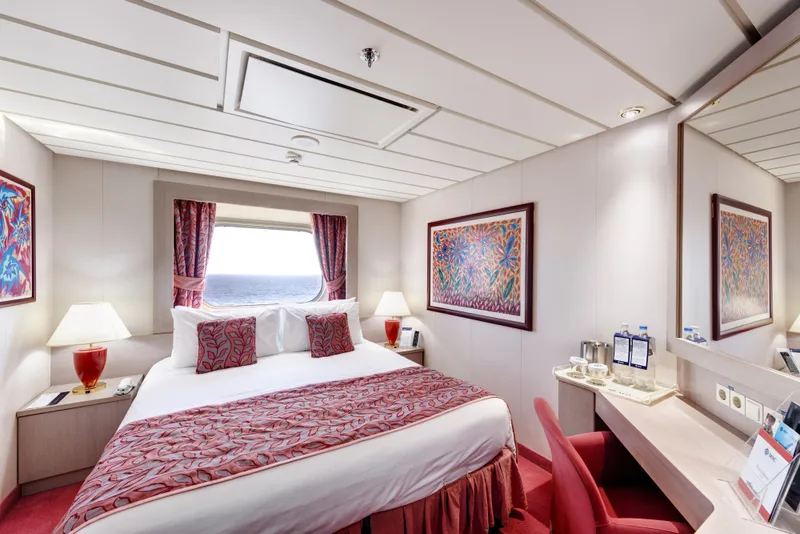
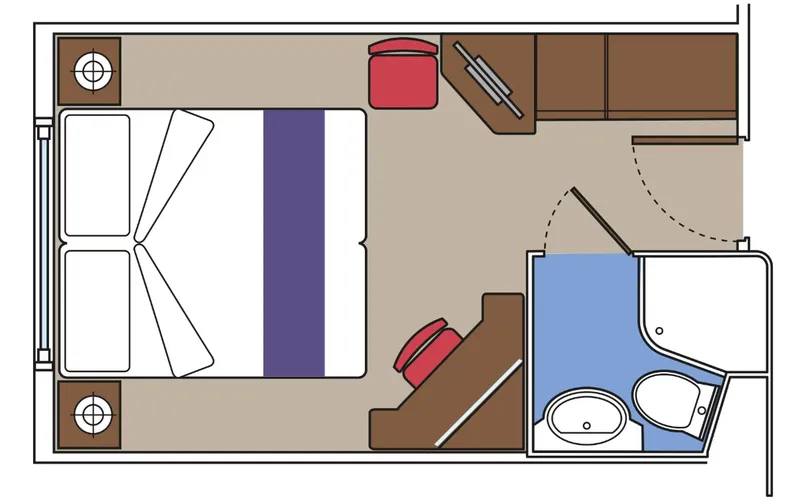
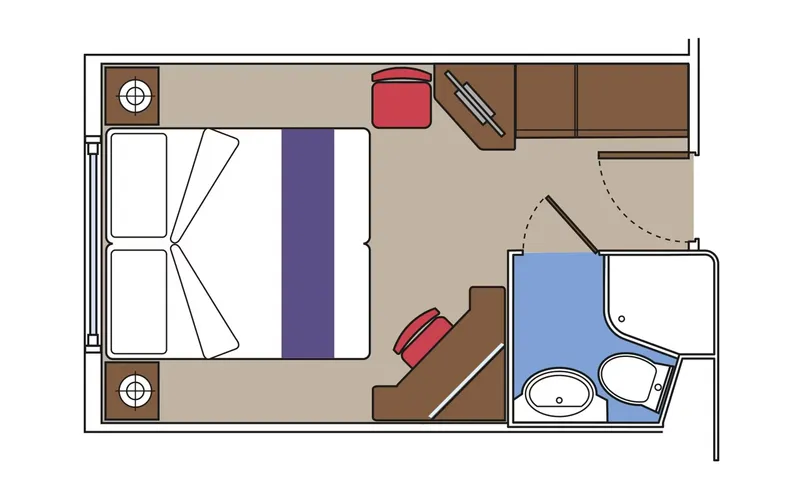
Window with sea view
Relaxing armchair
Spacious closet
Bathroom with shower, vanity area and hairdryer
TV, telephone, safe and minibar
Wi-Fi access available
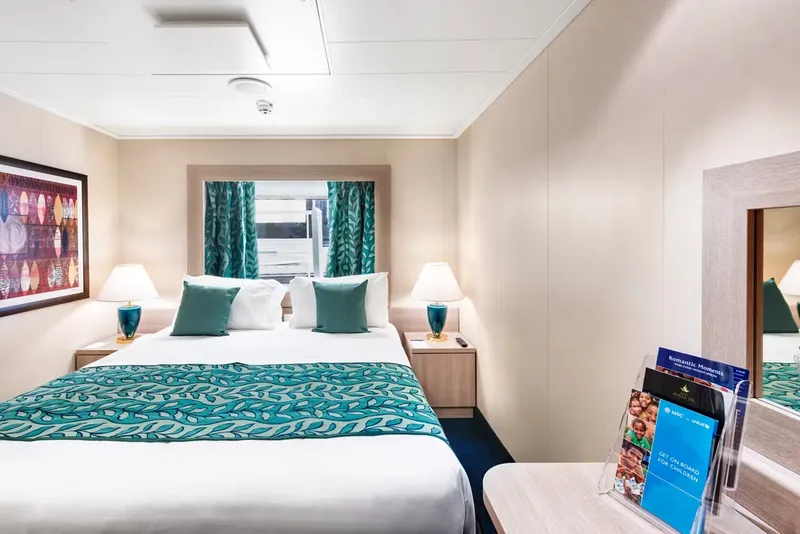
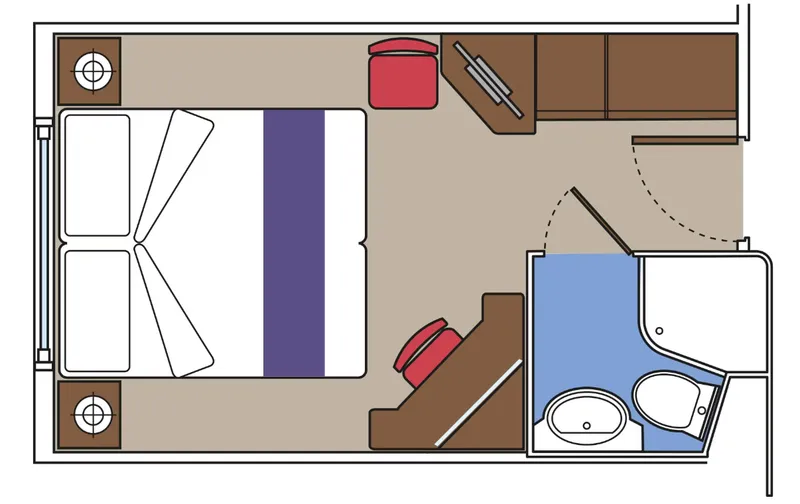
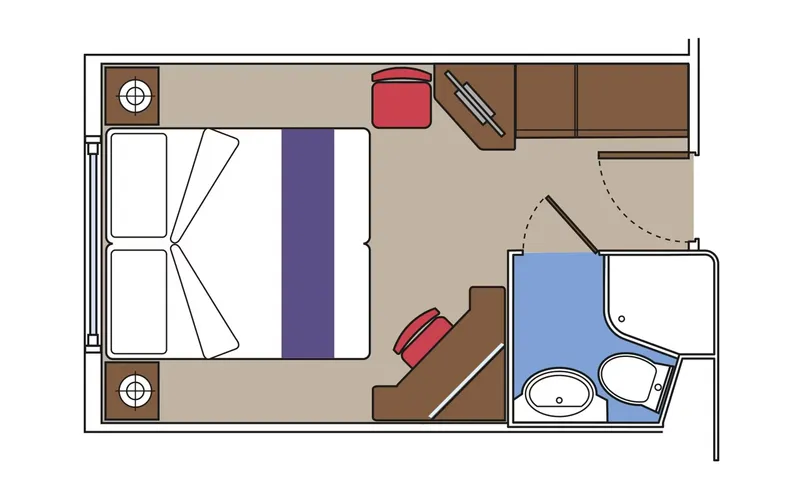
Window with sea view
Relaxing armchair
Spacious closet
Bathroom with shower, vanity area and hairdryer
TV, telephone, safe and minibar
Wi-Fi access available
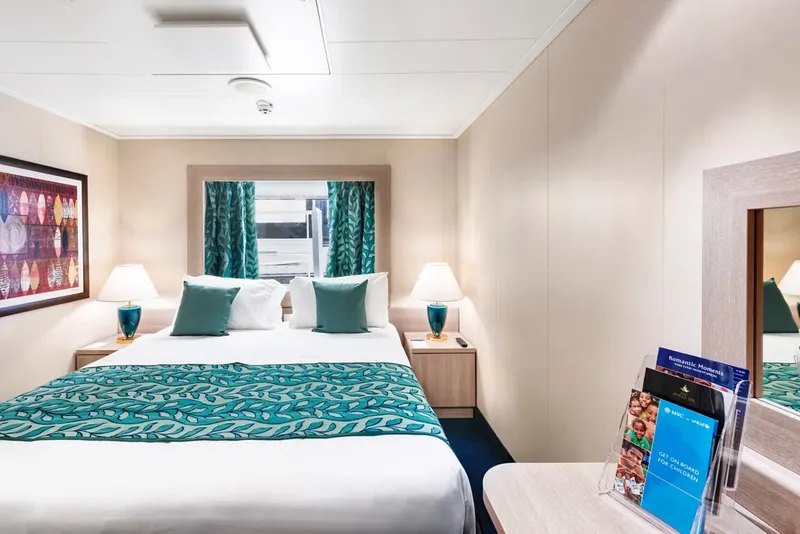
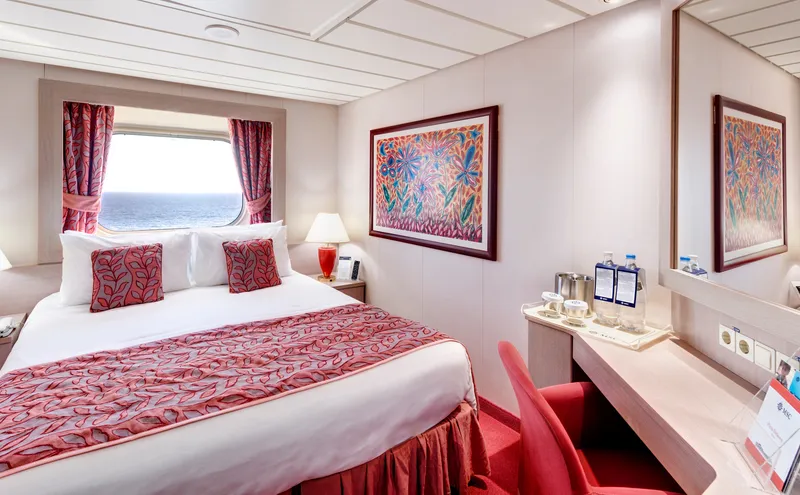
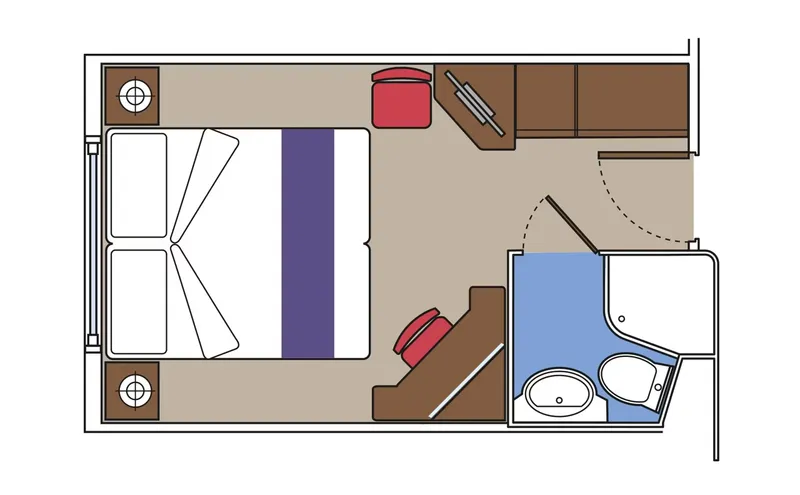
Bathroom with shower, vanity area and hairdryer
TV, telephone, safe and minibar
Wi-Fi access available
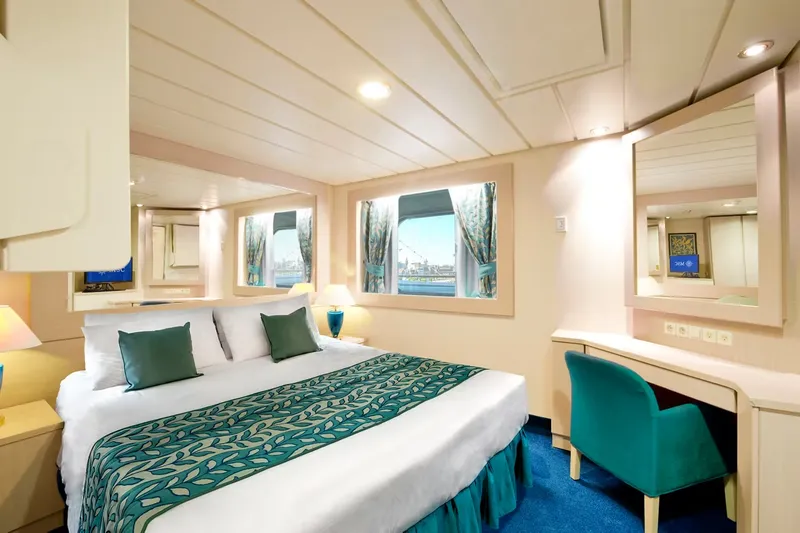
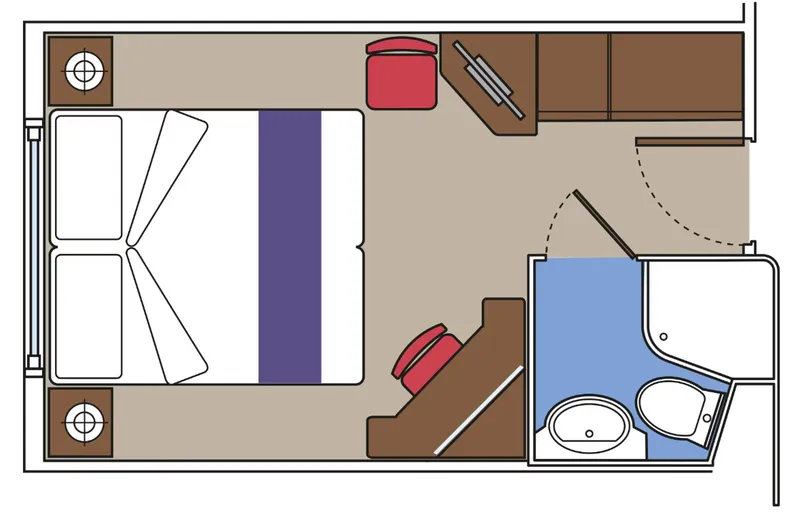
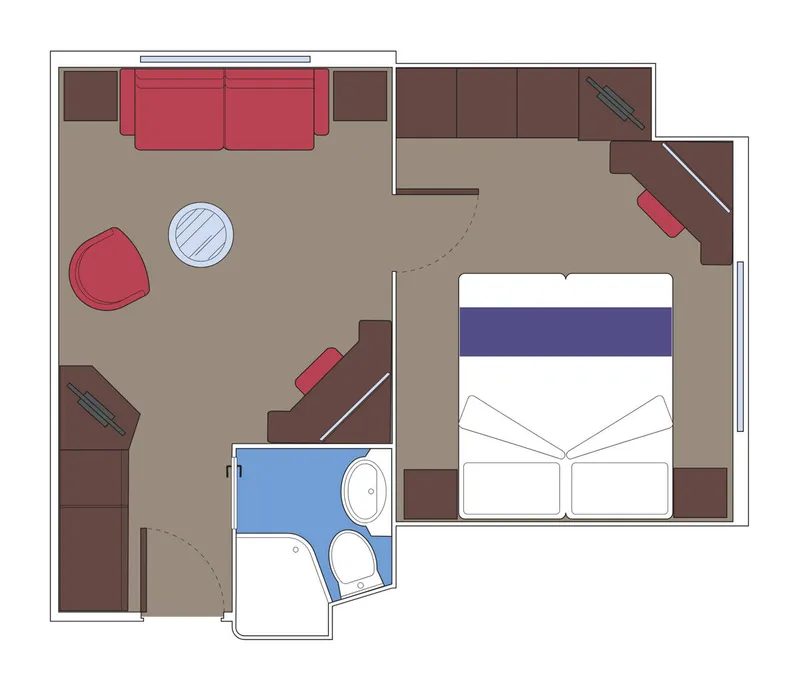
Window with sea view
Relaxing armchair
Spacious closet
Bathroom with shower, vanity area and hairdryer
TV, telephone, safe and minibar
Wi-Fi access available
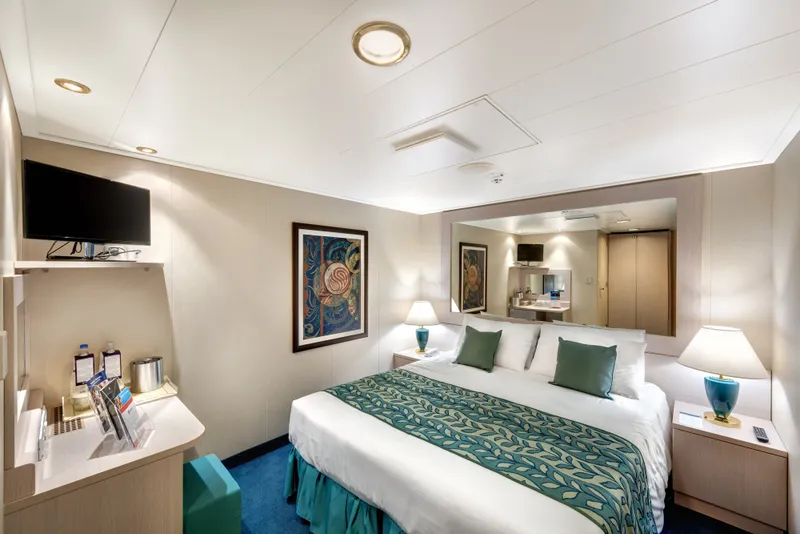
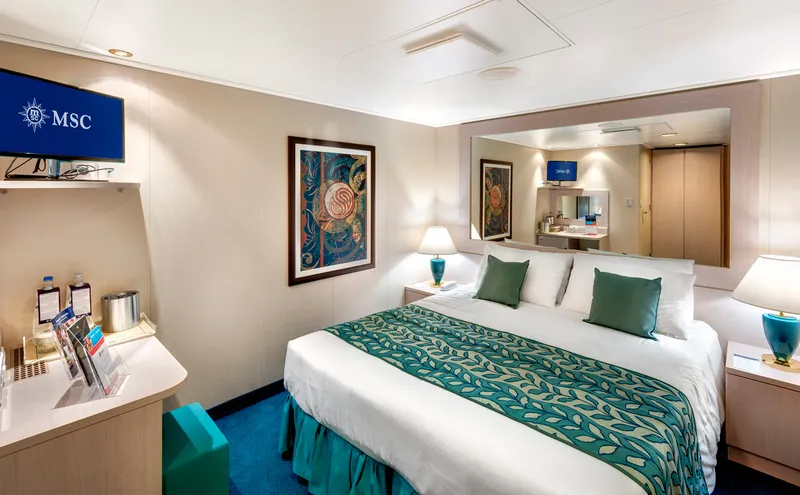
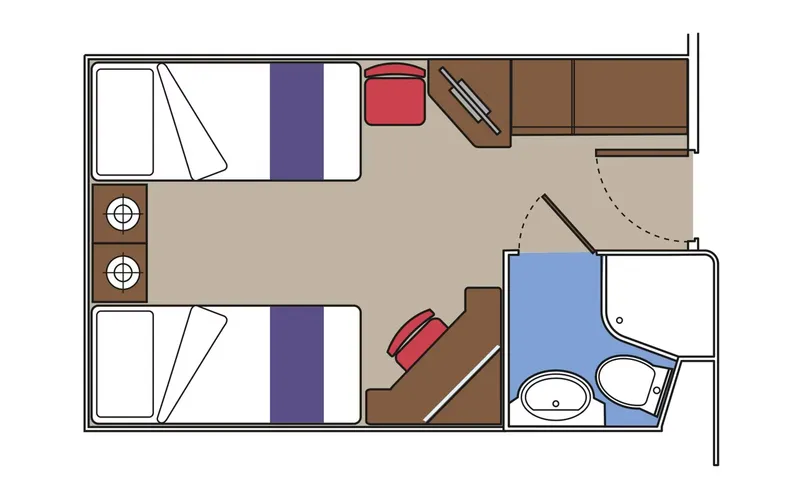
Bathroom with shower, vanity area and hairdryer
TV, telephone, safe and minibar
Wi-Fi access available
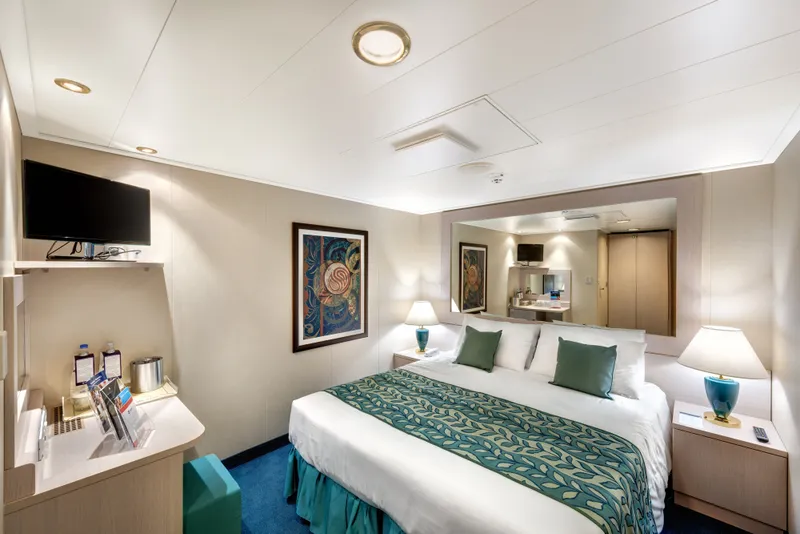
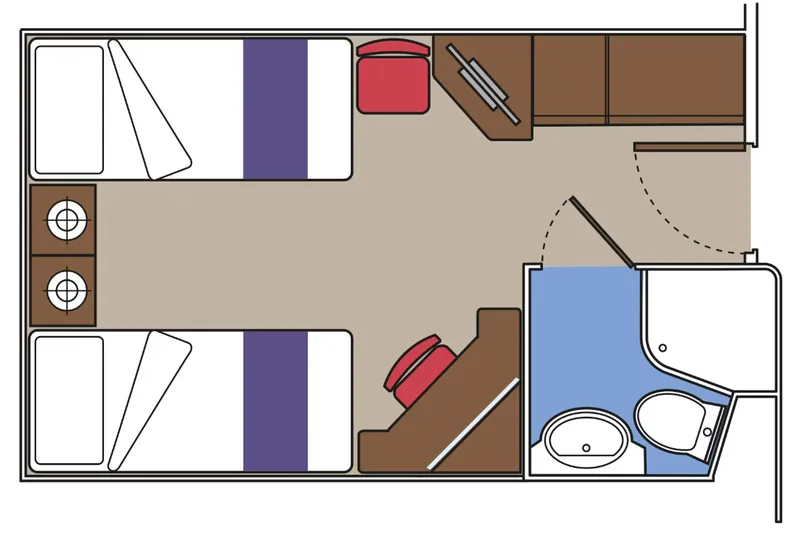
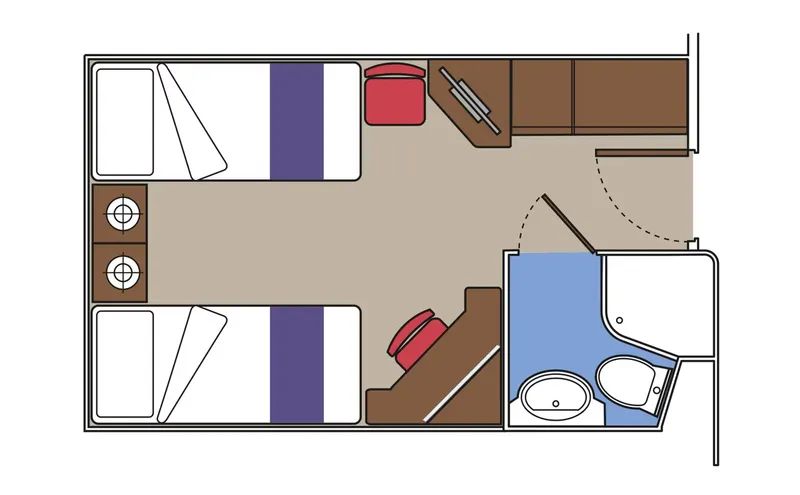
Relaxing armchair
Spacious closet
Bathroom with shower, vanity area and hairdryer
TV, telephone, safe and minibar
Wi-Fi access available
Our cruise specialists can help you find the perfect cabin and the best available pricing.
(+886) 02-2721-7300Contact Advisor