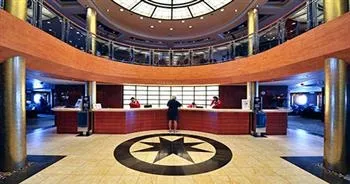
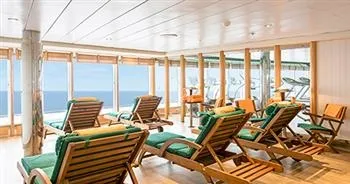
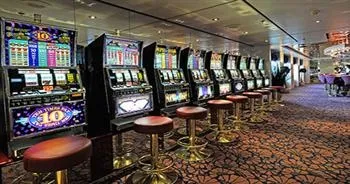
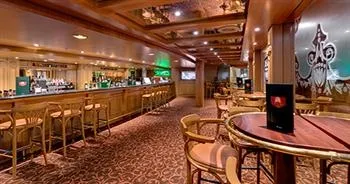
Date
November 12, 2026
Duration
14 nights
Departure Port
Civitavecchia · Italy
Arrival Port
Civitavecchia · Italy
Rating
Resort
Theme
—


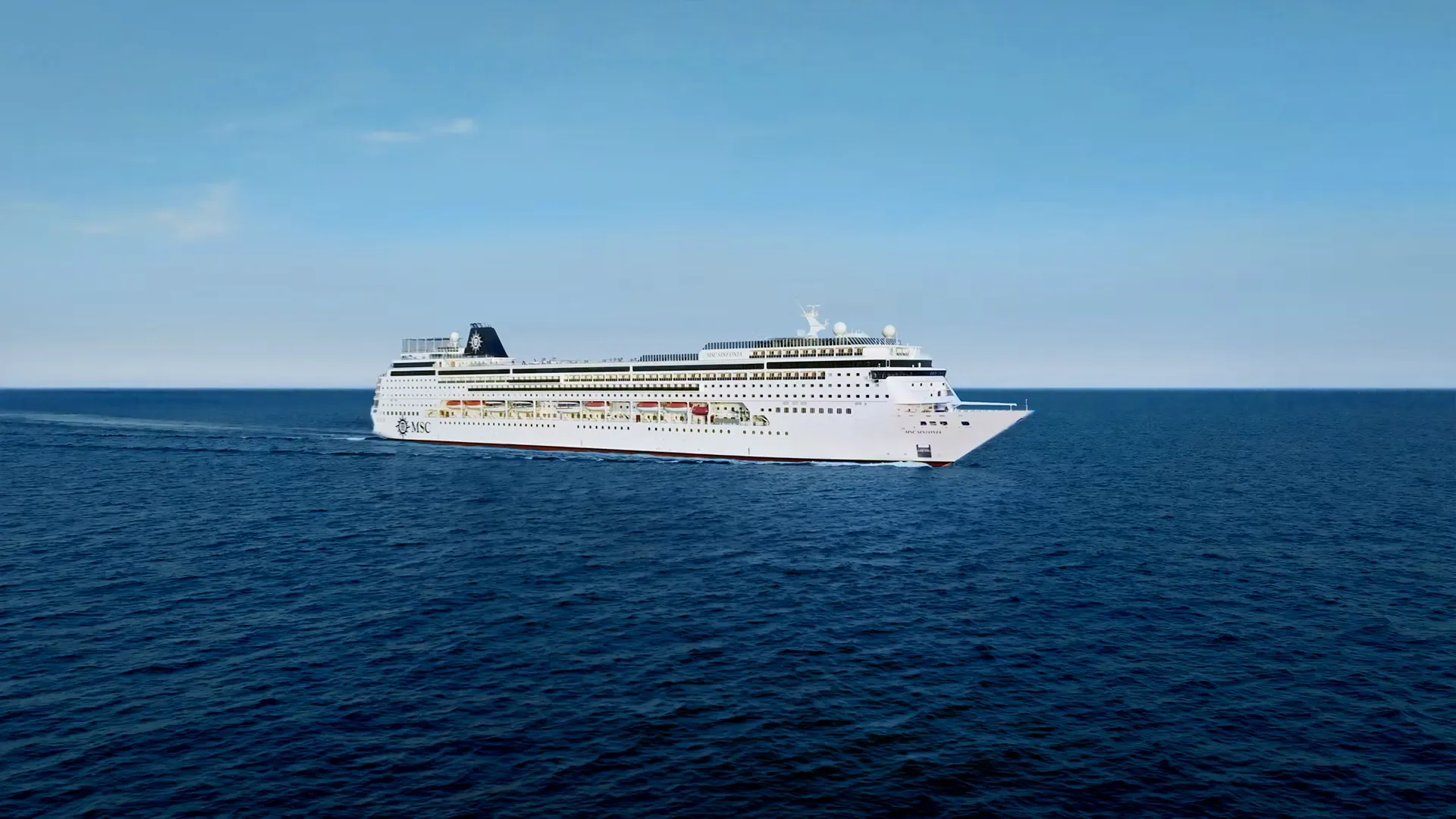
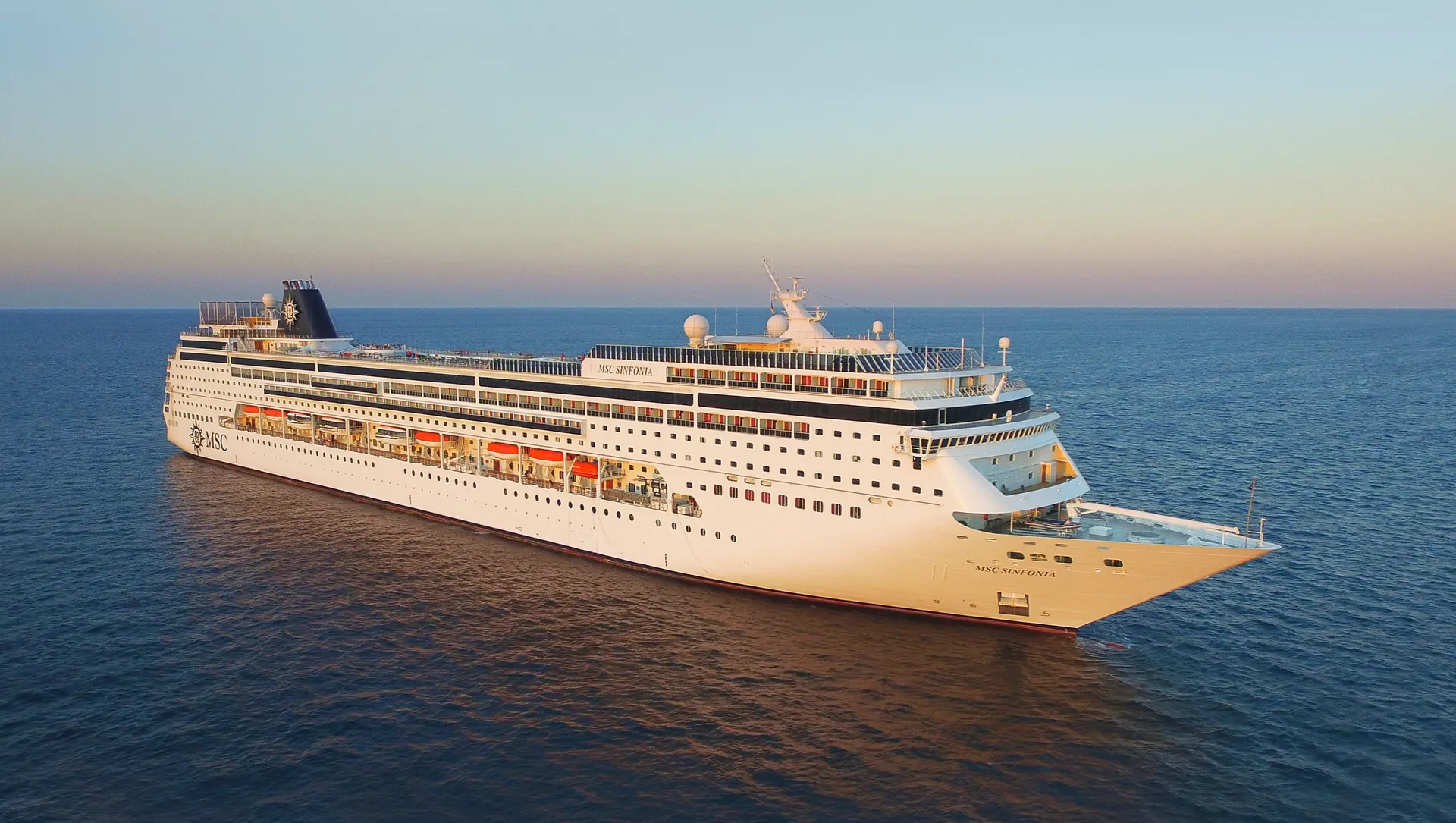
MSC Cruises
Lirica
2001
2015
65,542 GT
2,546
980
721
824 m
28 m
22 knots
No


Italy's vibrant capital lives in the present, but no other city on earth evokes its past so powerfully. For over 2,500 years, emperors, popes, artists, and common citizens have left their mark here. Archaeological remains from ancient Rome, art-stuffed churches, and the treasures of Vatican City vie for your attention, but Rome is also a wonderful place to practice the Italian-perfected il dolce far niente, the sweet art of idleness. Your most memorable experiences may include sitting at a caffè in the Campo de' Fiori or strolling in a beguiling piazza.


Packed with plenty to see, do and explore, there is a never a dull day in this charming Spanish city. Wander through the beautiful city centre admiring the array of beautiful historic monuments; visit the myriad of museums and art galleries such as the Institute of Modern Art and Museum of Fine Arts or simply head to one of the city’s beaches to enjoy the Mediterranean sunshine and sample local cuisine in the many restaurants that line the promenades. The Old Town district - like similar districts in other major European cities - is where you will find some of the oldest, most beautiful and most interesting sites in the city, including the UNESCO-Listed Lonja de la Seda, 13th century Santo Domingo Convent and Torres de Serranos - a 14th century gothic gateway that’s considered the oldest in Europe.


On the northeast coast of Spain, overlooking the Mediterranean, Barcelona is a vibrant port city, packed with centuries of iconic art and architecture—Gaudí and Picasso both called it home—and lined with sunny white-sand beaches. Explore the Catalan capital's tourist attractions and historic neighborhoods, Modernisme and world-renowned art museums, galleries and local crafts shops—some of which are centuries old and stock traditional Catalan wares. After you see the sights, there are lively tapas bars around every corner where you can stop for a drink, a café amb llet (Catalan for espresso with steamed milk) or a snack, no matter the hour. Green spaces for picnics, long walks and respite from the hustle and bustle are scattered throughout Barcelona's attractions: There's Gaudí's mosaic-decorated park, a neoclassical maze at the Laberint d'Horta, as well as plenty of high places (mountains, monuments and edifices) where sightseeing visitors can take in the view. A short trip from Barcelona by car or train, luxury outlets, cava wineries, a mountaintop abbey and the sandy beaches of the Mediterranean coast await.


Marseille is the second largest city in France after Paris. It is also one of the oldest continuously inhabited cities in the Mediterranean. Cave paintings in the nearby Calanques are estimated to be 30,000 years old, and remains of brick habitations date from 6,000 BCE. The more recent history begins with a Hellenic port in about 600 BCE, some remains of which are on view at the city’s History Museum. It has been one of the world’s major seaports almost from its founding, and served as the main European terminus of the French colonial empire in Africa and the Far East. It is located in the Provence-Alpes-Cote d’Azur region and is the capital of the Bouches-du-Rhone department. On an island in the expansive bay of Marseille stands the prison of Chateau d’If made famous by the Alexandre Dumas novel “The Count of Monte Cristo.” The Vieux-Port with its atmospheric buildings and wharves is the area where visitors can search for the perfect example of the local specialty bouillabaisse, a rich fish stew containing at least three, and often more varieties of local fishes. Marseille’s newly renovated port at the venerable Joliette Docks is situated very close to the striking Cathédrale de la Major and the fascinating collections at the Museum of African, Oceanic and American Indian Arts.


Genoa is marvellously eclectic, vibrant and full of rough-edged style; it’s a great cruise excursion. Indeed “La Superba” (The Superb), as it was known at the height of its authority as a Mediterranean superpower, boasts more zest and intrigue than all the surrounding coastal resorts put together. During a holiday to Genoa you can explore its old town: a dense and fascinating warren of medieval alleyways home to large palazzi built in the sixteenth and seventeenth centuries by Genoa’s wealthy mercantile families and now transformed into museums and art galleries. You should seek out the Cattedrale di San Lorenzo, the Palazzo Ducale, and the Renaissance palaces of Via Garibaldi which contain the cream of Genoa’s art collections, as well as furniture and decor from the grandest days of the city’s past, when its ships sailed to all corners of the Mediterranean Sea. The Acquario di Genova is the city’s pride and joy, parked like a giant ocean liner on the waterfront, with seventy tanks housing sea creatures from all the world’s major habitats, including the world’s biggest reconstruction of a Caribbean coral reef. It’s a great aquarium by any standards, the second largest in Europe by capacity, and boasts a fashionably ecology-conscious slant and excellent background information in Italian and English. Just 35 km south of Genoa, there’s no denying the appeal of Portofino, tucked into a protected inlet surrounded by lush cypress- and olive-clad slopes. It’s an A-list resort that has been attracting high-flying bankers, celebs and their hangers-on for years, as evidenced by the flotillas of giant yachts usually anchored just outside. It’s a tiny place that is attractive yet somehow off-putting at the same time, with a quota of fancy shops, bars and restaurants for a place twice its size.


There are few more elegant places to salute the sunset than Terrazza Mascagni, Livorno’s refined chessboard piazza. A historic port, and a beachy gateway to Tuscany, Livorno welcomes you ashore to explore this enchanted Italian region's sun-soaked beauty, rich flavours and world-renowned fine art. Stay in Livorno to explore 'Piccolo Venezia', or ‘Little Venice’ - a quarter of the town that's laced with canals, little marble bridges and plenty of tempting eateries. View less With its bustling market, fortresses and iconic waterfront, there’s plenty to keep you busy here, but most will be tempted to venture inland to explore more of Tuscany’s many charms and artistic wonders. Test your nose, as you breathe in the subtleties of Tuscany’s vineyard-draped scenery, and visit wineries showcasing the best of the renowned flavours of the Bolgheri wine-growing area. Or head out to Prato, where you’ll find tightly-woven textile history. Pisa’s showpiece tower is within reach, as is Florence’s city of immense and imaginative renaissance beauty. Admire the delicate carving of Michelangelo's masterpiece, the David statue, and note the provocative stance as he casts a dismissive glance towards Rome. Stand before the city’s majestic black and white cathedral - the Cathedral of Santa Maria del Fiore - with its colossal brick dome. The view down over Florence's river and grand dome from Piazzale Michelangelo, meanwhile, is one of Italy's finest. However you choose to spend your time in Tuscany, you’ll discover an artistic region, filled with beauty designed to appeal to every sense.


Packed with plenty to see, do and explore, there is a never a dull day in this charming Spanish city. Wander through the beautiful city centre admiring the array of beautiful historic monuments; visit the myriad of museums and art galleries such as the Institute of Modern Art and Museum of Fine Arts or simply head to one of the city’s beaches to enjoy the Mediterranean sunshine and sample local cuisine in the many restaurants that line the promenades. The Old Town district - like similar districts in other major European cities - is where you will find some of the oldest, most beautiful and most interesting sites in the city, including the UNESCO-Listed Lonja de la Seda, 13th century Santo Domingo Convent and Torres de Serranos - a 14th century gothic gateway that’s considered the oldest in Europe.


The Balearics are comprised of 16 islands; the three principal ones are Mallorca, Ibiza and Minorca. Carthaginians, Romans, Vandals and Arabs have invaded these islands over the centuries. Ruins show evidence of the prehistoric Talayot civilization, a megalithic culture that flourished here between 1500 BC and the Roman conquest. Today the islands are besieged by invaders of a different sort - hordes of tourists. Lying 60 miles (97 km) off the Spanish mainland, the islands' lush and rugged landscape combined with an extremely mild, sunny climate proves irresistible, especially to northern Europeans. As a result, the Balearics boast cosmopolitan resorts with lively nightlife and plenty of sports activities. Mallorca (also spelled Majorca) is the largest of the islands, with an area of more than 1,400 square miles (3626 sq.km). The scenery is magnificent, with cliffs along indented shorelines jutting out of the sea and mountain ranges sheltering the plains from harsh sea breezes. The fertile plain in the centre is covered with almond and fig trees plus olive groves with some trees more than 1,000 years old. Tall pines, junipers and oaks line the mountain slopes. Palma de Mallorca is the capital of the archipelago. A cosmopolitan city with sophisticated shops and restaurants, it also offers buildings of spectacular Moorish and Gothic architecture. In the western part of Mallorca, nestled into the mountains, lies the village of Valldemosa. It is known for its Carthusian Monastery where Frédéric Chopin and George Sand spent the winter of 1838-39.


On the northeast coast of Spain, overlooking the Mediterranean, Barcelona is a vibrant port city, packed with centuries of iconic art and architecture—Gaudí and Picasso both called it home—and lined with sunny white-sand beaches. Explore the Catalan capital's tourist attractions and historic neighborhoods, Modernisme and world-renowned art museums, galleries and local crafts shops—some of which are centuries old and stock traditional Catalan wares. After you see the sights, there are lively tapas bars around every corner where you can stop for a drink, a café amb llet (Catalan for espresso with steamed milk) or a snack, no matter the hour. Green spaces for picnics, long walks and respite from the hustle and bustle are scattered throughout Barcelona's attractions: There's Gaudí's mosaic-decorated park, a neoclassical maze at the Laberint d'Horta, as well as plenty of high places (mountains, monuments and edifices) where sightseeing visitors can take in the view. A short trip from Barcelona by car or train, luxury outlets, cava wineries, a mountaintop abbey and the sandy beaches of the Mediterranean coast await.


Marseille is the second largest city in France after Paris. It is also one of the oldest continuously inhabited cities in the Mediterranean. Cave paintings in the nearby Calanques are estimated to be 30,000 years old, and remains of brick habitations date from 6,000 BCE. The more recent history begins with a Hellenic port in about 600 BCE, some remains of which are on view at the city’s History Museum. It has been one of the world’s major seaports almost from its founding, and served as the main European terminus of the French colonial empire in Africa and the Far East. It is located in the Provence-Alpes-Cote d’Azur region and is the capital of the Bouches-du-Rhone department. On an island in the expansive bay of Marseille stands the prison of Chateau d’If made famous by the Alexandre Dumas novel “The Count of Monte Cristo.” The Vieux-Port with its atmospheric buildings and wharves is the area where visitors can search for the perfect example of the local specialty bouillabaisse, a rich fish stew containing at least three, and often more varieties of local fishes. Marseille’s newly renovated port at the venerable Joliette Docks is situated very close to the striking Cathédrale de la Major and the fascinating collections at the Museum of African, Oceanic and American Indian Arts.


Genoa is marvellously eclectic, vibrant and full of rough-edged style; it’s a great cruise excursion. Indeed “La Superba” (The Superb), as it was known at the height of its authority as a Mediterranean superpower, boasts more zest and intrigue than all the surrounding coastal resorts put together. During a holiday to Genoa you can explore its old town: a dense and fascinating warren of medieval alleyways home to large palazzi built in the sixteenth and seventeenth centuries by Genoa’s wealthy mercantile families and now transformed into museums and art galleries. You should seek out the Cattedrale di San Lorenzo, the Palazzo Ducale, and the Renaissance palaces of Via Garibaldi which contain the cream of Genoa’s art collections, as well as furniture and decor from the grandest days of the city’s past, when its ships sailed to all corners of the Mediterranean Sea. The Acquario di Genova is the city’s pride and joy, parked like a giant ocean liner on the waterfront, with seventy tanks housing sea creatures from all the world’s major habitats, including the world’s biggest reconstruction of a Caribbean coral reef. It’s a great aquarium by any standards, the second largest in Europe by capacity, and boasts a fashionably ecology-conscious slant and excellent background information in Italian and English. Just 35 km south of Genoa, there’s no denying the appeal of Portofino, tucked into a protected inlet surrounded by lush cypress- and olive-clad slopes. It’s an A-list resort that has been attracting high-flying bankers, celebs and their hangers-on for years, as evidenced by the flotillas of giant yachts usually anchored just outside. It’s a tiny place that is attractive yet somehow off-putting at the same time, with a quota of fancy shops, bars and restaurants for a place twice its size.


There are few more elegant places to salute the sunset than Terrazza Mascagni, Livorno’s refined chessboard piazza. A historic port, and a beachy gateway to Tuscany, Livorno welcomes you ashore to explore this enchanted Italian region's sun-soaked beauty, rich flavours and world-renowned fine art. Stay in Livorno to explore 'Piccolo Venezia', or ‘Little Venice’ - a quarter of the town that's laced with canals, little marble bridges and plenty of tempting eateries. View less With its bustling market, fortresses and iconic waterfront, there’s plenty to keep you busy here, but most will be tempted to venture inland to explore more of Tuscany’s many charms and artistic wonders. Test your nose, as you breathe in the subtleties of Tuscany’s vineyard-draped scenery, and visit wineries showcasing the best of the renowned flavours of the Bolgheri wine-growing area. Or head out to Prato, where you’ll find tightly-woven textile history. Pisa’s showpiece tower is within reach, as is Florence’s city of immense and imaginative renaissance beauty. Admire the delicate carving of Michelangelo's masterpiece, the David statue, and note the provocative stance as he casts a dismissive glance towards Rome. Stand before the city’s majestic black and white cathedral - the Cathedral of Santa Maria del Fiore - with its colossal brick dome. The view down over Florence's river and grand dome from Piazzale Michelangelo, meanwhile, is one of Italy's finest. However you choose to spend your time in Tuscany, you’ll discover an artistic region, filled with beauty designed to appeal to every sense.


Italy's vibrant capital lives in the present, but no other city on earth evokes its past so powerfully. For over 2,500 years, emperors, popes, artists, and common citizens have left their mark here. Archaeological remains from ancient Rome, art-stuffed churches, and the treasures of Vatican City vie for your attention, but Rome is also a wonderful place to practice the Italian-perfected il dolce far niente, the sweet art of idleness. Your most memorable experiences may include sitting at a caffè in the Campo de' Fiori or strolling in a beguiling piazza.


Balcony
Sitting area with sofa
Spacious closet
Bathroom with bathtub, vanity area and hairdryer
Interactive TV. telephone, safe and minibar
Wi-Fi access available


Balcony
Sitting area with sofa
Spacious closet
Bathroom with bathtub, vanity area and hairdryer
Interactive TV. telephone, safe and minibar
Wi-Fi access available


Balcony
Sitting area with sofa
Comfortable double or single beds (on request)
Interactive TV, telephone, Wifi connection available (for a fee), safe and minibar
Bathroom with shower or bathtub , vanity area with hairdryer


Balcony
Sitting area with sofa
Spacious closet
Bathroom with shower, vanity area and hairdryer
Interactive TV. telephone, safe and minibar
Wi-Fi access available


Relaxing armchair
Spacious closet
Bathroom with shower, vanity area and hairdryer
Interactive TV. telephone, safe and minibar
Wi-Fi access available


Relaxing armchair
Spacious closet
Bathroom with shower, vanity area and hairdryer
Interactive TV. telephone, safe and minibar
Wi-Fi access available


Bathroom with shower, vanity area and hairdryer
TV, telephone, safe and minibar
Wi-Fi access available


Relaxing armchair
Spacious closet
Bathroom with shower, vanity area and hairdryer
Interactive TV. telephone, safe and minibar
Wi-Fi access available


Bathroom with shower, vanity area and hairdryer
TV, telephone, safe and minibar
Wi-Fi access available


Relaxing armchair
Spacious closet
Bathroom with shower, vanity area and hairdryer
Interactive TV. telephone, safe and minibar
Wi-Fi access available
Our cruise specialists can help you find the perfect cabin and the best available pricing.
(+886) 02-2721-7300Contact Advisor