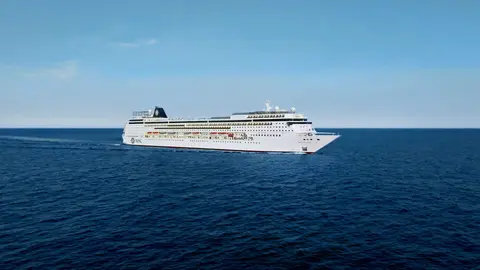
MSC CruisesSX20270610AGPAGP
Malaga, Cadiz, Lisbon, Alicante, Mahon, Olbia, Genoa, Marseille, Malaga
Date
June 10, 2027
Duration
10 nights
Departure Port
Malaga · Spain
Arrival Port
Malaga · Spain
Rating
Resort
Theme
—
Date
June 10, 2027
Duration
10 nights
Departure Port
Malaga · Spain
Arrival Port
Malaga · Spain
Rating
Resort
Theme
—
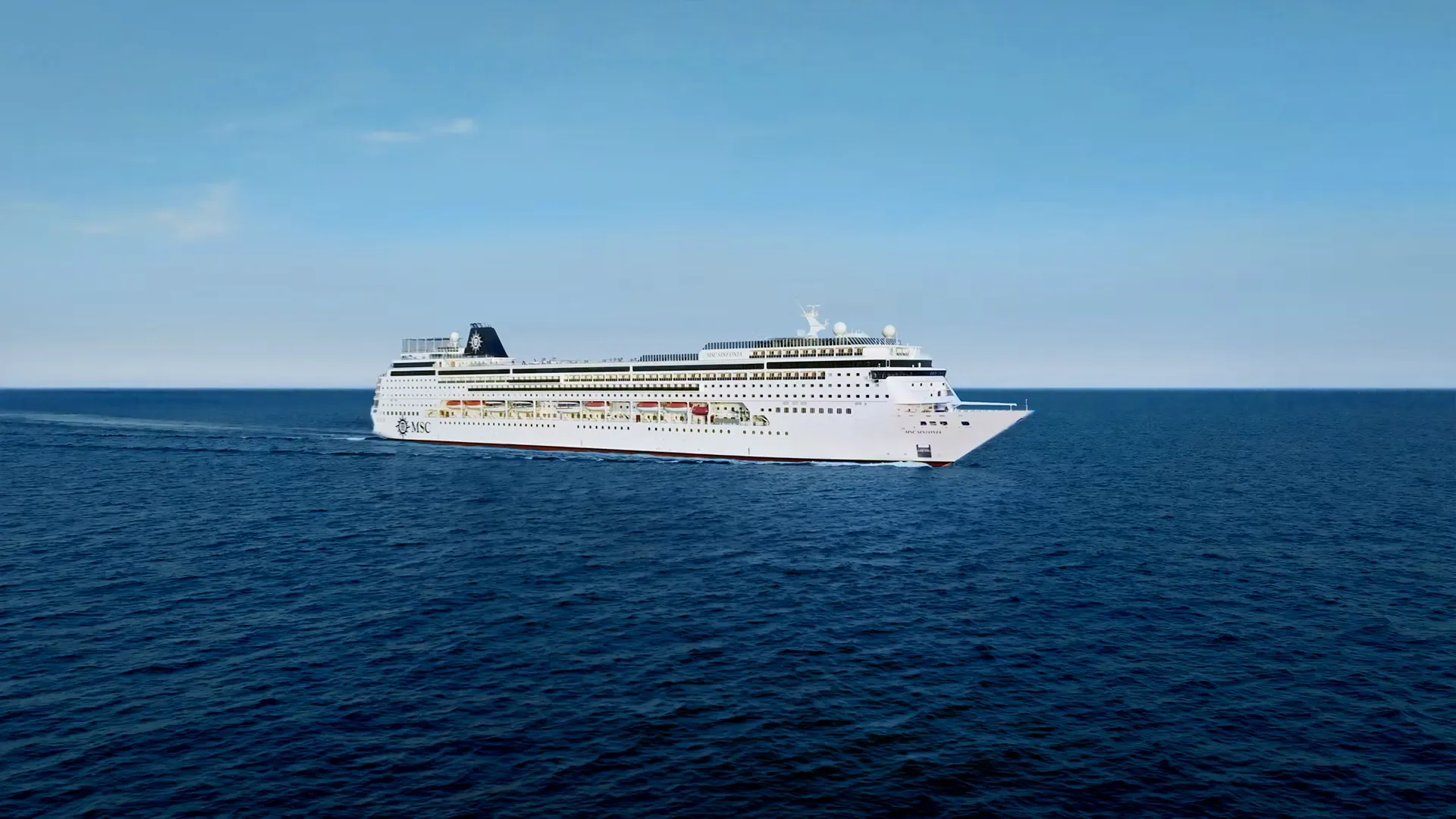
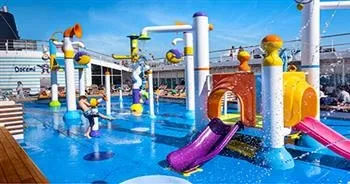
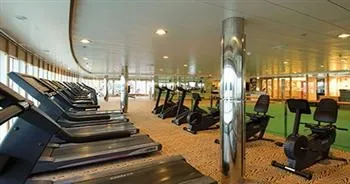
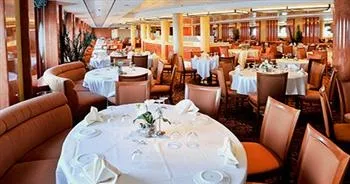
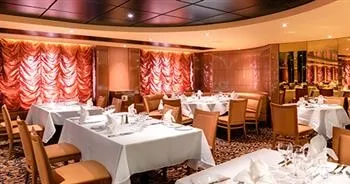
MSC Cruises
Lirica
2001
2015
65,542 GT
2,546
980
721
824 m
28 m
22 knots
No
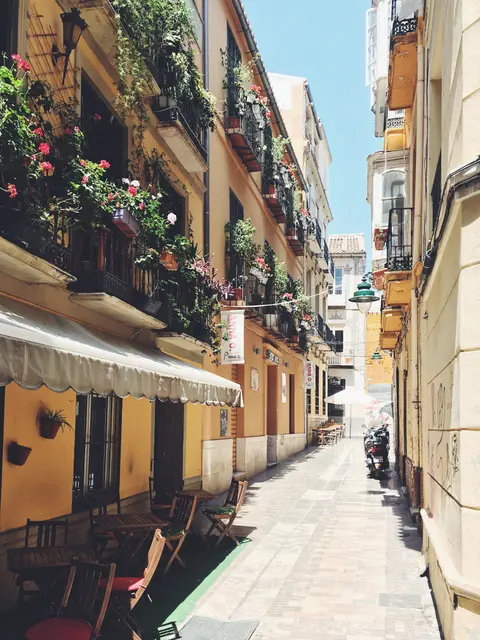
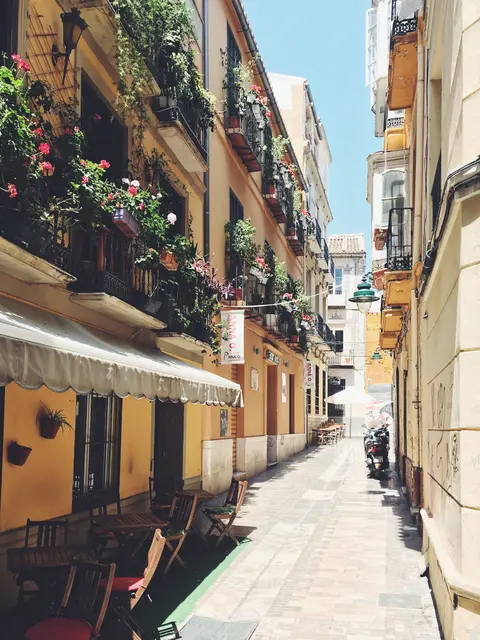
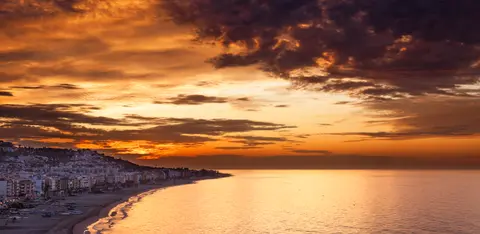
As you sail into Malaga you will notice what an idyllic setting the city enjoys on the famous Costa del Sol. To the east of this provincial capital, the coast along the region of La Axarqua is scattered with villages, farmland and sleepy fishing hamlets - the epitome of traditional rural Spain. To the west stretches a continuous city where the razzmatazz and bustle creates a colourful contrast that is easily recognisable as the Costa del Sol. Surrounding the region, the Penibéetica Mountains provide an attractive backdrop overlooking the lower terraced slopes which yield olives and almonds. This spectacular mountain chain shelters the province from cold northerly winds, giving it a reputation as a therapeutic and exotic place in which to escape from cold northern climes. Malaga is also the gateway to many of Andalusia's enchanting historic villages, towns and cities.
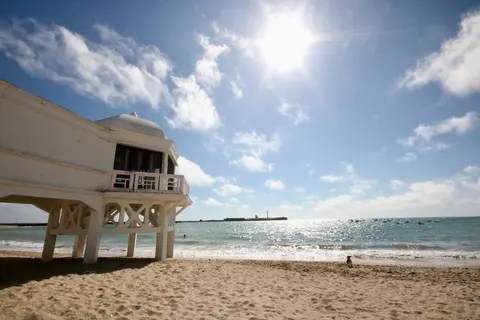
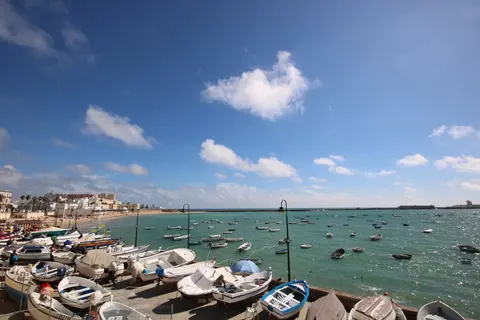
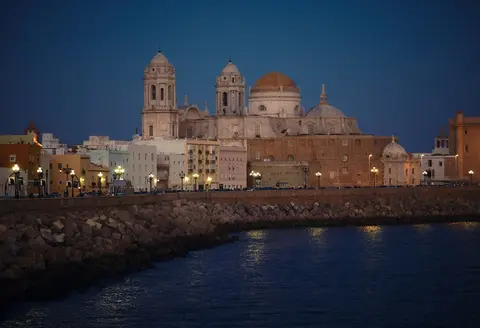
More than a hundred watchtowers gaze out across the waves surrounding this ancient Andalusian city. Sprinkled with evocative cobbled side streets, you’ll explore 3,000 years’ worth of history, while stumbling across palm-tree lined plazas of shaded coffee sippers. Cadiz claims the mantle of Western Europe’s oldest city, and every piece of architecture - and every wrong turn - offers a chance to discover fascinating new tales. Founded by the Phoenicians in 1100BC, Christopher Columbus used the city as a base for his exploratory, map-defining voyages of 1493 and 1502. The port grew in importance and wealth as Cadiz’s strategic location close to Africa’s northern tip helped it blossom into a centre for New World trade. Catedral de Cádiz, is a display of the city’s wealth and importance, looming spectacularly over the Atlantic’s waves, with cawing seagulls sweeping between its twin bell towers. Inside, treasures from the city’s trading exploits in the West Indies and beyond - which helped fuel the growth of this historically prosperous city – are on display. Enveloped by ocean on almost every side, Cadiz has something of an island feel, and you can cool off from southern Spain’s unrelenting sunshine on the sweeping golden sand beach of Playa Victoria. The two towers of the new El Puente de la Constitución de 1812 mark a contemporary landmark in this most ancient of cities, in the form of a spectacular new road bridge. Torre Tavira, meanwhile, is the most famous of Cadiz’s army of watchtowers, and the highest point in the city. Reach the top for a view of the ocean fringing the city’s expanse, and to learn about the towers - constructed so trading merchants could survey the harbour from their lavish homes. The Central Market is a chaotic place of bartering, where flashing knives dissect fresh fish. Stop in at the orbiting bars to enjoy tapas, freshly prepared with the market’s produce.
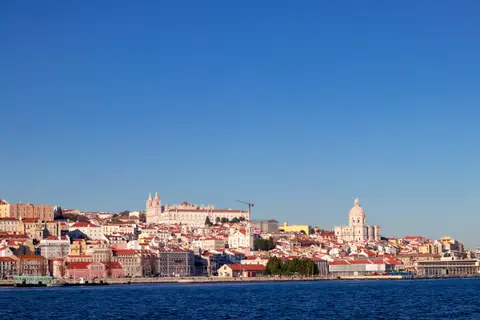
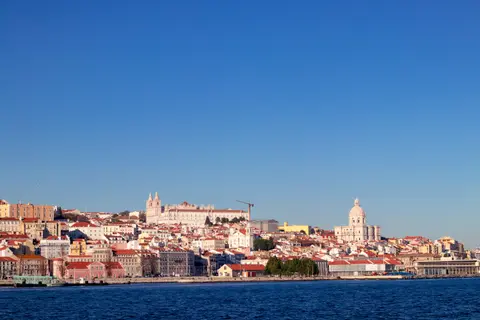
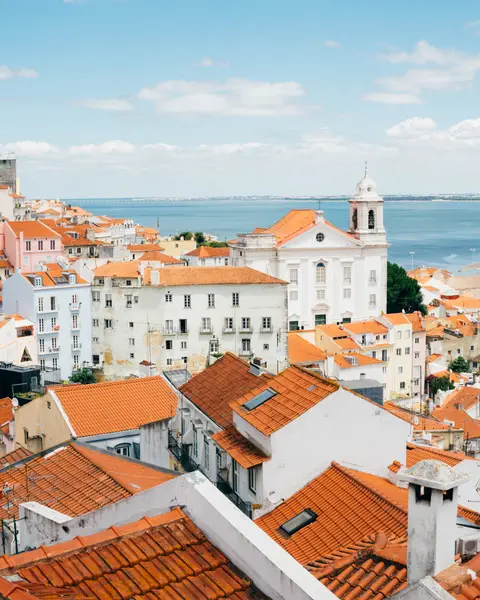
Lisbon, the capital of Portugal, is a city open to the sea and carefully planned with 18th-century elegance. Its founder is said to be the legendary Ulysses, but the theory of an original Phoenician settlement is probably more realistic. Known in Portugal as Lisboa, the city was inhabited by the Romans, Visigoths and, beginning in the 8th century, the Moors. Much of the 16th century was a period of great prosperity and overseas expansion for Portugal. Tragedy struck on All Saints' Day in 1755 with a devastating earthquake that killed about 40,000 people. The destruction of Lisbon shocked the continent. As a result, the Baixa (lower city) emerged in a single phase of building, carried out in less than a decade by the royal minister, the Marques de Pombal. His carefully planned layout of a perfect neo-classical grid survived to this day and remains the heart of the city. Evidence of pre-quake Lisbon can still be seen in the Belém suburb and the old Moorish section of the Alfama that sprawls below the Castle of St. George. Lisbon is a compact city on the banks of the Tagus River. Visitors find it easy to get around as many places of interest are in the vicinity of the central downtown area. There is a convenient bus and tram system and taxis are plentiful. Rossio Square, the heart of Lisbon since medieval times, is an ideal place to start exploring. After a fire destroyed parts of the historic neighborhood behind Rossio in 1988, many of the restored buildings emerged with modern interiors behind the original façades. The city boasts a good many monuments and museums, such as the Jeronimos Monastery, Tower of Belém, the Royal Coach Museum and the Gulbenkian Museum. High above the Baixa is the Bairro Alto (upper city) with its teeming nightlife. The easiest way to connect between the two areas is via the public elevator designed by Gustave Eiffel. Cruising up the Tagus River to the ship's berth, you can already spot three of Lisbon's famous landmarks: the Monument to the Discoveries, the Tower of Belém and the Statue of Christ, which welcomes visitors from its hilltop location high above Europe's longest suspension bridge.
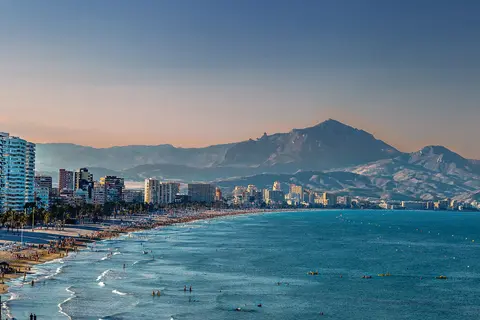
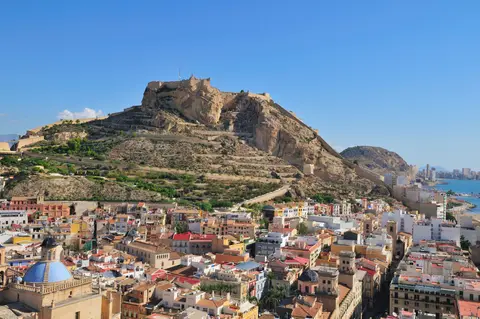
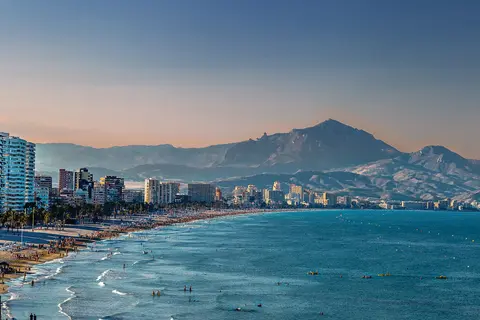
Fresh sea breezes, mountain backdrops and vibrant locals have made this magical city a must-see for both international tourists and residents of Spain alike. It's easy to slip into the local rhythm. Spend your day exploring everything from the Old Town and Santa Bárbara Castle to the trendiest of Spanish stores. Promenade down the marble Explanada de España, an iconic and bustling boulevard dotted with palm trees. Enjoy a proper Spanish lunch that spans several courses and hours, prepared by some of the best chefs in the country. Take advantage of the proximity to the sea to dine on the freshest seafood, or try one of Alicante's many traditional rice dishes. And don’t forget to sample the outstanding regional wines, which are also very tasty souvenirs. Even just a day here will open your eyes to the natural beauty and subtle charms that make proud and elegant Alicante a gem of the Costa Blanca.
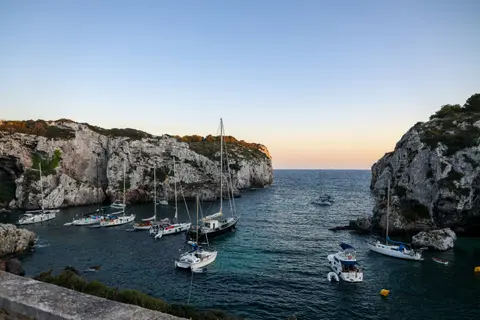
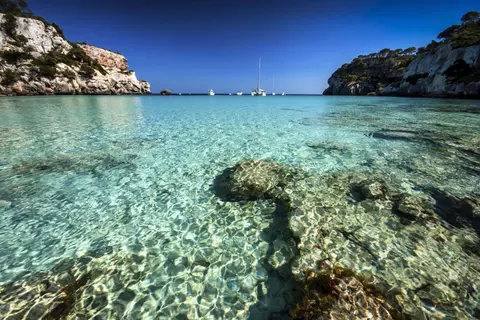
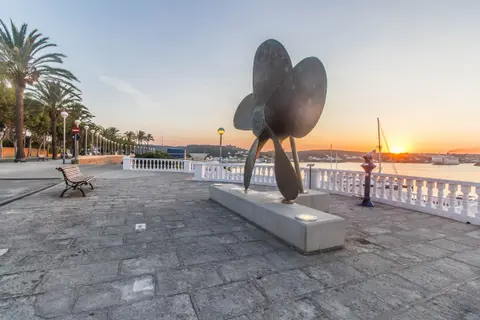
Mahon is the capital of Menorca, second largest of the Balearic Islands. It stands out from the others because of the abundance of prehistoric structures, and because its culture was influenced by British occupation in the 18th century. The people who built the prehistoric constructions are believed to have been responsible for similar works in Sardinia, and for Stonehenge in England. Believed to have been founded by the Carthaginian General Mago, Mahon was held by the Moors from the 8th to the 13th century and in turn occupied by the English, the French and the Spanish. Mahon was finally ceded to Spain by the Treaty of Amiens in 1802.
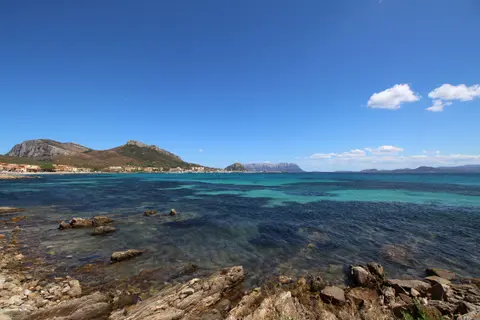
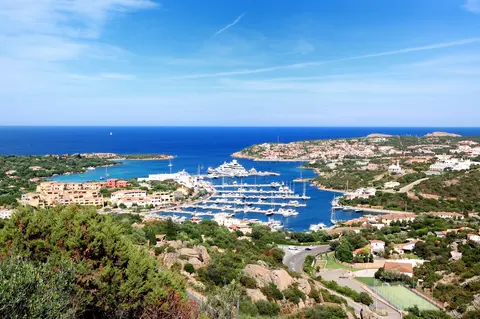
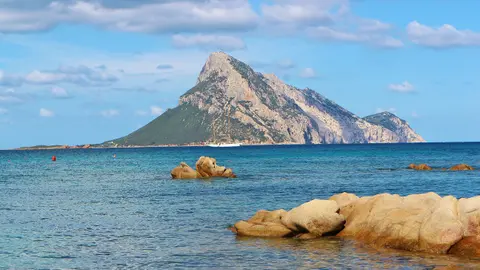
Situated on the beautiful North East coast of Sardinia, Olbia is often ignored in the dash for the fashionable Costa Smeralda resort, but the port has more to offer than first meets the eye. This handsome city, with its centro storico (historic centre), is laden with chic boutiques, wine bars and cafe-rimmed piazzas. It also has a number of historic structures and archaeological sites well worth discovering. These include the beautiful 11th century Basilica of San Simplicio and the Church of St. Paul Apostle. Several of Sardinia's impressive, fortress-like Nuraghes still remain including the hilltop Nuraghe Riu Mulinu. Called the ‘happy city’ by the Greeks, ancient Olbia is a wonderful place to explore and enjoy in the soothing Sardinian sunshine. On the palm-lined waterfront to the east, the Museo Archeologico di Olbia has Roman warships to discover.Show less Just north from the city is Costa Smeralda, a millionaire’s paradise which is popular with celebrities and wealthy business people who visit to top-up their tan on the gorgeous golden-sand beaches – said to be among the finest on earth – and make the most of the warm, crystal clear waters.
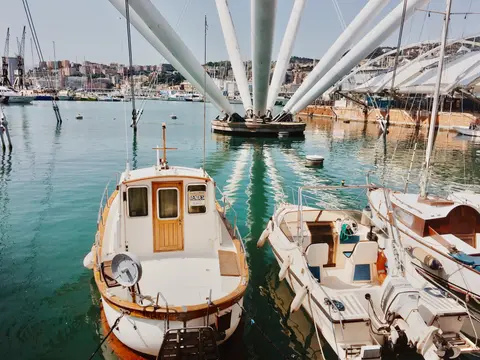
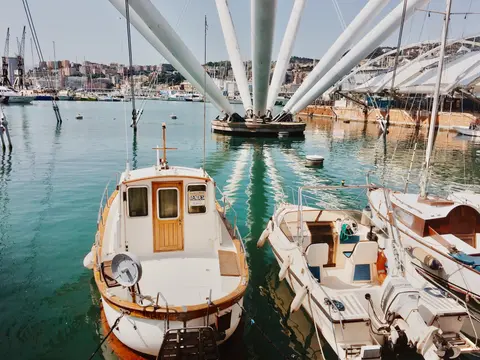
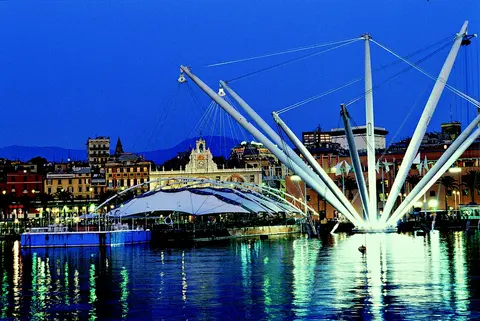
Genoa is marvellously eclectic, vibrant and full of rough-edged style; it’s a great cruise excursion. Indeed “La Superba” (The Superb), as it was known at the height of its authority as a Mediterranean superpower, boasts more zest and intrigue than all the surrounding coastal resorts put together. During a holiday to Genoa you can explore its old town: a dense and fascinating warren of medieval alleyways home to large palazzi built in the sixteenth and seventeenth centuries by Genoa’s wealthy mercantile families and now transformed into museums and art galleries. You should seek out the Cattedrale di San Lorenzo, the Palazzo Ducale, and the Renaissance palaces of Via Garibaldi which contain the cream of Genoa’s art collections, as well as furniture and decor from the grandest days of the city’s past, when its ships sailed to all corners of the Mediterranean Sea. The Acquario di Genova is the city’s pride and joy, parked like a giant ocean liner on the waterfront, with seventy tanks housing sea creatures from all the world’s major habitats, including the world’s biggest reconstruction of a Caribbean coral reef. It’s a great aquarium by any standards, the second largest in Europe by capacity, and boasts a fashionably ecology-conscious slant and excellent background information in Italian and English. Just 35 km south of Genoa, there’s no denying the appeal of Portofino, tucked into a protected inlet surrounded by lush cypress- and olive-clad slopes. It’s an A-list resort that has been attracting high-flying bankers, celebs and their hangers-on for years, as evidenced by the flotillas of giant yachts usually anchored just outside. It’s a tiny place that is attractive yet somehow off-putting at the same time, with a quota of fancy shops, bars and restaurants for a place twice its size.
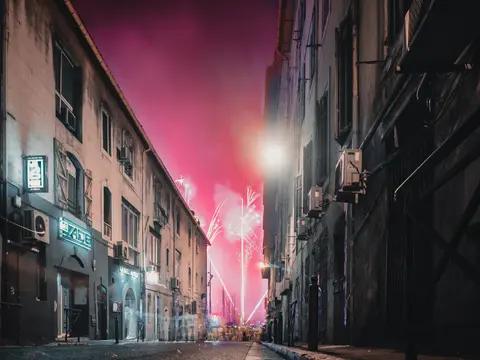
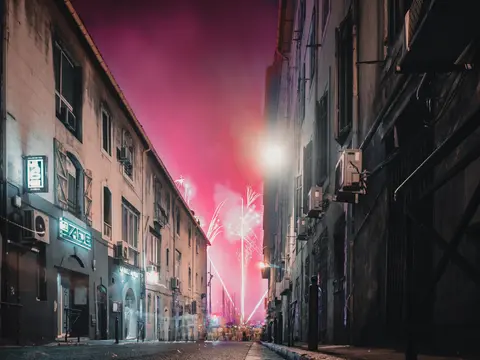
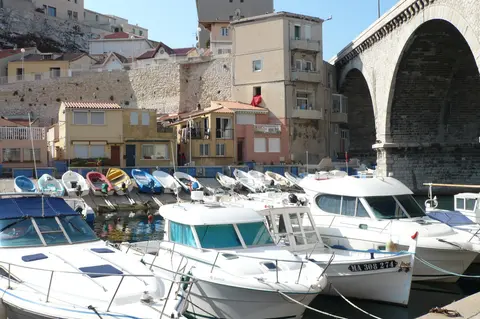
Marseille is the second largest city in France after Paris. It is also one of the oldest continuously inhabited cities in the Mediterranean. Cave paintings in the nearby Calanques are estimated to be 30,000 years old, and remains of brick habitations date from 6,000 BCE. The more recent history begins with a Hellenic port in about 600 BCE, some remains of which are on view at the city’s History Museum. It has been one of the world’s major seaports almost from its founding, and served as the main European terminus of the French colonial empire in Africa and the Far East. It is located in the Provence-Alpes-Cote d’Azur region and is the capital of the Bouches-du-Rhone department. On an island in the expansive bay of Marseille stands the prison of Chateau d’If made famous by the Alexandre Dumas novel “The Count of Monte Cristo.” The Vieux-Port with its atmospheric buildings and wharves is the area where visitors can search for the perfect example of the local specialty bouillabaisse, a rich fish stew containing at least three, and often more varieties of local fishes. Marseille’s newly renovated port at the venerable Joliette Docks is situated very close to the striking Cathédrale de la Major and the fascinating collections at the Museum of African, Oceanic and American Indian Arts.
As you sail into Malaga you will notice what an idyllic setting the city enjoys on the famous Costa del Sol. To the east of this provincial capital, the coast along the region of La Axarqua is scattered with villages, farmland and sleepy fishing hamlets - the epitome of traditional rural Spain. To the west stretches a continuous city where the razzmatazz and bustle creates a colourful contrast that is easily recognisable as the Costa del Sol. Surrounding the region, the Penibéetica Mountains provide an attractive backdrop overlooking the lower terraced slopes which yield olives and almonds. This spectacular mountain chain shelters the province from cold northerly winds, giving it a reputation as a therapeutic and exotic place in which to escape from cold northern climes. Malaga is also the gateway to many of Andalusia's enchanting historic villages, towns and cities.
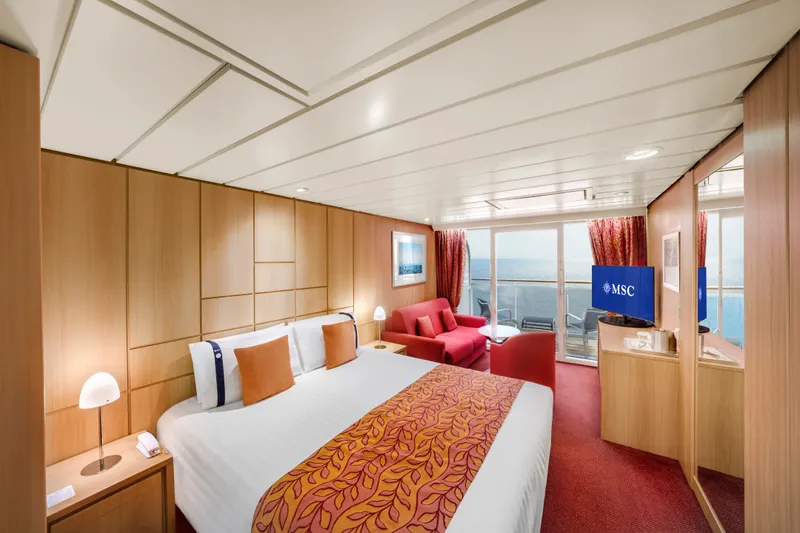
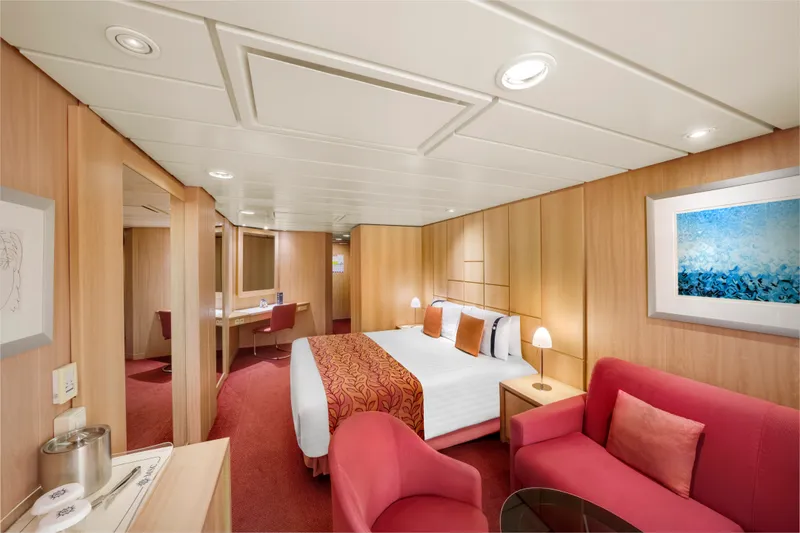
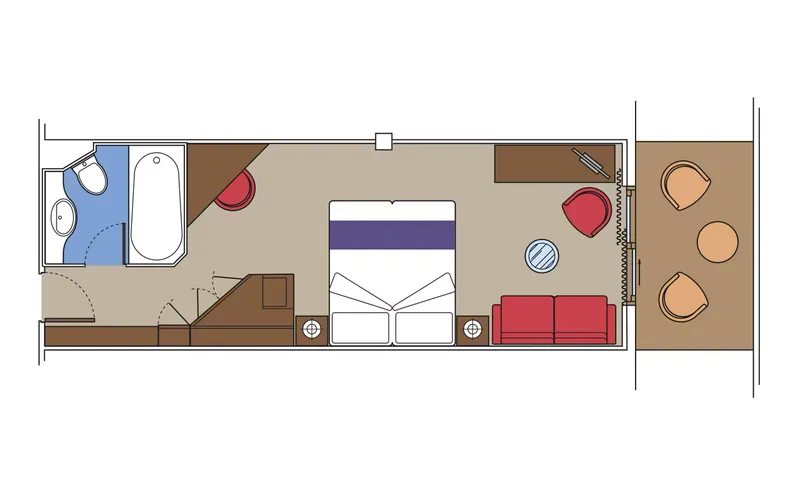
Balcony
Sitting area with sofa
Spacious closet
Bathroom with bathtub, vanity area and hairdryer
Interactive TV. telephone, safe and minibar
Wi-Fi access available
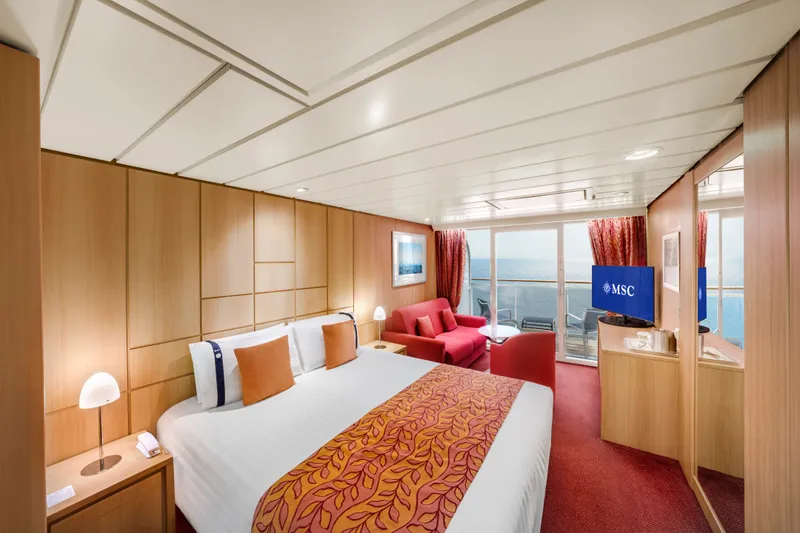
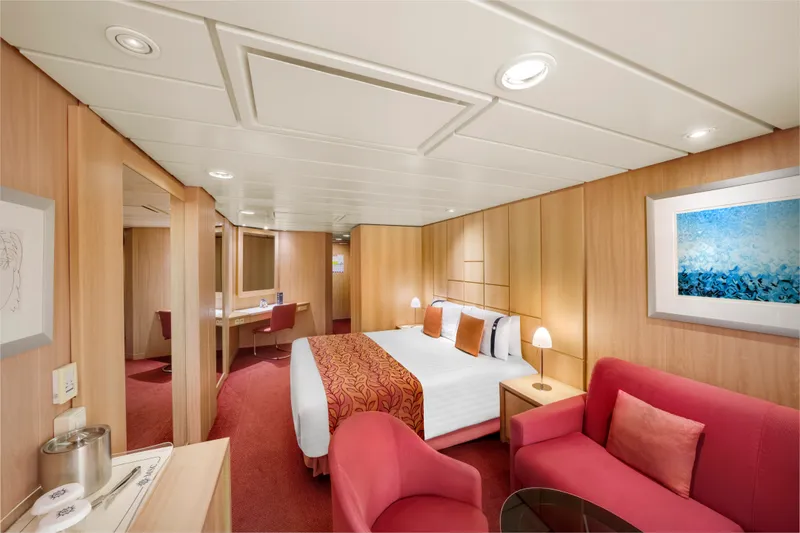
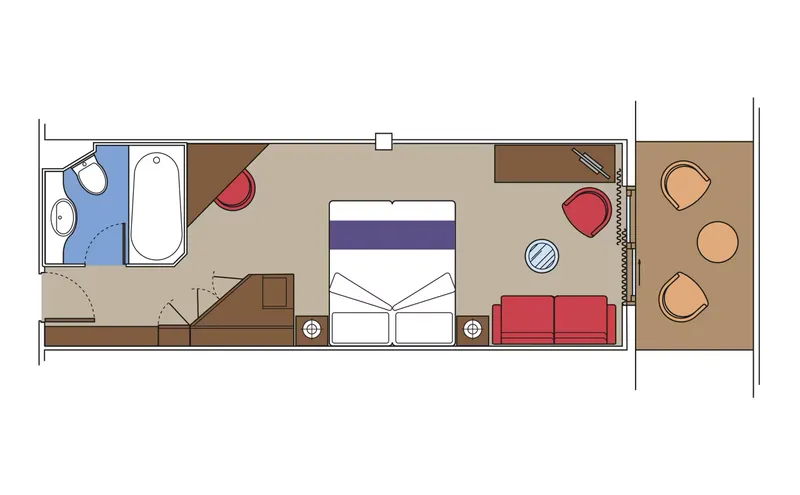
Balcony
Sitting area with sofa
Spacious closet
Bathroom with bathtub, vanity area and hairdryer
Interactive TV. telephone, safe and minibar
Wi-Fi access available
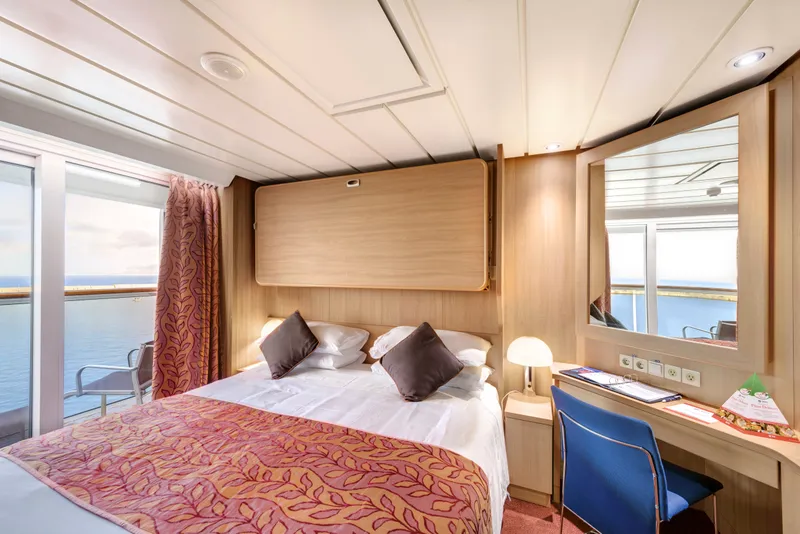
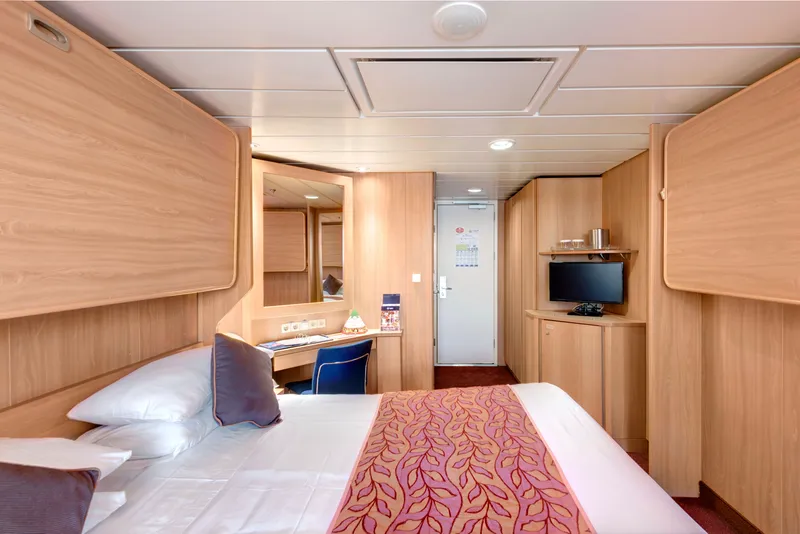
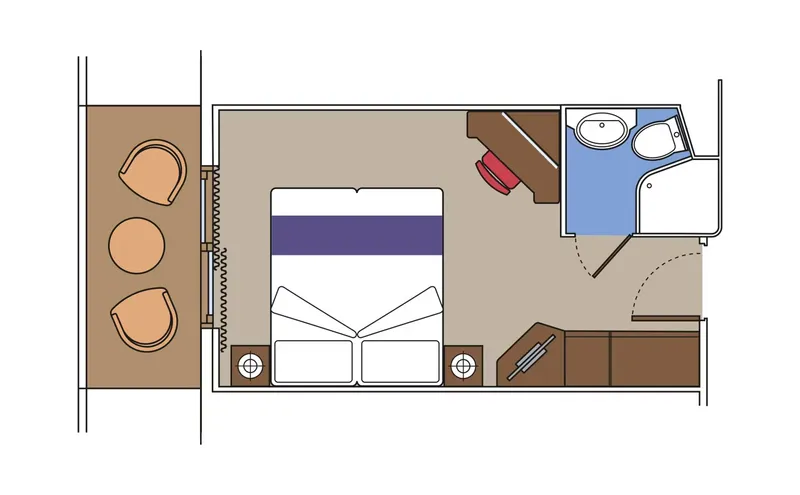
Balcony
Sitting area with sofa
Comfortable double or single beds (on request)
Interactive TV, telephone, Wifi connection available (for a fee), safe and minibar
Bathroom with shower or bathtub , vanity area with hairdryer
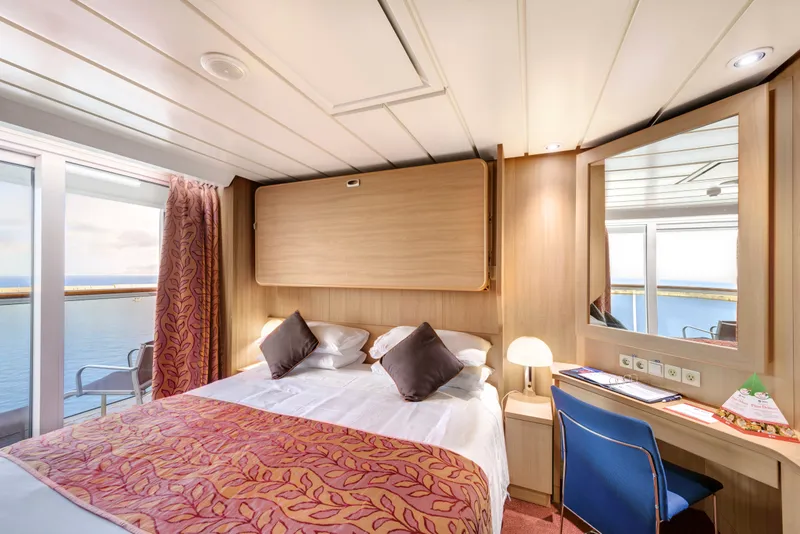
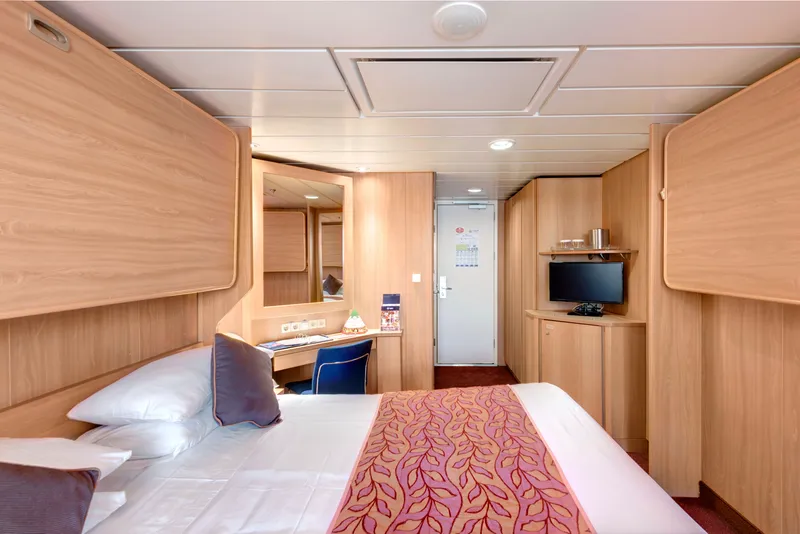
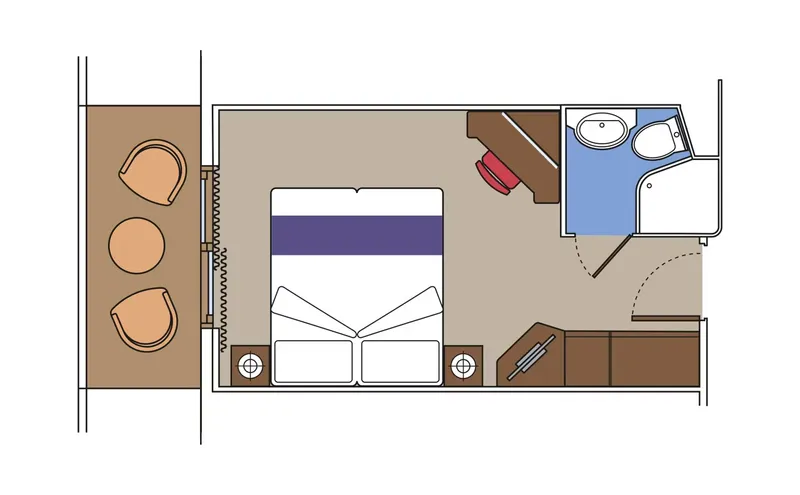
Balcony
Sitting area with sofa
Spacious closet
Bathroom with shower, vanity area and hairdryer
Interactive TV. telephone, safe and minibar
Wi-Fi access available
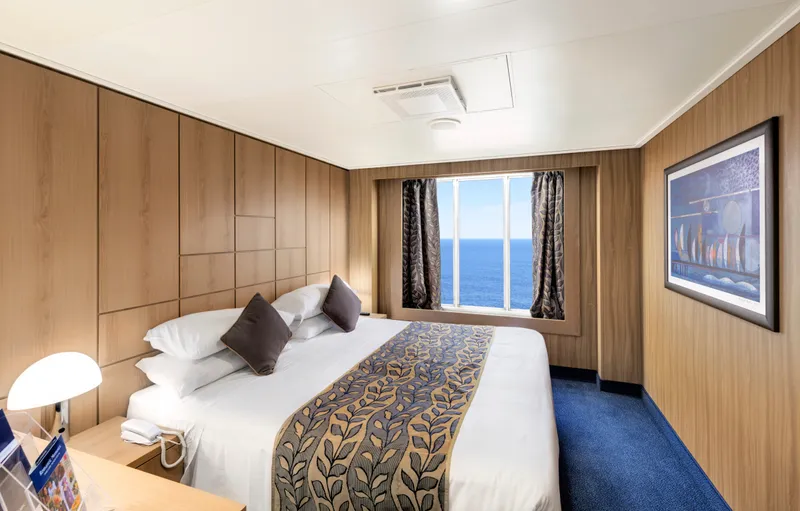
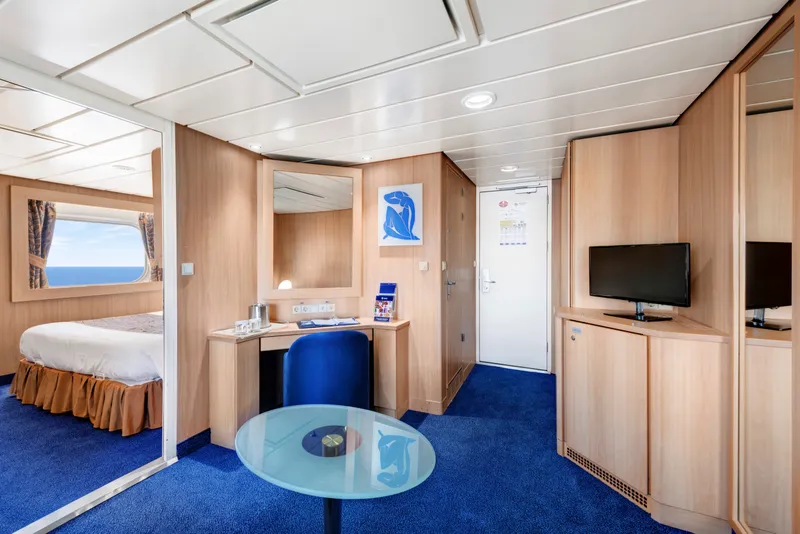
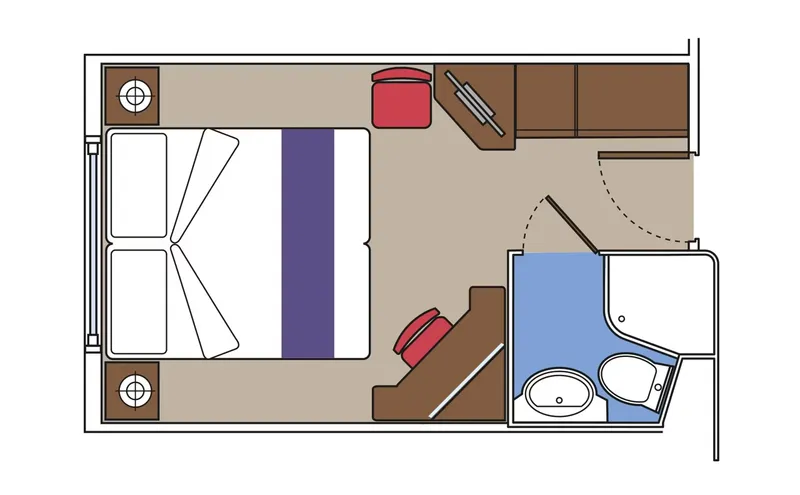
Relaxing armchair
Spacious closet
Bathroom with shower, vanity area and hairdryer
Interactive TV. telephone, safe and minibar
Wi-Fi access available
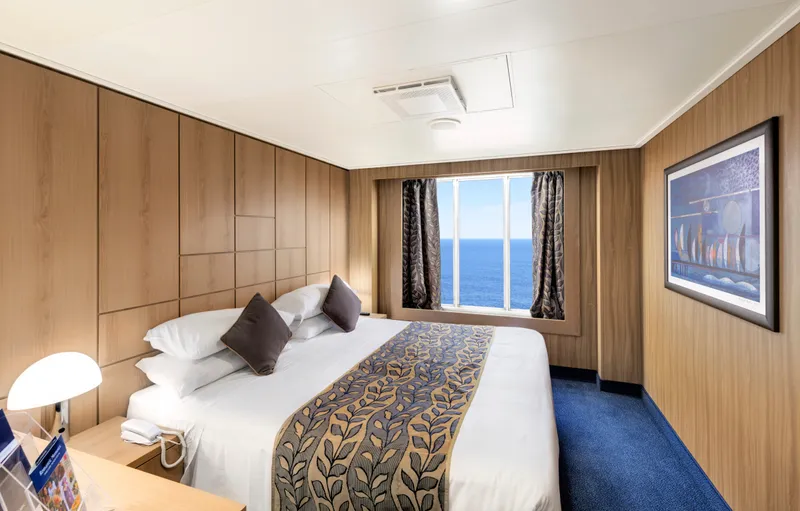
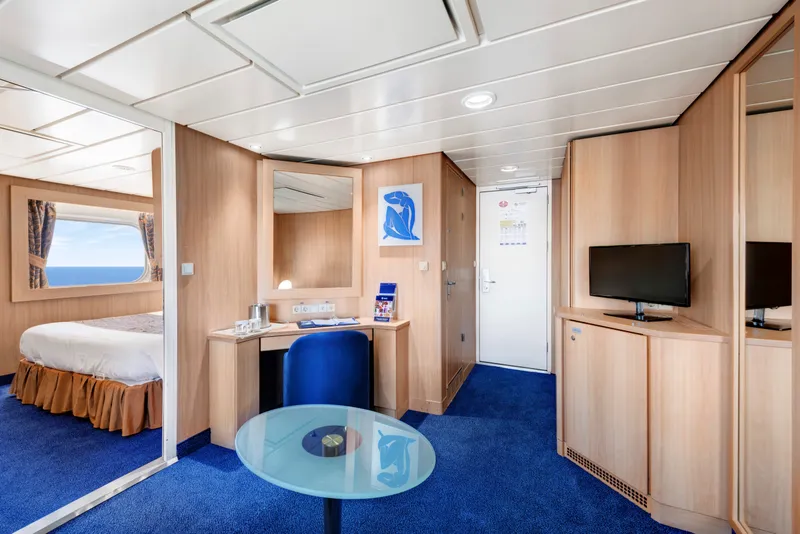
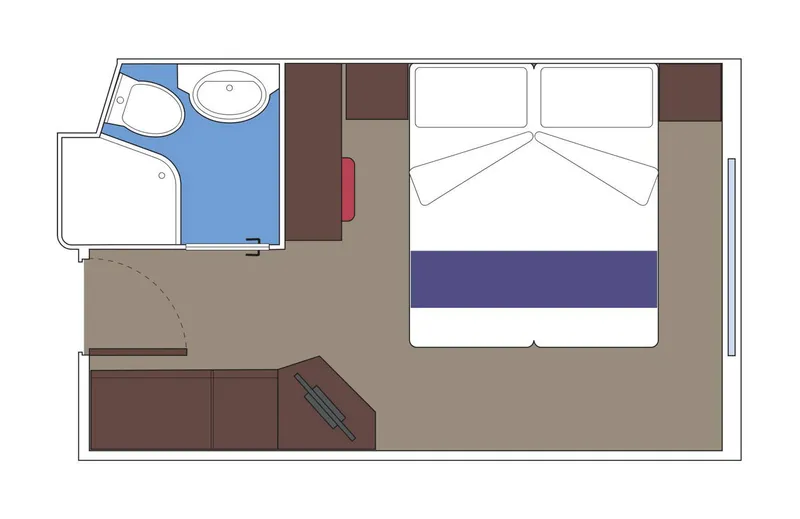
Relaxing armchair
Spacious closet
Bathroom with shower, vanity area and hairdryer
Interactive TV. telephone, safe and minibar
Wi-Fi access available
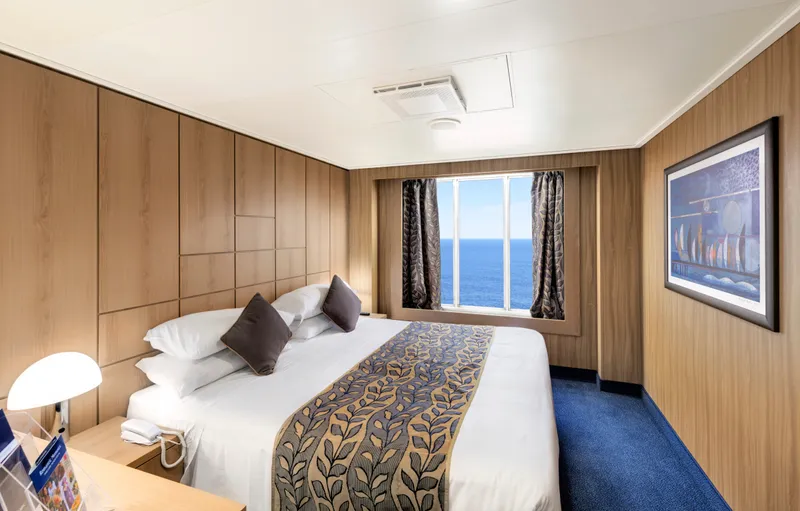
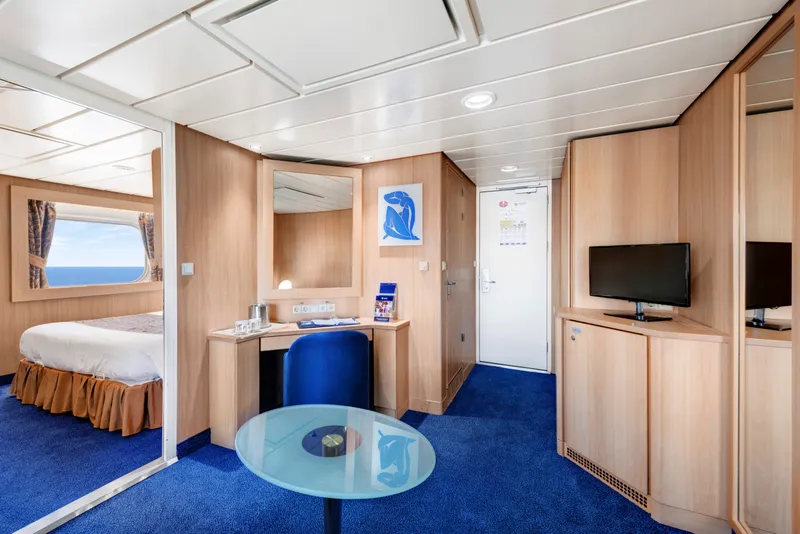
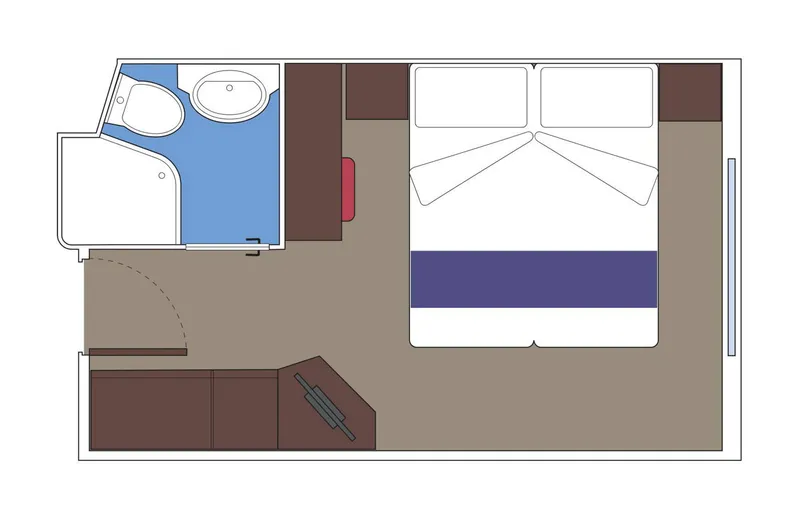
Bathroom with shower, vanity area and hairdryer
TV, telephone, safe and minibar
Wi-Fi access available
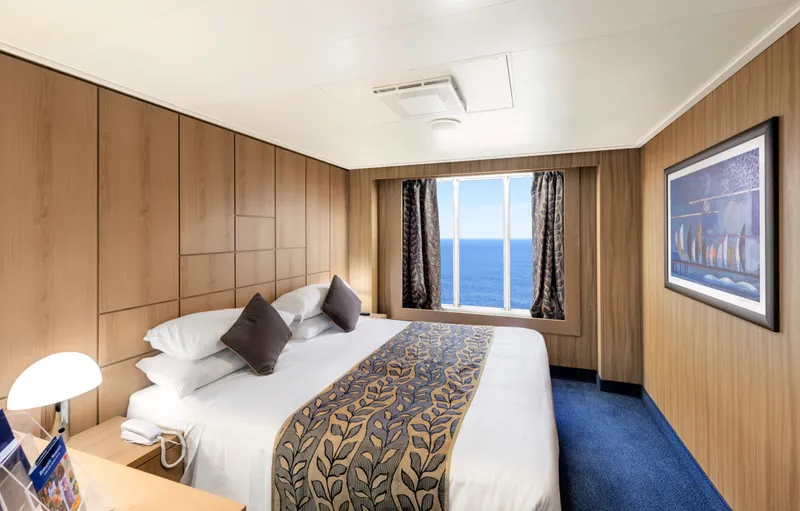
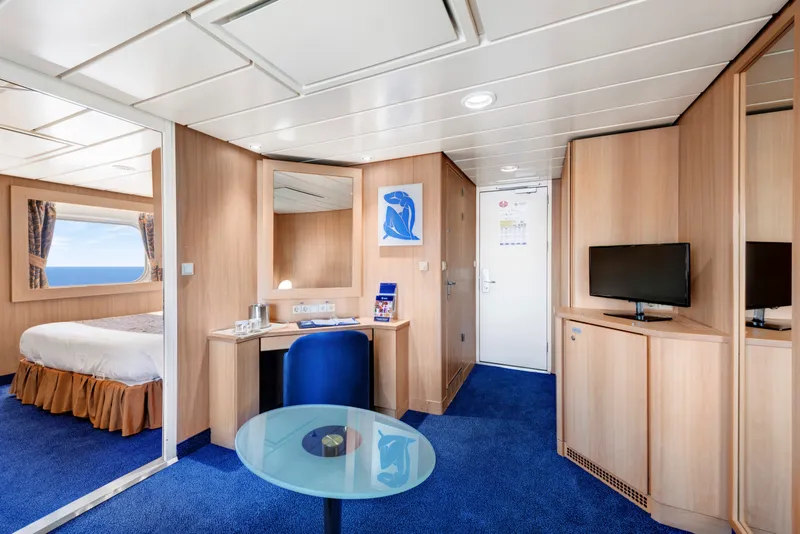
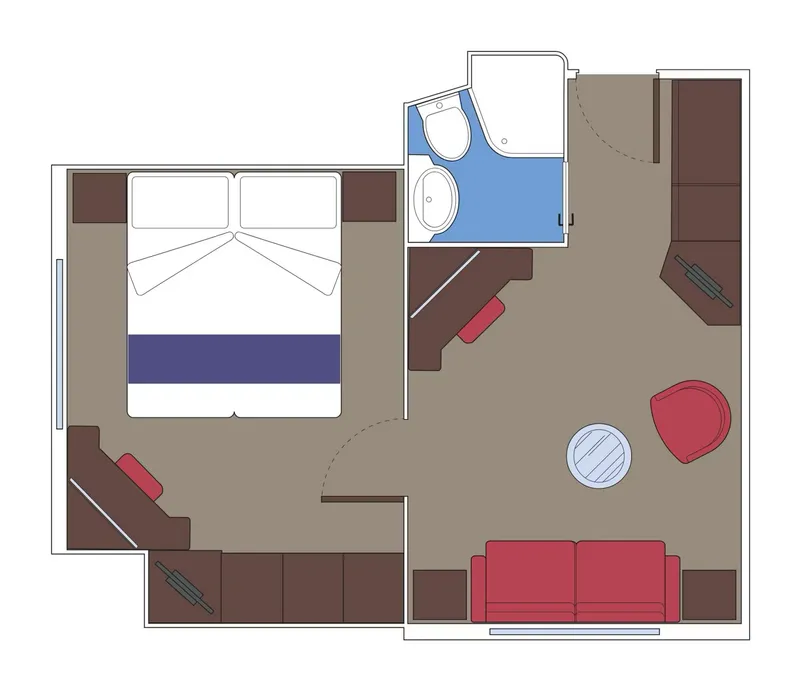
Relaxing armchair
Spacious closet
Bathroom with shower, vanity area and hairdryer
Interactive TV. telephone, safe and minibar
Wi-Fi access available
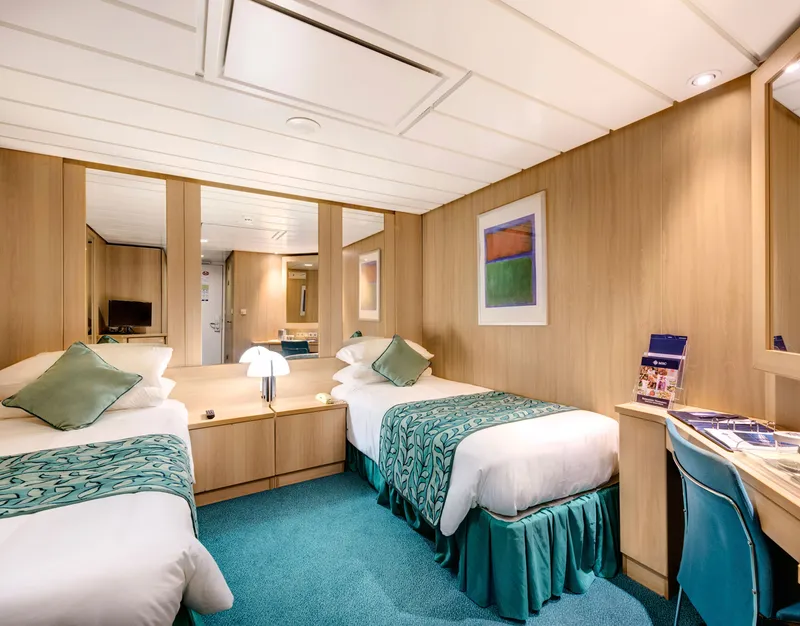
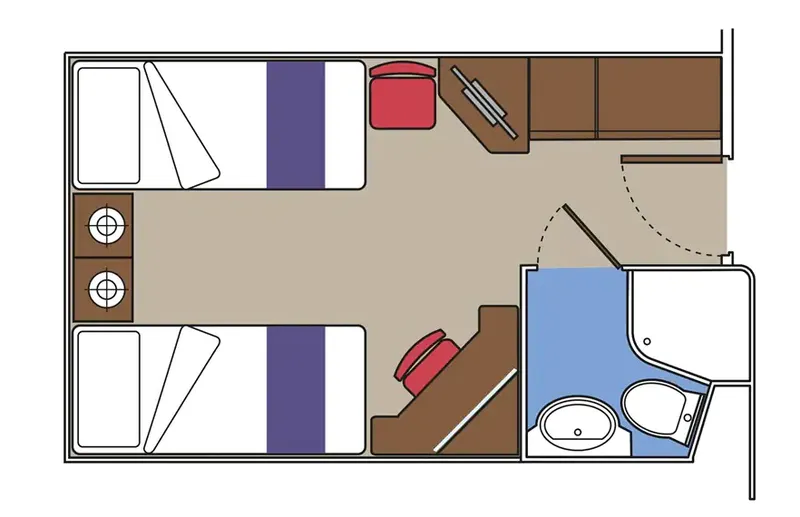
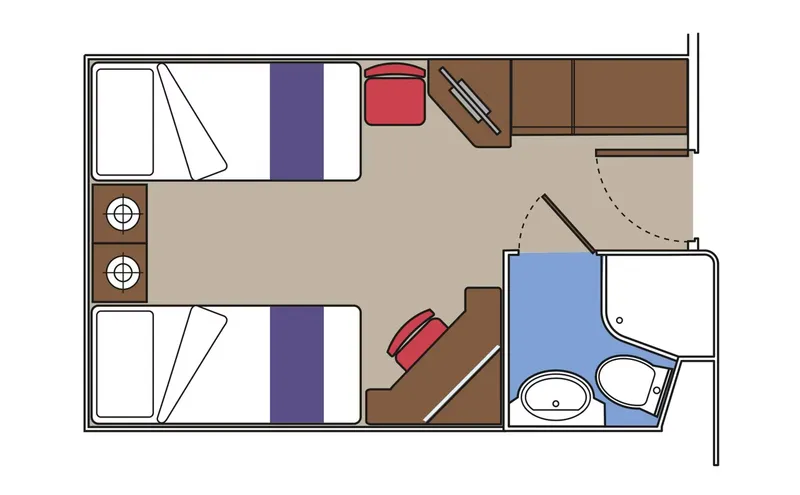
Bathroom with shower, vanity area and hairdryer
TV, telephone, safe and minibar
Wi-Fi access available
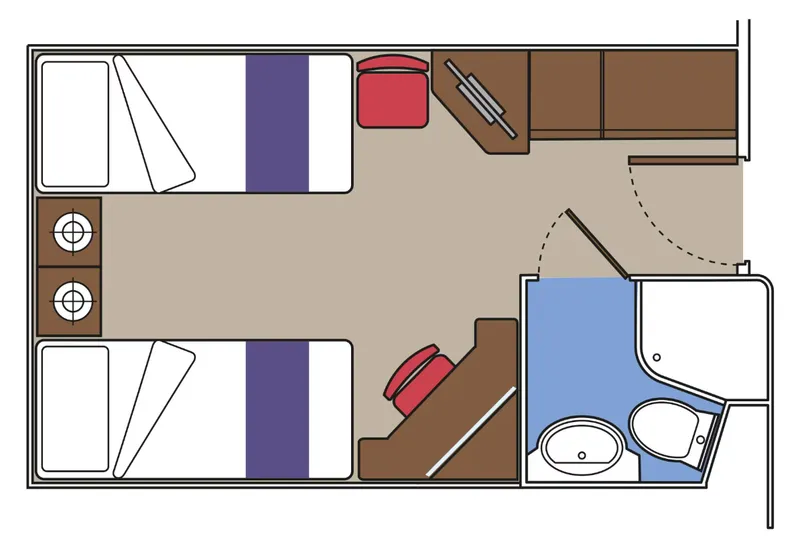
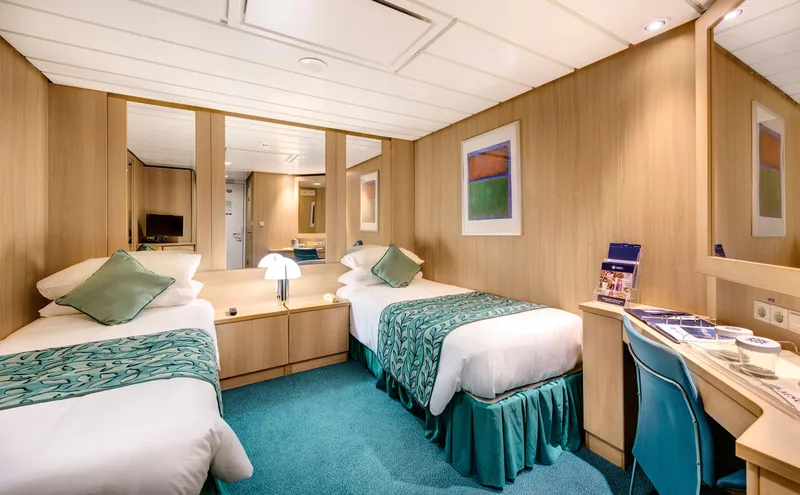
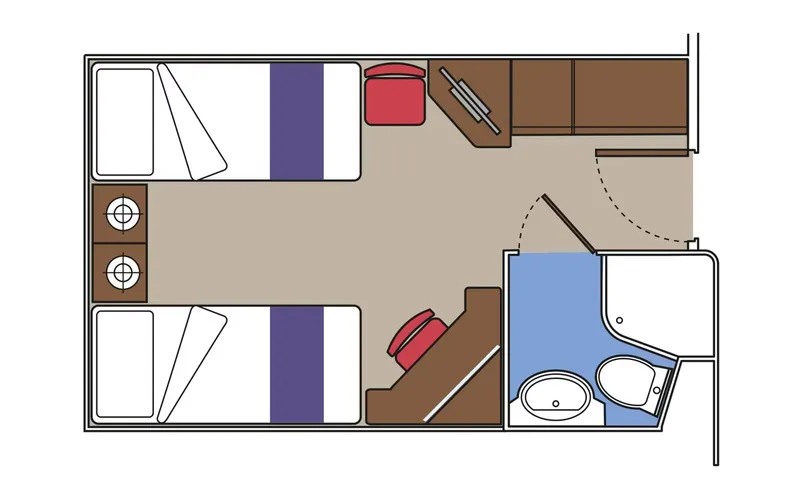
Relaxing armchair
Spacious closet
Bathroom with shower, vanity area and hairdryer
Interactive TV. telephone, safe and minibar
Wi-Fi access available
Our cruise specialists can help you find the perfect cabin and the best available pricing.
(+886) 02-2721-7300Contact Advisor