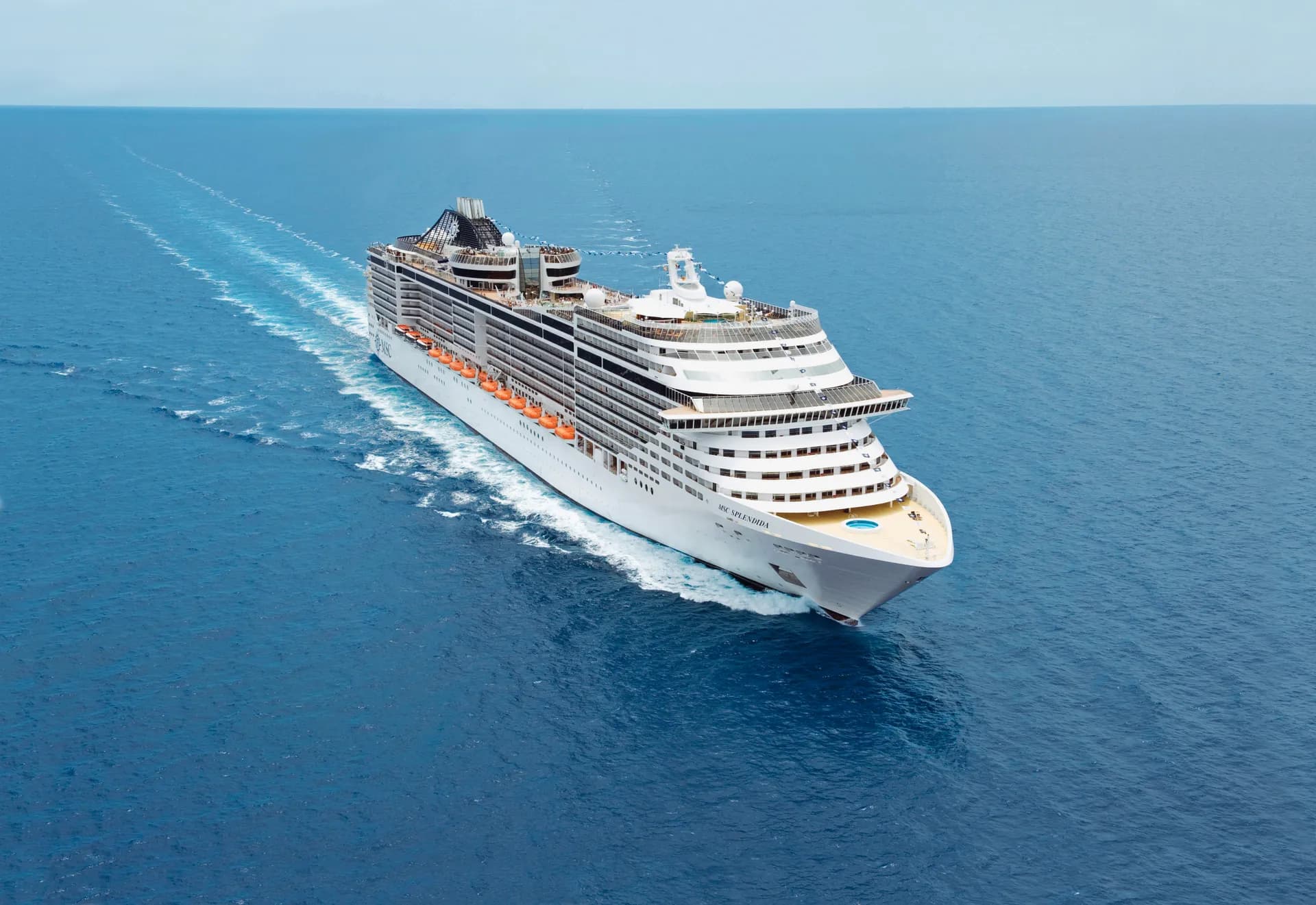
Mediterranean from Marseilles
Date
April 19, 2026
Duration
7 nights · 1 sea days
Departure Port
Marseille
France
Arrival Port
Marseille
France
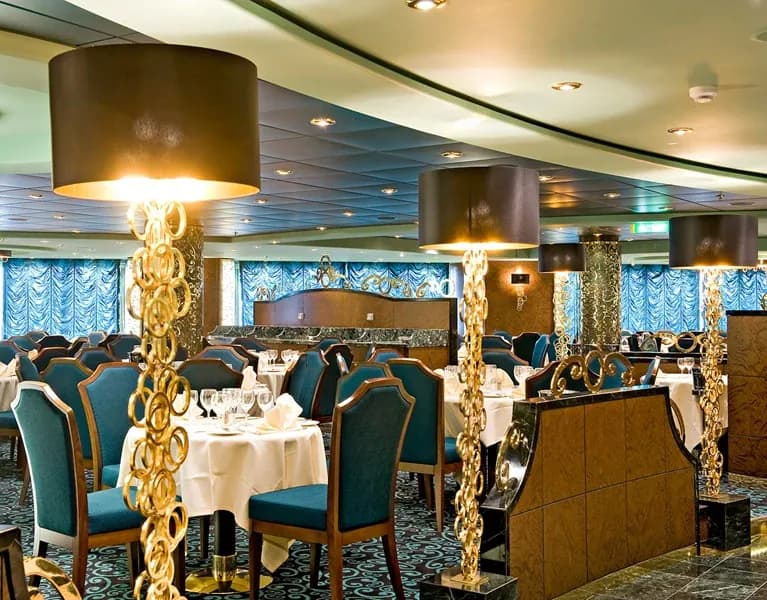
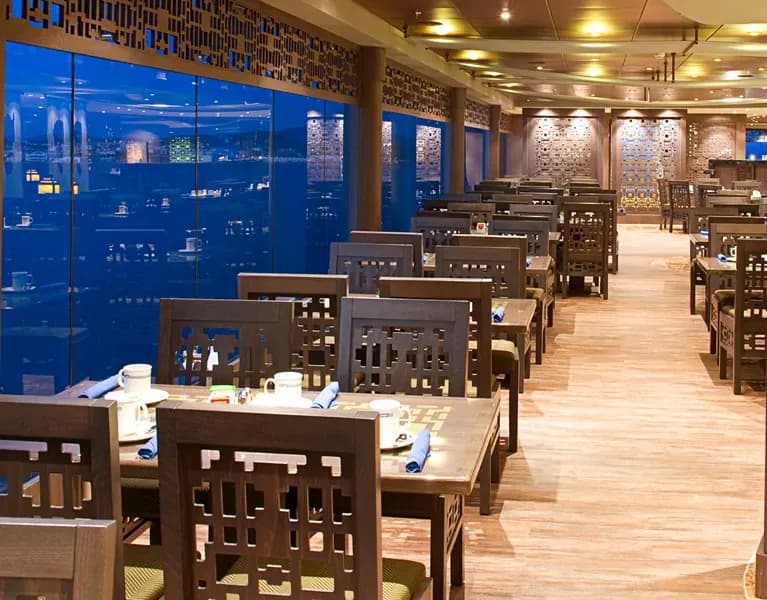
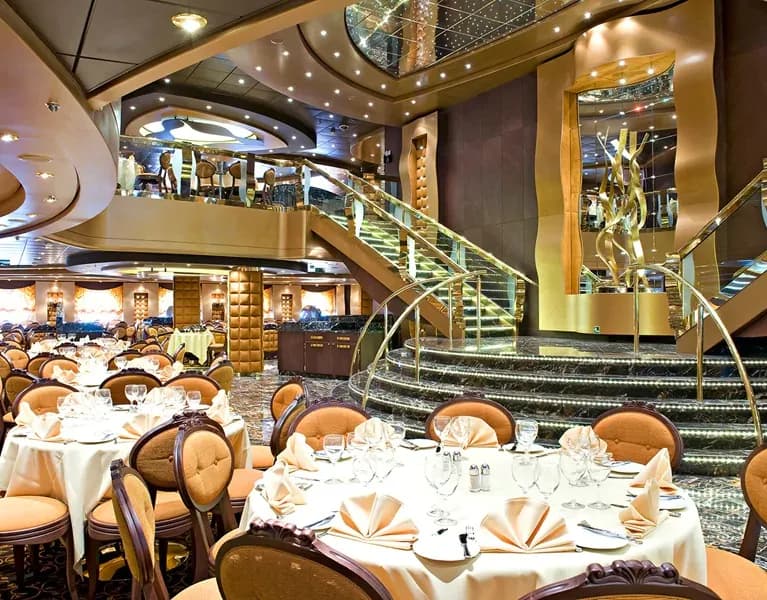
MSC Cruises
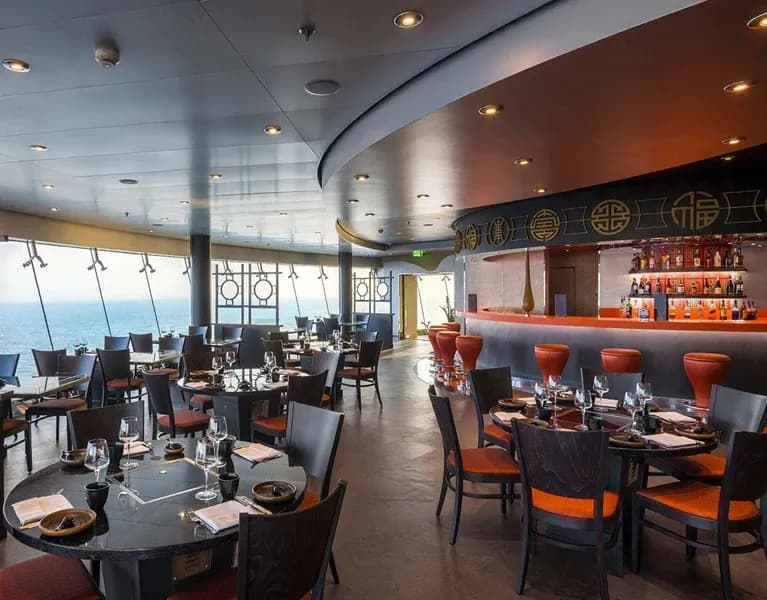
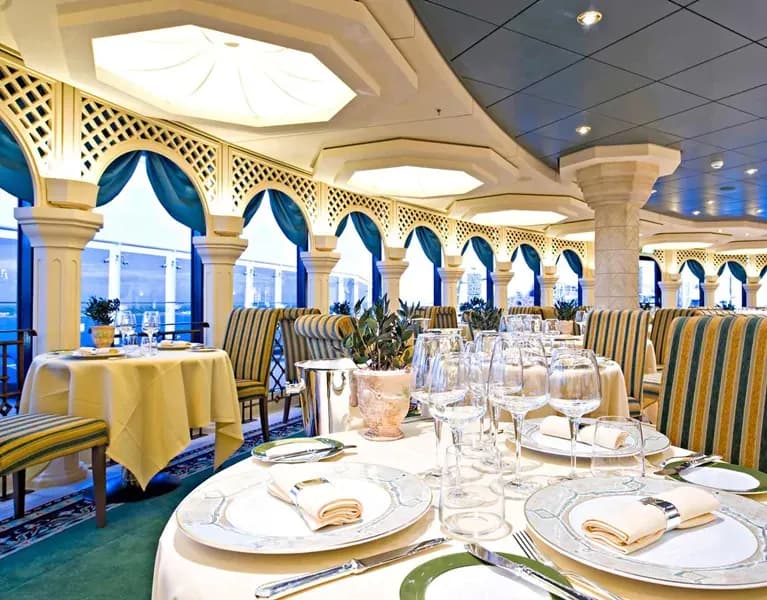
MSC Splendida
Launched
2008-07-18
Tonnage
137,936 GT
Length
1016 m
Speed
22 knots
Cabins
1,637 / 4,363 guests
Crew
1,370
Itinerary
Day 1
Day 1
Marseille (Provence)
FranceDepart 18:00
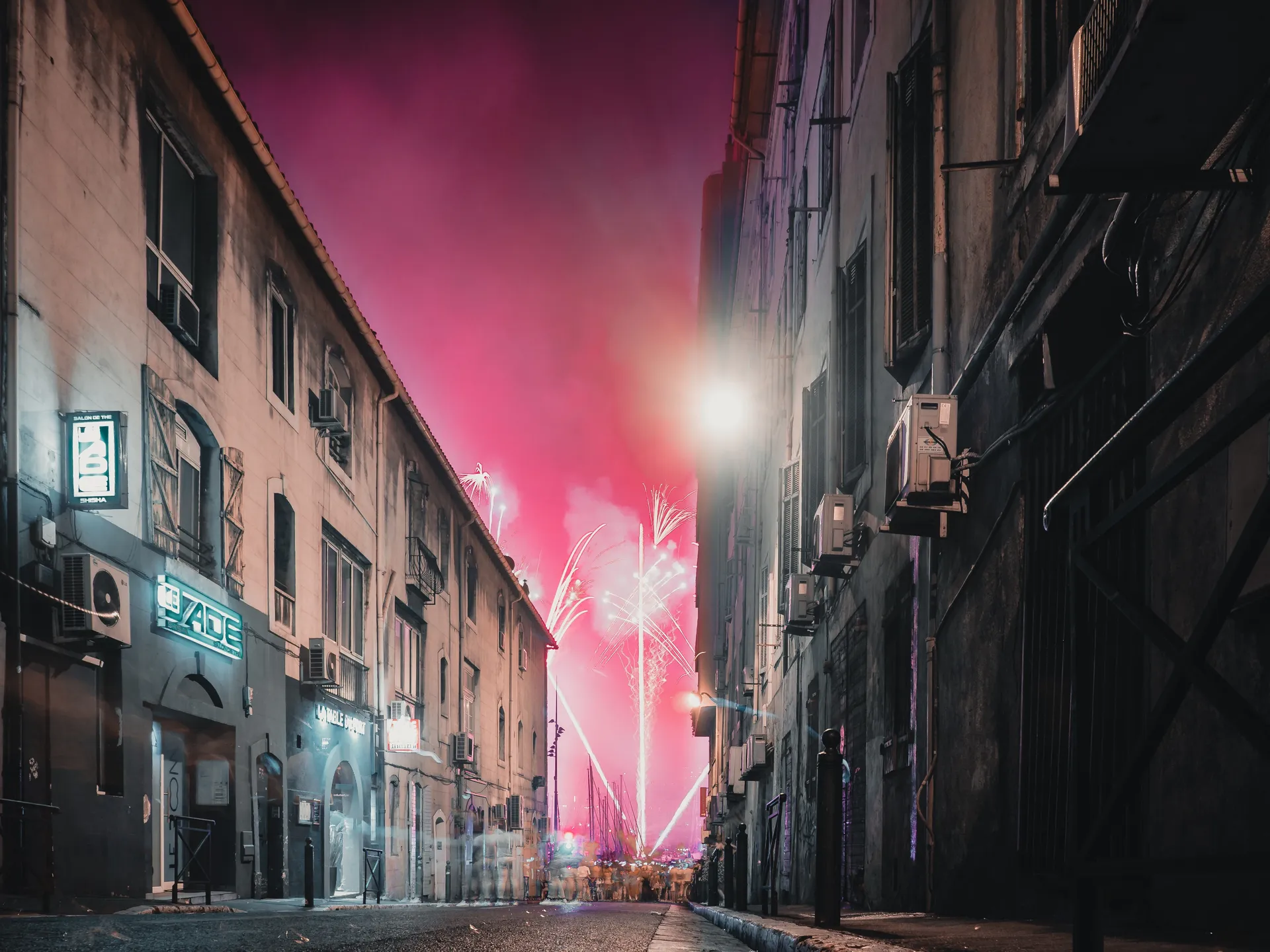
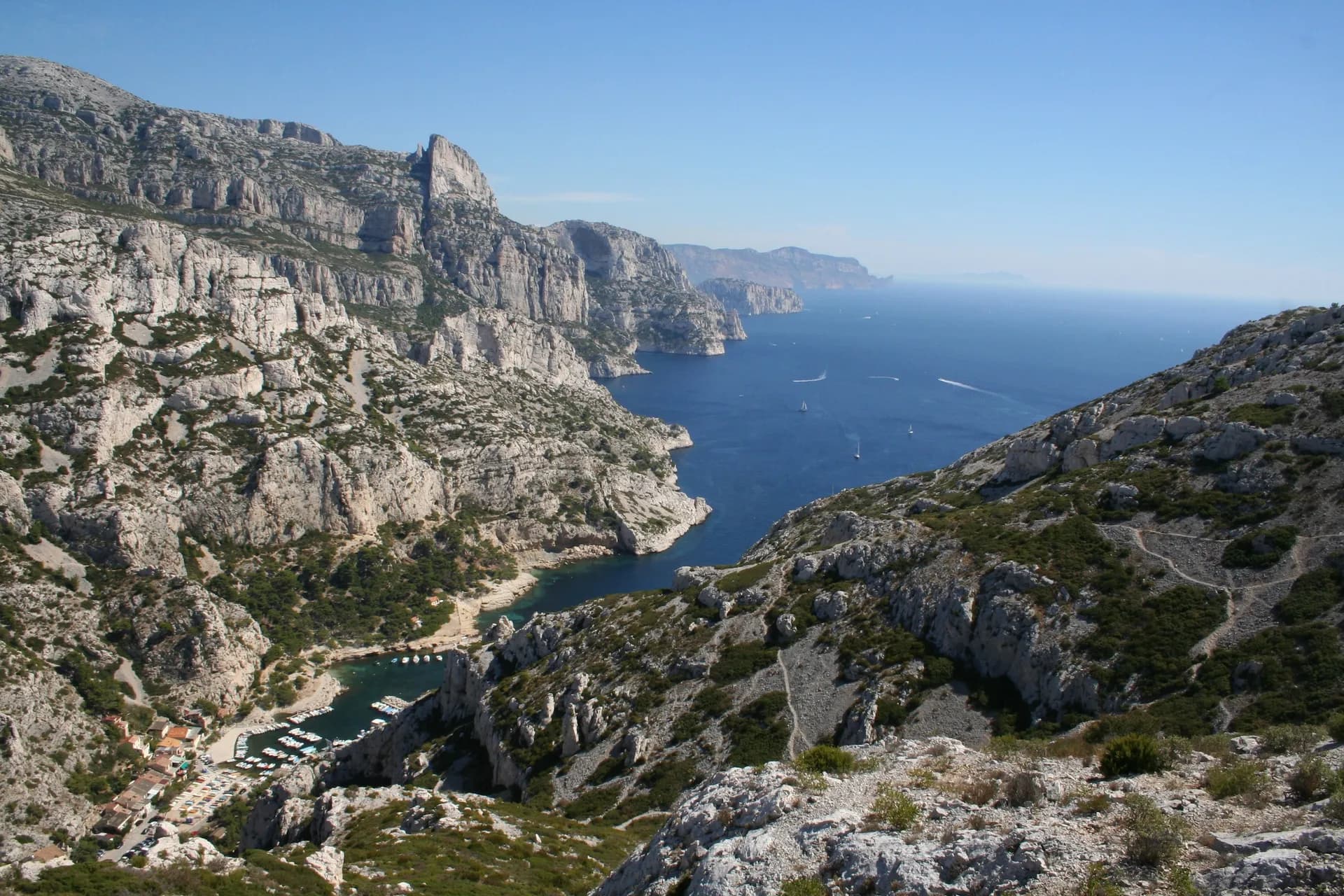
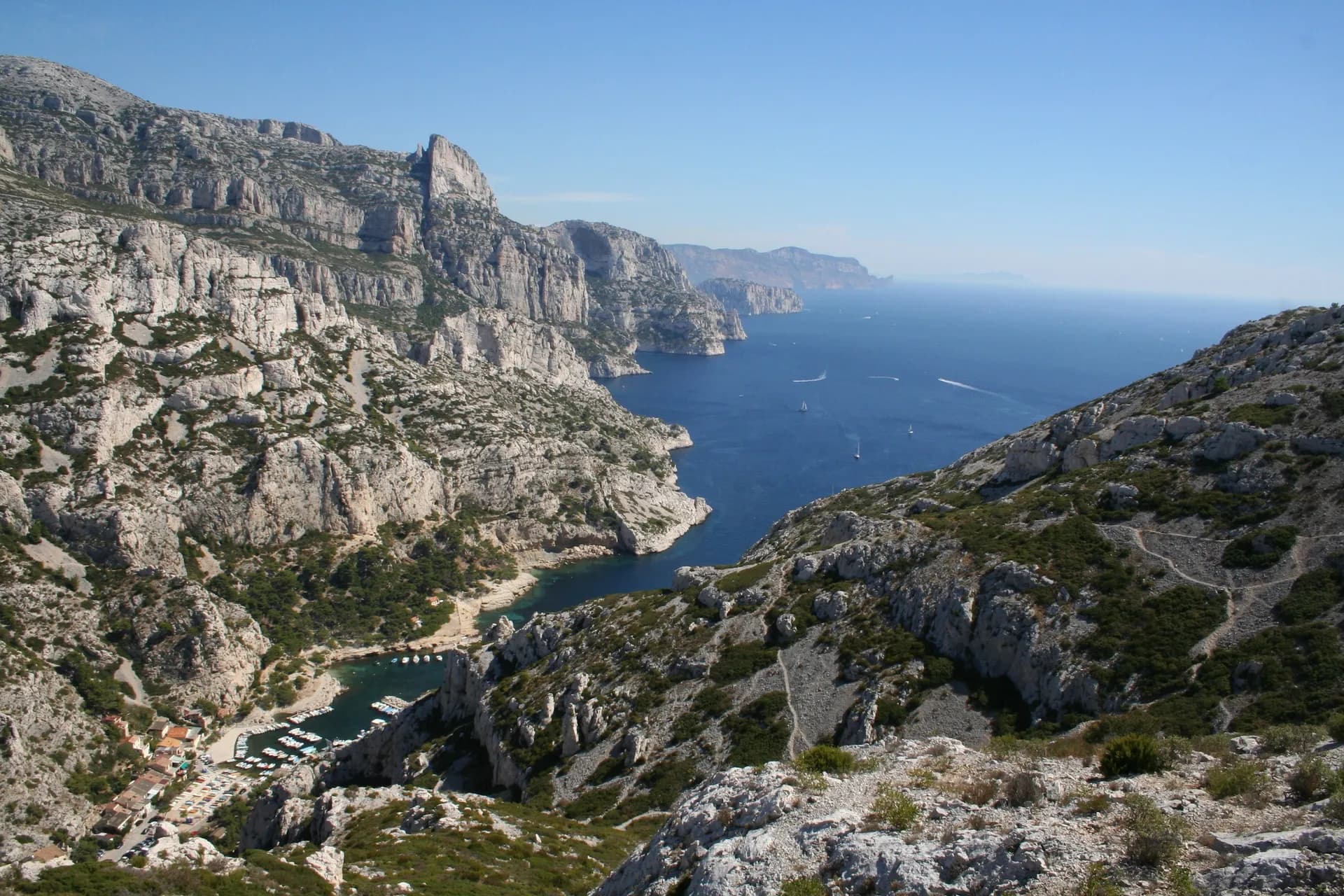
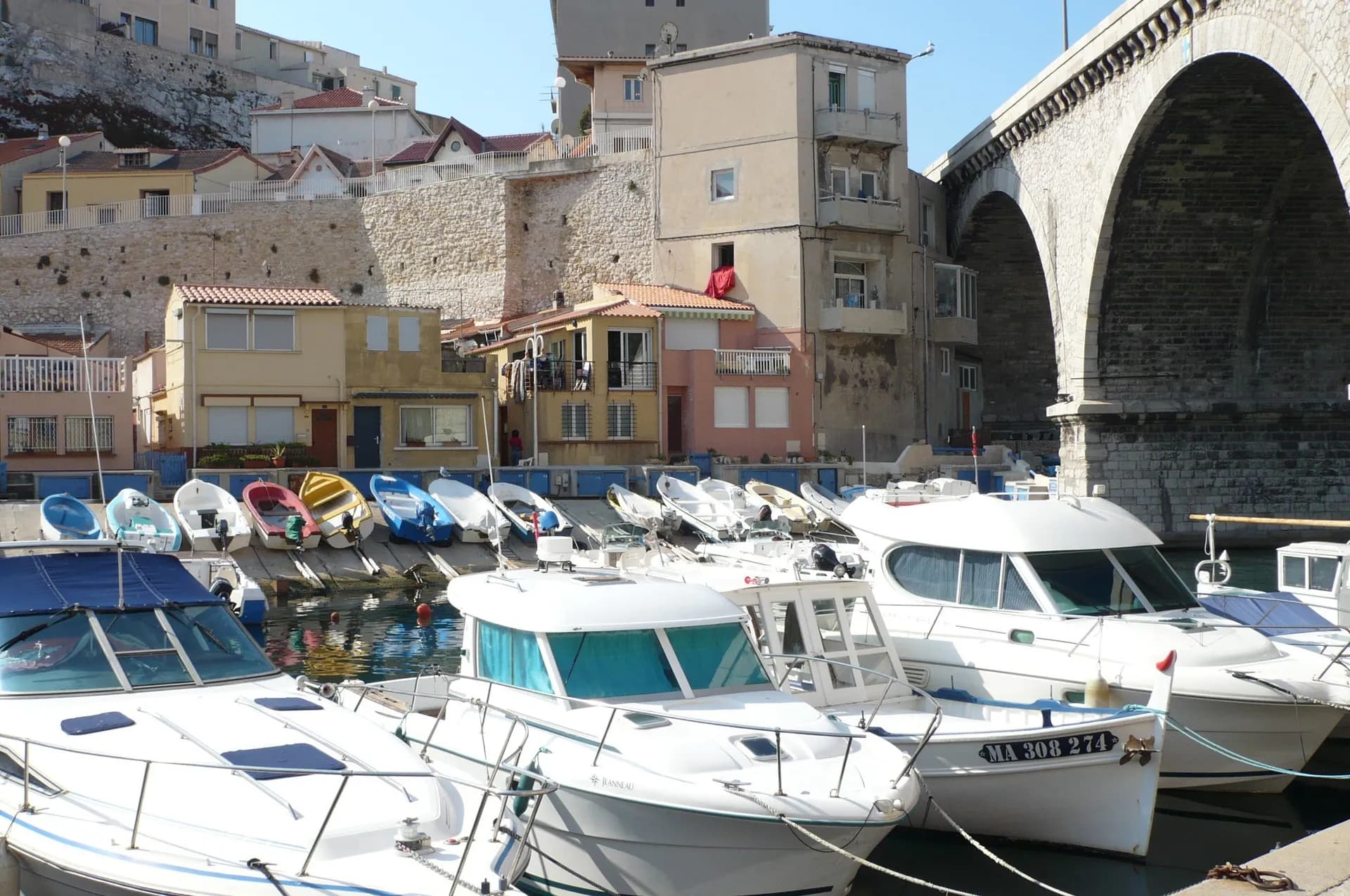
Marseille is the second largest city in France after Paris. It is also one of the oldest continuously inhabited cities in the Mediterranean. Cave paintings in the nearby Calanques are estimated to be 30,000 years old, and remains of brick habitations date from 6,000 BCE. The more recent history begins with a Hellenic port in about 600 BCE, some remains of which are on view at the city’s History Museum. It has been one of the world’s major seaports almost from its founding, and served as the main European terminus of the French colonial empire in Africa and the Far East. It is located in the Provence-Alpes-Cote d’Azur region and is the capital of the Bouches-du-Rhone department. On an island in the expansive bay of Marseille stands the prison of Chateau d’If made famous by the Alexandre Dumas novel “The Count of Monte Cristo.” The Vieux-Port with its atmospheric buildings and wharves is the area where visitors can search for the perfect example of the local specialty bouillabaisse, a rich fish stew containing at least three, and often more varieties of local fishes. Marseille’s newly renovated port at the venerable Joliette Docks is situated very close to the striking Cathédrale de la Major and the fascinating collections at the Museum of African, Oceanic and American Indian Arts.
Day 2
Day 2
Genoa (Portofino)
ItalyArrive 09:00Depart 17:00
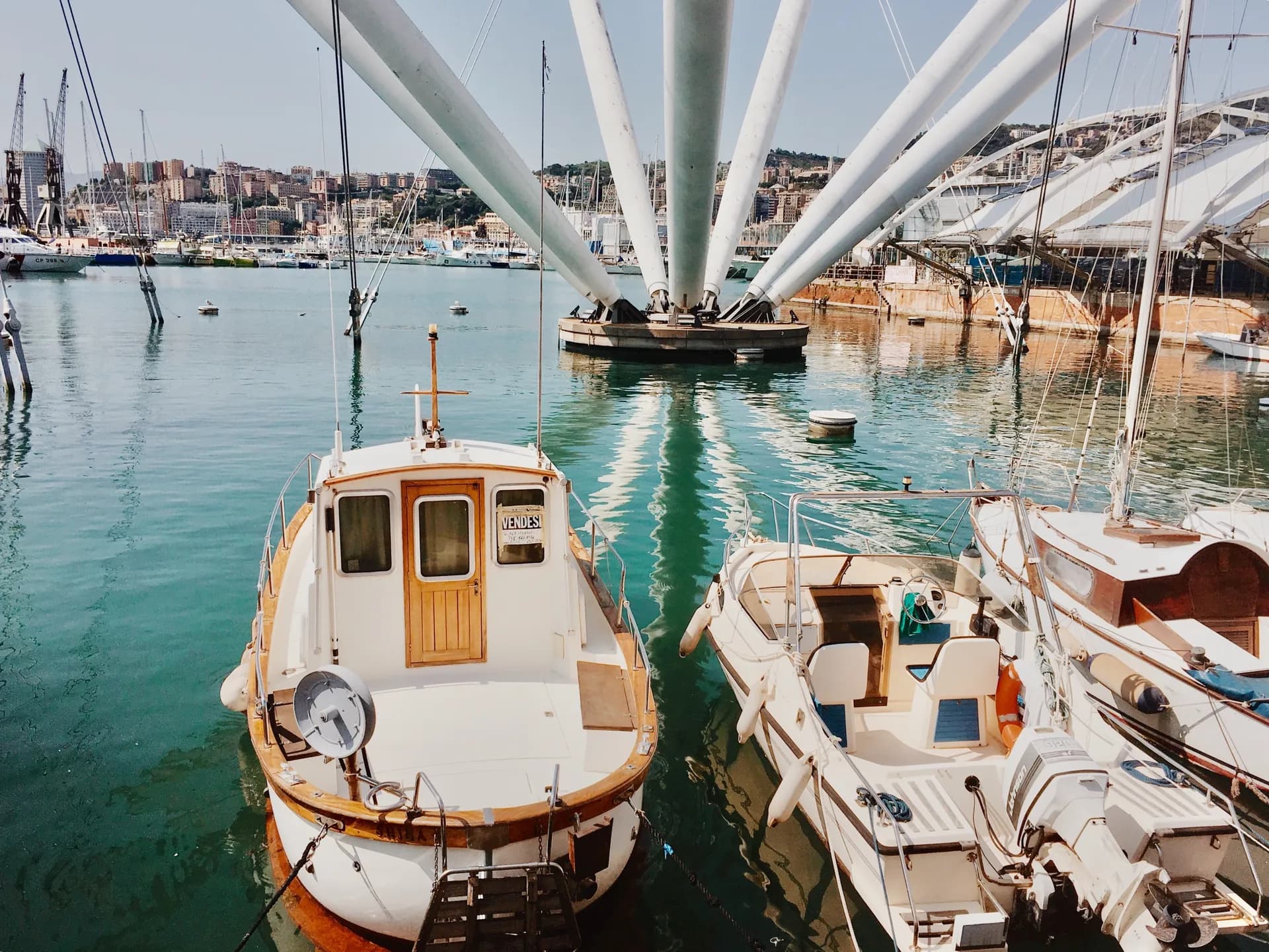
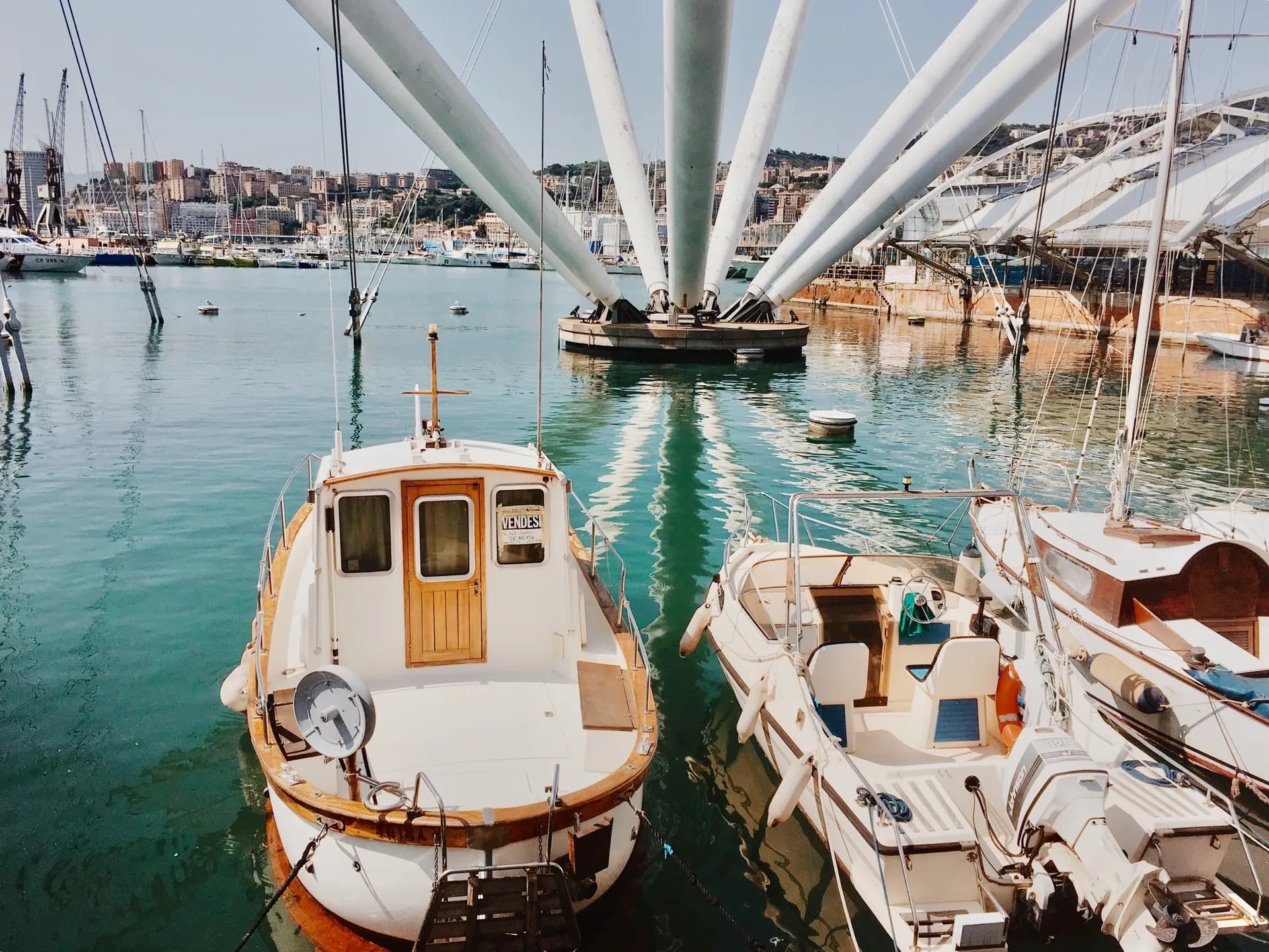
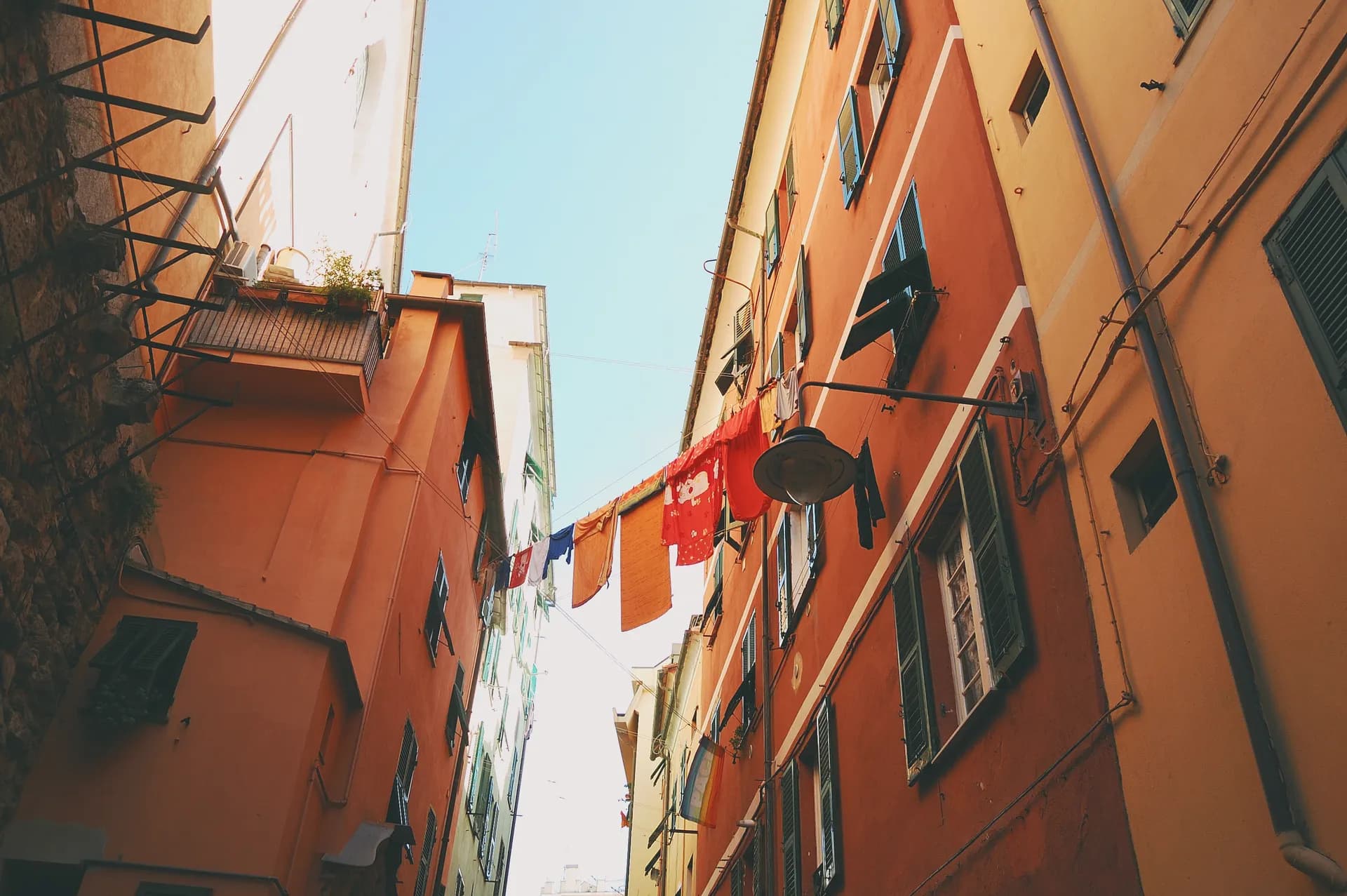
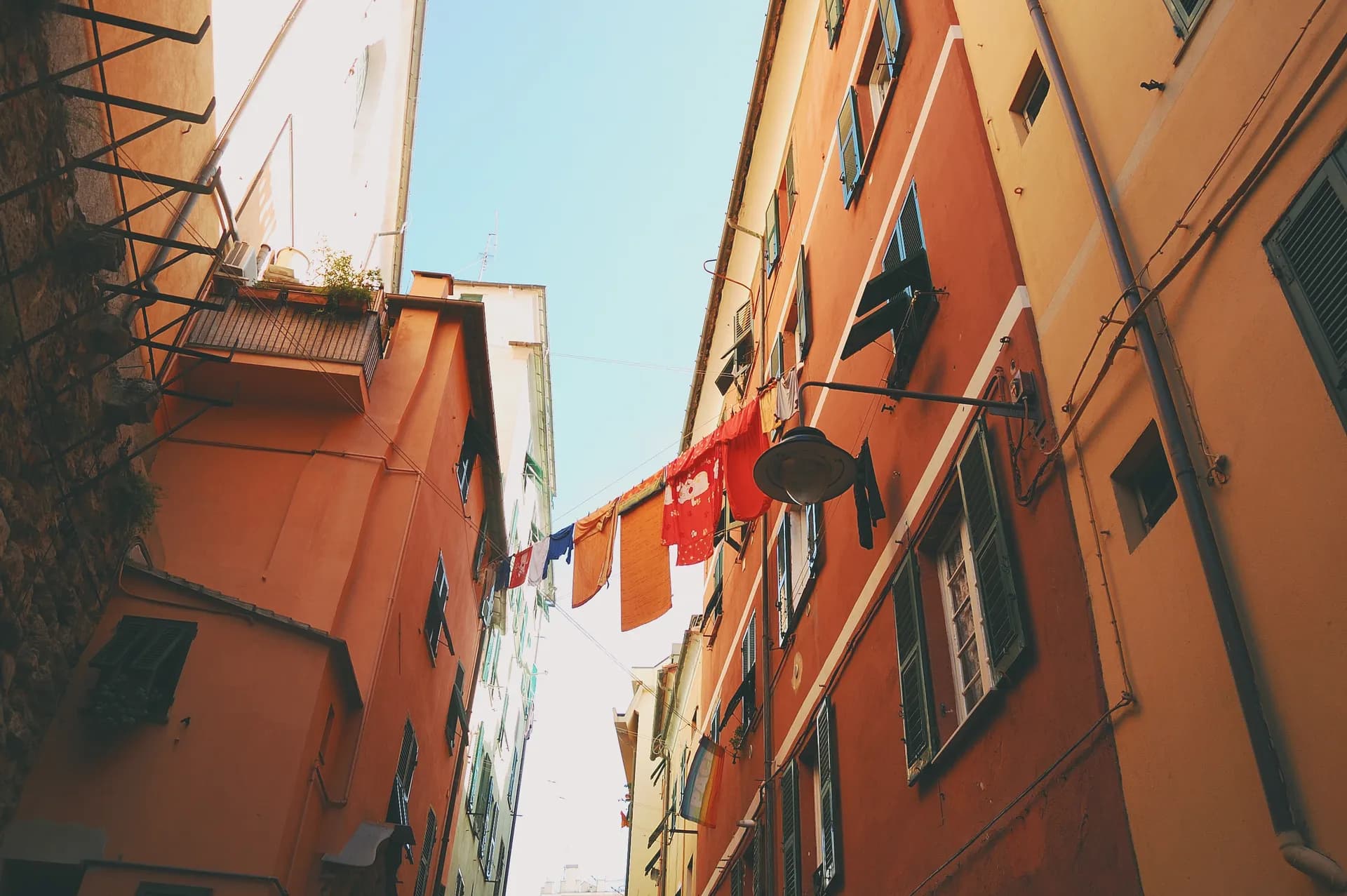
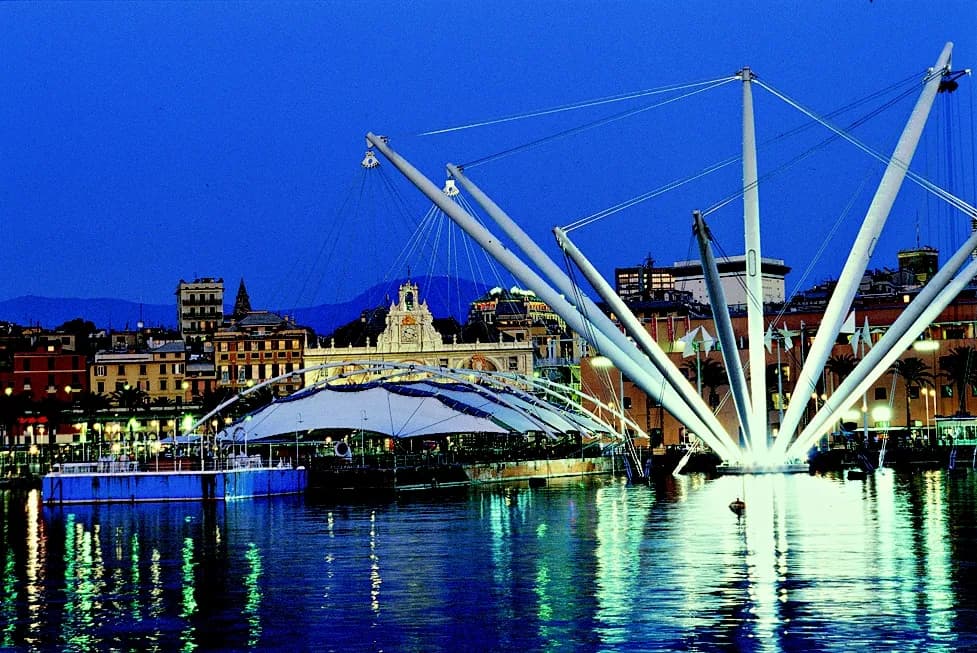
Genoa is marvellously eclectic, vibrant and full of rough-edged style; it’s a great cruise excursion. Indeed “La Superba” (The Superb), as it was known at the height of its authority as a Mediterranean superpower, boasts more zest and intrigue than all the surrounding coastal resorts put together. During a holiday to Genoa you can explore its old town: a dense and fascinating warren of medieval alleyways home to large palazzi built in the sixteenth and seventeenth centuries by Genoa’s wealthy mercantile families and now transformed into museums and art galleries. You should seek out the Cattedrale di San Lorenzo, the Palazzo Ducale, and the Renaissance palaces of Via Garibaldi which contain the cream of Genoa’s art collections, as well as furniture and decor from the grandest days of the city’s past, when its ships sailed to all corners of the Mediterranean Sea. The Acquario di Genova is the city’s pride and joy, parked like a giant ocean liner on the waterfront, with seventy tanks housing sea creatures from all the world’s major habitats, including the world’s biggest reconstruction of a Caribbean coral reef. It’s a great aquarium by any standards, the second largest in Europe by capacity, and boasts a fashionably ecology-conscious slant and excellent background information in Italian and English. Just 35 km south of Genoa, there’s no denying the appeal of Portofino, tucked into a protected inlet surrounded by lush cypress- and olive-clad slopes. It’s an A-list resort that has been attracting high-flying bankers, celebs and their hangers-on for years, as evidenced by the flotillas of giant yachts usually anchored just outside. It’s a tiny place that is attractive yet somehow off-putting at the same time, with a quota of fancy shops, bars and restaurants for a place twice its size.
Day 3
Day 3
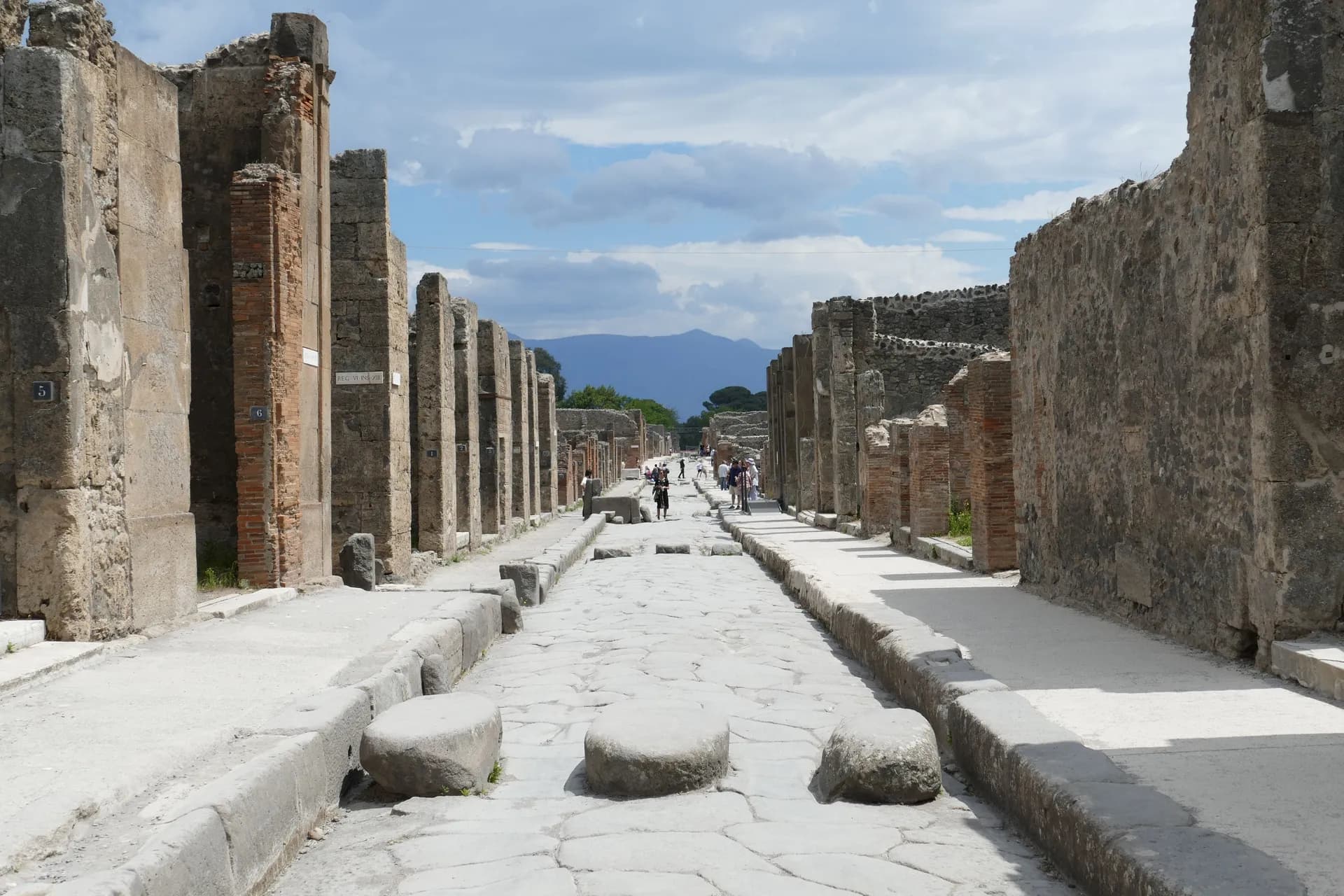
Naples (Pompeii)
ItalyArrive 13:00Depart 20:00
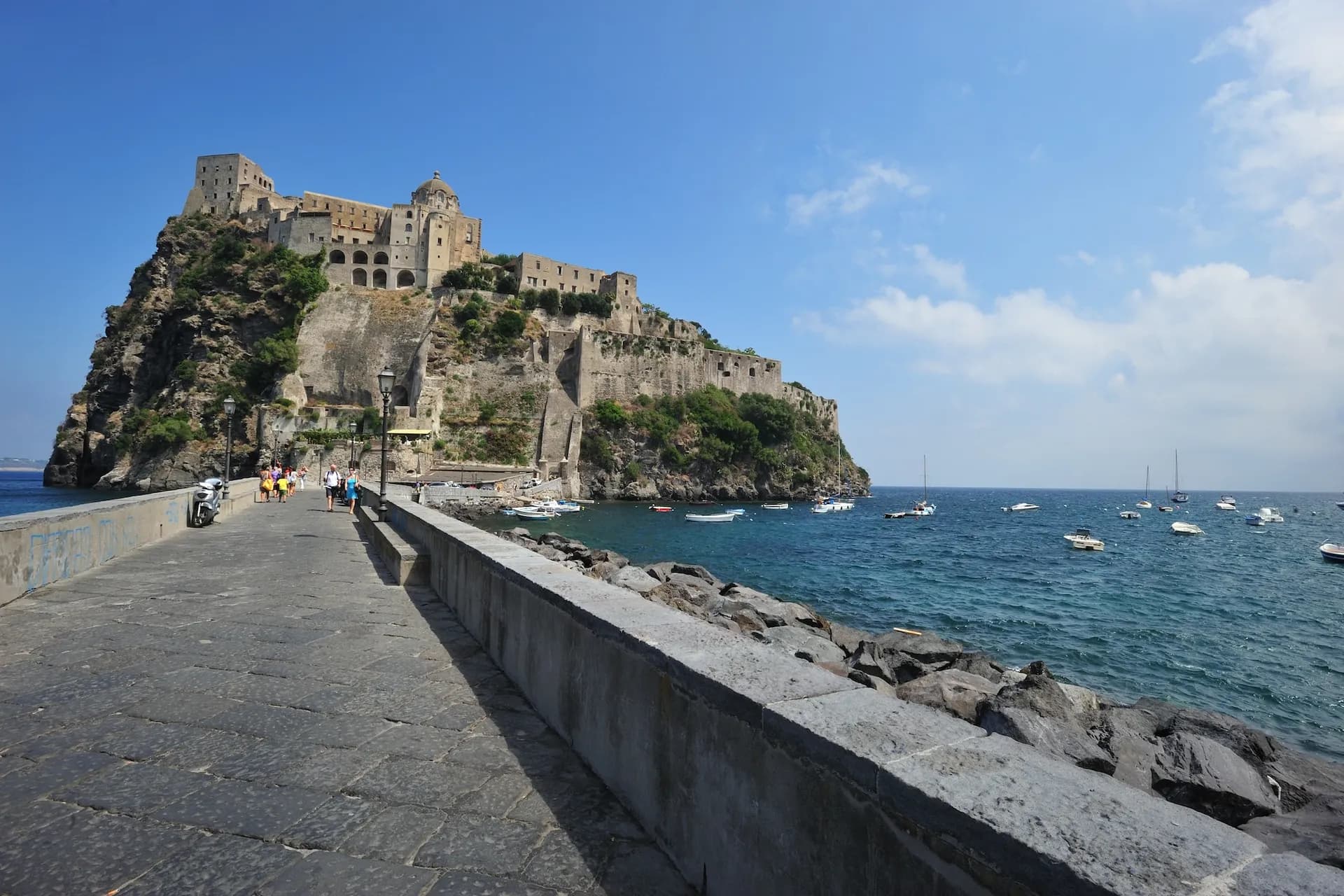
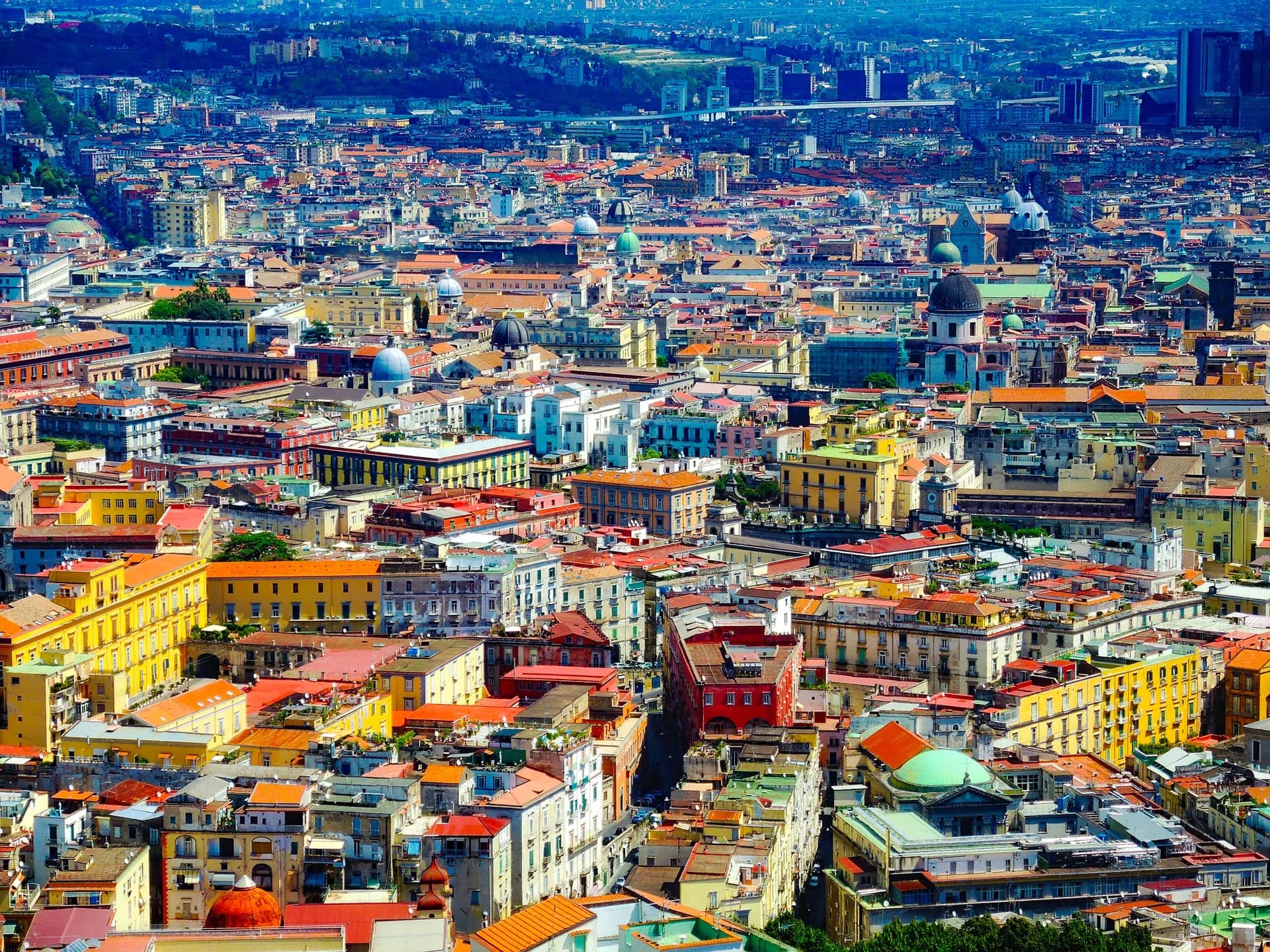
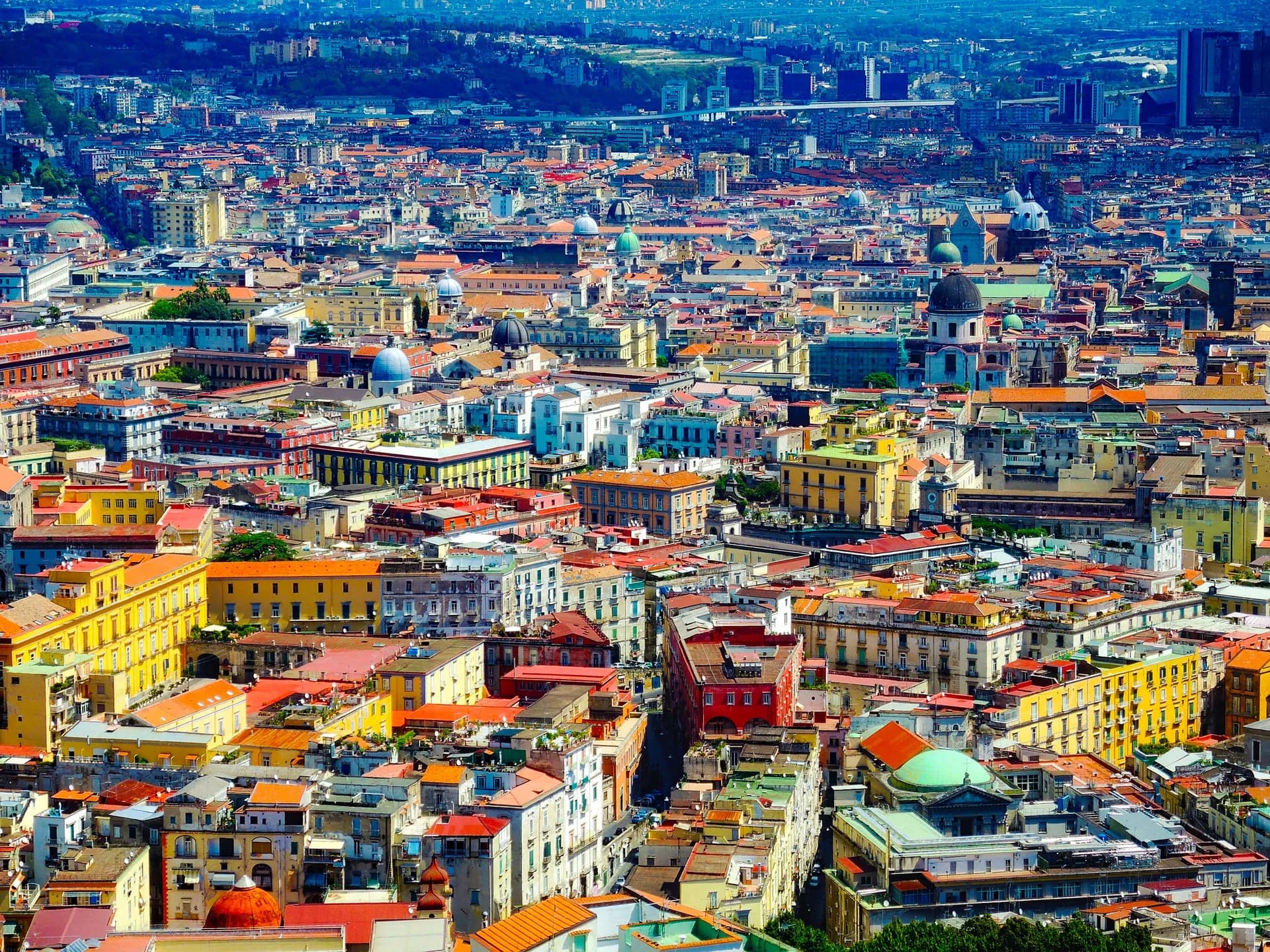
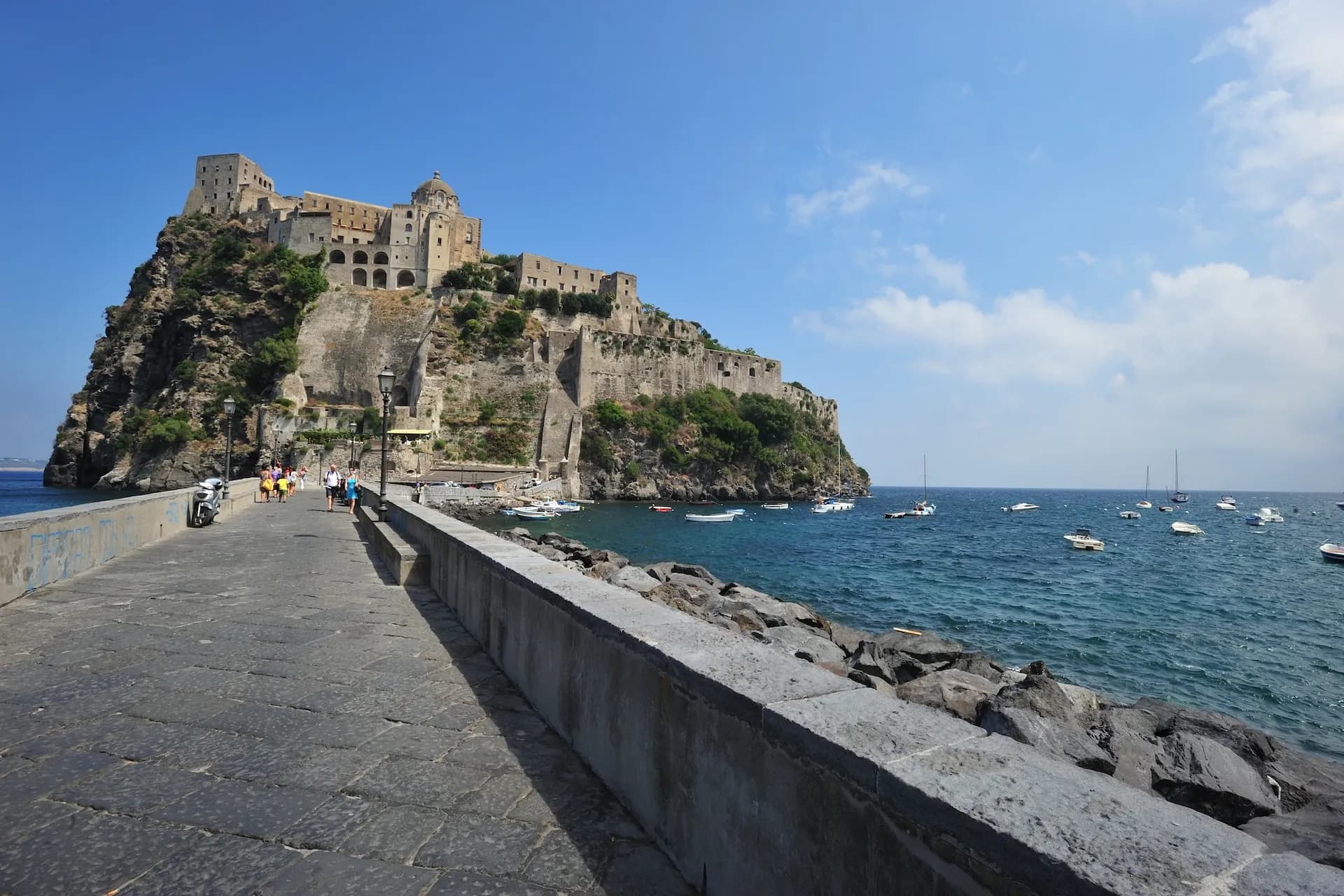
Naples, in the Campania region, is Italy's third largest city. Its claim to fame is the spectacular location along one of the world's most splendid bays, backed by the perfect cone of Mount Vesuvius. In addition to its beautiful setting, Naples' surprises with other outstanding attractions such as the Royal Palace, San Carlos Opera House, the impressive National Archaeological Museum and the Castel Nuovo, dating from the 13th-century. The city's central area is best explored on foot. Chaotic traffic conditions make driving around the city a very frustrating experience. Naples provides a convenient starting point for trips to such favored destinations as Pompeii, Herculaneum and Mount Vesuvius. The Isle of Capri can be reached via a 45-minute hydrofoil service. The region of Campania was home to Greeks settlers some 300 years before Rome was founded. Pompeii, too, was a Greek town before being conquered by the Romans during the 5th century BC. It was under the Romans that Pompeii flourished and grew prosperous. When Mount Vesuvius erupted in 79 AD, the population of 20,000 was wiped out, but dozens of buildings were preserved under layers of cinder more than 20 feet deep. The most important finds from Pompeii are displayed in Naples' National Archaeological Museum. A visit here will no doubt enhance a visit to ancient Pompeii.
Day 4
Day 4
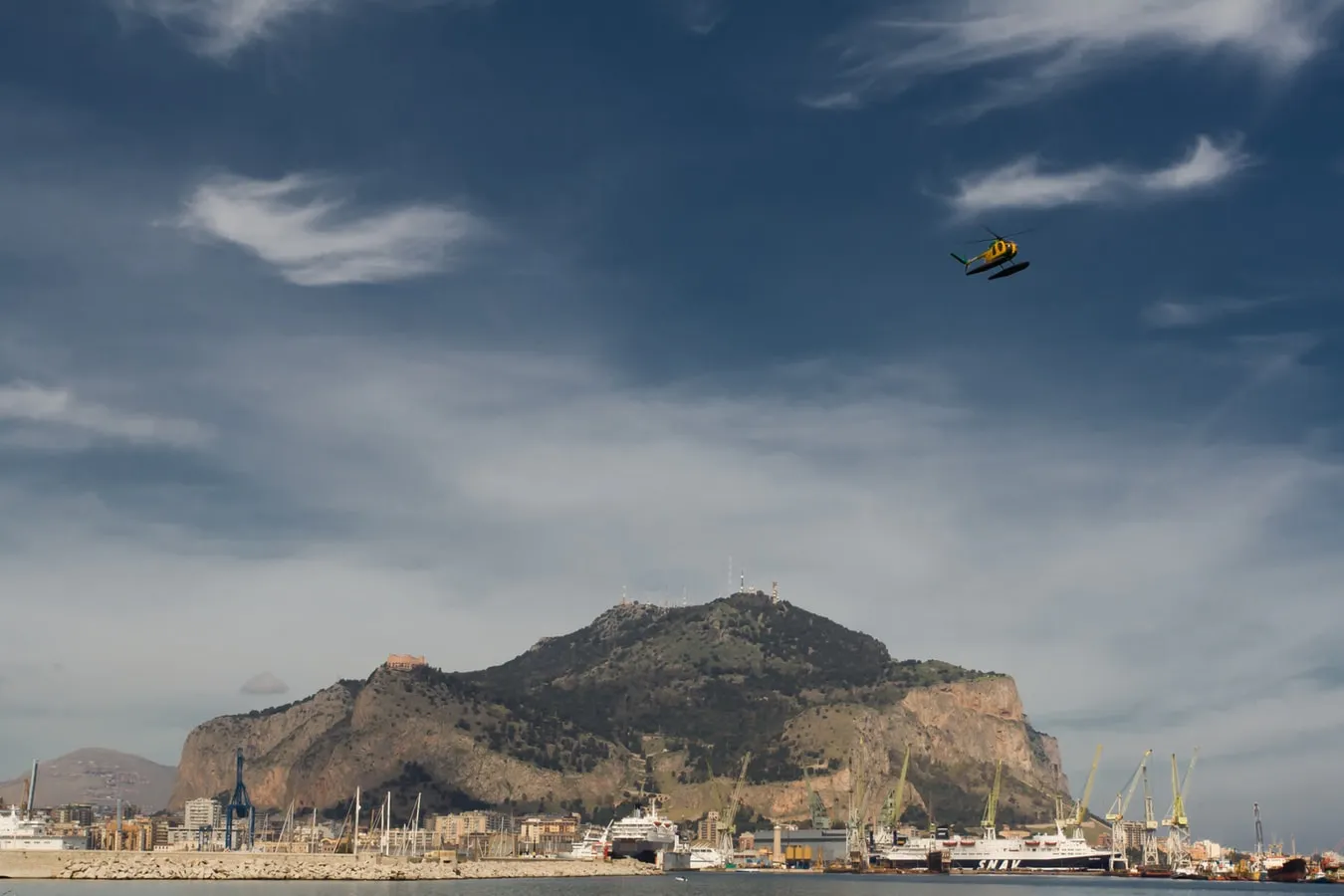
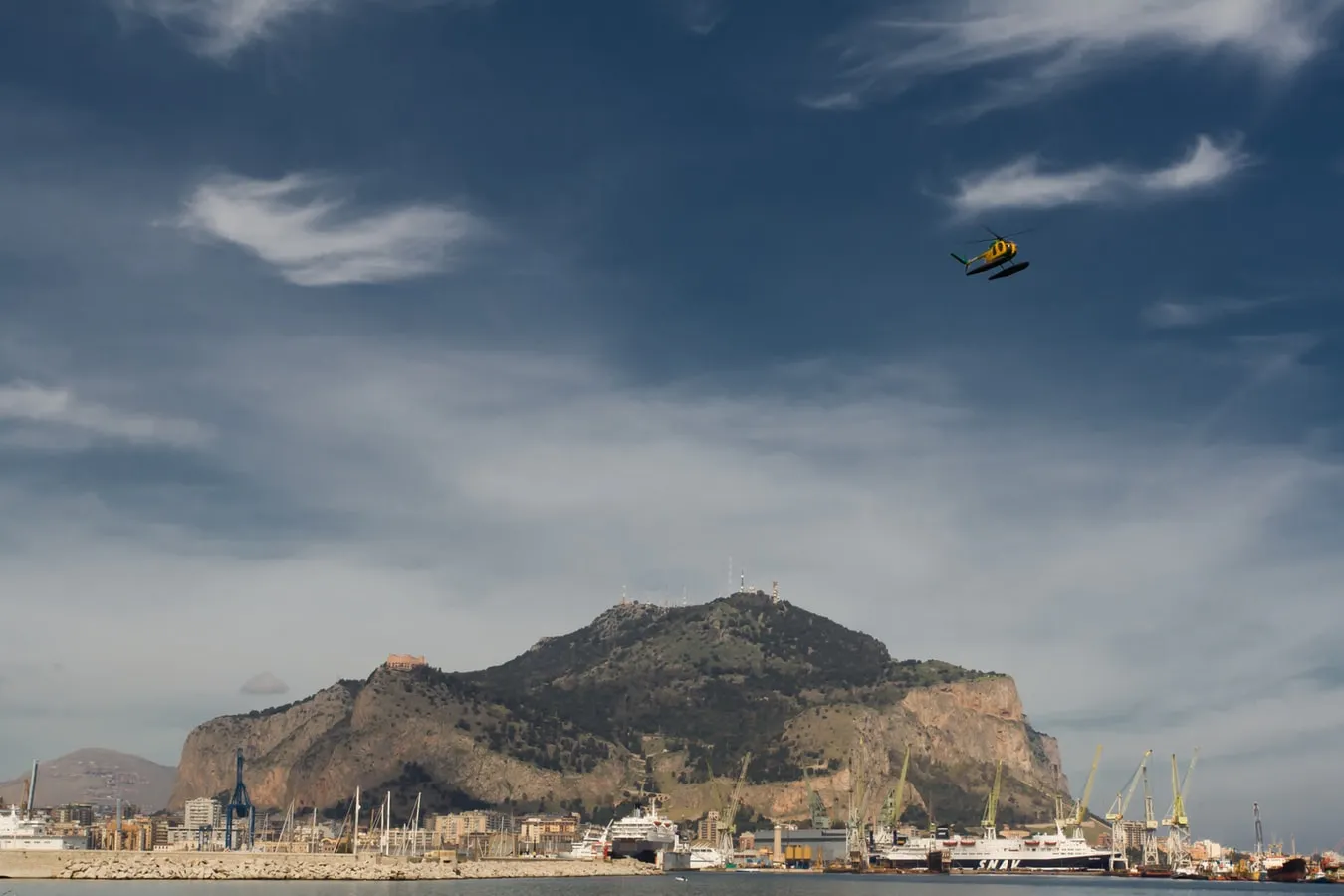
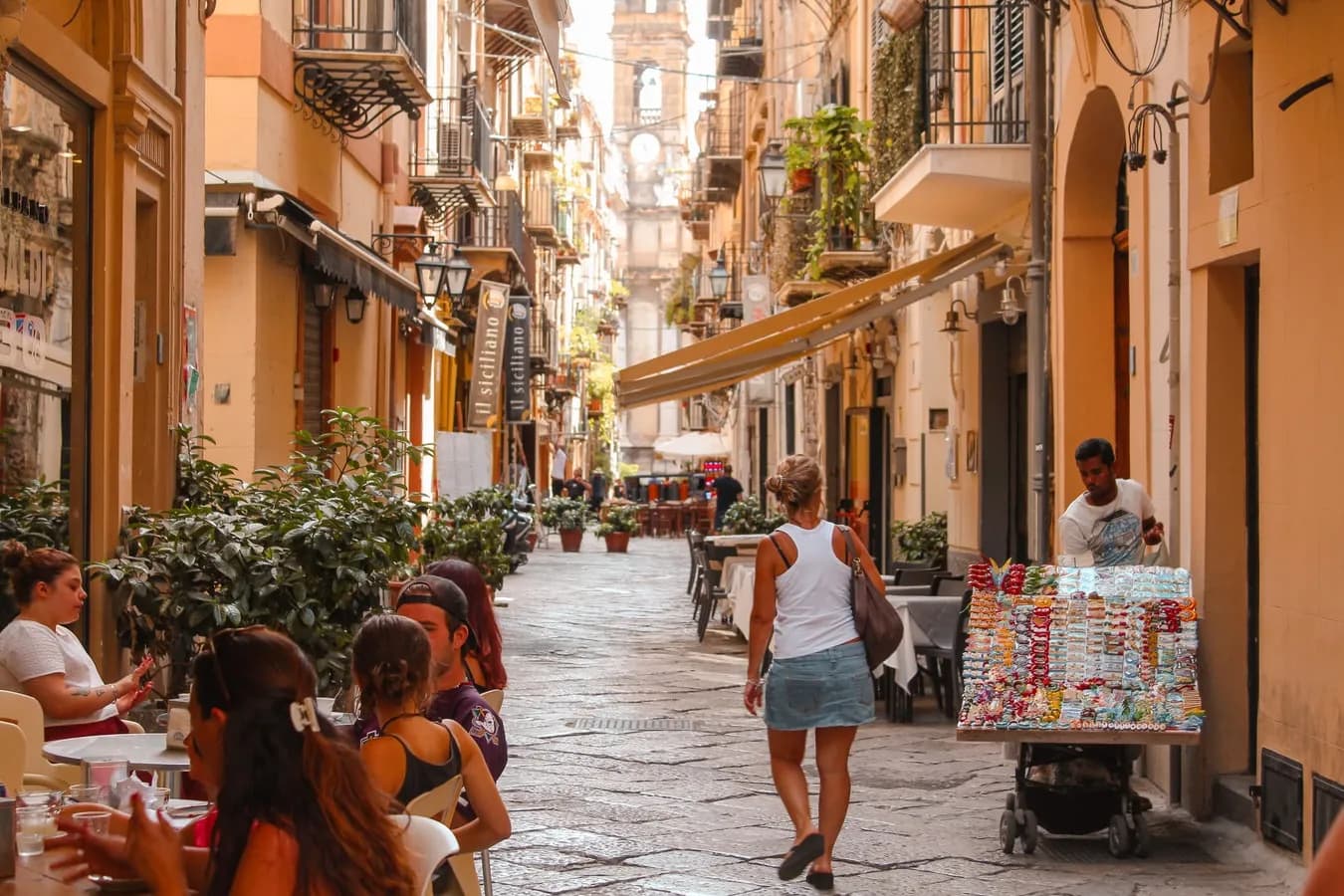
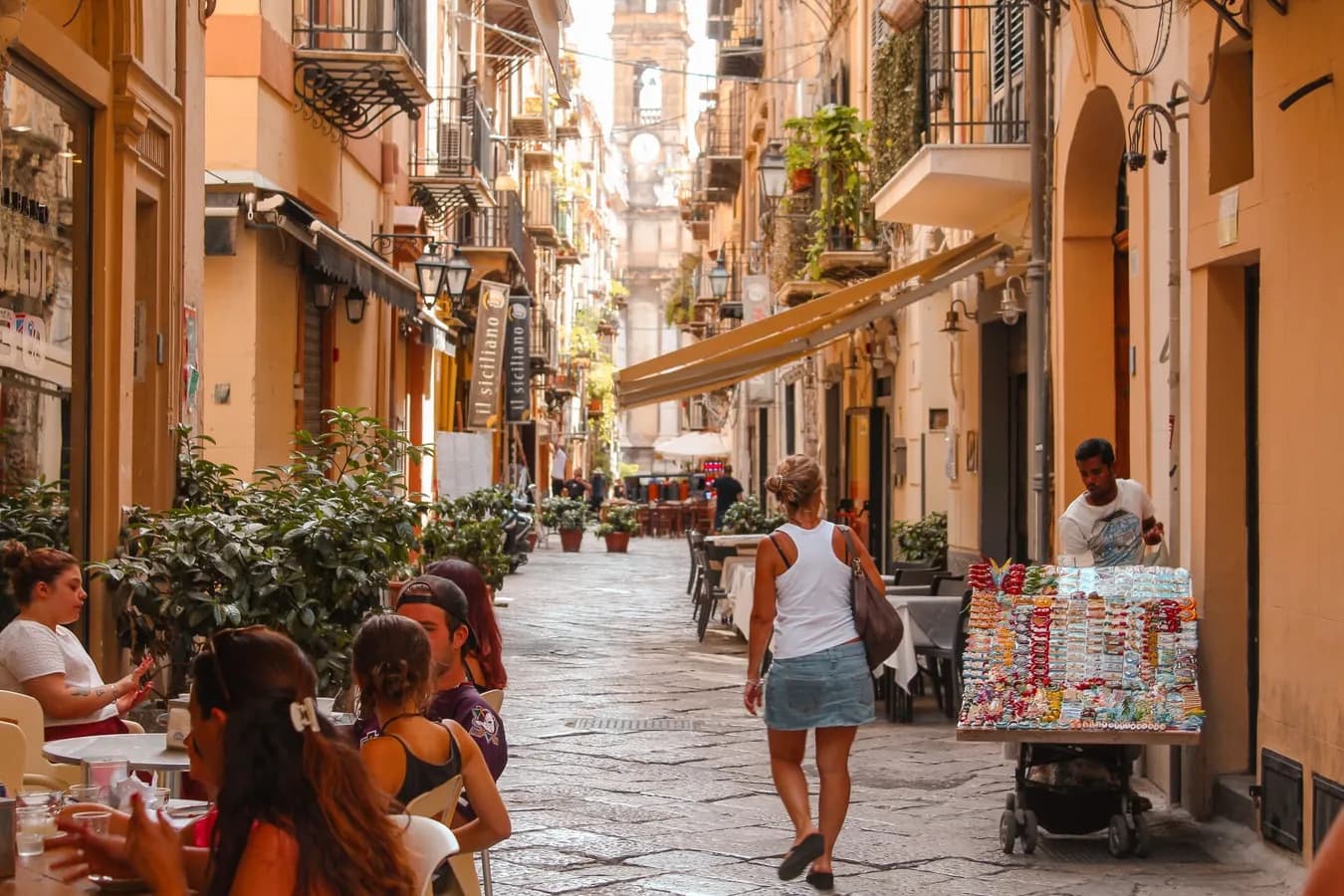
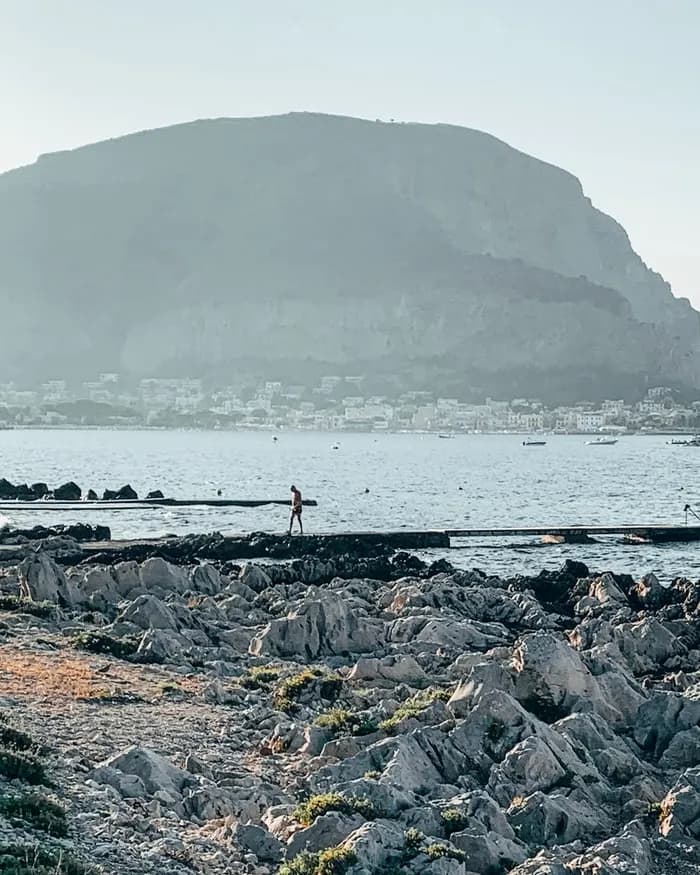
Palermo (Monreale)
ItalyArrive 09:00Depart 18:00
The capital of Sicily is situated on a crescent-shaped bay on the island's north coast. Once the intellectual capital of southern Europe, Palermo has always been at the crossroads of civilization. Due to its favourable location, Sicily's most interesting city has attracted almost every people and culture touching the Mediterranean world. Its most unique characteristic is a harmonious blend of Arab-Norman cultures mixed with Byzantine and Jewish elements, which created some unforgettable and resplendent works of art. Phoenician traders first colonized Palermo in the 6th-century BC, but it was the Carthaginians, who built the important fortress here that caught the covetous eye of the Romans. After the first Punic War, the Romans took control of the city in the 3rd-century BC. Following several invasions by the Vandals, Sicily was settled by Arabs, who made the country an emirate and Palermo a showpiece capital that rivalled in splendour both Cordoba and Cairo. The city became a magical place of palaces and mosques, minarets and palm trees. In the 11th-century Palermo was conquered by the Norman ruler, Roger de Hauteville. During the Normans' hundred-year occupation, the city experienced a remarkable period of enlightenment and a flourishing of the arts. Counting a population of more than 300,000, Palermo became the centre of Norman rule and one of the most important trading centres between East and West. Eventually, Palermo was incorporated into the “Kingdom of the Two Sicilies” under the Swabian ruler Frederick II, known as the Holy Roman Emperor. After the bloody Sicilian Vespers uprising in 1282, the Spanish took control and brought the Inquisition to Palermo. Some historians believe that the nature of the Inquisition helped foster the protective secret societies that eventually evolved into the Mafia. Today, visitors can still experience the legacy of Palermo's rich past. Great Arab-Norman buildings include the Cappella Palatina, La Martorana, San Giovanni degli Eremiti and, a few miles outside the city, the Cathedral of Monreale. Palermo's bustling streets and animated markets give the town an Oriental feel. The Quattro Canti, or Four Corners, is the monumental crossroads laid out in 1608-1620 at the central intersection of the four longest and straightest streets of the city. North of Piazza Castelnuovo lie the avenues of the new city. Most sights are scattered along three major streets: Corso Vittorio Emanuele, Via Maqueda and Via Roma. A vigorous metropolis with a strong historical profile, Palermo is packed with interesting sights, which make it an enriching and enjoyable place to explore.
Day 5
Day 5
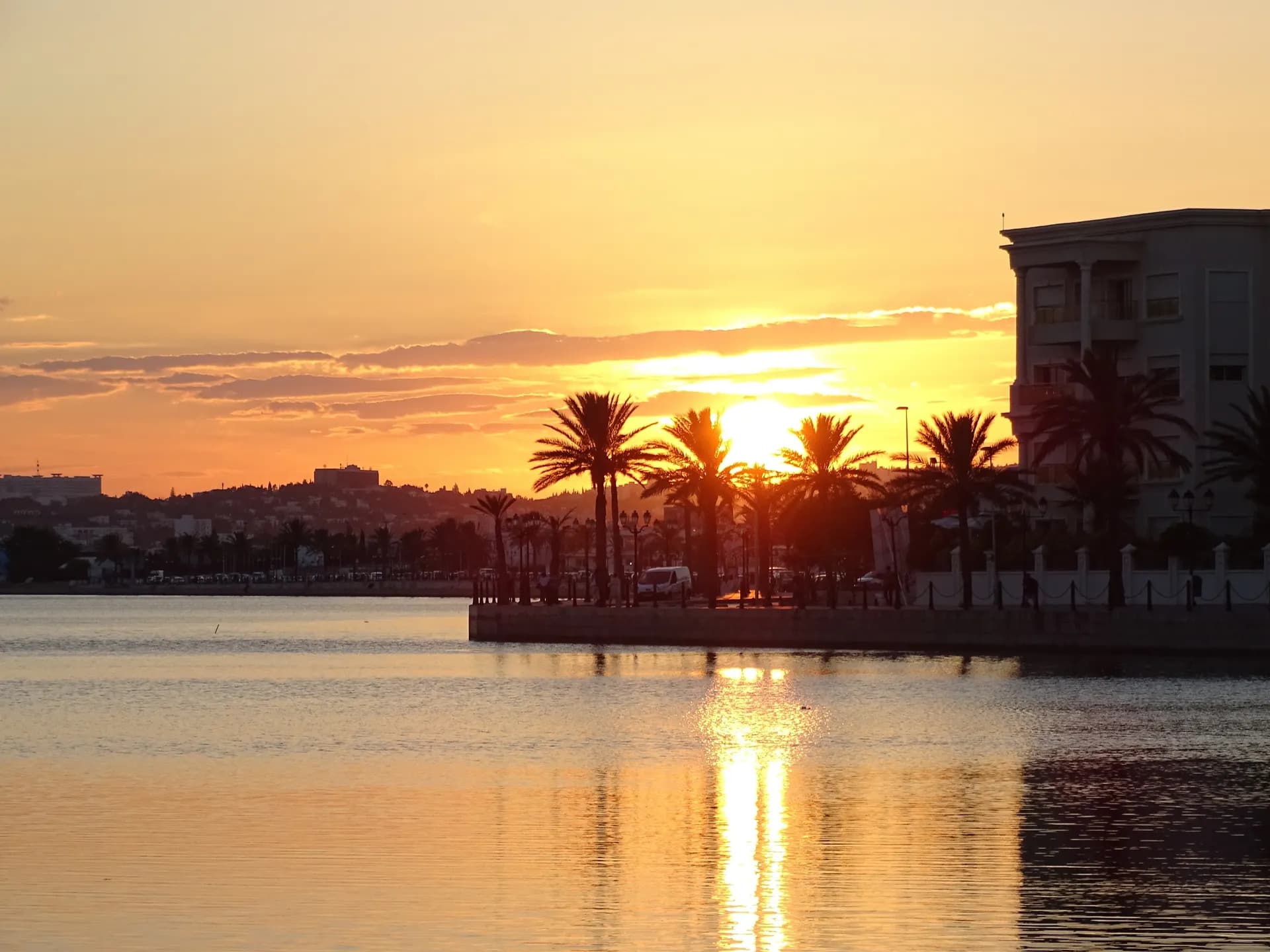
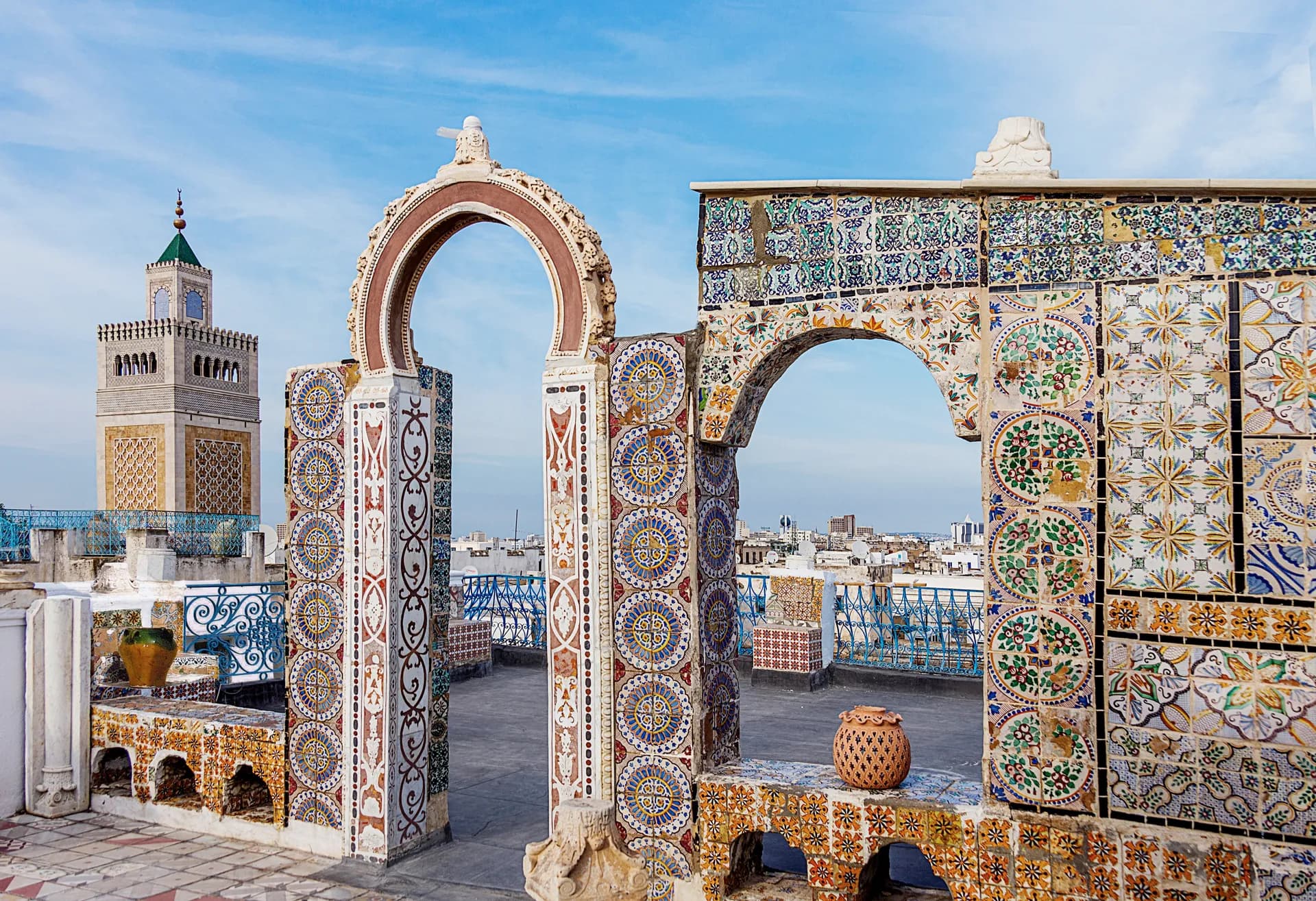
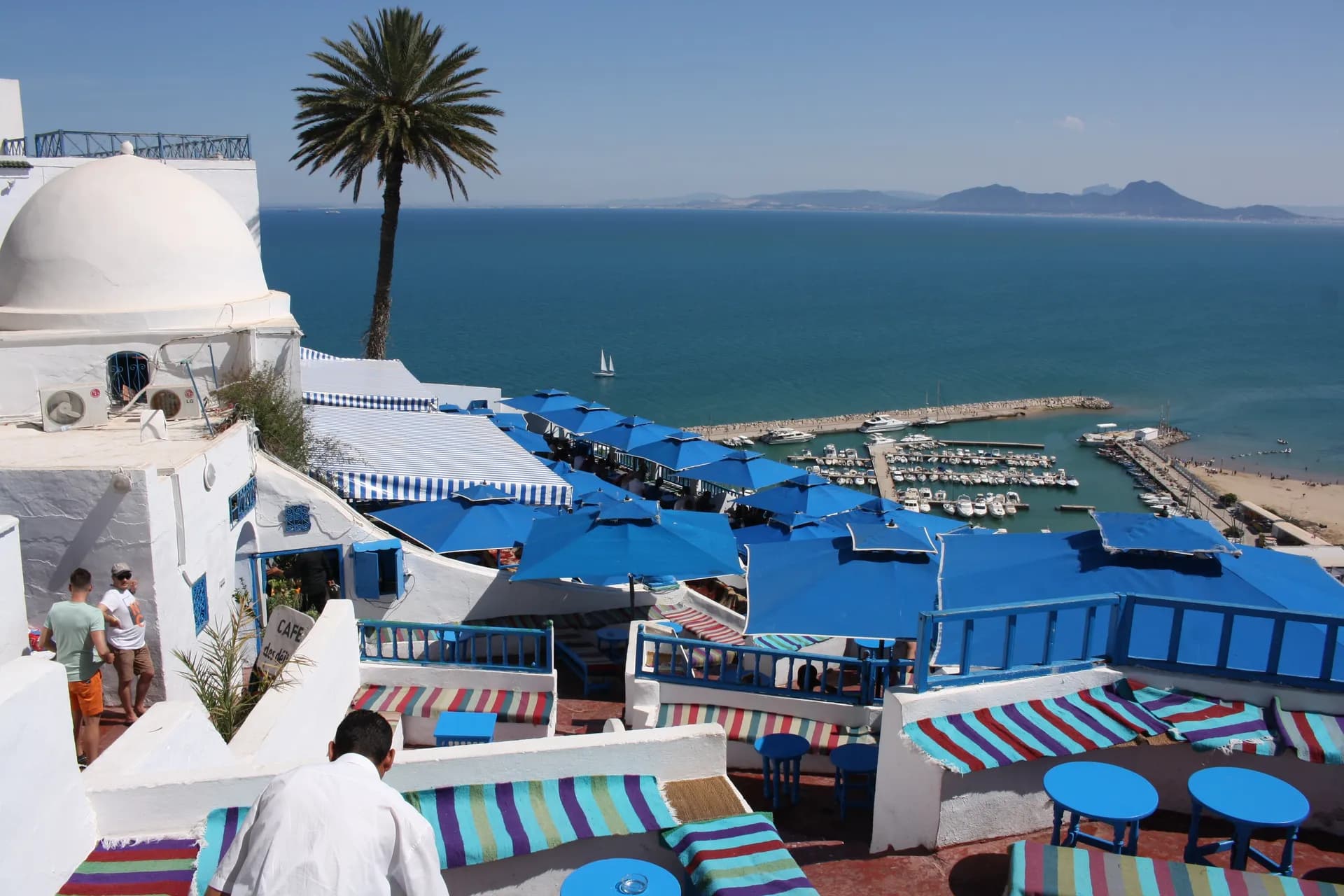
La Goulette
TunisiaArrive 09:00Depart 18:00
Until the time of the French protectorate, the medina was very much the center of things. Then, under the French influence, the ville nouvelle (new city) emerged with its major banks, department stores and administrative services. The main focus of ville nouvelle is the wide, tree-lined Avenue Habib Bourguiba. At its western end, this major thoroughfare becomes the Avenue de France, terminating in the Place de la Victoire and the entrance to the medina. Although today the medina has lost some of its importance, it is still a place where traditions can be readily observed and where visitors can get a feel for the local way of life. It features many of the city's points of interest and countless shops.
Day 6
Day 6
At Sea
Day 7
Day 7
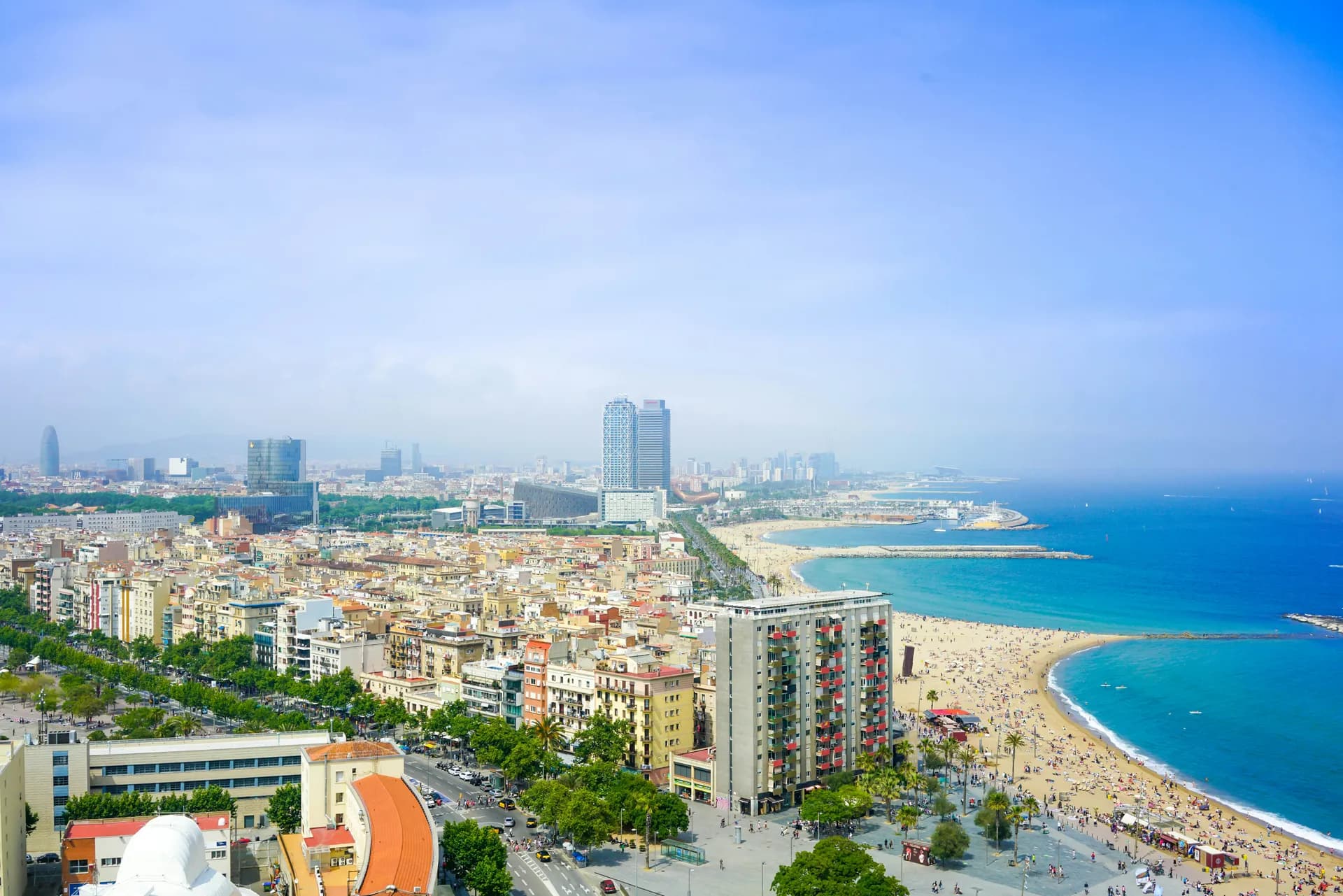
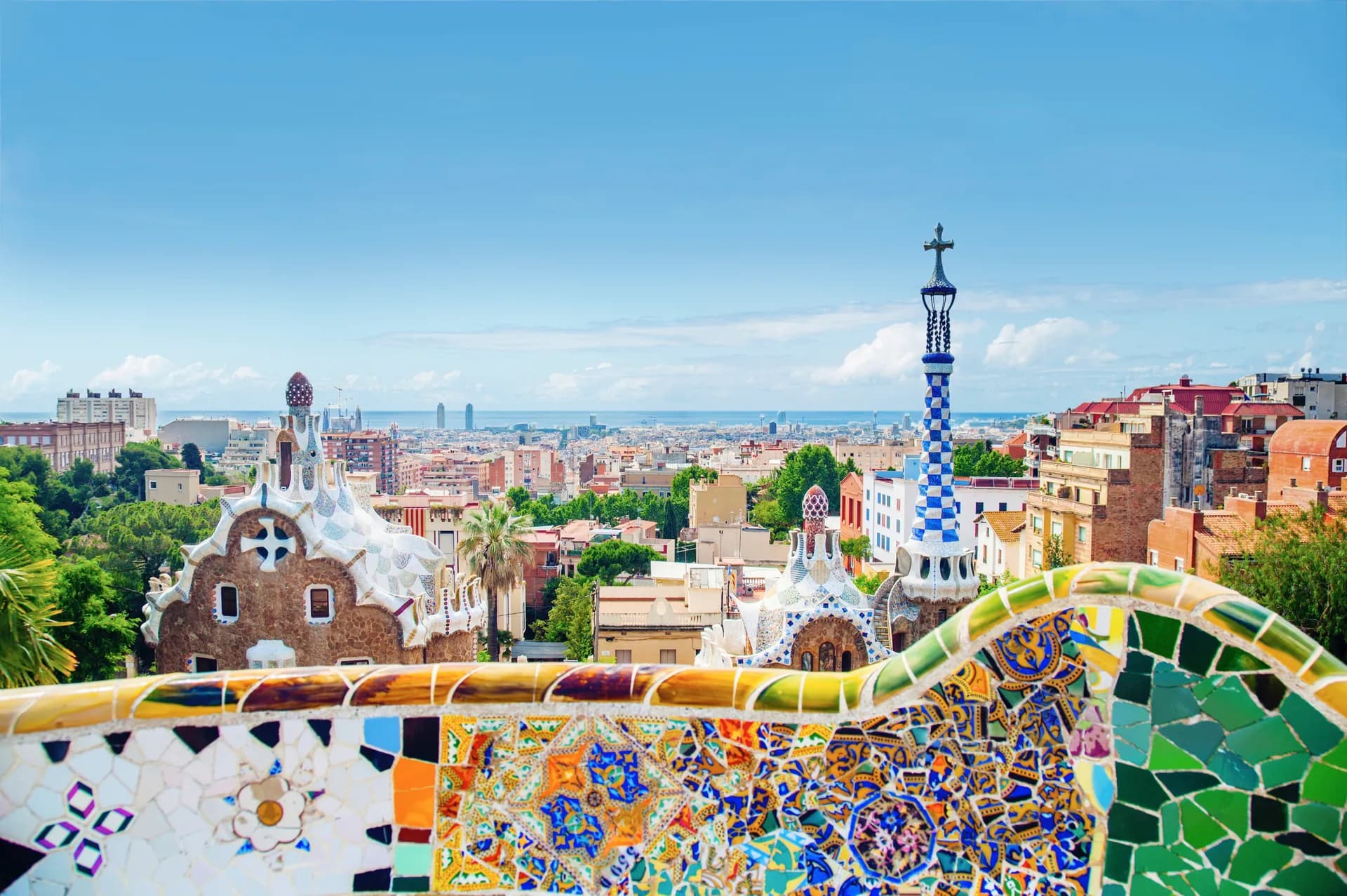
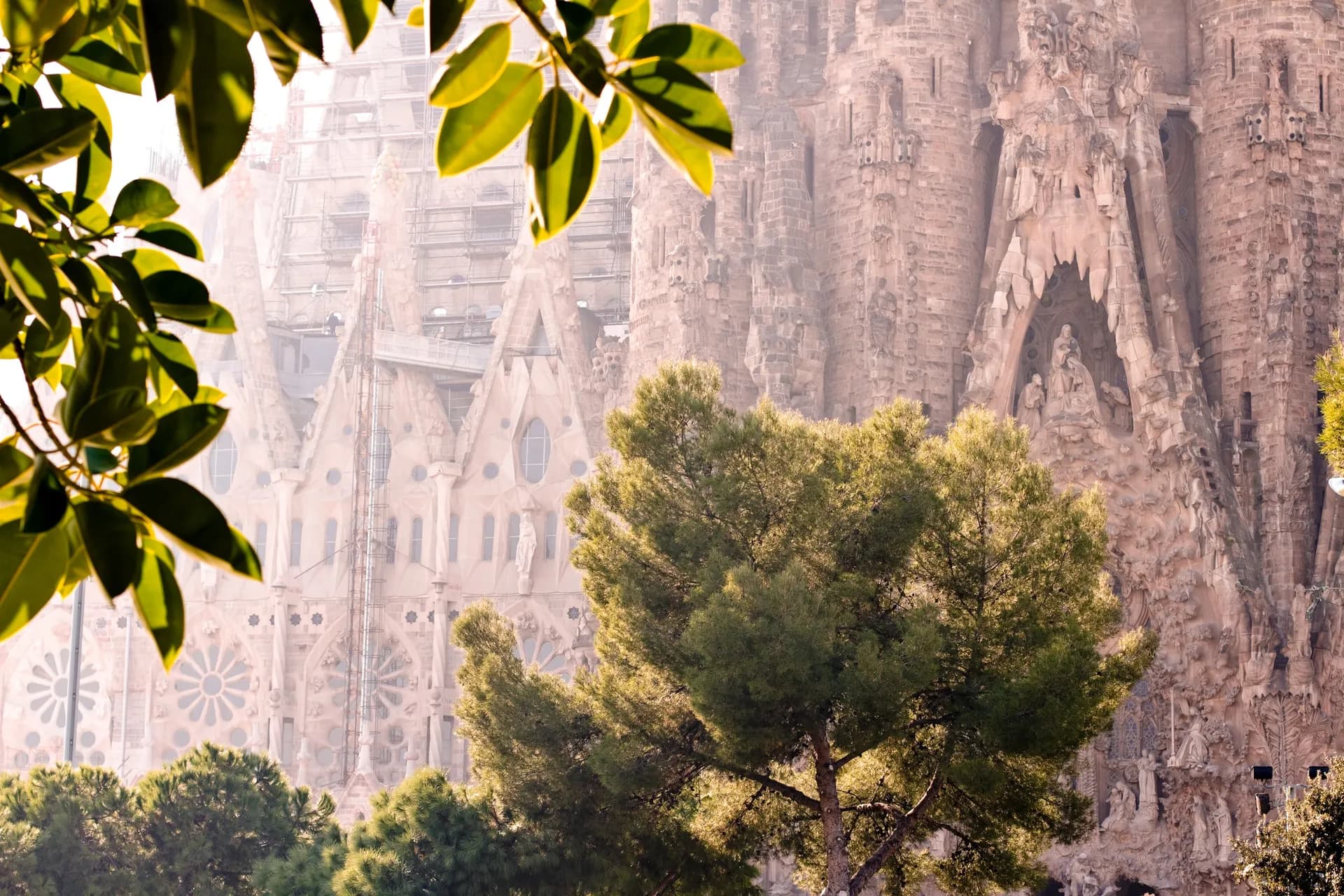
Barcelona
SpainArrive 08:00Depart 18:00
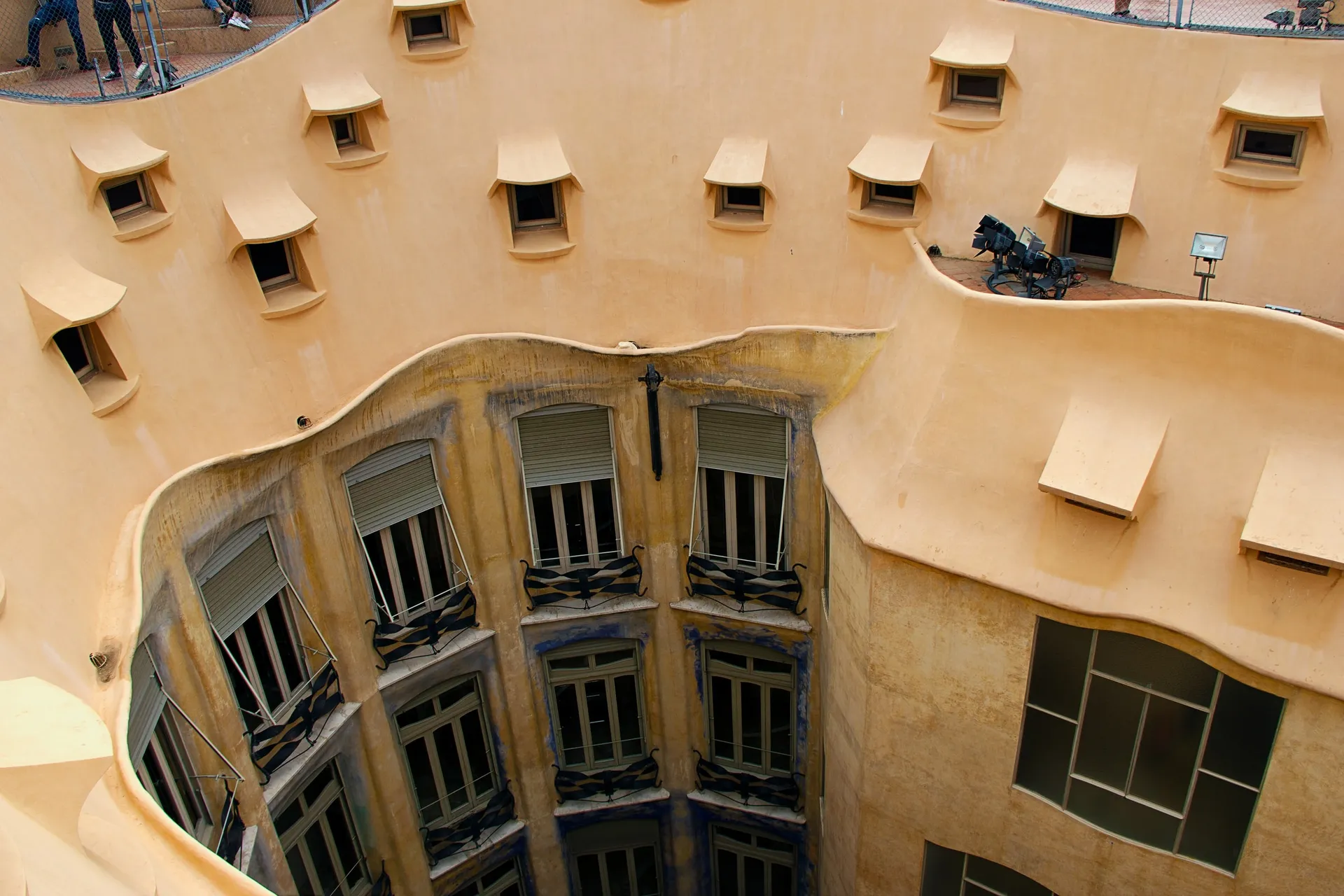
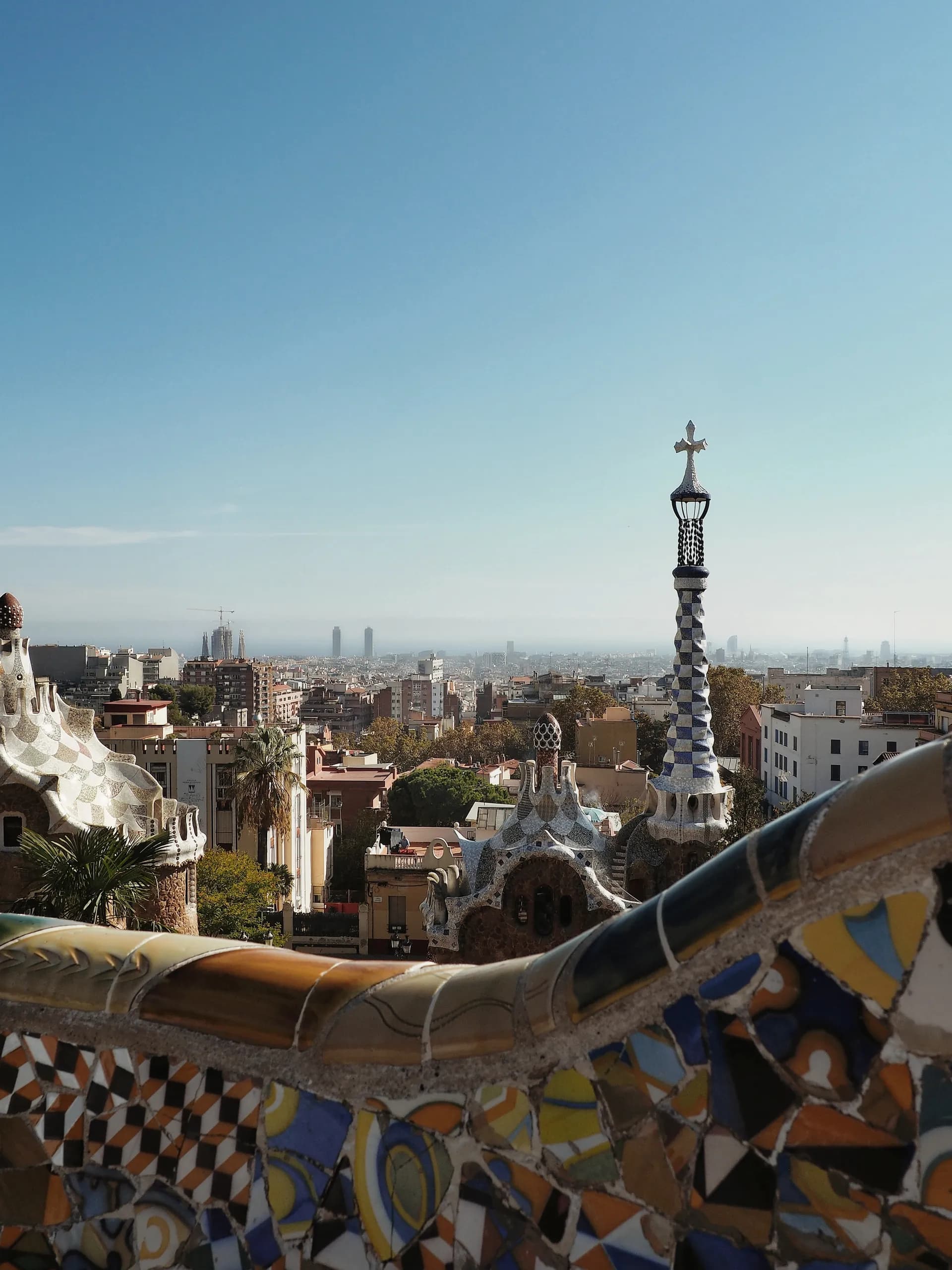
On the northeast coast of Spain, overlooking the Mediterranean, Barcelona is a vibrant port city, packed with centuries of iconic art and architecture—Gaudí and Picasso both called it home—and lined with sunny white-sand beaches. Explore the Catalan capital's tourist attractions and historic neighborhoods, Modernisme and world-renowned art museums, galleries and local crafts shops—some of which are centuries old and stock traditional Catalan wares. After you see the sights, there are lively tapas bars around every corner where you can stop for a drink, a café amb llet (Catalan for espresso with steamed milk) or a snack, no matter the hour. Green spaces for picnics, long walks and respite from the hustle and bustle are scattered throughout Barcelona's attractions: There's Gaudí's mosaic-decorated park, a neoclassical maze at the Laberint d'Horta, as well as plenty of high places (mountains, monuments and edifices) where sightseeing visitors can take in the view. A short trip from Barcelona by car or train, luxury outlets, cava wineries, a mountaintop abbey and the sandy beaches of the Mediterranean coast await.
Day 8
Day 8
Marseille (Provence)
FranceArrive 09:00
Marseille is the second largest city in France after Paris. It is also one of the oldest continuously inhabited cities in the Mediterranean. Cave paintings in the nearby Calanques are estimated to be 30,000 years old, and remains of brick habitations date from 6,000 BCE. The more recent history begins with a Hellenic port in about 600 BCE, some remains of which are on view at the city’s History Museum. It has been one of the world’s major seaports almost from its founding, and served as the main European terminus of the French colonial empire in Africa and the Far East. It is located in the Provence-Alpes-Cote d’Azur region and is the capital of the Bouches-du-Rhone department. On an island in the expansive bay of Marseille stands the prison of Chateau d’If made famous by the Alexandre Dumas novel “The Count of Monte Cristo.” The Vieux-Port with its atmospheric buildings and wharves is the area where visitors can search for the perfect example of the local specialty bouillabaisse, a rich fish stew containing at least three, and often more varieties of local fishes. Marseille’s newly renovated port at the venerable Joliette Docks is situated very close to the striking Cathédrale de la Major and the fascinating collections at the Museum of African, Oceanic and American Indian Arts.
Cabin Categories
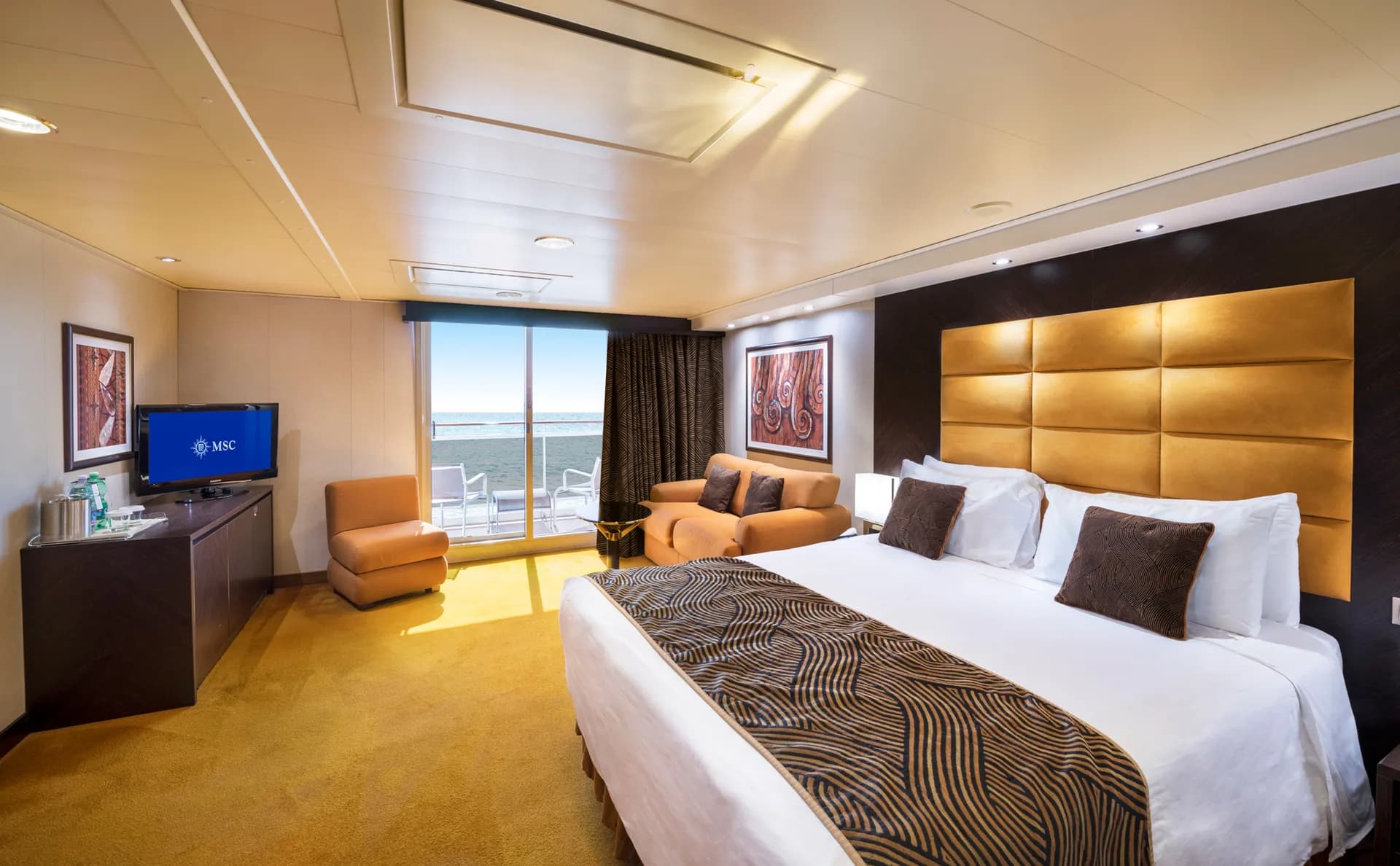
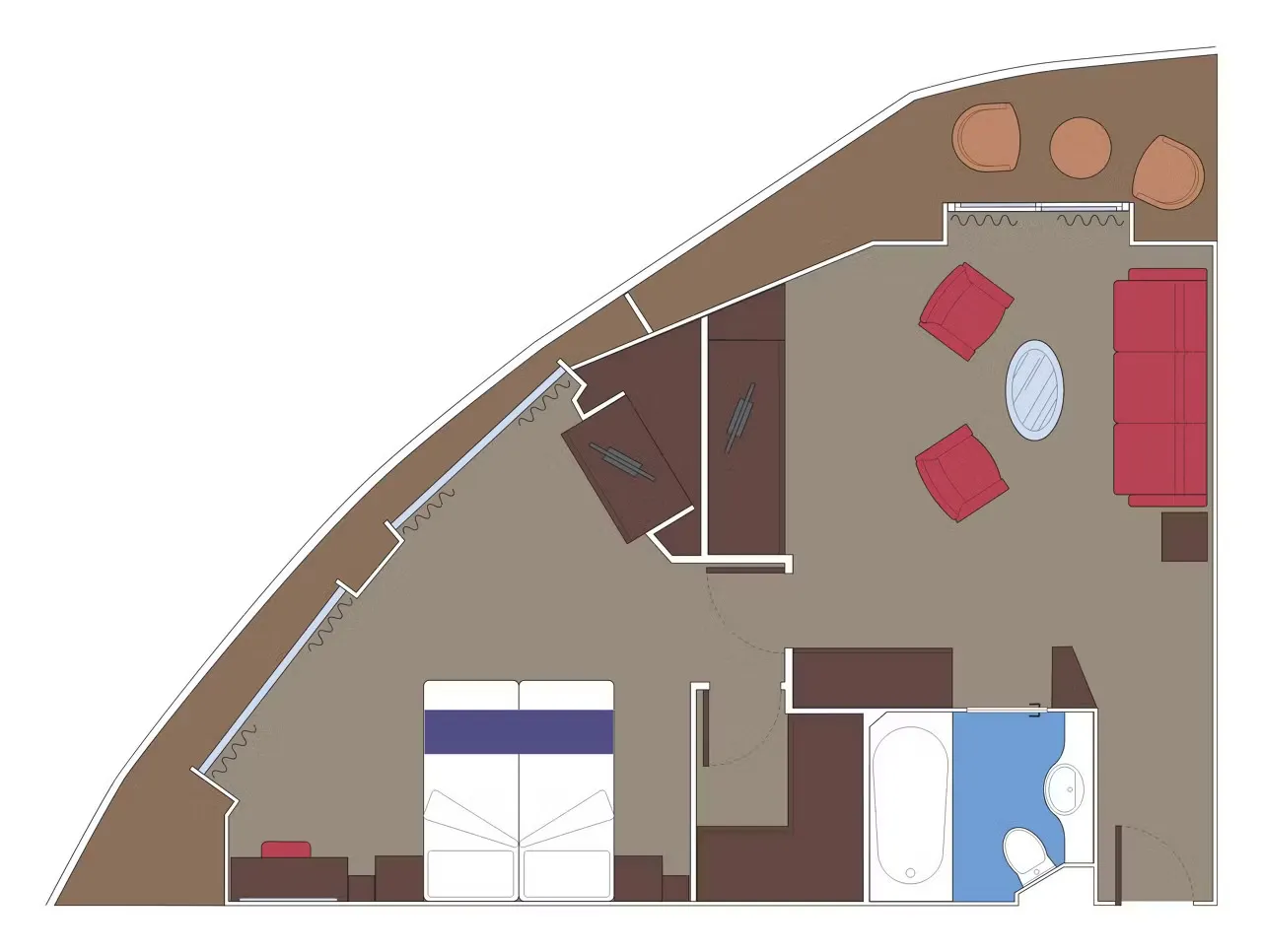
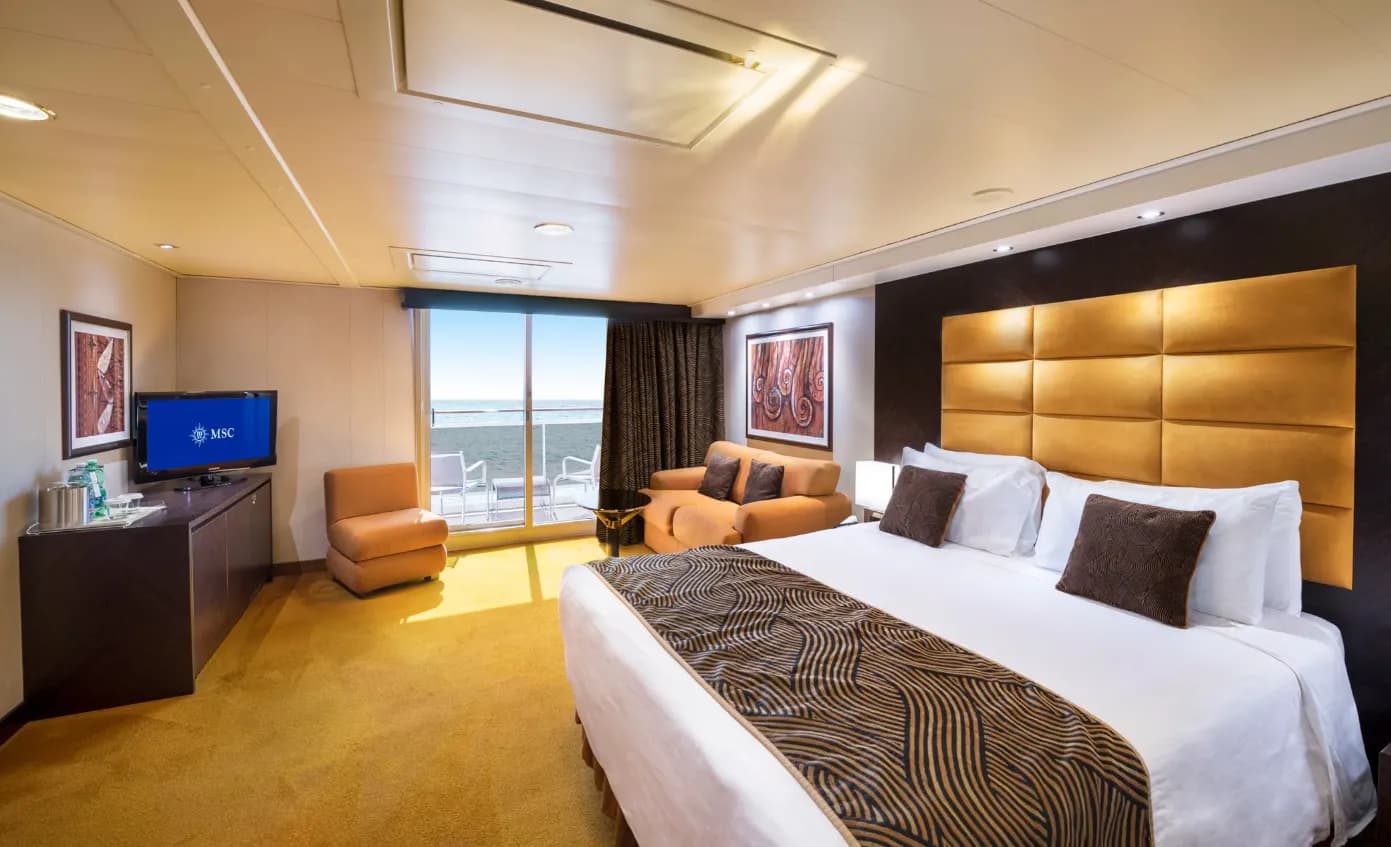
GRAND SUITE AUREA
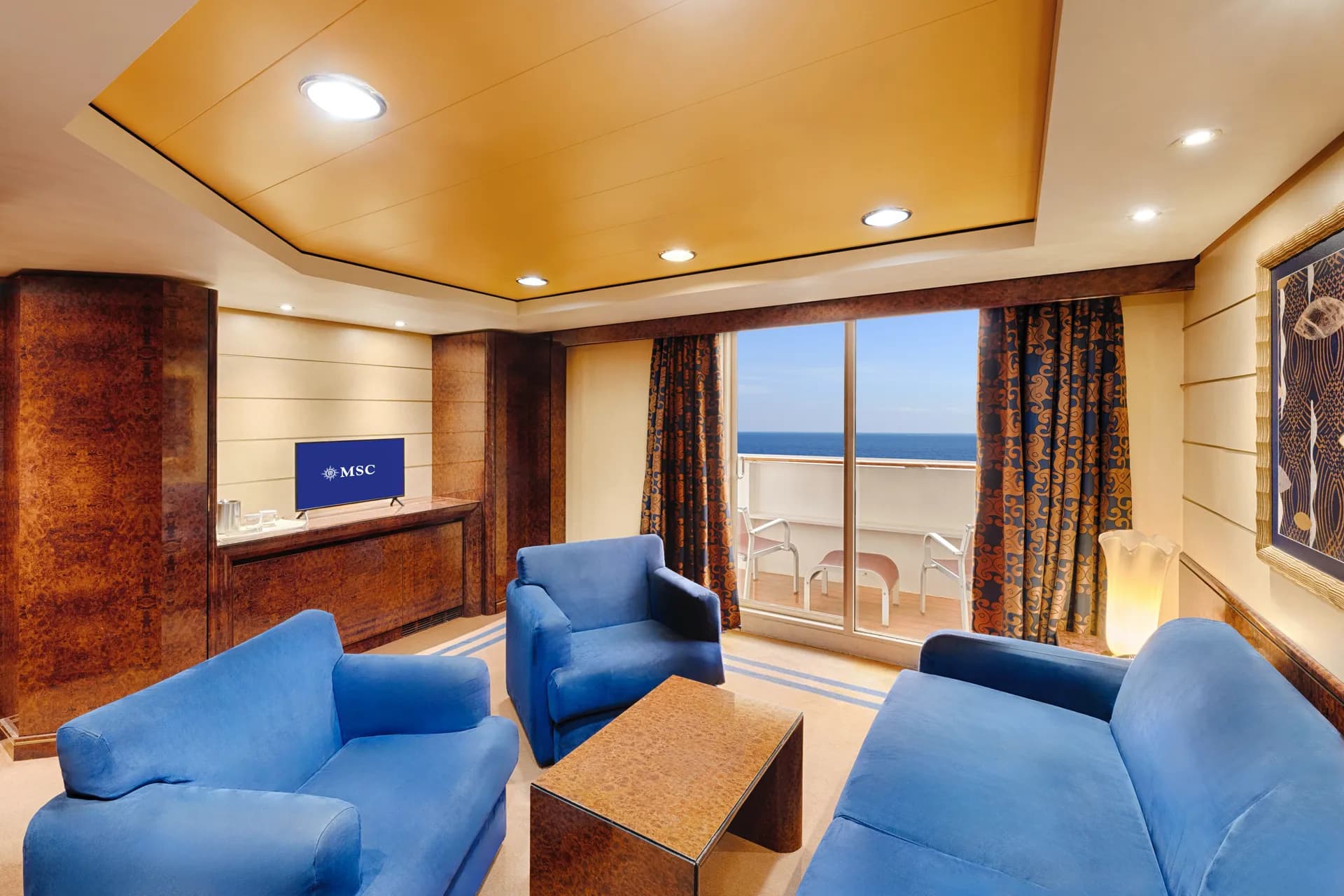
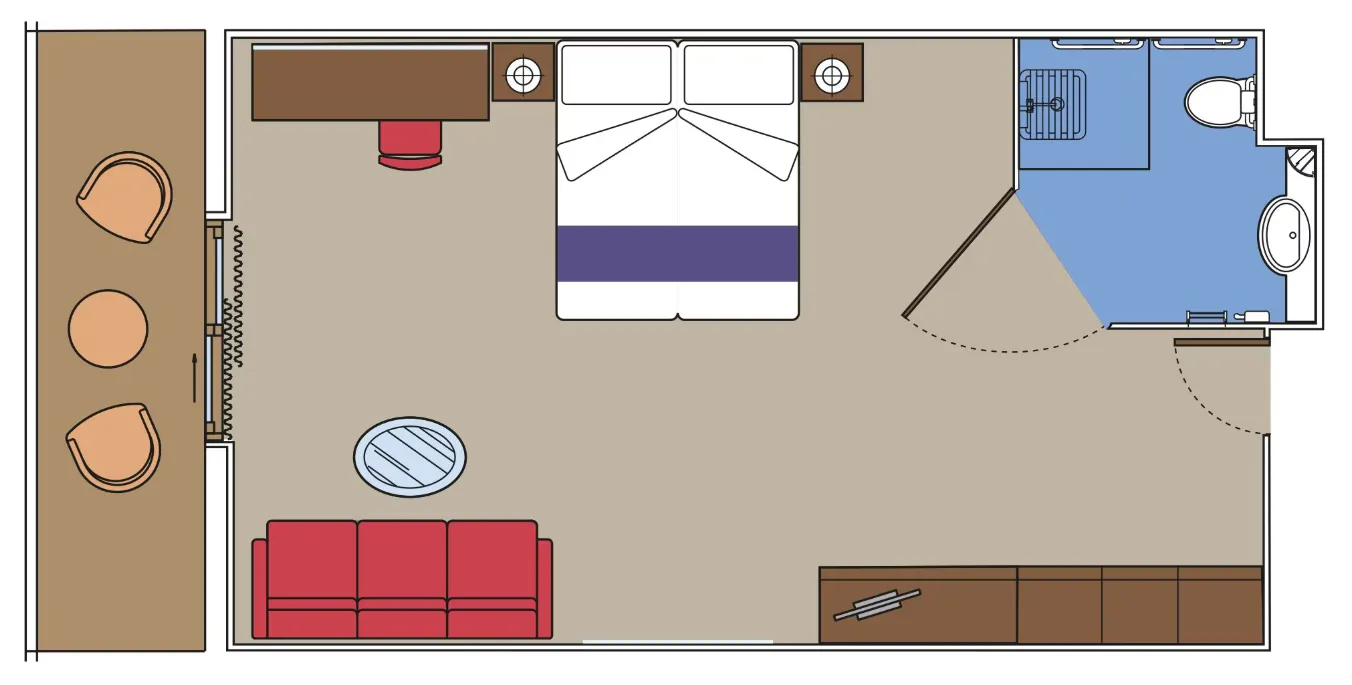
Suite
452–506 m²Max 2
SX
Balcony
Sitting area with sofa
Spacious closet
Bathroom with bathtub, vanity area and hairdryer
Interactive TV. telephone, safe and minibar
Wi-Fi access available
BathDouble or Twin ConfigurationLounge AreaVanity AreaShowerToiletries Provided+8
Sold Out
View Details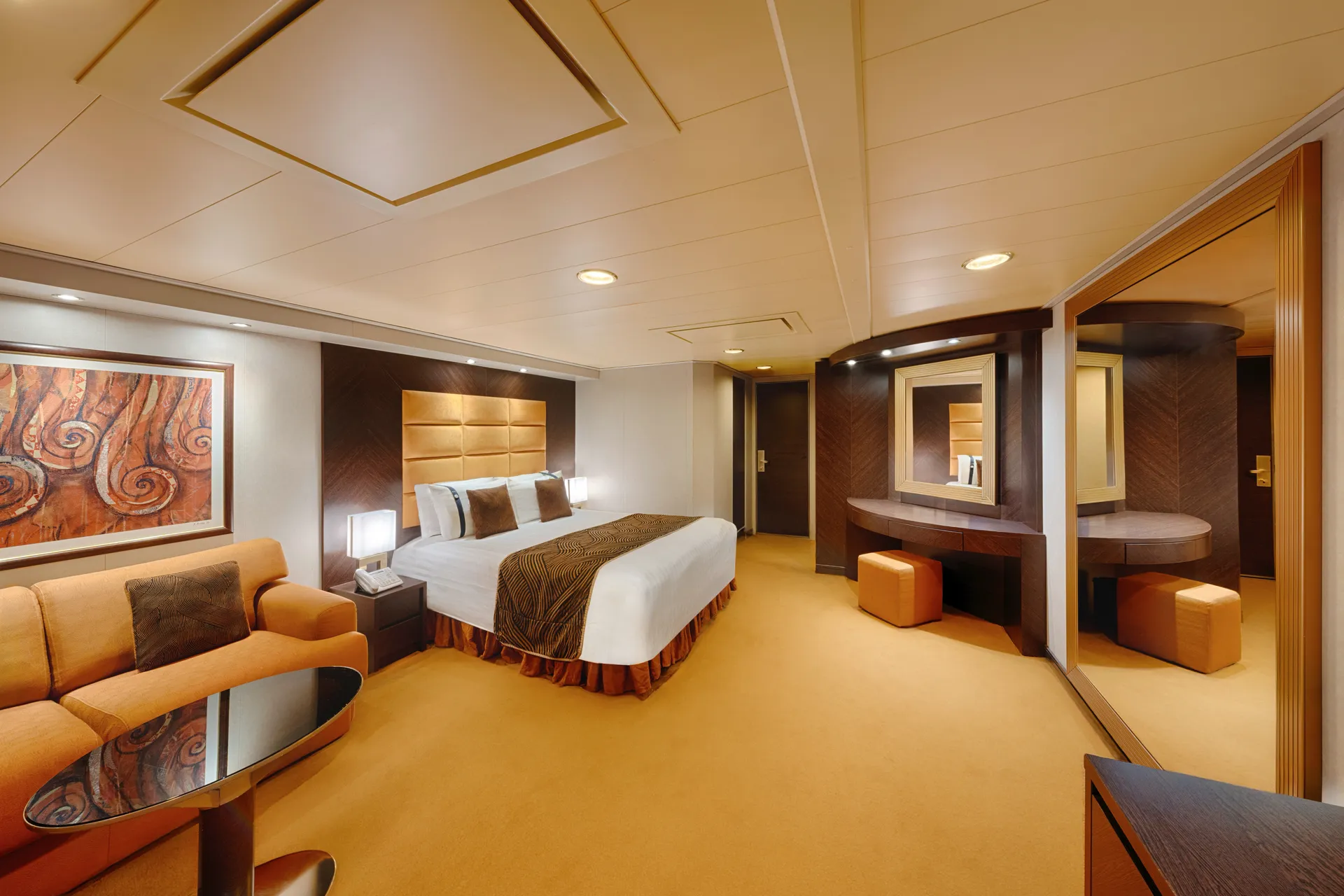
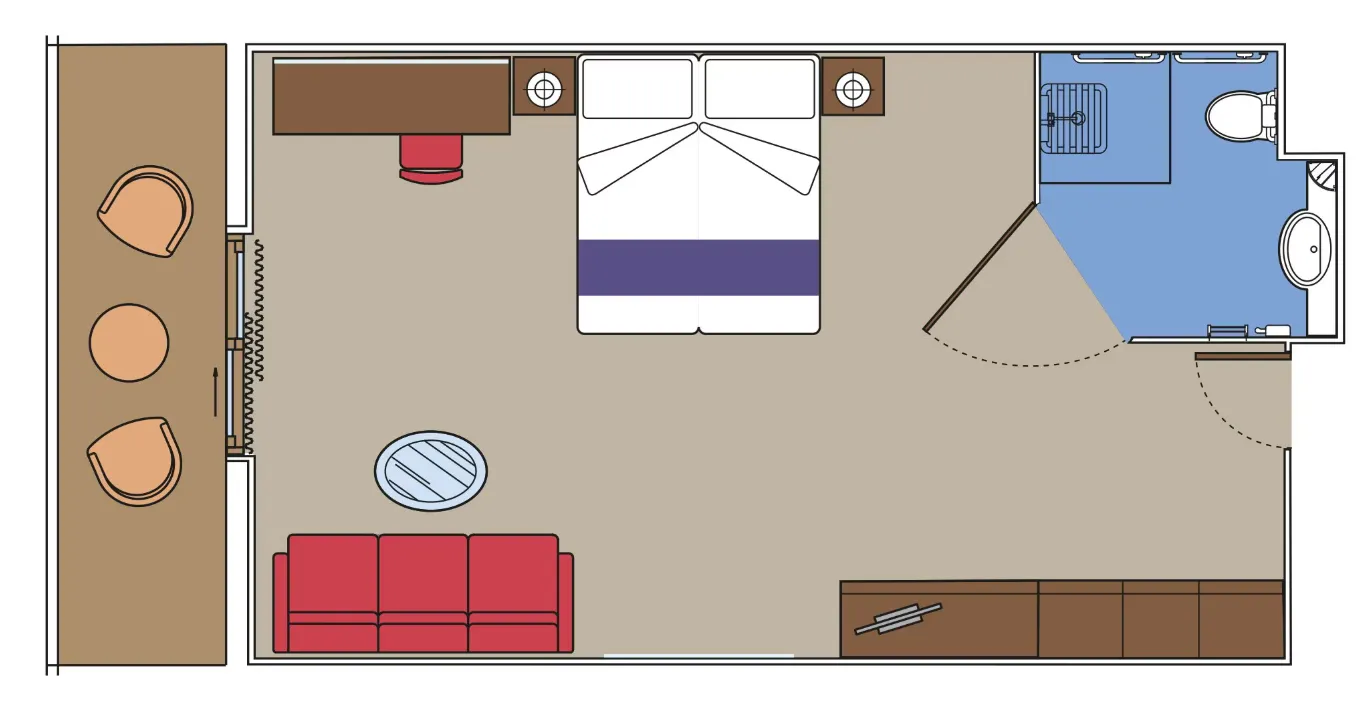
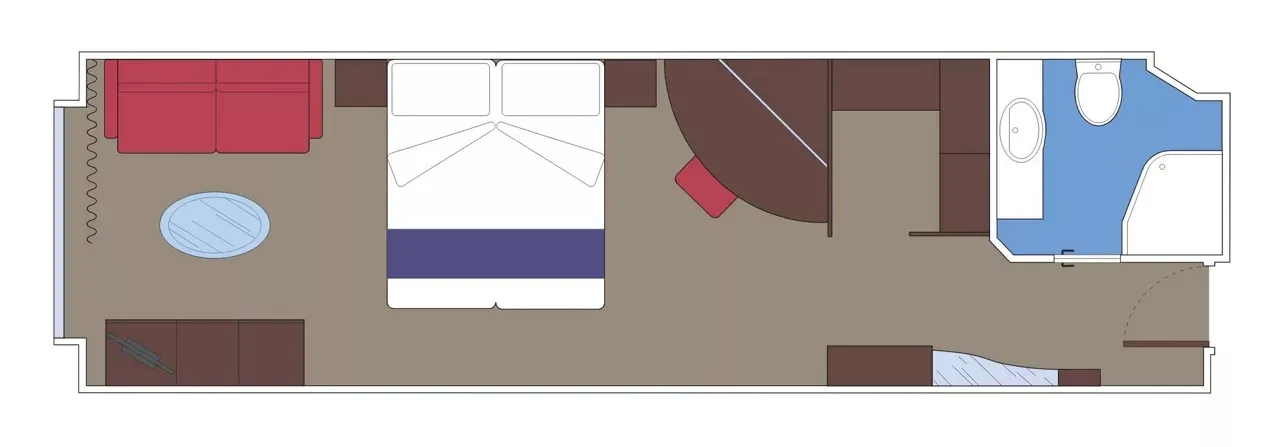
JUNIOR SUITE AUREA WITH SEALED WINDOW
Suite
237–248 m²Max 2
SRS
Panoramic sealed window
Sitting area with sofa
Spacious closet
Bathroom with bathtub, vanity area and hairdryer
Interactive TV. telephone, safe and minibar
Wi-Fi access available
Double or Twin ConfigurationBathRoom Service AvailableMini Bar (Additional Cost)TVWi-Fi (Additional Cost)+7
Sold Out
View Details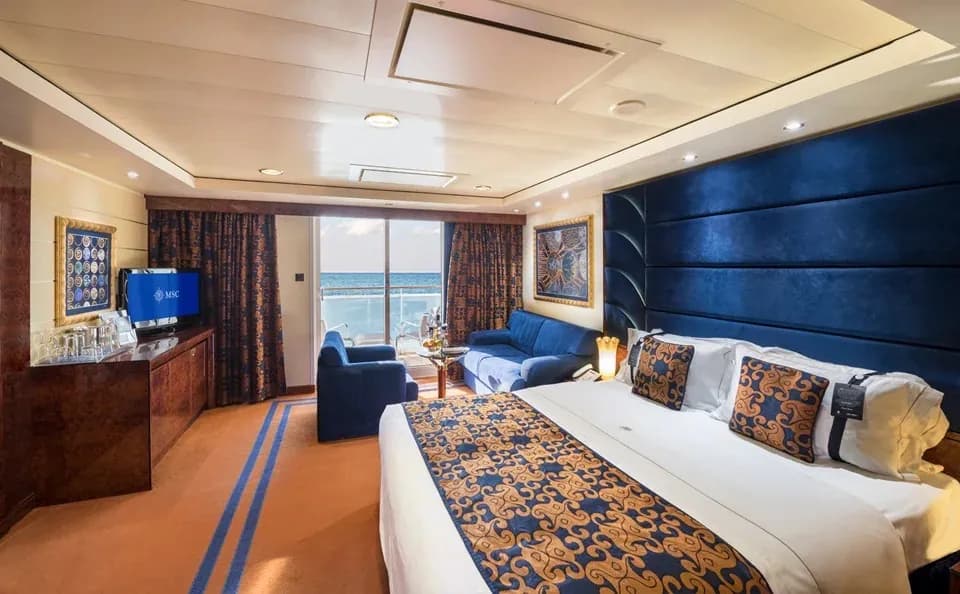
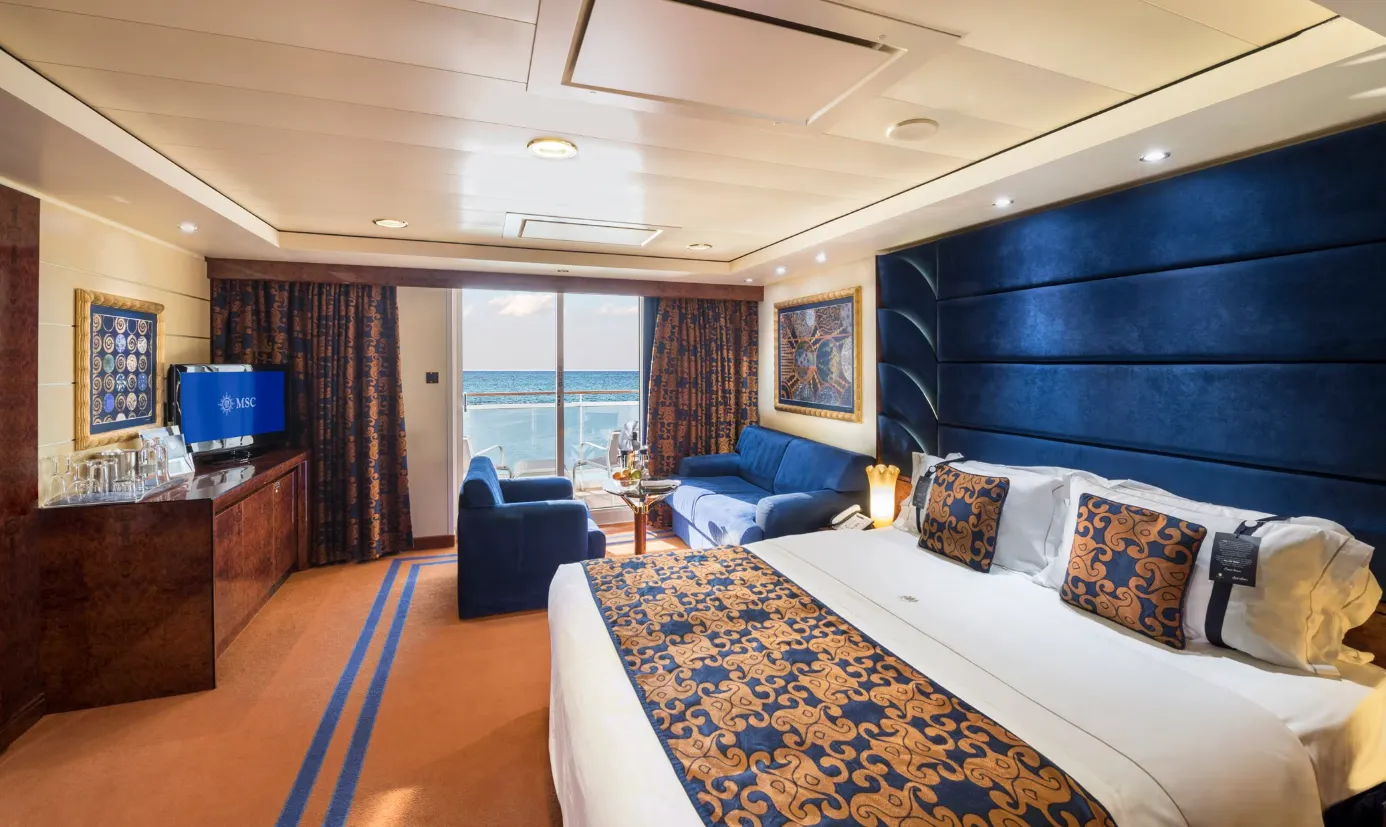
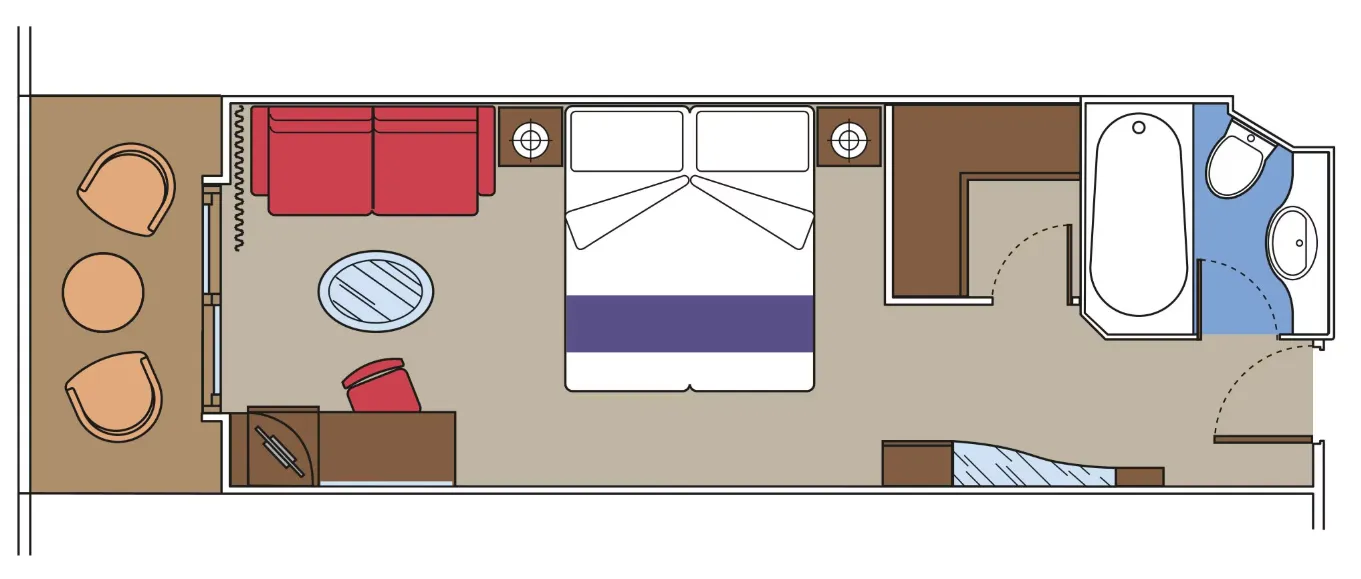
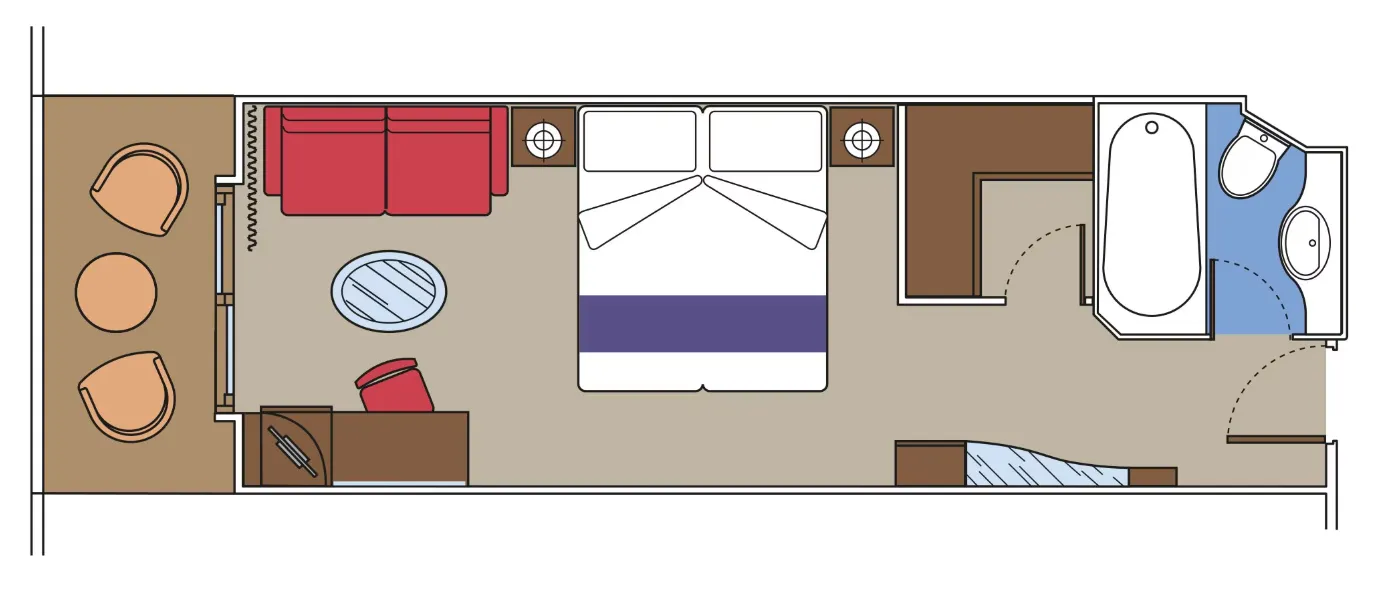
MSC YACHT CLUB DELUXE SUITE
Suite
377 m²Max 2
YC1
Balcony
Sitting area with sofa
Comfortable double or single beds (on request)
Spacious wardrobe
Bathroom with shower or bathtub, vanity area with hairdryer
Interactive TV, telephone, Wifi connection available (for a fee), safe and minibar
Surface approx. from 23 to 29 sq.m.*
Discover a world of privileges with MSC Yacht Club
ShowerBathToiletries ProvidedRoom Service AvailableSuite BenefitsTV+7
US$3,450 /person+ US$267 taxes & fees
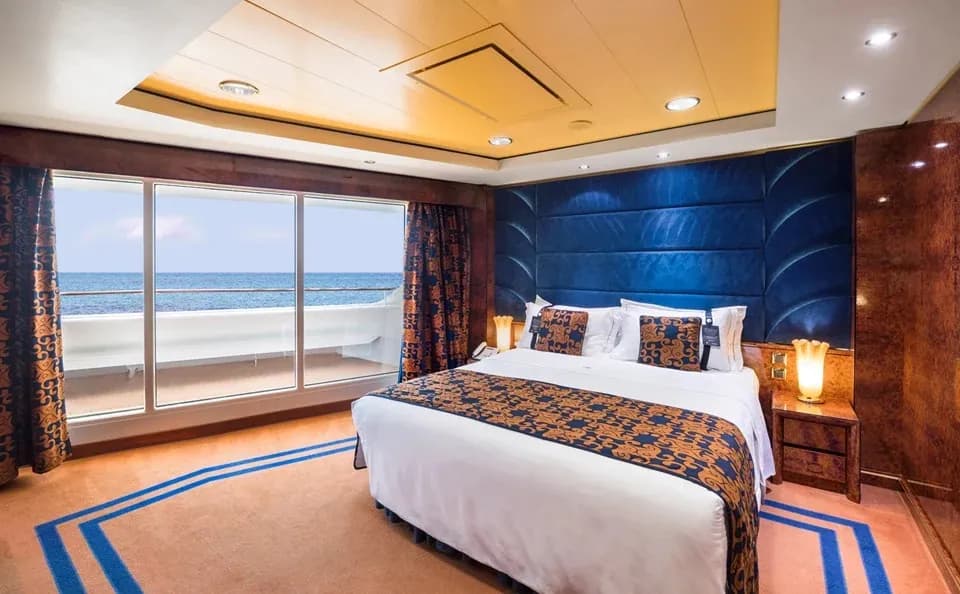
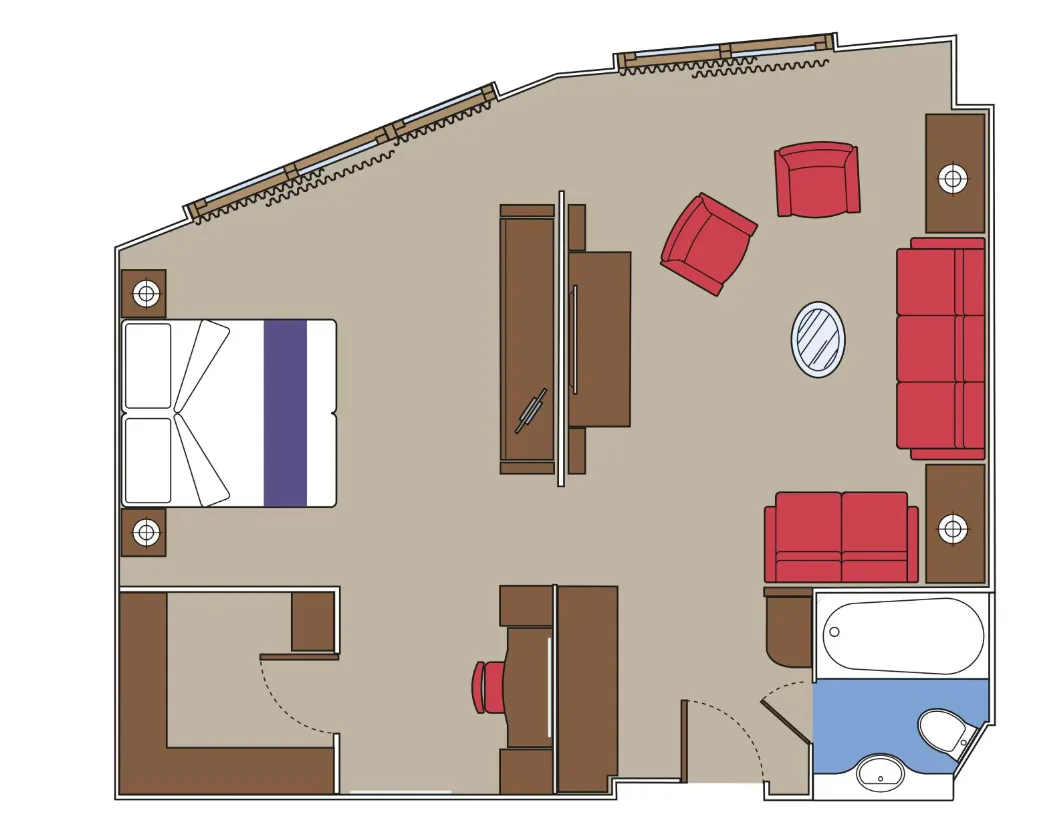
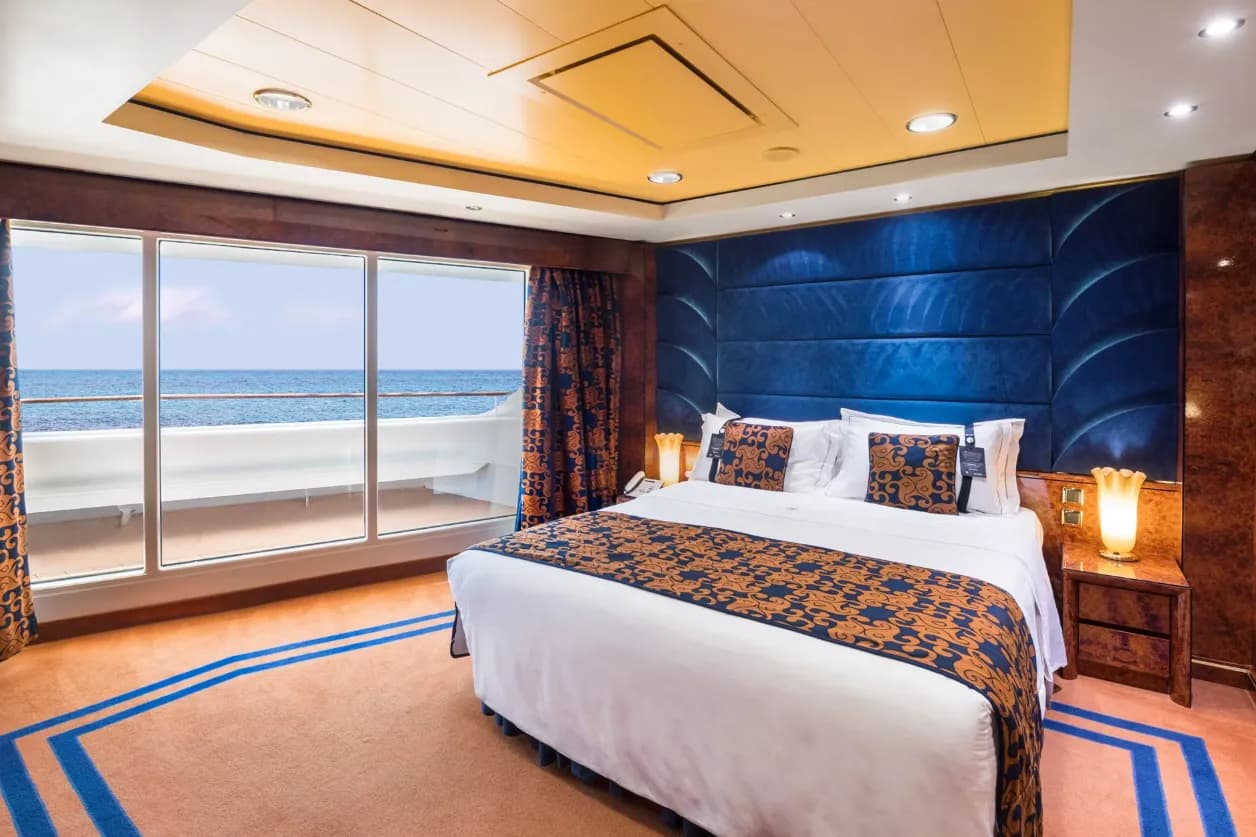
MSC YACHT CLUB EXECUTIVE & FAMILY SUITE
Suite
484–570 m²Max 2
YC2
Panoramic Sealed Window
Sitting area with sofa
Comfortable double or single beds (on request)
Spacious wardrobe
Bathroom with shower or bathtub , vanity area with hairdryer
Interactive TV, telephone, Wifi connection available (for a fee), safe and minibar
Surface approx. from 45 sq.m. to 53 sq.m.
Discover a world of privileges with MSC Yacht Club
Lounge AreaShowerBathToiletries ProvidedRoom Service AvailableTV+9
Sold Out
View Details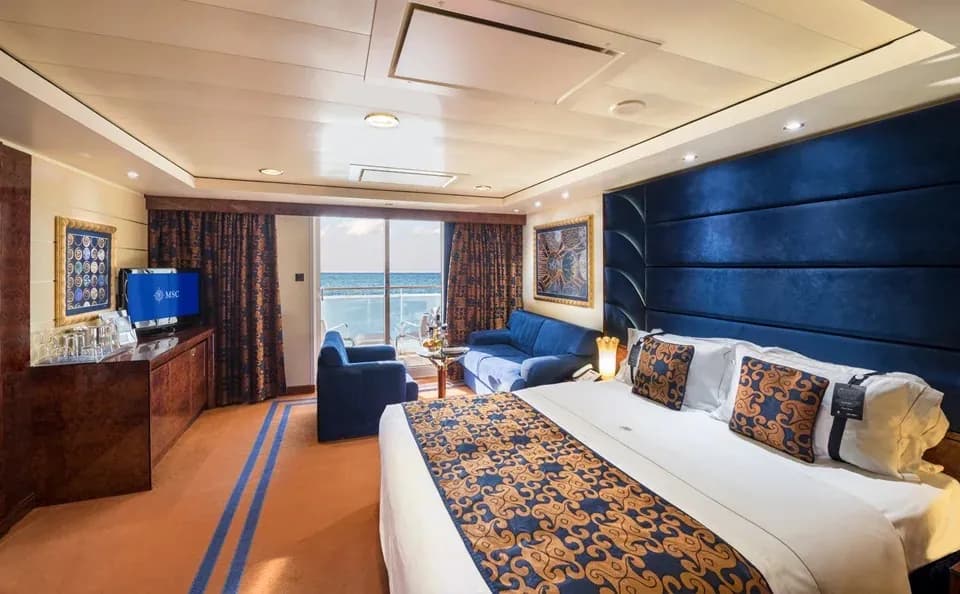
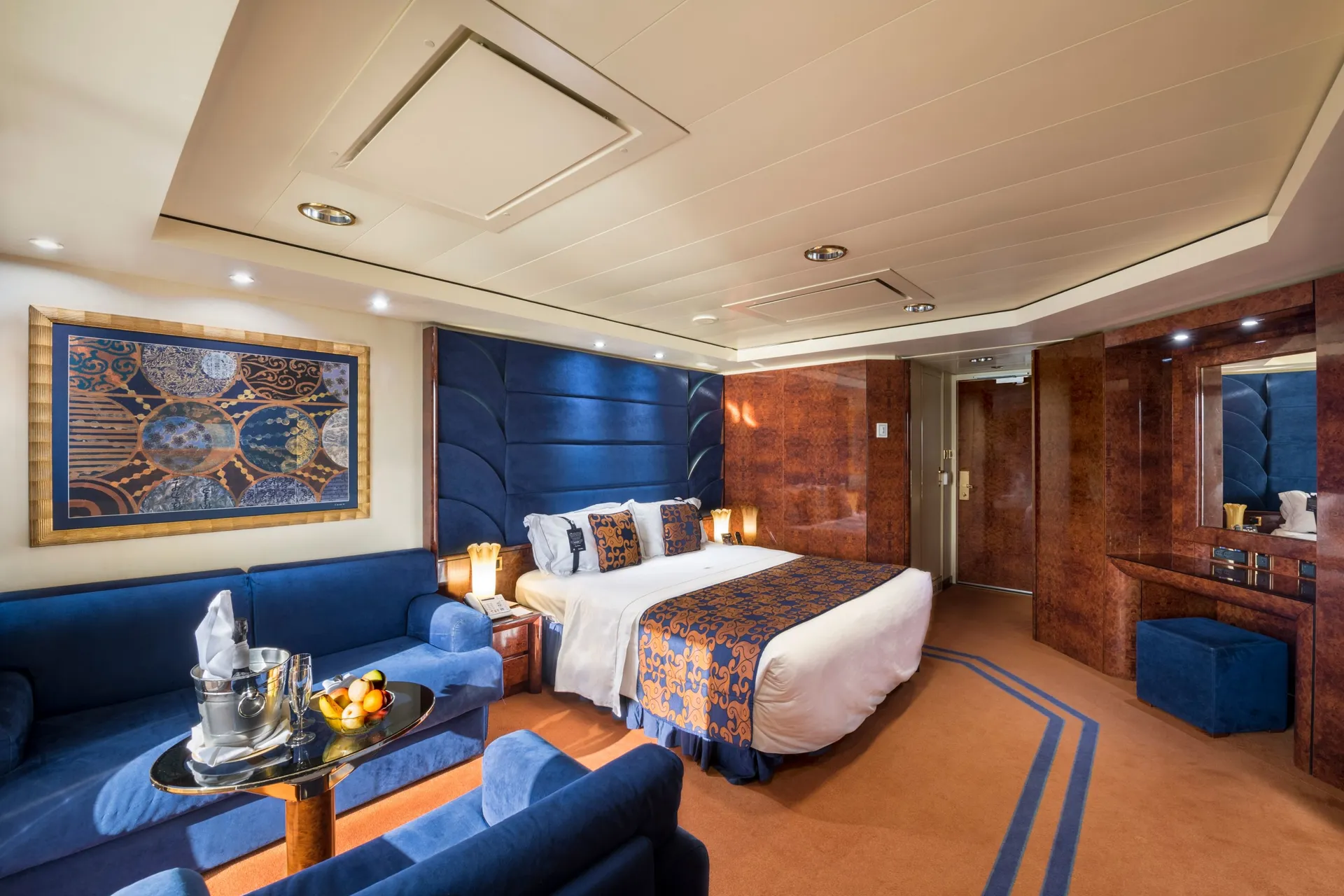
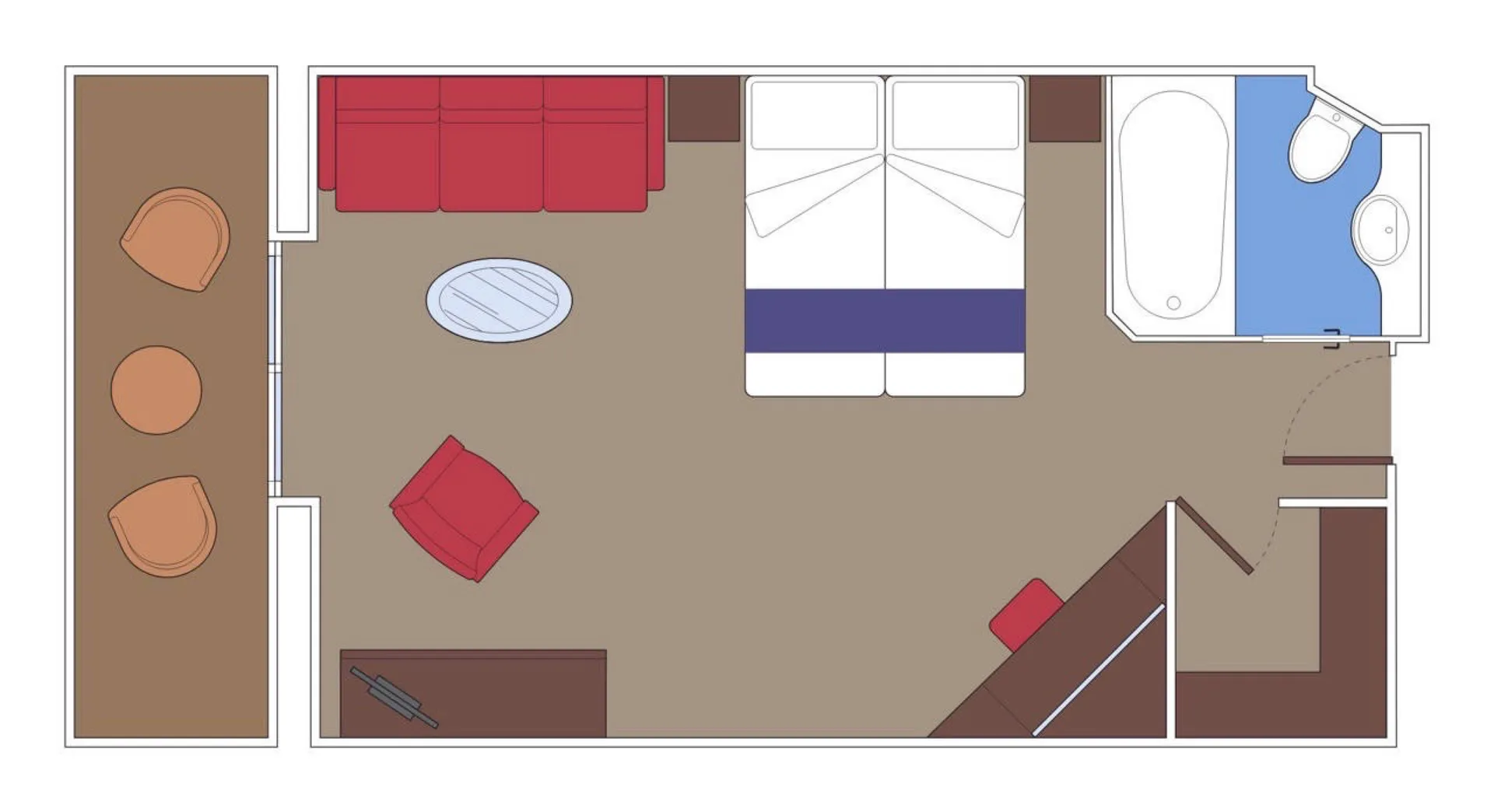
MSC YACHT CLUB GRAND SUITE
Suite
377 m²Max 3
YCP
Comfortable double bed or single beds (on request)
Ample wardrobe
Bathroom with bathtub and vanity area with hairdryer
Wifi connection included
Interactive TV, telephone, safe and minibar
Surface approx. 26 sq.m, the balcony is approx. 6 sq.m.
Discover a world of privileges with MSC Yacht Club
Double or Twin ConfigurationVanity AreaBathRoom Service AvailableSuite BenefitsTV+8
US$3,560 /person+ US$267 taxes & fees
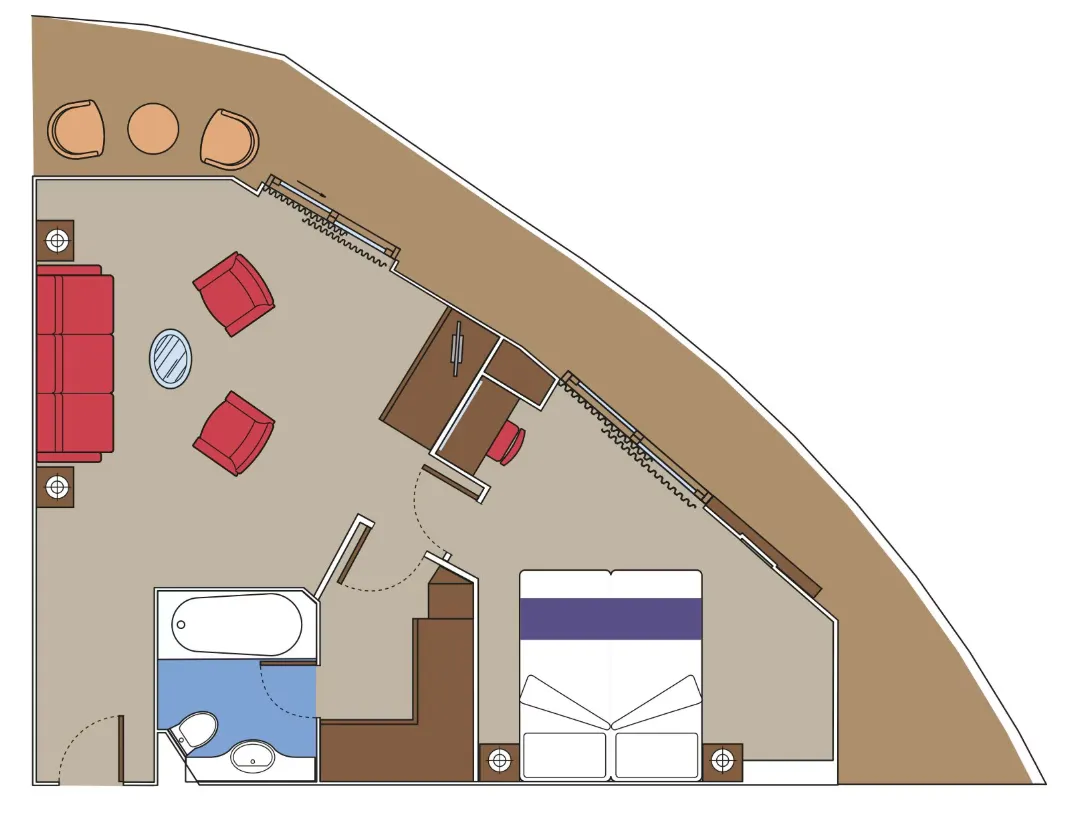
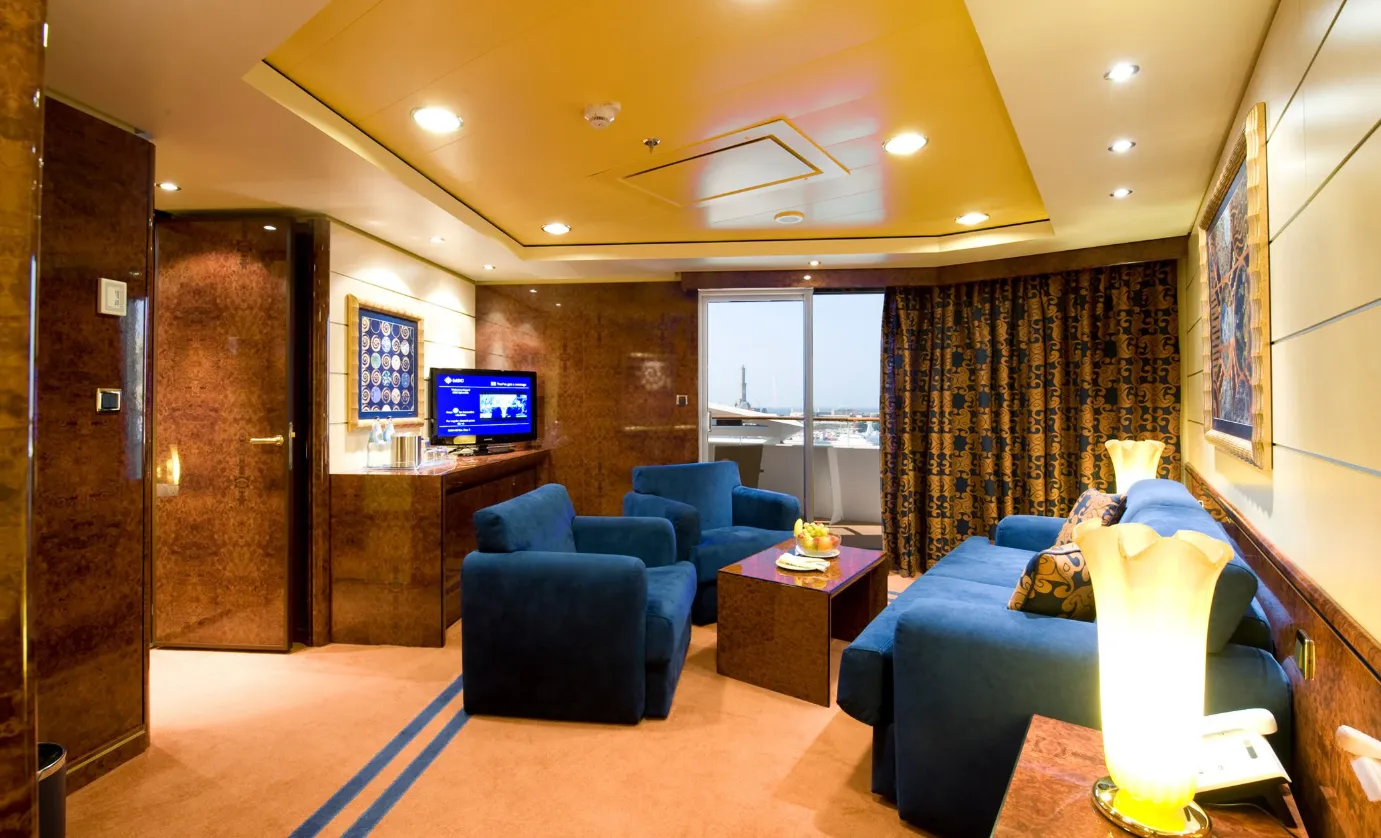
MSC YACHT CLUB ROYAL SUITE
Suite
YC3
MSC Yacht Club Royal Suite
Sold Out
View Details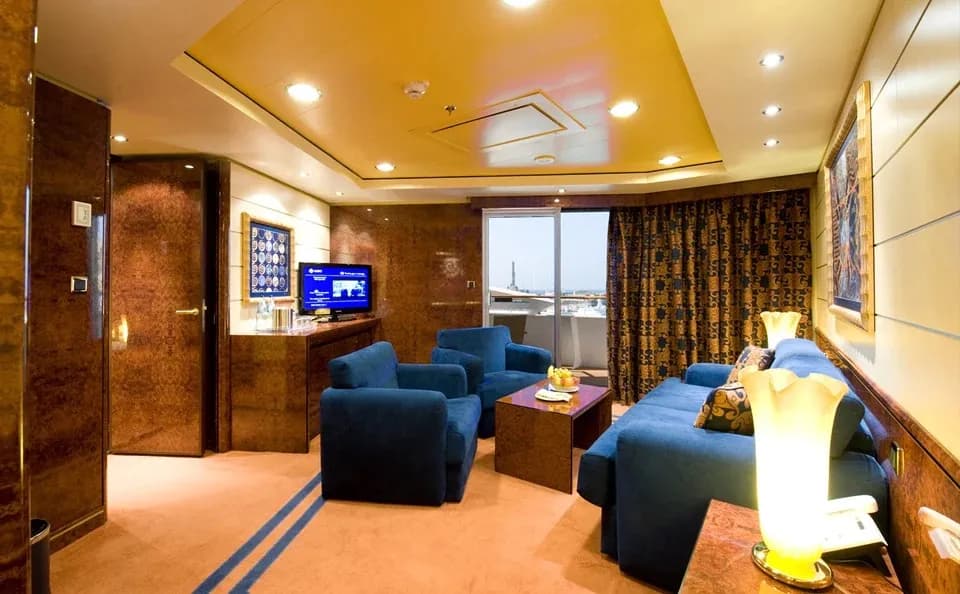
MSC YACHT CLUB YACHT CLUB EXECUTIVE AND FAMILY SUITE WITH BALCONY
Suite
560 m²Max 2
YCT
MSC YACHT CLUB YACHT CLUB EXECUTIVE AND FAMILY SUITE WITH BALCONY
Lounge AreaShowerToiletries ProvidedRoom Service AvailableSuite BenefitsTV+10
Sold Out
View Details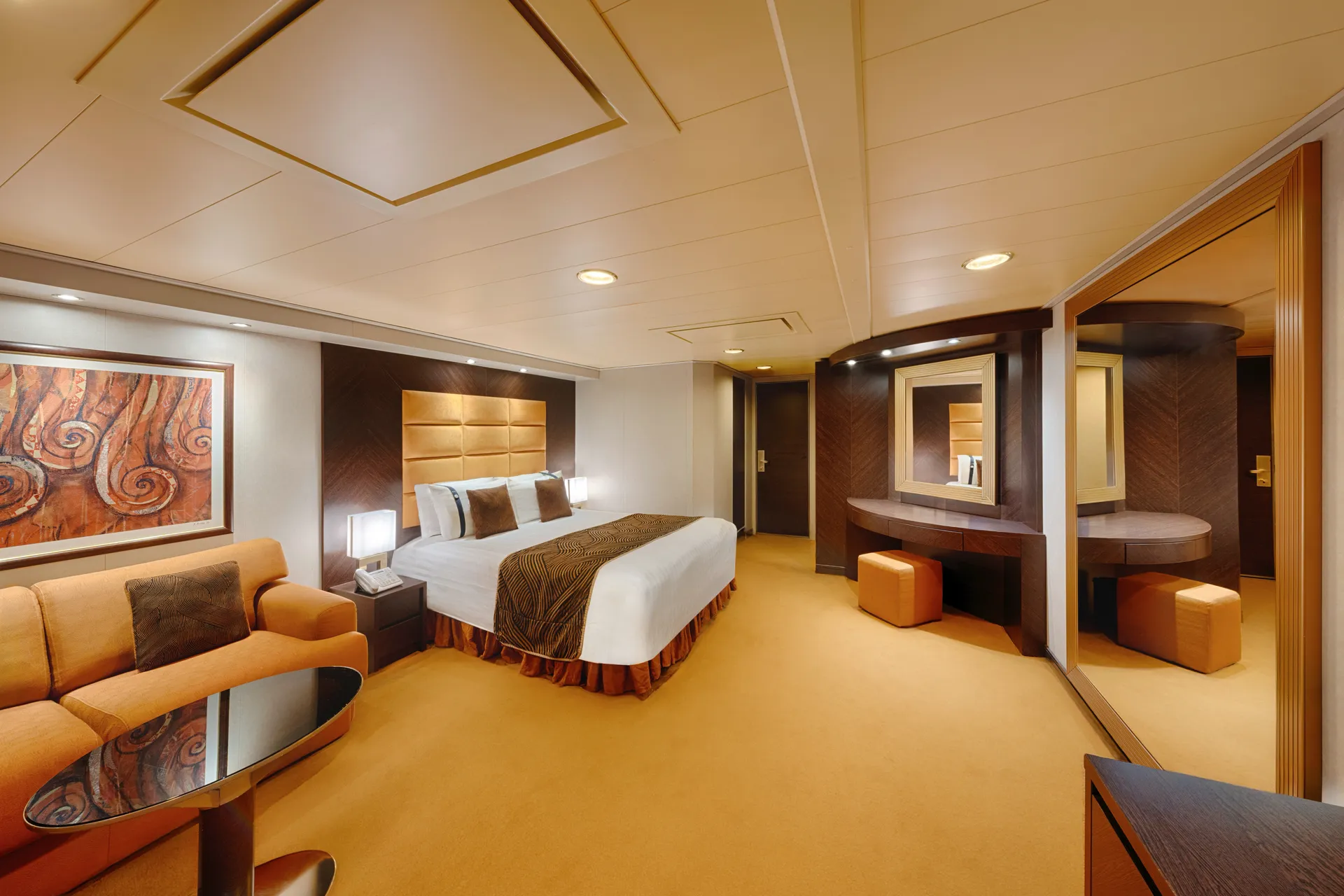
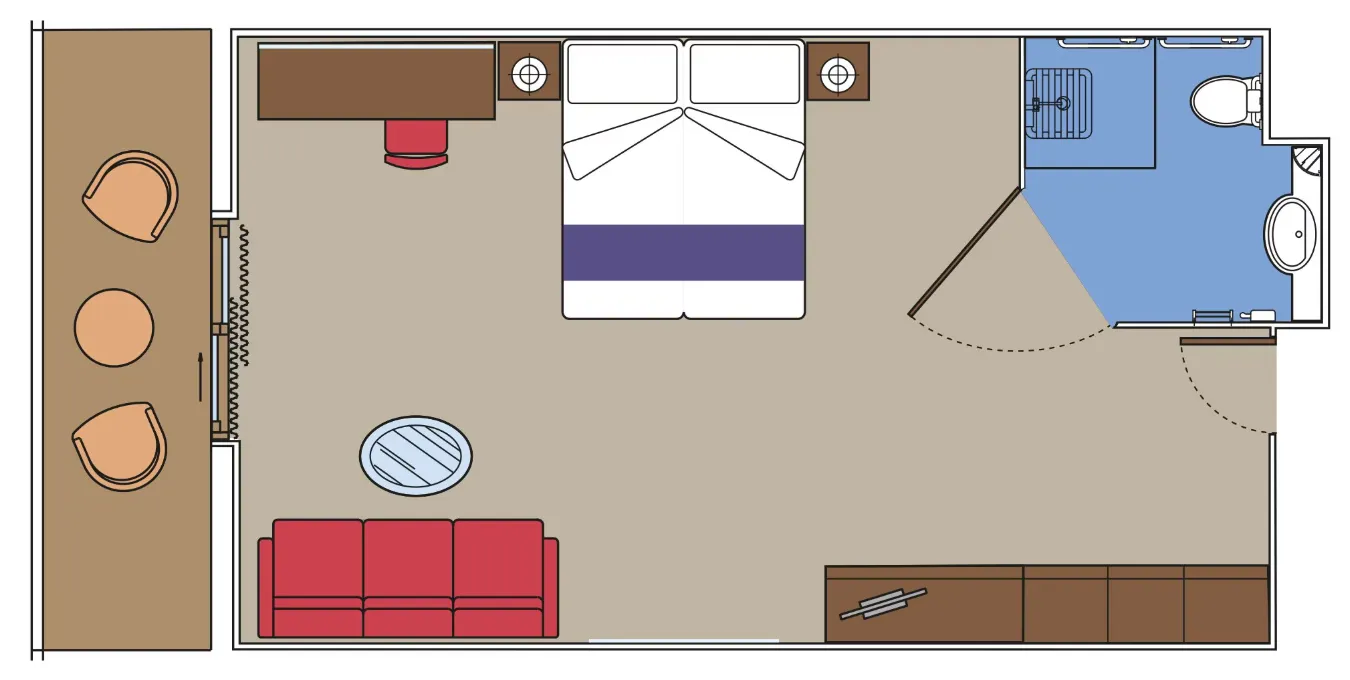
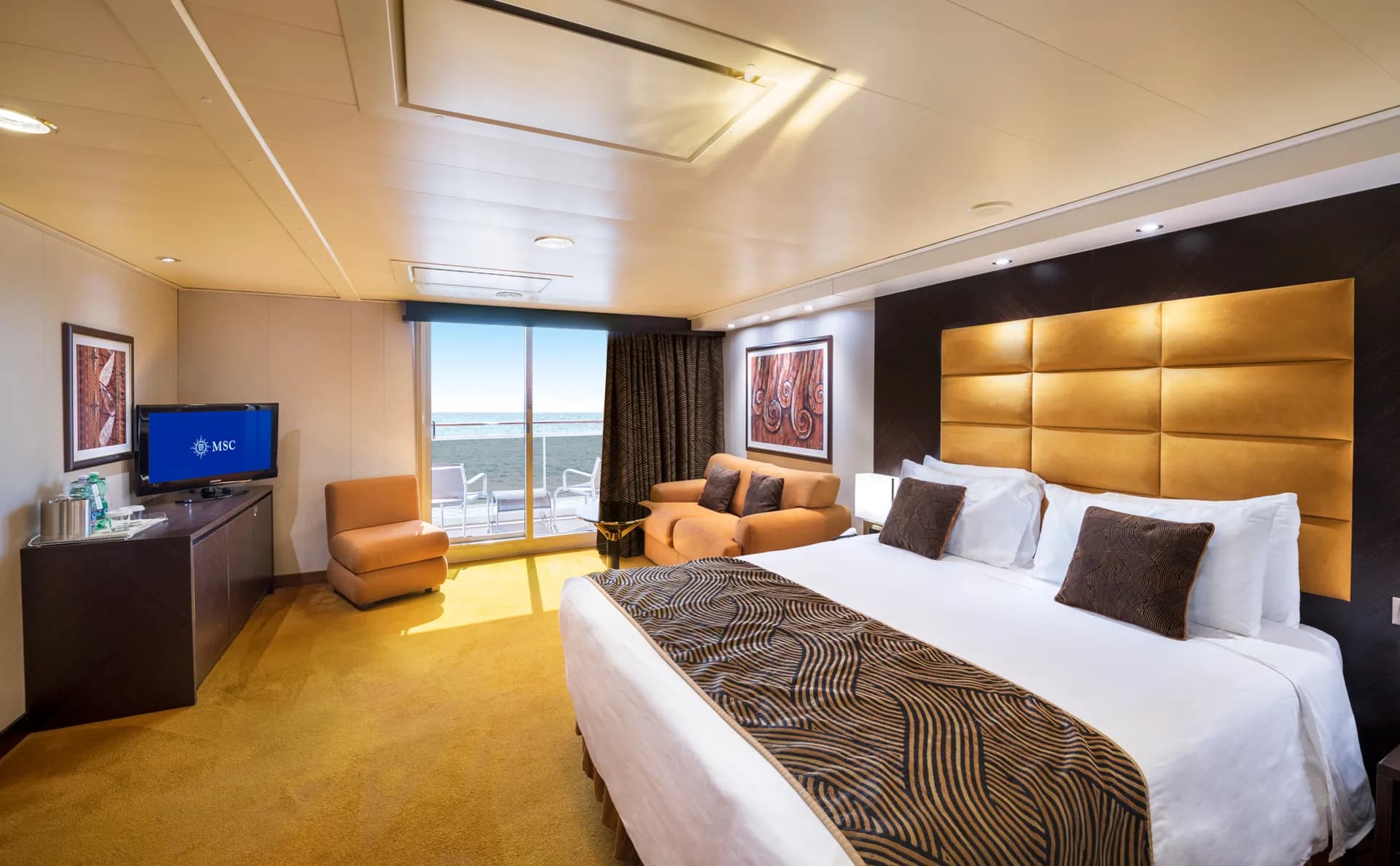
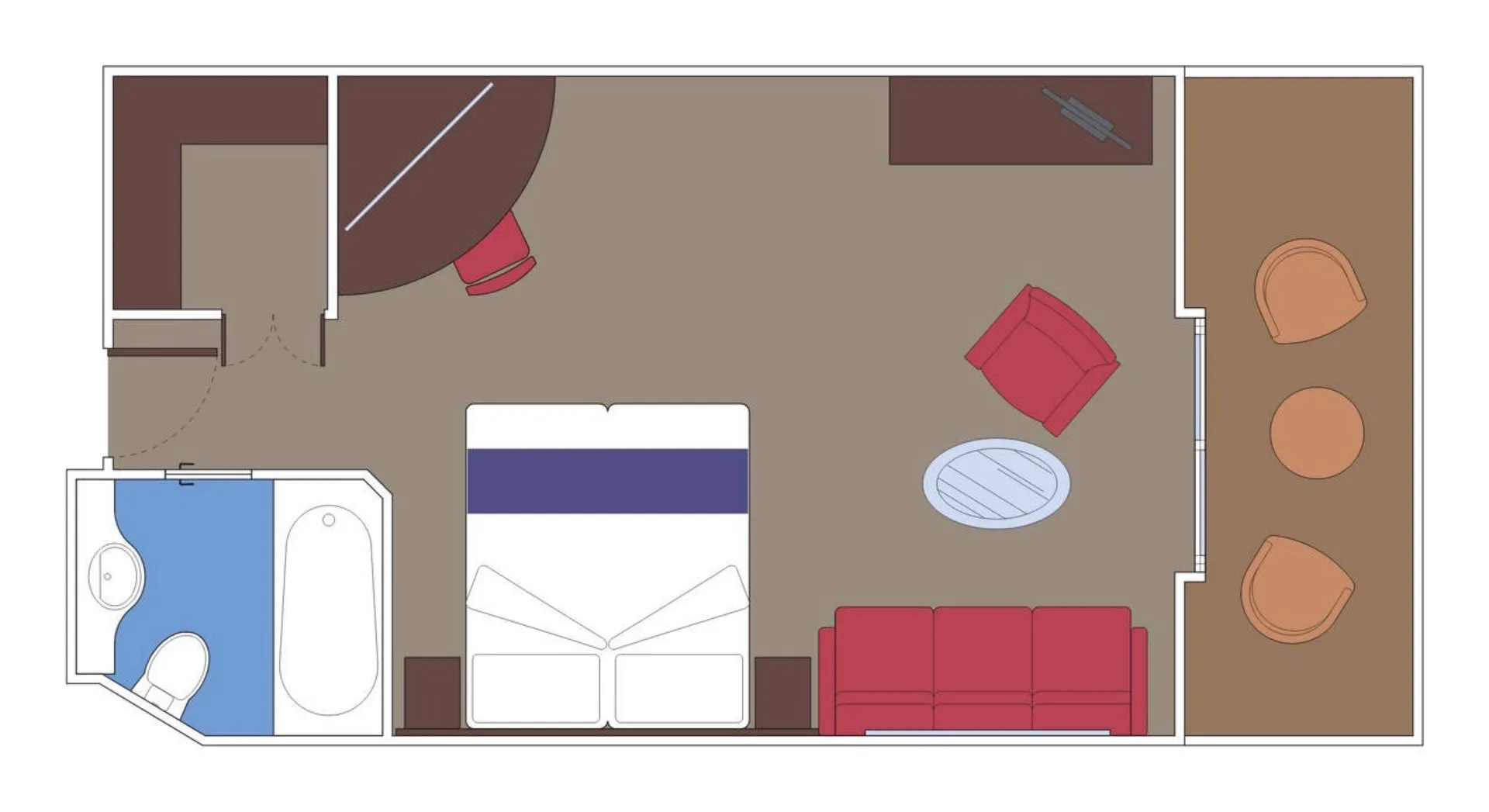
PREMIUM SUITE AUREA
Suite
355–420 m²Max 2
SL1
Balcony
Sitting area with sofa
Spacious closet
Bathroom with bathtub, vanity area and hairdryer
Interactive TV. telephone, safe and minibar
Wi-Fi access available
Lounge AreaShowerToiletries ProvidedRoom Service AvailableTVWi-Fi (Additional Cost)+8
Sold Out
View Details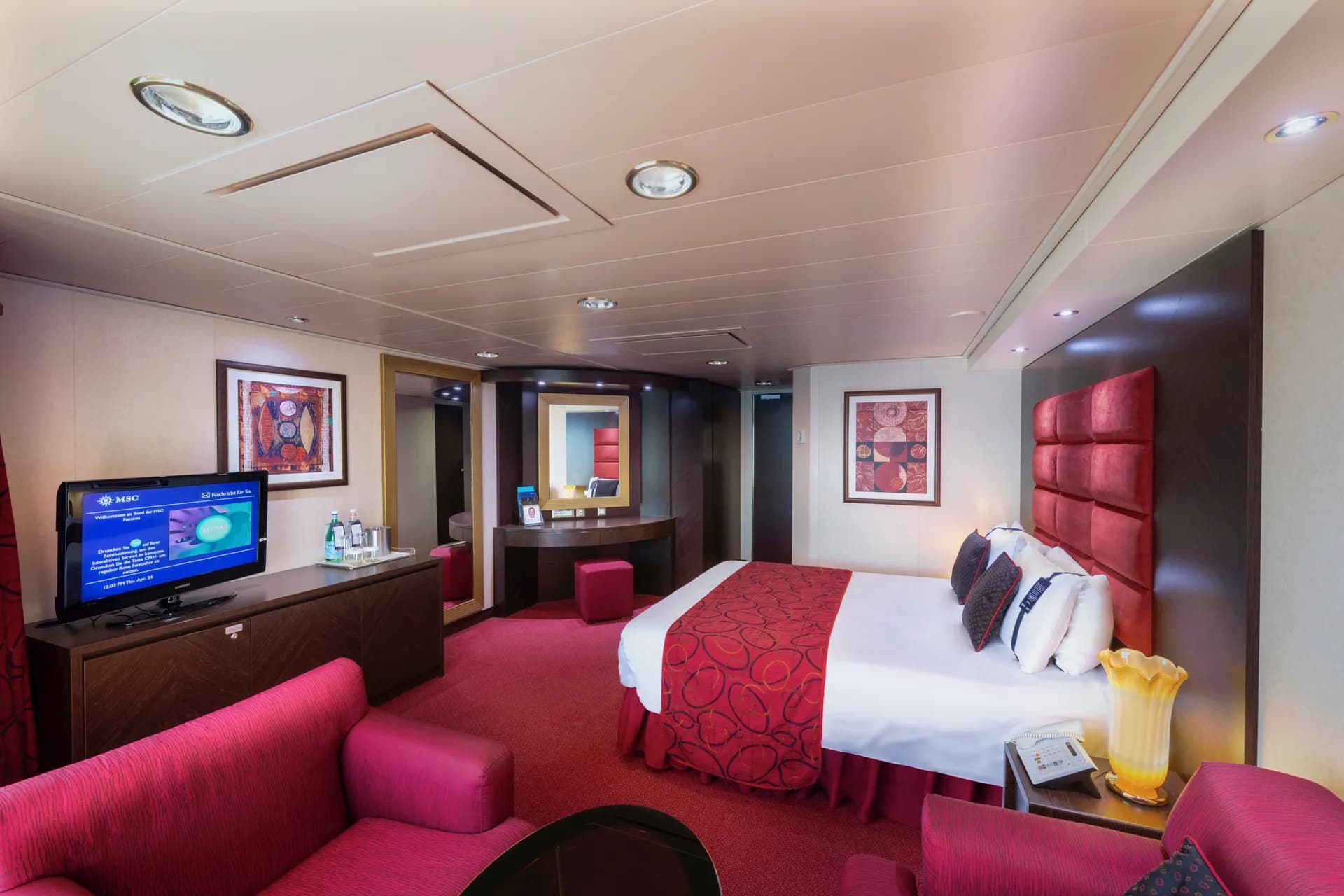
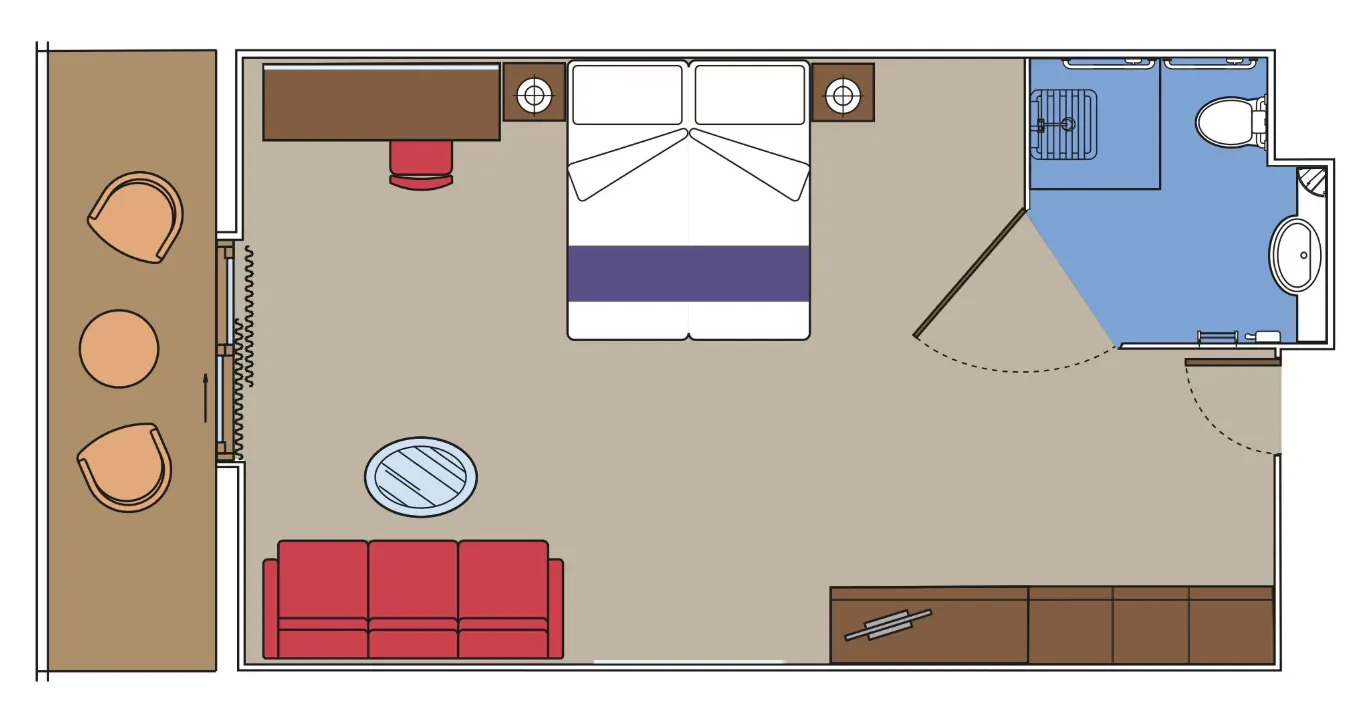
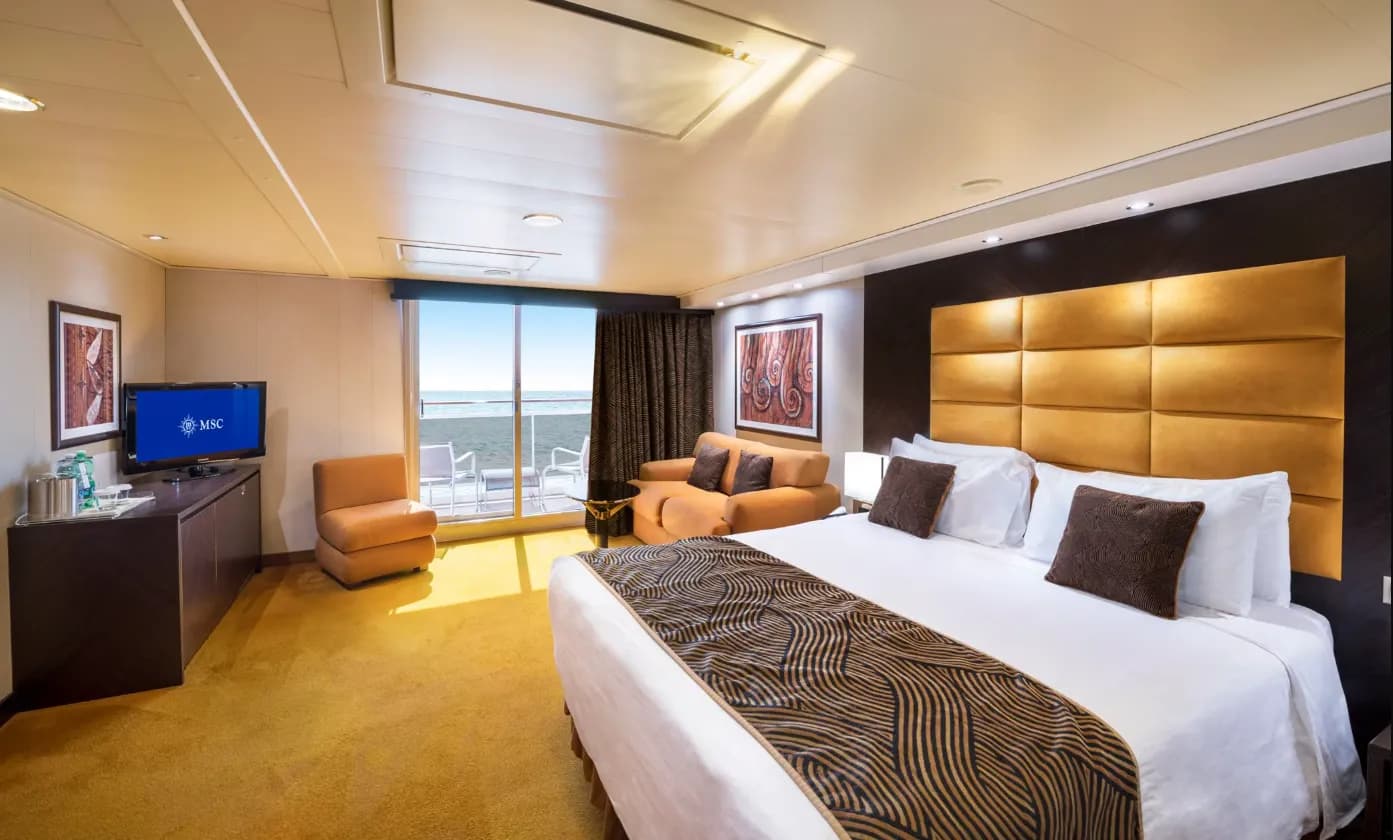
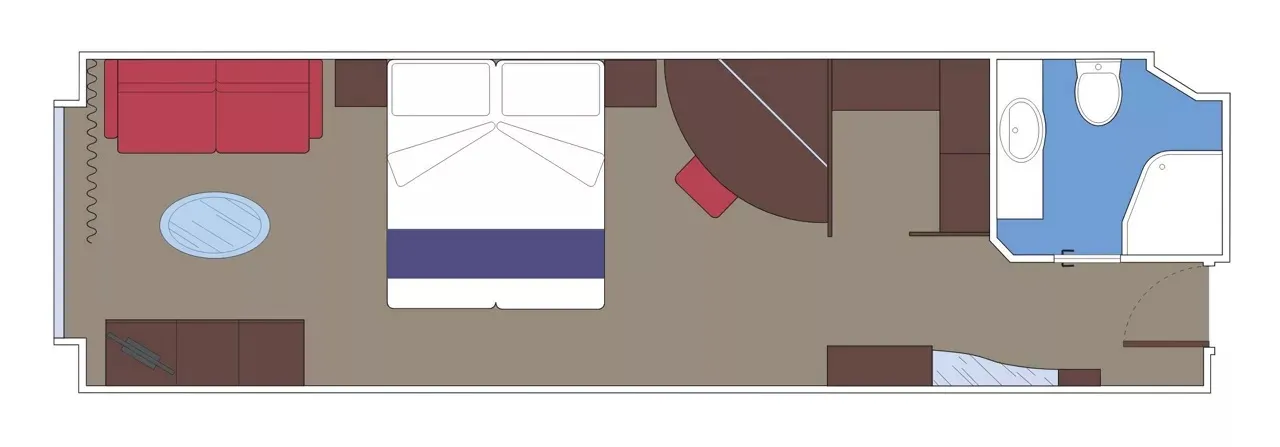
PREMIUM SUITE AUREA WITH SEALED WINDOW
Suite
269–337 m²Max 2
SLS
PREMIUM SUITE AUREA WITH SEALED WINDOW, DECK 9 - 11
Comfortable king bed that can be converted into two single beds
Panoramic sealed window
Sitting area with sofa
Spacious closet
Bathroom with bathtub, vanity area and hairdryer
Interactive TV. telephone, safe and minibar
Wi-Fi access available ($)
Approx. 269 – 334 ft2
Located on decks 9 - 11
BathDouble or Twin ConfigurationLounge AreaVanity AreaToiletries ProvidedRoom Service Available+7
US$2,020 /person+ US$267 taxes & fees
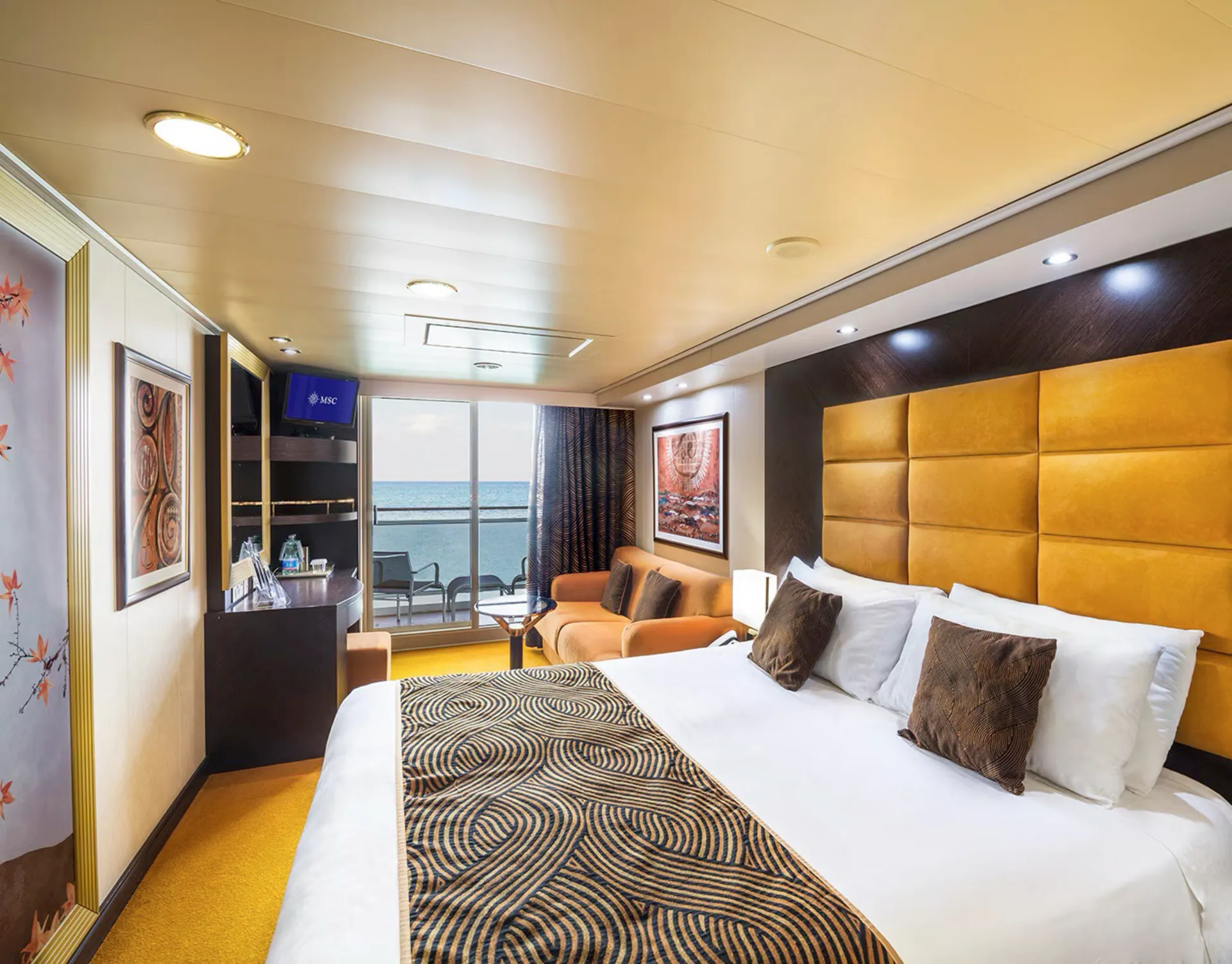
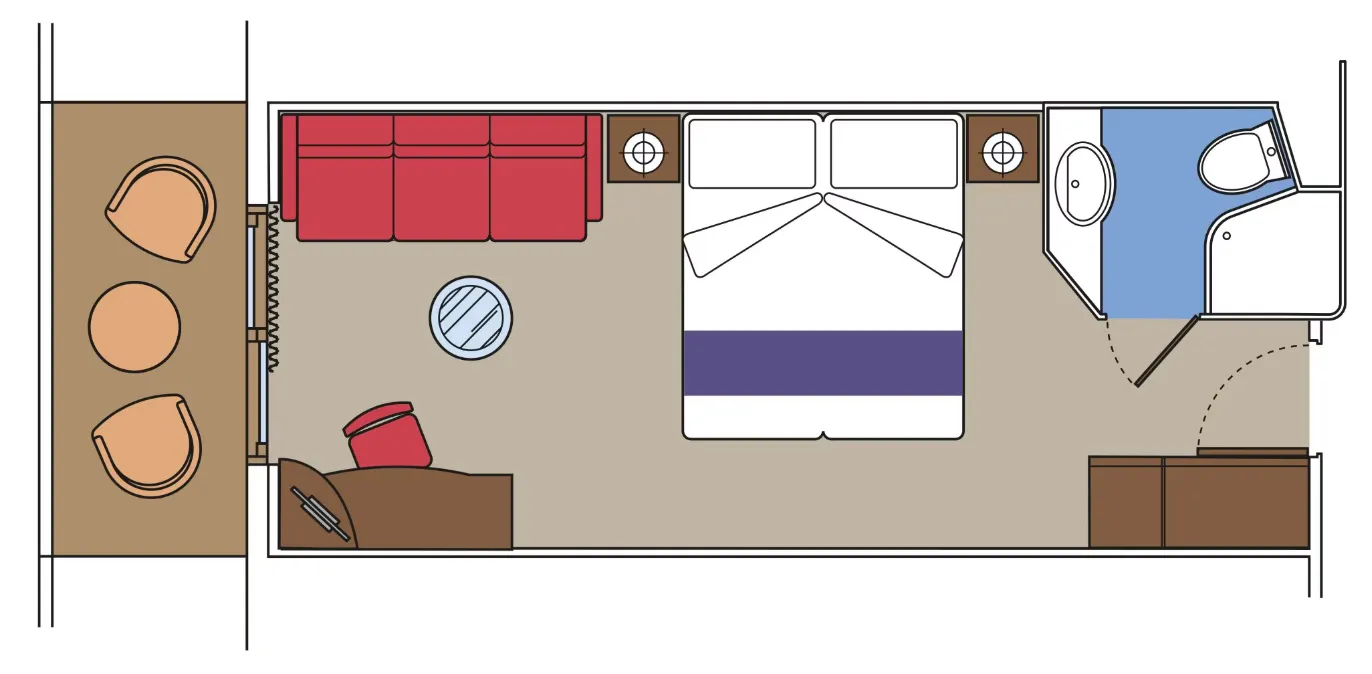
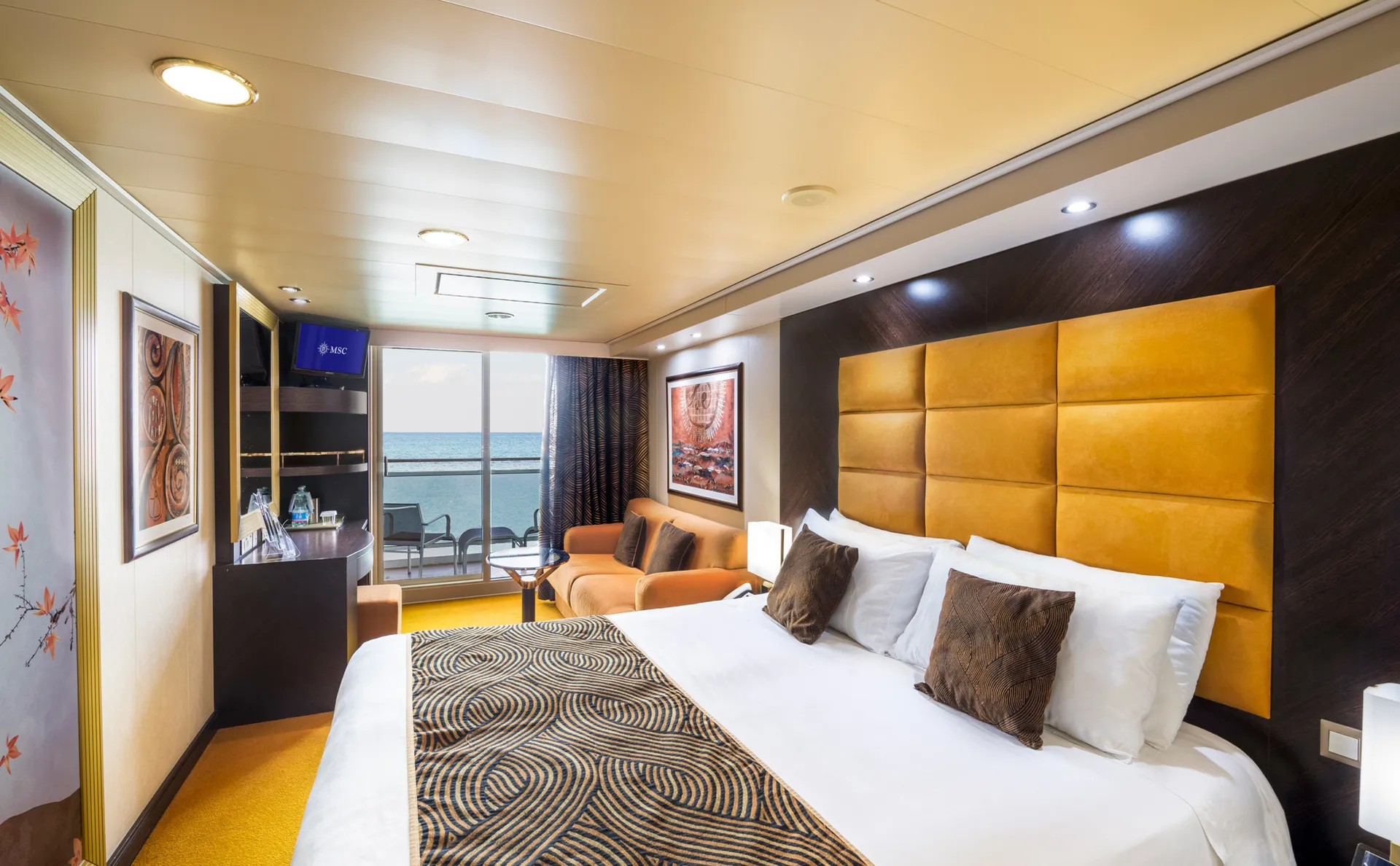
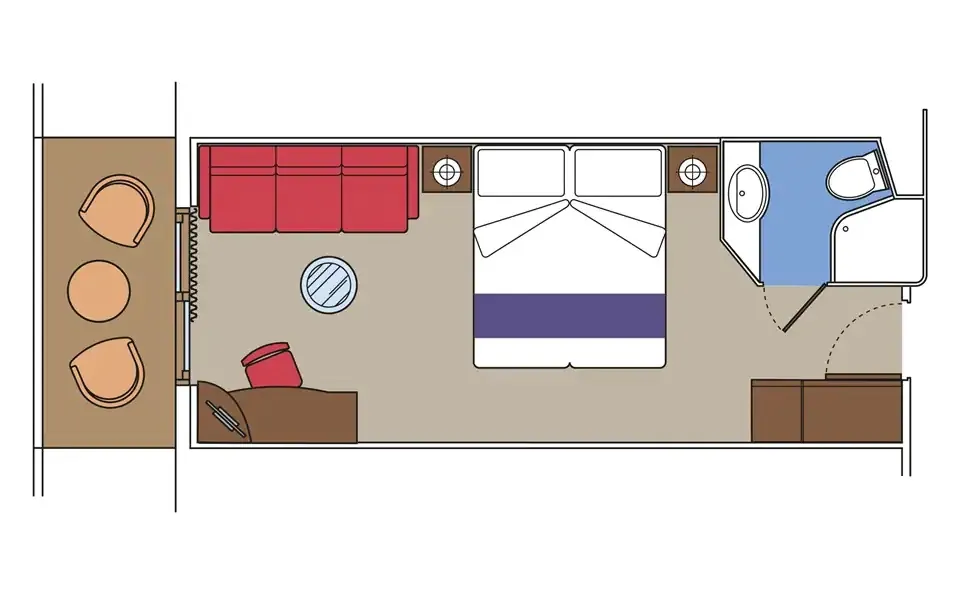
BALCONY AUREA
Balcony
248 m²Max 2
BA
Balcony
Sitting area with sofa
Spacious closet
Bathroom with shower or bathtub, vanity area and hairdryer
Interactive TV. telephone, safe and minibar
Wi-Fi access available
Lounge AreaBathDouble or Twin ConfigurationVanity AreaShowerToiletries Provided+8
US$1,650 /person+ US$267 taxes & fees
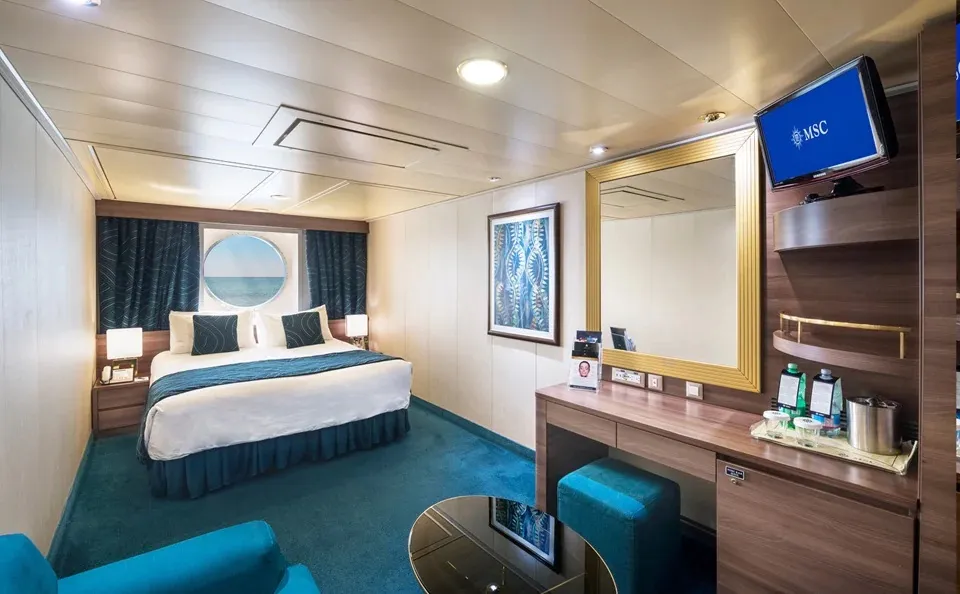
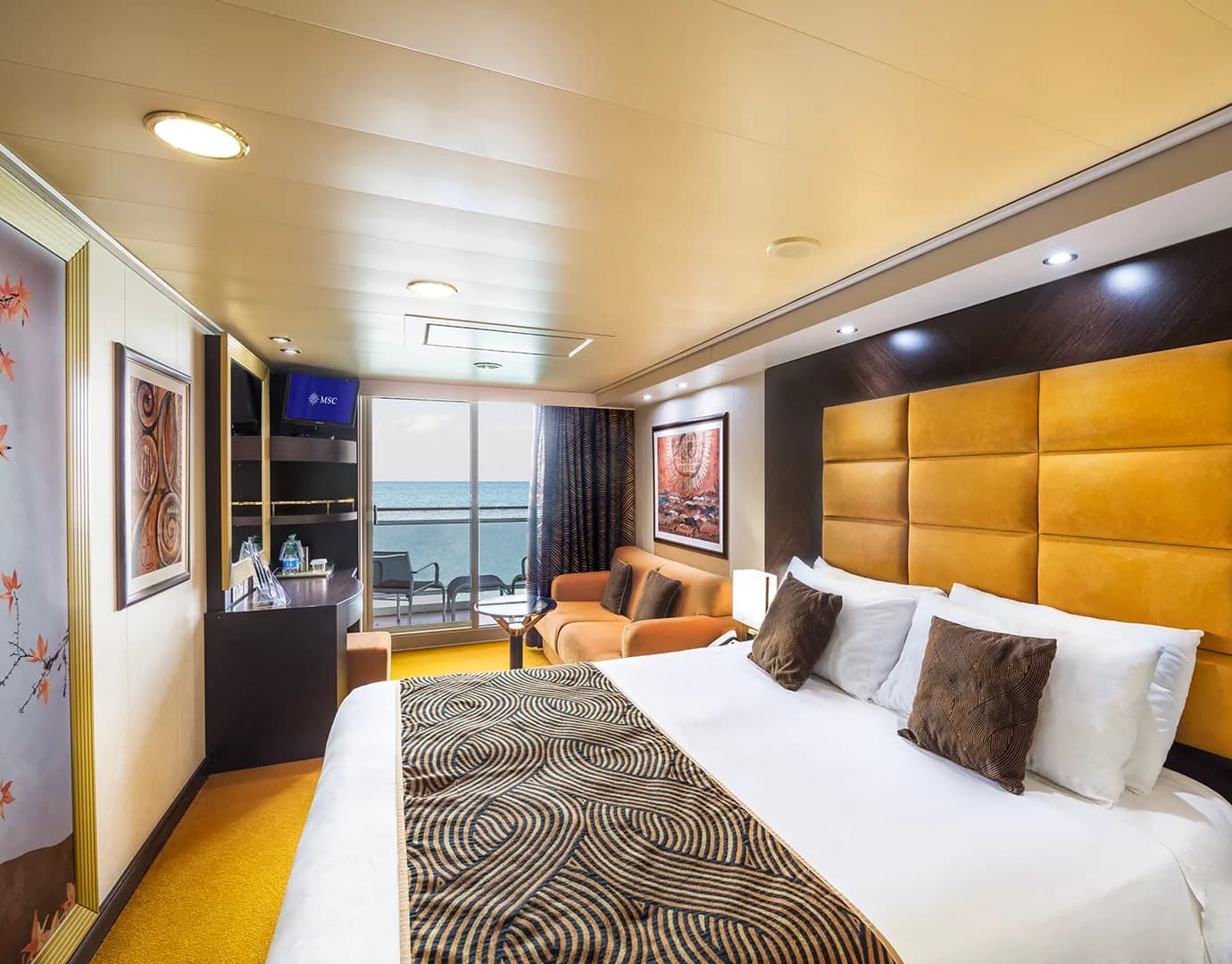
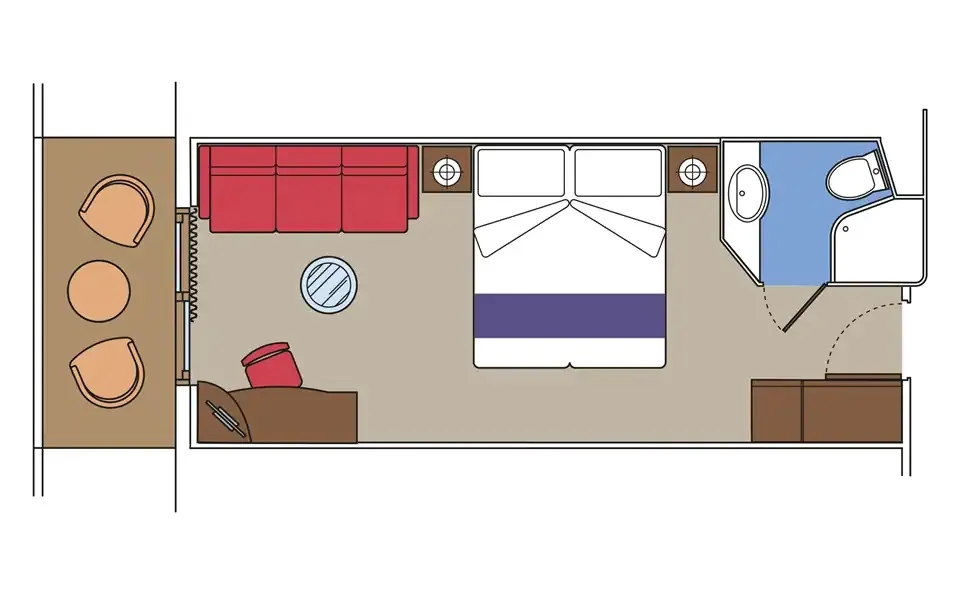
BALCONY BELLA GUARANTEED
Balcony
248 m²Max 2
BB
Balcony
Sitting area with sofa
Comfortable double or single beds (on request)
Interactive TV, telephone, Wifi connection available (for a fee), safe and minibar
Bathroom with shower or bathtub , vanity area with hairdryer
BathDouble or Twin ConfigurationLounge AreaVanity AreaShowerToiletries Provided+8
Sold Out
View Details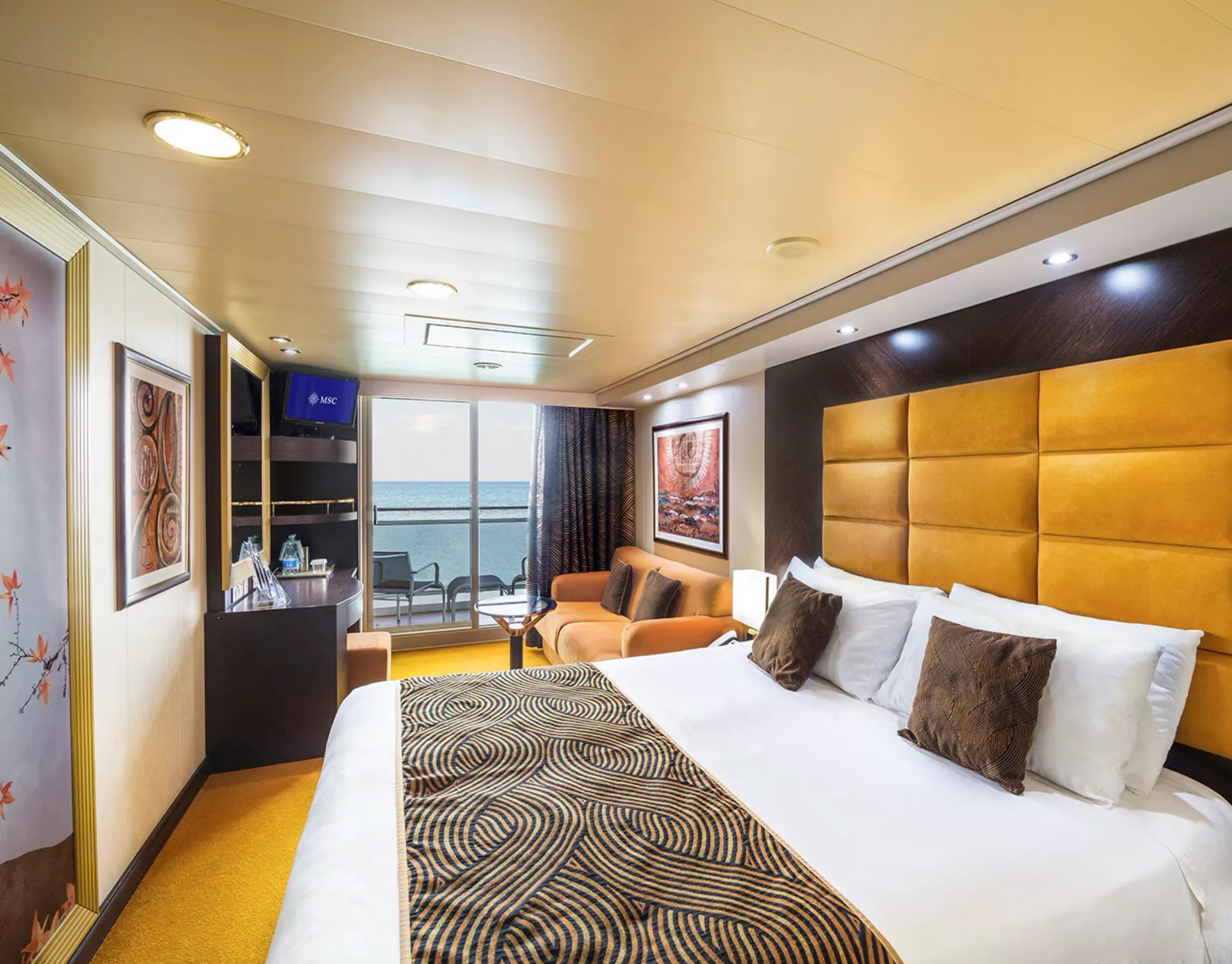
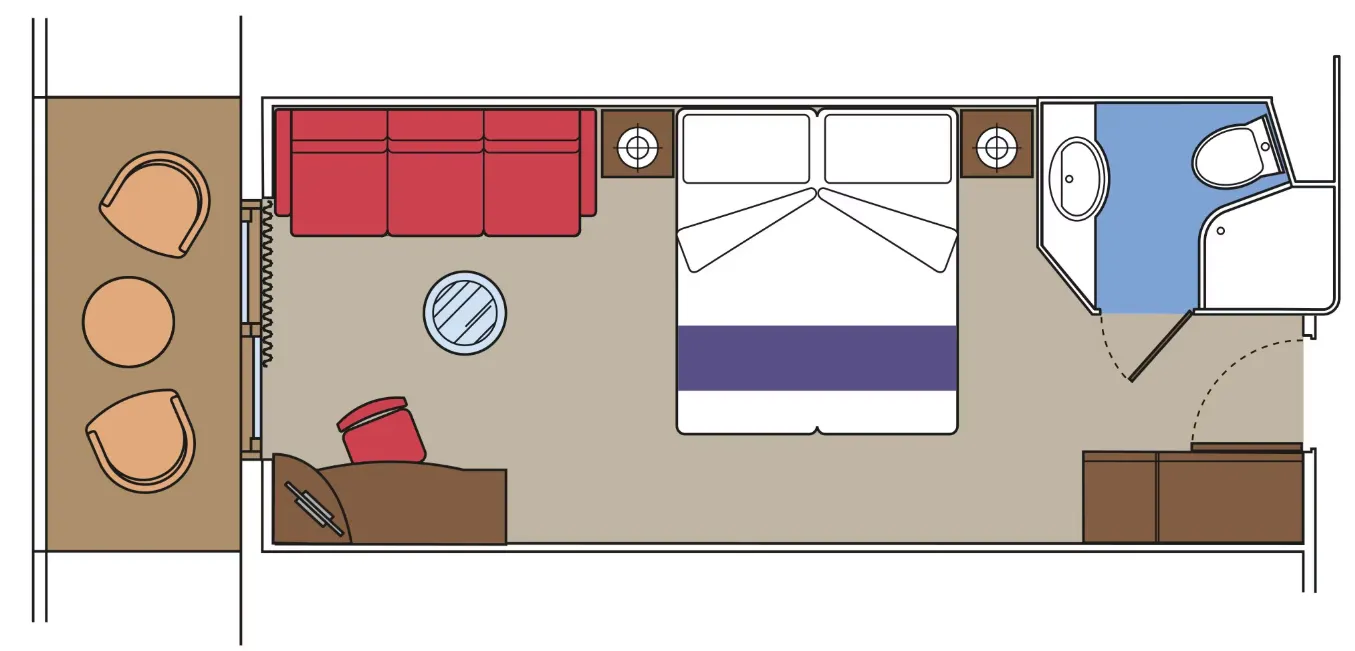
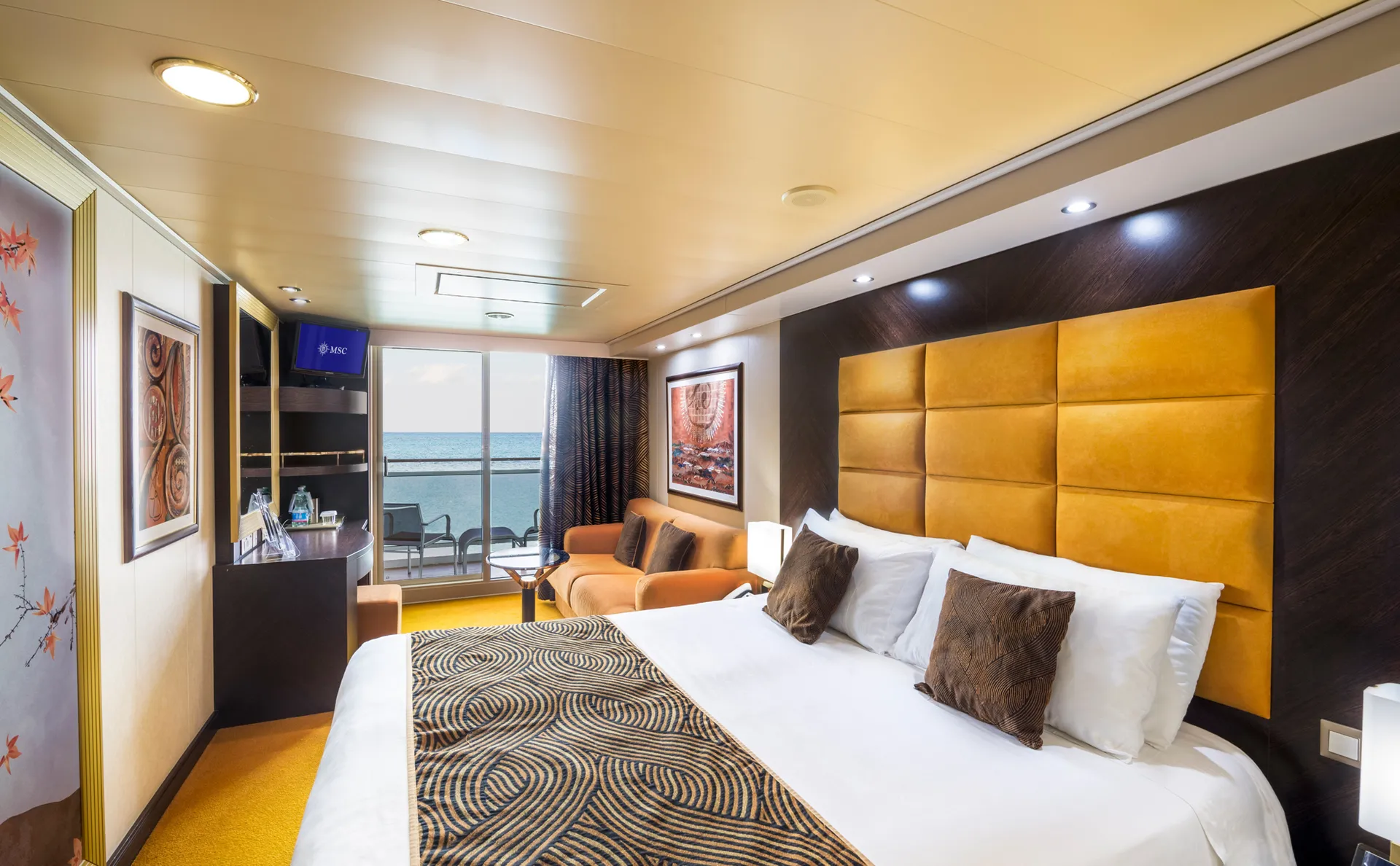
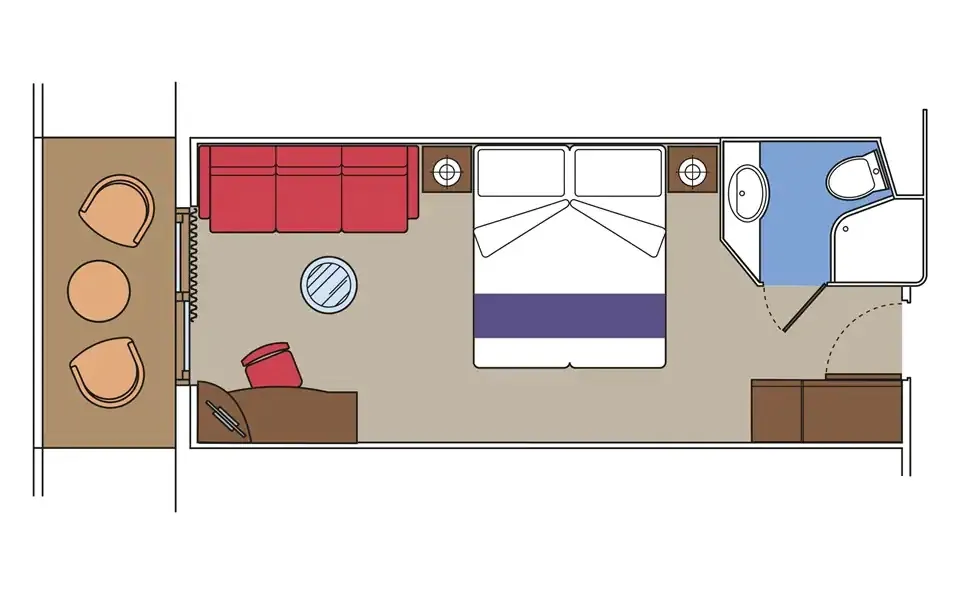
DELUXE BALCONY FANTASTICA
Balcony
248 m²Max 2
BP
Surface approx 19 sqm, balcony approx 4 sqm.
Sitting area with sofa.
Bathroom with shower or bathtub, vanity area with hairdryer.
Comfortable double or single beds (on request).
Interactive TV, telephone, Wifi connection available (for a fee), safe and minibar.
BathDouble or Twin ConfigurationLounge AreaVanity AreaShowerToiletries Provided+7
US$1,380 /person+ US$267 taxes & fees
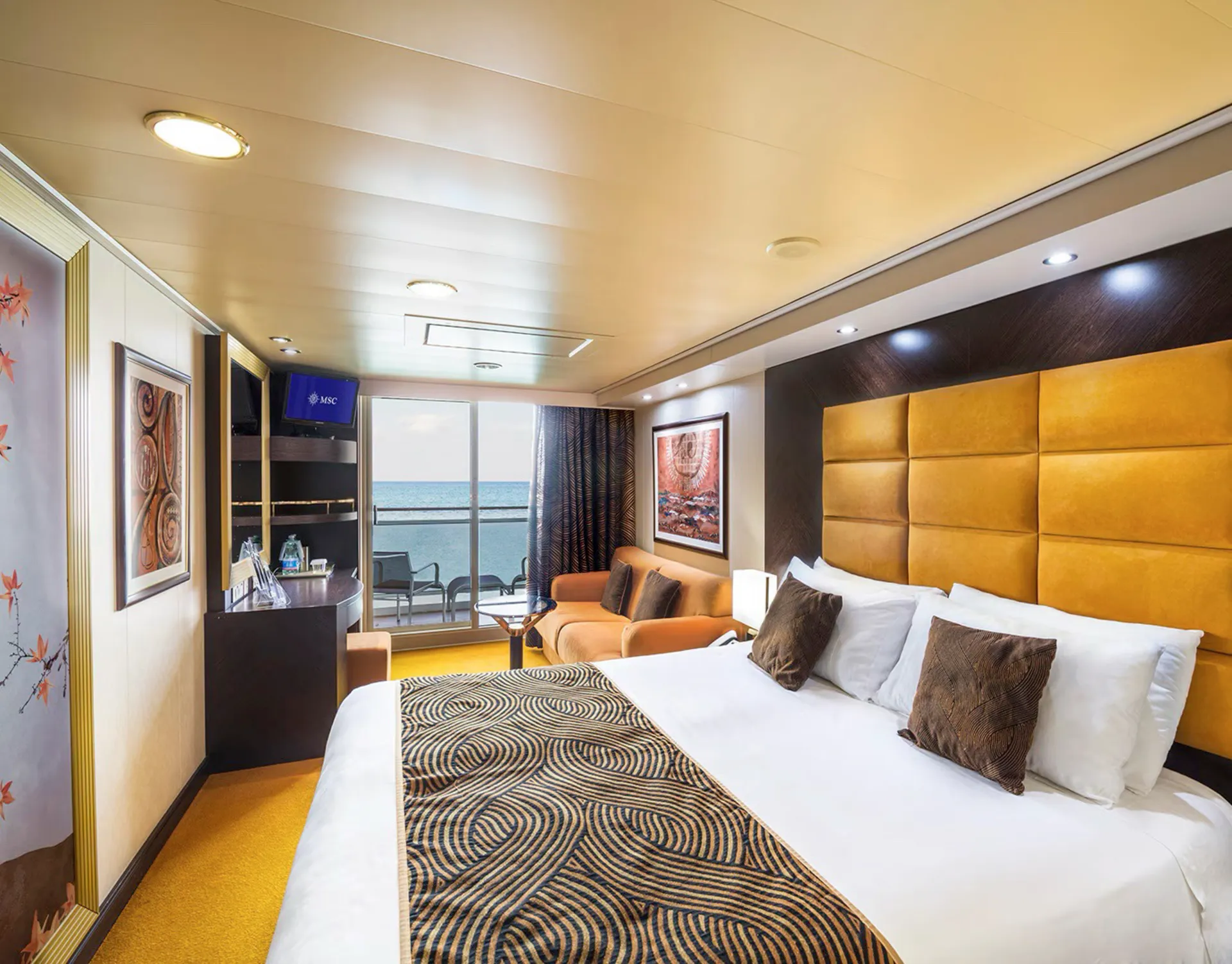
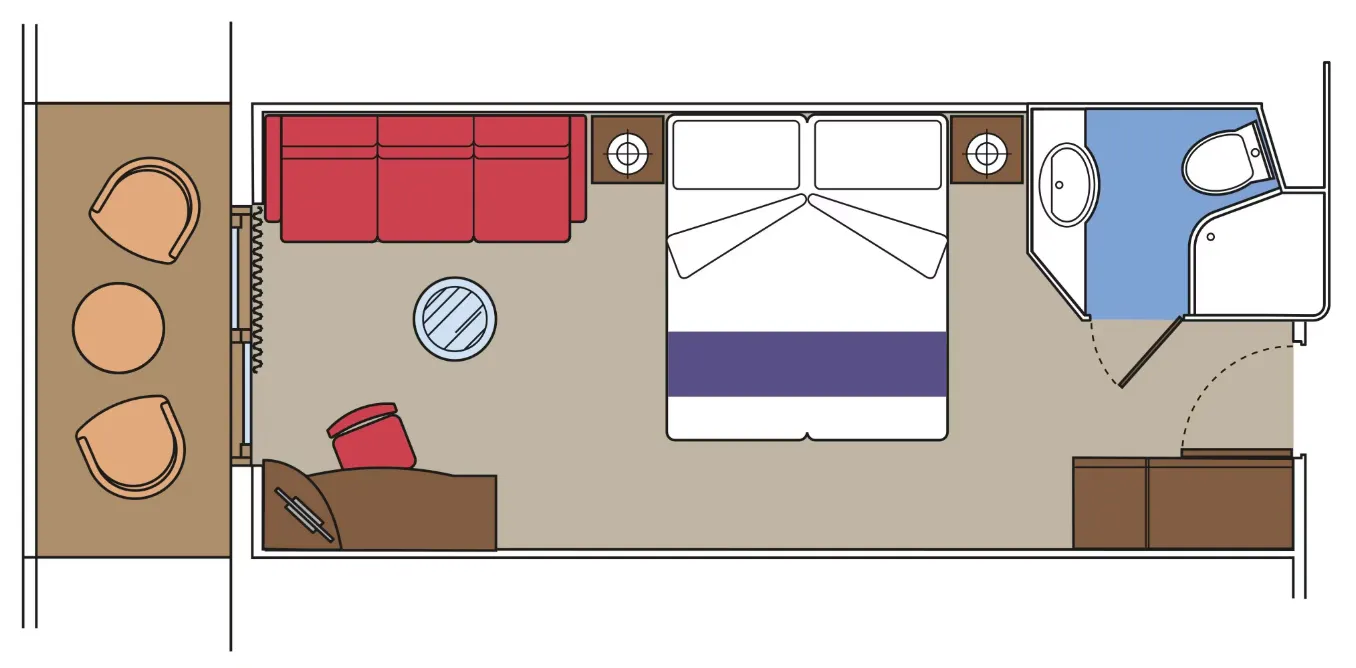
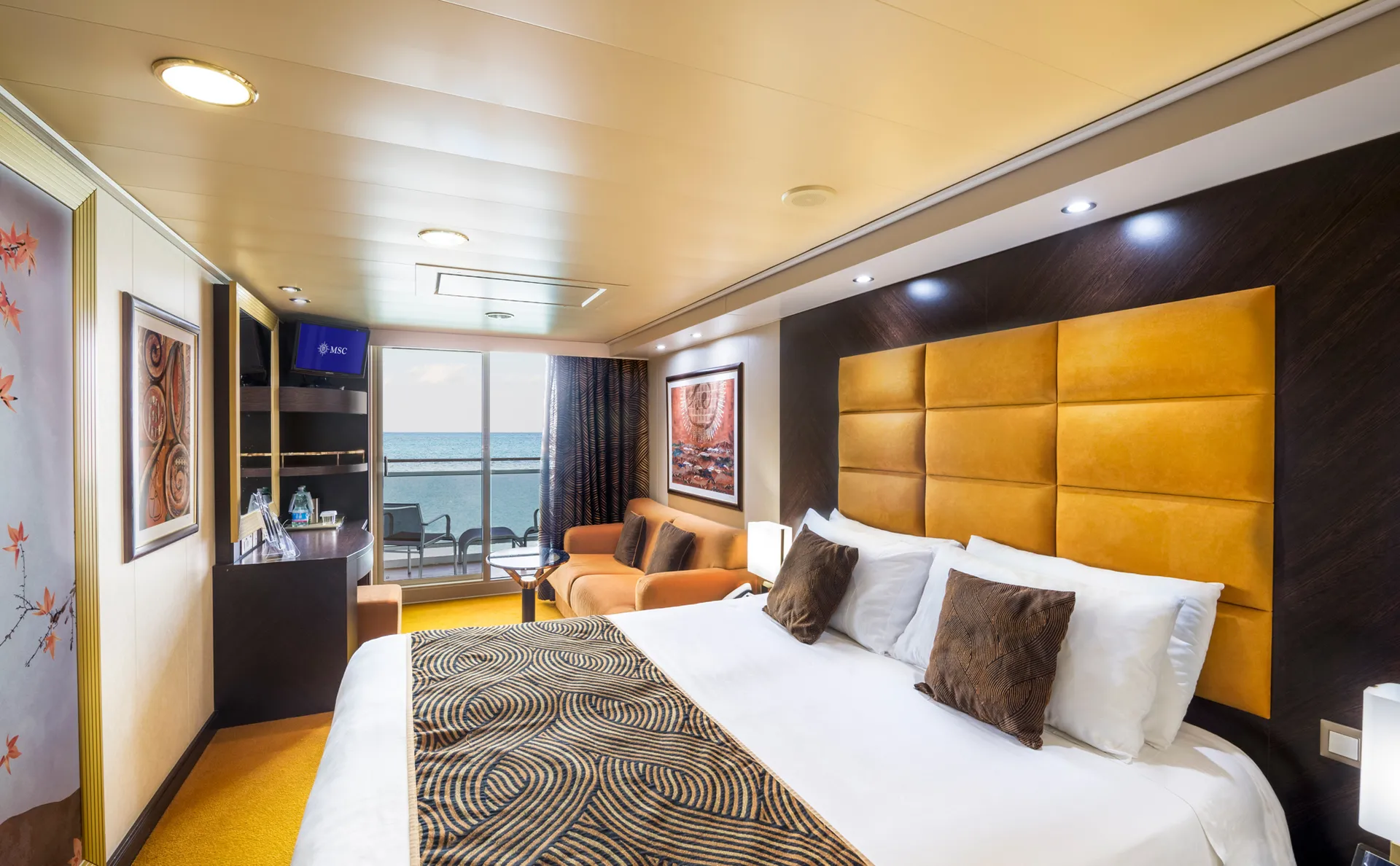
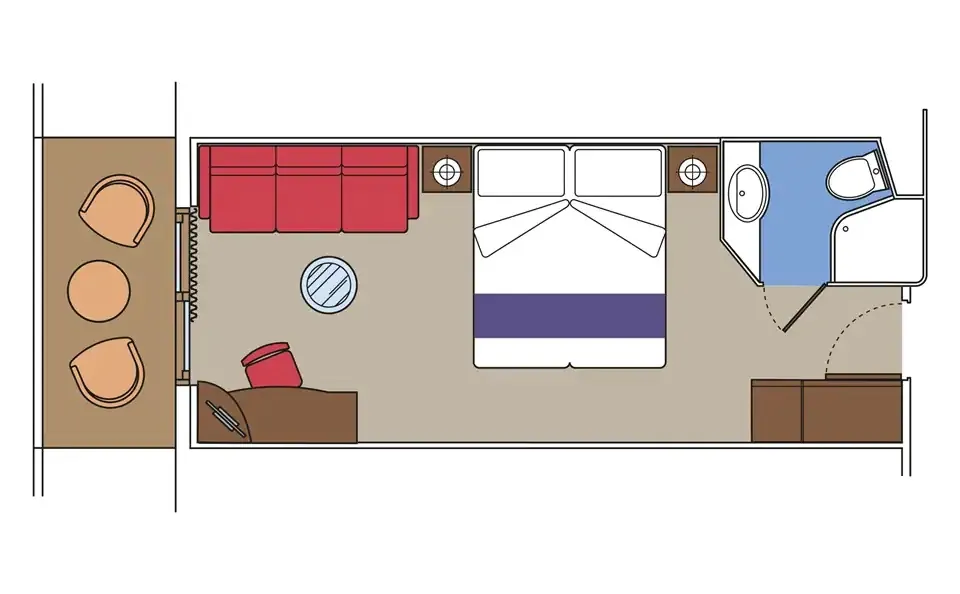
PREMIUM BALCONY FANTASTICA
Balcony
248 m²Max 2
BL1BL2BL3
Balcony
Sitting area with sofa
Spacious closet
Bathroom with shower or bathtub, vanity area and hairdryer
Interactive TV. telephone, safe and minibar
Wi-Fi access available
Lounge AreaShowerToiletries ProvidedRoom Service AvailableTVWi-Fi (Additional Cost)+8
US$1,450 /person+ US$267 taxes & fees
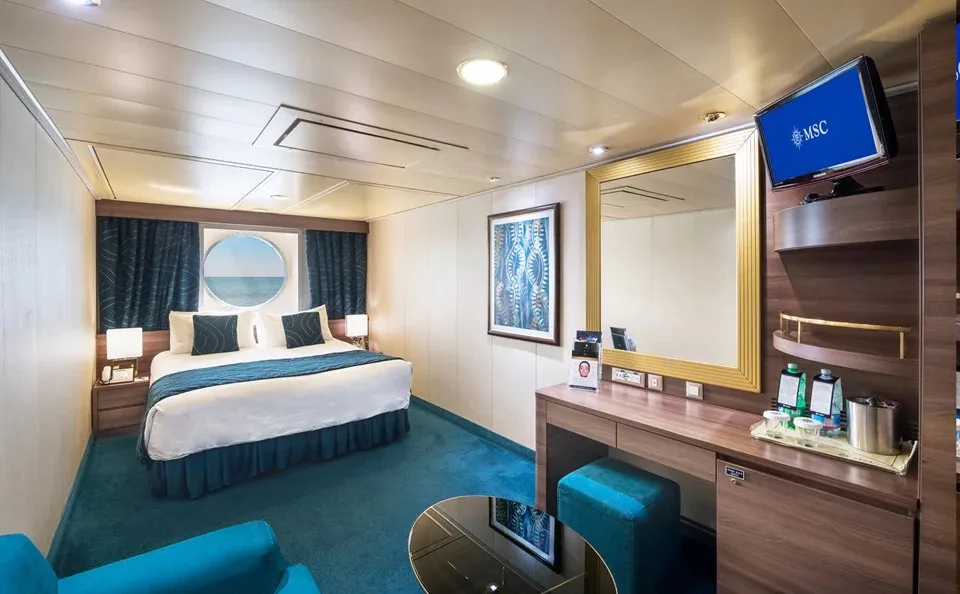
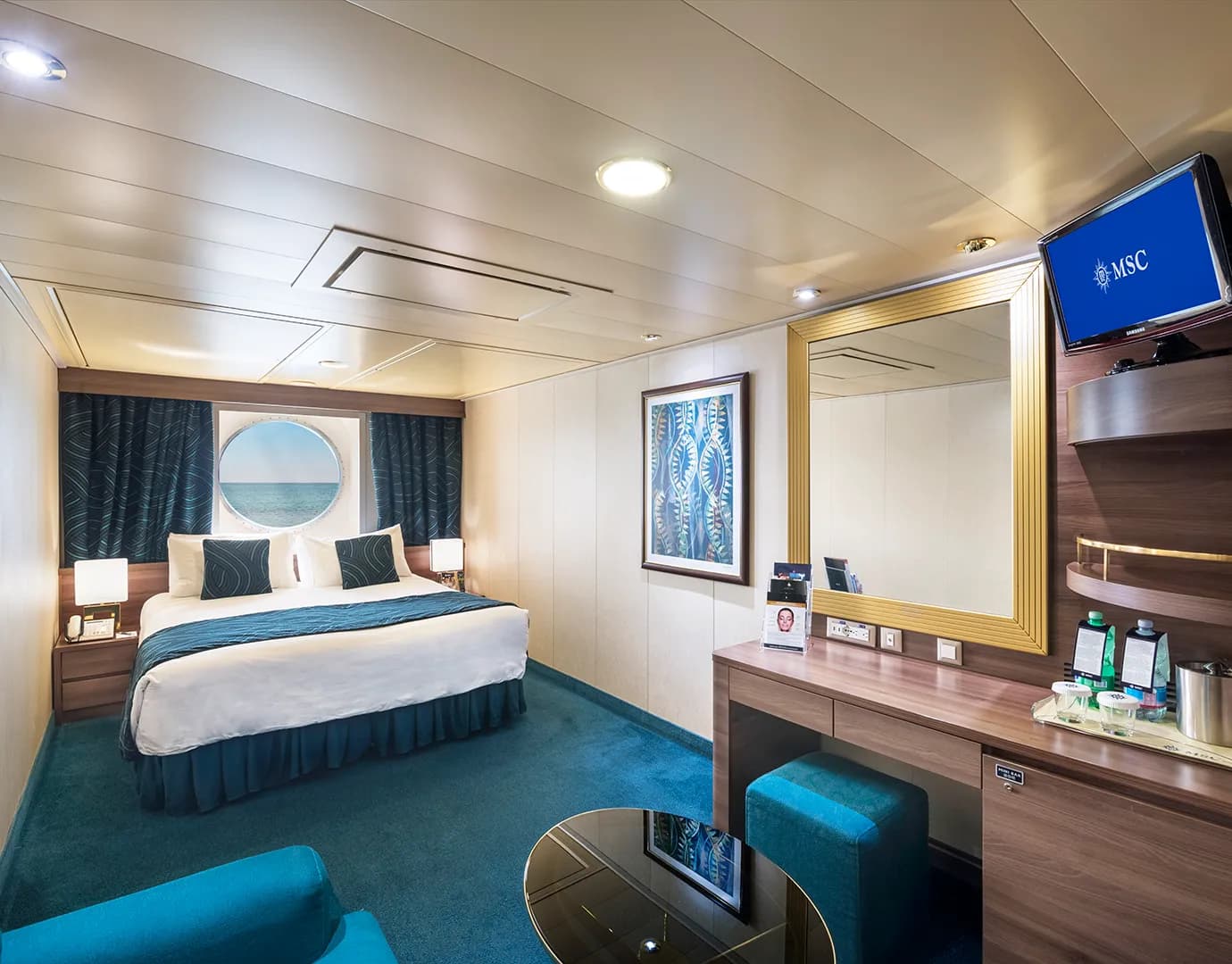
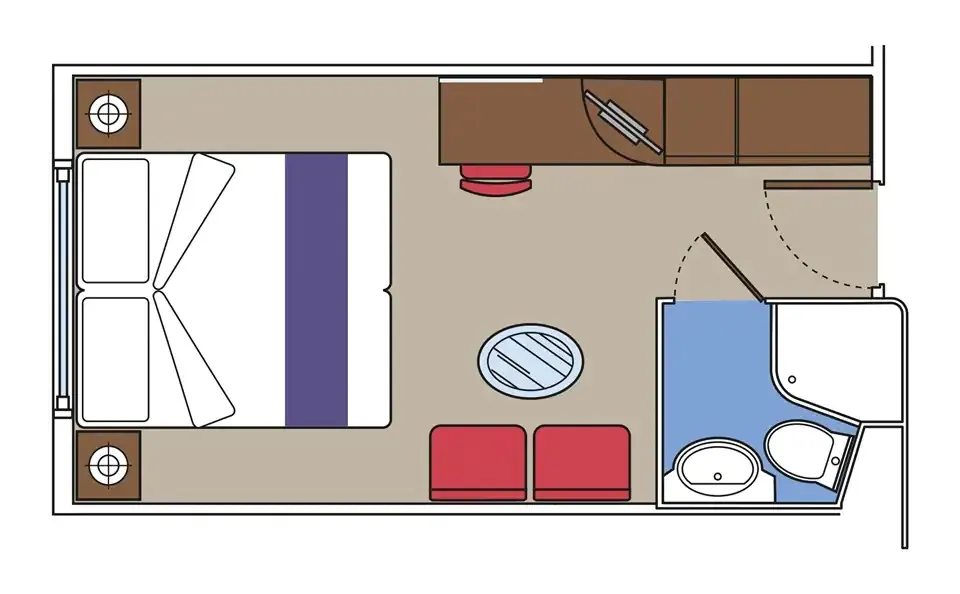
OCEAN VIEW BELLA GUARANTEED
Outside
194 m²Max 2
OB
Bathroom with shower, vanity area and hairdryer
TV, telephone, safe and minibar
Wi-Fi access available
Double or Twin ConfigurationLounge AreaShowerToiletries ProvidedRoom Service AvailableMini Bar (Additional Cost)+6
Sold Out
View Details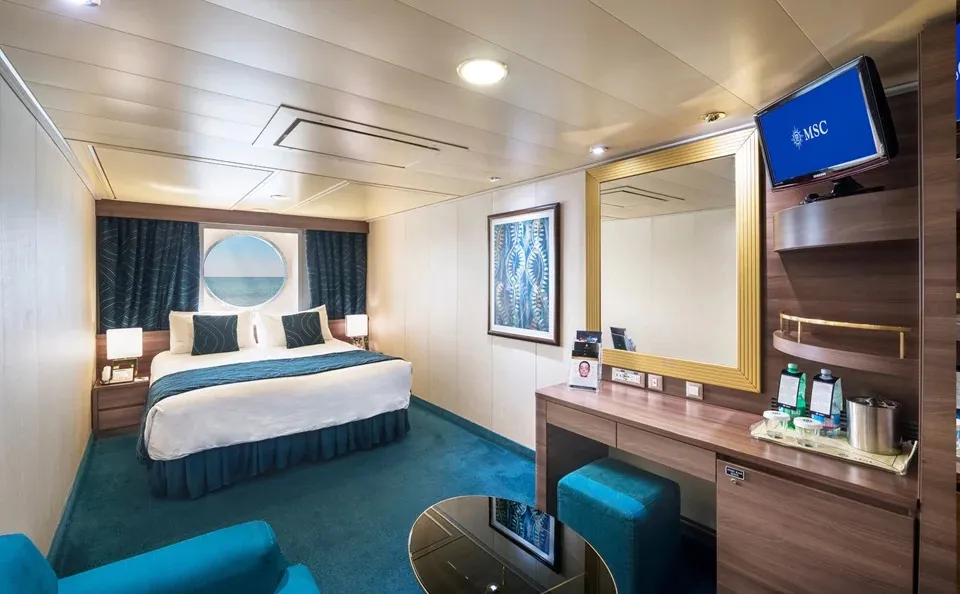
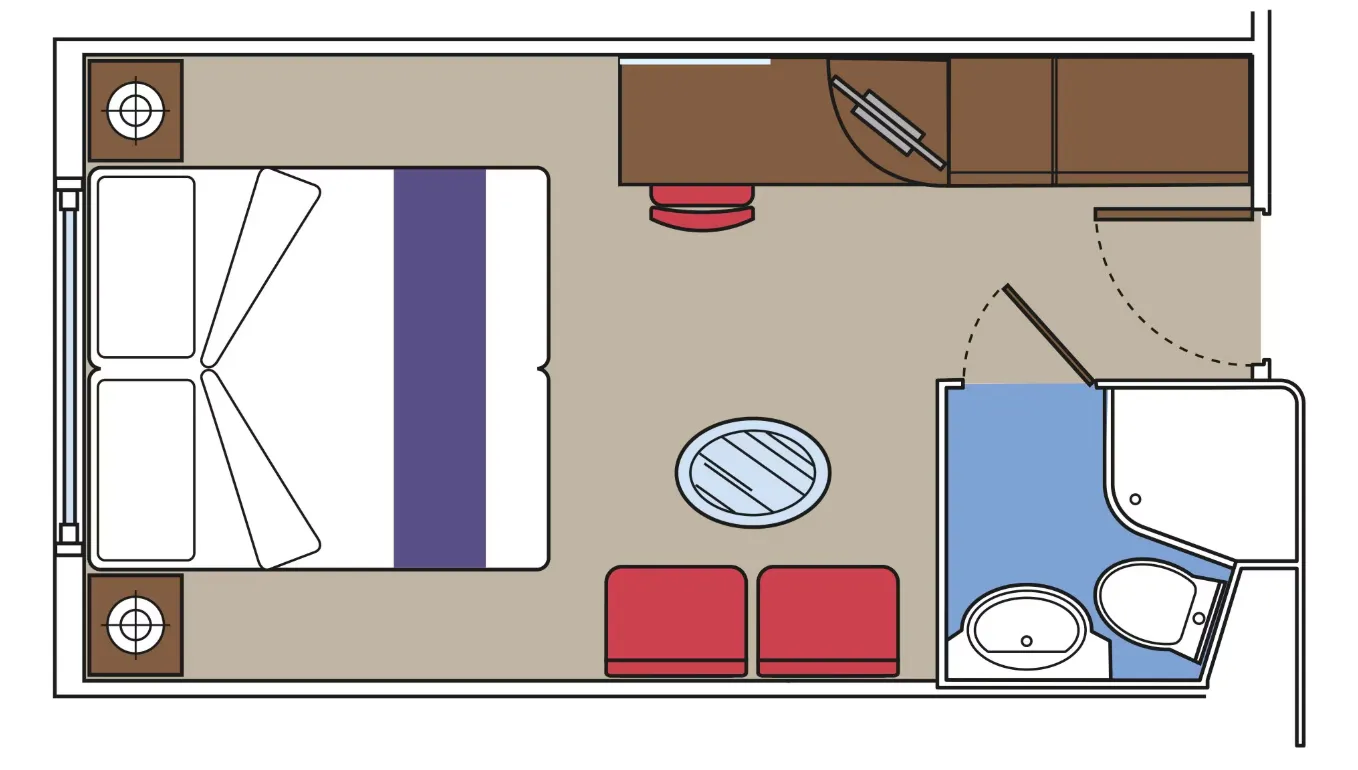
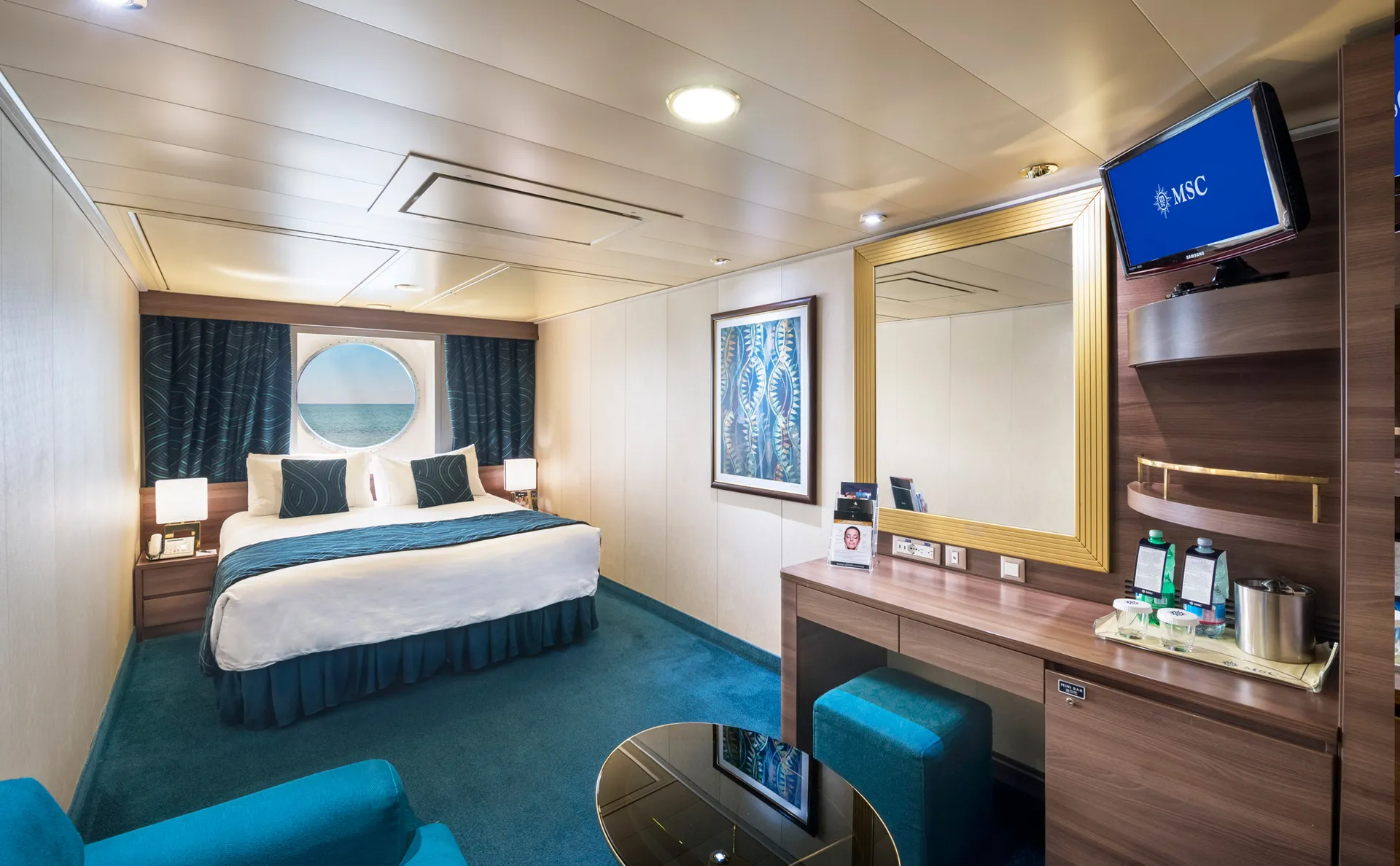
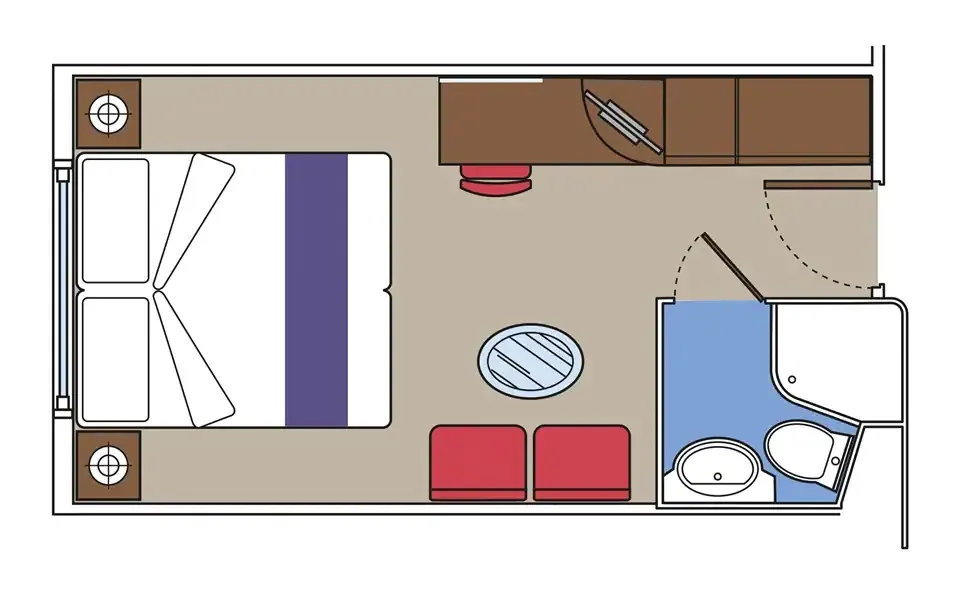
PREMIUM OCEAN VIEW FANTASTICA
Outside
194 m²Max 2
OL1OL2OL3
Window with sea view
Relaxing armchair
Spacious closet
Bathroom with shower, vanity area and hairdryer
Interactive TV. telephone, safe and minibar
Wi-Fi access available
ShowerToiletries ProvidedRoom Service AvailableTVWi-Fi (Additional Cost)Safe+7
Sold Out
View Details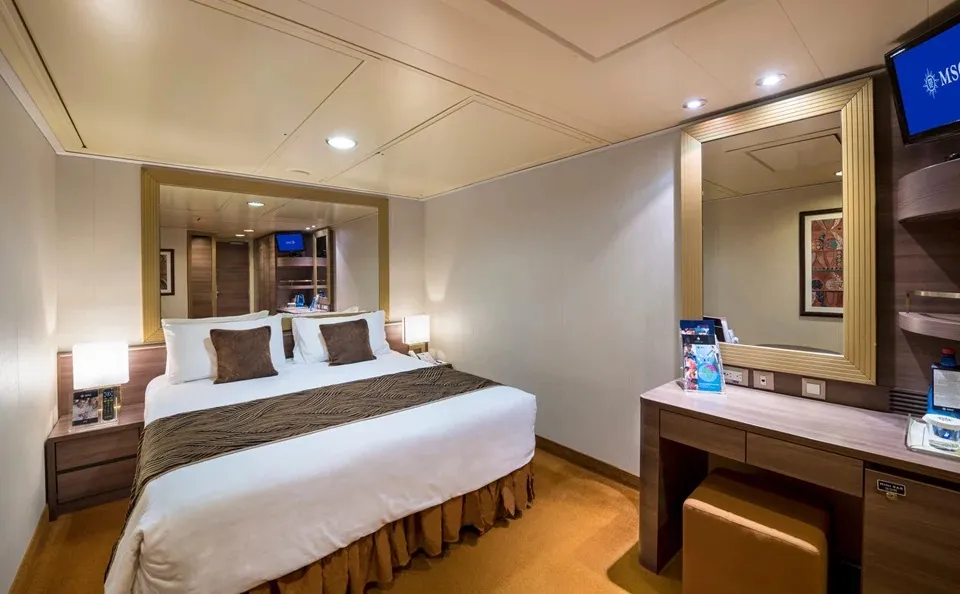
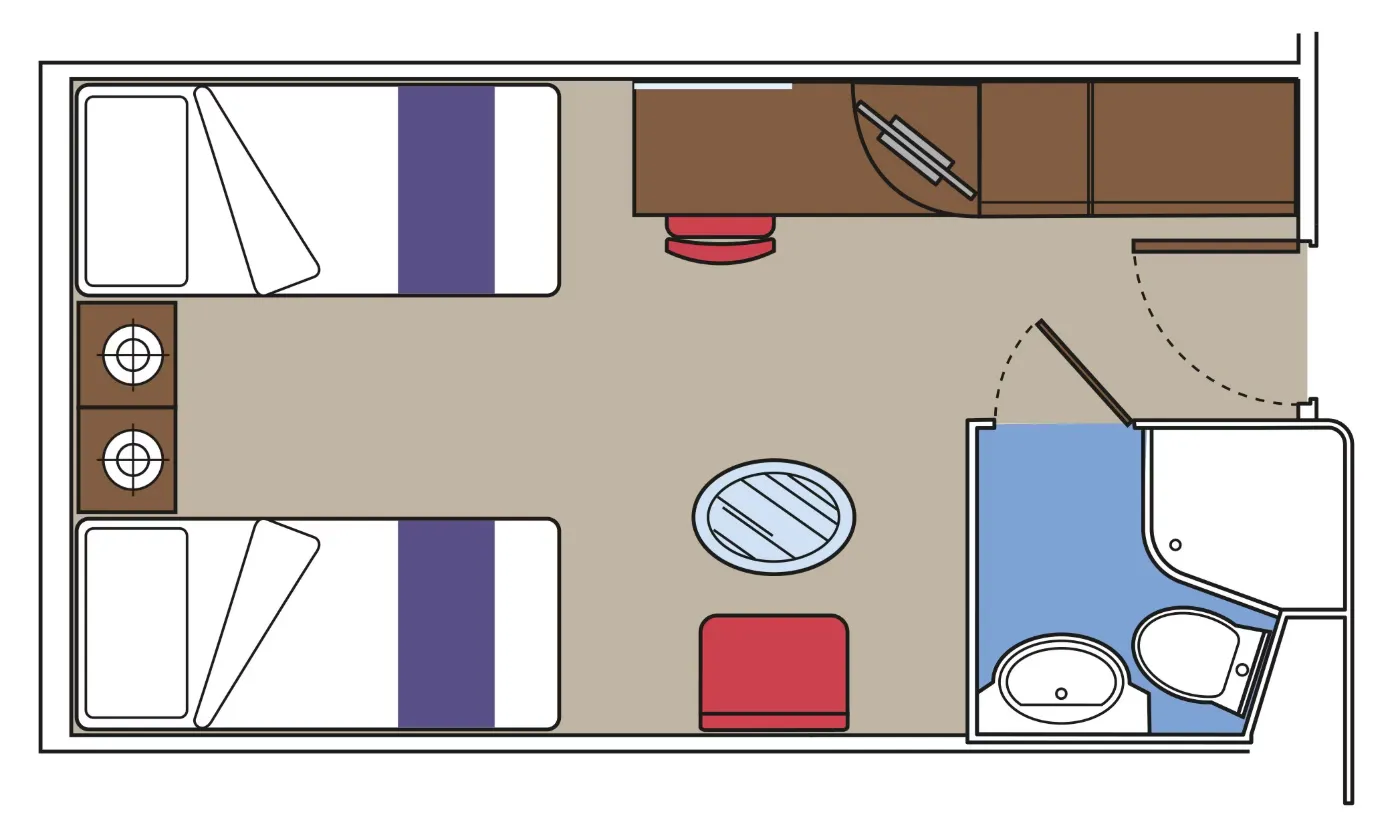
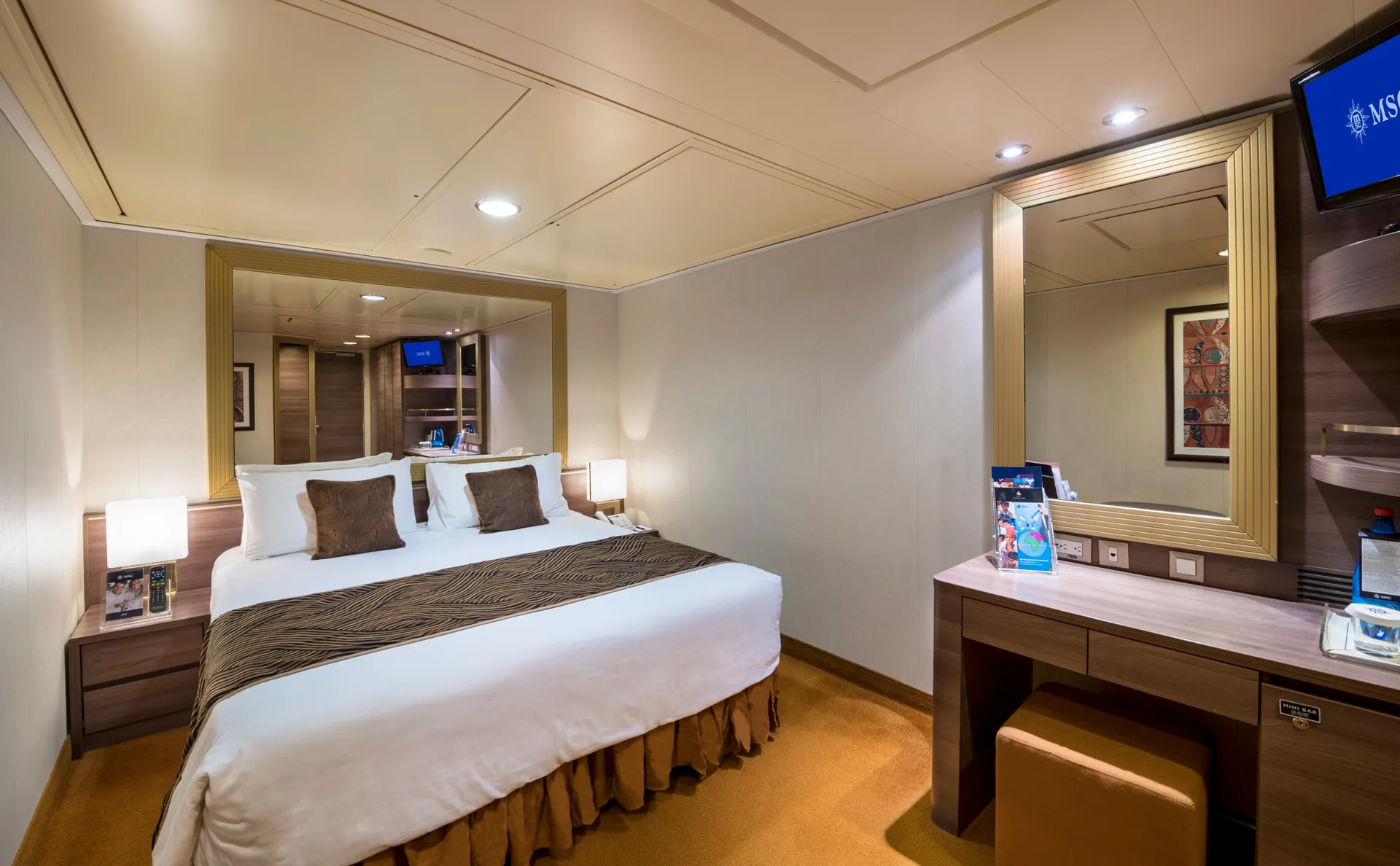
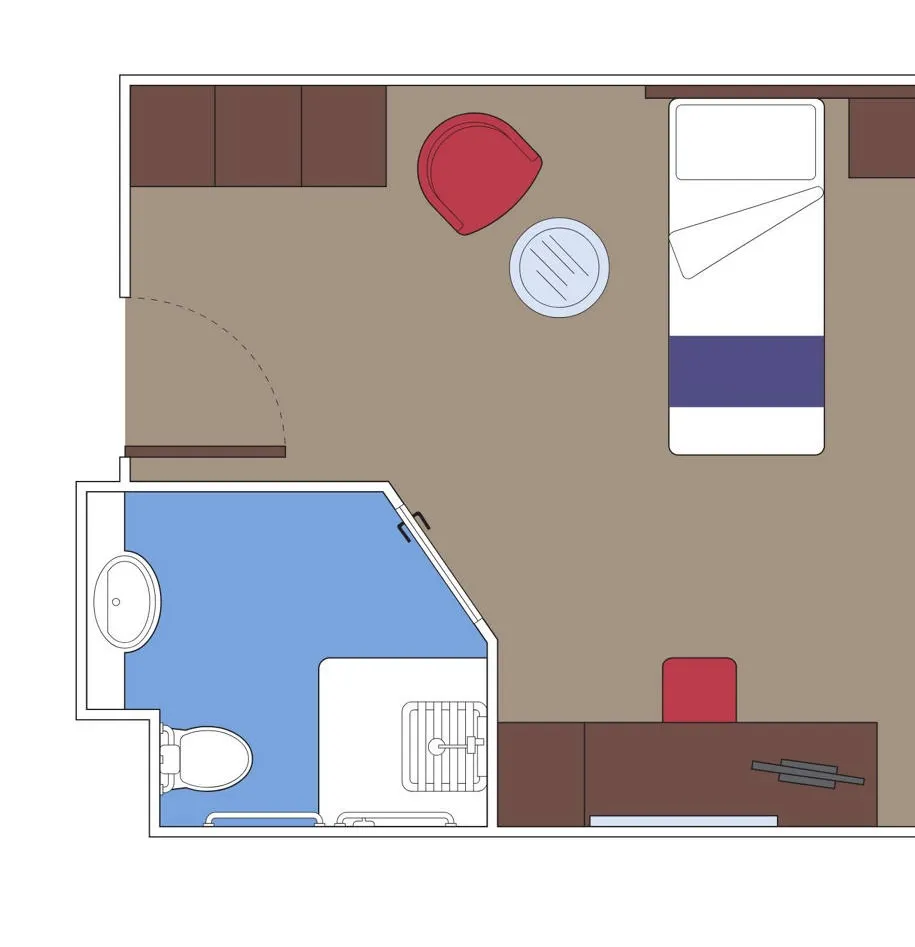
DELUXE INTERIOR FANTASTICA
Inside
183 m²Max 2
IR1IR2
Relaxing armchair
Spacious closet
Bathroom with shower, vanity area and hairdryer
Interactive TV. telephone, safe and minibar
Wi-Fi access available
ShowerToiletries ProvidedRoom Service AvailableTVWi-Fi (Additional Cost)Safe+6
Sold Out
View DetailsNo Image
Inside
Inside
SPL
Inside
Sold Out
View Details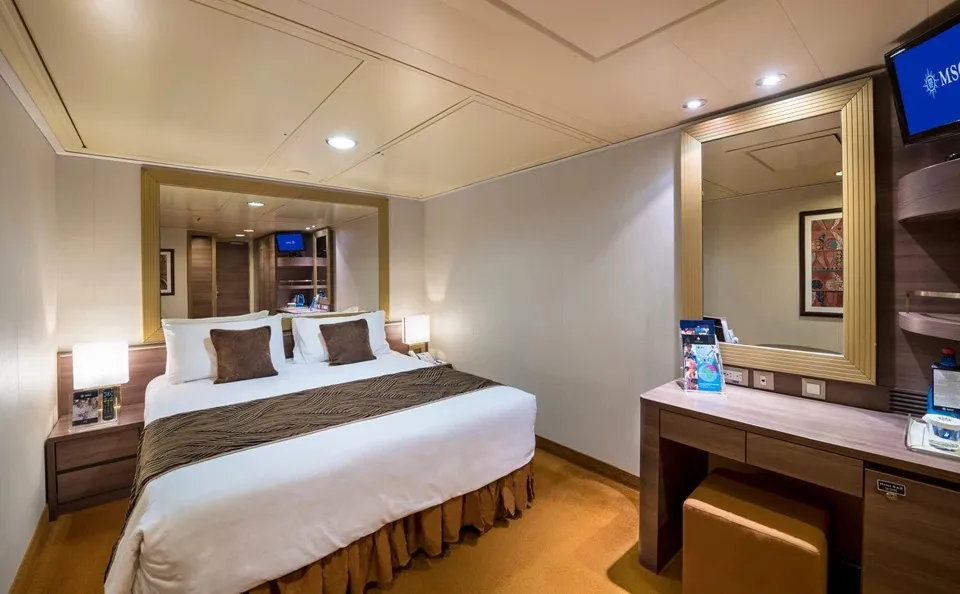
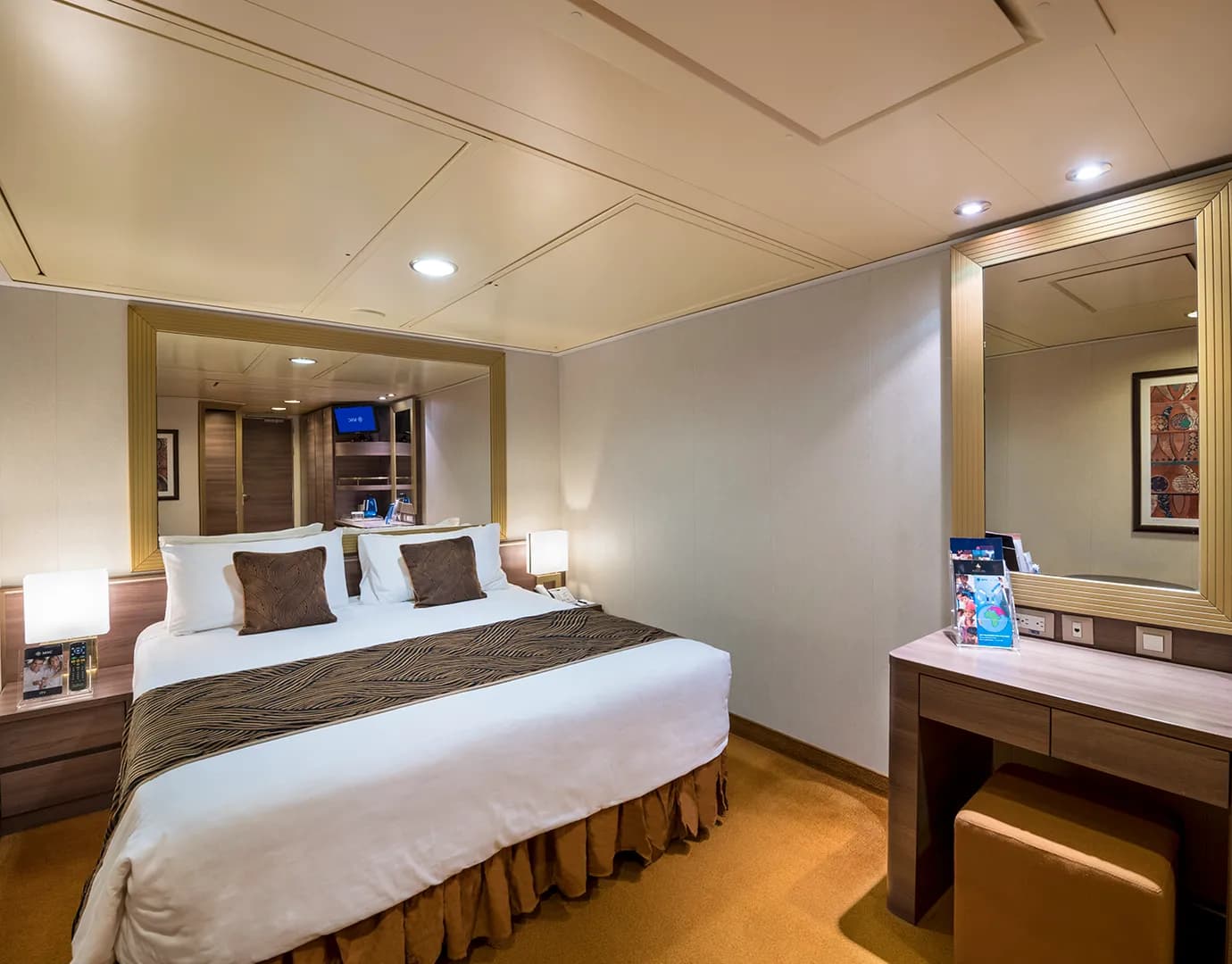
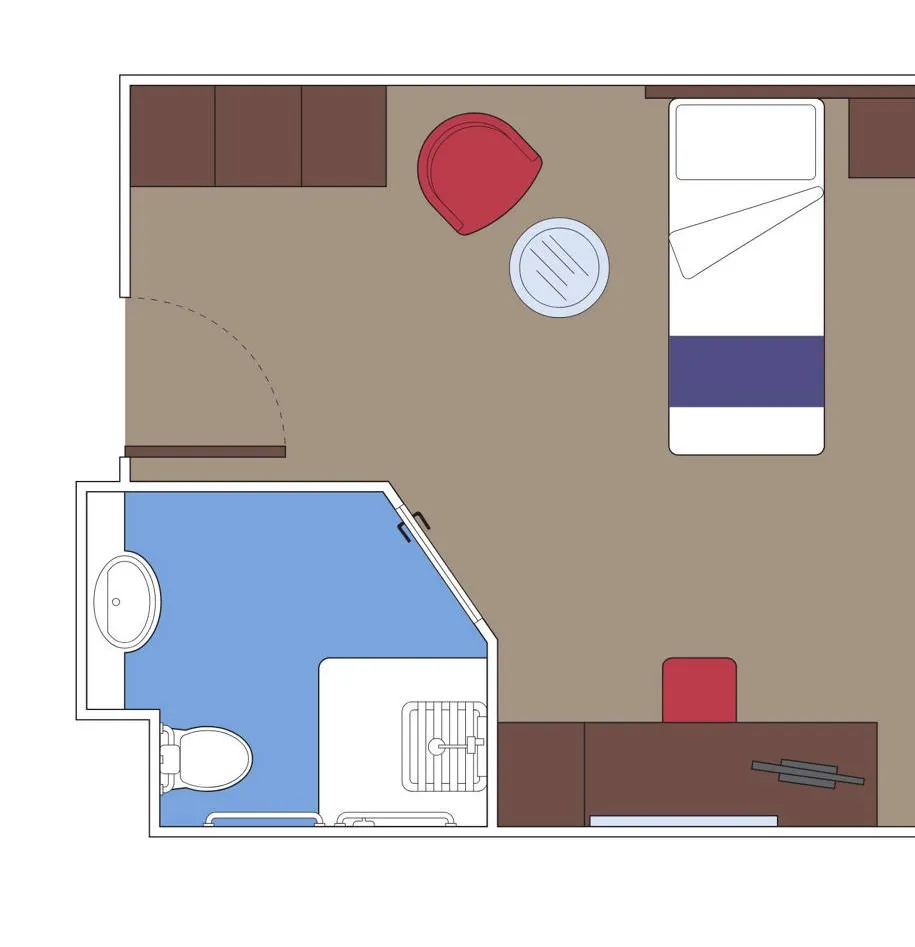
INTERIOR BELLA GUARANTEED
Inside
183 m²Max 2
IB
Bathroom with shower, vanity area and hairdryer
TV, telephone, safe and minibar
Wi-Fi access available
Double or Twin ConfigurationVanity AreaShowerToiletries ProvidedRoom Service AvailableMini Bar (Additional Cost)+6
Sold Out
View DetailsInterested in This Voyage?
Our cruise specialists can help you find the perfect cabin and the best available pricing.
US$1,380 /person
Contact Advisor