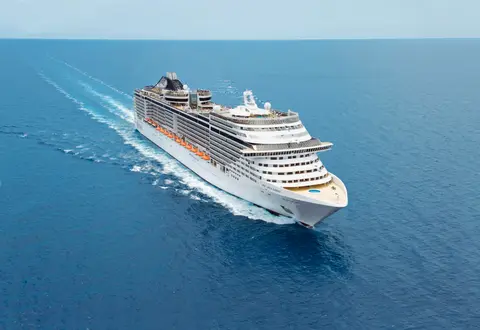
Mediterranean from Bari
Date
November 5, 2027
Duration
11 nights
Departure Port
Bari · Italy
Arrival Port
Civitavecchia · Italy
Rating
—
Theme
—
Date
November 5, 2027
Duration
11 nights
Departure Port
Bari · Italy
Arrival Port
Civitavecchia · Italy
Rating
—
Theme
—
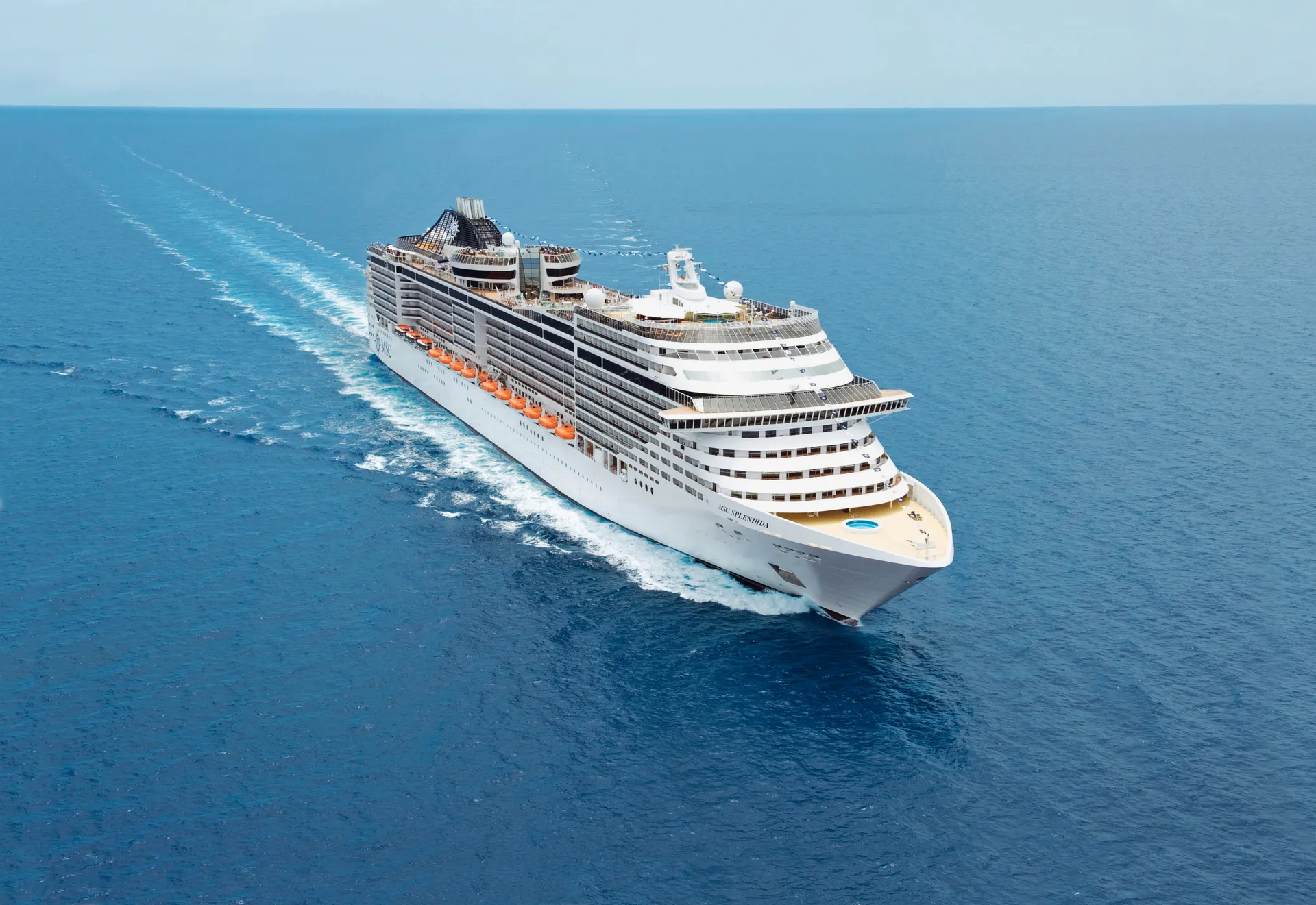
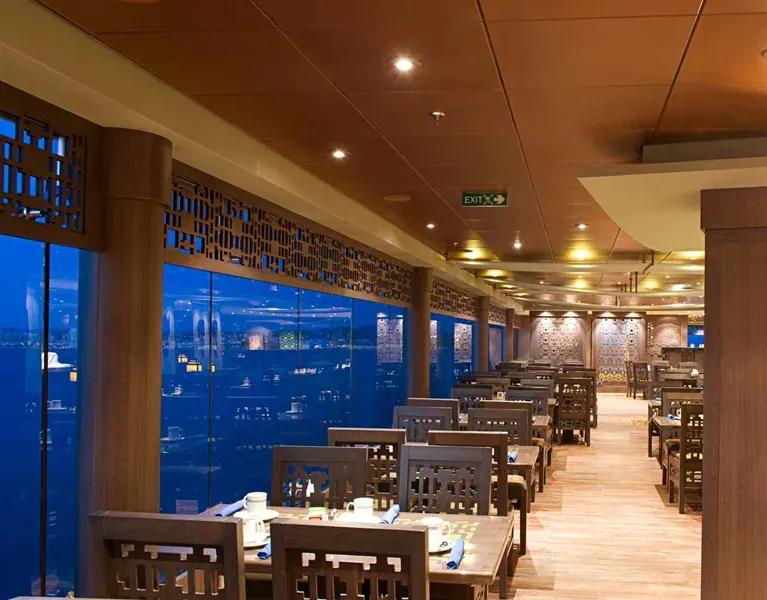
MSC Cruises
Fantasia
2008
—
137,936 GT
4,363
1,637
1,370
1016 m
37 m
22 knots
No
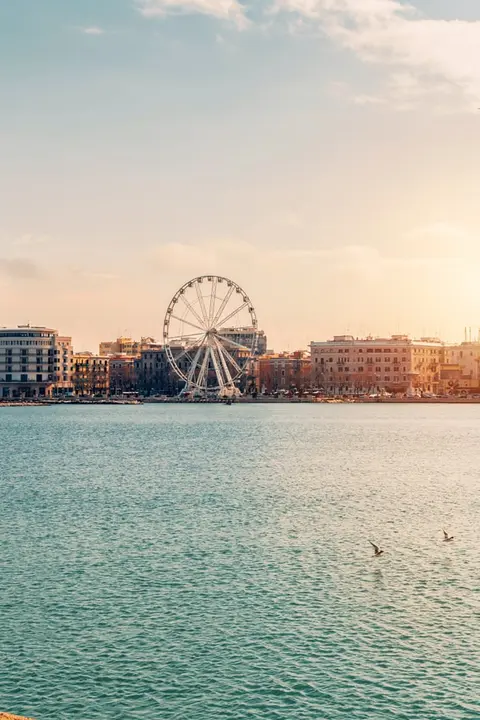
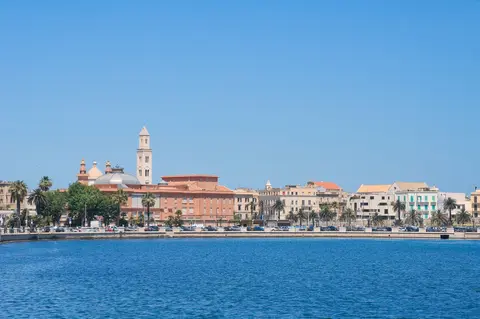
Bari, capital of the province of Apulia, lies on southern Italy's Adriatic coast. Its busy port is a leading commercial and industrial centre as well as a transit point for travellers catching ferries across the Adriatic to Greece. Bari comprises a new and an old town. To the north, on a promontory between the old and new harbours, lies the picturesque old town, or Citta Vecchia, with a maze of narrow, crooked streets. To the south is the spacious and regularly planned new town, which has developed considerably since 1930, when the Levant Fair was first held here. The heart of the modern town is Piazza della Liberta. The busy thoroughfare, Corso Vittorio Emanuele II, separates the new town from the old. At the eastern end of the Corso begins the Lungomare Nazario Sauro, a magnificent seafront promenade that runs along the old harbour. Bari and the Apulian region were long recognized for their strategic location, attracting a succession of colonizers such as the Normans, Moors and Spaniards, each leaving their mark.
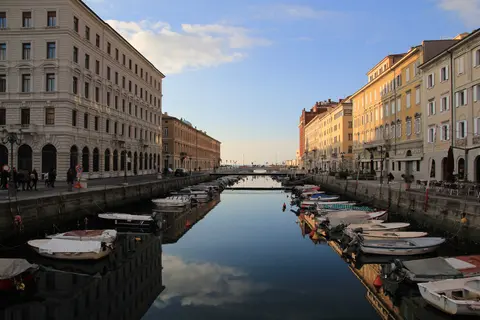
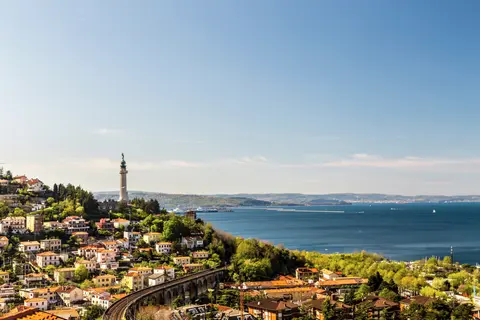
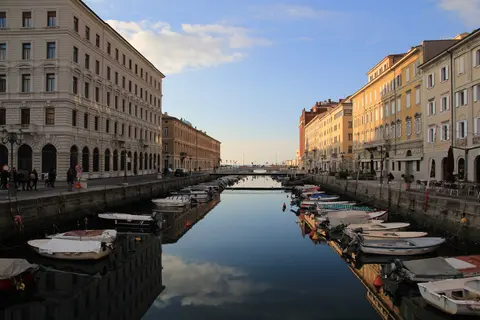
Up until the end of World War I, Trieste was the only port of the vast Austro-Hungarian Empire and therefore a major industrial and financial center. In the early years of the 20th century, Trieste and its surroundings also became famous by their association with some of the most important names of Italian literature, such as Italo Svevo, and English and German letters. James Joyce drew inspiration from the city's multiethnic population, and Rainer Maria Rilke was inspired by the seacoast west of the city. Although it has lost its importance as a port and a center of finance, it has never fully lost its roll as an intellectual center. The streets hold a mix of monumental, neoclassical, and art-nouveau architecture built by the Austrians during Trieste's days of glory, granting an air of melancholy stateliness to a city that lives as much in the past as the present.
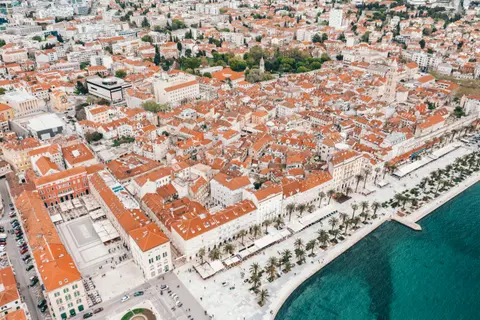
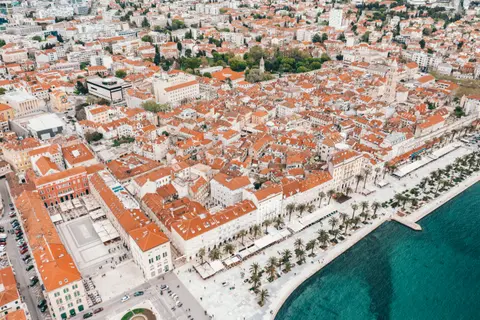
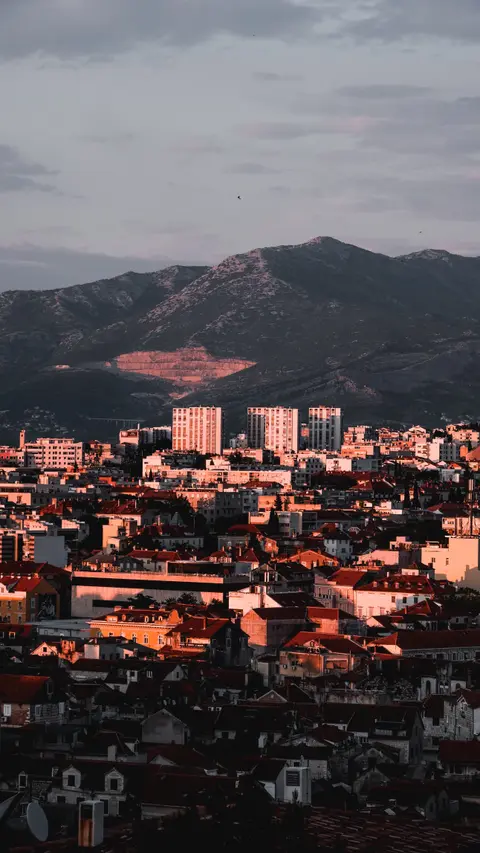
With its seafront cafés and ancient alleyways, shouting stallholders and travellers on the move, bustling, exuberant Split is one of Croatia’s and the Mediterranean’s most compelling cities, it’s easy to see this feeling when you step aground from your MSC cruise. It has a unique historical heritage too, having grown out of the palace built here by the Roman Emperor Diocletian in 295AD. The palace remains Split’s central ingredient, having been gradually transformed into a warren of houses, tenements, churches and chapels by the various peoples who came to live here after Diocletian’s successors had departed. Adapted long ago to serve as Split’s town centre, Diocletian’s Palace is certainly not an archaeological “site”. Although set-piece buildings such as Diocletian’s mausoleum (now the cathedral) and the Temple of Jupiter (now a baptistery) still remain, other aspects of the palace have been tinkered with so much by successive generations that it is no longer recognizable as an ancient Roman structure. Best place to start exploring with an MSC excursion the seaward side of the palace is Split’s broad and lively Riva. Running along the palace’s southern facade, into which shops, cafés and a warren of tiny flats have been built, the Riva is where a large part of the city’s population congregates day and night to meet friends, catch up on gossip or idle away an hour or two in a café. Nearly everything worth seeing in Split is concentrated in the compact Old Town behind the waterfront Riva, made up in part of the various remains and conversions of Diocletian’s Palace itself, and the medieval additions to the west of it. You can walk across this area in about ten minutes, although it would take a lifetime to explore all its nooks and crannies.
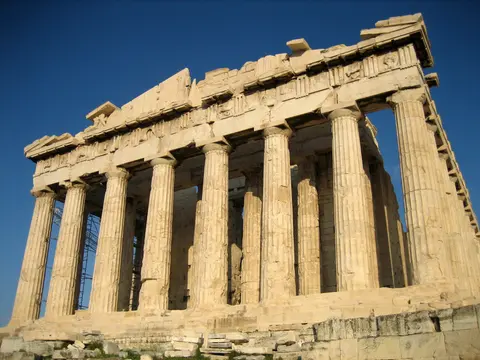
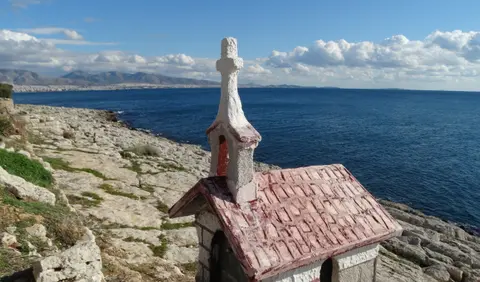
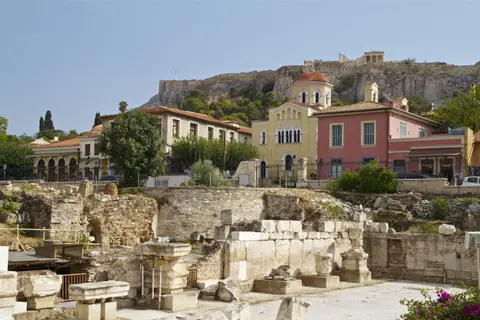
A city of legend, civilisation and enduring culture, Athens is a majestic and magical urban sprawl. Extraordinary elegance and grace combine with grit and graft in Greece's capital, where highways encase ruins from antiquity, and gleaming museums and galleries stand beside concrete sprayed with edgy street art. These contrasts enhance and elevate the wonders of this 2,500-year-old city, however, which can count notable contributions to philosophy, drama and democracy, among its global legacy. Piraeus' giant port and naval base welcome you to the edge of the Athens' urban area. From there it's a simple jaunt to the centre. The majestic ancient citadel of the Acropolis dominates an elevated platform and is a constant presence as you explore the city. The wonderful remains of the columned temple of the Parthenon - which date back to the 5th century BC - stand here, representing the pinnacle of classical architecture. The nearby Acropolis Museum adds context to your visit and frames the broad views from its giant glass windows. Or rise up Mount Lycabettus, to be rewarded with perhaps Athens' best panorama of the Acropolis sitting high over the city on its grand stage. See the marble horseshoe of the Old Olympic Stadium, where the first modern Olympics were held in 1896, for more of the city's enduring legacy. Elsewhere, golden beaches and temples stretch out along the coastline, should you wish to explore a little further afield. Coffee is an art form to the Greeks, and it's an unwritten rule that coffee time must never be rushed. So prepare to settle down for a couple of hours and lose yourself in a good chat. Feeling hungry - try traditional souvlaki made with sauces handed from generation to generation.
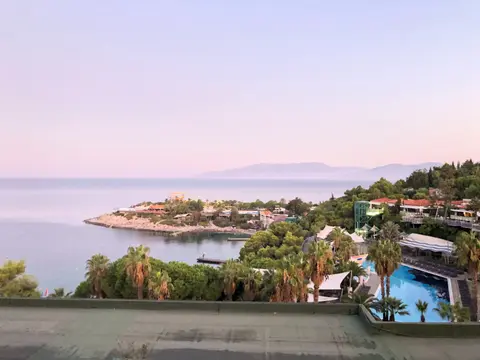
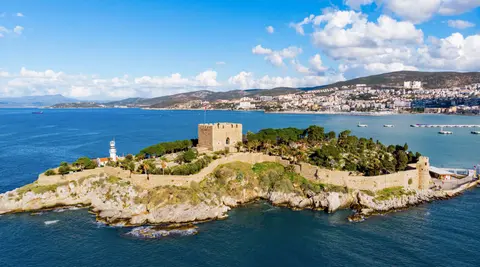
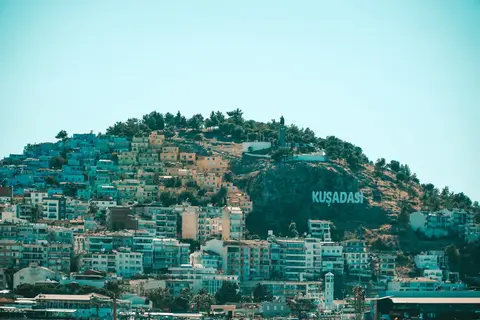
Whilst the busy resort town of Kusadasi offers much in the way of shopping and dining – not to mention a flourishing beach life scene, the real jewel here is Ephesus and the stunning ruined city that really take centre stage. With only 20% of the classical ruins having been excavated, this archaeological wonder has already gained the status as Europe’s most complete classical metropolis. And a metropolis it really is; built in the 10th century BC this UNESCO World Heritage site is nothing short of spectacular. Although regrettably very little remains of the Temple of Artemis (one of the seven wonders of the ancient world), the superb Library of Celsus’ façade is practically intact and it is one of life’s great joys to attend an evening performance in the illuminated ruins once all the tourists have left. The history of the city is fascinating and multi-layered and it is well worth reading up on this beforehand if a visit is planned. Another point of interest for historians would be the house of the Virgin Mary, located on the romantically named Mount Nightingale and just nine kilometres away from Ephesus proper. Legend has it that Mary (along with St. John) spent her final years here, secluded from the rest of the population, spreading Christianity. An edifying experience, even for non-believers. For the less historical minded amongst you, Kusadasi offers plenty in the way of activities. After a stroll through the town, jump in a taxi to Ladies’ Beach (men are allowed), sample a Turkish kebap on one of the many beachfront restaurants and enjoy the clement weather. If you do want to venture further afield, then the crystal clear beaches of Guzelcamli (or the Millipark), the cave of Zeus and the white scalloped natural pools at Pamukkale, known as Cleopatra’s pools, are definitely worth a visit.
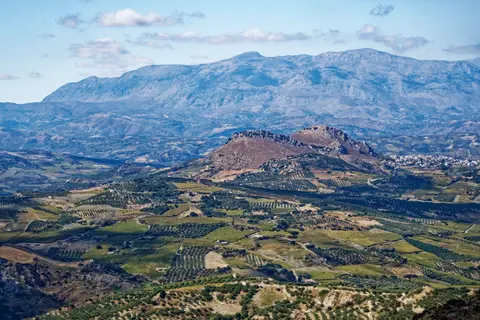
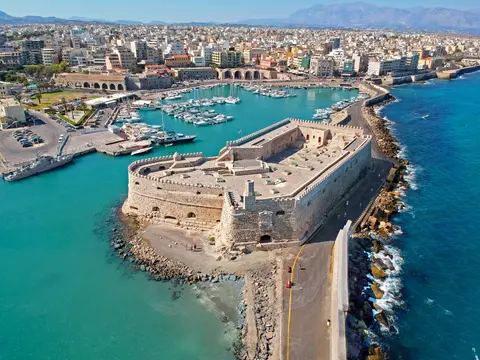
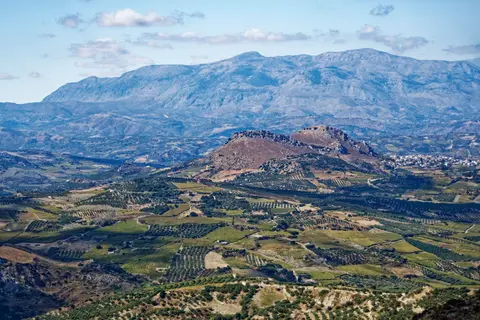
Having been controlled by Arabic, Venetian and Ottoman empires over the years - it's no surprise that Heraklion is a diverse patchwork of exotic cultures and historical treasures. Celebrated as the birthplace of the Spanish Renaissance artist, El Greco, you can visit to explore the storied ruins of the Minoan empire's capital, and unearth the rich cultural treasures that Crete’s bustling modern capital has to offer.
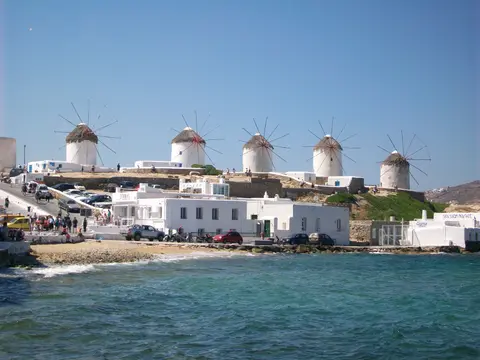
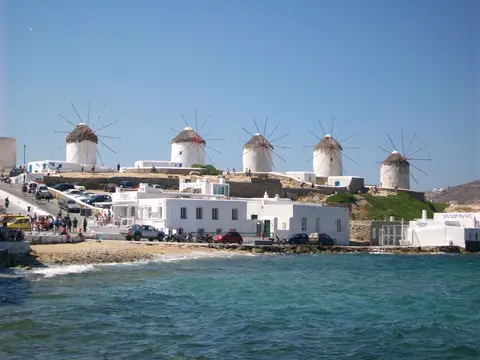
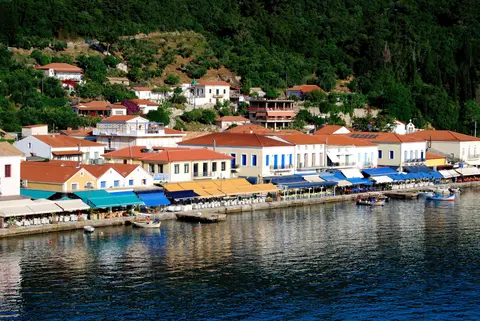
The small Greek port of Katakolon was developed in the 19th century to serve the thriving local trade in currants. Today it is your starting block for Olympia - birthplace of the Olympic Games. A pretty town on the banks of the River Alpheios, Olympia lies only a short drive away from the port and its historic stadium - where the first Olympic torch was lit in 776 BC and is a fascinating site to explore. You can still see the marble starting blocks used by early athletes in the 45,000-seat arena, as well as the ruins of the Temple of Hera and the gigantic Temple of Zeus - its gold and ivory statue of Zeus was one of the Seven Wonders of the ancient world. If you have already visited Olympia, you could spend your day exploring the lush wine country north of Katakolon and sampling the local vintages.
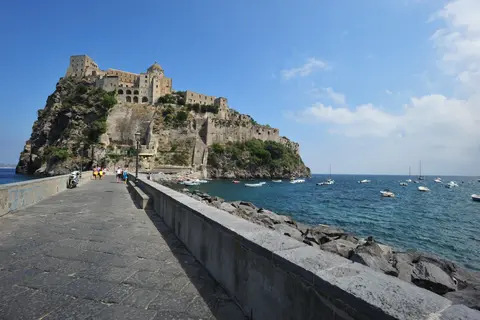
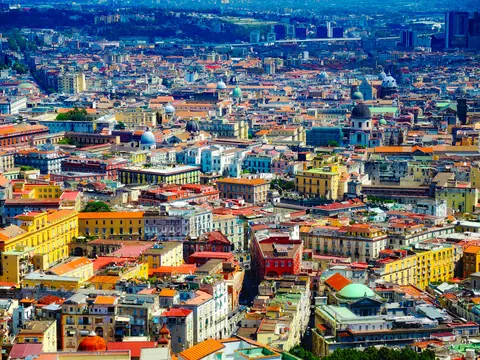
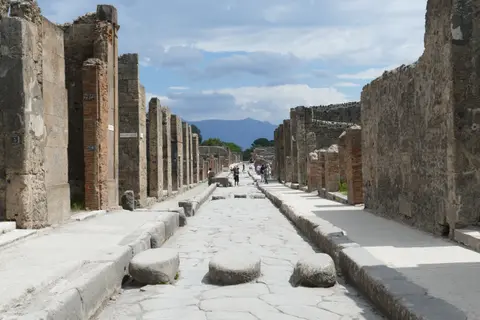
Naples, in the Campania region, is Italy's third largest city. Its claim to fame is the spectacular location along one of the world's most splendid bays, backed by the perfect cone of Mount Vesuvius. In addition to its beautiful setting, Naples' surprises with other outstanding attractions such as the Royal Palace, San Carlos Opera House, the impressive National Archaeological Museum and the Castel Nuovo, dating from the 13th-century. The city's central area is best explored on foot. Chaotic traffic conditions make driving around the city a very frustrating experience. Naples provides a convenient starting point for trips to such favored destinations as Pompeii, Herculaneum and Mount Vesuvius. The Isle of Capri can be reached via a 45-minute hydrofoil service. The region of Campania was home to Greeks settlers some 300 years before Rome was founded. Pompeii, too, was a Greek town before being conquered by the Romans during the 5th century BC. It was under the Romans that Pompeii flourished and grew prosperous. When Mount Vesuvius erupted in 79 AD, the population of 20,000 was wiped out, but dozens of buildings were preserved under layers of cinder more than 20 feet deep. The most important finds from Pompeii are displayed in Naples' National Archaeological Museum. A visit here will no doubt enhance a visit to ancient Pompeii.
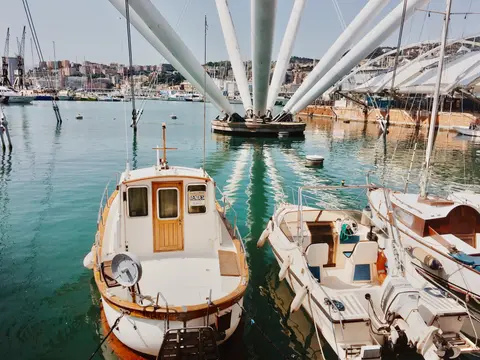
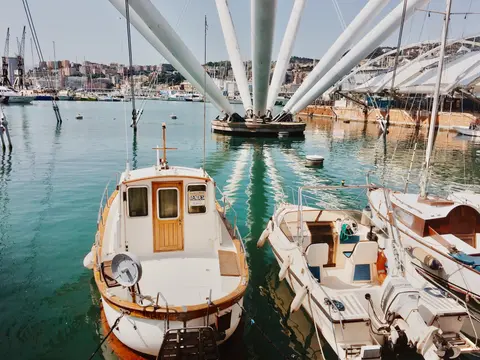
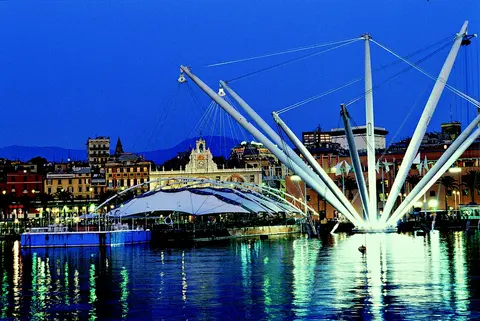
Genoa is marvellously eclectic, vibrant and full of rough-edged style; it’s a great cruise excursion. Indeed “La Superba” (The Superb), as it was known at the height of its authority as a Mediterranean superpower, boasts more zest and intrigue than all the surrounding coastal resorts put together. During a holiday to Genoa you can explore its old town: a dense and fascinating warren of medieval alleyways home to large palazzi built in the sixteenth and seventeenth centuries by Genoa’s wealthy mercantile families and now transformed into museums and art galleries. You should seek out the Cattedrale di San Lorenzo, the Palazzo Ducale, and the Renaissance palaces of Via Garibaldi which contain the cream of Genoa’s art collections, as well as furniture and decor from the grandest days of the city’s past, when its ships sailed to all corners of the Mediterranean Sea. The Acquario di Genova is the city’s pride and joy, parked like a giant ocean liner on the waterfront, with seventy tanks housing sea creatures from all the world’s major habitats, including the world’s biggest reconstruction of a Caribbean coral reef. It’s a great aquarium by any standards, the second largest in Europe by capacity, and boasts a fashionably ecology-conscious slant and excellent background information in Italian and English. Just 35 km south of Genoa, there’s no denying the appeal of Portofino, tucked into a protected inlet surrounded by lush cypress- and olive-clad slopes. It’s an A-list resort that has been attracting high-flying bankers, celebs and their hangers-on for years, as evidenced by the flotillas of giant yachts usually anchored just outside. It’s a tiny place that is attractive yet somehow off-putting at the same time, with a quota of fancy shops, bars and restaurants for a place twice its size.
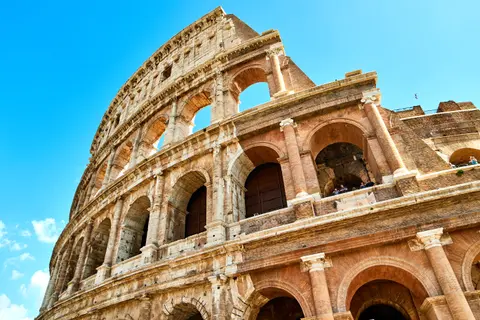
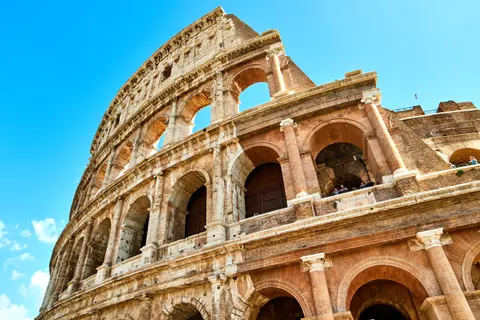
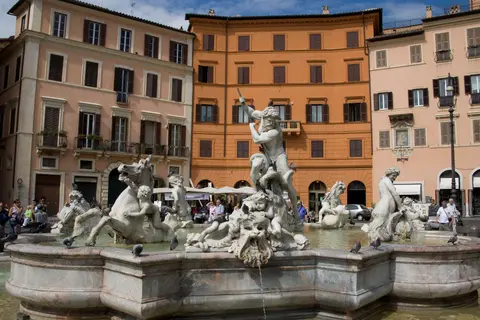
Italy's vibrant capital lives in the present, but no other city on earth evokes its past so powerfully. For over 2,500 years, emperors, popes, artists, and common citizens have left their mark here. Archaeological remains from ancient Rome, art-stuffed churches, and the treasures of Vatican City vie for your attention, but Rome is also a wonderful place to practice the Italian-perfected il dolce far niente, the sweet art of idleness. Your most memorable experiences may include sitting at a caffè in the Campo de' Fiori or strolling in a beguiling piazza.
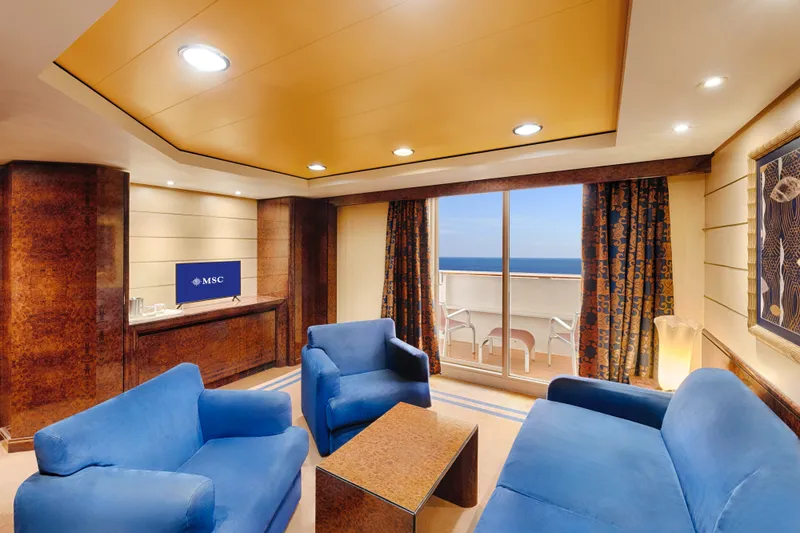
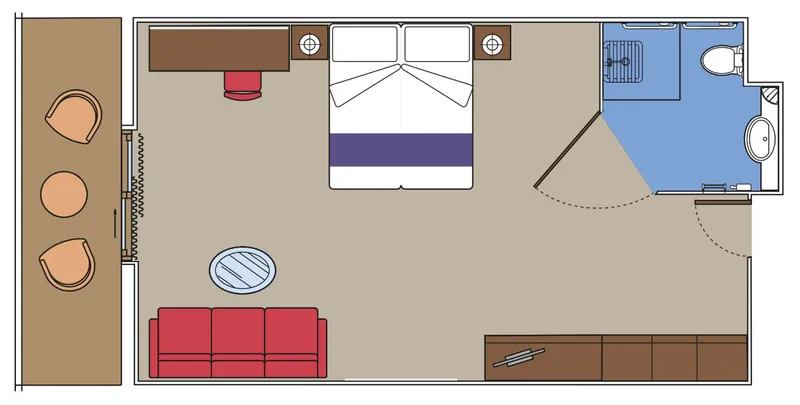
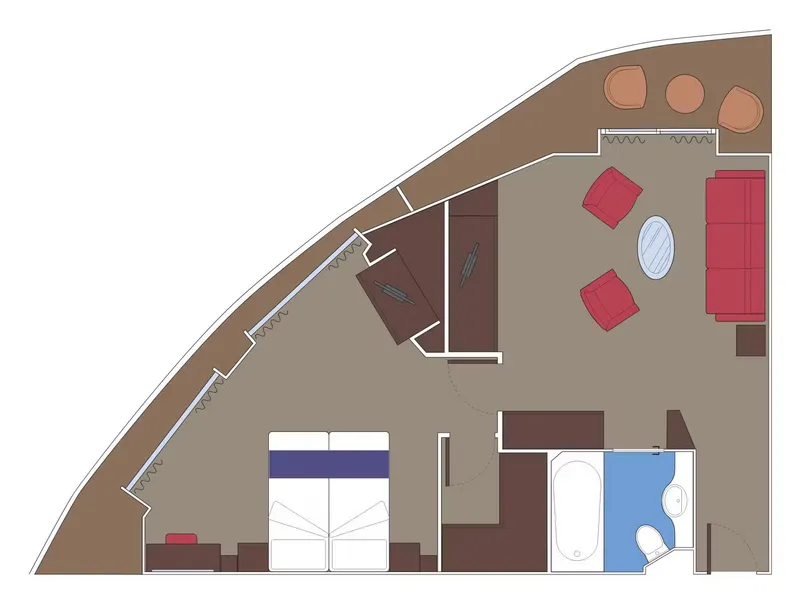
Balcony
Sitting area with sofa
Spacious closet
Bathroom with bathtub, vanity area and hairdryer
Interactive TV. telephone, safe and minibar
Wi-Fi access available
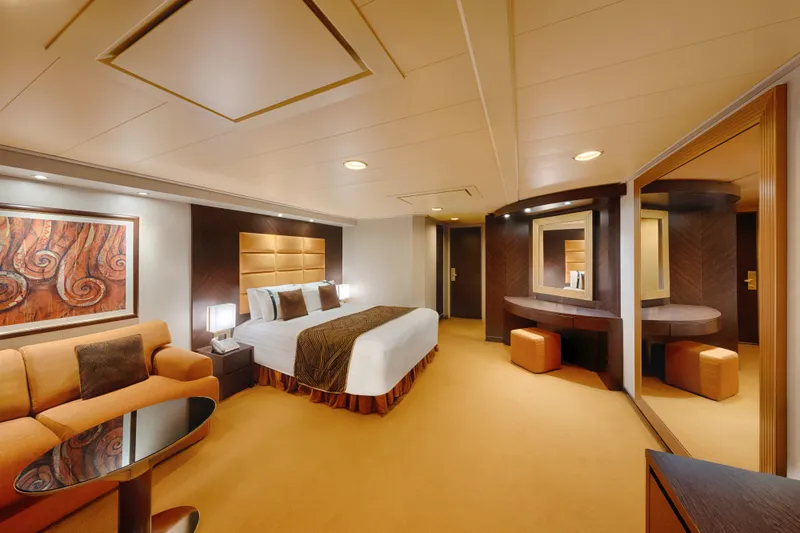
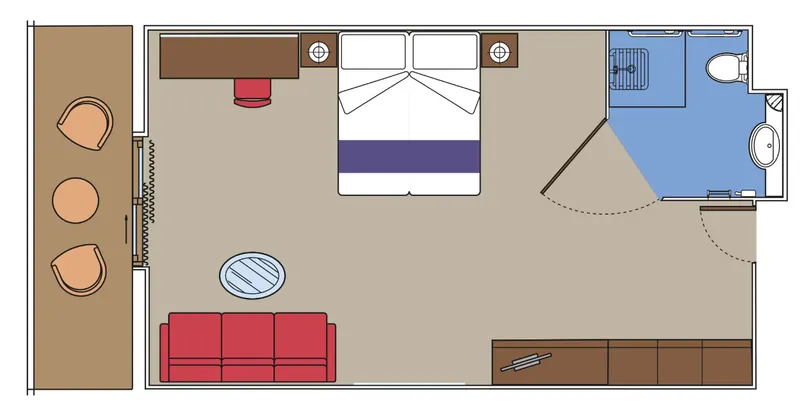
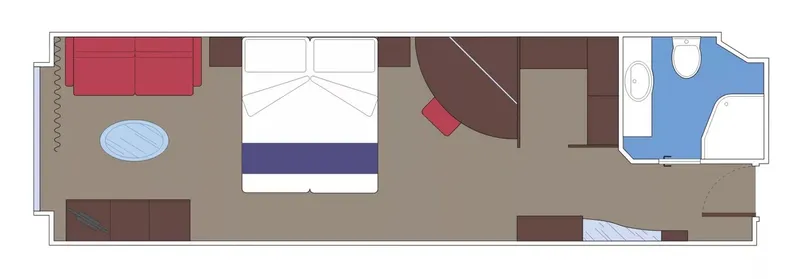
Panoramic sealed window
Sitting area with sofa
Spacious closet
Bathroom with bathtub, vanity area and hairdryer
Interactive TV. telephone, safe and minibar
Wi-Fi access available
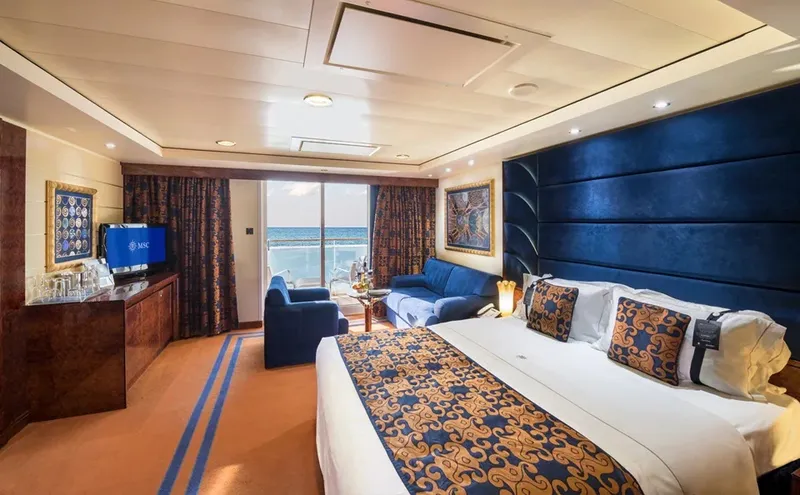
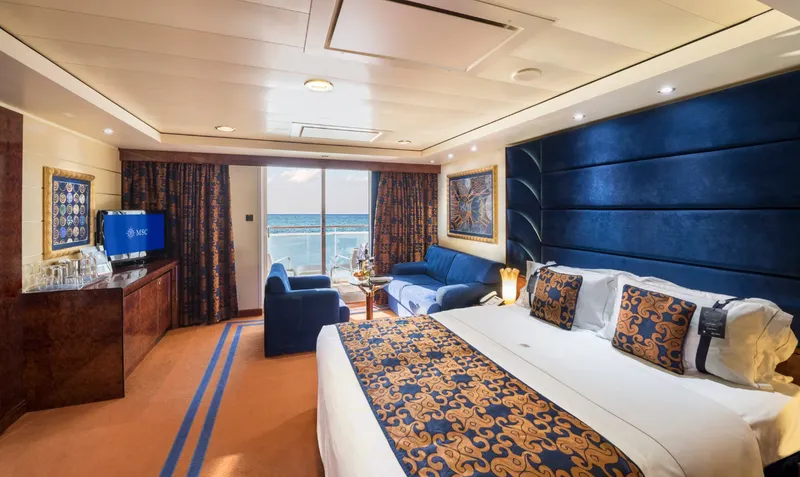
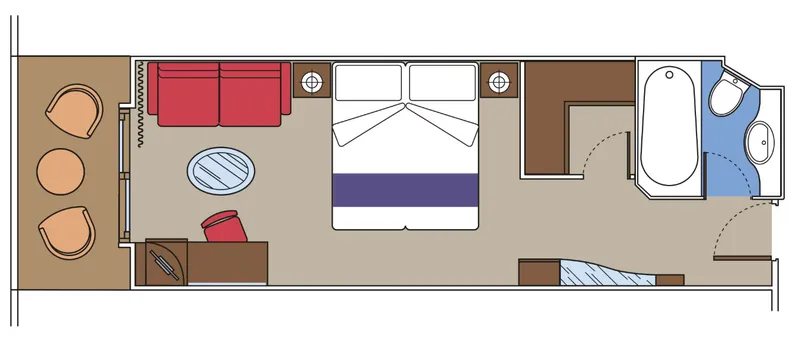
Balcony
Sitting area with sofa
Comfortable double or single beds (on request)
Spacious wardrobe
Bathroom with shower or bathtub, vanity area with hairdryer
Interactive TV, telephone, Wifi connection available (for a fee), safe and minibar
Surface approx. from 23 to 29 sq.m.*
Discover a world of privileges with MSC Yacht Club
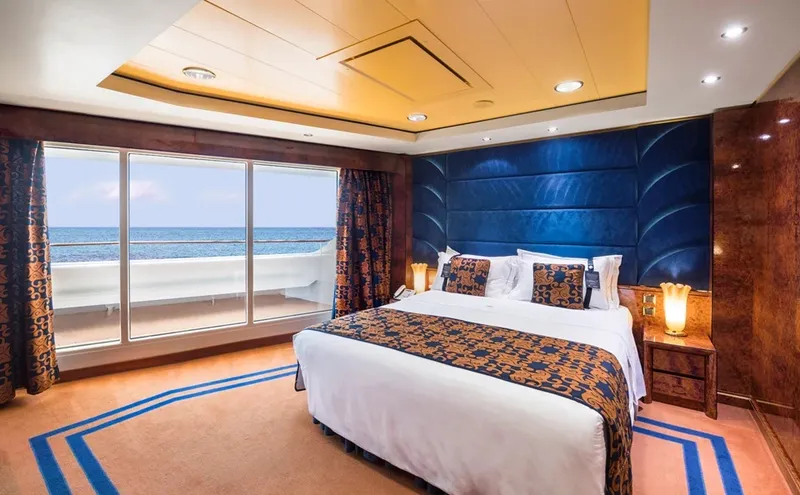
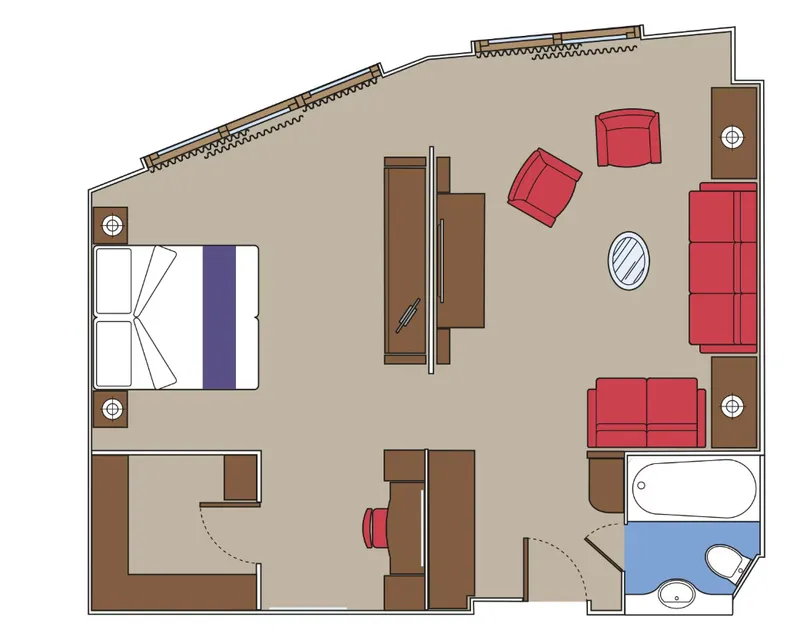
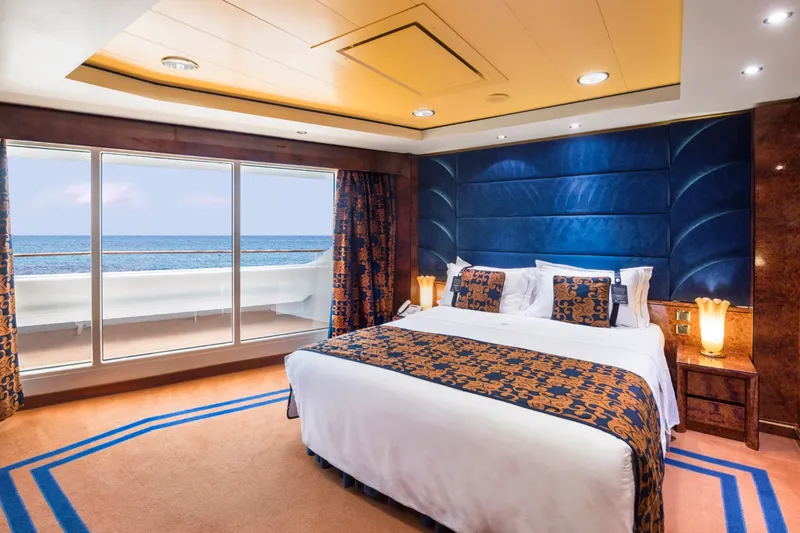
Panoramic Sealed Window
Sitting area with sofa
Comfortable double or single beds (on request)
Spacious wardrobe
Bathroom with shower or bathtub , vanity area with hairdryer
Interactive TV, telephone, Wifi connection available (for a fee), safe and minibar
Surface approx. from 45 sq.m. to 53 sq.m.
Discover a world of privileges with MSC Yacht Club
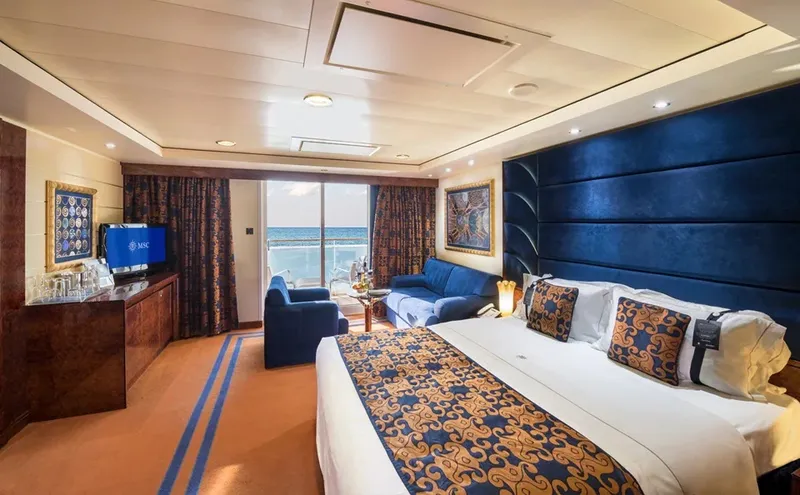
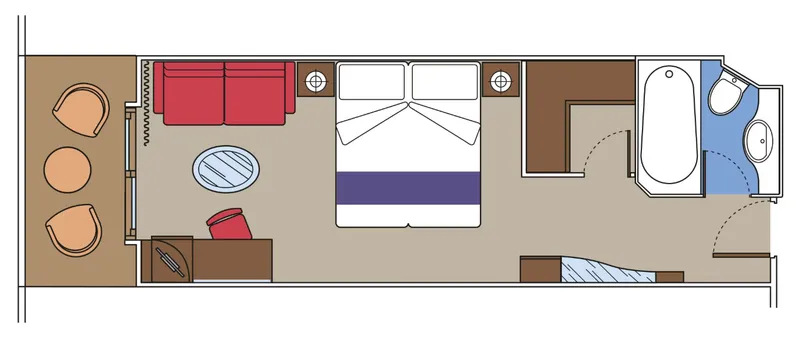
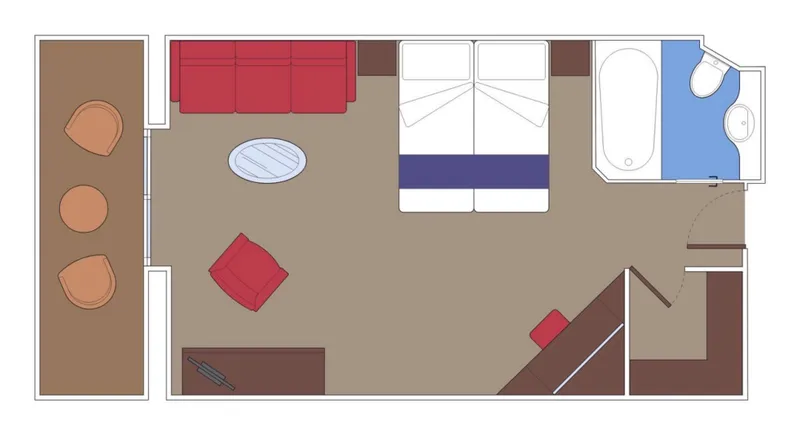
Comfortable double bed or single beds (on request)
Ample wardrobe
Bathroom with bathtub and vanity area with hairdryer
Wifi connection included
Interactive TV, telephone, safe and minibar
Surface approx. 26 sq.m, the balcony is approx. 6 sq.m.
Discover a world of privileges with MSC Yacht Club
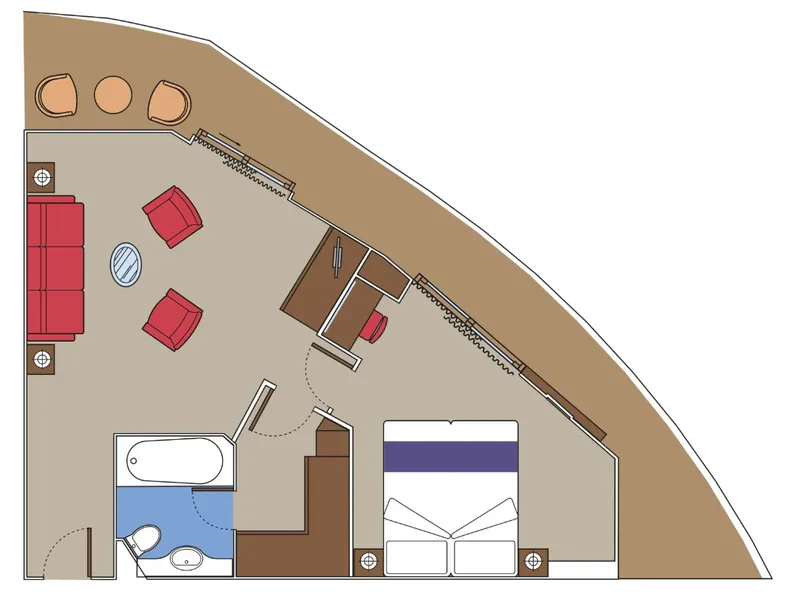
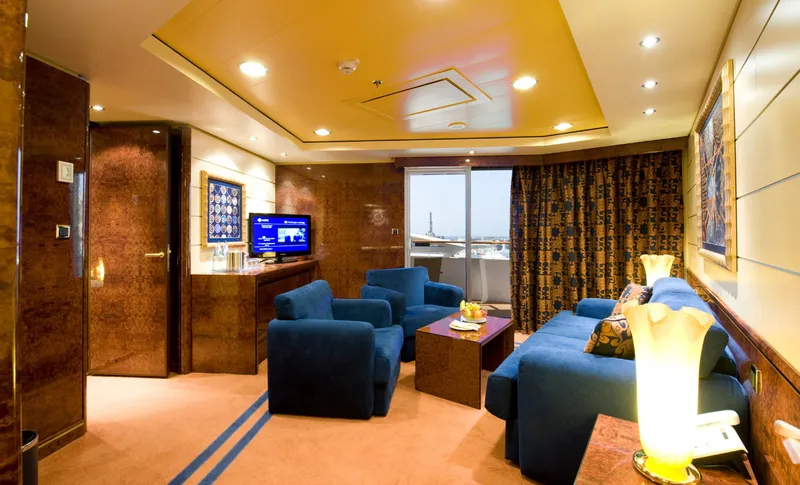
MSC Yacht Club Royal Suite
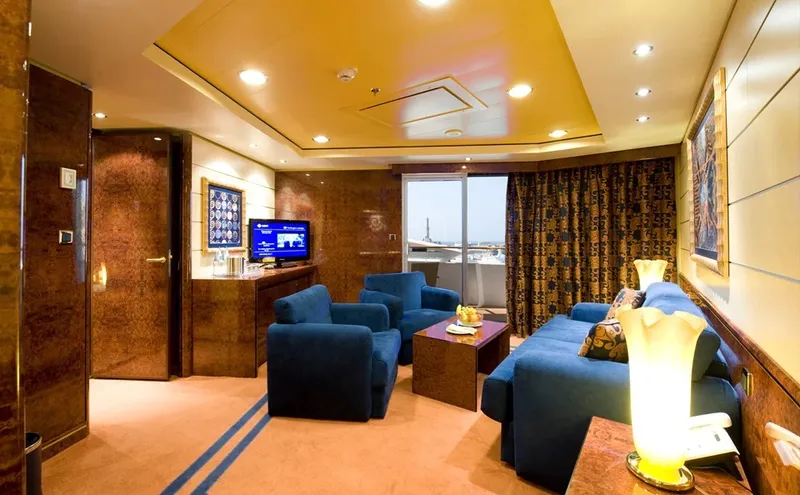
MSC YACHT CLUB YACHT CLUB EXECUTIVE AND FAMILY SUITE WITH BALCONY
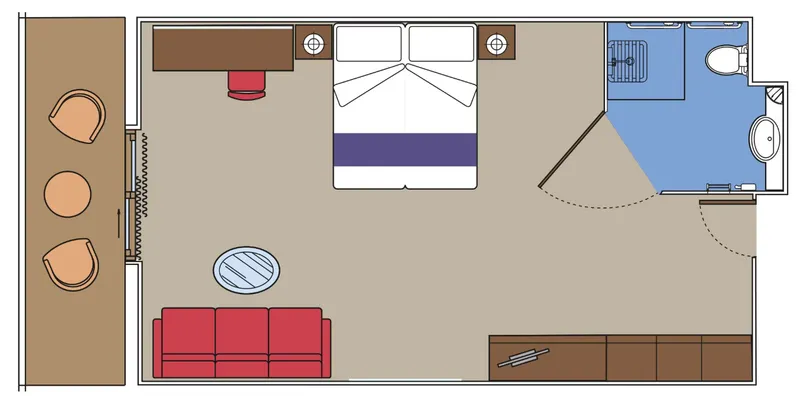
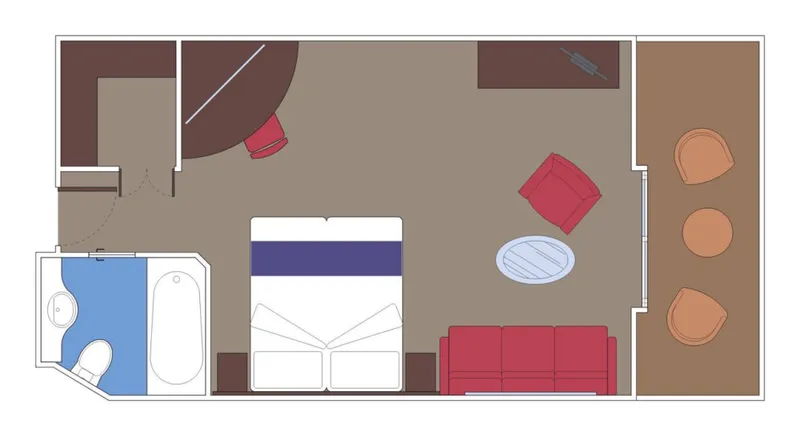
Balcony
Sitting area with sofa
Spacious closet
Bathroom with bathtub, vanity area and hairdryer
Interactive TV. telephone, safe and minibar
Wi-Fi access available
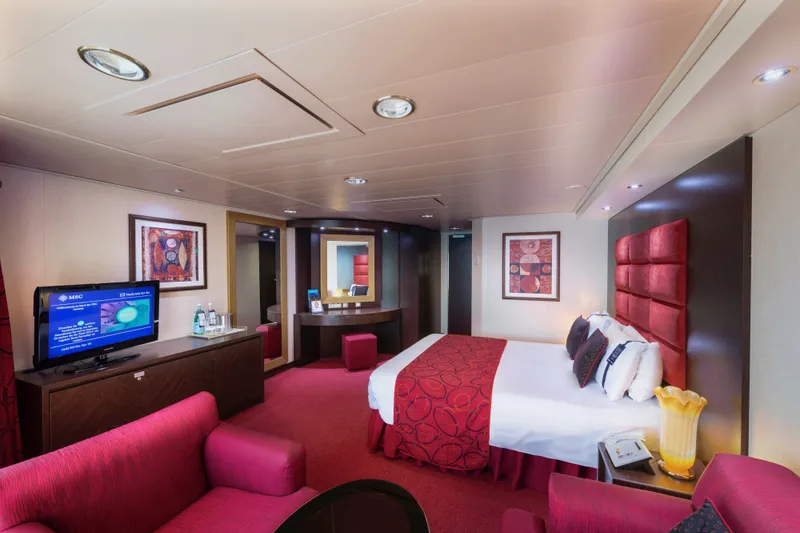
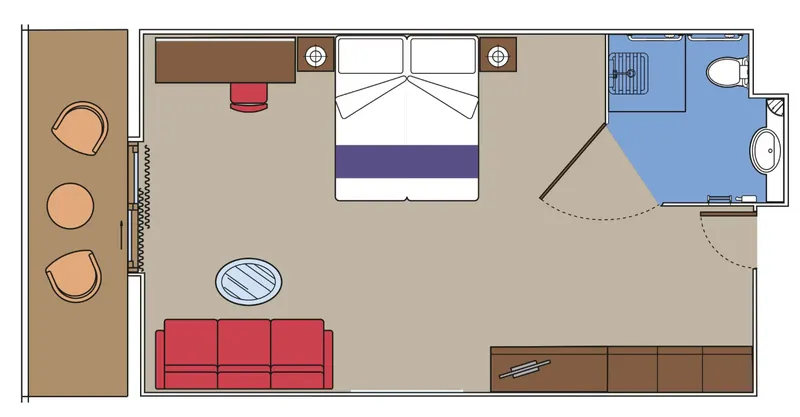
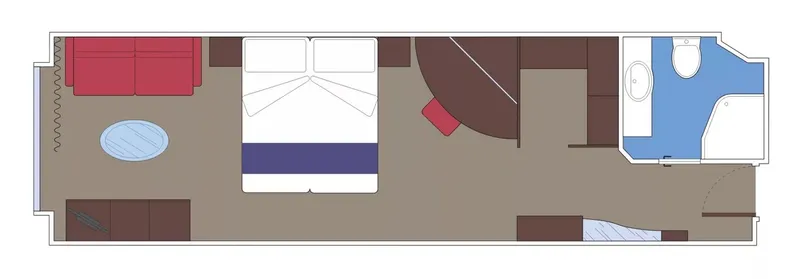
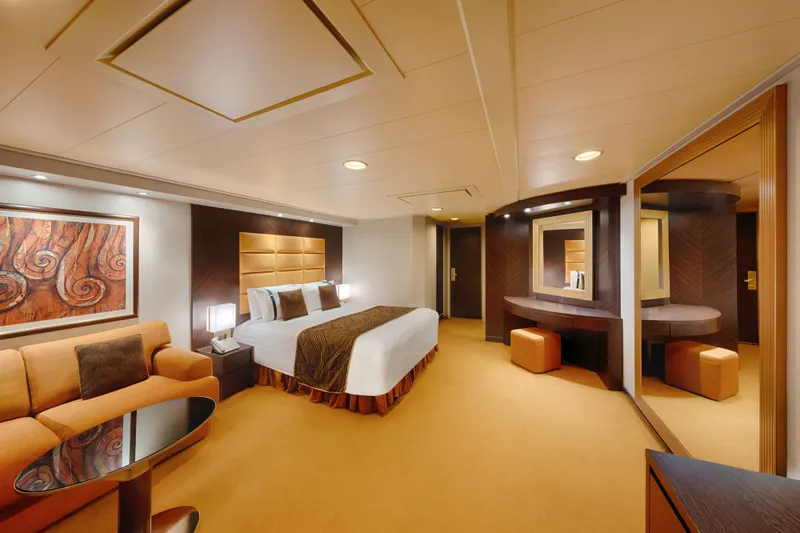
PREMIUM SUITE AUREA WITH SEALED WINDOW, DECK 9 - 11
Comfortable king bed that can be converted into two single beds
Panoramic sealed window
Sitting area with sofa
Spacious closet
Bathroom with bathtub, vanity area and hairdryer
Interactive TV. telephone, safe and minibar
Wi-Fi access available ($)
Approx. 269 – 334 ft2
Located on decks 9 - 11
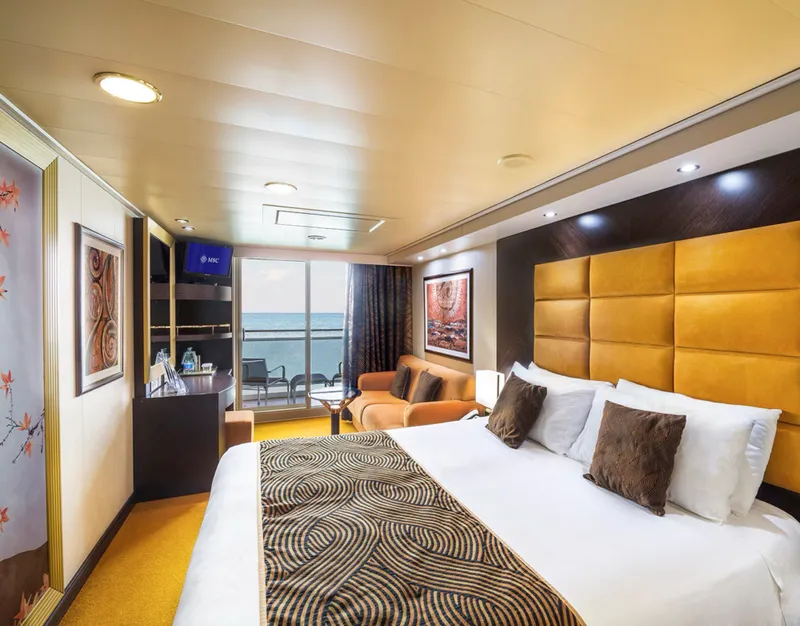
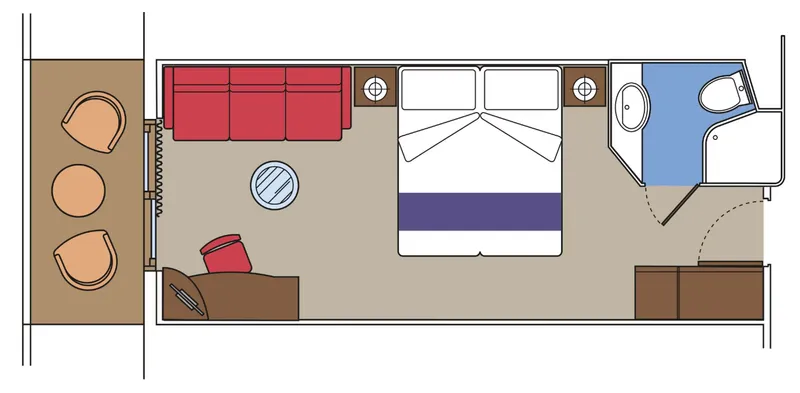
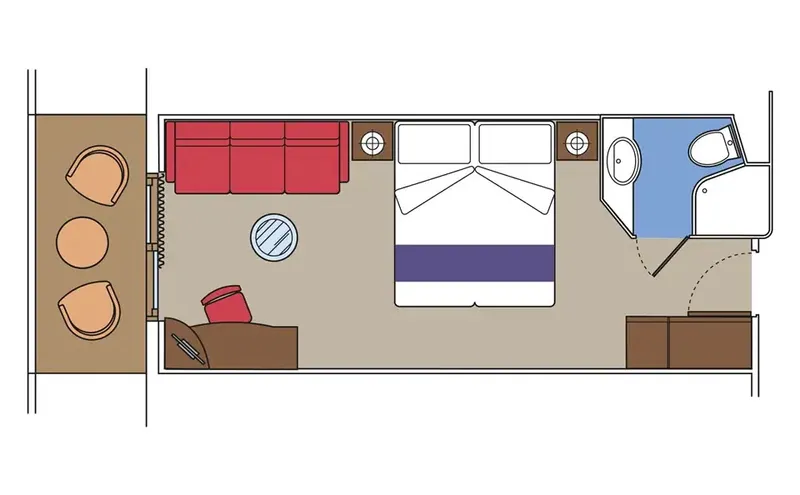
Balcony
Sitting area with sofa
Spacious closet
Bathroom with shower or bathtub, vanity area and hairdryer
Interactive TV. telephone, safe and minibar
Wi-Fi access available
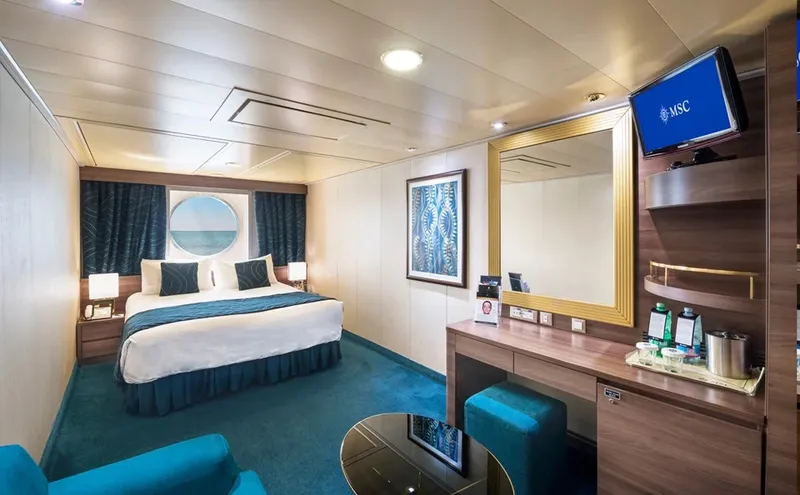
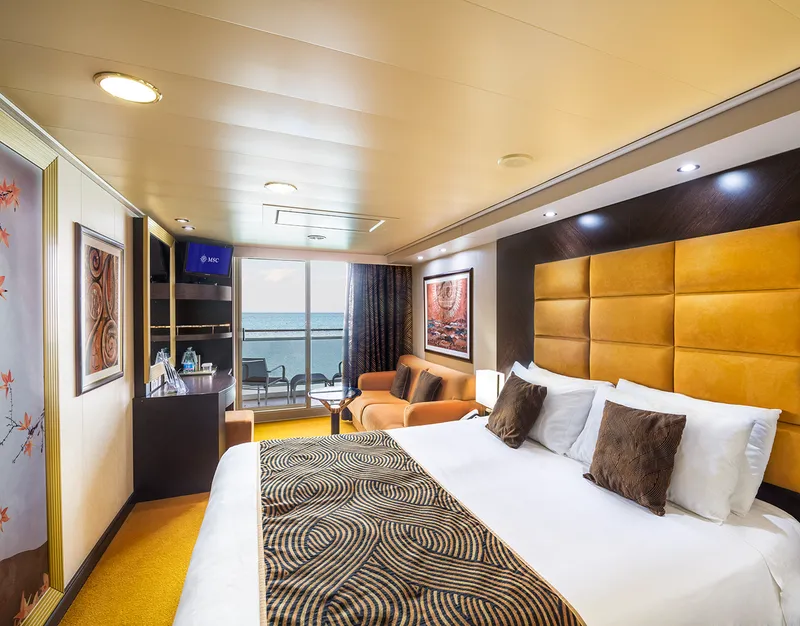
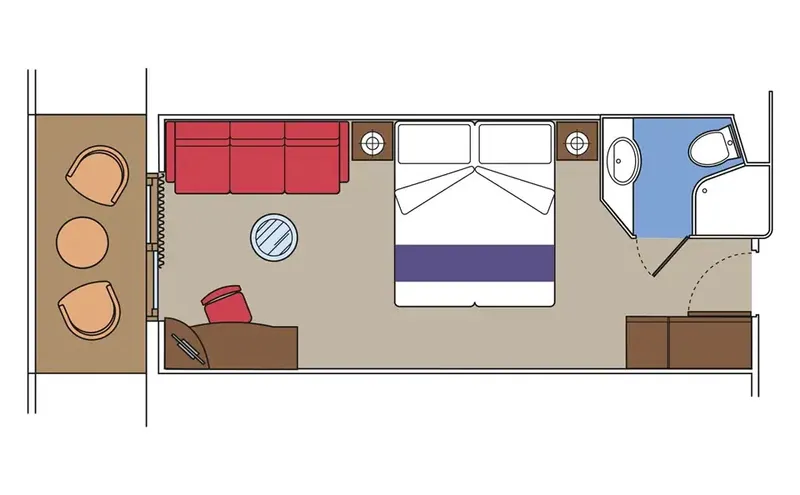
Balcony
Sitting area with sofa
Comfortable double or single beds (on request)
Interactive TV, telephone, Wifi connection available (for a fee), safe and minibar
Bathroom with shower or bathtub , vanity area with hairdryer
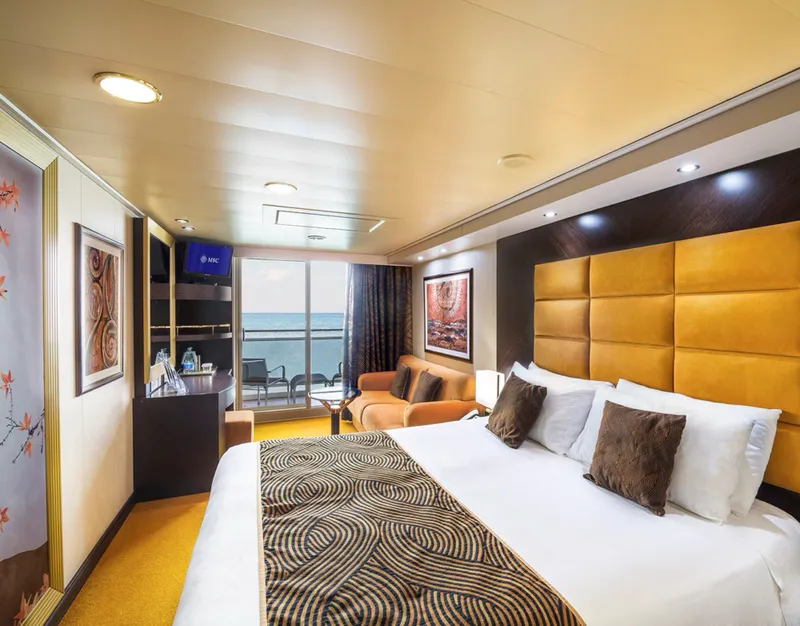
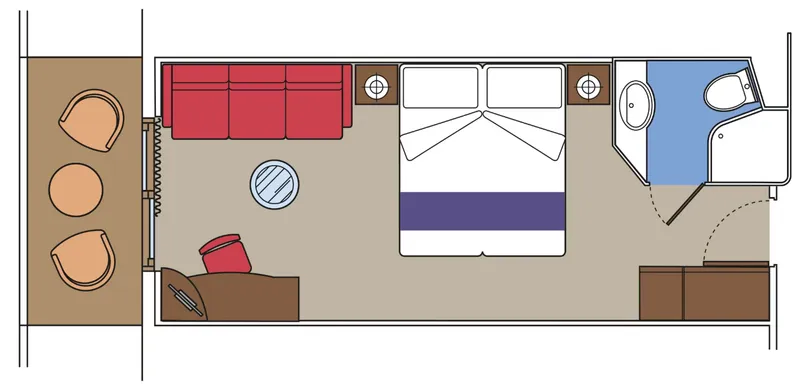
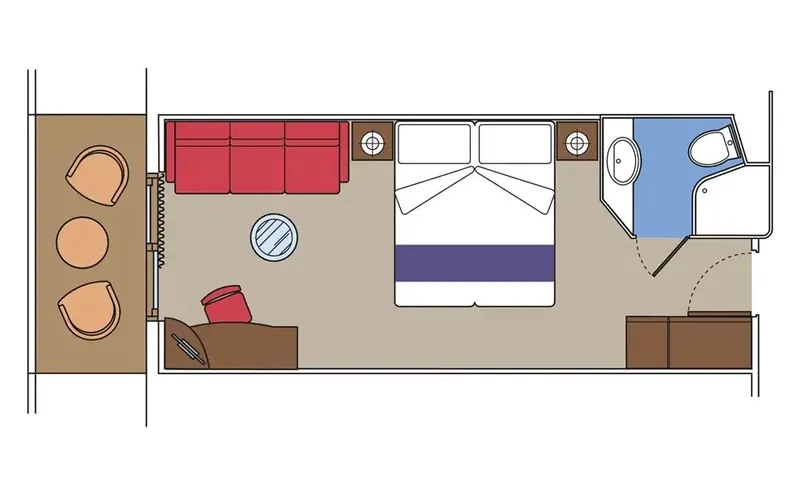
Surface approx 19 sqm, balcony approx 4 sqm.
Sitting area with sofa.
Bathroom with shower or bathtub, vanity area with hairdryer.
Comfortable double or single beds (on request).
Interactive TV, telephone, Wifi connection available (for a fee), safe and minibar.
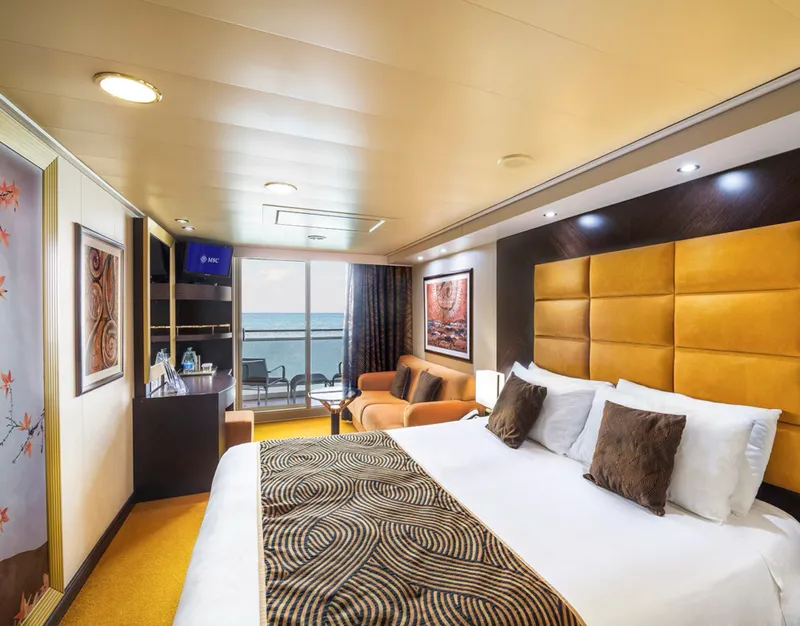
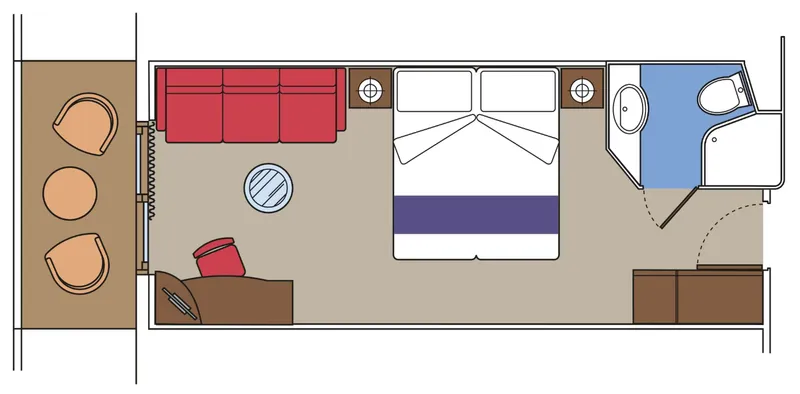
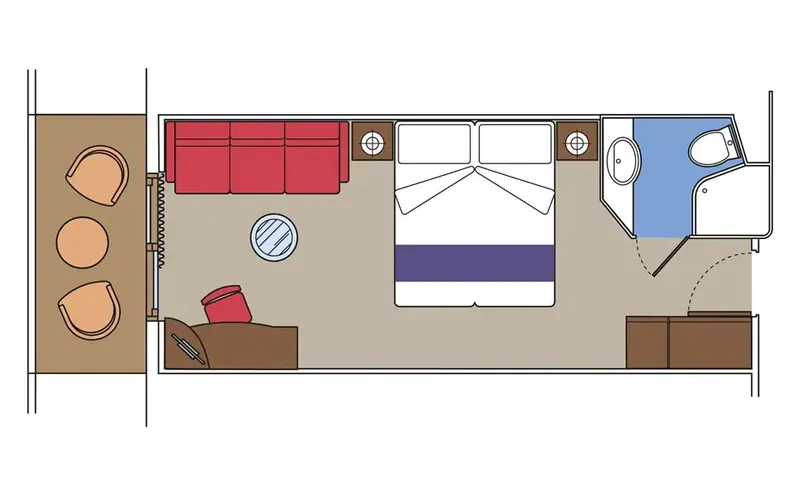
Balcony
Sitting area with sofa
Spacious closet
Bathroom with shower or bathtub, vanity area and hairdryer
Interactive TV. telephone, safe and minibar
Wi-Fi access available
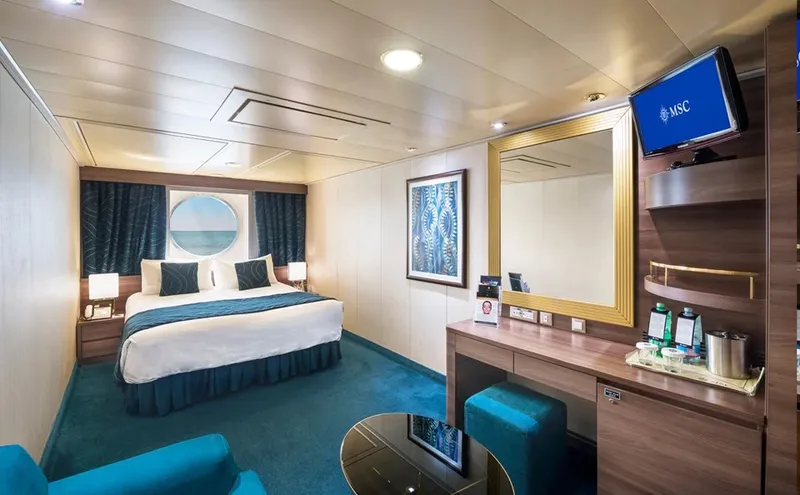
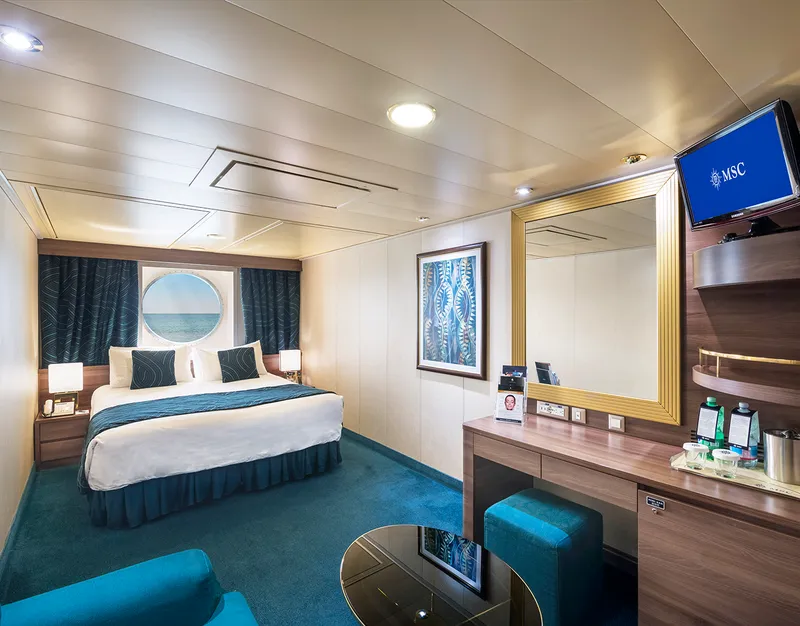
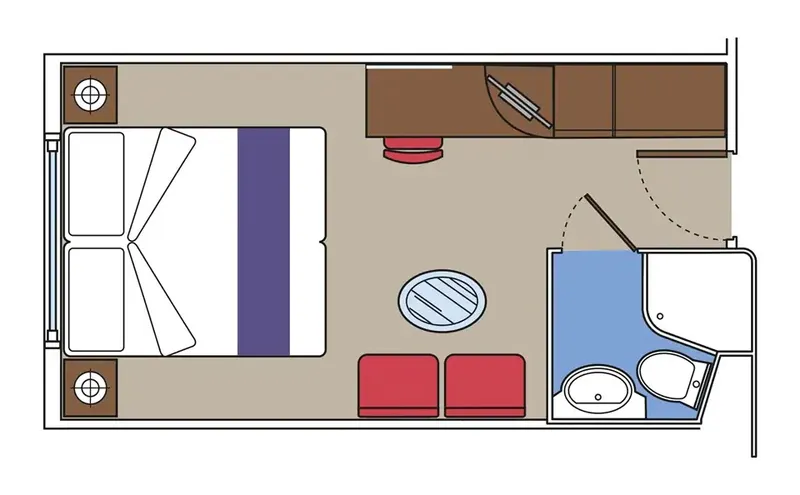
Bathroom with shower, vanity area and hairdryer
TV, telephone, safe and minibar
Wi-Fi access available
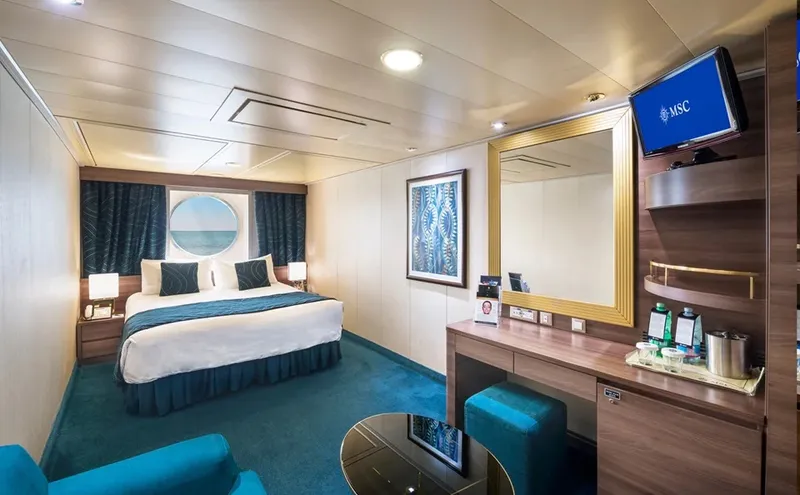
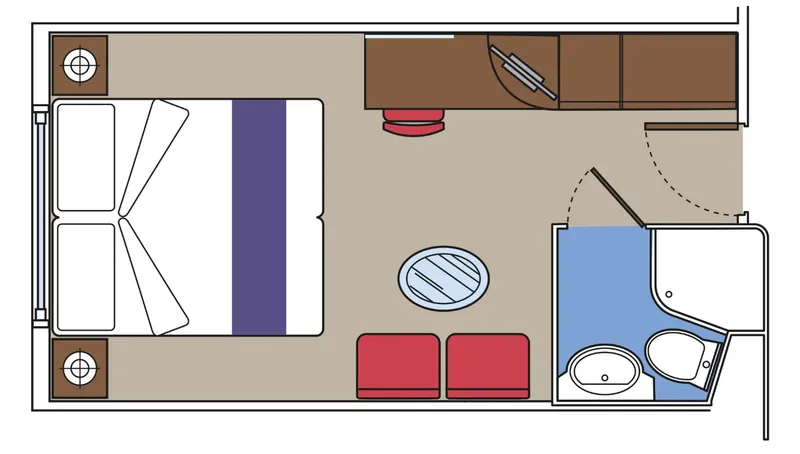
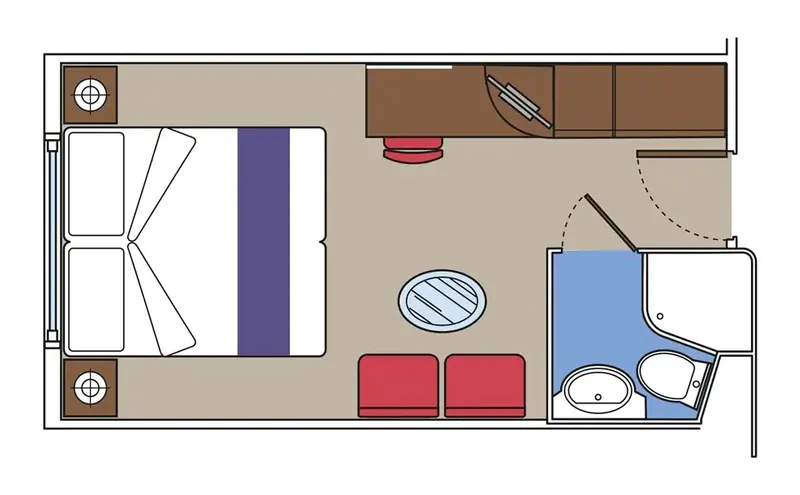
Window with sea view
Relaxing armchair
Spacious closet
Bathroom with shower, vanity area and hairdryer
Interactive TV. telephone, safe and minibar
Wi-Fi access available
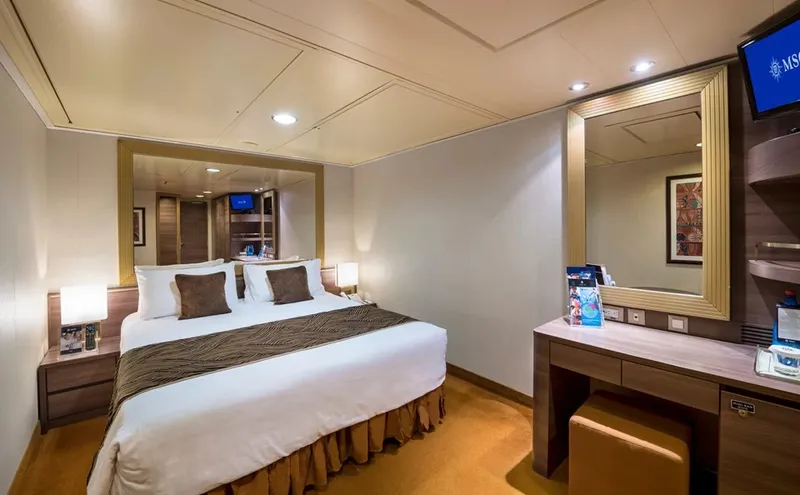
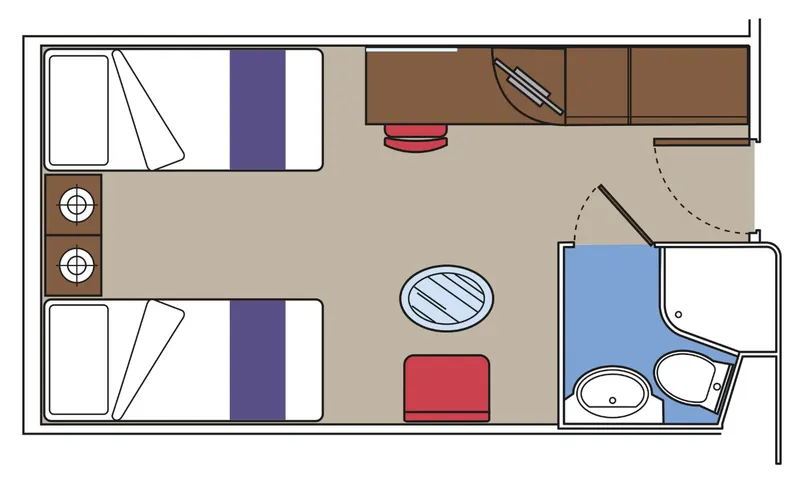
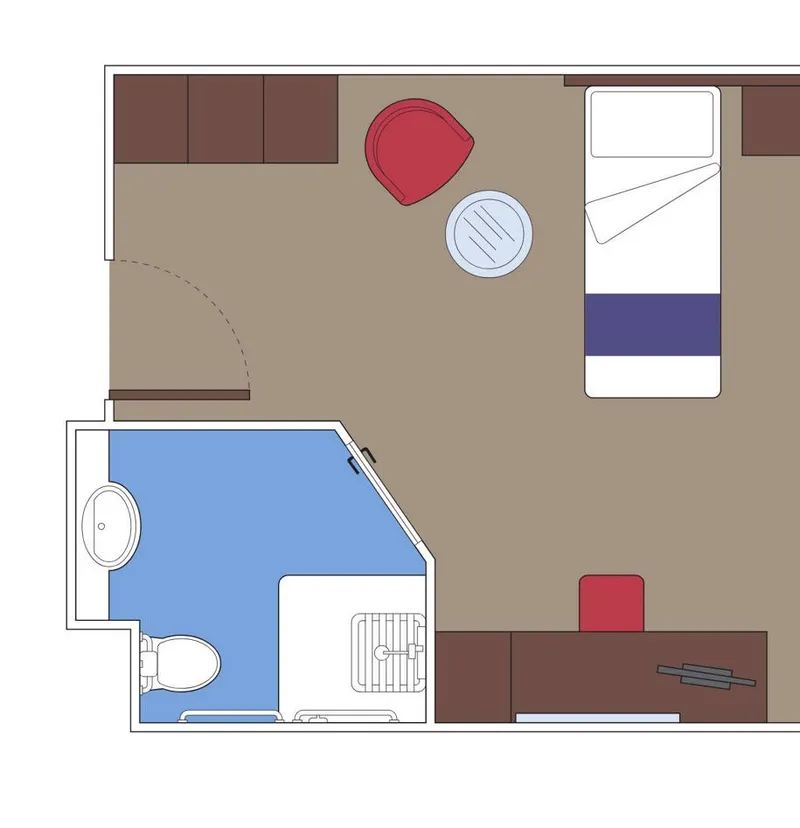
Relaxing armchair
Spacious closet
Bathroom with shower, vanity area and hairdryer
Interactive TV. telephone, safe and minibar
Wi-Fi access available
Inside
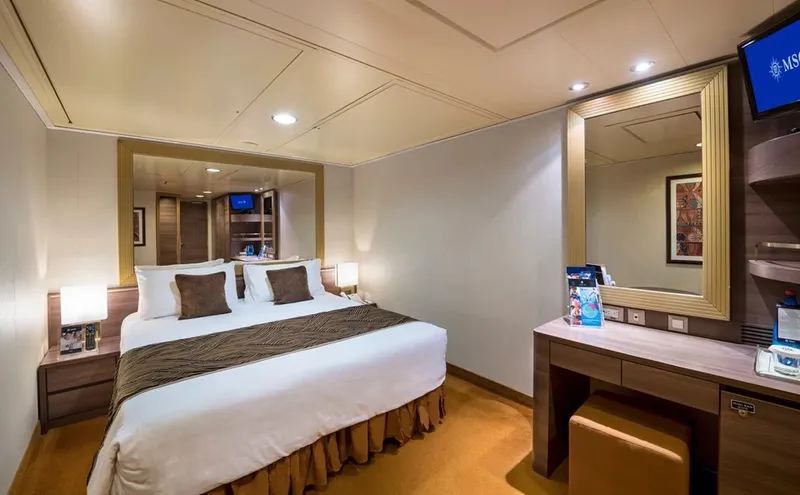
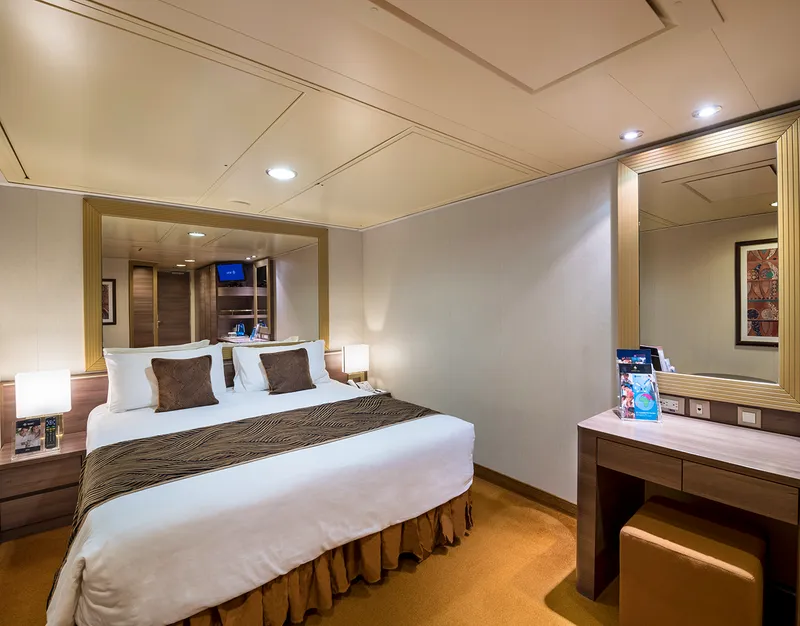
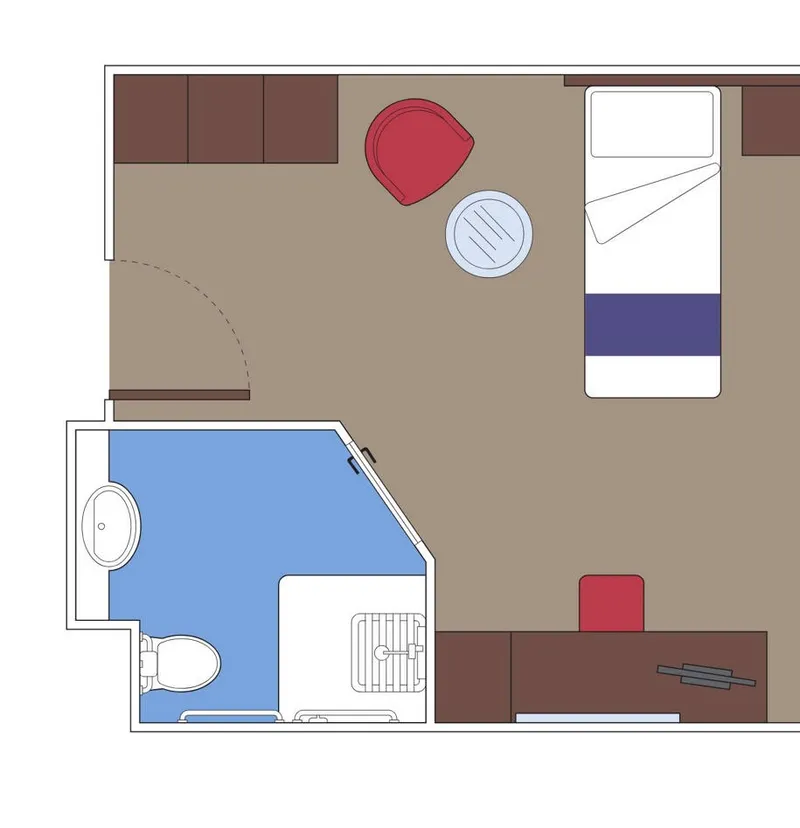
Bathroom with shower, vanity area and hairdryer
TV, telephone, safe and minibar
Wi-Fi access available
Our cruise specialists can help you find the perfect cabin and the best available pricing.
(+886) 02-2721-7300Contact Advisor