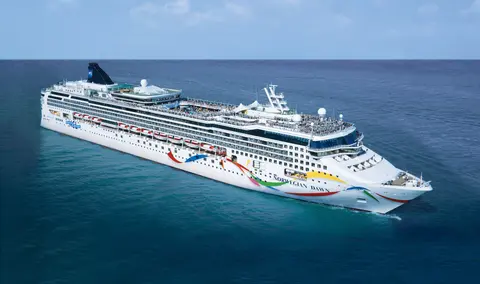
Norwegian Cruise Line22976169
7-Day Mediterranean from Lisbon to Barcelona: Spain & Portugal
Date
2026-05-17
Duration
7 nights
Departure Port
Lisbon
Portugal
Arrival Port
Barcelona
Spain
Rating
—
Theme
—
Date
2026-05-17
Duration
7 nights
Departure Port
Lisbon
Portugal
Arrival Port
Barcelona
Spain
Rating
—
Theme
—





Norwegian Cruise Line
2002
2024
92,250 GT
2,340
1,170
1,032
958 m
32 m
25 knots
No

Lisbon, Portugal's enchanting capital, stands out for its rich history, stunning architecture, and vibrant culture. Must-try experiences include savoring local dishes like bacalhau à brás and pastéis de nata at Mercado da Ribeira. The best time to visit is during the spring or fall, when the weather is mild and the city is alive with festivals and events.

Portimão is the Algarve's most storied port city, where Phoenician trading heritage meets golden-cliff beaches and Portugal's finest grilled sardine tradition along the Arade River. Visitors should not miss the charcoal-grilled sardines at the riverside churrasqueiras and the dramatic sandstone formations of Praia da Rocha. The port is at its luminous best from May through October, when long Atlantic days bathe the coastline in honeyed light and the August Sardine Festival electrifies the waterfront.
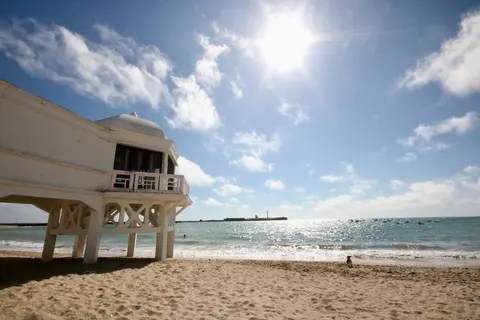
Cádiz, founded by Phoenician traders around 1100 BC and a strong contender for the oldest continuously inhabited city in Western Europe, juts into the Atlantic on a narrow peninsula where honey-colored ramparts frame improbable views of open ocean and the sun sets directly into the sea. The old quarter is an intoxicating labyrinth of baroque churches, hidden plazas, and carnival spirit — Cádiz's annual February carnival is the wildest and most satirically sharp in Spain — while the tapas culture here, centered on fresh Atlantic seafood cooked with Andalusian simplicity, represents Spanish cuisine at its most elemental and joyful. Visit February for carnival or spring for gentle Atlantic breezes. Seville is ninety minutes inland by bus or rail.
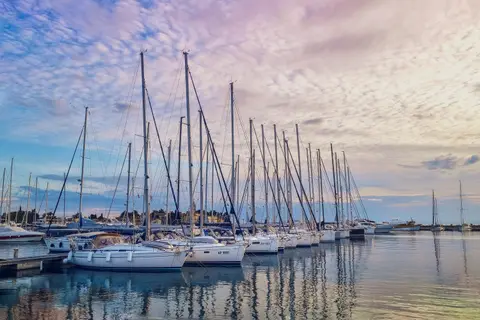
Motril, a captivating port on the Costa Tropical, shines with its rich history and unique blend of cultures, making it a perfect stop for travelers seeking both relaxation and local charm. Must-try experiences include savoring *tortilla del Sacromonte* and visiting the Mercado Municipal de Abastos. The best time to visit is in spring or fall, when the mild climate and local festivities create an enchanting atmosphere.

Gibraltar is a British Overseas Territory perched at the southern tip of the Iberian Peninsula, where the Mediterranean meets the Atlantic beneath an iconic limestone monolith steeped in over a millennium of contested history. No visit is complete without ascending the Rock to encounter the Barbary macaques and the panoramic views stretching to North Africa, followed by a plate of calentita — the territory's beloved Genoese-heritage chickpea bake — at a Main Street bakery. The mild Mediterranean climate makes Gibraltar a rewarding port call year-round, though spring and early autumn offer the clearest skies for spotting whales and dolphins in the Strait.

Beneath Ibiza's sun-drenched reputation as the world's clubbing capital lies a layered history stretching back to Phoenician traders who settled this Balearic island in 654 BC. The UNESCO-listed Dalt Vila — the walled hilltop citadel above Eivissa town — rewards exploration with Carthaginian burial grounds, Renaissance ramparts, and sweeping Mediterranean panoramas. For quieter pleasures, the crystalline coves of the island's north, such as Cala d'en Serra and Es Portitxol, rival any beach in Europe. The Phoenician necropolis of Puig des Molins is unmissable for history devotees. The season runs May through October, with June and September offering ideal weather without peak-summer crowds.
On the one hand, this city, founded by the Romans some 2,100 years ago, is replete with (literally) wall-to-wall history and architectural splendor. You can journey back in time and wander the mazes of alleyways and cobblestone paths that surround the Gothic cathedral. On the other hand, Palma is bustling with life, showcasing the island's best restaurants, shops, nightlife and a vibrant art scene. Explore more of Palma on a European cruise!
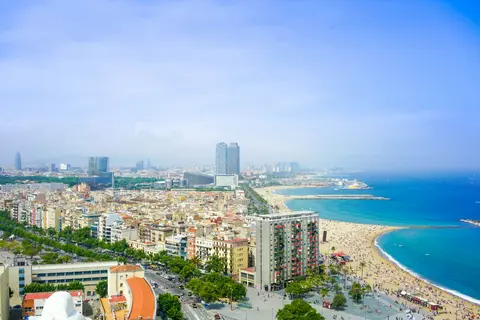
Barcelona is the city where Roman history, Gothic grandeur, and Gaudí's delirious Modernisme collide in a Mediterranean coastal capital of astonishing energy and beauty. The Sagrada Família — still under construction after 140 years — continues its audacious ascent toward completion, while the Gothic Quarter's Roman-era foundations and the Passeig de Gràcia's extraordinary concentration of Modernisme masterpieces reward days of exploration. For a complete sensory experience, lose an afternoon in the covered labyrinth of La Boqueria market before descending to the waterfront for Catalan seafood at its finest. May through June and September through October offer the most pleasant weather; the city connects directly to Paris by overnight train.
Day 1
Lisbon, Portugal's enchanting capital, stands out for its rich history, stunning architecture, and vibrant culture. Must-try experiences include savoring local dishes like bacalhau à brás and pastéis de nata at Mercado da Ribeira. The best time to visit is during the spring or fall, when the weather is mild and the city is alive with festivals and events.
Day 2
Portimão is the Algarve's most storied port city, where Phoenician trading heritage meets golden-cliff beaches and Portugal's finest grilled sardine tradition along the Arade River. Visitors should not miss the charcoal-grilled sardines at the riverside churrasqueiras and the dramatic sandstone formations of Praia da Rocha. The port is at its luminous best from May through October, when long Atlantic days bathe the coastline in honeyed light and the August Sardine Festival electrifies the waterfront.
Day 3
Cádiz, founded by Phoenician traders around 1100 BC and a strong contender for the oldest continuously inhabited city in Western Europe, juts into the Atlantic on a narrow peninsula where honey-colored ramparts frame improbable views of open ocean and the sun sets directly into the sea. The old quarter is an intoxicating labyrinth of baroque churches, hidden plazas, and carnival spirit — Cádiz's annual February carnival is the wildest and most satirically sharp in Spain — while the tapas culture here, centered on fresh Atlantic seafood cooked with Andalusian simplicity, represents Spanish cuisine at its most elemental and joyful. Visit February for carnival or spring for gentle Atlantic breezes. Seville is ninety minutes inland by bus or rail.
Day 4
Motril, a captivating port on the Costa Tropical, shines with its rich history and unique blend of cultures, making it a perfect stop for travelers seeking both relaxation and local charm. Must-try experiences include savoring *tortilla del Sacromonte* and visiting the Mercado Municipal de Abastos. The best time to visit is in spring or fall, when the mild climate and local festivities create an enchanting atmosphere.
Day 5
Gibraltar is a British Overseas Territory perched at the southern tip of the Iberian Peninsula, where the Mediterranean meets the Atlantic beneath an iconic limestone monolith steeped in over a millennium of contested history. No visit is complete without ascending the Rock to encounter the Barbary macaques and the panoramic views stretching to North Africa, followed by a plate of calentita — the territory's beloved Genoese-heritage chickpea bake — at a Main Street bakery. The mild Mediterranean climate makes Gibraltar a rewarding port call year-round, though spring and early autumn offer the clearest skies for spotting whales and dolphins in the Strait.
Day 6
Beneath Ibiza's sun-drenched reputation as the world's clubbing capital lies a layered history stretching back to Phoenician traders who settled this Balearic island in 654 BC. The UNESCO-listed Dalt Vila — the walled hilltop citadel above Eivissa town — rewards exploration with Carthaginian burial grounds, Renaissance ramparts, and sweeping Mediterranean panoramas. For quieter pleasures, the crystalline coves of the island's north, such as Cala d'en Serra and Es Portitxol, rival any beach in Europe. The Phoenician necropolis of Puig des Molins is unmissable for history devotees. The season runs May through October, with June and September offering ideal weather without peak-summer crowds.
Day 7
On the one hand, this city, founded by the Romans some 2,100 years ago, is replete with (literally) wall-to-wall history and architectural splendor. You can journey back in time and wander the mazes of alleyways and cobblestone paths that surround the Gothic cathedral. On the other hand, Palma is bustling with life, showcasing the island's best restaurants, shops, nightlife and a vibrant art scene. Explore more of Palma on a European cruise!
Day 8
Barcelona is the city where Roman history, Gothic grandeur, and Gaudí's delirious Modernisme collide in a Mediterranean coastal capital of astonishing energy and beauty. The Sagrada Família — still under construction after 140 years — continues its audacious ascent toward completion, while the Gothic Quarter's Roman-era foundations and the Passeig de Gràcia's extraordinary concentration of Modernisme masterpieces reward days of exploration. For a complete sensory experience, lose an afternoon in the covered labyrinth of La Boqueria market before descending to the waterfront for Catalan seafood at its finest. May through June and September through October offer the most pleasant weather; the city connects directly to Paris by overnight train.
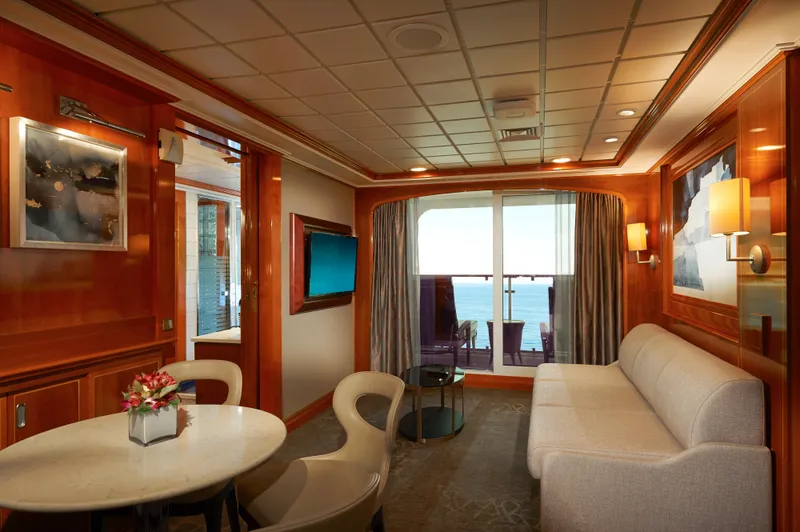
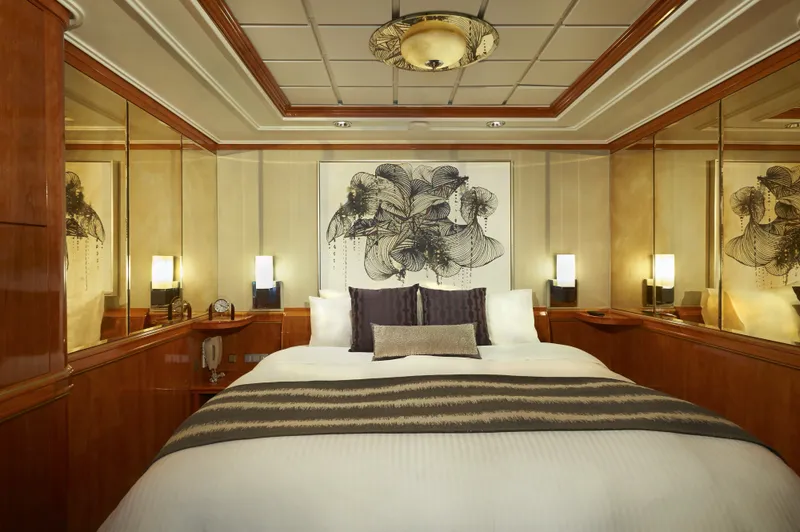
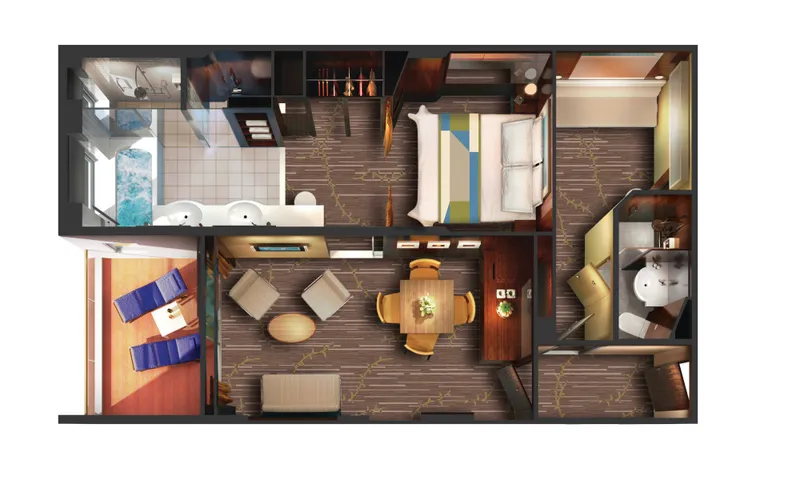
With enough room for up to six people, these Suites are perfect if you want to bring the whole family. Includes a living area, dining area, separate bedroom with queen-size bed as well as a separate children's bedroom and a large private balcony so you can all enjoy the amazing view. Plus, these Suites can connect to a Mini-Suite with Balcony. Includes butler and concierge service.
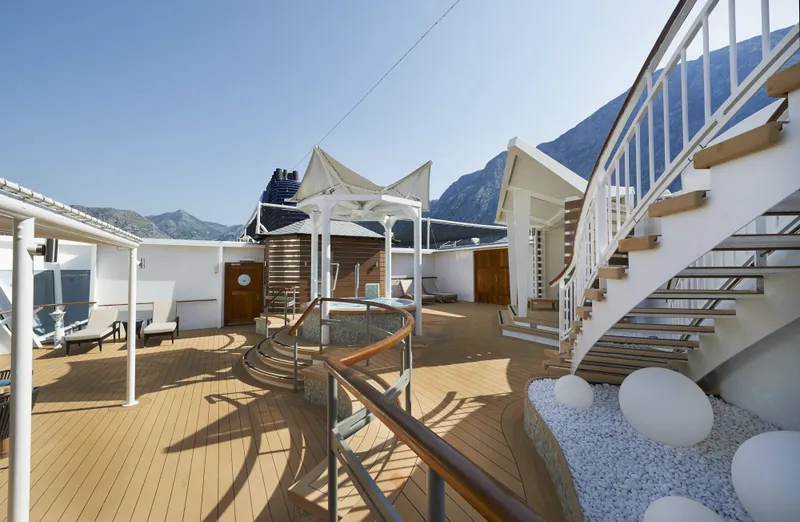
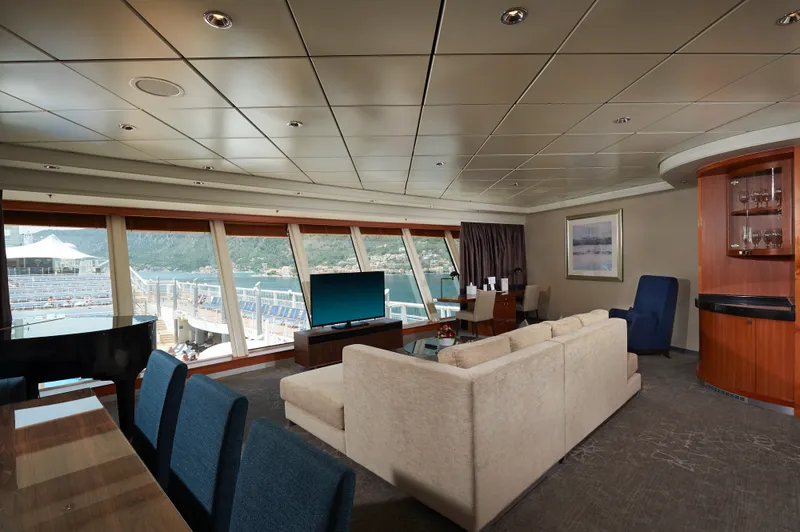
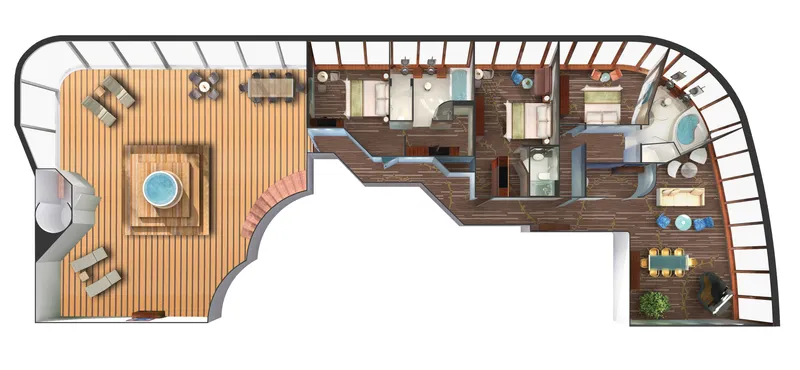
Norwegian Dawn Garden Villas accommodate up to seven guests. With three bedrooms, each with a king- or queen-size bed and luxury bath and shower, you have plenty of space to revel in. Also includes a living room, dining room as well as a private garden with hot tub, outdoor dining area and terrace to enjoy the beautiful view from. Includes butler and concierge service. Plus Garden Villas can connect so your group can experience the best together.
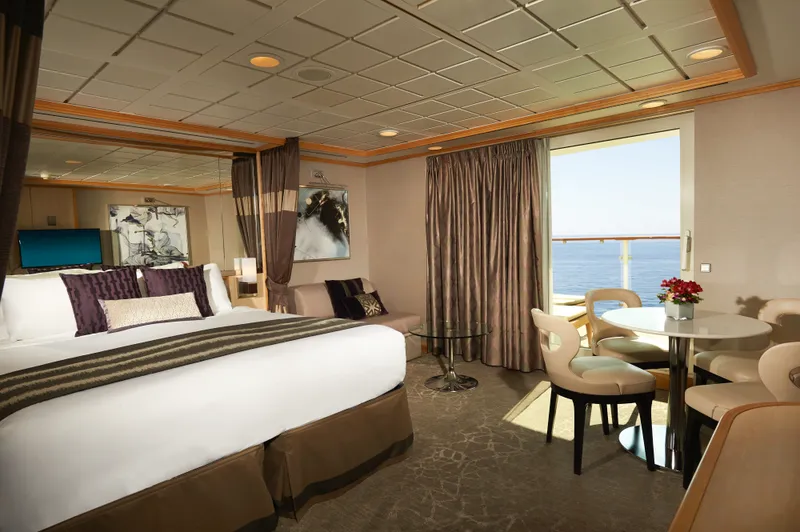
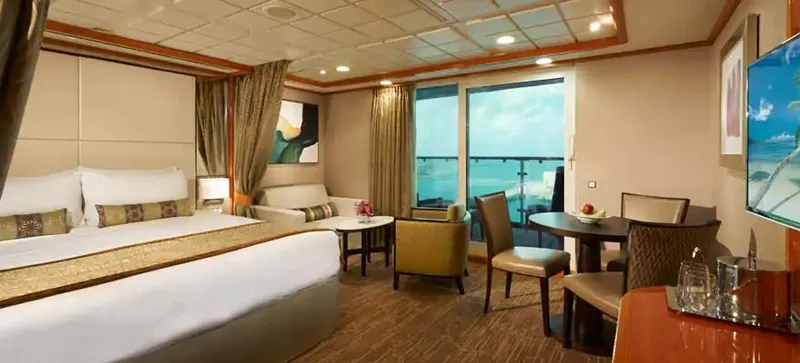
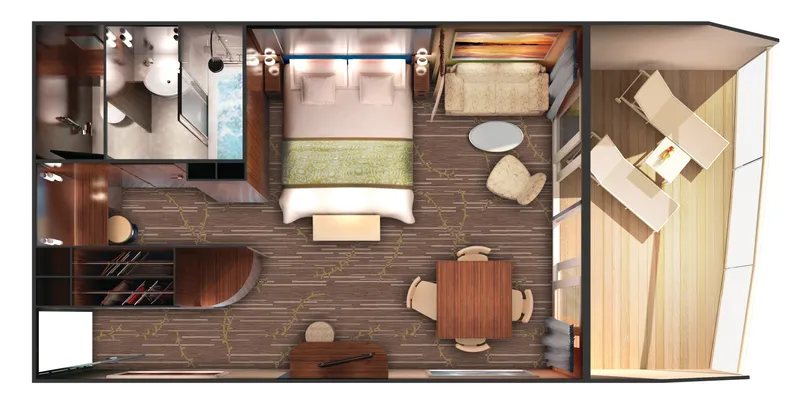
These stylish Penthouses include a bedroom with a queen-size bed, single sofa bed, luxury bath with a shower and bathtub, living and dining area, and unparalleled views from the aft-facing balcony. Plus you'll be spoiled with butler and concierge service.
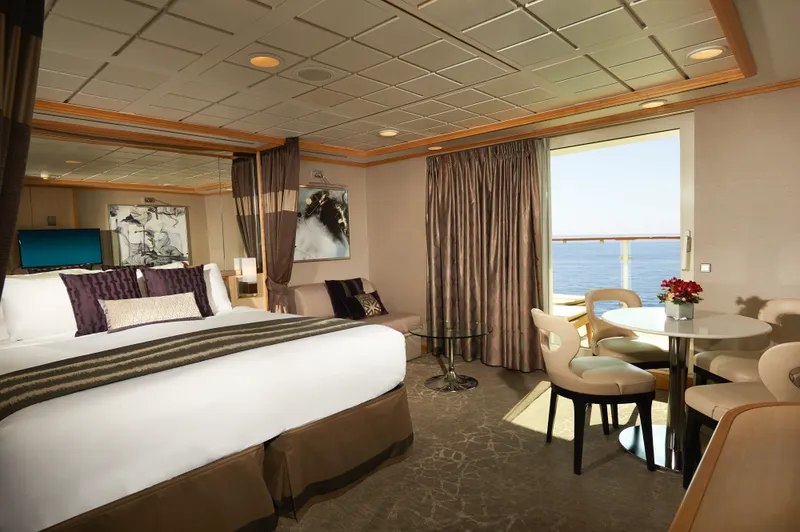
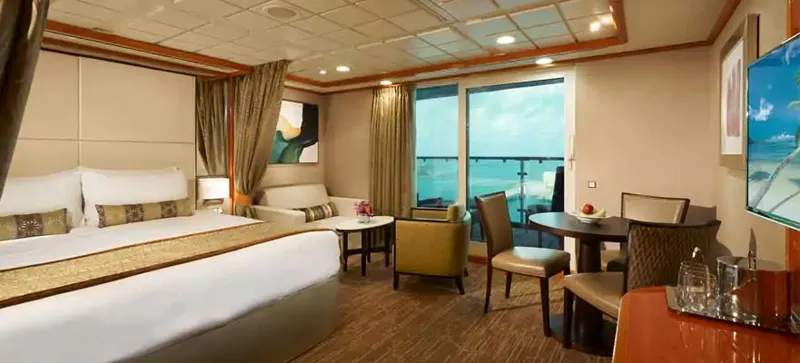
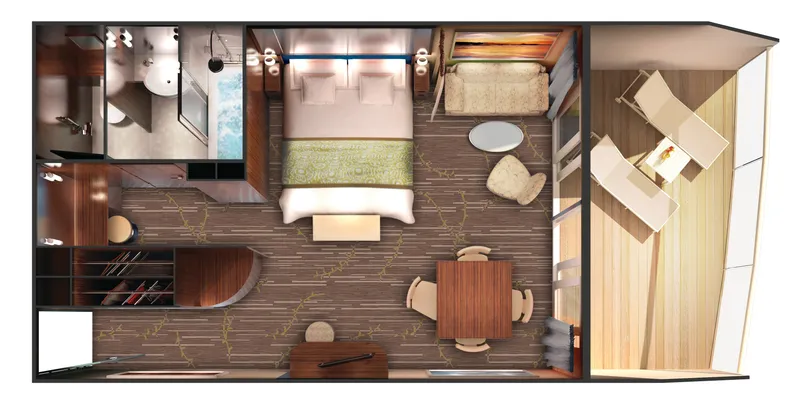
You will have the perfect romantic getaway in these Penthouses that sleep up to three guests. Includes a bedroom with queen-size bed and luxury bath with shower and bathtub, in addition to the living area and dining area. Because these are aft-facing, they offer an amazing view from the large balcony. Includes butler and concierge service.
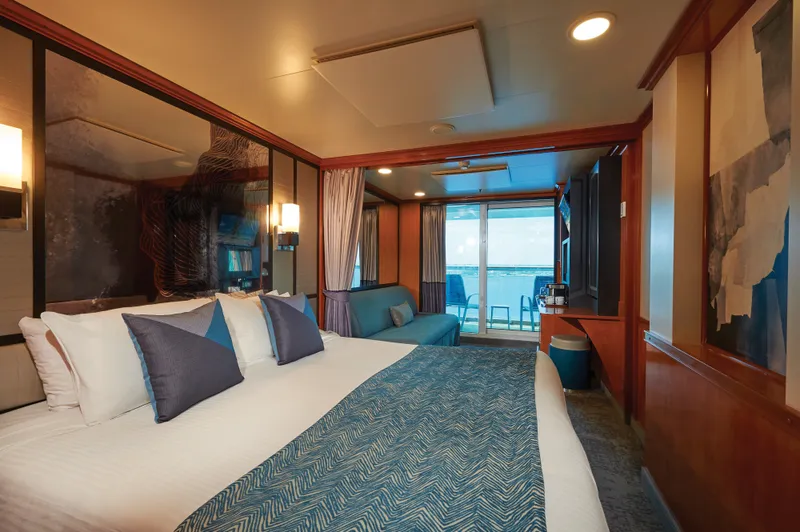
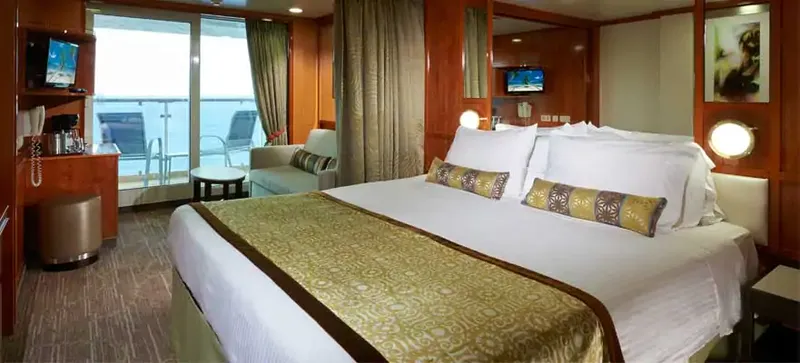
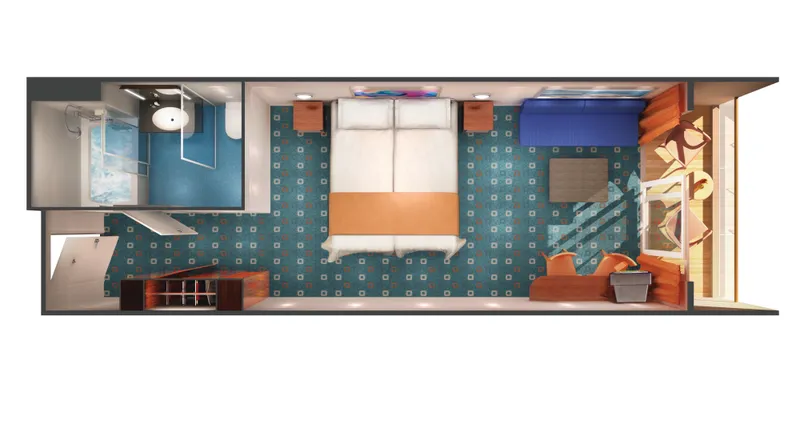
Norwegian Dawn Club Balcony Suites sleep up to four guests and feature two lower beds that convert into a queen-size bed plus additional bedding to sleep two more guests, as well as a sitting area, luxury bath with shower and amazing views from the private balcony.
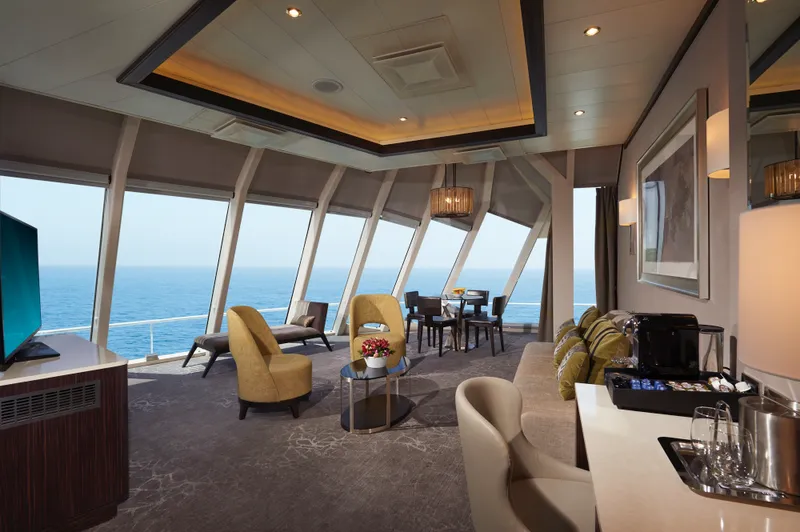
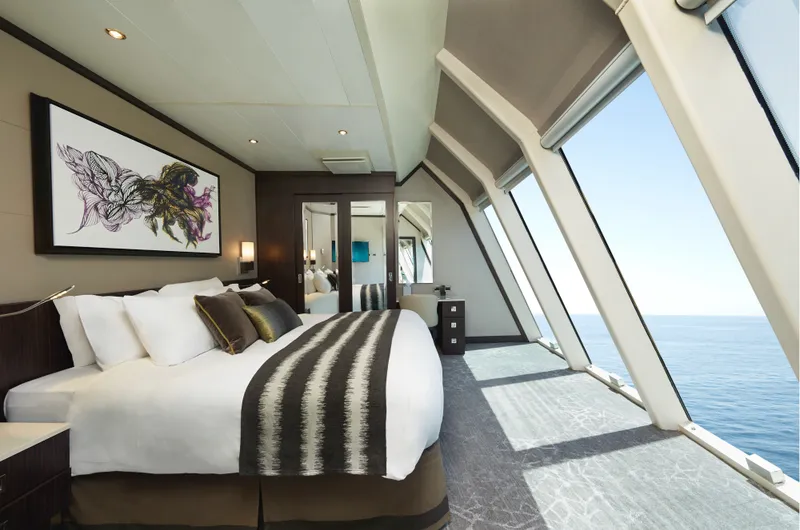
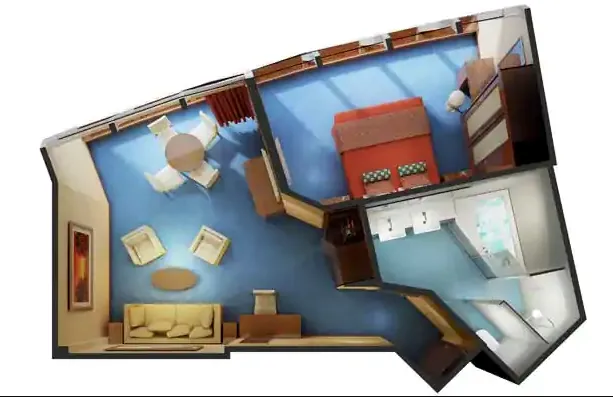
Enjoy the magnificent views from the expansive wall of windows of these Suites that include a king-size bed and additional bedding to accommodate up to a total of six guests, luxury bath with Jacuzzi, sitting and dining areas and the indulgence of butler and concierge service.
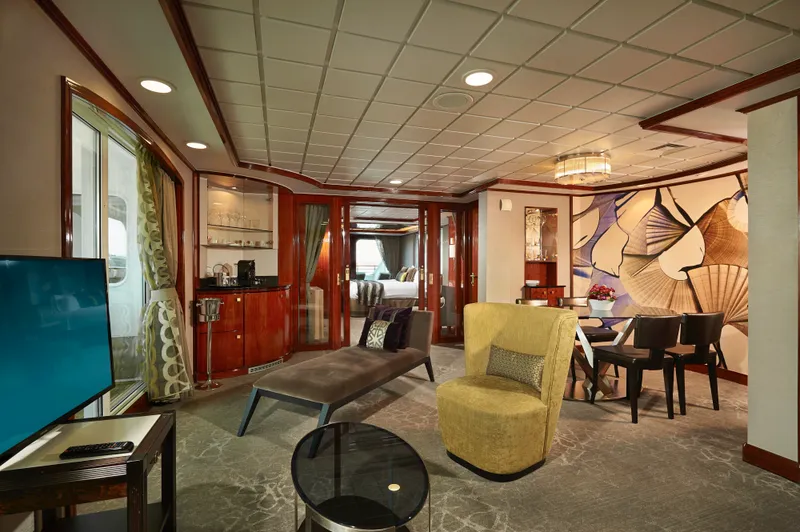
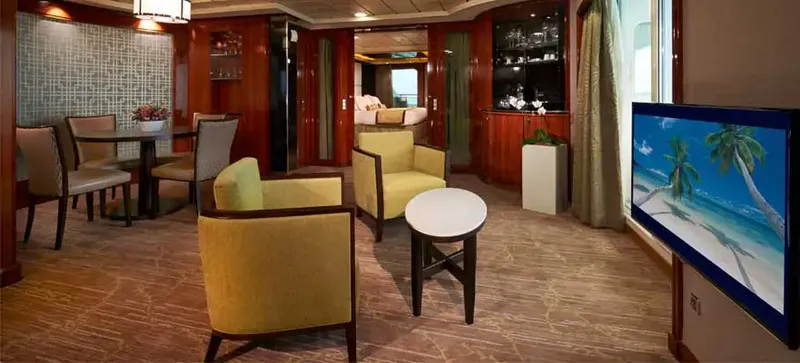
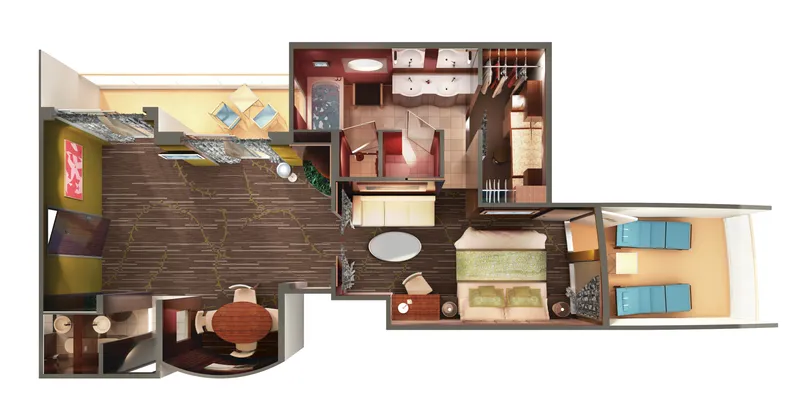
What's better than taking in the stunning views from one balcony? Enjoying them from two! These Deluxe Owner's Suites accommodate four guests and include a separate bedroom with king-size bed, luxury bath with whirlpool, guest bath, and a living and dining area. Plus you'll be pampered by butler and concierge service. These suites can connect to a Balcony and a Penthouse with Large Balcony so you can spread out in ultimate comfort.
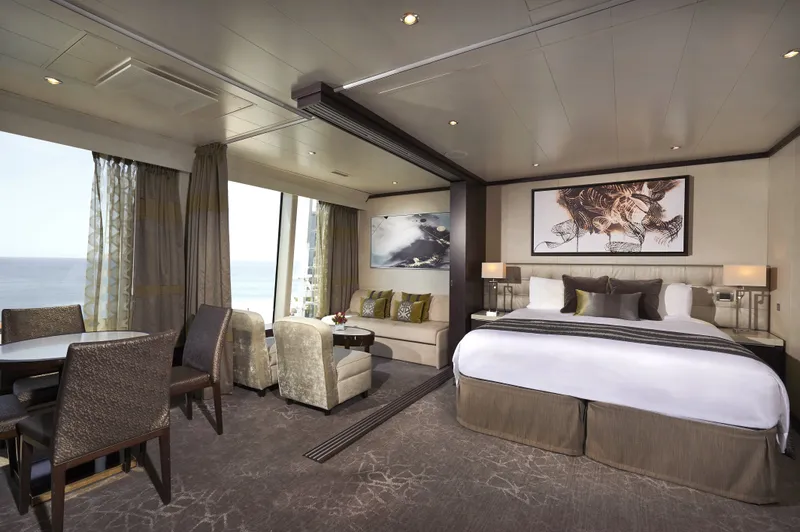

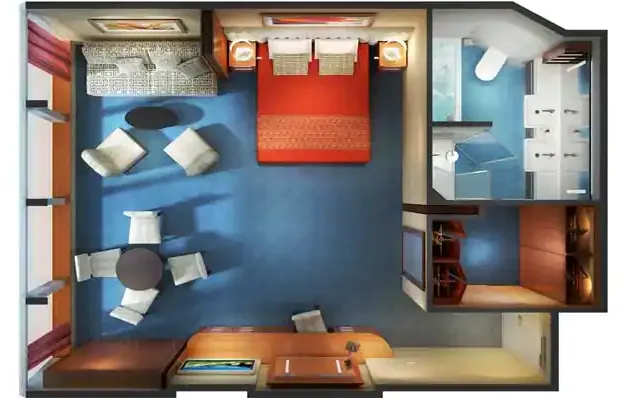
Bring the whole gang because this Suite sleeps up to six guests. It features a king-size bed separated for added privacy, double sofabed, and some also have a double murphy bed to accommodate two more. Everyone can hang out in the sitting area, and there is a luxury bath with shower. Butler and concierge included.
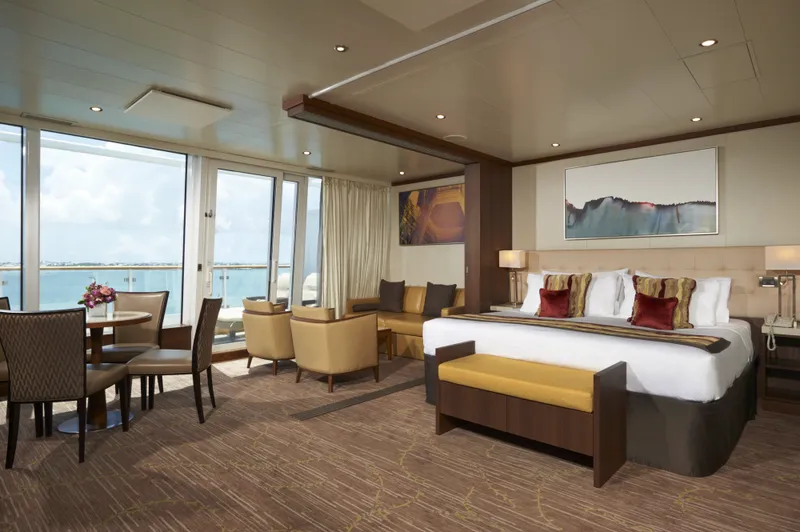
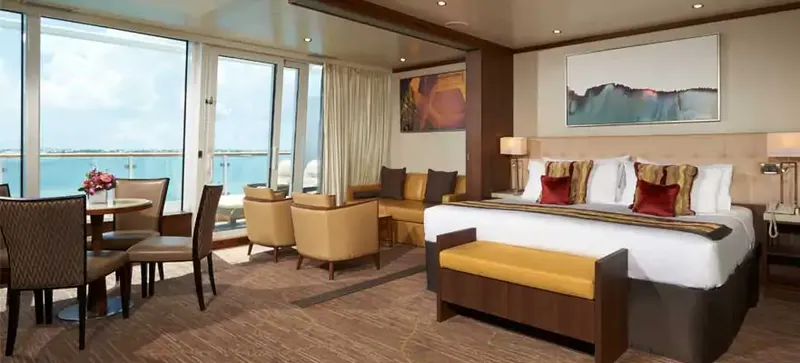
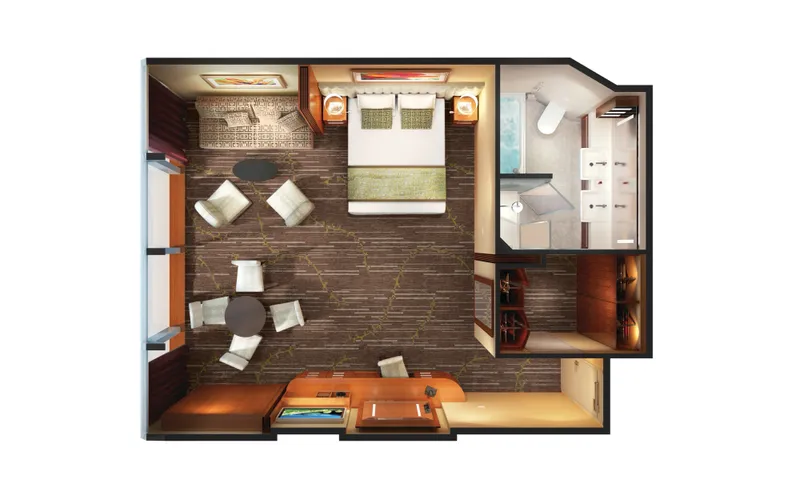
There's plenty of space for the entire family to spread out, relax and enjoy the magnificent views. Includes a queen-size bed plus additional bedding to accommodate up to four more guests, a luxury bath with bathtub and a balcony to breathe in the fresh sea air as you take in the ever-changing seascape. Butler and concierge service rounds out a perfect family holiday.
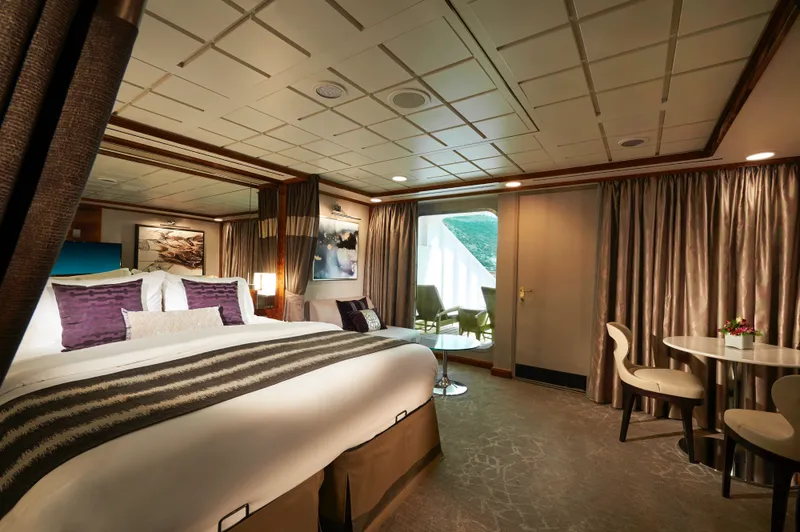
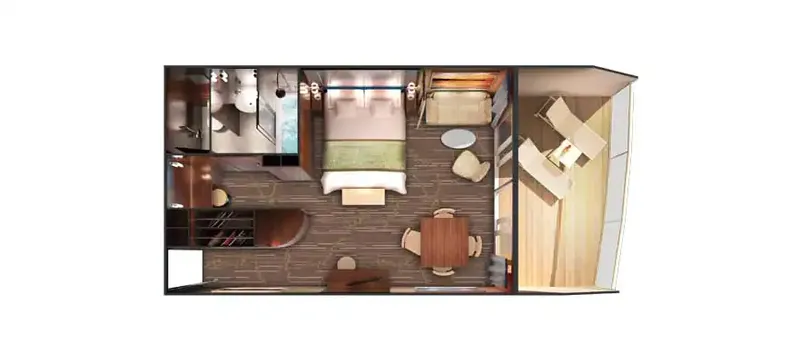
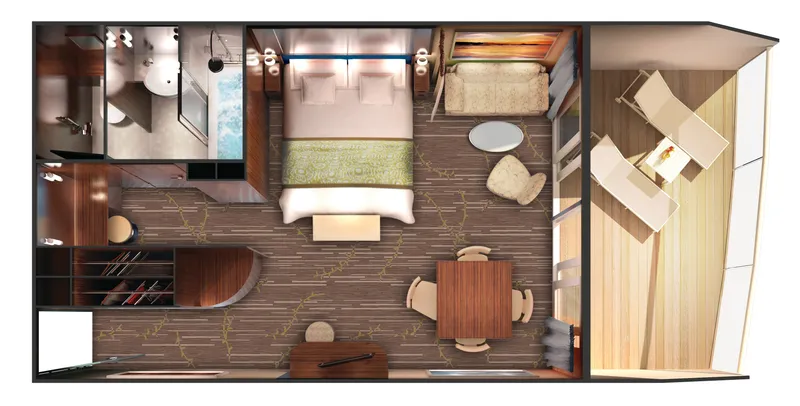
Be the first to take in the spectacular views from the large, forward-facing balcony of these stylish Penthouses. Accommodates up to four guests and includes a queen-size bed, luxury bath with shower and bathtub, plus a comfortable living and dining area to relax in or enjoy a meal arranged by your butler.
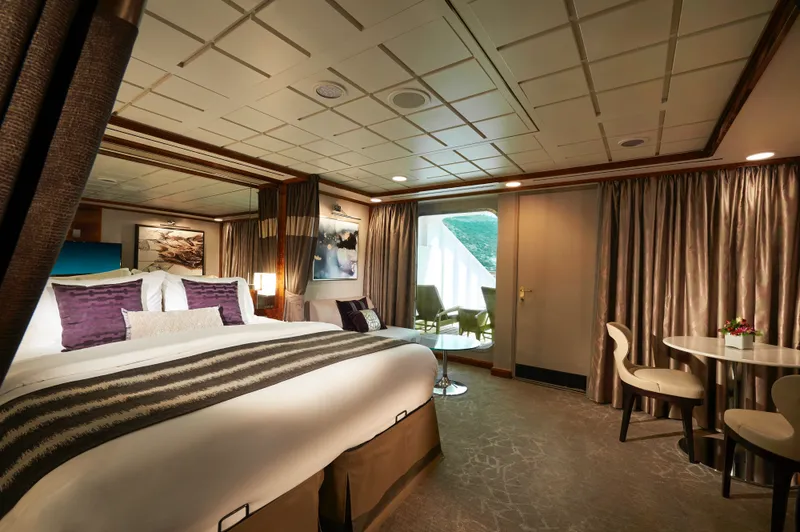
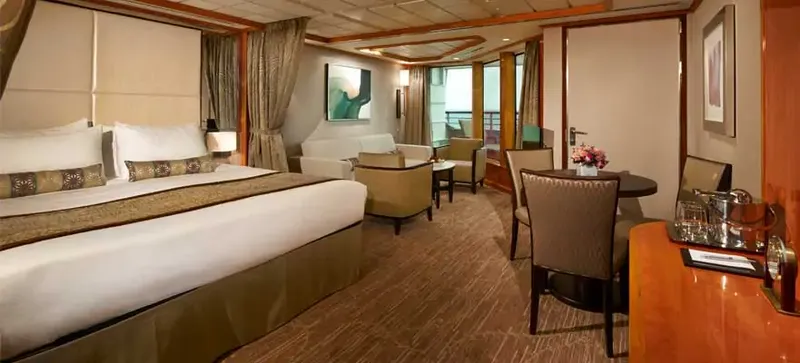
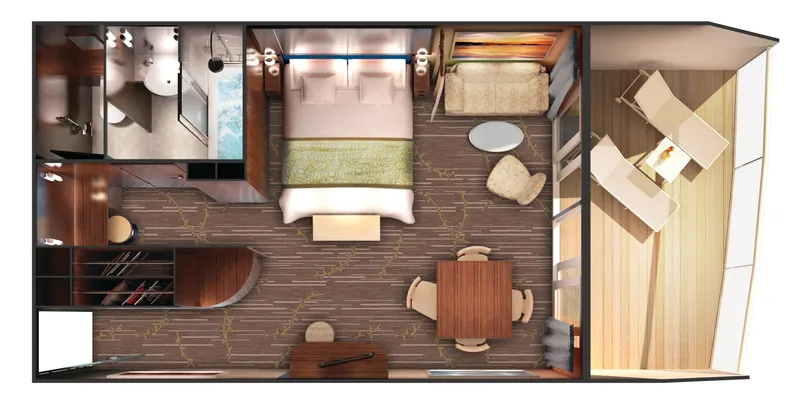
Step out onto your large, forward-facing balcony and enjoy the fresh air and magnificent views. Back inside, these Penthouses feature a queen-size bed, luxury bath with shower and bathtub, and a living and dining area. Plus concierge and butler service to fulfill all your wishes. Some can connect to a Deluxe Owner's Suite or Owner's Suite. Sleeps up to three.
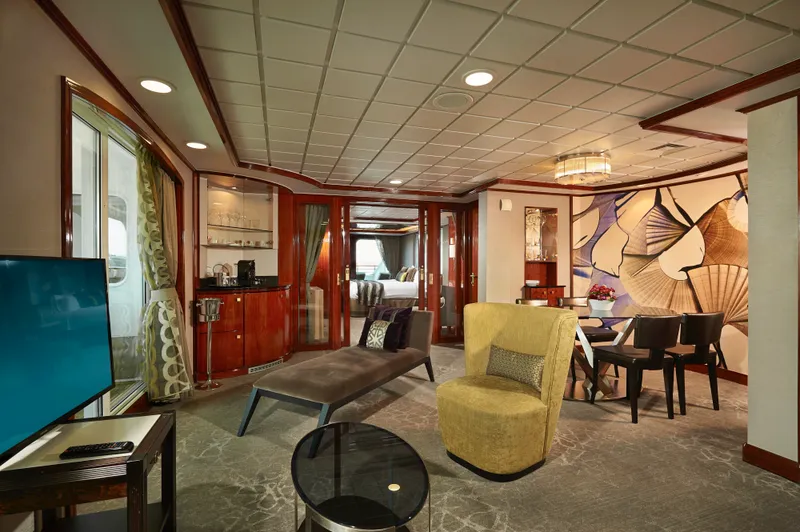
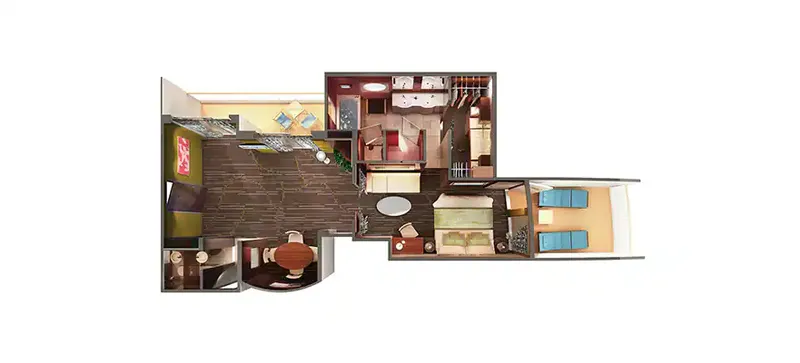
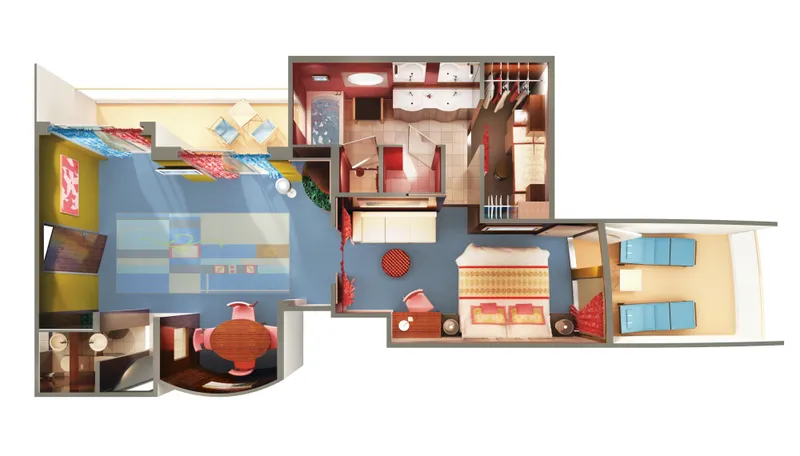
The Owner's Suites with Two Balconies are great for up to four guests. They include a living room, dining room and separate bedroom with king-size bed. Along with a mini-bar, luxury bath with whirlpool tub and an amazing double balcony. Includes butler and concierge service, plus these Suites can connect to a Balcony and Penthouse with Large Balcony for even more added luxury and convenience.
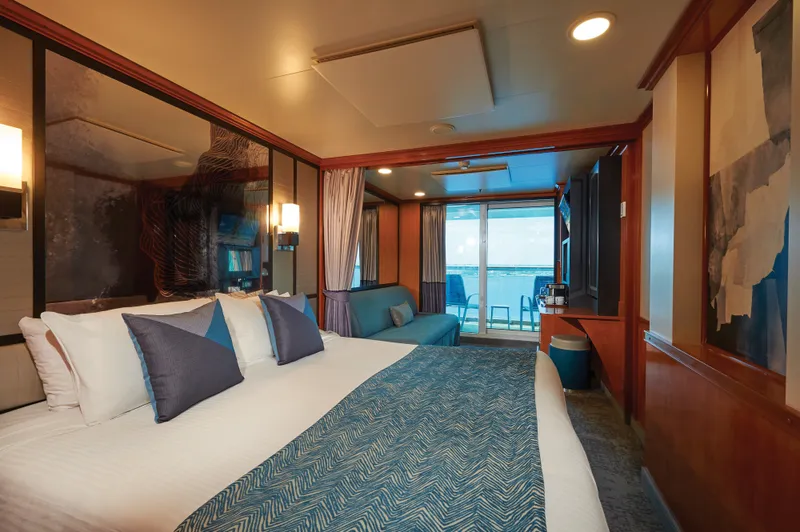
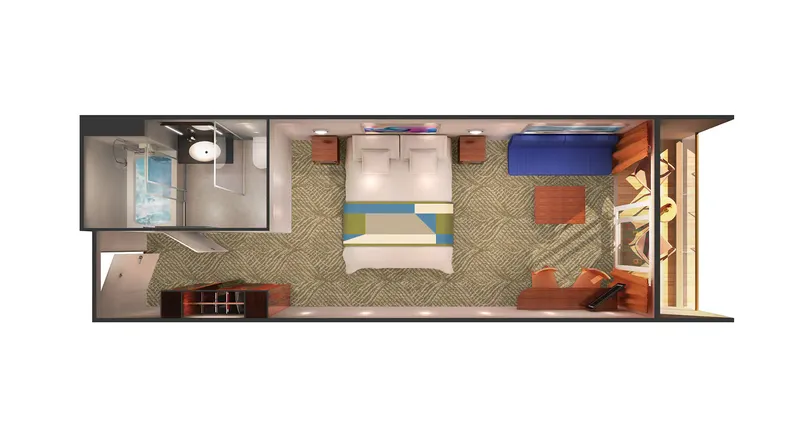
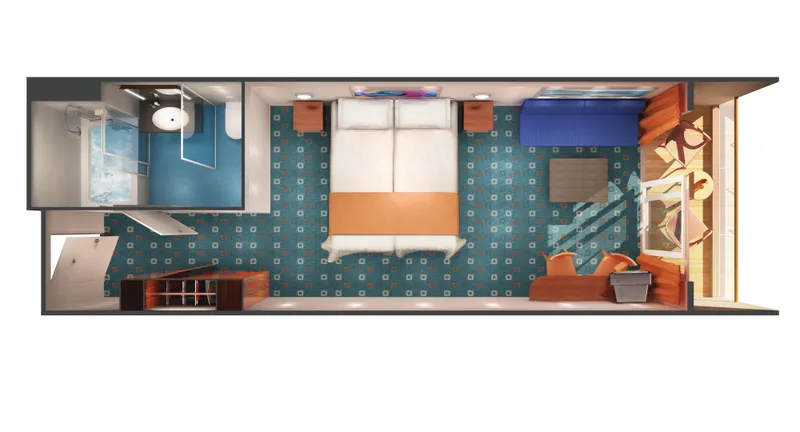
A Sail Away Club Balcony Suite stateroom guarantees a Club Balcony Suite stateroom or better! Your stateroom may be on any deck and assigned up to one day prior to embarkation.
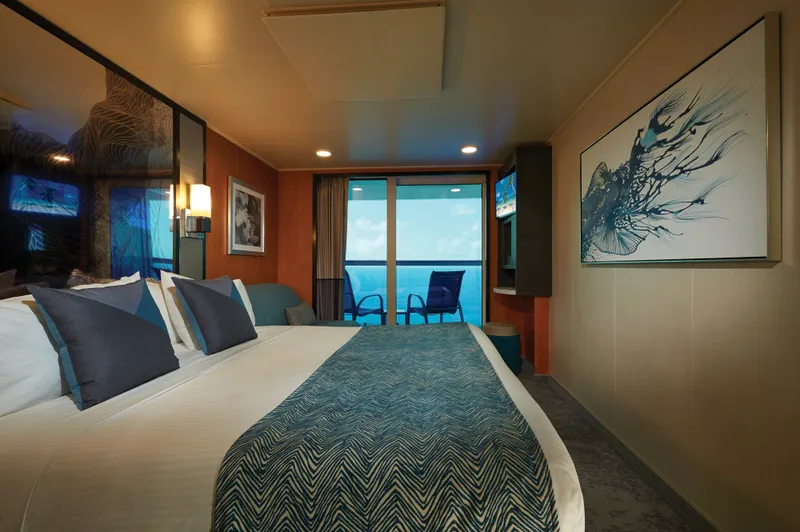
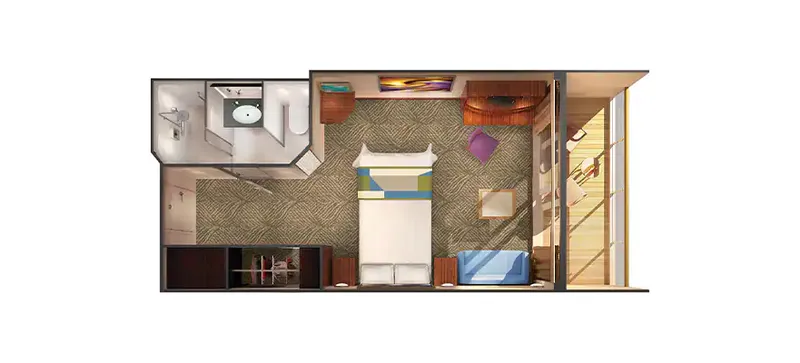
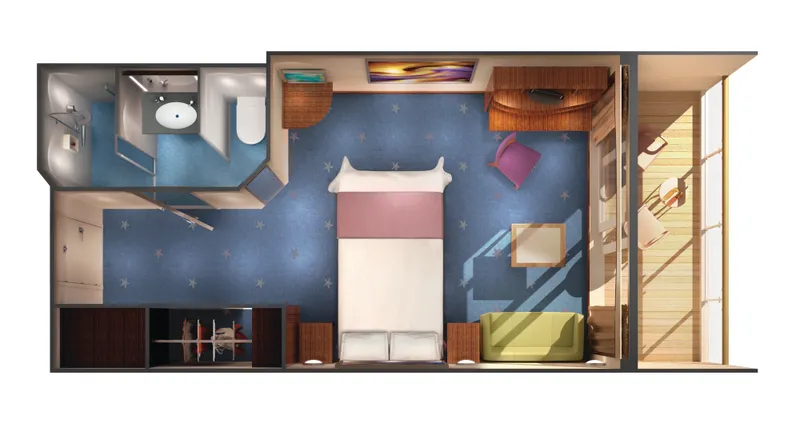
With room for up to three guests, these staterooms have two lower beds that convert into a queen-size bed and a single sofa bed to accommodate one more. Along with a sitting area, floor-to-ceiling glass doors and an aft-facing private balcony with a spectacular view.
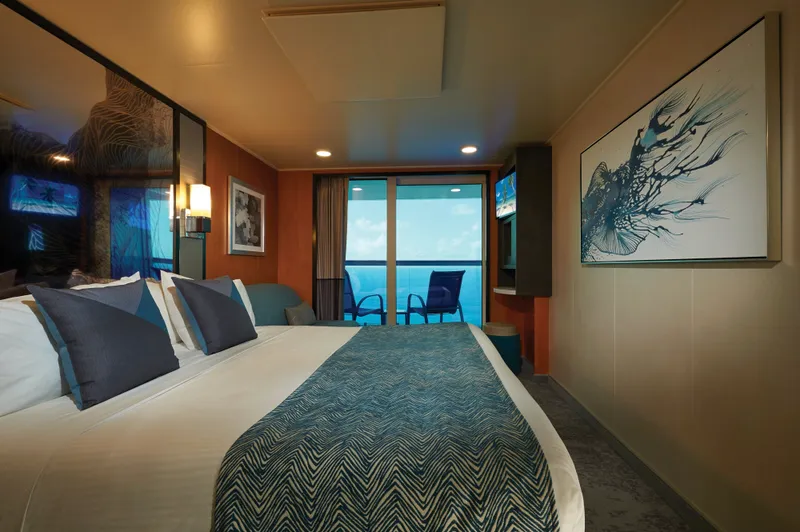
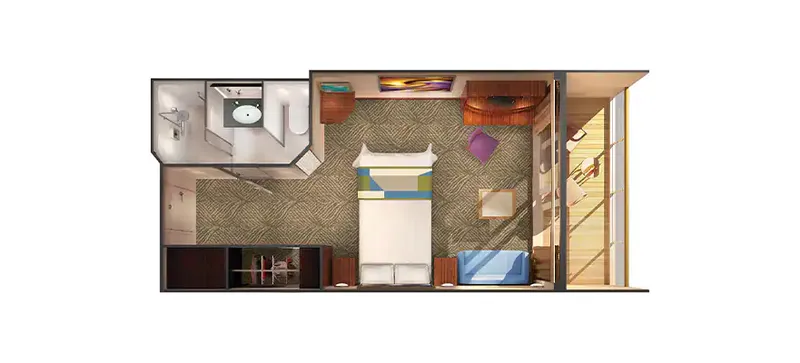
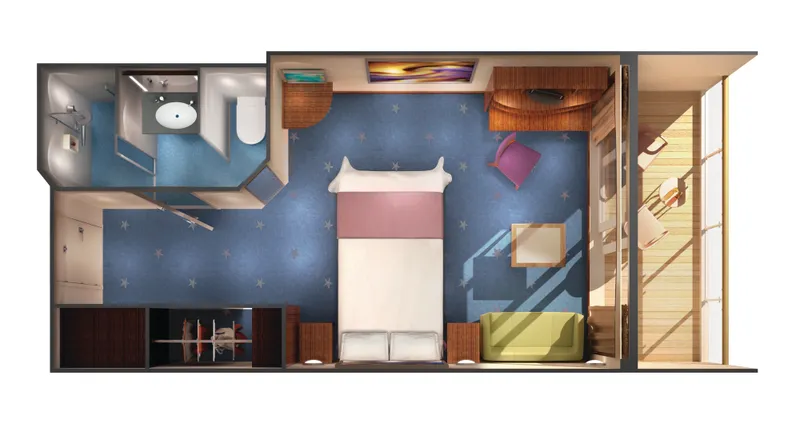
With room for up to three guests, Norwegian Dawn Balcony Staterooms have two lower beds that convert into a queen-size bed and some feature additional bedding to accommodate one more. Along with a sitting area, floor-to-ceiling glass doors and a private balcony with an amazing view. Some can connect for added convenience.
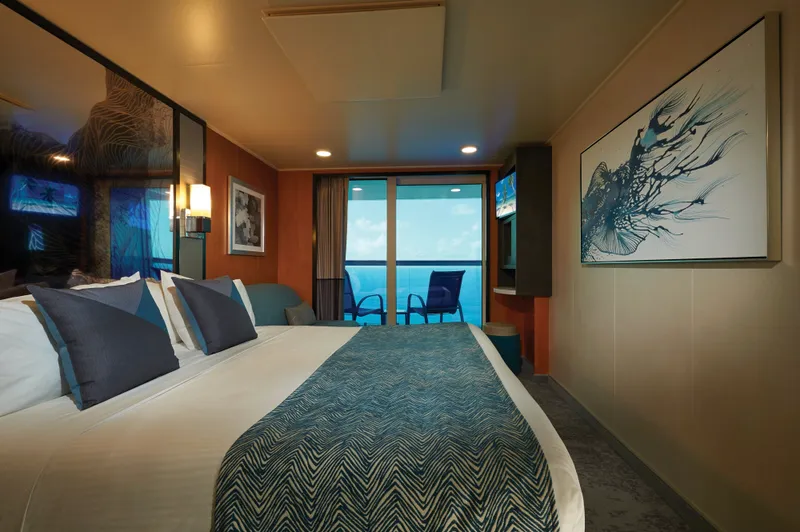
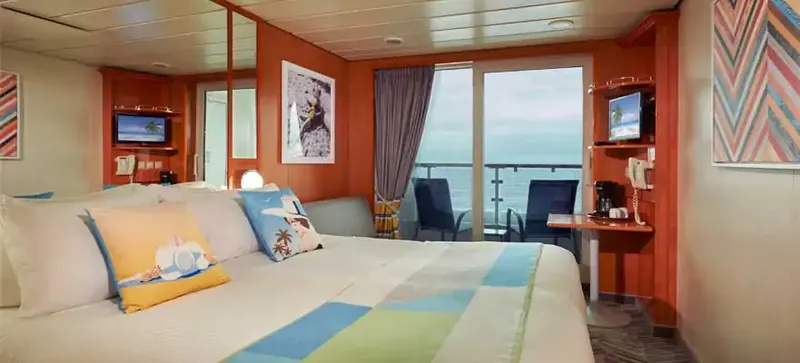
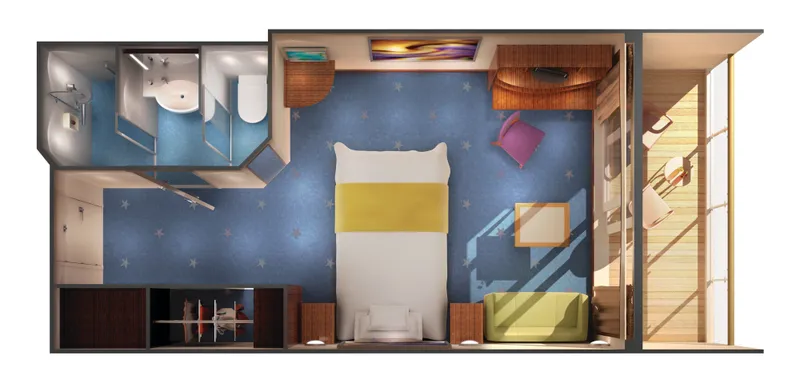
A Sailaway Balcony stateroom guarantees a Balcony stateroom or better! Please note that the view from your balcony may be fully obstructed or partially obstructed. Your stateroom may be on any deck and assigned up to one day prior to embarkation.
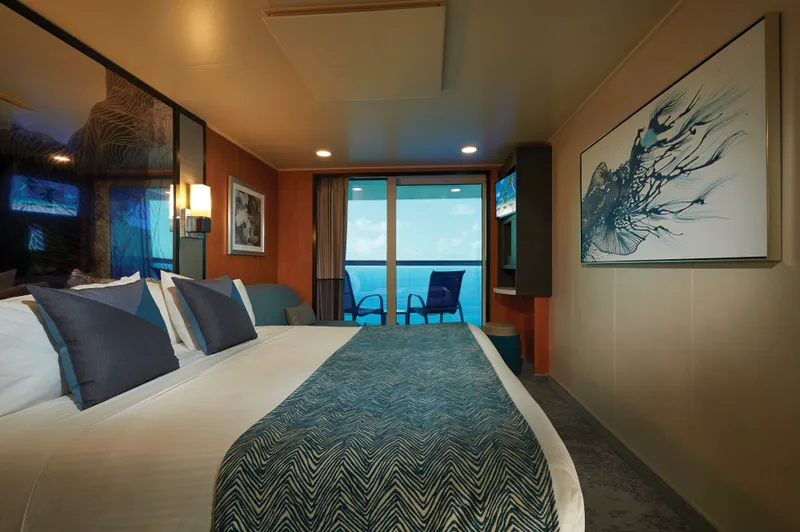
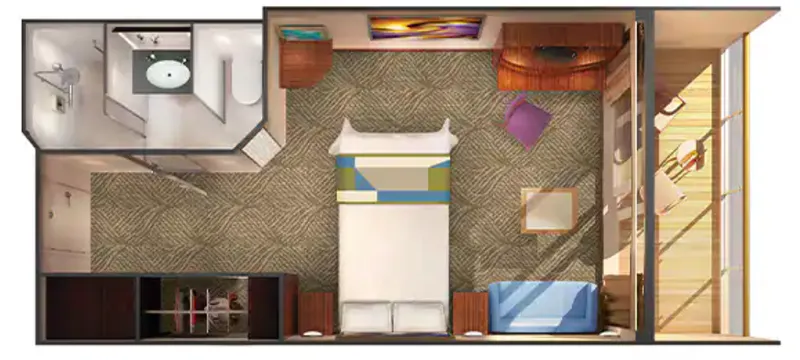
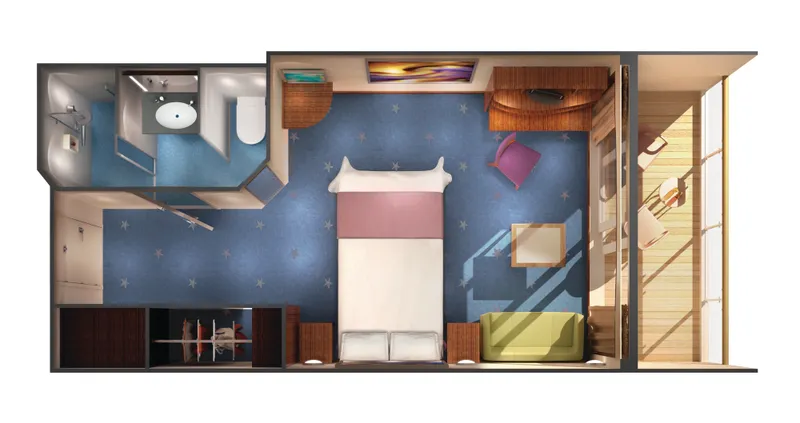
Views with a room. Floor-to-ceiling glass doors open to a private balcony perfect for sunrise seekers or sunset lovers.
Room-Size
19 - 28 sq. m.
Approx. Room Size
Balcony-Size
3 - 13 sq. m.
Approx. Balcony Size
AMENITIES
Private Balcony
Sitting Area
Room Service Available 24-hours
Hot Breakfast Menu
Continental Breakfast Menu
Coffee Maker
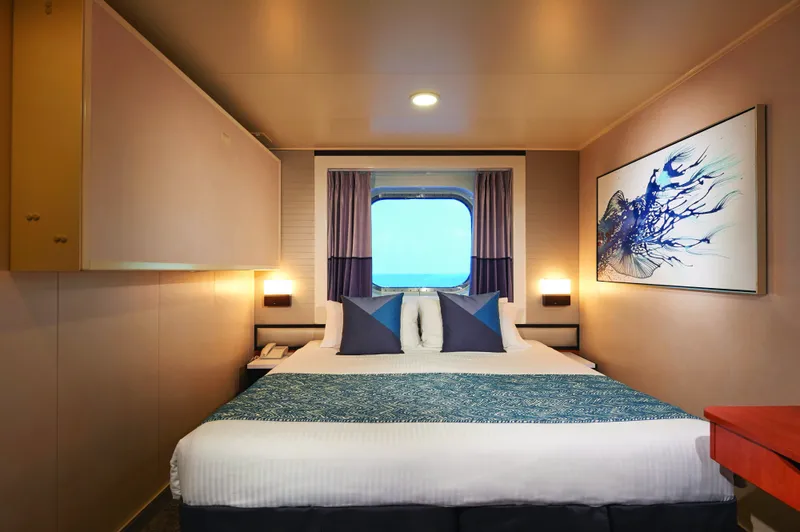
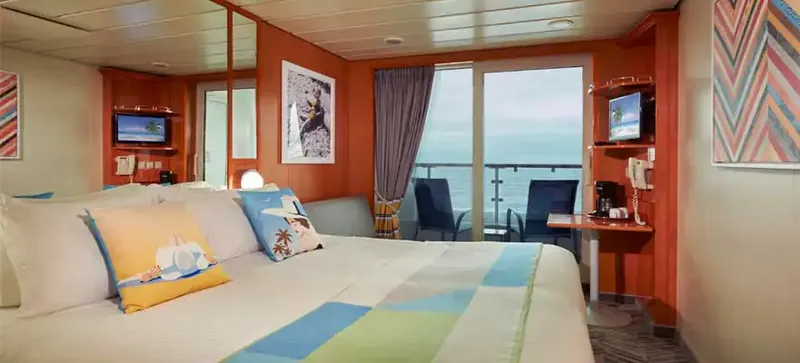
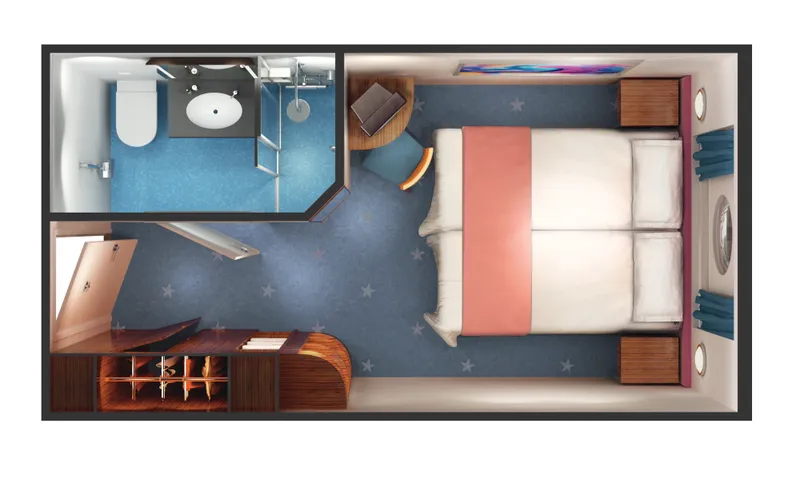
These Oceanview Staterooms are perfect for the family. They have room for up to four guests, with two lower beds that convert into a queen-size bed and additional bedding to accommodate two more. You'll also have a big picture window to enjoy the amazing view. Some can connect for added convenience
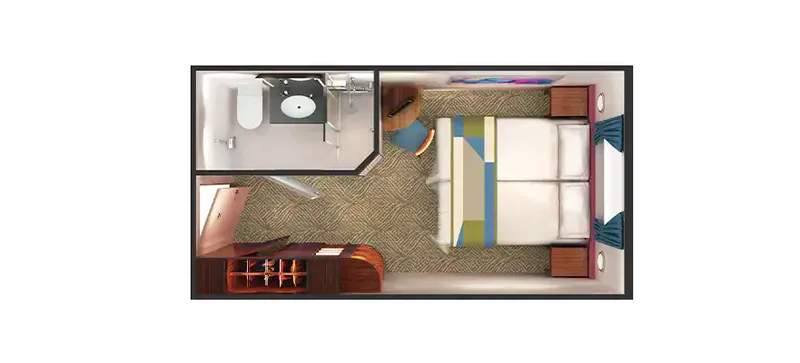

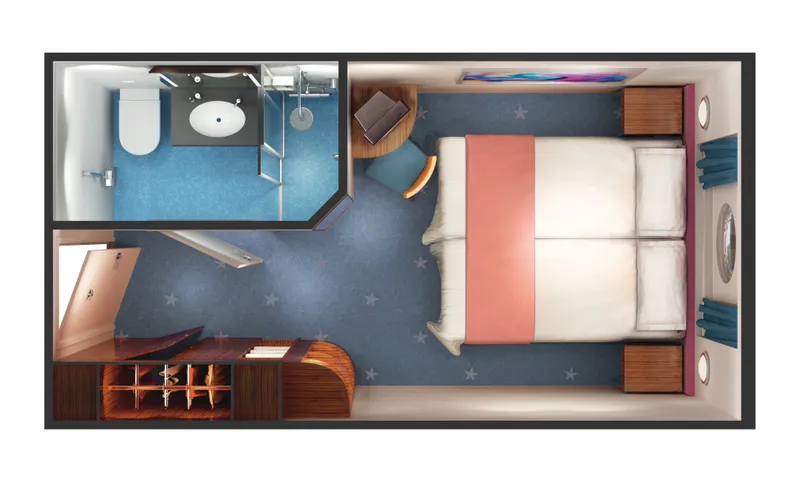
These Oceanview Staterooms have room for up to four guests, with two lower beds that convert into a queen-size bed and additional bedding to accommodate up to two more guests. You'll also have a porthole to enjoy an awesome view, and some can connect for added convenience.
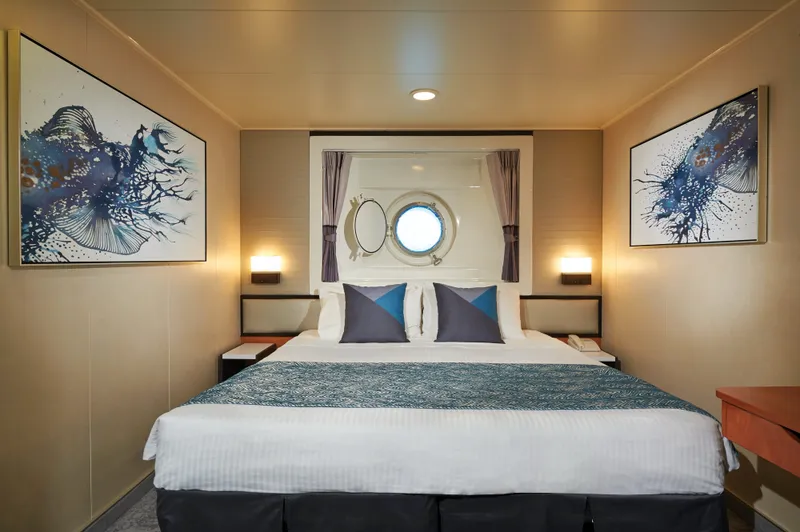
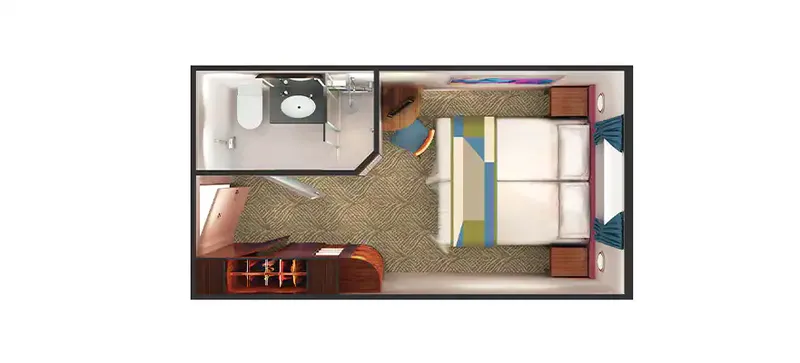
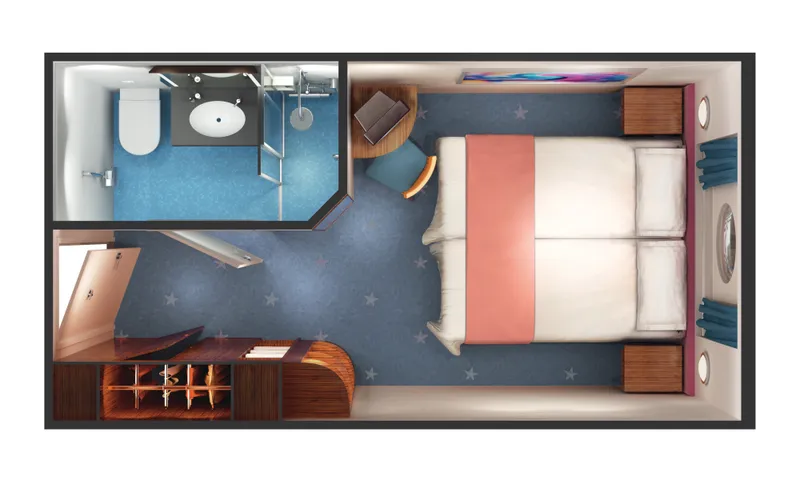
With room for up to four guests, these staterooms come with two lower beds that convert into a queen-size bed and additional bedding to accommodate two more guests, as well as a big picture window offering a great view. Plus some can connect for even more space.
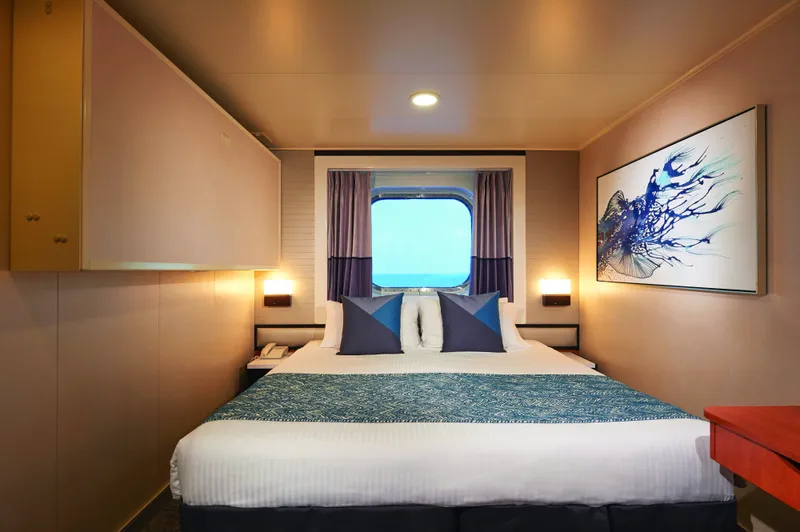
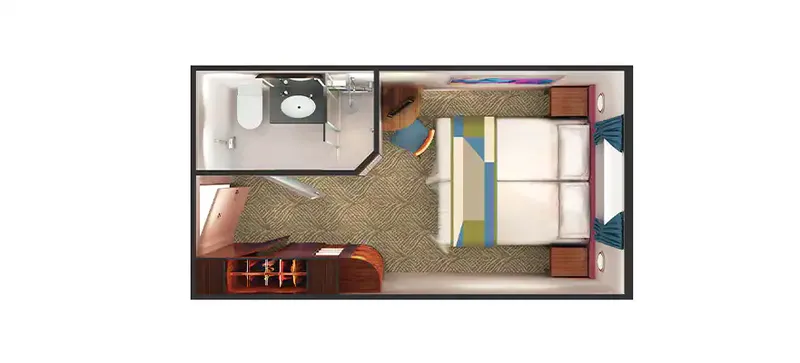
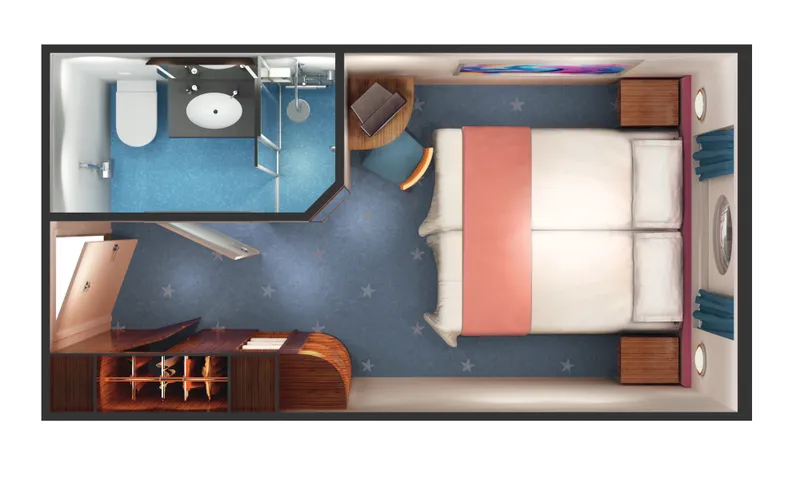
With room for up to four guests, these staterooms come with two lower beds that convert into a queen-size bed and additional bedding to accommodate two more guests, as well as a big picture window offering a great view. Plus some can connect for even more space.
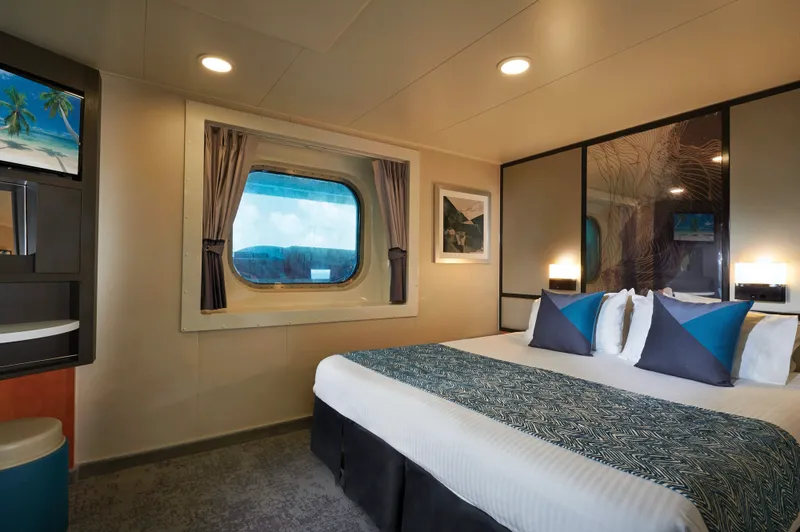
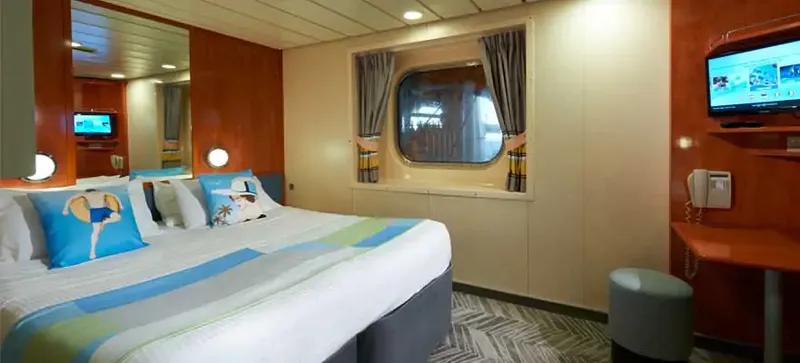
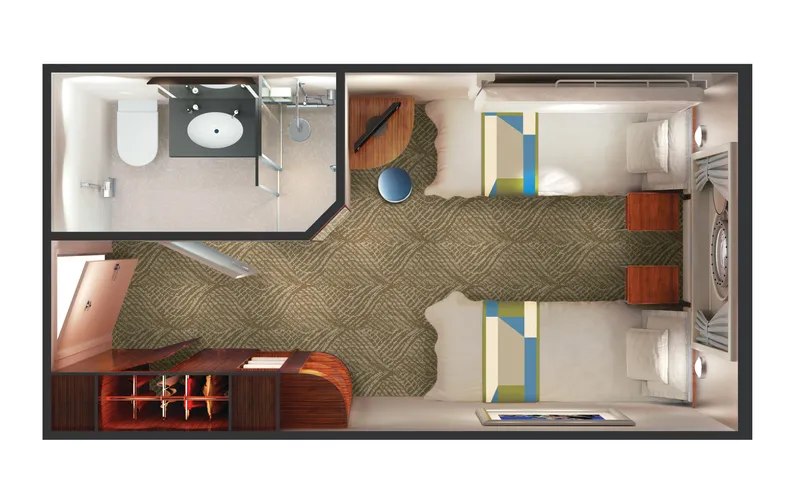
These Oceanview Staterooms have a picture window or porthole with an obstructed view and can accommodate up to four guests and include two lower beds that convert to a queen-size bed, one pullman and one pullout. Located mid-ship, they are close to all the action.
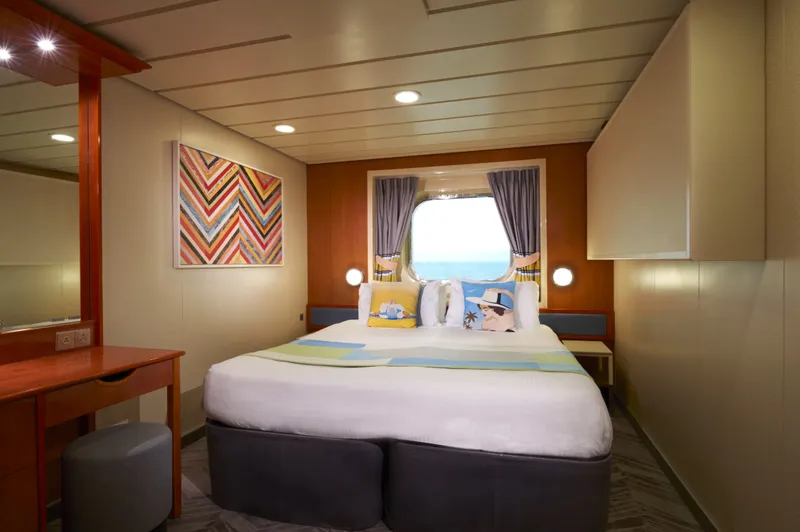
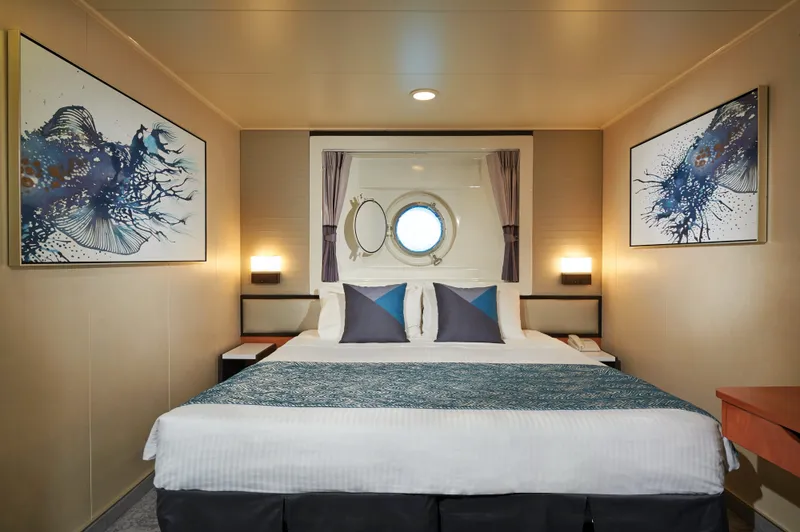
Solo Oceanview
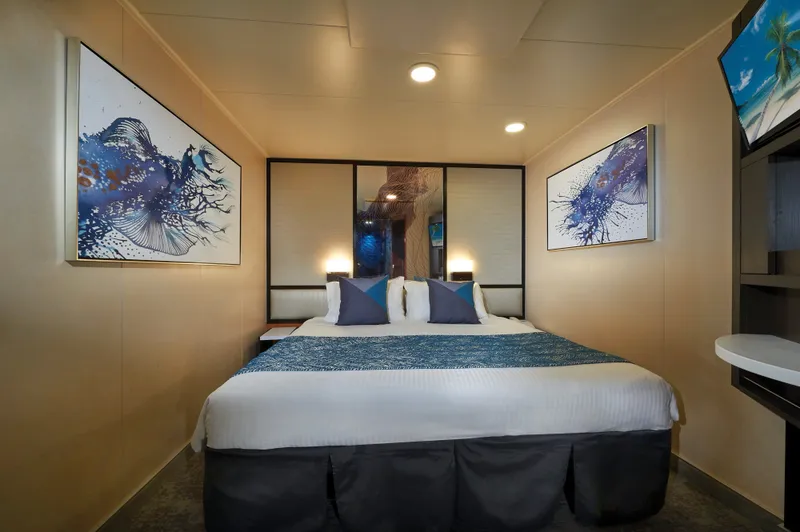
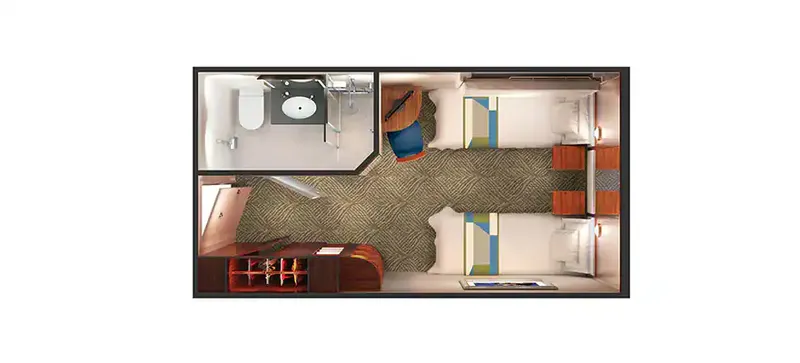
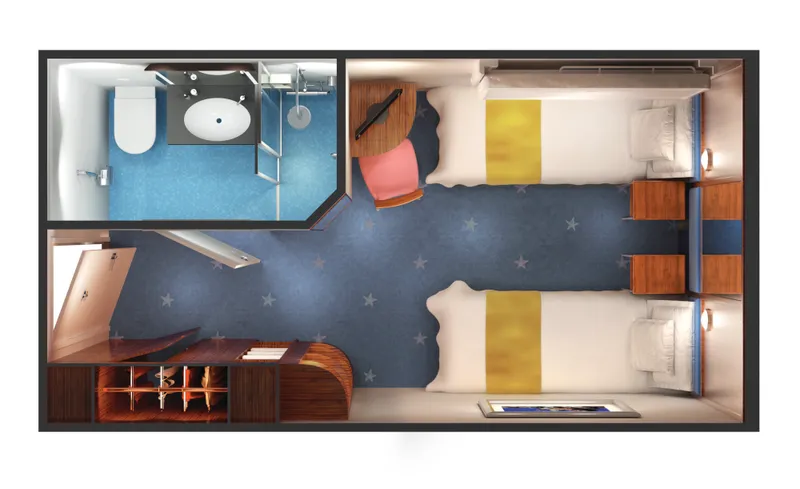
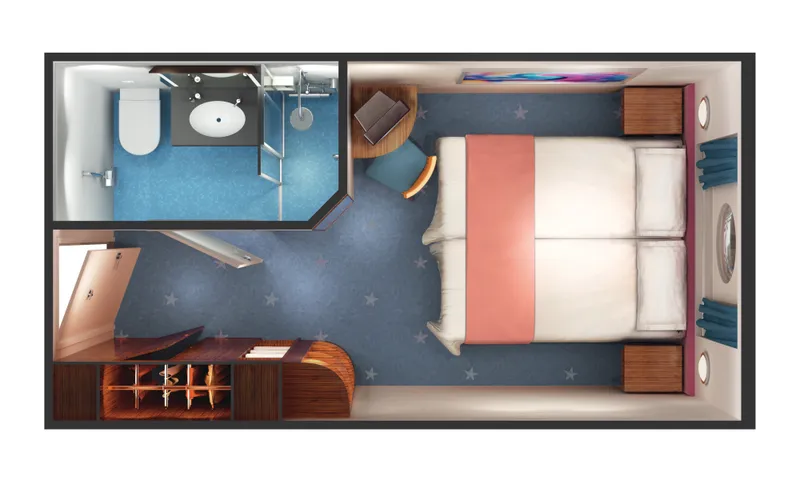
These Inside Staterooms are the most affordable way for the whole family to cruise. With room for up to four, you'll have two lower beds that convert into a queen-size bed and additional bedding to accommodate up to two more guests. Plus you'll have access to all kinds of amenities, like room service and so much more.
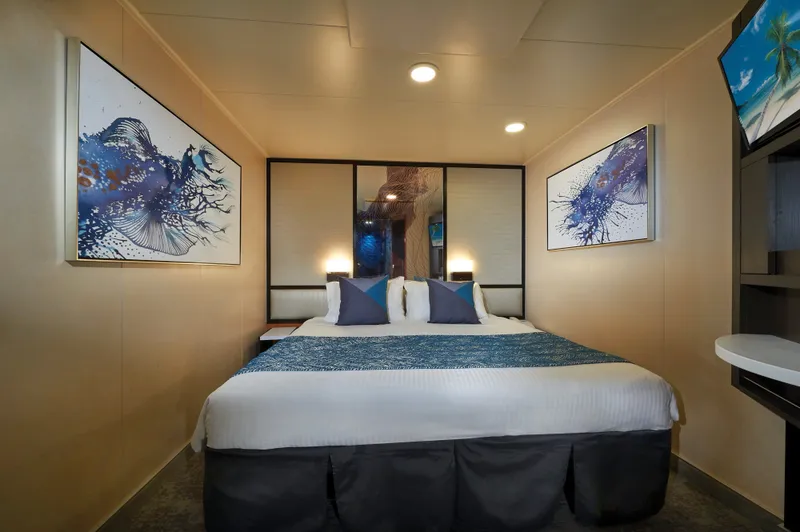
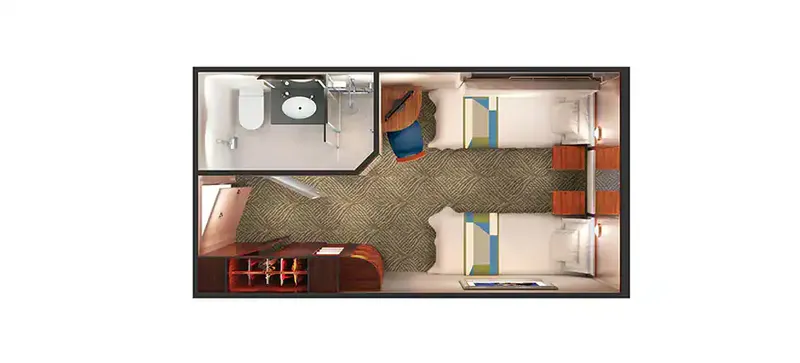
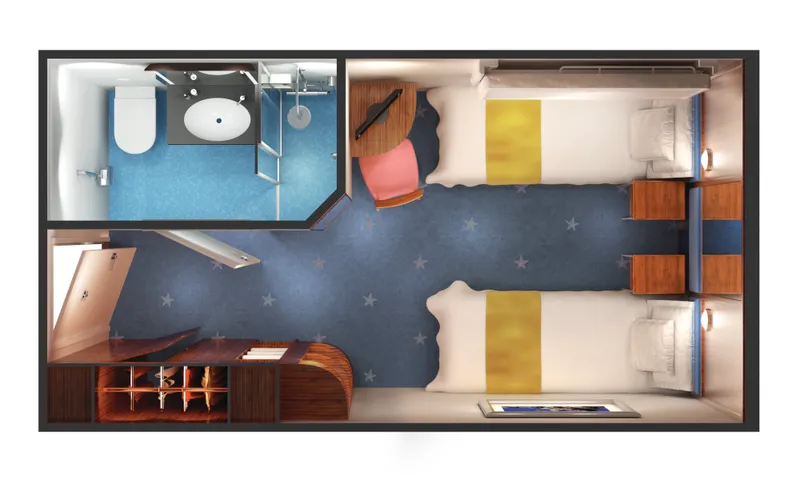
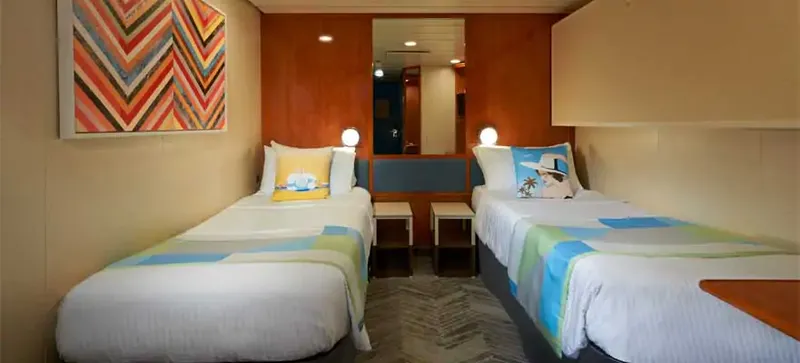
These Inside Staterooms are the most affordable way for you to cruise. With room for up to four, you'll have two lower beds that convert into a queen-size bed and some with additional bedding to accommodate up to two more guests.
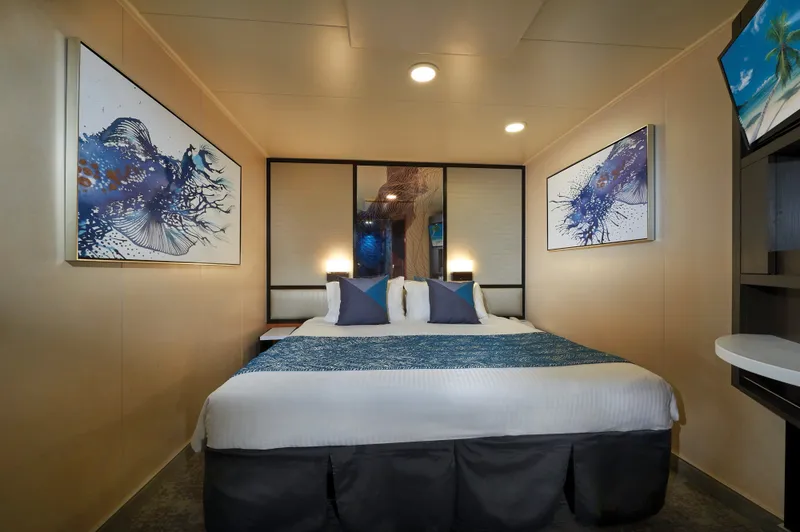
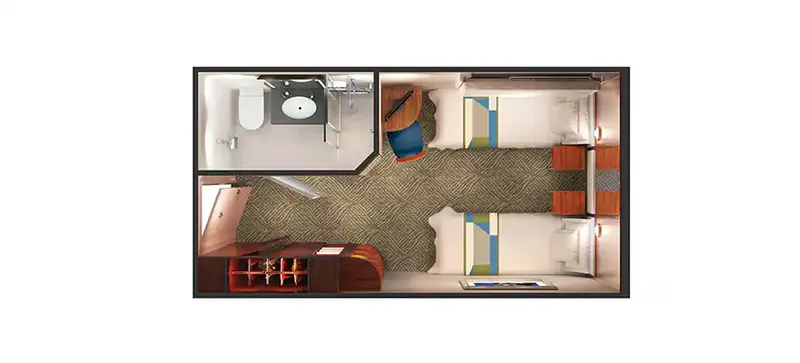
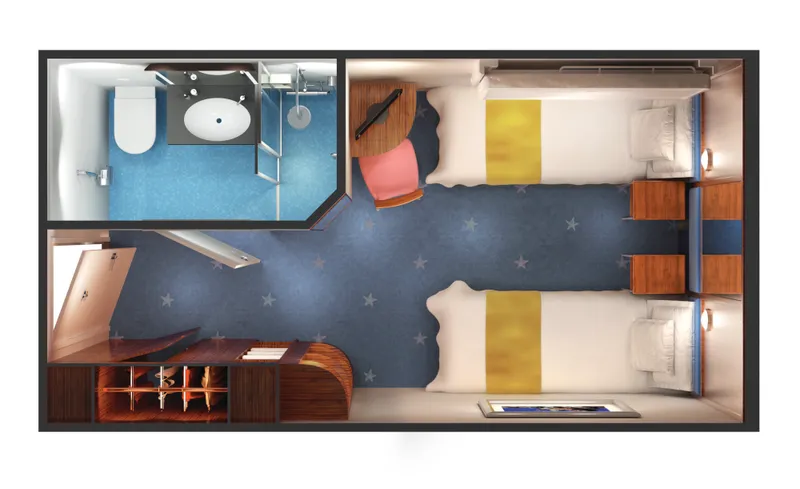
These Inside Staterooms are the most affordable way for you to cruise. With room for up to four, you'll have two lower beds that convert into a queen-size bed and some with additional bedding to accommodate up to two more guests.
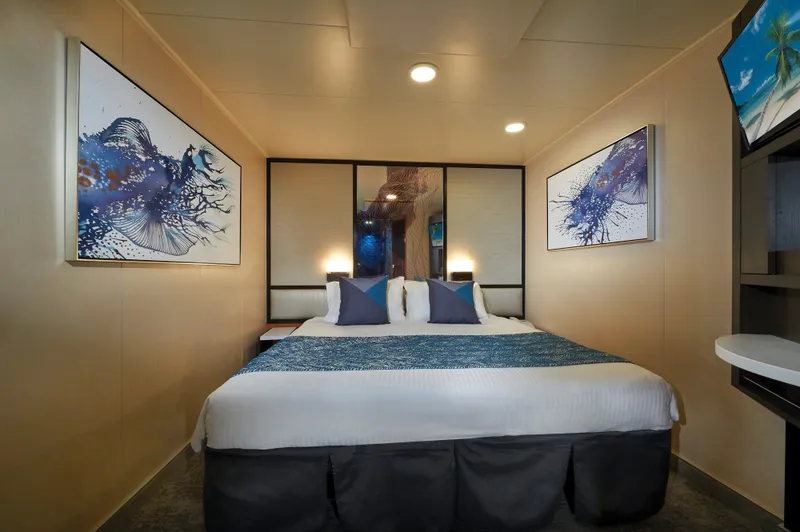
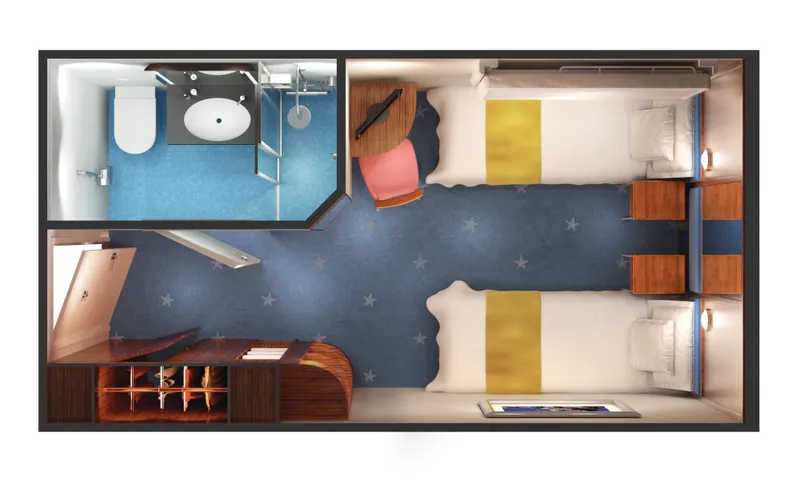
A Sail Away Inside stateroom guarantees an Inside stateroom or better! Your stateroom may be on any deck and assigned between time of booking up to one day prior to embarkation.
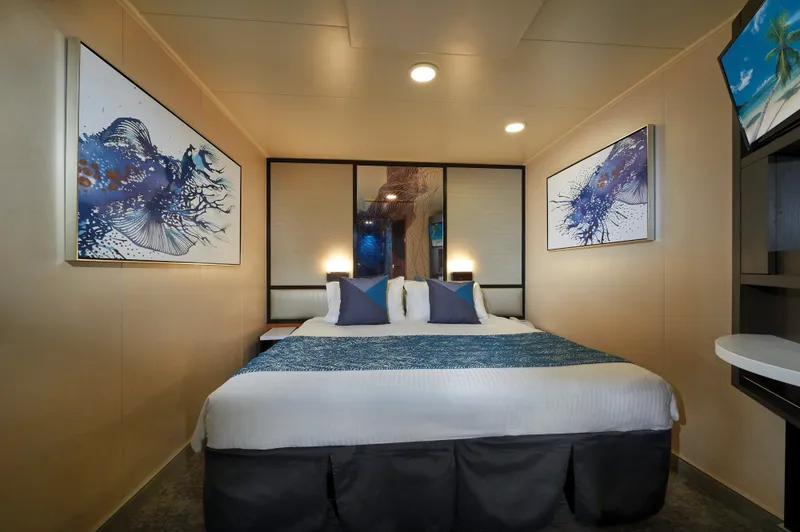
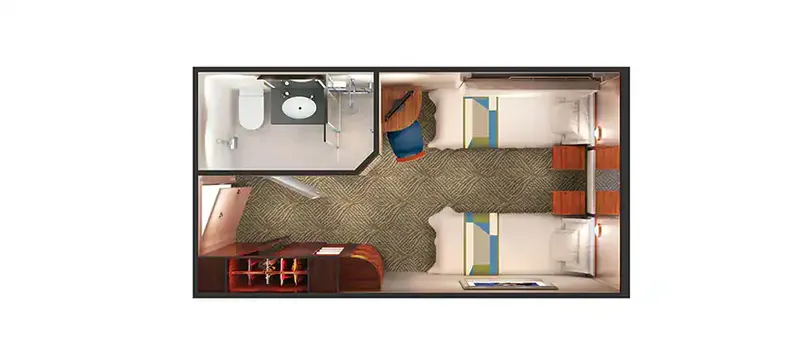
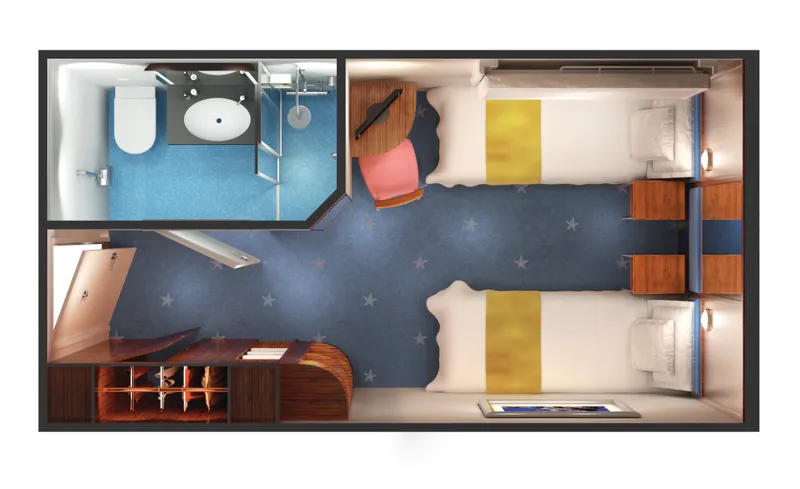
Everything you need to cruise in comfort. Stay inside and enjoy modern style and nice amenities like TV, and more.
Room-Size
13 - 26 sq. m.
Approx. Room Size
AMENITIES
24-hr Room Service
Our cruise specialists can help you find the perfect cabin and the best available pricing.
(+886) 02-2721-7300Contact Advisor