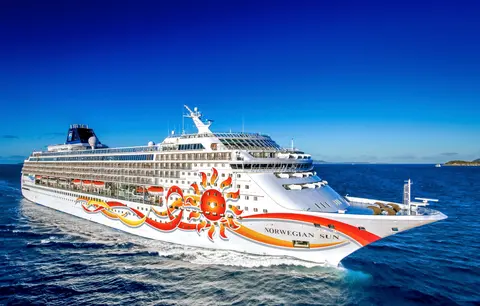
Ravenna to Civitavecchia
Date
July 18, 2027
Duration
7 nights
Departure Port
Ravenna · Italy
Arrival Port
Civitavecchia · Italy
Rating
Resort
Theme
—
Date
July 18, 2027
Duration
7 nights
Departure Port
Ravenna · Italy
Arrival Port
Civitavecchia · Italy
Rating
Resort
Theme
—
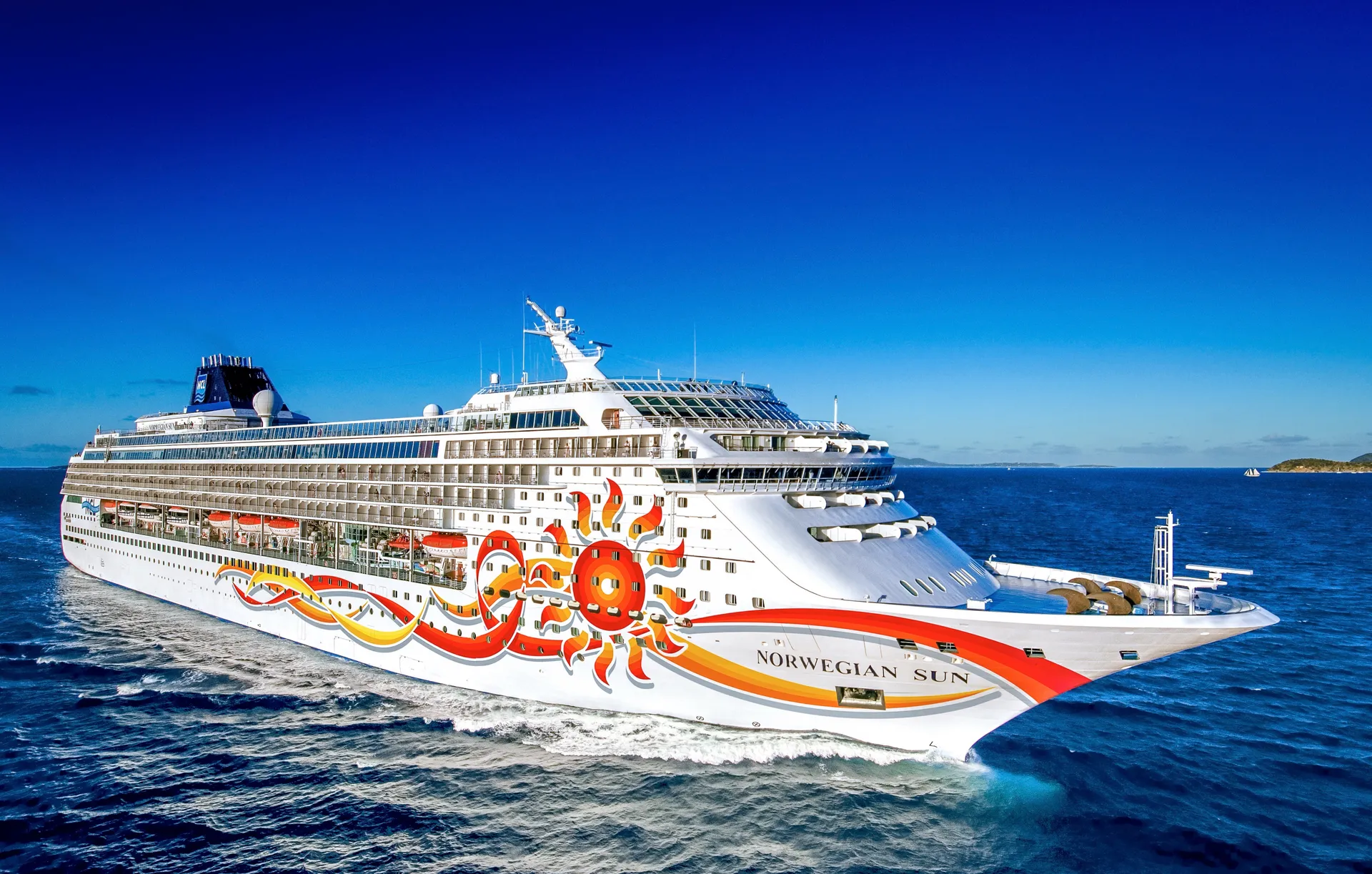
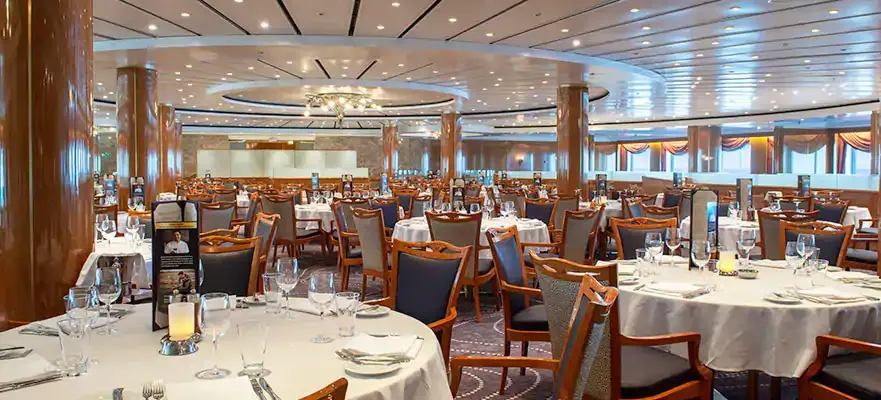
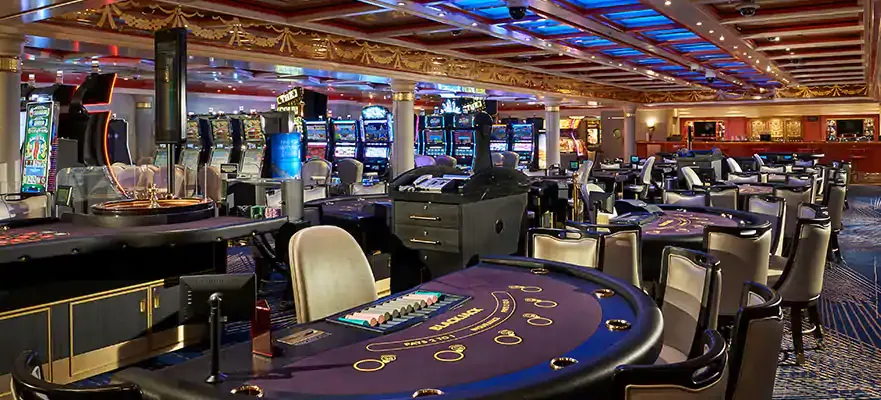
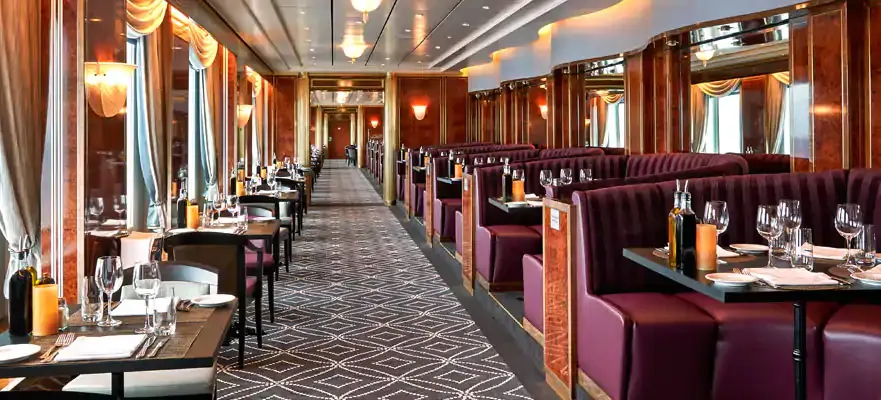
Norwegian Cruise Line
Sun
2001
2021
78,309 GT
1,936
968
953
848 m
37 m
23 knots
No
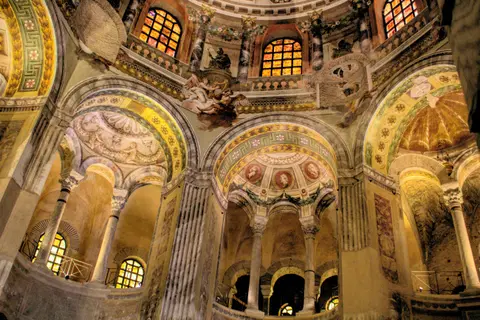
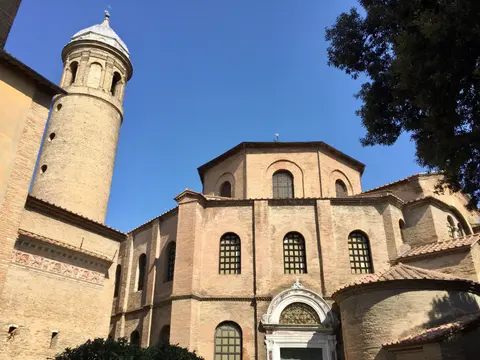
The off-the-path Emilia-Romagna region of northern Italy offers adventure for every taste. Explore the ancient town of Ravenna, best known for the seemingly endless Byzantine mosaics adorning its churches and monuments. Plus a powerhouse collection of eight UNESCO sites. Or venture to nearby Bologna to wander its portico-lined streets teeming with medieval relics— not to mention some of Italy’s most delectable cuisine. In this part of Italy, you can do a bit of it all. From sunning along the beaches of Punta Marina to engine revving at the Lamborghini Museum, and catching cutting-edge modern art at the MAMbo to taking a hands-on lesson in Bolognese cooking.
The off-the-path Emilia-Romagna region of northern Italy offers adventure for every taste. Explore the ancient town of Ravenna, best known for the seemingly endless Byzantine mosaics adorning its churches and monuments. Plus a powerhouse collection of eight UNESCO sites. Or venture to nearby Bologna to wander its portico-lined streets teeming with medieval relics— not to mention some of Italy’s most delectable cuisine. In this part of Italy, you can do a bit of it all. From sunning along the beaches of Punta Marina to engine revving at the Lamborghini Museum, and catching cutting-edge modern art at the MAMbo to taking a hands-on lesson in Bolognese cooking.
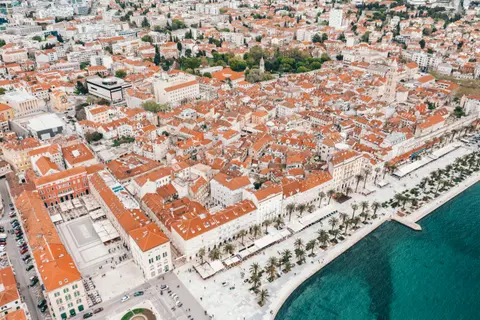
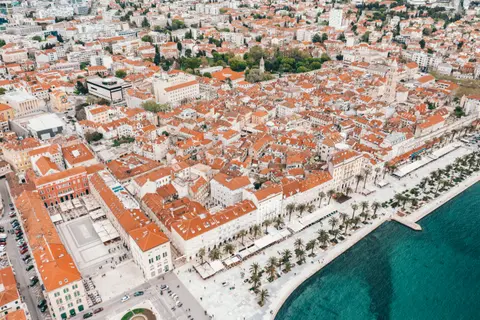
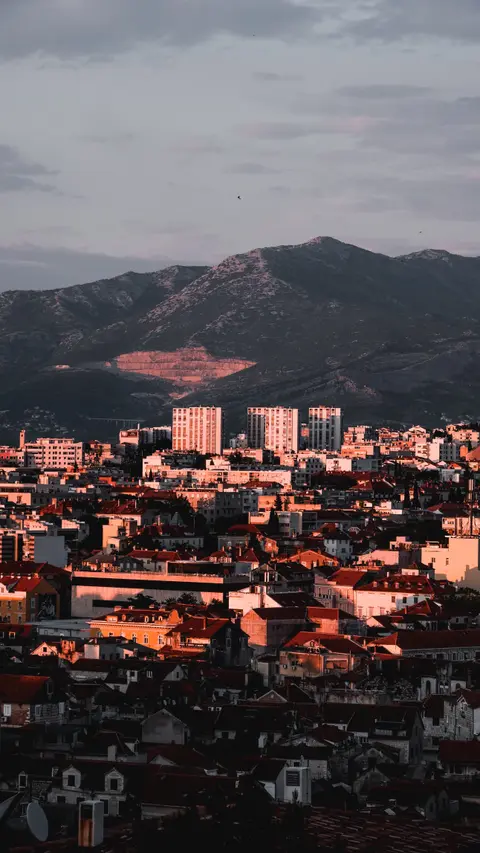
With its seafront cafés and ancient alleyways, shouting stallholders and travellers on the move, bustling, exuberant Split is one of Croatia’s and the Mediterranean’s most compelling cities, it’s easy to see this feeling when you step aground from your MSC cruise. It has a unique historical heritage too, having grown out of the palace built here by the Roman Emperor Diocletian in 295AD. The palace remains Split’s central ingredient, having been gradually transformed into a warren of houses, tenements, churches and chapels by the various peoples who came to live here after Diocletian’s successors had departed. Adapted long ago to serve as Split’s town centre, Diocletian’s Palace is certainly not an archaeological “site”. Although set-piece buildings such as Diocletian’s mausoleum (now the cathedral) and the Temple of Jupiter (now a baptistery) still remain, other aspects of the palace have been tinkered with so much by successive generations that it is no longer recognizable as an ancient Roman structure. Best place to start exploring with an MSC excursion the seaward side of the palace is Split’s broad and lively Riva. Running along the palace’s southern facade, into which shops, cafés and a warren of tiny flats have been built, the Riva is where a large part of the city’s population congregates day and night to meet friends, catch up on gossip or idle away an hour or two in a café. Nearly everything worth seeing in Split is concentrated in the compact Old Town behind the waterfront Riva, made up in part of the various remains and conversions of Diocletian’s Palace itself, and the medieval additions to the west of it. You can walk across this area in about ten minutes, although it would take a lifetime to explore all its nooks and crannies.
With its seafront cafés and ancient alleyways, shouting stallholders and travellers on the move, bustling, exuberant Split is one of Croatia’s and the Mediterranean’s most compelling cities, it’s easy to see this feeling when you step aground from your MSC cruise. It has a unique historical heritage too, having grown out of the palace built here by the Roman Emperor Diocletian in 295AD. The palace remains Split’s central ingredient, having been gradually transformed into a warren of houses, tenements, churches and chapels by the various peoples who came to live here after Diocletian’s successors had departed. Adapted long ago to serve as Split’s town centre, Diocletian’s Palace is certainly not an archaeological “site”. Although set-piece buildings such as Diocletian’s mausoleum (now the cathedral) and the Temple of Jupiter (now a baptistery) still remain, other aspects of the palace have been tinkered with so much by successive generations that it is no longer recognizable as an ancient Roman structure. Best place to start exploring with an MSC excursion the seaward side of the palace is Split’s broad and lively Riva. Running along the palace’s southern facade, into which shops, cafés and a warren of tiny flats have been built, the Riva is where a large part of the city’s population congregates day and night to meet friends, catch up on gossip or idle away an hour or two in a café. Nearly everything worth seeing in Split is concentrated in the compact Old Town behind the waterfront Riva, made up in part of the various remains and conversions of Diocletian’s Palace itself, and the medieval additions to the west of it. You can walk across this area in about ten minutes, although it would take a lifetime to explore all its nooks and crannies.
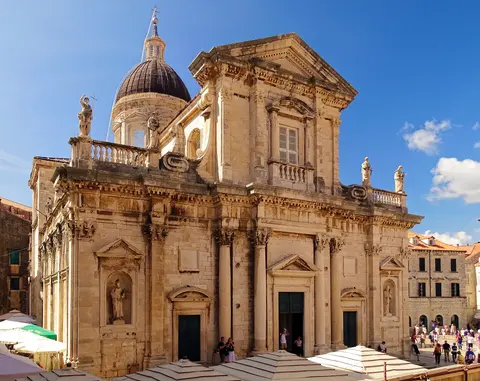
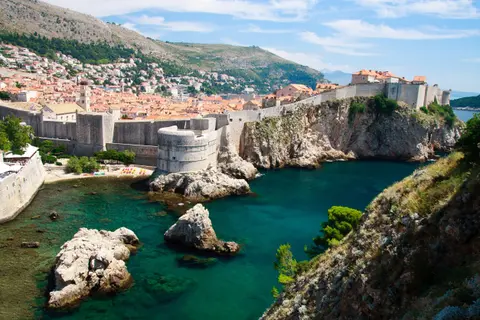
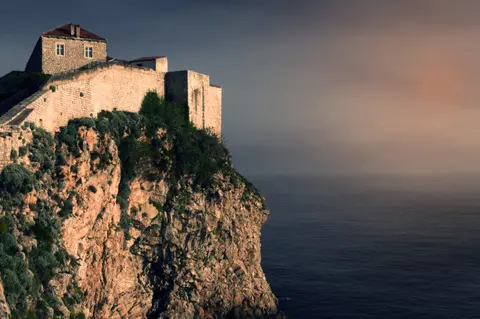
Croatia’s crowning glory rears up vertically from the tranquil waters of the Adriatic, and Dubrovnik’s daunting fortresses town is a truly imposing sight to behold. Encircled by chunky stone walls so thick and dramatic they could have been purpose-built as a film set, this city’s unmatched old town is the setting for countless films and shows - from Star Wars to Robin Hood, Game of Thrones and every production in-between seeking a truly authentic medieval flavour. This fantasy fortress’s walls - which are no less than 12-metres thick at places - are certainly not just for show, however. They kept Dubrovnik safe when it was a maritime republic and they were besieged as recently as 1991, when Serbian and Montenegrin forces attacked, as Yugoslavia broke apart. Fully restored now, the stone streets of the city take you through a beautiful mosaic of architectural splendour, baroque churches and splashing fountains. Tapering alleys rocket up from the central boulevard of Stradun, offering spectacular views down, but you’ll need to walk the city walls to appreciate the fortress city’s full scale. Banking up sharply to the rear, you can gaze across an ocean of terracotta roofs and church spires, clamouring together before the sparkling Adriatic. Visit the neighbouring fort of Lovrijenac, for another perspective, or swing up to Srd fortress’s glorious panorama on a cable car. Dubrovnik’s streets are crammed with eateries and candlelit tables, where couples splash wine into glasses and enjoy gnocchi mixed with creamy truffle sauces. Nearby beaches like Banje are also close by, and hidden bays reward the intrepid who venture out beyond the old town. Take sunset drinks to sit back and watch as flotillas of sea kayaks roll by, or sail on the pristine waters to explore island gems like Lokrum - where peacocks are the only permanent residents.
Croatia’s crowning glory rears up vertically from the tranquil waters of the Adriatic, and Dubrovnik’s daunting fortresses town is a truly imposing sight to behold. Encircled by chunky stone walls so thick and dramatic they could have been purpose-built as a film set, this city’s unmatched old town is the setting for countless films and shows - from Star Wars to Robin Hood, Game of Thrones and every production in-between seeking a truly authentic medieval flavour. This fantasy fortress’s walls - which are no less than 12-metres thick at places - are certainly not just for show, however. They kept Dubrovnik safe when it was a maritime republic and they were besieged as recently as 1991, when Serbian and Montenegrin forces attacked, as Yugoslavia broke apart. Fully restored now, the stone streets of the city take you through a beautiful mosaic of architectural splendour, baroque churches and splashing fountains. Tapering alleys rocket up from the central boulevard of Stradun, offering spectacular views down, but you’ll need to walk the city walls to appreciate the fortress city’s full scale. Banking up sharply to the rear, you can gaze across an ocean of terracotta roofs and church spires, clamouring together before the sparkling Adriatic. Visit the neighbouring fort of Lovrijenac, for another perspective, or swing up to Srd fortress’s glorious panorama on a cable car. Dubrovnik’s streets are crammed with eateries and candlelit tables, where couples splash wine into glasses and enjoy gnocchi mixed with creamy truffle sauces. Nearby beaches like Banje are also close by, and hidden bays reward the intrepid who venture out beyond the old town. Take sunset drinks to sit back and watch as flotillas of sea kayaks roll by, or sail on the pristine waters to explore island gems like Lokrum - where peacocks are the only permanent residents.
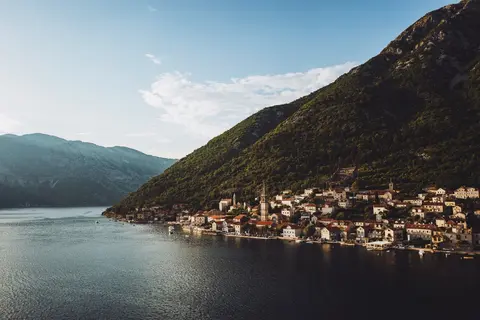
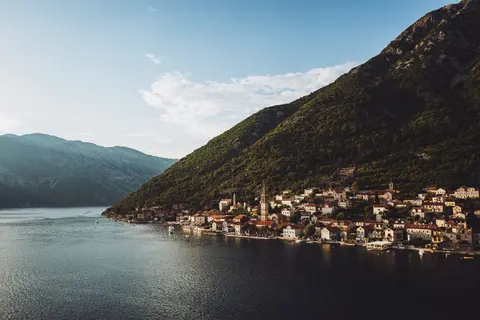
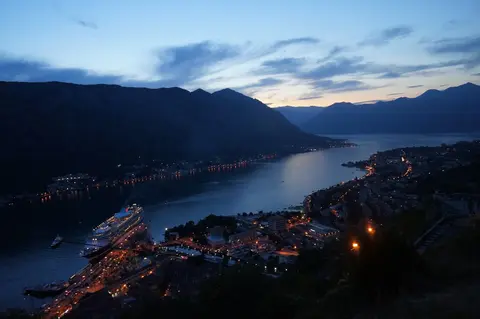
Among the fjords of Montenegro, we arrive at the Bay of Kotor, a port with a strategic location and fortified walls, named a World Heritage site by UNESCO. The port of Kotor lies at the base of a bay with the same name and is one of Europe’s most southerly Mediterranean fjords. This is a Venetian Harbour strategically located and fortified by strong walls. Here you can discover the fascinating landscape, the fortifications built from the early middle ages and now included among the UNESCO World Heritage sites, and the old town with Venetian influences and its religious architecture, where the Catholic Cathedral of Saint Tryphon coexists with the orthodox churches of the 12th and 13th centuries. Perast is worth a visit with its islands and Byzantine architecture.
Among the fjords of Montenegro, we arrive at the Bay of Kotor, a port with a strategic location and fortified walls, named a World Heritage site by UNESCO. The port of Kotor lies at the base of a bay with the same name and is one of Europe’s most southerly Mediterranean fjords. This is a Venetian Harbour strategically located and fortified by strong walls. Here you can discover the fascinating landscape, the fortifications built from the early middle ages and now included among the UNESCO World Heritage sites, and the old town with Venetian influences and its religious architecture, where the Catholic Cathedral of Saint Tryphon coexists with the orthodox churches of the 12th and 13th centuries. Perast is worth a visit with its islands and Byzantine architecture.
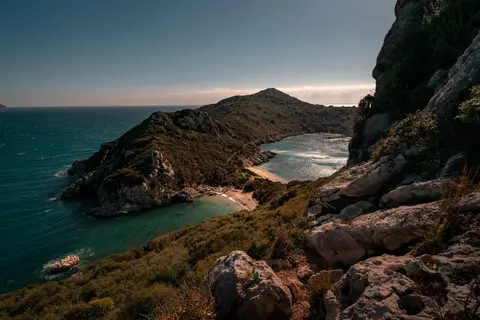
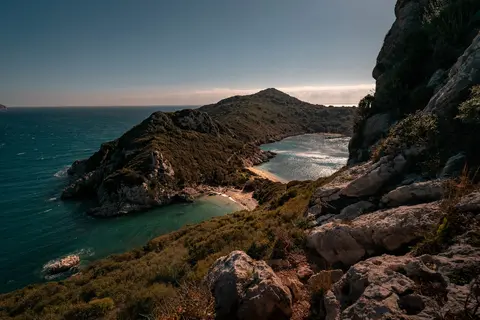
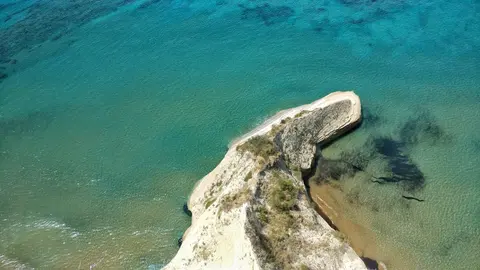
Corfu town today is a vivid tapestry of cultures—a sophisticated weave, where charm, history, and natural beauty blend. Located about midway along the island's east coast, this spectacularly lively capital is the cultural heart of Corfu and has a remarkable historic center that UNESCO designated as a World Heritage Site in 2007. All ships and planes dock or land near Corfu town, which occupies a small peninsula jutting into the Ionian Sea.Whether arriving by ferry from mainland Greece or Italy, from another island, or directly by plane, catch your breath by first relaxing with a coffee or a gelato in Corfu town's shaded Liston Arcade, then stroll the narrow lanes of its pedestrians-only quarter. For an overview of the immediate area, and a quick tour of Mon Repos palace, hop on the little tourist train that runs from May to September. Corfu town has a different feel at night, so book a table at one of its famed tavernas to savor the island's unique cuisine.The best way to get around Corfu town is on foot. The town is small enough so that you can easily walk to every sight. There are local buses, but they do not thread their way into the streets (many now car-free) of the historic center. If you are arriving by ferry or plane, it's best to take a taxi to your hotel. Expect to pay about €10 from the airport or ferry terminal to a hotel in Corfu town. If there are no taxis waiting, you can call for one.
Corfu town today is a vivid tapestry of cultures—a sophisticated weave, where charm, history, and natural beauty blend. Located about midway along the island's east coast, this spectacularly lively capital is the cultural heart of Corfu and has a remarkable historic center that UNESCO designated as a World Heritage Site in 2007. All ships and planes dock or land near Corfu town, which occupies a small peninsula jutting into the Ionian Sea.Whether arriving by ferry from mainland Greece or Italy, from another island, or directly by plane, catch your breath by first relaxing with a coffee or a gelato in Corfu town's shaded Liston Arcade, then stroll the narrow lanes of its pedestrians-only quarter. For an overview of the immediate area, and a quick tour of Mon Repos palace, hop on the little tourist train that runs from May to September. Corfu town has a different feel at night, so book a table at one of its famed tavernas to savor the island's unique cuisine.The best way to get around Corfu town is on foot. The town is small enough so that you can easily walk to every sight. There are local buses, but they do not thread their way into the streets (many now car-free) of the historic center. If you are arriving by ferry or plane, it's best to take a taxi to your hotel. Expect to pay about €10 from the airport or ferry terminal to a hotel in Corfu town. If there are no taxis waiting, you can call for one.
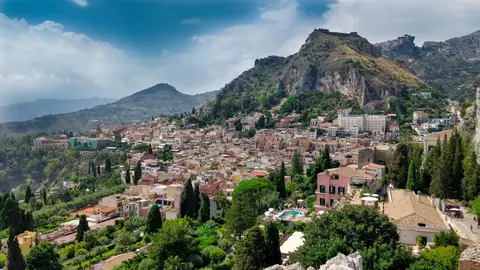
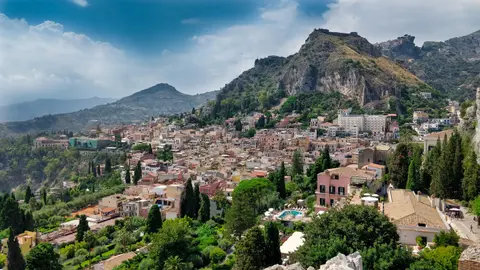
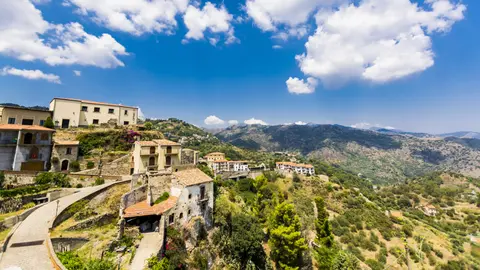
Messina may well be your first sight of Sicily, and – from your MSC holiday cruise ship – it’s a fine one, the glittering town spread up the hillside beyond its sickle-shaped Mediterranean harbour. On a shore excursion you can discover Messina’s most important monument, the Duomo, which epitomizes the city’s phoenix-like ability to re-create itself from the ashes of its last disaster. It’s the reconstruction of a twelfth-century cathedral erected by Roger II, one of a series of great Norman churches of Sicily that include the sumptuous cathedrals of Palermo and Cefalù. The Duomo’s detached campanile, or bell tower, claims to be the largest astronomical clock in the world, and puts on its best show at noon every day, when a bronze lion (Messina’s ancient emblem) unleashes a mighty roar over the city that can be quite alarming if you’re not expecting it! Just back from the Duomo, the truncated section of the twelfth-century Chiesa Annunziata dei Catalani squats below pavement level, and is Messina’s only surviving example of Arab/Norman church-building. When you are cruising the Mediterranean Sea with MSC Cruises, the most obvious excursion from Messina is to the almost too charming hill town of Taormina, spectacularly located on a rocky bluff between the Ionian Sea and the soaring peak of Mount Etna, whose summit with its bleak lava wilderness is one of the most memorable landscapes Italy has to offer. Once the beloved retreat of poets and writers, Taormina is now the most illustrious resort on the entire island, captivating its visitors with its famous ancient theatre, grand hotels and engaging small-town charm.
Messina may well be your first sight of Sicily, and – from your MSC holiday cruise ship – it’s a fine one, the glittering town spread up the hillside beyond its sickle-shaped Mediterranean harbour. On a shore excursion you can discover Messina’s most important monument, the Duomo, which epitomizes the city’s phoenix-like ability to re-create itself from the ashes of its last disaster. It’s the reconstruction of a twelfth-century cathedral erected by Roger II, one of a series of great Norman churches of Sicily that include the sumptuous cathedrals of Palermo and Cefalù. The Duomo’s detached campanile, or bell tower, claims to be the largest astronomical clock in the world, and puts on its best show at noon every day, when a bronze lion (Messina’s ancient emblem) unleashes a mighty roar over the city that can be quite alarming if you’re not expecting it! Just back from the Duomo, the truncated section of the twelfth-century Chiesa Annunziata dei Catalani squats below pavement level, and is Messina’s only surviving example of Arab/Norman church-building. When you are cruising the Mediterranean Sea with MSC Cruises, the most obvious excursion from Messina is to the almost too charming hill town of Taormina, spectacularly located on a rocky bluff between the Ionian Sea and the soaring peak of Mount Etna, whose summit with its bleak lava wilderness is one of the most memorable landscapes Italy has to offer. Once the beloved retreat of poets and writers, Taormina is now the most illustrious resort on the entire island, captivating its visitors with its famous ancient theatre, grand hotels and engaging small-town charm.
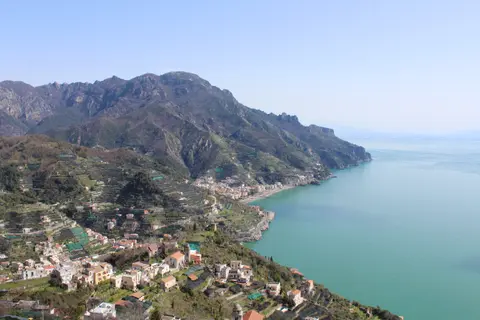
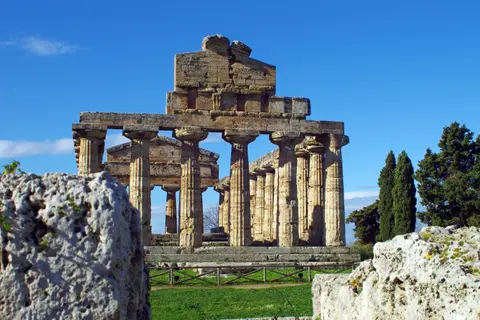
Situated between two of Italy’s most beautiful and best-known destinations, the Amalfi Coast and Cilento National Park, the lively city of Salerno is – perhaps unsurprisingly, but not justifiably – overlooked by many visitors to, and explorers of, the gorgeous Campania region. However, the loss of the ‘over lookers’ is certainly the gain of those who do take the time to visit and explore Salerno; there are centuries of rich history – influenced by the Romans, Goths and Byzantines – to delve into here, landmarks, monuments and museums and aplenty awaiting discovery, and authentic local life to immerse yourself in. Whether you choose to see the medieval churches and capture the gritty elegance of the neighbourhood trattorias; sample traditional cuisine at the finest restaurants, or people watch at one of the cafés over a proper Italian espresso; or take a stroll along the picturesque, tree-lined promenade, Salerno is sure to get under your skin.
Situated between two of Italy’s most beautiful and best-known destinations, the Amalfi Coast and Cilento National Park, the lively city of Salerno is – perhaps unsurprisingly, but not justifiably – overlooked by many visitors to, and explorers of, the gorgeous Campania region. However, the loss of the ‘over lookers’ is certainly the gain of those who do take the time to visit and explore Salerno; there are centuries of rich history – influenced by the Romans, Goths and Byzantines – to delve into here, landmarks, monuments and museums and aplenty awaiting discovery, and authentic local life to immerse yourself in. Whether you choose to see the medieval churches and capture the gritty elegance of the neighbourhood trattorias; sample traditional cuisine at the finest restaurants, or people watch at one of the cafés over a proper Italian espresso; or take a stroll along the picturesque, tree-lined promenade, Salerno is sure to get under your skin.
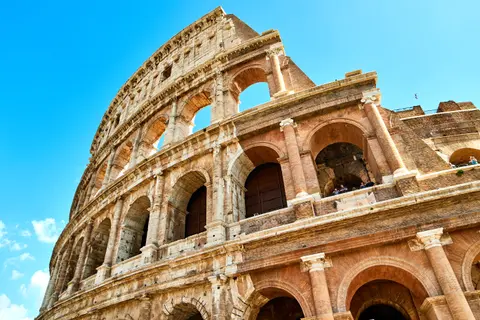
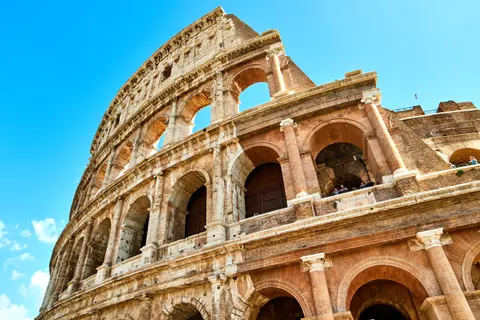
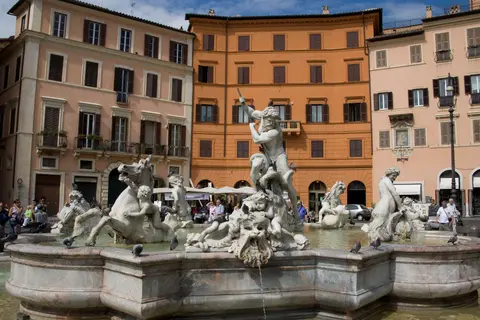
Italy's vibrant capital lives in the present, but no other city on earth evokes its past so powerfully. For over 2,500 years, emperors, popes, artists, and common citizens have left their mark here. Archaeological remains from ancient Rome, art-stuffed churches, and the treasures of Vatican City vie for your attention, but Rome is also a wonderful place to practice the Italian-perfected il dolce far niente, the sweet art of idleness. Your most memorable experiences may include sitting at a caffè in the Campo de' Fiori or strolling in a beguiling piazza.
Italy's vibrant capital lives in the present, but no other city on earth evokes its past so powerfully. For over 2,500 years, emperors, popes, artists, and common citizens have left their mark here. Archaeological remains from ancient Rome, art-stuffed churches, and the treasures of Vatican City vie for your attention, but Rome is also a wonderful place to practice the Italian-perfected il dolce far niente, the sweet art of idleness. Your most memorable experiences may include sitting at a caffè in the Campo de' Fiori or strolling in a beguiling piazza.
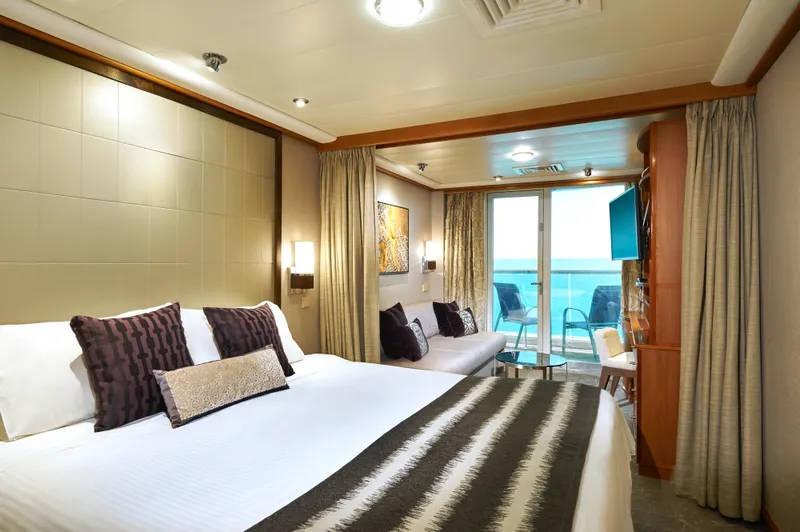
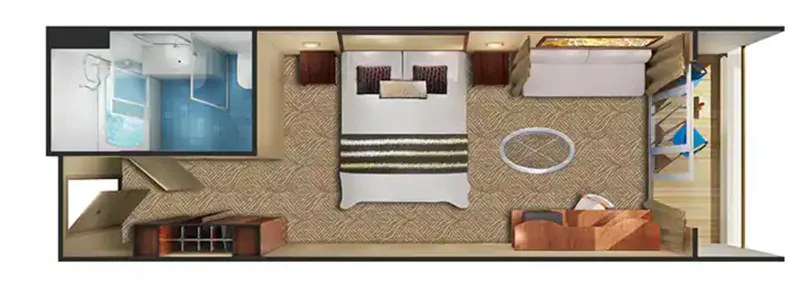
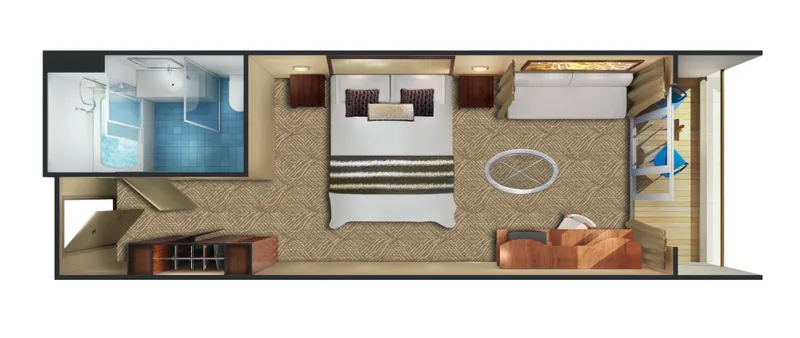
These Club Balcony Suites sleep up to four guests and feature two lower beds that convert into a queen-size, additional bedding to accommodate two more, plus a luxury bath and walk-in closet. Not to mention the amazing aft-facing view from your private balcony.
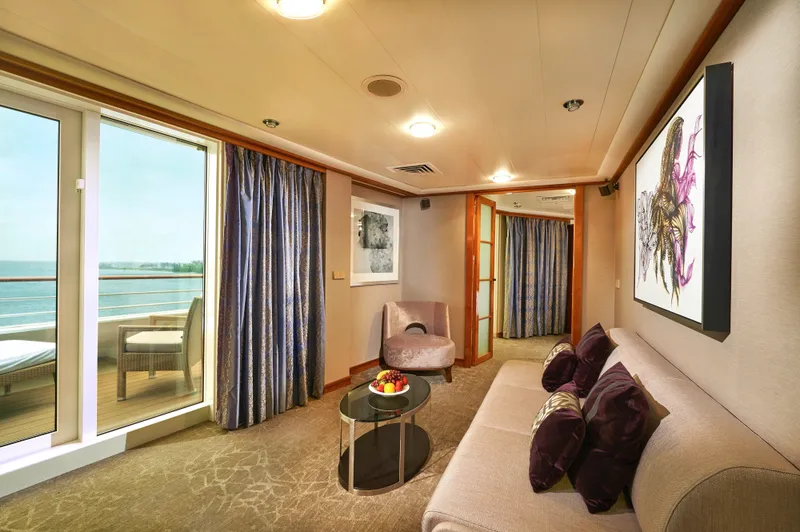
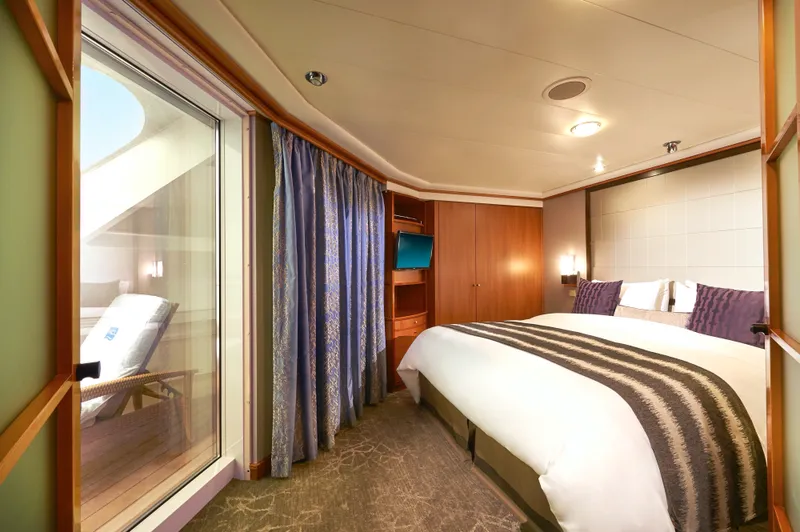
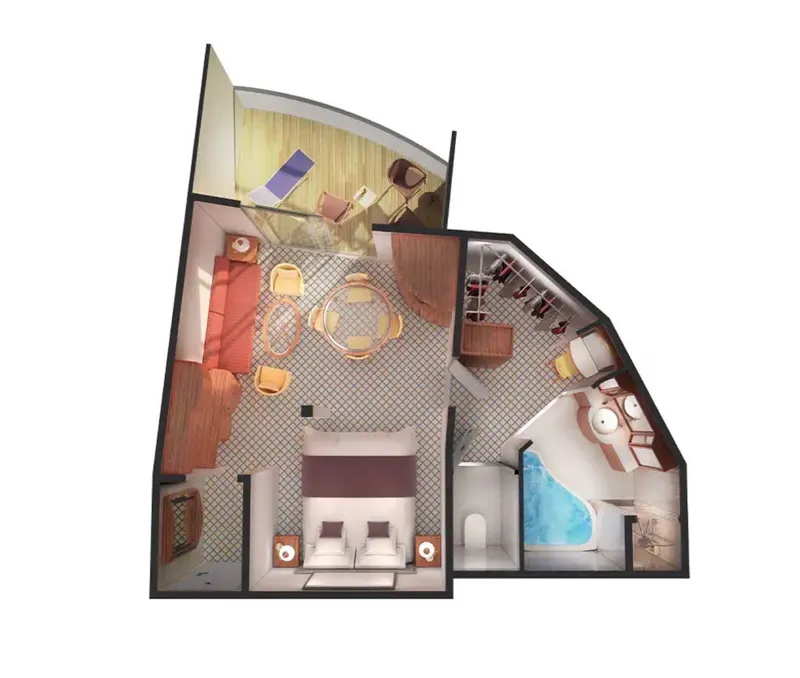
You will have an amazing getaway in these stylish Penthouses that sleep up to four guests. Includes a bedroom with queen-size bed that converts into two lowers plus additional bedding to accommodate two more. Along with a luxury bath with whirlpool tub and a large, aft-facing balcony offering magnificent views. Includes butler and concierge service.
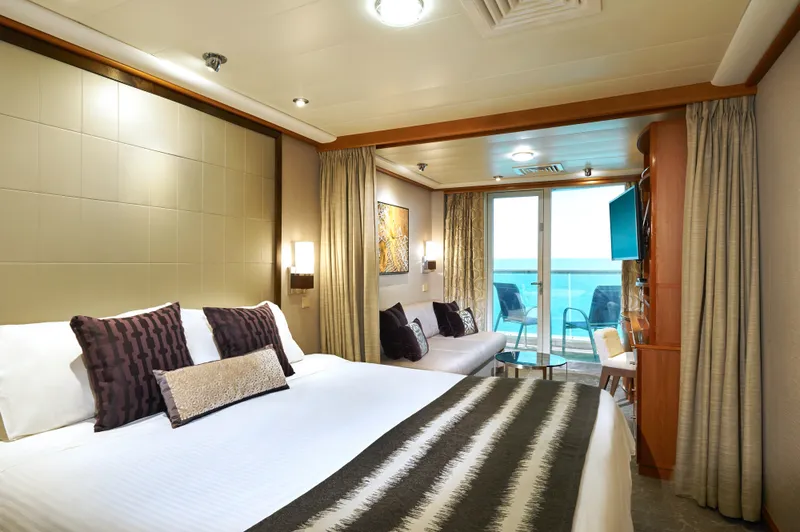
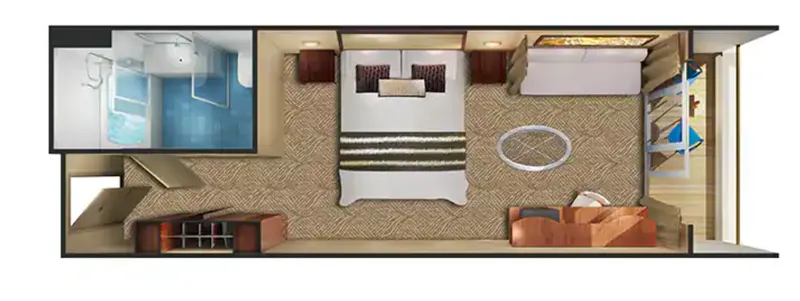
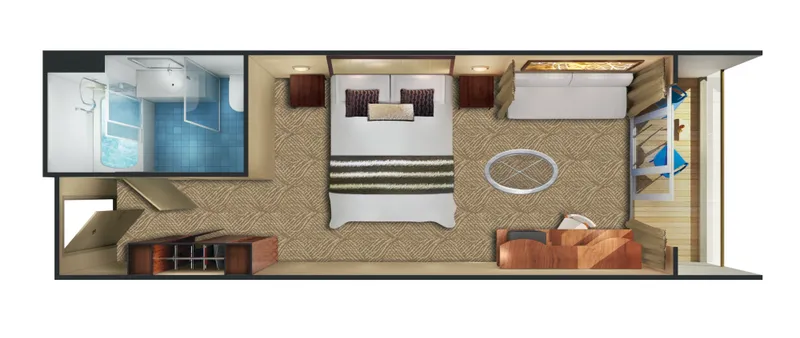
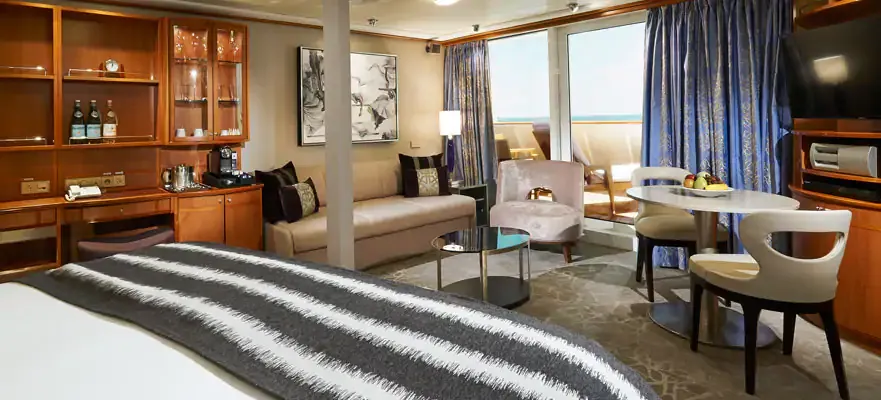
These Club Balcony Suites sleep up to four guests and feature two lower beds that convert into a queen-size bed, plus additional bedding to accommodate two more guests. Along with a luxury bath with shower, walk-in closet and sitting area. And enjoy the unforgettable views from your private balcony. Plus some can connect to an Owner's Suite or Balcony stateroom so you can spread out yet stay together.
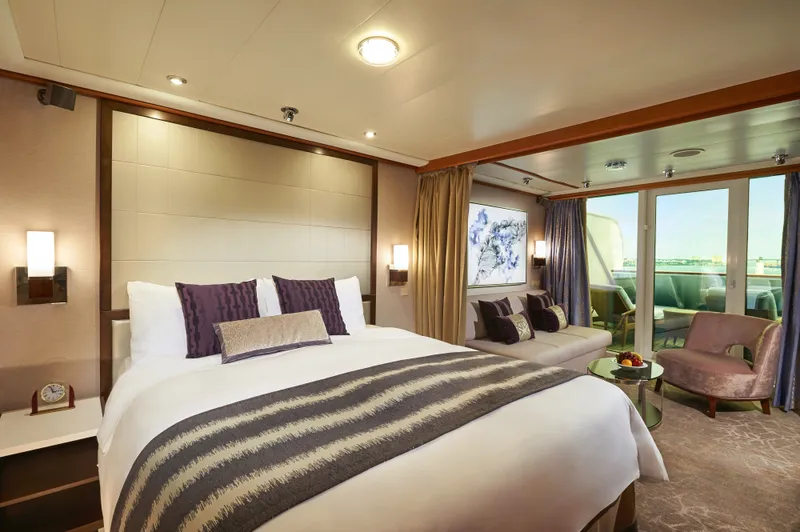
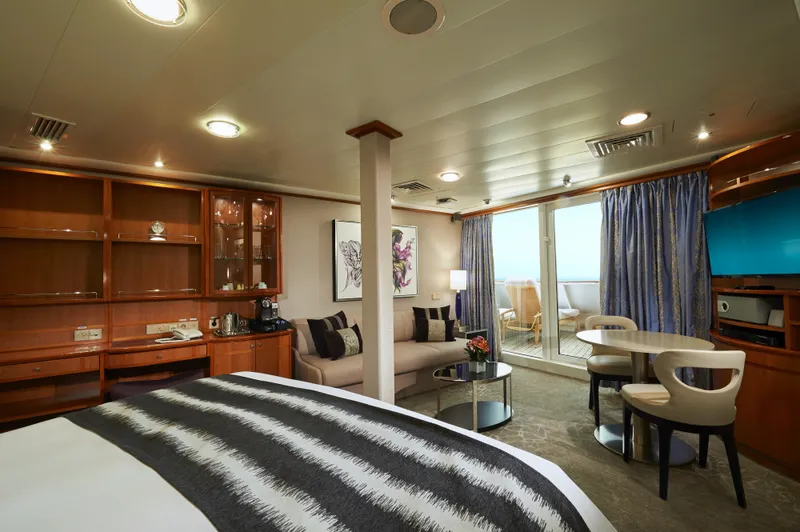
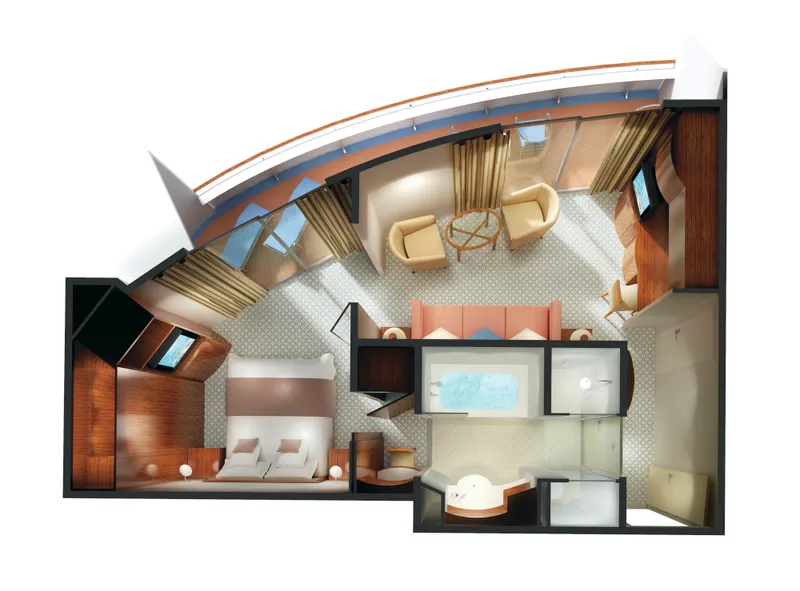
Enjoy the perfect retreat in these amazing Penthouses that sleep up to four guests. Includes a queen-size bed that converts into two lowers, luxury bath with whirlpool tub and a walk-in closet. Take in the stunning views from your private, forward-facing balcony. Includes bedding to accommodate two more guests and the luxury of butler and concierge service.
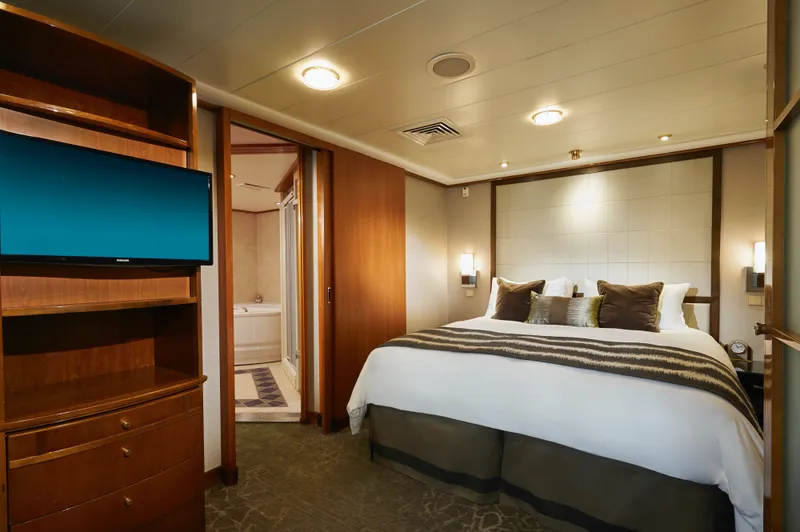
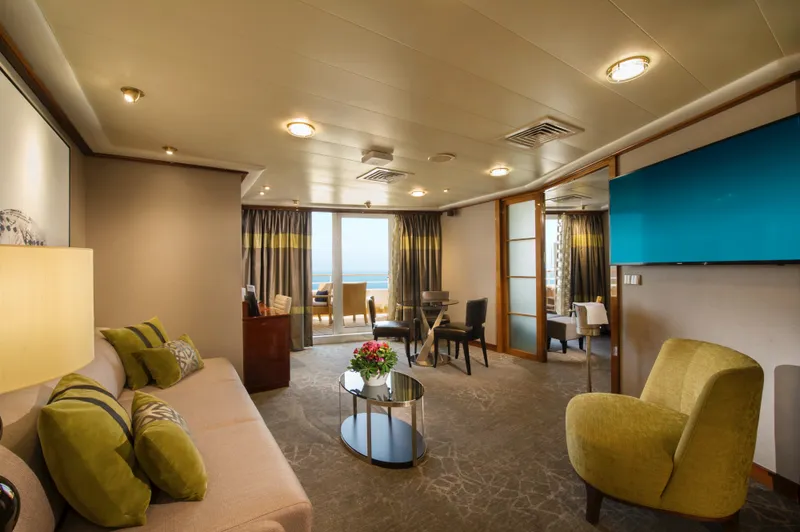
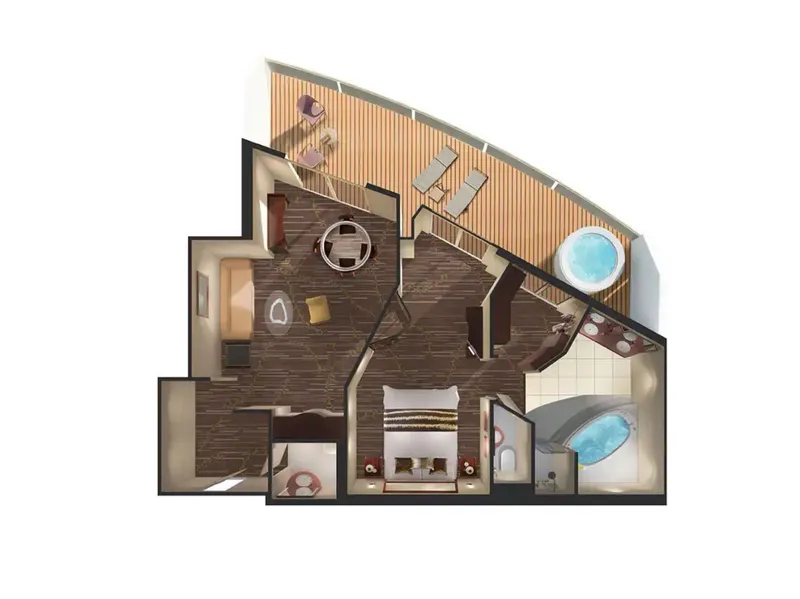
These Norwegian Sun Owner's Suites with a Large Balcony are great for up to four guests. They include a living room, dining room and separate bedroom with a queen-size bed that converts into two lowers. Along with a luxury bath and guest bath plus an amazing balcony with hot tub so you can relax while enjoying incredible views. Includes butler and concierge service.
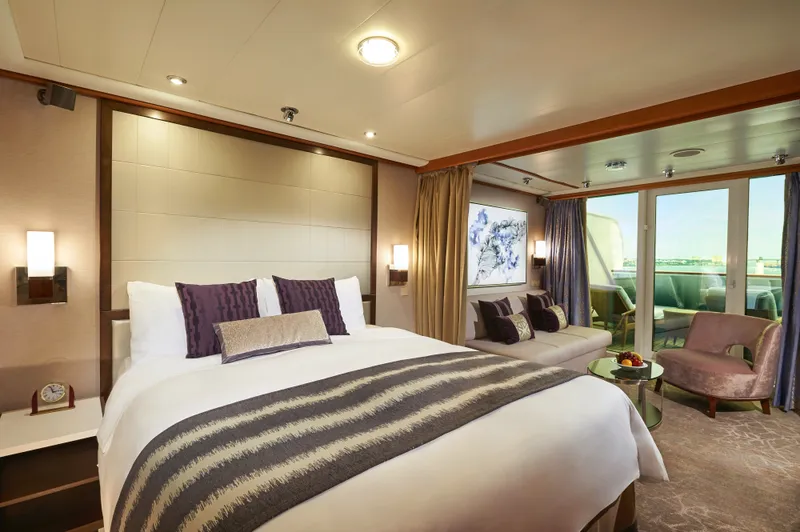
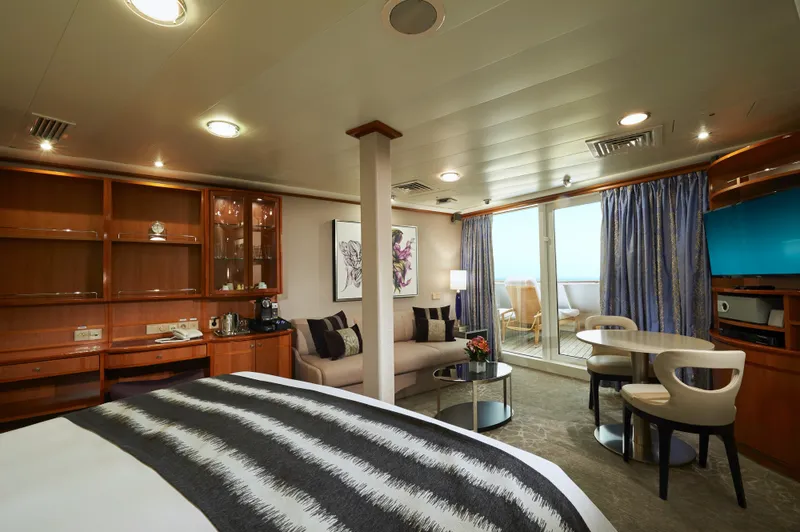
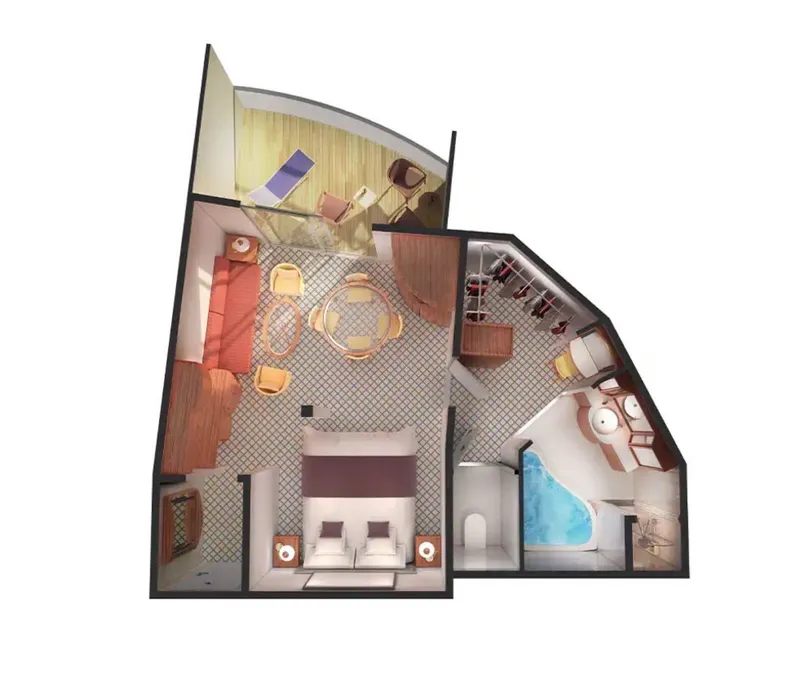
With lots of space, you will have an incredible getaway in these Penthouses that sleep four guests. Features a queen-size bed that converts into two lowers, additional bedding to accommodate two more, luxury bath with shower and a walk-in closet. Along with a private balcony to enjoy the amazing views. Includes butler and concierge service.
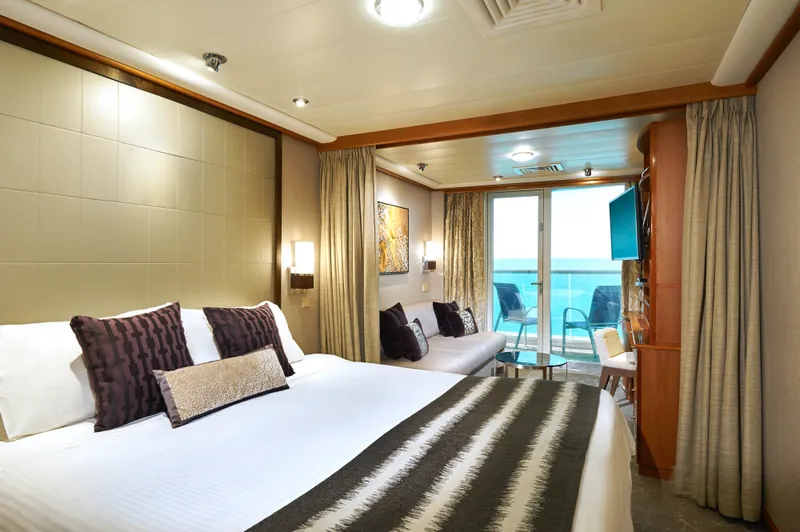
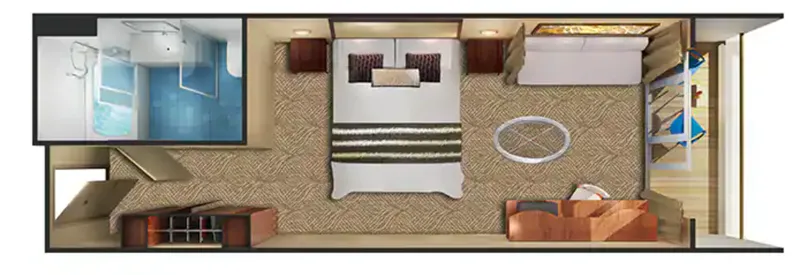
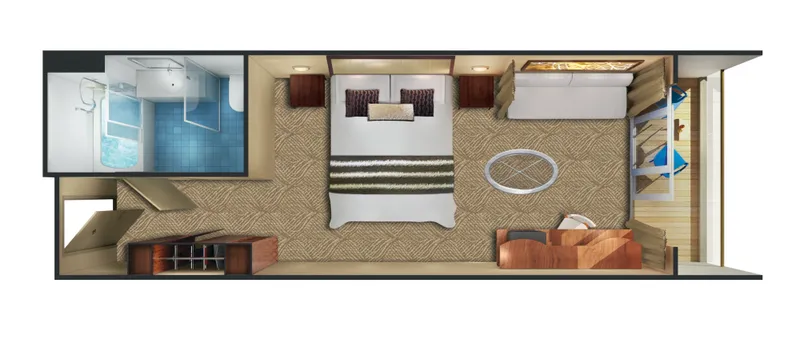
A Sail Away Club Balcony Suite stateroom guarantees a Club Balcony Suite stateroom or better! Your stateroom may be on any deck and assigned up to one day prior to embarkation.
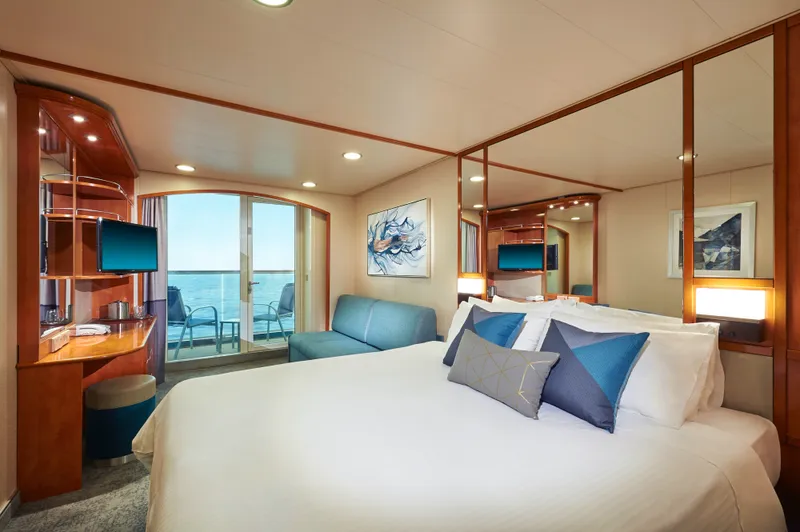
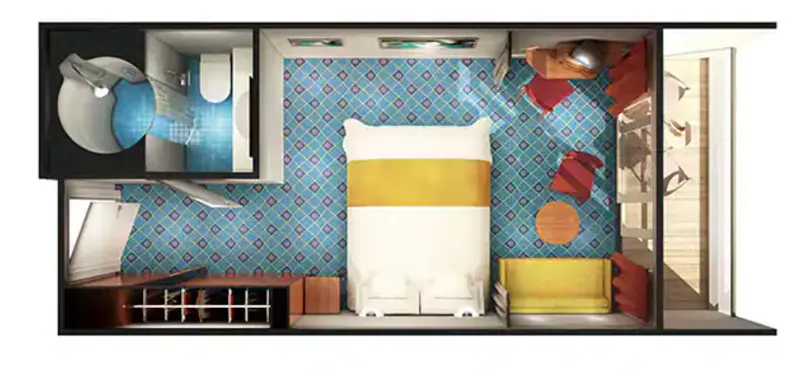
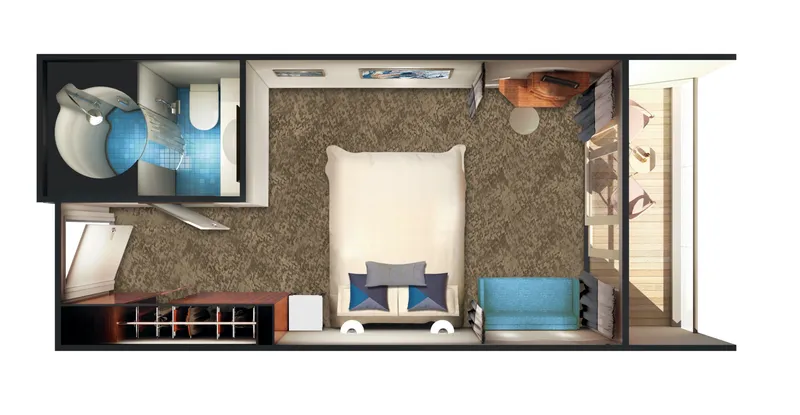
With room for up to three guests, these aft-facing staterooms offer incredible views. They feature two lower beds that convert into a queen-size bed and a single sofabed to accommodate one more. Along with a sitting area, floor-to-ceiling glass doors and a private balcony to enjoy the views and fresh ocean breezes. Plus they can connect to an Aft-Facing Penthouse so you can spread out yet marvel at the stunning vistas together.
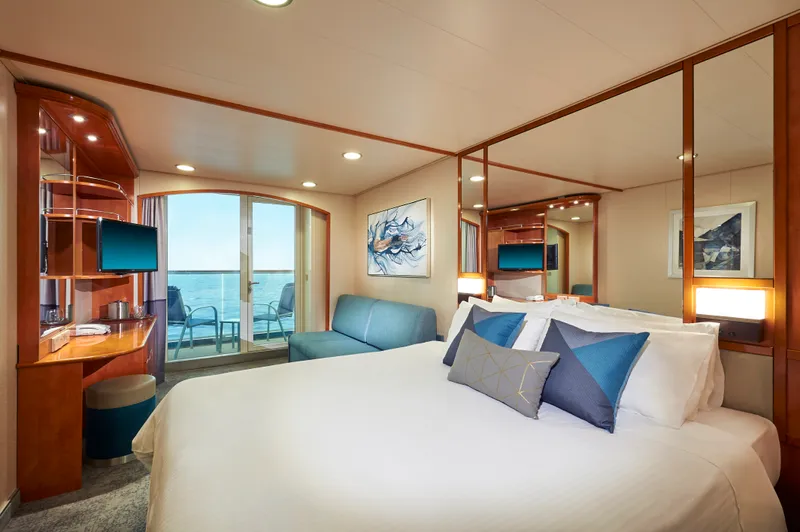
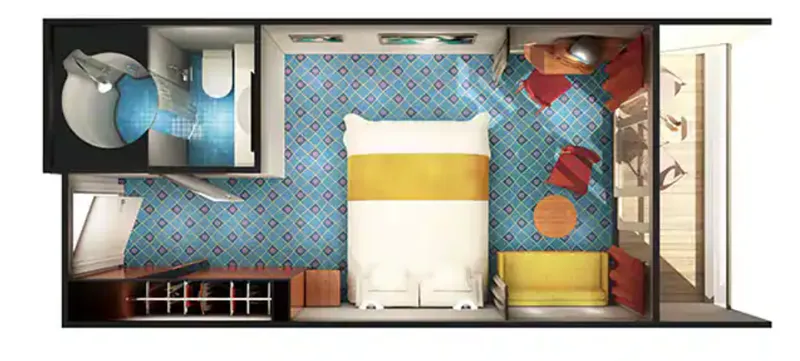
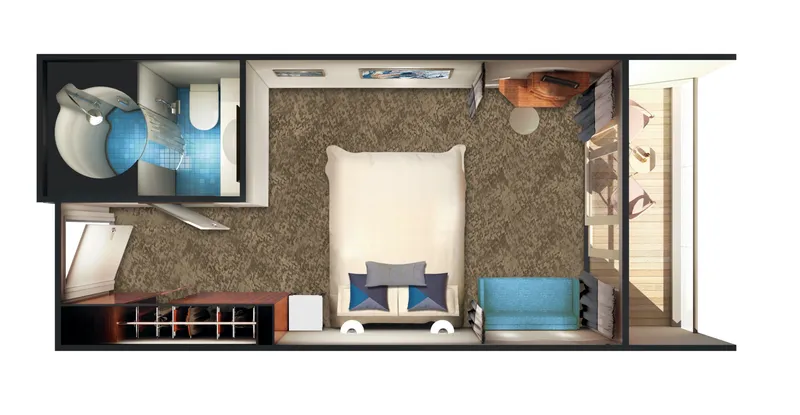
With room for up to four guests, these staterooms have two lower beds that convert into a queen-size bed or two stationary beds, and some feature additional bedding to accommodate up to two more. Enjoy comfortable space with a sitting area, floor-to-ceiling glass doors and a private balcony with great views.
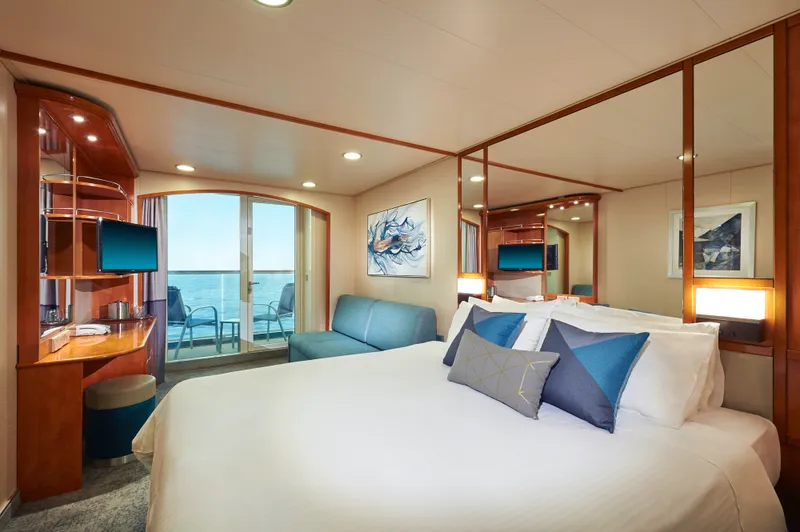
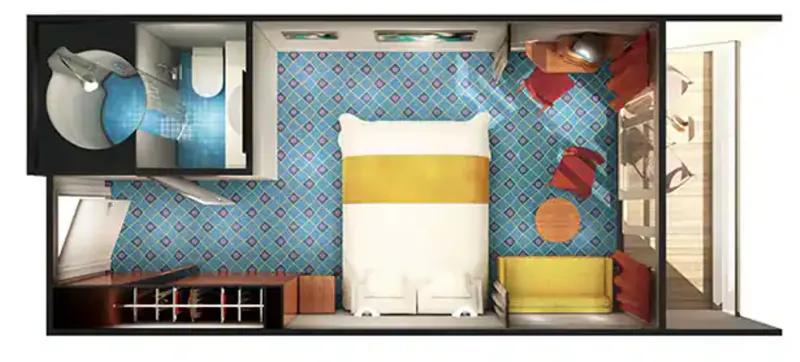
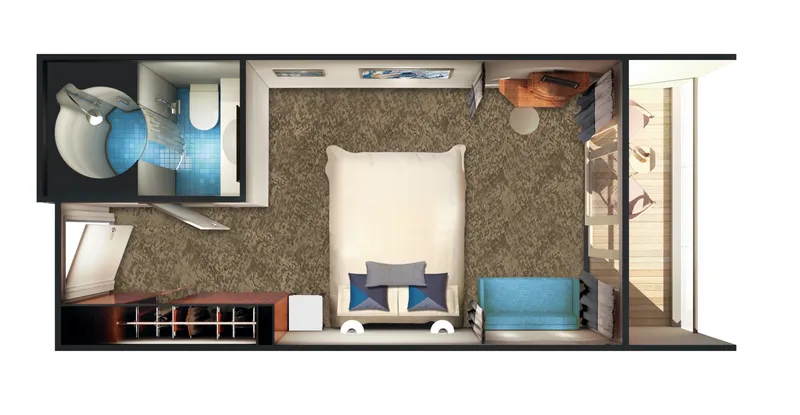
Norwegian Sun Family Balcony staterooms are perfect if you want to bring the whole family. With room for up to five guests, there are two lower beds that convert into a queen-size bed and additional bedding to accommodate up to three more. Also includes a sitting area and floor-to-ceiling glass doors that open to a private balcony.
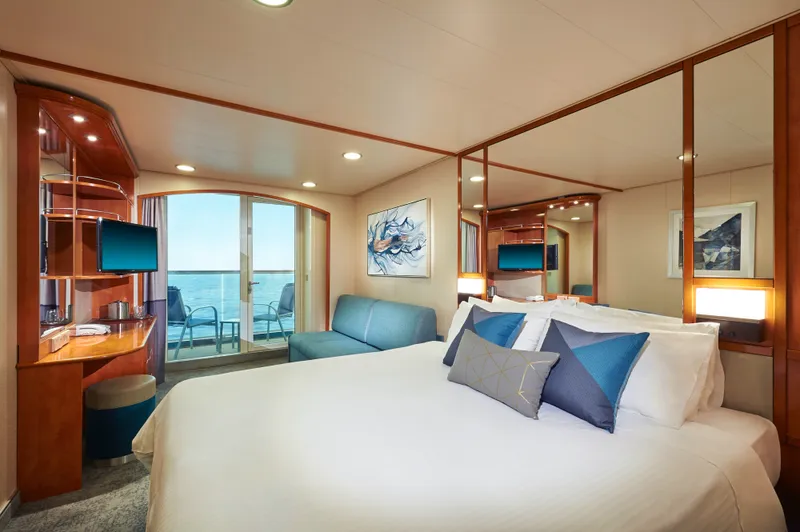
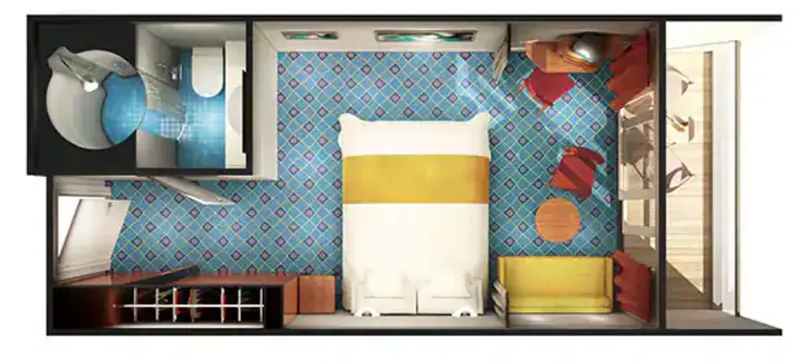
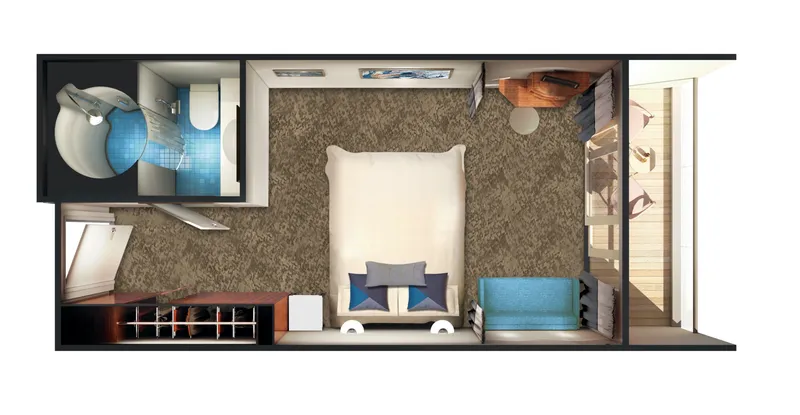
A Sail Away Balcony stateroom guarantees a Balcony stateroom or better! Please note that the view from your balcony may be fully obstructed or partially obstructed. Your stateroom may be on any deck and assigned up to one day prior to embarkation.
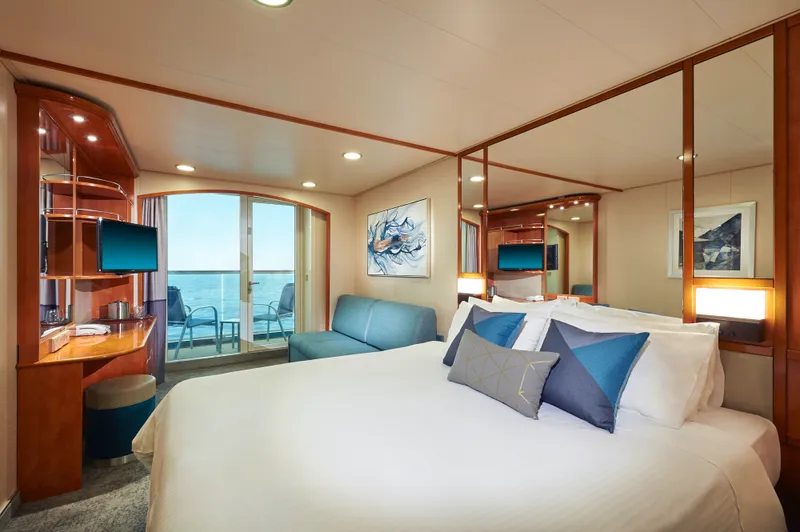
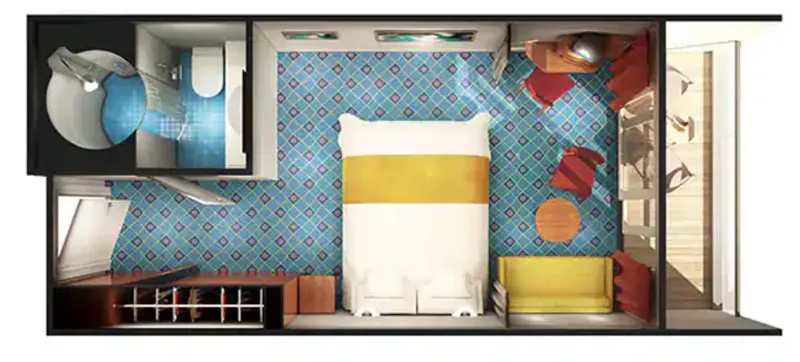
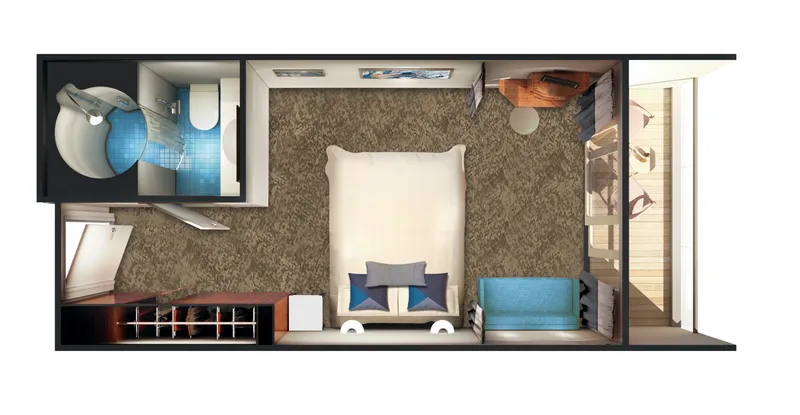
Solo Balcony
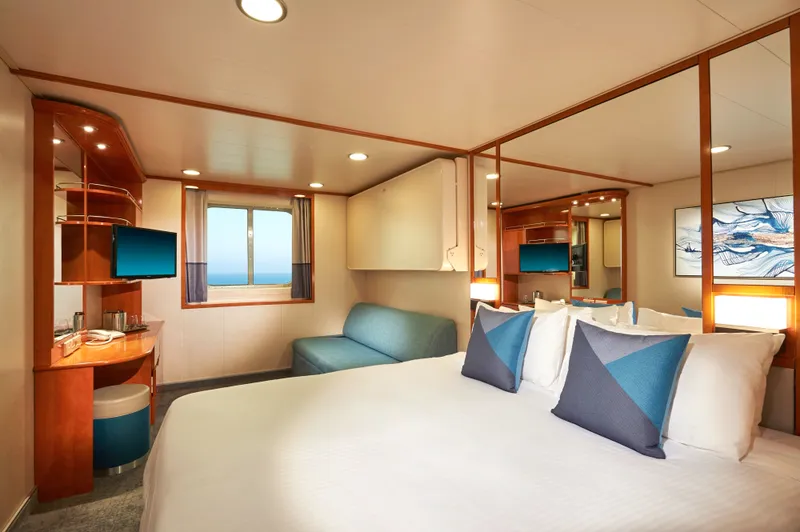
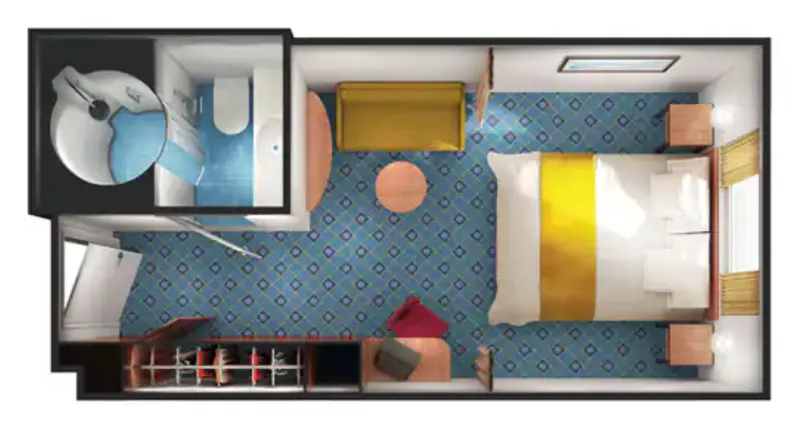
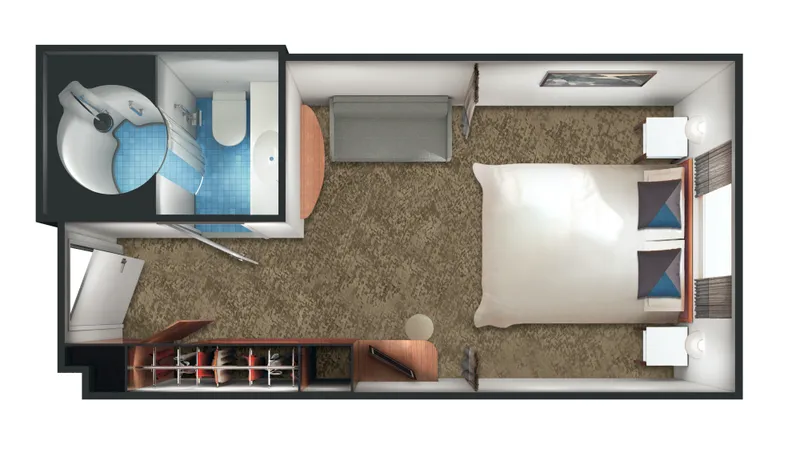
Perfect for the whole family, these staterooms accommodate up to five guests. They feature two lower beds that convert into a queen-size bed and additional bedding to accommodate up to three more. Also includes a picture window to enjoy the great views.
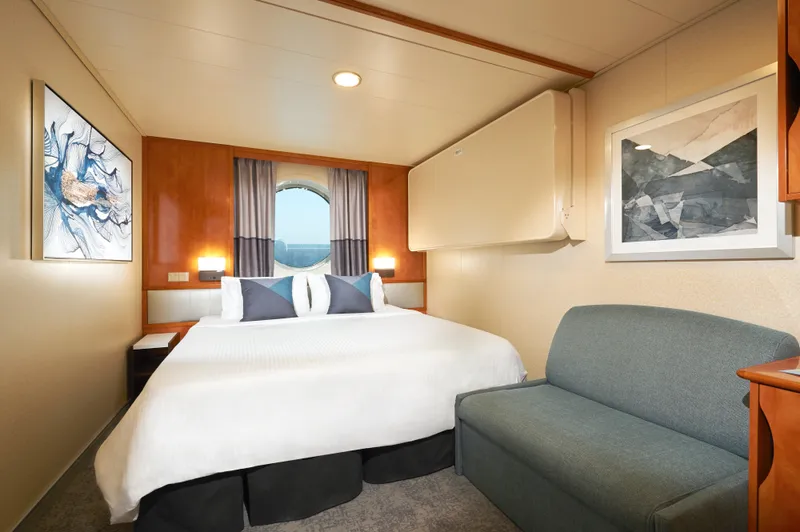
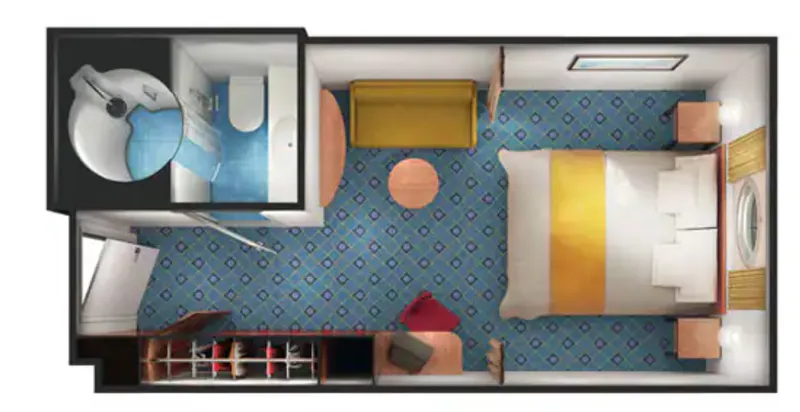
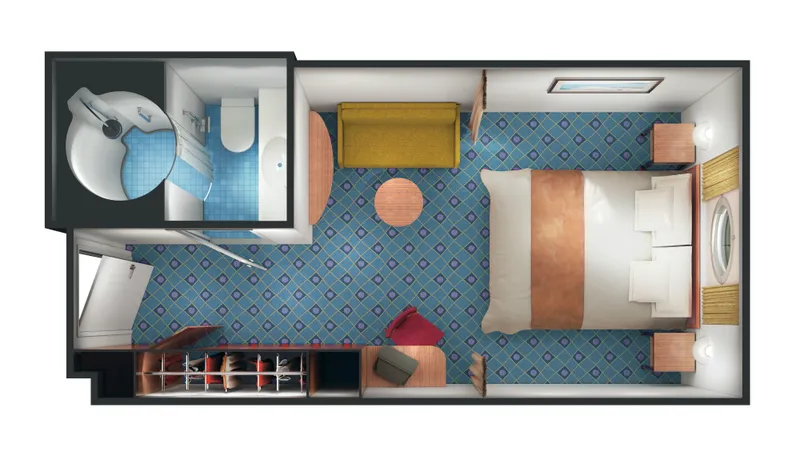
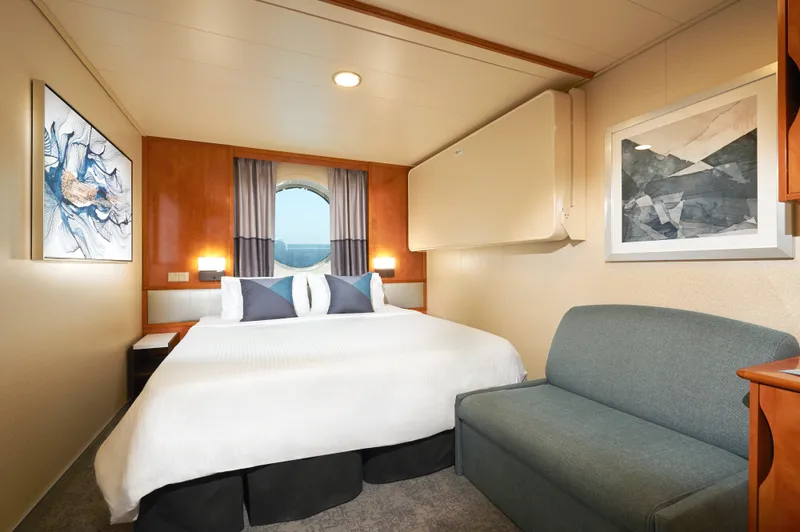
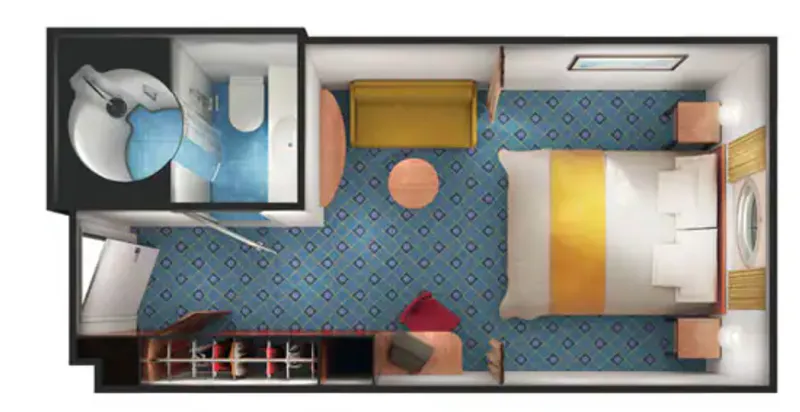
These Oceanview Staterooms sleep up to four guests and feature a porthole with an obstructed view, two lower beds that convert into a queen-size bed and additional bedding to accommodate up to two more.
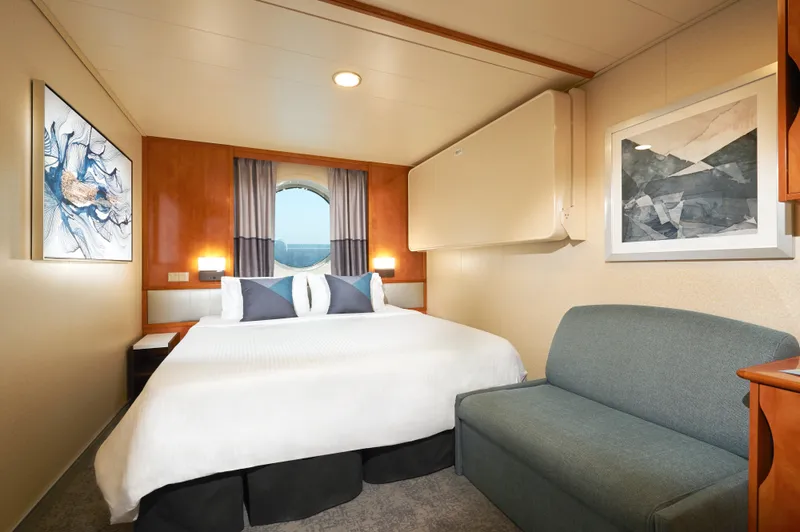
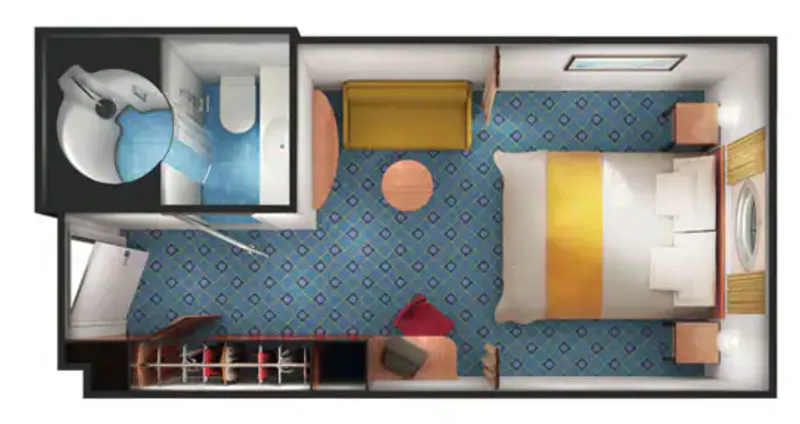
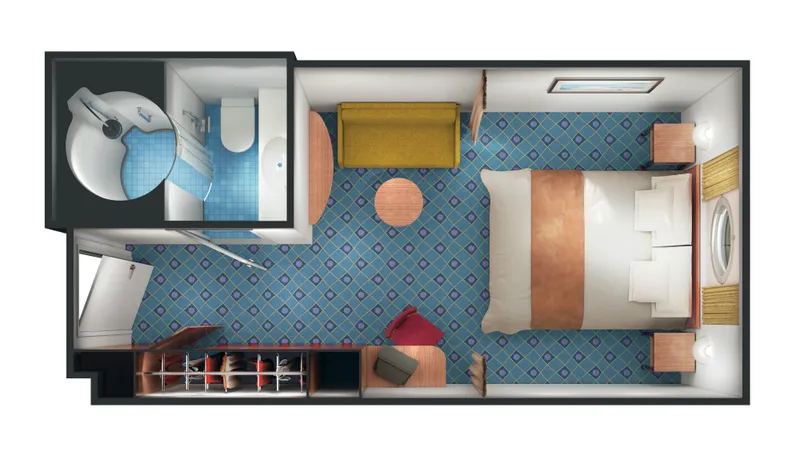
Up to three guests will enjoy these Oceanview Staterooms that feature two lower beds that convert into a queen-size bed and some include additional bedding to accommodate one more. Along with a sitting area and large porthole that offers a great view.
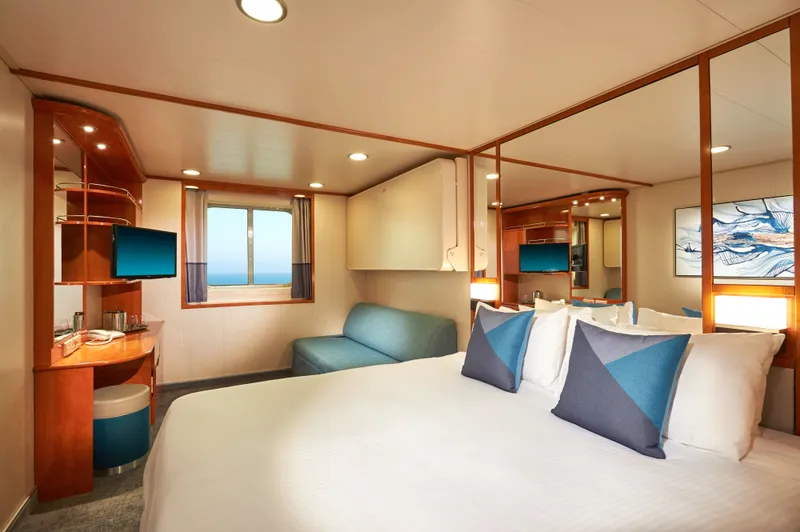
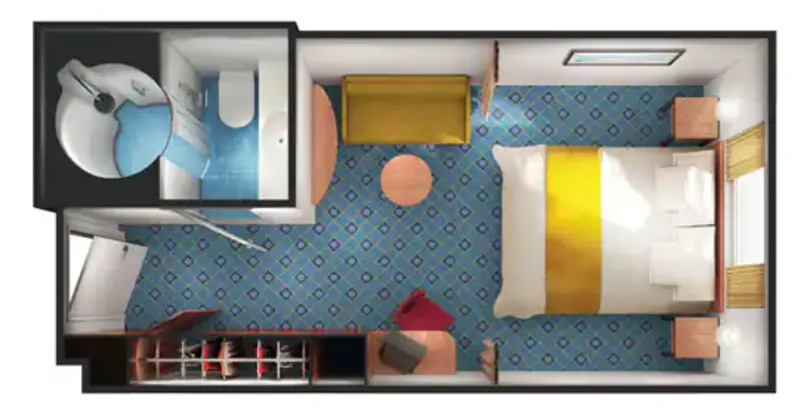
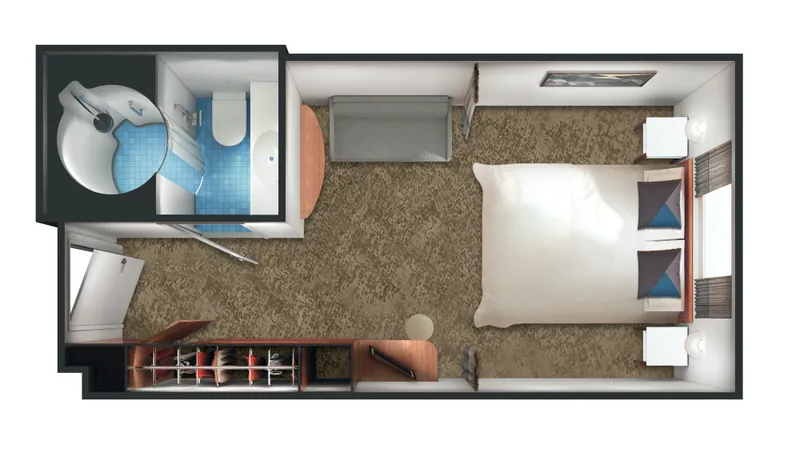
These Oceanview Staterooms can accommodate up to four guests and come with two lower beds that convert into a queen-size bed and a convertible sofa in some staterooms to accommodate two more. You'll also have a sitting area and big picture window to enjoy the amazing view.
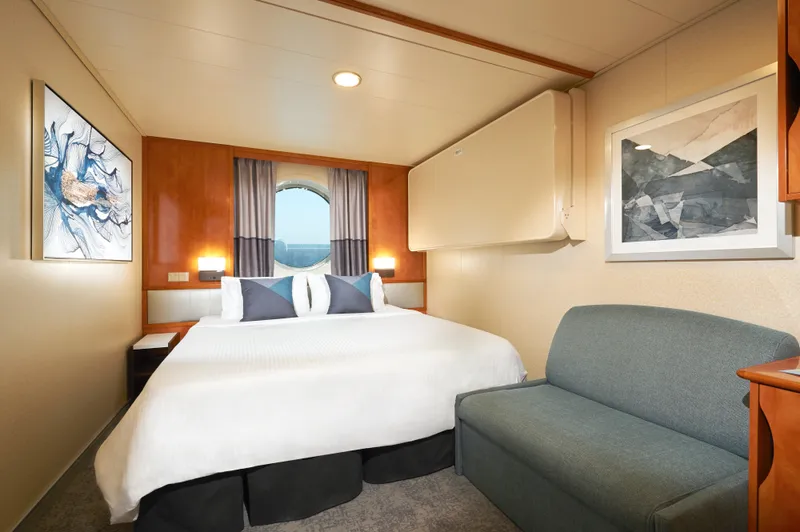
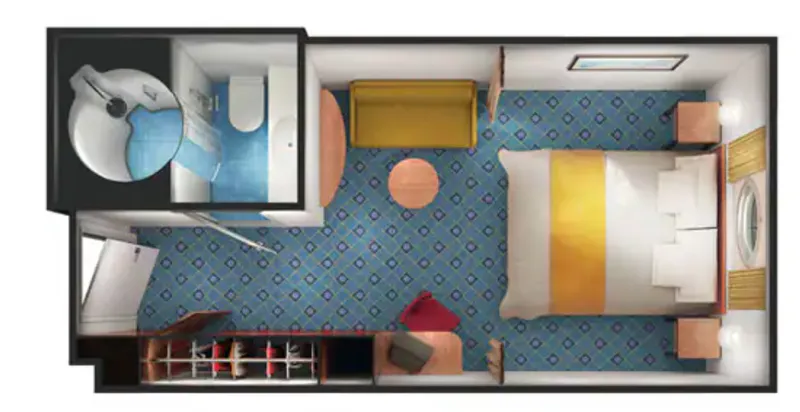
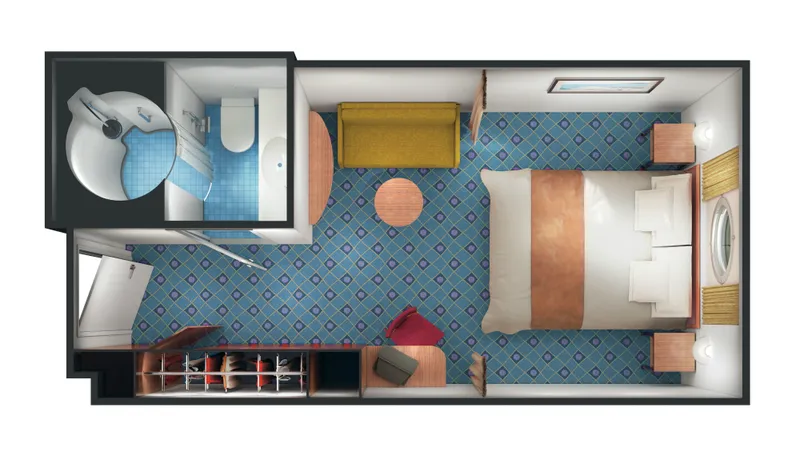
A Sail Away Oceanview stateroom guarantees an Oceanview stateroom or better! Please note that the view may be fully obstructed, partially obstructed, porthole or picture window. Your stateroom may be on any deck and assigned up to one day prior to embarkation.
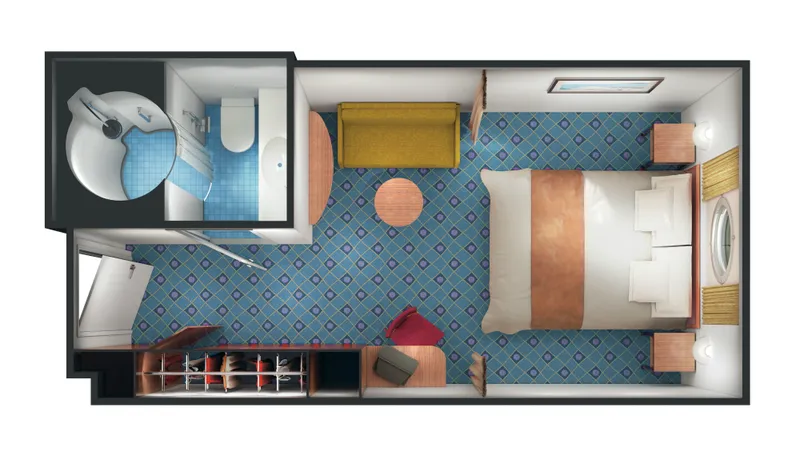
Solo Oceanview
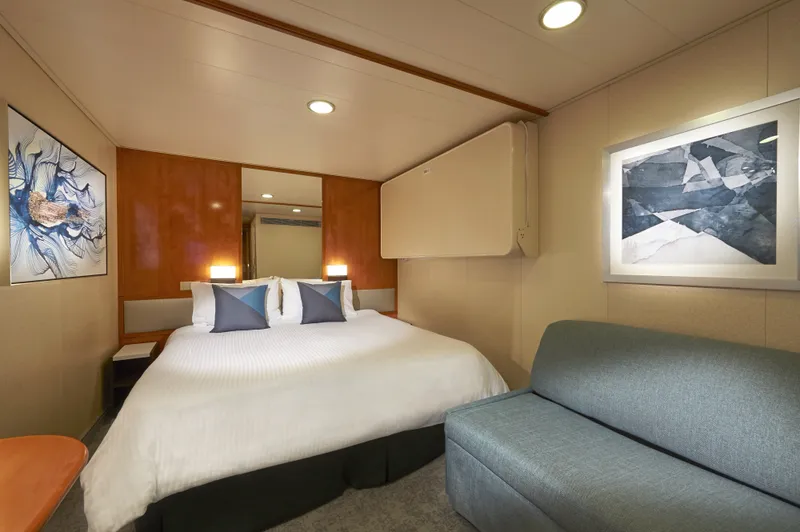
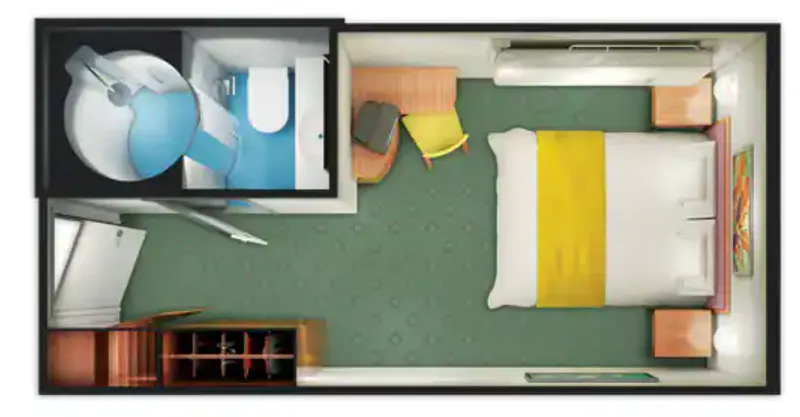
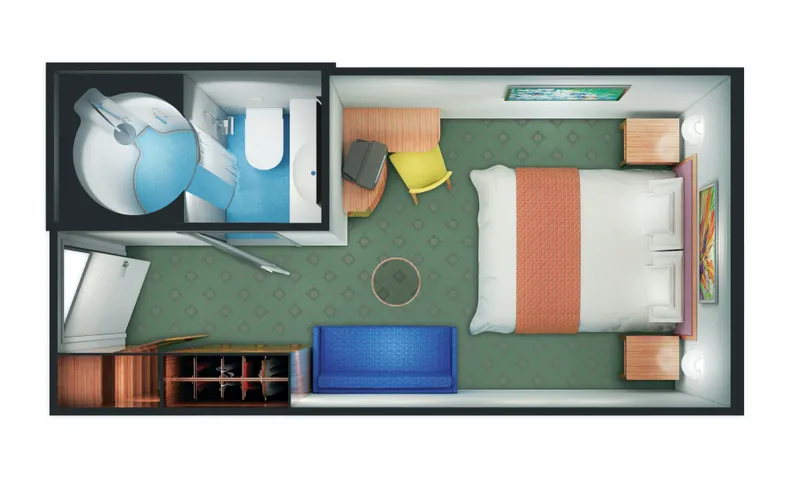
These Inside Staterooms are the most affordable way for the whole family to cruise. With room for up to five, you'll have two lower beds that convert into a queen-size bed and additional bedding to sleep up to three more.
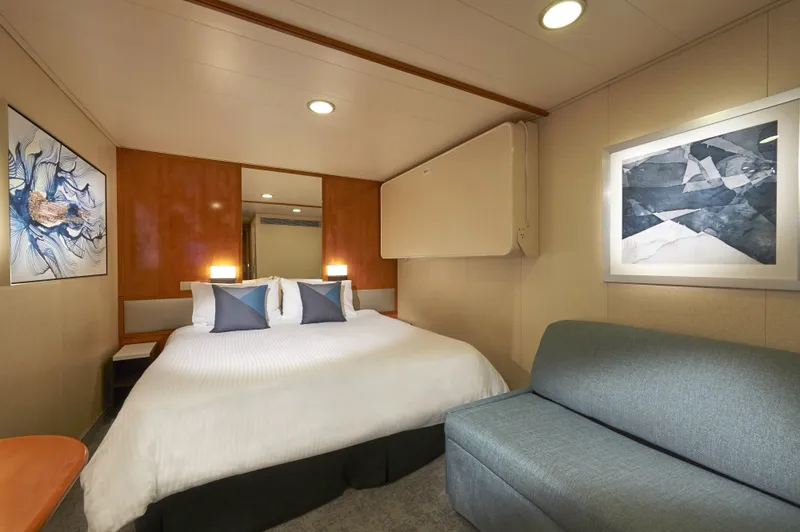
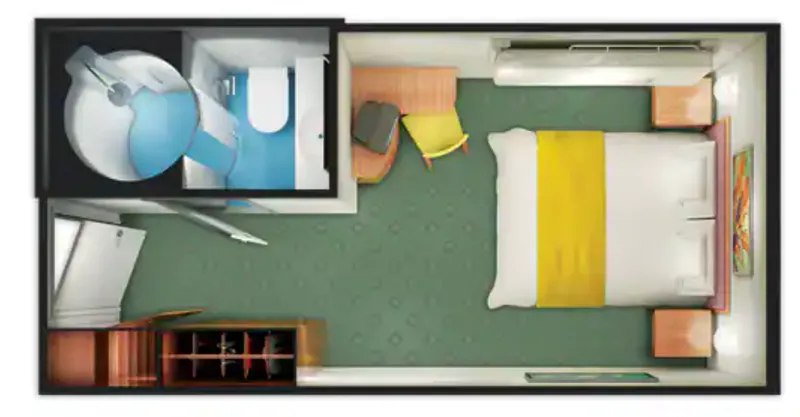
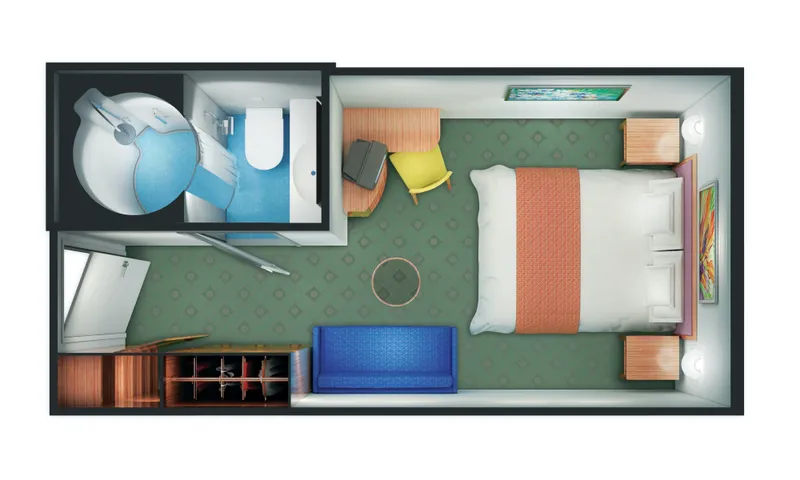
Great for up to five guests, these staterooms come with two lower beds that convert into a queen-size bed, a pull down bed and a convertible sofa bed. Because these are mid-ship staterooms, you'll have easy access to everything on board.
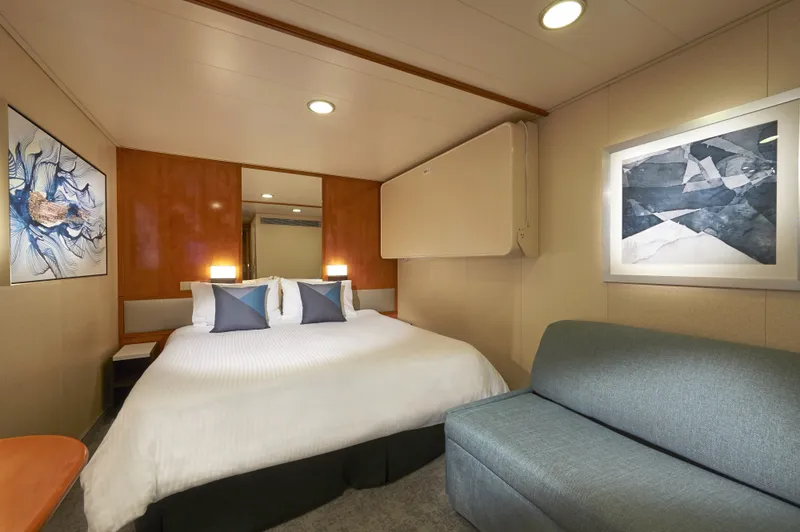
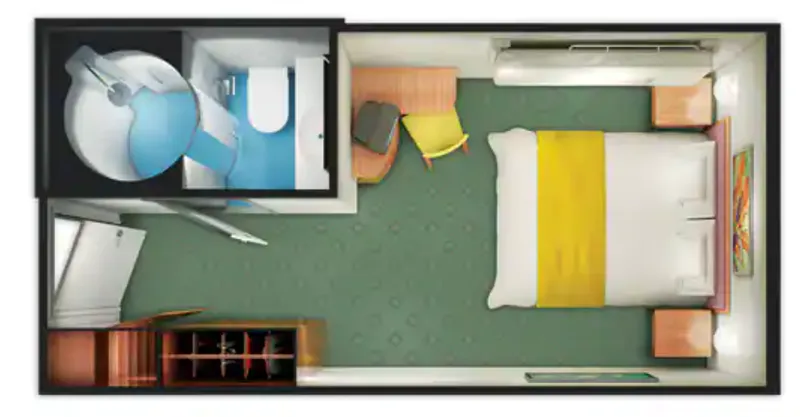
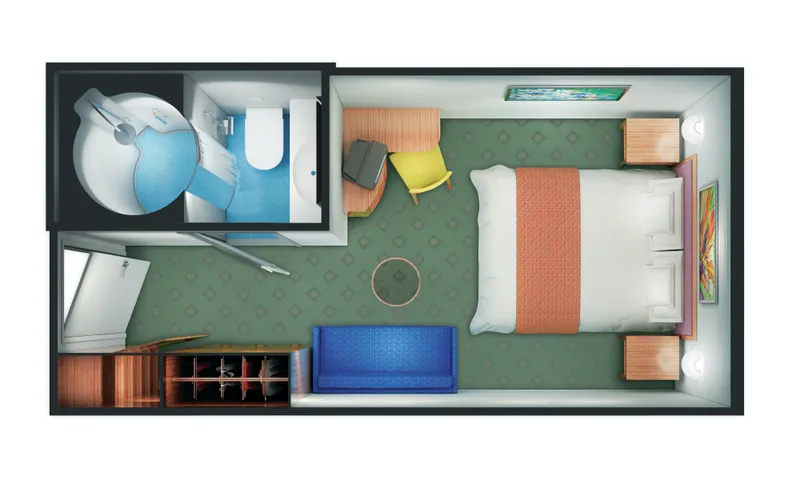
A Sail Away Inside stateroom guarantees an Inside stateroom or better! Your stateroom may be on any deck and assigned between time of booking up to one day prior to embarkation.
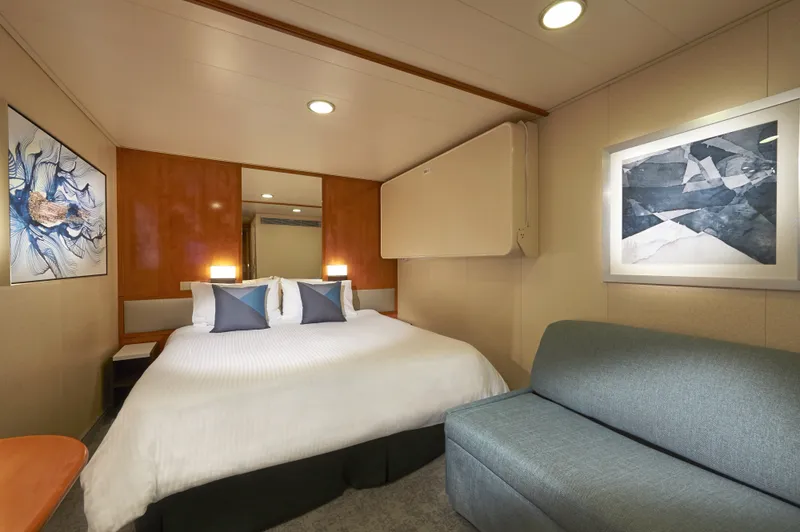
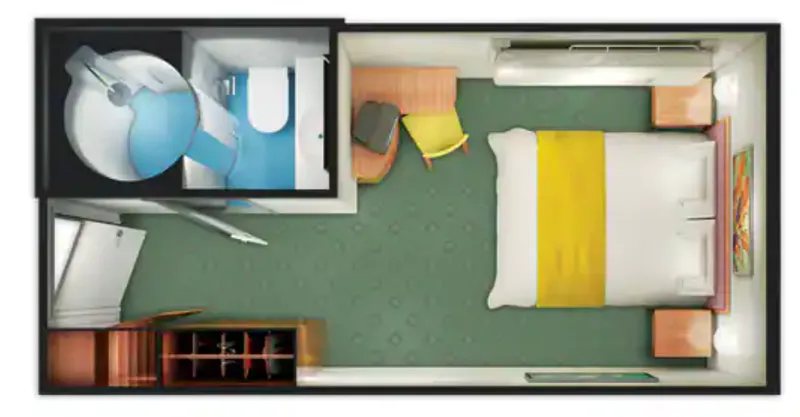
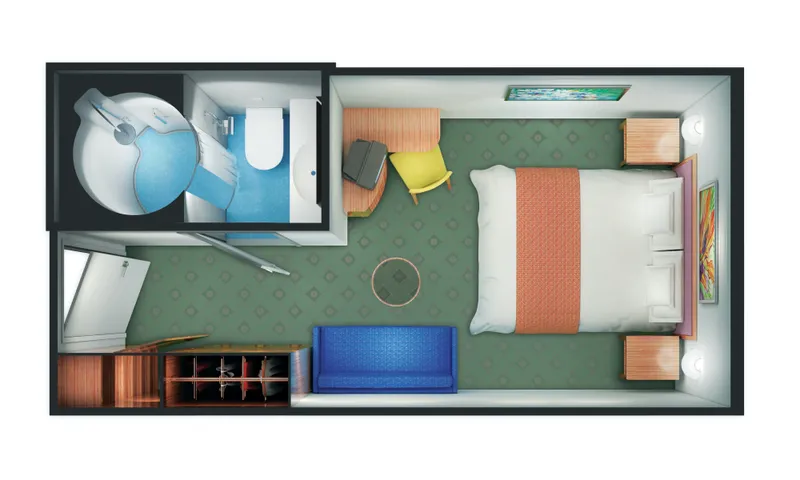
Solo Inside
Our cruise specialists can help you find the perfect cabin and the best available pricing.
(+886) 02-2721-7300Contact Advisor