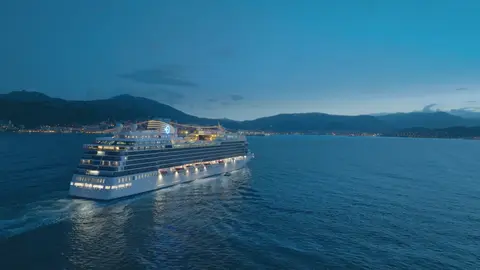
Oceania CruisesALU280219A
Istanbul to Barcelona
Date
February 19, 2028
Duration
18 nights
Departure Port
Istanbul · Turkey
Arrival Port
Barcelona · Spain
Rating
Luxury
Theme
—
Date
February 19, 2028
Duration
18 nights
Departure Port
Istanbul · Turkey
Arrival Port
Barcelona · Spain
Rating
Luxury
Theme
—
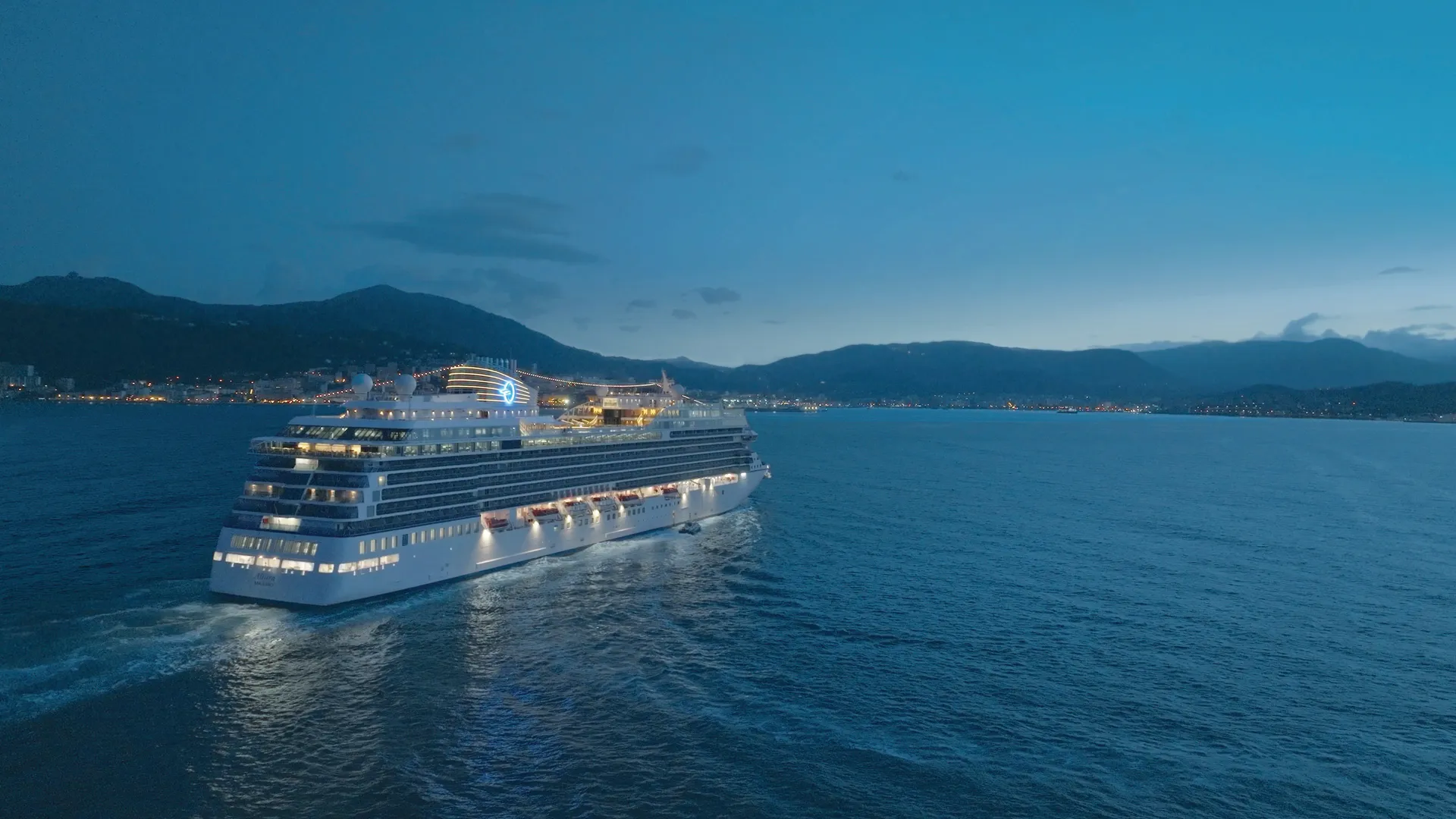
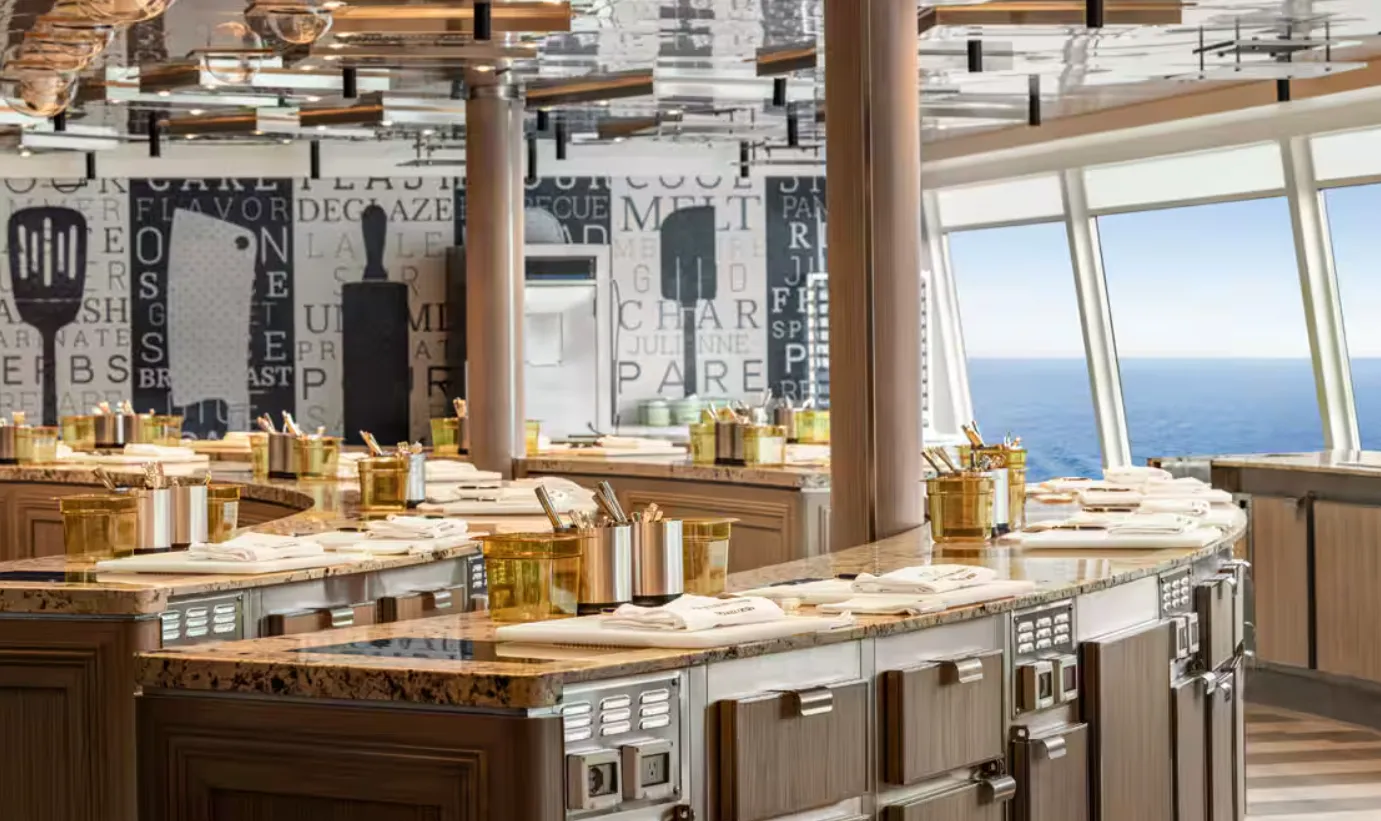

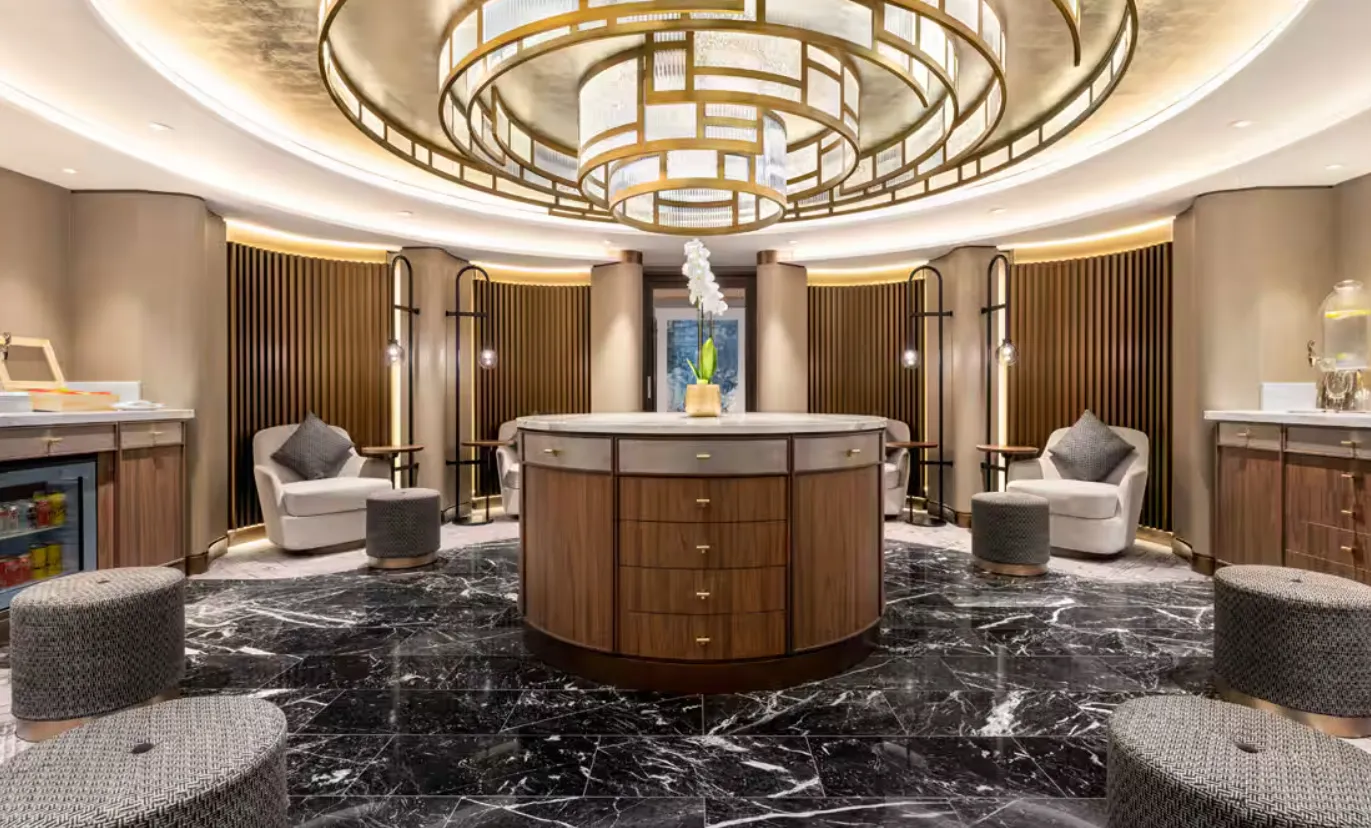
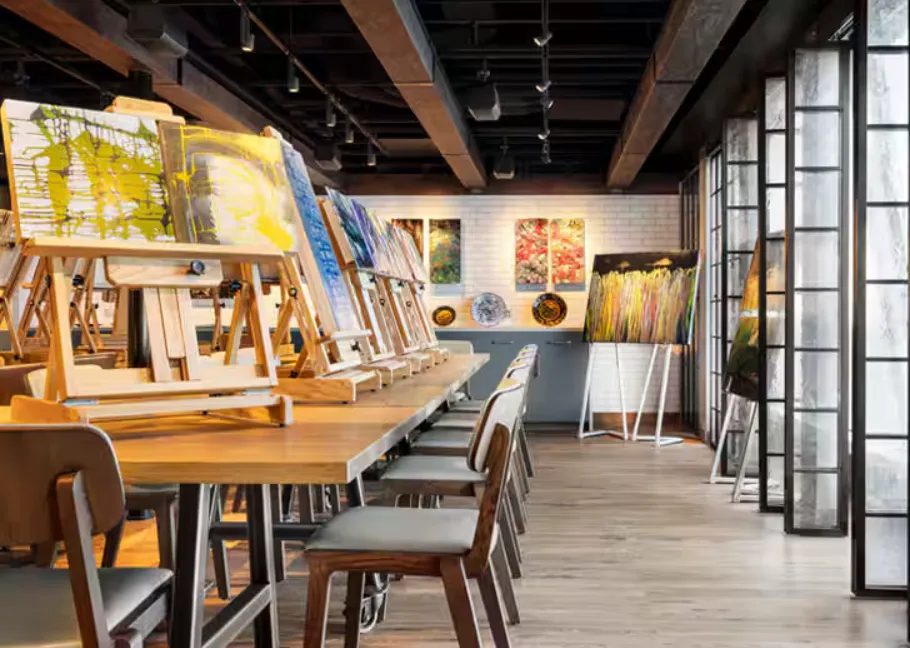
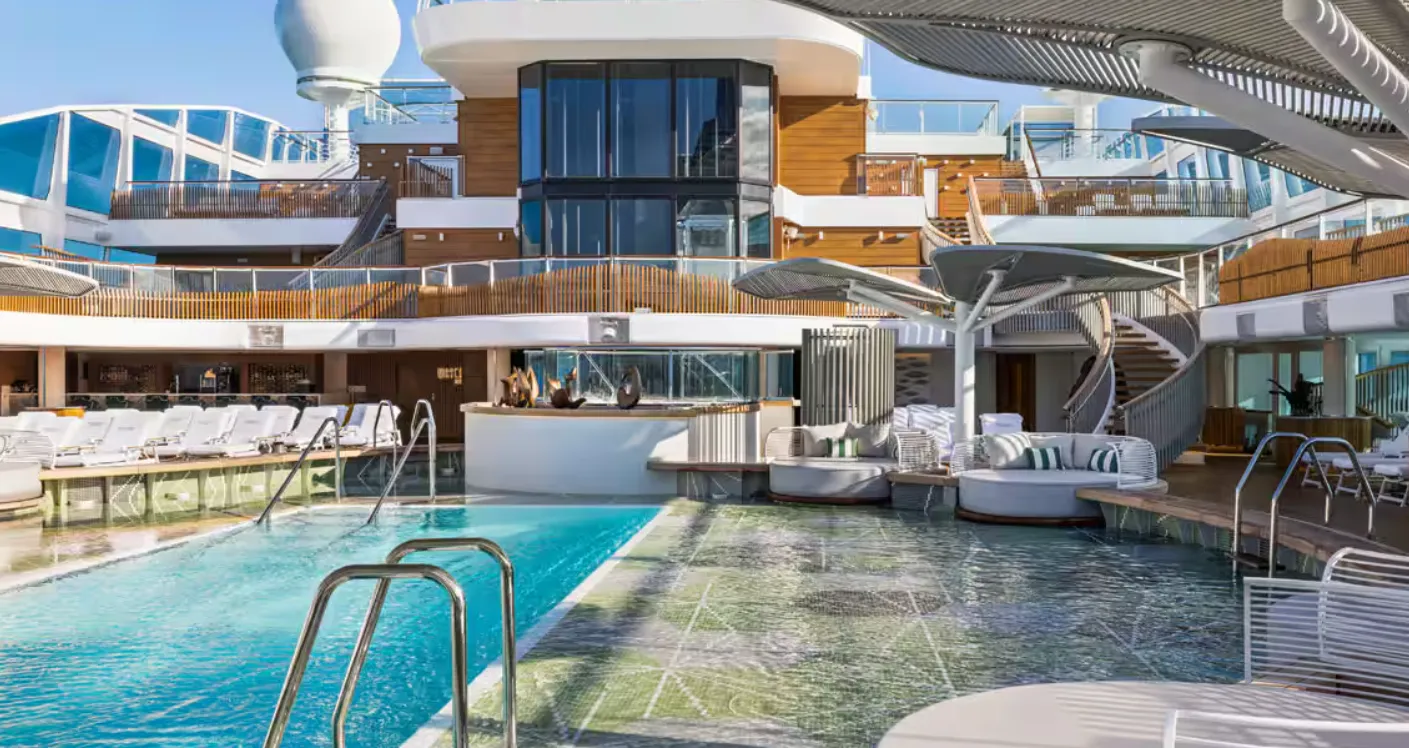
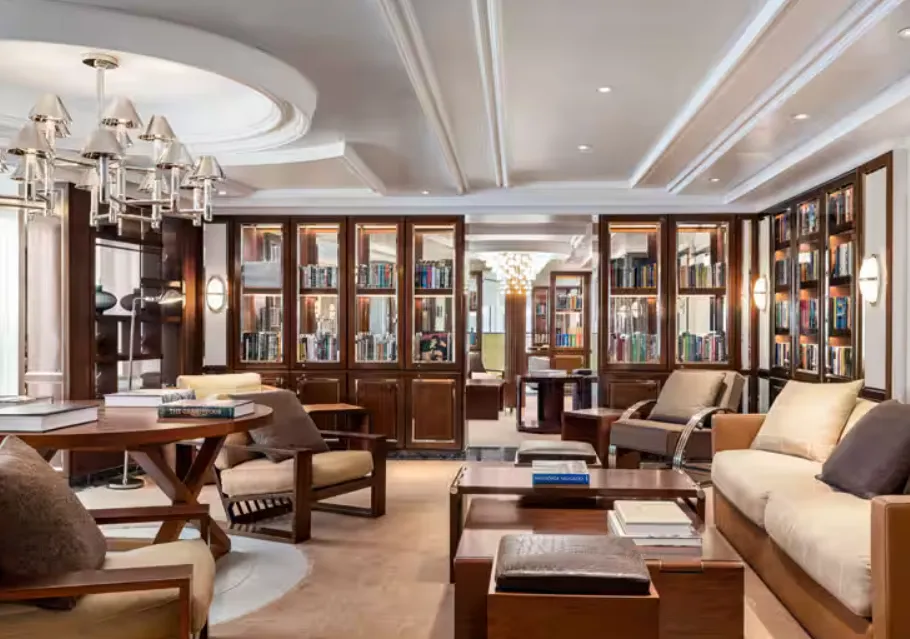
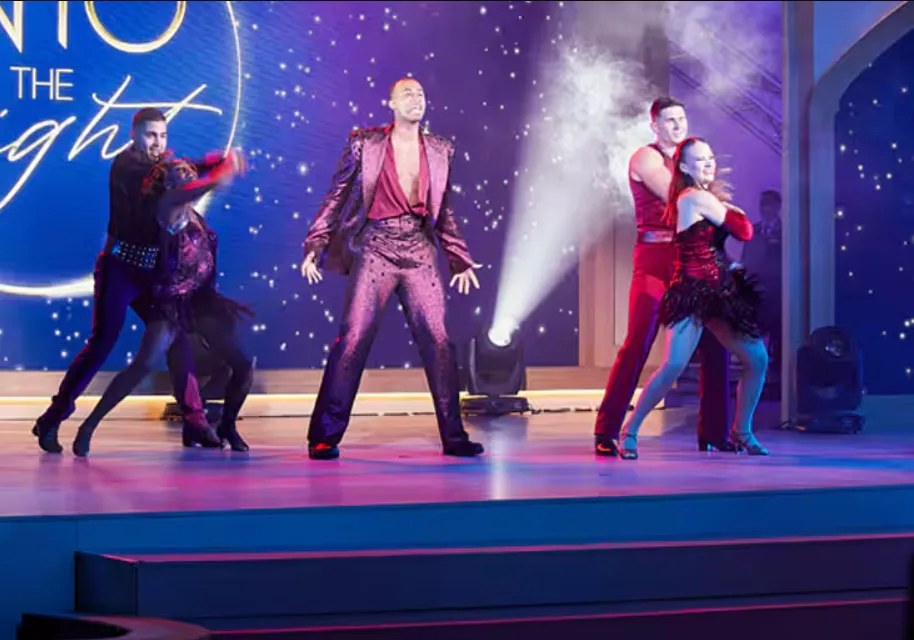
Oceania Cruises
Allura
2023
—
67,000 GT
1,200
612
800
785 m
32 m
20 knots
No
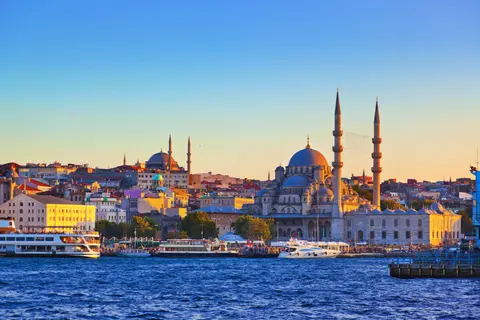
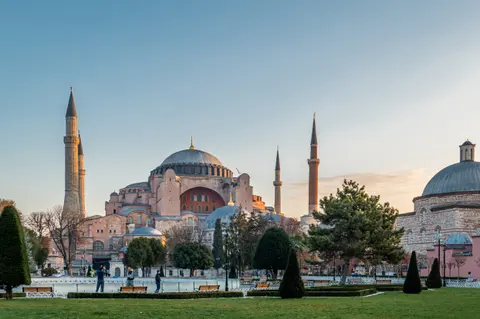
A shore excursion on your MSC Mediterranean cruise can be the opportunity to discover İstanbul which stands astride two continents, Europe and Asia. As if its spectacular geographical location were not enough, it can also boast of being the only city to have played capital to consecutive Christian and Islamic empires, a role that has shaped the region’s history for more than 2500 years and bequeathed to İstanbul a staggering wealth of attractions. Most cruise visitors spend all their holiday time in Sultanahmet, home to İstanbul’s main sightseeing attractions: the church of Aya Sofya, the greatest legacy of the Byzantine Empire; the Topkapı Palace, heart of the Ottoman Empire; and the massive Sultanahmet Camii (Blue Mosque). Here also are the ancient Hippodrome, the Museum of Turkish and Islamic Art (housed in the former Palace of İbrahim Paşa), the eerily lit Yerebatan Sarnıcı, a fascinating Byzantine underground cistern, and the Grand Bazaar (Kapalı Çarşı), the largest covered bazaar in the world. The monumental architecture, attractive parks and gardens, street-side cafés, and the benefits of a relatively traffic-free main road combine to make this area pleasant for both sightseeing and staying on an MSC Mediterranean cruise excursion. İstanbul’s Ottoman-era Grand Bazaar gets more than its fair share of souvenir-hungry visitors. The area around it, however, is relatively little explored, which is a shame as it holds some very worthwhile attractions, from the historic Cembirlitaş Hamamı, one of the best Turkish baths in the country, to the city’s very best mosque, the hilltop Süleymaniye Camii. The best single reason to head across to the Asian shore of the city is to experience a Bosphorus cruise. The views from the Bosphorus are superb, with domes and minarets dominating the skyline of the Old City, and skyscrapers the business districts beyond Beyoğlu.
A shore excursion on your MSC Mediterranean cruise can be the opportunity to discover İstanbul which stands astride two continents, Europe and Asia. As if its spectacular geographical location were not enough, it can also boast of being the only city to have played capital to consecutive Christian and Islamic empires, a role that has shaped the region’s history for more than 2500 years and bequeathed to İstanbul a staggering wealth of attractions. Most cruise visitors spend all their holiday time in Sultanahmet, home to İstanbul’s main sightseeing attractions: the church of Aya Sofya, the greatest legacy of the Byzantine Empire; the Topkapı Palace, heart of the Ottoman Empire; and the massive Sultanahmet Camii (Blue Mosque). Here also are the ancient Hippodrome, the Museum of Turkish and Islamic Art (housed in the former Palace of İbrahim Paşa), the eerily lit Yerebatan Sarnıcı, a fascinating Byzantine underground cistern, and the Grand Bazaar (Kapalı Çarşı), the largest covered bazaar in the world. The monumental architecture, attractive parks and gardens, street-side cafés, and the benefits of a relatively traffic-free main road combine to make this area pleasant for both sightseeing and staying on an MSC Mediterranean cruise excursion. İstanbul’s Ottoman-era Grand Bazaar gets more than its fair share of souvenir-hungry visitors. The area around it, however, is relatively little explored, which is a shame as it holds some very worthwhile attractions, from the historic Cembirlitaş Hamamı, one of the best Turkish baths in the country, to the city’s very best mosque, the hilltop Süleymaniye Camii. The best single reason to head across to the Asian shore of the city is to experience a Bosphorus cruise. The views from the Bosphorus are superb, with domes and minarets dominating the skyline of the Old City, and skyscrapers the business districts beyond Beyoğlu.
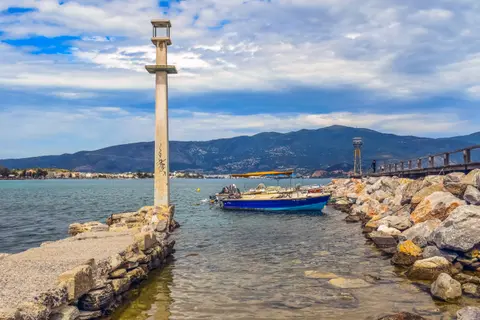
Volos is a commercial and industrial city; it is Greece's third-largest port. Much of it has been rebuilt after a severe earthquake in 1955. The location in the gulf of the same name and near scenic Mount Pelion ensures this town an attractive setting. Interesting sites in the surrounding areas include imposing monasteries perched atop craggy mountains and a fine Archaeological Museum. Volos was founded in the 14th century in an area which has been occupied by man since the Neolithic era. A short distance out of Volos, the second millennium saw the establishment of the Mycenaen city of Iolkos, seat of King Pelias and home of his nephew Jason, who sailed from here with the Argonauts. Remains of Mycenaen buildings have been discovered near the river, where a palace stood around 1400 B.C. The main reason visitors come to Volos is to depart on excursions to the monasteries of Meteora. Their lofty position atop gigantic pinnacles makes them the area's foremost attraction.
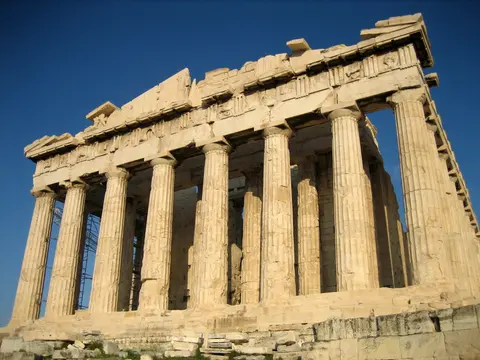
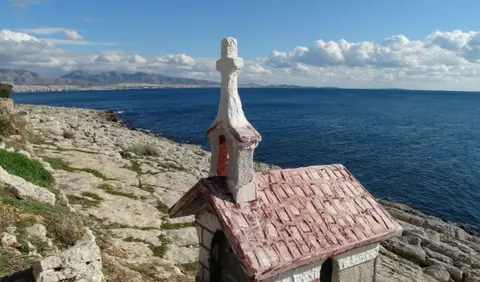
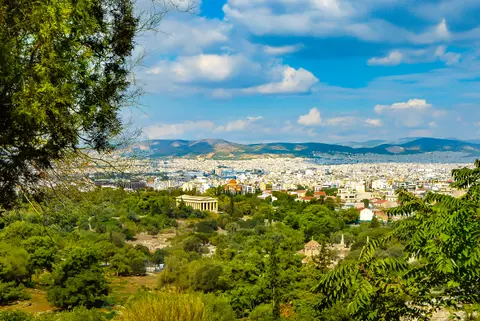
It's no wonder that all roads lead to the fascinating and maddening metropolis of Athens. Lift your eyes 200 feet above the city to the Parthenon, its honey-color marble columns rising from a massive limestone base, and you behold architectural perfection that has not been surpassed in 2,500 years. But, today, this shrine of classical form dominates a 21st-century boomtown. To experience Athens—Athína in Greek—fully is to understand the essence of Greece: ancient monuments surviving in a sea of cement, startling beauty amid the squalor, tradition juxtaposed with modernity. Locals depend on humor and flexibility to deal with the chaos; you should do the same. The rewards are immense. Although Athens covers a huge area, the major landmarks of the ancient Greek, Roman, and Byzantine periods are close to the modern city center. You can easily walk from the Acropolis to many other key sites, taking time to browse in shops and relax in cafés and tavernas along the way. From many quarters of the city you can glimpse "the glory that was Greece" in the form of the Acropolis looming above the horizon, but only by actually climbing that rocky precipice can you feel the impact of the ancient settlement. The Acropolis and Filopappou, two craggy hills sitting side by side; the ancient Agora (marketplace); and Kerameikos, the first cemetery, form the core of ancient and Roman Athens. Along the Unification of Archaeological Sites promenade, you can follow stone-paved, tree-lined walkways from site to site, undisturbed by traffic. Cars have also been banned or reduced in other streets in the historical center. In the National Archaeological Museum, vast numbers of artifacts illustrate the many millennia of Greek civilization; smaller museums such as the Goulandris Museum of Cycladic Art Museum and the Byzantine and Christian Museum illuminate the history of particular regions or periods. Athens may seem like one huge city, but it is really a conglomeration of neighborhoods with distinctive characters. The Eastern influences that prevailed during the 400-year rule of the Ottoman Empire are still evident in Monastiraki, the bazaar area near the foot of the Acropolis. On the northern slope of the Acropolis, stroll through Plaka (if possible by moonlight), an area of tranquil streets lined with renovated mansions, to get the flavor of the 19th-century's gracious lifestyle. The narrow lanes of Anafiotika, a section of Plaka, thread past tiny churches and small, color-washed houses with wooden upper stories, recalling a Cycladic island village. In this maze of winding streets, vestiges of the older city are everywhere: crumbling stairways lined with festive tavernas; dank cellars filled with wine vats; occasionally a court or diminutive garden, enclosed within high walls and filled with magnolia trees and the flaming trumpet-shaped flowers of hibiscus bushes. Formerly run-down old quarters, such as Thission, Gazi and Psirri, popular nightlife areas filled with bars and mezedopoleia (similar to tapas bars), are now in the process of gentrification, although they still retain much of their original charm, as does the colorful produce and meat market on Athinas. The area around Syntagma Square, the tourist hub, and Omonia Square, the commercial heart of the city about 1 km (½ mi) northwest, is distinctly European, having been designed by the court architects of King Otho, a Bavarian, in the 19th century. The chic shops and bistros of ritzy Kolonaki nestle at the foot of Mt. Lycabettus, Athens's highest hill (909 feet). Each of Athens's outlying suburbs has a distinctive character: in the north is wealthy, tree-lined Kifissia, once a summer resort for aristocratic Athenians, and in the south and southeast lie Glyfada, Voula, and Vouliagmeni, with their sandy beaches, seaside bars, and lively summer nightlife. Just beyond the city's southern fringes is Piraeus, a bustling port city of waterside fish tavernas and Saronic Gulf views.
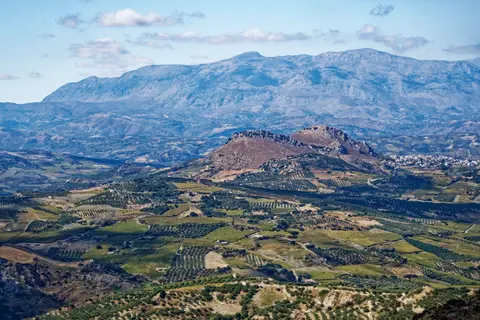
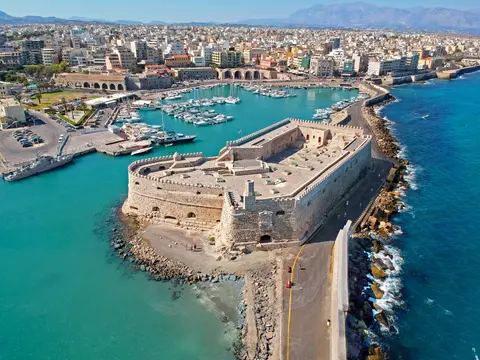
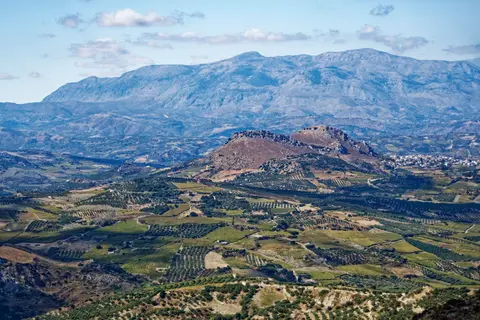
Having been controlled by Arabic, Venetian and Ottoman empires over the years - it's no surprise that Heraklion is a diverse patchwork of exotic cultures and historical treasures. Celebrated as the birthplace of the Spanish Renaissance artist, El Greco, you can visit to explore the storied ruins of the Minoan empire's capital, and unearth the rich cultural treasures that Crete’s bustling modern capital has to offer.
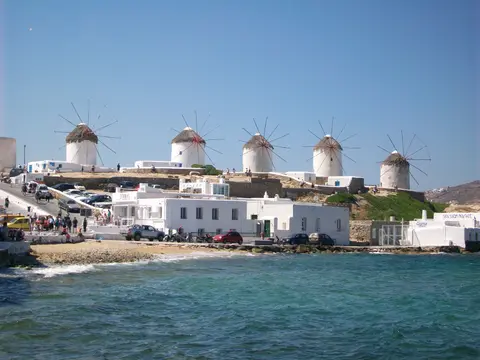
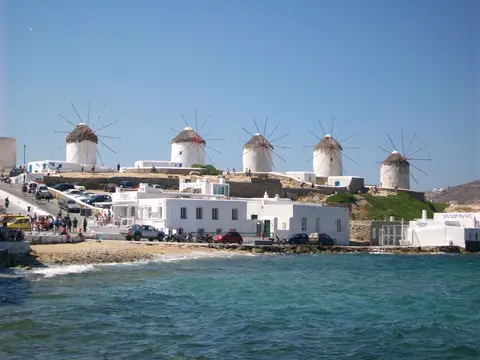
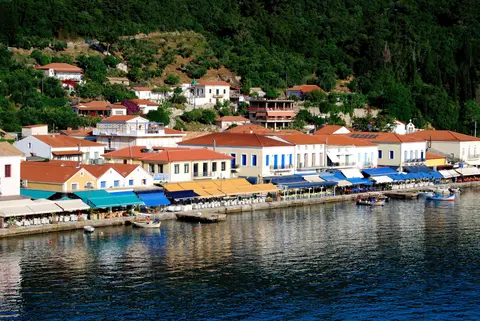
The small Greek port of Katakolon was developed in the 19th century to serve the thriving local trade in currants. Today it is your starting block for Olympia - birthplace of the Olympic Games. A pretty town on the banks of the River Alpheios, Olympia lies only a short drive away from the port and its historic stadium - where the first Olympic torch was lit in 776 BC and is a fascinating site to explore. You can still see the marble starting blocks used by early athletes in the 45,000-seat arena, as well as the ruins of the Temple of Hera and the gigantic Temple of Zeus - its gold and ivory statue of Zeus was one of the Seven Wonders of the ancient world. If you have already visited Olympia, you could spend your day exploring the lush wine country north of Katakolon and sampling the local vintages.
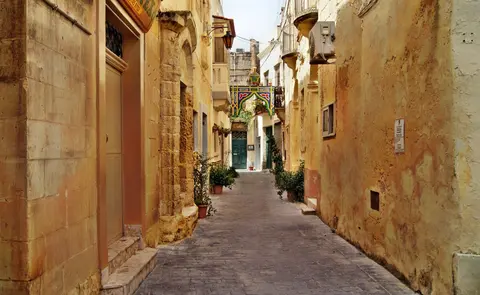
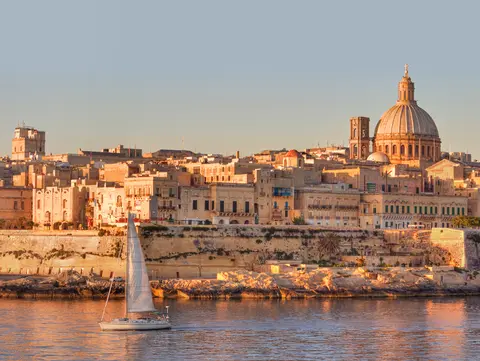
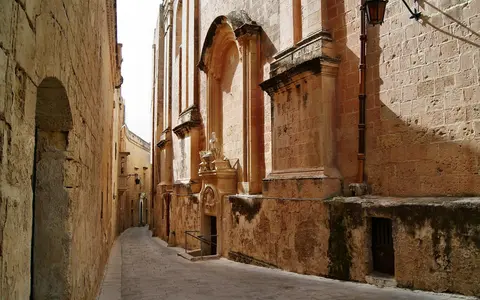
Valletta (or Il-Belt) is the tiny capital of the Mediterranean island nation of Malta. The walled city was established in the 1500s on a peninsula by the Knights of St. John, a Roman Catholic order. It’s known for museums, palaces and grand churches. Baroque landmarks include St. John’s Co-Cathedral, whose opulent interior is home to the Caravaggio masterpiece "The Beheading of Saint John."
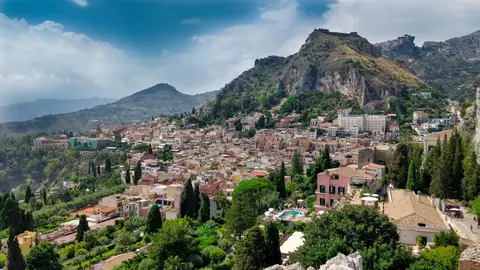
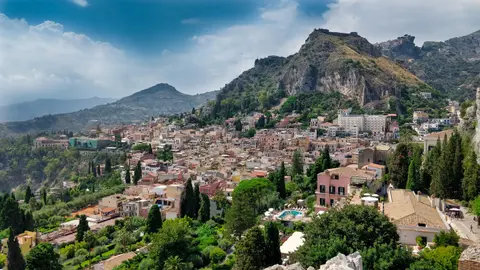
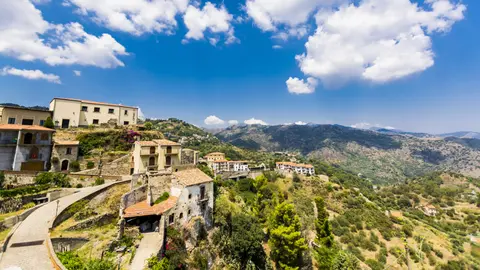
Messina may well be your first sight of Sicily, and – from your MSC holiday cruise ship – it’s a fine one, the glittering town spread up the hillside beyond its sickle-shaped Mediterranean harbour. On a shore excursion you can discover Messina’s most important monument, the Duomo, which epitomizes the city’s phoenix-like ability to re-create itself from the ashes of its last disaster. It’s the reconstruction of a twelfth-century cathedral erected by Roger II, one of a series of great Norman churches of Sicily that include the sumptuous cathedrals of Palermo and Cefalù. The Duomo’s detached campanile, or bell tower, claims to be the largest astronomical clock in the world, and puts on its best show at noon every day, when a bronze lion (Messina’s ancient emblem) unleashes a mighty roar over the city that can be quite alarming if you’re not expecting it! Just back from the Duomo, the truncated section of the twelfth-century Chiesa Annunziata dei Catalani squats below pavement level, and is Messina’s only surviving example of Arab/Norman church-building. When you are cruising the Mediterranean Sea with MSC Cruises, the most obvious excursion from Messina is to the almost too charming hill town of Taormina, spectacularly located on a rocky bluff between the Ionian Sea and the soaring peak of Mount Etna, whose summit with its bleak lava wilderness is one of the most memorable landscapes Italy has to offer. Once the beloved retreat of poets and writers, Taormina is now the most illustrious resort on the entire island, captivating its visitors with its famous ancient theatre, grand hotels and engaging small-town charm.
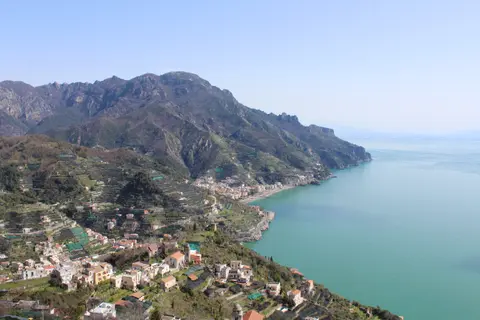
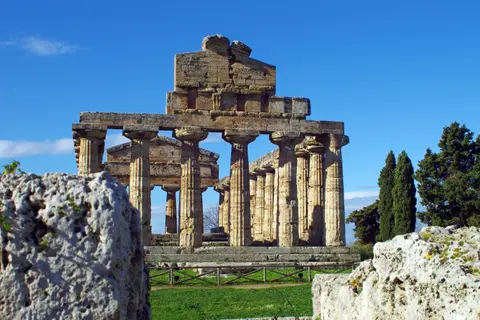
Situated between two of Italy’s most beautiful and best-known destinations, the Amalfi Coast and Cilento National Park, the lively city of Salerno is – perhaps unsurprisingly, but not justifiably – overlooked by many visitors to, and explorers of, the gorgeous Campania region. However, the loss of the ‘over lookers’ is certainly the gain of those who do take the time to visit and explore Salerno; there are centuries of rich history – influenced by the Romans, Goths and Byzantines – to delve into here, landmarks, monuments and museums and aplenty awaiting discovery, and authentic local life to immerse yourself in. Whether you choose to see the medieval churches and capture the gritty elegance of the neighbourhood trattorias; sample traditional cuisine at the finest restaurants, or people watch at one of the cafés over a proper Italian espresso; or take a stroll along the picturesque, tree-lined promenade, Salerno is sure to get under your skin.
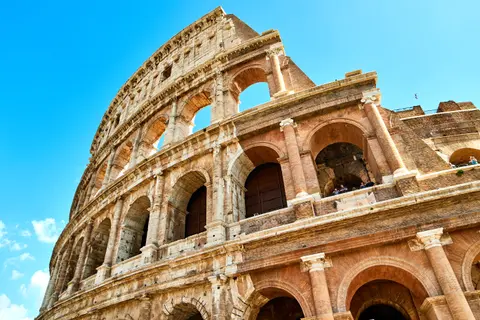
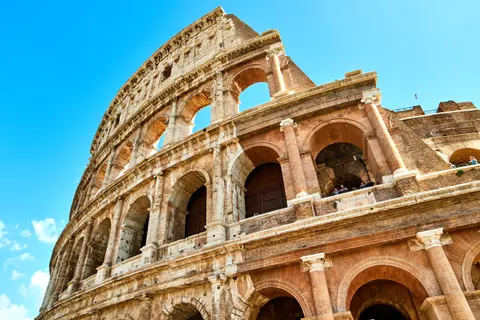
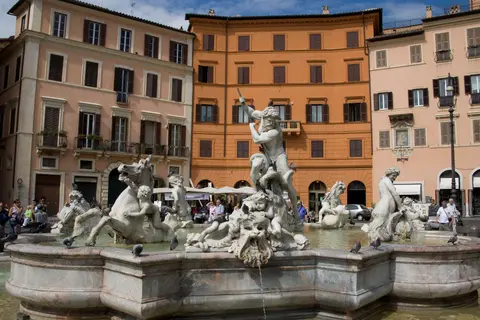
Italy's vibrant capital lives in the present, but no other city on earth evokes its past so powerfully. For over 2,500 years, emperors, popes, artists, and common citizens have left their mark here. Archaeological remains from ancient Rome, art-stuffed churches, and the treasures of Vatican City vie for your attention, but Rome is also a wonderful place to practice the Italian-perfected il dolce far niente, the sweet art of idleness. Your most memorable experiences may include sitting at a caffè in the Campo de' Fiori or strolling in a beguiling piazza.
Situated between two of Italy’s most beautiful and best-known destinations, the Amalfi Coast and Cilento National Park, the lively city of Salerno is – perhaps unsurprisingly, but not justifiably – overlooked by many visitors to, and explorers of, the gorgeous Campania region. However, the loss of the ‘over lookers’ is certainly the gain of those who do take the time to visit and explore Salerno; there are centuries of rich history – influenced by the Romans, Goths and Byzantines – to delve into here, landmarks, monuments and museums and aplenty awaiting discovery, and authentic local life to immerse yourself in. Whether you choose to see the medieval churches and capture the gritty elegance of the neighbourhood trattorias; sample traditional cuisine at the finest restaurants, or people watch at one of the cafés over a proper Italian espresso; or take a stroll along the picturesque, tree-lined promenade, Salerno is sure to get under your skin.
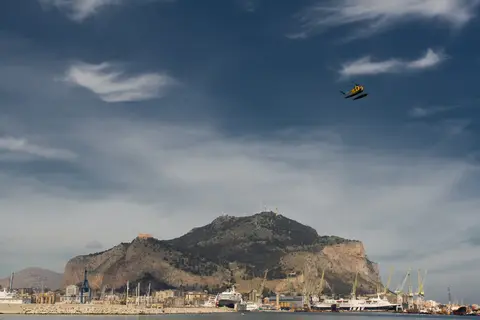
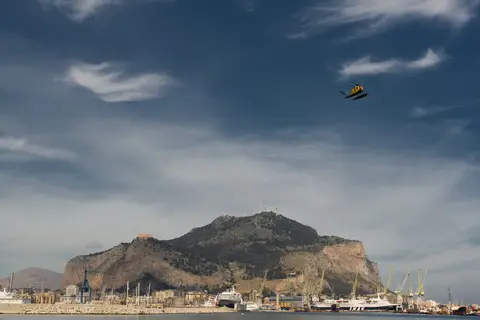
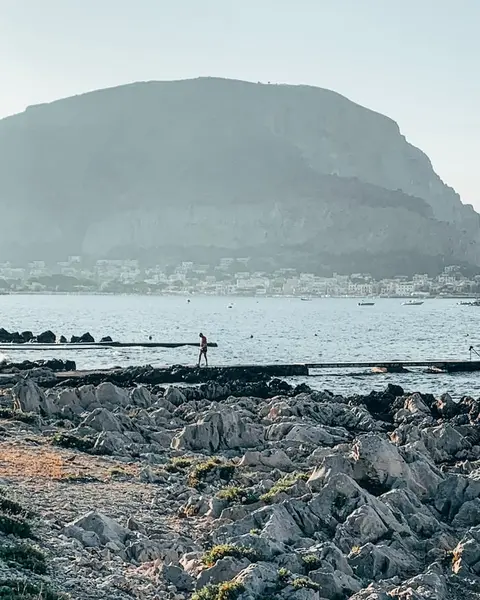
The capital of Sicily is situated on a crescent-shaped bay on the island's north coast. Once the intellectual capital of southern Europe, Palermo has always been at the crossroads of civilization. Due to its favourable location, Sicily's most interesting city has attracted almost every people and culture touching the Mediterranean world. Its most unique characteristic is a harmonious blend of Arab-Norman cultures mixed with Byzantine and Jewish elements, which created some unforgettable and resplendent works of art. Phoenician traders first colonized Palermo in the 6th-century BC, but it was the Carthaginians, who built the important fortress here that caught the covetous eye of the Romans. After the first Punic War, the Romans took control of the city in the 3rd-century BC. Following several invasions by the Vandals, Sicily was settled by Arabs, who made the country an emirate and Palermo a showpiece capital that rivalled in splendour both Cordoba and Cairo. The city became a magical place of palaces and mosques, minarets and palm trees. In the 11th-century Palermo was conquered by the Norman ruler, Roger de Hauteville. During the Normans' hundred-year occupation, the city experienced a remarkable period of enlightenment and a flourishing of the arts. Counting a population of more than 300,000, Palermo became the centre of Norman rule and one of the most important trading centres between East and West. Eventually, Palermo was incorporated into the “Kingdom of the Two Sicilies” under the Swabian ruler Frederick II, known as the Holy Roman Emperor. After the bloody Sicilian Vespers uprising in 1282, the Spanish took control and brought the Inquisition to Palermo. Some historians believe that the nature of the Inquisition helped foster the protective secret societies that eventually evolved into the Mafia. Today, visitors can still experience the legacy of Palermo's rich past. Great Arab-Norman buildings include the Cappella Palatina, La Martorana, San Giovanni degli Eremiti and, a few miles outside the city, the Cathedral of Monreale. Palermo's bustling streets and animated markets give the town an Oriental feel. The Quattro Canti, or Four Corners, is the monumental crossroads laid out in 1608-1620 at the central intersection of the four longest and straightest streets of the city. North of Piazza Castelnuovo lie the avenues of the new city. Most sights are scattered along three major streets: Corso Vittorio Emanuele, Via Maqueda and Via Roma. A vigorous metropolis with a strong historical profile, Palermo is packed with interesting sights, which make it an enriching and enjoyable place to explore.
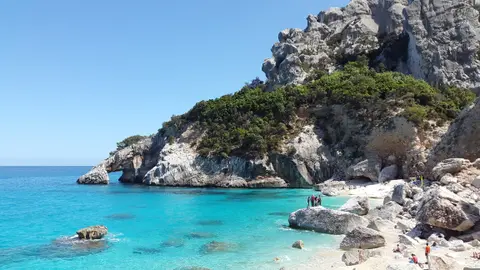
The Sardinian coastline is serrated by deep-cut coves of sparkling sea, surrounded by rocky prominences and edged in lovely strands of beach. The Aga Khan fell in love with the place, and dubbed it the Costa Smeralda, creating a magnet for the global glitterati. At Golfo Aranci, shining arcs of silvery sand are linked into a larger curve, encircled by a muscular peninsula that looms protectively between the town and the sea. It looks expensive, and it is.
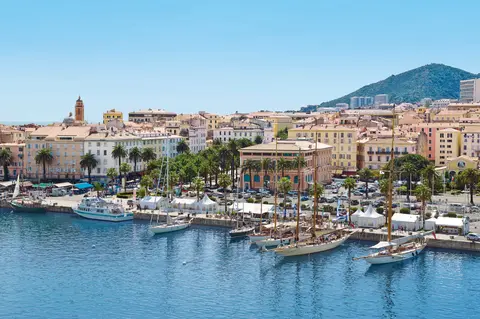
The French island of Corsica, with a rich and sometimes turbulent history, is a land of enchanting landscapes and stunning beauty. A mild climate, with temperatures averaging 20°C, plus more than 2,700 hours of sunshine per year and an excellent cuisine, combine to make Corsica an increasingly popular tourist destination. Perhaps because of its harsh aspect, Corsica did not attract the attentions of some of the Mediterranean's ancient powers. Its location was removed from the routes of Spanish commerce and Saracen raids. It did gain the attention of the Genoese, however, who in the 1600s built a military outpost on the island, which was suitably situated for trade with Sardinia, the Middle East, Spain and North Africa. In some areas of Ajaccio, the ancient dialect used by Ligurian sailors can still be heard. Since its establishment Ajaccio, between Punta dell Parata in the north and Capo di Muro in the south, has developed into a busy commercial and passenger port. It is also renowned as the birthplace of Napoleon Bonaparte, a major influence on the island's culture.
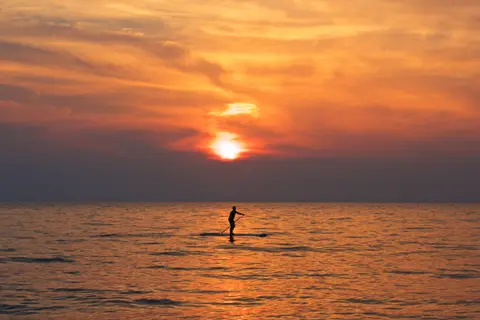
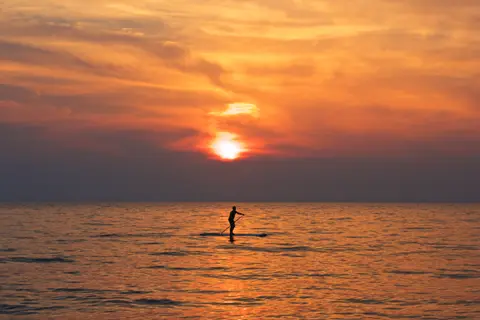
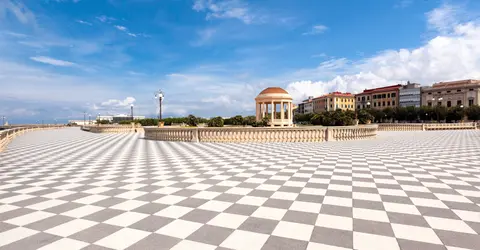
There are few more elegant places to salute the sunset than Terrazza Mascagni, Livorno’s refined chessboard piazza. A historic port, and a beachy gateway to Tuscany, Livorno welcomes you ashore to explore this enchanted Italian region's sun-soaked beauty, rich flavours and world-renowned fine art. Stay in Livorno to explore 'Piccolo Venezia', or ‘Little Venice’ - a quarter of the town that's laced with canals, little marble bridges and plenty of tempting eateries. View less With its bustling market, fortresses and iconic waterfront, there’s plenty to keep you busy here, but most will be tempted to venture inland to explore more of Tuscany’s many charms and artistic wonders. Test your nose, as you breathe in the subtleties of Tuscany’s vineyard-draped scenery, and visit wineries showcasing the best of the renowned flavours of the Bolgheri wine-growing area. Or head out to Prato, where you’ll find tightly-woven textile history. Pisa’s showpiece tower is within reach, as is Florence’s city of immense and imaginative renaissance beauty. Admire the delicate carving of Michelangelo's masterpiece, the David statue, and note the provocative stance as he casts a dismissive glance towards Rome. Stand before the city’s majestic black and white cathedral - the Cathedral of Santa Maria del Fiore - with its colossal brick dome. The view down over Florence's river and grand dome from Piazzale Michelangelo, meanwhile, is one of Italy's finest. However you choose to spend your time in Tuscany, you’ll discover an artistic region, filled with beauty designed to appeal to every sense.
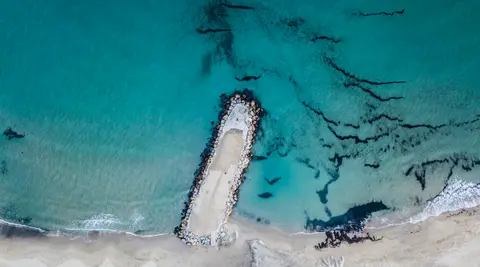
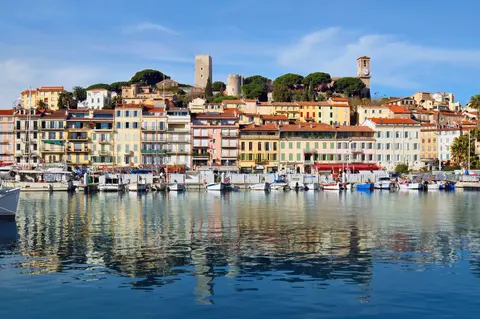
A holiday to France with MSC Cruises is the perfect chance to visit Cannes. With its immaculate seafront hotels and exclusive beach concessions, glamorous yachts and designer boutiques, Cannes is in many ways the definitive Riviera resort, a place where appearances count, especially during the film festival in May. The not particularly attractive seafront Palais des Festivals is the heart of the film festival but also hosts conferences, tournaments and trade shows. Despite its glittery image, Cannes works surprisingly well as a big seaside resort, with plenty of free, sandy public beaches. Promenade de la Croisette is certainly the sight to see during your excursions, with its palace hotels – the Martinez and Carlton – on one side and their private beaches on the other. It’s possible to find your way down to the beach without paying, but not easy (you can of course walk along it below the rows of sun beds). The old town, known as Le Suquet after the hill on which it stands, provides a great panorama of the curve of Cannes’ bay. On its summit stand the remains of the fortified priory lived in by Cannes’ eleventh-century monks, and the beautiful twelfth-century Chapelle Ste-Anne. The Musée de la Castre, in the remains of Cannes’ eleventh-century priory, holds an extraordinary collection of musical instruments from all over the world, along with pictures and prints of old Cannes and an ethnology and archaeology section. MSC Mediterranean cruises also offer excursions to Nice. Since reaching its zenith in the belle époque of the late nineteenth century, it has retained its historical styles almost intact: the medieval rabbit warren of Vieux Nice, the Italianate facades of modern Nice and the rich exuberance of fin-de-siècle residences dating from when the city was Europe’s most fashionable winter retreat.
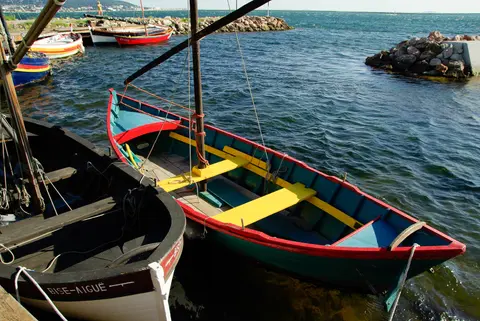
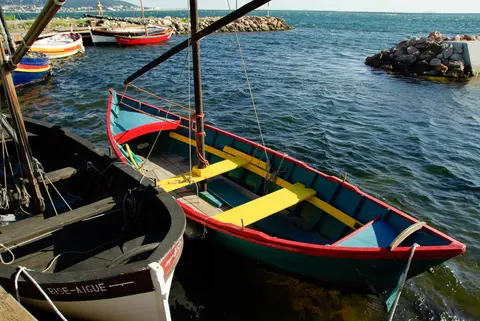
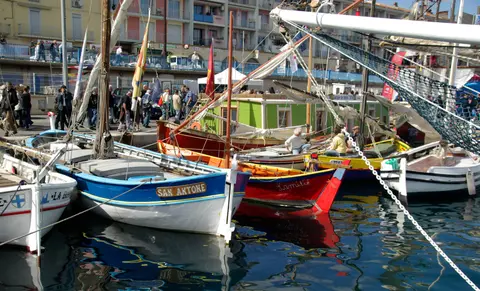
n the beginning, under the gallo-romans Sète was known as Ceta or Sita. It was a town on the island of Mont Saint Clair, and made a name for itself in the production of pickled fish. Soon fishing built the towns wealth, making it the envy of local lords and barons. Under the control of the Abbot of Aniane since the 9th century, Sete came under the bishop of Agde in 1246, no doubt to provoke the King of Aragon and the bishops of Maguelone. During this time the lagoon closed up creating the Bassin de Thau. Similarly, silt forced the eventual closure of the then sea ports of Aigues Mortes, Agde, and Narbonne. Under the Duke of Montmorency, Governor of Languedoc, Sète became the definitive Languedoc port, replacing those that had died under the mud. It became the base to hunt the last of the privateers led by the infamous Barbe Rousette. In 1596, construction work was started on a jetty that was to serve to protect the port from the storms of the sea. Because of financial problems the jetty was not completed until 1666 by Colbert. Finally Sète was a secure anchorage for commerce and the royal fleet, as well as a sea entrance for the Canal du Midi. The town was officially created by a decree of the Council of State on 30 September 1673. Forty years later in July 1710, the English attacked and seized the port with apparently little difficulty, before eventually being hunted out. Consequently Languedoc immediately improved the defenses at Fort Saint Pierre and the Citadelle Richeleu. Two centuries later the town was almost totally destroyed whilst being liberated by the allies at the end of the second World War. However, Sète was quickly reborn to become the principal fishing port for France on the Mediterranean.
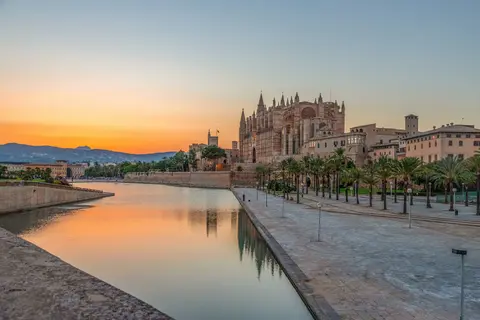
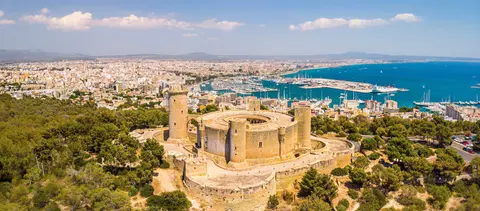
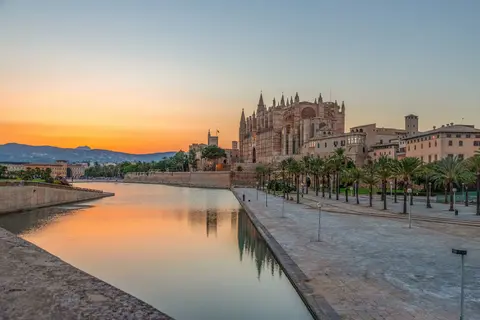
The Balearics are comprised of 16 islands; the three principal ones are Mallorca, Ibiza and Minorca. Carthaginians, Romans, Vandals and Arabs have invaded these islands over the centuries. Ruins show evidence of the prehistoric Talayot civilization, a megalithic culture that flourished here between 1500 BC and the Roman conquest. Today the islands are besieged by invaders of a different sort - hordes of tourists. Lying 60 miles (97 km) off the Spanish mainland, the islands' lush and rugged landscape combined with an extremely mild, sunny climate proves irresistible, especially to northern Europeans. As a result, the Balearics boast cosmopolitan resorts with lively nightlife and plenty of sports activities. Mallorca (also spelled Majorca) is the largest of the islands, with an area of more than 1,400 square miles (3626 sq.km). The scenery is magnificent, with cliffs along indented shorelines jutting out of the sea and mountain ranges sheltering the plains from harsh sea breezes. The fertile plain in the centre is covered with almond and fig trees plus olive groves with some trees more than 1,000 years old. Tall pines, junipers and oaks line the mountain slopes. Palma de Mallorca is the capital of the archipelago. A cosmopolitan city with sophisticated shops and restaurants, it also offers buildings of spectacular Moorish and Gothic architecture. In the western part of Mallorca, nestled into the mountains, lies the village of Valldemosa. It is known for its Carthusian Monastery where Frédéric Chopin and George Sand spent the winter of 1838-39.
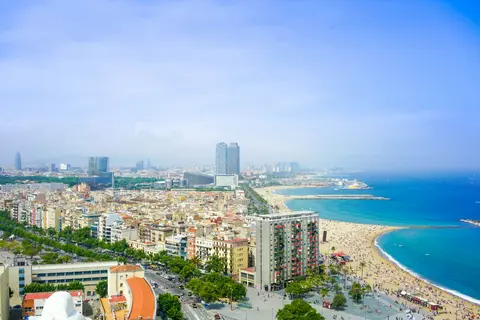
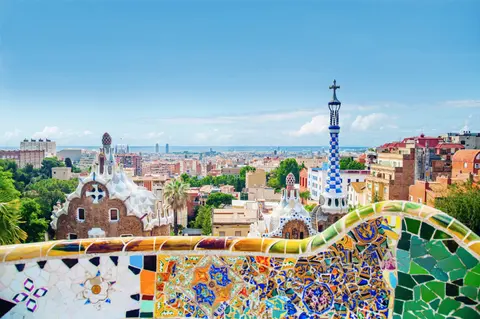
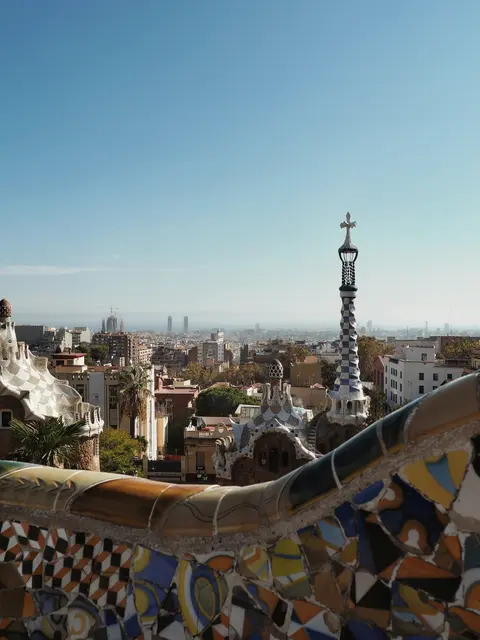
On the northeast coast of Spain, overlooking the Mediterranean, Barcelona is a vibrant port city, packed with centuries of iconic art and architecture—Gaudí and Picasso both called it home—and lined with sunny white-sand beaches. Explore the Catalan capital's tourist attractions and historic neighborhoods, Modernisme and world-renowned art museums, galleries and local crafts shops—some of which are centuries old and stock traditional Catalan wares. After you see the sights, there are lively tapas bars around every corner where you can stop for a drink, a café amb llet (Catalan for espresso with steamed milk) or a snack, no matter the hour. Green spaces for picnics, long walks and respite from the hustle and bustle are scattered throughout Barcelona's attractions: There's Gaudí's mosaic-decorated park, a neoclassical maze at the Laberint d'Horta, as well as plenty of high places (mountains, monuments and edifices) where sightseeing visitors can take in the view. A short trip from Barcelona by car or train, luxury outlets, cava wineries, a mountaintop abbey and the sandy beaches of the Mediterranean coast await.
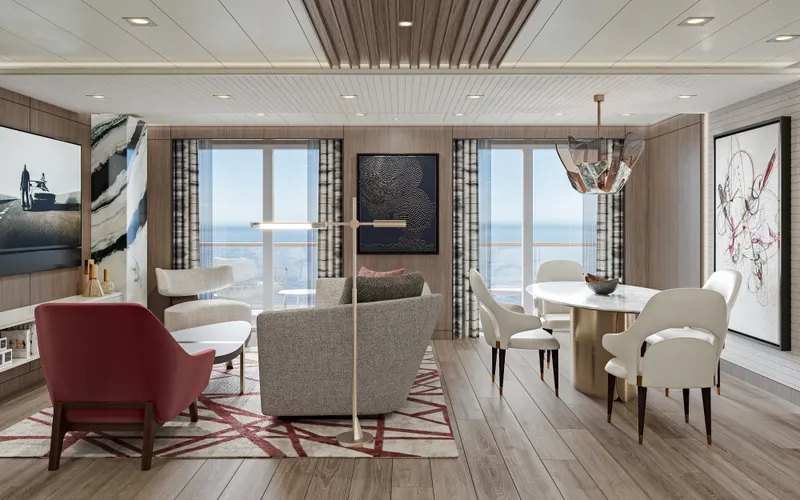
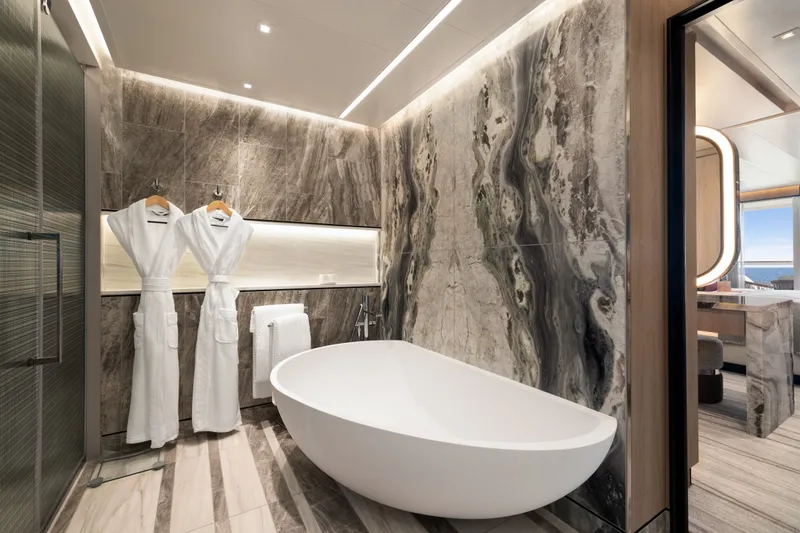
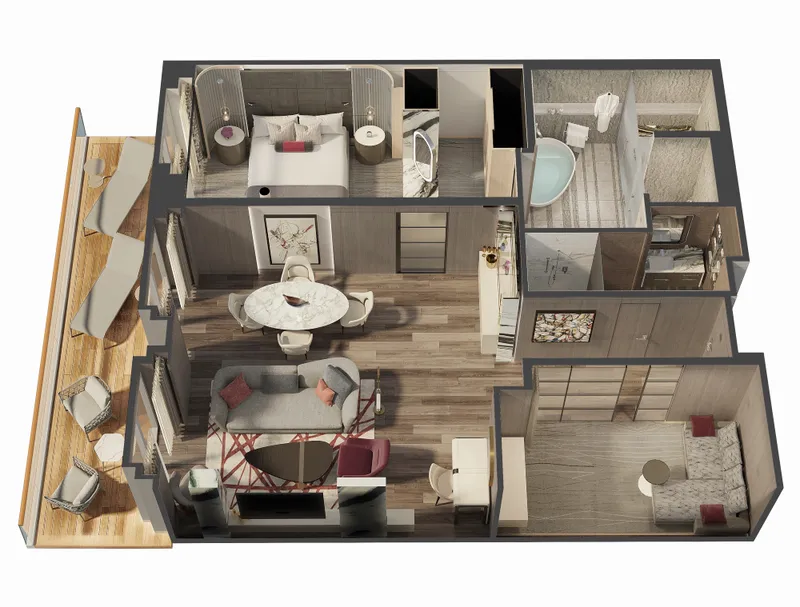
Complimentary laundry service - up to 3 bags per stateroom (some restrictions apply)
Priority Noon ship embarkation with priority luggage delivery
Exclusive card-only access to private Executive Lounge staffed by a dedicated Concierge featuring complimentary soft drinks, coffees and snacks throughout the day
24-hour Butler service
Complimentary in-suite bar setup with 6 full-size bottles of premium spirits and wines from our suite beverage menu
Complimentary welcome bottle of Champagne
Fresh fruit basket replenished daily
Priority online specialty restaurant reservations
Unlimited access to Aquamar Spa Terrace
iPad upon request for your enjoyment on board
Optional private in-suite embarkation day lunch from noon to 2 pm in Owner’s Suites
Customized entertainment system
Bulgari gift set and variety of amenities
Choice of daily printed newspaper
Complimentary Oceania Cruises logo tote bag and personalized stationery
Cashmere lap blankets
Choice of pillow from a luxurious selection
Complimentary shoe shine service
Complimentary pressing of garments upon embarkation (certain limitations apply)
Smoking in suites, staterooms and on verandas is strictly prohibited
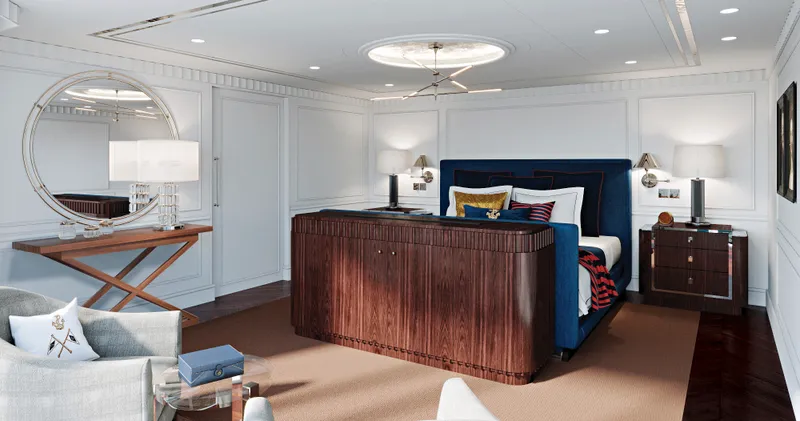
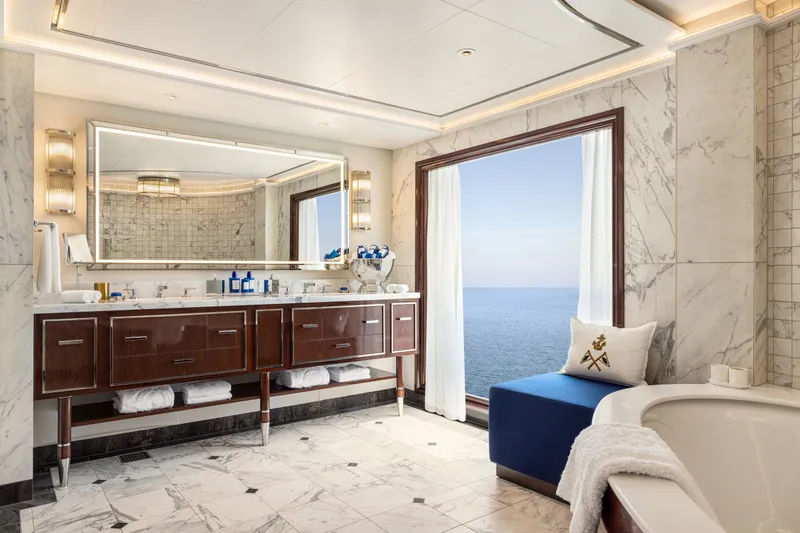
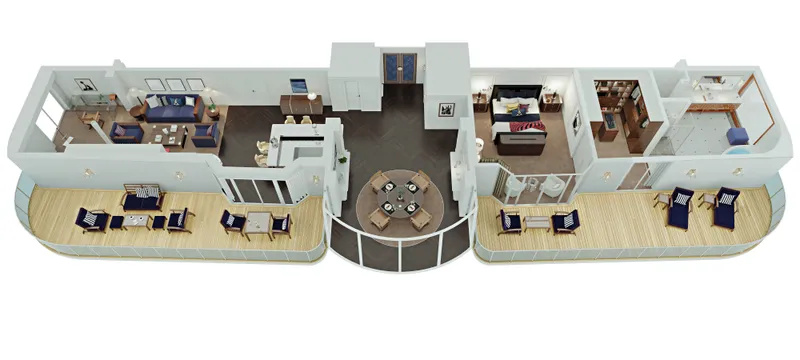
Complimentary laundry service - up to 3 bags per stateroom (some restrictions apply)
Priority Noon ship embarkation with priority luggage delivery
Exclusive card-only access to private Executive Lounge staffed by a dedicated Concierge featuring complimentary soft drinks, coffees and snacks throughout the day
24-hour Butler service
Complimentary in-suite bar setup with 6 full-size bottles of premium spirits and wines from our suite beverage menu
Complimentary welcome bottle of Champagne
Fresh fruit basket replenished daily
Priority online specialty restaurant reservations
Unlimited access to Aquamar Spa Terrace
iPad upon request for your enjoyment on board
Optional private in-suite embarkation day lunch from noon to 2 pm in Owner’s Suites
Customized entertainment system
Bulgari gift set and variety of amenities
Choice of daily printed newspaper
Complimentary Oceania Cruises logo tote bag and personalized stationery
Cashmere lap blankets
Choice of pillow from a luxurious selection
Complimentary shoe shine service
Complimentary pressing of garments upon embarkation (certain limitations apply)
Smoking in suites, staterooms and on verandas is strictly prohibited
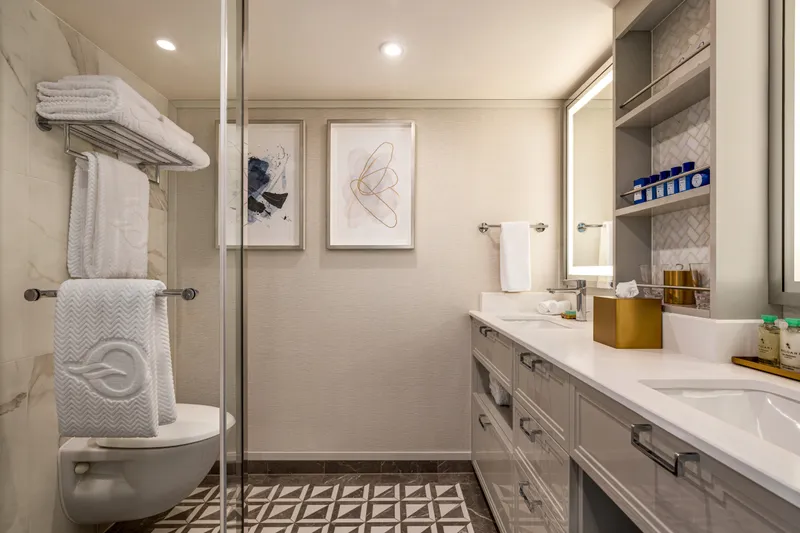
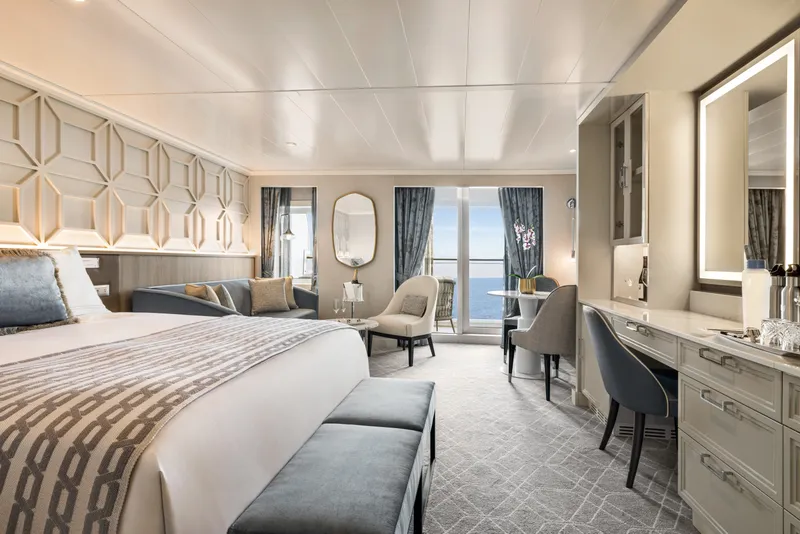
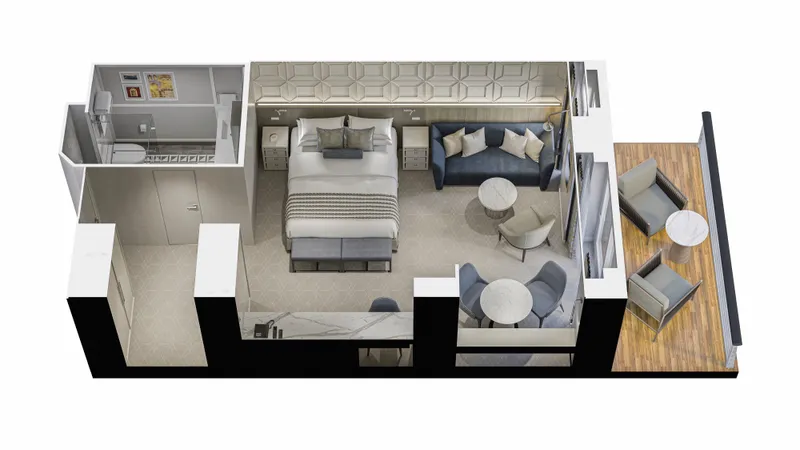
In addition to Stateroom Amenities:
Complimentary laundry service – up to 3 bags per stateroom (certain limitations apply)
Priority 11 am ship embarkation with priority luggage delivery
Exclusive card-only access to private Executive Lounge staffed by a dedicated Concierge featuring complimentary soft drinks, coffees and snacks throughout the day
24-hour Butler service
Complimentary welcome bottle of Champagne
Priority online specialty restaurant reservations
Unlimited access to Aquamar Spa Terrace
iPad upon request for your enjoyment on board
Cashmere lap blankets
Complimentary shoeshine service
Complimentary pressing of garments upon embarkation (certain limitations apply)
Smoking in suites, staterooms and on verandas is strictly prohibited
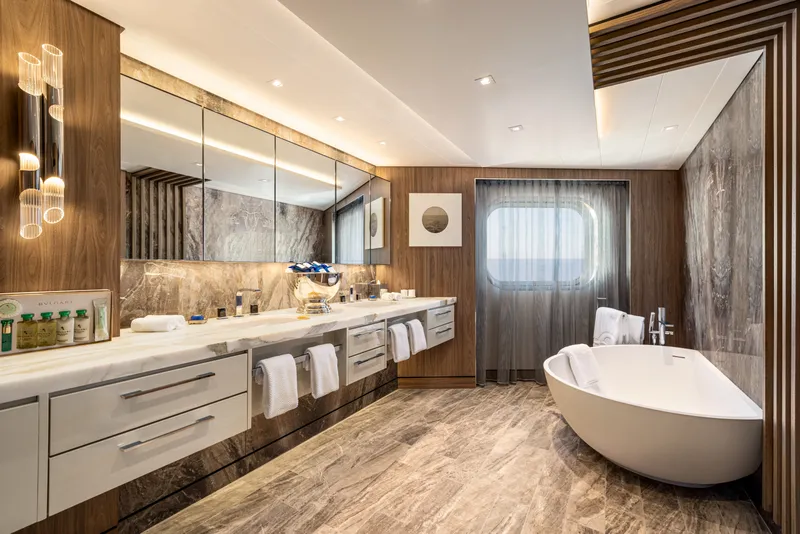
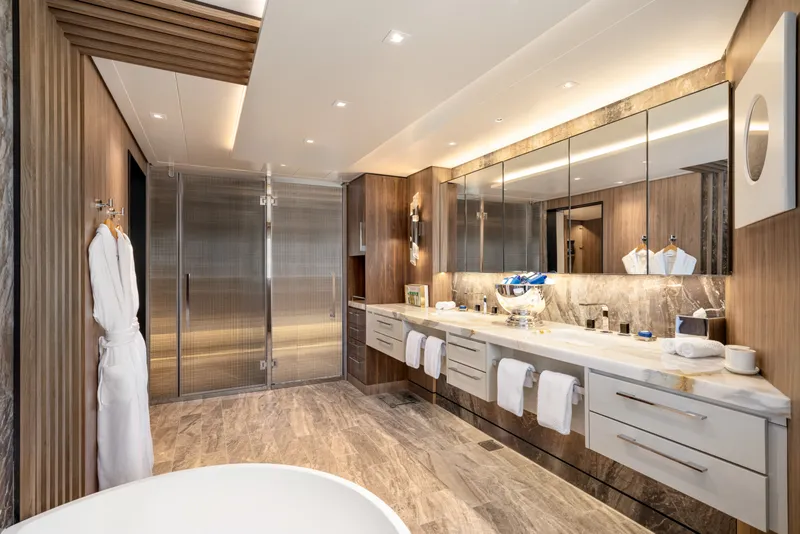
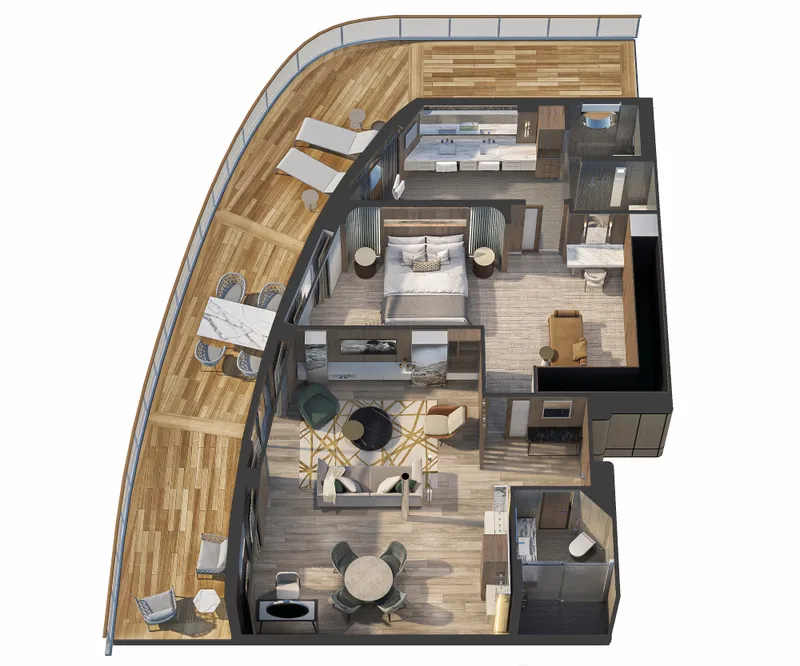
Complimentary laundry service - up to 3 bags per stateroom (some restrictions apply)
Priority Noon ship embarkation with priority luggage delivery
Exclusive card-only access to private Executive Lounge staffed by a dedicated Concierge featuring complimentary soft drinks, coffees and snacks throughout the day
24-hour Butler service
Complimentary in-suite bar setup with 6 full-size bottles of premium spirits and wines from our suite beverage menu
Complimentary welcome bottle of Champagne
Fresh fruit basket replenished daily
Priority online specialty restaurant reservations
Unlimited access to Aquamar Spa Terrace
iPad upon request for your enjoyment on board
Optional private in-suite embarkation day lunch from noon to 2 pm in Owner’s Suites
Customized entertainment system
Bulgari gift set and variety of amenities
Choice of daily printed newspaper
Complimentary Oceania Cruises logo tote bag and personalized stationery
Cashmere lap blankets
Choice of pillow from a luxurious selection
Complimentary shoe shine service
Complimentary pressing of garments upon embarkation (certain limitations apply)
Smoking in suites, staterooms and on verandas is strictly prohibited
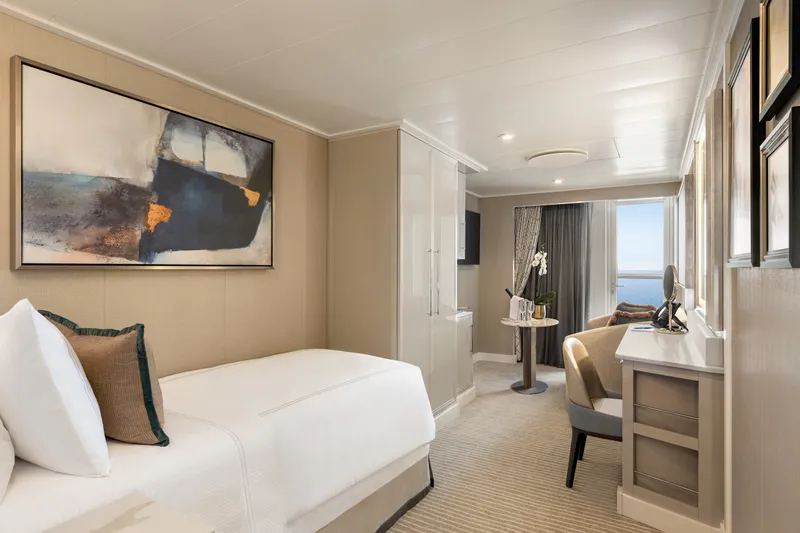
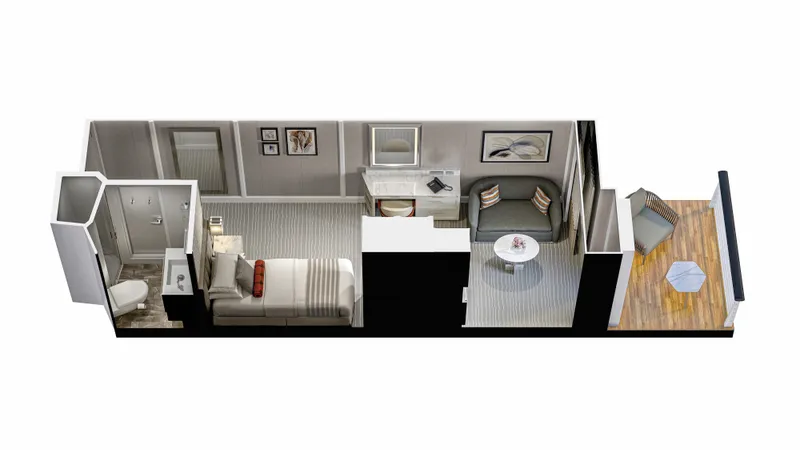
Concierge Level Solo Veranda
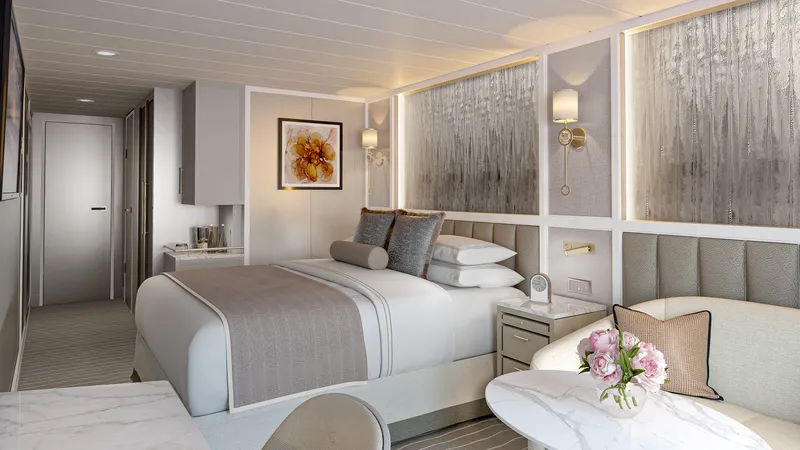
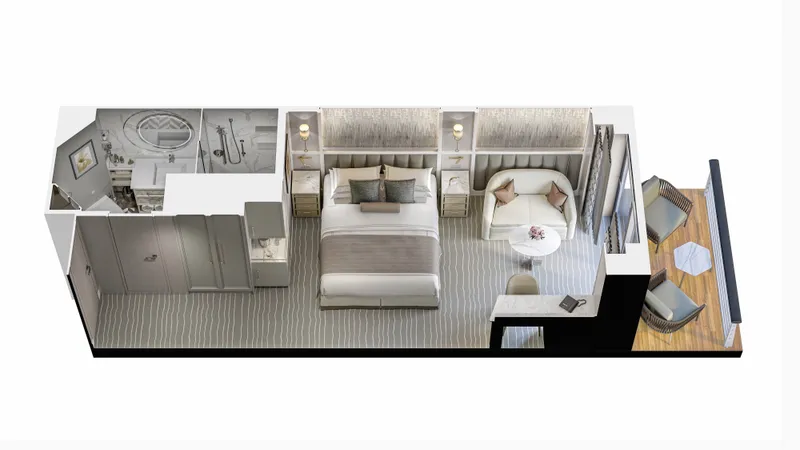
In addition to Stateroom Amenities:
Expanded lunch and dinner room service menu from The Grand Dining Room
Complimentary laundry service – up to 3 bags per stateroom (certain limitations apply)
Priority noon ship embarkation
Exclusive card-only access to private Concierge Lounge staffed by a dedicated Concierge featuring complimentary soft drinks, coffees and snacks throughout the day
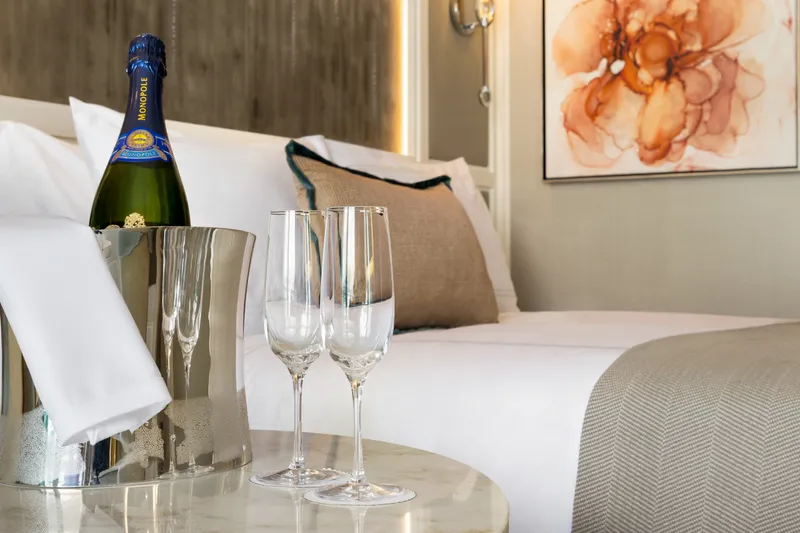
Complimentary welcome bottle of Champagne
Priority online specialty restaurant reservations
Unlimited access to the Aquamar Spa Terrace
iPad upon request for your enjoyment on board (certain limitations apply)
Complimentary Oceania Cruises logo tote bag
Cashmere lap blankets, perfect for relaxing on your veranda
Complimentary pressing of garmets upon embarkation (certain limitations apply)
Complimentary shoeshine service
Smoking in suites, staterooms and on verandas is strictly prohibited
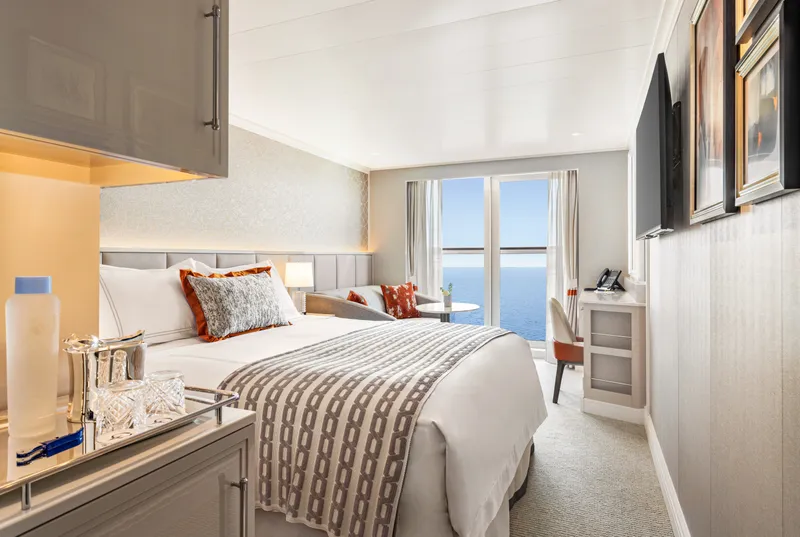
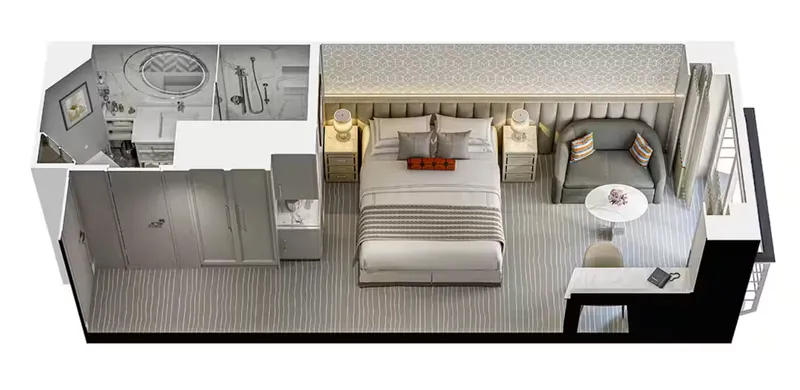
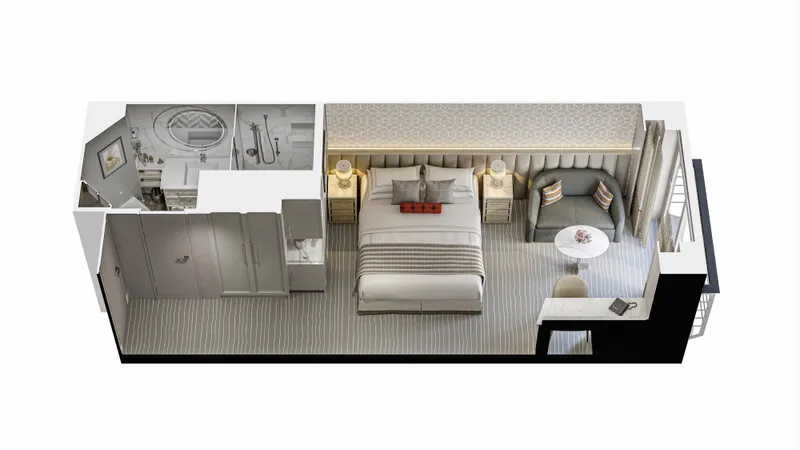
Tranquility Bed, an Oceania Cruises exclusive, with 1,000-thread-count linens
Complimentary soft drinks replenished daily in your refrigerated mini-bar
Complimentary still & sparkling Vero Water
Private teak veranda
Bulgari amenities
Room service menu 24 hours a day
Twice-daily maid service
Oversized rainforest shower
Belgian chocolates with turndown service
Interactive television system with on-demand movies, weather and more
Wireless Internet access and cellular service
Writing desk and stationery
Plush cotton towels
Thick cotton robes and slippers
Handheld hair dryer
Security safe
Smoking in suites, staterooms and on verandas is strictly prohibited
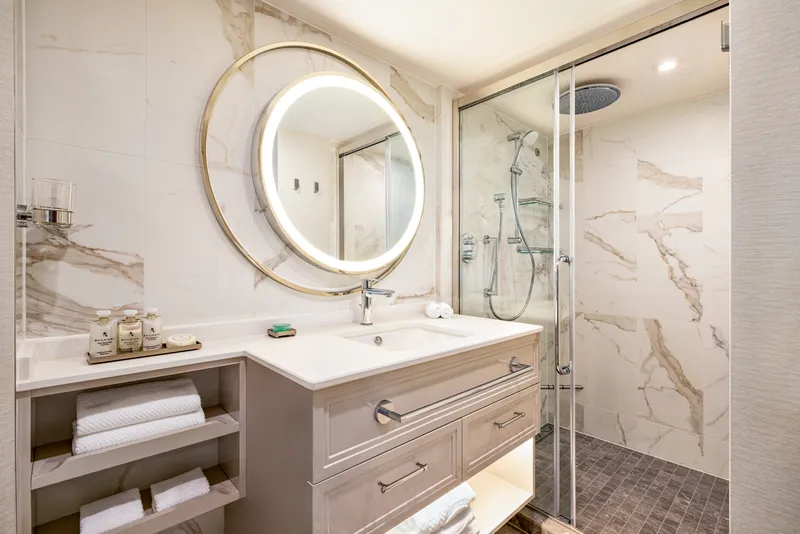
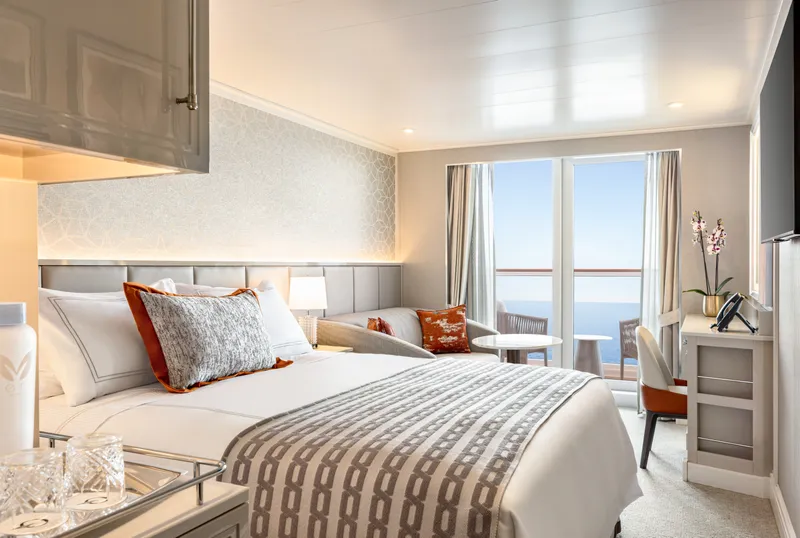
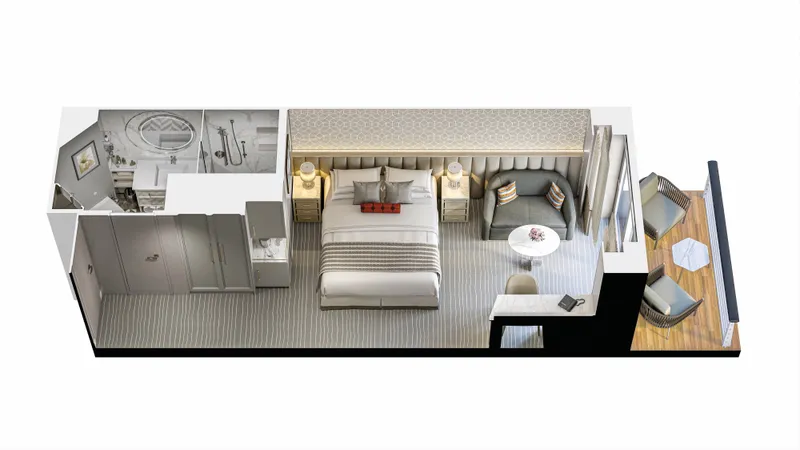
Tranquility Bed, an Oceania Cruises exclusive, with 1,000-thread-count linens
Complimentary soft drinks replenished daily in your refrigerated mini-bar
Complimentary still & sparkling Vero Water
Private teak veranda
Bulgari amenities
Room service menu 24 hours a day
Twice-daily maid service
Oversized rainforest shower
Belgian chocolates with turndown service
Interactive television system with on-demand movies, weather and more
Wireless Internet access and cellular service
Writing desk and stationery
Plush cotton towels
Thick cotton robes and slippers
Handheld hair dryer
Security safe
Smoking in suites, staterooms and on verandas is strictly prohibited
Our cruise specialists can help you find the perfect cabin and the best available pricing.
(+886) 02-2721-7300Contact Advisor