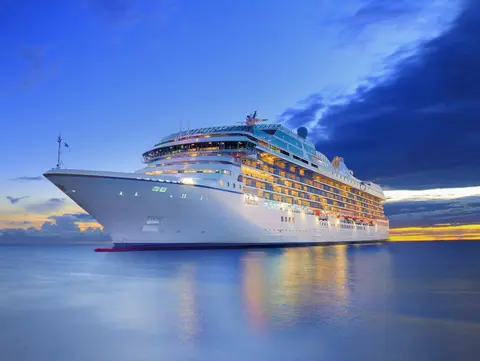
Oceania CruisesMNA270819F
Reykjavik to Istanbul
Date
August 19, 2027
Duration
70 nights
Departure Port
Reykjavik · Iceland
Arrival Port
Istanbul · Turkey
Rating
Luxury
Theme
—
Date
August 19, 2027
Duration
70 nights
Departure Port
Reykjavik · Iceland
Arrival Port
Istanbul · Turkey
Rating
Luxury
Theme
—
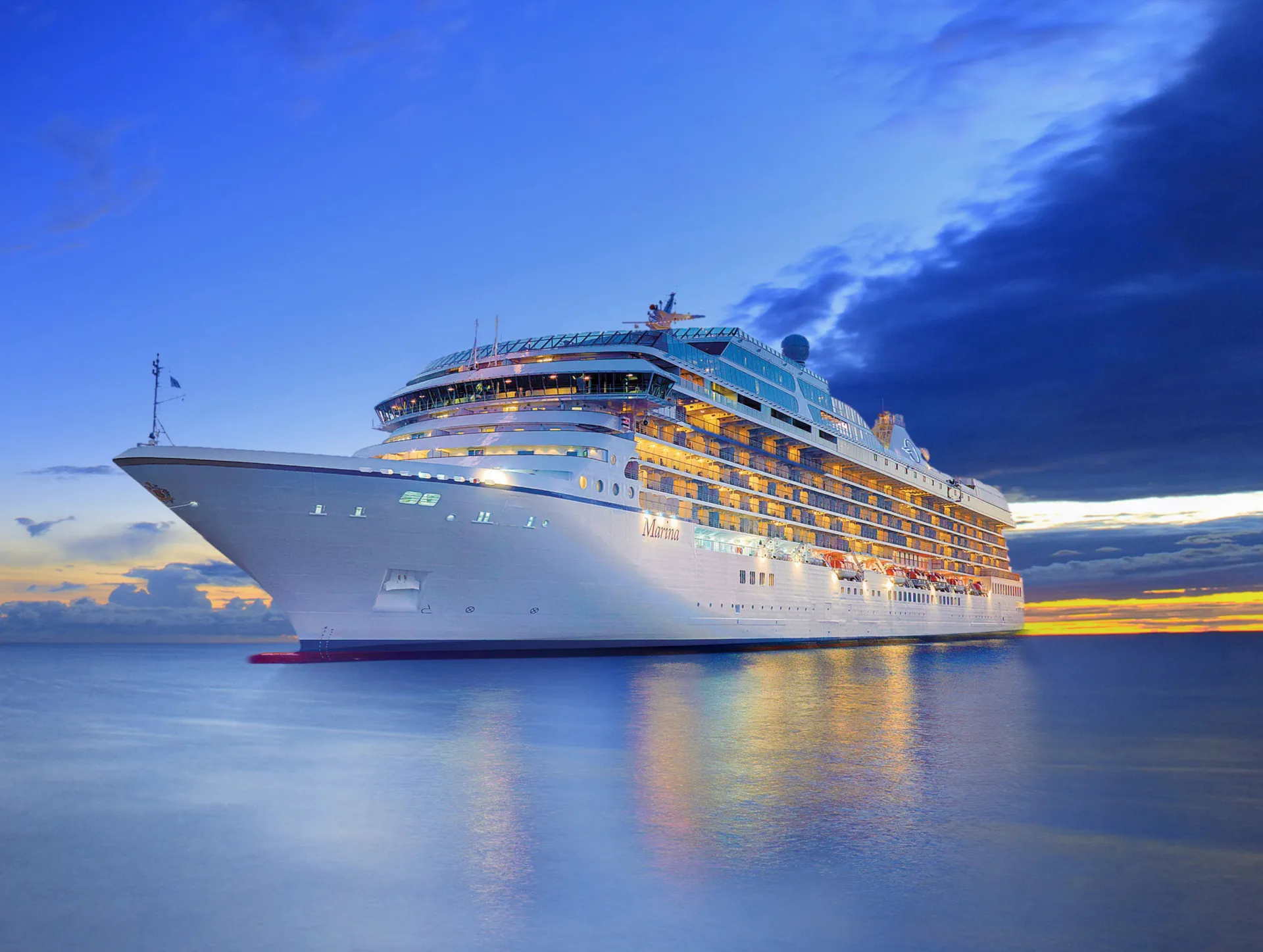
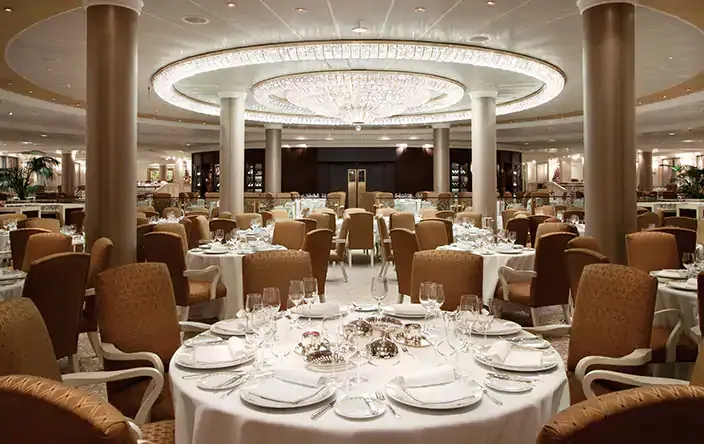
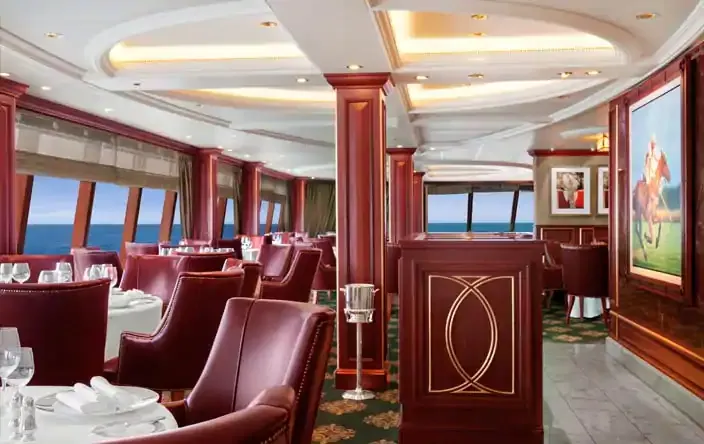


Oceania Cruises
O Class
2010
2024
66,084 GT
1,250
629
800
785 m
32.1 m
20 knots
No
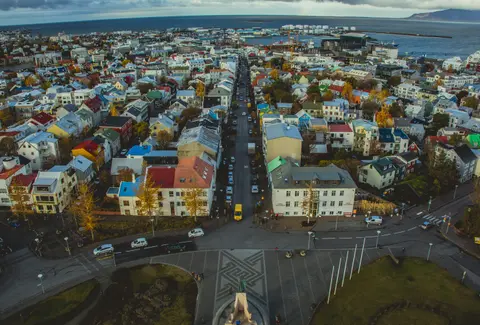
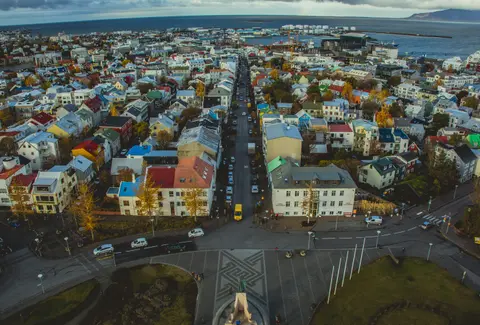
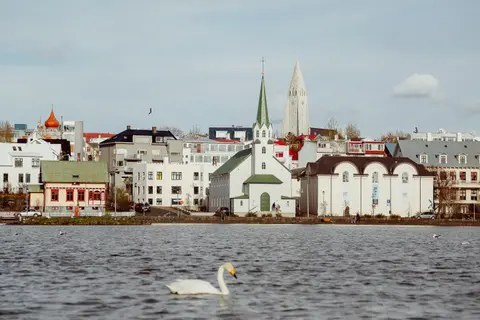
Reykjavík is mirrored in the waters of its bay, as you can see when your cruise ship sets anchor in the port. The quays along the seafront host a variety of shops, live music clubs and cafés. Take a stroll down Frakkastigur up to Lækjartorg, to admire the Sólfar, also known as the Sun Voyager, a large modern steelsculpture by Jón Gunnar Árnason, that represents a Viking vessel, with the bow pointing towards the north. Go back in history as you reach the historic centre, in the districts of Aðalstræti and Suðurgata, where you can still see the remains of some primitive Icelandic dwellings. Also the church of Hallgrímur, probably the most important architectural monument in Reykjavik, is worth a visit. As you will discover during your MSC cruise of Northern Europe, geothermal energy positively conditions the life of the entire country and there is an abundance of spas. Don’t miss an excursion to the Þingvellir national park, in the south west region of the island, a UNESCO world heritage site since 2004. On the northern shores of the Þingvallavatn, the largest Icelandic lake, the Öxará river forms the Öxaráfoss waterfall in the vicinity of Almannagjá, the largest cleft in this land. If you like waterfalls, you should not miss a visit to Gullfoss, in the south east of the island: the river Hvítá here drops down 11 and then 21 metres forming the queen of all Icelandic waterfalls and then continues along a narrow gorge in the plateau. In this area we also find the Strokkur, the only geyser that regularly erupts every 4-8 minutes. Then proceed to Geysir, in the Haukadalur valley, the oldest known geyser, from which the term originates. Its eruptions spray boiling water up to 60 metres into the air, but often reach higher than 100 metres: it is the tallest of the active geysers.
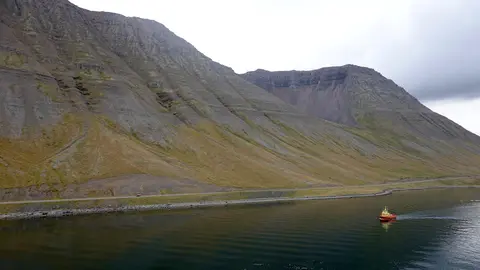
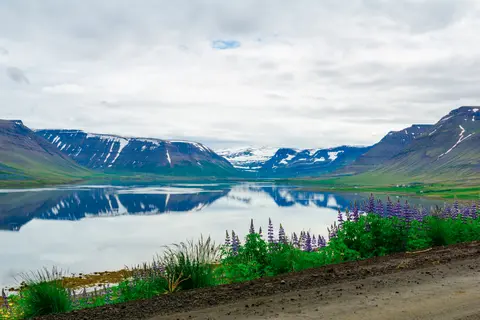
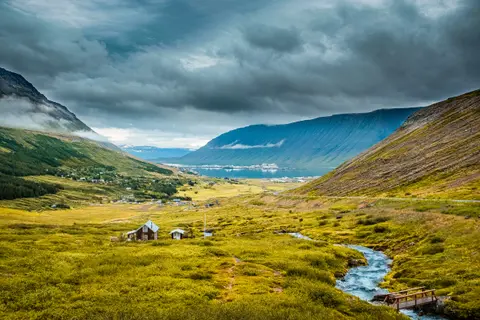
When your MSC cruise to northern Europe takes you to the north western point of Iceland, you will cast anchor at Isafjordur, a small town of ancient origins. In Isafjordur you will find the oldest standing Icelandic house, built in 1743. In the periphery of Bolungarvík, the northernmost location in the western fjords, one can instead visit Ósvör, once a fisherman’s village and now an open air museum. The past re-emerges also in the old town of Nedstikaupstadur, where Icelandic and Norwegian merchants first, and then British and German ones, would meet in the mid-15th century in the bay of Isafiord. Here, in the second half of the 18th century, Krambud (the shop) was built, that was converted in the 20th century into a private home; as well as Faktorshus (the farmers house); Tjoruhus (the tar house) and Turnhus (the tower house) used as warehouses and fish processing centres. While on your MSC cruise to Northern Europe, if you want to get an idea of how Icelanders used to live in the past, try an excursion to Vigur, literally the “spear-shaped island”. Its waters host a great deal of sea lions who feed on marine birds such as the puffin, the black guillemot, the aggressive arctic tern (who can attack people if it feels threatened) and the common eider. Another spectacle of nature is the Naustahvilft, the “troll’s seat”, a large depression shaped like a half moon in the flat mountains that surround the Isafjordur fjord. Legend has it that it was created by a troll caught by the sunlight sitting on the mountain with its feet in the water. Whether you believe in the legend or more likely in a valley dug out by the ice during the last ice age, try this brief but intense excursion, it is certainly worth it.
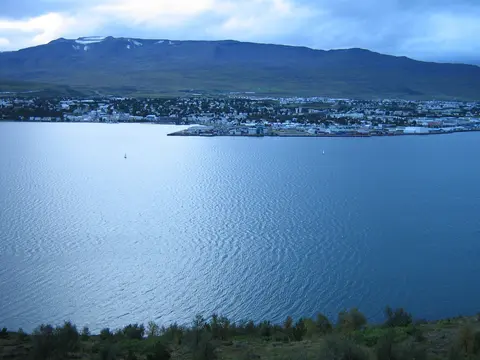
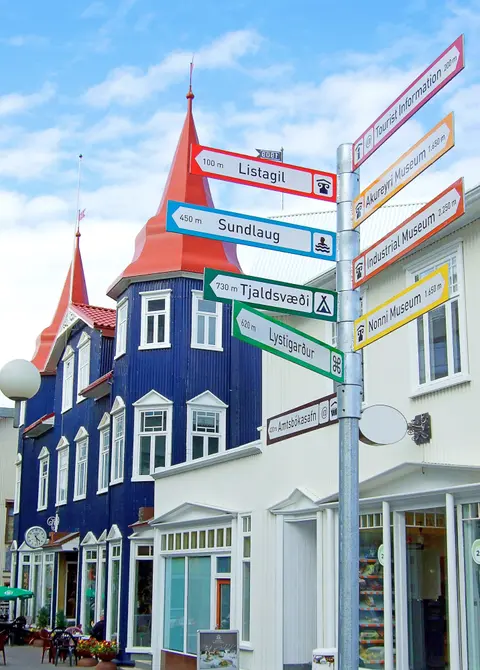
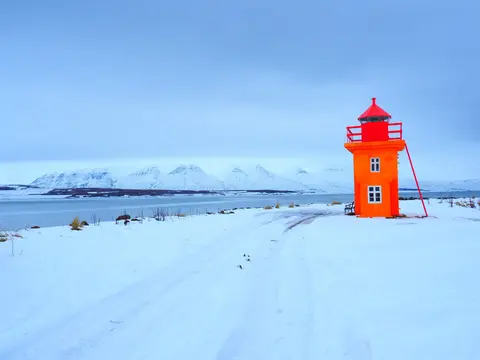
When you set ashore from your cruise ship for a vacation in Akureyri, you should take an excursion to Lake Myvatn. To get there you will pass through Eyjafjördur, where you can enjoy a splendid view of the city port. The first worthy stopover is in Godafoss, here the waters if the Skjálfandafljót form a 12 meter tall waterfall. According to the legend, in the year 999 or 1000, one of the Icelandic rulers proclaimed Christianity as the official religion of Iceland and hurled the idols of the Nordic gods (Odin, Thor and Freyr, to which probably the waterfall was previously dedicated) in its waters. A stained glass window of the church of Akureyri (Akureyrarkirkja) depicts this legend. As you continue along the Icelandic wild nature, with its incredible variety of colours, varying from the bright green meadows to the red minerals erupting from the depths of the island, one reaches the pseudo-craters of Skutustaðir, generated by underground vapours produced by an eruption 2500 years ago. From here one can reach Dimmuborgir, an incredible labyrinth of lava, where amidst peculiar formations rises the Kirkjan, a natural church with two pointed-arch portals and, inside, real chapels with altars. You can end your visit at the Viti crater, known also as the Inferno, one of the many mouths of the central Krafla volcano. If you feel like tackling the steep climb from its internal lake, you can also enjoy a relaxing hot bath. Here you will also find the Askja, an immense caldera that extends for 50 sq.km., a desert of lava and the finest sand resembling moon dust: this in fact was where the astronauts of the Apollo 11 trained for their lunar landing. Before returning to Akureyri, if you feel curious, you can stop to visit Santa Clause’shouse, about ten kilometres south, a delightful Christmas toy shop, with the largest Advent calendar in the world.
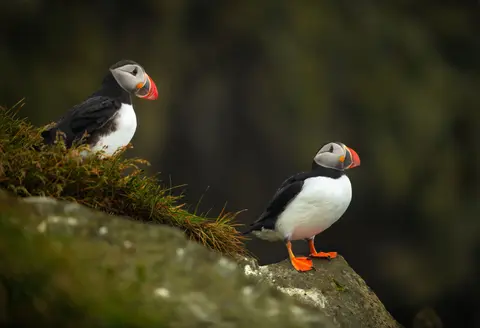
Djúpivogur, a quiet fishing village with fewer than 500 residents, sits on the eastern coast of Iceland and dates back to the days of the Vikings. Despite the fearsome reputation of those who first established Djúpivogur, today what draws visitors to this remote corner of the country is its dramatic natural setting. Located on Berufjörður, it is near stunning natural wonders like the Hofellsjökull Glacier and the Valley of Waterfalls. Wherever you journey in the region, you'll come upon stunning vistas and a landscape shaped by glaciers and geothermal activity. The village itself is home to intriguing sites like Langabúð, a log house built in 1790 that now houses artifacts related to Iceland’s long-held folk traditions. (These include a belief in “hidden folk” who live in the ancient windswept landscapes of rock, glacier and lava.) You can also journey to nearby Papey Island and meet some of eastern Iceland's seabird population including cute and quirky puffins. These birds are so beloved in Iceland that they were long the symbol of the national airline and actually outnumber the country's human population by some 25 to 1.
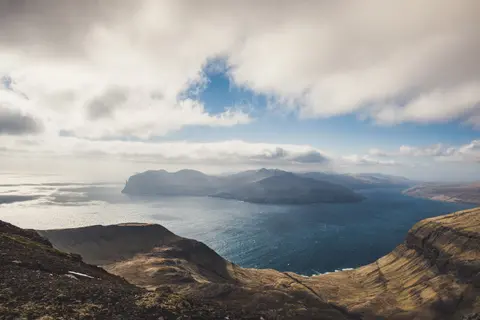
A distant outpost of Denmark, the Faroe Islands suddenly appear out of the misty North Atlantic, nearly 200 miles from the nearest landfall. Of the twenty-two islands in the group, seventeen are inhabited, with a population of 17,000 residing in the capital city of Torshavn. Irish monks discovered the islands in the 8th century and became the first settlers, only to be driven out by Viking explorers a century later. The traditions and legends of their Viking forefathers are kept alive in a language so close to old Norse that Faroe Islanders can still read the ancient texts inscribed centuries ago. The name Faroe comes from faereyjar, the Old Norse word meaning "Sheep Islands." With thousands of sheep dotting the hillsides, the name remains apt today. While sheep are important to the economy, the real wealth of the islands comes from the fishing industry. A fleet of over 300 trawlers and line-fishing boats bring in an average annual haul of 245,000 tons of cod and herring. Ultra-modern processing and freezing plants do the job of getting the product to market in the most efficient manner.
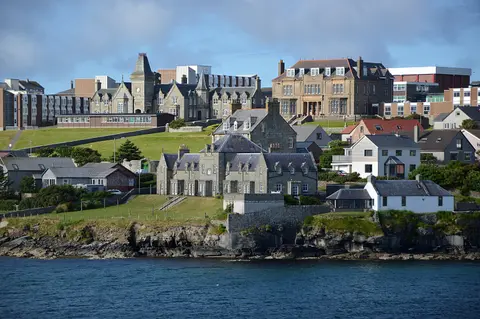
Lerwick, the port where your MSC cruise ship awaits your return, is very much the focus of Shetland’s commercial life. All year, its sheltered harbour is busy with ferries and fishing boats, as well as specialized craft including oil-rig supply, seismic survey and naval vessels from all round the North Sea. In summer, the quayside comes alive with visiting yachts, cruise liners, historic vessels such as the restored Swan and the occasional tall ship. Behind the old harbour is the compact town centre, made up of one long main street, flagstone-clad Commercial Street, whose narrow, winding form, set back one block from the Esplanade, provides shelter from the elements even on the worst days. From here, narrow lanes, known as closses, rise westwards to the late Victorian new town. The northern end of Commercial Street is marked by the towering walls of Fort Charlotte, begun for Charles II in 1665, burnt down by the Dutch fleet in August 1673, and repaired and named in honour of George III’s queen in the 1780s. Exhibits at the Shetland Museum, in a wonderful purpose-built waterfront building, include replicas of a hoard of Pictish silver found locally, the Monks Stone, thought to show the arrival of Christianity in Shetland, and a block of butter, tax payment for the King of Norway, found preserved in a peat bog. MSC Northern Europe cruises also offer excursions to Scalloway, once the capital of Shetland, which however waned in importance throughout the eighteenth century as Lerwick grew. Nowadays, Scalloway is fairly sleepy, though its harbour is busy enough. The town is dominated by the imposing shell of Scalloway Castle, a classic fortified tower house built with forced labour in 1600 by the infamous Earl Patrick Stewart, who held court in the castle and gained a reputation for cruelty and corruption.
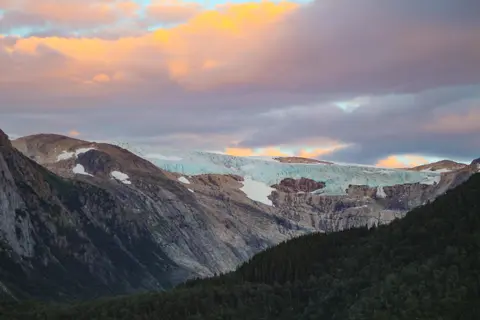
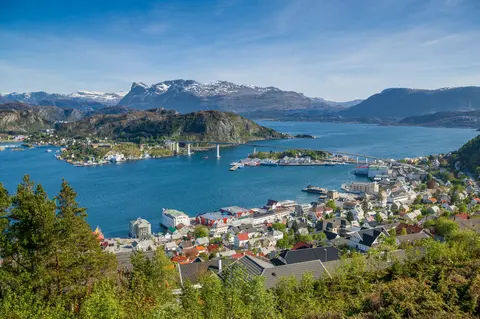
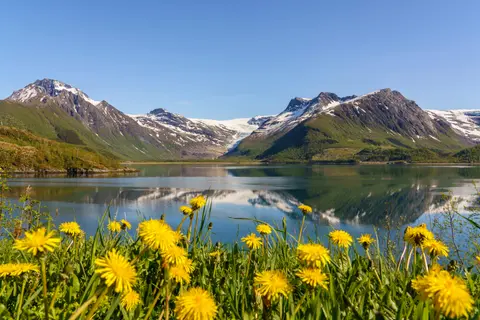
Situated on the southeastern coast of the island of Vågsøy, Måløy is a fetching coastal village graced by silvery beaches, lighthouses and a long history in fishing. A major port for exporting Norway’s prized seafood, Måløy is an ideal place to sample the local cod and chips, fish soup, crab-stuffed sandwiches and other fruits of the sea. History buffs will enjoy the Måløy Raid Center, which focuses on an allied full-scale operation that went on to become an important and strategic victory for the Allies during World War II. Also of note is the 10-foot-tall Kannesteinen rock, which has been carved by the sea over thousands of years and now resembles the tail of a whale.
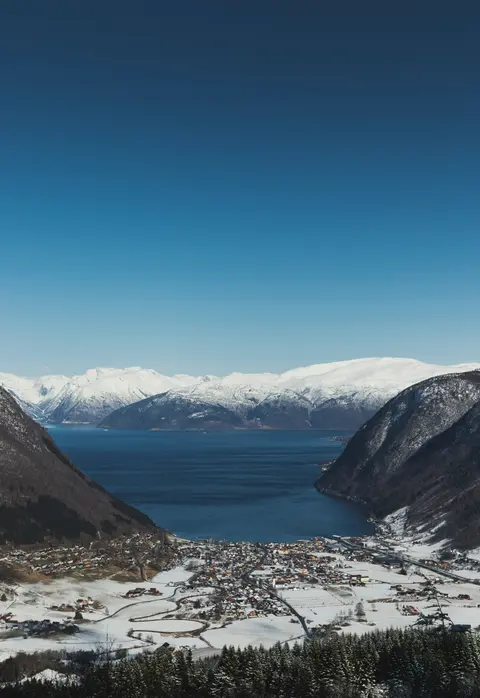
The Norwegian village of Vik stands on a huge bay between the sea and the mountains of Sognefjord, and is believed by many to be where the Viking civilisation originated. Similarly to the nearby village of Flam, it is located at one of the most beautiful spots on the spectacular Sognefjord, 'the fjord of all fjords'. A number of sites in the area, including ancient Borgund Hopperstand, Undredal Kaupanger and Umes, have been declared monuments of great historical interest by Unesco. The area features a number of fascinating museums and the local population defend their heritage with enthusiasm. As well as beautifully preserved ancient churches the area also exhibits evidence of former pagan worship. Arriving at Vik by sea is a magnificent experience, offering incredible views of the dramatic landscape. Breath-taking views can also be enjoyed via a short railway journey that climbs 900 metres into the mountains, a marvellous feat of engineering.
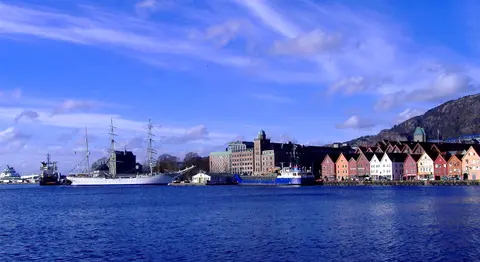
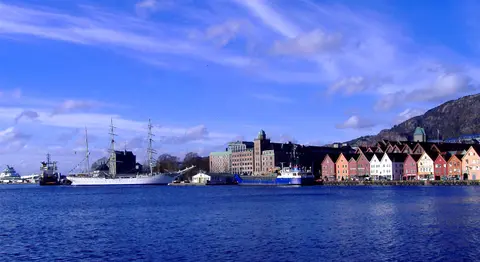
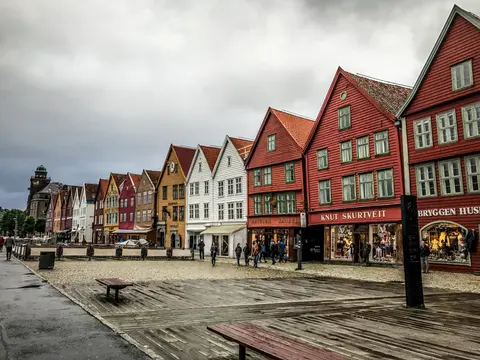
Bergen’s maritime tradition is age old and your MSC Cruise of Northern Europe will lay anchor in a setting which exudes history. An excursion on land will give you the opportunity to visit the Hanseatic quarter, where you find the oldest buildings in Bergen, built along the Bryggen docks, one of the most active and lively parts of town. Included by UNESCO amongst the world heritage sites, this quarter has preserved the old buildings of the port, and is, with its narrow alleys and dark, open galleries, one of the best preserved Medieval boroughs of the country. A vacation in Norway with an MSC cruise will give you the opportunity to explore this fascinating land. A visit to the Hanseatic Museum and the Schøtstuene, the merchant navy league assembly will help you get to better know this intriguing town. Håkon Hall in the royal palace built by King Håkon Håkonsson in the mid-14th century and the adjacent Rosenkrantz tower (1270) reflect to this day the power of the Hanseatic League in the Middle Ages. All this can be admired also from above with a ride on the Fløibanen funicular, that takes you up to the peaks of Mount Fløyen, from which it is worth walking down on foot: after crossing landscapes of rare beauty you will find yourself in the lively bustle of the fish market. You can take a walk amidst the wooden homes built on the side of the hill and along the long smau, the narrow passages typical of Bergen. Take time to visit the original wooden church of Fantoft, built in 1150 but transferred here only in 1882. Along the shores of Lake Lille Lungegårdsvann you find many art galleries and a museum with a collection of paintings by Edward Munch. In Troldhaugen instead, there is the museum-home of the most famous Norwegian composer, Edvard Grieg, who worked and lived here in a small cottage on Lake Nordås.
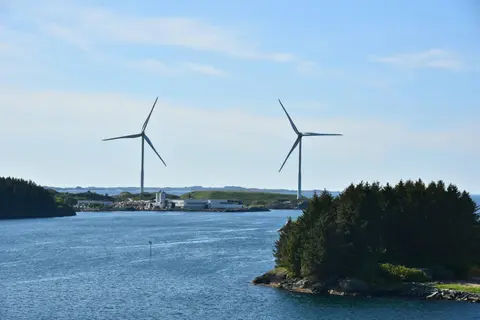
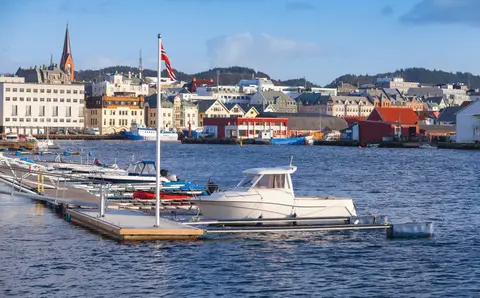
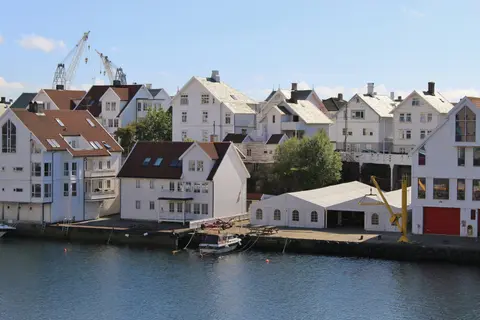
With Norway possessing countless famous natural landmarks—its glorious fjords practically enjoy celebrity status—the town of Haugesund, in the southern county of Rogaland, can be overlooked despite its history as a center of the country’s Viking rulers. Norway’s first king, Harald Fairhair, whose rule began in the latter half of the 9th century, lived nearby, and he and several other early kings are buried in a mound here along the Karmsundet Strait. Today, Norwegians know the town as a cultural center with popular music and film festivals, as well as for being a beneficiary of Norway’s petroleum wealth. As in many Scandinavian port towns, a long row of handsome old commercial buildings line the Smedasundet waterfront; today, they house busy restaurants. A block inland, the Haraldsgata pedestrian street has a folk museum, the brick Our Savior’s Church and plenty of shopping. At the edge of town, a huge granite obelisk erected in 1872 commemorates the 1,000th anniversary of the seminal Battle of Hafrsfjord, when Harald Fairhair led his forces to victory and united Norway in the process. It is also easy to get from Haugesund to the massive glacier fields of Folgefonna National Park and to the 612-meter-high (2,008-foot) Langfoss waterfall.
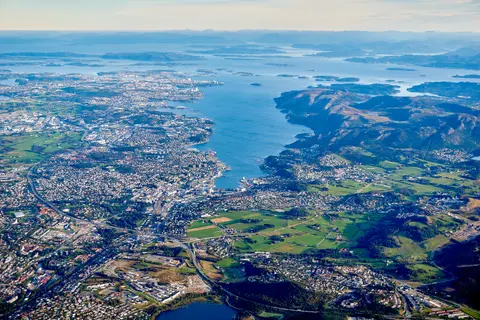
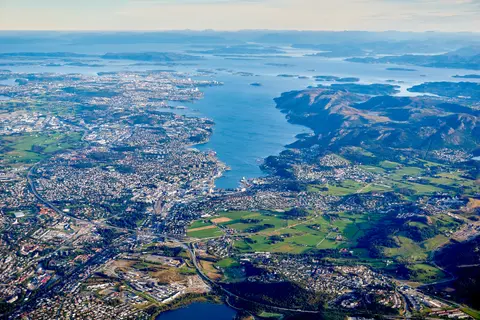
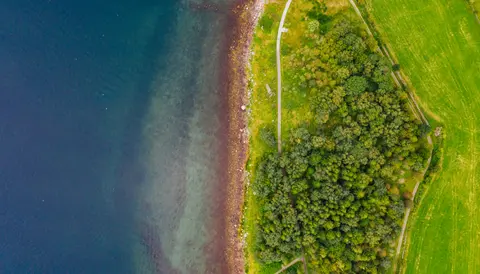
Attractive and friendly, Stavanger offers visitors arriving on an MSC cruise a variety of activities. Starting from a visit to the town itself, that has a centre full of shops, narrow streets climbing up the hill and an attractive cathedral. You should walk around the old part of town facing the sea where your cruise ship will be anchored. In Stavanger you can enjoy visiting museums. Amongst the most interesting area the oil museum, the canning museum, the Rogaland art museum or the children’s museum. Take a stroll in the environs of Stavanger instead to explore the 23 iron figures that form the “Broken Column” a sculpture by Antony Gormley. In Hafrsfjord look for the three swords in the rock, a monument celebrating the Vikings’ battle of 872 A.D. led by King Harald I. Nearby is the Jærmuseet science centre, elected the “best museum in Norway” in 2009. But the region of Stavanger is known especially for its fjords and in particular the Lysefjord. The mountain walls drop almost a thousand metres vertically along the 42 kilometres of coast, for that is the depth of the sea in this narrow passage. An excursion on the waters is an experience you won’t forget. Also because from here one can admire one of the most famous attractions in Norway, the Preikestolen (the Pulpit), a rocky outcrop soaring 600 metres above the fjord. With an hour and half’s walk from the driveway you can reach this exceptional work of nature . Another tourist attraction is Kjerag, a peak rising 1100 metres above sea level that dominates the Lysefjord, with its northern face plummeting into the sea. But it’s a little lower down, at about 980 metres that you find a natural masterpiece generated by the elements: the Kjeragbolten, a massive rock jammed between two rock faces. The excursion takes up most of the day, but the awesome spectacle is worth the effort.
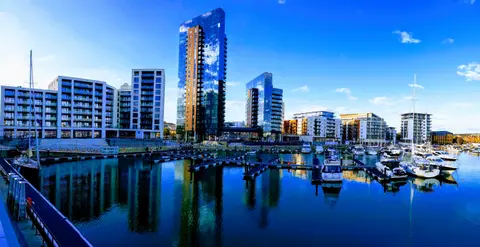
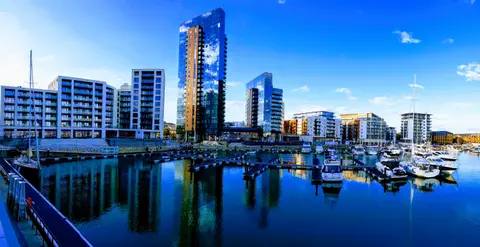
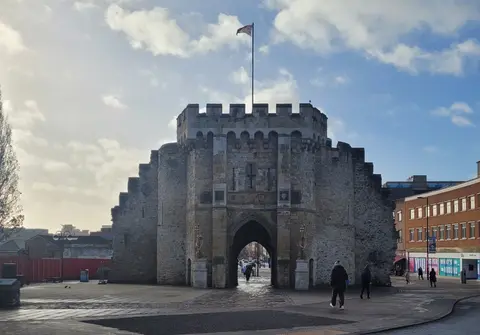
Cruises from Southampton are part of a storied maritime heritage. Famous ships have sailed from Southampton port and, before commercial air travel, it was the gateway to the world with Hollywood celebrities like Bette Davis and Elizabeth Taylor passing through to board a Southampton cruise. In its atmospheric Old Town, 12th-century churches, cobbled streets, and timber-framed houses like the impressive Tudor House & Garden sit side-by-side, surrounded by one of the most complete Medieval city walls in the UK where the Bargate – the ancient entrance – still stands intact. There are bustling marina-side bars, shiny shopping districts and a vibrant cultural quarter where the Mayflower Theatre puts on West End musicals and the SeaCity Museum catalogues Southampton’s seafaring past. Some of England’s most impressive landmarks are an easy drive away, including the Neolithic wonder Stonehenge, the picturesque spa city Bath or Buckingham Palace, Tate Modern and Tower Bridge in the bustling capital of London. Discover 5,000 years of history and more on a Southampton cruise.
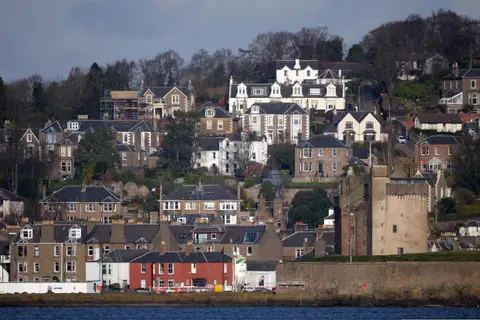
Dundee is a coastal city on the Firth of Tay estuary in eastern Scotland. Its regenerated waterfront has 2 nautical museums: RRS Discovery, Captain Scott’s Antarctic expedition ship, and 19th-century warship, HM Frigate Unicorn. North of the water, Verdant Works is a museum celebrating the city’s jute-manufacturing heritage. The McManus: Dundee’s Art Gallery & Museum displays art and archaeological finds.

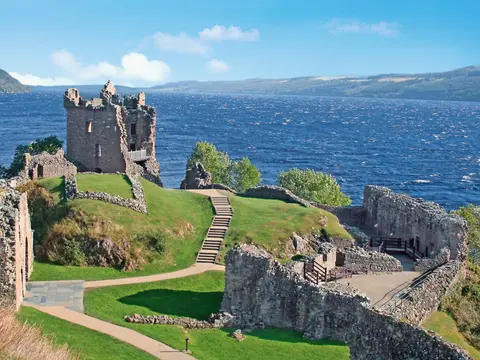
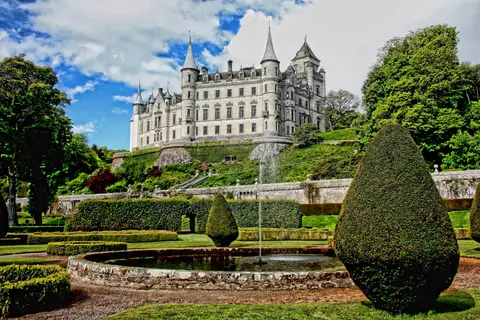
The Highlands in the northern part of Scotland are known for their magnificent scenery, boasting a landscape of dramatic mountains and forested hills. This region also is of historic importance and full of legends including the fabled Loch Ness monster. For centuries, Scotland was England's principal enemy. Then in 1603, James VI of Scotland became James I of England, thus establishing the first political union between the two countries. Despite these ties, Scottish nationalism persisted.The resistance came to an end in 1746 when Bonnie Prince Charlie, in a sad but heroic attempt to reclaim the throne, was defeated in the Battle of Culloden. It changed the social structure of the Highlands forever. Powerful clans were disarmed; for many years wearing kilts was prohibited because the kilt was seen as a symbol of Scottish pride. Scotland ultimately was ruled from London. Invergordon is the port for Inverness, the capital of the Scottish Highlands and junction of many routes. Over the centuries, Inverness was often the focal point of clashes between Highland chiefs, and the Crown. Today the town is a popular tourist attraction as well as a gathering place for the clans of the surrounding area. Many of the traditional Scottish events take place here each summer, including the Highland Games and the Sheep Dog Trials. Invergordon is also a good starting point for excursions to many of the area's attractions, including the Battlefield of Culloden, Loch Ness, the villages of Tain and Cromarty, historic castles and old whisky distilleries. The local economy relies heavily on tourism, in addition to fishing and agriculture. Enjoy the picture-perfect scenery and perhaps an opportunity to chat with a Highlander eager to introduce you to his fabled land and its rich heritage.
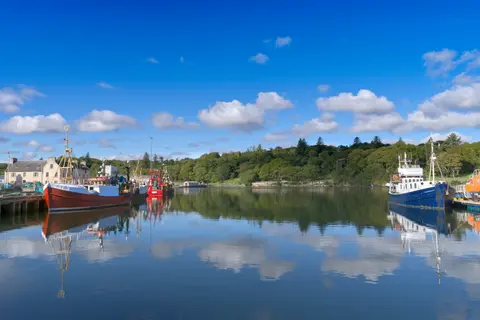
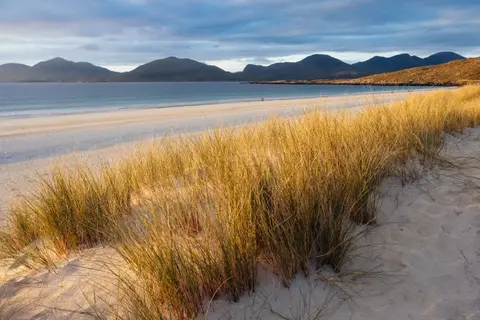
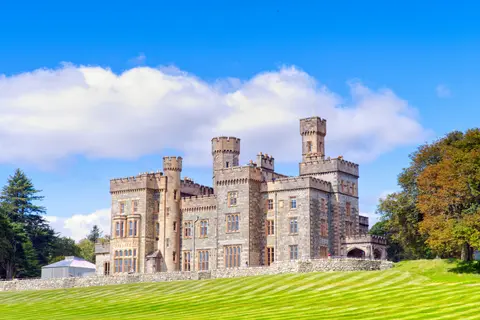
Thanks to its sheltered location, Stornoway, on the island of Lewis and Harris, is the largest town of the Outer Hebrides islands of Scotland. The port offers a warm welcome to those visiting Lewis as part of their exploration of one of the UK’s remotest locations. A stroll along the quay reveals local fishermen on traditional fleets landing the catch of the day, before shipping it to one the island’s amazing eateries. There is an unmistakeable odour of peat in the air as the smokehouses turn the seafood into island specialities. Historic Lews Castle and the adjoining museum are key cultural centre for the islands’ heritage. An Lanntair Art Centre samples local arts and a good programme of art events, while a unique shopping experience awaits at the Harris Tweed Hebrides Outlet and Lewis Loom Centre, where traditional weaving methods can be discovered. Alternatively, a wander through the surrounding woods and a visit to the Woodland Centre can while away a pleasant hour or two.
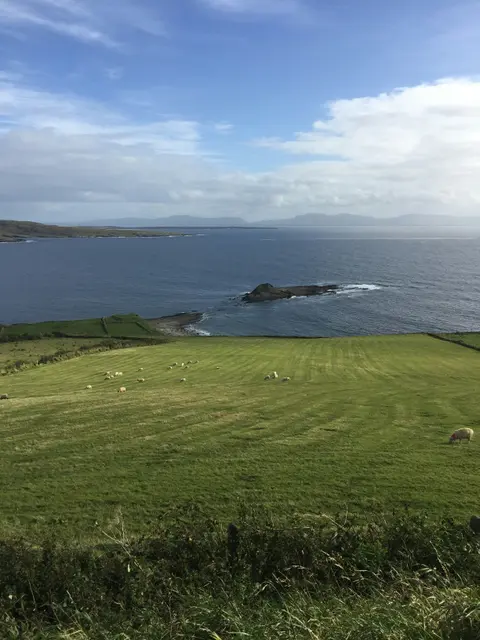
Killybegs has offered mariners a safe haven from the churning waters of the Atlantic Ocean for centuries. Its sheltered deepwater harbor opens out into Donegal Bay and the vast northeastern Atlantic. In ancient times, the town consisted of no more than a huddle of small beehive-style huts called “Na Cealla Beaga,” a Gaelic phrase from which the town takes its current name. Fast-forward to today, and the maritime theme is just as strong. Modern-day Killybegs is a tight-knit seafaring community with Ireland’s largest fishing fleet. This part of County Donegal is also home to a number of traditional industries and artisan workshops, where craftspeople specialize in carpet-making, weaving and knitting. Killybegs is surrounded by some of the most scenic landscape Ireland has to offer. As a stop along the 2,500-kilometer-long coastal route known as the Wild Atlantic Way, there are several stunning spots you can’t miss, including the white, sandy expanse of nearby Fintra Beach and the vertigo-inducing cliffs at Slieve League. Come here to soak up the small-town atmosphere and drink in the natural beauty that abounds.
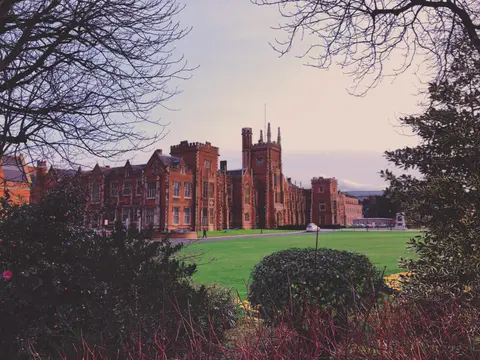
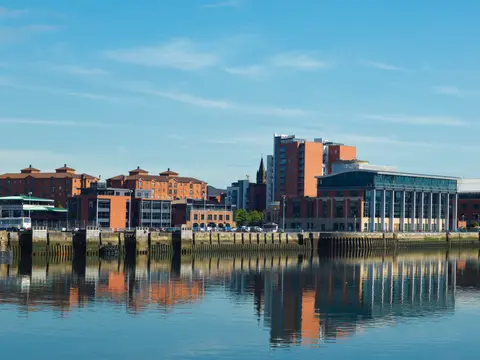
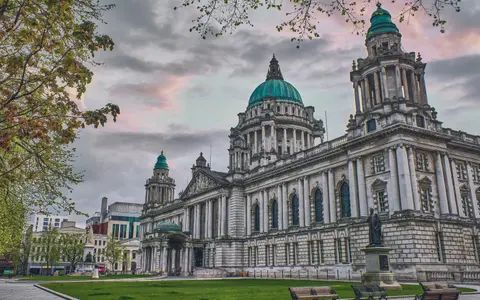
Reborn as a cool, modern city, Belfast has successfully left its troubles behind, emerging as a hotbed of culture and architecture, where the comfort of a cosy pub is never far away. Take a voyage of discovery in its maritime quarter, home to a celebrated museum dedicated to the most famous ship ever built, which was constructed right here in the city’s shipyards. A walk across the Lagan Weir Footbridge brings you to Belfast’s fascinating Titanic District – an area of the city devoted to its rich ship-building heritage. The state-of-the-art Titanic Museum brings the story of the doomed vessel to life, and is the largest museum dedicated to the infamously ‘unsinkable’ ship. Wind up a nautical-themed ramble along the Maritime Mile with a visit to SS Nomadic, the smaller cousin of the Titanic, and a ship which serves as a fascinating time capsule back to the pomp and grandeur of the Titanic, while also telling its own stories of service in both World Wars. There’s just enough time to give the 10-metre long Salmon of Knowledge sculpture a quick peck for luck, before continuing to explore. A stark barbed wire and graffitied sheet metal barrier marks an abrupt scar through the city’s residential areas. The Peace Line was constructed during the height of the Troubles, when Belfast was plagued by sectarian divisions between Protestants and Catholics. Nowadays, you can jump in a black taxi tour to see the colourful murals and living history of the walls, which stand as a stark reminder of the fragility of peace. After exploring the city’s historic divisions, a reminder of Belfast’s uniting creativity can be found at the Metropolitan Arts Centre – a seven-storey tall building, which invites light to gloriously cascade inside. The Cathedral Quarter is a cobbled blend of flower-adorned pubs, restaurants and theatres, and venues where music spills out onto the streets at night, and many a pint is cheerily shared.
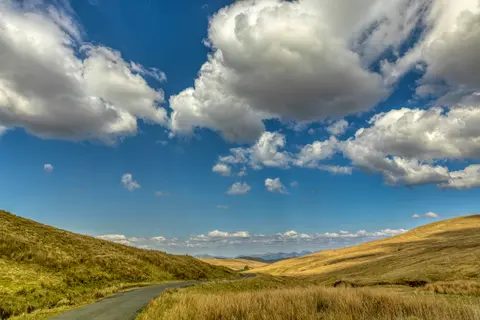
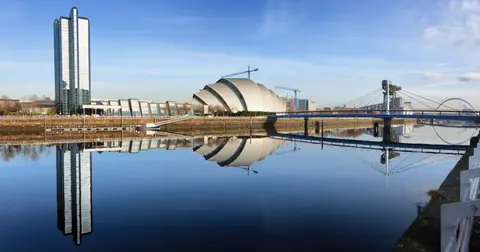
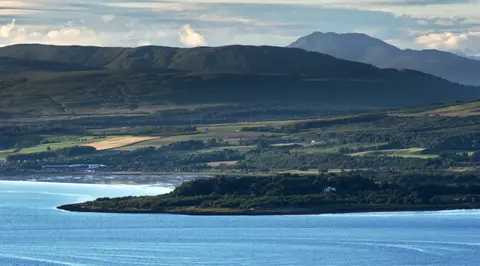
At your MSC cruise port of call in Greenock, Scotland, you’ll be just a short trip away from Glasgow. Glasgow is a sprawling post-industrial metropolis on the banks of the River Clyde. An upbeat cruise destination, it boasts great bars, clubs and restaurants. Its museums and galleries are some of the best in Britain, while the city’s impressive architecture reflects the wealth of its eighteenth- and nineteenth-century heyday. Set on the banks of the mighty River Clyde, Glasgow, Scotland’s largest city, has not traditionally enjoyed the best of reputations. However, the cityscape has been spruced up, and many visitors are knocked out by the architecture, from long rows of sandstone terraces to the fantastical spires of the Kelvingrove Museum. Glasgow has some of the best-financed and most imaginative museums and galleries in Britain – among them the showcase Burrell Collection and the palatial Kelvingrove Art Gallery and Museum – nearly all of which are free. Glasgow’s architecture is some of the most striking in the UK, from the restored eighteenth-century warehouses of the Merchant City to the hulking Victorian prosperity of George Square. Most distinctive of all is the work of local luminary Charles Rennie Mackintosh, whose elegantly Art Nouveau designs appear all over the city, reaching their apotheosis in the stunning School of Art. MSC Northern Europe cruises also offer excursions to Stirling. Straddling the River Forth a few miles upstream from the estuary at Kincardine, Stirling appears, at first glance, like a smaller version of Edinburgh. With its crag-top castle, steep, cobbled streets and mixed community of locals, students and tourists, it’s an appealing place. Stirling was the scene of some of the most significant developments in the evolution of the Scottish nation as commemorated by the lofty Wallace Monument high on Abbey Craig to the north-east.
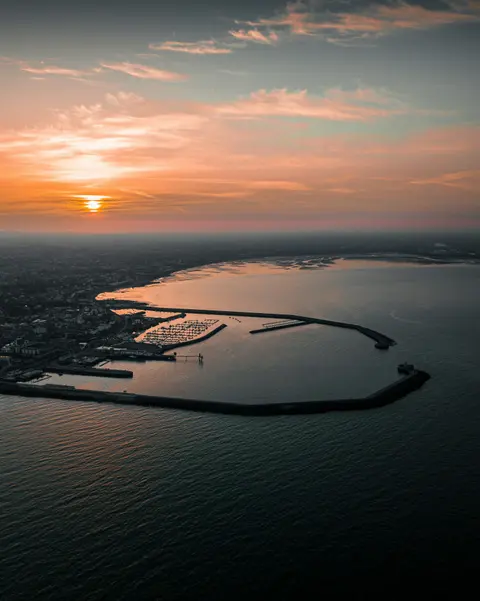
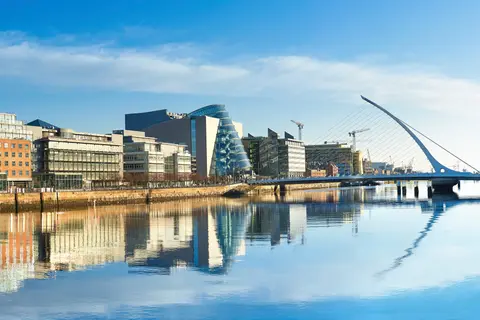
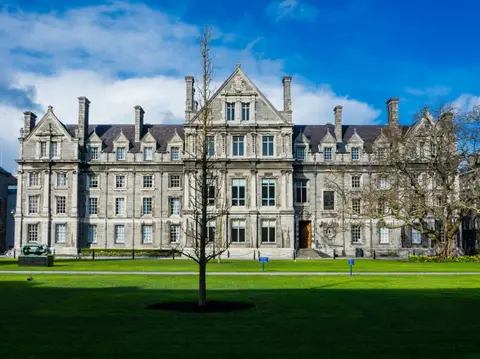
Dun Laorghaire, pronounced Dunleary, is an elegant little coastal town situated close to Dublin and is steeped in history. You’ll be sure to receive a traditional Irish welcome as you step ashore and begin your explorations. Breathe in the Irish sea air as you take a stroll along the mile-long East Pier Walk, marvelling at the stunning views across Dublin Bay, passing by the beautiful Victorian bandstand, as small boats quietly sail in and out of the harbour. Explore the People’s Park, created as a formal Victorian Garden, encircled by wrought iron railings, and housing a multitude of landscaped lawns and sweet-smelling flowers. Each weekend, market vendors bring colourful art collections and local produce here, drawing visitors in to browse contentedly. The famous James Joyce Tower and Museum, noted for its appearance in the opening scenes of the novel Ulysses, now houses many artefacts of Joyce, including letters, photographs and rare first edition books. For those feeling brave enough, take a dip in the Irish Sea at Forty Foot, a historic bathing pool, named among the best places to swim in the world. Visit Mariner’s Church, or the Oratory of the Sacred Heart, both of which are easily accessible.
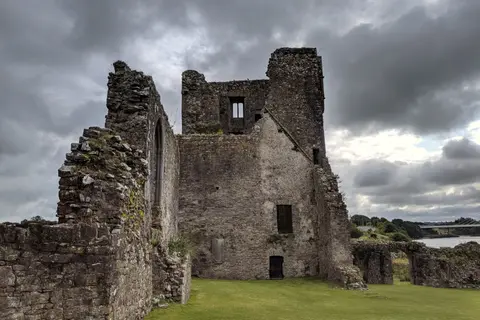
Nestled by the banks of the River Suir, Waterford is Ireland’s oldest city, dating back to Viking times. Its impressive medieval city walls, cobbled, winding streets and colorful waterfront lend the town a charming feel. Reginald's Tower is Waterford's best known landmark. The building has been described as the oldest tower of mortared stone in Europe and today houses the city’s Maritime and Civic Museum. Other attraction worth a visit are the City Hall, magnificently restored, and housing the Municipal Art Collection, and the Heritage Museum with its fine collection of Viking and Medieval artifacts. Of course no trip to Waterford would be complete without a visit to the world renowned Waterford Crystal factory. Each piece represents the culmination of light, heat and the skill of master craftsmen. The craftsmen transform glowing balls of crystal into elegant shapes using their artistic instinct, their breath and traditional tools. The perfect place to bring back a treasured memento of your cruise.
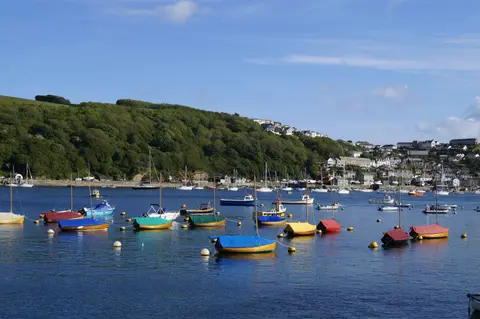
With a rich seafaring history dating back to the 14th Century, Fowey (pronounced Foy) in Cornwall is still one of England's busiest ports. The circular Hall Walk is quite popular and follows the banks of the estuary. In town stroll the Esplanade, visit St. Fimbarrus Church, and admire the view from St. Catherine's Castle, which was built during the reign of Henry VIII to protect the harbor. Blockhouses from the late 1300s stand on either side of the harbor, from which a chain was once hung to prevent undesirable ships from entering.
Cruises from Southampton are part of a storied maritime heritage. Famous ships have sailed from Southampton port and, before commercial air travel, it was the gateway to the world with Hollywood celebrities like Bette Davis and Elizabeth Taylor passing through to board a Southampton cruise. In its atmospheric Old Town, 12th-century churches, cobbled streets, and timber-framed houses like the impressive Tudor House & Garden sit side-by-side, surrounded by one of the most complete Medieval city walls in the UK where the Bargate – the ancient entrance – still stands intact. There are bustling marina-side bars, shiny shopping districts and a vibrant cultural quarter where the Mayflower Theatre puts on West End musicals and the SeaCity Museum catalogues Southampton’s seafaring past. Some of England’s most impressive landmarks are an easy drive away, including the Neolithic wonder Stonehenge, the picturesque spa city Bath or Buckingham Palace, Tate Modern and Tower Bridge in the bustling capital of London. Discover 5,000 years of history and more on a Southampton cruise.
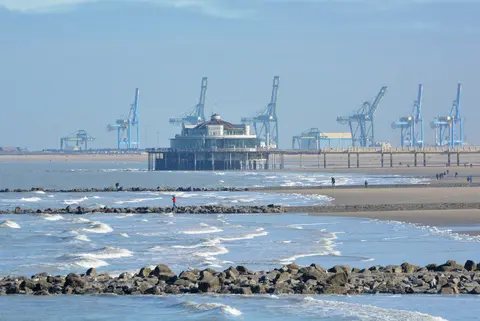
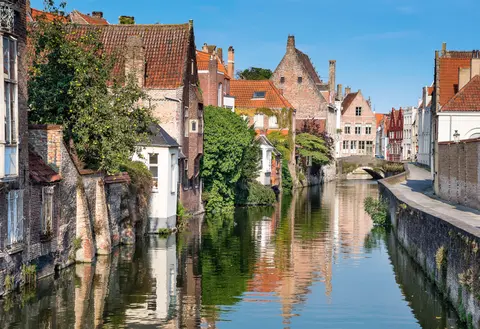
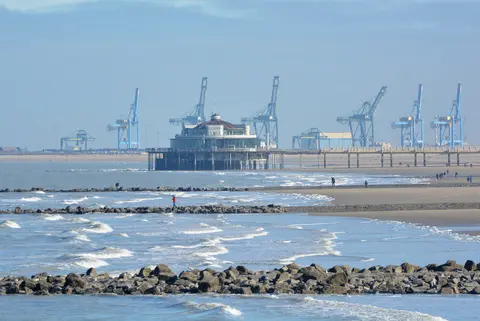
The ultimate fairytale city, Bruges is a snowglobe medieval town brought to life and lovingly preserved. The medieval majesty rises just inland from Zeebruge's busy port and sandy beaches, and the two are linked by the short stretch of the Baudouin Canal. Arrive in Bruges to discover a dreamlike place where time has stood still. Explore the Unesco World Heritage Site centre to wander at leisure among some of the world's most atmospheric streets. View less Laced with pretty canals, winding paths of cobbled stones, and glorious squares surrounded by soaring church spires, Bruges is an irresistible journey back through time. A city for the seasons, see the towering cups of tulips glowing, or snowy layers adding a cosy blanket during winter. The climb is not to be underestimated, but there are few better places to start a visit to Bruges than the ascent up to the 83-metre lookout of the Belfry of Bruges, which rockets up from the city's primary market square. Discover the city's pretty canals, and admire the colour-splashed facades - tangled with ivy - that line up appealingly on their banks. With plenty of museums and galleries among the incredible architecture, Bruges is a city that effortlessly lives up to its heavy hyping, and there are countless cultural attractions to immerse yourself in. Indulge a sweet tooth at the chocolate museum - or sample the wares of countless artisan chocolate shops - to leave this Zeebrugge's port with the most satisfying of tastes lingering.
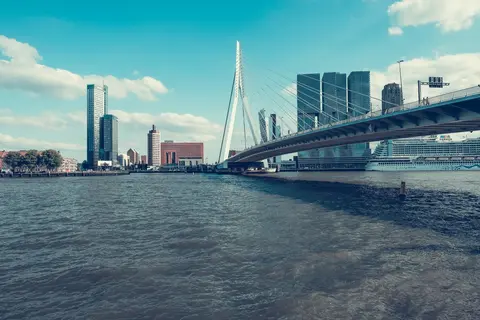
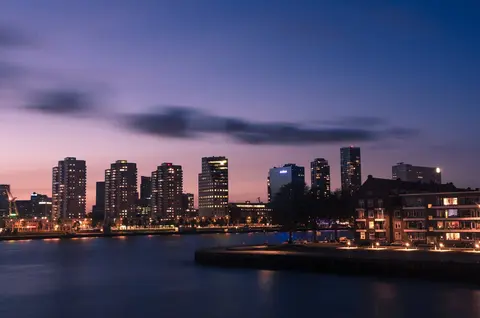
Your MSC cruise will lay anchor in the largest port in the world, Rotterdam, is a no-nonsense working-class city lying at the heart of a maze of rivers and artificial waterways that together form the outlet of the rivers Rijn (Rhine) and Maas (Meuse). After devastating damage during World War II, Rotterdam has grown into a vibrant, forceful city dotted with first division cultural attractions. Your MSC cruise of Northern Europe will give you the opportunity to see that the immense land reclamation work hasn’t obliterated its earthy character though: its tough grittiness is part of its appeal, as are its boisterous bars and clubs. Amongst the most interesting attractions to enjoy during your vacation in Holland, is Rotterdam’s Kunsthal, the museum of contemporary art, and the Boijmans van Beuningen Museum, which has an outstanding art collection including representative works from almost all the most important Dutch painters: both are in the city’s designated culture zone, the Museumpark. Other interesting sites to visit on an MSC excursion are the Oude Haven, the city’s oldest harbour, ravaged during World War II but sympathetically redeveloped, and Delfs haven, an antique harbour that managed to survive the bombs pretty much intact. Rotterdam also boasts a string of first-rate festivals, including the much-lauded North Sea Jazz Festival and the colourful Summer Carnival. The postwar period saw the rapid reconstruction of the docks and, when huge container ships and oil tankers made the existing port facilities obsolete, Rotterdammers promptly built an entirely new deep-sea port, the Europoort, jutting out into the North Sea some 25 km to the west of the old town. Completed in 1968, the Europoort is able to welcome the largest ships in the world, amongst which also the MSC cruise ships.
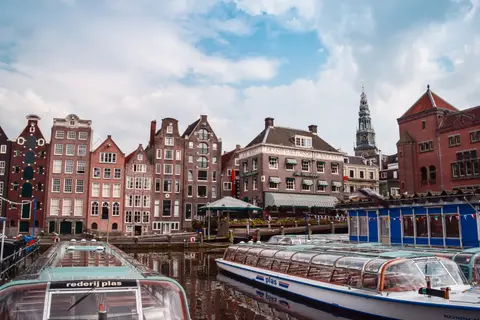
A stop in Amsterdam offers the chance to explore the sights of one of Europe’s most colorful, dynamic and historic cities—one with a well-earned reputation as a laid-back and inviting place for people of all stripes. Visitors are naturally drawn to the historic city center where you’ll find some of the world’s top art museums, including the Rijksmuseum and the Van Gogh Museum. And at Dam Square, the Amsterdam’s largest public square, you can tour the Royal Palace before continuing to the tourist attractions on the Canal Belt. The iconic network of waterways that surrounds the downtown area offers a picturesque backdrop for sightseeing by bike or canal boat. Be sure to visit the floating Bloemenmarkt to peruse famed Dutch tulips, and take time to wander and window-shop among the narrow lanes of de Jordaan. And you won’t have to look far in Amsterdam to find delicious Dutch treats along the way. Just duck into a cozy brown café to sample a plate of bitterballen with mustard and a beer, and grab a gooey sweet stroopwafel from a street vendor as you stroll.
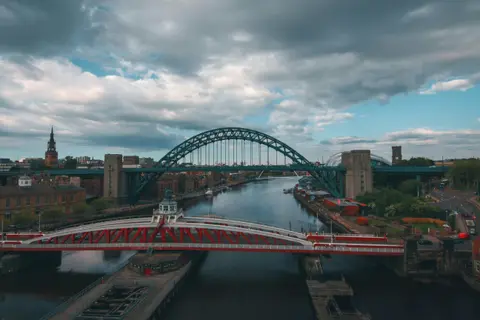
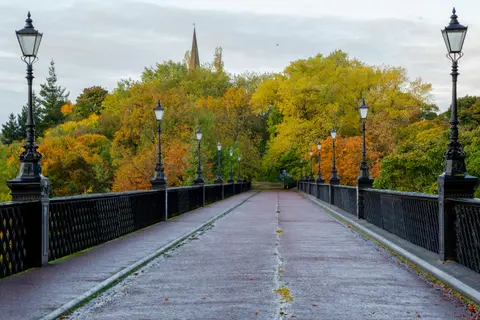
Newcastle upon Tyne is a classic city of England’s north country, where you can visit reminders of some 2,000 years of British history. The city’s crucial location along the River Tyne has meant that it has been the site of Roman forts under Emperor Hadrian and Norman castles under William the Conqueror and the kings that succeeded him. A short drive outside of town offers the chance to stroll along sections of Hadrian’s Wall, built by Romans as a defense against Scottish invaders. And a walk through the city finds a mix of modern and old, with new structures like the Gateshead Millennium Bridge alongside Victorian storefronts, Edwardian marketplaces and remnants of the Industrial Revolution. Perhaps Newcastle’s most recognizable claim to fame is its renowned beer, Newcastle Brown Ale, which you can sample, along with other local craft ales, at historic pubs. Newcastle also makes a great jumping-off point for exploring nearby historic towns like Durham and Alnwick, with their impeccably maintained gardens, historic castles and soaring cathedrals.
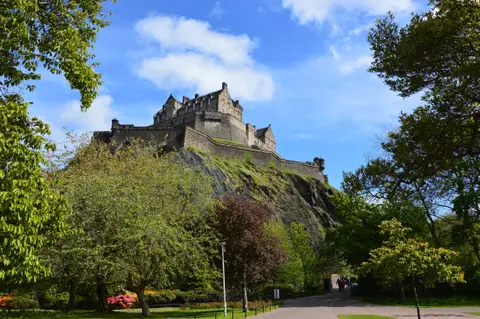
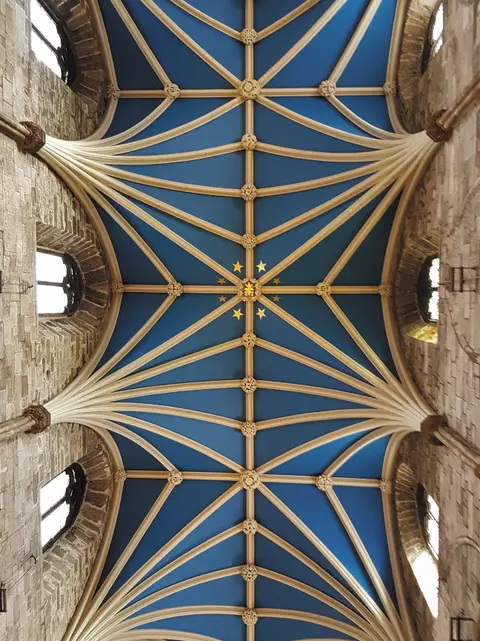
Edinburgh is to London as poetry is to prose, as Charlotte Brontë once wrote. One of the world's stateliest cities and proudest capitals, it's built—like Rome—on seven hills, making it a striking backdrop for the ancient pageant of history. In a skyline of sheer drama, Edinburgh Castle watches over the capital city, frowning down on Princes Street’s glamour and glitz. But despite its rich past, the city’s famous festivals, excellent museums and galleries, as well as the modern Scottish Parliament, are reminders that Edinburgh has its feet firmly in the 21st century.Nearly everywhere in Edinburgh (the burgh is always pronounced burra in Scotland) there are spectacular buildings, whose Doric, Ionic, and Corinthian pillars add touches of neoclassical grandeur to the largely Presbyterian backdrop. Large gardens are a strong feature of central Edinburgh, where the city council is one of the most stridently conservationist in Europe. Arthur's Seat, a mountain of bright green and yellow furze, rears up behind the spires of the Old Town. This child-size mountain jutting 822 feet above its surroundings has steep slopes and little crags, like a miniature Highlands set down in the middle of the busy city. Appropriately, these theatrical elements match Edinburgh's character—after all, the city has been a stage that has seen its fair share of romance, violence, tragedy, and triumph.Modern Edinburgh has become a cultural capital, staging the Edinburgh International Festival and the Fringe Festival in every possible venue each August. The stunning Museum of Scotland complements the city’s wealth of galleries and artsy hangouts. Add Edinburgh’s growing reputation for food and nightlife and you have one of the world’s most beguiling cities.Today the city is the second most important financial center in the United Kingdom, and the fifth most important in Europe. The city regularly is ranked near the top in quality-of-life surveys. Accordingly, New Town apartments on fashionable streets sell for considerable sums. In some senses the city is showy and materialistic, but Edinburgh still supports learned societies, some of which have their roots in the Scottish Enlightenment. The Royal Society of Edinburgh, for example, established in 1783 "for the advancement of learning and useful knowledge," remains an important forum for interdisciplinary activities.Even as Edinburgh moves through the 21st century, its tall guardian castle remains the focal point of the city and its venerable history. Take time to explore the streets—peopled by the spirits of Mary, Queen of Scots; Sir Walter Scott; and Robert Louis Stevenson—and pay your respects to the world's best-loved terrier, Greyfriars Bobby. In the evenings you can enjoy candlelit restaurants or a folk ceilidh (pronounced kay-lee, a traditional Scottish dance with music), though you should remember that you haven't earned your porridge until you've climbed Arthur's Seat. Should you wander around a corner, say, on George Street, you might see not an endless cityscape, but blue sea and a patchwork of fields. This is the county of Fife, beyond the inlet of the North Sea called the Firth of Forth—a reminder, like the mountains to the northwest that can be glimpsed from Edinburgh's highest points, that the rest of Scotland lies within easy reach.
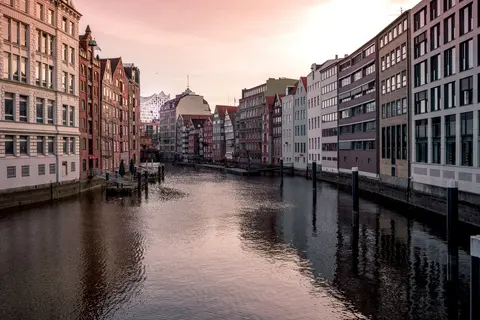
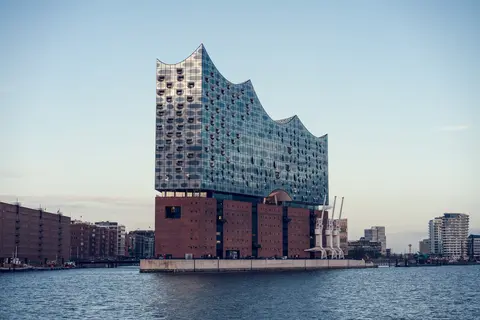
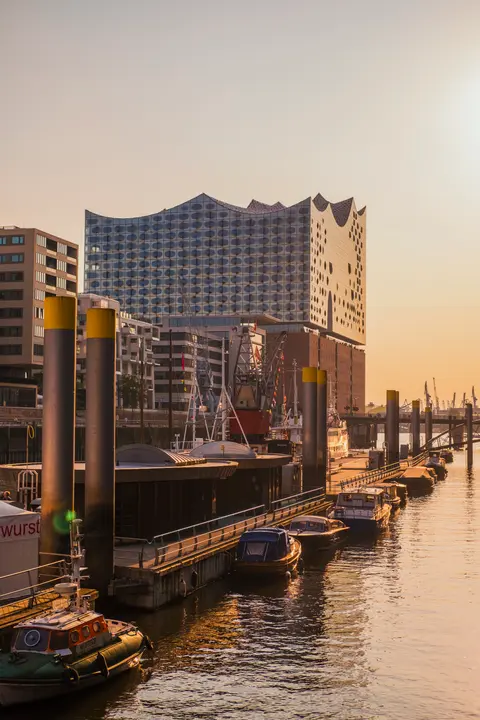
Located between the North Sea and the Baltic Sea, Hamburg will fascinate you from the moment you first set eyes on its elegant and austere buildings looking onto the port, one of the largest in Europe. When you reach this destination on an MSC Cruise of Northern Europe, you can get a taste of its glorious history. Hamburg is a cosmopolitan, wealthy and fashionable city, with an aggressive economy, that still prides itself of the title “free Hanseatic city”. It has, in fact, never cut its umbilical cord with maritime trade that has its heart in the port where your cruise liner will be waiting for you. Many tourist come here to visit the Reeperbahn, the red light district, but if you want to take in the atmosphere of the city, you shouldn’t miss an excursion to Speicherstadt (Warehouse Town), where the cobbled streets, gables and turrets combine to make the area on the other side of Zollkanal (Tax Canal) a world apart from the city opposite. Another city icon, St Michaelis, at the western edge of the city centre by Ludwig-Erhard-Strasse, is Hamburg’s iconic church and no wonder. More than any other building, the “Michael” mirrors the city’s irrepressible spirit. Burned down after a lightning strike in1750, it was rebuilt in Baroque style under Ernst Georg Sonnin but it again accidently caught fire in1906. In 1945, the Allies obliterated the roof and decor of church number three. Reconstructed again to Sonnin’s plans, it is now the finest Baroque church in North Germany. Probably the most gratifying attraction during an excursion on an MSC Cruise is the scenery you can admire from one of the best views over Hamburg: the 360-degree panorama takes in Speicherstadt, the container port and shipping on the Elbe, the Alster lakes, and the five spires of the churches and Rathaus.
Located between the North Sea and the Baltic Sea, Hamburg will fascinate you from the moment you first set eyes on its elegant and austere buildings looking onto the port, one of the largest in Europe. When you reach this destination on an MSC Cruise of Northern Europe, you can get a taste of its glorious history. Hamburg is a cosmopolitan, wealthy and fashionable city, with an aggressive economy, that still prides itself of the title “free Hanseatic city”. It has, in fact, never cut its umbilical cord with maritime trade that has its heart in the port where your cruise liner will be waiting for you. Many tourist come here to visit the Reeperbahn, the red light district, but if you want to take in the atmosphere of the city, you shouldn’t miss an excursion to Speicherstadt (Warehouse Town), where the cobbled streets, gables and turrets combine to make the area on the other side of Zollkanal (Tax Canal) a world apart from the city opposite. Another city icon, St Michaelis, at the western edge of the city centre by Ludwig-Erhard-Strasse, is Hamburg’s iconic church and no wonder. More than any other building, the “Michael” mirrors the city’s irrepressible spirit. Burned down after a lightning strike in1750, it was rebuilt in Baroque style under Ernst Georg Sonnin but it again accidently caught fire in1906. In 1945, the Allies obliterated the roof and decor of church number three. Reconstructed again to Sonnin’s plans, it is now the finest Baroque church in North Germany. Probably the most gratifying attraction during an excursion on an MSC Cruise is the scenery you can admire from one of the best views over Hamburg: the 360-degree panorama takes in Speicherstadt, the container port and shipping on the Elbe, the Alster lakes, and the five spires of the churches and Rathaus.
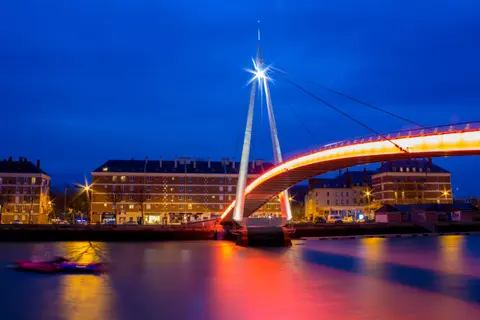
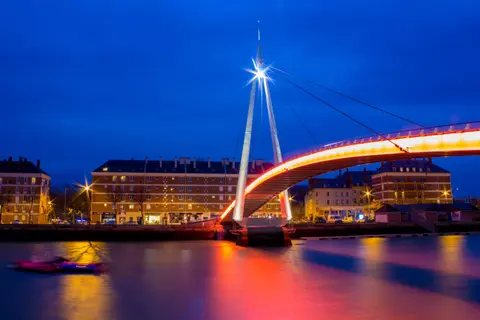
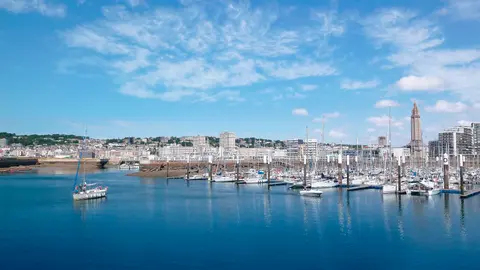
As you sail on your MSC cruise to France, you’ll come to Le Havre, the country’s second-largest port, which takes up half the Seine estuary. However, the town itself, home to almost 200,000 people, is a place of pilgrimage for fans of contemporary architecture. Le Havre – “The Harbour” – is the principal trading post of northern France and a port of call of our MSC Northern Europe cruises. Following its near-destruction during World War II, Le Havre was rebuilt by a single architect, Auguste Perret, between 1946 and 1964. The sheer sense of space can be exhilarating: the showpiece monuments have a winning self-confidence, and the few surviving relics of the old city have been sensitively integrated into the whole. While the endless mundane residential blocks can be dispiriting, even those visitors who fail to agree with Perret’s famous dictum that “concrete is beautiful” may enjoy a stroll around his city. A shore excursion on your MSC Northern Europe cruise can also be the opportunity to discover Rouen, the capital of Upper Normandy, one of France’s most ancient cities. Standing on the site of Rotomagus, built by the Romans at the lowest point where they could bridge the Seine, it was laid out by Rollo, the first duke of Normandy, in 911. Captured by the English in 1419, it became the stage in 1431 for the trial and execution of Joan of Arc, before returning to French control in 1449. Rouen today can be very seductive, its lively and bustling centre well equipped with impressive churches and museums. North of the Seine at any rate, it’s a real pleasure to explore. As well as some great sights – Cathédrale de Notre-Dame, all the delightful twisting streets of timbered houses – there’s history aplenty too, most notably the links with Joan of Arc.
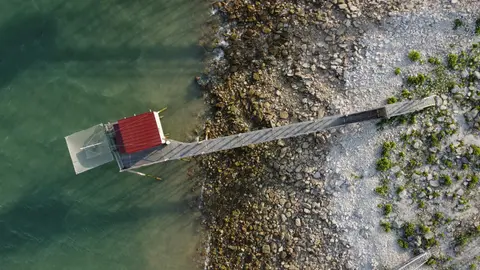
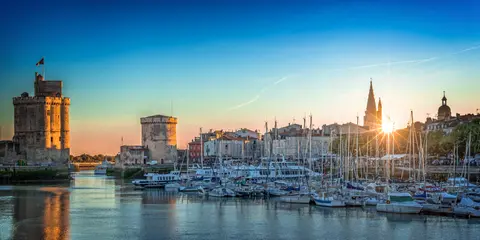
With a history that spans more than 1,000 years, La Rochelle has endured times of turbulent crisis, as well as periods of economic and cultural prosperity. As a result, its inhabitants have inherited a desire for independence and a flare for innovation. These characteristics have made this community a leader in shipbuilding, chemical production, train-building and aquaculture. La Rochelle's diverse past comes to life in the form of its medieval- and Renaissance-style architecture. The Old Port, which is surrounded by 14th-century stone towers, reminds visitors of the city's longstanding tradition of commerce. The city's interests and character are further illustrated in museums that offer perspectives on art, oceanography, sailing, trade and natural history.
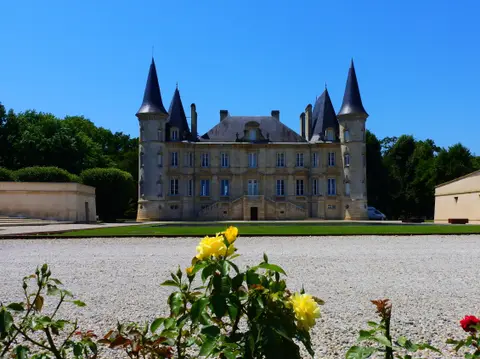

Pauillac is a municipality in the Gironde department in Nouvelle-Aquitaine in southwestern France. The city is mid-way between Bordeaux and the Pointe de Grave, along the Gironde, the largest estuary in western Europe.
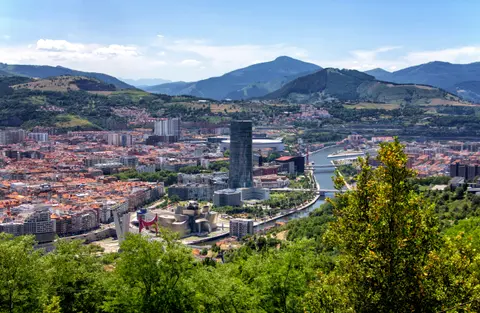
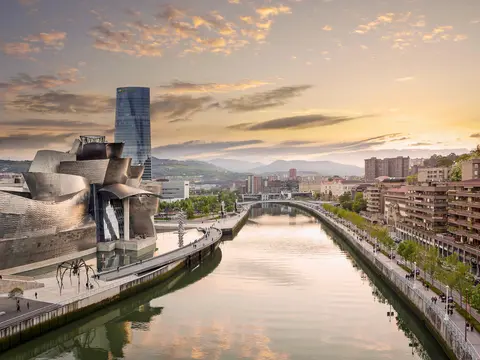
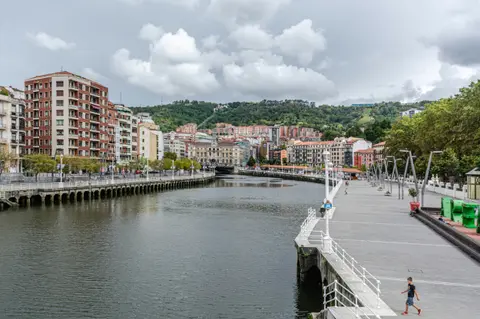
Time in Bilbao (Bilbo, in Euskera) may be recorded as BG or AG (Before Guggenheim or After Guggenheim). Never has a single monument of art and architecture so radically changed a city. Frank Gehry's stunning museum, Norman Foster's sleek subway system, the Santiago Calatrava glass footbridge and airport, the leafy César Pelli Abandoibarra park and commercial complex next to the Guggenheim, and the Philippe Starck AlhóndigaBilbao cultural center have contributed to an unprecedented cultural revolution in what was once the industry capital of the Basque Country.Greater Bilbao contains almost 1 million inhabitants, nearly half the total population of the Basque Country. Founded in 1300 by Vizcayan noble Diego López de Haro, Bilbao became an industrial center in the mid-19th century, largely because of the abundance of minerals in the surrounding hills. An affluent industrial class grew up here, as did the working class in suburbs that line the Margen Izquierda (Left Bank) of the Nervión estuary.Bilbao's new attractions get more press, but the city's old treasures still quietly line the banks of the rust-color Nervión River. The Casco Viejo (Old Quarter)—also known as Siete Calles (Seven Streets)—is a charming jumble of shops, bars, and restaurants on the river's Right Bank, near the Puente del Arenal bridge. This elegant proto-Bilbao nucleus was carefully restored after devastating floods in 1983. Throughout the Casco Viejo are ancient mansions emblazoned with family coats of arms, wooden doors, and fine ironwork balconies. The most interesting square is the 64-arch Plaza Nueva, where an outdoor market is pitched every Sunday morning.Walking the banks of the Nervión is a satisfying jaunt. After all, this was how—while out on a morning jog—Guggenheim director Thomas Krens first discovered the perfect spot for his project, nearly opposite the right bank's Deusto University. From the Palacio de Euskalduna upstream to the colossal Mercado de la Ribera, parks and green zones line the river. César Pelli's Abandoibarra project fills in the half mile between the Guggenheim and the Euskalduna bridge with a series of parks, the Deusto University library, the Meliá Bilbao Hotel, and a major shopping center.On the left bank, the wide, late-19th-century boulevards of the Ensanche neighborhood, such as Gran Vía (the main shopping artery) and Alameda de Mazarredo, are the city's more formal face. Bilbao's cultural institutions include, along with the Guggenheim, a major museum of fine arts (the Museo de Bellas Artes) and an opera society (Asociación Bilbaína de Amigos de la Ópera, or ABAO) with 7,000 members from Spain and southern France. In addition, epicureans have long ranked Bilbao's culinary offerings among the best in Spain. Don't miss a chance to ride the trolley line, the Euskotram, for a trip along the river from Atxuri Station to Basurto's San Mamés soccer stadium, reverently dubbed "la Catedral del Fútbol" (the Cathedral of Football).
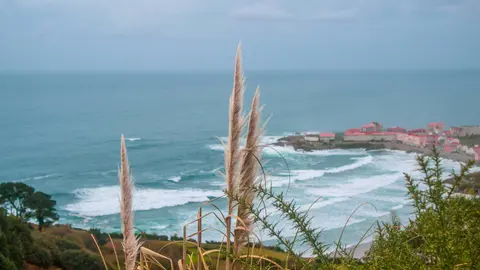
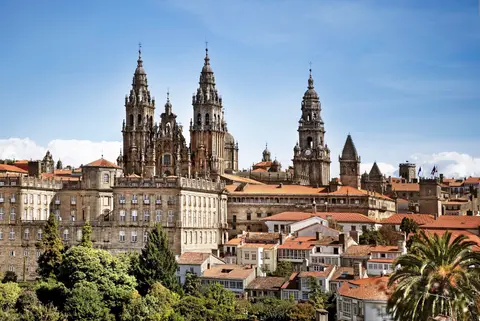
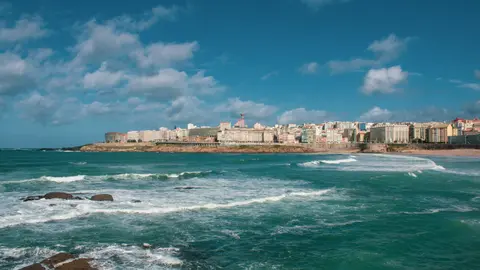
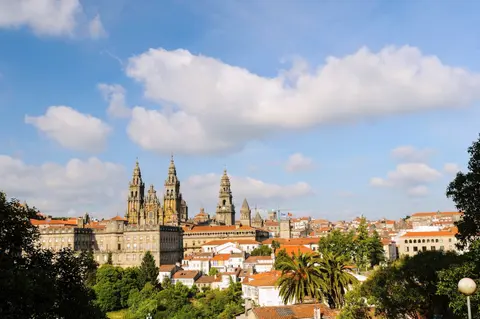
La Coruсa, the largest city in Spain's Galicia region, is among the country's busiest ports. The remote Galicia area is tucked into the northwest corner of the Iberian Peninsula, surprising visitors with its green and misty countryside that is so much unlike other parts of Spain. The name “Galicia” is Celtic in origin, for it was the Celts who around the 6th century BC occupied the region and constructed fortified defenses. La Coruсa was already a busy port under the Romans.They were followed by an invasion of Suevians, Visigoths and, much later in 730, the Moors. It was after Galicia was incorporated into the Kingdom of Asturias that the epic saga of the Pilgrimage to Santiago (St. James) began. From the 15th century, overseas trade developed rapidly; in 1720, La Coruсa was granted the privilege of trading with America - a right previously only held by Cadiz and Seville. This was the great era when adventurous men voyaged to the colonies and returned with vast riches. Today, the city's significant expansion is evident in three distinct quarters: the town center located along the isthmus; the business and commercial center with wide avenues and shopping streets; and the “Ensanche” to the south, built up with warehouses and industry. Many of the buildings in the old section feature the characteristic glazed faзades that have earned La Coruсa the name “City of Crystals.” Plaza Maria Pita, the beautiful main square, is named after the local heroine who saved the town when she seized the English standard from the beacon and gave the alarm, warning her fellow townsmen of the English attack.
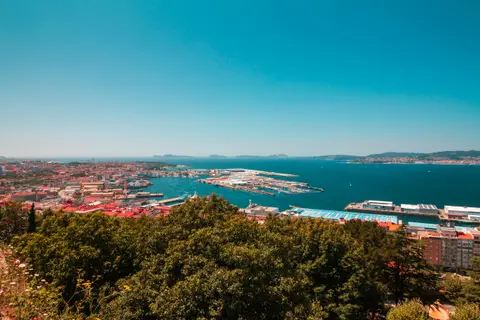
Few cities enjoy such a magnificent natural setting as Vigo. Arrayed along the sloping southern shoreline of its namesake estuary, it enjoys superb views not only of the bay itself, surrounded by green forest ridges, but also out towards the ocean. It’s undeniably magnificent when seen from your MSC cruise ship as it enters the harbour during its tour of the Northern Europe. These days, cruise passengers mingle with tourists arriving at the Estación Marítima de Ría off the Cangas ferry, and set off to explore the steep, cobbled streets that climb up into Vigo’s old city, known as O Berbés and crammed with shops, bars and restaurants. Along the seafront early in the morning, kiosks revive fishermen with strong coffee, while there and in the lively daily market hall nearby, the Mercado da Pedra, their catch is sold. Immediately below, on the aptly named Rúa da Pescadería, women set out plates of fresh oysters on permanent granite tables to tempt passers-by. A stiff but enjoyable excursion up from the old town, mostly along stone staircases, brings you to the top of the Castro hill. So named for the circular ancient ruins still visible on one side, and also the site of a seventeenth-century castle, the hill enjoys comprehensive views. The Museo Quiñones de León is the focal point of the large Parque de Castrelos, the extensive formal gardens and woodlands which begin 2km southwest of Castro hill. A nice excursion from Vigo is Pontevedra: a lovely old city, set slightly back from the sea at the point where the Río Lérez begins to widen out into the bay. A maze of pedestrianized flagstoned alleyways, interspersed with colonnaded squares, granite crosses and squat stone houses with floral balconies, the old quarter is always lively, making it perfect for a night out enjoying the local food and drink.
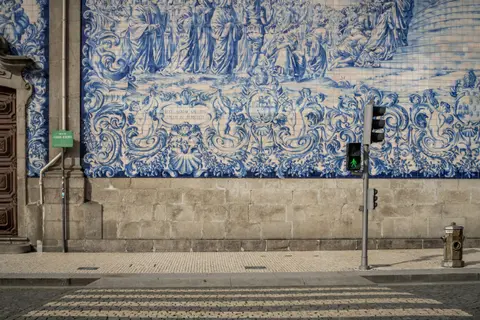
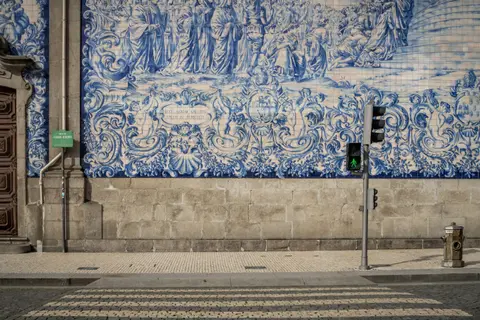
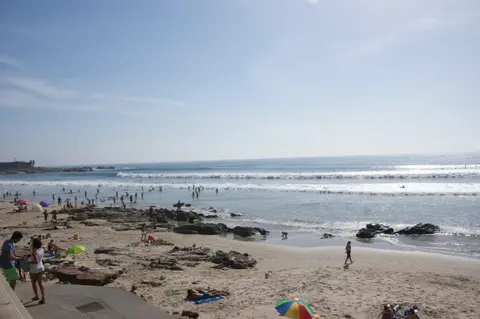
Lively, commercial Oporto is the second largest city in Portugal after Lisbon. Also called Porto for short, the word easily brings to mind the city's most famous product - port wine. Oporto's strategic location on the north bank of the Douro River has accounted for the town's importance since ancient times. The Romans built a fort here where their trading route crossed the Douro, and the Moors brought their own culture to the area. Oporto profited from provisioning crusaders en route to the Holy Land and enjoyed the riches from Portuguese maritime discoveries during the 15th and 16th centuries. Later, port wine trade with Britain compensated for the loss of the spice trade and the end of gold and gem shipments from Brazil. In the 19th century, the city went through a period of new prosperity with the rise of industries. In its wake followed the building of workers' quarters and opulent residences. Since the declaration of Oporto as a World Heritage Site by UNESCO, the city aims to build up a cultural reference that will provide it with a new image, based on deep historical roots. Among the attractions that make Oporto such an interesting place are its graceful bridges spanning the Douro River, a picturesque riverfront quarter and, most notable, its world-famous port wine lodges. Although Oporto is a bustling centre and home to many different businesses, the source of its greatest fame is the rich, sweet fortified red wine we know as port.
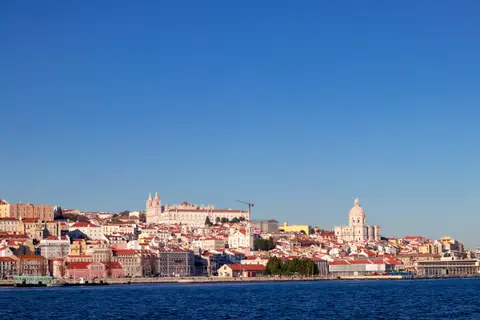
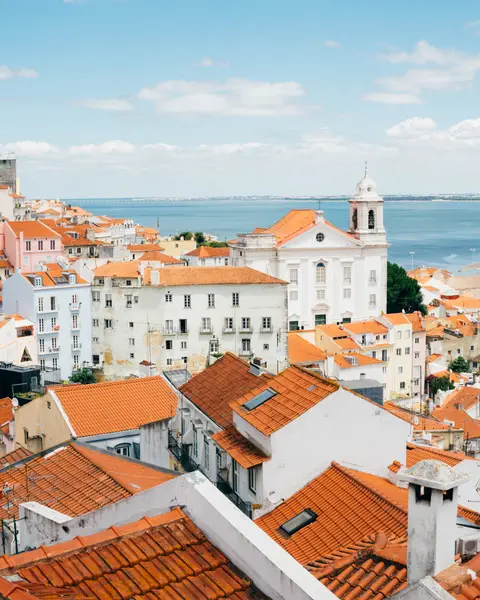
Lisbon, the capital of Portugal, is a city open to the sea and carefully planned with 18th-century elegance. Its founder is said to be the legendary Ulysses, but the theory of an original Phoenician settlement is probably more realistic. Known in Portugal as Lisboa, the city was inhabited by the Romans, Visigoths and, beginning in the 8th century, the Moors. Much of the 16th century was a period of great prosperity and overseas expansion for Portugal. Tragedy struck on All Saints' Day in 1755 with a devastating earthquake that killed about 40,000 people. The destruction of Lisbon shocked the continent. As a result, the Baixa (lower city) emerged in a single phase of building, carried out in less than a decade by the royal minister, the Marques de Pombal. His carefully planned layout of a perfect neo-classical grid survived to this day and remains the heart of the city. Evidence of pre-quake Lisbon can still be seen in the Belém suburb and the old Moorish section of the Alfama that sprawls below the Castle of St. George. Lisbon is a compact city on the banks of the Tagus River. Visitors find it easy to get around as many places of interest are in the vicinity of the central downtown area. There is a convenient bus and tram system and taxis are plentiful. Rossio Square, the heart of Lisbon since medieval times, is an ideal place to start exploring. After a fire destroyed parts of the historic neighborhood behind Rossio in 1988, many of the restored buildings emerged with modern interiors behind the original façades. The city boasts a good many monuments and museums, such as the Jeronimos Monastery, Tower of Belém, the Royal Coach Museum and the Gulbenkian Museum. High above the Baixa is the Bairro Alto (upper city) with its teeming nightlife. The easiest way to connect between the two areas is via the public elevator designed by Gustave Eiffel. Cruising up the Tagus River to the ship's berth, you can already spot three of Lisbon's famous landmarks: the Monument to the Discoveries, the Tower of Belém and the Statue of Christ, which welcomes visitors from its hilltop location high above Europe's longest suspension bridge.
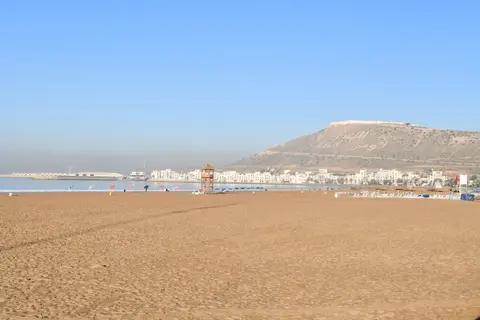
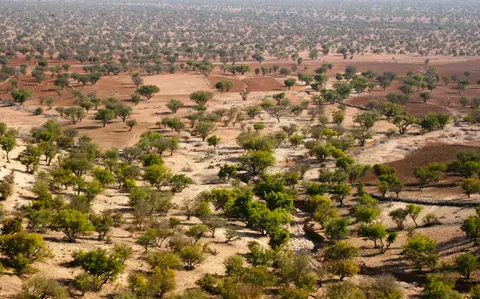
Boasting an impressive 300 days of sun per year, there is a reason why Agadir is Morocco’s premier holiday resort. Nicknamed the “Miami of Morocco”, the resort has sea and sand in abundance, along with a dreamy 10 km beach – perfect for travellers who want sheltered swimming or enjoy water-based fun in the sun. By contrast to the rest of the country, Agadir is thoroughly modern. An earthquake destroyed the city in 1960, killing 15,00 in 13 seconds and leaving another 35,000 homeless. In its place, and under the direction of Le Corbusier, a new city with a new direction was built. Instead of souks and medinas, think modern architecture, wide, tree-lined avenues, open squares and pedestrian precincts. Low rise hotels, boutiques and apartment blocks line the splendid waterfont. While all the original landmarks were destroyed (many not once, but twice, in the 1960 earthquake but also in the 1755 Lisbon earthquake), Agadir strove to rebuild as much as it could. Thus the fabled 1540 Oufla Fort, originally built in the mid-16th century by Saadian Sultan Mohammed ech Cheikh was painstakingly recreated with as much authenticity as possible. The ancient kasbah sits at an amazing vantage point (Oufla being the Amazigh word for ‘above’). The inscription “God, King, Country” over the entrance in both Dutch and Arabic is one of the few original elements and dates back to the middle of the 18th century, when the kasbah was initially restored. The Kasbah offer by far the best views of the city.
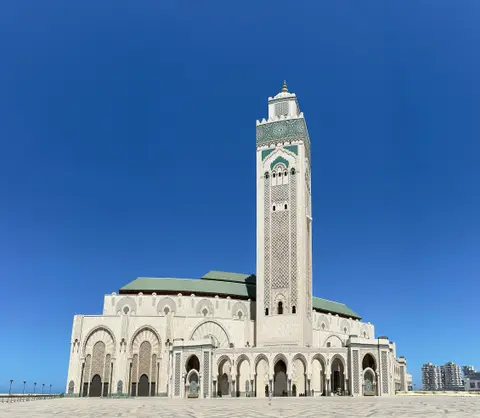
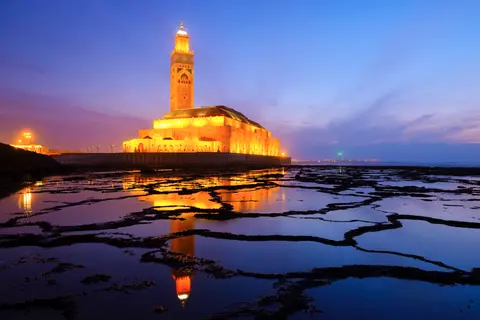
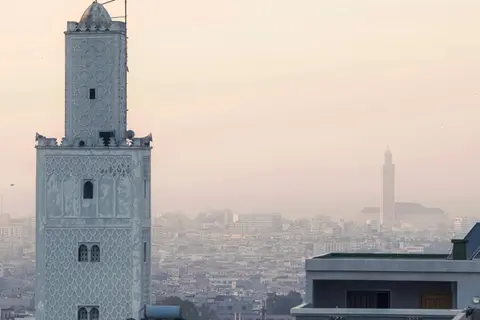
Immortal lines from the silver screen may have imprinted a warm, fuzzy visage of old Casablanca into our minds, but this thriving city is a curious example of what Morocco’s modernity looks like. Glistening white art deco buildings line the wide pathways that sweep through Casablanca, as the sea sparkles like a thin mirage on the horizon. There’s an aura of creativity amid Casablanca’s culture and chaos, helping to make the city one of Morocco’s most curious and compelling. The Hassan II Mosque took a staggering seven years and 10,000 artists to craft its legacy as the country's largest mosque, and to bring the world's tallest minaret to sky-high reality. A vision of cool to the touch marble, cavernous prayer rooms and intricate inlays, the mosque is extraordinary in scale and ambition. Retractable roofs let the sun flood in, while dizzying glass floors dazzle, and the blue Atlantic waves surge below your feet. After that humbling visit, stroll along La Corniche - where surfers glide across rough and tumble waves, and chic cafes offer front-row seats for sweet peppermint teas with a side of people-watching. Casablanca is a diner's city - boulevards laced with French-fusion restaurants, buzzy beachfront joints, and raw seafood bars provide gem-like offerings fresh from the boat. Those seeking a slice of that golden-age Hollywood romance can wander through the medina, with its unabashed ramshackle feel, and maze of alleyways punctuated with busy barber shops and butchers.
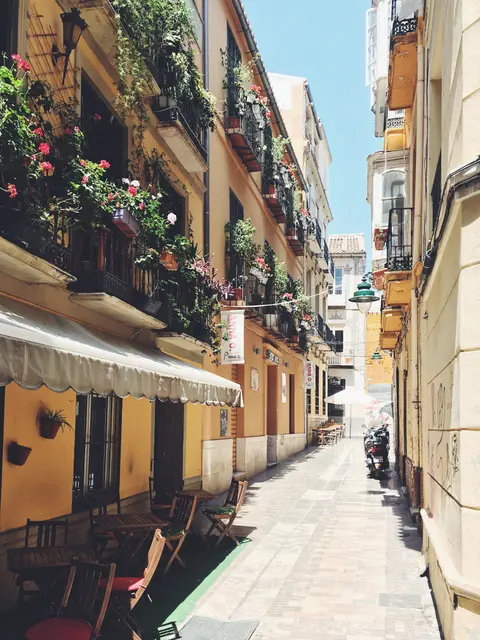
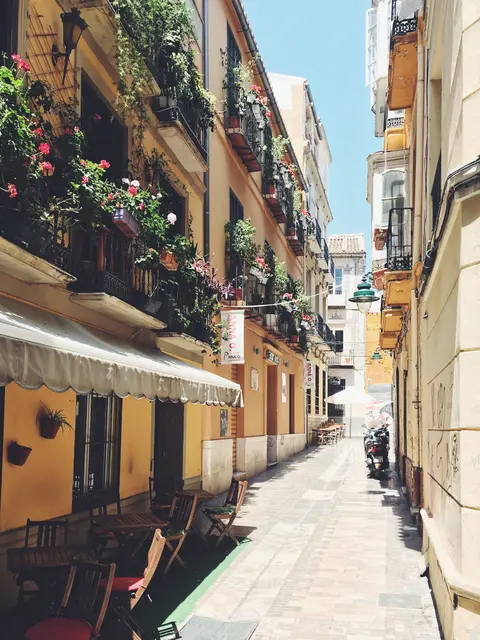
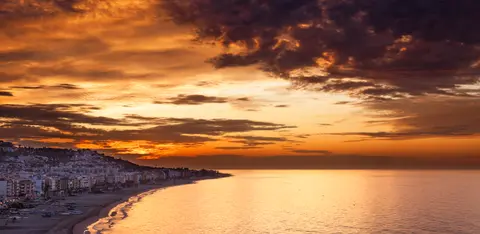
As you sail into Malaga you will notice what an idyllic setting the city enjoys on the famous Costa del Sol. To the east of this provincial capital, the coast along the region of La Axarqua is scattered with villages, farmland and sleepy fishing hamlets - the epitome of traditional rural Spain. To the west stretches a continuous city where the razzmatazz and bustle creates a colourful contrast that is easily recognisable as the Costa del Sol. Surrounding the region, the Penibéetica Mountains provide an attractive backdrop overlooking the lower terraced slopes which yield olives and almonds. This spectacular mountain chain shelters the province from cold northerly winds, giving it a reputation as a therapeutic and exotic place in which to escape from cold northern climes. Malaga is also the gateway to many of Andalusia's enchanting historic villages, towns and cities.
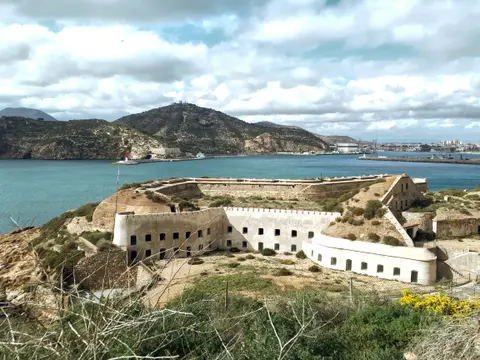
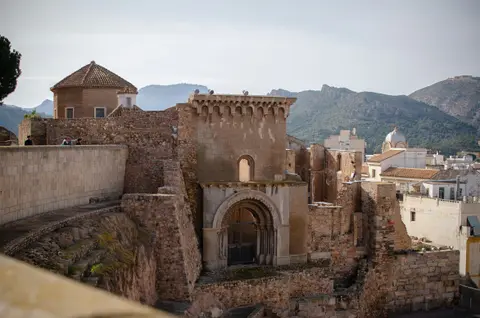
On the crossroads of mighty cultures, this Murcian port has endless ancient stories to share. A valuable natural harbour attracted many civilisations to this sun-bathed, southeasterly setting - following its foundation by the Carthaginians in 227 BC. Blending the imprints left by countless cultures on this global junction, the presence of everyone from the Vandals to the Phoenicians and Moors can be felt as you explore, walking between ruins and celebrated modernist architecture along Calle Mayor. Cartagena is crowned by the soaring Castillo de la Concepcion - rise to the stout castle aboard a panoramic lift. Inside, look through reams of archaeological treasures, or admire the rolling views down over the port and across the waters. Watch out for the electric blue peacocks who strut flamboyantly. Cartagena's emergence as a visitor destination coincided with a stunning discovery in 1988 - the bowl of a gloriously preserved Roman Theatre. Enter to sit among the grandiose ancient venue, so evocative, you can't help but imagine the historic performances that have graced its stage. Wander the breezy waterfront, looking across the narrow strait towards Africa's distant haze, and spotting gleaming warships. Cartagena's perfect harbour means it has been one of Spain's oldest strategic navy positions since the 16th century. Settle to enjoy the joys of tapas in lively bars - sampling crisped paella, squid and honeyed-aubergine. Easter's Semana Santa festivities are typically lively here, as hooded processions, lavish floats and sombre fiery displays roll through the streets.
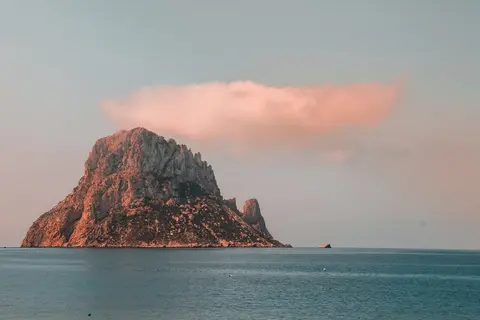
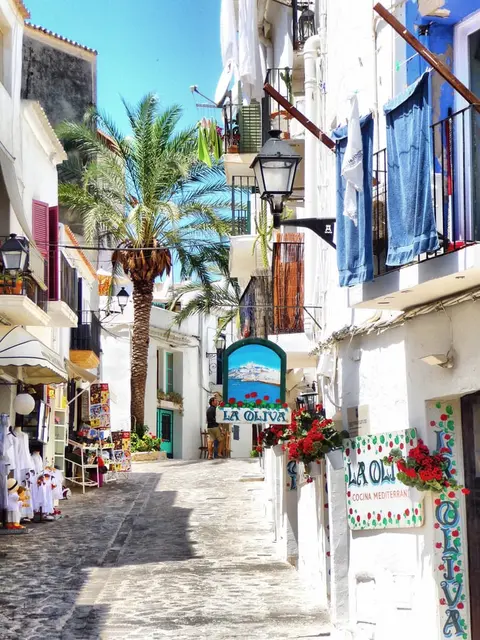
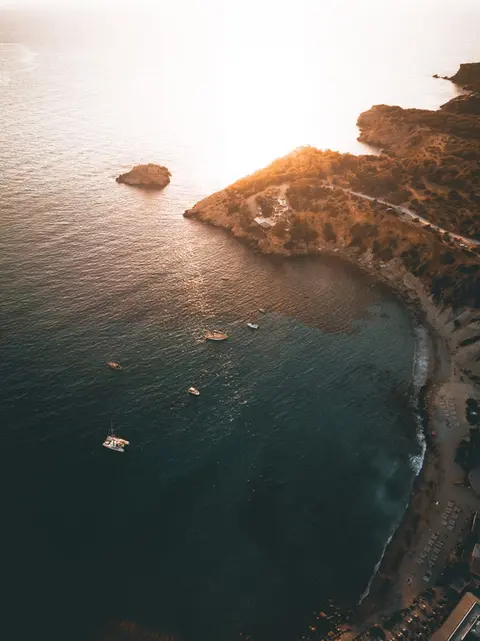
A mystical island of rustic beauty, featuring long stretches of sandy beaches, hidden coves and sunsets that ladle flourishes of reds and pinks across the skies. The White Isle is so much more than just its thudding summer party scene - and an island of culture, fine dining and sophisticated elegance awaits. Ibiza has always called out to those seeking escape and sanctuary, and you'll soon feel the island's magic as you dive with dolphins, dine on calamari and octopus platters, and revel in Ibiza's rejuvenating, artistic ambience. View less Ibiza Town's 16th-century old town is a maze of wide cobbled streets, lined with a crowd of outdoor bars and energetic restaurants serving up heavy platters of fresh seafood. The steep walls of the rustic citadel, Dalt Vila fortress, tower over the town and the area is peppered with museums and historical quirks, as well as the crowning Catedral de Eivissa. Wind up along pathways of uneven cobbles for unrivalled views out over the city and waves below. Play golf on peaceful courses, which unspool along the coastline, lounge on a beach or sail with the yachting crowd on the calm waves, as you rejuvenate in Ibiza's heavenly glow. Beaches are long and sandy - choose between humming options where water sports and casual beach volleyball matches take place, or seek out quieter scenic coves to enjoy the shade of pine trees and swim in shallow waters. You may find that you're mysteriously drawn to the 400-metre-high protrusion of Es Vedra - a rocky, uninhabited island, which rears from the waves opposite Cala d'Hort beach. Island whispers proclaim it to be the earth's third magnetic point, and home to the sirens of Ancient Greece.
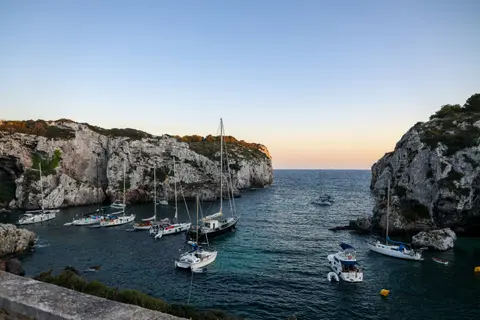
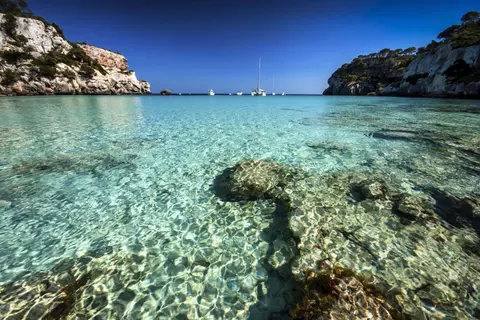
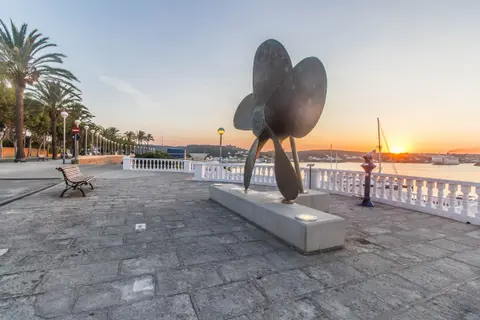
Mahon is the capital of Menorca, second largest of the Balearic Islands. It stands out from the others because of the abundance of prehistoric structures, and because its culture was influenced by British occupation in the 18th century. The people who built the prehistoric constructions are believed to have been responsible for similar works in Sardinia, and for Stonehenge in England. Believed to have been founded by the Carthaginian General Mago, Mahon was held by the Moors from the 8th to the 13th century and in turn occupied by the English, the French and the Spanish. Mahon was finally ceded to Spain by the Treaty of Amiens in 1802.
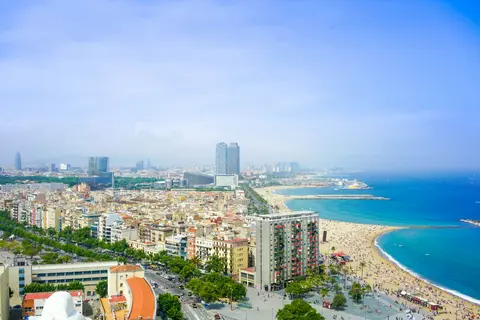
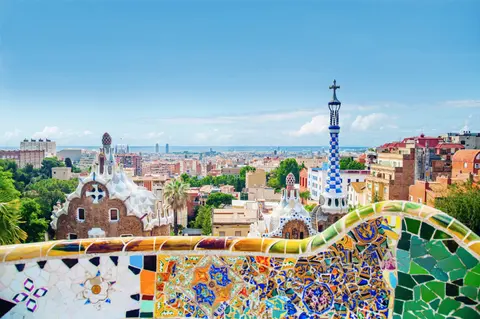
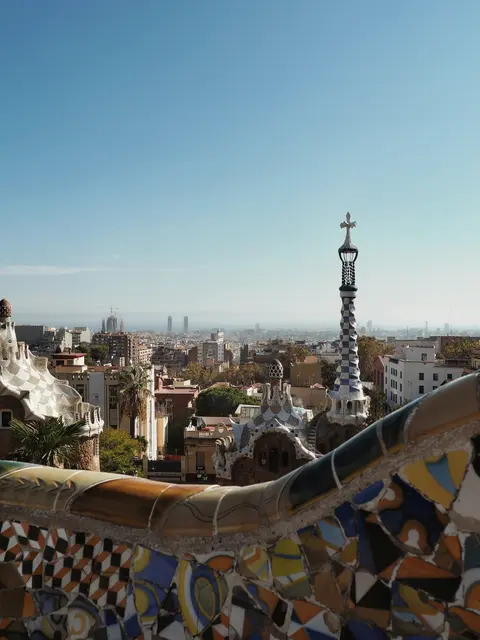
On the northeast coast of Spain, overlooking the Mediterranean, Barcelona is a vibrant port city, packed with centuries of iconic art and architecture—Gaudí and Picasso both called it home—and lined with sunny white-sand beaches. Explore the Catalan capital's tourist attractions and historic neighborhoods, Modernisme and world-renowned art museums, galleries and local crafts shops—some of which are centuries old and stock traditional Catalan wares. After you see the sights, there are lively tapas bars around every corner where you can stop for a drink, a café amb llet (Catalan for espresso with steamed milk) or a snack, no matter the hour. Green spaces for picnics, long walks and respite from the hustle and bustle are scattered throughout Barcelona's attractions: There's Gaudí's mosaic-decorated park, a neoclassical maze at the Laberint d'Horta, as well as plenty of high places (mountains, monuments and edifices) where sightseeing visitors can take in the view. A short trip from Barcelona by car or train, luxury outlets, cava wineries, a mountaintop abbey and the sandy beaches of the Mediterranean coast await.
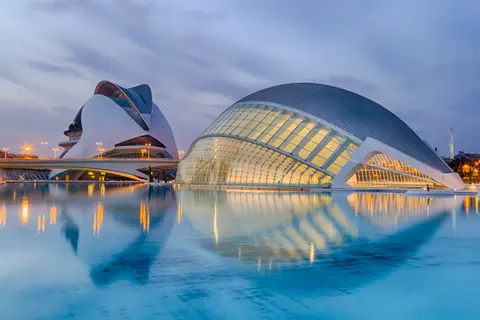
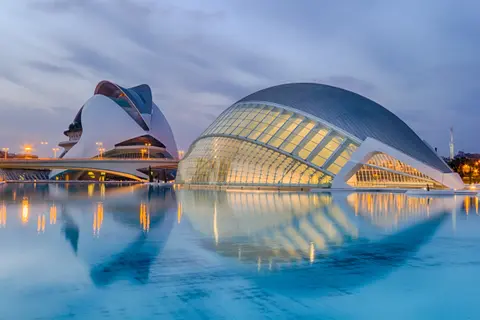
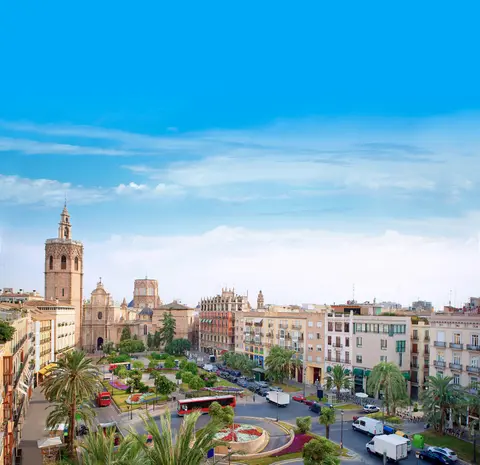
Packed with plenty to see, do and explore, there is a never a dull day in this charming Spanish city. Wander through the beautiful city centre admiring the array of beautiful historic monuments; visit the myriad of museums and art galleries such as the Institute of Modern Art and Museum of Fine Arts or simply head to one of the city’s beaches to enjoy the Mediterranean sunshine and sample local cuisine in the many restaurants that line the promenades. The Old Town district - like similar districts in other major European cities - is where you will find some of the oldest, most beautiful and most interesting sites in the city, including the UNESCO-Listed Lonja de la Seda, 13th century Santo Domingo Convent and Torres de Serranos - a 14th century gothic gateway that’s considered the oldest in Europe.
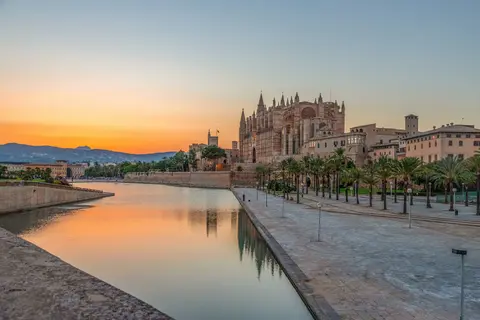
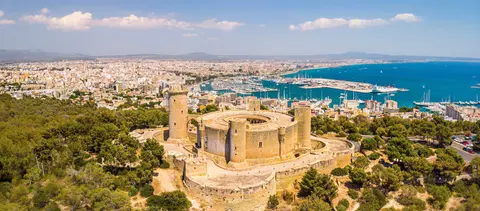
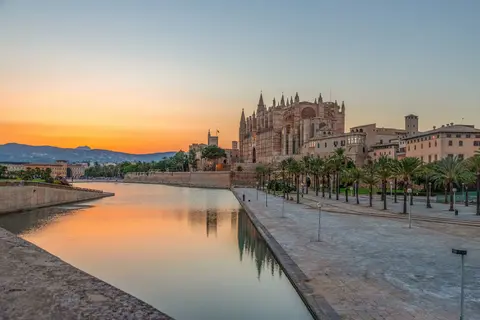
The Balearics are comprised of 16 islands; the three principal ones are Mallorca, Ibiza and Minorca. Carthaginians, Romans, Vandals and Arabs have invaded these islands over the centuries. Ruins show evidence of the prehistoric Talayot civilization, a megalithic culture that flourished here between 1500 BC and the Roman conquest. Today the islands are besieged by invaders of a different sort - hordes of tourists. Lying 60 miles (97 km) off the Spanish mainland, the islands' lush and rugged landscape combined with an extremely mild, sunny climate proves irresistible, especially to northern Europeans. As a result, the Balearics boast cosmopolitan resorts with lively nightlife and plenty of sports activities. Mallorca (also spelled Majorca) is the largest of the islands, with an area of more than 1,400 square miles (3626 sq.km). The scenery is magnificent, with cliffs along indented shorelines jutting out of the sea and mountain ranges sheltering the plains from harsh sea breezes. The fertile plain in the centre is covered with almond and fig trees plus olive groves with some trees more than 1,000 years old. Tall pines, junipers and oaks line the mountain slopes. Palma de Mallorca is the capital of the archipelago. A cosmopolitan city with sophisticated shops and restaurants, it also offers buildings of spectacular Moorish and Gothic architecture. In the western part of Mallorca, nestled into the mountains, lies the village of Valldemosa. It is known for its Carthusian Monastery where Frédéric Chopin and George Sand spent the winter of 1838-39.
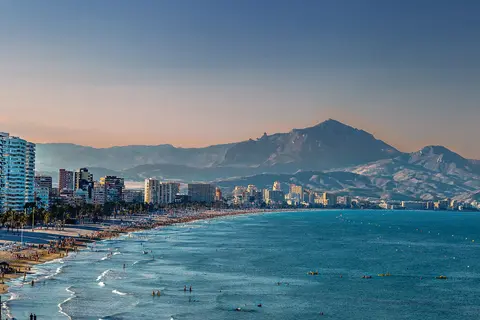
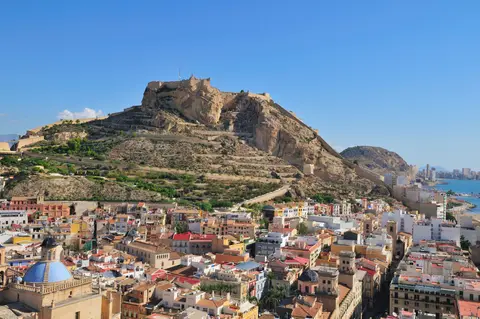
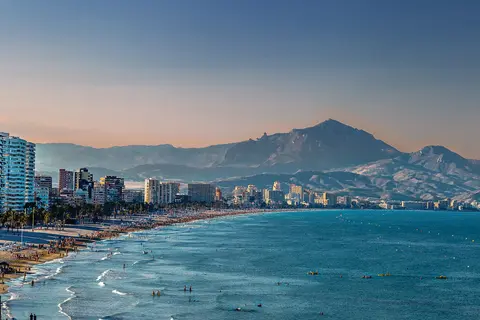
Fresh sea breezes, mountain backdrops and vibrant locals have made this magical city a must-see for both international tourists and residents of Spain alike. It's easy to slip into the local rhythm. Spend your day exploring everything from the Old Town and Santa Bárbara Castle to the trendiest of Spanish stores. Promenade down the marble Explanada de España, an iconic and bustling boulevard dotted with palm trees. Enjoy a proper Spanish lunch that spans several courses and hours, prepared by some of the best chefs in the country. Take advantage of the proximity to the sea to dine on the freshest seafood, or try one of Alicante's many traditional rice dishes. And don’t forget to sample the outstanding regional wines, which are also very tasty souvenirs. Even just a day here will open your eyes to the natural beauty and subtle charms that make proud and elegant Alicante a gem of the Costa Blanca.
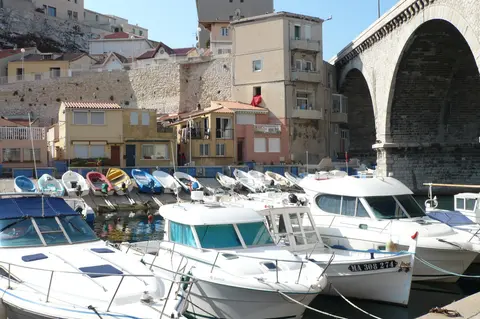
Marseille is the second largest city in France after Paris. It is also one of the oldest continuously inhabited cities in the Mediterranean. Cave paintings in the nearby Calanques are estimated to be 30,000 years old, and remains of brick habitations date from 6,000 BCE. The more recent history begins with a Hellenic port in about 600 BCE, some remains of which are on view at the city’s History Museum. It has been one of the world’s major seaports almost from its founding, and served as the main European terminus of the French colonial empire in Africa and the Far East. It is located in the Provence-Alpes-Cote d’Azur region and is the capital of the Bouches-du-Rhone department. On an island in the expansive bay of Marseille stands the prison of Chateau d’If made famous by the Alexandre Dumas novel “The Count of Monte Cristo.” The Vieux-Port with its atmospheric buildings and wharves is the area where visitors can search for the perfect example of the local specialty bouillabaisse, a rich fish stew containing at least three, and often more varieties of local fishes. Marseille’s newly renovated port at the venerable Joliette Docks is situated very close to the striking Cathédrale de la Major and the fascinating collections at the Museum of African, Oceanic and American Indian Arts.
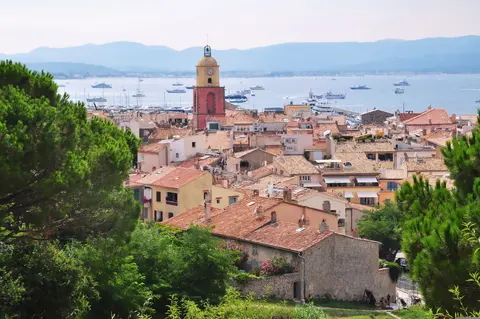
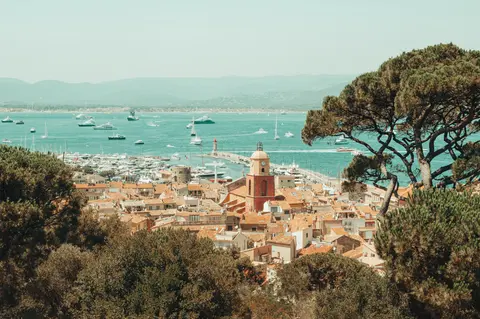
A glitzy, glamorous coastal resort that needs no introduction, Saint Tropez is the French Riviera hotspot of choice for A-listers and flotillas of gleaming yachts. The sparkle of its beaches, and clarity of its light, continues to attract artists - but it was the famous presence of Brigitte Bardot that leant Saint Tropez its enduring glamour and steamy appeal. Nowadays, speedboats skim offshore, while fine vintages from the vineyards nearby are uncorked in top-notch restaurants, in this well-heeled highlight of the Cote d'Azur. View less Famous bars offer views of the port along Quai Jean Jaurès, with its iconic cherry-red directors' chairs. Here you can admire the monstrous wealth of yachts that sparkle on the waters. On the same corner, big-name brand labels glimmer in the shops of rue François Sibilli - which cuts inland from the charming waterfront. The earthier appeal of boules clinking and thumping into the ground can be enjoyed at Place des Lices, where sun-wrinkled locals compete. Saint Tropez has a few beaches of its own, but famous stretches like Pampelonne Beach draw the biggest crowds to relax on star-studded golden sands. La Ponche, the authentic fishing quarter, retains its cobbled, historic elegance, and a 17th-century, hexagon-shaped citadel watches over the city and coastline from above. Coastal walks in the sea air snake away from the city’s bustle, and a series of headlands shape the stunning riviera landscape surrounding Saint Tropez. The historic monochrome Cap Camarat lighthouse adds a pleasing accent to hikes above the sparkling Mediterranean’s waves.
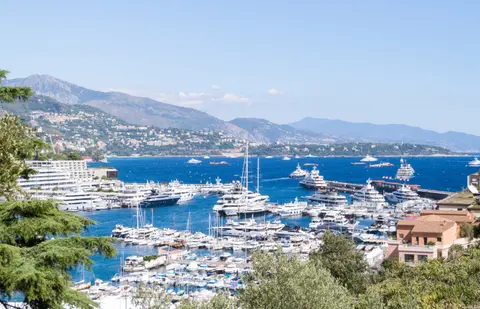
The 202-hectare Principality of Monaco is located east of France’s Mediterranean coast. Known for its royal family, especially Prince Albert of Monaco, its casinos and racetracks and for being a wealthy state with no applied taxes. Monaco is reachable by air through the French airport of Nice Côte d'Azur, located approximately 16 miles from the principality.
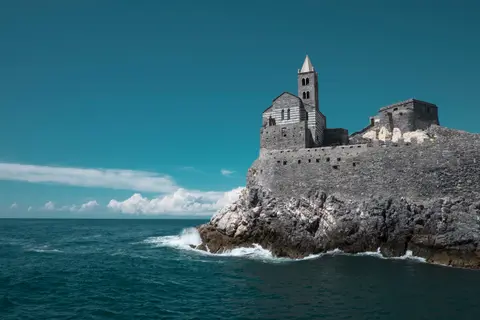
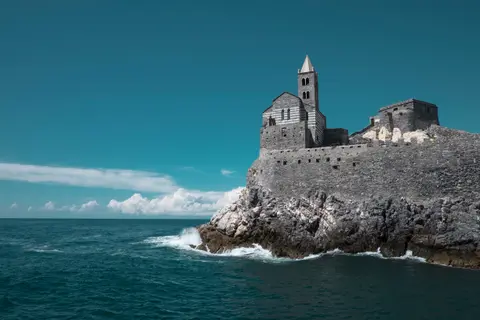
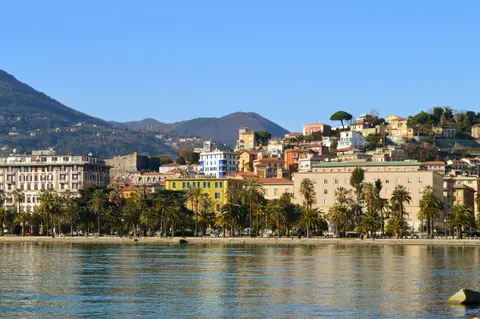
The seafaring culture of the port of La Spezia dates back to Greek times. The pearl of the Ligurian Levant is a favourite destination for many tourists from all over the world, attracted by the natural and historical beauties that surround it. On a cruise to La Spezia, you can explore the treasures of the coast. Start your visit from the city itself by strolling along the via del Prione in the old district or under the palm trees of the Passeggiata Morin on the promenade, perhaps while sampling a Ligurian focaccia. Looking out to sea you will see the famous Gulf of Poets, written about and praised by the major figures in literature. Costa Cruises will take you to Porto Venere, with its church of San Pietro rising up at the top of the peninsula and the colourful little houses overlooking the gulf, and to Lerici, the beautiful village dominated by the castle di San Giorgio. The port of La Spezia is also the ideal starting point for an shore excursion to the Cinque Terre, now a national park where the marine and typical dry-terraced coastal areas are protected. The villages of Monterosso, Vernazza, Corniglia, Manarola and Riomaggiore are also connected by the evocative Sentiero Azzurro (blue trail), along which the Via dell’Amore (way of love) provides perhaps one of the most beautiful maritime views in the world. What are you waiting for? Check out our offers for a Mediterranean cruise.
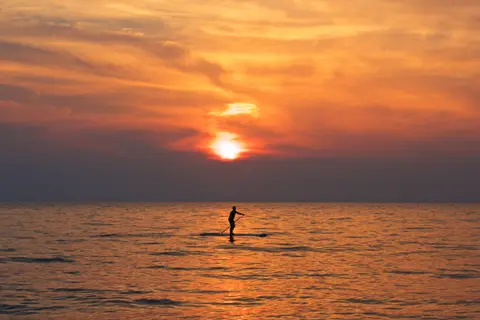
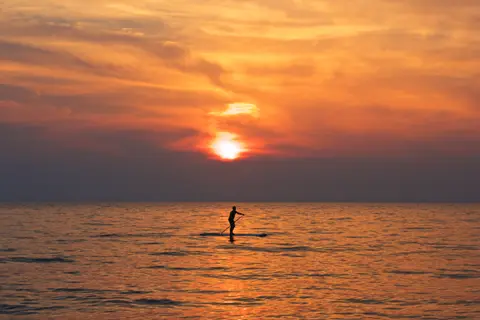
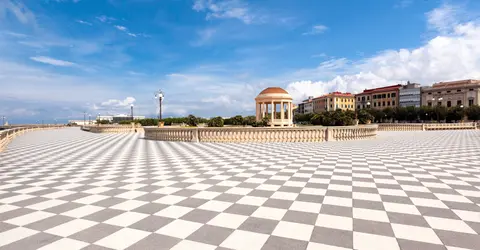
There are few more elegant places to salute the sunset than Terrazza Mascagni, Livorno’s refined chessboard piazza. A historic port, and a beachy gateway to Tuscany, Livorno welcomes you ashore to explore this enchanted Italian region's sun-soaked beauty, rich flavours and world-renowned fine art. Stay in Livorno to explore 'Piccolo Venezia', or ‘Little Venice’ - a quarter of the town that's laced with canals, little marble bridges and plenty of tempting eateries. View less With its bustling market, fortresses and iconic waterfront, there’s plenty to keep you busy here, but most will be tempted to venture inland to explore more of Tuscany’s many charms and artistic wonders. Test your nose, as you breathe in the subtleties of Tuscany’s vineyard-draped scenery, and visit wineries showcasing the best of the renowned flavours of the Bolgheri wine-growing area. Or head out to Prato, where you’ll find tightly-woven textile history. Pisa’s showpiece tower is within reach, as is Florence’s city of immense and imaginative renaissance beauty. Admire the delicate carving of Michelangelo's masterpiece, the David statue, and note the provocative stance as he casts a dismissive glance towards Rome. Stand before the city’s majestic black and white cathedral - the Cathedral of Santa Maria del Fiore - with its colossal brick dome. The view down over Florence's river and grand dome from Piazzale Michelangelo, meanwhile, is one of Italy's finest. However you choose to spend your time in Tuscany, you’ll discover an artistic region, filled with beauty designed to appeal to every sense.
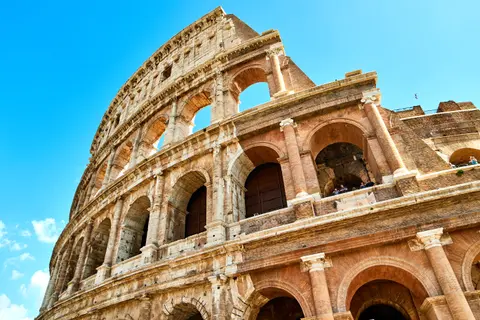
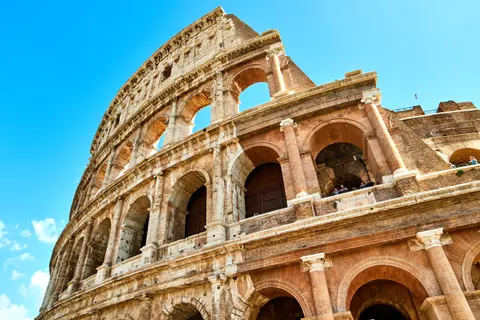
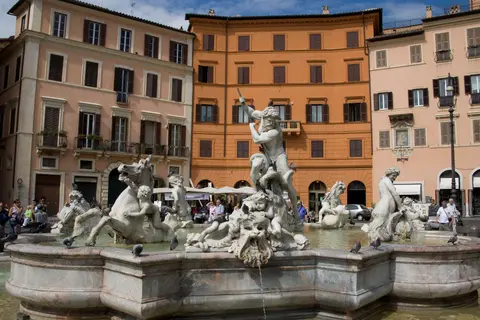
Italy's vibrant capital lives in the present, but no other city on earth evokes its past so powerfully. For over 2,500 years, emperors, popes, artists, and common citizens have left their mark here. Archaeological remains from ancient Rome, art-stuffed churches, and the treasures of Vatican City vie for your attention, but Rome is also a wonderful place to practice the Italian-perfected il dolce far niente, the sweet art of idleness. Your most memorable experiences may include sitting at a caffè in the Campo de' Fiori or strolling in a beguiling piazza.
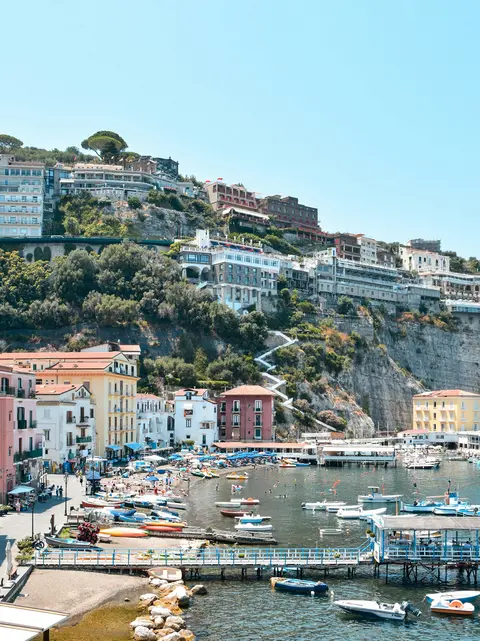
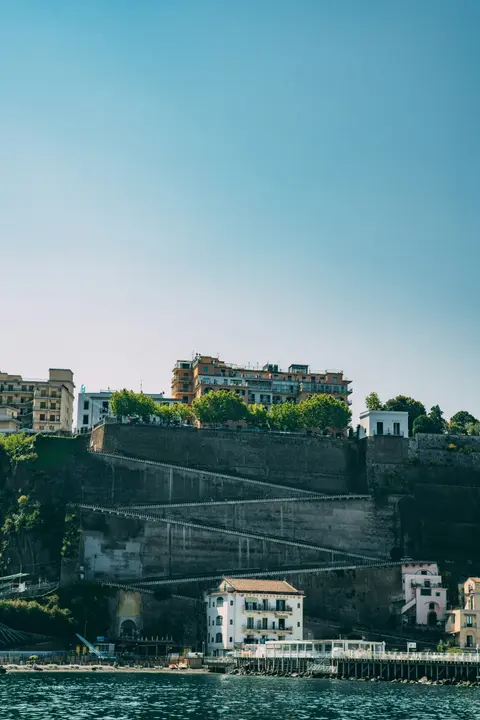
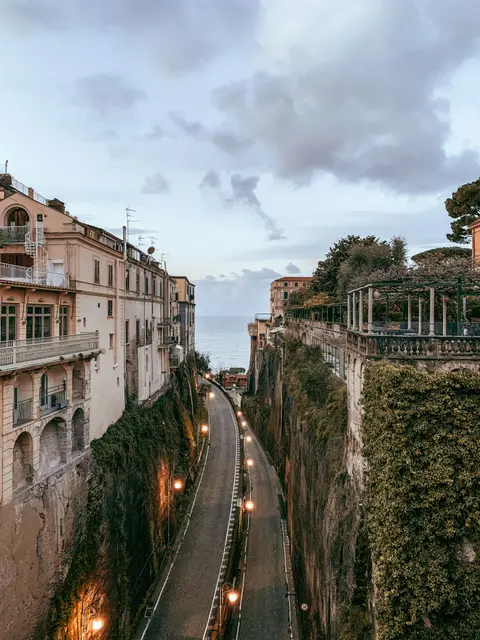
This Mediterranean land has been depicted, described and immortalized in song by artists, poets and travelers from every period of history. Along the coast, rugged and inaccessible cliffs soar upwards between beautiful beaches, hidden caves, enchanting bays and sheltered coves. Whereas inland, the high plains, rolling hills and lofty mountains are seared by deep valleys to create a truly unique landscape in which man has also left a clear sign of his remarkable work: the more impervious areas have been modeled into the now-famous terraces, those huge steps descending into the sea on which man has planted vineyards and groves of orange, lemon and olive trees. There are the gardens of delight which exude an inebriating perfume of blossom in spring. The mild climate and predominantly fine weather all year round make the Sorrentine Penisula an ideal destination in any season. The first town in the Peninsula is Vico Equense with its Giusso Castle on the coast and the austere Mont Faito (1400 metres high) which allows you to pass from the sea to the mountain in just a few minutes. Next we find Meta di Sorrento , a town hidden in a maze of alleyways whose small hamlets and sun-drenched beaches are a must for visitors. Piano di Sorrento is a bustling town which harmoniously blends its sea-faring vocation with its rural identity and its role as a major shopping centre. The hill rising up behind the town is traversed by narrow roads flanked by high walls that enclose centuries-old orange and lemon groves.
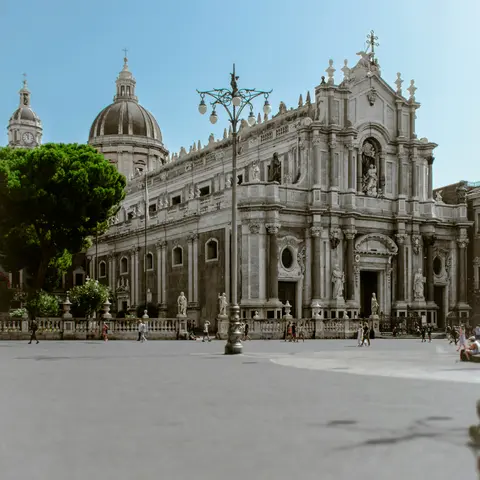
There’s a famous centuries-old quote about how important Sicily is — basically, if you skip it when visiting Italy, you might as well have just stayed home. We don’t exactly agree, but we know where the guy was coming from. Catania is the island’s second-largest city and an excellent place to kick off an exploration of Sicily. There’s no missing the gigantic Mt. Etna volcano — really, it’s impossible since it literally overshadows much of the island’s eastern region, and Catania puts you right in a primo position to see it. Compared to Etna, historical sites from Greek and Roman times are only a couple-thousand years old, but you can see them all — and some are even still in use today, like the amphitheater in Siracusa. Piazza Armerina features a villa once home to a Roman emperor, and today a UNESCO World Heritage Site, one that’s still decked out in well-preserved mosaics. Also, don’t miss the nearby town of Savoca, which you actually may have already seen… in a famous mobster trilogy. Capiche?
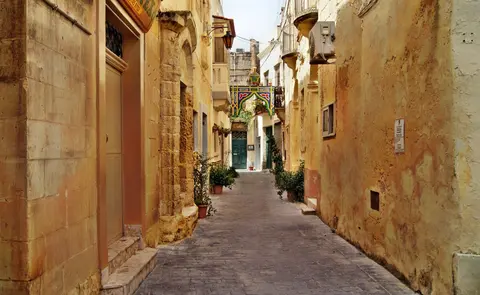
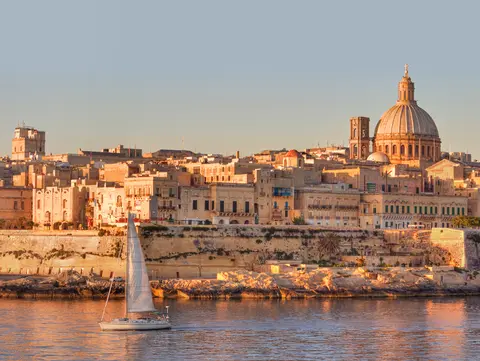
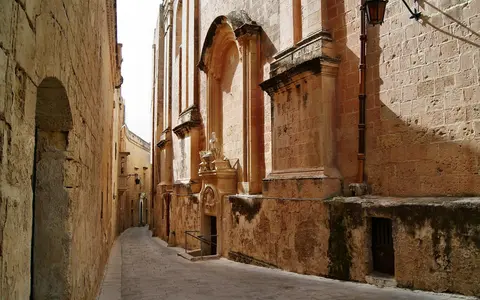
Valletta (or Il-Belt) is the tiny capital of the Mediterranean island nation of Malta. The walled city was established in the 1500s on a peninsula by the Knights of St. John, a Roman Catholic order. It’s known for museums, palaces and grand churches. Baroque landmarks include St. John’s Co-Cathedral, whose opulent interior is home to the Caravaggio masterpiece "The Beheading of Saint John."
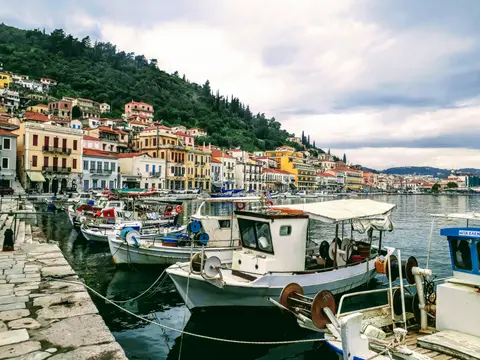
The pastel-colored houses inch their way up the foothills of Mount Koumaros in this quaint town that offers a unique and authentic experience of small town life in Greece. Nearby, the medieval city of Mystras, a UNESCO World Heritage Site, was founded in 1248 and abandoned in 1832, leaving impressive medieval ruins amid a breathtaking landscape. Discovered in 1958, the magnificent caves at Diros were used by prehistoric man between 4000 and 3000 BC.
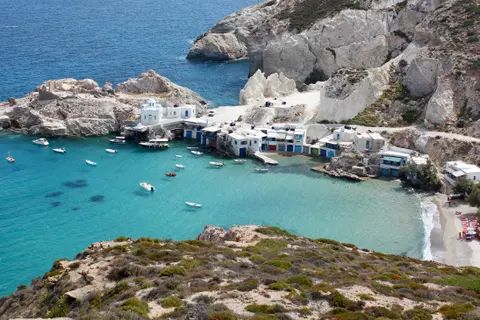
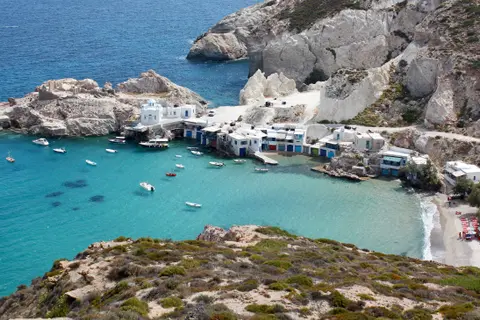
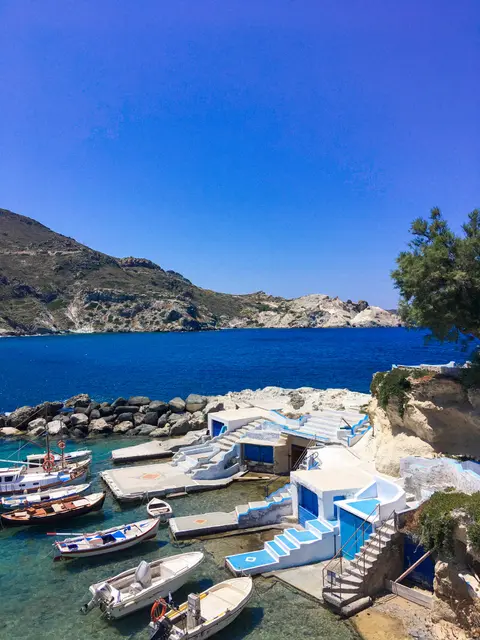
Milos is a volcanic island in the Aegean Sea. The island is famous for the statue of Venus de Milo (in the Louvre), and also for statues of Asclepius, now in the British Museum, and the Poseidon and an archaic Apollo in Athens. It is unique for its astonishing lunar landscape which creates unbelievable and imposing rocky formations colored in deep red, brown or glimmering white. Those fantastic hills and rocks are often emerging from a turquoise sea, boarded by fine golden, white or grey sand. Villages and small towns are charming and very attractive. The main town is Adamas.
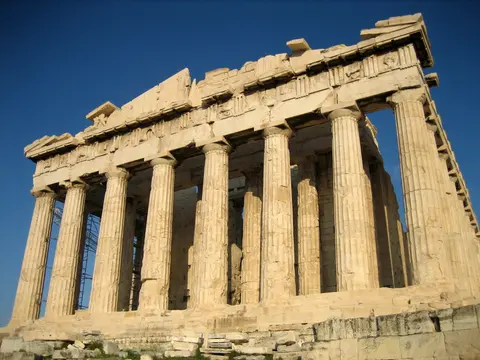
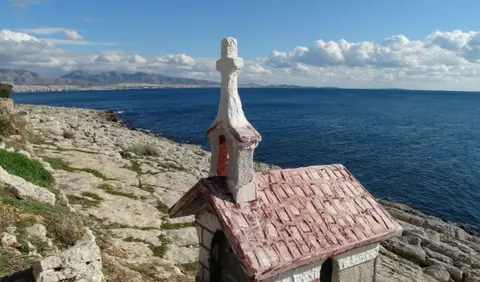
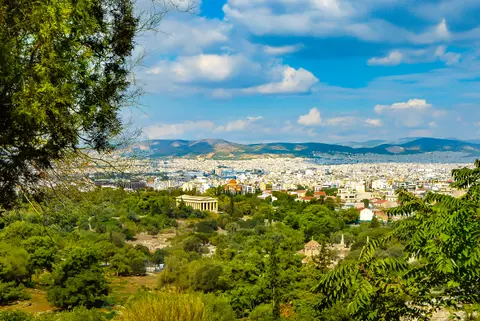
It's no wonder that all roads lead to the fascinating and maddening metropolis of Athens. Lift your eyes 200 feet above the city to the Parthenon, its honey-color marble columns rising from a massive limestone base, and you behold architectural perfection that has not been surpassed in 2,500 years. But, today, this shrine of classical form dominates a 21st-century boomtown. To experience Athens—Athína in Greek—fully is to understand the essence of Greece: ancient monuments surviving in a sea of cement, startling beauty amid the squalor, tradition juxtaposed with modernity. Locals depend on humor and flexibility to deal with the chaos; you should do the same. The rewards are immense. Although Athens covers a huge area, the major landmarks of the ancient Greek, Roman, and Byzantine periods are close to the modern city center. You can easily walk from the Acropolis to many other key sites, taking time to browse in shops and relax in cafés and tavernas along the way. From many quarters of the city you can glimpse "the glory that was Greece" in the form of the Acropolis looming above the horizon, but only by actually climbing that rocky precipice can you feel the impact of the ancient settlement. The Acropolis and Filopappou, two craggy hills sitting side by side; the ancient Agora (marketplace); and Kerameikos, the first cemetery, form the core of ancient and Roman Athens. Along the Unification of Archaeological Sites promenade, you can follow stone-paved, tree-lined walkways from site to site, undisturbed by traffic. Cars have also been banned or reduced in other streets in the historical center. In the National Archaeological Museum, vast numbers of artifacts illustrate the many millennia of Greek civilization; smaller museums such as the Goulandris Museum of Cycladic Art Museum and the Byzantine and Christian Museum illuminate the history of particular regions or periods. Athens may seem like one huge city, but it is really a conglomeration of neighborhoods with distinctive characters. The Eastern influences that prevailed during the 400-year rule of the Ottoman Empire are still evident in Monastiraki, the bazaar area near the foot of the Acropolis. On the northern slope of the Acropolis, stroll through Plaka (if possible by moonlight), an area of tranquil streets lined with renovated mansions, to get the flavor of the 19th-century's gracious lifestyle. The narrow lanes of Anafiotika, a section of Plaka, thread past tiny churches and small, color-washed houses with wooden upper stories, recalling a Cycladic island village. In this maze of winding streets, vestiges of the older city are everywhere: crumbling stairways lined with festive tavernas; dank cellars filled with wine vats; occasionally a court or diminutive garden, enclosed within high walls and filled with magnolia trees and the flaming trumpet-shaped flowers of hibiscus bushes. Formerly run-down old quarters, such as Thission, Gazi and Psirri, popular nightlife areas filled with bars and mezedopoleia (similar to tapas bars), are now in the process of gentrification, although they still retain much of their original charm, as does the colorful produce and meat market on Athinas. The area around Syntagma Square, the tourist hub, and Omonia Square, the commercial heart of the city about 1 km (½ mi) northwest, is distinctly European, having been designed by the court architects of King Otho, a Bavarian, in the 19th century. The chic shops and bistros of ritzy Kolonaki nestle at the foot of Mt. Lycabettus, Athens's highest hill (909 feet). Each of Athens's outlying suburbs has a distinctive character: in the north is wealthy, tree-lined Kifissia, once a summer resort for aristocratic Athenians, and in the south and southeast lie Glyfada, Voula, and Vouliagmeni, with their sandy beaches, seaside bars, and lively summer nightlife. Just beyond the city's southern fringes is Piraeus, a bustling port city of waterside fish tavernas and Saronic Gulf views.
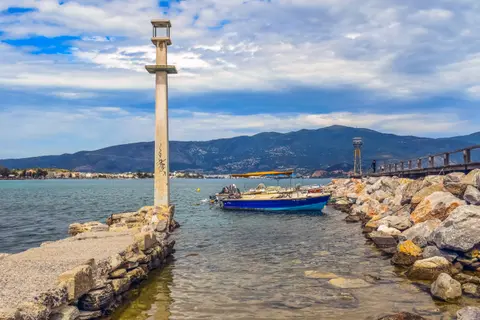
Volos is a commercial and industrial city; it is Greece's third-largest port. Much of it has been rebuilt after a severe earthquake in 1955. The location in the gulf of the same name and near scenic Mount Pelion ensures this town an attractive setting. Interesting sites in the surrounding areas include imposing monasteries perched atop craggy mountains and a fine Archaeological Museum. Volos was founded in the 14th century in an area which has been occupied by man since the Neolithic era. A short distance out of Volos, the second millennium saw the establishment of the Mycenaen city of Iolkos, seat of King Pelias and home of his nephew Jason, who sailed from here with the Argonauts. Remains of Mycenaen buildings have been discovered near the river, where a palace stood around 1400 B.C. The main reason visitors come to Volos is to depart on excursions to the monasteries of Meteora. Their lofty position atop gigantic pinnacles makes them the area's foremost attraction.
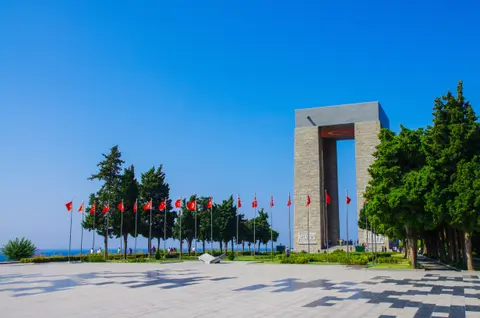
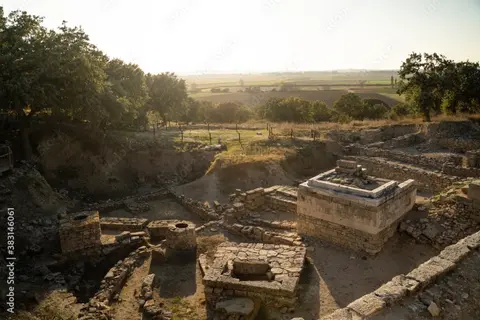
Çanakkale is a city in northwestern Turkey in the Marmara region, on the Dardanelles Strait. It’s a gateway to the Gallipoli WWI battlefields, north of the narrow strait. On the grounds of the 15th-century Çimenlik Castle, Çanakkale Naval Museum Command contains historical artillery. The archaeological site at Troy, including an ancient theater, is southwest of the city.

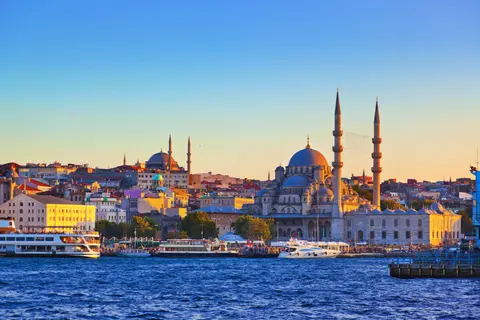
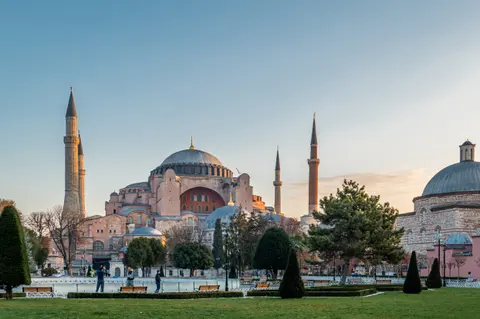
A shore excursion on your MSC Mediterranean cruise can be the opportunity to discover İstanbul which stands astride two continents, Europe and Asia. As if its spectacular geographical location were not enough, it can also boast of being the only city to have played capital to consecutive Christian and Islamic empires, a role that has shaped the region’s history for more than 2500 years and bequeathed to İstanbul a staggering wealth of attractions. Most cruise visitors spend all their holiday time in Sultanahmet, home to İstanbul’s main sightseeing attractions: the church of Aya Sofya, the greatest legacy of the Byzantine Empire; the Topkapı Palace, heart of the Ottoman Empire; and the massive Sultanahmet Camii (Blue Mosque). Here also are the ancient Hippodrome, the Museum of Turkish and Islamic Art (housed in the former Palace of İbrahim Paşa), the eerily lit Yerebatan Sarnıcı, a fascinating Byzantine underground cistern, and the Grand Bazaar (Kapalı Çarşı), the largest covered bazaar in the world. The monumental architecture, attractive parks and gardens, street-side cafés, and the benefits of a relatively traffic-free main road combine to make this area pleasant for both sightseeing and staying on an MSC Mediterranean cruise excursion. İstanbul’s Ottoman-era Grand Bazaar gets more than its fair share of souvenir-hungry visitors. The area around it, however, is relatively little explored, which is a shame as it holds some very worthwhile attractions, from the historic Cembirlitaş Hamamı, one of the best Turkish baths in the country, to the city’s very best mosque, the hilltop Süleymaniye Camii. The best single reason to head across to the Asian shore of the city is to experience a Bosphorus cruise. The views from the Bosphorus are superb, with domes and minarets dominating the skyline of the Old City, and skyscrapers the business districts beyond Beyoğlu.
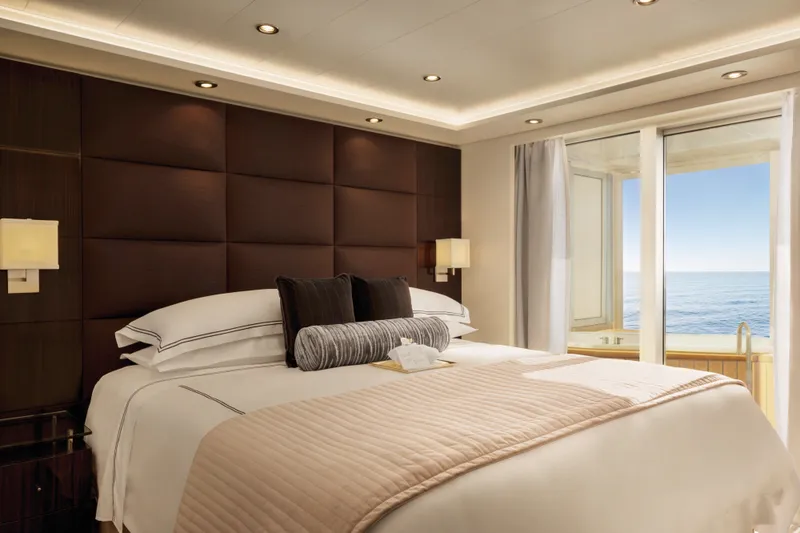
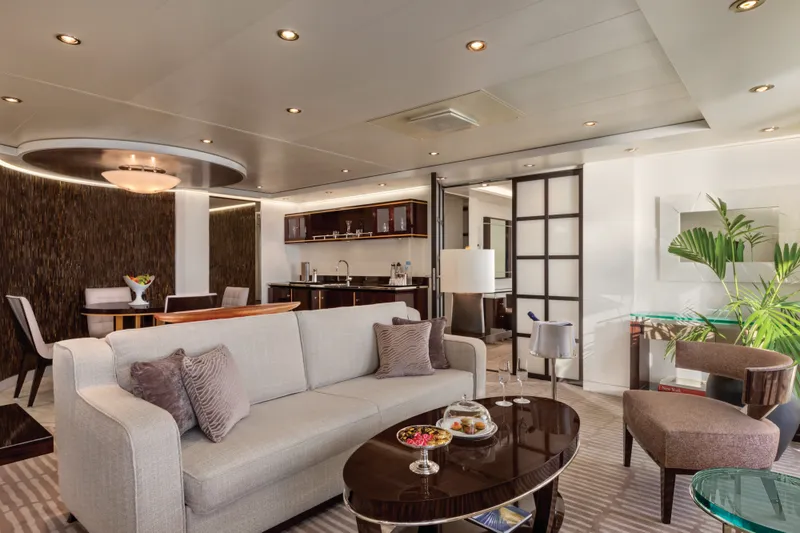
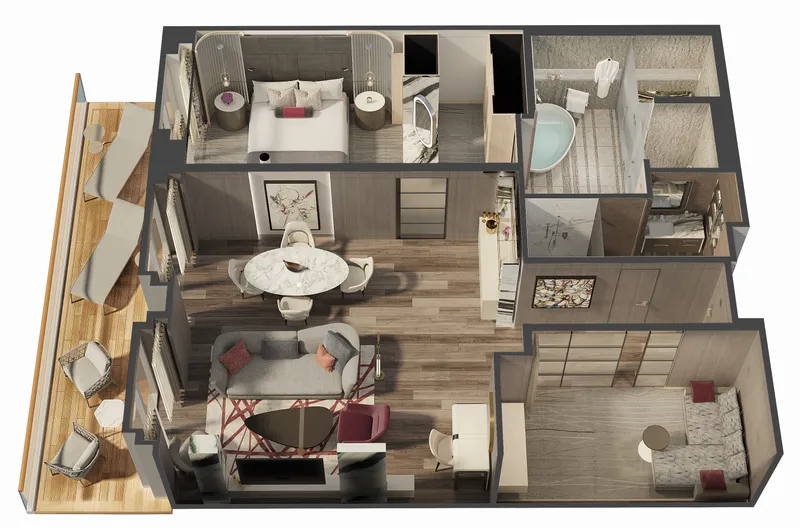
Conceived by the famed New York designer Dakota Jackson, each of the twelve Oceania Suites sprawls over more than 1,000 square feet of luxury. These stylish suites feature a living room, dining room, fully equipped media room, large walk-in closet, king-size bed, expansive private veranda, indoor and outdoor whirlpool spas and a second bathroom for guests. Also included is access to the private Executive Lounge with magazines, daily newspapers, beverages and snacks.
Oceania Suite Privileges
In addition to Suite & Stateroom Amenities
Free laundry service – up to 3 bags per stateroom+
Priority 11 am ship embarkation with priority luggage delivery
Exclusive card-only access to private Executive Lounge staffed by a dedicated Concierge, featuring complimentary soft drinks, coffees and snacks throughout the day
24-hour Butler service
Complimentary in-suite bar setup with 6 full-size bottles of premium spirits and wines from our suite beverage menu
Fresh fruit basket replenished daily
Priority online specialty restaurant reservations
Unlimited access to the Aquamar Spa Terrace
Complimentary iPad
Customized entertainment system
Bulgari gift set and variety of amenities
Choice of daily printed newspaper
Complimentary Oceania Cruises logo tote bagand personalized stationary
Cashmere lap blankets
Choice of pillow from a luxurious selection
Complimentary shoe shine service
Complimentary pressing of garments upon embarkation++
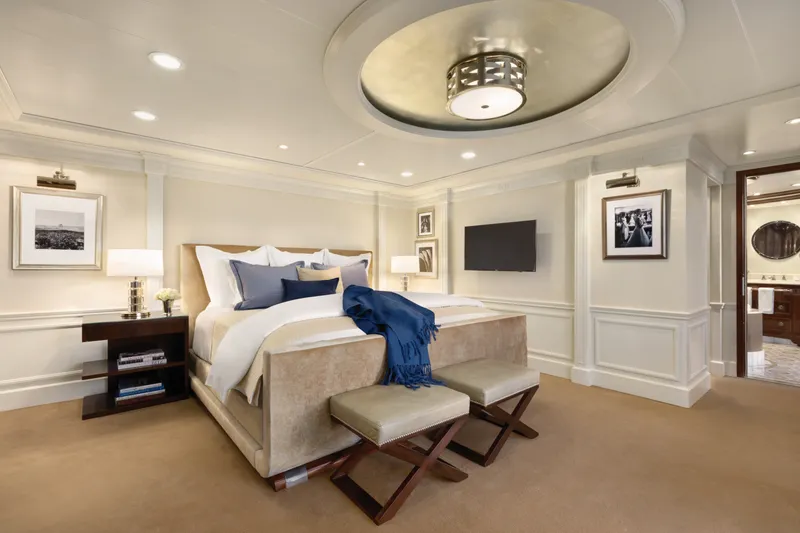
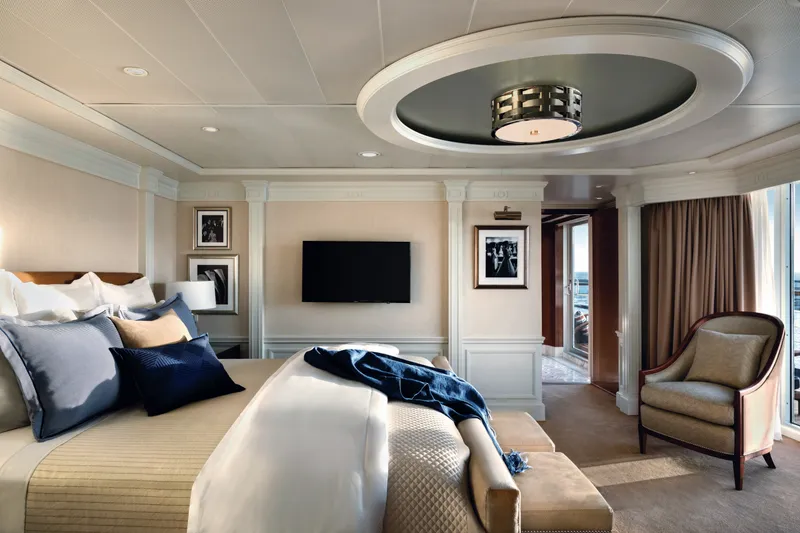
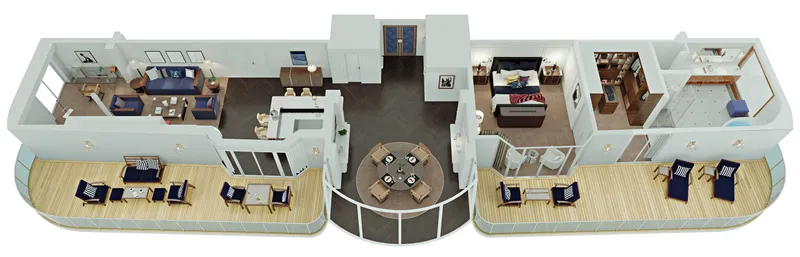
With rich furnishings from the Ralph Lauren Home Collection, each of the three Owner’s Suites measures more than 2,000 square feet and spans the entire beam of the ship. Boasting a large living room, king-size bed, two walk-in closets, indoor and outdoor whirlpool spas and a dramatic entry foyer with a music room, these suites also include exclusive card-only access to the Executive Lounge featuring a private library.
Owner's Suite Privileges
In addition to Suite & Stateroom Amenities
Free laundry service – up to 3 bags per stateroom+
Personalized priority 11 am ship embarkation with priority luggage delivery
Exclusive card-only access to private Executive Lounge staffed by a dedicated Concierge, featuring complimentary soft drinks, coffees and snacks throughout the day
24-hour Butler service
Complimentary in-suite bar setup with 6 full-size bottles of premium spirits and wines from our suite beverage menu
Complimentary welcome bottle of Champagne
Fresh fruit basket replenished daily
Priority online specialty restaurant reservations each
Unlimited access to the Aquamar Spa Terrace
Complimentary iPad
Bulgari gift set and variety of amenities
Choice of daily printed newspaper
Customized entertainment system with integrated sound system and media library
Complimentary Oceania Cruises logo tote bag and personalized stationery
Cashmere lap blankets
Choice of pillow from a luxurious selection
Complimentary shoe shine service
Complimentary pressing of garments upon embarkation++
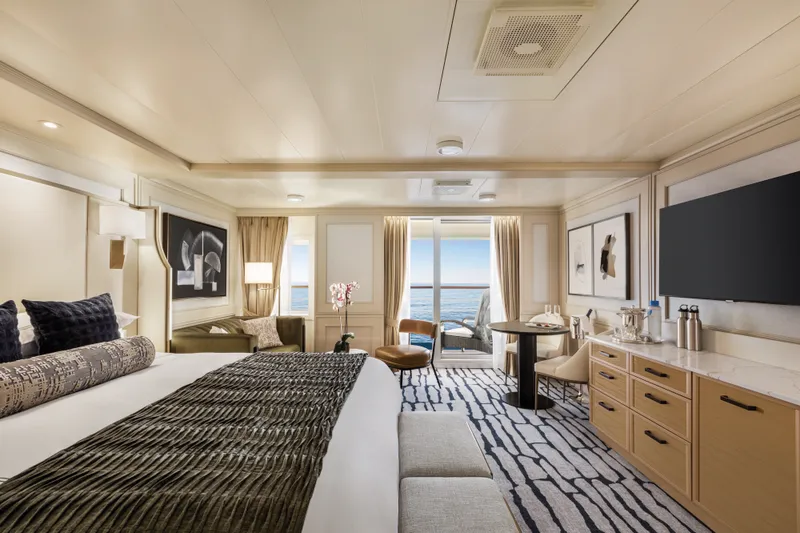
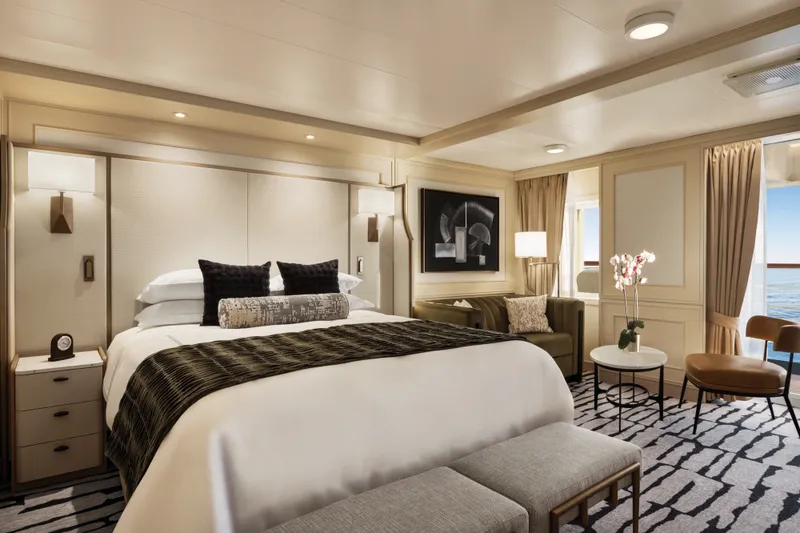
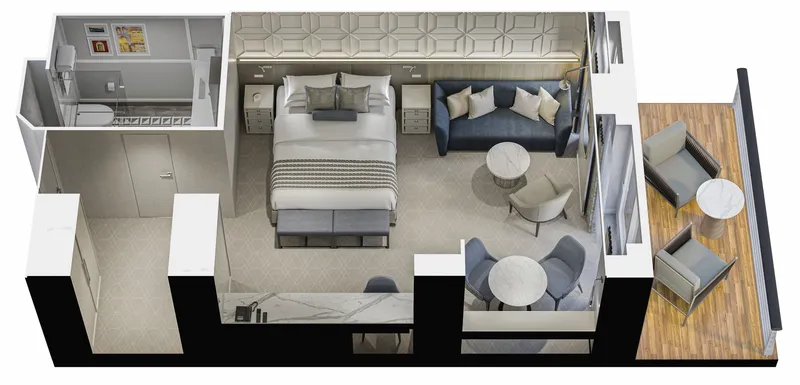
The elegant Penthouse Suites rival any world-class five-star hotel for comfort and beauty. Their design is ingenious, maximizing the generous 420 square feet of space and featuring a dining table, separate seating area, full-size bathtub/shower and separate shower, walk-in closet and private veranda. Enjoy exclusive card-only access to the private Executive Lounge and the services of a dedicated concierge.
Penthouse Suite Privileges
In addition to Suite & Stateroom Amenities
Free laundry service – up to 3 bags per stateroom+
Priority Noon ship embarkation with priority luggage delivery
Exclusive card-only access to private Executive Lounge staffed by a dedicated Concierge featuring complimentary soft drinks, coffees and snacks throughout the day
24-hour Butler service
Complimentary welcome bottle of Champagne
Priority online specialty restaurant reservations
Unlimited access to the Aquamar Spa Terrace
iPad upon request
Bulgari gift set++ and a variety of amenities
Customized entertainment system
Cashmere lap blankets
Complimentary shoe shine service
Complimentary pressing of garments upon embarkation++
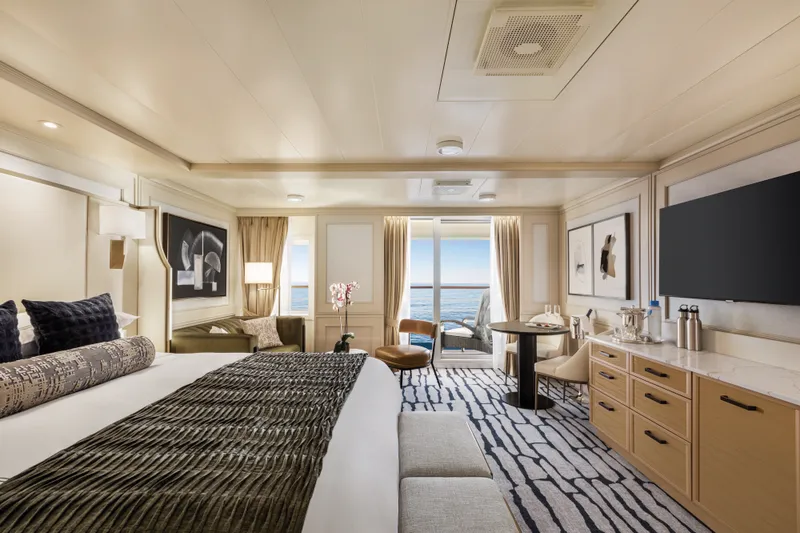
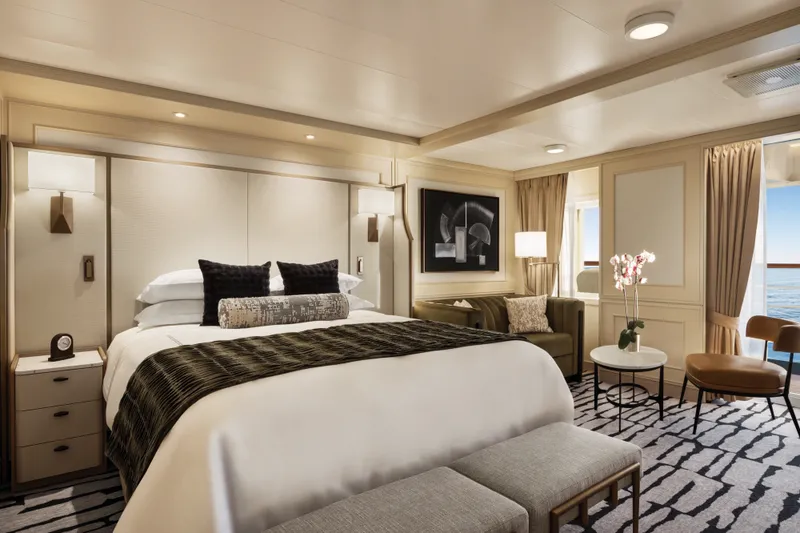
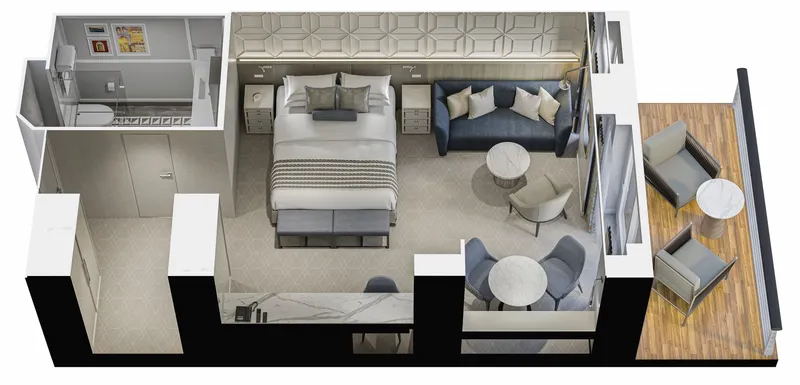
The elegant Penthouse Suites rival any world-class five-star hotel for comfort and beauty. Their design is ingenious, maximizing the generous 420 square feet of space and featuring a dining table, separate seating area, full-size bathtub/shower and separate shower, walk-in closet and private veranda. Enjoy exclusive card-only access to the private Executive Lounge and the services of a dedicated concierge.
Penthouse Suite Privileges
In addition to Suite & Stateroom Amenities
Free laundry service – up to 3 bags per stateroom+
Priority Noon ship embarkation with priority luggage delivery
Exclusive card-only access to private Executive Lounge staffed by a dedicated Concierge featuring complimentary soft drinks, coffees and snacks throughout the day
24-hour Butler service
Complimentary welcome bottle of Champagne
Priority online specialty restaurant reservations
Unlimited access to the Aquamar Spa Terrace
iPad upon request
Bulgari gift set++ and a variety of amenities
Customized entertainment system
Cashmere lap blankets
Complimentary shoe shine service
Complimentary pressing of garments upon embarkation++
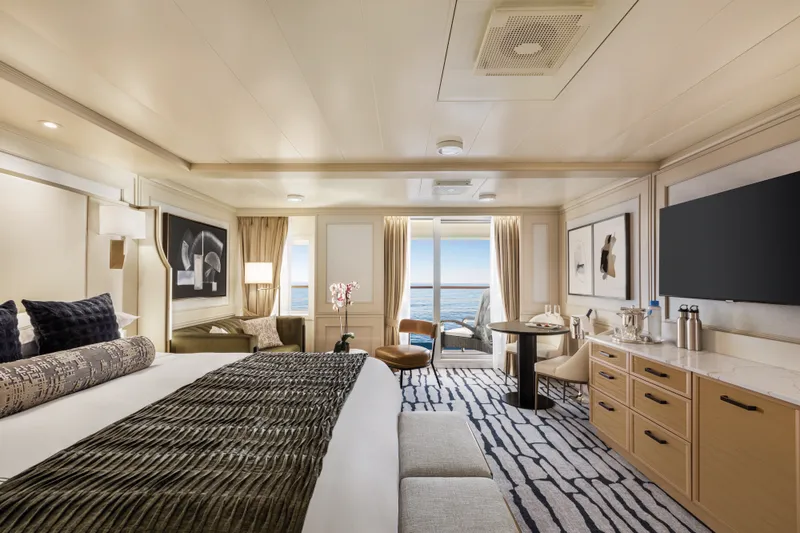
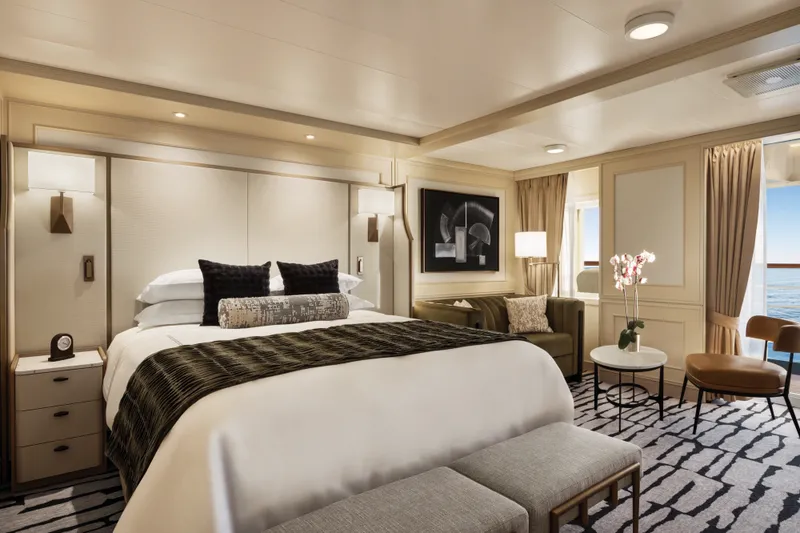
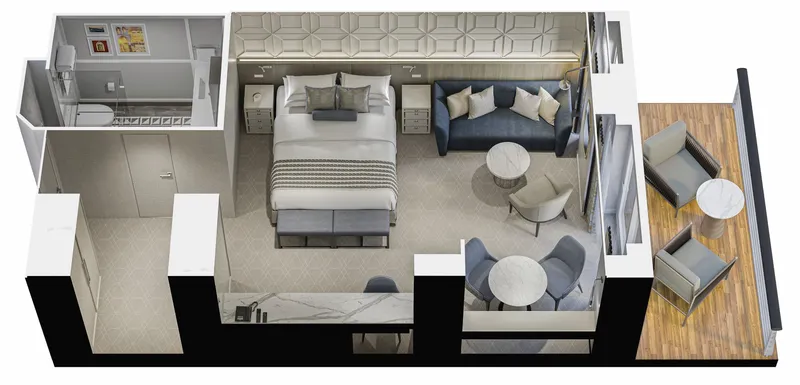
The elegant Penthouse Suites rival any world-class five-star hotel for comfort and beauty. Their design is ingenious, maximizing the generous 420 square feet of space and featuring a dining table, separate seating area, full-size bathtub/shower and separate shower, walk-in closet and private veranda. Enjoy exclusive card-only access to the private Executive Lounge and the services of a dedicated concierge.
Penthouse Suite Privileges
In addition to Suite & Stateroom Amenities
Free laundry service – up to 3 bags per stateroom+
Priority Noon ship embarkation with priority luggage delivery
Exclusive card-only access to private Executive Lounge staffed by a dedicated Concierge featuring complimentary soft drinks, coffees and snacks throughout the day
24-hour Butler service
Complimentary welcome bottle of Champagne
Priority online specialty restaurant reservations
Unlimited access to the Aquamar Spa Terrace
iPad upon request
Bulgari gift set++ and a variety of amenities
Customized entertainment system
Cashmere lap blankets
Complimentary shoe shine service
Complimentary pressing of garments upon embarkation++
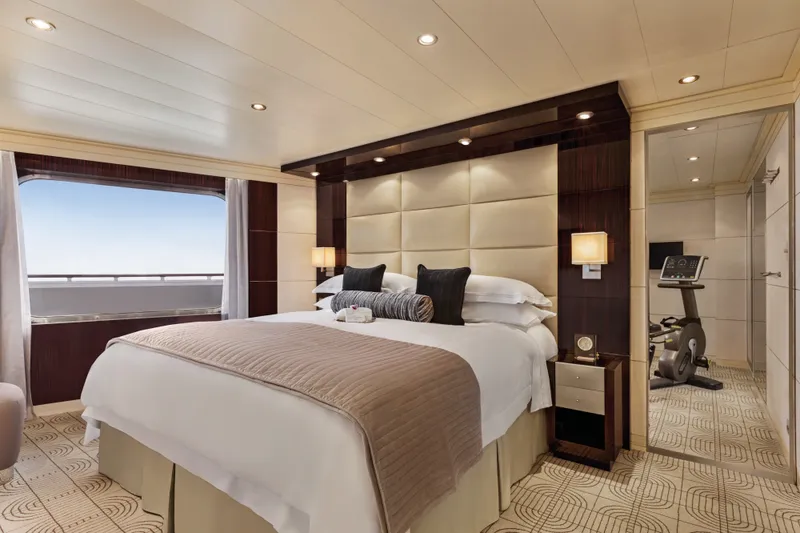
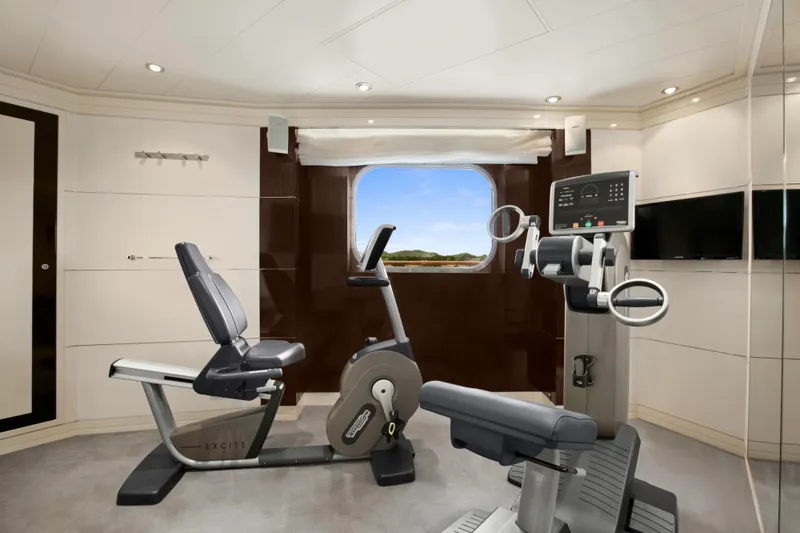
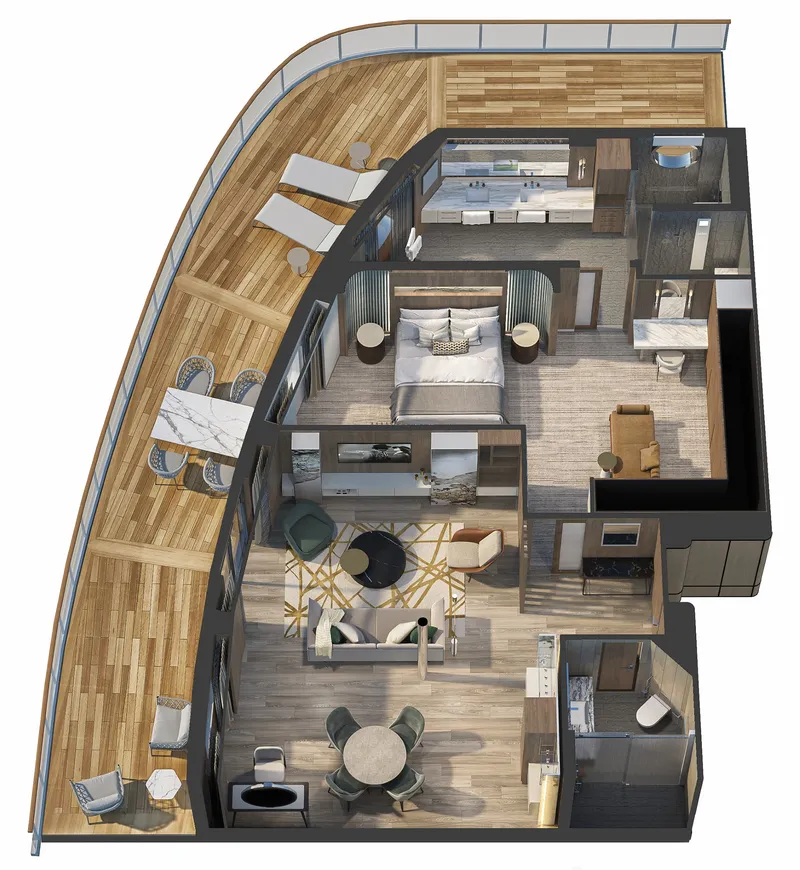
Given their lavish interior design by Dakota Jackson and premier location overlooking the bow of the ship, the eight Vista Suites are in high demand. These 1,200- to 1,500-square-foot suites (size depends on deck location) include access to the exclusive Executive Lounge as well as every imaginable amenity, such as a large walk-in closet, a second bathroom for guests, indoor and outdoor whirlpool spas and your own private fitness room.
Vista Suite Privileges
In addition to Suite & Stateroom Amenities
Free laundry service – up to 3 bags per stateroom+
Priority 11 am ship embarkation with priority luggage delivery
Exclusive card-only access to private Executive Lounge staffed by a dedicated Concierge, featuring complimentary soft drinks, coffees and snacks throughout the day
24-hour Butler service
Complimentary in-suite bar setup with 6 full-size bottles of premium spirits and wines from our suite beverage menu
Complimentary welcome bottle of Champagne
Fresh fruit basket replenished daily
Priority online specialty restaurant reservations
Unlimited access to the Aquamar Spa Terrace
Complimentary iPad
Customized entertainment system with integrated sound system and media library
Bulgari gift set and variety of amenities
Choice of daily newspaper
Complimentary Oceania Cruises logo tote bag and personalized stationery
Cashmere lap blankets
Choice of pillow from a luxurious selection
Complimentary shoe shine service
Complimentary pressing of garments upon embarkation++
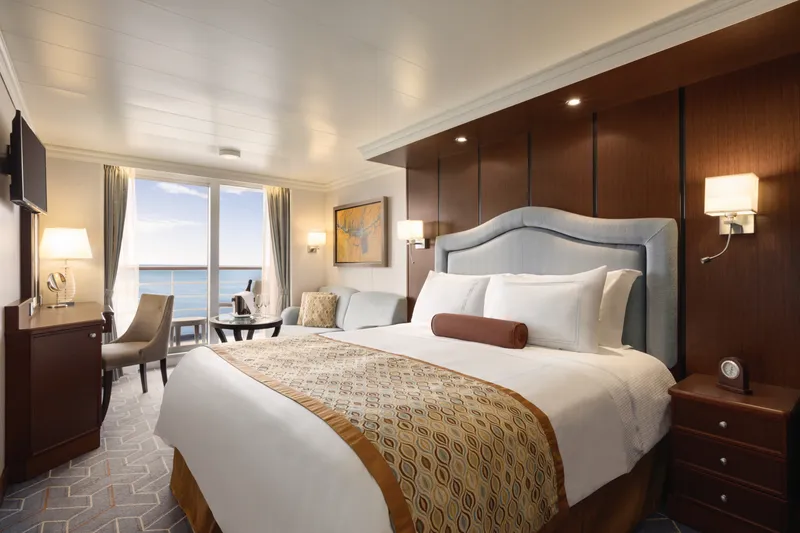
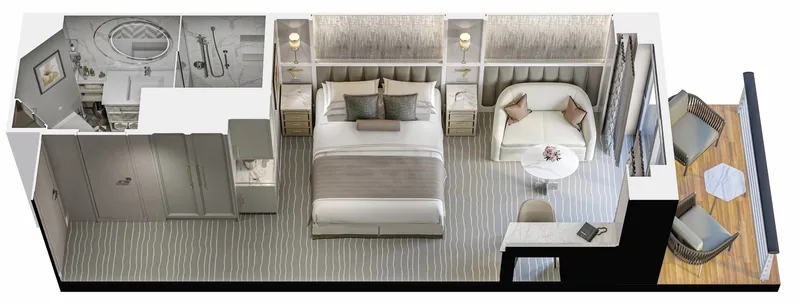
Located in the most desired of locations, our Concierge Level Veranda Staterooms offer an unrivaled combination of luxury, privilege and value. A wealth of amenities and a host of exclusive benefits elevate the experience to the sublime. You will even have the services of a dedicated Concierge, the ultimate comfort of ordering room service from the extended Grand Dining Room menu during lunch and dinner, unlimited access to Aquamar Spa Terrace and even free laundry service.
These beautifully decorated 282-square-foot staterooms reflect many of the luxurious amenities found in our Penthouse Suites, including a private veranda, plush seating area, refrigerated mini-bar and an oversized marble and granite-clad bathroom with a full-size bathtub/shower and separate shower. Guests also enjoy access to the private Concierge Lounge featuring your own dedicated Concierge, magazines, daily newspapers, complimentary beverage and snacks.
Concierge Level Privileges
In addition to Suite & Stateroom Amenities
Expanded lunch and dinner room service menu from The Grand Dining Room
Free laundry service – up to 3 bags per stateroom+
Priority Noon ship embarkation
Exclusive card-only access to private Concierge Lounge staffed by a dedicated Concierge featuring complimentary soft drinks, coffees and snacks throughout the day
Complimentary welcome bottle of Champagne
Priority online specialty restaurant reservations
Unlimited access to the Aquamar Spa Terrace
iPad upon request for your enjoyment on board++
Variety of Bulgari amenities
Complimentary Oceania Cruises logo tote bag
Cashmere lap blankets, perfect for relaxing on your veranda
Complimentary pressing of garments upon embarkation+++
Complimentary shoe shine service
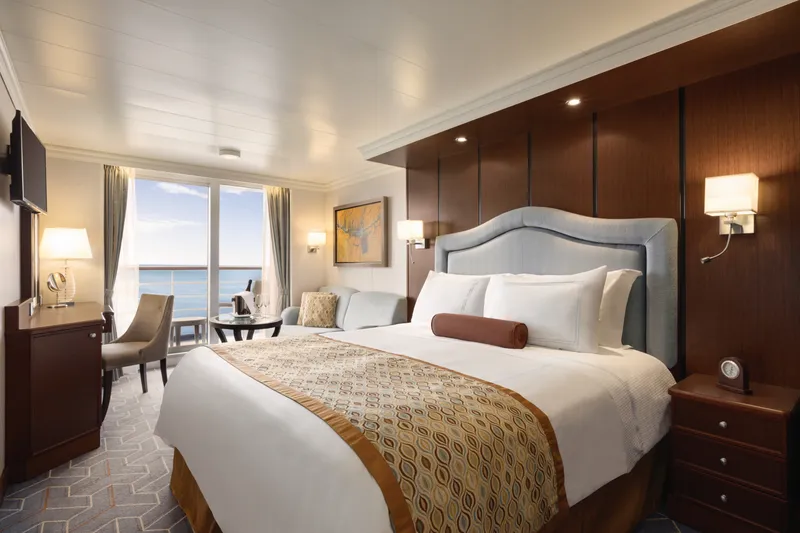
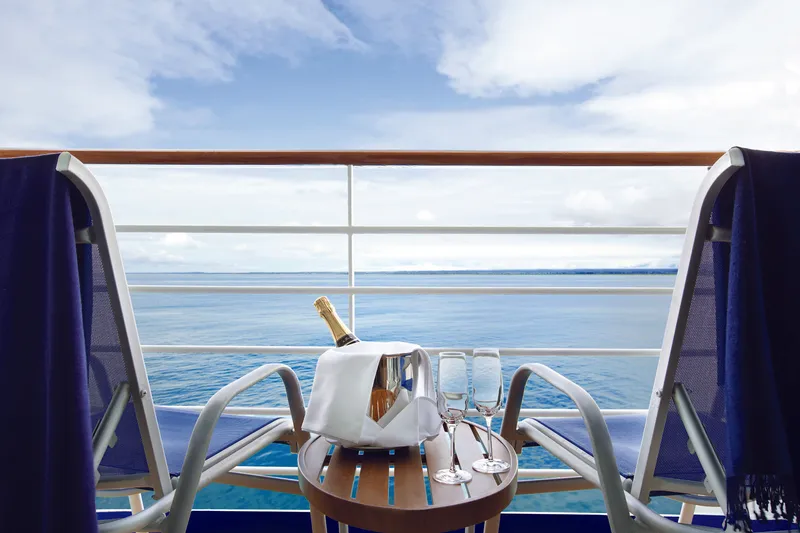
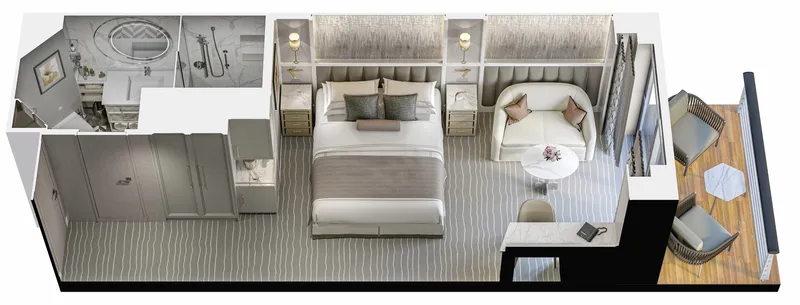
Located in the most desired of locations, our Concierge Level Veranda Staterooms offer an unrivaled combination of luxury, privilege and value. A wealth of amenities and a host of exclusive benefits elevate the experience to the sublime. You will even have the services of a dedicated Concierge, the ultimate comfort of ordering room service from the extended Grand Dining Room menu during lunch and dinner, unlimited access to Aquamar Spa Terrace and even free laundry service.
These beautifully decorated 282-square-foot staterooms reflect many of the luxurious amenities found in our Penthouse Suites, including a private veranda, plush seating area, refrigerated mini-bar and an oversized marble and granite-clad bathroom with a full-size bathtub/shower and separate shower. Guests also enjoy access to the private Concierge Lounge featuring your own dedicated Concierge, magazines, daily newspapers, complimentary beverage and snacks.
Concierge Level Privileges
In addition to Suite & Stateroom Amenities
Expanded lunch and dinner room service menu from The Grand Dining Room
Free laundry service – up to 3 bags per stateroom+
Priority Noon ship embarkation
Exclusive card-only access to private Concierge Lounge staffed by a dedicated Concierge featuring complimentary soft drinks, coffees and snacks throughout the day
Complimentary welcome bottle of Champagne
Priority online specialty restaurant reservations
Unlimited access to the Aquamar Spa Terrace
iPad upon request for your enjoyment on board++
Variety of Bulgari amenities
Complimentary Oceania Cruises logo tote bag
Cashmere lap blankets, perfect for relaxing on your veranda
Complimentary pressing of garments upon embarkation+++
Complimentary shoe shine service
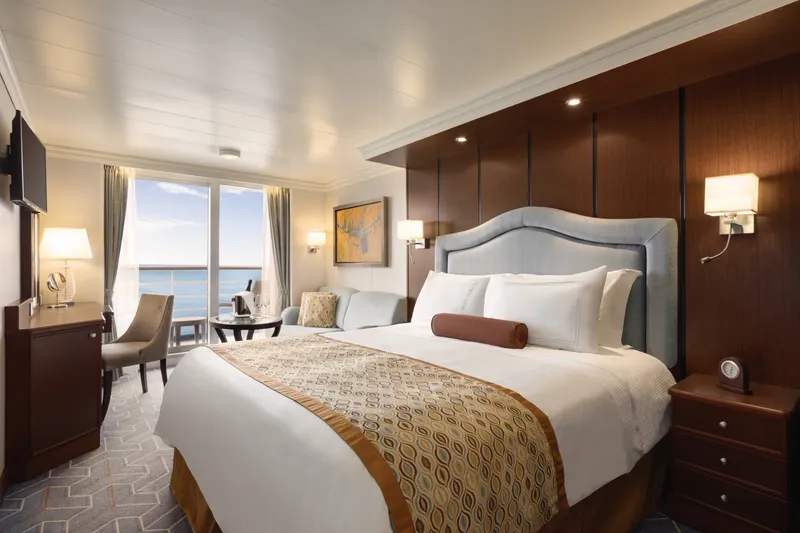
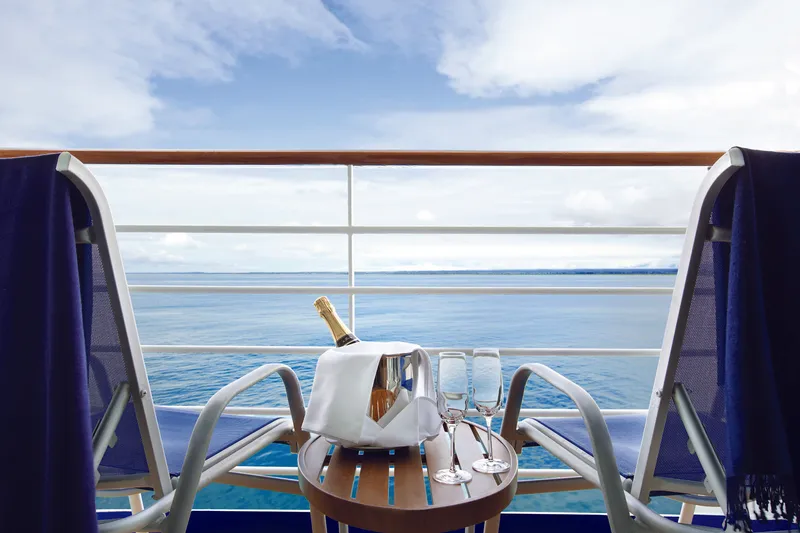
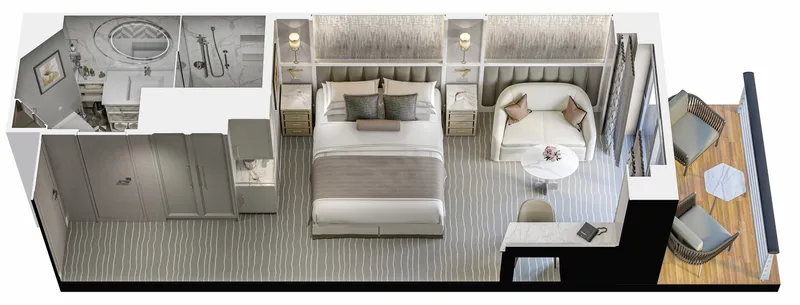
Located in the most desired of locations, our Concierge Level Veranda Staterooms offer an unrivaled combination of luxury, privilege and value. A wealth of amenities and a host of exclusive benefits elevate the experience to the sublime. You will even have the services of a dedicated Concierge, the ultimate comfort of ordering room service from the extended Grand Dining Room menu during lunch and dinner, unlimited access to Aquamar Spa Terrace and even free laundry service.
These beautifully decorated 282-square-foot staterooms reflect many of the luxurious amenities found in our Penthouse Suites, including a private veranda, plush seating area, refrigerated mini-bar and an oversized marble and granite-clad bathroom with a full-size bathtub/shower and separate shower. Guests also enjoy access to the private Concierge Lounge featuring your own dedicated Concierge, magazines, daily newspapers, complimentary beverage and snacks.
Concierge Level Privileges
In addition to Suite & Stateroom Amenities
Expanded lunch and dinner room service menu from The Grand Dining Room
Free laundry service – up to 3 bags per stateroom+
Priority Noon ship embarkation
Exclusive card-only access to private Concierge Lounge staffed by a dedicated Concierge featuring complimentary soft drinks, coffees and snacks throughout the day
Complimentary welcome bottle of Champagne
Priority online specialty restaurant reservations
Unlimited access to the Aquamar Spa Terrace
iPad upon request for your enjoyment on board++
Variety of Bulgari amenities
Complimentary Oceania Cruises logo tote bag
Cashmere lap blankets, perfect for relaxing on your veranda
Complimentary pressing of garments upon embarkation+++
Complimentary shoe shine service
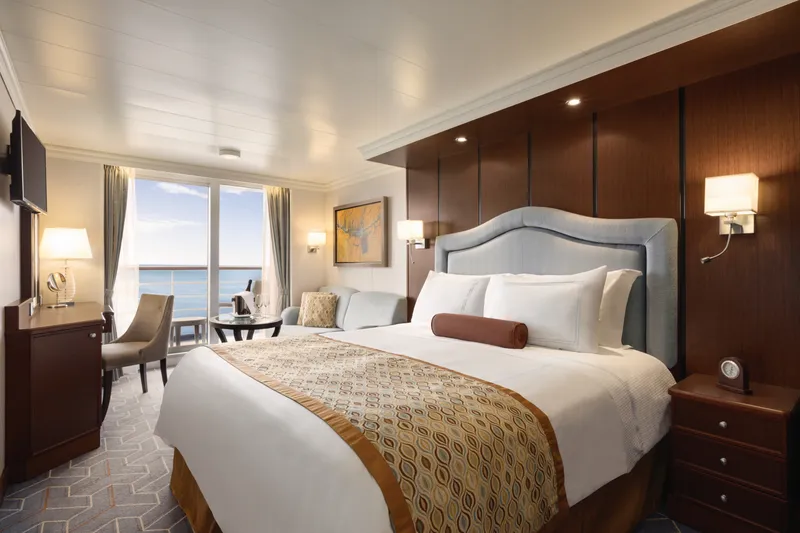
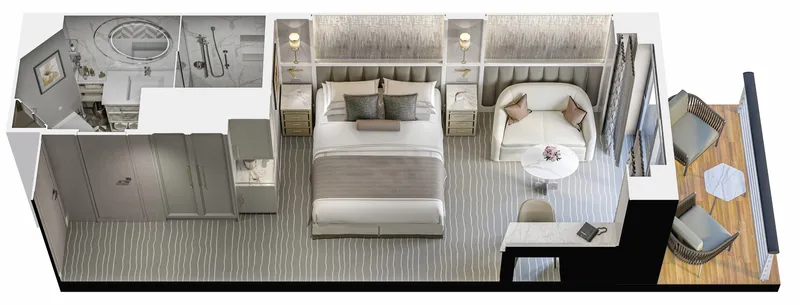
Located in the most desired of locations, our Concierge Level Veranda Staterooms offer an unrivaled combination of luxury, privilege and value. A wealth of amenities and a host of exclusive benefits elevate the experience to the sublime. You will even have the services of a dedicated Concierge, the ultimate comfort of ordering room service from the extended Grand Dining Room menu during lunch and dinner, unlimited access to Aquamar Spa Terrace and even free laundry service.
These beautifully decorated 282-square-foot staterooms reflect many of the luxurious amenities found in our Penthouse Suites, including a private veranda, plush seating area, refrigerated mini-bar and an oversized marble and granite-clad bathroom with a full-size bathtub/shower and separate shower. Guests also enjoy access to the private Concierge Lounge featuring your own dedicated Concierge, magazines, daily newspapers, complimentary beverage and snacks.
Concierge Level Privileges
In addition to Suite & Stateroom Amenities
Expanded lunch and dinner room service menu from The Grand Dining Room
Free laundry service – up to 3 bags per stateroom+
Priority Noon ship embarkation
Exclusive card-only access to private Concierge Lounge staffed by a dedicated Concierge featuring complimentary soft drinks, coffees and snacks throughout the day
Complimentary welcome bottle of Champagne
Priority online specialty restaurant reservations
Unlimited access to the Aquamar Spa Terrace
iPad upon request for your enjoyment on board++
Variety of Bulgari amenities
Complimentary Oceania Cruises logo tote bag
Cashmere lap blankets, perfect for relaxing on your veranda
Complimentary pressing of garments upon embarkation+++
Complimentary shoe shine service
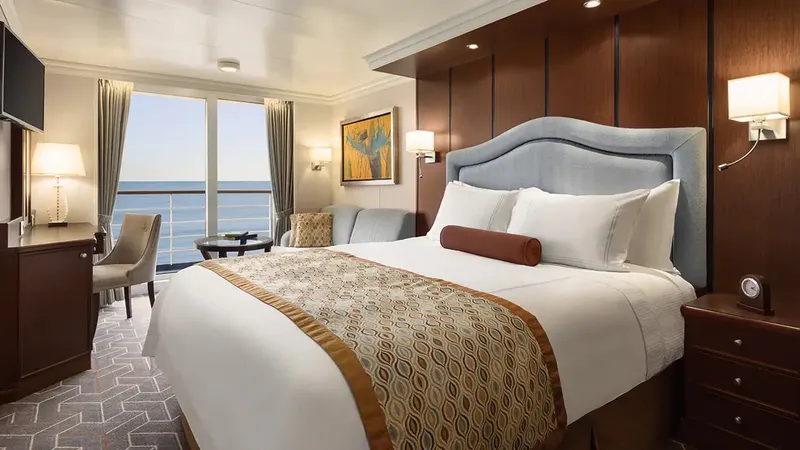
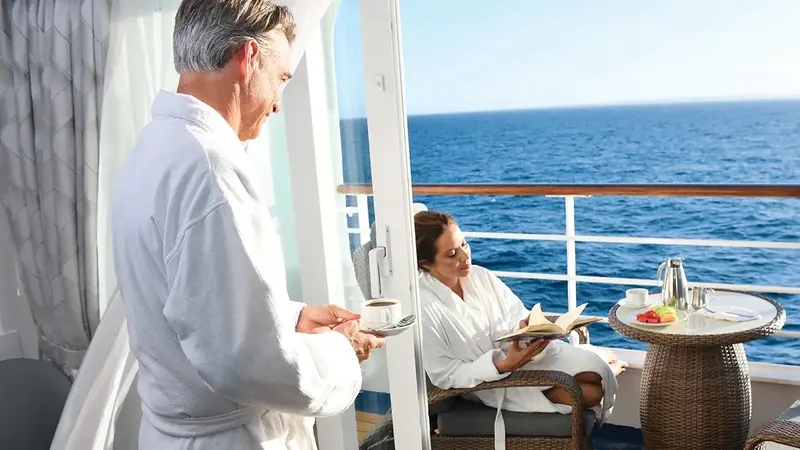
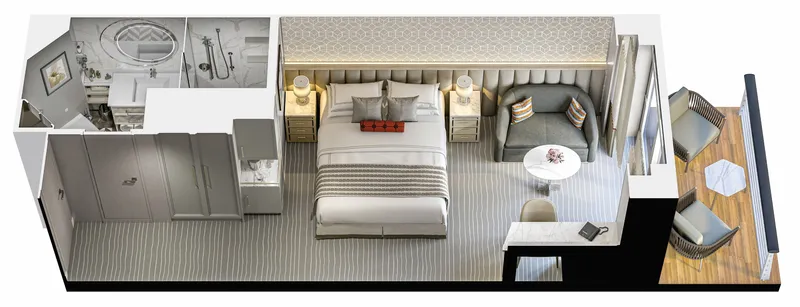
Our 282-square-foot Veranda Staterooms are the largest at sea. Featuring a comfortably furnished private veranda, our most requested luxury, each stateroom also includes a plush seating area, refrigerated mini-bar, spacious closet and a marble and granite-clad bathroom with a bathtub/shower and separate shower.
Veranda Stateroom Amenities
Ultra Tranquility Bed, an Oceania Cruises Exclusive
Refrigerated mini-bar with free and unlimited soft drinks replenished daily
Vero Water - still & sparkling replenished daily
Private teak veranda
Bulgari amenities
Full-size bathtub and separate shower
Belgian chocolates with nightly turndown service
Complimentary 24-hour room service
Flat-screen television with DVD player and extensive media library
Wireless Internet access and cellular service
Writing desk and stationary
Plush cotton towels, robes and slippers
Handheld hair dryer
Security safe
Category (B3) includes accessibility features in staterooms
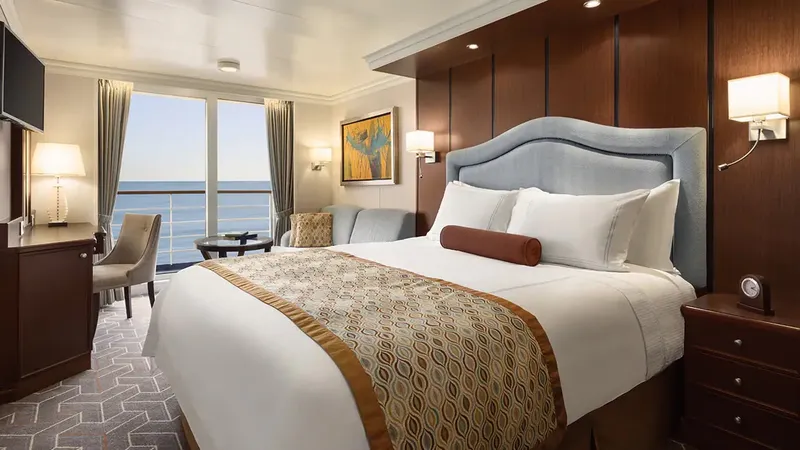
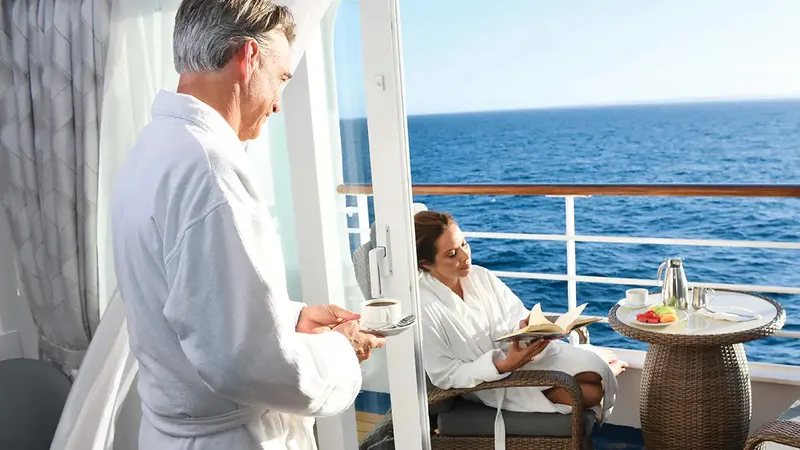
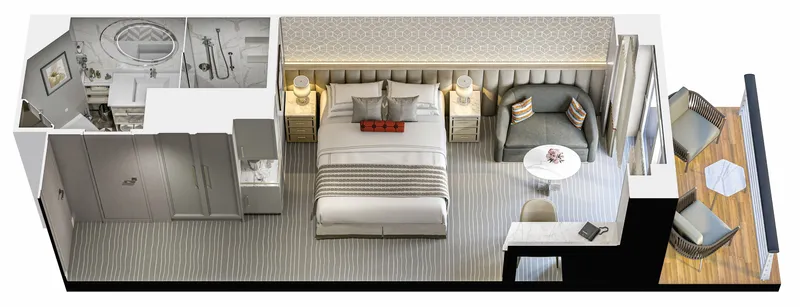
Our 282-square-foot Veranda Staterooms are the largest at sea. Featuring a comfortably furnished private veranda, our most requested luxury, each stateroom also includes a plush seating area, refrigerated mini-bar, spacious closet and a marble and granite-clad bathroom with a bathtub/shower and separate shower.
Veranda Stateroom Amenities
Ultra Tranquility Bed, an Oceania Cruises Exclusive
Refrigerated mini-bar with free and unlimited soft drinks replenished daily
Vero Water - still & sparkling replenished daily
Private teak veranda
Bulgari amenities
Full-size bathtub and separate shower
Belgian chocolates with nightly turndown service
Complimentary 24-hour room service
Flat-screen television with DVD player and extensive media library
Wireless Internet access and cellular service
Writing desk and stationary
Plush cotton towels, robes and slippers
Handheld hair dryer
Security safe
Category (B3) includes accessibility features in staterooms
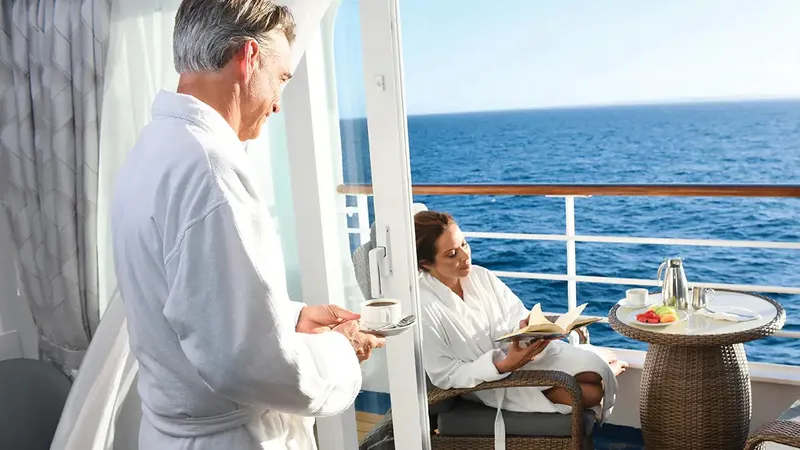
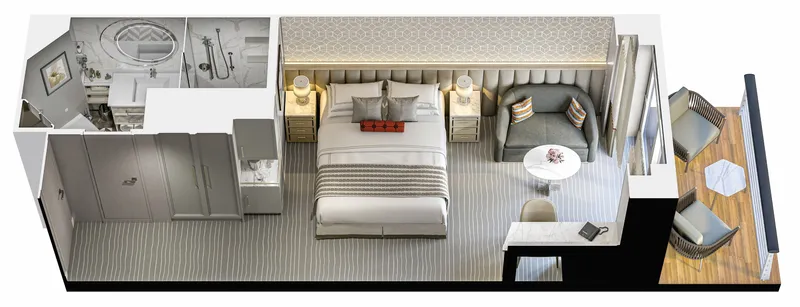
Our 282-square-foot Veranda Staterooms are the largest at sea. Featuring a comfortably furnished private veranda, our most requested luxury, each stateroom also includes a plush seating area, refrigerated mini-bar, spacious closet and a marble and granite-clad bathroom with a bathtub/shower and separate shower.
Veranda Stateroom Amenities
Ultra Tranquility Bed, an Oceania Cruises Exclusive
Refrigerated mini-bar with free and unlimited soft drinks replenished daily
Vero Water - still & sparkling replenished daily
Private teak veranda
Bulgari amenities
Full-size bathtub and separate shower
Belgian chocolates with nightly turndown service
Complimentary 24-hour room service
Flat-screen television with DVD player and extensive media library
Wireless Internet access and cellular service
Writing desk and stationary
Plush cotton towels, robes and slippers
Handheld hair dryer
Security safe
Category (B3) includes accessibility features in staterooms
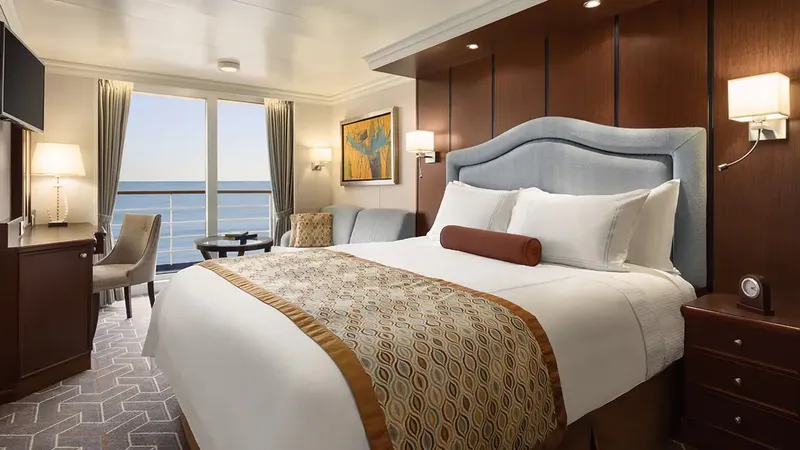
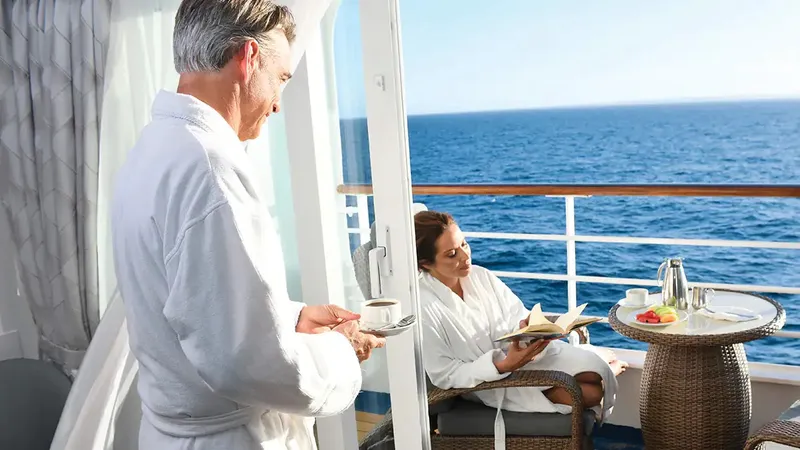
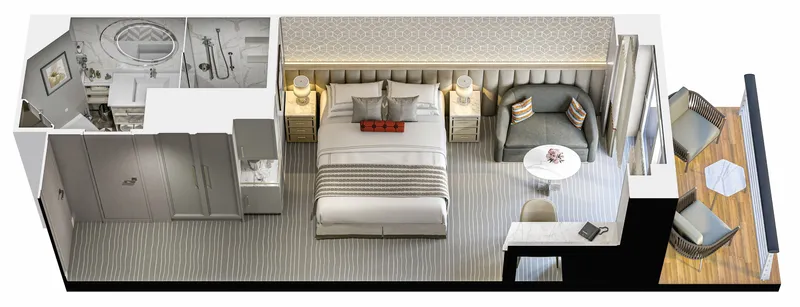
Our 282-square-foot Veranda Staterooms are the largest at sea. Featuring a comfortably furnished private veranda, our most requested luxury, each stateroom also includes a plush seating area, refrigerated mini-bar, spacious closet and a marble and granite-clad bathroom with a bathtub/shower and separate shower.
Veranda Stateroom Amenities
Ultra Tranquility Bed, an Oceania Cruises Exclusive
Refrigerated mini-bar with free and unlimited soft drinks replenished daily
Vero Water - still & sparkling replenished daily
Private teak veranda
Bulgari amenities
Full-size bathtub and separate shower
Belgian chocolates with nightly turndown service
Complimentary 24-hour room service
Flat-screen television with DVD player and extensive media library
Wireless Internet access and cellular service
Writing desk and stationary
Plush cotton towels, robes and slippers
Handheld hair dryer
Security safe
Category (B3) includes accessibility features in staterooms
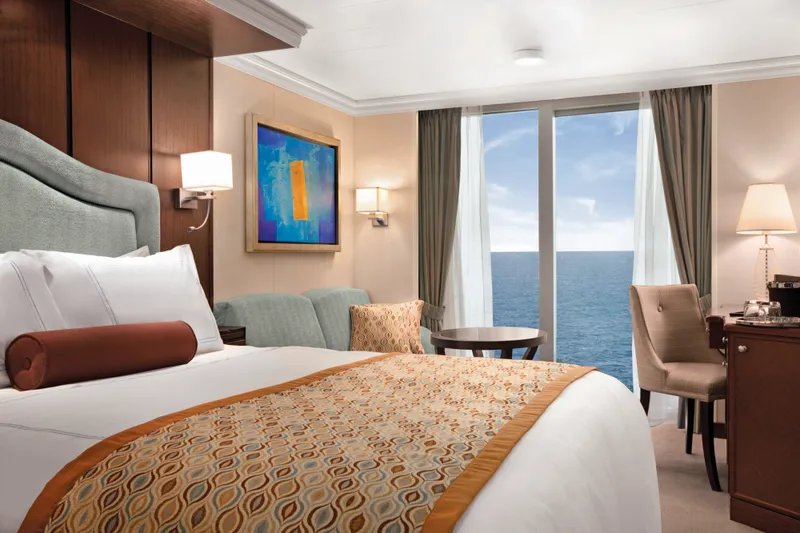
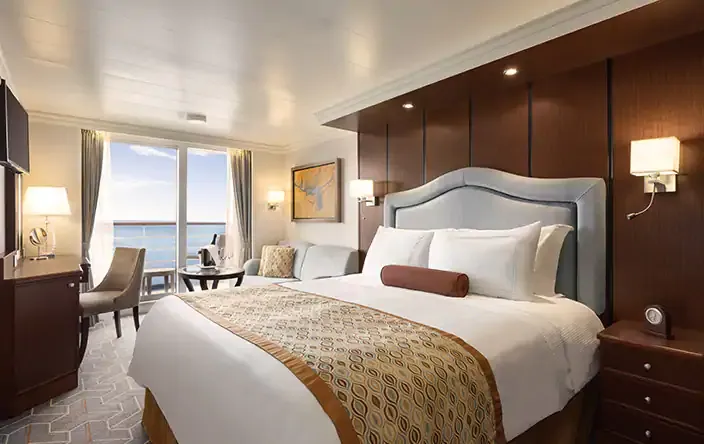
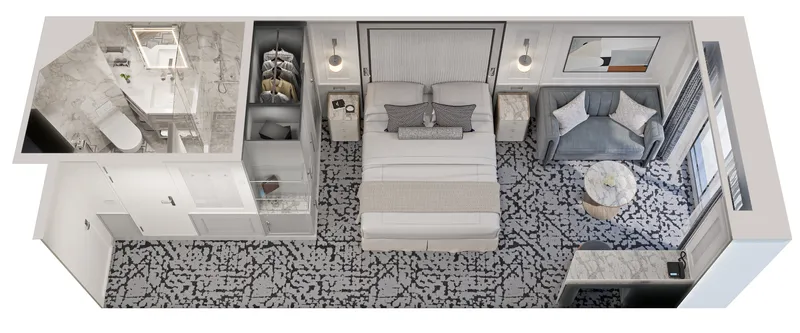
These comfortable 242-square-foot staterooms with floor-to-ceiling panoramic windows feel even more spacious with the curtains drawn back and the ocean in full view. Features include a generous seating area, vanity desk, breakfast table, refrigerated mini-bar and a marble and granite-clad bathroom with a bathtub/shower and separate shower.
Deluxe Ocean View Stateroom Amenities
Ultra Tranquility Bed, an Oceania Cruises Exclusive
Refrigerated mini-bar with free and unlimited soft drinks replenished daily
Vero Water - still & sparkling replenished daily
Bulgari amenities
Twice-daily maid service
Full-size bathtub with separate shower
Belgian chocolates with nightly turndown service
Complimentary 24-hour room service
Flat-screen television with DVD player and extensive media library
Wireless Internet access and cellular service
Writing desk and stationery
Plush cotton towels, robes and slippers
Handheld hair dryer
Security safe
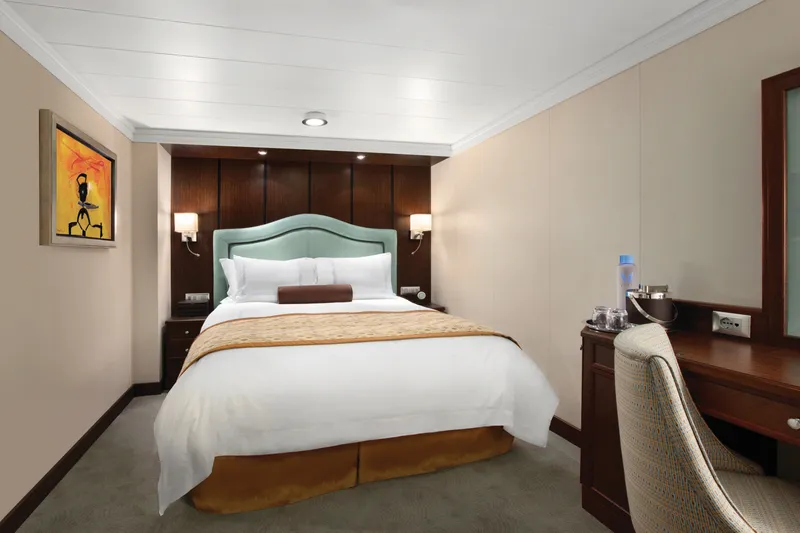
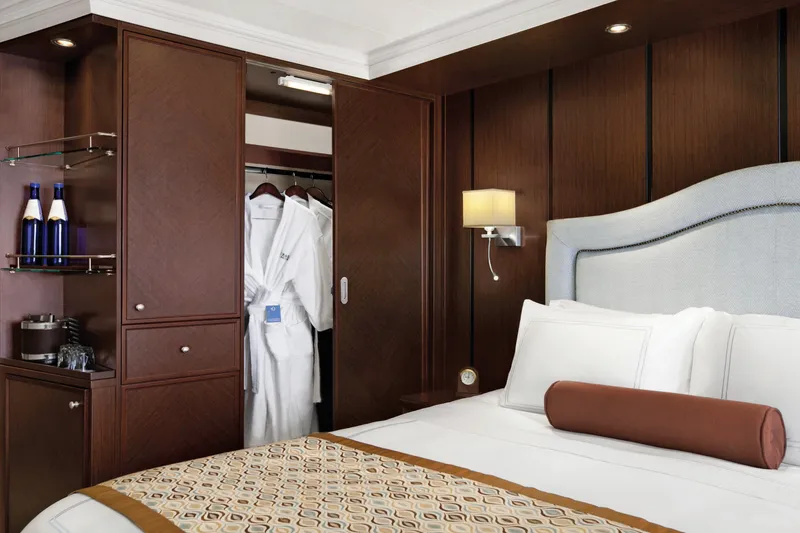
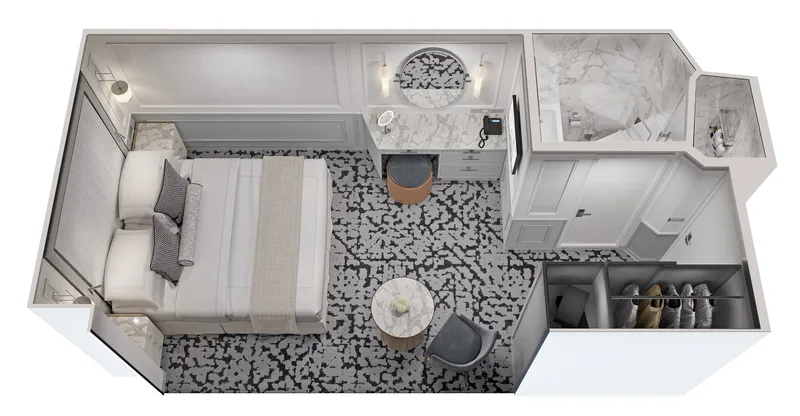
Wonderful sanctuaries unto their own, these 174-square-foot staterooms boast beautiful designs and handsome furnishings that add to the serenity. Highlights include a spacious marble and granite-clad bathroom with a shower, as well as thoughtful touches such as a vanity desk, breakfast table and refrigerated mini-bar.
Inside Stateroom Amenities
Ultra Tranquility Bed, an Oceania Cruises Exclusive
Refrigerated mini-bar with free and unlimited soft drinks replenished daily
Vero Water - still & sparkling replenished daily
Bulgari amenities
Twice-daily maid service
Belgian chocolates with nightly turndown service
Complimentary and extensive 24-hour room service menu
Flat-screen television with DVD player and extensive media library
Wireless Internet access and cellular service
Writing desk and stationary
Plush cotton towels, robes and slippers
Handheld hair dryer
Security safe
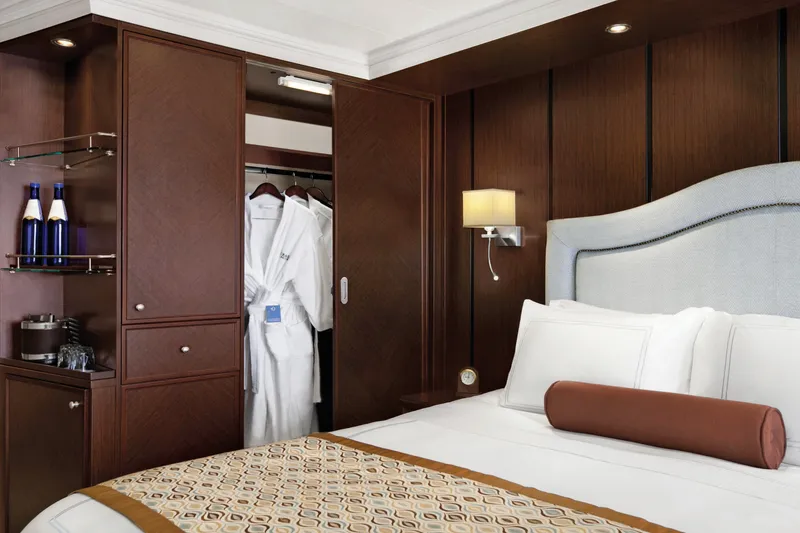
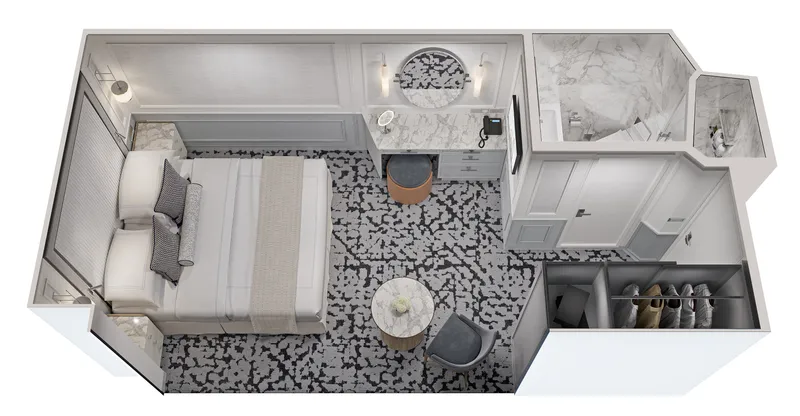
Wonderful sanctuaries unto their own, these 174-square-foot staterooms boast beautiful designs and handsome furnishings that add to the serenity. Highlights include a spacious marble and granite-clad bathroom with a shower, as well as thoughtful touches such as a vanity desk, breakfast table and refrigerated mini-bar.
Inside Stateroom Amenities
Ultra Tranquility Bed, an Oceania Cruises Exclusive
Refrigerated mini-bar with free and unlimited soft drinks replenished daily
Vero Water - still & sparkling replenished daily
Bulgari amenities
Twice-daily maid service
Belgian chocolates with nightly turndown service
Complimentary and extensive 24-hour room service menu
Flat-screen television with DVD player and extensive media library
Wireless Internet access and cellular service
Writing desk and stationary
Plush cotton towels, robes and slippers
Handheld hair dryer
Security safe
Our cruise specialists can help you find the perfect cabin and the best available pricing.
(+886) 02-2721-7300Contact Advisor