Date
2026-12-09
Duration
26 nights
Departure Port
Barcelona
Spain
Arrival Port
Civitavecchia
Italy
Rating
Luxury
Theme
—



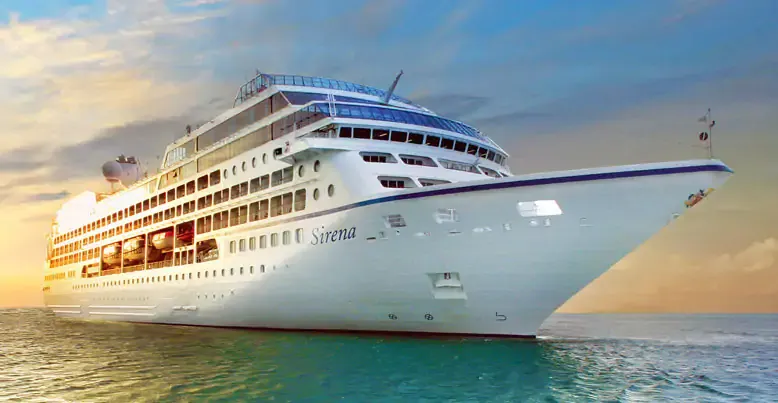
Oceania Cruises
—
2019
30,277 GT
670
349
400
594 m
25.45 m
18 knots
No

Barcelona is the city where Roman history, Gothic grandeur, and Gaudí's delirious Modernisme collide in a Mediterranean coastal capital of astonishing energy and beauty. The Sagrada Família — still under construction after 140 years — continues its audacious ascent toward completion, while the Gothic Quarter's Roman-era foundations and the Passeig de Gràcia's extraordinary concentration of Modernisme masterpieces reward days of exploration. For a complete sensory experience, lose an afternoon in the covered labyrinth of La Boqueria market before descending to the waterfront for Catalan seafood at its finest. May through June and September through October offer the most pleasant weather; the city connects directly to Paris by overnight train.

Alicante, a historic port city on Spain's Costa Blanca, captivates visitors with its rich history, stunning architecture, and vibrant culinary scene. Must-do experiences include savoring traditional paella by the seaside and exploring the bustling Mercado Central. The best time to visit is during the spring or early fall when the weather is pleasantly warm and the city is alive with festivities.

Almeria, Spain is a distinctive port city where deep cultural heritage meets authentic local atmosphere, featured on itineraries by Azamara. Must-do experiences include walking the historic center to experience the layered architectural heritage, and seeking out the regional culinary traditions at a locally favored establishment away from the port area. The optimal time to visit is May through September, when mild temperatures and long days favor unhurried exploration.

Gibraltar is a British Overseas Territory perched at the southern tip of the Iberian Peninsula, where the Mediterranean meets the Atlantic beneath an iconic limestone monolith steeped in over a millennium of contested history. No visit is complete without ascending the Rock to encounter the Barbary macaques and the panoramic views stretching to North Africa, followed by a plate of calentita — the territory's beloved Genoese-heritage chickpea bake — at a Main Street bakery. The mild Mediterranean climate makes Gibraltar a rewarding port call year-round, though spring and early autumn offer the clearest skies for spotting whales and dolphins in the Strait.

Casablanca is Morocco's largest city, a striking fusion of Berber heritage, French colonial art deco architecture, and contemporary ambition anchored by the towering Hassan II Mosque on the Atlantic shore. Visitors should not miss the Central Market's freshly grilled seafood and a half-day excursion to the imperial capital Rabat or the UNESCO-listed fortress of Aït Ben Haddou. The optimal season for cruising into Casablanca is April through June or September through November, when temperatures hover between twenty and twenty-seven degrees and the Atlantic light renders the white city at its most luminous.

Agadir is southern Morocco's premier coastal resort, rebuilt after a devastating 1960 earthquake into a modern city framed by a magnificent six-kilometer beach and the Atlas Mountains. Feast on just-caught sardines grilled at the harbor, shop for argan oil at the vast Souk El Had, and day-trip to the palm-shaded swimming pools of Paradise Valley. October through April provides ideal temperatures, with Azamara, Costa, and Viking calling at the commercial port.

Arrecife, the unpretentious capital of Lanzarote in Spain's Canary Islands, serves as the gateway to one of the volcanic world's most surreal and spellbinding landscapes — shaped by César Manrique, the visionary artist who ensured there are no high-rises, no billboards, and no compromise between tourism and the island's extraordinary terrain. The Timanfaya National Park's lava fields, the underground lake of the Jameos del Agua, and Manrique's own clifftop home-turned-museum are among the most singular attractions in all of Spain. The Canary Islands enjoy a year-round temperate climate, making any month suitable for a visit. Gran Canaria lies forty minutes by ferry.

Las Palmas de Gran Canaria, a historic port city founded in 1478, offers a rich tapestry of culture, architecture, and culinary delights. Must-do experiences include sampling **papas arrugadas** at the Mercado de Vegueta and exploring the charming streets of Vegueta. The best time to visit is during the mild spring months when the weather is ideal for outdoor exploration.

Santa Cruz de Tenerife, the cosmopolitan capital of the Canary Islands, balances volcanic grandeur with refined urban pleasures — from the Santiago Calatrava–designed Auditorio rising beside the Atlantic to the ancient dragon tree at Icod de los Vinos and the World Heritage Teide volcano looming above the island. The city's Carnival, second in scale only to Rio de Janeiro's, erupts each February in spectacular costumes and street revelry. Local wines from the volcanic slopes, wrinkled potatoes with mojo verde, and fresh Atlantic fish define the island's culinary character. November through April offers reliably warm, sun-drenched conditions.

Santa Cruz de la Palma is the charming capital of La Palma, known for its colonial architecture and rich maritime history. Must-do experiences include savoring local dishes like "papas arrugadas" and exploring the stunning landscapes of Taburiente National Park. The best time to visit is during the spring and fall months when the weather is mild and perfect for outdoor adventures.

Funchal — Madeira's radiant capital, its name derived from the wild fennel that greeted Portuguese settlers in 1419 — cascades down volcanic hillsides to a deep-water harbour that has welcomed mariners and wanderers for six centuries. The Reid's Palace, opened in 1891, remains one of the Atlantic's most legendary hotels, its clifftop terraces commanding views that inspired Churchill, Shaw, and a century of distinguished guests. The city's floating flower market, levada walks through ancient laurisilva forest, and the exhilarating toboggan descent from Monte combine for days of effortless discovery. The subtropical climate makes Funchal appealing year-round, with spring particularly spectacular for wildflowers.

Lisbon, Portugal's enchanting capital, stands out for its rich history, stunning architecture, and vibrant culture. Must-try experiences include savoring local dishes like bacalhau à brás and pastéis de nata at Mercado da Ribeira. The best time to visit is during the spring or fall, when the weather is mild and the city is alive with festivals and events.

Portimão is the Algarve's most storied port city, where Phoenician trading heritage meets golden-cliff beaches and Portugal's finest grilled sardine tradition along the Arade River. Visitors should not miss the charcoal-grilled sardines at the riverside churrasqueiras and the dramatic sandstone formations of Praia da Rocha. The port is at its luminous best from May through October, when long Atlantic days bathe the coastline in honeyed light and the August Sardine Festival electrifies the waterfront.

Seville’s port is a vibrant gateway to Andalusia, steeped in history and cultural richness. Don’t miss the chance to indulge in local tapas and experience a traditional flamenco performance. The best time to visit is during the spring, when the city bursts into life with festivals and pleasant weather.

Málaga distils three thousand years of Mediterranean civilisation into one of Andalusia's most compelling port cities, where the Moorish Alcazaba fortress surveys a modern waterfront of elegant promenades and sun-drenched café terraces. Do not leave without visiting the Museo Picasso — the artist was born here in 1881 — and ascending to the ruined Castillo de Gibralfaro for panoramic views stretching to the Rif Mountains of Morocco on clear days. Malagueta anchovies fried in olive oil and the sweet Pedro Ximénez-laced dessert wine are the city's defining pleasures. The shoulder seasons of April, May, and October offer perfect Mediterranean warmth.

Palma de Mallorca announces itself with one of the most spectacular Gothic cathedrals in the world — La Seu, its honey-coloured sandstone buttresses rising directly from the bay, its interior modified by Antoni Gaudí and illuminated by the world's largest Gothic rose window. The old town behind it is a quarter of Arab baths, Renaissance palaces converted into boutique hotels, and the Passeig del Born — a plane-tree-shaded promenade where Balearic life conducts itself with unhurried grace. The local ensaïmada pastry and fresh sobrasada sausage from the island's black pigs are essential breakfast rituals. Visit May, June, or September: warm, brilliant, and measurably calmer than the July–August peak.

Palamós is an authentic Catalan fishing port on the Costa Brava, renowned for its legendary deep-water Gamba de Palamós red prawns and a vibrant working harbor where daily fish auctions continue centuries of maritime tradition. Must-dos include the Fishing Museum, coastal walks on the Camí de Ronda, and dining on fresh-from-the-sea Catalan cuisine. May through October offers ideal Mediterranean conditions.

Toulon is the French Navy's Mediterranean home port, where the daily Cours Lafayette market, Mont Faron cable-car panoramas, and proximity to the Hyères Islands' pristine beaches deliver the French Riviera without the glamour-tax of Cannes or Saint-Tropez. Visit April through October via Cunard or Oceania for authentic Provençal markets, the 'other D-Day' memorial, and the Riviera that the French actually use.

Tucked at the head of a deep Ligurian harbour that Byron and Shelley named the Gulf of Poets, La Spezia serves as the ideal base for exploring the Cinque Terre — five cliff-hanging fishing villages threaded by ancient paths above a turquoise sea. The town itself rewards exploration: the Museo Amedeo Lia houses one of Italy's finest private collections of medieval and Renaissance art, and the naval museum reflects La Spezia's long maritime history. A boat excursion to Portovenere and the island of Palmaria, or a trail walk between Vernazza and Corniglia, constitutes a perfect day from port. Best visited April through June and September through October, avoiding the summer heat and peak crowds.

Ajaccio, the vibrant capital of Corsica, enchants visitors with its rich history as Napoleon's birthplace and its stunning coastal views. Don't miss trying local delicacies like figatellu and brocciu, and explore the nearby picturesque villages. The best season to visit is during the mild spring or fall months, when the weather is pleasant and the crowds are fewer.

Barcelona is the city where Roman history, Gothic grandeur, and Gaudí's delirious Modernisme collide in a Mediterranean coastal capital of astonishing energy and beauty. The Sagrada Família — still under construction after 140 years — continues its audacious ascent toward completion, while the Gothic Quarter's Roman-era foundations and the Passeig de Gràcia's extraordinary concentration of Modernisme masterpieces reward days of exploration. For a complete sensory experience, lose an afternoon in the covered labyrinth of La Boqueria market before descending to the waterfront for Catalan seafood at its finest. May through June and September through October offer the most pleasant weather; the city connects directly to Paris by overnight train.

Rome's ancient maritime gateway since the Emperor Trajan commissioned its harbour in 106 AD, Civitavecchia is the natural prologue to the Eternal City — just seventy minutes southeast by express rail. The port's Renaissance fortress, designed in part by Michelangelo, anchors a working waterfront that has welcomed travellers for millennia. Beyond Rome's unmissable monuments, consider an afternoon in the Civitavecchia thermal baths, drawing on mineral waters prized since antiquity. Spring and autumn offer the ideal balance of mild weather and manageable crowds for exploring the capital's layered history.
Day 1

Barcelona is the city where Roman history, Gothic grandeur, and Gaudí's delirious Modernisme collide in a Mediterranean coastal capital of astonishing energy and beauty. The Sagrada Família — still under construction after 140 years — continues its audacious ascent toward completion, while the Gothic Quarter's Roman-era foundations and the Passeig de Gràcia's extraordinary concentration of Modernisme masterpieces reward days of exploration. For a complete sensory experience, lose an afternoon in the covered labyrinth of La Boqueria market before descending to the waterfront for Catalan seafood at its finest. May through June and September through October offer the most pleasant weather; the city connects directly to Paris by overnight train.
Day 2

Alicante, a historic port city on Spain's Costa Blanca, captivates visitors with its rich history, stunning architecture, and vibrant culinary scene. Must-do experiences include savoring traditional paella by the seaside and exploring the bustling Mercado Central. The best time to visit is during the spring or early fall when the weather is pleasantly warm and the city is alive with festivities.
Day 3

Almeria, Spain is a distinctive port city where deep cultural heritage meets authentic local atmosphere, featured on itineraries by Azamara. Must-do experiences include walking the historic center to experience the layered architectural heritage, and seeking out the regional culinary traditions at a locally favored establishment away from the port area. The optimal time to visit is May through September, when mild temperatures and long days favor unhurried exploration.
Day 4

Gibraltar is a British Overseas Territory perched at the southern tip of the Iberian Peninsula, where the Mediterranean meets the Atlantic beneath an iconic limestone monolith steeped in over a millennium of contested history. No visit is complete without ascending the Rock to encounter the Barbary macaques and the panoramic views stretching to North Africa, followed by a plate of calentita — the territory's beloved Genoese-heritage chickpea bake — at a Main Street bakery. The mild Mediterranean climate makes Gibraltar a rewarding port call year-round, though spring and early autumn offer the clearest skies for spotting whales and dolphins in the Strait.
Day 5

Casablanca is Morocco's largest city, a striking fusion of Berber heritage, French colonial art deco architecture, and contemporary ambition anchored by the towering Hassan II Mosque on the Atlantic shore. Visitors should not miss the Central Market's freshly grilled seafood and a half-day excursion to the imperial capital Rabat or the UNESCO-listed fortress of Aït Ben Haddou. The optimal season for cruising into Casablanca is April through June or September through November, when temperatures hover between twenty and twenty-seven degrees and the Atlantic light renders the white city at its most luminous.
Day 6

Agadir is southern Morocco's premier coastal resort, rebuilt after a devastating 1960 earthquake into a modern city framed by a magnificent six-kilometer beach and the Atlas Mountains. Feast on just-caught sardines grilled at the harbor, shop for argan oil at the vast Souk El Had, and day-trip to the palm-shaded swimming pools of Paradise Valley. October through April provides ideal temperatures, with Azamara, Costa, and Viking calling at the commercial port.
Day 7

Arrecife, the unpretentious capital of Lanzarote in Spain's Canary Islands, serves as the gateway to one of the volcanic world's most surreal and spellbinding landscapes — shaped by César Manrique, the visionary artist who ensured there are no high-rises, no billboards, and no compromise between tourism and the island's extraordinary terrain. The Timanfaya National Park's lava fields, the underground lake of the Jameos del Agua, and Manrique's own clifftop home-turned-museum are among the most singular attractions in all of Spain. The Canary Islands enjoy a year-round temperate climate, making any month suitable for a visit. Gran Canaria lies forty minutes by ferry.
Day 8

Las Palmas de Gran Canaria, a historic port city founded in 1478, offers a rich tapestry of culture, architecture, and culinary delights. Must-do experiences include sampling **papas arrugadas** at the Mercado de Vegueta and exploring the charming streets of Vegueta. The best time to visit is during the mild spring months when the weather is ideal for outdoor exploration.
Day 9

Santa Cruz de Tenerife, the cosmopolitan capital of the Canary Islands, balances volcanic grandeur with refined urban pleasures — from the Santiago Calatrava–designed Auditorio rising beside the Atlantic to the ancient dragon tree at Icod de los Vinos and the World Heritage Teide volcano looming above the island. The city's Carnival, second in scale only to Rio de Janeiro's, erupts each February in spectacular costumes and street revelry. Local wines from the volcanic slopes, wrinkled potatoes with mojo verde, and fresh Atlantic fish define the island's culinary character. November through April offers reliably warm, sun-drenched conditions.
Day 10

Santa Cruz de la Palma is the charming capital of La Palma, known for its colonial architecture and rich maritime history. Must-do experiences include savoring local dishes like "papas arrugadas" and exploring the stunning landscapes of Taburiente National Park. The best time to visit is during the spring and fall months when the weather is mild and perfect for outdoor adventures.
Day 11

Funchal — Madeira's radiant capital, its name derived from the wild fennel that greeted Portuguese settlers in 1419 — cascades down volcanic hillsides to a deep-water harbour that has welcomed mariners and wanderers for six centuries. The Reid's Palace, opened in 1891, remains one of the Atlantic's most legendary hotels, its clifftop terraces commanding views that inspired Churchill, Shaw, and a century of distinguished guests. The city's floating flower market, levada walks through ancient laurisilva forest, and the exhilarating toboggan descent from Monte combine for days of effortless discovery. The subtropical climate makes Funchal appealing year-round, with spring particularly spectacular for wildflowers.
Day 12
Day 13

Lisbon, Portugal's enchanting capital, stands out for its rich history, stunning architecture, and vibrant culture. Must-try experiences include savoring local dishes like bacalhau à brás and pastéis de nata at Mercado da Ribeira. The best time to visit is during the spring or fall, when the weather is mild and the city is alive with festivals and events.
Day 14

Portimão is the Algarve's most storied port city, where Phoenician trading heritage meets golden-cliff beaches and Portugal's finest grilled sardine tradition along the Arade River. Visitors should not miss the charcoal-grilled sardines at the riverside churrasqueiras and the dramatic sandstone formations of Praia da Rocha. The port is at its luminous best from May through October, when long Atlantic days bathe the coastline in honeyed light and the August Sardine Festival electrifies the waterfront.
Day 15

Seville’s port is a vibrant gateway to Andalusia, steeped in history and cultural richness. Don’t miss the chance to indulge in local tapas and experience a traditional flamenco performance. The best time to visit is during the spring, when the city bursts into life with festivals and pleasant weather.
Day 16

Málaga distils three thousand years of Mediterranean civilisation into one of Andalusia's most compelling port cities, where the Moorish Alcazaba fortress surveys a modern waterfront of elegant promenades and sun-drenched café terraces. Do not leave without visiting the Museo Picasso — the artist was born here in 1881 — and ascending to the ruined Castillo de Gibralfaro for panoramic views stretching to the Rif Mountains of Morocco on clear days. Malagueta anchovies fried in olive oil and the sweet Pedro Ximénez-laced dessert wine are the city's defining pleasures. The shoulder seasons of April, May, and October offer perfect Mediterranean warmth.
Day 17
Day 18

Palma de Mallorca announces itself with one of the most spectacular Gothic cathedrals in the world — La Seu, its honey-coloured sandstone buttresses rising directly from the bay, its interior modified by Antoni Gaudí and illuminated by the world's largest Gothic rose window. The old town behind it is a quarter of Arab baths, Renaissance palaces converted into boutique hotels, and the Passeig del Born — a plane-tree-shaded promenade where Balearic life conducts itself with unhurried grace. The local ensaïmada pastry and fresh sobrasada sausage from the island's black pigs are essential breakfast rituals. Visit May, June, or September: warm, brilliant, and measurably calmer than the July–August peak.
Day 19

Palamós is an authentic Catalan fishing port on the Costa Brava, renowned for its legendary deep-water Gamba de Palamós red prawns and a vibrant working harbor where daily fish auctions continue centuries of maritime tradition. Must-dos include the Fishing Museum, coastal walks on the Camí de Ronda, and dining on fresh-from-the-sea Catalan cuisine. May through October offers ideal Mediterranean conditions.
Day 20

Toulon is the French Navy's Mediterranean home port, where the daily Cours Lafayette market, Mont Faron cable-car panoramas, and proximity to the Hyères Islands' pristine beaches deliver the French Riviera without the glamour-tax of Cannes or Saint-Tropez. Visit April through October via Cunard or Oceania for authentic Provençal markets, the 'other D-Day' memorial, and the Riviera that the French actually use.
Day 21

Tucked at the head of a deep Ligurian harbour that Byron and Shelley named the Gulf of Poets, La Spezia serves as the ideal base for exploring the Cinque Terre — five cliff-hanging fishing villages threaded by ancient paths above a turquoise sea. The town itself rewards exploration: the Museo Amedeo Lia houses one of Italy's finest private collections of medieval and Renaissance art, and the naval museum reflects La Spezia's long maritime history. A boat excursion to Portovenere and the island of Palmaria, or a trail walk between Vernazza and Corniglia, constitutes a perfect day from port. Best visited April through June and September through October, avoiding the summer heat and peak crowds.
Day 22

Ajaccio, the vibrant capital of Corsica, enchants visitors with its rich history as Napoleon's birthplace and its stunning coastal views. Don't miss trying local delicacies like figatellu and brocciu, and explore the nearby picturesque villages. The best season to visit is during the mild spring or fall months, when the weather is pleasant and the crowds are fewer.
Day 23

Barcelona is the city where Roman history, Gothic grandeur, and Gaudí's delirious Modernisme collide in a Mediterranean coastal capital of astonishing energy and beauty. The Sagrada Família — still under construction after 140 years — continues its audacious ascent toward completion, while the Gothic Quarter's Roman-era foundations and the Passeig de Gràcia's extraordinary concentration of Modernisme masterpieces reward days of exploration. For a complete sensory experience, lose an afternoon in the covered labyrinth of La Boqueria market before descending to the waterfront for Catalan seafood at its finest. May through June and September through October offer the most pleasant weather; the city connects directly to Paris by overnight train.
Day 25
Day 26

Rome's ancient maritime gateway since the Emperor Trajan commissioned its harbour in 106 AD, Civitavecchia is the natural prologue to the Eternal City — just seventy minutes southeast by express rail. The port's Renaissance fortress, designed in part by Michelangelo, anchors a working waterfront that has welcomed travellers for millennia. Beyond Rome's unmissable monuments, consider an afternoon in the Civitavecchia thermal baths, drawing on mineral waters prized since antiquity. Spring and autumn offer the ideal balance of mild weather and manageable crowds for exploring the capital's layered history.


Lavish new fabrics and designer furnishings grace our six new Owner’s Suites – always among the first to be reserved. Immensely spacious and exceptionally luxurious, these suites span nearly 1,000 square feet and are oases of quietude and relaxation. Every imaginable amenity is found here, further enhanced by a sumptuous re-designed bathroom with an oversized shower, a private teak veranda and two flat-screen televisions.
Owner's Suite Privileges
In addition to Stateroom Amenities
FREE laundry service – up to 3 bags per stateroom+
Priority 11 am ship embarkation with priority luggage delivery
24-hour Butler service
Complimentary in-suite bar setup with 6 full-size bottles of premium spirits and wines from our suite beverage menu
Complimentary welcome bottle of Champagne
Fresh fruit basket replenished daily
Priority online specialty restaurant reservations
Unlimited access to the Aquamar Spa Terrace
iPad upon request for your enjoyment on board++
Customized entertainment system
Bulgari gift set and variety of amenities
Choice of daily printed newspaper
Complimentary Oceania Cruises logo tote bag and personalized stationery
Cashmere lap blankets, perfect for relaxing on your veranda
Choice of pillow from a luxurious selection
Complimentary shoeshine service
Complimentary pressing of garments upon embarkation++


Our collection of 322-square-foot Penthouse Suites is designed with splendid décor and exquisite furnishings in serene shades of the sea and sun. Spacious enough for private in-suite dining the living area features a refrigerated mini-bar and vanity desk, and the granite-clad bathroom features a large enclosed shower. Relax on the beautifully furnished private teak veranda.
Penthouse Suite Privileges
In addition to Suite & Stateroom Amenities
Free laundry service – up to 3 bags per stateroom+
Priority 11 am ship embarkation with priority luggage delivery
24-hour Butler service
Complimentary welcome bottle of Champagne
Priority online specialty restaurant and shore excursion reservation
Unlimited access to the Aquamar Spa Terrace
iPad upon request
Variety of Bulgari amenities
Complimentary Oceania Cruises logo tote bag
Cashmere lap blankets
Complimentary shoe shine service
Complimentary pressing of garments upon embarkation++
+Up to 20 garments per laundry bag. 3 day turnaround time and laundry will not be accepted 3 days prior to disembarkation.


Named for their sweeping views over the ship's bow, the four Vista Suites each sprawl over 786 square feet. Every imaginable comfort is here, including a second bathroom for guests as well as a master bathroom newly redesigned in onyx and granite with a luxurious new shower. Relax on the private teak veranda, listen to music in enhanced surround sound or watch a movie on one of two flat-screen televisions. Access wireless Internet on a complimentary iPad.
Vista Suite Privileges
In addition to Stateroom Amenities
FREE laundry service – up to 3 bags per stateroom+
Priority 11 am ship embarkation with priority luggage delivery
24-hour Butler service
Complimentary in-suite bar setup with 6 full-size bottles of premium spirits and wines from our suite beverage menu
Complimentary welcome bottle of Champagne
Fresh fruit basket replenished daily
Priority online specialty restaurant reservations
Unlimited access to the Aquamar Spa Terrace
iPad upon request for your enjoyment on board++
Bulgari gift set and variety of amenities
Choice of daily printed newspaper
Complimentary Oceania Cruises logo tote bag and personalized stationery
Cashmere lap blankets, perfect for relaxing on your veranda
Choice of pillow from a luxurious selection
Complimentary shoeshine service
Complimentary pressing of garments upon embarkation++


Located in some of the most desirable locations on the ship, Category A Concierge Level Veranda Staterooms offer the attractive blend of both value and luxury. These sleekly redefined 216-square-foot staterooms offer coveted amenities and exclusive privileges, such as free laundry service, that make your experience that much more carefree. Fresh new decor, sumptuous Ultra Tranquility Beds and re-inspired verandas with stylish new furniture complete the Concierge experience.
Exclusive Concierge Privileges
In addition to Stateroom Amenities
FREE laundry service – up to 3 bags per stateroom+
Expanded lunch and dinner room service menu from The Grand Dining Room
Priority noon ship embarkation
Complimentary welcome bottle of Champagne
Priority online specialty restaurant reservations
Unlimited access to the Aquamar Spa Terrace
iPad upon request for your enjoyment onboard++
Complimentary Oceania Cruises logo tote bag
Cashmere lap blankets, perfect for relaxing on your veranda
Complimentary pressing of garmets upon embarkation++
Complimentary shoeshine service


Custom-crafted furnishings, exotic stone finishes, supple upholstered headboards and chic lighting are just a few of the enhancements within these 216-square-foot staterooms that also boast our most popular luxury – a private teak veranda for watching the ever-changing panoramas. Conveniences within each stateroom include a vanity desk, refrigerated mini-bar, breakfast table and spacious seating area.
Veranda Stateroom Amenities
Ultra Tranquility Bed, an Oceania Cruises Exclusive
Refrigerated mini-bar with free and unlimited soft drinks and bottled water replenished daily
Private teak veranda
Complimentary 24-hour room service
Signature Belgian chocolates with nightly turndown service
Plush cotton towels
Thick cotton robes and slippers
Bulgari amenities
Handheld hair dryer
Flat-screen television with DVD player and extensive media library
Security safe


With entirely re-designed closets, dressers and vanities, these 165-squarefoot staterooms feel even more spacious. A generous seating area, vanity desk, refrigerated mini-bar and breakfast table are perfectly complemented by the soothing hues and stylish fabrics of the sleek new decor.
Deluxe Ocean View Stateroom FREE Amenities:
FREE soft drinks replenished daily in your refrigerated mini-bar
FREE still & sparkling Vero Water
FREE room service menu 24 hours a day
Deluxe Ocean View Stateroom Included Amenities:
Ultra Tranquility Bed, an Oceania Cruises Exclusive
Bulgari amenities
Twice-daily maid service
Category (C1) includes accessibility features in stateroom #4052 and #4056.
Interactive television system with on-demand movies, weather and more
Wireless Internet access and cellular service
Writing desk and stationary
Plush cotton towels, robes and slippers
Handheld hair dryer
Security safe
Belgian chocolates with turndown service
Deluxe Ocean View Accessibility Features:
Bed with hoist space
Large bathroom door
Toilet grab rails
Roll in bathrooms with no lip riser which has a wraparound drainage system as well as a bathtub


Either featuring a classic porthole or a panorama window with obstructed views, these exquisitely appointed 165-square-foot staterooms showcase sophisticated new decor and a modern design that maximizes both space and convenience. Enjoy a comfortable seating area with a sofa on which to stretch out, as well as a vanity desk, breakfast table and refrigerated mini-bar.
Ocean View FREE Amenities:
FREE soft drinks replenished daily in your refrigerated mini-bar
FREE still & sparkling Vero Water
FREE room service menu 24 hours a day
Ocean View Included Amenities:
Ultra Tranquility Bed, an Oceania Cruises Exclusive
Bulgari amenities
Twice-daily maid service
Interactive television system with on-demand movies, weather and more
Wireless Internet access and cellular service
Writing desk and stationary
Plush cotton towels, robes and slippers
Handheld hair dryer
Security safe
Belgian chocolates with turndown service


These charming 143-square-foot staterooms are the perfect retreat for the solo traveler. Amply spacious and centrally located on Deck 6, each is equipped with a sublimely plush Tranquility Bed, refrigerated mini-bar, writing desk and abundant storage space.
Stateroom Amenities :
Tranquility Bed, an Oceania Cruises exclusive
FREE sodas replenished daily in your refrigerated mini-bar
FREE still and sparkling Vero Water
Private teak veranda
Luxury bath amenities
FREE room service menu 24 hours a day
Daily housekeeping service
Gourmet turndown chocolates upon request
Interactive television system with on-demand movies, weather and more
Starlink® WiFi service
Writing desk and stationery
Plush cotton towels, robes and slippers
Handheld hair dryer
Security safe


Beautifully re-designed with a modern flair, these delightful private retreats boast 160 square feet of luxury. Highlights include a comfortable seating area, vanity desk, refrigerated mini-bar and plenty of storage. The ingenious use of space is complemented by the re-inspired decor.
Inside Stateroom FREE Amenities:
FREE soft drinks replenished daily in your refrigerated mini-bar
FREE still & sparkling Vero Water
FREE room service menu 24 hours a day
Inside Stateroom Included Amenities:
Ultra Tranquility Bed, an Oceania Cruises Exclusive
Bulgari amenities
Twice-daily maid service
Interactive television system with on-demand movies, weather and more
Wireless Internet access and cellular service
Writing desk and stationary
Plush cotton towels, robes and slippers
Handheld hair dryer
Security safe
Belgian chocolates with turndown service
Our cruise specialists can help you find the perfect cabin and the best available pricing.
(+886) 02-2721-7300Contact Advisor