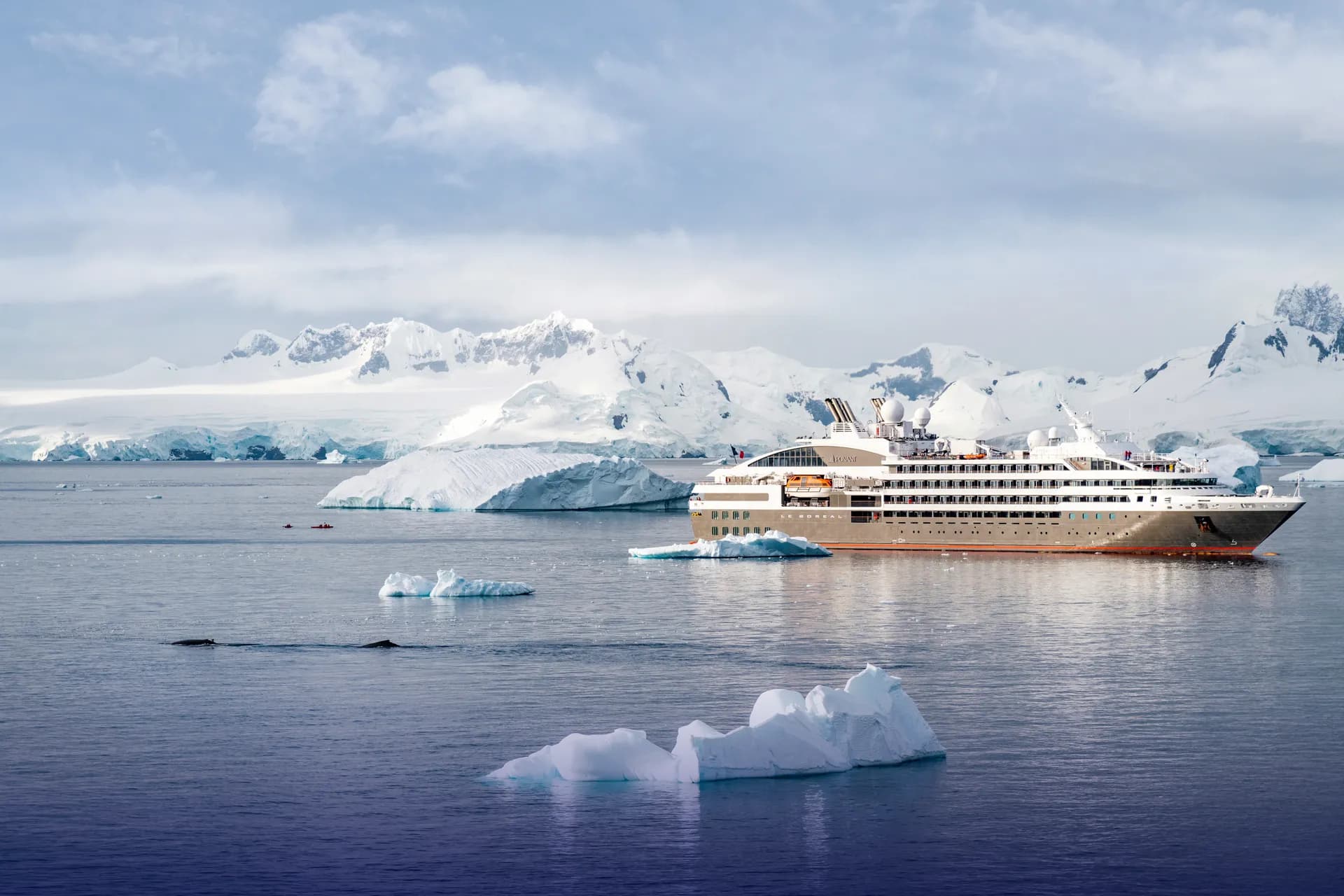
Venice & the Dalmatian Coast
Date
June 9, 2026
Duration
7 nights
Departure Port
Burano
Italy
Arrival Port
Venice
Italy
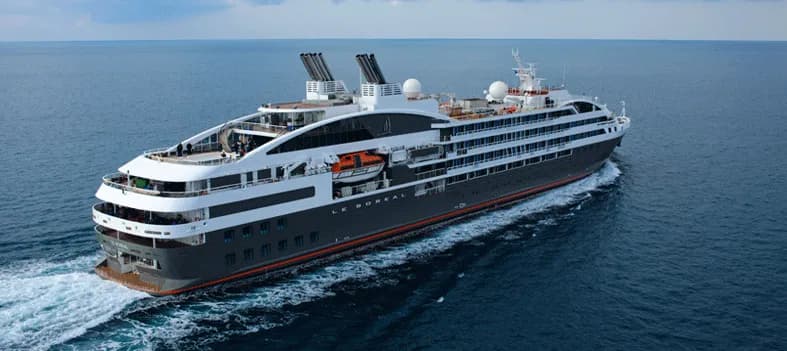
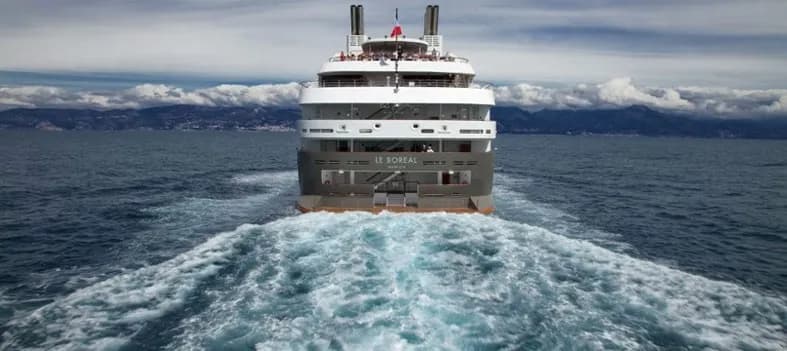
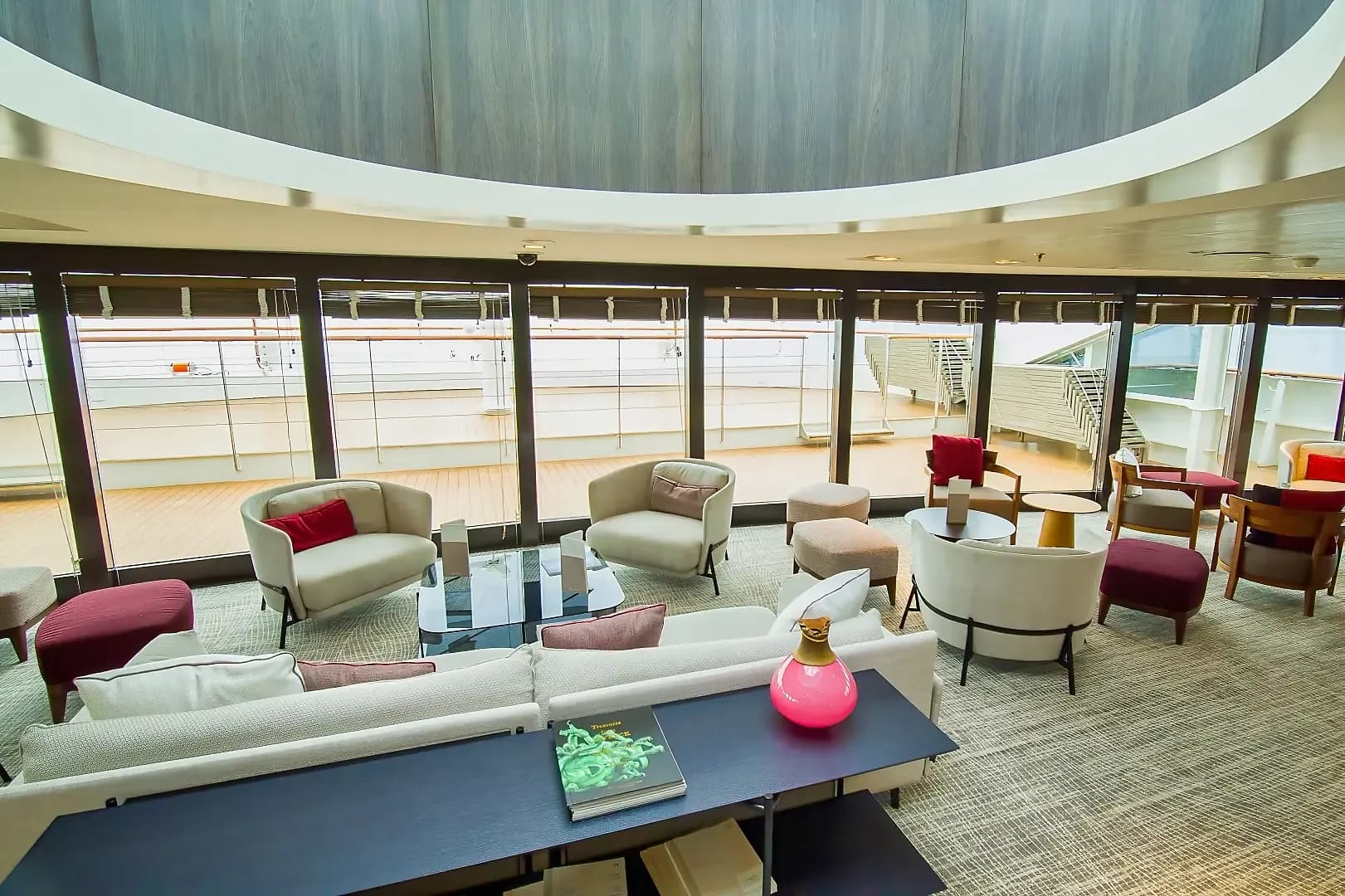
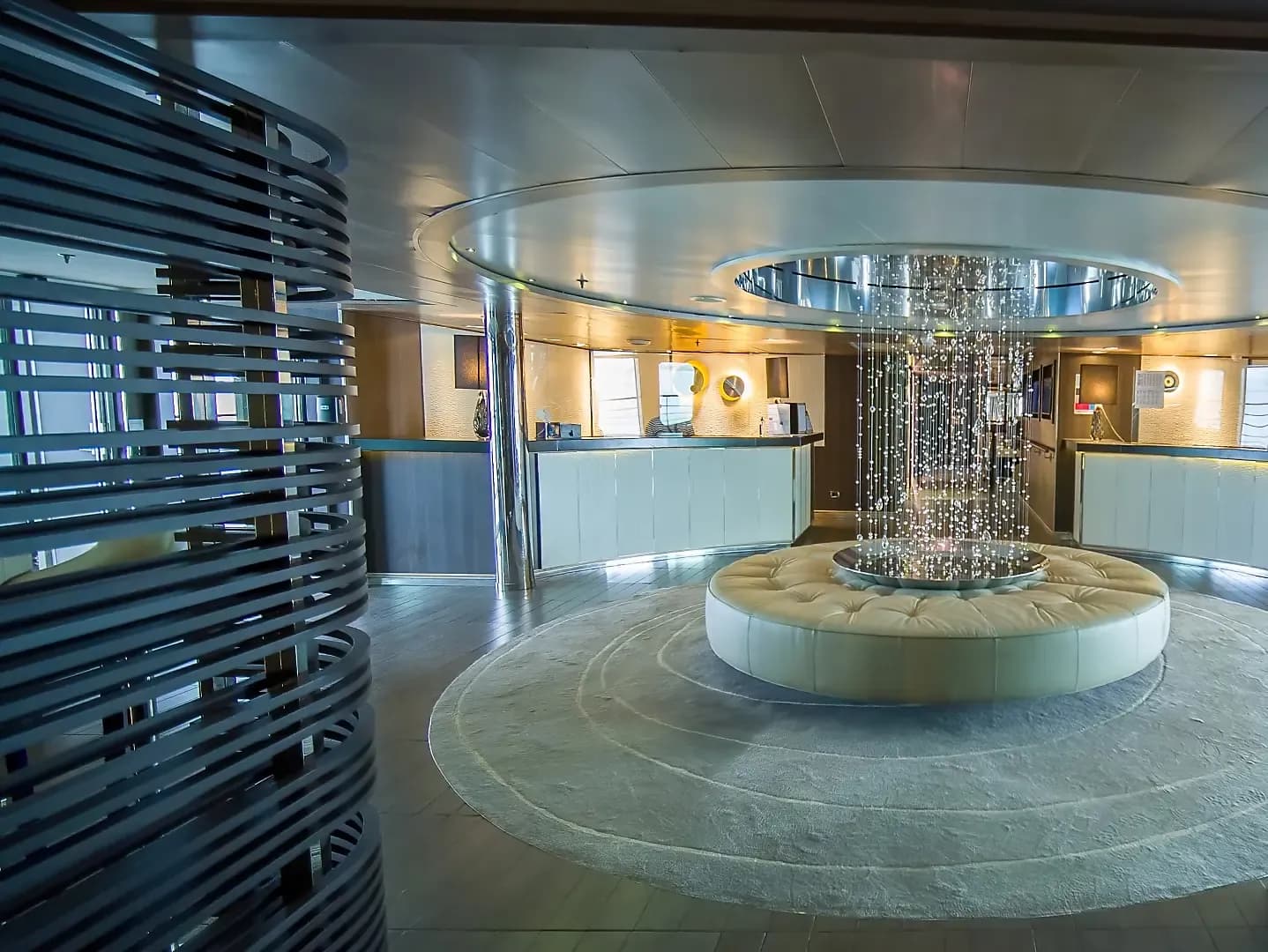
Ponant
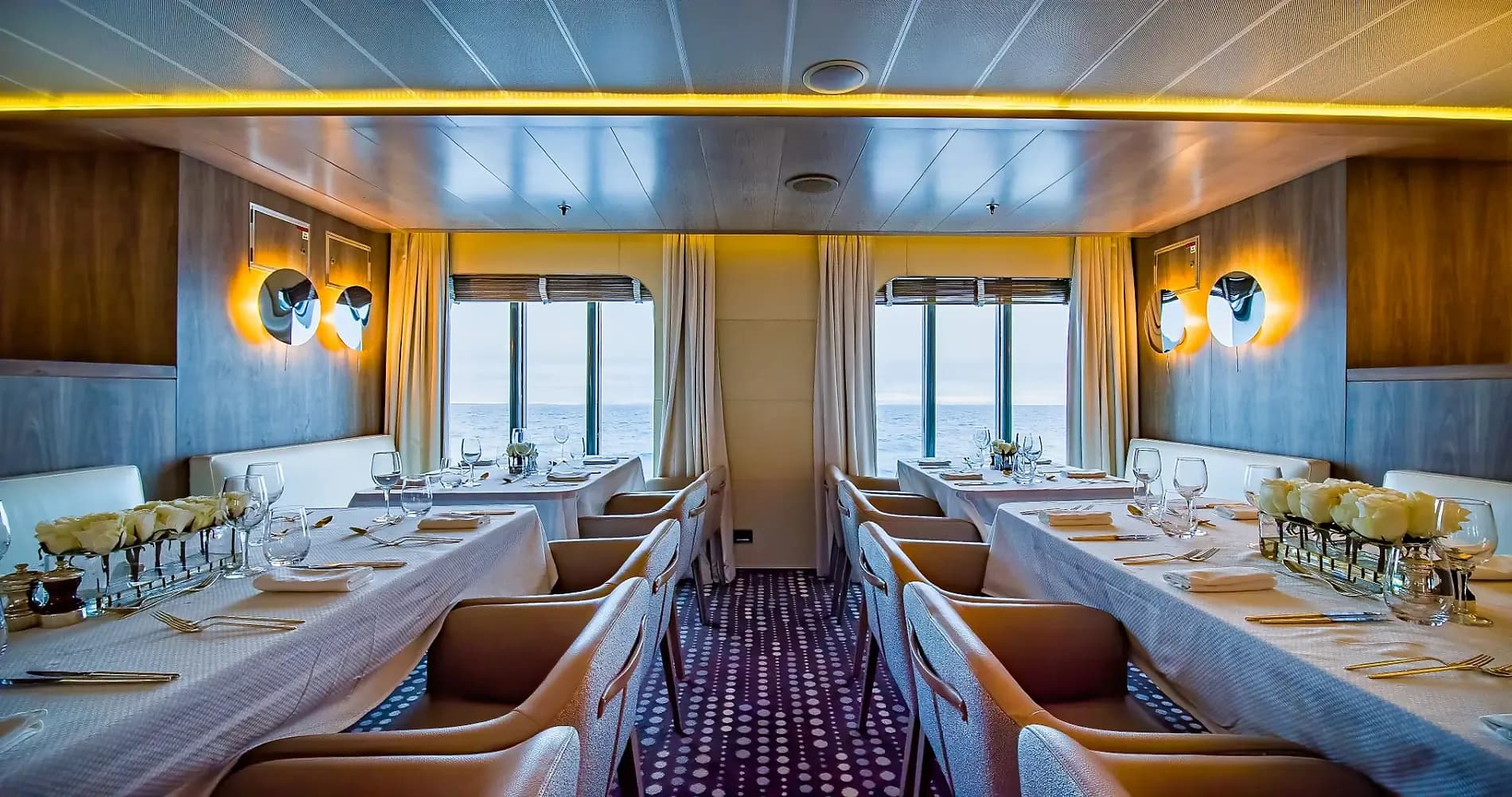
Le Boréal
Launched
2010-05-01
Tonnage
10,944 GT
Length
466 m
Speed
14 knots
Cabins
132 / 264 guests
Crew
139
Itinerary
Day 1
Day 1
Burano
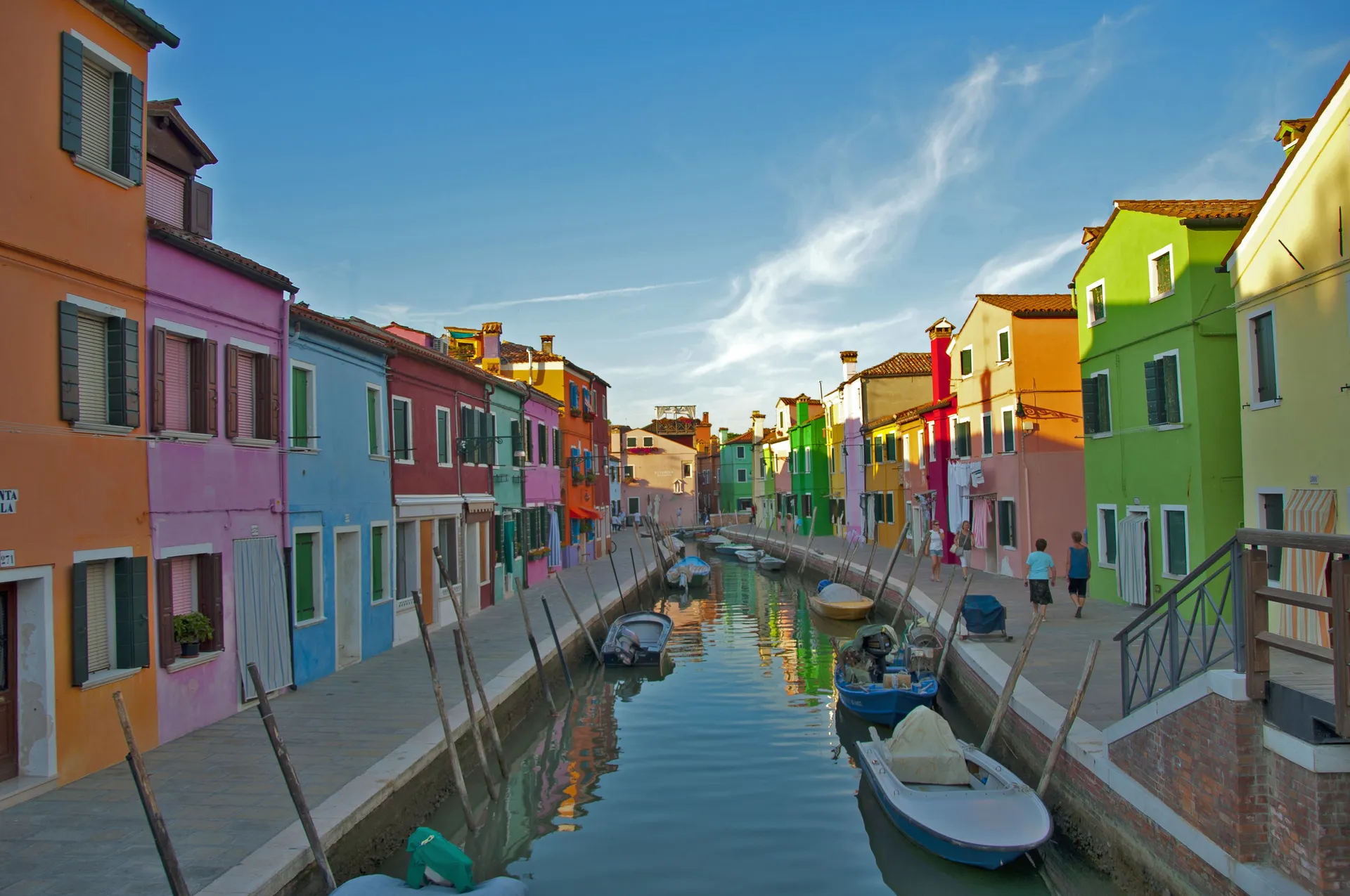
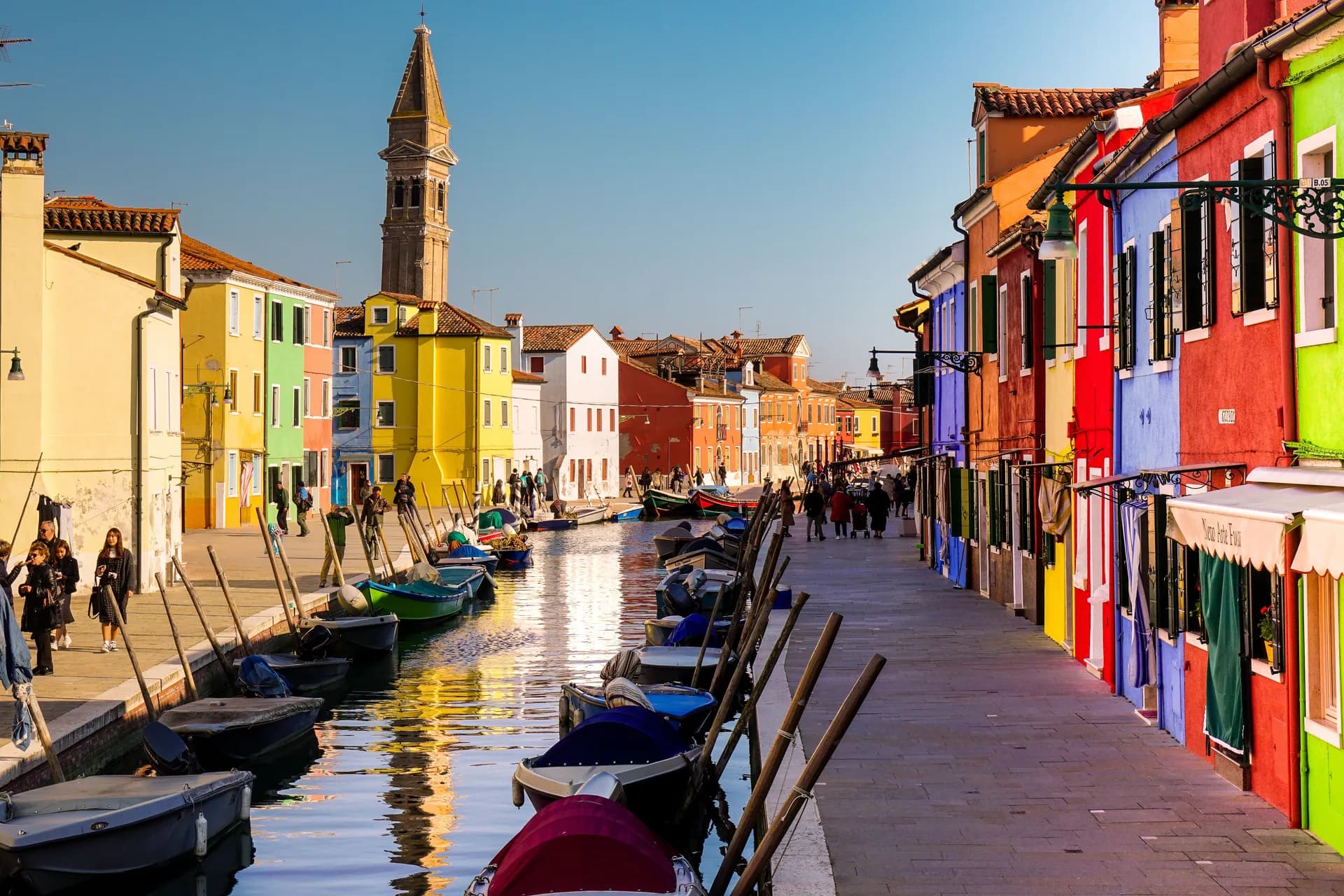
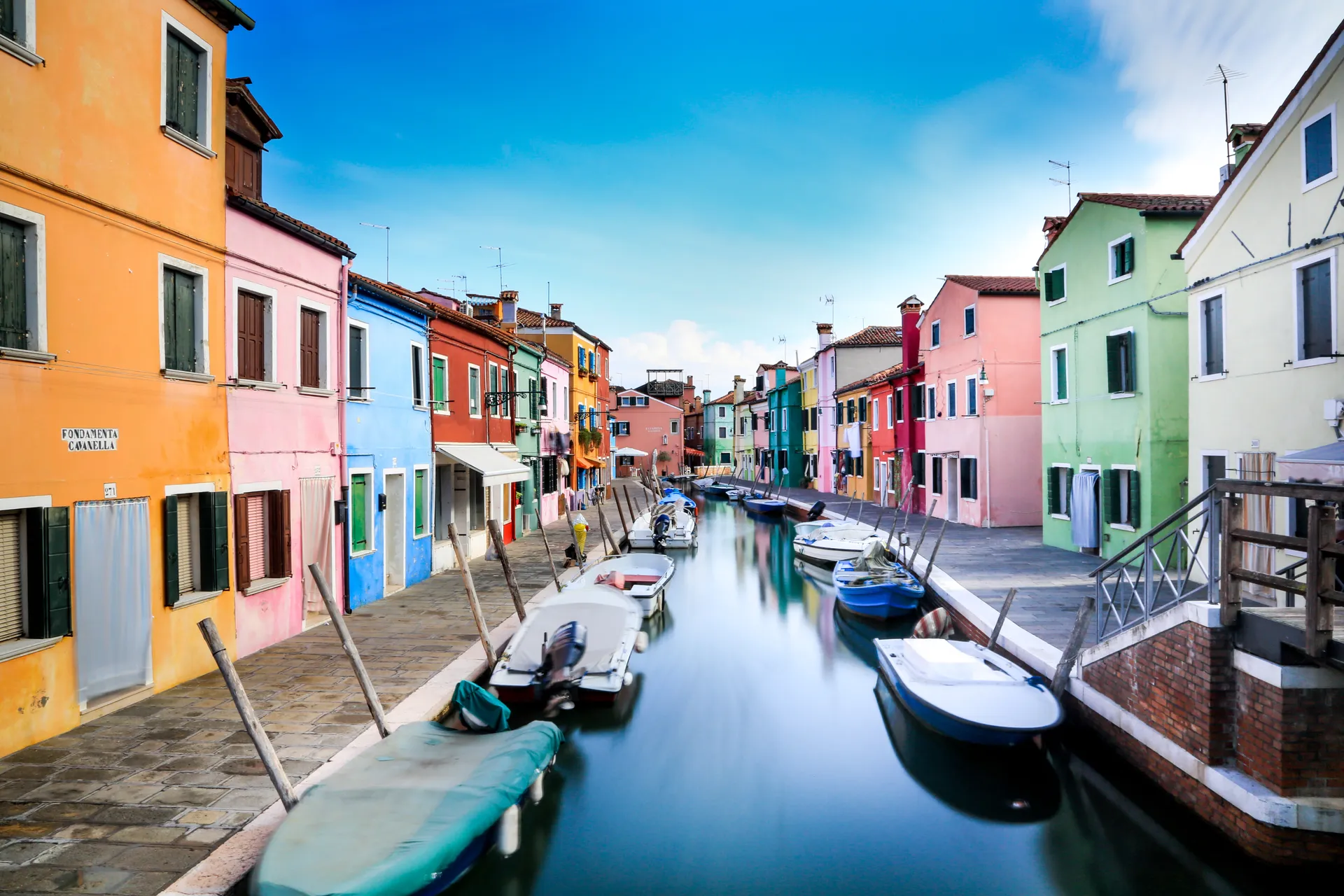
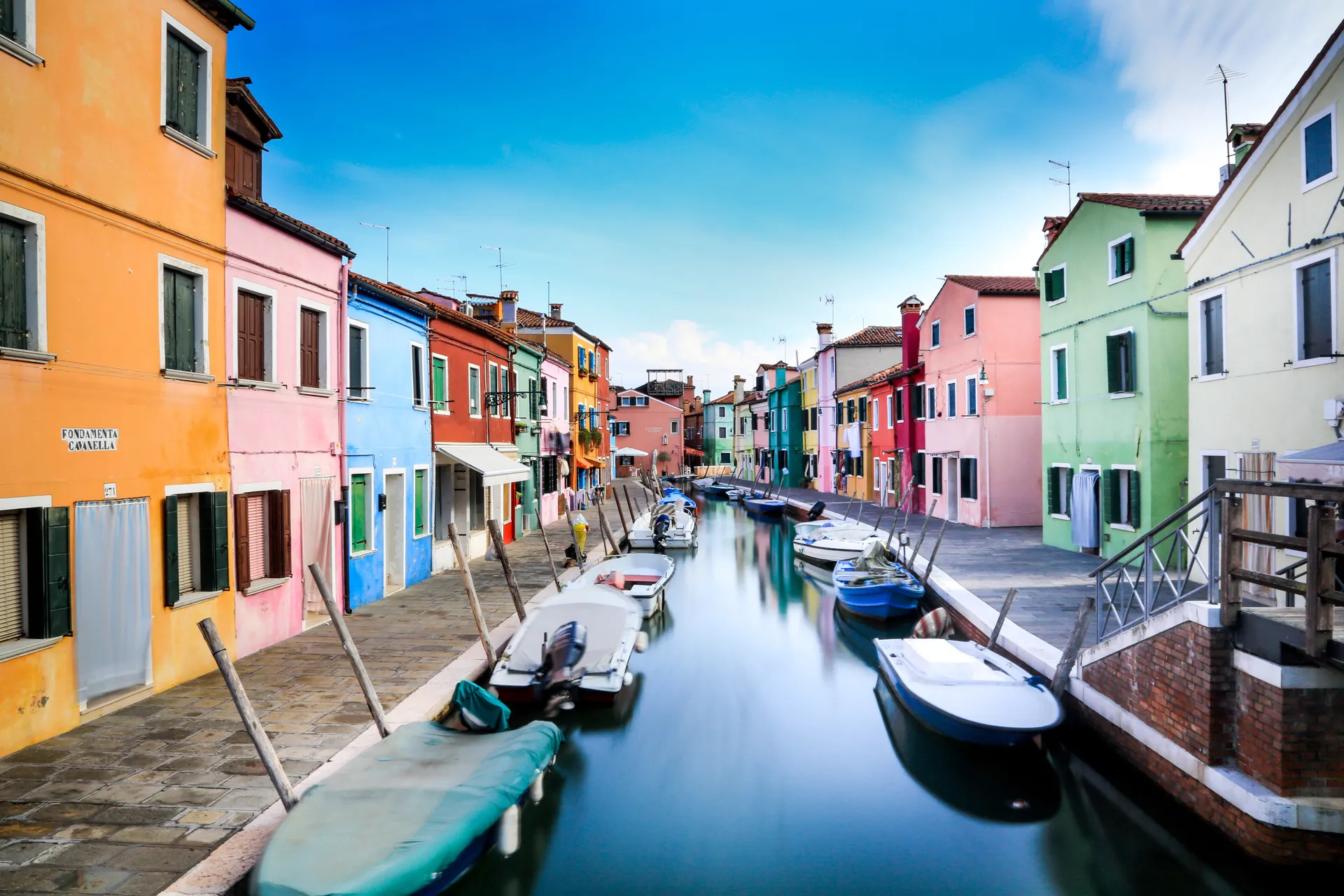
ItalyPicturesque Burano is known for its brightly colored fishermen's houses and its casual eateries serving seafood from the lagoon. The Museo del Merletto has exhibits on the development of lace-making in the area, and shops sell lace products like linens and clothes, as well as the local butter cookies called "bussolai buranei." The ancient Chiesa di San Martino has a leaning 17th-century bell tower.
Day 2
Day 2
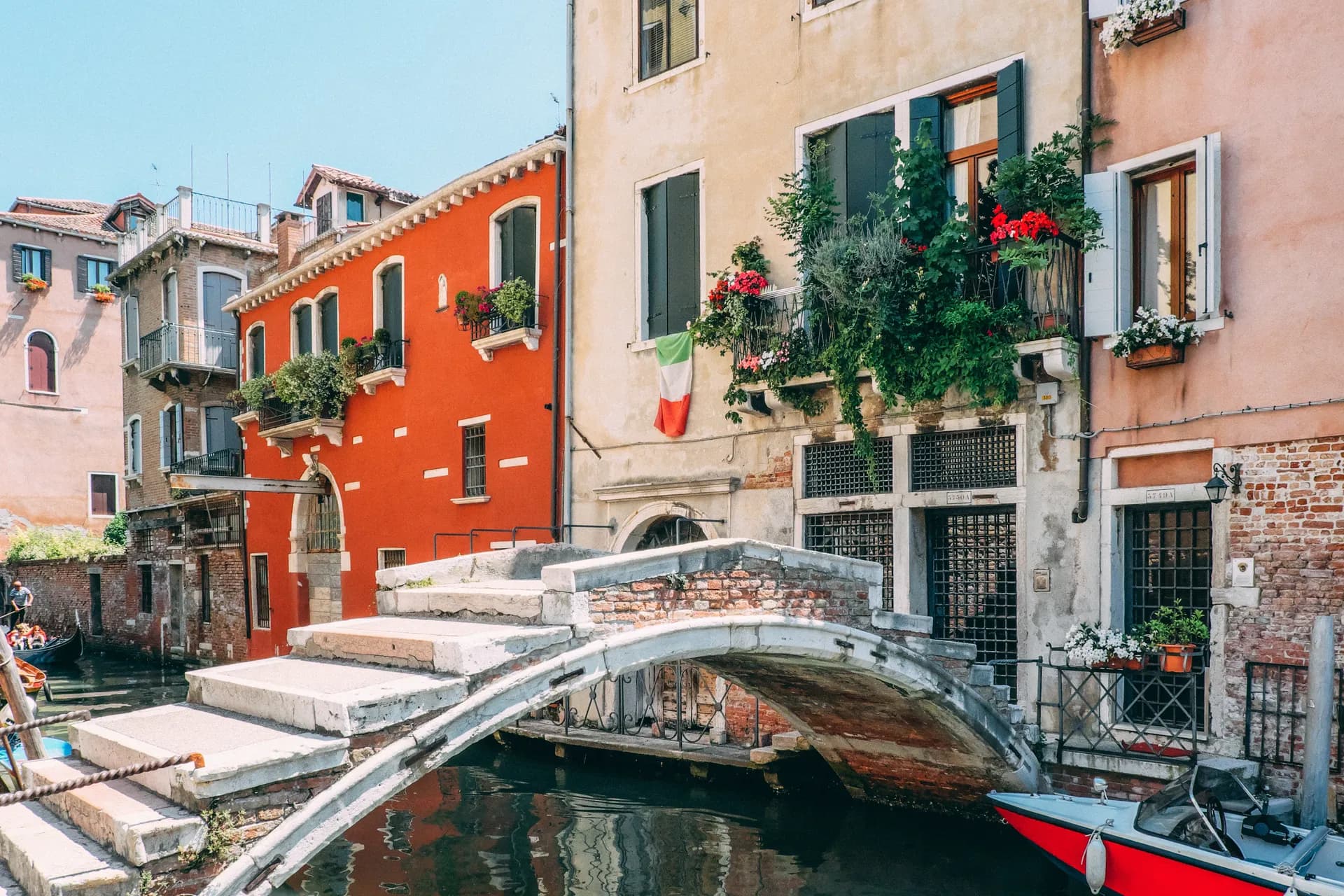
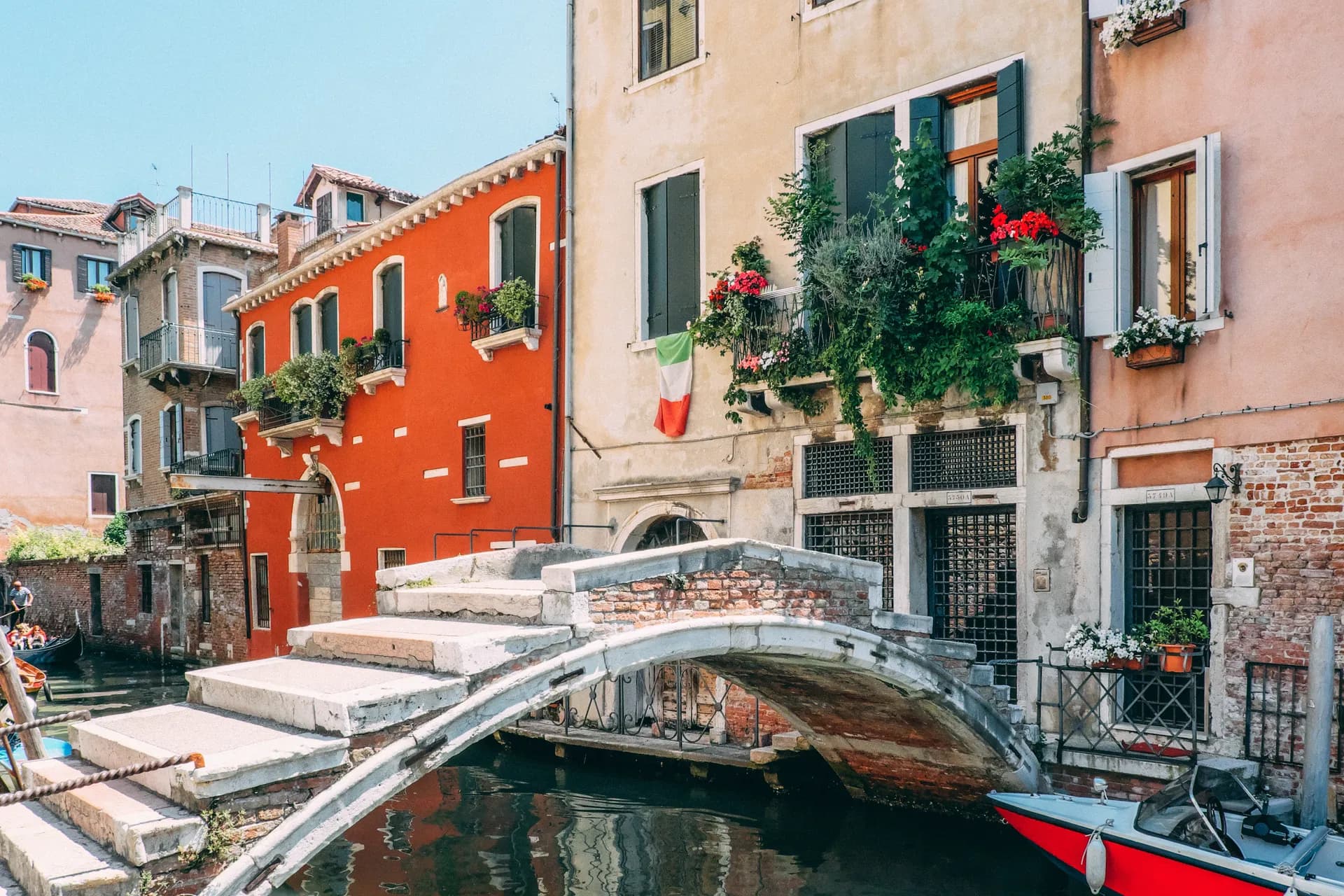
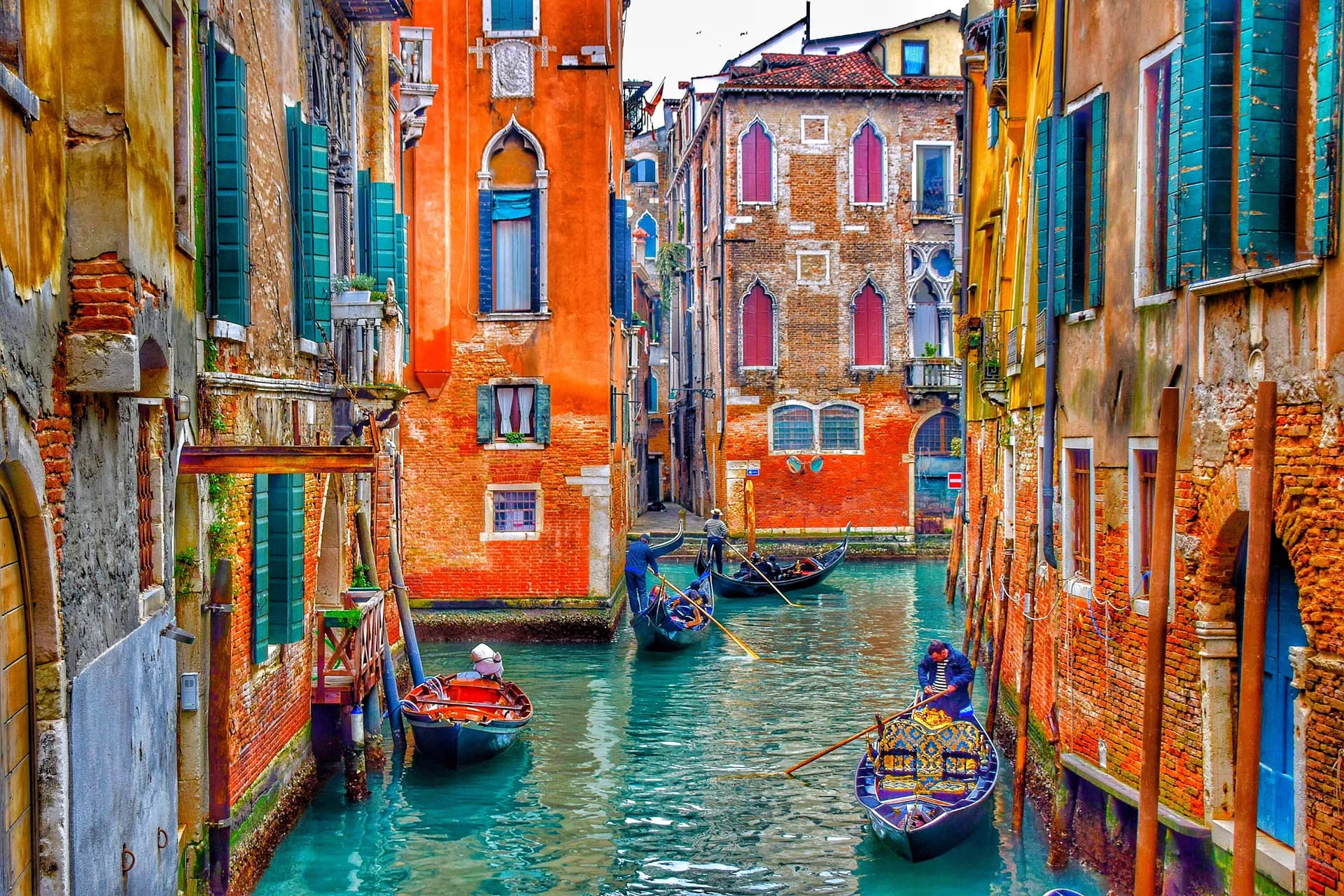
Venice
ItalyFor centuries,Venice stood at the crossroads of culture between the Byzantine and Roman worlds. The city the great traders and philosophers created is an extraordinary place. From the elegant carved gondolas and vaporetti that ply the Grand Canal to the magnificent Piazza San Marco bustling with life – Venice is unique in all the world. Great works of art are housed here, in the Accademia with its Renaissance masters and the collection of Peggy Guggenheim in her canal-side palazzo. The Basilica di San Marco and the Doge’s Palace are must-sees. After that, follow where your feet take you, over romantic bridges, to shops selling precious glass, to small cafés for a cappuccino or Campari.
Day 3
Day 3
Burano
ItalyPicturesque Burano is known for its brightly colored fishermen's houses and its casual eateries serving seafood from the lagoon. The Museo del Merletto has exhibits on the development of lace-making in the area, and shops sell lace products like linens and clothes, as well as the local butter cookies called "bussolai buranei." The ancient Chiesa di San Martino has a leaning 17th-century bell tower.
Day 4
Day 4
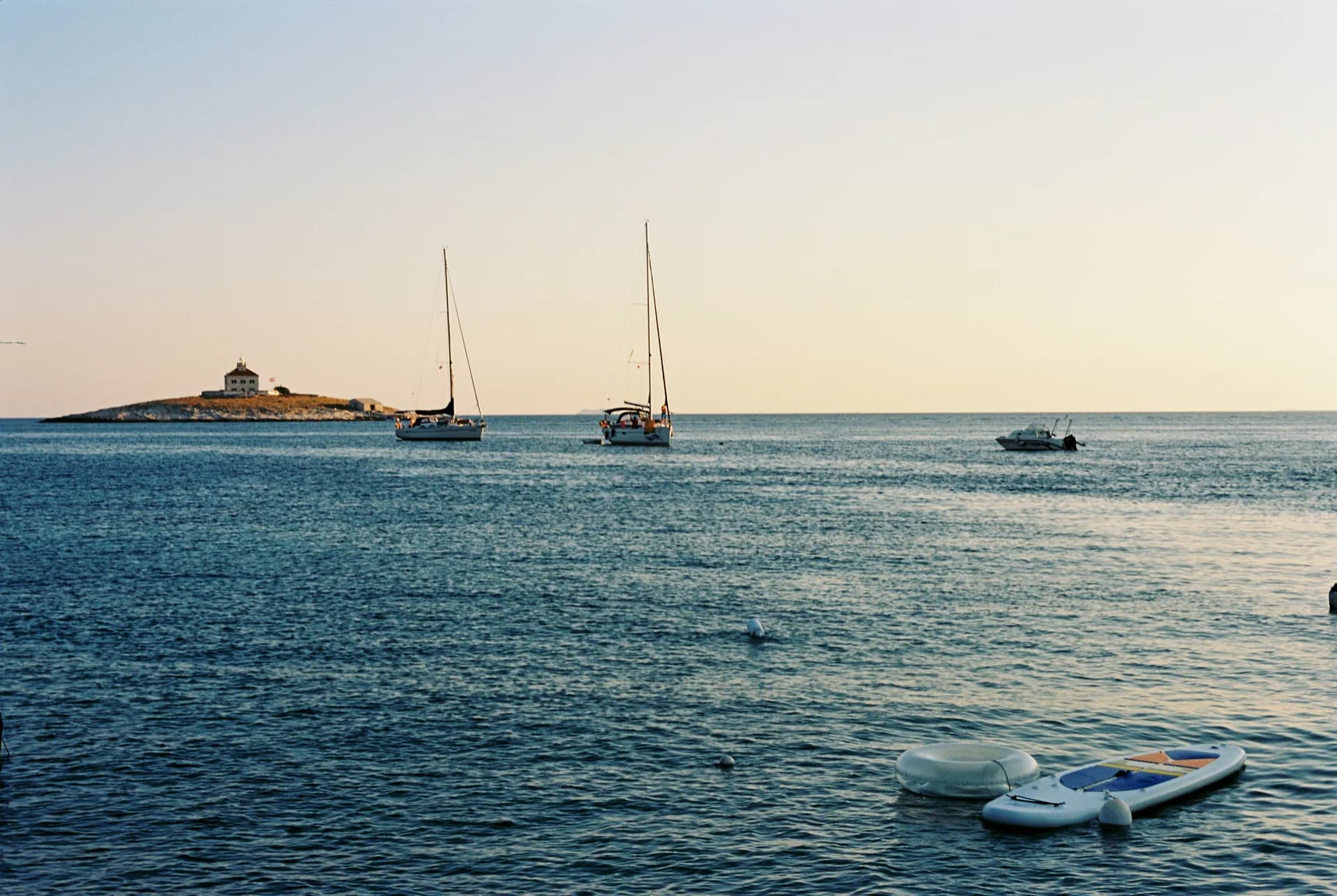
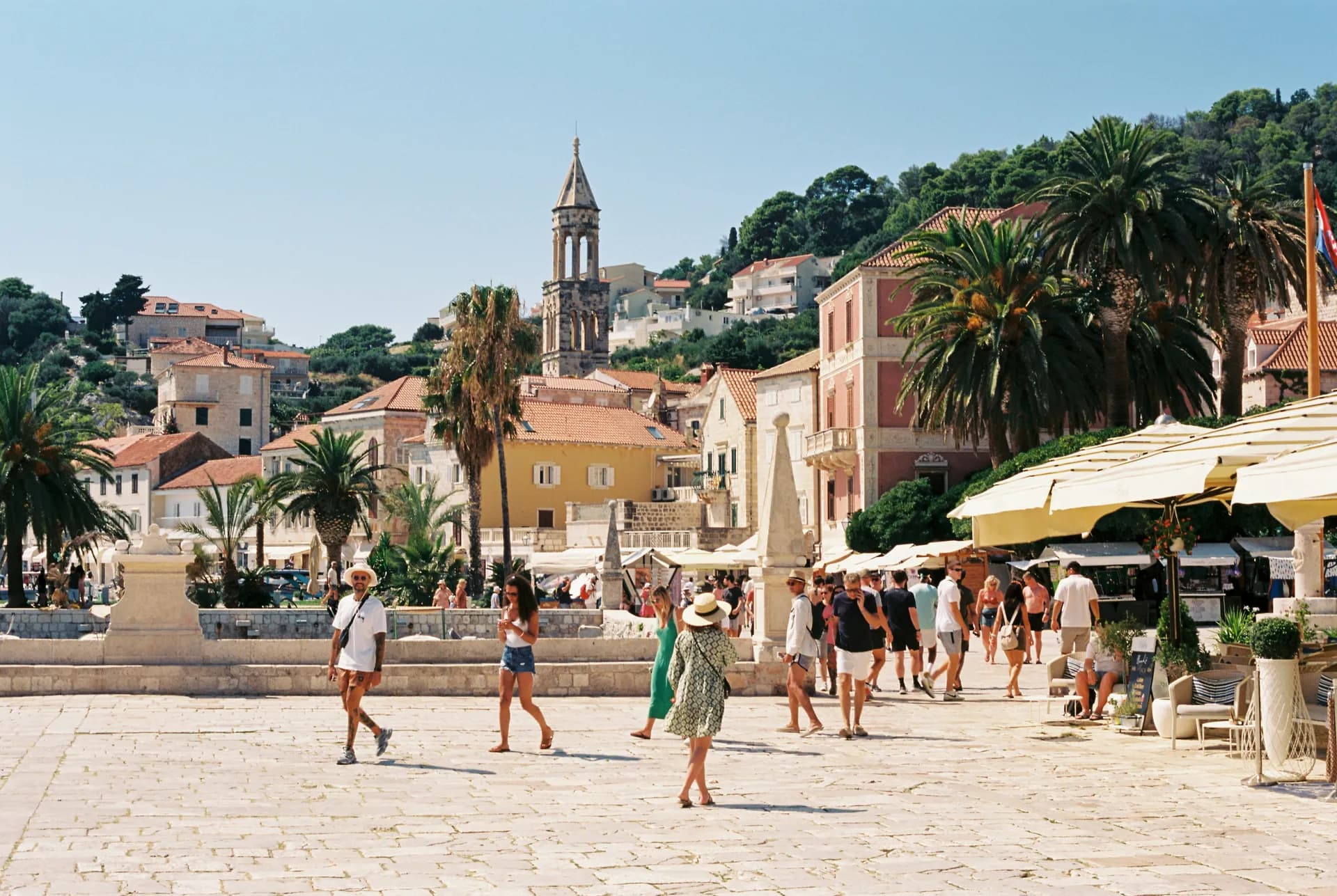
Hvar
CroatiaBeautifully situated on a large natural bay, the ancient town of Hvar, on the island of the same name, served as an important harbor for Venice's Adriatic fleet from the 12th through the 18th centuries. Vestiges of this momentous time are reflected in the fortifications that still stand guard over the harbor, and in the very heart of the port, a large arsenal. Hvar today is a quiet spot reminiscent of the French Riviera at the turn-of-the-last-century. Sail and fishing boats bob and sway in the harbor and a 17th-century bell tower marks off the hours. Winding limestone lanes converge onto an expansive piazza, the largest in Dalmatia, which connects the older part of town to the ""modern"" side - that built after the 15th century. Inland, Hvar's green hills are woven with vineyards and lavender fields, and offshore tiny islets are scattered like pearls in a clear cobalt sea.
Day 5
Day 5
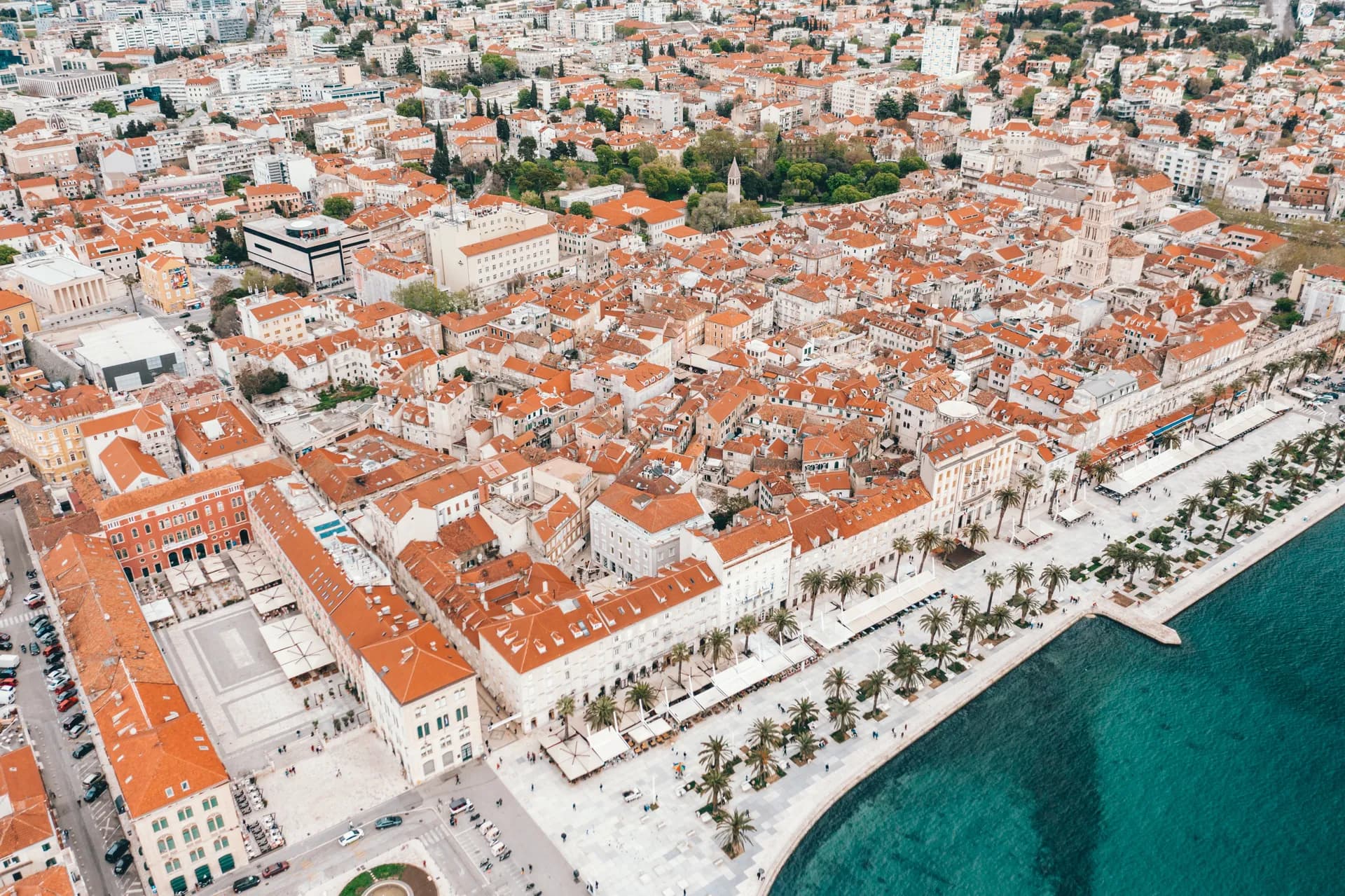
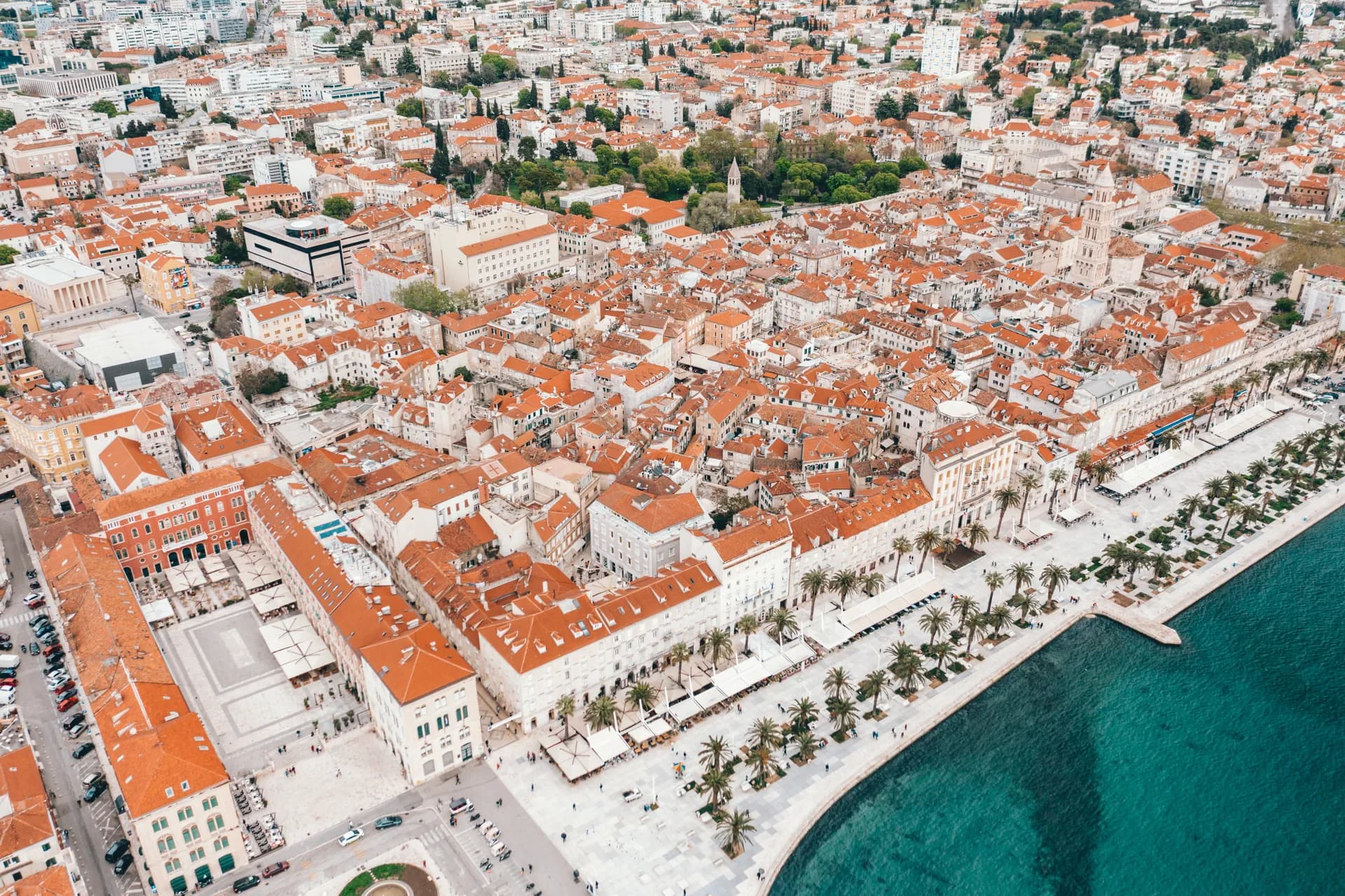
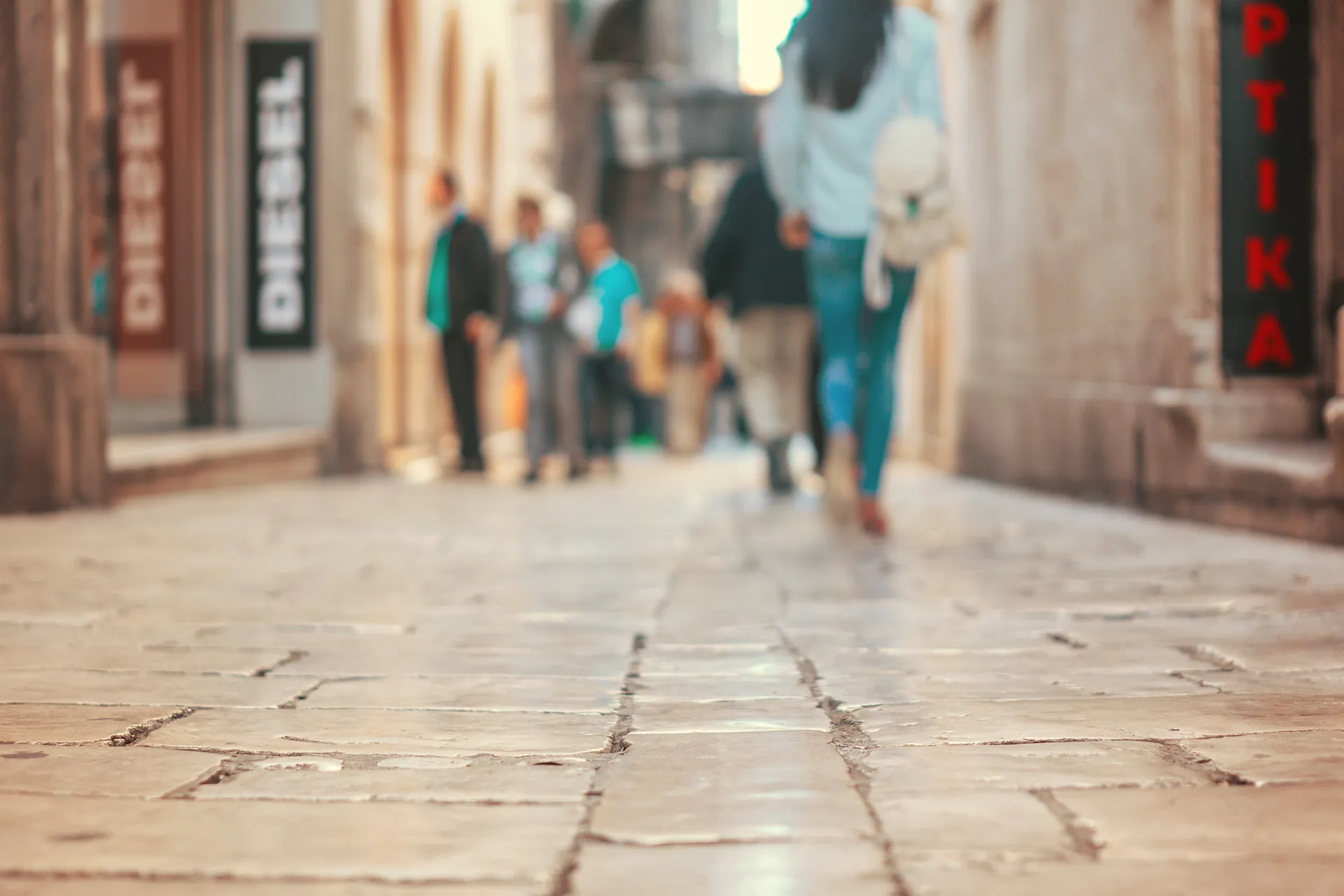
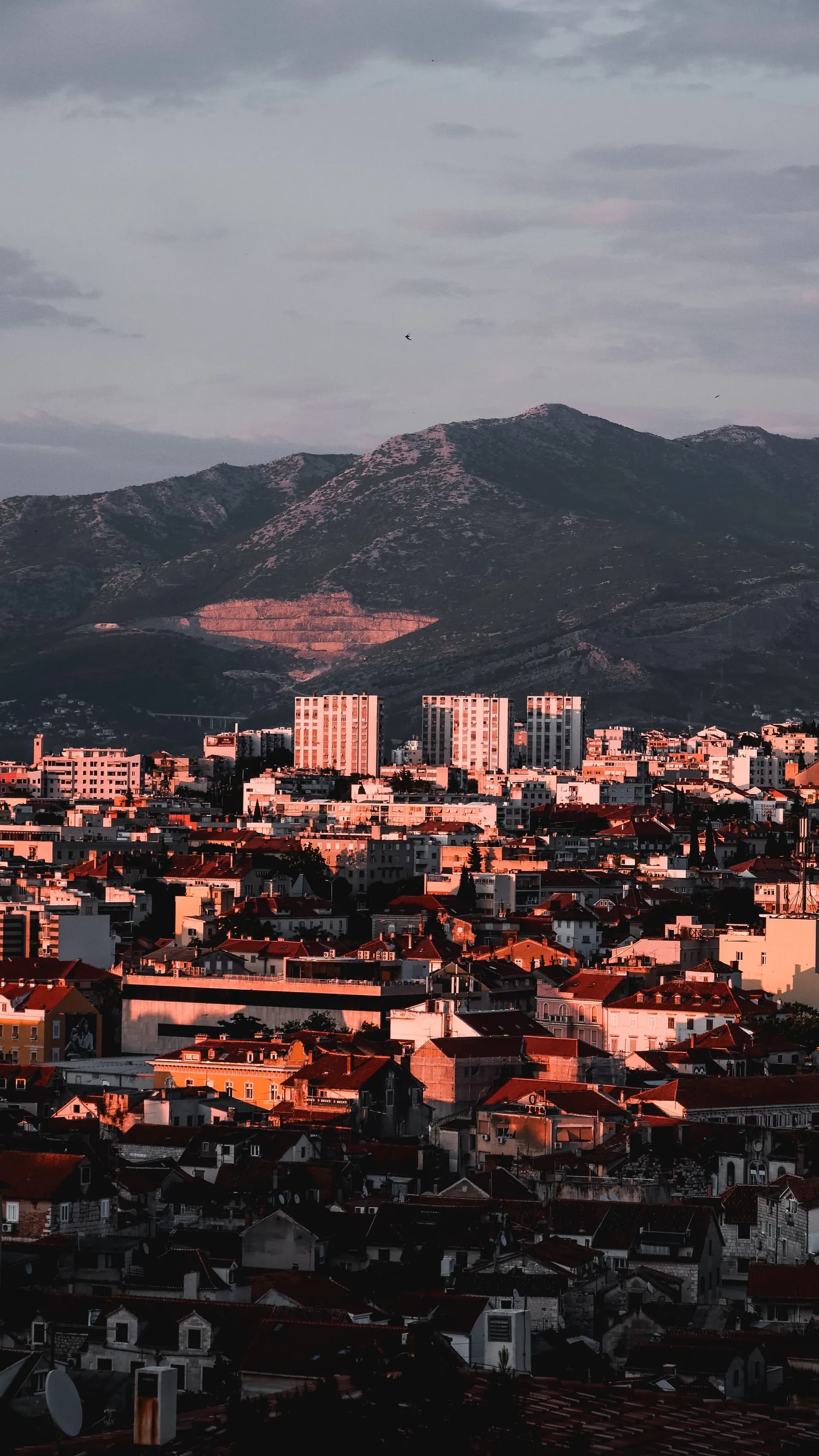
Split
CroatiaWith its seafront cafés and ancient alleyways, shouting stallholders and travellers on the move, bustling, exuberant Split is one of Croatia’s and the Mediterranean’s most compelling cities, it’s easy to see this feeling when you step aground from your MSC cruise. It has a unique historical heritage too, having grown out of the palace built here by the Roman Emperor Diocletian in 295AD. The palace remains Split’s central ingredient, having been gradually transformed into a warren of houses, tenements, churches and chapels by the various peoples who came to live here after Diocletian’s successors had departed. Adapted long ago to serve as Split’s town centre, Diocletian’s Palace is certainly not an archaeological “site”. Although set-piece buildings such as Diocletian’s mausoleum (now the cathedral) and the Temple of Jupiter (now a baptistery) still remain, other aspects of the palace have been tinkered with so much by successive generations that it is no longer recognizable as an ancient Roman structure. Best place to start exploring with an MSC excursion the seaward side of the palace is Split’s broad and lively Riva. Running along the palace’s southern facade, into which shops, cafés and a warren of tiny flats have been built, the Riva is where a large part of the city’s population congregates day and night to meet friends, catch up on gossip or idle away an hour or two in a café. Nearly everything worth seeing in Split is concentrated in the compact Old Town behind the waterfront Riva, made up in part of the various remains and conversions of Diocletian’s Palace itself, and the medieval additions to the west of it. You can walk across this area in about ten minutes, although it would take a lifetime to explore all its nooks and crannies.
Day 6
Day 6
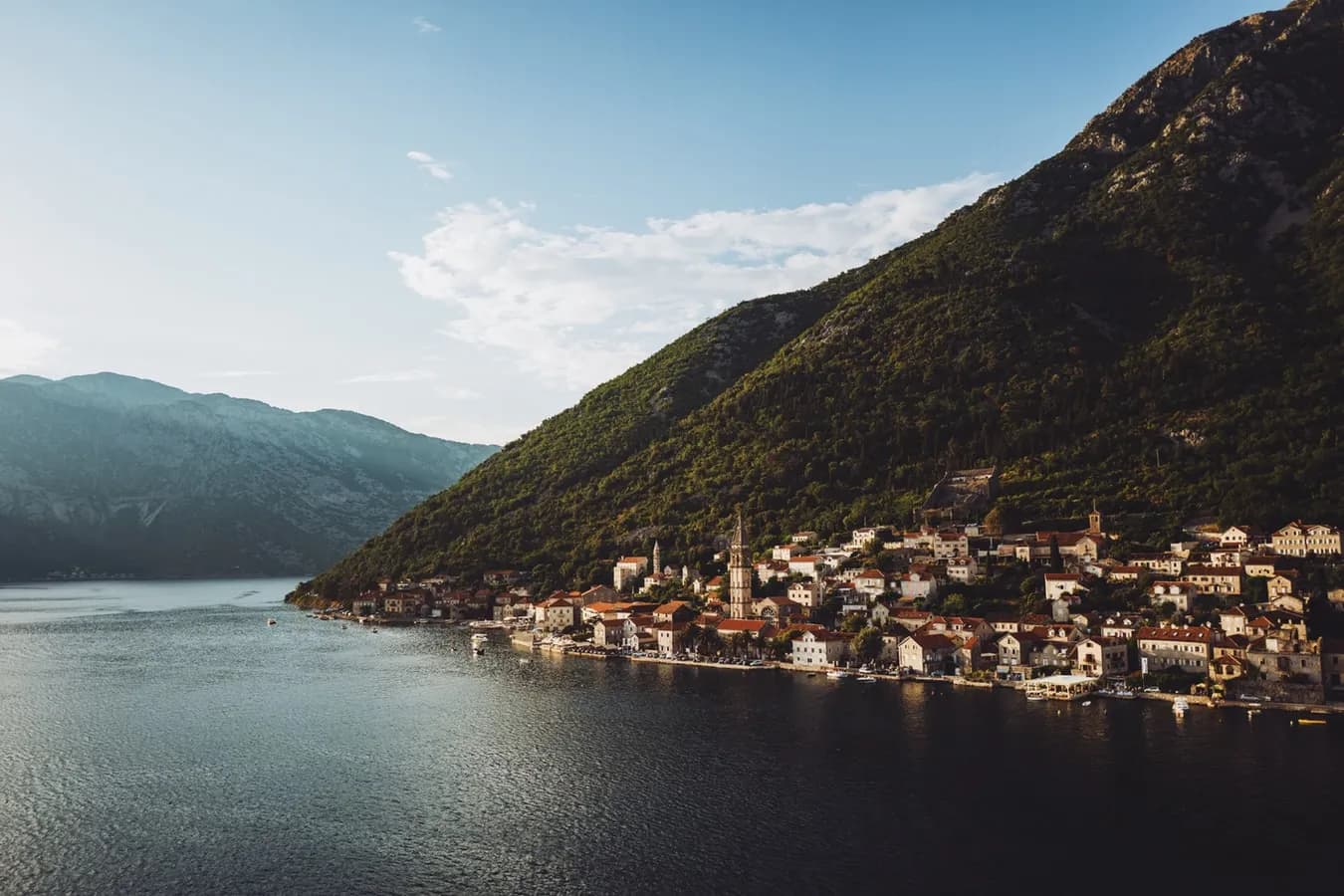
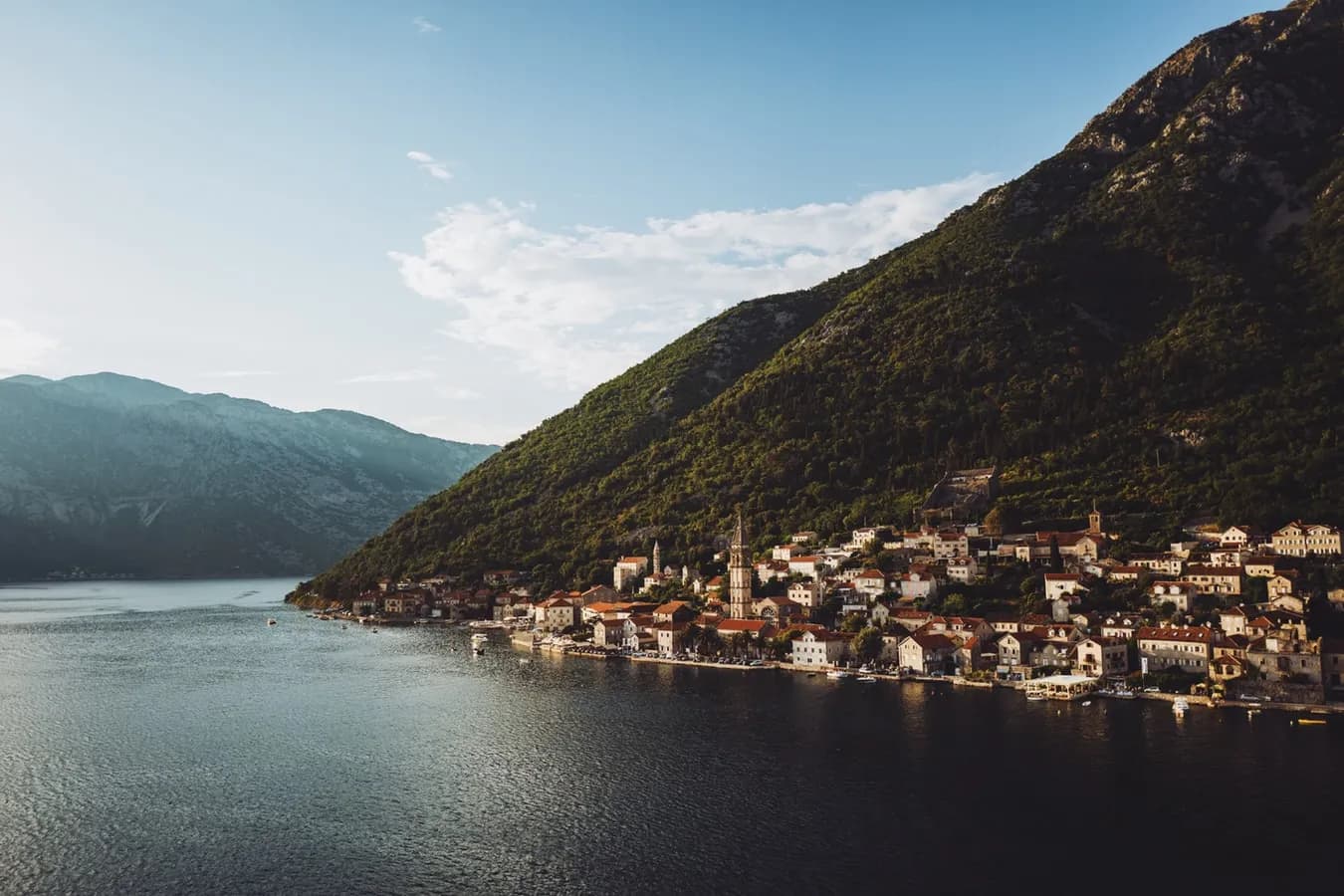
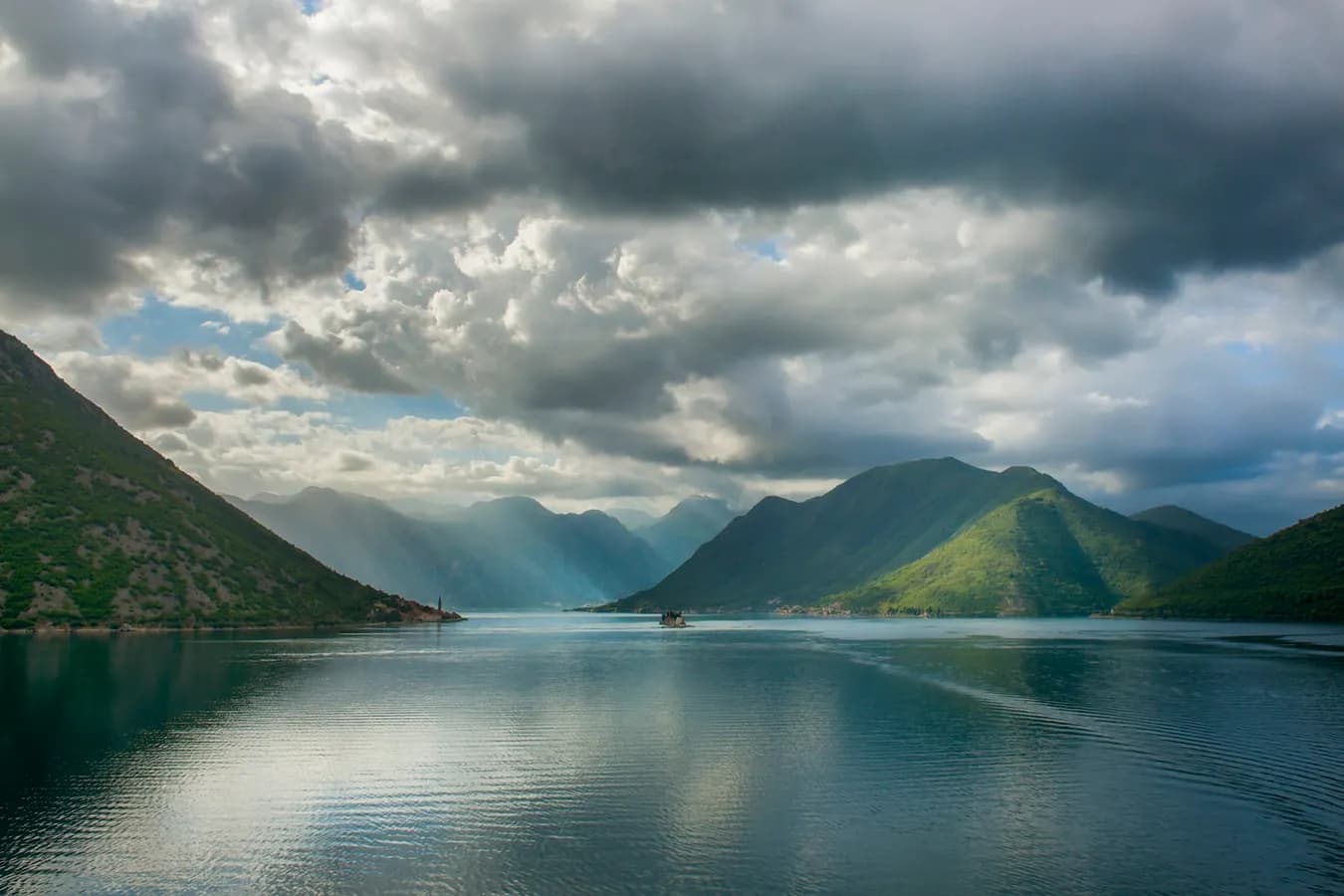
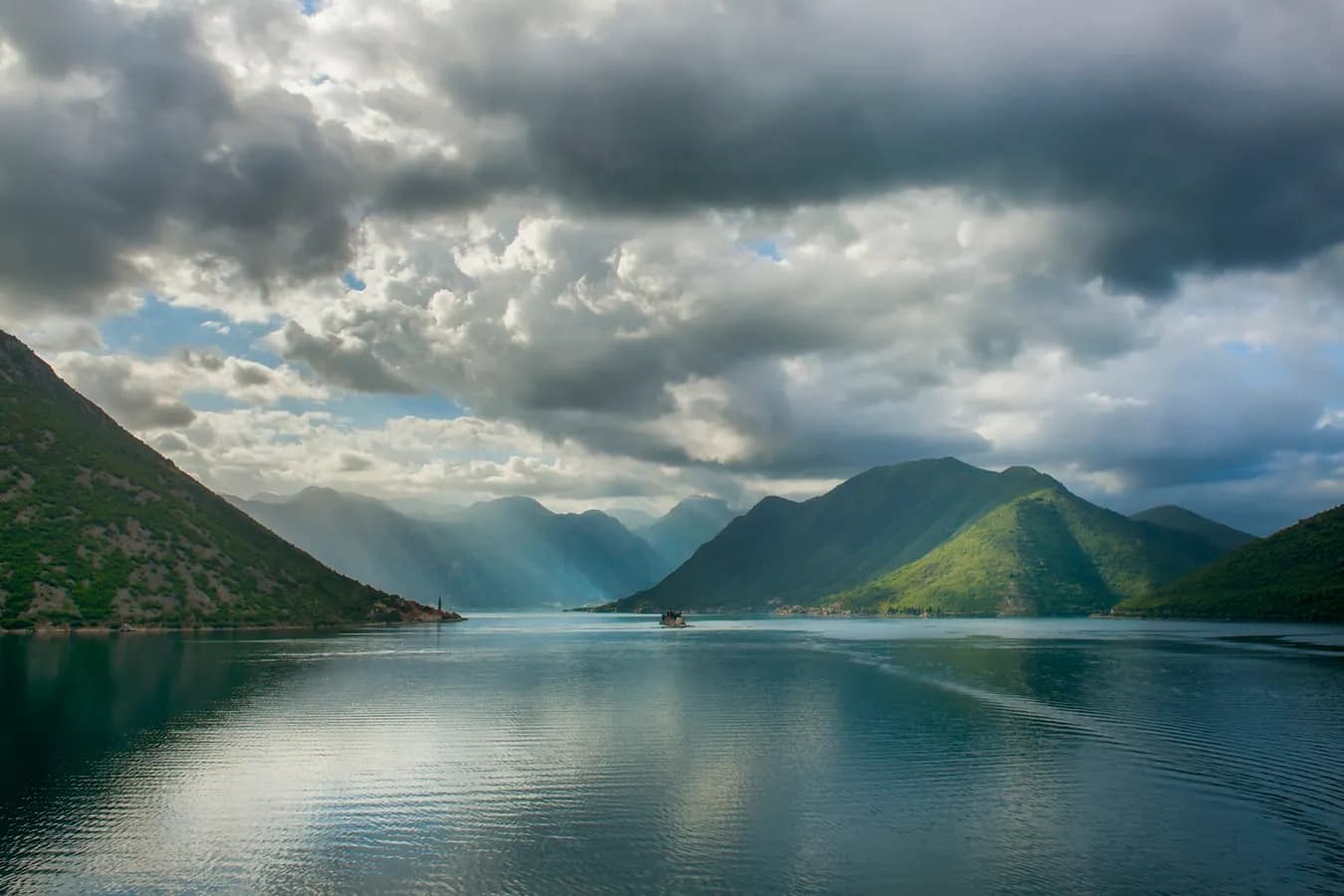
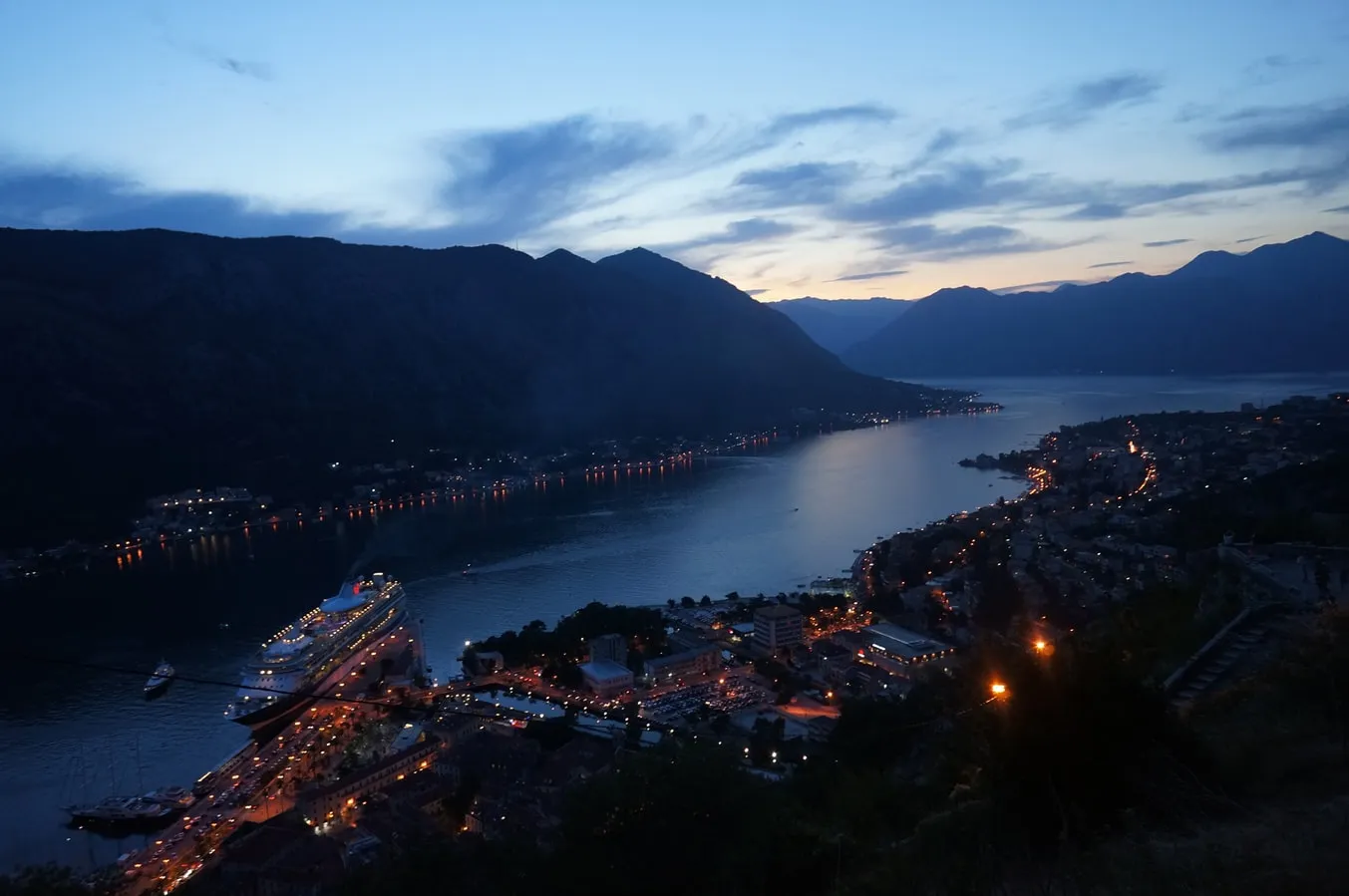
Kotor
MontenegroAmong the fjords of Montenegro, we arrive at the Bay of Kotor, a port with a strategic location and fortified walls, named a World Heritage site by UNESCO. The port of Kotor lies at the base of a bay with the same name and is one of Europe’s most southerly Mediterranean fjords. This is a Venetian Harbour strategically located and fortified by strong walls. Here you can discover the fascinating landscape, the fortifications built from the early middle ages and now included among the UNESCO World Heritage sites, and the old town with Venetian influences and its religious architecture, where the Catholic Cathedral of Saint Tryphon coexists with the orthodox churches of the 12th and 13th centuries. Perast is worth a visit with its islands and Byzantine architecture.
Day 7
Day 7
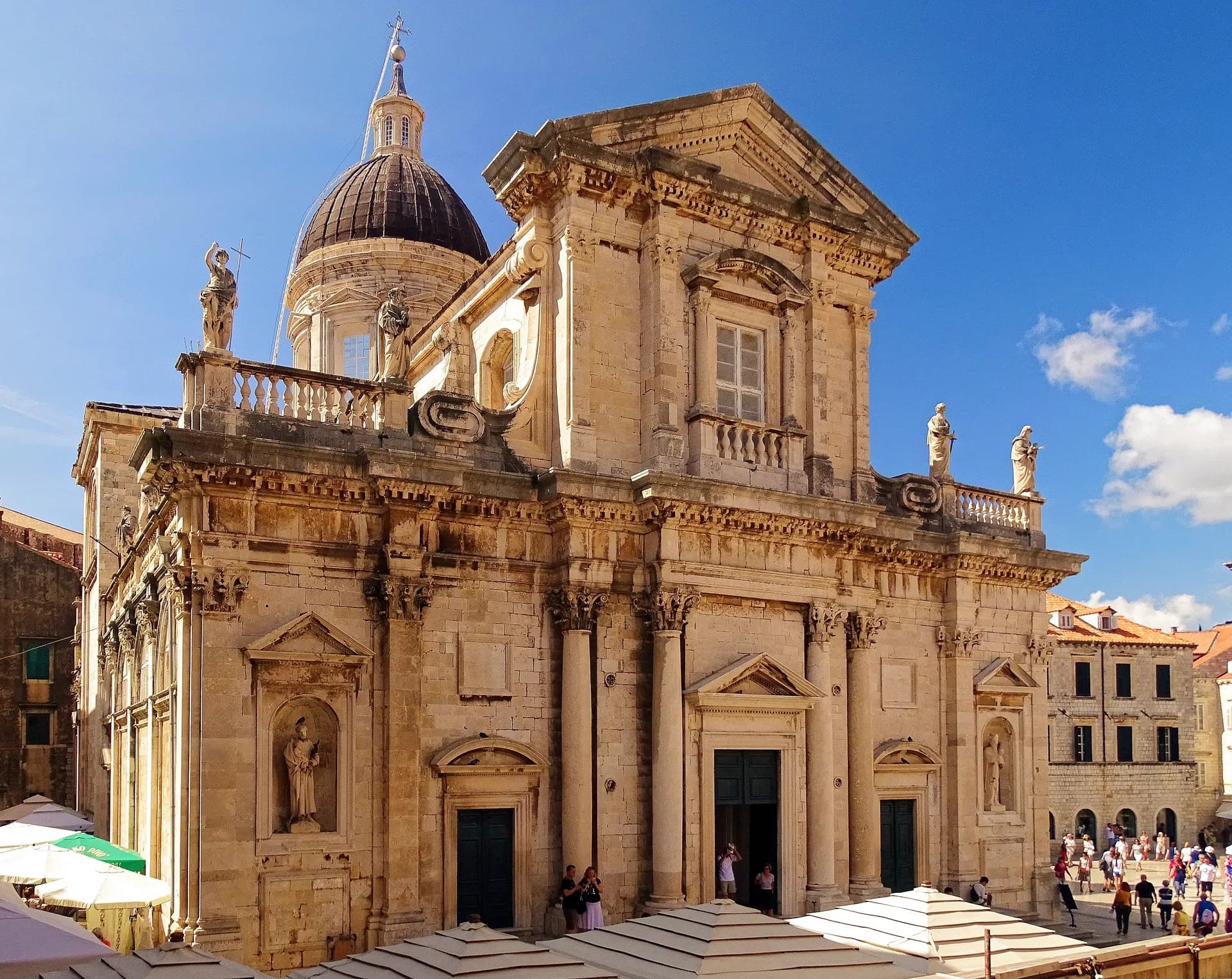
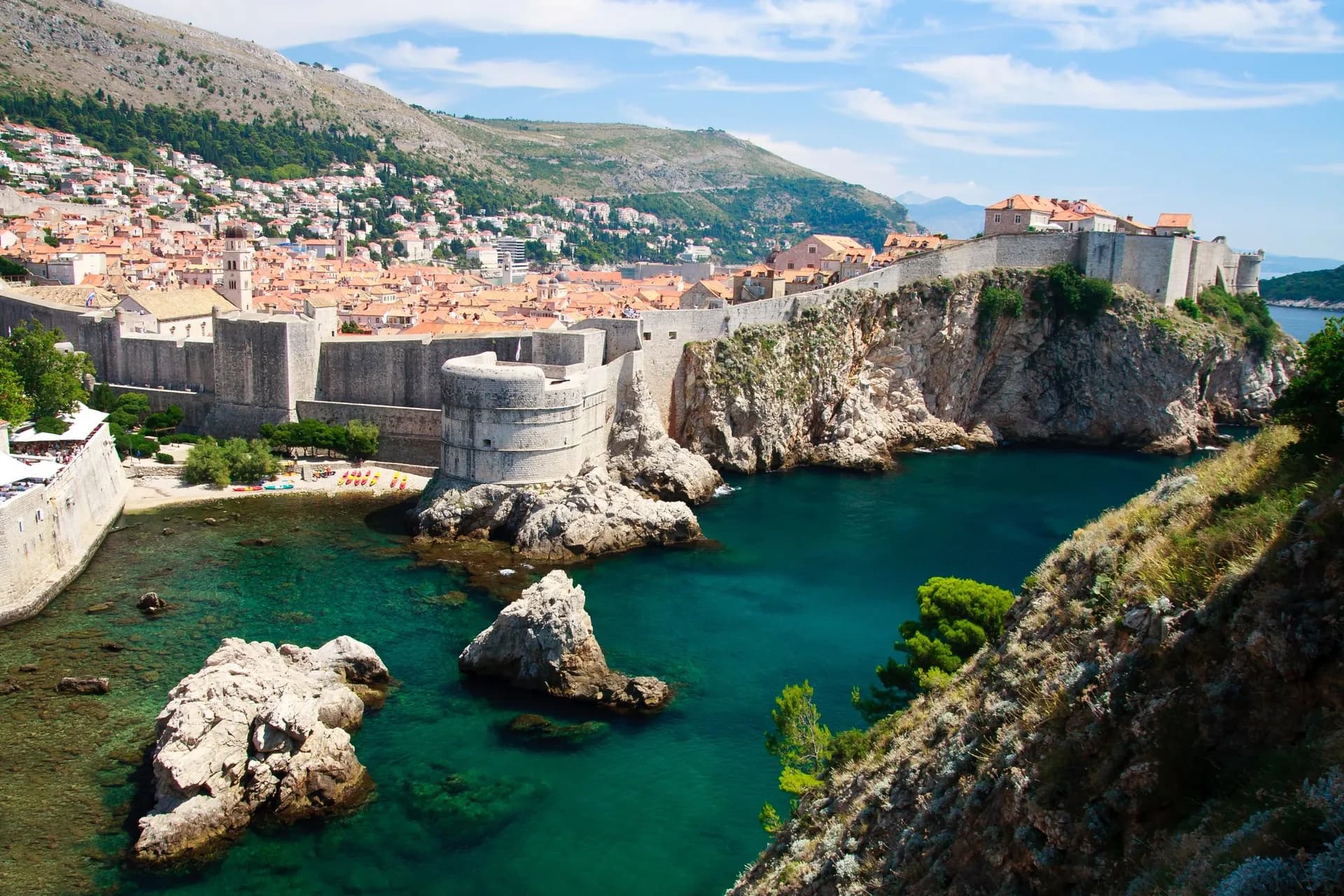
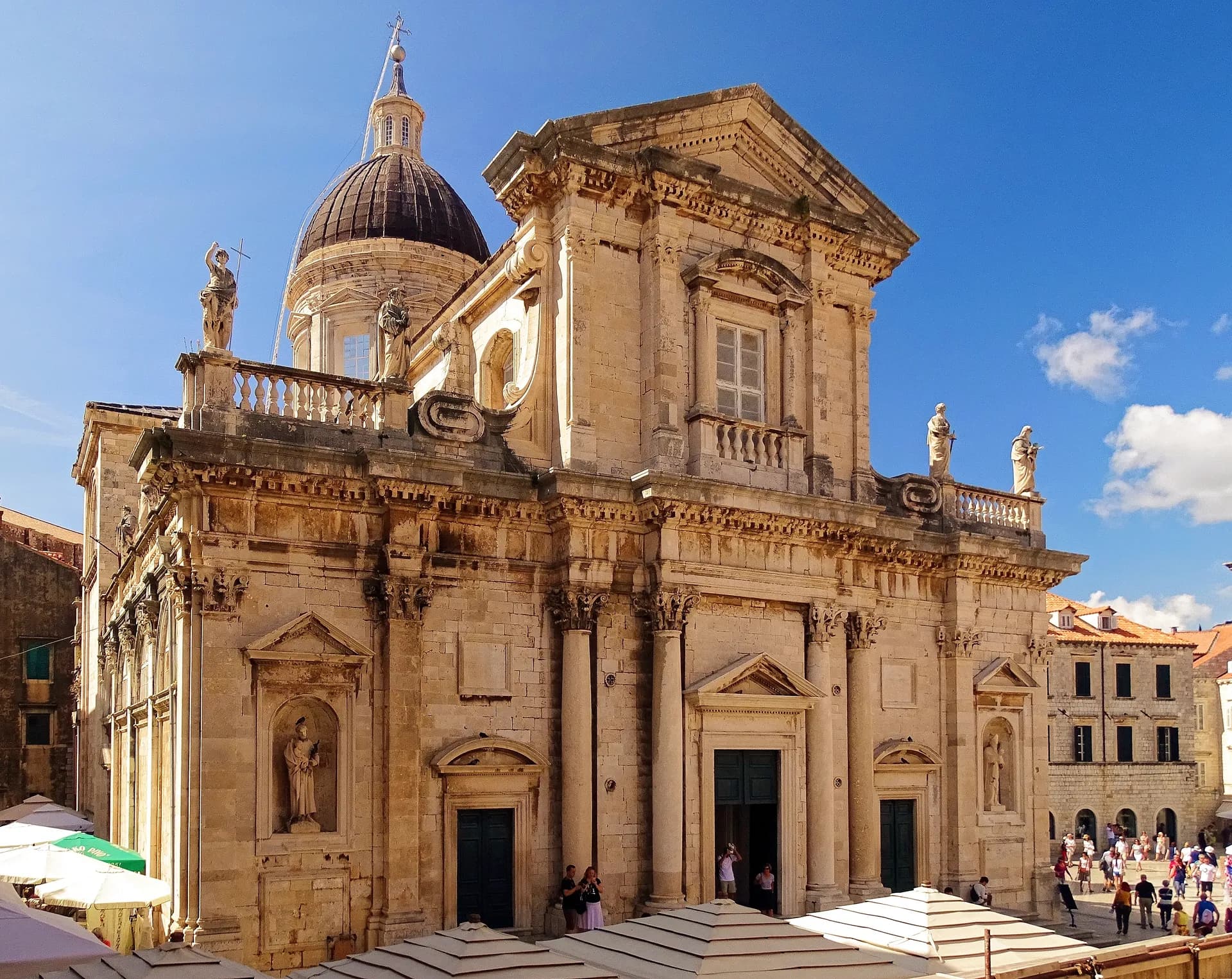
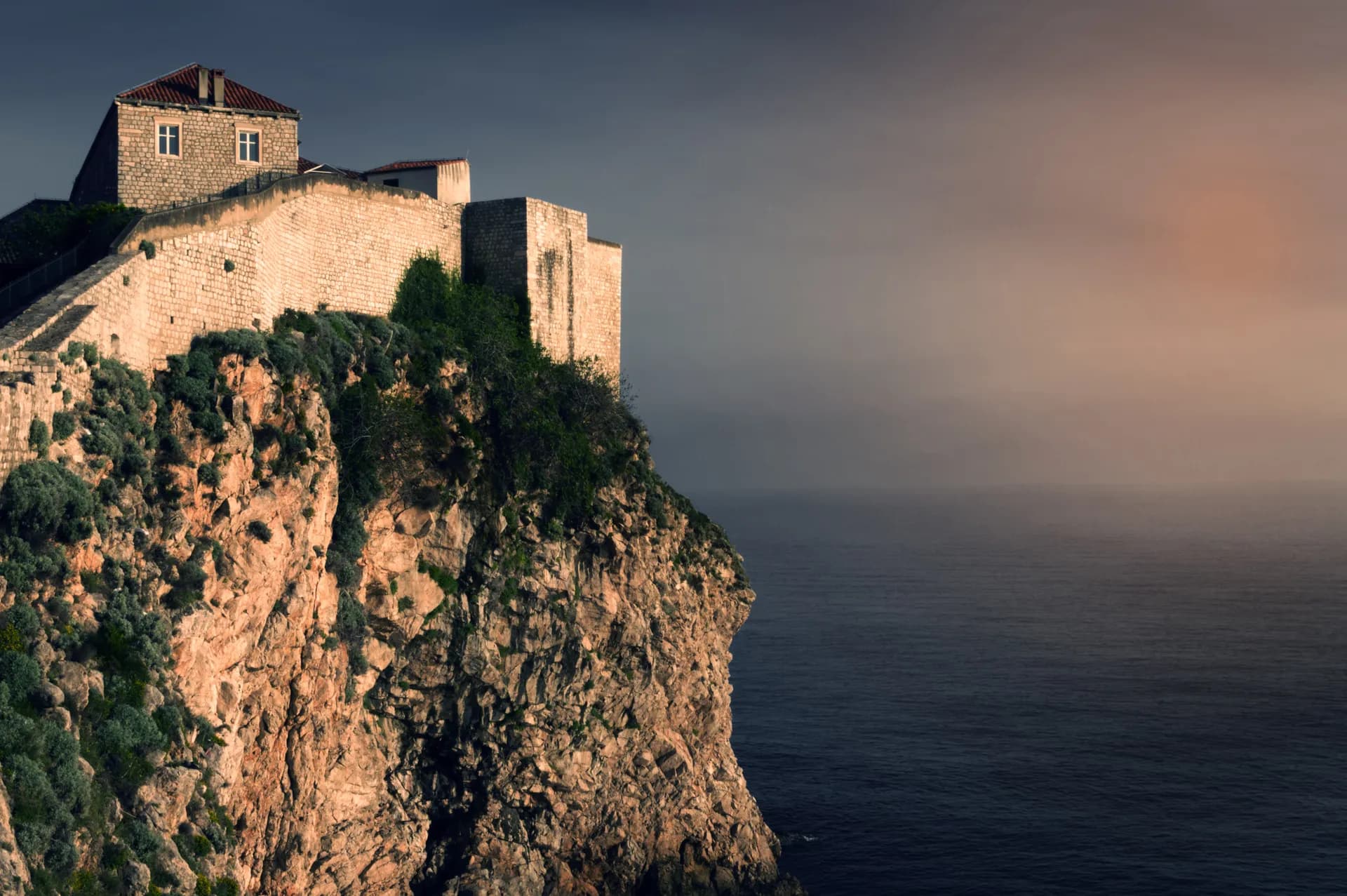
Dubrovnik
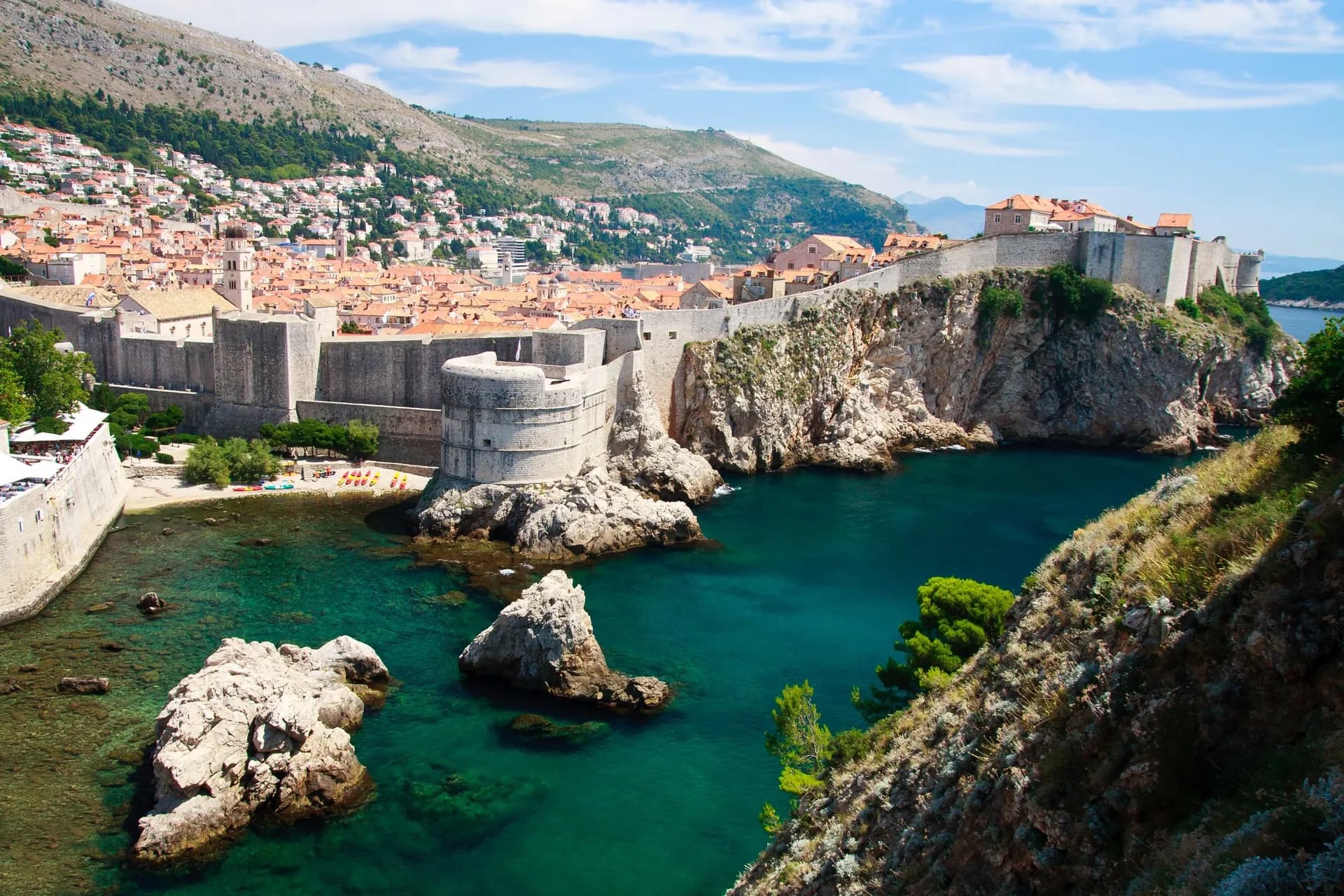
CroatiaCroatia’s crowning glory rears up vertically from the tranquil waters of the Adriatic, and Dubrovnik’s daunting fortresses town is a truly imposing sight to behold. Encircled by chunky stone walls so thick and dramatic they could have been purpose-built as a film set, this city’s unmatched old town is the setting for countless films and shows - from Star Wars to Robin Hood, Game of Thrones and every production in-between seeking a truly authentic medieval flavour. This fantasy fortress’s walls - which are no less than 12-metres thick at places - are certainly not just for show, however. They kept Dubrovnik safe when it was a maritime republic and they were besieged as recently as 1991, when Serbian and Montenegrin forces attacked, as Yugoslavia broke apart. Fully restored now, the stone streets of the city take you through a beautiful mosaic of architectural splendour, baroque churches and splashing fountains. Tapering alleys rocket up from the central boulevard of Stradun, offering spectacular views down, but you’ll need to walk the city walls to appreciate the fortress city’s full scale. Banking up sharply to the rear, you can gaze across an ocean of terracotta roofs and church spires, clamouring together before the sparkling Adriatic. Visit the neighbouring fort of Lovrijenac, for another perspective, or swing up to Srd fortress’s glorious panorama on a cable car. Dubrovnik’s streets are crammed with eateries and candlelit tables, where couples splash wine into glasses and enjoy gnocchi mixed with creamy truffle sauces. Nearby beaches like Banje are also close by, and hidden bays reward the intrepid who venture out beyond the old town. Take sunset drinks to sit back and watch as flotillas of sea kayaks roll by, or sail on the pristine waters to explore island gems like Lokrum - where peacocks are the only permanent residents.
Day 8
Day 8
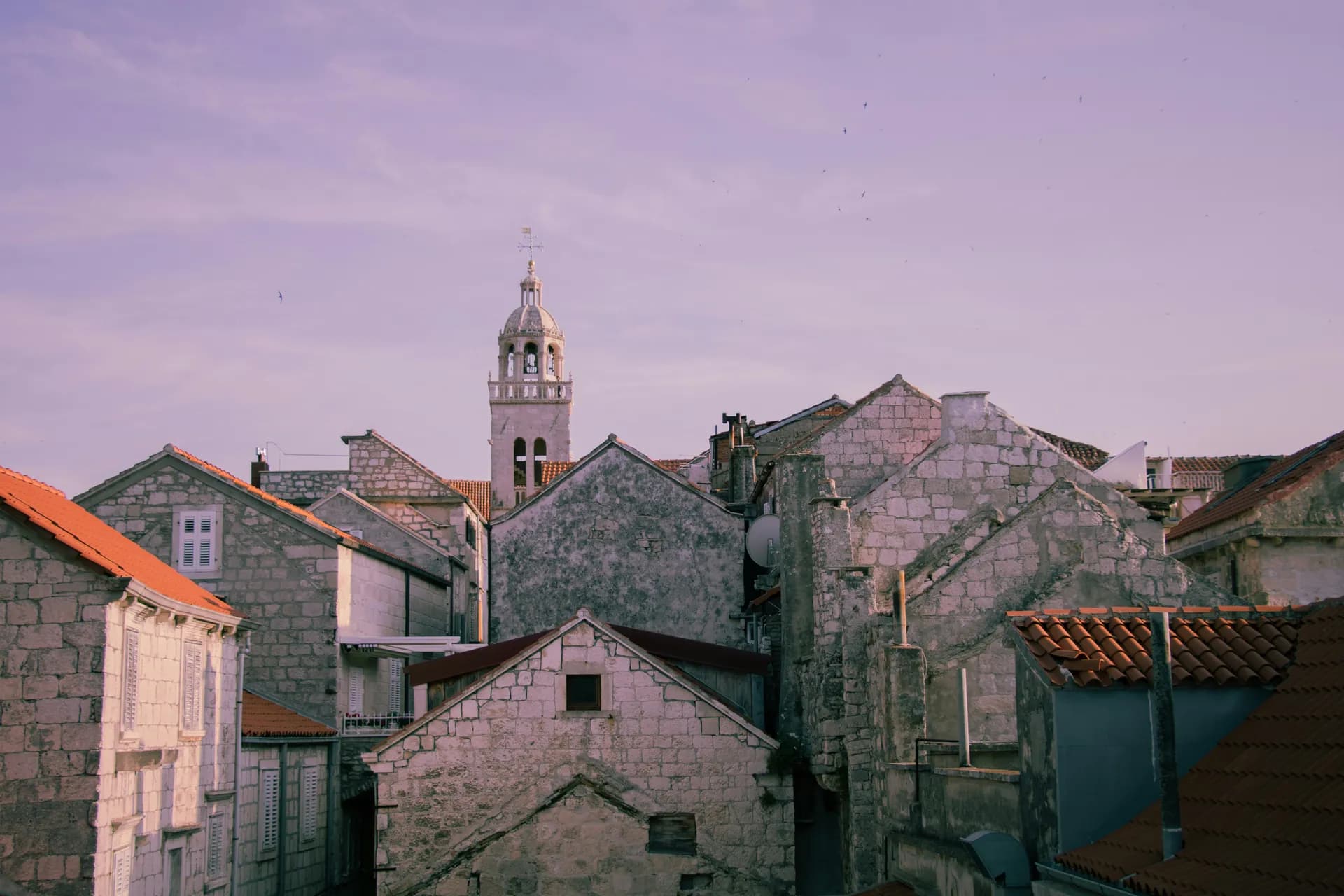
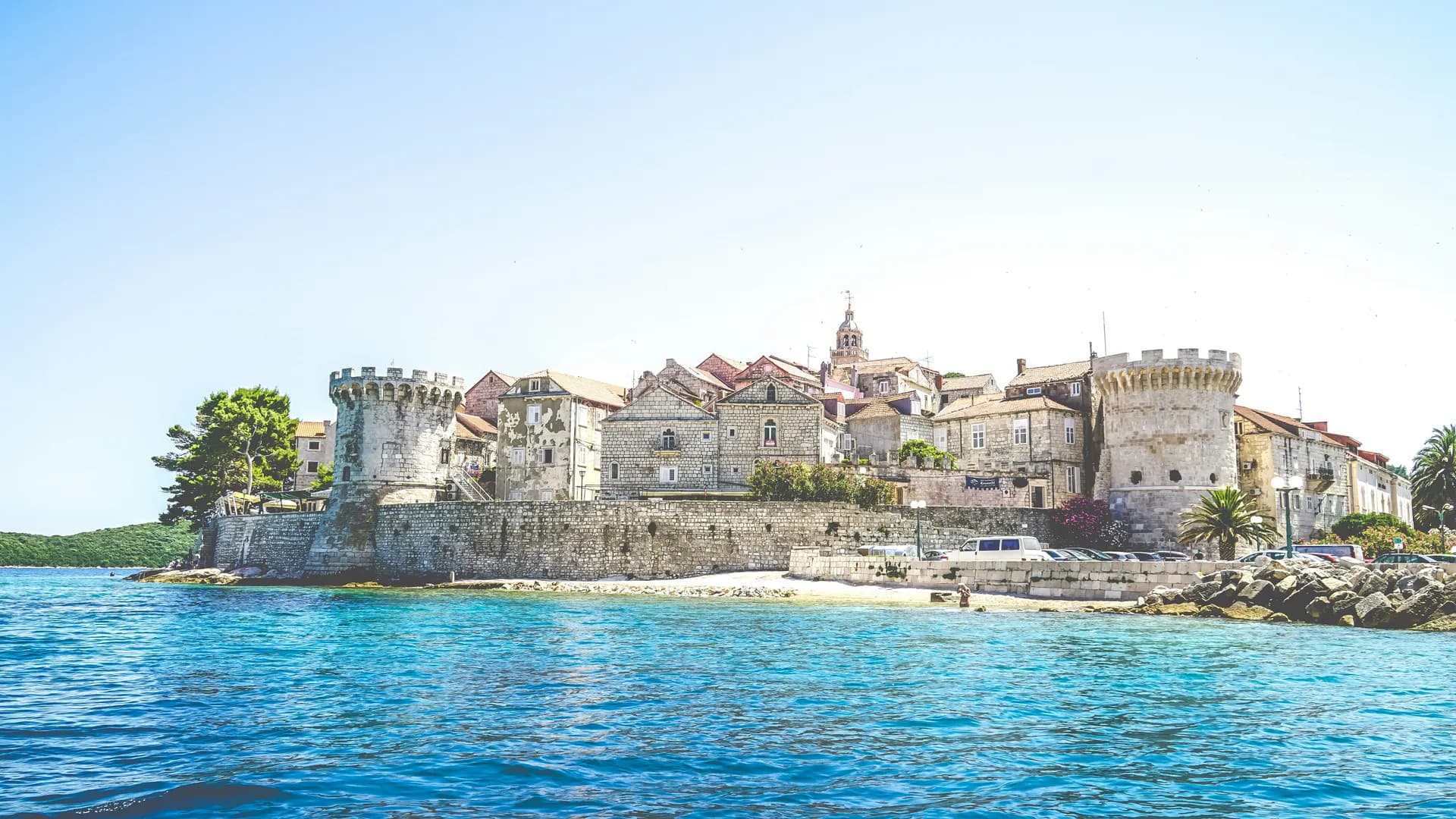
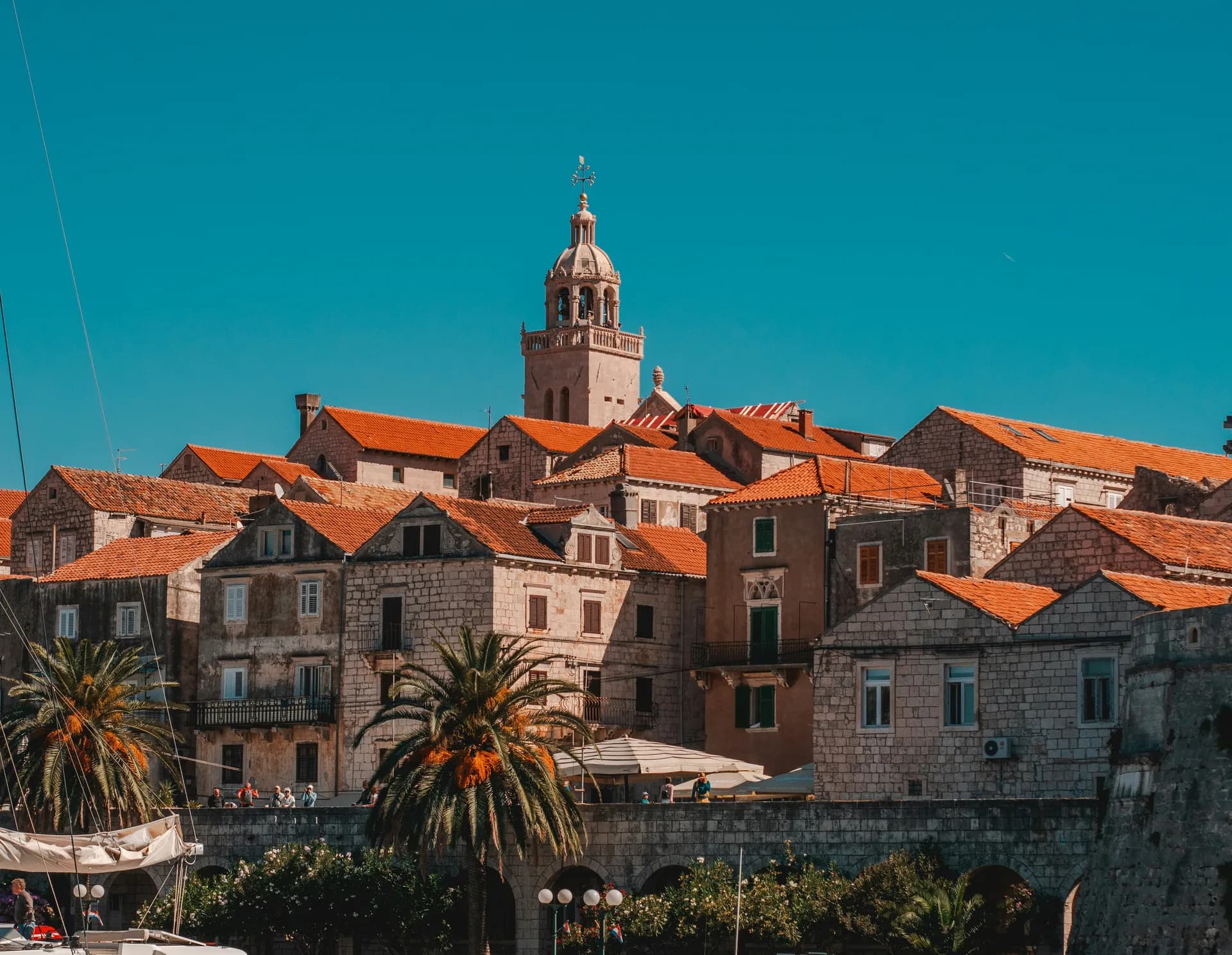
Korcula
Croatia"The gods wanted to crown their creation so on the last day they turned tears, stars and the sea breeze into the isles of Kornati." Thus wrote George Bernard Shaw referring to the largest archipelago in the Mediterranean, the islands, islets, and reefs of the Dalmatian coast. Korcula, the town and port on an island of the same name, could be called a Dubrovnik in miniature. Situated at the most strategic point of the island, along ancient sea trade routes, it has always attracted travellers and settlers. It is a window onto thousands of years of European culture; down through the centuries Hellenic, Roman, Illyrian, Croatian and Venetian civilizations have all left their mark. The Trojan hero Antenor was the legendary founder of the island, and it is well known as the birthplace of that great traveler, seaman, and explorer - Marco Polo. Inside the town walls is a diversity of architecture which has remained untouched through the centuries. Wander through its narrow lanes, visit the gothic cathedral of St. Marco, take a peek at Marco Polo's birthplace, or climb one of the impressive towers built into the city walls.
Day 9
Day 9
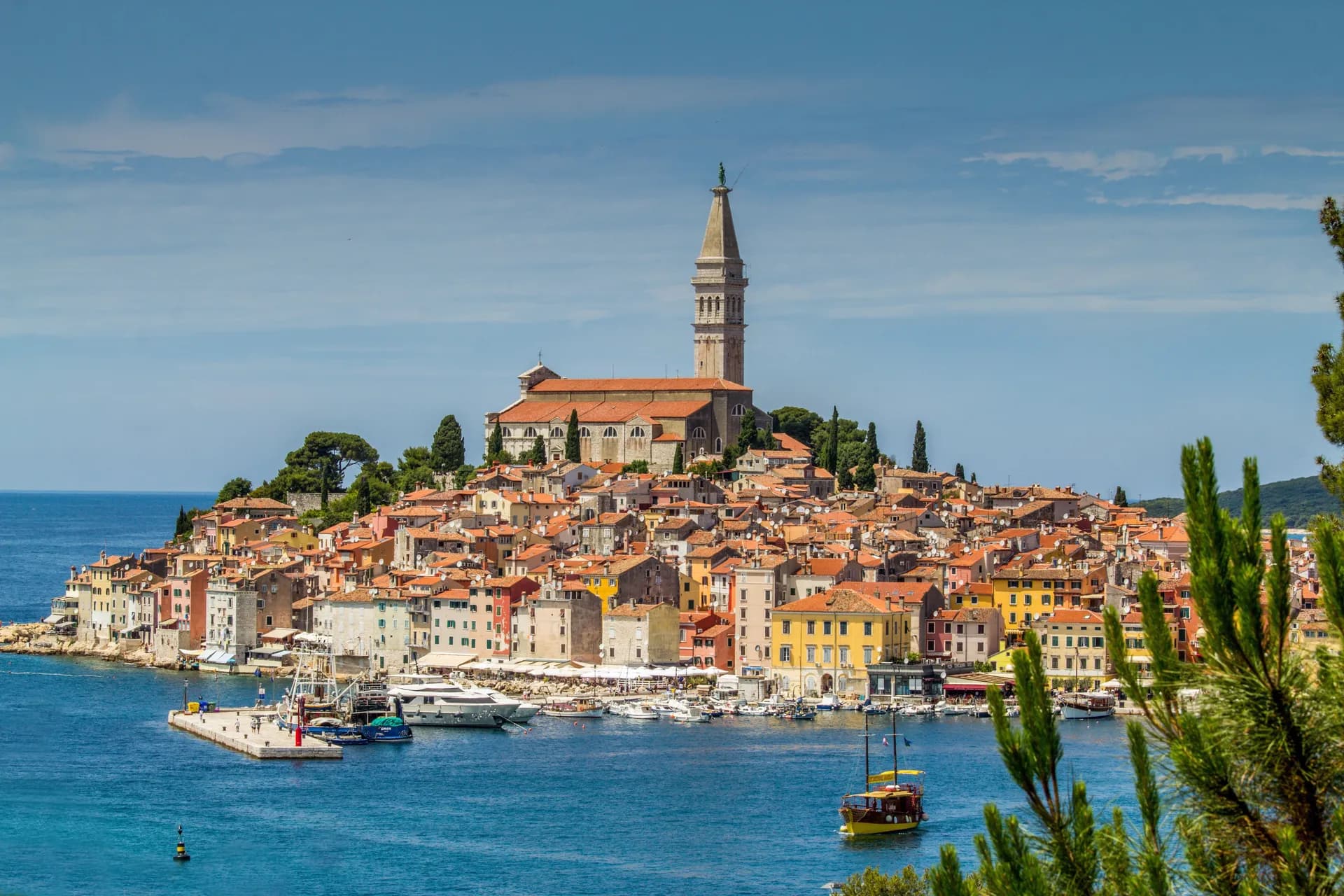
Rovinj
CroatiaOne of the true jewels of the Mediterranean, Rovinj is a jaw-droppingly beautiful town, which juts out into sparkling Mediterranean. Dominated by the pencil-like bell tower of the Venetian Saint Euphemia Cathedral, pine tree forests flow to the borders of the quaint Old Town - which evokes the romantic, tangled backstreets of the Venice. Rovinj - or Rovino in Italian - is a city of split personalities, with two official languages - having been owned by the Kingdom of Italy between 1919 and 1947.
Day 10
Day 10
Venice
ItalyFor centuries,Venice stood at the crossroads of culture between the Byzantine and Roman worlds. The city the great traders and philosophers created is an extraordinary place. From the elegant carved gondolas and vaporetti that ply the Grand Canal to the magnificent Piazza San Marco bustling with life – Venice is unique in all the world. Great works of art are housed here, in the Accademia with its Renaissance masters and the collection of Peggy Guggenheim in her canal-side palazzo. The Basilica di San Marco and the Doge’s Palace are must-sees. After that, follow where your feet take you, over romantic bridges, to shops selling precious glass, to small cafés for a cappuccino or Campari.
Cabin Categories
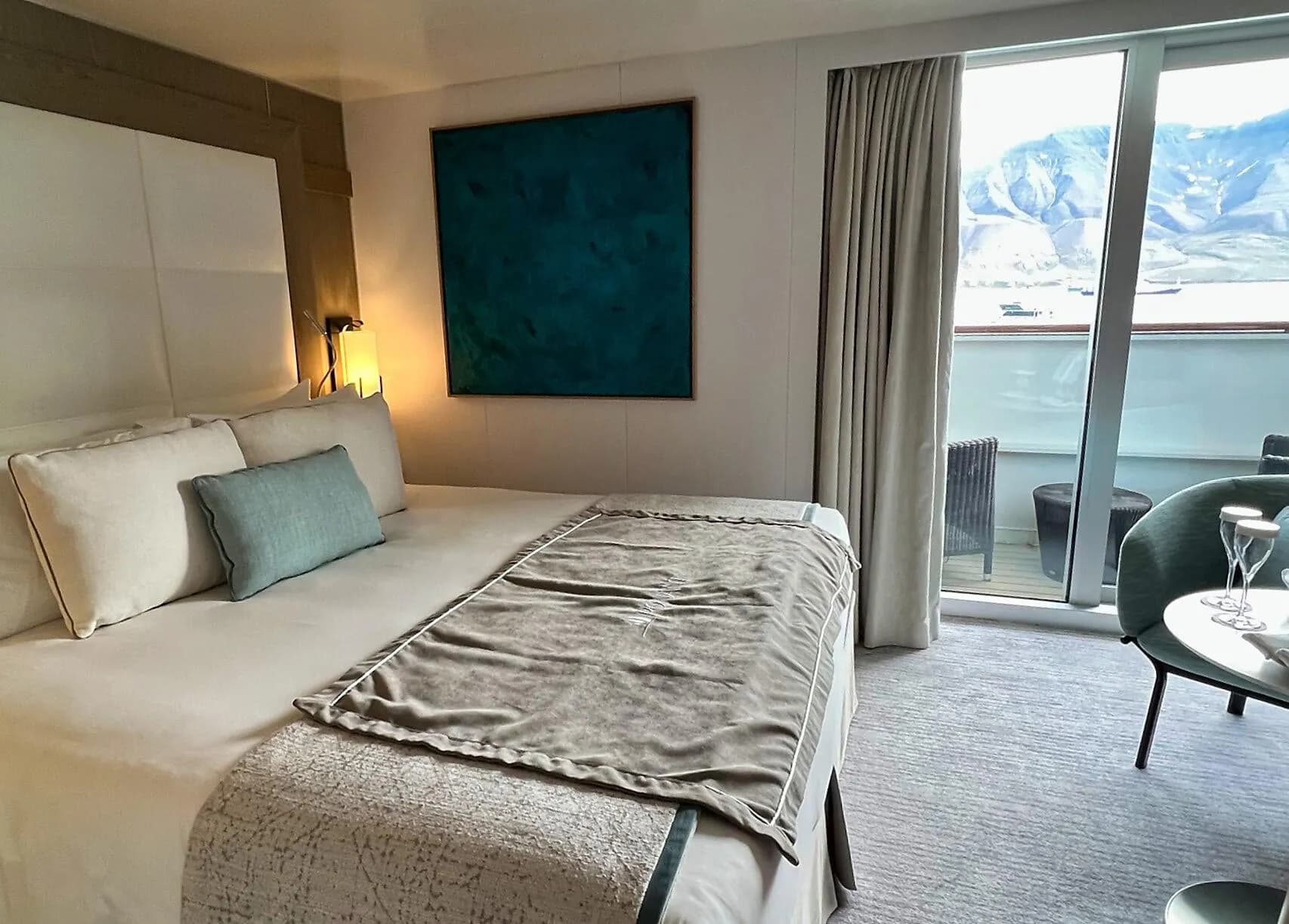
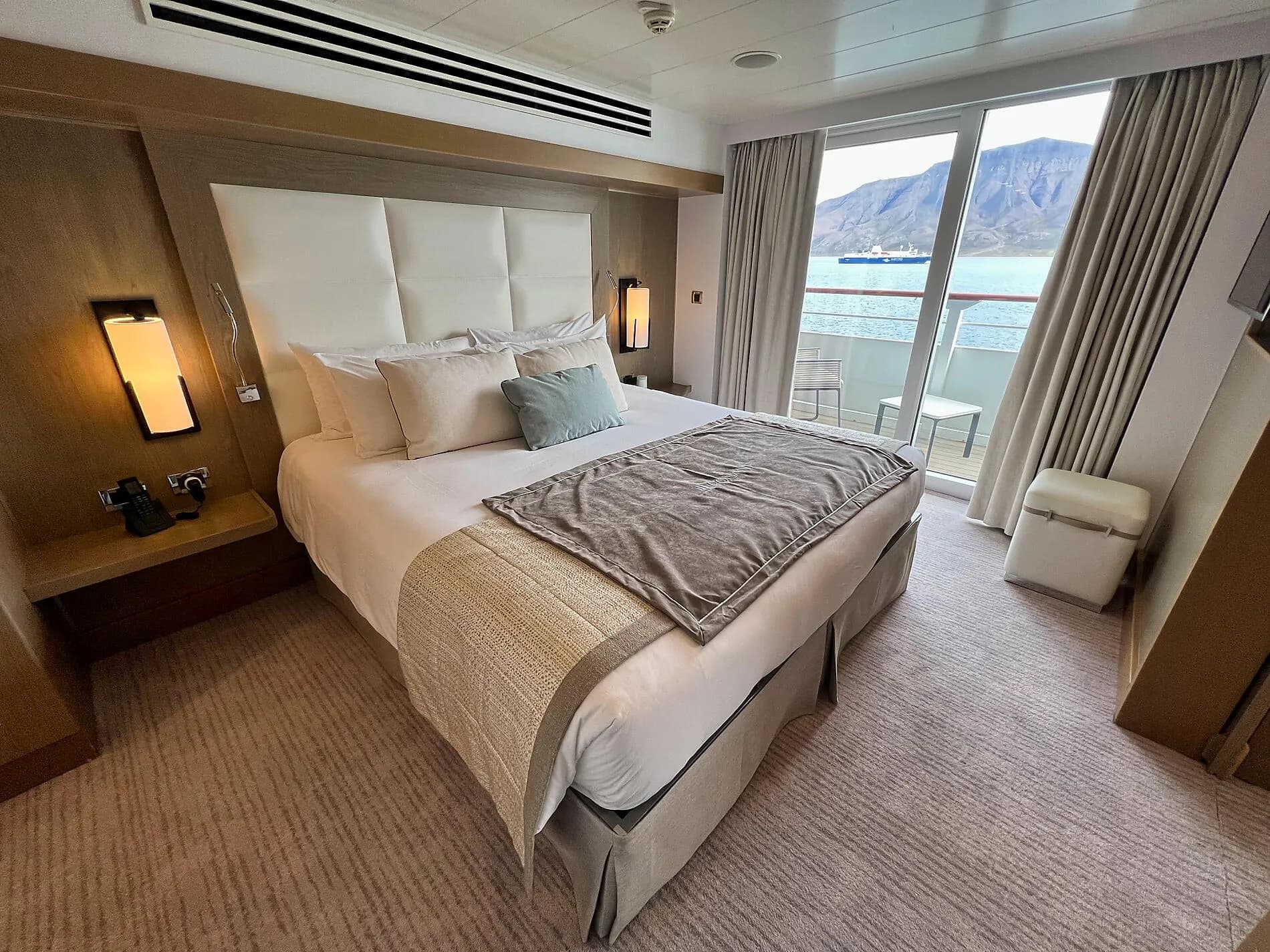
Deluxe Suite Deck 6
Suite
DS
In addition to the common services provided to all our suites and staterooms:
Priority boarding (depending on port of embarkation)
Champagne and fruit basket upon arrival
Butler service
An assortment of sweet or savoury canapés and fruit basket every day
One king-size bed (180 x 200 cm) or two single beds (90 x 200 cm)
An armchair and sofa (167 x 70 cm)
A bathroom with shower and small bathtub
A private 5 m² balcony
A panoramic sliding bay window
Sold Out
View Details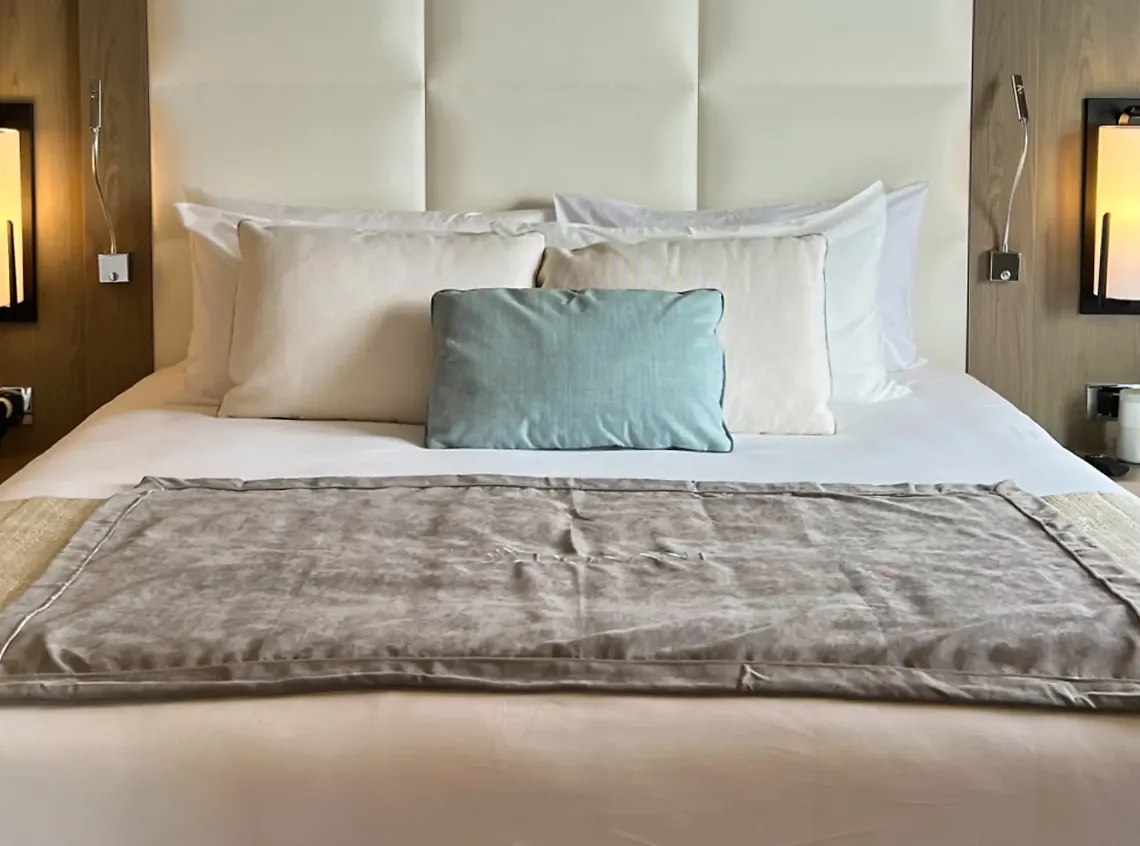
Owner's Suite
Suite
OS
In addition to the common services provided to all our suites and staterooms:
Private return transfer
Priority boarding (depending on port of embarkation)
Champagne and fruit basket upon arrival
Butler service
An assortment of sweet or savoury canapés and fruit basket every day
A bedroom with one king-size bed (180 x 200 cm) or two single beds (90 x 200 cm)
A living/dining room with a sofa, armchair, second TV, 4-seater table, and sliding courtesy door
A bathroom with shower and Balneo bathtub
A one-hour spa treatments per person (for 2 people) in the well-being space, chosen from the facial and body treatments on offer
Included premium pass: access to a selection of premium spirits at the bar
A private 9 m² balcony
Two panoramic sliding bay windows
Sold Out
View Details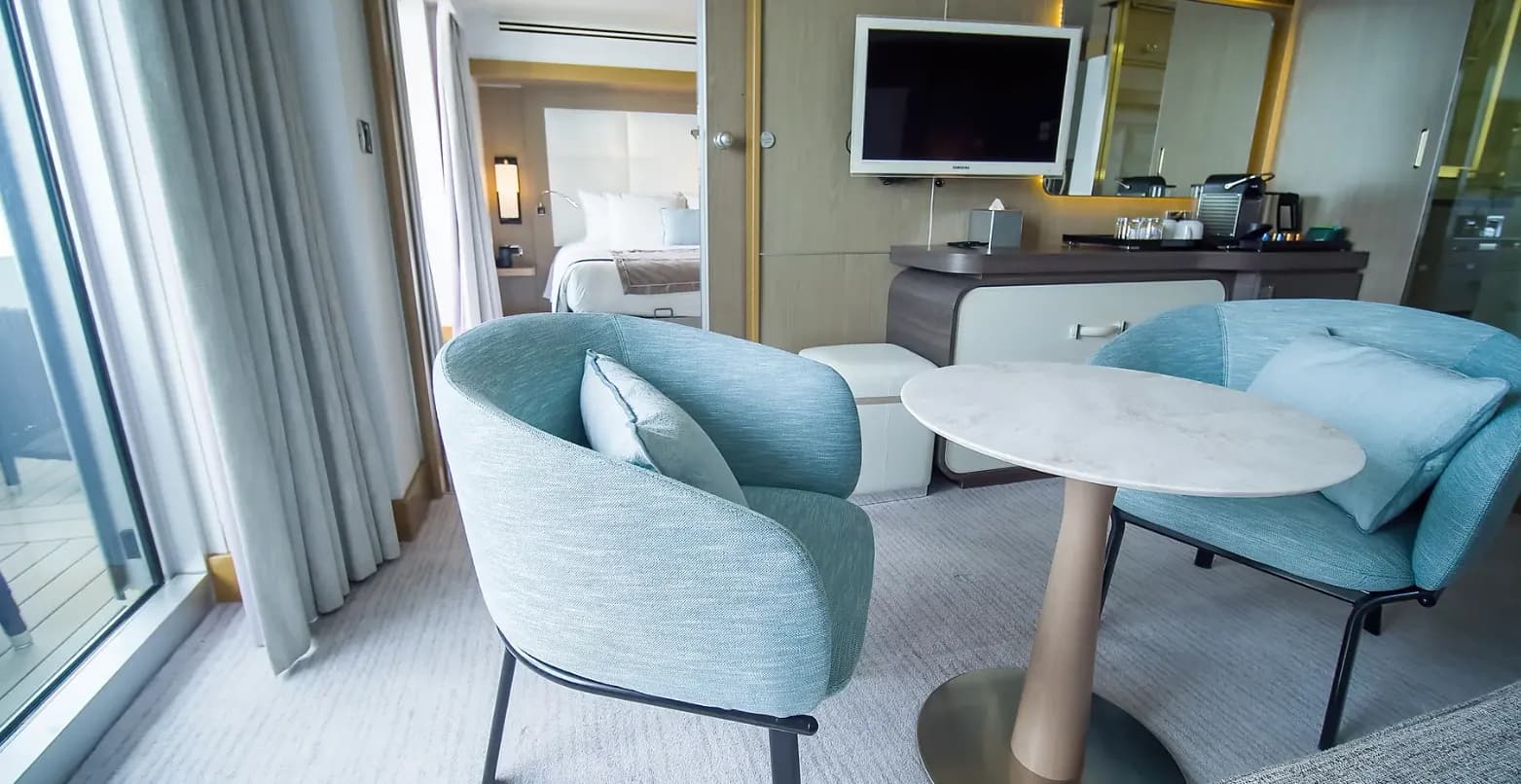
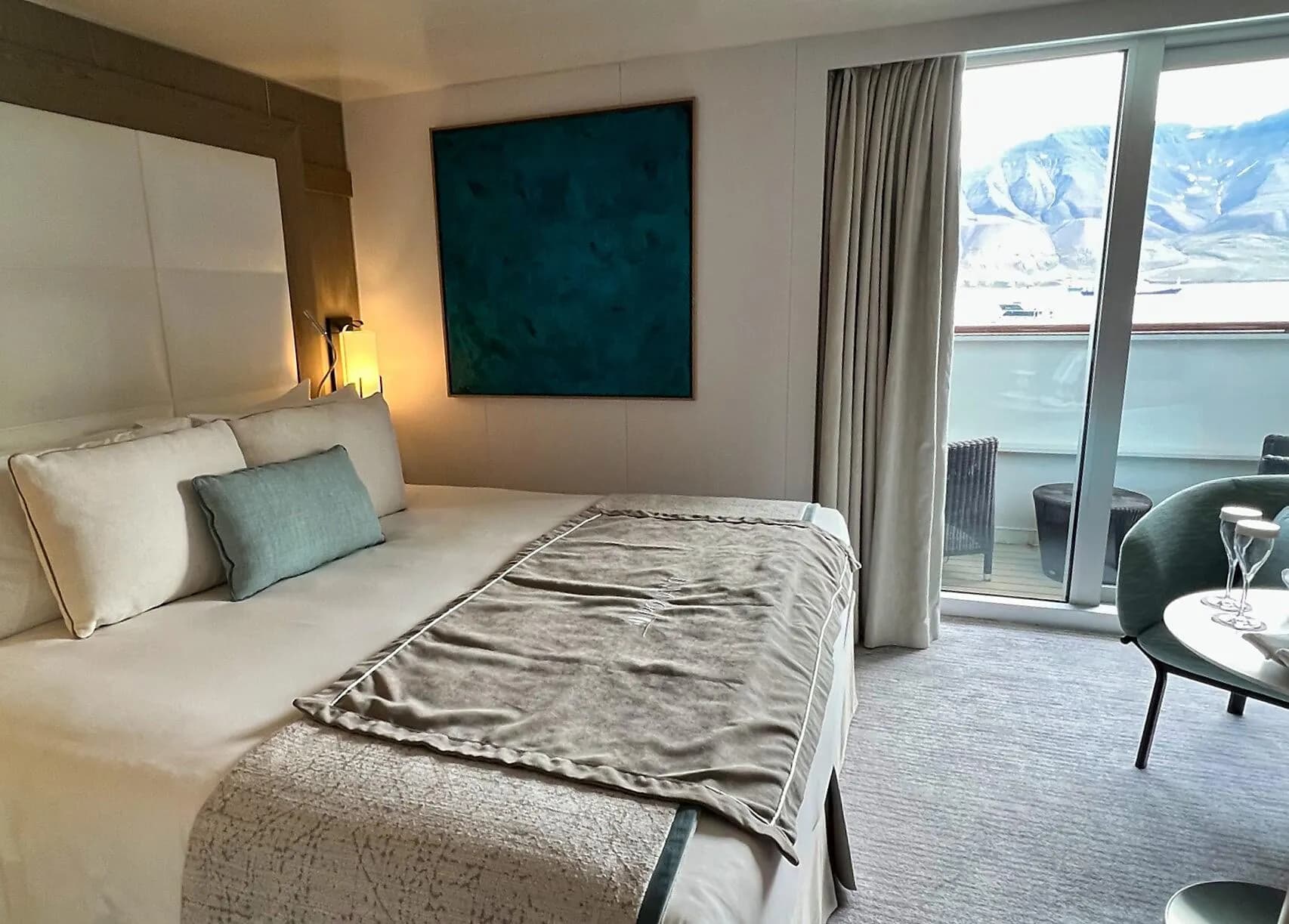
Prestige Suite Deck 5
Suite
4
In addition to the common services provided to all our suites and staterooms:
Champagne and fruit basket upon arrival
An assortment of sweet or savoury canapés and fruit basket every day
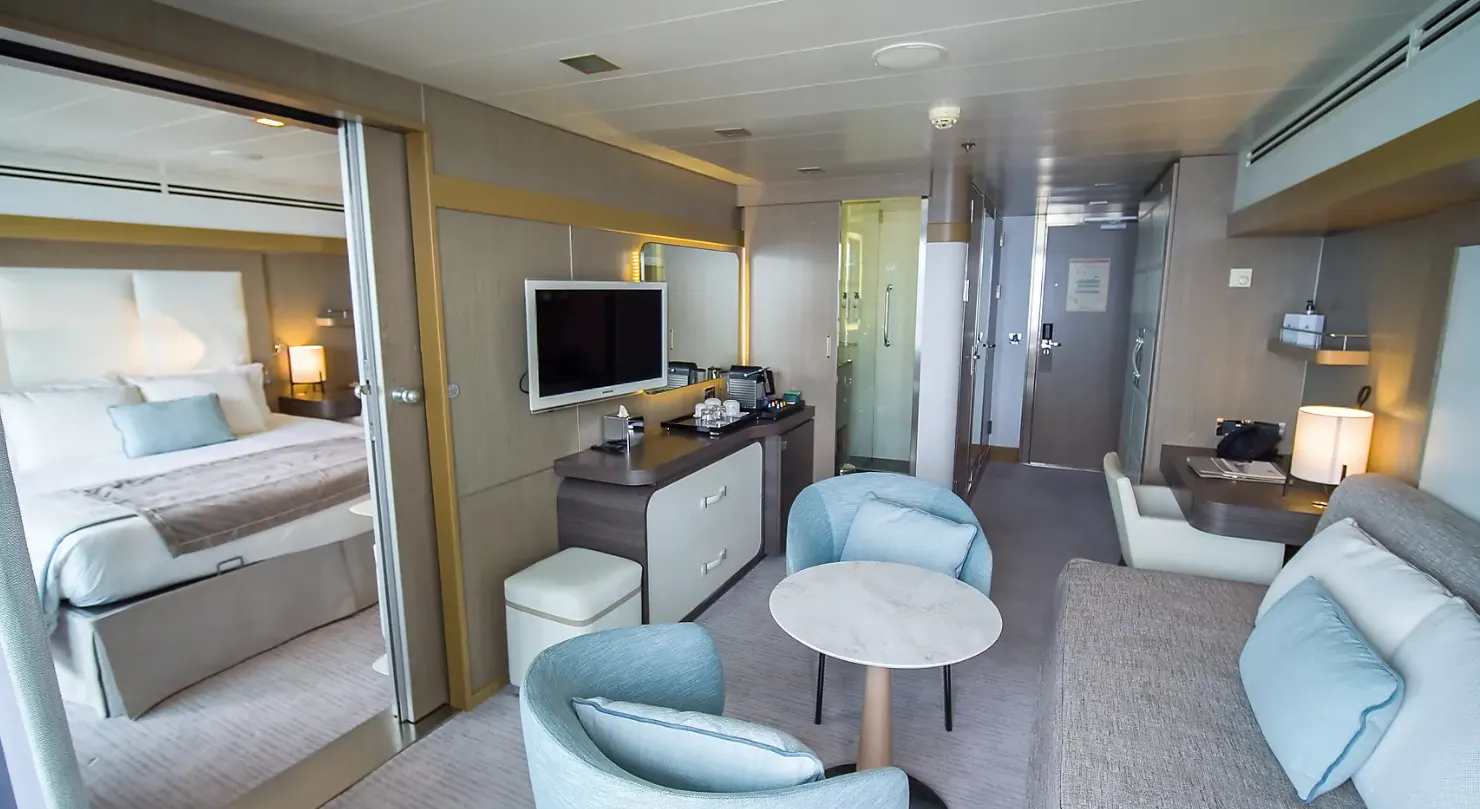
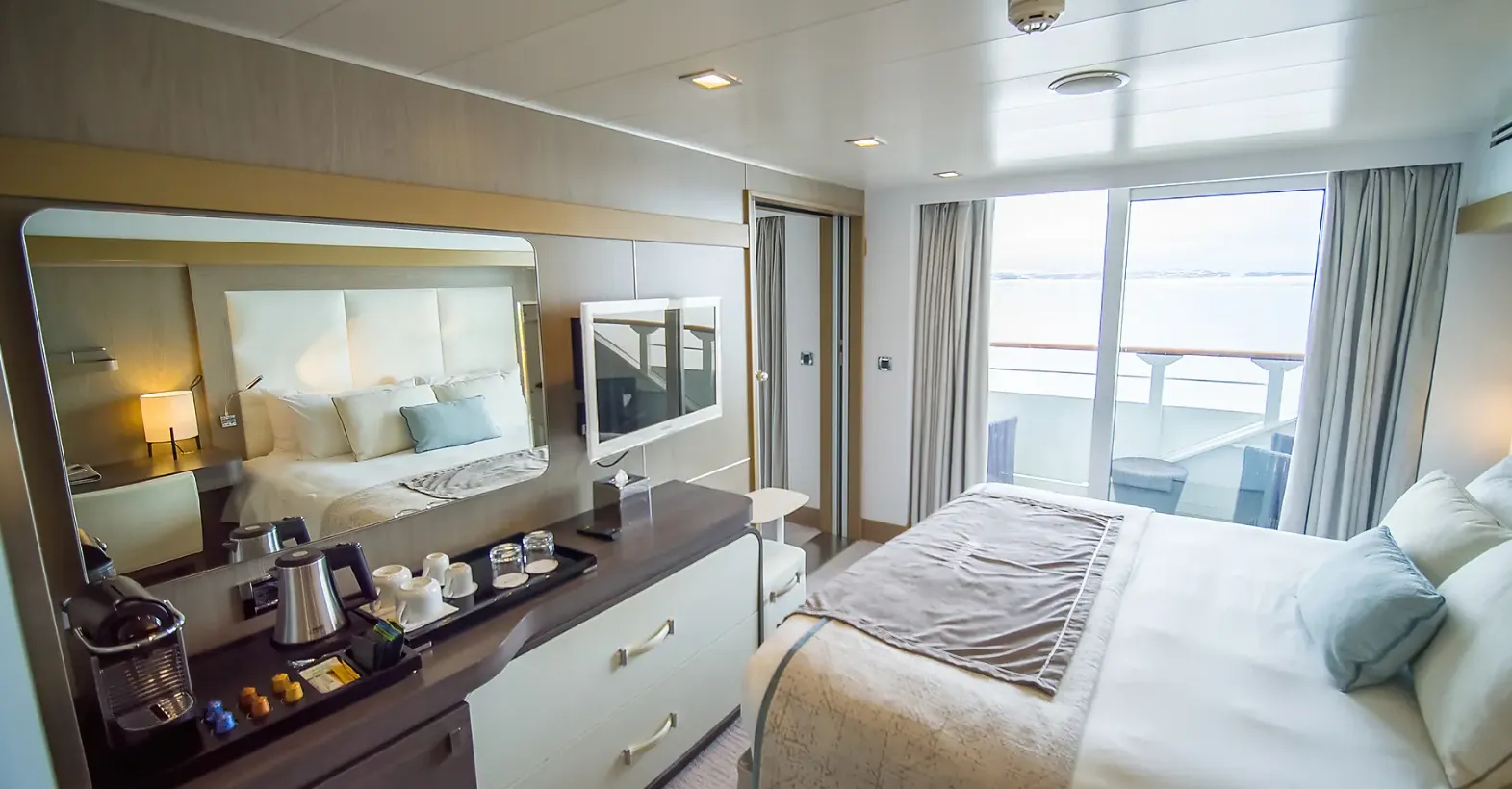
A bedroom with king-size bed (180 x 200 cm) or two single beds (90 x 200 cm)
A lounge with convertible sofa to a king-size bed (180 x 200 cm) or two single beds (90 x 200 cm), armchairs, second TV, and sliding courtesy door
Two bathrooms with showers
A private 8 m² balcony
Two panoramic sliding bay windows
Sold Out
View Details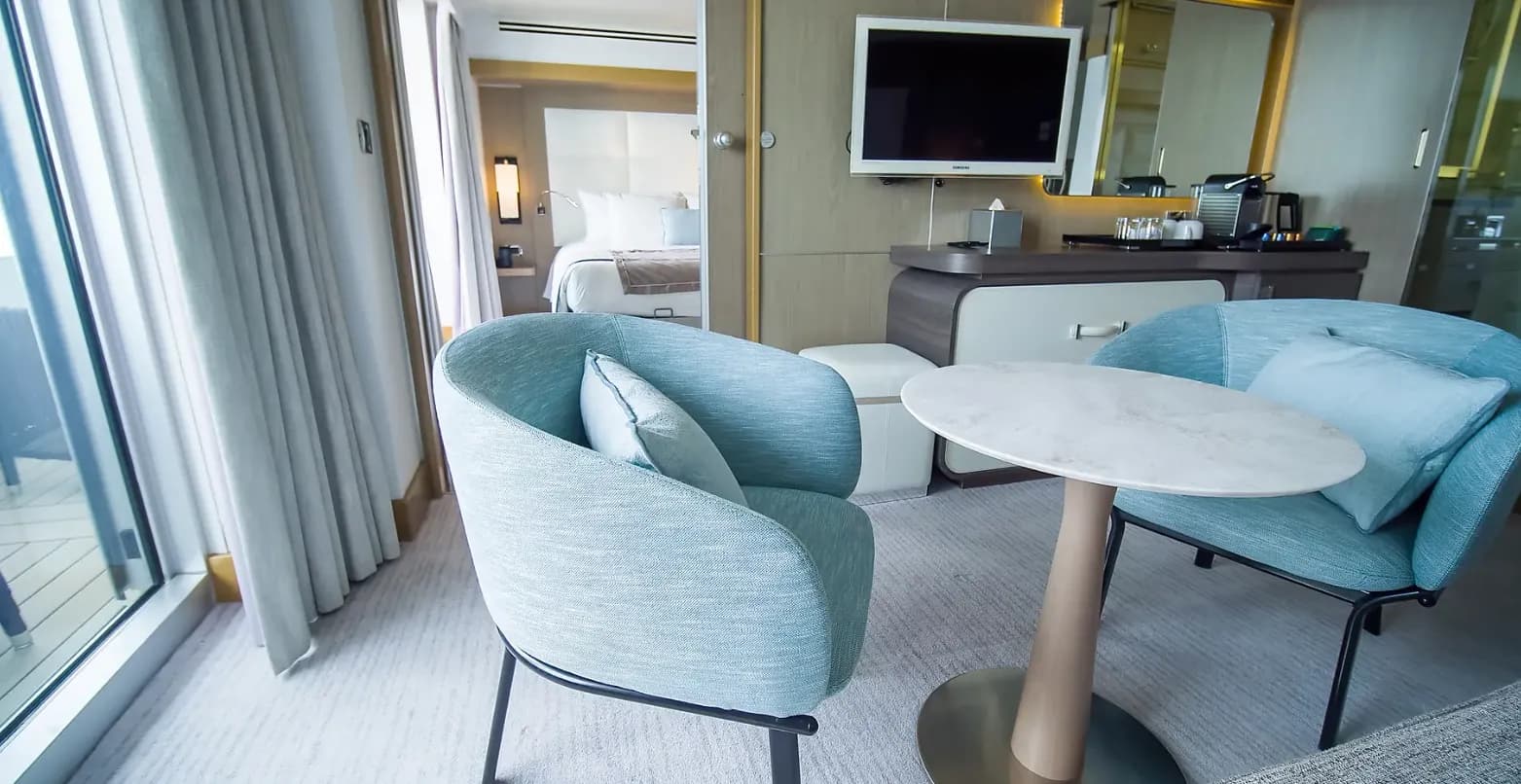
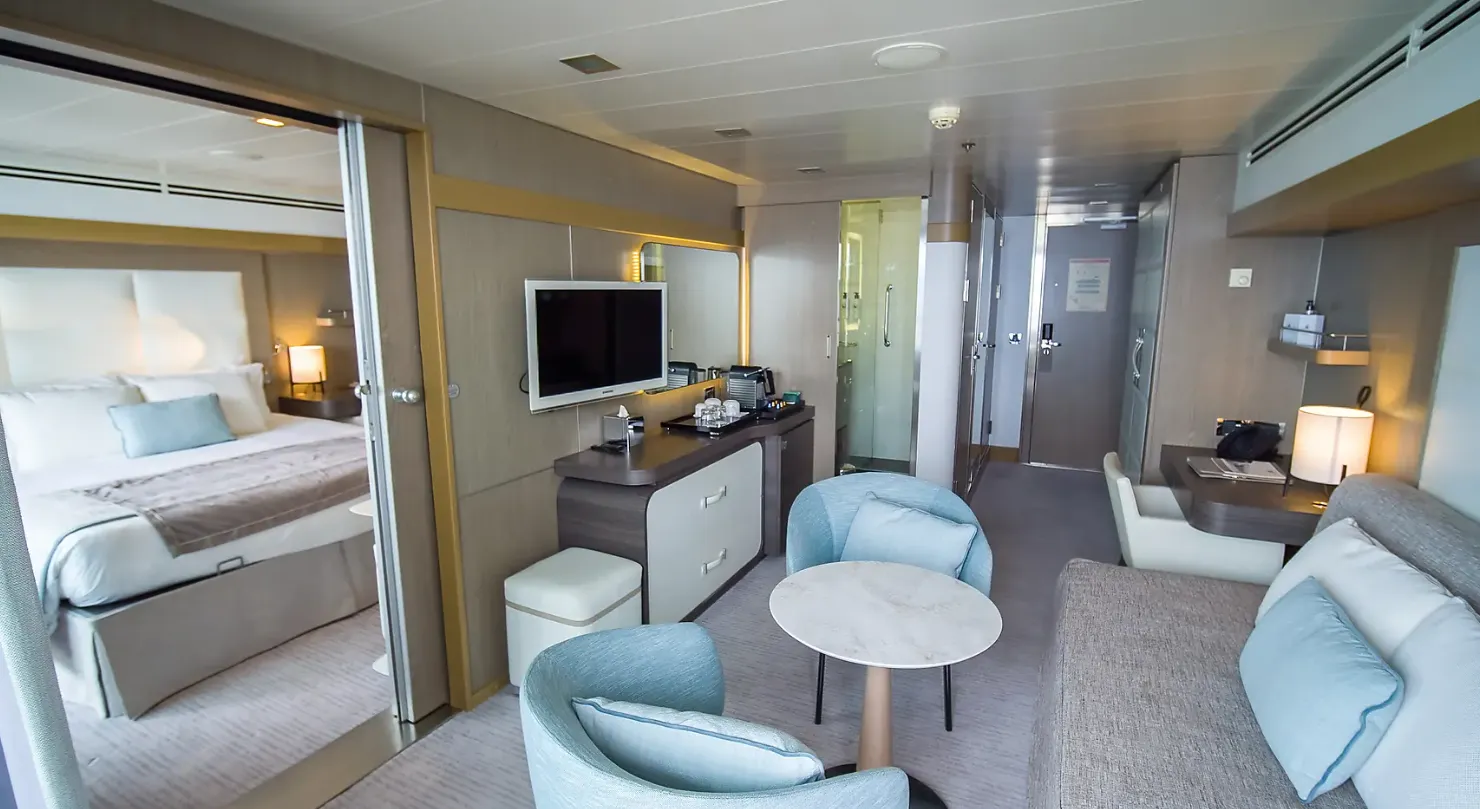
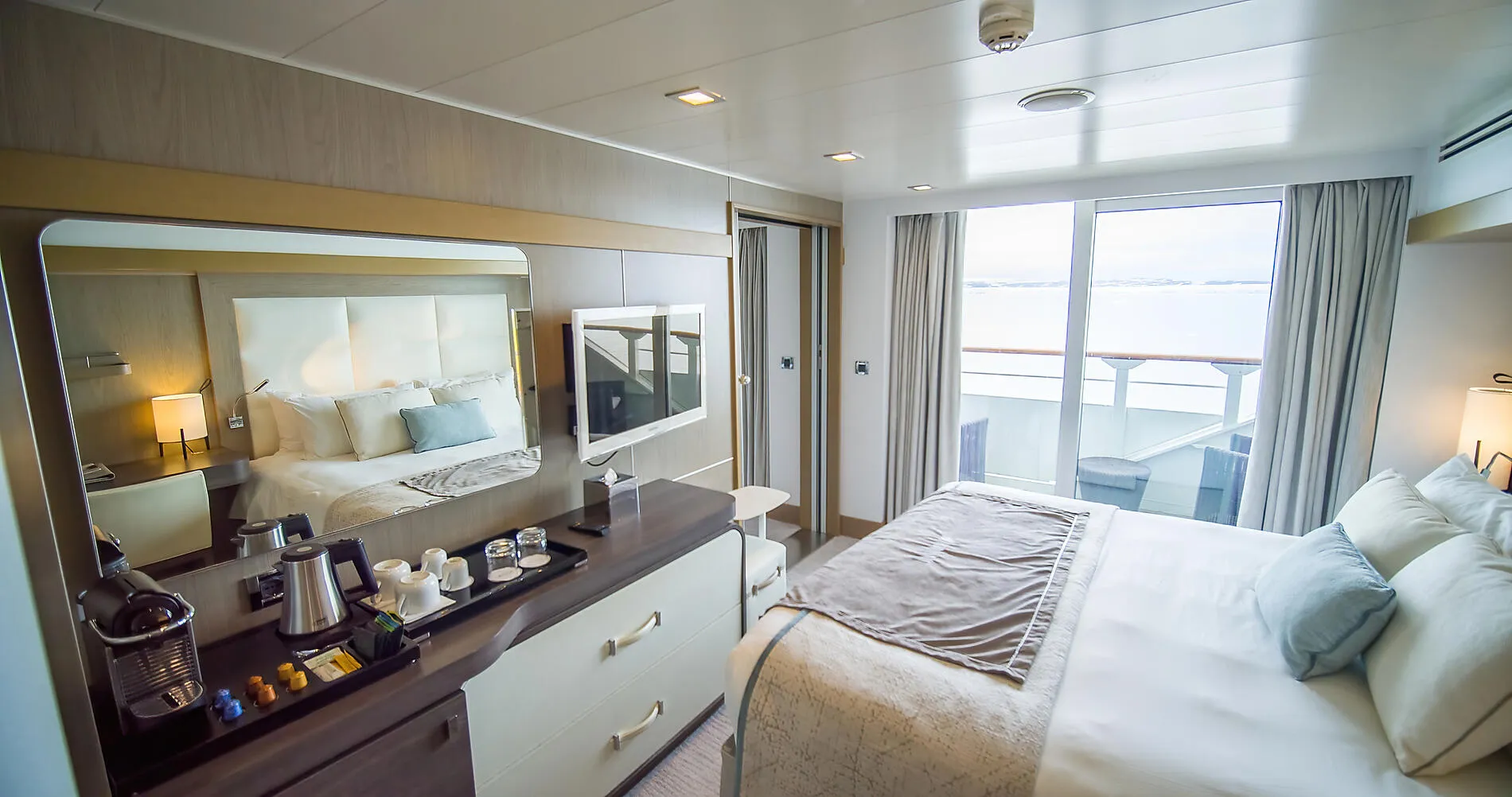
Prestige Suite Deck 6
Suite
5
In addition to the common services provided to all our suites and staterooms:
Priority boarding (depending on port of embarkation)
Champagne and fruit basket upon arrival
Butler service
An assortment of sweet or savoury canapés and fruit basket every day
A bedroom with king-size bed (180 x 200 cm) or two single beds (90 x 200 cm)
A lounge with convertible sofa to a king-size bed (180 x 200 cm) or two single beds (90 x 200 cm), armchairs, second TV, and sliding courtesy door
Two bathrooms with showers
A private 8 m² balcony
Two panoramic sliding bay windows
Sold Out
View Details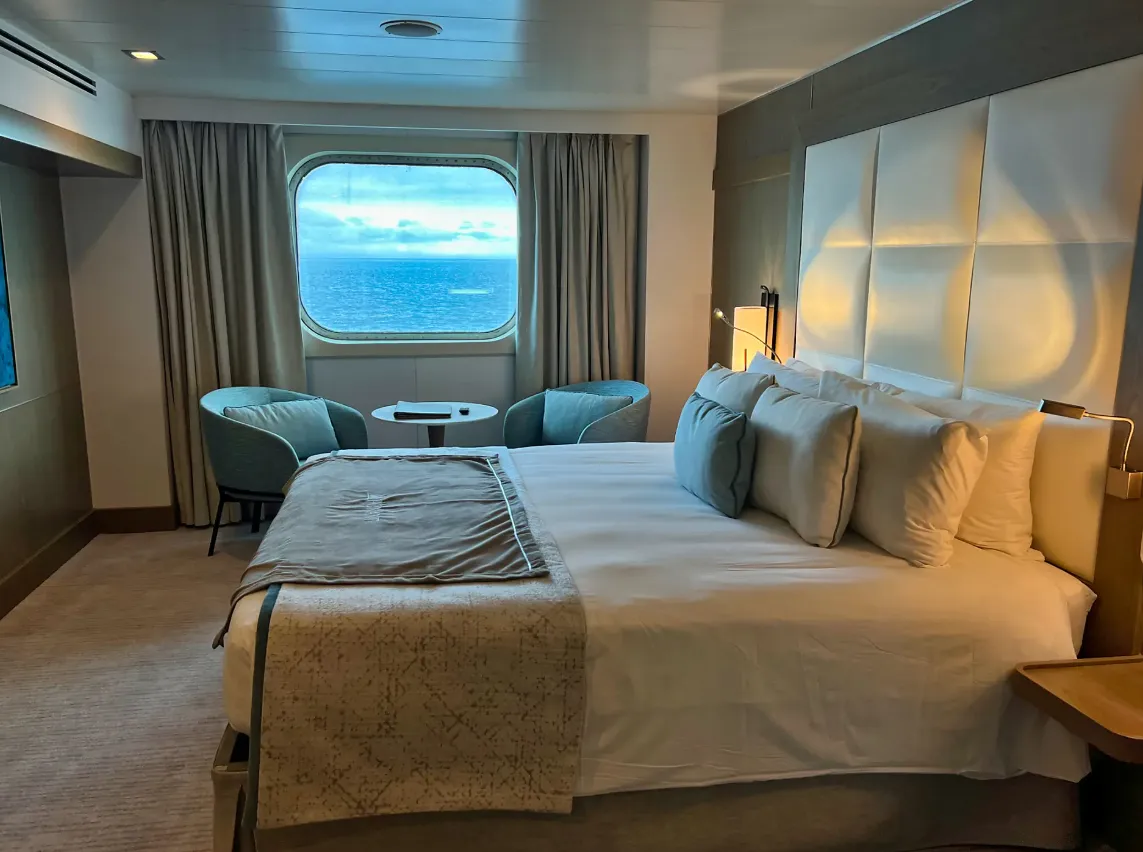
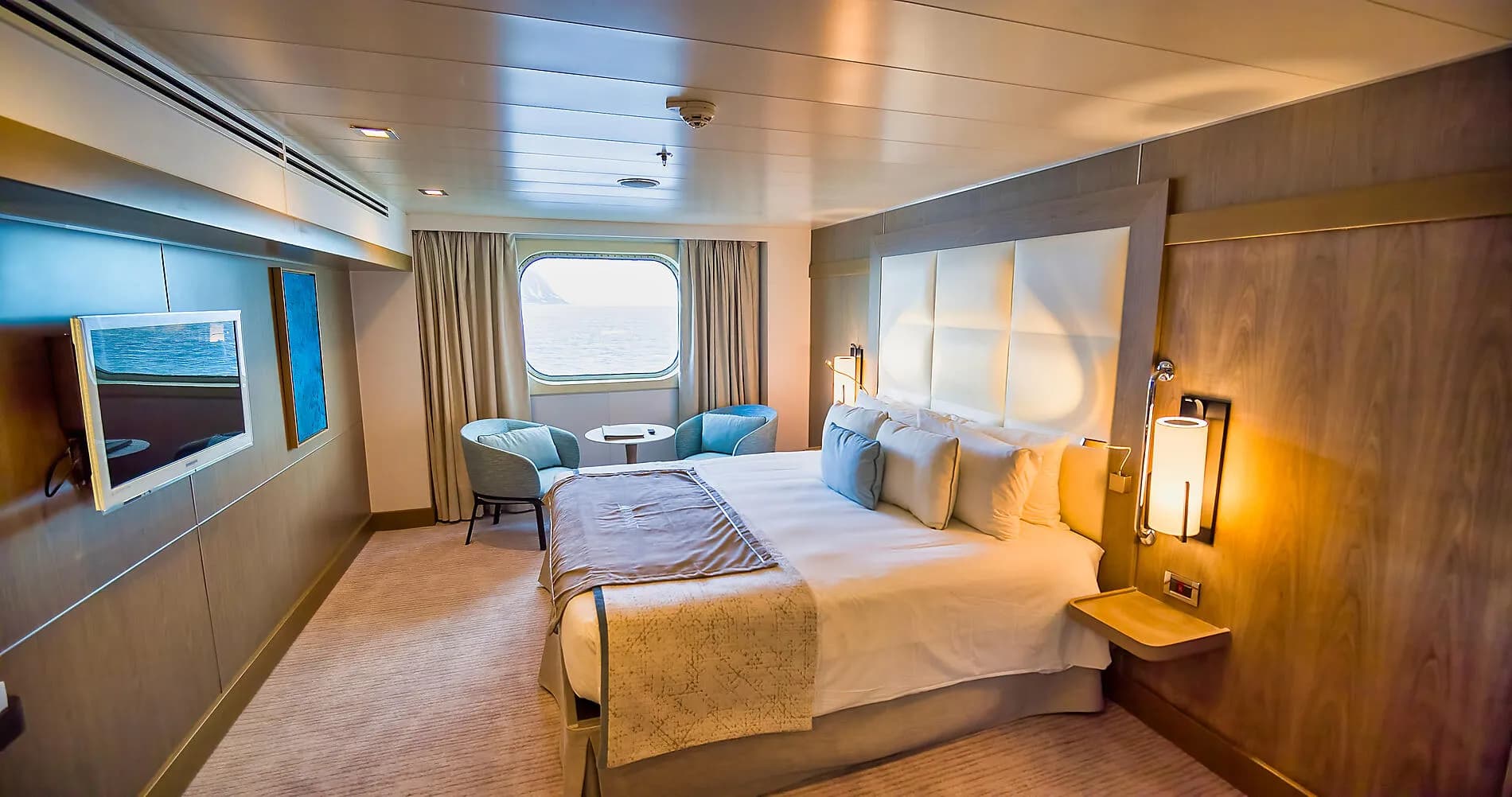
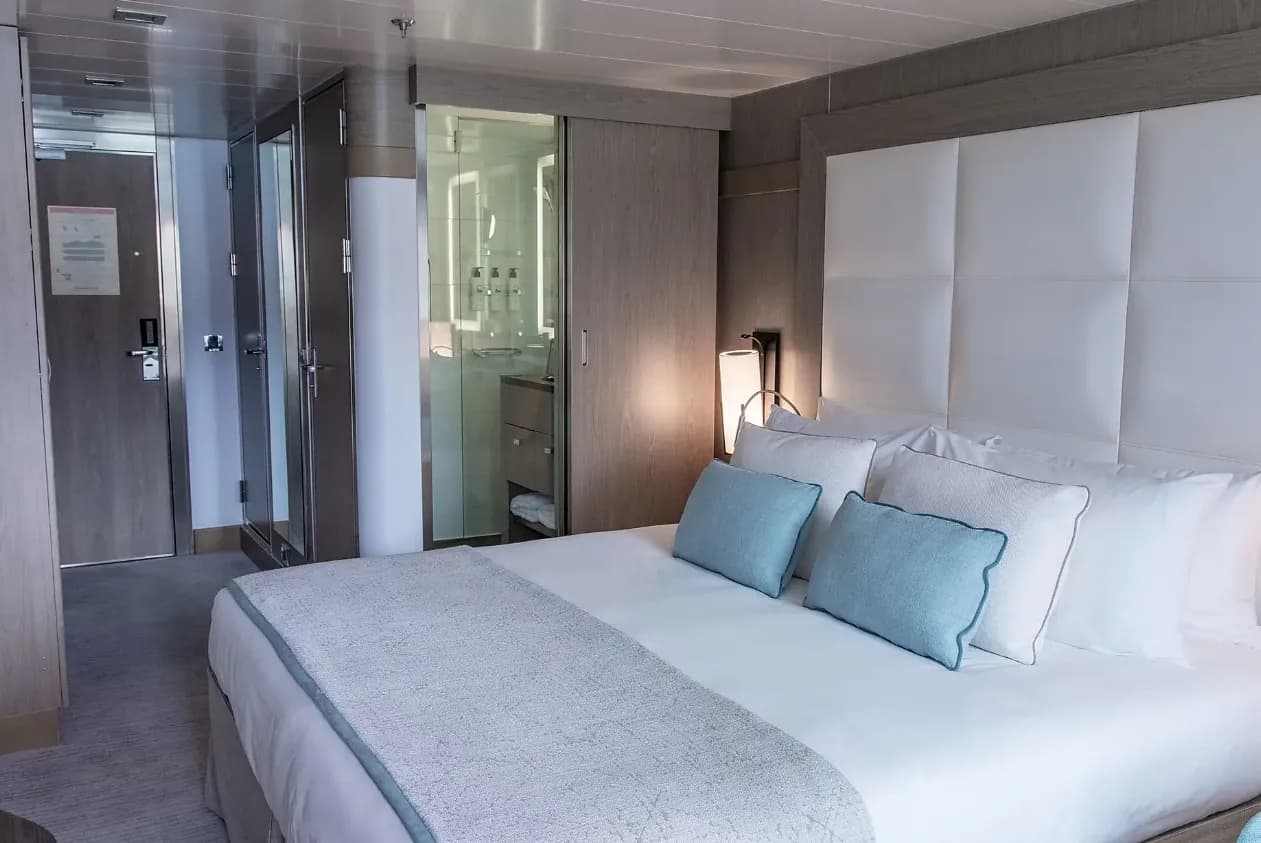
Superior Stateroom Deck 3
Suite
6
In addition to the common services provided to all our suites and staterooms:
One king-size bed or two single beds (180 x 200 cm)
A bathroom with shower
A window (except for stateroom 300: a round porthole only)
Sold Out
View Details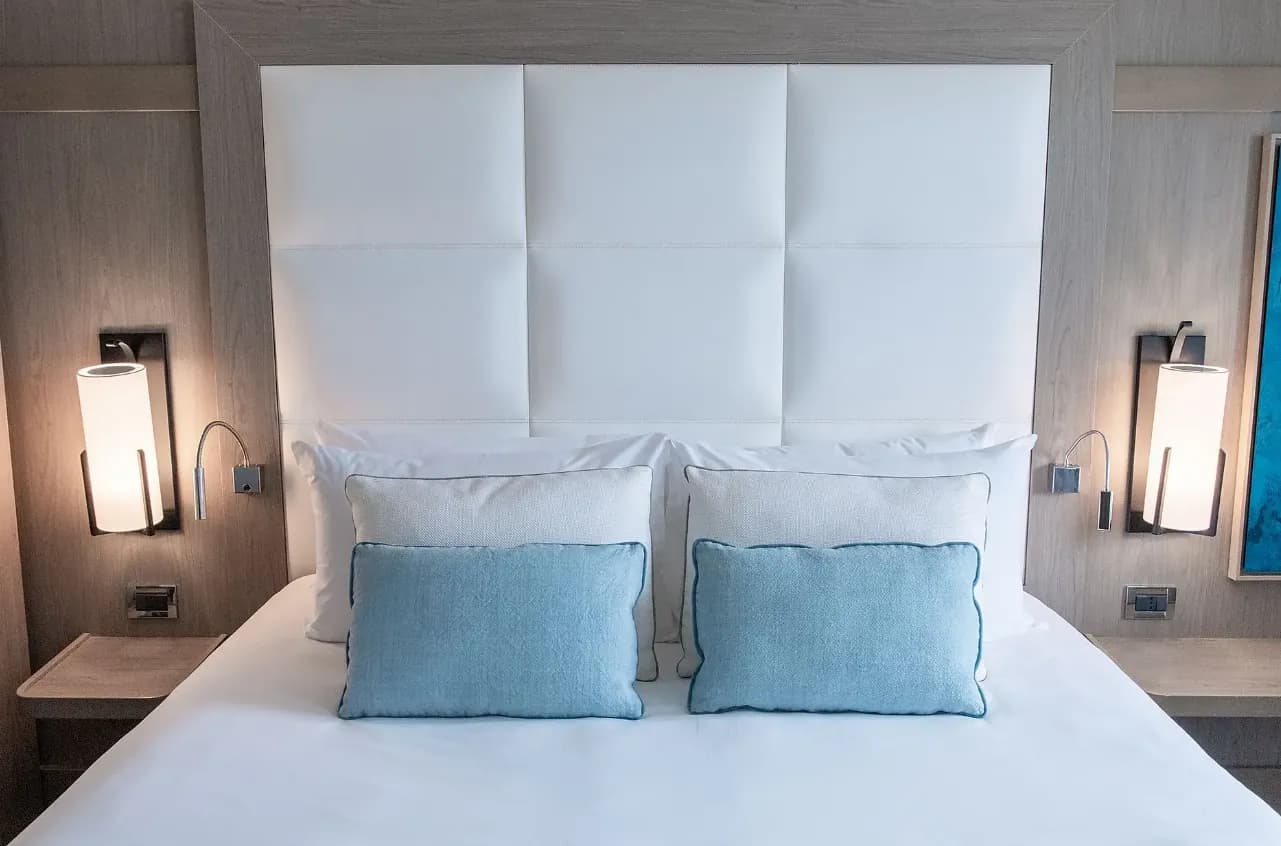
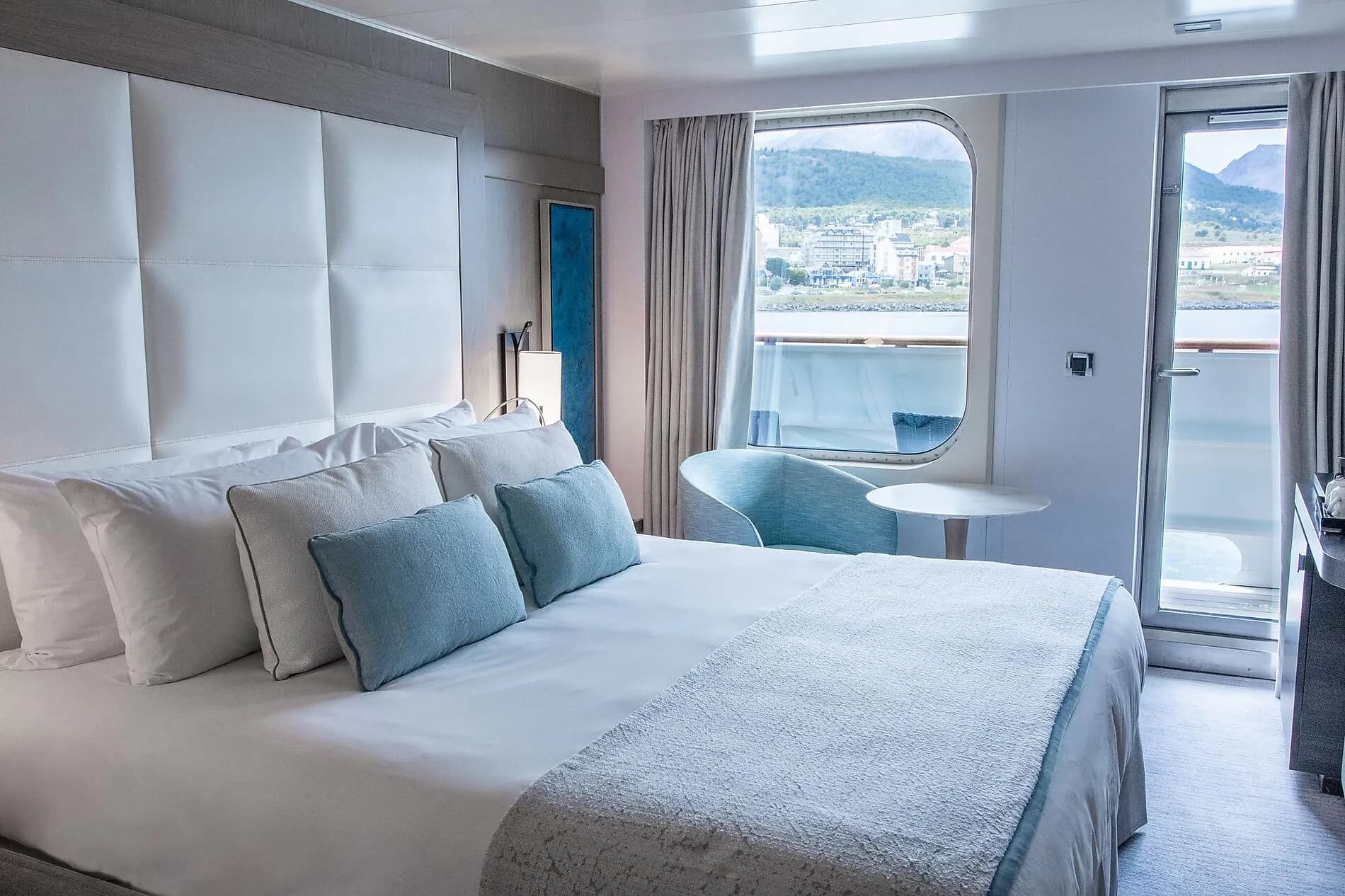
Deluxe Stateroom
Balcony
D
In addition to the common services provided to all our suites and staterooms:
One king-size bed (180 x 200 cm) or two single beds (90 x 200 cm)
A bathroom with shower
A private 4 m² balcony
A window and panoramic glazed swing door
Sold Out
View Details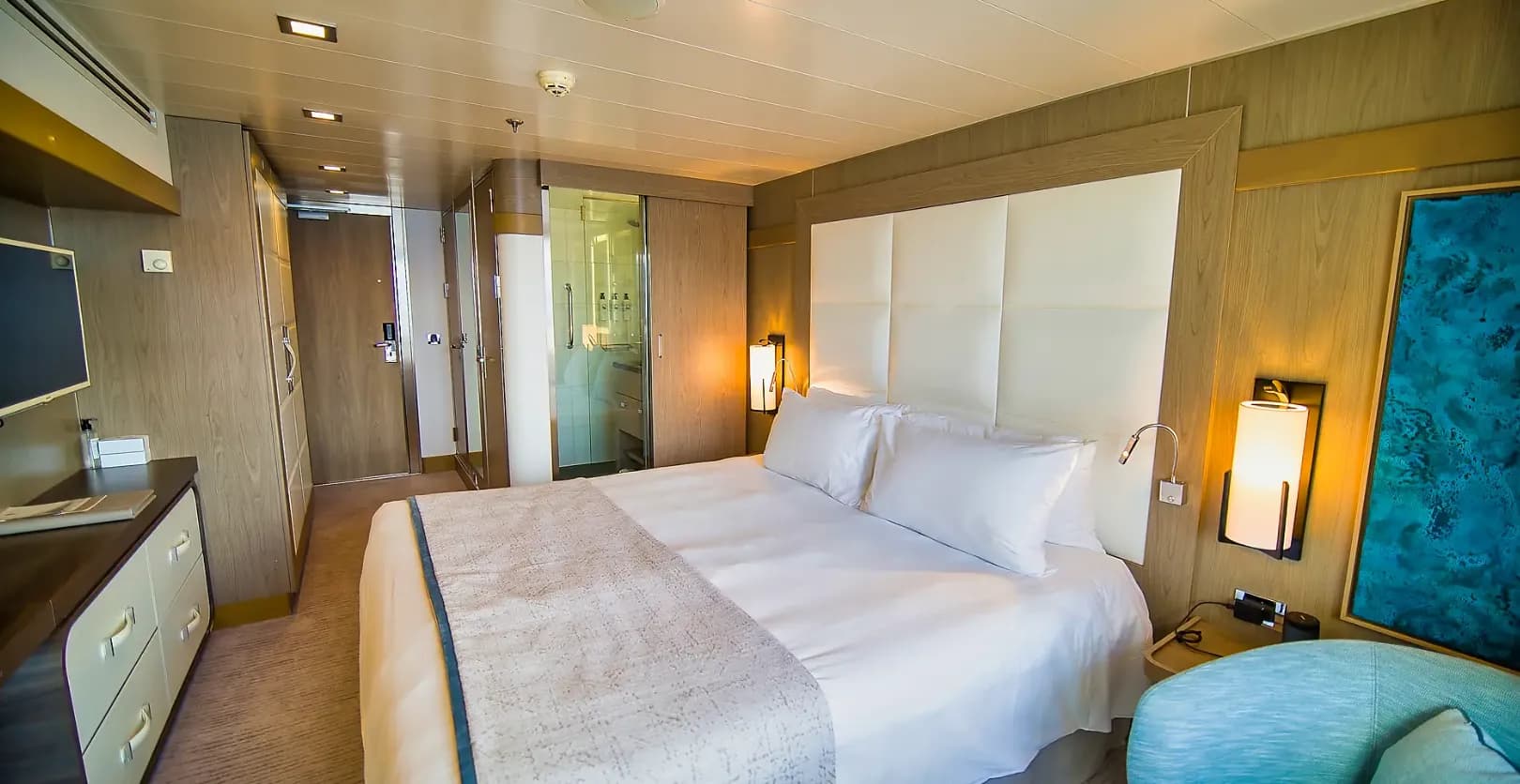
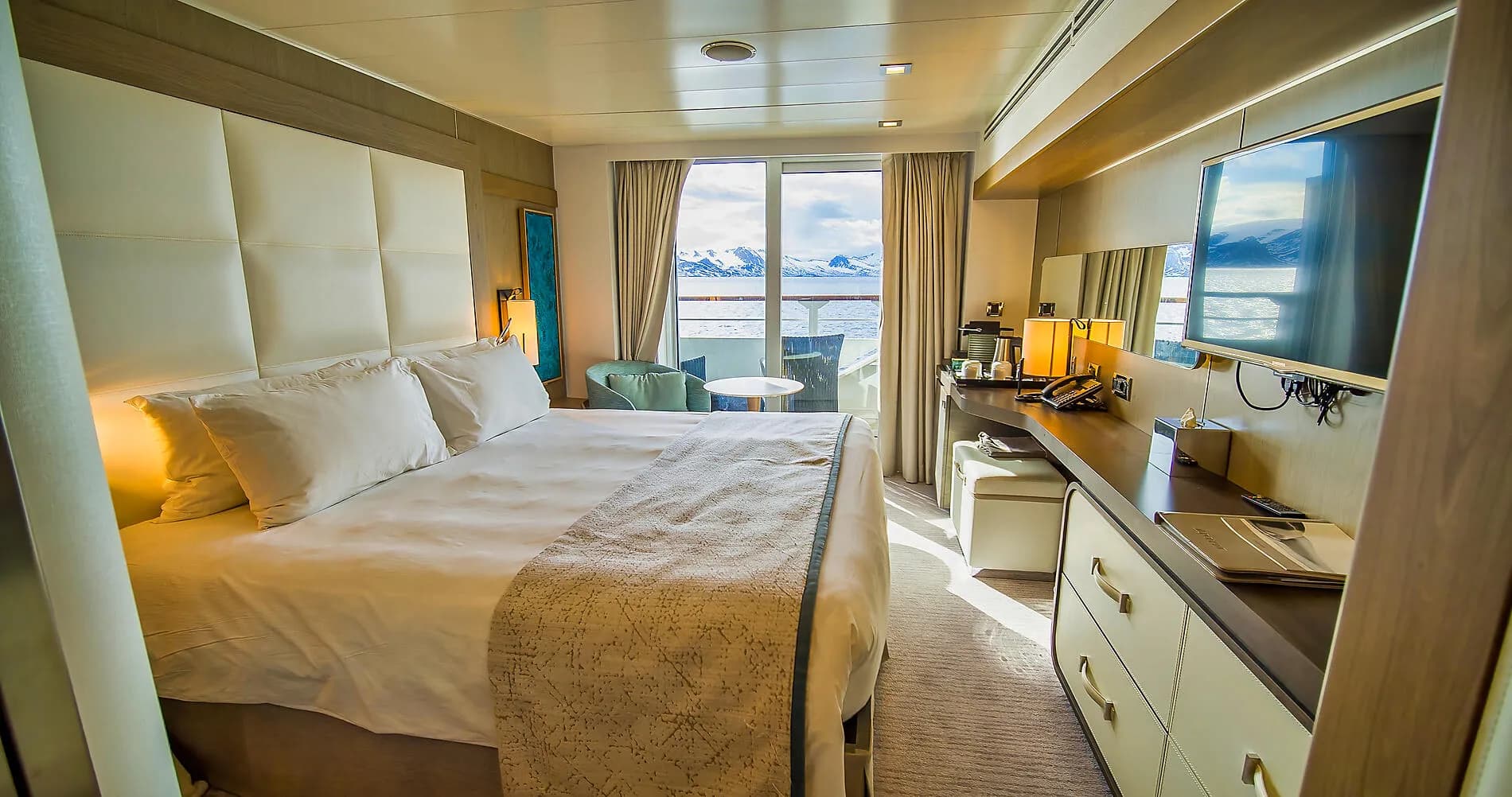
Prestige Stateroom Deck 4
Balcony
1
In addition to the common services provided to all our suites and staterooms:
One king-size bed (180 x 200 cm) or two single beds (90 x 200 cm)
A bathroom with shower
A private 4 m² balcony
A panoramic sliding bay window
Sold Out
View Details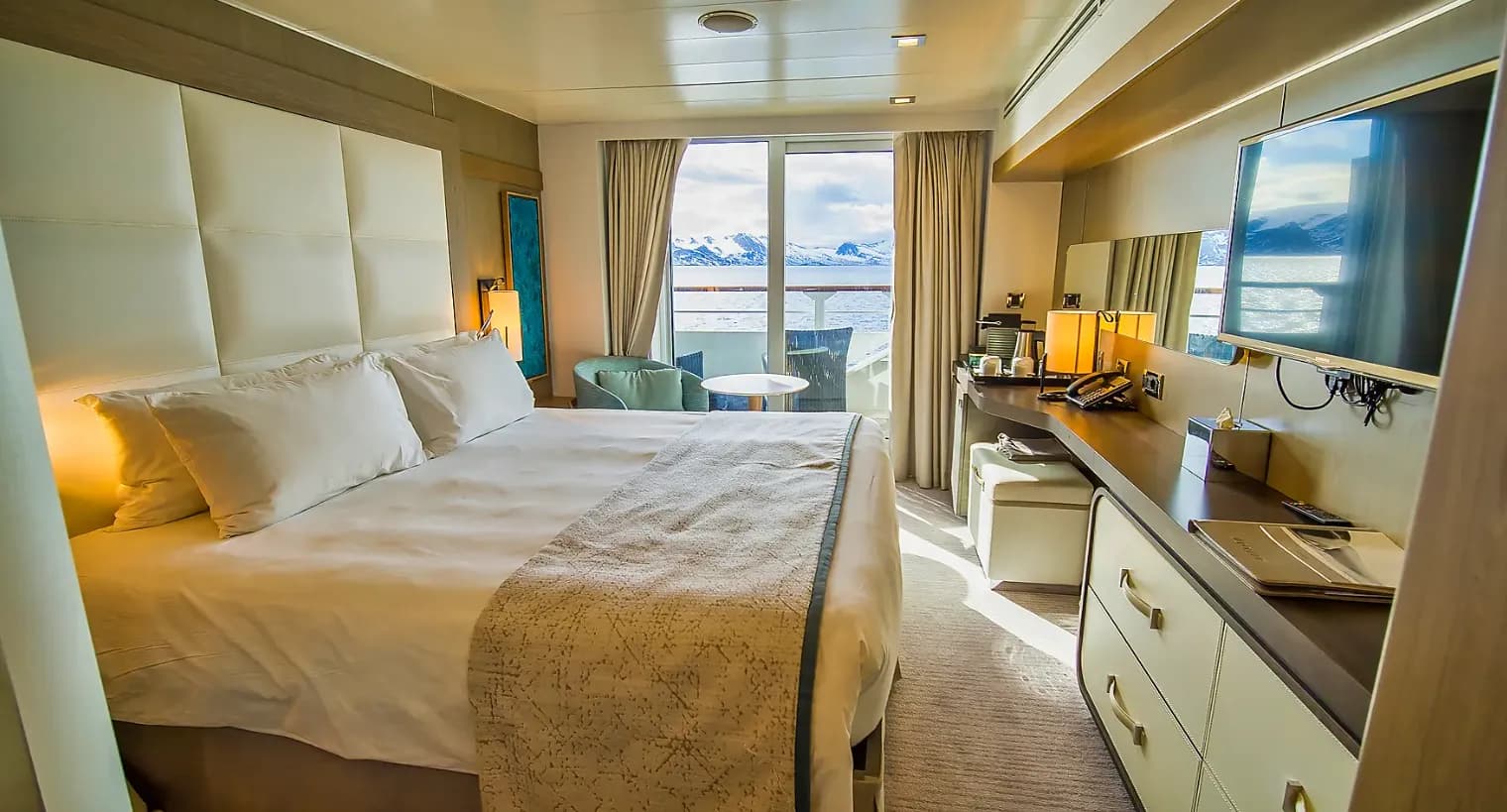
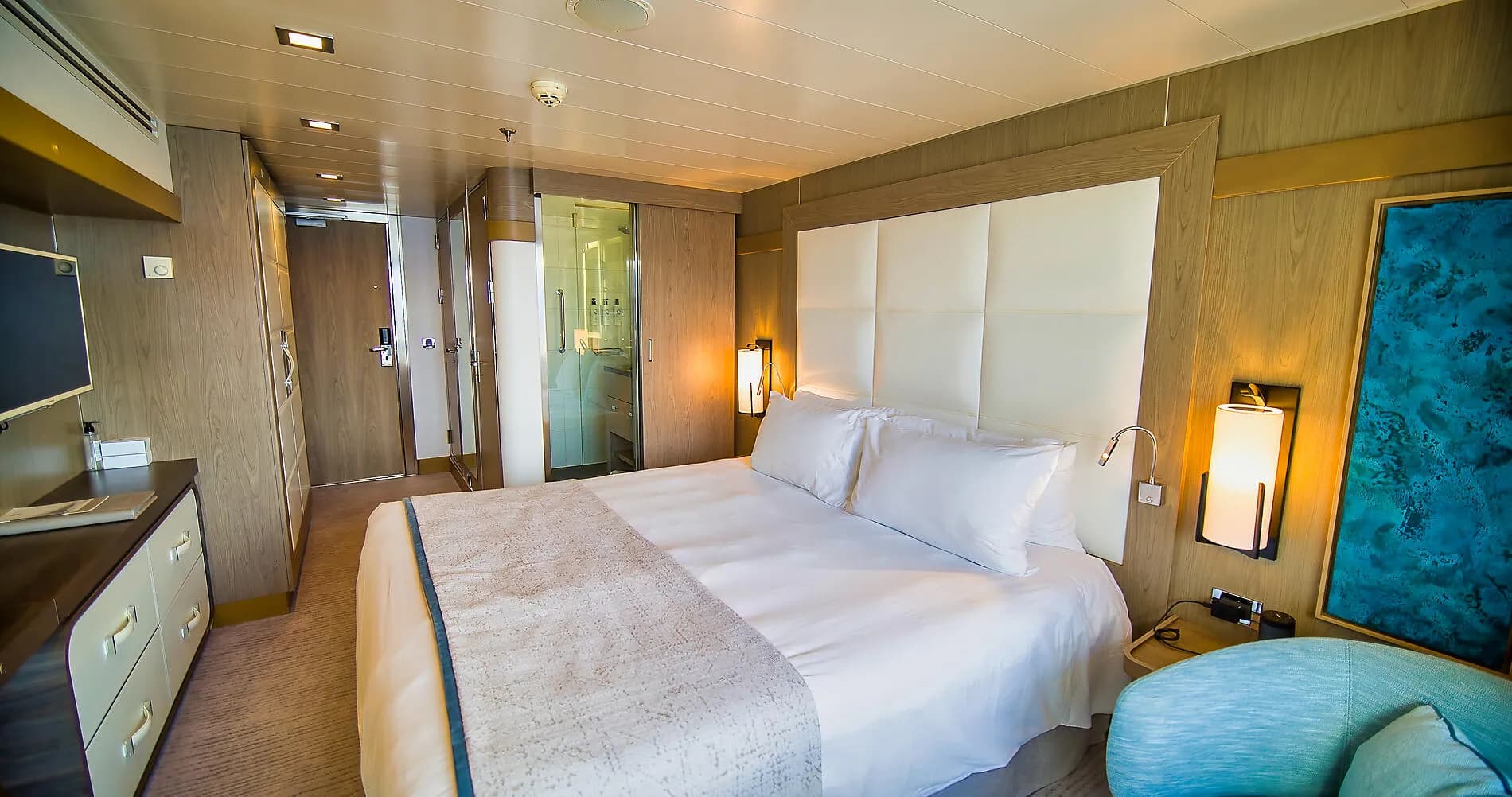
Prestige Stateroom Deck 5
Balcony
2
In addition to the common services provided to all our suites and staterooms:
One king-size bed (180 x 200 cm) or two single beds (90 x 200 cm)
A bathroom with shower
A private 4 m² balcony
A panoramic sliding bay window
Sold Out
View Details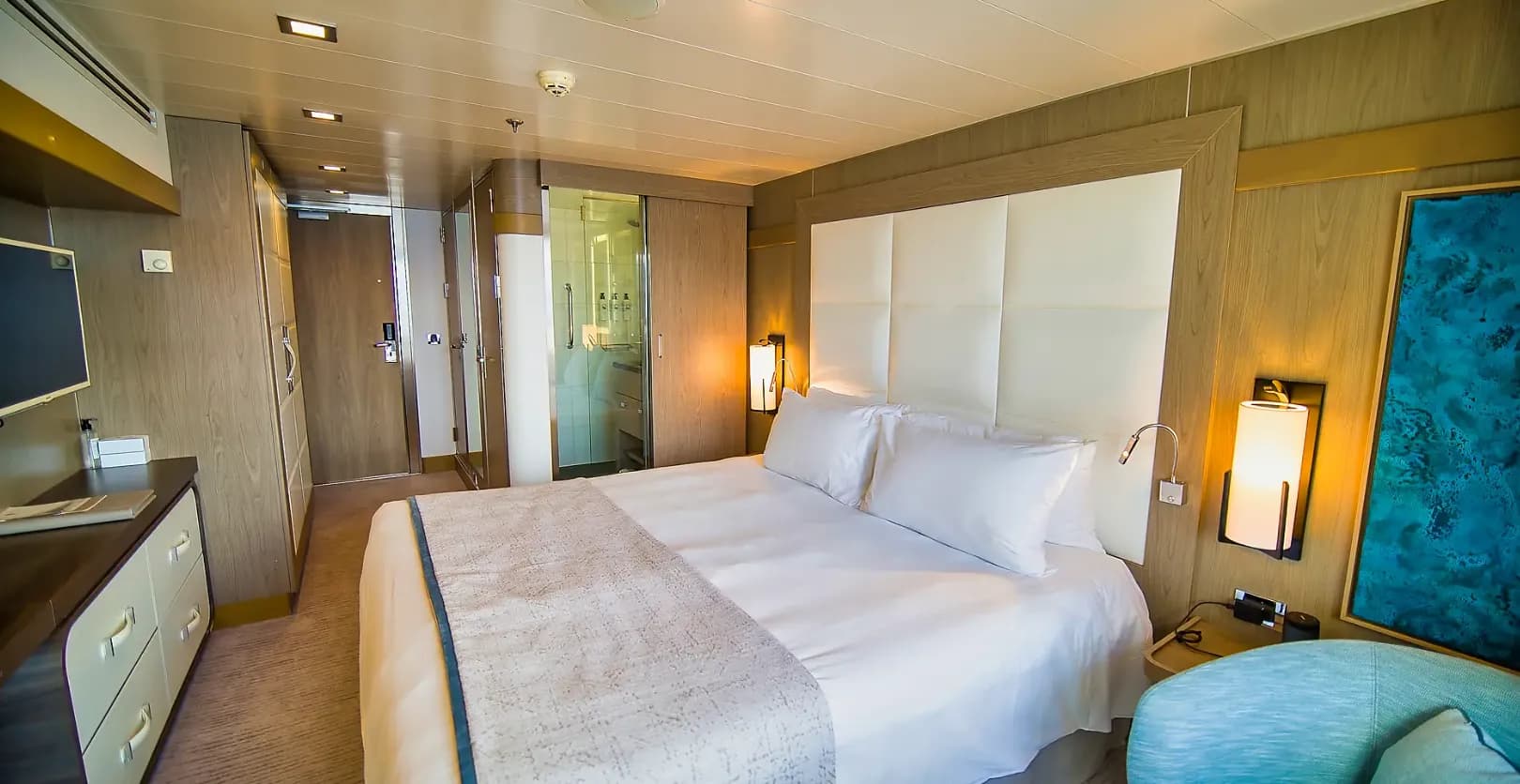
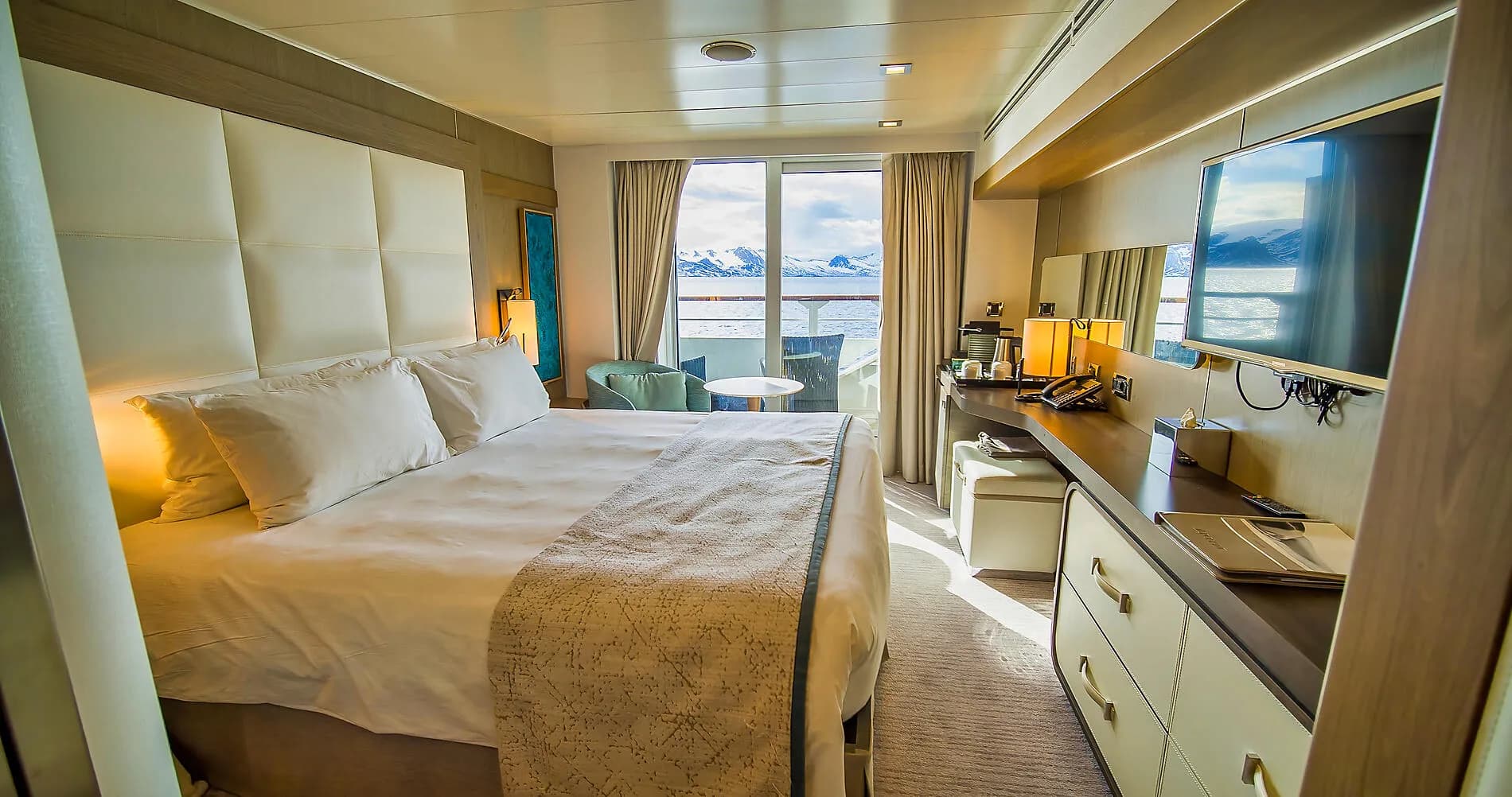
Prestige Stateroom Deck 6
Balcony
3
In addition to the common services provided to all our suites and staterooms:
One king-size bed (180 x 200 cm) or two single beds (90 x 200 cm)
A bathroom with shower
A private 4 m² balcony
A panoramic sliding bay window
Sold Out
View DetailsInterested in This Voyage?
Our cruise specialists can help you find the perfect cabin and the best available pricing.
Contact Advisor