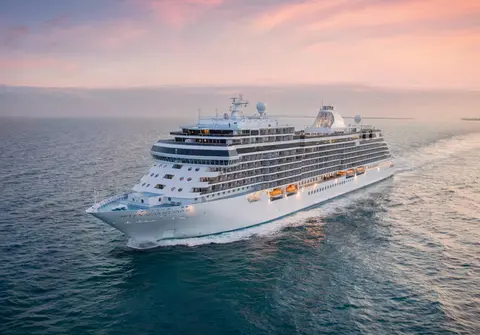
Regent Seven Seas CruisesSPL260728A
Aegean Panoramas
Date
2026-07-28
Duration
14 nights
Departure Port
Athens (Piraeus)
Greece
Arrival Port
Athens (Piraeus)
Greece
Rating
Ultra Luxury
Theme
—
Date
2026-07-28
Duration
14 nights
Departure Port
Athens (Piraeus)
Greece
Arrival Port
Athens (Piraeus)
Greece
Rating
Ultra Luxury
Theme
—

Regent Seven Seas Cruises
2020
—
55,498 GT
746
373
548
224 m
31 m
19 knots
No
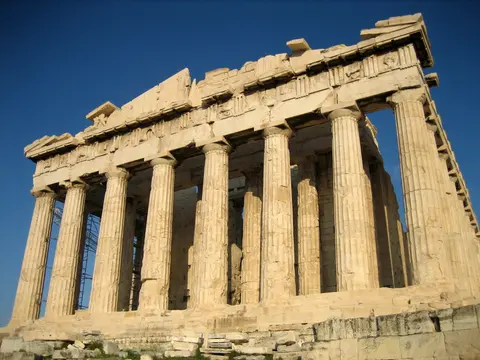
The port that launched Athenian democracy's naval supremacy at the Battle of Salamis, Piraeus remains Greece's maritime heartbeat — and the most convenient gateway to both the Acropolis and the Aegean island chains. Dine on grilled sea bream at a Mikrolimano harbourside taverna, visit the extraordinary bronze Piraeus Apollo, and set sail for Hydra or Santorini by afternoon. Late April through June and September offer the Aegean at its most golden and uncrowded.
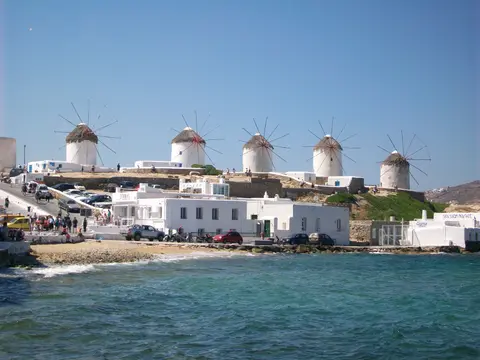
Katakolon is the unassuming port that holds an extraordinary secret: just fourteen kilometres inland lies ancient Olympia, birthplace of the Olympic Games and one of the most sacred sites in the ancient world. The Archaeological Museum of Olympia — housing the breathtaking sculptures from the Temple of Zeus — ranks among Greece's finest, while walking the original stadium still sends a current of wonder through even the most seasoned traveller. The village itself charms with whitewashed tavernas and a relaxed pace that feels authentically Greek. Katakolon is best visited April through October; late spring and early autumn offer ideal temperatures for the Olympia excursion.
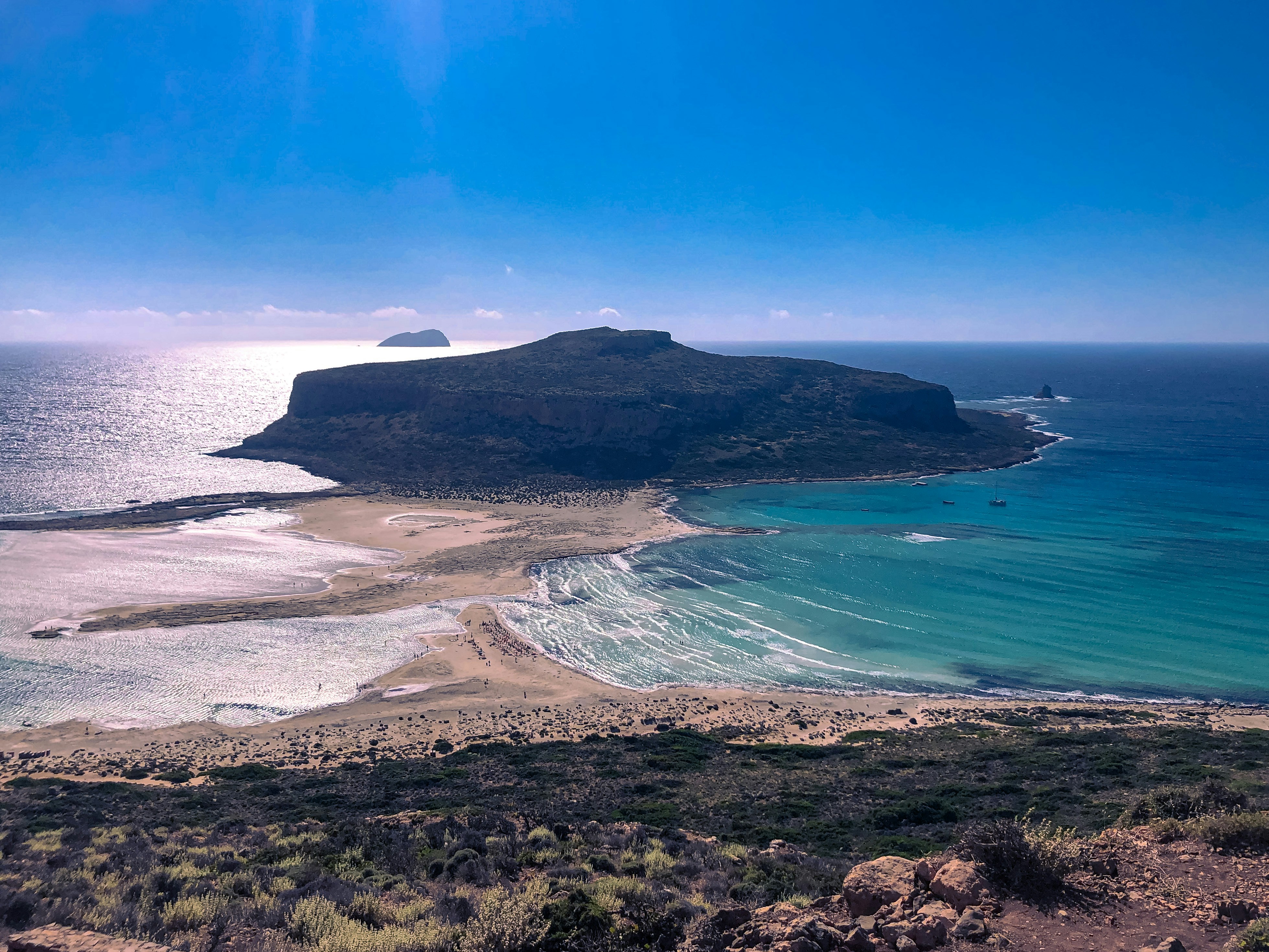
Chania is a city on the northwest coast of the Greek island of Crete. It’s known for its 14th-century Venetian harbor, narrow streets and waterfront restaurants. At the harbor entrance is a 16th-century lighthouse with Venetian, Egyptian and Ottoman influences. Opposite, the Nautical Museum has model ships, naval objects and photographs. The former monastery of St. Francis houses the Archaeological Museum of Chania.
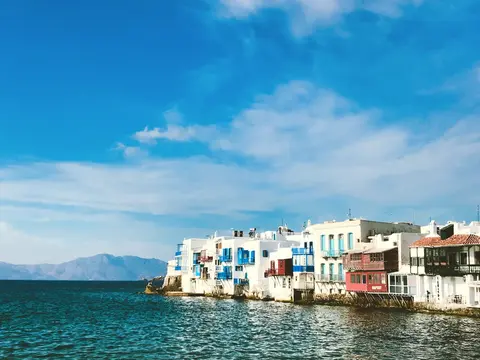
Mykonos is the Aegean at its most seductive — a labyrinth of bougainvillea-draped whitewashed alleys designed to disorient pirates (and occasionally visitors) leading to Kástro, the medieval hilltop quarter overlooking Little Venice, where balconied houses hang directly above the sea. The island's famous windmills, perched on a ridge above the old harbour, are best photographed at golden hour as pelicans patrol the waterfront below. Visit the sacred archaeological island of Delos — a 30-minute boat crossing — for one of the most significant ancient sites in the Greek world. May, June, and September offer the perfect balance of warmth, light, and bearable crowds.
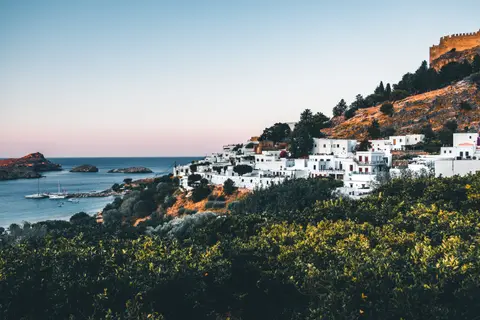
Rhodes, Greece's resplendent Dodecanese jewel, merges a UNESCO-listed Medieval Old Town built by the Knights of St. John with sun-soaked Aegean beauty just seven miles from the Turkish coast. Wander the Street of the Knights before tasting *pitaroudia* fritters and local Athiri wine at an Old Town taverna, then take a catamaran to the neoclassical harbor of Symi. The island basks in over 300 days of sunshine annually, with April through June and September through October offering ideal temperatures for exploration without the peak-summer crowds.
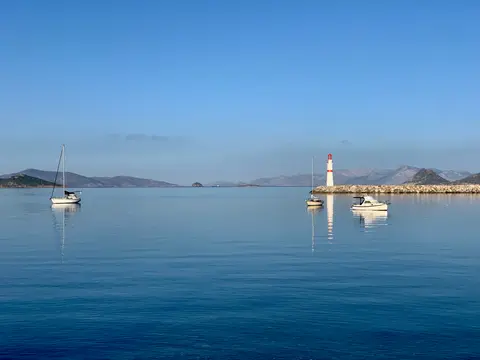
Bodrum is the site of ancient Halicarnassus and one of the Seven Wonders, now a whitewashed Aegean resort town where the Knights Hospitaller castle houses the world's finest underwater archaeology museum. Visit June or September via Explora Journeys or Virgin Voyages for peninsula village dining, Bronze Age shipwreck treasures, and Turkey's most seductive balance of ancient heritage and contemporary Mediterranean sophistication.
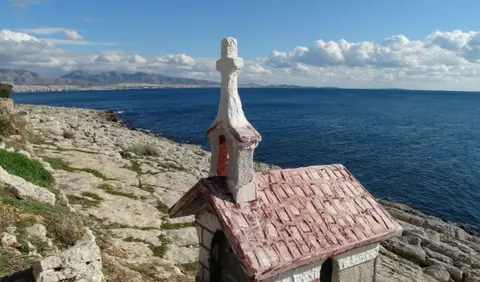
The port that launched Athenian democracy's naval supremacy at the Battle of Salamis, Piraeus remains Greece's maritime heartbeat — and the most convenient gateway to both the Acropolis and the Aegean island chains. Dine on grilled sea bream at a Mikrolimano harbourside taverna, visit the extraordinary bronze Piraeus Apollo, and set sail for Hydra or Santorini by afternoon. Late April through June and September offer the Aegean at its most golden and uncrowded.
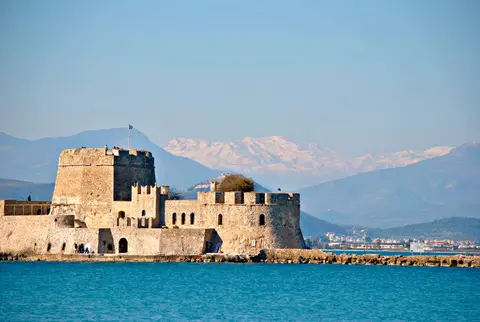
Nafplion, the first capital of modern Greece, is a refined Peloponnesian port town where Venetian architecture, Byzantine churches, and neoclassical elegance converge along one of the Mediterranean's most beautiful waterfronts. Climb the 999 steps to the Palamidi Fortress for commanding views of the Argolic Gulf, then descend for an afternoon tasting Agiorgitiko wines in the nearby Nemean valley. The best months to visit are April through June and September through October, when mild temperatures and fewer crowds allow the town's intimate charm to shine.
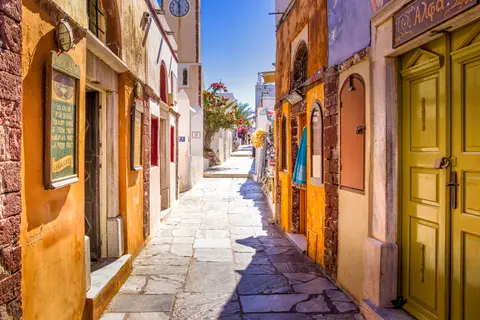
Santorini, the ancient volcanic caldera rising from the Aegean, is Greece's most theatrical landscape — a crescentic island of sheer white cliffs plunging into an indigo sea, its clifftop villages of Fira and Oia draped in bougainvillea and culminating in the world's most photographed sunset. The island's unique Assyrtiko wine, grown on ancient ungrafted vines in volcanic pumice, is one of the Mediterranean's greatest expressions of terroir. Byzantine frescoes of extraordinary beauty fill the Prehistoric Museum of Thera. The volcanic black and red sand beaches of Perissa and Perivolos are unlike any others in Greece. April through June and September through October offer the finest conditions.
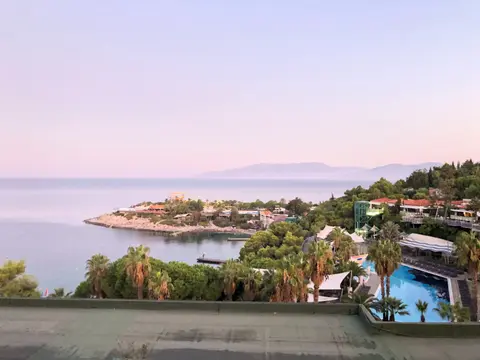
Kuşadası owes its place on the world's cruise itineraries to one extraordinary proximity: the ancient city of Ephesus, one of the greatest metropolises of the Greco-Roman world, lies just seventeen kilometres from the port. Ephesus — with its two-kilometre marble colonnade, the Library of Celsus, and the Temple of Artemis (one of the Seven Wonders of the Ancient World) — demands at least half a day of unhurried exploration. The House of the Virgin Mary, a pilgrimage site believed to be where Mary spent her final years, adds a profound spiritual dimension. Kuşadası itself is a lively Aegean resort; the season runs April through October, with May and September offering ideal temperatures and smaller crowds.
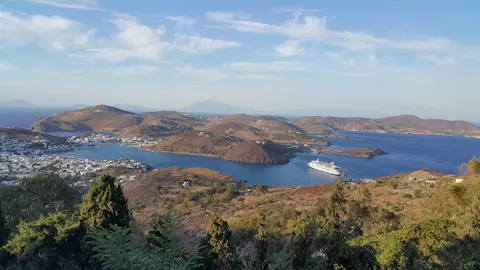
Patmos, an enchanting port in the Aegean Sea, is renowned for its spiritual history and stunning architecture, highlighted by the Monastery of St. John. Visitors must indulge in local delicacies like moussaka and fava while exploring charming markets. The best season to visit is during the spring and early fall, when the weather is mild, and the island is less crowded.
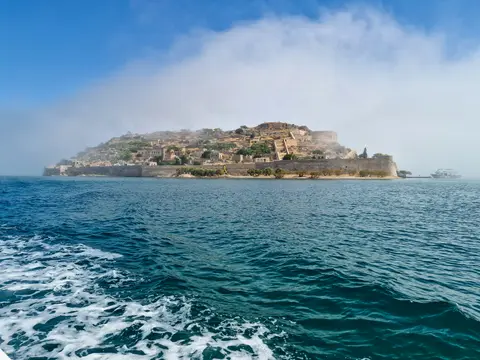
Agios Nikolaos, a gem on Crete's eastern coast, offers a blend of rich history and vibrant local culture. Must-do experiences include savoring traditional Cretan dishes like moussaka and dakos, and exploring the stunning Voulismeni Lake. The best time to visit is during the spring and early autumn months, when the weather is mild and the town is less crowded.
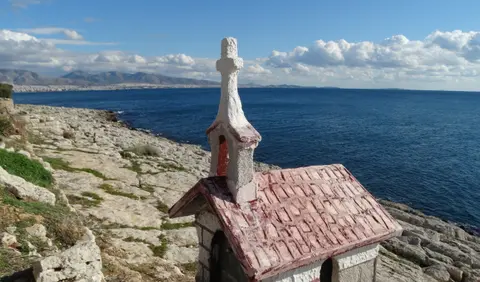
The port that launched Athenian democracy's naval supremacy at the Battle of Salamis, Piraeus remains Greece's maritime heartbeat — and the most convenient gateway to both the Acropolis and the Aegean island chains. Dine on grilled sea bream at a Mikrolimano harbourside taverna, visit the extraordinary bronze Piraeus Apollo, and set sail for Hydra or Santorini by afternoon. Late April through June and September offer the Aegean at its most golden and uncrowded.
Day 1
The port that launched Athenian democracy's naval supremacy at the Battle of Salamis, Piraeus remains Greece's maritime heartbeat — and the most convenient gateway to both the Acropolis and the Aegean island chains. Dine on grilled sea bream at a Mikrolimano harbourside taverna, visit the extraordinary bronze Piraeus Apollo, and set sail for Hydra or Santorini by afternoon. Late April through June and September offer the Aegean at its most golden and uncrowded.
Day 2
Day 3
Katakolon is the unassuming port that holds an extraordinary secret: just fourteen kilometres inland lies ancient Olympia, birthplace of the Olympic Games and one of the most sacred sites in the ancient world. The Archaeological Museum of Olympia — housing the breathtaking sculptures from the Temple of Zeus — ranks among Greece's finest, while walking the original stadium still sends a current of wonder through even the most seasoned traveller. The village itself charms with whitewashed tavernas and a relaxed pace that feels authentically Greek. Katakolon is best visited April through October; late spring and early autumn offer ideal temperatures for the Olympia excursion.
Day 4
Chania is a city on the northwest coast of the Greek island of Crete. It’s known for its 14th-century Venetian harbor, narrow streets and waterfront restaurants. At the harbor entrance is a 16th-century lighthouse with Venetian, Egyptian and Ottoman influences. Opposite, the Nautical Museum has model ships, naval objects and photographs. The former monastery of St. Francis houses the Archaeological Museum of Chania.
Day 5
Mykonos is the Aegean at its most seductive — a labyrinth of bougainvillea-draped whitewashed alleys designed to disorient pirates (and occasionally visitors) leading to Kástro, the medieval hilltop quarter overlooking Little Venice, where balconied houses hang directly above the sea. The island's famous windmills, perched on a ridge above the old harbour, are best photographed at golden hour as pelicans patrol the waterfront below. Visit the sacred archaeological island of Delos — a 30-minute boat crossing — for one of the most significant ancient sites in the Greek world. May, June, and September offer the perfect balance of warmth, light, and bearable crowds.
Day 6
Rhodes, Greece's resplendent Dodecanese jewel, merges a UNESCO-listed Medieval Old Town built by the Knights of St. John with sun-soaked Aegean beauty just seven miles from the Turkish coast. Wander the Street of the Knights before tasting *pitaroudia* fritters and local Athiri wine at an Old Town taverna, then take a catamaran to the neoclassical harbor of Symi. The island basks in over 300 days of sunshine annually, with April through June and September through October offering ideal temperatures for exploration without the peak-summer crowds.
Day 7
Bodrum is the site of ancient Halicarnassus and one of the Seven Wonders, now a whitewashed Aegean resort town where the Knights Hospitaller castle houses the world's finest underwater archaeology museum. Visit June or September via Explora Journeys or Virgin Voyages for peninsula village dining, Bronze Age shipwreck treasures, and Turkey's most seductive balance of ancient heritage and contemporary Mediterranean sophistication.
Day 8
The port that launched Athenian democracy's naval supremacy at the Battle of Salamis, Piraeus remains Greece's maritime heartbeat — and the most convenient gateway to both the Acropolis and the Aegean island chains. Dine on grilled sea bream at a Mikrolimano harbourside taverna, visit the extraordinary bronze Piraeus Apollo, and set sail for Hydra or Santorini by afternoon. Late April through June and September offer the Aegean at its most golden and uncrowded.
Day 9
Nafplion, the first capital of modern Greece, is a refined Peloponnesian port town where Venetian architecture, Byzantine churches, and neoclassical elegance converge along one of the Mediterranean's most beautiful waterfronts. Climb the 999 steps to the Palamidi Fortress for commanding views of the Argolic Gulf, then descend for an afternoon tasting Agiorgitiko wines in the nearby Nemean valley. The best months to visit are April through June and September through October, when mild temperatures and fewer crowds allow the town's intimate charm to shine.
Day 10
Santorini, the ancient volcanic caldera rising from the Aegean, is Greece's most theatrical landscape — a crescentic island of sheer white cliffs plunging into an indigo sea, its clifftop villages of Fira and Oia draped in bougainvillea and culminating in the world's most photographed sunset. The island's unique Assyrtiko wine, grown on ancient ungrafted vines in volcanic pumice, is one of the Mediterranean's greatest expressions of terroir. Byzantine frescoes of extraordinary beauty fill the Prehistoric Museum of Thera. The volcanic black and red sand beaches of Perissa and Perivolos are unlike any others in Greece. April through June and September through October offer the finest conditions.
Day 11
Kuşadası owes its place on the world's cruise itineraries to one extraordinary proximity: the ancient city of Ephesus, one of the greatest metropolises of the Greco-Roman world, lies just seventeen kilometres from the port. Ephesus — with its two-kilometre marble colonnade, the Library of Celsus, and the Temple of Artemis (one of the Seven Wonders of the Ancient World) — demands at least half a day of unhurried exploration. The House of the Virgin Mary, a pilgrimage site believed to be where Mary spent her final years, adds a profound spiritual dimension. Kuşadası itself is a lively Aegean resort; the season runs April through October, with May and September offering ideal temperatures and smaller crowds.
Day 12
Patmos, an enchanting port in the Aegean Sea, is renowned for its spiritual history and stunning architecture, highlighted by the Monastery of St. John. Visitors must indulge in local delicacies like moussaka and fava while exploring charming markets. The best season to visit is during the spring and early fall, when the weather is mild, and the island is less crowded.
Day 13
Agios Nikolaos, a gem on Crete's eastern coast, offers a blend of rich history and vibrant local culture. Must-do experiences include savoring traditional Cretan dishes like moussaka and dakos, and exploring the stunning Voulismeni Lake. The best time to visit is during the spring and early autumn months, when the weather is mild and the town is less crowded.
Day 14
Day 15
The port that launched Athenian democracy's naval supremacy at the Battle of Salamis, Piraeus remains Greece's maritime heartbeat — and the most convenient gateway to both the Acropolis and the Aegean island chains. Dine on grilled sea bream at a Mikrolimano harbourside taverna, visit the extraordinary bronze Piraeus Apollo, and set sail for Hydra or Santorini by afternoon. Late April through June and September offer the Aegean at its most golden and uncrowded.
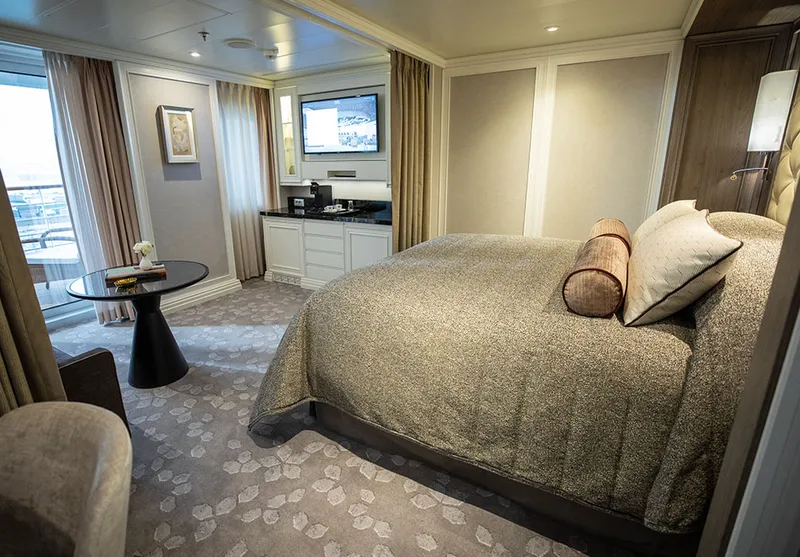
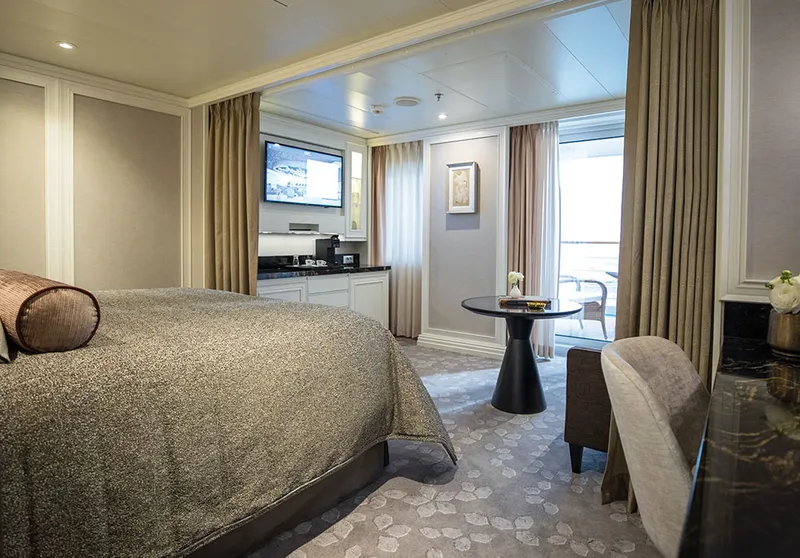
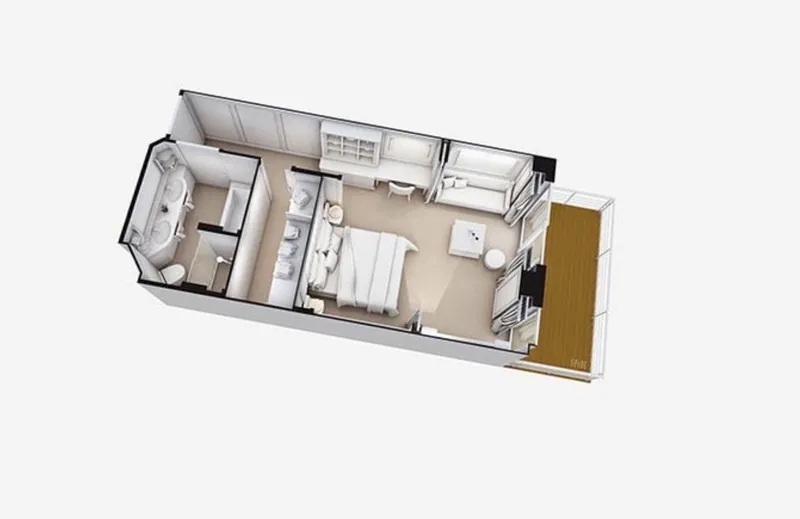
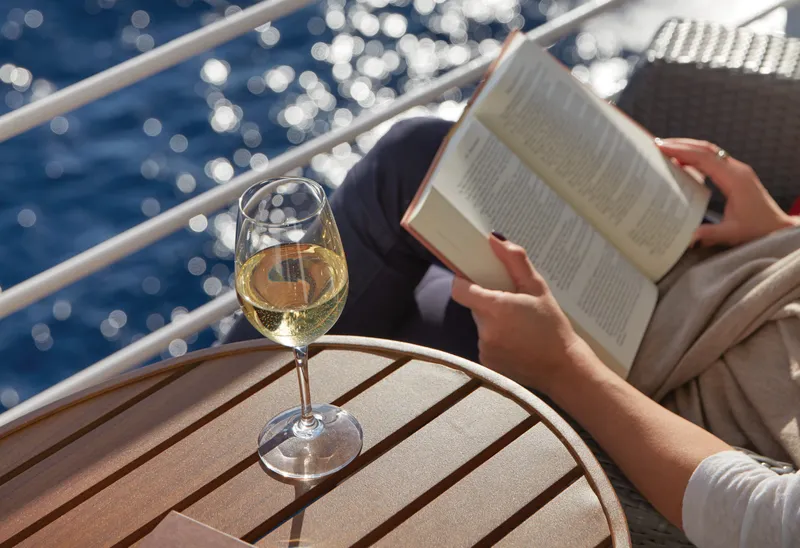
In this superbly designed suite, enjoy once-in-a-lifetime views of the horizon from the comfort of your King-Sized Elite Slumber Bed as well as exclusive luxuries available only in suites at the Concierge level and higher. Your suite includes amenities such as an illy espresso maker and cashmere blankets, perfect for use in the morning when you wish to sip coffee and enjoy an in-suite breakfast on your private balcony.
SUITE SIZE
30.8
M2
BALCONY SIZE
12.2 – 7.7
M2
LAYOUT
Private Balcony - Among the Largest at Sea
European King-Sized Elite Slumber™ Bed
Spacious Living Room With Sitting Area
1 Marble and Stone Detailed Bathroom
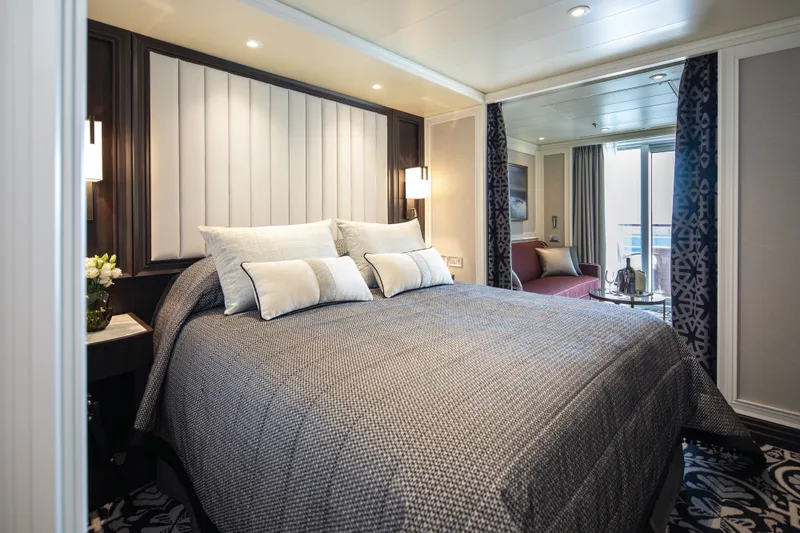
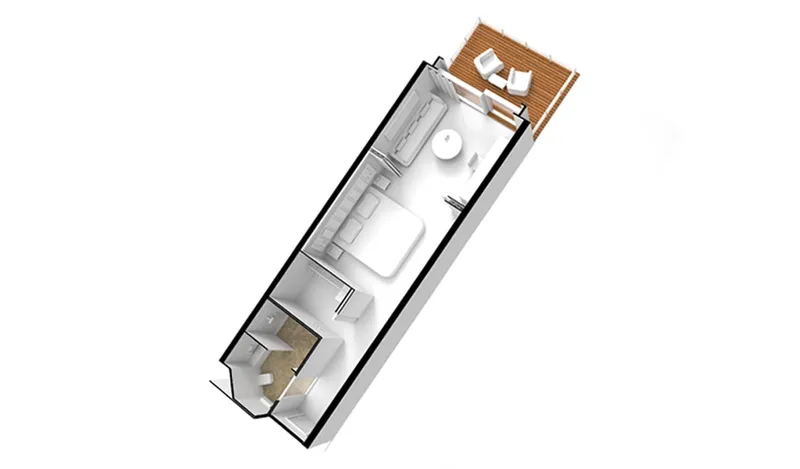
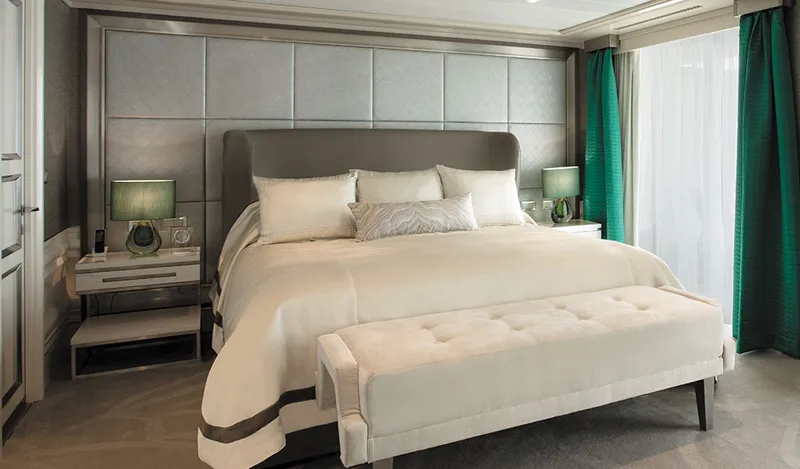
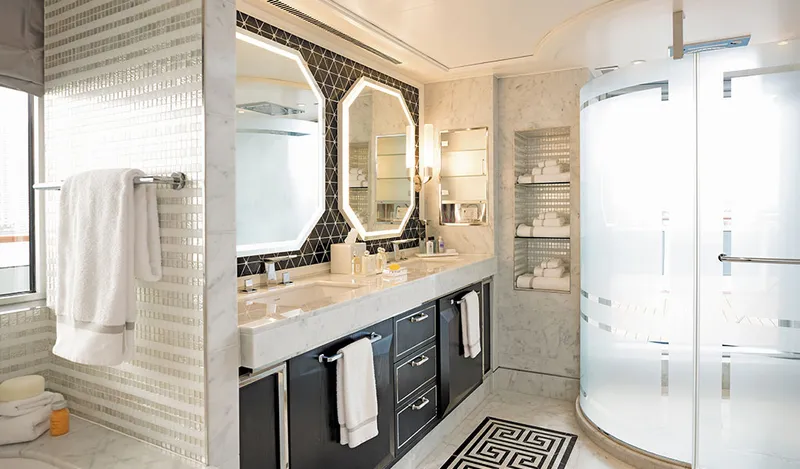
Every inch of this suite has been thoughtfully designed to maximize interior space and embrace the magnificent scenery outdoors. From the sitting area, admire the ocean views through the floor-to-ceiling windows, or better yet, take a seat outside on your private balcony to watch the world go by. Elegant finishes such as luxurious bedding and beautiful marble detailing in the bath further enhance your comfort.
SUITE SIZE
23.5
M2
BALCONY SIZE
8.1
M2
LAYOUT
Private Balcony
European Queen Size Elite Slumber™ Bed
Spacious Living Room With Sitting Area
1 Marble and Stone Detailed Bathroom featuring a glass-enclosed shower instead of bathtub
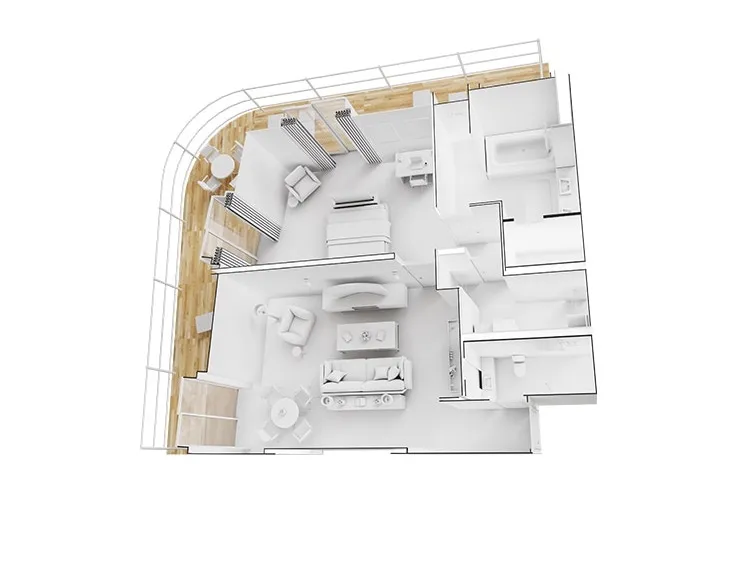
Step into the richness of an emerald green dining area perfectly ensconced within a spacious, sumptuous living room. Just outside is a private balcony with a table and chairs, perfect for in-suite breakfast. The master bedroom is large and inviting, its soothing color palette perfect for a peaceful night’s rest on your King-Size Elite Slumber Bed. Two full baths make it a perfect space for entertaining new friends on the high seas.
SUITE SIZE
85.5 - 79.3
M2
BALCONY SIZE
85.1 - 68
M2
LAYOUT
Private Balcony - Among the Largest at Sea
1 Spacious Bedroom with European King-Sized Elite Slumber™ Bed
Spacious Living Room With Sitting Area
2 Marble and Stone Detailed Bathrooms
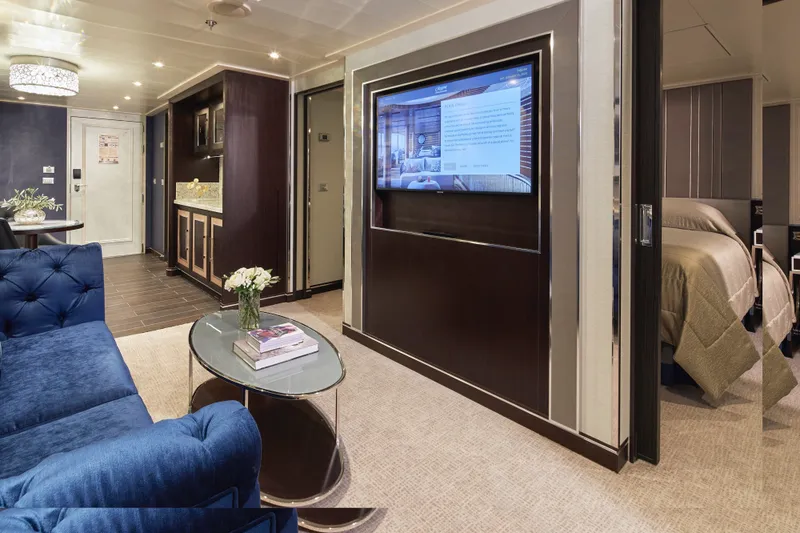
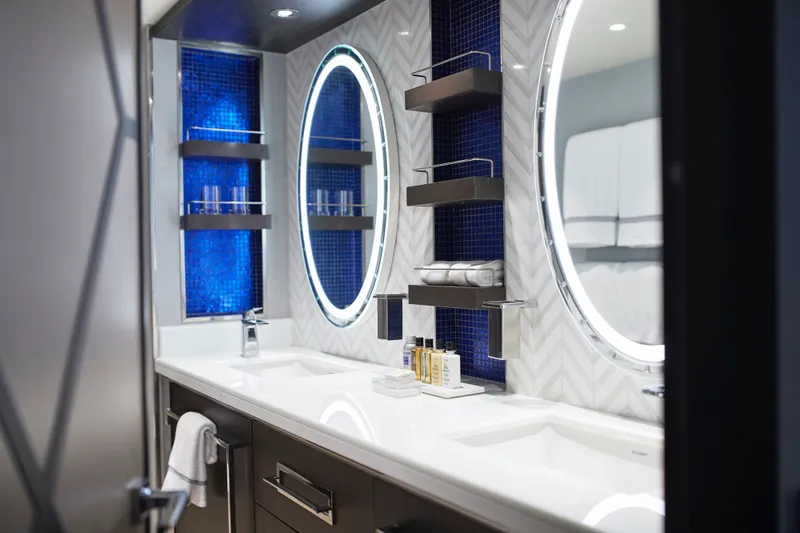
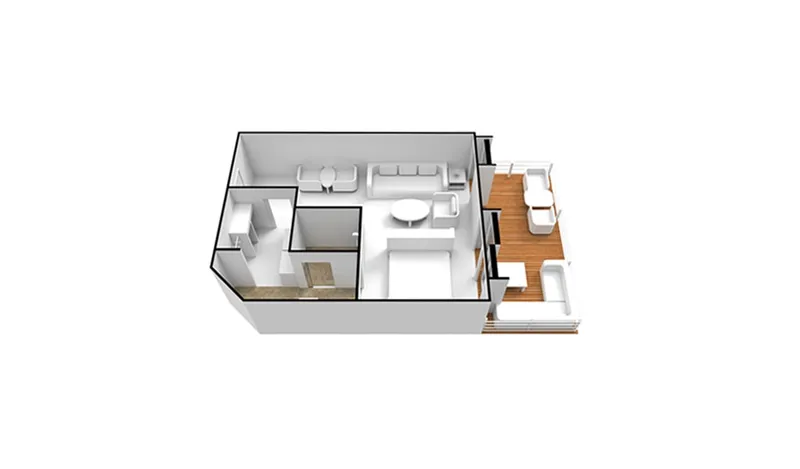
Your personal haven at the end of each day, this luxurious suite has been carefully designed to maximize space and comfort. Relax on your private balcony and indulge in your lavish bath amenities as you recharge and ready yourself for a new adventure in the next port of call. This suite also features a spacious walk-through closet and separated living and bedroom areas that can be closed with pocket doors for privacy.
SUITE SIZE
41.6
M2
BALCONY SIZE
16.3 - 10.3
M2
LAYOUT
Private Balcony - Among the Largest at Sea
European King-Sized Elite Slumber™ Bed
Spacious Living Room With Sitting Area
1 Marble and Stone Detailed Bathroom featuring a glass-enclosed shower instead of bathtub
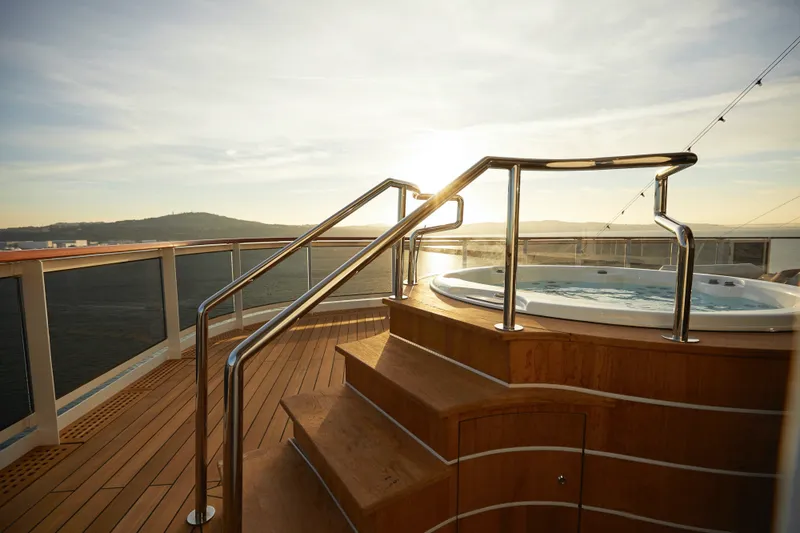
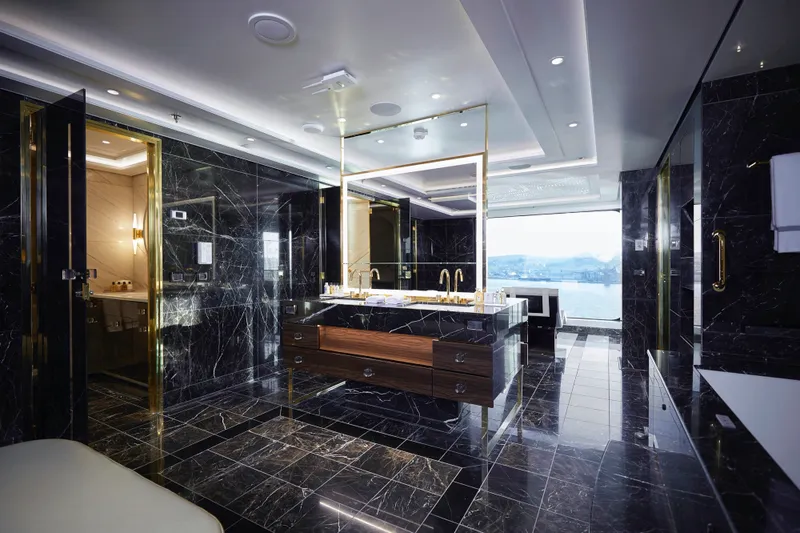
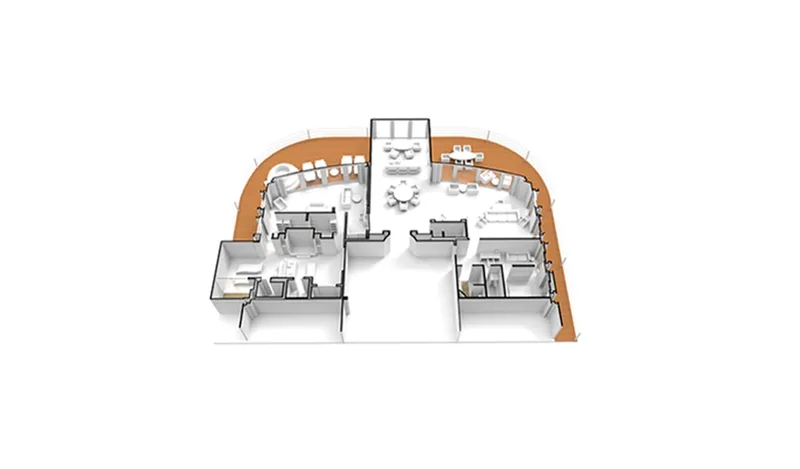
High atop the ship, this suite of more than 4,000 square feet rises above everything else at sea. Incomparable craftsmanship and meticulous attention to detail are evident in everything from the unique design choices, such as rare works of art, to grand features like an in-suite spa retreat — a first for any cruise ship. The only thing to rival the luxurious interior is the spectacular ocean view from the private balconies.
SUITE SIZE
292.7
M2
BALCONY SIZE
120
M2
LAYOUT
Private Balcony - Among the Largest at Sea with custom-made Tresse Minipool
2 Spacious Bedrooms
Spacious Living Room With Sitting Area
Private In-suite Spa with Sauna, Steam Room and Jetted Tub
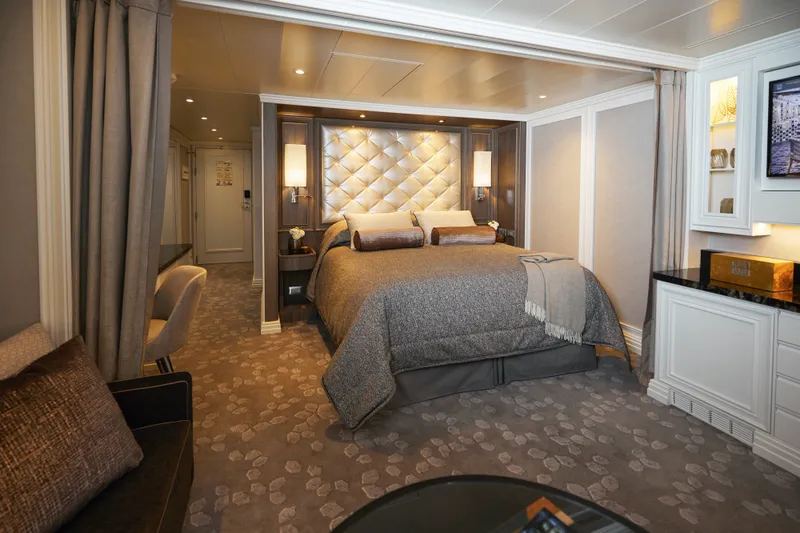
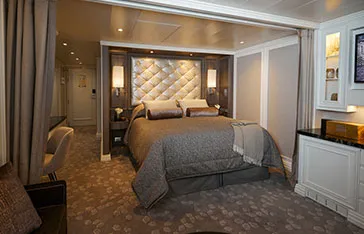
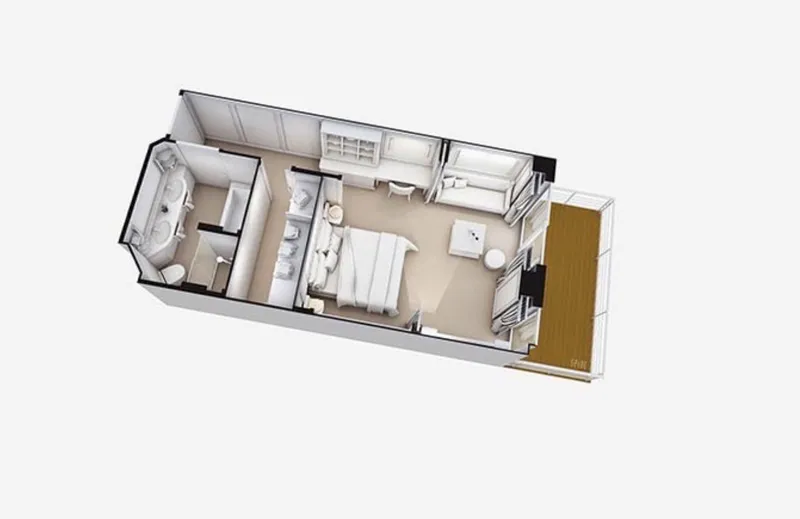
With more than 400 square feet of space including a private balcony, this suite is an excellent choice if you want a little extra room. Even your sleeping accommodations are spacious, as the Elite Slumber bed is a European king-size and faces floor-to-ceiling windows that provide ocean views from your bed. A walk-in closet, dual sinks in the bathroom and wonderful bath amenities make it a pleasure to prepare for your day’s adventures.
SUITE SIZE
30.8
M2
BALCONY SIZE
12.2 – 7.7
M2
LAYOUT
Private Balcony
European King-Sized Elite Slumber™ Bed
Spacious Living Room With Sitting Area
1 Marble and Stone Detailed Bathroom
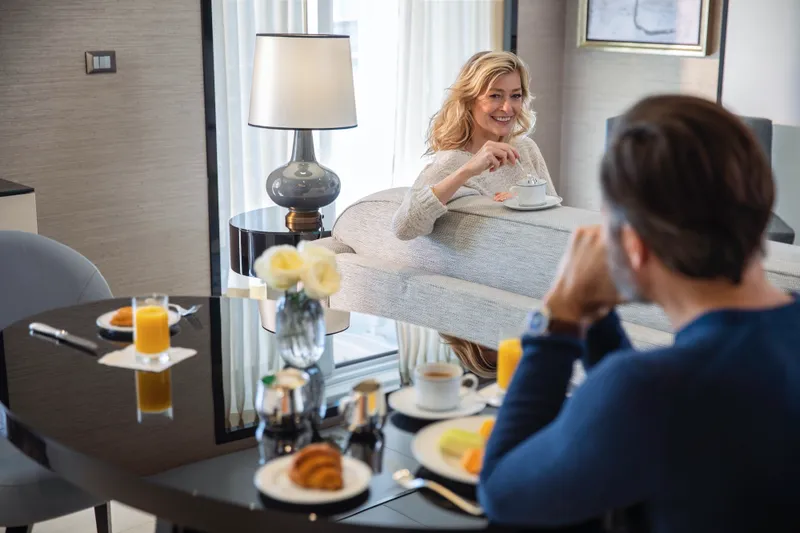
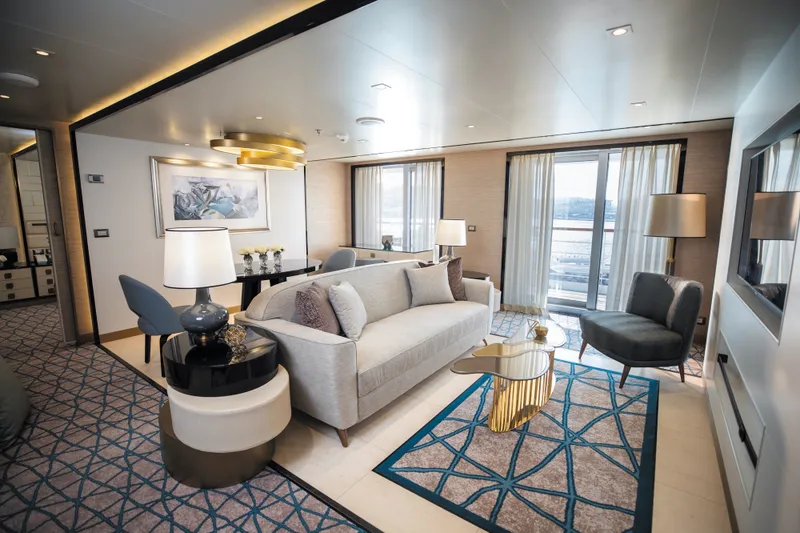
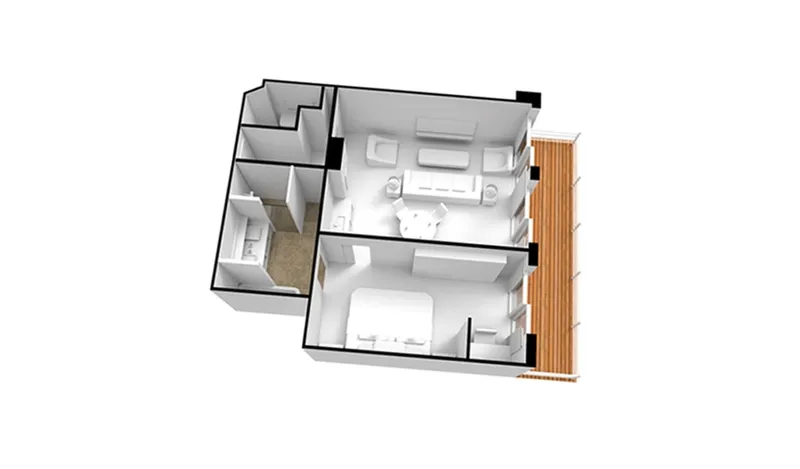
This suite is decorated with soothing colors, pleasing artwork and comfortable furnishings. Relax in the sitting area after an exciting day ashore and enjoy the selection of fresh canapés delivered by your personal butler. Then retreat to your private balcony to watch the ever-changing vistas. Up to one-and-a-half baths feature fine marble accents and a tub or walk-in shower, along with a selection of luxurious bath products.
SUITE SIZE
53.6
M2
BALCONY SIZE
22
M2
LAYOUT
Private Balcony - Among the Largest at Sea
1 Spacious Bedroom with European King-Sized Elite Slumber™ Bed
Spacious Living Room With Sitting Area
1 Marble and Stone Detailed Bathroom
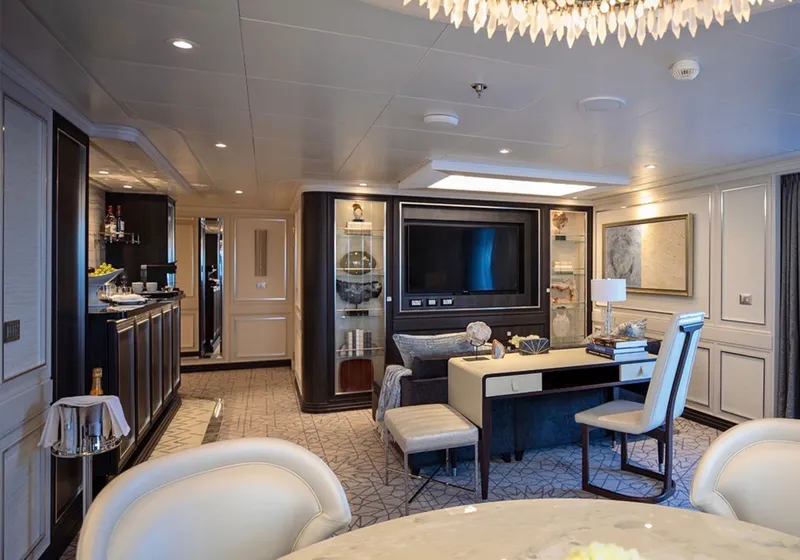
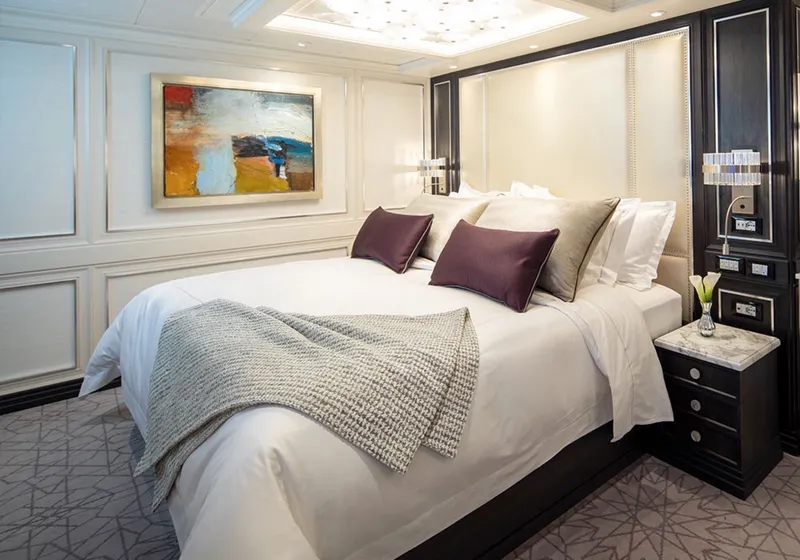
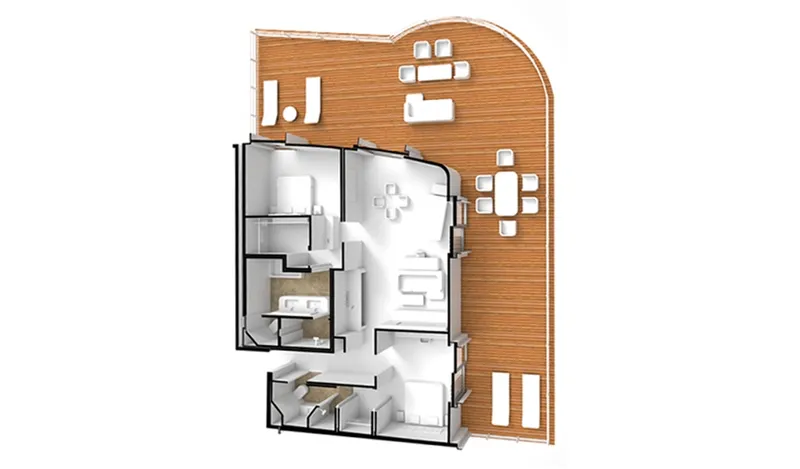
You'll find Park Avenue chic onboard Seven Sea Splendor in this extravagant, stylish suite. A rich color palette, the finest fabrics and a grand piano create sophisticated comfort, while a personal butler will happily assist with both ordinary and special requests. With two spacious bedrooms, two-and-a-half baths, a large living room and a wrap-around private balcony, this suite is perfectly suited to host gatherings of new friends.
SUITE SIZE
103.5 - 98.8
M2
BALCONY SIZE
92.3 - 77.2
M2
LAYOUT
Private Balcony - Among the Largest at Sea
2 Spacious Bedrooms with European King-Sized Elite Slumber™ Bed
Spacious Living Room With Sitting Area
2 Marble and Stone Detailed Bathrooms
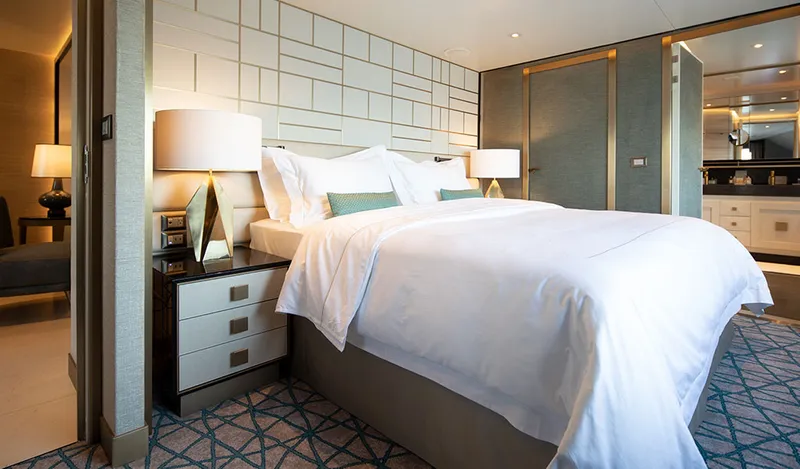
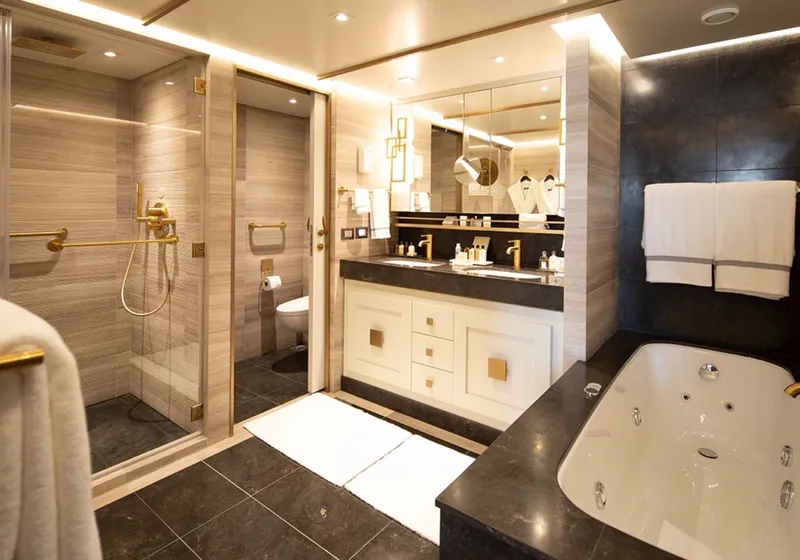
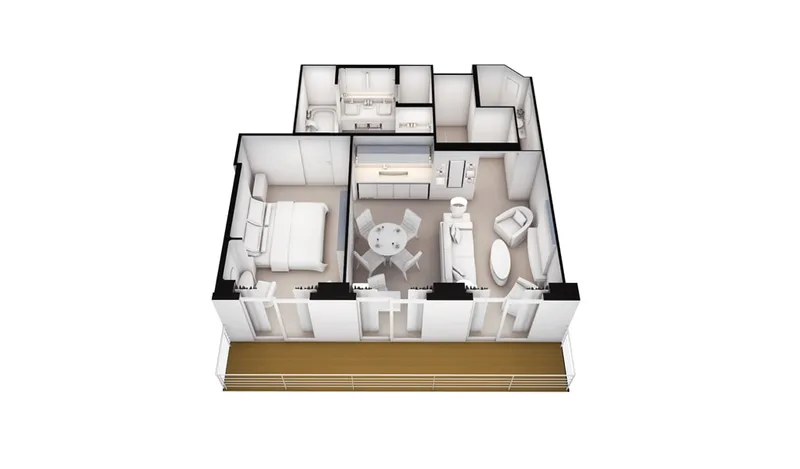
This home away from home is larger than some penthouse apartments, with more than 900 square feet of living space that includes a large private balcony. The sleek design provides ample space for relaxing or entertaining, and the walk-in closet comfortably stores your belongings. As if having a personal butler and daily canapés weren’t enough, you’ll also enjoy a personalized full-liquor bar set-up and a sumptuous in-suite caviar service.
SUITE SIZE
59.8
M2
BALCONY SIZE
24.4 - 15.4
M2
LAYOUT
Private Balcony - Among the Largest at Sea
1 Spacious Bedroom with European King-Sized Elite Slumber™ Bed
Spacious Living Room With Sitting Area
1 1/2 Marble and Stone Detailed Bathrooms
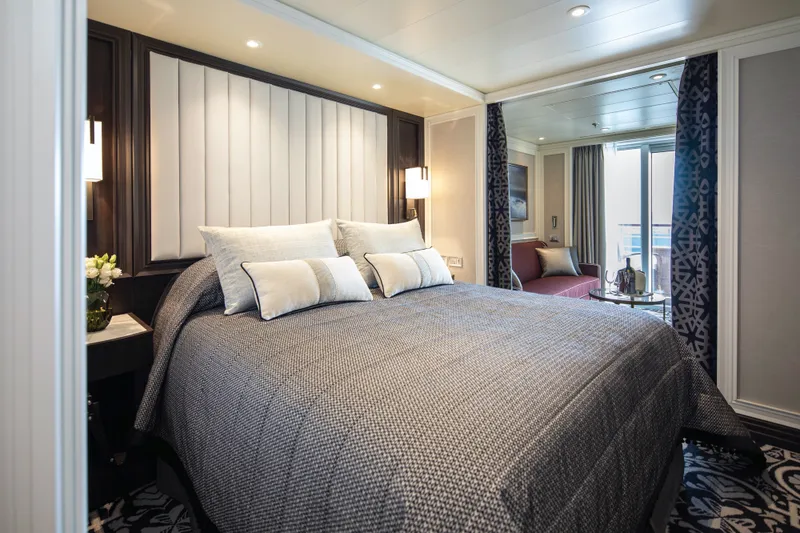
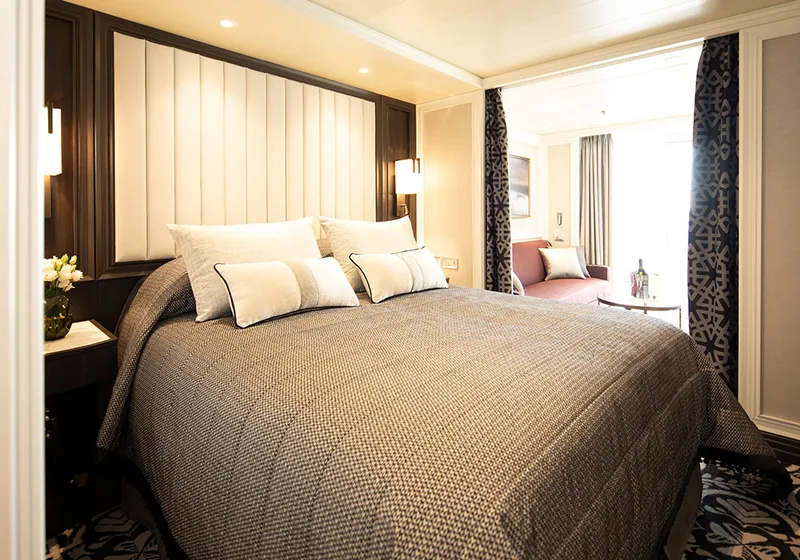
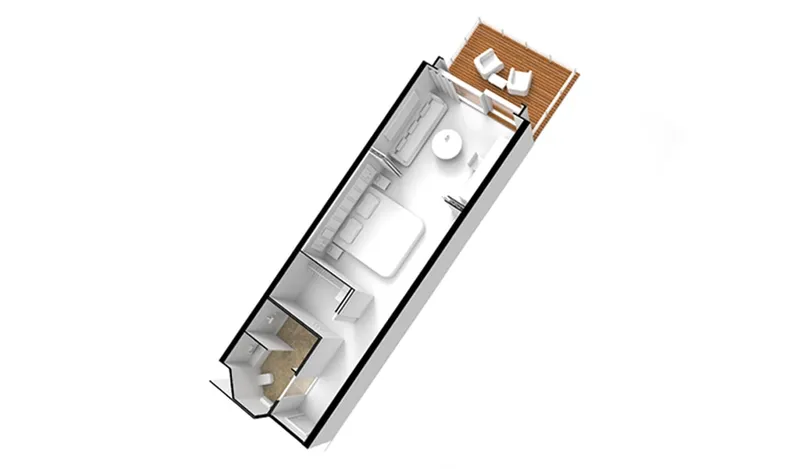
A wonderfully cozy retreat that includes a private balcony. In addition to a signature European Queen Size Elite Slumber bed, you’ll enjoy amenities such as lavish bath products, an interactive flat-screen television and a plush bathrobe and slippers. The intimate sitting area includes a table that is the perfect size for breakfast for two or a couple of glasses and a bottle of celebratory Champagne.
SUITE SIZE
20
M2
BALCONY SIZE
8
M2
LAYOUT
Private Balcony
European Queen Size Elite Slumber™ Bed
Spacious Living Room With Sitting Area
1 Marble and Stone Detailed Bathroom featuring a glass-enclosed shower instead of bathtub
Our cruise specialists can help you find the perfect cabin and the best available pricing.
(+886) 02-2721-7300Contact Advisor