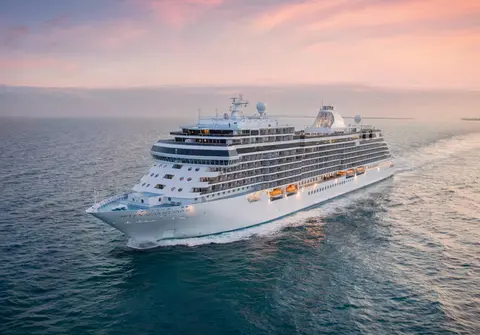
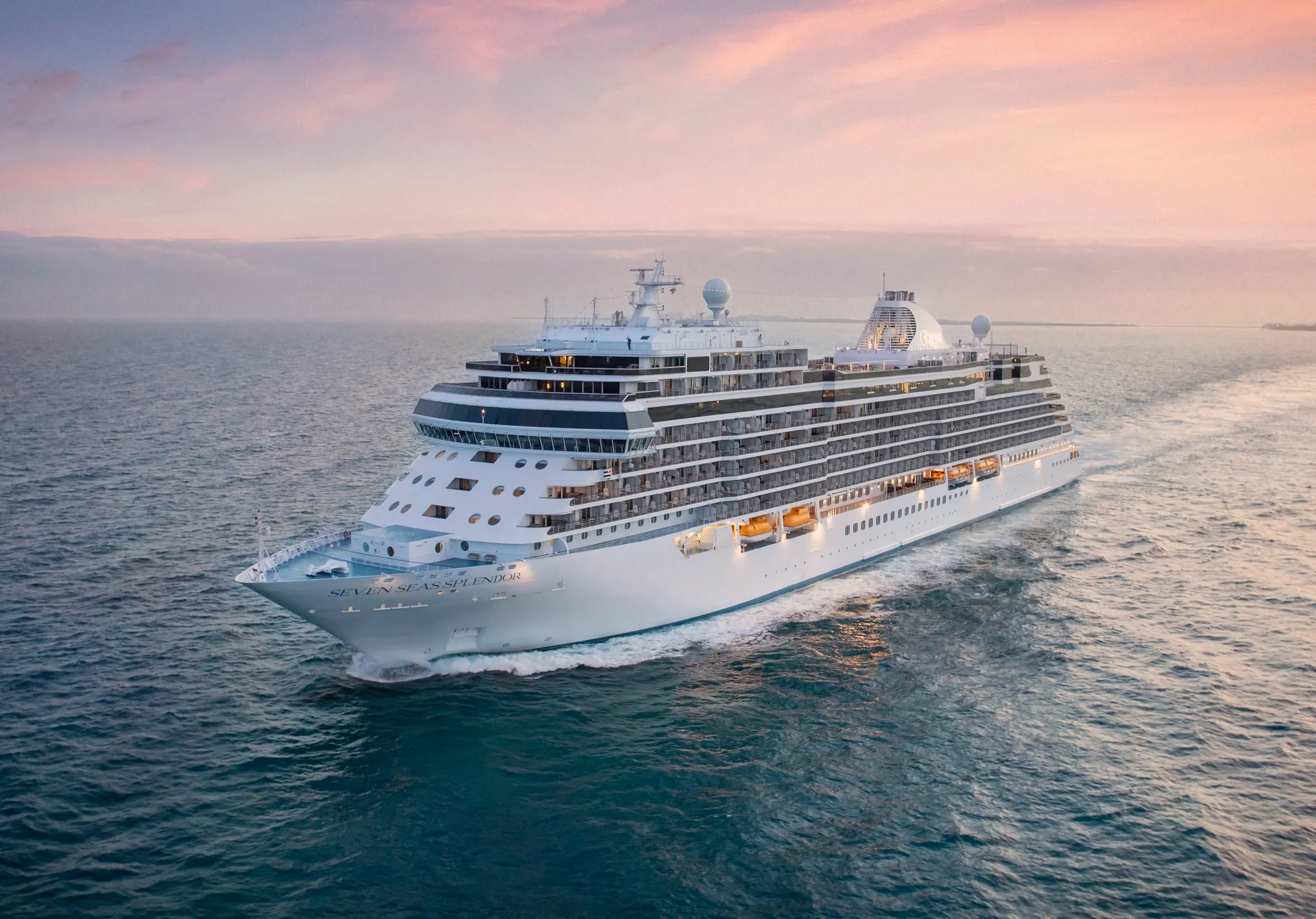
Regent Seven Seas CruisesSPL280218
Sydney to Melbourne
Date
February 18, 2028
Duration
16 nights
Departure Port
Sydney · Canada
Arrival Port
Melbourne · Australia
Rating
Ultra Luxury
Theme
—
Date
February 18, 2028
Duration
16 nights
Departure Port
Sydney · Canada
Arrival Port
Melbourne · Australia
Rating
Ultra Luxury
Theme
—

Regent Seven Seas Cruises
Explorer
2020
—
55,498 GT
746
373
548
224 m
31 m
19 knots
No
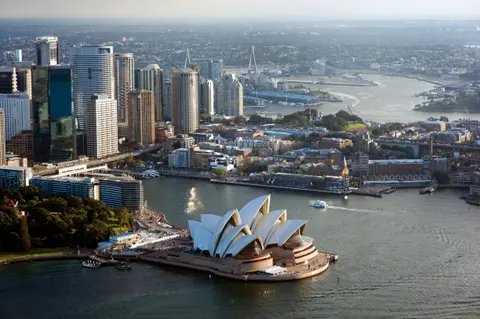
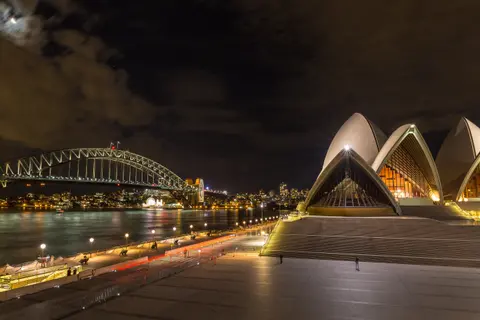
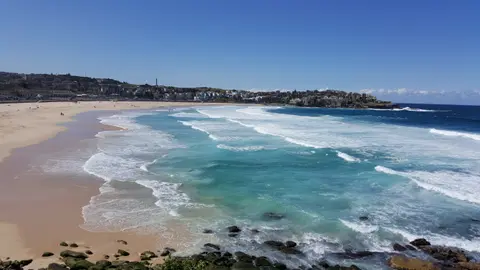
If you want a snapshot of Australia's appeal, look no further than Sydney: The idyllic lifestyle, friendly locals and drop-dead natural beauty of this approachable metropolis and its attractions explain why the country tops so many travelers' wish lists. But Sydney is more than just the embodiment of classic antipodean cool—the city is in a constant state of evolution. A list of what to do in Sydney might start with the white-hot nightlife, with its new cocktail bars and idiosyncratic mixology dens. Inventive restaurants helmed by high-caliber chefs are dishing up everything from posh pan-Asian to Argentine street food, while the famous dining temples that put Sydney on the gastronomic map are still going strong too. The famed harbor is among the top sights—home to twin icons the Sydney Opera House and the Sydney Harbour Bridge, it is the stepping-off point for some of the city's best cultural attractions and sightseeing. In one day you can sail around the harbor, get a behind-the-scenes tour of the opera house and climb the bridge, with time to spare for people-watching over a flat white at a waterfront café. Speaking of water, when you plan what to do in Sydney, you will want to include the iconic beaches, where surfers, office workers and tourists alike converge on some of the most gorgeous shoreline scenery anywhere. Bondi, Bronte and Clovelly are all within easy reach of the Central Business District, as is Manly, a charming seaside town located a short ferry ride from Circular Quay. Beyond the city you'll discover UNESCO World Heritage Sites and the chance to encounter Australia's cuddliest wildlife—a perfect way to round out your envy-inducing Sydney photo collection.
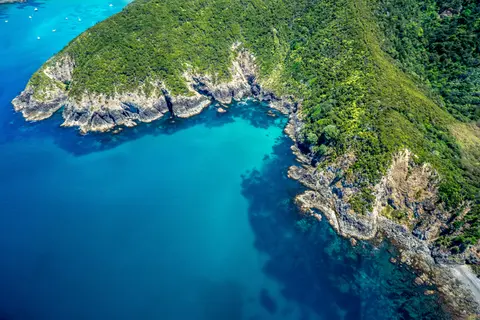
The Tasman Sea on the west and the Pacific Ocean on the east meet at thetop of North Island at Cape Reinga. No matter what route you take, you'll passfarms and forests, marvellous beaches, and great open spaces. The East Coast,up to the Bay of Islands, is Northland's most densely populated, often withrefugees from bigger cities—looking for a more relaxed life—clustered aroundbreathtaking beaches. The first decision on the drive north comes at the footof the Brynderwyn Hills. Turning left will take you up the West Coast throughareas once covered with forests and now used for either agricultural orhorticulture. Driving over "the Brynderwyns," as they are known,takes you to Whangarei, the only city in Northland. If you're in the mood for adiversion, you can slip to the beautiful coastline and take in Waipu Cove, anarea settled by Scots, and Laings Beach, where million-dollar homes sit next tosmall Kiwi beach houses.An hour's drive farther north is the Bay of Islands, known all over theworld for its beauty. There you will find lush forests, splendid beaches, andshimmering harbors. The Treaty of Waitangi was signed here in 1840 betweenMāoriand the British Crown, establishing the basis for the modern New Zealandstate. Every year on February 6, the extremely beautiful Waitangi Treaty Ground(the name means weeping waters) is the sight of a celebration of the treaty andprotests by Māori unhappy with it. Continuing north on the East Coast, theagricultural backbone of the region is even more evident and a series ofwinding loop roads off the main highway will take you to beaches that are bothbeautiful and isolated where you can swim, dive, picnic, or just laze. .The West Coast is even less populated, and the coastline is rugged andwindswept. In the Waipoua Forest, you will find some of New Zealand's oldestand largest kauri trees; the winding road will also take you past mangroveswamps. Crowning the region is the spiritually significant Cape Reinga, theheadland at the top of the vast stretch of 90 Mile Beach, where it's believedMāori souls depart after death. Today Māori make up roughly a quarter of thearea's population (compared with the national average of about 15%). The legendaryMāori navigator Kupe was said to have landed on the shores of Hokianga Harbour,where the first arrivals made their home. Many different wi (tribes) livedthroughout Northland, including Ngapuhi (the largest), Te Roroa, Ngati Wai,Ngati Kuri, Te Aupouri, Ngaitakoto, Ngati Kahu, and Te Rarawa. Many Māoriherecan trace their ancestry to the earliest inhabitants
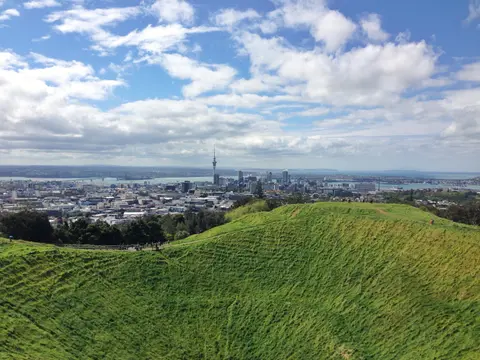
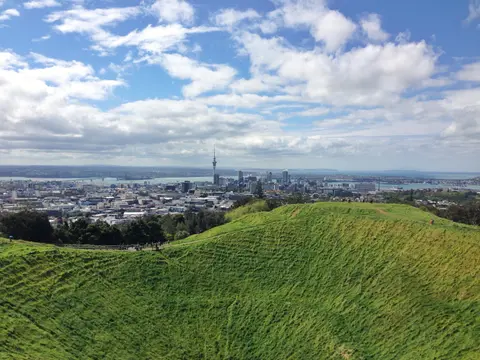
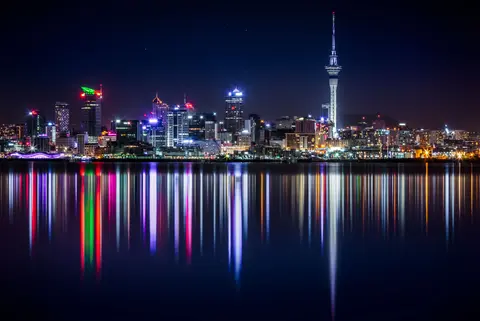
Auckland is called the City of Sails, and visitors flying in will see why. On the East Coast is the Waitemata Harbour—a Māori word meaning sparkling waters—which is bordered by the Hauraki Gulf, an aquatic playground peppered with small islands where many Aucklanders can be found "mucking around in boats."Not surprisingly, Auckland has some 70,000 boats. About one in four households in Auckland has a seacraft of some kind, and there are 102 beaches within an hour's drive; during the week many are quite empty. Even the airport is by the water; it borders the Manukau Harbour, which also takes its name from the Māori language and means solitary bird.According to Māori tradition, the Auckland isthmus was originally peopled by a race of giants and fairy folk. When Europeans arrived in the early 19th century, however, the Ngāti-Whātua tribe was firmly in control of the region. The British began negotiations with the Ngāti-Whātua in 1840 to purchase the isthmus and establish the colony's first capital. In September of that year the British flag was hoisted to mark the township's foundation, and Auckland remained the capital until 1865, when the seat of government was moved to Wellington. Aucklanders expected to suffer from the shift; it hurt their pride but not their pockets. As the terminal for the South Sea shipping routes, Auckland was already an established commercial center. Since then the urban sprawl has made this city of approximately 1.3 million people one of the world's largest geographically.A couple of days in the city will reveal just how developed and sophisticated Auckland is—the Mercer City Survey 2012 saw it ranked as the third-highest city for quality of life—though those seeking a New York in the South Pacific will be disappointed. Auckland is more get-up and go-outside than get-dressed-up and go-out. That said, most shops are open daily, central bars and a few nightclubs buzz well into the wee hours, especially Thursday through Saturday, and a mix of Māori, Pacific people, Asians, and Europeans contributes to the cultural milieu. Auckland has the world's largest single population of Pacific Islanders living outside their home countries, though many of them live outside the central parts of the city and in Manukau to the south. The Samoan language is the second most spoken in New Zealand. Most Pacific people came to New Zealand seeking a better life. When the plentiful, low-skilled work that attracted them dried up, the dream soured, and the population has suffered with poor health and education. Luckily, policies are now addressing that, and change is slowly coming. The Pacifica Festival in March is the region's biggest cultural event, attracting thousands to Western Springs. The annual Pacific Island Secondary Schools’ Competition, also in March, sees young Pacific Islander and Asian students compete in traditional dance, drumming, and singing. This event is open to the public.At the geographical center of Auckland city is the 1,082-foot Sky Tower, a convenient landmark for those exploring on foot and some say a visible sign of the city's naked aspiration. It has earned nicknames like the Needle and the Big Penis—a counterpoint to a poem by acclaimed New Zealand poet James K. Baxter, which refers to Rangitoto Island as a clitoris in the harbor.The Waitemata Harbour has become better known since New Zealand staged its first defense of the America's Cup in 2000 and the successful Louis Vuitton Pacific Series in early 2009. The first regatta saw major redevelopment of the waterfront. The area, where many of the city's most popular bars, cafés, and restaurants are located, is now known as Viaduct Basin or, more commonly, the Viaduct. A recent expansion has created another area, Wynyard Quarter, which is slowly adding restaurants.These days, Auckland is still considered too bold and brash for its own good by many Kiwis who live "south of the Bombay Hills," the geographical divide between Auckland and the rest of New Zealand (barring Northland). "Jafa," an acronym for "just another f—ing Aucklander," has entered the local lexicon; there's even a book out called Way of the Jafa: A Guide to Surviving Auckland and Aucklanders. A common complaint is that Auckland absorbs the wealth from the hard work of the rest of the country. Most Aucklanders, on the other hand, still try to shrug and see it as the parochial envy of those who live in small towns. But these internal identity squabbles aren't your problem. You can enjoy a well-made coffee in almost any café, or take a walk on a beach—knowing that within 30 minutes' driving time you could be cruising the spectacular harbor, playing a round at a public golf course, or even walking in subtropical forest while listening to the song of a native tûî bird.
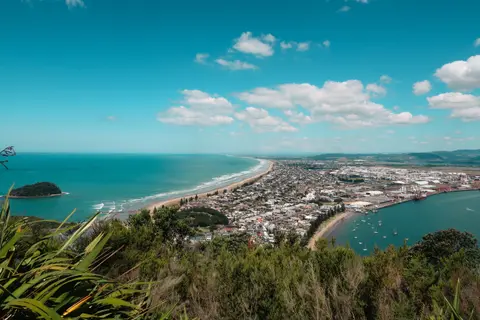
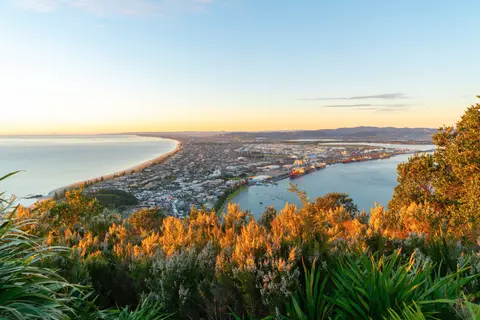
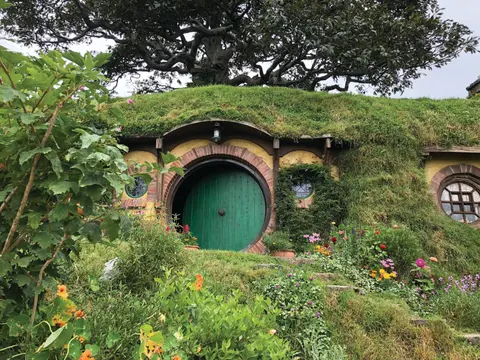
New Zealand's natural bounty is always on display at the Bay of Plenty. It was Captain James Cook who in 1769 aptly named this bay after he was able to replenish his ship's provisions, thanks to the prosperous Maori villages of the region. Tauranga, the chief city, is a bustling port, an agricultural and timber center and a popular seaside resort. Tauranga is also the gateway to Rotorua - a geothermal wonderland that is the heart of Maori culture. A 90-minute drive from Tauranga, Rotorua is New Zealand's primary tourist attraction. Your ship docks near the foot of Mt. Maunganui, which rises 761 feet above the bay. Across the harbor, Tauranga offers scenic tidal beaches at Omokoroa and Pahoia. The region boasts fine beaches, big-game fishing, thermal springs and seaside resorts.
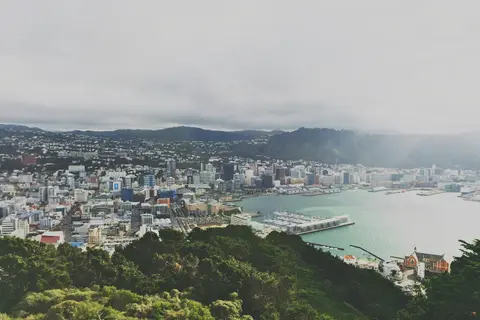
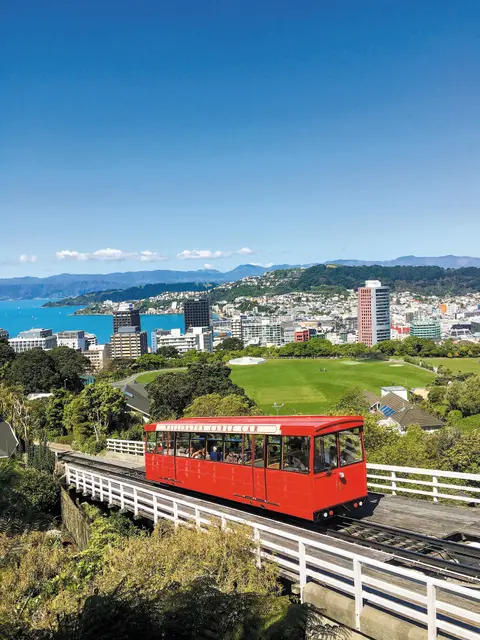
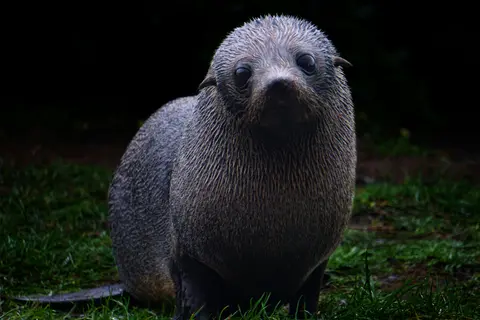
New Zealand's capital is, arguably, the country's most cosmopolitan metropolis. It's world-class Te Papa Tongarewa-Museum of New Zealand is a don't-miss attraction, and the burgeoning film industry led, of course, by the Lord of the Rings extravaganzas has injected new life into the local arts scene. Attractive and compact enough to be explored easily on foot, Wellington is a booming destination. Modern high-rise buildings gaze over Port Nicholson, surely one of the finest natural anchorages in the world. Known to local Māori as The Great Harbor of Tara, its two massive arms form the jaws of the fish of Maui from Māori legend. Sometimes referred to as the windy city, Wellington has been the seat of New Zealand's government since 1865.
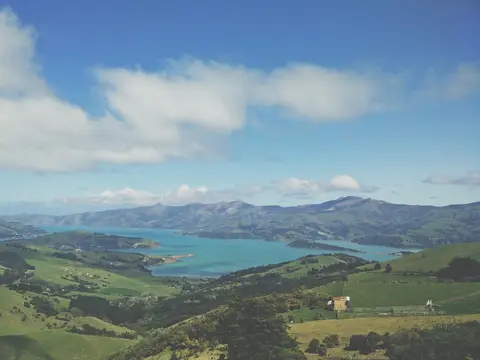
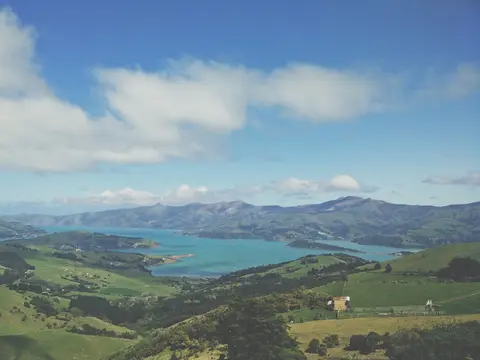
Named for the Māori word for “Long Harbor”, Akaroa is a village situated in the heart of an ancient volcano on the South Island of New Zealand. With waters that are home to the world’s smallest and rarest dolphin, the Hector’s Dolphin, Akaroa is a haven for animal lovers. Be sure to take a dolphin sighting tour where you can also spot New Zealand fur seals, little blue penguins, and various other forms of sea life in and around the sheltered harbor. If you’d you’d rather stay on dry land, take a tour of an Alpaca farm, and get up close and personal with the unique animals. View the colonial architecture, crafts, and cafés as you explore the streets of this charming seaside town. There is a distinctly French flair here, with many businesses and homes flying French flags in their windows.
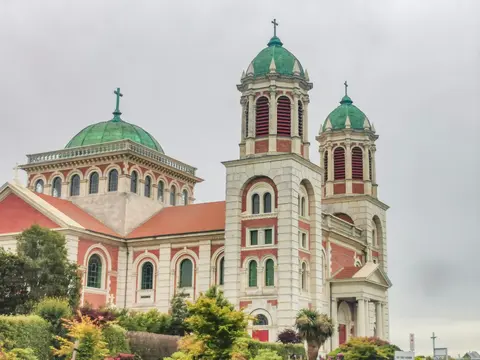
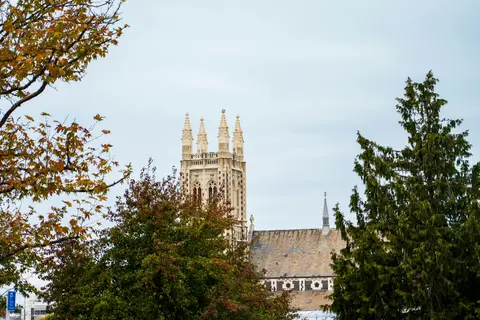
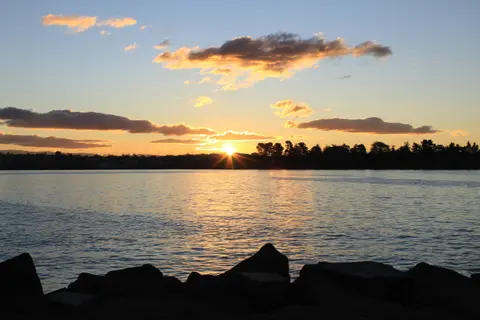
Strolling along the city’s hilly streets and past its Edwardian and Victorian buildings and green spaces, you might not guess that Timaru was built on the lava flows of a now-extinct but vividly named volcano, Mount Horrible. Timaru’s own name comes from the Maori Te Maru, which means \"place of shelter.\" Chief among Timaru’s charms are its parks and gardens. As if the backdrop of the Southern Alps wasn't enough, a rose garden, boardwalk and beach also enliven the already beautiful waterfront of Caroline Bay, named for a 19th-century whaling ship. Up the hill, the scenic reserve of Centennial Park offers picturesque picnic spots and walking and biking trails. Timaru showcases New Zealand and Maori culture at the stellar Aigantighe Art Gallery and South Canterbury Museum. (If you have time to venture beyond Timaru and are interested in learning about the area's truly ancient history, the fascinating Te Ana Maori Rock Art Centre, about half an hour outside the city, exhibits rock art made by early Maori settlers more than 700 years ago.)
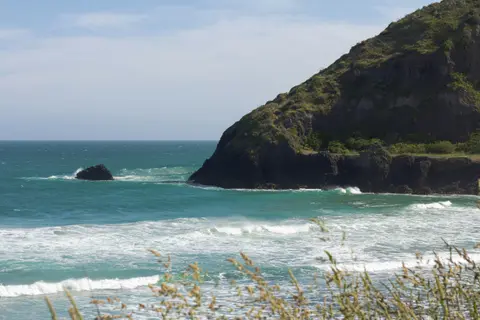
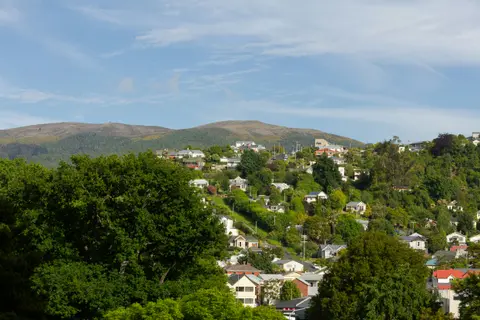
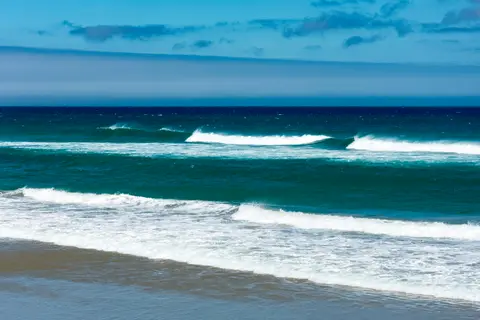
This charming city lies at the head of a fiord-like inlet and is surrounded by seven hills. In the early days, Dunedin was the largest and wealthiest city in the country, thanks mainly to the gold fields. It has been responsible for many firsts: the first to have gaslight, water mains, hydro power and steam trams. Discover the rugged, beautiful Otago Peninsula, filled with geological wonders, and gaze in awe at the great albatross with its ten-foot wingspan. Keep an eye out for fur seals on the rocks and perhaps some yellow-eyed penguins. Visit Larnach Castle, a historic 19th-century property surrounded by gardens and splendid views. It is often said that Dunedin is the most perfectly preserved Victorian City anywhere. Explore historic Dunedin with its splendid Victorian and Edwardian stone buildings. Look for delightful local crafts, artwork, wool and leather items among the souvenirs. Enjoy a wide variety of cuisines as well as lamb and seafood.
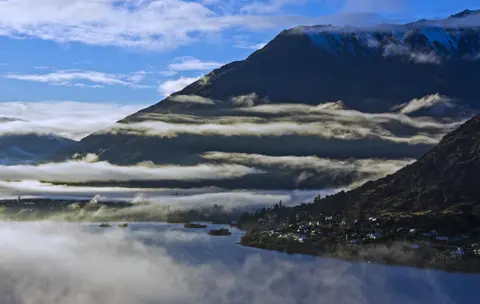
Referred to as the Sound of Silence, there is a secluded serenity that surrounds Doubtful Sound in contrast with the better-known Milford Sound. Lieutenant James Cook named 'Doubtful Harbour' in 1770 as he was uncertain if it was navigable under sail. Doubtful Sound is the deepest of the fiords with a maximum depth of 421 m. It contains three distinct 'arms' and several outstanding waterfalls in the area from Deep Cove to the open ocean. Your ship will spend time navigating around Secretary Island through both Thompson and Doubtful Sounds. You will enjoy the spectacular scenery from the outer decks.
Dusky Sound is one of the most isolated fjords in Fiordland National Park. This huge, protected natural zone situated in the south-west quarter of New Zealand’s South Island is listed as UNESCO World Heritage. The sheer cliffs, waterfalls, shimmering lakes and primitive forests here are each more beautiful than the next. These spectacular landscapes sculpted by successive glaciations are a source of endless wonder. In 1773, the British navigator James Cook spent a few weeks at Dusky Sound, as demonstrated by a plaque that can be seen at Astronomer’s Point. During your sailing, observe the richness of the local wildlife: cormorants, seagulls, New Zealand fur seals, but also Fiordland crested penguins, a rare and endemic species.
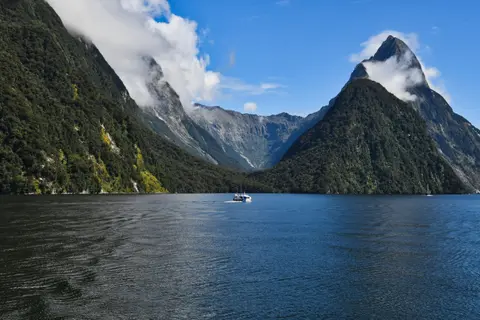
New Zealand fiord country along with Fiordland National Park is one of New Zealand's premier attractions. Incredibly beautiful, wild and remote, the region is an intriguing combination of rugged mountain ranges, dense rainforest, solitary alpine lakes, sparkling rivers and splashing waterfalls. Much of Fiordland is virtually unexplored wilderness and still the habitat of rare birds. As the ship cruises the beautiful Doubtful, Dusky and Milford Sounds, experience the majestic fiordland of South Island's western coast. Captain James Cook sailed along this coast in 1770 and again in 1773, when he anchored at Dusky Sound for a rest and ship repair. Doubtful Sound is one of the region's most majestic fiords. It is ten times larger than Milford Sound. As the ship cruises into Hall Arm, gaze at vertical cliffs and mighty waterfalls plunging over sheer rock faces. In fine weather, mountains and greenery are reflected in the protected waters of the fiord. Farther north lies Milford Sound. Far from any populated area, Milford Sound is famous for its grandeur and spectacular beauty. It is perhaps the best example of New Zealand's renowned classic landscape of steep granite peaks framing glacier-carved inlets with mirrored reflections on dark waters. Dominating the scene is Milford's landmark, the triangular pinnacle of Mitre Peak. Along the sheer cliffs, several waterfalls tumble more than 500 feet (154 metres) into the sheltered Sound. Only a few moored boats and a scattering of buildings at the head of the Sound break the unity of mountains, forest and water. This spectacular beauty and unspoiled setting is yours to enjoy as the ship cruises Milford Sound.
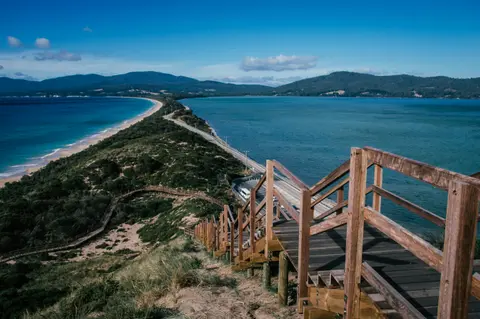
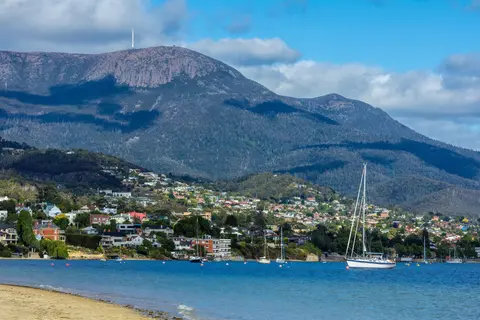
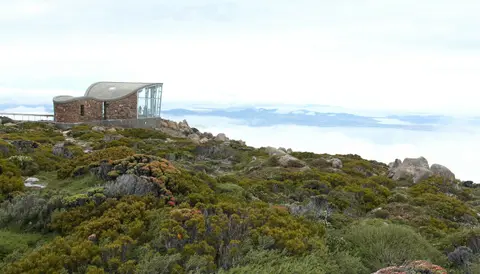
Mount Wellington's looming, cloud-wisped form is an ever-present sight as you explore booming Hobart, the cosmopolitan capital of Australia's most southerly state. A former British penal colony, nowadays Australia’s second-oldest city is a place to live the free and easy life. Encircled by dramatic cliffs, landscaped gardens and rolling vineyards, Hobart is also well stacked with cultural pursuits including museums, and respected - if controversial - galleries plastering new and old art to their walls. View less With fresh sea breezes and a fabulous location, Hobart is a creative place, where you can browse the produce of local artisans in Saturday's massive Salamanca Market - which draws visitors from all across Tasmania and beyond. Eat at waterfront restaurants, or rise up Mount Wellington's slopes to appreciate the remoteness of Hobart's location. From this elevated platform, you can look down across views of flowing forests, undulating mountains and endless ocean swallowing up the city. Further away, animal sanctuaries introduce you to the island's famous inhabitants, including the famous Tasmanian devil. Thirsty? Hobart has a long brewing tradition - so enjoy a refreshing ale poured from the country's oldest brewery. The climate's blend of generous sunshine and cool Antarctic breezes helps Hobart to produce its acclaimed wines, and thick clumps of pinot noir grapes hang from vineyards dotted along the valleys nearby. Taste the wines, accompanied by a platter of artisan cheese and sausage. Whiskey aficionados aren't left in the cold either, with international award-winning distilleries close by.
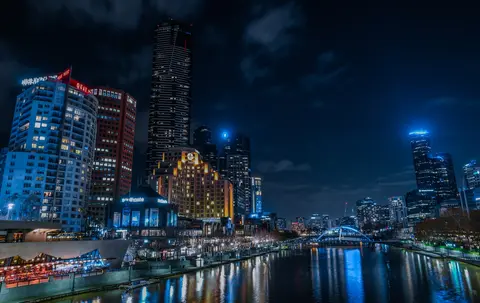
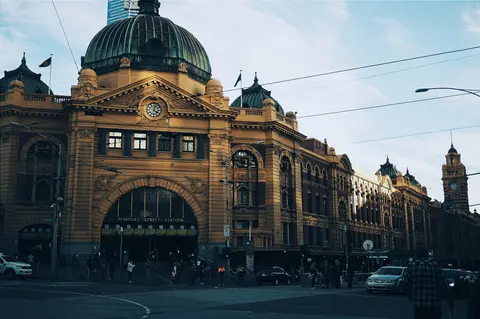
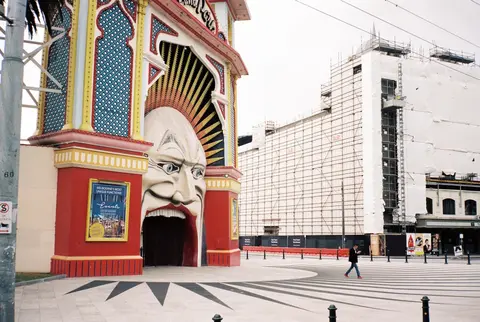
Melbourne is consistently voted one of the world's most livable cities—and for good reason. This is Australia’s cosmopolitan heart with cutting-edge art and architecture, historic galleries, attractions and museums, plus a dizzying range of restaurants, bistros, markets and bars. It's renowned for its sporting culture, home to the esteemed Melbourne Cricket Ground and Australian rules football teams. The famous laneways of Melbourne bustle with hidden bars and eateries, while myriad beaches and parks allow for the ultimate outdoor lifestyle and active things to do. It’s a melting pot of cultures and a city of gourmands who demand excellent food and find it everywhere—from modern Australian cuisine and delicious Asian fusion fare to low-key cafés serving the best coffee you’ve ever tasted. If you want to leave the city, Melbourne is the gateway to Victoria's world-class wineries and spectacular coastline sights. Visit the famous penguins at nearby Phillip Island or feast on local produce in the picture-perfect Yarra Valley. Wherever you go in and around Melbourne, you’ll be sure to understand why so many choose to call this beautiful corner of the world home.
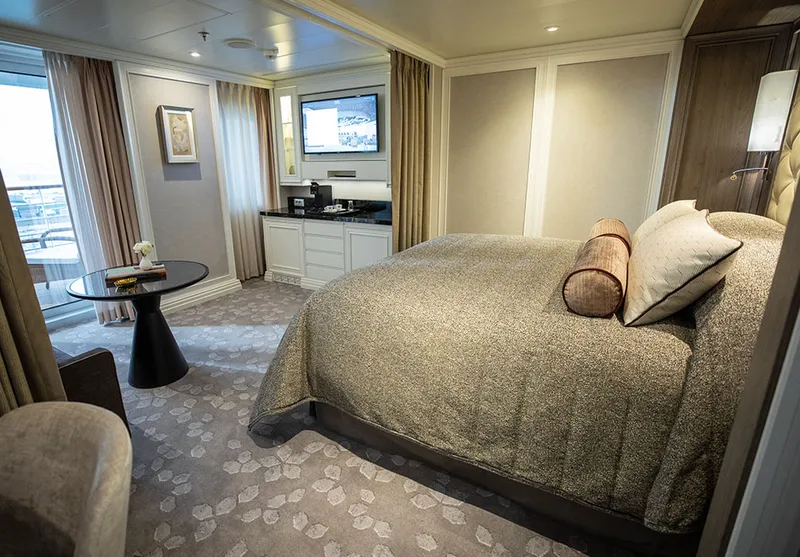
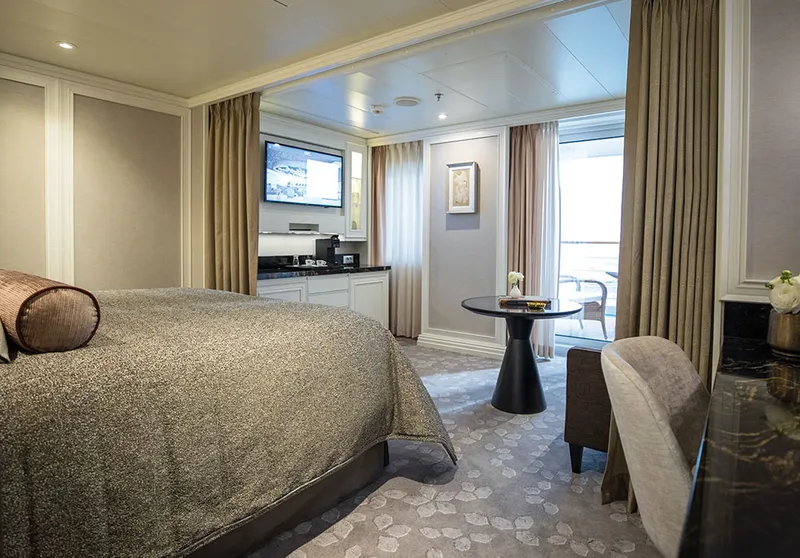
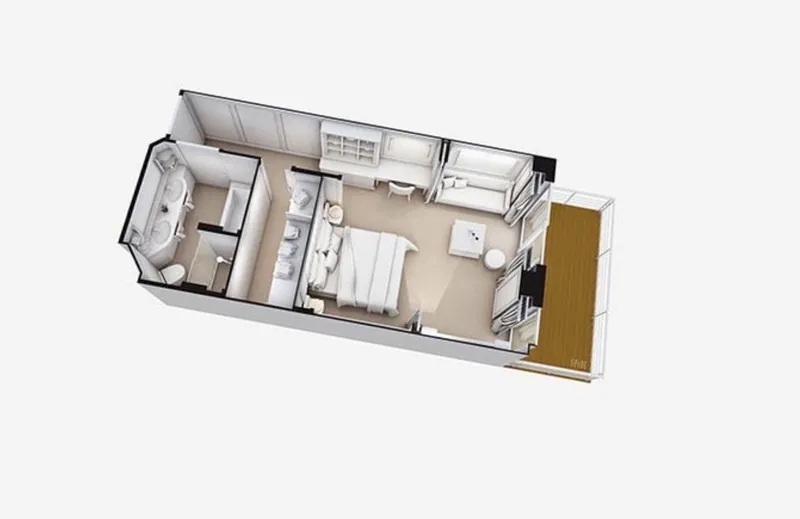
In this superbly designed suite, enjoy once-in-a-lifetime views of the horizon from the comfort of your King-Sized Elite Slumber Bed as well as exclusive luxuries available only in suites at the Concierge level and higher. Your suite includes amenities such as an illy espresso maker and cashmere blankets, perfect for use in the morning when you wish to sip coffee and enjoy an in-suite breakfast on your private balcony.
SUITE SIZE
30.8
M2
BALCONY SIZE
12.2 – 7.7
M2
LAYOUT
Private Balcony - Among the Largest at Sea
European King-Sized Elite Slumber™ Bed
Spacious Living Room With Sitting Area
1 Marble and Stone Detailed Bathroom
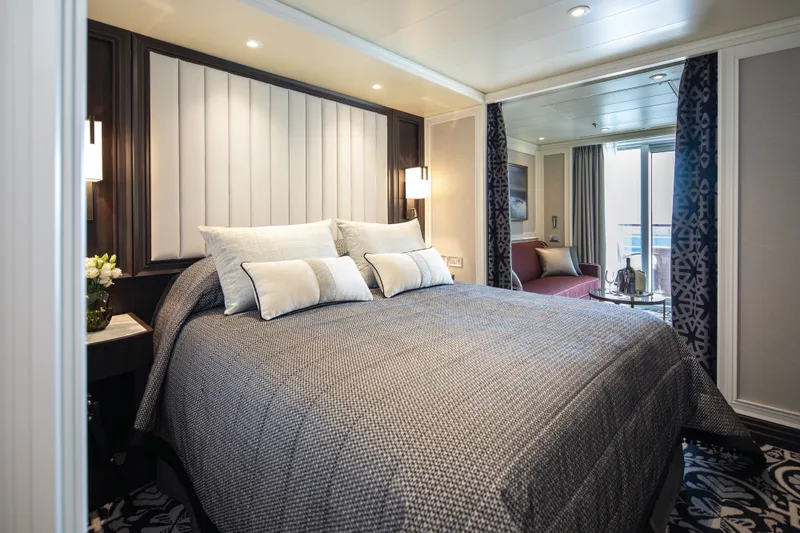
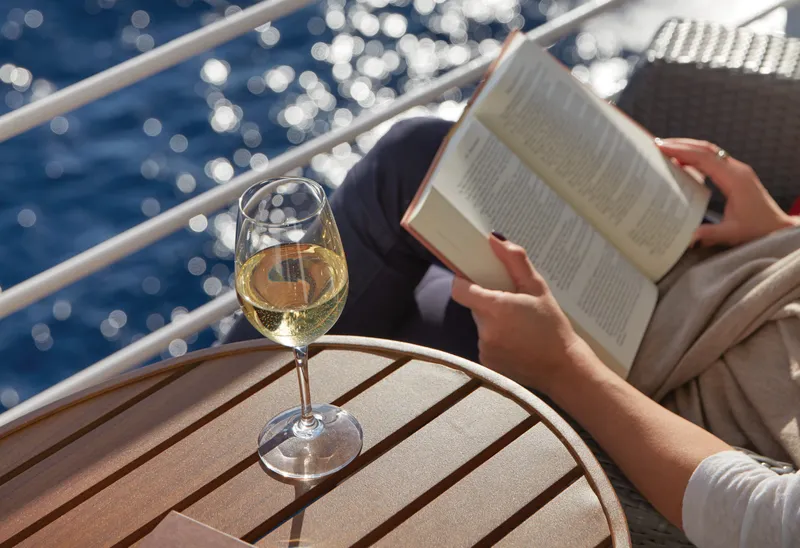
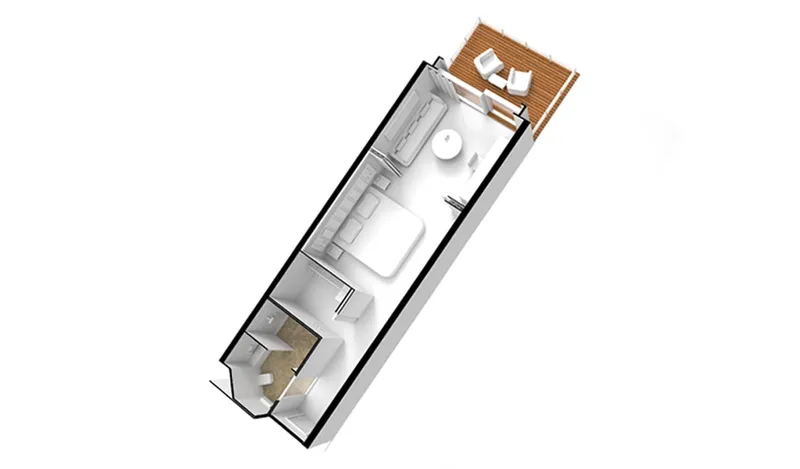
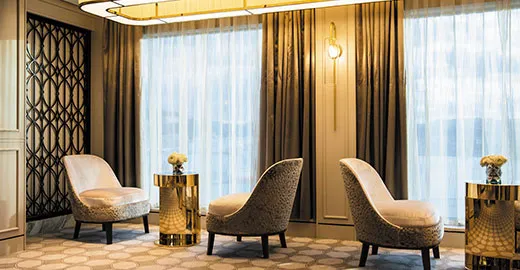
Every inch of this suite has been thoughtfully designed to maximize interior space and embrace the magnificent scenery outdoors. From the sitting area, admire the ocean views through the floor-to-ceiling windows, or better yet, take a seat outside on your private balcony to watch the world go by. Elegant finishes such as luxurious bedding and beautiful marble detailing in the bath further enhance your comfort.
SUITE SIZE
23.5
M2
BALCONY SIZE
8.1
M2
LAYOUT
Private Balcony
European Queen Size Elite Slumber™ Bed
Spacious Living Room With Sitting Area
1 Marble and Stone Detailed Bathroom featuring a glass-enclosed shower instead of bathtub
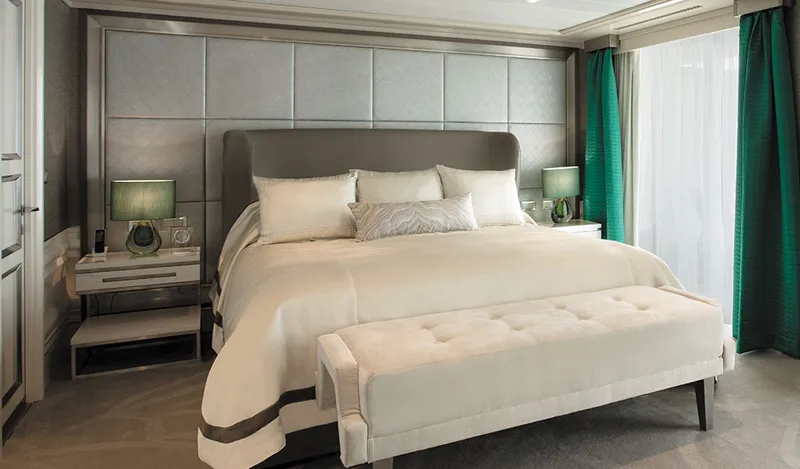
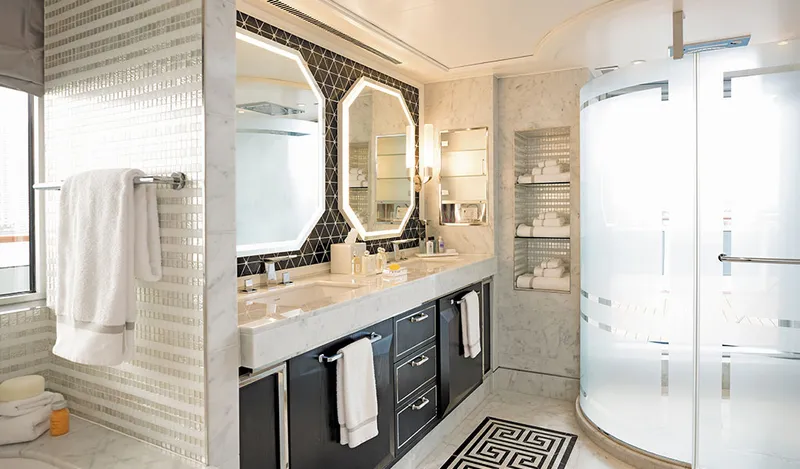
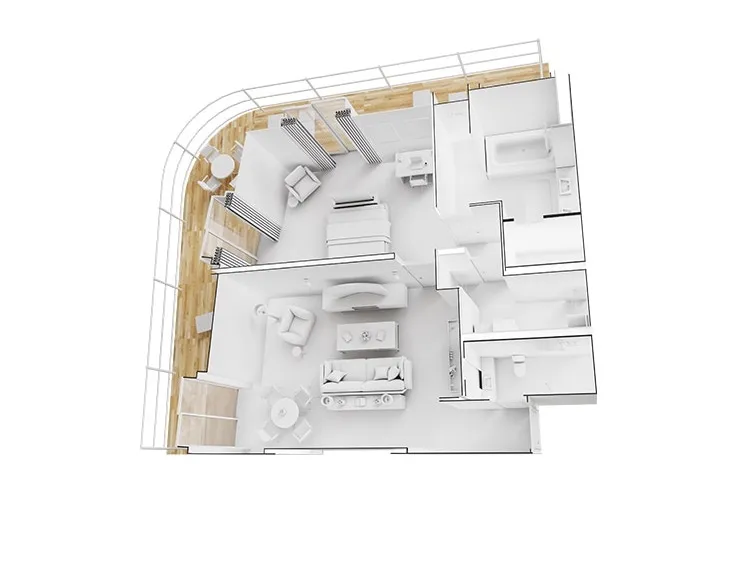
Step into the richness of an emerald green dining area perfectly ensconced within a spacious, sumptuous living room. Just outside is a private balcony with a table and chairs, perfect for in-suite breakfast. The master bedroom is large and inviting, its soothing color palette perfect for a peaceful night’s rest on your King-Size Elite Slumber Bed. Two full baths make it a perfect space for entertaining new friends on the high seas.
SUITE SIZE
85.5 - 79.3
M2
BALCONY SIZE
85.1 - 68
M2
LAYOUT
Private Balcony - Among the Largest at Sea
1 Spacious Bedroom with European King-Sized Elite Slumber™ Bed
Spacious Living Room With Sitting Area
2 Marble and Stone Detailed Bathrooms
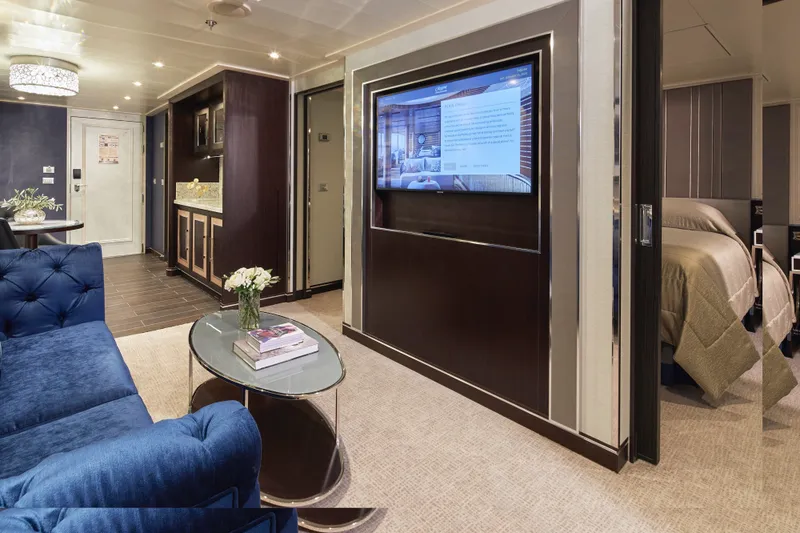
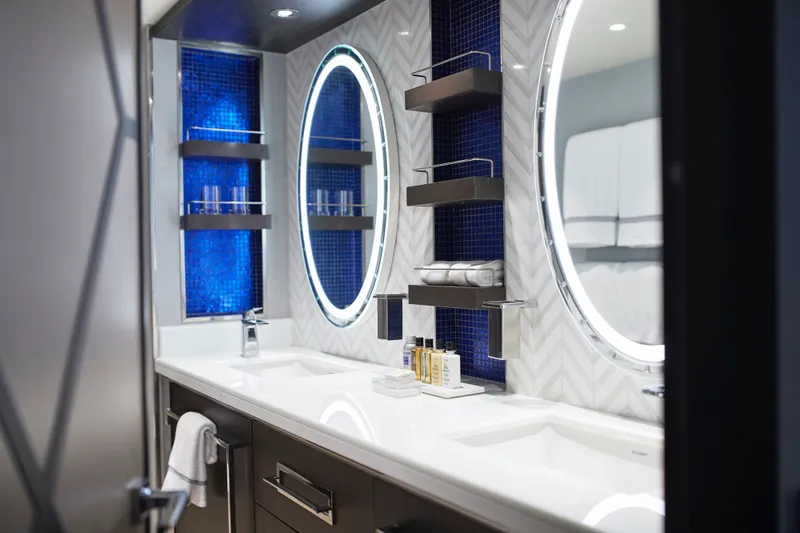
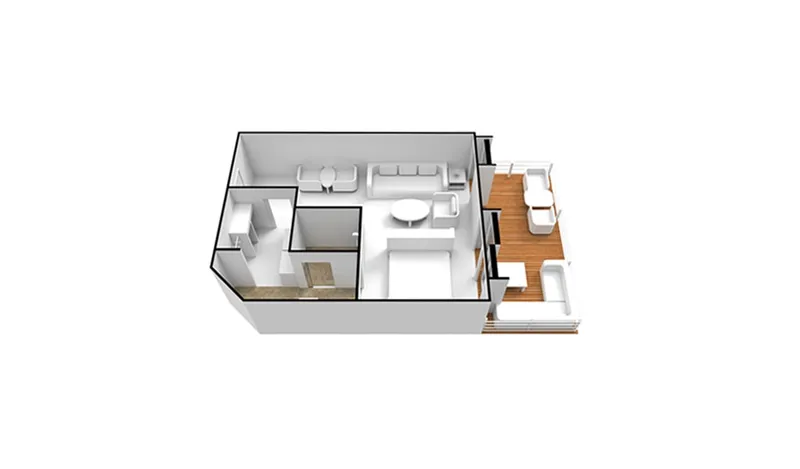
Your personal haven at the end of each day, this luxurious suite has been carefully designed to maximize space and comfort. Relax on your private balcony and indulge in your lavish bath amenities as you recharge and ready yourself for a new adventure in the next port of call. This suite also features a spacious walk-through closet and separated living and bedroom areas that can be closed with pocket doors for privacy.
SUITE SIZE
41.6
M2
BALCONY SIZE
16.3 - 10.3
M2
LAYOUT
Private Balcony - Among the Largest at Sea
European King-Sized Elite Slumber™ Bed
Spacious Living Room With Sitting Area
1 Marble and Stone Detailed Bathroom featuring a glass-enclosed shower instead of bathtub
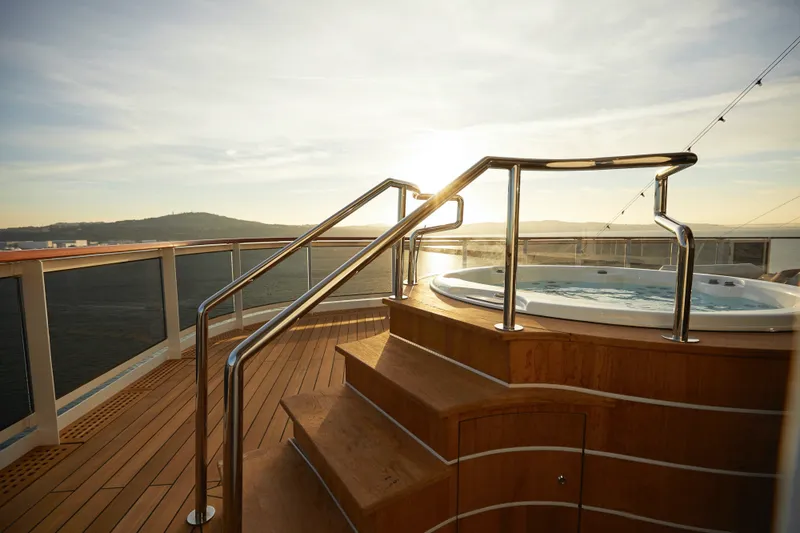
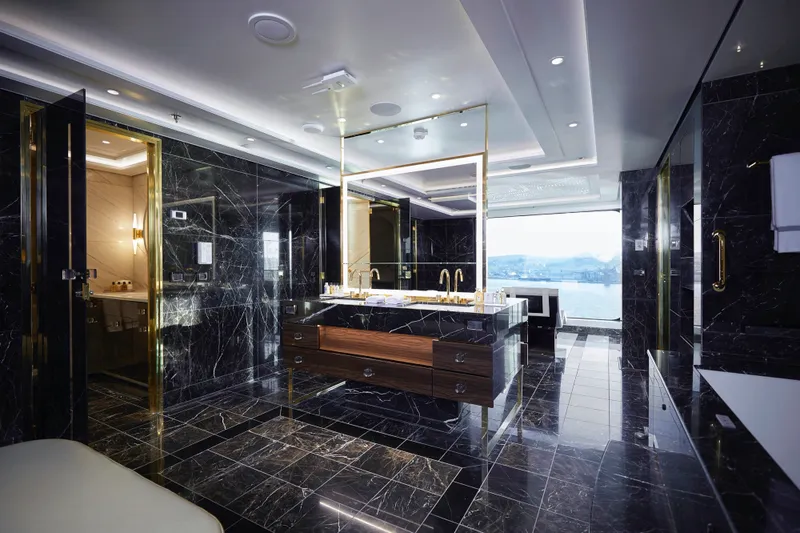
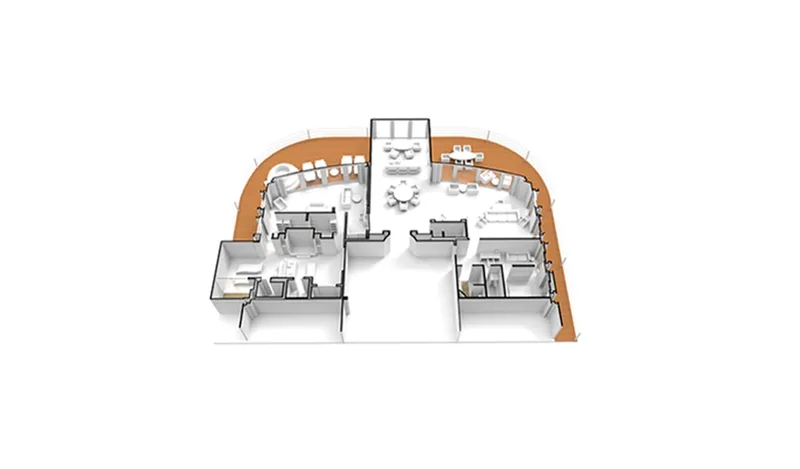
High atop the ship, this suite of more than 4,000 square feet rises above everything else at sea. Incomparable craftsmanship and meticulous attention to detail are evident in everything from the unique design choices, such as rare works of art, to grand features like an in-suite spa retreat — a first for any cruise ship. The only thing to rival the luxurious interior is the spectacular ocean view from the private balconies.
SUITE SIZE
292.7
M2
BALCONY SIZE
120
M2
LAYOUT
Private Balcony - Among the Largest at Sea with custom-made Tresse Minipool
2 Spacious Bedrooms
Spacious Living Room With Sitting Area
Private In-suite Spa with Sauna, Steam Room and Jetted Tub
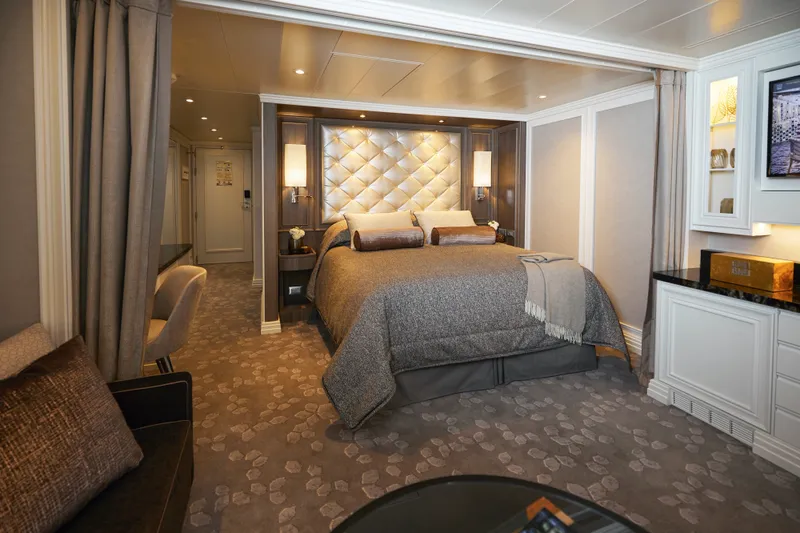
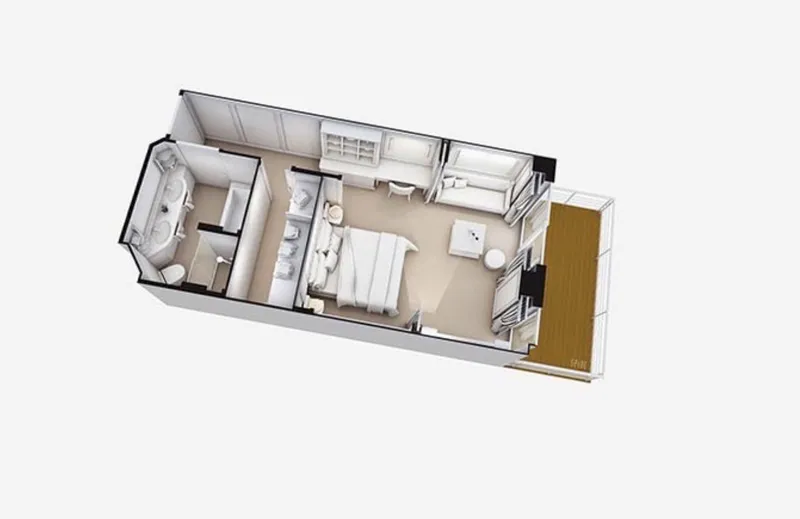
With more than 400 square feet of space including a private balcony, this suite is an excellent choice if you want a little extra room. Even your sleeping accommodations are spacious, as the Elite Slumber bed is a European king-size and faces floor-to-ceiling windows that provide ocean views from your bed. A walk-in closet, dual sinks in the bathroom and wonderful bath amenities make it a pleasure to prepare for your day’s adventures.
SUITE SIZE
30.8
M2
BALCONY SIZE
12.2 – 7.7
M2
LAYOUT
Private Balcony
European King-Sized Elite Slumber™ Bed
Spacious Living Room With Sitting Area
1 Marble and Stone Detailed Bathroom
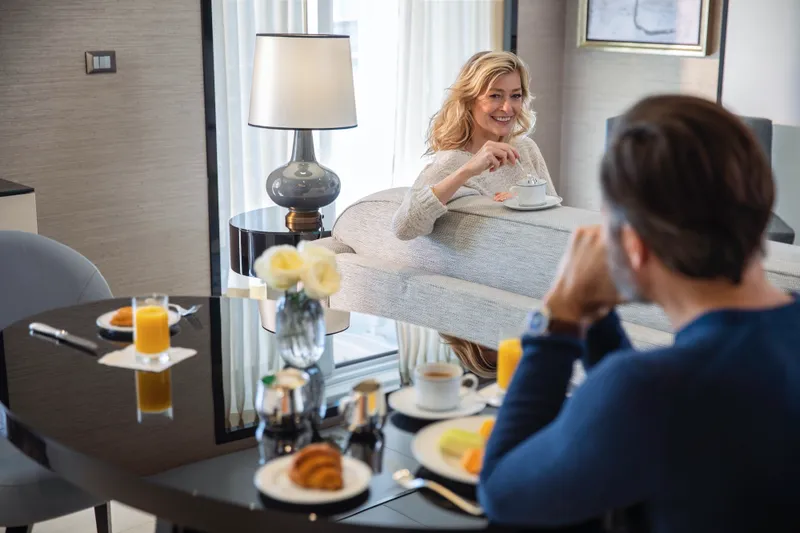
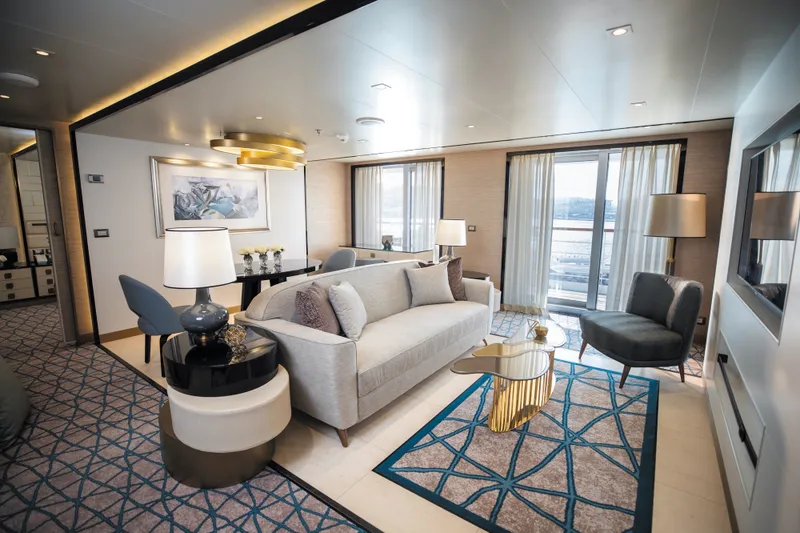
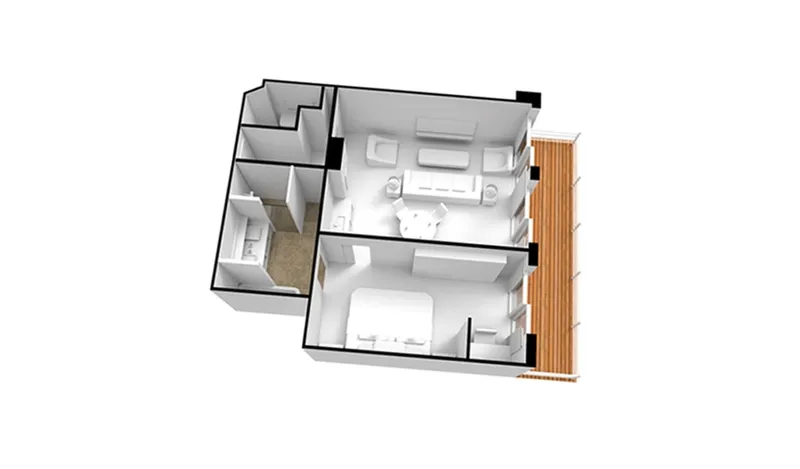
This suite is decorated with soothing colors, pleasing artwork and comfortable furnishings. Relax in the sitting area after an exciting day ashore and enjoy the selection of fresh canapés delivered by your personal butler. Then retreat to your private balcony to watch the ever-changing vistas. Up to one-and-a-half baths feature fine marble accents and a tub or walk-in shower, along with a selection of luxurious bath products.
SUITE SIZE
53.6
M2
BALCONY SIZE
22
M2
LAYOUT
Private Balcony - Among the Largest at Sea
1 Spacious Bedroom with European King-Sized Elite Slumber™ Bed
Spacious Living Room With Sitting Area
1 Marble and Stone Detailed Bathroom
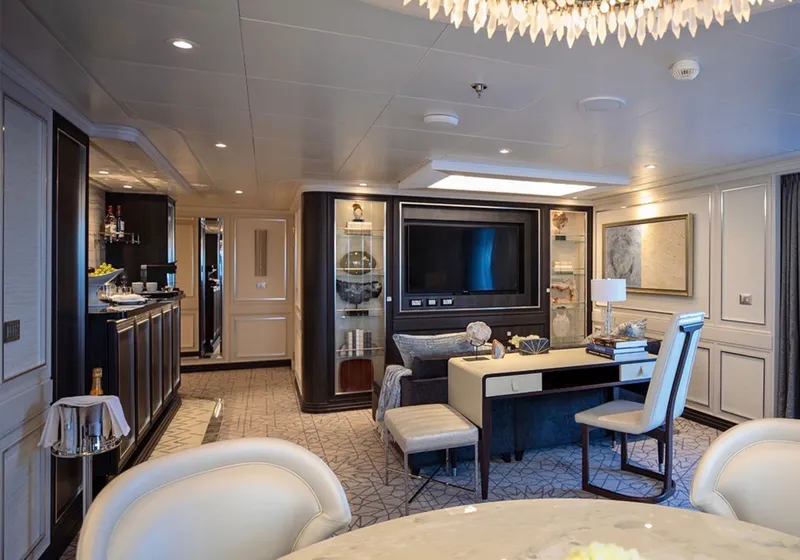
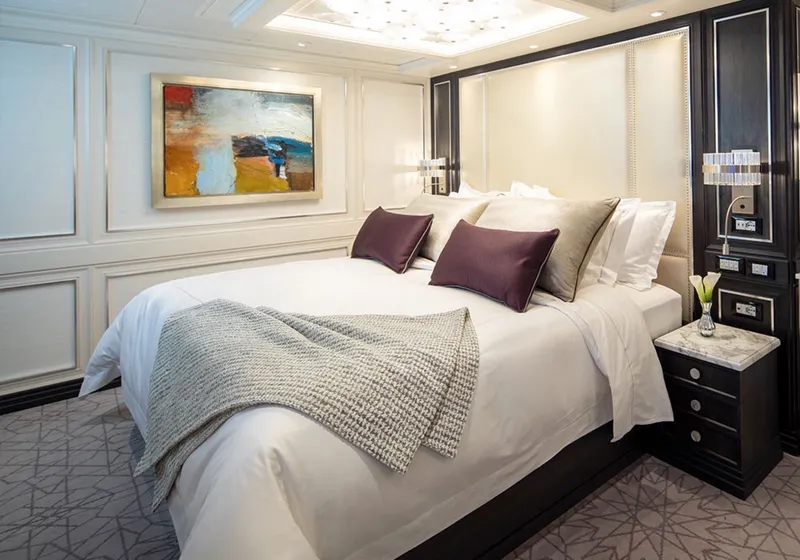
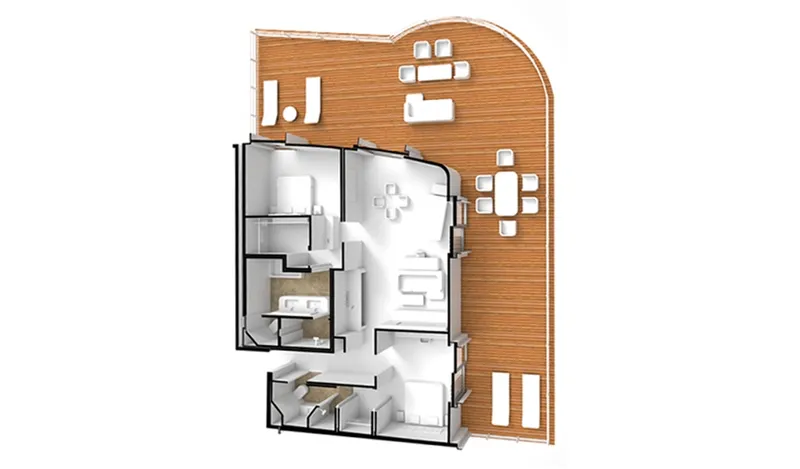
You'll find Park Avenue chic onboard Seven Sea Splendor in this extravagant, stylish suite. A rich color palette, the finest fabrics and a grand piano create sophisticated comfort, while a personal butler will happily assist with both ordinary and special requests. With two spacious bedrooms, two-and-a-half baths, a large living room and a wrap-around private balcony, this suite is perfectly suited to host gatherings of new friends.
SUITE SIZE
103.5 - 98.8
M2
BALCONY SIZE
92.3 - 77.2
M2
LAYOUT
Private Balcony - Among the Largest at Sea
2 Spacious Bedrooms with European King-Sized Elite Slumber™ Bed
Spacious Living Room With Sitting Area
2 Marble and Stone Detailed Bathrooms
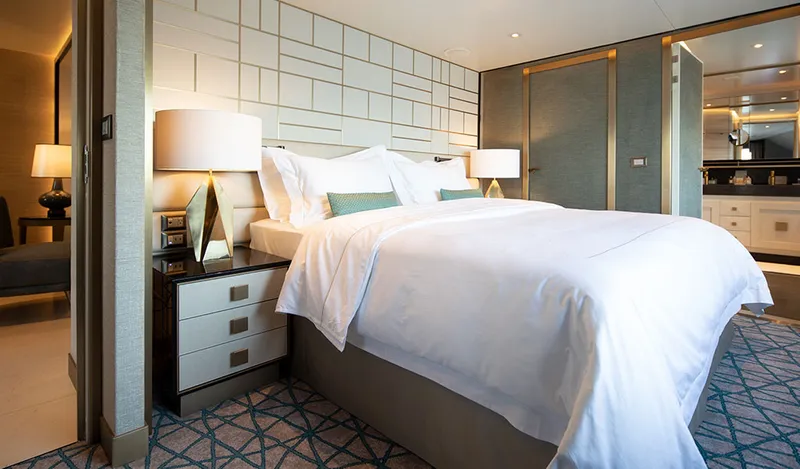
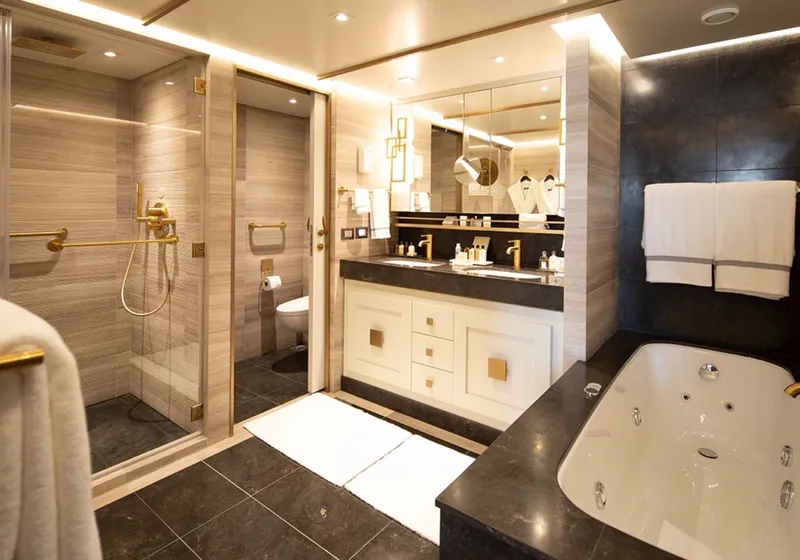
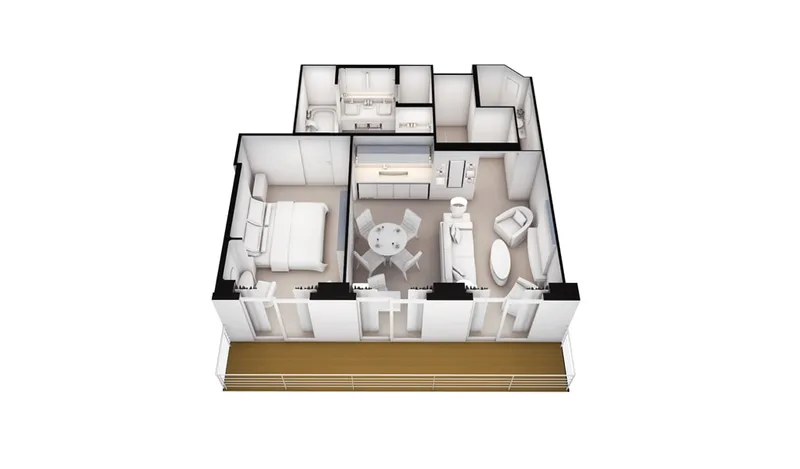
This home away from home is larger than some penthouse apartments, with more than 900 square feet of living space that includes a large private balcony. The sleek design provides ample space for relaxing or entertaining, and the walk-in closet comfortably stores your belongings. As if having a personal butler and daily canapés weren’t enough, you’ll also enjoy a personalized full-liquor bar set-up and a sumptuous in-suite caviar service.
SUITE SIZE
59.8
M2
BALCONY SIZE
24.4 - 15.4
M2
LAYOUT
Private Balcony - Among the Largest at Sea
1 Spacious Bedroom with European King-Sized Elite Slumber™ Bed
Spacious Living Room With Sitting Area
1 1/2 Marble and Stone Detailed Bathrooms
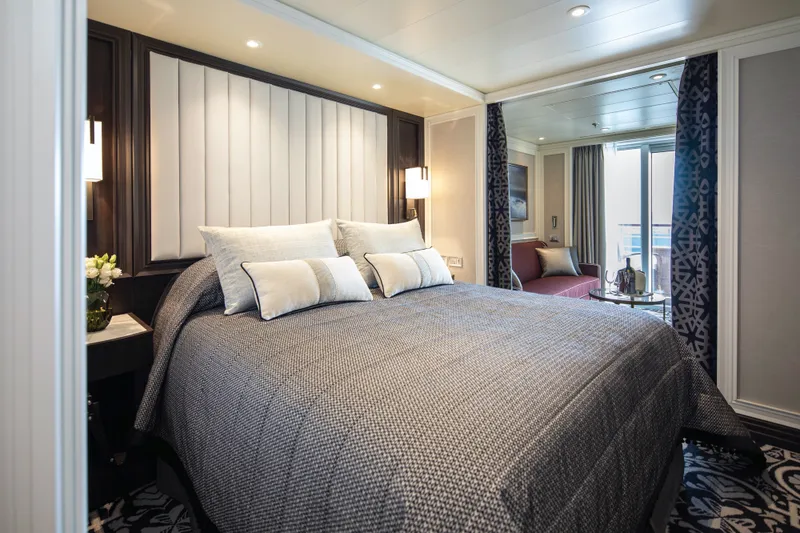
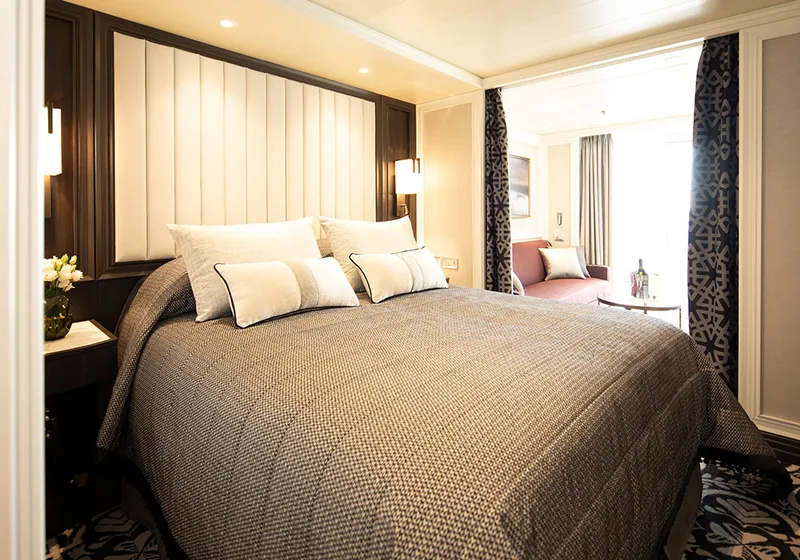
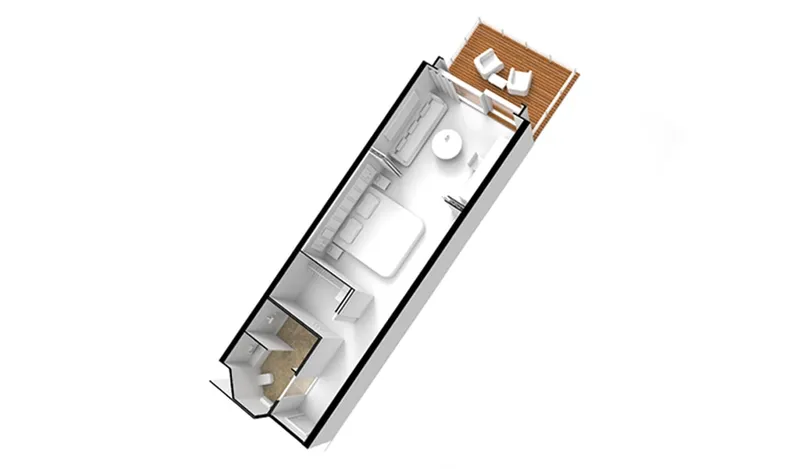
A wonderfully cozy retreat that includes a private balcony. In addition to a signature European Queen Size Elite Slumber bed, you’ll enjoy amenities such as lavish bath products, an interactive flat-screen television and a plush bathrobe and slippers. The intimate sitting area includes a table that is the perfect size for breakfast for two or a couple of glasses and a bottle of celebratory Champagne.
SUITE SIZE
20
M2
BALCONY SIZE
8
M2
LAYOUT
Private Balcony
European Queen Size Elite Slumber™ Bed
Spacious Living Room With Sitting Area
1 Marble and Stone Detailed Bathroom featuring a glass-enclosed shower instead of bathtub
Our cruise specialists can help you find the perfect cabin and the best available pricing.
(+886) 02-2721-7300Contact Advisor