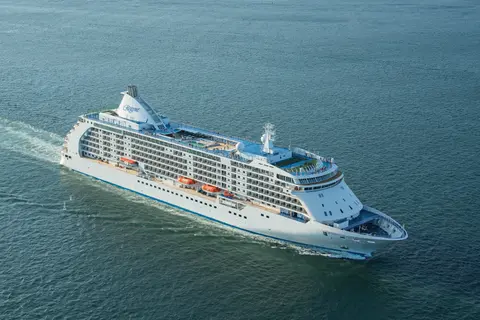
Regent Seven Seas CruisesVOY260628A
Byzantine, Barcelona & Belem Istanbul To Lisbon
Date
2026-06-28
Duration
22 nights
Departure Port
Istanbul
Turkey
Arrival Port
Lisbon
Portugal
Rating
Ultra Luxury
Theme
—
Date
2026-06-28
Duration
22 nights
Departure Port
Istanbul
Turkey
Arrival Port
Lisbon
Portugal
Rating
Ultra Luxury
Theme
—

Regent Seven Seas Cruises
2004
2016
42,363 GT
698
349
455
204 m
29 m
20 knots
No

For more than fifteen centuries, Istanbul has been the pivot upon which empires turned — Byzantium, Constantinople, the Ottoman capital — and nowhere else on earth compresses so much history into a single horizon. The Hagia Sophia, the Blue Mosque, and the Topkapi Palace form an incomparable trinity of architectural genius along the Golden Horn; the Grand Bazaar's four thousand shops offer a sensory immersion unlike any other marketplace. Must-dos include a Bosphorus sunset cruise and a meal of mezze along the waterfront at Karaköy. Spring (April–May) and autumn (September–October) offer the most gracious climate for this inexhaustible city.
Mytilene is the capital of Lesbos, Greece's third-largest island, birthplace of the poet Sappho and home to eleven million olive trees, exceptional museums, and Greece's ouzo capital at Plomari. Must-dos include visiting the Petrified Forest UNESCO Geopark, tasting PDO olive oil and local ouzo, and exploring the dual-harbor old town. April through June and September-October offer ideal weather for island exploration.
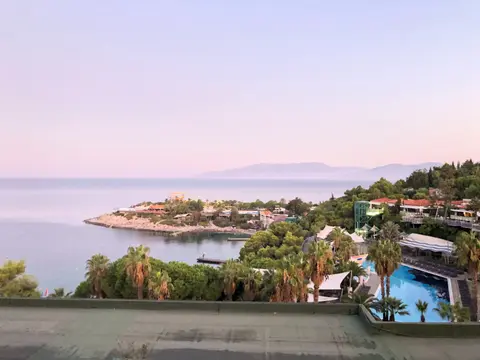
Kuşadası owes its place on the world's cruise itineraries to one extraordinary proximity: the ancient city of Ephesus, one of the greatest metropolises of the Greco-Roman world, lies just seventeen kilometres from the port. Ephesus — with its two-kilometre marble colonnade, the Library of Celsus, and the Temple of Artemis (one of the Seven Wonders of the Ancient World) — demands at least half a day of unhurried exploration. The House of the Virgin Mary, a pilgrimage site believed to be where Mary spent her final years, adds a profound spiritual dimension. Kuşadası itself is a lively Aegean resort; the season runs April through October, with May and September offering ideal temperatures and smaller crowds.
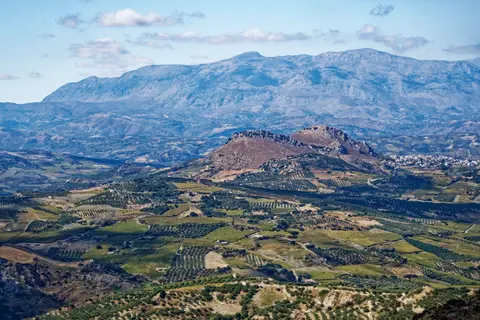
Heraklion, the capital of Crete, is a historic port city rich in Minoan heritage and Venetian architecture, making it an essential stop for cruise travelers. Must-do experiences include exploring the Palace of Knossos and indulging in local dishes like moussaka and dakos. The best season to visit is during the spring and early fall when the weather is mild and the local festivals are in full swing.
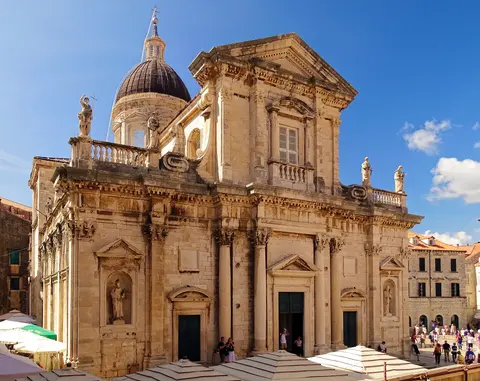
Dubrovnik, Croatia's stunning port city, is a blend of rich history, dramatic architecture, and vibrant culture, making it a must-visit destination. Don't miss a stroll along the city walls for breathtaking views and savor local dishes like "peka" and "black risotto." The best time to visit is in late spring or early fall when the weather is pleasant and the crowds are thinner.
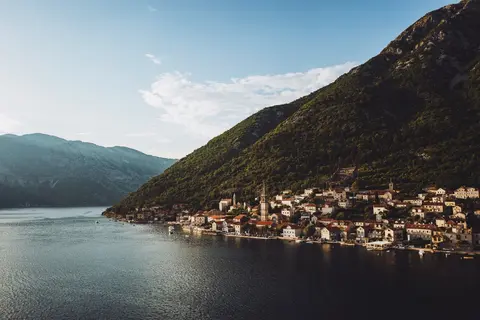
The port of Kotor, a UNESCO World Heritage site, is renowned for its stunning natural beauty and rich historical tapestry. A must-do experience includes wandering the cobblestone streets of the Old Town, where culinary delights like "kacamak" and fresh seafood await. The best time to visit is during the spring or early fall, when the weather is pleasant and the crowds are fewer.
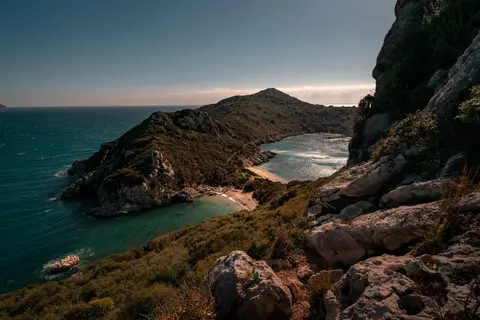
Where Homer placed the island of the Phaeacians and four centuries of Venetian rule left their most enduring Mediterranean legacy, Corfu is a singular island of extraordinary historical depth and natural beauty. The UNESCO-listed Old Town — its narrow Kantounia alleyways, the elegant Liston arcade, and twin Venetian fortresses — is the finest preserved Venetian streetscape in Greece. Beyond the town, secret coves, olive groves of immense antiquity, and mountain villages offer weeks of unhurried discovery. May through June and September offer perfect conditions: warm sea temperatures, clear skies, and the island before or after its summer crescendo.
Crotone has had a long and eventful history, with a Greek school founded by Pythagoras and being the native land of the Olympic athlete Milo. Among the most-renowned sites, the Castle of Charles V is situated in the ancient part of the city, and so is the Cathedral, which hosts important and precious artisan works. Along the fortified walls of the castle are the historic city center and the National Archaeological Museum, which exhibits unique items, including Hera’s treasures. Just a few miles from the city, visit the archaeological area of Capo Colonna, where the ancient temple of Hera Lacinia once stood.
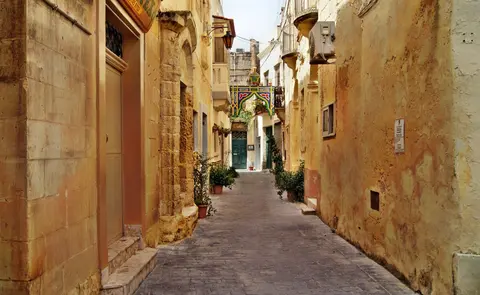
Valletta, Europe's smallest capital, is a fortress city of exceptional grandeur raised from bare limestone in just fifteen years after the Knights of St. John repelled the great Ottoman siege of 1565 — its rigid Renaissance grid of sun-drenched streets concealing a density of baroque palaces, gilded oratories, and subterranean World War II shelters unrivaled anywhere in the Mediterranean. The Grand Harbour, framed by golden bastions plunging into startlingly blue water, offers one of the most dramatically photogenic arrivals in the world for arriving vessels. Spring and autumn deliver the most comfortable temperatures for exploring this UNESCO-listed gem.
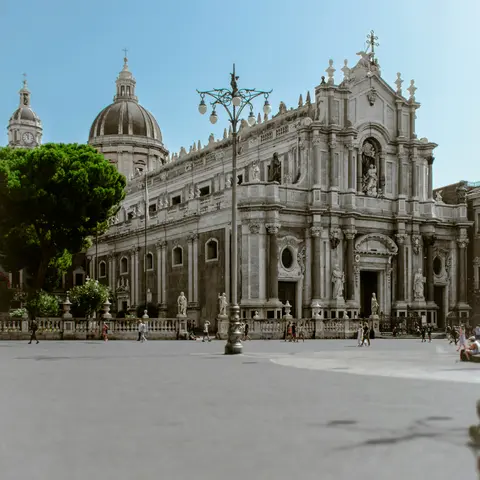
Catania is Sicily's dramatic second city, built from the black volcanic stone of Mount Etna and layered with Greek, Roman, and baroque heritage dating to 729 BC. Visitors should not miss the riotous Pescheria fish market and a tasting of authentic pasta alla Norma, followed by an excursion to the summit of Etna for views stretching to the Aeolian Islands. The best months to visit are April through June and September through October, when mild temperatures and thinner crowds allow the city's baroque streetscapes and extraordinary cuisine to be savored at a leisurely, unhurried pace.
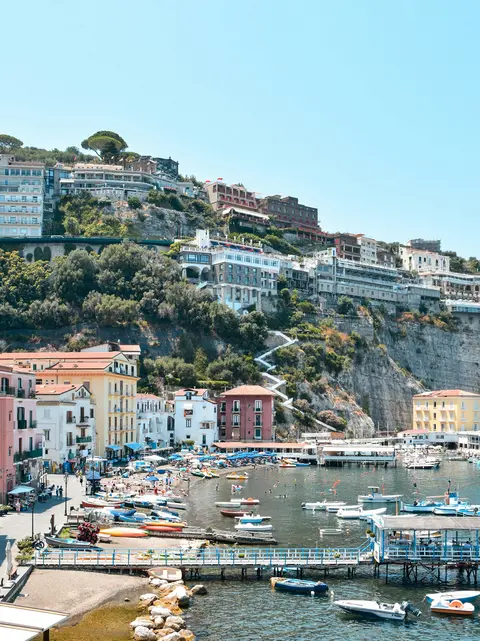
Sorrento is a clifftop jewel on southern Italy's Sorrentine Peninsula, perched sixty meters above the Bay of Naples with sweeping views of Vesuvius and Capri. Visitors should not miss the gnocchi alla sorrentina at a family-run trattoria in the old quarter, nor the short excursion along the Amalfi Coast to Positano and Ravello. The ideal season stretches from late April through mid-October, when warm Mediterranean light illuminates the tufa cliffs and the famed local lemons reach their most fragrant peak.
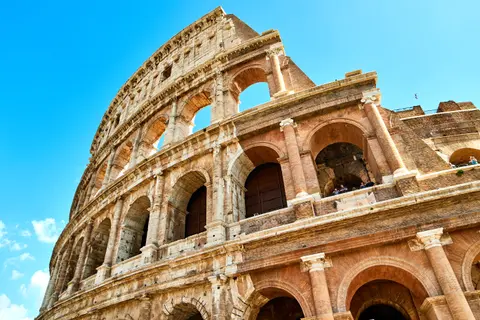
Rome's ancient maritime gateway since the Emperor Trajan commissioned its harbour in 106 AD, Civitavecchia is the natural prologue to the Eternal City — just seventy minutes southeast by express rail. The port's Renaissance fortress, designed in part by Michelangelo, anchors a working waterfront that has welcomed travellers for millennia. Beyond Rome's unmissable monuments, consider an afternoon in the Civitavecchia thermal baths, drawing on mineral waters prized since antiquity. Spring and autumn offer the ideal balance of mild weather and manageable crowds for exploring the capital's layered history.
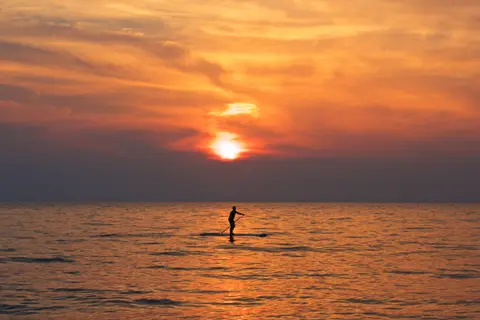
Purpose-built as a Medici utopia in the late sixteenth century, Livorno was conceived from the outset as a city without discrimination — its founding Leggi Livornine granted equal rights to Jews, Christians, Muslims, and merchants of every nation, making it one of the most cosmopolitan cities in Renaissance Europe. Today, the Venetian-style canals of the Venezia Nuova quarter reflect colourful palazzi with a distinctly faded glamour, while the Mercato Centrale's fish counters display the cacciucco ingredients — a robust Livornese brodetto of five sea creatures — that make this port city a pilgrimage for serious eaters. Day trips to Pisa and Lucca are effortless from here. The season runs April through October.
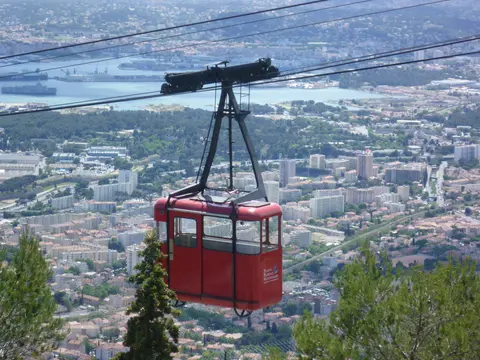
Toulon is the French Navy's Mediterranean home port, where the daily Cours Lafayette market, Mont Faron cable-car panoramas, and proximity to the Hyères Islands' pristine beaches deliver the French Riviera without the glamour-tax of Cannes or Saint-Tropez. Visit April through October via Cunard or Oceania for authentic Provençal markets, the 'other D-Day' memorial, and the Riviera that the French actually use.
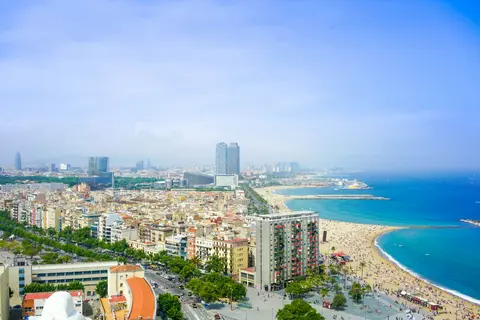
Barcelona is the city where Roman history, Gothic grandeur, and Gaudí's delirious Modernisme collide in a Mediterranean coastal capital of astonishing energy and beauty. The Sagrada Família — still under construction after 140 years — continues its audacious ascent toward completion, while the Gothic Quarter's Roman-era foundations and the Passeig de Gràcia's extraordinary concentration of Modernisme masterpieces reward days of exploration. For a complete sensory experience, lose an afternoon in the covered labyrinth of La Boqueria market before descending to the waterfront for Catalan seafood at its finest. May through June and September through October offer the most pleasant weather; the city connects directly to Paris by overnight train.
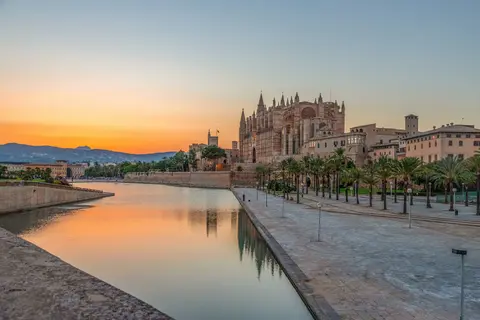
Palma de Mallorca announces itself with one of the most spectacular Gothic cathedrals in the world — La Seu, its honey-coloured sandstone buttresses rising directly from the bay, its interior modified by Antoni Gaudí and illuminated by the world's largest Gothic rose window. The old town behind it is a quarter of Arab baths, Renaissance palaces converted into boutique hotels, and the Passeig del Born — a plane-tree-shaded promenade where Balearic life conducts itself with unhurried grace. The local ensaïmada pastry and fresh sobrasada sausage from the island's black pigs are essential breakfast rituals. Visit May, June, or September: warm, brilliant, and measurably calmer than the July–August peak.
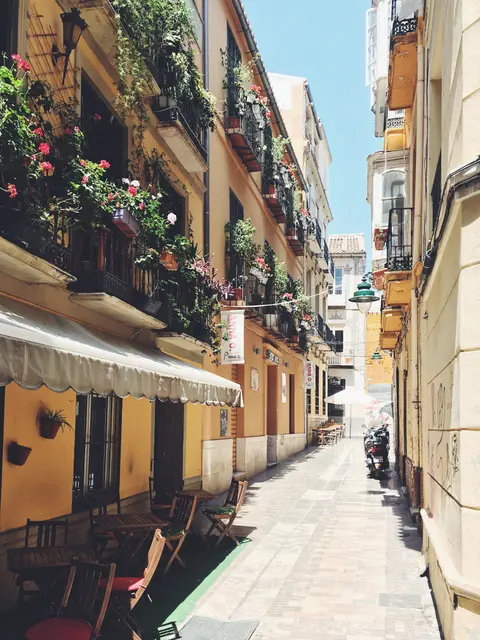
Málaga distils three thousand years of Mediterranean civilisation into one of Andalusia's most compelling port cities, where the Moorish Alcazaba fortress surveys a modern waterfront of elegant promenades and sun-drenched café terraces. Do not leave without visiting the Museo Picasso — the artist was born here in 1881 — and ascending to the ruined Castillo de Gibralfaro for panoramic views stretching to the Rif Mountains of Morocco on clear days. Malagueta anchovies fried in olive oil and the sweet Pedro Ximénez-laced dessert wine are the city's defining pleasures. The shoulder seasons of April, May, and October offer perfect Mediterranean warmth.
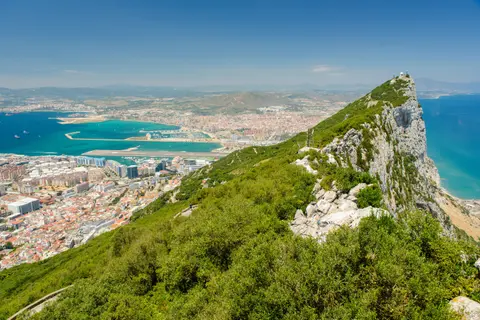
Gibraltar is a British Overseas Territory perched at the southern tip of the Iberian Peninsula, where the Mediterranean meets the Atlantic beneath an iconic limestone monolith steeped in over a millennium of contested history. No visit is complete without ascending the Rock to encounter the Barbary macaques and the panoramic views stretching to North Africa, followed by a plate of calentita — the territory's beloved Genoese-heritage chickpea bake — at a Main Street bakery. The mild Mediterranean climate makes Gibraltar a rewarding port call year-round, though spring and early autumn offer the clearest skies for spotting whales and dolphins in the Strait.
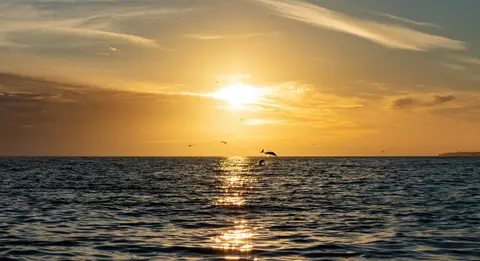
Portimão is the Algarve's most storied port city, where Phoenician trading heritage meets golden-cliff beaches and Portugal's finest grilled sardine tradition along the Arade River. Visitors should not miss the charcoal-grilled sardines at the riverside churrasqueiras and the dramatic sandstone formations of Praia da Rocha. The port is at its luminous best from May through October, when long Atlantic days bathe the coastline in honeyed light and the August Sardine Festival electrifies the waterfront.
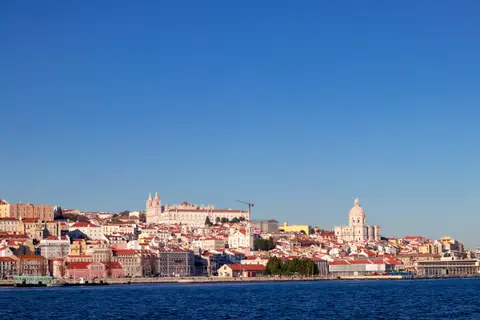
Lisbon, Portugal's enchanting capital, stands out for its rich history, stunning architecture, and vibrant culture. Must-try experiences include savoring local dishes like bacalhau à brás and pastéis de nata at Mercado da Ribeira. The best time to visit is during the spring or fall, when the weather is mild and the city is alive with festivals and events.
Day 1
For more than fifteen centuries, Istanbul has been the pivot upon which empires turned — Byzantium, Constantinople, the Ottoman capital — and nowhere else on earth compresses so much history into a single horizon. The Hagia Sophia, the Blue Mosque, and the Topkapi Palace form an incomparable trinity of architectural genius along the Golden Horn; the Grand Bazaar's four thousand shops offer a sensory immersion unlike any other marketplace. Must-dos include a Bosphorus sunset cruise and a meal of mezze along the waterfront at Karaköy. Spring (April–May) and autumn (September–October) offer the most gracious climate for this inexhaustible city.
Day 2
Mytilene is the capital of Lesbos, Greece's third-largest island, birthplace of the poet Sappho and home to eleven million olive trees, exceptional museums, and Greece's ouzo capital at Plomari. Must-dos include visiting the Petrified Forest UNESCO Geopark, tasting PDO olive oil and local ouzo, and exploring the dual-harbor old town. April through June and September-October offer ideal weather for island exploration.
Day 3
Kuşadası owes its place on the world's cruise itineraries to one extraordinary proximity: the ancient city of Ephesus, one of the greatest metropolises of the Greco-Roman world, lies just seventeen kilometres from the port. Ephesus — with its two-kilometre marble colonnade, the Library of Celsus, and the Temple of Artemis (one of the Seven Wonders of the Ancient World) — demands at least half a day of unhurried exploration. The House of the Virgin Mary, a pilgrimage site believed to be where Mary spent her final years, adds a profound spiritual dimension. Kuşadası itself is a lively Aegean resort; the season runs April through October, with May and September offering ideal temperatures and smaller crowds.
Day 4
Heraklion, the capital of Crete, is a historic port city rich in Minoan heritage and Venetian architecture, making it an essential stop for cruise travelers. Must-do experiences include exploring the Palace of Knossos and indulging in local dishes like moussaka and dakos. The best season to visit is during the spring and early fall when the weather is mild and the local festivals are in full swing.
Day 5
Day 6
Dubrovnik, Croatia's stunning port city, is a blend of rich history, dramatic architecture, and vibrant culture, making it a must-visit destination. Don't miss a stroll along the city walls for breathtaking views and savor local dishes like "peka" and "black risotto." The best time to visit is in late spring or early fall when the weather is pleasant and the crowds are thinner.
Day 7
The port of Kotor, a UNESCO World Heritage site, is renowned for its stunning natural beauty and rich historical tapestry. A must-do experience includes wandering the cobblestone streets of the Old Town, where culinary delights like "kacamak" and fresh seafood await. The best time to visit is during the spring or early fall, when the weather is pleasant and the crowds are fewer.
Day 8
Where Homer placed the island of the Phaeacians and four centuries of Venetian rule left their most enduring Mediterranean legacy, Corfu is a singular island of extraordinary historical depth and natural beauty. The UNESCO-listed Old Town — its narrow Kantounia alleyways, the elegant Liston arcade, and twin Venetian fortresses — is the finest preserved Venetian streetscape in Greece. Beyond the town, secret coves, olive groves of immense antiquity, and mountain villages offer weeks of unhurried discovery. May through June and September offer perfect conditions: warm sea temperatures, clear skies, and the island before or after its summer crescendo.
Day 9
Crotone has had a long and eventful history, with a Greek school founded by Pythagoras and being the native land of the Olympic athlete Milo. Among the most-renowned sites, the Castle of Charles V is situated in the ancient part of the city, and so is the Cathedral, which hosts important and precious artisan works. Along the fortified walls of the castle are the historic city center and the National Archaeological Museum, which exhibits unique items, including Hera’s treasures. Just a few miles from the city, visit the archaeological area of Capo Colonna, where the ancient temple of Hera Lacinia once stood.
Day 10
Valletta, Europe's smallest capital, is a fortress city of exceptional grandeur raised from bare limestone in just fifteen years after the Knights of St. John repelled the great Ottoman siege of 1565 — its rigid Renaissance grid of sun-drenched streets concealing a density of baroque palaces, gilded oratories, and subterranean World War II shelters unrivaled anywhere in the Mediterranean. The Grand Harbour, framed by golden bastions plunging into startlingly blue water, offers one of the most dramatically photogenic arrivals in the world for arriving vessels. Spring and autumn deliver the most comfortable temperatures for exploring this UNESCO-listed gem.
Day 11
Catania is Sicily's dramatic second city, built from the black volcanic stone of Mount Etna and layered with Greek, Roman, and baroque heritage dating to 729 BC. Visitors should not miss the riotous Pescheria fish market and a tasting of authentic pasta alla Norma, followed by an excursion to the summit of Etna for views stretching to the Aeolian Islands. The best months to visit are April through June and September through October, when mild temperatures and thinner crowds allow the city's baroque streetscapes and extraordinary cuisine to be savored at a leisurely, unhurried pace.
Day 12
Sorrento is a clifftop jewel on southern Italy's Sorrentine Peninsula, perched sixty meters above the Bay of Naples with sweeping views of Vesuvius and Capri. Visitors should not miss the gnocchi alla sorrentina at a family-run trattoria in the old quarter, nor the short excursion along the Amalfi Coast to Positano and Ravello. The ideal season stretches from late April through mid-October, when warm Mediterranean light illuminates the tufa cliffs and the famed local lemons reach their most fragrant peak.
Day 13
Rome's ancient maritime gateway since the Emperor Trajan commissioned its harbour in 106 AD, Civitavecchia is the natural prologue to the Eternal City — just seventy minutes southeast by express rail. The port's Renaissance fortress, designed in part by Michelangelo, anchors a working waterfront that has welcomed travellers for millennia. Beyond Rome's unmissable monuments, consider an afternoon in the Civitavecchia thermal baths, drawing on mineral waters prized since antiquity. Spring and autumn offer the ideal balance of mild weather and manageable crowds for exploring the capital's layered history.
Day 14
Purpose-built as a Medici utopia in the late sixteenth century, Livorno was conceived from the outset as a city without discrimination — its founding Leggi Livornine granted equal rights to Jews, Christians, Muslims, and merchants of every nation, making it one of the most cosmopolitan cities in Renaissance Europe. Today, the Venetian-style canals of the Venezia Nuova quarter reflect colourful palazzi with a distinctly faded glamour, while the Mercato Centrale's fish counters display the cacciucco ingredients — a robust Livornese brodetto of five sea creatures — that make this port city a pilgrimage for serious eaters. Day trips to Pisa and Lucca are effortless from here. The season runs April through October.
Day 15
Toulon is the French Navy's Mediterranean home port, where the daily Cours Lafayette market, Mont Faron cable-car panoramas, and proximity to the Hyères Islands' pristine beaches deliver the French Riviera without the glamour-tax of Cannes or Saint-Tropez. Visit April through October via Cunard or Oceania for authentic Provençal markets, the 'other D-Day' memorial, and the Riviera that the French actually use.
Day 16
Barcelona is the city where Roman history, Gothic grandeur, and Gaudí's delirious Modernisme collide in a Mediterranean coastal capital of astonishing energy and beauty. The Sagrada Família — still under construction after 140 years — continues its audacious ascent toward completion, while the Gothic Quarter's Roman-era foundations and the Passeig de Gràcia's extraordinary concentration of Modernisme masterpieces reward days of exploration. For a complete sensory experience, lose an afternoon in the covered labyrinth of La Boqueria market before descending to the waterfront for Catalan seafood at its finest. May through June and September through October offer the most pleasant weather; the city connects directly to Paris by overnight train.
Day 17
Palma de Mallorca announces itself with one of the most spectacular Gothic cathedrals in the world — La Seu, its honey-coloured sandstone buttresses rising directly from the bay, its interior modified by Antoni Gaudí and illuminated by the world's largest Gothic rose window. The old town behind it is a quarter of Arab baths, Renaissance palaces converted into boutique hotels, and the Passeig del Born — a plane-tree-shaded promenade where Balearic life conducts itself with unhurried grace. The local ensaïmada pastry and fresh sobrasada sausage from the island's black pigs are essential breakfast rituals. Visit May, June, or September: warm, brilliant, and measurably calmer than the July–August peak.
Day 18
Day 19
Málaga distils three thousand years of Mediterranean civilisation into one of Andalusia's most compelling port cities, where the Moorish Alcazaba fortress surveys a modern waterfront of elegant promenades and sun-drenched café terraces. Do not leave without visiting the Museo Picasso — the artist was born here in 1881 — and ascending to the ruined Castillo de Gibralfaro for panoramic views stretching to the Rif Mountains of Morocco on clear days. Malagueta anchovies fried in olive oil and the sweet Pedro Ximénez-laced dessert wine are the city's defining pleasures. The shoulder seasons of April, May, and October offer perfect Mediterranean warmth.
Day 20
Gibraltar is a British Overseas Territory perched at the southern tip of the Iberian Peninsula, where the Mediterranean meets the Atlantic beneath an iconic limestone monolith steeped in over a millennium of contested history. No visit is complete without ascending the Rock to encounter the Barbary macaques and the panoramic views stretching to North Africa, followed by a plate of calentita — the territory's beloved Genoese-heritage chickpea bake — at a Main Street bakery. The mild Mediterranean climate makes Gibraltar a rewarding port call year-round, though spring and early autumn offer the clearest skies for spotting whales and dolphins in the Strait.
Day 21
Day 22
Portimão is the Algarve's most storied port city, where Phoenician trading heritage meets golden-cliff beaches and Portugal's finest grilled sardine tradition along the Arade River. Visitors should not miss the charcoal-grilled sardines at the riverside churrasqueiras and the dramatic sandstone formations of Praia da Rocha. The port is at its luminous best from May through October, when long Atlantic days bathe the coastline in honeyed light and the August Sardine Festival electrifies the waterfront.
Day 23
Lisbon, Portugal's enchanting capital, stands out for its rich history, stunning architecture, and vibrant culture. Must-try experiences include savoring local dishes like bacalhau à brás and pastéis de nata at Mercado da Ribeira. The best time to visit is during the spring or fall, when the weather is mild and the city is alive with festivals and events.
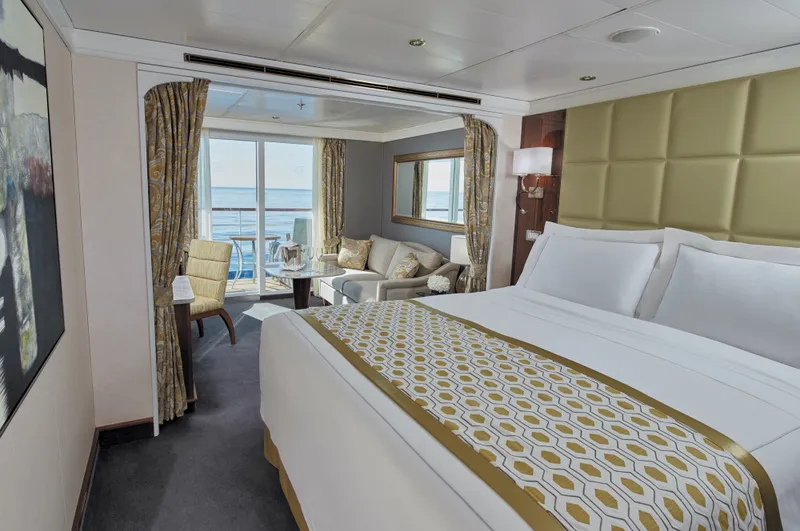
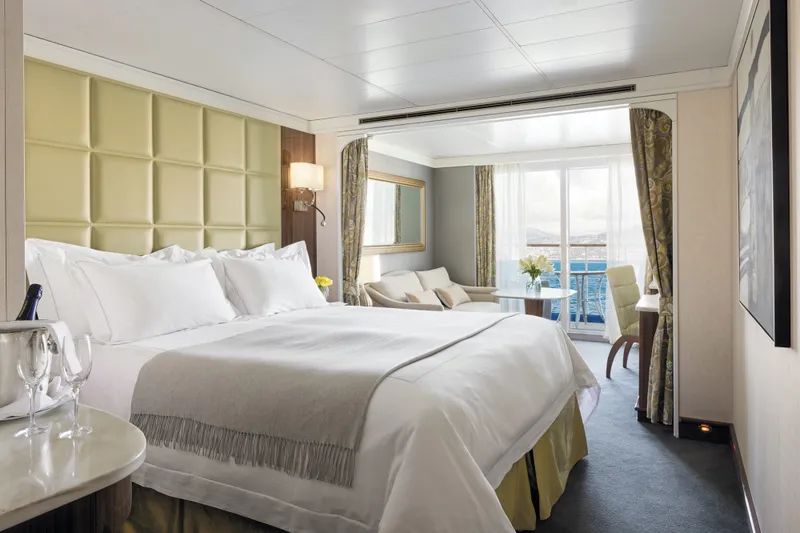
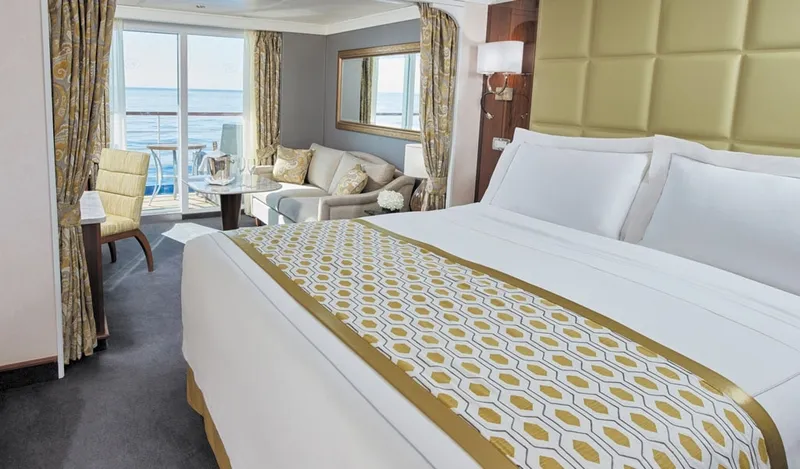
In this superbly designed suite, you enjoy the comfort of richly furnished accommodations as well as exclusive luxuries available only in suites at the Concierge level and higher. Your suite includes amenities such as an illy espresso maker and cashmere blankets, perfect for use in the morning when you wish to sip coffee and enjoy an in-suite breakfast on your private balcony. Take advantage of 24-hour room service when the mood strikes.
SUITE SIZE
28
M2
BALCONY SIZE
5
M2
LAYOUT
European King-Sized Suite Slumber Bed
1 Marble Bathroom
Intimate Sitting Area
Private Balcony
Walk-in Closet With Safe
Accommodates Up To 3 Guests
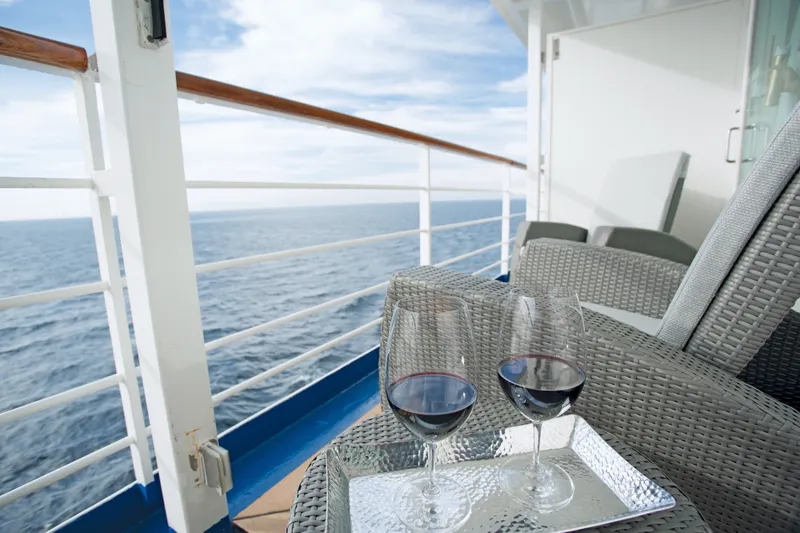
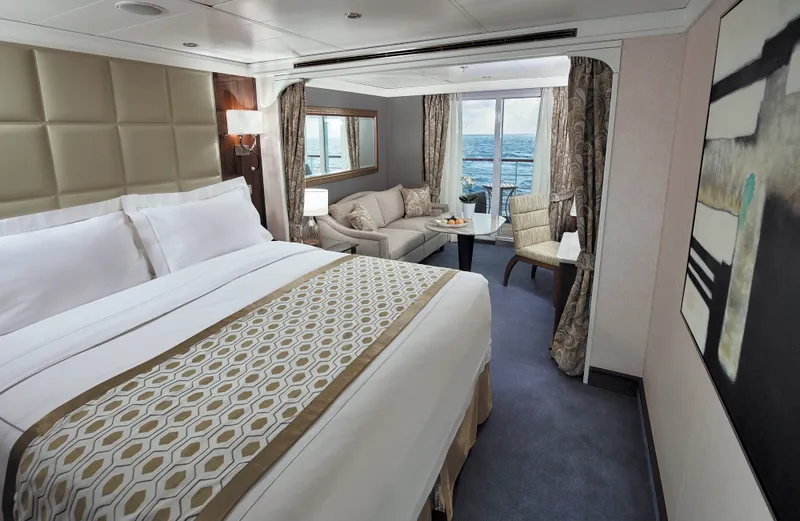
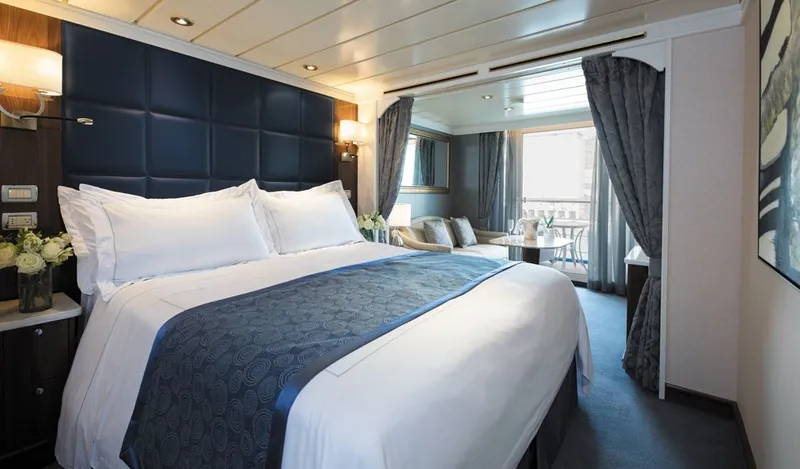
Every inch of this suite has been thoughtfully designed to maximize interior space and embrace the magnificent scenery outdoors. From the sitting area, admire the ocean views through the floor-to-ceiling windows, or better yet, take a seat outside on your private balcony to watch the world go by. Elegant finishes such as luxurious bedding and beautiful marble detailing in the bath further enhance your comfort.
SUITE SIZE
28
M2
BALCONY SIZE
5
M2
LAYOUT
European King-Sized Suite Slumber Bed
1 Marble Bathroom
Intimate Sitting Area
Private Balcony
Walk-in Closet With Safe
Accommodates Up To 3 Guests
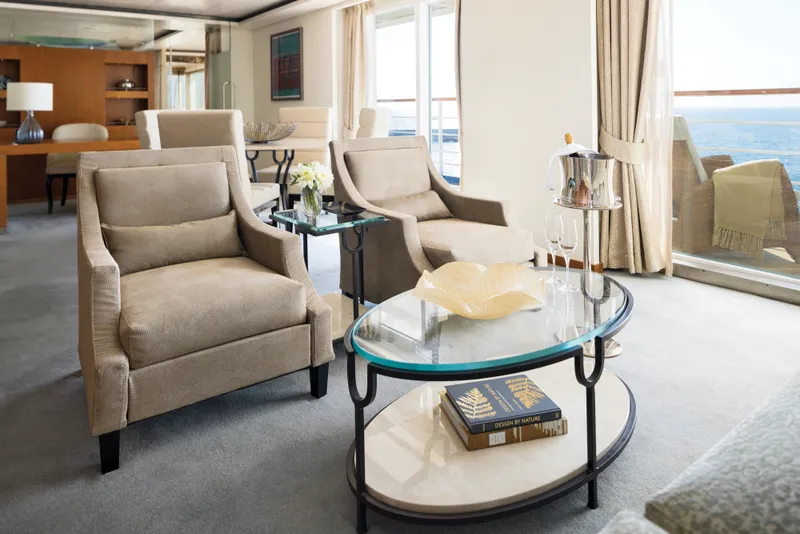
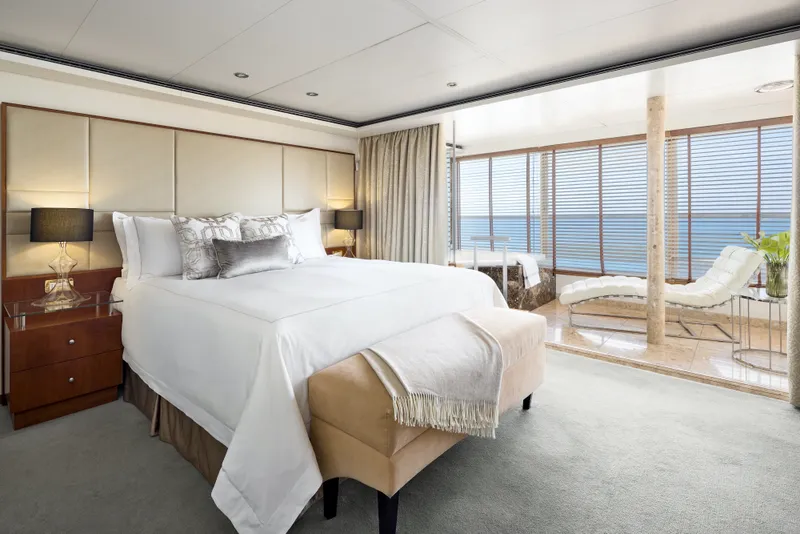
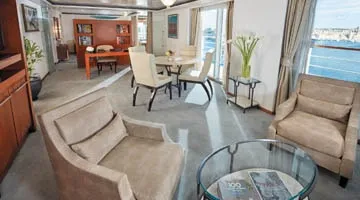
A suite so large it has two entrances, this suite delights the senses with rich mosaics, exotic woods and luxurious touches. A living area with a couch and two comfortable chairs, a full dining table and large writing table make you feel right at home, while a leather chaise lounge beside a jacuzzi feel like holiday indulgences. A large private balcony lets you welcome friends for a quiet dinner, and a personal butler helps make life at sea a breeze.
SUITE SIZE
70
M2
BALCONY SIZE
11
M2
LAYOUT
1 Spacious Bedroom With European King-Sized Suite Slumber Bed
1 1/2 Marble Bathrooms
Spacious Living Room
Private Balcony
Walk-in Closet With Safe
Accommodates Up To 4 Guests
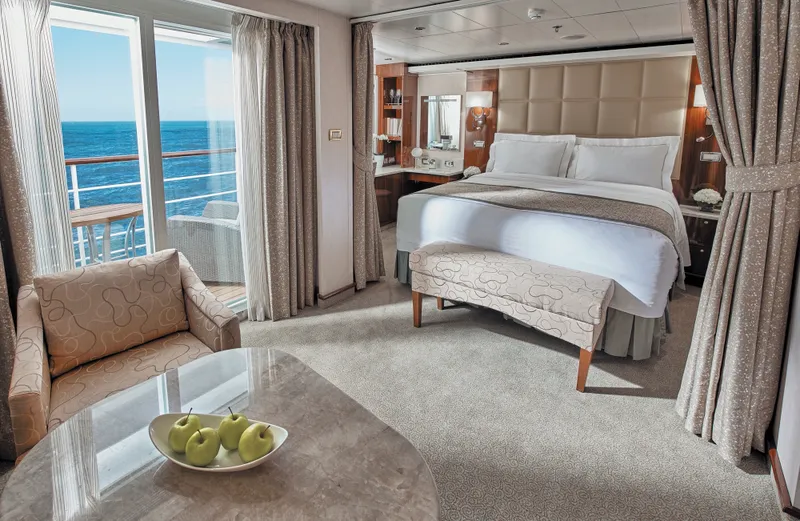
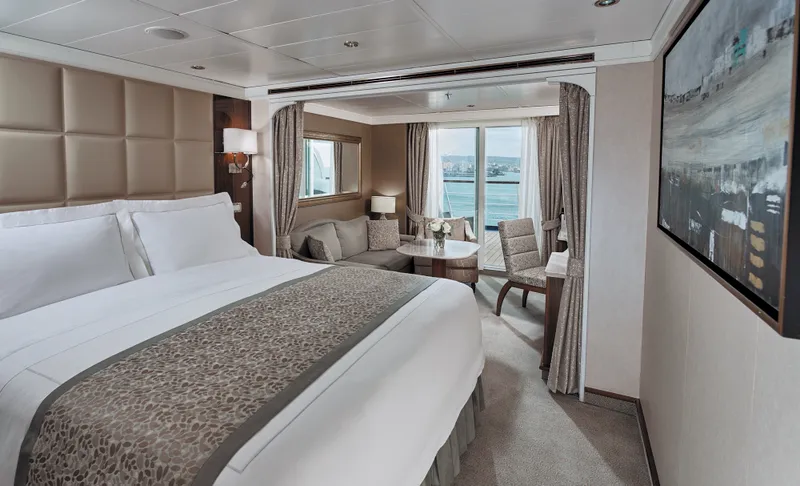
The luxurious suite has been carefully designed to maximize space and comfort. Relax on your private balcony and indulge in your lavish bath amenities as you recharge and ready yourself for new adventures in the next port of call. This suite also includes priority online reservations for shore excursions and dining, and you’re encouraged to call on the services of a personal butler for special requests.
SUITE SIZE
30
M2
BALCONY SIZE
5
M2
LAYOUT
European King-Sized Suite Slumber Bed
1 Marble Bathroom
Intimate Sitting Area
Private Balcony
Walk-in Closet With Safe
Accommodates Up To 3 Guests
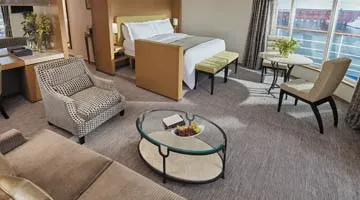
This suite is decorated with soothing colors, pleasing artwork and comfortable furnishings. Relax in the sitting area after an exciting day ashore and enjoy the selection of fresh canapés delivered by your personal butler. Then retreat to your private balcony to watch the ever-changing vistas. In your glistening bathroom, marvel at the assortment of luxury bath soaps and shampoos as you ponder whether to use your tub or walk-in shower.
SUITE SIZE
41
M2
BALCONY SIZE
15.4 – 27.2
M2
LAYOUT
1 Marble Bathroom
Living Area
Private Balcony
Walk-in Closet With Safe
Accommodates Up To 3 Guests
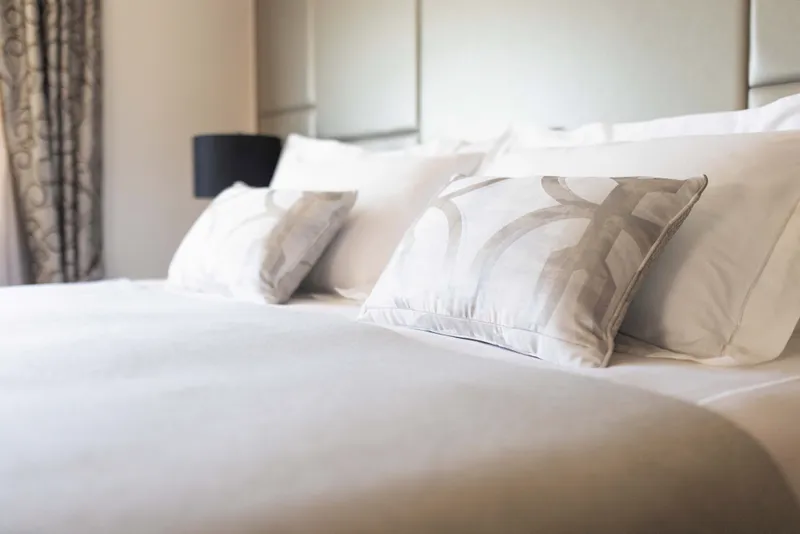
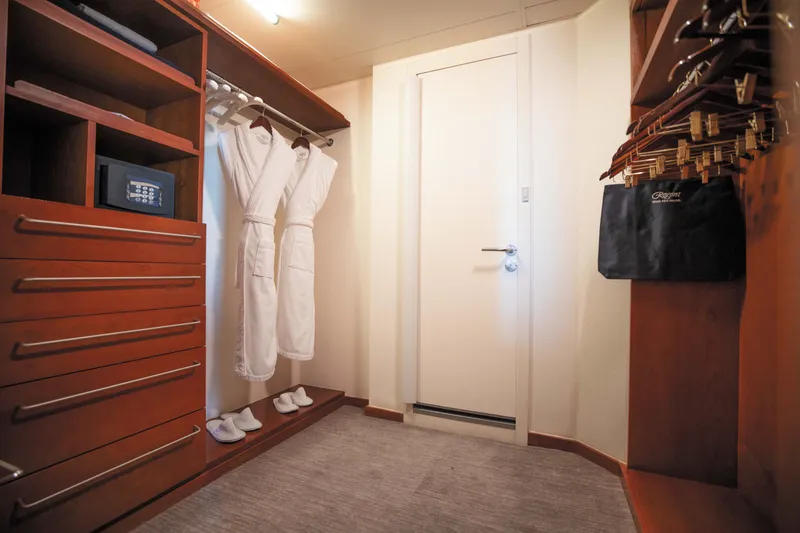
This suite is decorated with soothing colors, pleasing artwork and comfortable furnishings. Relax in the sitting area after an exciting day ashore and enjoy the selection of fresh canapés delivered by your personal butler. Then retreat to your private balcony to watch the ever-changing vistas. In your glistening bathroom, marvel at the assortment of luxury bath soaps and shampoos as you ponder whether to use your tub or walk-in shower.
SUITE SIZE
46
M2
BALCONY SIZE
5
M2
LAYOUT
1 Spacious Bedroom With European King-Sized Suite Slumber Bed
1 1/2 Marble Bathrooms
Spacious Living Room
Private Balcony
Walk-in Closet With Safe
Accommodates Up To 3 Guests
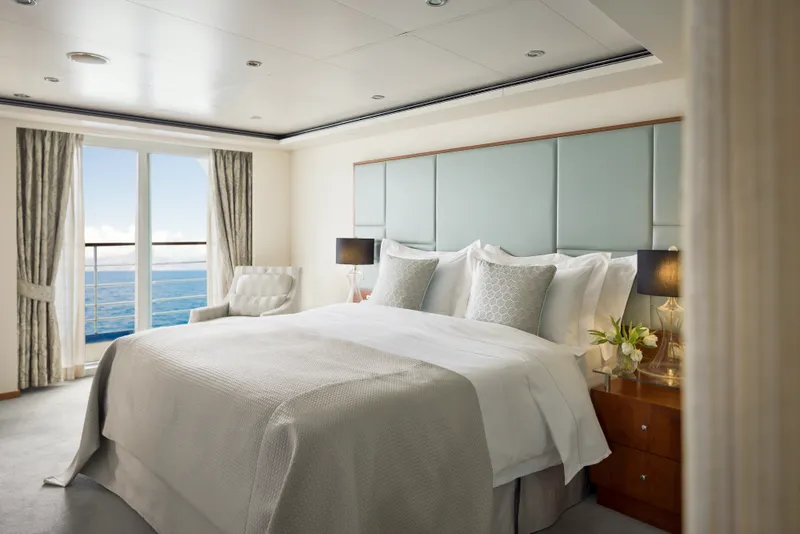
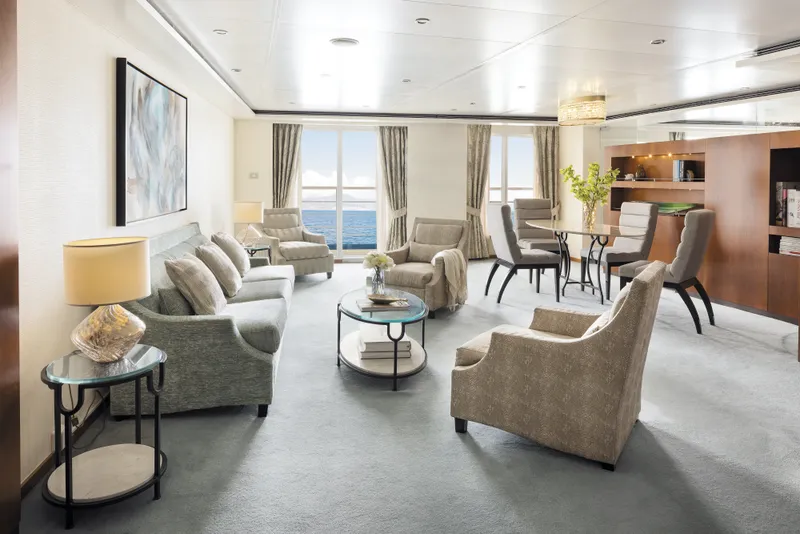
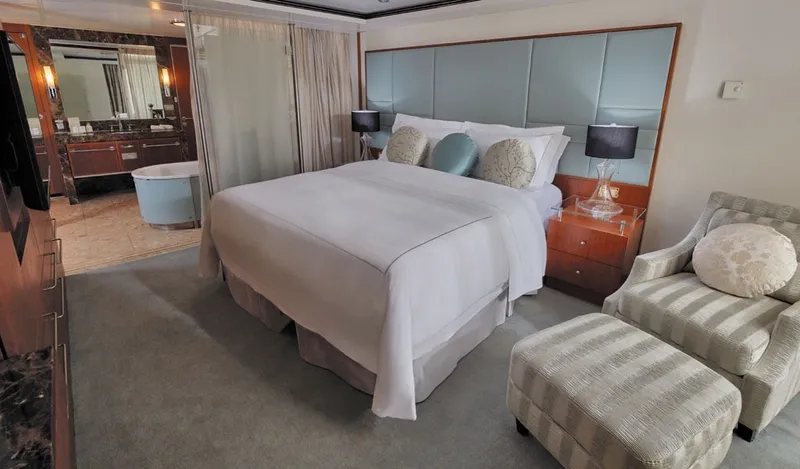
You’ll find Park Avenue chic onboard Seven Seas Voyager in this spectacular suite. Elegant rosewood furniture, luxe fabrics and a crystal chandelier create sophisticated comfort, while a personal butler is available to fulfil whatever requests you may have. With two bedrooms, two-and-a-half baths, a large living room and two private balconies, this sublime suite is perfect for hosting new friends in luxury.
SUITE SIZE
113
M2
BALCONY SIZE
17
M2
LAYOUT
2 Spacious Bedrooms with European King-Sized Elite Slumber™ Bed
2 1/2 Marble Bathrooms
Spacious Living Room
2 Private Balconies
Walk-in Closet With Safe
Accommodates Up To 6 Guests
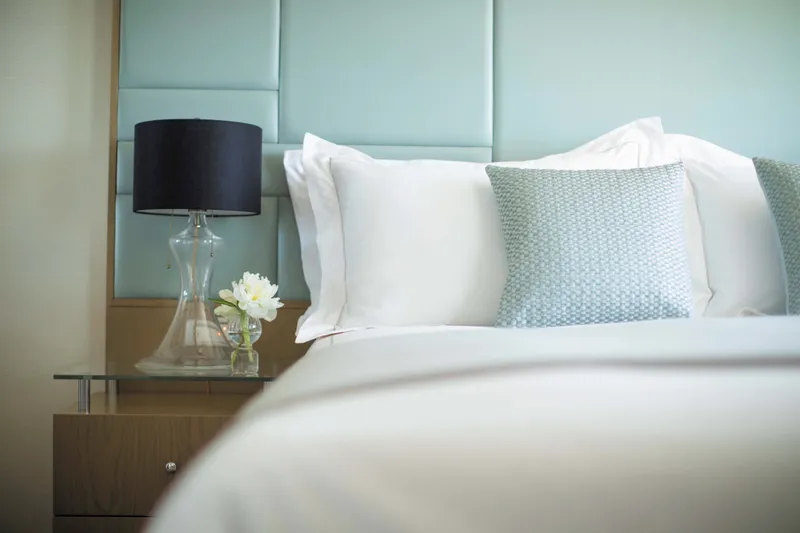
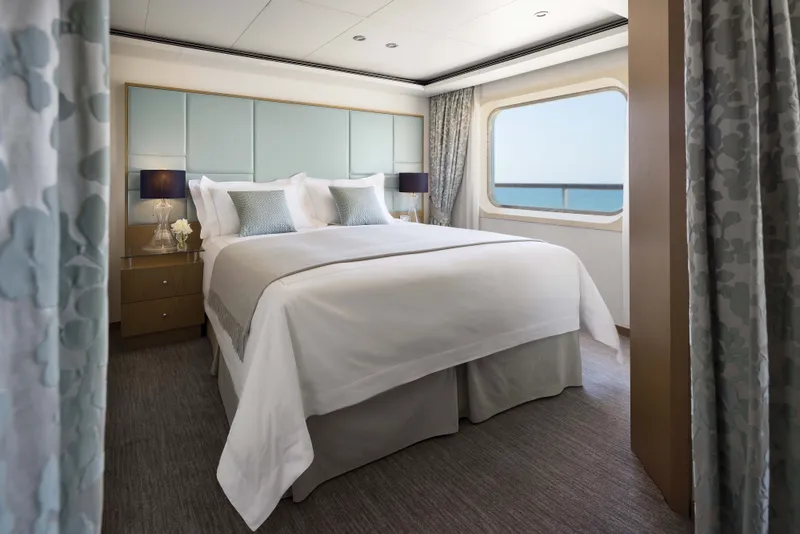
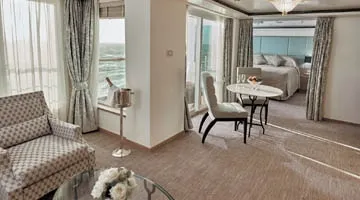
Treat yourself to the welcoming luxury of a suite where elegance and comfort beckon in every nook. Open the sliding doors to your private balcony and inhale the fresh sea air. Enjoy your morning coffee at a cozy dining table or put your feet up in a soothing living room. Call on the services of a personal butler to assist with any needs and ensure that each moment of your journey exceeds your expectations.
SUITE SIZE
52
M2
BALCONY SIZE
5
M2
LAYOUT
1 Spacious Bedroom With European King-Sized Suite Slumber Bed
1 1/2 Marble Bathrooms
Spacious Living Room
Private Balcony
Walk-in Closet With Safe
Accommodates Up To 4 Guests
Our cruise specialists can help you find the perfect cabin and the best available pricing.
(+886) 02-2721-7300Contact Advisor