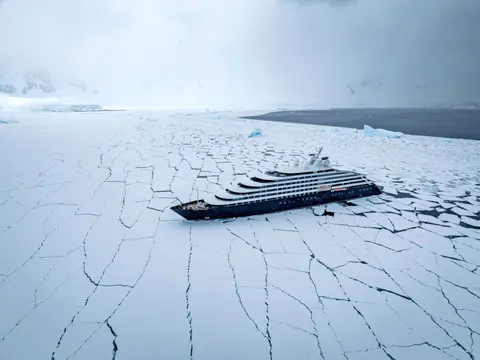
Scenic Ocean Cruises212N200727.1
Ultimate Svalbard, Greenland & Iceland in Depth
Date
2027-07-20
Duration
26 nights
Departure Port
Oslo
Norway
Arrival Port
Reykjavik
Iceland
Rating
Ultra Luxury
Theme
—
Date
2027-07-20
Duration
26 nights
Departure Port
Oslo
Norway
Arrival Port
Reykjavik
Iceland
Rating
Ultra Luxury
Theme
—

Scenic Ocean Cruises
2019
—
17,085 GT
228
114
176
551 m
22 m
17 knots
No
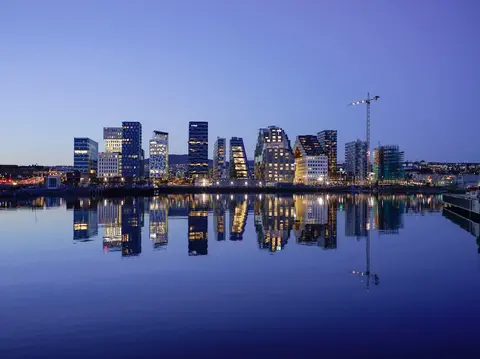
The port of Oslo is a scenic gateway to Norway's rich history and vibrant culture, marked by stunning architecture and lush landscapes. Must-do experiences include savoring traditional dishes like **rakfisk** and exploring the nearby fjords and charming villages. The best time to visit is during the summer months, when the city comes alive with festivals and outdoor activities.
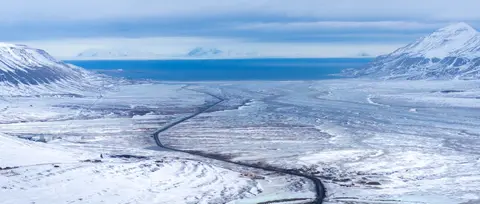
Svalbard Archipelago in Svalbard and Jan Mayen offers dramatic Nordic landscapes where fjords, glaciers, and pristine wilderness create scenes of remarkable natural grandeur. The essential experience is immersion in the outdoor environment—hiking, wildlife watching, and savoring the region's exceptional seafood in settings of extraordinary beauty. Best visited June through August, when the midnight sun bathes the landscape in golden light for nearly twenty-four hours. Cruise lines including Silversea feature this port on their most compelling itineraries. Whether you have a few hours or a full day, the port rewards exploration at every pace and in every direction.
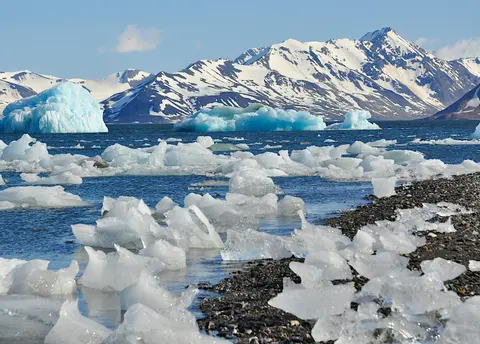
Svalbard Archipelago in Svalbard and Jan Mayen offers dramatic Nordic landscapes where fjords, glaciers, and pristine wilderness create scenes of remarkable natural grandeur. The essential experience is immersion in the outdoor environment—hiking, wildlife watching, and savoring the region's exceptional seafood in settings of extraordinary beauty. Best visited June through August, when the midnight sun bathes the landscape in golden light for nearly twenty-four hours. Cruise lines including Silversea feature this port on their most compelling itineraries. Whether you have a few hours or a full day, the port rewards exploration at every pace and in every direction.
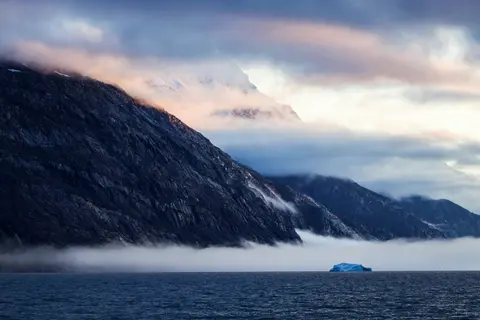
Ittoqqortoormiit is one of Earth's most isolated settlements, a 350-person Inuit community at the mouth of the world's longest fjord system on Greenland's remote east coast. Must-dos include Zodiac exploration of the monumental Scoresby Sund fjords, watching for musk oxen on the tundra, and visiting the colorful Arctic community. Mid-July through September offers the narrow window when sea ice permits access.
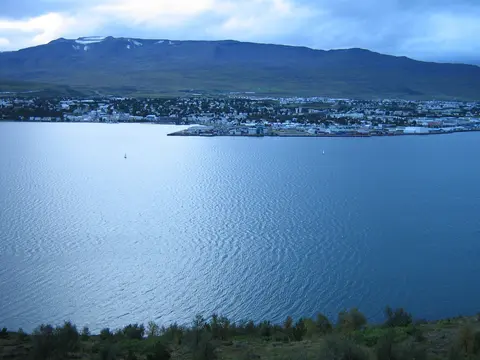
Akureyri, the cultural capital of northern Iceland, sits at the head of the majestic Eyjafjörður and serves as a gateway to some of the island's most dramatic landscapes, including the thundering Goðafoss waterfall, the volcanic wonderland of Lake Mývatn, and Europe's most powerful cascade at Dettifoss. Visitors should not miss the excursion to Mývatn's geothermal pools and the tasting of traditional *hangikjöt* smoked lamb at a harbourside restaurant. The ideal season to visit is June through August, when the midnight sun bathes the fjord in endless golden light and the botanical gardens reach their luminous peak.
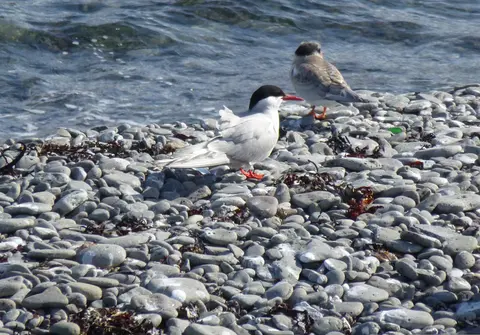
Vigur Island is a tiny, family-farmed island in Iceland's Westfjords where eider ducks nest in the farmyard, puffins burrow in the fields, and Iceland's only surviving windmill stands beside the oldest boat in the country. Visitors experience guided walks combining wildlife and farming heritage, with coffee and pancakes from the host family. Late June and July offer peak breeding season and near-continuous Arctic daylight.
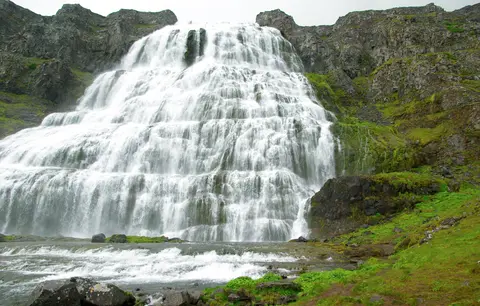
Dynjandi is the Westfjords' most spectacular waterfall — a 100-meter bridal-veil cascade above a staircase of six smaller falls in a setting of extraordinary fjord scenery. Visitors should hike the wildflower-lined trail to the base of the main cascade, and explore the surrounding Arnarfjordur region with its traditional fishing villages. July and August offer the most reliable weather, though waterproof gear is essential in any season.
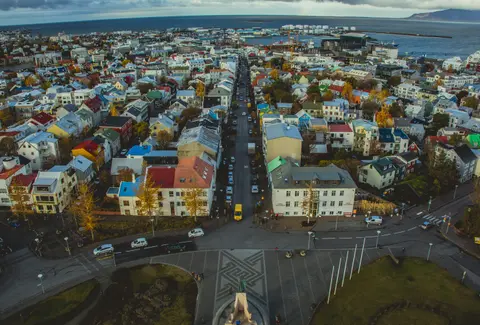
Reykjavik, the world's northernmost capital, distils the entire improbable beauty of Iceland into one compact, creatively charged city. The soaring basalt columns of Hallgrímskirkja dominate a skyline of primary-coloured rooftops, while the Harpa Concert Hall shimmers beside the harbour like a captured aurora. Day trips from the city unlock the Golden Circle's geysers and Geysir hot spring, the black sand beaches of Vík, and the ethereal glacier lagoon at Jökulsárlón. Geothermal pools — from the legendary Blue Lagoon to intimate neighbourhood hot pots — offer warmth year-round. June and July bring the bewitching midnight sun.
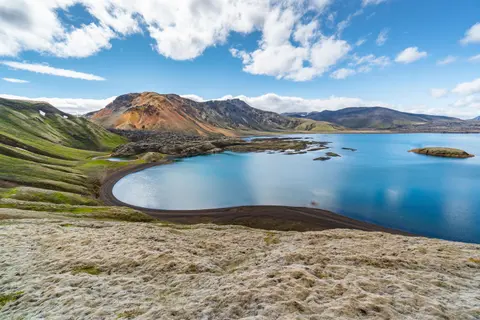
Flatey Island in Iceland offers dramatic Nordic landscapes where fjords, glaciers, and pristine wilderness create scenes of remarkable natural grandeur. The essential experience is immersion in the outdoor environment—hiking, wildlife watching, and savoring the region's exceptional seafood in settings of extraordinary beauty. Best visited June through August, when the midnight sun bathes the landscape in golden light for nearly twenty-four hours. Cruise lines including Lindblad Expeditions feature this port on their most compelling itineraries. Whether you have a few hours or a full day, the port rewards exploration at every pace and in every direction.
Dynjandi is the Westfjords' most spectacular waterfall — a 100-meter bridal-veil cascade above a staircase of six smaller falls in a setting of extraordinary fjord scenery. Visitors should hike the wildflower-lined trail to the base of the main cascade, and explore the surrounding Arnarfjordur region with its traditional fishing villages. July and August offer the most reliable weather, though waterproof gear is essential in any season.
Vigur Island is a tiny, family-farmed island in Iceland's Westfjords where eider ducks nest in the farmyard, puffins burrow in the fields, and Iceland's only surviving windmill stands beside the oldest boat in the country. Visitors experience guided walks combining wildlife and farming heritage, with coffee and pancakes from the host family. Late June and July offer peak breeding season and near-continuous Arctic daylight.
Skagafjörður, Iceland is a distinctive port city where deep cultural heritage meets authentic local atmosphere, featured on itineraries by Scenic Ocean Cruises. Must-do experiences include exploring the historic quarter to absorb centuries of architectural heritage, and sampling the distinctive northern cuisine that transforms local ingredients into refined dining experiences. The optimal time to visit is June through August, when summer months bring the warmest temperatures and longest days.
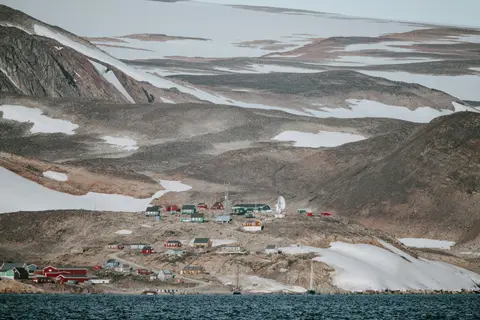
Ittoqqortoormiit is one of Earth's most isolated settlements, a 350-person Inuit community at the mouth of the world's longest fjord system on Greenland's remote east coast. Must-dos include Zodiac exploration of the monumental Scoresby Sund fjords, watching for musk oxen on the tundra, and visiting the colorful Arctic community. Mid-July through September offers the narrow window when sea ice permits access.
Ittoqqortoormiit is one of Earth's most isolated settlements, a community of 350 on the shores of the world's largest fjord system in East Greenland, surrounded by cathedral-sized icebergs, muskox herds, and polar bears. Visitors should cruise Scoresby Sund's dramatic ice-filled arms, experience Inuit dog-sledding culture, and watch for polar bears on the sea ice. The brief visiting window of July through September depends entirely on ice conditions.
Ella Island is a remote outpost on Greenland's eastern coast, home to a preserved WWII weather station from the obscure "Weather War" and surrounded by muskoxen-grazed tundra and pack-ice-guarded fjords. Must-dos include touring the atmospheric weather station buildings, observing fearless muskoxen at close range, and experiencing the profound isolation of eastern Greenland. Expedition ships visit late July through early September, with access dependent on the pack ice that guards this remote coastline.
Nordfjord is a hundred-kilometer Norwegian fjord stretching from the Atlantic coast to the glacial tongues of the Jostedalsbreen ice cap—the largest glacier in continental Europe. Must-dos include hiking to the blue-ice Briksdal Glacier, riding the Loen Skylift to a panoramic summit, and tasting traditional brown cheese with cloudberries. Summer (May–September) offers the longest days and best glacier access, with June and July providing near-constant daylight.
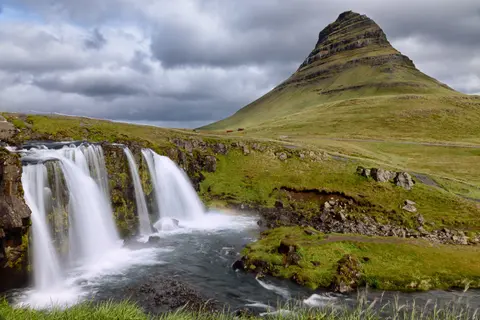
Grundarfjörður is a fishing town at the base of Kirkjufell, Iceland's most photographed mountain, and the gateway to the Snæfellsnes Peninsula—dubbed "Iceland in miniature" for its concentrated geological diversity. Must-dos include photographing Kirkjufell with its companion waterfall and exploring Snæfellsjökull, the glacier volcano from Jules Verne's novel. June and July offer midnight sun and the most reliable weather for peninsula exploration.
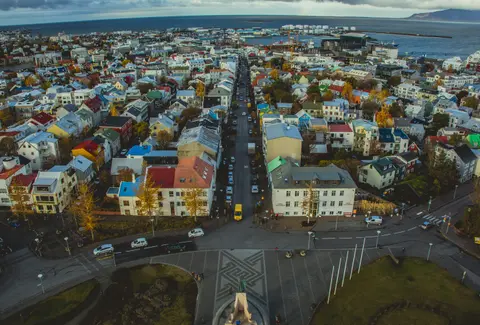
Reykjavik, the world's northernmost capital, distils the entire improbable beauty of Iceland into one compact, creatively charged city. The soaring basalt columns of Hallgrímskirkja dominate a skyline of primary-coloured rooftops, while the Harpa Concert Hall shimmers beside the harbour like a captured aurora. Day trips from the city unlock the Golden Circle's geysers and Geysir hot spring, the black sand beaches of Vík, and the ethereal glacier lagoon at Jökulsárlón. Geothermal pools — from the legendary Blue Lagoon to intimate neighbourhood hot pots — offer warmth year-round. June and July bring the bewitching midnight sun.
Day 1
The port of Oslo is a scenic gateway to Norway's rich history and vibrant culture, marked by stunning architecture and lush landscapes. Must-do experiences include savoring traditional dishes like **rakfisk** and exploring the nearby fjords and charming villages. The best time to visit is during the summer months, when the city comes alive with festivals and outdoor activities.
Day 3
Svalbard Archipelago in Svalbard and Jan Mayen offers dramatic Nordic landscapes where fjords, glaciers, and pristine wilderness create scenes of remarkable natural grandeur. The essential experience is immersion in the outdoor environment—hiking, wildlife watching, and savoring the region's exceptional seafood in settings of extraordinary beauty. Best visited June through August, when the midnight sun bathes the landscape in golden light for nearly twenty-four hours. Cruise lines including Silversea feature this port on their most compelling itineraries. Whether you have a few hours or a full day, the port rewards exploration at every pace and in every direction.
Day 5
Svalbard Archipelago in Svalbard and Jan Mayen offers dramatic Nordic landscapes where fjords, glaciers, and pristine wilderness create scenes of remarkable natural grandeur. The essential experience is immersion in the outdoor environment—hiking, wildlife watching, and savoring the region's exceptional seafood in settings of extraordinary beauty. Best visited June through August, when the midnight sun bathes the landscape in golden light for nearly twenty-four hours. Cruise lines including Silversea feature this port on their most compelling itineraries. Whether you have a few hours or a full day, the port rewards exploration at every pace and in every direction.
Day 6
Day 7
Ittoqqortoormiit is one of Earth's most isolated settlements, a 350-person Inuit community at the mouth of the world's longest fjord system on Greenland's remote east coast. Must-dos include Zodiac exploration of the monumental Scoresby Sund fjords, watching for musk oxen on the tundra, and visiting the colorful Arctic community. Mid-July through September offers the narrow window when sea ice permits access.
Day 8
Day 10
Day 12
Akureyri, the cultural capital of northern Iceland, sits at the head of the majestic Eyjafjörður and serves as a gateway to some of the island's most dramatic landscapes, including the thundering Goðafoss waterfall, the volcanic wonderland of Lake Mývatn, and Europe's most powerful cascade at Dettifoss. Visitors should not miss the excursion to Mývatn's geothermal pools and the tasting of traditional *hangikjöt* smoked lamb at a harbourside restaurant. The ideal season to visit is June through August, when the midnight sun bathes the fjord in endless golden light and the botanical gardens reach their luminous peak.
Day 14
Vigur Island is a tiny, family-farmed island in Iceland's Westfjords where eider ducks nest in the farmyard, puffins burrow in the fields, and Iceland's only surviving windmill stands beside the oldest boat in the country. Visitors experience guided walks combining wildlife and farming heritage, with coffee and pancakes from the host family. Late June and July offer peak breeding season and near-continuous Arctic daylight.
Day 15
Dynjandi is the Westfjords' most spectacular waterfall — a 100-meter bridal-veil cascade above a staircase of six smaller falls in a setting of extraordinary fjord scenery. Visitors should hike the wildflower-lined trail to the base of the main cascade, and explore the surrounding Arnarfjordur region with its traditional fishing villages. July and August offer the most reliable weather, though waterproof gear is essential in any season.
Day 16
Reykjavik, the world's northernmost capital, distils the entire improbable beauty of Iceland into one compact, creatively charged city. The soaring basalt columns of Hallgrímskirkja dominate a skyline of primary-coloured rooftops, while the Harpa Concert Hall shimmers beside the harbour like a captured aurora. Day trips from the city unlock the Golden Circle's geysers and Geysir hot spring, the black sand beaches of Vík, and the ethereal glacier lagoon at Jökulsárlón. Geothermal pools — from the legendary Blue Lagoon to intimate neighbourhood hot pots — offer warmth year-round. June and July bring the bewitching midnight sun.
Day 17
Flatey Island in Iceland offers dramatic Nordic landscapes where fjords, glaciers, and pristine wilderness create scenes of remarkable natural grandeur. The essential experience is immersion in the outdoor environment—hiking, wildlife watching, and savoring the region's exceptional seafood in settings of extraordinary beauty. Best visited June through August, when the midnight sun bathes the landscape in golden light for nearly twenty-four hours. Cruise lines including Lindblad Expeditions feature this port on their most compelling itineraries. Whether you have a few hours or a full day, the port rewards exploration at every pace and in every direction.
Day 18
Dynjandi is the Westfjords' most spectacular waterfall — a 100-meter bridal-veil cascade above a staircase of six smaller falls in a setting of extraordinary fjord scenery. Visitors should hike the wildflower-lined trail to the base of the main cascade, and explore the surrounding Arnarfjordur region with its traditional fishing villages. July and August offer the most reliable weather, though waterproof gear is essential in any season.
Day 19
Vigur Island is a tiny, family-farmed island in Iceland's Westfjords where eider ducks nest in the farmyard, puffins burrow in the fields, and Iceland's only surviving windmill stands beside the oldest boat in the country. Visitors experience guided walks combining wildlife and farming heritage, with coffee and pancakes from the host family. Late June and July offer peak breeding season and near-continuous Arctic daylight.
Day 20
Skagafjörður, Iceland is a distinctive port city where deep cultural heritage meets authentic local atmosphere, featured on itineraries by Scenic Ocean Cruises. Must-do experiences include exploring the historic quarter to absorb centuries of architectural heritage, and sampling the distinctive northern cuisine that transforms local ingredients into refined dining experiences. The optimal time to visit is June through August, when summer months bring the warmest temperatures and longest days.
Day 21
Ittoqqortoormiit is one of Earth's most isolated settlements, a 350-person Inuit community at the mouth of the world's longest fjord system on Greenland's remote east coast. Must-dos include Zodiac exploration of the monumental Scoresby Sund fjords, watching for musk oxen on the tundra, and visiting the colorful Arctic community. Mid-July through September offers the narrow window when sea ice permits access.
Ittoqqortoormiit is one of Earth's most isolated settlements, a community of 350 on the shores of the world's largest fjord system in East Greenland, surrounded by cathedral-sized icebergs, muskox herds, and polar bears. Visitors should cruise Scoresby Sund's dramatic ice-filled arms, experience Inuit dog-sledding culture, and watch for polar bears on the sea ice. The brief visiting window of July through September depends entirely on ice conditions.
Day 22
Day 23
Ella Island is a remote outpost on Greenland's eastern coast, home to a preserved WWII weather station from the obscure "Weather War" and surrounded by muskoxen-grazed tundra and pack-ice-guarded fjords. Must-dos include touring the atmospheric weather station buildings, observing fearless muskoxen at close range, and experiencing the profound isolation of eastern Greenland. Expedition ships visit late July through early September, with access dependent on the pack ice that guards this remote coastline.
Day 24
Nordfjord is a hundred-kilometer Norwegian fjord stretching from the Atlantic coast to the glacial tongues of the Jostedalsbreen ice cap—the largest glacier in continental Europe. Must-dos include hiking to the blue-ice Briksdal Glacier, riding the Loen Skylift to a panoramic summit, and tasting traditional brown cheese with cloudberries. Summer (May–September) offers the longest days and best glacier access, with June and July providing near-constant daylight.
Day 25
Day 26
Grundarfjörður is a fishing town at the base of Kirkjufell, Iceland's most photographed mountain, and the gateway to the Snæfellsnes Peninsula—dubbed "Iceland in miniature" for its concentrated geological diversity. Must-dos include photographing Kirkjufell with its companion waterfall and exploring Snæfellsjökull, the glacier volcano from Jules Verne's novel. June and July offer midnight sun and the most reliable weather for peninsula exploration.
Day 27
Reykjavik, the world's northernmost capital, distils the entire improbable beauty of Iceland into one compact, creatively charged city. The soaring basalt columns of Hallgrímskirkja dominate a skyline of primary-coloured rooftops, while the Harpa Concert Hall shimmers beside the harbour like a captured aurora. Day trips from the city unlock the Golden Circle's geysers and Geysir hot spring, the black sand beaches of Vík, and the ethereal glacier lagoon at Jökulsárlón. Geothermal pools — from the legendary Blue Lagoon to intimate neighbourhood hot pots — offer warmth year-round. June and July bring the bewitching midnight sun.
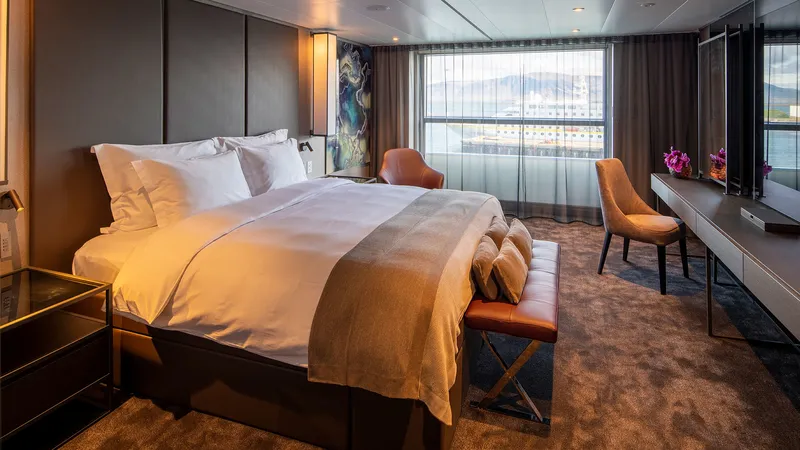
Our oversized Owner’s Penthouse Suites are the ultimate indulgence. Located on Deck 9 and elegantly appointed with spacious curved terraces featuring a private Jacuzzi and the best views on board, you will never want to leave. Combine our Owner’s Penthouse Suite with a Spa Suite to create a magnificent Two-bedroom Penthouse Suite.
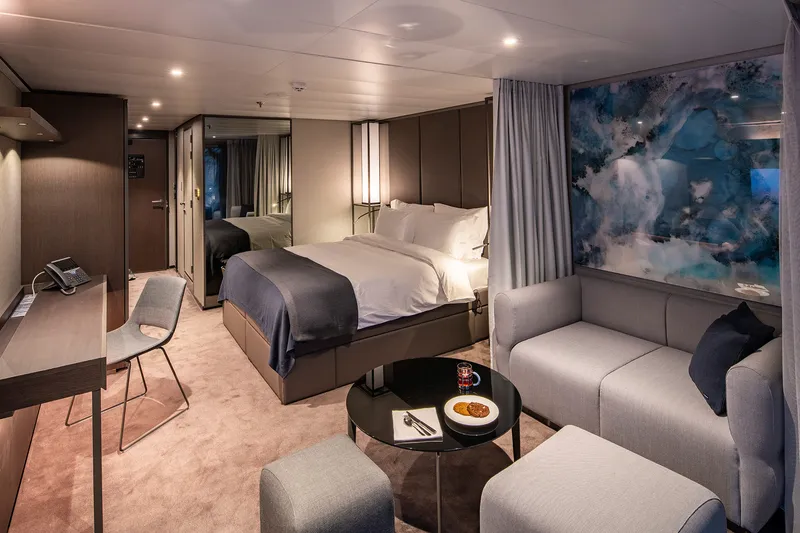
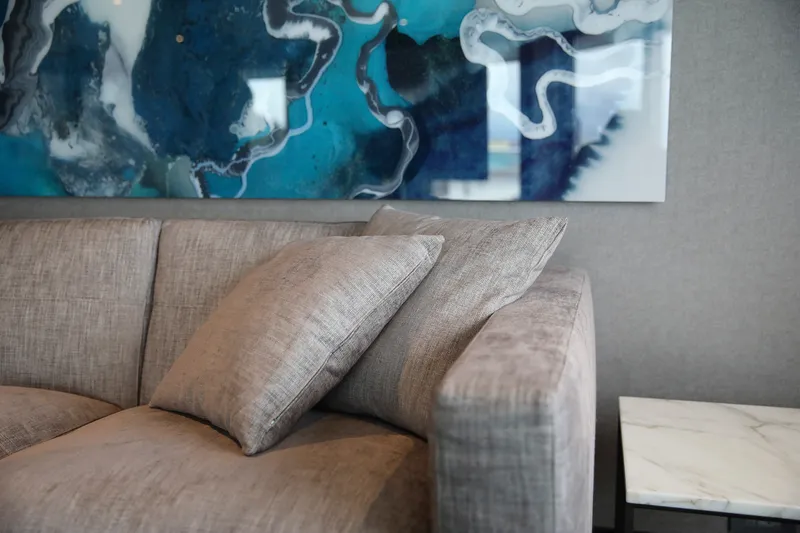

Private Verandah
Luxury king size Slumber Bed
Separate sleep zone
Separate lounge area
En-suite bathroom with shower and vanity
Luxury bathroom amenities
Hypoallergenic air purification system
Butler service
Shoeshine service
Early morning tea/coffee service
In-suite beverage service
In-suite dining service
Full mini bar re-stocked daily
Personalised butler bar featuring Illy coffee and specialty teas (replenished daily)
HDTV and Bose sound system
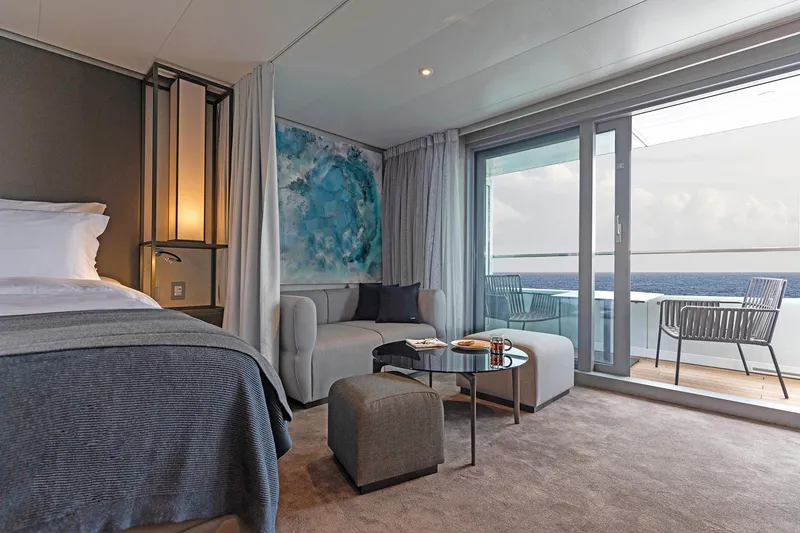


Choose from our Deluxe Verandah Suites to larger Grand Deluxe Verandah Suites, which provide even more room to relax.
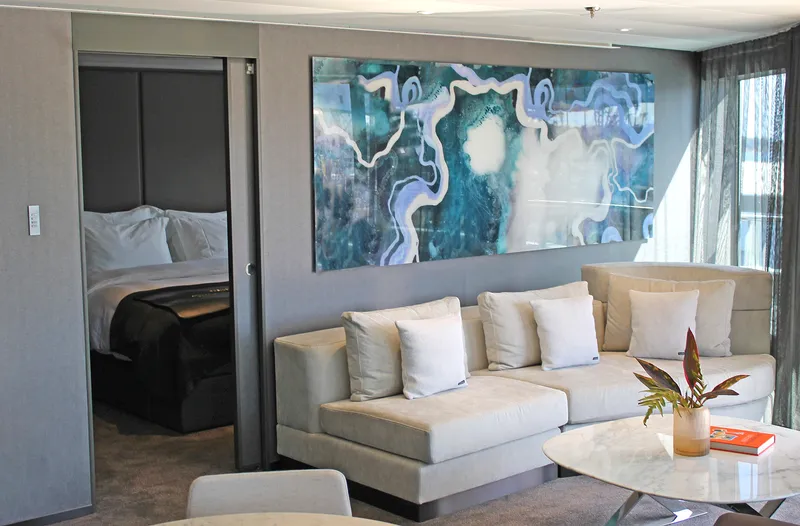
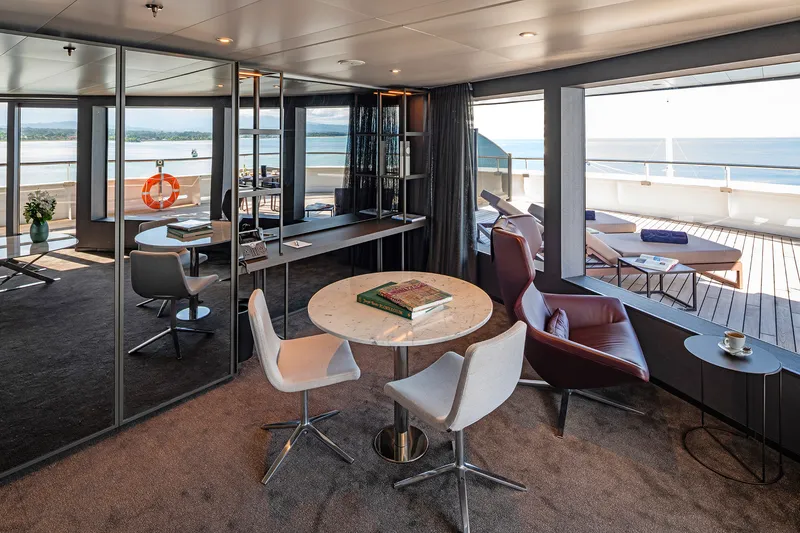

Located at the front of the yacht on Deck 6 these opulent suites feature curved terraces and spacious interiors with additional services and more.
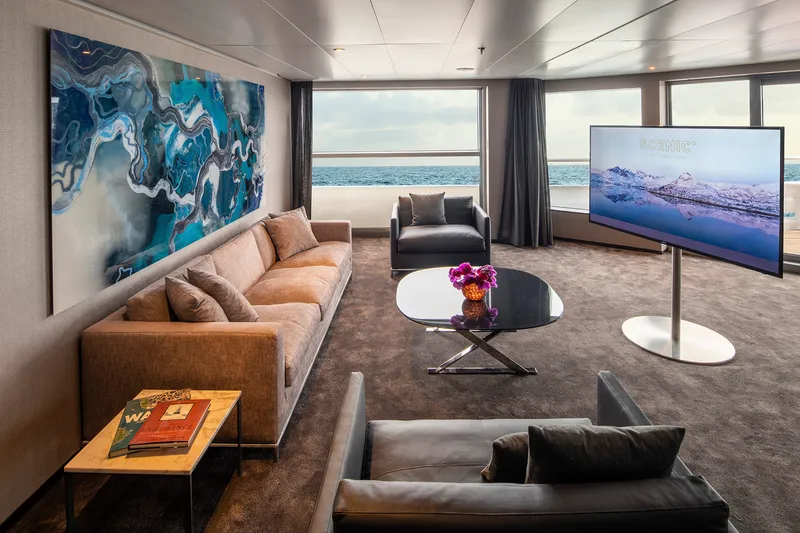
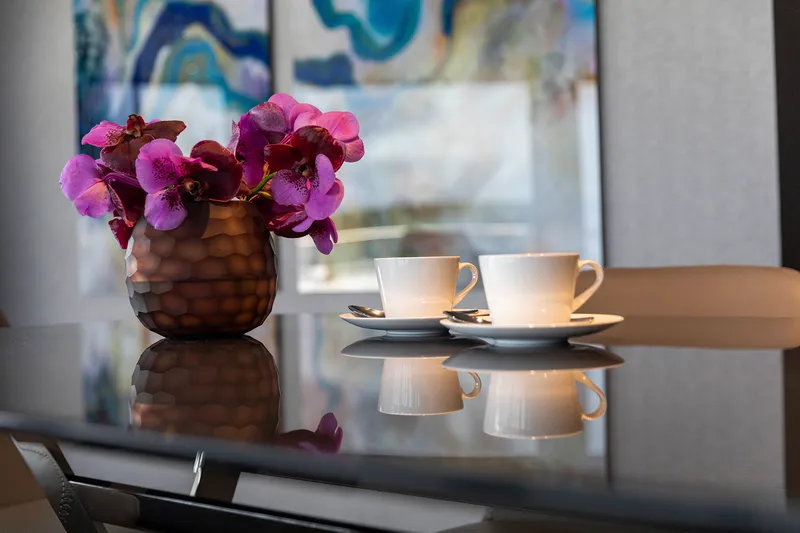

Our oversized Owner’s Penthouse Suites are the ultimate indulgence. Located on Deck 9 and elegantly appointed with spacious curved terraces featuring a private Jacuzzi and the best views on board, you will never want to leave.
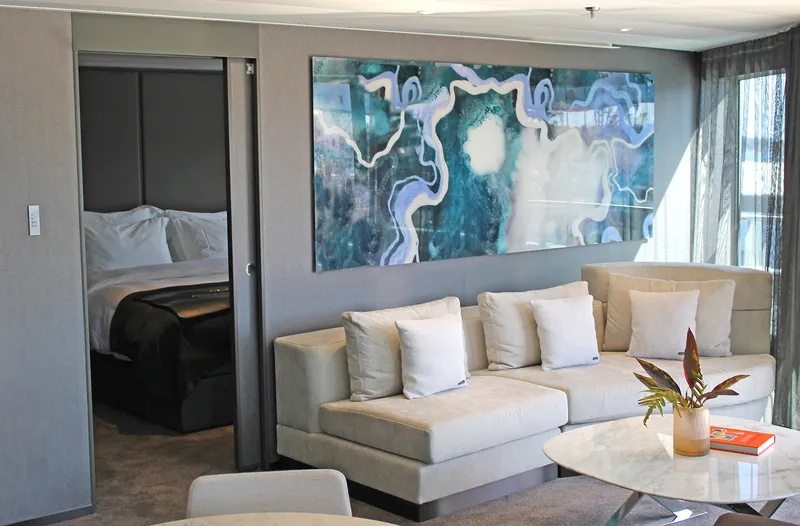
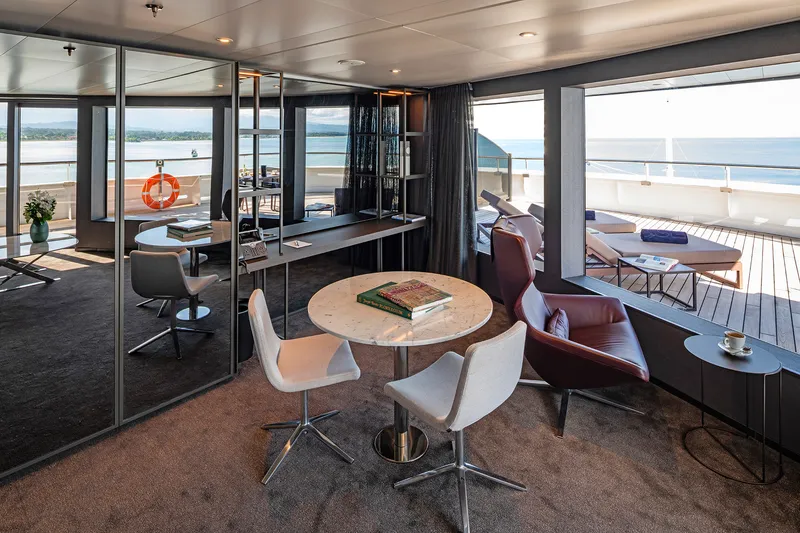

Located at the front of the yacht on Deck 8 these opulent suites feature spacious curved terraces, additional features, services, and much more.
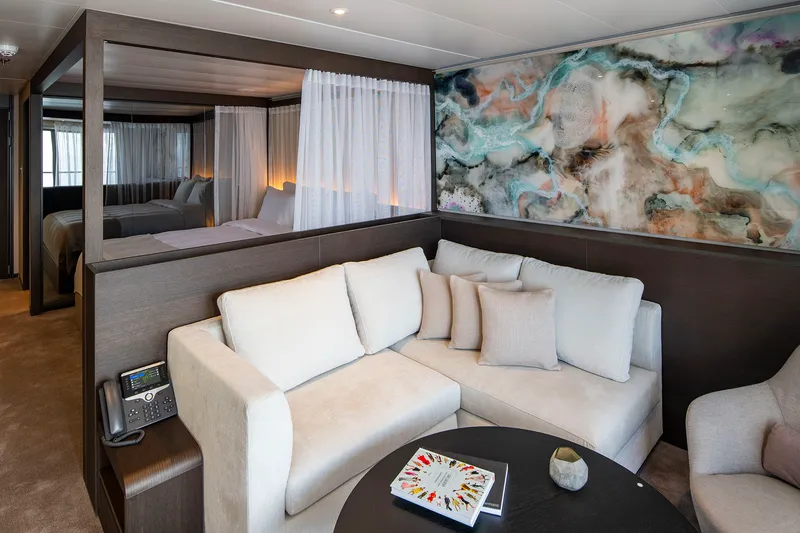
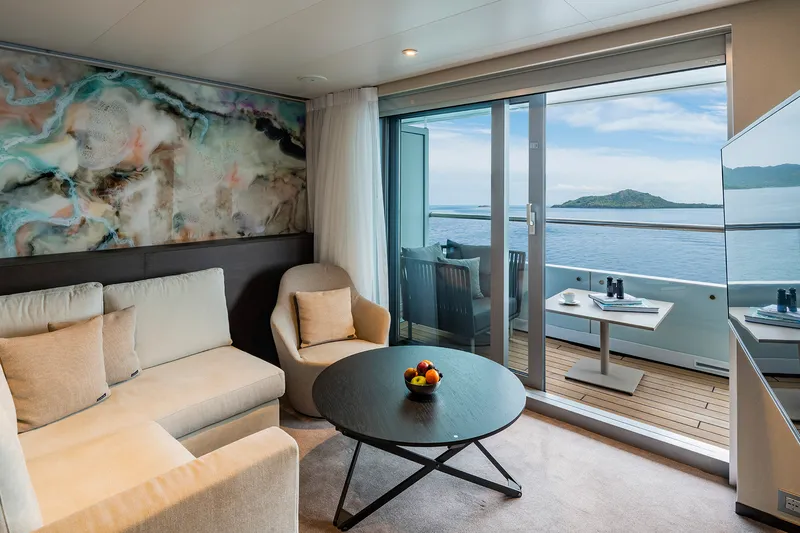

Located on the higher decks, our luxurious Spa Suites include additional features and services that will enhance the luxury of your time on board.
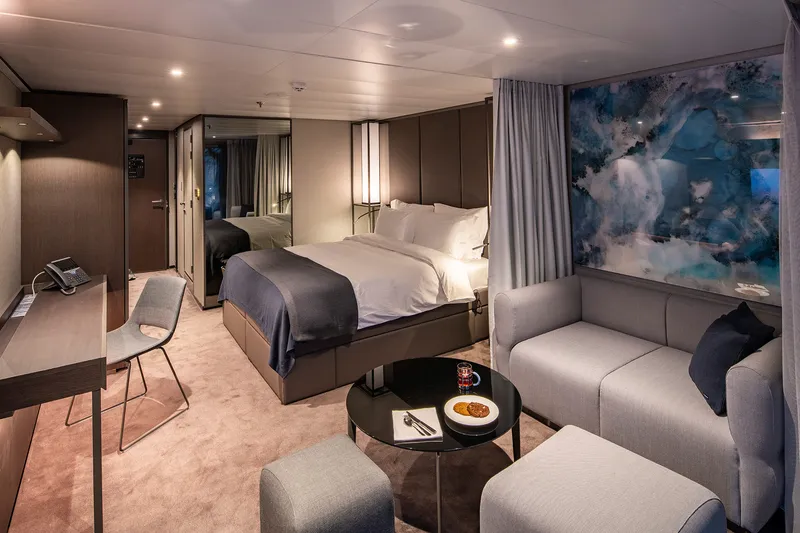
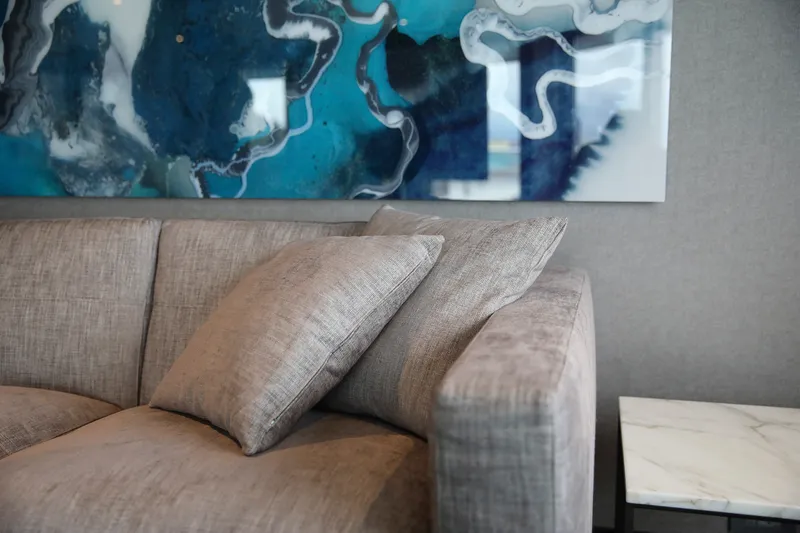

Our Verandah Suites provide a spacious and comfortable introduction to ocean cruising with the finest appointments and amenities.
Private Verandah
Luxury king size Slumber Bed
Separate sleep zone
Separate lounge area
En-suite bathroom with shower and vanity
Luxury bathroom amenities
Hypoallergenic air purification system
Butler service
Shoeshine service
Early morning tea/coffee service
In-suite beverage service
In-suite dining service
Full mini bar re-stocked daily
Personalised butler bar featuring Illy coffee and specialty teas (replenished daily)
HDTV and Bose sound system
Our cruise specialists can help you find the perfect cabin and the best available pricing.
(+886) 02-2721-7300Contact Advisor