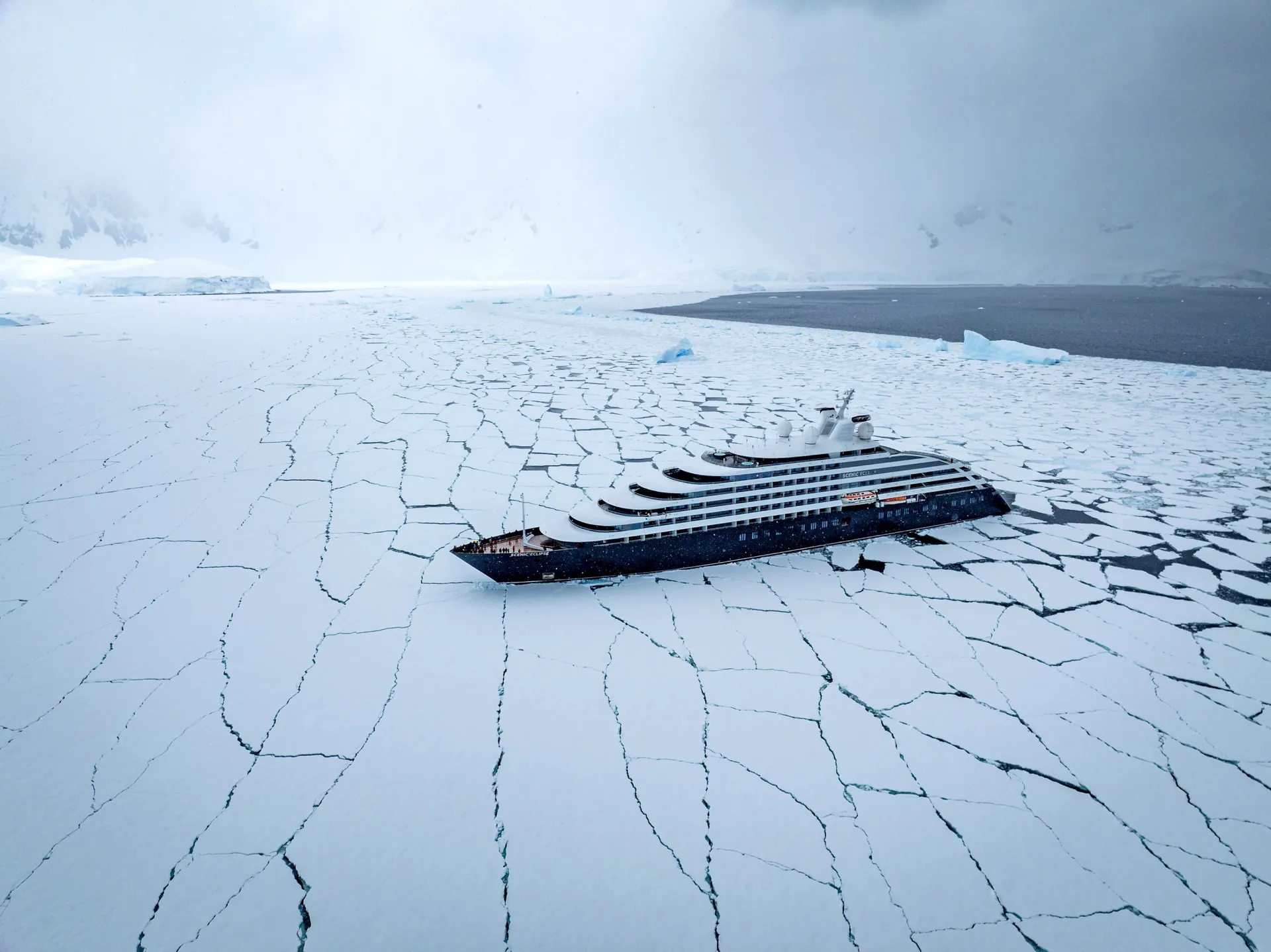
Ultimate Iceland to Canada: Wildlife & Glaciers
Date
August 15, 2027
Duration
28 nights · 10 sea days
Departure Port
Reykjavik
Iceland
Arrival Port
Toronto
Canada
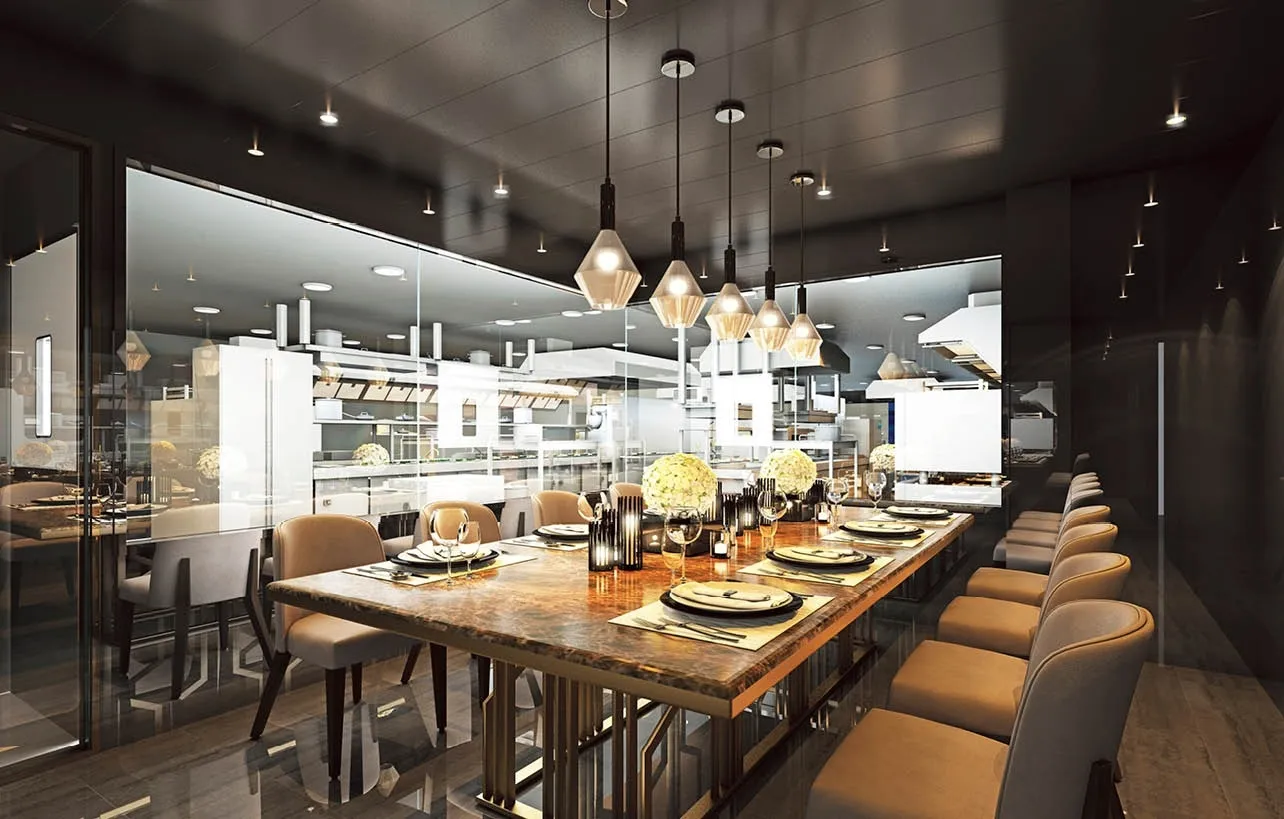
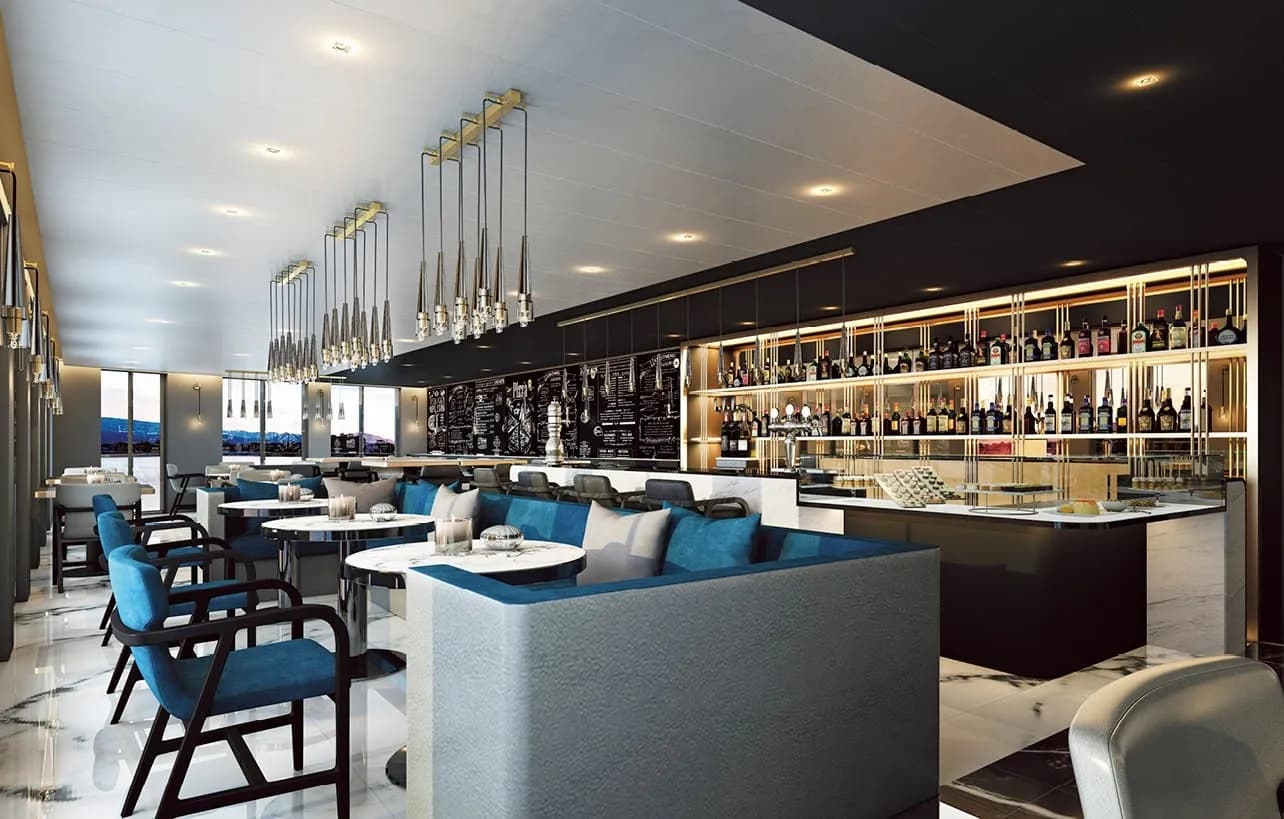
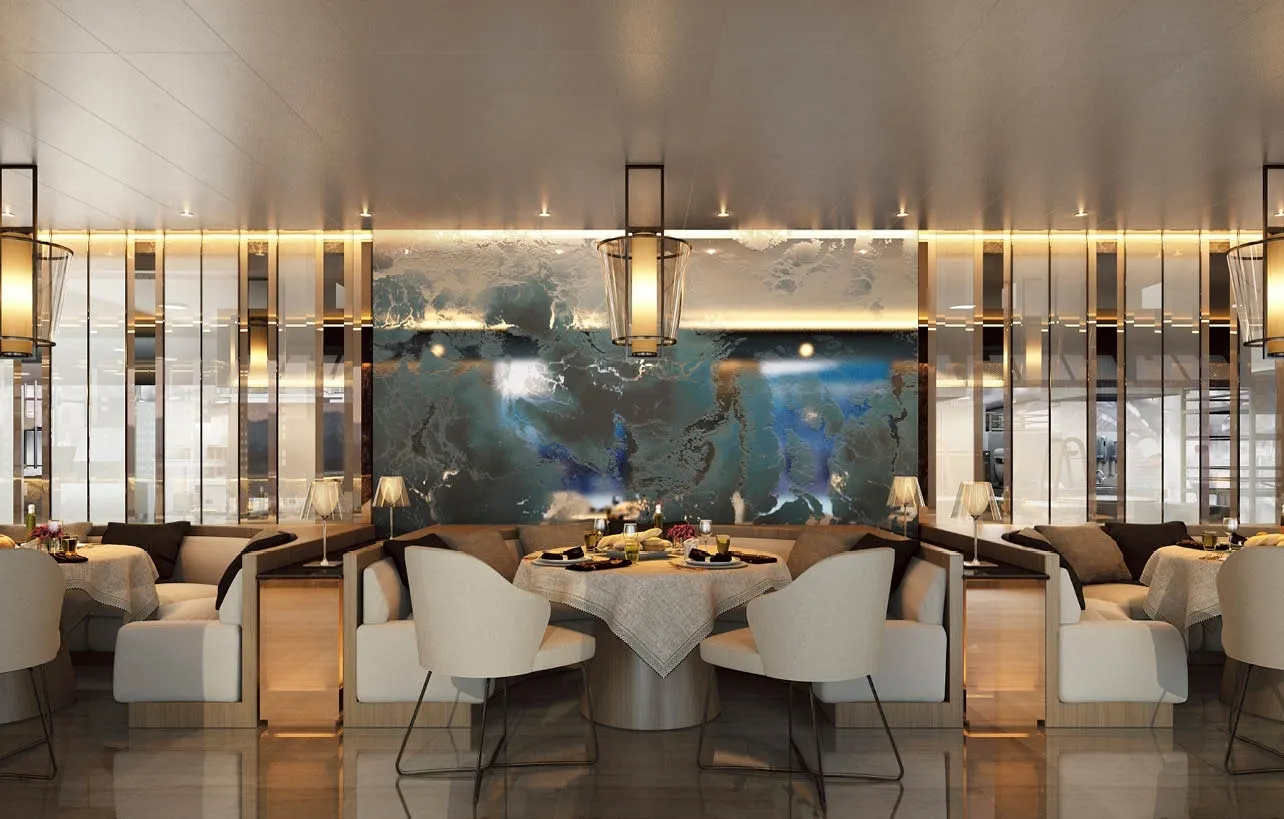
Scenic Ocean Cruises
Scenic Eclipse
Launched
2019-08-01
Tonnage
17,085 GT
Length
551 m
Speed
17 knots
Cabins
114 / 228 guests
Crew
176
Itinerary
Day 1
Day 1
Reykjavik
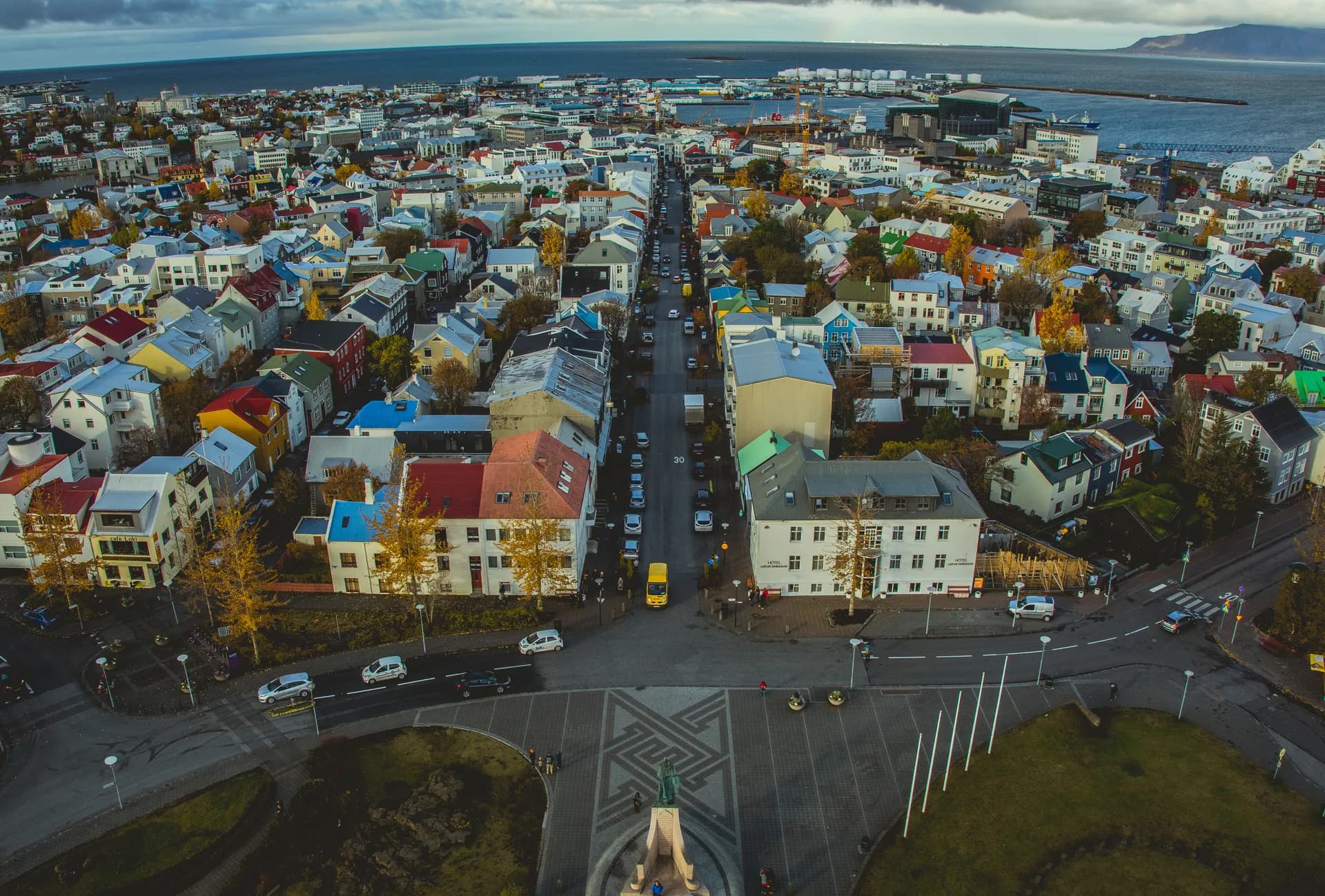
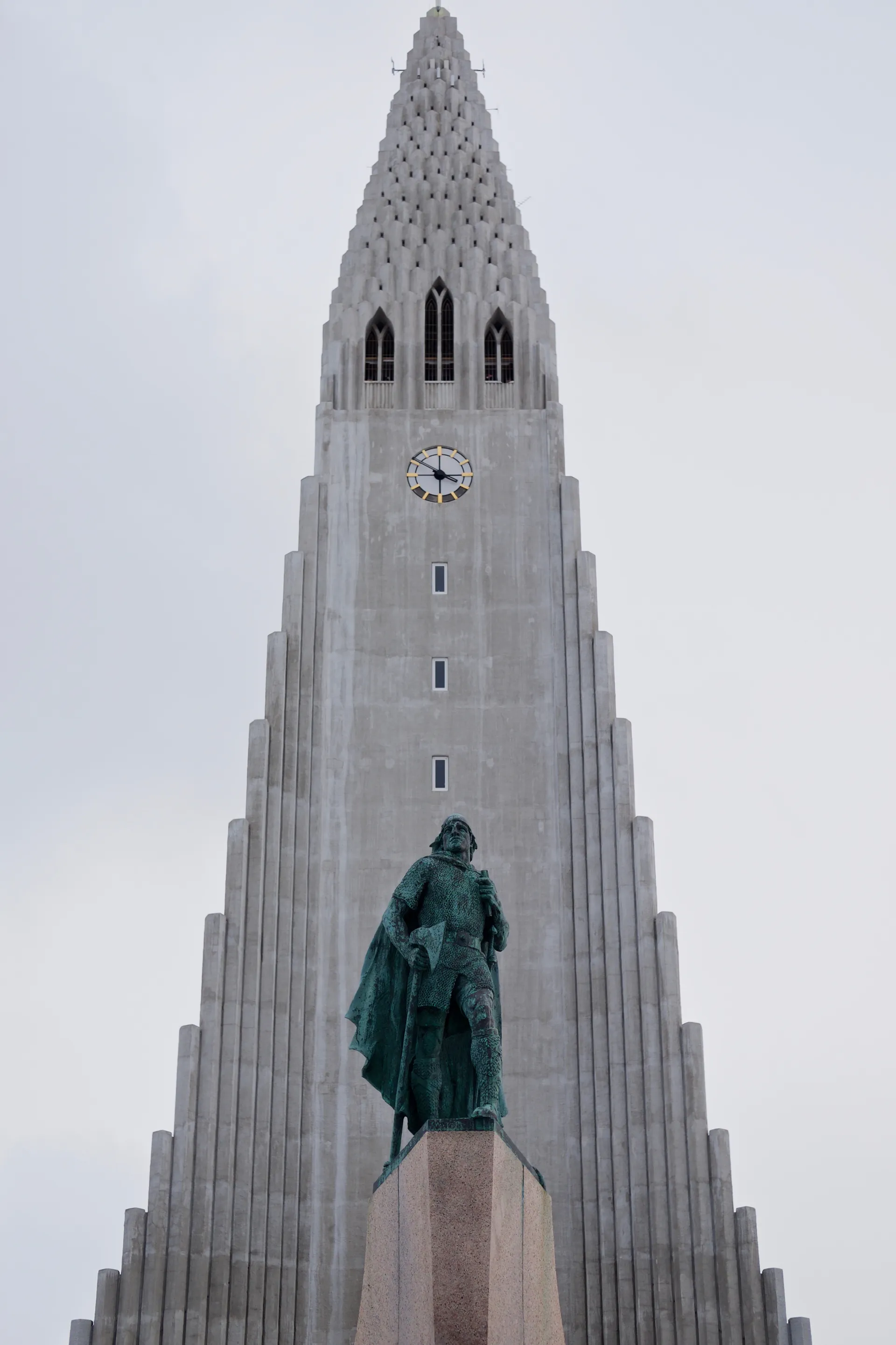
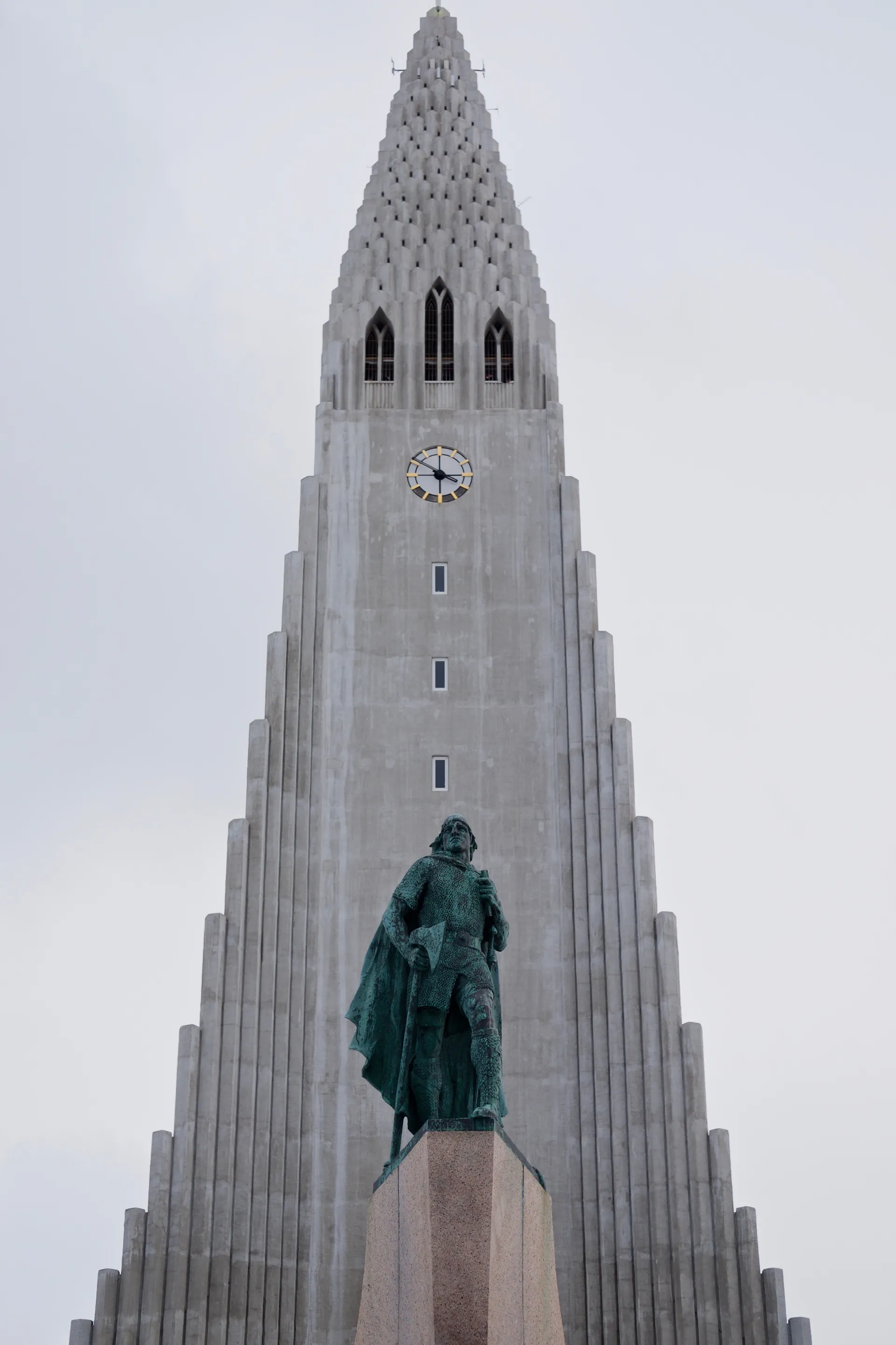
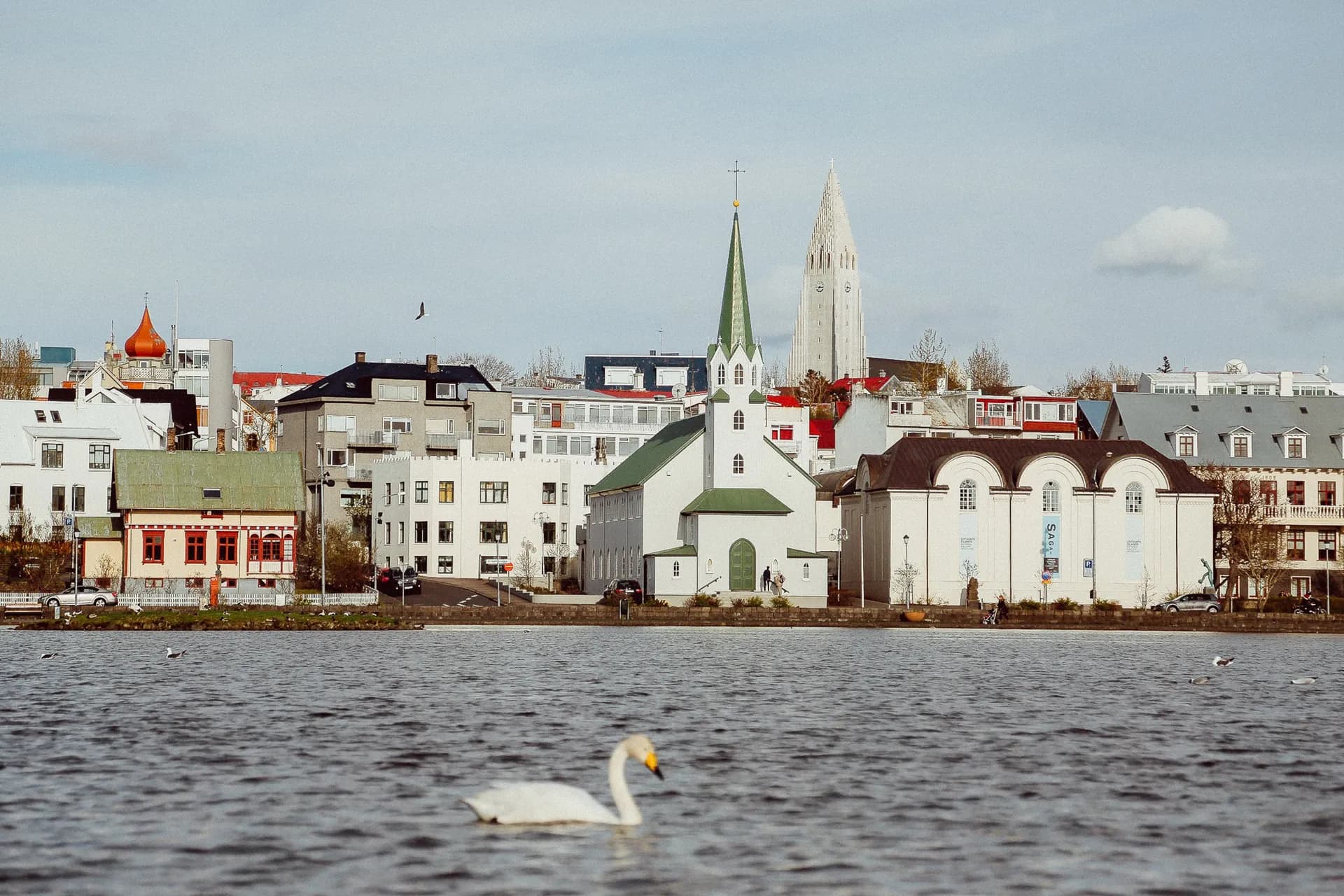
IcelandReykjavík is mirrored in the waters of its bay, as you can see when your cruise ship sets anchor in the port. The quays along the seafront host a variety of shops, live music clubs and cafés. Take a stroll down Frakkastigur up to Lækjartorg, to admire the Sólfar, also known as the Sun Voyager, a large modern steelsculpture by Jón Gunnar Árnason, that represents a Viking vessel, with the bow pointing towards the north. Go back in history as you reach the historic centre, in the districts of Aðalstræti and Suðurgata, where you can still see the remains of some primitive Icelandic dwellings. Also the church of Hallgrímur, probably the most important architectural monument in Reykjavik, is worth a visit. As you will discover during your MSC cruise of Northern Europe, geothermal energy positively conditions the life of the entire country and there is an abundance of spas. Don’t miss an excursion to the Þingvellir national park, in the south west region of the island, a UNESCO world heritage site since 2004. On the northern shores of the Þingvallavatn, the largest Icelandic lake, the Öxará river forms the Öxaráfoss waterfall in the vicinity of Almannagjá, the largest cleft in this land. If you like waterfalls, you should not miss a visit to Gullfoss, in the south east of the island: the river Hvítá here drops down 11 and then 21 metres forming the queen of all Icelandic waterfalls and then continues along a narrow gorge in the plateau. In this area we also find the Strokkur, the only geyser that regularly erupts every 4-8 minutes. Then proceed to Geysir, in the Haukadalur valley, the oldest known geyser, from which the term originates. Its eruptions spray boiling water up to 60 metres into the air, but often reach higher than 100 metres: it is the tallest of the active geysers.
Day 2
Day 2
Dynjandi Waterfall
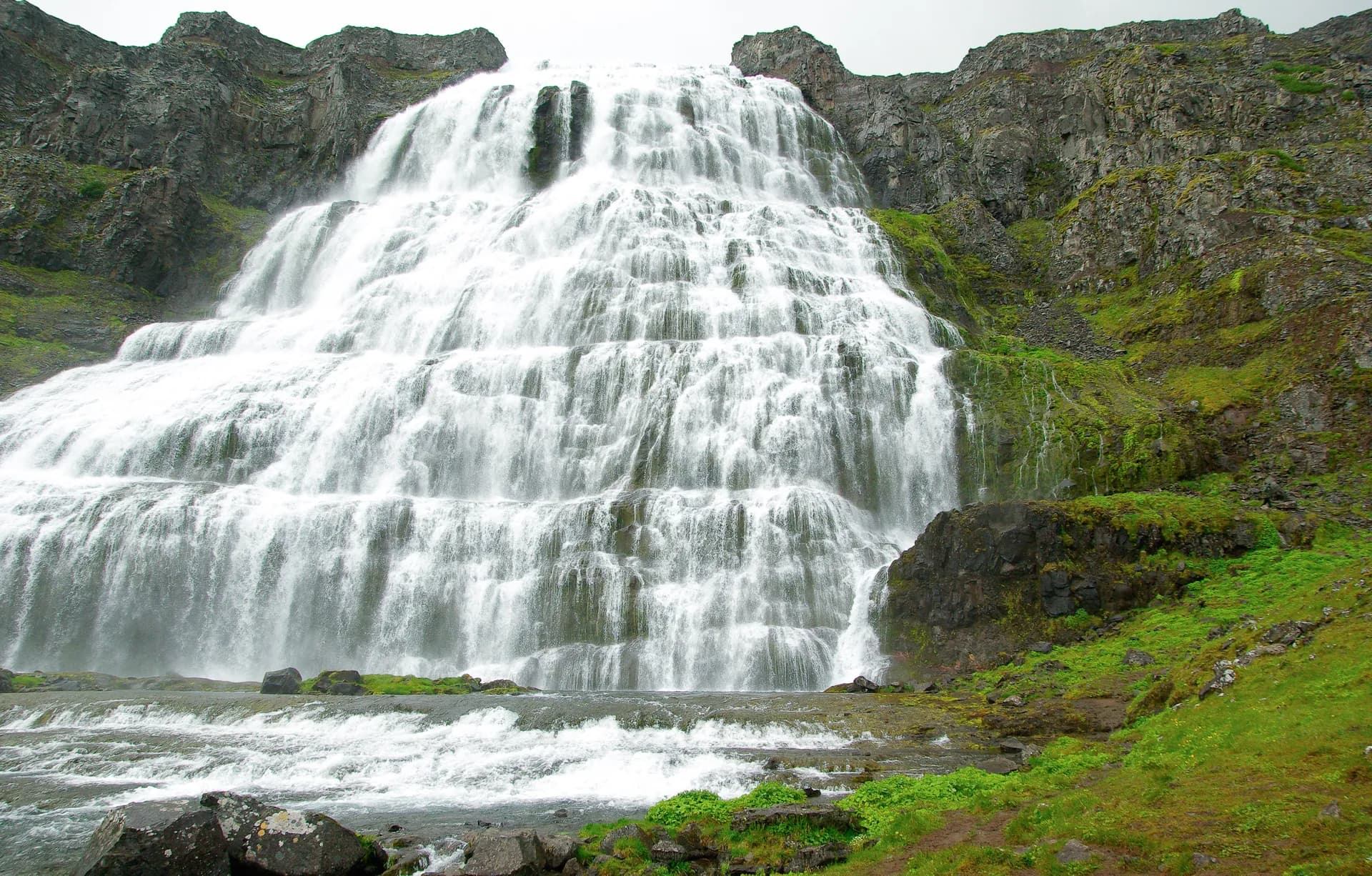
IcelandIceland is well-known for its spectacular waterfalls. The iconic Dynjandi waterfall, located in the Westfjords region, is regarded as one of Iceland’s most impressive and majestic waterfalls. At the top, the cascading water is roughly 100 feet wide and tumbles down about 330 feet into the fjord. Its name Dynjandi means, “the thundering one” and its vast size, enormous sound, and sheer force is overwhelming. It has also been nicknamed, ‘The Bridal Veil’ because of the way the water sprays and spreads over the rocks.
Day 3
Day 3
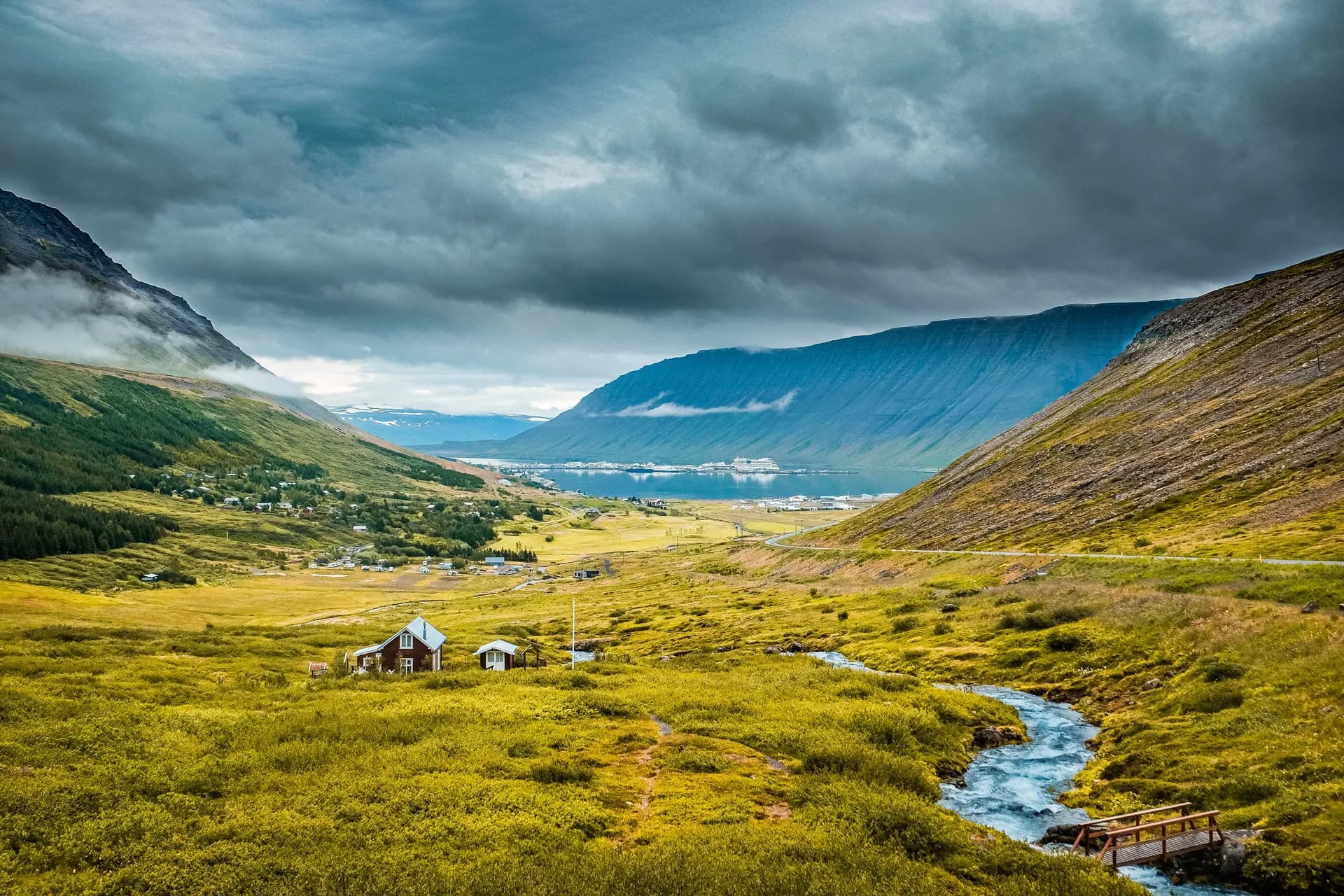
Isafjordur
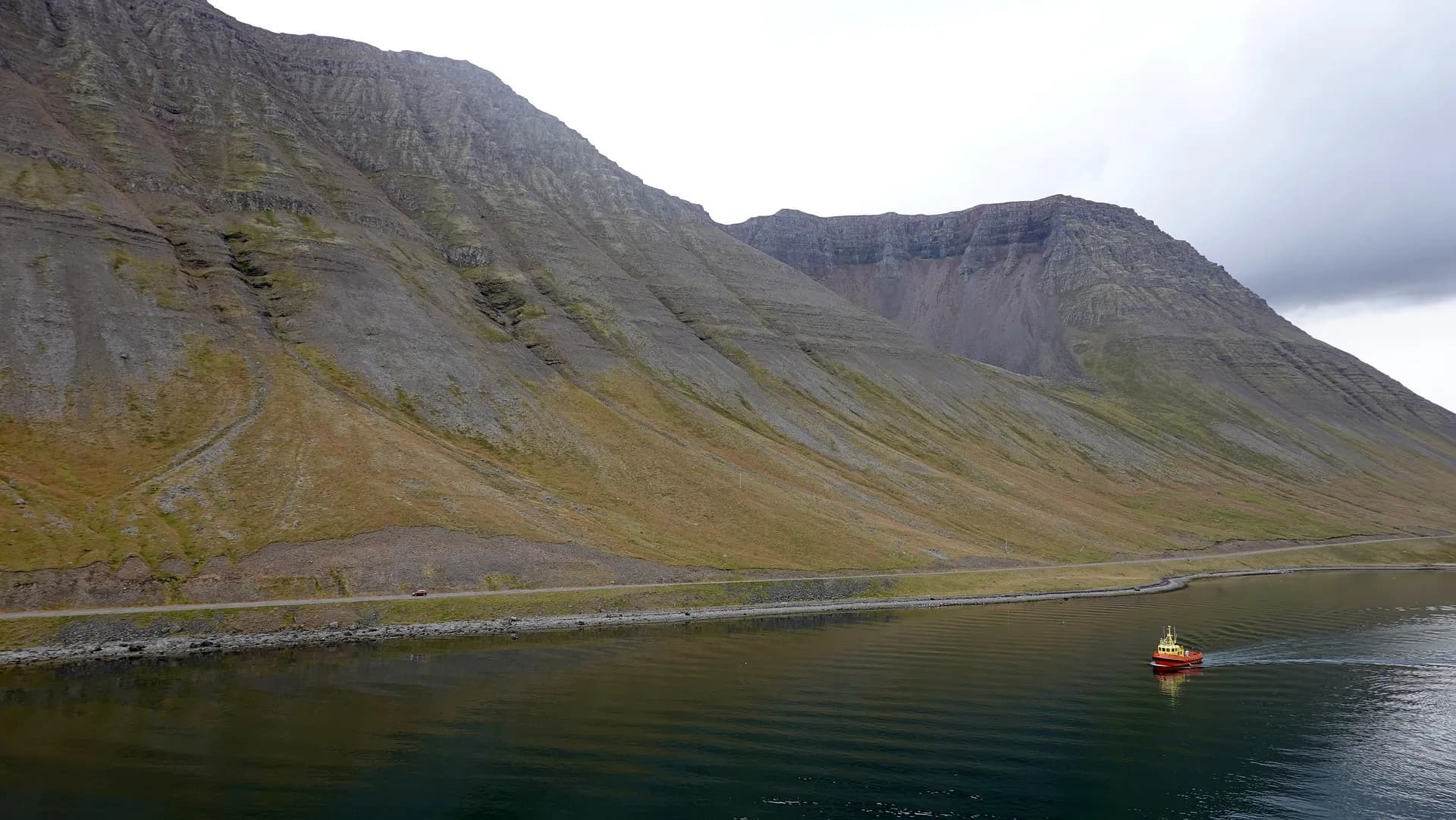
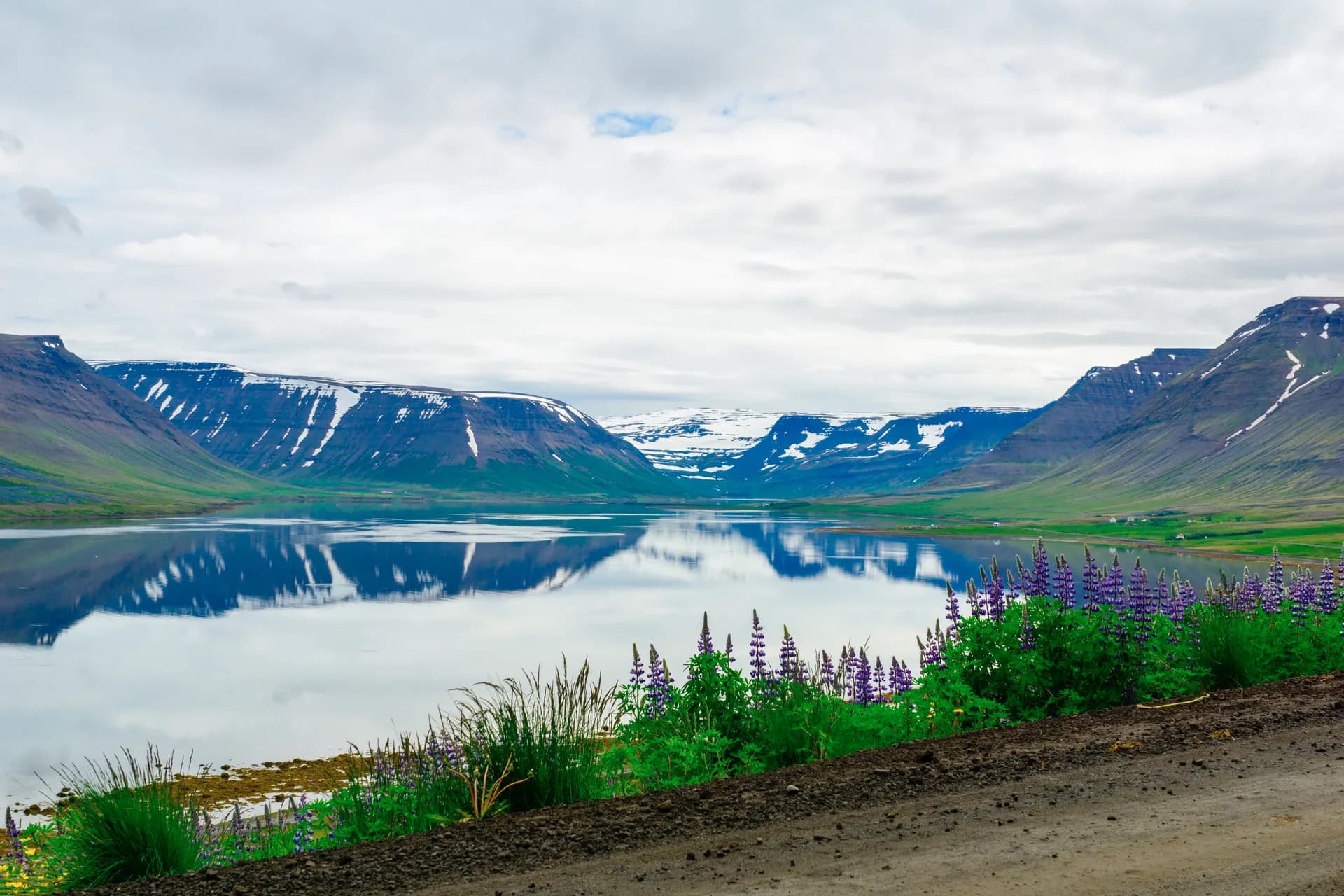
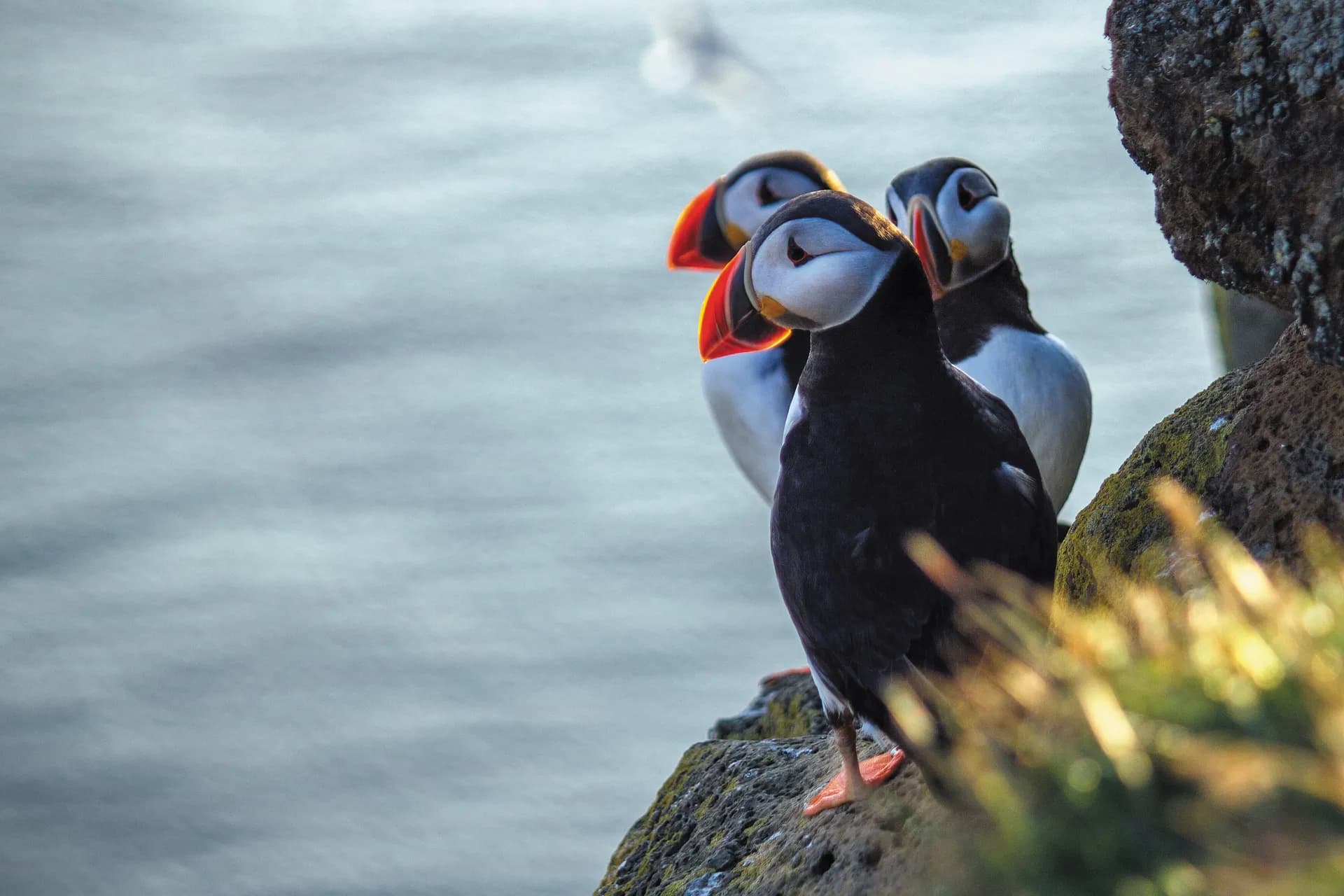
IcelandWhen your MSC cruise to northern Europe takes you to the north western point of Iceland, you will cast anchor at Isafjordur, a small town of ancient origins. In Isafjordur you will find the oldest standing Icelandic house, built in 1743. In the periphery of Bolungarvík, the northernmost location in the western fjords, one can instead visit Ósvör, once a fisherman’s village and now an open air museum. The past re-emerges also in the old town of Nedstikaupstadur, where Icelandic and Norwegian merchants first, and then British and German ones, would meet in the mid-15th century in the bay of Isafiord. Here, in the second half of the 18th century, Krambud (the shop) was built, that was converted in the 20th century into a private home; as well as Faktorshus (the farmers house); Tjoruhus (the tar house) and Turnhus (the tower house) used as warehouses and fish processing centres. While on your MSC cruise to Northern Europe, if you want to get an idea of how Icelanders used to live in the past, try an excursion to Vigur, literally the “spear-shaped island”. Its waters host a great deal of sea lions who feed on marine birds such as the puffin, the black guillemot, the aggressive arctic tern (who can attack people if it feels threatened) and the common eider. Another spectacle of nature is the Naustahvilft, the “troll’s seat”, a large depression shaped like a half moon in the flat mountains that surround the Isafjordur fjord. Legend has it that it was created by a troll caught by the sunlight sitting on the mountain with its feet in the water. Whether you believe in the legend or more likely in a valley dug out by the ice during the last ice age, try this brief but intense excursion, it is certainly worth it.
Day 4
Day 4
At Sea
Day 5
Day 5
At Sea
Day 6
Day 6
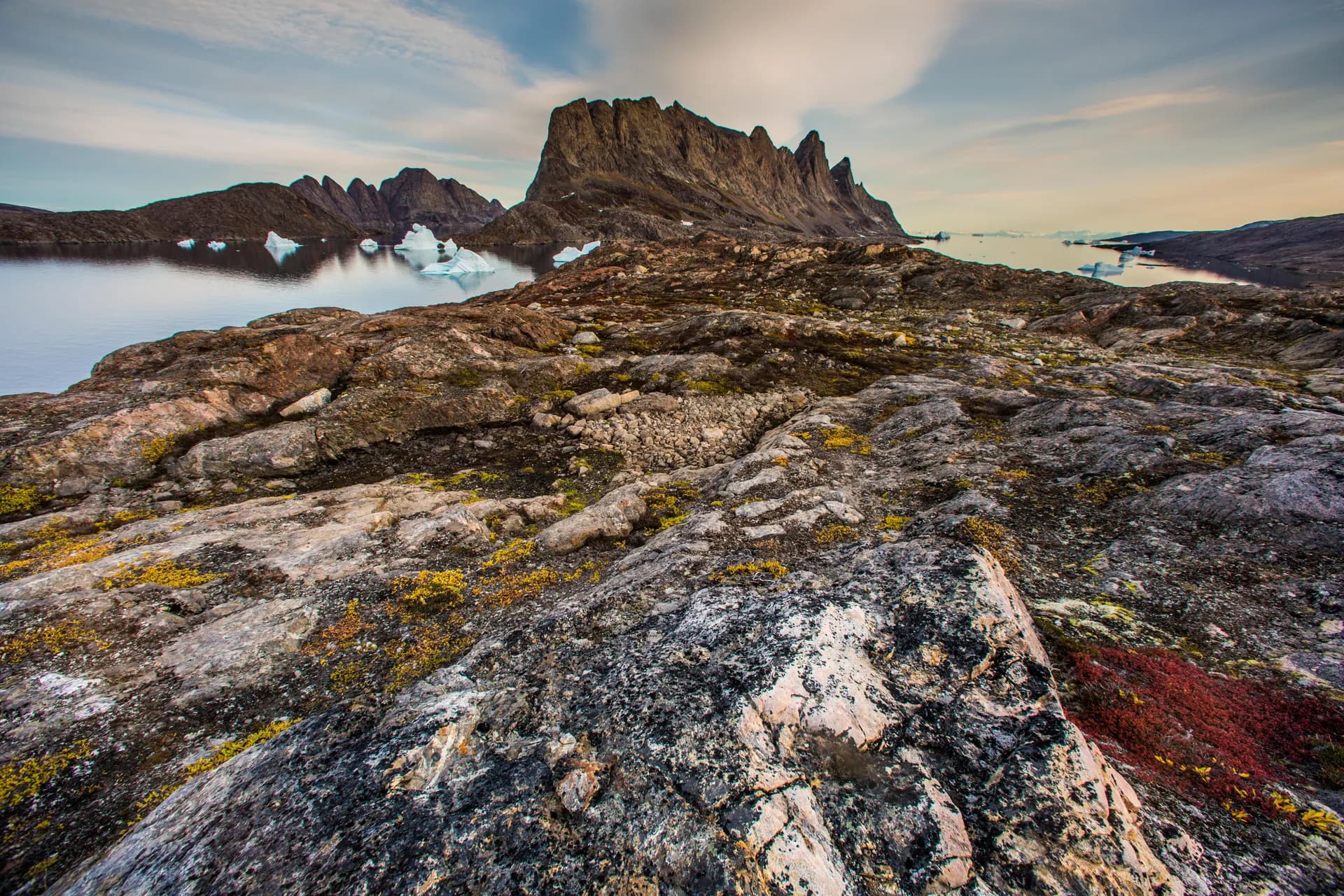
Skjoldungen Fjords
Imagine a narrow fjord bordered by rugged peaks, vertical rock walls and serpentine rivers of ice plunging into the sea. This is Skjoldungen Fjord, named by Wilhelm August Graah after the honorific title Skjoldungen which, according to Norse mythology, was given to successors of legendary King Skjold to the Danish throne. Numerous tidewater glaciers calve during the summer, releasing large chunks of ice that plunge into the fjord. Above, huge crevasses and free-standing pillars of ice, known as seracs, are silhouetted against a blue Greenlandic sky. Barren of large trees, Skjoldungen Fjord is carpeted in colorful dwarf birch and willow forests that may grow several feet high, as well as a variety of low-growing Arctic wildflowers. This fjord was likely inhabited by Paleo-Eskimo (Inuit) nomadic people as early as 4,000 years ago. Archaeological remains of later historical periods, such as Thule culture graves, have also been found, indicating that Inuit people have lived in the area continuously. Scattered within this stunning scenery are remains of more recent abandoned Inuit dwellings along the fjord’s western shores.
Day 7
Day 7
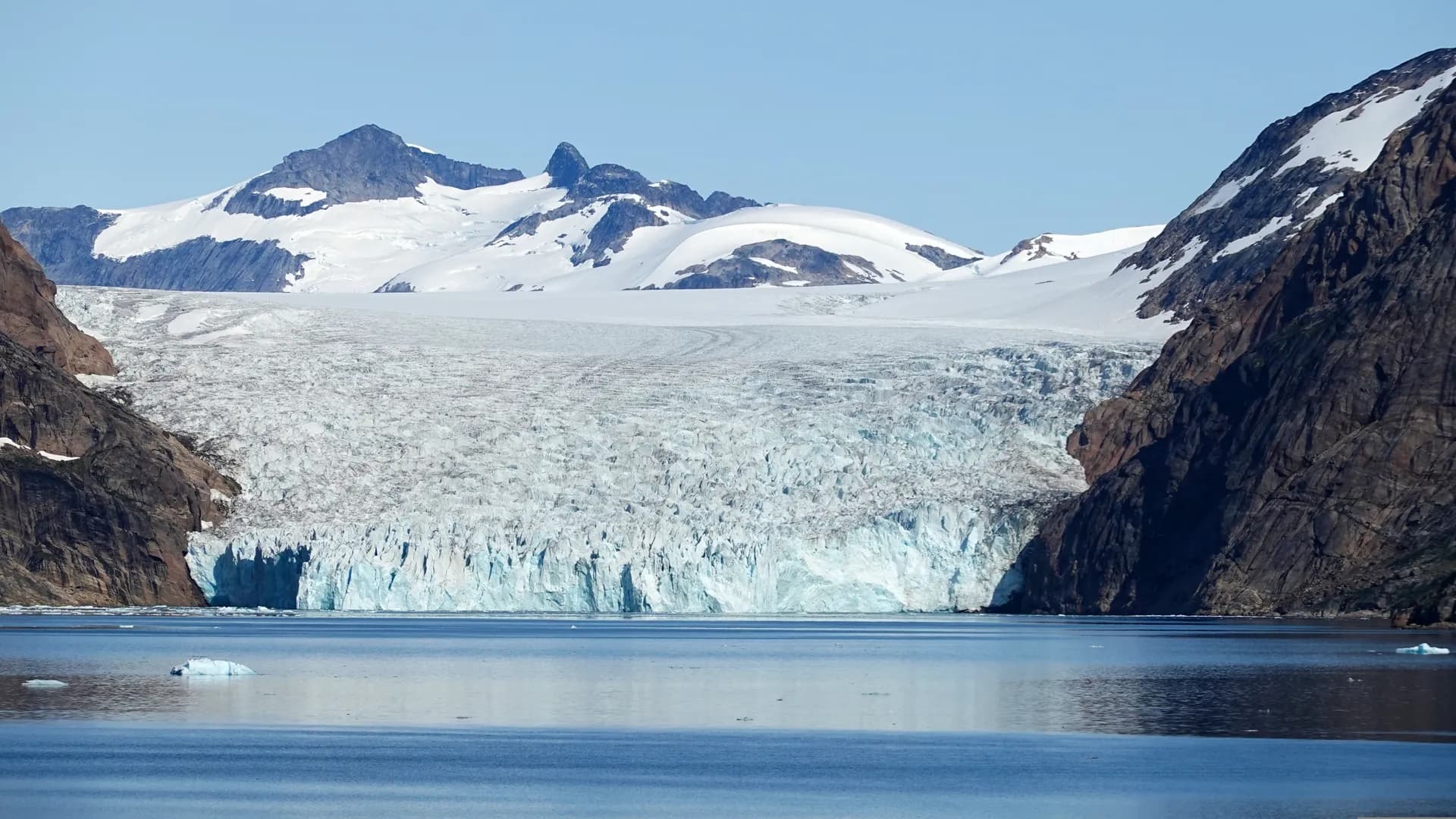
Prince Christian Sound
The transit through the Sound is one of this voyage’s highlights. Connecting the Labrador Sea with the Irminger Seat, Prince Christian Sound or “Prins Christian Sund” in Danish is named after Prince (later King) Christian VII (1749-1808). 100 km (60 miles ), long and at times just 500 m (1500 ft) wide, this majestic and spectacular fiord throws you back into a Viking era – flanked by soaring snow-topped mountains, rock-strewn cliffs and rolling hills, it is as if time has stood still and one easily forgets that this is the 21st century. As you marvel at the sheer size of the mountains that surround you, with the Arctic waters lapping deceptively at the hull, revel in the silence enveloping you. Icebergs float serenely by, carrying with them the ages of time. Be sure to wear warm clothing as this is one spectacle that you do not want to miss.
Day 8
Day 8
At Sea
Day 9
Day 9
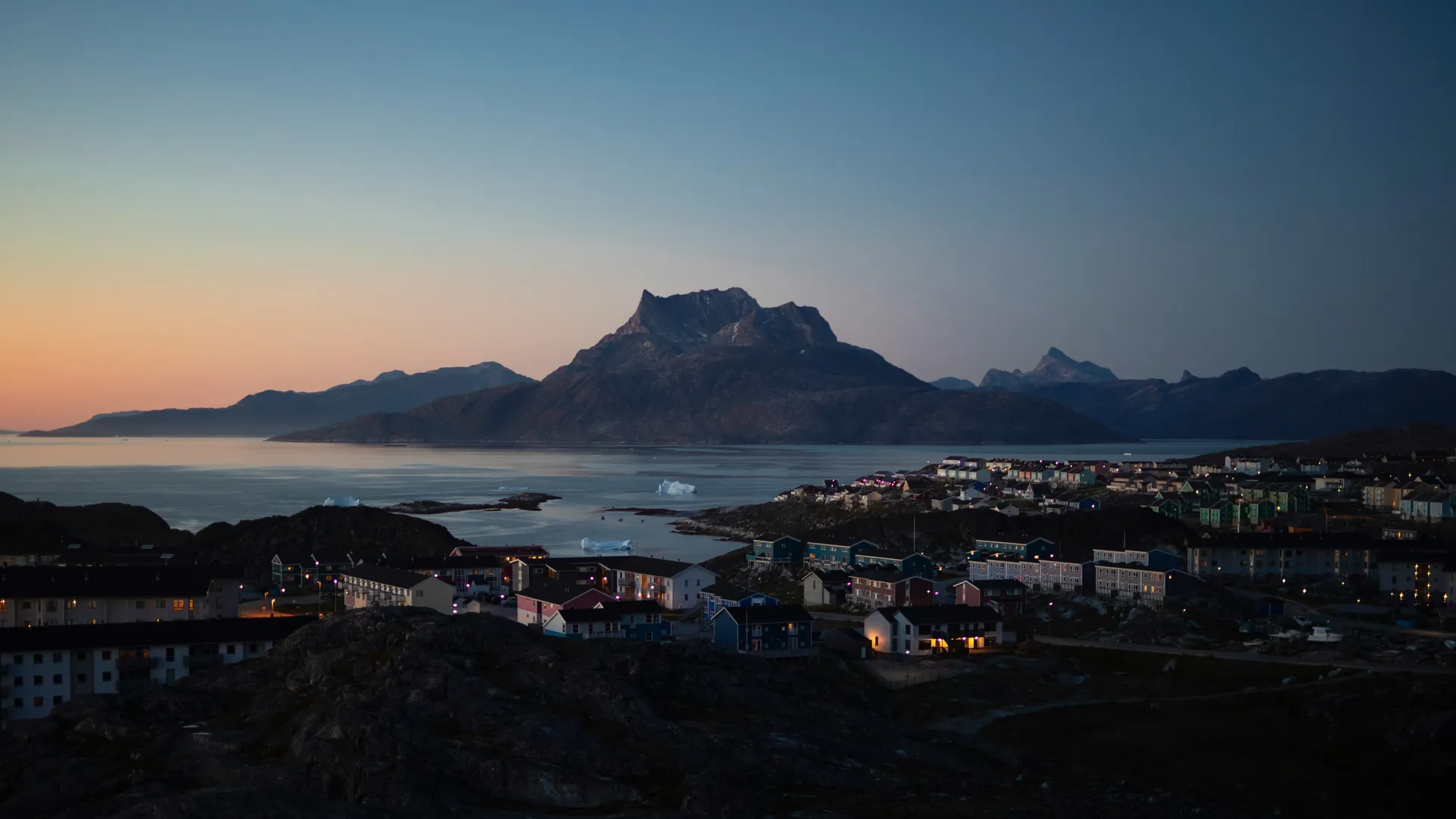
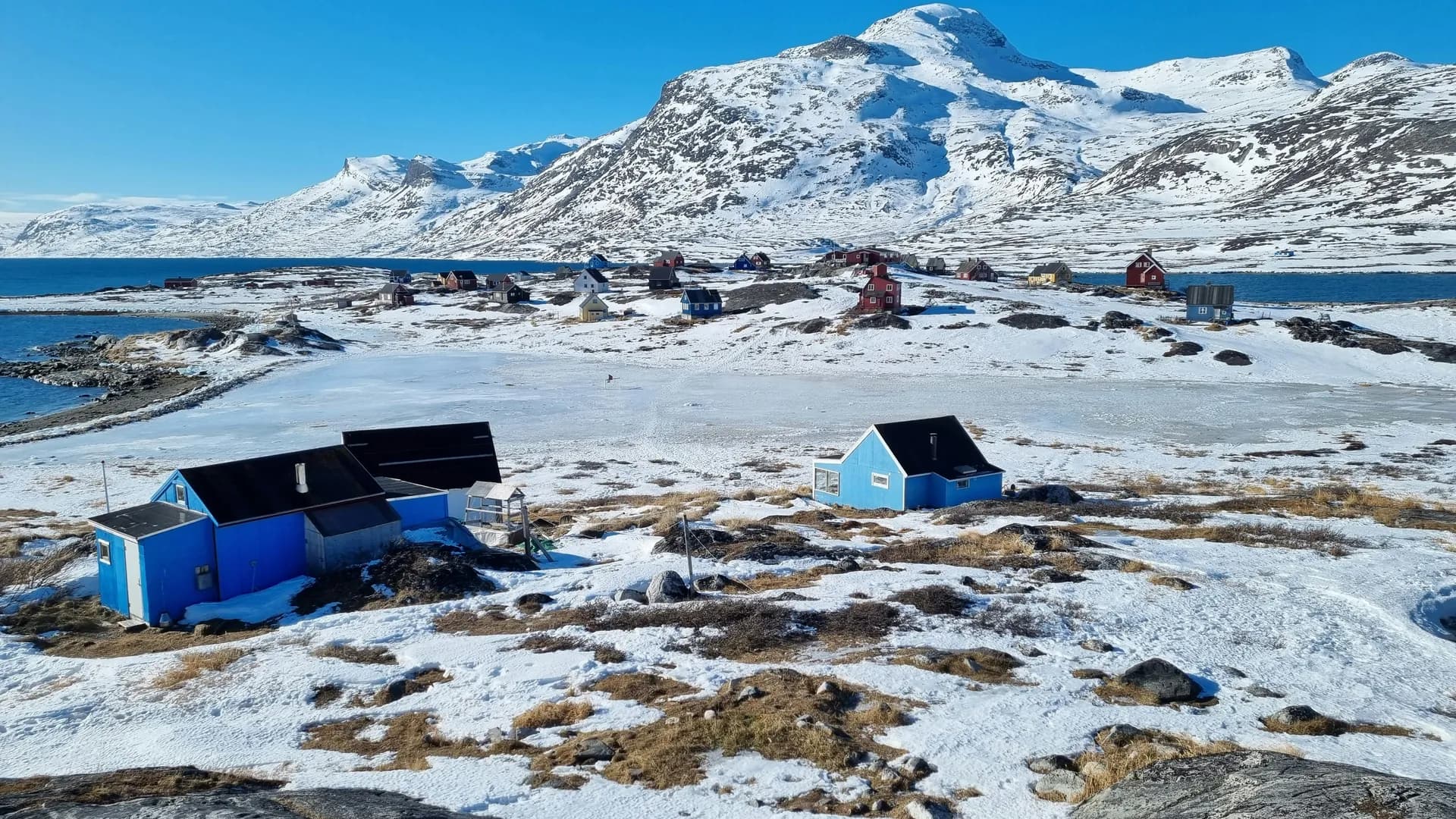
Nuuk
GreenlandNuuk, meaning “the cape”, was Greenland’s first town (1728). Started as a fort and later mission and trading post some 240 kilometers south of the Arctic Circle, it is the current capital. Almost 30% of Greenland’s population lives in the town. Not only does Nuuk have great natural beauty in its vicinity, but there are Inuit ruins, Hans Egede’s home, the parliament, and the Church of our Saviour as well. The Greenlandic National Museum has an outstanding collection of Greenlandic traditional dresses, as well as the famous Qilakitsoq mummies. The Katuaq Cultural Center’s building was inspired by the undulating Northern Lights and can house 10% of Nuuk’s inhabitants.
Day 10
Day 10
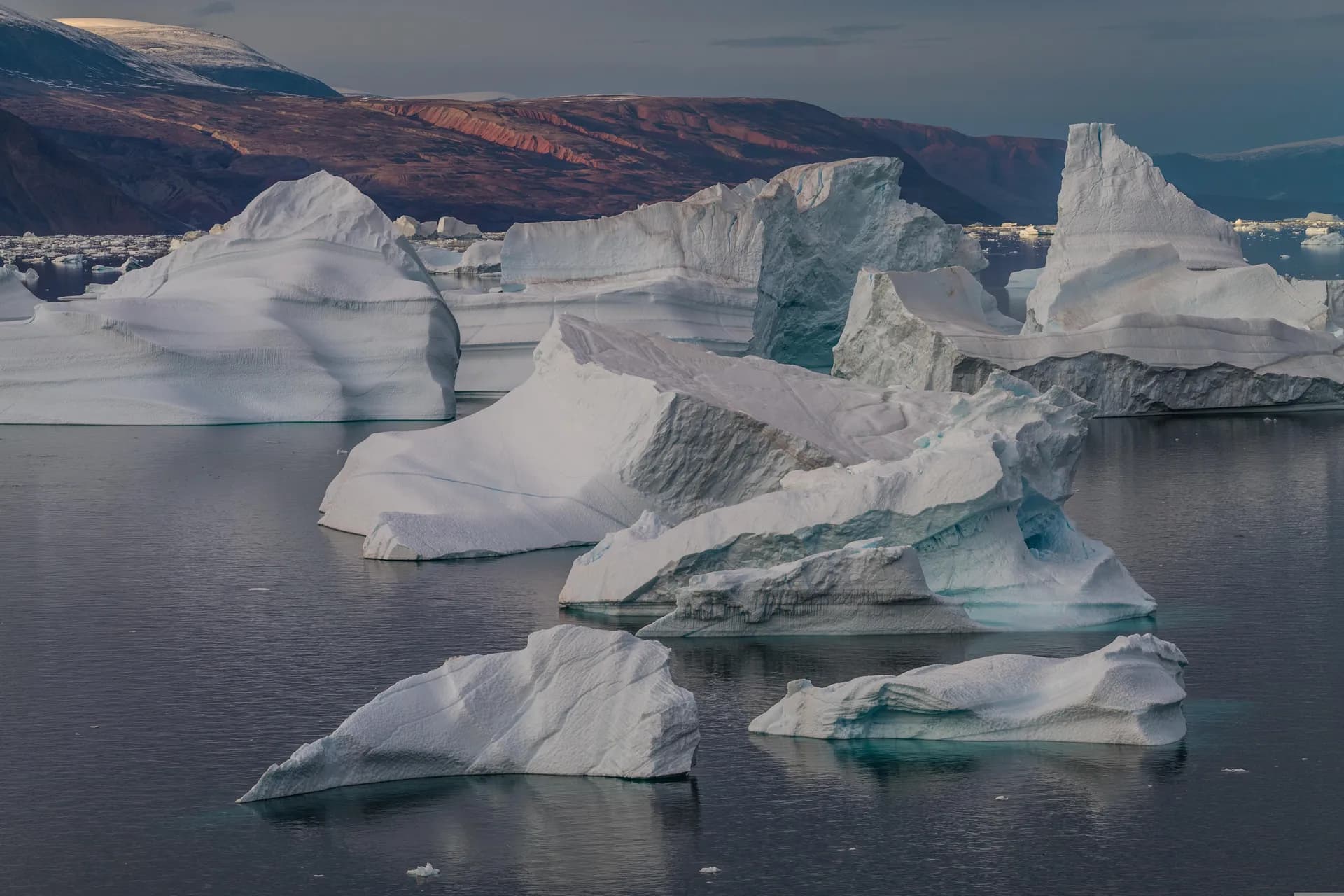
Evighed Fjord
GreenlandEvighedsfjord (Eternity Fjord) is a large fjord northeast of Kangaamiut in southwest Greenland. The fjord has a length of 75 kilometers and several branches with numerous glaciers coming down from the Maniitsoq Ice Cap to the north can be seen. The Evighedsfjord has several bends and whenever the ship reaches the supposed end the fjord continues in another direction and seems to go on forever. Qingua Kujatdleq Glacier is at its southeastern end. At the northwestern end a U-shaped valley has seven glaciers coming down from the mountains but not reaching the water. The glaciers had their maximum extent around the year 1870 and have gone through several cycles of advance and retreat. The mountains on either side of the fjord can reach in excess of 2,000 meters and the fjord has a depth of up to 700 meters. Evighedsfjord’s snowline is at 1,100 meters and the Evighedsfjord region is famous as one of Greenland’s best heli-skiing areas.
Day 11
Day 11
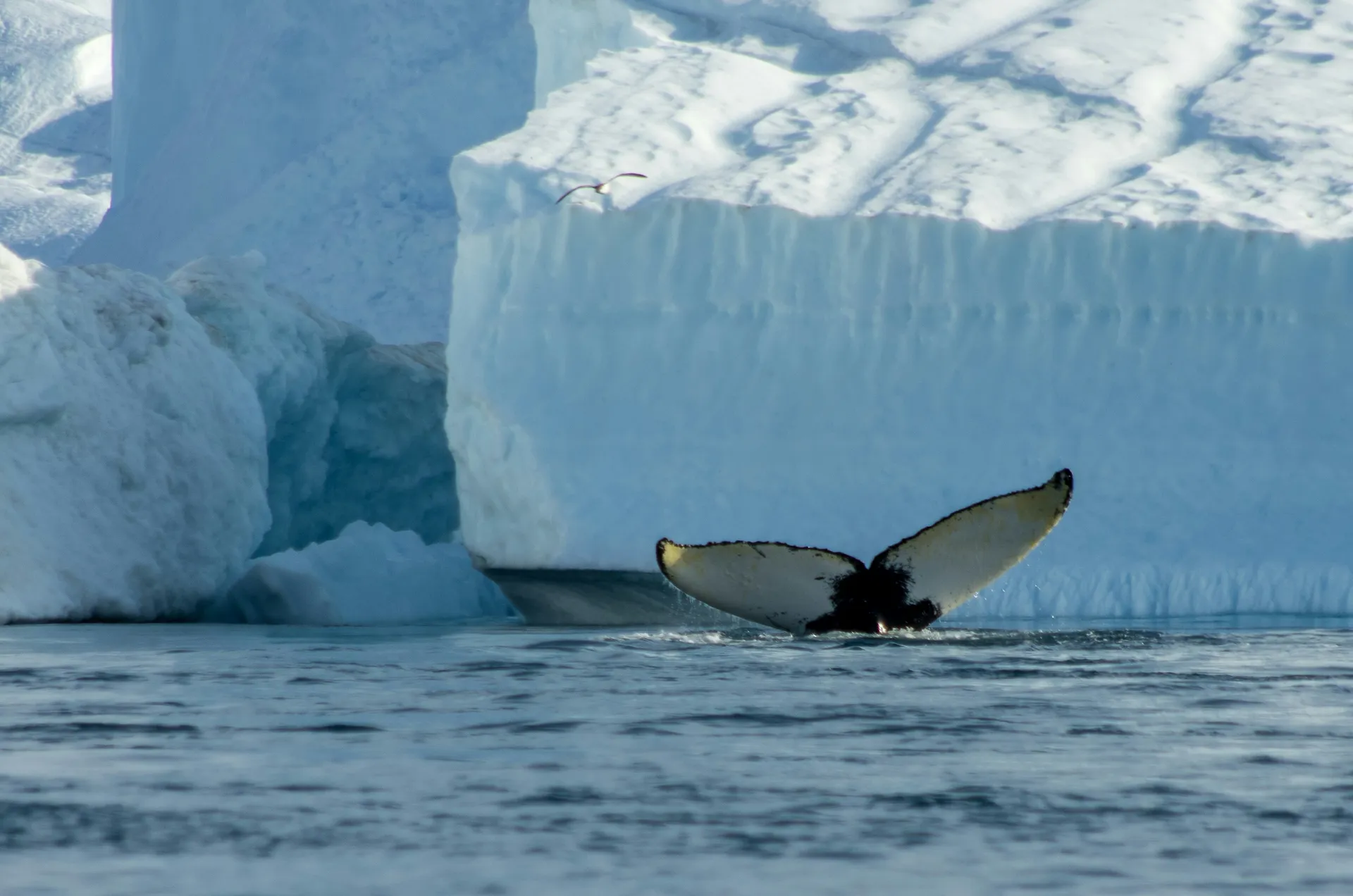
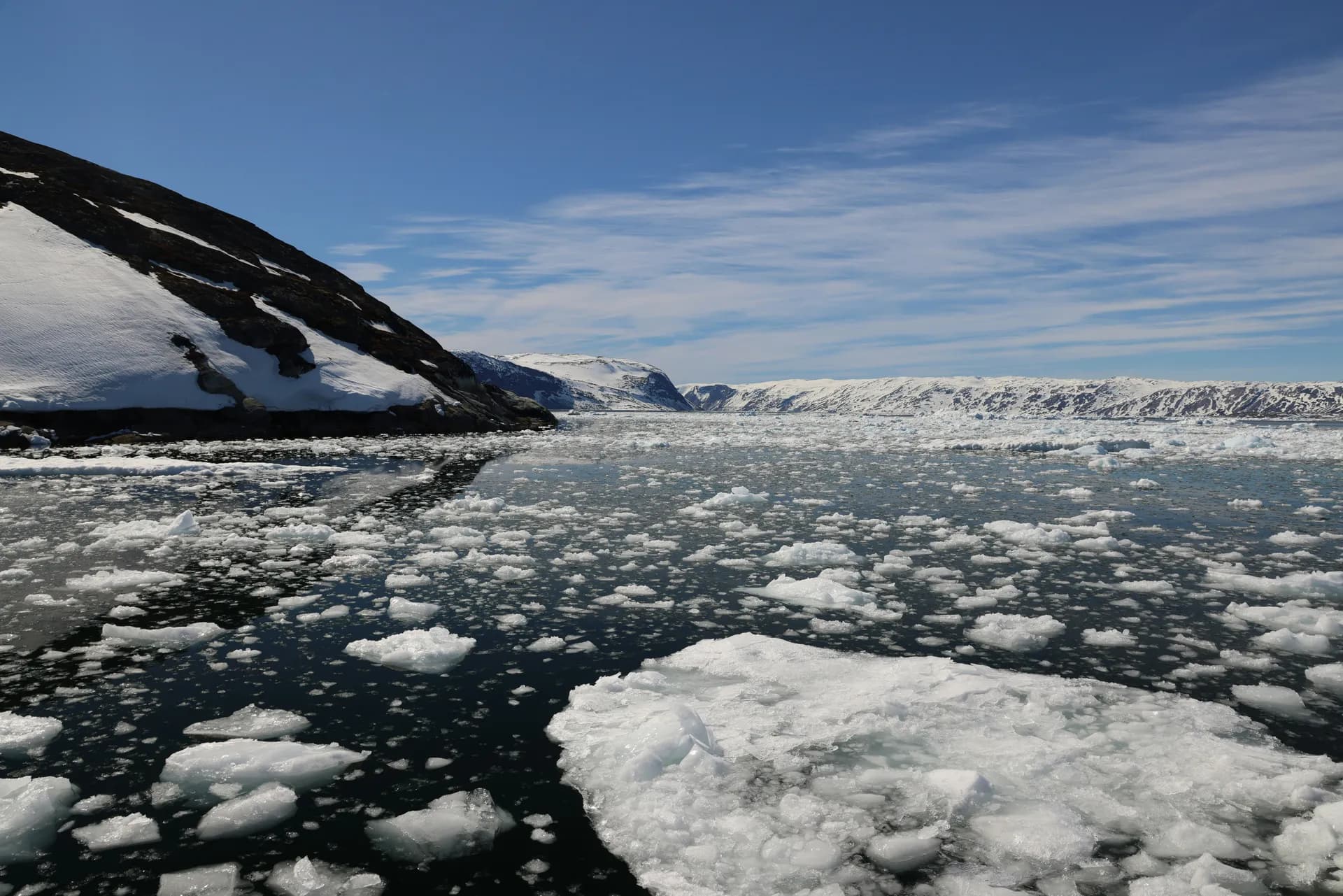
Disko Bay
GreenlandTo the east of Baffin Bay, discover Disko Bay, scattered with countless icebergs produced by the Ilulissat Icefjord, a UNESCO World Heritage Site. From your ship, admire the majestic ballet of these ice giants as they slowly drift across the dark waters. This site is a natural marvel of Greenland, and is also renowned as an observation point for the region’s many humpback whales. The encounters with wild fauna and stunning landscapes in the heart of this spectacular and fragile nature will be pure moments of wonder for you.
Day 12
Day 12
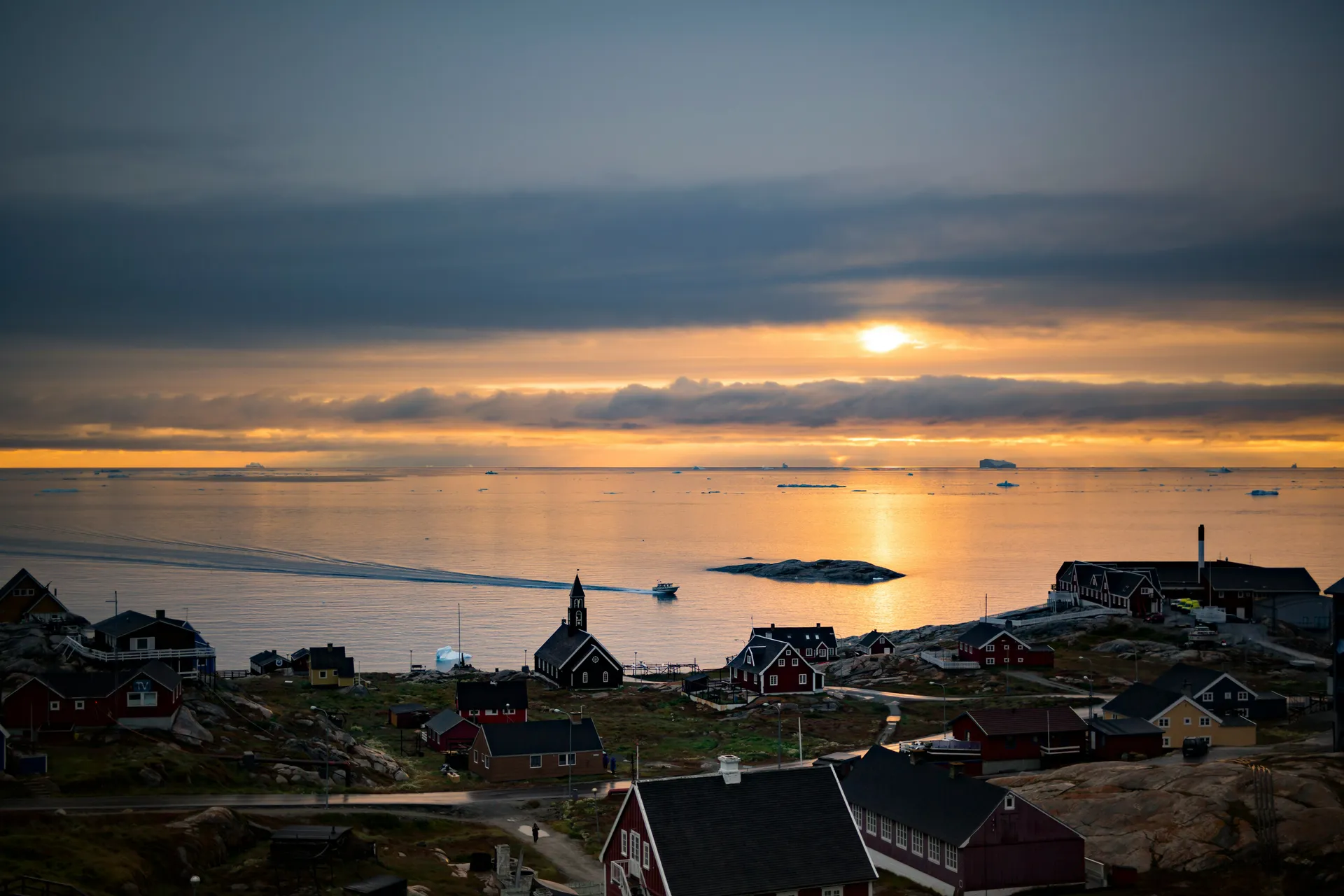
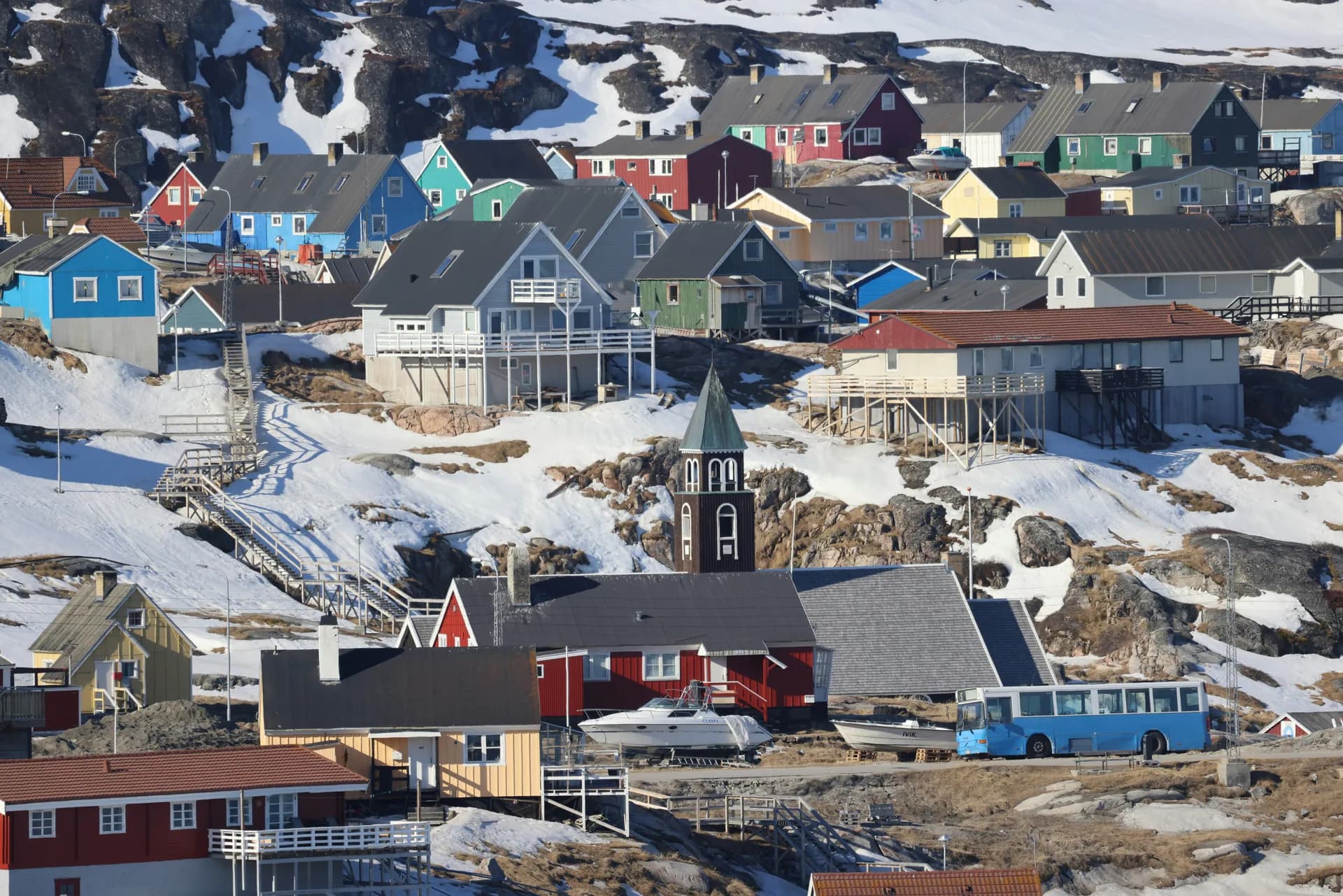
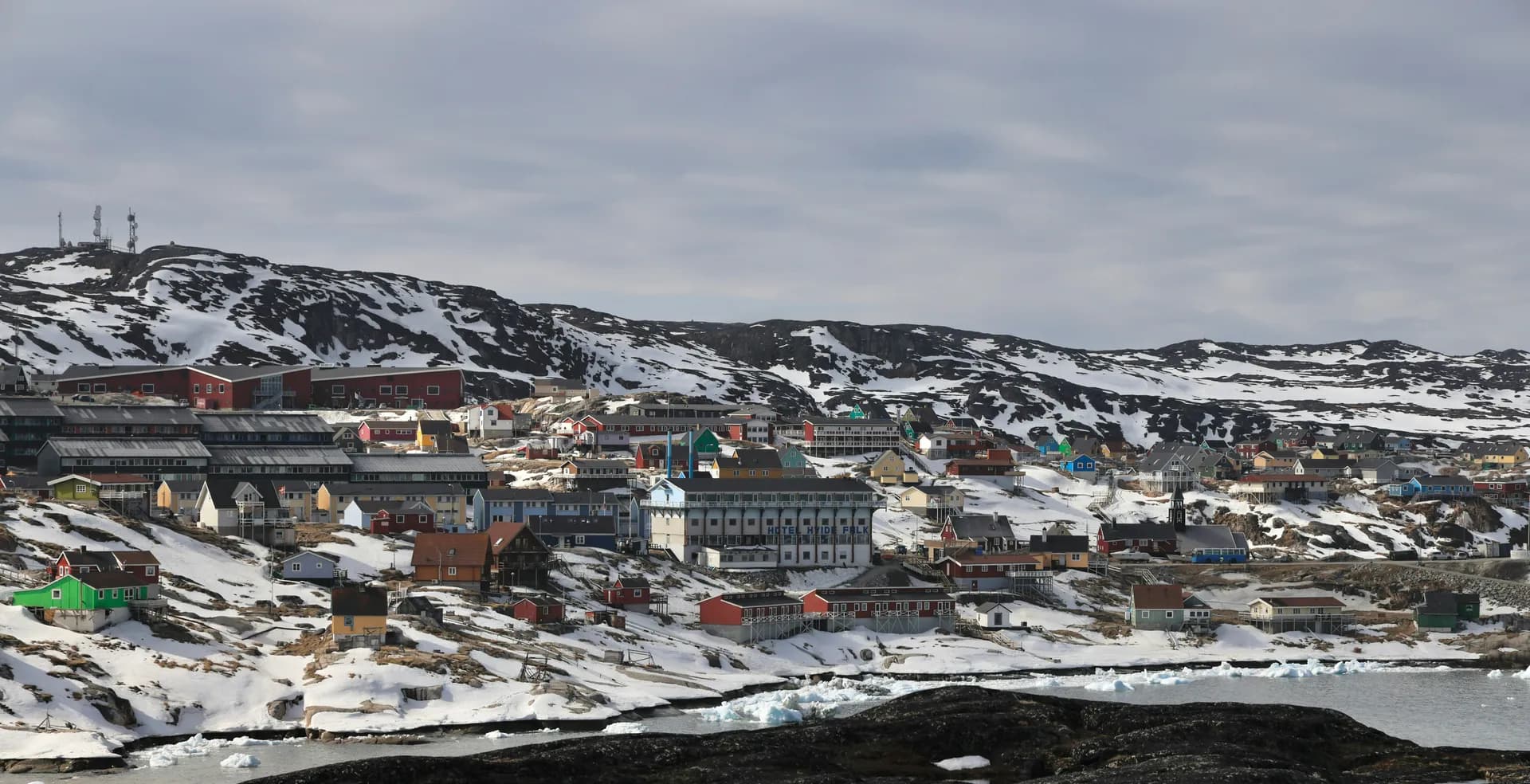
Ilulissat
GreenlandKnown as the birthplace of icebergs, the Ilulissat Icefjord produces nearly 20 million tons of ice each day. In fact, the word Ilulissat means “icebergs” in the Kalaallisut language. The town of Ilulissat is known for its long periods of calm and settled weather, but the climate tends to be cold due to its proximity to the fjord. Approximately 4,500 people live in Ilulissat, the third-largest town in Greenland after Nuuk and Sisimiut. Some people here estimate that there are nearly as many sled dogs as human beings living in the town that also boasts a local history museum located in the former home of Greenlandic folk hero and famed polar explorer Knud Rasmussen.
Day 13
Day 13
At Sea
Day 14
Day 14
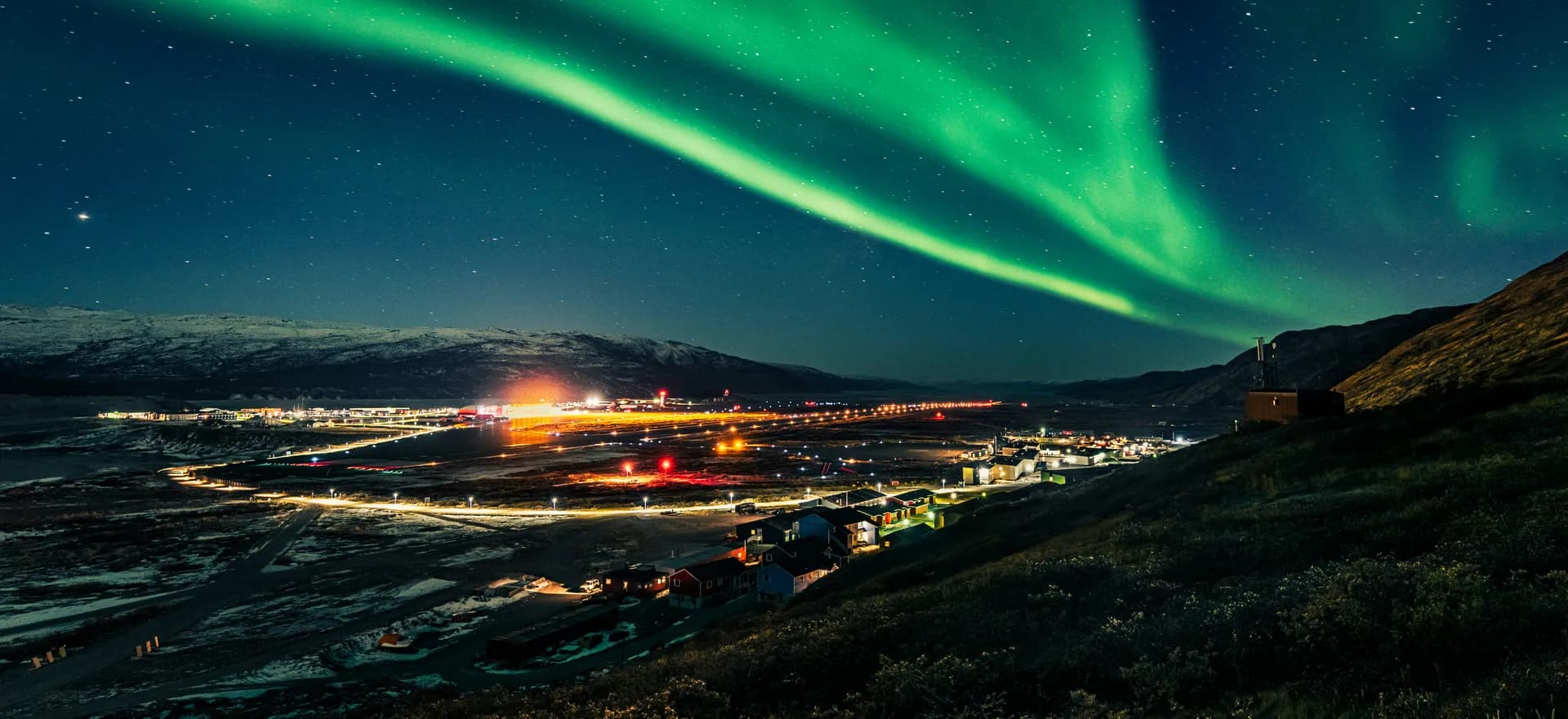
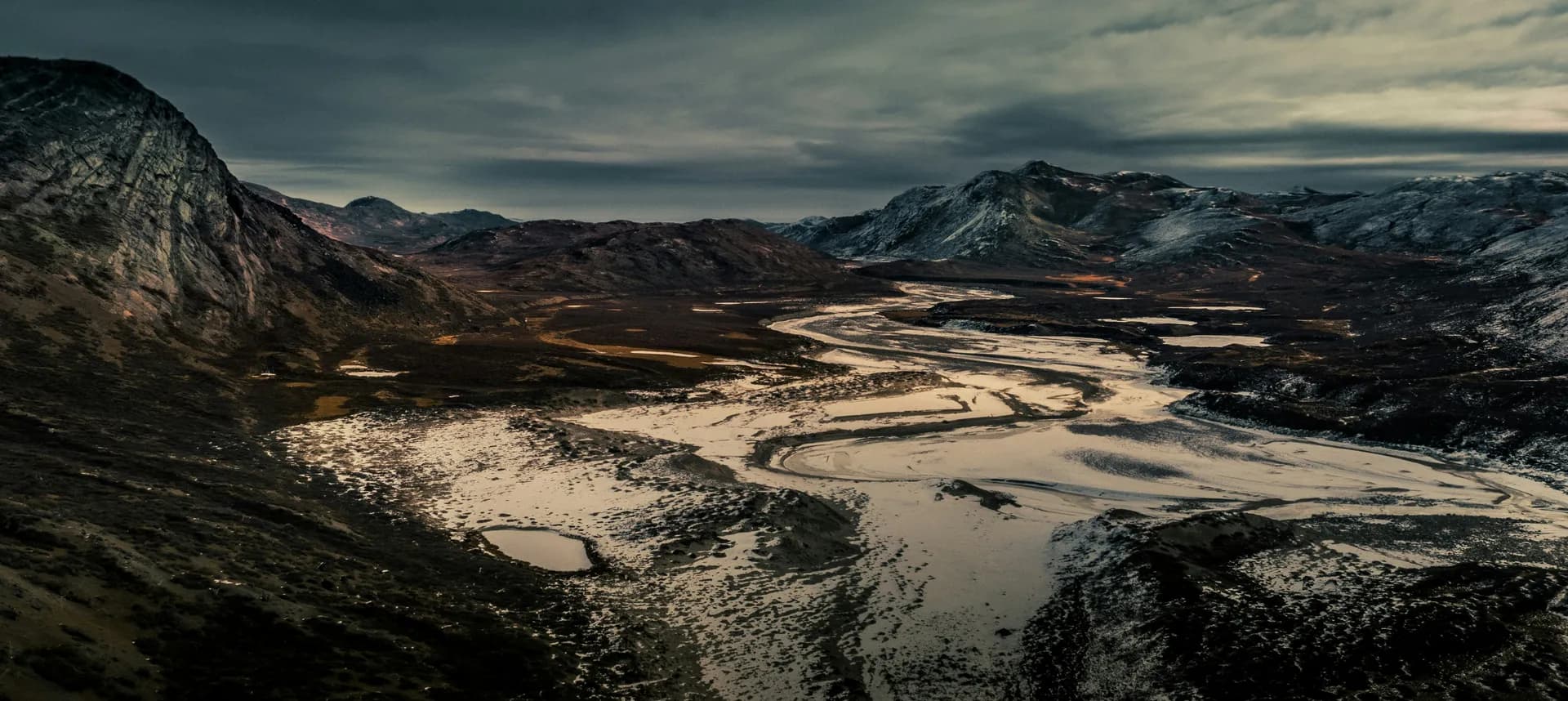
Kangerlussuaq
GreenlandThe name Kangerlussuaq means "Big Fjord" in the local Kalaallisut language. The settlement of about 500 people is located in western Greenland on flat land at the head of a fjord with the same name. Kangerlussuaq is the site of Greenland's largest commercial airport and most of the economy here is dependent on the air transportation hub and tourism. The rugged lands around the settlement support terrestrial Arctic fauna including muskoxen, caribou, and Gyrfalcons.
Day 15
Day 15
Sisimiut
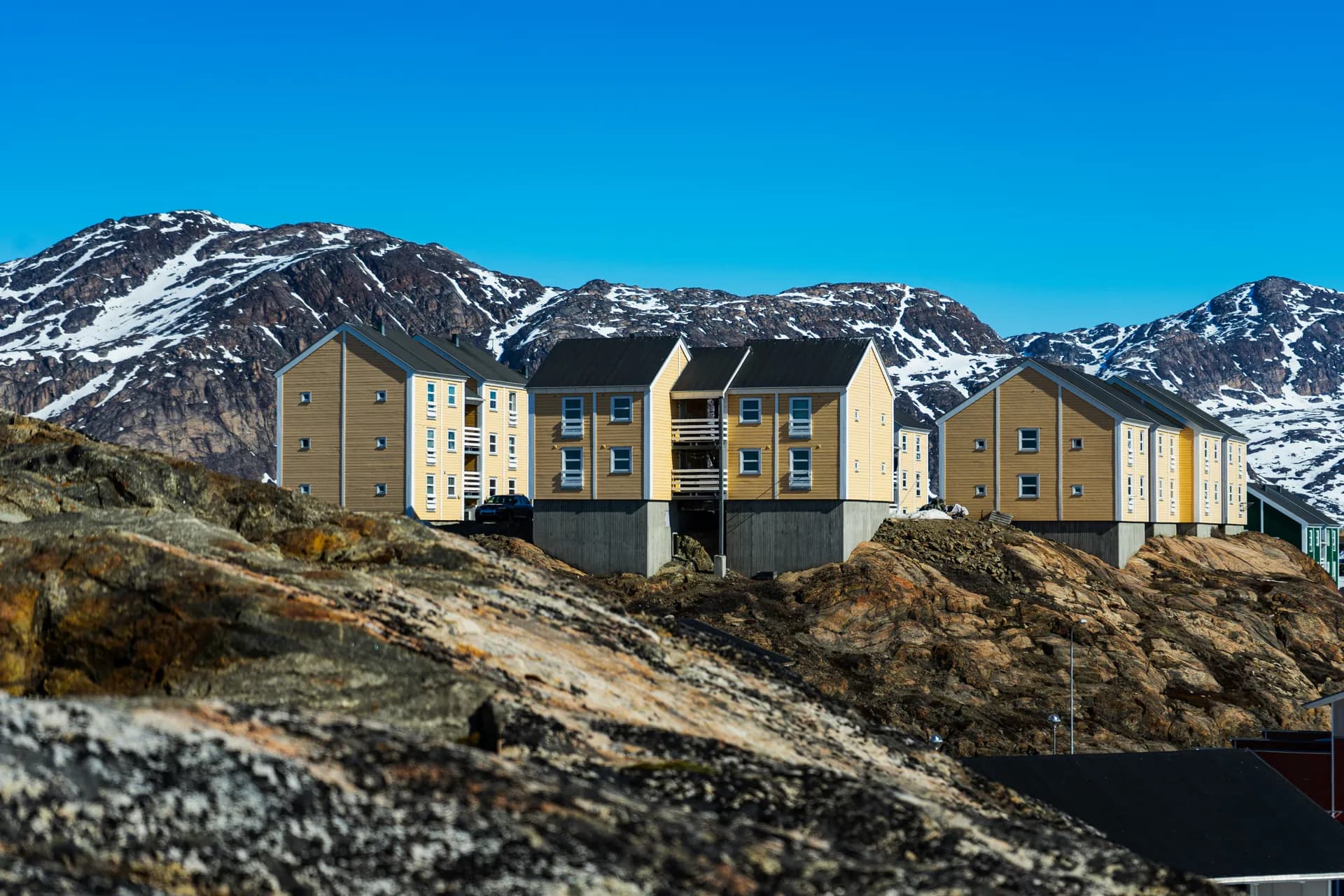
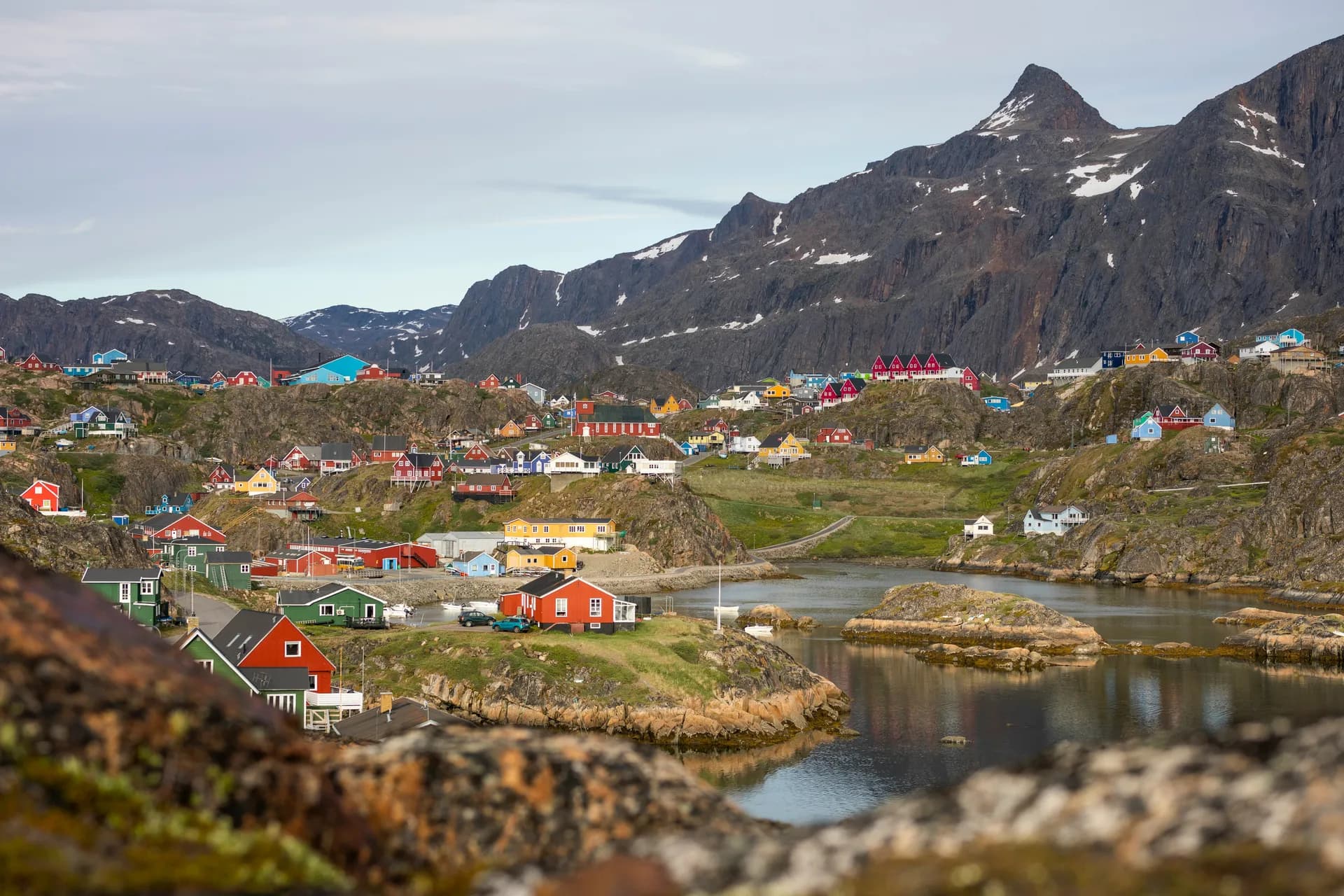
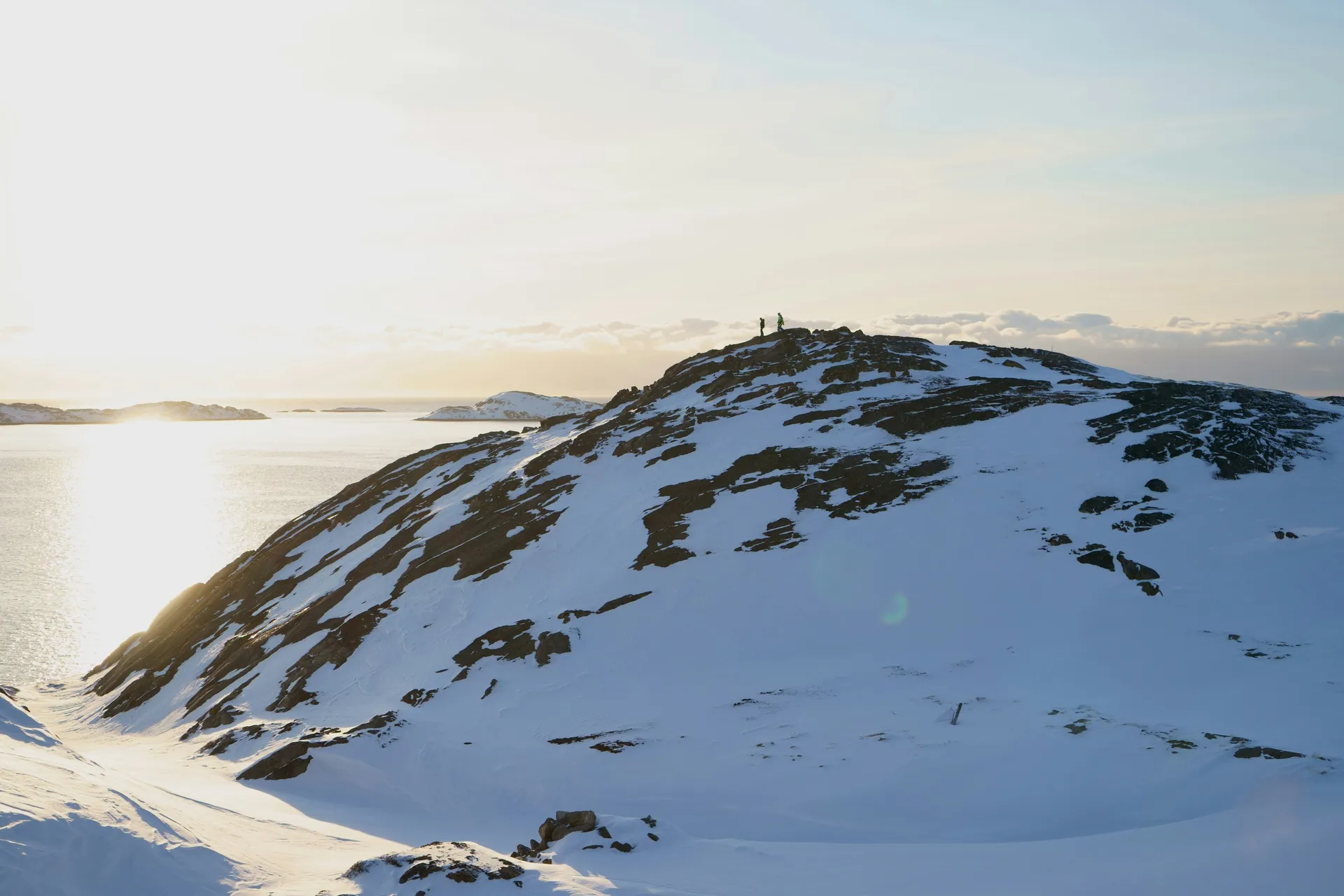
GreenlandSisimiut ('The People of the Fox Holes') is Greenland's second city, the largest Arctic City in North America, and a hub between the warmer South and the frozen North of the country. With a young, dynamic population, including students from all over the country, Sisimiut is one of the fastest growing cities in Greenland. View less Inhabited for more than four and a half thousand years, the Danish Colonial Era saw the rapid development of the city into a trade centre, and the old buildings and artefacts can be seen at Sisimiut Museum, a collection of beautifully restored buildings displaying everything from ancient turf houses to modern Inuit art. The local artisans are considered some of the best in Greenland, and often sell their wares direct from their communal workshop in the harbour, where they barter with hunters for raw materials. Today, modern industry focussed on processing sea food and shipping; KNI, the state-run chain of general stores operating in even the most remote settlements is based in Sisimiut. Most residents still live in the colourful wooden houses Greenland is so well known for. Sisimiut's vast back country offers excellent opportunities for hiking and fishing, and the locals often use sled dogs or snowmobiles to get around their vast mountainous playground during the long winters. In the summer, one can walk as far as Kangerlussuaq International Airport, a trail also used for the gruelling Polar Circle Marathon, one of the toughest endurance events in the world.
Day 16
Day 16
Ilulissat
GreenlandKnown as the birthplace of icebergs, the Ilulissat Icefjord produces nearly 20 million tons of ice each day. In fact, the word Ilulissat means “icebergs” in the Kalaallisut language. The town of Ilulissat is known for its long periods of calm and settled weather, but the climate tends to be cold due to its proximity to the fjord. Approximately 4,500 people live in Ilulissat, the third-largest town in Greenland after Nuuk and Sisimiut. Some people here estimate that there are nearly as many sled dogs as human beings living in the town that also boasts a local history museum located in the former home of Greenlandic folk hero and famed polar explorer Knud Rasmussen.
Day 17
Day 17
Disko Bay
GreenlandTo the east of Baffin Bay, discover Disko Bay, scattered with countless icebergs produced by the Ilulissat Icefjord, a UNESCO World Heritage Site. From your ship, admire the majestic ballet of these ice giants as they slowly drift across the dark waters. This site is a natural marvel of Greenland, and is also renowned as an observation point for the region’s many humpback whales. The encounters with wild fauna and stunning landscapes in the heart of this spectacular and fragile nature will be pure moments of wonder for you.
Day 18
Day 18
Evighed Fjord
GreenlandEvighedsfjord (Eternity Fjord) is a large fjord northeast of Kangaamiut in southwest Greenland. The fjord has a length of 75 kilometers and several branches with numerous glaciers coming down from the Maniitsoq Ice Cap to the north can be seen. The Evighedsfjord has several bends and whenever the ship reaches the supposed end the fjord continues in another direction and seems to go on forever. Qingua Kujatdleq Glacier is at its southeastern end. At the northwestern end a U-shaped valley has seven glaciers coming down from the mountains but not reaching the water. The glaciers had their maximum extent around the year 1870 and have gone through several cycles of advance and retreat. The mountains on either side of the fjord can reach in excess of 2,000 meters and the fjord has a depth of up to 700 meters. Evighedsfjord’s snowline is at 1,100 meters and the Evighedsfjord region is famous as one of Greenland’s best heli-skiing areas.
Day 19
Day 19
At Sea
Day 20
Day 20
Iqaluit
CanadaIn 1576, English explorer Martin Frobisher sailed into Frobisher Bay in search of a route to China. What he “discovered” was a large inlet with numerous Inuit fishing and hunting camps along its shores. The name Iqaluit means ‘a place of many fish’ in Inuktitut. Although the Inuit people had been here for thousands of years prior, they hadn’t establish a permanent settlement. It wasn’t until 1942 that the first Inuit made Iqaluit home. They settled here to help service the U.S. Air Force base, which was used to ferry aircraft to Europe during World War II. Iqaluit, the capital of the Canadian territory of Nunavut, has 7,700 inhabitants. Some 60% of its residents are Inuit. A highlight of a visit here is the Nunatta Sunakkutaangit Museum, with its beautiful displays of Inuit art, artifacts and dioramas of Arctic life. St. Jude's Cathedral, often referred to as the ‘Igloo Cathedral’ because of its unique architectural design, is likewise of interest to visitors.
Day 21
Day 21
Monumental Island
CanadaDay 21
Day 21
Lady Franklin Island
Named in honour of Sir John Franklin’s widow, the lonely and uninhabited Lady Franklin Island lies off of Baffin Island’s Hall Peninsula at the entrance to Cumberland Sound. The island is named for the wife of Sir John Franklin, the Arctic explorer who died trying to discover the Northwest Passage. The geology of the island is striking with vertical cliffs of Archean rocks, likely to be some of the oldest stone in Canada. The waters around Lady Franklin Island offer an abundance seabirds, ducks, seals, and walrus. With a bit of luck it is possible to see Atlantic Puffins here and perhaps even a rare Sabine’s Gull.
Day 22
Day 22
Lower Savage Islands
CanadaThe Lower Savage Islands are an uninhabited offshore island group of Baffin Island, located in the Arctic Archipelago in the territory of Nunavut. The islands lie in the Gabriel Strait, an arm of Davis Strait, northwest of Resolution Island, and west of Edgell Island.
Day 23
Day 23
At Sea
Day 24
Day 24
Baffin Island
CanadaCape Dorset is a small Inuit hamlet located on Dorset Island, off the southern shore of Baffin Island. The traditional name for Cape Dorset is Kinngait (meaning "high mountain"), describing the ‘Cape’, which is actually a 800 foot mountain. This is a nature-lovers paradise with breath-taking landscapes and an amazing abundance of arctic wildlife, such as migratory caribou, seabirds, whales, seals and walruses. Ancient native Thule (Dorset Culture) peoples lived in this area for three thousand years, and it is here where the first archaeological remains were found. Captain Luke Foxe, during his attempt to find the Northwest Passage in 1631, was the first European to land here. He named the Cape in honour of his sponsor Edward Sackville, the Earl of Dorset. In 1913, the Hudson's Bay Company started a trading post, exchanging furs and skins for supplies like tobacco, ammunition, flour, gas, tea and sugar. In 1949, the market for white fox collapsed but the art industry boomed. Since the 1950s, Cape Dorset, the "Capital of Inuit Art", has become an economic mainstay of the community, with more than 20% of it residents employed in the arts.
Day 25
Day 25
At Sea
Day 26
Day 26
At Sea
Day 27
Day 27
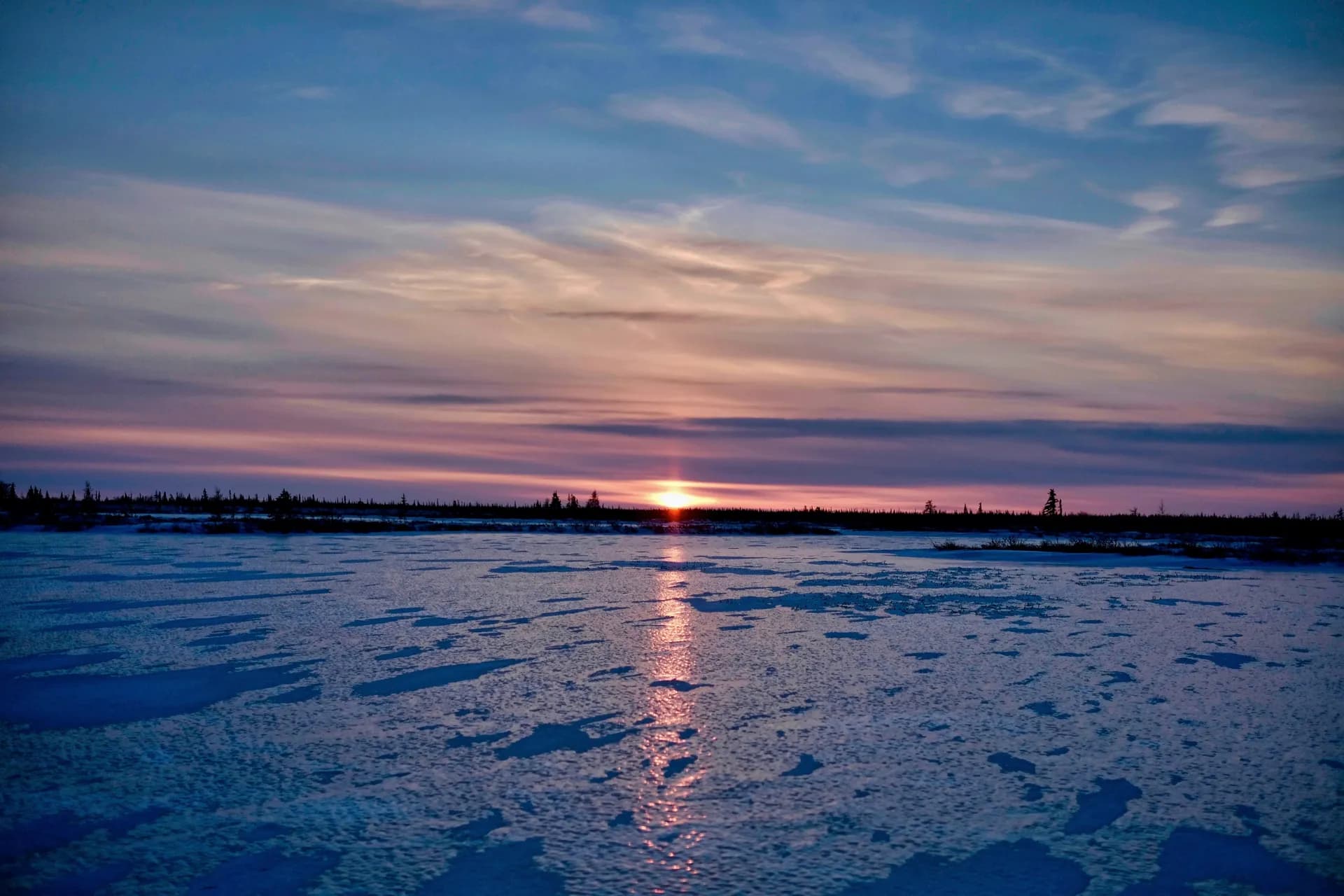
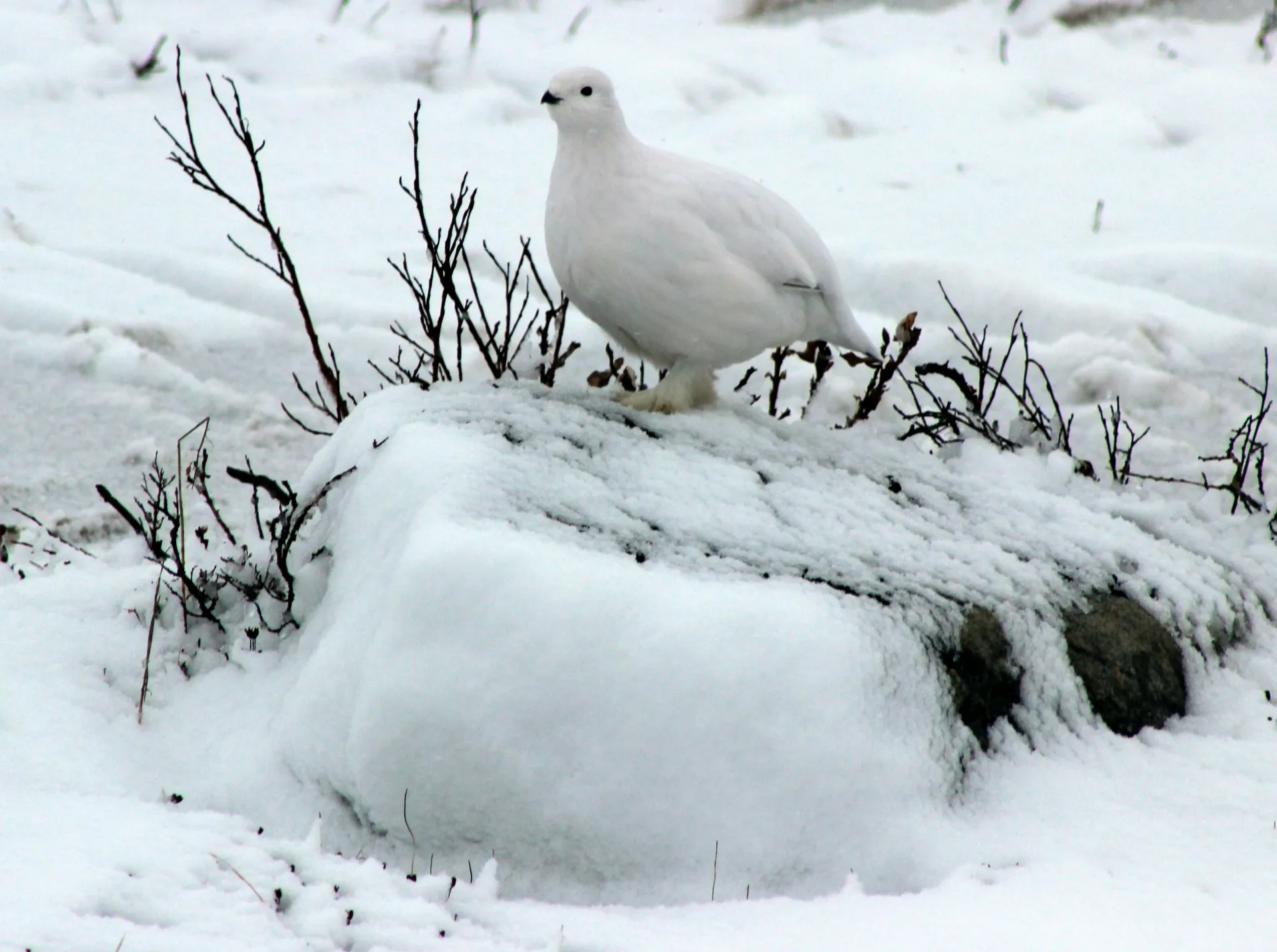
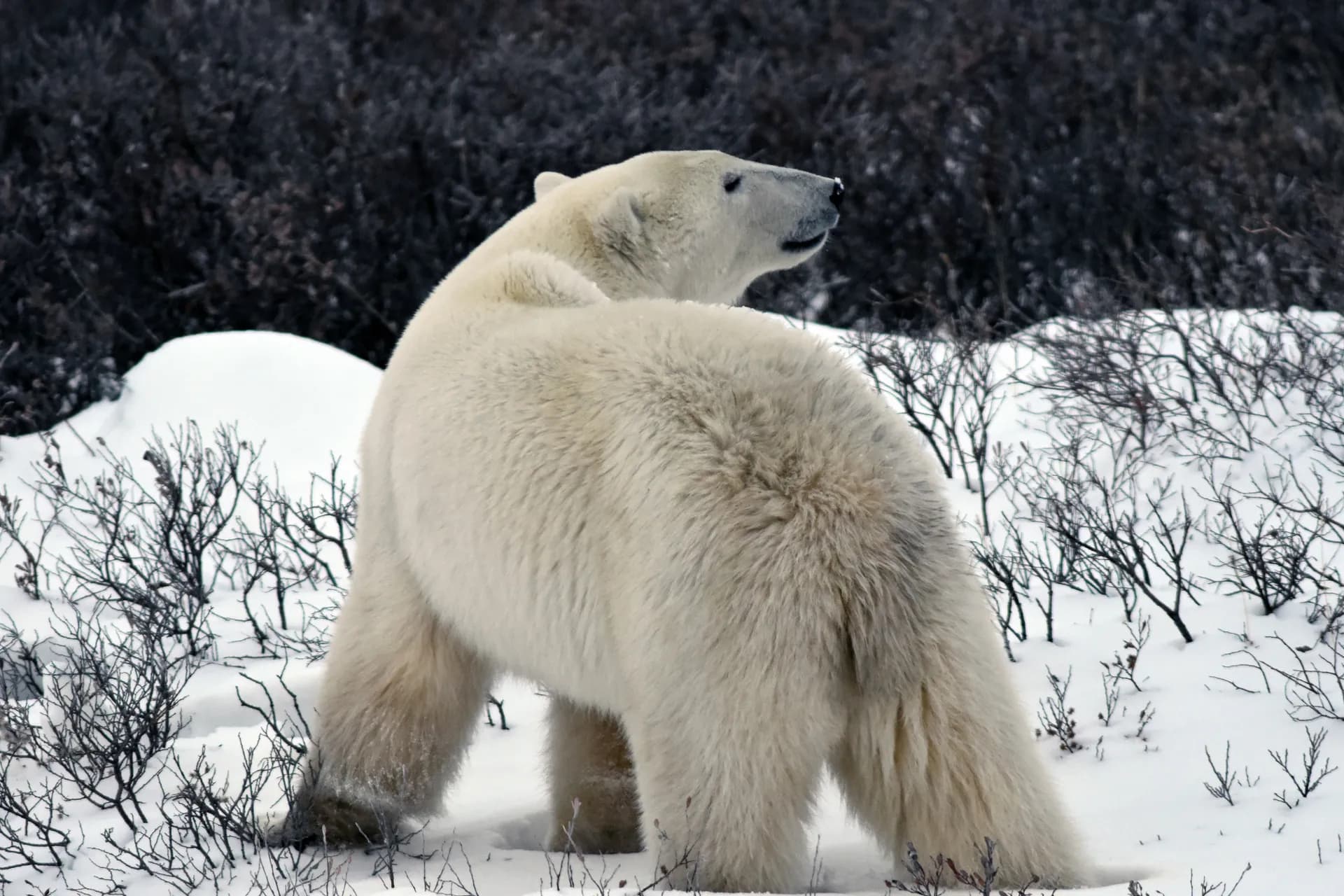
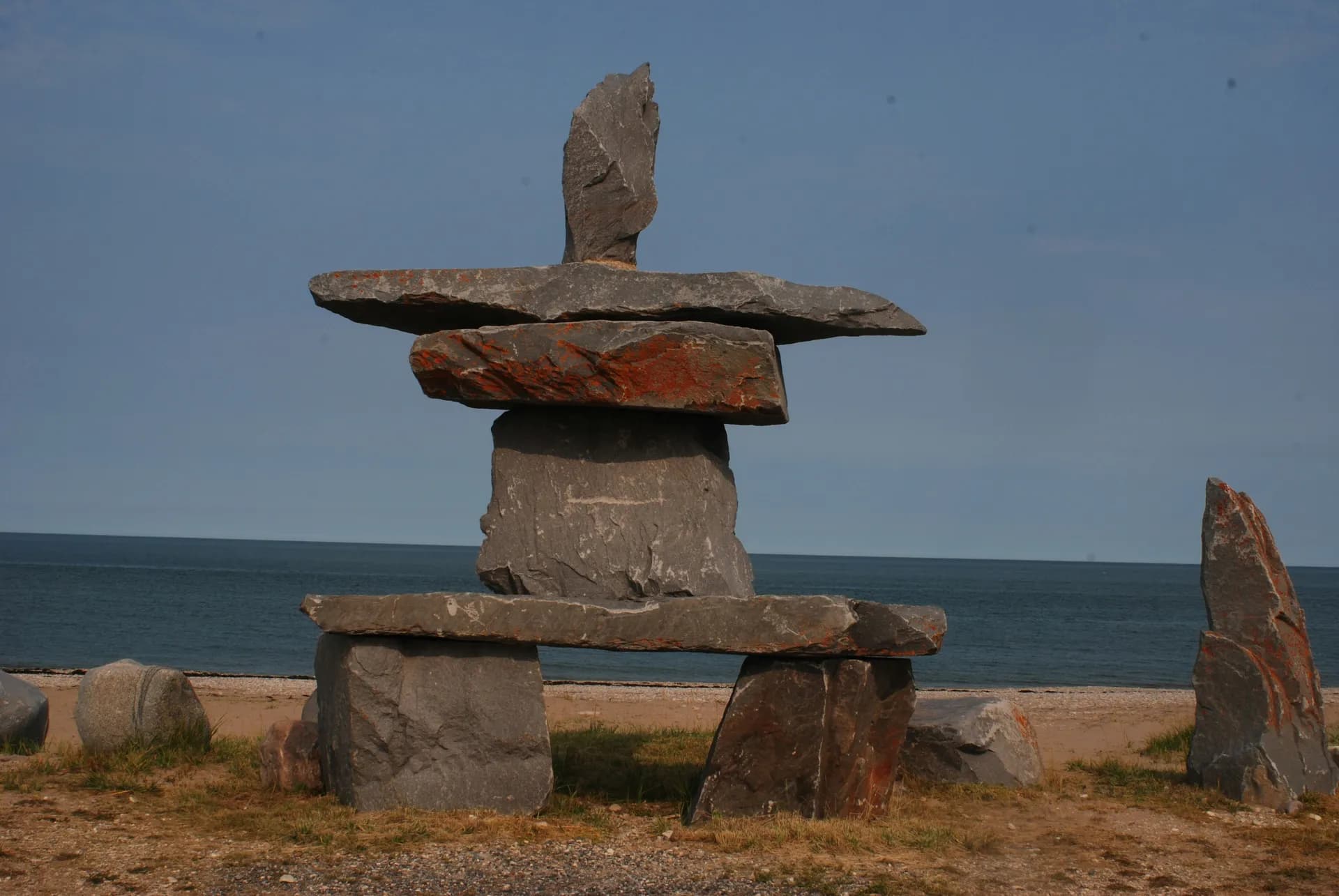
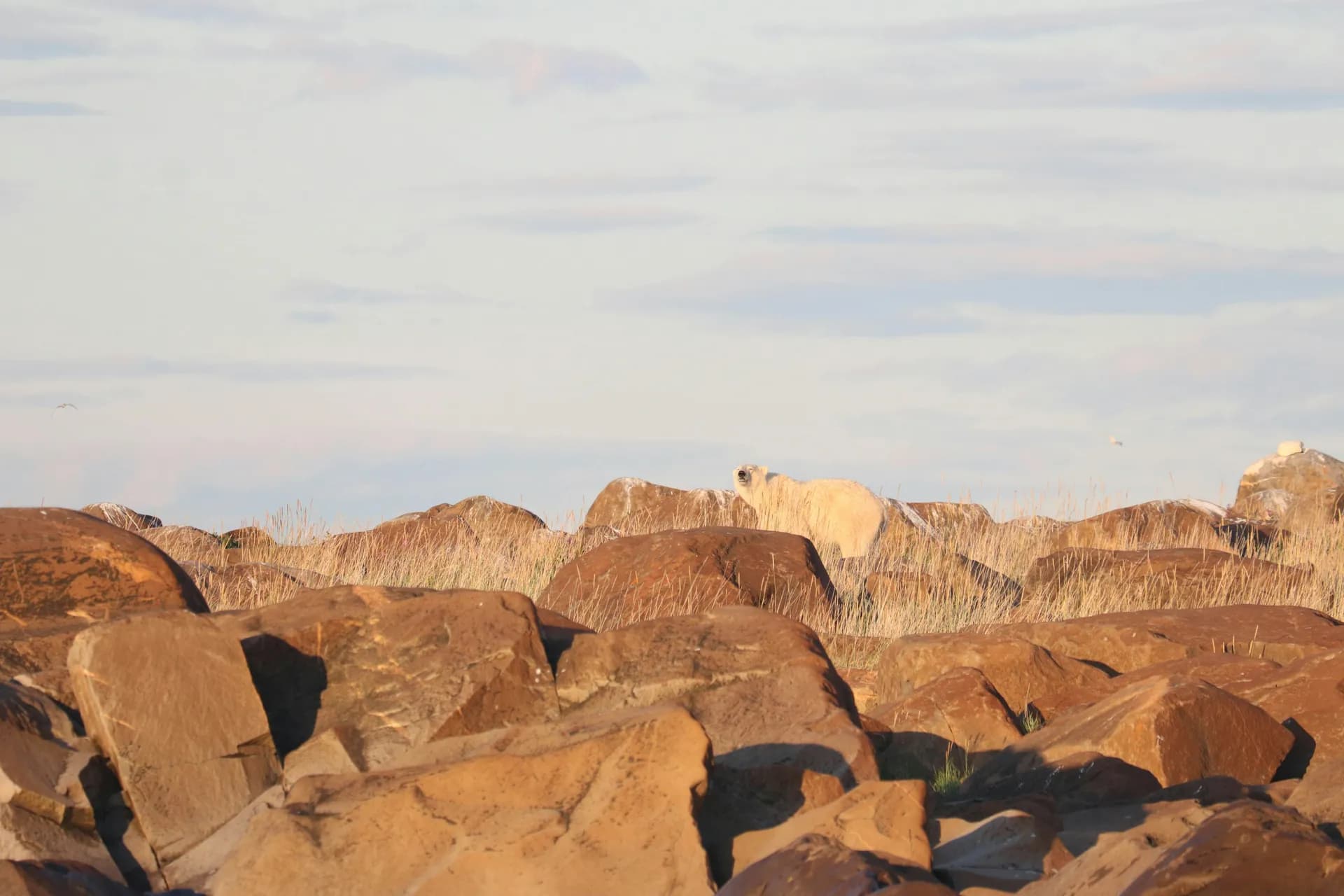
Churchill
CanadaDay 28
Day 28
Churchill
CanadaDay 28
Day 28
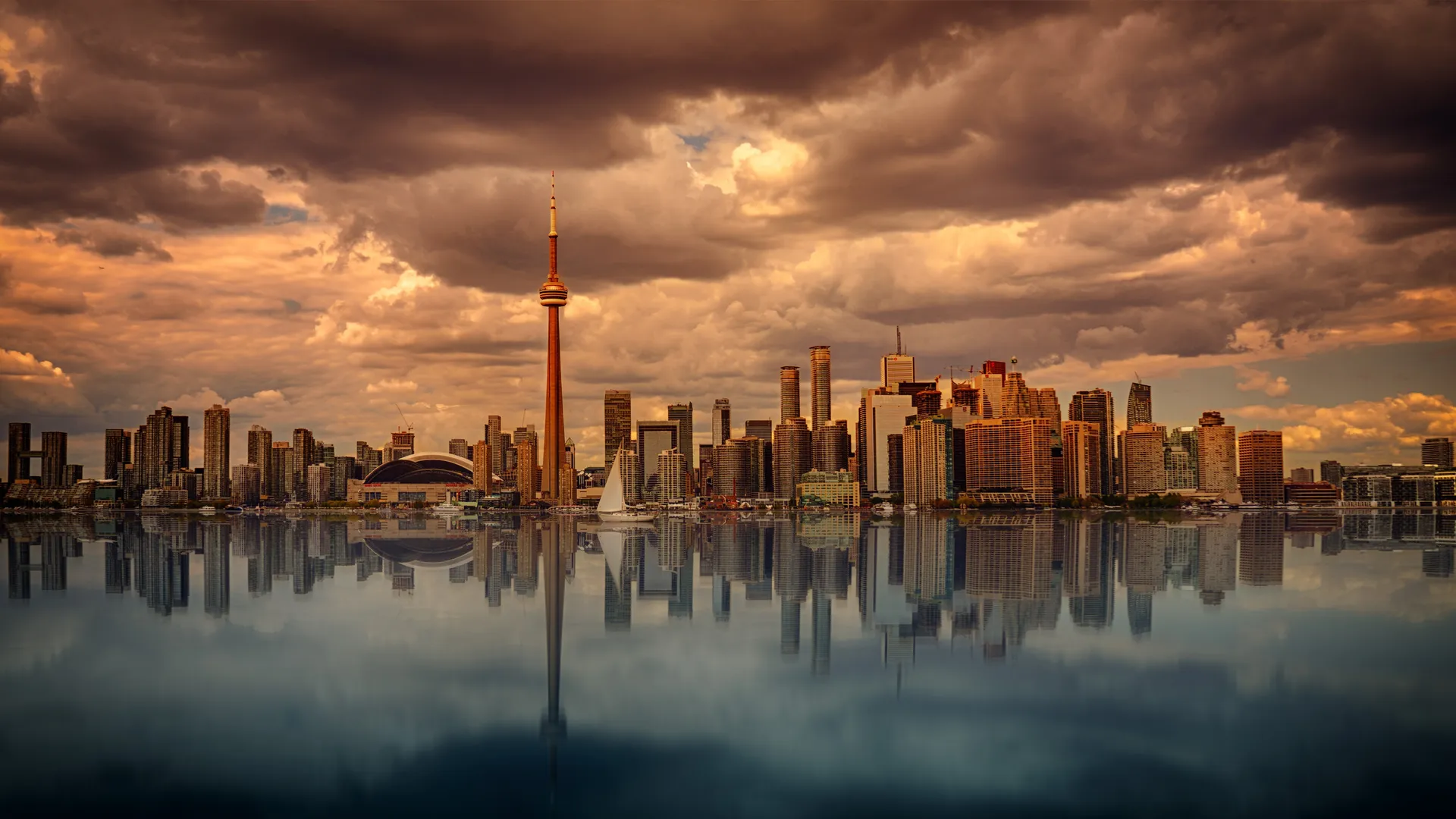
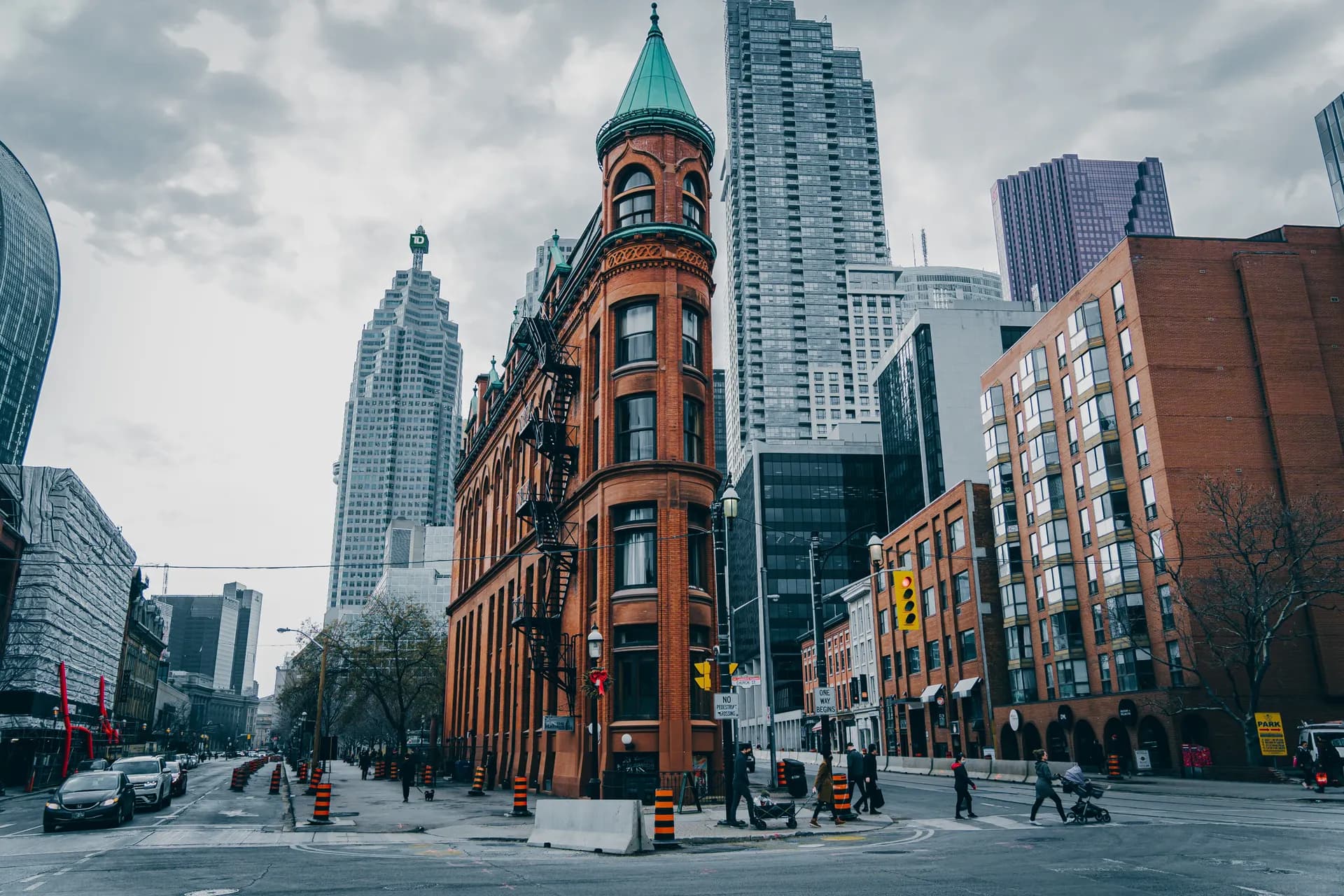
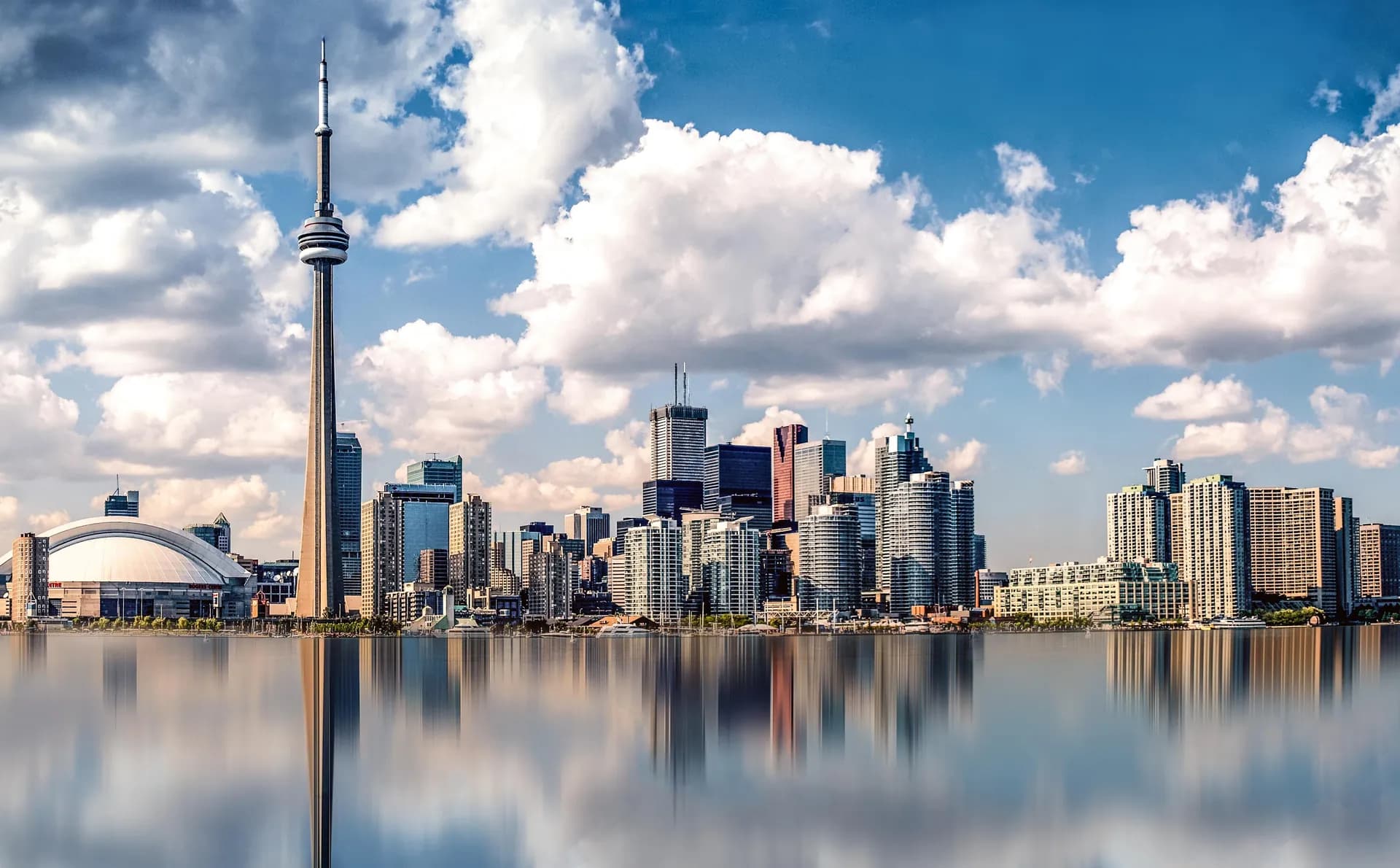
Toronto
Toronto, the capital of the province of Ontario, is a major Canadian city along Lake Ontario’s northwestern shore. It's a dynamic metropolis with a core of soaring skyscrapers, all dwarfed by the iconic, free-standing CN Tower. Toronto also has many green spaces, from the orderly oval of Queen’s Park to 400-acre High Park and its trails, sports facilities and zoo.
Day 29
Day 29
Toronto
CanadaToronto, the capital of the province of Ontario, is a major Canadian city along Lake Ontario’s northwestern shore. It's a dynamic metropolis with a core of soaring skyscrapers, all dwarfed by the iconic, free-standing CN Tower. Toronto also has many green spaces, from the orderly oval of Queen’s Park to 400-acre High Park and its trails, sports facilities and zoo.
Cabin Categories
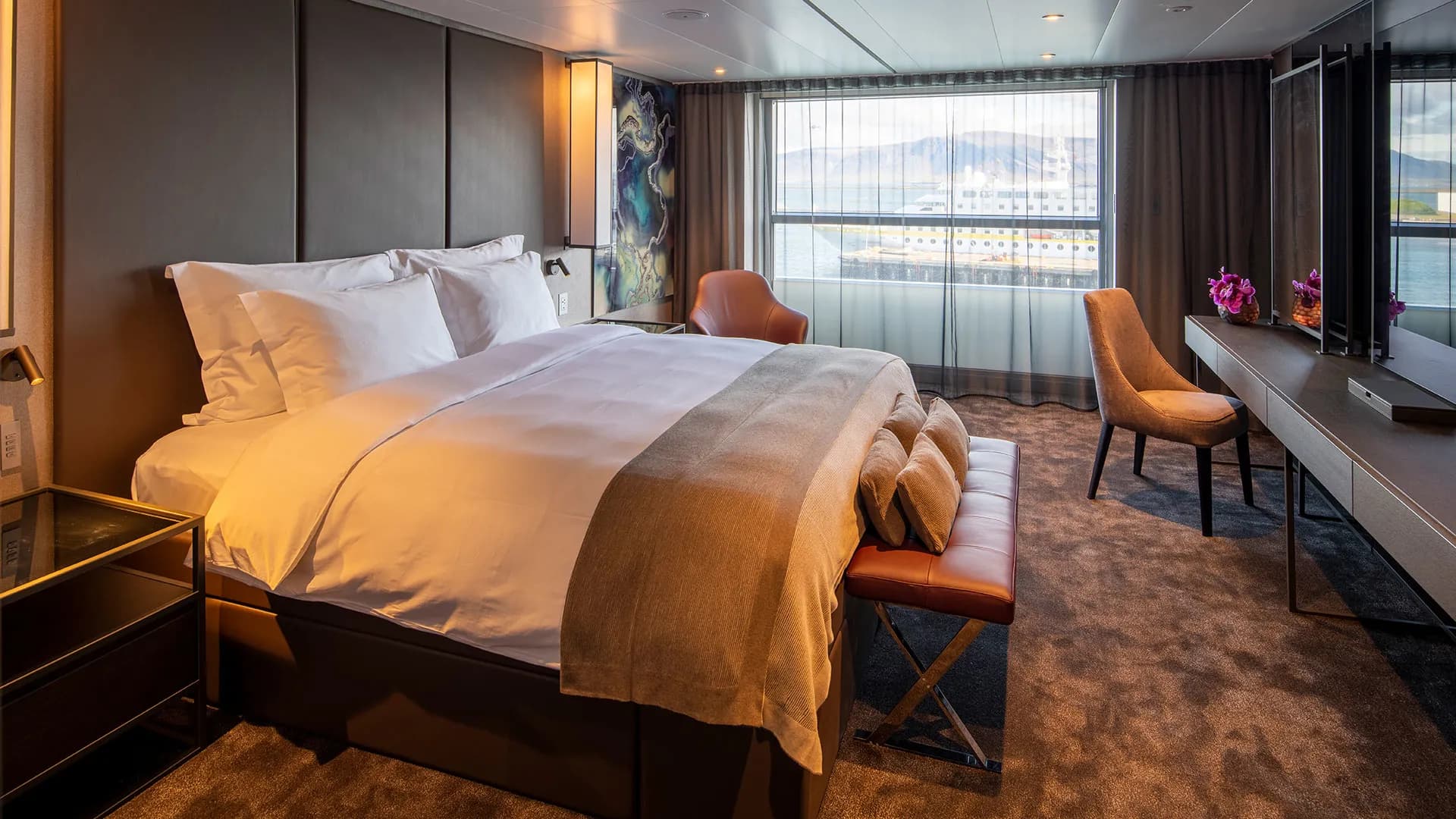
2-Bedroom Penthouse Suite
Suite
OT
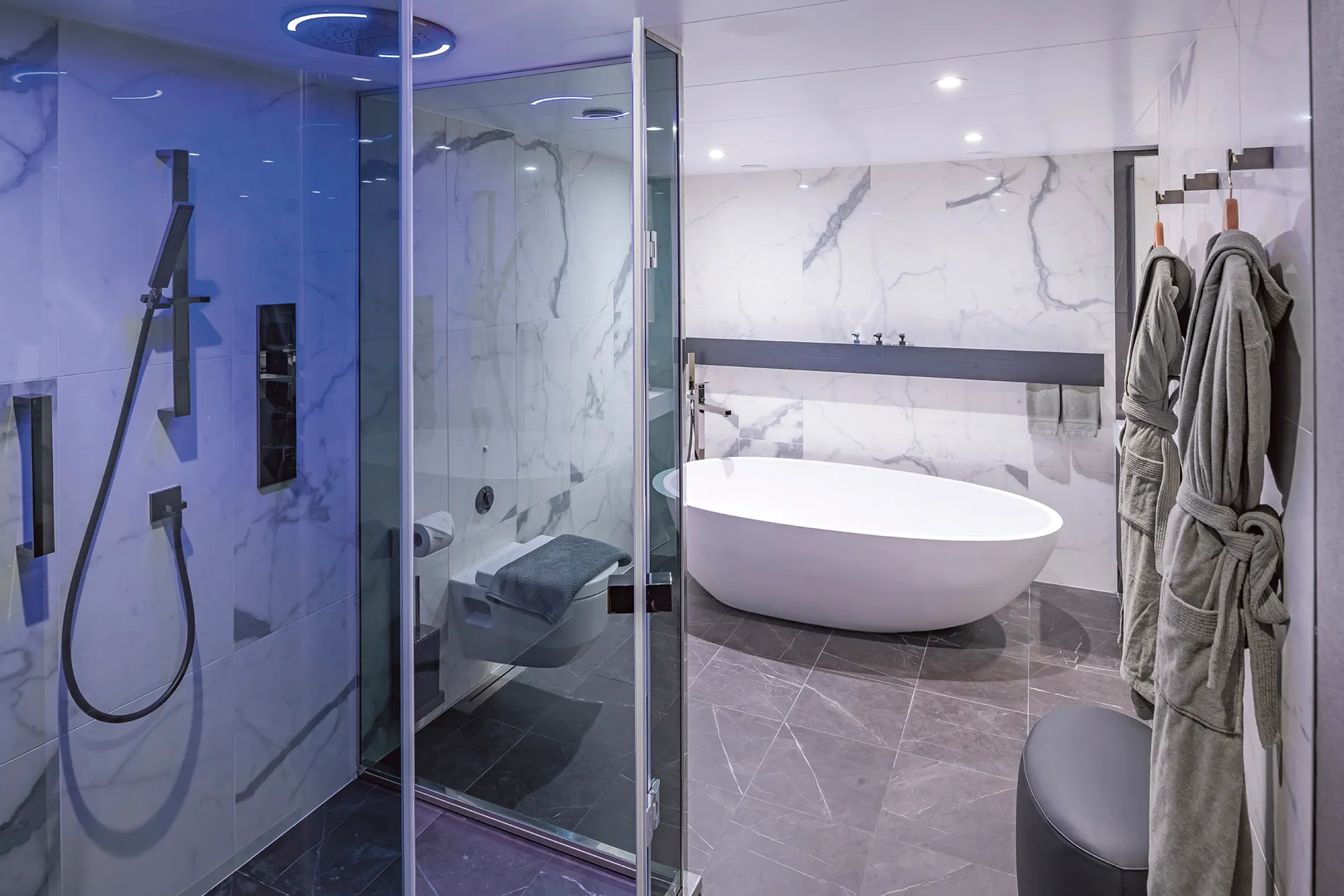
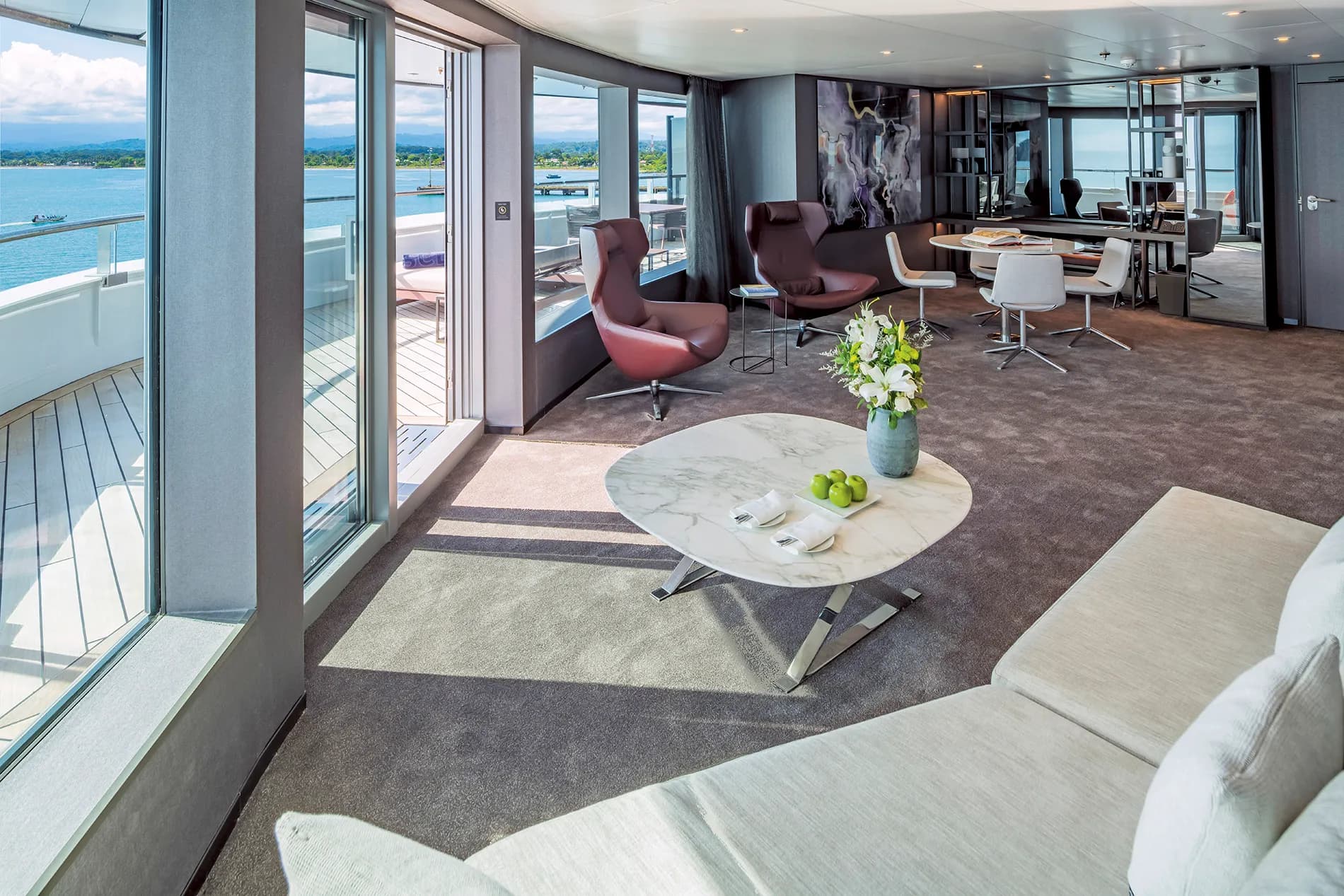
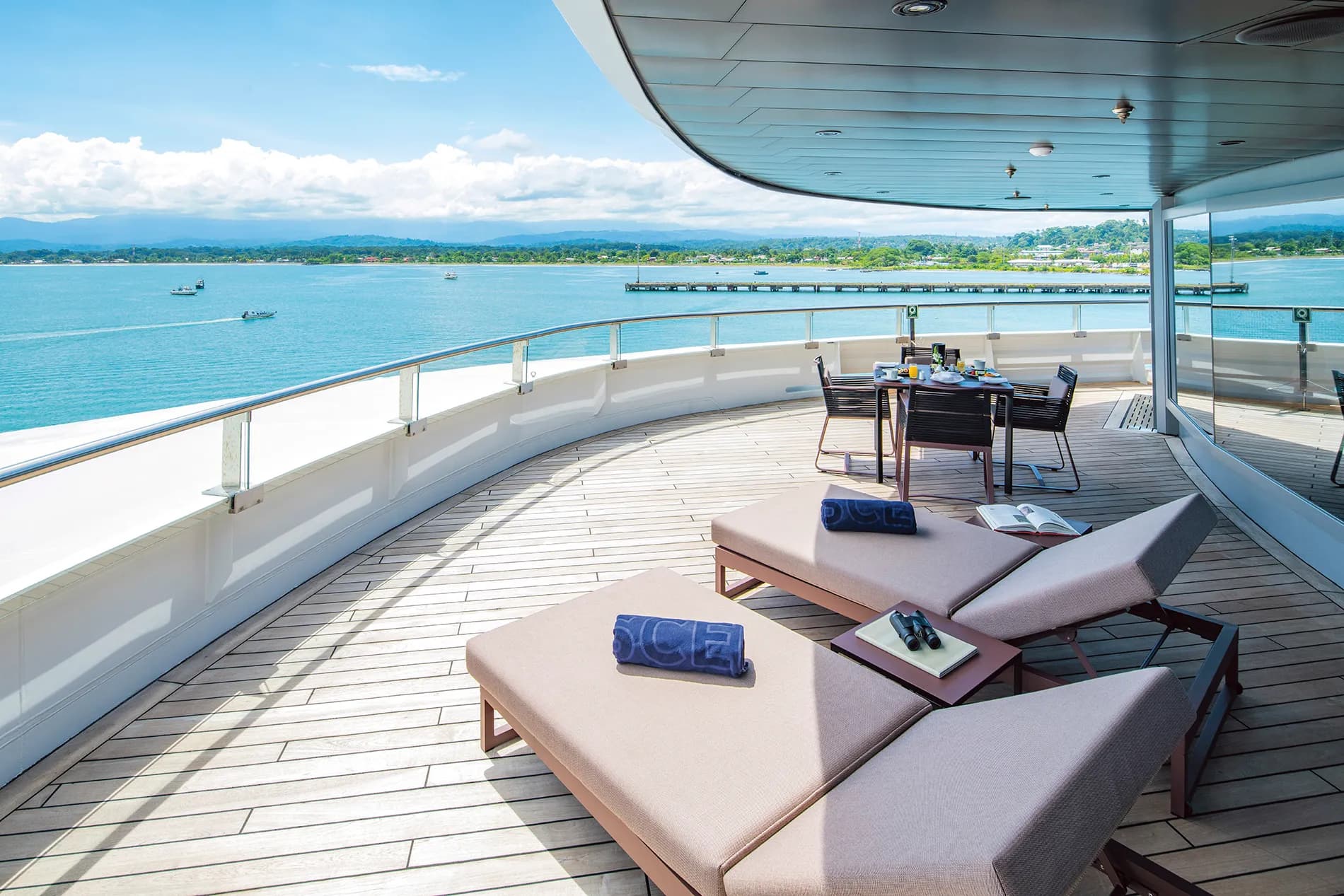
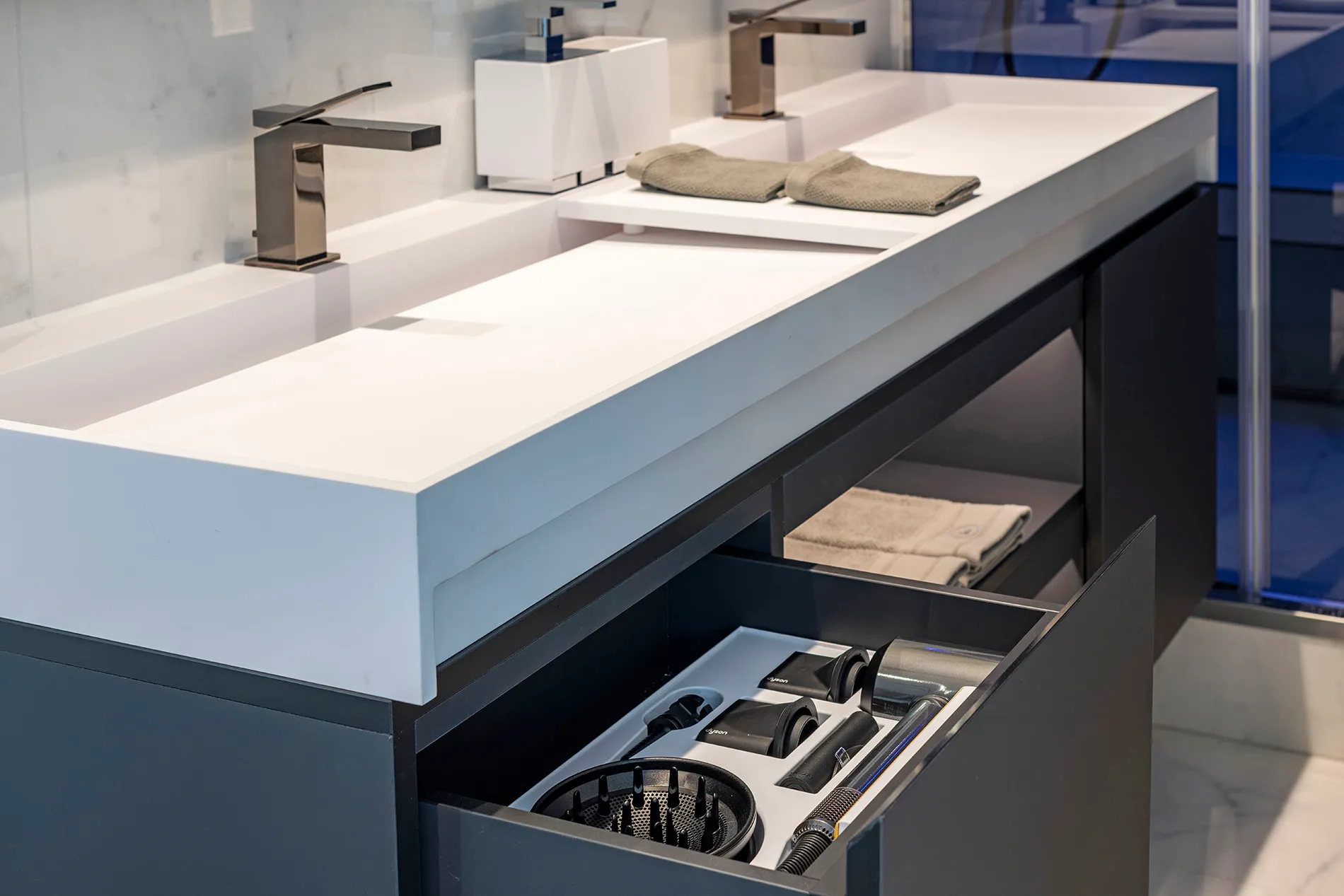
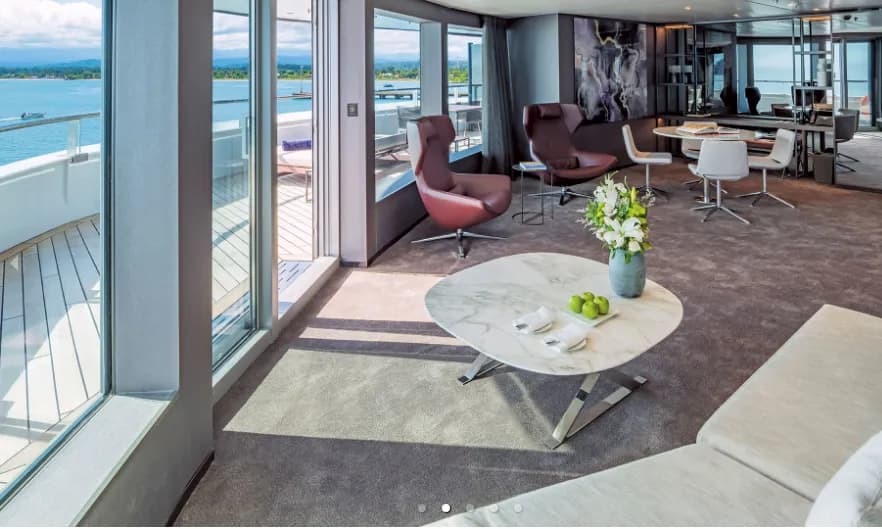
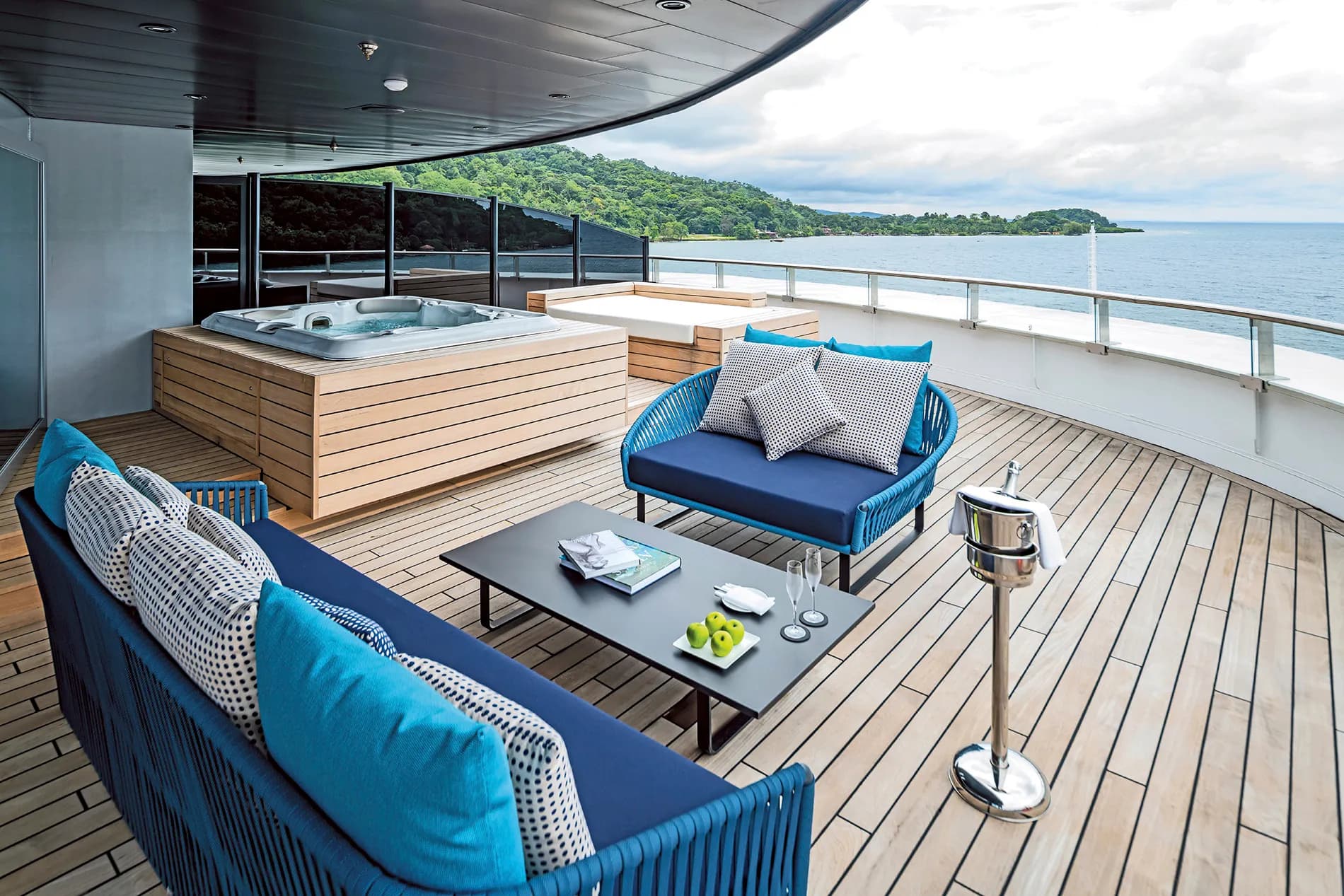
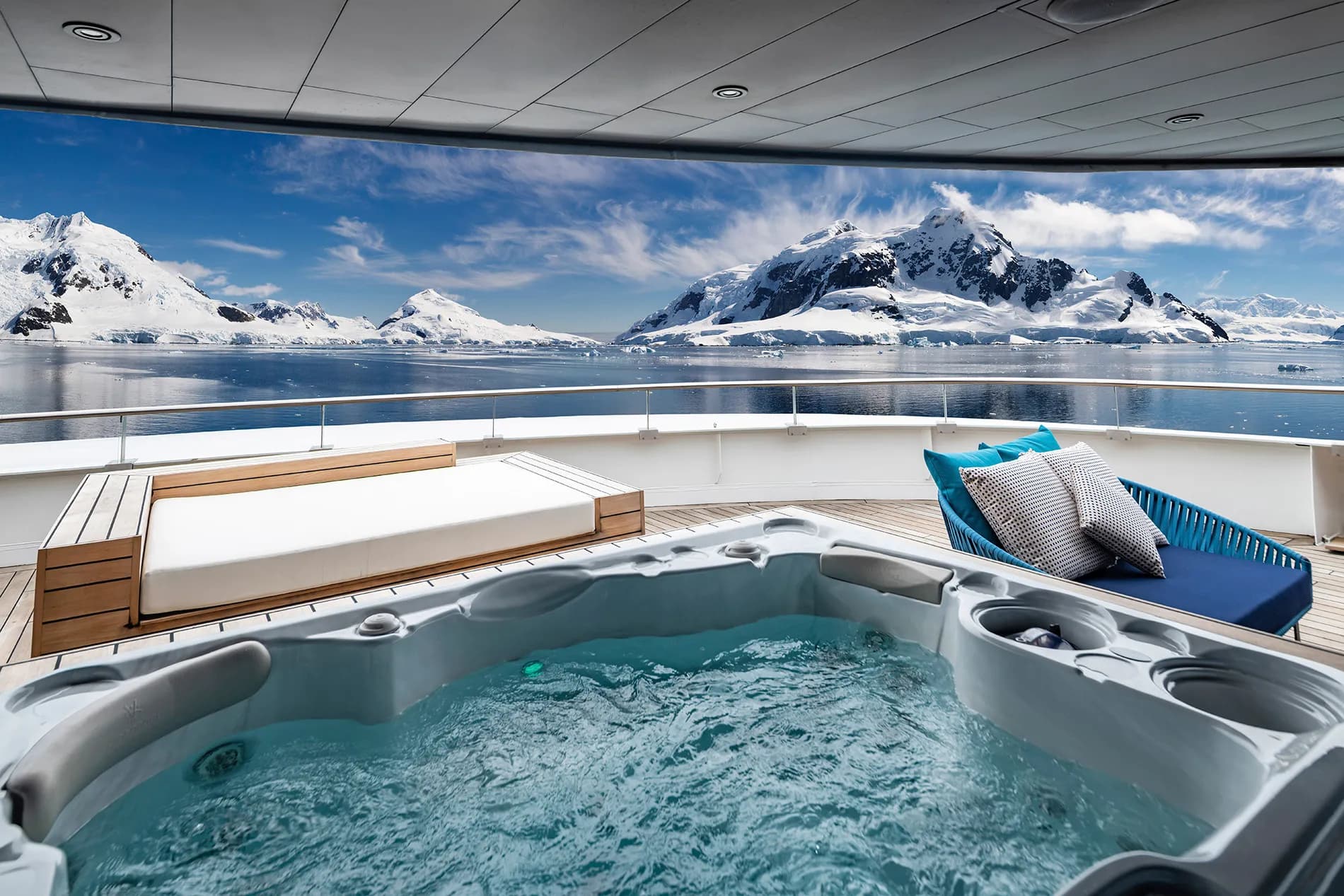
Our oversized Owner’s Penthouse Suites are the ultimate indulgence. Located on Deck 9 and elegantly appointed with spacious curved terraces featuring a private Jacuzzi and the best views on board, you will never want to leave. Combine our Owner’s Penthouse Suite with a Spa Suite to create a magnificent Two-bedroom Penthouse Suite.
Sold Out
View Details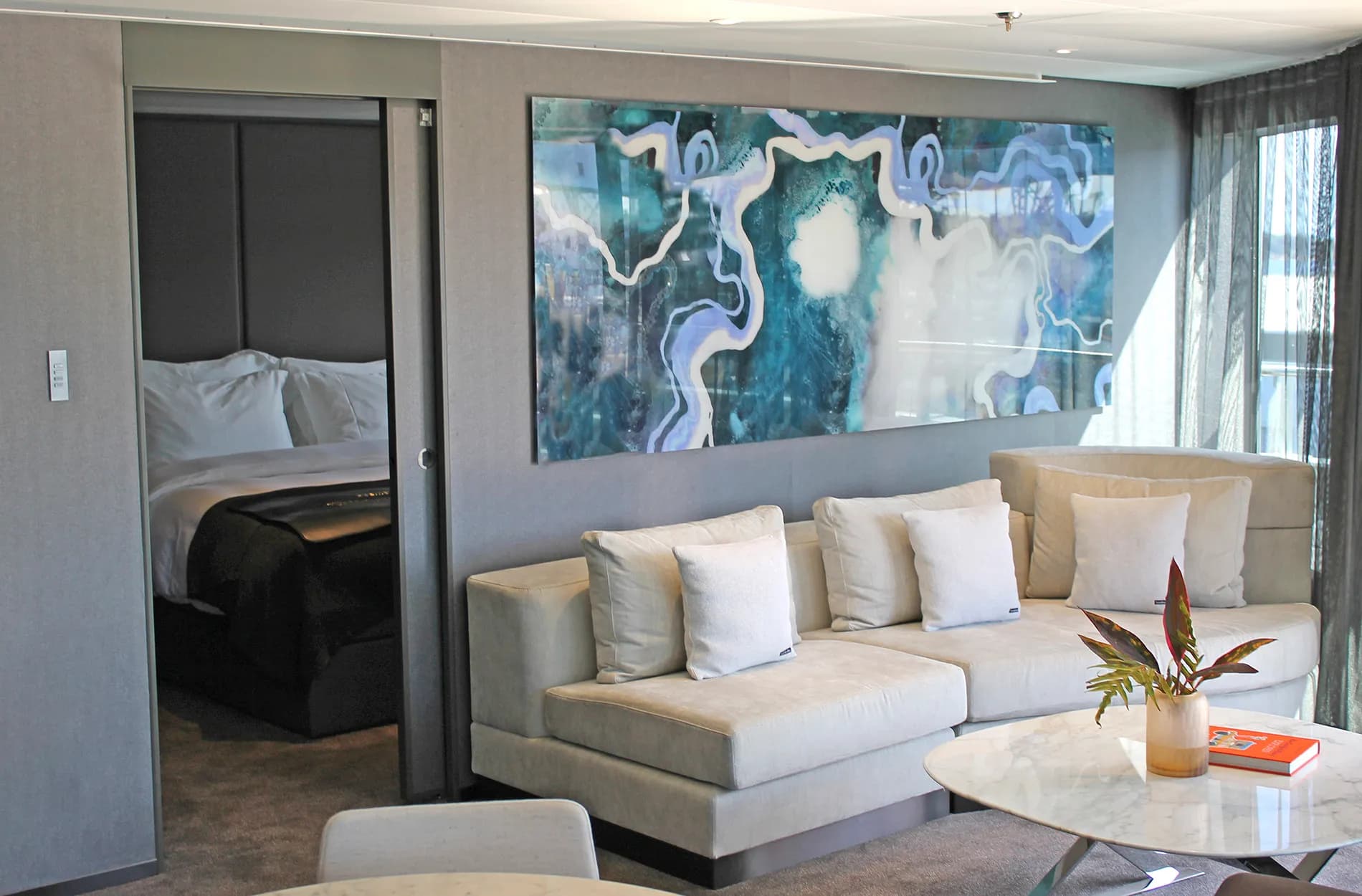
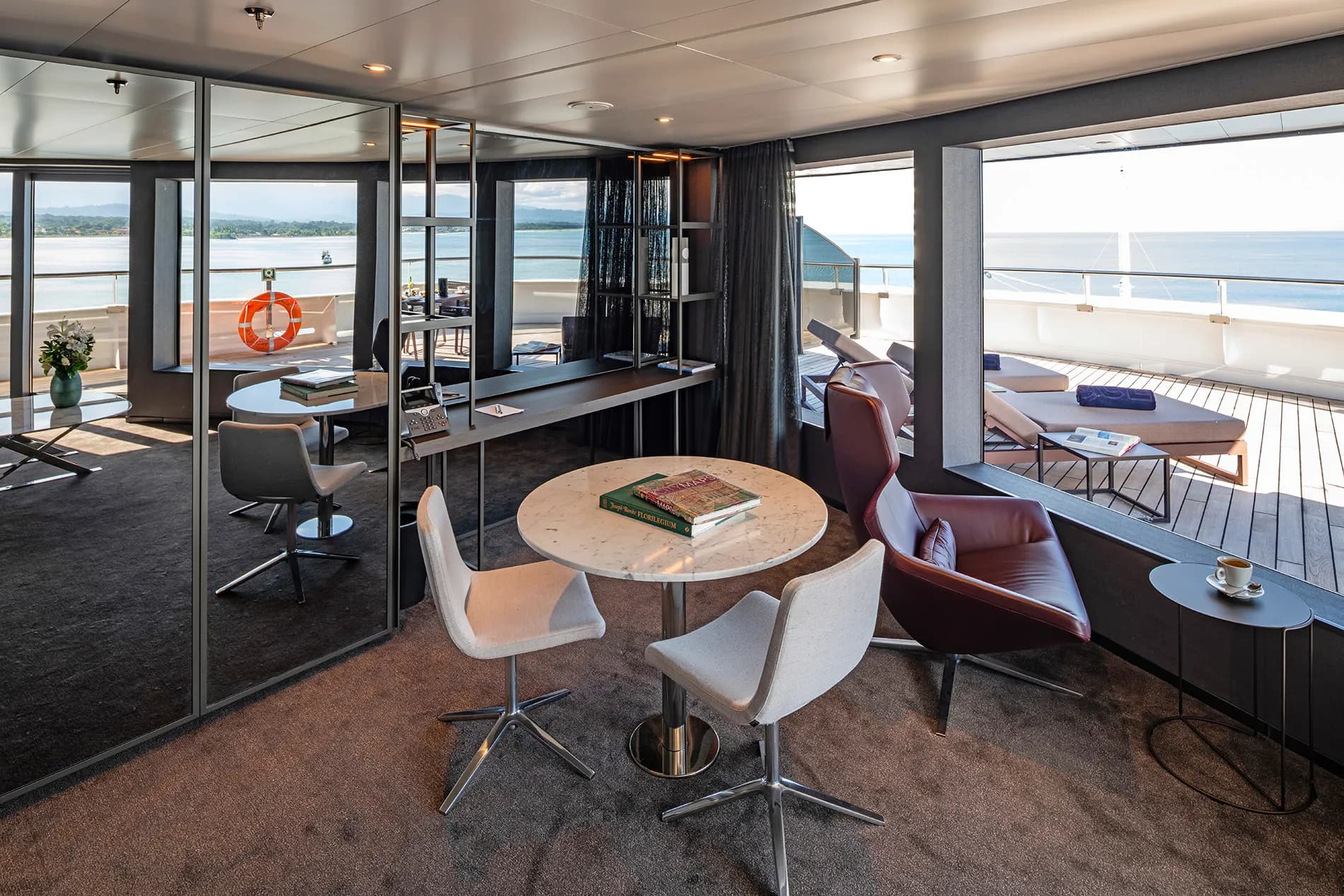
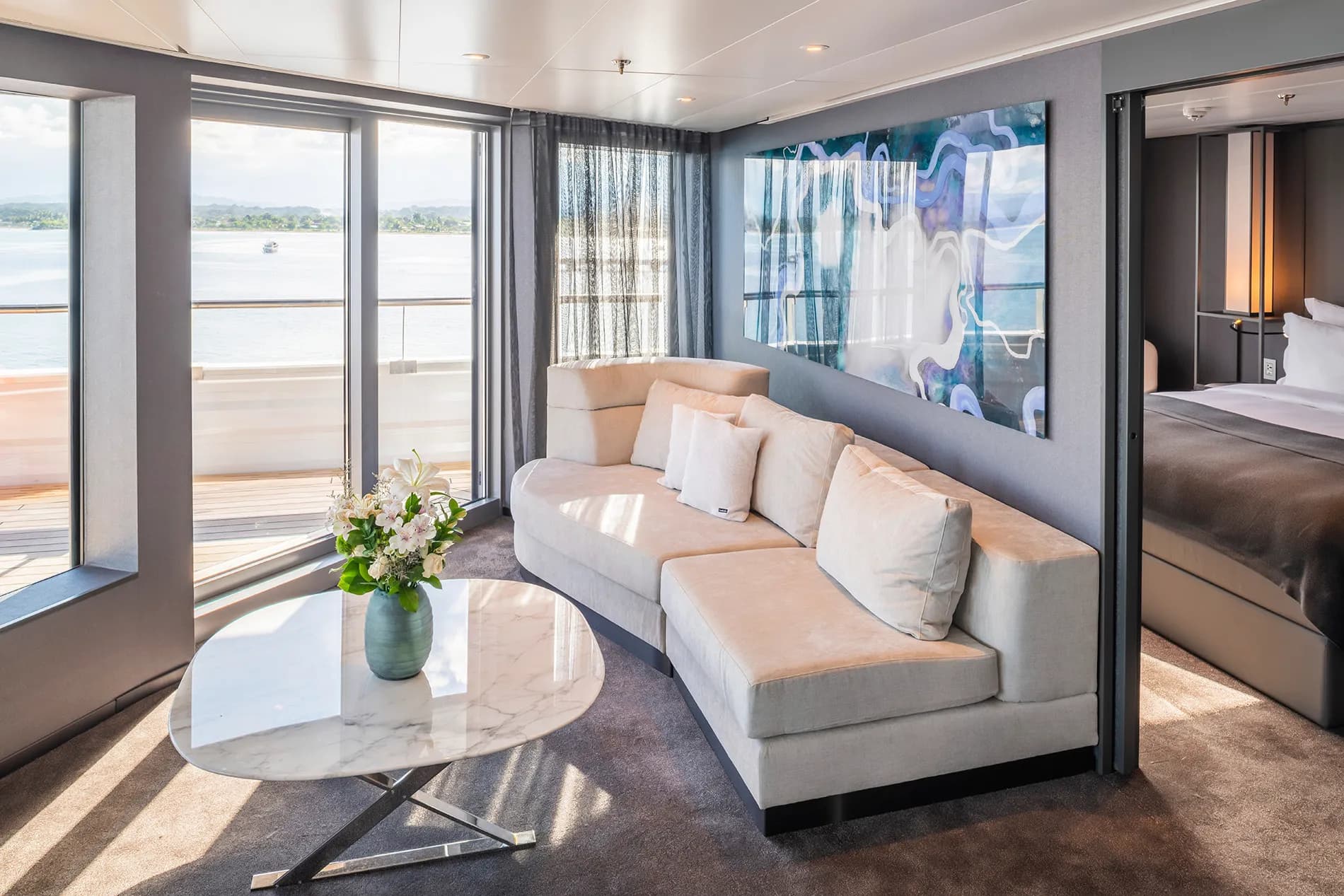
Grand Panorama Suite
Suite
1184 m²Max 2
GP
Located at the front of the yacht on Deck 6 these opulent suites feature curved terraces and spacious interiors with additional services and more.
King or Twin ConfigurationShowerBathToiletries ProvidedRoom Service AvailableSuite Benefits+12
Sold Out
View Details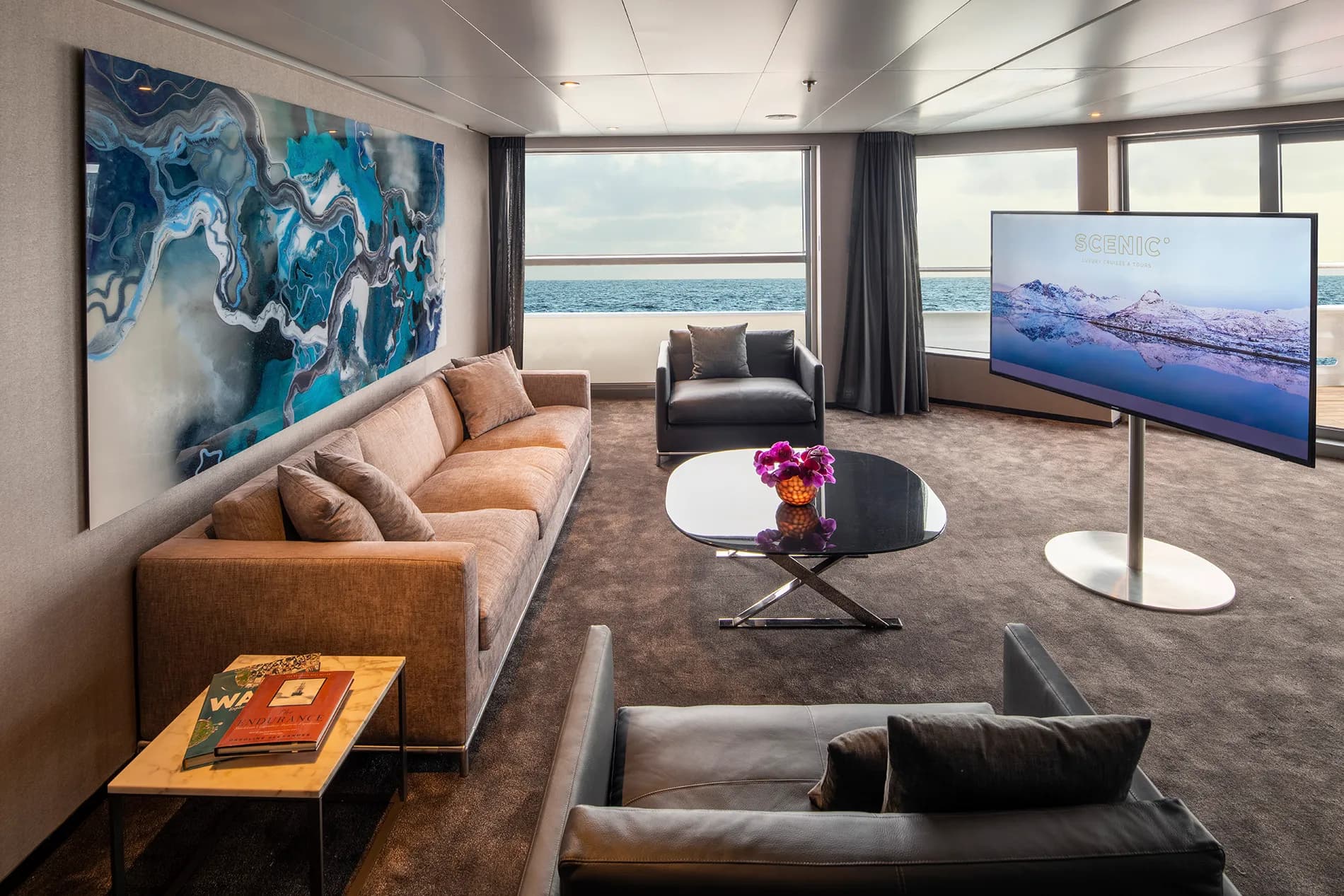
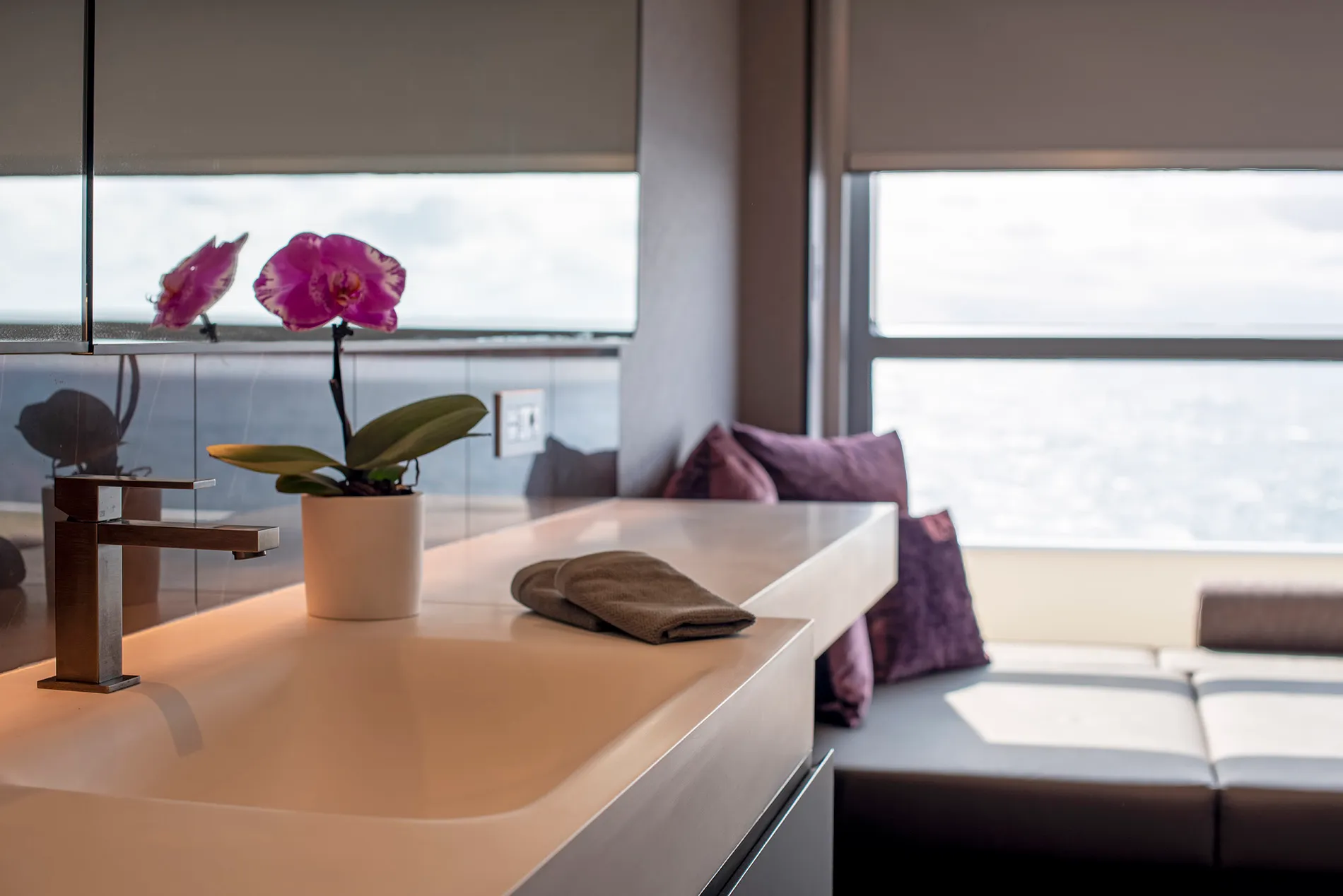
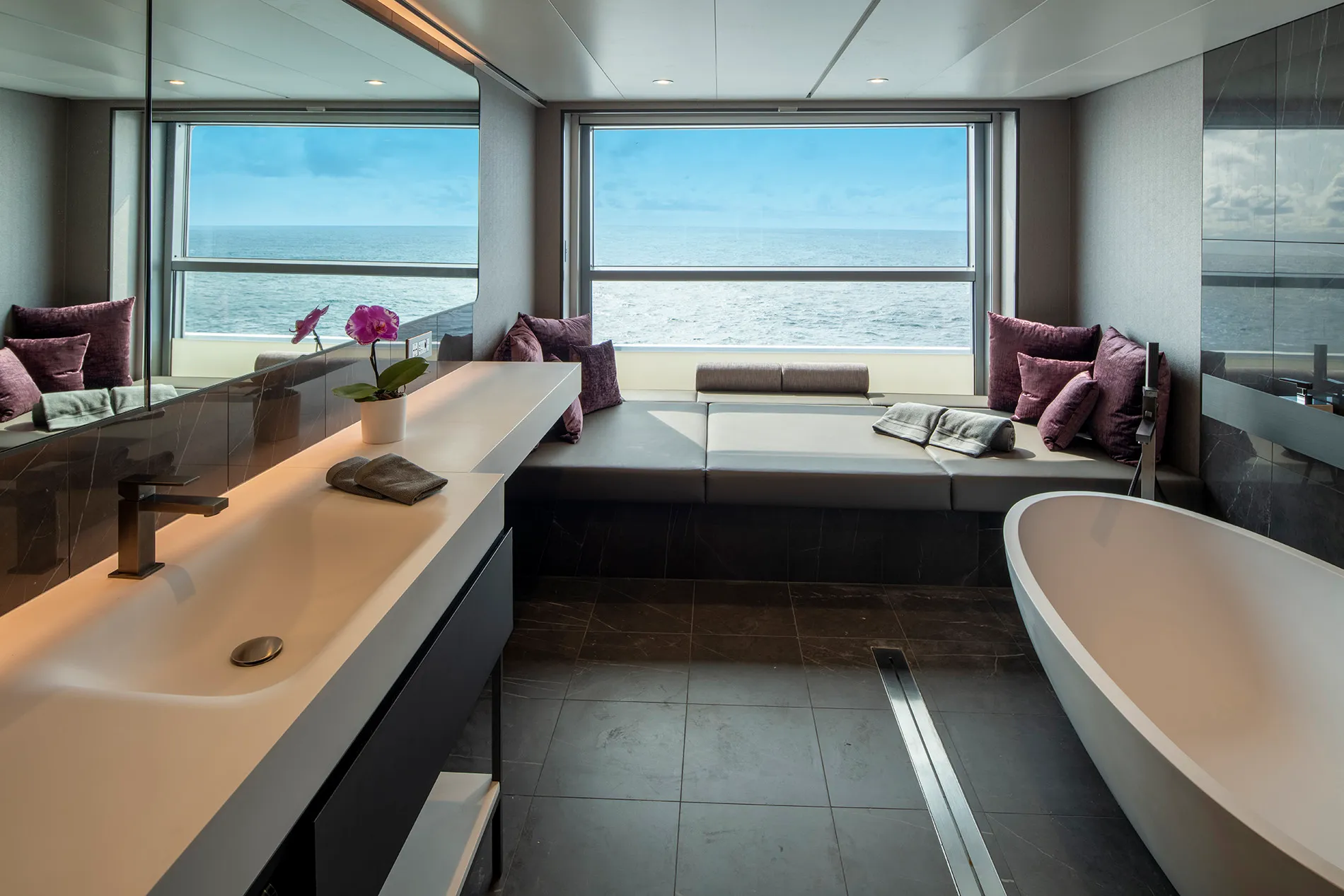
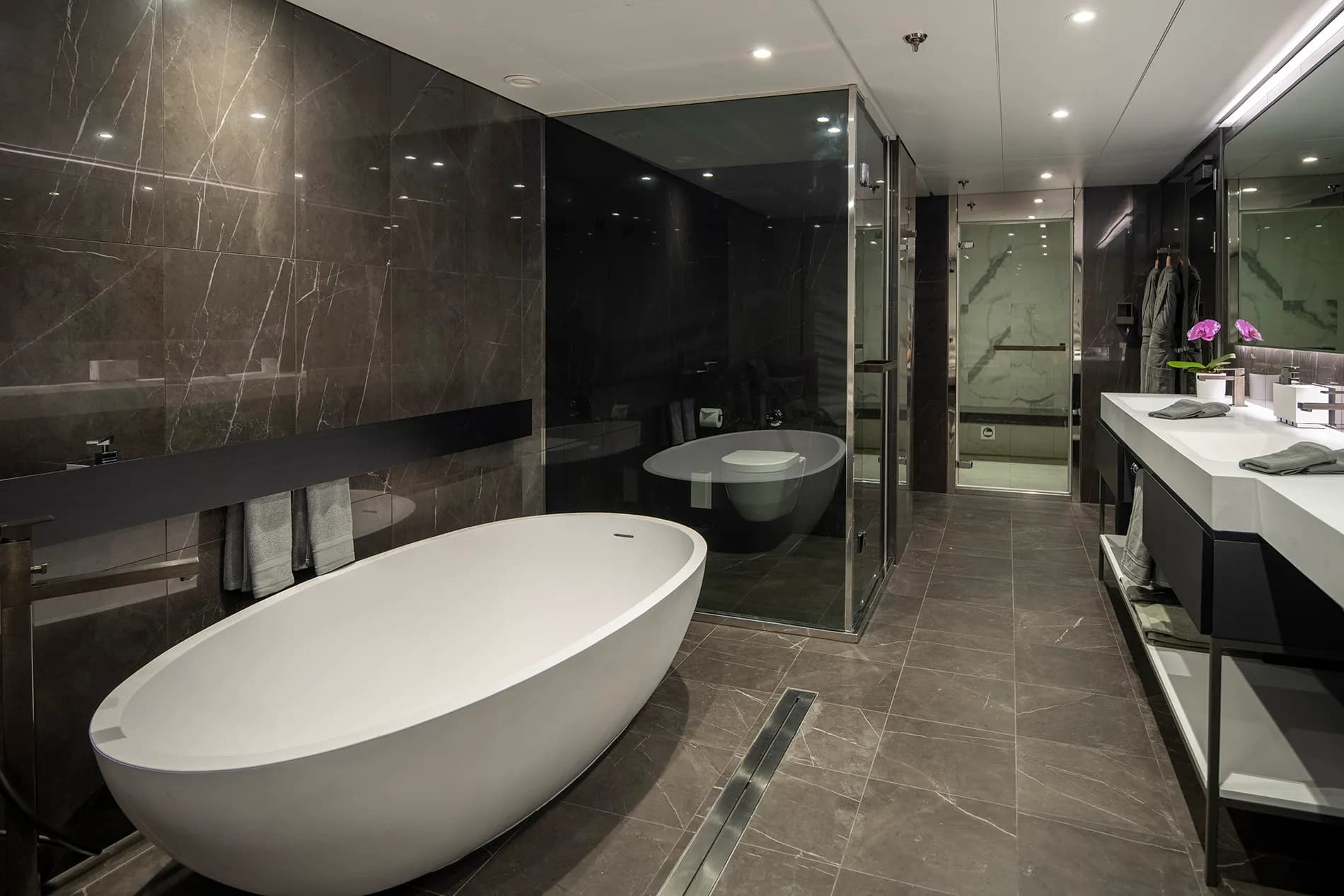
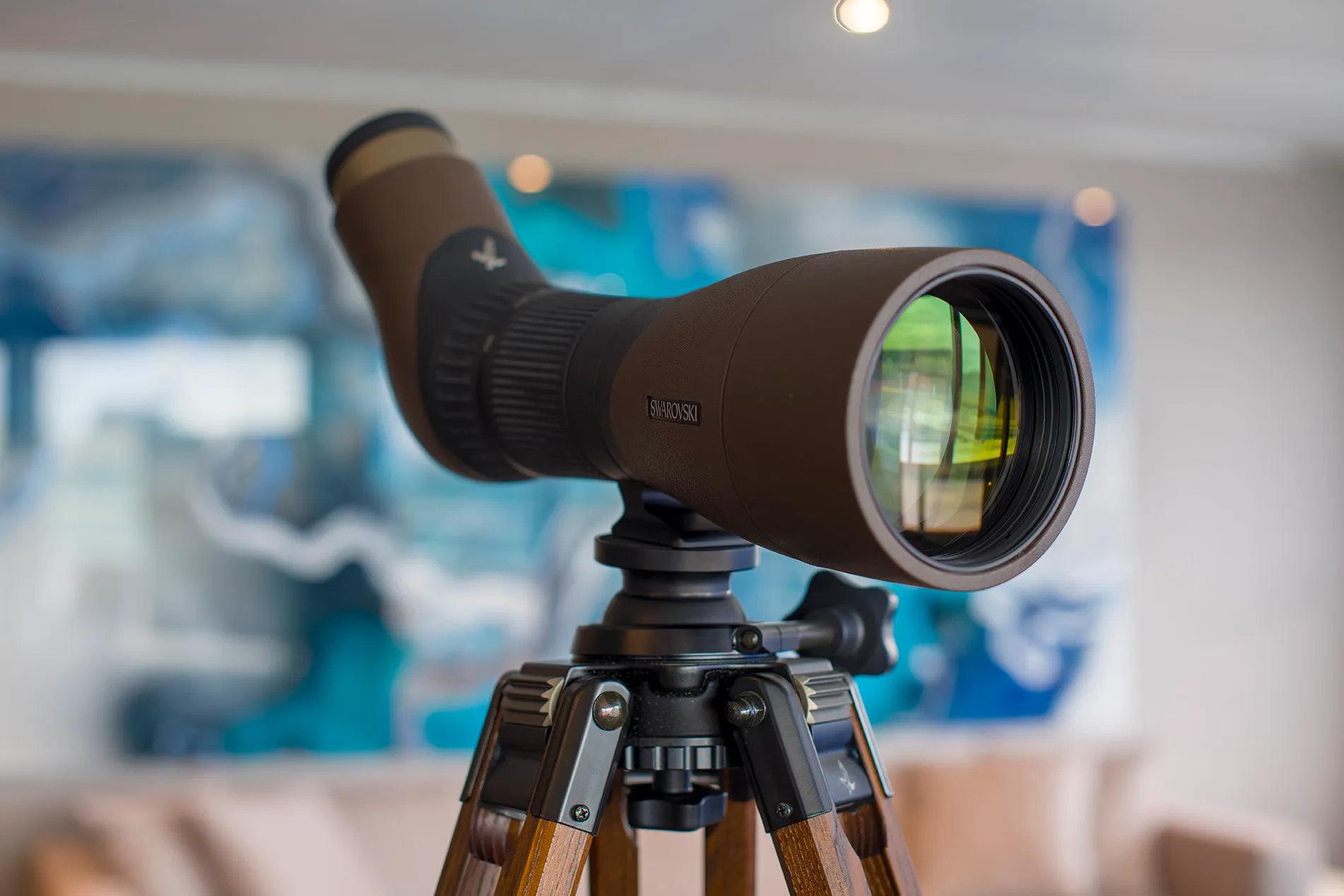
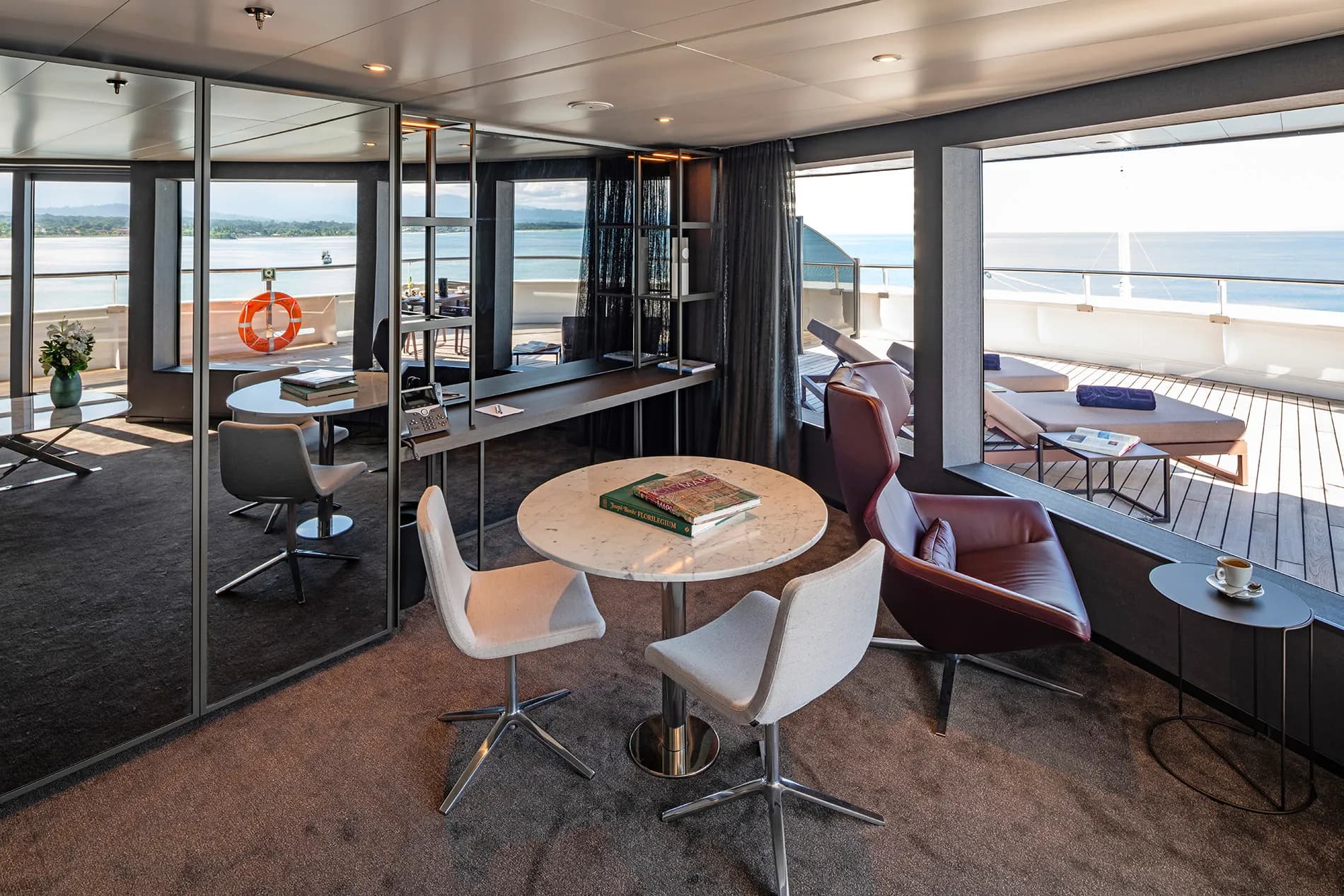
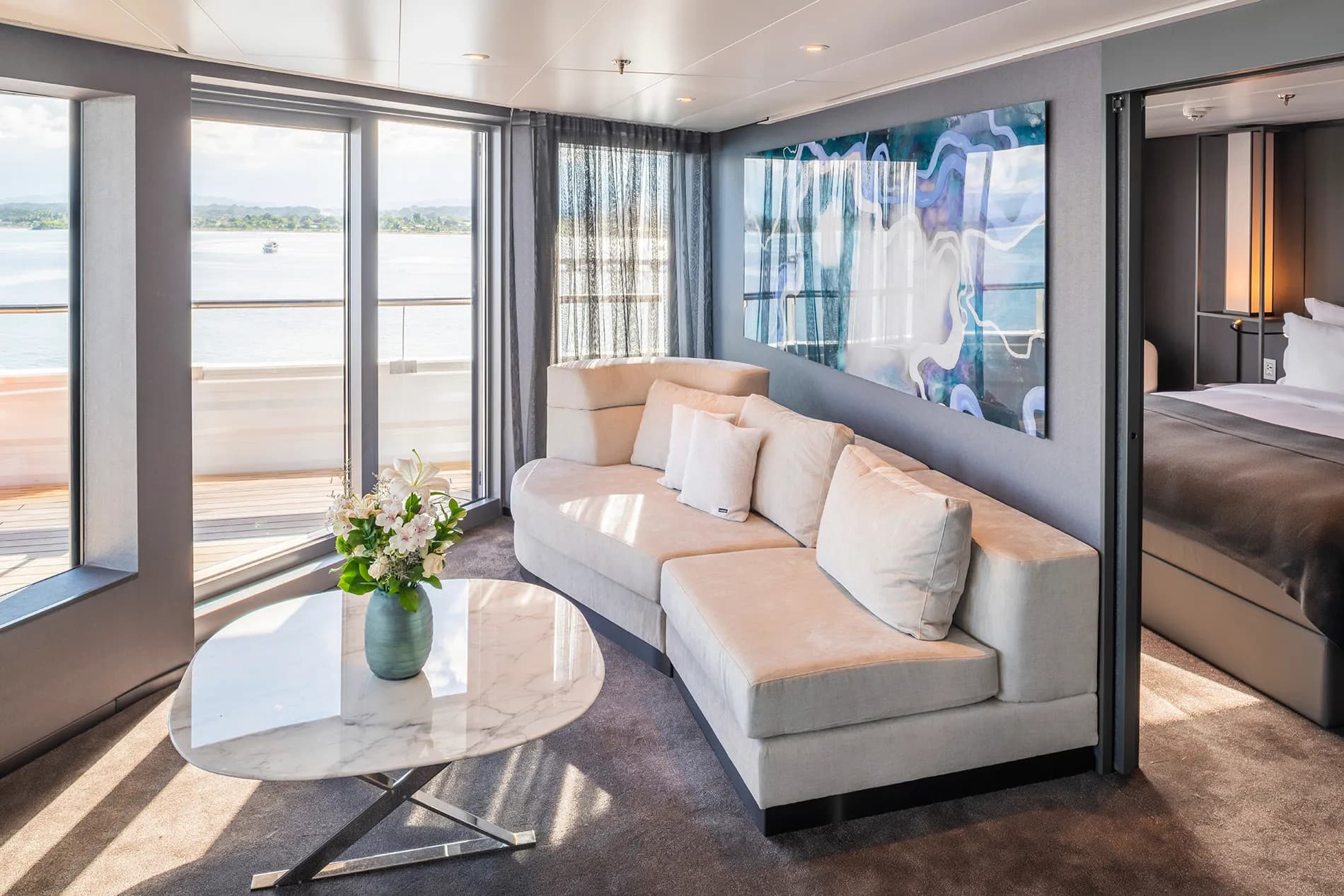
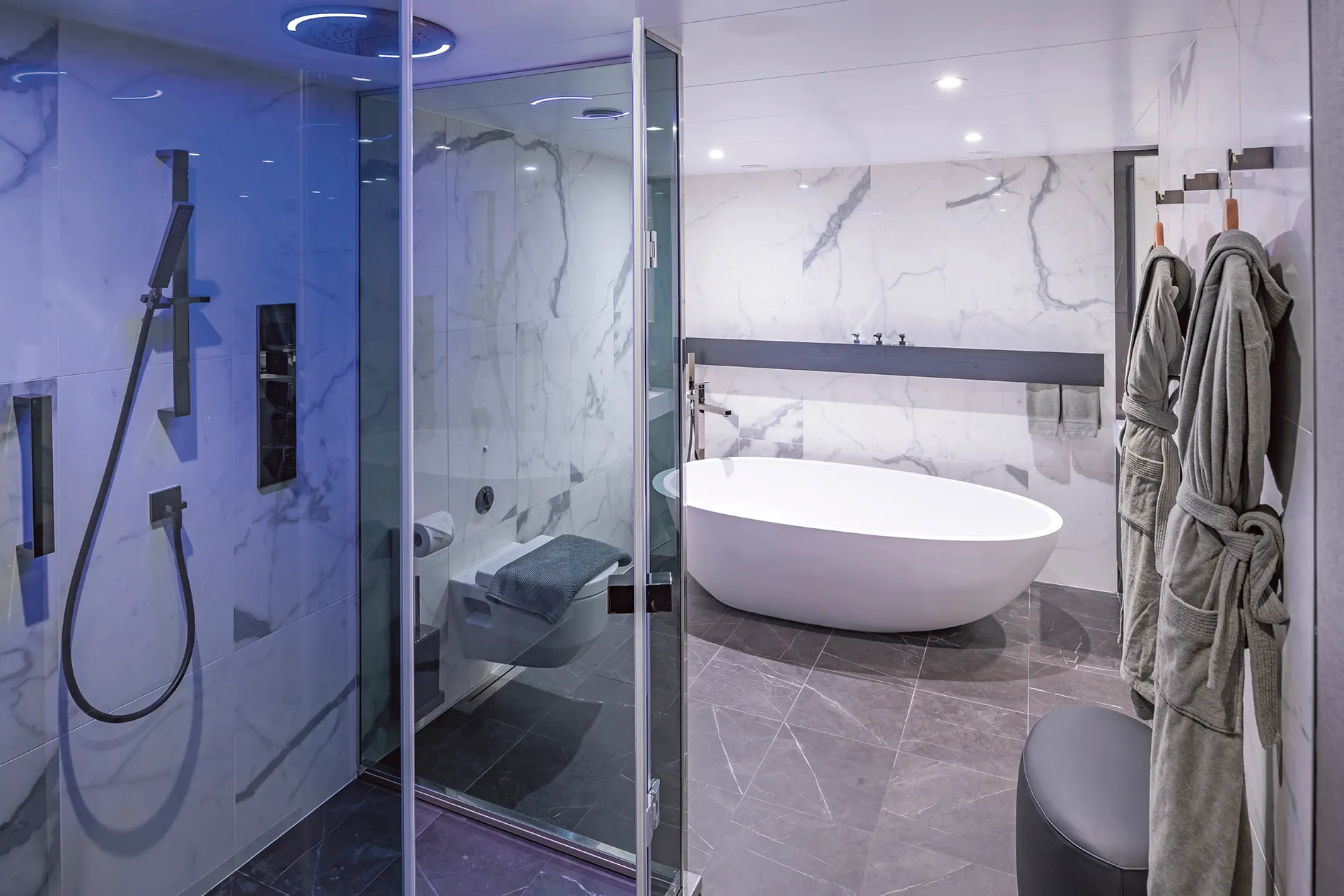
Owner's Penthouse Suite
Suite
2099 m²Max 4
OP
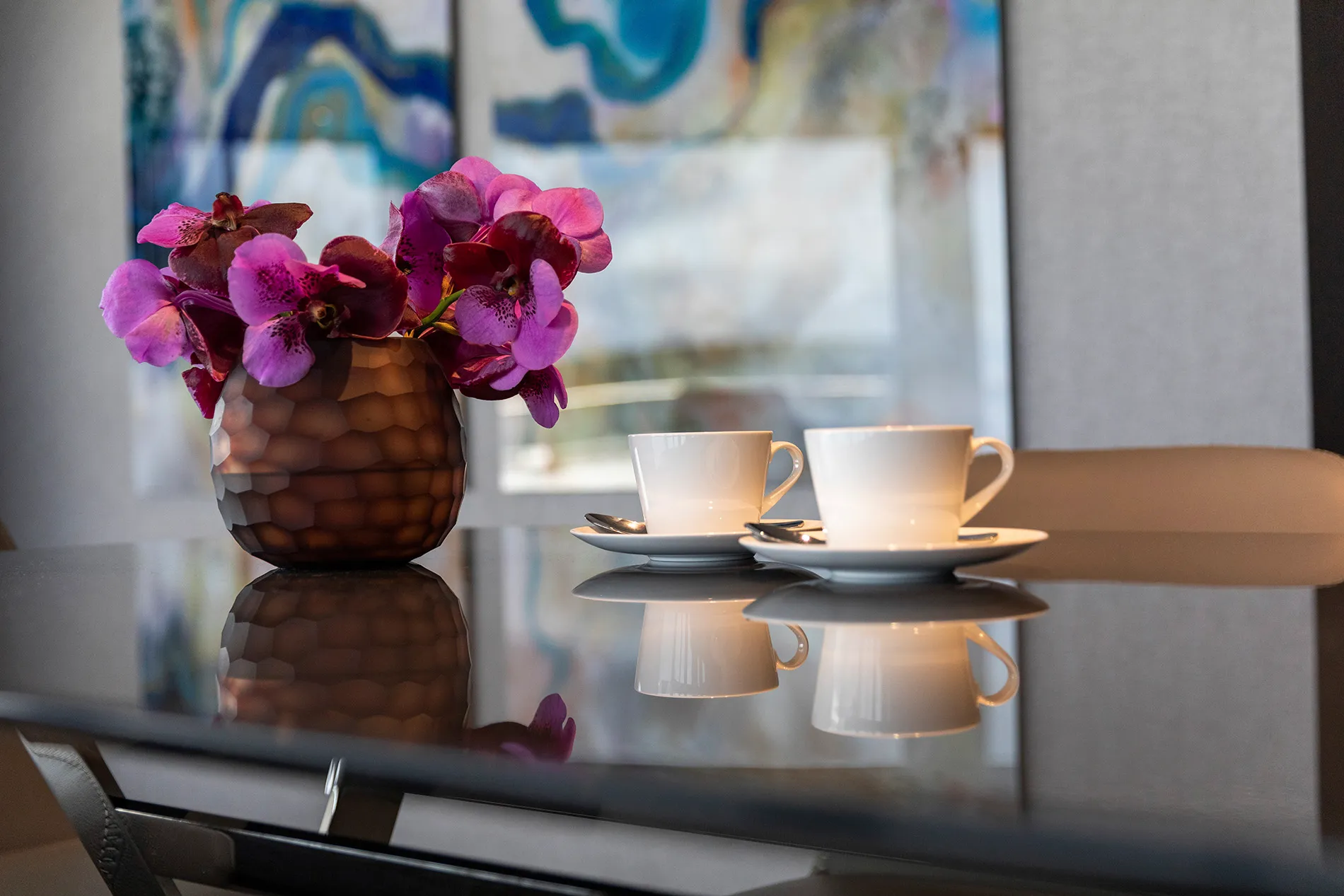
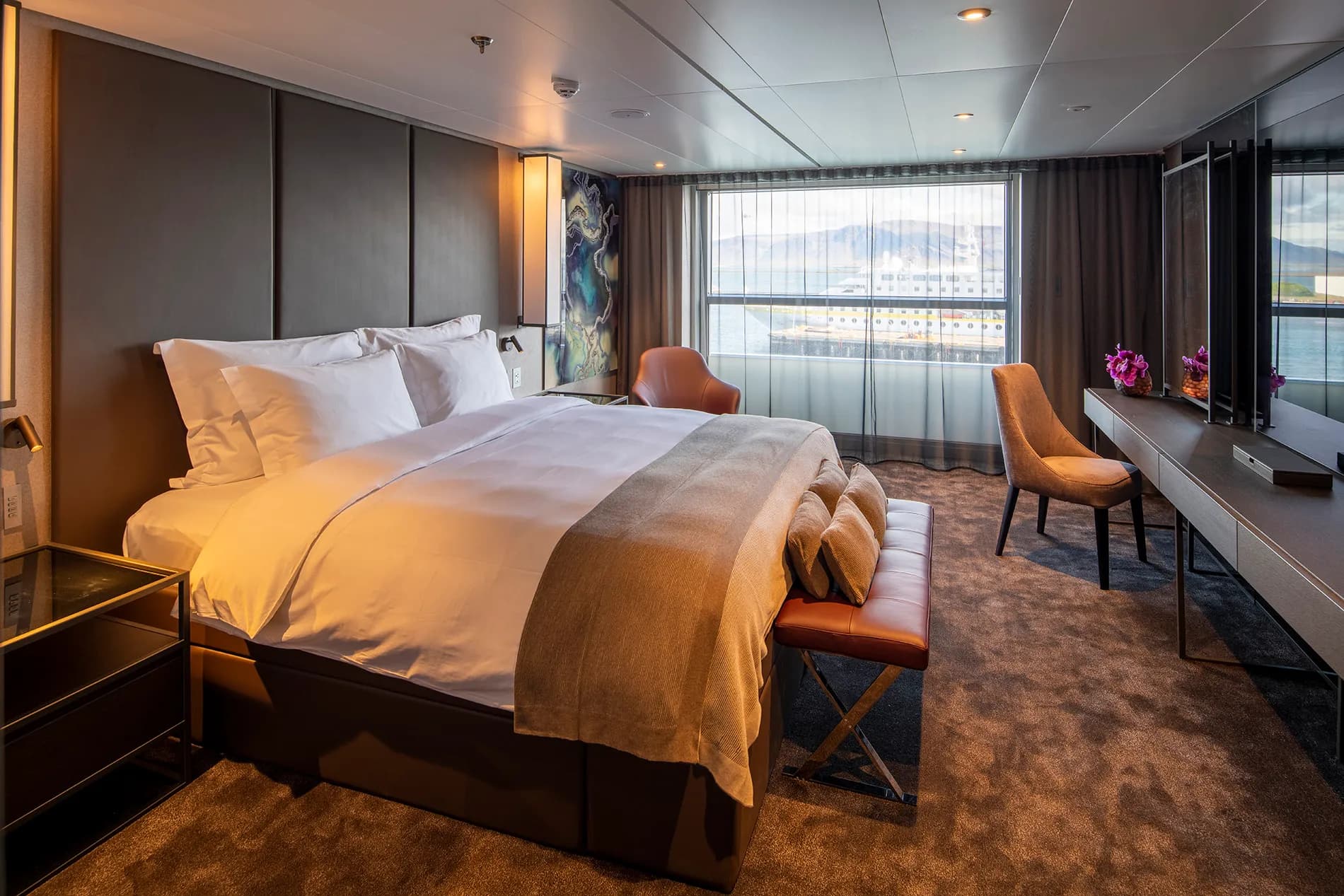
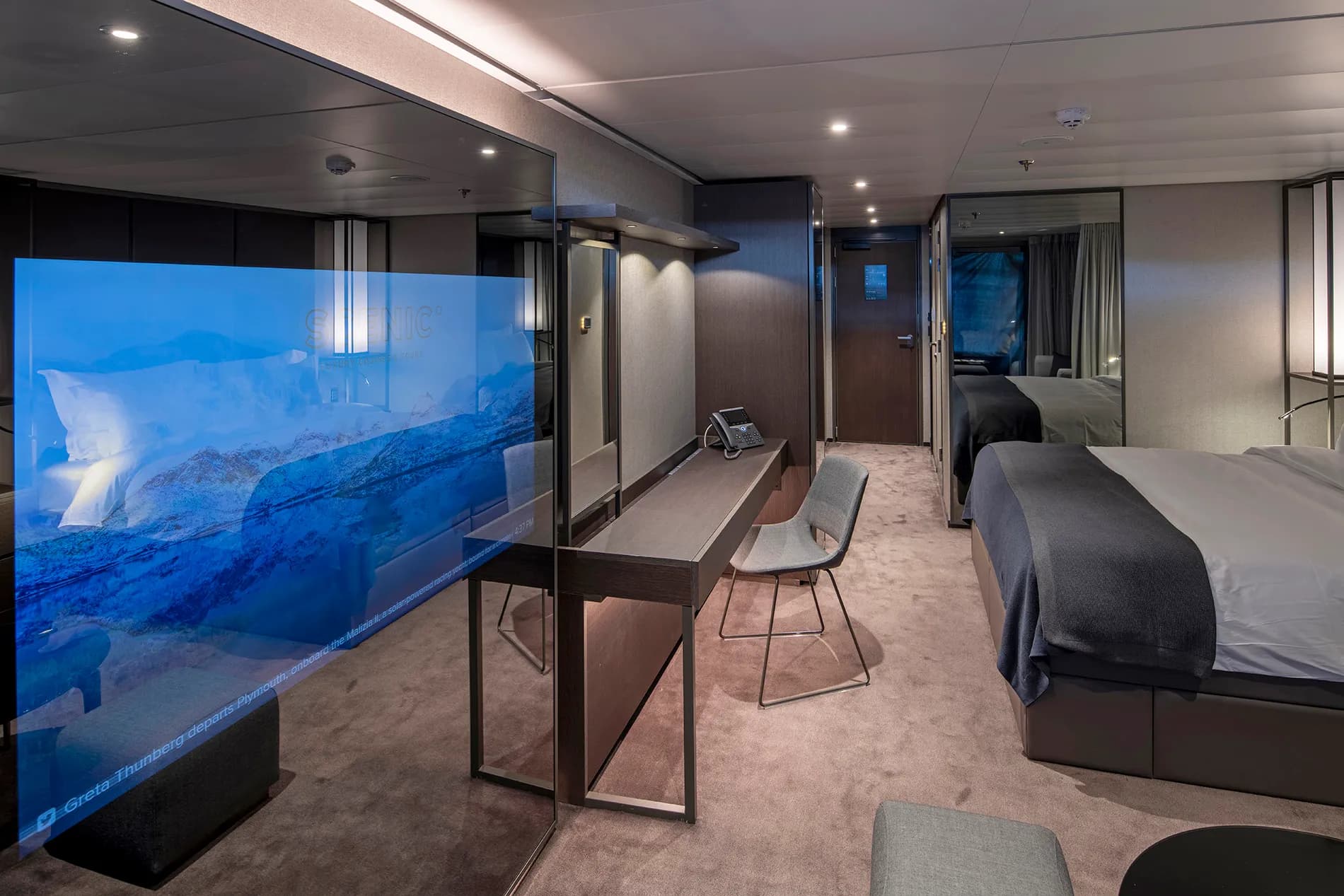
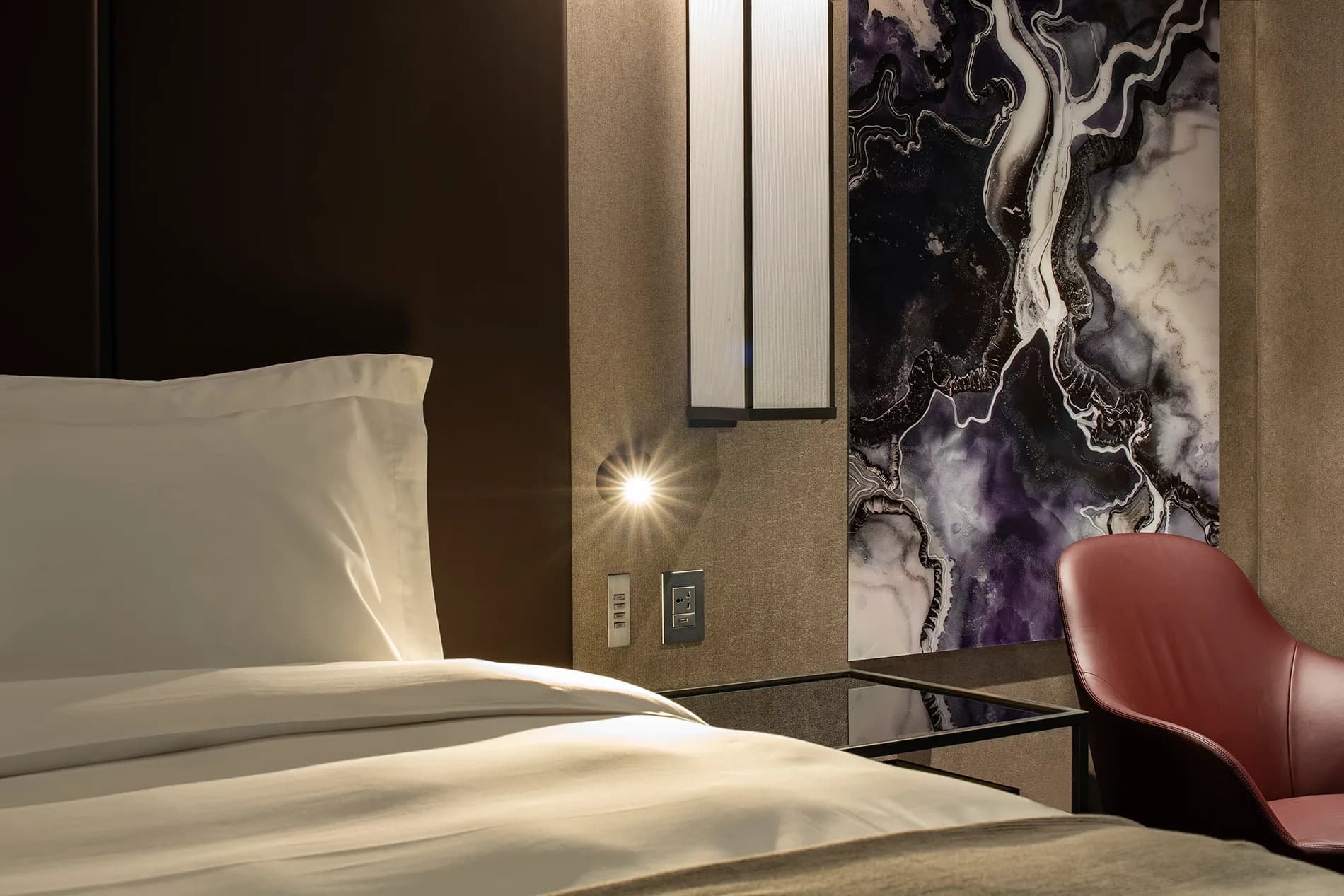
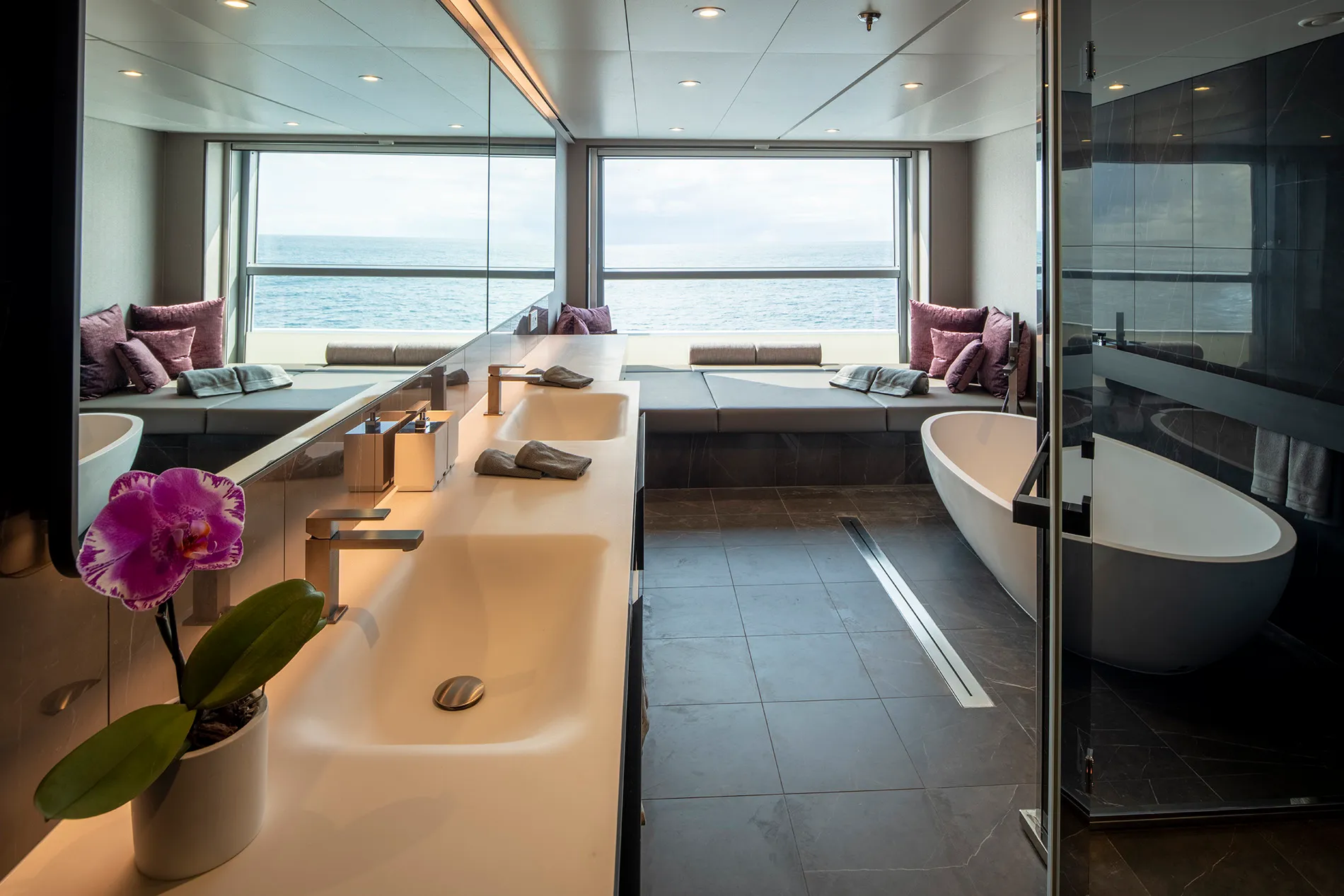
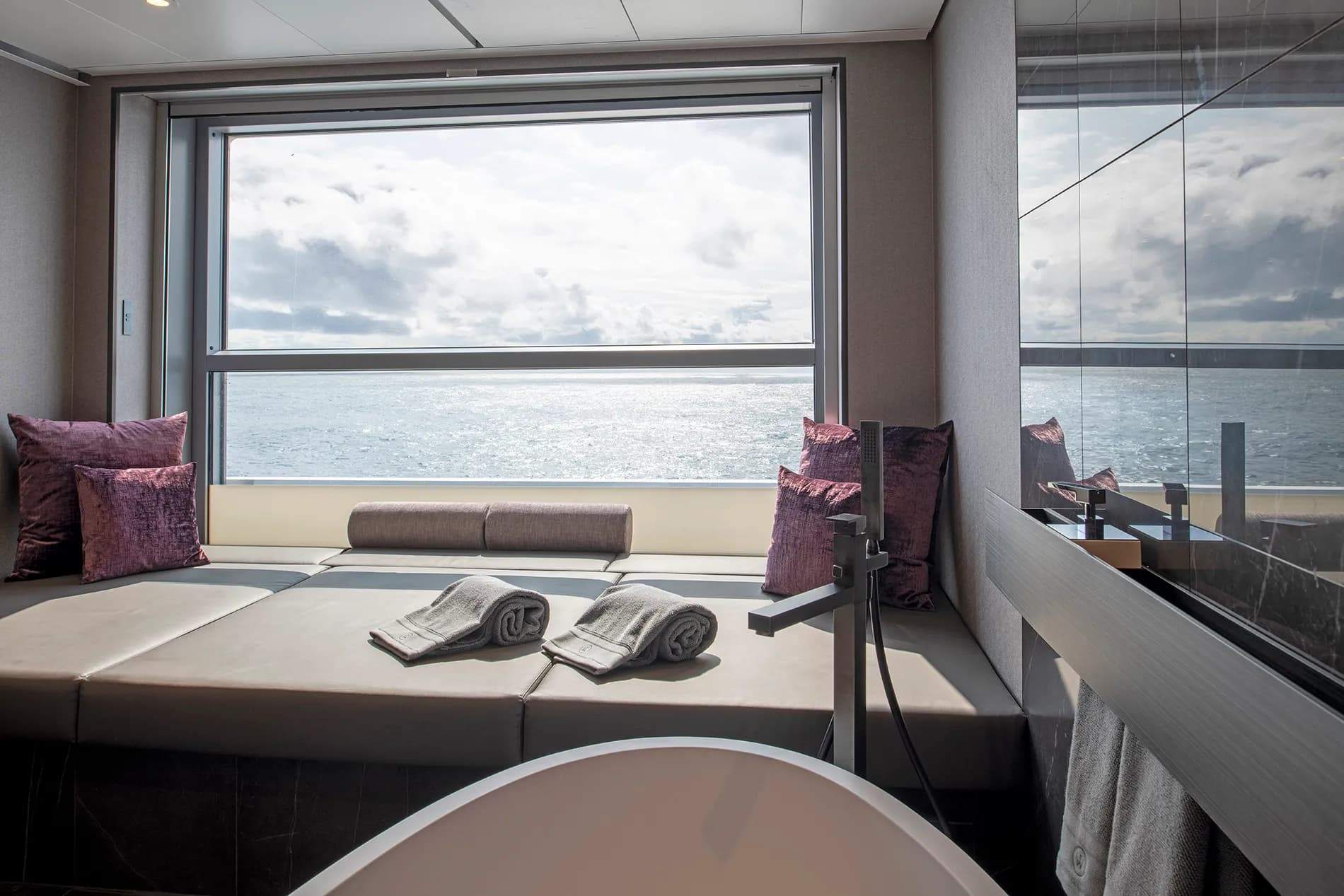
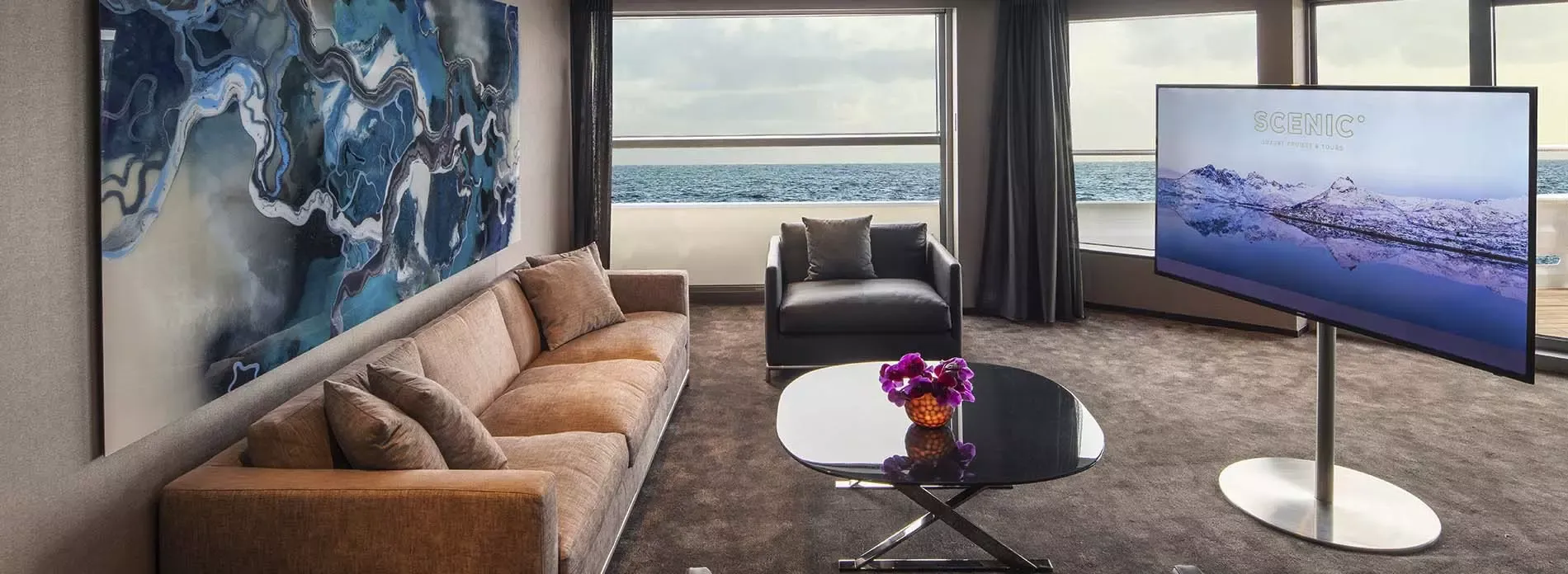
Our oversized Owner’s Penthouse Suites are the ultimate indulgence. Located on Deck 9 and elegantly appointed with spacious curved terraces featuring a private Jacuzzi and the best views on board, you will never want to leave.
King or Twin ConfigurationLounge AreaShowerBathToiletries ProvidedRoom Service Available+11
Sold Out
View Details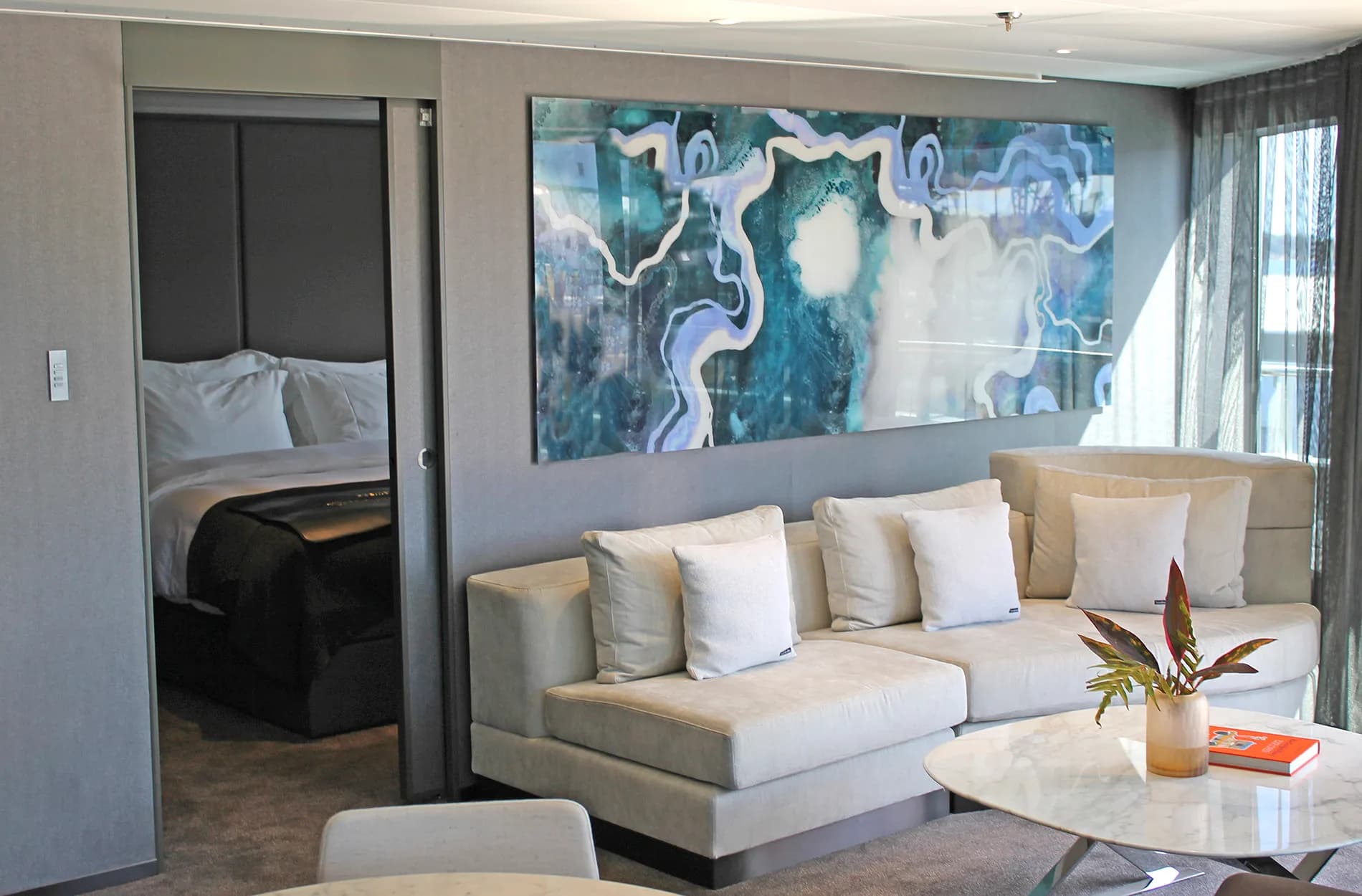
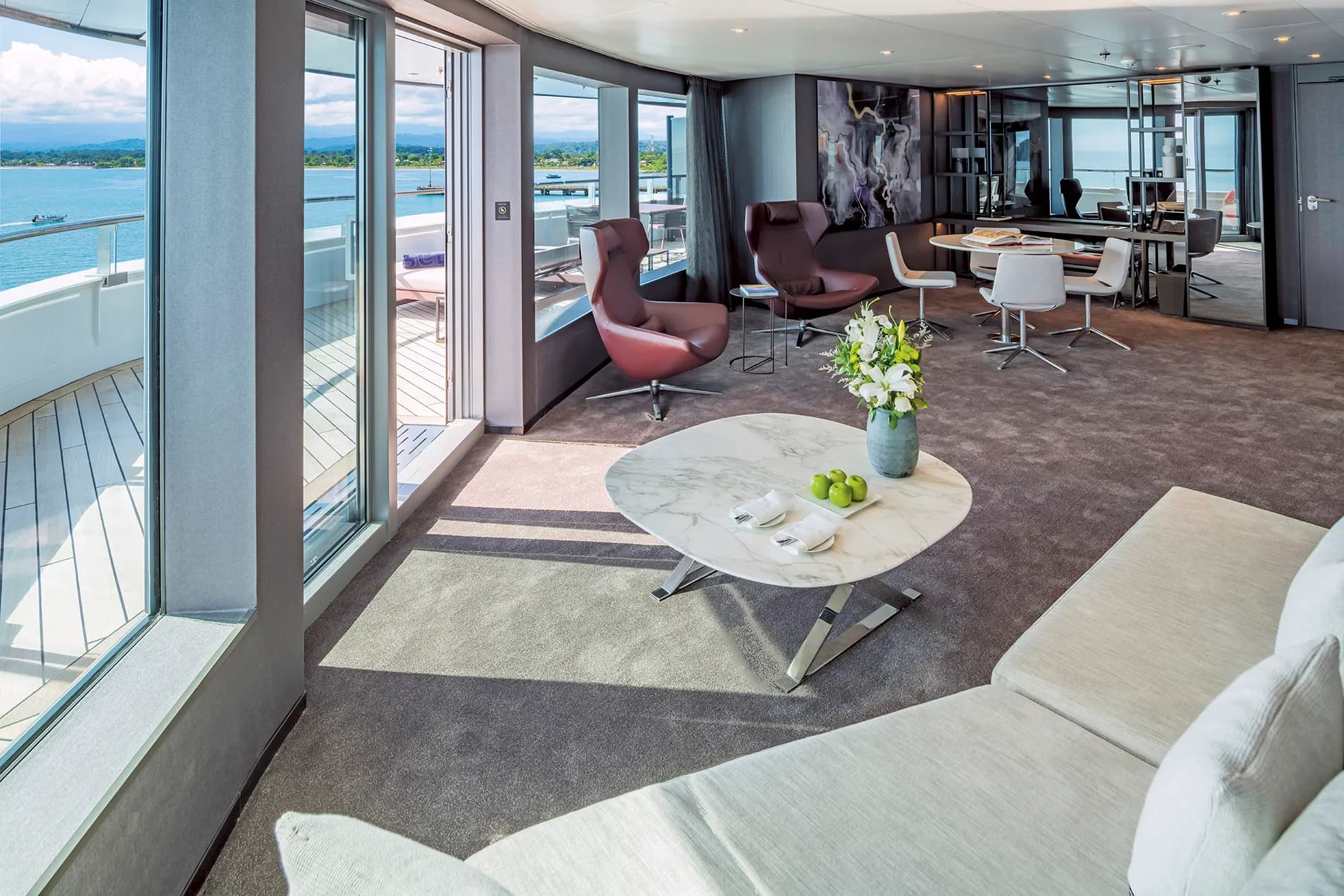
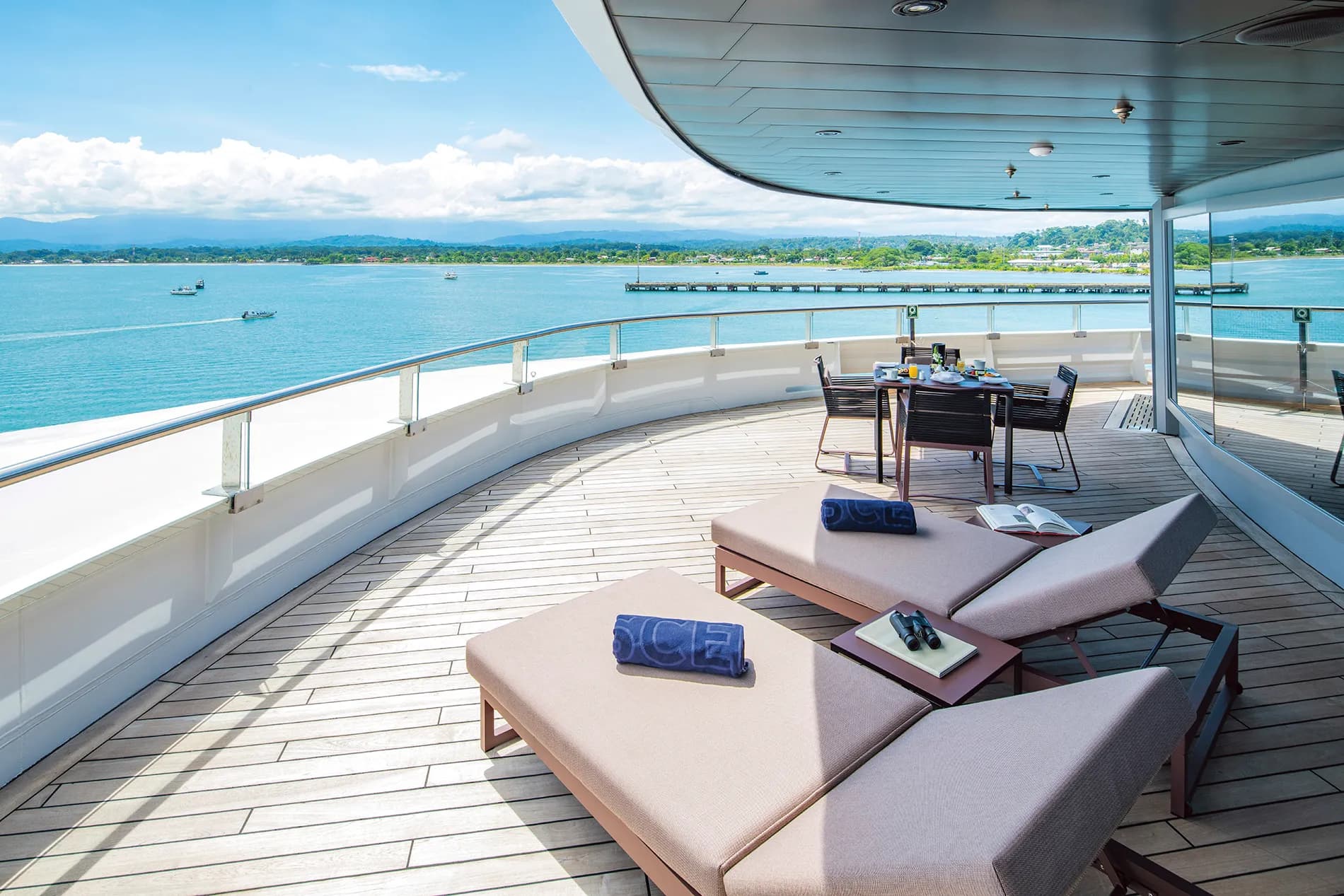
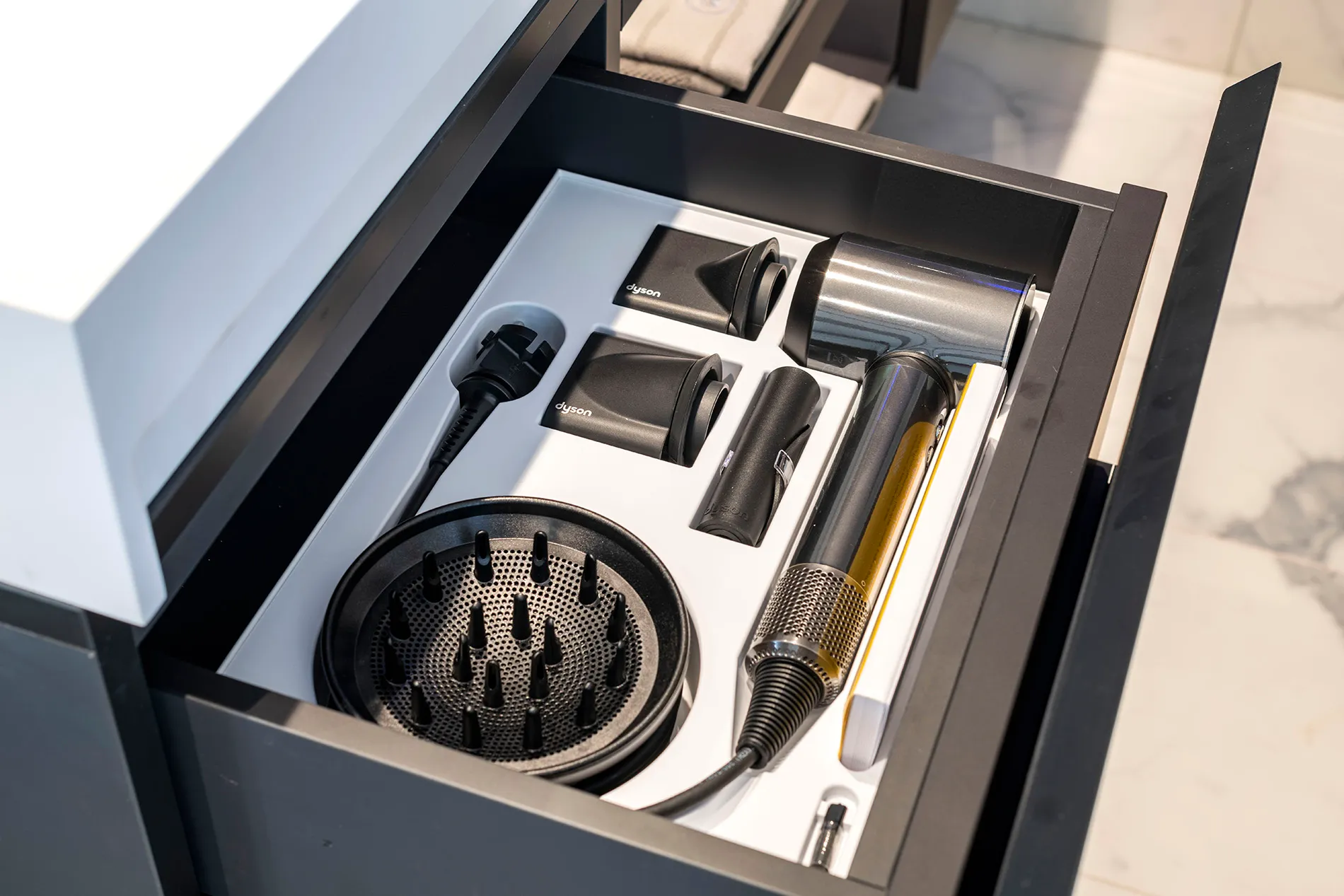
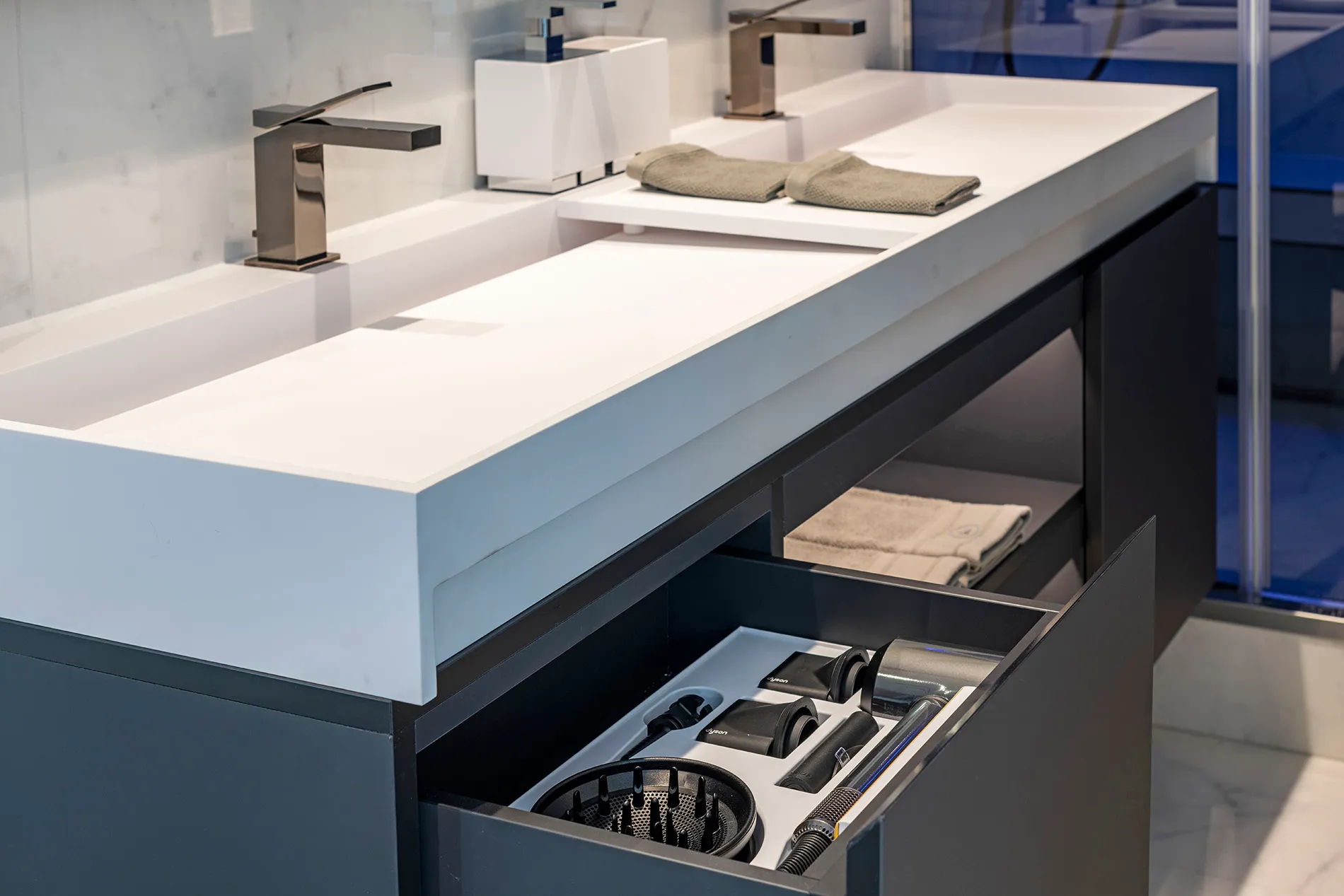
Panorama Suite
Suite
1184 m²Max 2
P
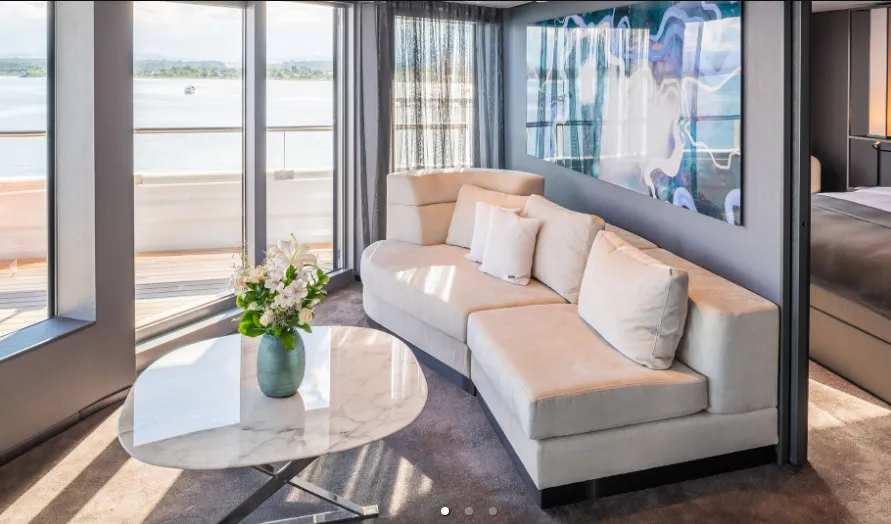
Located at the front of the yacht on Deck 8 these opulent suites feature spacious curved terraces, additional features, services, and much more.
King or Twin ConfigurationShowerBathToiletries ProvidedRoom Service AvailableSuite Benefits+12
Sold Out
View Details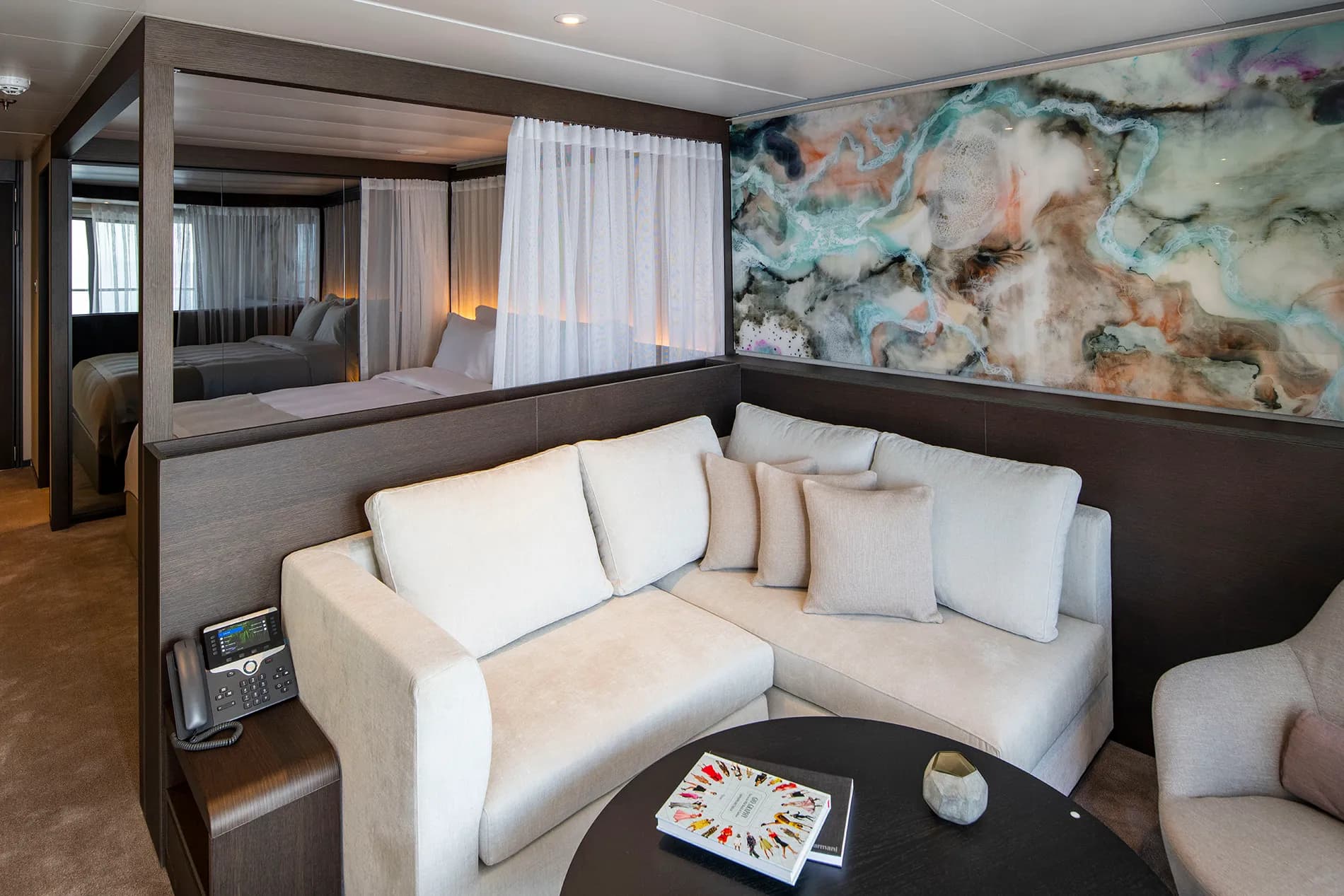
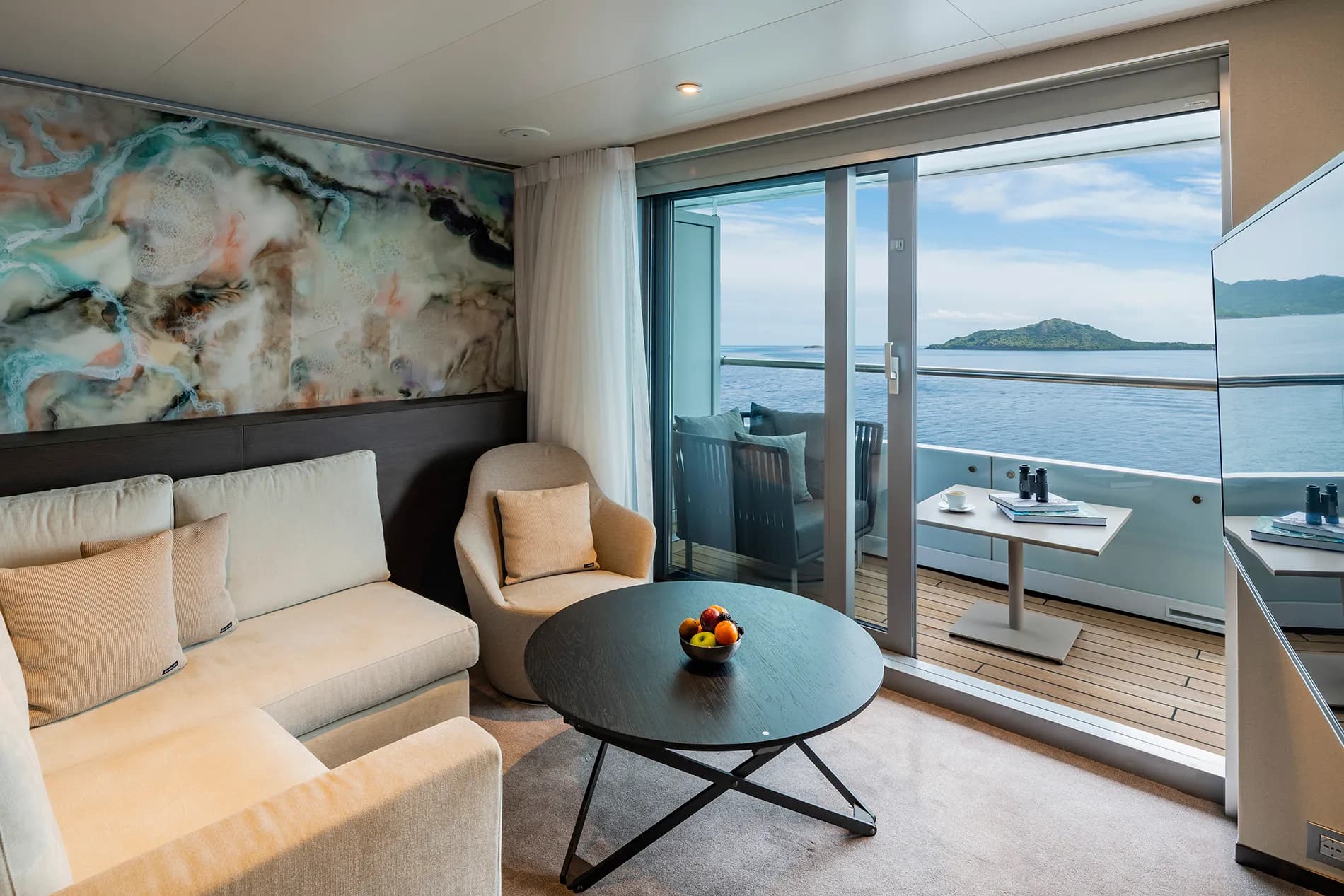
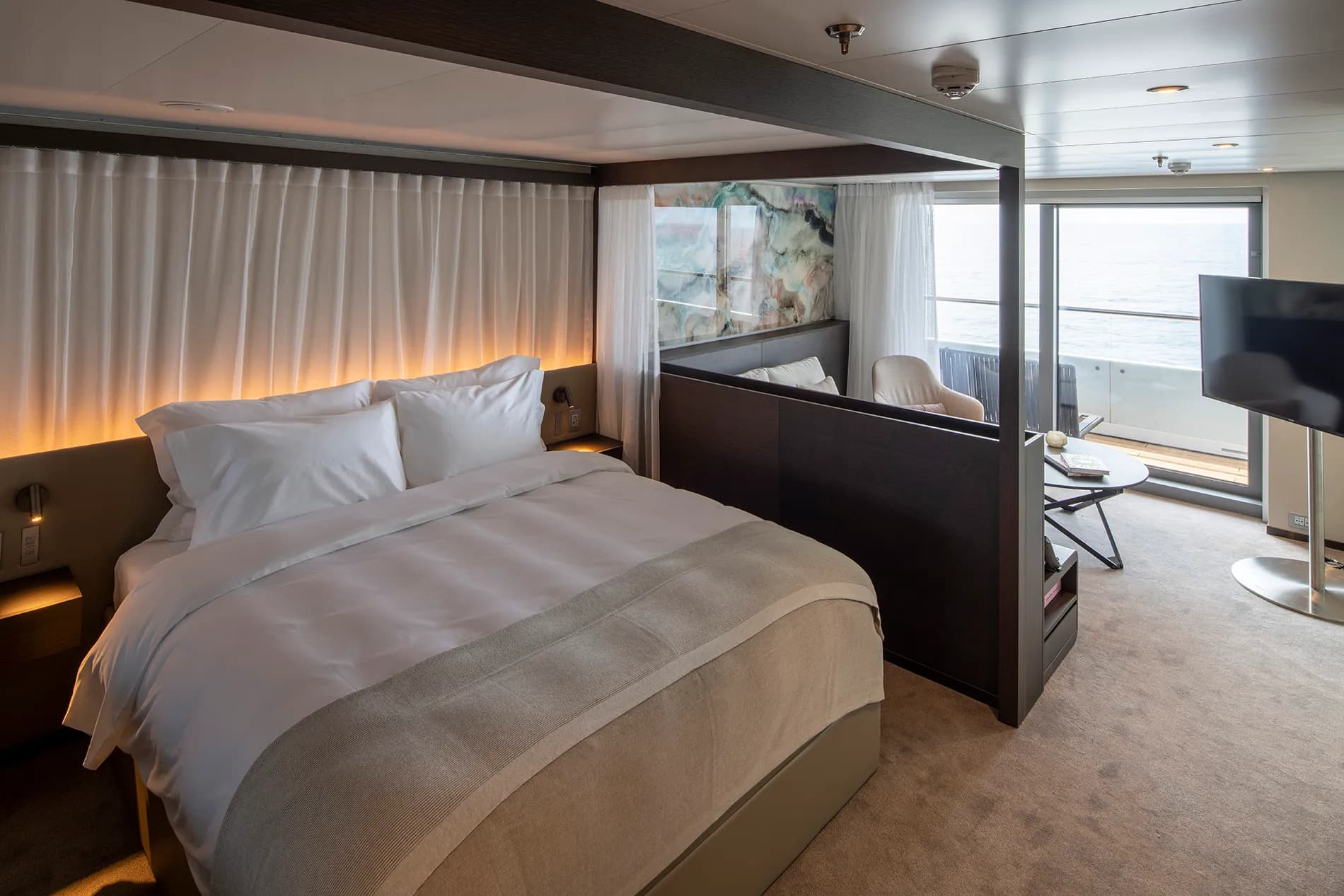
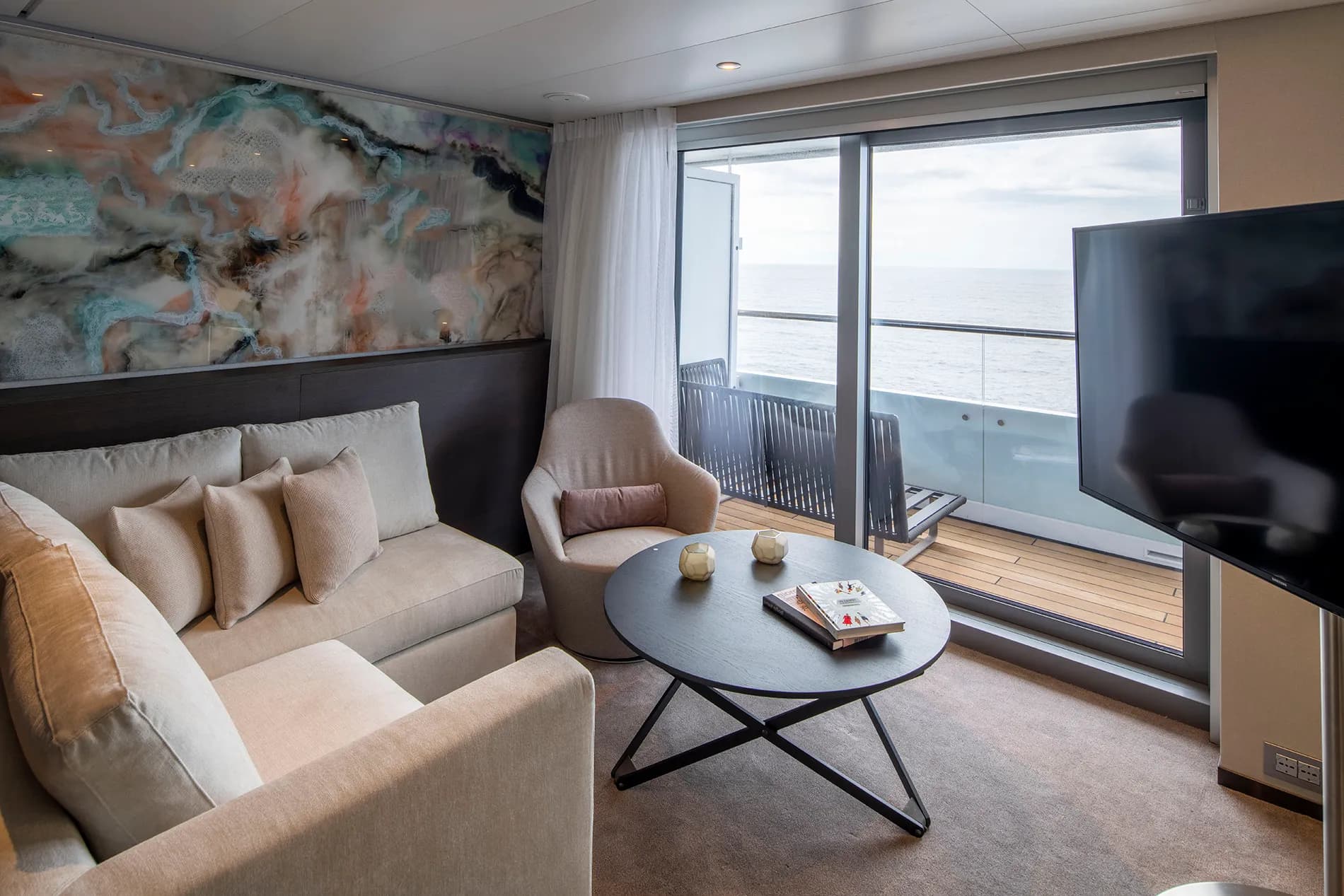
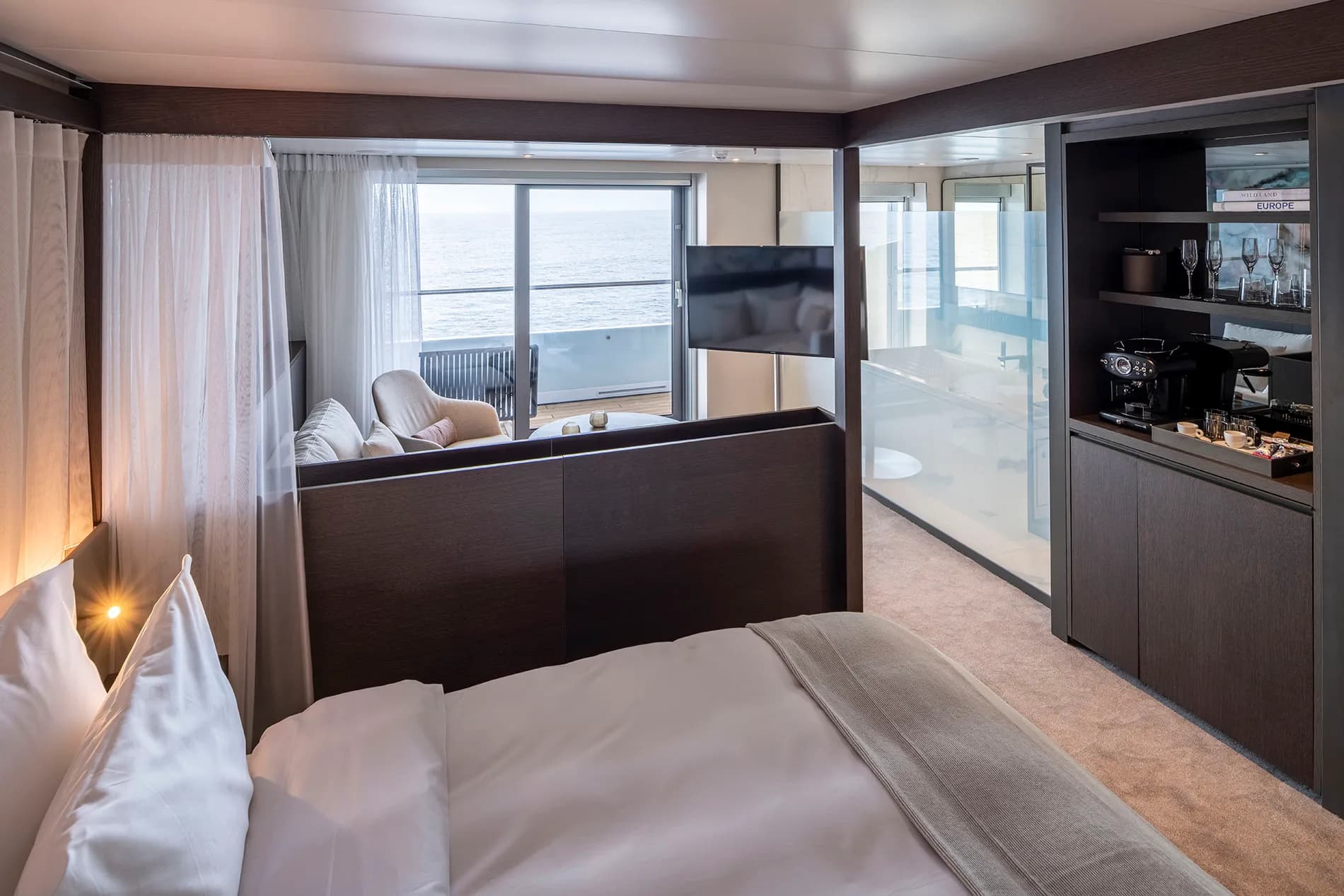
Spa Suite
Suite
495–538 m²Max 2
SSASB
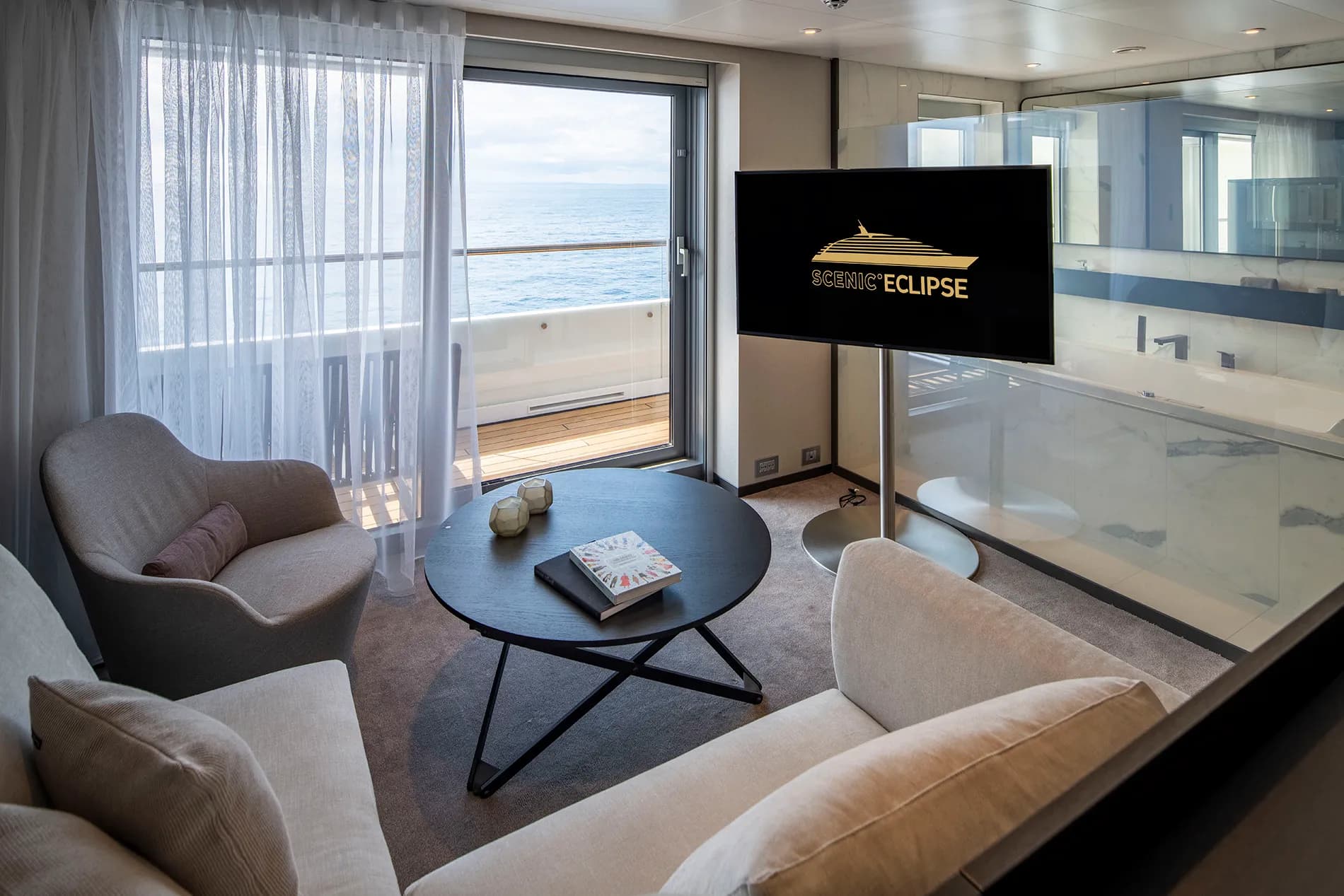
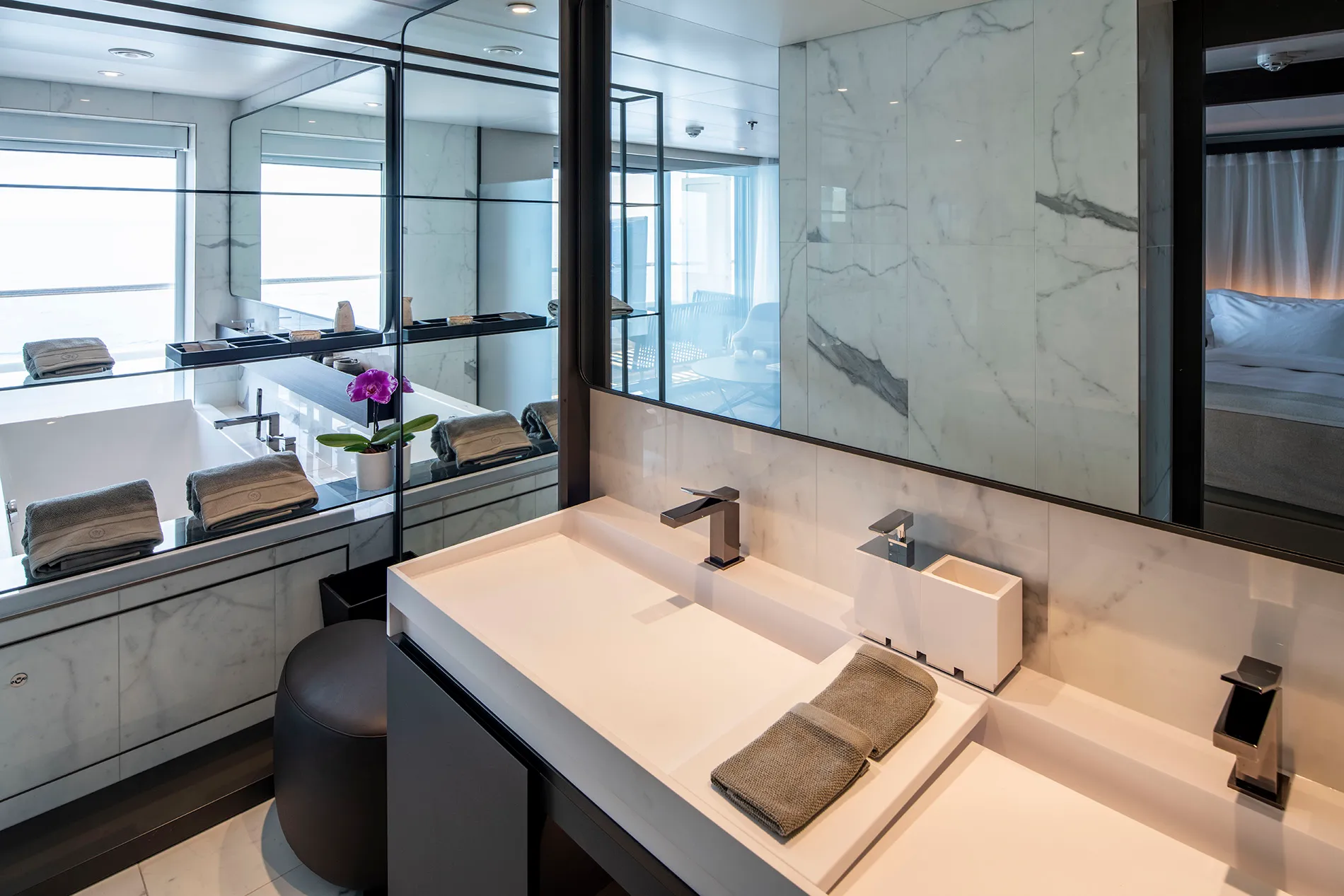
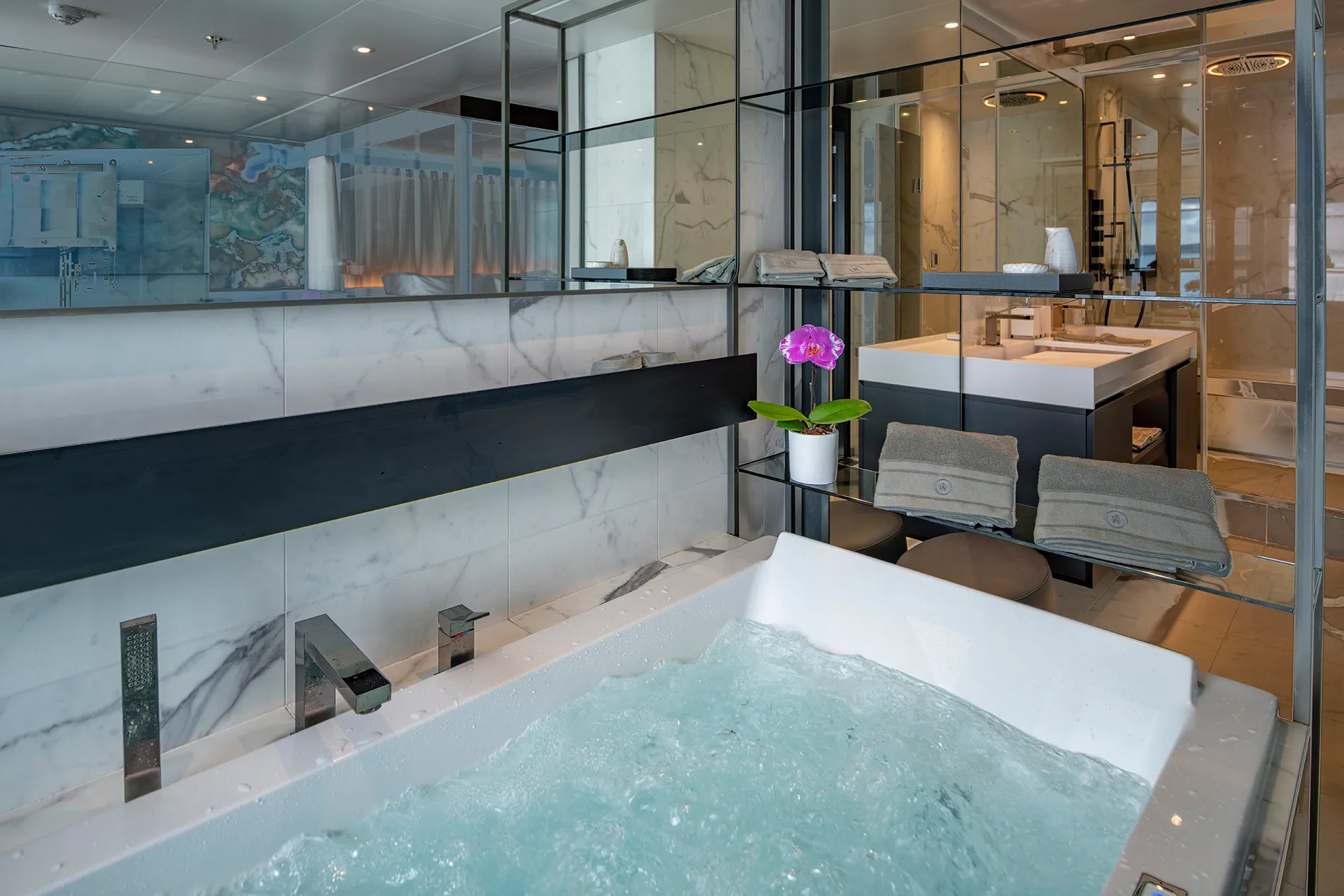
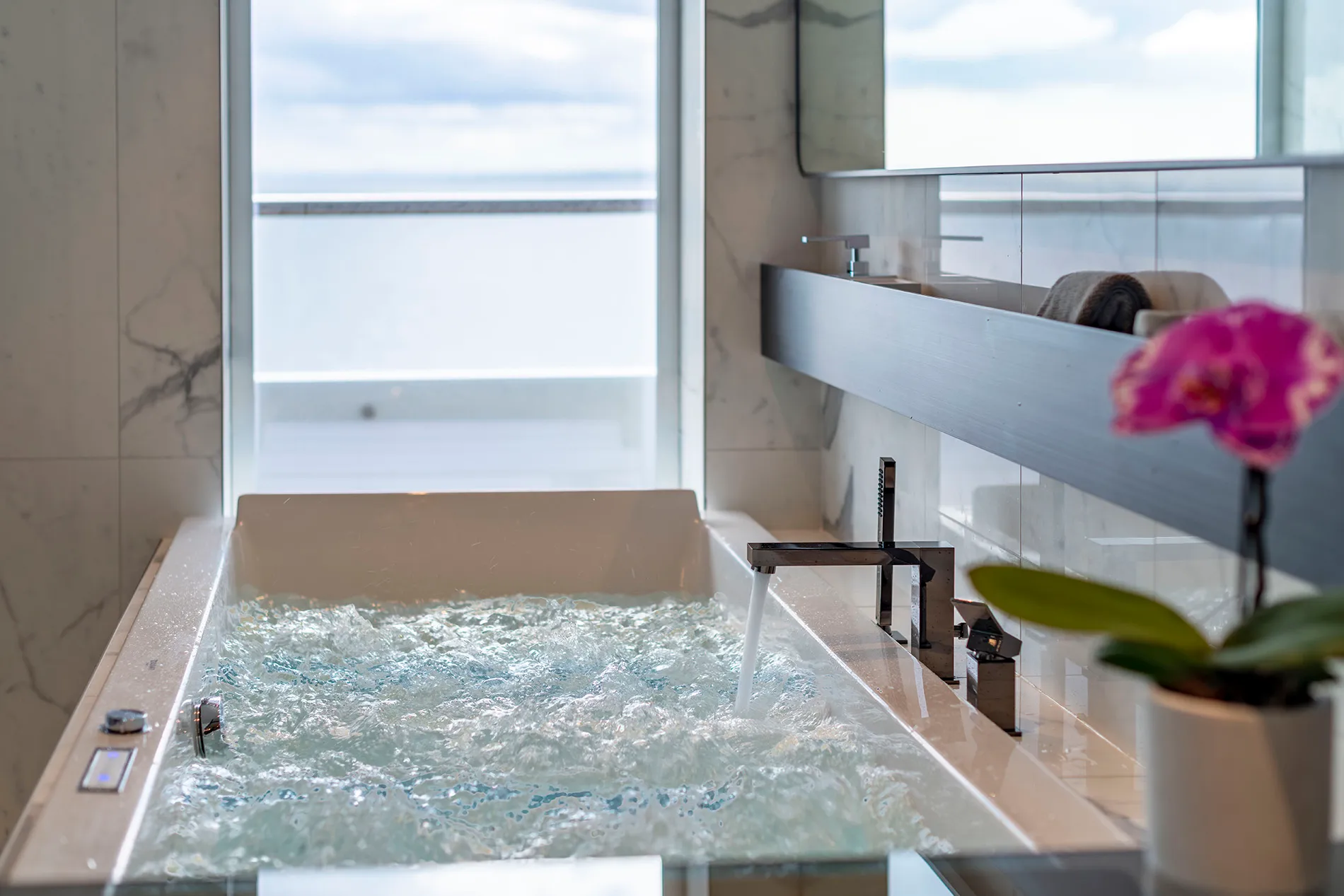
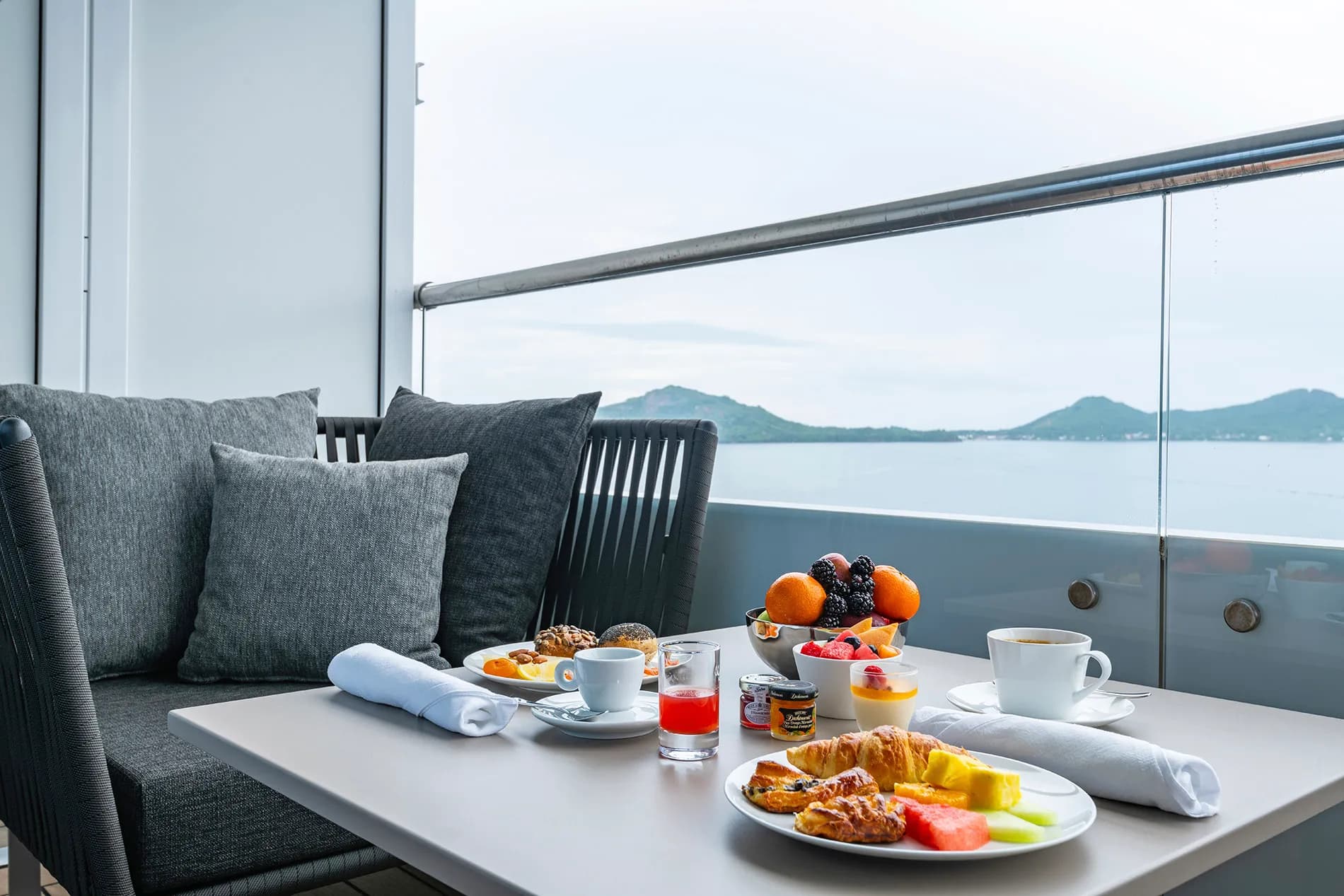
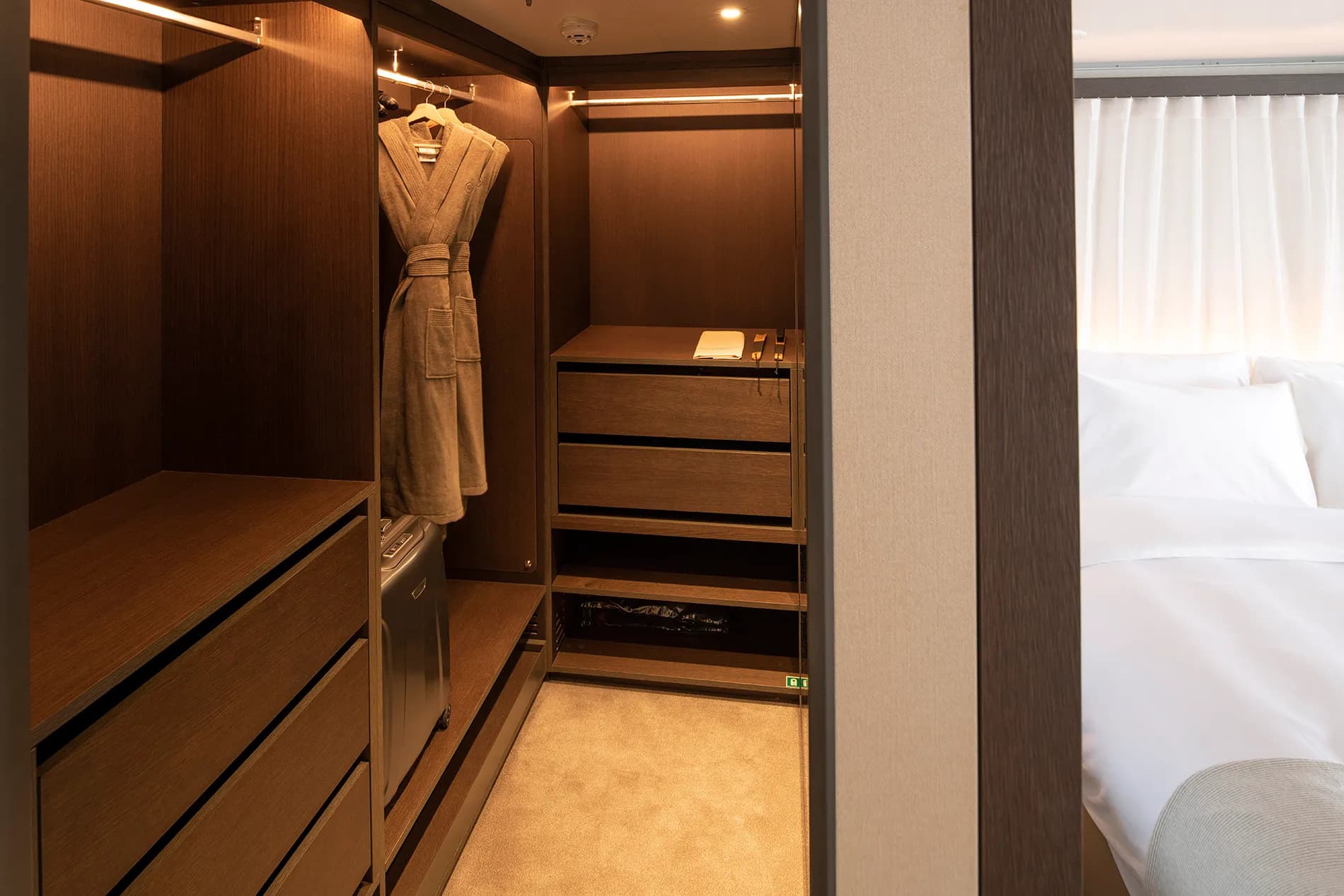
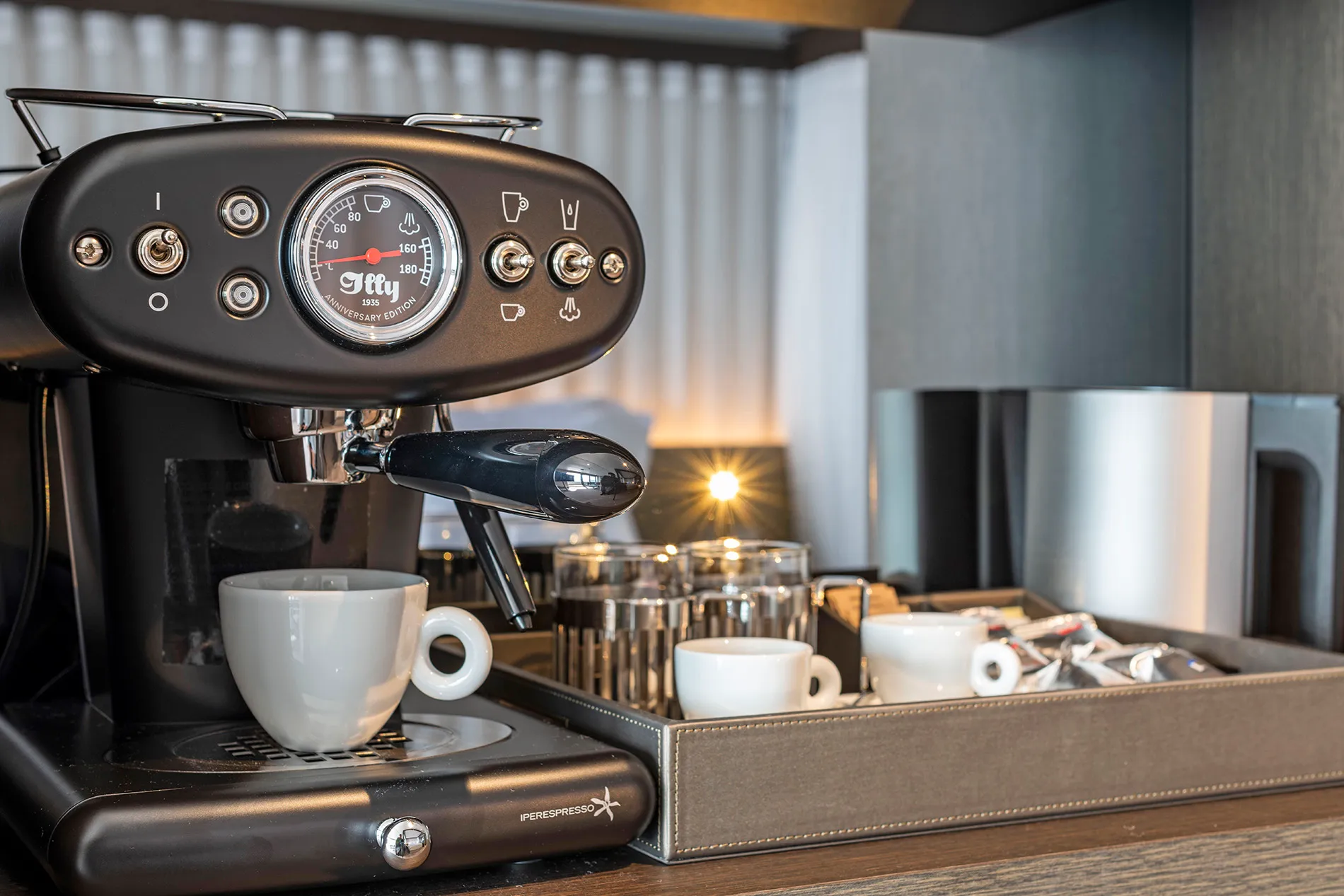
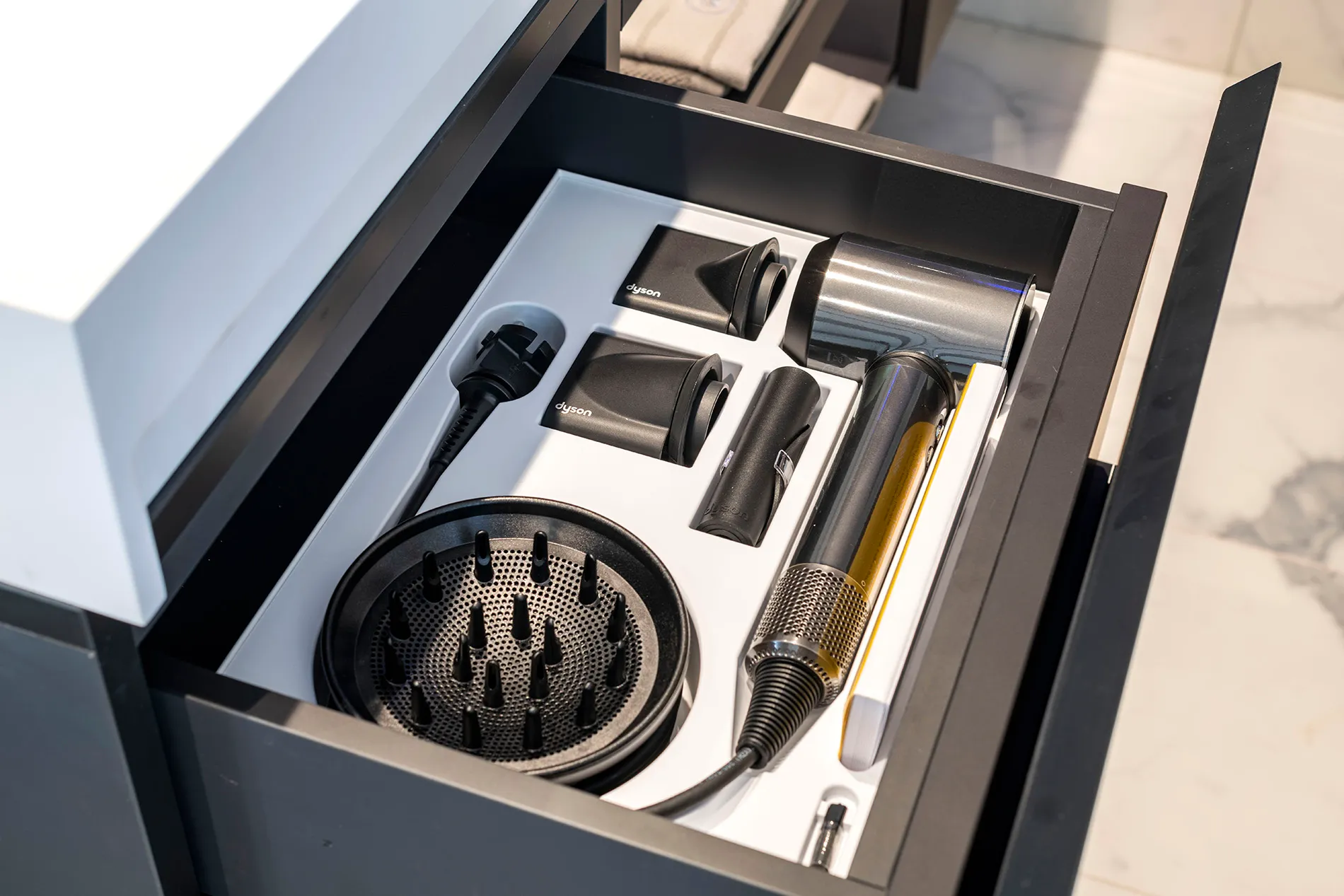
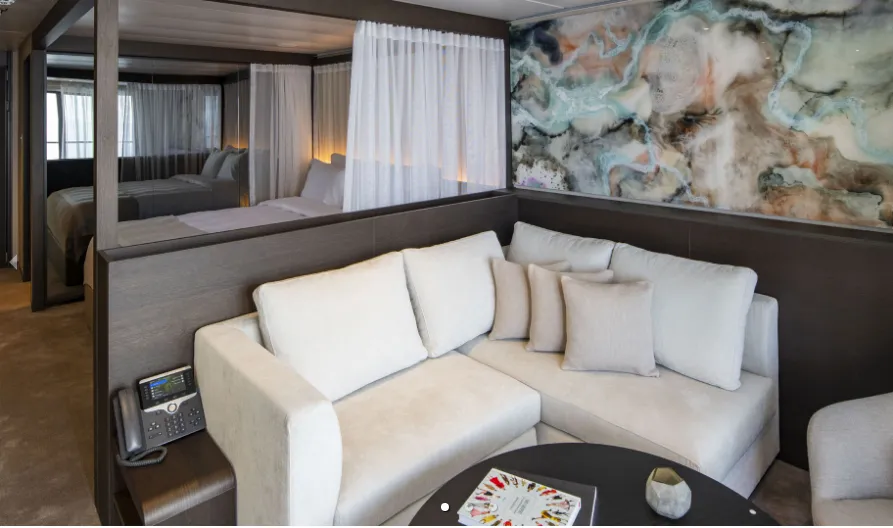
Located on the higher decks, our luxurious Spa Suites include additional features and services that will enhance the luxury of your time on board.
ShowerBathToiletries ProvidedRoom Service AvailableSuite BenefitsTV+11
Sold Out
View Details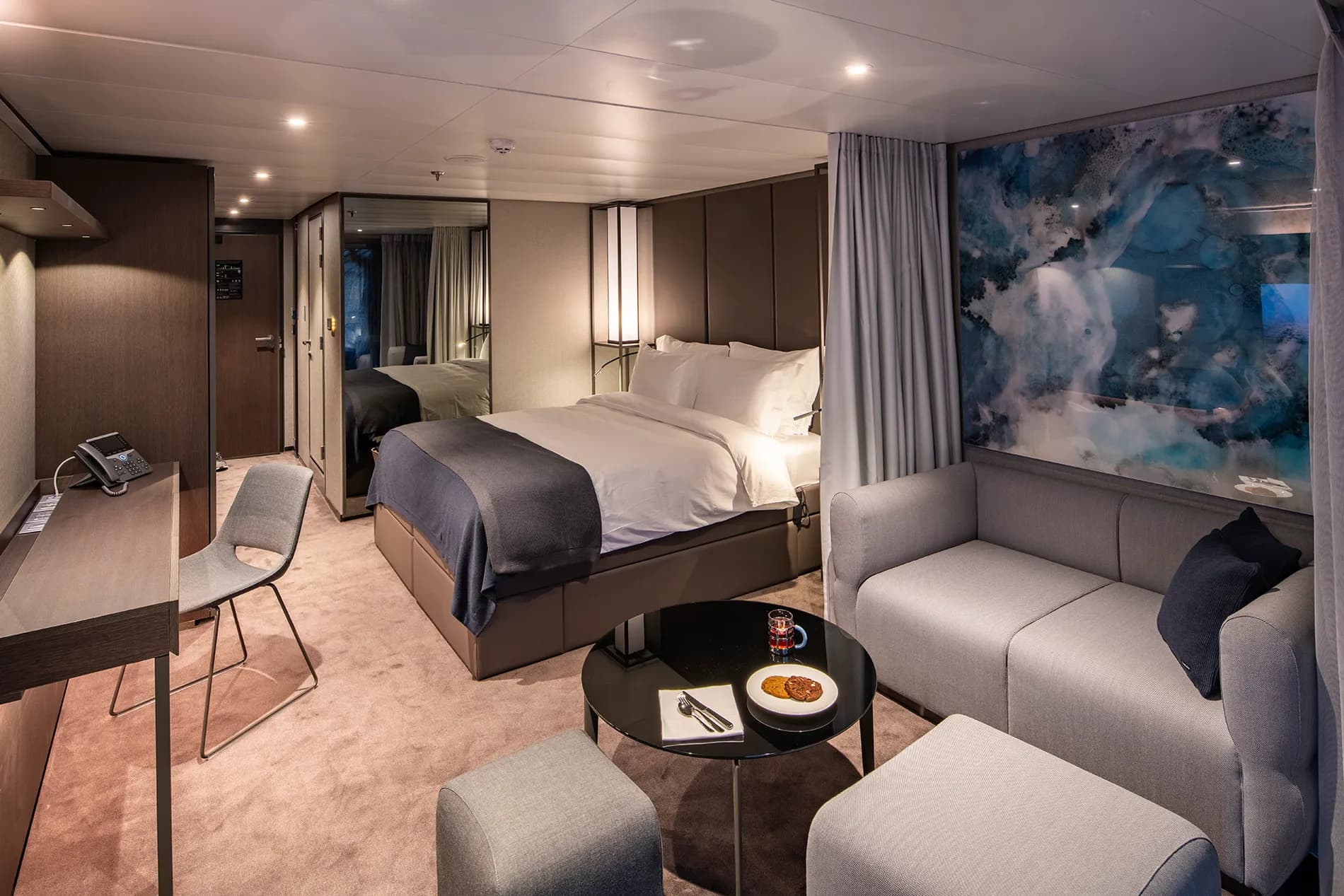
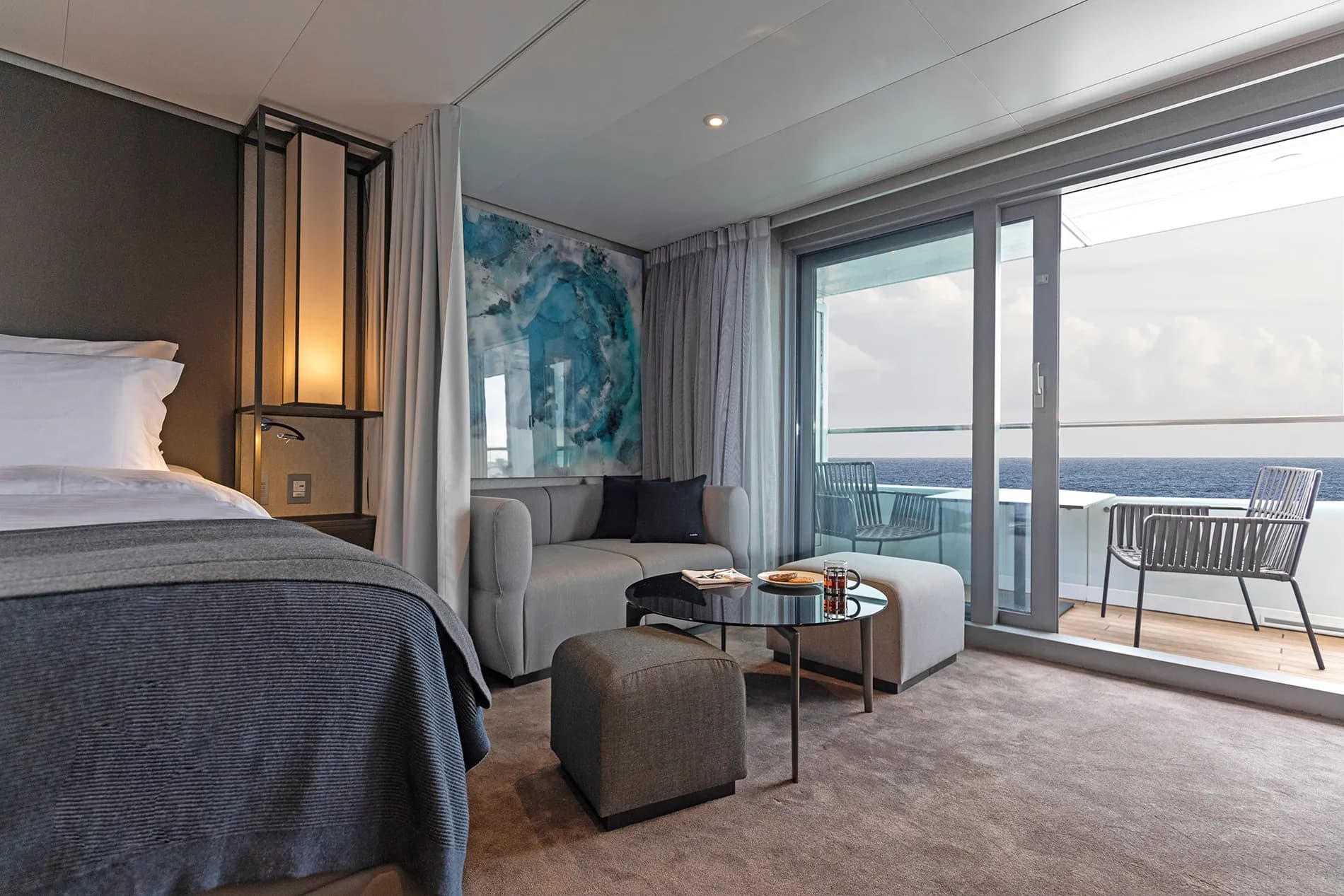
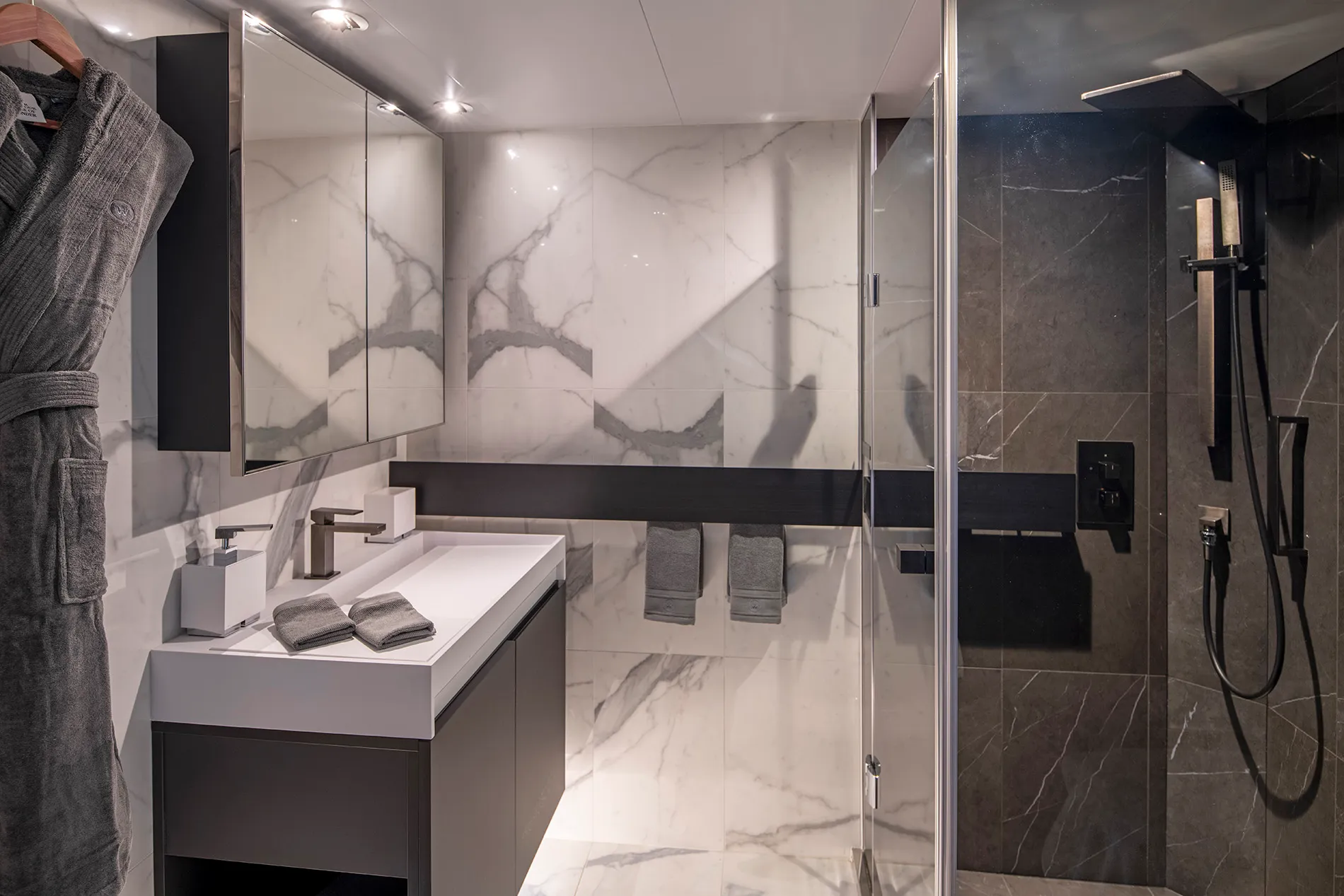
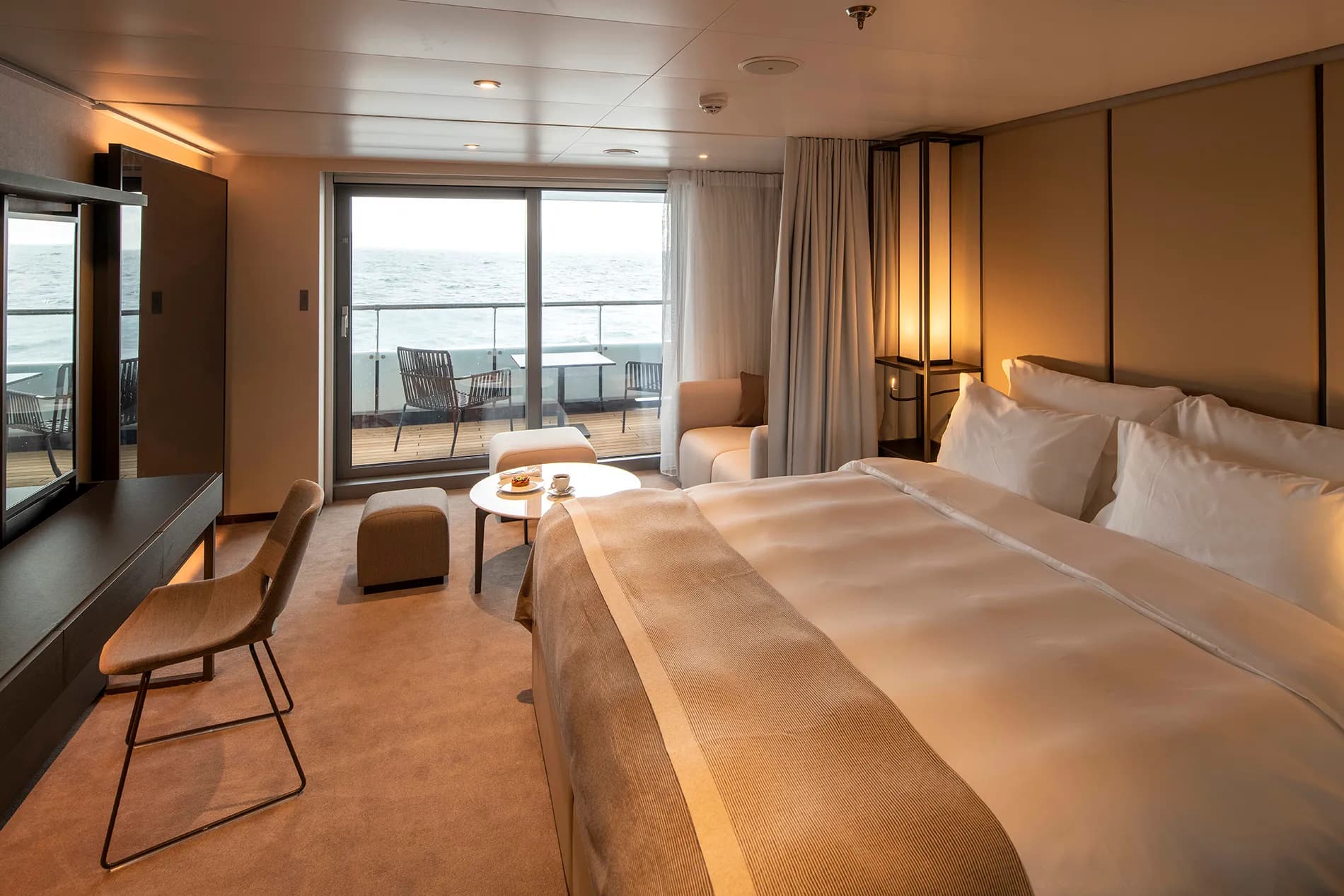
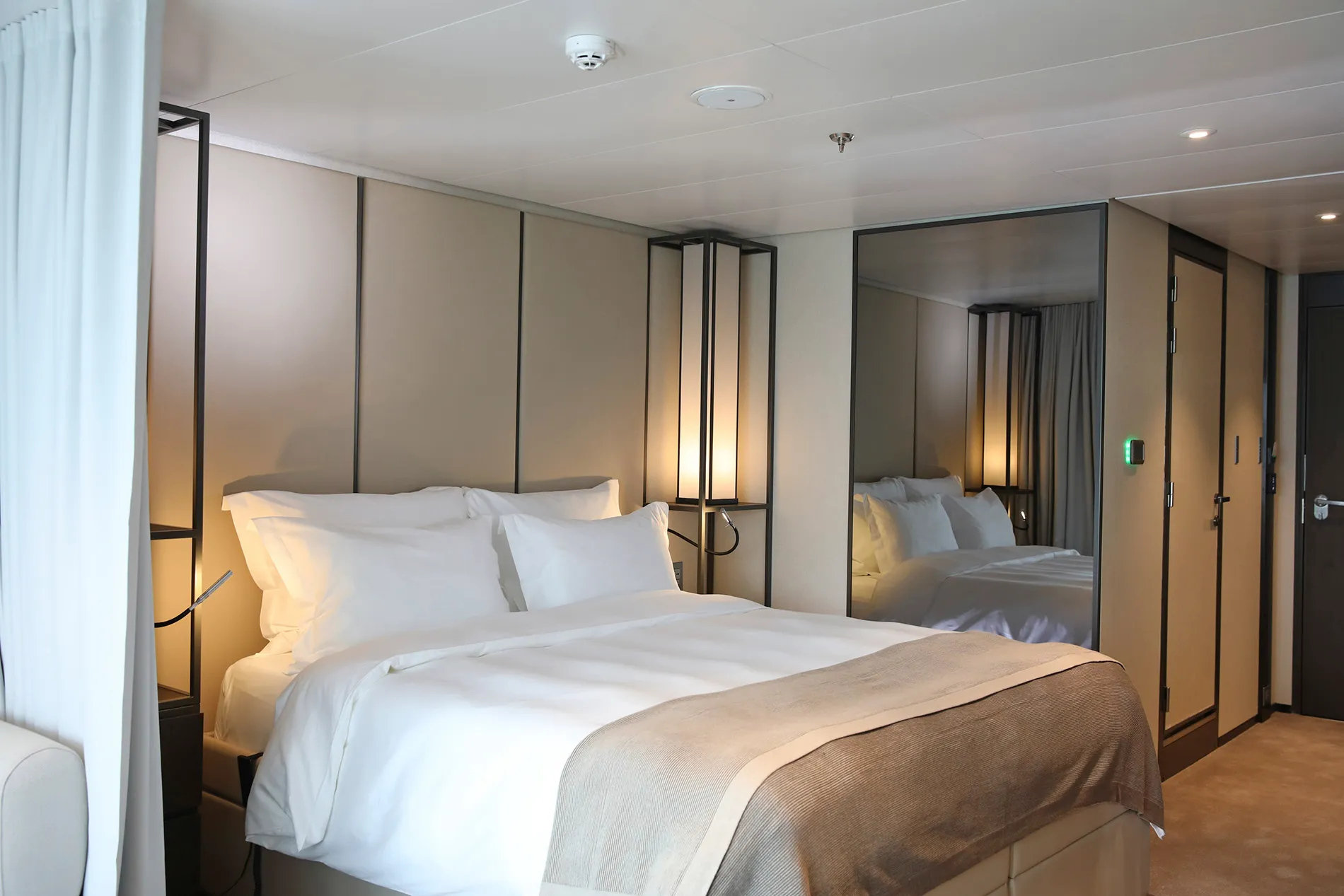
Deluxe Verandah Suite
Suite
344–366 m²Max 2
AABACADADB
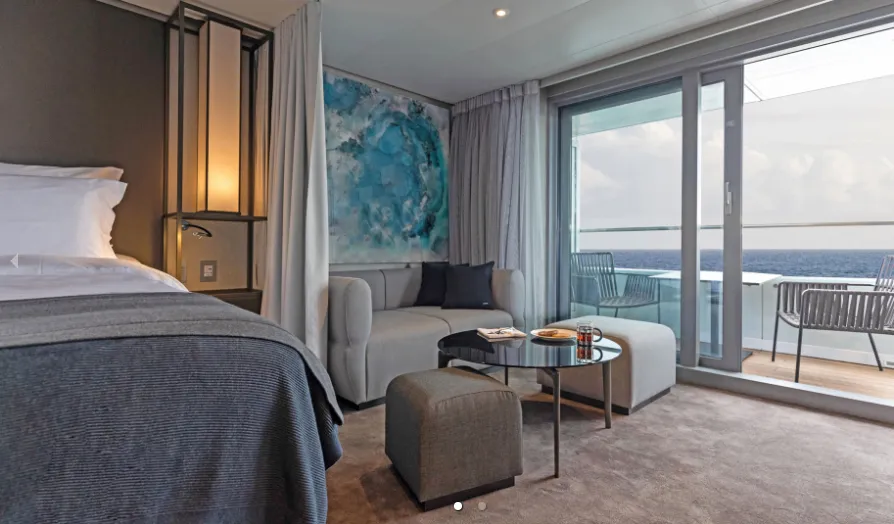
Private Verandah
Luxury king size Slumber Bed
Separate sleep zone
Separate lounge area
En-suite bathroom with shower and vanity
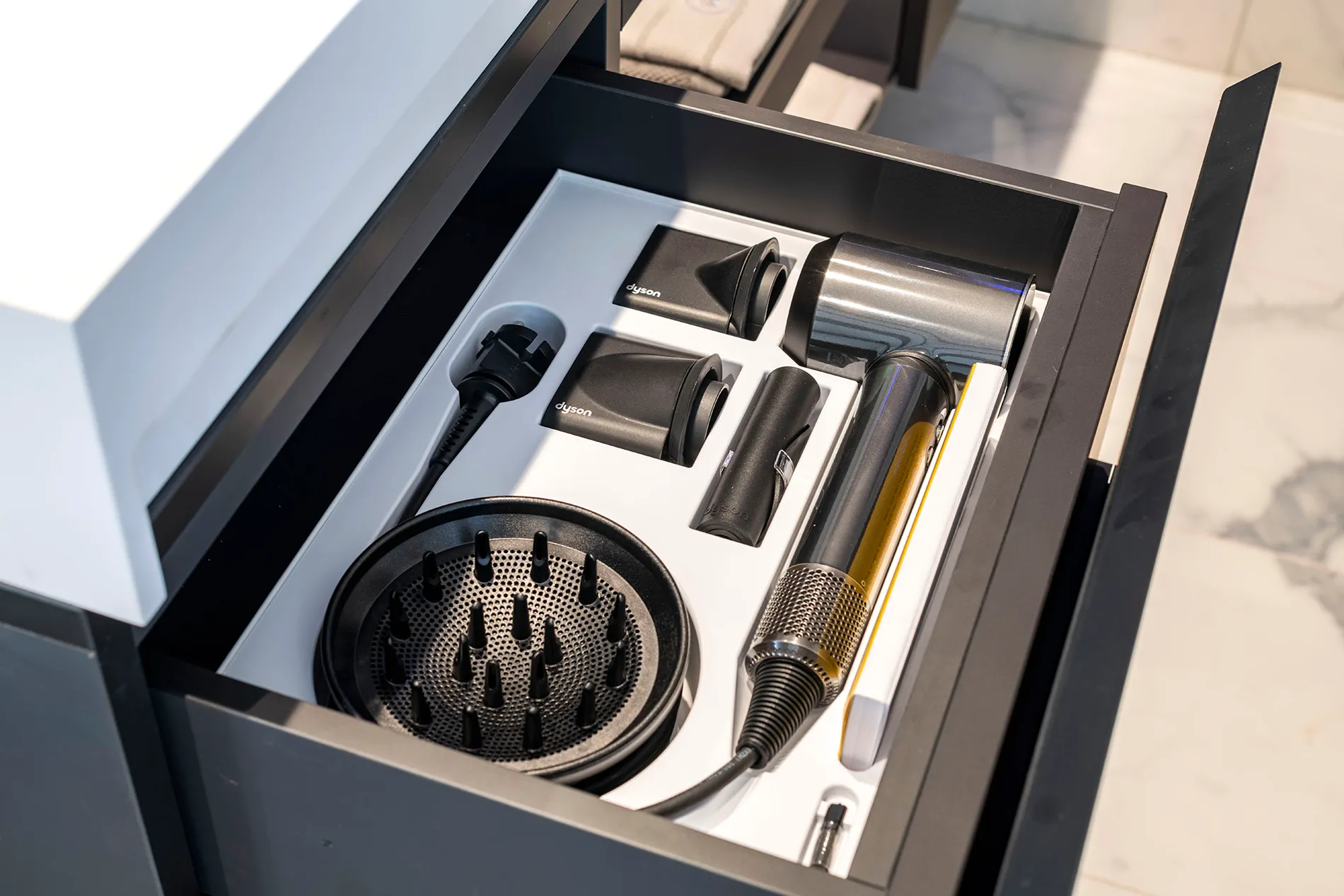
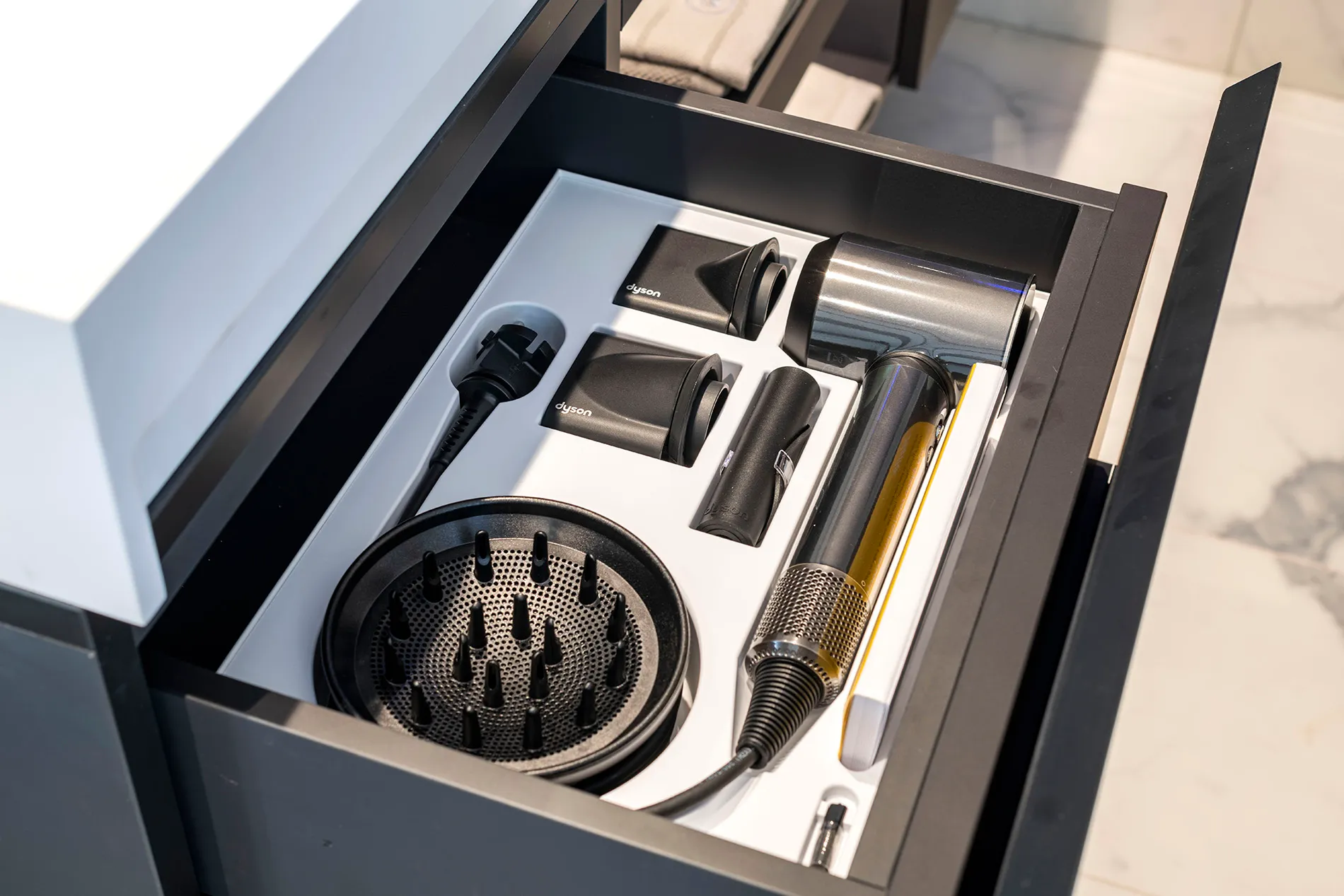
Luxury bathroom amenities
Hypoallergenic air purification system
Butler service
Shoeshine service
Early morning tea/coffee service
In-suite beverage service
In-suite dining service
Full mini bar re-stocked daily
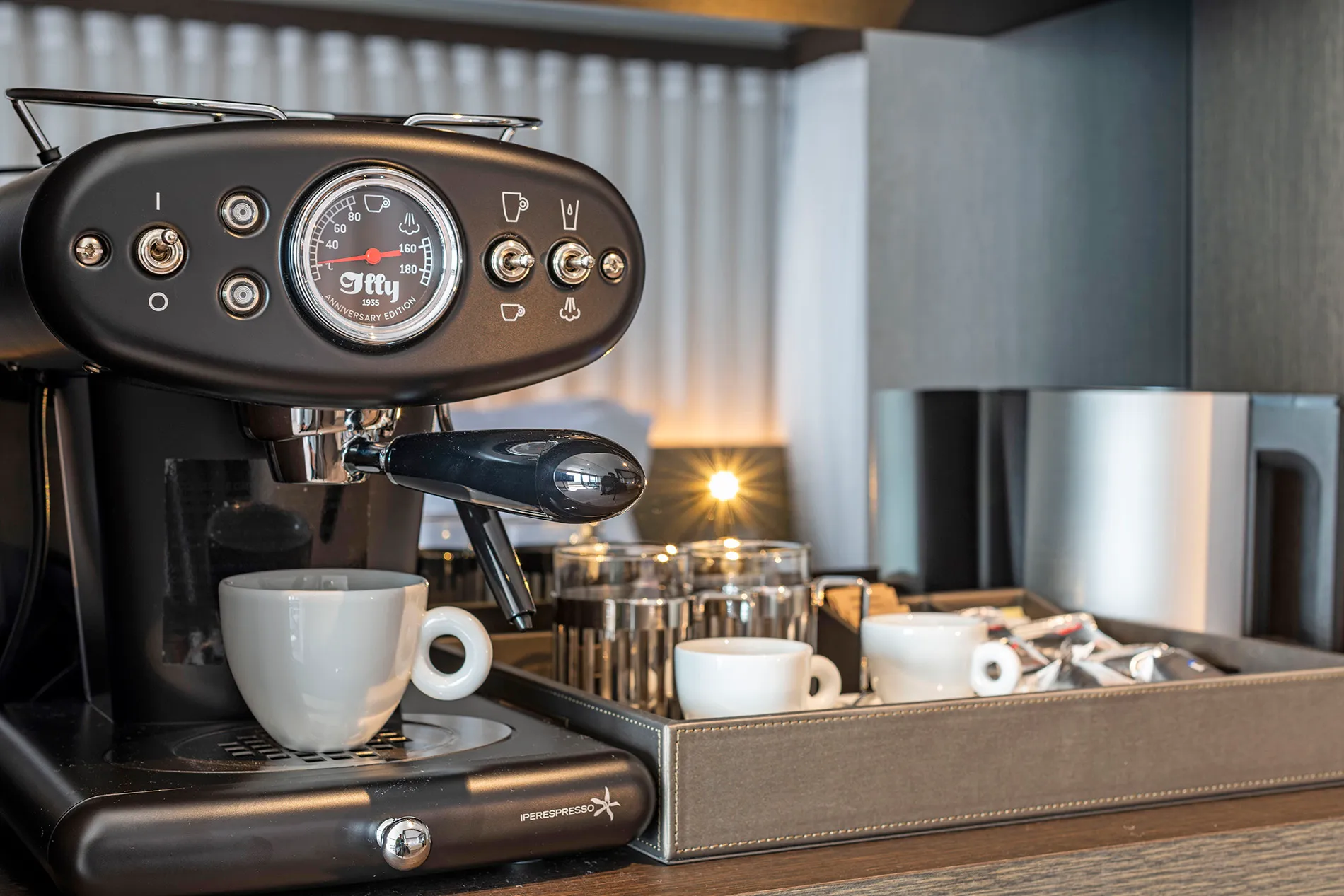
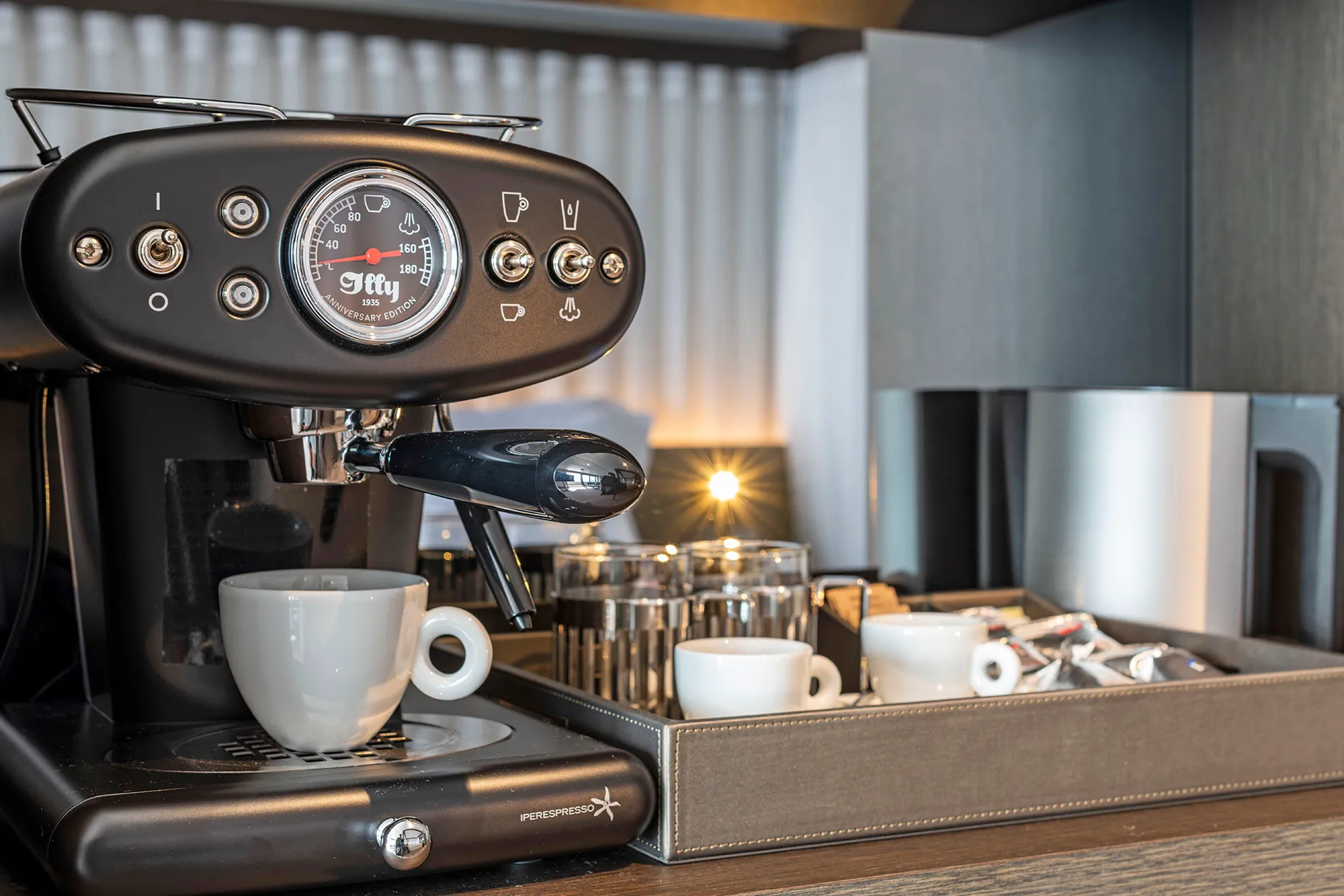
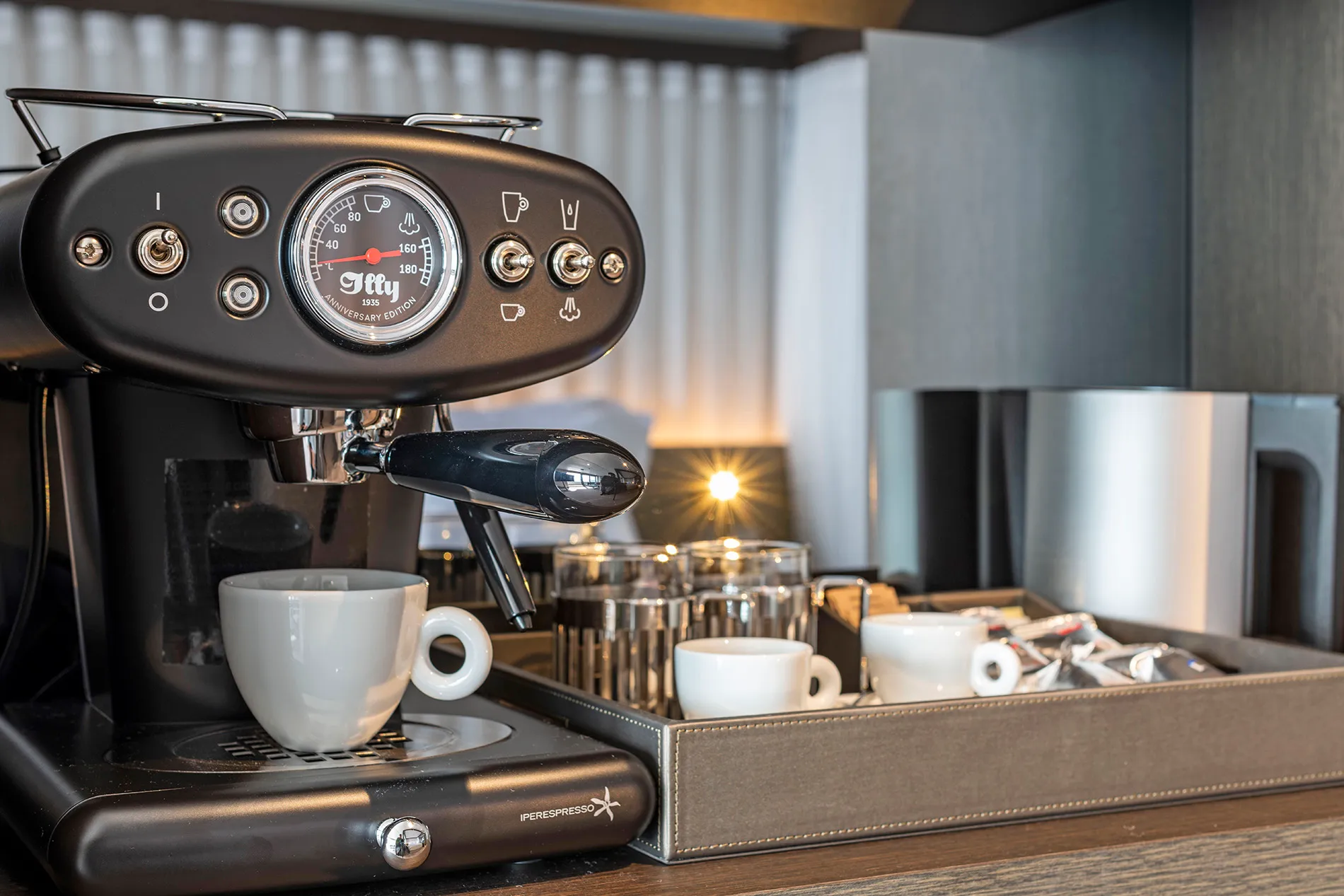
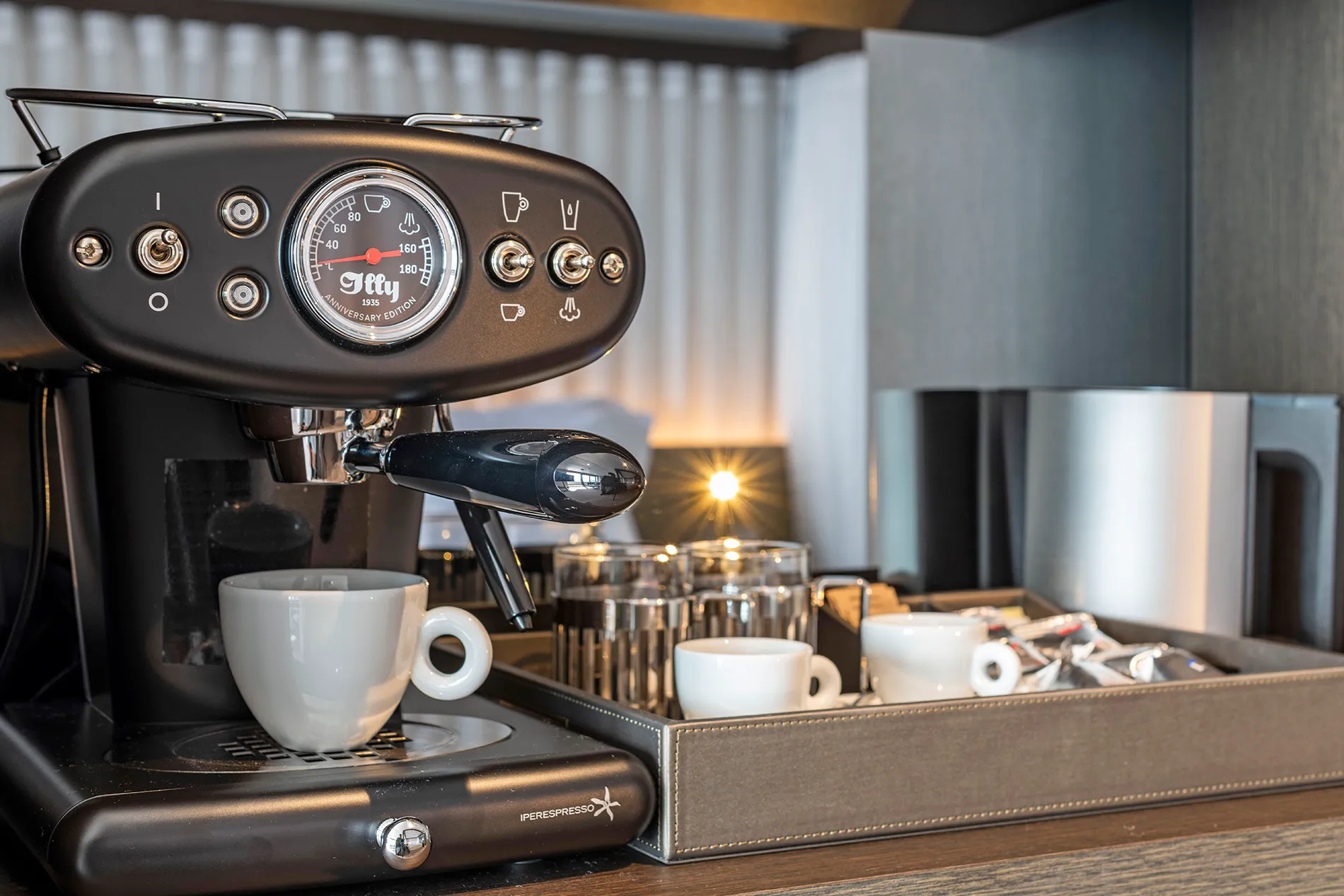
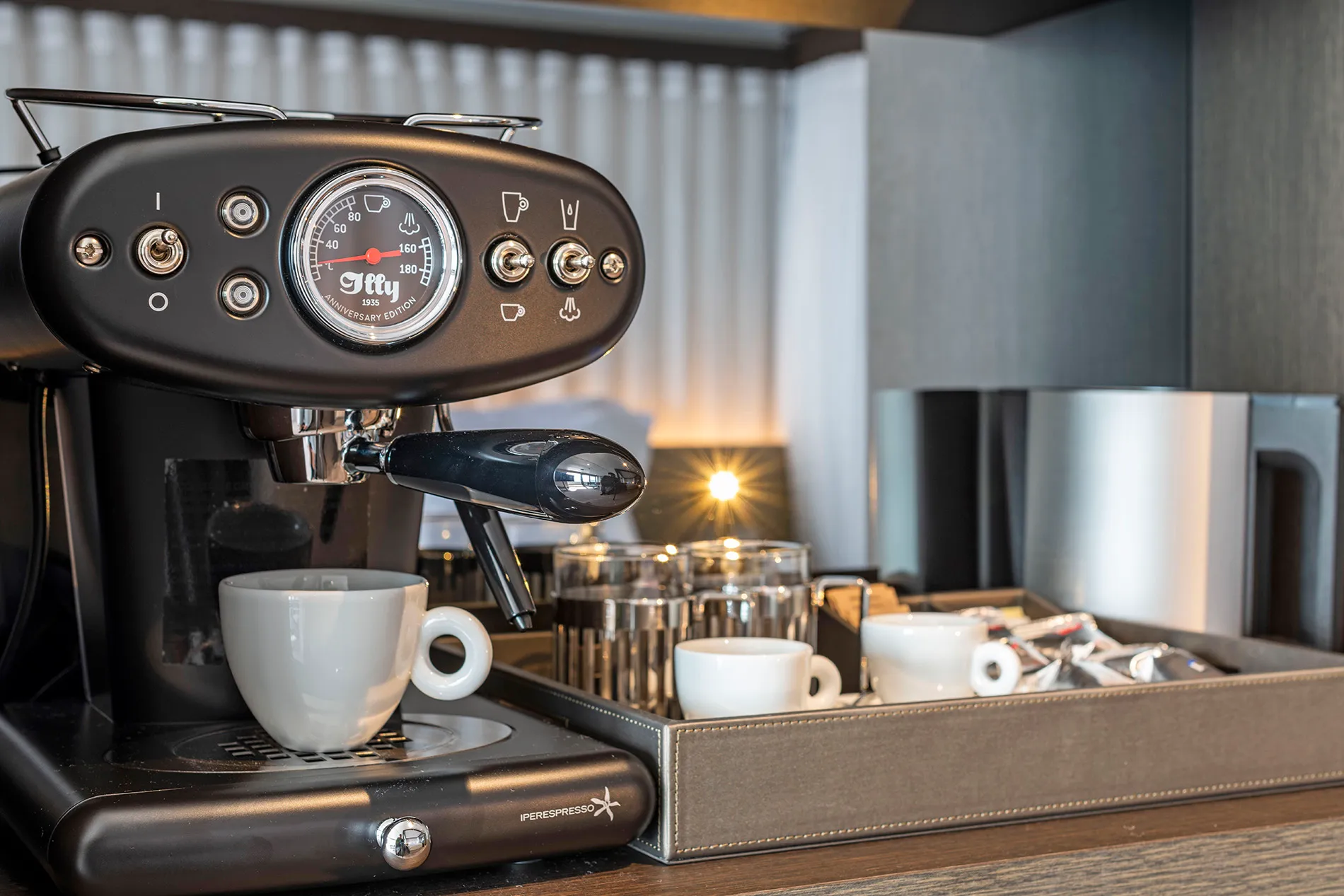
Personalised butler bar featuring Illy coffee and specialty teas (replenished daily)
HDTV and Bose sound system
Lounge AreaShowerToiletries ProvidedRoom Service AvailableTVFree Wi-Fi+9
Sold Out
View Details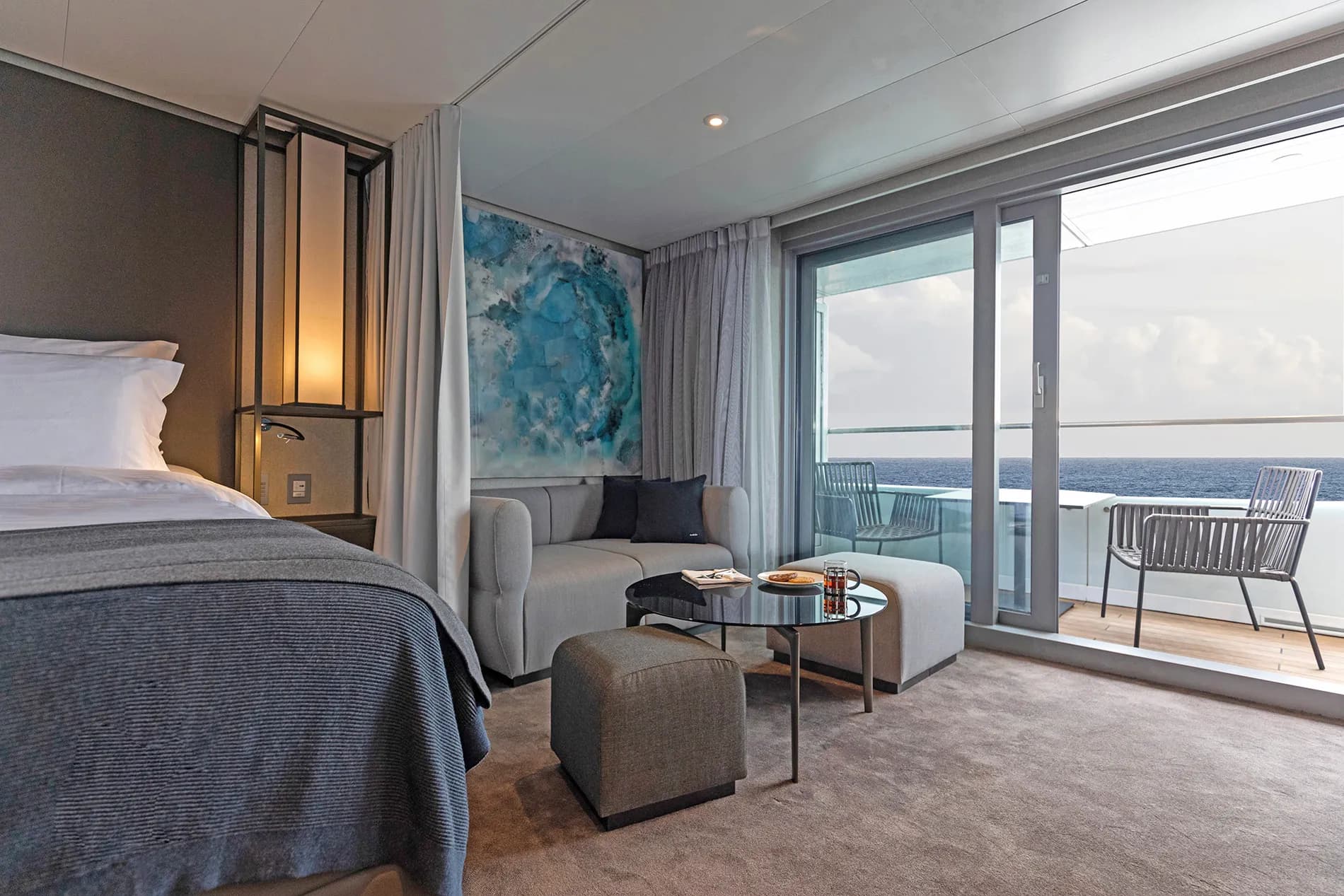
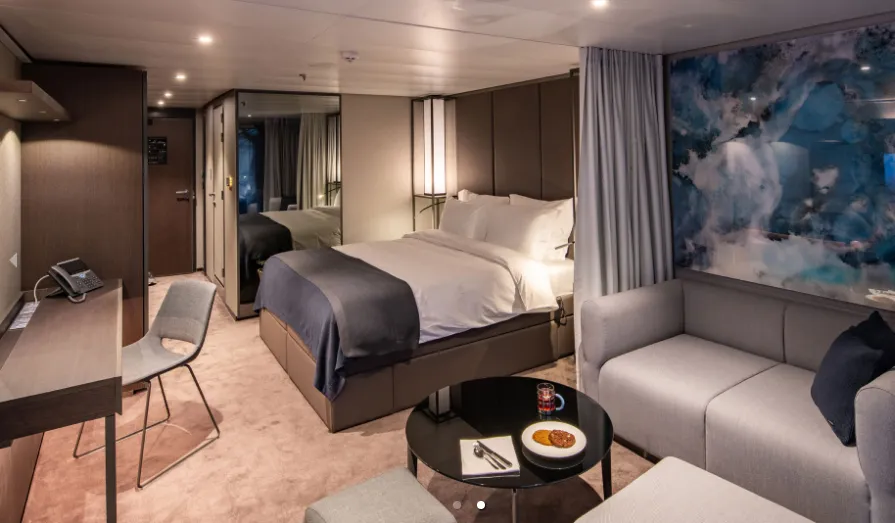
Grand Deluxe Verandah Suite
Suite
409–431 m²Max 2
ADBDCDDD
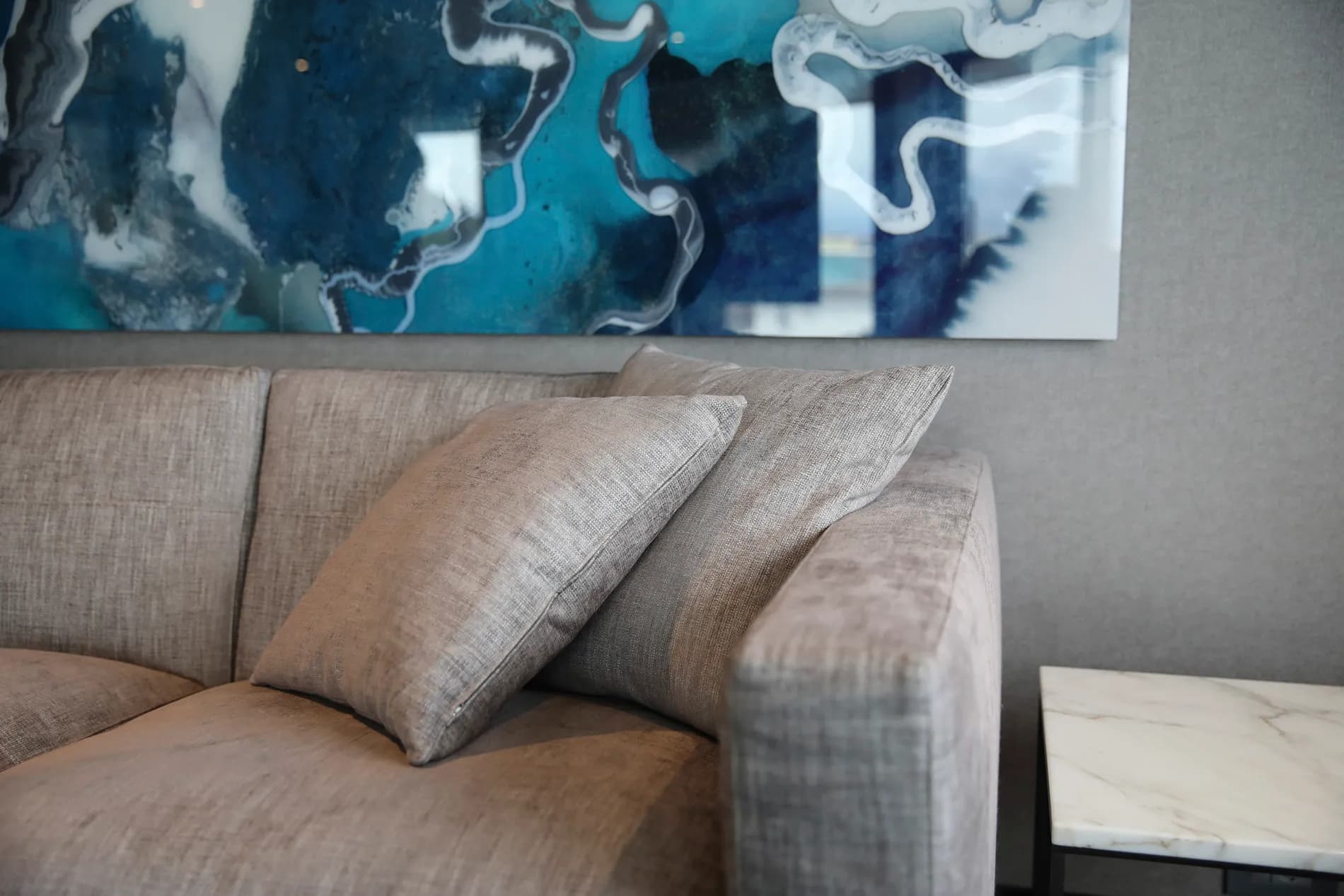
Choose from our Deluxe Verandah Suites to larger Grand Deluxe Verandah Suites, which provide even more room to relax.
Dining AreaShowerBathToiletries ProvidedRoom Service AvailableTV+13
Sold Out
View Details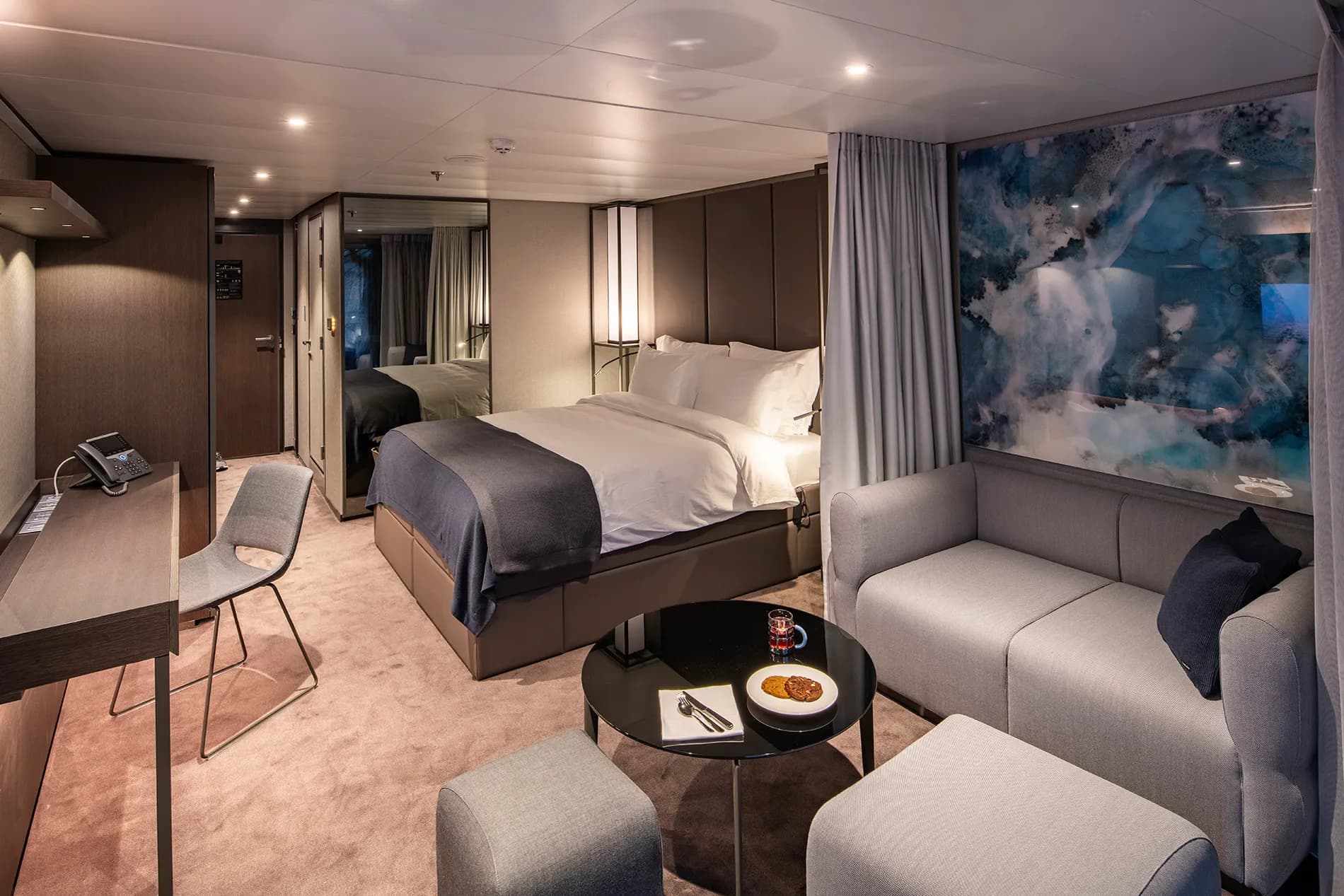
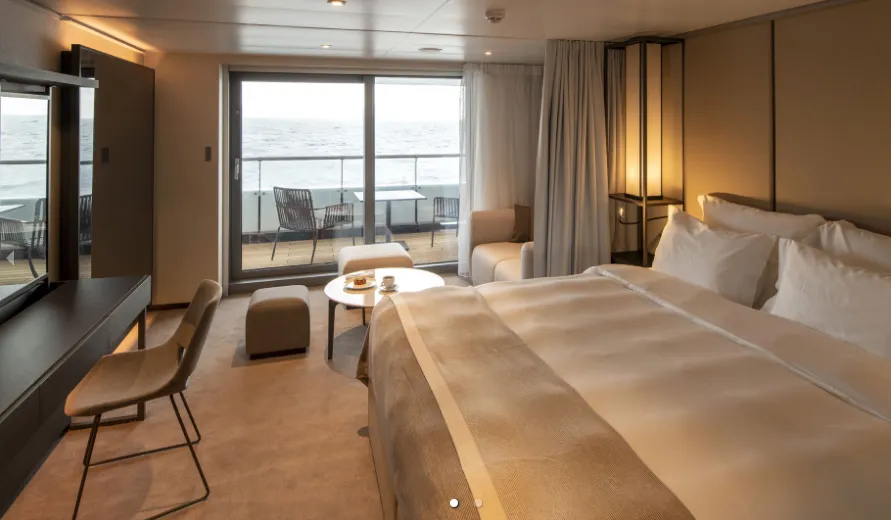
Verandah Suite
Suite
344–366 m²Max 2
ABCD
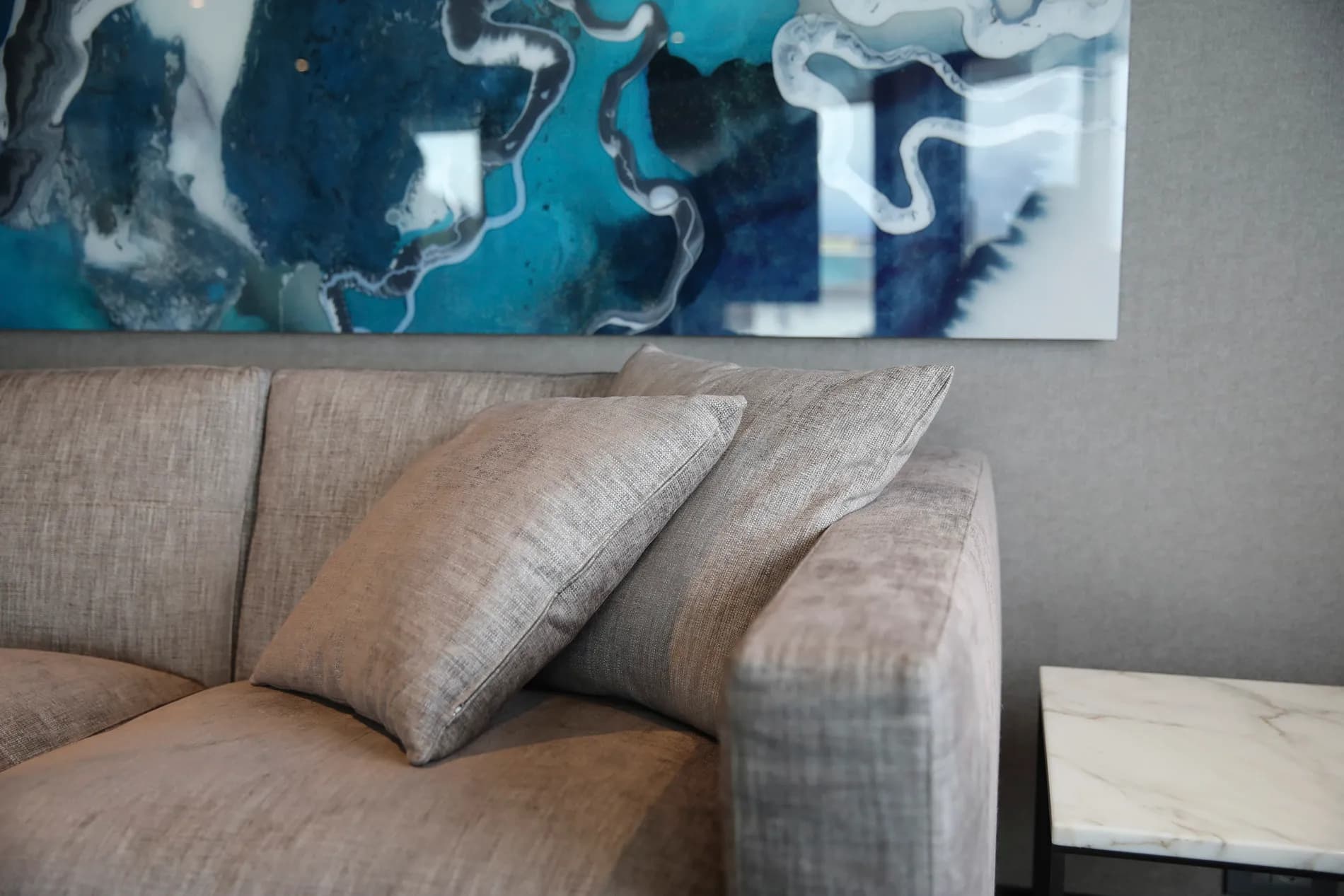
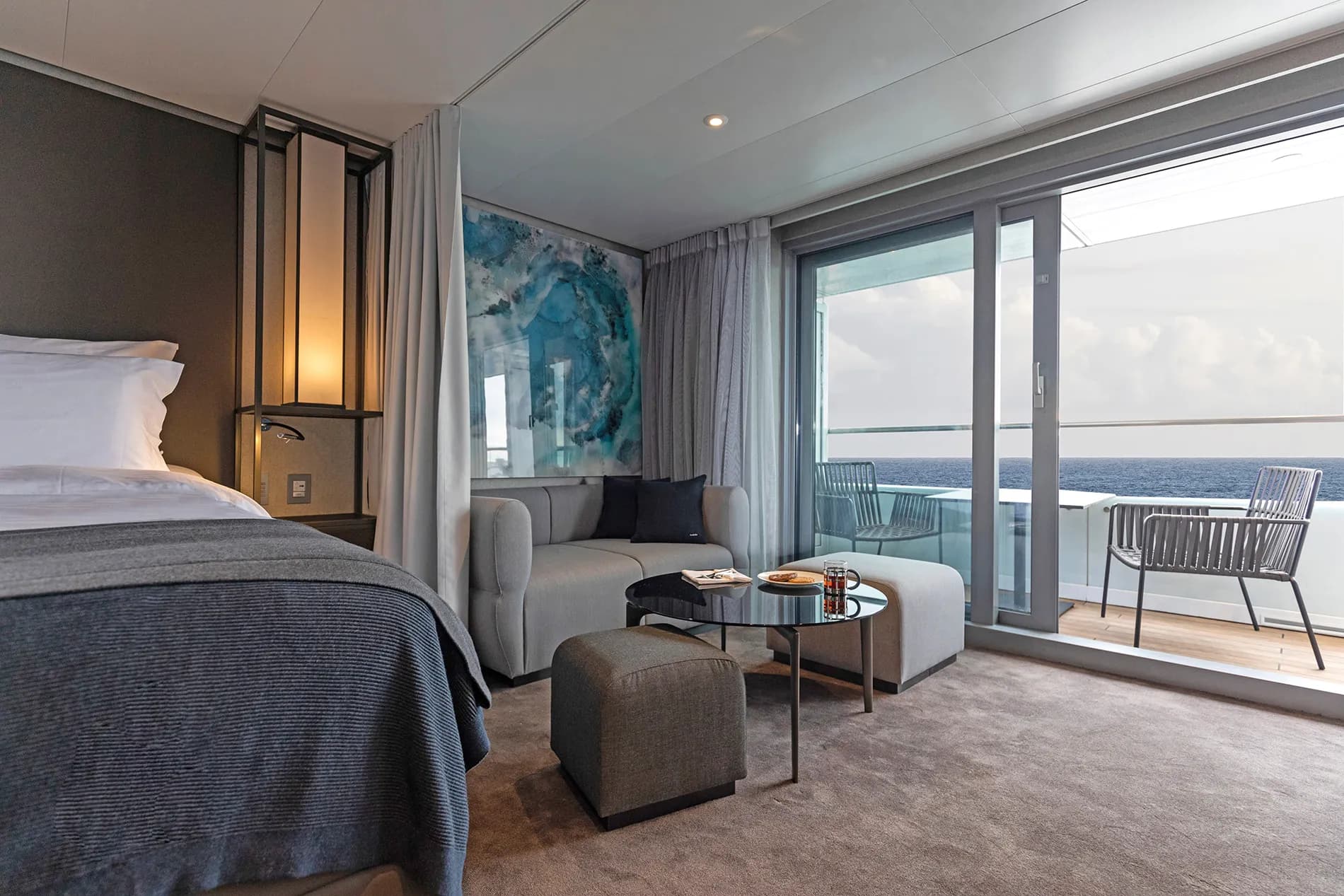
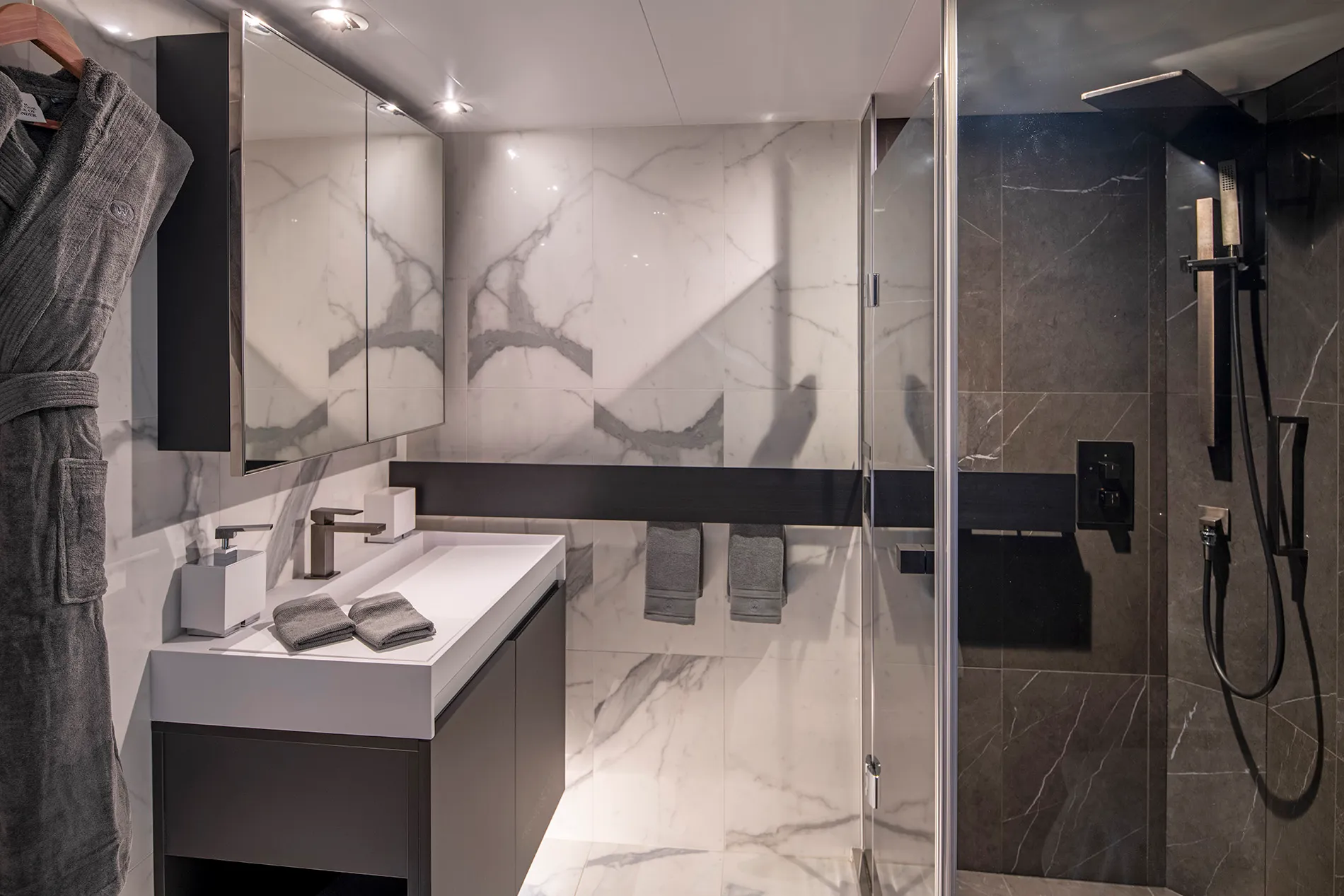
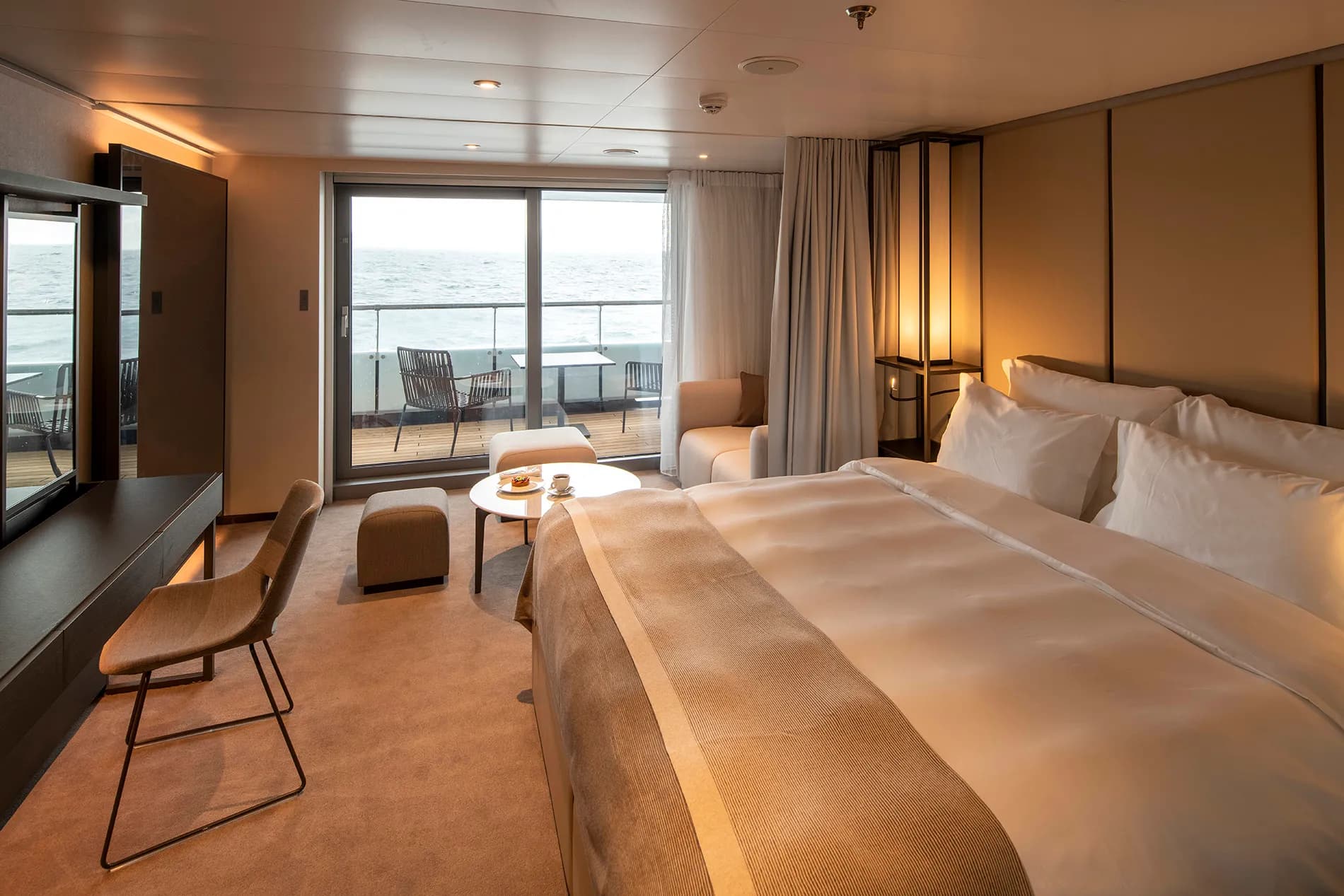
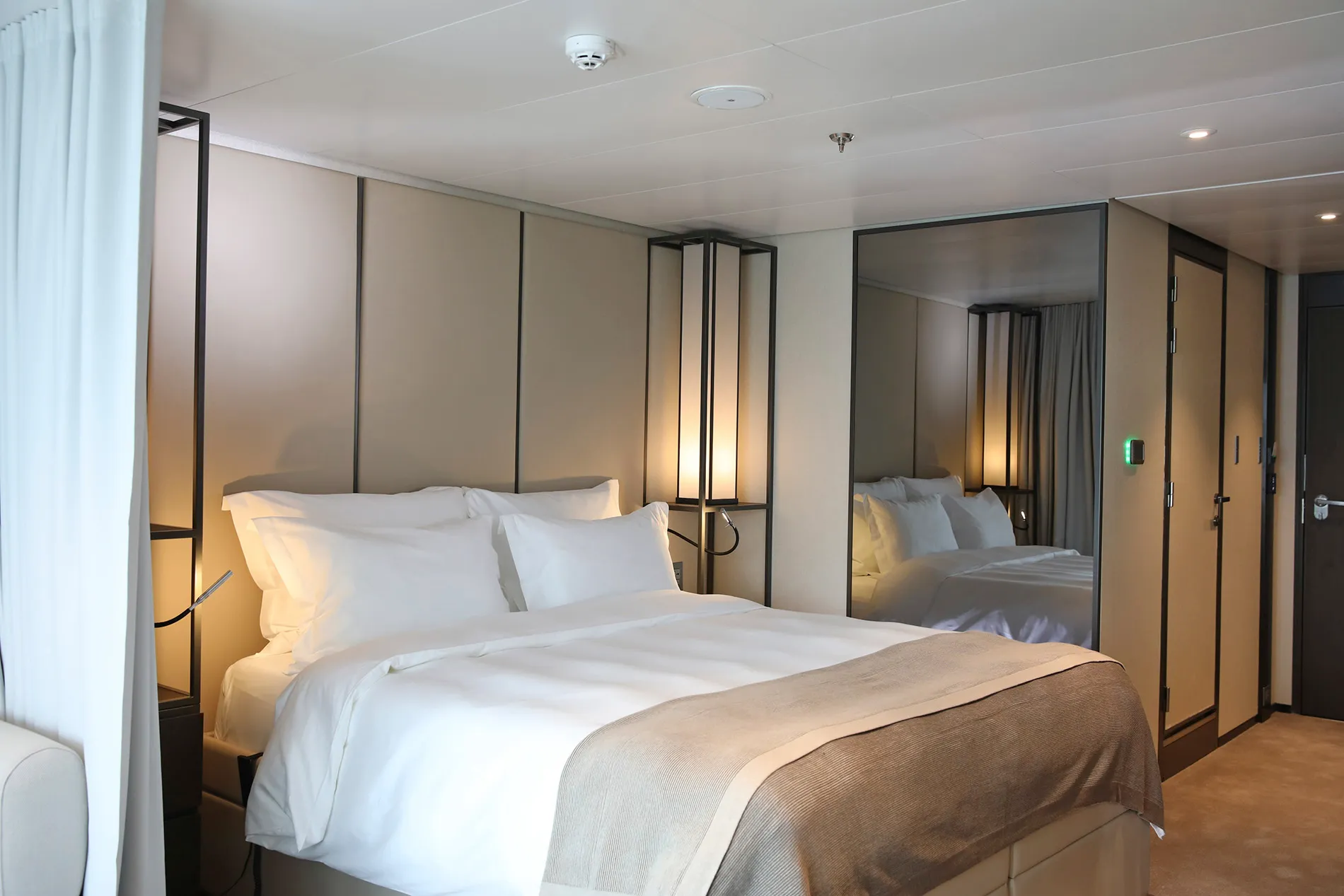
Our Verandah Suites provide a spacious and comfortable introduction to ocean cruising with the finest appointments and amenities.
Private Verandah
Luxury king size Slumber Bed
Separate sleep zone
Separate lounge area
En-suite bathroom with shower and vanity
Luxury bathroom amenities
Hypoallergenic air purification system
Butler service
Shoeshine service
Early morning tea/coffee service
In-suite beverage service
In-suite dining service
Full mini bar re-stocked daily
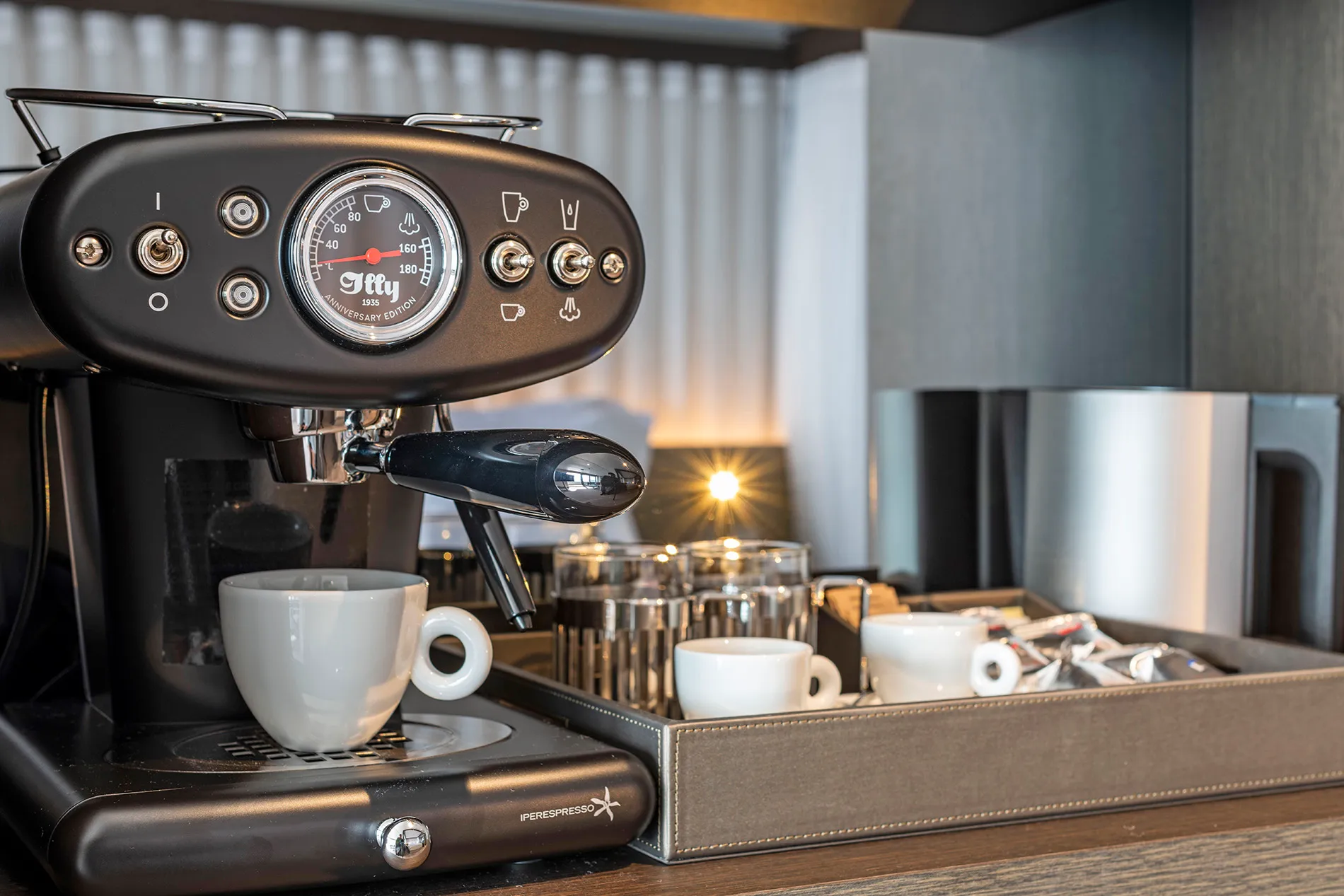
Personalised butler bar featuring Illy coffee and specialty teas (replenished daily)
HDTV and Bose sound system
Lounge AreaShowerToiletries ProvidedRoom Service AvailableTVFree Wi-Fi+9
Sold Out
View DetailsInterested in This Voyage?
Our cruise specialists can help you find the perfect cabin and the best available pricing.
Contact Advisor