May 17, 2026
10 nights
Lisbon
Portugal
Porto
Portugal


Scenic River Cruises
2016-04-01
1,780 GT
96 guests
36


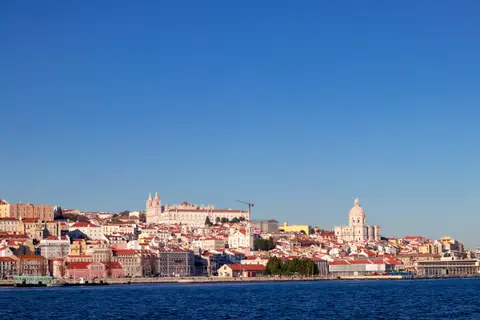
Lisbon, the capital of Portugal, is a city open to the sea and carefully planned with 18th-century elegance. Its founder is said to be the legendary Ulysses, but the theory of an original Phoenician settlement is probably more realistic. Known in Portugal as Lisboa, the city was inhabited by the Romans, Visigoths and, beginning in the 8th century, the Moors. Much of the 16th century was a period of great prosperity and overseas expansion for Portugal. Tragedy struck on All Saints' Day in 1755 with a devastating earthquake that killed about 40,000 people. The destruction of Lisbon shocked the continent. As a result, the Baixa (lower city) emerged in a single phase of building, carried out in less than a decade by the royal minister, the Marques de Pombal. His carefully planned layout of a perfect neo-classical grid survived to this day and remains the heart of the city. Evidence of pre-quake Lisbon can still be seen in the Belém suburb and the old Moorish section of the Alfama that sprawls below the Castle of St. George. Lisbon is a compact city on the banks of the Tagus River. Visitors find it easy to get around as many places of interest are in the vicinity of the central downtown area. There is a convenient bus and tram system and taxis are plentiful. Rossio Square, the heart of Lisbon since medieval times, is an ideal place to start exploring. After a fire destroyed parts of the historic neighborhood behind Rossio in 1988, many of the restored buildings emerged with modern interiors behind the original façades. The city boasts a good many monuments and museums, such as the Jeronimos Monastery, Tower of Belém, the Royal Coach Museum and the Gulbenkian Museum. High above the Baixa is the Bairro Alto (upper city) with its teeming nightlife. The easiest way to connect between the two areas is via the public elevator designed by Gustave Eiffel. Cruising up the Tagus River to the ship's berth, you can already spot three of Lisbon's famous landmarks: the Monument to the Discoveries, the Tower of Belém and the Statue of Christ, which welcomes visitors from its hilltop location high above Europe's longest suspension bridge.


Lisbon, the capital of Portugal, is a city open to the sea and carefully planned with 18th-century elegance. Its founder is said to be the legendary Ulysses, but the theory of an original Phoenician settlement is probably more realistic. Known in Portugal as Lisboa, the city was inhabited by the Romans, Visigoths and, beginning in the 8th century, the Moors. Much of the 16th century was a period of great prosperity and overseas expansion for Portugal. Tragedy struck on All Saints' Day in 1755 with a devastating earthquake that killed about 40,000 people. The destruction of Lisbon shocked the continent. As a result, the Baixa (lower city) emerged in a single phase of building, carried out in less than a decade by the royal minister, the Marques de Pombal. His carefully planned layout of a perfect neo-classical grid survived to this day and remains the heart of the city. Evidence of pre-quake Lisbon can still be seen in the Belém suburb and the old Moorish section of the Alfama that sprawls below the Castle of St. George. Lisbon is a compact city on the banks of the Tagus River. Visitors find it easy to get around as many places of interest are in the vicinity of the central downtown area. There is a convenient bus and tram system and taxis are plentiful. Rossio Square, the heart of Lisbon since medieval times, is an ideal place to start exploring. After a fire destroyed parts of the historic neighborhood behind Rossio in 1988, many of the restored buildings emerged with modern interiors behind the original façades. The city boasts a good many monuments and museums, such as the Jeronimos Monastery, Tower of Belém, the Royal Coach Museum and the Gulbenkian Museum. High above the Baixa is the Bairro Alto (upper city) with its teeming nightlife. The easiest way to connect between the two areas is via the public elevator designed by Gustave Eiffel. Cruising up the Tagus River to the ship's berth, you can already spot three of Lisbon's famous landmarks: the Monument to the Discoveries, the Tower of Belém and the Statue of Christ, which welcomes visitors from its hilltop location high above Europe's longest suspension bridge.


Lisbon, the capital of Portugal, is a city open to the sea and carefully planned with 18th-century elegance. Its founder is said to be the legendary Ulysses, but the theory of an original Phoenician settlement is probably more realistic. Known in Portugal as Lisboa, the city was inhabited by the Romans, Visigoths and, beginning in the 8th century, the Moors. Much of the 16th century was a period of great prosperity and overseas expansion for Portugal. Tragedy struck on All Saints' Day in 1755 with a devastating earthquake that killed about 40,000 people. The destruction of Lisbon shocked the continent. As a result, the Baixa (lower city) emerged in a single phase of building, carried out in less than a decade by the royal minister, the Marques de Pombal. His carefully planned layout of a perfect neo-classical grid survived to this day and remains the heart of the city. Evidence of pre-quake Lisbon can still be seen in the Belém suburb and the old Moorish section of the Alfama that sprawls below the Castle of St. George. Lisbon is a compact city on the banks of the Tagus River. Visitors find it easy to get around as many places of interest are in the vicinity of the central downtown area. There is a convenient bus and tram system and taxis are plentiful. Rossio Square, the heart of Lisbon since medieval times, is an ideal place to start exploring. After a fire destroyed parts of the historic neighborhood behind Rossio in 1988, many of the restored buildings emerged with modern interiors behind the original façades. The city boasts a good many monuments and museums, such as the Jeronimos Monastery, Tower of Belém, the Royal Coach Museum and the Gulbenkian Museum. High above the Baixa is the Bairro Alto (upper city) with its teeming nightlife. The easiest way to connect between the two areas is via the public elevator designed by Gustave Eiffel. Cruising up the Tagus River to the ship's berth, you can already spot three of Lisbon's famous landmarks: the Monument to the Discoveries, the Tower of Belém and the Statue of Christ, which welcomes visitors from its hilltop location high above Europe's longest suspension bridge.


Lisbon, the capital of Portugal, is a city open to the sea and carefully planned with 18th-century elegance. Its founder is said to be the legendary Ulysses, but the theory of an original Phoenician settlement is probably more realistic. Known in Portugal as Lisboa, the city was inhabited by the Romans, Visigoths and, beginning in the 8th century, the Moors. Much of the 16th century was a period of great prosperity and overseas expansion for Portugal. Tragedy struck on All Saints' Day in 1755 with a devastating earthquake that killed about 40,000 people. The destruction of Lisbon shocked the continent. As a result, the Baixa (lower city) emerged in a single phase of building, carried out in less than a decade by the royal minister, the Marques de Pombal. His carefully planned layout of a perfect neo-classical grid survived to this day and remains the heart of the city. Evidence of pre-quake Lisbon can still be seen in the Belém suburb and the old Moorish section of the Alfama that sprawls below the Castle of St. George. Lisbon is a compact city on the banks of the Tagus River. Visitors find it easy to get around as many places of interest are in the vicinity of the central downtown area. There is a convenient bus and tram system and taxis are plentiful. Rossio Square, the heart of Lisbon since medieval times, is an ideal place to start exploring. After a fire destroyed parts of the historic neighborhood behind Rossio in 1988, many of the restored buildings emerged with modern interiors behind the original façades. The city boasts a good many monuments and museums, such as the Jeronimos Monastery, Tower of Belém, the Royal Coach Museum and the Gulbenkian Museum. High above the Baixa is the Bairro Alto (upper city) with its teeming nightlife. The easiest way to connect between the two areas is via the public elevator designed by Gustave Eiffel. Cruising up the Tagus River to the ship's berth, you can already spot three of Lisbon's famous landmarks: the Monument to the Discoveries, the Tower of Belém and the Statue of Christ, which welcomes visitors from its hilltop location high above Europe's longest suspension bridge.


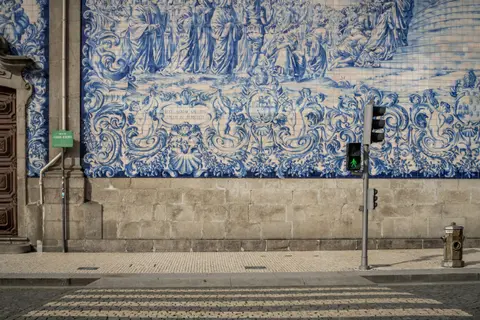
Lively, commercial Oporto is the second largest city in Portugal after Lisbon. Also called Porto for short, the word easily brings to mind the city's most famous product - port wine. Oporto's strategic location on the north bank of the Douro River has accounted for the town's importance since ancient times. The Romans built a fort here where their trading route crossed the Douro, and the Moors brought their own culture to the area. Oporto profited from provisioning crusaders en route to the Holy Land and enjoyed the riches from Portuguese maritime discoveries during the 15th and 16th centuries. Later, port wine trade with Britain compensated for the loss of the spice trade and the end of gold and gem shipments from Brazil. In the 19th century, the city went through a period of new prosperity with the rise of industries. In its wake followed the building of workers' quarters and opulent residences. Since the declaration of Oporto as a World Heritage Site by UNESCO, the city aims to build up a cultural reference that will provide it with a new image, based on deep historical roots. Among the attractions that make Oporto such an interesting place are its graceful bridges spanning the Douro River, a picturesque riverfront quarter and, most notable, its world-famous port wine lodges. Although Oporto is a bustling centre and home to many different businesses, the source of its greatest fame is the rich, sweet fortified red wine we know as port.


Lively, commercial Oporto is the second largest city in Portugal after Lisbon. Also called Porto for short, the word easily brings to mind the city's most famous product - port wine. Oporto's strategic location on the north bank of the Douro River has accounted for the town's importance since ancient times. The Romans built a fort here where their trading route crossed the Douro, and the Moors brought their own culture to the area. Oporto profited from provisioning crusaders en route to the Holy Land and enjoyed the riches from Portuguese maritime discoveries during the 15th and 16th centuries. Later, port wine trade with Britain compensated for the loss of the spice trade and the end of gold and gem shipments from Brazil. In the 19th century, the city went through a period of new prosperity with the rise of industries. In its wake followed the building of workers' quarters and opulent residences. Since the declaration of Oporto as a World Heritage Site by UNESCO, the city aims to build up a cultural reference that will provide it with a new image, based on deep historical roots. Among the attractions that make Oporto such an interesting place are its graceful bridges spanning the Douro River, a picturesque riverfront quarter and, most notable, its world-famous port wine lodges. Although Oporto is a bustling centre and home to many different businesses, the source of its greatest fame is the rich, sweet fortified red wine we know as port.

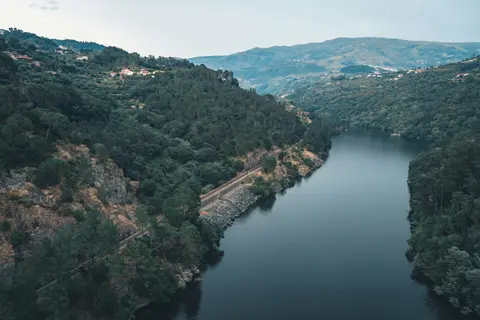
At about 21:00 on the night of 4 March 2001, the Hintze Ribeiro disaster occurred when the steel and concrete Hintze Ribeiro Bridge collapsed in Entre-os-Rios, Castelo de Paiva, northern Portugal, killing 59 people, including those in a bus from the Asadouro company and three cars that were crossing the Douro river.

At about 21:00 on the night of 4 March 2001, the Hintze Ribeiro disaster occurred when the steel and concrete Hintze Ribeiro Bridge collapsed in Entre-os-Rios, Castelo de Paiva, northern Portugal, killing 59 people, including those in a bus from the Asadouro company and three cars that were crossing the Douro river.
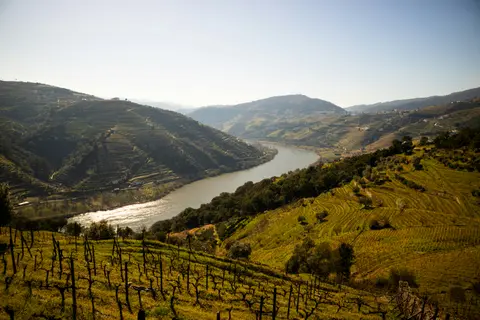
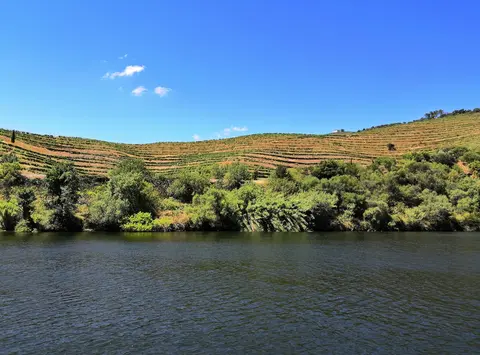
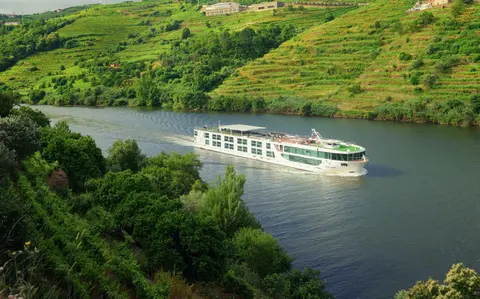
Régua is the largest city on the banks of the Douro in this wine-growing valley. The scenery in this region is simply magical, thanks to the pristine river, which meanders past steep slate slopes and terraces clad with vines. It is such a beautiful place that the Alto Douro has been a UNESCO World Heritage Site since 2001. The town played a fundamental role in the production and marketing of port wine – which was transported away by sailing boat – as early as the 18th century. If you would like to learn more, visit the Douro Museum, which provides a wealth of information about the world’s first protected wine-growing area. Then, take a walk to the popular viewing platforms São Leonardo da Galafura and São Salvador do Mundo and enjoy the panoramic views of the river landscape and the elegant bridges that lead into town. It is also worth visiting the old centre, uphill from the river. You’ll find several listed churches and townhouses there.


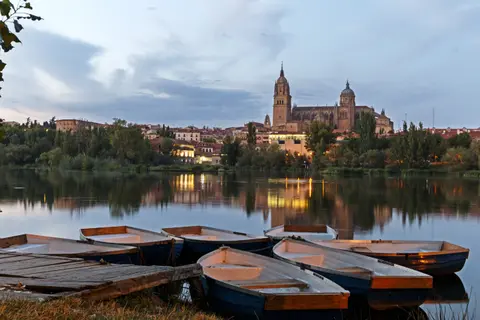
Vega de Terron is a Douro River cruise port in Spain and the gateway to Salamanca (Spain). Town's most distinctive feature is the fountain Chafariz dos Pretos (located close to market.


Vega de Terron is a Douro River cruise port in Spain and the gateway to Salamanca (Spain). Town's most distinctive feature is the fountain Chafariz dos Pretos (located close to market.

Pocinho is a village in northern Portugal, located in the Vila Nova de Foz Côa Municipality. The Pocinho Dam and the River Douro are nearby. Pocinho railway station is the eastern terminus of the Douro railway line; the community developed with the arrival of the railway in 1887.

Pocinho is a village in northern Portugal, located in the Vila Nova de Foz Côa Municipality. The Pocinho Dam and the River Douro are nearby. Pocinho railway station is the eastern terminus of the Douro railway line; the community developed with the arrival of the railway in 1887.


The little town of Pinhão is located in the famous port wine region, in the area where the Douro and its surrounding landscape are at their most picturesque. It is surrounded by enchanting vineyards and the quintas that produce the wine. You can visit them from Pinhão and enjoy tours and wine tasting. To get there, you can either follow walking trails with glorious views or take a boat that also ferries visitors to interesting stretches of the river. One of the best-known walking trails takes you from the Douro bridge up seven kilometres of the hilly Rua Praça de Oliveira as far as the Casal de Loivos viewing point. The town itself is very unspoilt and has a lovely atmosphere, which makes it a splendid place for a stroll. Be sure to take a look at the Linha do Douro train station, which is decorated with richly coloured azulejo tiles. There are numerous restaurants in town, many of them right on the riverside.


The little town of Pinhão is located in the famous port wine region, in the area where the Douro and its surrounding landscape are at their most picturesque. It is surrounded by enchanting vineyards and the quintas that produce the wine. You can visit them from Pinhão and enjoy tours and wine tasting. To get there, you can either follow walking trails with glorious views or take a boat that also ferries visitors to interesting stretches of the river. One of the best-known walking trails takes you from the Douro bridge up seven kilometres of the hilly Rua Praça de Oliveira as far as the Casal de Loivos viewing point. The town itself is very unspoilt and has a lovely atmosphere, which makes it a splendid place for a stroll. Be sure to take a look at the Linha do Douro train station, which is decorated with richly coloured azulejo tiles. There are numerous restaurants in town, many of them right on the riverside.


The little town of Pinhão is located in the famous port wine region, in the area where the Douro and its surrounding landscape are at their most picturesque. It is surrounded by enchanting vineyards and the quintas that produce the wine. You can visit them from Pinhão and enjoy tours and wine tasting. To get there, you can either follow walking trails with glorious views or take a boat that also ferries visitors to interesting stretches of the river. One of the best-known walking trails takes you from the Douro bridge up seven kilometres of the hilly Rua Praça de Oliveira as far as the Casal de Loivos viewing point. The town itself is very unspoilt and has a lovely atmosphere, which makes it a splendid place for a stroll. Be sure to take a look at the Linha do Douro train station, which is decorated with richly coloured azulejo tiles. There are numerous restaurants in town, many of them right on the riverside.


Lively, commercial Oporto is the second largest city in Portugal after Lisbon. Also called Porto for short, the word easily brings to mind the city's most famous product - port wine. Oporto's strategic location on the north bank of the Douro River has accounted for the town's importance since ancient times. The Romans built a fort here where their trading route crossed the Douro, and the Moors brought their own culture to the area. Oporto profited from provisioning crusaders en route to the Holy Land and enjoyed the riches from Portuguese maritime discoveries during the 15th and 16th centuries. Later, port wine trade with Britain compensated for the loss of the spice trade and the end of gold and gem shipments from Brazil. In the 19th century, the city went through a period of new prosperity with the rise of industries. In its wake followed the building of workers' quarters and opulent residences. Since the declaration of Oporto as a World Heritage Site by UNESCO, the city aims to build up a cultural reference that will provide it with a new image, based on deep historical roots. Among the attractions that make Oporto such an interesting place are its graceful bridges spanning the Douro River, a picturesque riverfront quarter and, most notable, its world-famous port wine lodges. Although Oporto is a bustling centre and home to many different businesses, the source of its greatest fame is the rich, sweet fortified red wine we know as port.


Lively, commercial Oporto is the second largest city in Portugal after Lisbon. Also called Porto for short, the word easily brings to mind the city's most famous product - port wine. Oporto's strategic location on the north bank of the Douro River has accounted for the town's importance since ancient times. The Romans built a fort here where their trading route crossed the Douro, and the Moors brought their own culture to the area. Oporto profited from provisioning crusaders en route to the Holy Land and enjoyed the riches from Portuguese maritime discoveries during the 15th and 16th centuries. Later, port wine trade with Britain compensated for the loss of the spice trade and the end of gold and gem shipments from Brazil. In the 19th century, the city went through a period of new prosperity with the rise of industries. In its wake followed the building of workers' quarters and opulent residences. Since the declaration of Oporto as a World Heritage Site by UNESCO, the city aims to build up a cultural reference that will provide it with a new image, based on deep historical roots. Among the attractions that make Oporto such an interesting place are its graceful bridges spanning the Douro River, a picturesque riverfront quarter and, most notable, its world-famous port wine lodges. Although Oporto is a bustling centre and home to many different businesses, the source of its greatest fame is the rich, sweet fortified red wine we know as port.


Lively, commercial Oporto is the second largest city in Portugal after Lisbon. Also called Porto for short, the word easily brings to mind the city's most famous product - port wine. Oporto's strategic location on the north bank of the Douro River has accounted for the town's importance since ancient times. The Romans built a fort here where their trading route crossed the Douro, and the Moors brought their own culture to the area. Oporto profited from provisioning crusaders en route to the Holy Land and enjoyed the riches from Portuguese maritime discoveries during the 15th and 16th centuries. Later, port wine trade with Britain compensated for the loss of the spice trade and the end of gold and gem shipments from Brazil. In the 19th century, the city went through a period of new prosperity with the rise of industries. In its wake followed the building of workers' quarters and opulent residences. Since the declaration of Oporto as a World Heritage Site by UNESCO, the city aims to build up a cultural reference that will provide it with a new image, based on deep historical roots. Among the attractions that make Oporto such an interesting place are its graceful bridges spanning the Douro River, a picturesque riverfront quarter and, most notable, its world-famous port wine lodges. Although Oporto is a bustling centre and home to many different businesses, the source of its greatest fame is the rich, sweet fortified red wine we know as port.


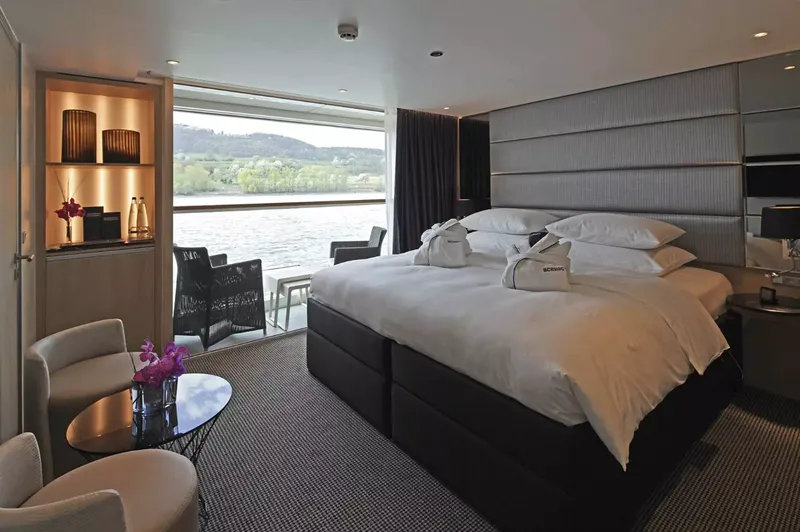
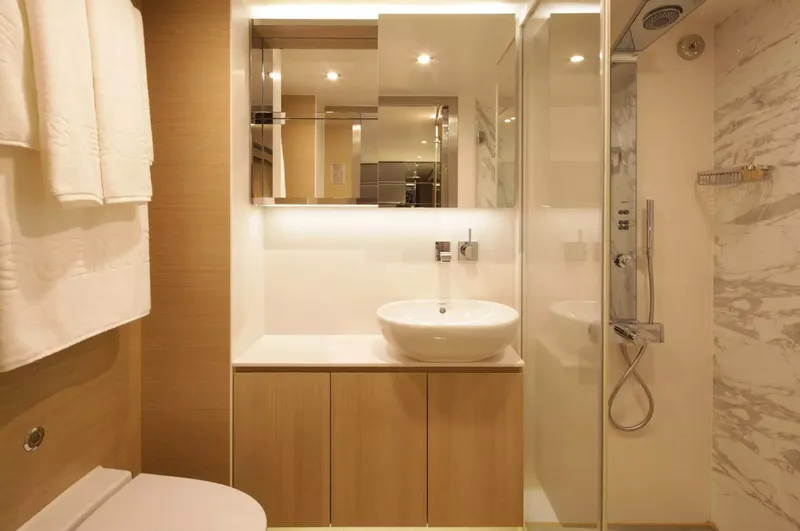
These 247ft2 spacious Suites, located on the Sapphire and Diamond Decks, have a private full-length balcony complete with a Scenic Sun Lounge and elegant en-suite bathrooms featuring a large vanity basin and shower.
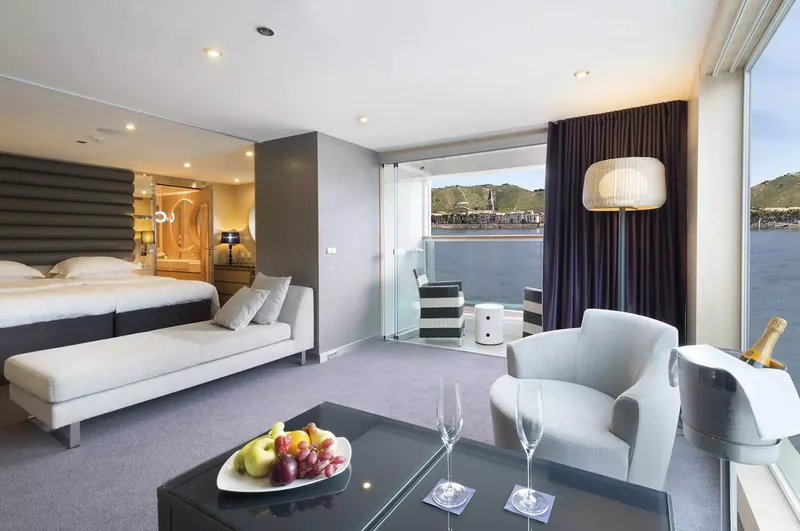
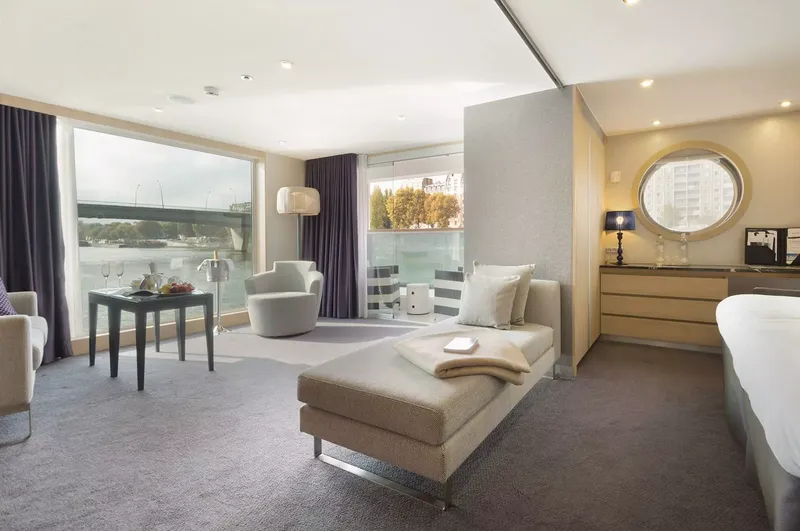
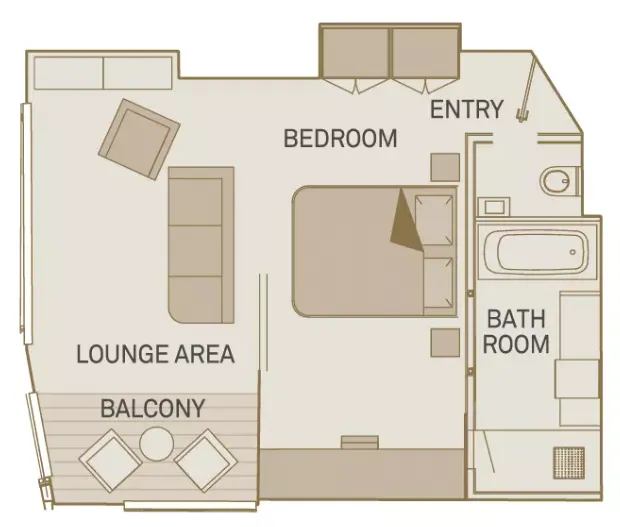


At 420ft², this is the largest suite on the ship. Located on the Diamond Deck, both suites enjoy fantastic views of the passing scenery from your private balcony complete with Scenic Sun Lounge. Each Suite has a separate lounge area and a luxurious bathroom offering a separate bath and shower.
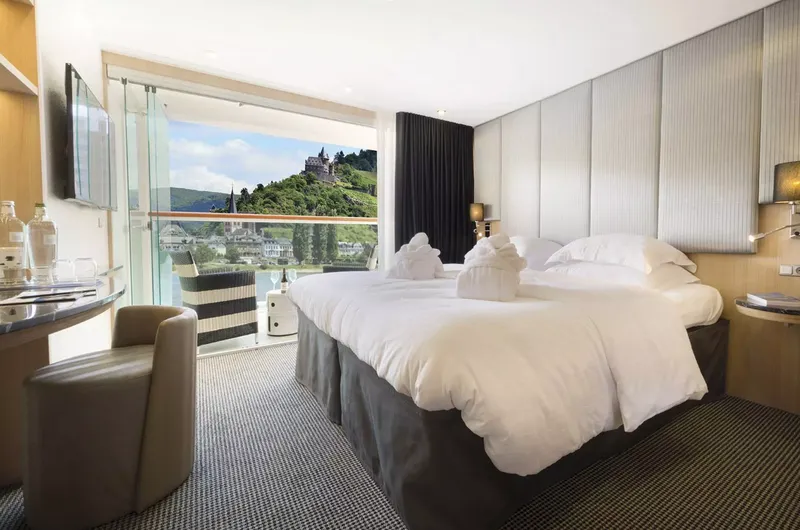
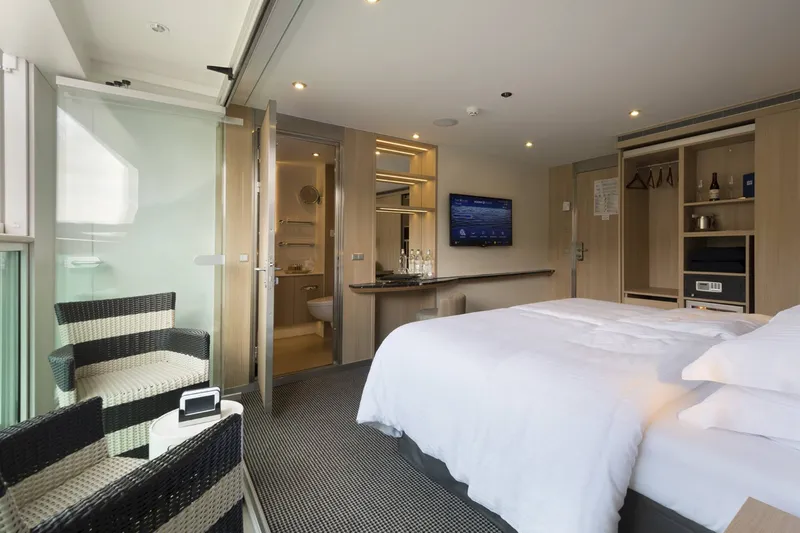
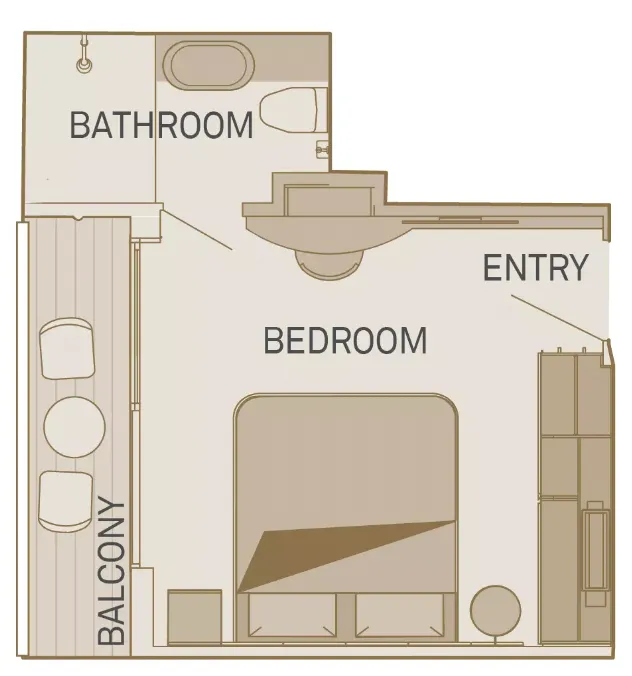


Located on the Sapphire and Diamond Decks these stylishly decorated suites feature a full-length outdoor balcony with the exclusive Scenic Sun Lounge system and offer private bathrooms with a luxurious vanity basin and shower.
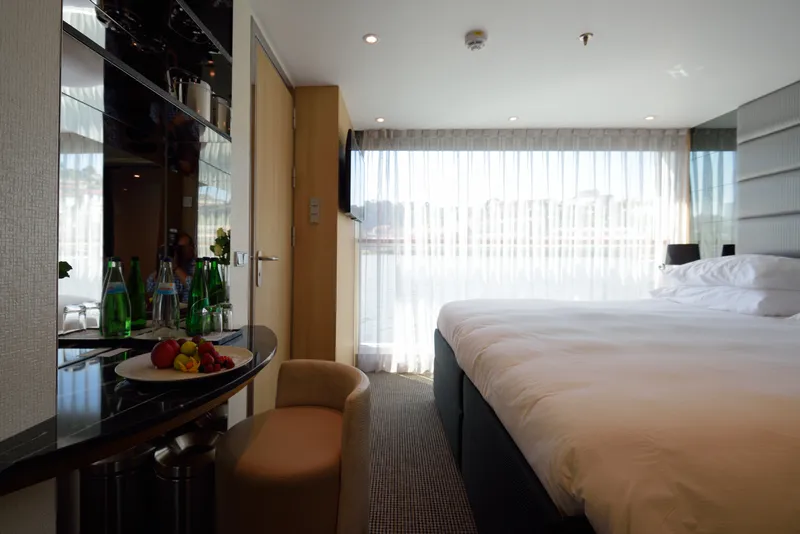
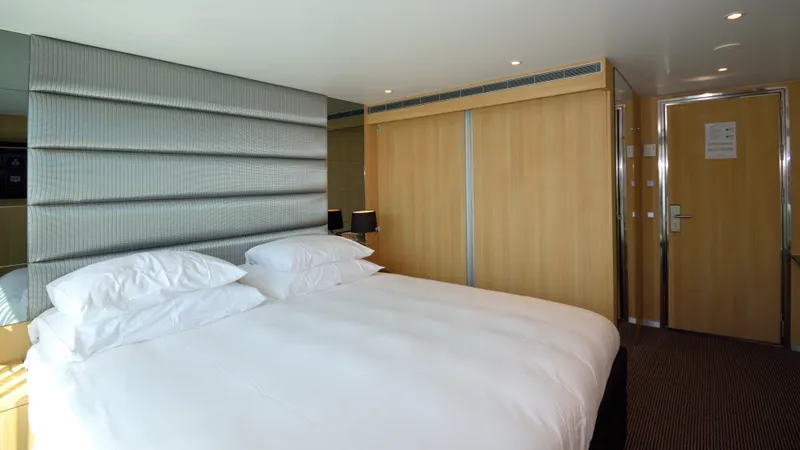
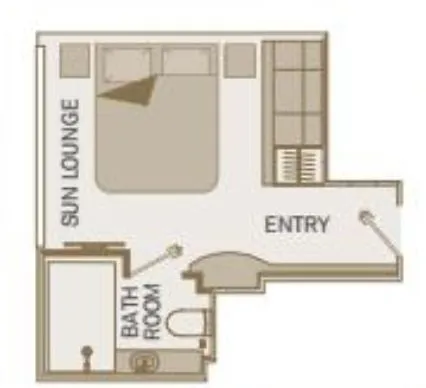


The 182ft2 Riverview Suite is located on the Sapphire deck. This stylishly decorated suite features a spacious bathroom with premium toiletries. This suite also benefits from the exclusive Scenic Sun Lounge system
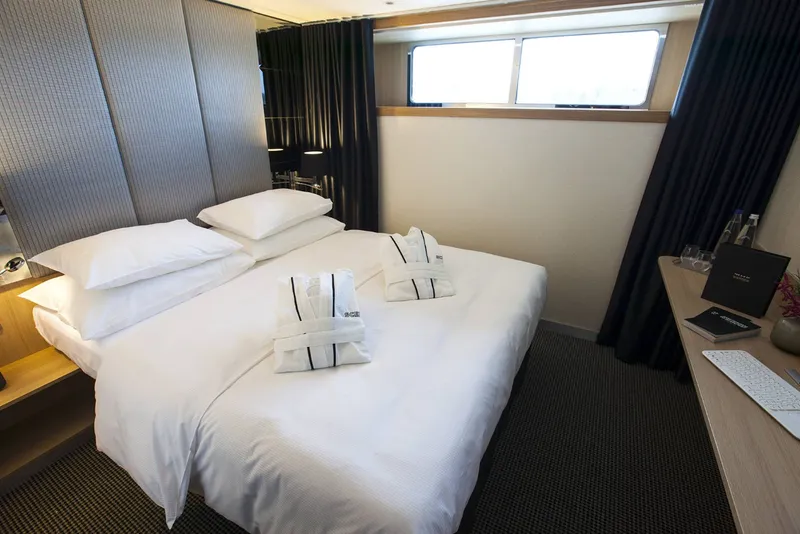
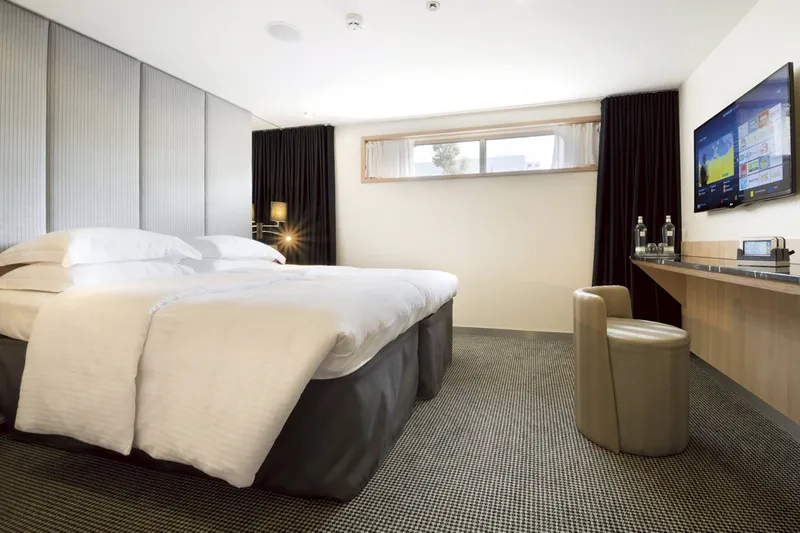
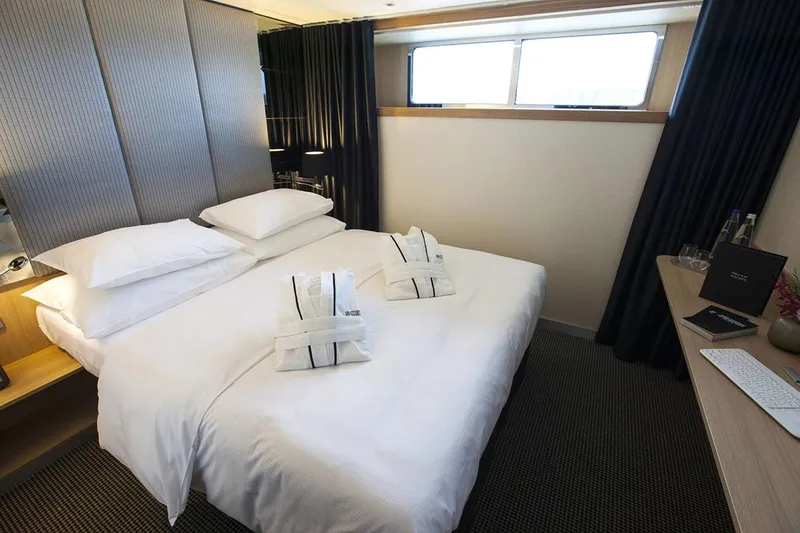
Standard Suites are 172ft2 and are located on the Jewel Deck with large picture windows to ensure a great view. They have a spacious design and clever layout alongside all the usual luxurious amenities and furnishings.
Our cruise specialists can help you find the perfect cabin and the best available pricing.
Contact Advisor