Scenic River CruisesFCCL260426.1
Idyllic Rhône from Lyon
Date
2026-04-26
Duration
7 nights
Departure Port
Lyon
France
Arrival Port
Marseille
France
Rating
Luxury
Theme
—
Date
2026-04-26
Duration
7 nights
Departure Port
Lyon
France
Arrival Port
Marseille
France
Rating
Luxury
Theme
—

Scenic River Cruises
Space-Ship
2008
2024
2,721 GT
151
—
53
—
—
—
No
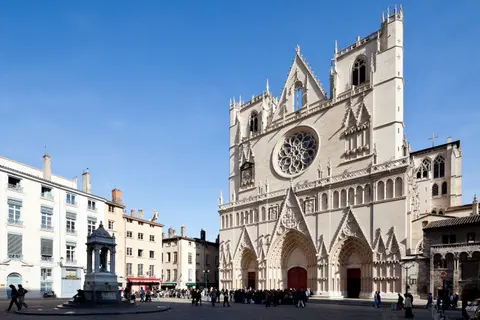
Lyon sits at the confluence of the Rhône and the Saône — a geographic destiny that made it the capital of Roman Gaul, a Renaissance silk-trading powerhouse, and, by contemporary consensus, the undisputed gastronomic capital of France. The UNESCO-listed Vieux Lyon preserves Europe's finest concentration of Renaissance architecture, its labyrinthine traboules — secret passageways threading through courtyard after courtyard — offering endless discovery. Paul Bocuse's legacy lives on in the city's constellation of bouchons, where quenelles de brochet and tablier de sapeur are served with the straightforward confidence of a city that has never needed to prove its culinary supremacy. Lyon rewards a visit in any season, with the Festival of Lights in December being particularly magical.
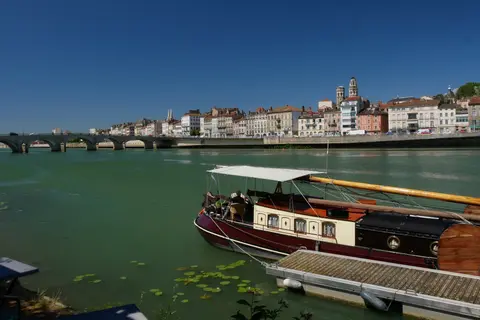
Mâcon, a historic city in Burgundy, is a captivating port known for its rich heritage, charming architecture, and vibrant culinary scene. Must-do experiences include savoring local specialties such as "poulet de Bresse" and exploring the bustling Mâcon market. The best season to visit is spring, when the surrounding vineyards are lush and the local festivals bring the city's culture to life.
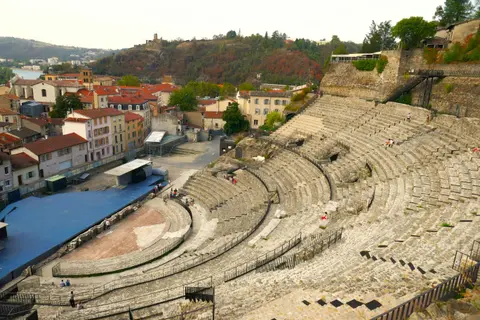
Vienne is a historic French city on the Rhône, 35 kilometres south of Lyon, where an exceptionally preserved Roman temple and a thirteen-thousand-seat ancient theatre anchor a rich cultural landscape spanning two millennia. Visitors should not miss the Temple of Augustus and Livia and a gastronomic pilgrimage to La Pyramide, the restaurant that redefined modern French cuisine. The ideal season is late June through July, when the Jazz à Vienne festival transforms the Roman theatre into one of Europe's most atmospheric open-air concert venues, and the Rhône Valley vineyards reach their luminous peak.
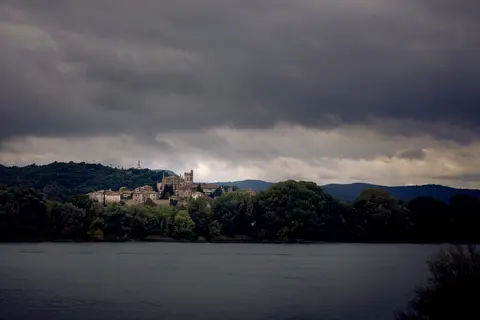
Viviers is one of France's most beautifully preserved medieval secrets — a cathedral town of barely four thousand souls perched on a limestone spur above the Rhône, serving as an episcopal seat since the fifth century when its bishops chose this formidable rock over the declining Roman city below. The Romanesque bell tower, vaulted passageways, and Renaissance townhouses of the haute ville form an ensemble of extraordinary architectural coherence, virtually unaltered since the seventeenth century. River cruise guests arriving from Lyon or Avignon typically spend languid afternoons exploring these narrow, time-suspended streets, best visited in spring or early autumn when Rhône Valley light is at its most golden.
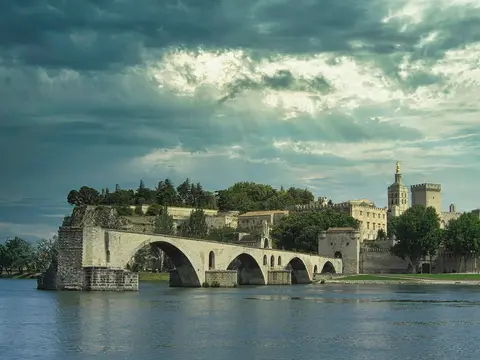
Avignon's Palais des Papes — a fortress-palace of staggering medieval ambition where seven successive popes held court for seventy years — still dominates this Provençal city's skyline, its limestone bulk enclosing frescoed chapels and vast ceremonial halls that once shaped the destiny of Christendom. In July, the city transforms for the celebrated Festival d'Avignon, Europe's premier theatre gathering, turning every courtyard and cloister into a stage. Year-round, the beautifully preserved historic centre offers world-class Rhône Valley wines, refined Provençal cuisine, and the beguiling spectacle of the Pont Saint-Bénézet stretching halfway across the river. Lyon and Marseille are each accessible in under ninety minutes by TGV.
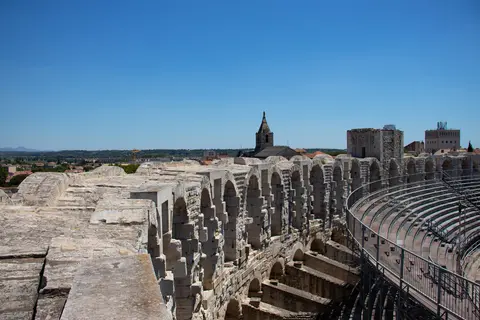
Arles, the most important city in Roman Gaul after Lyon, wears its history with casual magnificence: a first-century amphitheatre still hosts bullfights beneath open skies, and the haunting Alyscamps necropolis — once among the most prestigious burial grounds in the Western world — lines a poplar-shaded avenue with ancient sarcophagi. Yet Arles is equally celebrated as the city that intoxicated Vincent van Gogh, who produced over three hundred works here in fifteen fevered months; the Fondation Vincent van Gogh now honors his legacy in beautifully renovated rooms. Spring and autumn are ideal, with the Camargue's flamingo-filled wetlands just minutes south. Lyon is two hours north by TGV.
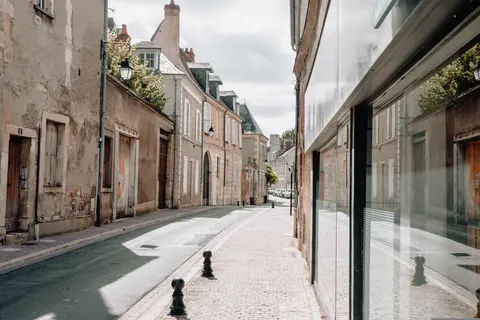
Tarascon-sur-Rhône is a medieval Provençal treasure on the banks of the Rhône, defined by its magnificently preserved fifteenth-century château and the UNESCO-listed Fêtes de la Tarasque. Visitors should not miss exploring the castle's Gothic halls and savouring gardiane de taureau, the signature Camargue bull stew, at a riverside table. The ideal season to visit is late April through June, when lavender begins to bloom, the legendary Tarasque festival enlivens the streets, and the Provençal light is at its most luminous.
Day 1
Lyon sits at the confluence of the Rhône and the Saône — a geographic destiny that made it the capital of Roman Gaul, a Renaissance silk-trading powerhouse, and, by contemporary consensus, the undisputed gastronomic capital of France. The UNESCO-listed Vieux Lyon preserves Europe's finest concentration of Renaissance architecture, its labyrinthine traboules — secret passageways threading through courtyard after courtyard — offering endless discovery. Paul Bocuse's legacy lives on in the city's constellation of bouchons, where quenelles de brochet and tablier de sapeur are served with the straightforward confidence of a city that has never needed to prove its culinary supremacy. Lyon rewards a visit in any season, with the Festival of Lights in December being particularly magical.
Day 3
Mâcon, a historic city in Burgundy, is a captivating port known for its rich heritage, charming architecture, and vibrant culinary scene. Must-do experiences include savoring local specialties such as "poulet de Bresse" and exploring the bustling Mâcon market. The best season to visit is spring, when the surrounding vineyards are lush and the local festivals bring the city's culture to life.
Day 4
Vienne is a historic French city on the Rhône, 35 kilometres south of Lyon, where an exceptionally preserved Roman temple and a thirteen-thousand-seat ancient theatre anchor a rich cultural landscape spanning two millennia. Visitors should not miss the Temple of Augustus and Livia and a gastronomic pilgrimage to La Pyramide, the restaurant that redefined modern French cuisine. The ideal season is late June through July, when the Jazz à Vienne festival transforms the Roman theatre into one of Europe's most atmospheric open-air concert venues, and the Rhône Valley vineyards reach their luminous peak.
Day 5
Viviers is one of France's most beautifully preserved medieval secrets — a cathedral town of barely four thousand souls perched on a limestone spur above the Rhône, serving as an episcopal seat since the fifth century when its bishops chose this formidable rock over the declining Roman city below. The Romanesque bell tower, vaulted passageways, and Renaissance townhouses of the haute ville form an ensemble of extraordinary architectural coherence, virtually unaltered since the seventeenth century. River cruise guests arriving from Lyon or Avignon typically spend languid afternoons exploring these narrow, time-suspended streets, best visited in spring or early autumn when Rhône Valley light is at its most golden.
Day 6
Avignon's Palais des Papes — a fortress-palace of staggering medieval ambition where seven successive popes held court for seventy years — still dominates this Provençal city's skyline, its limestone bulk enclosing frescoed chapels and vast ceremonial halls that once shaped the destiny of Christendom. In July, the city transforms for the celebrated Festival d'Avignon, Europe's premier theatre gathering, turning every courtyard and cloister into a stage. Year-round, the beautifully preserved historic centre offers world-class Rhône Valley wines, refined Provençal cuisine, and the beguiling spectacle of the Pont Saint-Bénézet stretching halfway across the river. Lyon and Marseille are each accessible in under ninety minutes by TGV.
Day 7
Arles, the most important city in Roman Gaul after Lyon, wears its history with casual magnificence: a first-century amphitheatre still hosts bullfights beneath open skies, and the haunting Alyscamps necropolis — once among the most prestigious burial grounds in the Western world — lines a poplar-shaded avenue with ancient sarcophagi. Yet Arles is equally celebrated as the city that intoxicated Vincent van Gogh, who produced over three hundred works here in fifteen fevered months; the Fondation Vincent van Gogh now honors his legacy in beautifully renovated rooms. Spring and autumn are ideal, with the Camargue's flamingo-filled wetlands just minutes south. Lyon is two hours north by TGV.
Day 8
Tarascon-sur-Rhône is a medieval Provençal treasure on the banks of the Rhône, defined by its magnificently preserved fifteenth-century château and the UNESCO-listed Fêtes de la Tarasque. Visitors should not miss exploring the castle's Gothic halls and savouring gardiane de taureau, the signature Camargue bull stew, at a riverside table. The ideal season to visit is late April through June, when lavender begins to bloom, the legendary Tarasque festival enlivens the streets, and the Provençal light is at its most luminous.
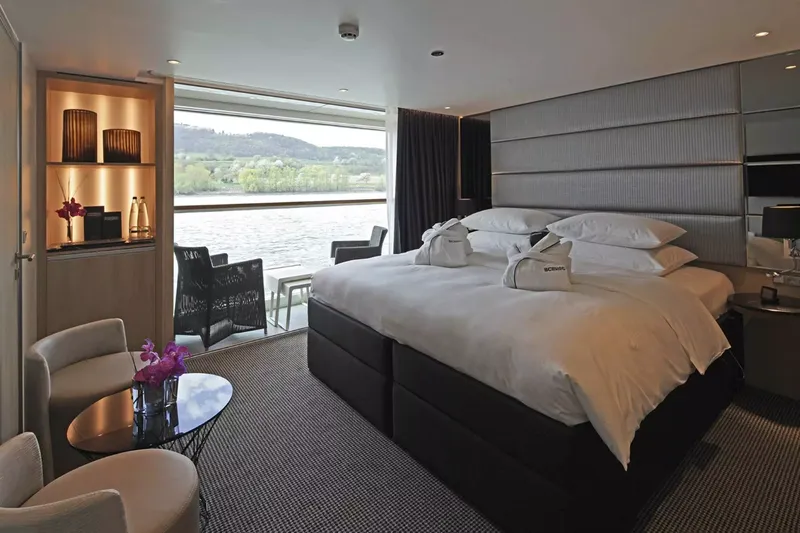
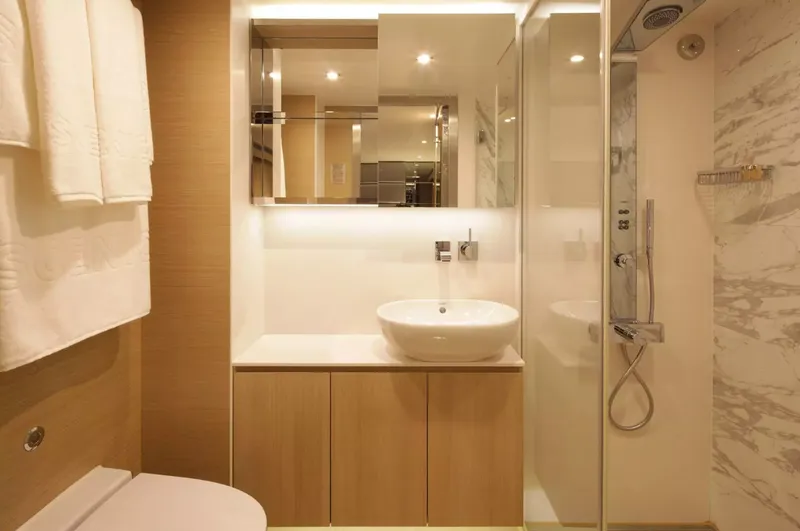
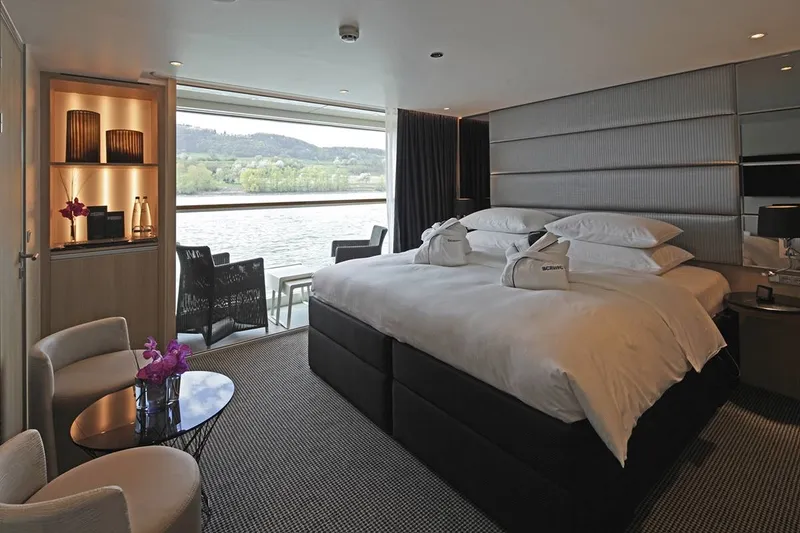
These spacious Suites (250ft²), located on the Sapphire and Diamond Decks, have a private full-length balcony and elegant en-suite bathrooms featuring a large vanity basin, bathtub with shower above.
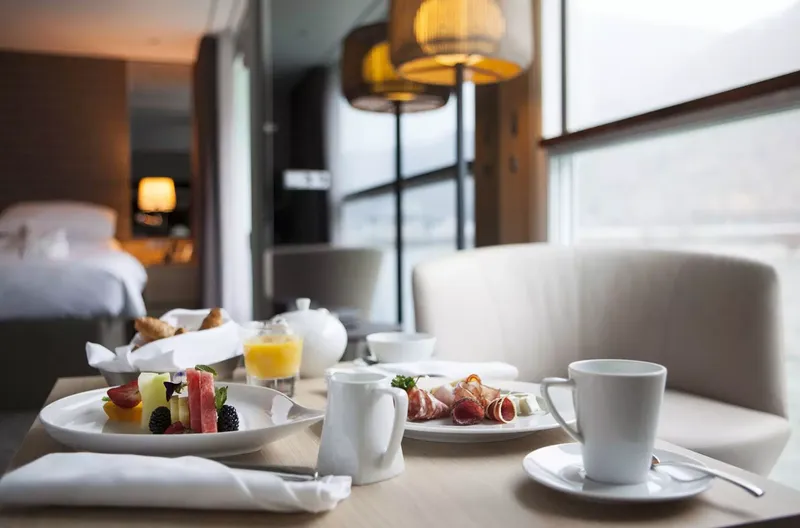
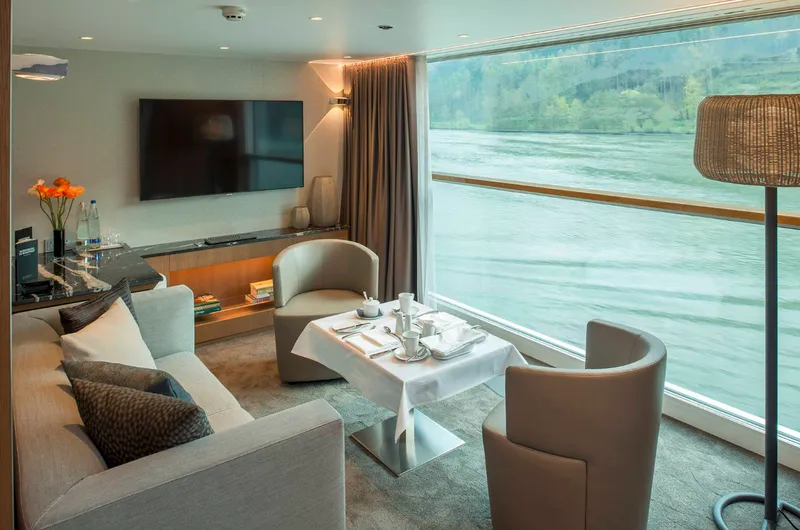
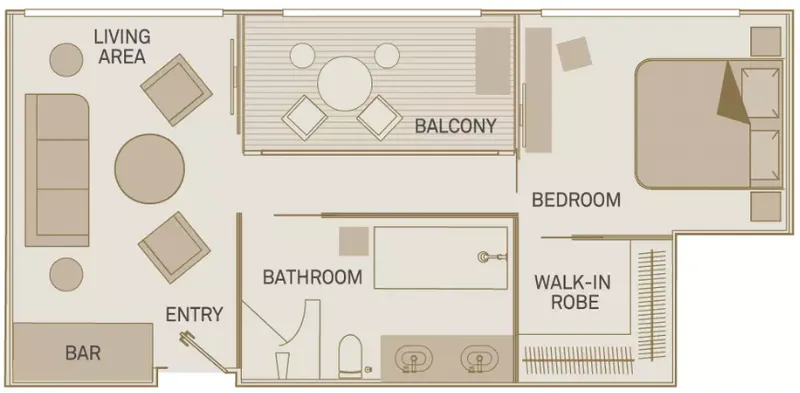
These Suites on the Diamond Deck are the ultimate in luxury with more space (315ft²), impeccable service, thoughtful touches, an outdoor balcony, lounge area and an oversized bathroom.
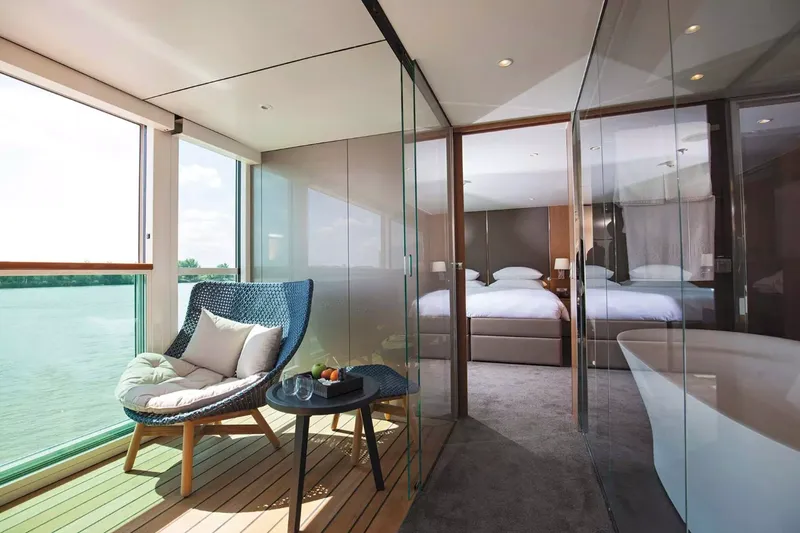
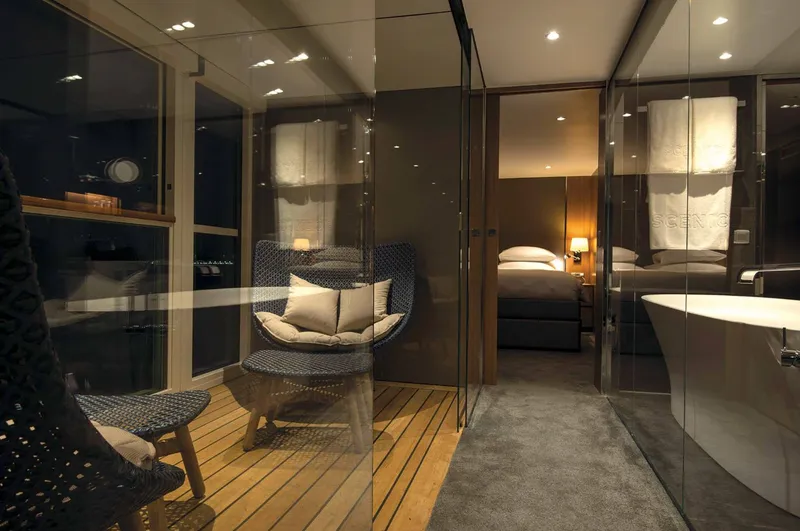
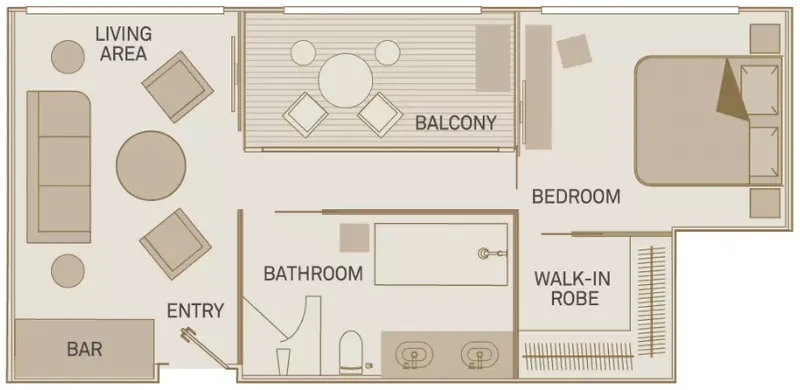
These Suites on the Diamond Deck are the ultimate in luxury with more space (315ft²), impeccable service, thoughtful touches, an outdoor balcony, lounge area and an oversized bathroom.
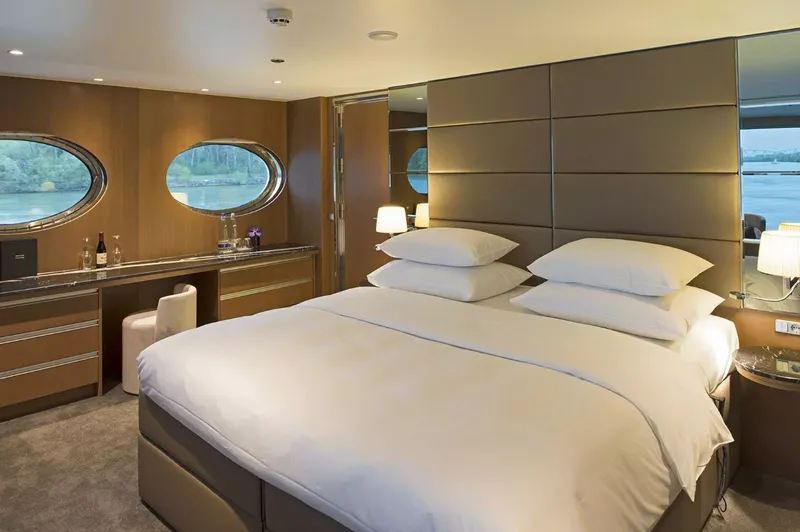
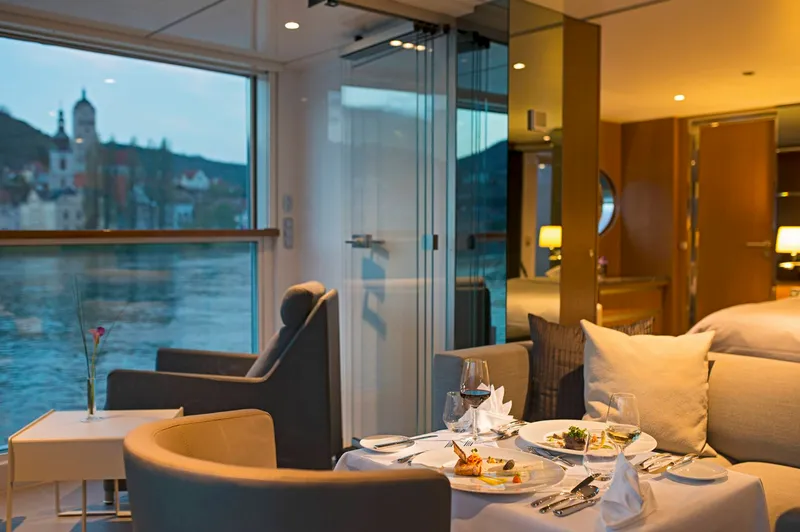
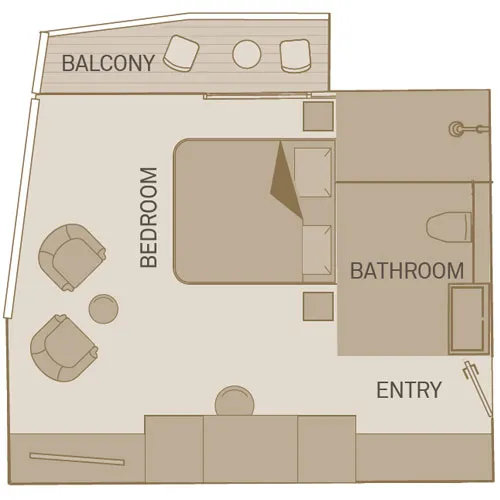
At 325ft², and at the rear of the Diamond Deck, enjoy panoramic views of the breathtaking passing scenery through floor to ceiling windows across two walls of the cabin.
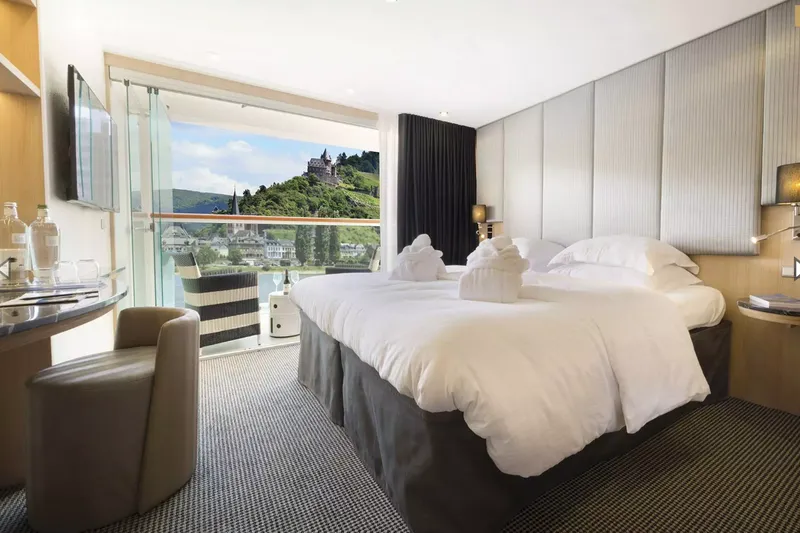
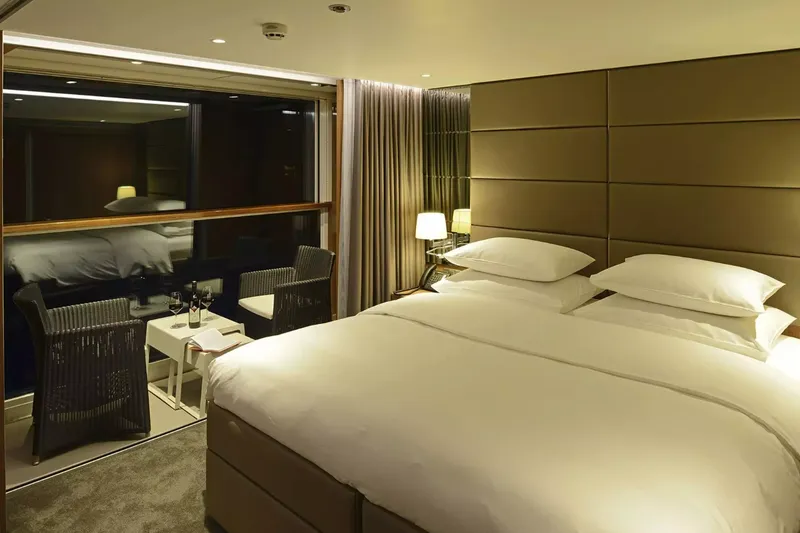
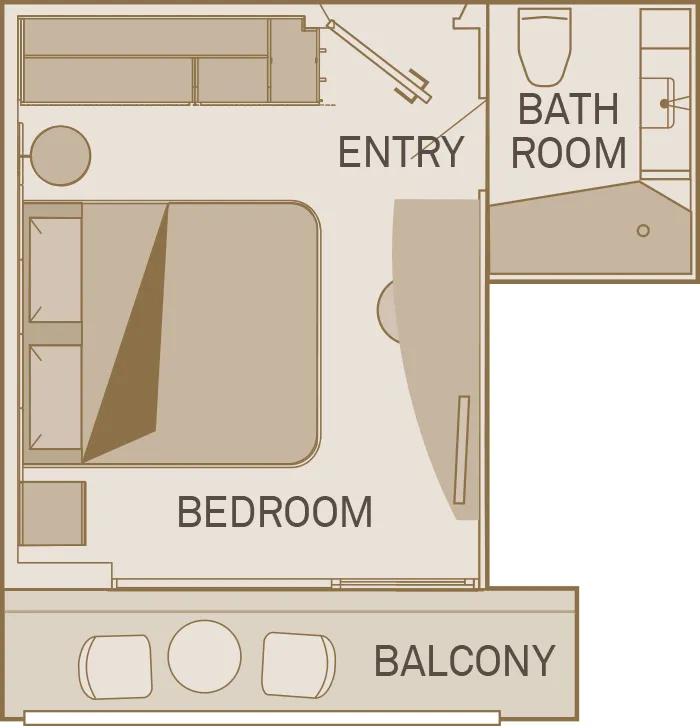
Located on the Sapphire and Diamond Decks they feature a full-length outdoor balcony with the exclusive Sun Lounge system and are larger than the standard river cruise cabins on Europe’s rivers.
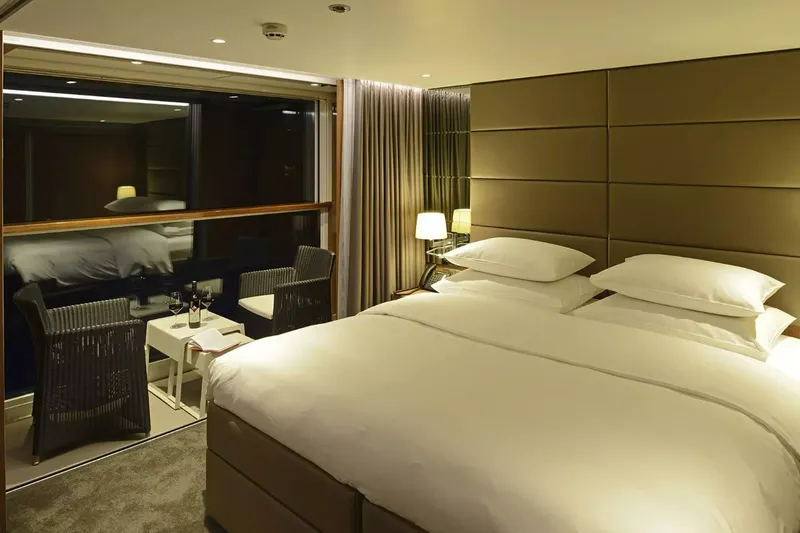
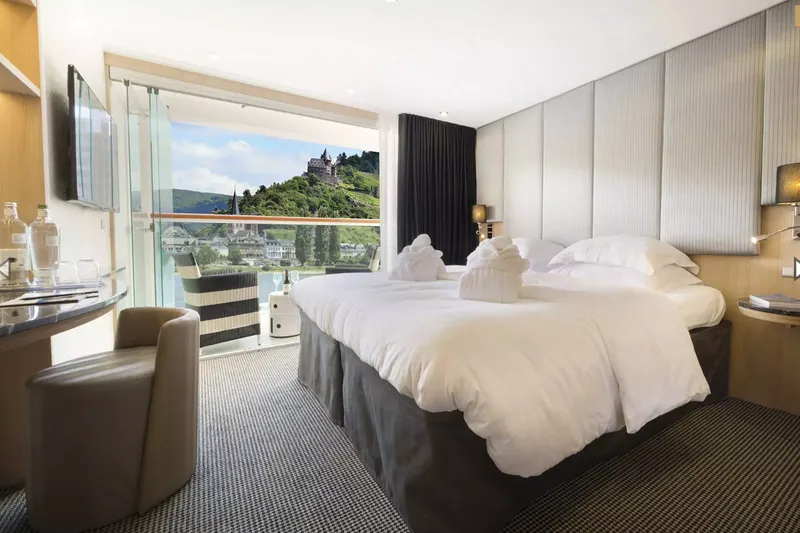
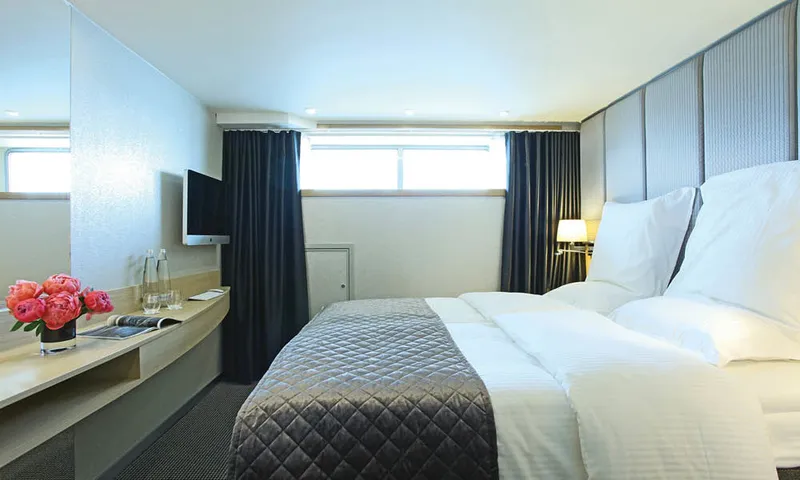
Single Balcony Suites are located on the Jewel Deck with large picture windows to ensure a great view. They have a spacious design and clever layout alongside all the usual luxurious amenities and furnishings.
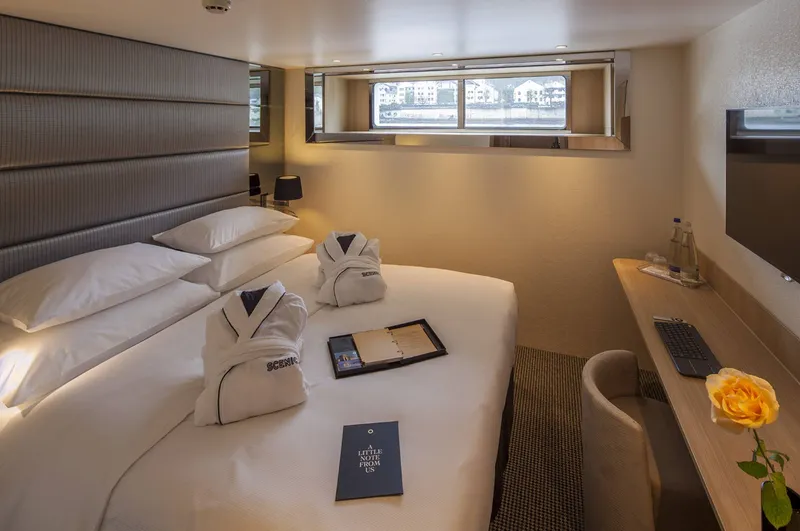
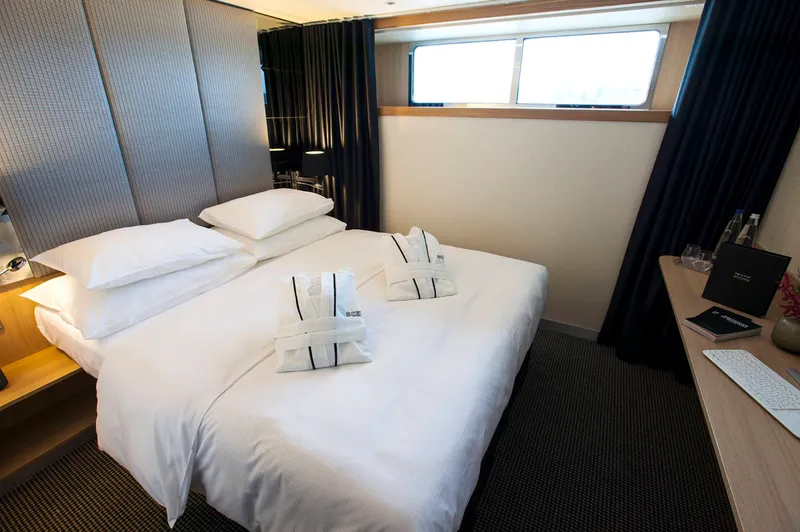
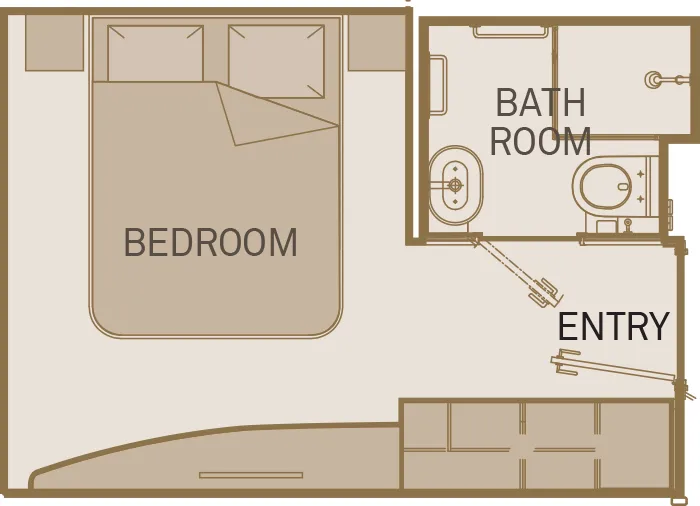
Standard Suites are located on the Jewel Deck with large picture windows to ensure a great view. They have a spacious design and clever layout alongside all the usual luxurious amenities and furnishings.
Our cruise specialists can help you find the perfect cabin and the best available pricing.
(+886) 02-2721-7300Contact Advisor