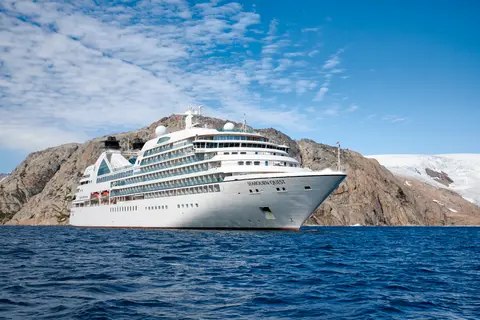
Seabourn6741
Jewels Of The British Isles
Date
July 3, 2027
Duration
14 nights
Departure Port
Dover · United Kingdom
Arrival Port
Dover · United Kingdom
Rating
Luxury
Theme
—
Date
July 3, 2027
Duration
14 nights
Departure Port
Dover · United Kingdom
Arrival Port
Dover · United Kingdom
Rating
Luxury
Theme
—




Seabourn
Odyssey
2011
—
32,000 GT
450
225
330
650 m
26 m
19 knots
No
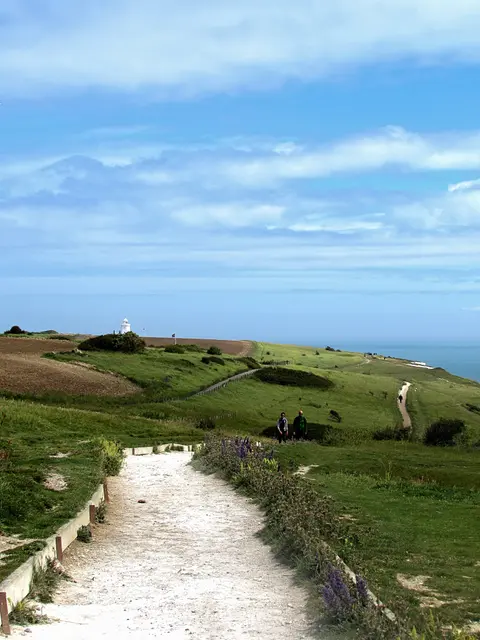
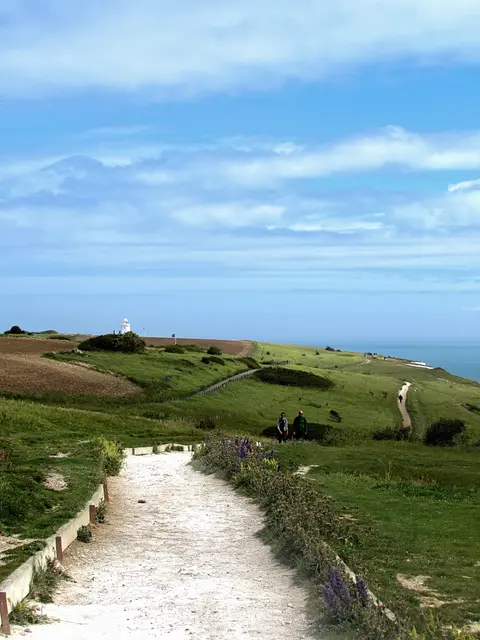
Crossing the English Channel from continental Europe to Great Britain, the first view of England is the milky-white strip of land called the White Cliffs of Dover. As you get closer, the coastline unfolds before you in all its striking beauty. White chalk cliffs with streaks of black flint rise straight from the sea to a height of 350’ (110 m). Numerous archaeological finds reveal people were present in the area during the Stone Age. Yet the first record of Dover is from Romans, who valued its close proximity to the mainland. A mere 21 miles (33 km) separate Dover from the closest point in France. A Roman-built lighthouse in the area is the tallest Roman structure still standing in Britain. The remains of a Roman villa with the only preserved Roman wall mural outside of Italy are another unique survivor from ancient times which make Dover one of a kind.
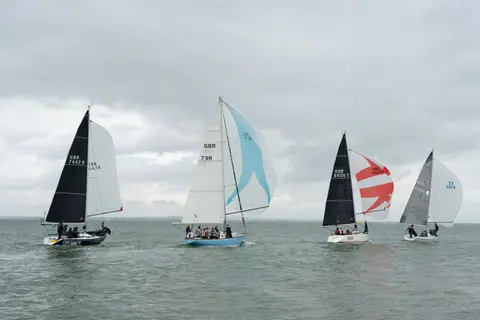

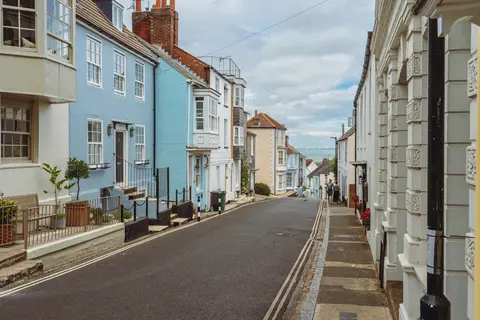
The 147-square-mile island with its pretty bays and thatched villages is like a miniature England. A well-preserved Victorian character dates from no other than Queen Victoria herself, who favored the island as her summer residence and made it her permanent home after the death of her husband, Prince Albert. Several other great names have close associations with the Isle of Wight, such as Tennyson, Dickens and Keats. The small port of Cowes at the northern tip of the island hosts every year in August Britain’s most prestigious sailing event – Cowes Week, often called “the yachtsman’s Ascot.”This is when the cozy and laid-back island bursts with visitors from all over, who fill the ranks of the island’s retired folk. Apart from being a haven for sailing craft, the world’s first hovercraft made its test runs here in the 1950s. For a place of relatively small size, the Isle of Wight packs a startling variety of landscapes and coastal scenery, ranging from a terrain of low-lying woodland and pasture to open chalky downland fringed by high cliffs. In addition, there are a number of historic buildings and a splendid array of well-preserved Victoriana. The town of Cowes is bisected by the Medina River, with West Cowes near the harbor being the old, pretty part, while East Cowes is more industrialized. Outside the suburbs stands Osborne House, Queen Victoria’s favorite residence. The grand mansion was largely designed by Albert, and the interior has been left very much as it was in the Queen’s lifetime. Around the island, some of the highlights include the Needles, three tall chalk stacks beneath the cliffs at the far west end of the island. The small village of Shanklin is known for its golden cliffs and a scenic steep ravine whose mossy, fern-filled woods have been embellished with tiny lights and thatched tea shops. The port of Yarmouth features an attractive fortress and quaint pubs in the main square. Pier Information The ship is scheduled to anchor off Cowes. Guests will be taken ashore via ship’s tender. Walking distance to the town center is approximately 5 minutes. Taxis are generally available for trips around the island. Shopping Shops in the town center of Cowes carry maritime items and yachting attire, local glassware and the famous Isle of Wight colored sand. Normal opening times are from 9:00 a.m. to 5:00 p.m. The local currency is the pound. Cuisine Not surprisingly, seafood is a good choice as well as other popular English fare. If you fancy lunch ashore, you may want to give the Amadeus Restaurant in Cowes a try, or stop in one of the local pubs for a quick meal and a cold beer. Other Sites Most of the island’s sights are covered in the organized excursions. Additionally, at the far west end of the island is the site of The Needles, a cluster of three tall chalk stacks beneath steep cliffs. The drive there takes about 45 minutes each way. Nearby is Alum Bay. The oxidized sandstone cliffs are popular for their multicolored sands, which are collected and arranged in diverse glass bottles, making popular souvenirs. Private arrangements are not encouraged in this port.
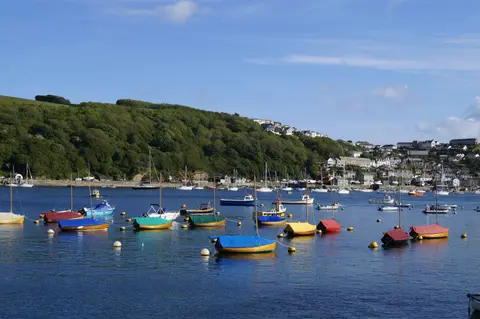
With a rich seafaring history dating back to the 14th Century, Fowey (pronounced Foy) in Cornwall is still one of England's busiest ports. The circular Hall Walk is quite popular and follows the banks of the estuary. In town stroll the Esplanade, visit St. Fimbarrus Church, and admire the view from St. Catherine's Castle, which was built during the reign of Henry VIII to protect the harbor. Blockhouses from the late 1300s stand on either side of the harbor, from which a chain was once hung to prevent undesirable ships from entering.
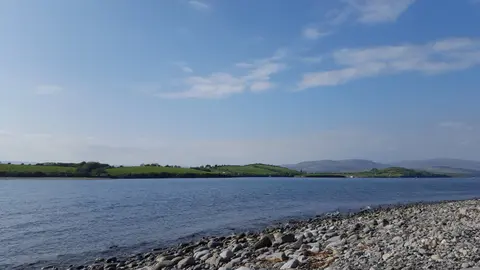
Bantry Bay, framed by the Sheep's Head Hills and the Caha Mountains, offers one of the Ireland’s most magnificent seascapes and picturesque harbors. As with other areas on Ireland's south-west coast, Bantry claims an ancient connection to the sixth-century Saint Breandán the Navigator, who was, in Irish folklore, the first person to discover America. A highlight of the area is stately Bantry House and Garden Estate. The magnificent garden is laid out in the Italian style over seven terraces. In addition to the many spirited Irish pubs are the Bantry Museum and the architecture of St. Brendan's and St. Finbarr's Churches. There are pristine, white-sand beaches, interspersed with jagged outcrops of rock and bordered by the verdant-green hills that make Ireland famous. County Cork is renowned for its megalithic stone circles and standing stones. Historic castles dot the landscape. The coastline of Cork is also home to basking sharks and fin, pilot, and minke whales.
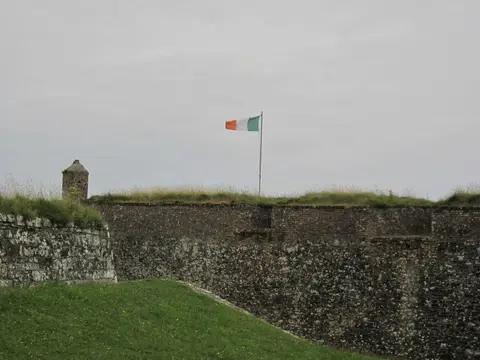
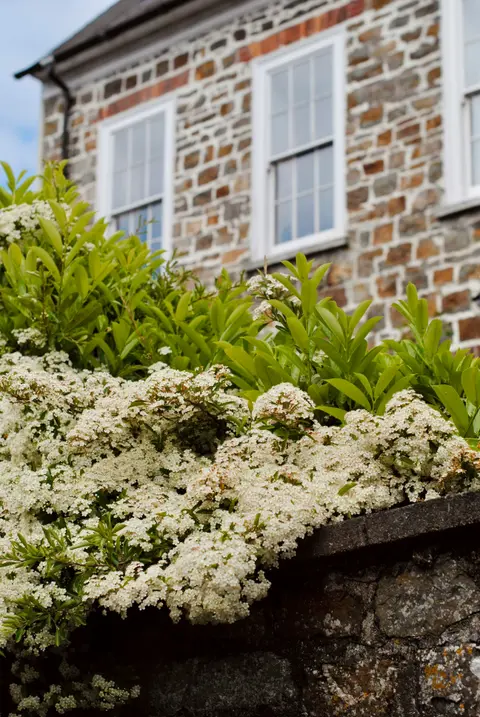

Kinsale is a town on the southern coast of Ireland, in County Cork. Two 17th-century fortresses overlook the River Bandon: the vast, star-shaped Charles Fort to the southeast, and the smaller James Fort on the river's opposite bank. The 16th-century courthouse building houses the Kinsale Regional Museum, with a variety of displays on local history and information about the 1915 sinking of the RMS Lusitania.
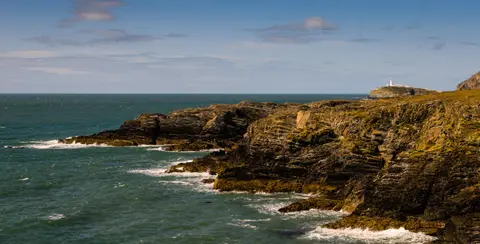
Today the city of Holyhead is connected to the large Welsh island of Anglesey by a causeway known locally as The Cobb, but until the mid-19th century, it was on its own separate Holy Island connected by a bridge. Its protected harbor and location adjacent to the Irish Sea made it an important port from Roman times. Its beautiful St. Cybi’s Church is in fact situated in the remains of a Roman three-walled fort, the Caer Gybi, facing the harbor. The harbor’s three-kilometer breakwater is the longest in the United Kingdom, and made the port a crucial safe haven in inclement weather for ships plying the busy routes to industrial Liverpool and Lancashire. Until the completion of the London to Liverpool railway, Holyhead held the Royal Mail contract for Dublin. Your ship docks today at a jetty that originally served a lucrative aluminum smelting operation, until the closing of a nuclear generating facility cut of the supply of inexpensive power. A waterfront Maritime Museum provides insights into Holyhead’s long history as a seaport. Visitors are welcomed at the picturesque South Stack Lighthouse, and at the adjacent RSPB nature reserve, which offers views of the sea cliffs and their abundant nesting populations of puffins, fulmars, razorbills, guillemots, gannets and other seabirds, as well as seals, dolphins and other wildlife. The Anglesey countryside also holds prehistoric dolmens including the Trefignath Burial Chamber, and a nostalgic old Welsh farmstead called Cyfellion Swtan that charmingly preserves the traditional lifestyle or rural Wales.
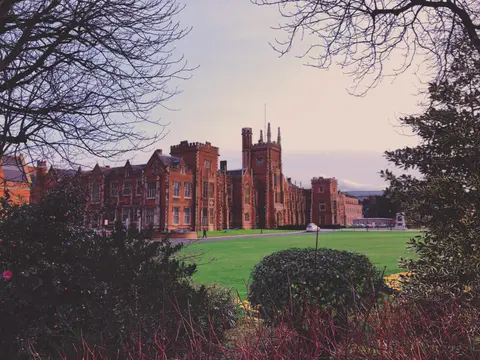
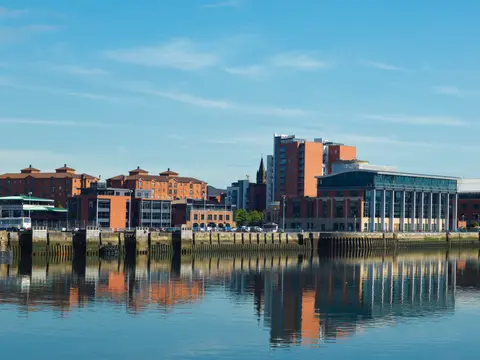

Reborn as a cool, modern city, Belfast has successfully left its troubles behind, emerging as a hotbed of culture and architecture, where the comfort of a cosy pub is never far away. Take a voyage of discovery in its maritime quarter, home to a celebrated museum dedicated to the most famous ship ever built, which was constructed right here in the city’s shipyards. A walk across the Lagan Weir Footbridge brings you to Belfast’s fascinating Titanic District – an area of the city devoted to its rich ship-building heritage. The state-of-the-art Titanic Museum brings the story of the doomed vessel to life, and is the largest museum dedicated to the infamously ‘unsinkable’ ship. Wind up a nautical-themed ramble along the Maritime Mile with a visit to SS Nomadic, the smaller cousin of the Titanic, and a ship which serves as a fascinating time capsule back to the pomp and grandeur of the Titanic, while also telling its own stories of service in both World Wars. There’s just enough time to give the 10-metre long Salmon of Knowledge sculpture a quick peck for luck, before continuing to explore. A stark barbed wire and graffitied sheet metal barrier marks an abrupt scar through the city’s residential areas. The Peace Line was constructed during the height of the Troubles, when Belfast was plagued by sectarian divisions between Protestants and Catholics. Nowadays, you can jump in a black taxi tour to see the colourful murals and living history of the walls, which stand as a stark reminder of the fragility of peace. After exploring the city’s historic divisions, a reminder of Belfast’s uniting creativity can be found at the Metropolitan Arts Centre – a seven-storey tall building, which invites light to gloriously cascade inside. The Cathedral Quarter is a cobbled blend of flower-adorned pubs, restaurants and theatres, and venues where music spills out onto the streets at night, and many a pint is cheerily shared.
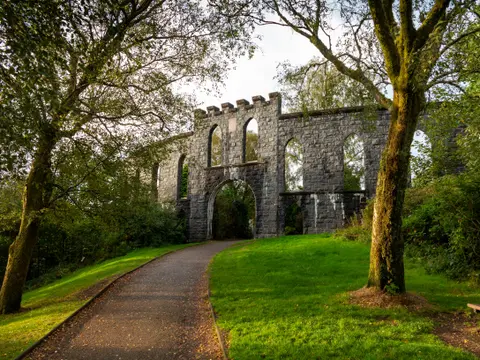
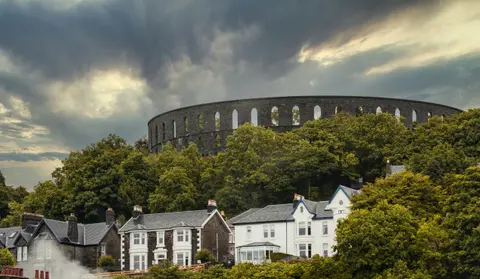
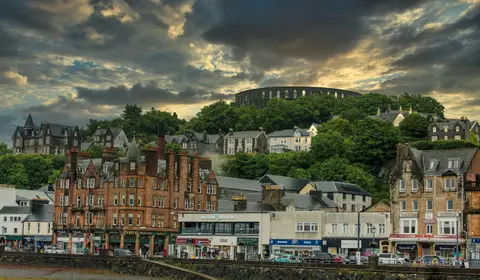
Oban is a small town on the west coast of Scotland. The site began as a small fishing outpost and has been occupied as such for literally thousands of years. Rural in its roots, the modern-day village of Oban grew around the famed whisky distillery founded in 1794. Renowned for its 14-year-old malt whisky, the Oban distillery has become a tourist attraction, drawing many visitors to the area. The quiet, rural feel of Oban is responsible for the abundance of wildlife within the town boundaries. Here grey seals can be spotted swimming in the harbor or resting along the shore. A wide variety of land and seabirds are found throughout the area. On occasion dolphins and river otters also visit. A beautiful balance exists between this small town and the natural environment surrounding it, where the sounds of nature mingle with the melody of the streets.
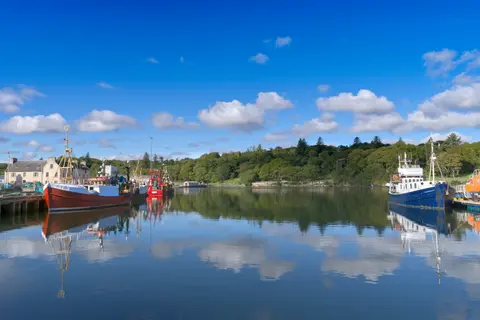
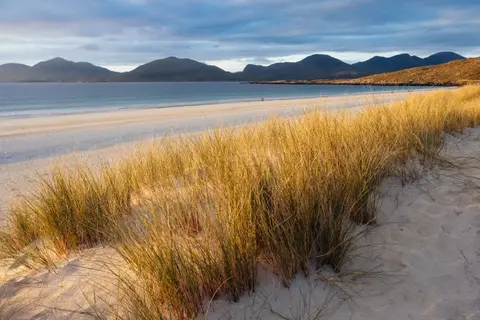
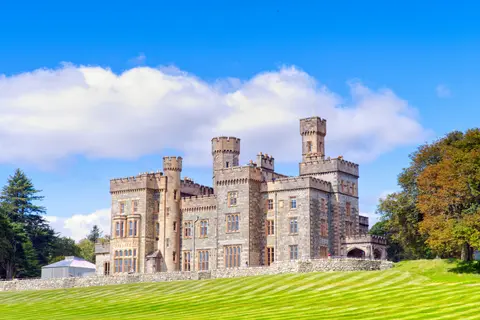
Thanks to its sheltered location, Stornoway, on the island of Lewis and Harris, is the largest town of the Outer Hebrides islands of Scotland. The port offers a warm welcome to those visiting Lewis as part of their exploration of one of the UK’s remotest locations. A stroll along the quay reveals local fishermen on traditional fleets landing the catch of the day, before shipping it to one the island’s amazing eateries. There is an unmistakeable odour of peat in the air as the smokehouses turn the seafood into island specialities. Historic Lews Castle and the adjoining museum are key cultural centre for the islands’ heritage. An Lanntair Art Centre samples local arts and a good programme of art events, while a unique shopping experience awaits at the Harris Tweed Hebrides Outlet and Lewis Loom Centre, where traditional weaving methods can be discovered. Alternatively, a wander through the surrounding woods and a visit to the Woodland Centre can while away a pleasant hour or two.
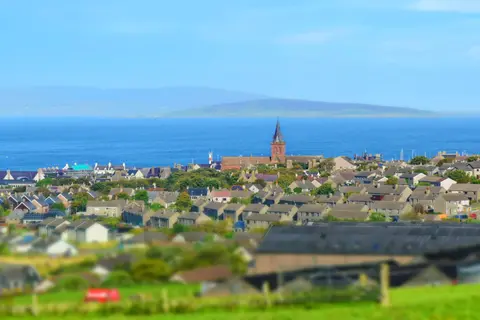
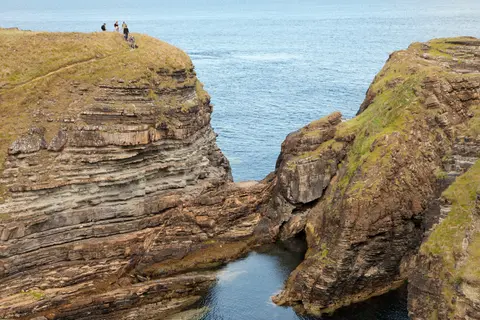
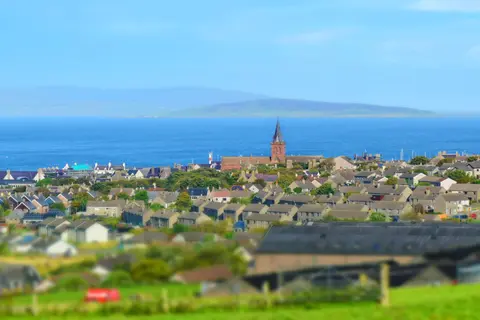
The seventy or so Orcadian isles apart from rugged rock of Hoy - are low-lying and richly fertile. First inhabited by late Stone Age settlers, followed by broch-builders and Picts, fromthe 15th centuries Orkney was ruled as a Norse kingdom, passing to the Scottish crown in 1471. Mainland Kirkwall is the capital. The Orkney Islands are politically a part of Britain, yet seem quite different in many ways. Numerous place names have non-English sounds, reflecting the original Viking settlement of the 9th century. Norse crafts and traditions are obvious everywhere. These islands were ruled from Norway and Denmark until 1468, when a Norwegian king gave them to Scotland in lieu of a dowry for his daughter's marriage to King James III. In addition to the Norse heritage there are numerous remains of prehistoric monuments such as the Stenness Standing Stones at Finstown. The archipelago is located at the same latitude as southern Greenland; the Gulfstream accounts for the islands' temperate climate. Approximately half of the 60 islands are inhabited; the rest are home only to seals and sea birds. Most of the inhabitants, who draw their livelihood from the fertile hills rather than the sea, live on Mainland, the largest of the Orkney Islands. Kirkwall, located on Mainland, is the principal harbor and capital of the Orkneys. Steep-roofed stone houses line streets that wind around the medieval St. Magnus Cathedral. A museum featuring Orkney historical artifacts is housed in the 16th-century Tankerness House. Other attractions around the island include Maes Howe, the site of Britain's best-preserved megalithic tomb, and the stone-age village of Skara Brae. Scapa Flow serves as a reminder of more recent times when, during both World Wars, Britain's naval base was located here.
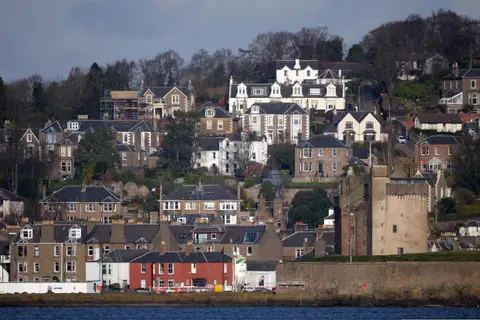
Dundee is a coastal city on the Firth of Tay estuary in eastern Scotland. Its regenerated waterfront has 2 nautical museums: RRS Discovery, Captain Scott’s Antarctic expedition ship, and 19th-century warship, HM Frigate Unicorn. North of the water, Verdant Works is a museum celebrating the city’s jute-manufacturing heritage. The McManus: Dundee’s Art Gallery & Museum displays art and archaeological finds.
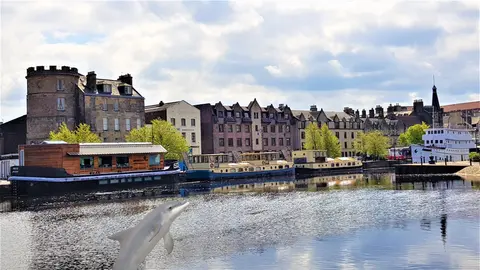
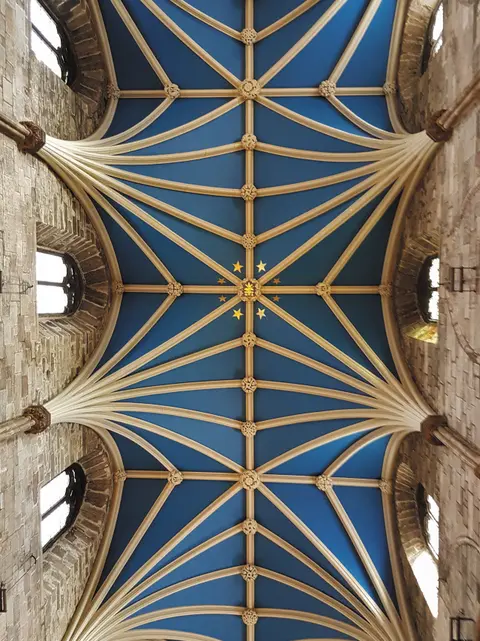
Two miles distant from its ancient seaport of Leith lies Edinburgh, Scotland's national capital. The Scottish capital since the 15th century, Edinburgh is comprised of two distinct areas - the Old Town, dominated by a medieval fortress, and the neoclassical New Town, whose development from the 18th century onwards had a far-reaching influence on European urban planning. The harmonious juxtaposition of these two contrasting historic areas, each with many important buildings, is what gives the city its unique character. Always favored by geography, Edinburgh is ideally situated on the Firth of Forth, an inlet from the North Sea, and built on extinct volcanoes surrounded by woods, rolling hills and lakes. On a clear day, there are glorious vistas from each of these hilltops. Looming above the city is the striking fairy tale castle built on the site of a 7th-century fortress. Towards the Middle Ages life within the fortress spilled onto the long ridge running to the foot of Arthur's Seat, which crowns Holyrood Park. The city's most legendary citizens are the arch Presbyterian John Knox and Mary Queen of Scots, who dominated the Edinburgh of the late 16th century. Edinburgh's delightful city center is a joy to explore on foot. Every alley reveals impressive steeples, jagged, chimney-potted skylines, or lovely rotund domes.
Crossing the English Channel from continental Europe to Great Britain, the first view of England is the milky-white strip of land called the White Cliffs of Dover. As you get closer, the coastline unfolds before you in all its striking beauty. White chalk cliffs with streaks of black flint rise straight from the sea to a height of 350’ (110 m). Numerous archaeological finds reveal people were present in the area during the Stone Age. Yet the first record of Dover is from Romans, who valued its close proximity to the mainland. A mere 21 miles (33 km) separate Dover from the closest point in France. A Roman-built lighthouse in the area is the tallest Roman structure still standing in Britain. The remains of a Roman villa with the only preserved Roman wall mural outside of Italy are another unique survivor from ancient times which make Dover one of a kind.
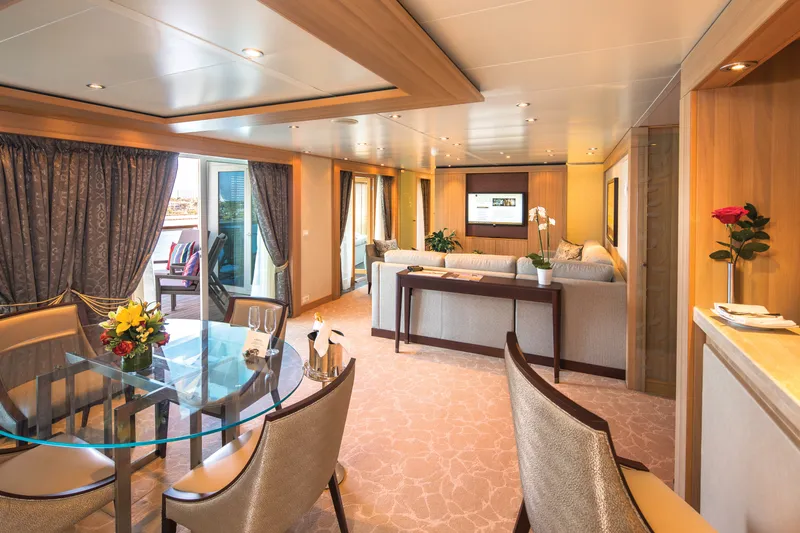
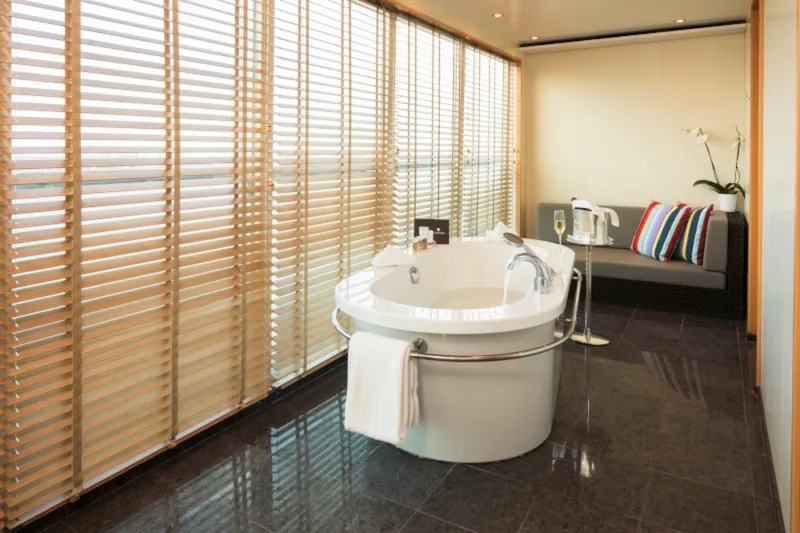
Approximately 1189 square feet (110 square meters) of inside space, plus two verandas totaling 214 square feet (20 square meters)
Grand Wintergarden Suites feature
Large windows
Dining for six
Glass-enclosed solarium with tub and day bed
Two bedrooms
Two bathrooms (one whirlpool)
Guest bath
Convertible sofa bed for one
Pantry with wet bar
Three flat-screen TVs
Complimentary internet/Wi-Fi service
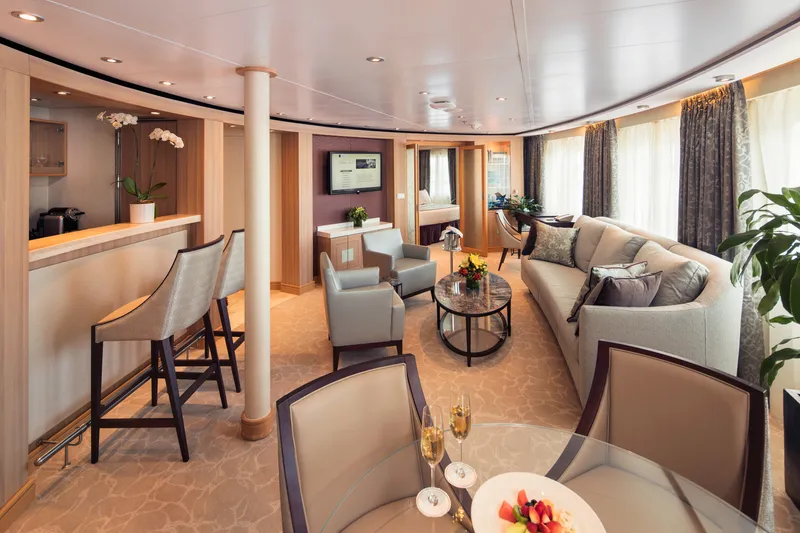
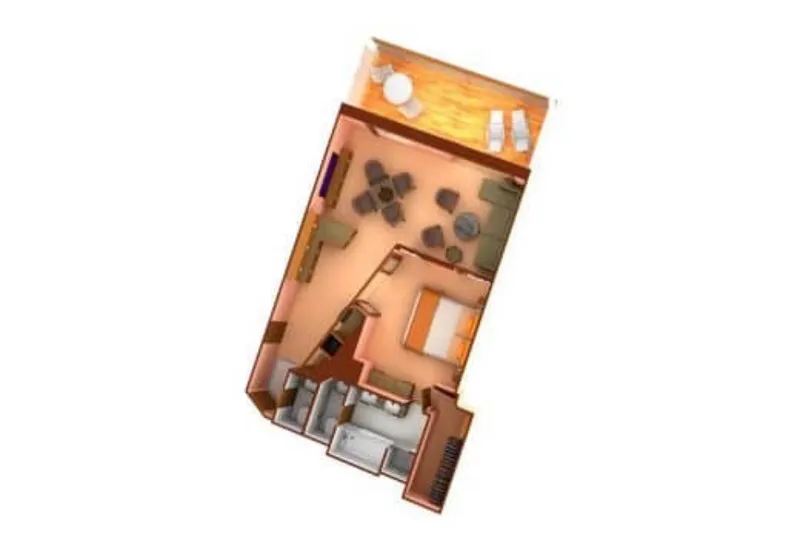
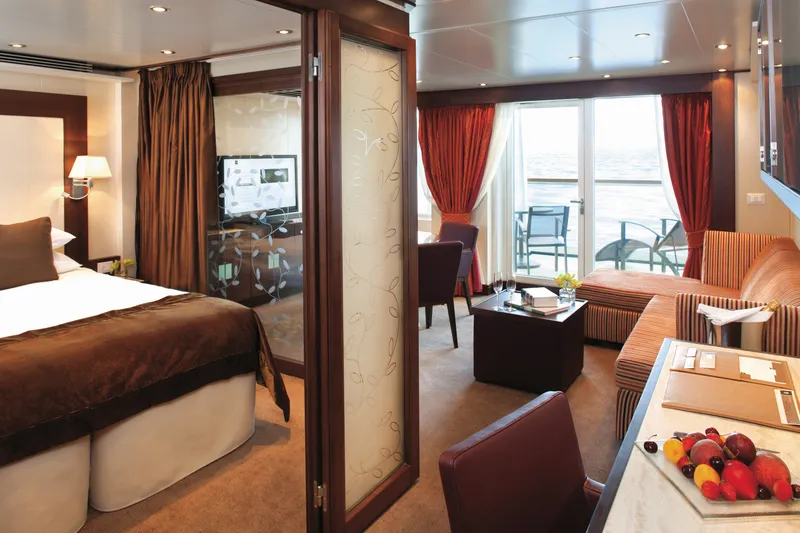
Approximately 526 & 593 square feet (49 to 55 square meters) of inside space, plus one veranda of 133 & 354 square feet (12 to 33 square meters)
Owner's Suites feature:
Expansive ocean views
Forward-facing windows
Dining for four to six
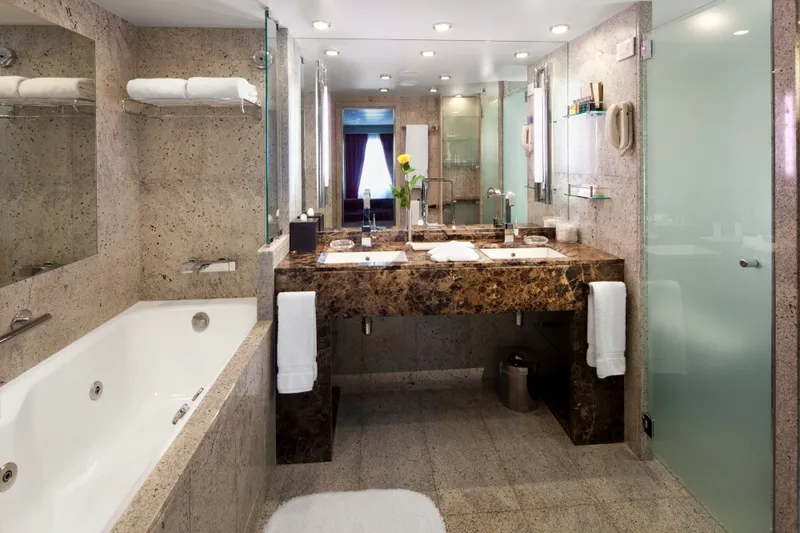
Bathroom with whirlpool bathtub
Guest bath
Pantry with wet bar
Two flat-screen TVs
Complimentary Internet/Wi-Fi service
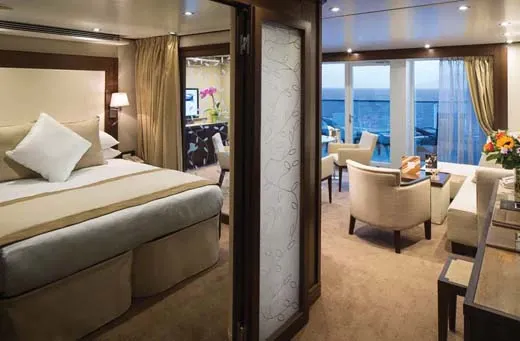
Penthouse Spa Suite
Approximately 536 to 539 square feet (50 square meters) of inside space, plus one veranda of 167 to 200 square feet (16 to 19 square meters)
All Penthouse Spa Suite feature:
Dining table for two to four
Separate bedroom
Glass door to veranda
Two flat-screen TVs
Fully stocked bar
Spacious bathroom with tub, shower and large vanity.
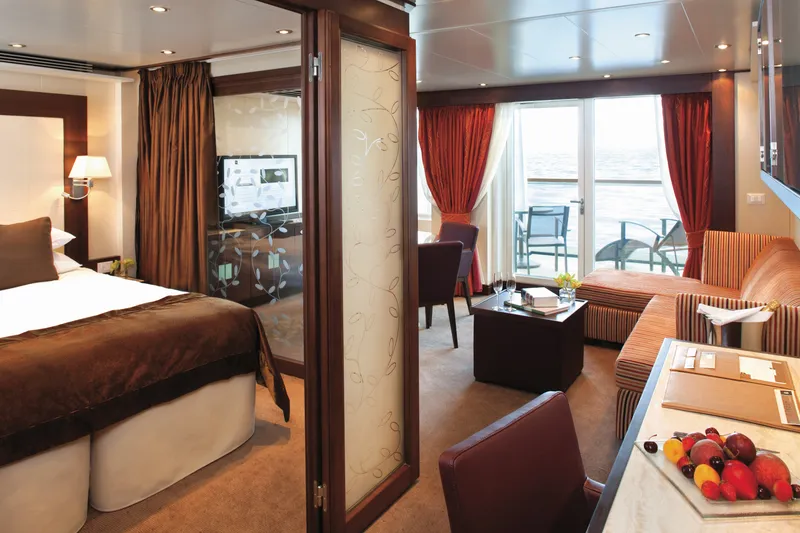
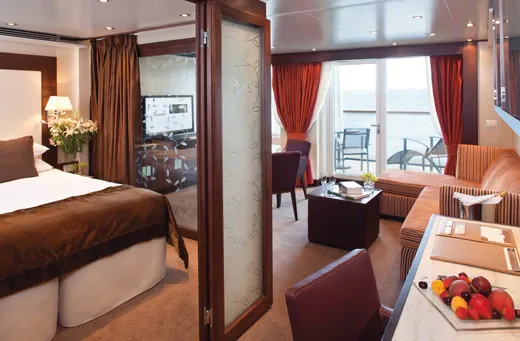
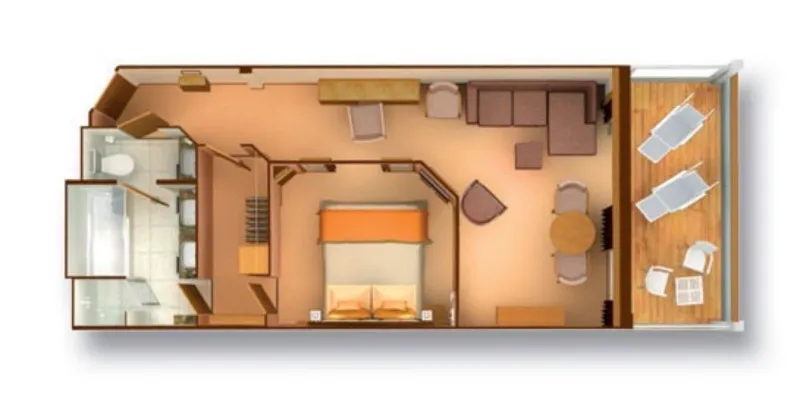
Penthouse Suite
Approximately 436 square feet (41 square meters) of inside space, plus one veranda of 98 square feet (9 square meters)
All Penthouse Suite feature:
Dining table for two to four
Separate bedroom
Glass door to veranda
Two flat-screen TVs
Fully stocked bar
Spacious bathroom with tub, shower and large vanity.
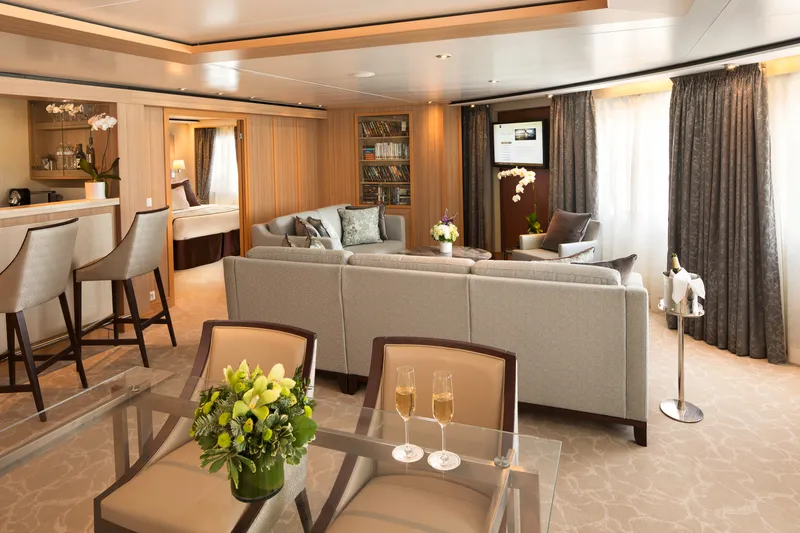
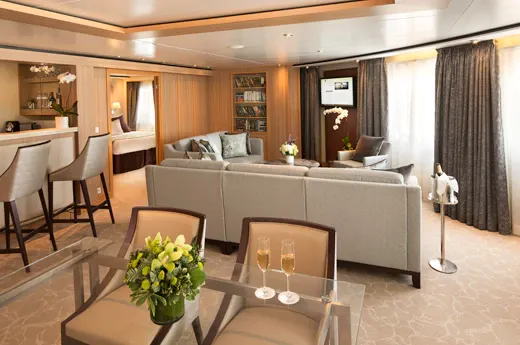
Signature Suite
Approximately 859 square feet (80 square meters) of inside space, plus one veranda of 493 square feet (46 square meters)
Signature Suites feature:
Expansive ocean views
Forward-facing windows
Dining for four to six
Bathroom with whirlpool bathtub
Guest bath
Pantry with wet bar
Two flat-screen TVs
Complimentary Internet/Wi-Fi service
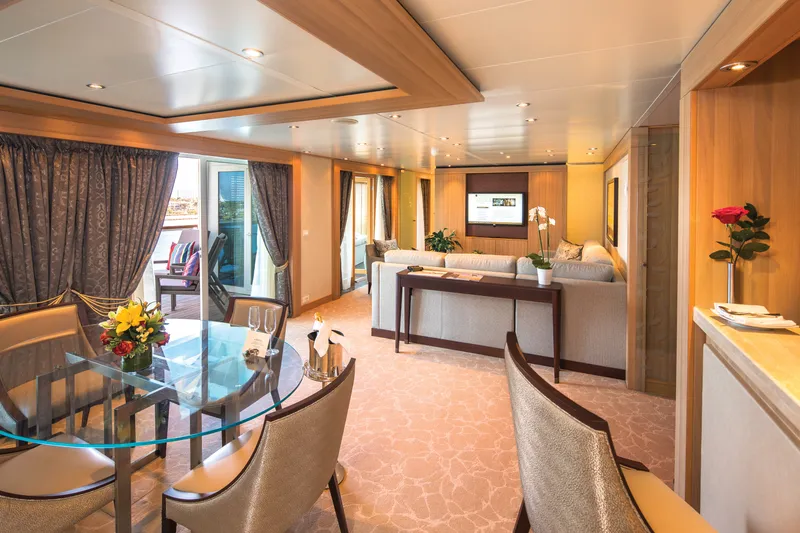
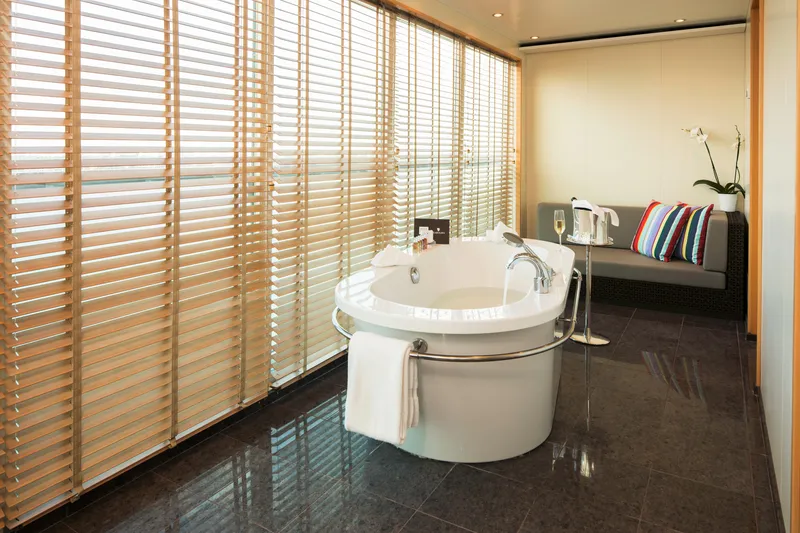
Approximately 914 square feet (85 square meters) of inside space, one veranda of 183 sq. ft. (17 square meters.).
Wintergarden Suites feature
Large windows
Dining for six
Whirlpool bathtub
Guest bath
Convertible sofa bed for one
Pantry with wet bar
Glass-enclosed solarium with tub and day bed
Two closets
Two flat-screen TVs
Complimentary Internet/Wi-Fi service
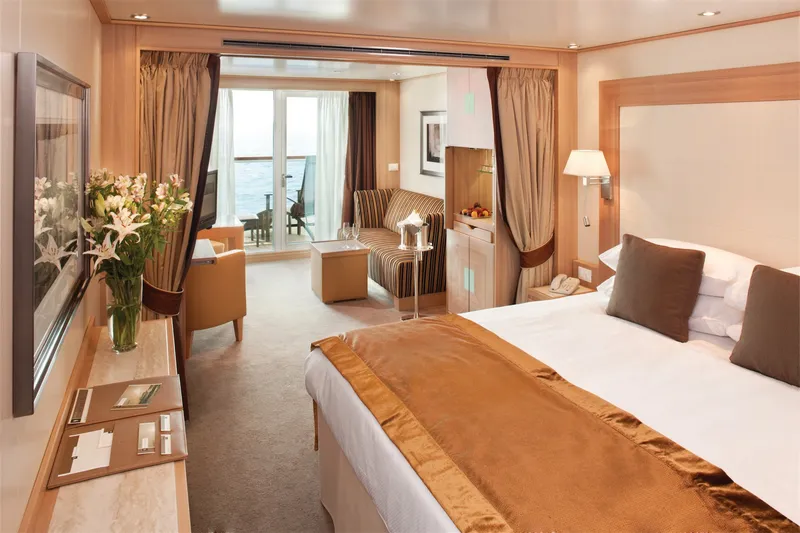
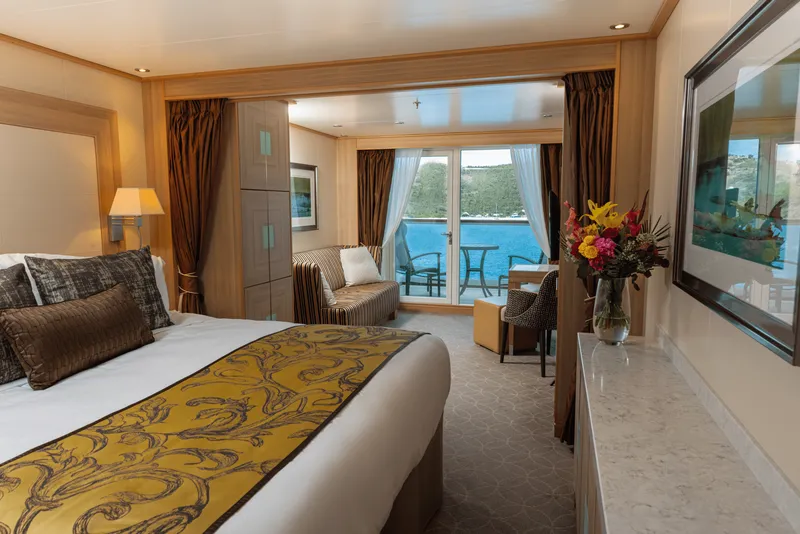
Located on Deck 5; Approximately 300 square feet (28 square meters) of inside space, plus one veranda of 65 square feet (6 square meters)
All Veranda Suites feature:
A full-length window and glass door to private veranda
Comfortable living area
Queen-size bed or two twin beds
Dining table for two
Walk-in closet
Interactive flat-screen television with music and movies
Fully stocked bar and refrigerator
Makeup vanity
Spacious bathroom with separate tub and shower.
Veranda Suite Guarantee
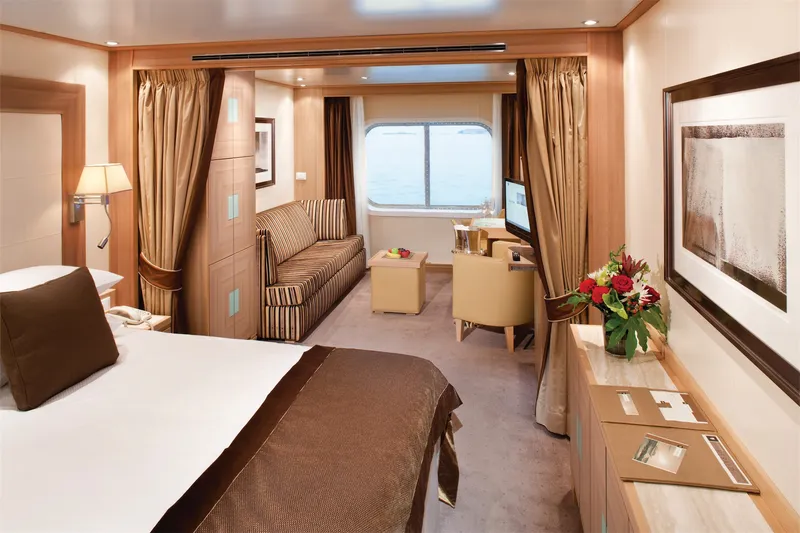
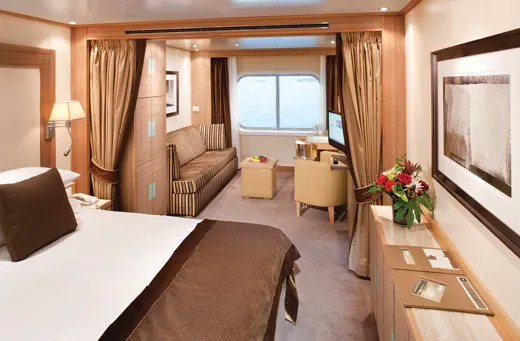
Approximately 295 square feet (28 square meters) of inside space
For this option we select the location and specific suite for you, and notify you prior to departure. Guests are guaranteed to be assigned a suite in the category selected or higher.
All Ocean View Suites feature a large picture window, comfortable living area, queen-size bed or two twin beds, dining table for two, walk-in closet, interactive flat-screen television with music and movies, fully stocked bar and refrigerator, makeup vanity, spacious bathroom with separate tub and shower.
Our cruise specialists can help you find the perfect cabin and the best available pricing.
(+886) 02-2721-7300Contact Advisor