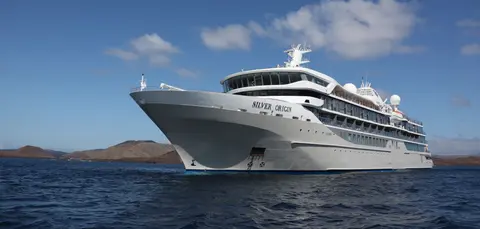
SilverseaOR280212007
San Cristóbal, Galapagos to San Cristóbal, Galapag
Date
February 12, 2028
Duration
7 nights
Departure Port
San Cristobal Island · Ecuador
Arrival Port
San Cristobal Island · Ecuador
Rating
Ultra Luxury
Theme
—
Date
February 12, 2028
Duration
7 nights
Departure Port
San Cristobal Island · Ecuador
Arrival Port
San Cristobal Island · Ecuador
Rating
Ultra Luxury
Theme
—
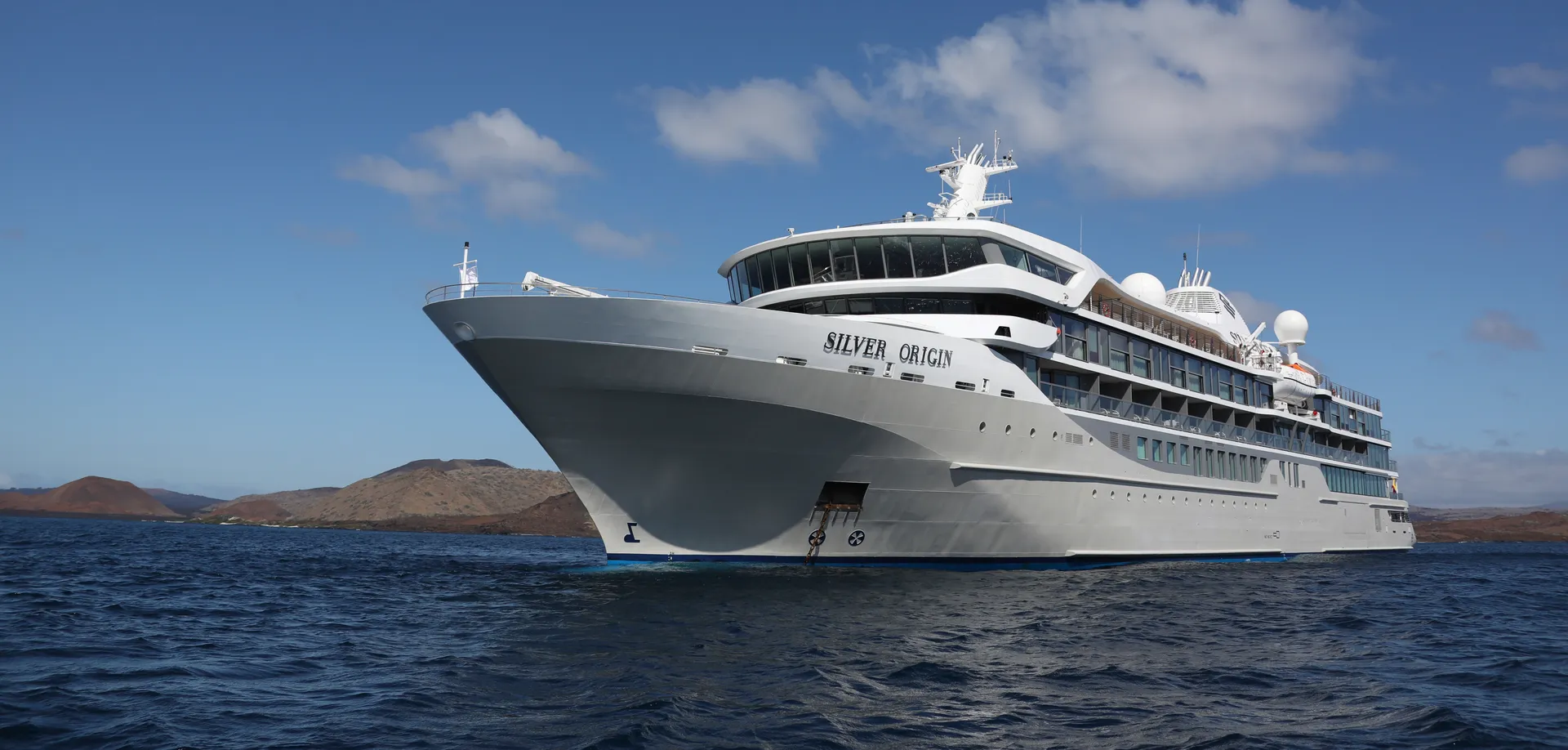
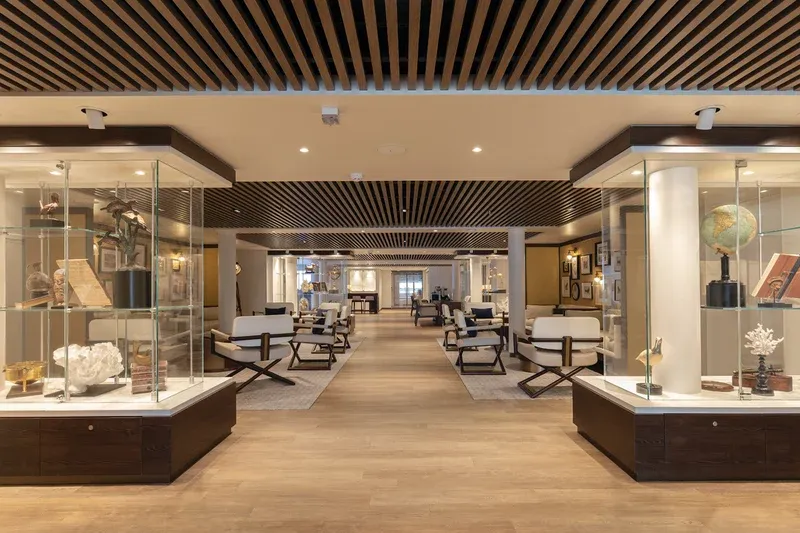
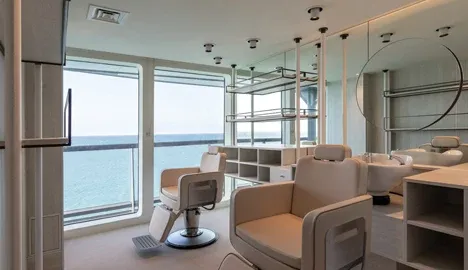
Silversea
2019
—
5,800 GT
100
51
90
331 m
16 m
14 knots
No
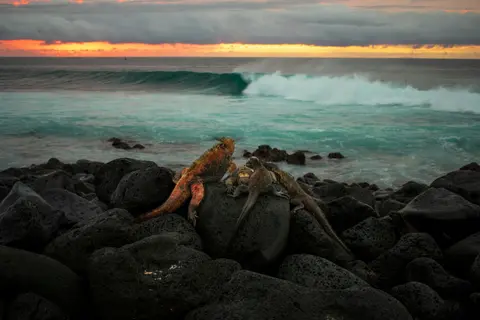
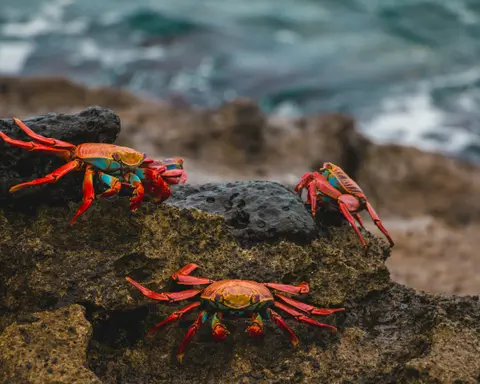
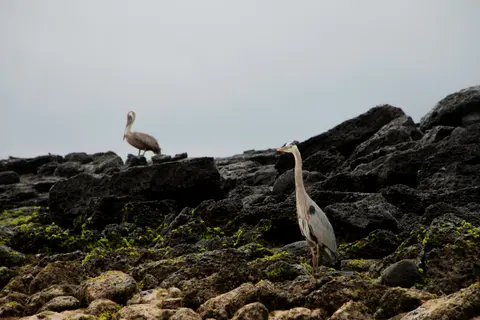
An impressive tuff cone has been carved by erosion into an outstanding natural sculpture, being a resting place for marine birds such as blue-footed bobbies and brown pelicans. One of the most beautiful white sand beaches of the Galapagos (swim or snorkel). View sea lions, sally lightfooted crabs, blue-footed bobbies. Behind the dunes, you find a coastal lagoon, which was visited in the past by the locals to extract salt, today it is home to some shorebirds such as stilts and plovers. The vegetation (as it is one of the oldest islands) shows some endemic species such as Scalesia incisa (flowering plant) only found on this island.
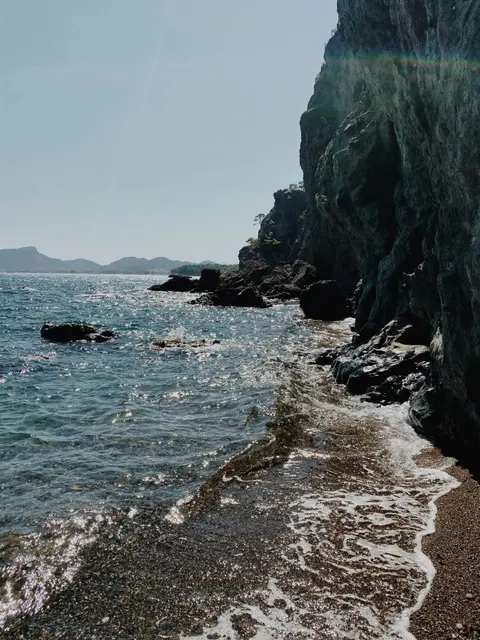
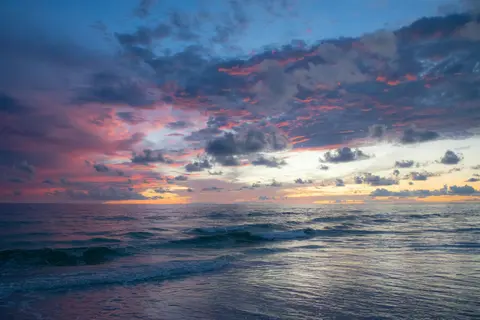
Named after the birthplace of legendary explorer Christopher Columbus, Genovesa Island is a Galapagos Island crown jewel. This horseshoe-shaped island is also known for its diverse population of birds and distinct shape. Those characteristics are where Genovesa draws its two nicknames from: Bird Island and Tower Island. And you’ll likely notice both as you step off your zodiac. You’ll walk up the same rocky path Prince Phillips did when he visited the Galapagos Islands in 1965 and 1981. As you scale the cliffs, you’ll make your first encounter with the colonies of colorful seabird. You’ll disperse into the thin Palo Santo forest where your path inland is a birdwatcher’s dream. Flocks upon flocks of birds nesting in their natural habitats. Swallow-tailed Gulls. Red-footed Boobies. Nazca Boobies. Blue-footed Boobies. Storm Petrels. Galapagos Mockingbirds. Galapagos Doves. Great Frigate Birds. Lava Gulls. Fiddler Crabs. And that’s not all.
Genovesa is one of the northernmost islands of the archipelago. Genovesa’s southern side of the shield volcano’s crater collapsed and a protected bay known as Darwin Bay was formed. The island is often referred to as the “Bird Island” as the numbers and species of land and seabirds on Genovesa are quite extraordinary. There are two visitor sites, and Prince Philip’s Steps give access to the flat plateau above the bay. Named after Prince Philip who visited the Galapagos on two occasions, the “steps” are mostly natural. View less The steep cliffs are home to Red-billed Tropicbirds, while Magnificent Frigatebirds, Nazca and Red-footed Boobies prefer the top. The plateau above Prince Philip’s Steps has a palo santo forest and an extensive lava field. This is an area where one of the Galapagos’ top predators, the Short-eared Owl, is hunting storm petrels. The Short-eared Owls are extremely well camouflaged and are not always easy to spot in between the rocks.
Named after the birthplace of legendary explorer Christopher Columbus, Genovesa Island is a Galapagos Island crown jewel. This horseshoe-shaped island is also known for its diverse population of birds and distinct shape. Those characteristics are where Genovesa draws its two nicknames from: Bird Island and Tower Island. And you’ll likely notice both as you step off your zodiac. You’ll walk up the same rocky path Prince Phillips did when he visited the Galapagos Islands in 1965 and 1981. As you scale the cliffs, you’ll make your first encounter with the colonies of colorful seabird. You’ll disperse into the thin Palo Santo forest where your path inland is a birdwatcher’s dream. Flocks upon flocks of birds nesting in their natural habitats. Swallow-tailed Gulls. Red-footed Boobies. Nazca Boobies. Blue-footed Boobies. Storm Petrels. Galapagos Mockingbirds. Galapagos Doves. Great Frigate Birds. Lava Gulls. Fiddler Crabs. And that’s not all.
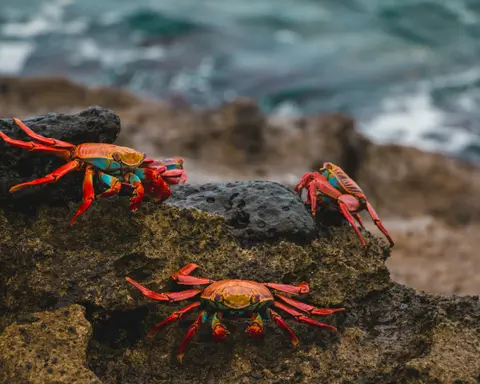
North Seymour Island is just north of Baltra and was formed through a series of sporadic uplifts. It took about a million years for the island to reach its current level. Now above the sea, the layers of lava that originally erupted underwater have created a low-lying island packed with wildlife. The island is home to the largest nesting colony of frigatebirds in the Galapagos along with blue-footed boobies, finches, land iguanas, marine iguanas, and sea lions. A hike along shore and into the island’s interior brings you up close and personal to just about everything the island has to offer. You can also choose to go on a short Zodiac ride along the coast to search for fur seals, sea lions, and red-billed tropic birds. And for the more adventurous and experienced, jump in for a deep-water snorkel.
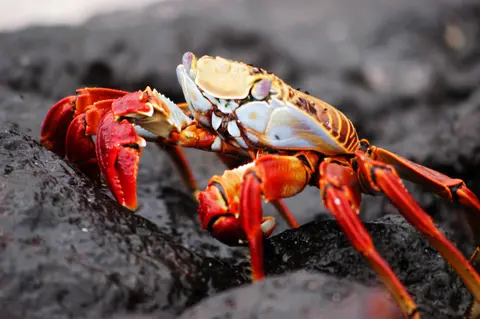
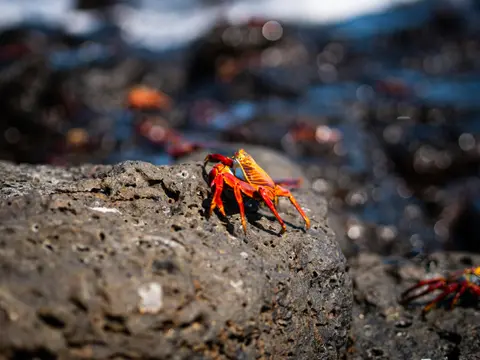
The lava fields of Sullivan Bay on Santiago Island will inevitably remind visitors of the surface of the moon. As brilliant red Sally Lightfoot crabs scuttle along the black volcanic shores, learn about the formation of the islands through geological forces from your guides. The lava flows here are just over one hundred years old and date back to 1897. The lava took on a rope-like appearance and geologists have adopted a Hawaiian word, pahoehoe, as the technical name for this kind of volcanic rock. View less After walking the exposed rocky terrain, it is a welcoming sensation to return to the sandy beach and get ready for a swim or a snorkel.
North Seymour Island is just north of Baltra and was formed through a series of sporadic uplifts. It took about a million years for the island to reach its current level. Now above the sea, the layers of lava that originally erupted underwater have created a low-lying island packed with wildlife. The island is home to the largest nesting colony of frigatebirds in the Galapagos along with blue-footed boobies, finches, land iguanas, marine iguanas, and sea lions. A hike along shore and into the island’s interior brings you up close and personal to just about everything the island has to offer. You can also choose to go on a short Zodiac ride along the coast to search for fur seals, sea lions, and red-billed tropic birds. And for the more adventurous and experienced, jump in for a deep-water snorkel.
The lava fields of Sullivan Bay on Santiago Island will inevitably remind visitors of the surface of the moon. As brilliant red Sally Lightfoot crabs scuttle along the black volcanic shores, learn about the formation of the islands through geological forces from your guides. The lava flows here are just over one hundred years old and date back to 1897. The lava took on a rope-like appearance and geologists have adopted a Hawaiian word, pahoehoe, as the technical name for this kind of volcanic rock. View less After walking the exposed rocky terrain, it is a welcoming sensation to return to the sandy beach and get ready for a swim or a snorkel.
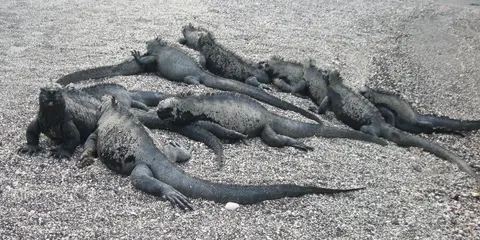
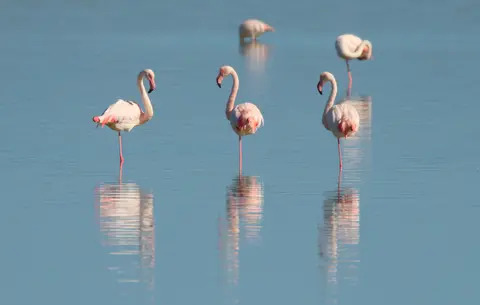
Among the impressive new lava fields of Fernandina Island hides a cove surrounded by mangroves. A rewarding place for bird-watching as the bay is the point where the land meets the sea, joining the two environments, with sea birds, shorebirds and land birds all in the same place. The different species of mangroves: Red, White and Black, have formed a root system that serves as a nursery for many species of fish, including juveniles’ sharks and green sea turtles. View less Snorkeling is as rewarding with some unique sightings as Marine Iguanas feeding on algae, or flightless cormorants diving for their prey.
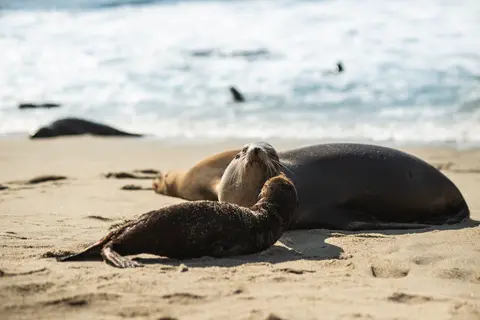
Punta Vicente Roca is one of the marine sites Isabela Island has to offer. On the southern side of Ecuador Volcano, the tip of land on the western end of Isabela is named after Vicente Ramon Roca, President of Ecuador from 1845-49, who as Prefect of Guayas had proposed the Ecuadorian annexation of the Galapagos Islands in 1831. The geological formations, the underwater caves and lava tubes offer fascinating views of the coastline. View less The South Equatorial Countercurrent hits this part of the archipelago from the west and the water offers abundant food sources for different marine life and seabirds. It is normal to see Pacific green turtles, but sharks, rays, whales and dolphins can also be expected, apart from a small colony of fur seals. Blue-footed Boobies, Nazca Boobies, Brown Noddies and other seabirds nest in the cliffs and both the endemic Galapagos Penguins and Flightless Cormorants have established small colonies nearby. Marine iguanas also like this area because of the rich variety of seaweeds growing underwater along the western coast of Isabela. As a marine site, deepwater snorkeling is also possible at Punta Vicente Roca.
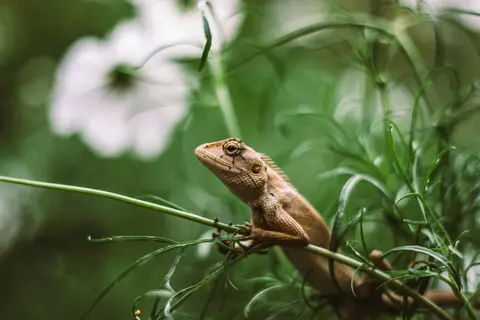
Los Gemelos (The Twins) is a visitor site in the Santa Cruz highlands. Found some 15 kilometers northwest of Puerto Ayora, the road leading from Puerto Ayora in the south of Santa Cruz to Itabaca in the north dissects the twin pit craters. Pit craters are formed when the roof of an underground void collapses. The smaller pit crater is on the eastern side of the road, while the larger one is on the western side. See from above, the two openings in the ground are not at all identical. View less Their layout might imply an elongated magma chamber or a lava tube leading further west and the larger twin actually having formerly been two small pit craters whose connecting wall collapsed as well. Trails through a Scalesia forest not only give access to good views of the pit craters, but also permit to observe some of the smaller land birds. Vermilion Flycatchers, Yellow Warblers, Galapagos Doves, Medium Ground Finches and several other finch species can often be seen there.
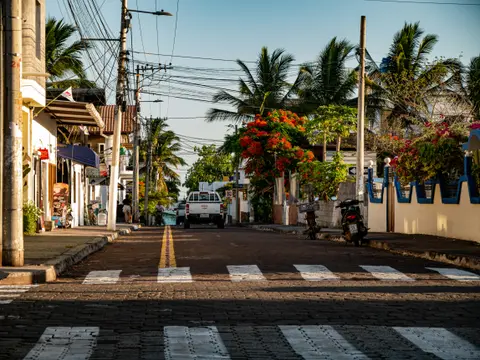
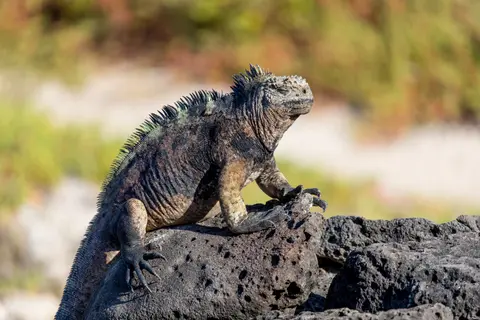
Santa Cruz is the second-largest island in the Galapagos and home to Puerto Ayora (the largest town in the islands). In 1959, the Ecuadorian government declared all the islands, except areas already colonized, as a national park. In the same year, the Charles Darwin Foundation was founded to promote scientific research and ensure the conservation of the Galapagos. In 1992, the waters surrounding the Galapagos were declared a marine reserve. Here, you have the opportunity to visit a giant tortoise reserve in the lushly vegetated highlands, where the animals roam free in their natural habitat. On another excursion, a short drive through town brings you to the Galapagos Park Service giant tortoise breeding station and the Charles Darwin Research Station. Afterwards there is time to wander through the lovely streets of Puerto Ayora for some shopping.
Los Gemelos (The Twins) is a visitor site in the Santa Cruz highlands. Found some 15 kilometers northwest of Puerto Ayora, the road leading from Puerto Ayora in the south of Santa Cruz to Itabaca in the north dissects the twin pit craters. Pit craters are formed when the roof of an underground void collapses. The smaller pit crater is on the eastern side of the road, while the larger one is on the western side. See from above, the two openings in the ground are not at all identical. View less Their layout might imply an elongated magma chamber or a lava tube leading further west and the larger twin actually having formerly been two small pit craters whose connecting wall collapsed as well. Trails through a Scalesia forest not only give access to good views of the pit craters, but also permit to observe some of the smaller land birds. Vermilion Flycatchers, Yellow Warblers, Galapagos Doves, Medium Ground Finches and several other finch species can often be seen there.
Silver Origin will anchor in front of Puerto Ayora, Santa Cruz, where the prestigious Charles Darwin Research Station is located. The station also houses the Fausto Llerena Breeding Center for giant tortoises and land iguanas where guides interpret the centre’s captive breeding and reintroduction programs. In addition to these star species, throughout the station there are huge prickly pear cactus trees being fed upon by the pretty Galapagos Cactus Finch. To round out the stay in Puerto Ayora, enjoy free time in town where local artists have created charming art galleries and corner cafés.
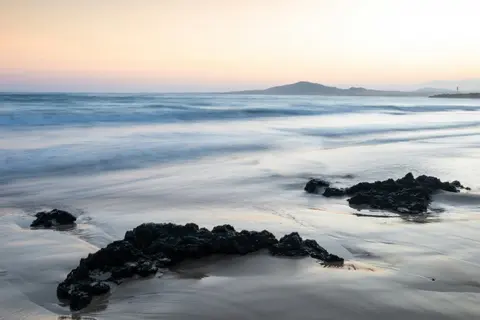
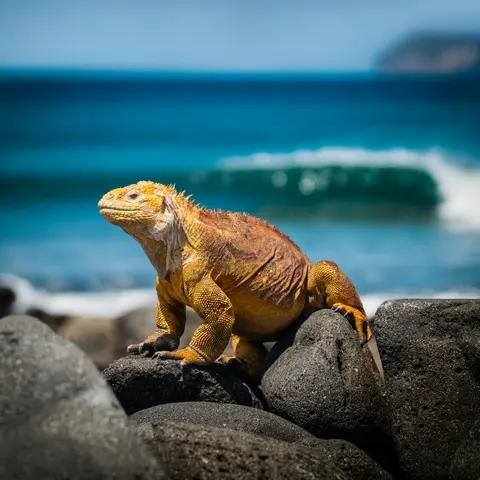
Isla Champion is a small islet off Floreana Island’s northeast coast. To cruise by it reveals a bare, rocky island without much allure, but to enter the infinitely blue waters around this small landmass is to discover a spectacular underwater realm. The visibility is generally impressive and thanks to this water clarity snorkelers often spot reef sharks patrolling the reef wall, cruising Pacific green turtles, and playful Galapagos sea lions. Encounters in the blue with thousands of small silver minnows, large tuna fish, or oceanic sunfish are not unheard of either.
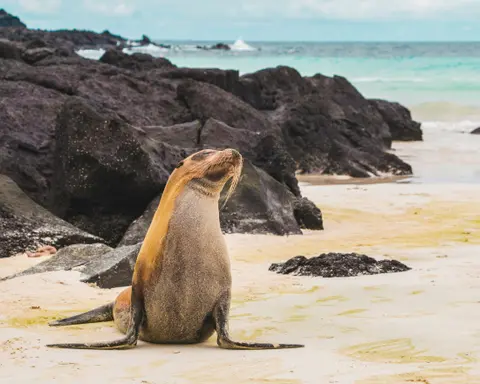
Punta Suárez lies at the western point of Española, the oldest island in the Galápagos. Sheer cliffs provide superb thermals for seabirds and you may spot Swallow-tailed Gulls, Nazca Boobies and Blue-footed Boobies on the breeze. The largest seabird to nest in the Galapagos Islands is the Waved Albatross. These ocean wanderers can be seen seasonally here from April through December, when pairs reunite on Española, going through an elaborate pair-bonding display. View less Mockingbirds, doves, and occasional Galápagos Hawks can also be seen on the point, along with sea lions and colorful marine iguanas.
Isla Champion is a small islet off Floreana Island’s northeast coast. To cruise by it reveals a bare, rocky island without much allure, but to enter the infinitely blue waters around this small landmass is to discover a spectacular underwater realm. The visibility is generally impressive and thanks to this water clarity snorkelers often spot reef sharks patrolling the reef wall, cruising Pacific green turtles, and playful Galapagos sea lions. Encounters in the blue with thousands of small silver minnows, large tuna fish, or oceanic sunfish are not unheard of either.
Punta Suárez lies at the western point of Española, the oldest island in the Galápagos. Sheer cliffs provide superb thermals for seabirds and you may spot Swallow-tailed Gulls, Nazca Boobies and Blue-footed Boobies on the breeze. The largest seabird to nest in the Galapagos Islands is the Waved Albatross. These ocean wanderers can be seen seasonally here from April through December, when pairs reunite on Española, going through an elaborate pair-bonding display. View less Mockingbirds, doves, and occasional Galápagos Hawks can also be seen on the point, along with sea lions and colorful marine iguanas.
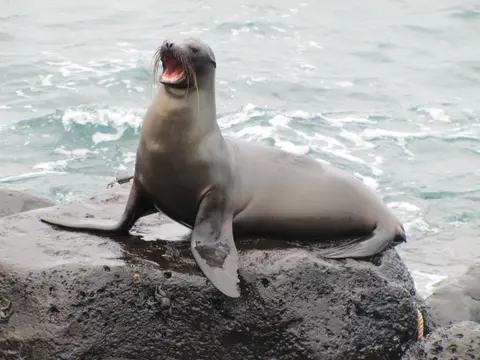
An impressive tuff cone has been carved by erosion into an outstanding natural sculpture, being a resting place for marine birds such as blue-footed bobbies and brown pelicans. One of the most beautiful white sand beaches of the Galapagos (swim or snorkel). View sea lions, sally lightfooted crabs, blue-footed bobbies. Behind the dunes, you find a coastal lagoon, which was visited in the past by the locals to extract salt, today it is home to some shorebirds such as stilts and plovers. The vegetation (as it is one of the oldest islands) shows some endemic species such as Scalesia incisa (flowering plant) only found on this island.
An impressive tuff cone has been carved by erosion into an outstanding natural sculpture, being a resting place for marine birds such as blue-footed bobbies and brown pelicans. One of the most beautiful white sand beaches of the Galapagos (swim or snorkel). View sea lions, sally lightfooted crabs, blue-footed bobbies. Behind the dunes, you find a coastal lagoon, which was visited in the past by the locals to extract salt, today it is home to some shorebirds such as stilts and plovers. The vegetation (as it is one of the oldest islands) shows some endemic species such as Scalesia incisa (flowering plant) only found on this island.
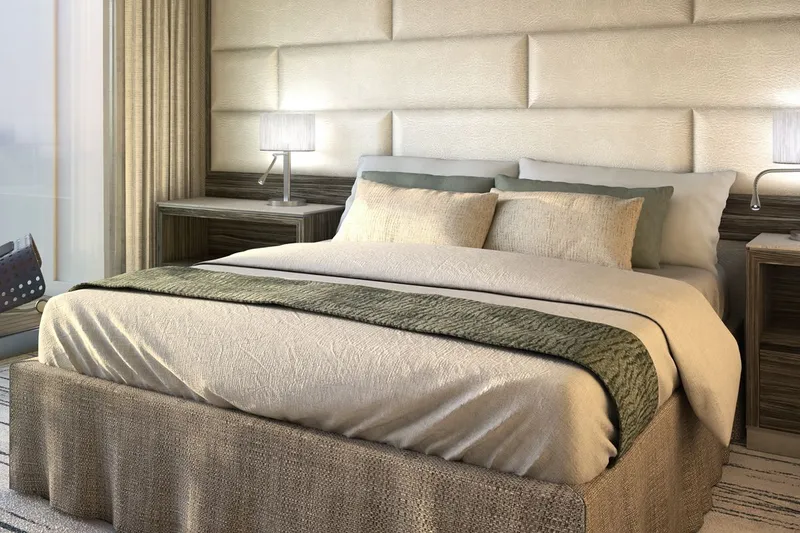
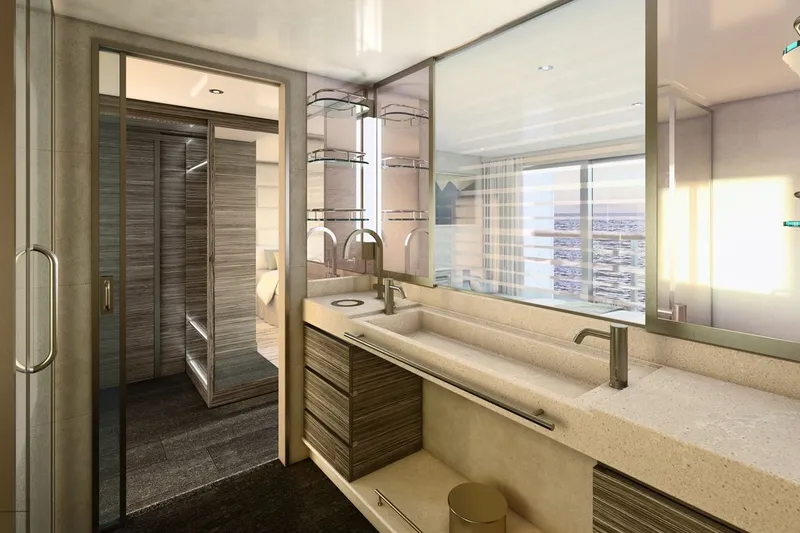
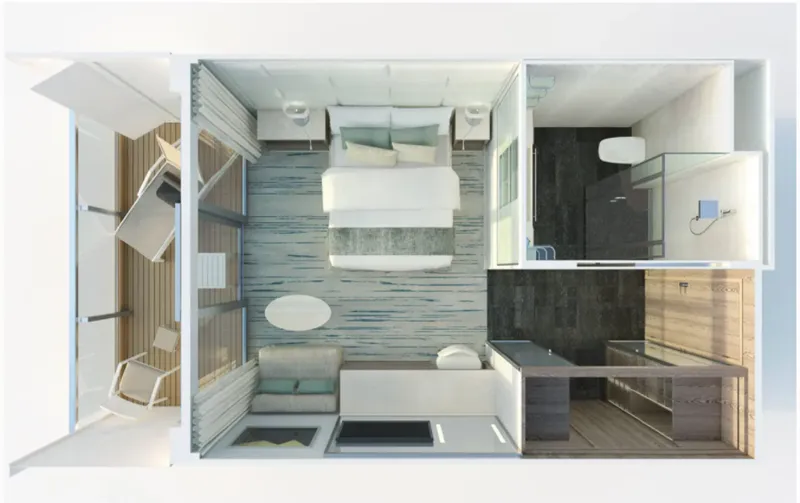
Stylish and sophisticated, the Classic Veranda is a haven of peace at the end of a busy day of discovery. A private veranda brings your destination even closer to home. Full butler service completes this suite.
Floor to ceiling sliding doors with veranda.
Sitting area.
Twin beds or queen-sized bed.
A choice of pillows.
Bathroom with large vanity and walk-in shower.
Walk-in wardrobe(s) with personal safe.
Writing desk.
1 large flat screen TV.
Unlimited Standard Wifi.
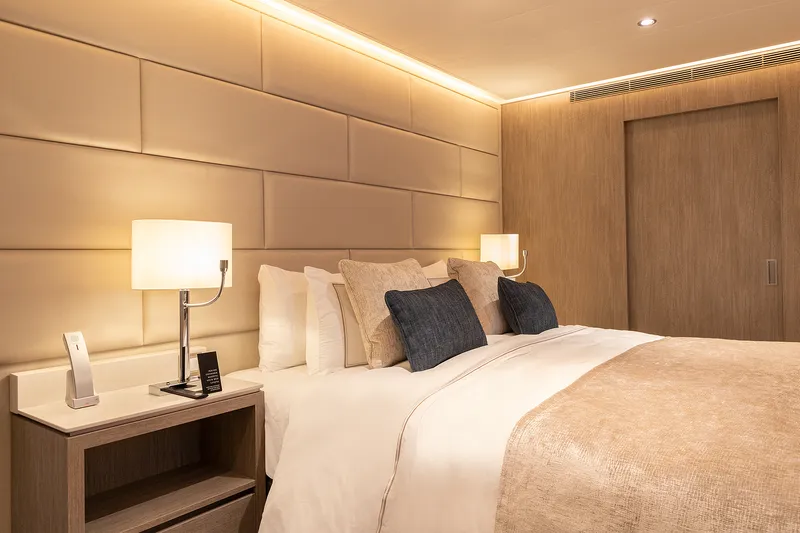
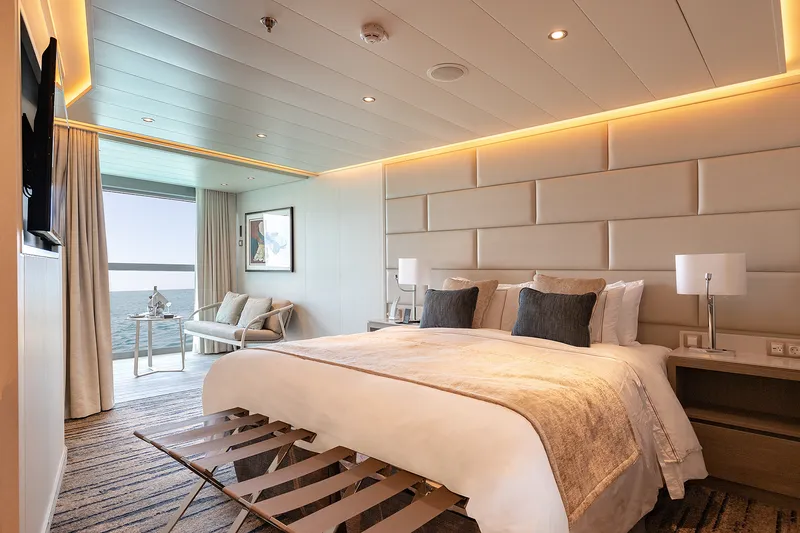
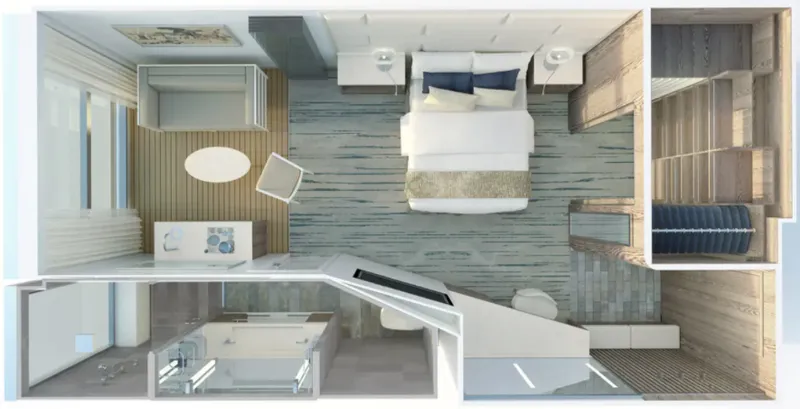
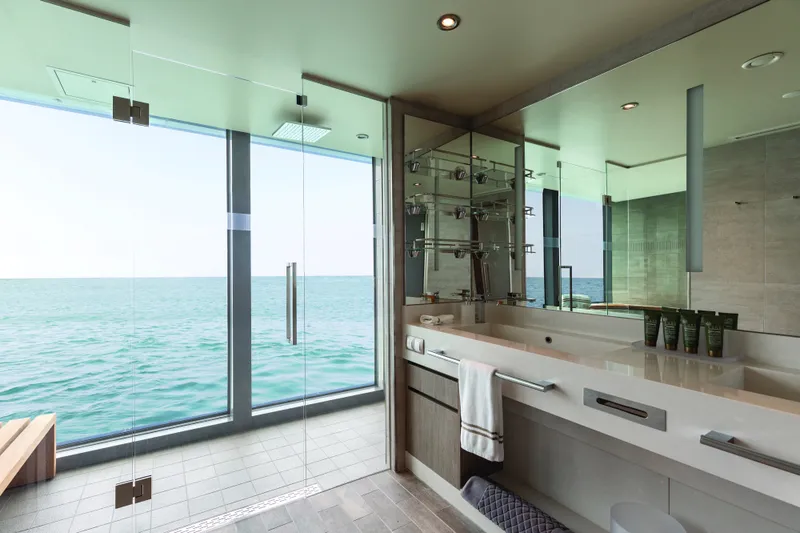
An ocean view walk-in shower plus our unique Horizon Balcony makes this the people’s choice when it comes to sailing the Galapagos Islands. Expertly designed and exquisitely appointed, Deluxe Veranda Suites are warm, spacious and elegantly designed, so that you can make the most of your adventure, without missing the comforts of home.
Private veranda with Horizon Balcony.
Sitting area.
Twin beds or queen-sized bed.
A choice of pillows.
Bathroom with large vanity.
Ocean-view walk-in shower.
Walk-in wardrobe(s) with personal safe.
Writing desk.
1 large flat screen TV.
Unlimited Standard Wifi.
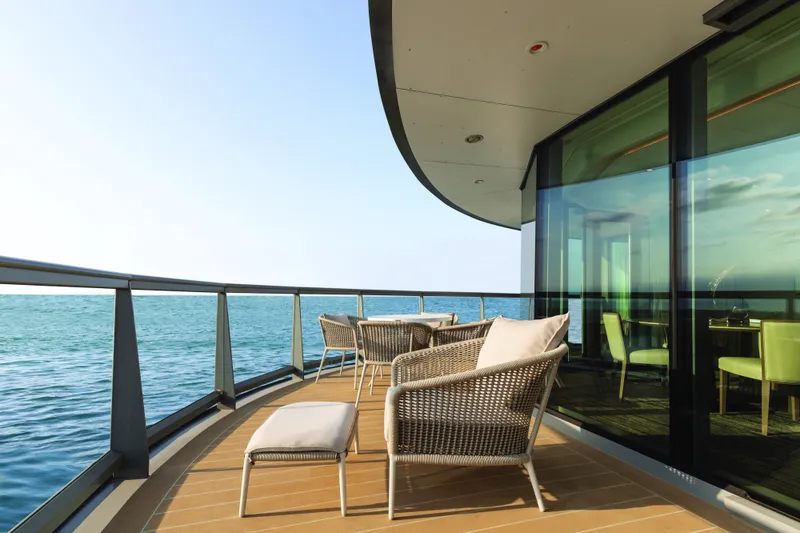
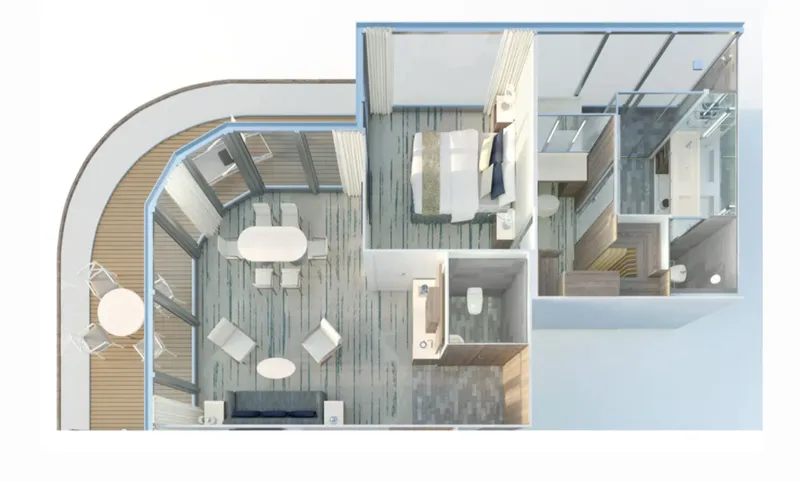
Grand by name and grand by nature! A prefect compliment to your Galapagos Islands cruise, the Grand suite affords superb views from morning to night thanks to a glass-panelled wall in the living area. A large, private veranda and ocean-view bathroom makes the most of the destination. Beautifully furnished and appointed, the Grand Suite is the perfect answer for those who like to explore in luxury.
Large veranda with patio furniture and floor-to-ceiling glass doors.
Living room with sitting area.
Separate dining area.
Twin beds or king-sized bed.
A choice of pillows.
Bathroom with double vanity, plus a powder room.
Ocean-view whirlpool bath and separate shower.
Walk-in wardrobe(s) with personal safe.
Vanity table(s).
2 large flat screen TVs.
Premium sound system.
Premium coffee station.
Binoculars.
Laundry service.
Unlimited Premium Wifi.
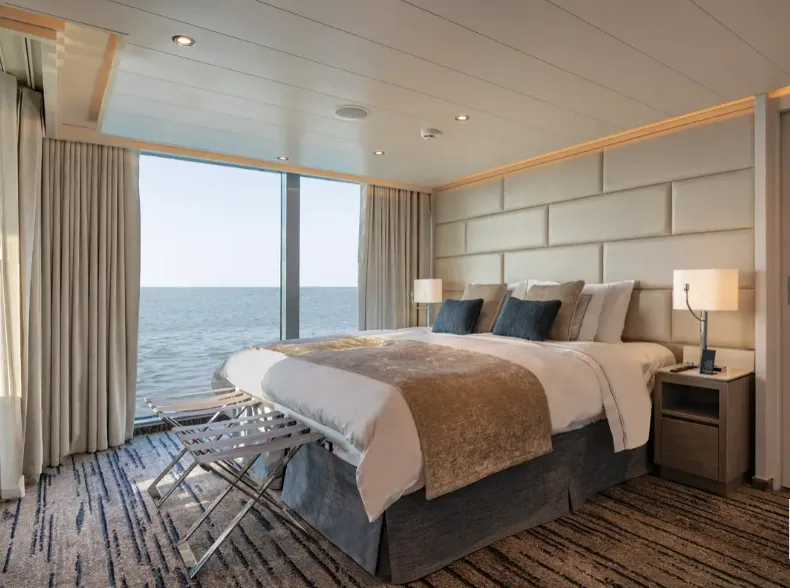
Grand by name and grand by nature! A prefect compliment to your Galapagos Islands cruise, the Grand suite affords superb views from morning to night thanks to a glass-panelled wall in the living area. A large, private veranda and ocean-view bathroom makes the most of the destination. Beautifully furnished and appointed, the Grand Suite is the perfect answer for those who like to explore in luxury.
Large veranda with patio furniture and floor-to-ceiling glass doors.
Living room with sitting area.
Separate dining area.
Twin beds or king-sized bed.
A choice of pillows.
Bathroom with double vanity, plus a powder room.
Ocean-view whirlpool bath and separate shower.
Walk-in wardrobe(s) with personal safe.
Vanity table(s).
2 large flat screen TVs.
Premium sound system.
Premium coffee station.
Binoculars.
Laundry service.
Unlimited Premium Wifi.
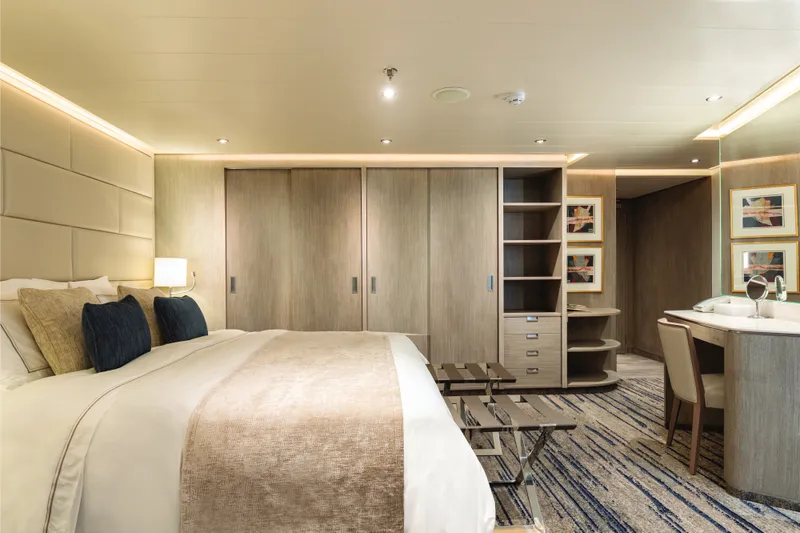
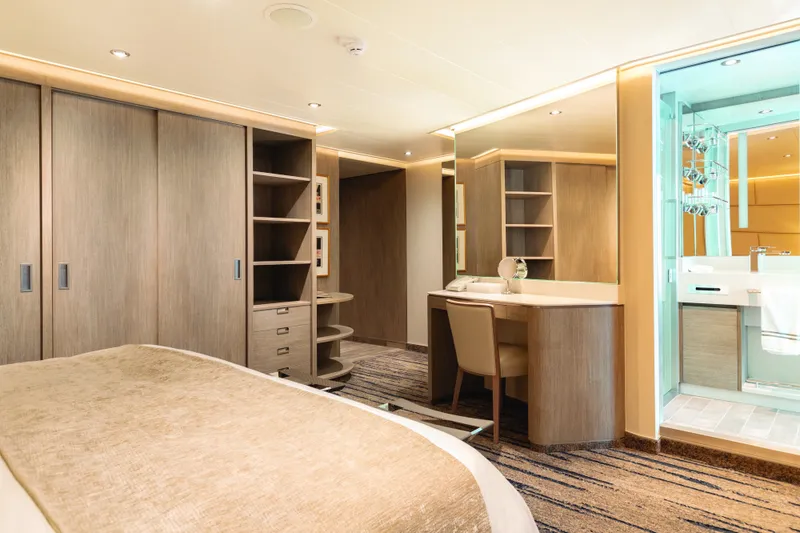
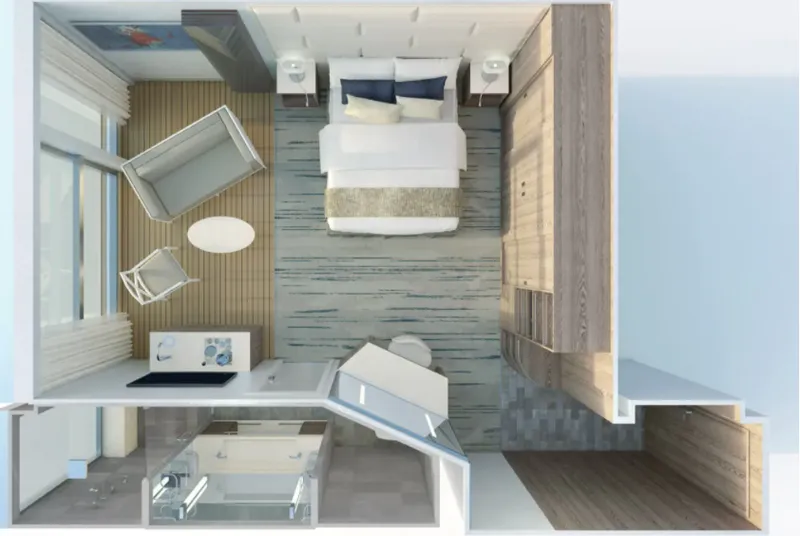
The Medallion Suite wears its name well – as it truly the gold medal of comfort in the Galapagos Islands. Designed with the adventurous guest in mind, enlarge your suite at the touch of the button with our unique Horizon Balcony. The perfect hybrid of expedition and luxury, the Medallion Suite features rich furnishings for easy-going comfort. An ocean view walk in shower extends your adventure even further.
Private veranda with Horizon Balcony.
Sitting area.
Twin beds or king-sized bed.
A choice of pillows.
Bathroom with large vanity.
Ocean-view walk-in shower.
Fitted wardrobe with personal safe.
Writing desk.
1 large flat screen TV.
Premium sound system.
Premium coffee station.
Binoculars.
Laundry service.
Unlimited Premium Wifi.
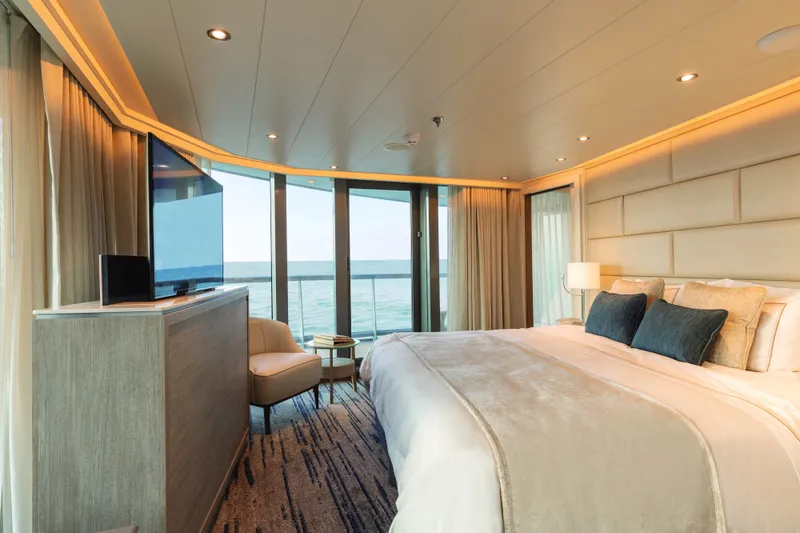
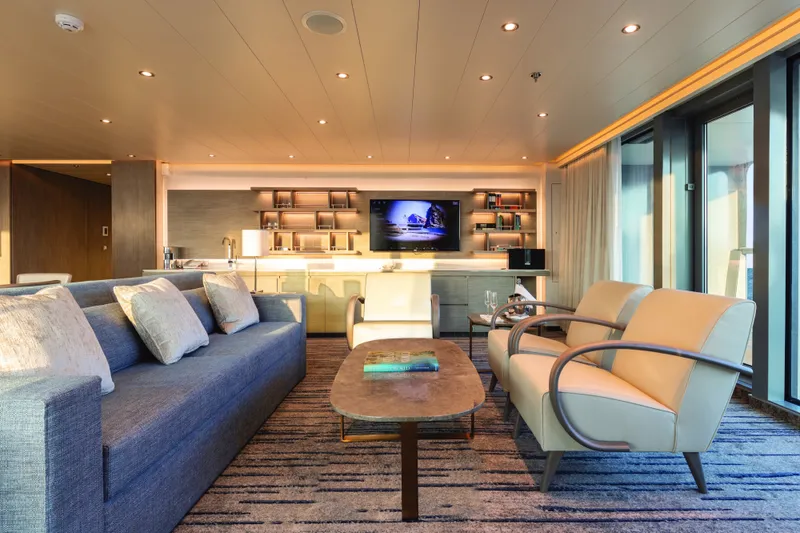
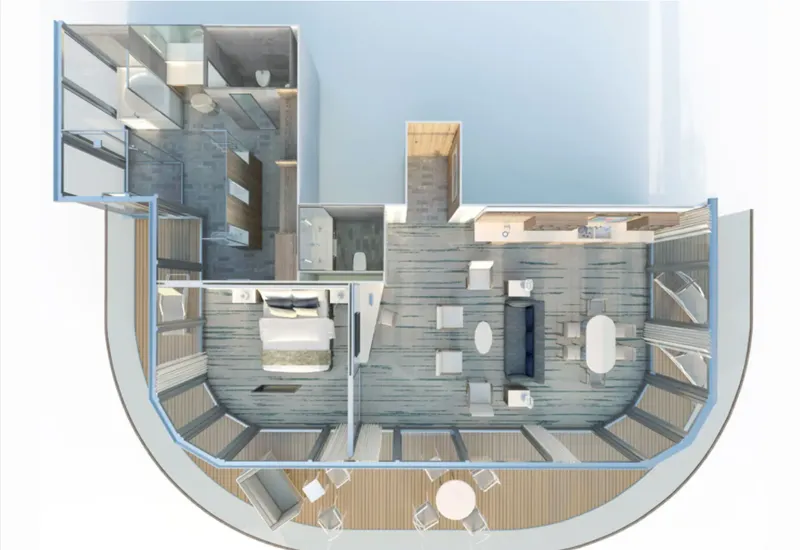
The name says it all; truly the apex of luxury, the Owner’s Suite is for those who want to experience the islands in comfort. A separate bedroom, modern bathroom with whirlpool bath with ocean views and elegant seating area ensure privacy and cosiness are the name of the game, while the vast veranda means full island immersion is assured.
Large veranda with patio furniture and floor-to-ceiling glass doors.
Living room with sitting area.
Separate dining area.
Twin beds or king-sized bed.
A choice of pillows.
Bathroom with double vanity, plus a powder room.
Ocean-view whirlpool bath and separate shower.
Walk-in wardrobe(s) with personal safe.
Vanity table(s).
Writing desk(s).
2 large flat screen TVs.
Premium sound system.
Premium coffee station.
Binoculars.
Laundry service.
Unlimited Premium Wifi.
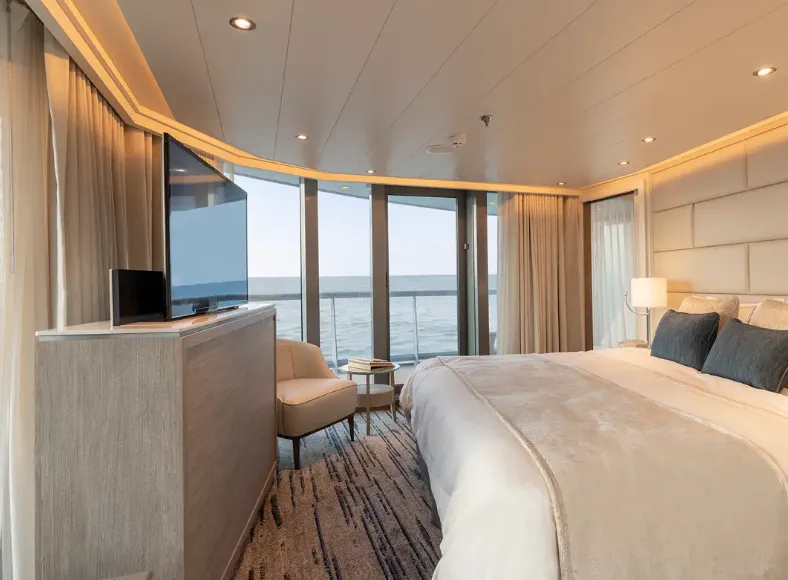
The name says it all; truly the apex of luxury, the Owner’s Suite is for those who want to experience the islands in comfort. A separate bedroom, modern bathroom with whirlpool bath with ocean views and elegant seating area ensure privacy and cosiness are the name of the game, while the vast veranda means full island immersion is assured.
Large veranda with patio furniture and floor-to-ceiling glass doors.
Living room with sitting area.
Separate dining area.
Twin beds or king-sized bed.
A choice of pillows.
Bathroom with double vanity, plus a powder room.
Ocean-view whirlpool bath and separate shower.
Walk-in wardrobe(s) with personal safe.
Vanity table(s).
Writing desk(s).
2 large flat screen TVs.
Premium sound system.
Premium coffee station.
Binoculars.
Laundry service.
Unlimited Premium Wifi.
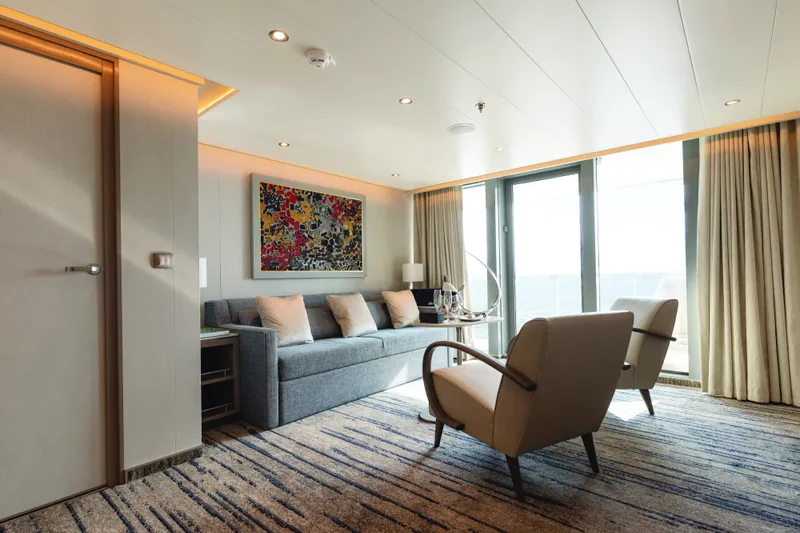
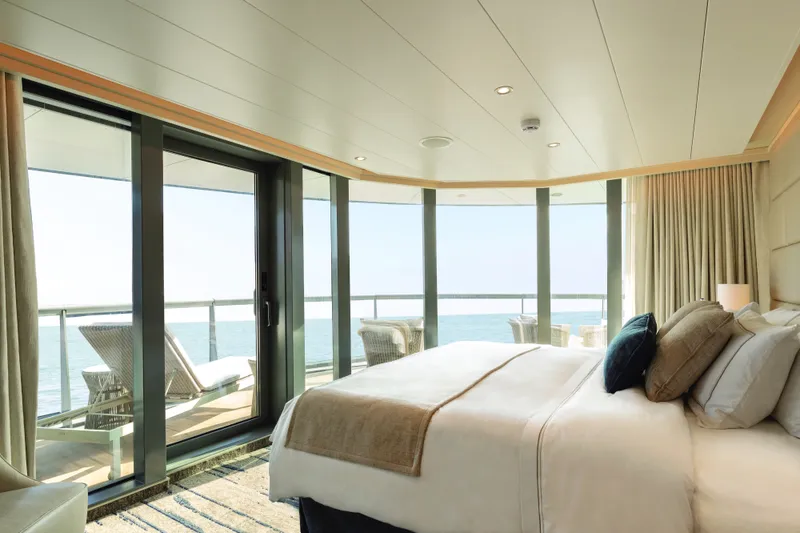
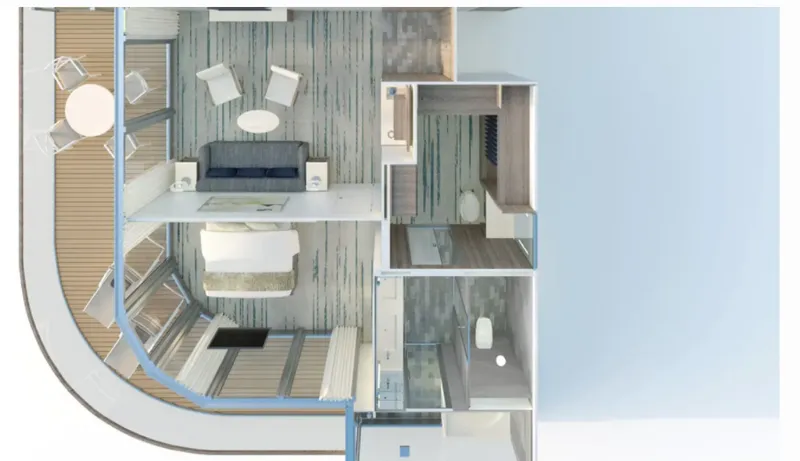
The Royal Suite really is fit for a king! Among our largest on offer, not only does this suite have a private, spacious veranda, but the privileged back ship location means that you’re sure to get the best views there are! Expect all your favourite comforts inside: large ocean-view bathroom with whirlpool bath with walk-in shower, state-of-the-art entertainment system and plush bedding to ensure the best night sleep you’ve ever had.
Large veranda with patio furniture and floor-to-ceiling glass doors.
Living room with sitting area.
Twin beds or king-sized bed.
A choice of pillows.
Bathroom with double vanity, plus a powder room.
Ocean-view whirlpool bath and separate shower.
Walk-in wardrobe(s) with personal safe.
Vanity table(s).
2 large flat screen TVs.
Premium sound system.
Premium coffee station.
Binoculars.
Laundry service.
Unlimited Premium Wifi.
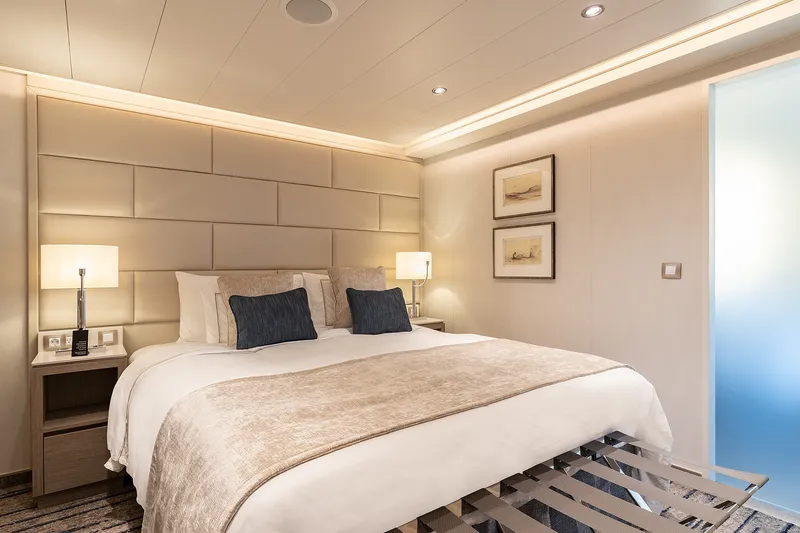
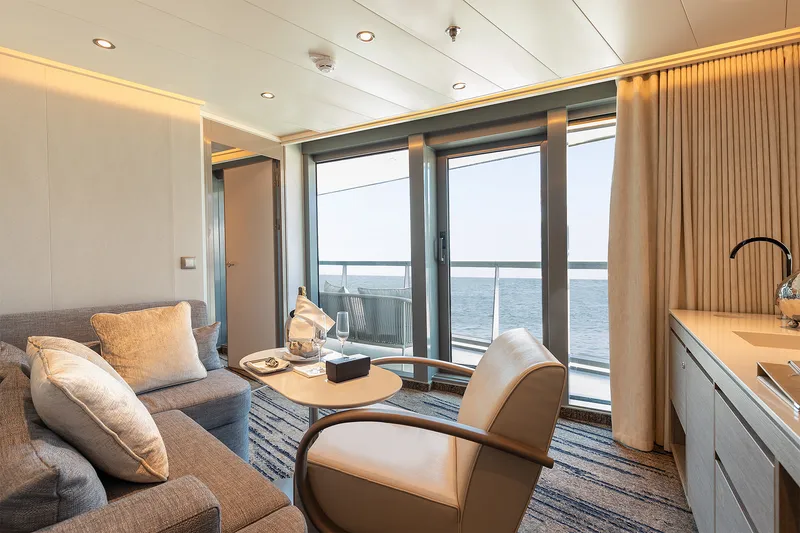
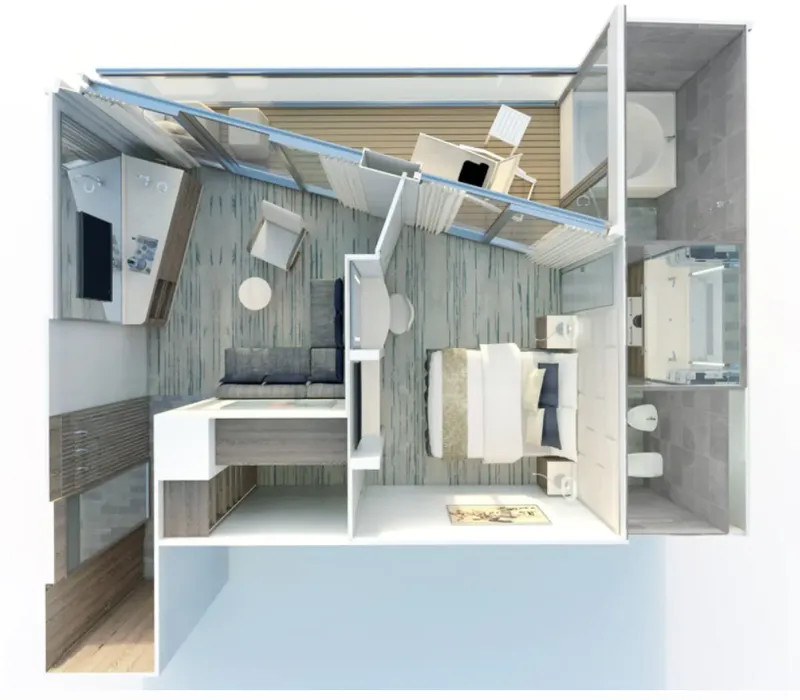
There has never been a better time to get up close and personal with the Galapagos’ fabled marine life than with the Silver Suite. Enormous floor-to-ceiling windows look out onto the beauty of the ocean and its inhabitants. An ocean-view whirlpool bath allows you to experience the beauty of the islands, while enjoying the creature comforts of Silversea. Deluxe furnishings complete the experience.
Large veranda with patio furniture and floor-to-ceiling glass doors.
Living room with sitting area.
Twin beds or queen-sized bed.
A choice of pillows.
Bathroom with large vanity.
Whirlpool bath and separate shower with exterior view.
Walk-in wardrobe(s) with personal safe.
Vanity table(s).
2 large flat screen TVs.
Premium sound system.
Premium coffee station.
Binoculars.
Laundry service.
Unlimited Premium Wifi.
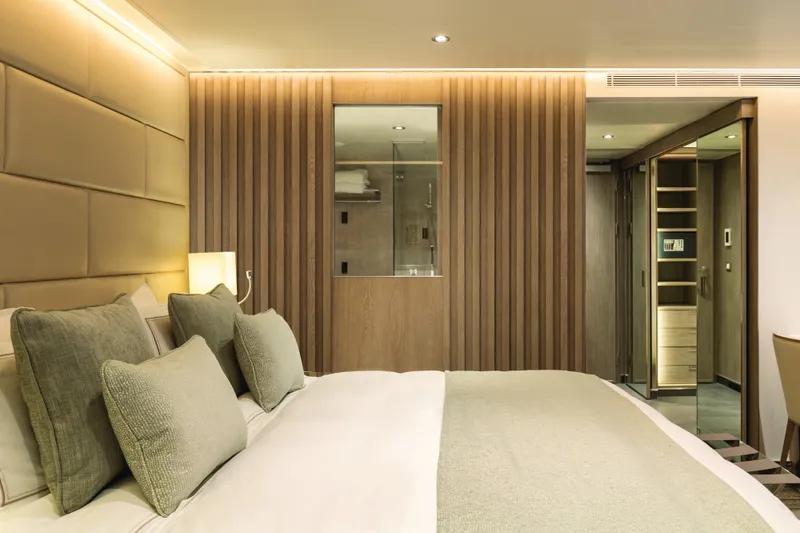
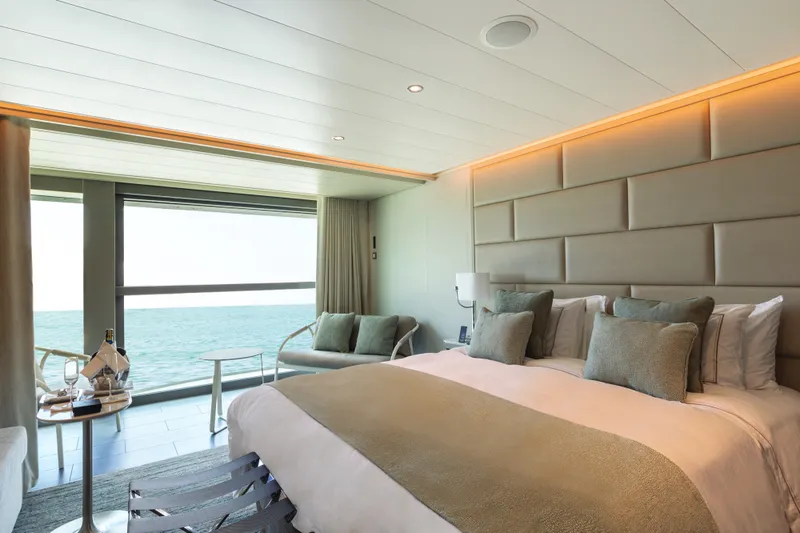
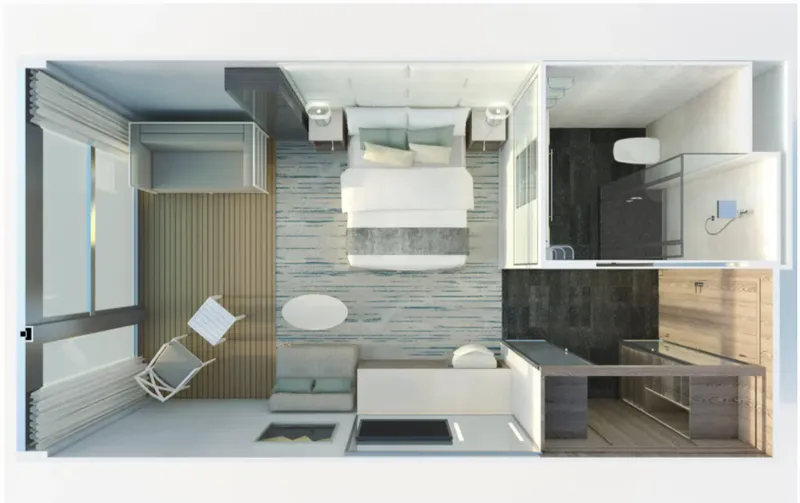
Our Superior Veranda Suite is designed to give you immersion far beyond excursion in the Galapagos. Silver Origin’s unique Horizon Balcony converts your suite at the touch of a button, transforming your balcony into inside seating area. A large bathroom with window into the suite makes this an enviable option when choosing your Galapagos cruise.
Private veranda with Horizon Balcony.
Sitting area.
Twin beds or queen-sized bed.
A choice of pillows.
Bathroom with large vanity and walk-in shower.
Walk-in wardrobe(s) with personal safe.
Writing desk.
1 large flat screen TV.
Unlimited Standard Wifi.
Our cruise specialists can help you find the perfect cabin and the best available pricing.
(+886) 02-2721-7300Contact Advisor