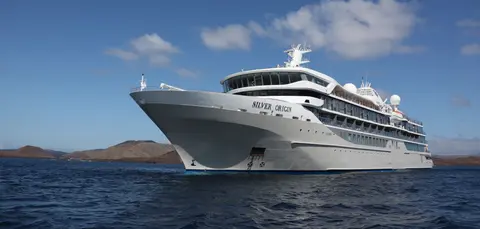
SilverseaOR280219007
San Cristóbal, Galapagos to San Cristóbal, Galapag
Date
February 19, 2028
Duration
7 nights
Departure Port
San Cristobal Island · Ecuador
Arrival Port
San Cristobal Island · Ecuador
Rating
Ultra Luxury
Theme
—
Date
February 19, 2028
Duration
7 nights
Departure Port
San Cristobal Island · Ecuador
Arrival Port
San Cristobal Island · Ecuador
Rating
Ultra Luxury
Theme
—
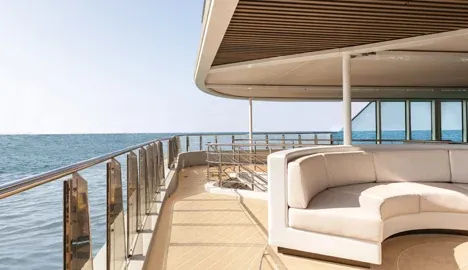
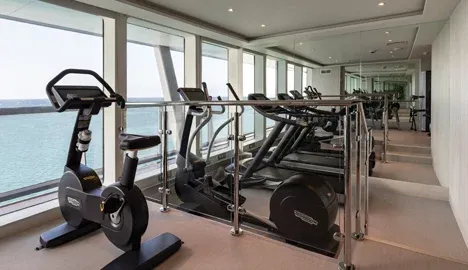
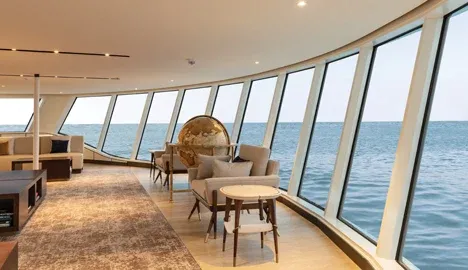
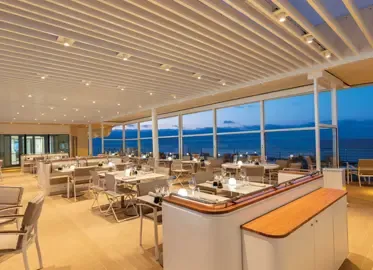
Silversea
2019
—
5,800 GT
100
51
90
331 m
16 m
14 knots
No
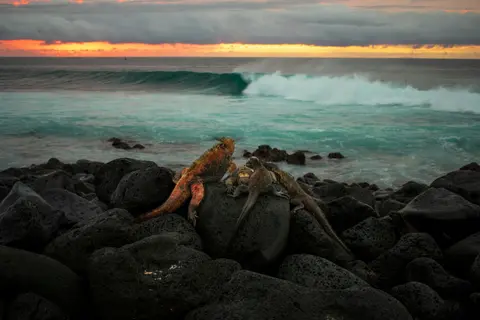
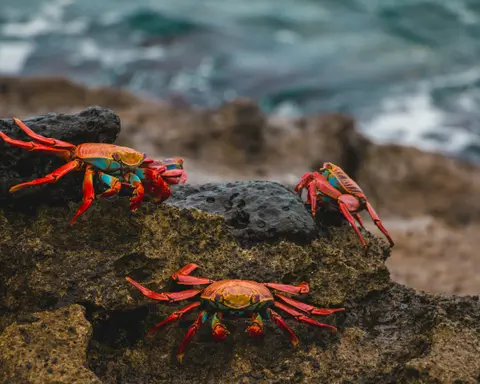
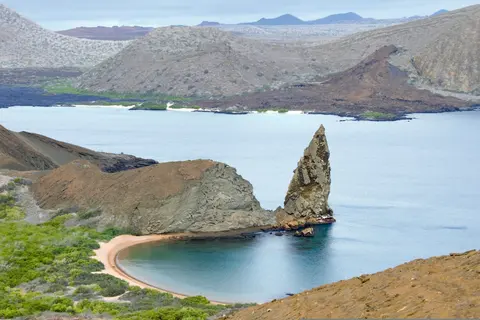
An impressive tuff cone has been carved by erosion into an outstanding natural sculpture, being a resting place for marine birds such as blue-footed bobbies and brown pelicans. One of the most beautiful white sand beaches of the Galapagos (swim or snorkel). View sea lions, sally lightfooted crabs, blue-footed bobbies. Behind the dunes, you find a coastal lagoon, which was visited in the past by the locals to extract salt, today it is home to some shorebirds such as stilts and plovers. The vegetation (as it is one of the oldest islands) shows some endemic species such as Scalesia incisa (flowering plant) only found on this island.
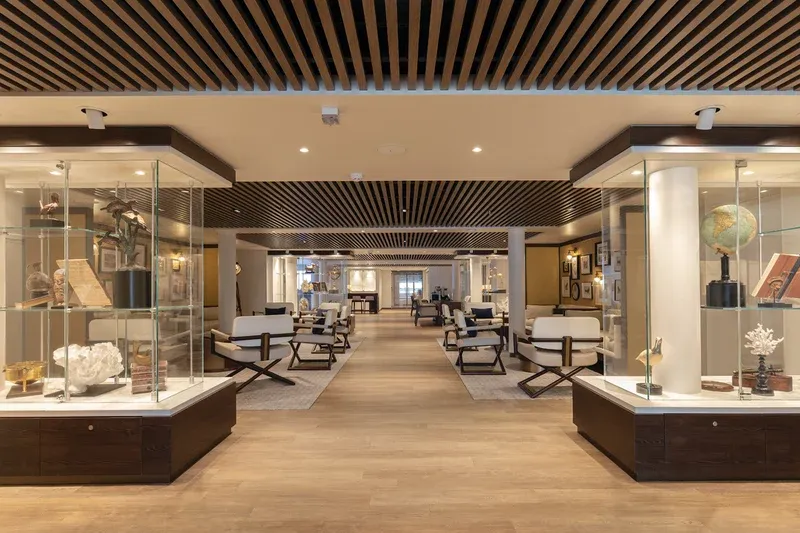
We’ve taken a page out of Darwin’s Red Notebook and learned that to be relevant—to keep up with the times—we have to evolve to fit perfectly into the ever-changing world around us. More specifically, the environment around us. With 10 years in the Galapagos, we’ve learned and evolved our vacations to meet the needs of the modern explorer. We’ve adapted to bring you updated luxuries that elevate your experience in this precious archipelago to the next level. The way we see it, the Galapagos Islands may be primitive, but your vacation there doesn’t have to be.
We’ve taken a page out of Darwin’s Red Notebook and learned that to be relevant—to keep up with the times—we have to evolve to fit perfectly into the ever-changing world around us. More specifically, the environment around us. With 10 years in the Galapagos, we’ve learned and evolved our vacations to meet the needs of the modern explorer. We’ve adapted to bring you updated luxuries that elevate your experience in this precious archipelago to the next level. The way we see it, the Galapagos Islands may be primitive, but your vacation there doesn’t have to be.
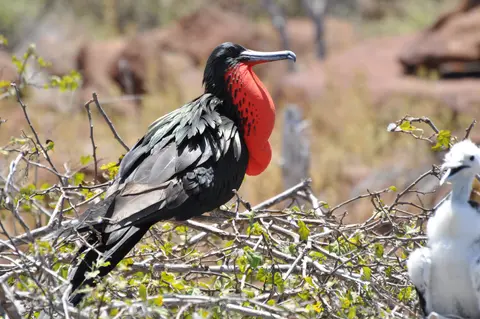
Punta Vicente Roca is one of the marine sites Isabela Island has to offer. On the southern side of Ecuador Volcano, the tip of land on the western end of Isabela is named after Vicente Ramon Roca, President of Ecuador from 1845-49, who as Prefect of Guayas had proposed the Ecuadorian annexation of the Galapagos Islands in 1831. The geological formations, the underwater caves and lava tubes offer fascinating views of the coastline. View less The South Equatorial Countercurrent hits this part of the archipelago from the west and the water offers abundant food sources for different marine life and seabirds. It is normal to see Pacific green turtles, but sharks, rays, whales and dolphins can also be expected, apart from a small colony of fur seals. Blue-footed Boobies, Nazca Boobies, Brown Noddies and other seabirds nest in the cliffs and both the endemic Galapagos Penguins and Flightless Cormorants have established small colonies nearby. Marine iguanas also like this area because of the rich variety of seaweeds growing underwater along the western coast of Isabela. As a marine site, deepwater snorkeling is also possible at Punta Vicente Roca.
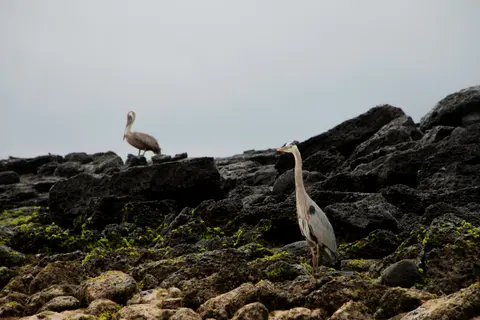
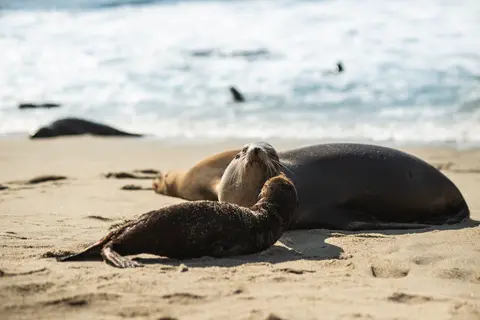
With the gentle slopes of La Cumbre volcano in the distance, the low, lava-forged coast of Punta Espinoza on Fernandina Island is a spectacular sight. Hundreds of marine iguanas rest on the black rock of recent lava flows absorbing heat from the stone and defending their territories against one another. Galapagos sea lions and their pups also take shelter here, resting on the beach and playing in the shallow tide pools sprinkled along the coast. View less Walk past high sandy areas where marine iguanas lay their eggs and along low, shallow mangrove ponds ringed with bright red Sally Lightfoot crabs and Flightless Cormorants drying their stubby wings in the sunshine.
Punta Vicente Roca is one of the marine sites Isabela Island has to offer. On the southern side of Ecuador Volcano, the tip of land on the western end of Isabela is named after Vicente Ramon Roca, President of Ecuador from 1845-49, who as Prefect of Guayas had proposed the Ecuadorian annexation of the Galapagos Islands in 1831. The geological formations, the underwater caves and lava tubes offer fascinating views of the coastline. View less The South Equatorial Countercurrent hits this part of the archipelago from the west and the water offers abundant food sources for different marine life and seabirds. It is normal to see Pacific green turtles, but sharks, rays, whales and dolphins can also be expected, apart from a small colony of fur seals. Blue-footed Boobies, Nazca Boobies, Brown Noddies and other seabirds nest in the cliffs and both the endemic Galapagos Penguins and Flightless Cormorants have established small colonies nearby. Marine iguanas also like this area because of the rich variety of seaweeds growing underwater along the western coast of Isabela. As a marine site, deepwater snorkeling is also possible at Punta Vicente Roca.
With the gentle slopes of La Cumbre volcano in the distance, the low, lava-forged coast of Punta Espinoza on Fernandina Island is a spectacular sight. Hundreds of marine iguanas rest on the black rock of recent lava flows absorbing heat from the stone and defending their territories against one another. Galapagos sea lions and their pups also take shelter here, resting on the beach and playing in the shallow tide pools sprinkled along the coast. View less Walk past high sandy areas where marine iguanas lay their eggs and along low, shallow mangrove ponds ringed with bright red Sally Lightfoot crabs and Flightless Cormorants drying their stubby wings in the sunshine.
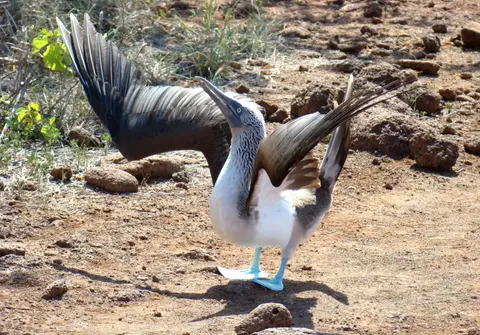
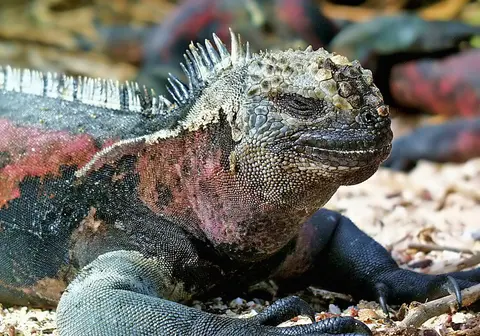
Punta Vicente Roca is one of the marine sites Isabela Island has to offer. On the southern side of Ecuador Volcano, the tip of land on the western end of Isabela is named after Vicente Ramon Roca, President of Ecuador from 1845-49, who as Prefect of Guayas had proposed the Ecuadorian annexation of the Galapagos Islands in 1831. The geological formations, the underwater caves and lava tubes offer fascinating views of the coastline. View less The South Equatorial Countercurrent hits this part of the archipelago from the west and the water offers abundant food sources for different marine life and seabirds. It is normal to see Pacific green turtles, but sharks, rays, whales and dolphins can also be expected, apart from a small colony of fur seals. Blue-footed Boobies, Nazca Boobies, Brown Noddies and other seabirds nest in the cliffs and both the endemic Galapagos Penguins and Flightless Cormorants have established small colonies nearby. Marine iguanas also like this area because of the rich variety of seaweeds growing underwater along the western coast of Isabela. As a marine site, deepwater snorkeling is also possible at Punta Vicente Roca.
Punta Vicente Roca is one of the marine sites Isabela Island has to offer. On the southern side of Ecuador Volcano, the tip of land on the western end of Isabela is named after Vicente Ramon Roca, President of Ecuador from 1845-49, who as Prefect of Guayas had proposed the Ecuadorian annexation of the Galapagos Islands in 1831. The geological formations, the underwater caves and lava tubes offer fascinating views of the coastline. View less The South Equatorial Countercurrent hits this part of the archipelago from the west and the water offers abundant food sources for different marine life and seabirds. It is normal to see Pacific green turtles, but sharks, rays, whales and dolphins can also be expected, apart from a small colony of fur seals. Blue-footed Boobies, Nazca Boobies, Brown Noddies and other seabirds nest in the cliffs and both the endemic Galapagos Penguins and Flightless Cormorants have established small colonies nearby. Marine iguanas also like this area because of the rich variety of seaweeds growing underwater along the western coast of Isabela. As a marine site, deepwater snorkeling is also possible at Punta Vicente Roca.
Floreana’s Post Office Bay has received its name as the site was used to leave mail for retrieval by others who were thought to stop at the Galapagos Islands or might be heading for the addressee’s direction. First mentioned by Porter in 1813 as “Hathaway’s Postoffice”, HMS Beagle’s captain FitzRoy stated that it was not in use in 1835 as the island was already settled at that time. Floreana had been the first island to be settled by Ecuadorians in 1832. View less Today a barrel instead of the original box is used by visitors who leave their own postcards and retrieve mail for hand-delivery. Apart from the beach and mail barrel the bay offers good swimming and snorkeling. The area holds remains of a failed Norwegian fish canning plant and settlement dating back to the 1920s. A lava tube in the vicinity can also be explored. Although Floreana is inhabited, the number of residents is reduced because of the difficult access to water. A track from Post Office Bay connects with the only road from Puerto Velazco Ibarra on the west coast to a spring in the highlands.
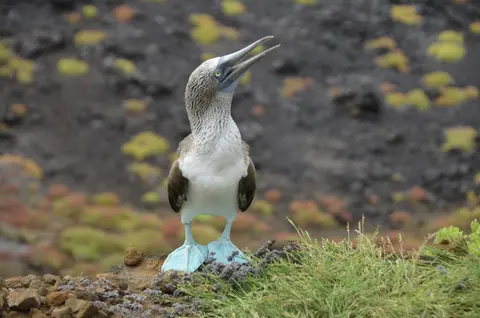
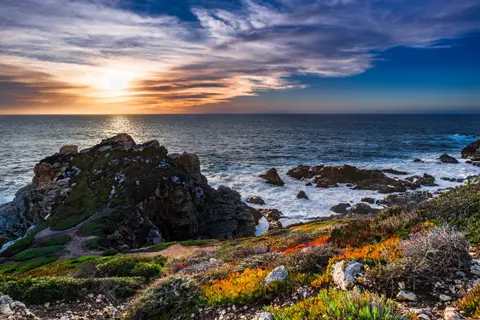
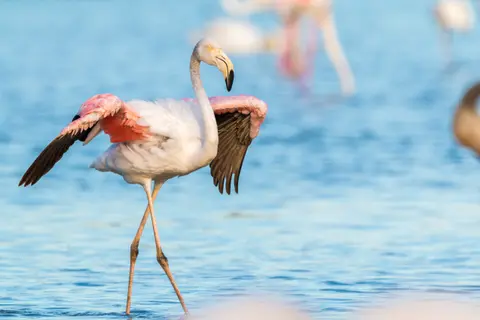
Floreana Island’s northernmost point is called Punta Cormorant – named after the British naval vessel HMS Cormorant and dating back to the late 19th century. From the landing beach a short track leads to a shallow lagoon that is famous for its flamingos. The brilliantly pink birds skim the salty waters for shrimp and tend to chicks on the nest. The trail then scales a low hillside through scattered Palo Santo trees to reveal an idyllic white-sand beach on the other side of the point. View less Standing at the edge of the lapping waves, you might spot mammoth female sea turtles hauling themselves out of the sea to lay eggs in the sugar sand dunes that lay high above the tide line. Before returning to the landing site your guides may also point out White-cheeked Pintails, Blue-footed Boobies, Yellow Warblers, and Medium and Small Ground Finches.
Floreana’s Post Office Bay has received its name as the site was used to leave mail for retrieval by others who were thought to stop at the Galapagos Islands or might be heading for the addressee’s direction. First mentioned by Porter in 1813 as “Hathaway’s Postoffice”, HMS Beagle’s captain FitzRoy stated that it was not in use in 1835 as the island was already settled at that time. Floreana had been the first island to be settled by Ecuadorians in 1832. View less Today a barrel instead of the original box is used by visitors who leave their own postcards and retrieve mail for hand-delivery. Apart from the beach and mail barrel the bay offers good swimming and snorkeling. The area holds remains of a failed Norwegian fish canning plant and settlement dating back to the 1920s. A lava tube in the vicinity can also be explored. Although Floreana is inhabited, the number of residents is reduced because of the difficult access to water. A track from Post Office Bay connects with the only road from Puerto Velazco Ibarra on the west coast to a spring in the highlands.
Floreana Island is an island of the Galápagos Islands. It was named after Juan José Flores, the first president of Ecuador, during whose administration the government of Ecuador took possession of the archipelago. It was previously called Charles Island, and Santa María after one of the caravels of Columbus.
Floreana Island’s northernmost point is called Punta Cormorant – named after the British naval vessel HMS Cormorant and dating back to the late 19th century. From the landing beach a short track leads to a shallow lagoon that is famous for its flamingos. The brilliantly pink birds skim the salty waters for shrimp and tend to chicks on the nest. The trail then scales a low hillside through scattered Palo Santo trees to reveal an idyllic white-sand beach on the other side of the point. View less Standing at the edge of the lapping waves, you might spot mammoth female sea turtles hauling themselves out of the sea to lay eggs in the sugar sand dunes that lay high above the tide line. Before returning to the landing site your guides may also point out White-cheeked Pintails, Blue-footed Boobies, Yellow Warblers, and Medium and Small Ground Finches.
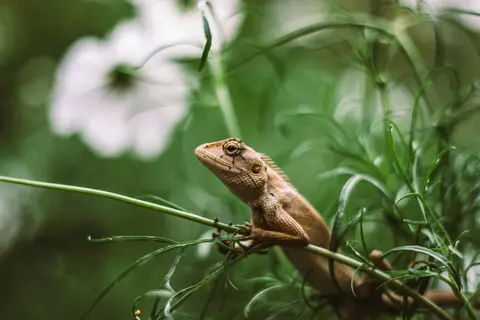
Los Gemelos (The Twins) is a visitor site in the Santa Cruz highlands. Found some 15 kilometers northwest of Puerto Ayora, the road leading from Puerto Ayora in the south of Santa Cruz to Itabaca in the north dissects the twin pit craters. Pit craters are formed when the roof of an underground void collapses. The smaller pit crater is on the eastern side of the road, while the larger one is on the western side. See from above, the two openings in the ground are not at all identical. View less Their layout might imply an elongated magma chamber or a lava tube leading further west and the larger twin actually having formerly been two small pit craters whose connecting wall collapsed as well. Trails through a Scalesia forest not only give access to good views of the pit craters, but also permit to observe some of the smaller land birds. Vermilion Flycatchers, Yellow Warblers, Galapagos Doves, Medium Ground Finches and several other finch species can often be seen there.
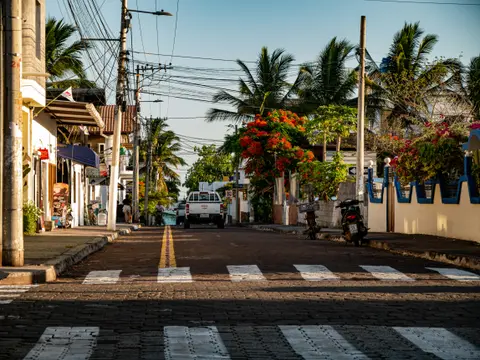
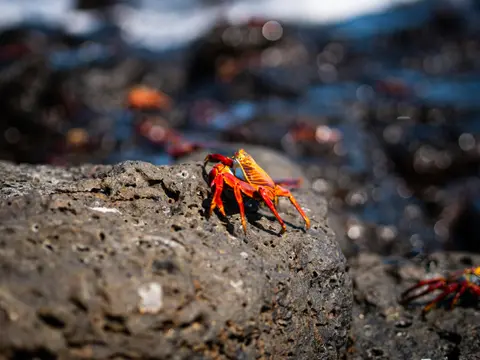
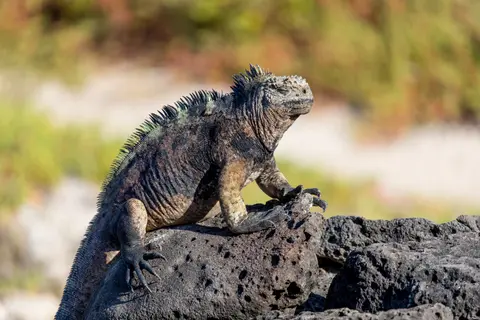
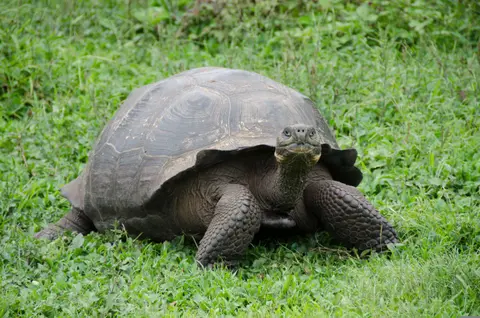
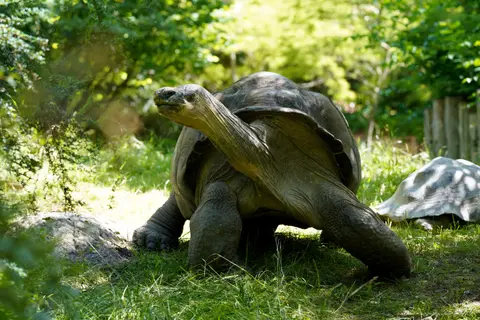
Santa Cruz is the second-largest island in the Galapagos and home to Puerto Ayora (the largest town in the islands). In 1959, the Ecuadorian government declared all the islands, except areas already colonized, as a national park. In the same year, the Charles Darwin Foundation was founded to promote scientific research and ensure the conservation of the Galapagos. In 1992, the waters surrounding the Galapagos were declared a marine reserve. Here, you have the opportunity to visit a giant tortoise reserve in the lushly vegetated highlands, where the animals roam free in their natural habitat. On another excursion, a short drive through town brings you to the Galapagos Park Service giant tortoise breeding station and the Charles Darwin Research Station. Afterwards there is time to wander through the lovely streets of Puerto Ayora for some shopping.
Los Gemelos (The Twins) is a visitor site in the Santa Cruz highlands. Found some 15 kilometers northwest of Puerto Ayora, the road leading from Puerto Ayora in the south of Santa Cruz to Itabaca in the north dissects the twin pit craters. Pit craters are formed when the roof of an underground void collapses. The smaller pit crater is on the eastern side of the road, while the larger one is on the western side. See from above, the two openings in the ground are not at all identical. View less Their layout might imply an elongated magma chamber or a lava tube leading further west and the larger twin actually having formerly been two small pit craters whose connecting wall collapsed as well. Trails through a Scalesia forest not only give access to good views of the pit craters, but also permit to observe some of the smaller land birds. Vermilion Flycatchers, Yellow Warblers, Galapagos Doves, Medium Ground Finches and several other finch species can often be seen there.
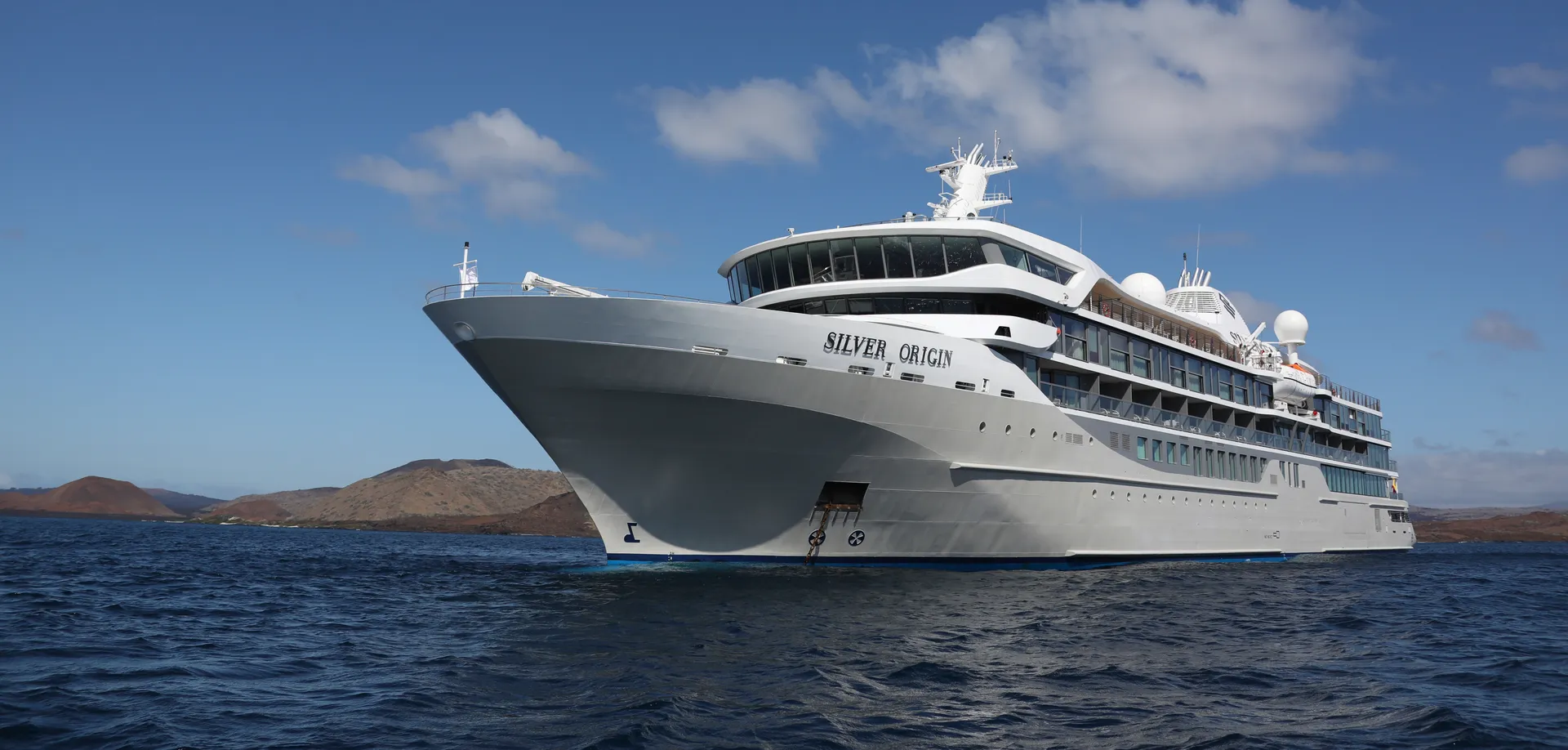
Silver Origin will anchor in front of Puerto Ayora, Santa Cruz, where the prestigious Charles Darwin Research Station is located. The station also houses the Fausto Llerena Breeding Center for giant tortoises and land iguanas where guides interpret the centre’s captive breeding and reintroduction programs. In addition to these star species, throughout the station there are huge prickly pear cactus trees being fed upon by the pretty Galapagos Cactus Finch. To round out the stay in Puerto Ayora, enjoy free time in town where local artists have created charming art galleries and corner cafés.
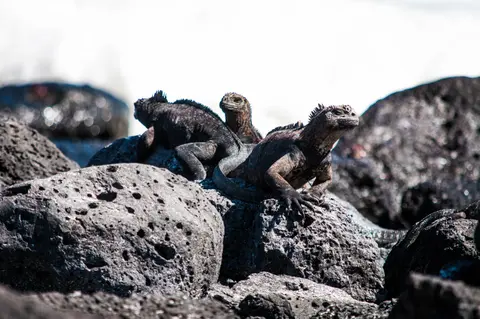
Dragon Hill, or "Cerro Dragon," is named after its population of land iguanas. The site offers a beautiful view of the landscape and two small brackish lagoons where flamingos and other shore birds occasionally feed. Along the trail, we'll cross a beautiful "white forest" of Palo Santo (incense) trees and Galapagos cotton plants. Excursion options include a high-intensity hike with swimming/snorkeling at the beach, high intensity snorkeling from a zodiac followed by a short walk and a low-intensity Zodiac ride along the coastline with optional dry landing for animal observation.
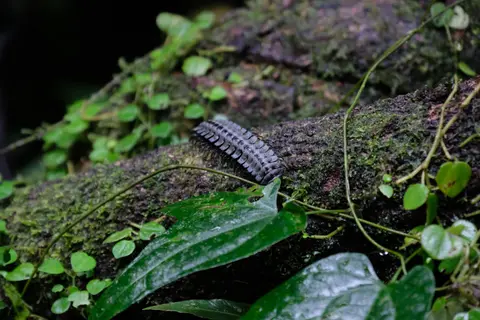
Santa Cruz Island is the largest of the Channel Islands, off the coast of Southern California. Its many sea caves include the vast Painted Cave, on the northwestern side. The island has many trails, including around Scorpion Canyon, with opportunities to see the island scrub jays. Scorpion Beach features kelp forests. Smugglers Cove has tide pools. Cavern Point offers Pacific Ocean views and seasonal whale sightings.
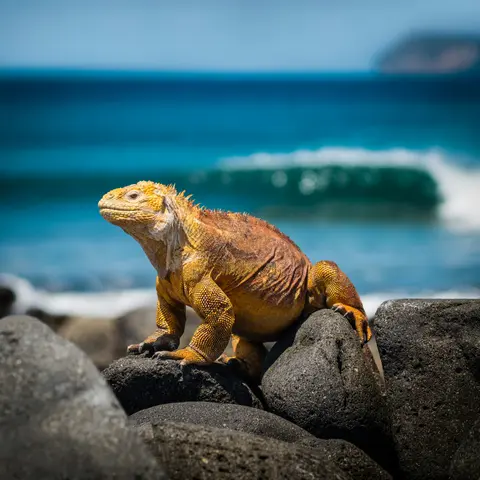
Cerro Dragón’s land iguanas once played an important part in a conservation program headed by the Charles Darwin Foundation and the Galapagos National Park. When the reptiles’ numbers declined in the 1970s, some animals were taken to breed in captivity and were released back into undeveloped areas. Today, it is an honor to see the success of this program firsthand at Cerro Dragón. Walk inland on a trail past small saltwater lagoons that periodically feature flamingos, to see the reintroduced animals. In a periodic local phenomenon, during rainier times the salinity in the lagoons drops with the inflow of freshwater. As a consequence crustacean populations decline, which in turn means the shorebirds become scarce.
An impressive tuff cone has been carved by erosion into an outstanding natural sculpture, being a resting place for marine birds such as blue-footed bobbies and brown pelicans. One of the most beautiful white sand beaches of the Galapagos (swim or snorkel). View sea lions, sally lightfooted crabs, blue-footed bobbies. Behind the dunes, you find a coastal lagoon, which was visited in the past by the locals to extract salt, today it is home to some shorebirds such as stilts and plovers. The vegetation (as it is one of the oldest islands) shows some endemic species such as Scalesia incisa (flowering plant) only found on this island.
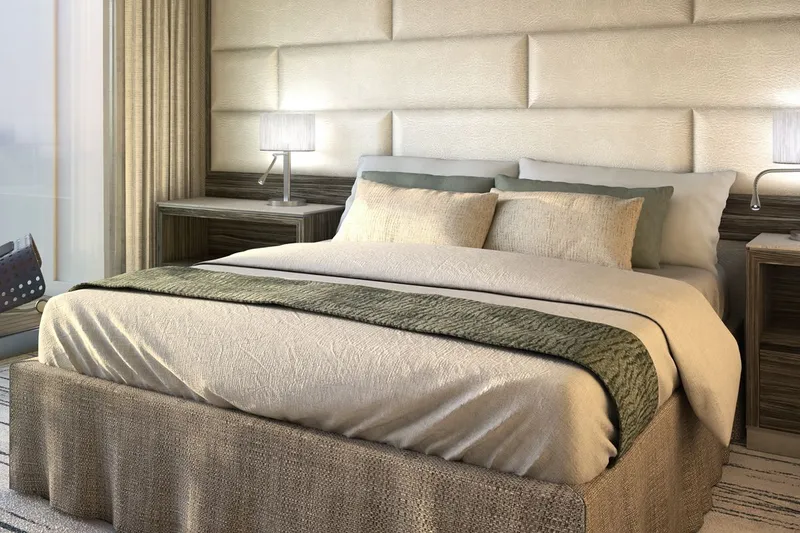
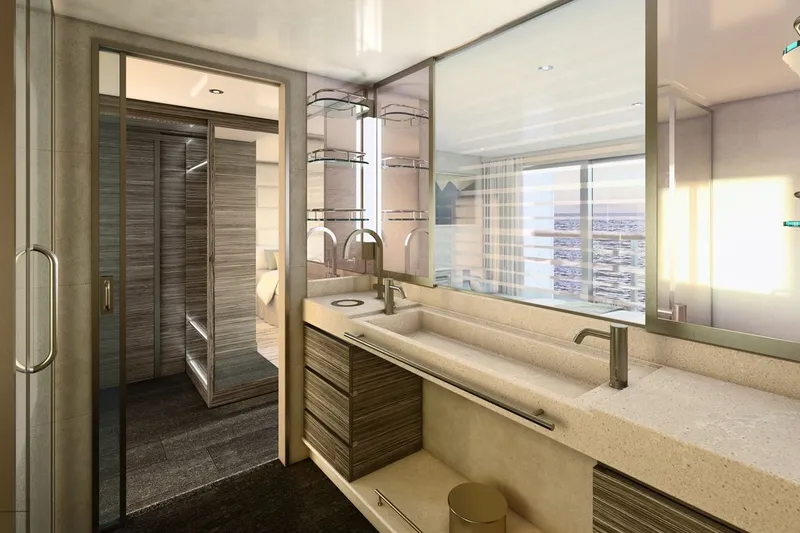
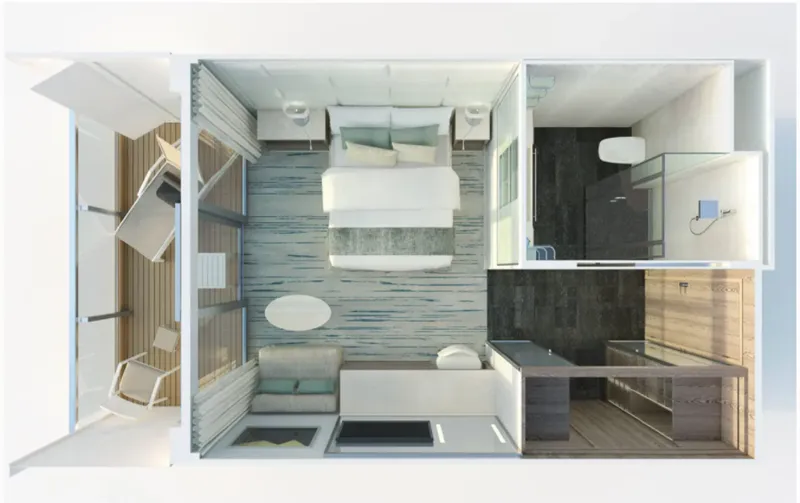
Stylish and sophisticated, the Classic Veranda is a haven of peace at the end of a busy day of discovery. A private veranda brings your destination even closer to home. Full butler service completes this suite.
Floor to ceiling sliding doors with veranda.
Sitting area.
Twin beds or queen-sized bed.
A choice of pillows.
Bathroom with large vanity and walk-in shower.
Walk-in wardrobe(s) with personal safe.
Writing desk.
1 large flat screen TV.
Unlimited Standard Wifi.
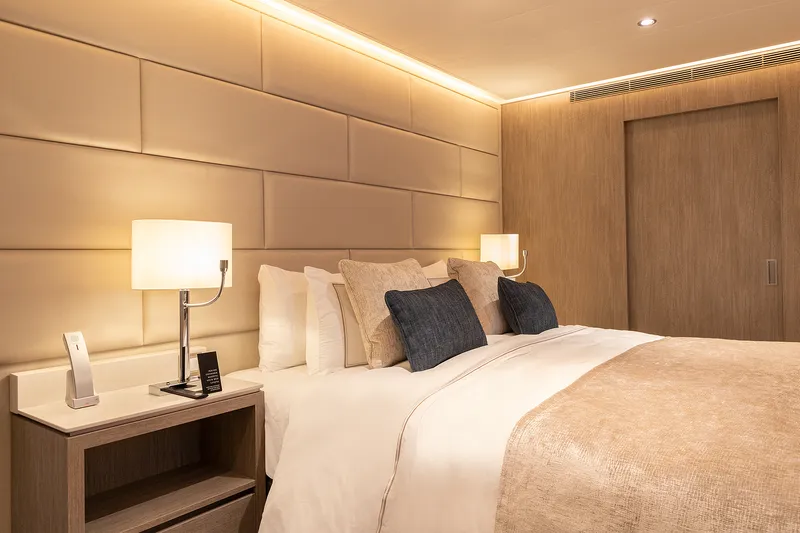
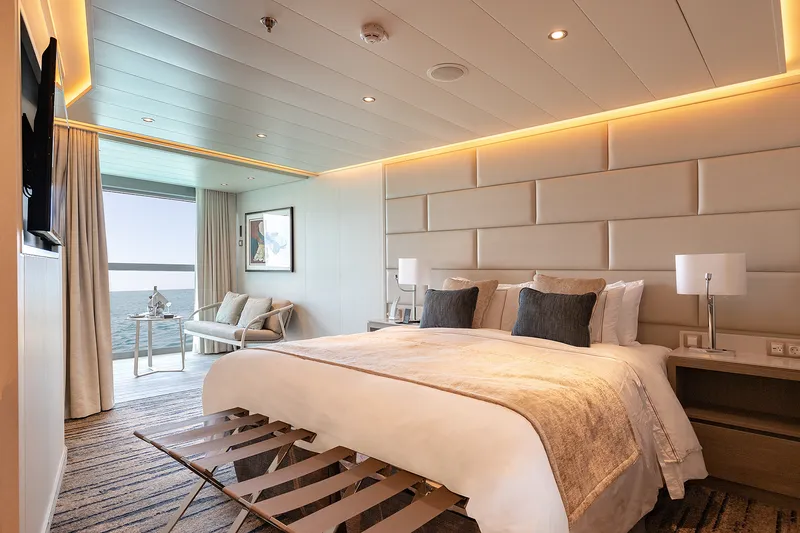
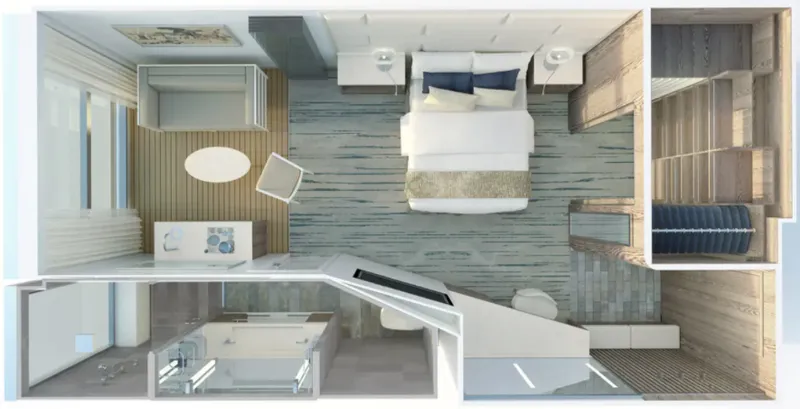
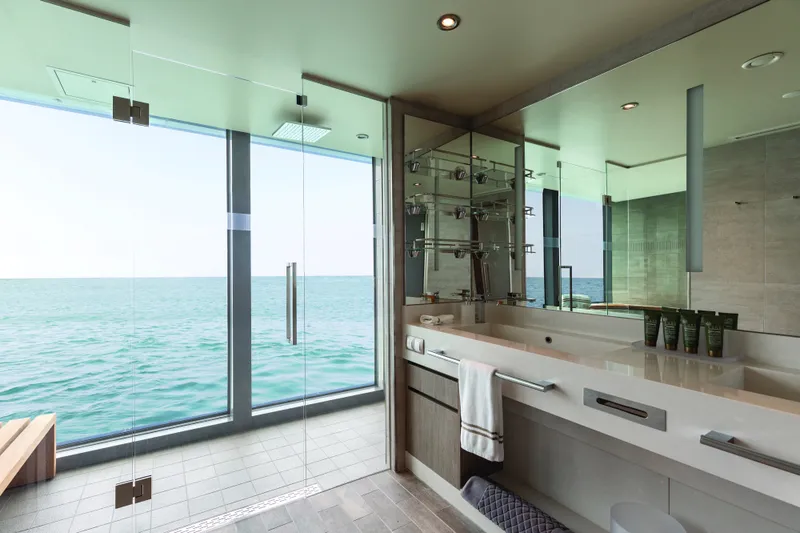
An ocean view walk-in shower plus our unique Horizon Balcony makes this the people’s choice when it comes to sailing the Galapagos Islands. Expertly designed and exquisitely appointed, Deluxe Veranda Suites are warm, spacious and elegantly designed, so that you can make the most of your adventure, without missing the comforts of home.
Private veranda with Horizon Balcony.
Sitting area.
Twin beds or queen-sized bed.
A choice of pillows.
Bathroom with large vanity.
Ocean-view walk-in shower.
Walk-in wardrobe(s) with personal safe.
Writing desk.
1 large flat screen TV.
Unlimited Standard Wifi.
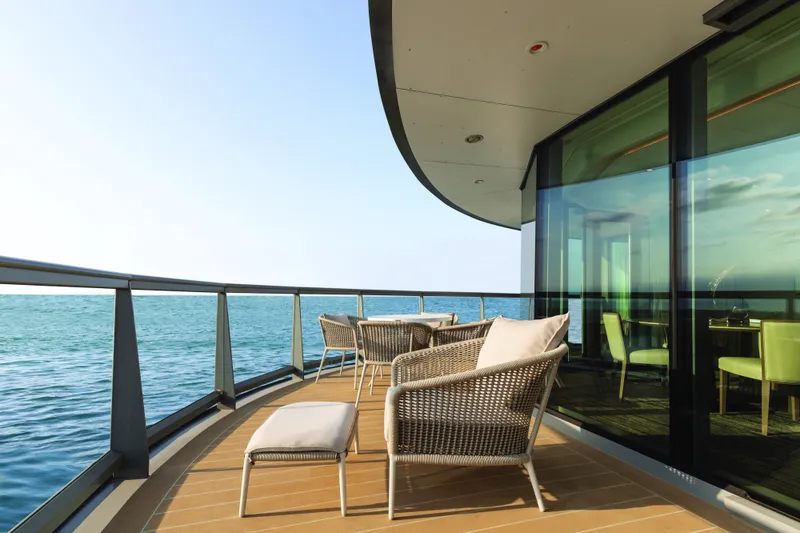
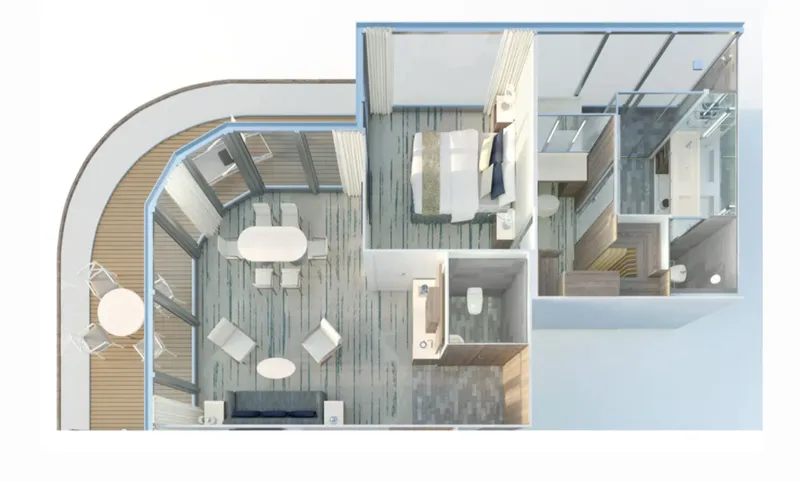
Grand by name and grand by nature! A prefect compliment to your Galapagos Islands cruise, the Grand suite affords superb views from morning to night thanks to a glass-panelled wall in the living area. A large, private veranda and ocean-view bathroom makes the most of the destination. Beautifully furnished and appointed, the Grand Suite is the perfect answer for those who like to explore in luxury.
Large veranda with patio furniture and floor-to-ceiling glass doors.
Living room with sitting area.
Separate dining area.
Twin beds or king-sized bed.
A choice of pillows.
Bathroom with double vanity, plus a powder room.
Ocean-view whirlpool bath and separate shower.
Walk-in wardrobe(s) with personal safe.
Vanity table(s).
2 large flat screen TVs.
Premium sound system.
Premium coffee station.
Binoculars.
Laundry service.
Unlimited Premium Wifi.
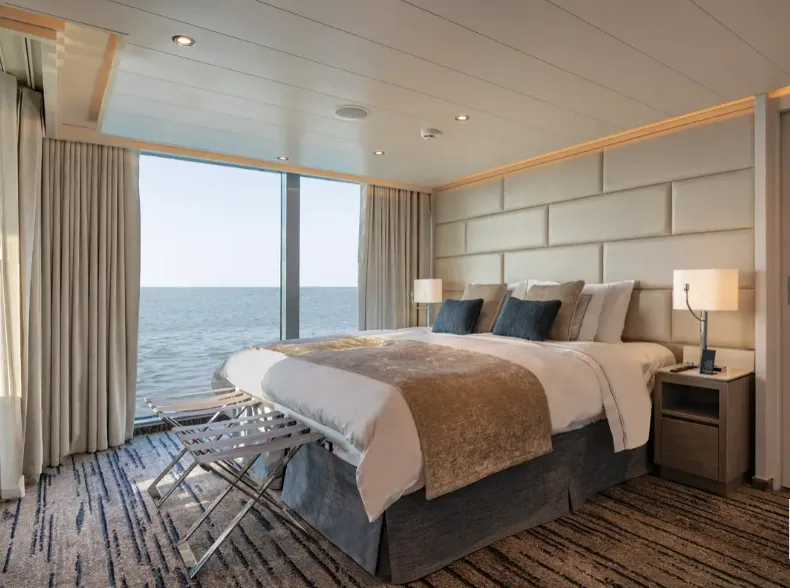
Grand by name and grand by nature! A prefect compliment to your Galapagos Islands cruise, the Grand suite affords superb views from morning to night thanks to a glass-panelled wall in the living area. A large, private veranda and ocean-view bathroom makes the most of the destination. Beautifully furnished and appointed, the Grand Suite is the perfect answer for those who like to explore in luxury.
Large veranda with patio furniture and floor-to-ceiling glass doors.
Living room with sitting area.
Separate dining area.
Twin beds or king-sized bed.
A choice of pillows.
Bathroom with double vanity, plus a powder room.
Ocean-view whirlpool bath and separate shower.
Walk-in wardrobe(s) with personal safe.
Vanity table(s).
2 large flat screen TVs.
Premium sound system.
Premium coffee station.
Binoculars.
Laundry service.
Unlimited Premium Wifi.
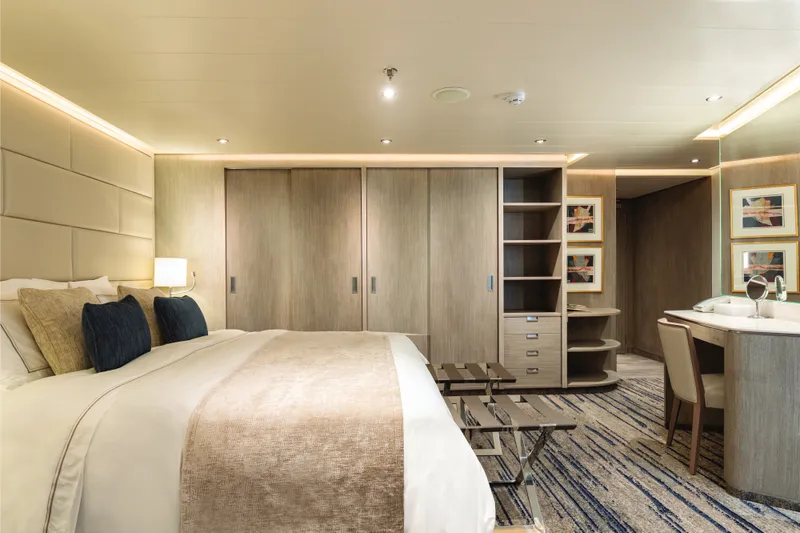
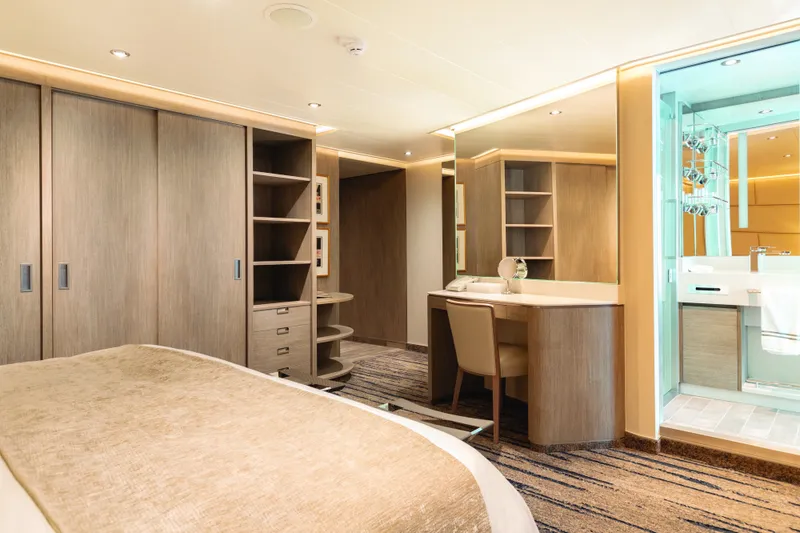
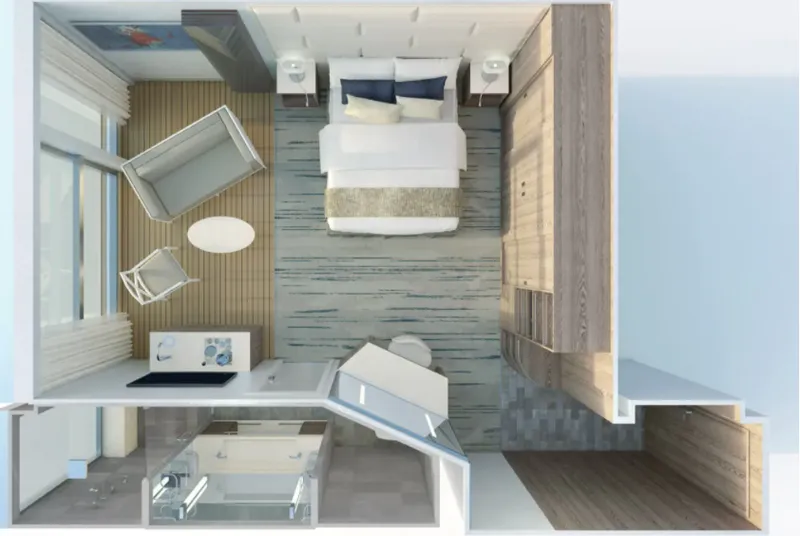
The Medallion Suite wears its name well – as it truly the gold medal of comfort in the Galapagos Islands. Designed with the adventurous guest in mind, enlarge your suite at the touch of the button with our unique Horizon Balcony. The perfect hybrid of expedition and luxury, the Medallion Suite features rich furnishings for easy-going comfort. An ocean view walk in shower extends your adventure even further.
Private veranda with Horizon Balcony.
Sitting area.
Twin beds or king-sized bed.
A choice of pillows.
Bathroom with large vanity.
Ocean-view walk-in shower.
Fitted wardrobe with personal safe.
Writing desk.
1 large flat screen TV.
Premium sound system.
Premium coffee station.
Binoculars.
Laundry service.
Unlimited Premium Wifi.
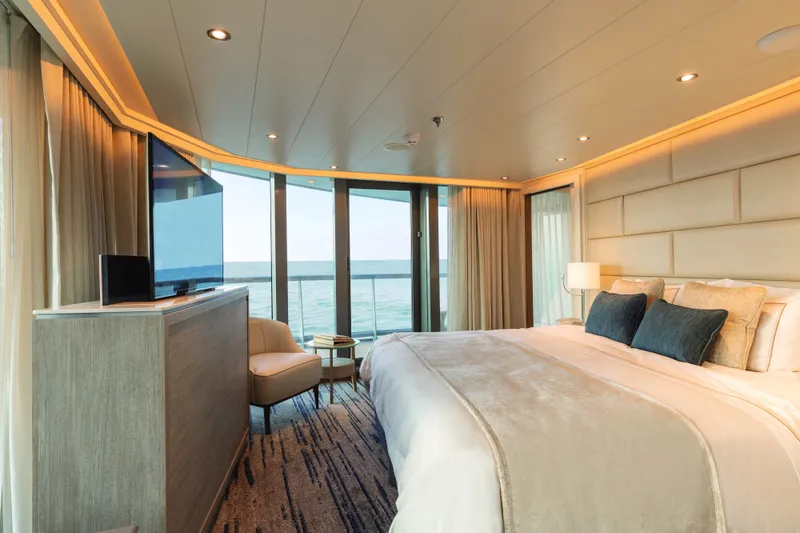
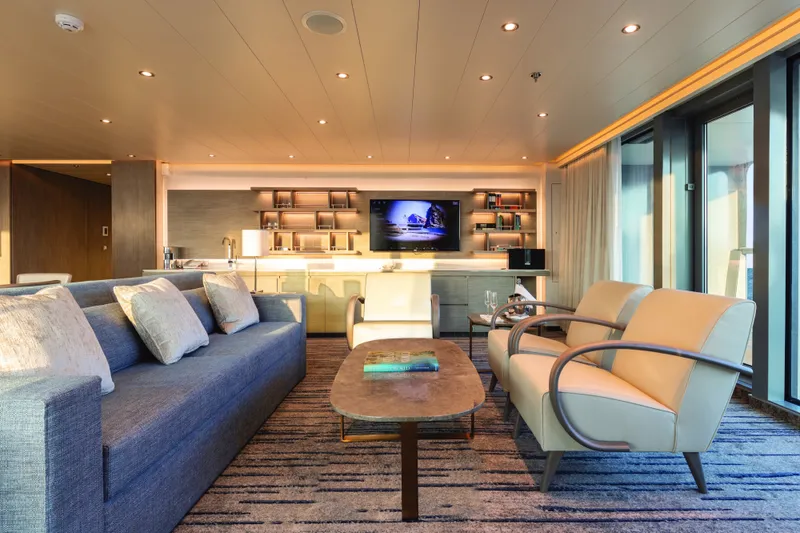
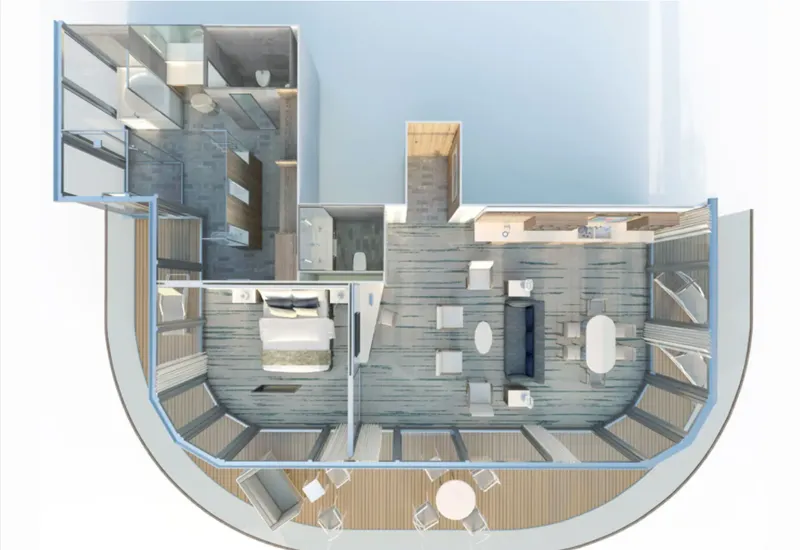
The name says it all; truly the apex of luxury, the Owner’s Suite is for those who want to experience the islands in comfort. A separate bedroom, modern bathroom with whirlpool bath with ocean views and elegant seating area ensure privacy and cosiness are the name of the game, while the vast veranda means full island immersion is assured.
Large veranda with patio furniture and floor-to-ceiling glass doors.
Living room with sitting area.
Separate dining area.
Twin beds or king-sized bed.
A choice of pillows.
Bathroom with double vanity, plus a powder room.
Ocean-view whirlpool bath and separate shower.
Walk-in wardrobe(s) with personal safe.
Vanity table(s).
Writing desk(s).
2 large flat screen TVs.
Premium sound system.
Premium coffee station.
Binoculars.
Laundry service.
Unlimited Premium Wifi.
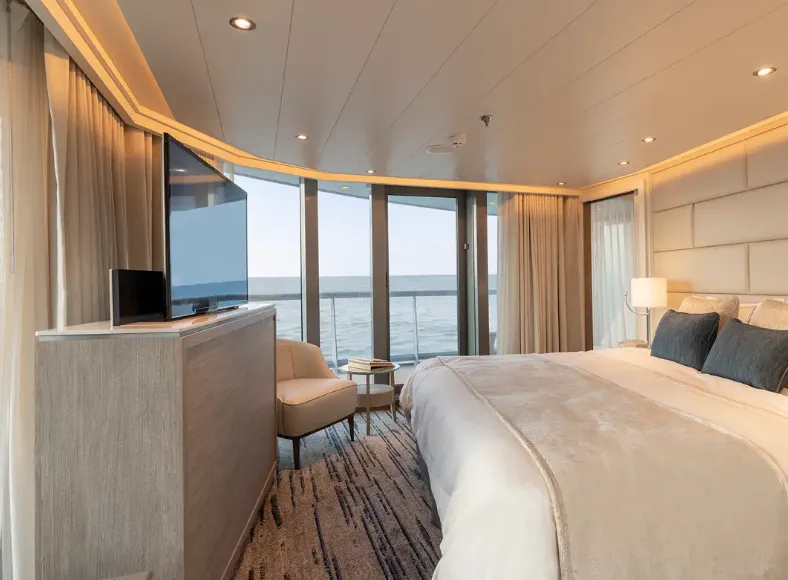
The name says it all; truly the apex of luxury, the Owner’s Suite is for those who want to experience the islands in comfort. A separate bedroom, modern bathroom with whirlpool bath with ocean views and elegant seating area ensure privacy and cosiness are the name of the game, while the vast veranda means full island immersion is assured.
Large veranda with patio furniture and floor-to-ceiling glass doors.
Living room with sitting area.
Separate dining area.
Twin beds or king-sized bed.
A choice of pillows.
Bathroom with double vanity, plus a powder room.
Ocean-view whirlpool bath and separate shower.
Walk-in wardrobe(s) with personal safe.
Vanity table(s).
Writing desk(s).
2 large flat screen TVs.
Premium sound system.
Premium coffee station.
Binoculars.
Laundry service.
Unlimited Premium Wifi.
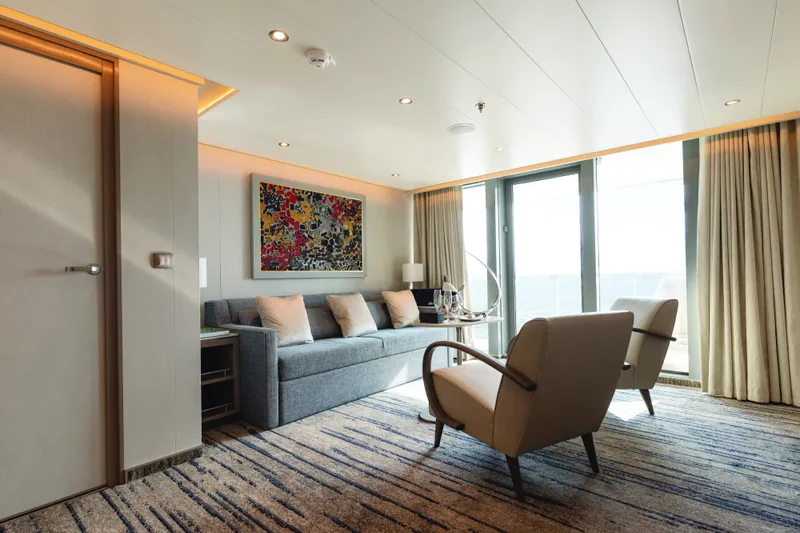
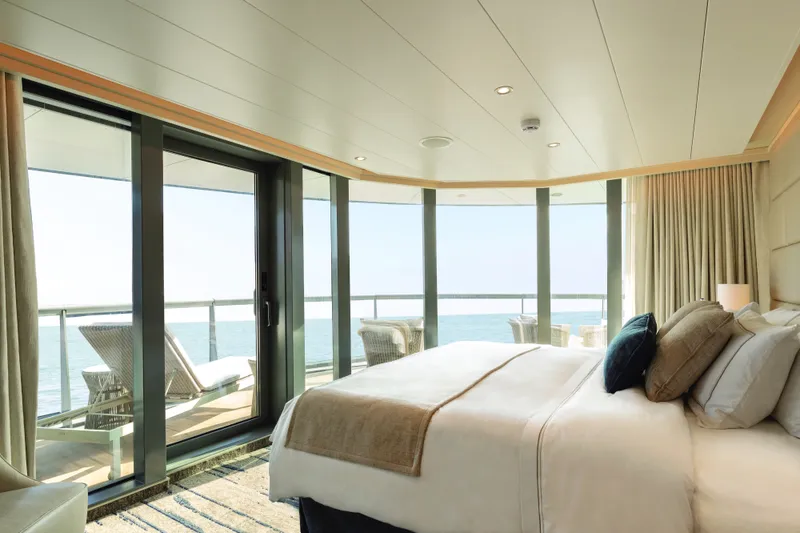
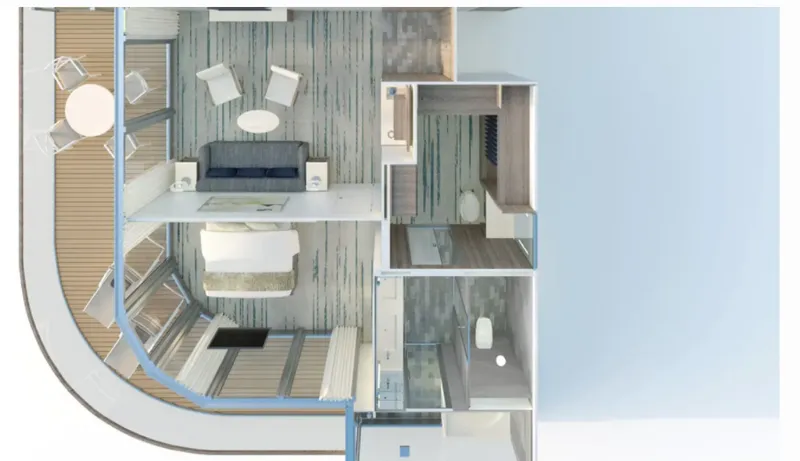
The Royal Suite really is fit for a king! Among our largest on offer, not only does this suite have a private, spacious veranda, but the privileged back ship location means that you’re sure to get the best views there are! Expect all your favourite comforts inside: large ocean-view bathroom with whirlpool bath with walk-in shower, state-of-the-art entertainment system and plush bedding to ensure the best night sleep you’ve ever had.
Large veranda with patio furniture and floor-to-ceiling glass doors.
Living room with sitting area.
Twin beds or king-sized bed.
A choice of pillows.
Bathroom with double vanity, plus a powder room.
Ocean-view whirlpool bath and separate shower.
Walk-in wardrobe(s) with personal safe.
Vanity table(s).
2 large flat screen TVs.
Premium sound system.
Premium coffee station.
Binoculars.
Laundry service.
Unlimited Premium Wifi.
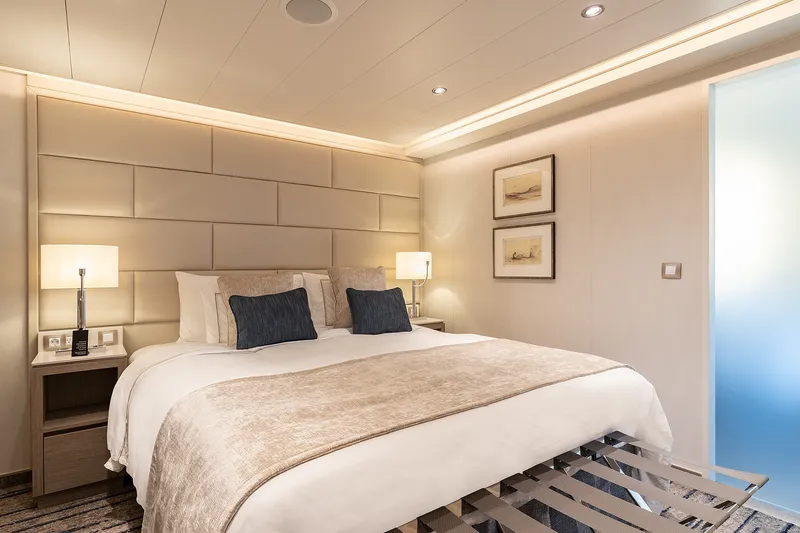
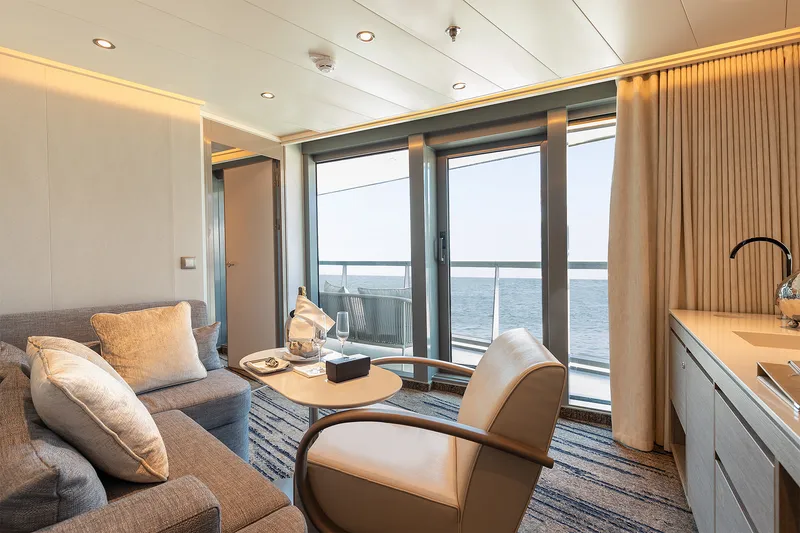
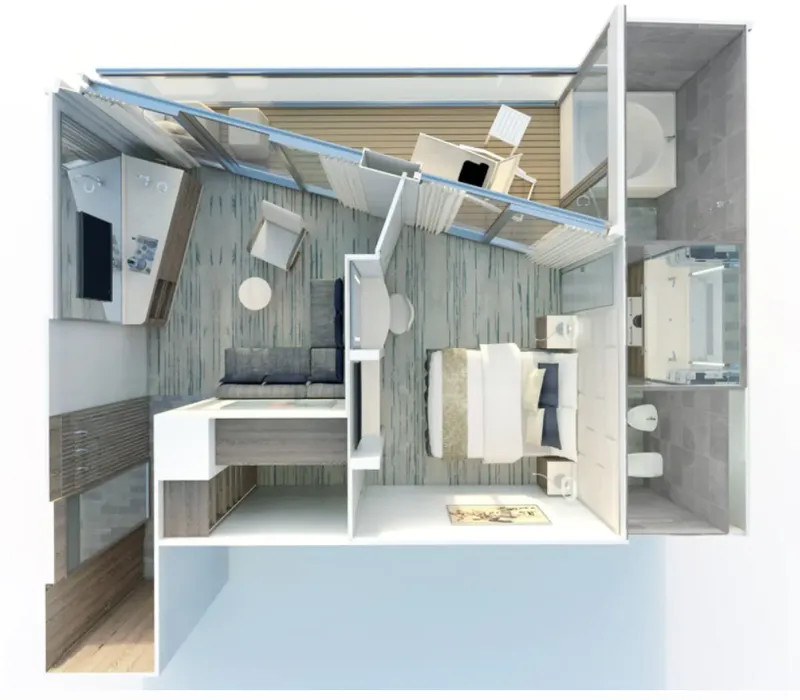
There has never been a better time to get up close and personal with the Galapagos’ fabled marine life than with the Silver Suite. Enormous floor-to-ceiling windows look out onto the beauty of the ocean and its inhabitants. An ocean-view whirlpool bath allows you to experience the beauty of the islands, while enjoying the creature comforts of Silversea. Deluxe furnishings complete the experience.
Large veranda with patio furniture and floor-to-ceiling glass doors.
Living room with sitting area.
Twin beds or queen-sized bed.
A choice of pillows.
Bathroom with large vanity.
Whirlpool bath and separate shower with exterior view.
Walk-in wardrobe(s) with personal safe.
Vanity table(s).
2 large flat screen TVs.
Premium sound system.
Premium coffee station.
Binoculars.
Laundry service.
Unlimited Premium Wifi.
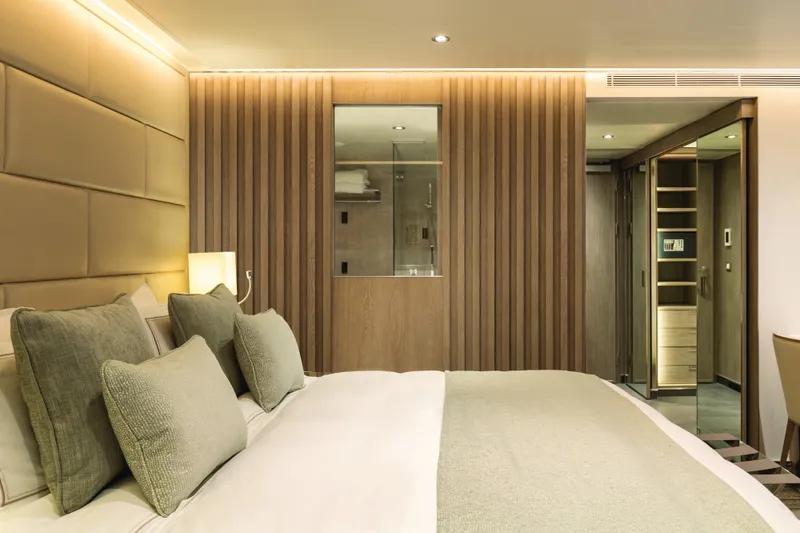
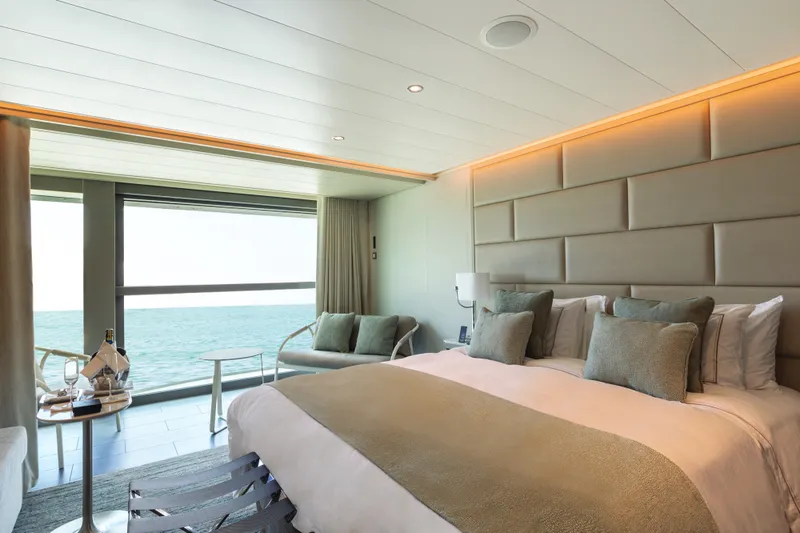
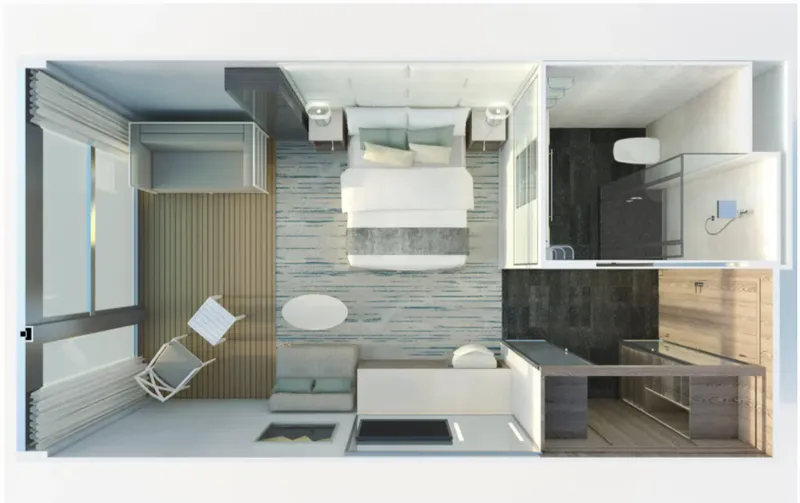
Our Superior Veranda Suite is designed to give you immersion far beyond excursion in the Galapagos. Silver Origin’s unique Horizon Balcony converts your suite at the touch of a button, transforming your balcony into inside seating area. A large bathroom with window into the suite makes this an enviable option when choosing your Galapagos cruise.
Private veranda with Horizon Balcony.
Sitting area.
Twin beds or queen-sized bed.
A choice of pillows.
Bathroom with large vanity and walk-in shower.
Walk-in wardrobe(s) with personal safe.
Writing desk.
1 large flat screen TV.
Unlimited Standard Wifi.
Our cruise specialists can help you find the perfect cabin and the best available pricing.
(+886) 02-2721-7300Contact Advisor