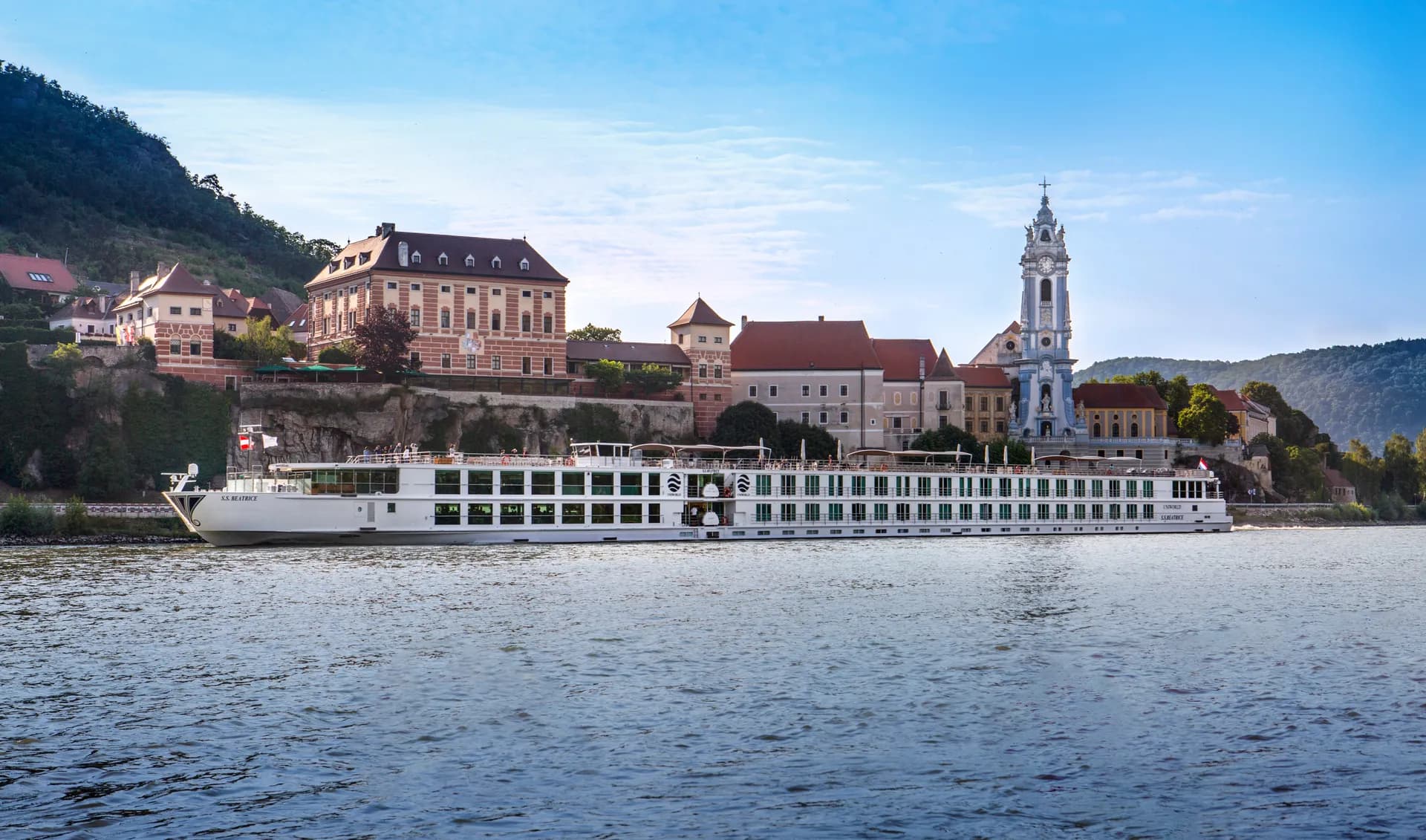
Delightful Danube & Prague - Prague to Budapest
Date
April 10, 2026
Duration
9 nights
Departure Port
Prague
Czech Republic
Arrival Port
Budapest
Hungary
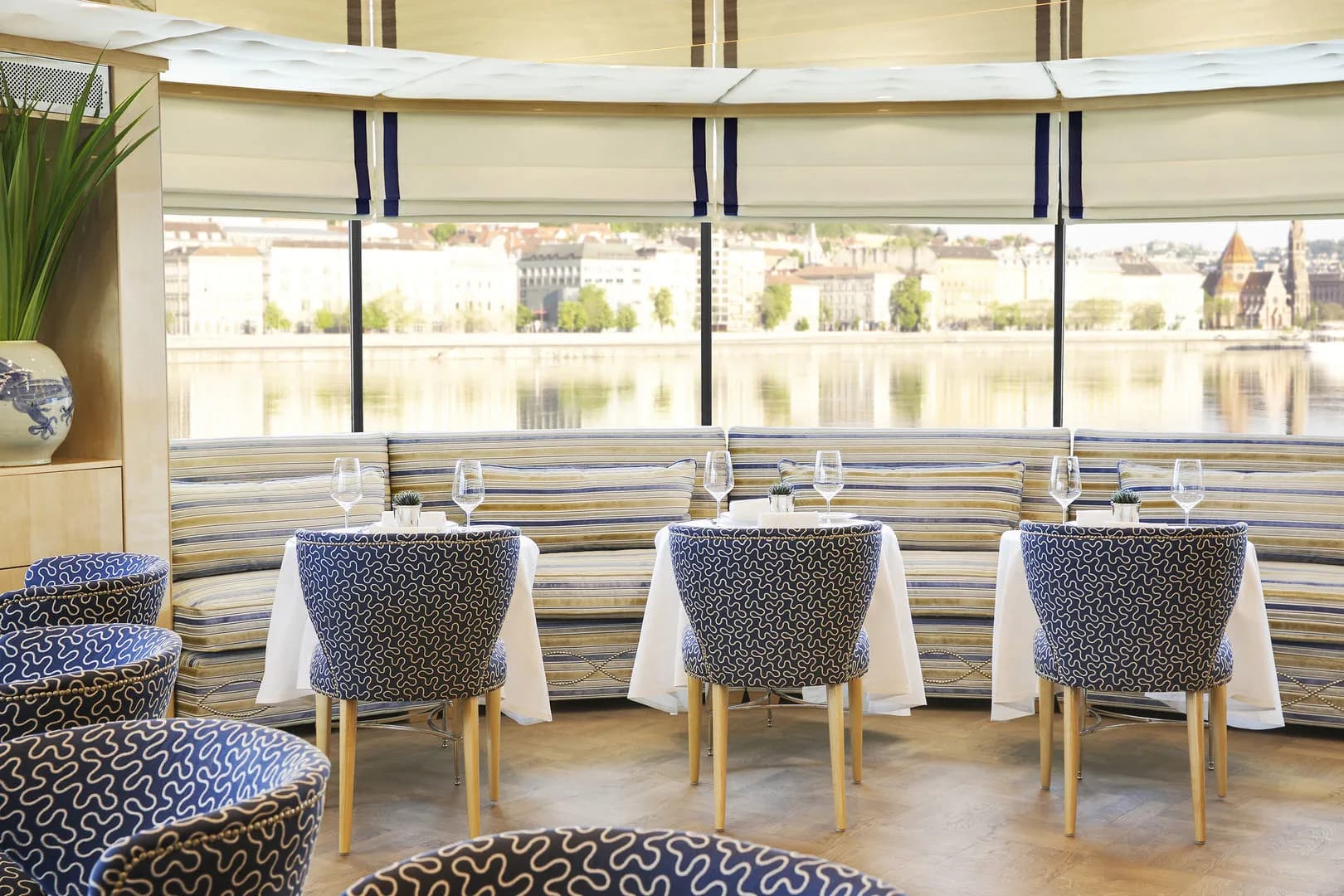
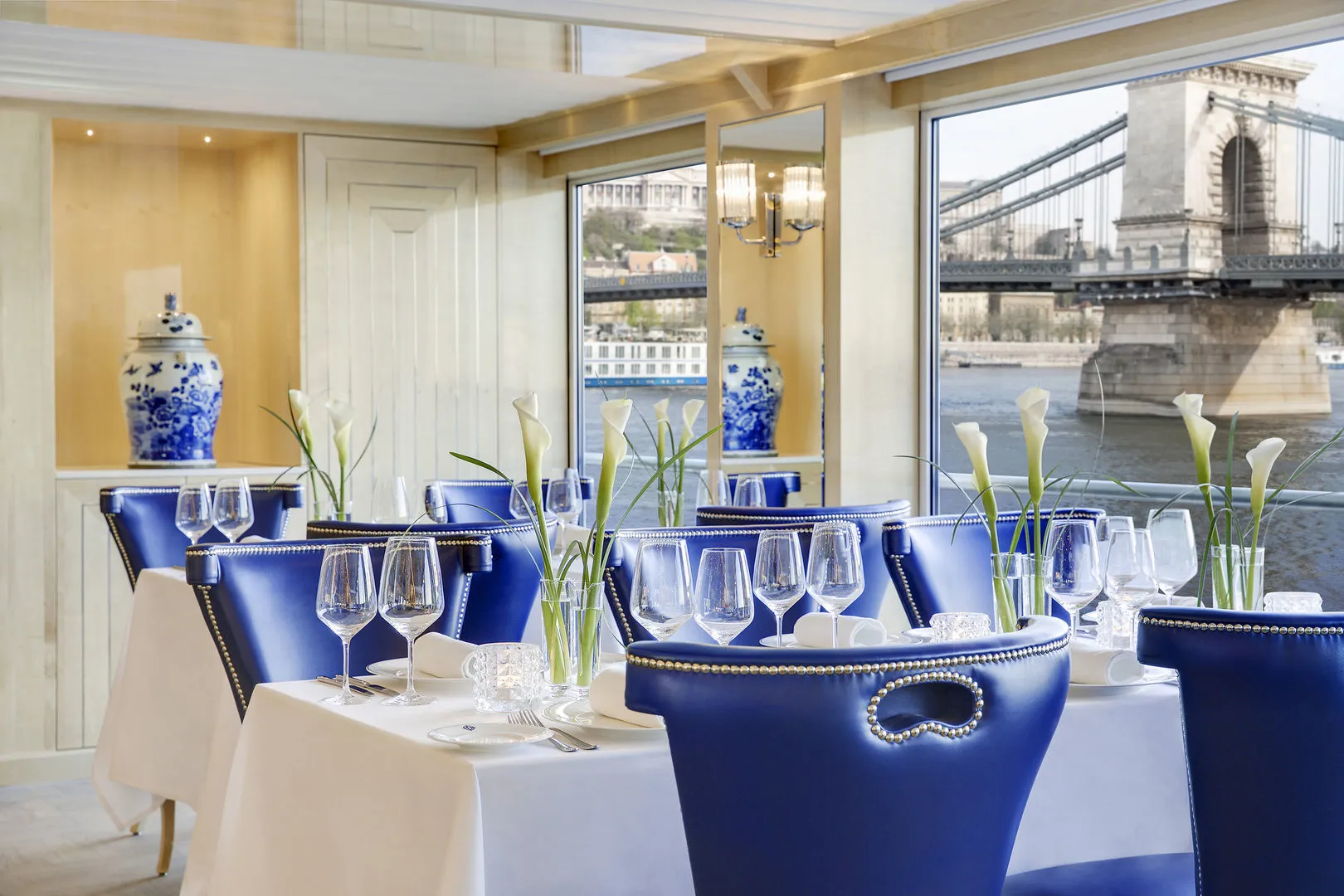
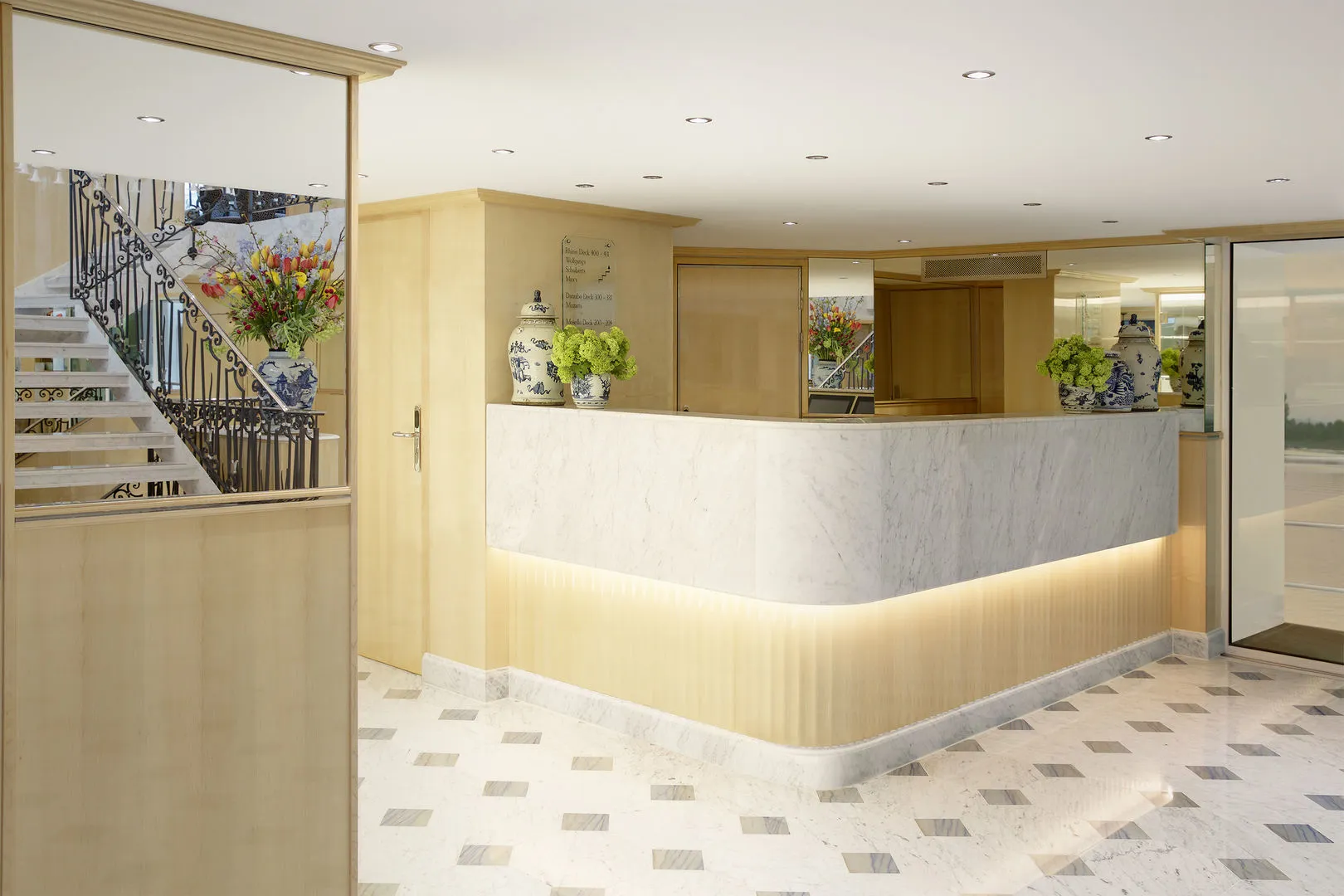
Uniworld River Cruises
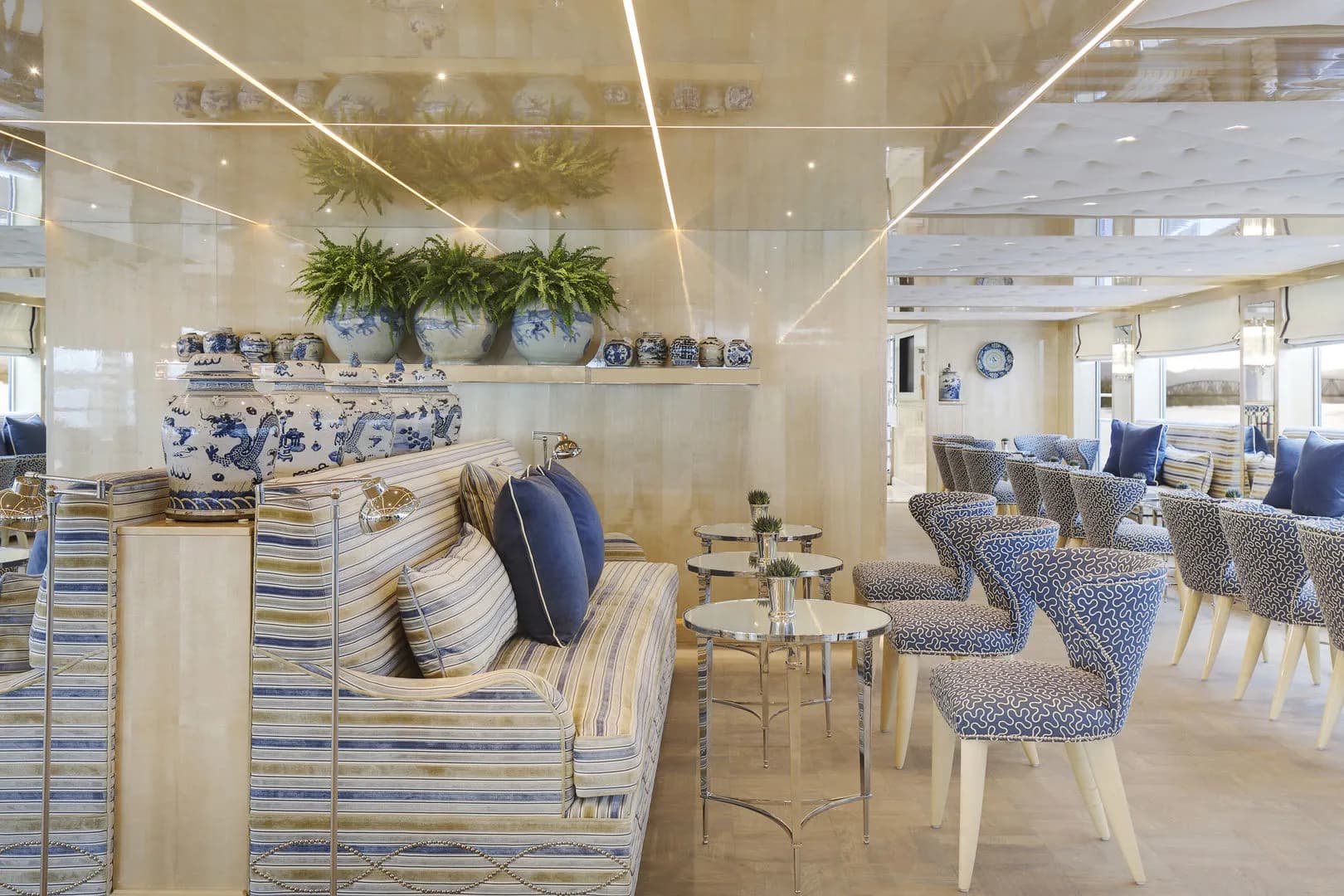
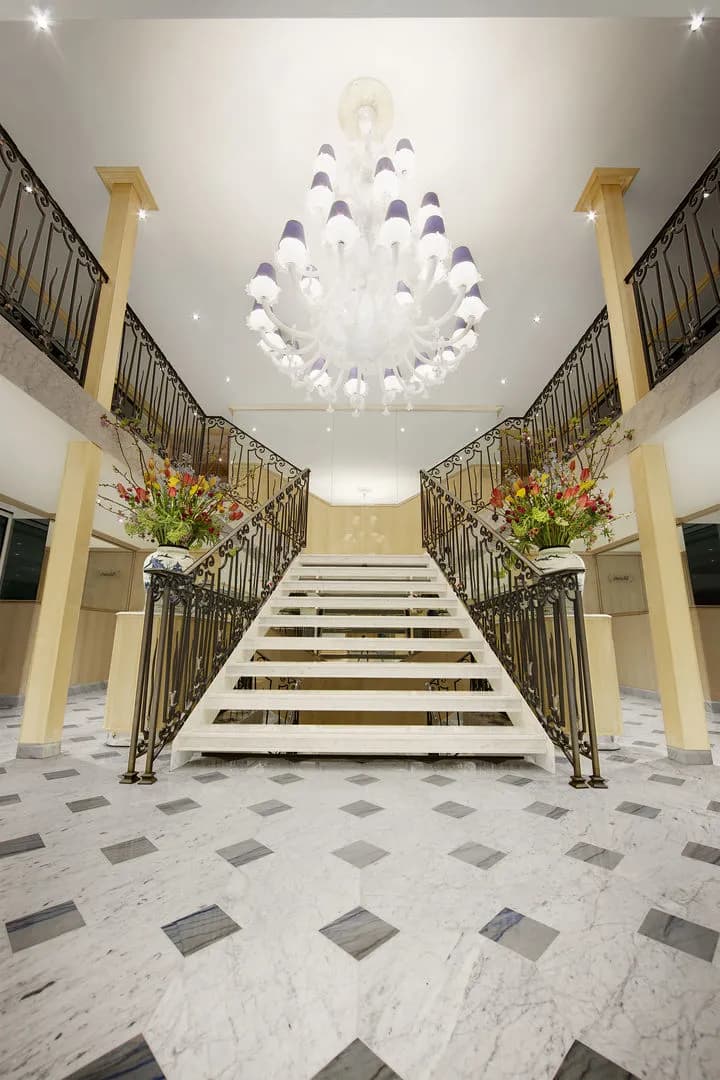
S.S. Beatrice
Launched
02009-01-01
Length
430 m
Speed
9 knots
Cabins
76 / 152 guests
Crew
55
Itinerary
Day 1
Day 1
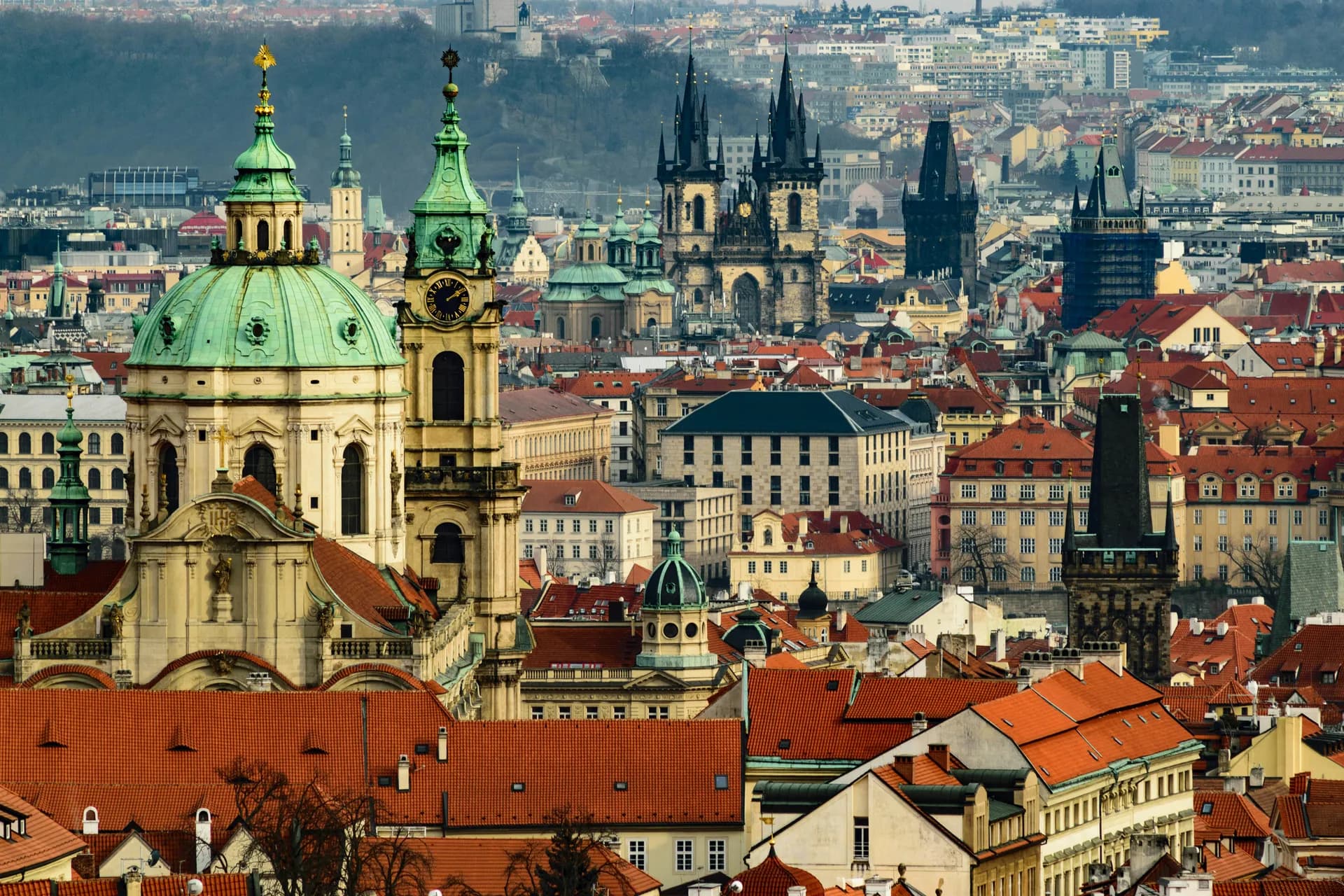
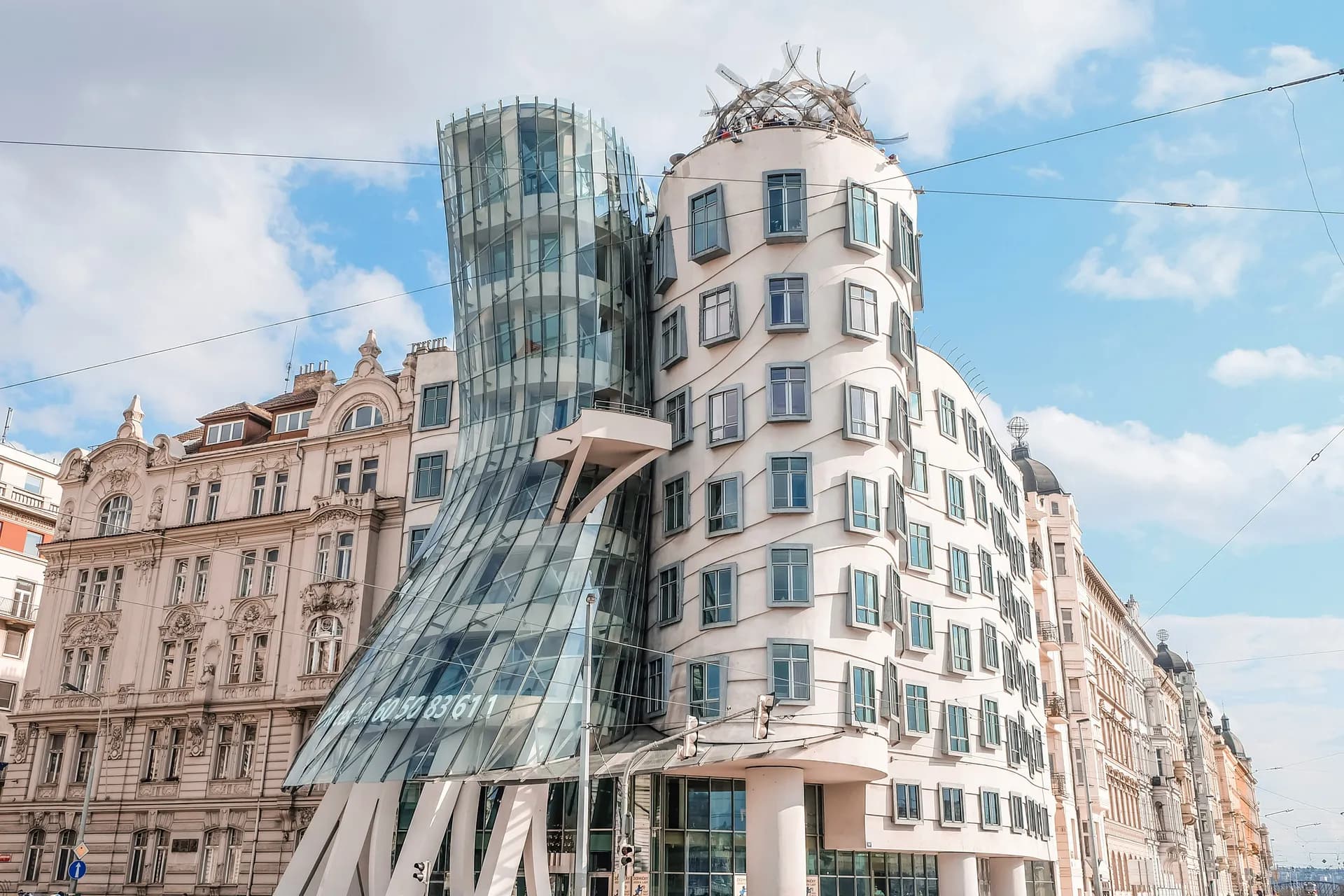
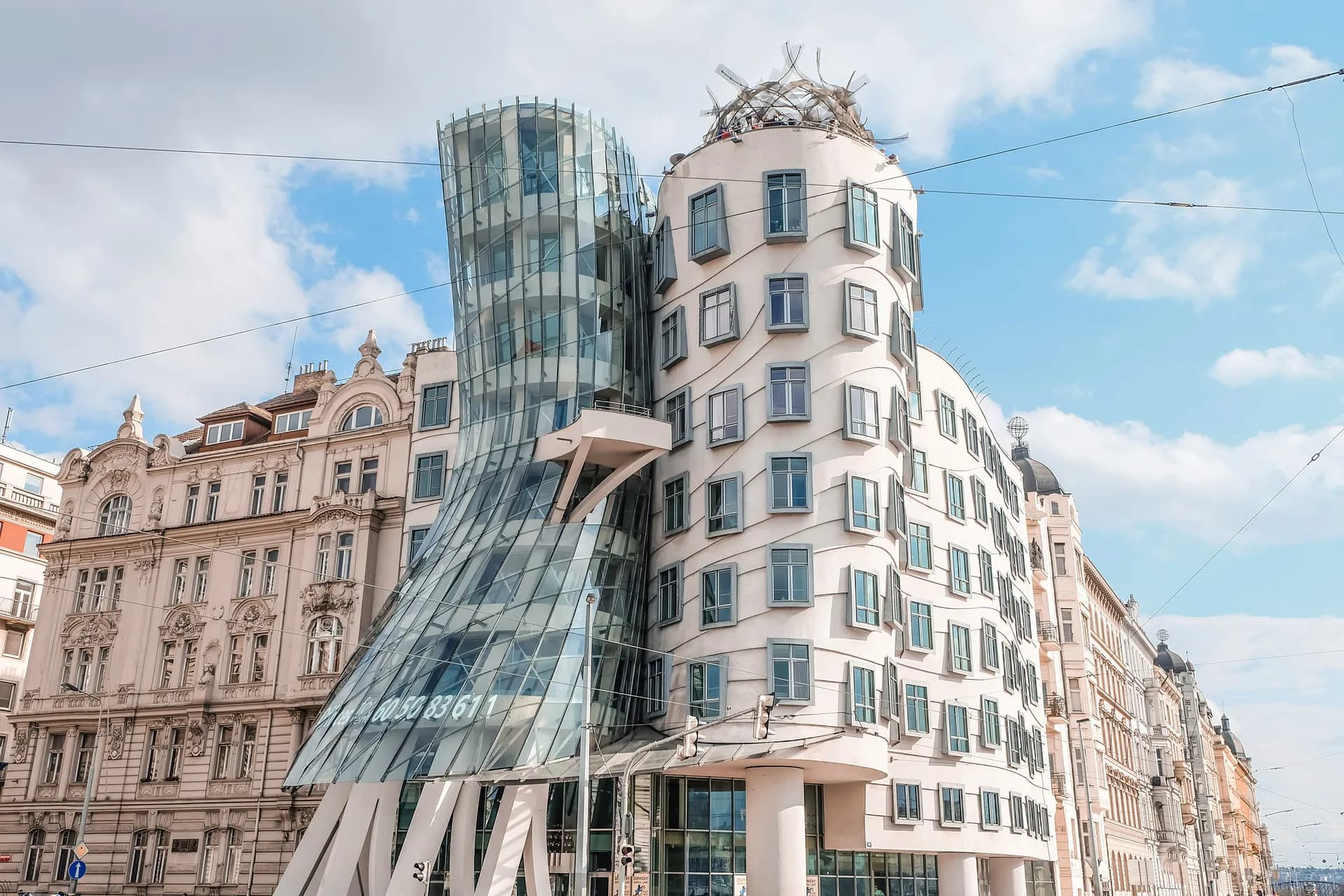
Prague
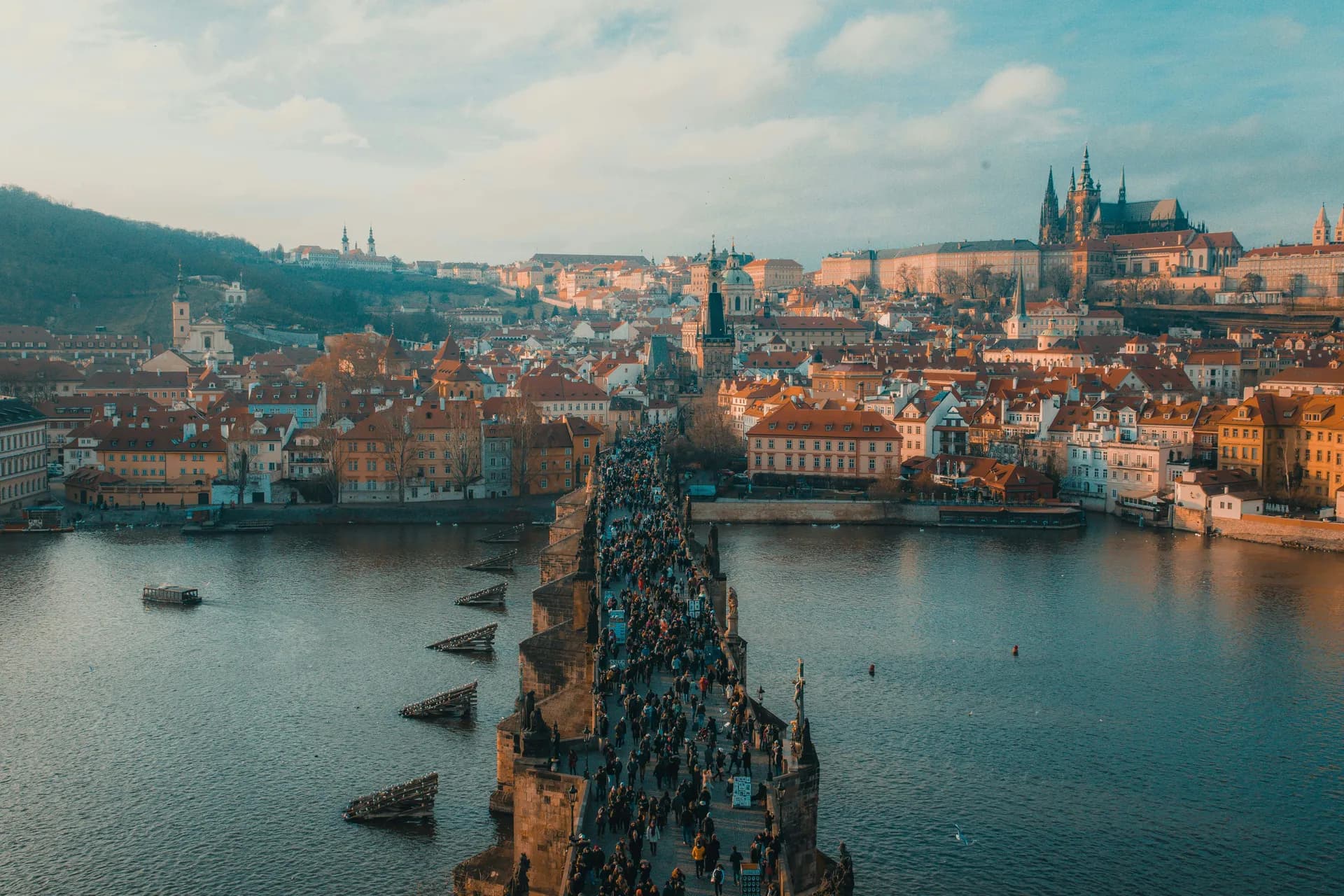
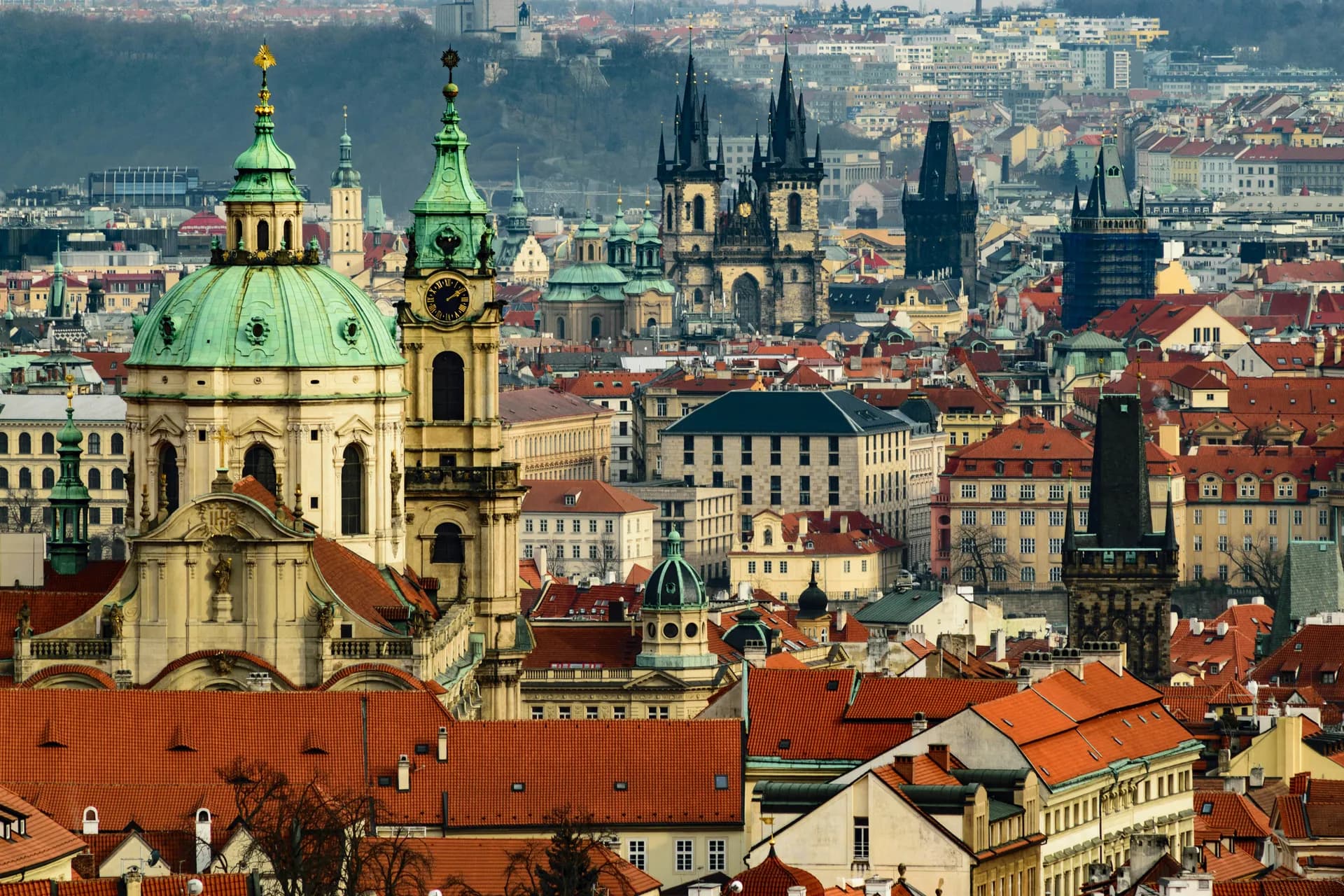
Czech RepublicPrague, capital city of the Czech Republic, is bisected by the Vltava River. Nicknamed “the City of a Hundred Spires,” it's known for its Old Town Square, the heart of its historic core, with colorful baroque buildings, Gothic churches and the medieval Astronomical Clock, which gives an animated hourly show. Completed in 1402, pedestrian Charles Bridge is lined with statues of Catholic saints.
Day 1
Day 1
Prague
Prague, capital city of the Czech Republic, is bisected by the Vltava River. Nicknamed “the City of a Hundred Spires,” it's known for its Old Town Square, the heart of its historic core, with colorful baroque buildings, Gothic churches and the medieval Astronomical Clock, which gives an animated hourly show. Completed in 1402, pedestrian Charles Bridge is lined with statues of Catholic saints.
Day 2
Day 2
Prague
Czech RepublicPrague, capital city of the Czech Republic, is bisected by the Vltava River. Nicknamed “the City of a Hundred Spires,” it's known for its Old Town Square, the heart of its historic core, with colorful baroque buildings, Gothic churches and the medieval Astronomical Clock, which gives an animated hourly show. Completed in 1402, pedestrian Charles Bridge is lined with statues of Catholic saints.
Day 2
Day 2
Prague
Prague, capital city of the Czech Republic, is bisected by the Vltava River. Nicknamed “the City of a Hundred Spires,” it's known for its Old Town Square, the heart of its historic core, with colorful baroque buildings, Gothic churches and the medieval Astronomical Clock, which gives an animated hourly show. Completed in 1402, pedestrian Charles Bridge is lined with statues of Catholic saints.
Day 3
Day 3
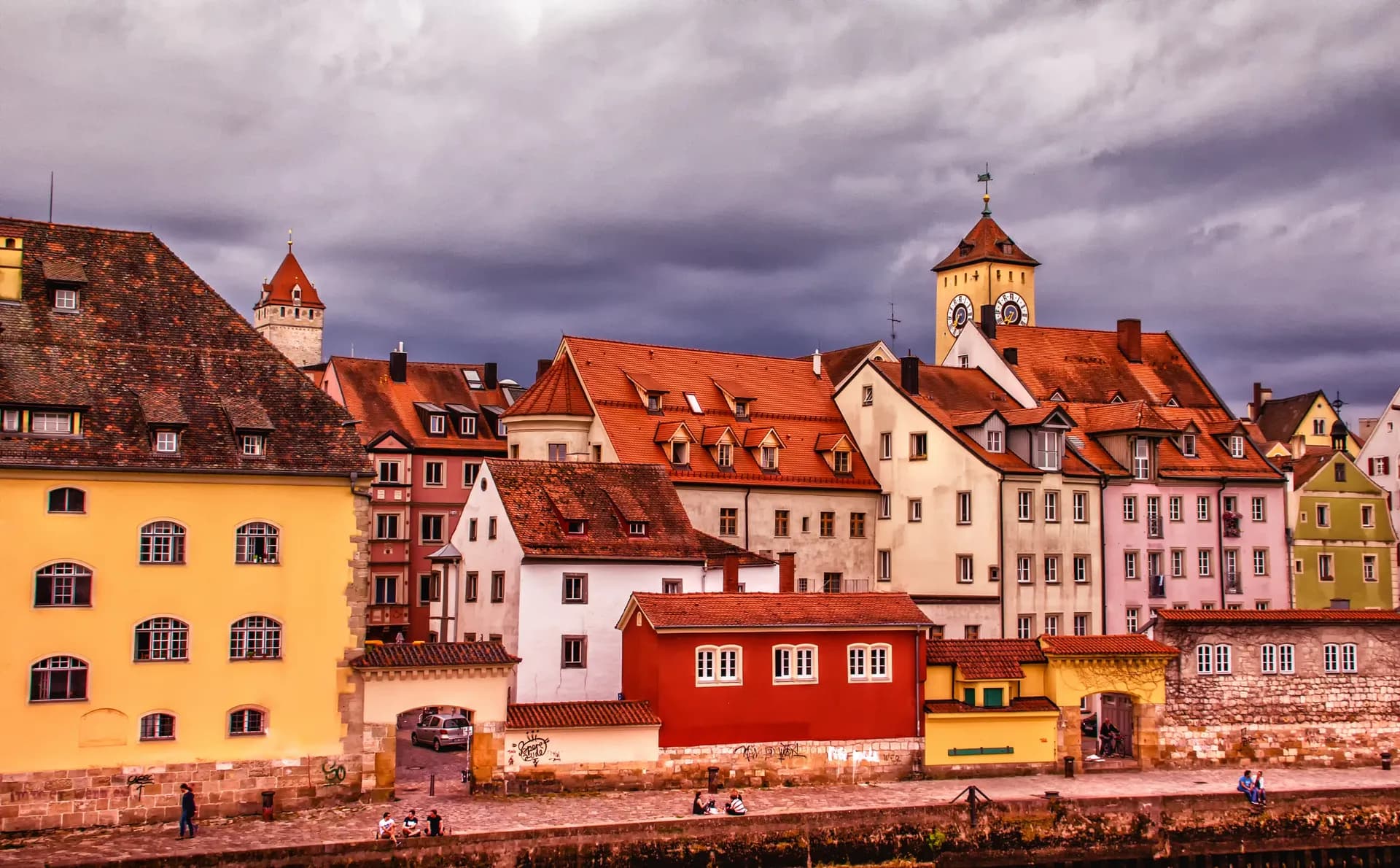
Regensburg
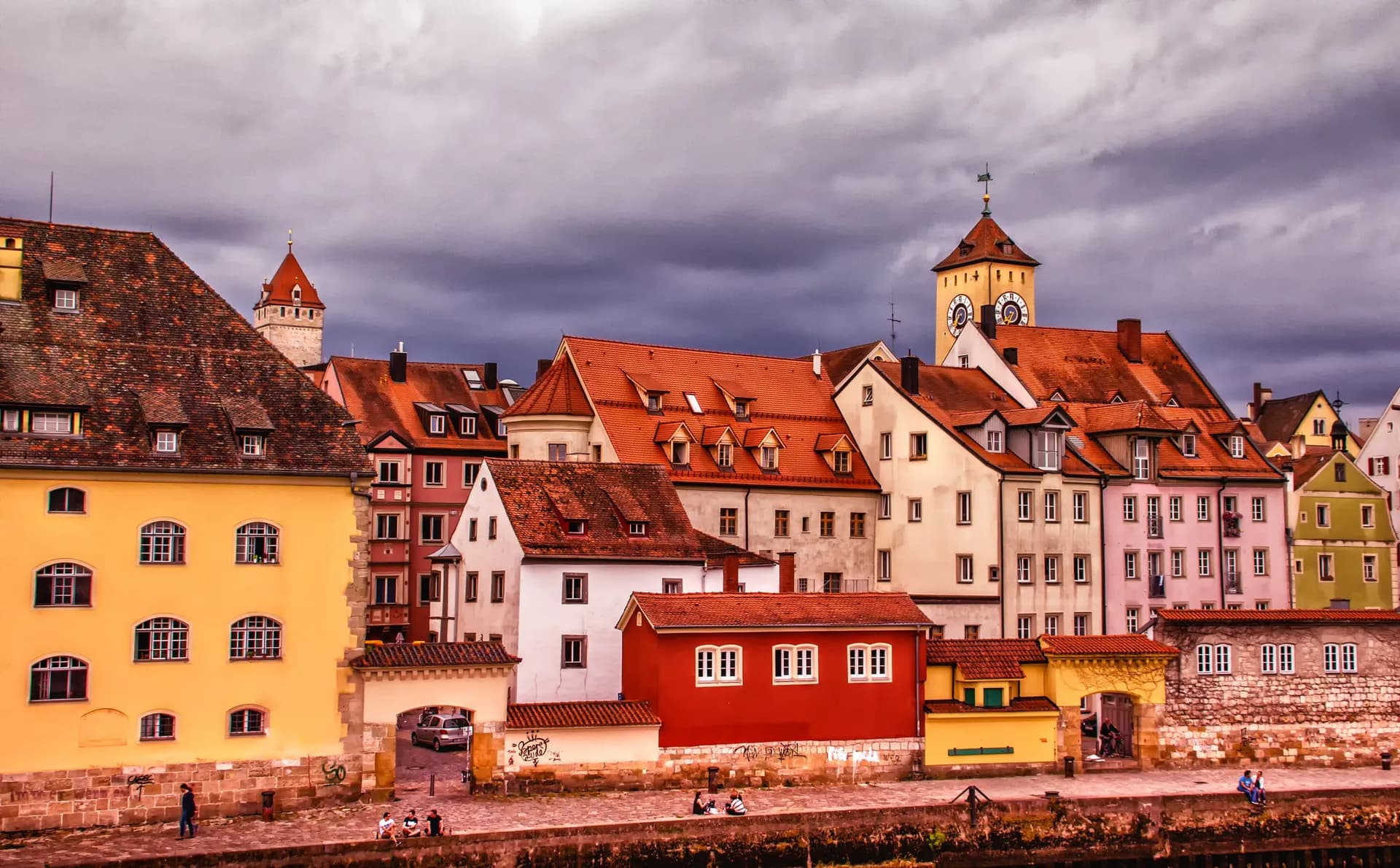
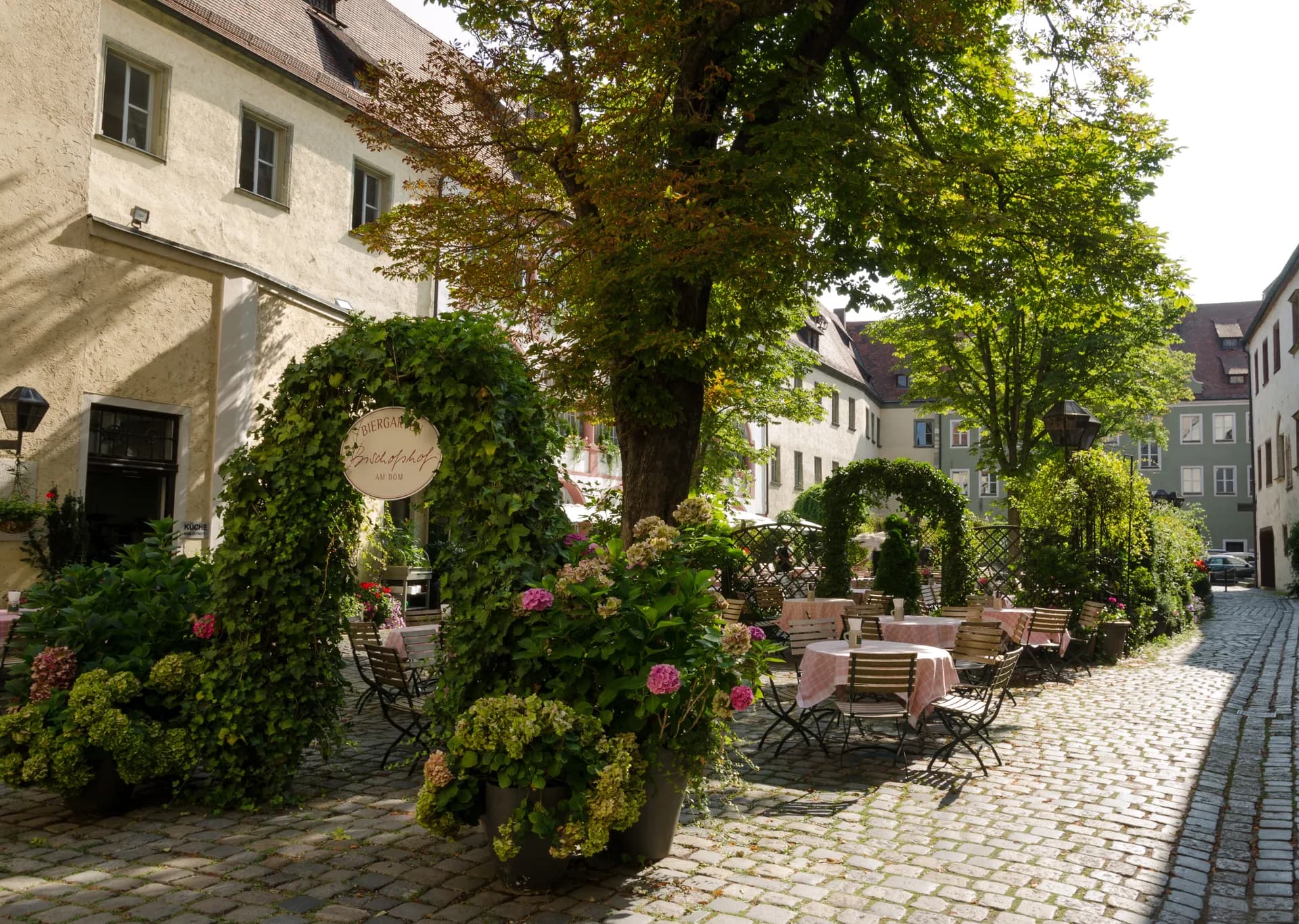
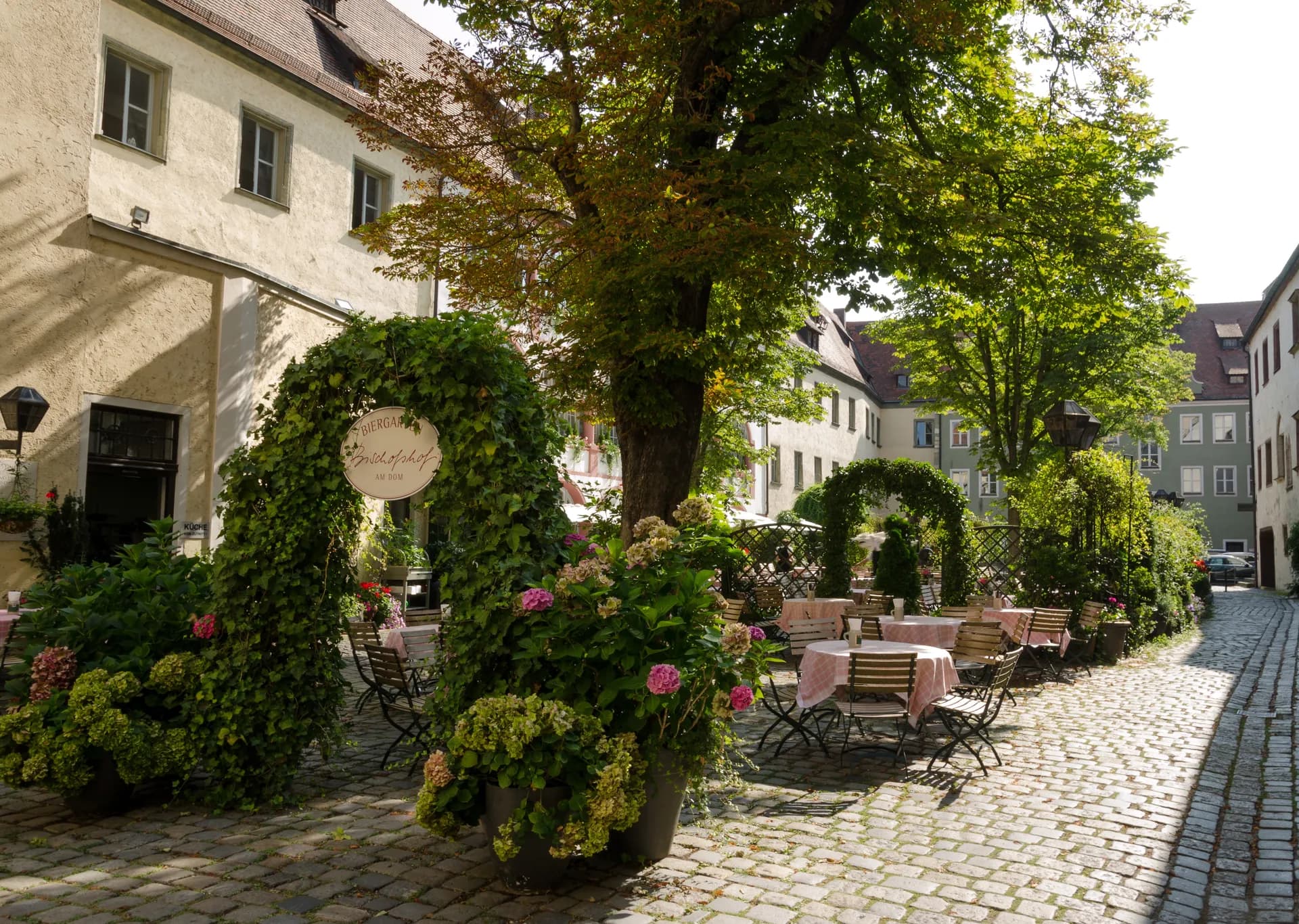
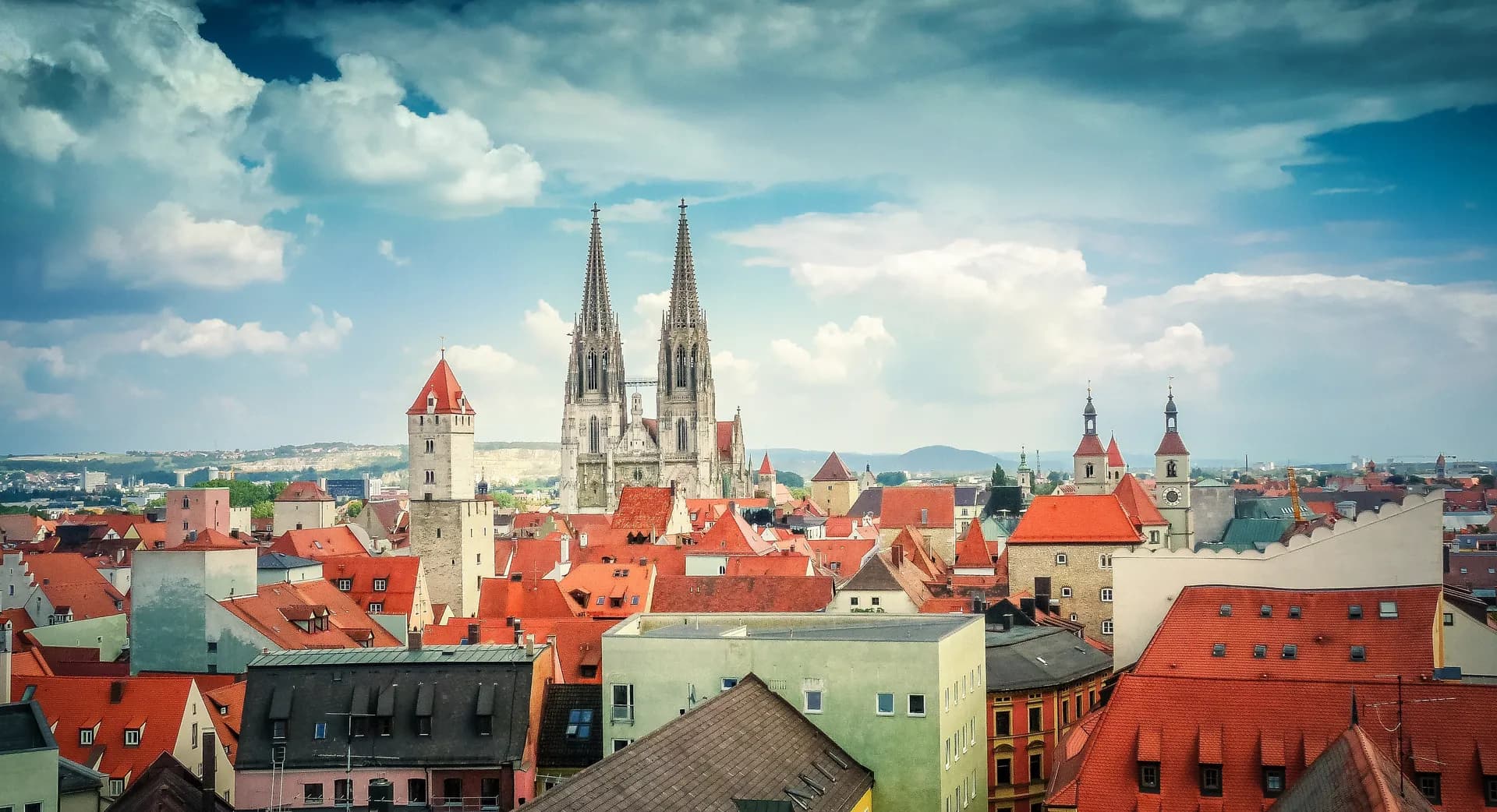
GermanyThe breath of almost 2000 years can be felt in Regensburg. Spared from the destruction of past wars, the city on the Danube invites you to look and be amazed. The past was preserved here in a particularly impressive way. The medieval cityscape of the former free imperial city is characterized by numerous patrician buildings and residential towers from the 13th and 14th centuries. The stone bridge and the "Porta Praetoria" are particularly worth seeing. Anyone who wants to experience history is in the right place in the largest city in Eastern Bavaria.
Day 3
Day 3
Prague
Prague, capital city of the Czech Republic, is bisected by the Vltava River. Nicknamed “the City of a Hundred Spires,” it's known for its Old Town Square, the heart of its historic core, with colorful baroque buildings, Gothic churches and the medieval Astronomical Clock, which gives an animated hourly show. Completed in 1402, pedestrian Charles Bridge is lined with statues of Catholic saints.
Day 3
Day 3
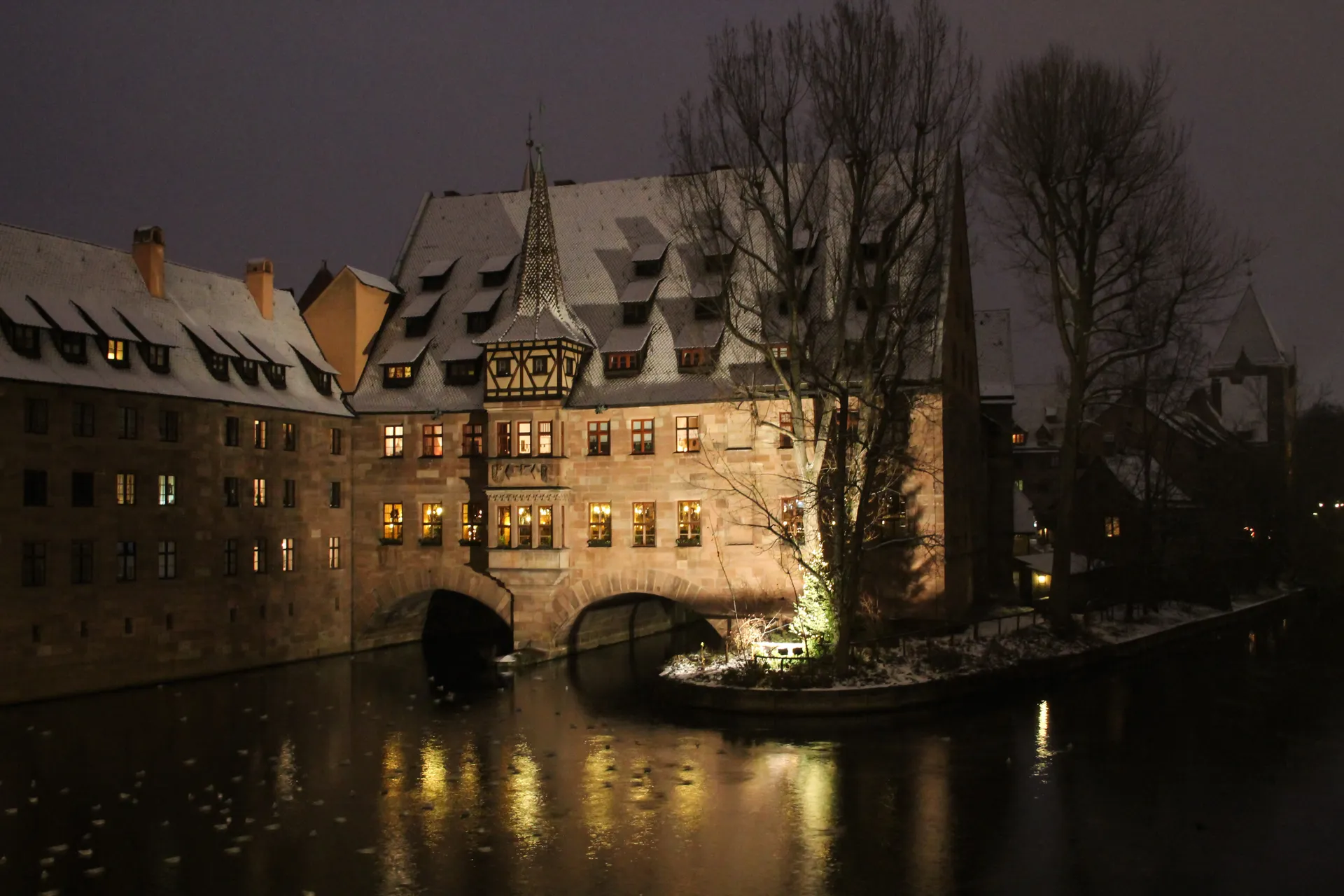
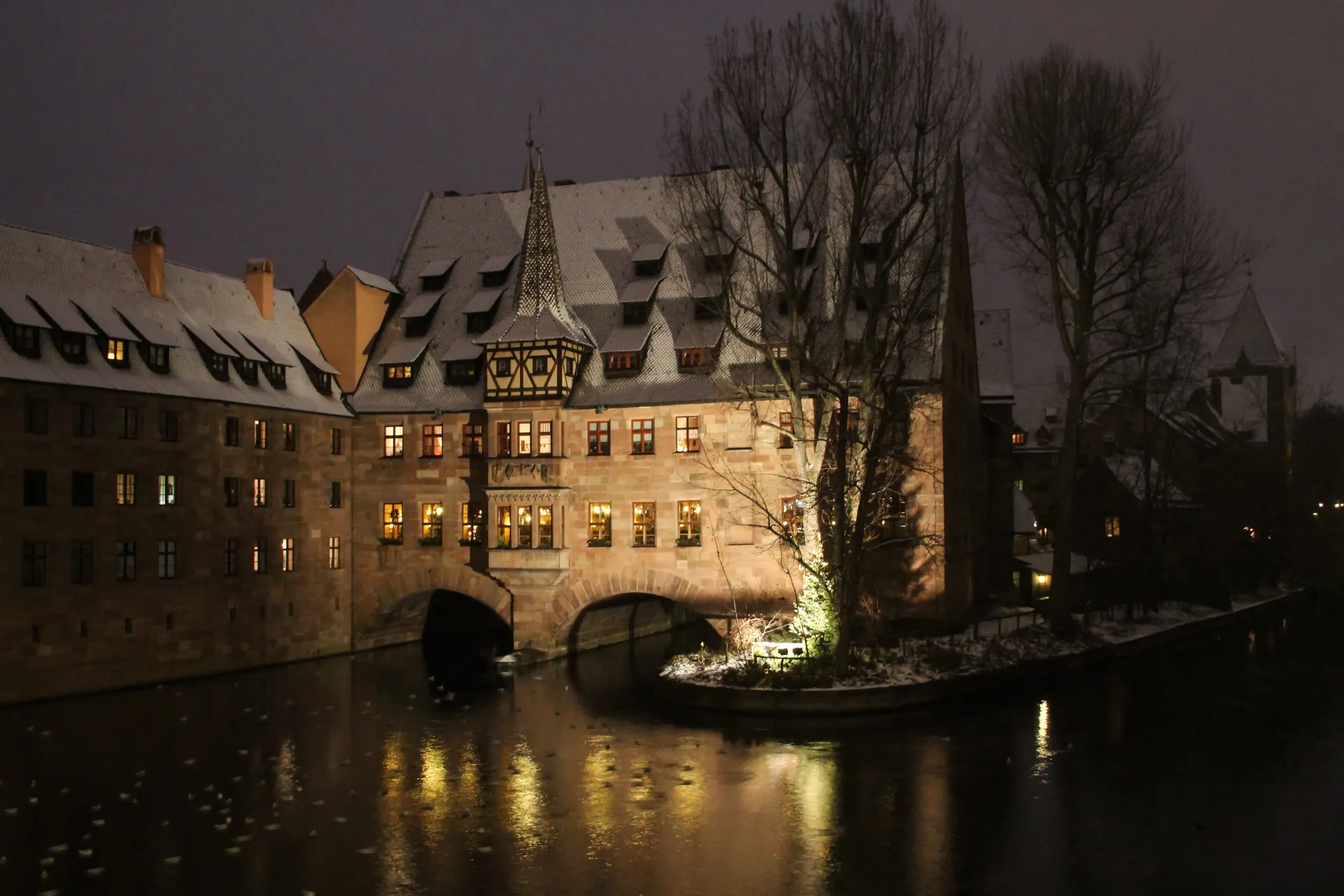
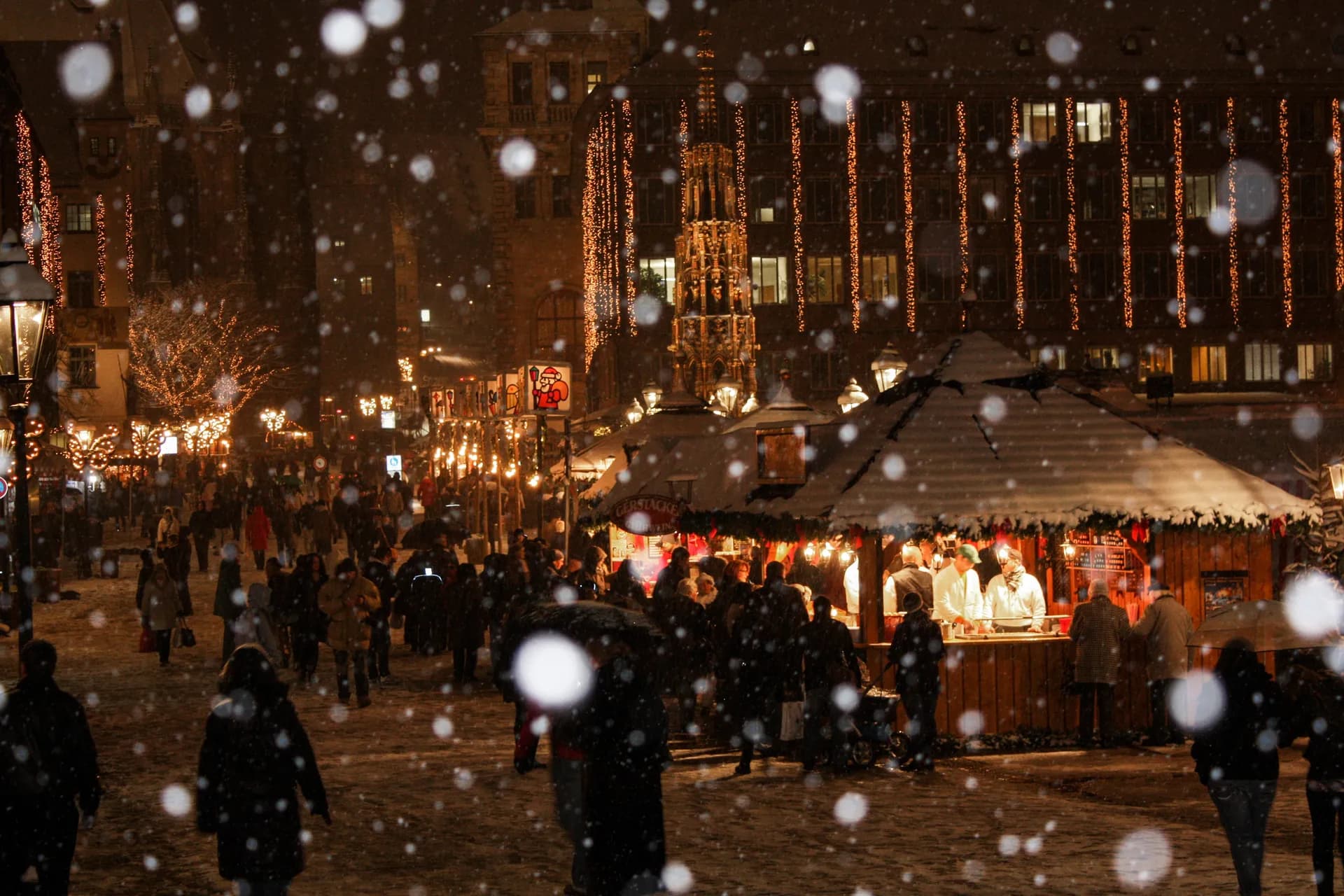
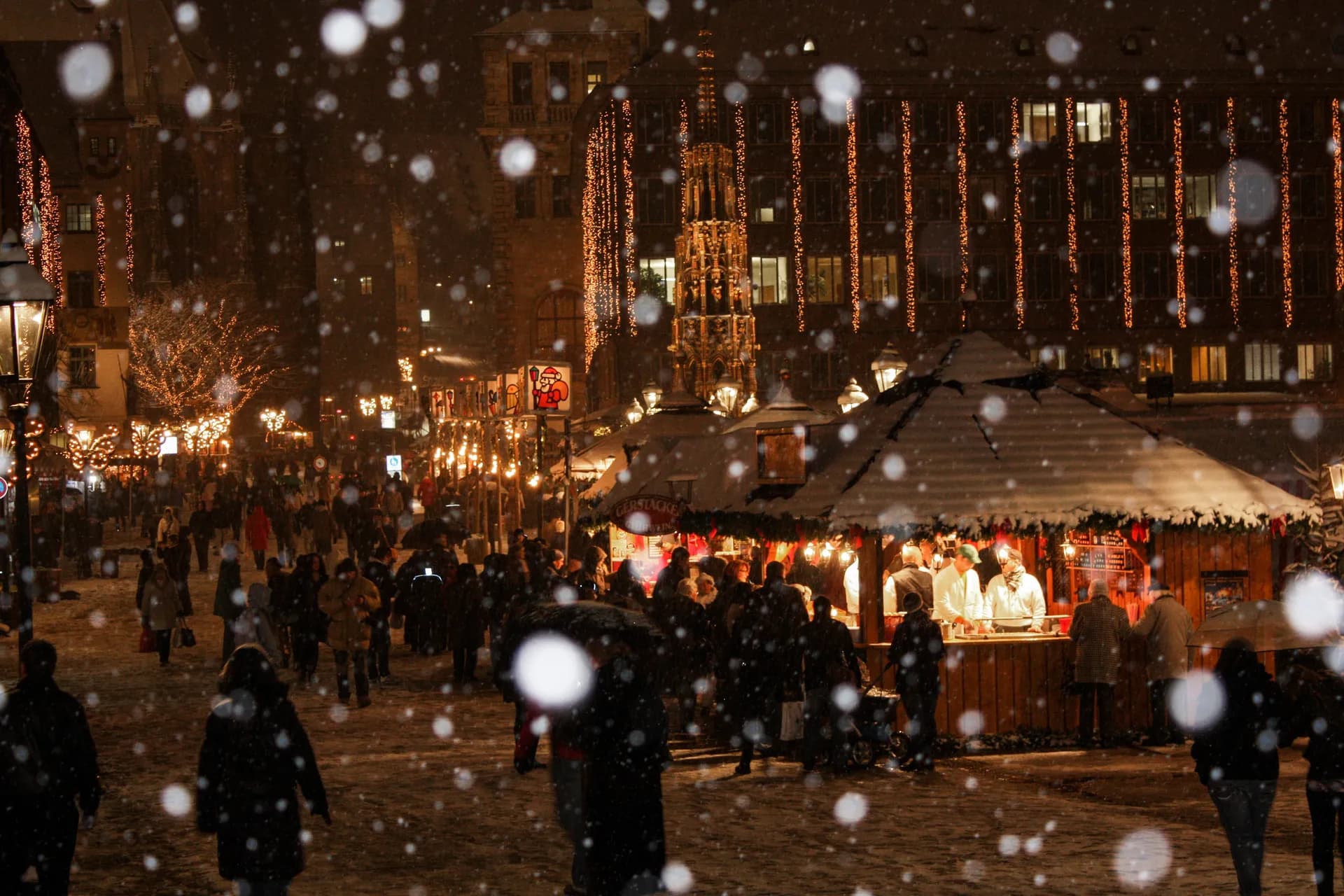
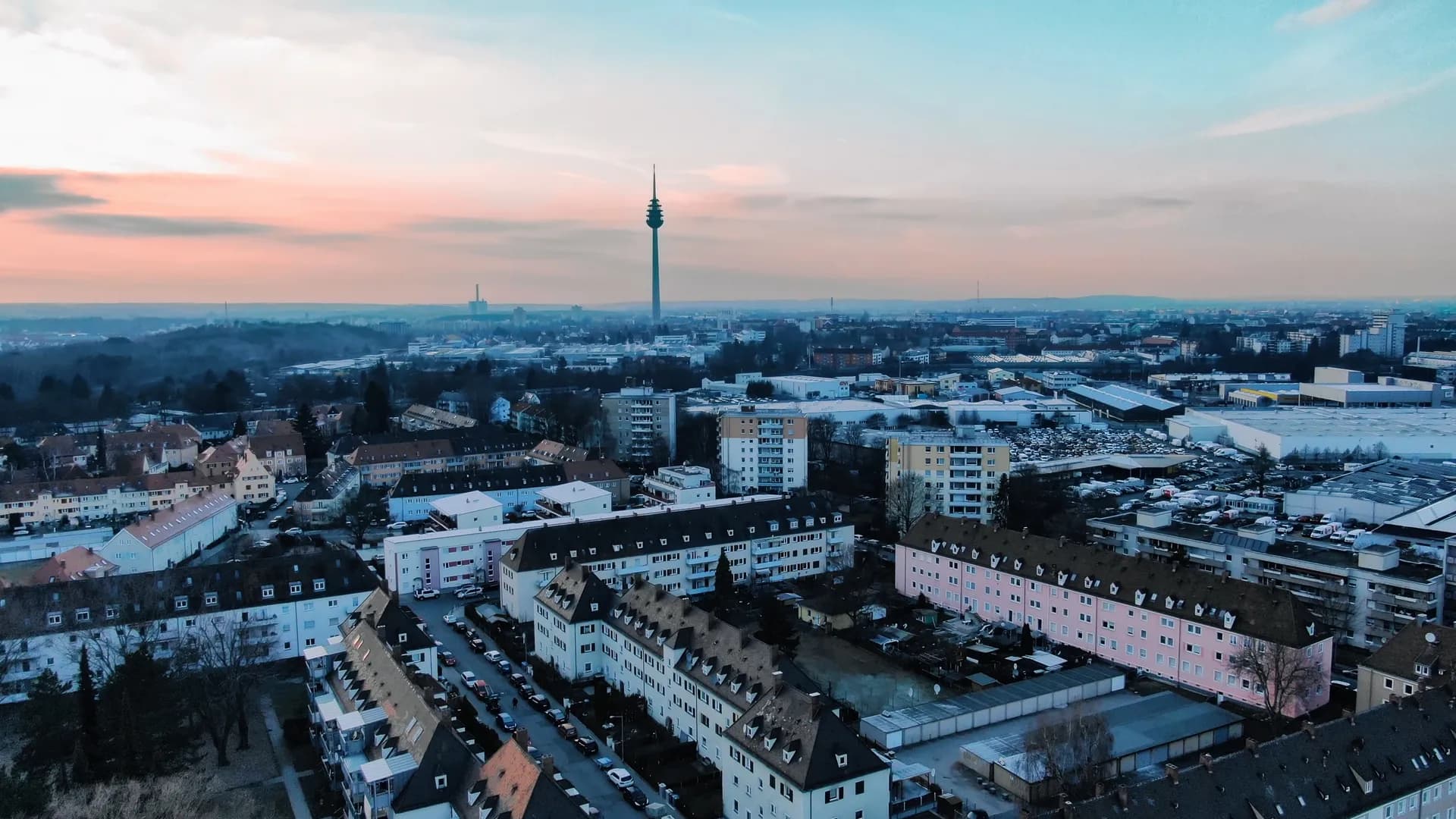
Nuremberg
Nuremberg is an independent city in Bavaria, which is not far from Fürth. You can still see the medieval architecture that runs through the entire city. The old city walls and the imperial castle tell of days long gone. Nuremberg is famous for its Christmas market. The Christ Child heralds the advent and Christmas market time. The classic Christmas stollen is world famous and a real treat. Numerous museums such as the Albrecht Dürer House or the Toy Museum are popular sights in the city.
Day 4
Day 4
Regensburg
GermanyThe breath of almost 2000 years can be felt in Regensburg. Spared from the destruction of past wars, the city on the Danube invites you to look and be amazed. The past was preserved here in a particularly impressive way. The medieval cityscape of the former free imperial city is characterized by numerous patrician buildings and residential towers from the 13th and 14th centuries. The stone bridge and the "Porta Praetoria" are particularly worth seeing. Anyone who wants to experience history is in the right place in the largest city in Eastern Bavaria.
Day 4
Day 4
Regensburg
The breath of almost 2000 years can be felt in Regensburg. Spared from the destruction of past wars, the city on the Danube invites you to look and be amazed. The past was preserved here in a particularly impressive way. The medieval cityscape of the former free imperial city is characterized by numerous patrician buildings and residential towers from the 13th and 14th centuries. The stone bridge and the "Porta Praetoria" are particularly worth seeing. Anyone who wants to experience history is in the right place in the largest city in Eastern Bavaria.
Day 5
Day 5
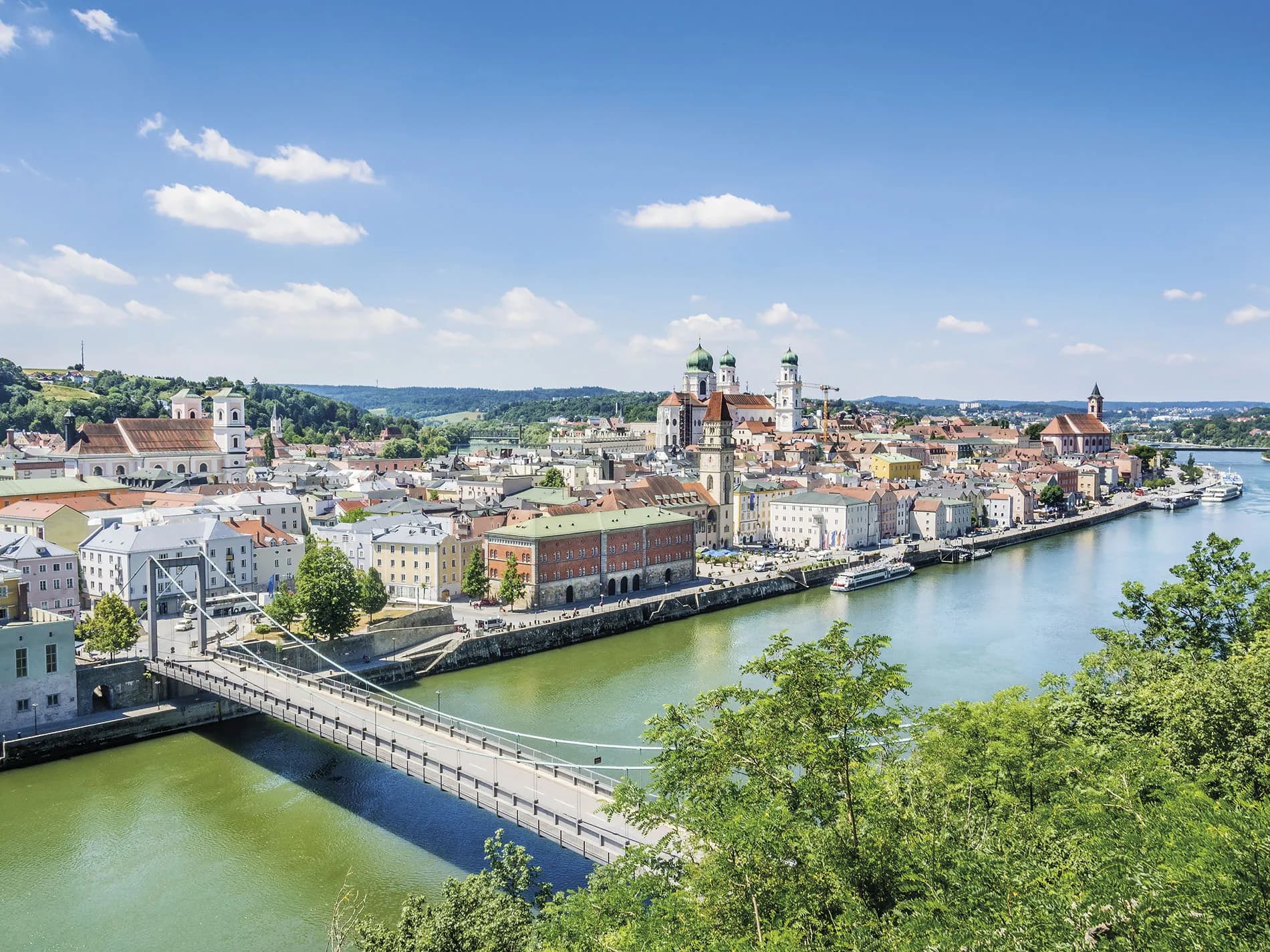
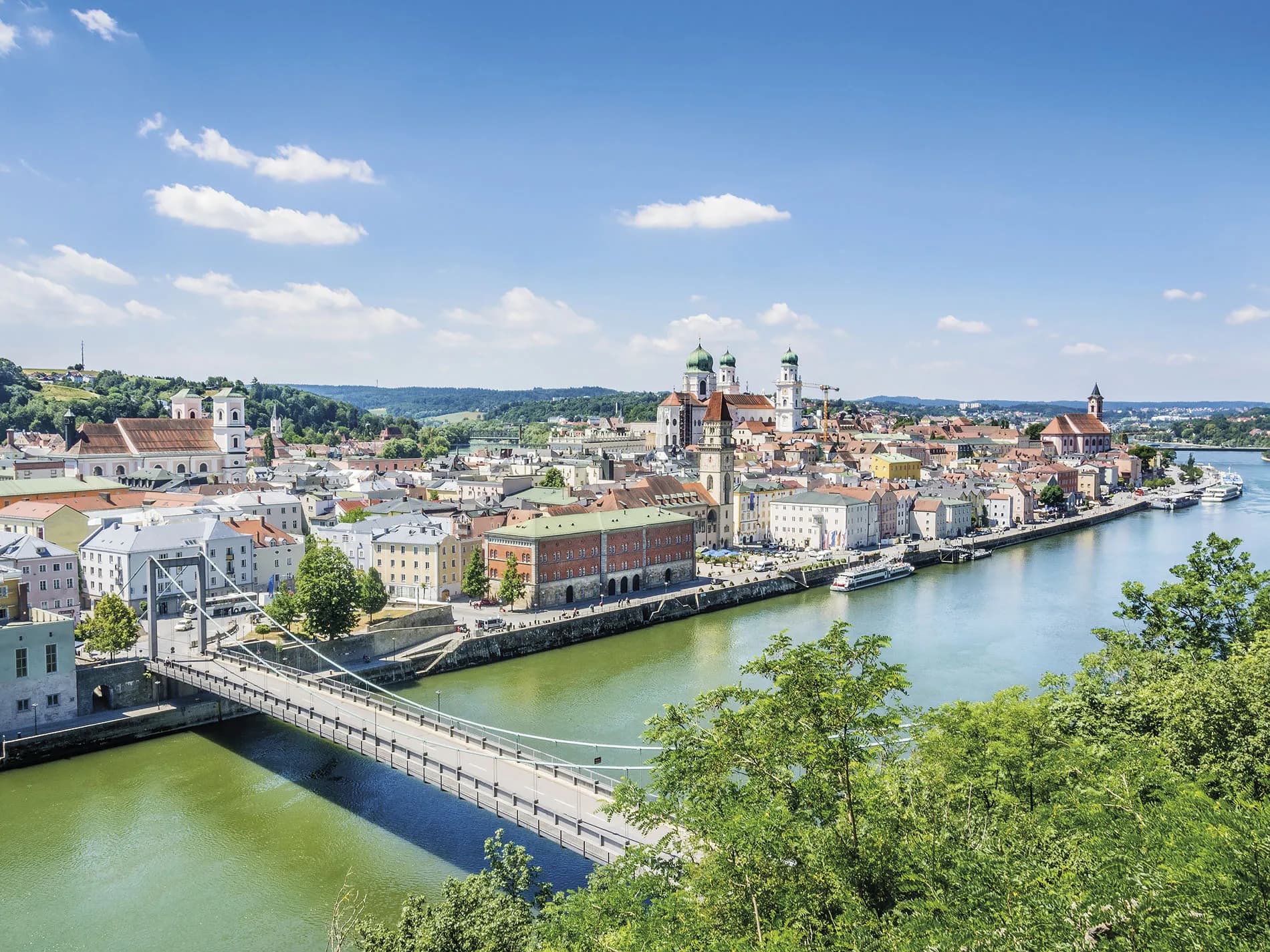
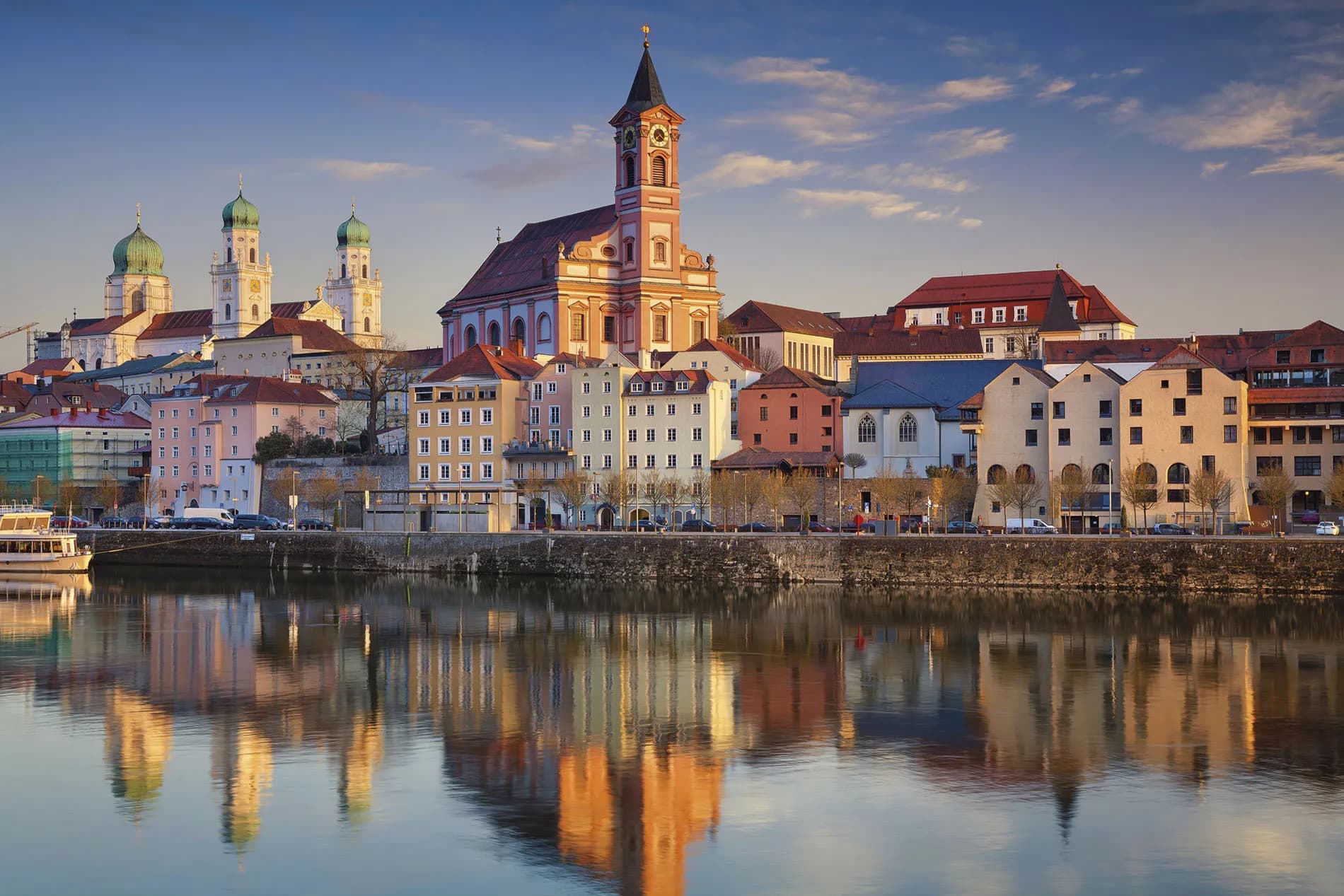
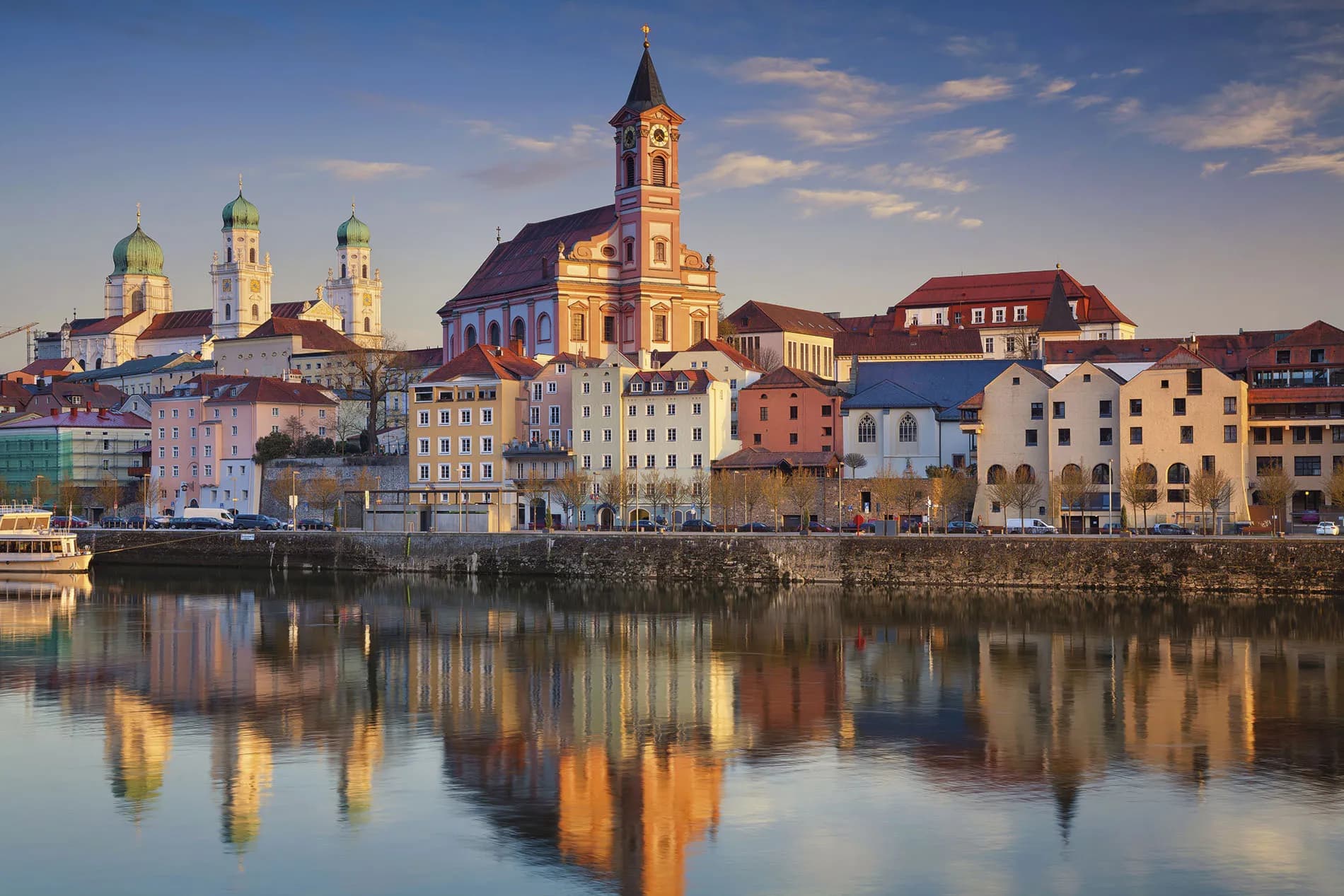
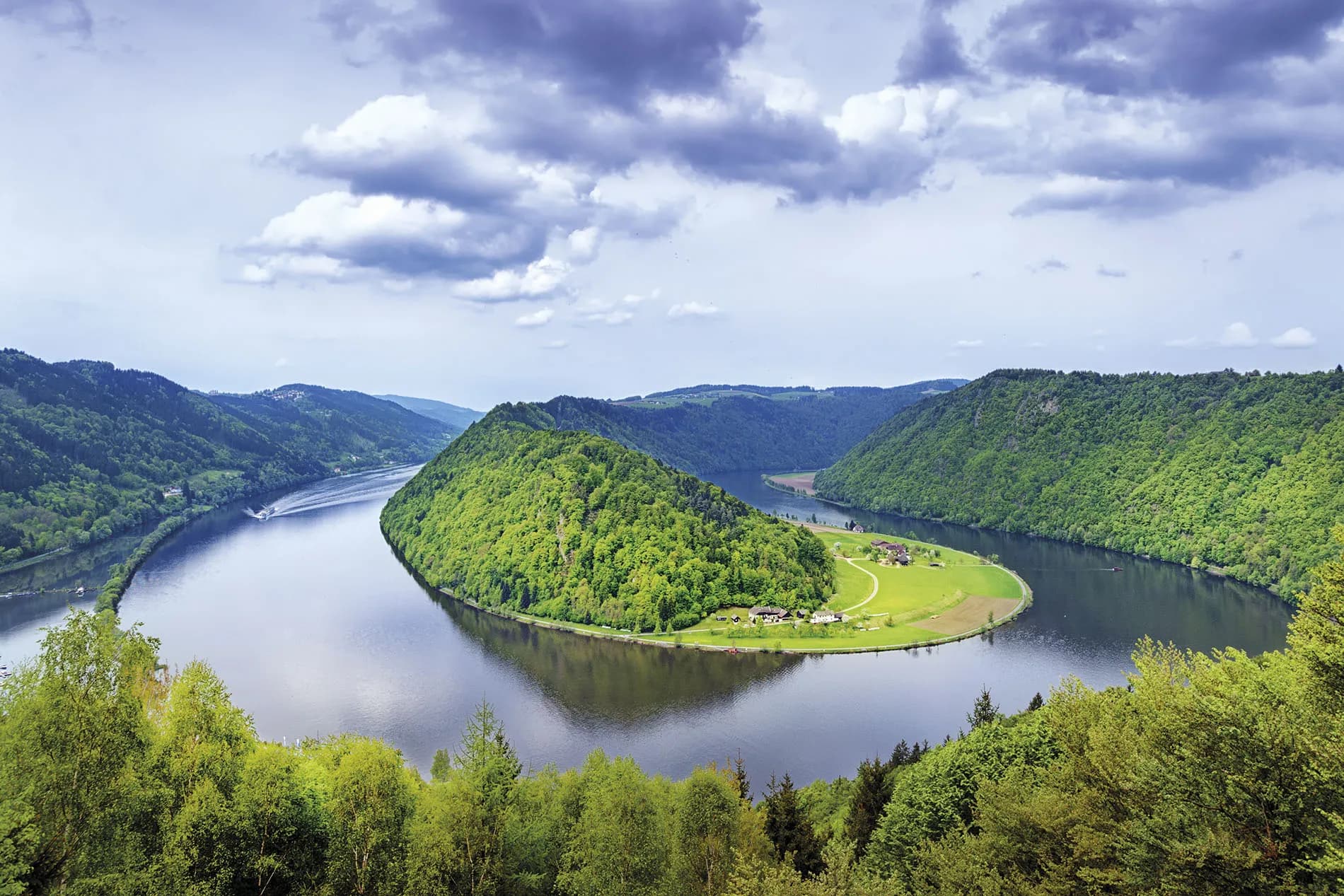
Passau
GermanyPassau is known as a three-river city and is the first port on the Danube that is navigable by cruise ships. From here the big tours via Vienna, Bratislava and down to the Black Sea start. But the city itself also has a lot to offer, such as the opera house, the Ilz, a small river that is great for hiking, or St. Stephen's Cathedral and the old town hall. A visit to the Passau Glass Museum is particularly recommended, if you want to turn your back on the city, you can go to the Mariahilf pilgrimage church just outside.
Day 5
Day 5
Passau
Passau is known as a three-river city and is the first port on the Danube that is navigable by cruise ships. From here the big tours via Vienna, Bratislava and down to the Black Sea start. But the city itself also has a lot to offer, such as the opera house, the Ilz, a small river that is great for hiking, or St. Stephen's Cathedral and the old town hall. A visit to the Passau Glass Museum is particularly recommended, if you want to turn your back on the city, you can go to the Mariahilf pilgrimage church just outside.
Day 6
Day 6
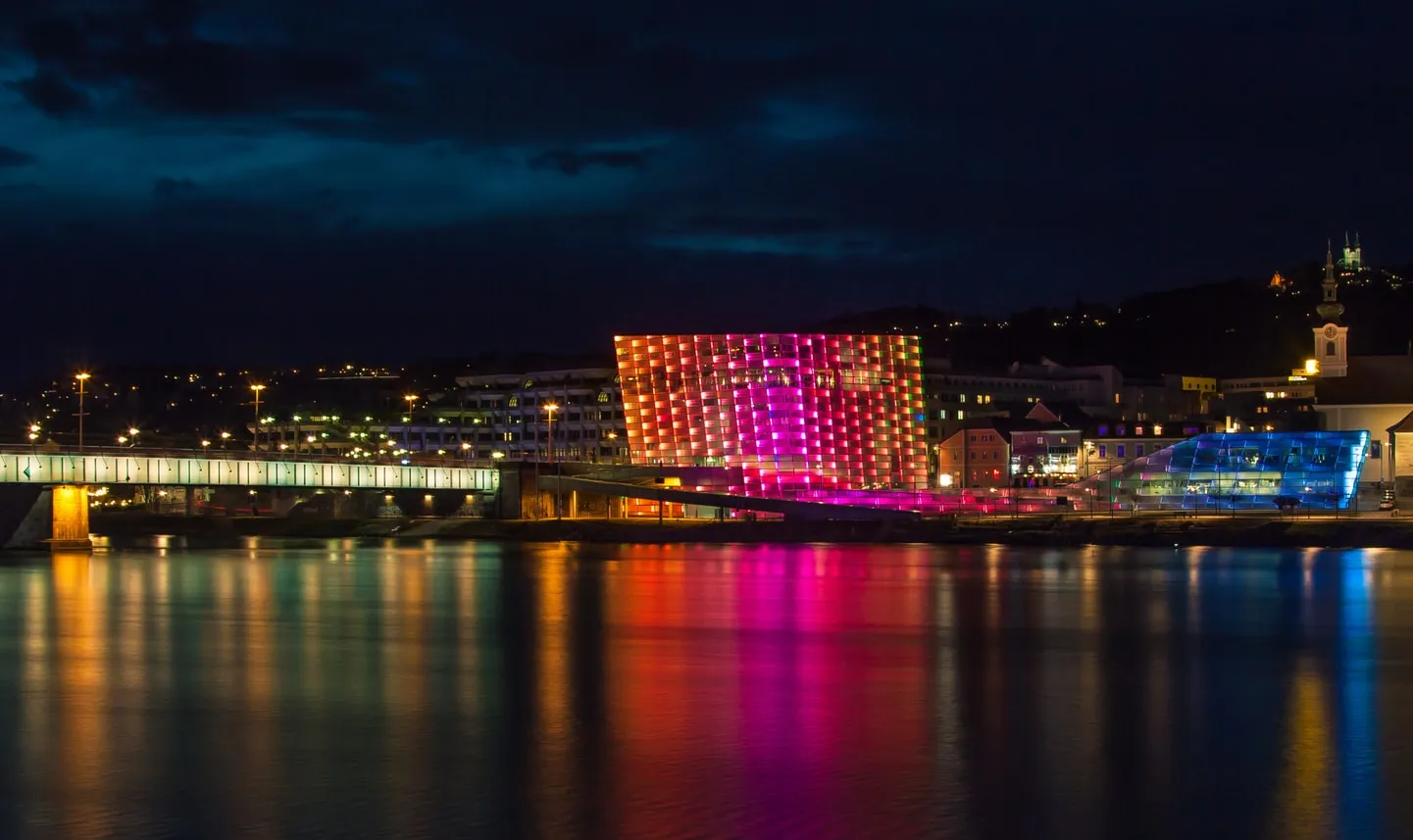
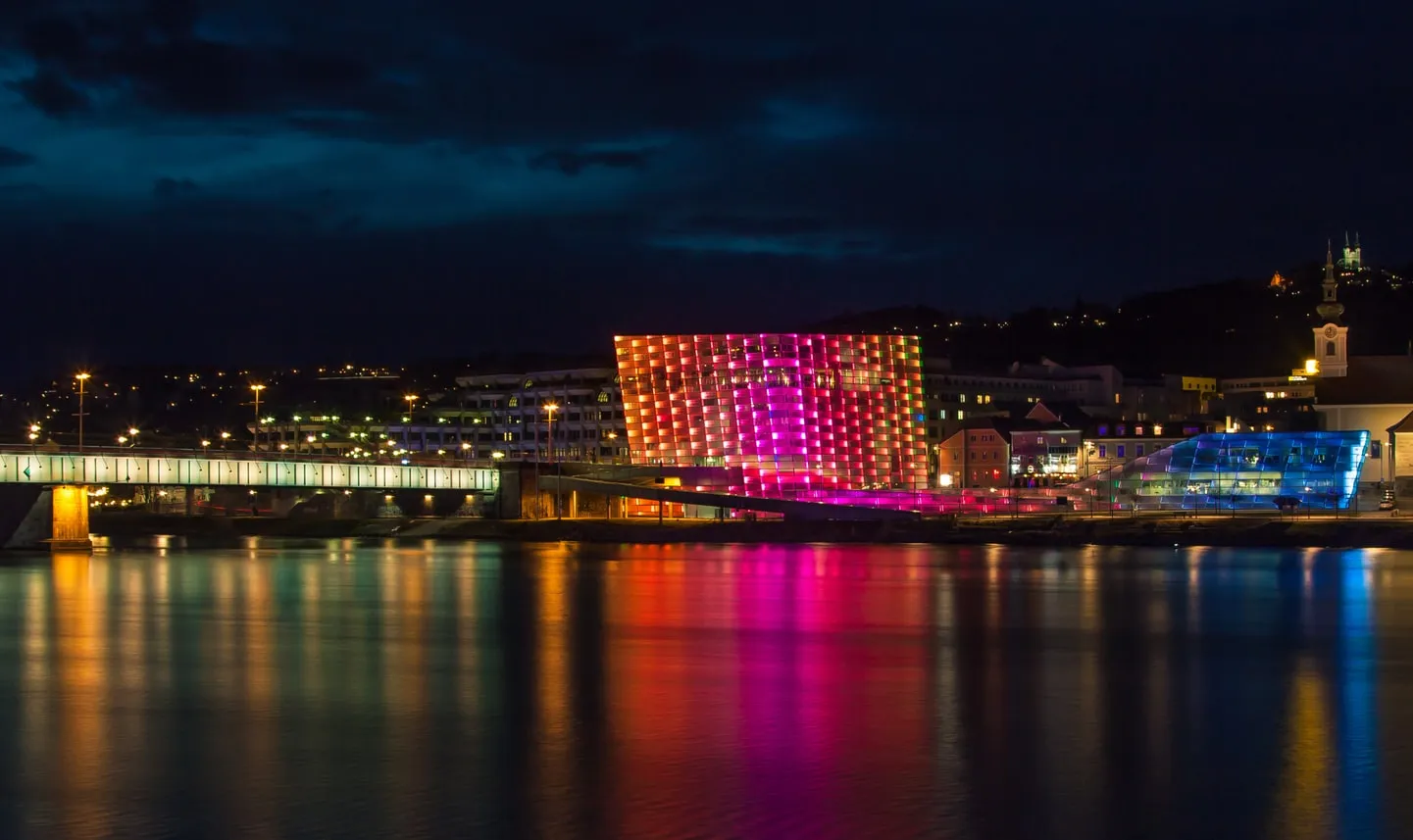
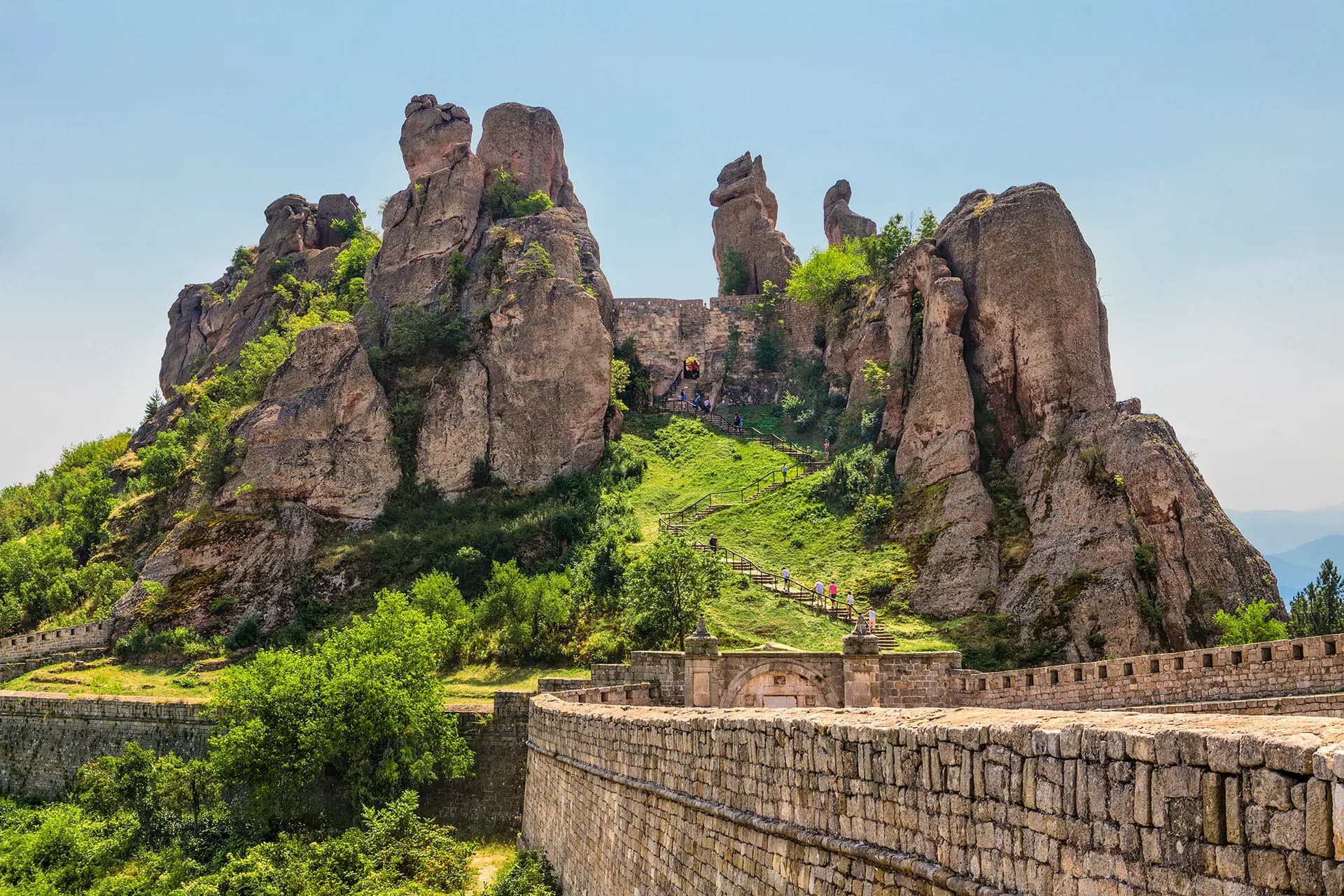
Linz
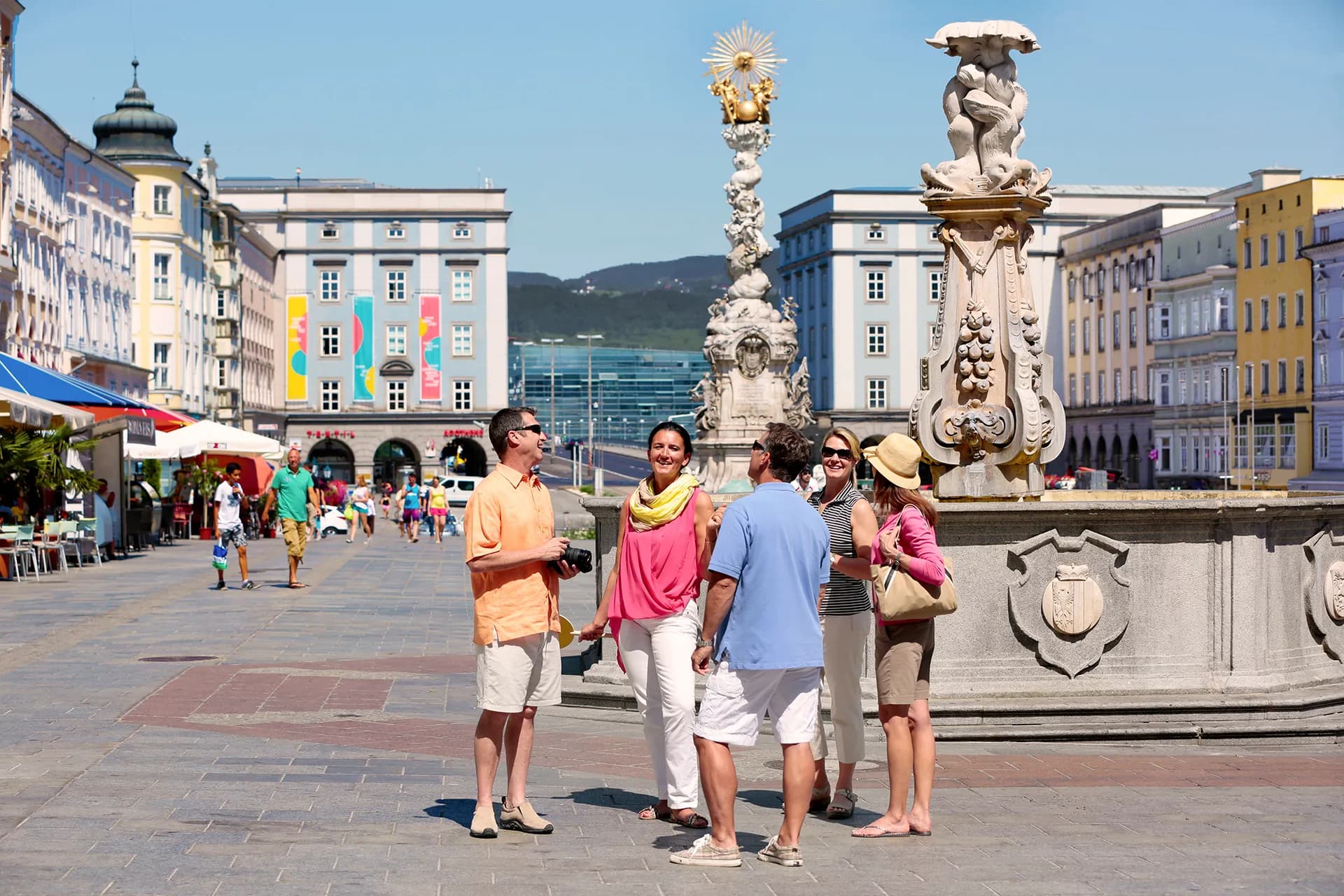
AustriaBaroque facades, numerous churches and, at the centre, the river. As you can see, it’s possible to describe Linz, Austria’s largest port city, in a single sentence. But that would be doing it an injustice, since there’s a whole lot more to Linz than buildings and water. In recent years, this former industrial hub has morphed into a European cultural stronghold. No matter whether it’s theatre, cinema, art or music, there’s both great demand and great support for culture here. The city also provides magnificent views – particularly in the evening – from the pilgrimage church on the Pöstlingberg hill.
Day 6
Day 6
Passau
Passau is known as a three-river city and is the first port on the Danube that is navigable by cruise ships. From here the big tours via Vienna, Bratislava and down to the Black Sea start. But the city itself also has a lot to offer, such as the opera house, the Ilz, a small river that is great for hiking, or St. Stephen's Cathedral and the old town hall. A visit to the Passau Glass Museum is particularly recommended, if you want to turn your back on the city, you can go to the Mariahilf pilgrimage church just outside.
Day 6
Day 6
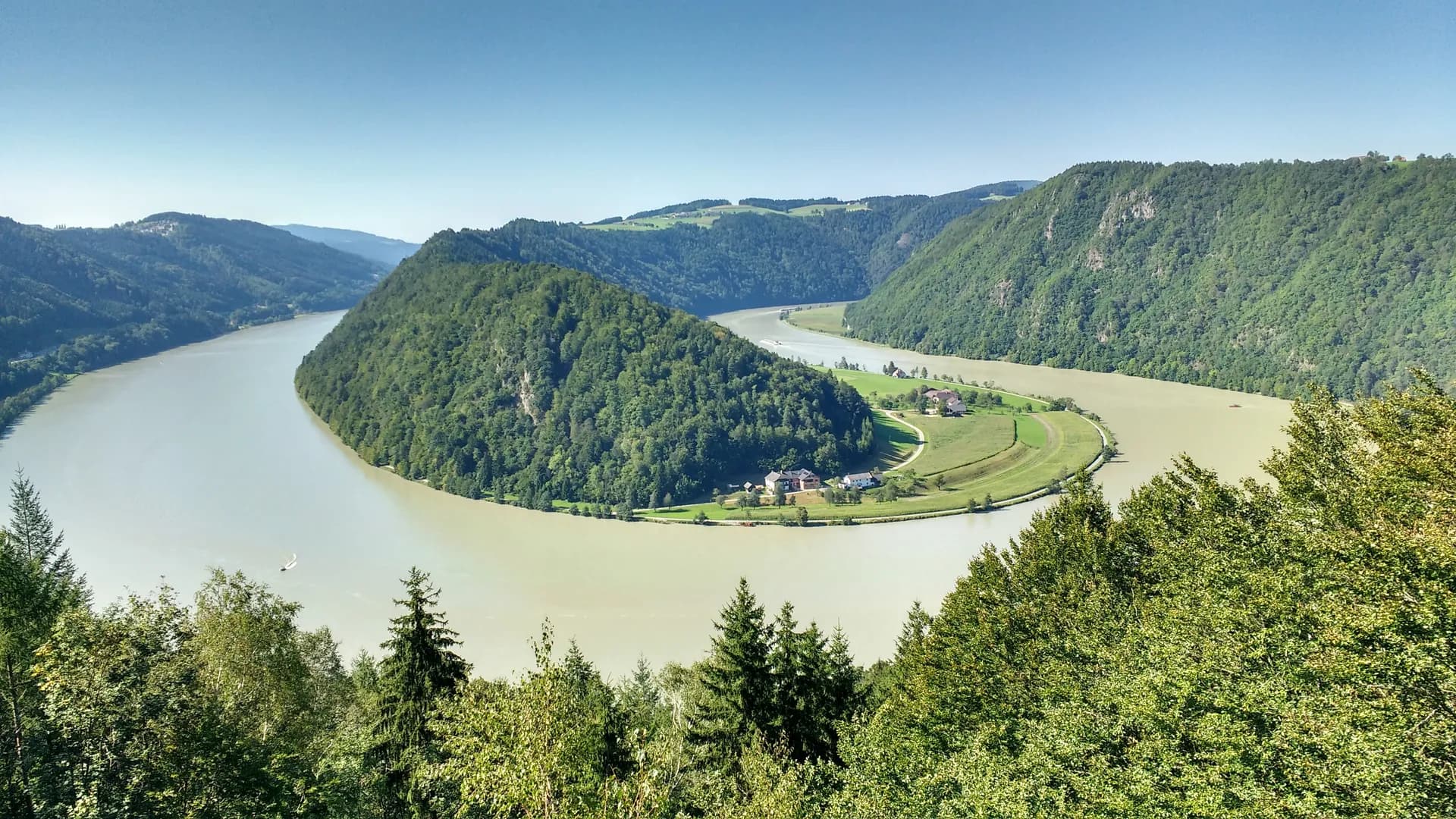
Engelhartszell
Engelhartszell an der Donau is a municipality in the district of Schärding in the Austrian state of Upper Austria.
Day 7
Day 7
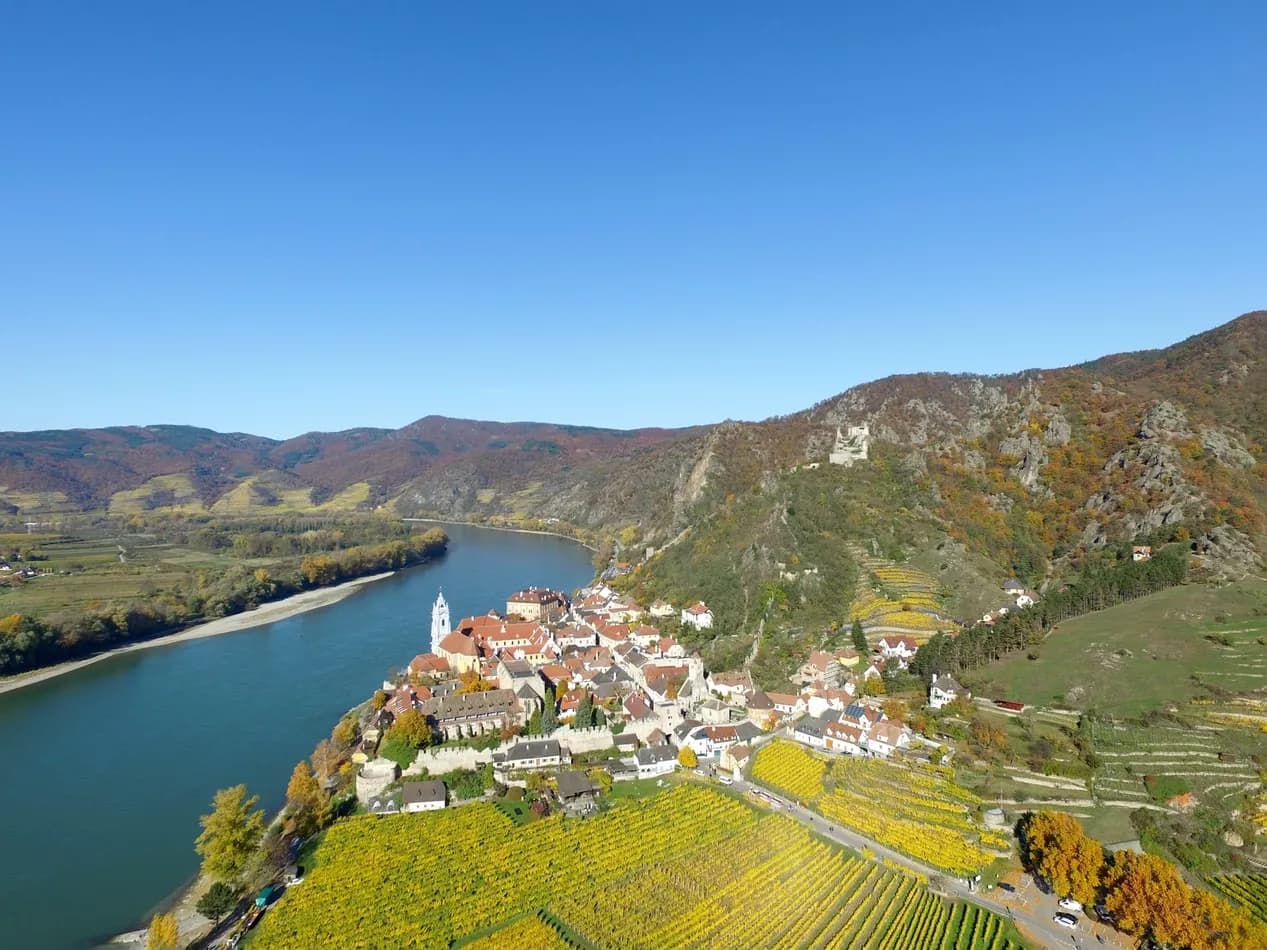
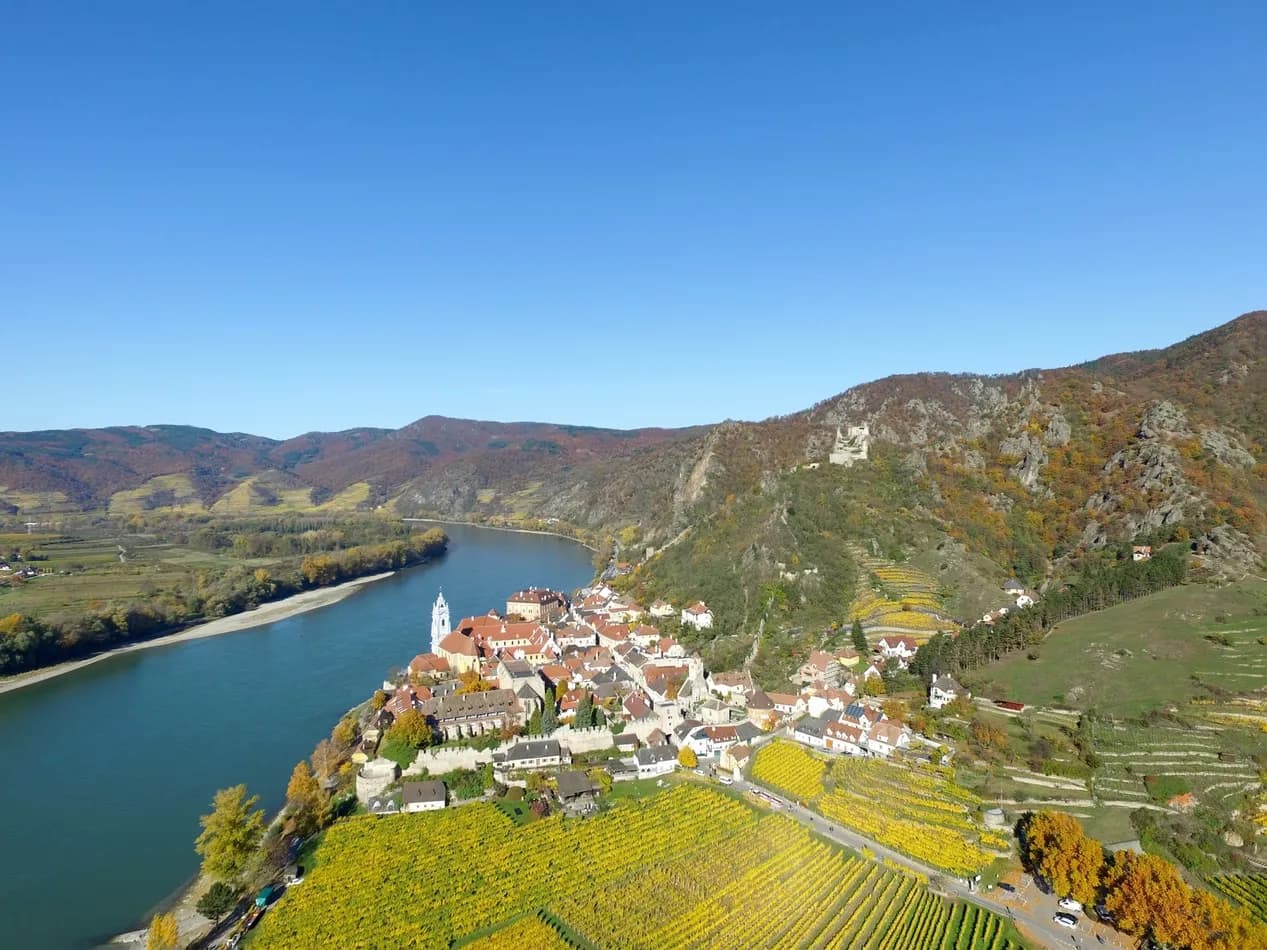
Durnstein
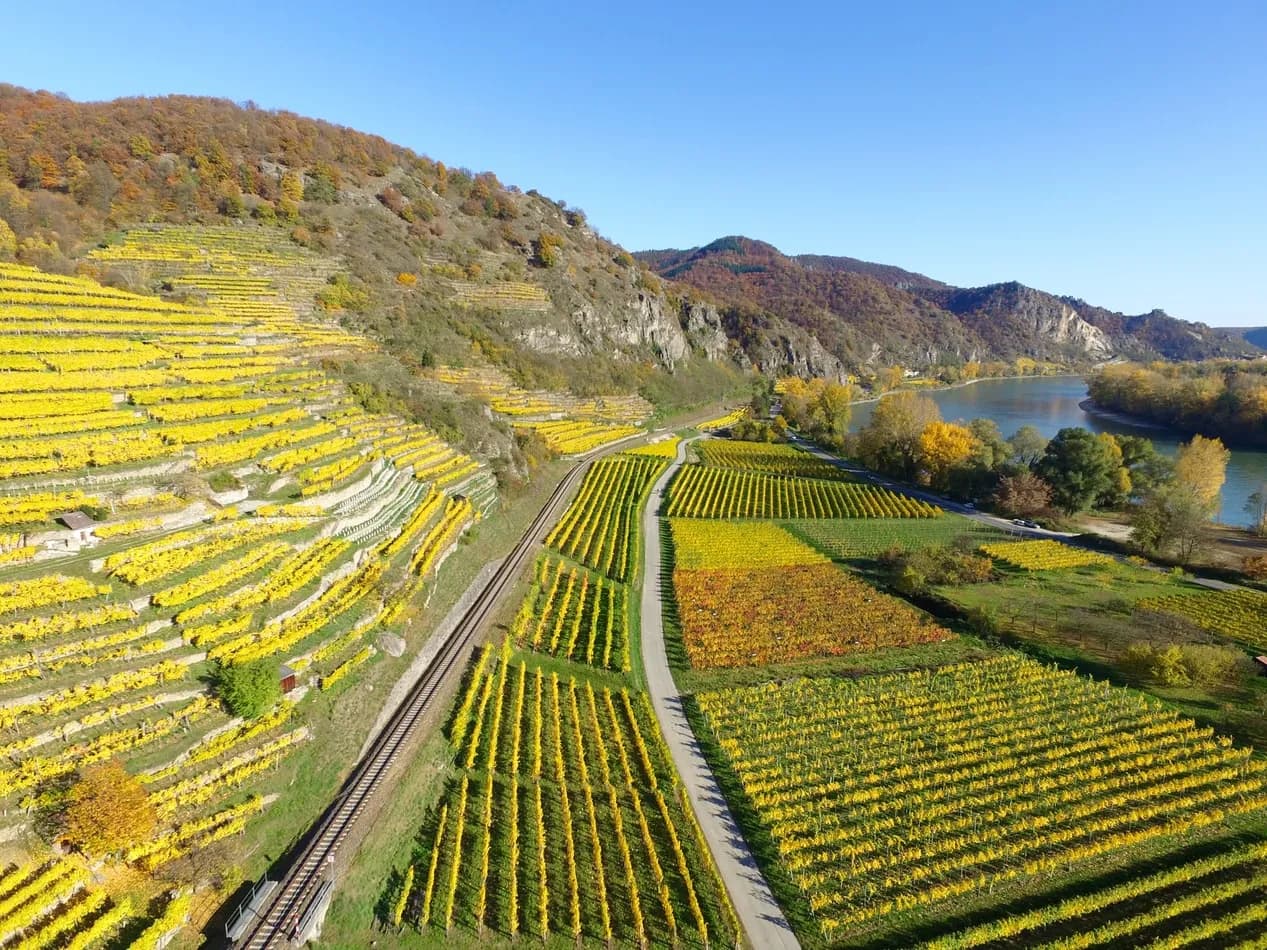
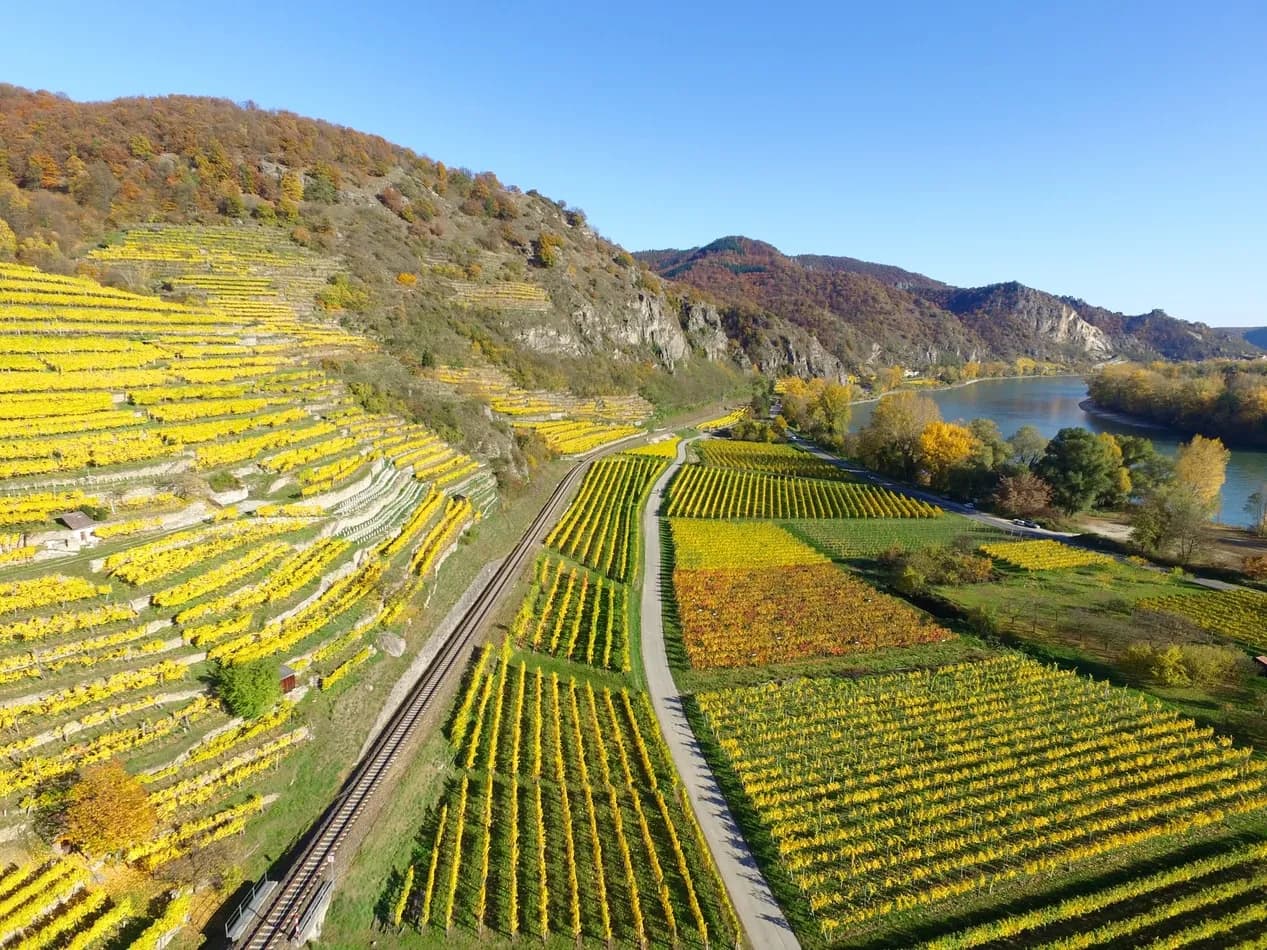
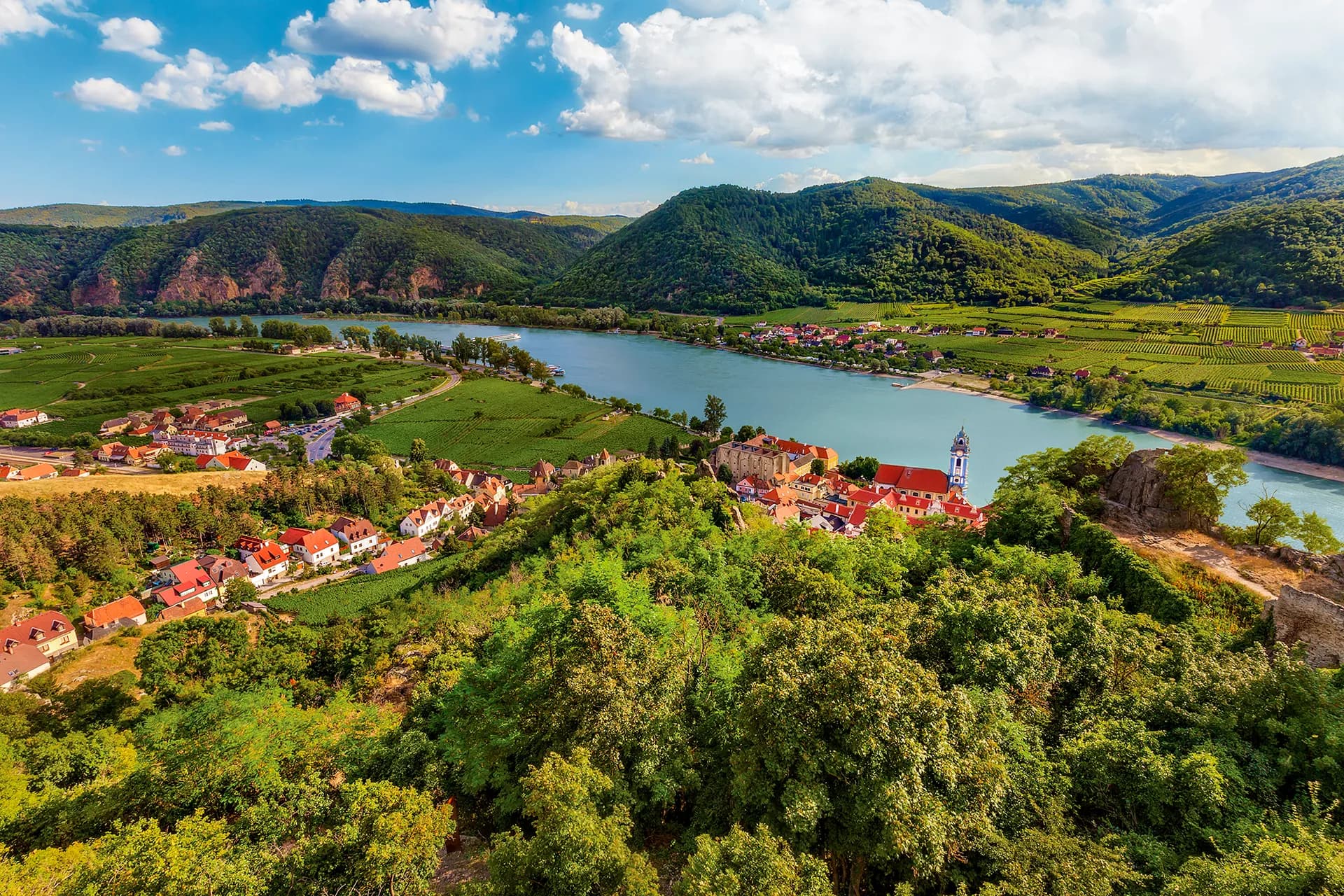
AustriaThe small town is part of the Lower Austrian cultural landscape of Wachau, is located directly on the Danube and is surrounded by vineyards. Those arriving by ship have a beautiful view of the two main attractions of Dürnstein: The ruins of the Kuenringerburg towering high above the city, in which Richard the Lionheart was held for several months in 1192/93, and the Dürnstein monastery. The latter is a monastery of the Augustinian Canons which was closed at the end of the 18th century and is known for its blue and white bell tower.
Day 7
Day 7
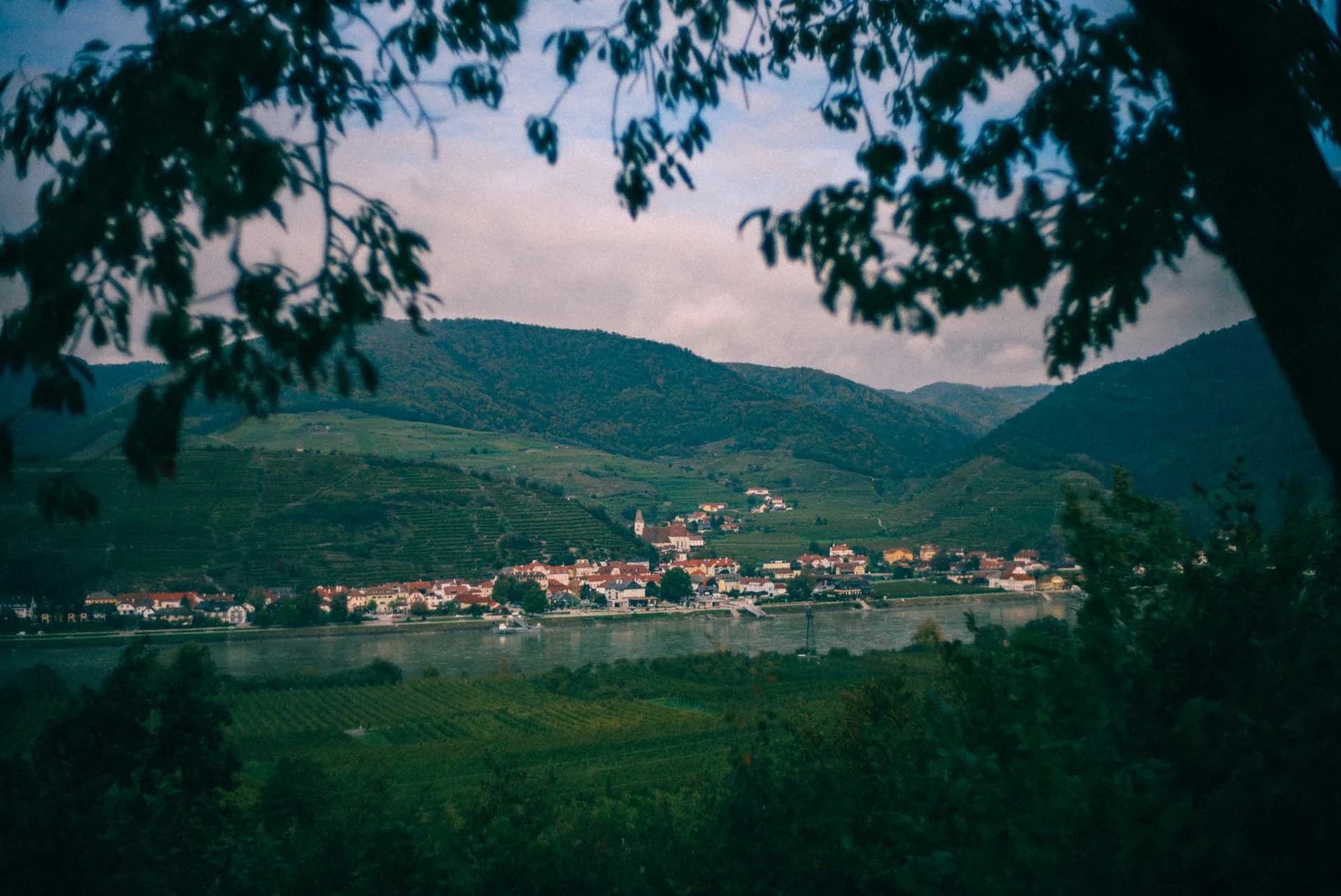
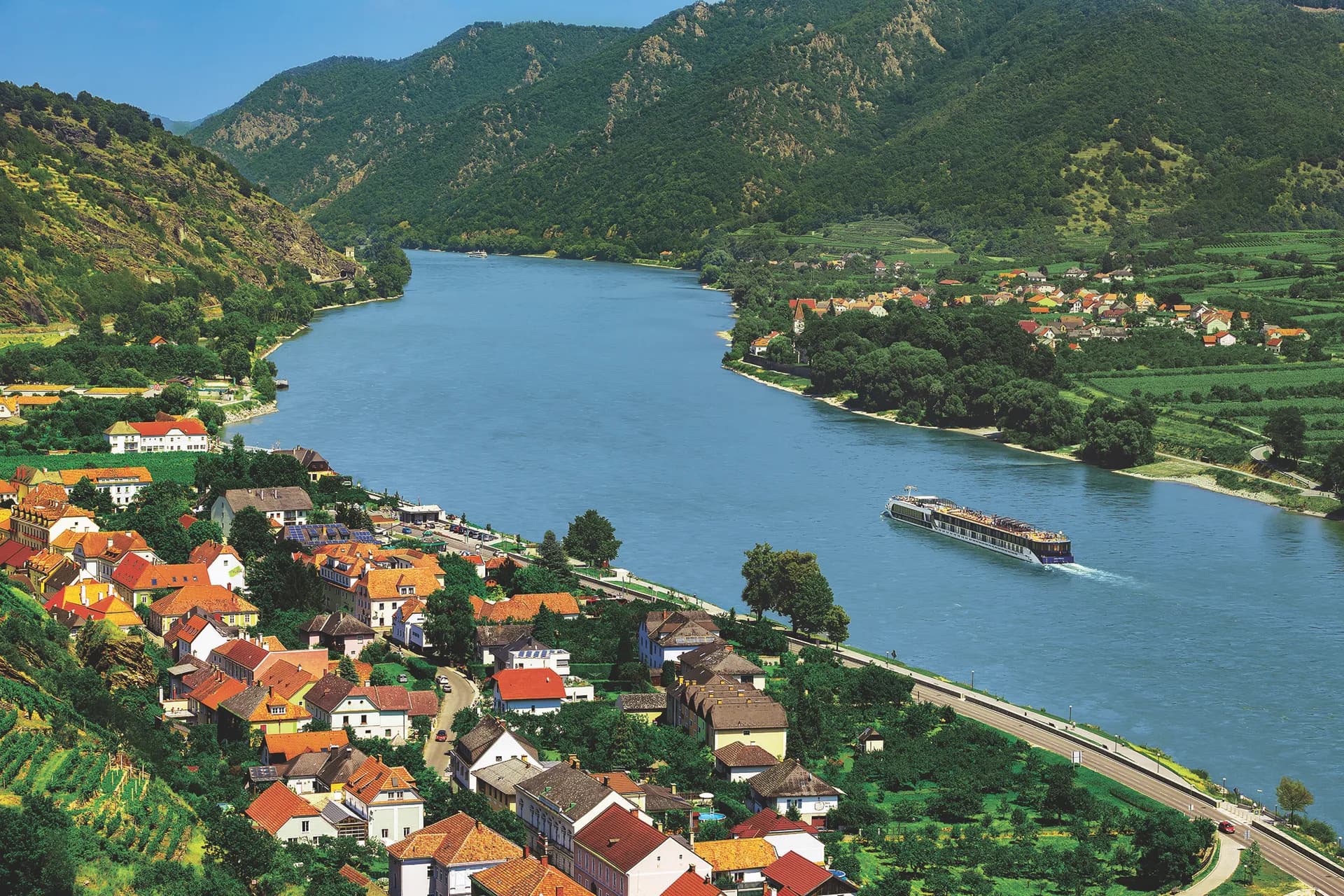
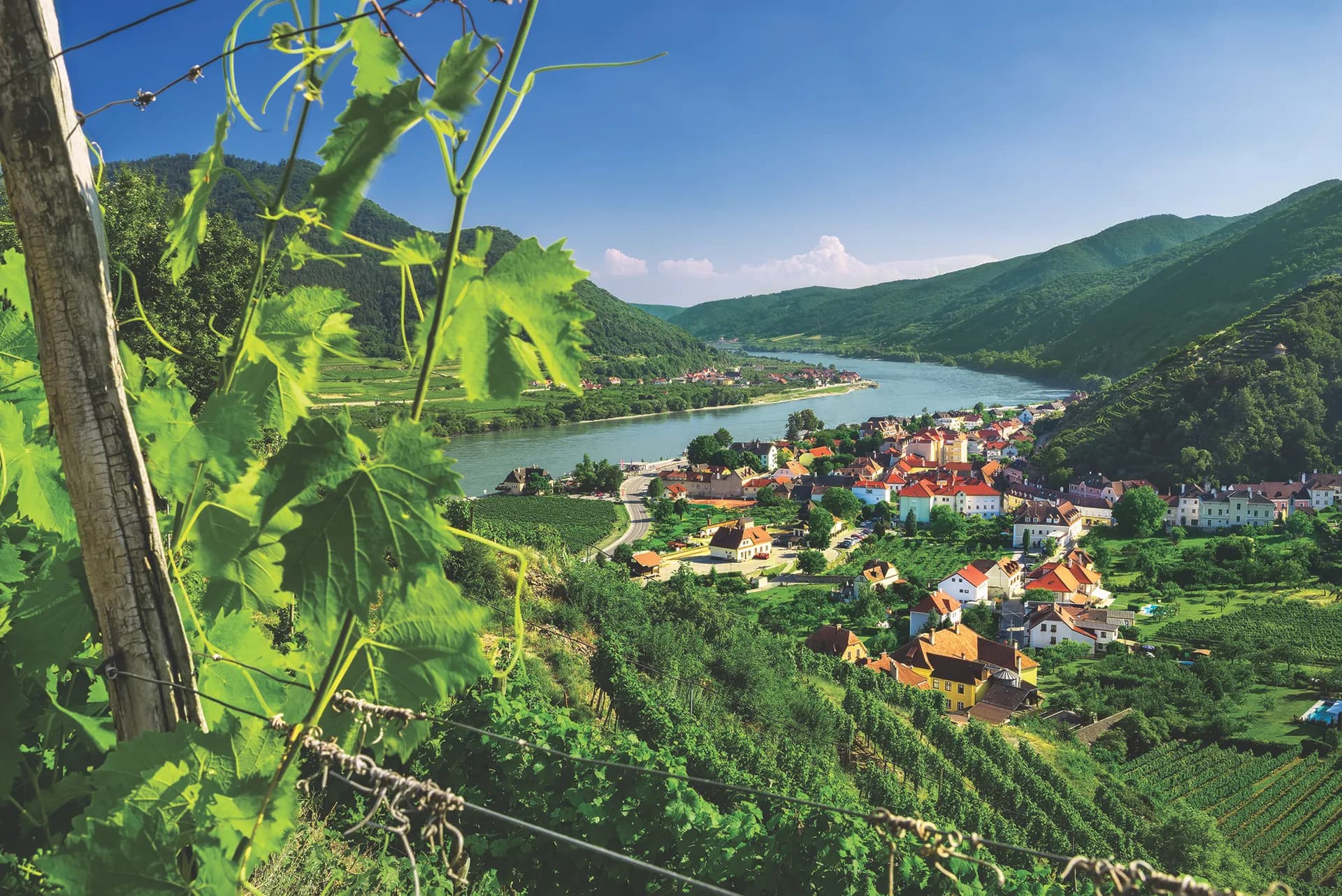
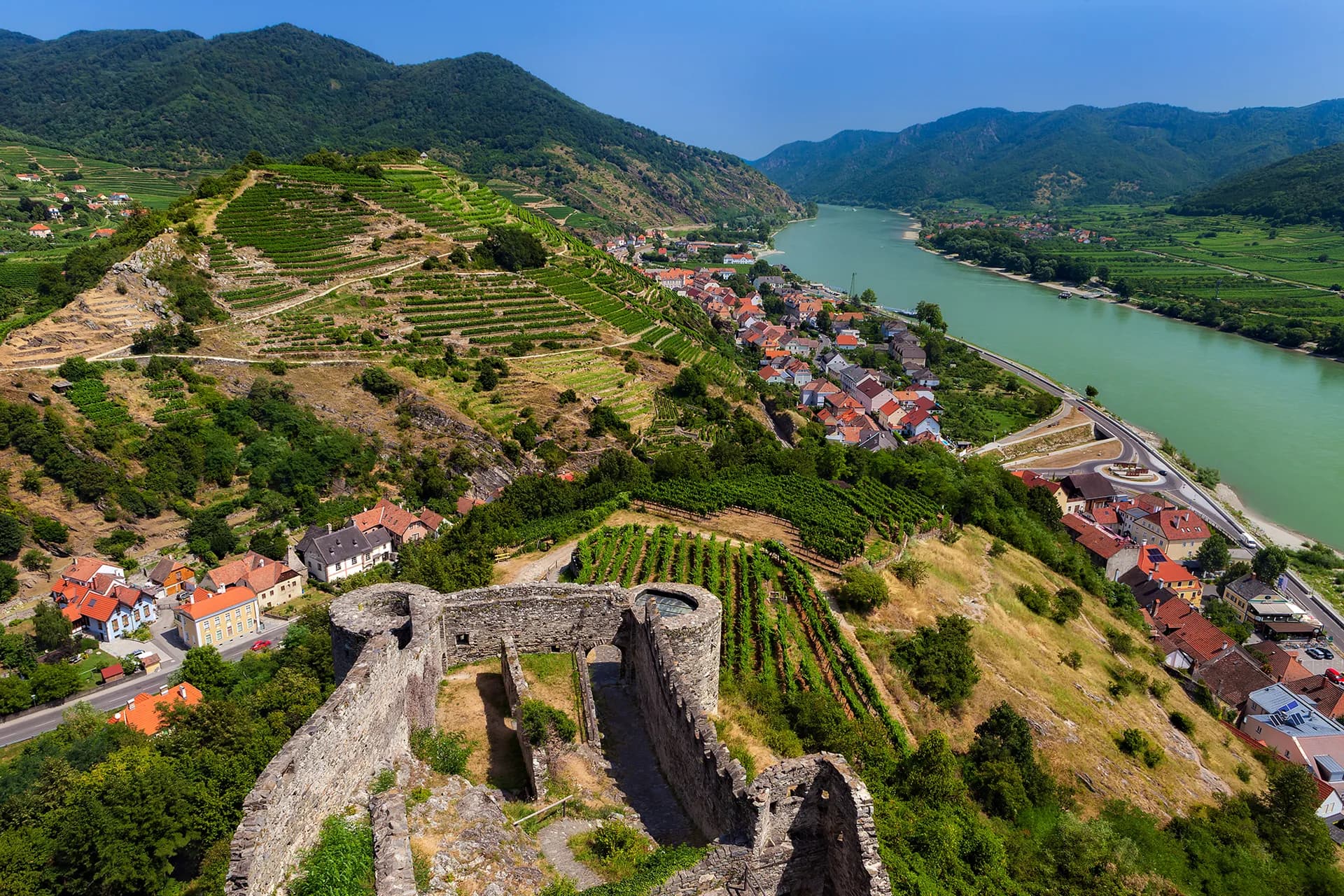
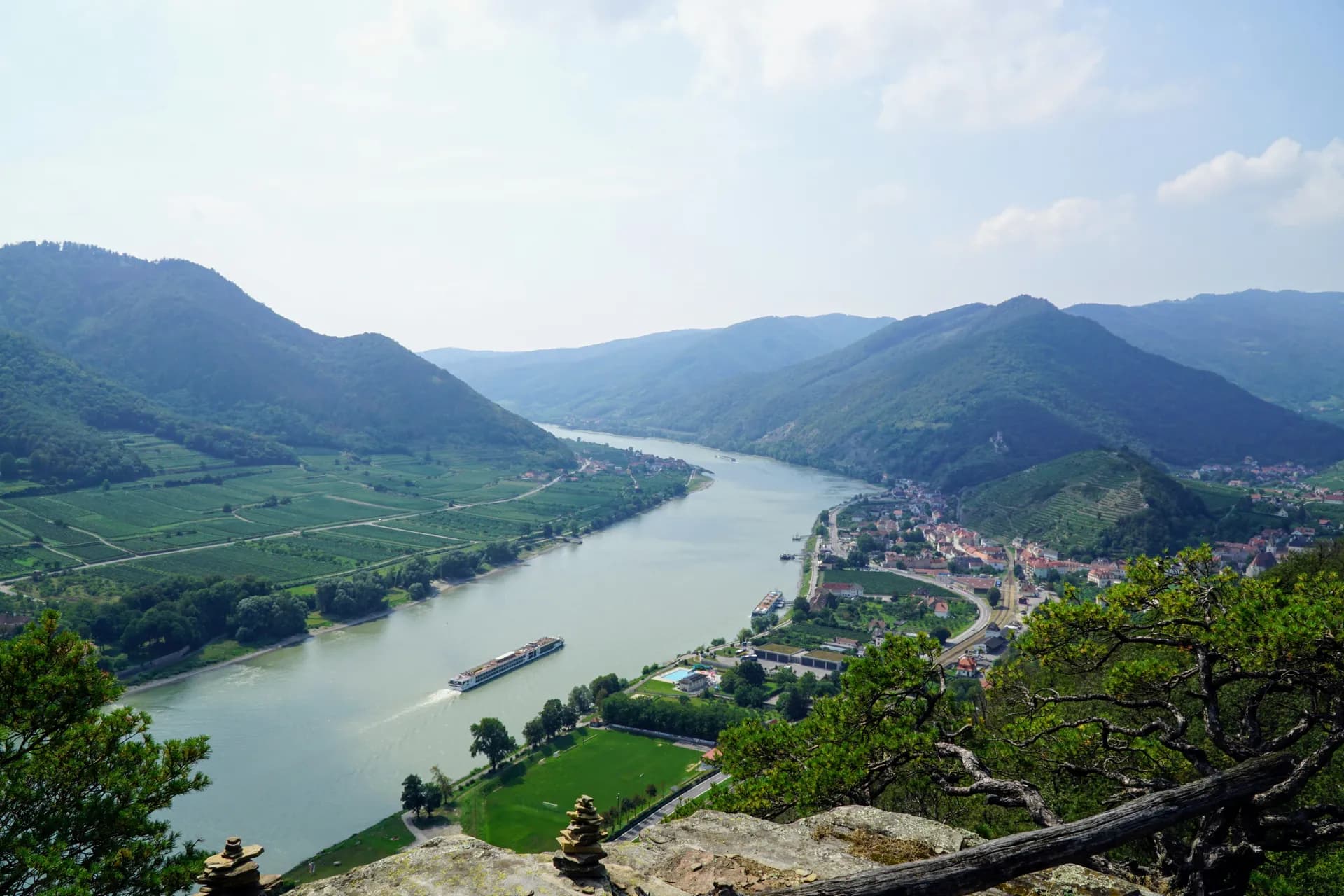
Spitz
The Port of Spitz is a very small port in Austria. See below for a live map of ship positions in Spitz, schedules for vessels arriving (port calls), the list of ships currently in port, a company register and a local weather forecast.
Day 7
Day 7
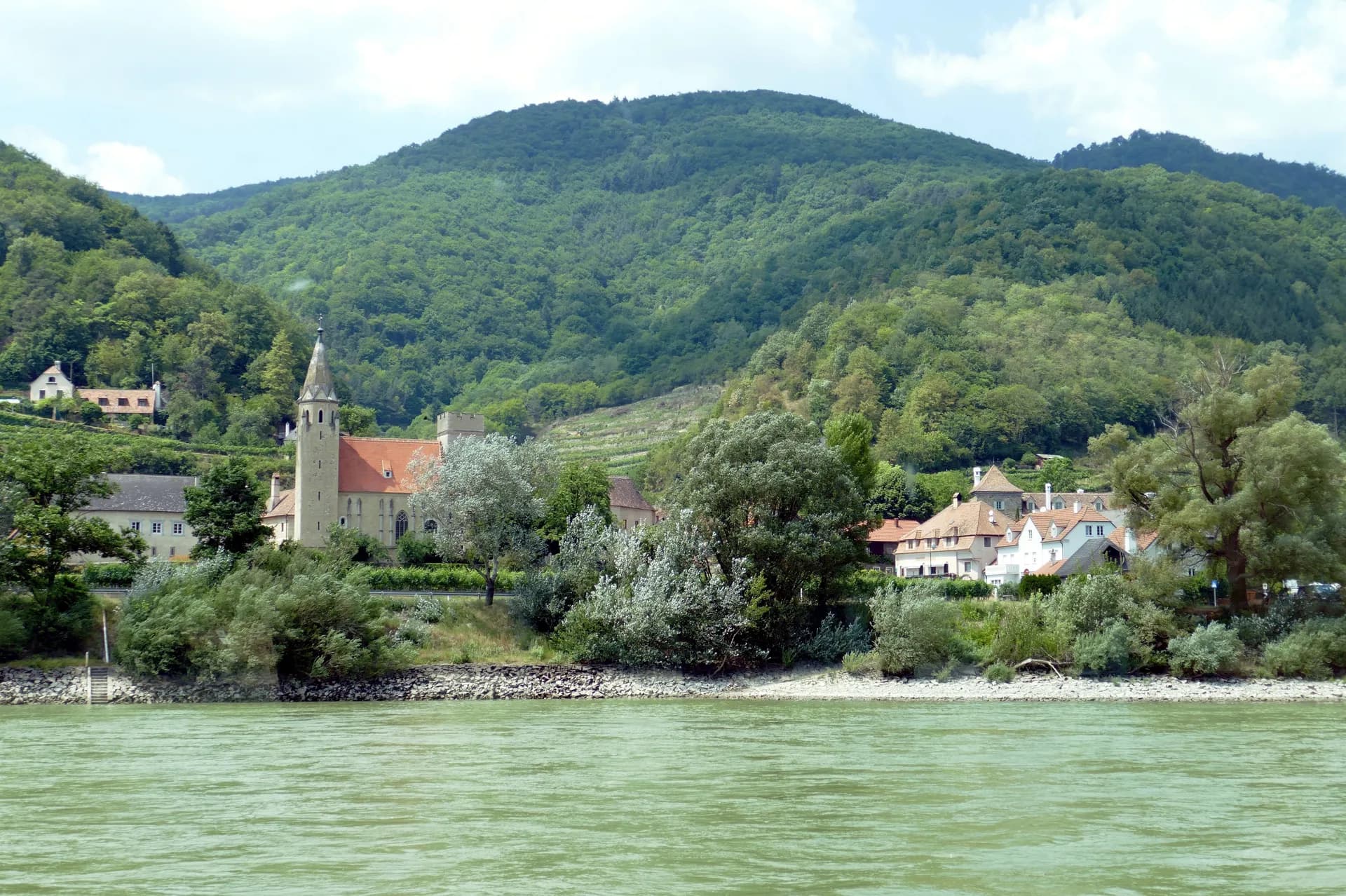
Tulln
Tulln an der Donau is a historic town in the Austrian state of Lower Austria, the administrative seat of Tulln District. Because of its abundance of parks and gardens, Tulln is often referred to as Blumenstadt, and "The City of Togetherness" following the initiative of Peter Eisenschenk, Mayor of Tulln.
Day 7
Day 7
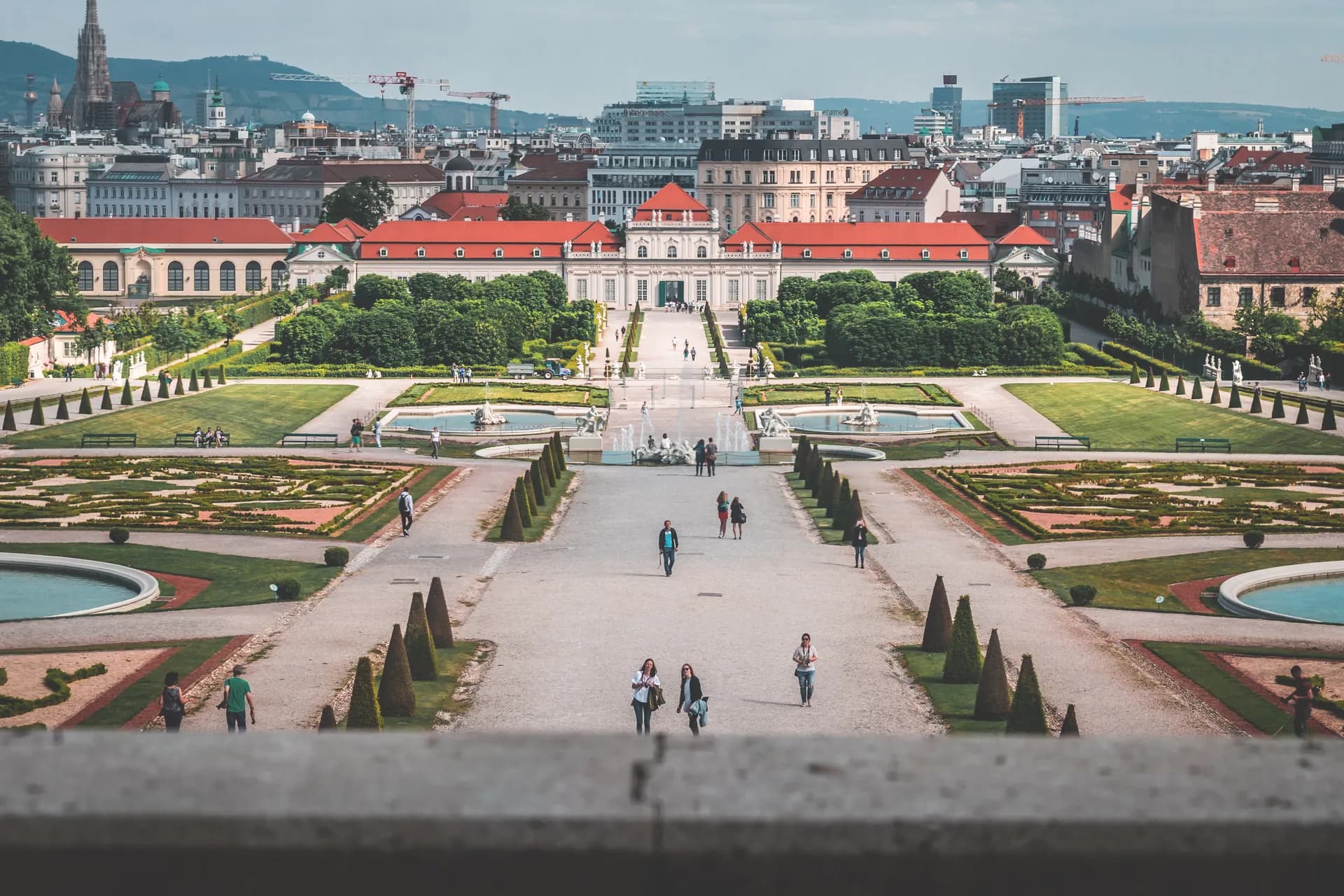
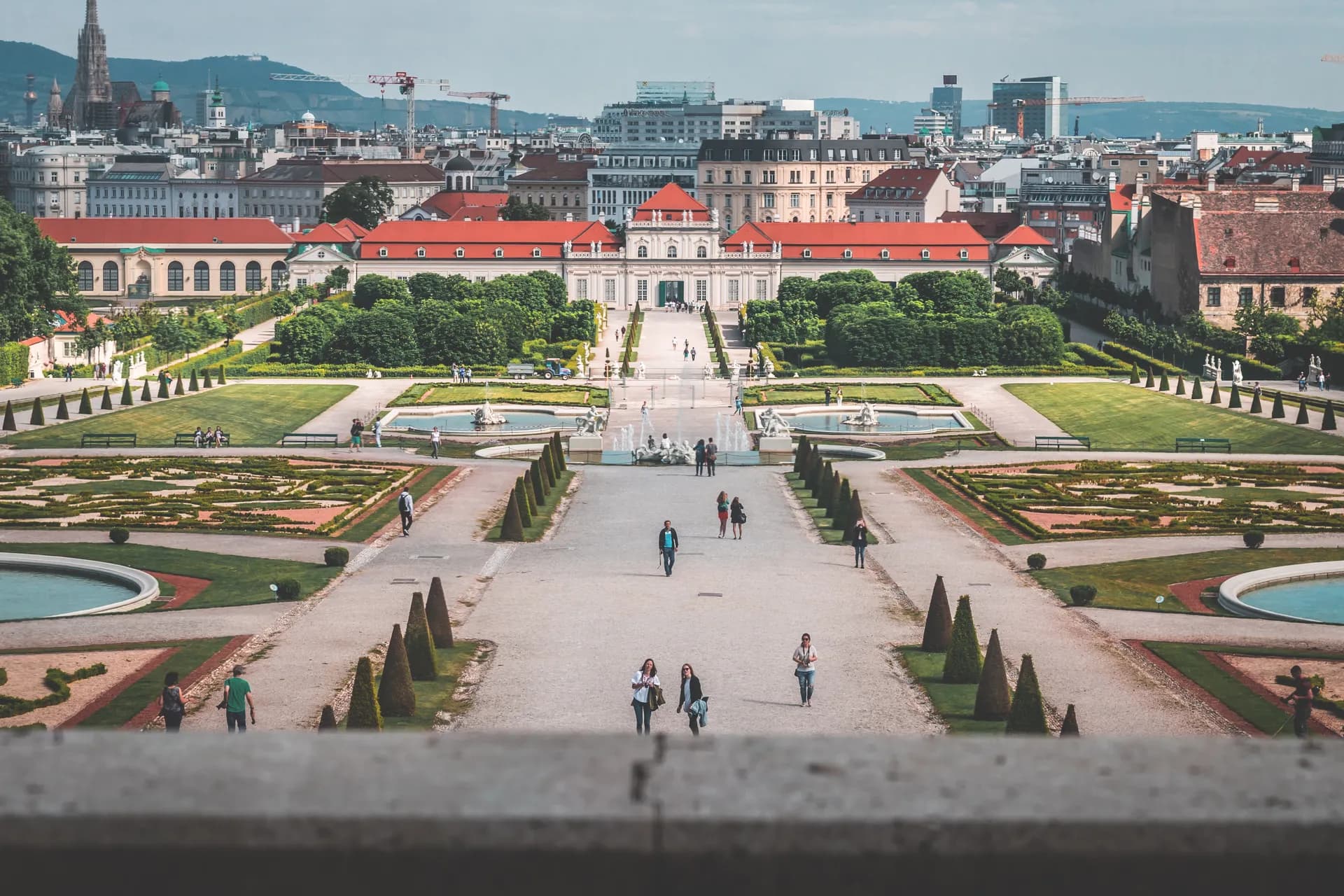
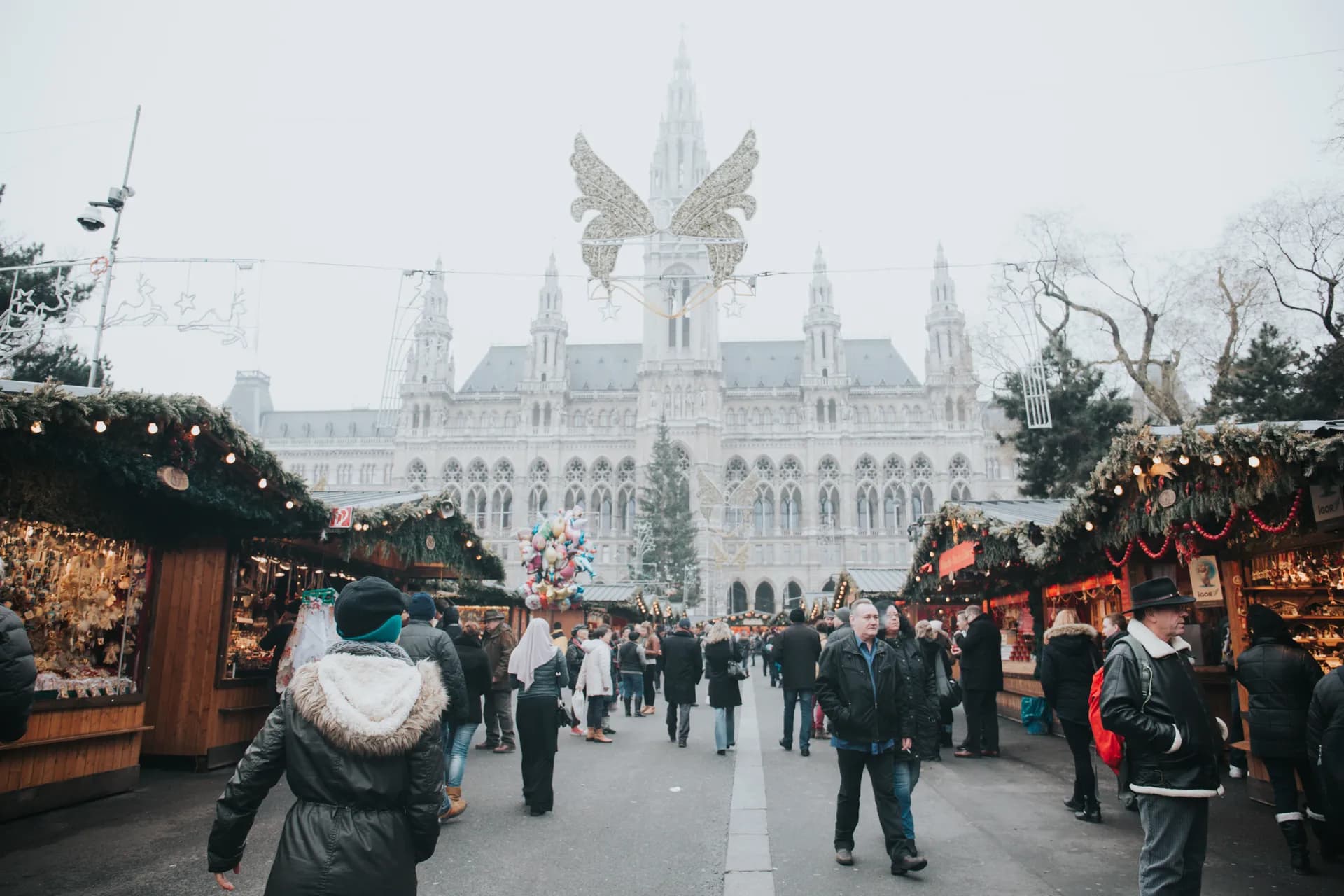
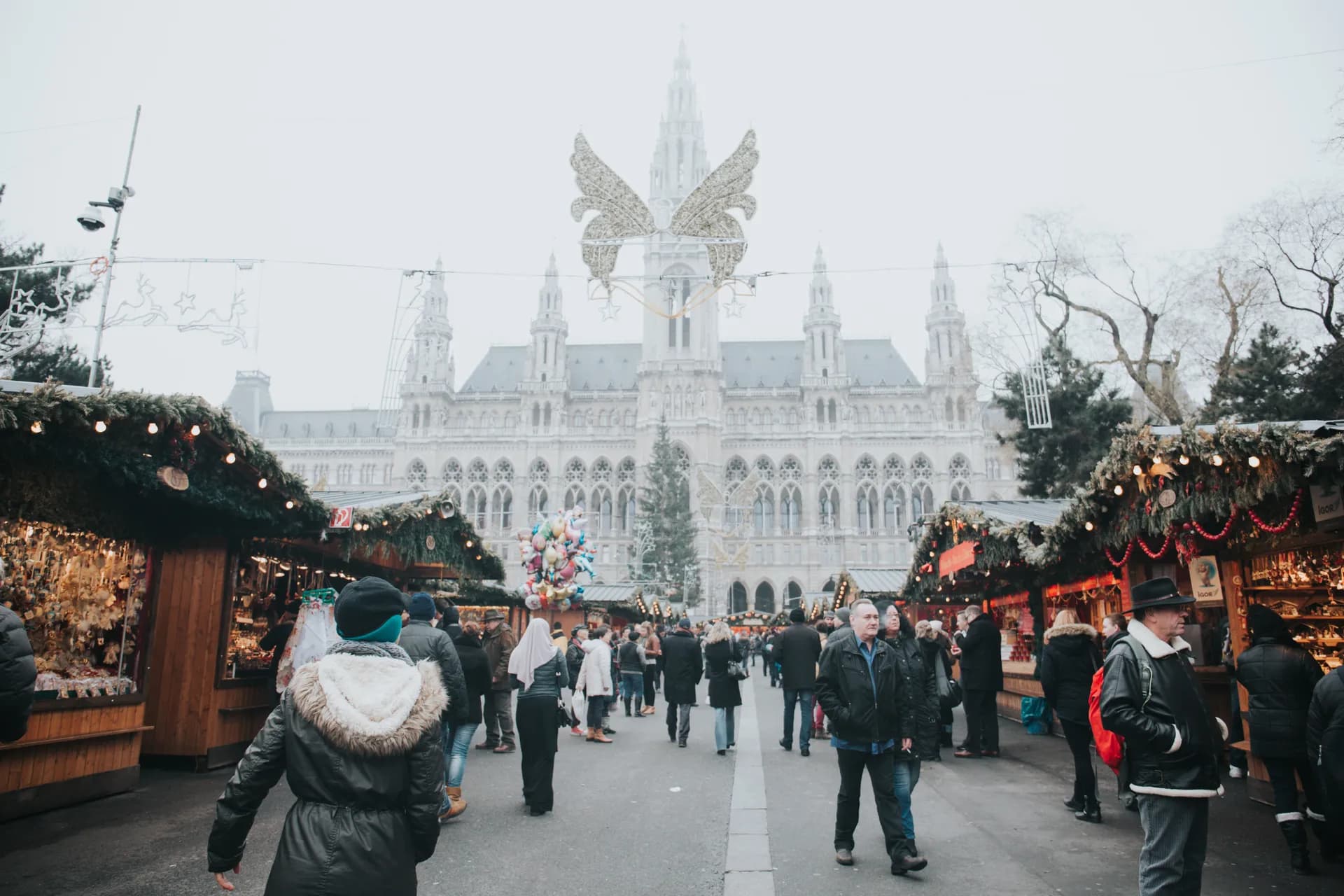
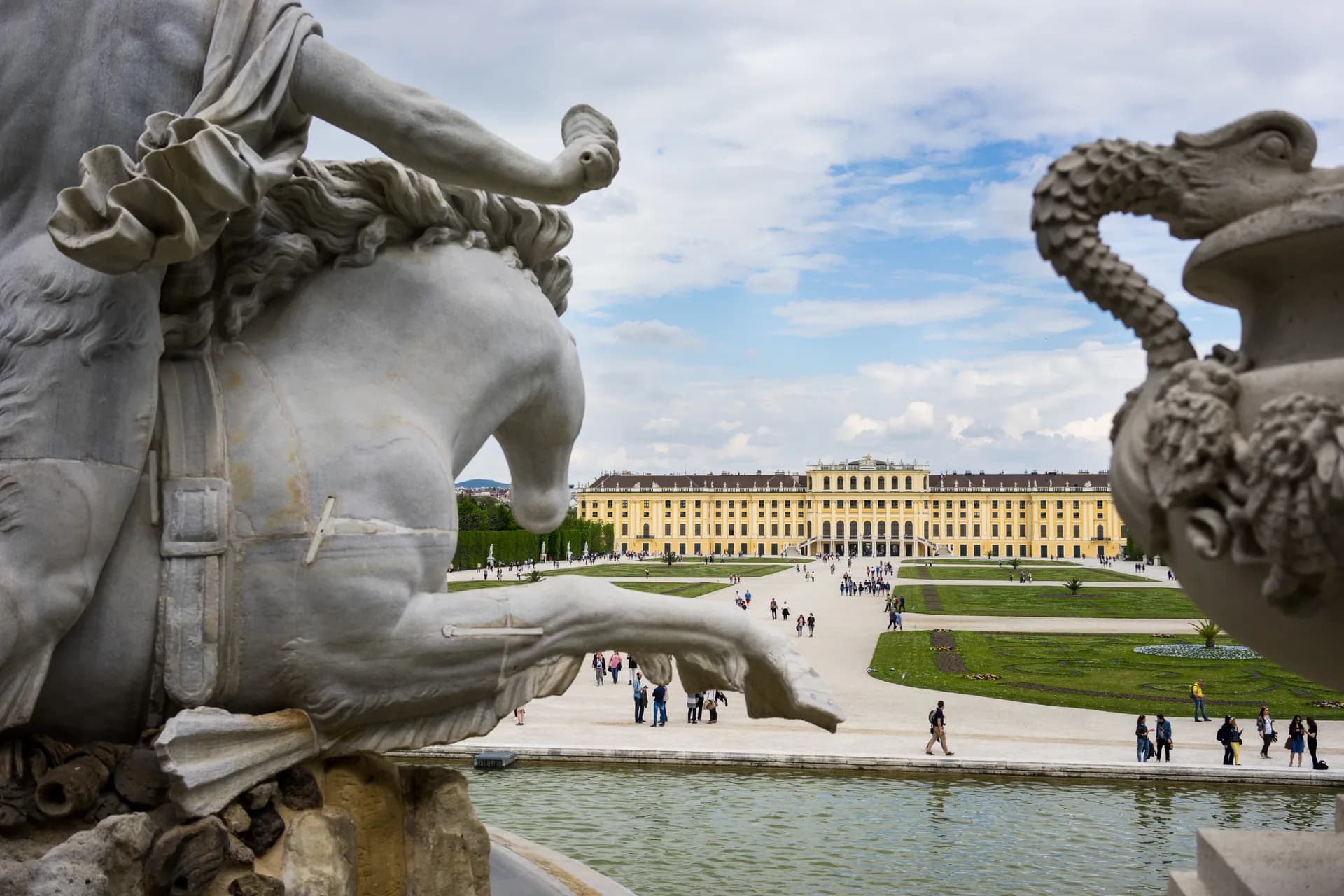
Vienna
The Viennese have a special aura about them. They come across as a bit arrogant, but underneath it all they’re warm-hearted. You could say the same about the city itself. Once you’ve been there a few hours and settled in, you won’t want to leave again anytime soon. There are all those cafes to visit, where the traditional Viennese coffee-house culture is still very much alive and well. The city’s history, with its emperors, Elisabeth of Austria and the ostentatious Habsburgs, adds to its fascination. Then there’s the music of the First Viennese School – this city brought out the best in its composers, making its own special contribution to great masterpieces. What’s more, the Austrian capital also produces excellent cuisine. It’s no coincidence that the city’s famous Wiener schnitzel and Sachertorte became popular all around the world.
Day 8
Day 8
Vienna
AustriaThe Viennese have a special aura about them. They come across as a bit arrogant, but underneath it all they’re warm-hearted. You could say the same about the city itself. Once you’ve been there a few hours and settled in, you won’t want to leave again anytime soon. There are all those cafes to visit, where the traditional Viennese coffee-house culture is still very much alive and well. The city’s history, with its emperors, Elisabeth of Austria and the ostentatious Habsburgs, adds to its fascination. Then there’s the music of the First Viennese School – this city brought out the best in its composers, making its own special contribution to great masterpieces. What’s more, the Austrian capital also produces excellent cuisine. It’s no coincidence that the city’s famous Wiener schnitzel and Sachertorte became popular all around the world.
Day 8
Day 8
Vienna
The Viennese have a special aura about them. They come across as a bit arrogant, but underneath it all they’re warm-hearted. You could say the same about the city itself. Once you’ve been there a few hours and settled in, you won’t want to leave again anytime soon. There are all those cafes to visit, where the traditional Viennese coffee-house culture is still very much alive and well. The city’s history, with its emperors, Elisabeth of Austria and the ostentatious Habsburgs, adds to its fascination. Then there’s the music of the First Viennese School – this city brought out the best in its composers, making its own special contribution to great masterpieces. What’s more, the Austrian capital also produces excellent cuisine. It’s no coincidence that the city’s famous Wiener schnitzel and Sachertorte became popular all around the world.
Day 9
Day 9
Budapest
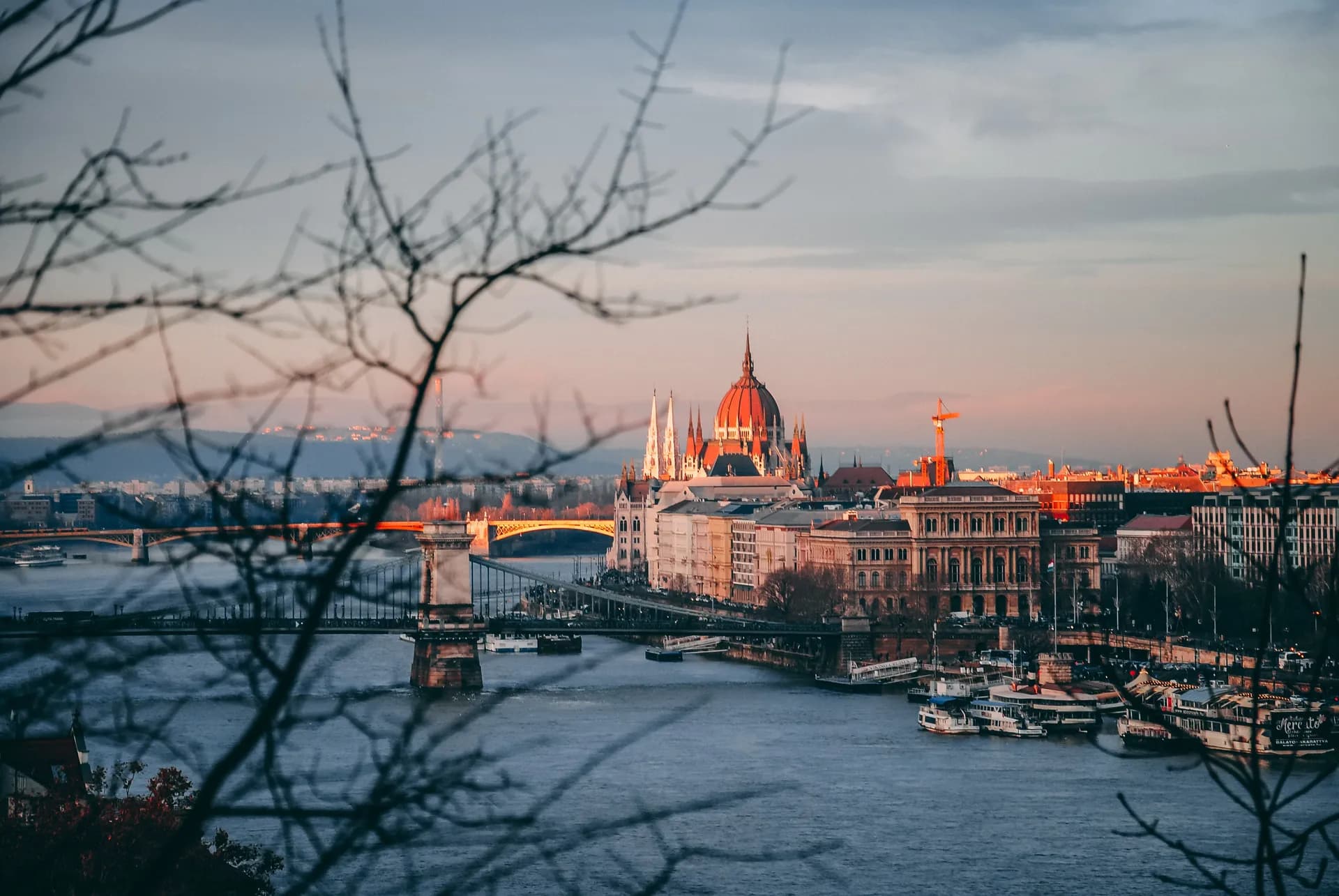
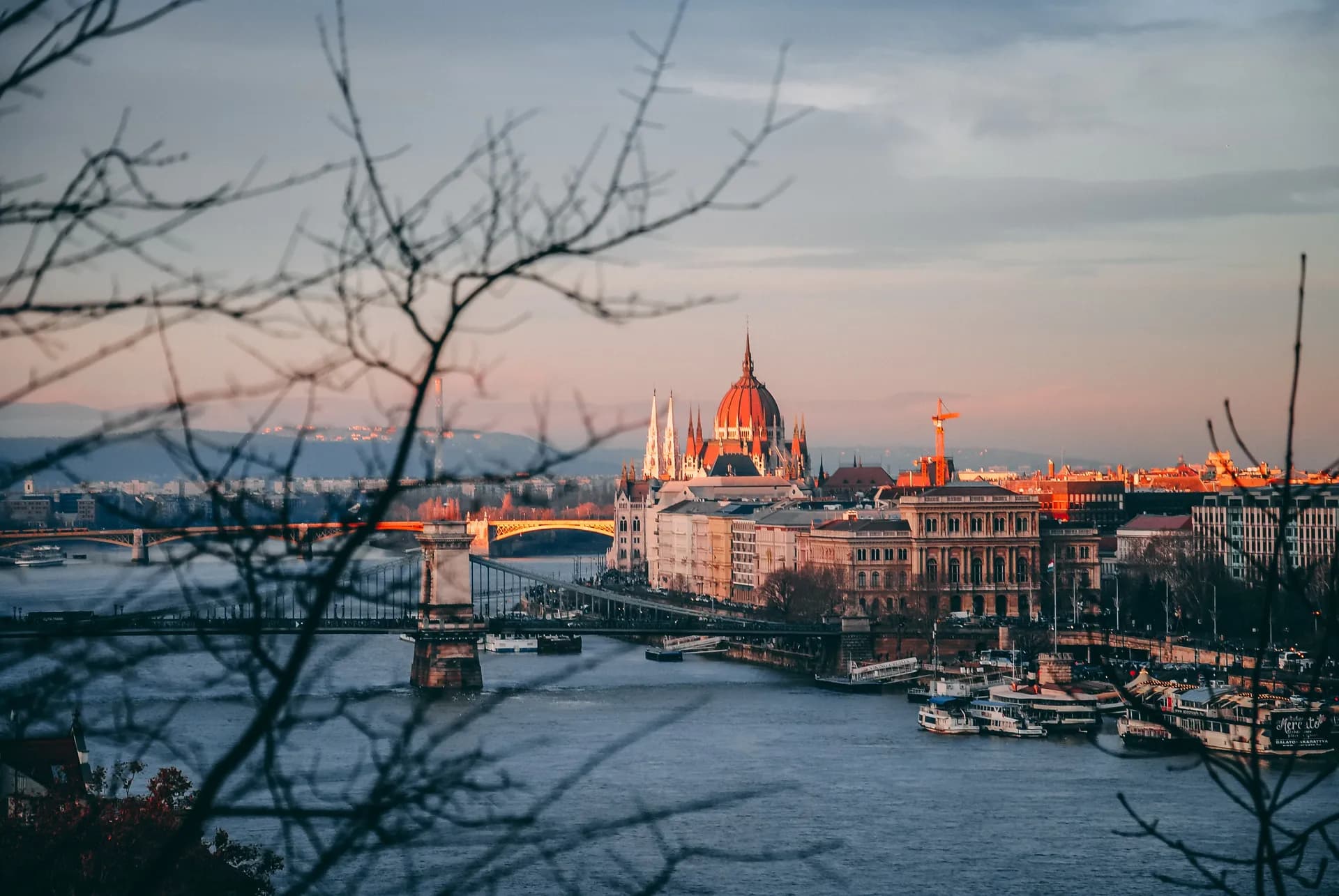
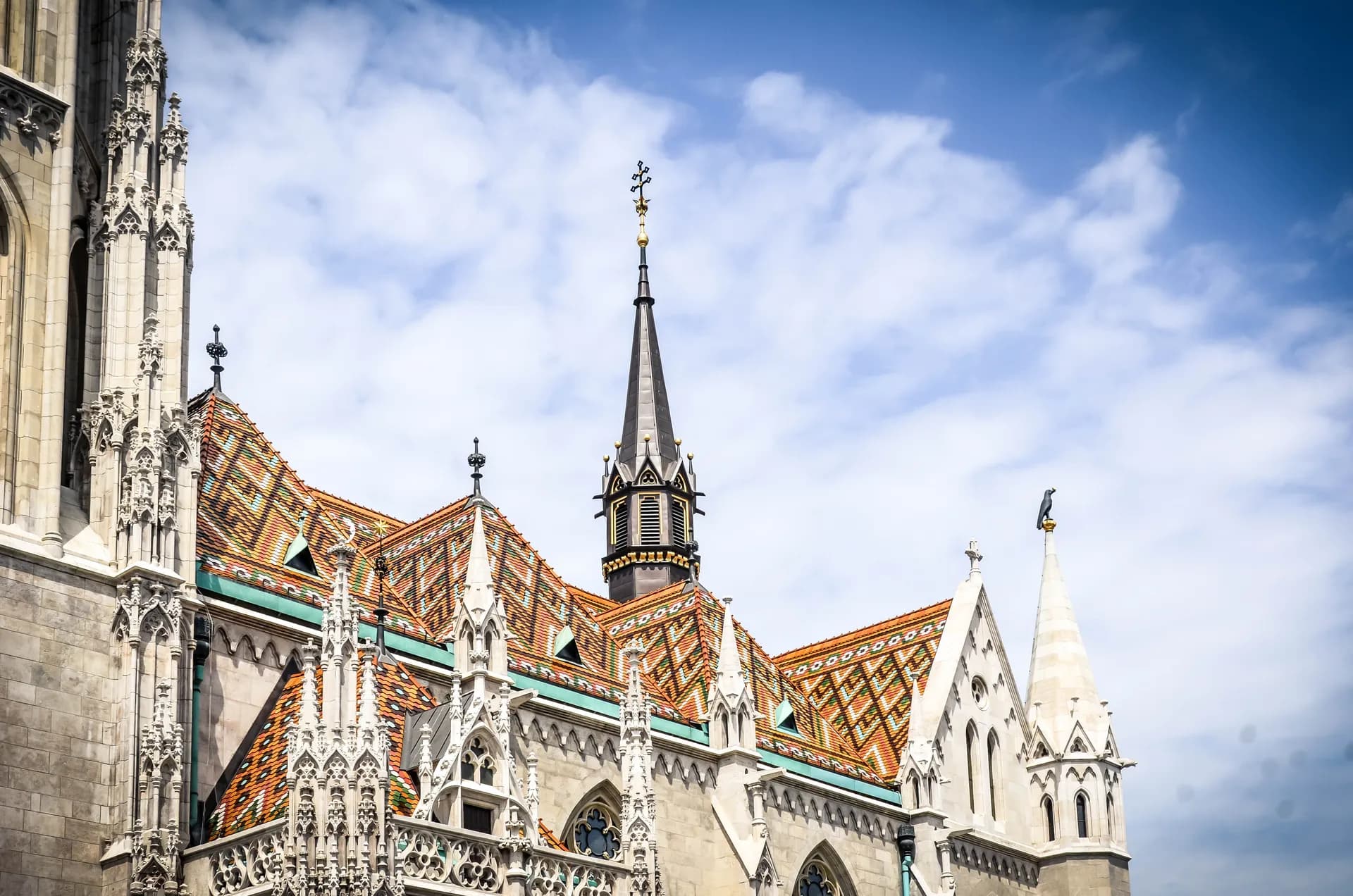
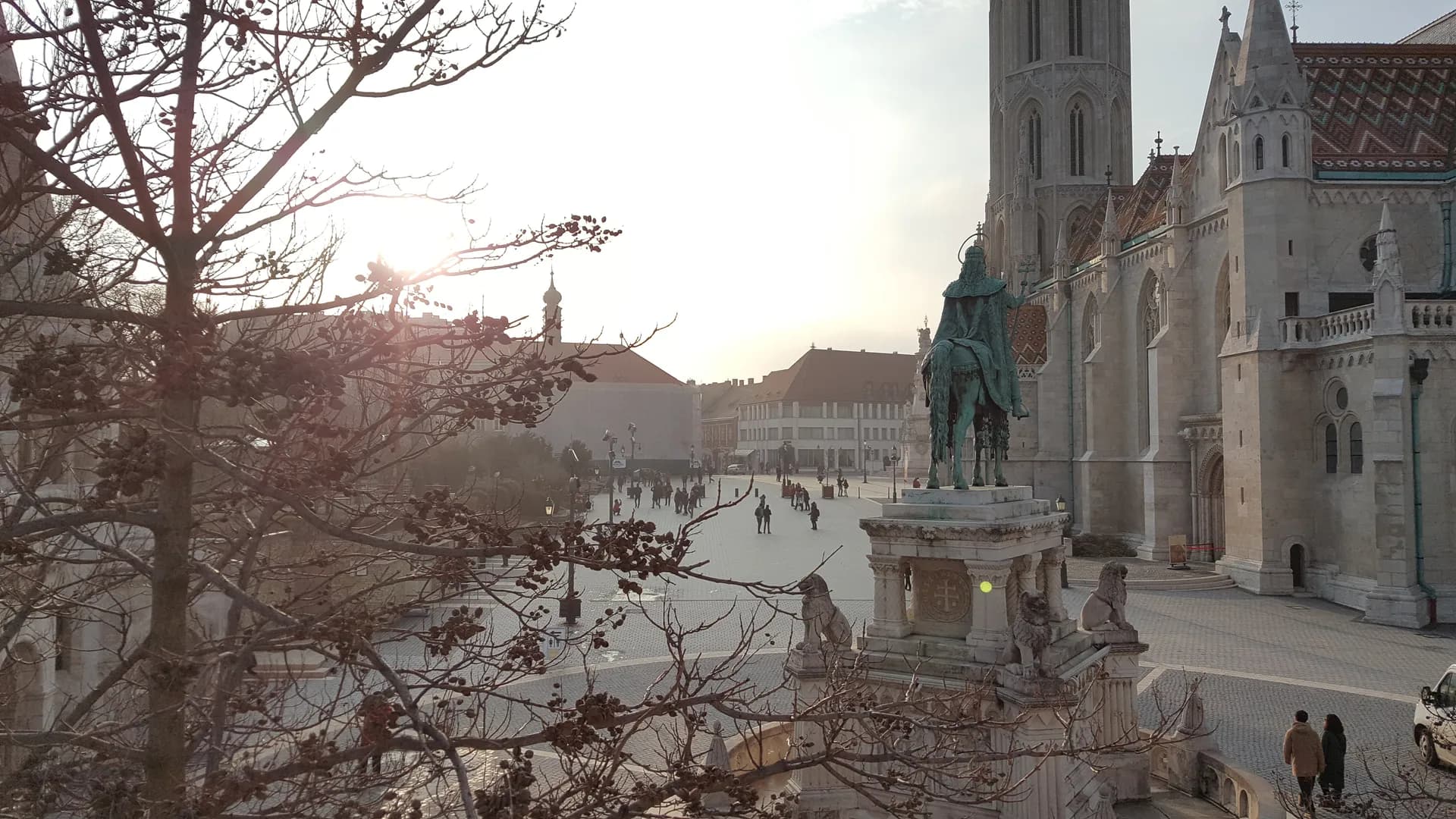
HungaryOn one bank of the Danube is hilly Buda with its Fisherman’s Bastion and Castle Hill; on the other, there’s flat Pest with its House of Parliament. These two beautiful districts couldn’t be more different. Perhaps that’s why it took until 1873 for the two cities on opposite sides of the river to merge and form Budapest. Right from the start, the landmark of this new metropolis was Buda Castle, a monumental structure that rises high above Budapest and provides mesmerising views across the city. In terms of monumental grandeur, the House of Parliament is certainly on a par with Buda Castle. Erected to mark the millennium celebrations of 1896, this gigantic building was completed in just 22 years. Considering it is 96 metres high, 268 metres long and 118 meters wide, with a total of 691 rooms, that’s an incredible achievement. Budapest is a place where you keep coming across echoes from days gone by. There are traces of Ottoman rule, the extravagant Habsburg era and Soviet socialism – different cultural influences that have combined to create a vibrant, lively city that’s a must-see destination.
Day 9
Day 9
Budapest
On one bank of the Danube is hilly Buda with its Fisherman’s Bastion and Castle Hill; on the other, there’s flat Pest with its House of Parliament. These two beautiful districts couldn’t be more different. Perhaps that’s why it took until 1873 for the two cities on opposite sides of the river to merge and form Budapest. Right from the start, the landmark of this new metropolis was Buda Castle, a monumental structure that rises high above Budapest and provides mesmerising views across the city. In terms of monumental grandeur, the House of Parliament is certainly on a par with Buda Castle. Erected to mark the millennium celebrations of 1896, this gigantic building was completed in just 22 years. Considering it is 96 metres high, 268 metres long and 118 meters wide, with a total of 691 rooms, that’s an incredible achievement. Budapest is a place where you keep coming across echoes from days gone by. There are traces of Ottoman rule, the extravagant Habsburg era and Soviet socialism – different cultural influences that have combined to create a vibrant, lively city that’s a must-see destination.
Day 10
Day 10
Budapest
HungaryOn one bank of the Danube is hilly Buda with its Fisherman’s Bastion and Castle Hill; on the other, there’s flat Pest with its House of Parliament. These two beautiful districts couldn’t be more different. Perhaps that’s why it took until 1873 for the two cities on opposite sides of the river to merge and form Budapest. Right from the start, the landmark of this new metropolis was Buda Castle, a monumental structure that rises high above Budapest and provides mesmerising views across the city. In terms of monumental grandeur, the House of Parliament is certainly on a par with Buda Castle. Erected to mark the millennium celebrations of 1896, this gigantic building was completed in just 22 years. Considering it is 96 metres high, 268 metres long and 118 meters wide, with a total of 691 rooms, that’s an incredible achievement. Budapest is a place where you keep coming across echoes from days gone by. There are traces of Ottoman rule, the extravagant Habsburg era and Soviet socialism – different cultural influences that have combined to create a vibrant, lively city that’s a must-see destination.
Day 10
Day 10
Budapest
On one bank of the Danube is hilly Buda with its Fisherman’s Bastion and Castle Hill; on the other, there’s flat Pest with its House of Parliament. These two beautiful districts couldn’t be more different. Perhaps that’s why it took until 1873 for the two cities on opposite sides of the river to merge and form Budapest. Right from the start, the landmark of this new metropolis was Buda Castle, a monumental structure that rises high above Budapest and provides mesmerising views across the city. In terms of monumental grandeur, the House of Parliament is certainly on a par with Buda Castle. Erected to mark the millennium celebrations of 1896, this gigantic building was completed in just 22 years. Considering it is 96 metres high, 268 metres long and 118 meters wide, with a total of 691 rooms, that’s an incredible achievement. Budapest is a place where you keep coming across echoes from days gone by. There are traces of Ottoman rule, the extravagant Habsburg era and Soviet socialism – different cultural influences that have combined to create a vibrant, lively city that’s a must-see destination.
Cabin Categories
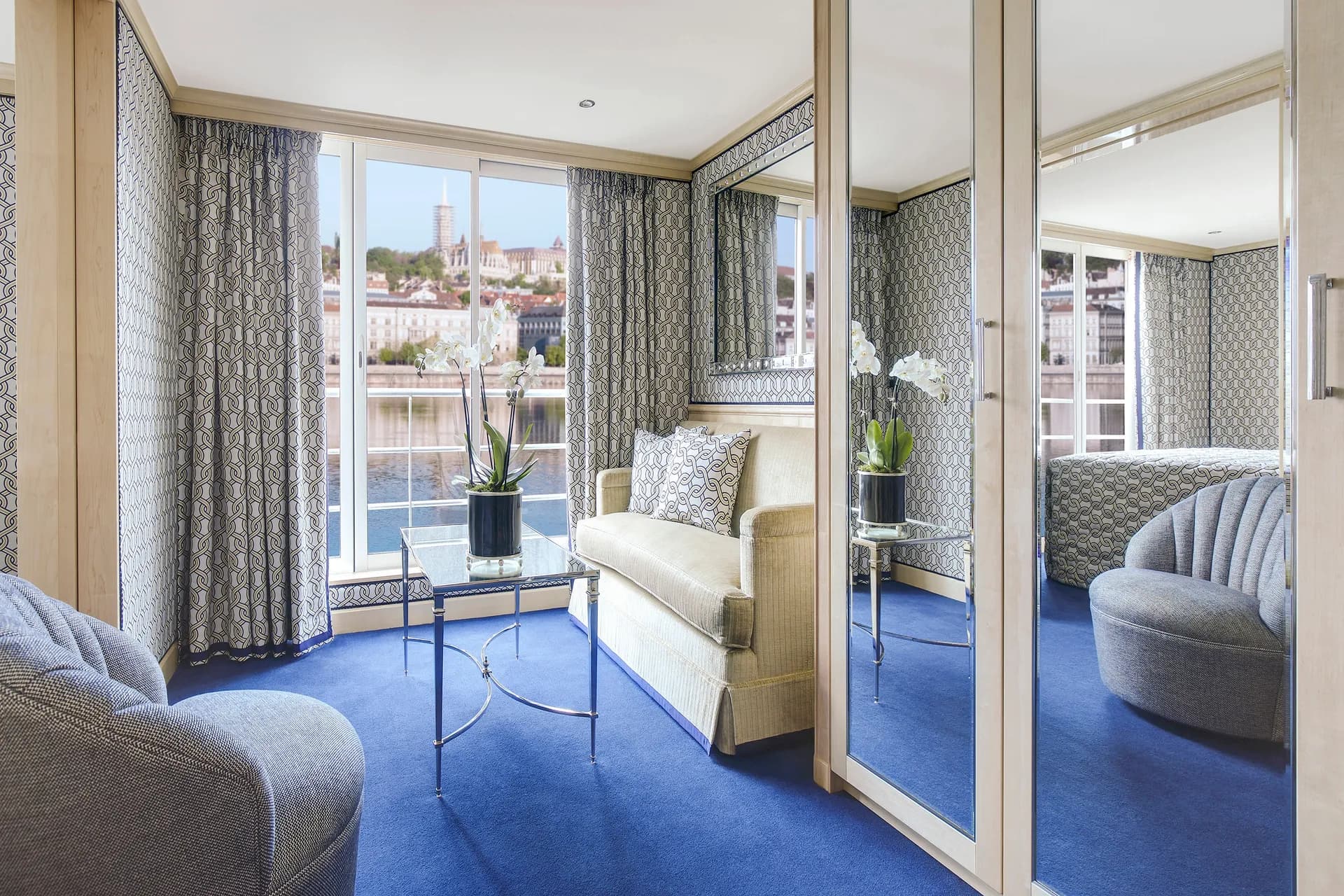
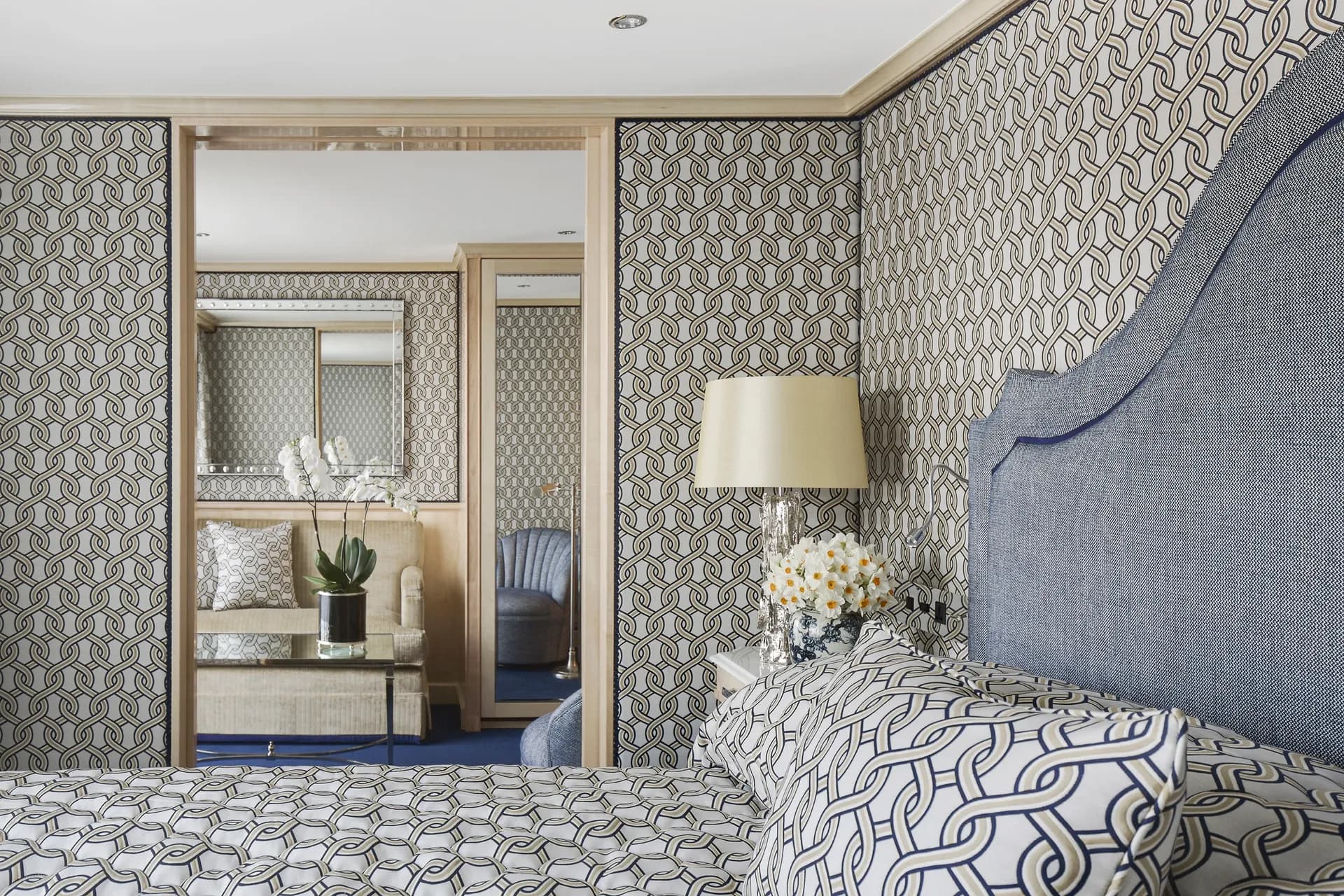
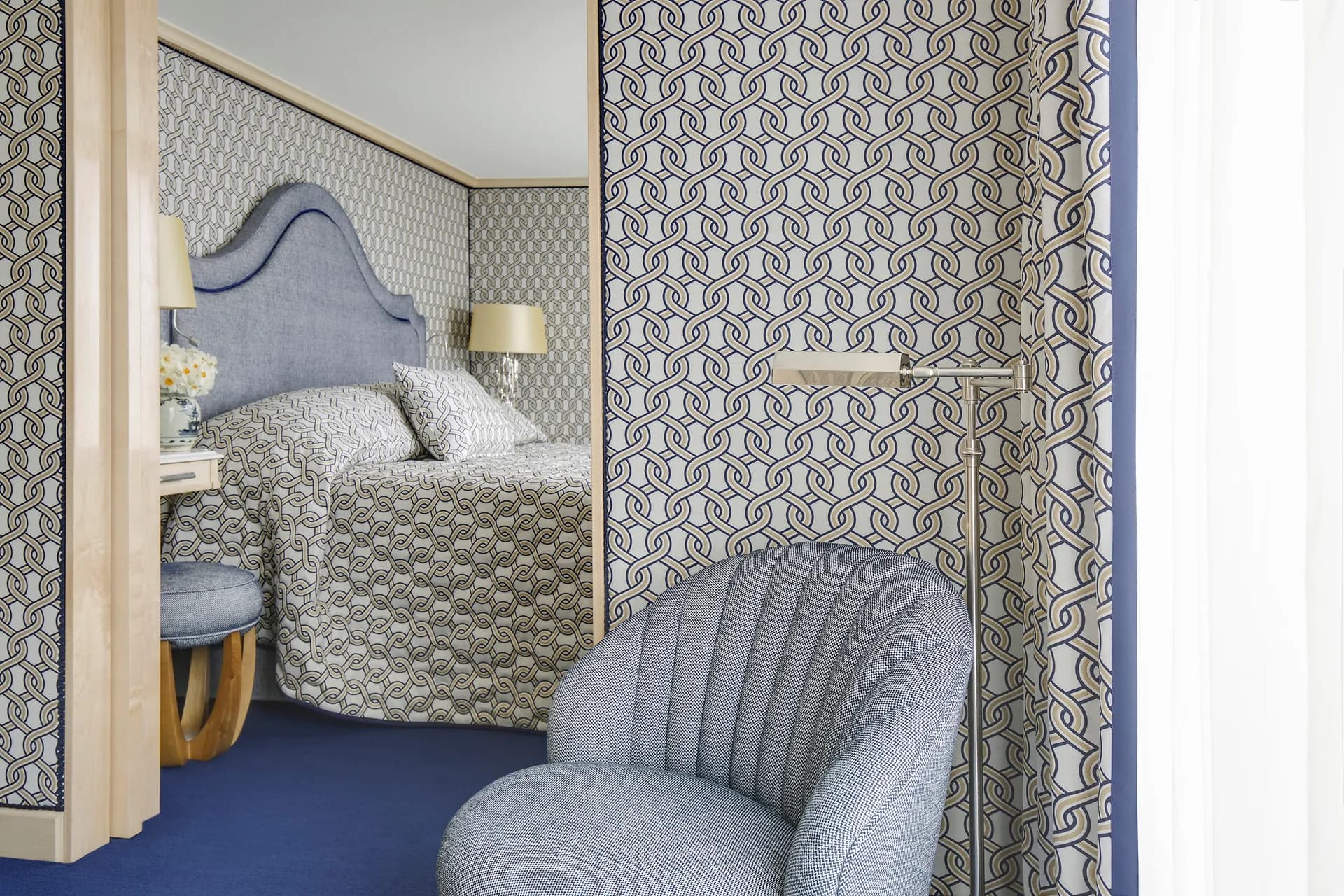
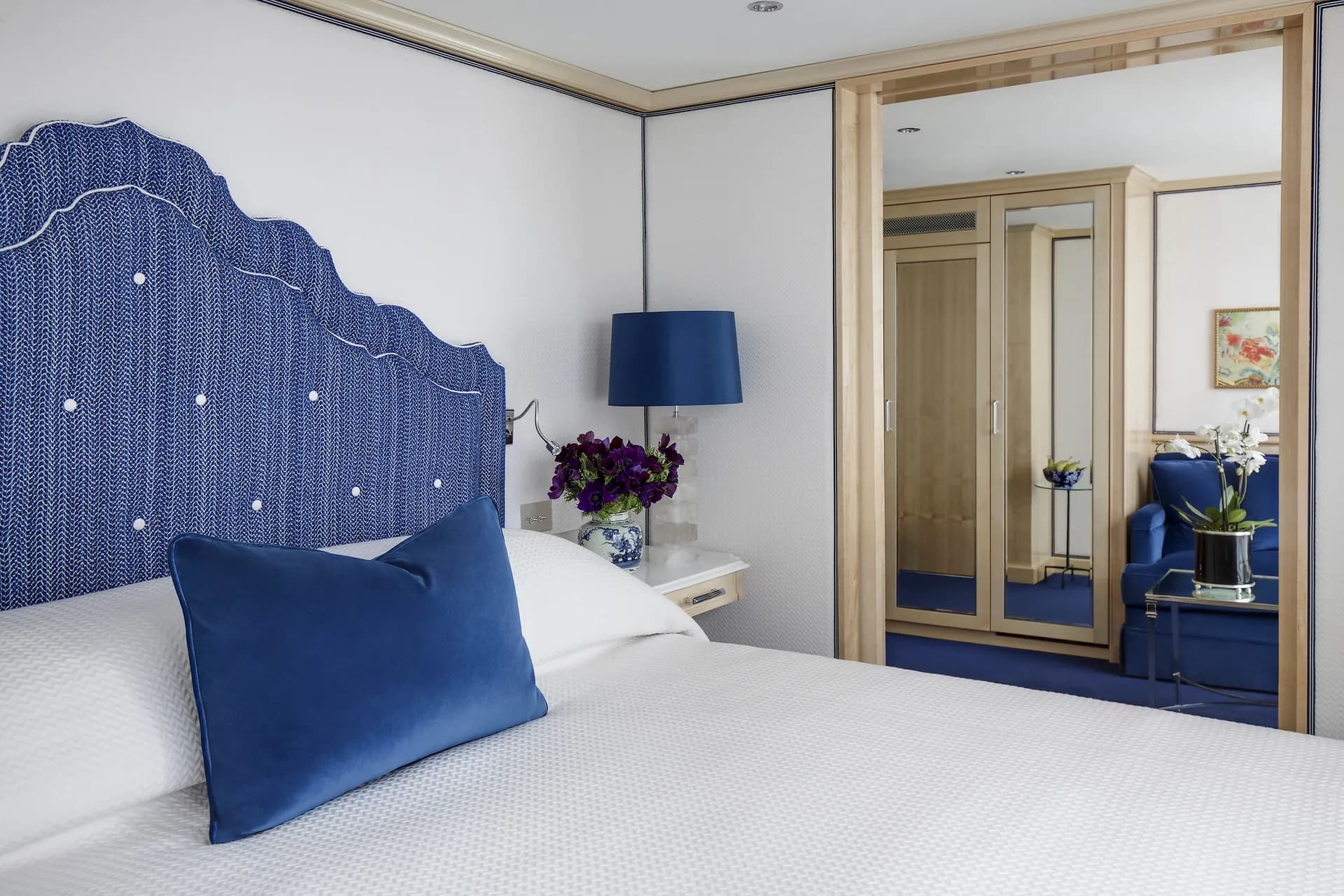
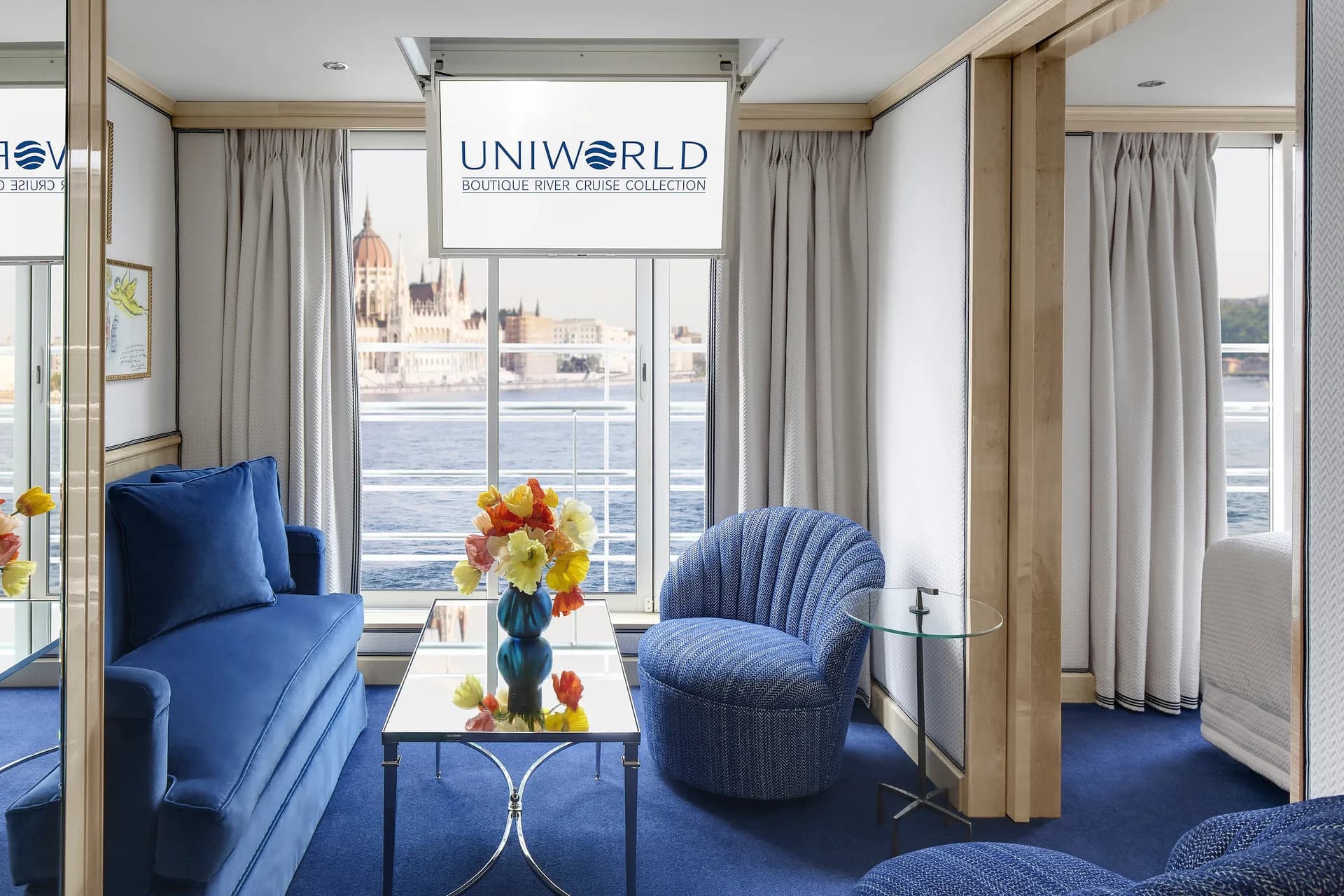
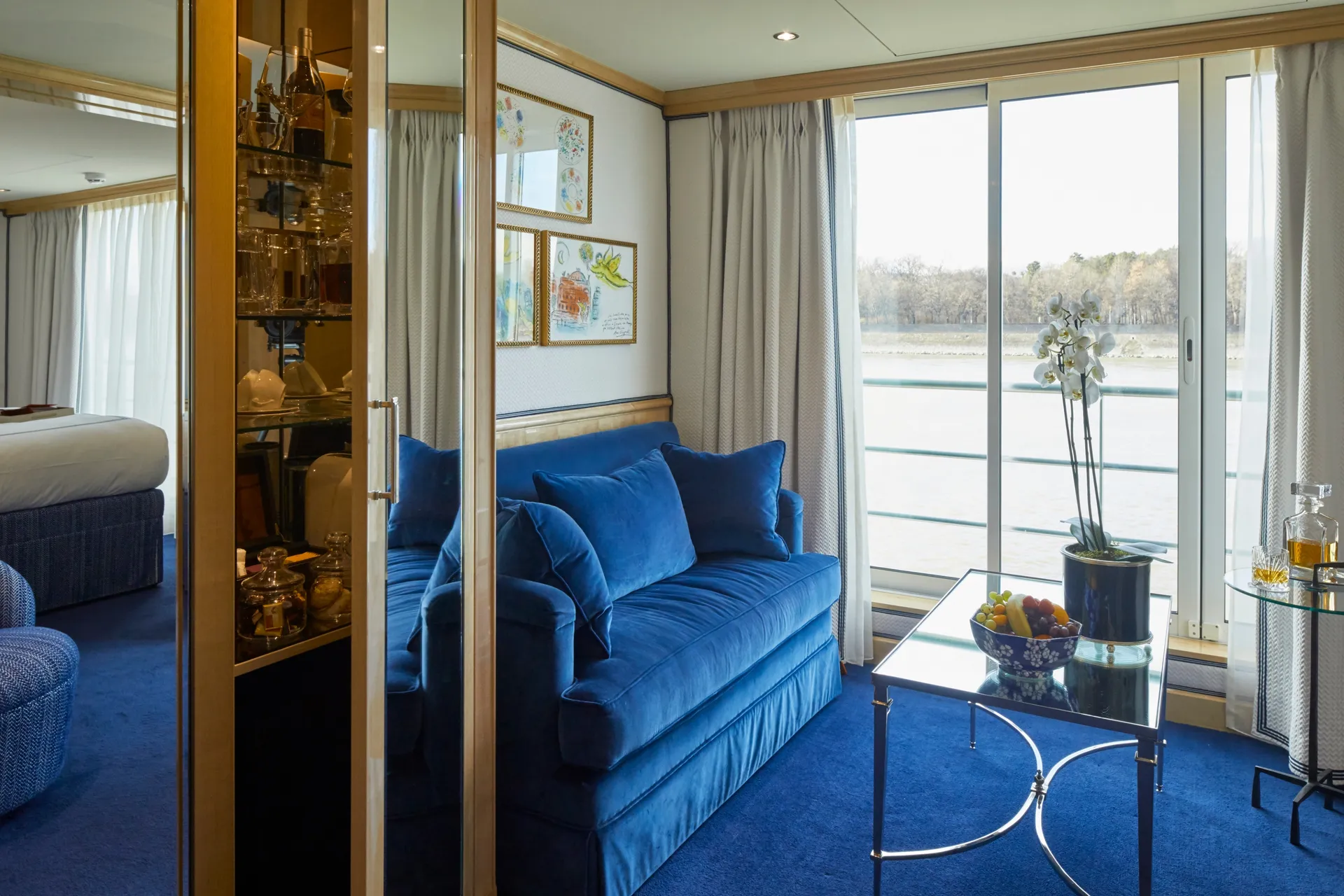
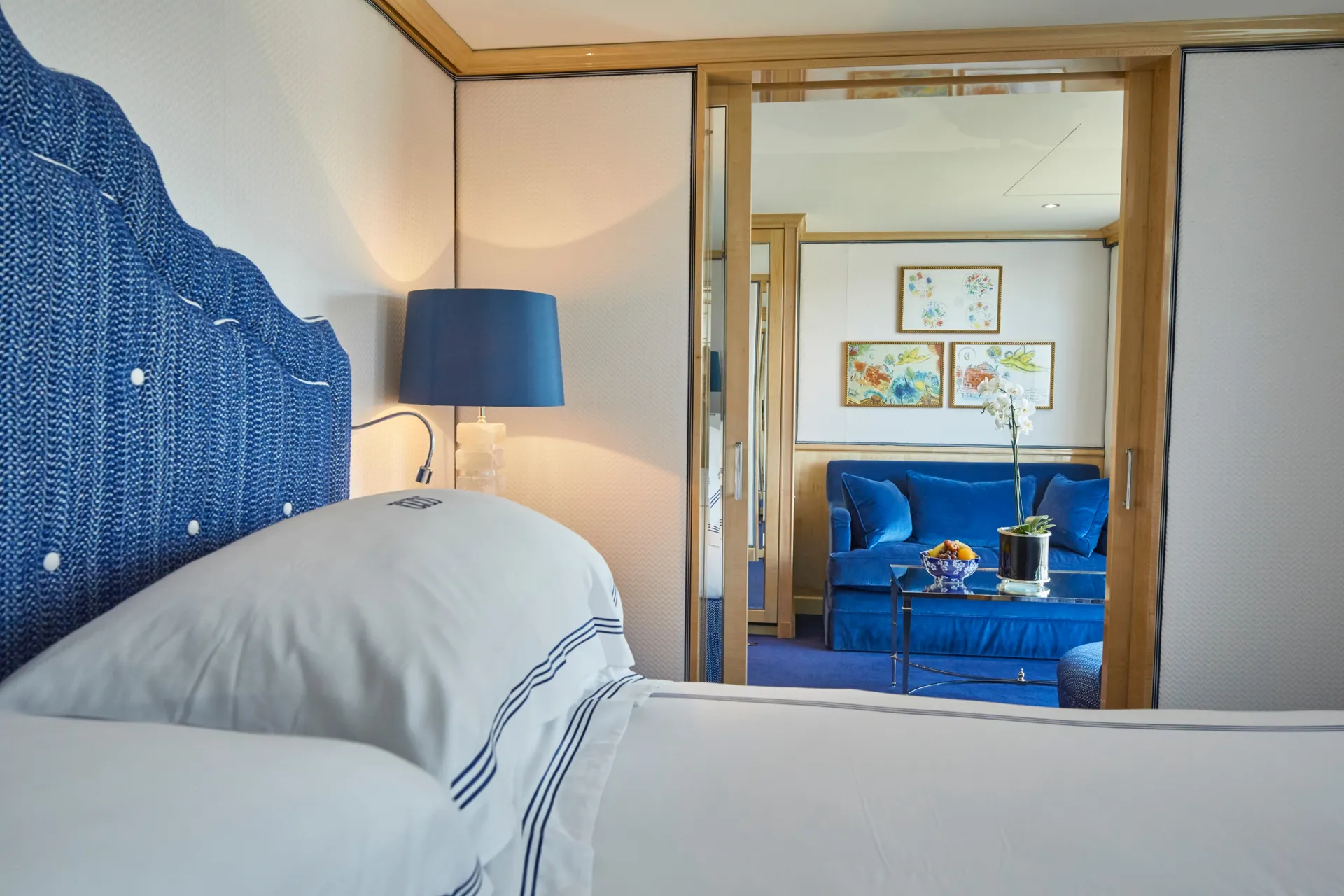
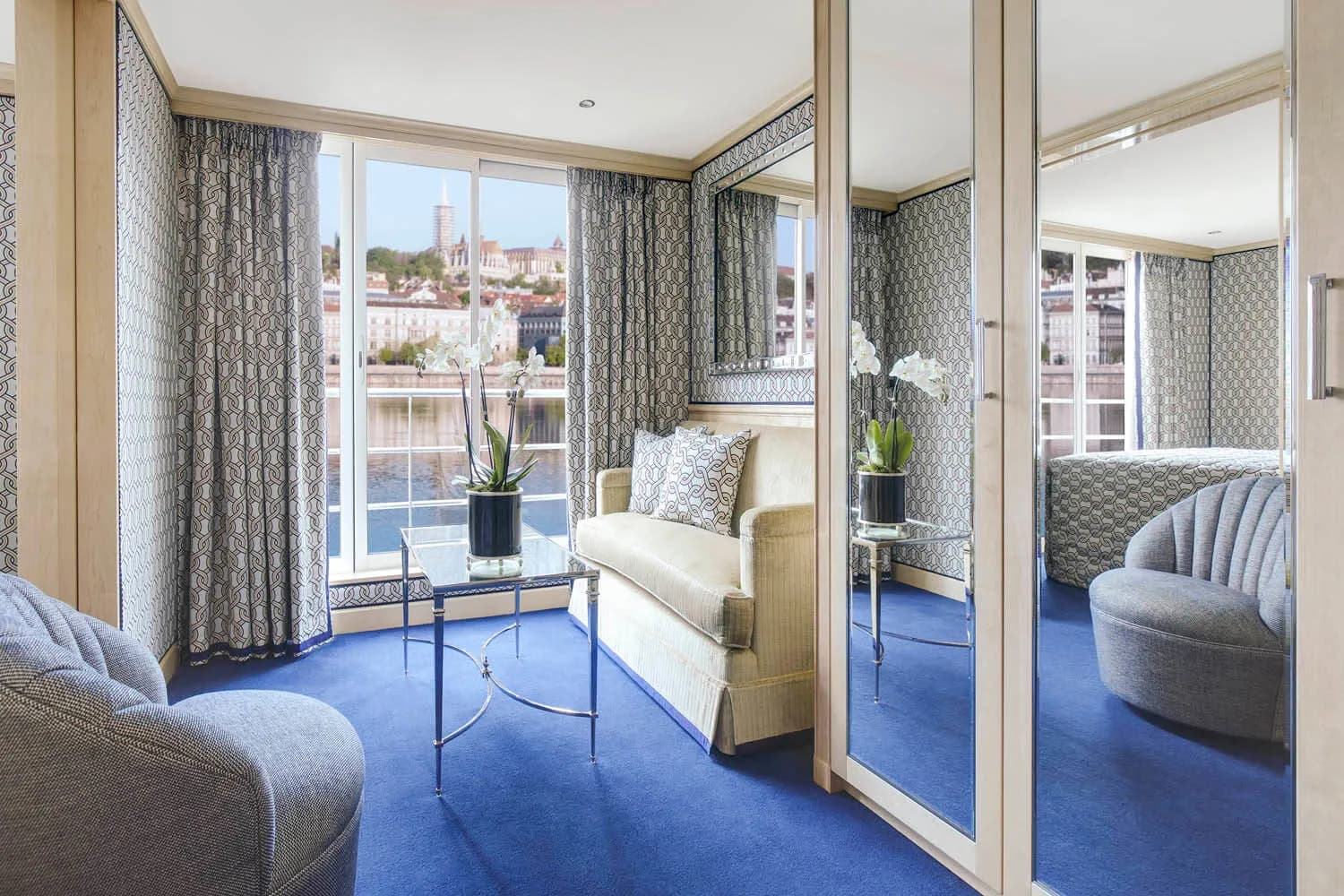
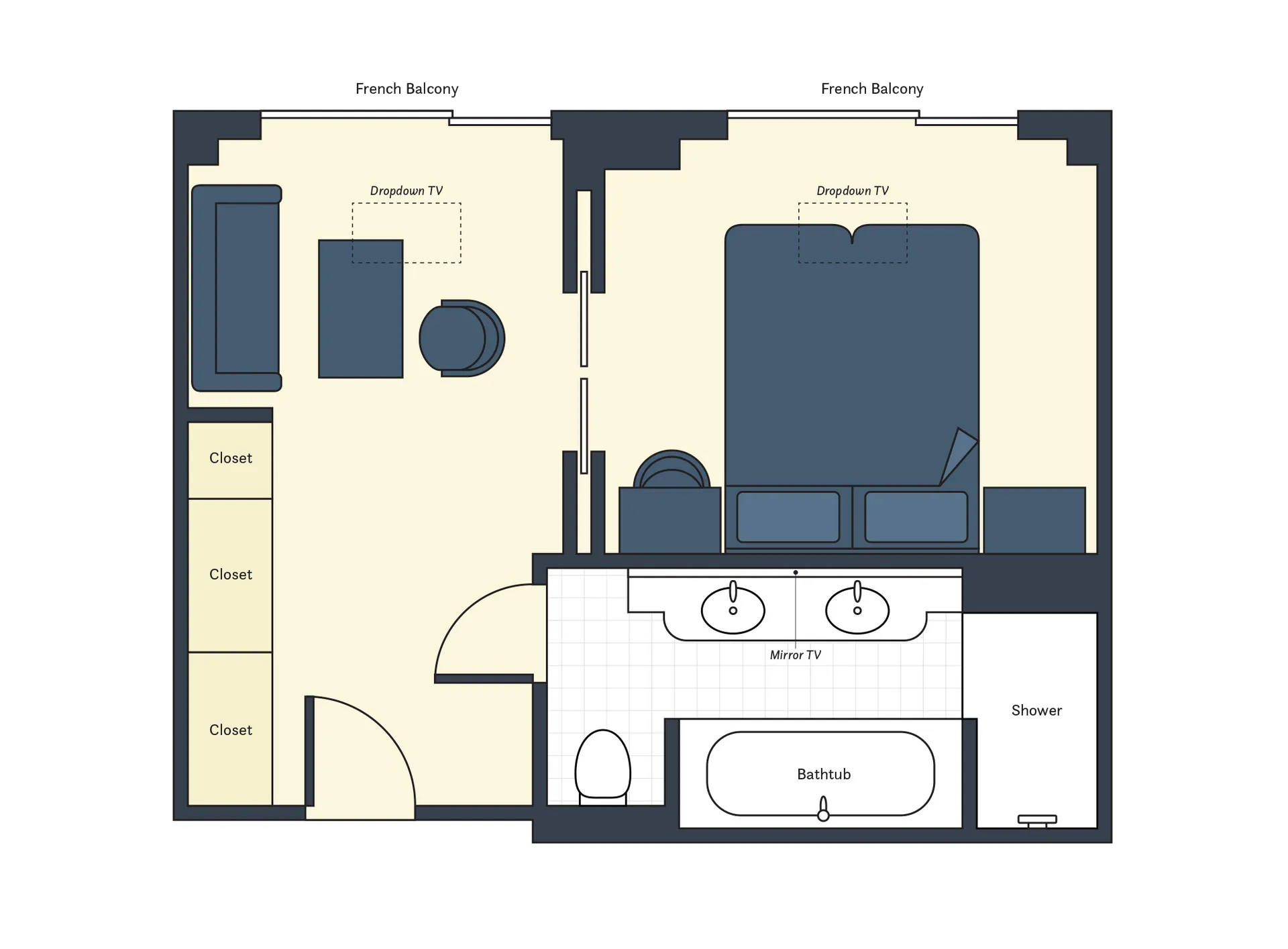
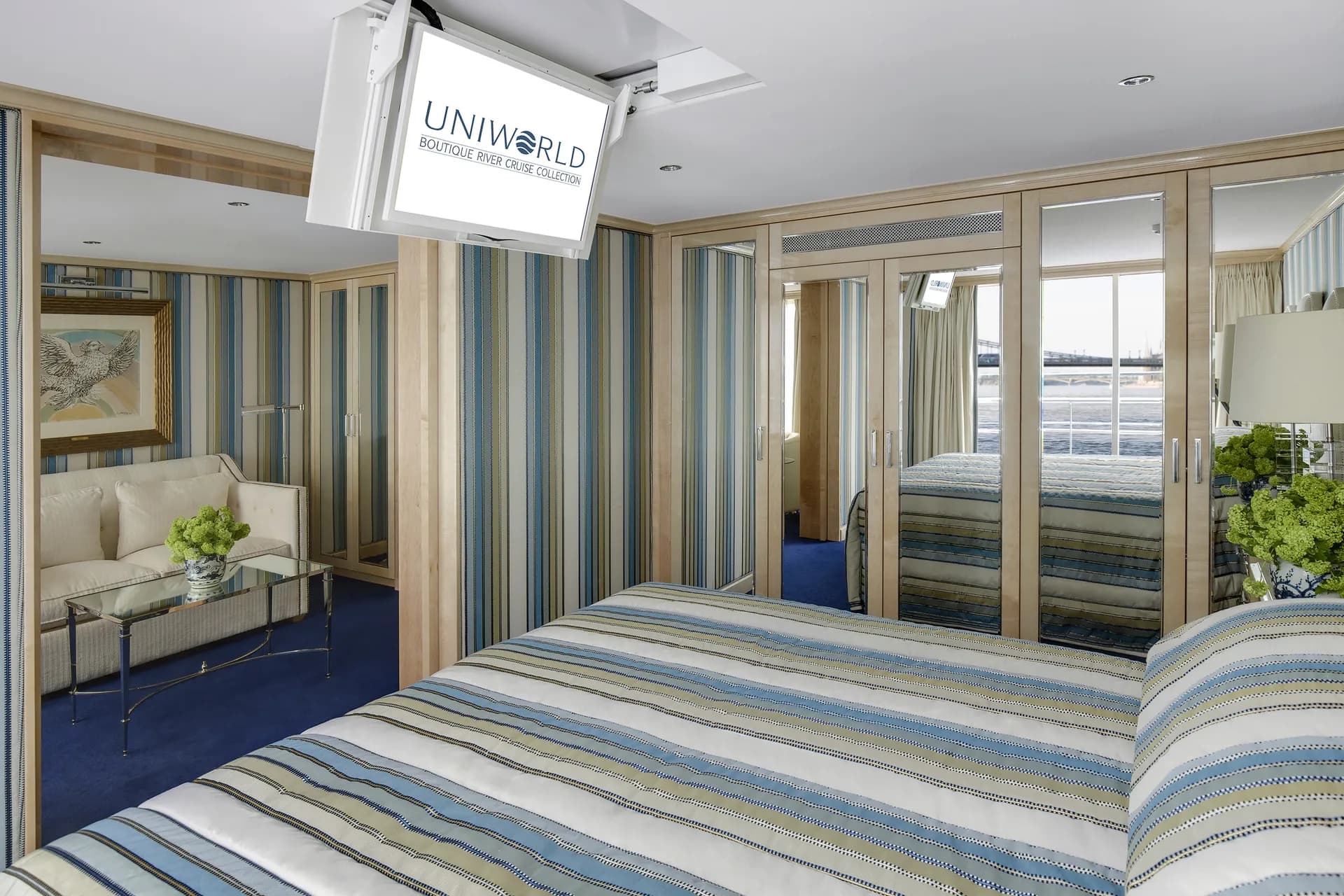
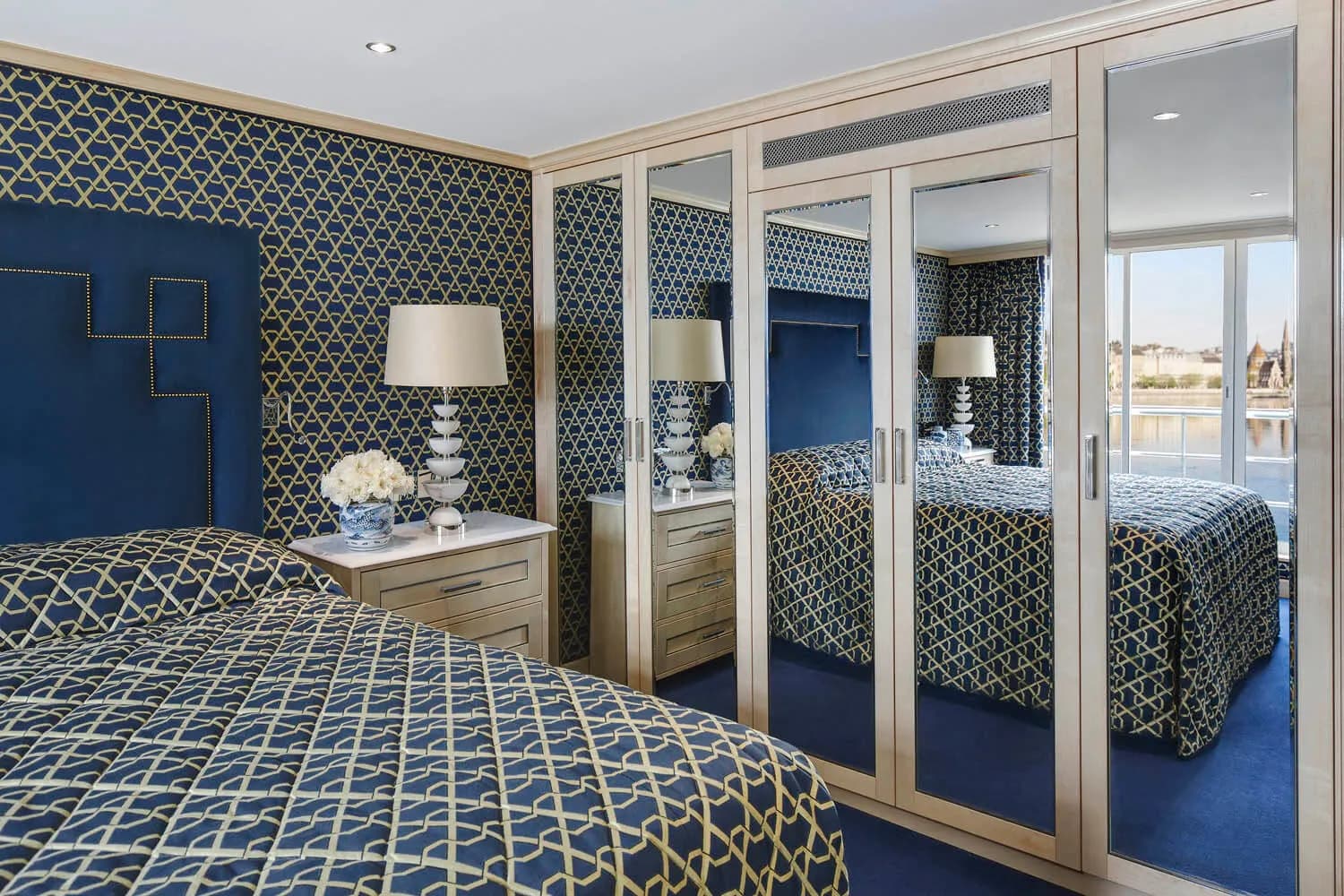
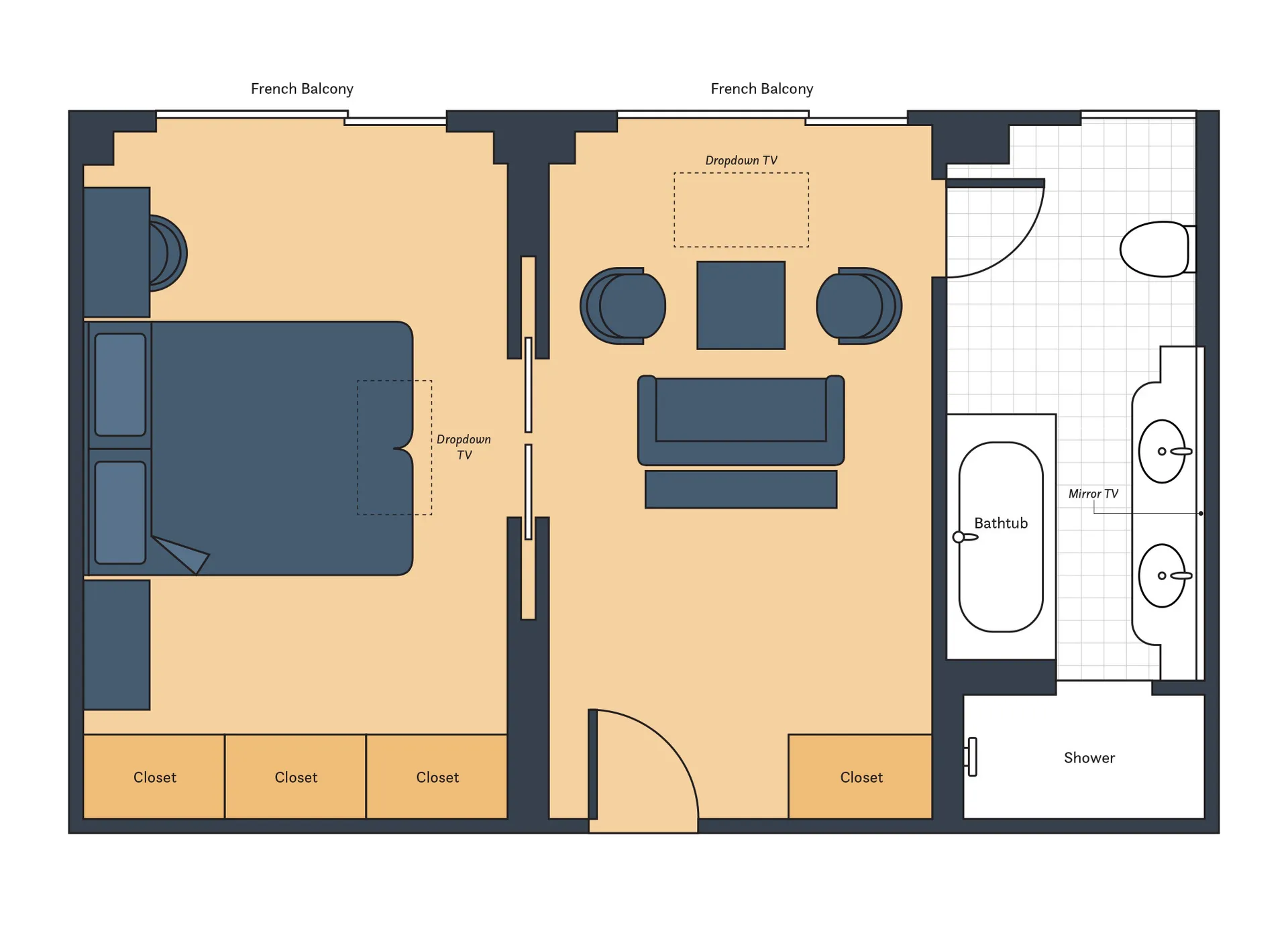
Grand Suite
Suite
310 m²Max 2
GS
Luxurious riverview grand suite (310 sq ft - 28.8 sq m)
Grand suites include handcrafted Savoir Beds of England, built-in closets, hair dryer, safe, individual climate-controlled thermostat, direct-dial telephone, flat-screen TV with infotainment centre
Marble bathroom with Hermès bath and body products, plush towels, backlit magnifying mirror, cosy bathrobes and slippers, a rain shower and tub, and a secluded toilet area.
DoubleShowerToiletries ProvidedSuite BenefitsTVSafe+10
Sold Out
View Details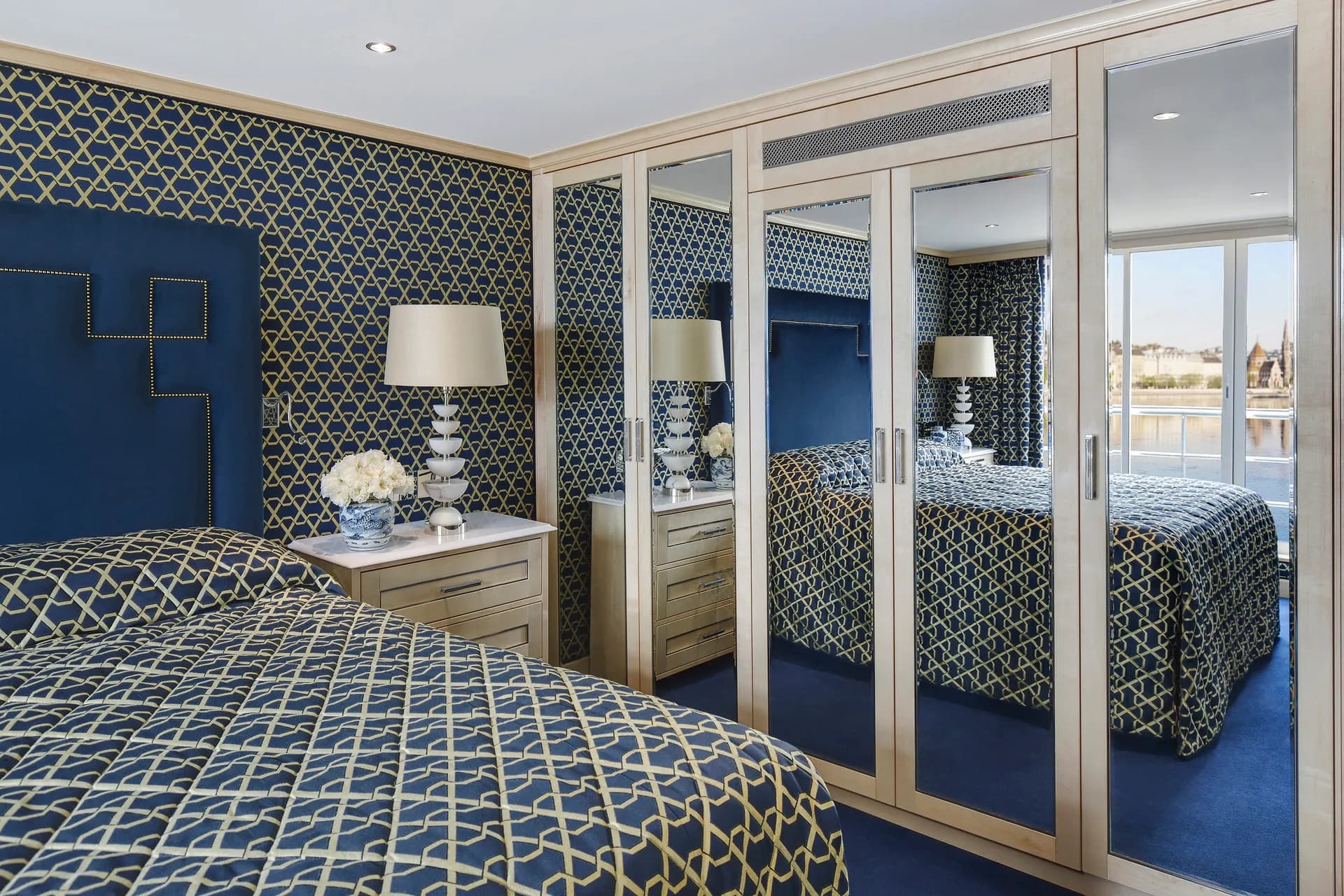
Royal Suite
Suite
390 m²Max 2
RS
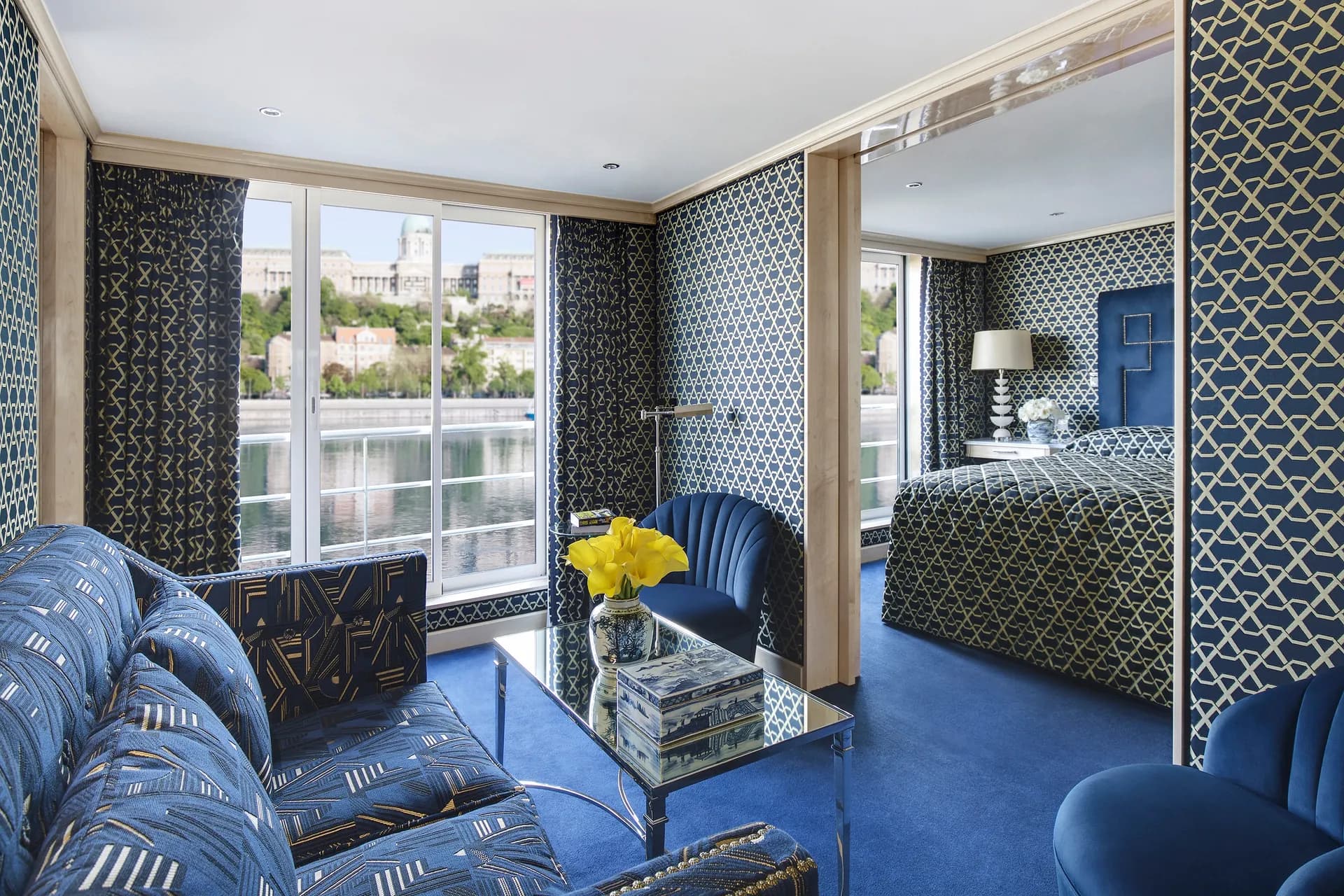
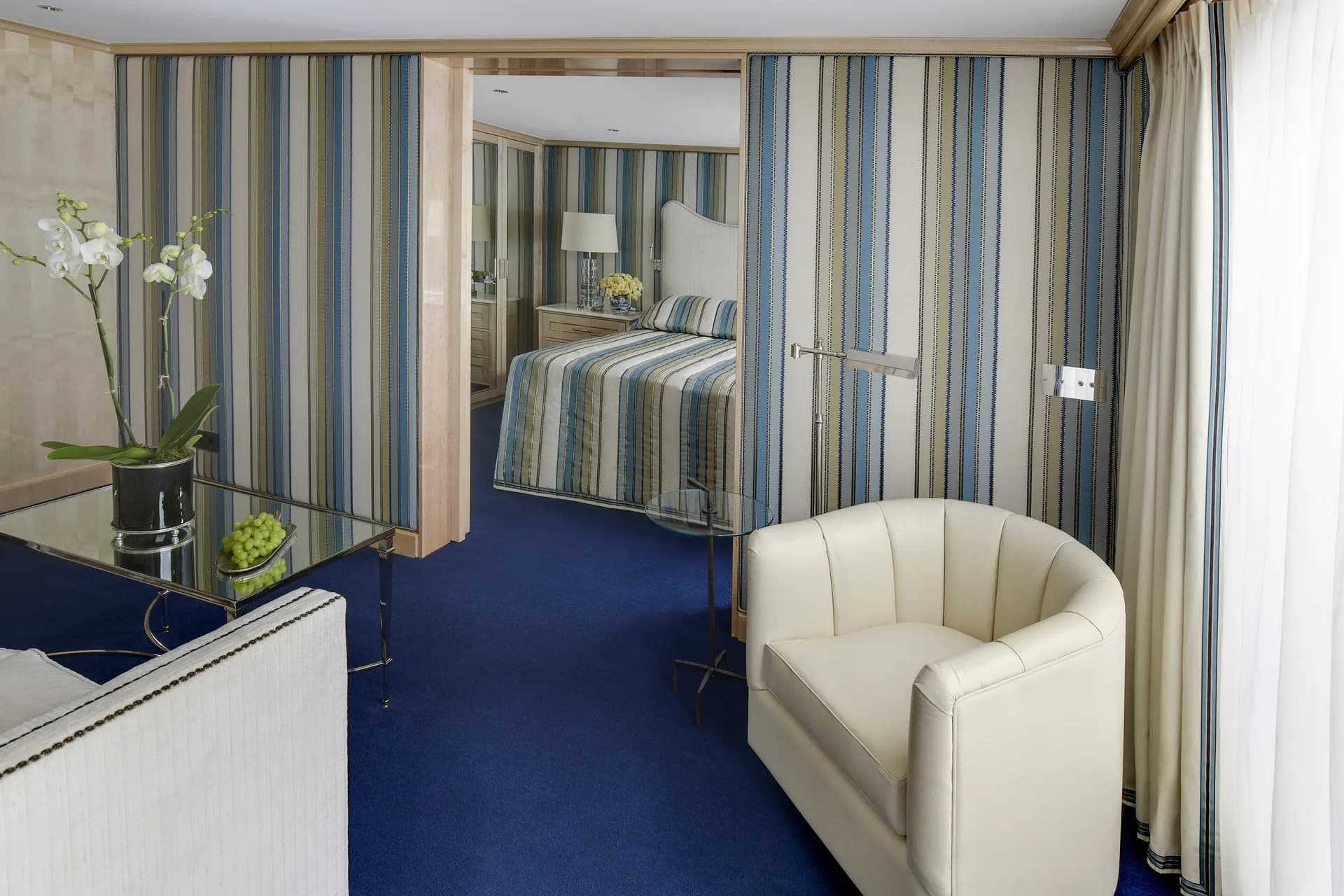
Luxurious riverview royal suite (390 sq ft - 36.2 sq m) with spacious living room
Handcrafted Savoir Beds of England, built-in closets, hair dryer, safe, individual climate-control thermostat, flat-screen TV with infotainment centre
Marble bathroom with Hermès bath and body products, plush towels, special towel warmers, backlit magnifying mirror, heated mirrors, cosy bathrobes and slippers, separate rain shower and tub, and a secluded toilet area
DoubleShowerToiletries ProvidedSuite BenefitsTVSafe+12
Sold Out
View Details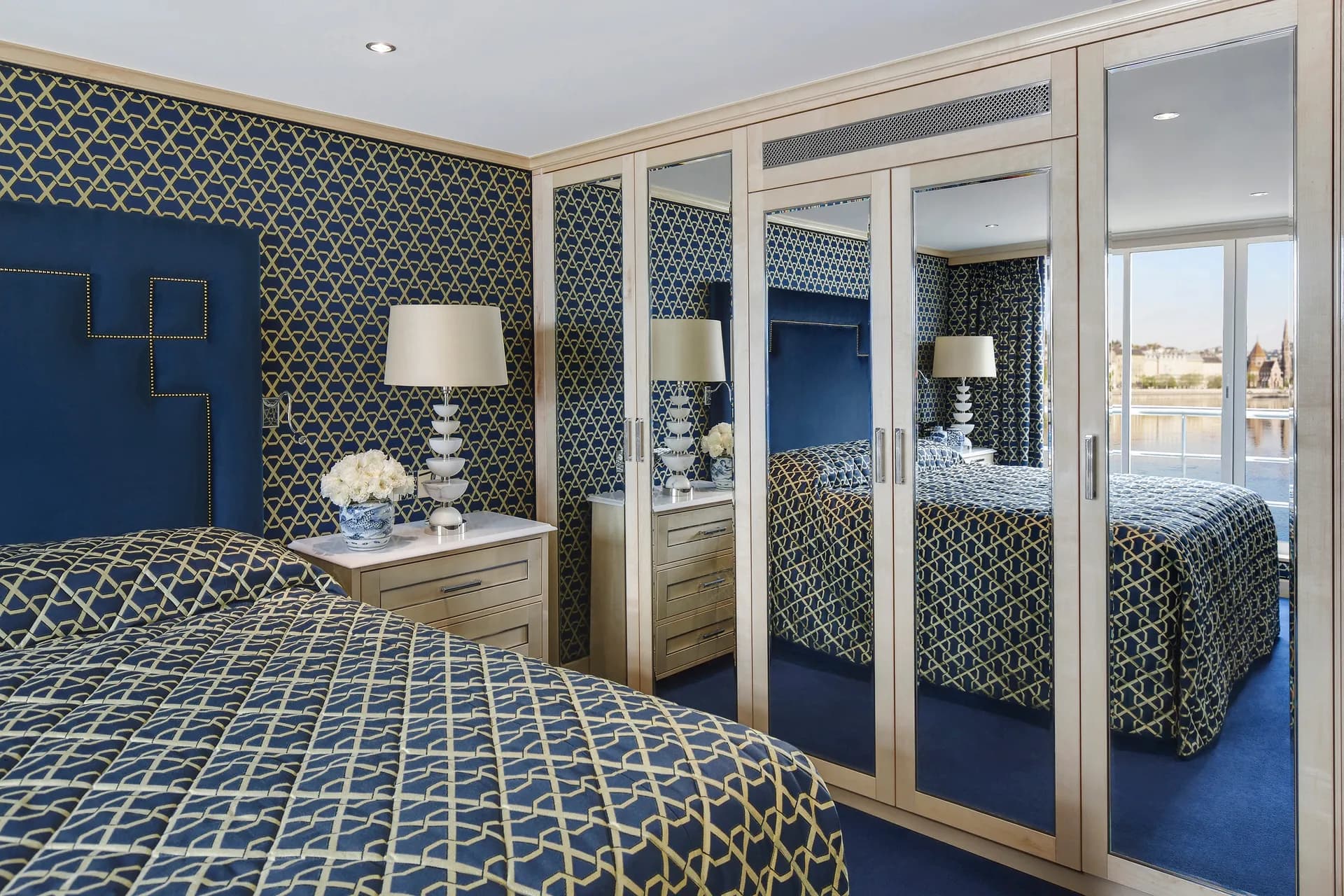
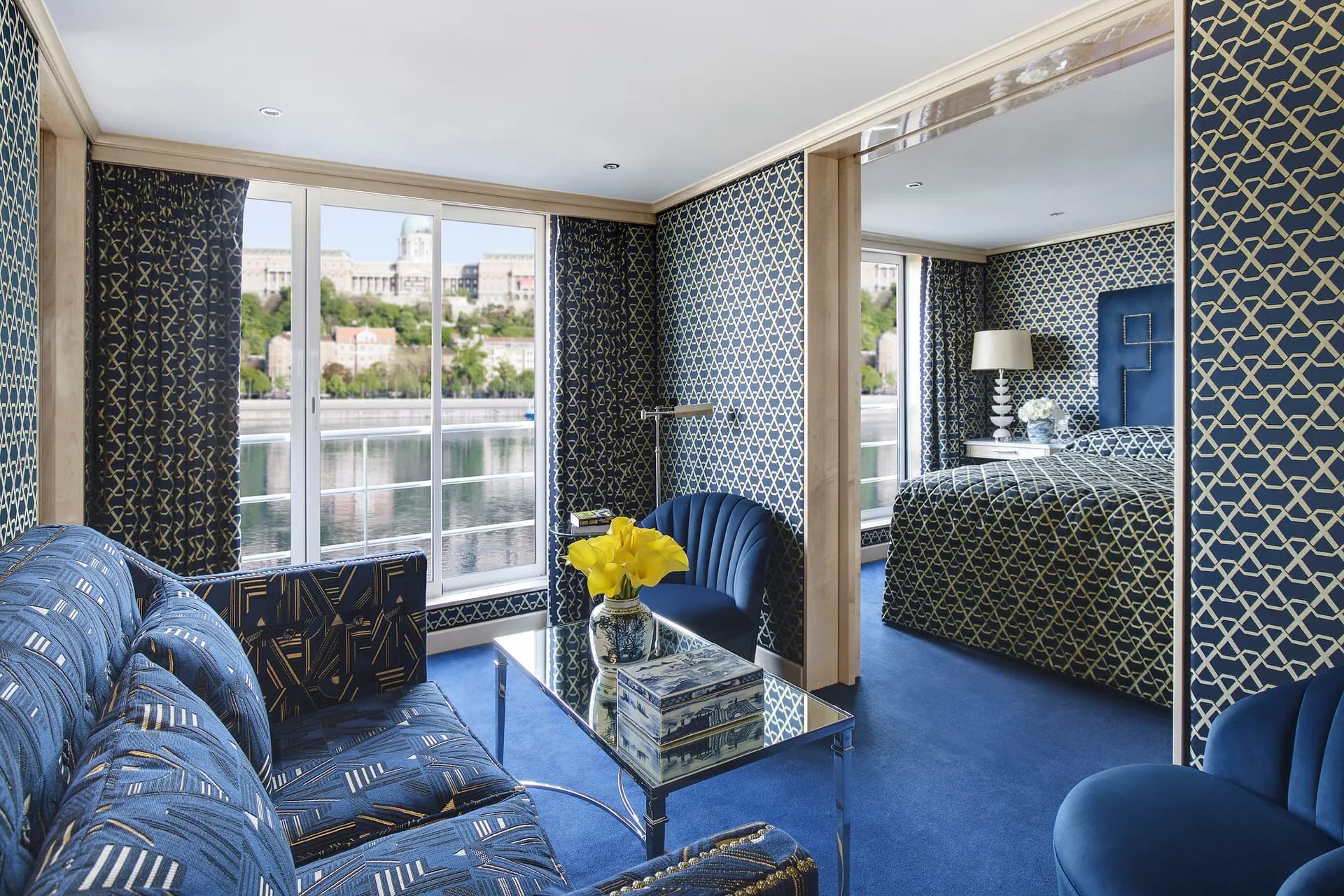
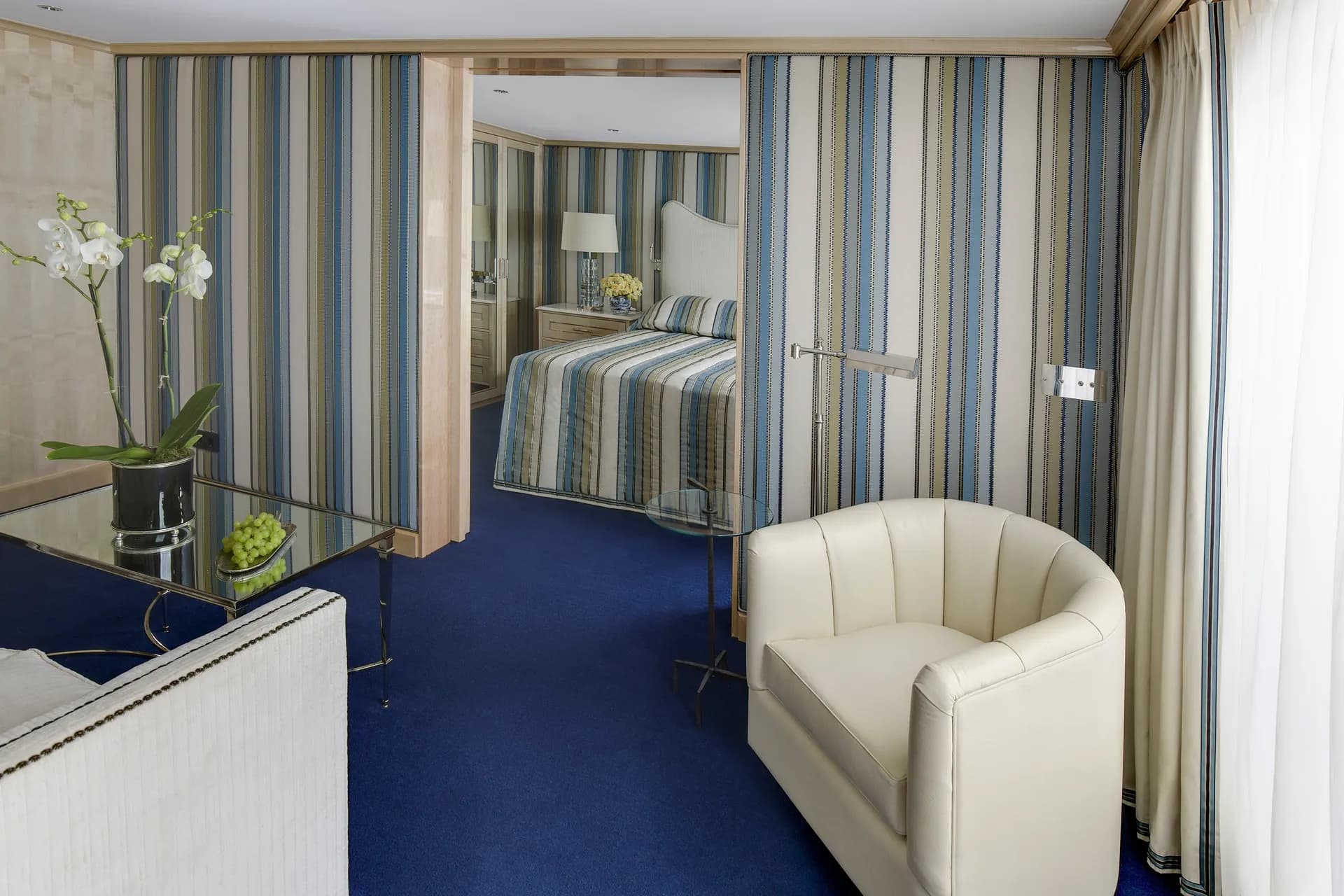
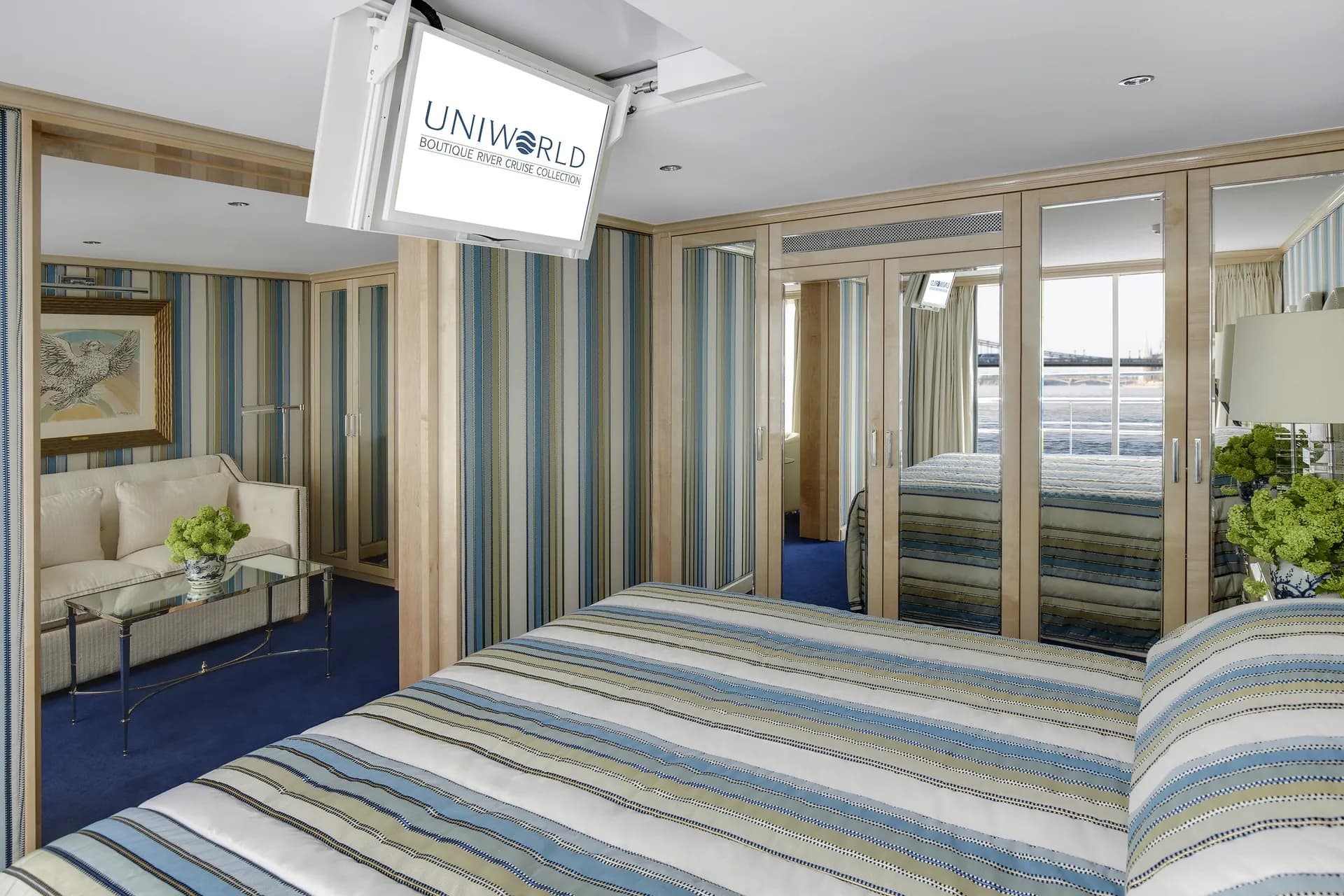
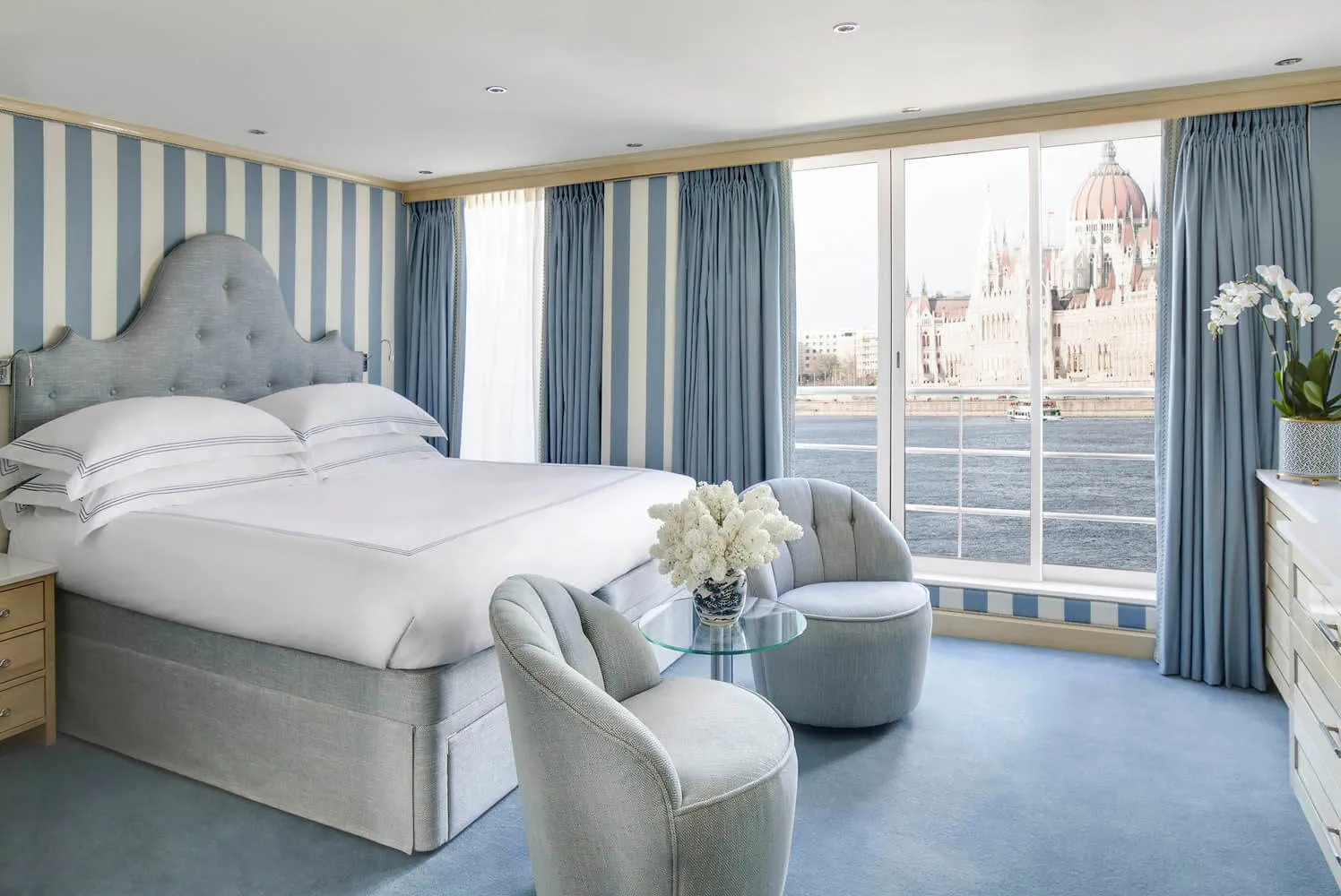
Suite
Suite
390 m²Max 2
S
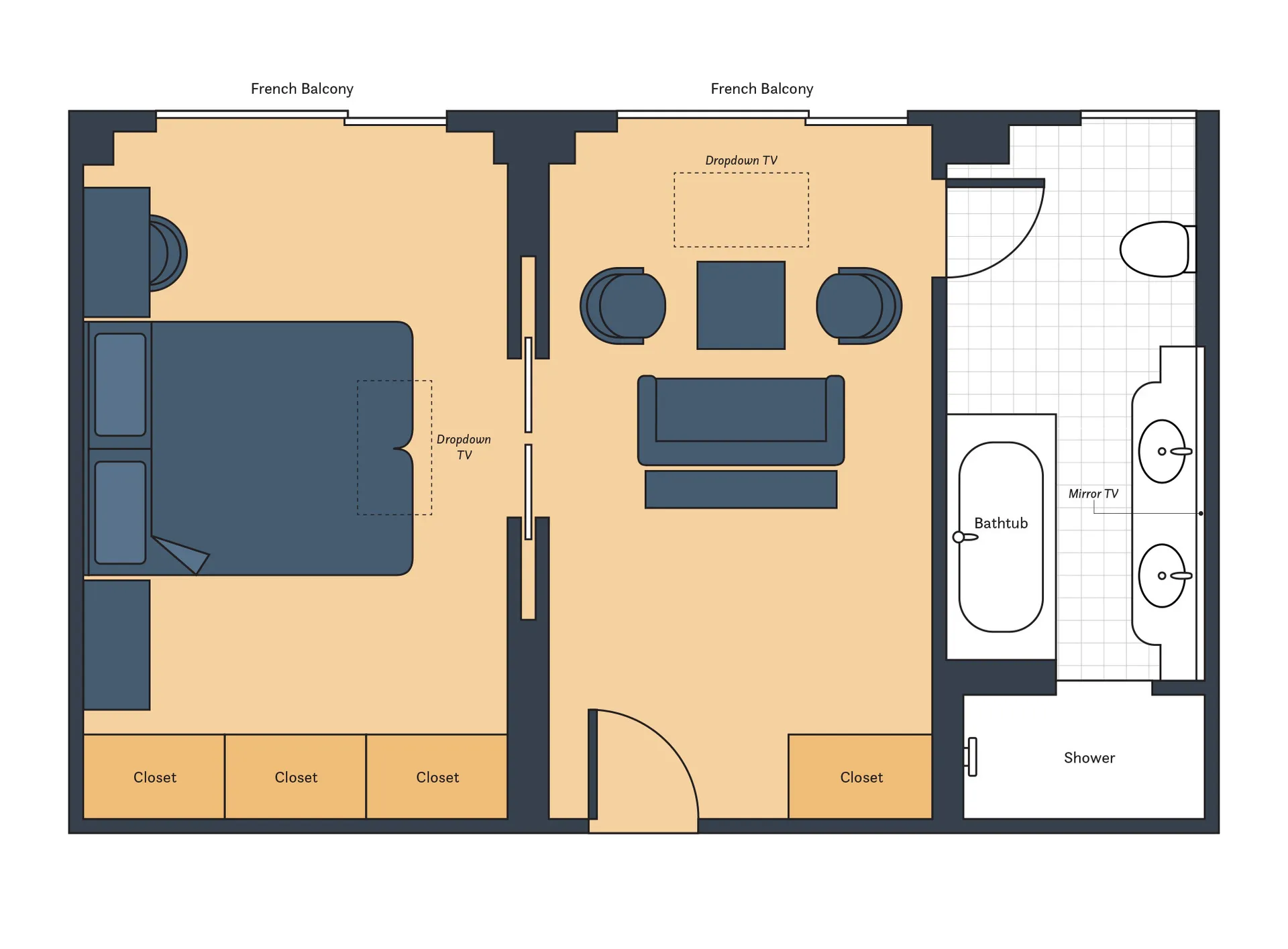
Luxurious riverview suite (225 sq ft - 20.9 sq m)
Suites include handcrafted Savoir Beds of England, built-in closets, hair dryer, safe, direct-dial telephone, individual thermostat and flat-screen TV with infotainment center
Marble bathroom with Asprey bath and body products, plush towels, backlit magnifying mirror, cozy bathrobes and slippers
DoubleShowerToiletries ProvidedSuite BenefitsTVSafe+12
Sold Out
View Details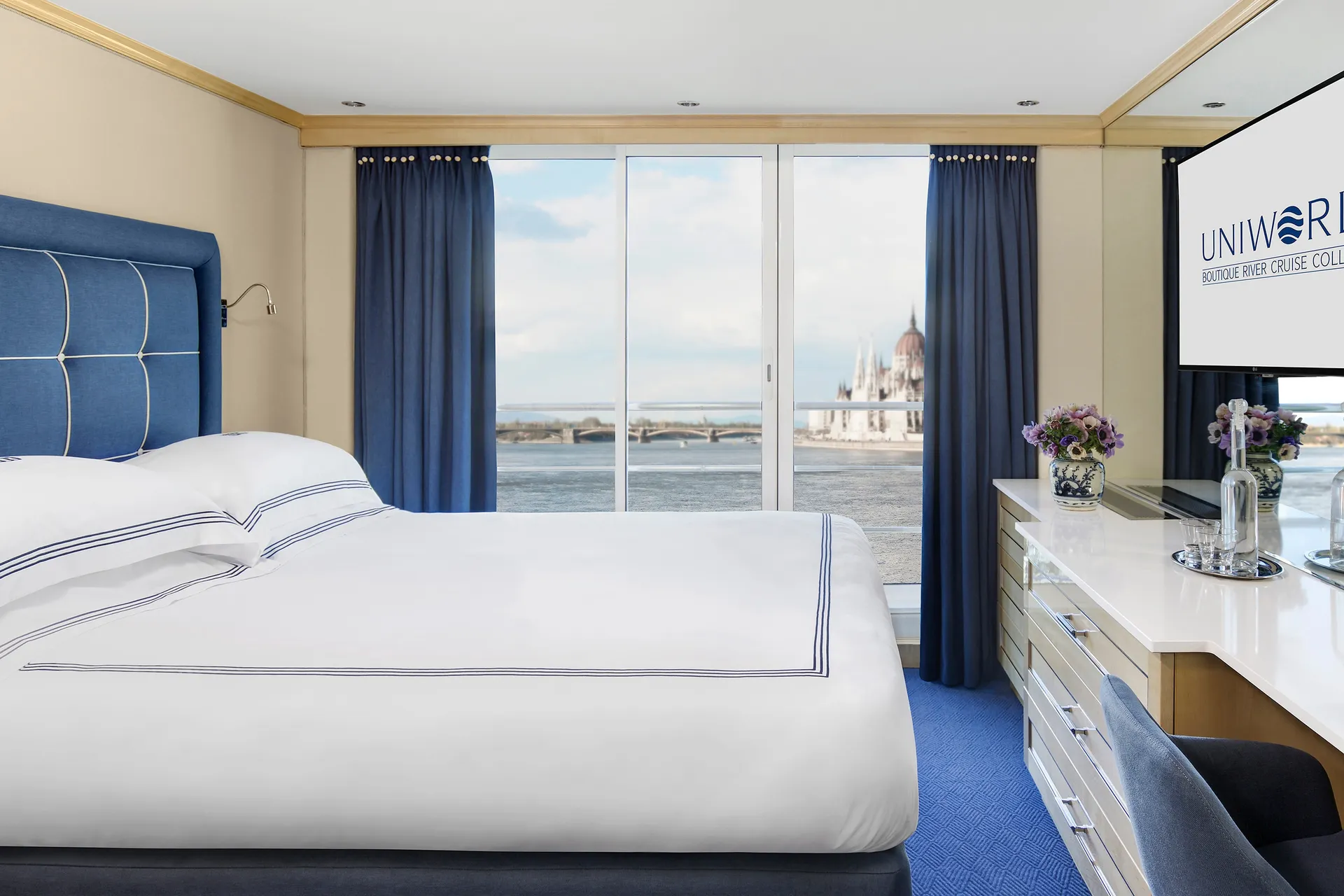
Deluxe French Balcony
Balcony
150 m²Max 2
DFB
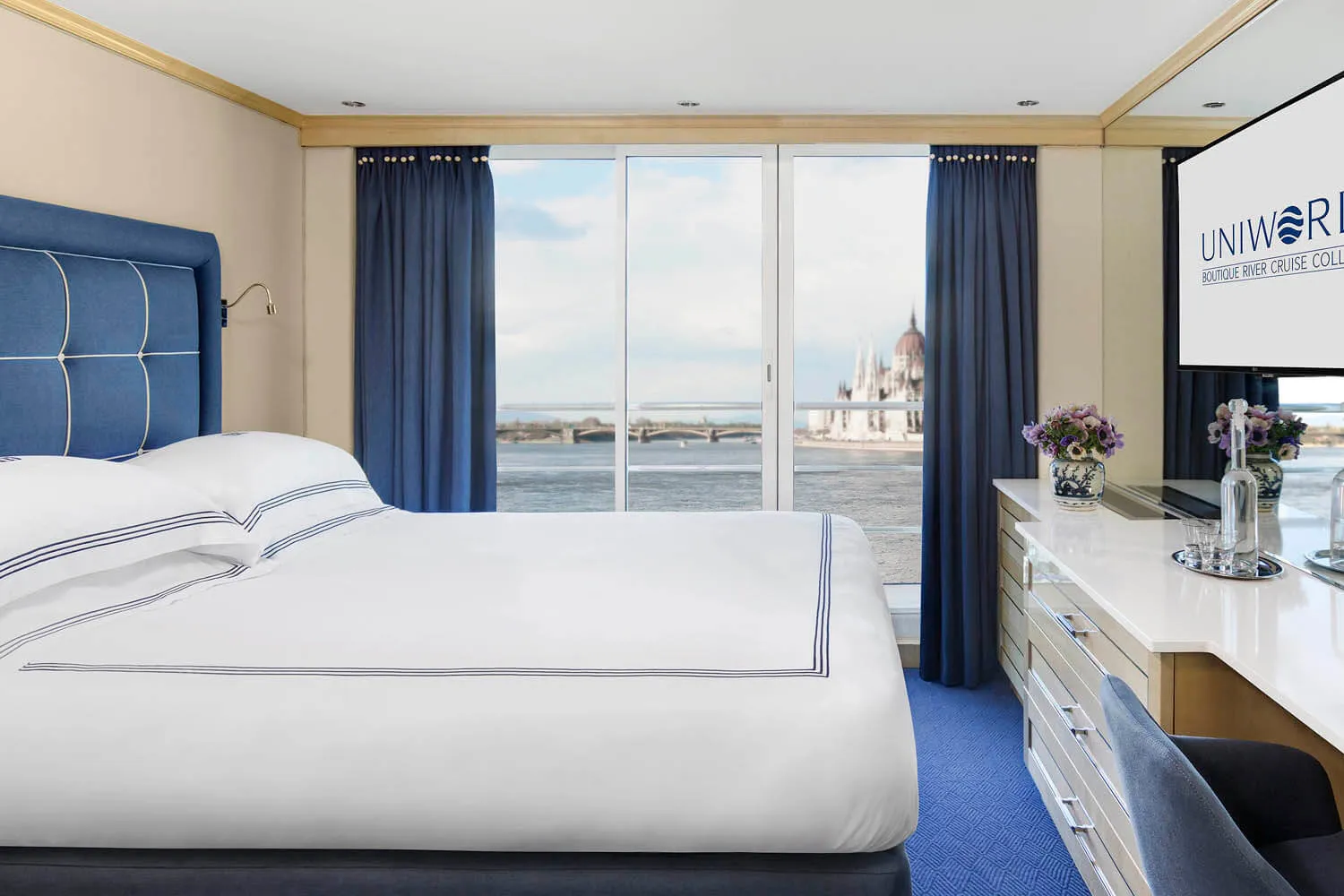
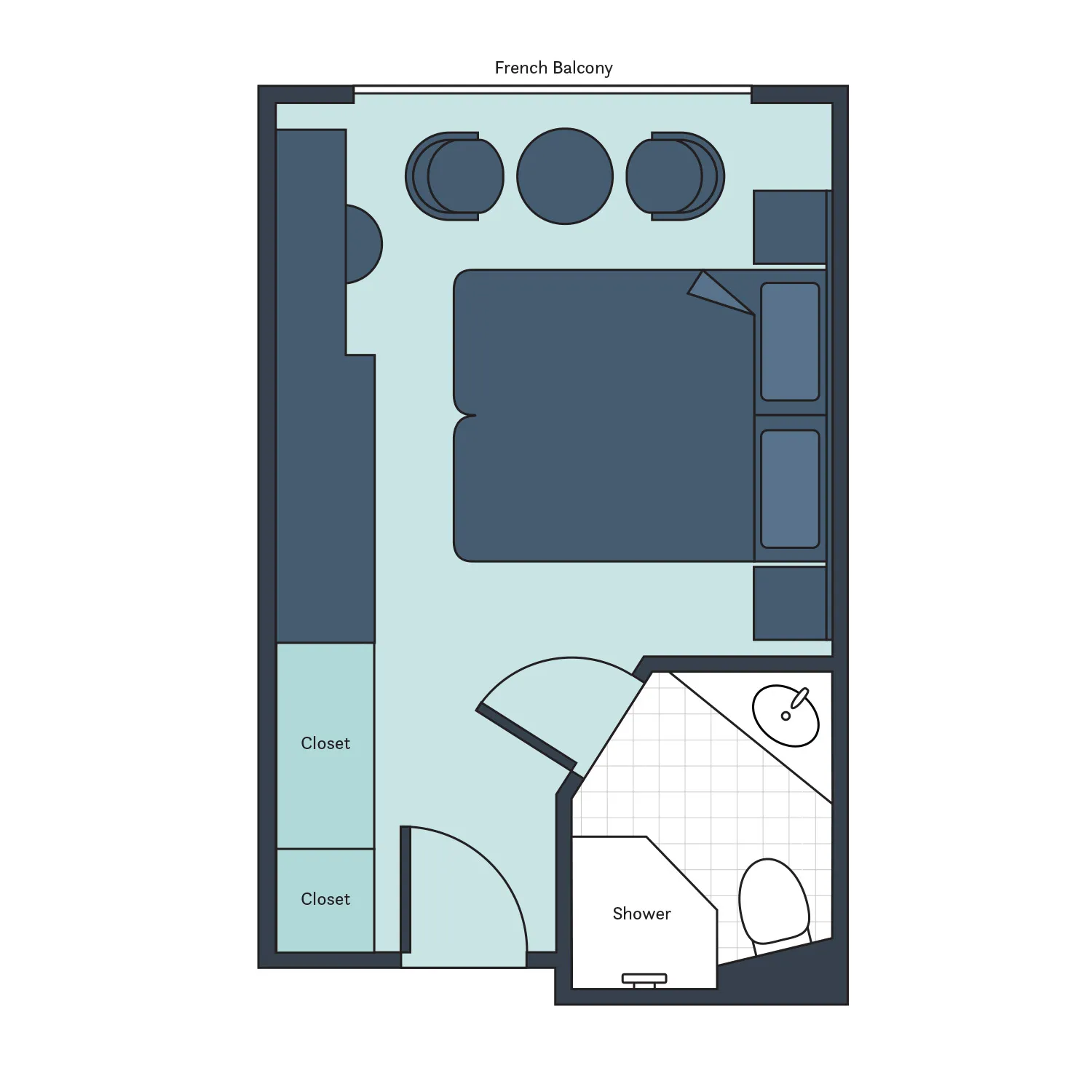
Luxurious riverview stateroom (150 sq ft - 14 sq m) with a French balcony
Handcrafted Savoir Beds of England, built-in closets, hair dryer, safe, individual climate-controlled thermostat, direct-dial telephone, and flat-screen TV with infotainment centre, mineral water
Marble bathroom with Asprey bath and body products, plush towels, backlit magnifying mirror, cosy bathrobes and slippers
DoubleShowerToiletries ProvidedTVSafeHair Dryer+6
Sold Out
View Details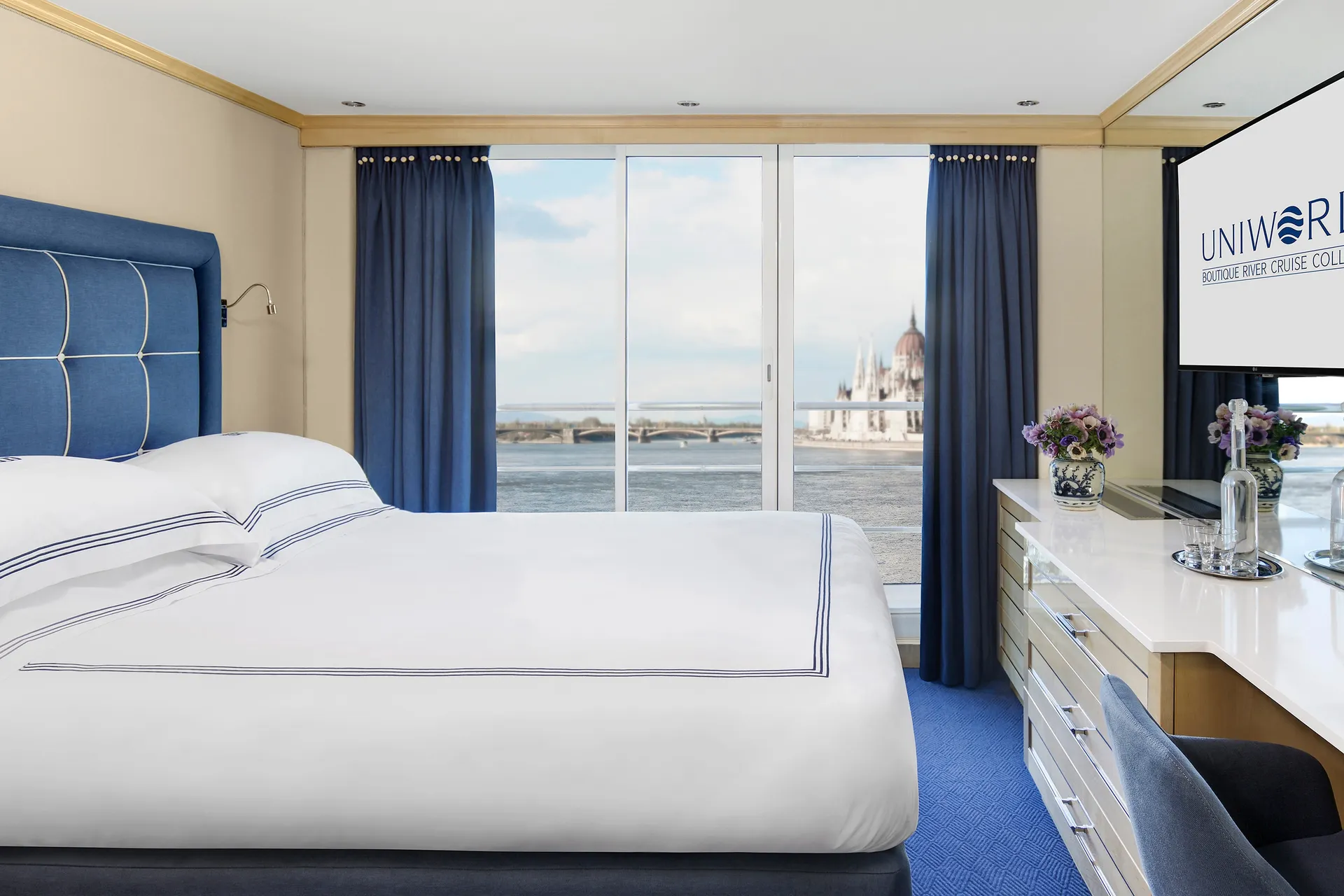
French Balcony
Balcony
150 m²Max 2
FB
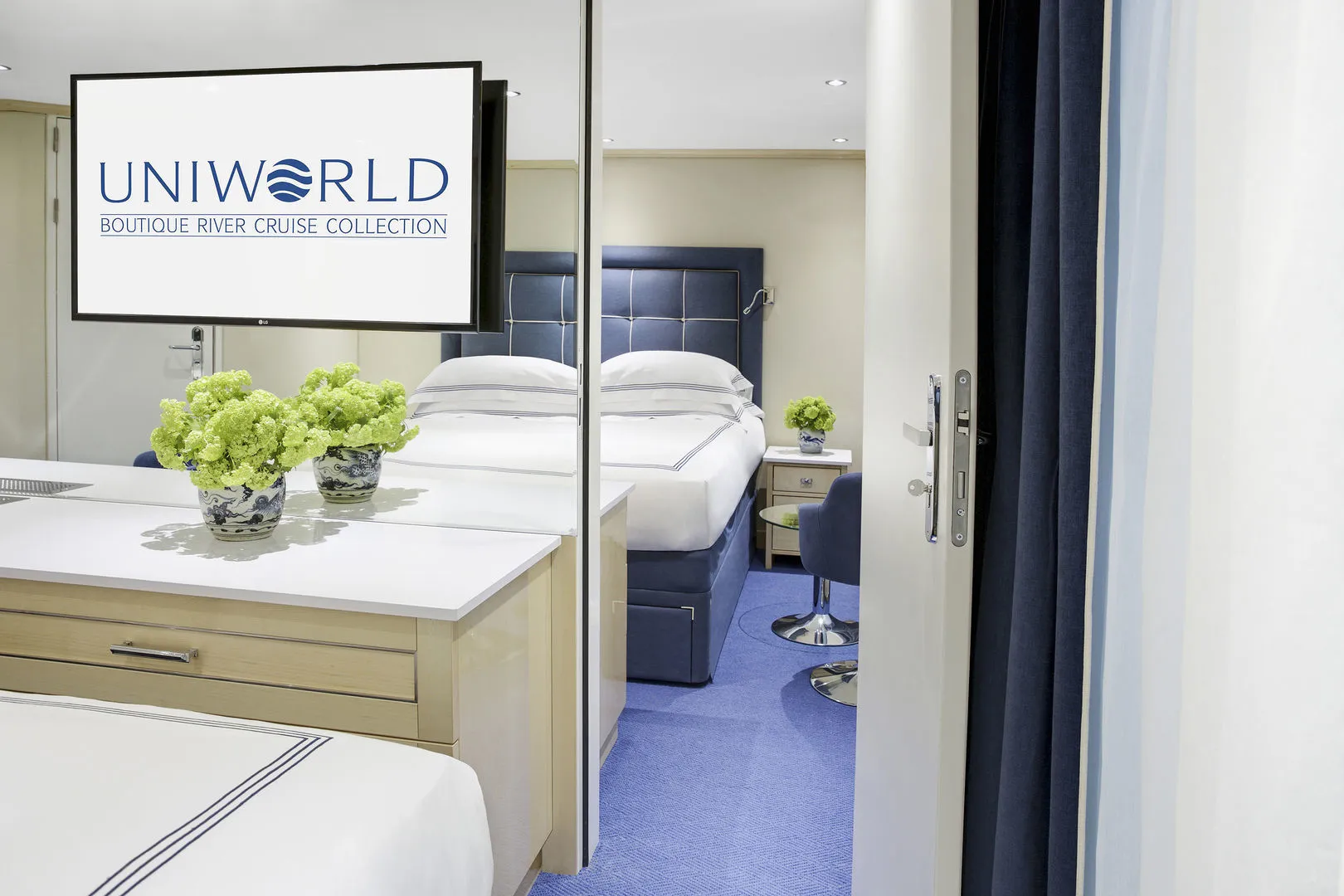
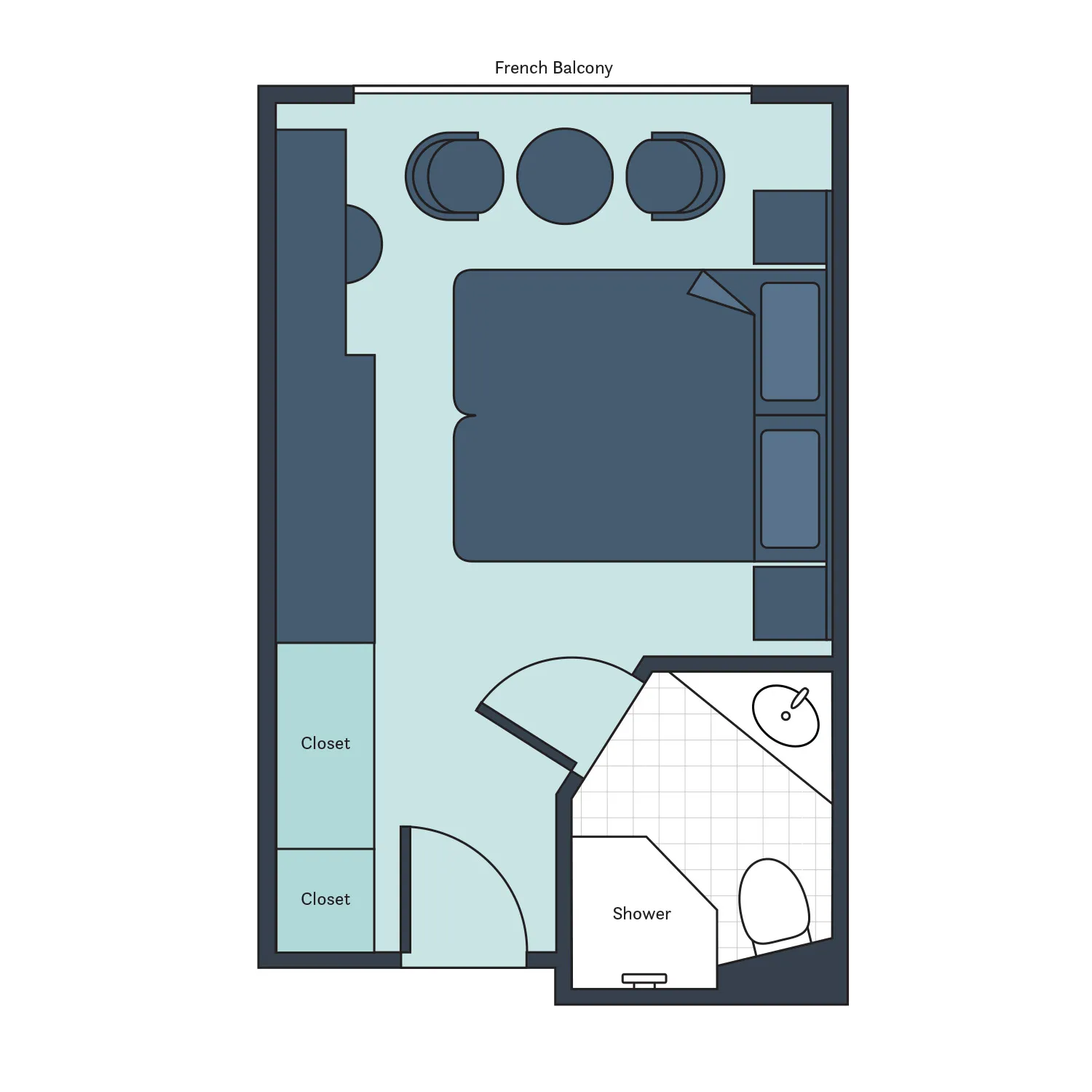
Luxurious riverview stateroom (150 sq ft - 14 sq m) with a French balcony
Handcrafted Savoir Beds of England, built-in closets, hair dryer, safe, individual climate-controlled thermostat, direct-dial telephone, and flat-screen TV with infotainment centre, mineral water
Marble bathroom with Asprey bath and body products, plush towels, backlit magnifying mirror, cosy bathrobes and slippers.
DoubleShowerToiletries ProvidedTVSafeHair Dryer+6
Sold Out
View Details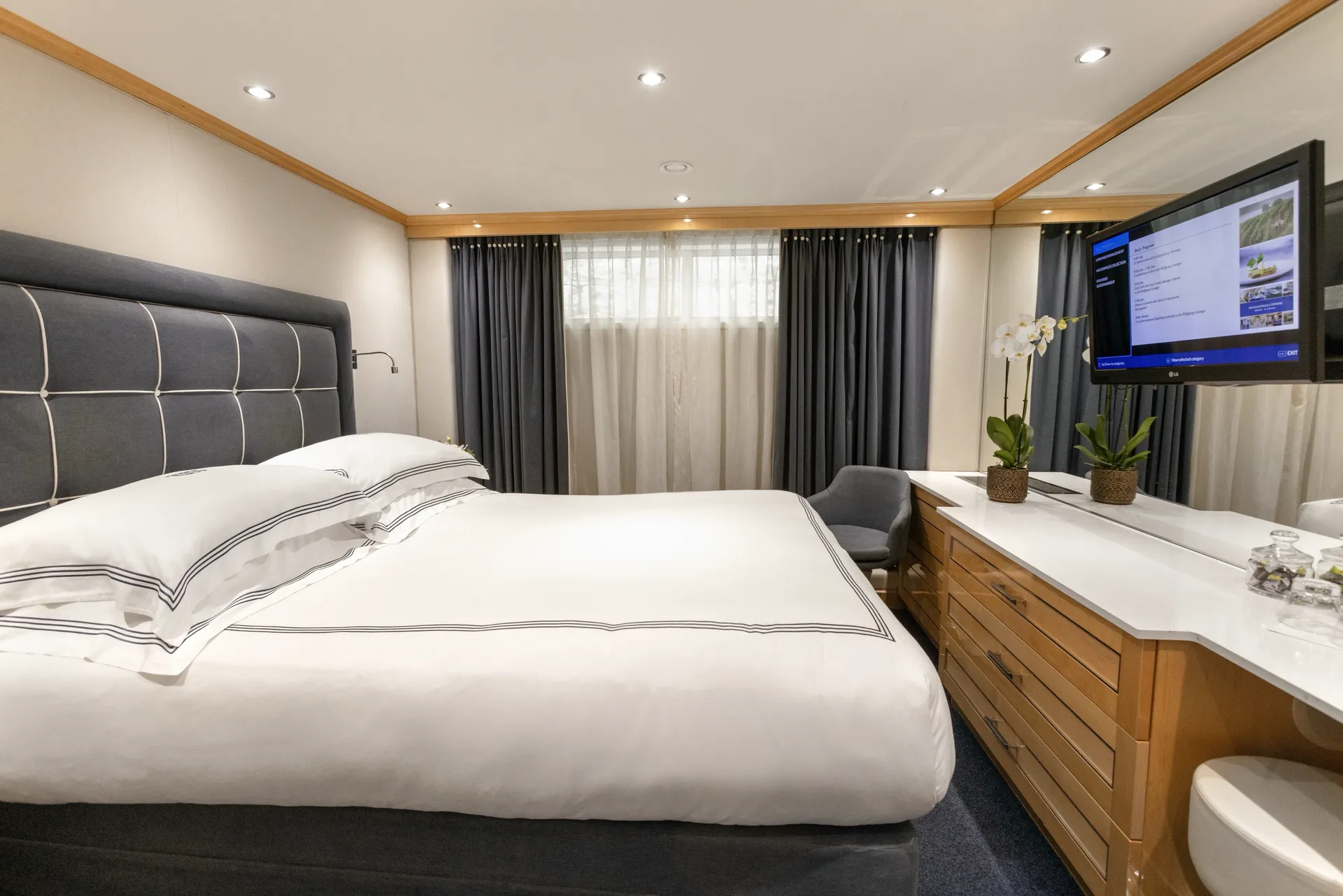
Classic
Outside
150 m²Max 2
C
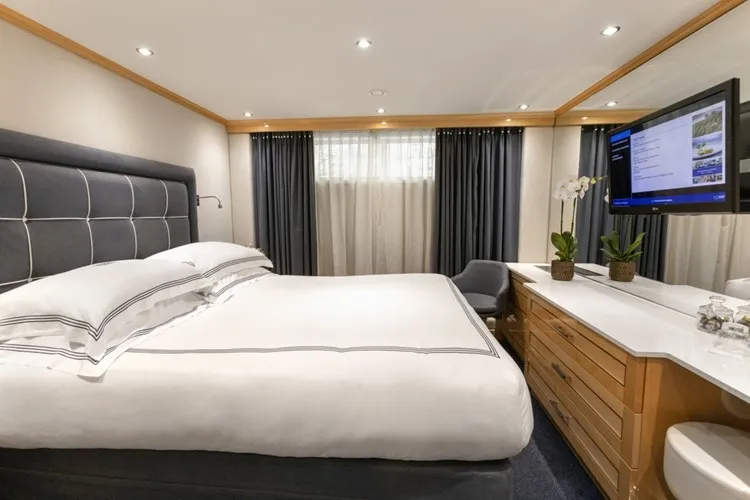
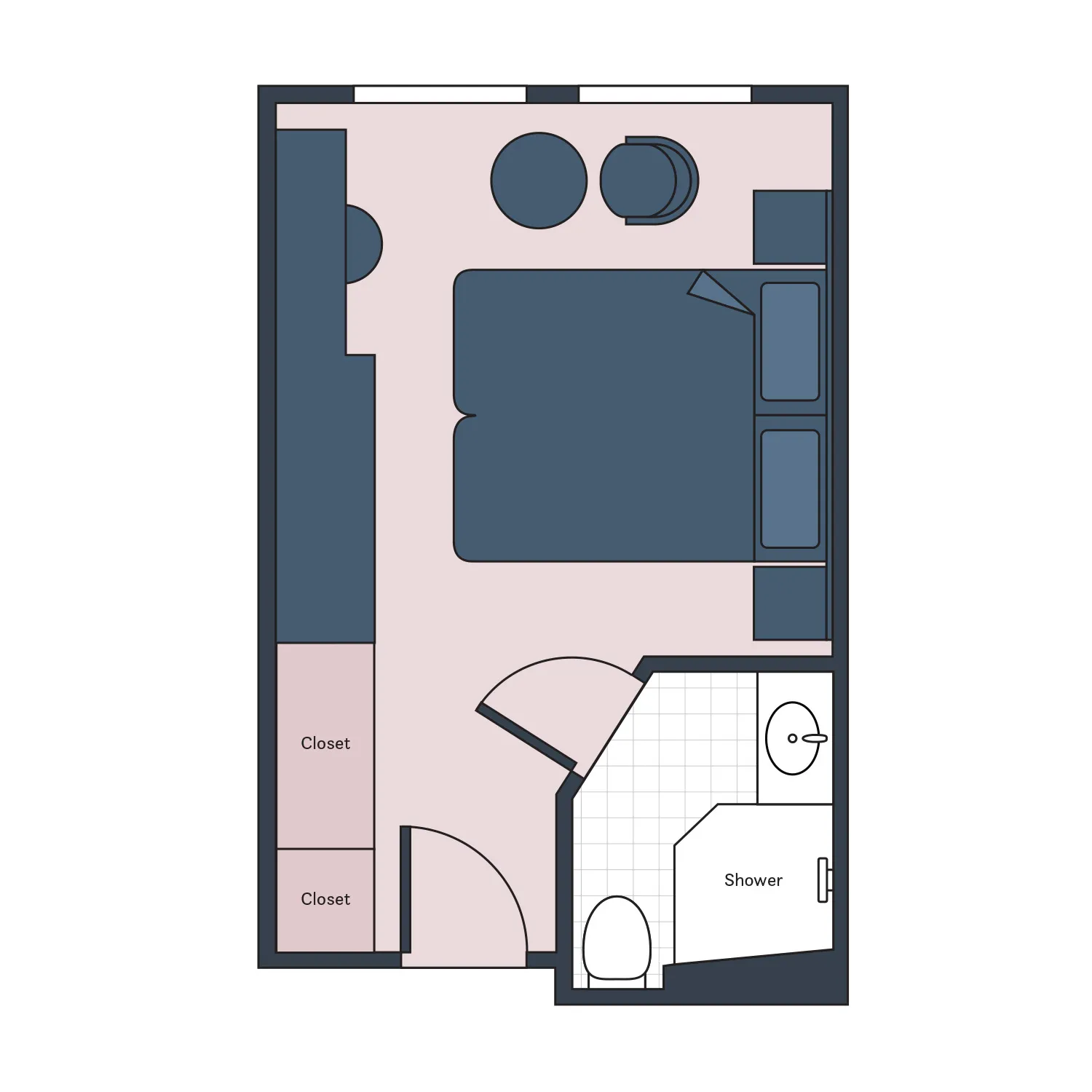
Luxurious riverview stateroom (150 sq ft - 14 sq m)
Handcrafted Savoir Beds of England, built-in closets, hair dryer, safe, individual climate-controlled thermostat, direct-dial telephone, and flat-screen TV with infotainment centre, mineral water
Marble bathroom with Asprey bath and body products, plush towels, backlit magnifying mirror, cosy bathrobes and slippers.
DoubleShowerToiletries ProvidedTVSafeHair Dryer+6
Sold Out
View DetailsInterested in This Voyage?
Our cruise specialists can help you find the perfect cabin and the best available pricing.
Contact Advisor