Wine Roads of France & Portugal Bordeaux to Lisbon
Date
2026-07-26
Duration
17 nights
Departure Port
Bordeaux
France
Arrival Port
Lisbon
Portugal
Rating
Luxury
Theme
History & Culture
Date
2026-07-26
Duration
17 nights
Departure Port
Bordeaux
France
Arrival Port
Lisbon
Portugal
Rating
Luxury
Theme
History & Culture


Uniworld River Cruises
Super Ship
2020
—
—
100
50
37
262 m
11 m
10 knots
No
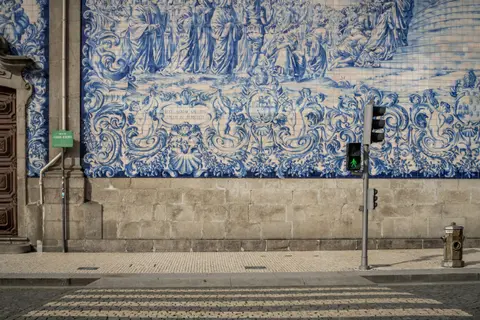
Porto, set dramatically on the granite bluffs above the Douro River, is among Europe's most romantically dishevelled cities — a place where baroque church towers rise above terracotta rooftops and century-old azulejo tilework lines every alley. Cross the iron Dom Luís I Bridge for sweeping views and descend into Vila Nova de Gaia's atmospheric wine lodges for a tasting of aged tawny port direct from the barrel. Seafood is magnificent: salt cod prepared a hundred ways, barnacles glistening with lemon, and custard tarts still warm from the oven. Spring and early autumn offer the finest conditions.
Régua, gateway to Portugal's vertiginous Douro Valley wine country, sits at the point where the river enters its most dramatic gorge — terraced vineyards climbing impossible slopes on every side, their schist walls a testament to generations of viticultural determination. The Wine Museum in Pinhão's art nouveau azulejo station captures the region's soul, while the great quintas — Ramos Pinto, Croft, Niepoort — open their cellars for intimate tastings of vintage port and luminous dry whites. Harvest season in September and October transforms the valley into a festival of colour and ferment.
Crowned by a Vauban citadel that UNESCO recognises as one of Europe's finest military fortifications, Blaye guards the Gironde estuary with a watchful grandeur unchanged since Louis XIV's engineers completed their work in 1689. Taste the local delicacy of poutargue de Blaye — cured mullet roe from the estuary — explore the merlot vineyards of the Blaye Côtes de Bordeaux appellation, and take an excursion south to Bordeaux's grand neoclassical boulevards. September and October bring the heady aromas of harvest season to the surrounding wine country.
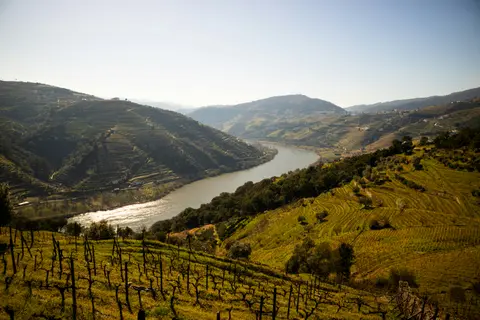
Pocinho marks the easternmost navigable point of the Douro River — the terminus of the valley where port wine's history began and where the landscape reaches its most elemental and dramatic expression: near-vertical schist slopes terraced into vineyard stairways, the river running silver between them in the early morning light. The restored rabelo boats that once carried casks of wine downriver are now a romanticised memory, but the valley's working quintas welcome visitors for tastings of the upper Douro's increasingly celebrated unfortified wines. The Douro International Natural Park, bordering Spain, protects rare Egyptian vulture colonies on the surrounding plateau. September through October, during harvest, is the unmissable season.

The port of Salamanca is a jewel in northwestern Spain, celebrated for its stunning sandstone architecture and vibrant academic atmosphere. Must-do experiences include savoring local delicacies like hornazo and jamón de Guijuelo, as well as exploring the historic Universidad de Salamanca. The best time to visit is during spring or early autumn when the weather is mild and the city is alive with cultural festivities.
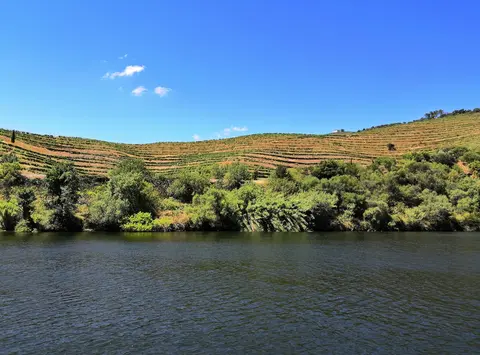
Pinhão sits at the most photographed bend on the Douro River, where impossibly steep terraced vineyards — the schist-stone walls built by hand over centuries — have shaped a valley so beautiful it is protected as a UNESCO World Heritage Site and produced port wine for the world since the Marquis of Pombal established its boundaries in 1756. The village railway station, decorated with 24 azulejo tile panels depicting scenes of the grape harvest, is a minor masterpiece of Portuguese folk art that alone justifies a stop. The river cruise between Pinhão and Régua, passing through the heart of the Port wine country, is among the most beautiful journeys in Europe. Visit during the September harvest for an experience of extraordinary sensory richness.
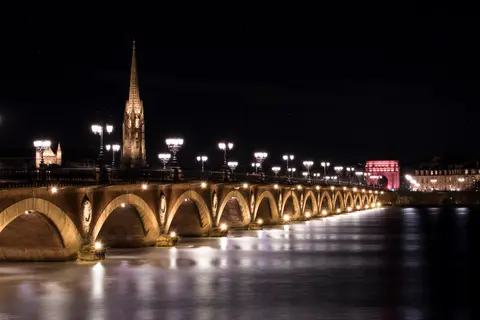
Bordeaux, France's premier port city, is renowned for its historical significance, stunning architecture, and world-class wine. Must-do experiences include savoring local delicacies at Marché des Quais and exploring the breathtaking art installations at Place de la Bourse. The best season to visit is during the late spring and early autumn, when the weather is pleasant and the vineyards are in full bloom.
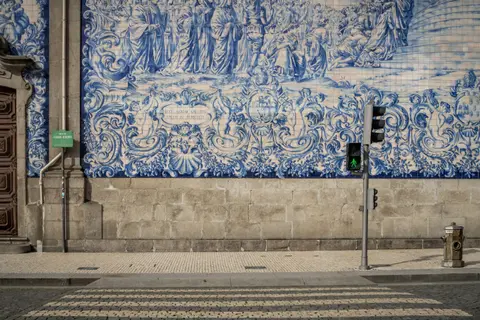
Porto, set dramatically on the granite bluffs above the Douro River, is among Europe's most romantically dishevelled cities — a place where baroque church towers rise above terracotta rooftops and century-old azulejo tilework lines every alley. Cross the iron Dom Luís I Bridge for sweeping views and descend into Vila Nova de Gaia's atmospheric wine lodges for a tasting of aged tawny port direct from the barrel. Seafood is magnificent: salt cod prepared a hundred ways, barnacles glistening with lemon, and custard tarts still warm from the oven. Spring and early autumn offer the finest conditions.
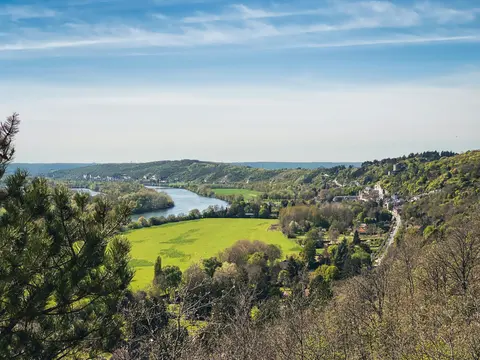
La Roche-Guyon is arguably the most dramatically situated village in the Île-de-France: a medieval castle and Renaissance château built directly into sheer white chalk cliffs above a perfect bend in the Seine, seventy kilometres northwest of Paris. Richard the Lionheart and Rommel both knew these cliffs, the latter using the château as his headquarters during the final weeks before D-Day. Today it rewards visitors with troglodyte caves carved into the rock, immaculate French gardens, and river views of extraordinary pastoral beauty. La Roche-Guyon is at its most enchanting April through October; it pairs naturally with a leisurely cruise along the Seine's Norman reaches.
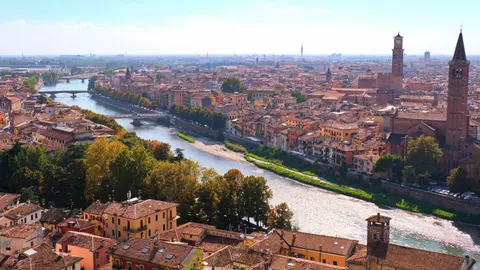
Verona is a romantic northern Italian city centred on the magnificent first-century Arena, which hosts world-class open-air opera each summer amid two millennia of architectural splendour. Must-dos include attending an Arena opera performance, tasting risotto all'Amarone, and touring the Valpolicella wine estates. April through October is ideal, with the opera season from mid-June through early September providing the cultural highlight.
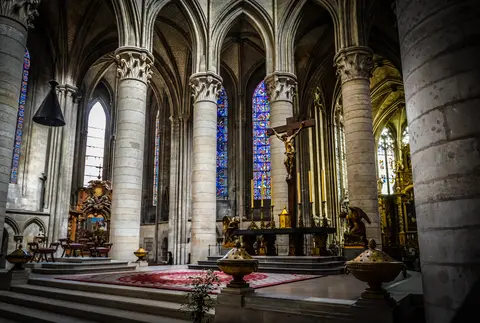
Rouen, the medieval capital of Normandy set in a wooded meander of the Seine, rewards slow exploration with one of France's richest concentrations of Gothic architecture. The vast cathedral — immortalised by Monet in his celebrated series of canvases — dominates a city where half-timbered lanes wind between Renaissance mansions and the square where Joan of Arc was burned in 1431. The covered market overflows with Normandy's great dairy bounty: camembert, livarot, and pont-l'évêque alongside cider and calvados. Paris lies just ninety minutes south by train. Spring and early autumn offer the most atmospheric conditions.
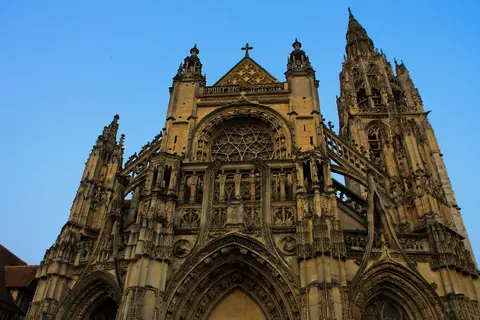
Caudebec-en-Caux nestles in a Seine meander between Rouen and the sea, famous for its Flamboyant Gothic Eglise Notre-Dame — a masterwork of late medieval stone lacework so exquisite that Henri IV called it 'the most beautiful chapel in my kingdom.' The town serves as an ideal quiet base for exploring the Seine Valley's quieter pleasures: the remarkable Abbaye de Jumiéges, its roofless nave open to the Norman sky, and the Manoir d'Ango, a Renaissance manor of extraordinary ambition, are both within easy reach. The tidal atmosphere of the Seine at this point rewards early morning walks along the embankment. Rouen, with its Gothic cathedral and Impressionist legacy, lies forty minutes east.
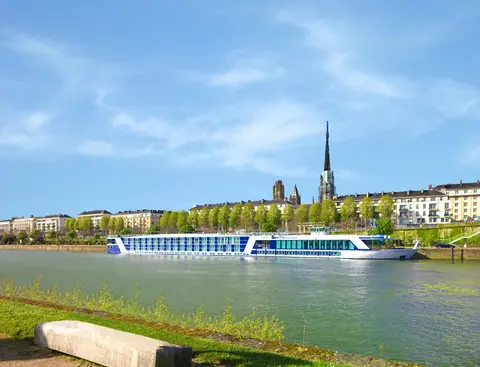
Rouen, the medieval capital of Normandy set in a wooded meander of the Seine, rewards slow exploration with one of France's richest concentrations of Gothic architecture. The vast cathedral — immortalised by Monet in his celebrated series of canvases — dominates a city where half-timbered lanes wind between Renaissance mansions and the square where Joan of Arc was burned in 1431. The covered market overflows with Normandy's great dairy bounty: camembert, livarot, and pont-l'évêque alongside cider and calvados. Paris lies just ninety minutes south by train. Spring and early autumn offer the most atmospheric conditions.
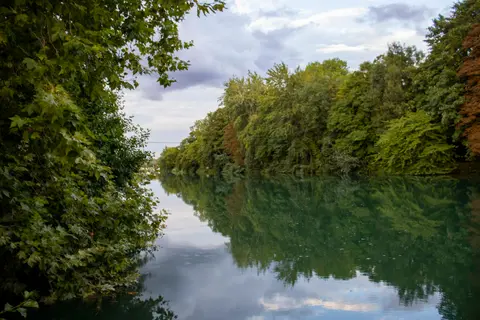
Mantes-la-Jolie is a captivating port town in France, steeped in history and characterized by its stunning architecture and vibrant atmosphere. Must-do experiences include indulging in local dishes like coq au vin and visiting the lively weekly market. The best season to visit is spring, when the town bursts into bloom, offering an inviting backdrop for exploration.
Porto, the storied French river port on the Gironde estuary, serves as Bordeaux's historic maritime gateway and a destination of surprising cultural richness. The medieval citadel quarter commands sweeping views over the river, while the neo-Gothic château and Romanesque church anchor a town that once provisioned transatlantic voyages. Local restaurants celebrate the region's celebrated produce — Pauillac lamb, oysters from the nearby Arcachon Basin, and the great wines of the Médoc, whose legendary châteaux lie just a short drive away. Visit in September during the grape harvest for an unforgettable atmosphere.
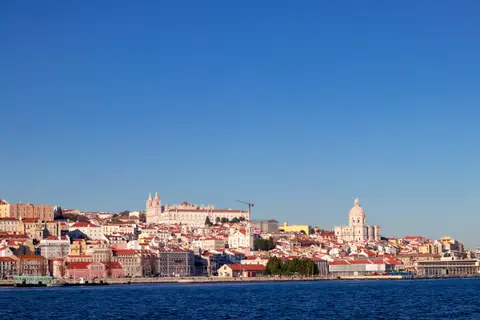
Lisbon, Portugal's enchanting capital, stands out for its rich history, stunning architecture, and vibrant culture. Must-try experiences include savoring local dishes like bacalhau à brás and pastéis de nata at Mercado da Ribeira. The best time to visit is during the spring or fall, when the weather is mild and the city is alive with festivals and events.
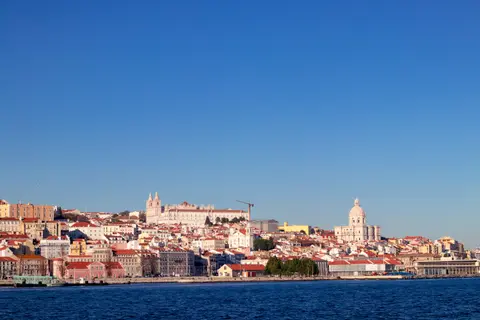
Lisbon, Portugal's enchanting capital, stands out for its rich history, stunning architecture, and vibrant culture. Must-try experiences include savoring local dishes like bacalhau à brás and pastéis de nata at Mercado da Ribeira. The best time to visit is during the spring or fall, when the weather is mild and the city is alive with festivals and events.
Day 1
Porto, set dramatically on the granite bluffs above the Douro River, is among Europe's most romantically dishevelled cities — a place where baroque church towers rise above terracotta rooftops and century-old azulejo tilework lines every alley. Cross the iron Dom Luís I Bridge for sweeping views and descend into Vila Nova de Gaia's atmospheric wine lodges for a tasting of aged tawny port direct from the barrel. Seafood is magnificent: salt cod prepared a hundred ways, barnacles glistening with lemon, and custard tarts still warm from the oven. Spring and early autumn offer the finest conditions.
Day 3
Régua, gateway to Portugal's vertiginous Douro Valley wine country, sits at the point where the river enters its most dramatic gorge — terraced vineyards climbing impossible slopes on every side, their schist walls a testament to generations of viticultural determination. The Wine Museum in Pinhão's art nouveau azulejo station captures the region's soul, while the great quintas — Ramos Pinto, Croft, Niepoort — open their cellars for intimate tastings of vintage port and luminous dry whites. Harvest season in September and October transforms the valley into a festival of colour and ferment.
Day 4
Crowned by a Vauban citadel that UNESCO recognises as one of Europe's finest military fortifications, Blaye guards the Gironde estuary with a watchful grandeur unchanged since Louis XIV's engineers completed their work in 1689. Taste the local delicacy of poutargue de Blaye — cured mullet roe from the estuary — explore the merlot vineyards of the Blaye Côtes de Bordeaux appellation, and take an excursion south to Bordeaux's grand neoclassical boulevards. September and October bring the heady aromas of harvest season to the surrounding wine country.
Pocinho marks the easternmost navigable point of the Douro River — the terminus of the valley where port wine's history began and where the landscape reaches its most elemental and dramatic expression: near-vertical schist slopes terraced into vineyard stairways, the river running silver between them in the early morning light. The restored rabelo boats that once carried casks of wine downriver are now a romanticised memory, but the valley's working quintas welcome visitors for tastings of the upper Douro's increasingly celebrated unfortified wines. The Douro International Natural Park, bordering Spain, protects rare Egyptian vulture colonies on the surrounding plateau. September through October, during harvest, is the unmissable season.
Day 5
The port of Salamanca is a jewel in northwestern Spain, celebrated for its stunning sandstone architecture and vibrant academic atmosphere. Must-do experiences include savoring local delicacies like hornazo and jamón de Guijuelo, as well as exploring the historic Universidad de Salamanca. The best time to visit is during spring or early autumn when the weather is mild and the city is alive with cultural festivities.
Day 6
Pinhão sits at the most photographed bend on the Douro River, where impossibly steep terraced vineyards — the schist-stone walls built by hand over centuries — have shaped a valley so beautiful it is protected as a UNESCO World Heritage Site and produced port wine for the world since the Marquis of Pombal established its boundaries in 1756. The village railway station, decorated with 24 azulejo tile panels depicting scenes of the grape harvest, is a minor masterpiece of Portuguese folk art that alone justifies a stop. The river cruise between Pinhão and Régua, passing through the heart of the Port wine country, is among the most beautiful journeys in Europe. Visit during the September harvest for an experience of extraordinary sensory richness.
Bordeaux, France's premier port city, is renowned for its historical significance, stunning architecture, and world-class wine. Must-do experiences include savoring local delicacies at Marché des Quais and exploring the breathtaking art installations at Place de la Bourse. The best season to visit is during the late spring and early autumn, when the weather is pleasant and the vineyards are in full bloom.
Day 7
Porto, set dramatically on the granite bluffs above the Douro River, is among Europe's most romantically dishevelled cities — a place where baroque church towers rise above terracotta rooftops and century-old azulejo tilework lines every alley. Cross the iron Dom Luís I Bridge for sweeping views and descend into Vila Nova de Gaia's atmospheric wine lodges for a tasting of aged tawny port direct from the barrel. Seafood is magnificent: salt cod prepared a hundred ways, barnacles glistening with lemon, and custard tarts still warm from the oven. Spring and early autumn offer the finest conditions.
Day 9
La Roche-Guyon is arguably the most dramatically situated village in the Île-de-France: a medieval castle and Renaissance château built directly into sheer white chalk cliffs above a perfect bend in the Seine, seventy kilometres northwest of Paris. Richard the Lionheart and Rommel both knew these cliffs, the latter using the château as his headquarters during the final weeks before D-Day. Today it rewards visitors with troglodyte caves carved into the rock, immaculate French gardens, and river views of extraordinary pastoral beauty. La Roche-Guyon is at its most enchanting April through October; it pairs naturally with a leisurely cruise along the Seine's Norman reaches.
Verona is a romantic northern Italian city centred on the magnificent first-century Arena, which hosts world-class open-air opera each summer amid two millennia of architectural splendour. Must-dos include attending an Arena opera performance, tasting risotto all'Amarone, and touring the Valpolicella wine estates. April through October is ideal, with the opera season from mid-June through early September providing the cultural highlight.
Day 10
Rouen, the medieval capital of Normandy set in a wooded meander of the Seine, rewards slow exploration with one of France's richest concentrations of Gothic architecture. The vast cathedral — immortalised by Monet in his celebrated series of canvases — dominates a city where half-timbered lanes wind between Renaissance mansions and the square where Joan of Arc was burned in 1431. The covered market overflows with Normandy's great dairy bounty: camembert, livarot, and pont-l'évêque alongside cider and calvados. Paris lies just ninety minutes south by train. Spring and early autumn offer the most atmospheric conditions.
Day 11
Caudebec-en-Caux nestles in a Seine meander between Rouen and the sea, famous for its Flamboyant Gothic Eglise Notre-Dame — a masterwork of late medieval stone lacework so exquisite that Henri IV called it 'the most beautiful chapel in my kingdom.' The town serves as an ideal quiet base for exploring the Seine Valley's quieter pleasures: the remarkable Abbaye de Jumiéges, its roofless nave open to the Norman sky, and the Manoir d'Ango, a Renaissance manor of extraordinary ambition, are both within easy reach. The tidal atmosphere of the Seine at this point rewards early morning walks along the embankment. Rouen, with its Gothic cathedral and Impressionist legacy, lies forty minutes east.
Day 12
Rouen, the medieval capital of Normandy set in a wooded meander of the Seine, rewards slow exploration with one of France's richest concentrations of Gothic architecture. The vast cathedral — immortalised by Monet in his celebrated series of canvases — dominates a city where half-timbered lanes wind between Renaissance mansions and the square where Joan of Arc was burned in 1431. The covered market overflows with Normandy's great dairy bounty: camembert, livarot, and pont-l'évêque alongside cider and calvados. Paris lies just ninety minutes south by train. Spring and early autumn offer the most atmospheric conditions.
Day 13
Mantes-la-Jolie is a captivating port town in France, steeped in history and characterized by its stunning architecture and vibrant atmosphere. Must-do experiences include indulging in local dishes like coq au vin and visiting the lively weekly market. The best season to visit is spring, when the town bursts into bloom, offering an inviting backdrop for exploration.
Day 14
Porto, the storied French river port on the Gironde estuary, serves as Bordeaux's historic maritime gateway and a destination of surprising cultural richness. The medieval citadel quarter commands sweeping views over the river, while the neo-Gothic château and Romanesque church anchor a town that once provisioned transatlantic voyages. Local restaurants celebrate the region's celebrated produce — Pauillac lamb, oysters from the nearby Arcachon Basin, and the great wines of the Médoc, whose legendary châteaux lie just a short drive away. Visit in September during the grape harvest for an unforgettable atmosphere.
Day 16
Lisbon, Portugal's enchanting capital, stands out for its rich history, stunning architecture, and vibrant culture. Must-try experiences include savoring local dishes like bacalhau à brás and pastéis de nata at Mercado da Ribeira. The best time to visit is during the spring or fall, when the weather is mild and the city is alive with festivals and events.
Day 18
Lisbon, Portugal's enchanting capital, stands out for its rich history, stunning architecture, and vibrant culture. Must-try experiences include savoring local dishes like bacalhau à brás and pastéis de nata at Mercado da Ribeira. The best time to visit is during the spring or fall, when the weather is mild and the city is alive with festivals and events.
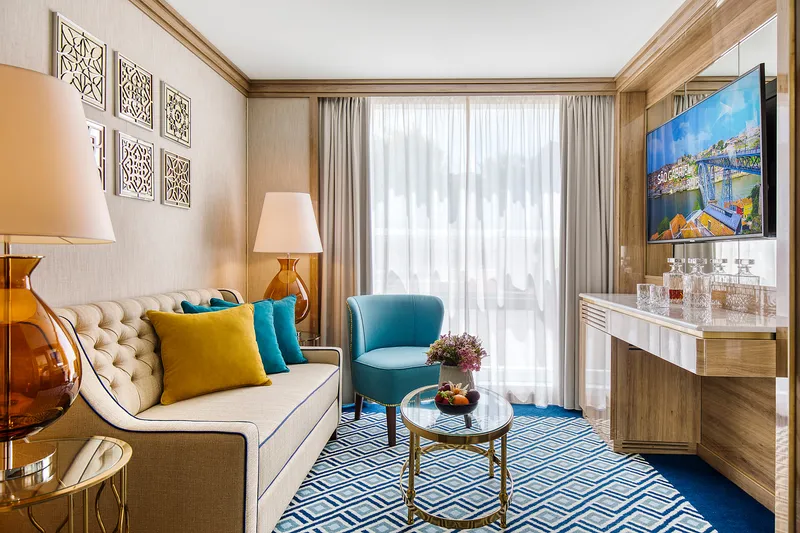
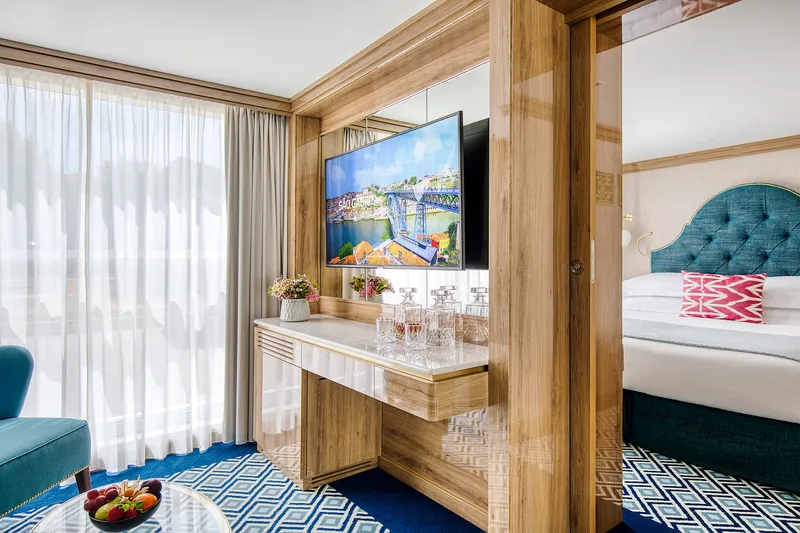
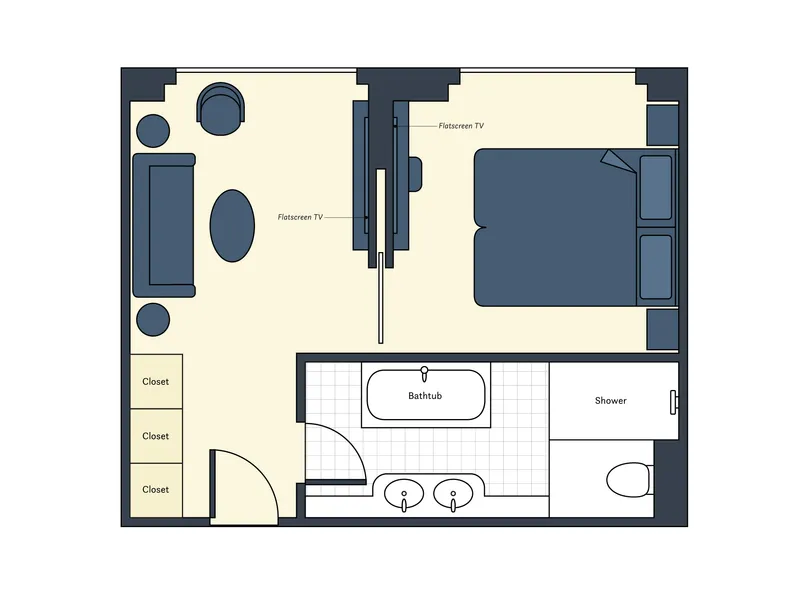
Grand Suite (307 sq ft - 28.5 sq m).
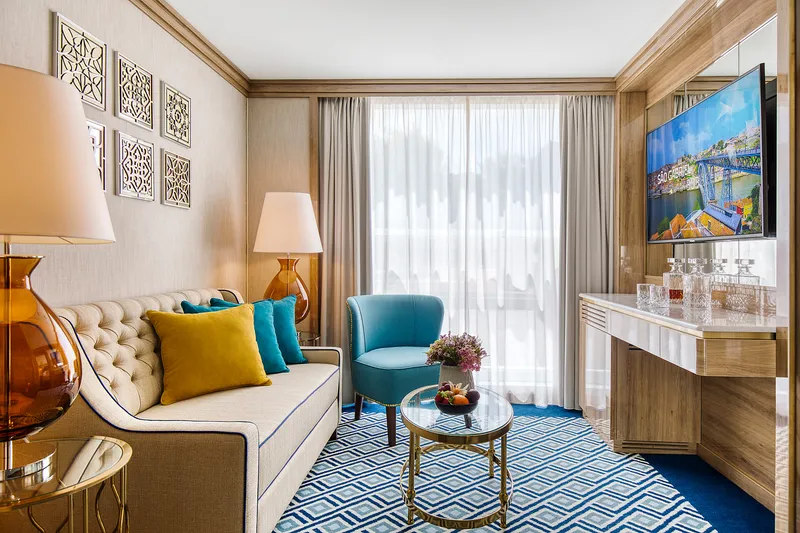
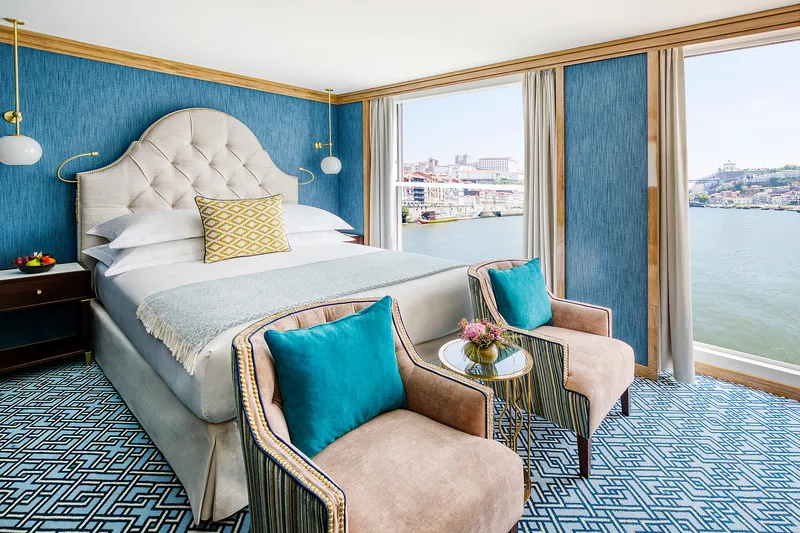
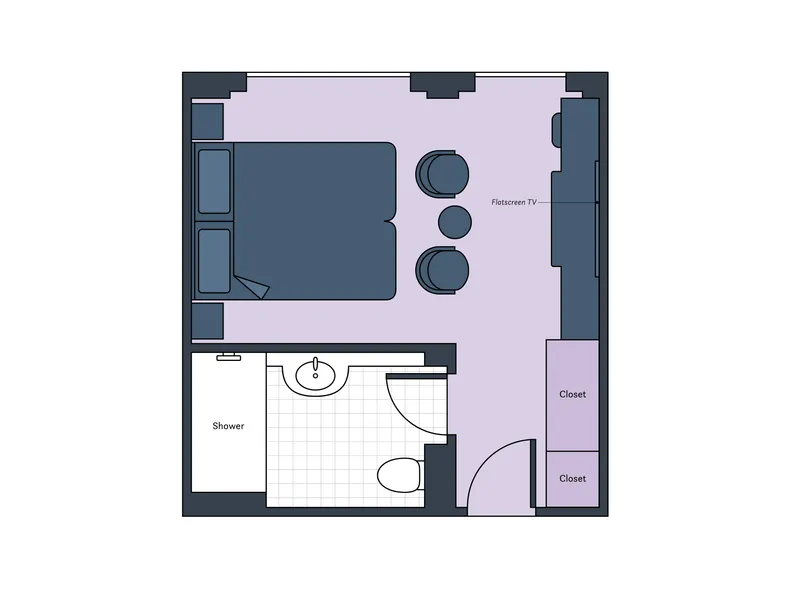
Suite (220 sq ft - 20.4 sq m).
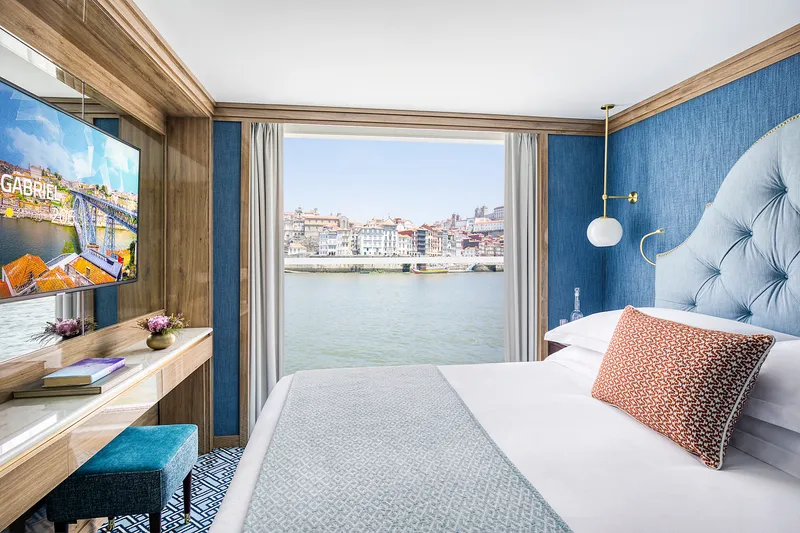
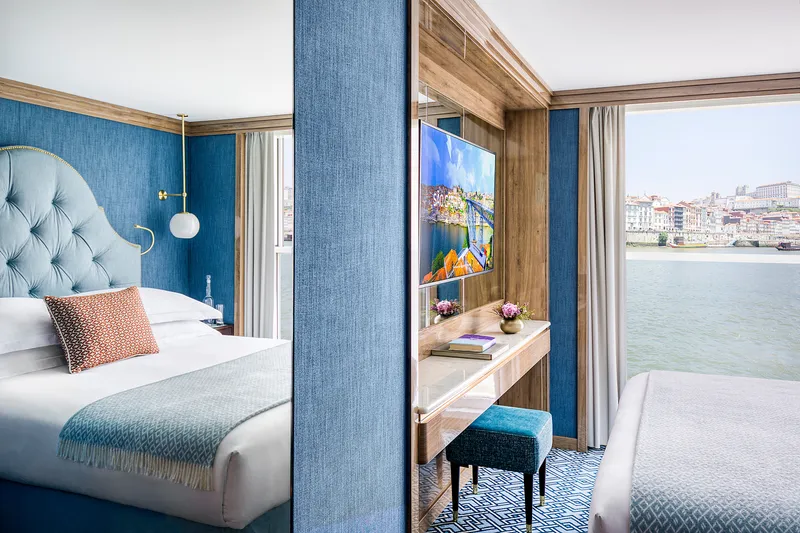
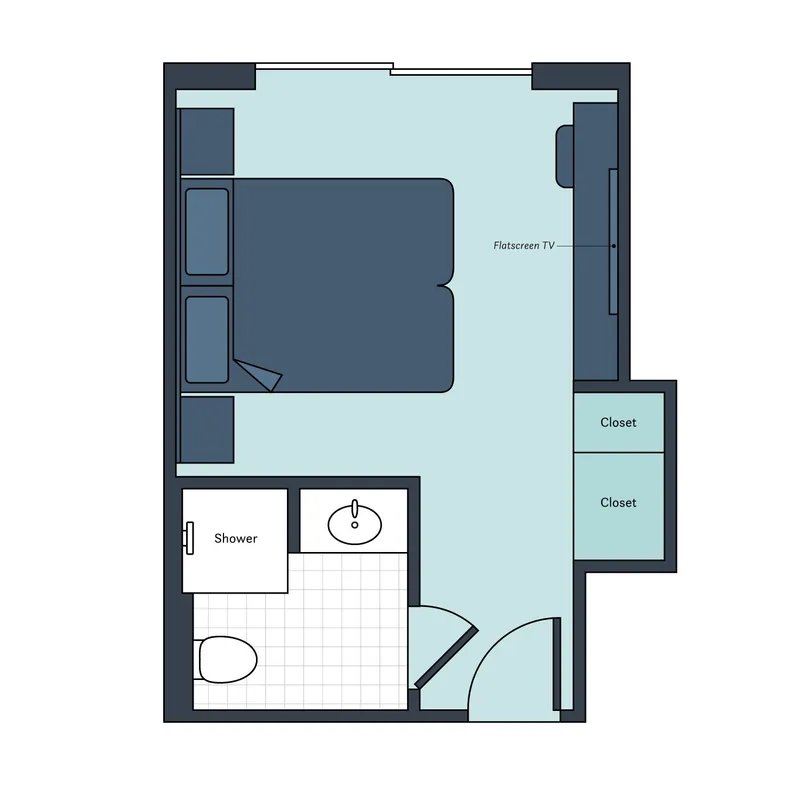
French Balcony (156 sq ft - 14.5 sq m).
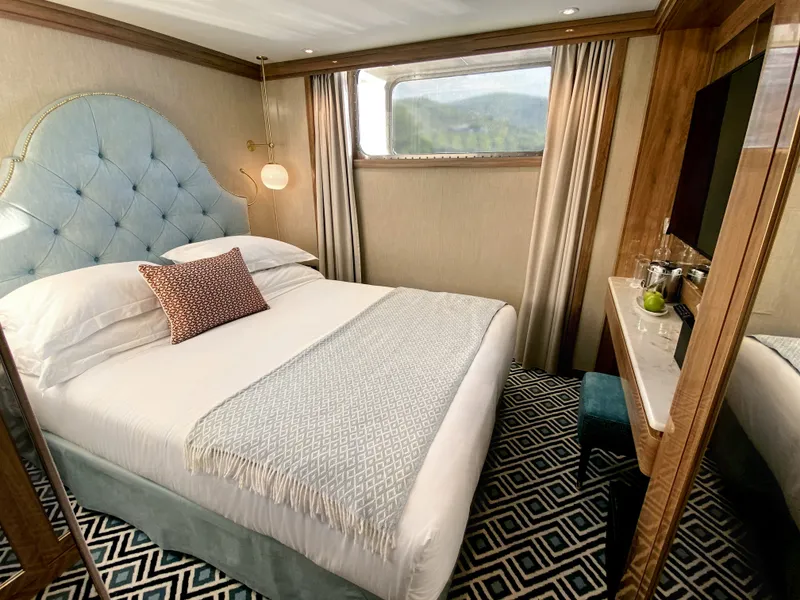
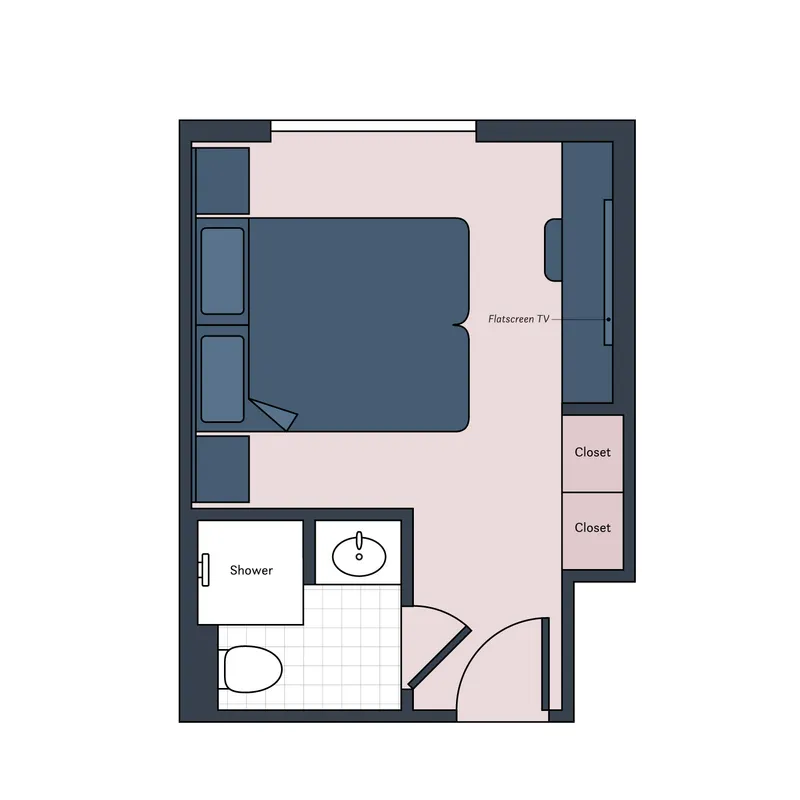
Classic (135 sq ft - 12.5 sq m).
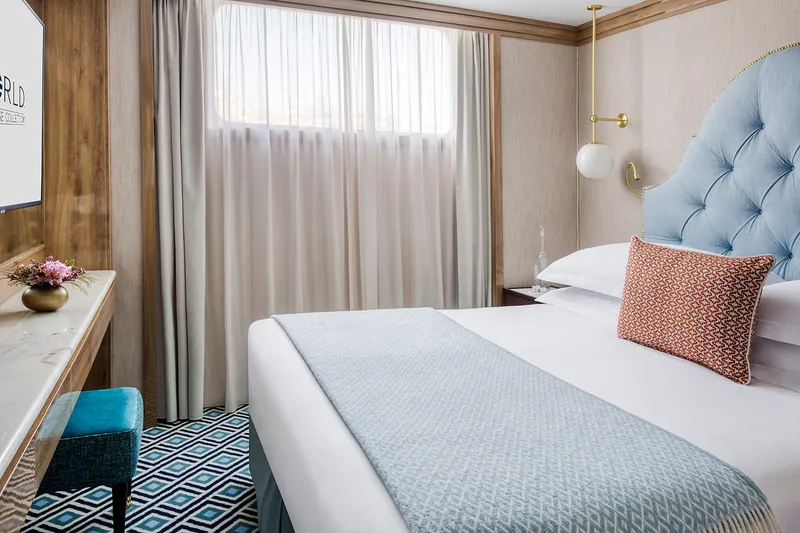
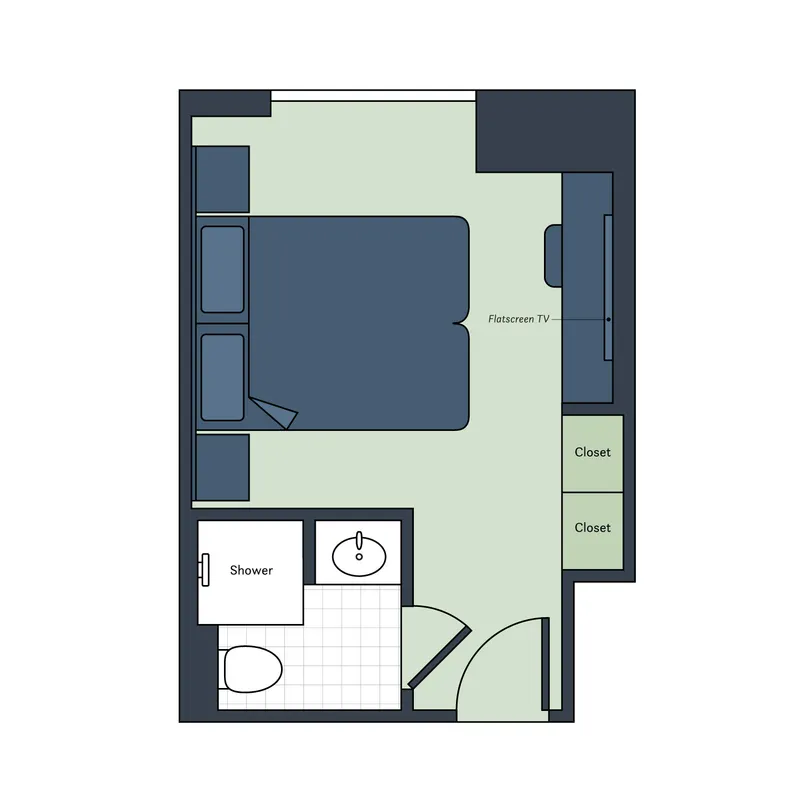
Deluxe (156 sq ft - 14.5 sq m).
Our cruise specialists can help you find the perfect cabin and the best available pricing.
(+886) 02-2721-7300Contact Advisor