Dominikánská republika
Cabo Rojo
188 voyages
Cabo Rojo: Nedotčený jihozápadní ráj Dominikánské republiky
Cabo Rojo se rozkládá na jihozápadním cípu Dominikánské republiky — úsek pobřeží, kde Karibik splývá s národním parkem Jaragua v krajině syrové, nedotčené krásy, která je vzdálená světu resortních komplexů Punta Cana a Puerto Plata. Tento region nese své jméno podle načervenalého odstínu pobřežních útesů, zbarvených bauxitovou a železem bohatou půdou, která formovala průmyslovou historii oblasti — těžební provoz Alcoa, který kdysi z těchto kopců těžil bauxit, zanechal hlubokovodní přístav, jenž dnes slouží návštěvníkům na výletních lodích. Pravé bohatství Cabo Rojo však spočívá v jeho poloze na okraji jednoho z nejvýznamnějších chráněných území Karibiku.
Charakter Cabo Rojo je definován Národním parkem Jaragua, který zahrnuje více než 1 400 čtverečních kilometrů suchého tropického lesa, kaktusové křoviny a pobřežní mokřady na poloostrově Barahona a na ostrově Beata. Biodiverzita parku je výjimečná: nosorožčí leguán, prehistoricky vyhlížející plaz, který se vyskytuje pouze na Hispaniolě, se sluní na vyhřátých skalách po celém pobřeží. Hutía — velký, mírný hlodavec endemický pro Karibik — přežívá v lesích parku. Čtyři druhy mořských želv — kareta obrovská, kožatka, zelená želva a kareta obecná — hnízdí na plážích parku, přičemž Bahía de las Águilas (Zátoka orlů) je jedním z nejvýznamnějších hnízdních míst v Karibiku.
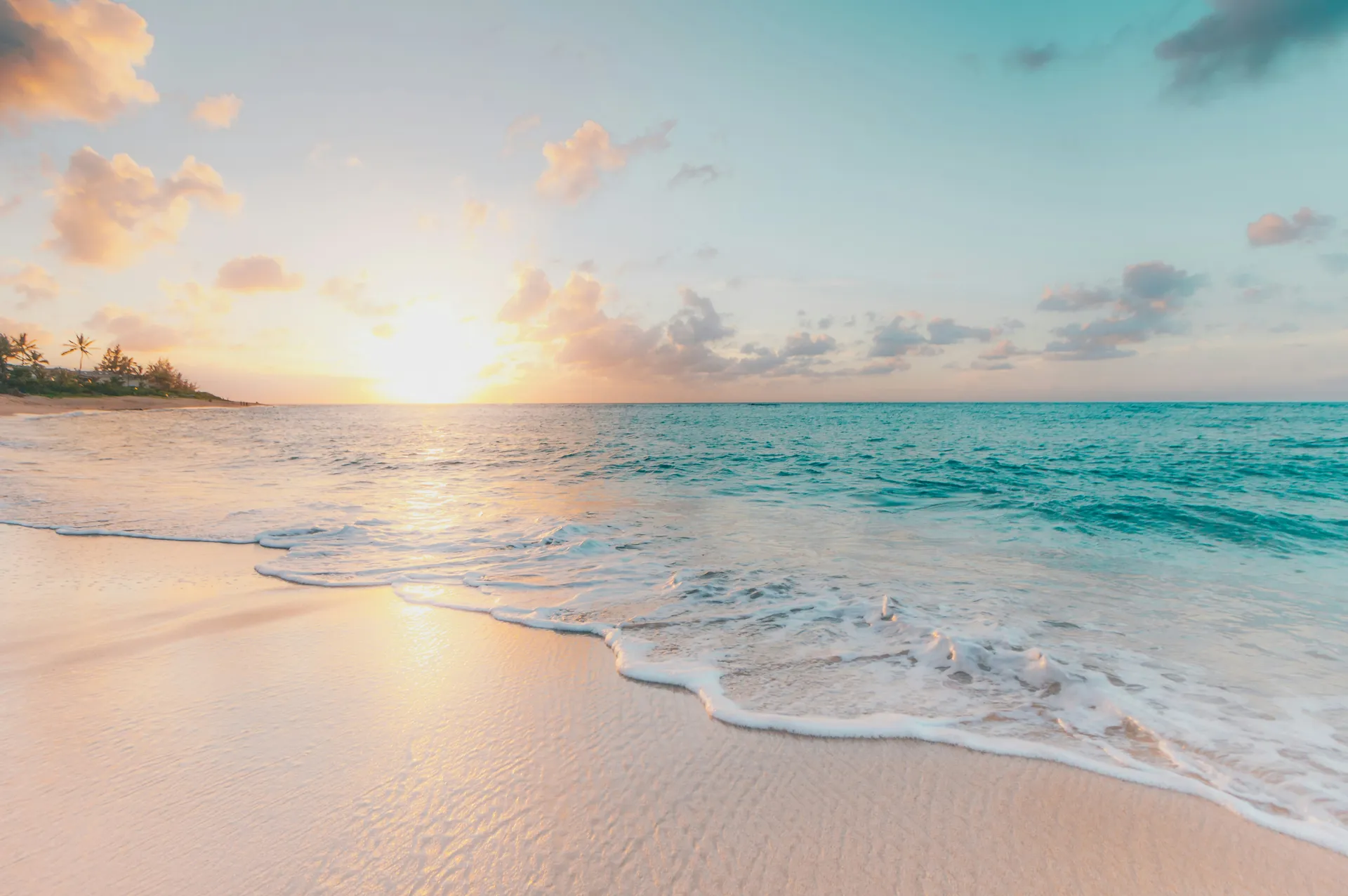
Bahía de las Águilas je korunou regionu — nedotčený, osm kilometrů dlouhý pás bílého písku, který je pravidelně řazen mezi nejkrásnější pláže Karibiku, přesto zůstává téměř opuštěný díky své poloze v národním parku a absenci silničního přístupu. Na pláž se dostanete lodí z rybářské vesnice La Cueva, a příjezd po moři umocňuje dramatický dojem: tyrkysová voda přecházející v průzračnou nad bílým pískem, vápencové útesy tyčící se v pozadí a úplná absence jakéhokoli rozvoje vytvářejí zážitek z pláže, který v podstatě zmizel z ostatních částí Karibiku. Šnorchlování podél útesu, který chrání záliv, je vynikající, s bohatými korálovými formacemi a hojností tropických ryb.
Kuchyně jihozápadní Dominikánské republiky odráží její venkovský, přímořský charakter. Čerstvě ulovené ryby — chňapal červený, kranas a mahi-mahi — jsou grilovány na dřevěném uhlí a podávány s tostones (smažené zelené plantainy), rýží a fazolemi a nezbytným dominikánským salátem z rajčat, cibule a zelí. Lambí (konkylie) se objevuje v salátech, dušených pokrmech i smažených placičkách. Místní rybářské družstva nabízejí pokrmy ohromující čerstvosti za ceny, které návštěvníky z turistických zón doslova udiví. Mamajuana — neoficiální národní nápoj Dominikánské republiky, macerát kůry, bylin a kořenů v rumu a červeném víně — je podávána jako nápoj i jako lék téměř na vše.
Azamara, Costa Cruises, MSC Cruises a Norwegian Cruise Line kotví v Cabo Rojo, využívajíc hlubokovodní přístavní zařízení. Poloha přístavu umožňuje přístup jak k přírodním divům Národního parku Jaragua, tak ke kulturním atrakcím širší oblasti Barahona. Pro cestovatele, kteří poznali all-inclusive tvář Dominikánské republiky, odhaluje Cabo Rojo zcela jinou zemi — divočejší, méně komerční a oplývající přírodní krásou, kterou rezortní zóny dávno obětovaly. Období od prosince do dubna nabízí nejsušší počasí, přestože chráněná jihozápadní poloha regionu zajišťuje příjemné podmínky po většinu roku.
Gallery