Německo
Oberammergau
19 voyages
Oberammergau je bavorská vesnice, která dodržuje svůj slib téměř čtyři století. V roce 1633, během ničivé morové epidemie, obyvatelé vesnice slíbili, že pokud je Bůh uchrání, budou každých deset let předvádět příběh Kristova utrpení. Mor ustoupil a pašijové hry se od té doby konají nepřetržitě — naposledy v roce 2022 — což z nich činí nejdéle trvající a nejslavnější náboženskou divadelní tradici na světě.
Samo pašijové představení zahrnuje více než dva tisíce účastníků z vesnice — přibližně polovinu populace — v pětihodinové produkci pozoruhodné umělecké ambice. Amfiteátr pod širým nebem pojme téměř pět tisíc diváků a kombinace profesionálního zpěvu, orchestrálního doprovodu a vědomí, že každý herec je skutečným obyvatelem Oberammergau, vytváří emocionální intenzitu, která přesahuje náboženské vyznání.
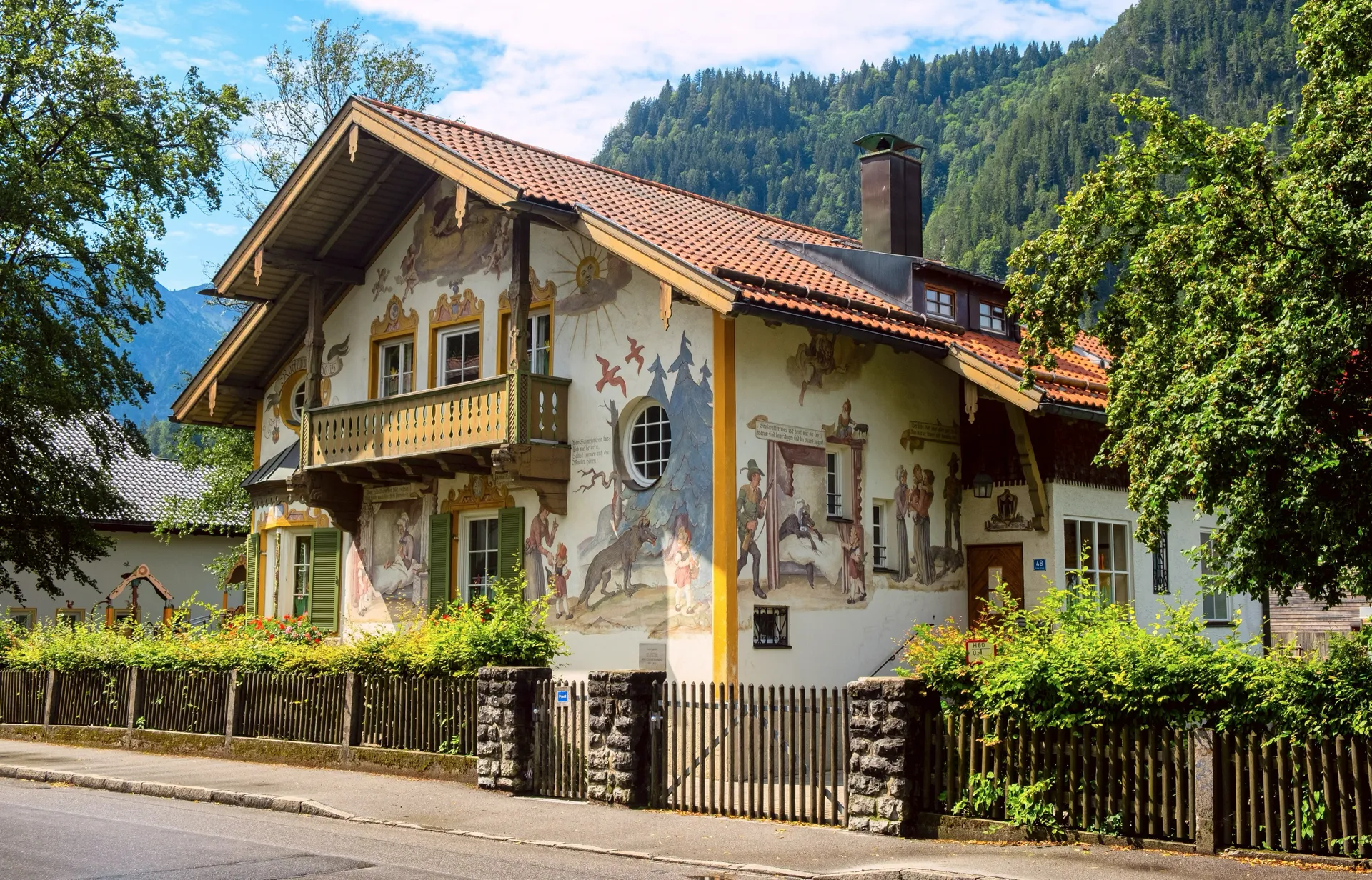
Mezi léty pašijových her spočívá kouzlo Oberammergau v jeho mimořádném Lüftlmalerei — malovaných fasádách, které proměňují obyčejné domy v otevřené galerie pod širým nebem. Tato bavorská tradice iluzivního exteriérového malířství zde dosahuje svého vrcholu, kdy jsou domy po celé vesnici zdobeny scénami z pohádek, náboženských příběhů a místní historie, ztvárněnými ve stylu, který spojuje lidové nadšení s opravdovým technickým umem.
Společnost Tauck zařazuje Oberammergau do svých bavorských a alpských itinerářů, přičemž vesnice slouží jako základna pro objevování okolních Ammergau Alp. Nedaleký zámek Linderhof — nejintimnější královské sídlo Ludvíka II., inspirované Versailles, ale přizpůsobené pro soukromé potřeby jednoho výstředního krále — a klášter Ettal, jehož barokní interiér kostela dosahuje úrovně dekorativní extravagance hraničící s halucinací, poskytují další kulturní hloubku.
Od června do září panují nejpříjemnější podmínky pro návštěvu, avšak roky konání Pašijových her (příští: 2030) přitahují návštěvníky z celého světa a vyžadují rezervace plánované na roky dopředu, nikoli měsíce. Oberammergau dokazuje, že největším pokladem vesnice může být nehmotný dar — čtyřsetletý slib, který je věrně dodržován a proměňuje celou komunitu v živé divadlo každé desetiletí.
Gallery