Německo
Treis-Karden
20 voyages
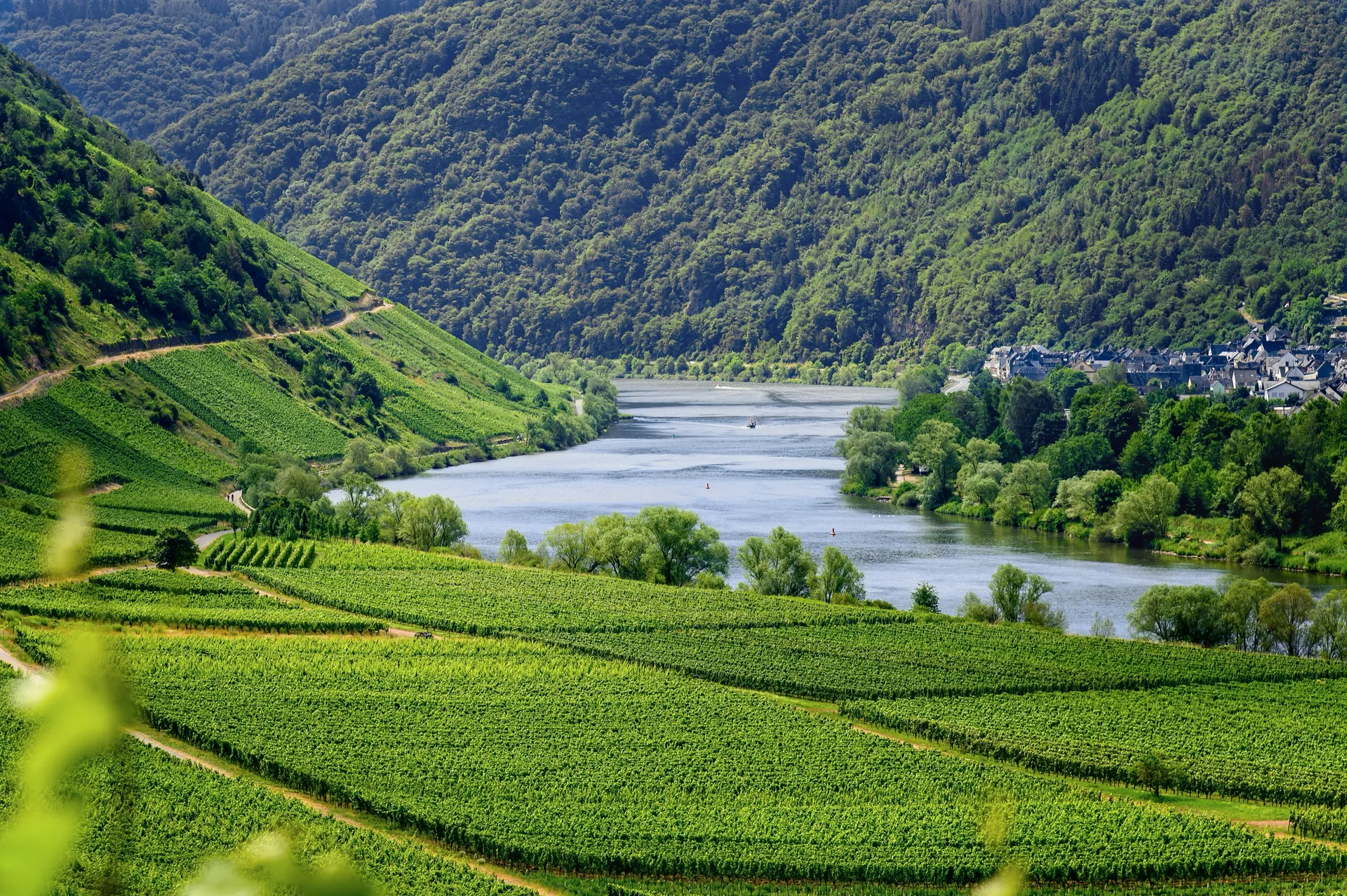
Treis-Karden se rozkládá v mírném záhybu řeky Mosely, přibližně v polovině cesty mezi Cochemem a Koblenzem, v úseku údolí, kde vinice stoupají po strmých břidlicových svazích do závratných výšek a středověké vesnice se objevují za každým zákrutem s pravidelností scén z pohádkové knihy. Městečko je vlastně spojením dvou historických sídel — Treisu na severním břehu a Kardenu na jižním — propojených mostem, jehož výstavba v roce 1965 formalizovala vztah, který geograficky a řeka samy definovaly po staletí. Karden je z těchto dvou starší a historicky významnější, jeho Stiftskirche (kolegiátní kostel) svatého Kastora pochází z dvanáctého století a patří k nejkrásnějším románským kostelům v údolí Mosely.
Charakter Treis-Kardenu je typicky moselský — intimní, vinicemi ověšený a prostoupený zvláštním klidem, který si říční údolní města vybudovala během staletí pomalého, uváženého života. Stiftskirche svatého Kastora, se svými dvojitými věžemi a románským portálem, dominuje panoramatu Kardenu a ukrývá středověké fresky, zdobený gotický oltář a pokladnici církevních předmětů, jež svědčí o náboženském významu tohoto místa již od raně křesťanské éry. Sám svatý Kastor, misionář ze čtvrtého století, který šířil evangelium v moselském regionu, je zde pochován. Polodřevěné domy lemující úzké uličky pod kostelem vytvářejí ulice, které se od šestnáctého století téměř nezměnily; jejich balkony zdobené květinami a vyřezávané dveřní rámy ztělesňují estetickou péči, kterou Němci vkládají do své domácí architektury.
Víno z údolí Mosely je tekutým vyjádřením jeho krajiny. Vinice kolem Treis-Kardenu, téměř výhradně osázené odrůdou Riesling na svazích z šedého devonského břidlice, která pohlcuje a vyzařuje teplo slunce, produkují bílá vína mimořádné jemnosti — květinová, minerální, s elektrizující kyselinkou, která odlišuje moselský Riesling od všech ostatních podob této odrůdy. Místní Weingüter (vinařské usedlosti) vítají návštěvníky k degustacím v atmosférických sklepích vytesaných do svahu, kde kamenné stěny vlhnou tou samou minerální vlhkostí, která živí vinice nad nimi. Sklenka Spätlese Rieslingu na terase s výhledem na řeku, pozdně odpolední slunce hřející břidlicové terasy nad ní, je jedním z nejvybranějších potěšení Německa.
Za vesnicí zve údolí řeky Mosely k objevování pěšky, na kole či lodí. Cyklostezka Mosela — jedna z nejoblíbenějších dálkových cyklotras v Německu — prochází Treis-Karden, nabízí rovinatou, bezautovou jízdu podél břehu řeky s vinicemi pokrytými svahy na obou stranách. Hrad Eltz, jeden z nejlépe zachovaných středověkých hradů v Německu, leží pouhých dvanáct kilometrů po přítokovém údolí — jeho pohádková silueta, vystupující z lesnatého vrcholu obklopeného ze tří stran potokem Elzbach, zdobí starou pětistovku německých marek. Cochem s rekonstruovaným hradem Reichsburg a rušným nábřežím je nedaleko proti proudu, zatímco po proudu se Mosela blíží ke svému soutoku s Rýnem u Deutsches Eck v Koblenzi, kde se setkávají dvě velké řeky pod jezdeckou sochou císaře Viléma I.
Treis-Karden je pravidelnou zastávkou na plavbách po řece Mosela mezi Koblenzem a Trevírem a je také dostupné vlakem (železnice Mosela spojuje všechna údolní města) a autem po příjezdové silnici B49 podél řeky. Nejkouzelnější období k návštěvě je vinobraní od září do října — vinice se zlatí, hroznová šťáva kvasí v sklepech a Weinfeste (vinné slavnosti) oslavují nejvýznamnější produkt údolí hudbou, gastronomií a štědrými degustačními příležitostmi. Jaro (duben–květen) přináší svahy pokryté květy a mírné počasí, ideální pro pěší túry a cyklistiku.
Gallery